July 4 Census

Mammals:

  • Steller sea lion: 1
  • California sea lion: 0
  • Harbour seal: 54 adults, one pup  (June 27: 258)
  • Elephant seal: 1 female
  • Killer whale: 2

Birds:

  • Gulls: 514
  • Pigeon guillemot: 163
  • Cormorants: 13
  • Bald eagle: 3
  • Black oystercatcher: 14 adults (only saw 4 chicks today)
  • Harlequin duck:1
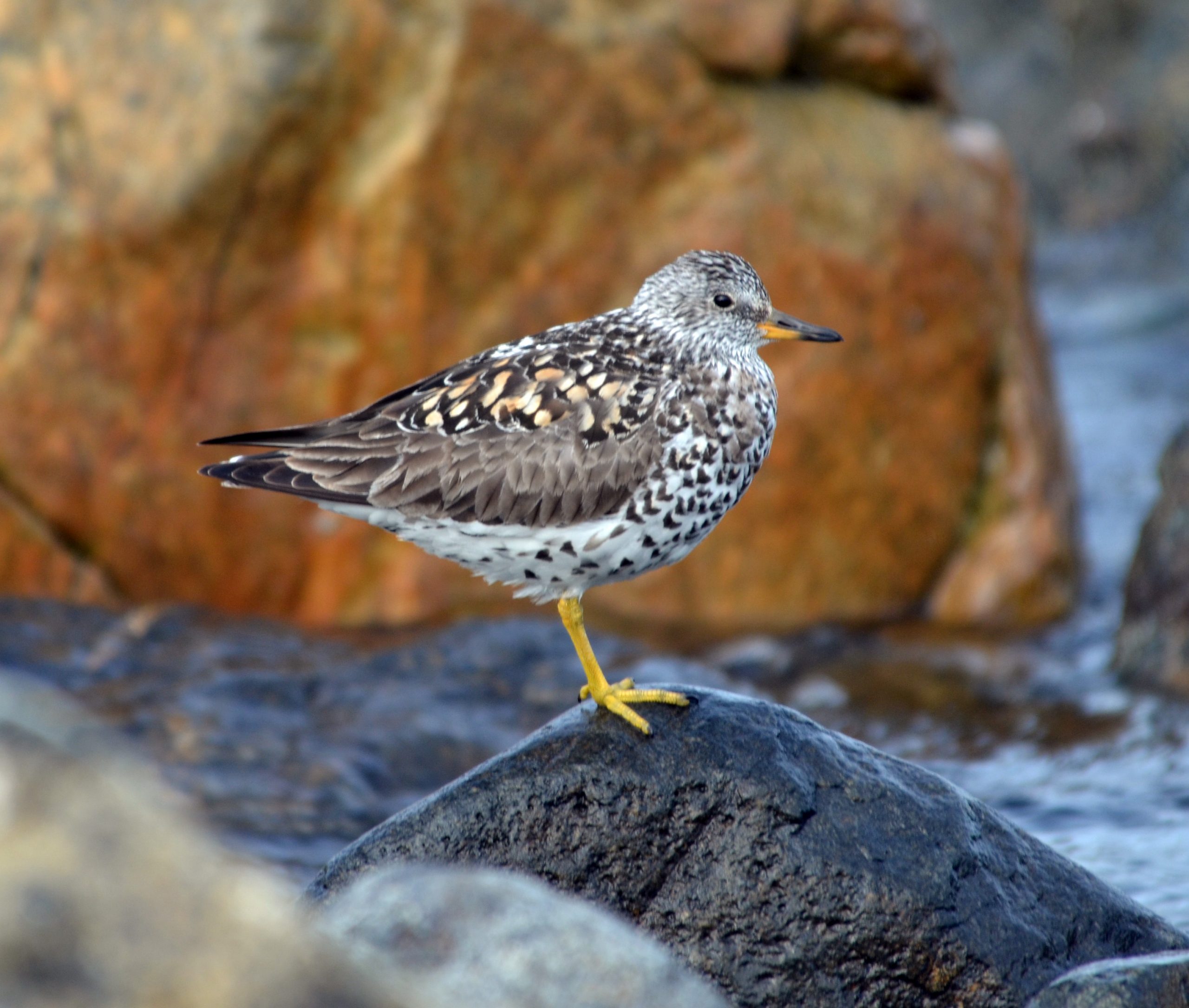
  • Surfbird: 11
  • Black turnstone: 6
  • Western sandpiper: 4

Wildlife observed this week but not on census day was barn swallows and one hummingbird. The Keepers House oyster catchers have moved their two very small chicks down to the west side of the East Beach. The East Beach oystercatchers are on the east side and about 3/4 the size of their parents. There are so many more gull chicks that have hatched putting the gulls on high alert. I was hit twice on my knapsack, and once on my shoulders. It is not possible this time of year to stretch out  laundry to very 3 weeks. I am glad to have my helmet and am developing an uncanny sense of when to duck or swivel.

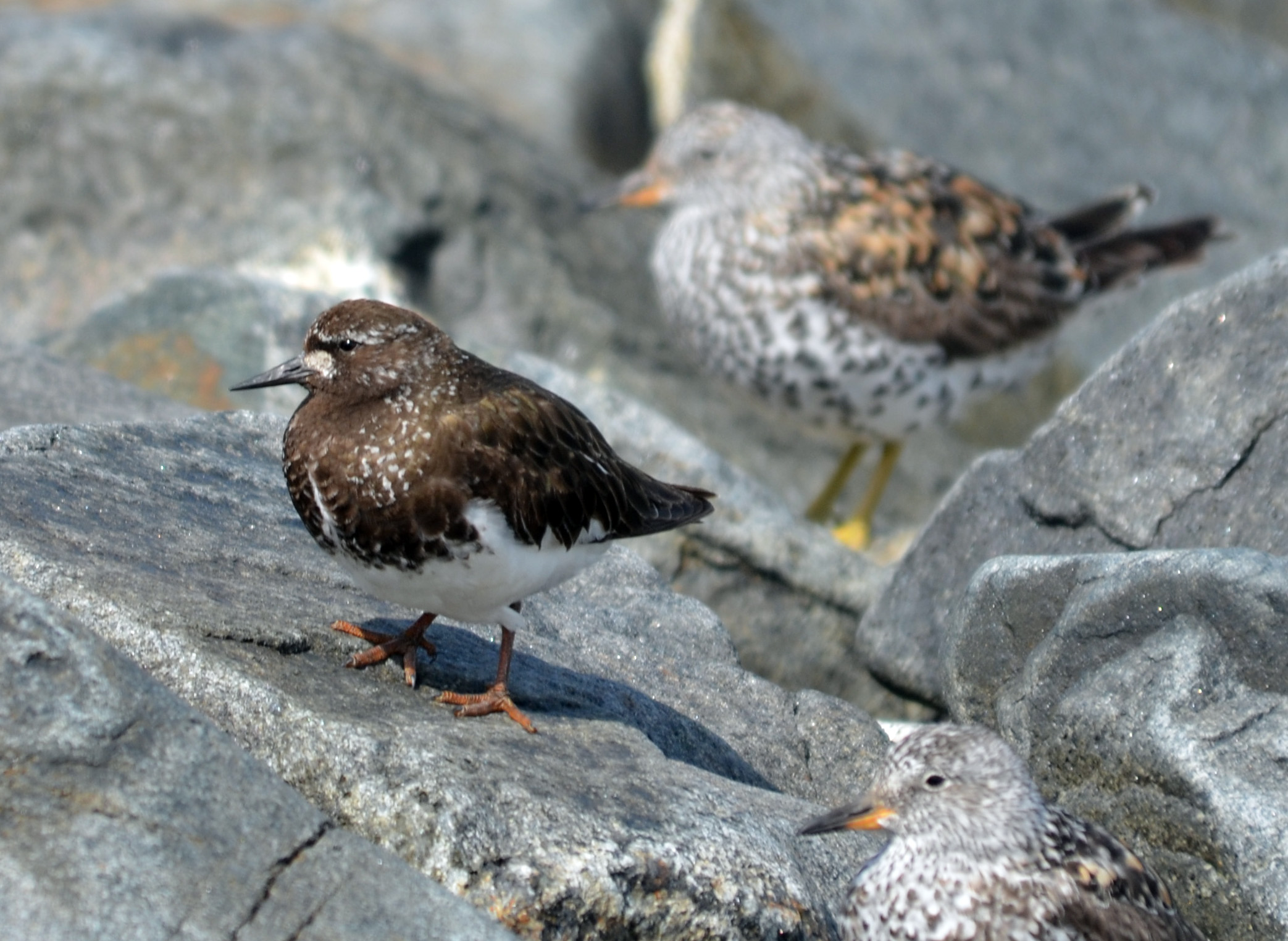
Black turnstone with two surfbirds.

Sidewalk gull’s newly hatched chick. The only egg of her three to make it.

Facility work

  • cleaned solar panels
  • cleaned Keeper’s House outside windows

Vessels

  • Ecotourism: 14
  • Private: 3

Weather

Patches of fog in the morning then scattered clouds.  Fresh westerly breeze until 4pm, gale force by early evening. Daytime temperatures: low 10, high 14.

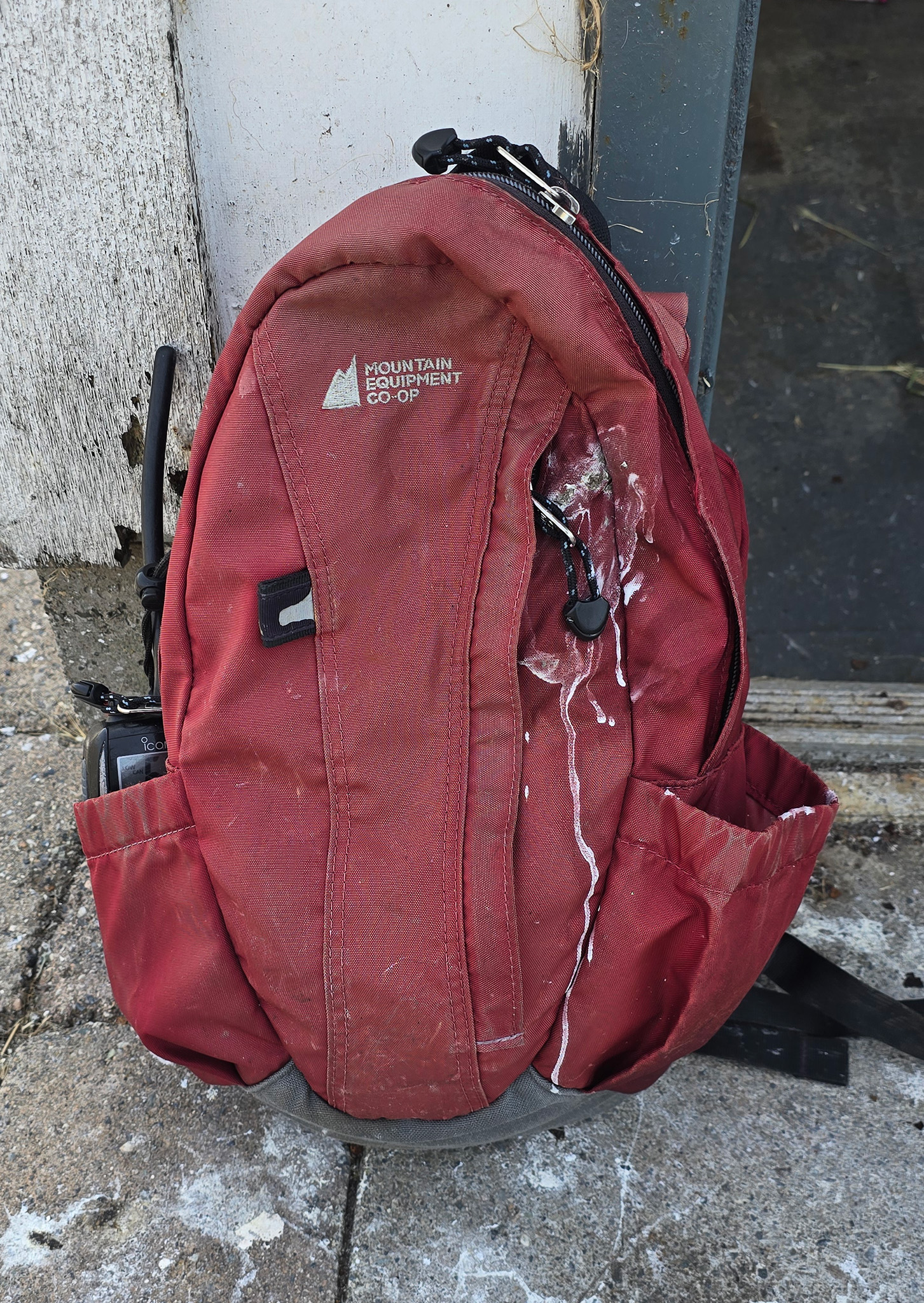
My knapsack (with the VFH radio, camera, binoculars and cell phone) after I cleaned off the first hit. The gull managed to even fill the side pocket.

The first surfbirds

Wildlife notes

Six surfbirds visited east beach today. They are returning from their breeding grounds in Alaska and the Yukon, still dressed in their breeding plumage. They nest inland in the tundra and spend their winters very close to shore. Their non-breeding range is the narrowest and longest of any North American bird, spanning two continents, almost from tip to tip (see their range map).

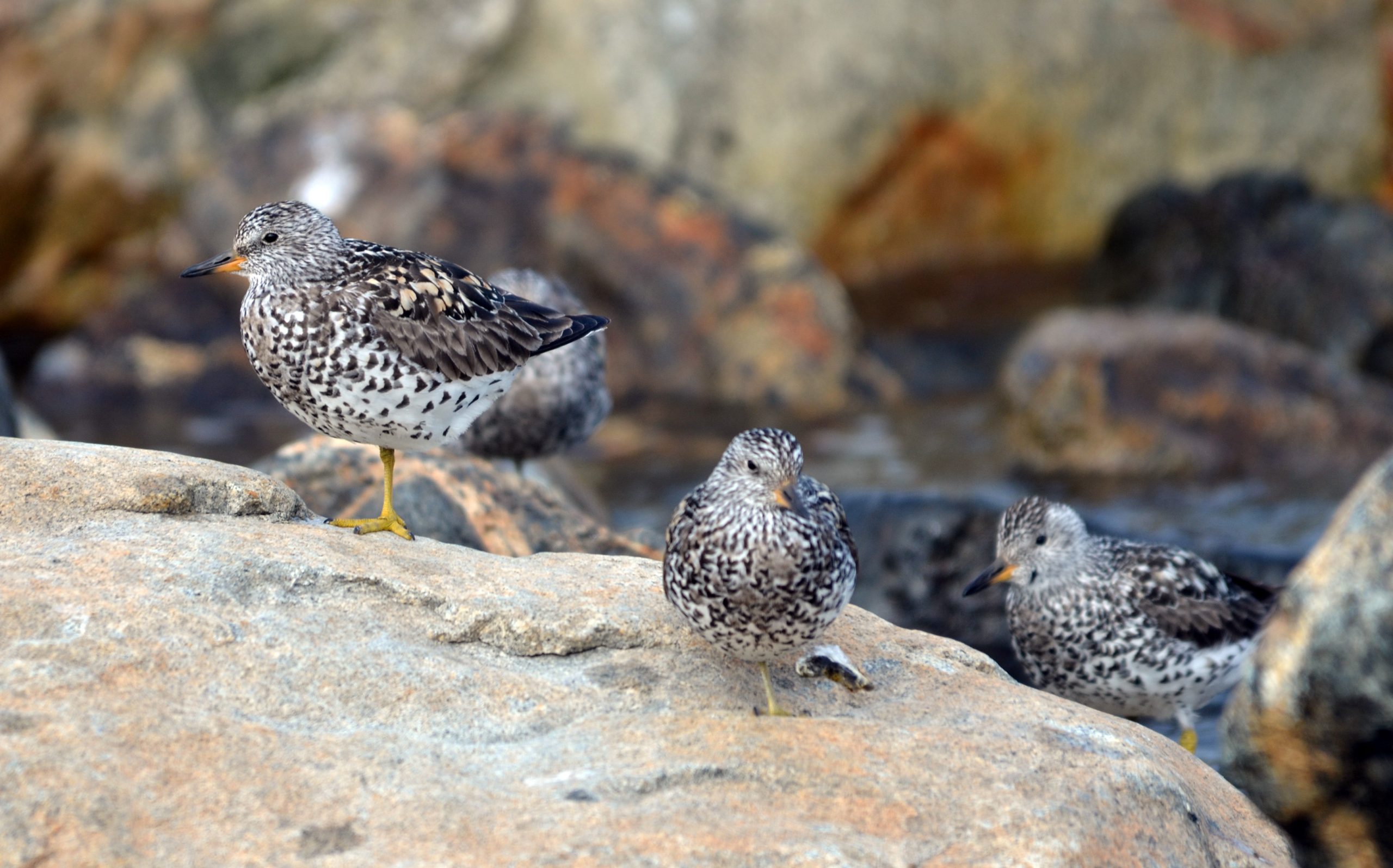
Surfbirds on the east beach rocks.

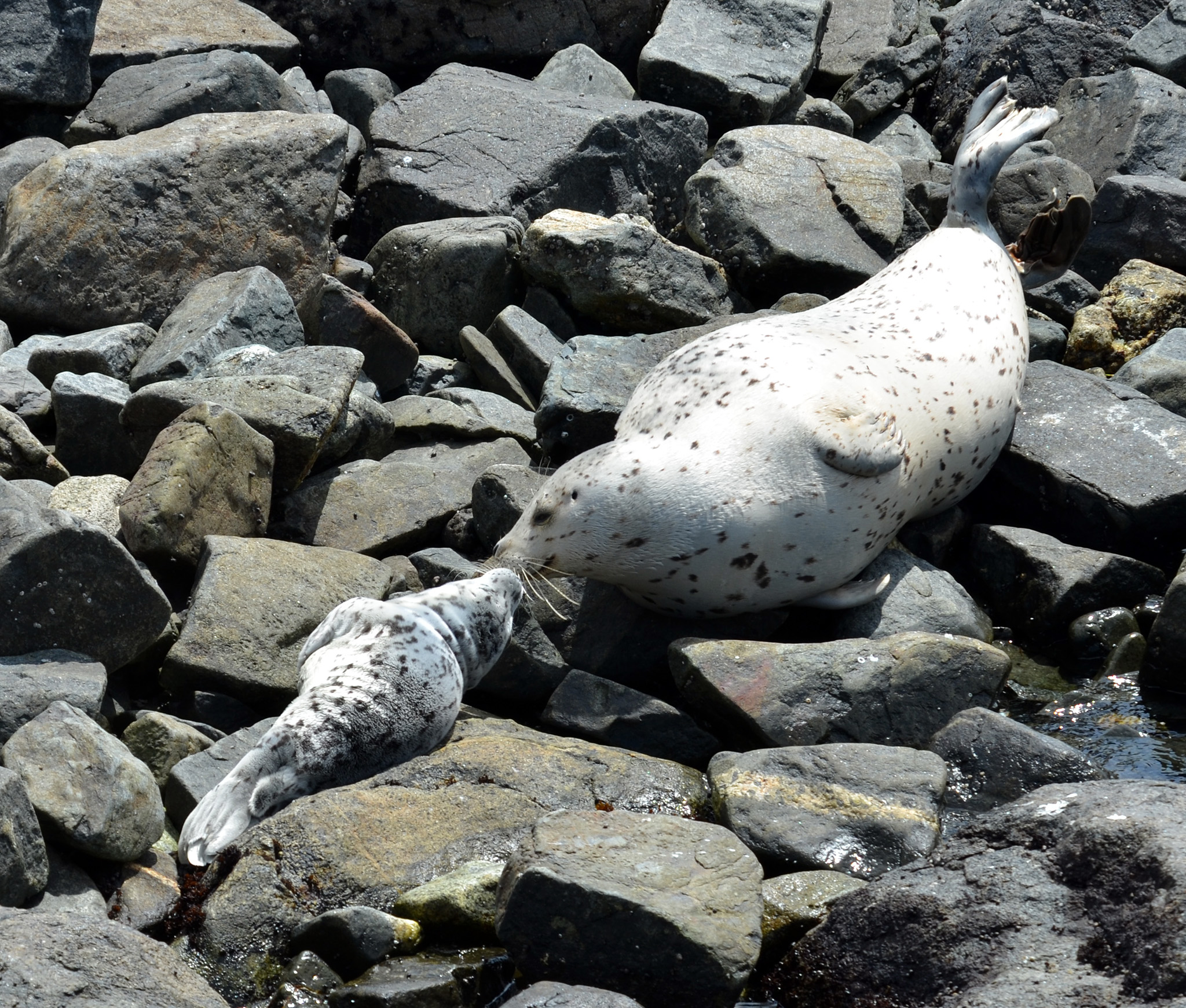
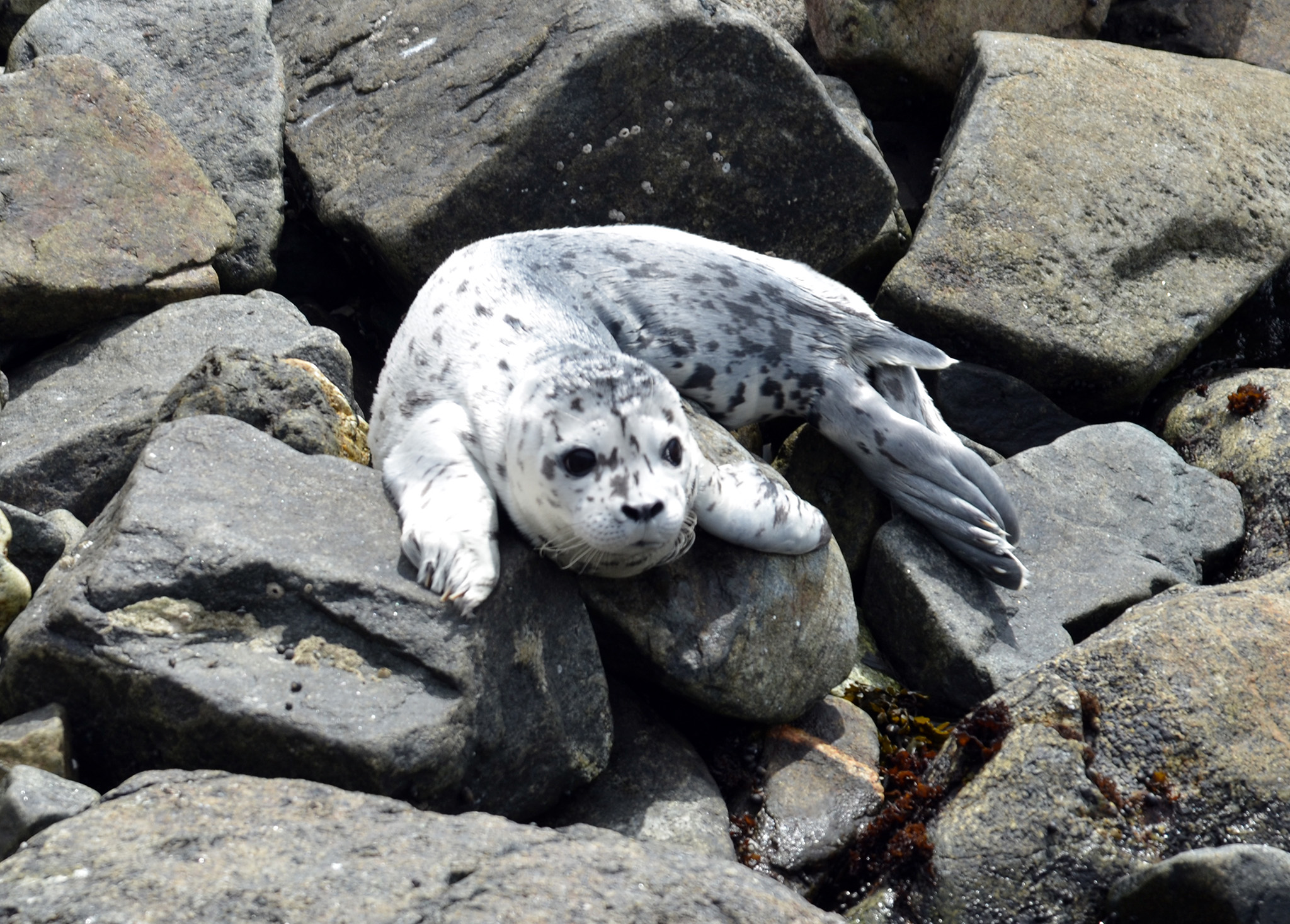
The harbour seal and her pub continue to spend time on the rocks by the Energy Building.  The mother is incredibly attentive and aware of any unusual movements or sounds, just as alert as the oystercatchers.

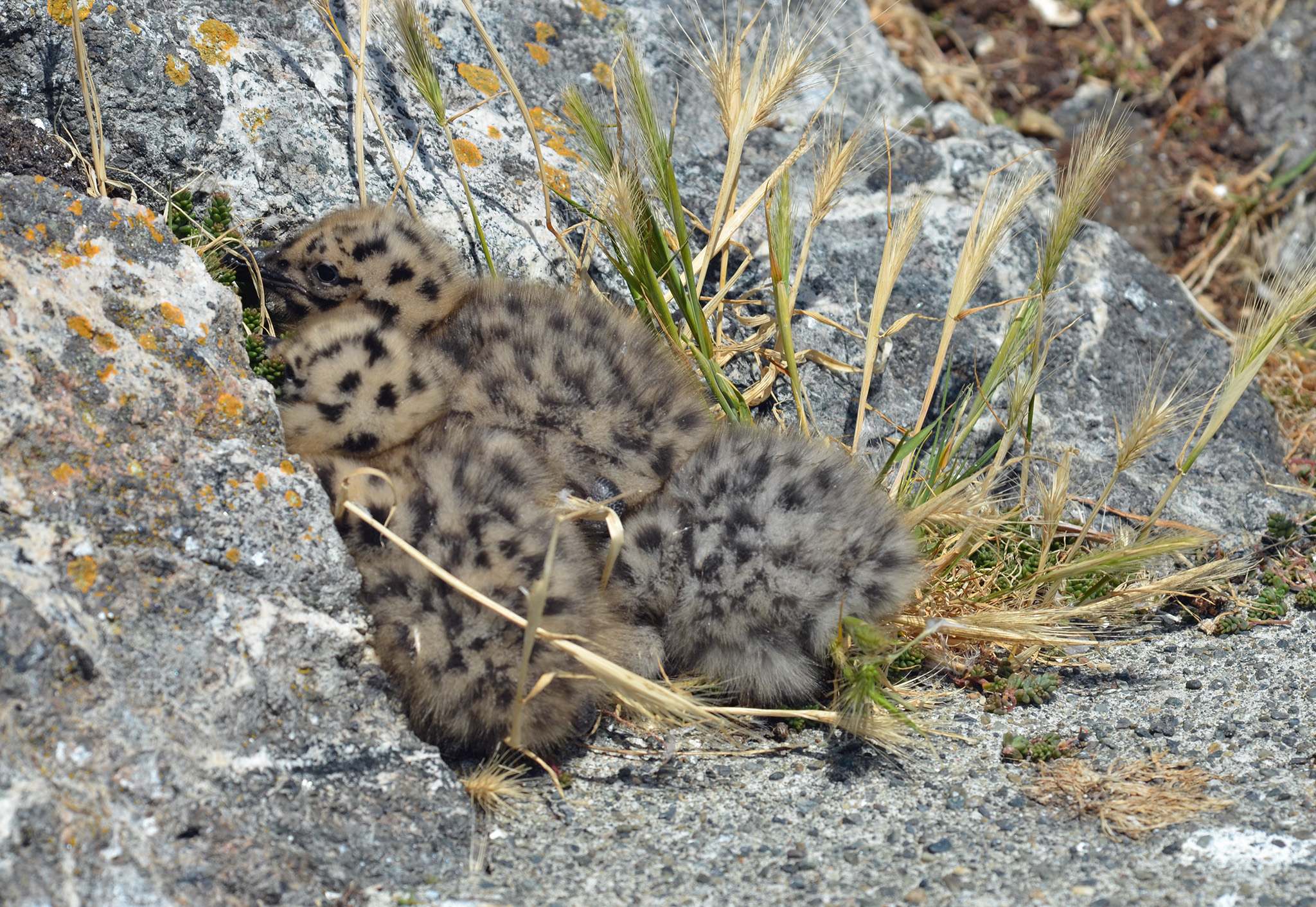
And finally, the gull chicks. They are also incredibly cute and harmless but their parents are fierce.  The Sign gulls have moved their chicks off the rock and onto the walkway. I need to use the walkways here. Stepping off them is not always an option so there was much protest from all involved, except from the chicks which just freeze in the smallest crack or rock that will cast a shadow.

Sign gulls three chicks “hiding” at the edge of the walkway.

Facility work

  • cleaned solar panels
  • cleaned the Jetty camera
  • topped up battery fluids

Vessels

  • Ecotourism: 21
  • Private: 1

Weather

Moderate WNW breeze throughout the day, strong breeze in the evening. Skies scattered clouds, clear by evening. Daytime temperatures: low 11, high 15.

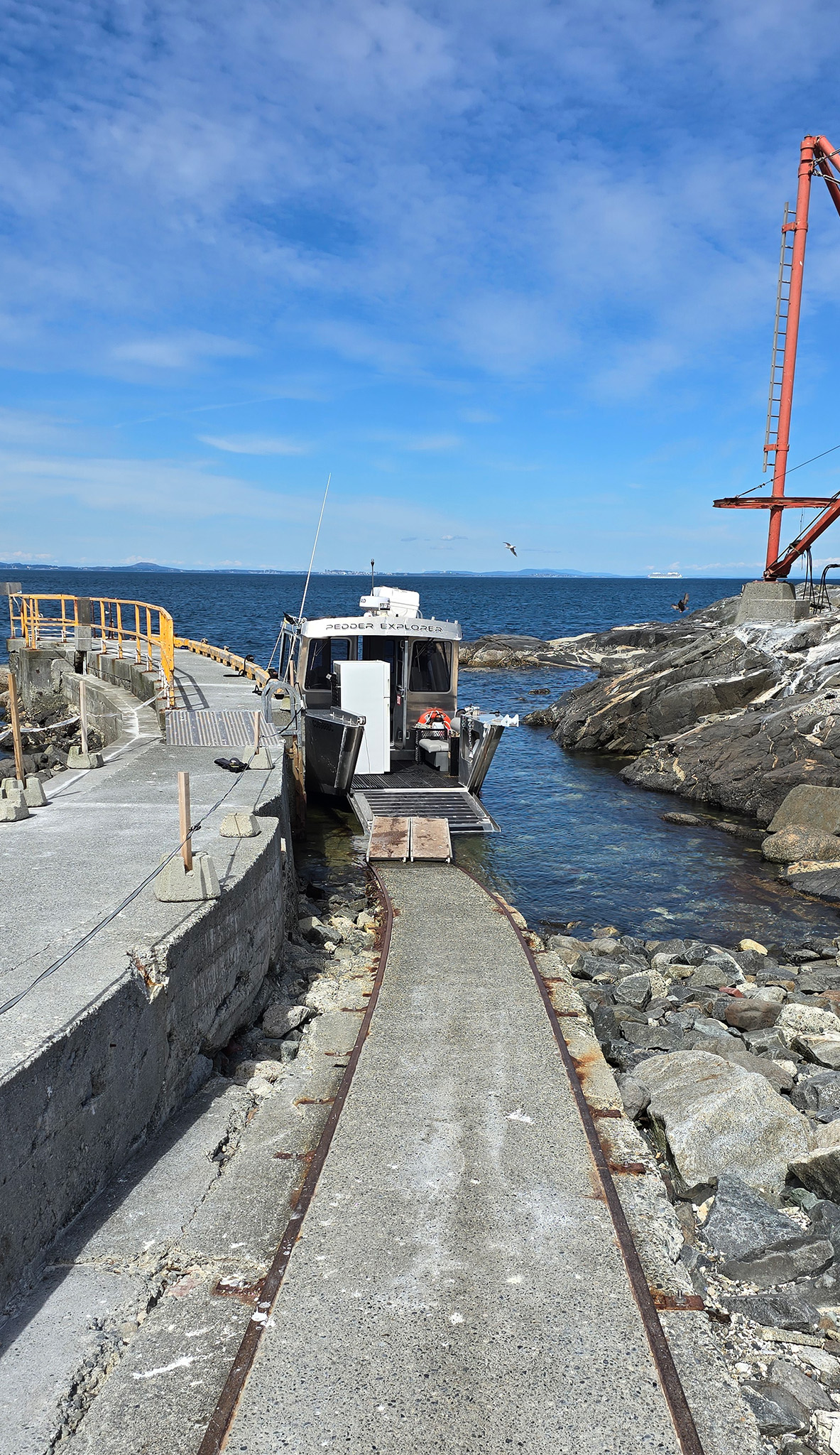
The Pedder Explorer with its loading ramp lowered, taking away the old fridge and other items.

Sun and wind

Wildlife notes

There were periods when the island was quiet and appeared empty with the gulls out feeding. The chicks come out from their cover to feed and surprisingly stand fairly steady in the strong winds. I didn’t see the female elephant seal visit the Jetty today for her soak and there were few instances where all the gulls took to the air. A harbour seal visited the shore with her pup for a while in the morning. I spent most of the day inside cleaning and watching the waves, glad to be on land and not in a small boat taking a beating.

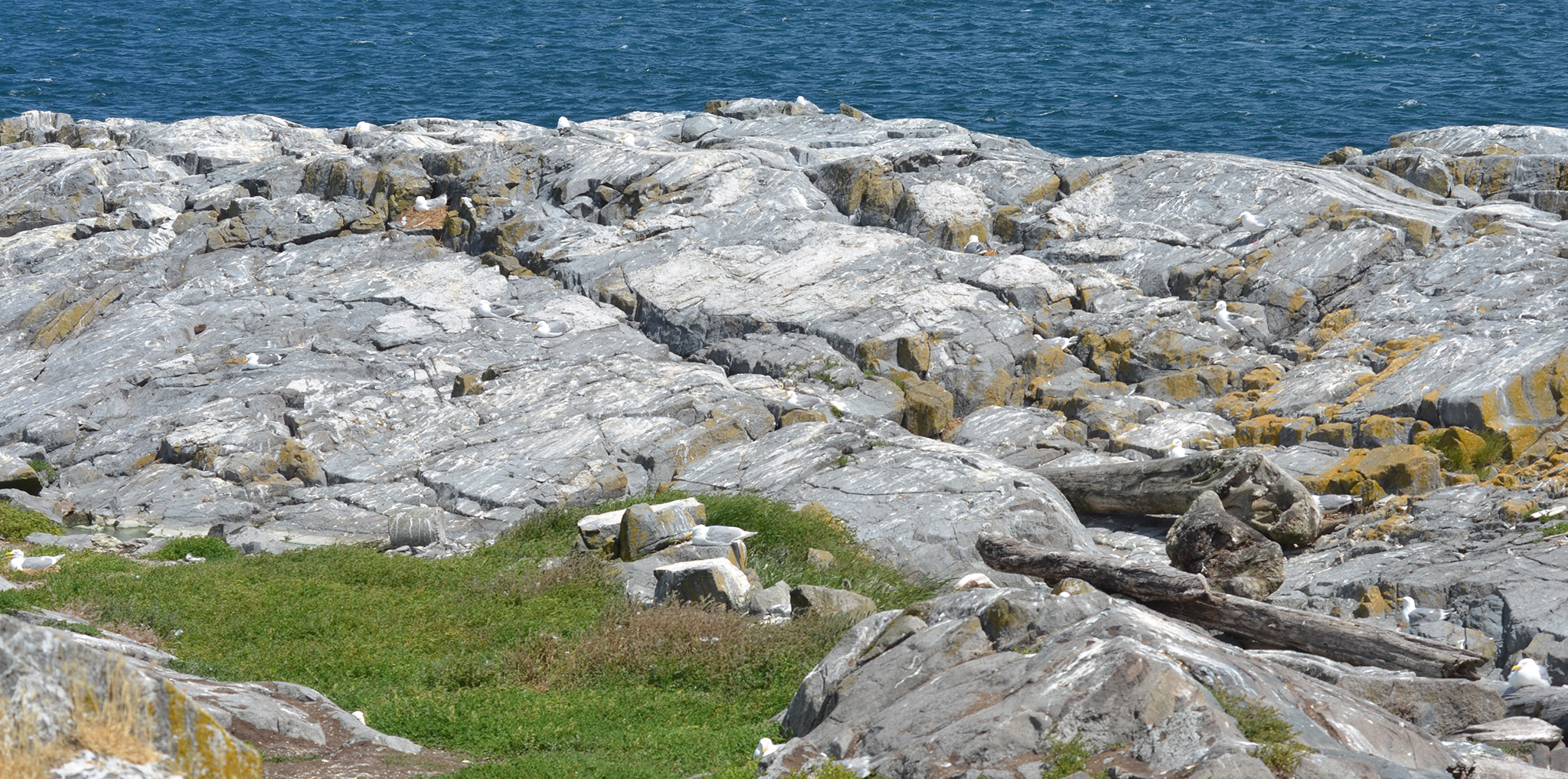
The rocks clear of gulls in the morning.

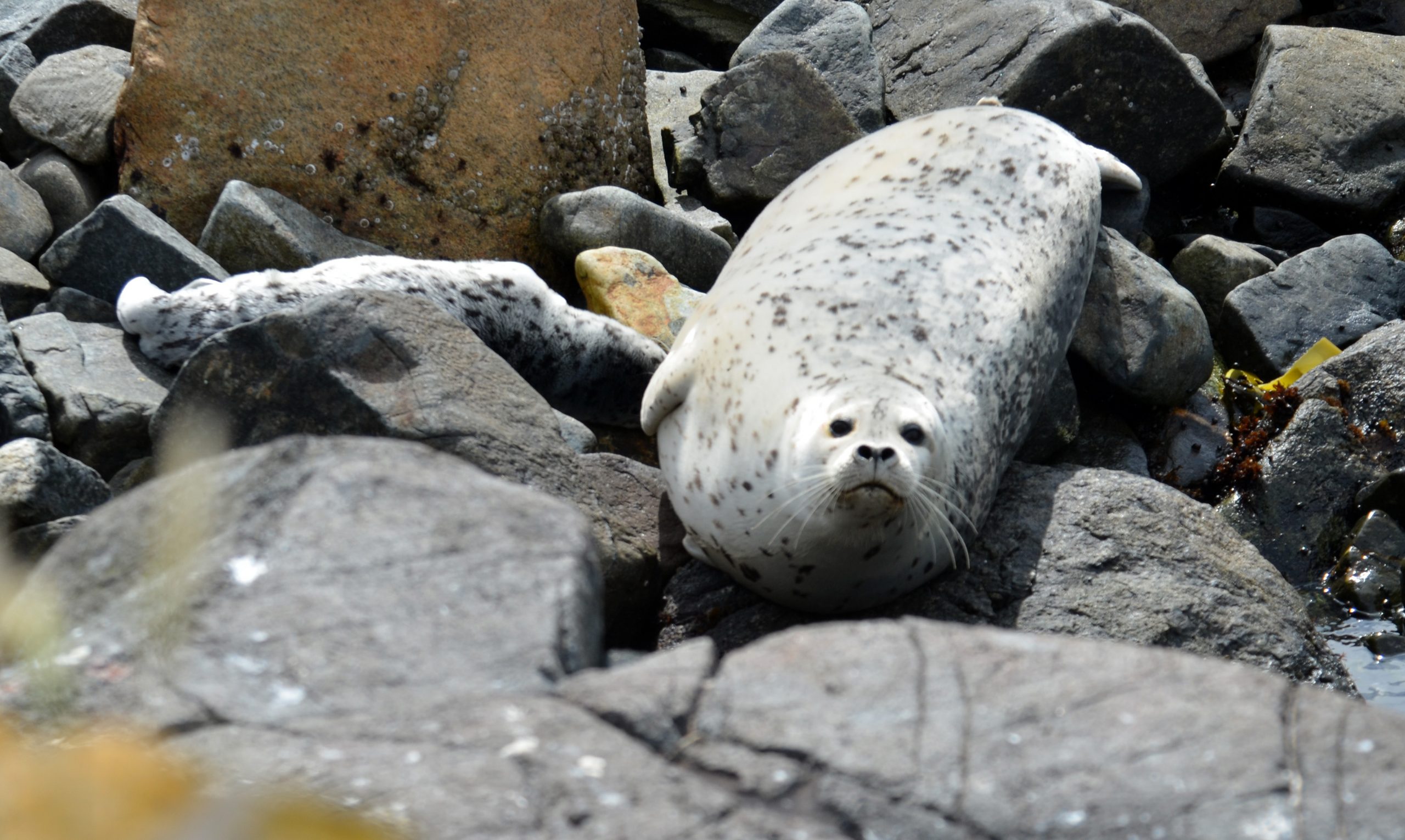
Harbour seal and her pup on the southwest shore.

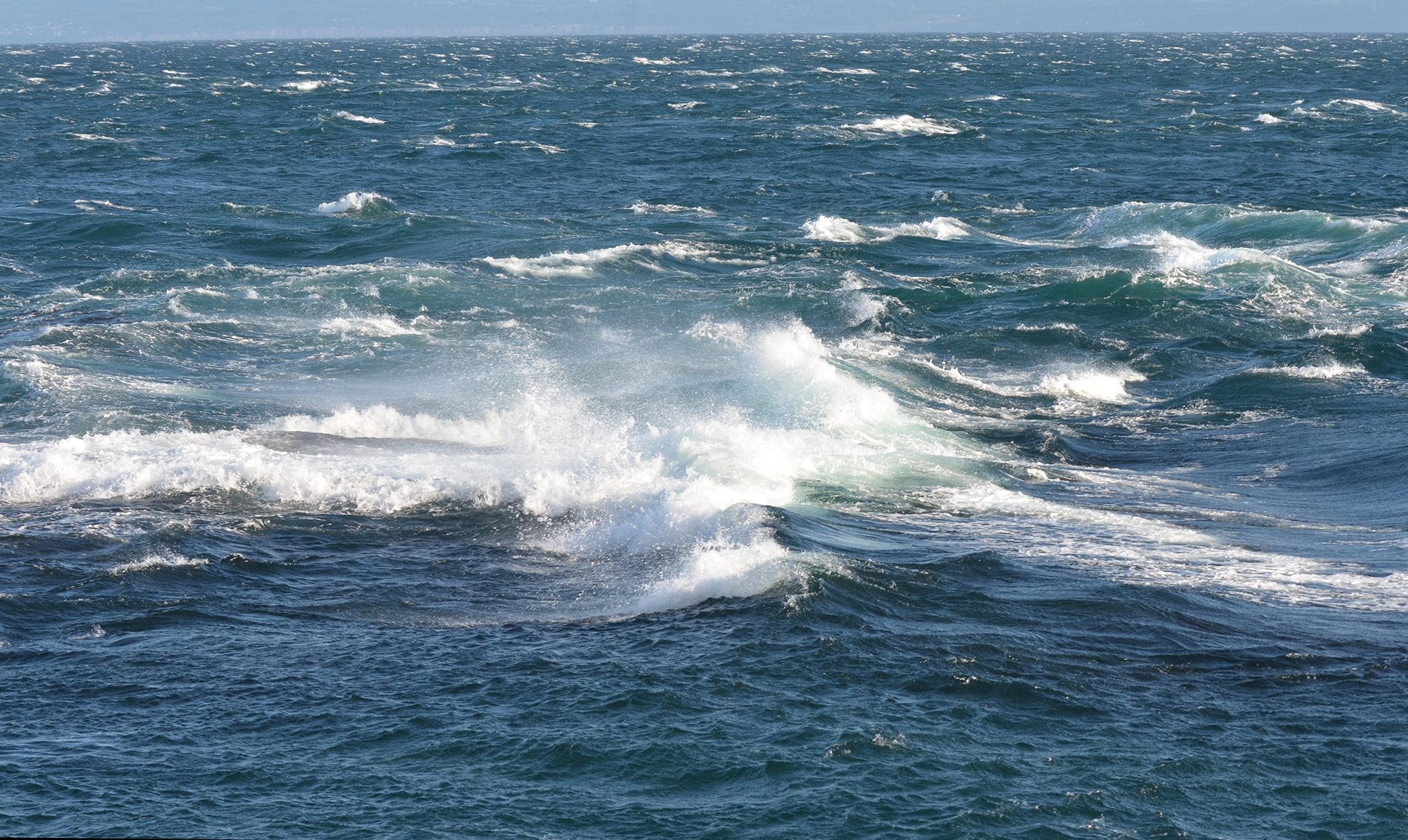
The seas by the Energy building in the early evening.

Facility work

  • cleaned solar panels
  • cleaned furnace vents in the Keeper’s house

Vessels

  • Ecotourism: 0
  • Private: 0

Weather

Sunny with scattered clouds. Steady WNW near gale increasing to gale force by early evening reaching 39 knots. Daytime temperature: low 11, high 16.

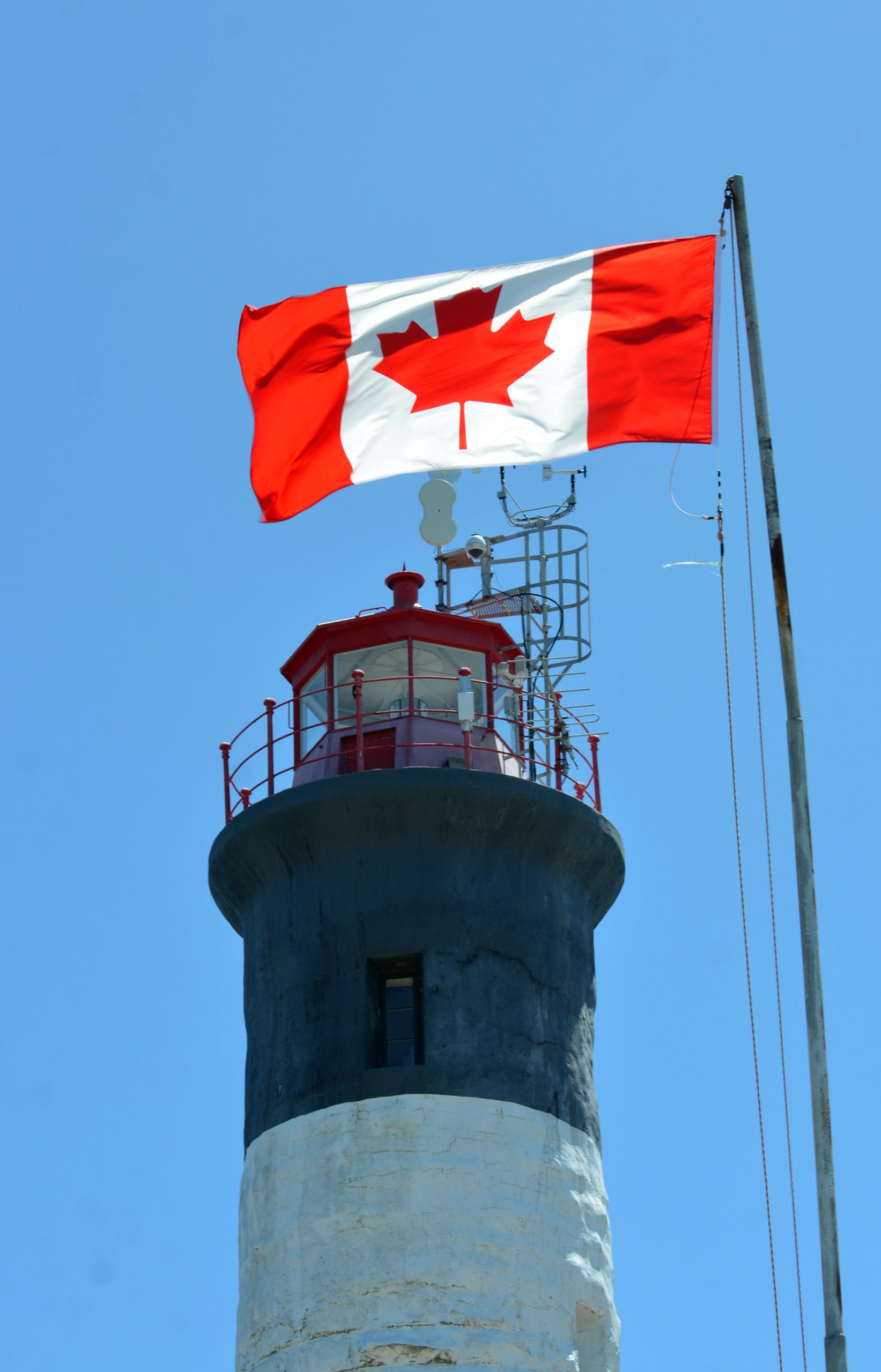
Happy Canada Day 2025!

Race Rocks Light House on Canada Day.  Just a few hours later the flag was lowered and tied to the pole as the winds reached full gale force by early evening.

Wildlife notes

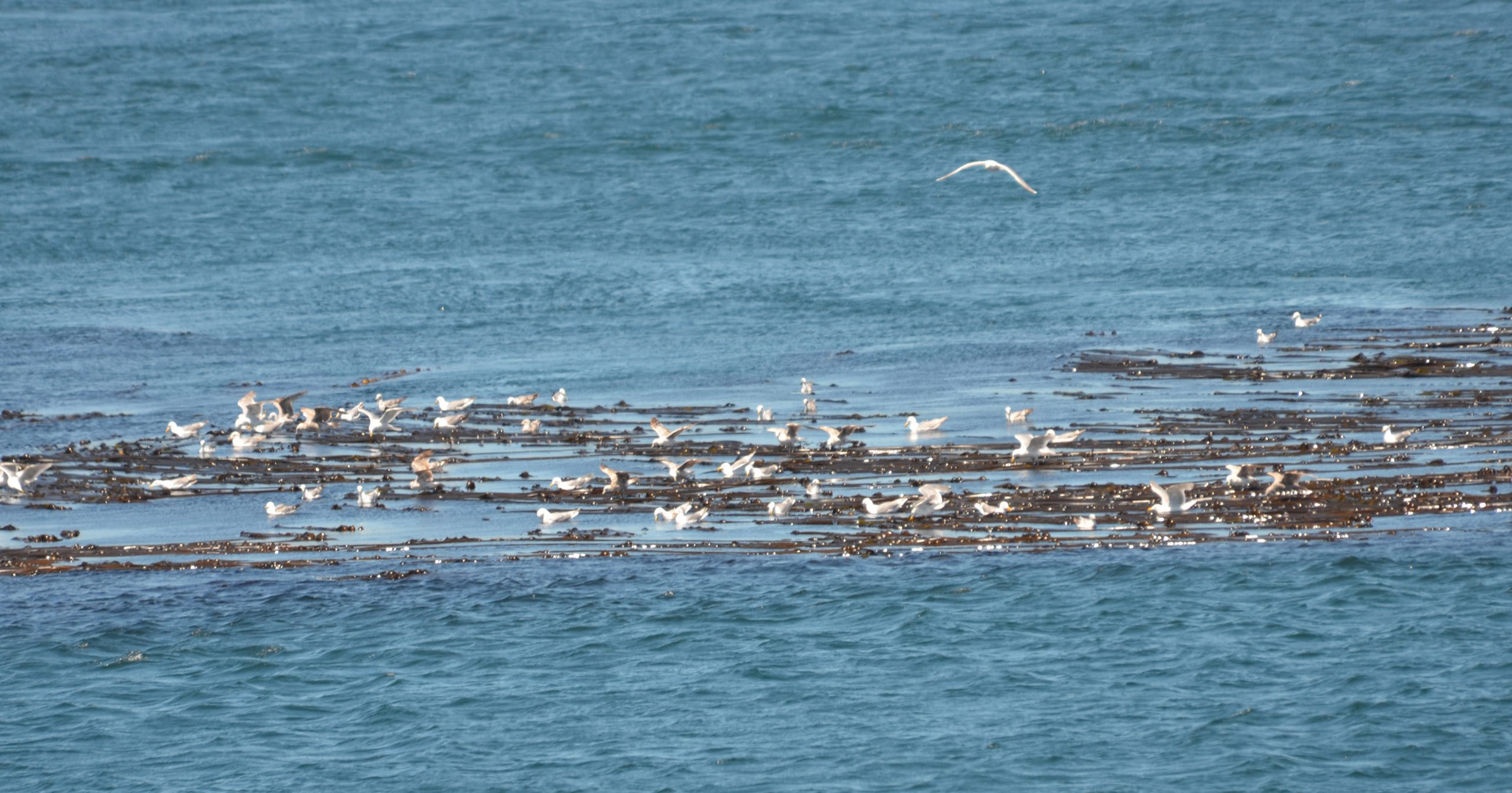
There must have been a bounty in the kelp beds midday as most of the gulls except those on nests were out there for a feast. They gathered in the kelp beds on the north and north east side but not the others.

Facility work

  • cleaned the solar panels
  • worked on the month end report

Vessels

  • Ecotourism: 6
  • Private: 3

Weather

Clear skies with periods of fog. Moderate WSW and W breeze until early afternoon. Winds building to a strong W gale with winds gusting to 46 knots in early evening. Daytime temperatures: low 10, high 11.

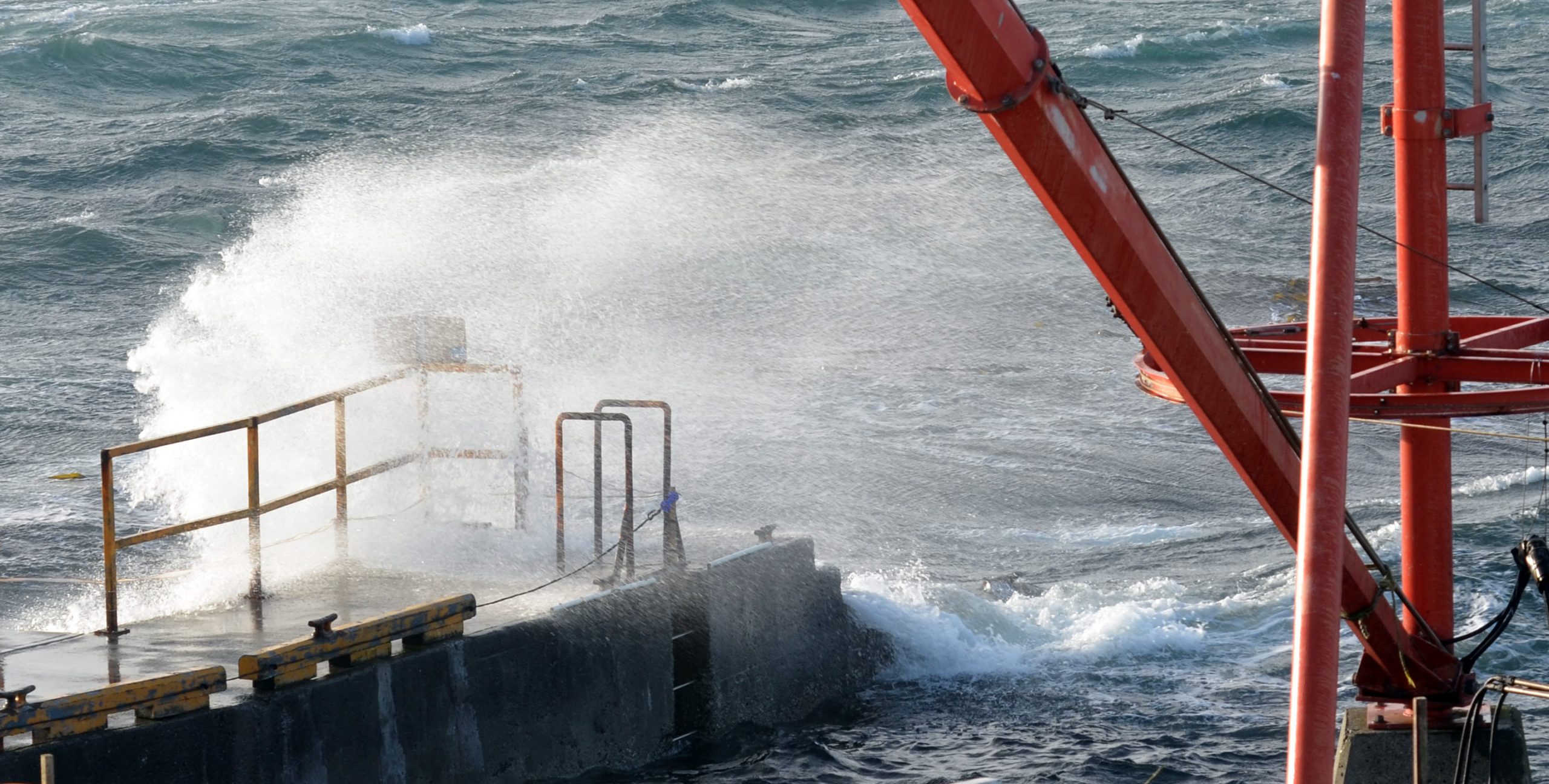
Conditions on the Jetty this evening at the time when the sea surface temperature and salinity measurements should have been measured. It is exciting to watch the seas in these high winds with gusts up to 46 knots, although it is becoming difficult to see clearly through the windows covered in water droplets.

June 2025 Seawater Data

Daily surface temperature and salinity readings taken at the time of maximum flooding current.

Station RACE ROCKS
Observer Christine Month: June
YSI ID: 3 Year: 2025
YSI YSI
Temp Salinity
Day Time ºC ppt
1 19:45 9.2 30.4
2 20:35 10.0 29.9
3 . . .
4 10:15 10.2 30.0
5 12:25 10.9 29.2
6 12:35 11.0 29.2
7 12:40 11.3 28.0
8 13:25 11.4 28.8
9 13:36 11.4 28.7
10 14:05 10.8 29.3
11 14:35 10.4 29.2
12 15:20 10.3 28.8
13 15:45 9.8 29.6
14 16:30 10.0 29.0
15 17:15 9.9 29.5
16 18:03 10.1 29.7
17 17:00 10.1 28.7
18 18:05 9.9 29.9
19 . . .
20 10:00 9.7 29.7
21 11:30 9.7 29.7
22 12:15 9.7 29.9
23 13:00 9.6 30.0
24 13:33 9.6 29.6
25 14:23 9.1 30.2
26 15:17 9.0 29.9
27 16:33 9.1 30.3
28 17:36 9.0 30.0
29 18:25 9.7 30.2
30 . . .

Banded gulls, June 2025

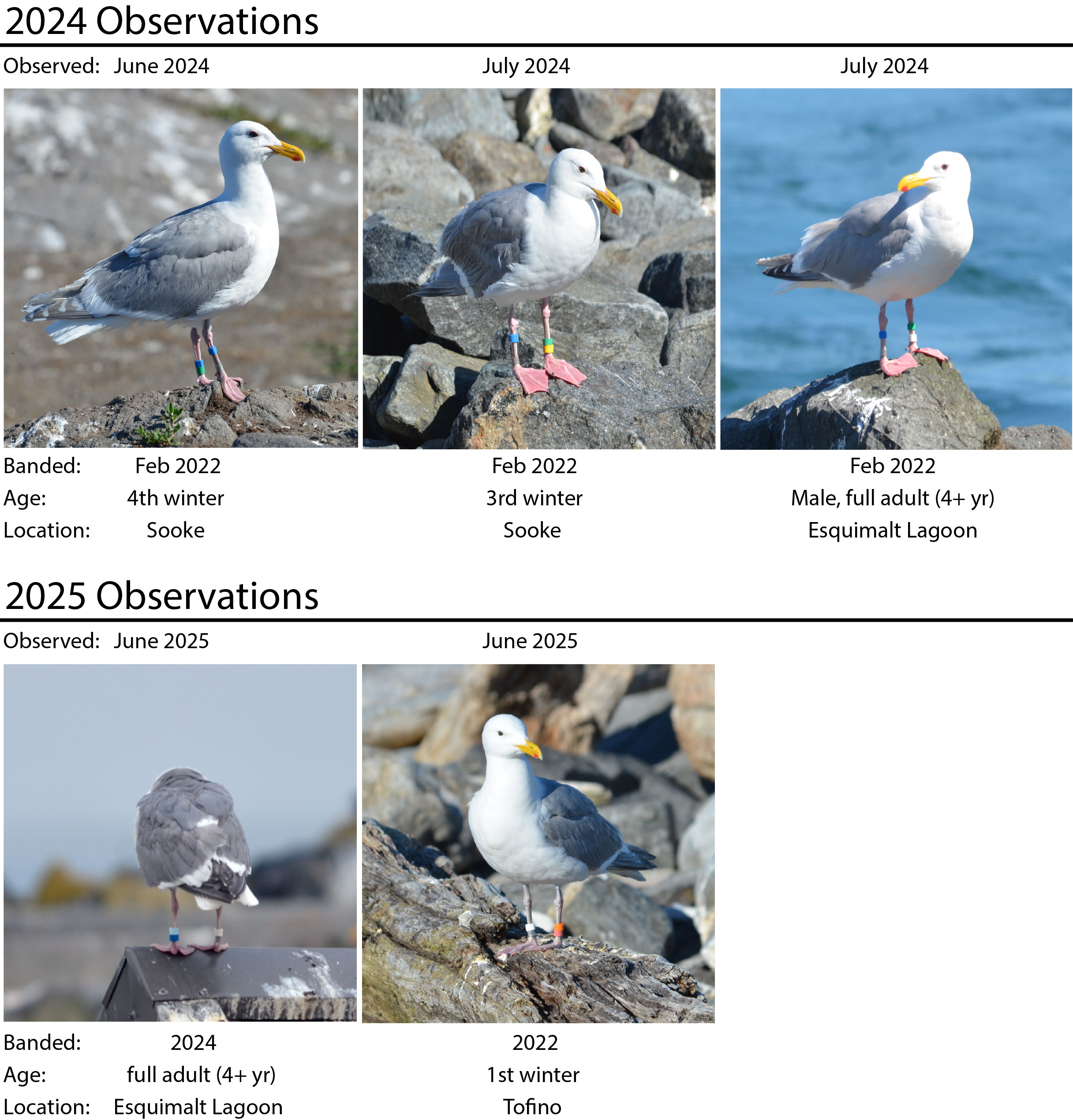
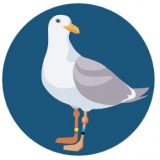
The glaucous-winged gulls that breed and nest on Race Rocks are present year-round in the Salish Sea. They are being studied as indicators of ecosystem health by Environment and Climate Change Canada’s Salish Sea Marine Bird Monitoring and Conservation Program. Individual birds are identified by their colour bands. This allows researchers to track their movements over time, their location preferences (site fidelity) and survival. They also collect blood and feathers samples for genetic, physiological, pathogen, parasite and contaminant analyses. Some of the birds get GPS tags so their precise movements can be followed. The project has been running since 2020. The researchers visited over 300 sites and banded over 800 gulls.

I sighted and reported three of the banded birds in June and July 2024 and two so far on June 28 and 29, 2025. The project lead Dr. Mark Hipfner says the last gull reported who was banded in Tofino is of particular interest as it was banded in its first winter of life “…so this is its first year in full adult plumage. These ones are ESPECIALLY valuable because we ultimately want to derive an estimate of age-specific survival and we also want to monitor changes in plumage with age.”

Details of the banded gulls sighted on Race Rocks in June/July 2024 and June 2025.

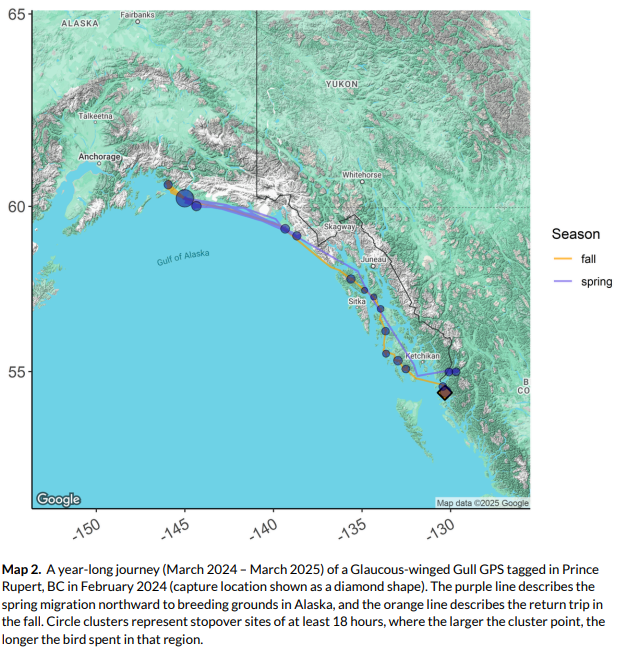
Like the gulls I reported, the majority of glaucous-winged gulls stay close to home. In their 2025 report in Map 2 (see below), they provide the travel details for one adventurous gull who went from Prince Rupert to Alaska to breed and then back again over the course of one year. That inspirational bird spent a lot time in the Copper River Delta and in the area of Kayak Island. I am envious as those are two place I would LOVE to see.

They have one more year to go in the study but will the continue the banding program after that. Soon they will be able to report on gull habitat use, diet (via stable isotope analysis they can tell if the gulls feed in marine versus inland areas), physiological health, age, disease and contaminant levels. From the genomics data they will be able to determine provenance (the location they came from), population structure, and the extent of hybridization.

To learn more about this project and the banded glaucous-winged, California and short-billed (Mew) gulls, see their 2025, 2023 and 2022 reports.

How to report a banded gull?  Illustration from the ECCC poster

As of this spring, they had over a 1000 reports of banded gulls from the public. To contribute to this project and report a banded gull, take a photo showing the bands, record date and location and send to:


Wildlife notes:

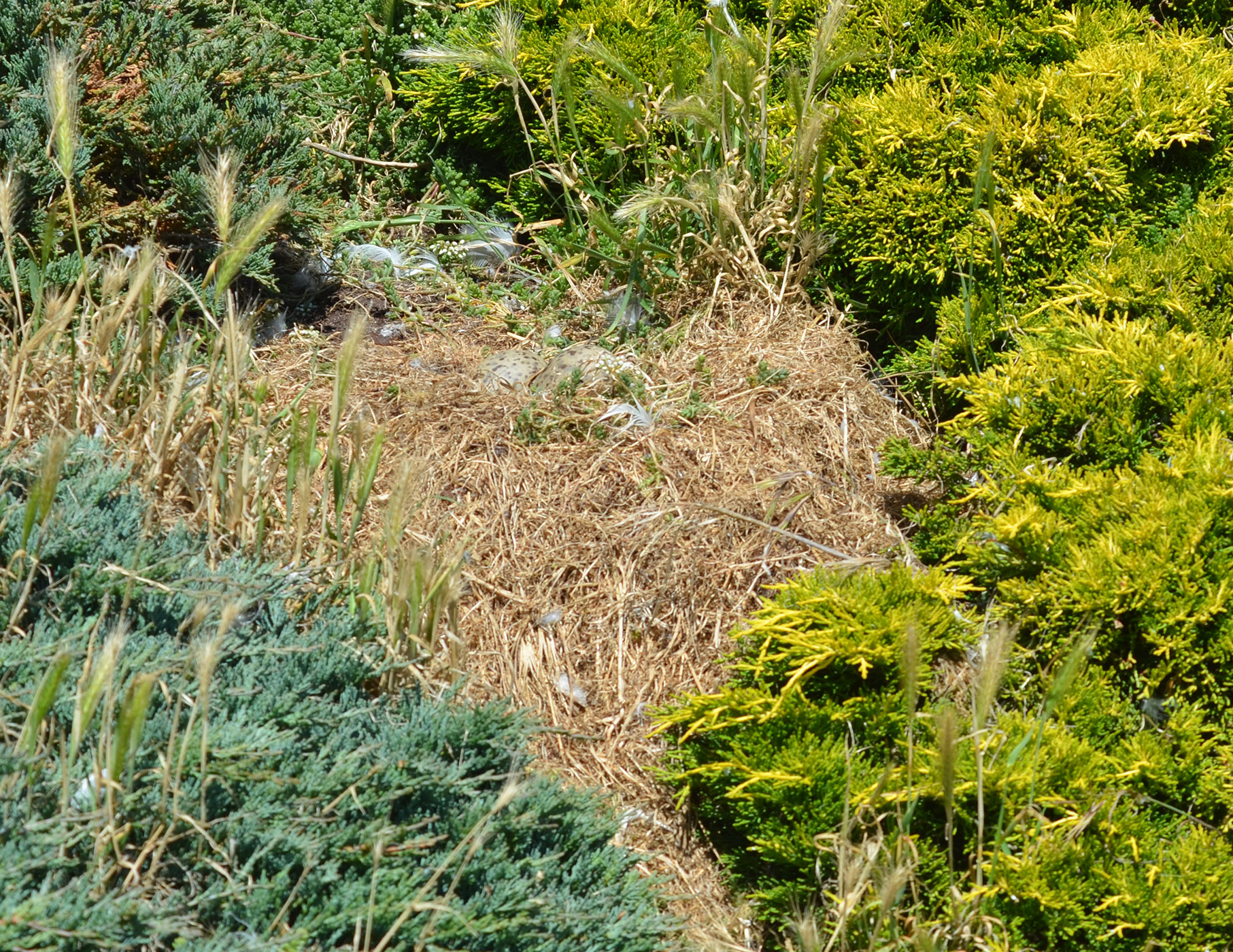
A gull nest with two eggs has been abandoned. “Perfect Perch” (last photographed on her nest on May 29) has not been on the nest for the last three days. This is something I did not observe last summer.  Strangely the eggs are still in the nest and have not been taken.

Perfect Perch’s abandoned nest with two eggs in it on June 30th.

Facility work:

  • cleaned the solar panels
  • worked on Jetty electric fence replacing the gate parts by the steps and the stainless tie bands.

Vessels:

  • Ecotourism: 1
  • Private: 2

Weather:

  • Clear skies. Moderate westerlies building to gale force by early evening! The house is quacking and shaking. Daytime temperatures: low 11, high 15. Some part of Vancouver Island are close to 30 degrees and I have a fire going to warm up the house.

I did not collected the sea water temperature and salinity data tonight at 19:00 as the wind was 35 knots.

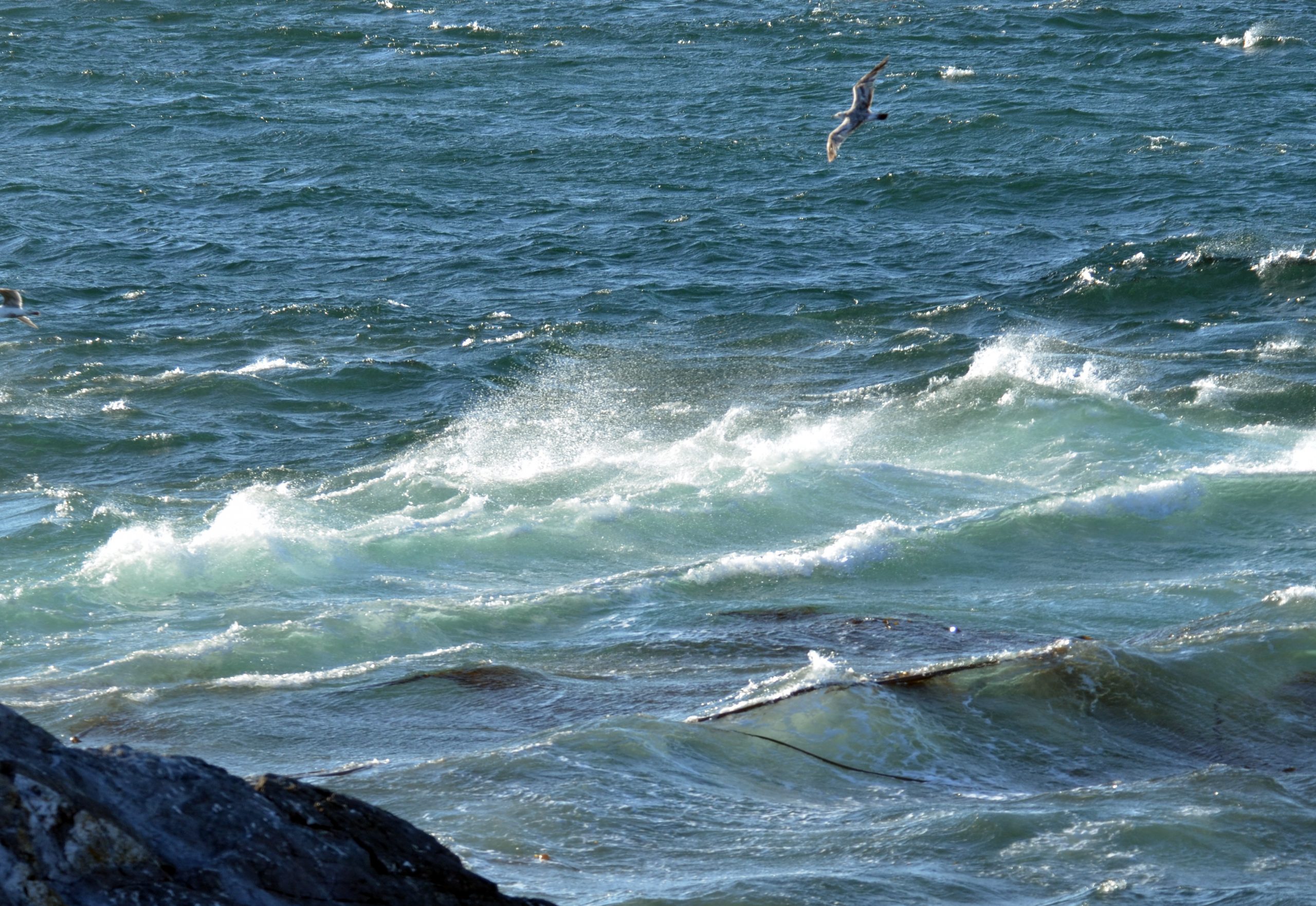
The conditions at the Jetty at 19:00

The wind blowing the tops off the waves.


A grand day out

Wildlife notes

I am preparing myself for the shock of finding dead chicks that have mistakenly wandered into enemy territory. Thankfully I haven’t come across any yet. It was a warm glorious day, a perfect day to admire the harbour seals reluctant to leave Seal Rocks until the waves finally pushed them off.  The Keeper’s house oystercatchers seem to have separated their duties. One is still on the original nest while the other is busy a few feet away feeding the chick that hatched yesterday. A rock pigeon visited today. They are not uncommon in the city or public markets, but here it was a unusual treat to see this bird.

Harbour seal ready for the next wave to hit South Seal Rocks.

Two of the three remaining seals knocked off the rock.

Elephant seal floating in the kelp

Elephant seal ripping off a piece of kelp.

Rock pigeion

Facility notes

  • cleaned solar panels
  • measured specific gravity after the solar panels brought the battery to 100%

Vessels

  • Ecotourism: 18
  • Private: 8

Weather

Winds light and variable. Skies clear. Daytime temperatures: low 13, high 21.

CHICKS!

Wildlife notes

The gull chicks are hatching! It explains why I was decorated by the Sign gull yesterday. This afternoon I discovered two hatched chicks and one egg in their nest. The first kernel in the bag to pop. By evening the new chicks were seen all over. It is helmet time for me or … walk slowly and carry a broom stick. The stick is not for swinging at the gulls but carried over the shoulder as an alternate target

Chim chim cher-ee! An ecoguardian is a lucky as lucky can be.

The Sign gulls and their nest

The Sign gulls nest with two chicks and an egg.

The Keeper’s house oystercatchers also hatched a chick today. A parent was seen on the nest yesterday so it was hatched in the last 24 hours – a day old and walking around. They had three eggs, so maybe tomorrow there may be another chick or two.

Keeper’s House oystercatcher parent with the newly hatched chick.

Facility work

  • cleaned solar panels
  • added fuel to the generator and transfered 100L of fuel to the Energy Building

Vessels

  • Ecotourism: 9
  • Private: 1

Weather

Fog in the morning, clear skies in the afternoon. Moderate SW breeze most of the day.  Daytime temperatures: low 11, high 12.

June 27 Census

Mammals:

  • Steller sea lion: 1  (June 20: 0, June 13: 0, June 7: 2, May 30: 10, May 23: 6, May 15: 21, May 8: 37)
  • California sea lion: 0 (June 20: 1, June 13: 3, June 7: 12)
  • Harbour seal: 258 (June 20: 32, June 13: 211, June 7, 103, May 30: 90, May 23: 50)
  • Elephant seal: 1 female

Birds:

  • Gulls: 587 plus 96 on west shore (June 20: 352, June 13: 603, June 7: 645, May 30: 464, May 23: 467, May 15: 391, May 8: 114)
  • Pigeon guillemot: 153 (June 20: 159, June 13: 36, June 7: 82, May 30: 6, May 23: 30, May 15: 78, May 8: 153)
  • Cormorants: 28
  • Canada geese: 2
  • Bald eagle: 2 adults, 2 immature
  • Black oystercatcher: 14 adults (did not see chicks today)
  • Barn swallow: 2

Wildlife observed this week but not on census day was one Harlequin duck.

Harbour seals on Seal Rocks at a zero meter tide.

A harbour seal with a blood stain on its neck.

Two immature and one adult bald eagle on the South Islands.

Wildlife notes

The gull chicks should be hatching any day now as they are getting more on edge, even in the areas that I frequently travel. Twice today I had to change my clothes as I was smeared head to toe in pungent poo. The Energy Building and Keepers house oystercatchers are still on their nests.

The Keeper’s House oystercatcher sitting on the nest.


The Energy Building oystercatcher sitting on the nest. I made the smallest of sounds from the top of the tower and it immediately raised its head. The oystercatchers are the most alert of all the birds here, warning others of approaching dangers like eagles and Ecoguardians.

Facility work

  • cleaned the solar panels
  • topped up battery fluids

Vessels

  • Ecotourism: 10
  • Private: 3

Weather

Variable moderate breeze throughout the day switching to westerly by early evening. Skies overcast. Daytime temperatures: low 12, high 14.


Who’d a thunk?

Shipping traffic and pollution

This is part 2 of 11 ships go sailing by.  I took these photos this morning of a ship and its extra long trail of exhaust which had not dissipated. Thinking of pollution and looking at the ships cloud-like exhaust reminded my of something I read that I’d like to share, but first a little bit about ship pollution.

There is accidental pollution from loss of cargo, fuel or oil, and there is operation pollution from the discharge of sewage, ballast water, tank washings, from anti-fouling systems, tank venting and from engine exhaust. In terms of exhaust, shipping contributes about 3% of world’s greenhouse gas emissions and 20% of the nitrogen oxides and 10% of the sulfur oxides emissions. The burning of bunker oil in the ship’s diesel engines produces the NOx, SOx, particulates, carbon monoxides, carbon dioxides, hydrocarbons, and other subsequently formed secondary chemicals … all bad, all contributing to climate change.

International Convention for the Prevention of Pollution from Ships (MARPOL) addresses the concerns of pollution of the marine environment. The requirements for nitrous oxide emissions from diesel engines, sulphur content of fuel, fuel oil quality, emissions of ozone-depleting substances, incinerators, emissions of volatile organic compounds etc, are in Annex VI Regulations for the Prevention of Air Pollution from Ships, which came into effect in 2005.

Since then the IMO set new sulfur-emissions regulations for implementation by larger ships beginning in January 2020, reducing sulfur by 80%. This should help right? It turns out, it made climate warming worse! The sulfur dioxide reacts with water vapour to produce aerosols that reflect sunlight and those clouds that follow ships, they actually help cool the oceans. This was published in the journal Nature and they suggest geoengineer and marine cloud brightening may be a viable method to temporarily cooling the climate. So…Who’d a thunk? What a mess we are in.

Links

  1. Shipmap.org – an animated presentation of all the global shipping traffic over a one year period, with a CO2 ticker in the header.
  2. Read the Nature article “Abrupt reduction in shipping emission as an inadvertent geoengineering termination shock produces substantial radiative warming”
  3. Environmental impacts of Shipping – Wikipedia

Wildlife notes:

There is not much to report. I found a large creamy white egg in the killing fields by the house. It was the Canada goose egg from the nest on the opposite side of house, under the back stairs.  Why the gulls would take it all the way around the house to destroy it is baffling. I wonder if she recognized her egg while looking for something to eat – it has been weeks since she ate.

Blurry photo taken through the window of the two remaining Canada geese foraging. They had just walked past their very own empty egg, seen in the bottom left.

Facility work

  • cleaned the solar panels
  • cleaned things in the house (bleached and scrubbed the south and north tiled entry ways in the Keeper’s house and other things)

Vessels

  • Ecotourism: 11
  • Private: 1

Weather

Gentle southwest breeze throughout the day, moderate westerly breeze in the evening. Skies overcast, periods of rain in the late afternoon and evening. Daytime temperatures: low 11, high 14.