Oct 24th Census
With the storm coming in (heavy rain and a gale force south easterly) I had a feeling animal numbers would be down today and I was right. But I still don’t think the weather explains why there are so few sea lions here!
Mammals:
- Harbour seal: 83
- Elephant seal: 1
- Steller sea lion: 458
- California sea lion: 222
Birds:
- Bald eagle: 3
- Gull: 366
- Cormorant: 917
- Oyster catcher: 2
- Turnstone: 10
The weather was already taking a turn today so I didn’t see as many of the smaller bird species as I usually do either.
Work in Progress + A New Visitor
There has been lots going on out here on the Rocks lately! The new generator part arrived and was brought over yesterday, thank goodness for the landing craft! The diesel generator will hopefully be back up and running by next week which is awesome. Richard was over last week and we set up the lift so that should make things easier as well. Once that’s fixed we can get back to using the desalinator regularly. The back up generator mixed with shorter days has not allowed for much water desalination so I’ve been extra careful with water usage.
The plumber was out yesterday to service our propane water heater and replace a pump since the hot water had been super finicky lately. When we went to turn the water heater back on the handle broke clean off! One thing about living in a marine environment is that eventually the salt gets to everything…Thankfully they were able to put an express order on a new heater and come back out today to replace it. Now we have a new pump, and a propane heater and I am very excited about it!
There are lots of projects on the go and it’s so exciting to see things happening around here and all the improvements being made. The new electric fence system is awesome, and if it’s down in the morning it takes about two seconds to put it back together. I’ve been slowly pulling weeds and overgrown grass out of the bricks around the wheels, there isn’t much dirt between the bricks so I’m trying to not uproot the bricks themselves in the possible. They might need some sand or something to fill the cracks at some point.
On to the animals…
Sea lion numbers are still down, I’m very curious to see what my Saturday census numbers will be. The forecast is calling for rain so I’d imagine they’ll be even lower if that’s the case. A few humpbacks here and there but nothing crazy, and we still have the young female elephant seal.
Lastly, I had a new visitor and one that I’ve never seen here thanks to Ollie the otter and his patrolling…a river otter! It’s popped up a couple times under the decking where we chop wood so I wonder if he’ll be sticking around. As much as I do love animals, river otters can cause quite the ruckus and destruction and we don’t need that around here!
I’m having trouble uploading photos, so those will come later!
Another New Bird!
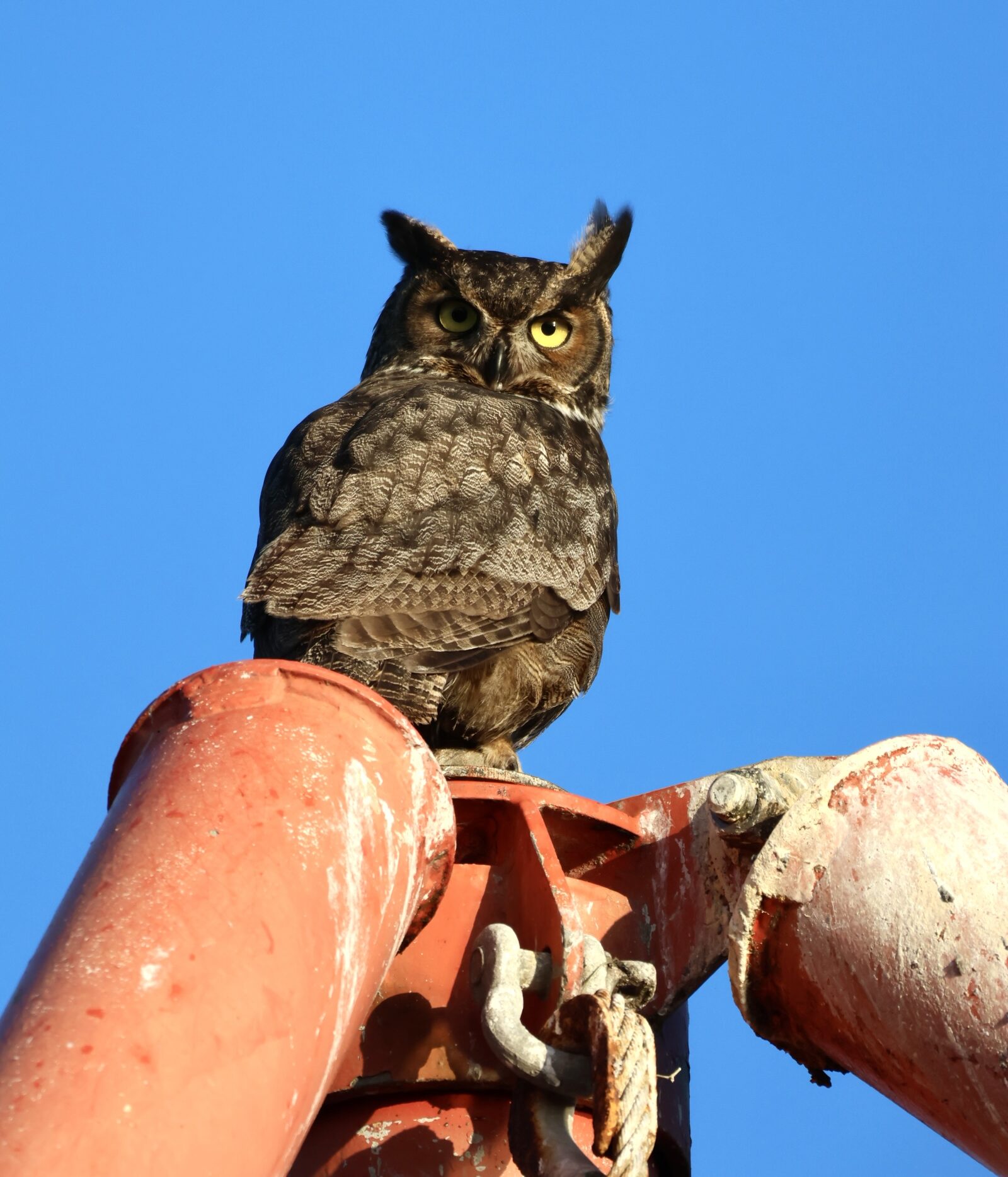
Yesterday morning as I was walking back from turning the generator on, I noticed the gulls were causing a ruckus. Usually they do that when an eagle is flying by so I was looking to see where it might be. I spotted it but thought it maybe looked a little fluffier and stubbier than a typical eagle. It soon landed on the crane and I quickly realized it wasn’t an eagle…and it had horns!?
This is the first time (both at Race Rocks and ever) that I’ve seen a Great Horned Owl! It only spent a few minutes on the crane before flying off to middle rocks where it remained for the rest of the day. How cool!
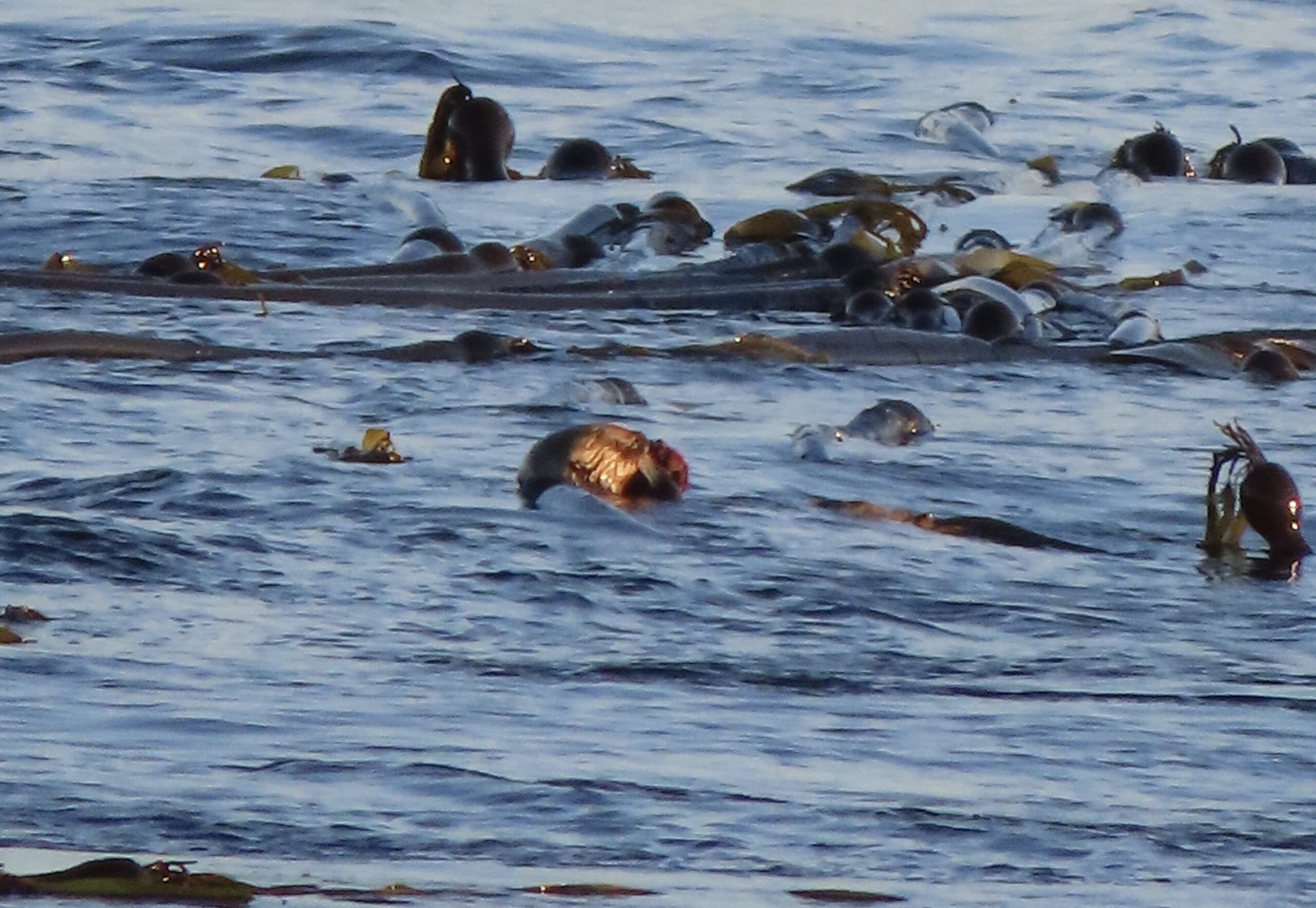
I have not seen the booby in a few days and the fur seal seems to have left as well, but Oswald the little blond sea otter is still here! Tonight I watched as he dove for urchins and then brought them back up to open on his belly. Now if only he would pick a closer kelp bed so I don’t have to squint through my binoculars to watch him!
Sea lion numbers are still low, I think anyone who hadn’t been here before would think I’m crazy for saying that. This is my third October here and there really just aren’t as many as usual! The same goes for the humpback whales, usually I can’t look out a window without seeing 3 or 4, but lately I find myself really having to search.
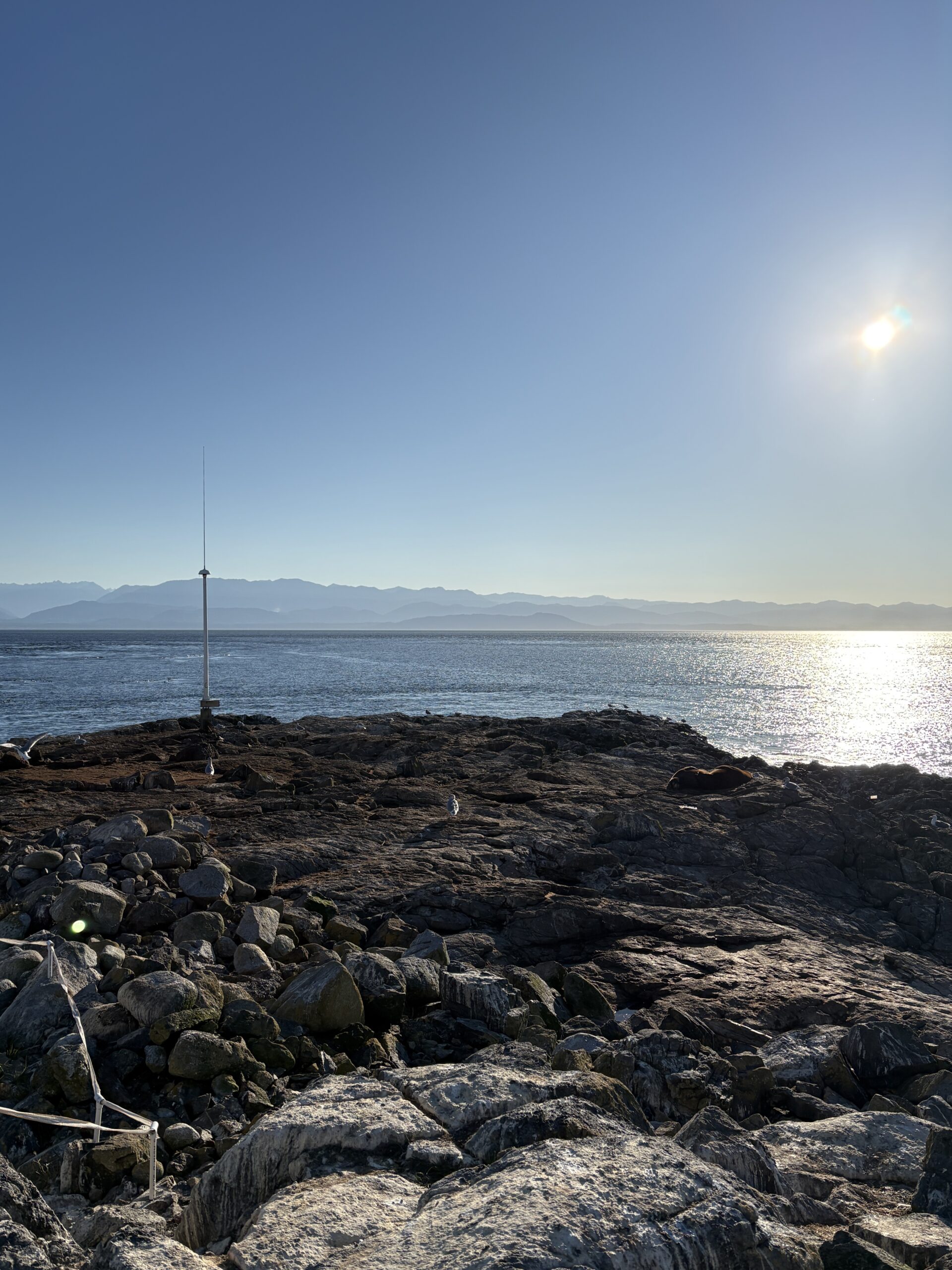
Just one sea lion where there would usually be hundreds.
Not that I am complaining by any means, it’s incredible here regardless. I just wonder why numbers may be down? Is the El Niño changing things up? Is the fishing better elsewhere? Who knows! It’ll be interesting to see if numbers increase or decrease over the next month.
8 eco-tourism vessels today, 3 DND blasts with minimal disturbance, and facility work consisted of topping up batteries, and replacing/inventorying the fire extinguishers.
Oct 17 Census
How am I already on my third census of the trip? Time is going WAY too fast out here.
Today was very windy, and as a result (I think) animal numbers seem to be down. Except for the cormorants who reached an all time high for my counts.
Mammals:
- Harbour seal: 40
- California sea lion: 371
- Steller sea lion: 448 (there really do seem to be a LOT more Steller sea lions here this year)
- Sea otter: 1
- Elephant seal: 1
- Not seen today, but honourable mention to the one Northern fur seal here this week,
The sea otter and the fur seal were too far for any good photos so massive shout out to Tom from Eagle Wing for sending me these photos and allowing me to post them here. I will also mention that these photos were taken with a long lens and cropped, and the vessel respected all animal space/followed the law for approach distance.
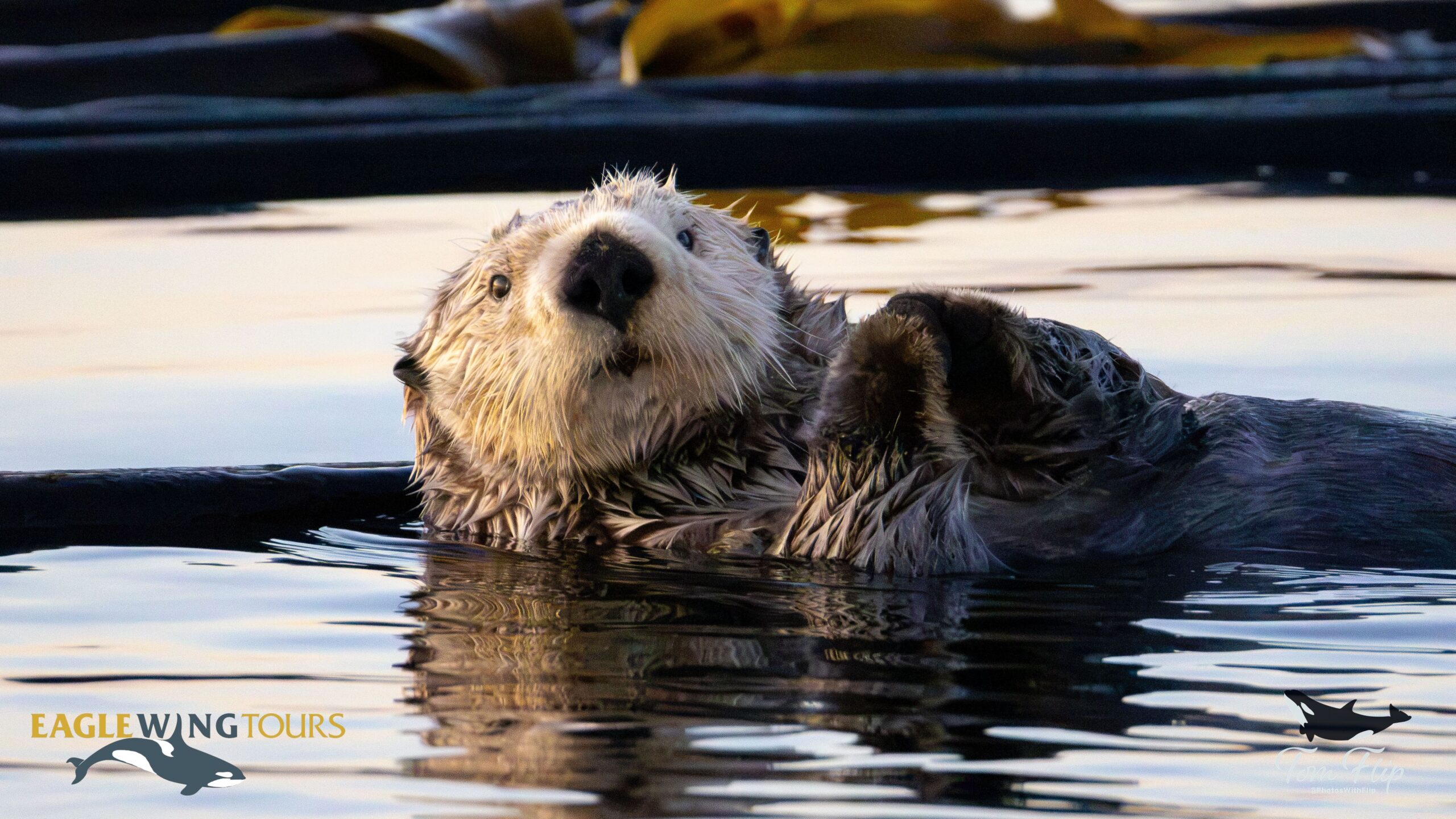
Photo Credit: Tom F
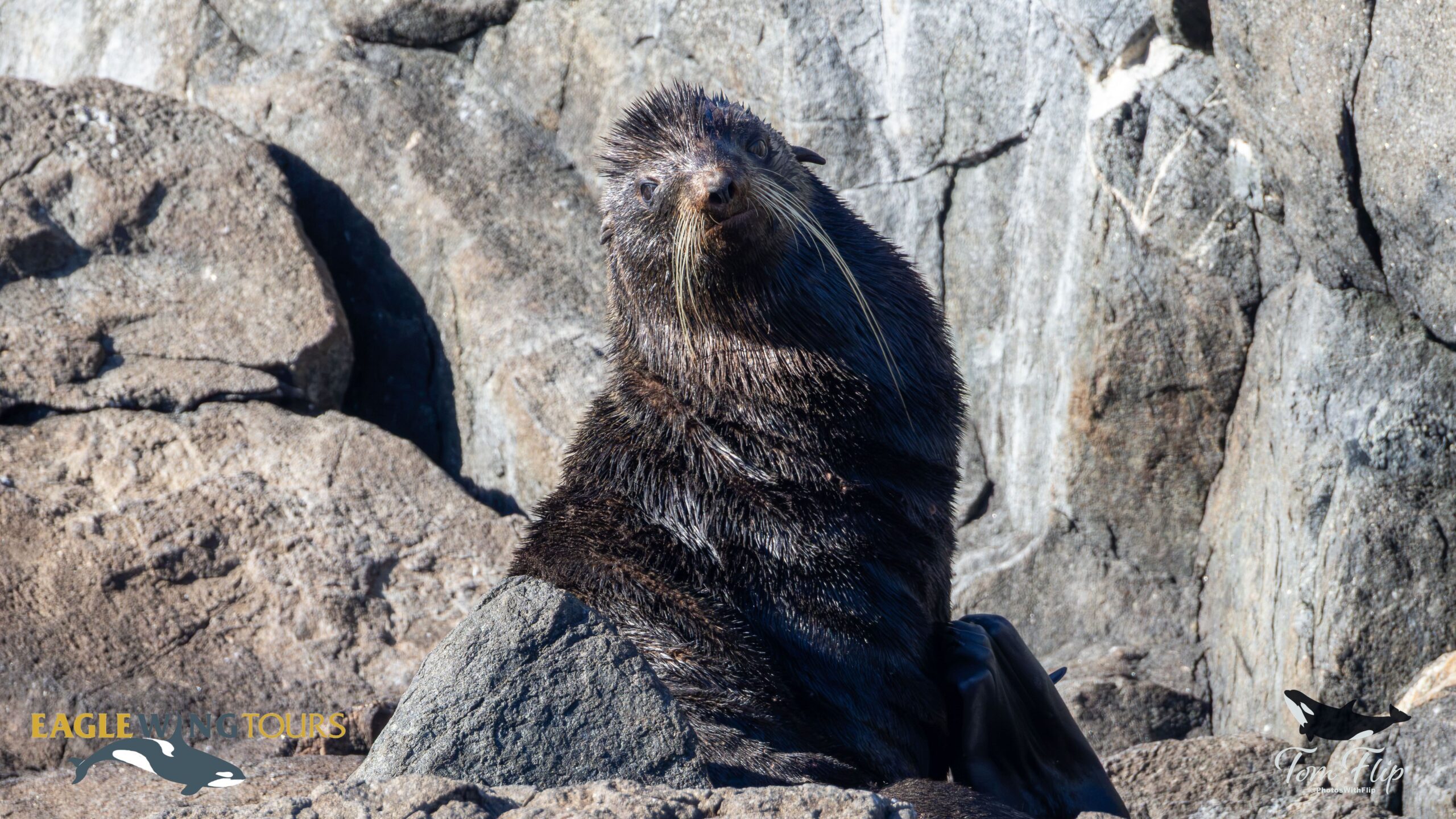
Northern fur seal, Photo Credit: Tom F
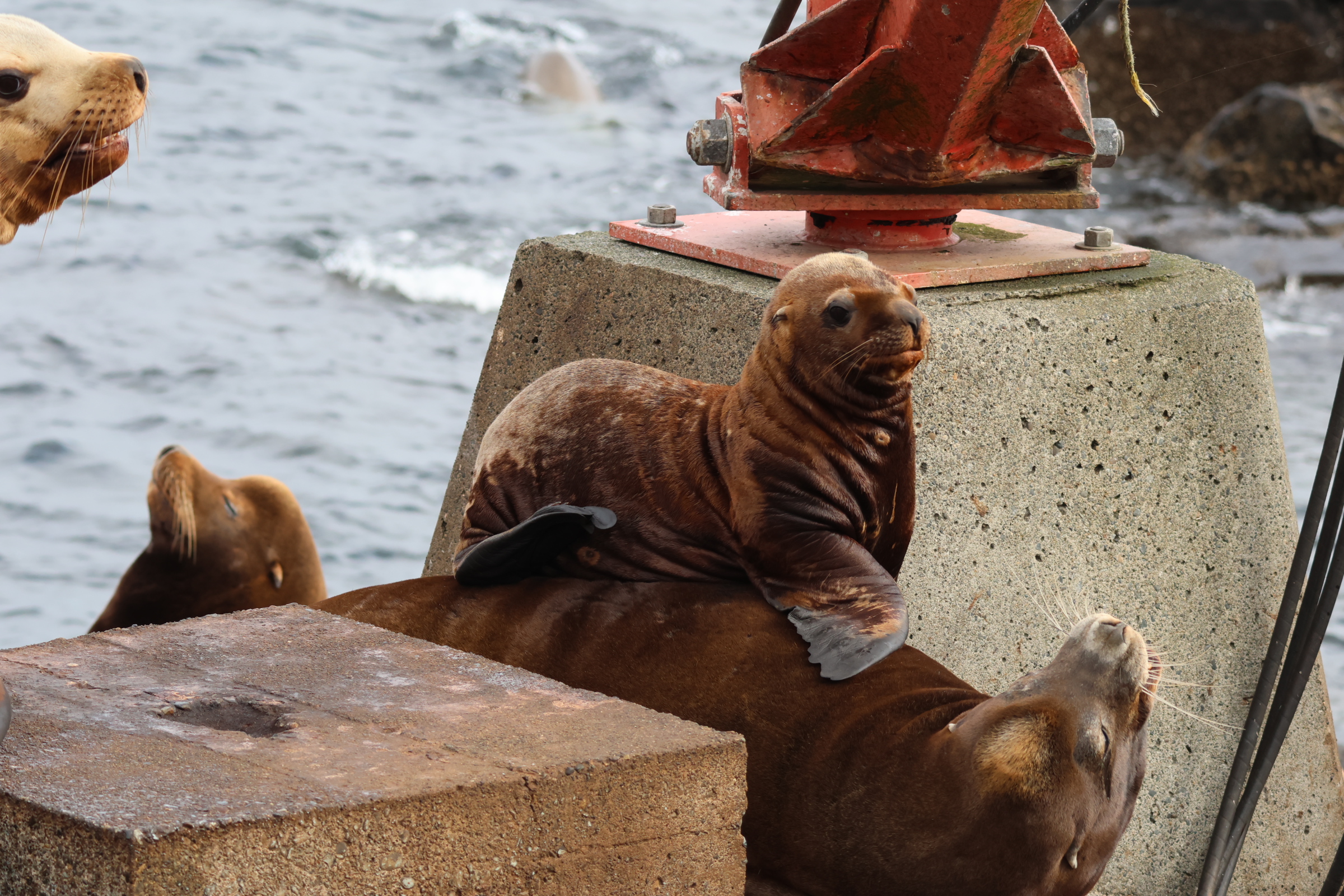
Stellers are taking over!
These photos will also help us continue to ID the sea otter and see if it stays around. I have started calling him Oswald (Ozzie for short). I figured we should stick with O names around here and honour our good buddy Ollie who is no longer around but definitely made a name for himself out here at Race Rocks!
On to the bird count:
- Gull: 435
- Cormorant: 1,160 (every rock and island was just peppered with cormorants!)
- Canada goose: 10
- Bald eagle: 1
- Sparrows: many, too fast too count
- Turnstone: 34
- Honourable mention for the red-footed booby who I last saw yesterday!
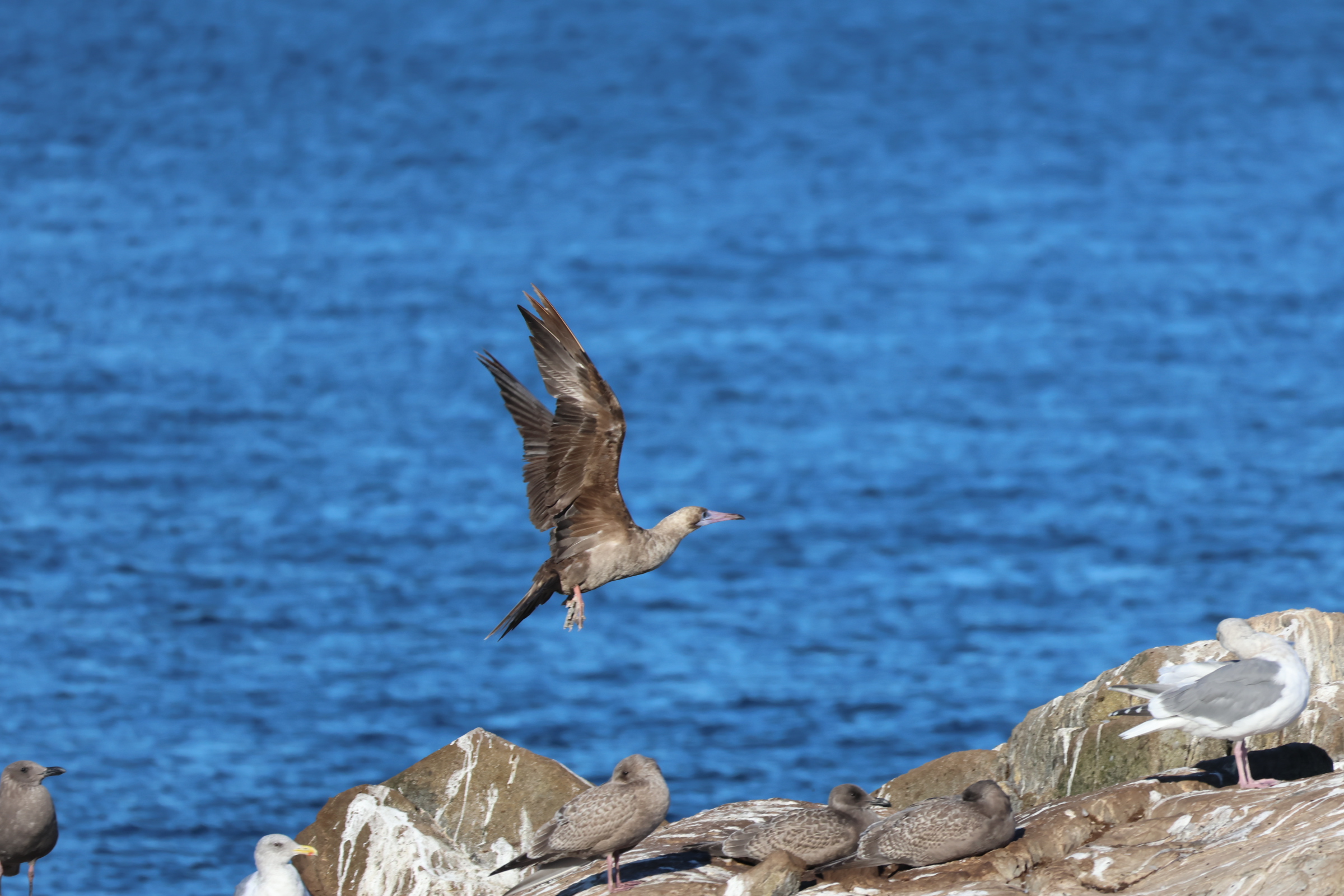
Red-footed booby taking off
A Busy and Beautiful Day!
Today was the definition of perfect! Not even the smallest amount of wind, clear skies, and animals everywhere!
Tomorrow is supposed to be quite windy so I took full advantage of the good weather and barely spent any time inside.
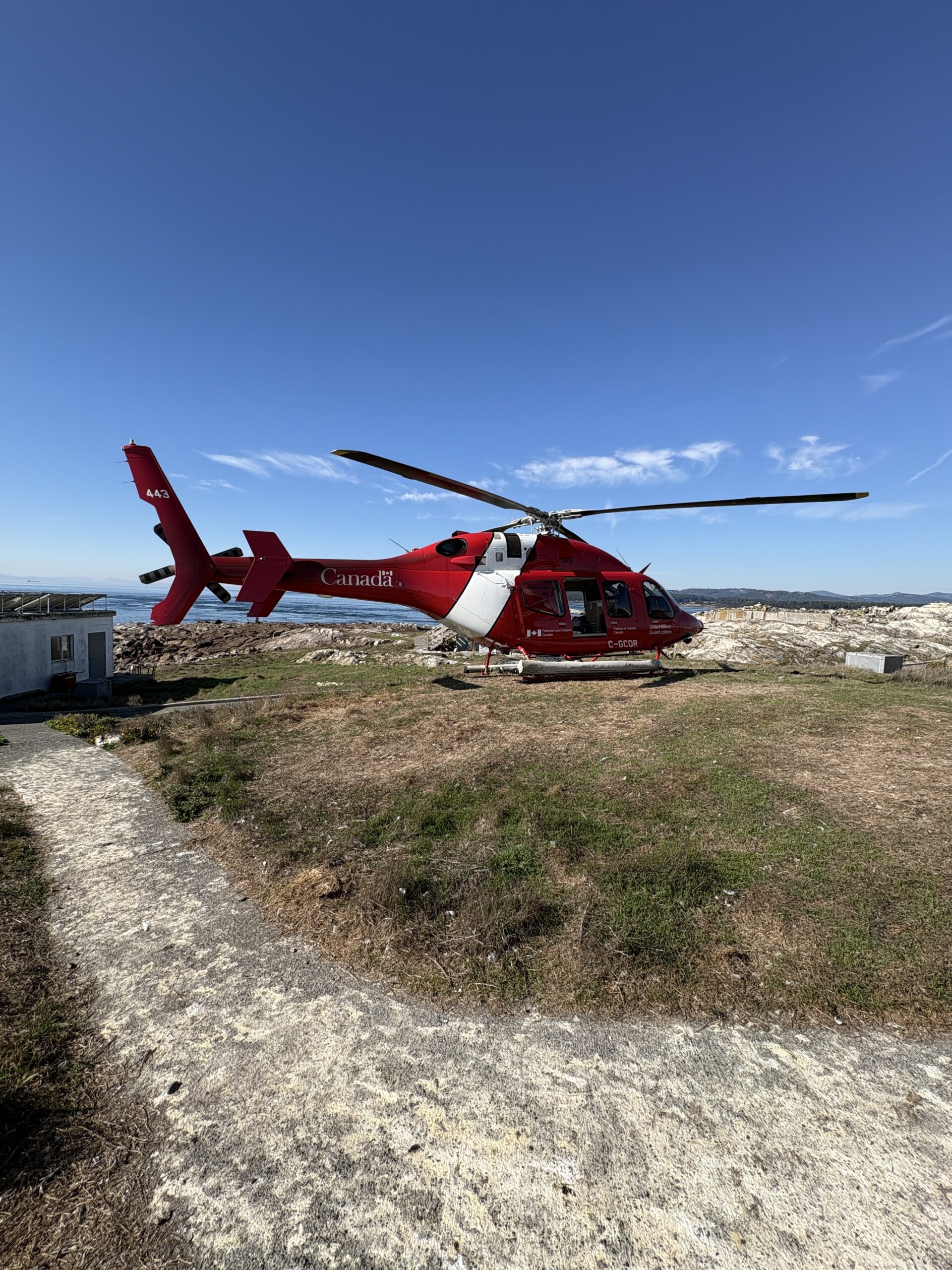
I also got a visit from the Coast Guard helicopter when they came to check in on a few things, that’s always a fun visit! And because it’s a small world, I just so happened to know the pilot!
Animal Notes:
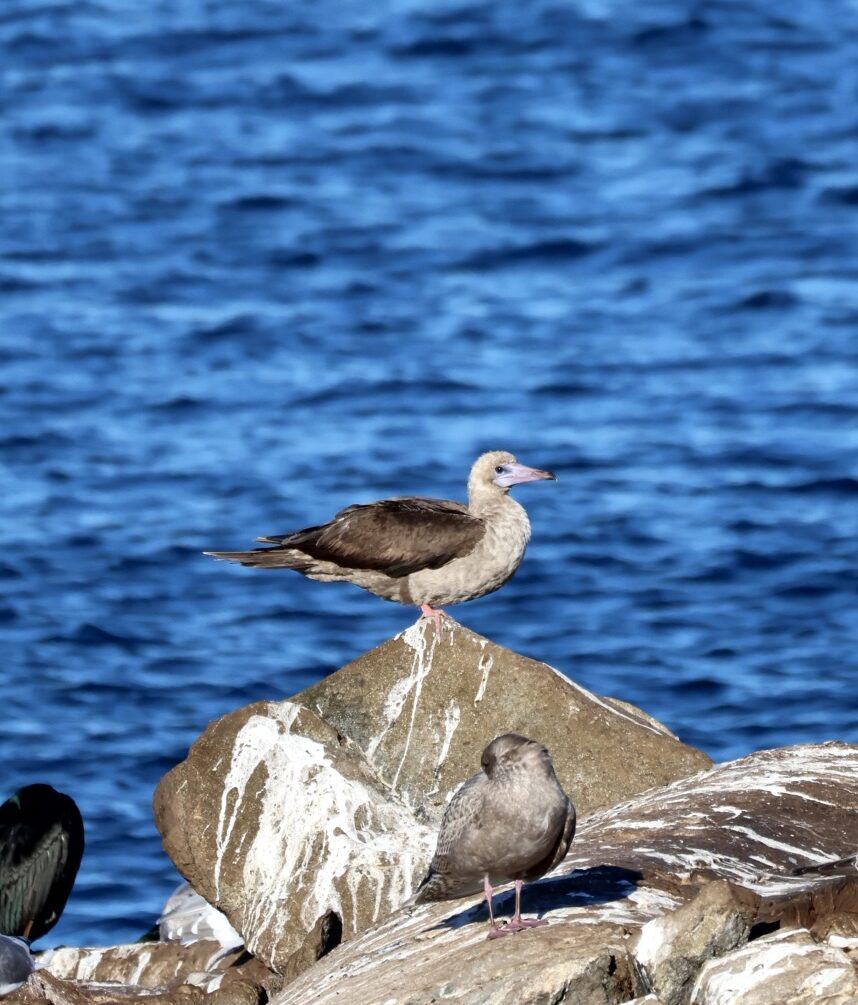
- The Red-footed booby is still here! Has most recently decided to hangout on the main island, just in front of the house.
- I did not see the sea otter or the fur seal today but I did manage to get some better photos of the otter, well…at least photos where you can tell it’s actually an otter!
- Still plenty of humpbacks around but not as many as I’ve had previously.
- I saw a heron today, not exactly a rare bird but I haven’t seen them here before, and never standing on a kelp bed! I also saw a kingfisher yesterday but it was much too fast for a photo!
-
-
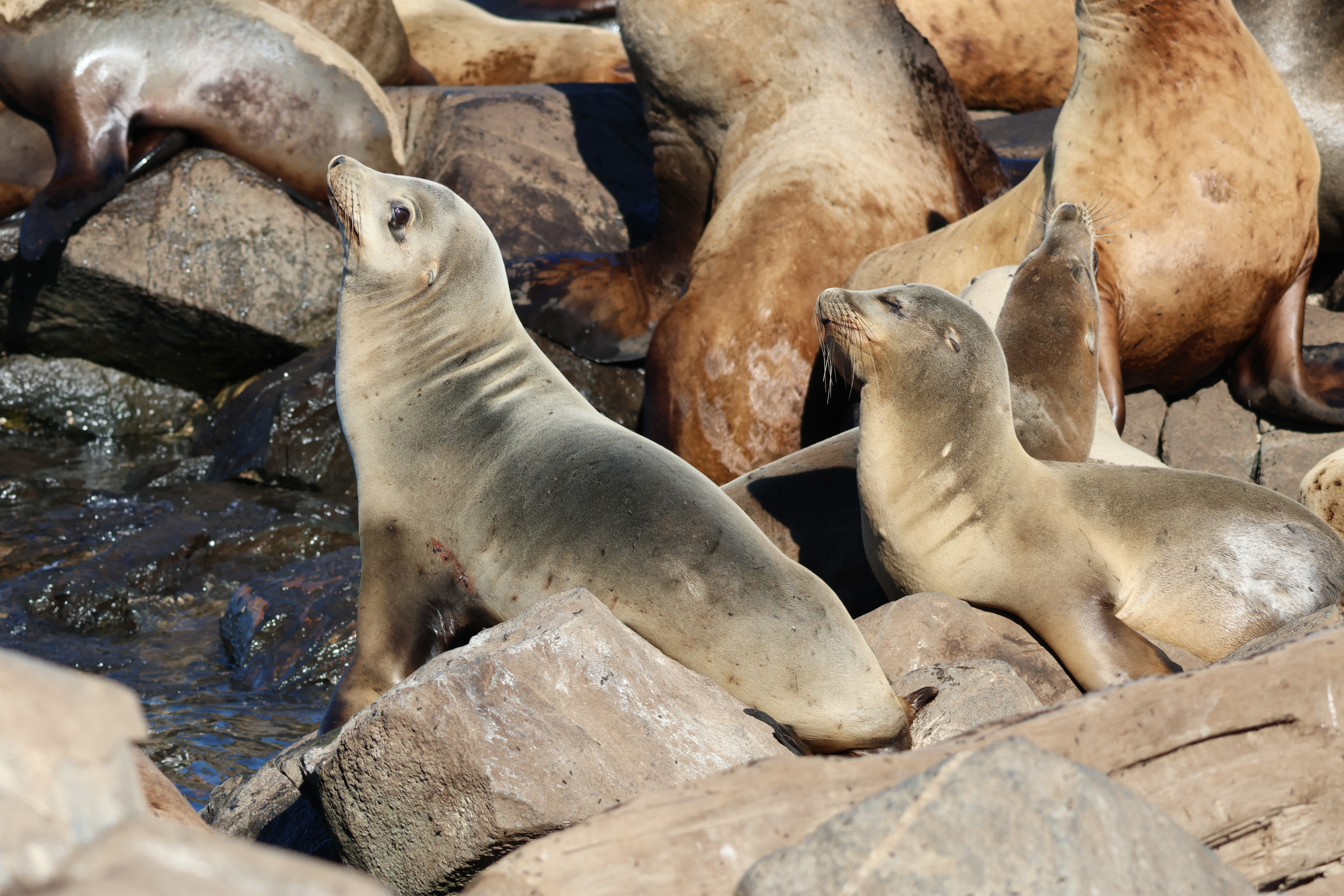
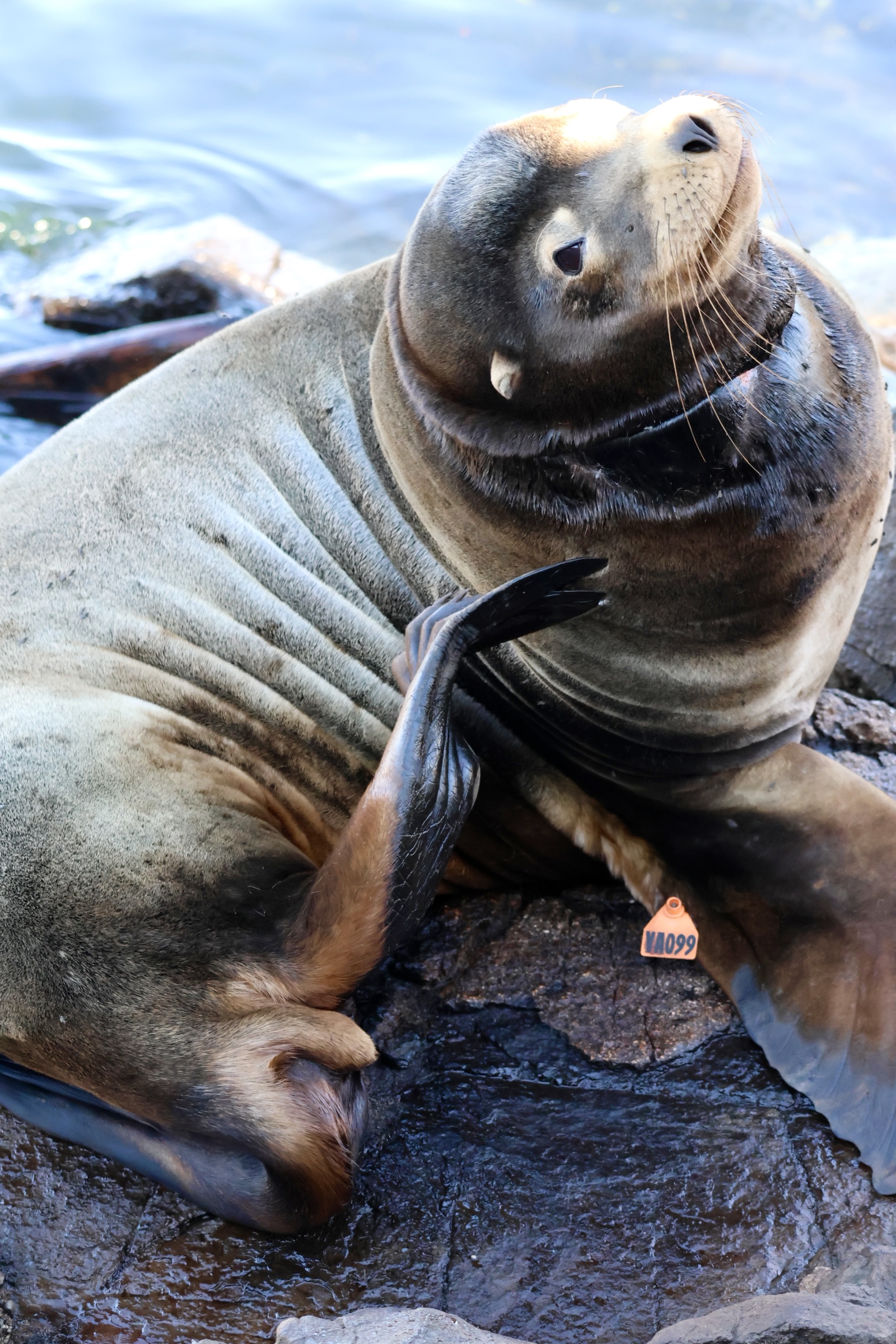
Our recently disentangled sea lion looking GREAT.
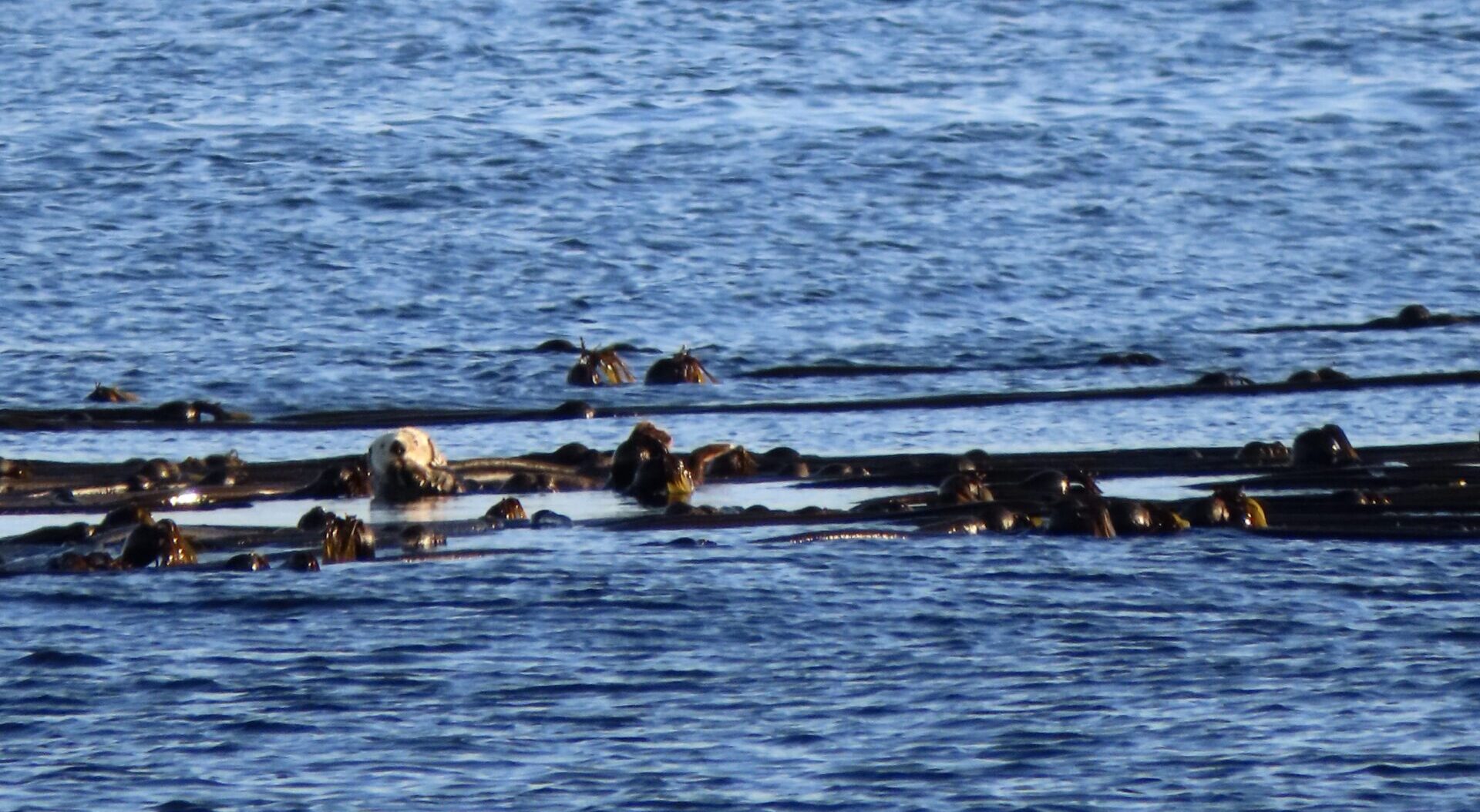
The new sea otter in town…I’ve been calling him Oswald.
Facility Work:
- Cleaned main house windows
- Topped up batteries
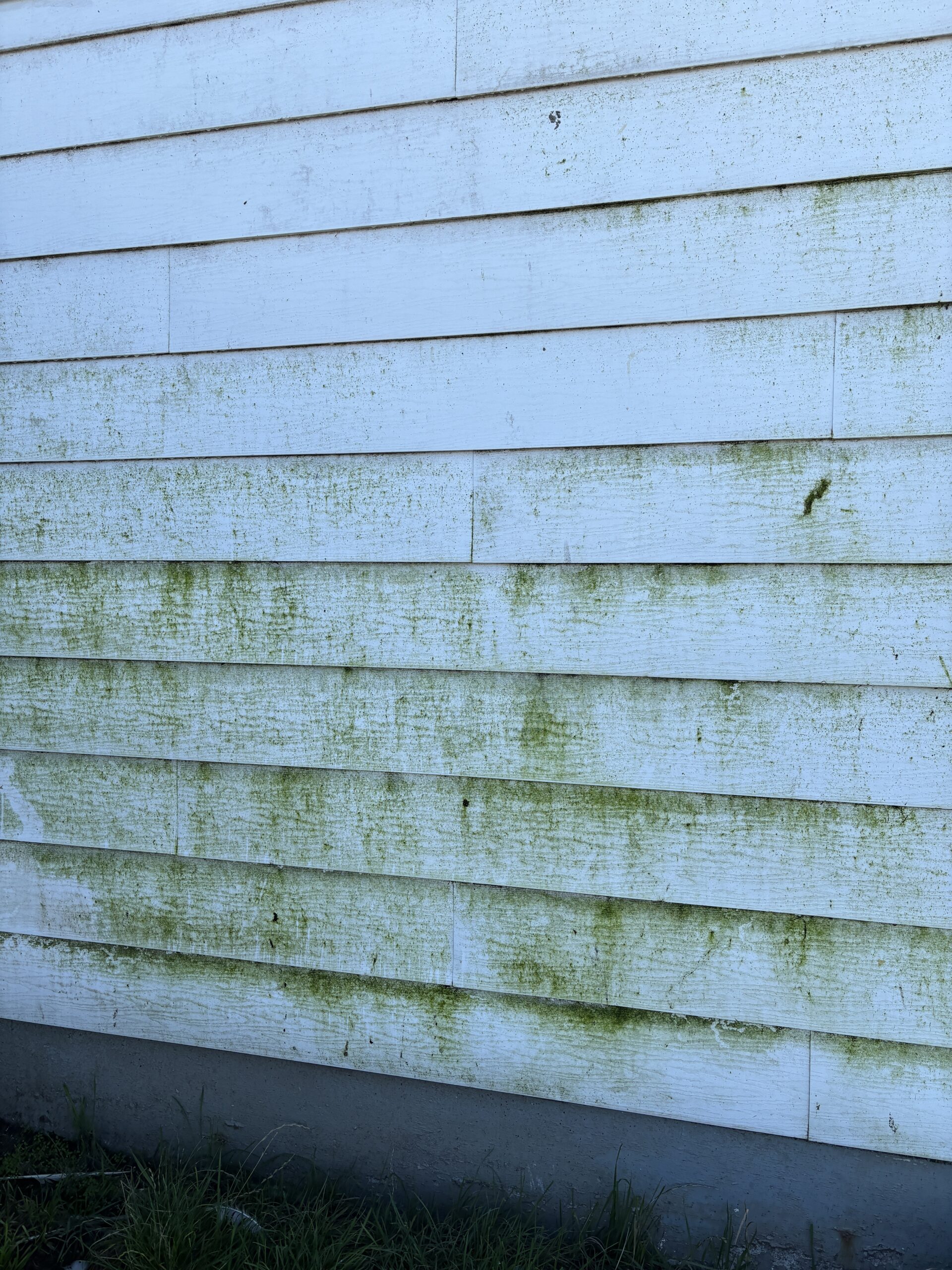
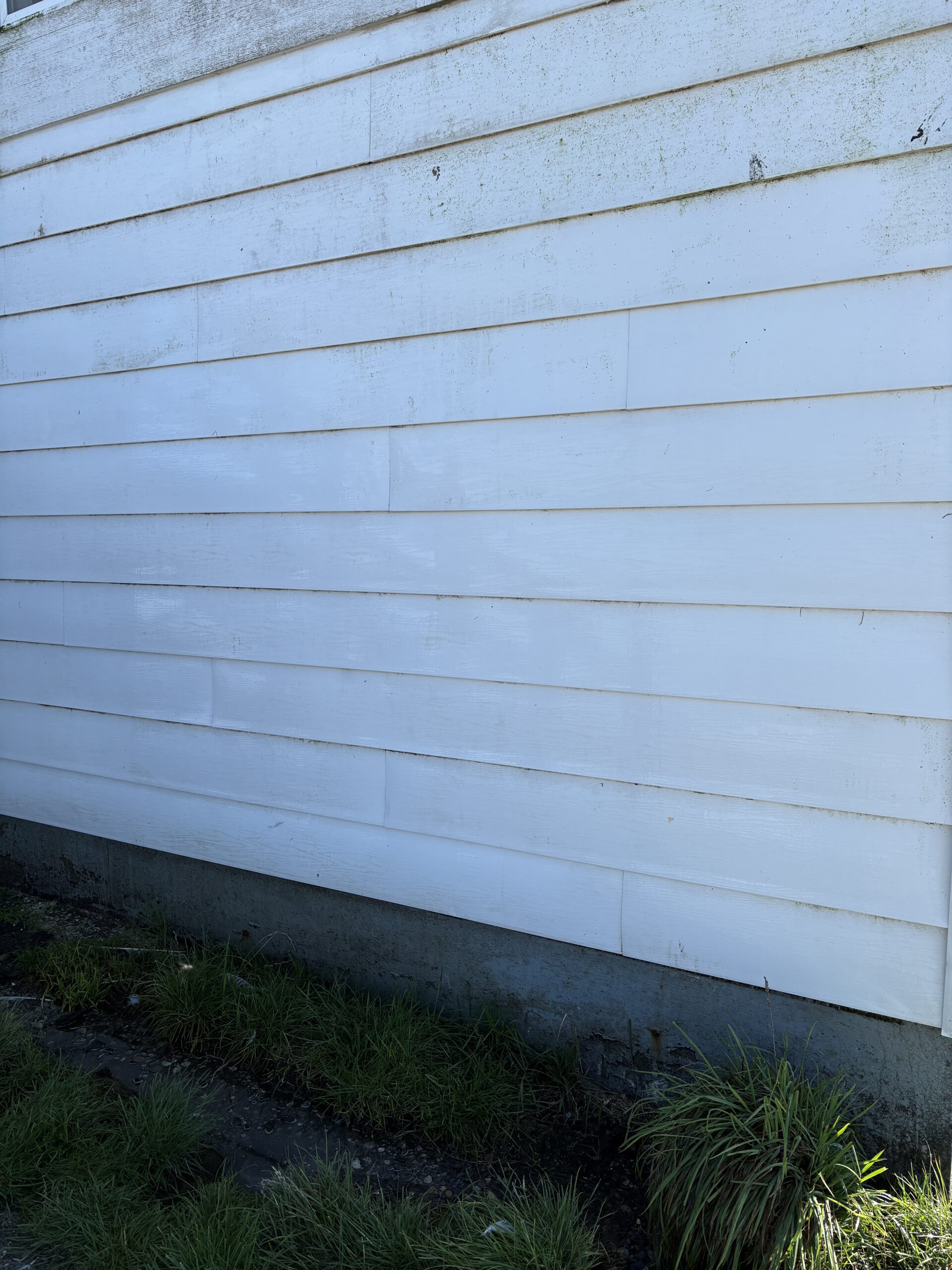
- Cleaned algae off side of main house
- Fence repair
Vessels:
- Ecotourism: 11
- Private: 3
DND Blasts:
- 4 throughout the day, animals alert but minimal disturbance
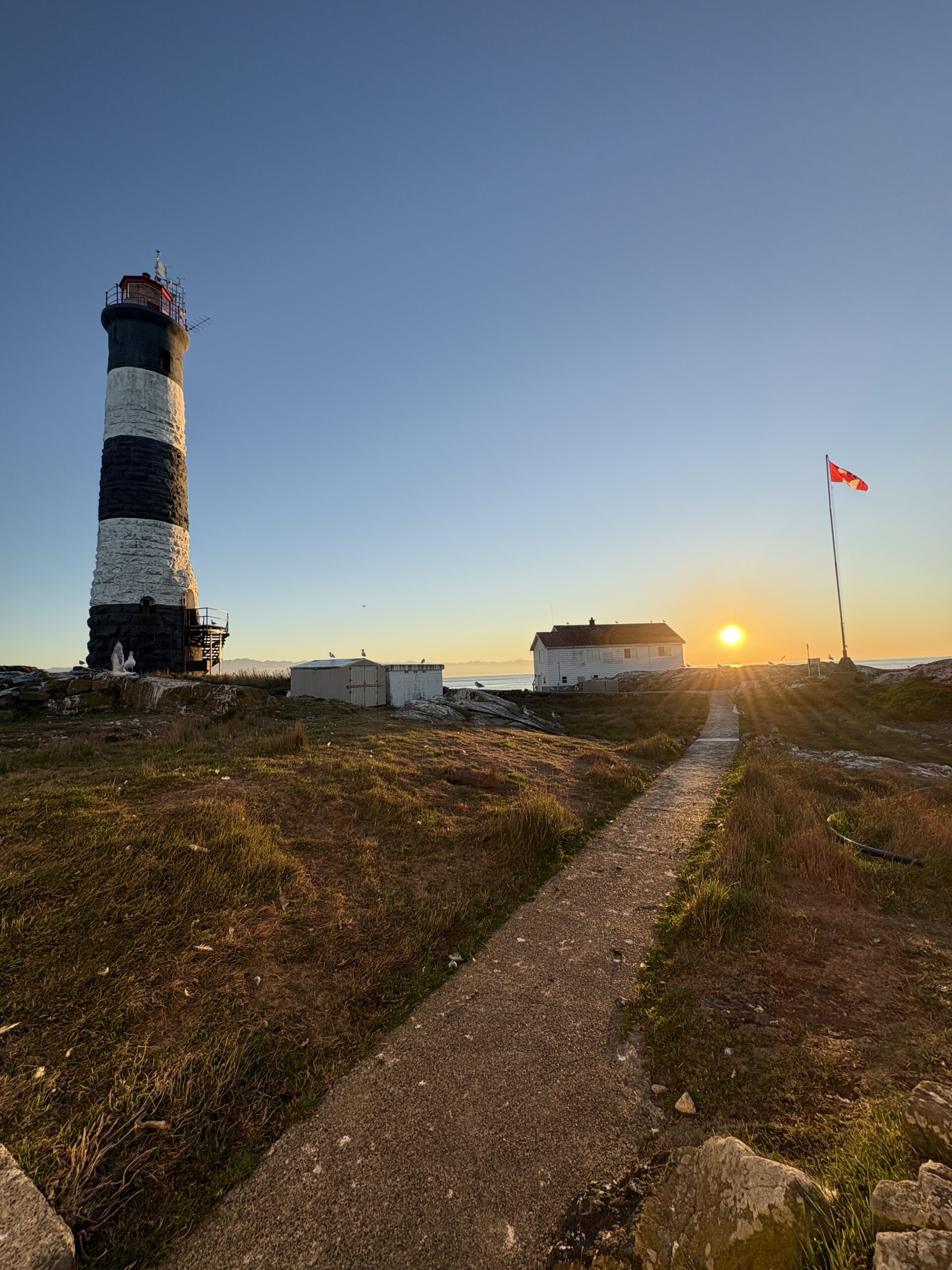
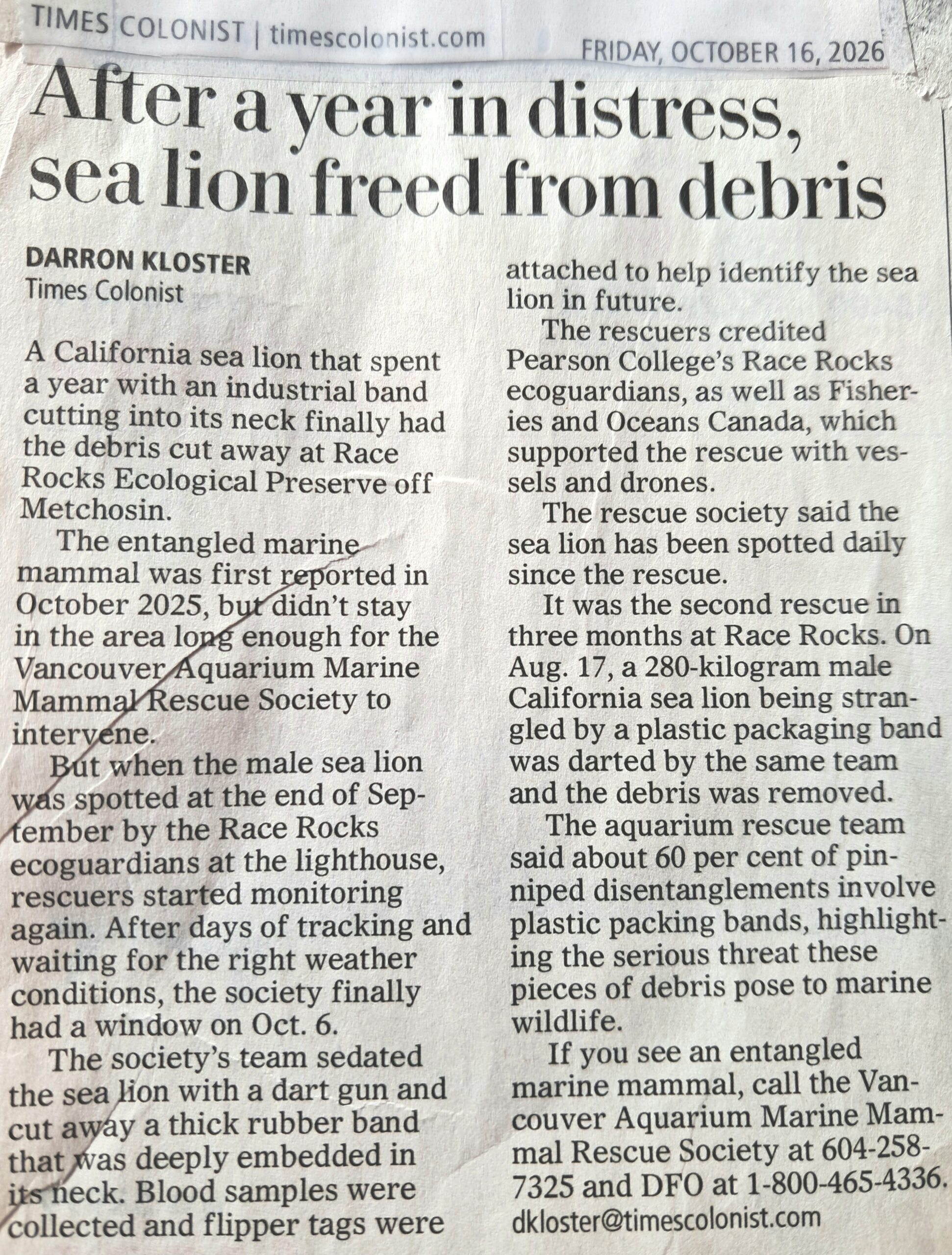
Sea lion freed from debris..Times Colonist
 l
l
The 5 Pinniped Species in BC…in 5 Minutes!
There are 5 species of pinnipeds in British Columbia, they are:
- Harbour seal
- Northern elephant seal
- California sea lion
- Steller sea lion
- Northern fur seal
Yesterday, I saw all 5 species within a 5 minutes span!
When I was here in December 2024, I spotted a Northern fur seal hauled out near the jetty. At that point, it was the first fur seal in 40 years to be seen on Race Rocks. Since then there have been fur seal sightings within and around the reserve, but still infrequently. A couple eco-guardian vessels alerted me to the fur seal out on the west rocks. Of course, that is the further rock from me so it’s incredibly difficult to spot anything out there. However, I was able to find him with my long zoom! I got an even better photo today when I joined Greg for a quick tour around the reserve.
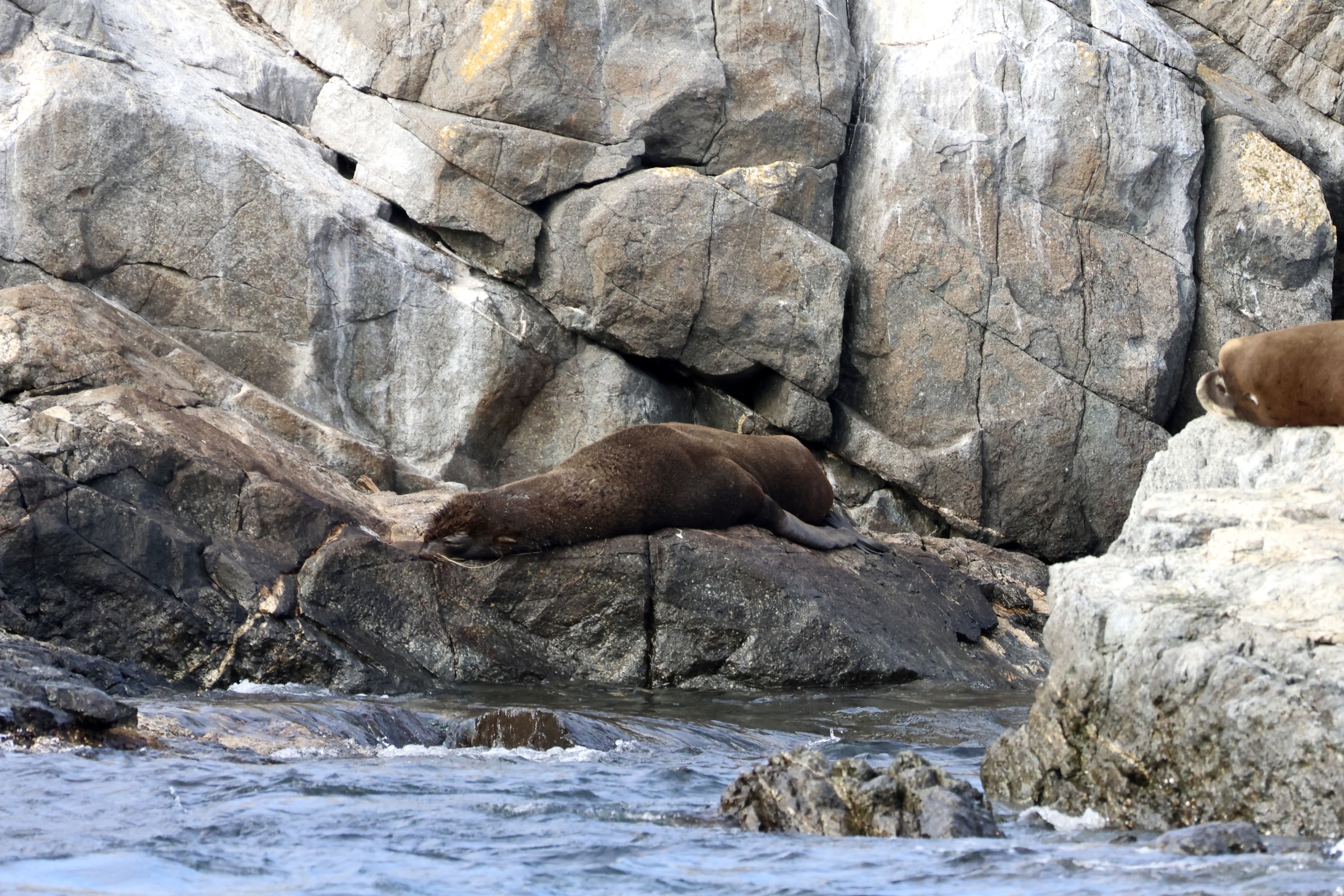
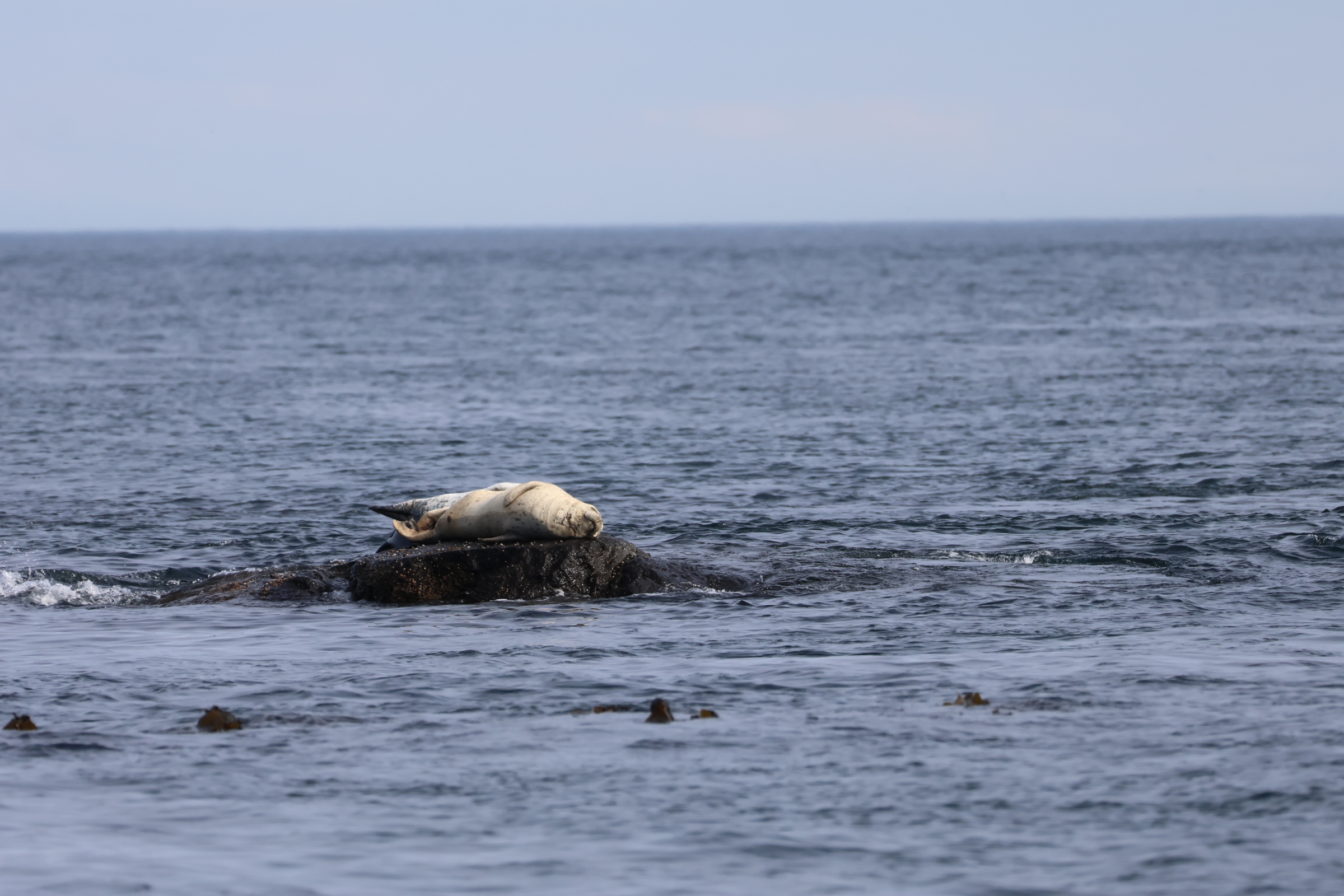
Sleeping on the rocks!
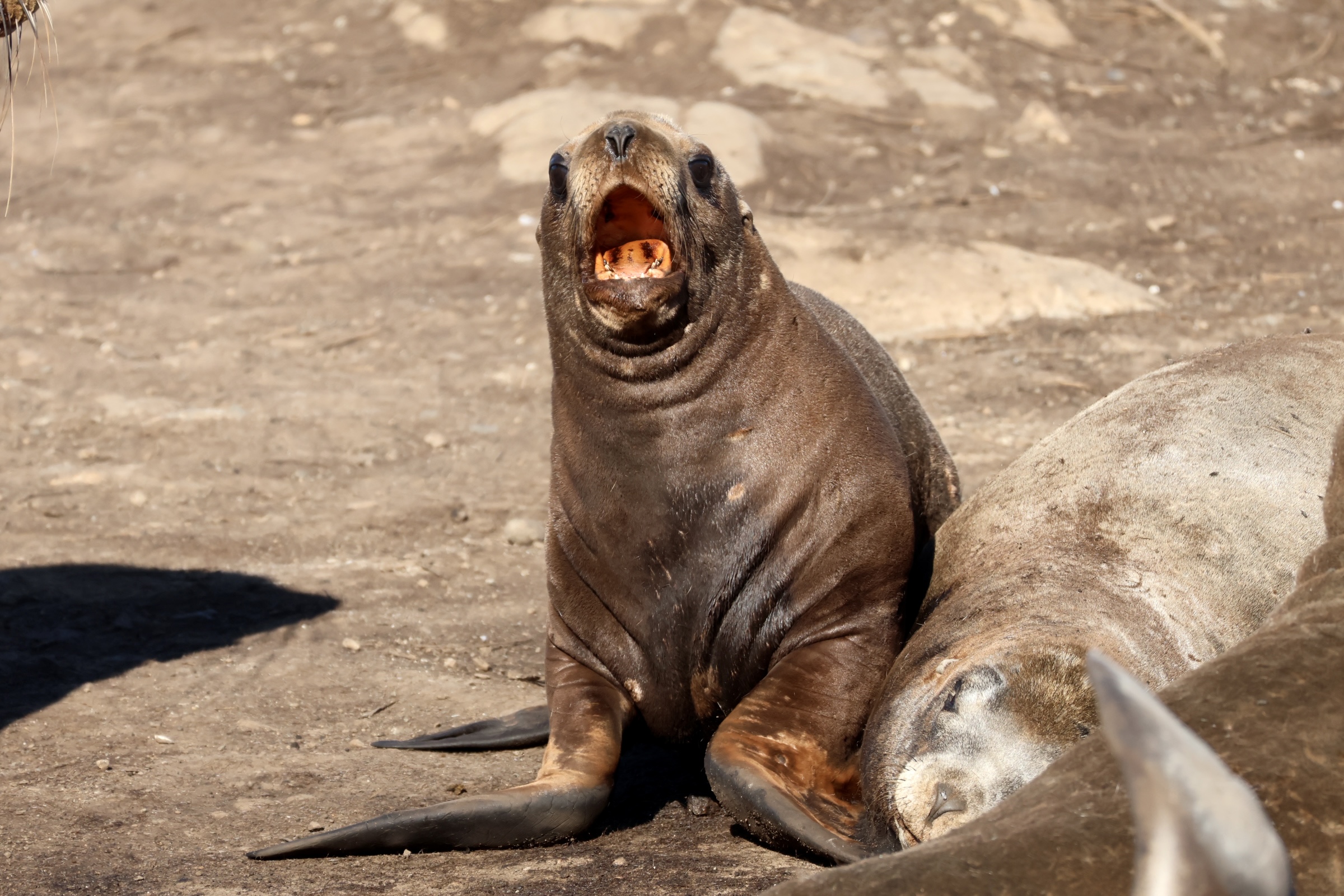
The other sightings are less exciting, there are sea lions everywhere both California and Steller, and harbour seals are always around.
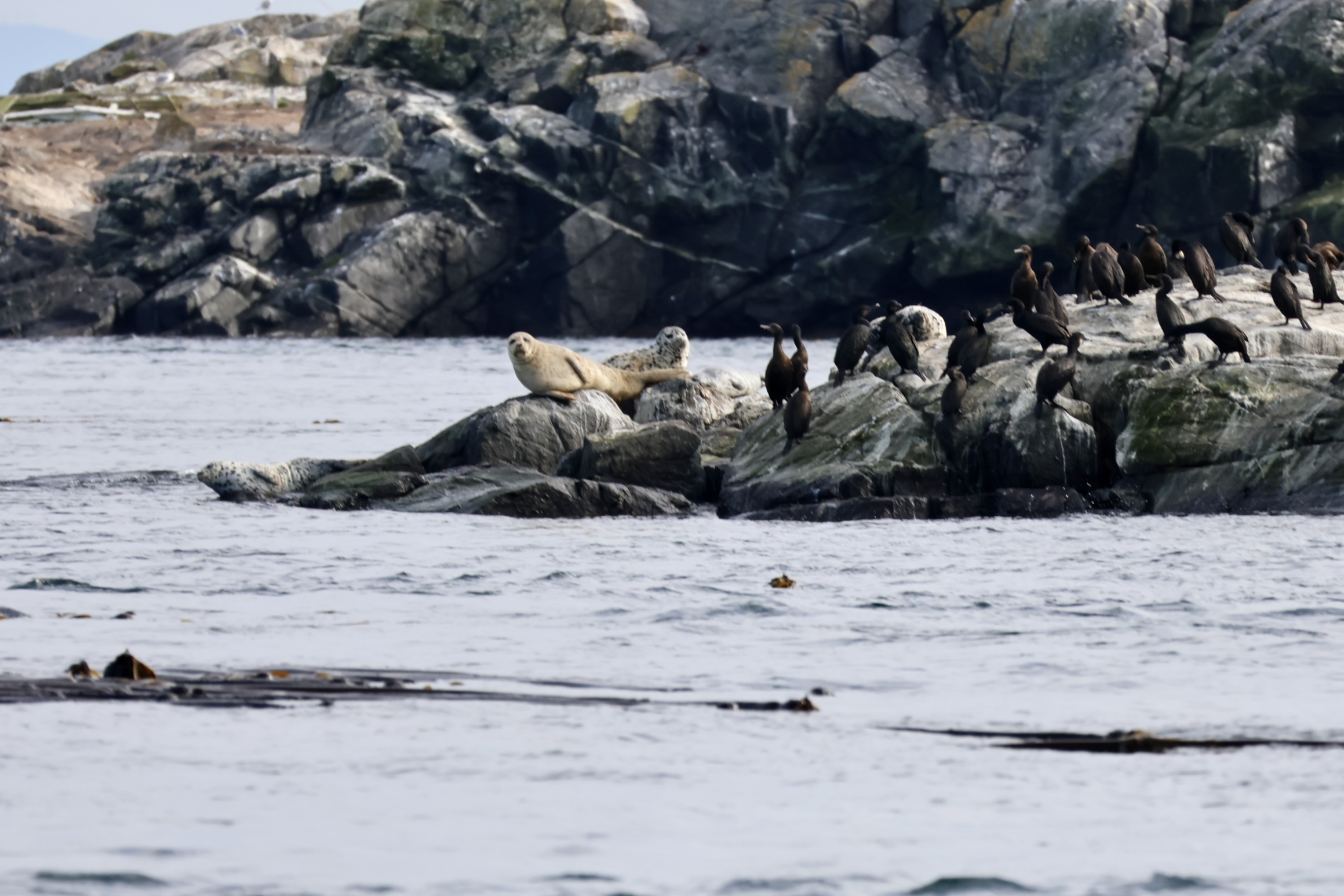
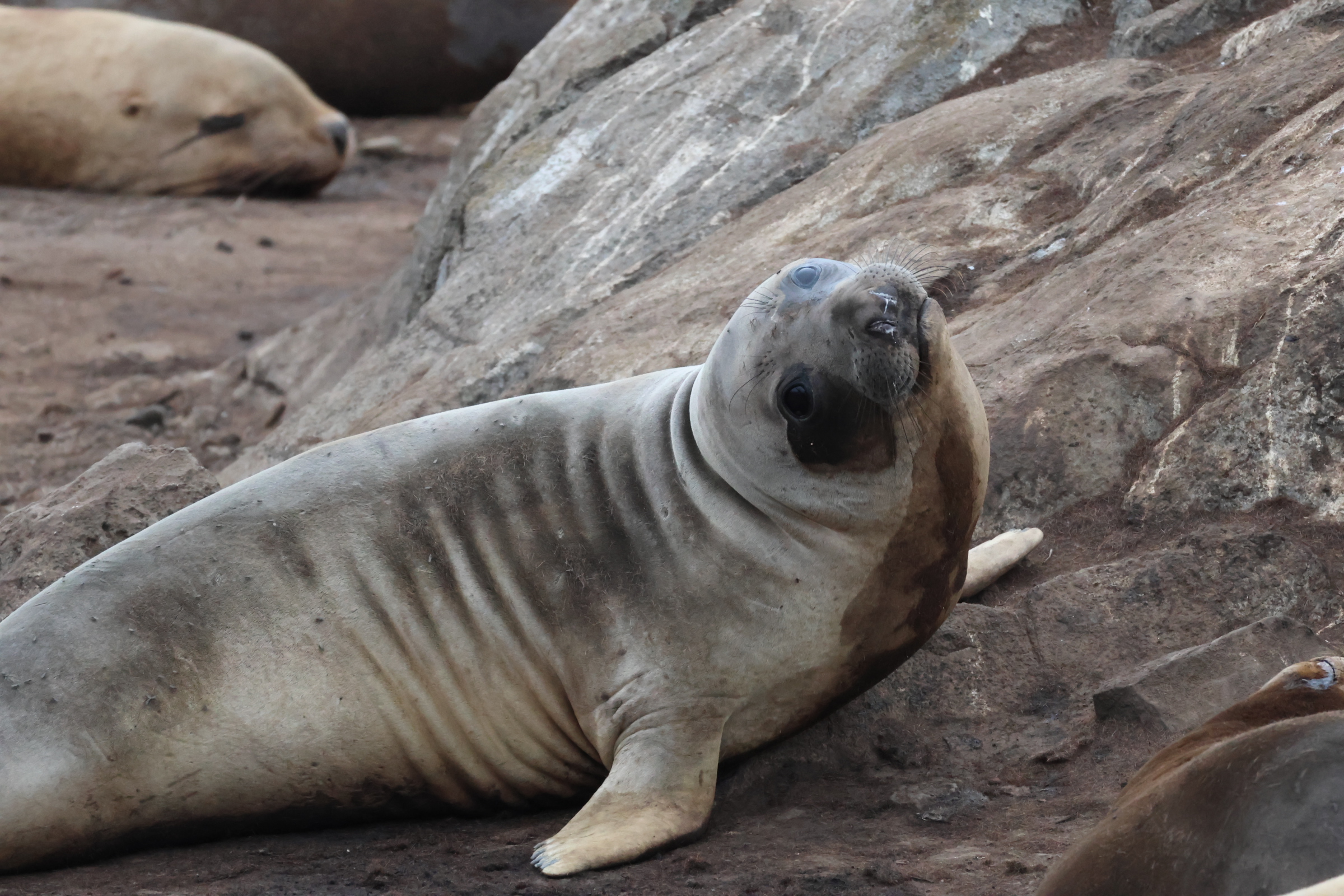
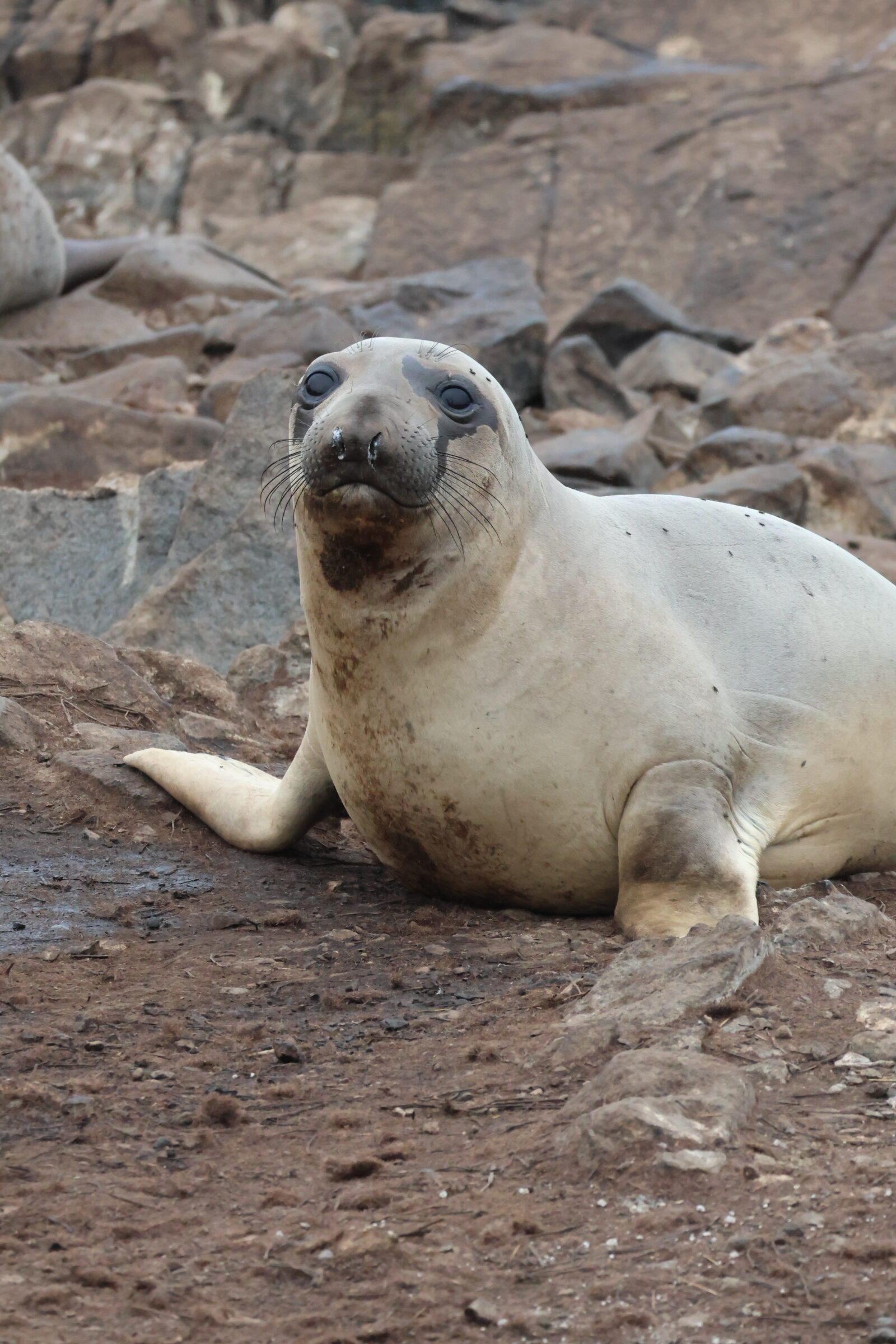
Although, I’m always excited to see an elephant seal so it’s fun that she’s hanging around. She’s young and I wonder if she’s been here before because she’s only hauling out in the sea lion areas and hasn’t come up to the grass yet.
-
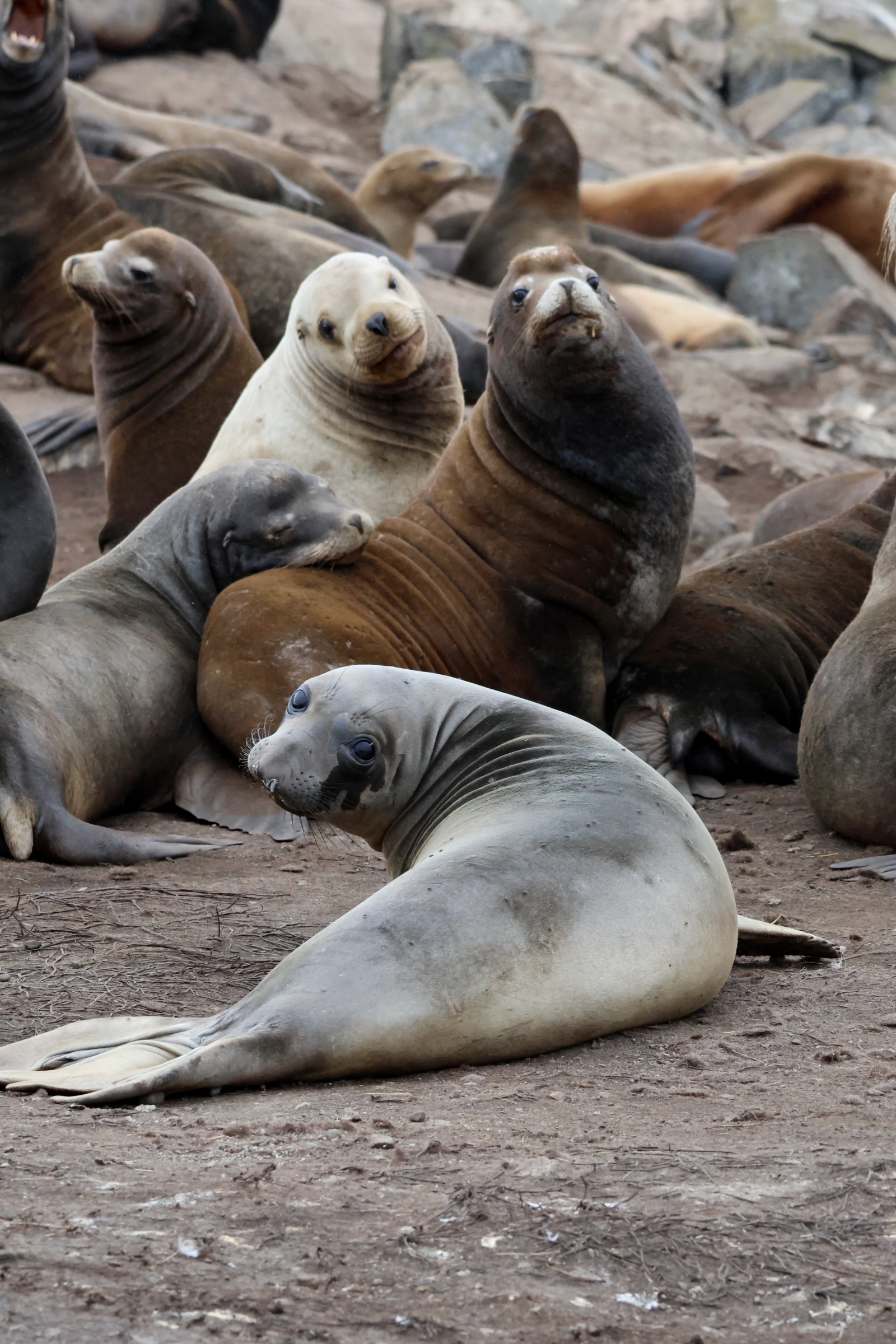
- An elephant seal, California, and Steller sea lion all in one photo!
In other news, I also spotted a sea otter this morning which is very exciting! It was also quite far and directly in the sun but I’m hoping it’ll come closer!

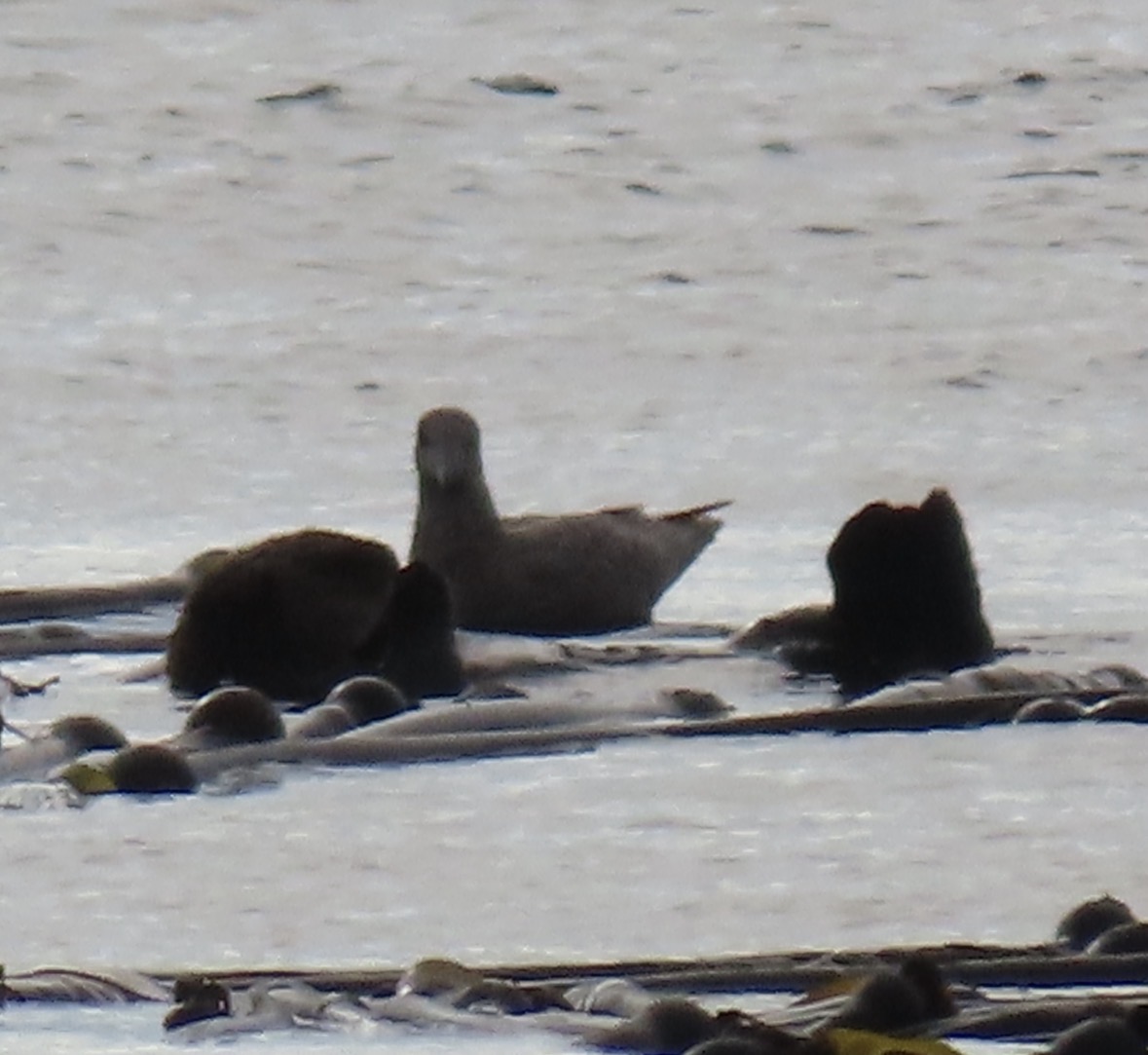
How about now?
The weather has been great lately which makes for excellent animal spotting! Can’t wait to see what else I’ll find!
A Blog for the Booby
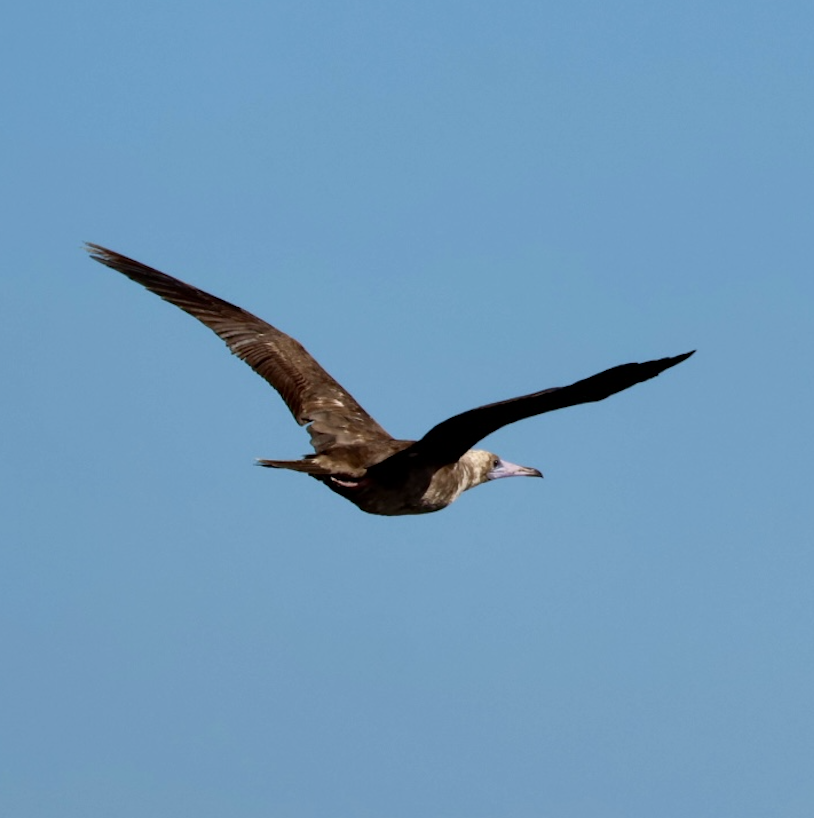
The Red-footed booby is still here and the past couple of days it’s done a few close circles around the main rock and house so I’ve been able to get a closer look. Although it’s very difficult to photograph it while it moves so fast!
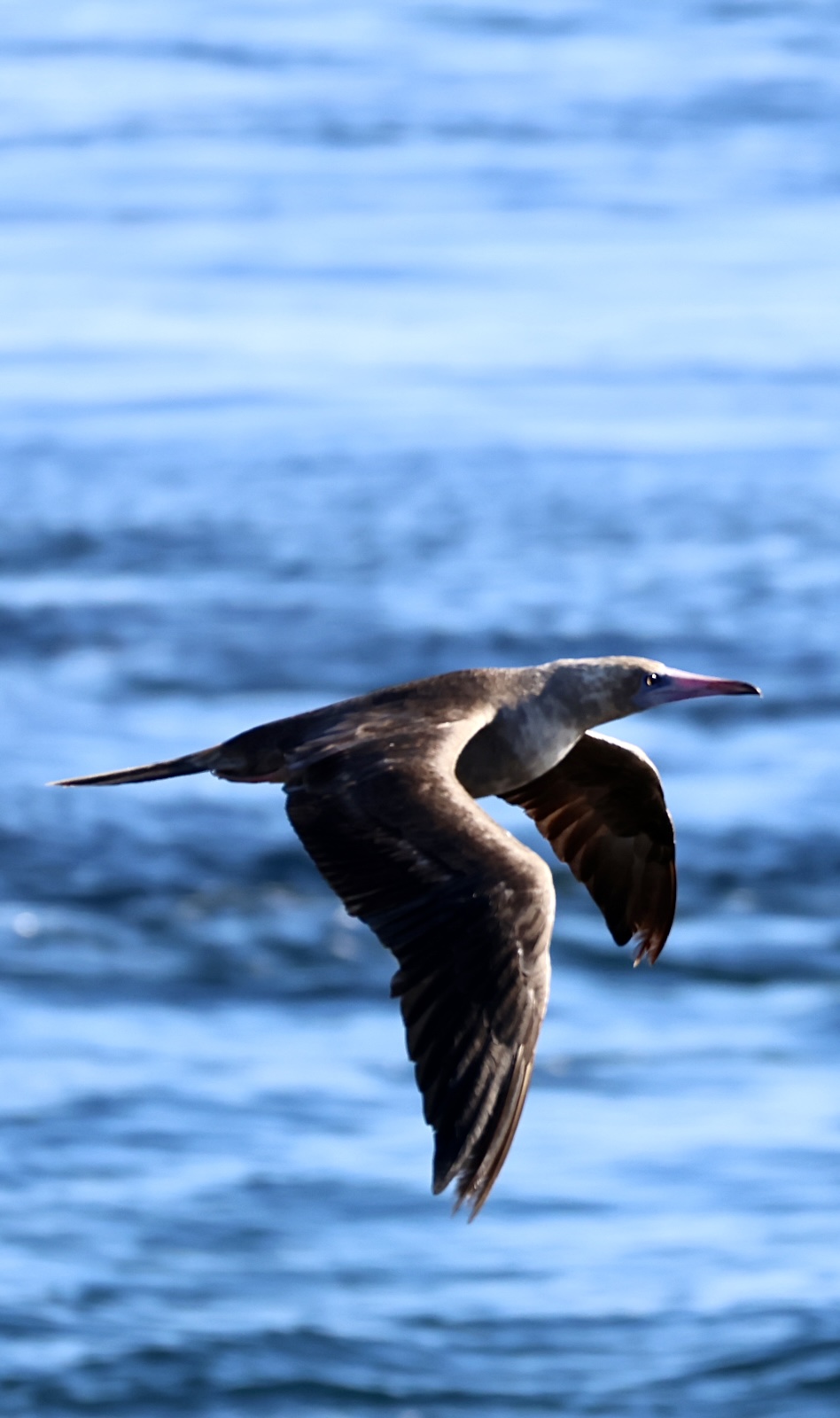
As they do with most birds, the gulls chase and harass the booby, it’s like they just can help but be menaces to other animals!
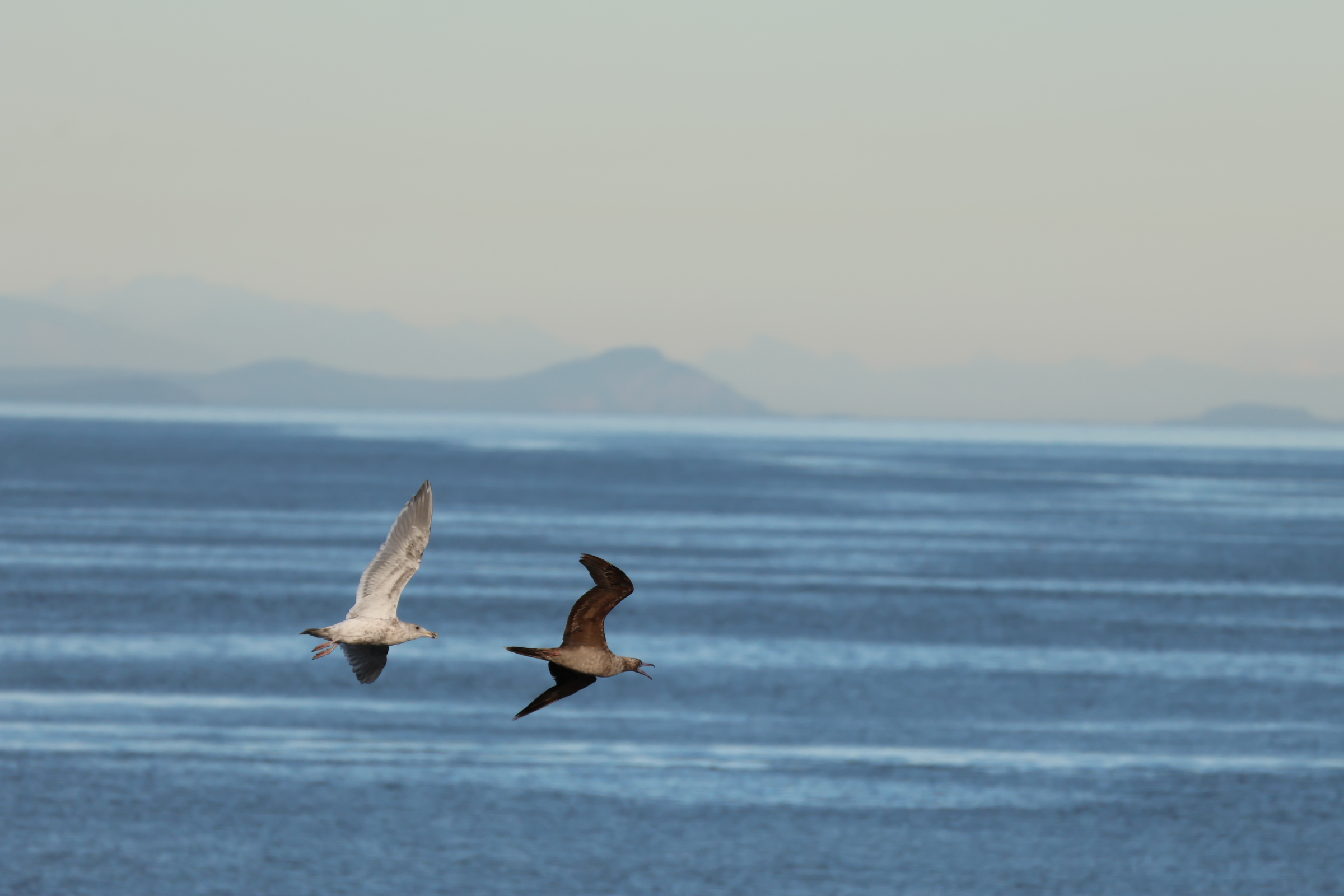
I’ve never been a bird person but working at Race Rocks has taught me so much, and now I can add Red-footed booby to my list of bird facts. Here is some of what I’ve learned:
- They are the smallest of the booby species
- They nest in trees as opposed to on the ground
- They live in tropical and sub-tropical areas such as the Galapagos and Hawaii
- Their diet consists of flying fish and squid, in addition to other smaller schooling fish
- Their predators include Galapagos hawks and coconut crabs (yes crabs!)
- The oldest recorded Red-footed booby was over 22 years old
- This is the second Red-footed booby ever spotted in British Columbia
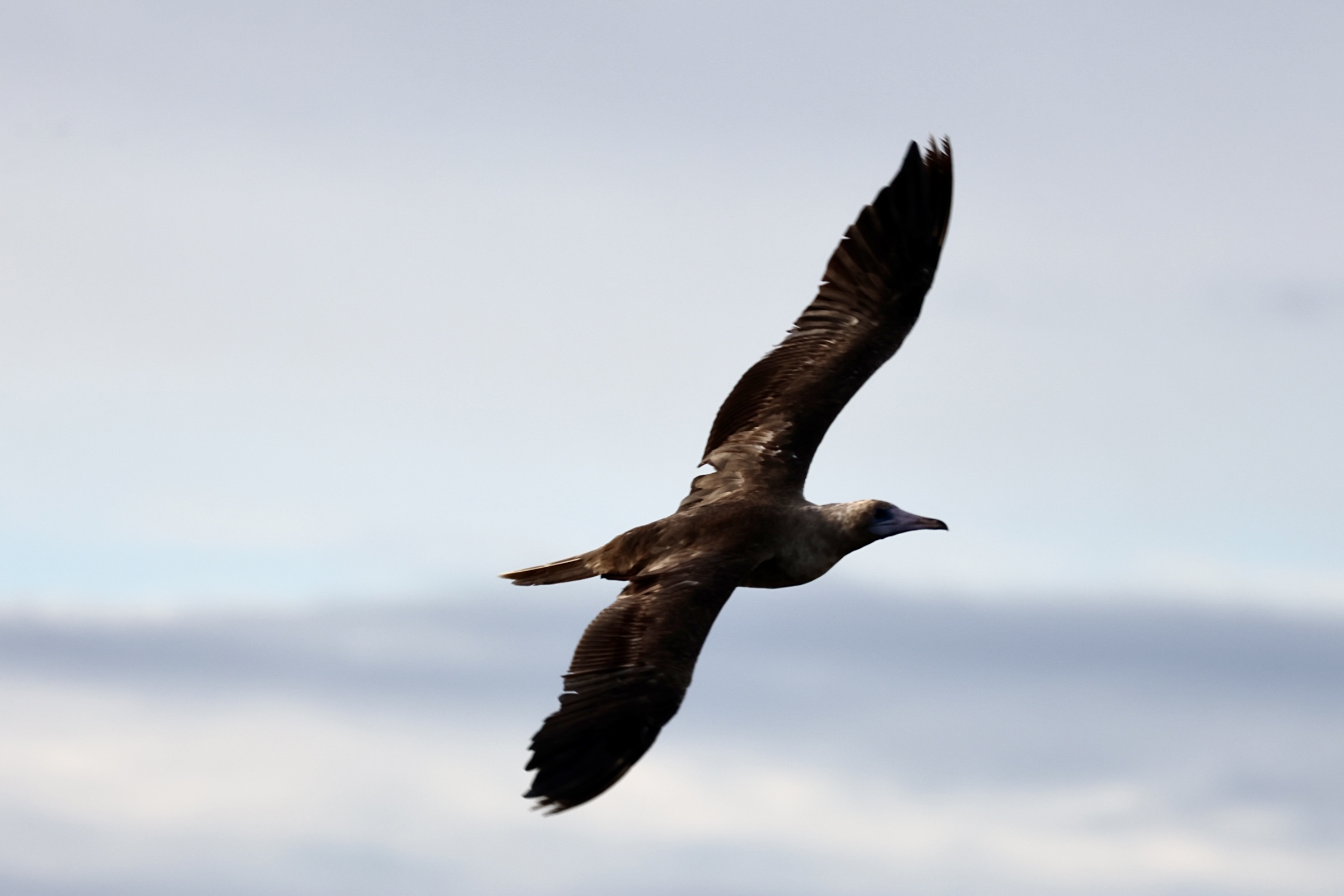
Now I have something thoughts and questions, and I’m aware they are not rational…
- What warm tropical island did it come from?
- Does it know it’s in Canada?
- Is it cold? Confused?
- Has it ever seen a harbour seal before now?
- If a crab is its usual predator, the bald eagles must be TERRIFYING.
- How long will it stay?
- Will any of its friends show up?
Anyway, I’m really enjoying trying to find it each day and take somewhat blurry photos of it. Maybe one day before I leave I’ll snap a decent one!
As for the rest of the blog:
Facility work:
- Painted the new door for the main house
- Cleaned main house windows
- Ran the generator
Vessels:
- Ecotourism: 15
- Private: 12
- Paddle board: 2
- Jetski: 1
Oct 10 Census
Census day! See below:
Mammals:
- Harbour seal: 92
- Steller sea lion: 572
- California sea lion: 556
- Elephant seal: 1
Birds:
- Gull: 406
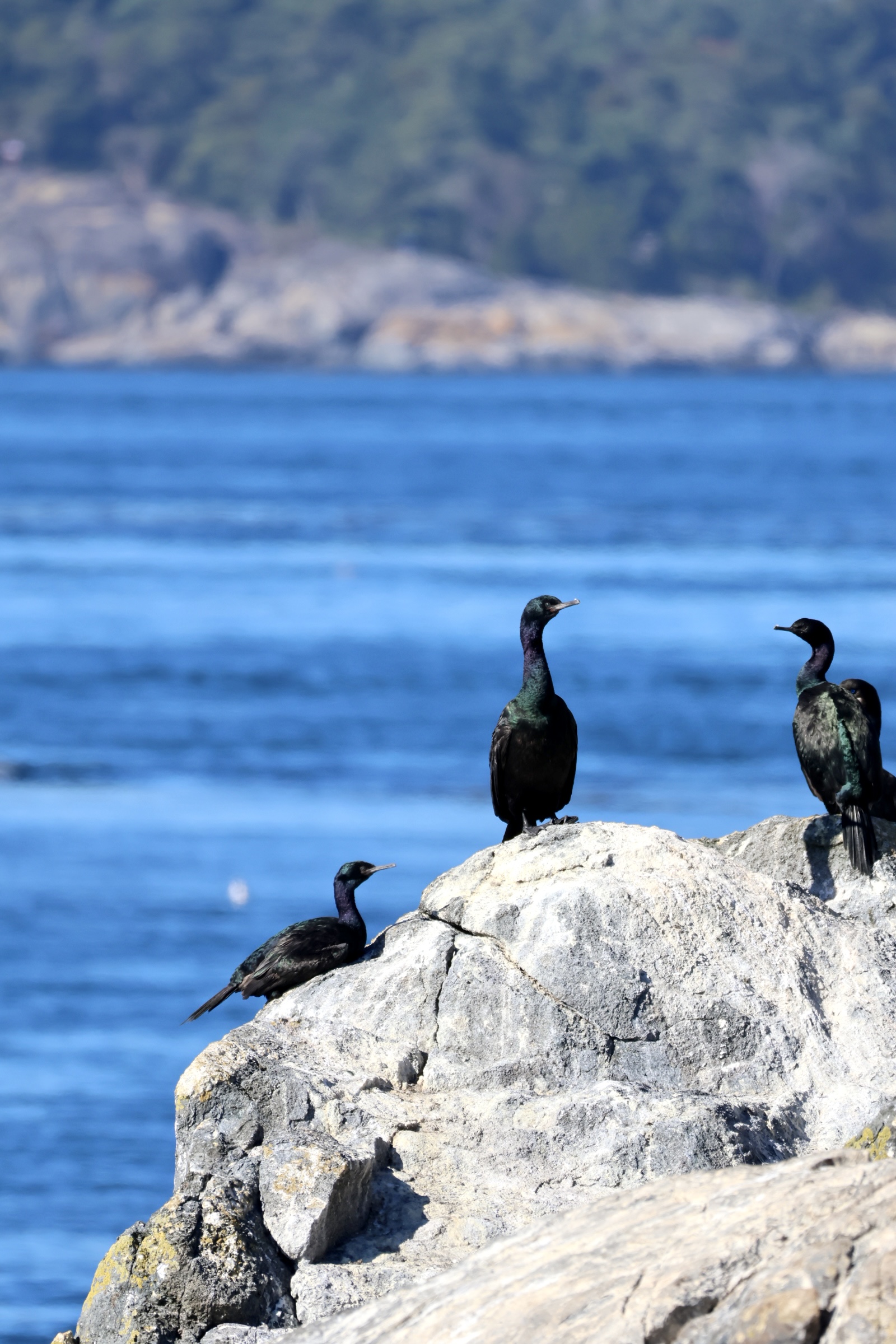
- Cormorant: 828
- Bald eagle: 2
- Oyster catcher: 4
- Harlequin duck: 8
- Canada goose: 6
- Turnstone: 72
- Sparrows: lots, too fast to count accurately
- Red-footed booby: 1
Marine Mammal Rescue!
It has been a fantastic few days out here! The team from the Vancouver Aquarium Marine Mammal Rescue Society came out with DFO to disentangle the California sea lion that I first spotted last October.
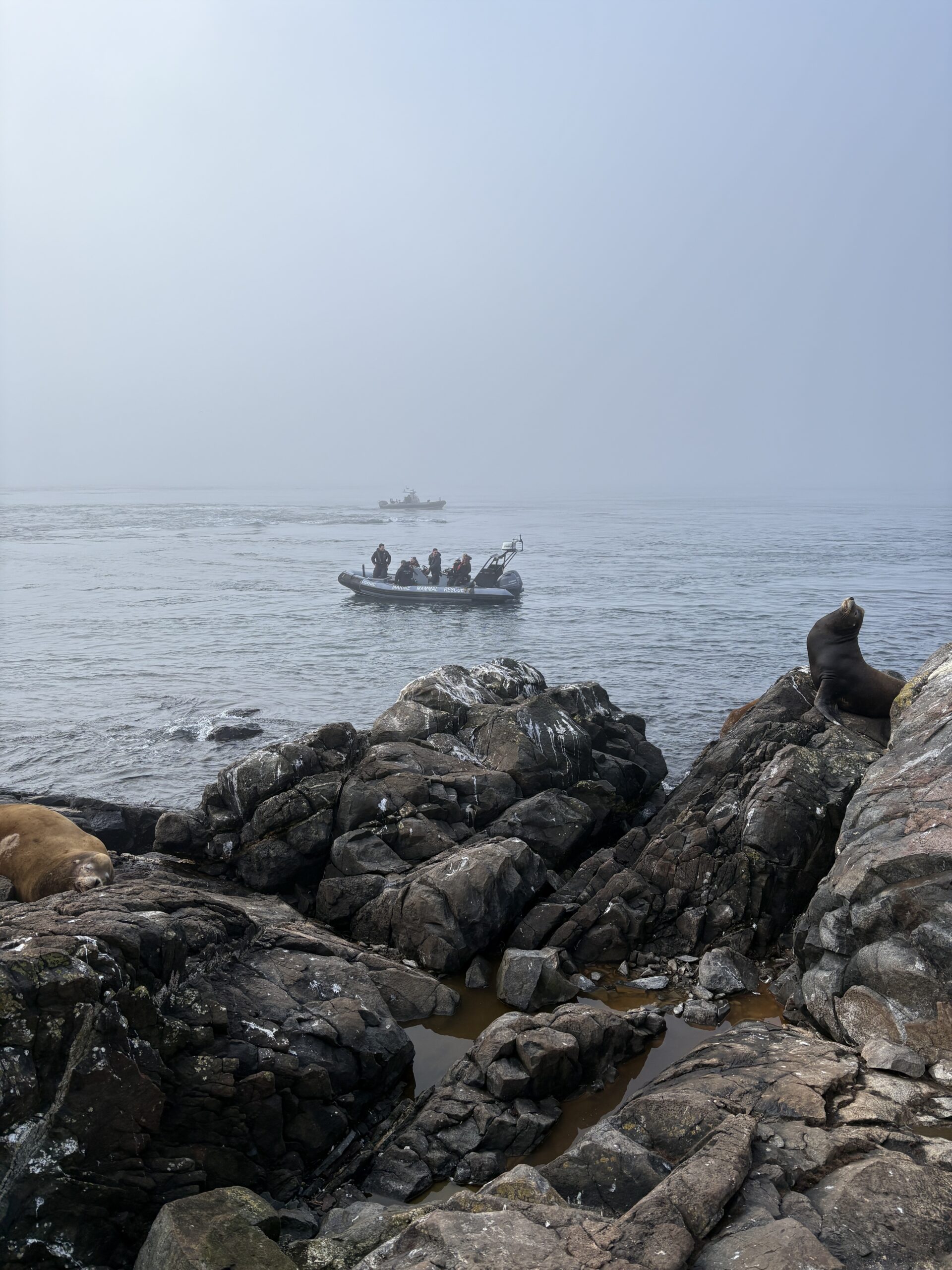
He was sleeping up high on the boat launch with made landing at the jetty tricky because we didn’t want to scare the sea lions and risk him going in the water. Instead, DFO dropped the rescue team off the south side of the island. The current was strong so we weren’t sure it would be possible, but they were able to safely nose the rhib into the rocks behind the generator building and the team came up the rocks. This ended up being great because we could approach the entangled sea lion without scaring him, and there are significantly less sea lions on the south side lately, so the disturbance was minimal.
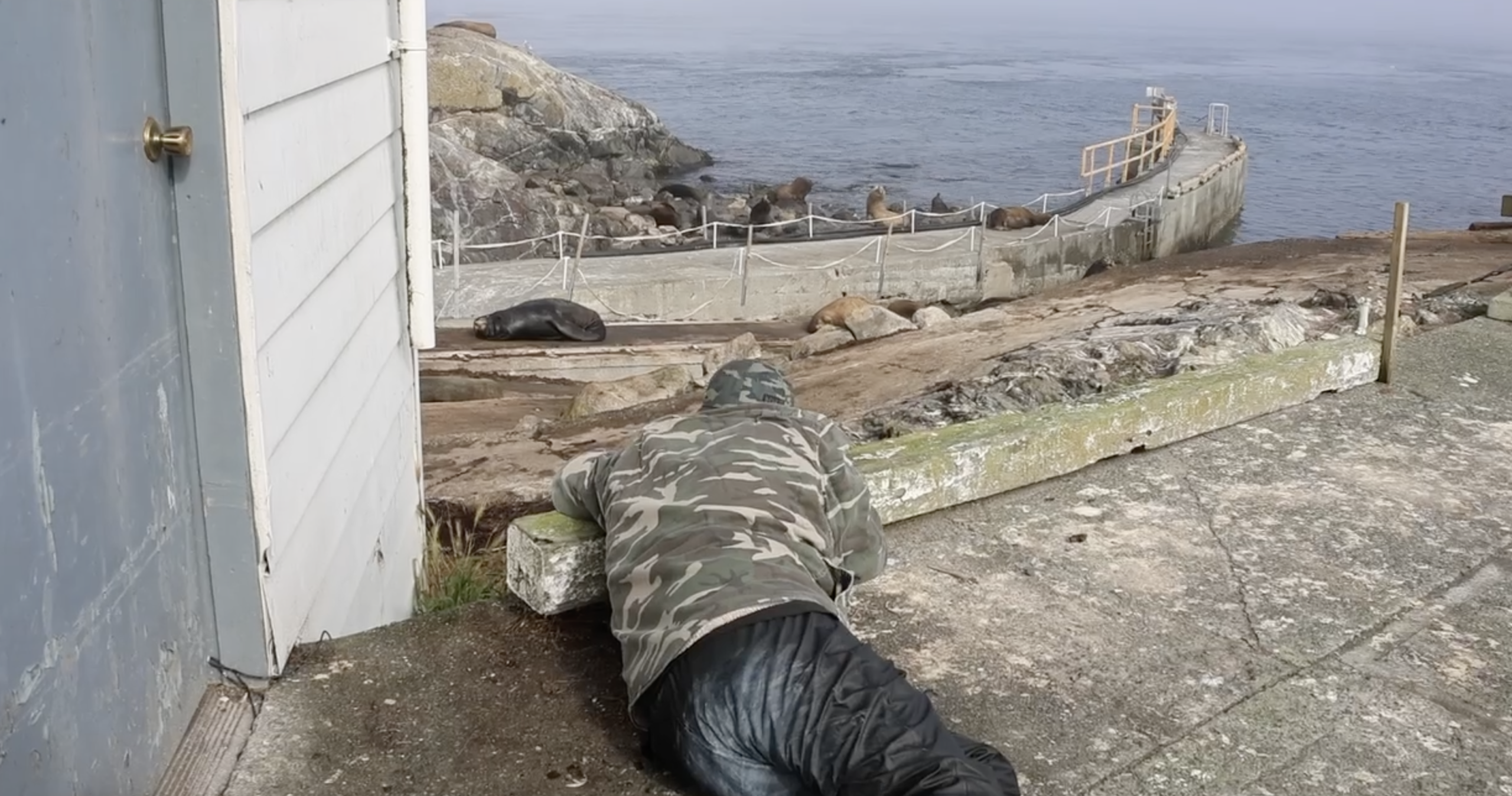
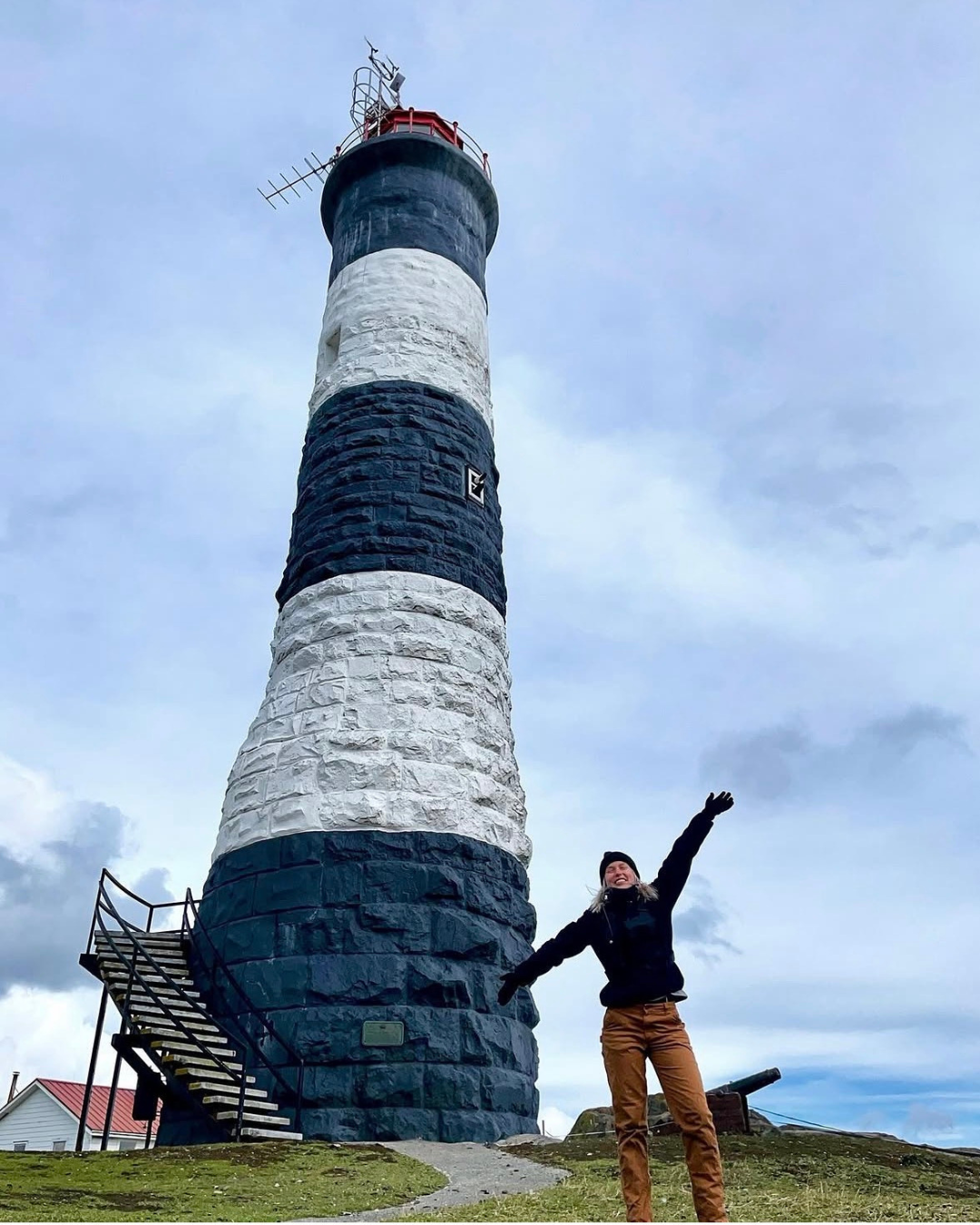
For those who don’t already know, when I’m not at the lighthouse, I work full time as a Registered Veterinary Technologist with the Marine Mammal Rescue Society. This was my team coming out, and disentanglements are one of my favourite parts of the job. Doing this work at Race Rocks is especially meaningful: I can help save an animal, and I’m often the person who finds and monitors them, coordinates with the team, and supports the rescue. Afterward, I’m able to continue monitoring the animal in the following days, which is incredibly rewarding.
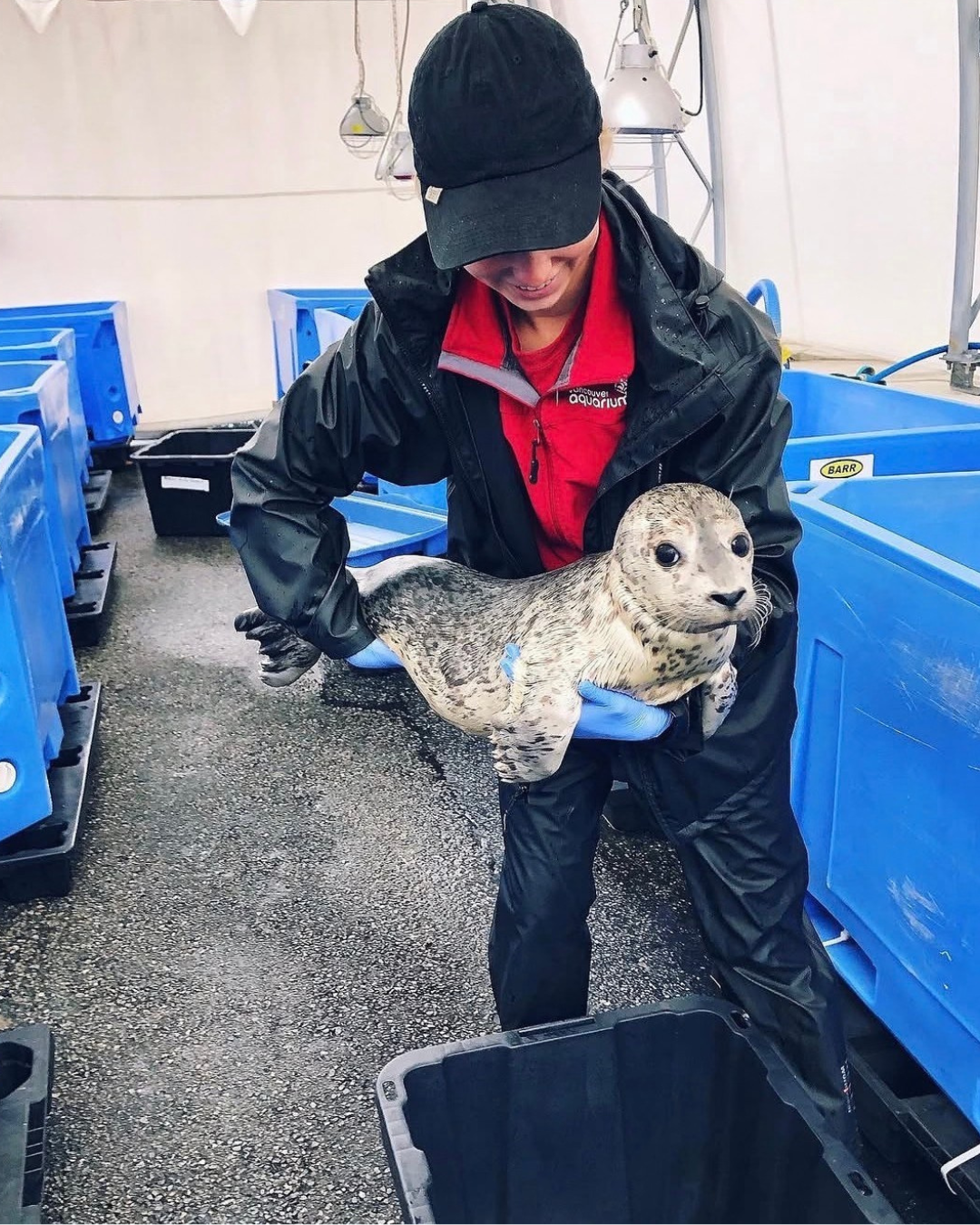
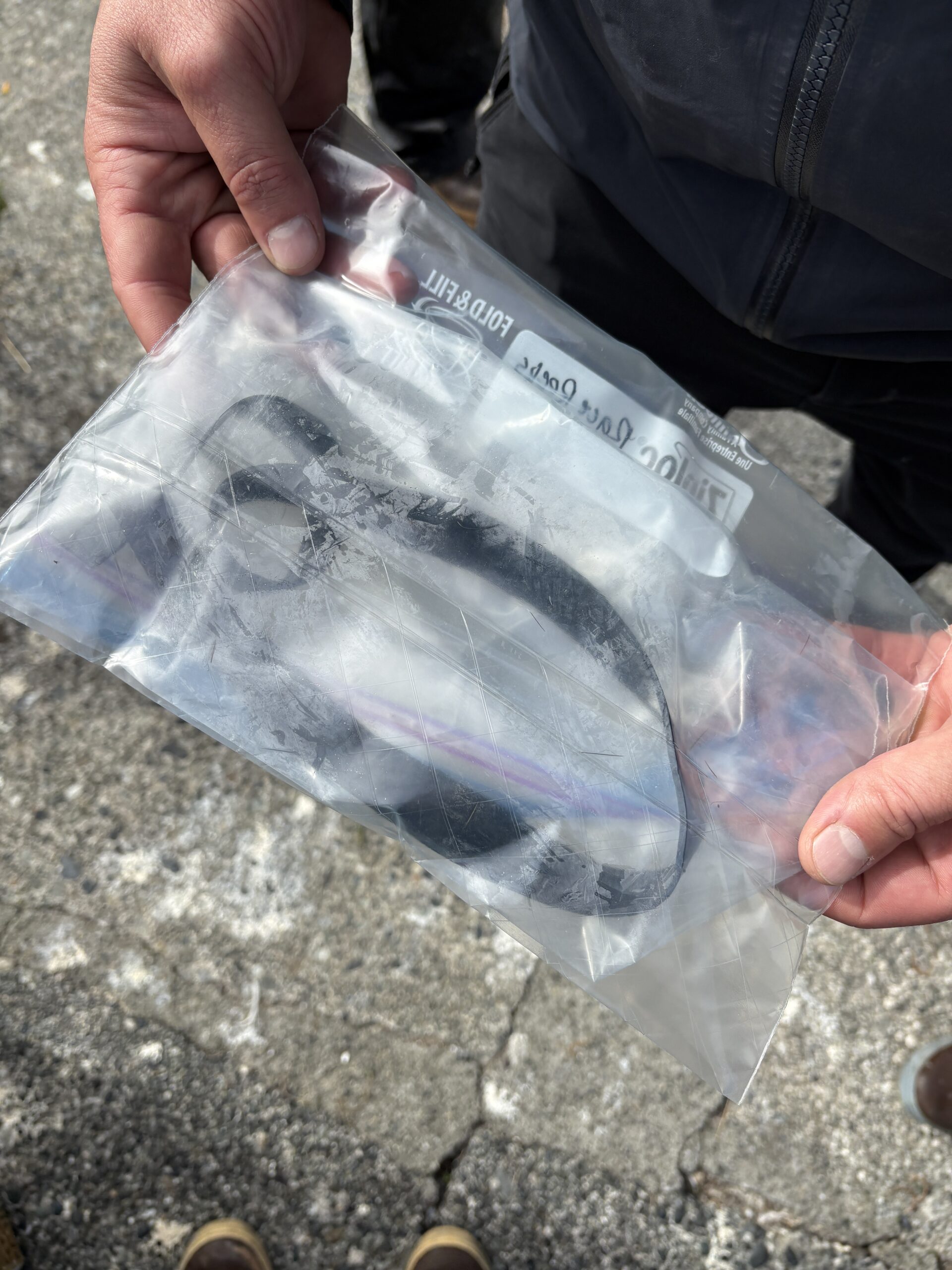
The rescue itself was straight forward, Dr. Haulena darted the entangled sea lion with a sedation protocol that allows us to approach and work with the animal, but doesn’t sedate them so deeply that if they end up going into the water they won’t drown. Thankfully, after the initial shock of the dart, the sea lion only moved a few feet before settling back down on the ramp. The sedation takes about 12 minutes to take effect, at which time we moved in. We quickly discovered that the entanglement material was a thick industrial rubber band, these bands have a wide variety of uses in the marine field and can often be found on commercial crab traps or used in other pot fisheries. Once the band was removed, we place a flipper tag on each of his fore flippers, these are not satellite tags, but they can help us identify the animals in future sightings.
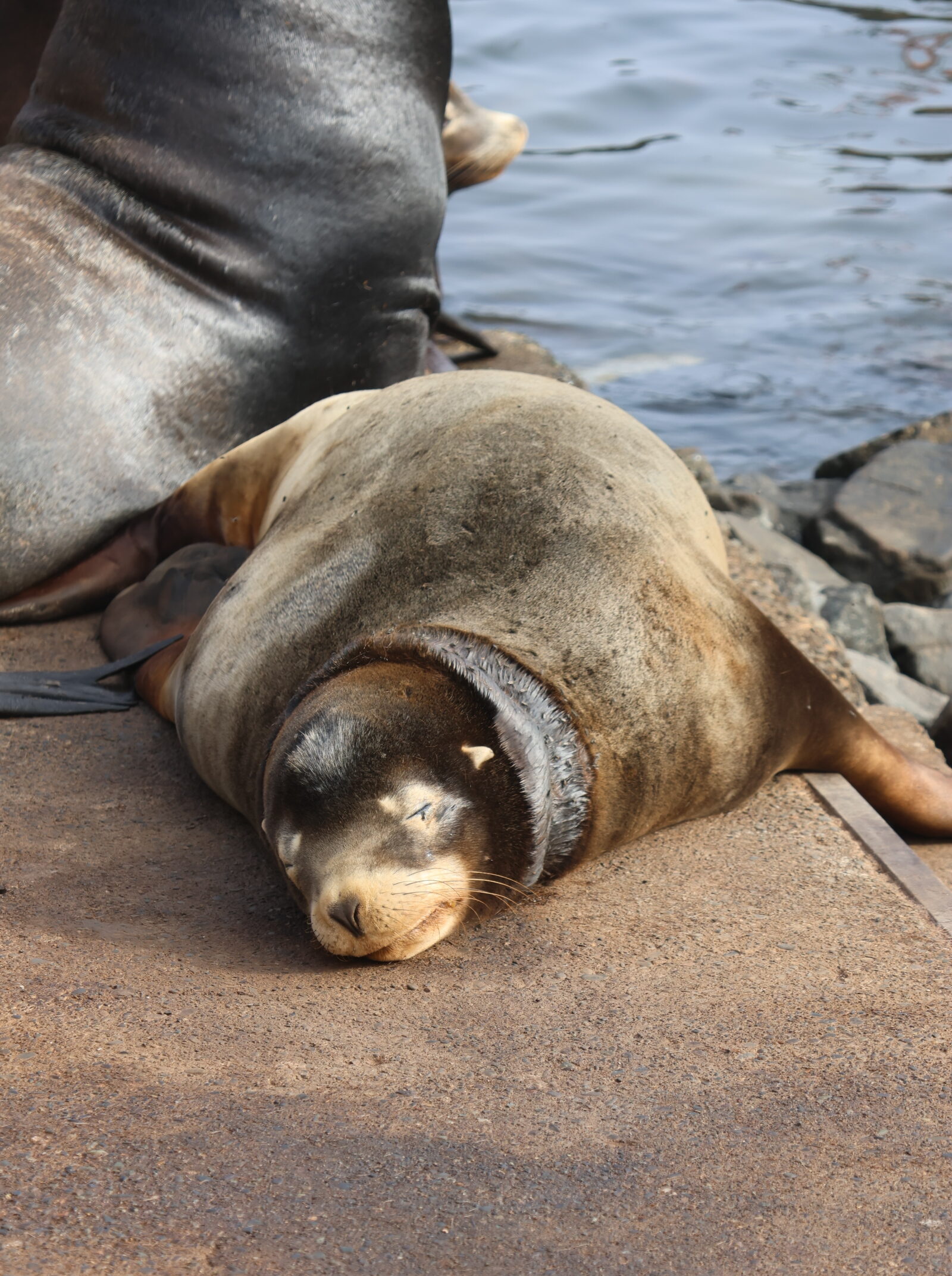
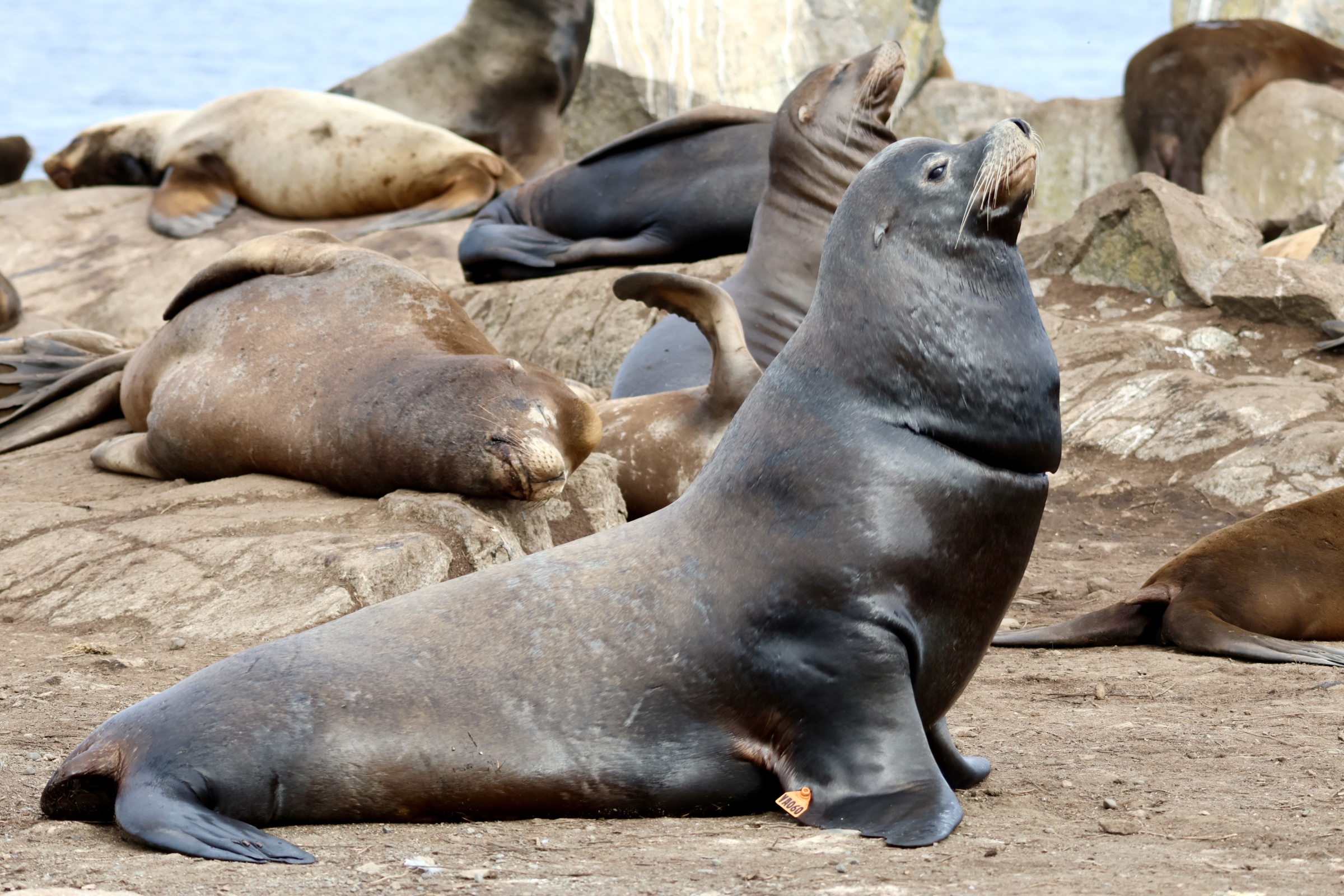
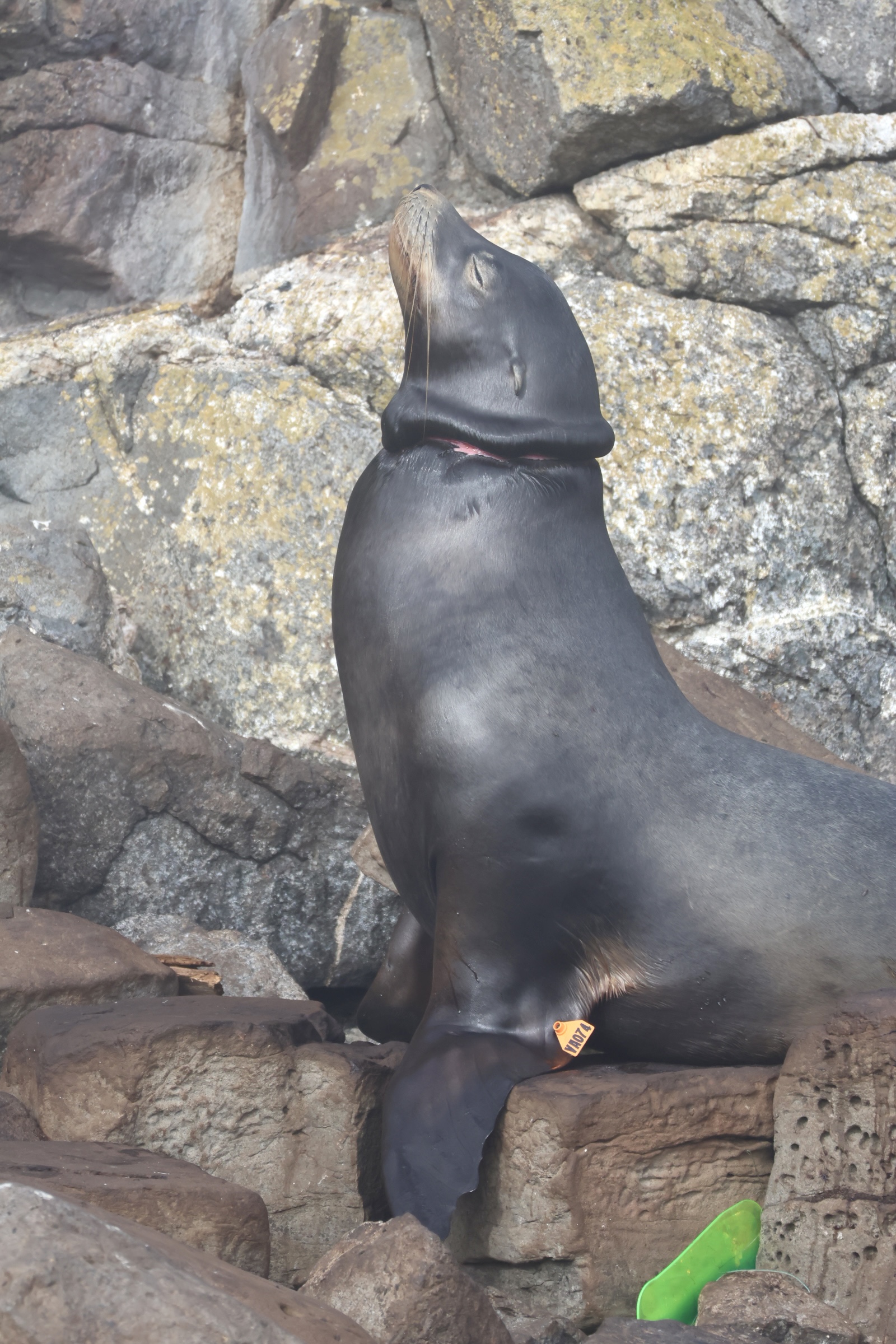
A great example of this is the animal Eva helped us with in August. He is still here and I was able to determine that by taking a photo of his tags and then comparing them to our spreadsheet. Each tag has a unique number on it that allows to ID the animal when resighted. I’ll insert a photo of the animal we rescued in August below:
Once we were done, we gave him an injection to reverse the sedation and then we watched from the top of the of the boat launch as he woke up, stretched out, and then entered the water and swam off. He later hauled back out on the rocks to the left of the jetty and is currently still there as I write this. I can’t imagine the relief he must be feeling and I’m already excited to see him here again next year!
You can watch the rescue video here: https://youtu.be/EJJ7pKWvKIY?si=JR4Ft_c99E8h6POc
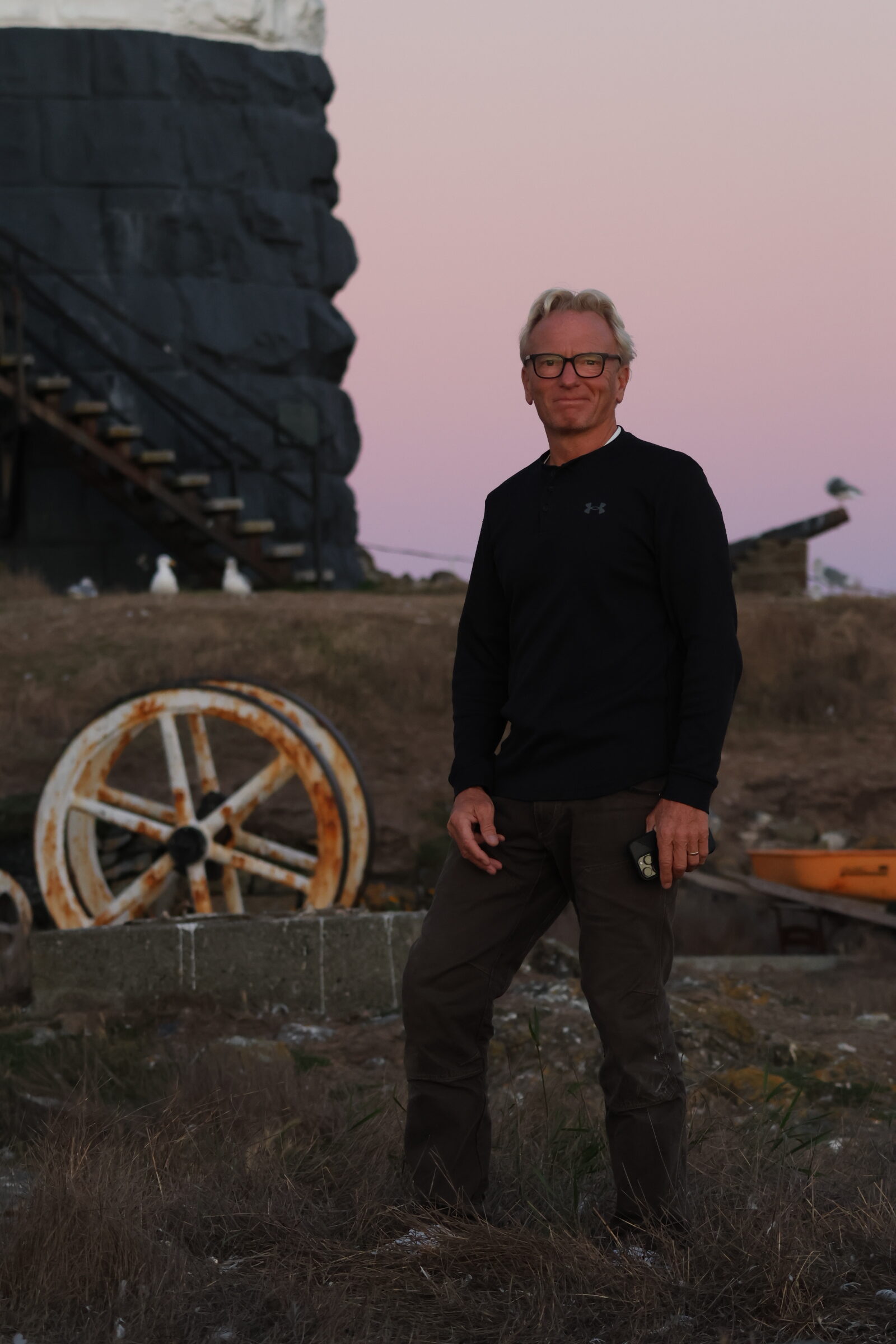
The team was gone by 12:30, and with them they took my dad whose been here this first week with me. It’s been so special having him here and spending time with him, he is the one who taught me my love for the ocean and he enjoys it out here just as much as I do!
Aside from the excitement of the disentanglement, things have been quite calm around here. The weather has been incredible, glassy seas and no wind, full sun and whales everywhere! Today is supposed to reach 40 knot winds (close to 80km/hr) and raining, so today I’ve be battening the hatches and making sure everything is securely put away and I have everything I need in the house. The generator is being run manually at the moment so I will need to make a couple outside treks to turn that on and off but other than that my plans include a fire and storm watching from inside. I’m very curious to see how that affects Saturday’s census!
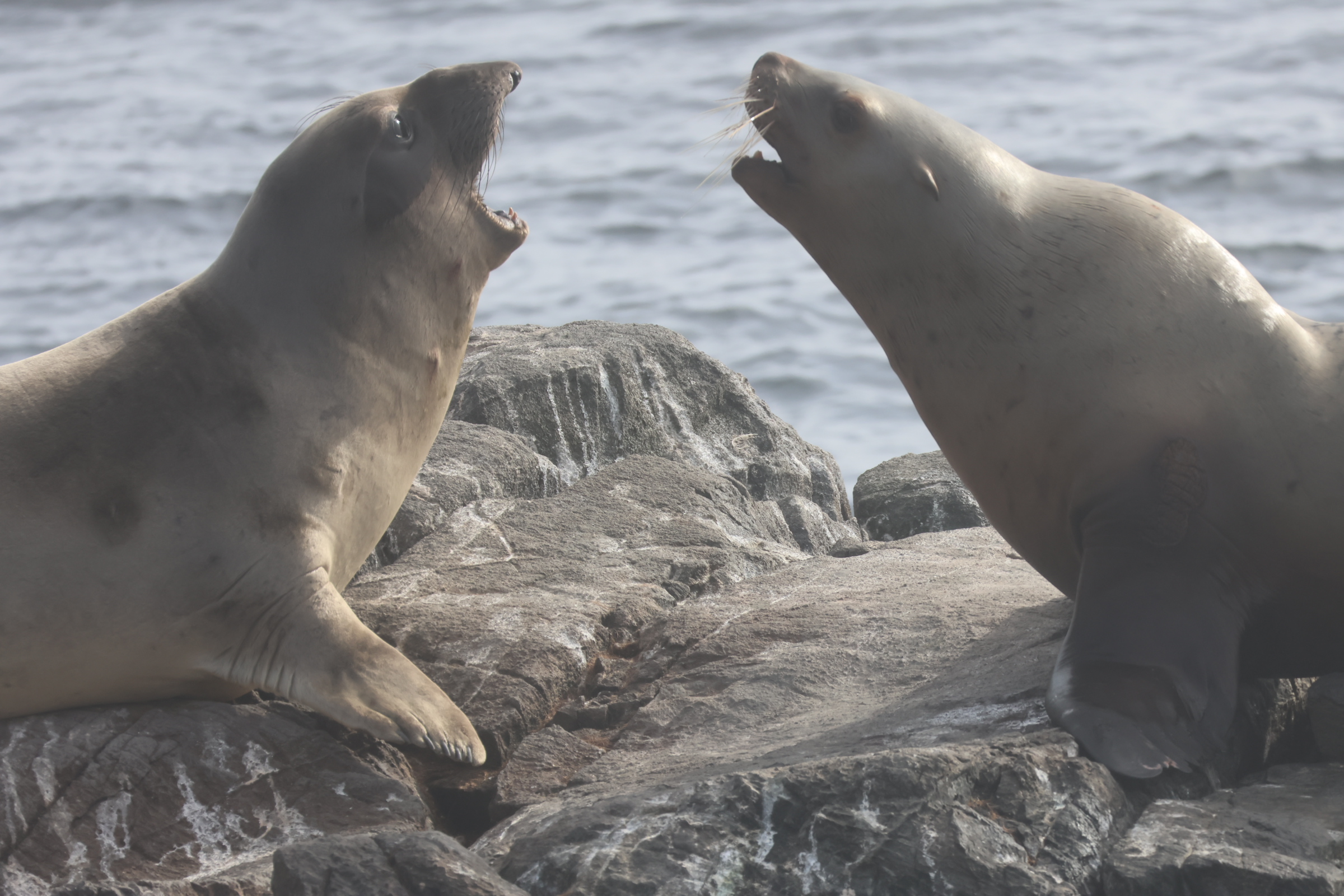
And lastly, we have a young female elephant seal back at Race Rocks! She has been hanging out with the Stellers on the South rocks but hopefully she comes up to the grass soon!
Facility work for the past couple days:
- Ran the generator
- Cleaned main house windows
- Topped up batteries
- Fixed the main house kitchen sink (thanks dad!)
- Lots of fence repair
- Cleaned solar panels
- Storm prep: lowered the flag, secured the electric fence as best as possible, general site clean-up.
- Oil change in Honda generator
- Ran the last remaining line of electric fence tape behind the main house
Vessels:
- Ecotourism: average of 15 per day
- Private: average of 4 per day
Visitors:
- DFO team: 4 people
- VAMMR team: 6 people
- Greg/Richard for supply drop off.