Festivus

Wind: 5-19 knots NE
Sea State: up to 1 m chop
Visibility: 15+ NM
Sky: 50% cloud cover with sunny patches throughout the days
Temperature: between 6 and 8 C
Atmospheric CO2: 411.99 ppm (recorded by NOAA at Mauna Loa Observatory, Hawaii)

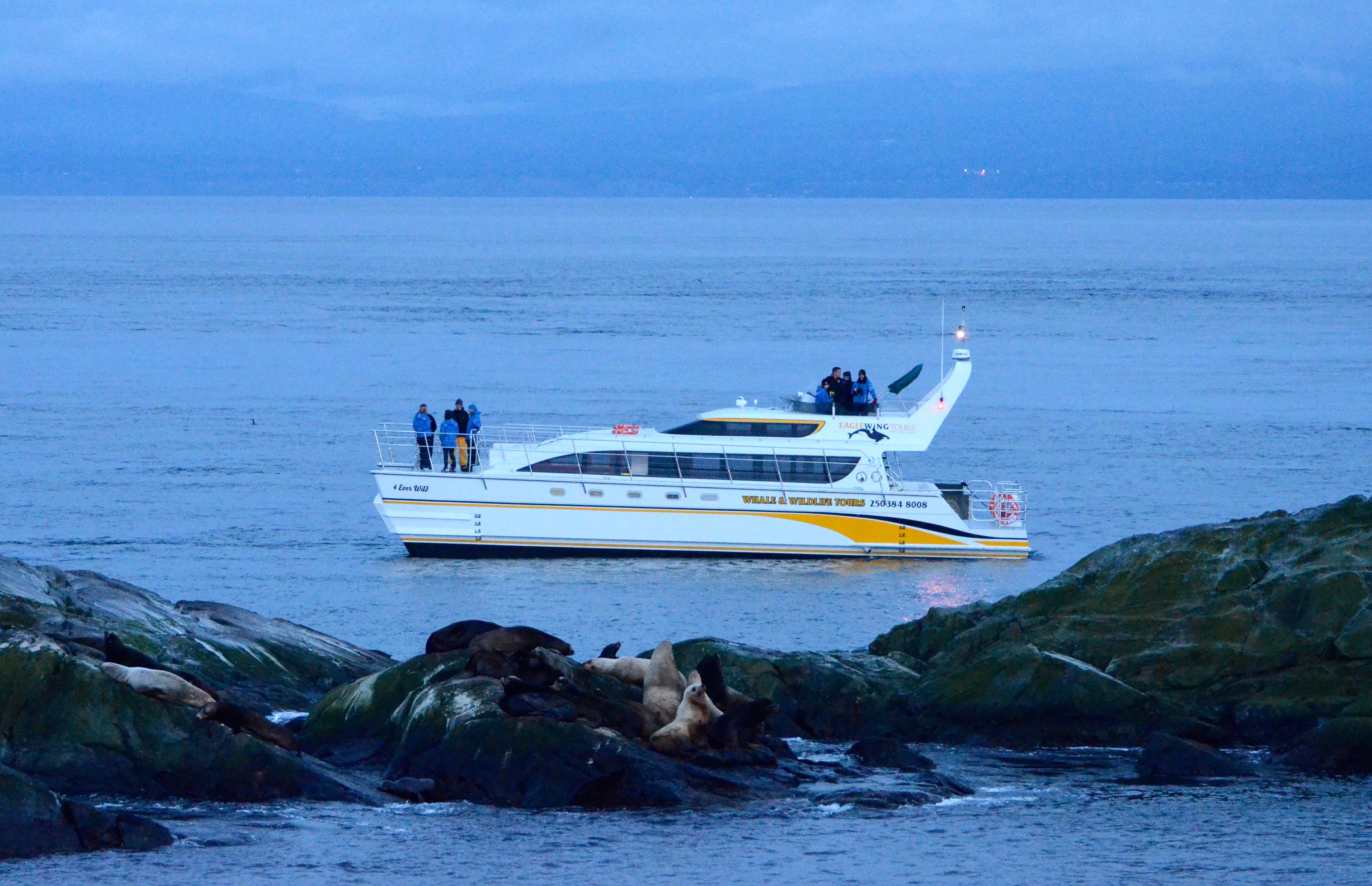
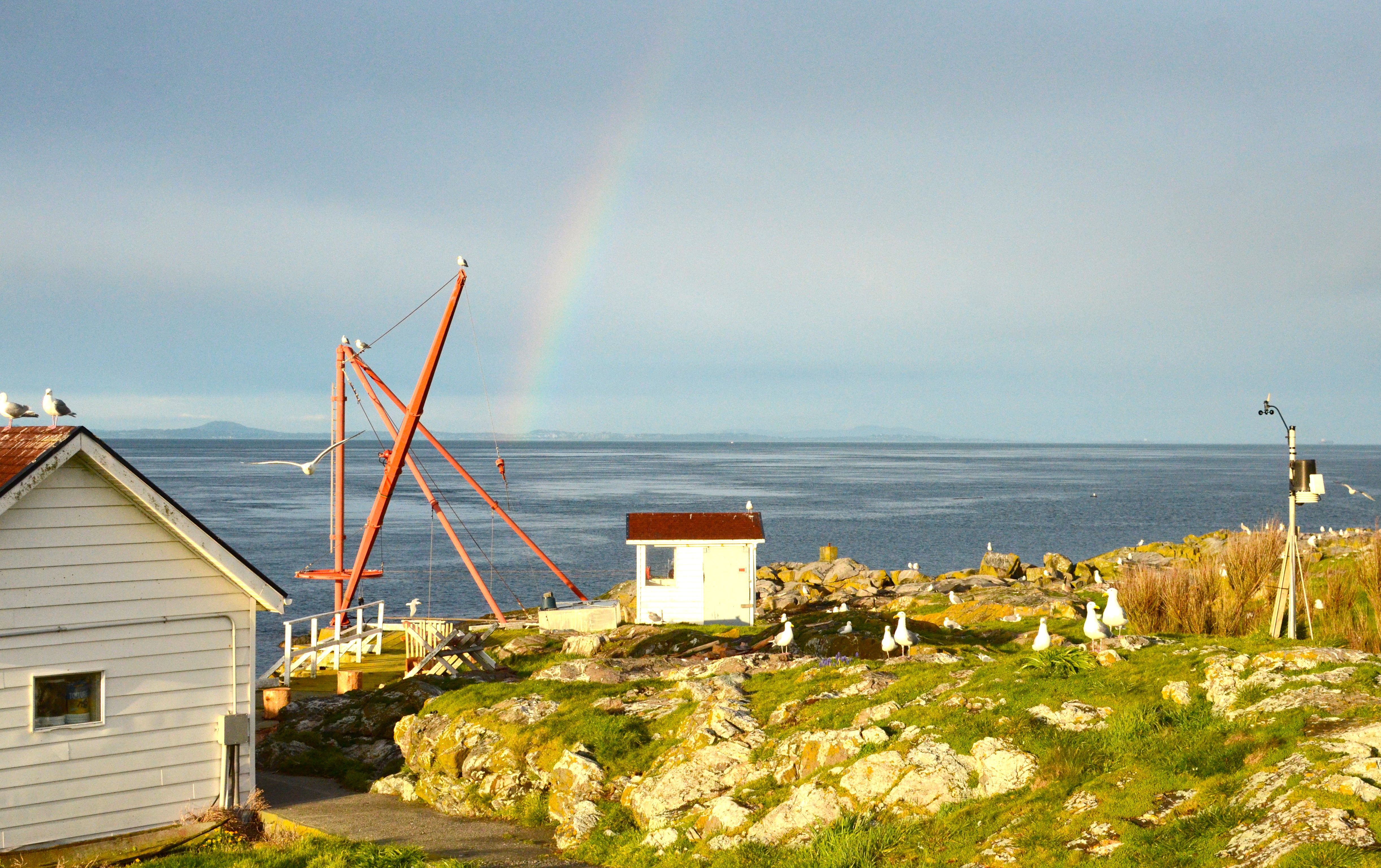
It has been mostly quiet on the rock for the past two days, with the exception of the sea lions barking nonstop. It’s a mystery to me what they carry on about all night. Although, I will take that any night over the fog horn or the urban noises that are too far away for me to hear. The only visitors to the reserve were a few eco tour boats that lingered offshore in the late afternoons.

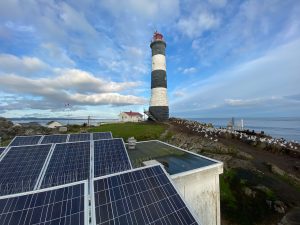
I had to quickly jump into action this morning, when I realized power had gone out just before I got out of bed. I ran the generator for several hours to make sure the batteries were fully charged. The solar panels helped a bit today, soaking up 3.7kWh of energy, which is a couple hours worth of the energy used on the island. There is lots of learning about off grid living.

Yesterday one of the juvenile males elephant seals left, bringing the population of elephant seals on the island from six to five.

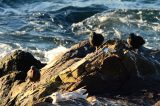
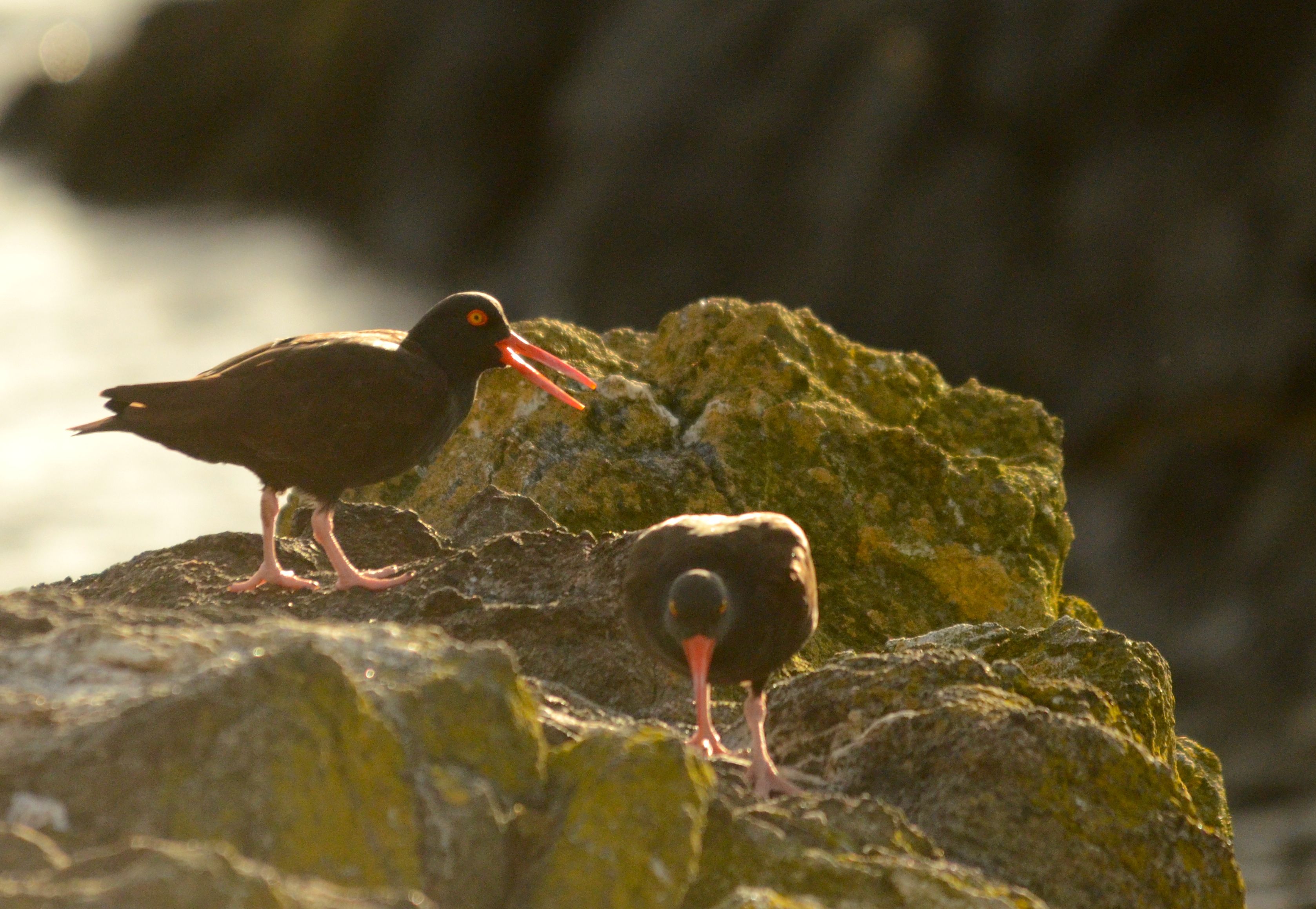
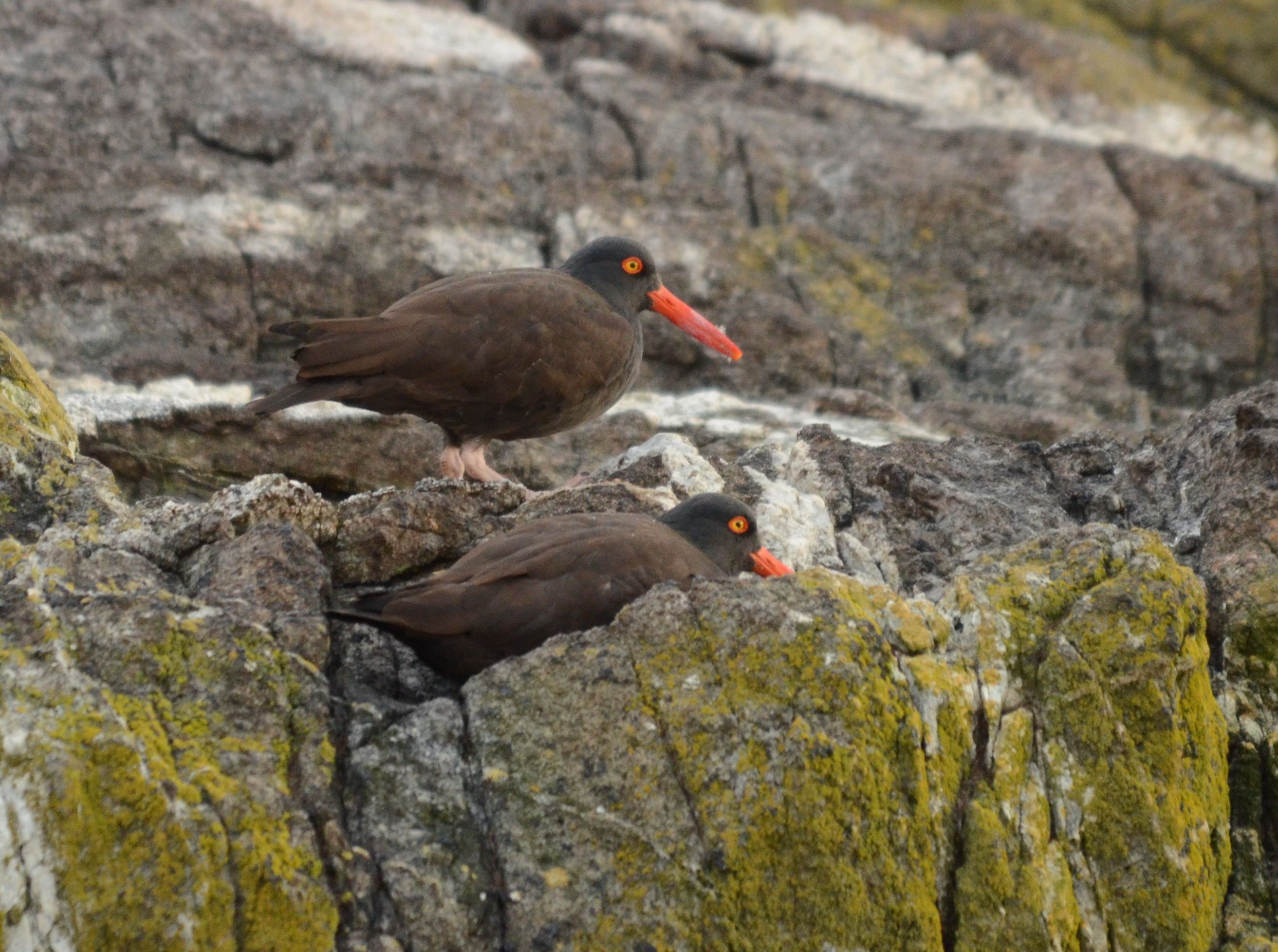
A parcel of about 20 oystercatchers have been hanging out on the south side of the island. They mostly huddle on one leg with their beaks tucked into a wing.

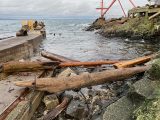
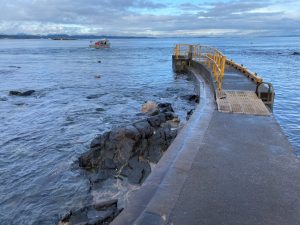
The northeast winds have delivered presents in the form of free firewood to heat the ecoguardian’s house. Through some clumsy use of a pike pole and the tolerance of a nearby resting elephant seal, I managed to land a 6.5 metre log and drag it up the jetty ramp. I also gathered lots of smaller pieces. The wood will be left out in the rain for a while to wash off the salt, then chopped up into manageable pieces, and eventually put away to dry for next winter.

Shift Changeover

Wind: 0-20 knots NE
Sea State: 0.5 m chop
Visibility: 15+ NM
Sky: overcast clearing to sun in the late morning
Temperature: 8 C
Atmospheric CO2: 412.73 ppm (recorded by NOAA at Mauna Loa Observatory, Hawaii)

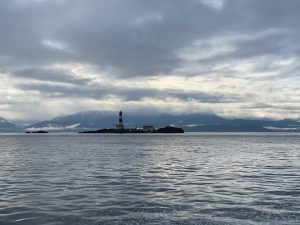
Yesterday, Laas’ shift ended after being on Race Rocks for the past two and half months and a big chunk of the past two and a half years. I came out to the island at noon on Second Nature with Guy, Corey, two students, a family visiting the college and a friend of Laas. It was great to share in the excitement of all on the boat. I also appreciated their help carrying my many bins of food. I always get excited when the boat rounds the corner out of Pedder Bay and the lighthouse comes into view. The cacuphony of seal lion barks and belches was overwhelming when the boat pulled up to the jetty. Thanks for the great welcome home, my pinniped pals. I had a run through of the energy systems with Laas, Guy and Corey, as the equipment has changed completely since I was here almost five years ago. It’s great to be back on the Rock. Thank you Laas for leaving the place so tidy. Best of luck on your new adventures.

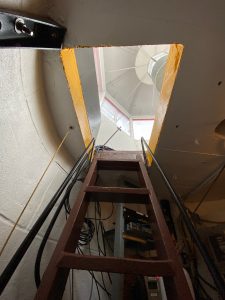
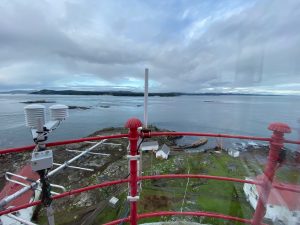
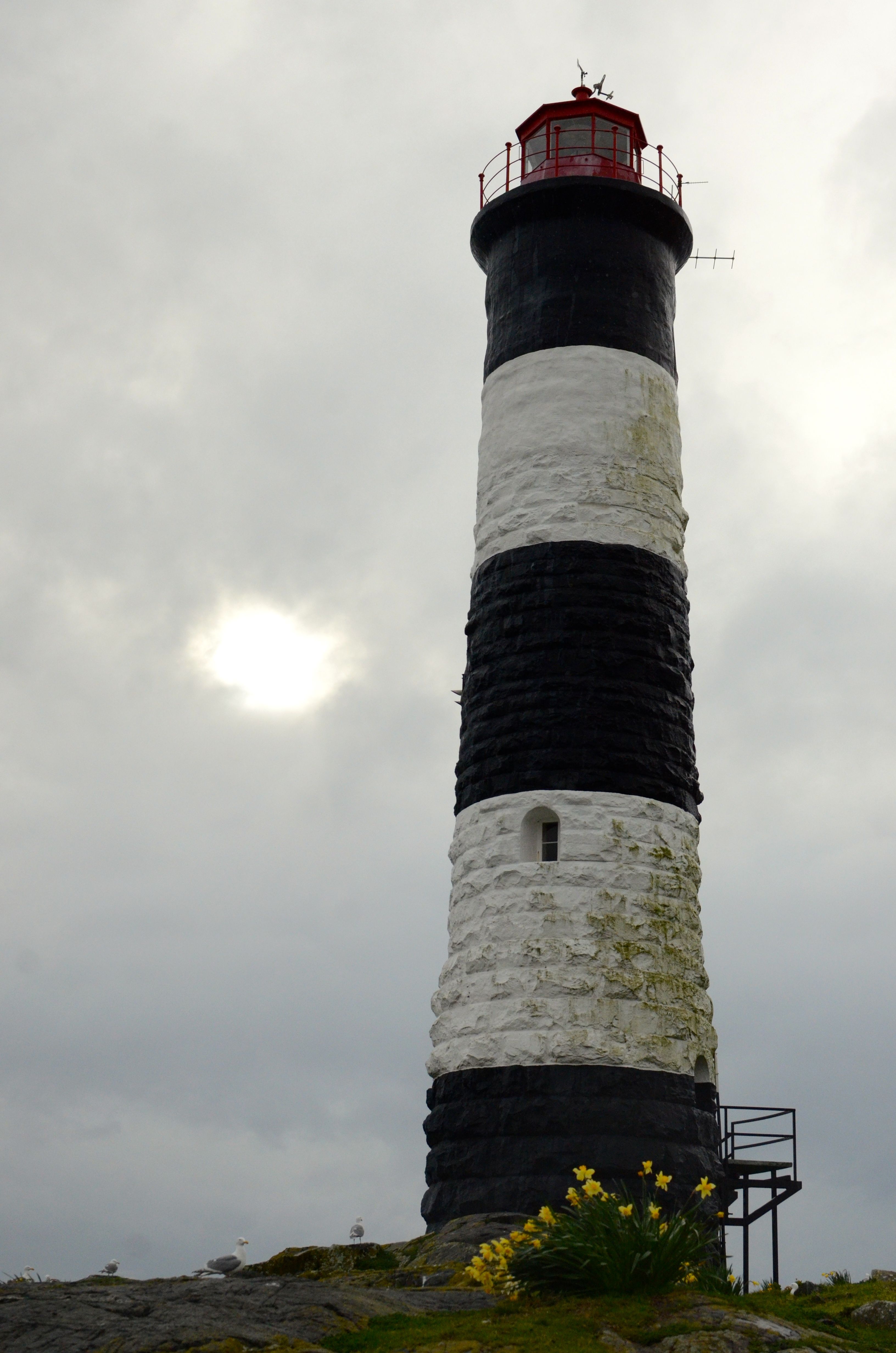
After the group left, I climbed the 99 steps inside the lighthouse to get a bird’s-eye view of the island. I spend the rest of the day reacquainting myself with the place and unpacking. I welcomed the slow down, as I settled into the island that I will call home for the season, watching the changes as the days become longer. I will be here for all of winter and depart soon after the vernal equinox.

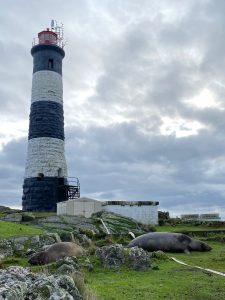
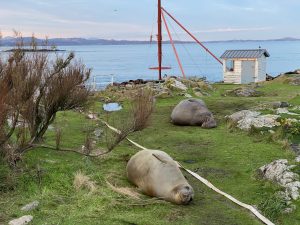
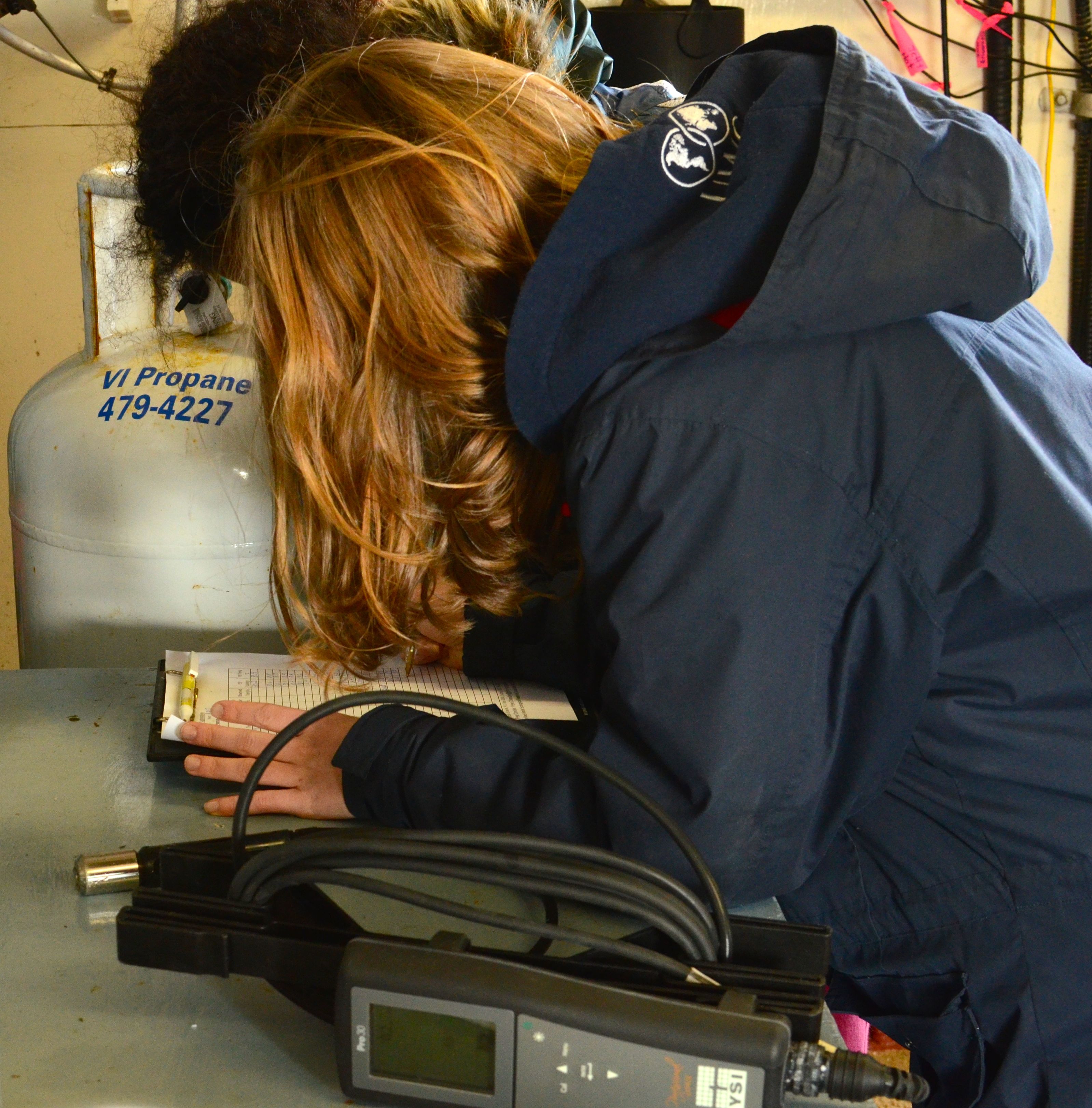
Today, I continued to check out more places and do the regular tasks like monitor the energy levels, wash the solar panels, turn the composting toilet and sample the salinity and temperature of the water at high tide. On one trip up the lighthouse, I counted 336 sea lions on the rocks. There are also six elephant seals on the main island: three large males spaced apart from each other, one pregnant looking female in the centre of the island and two juvenile males.

Approaching Race Rocks

Waving goodbye

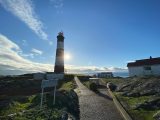
Lighthouse and elephant seals

Climbing to the top of the lighthouse

A bird’s-eye view

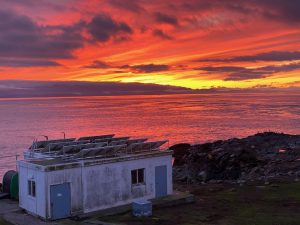
Solar Panels charging the batteries on a sunny day

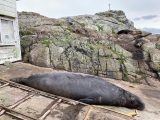
Elephant seals

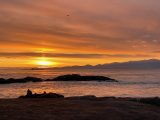
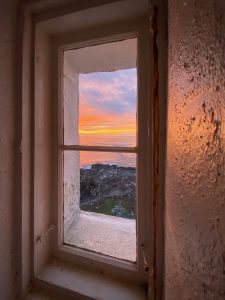
Sunset from halfway up the lighthouse

Sunset over the Olympic Peninsula


March 26 – Census

Sunny
Wind: 0-17 from varying directions throughout the day
Air Temperature: Low 9.2ºC, High 11.8ºC
Ocean Temperature: 9.0ºC

Today was spent preparing for the shift change. Anne Stewart will arriving tomorrow to take over as the Eco-Guardian.

There was one eco tour boat seen in the reserve today.

Here are the results of today’s megafauna census:
Steller Sea Lion: 58
California Sea Lion: 31
Harbour Seal: 79
Bald Eagle: 3
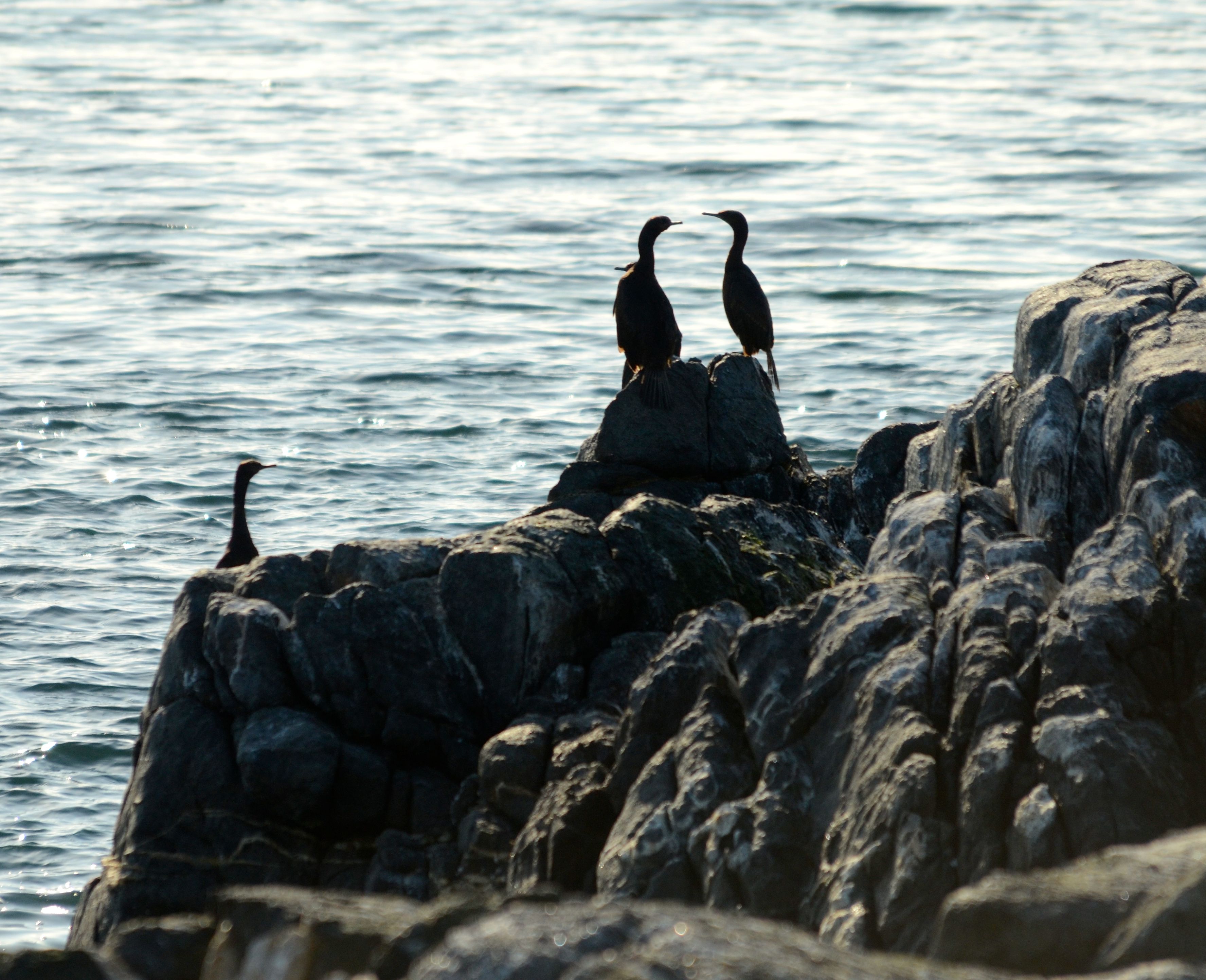
Cormorant: 16
Canada Goose: 24
Gull: 256
Crow: 2
Oystercatcher: 4
Pigeon Guillemot: 234
Surfbird: 8
Black Turnstone: 16
Savannah Sparrow: 1

March 25

Raining
Wind: NE 2-21, after 17:00 SW 3-14
Air Temperature: Low 8.3°C, High 11.3°C
Ocean Temperature: 8.9°C

Today was spent doing many inside tasks: computer work, tidying, laundry, organizing photos and watching the waves while sitting by the fire.

One eco tour boat was seen in the reserve today.

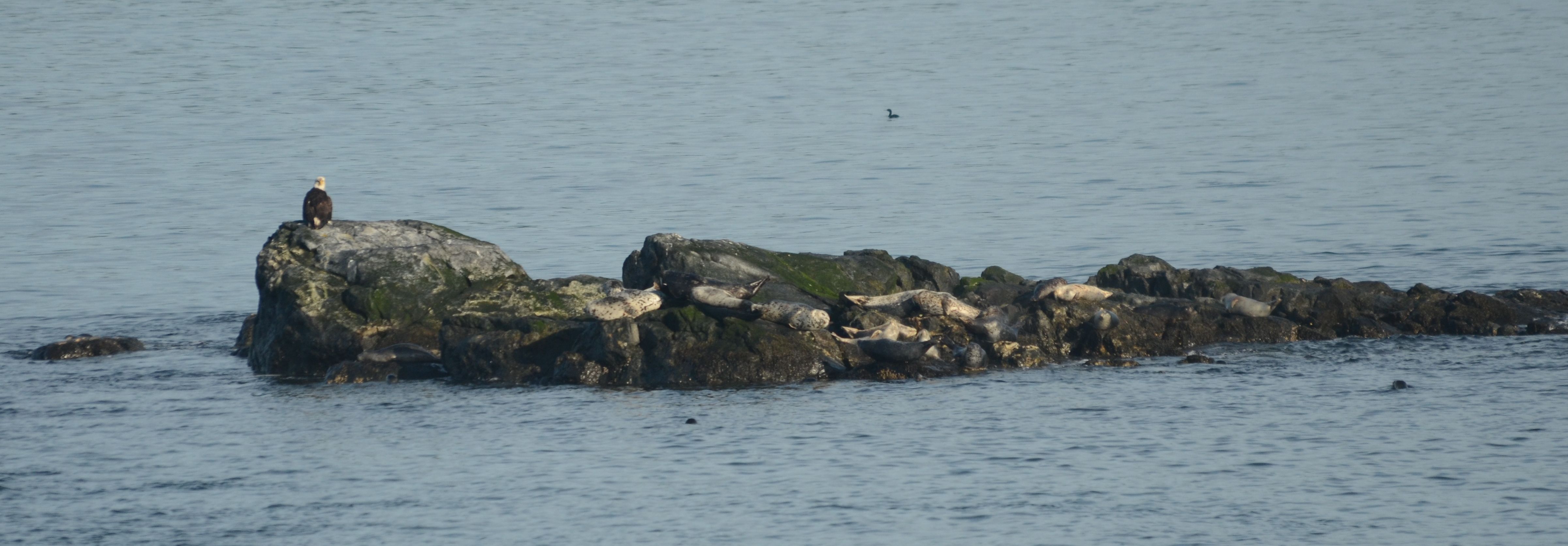
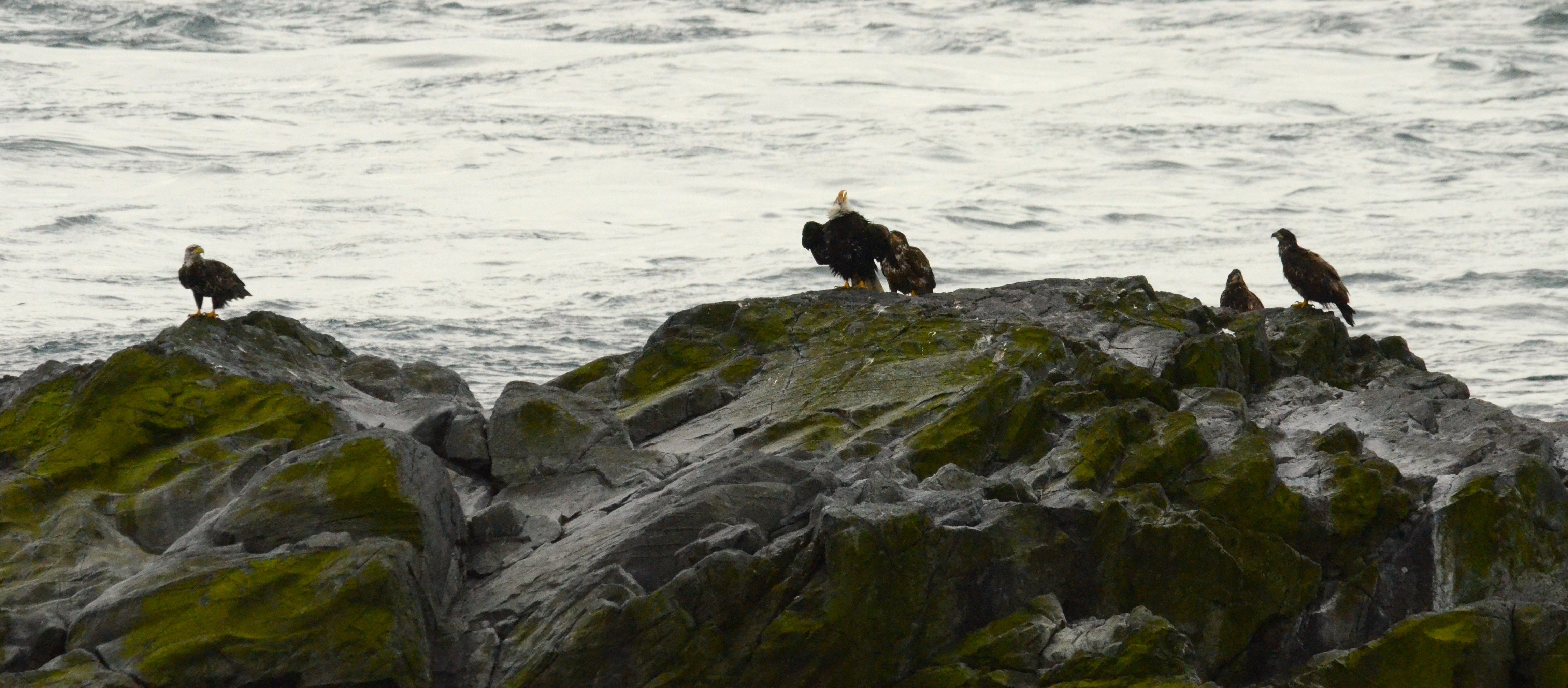
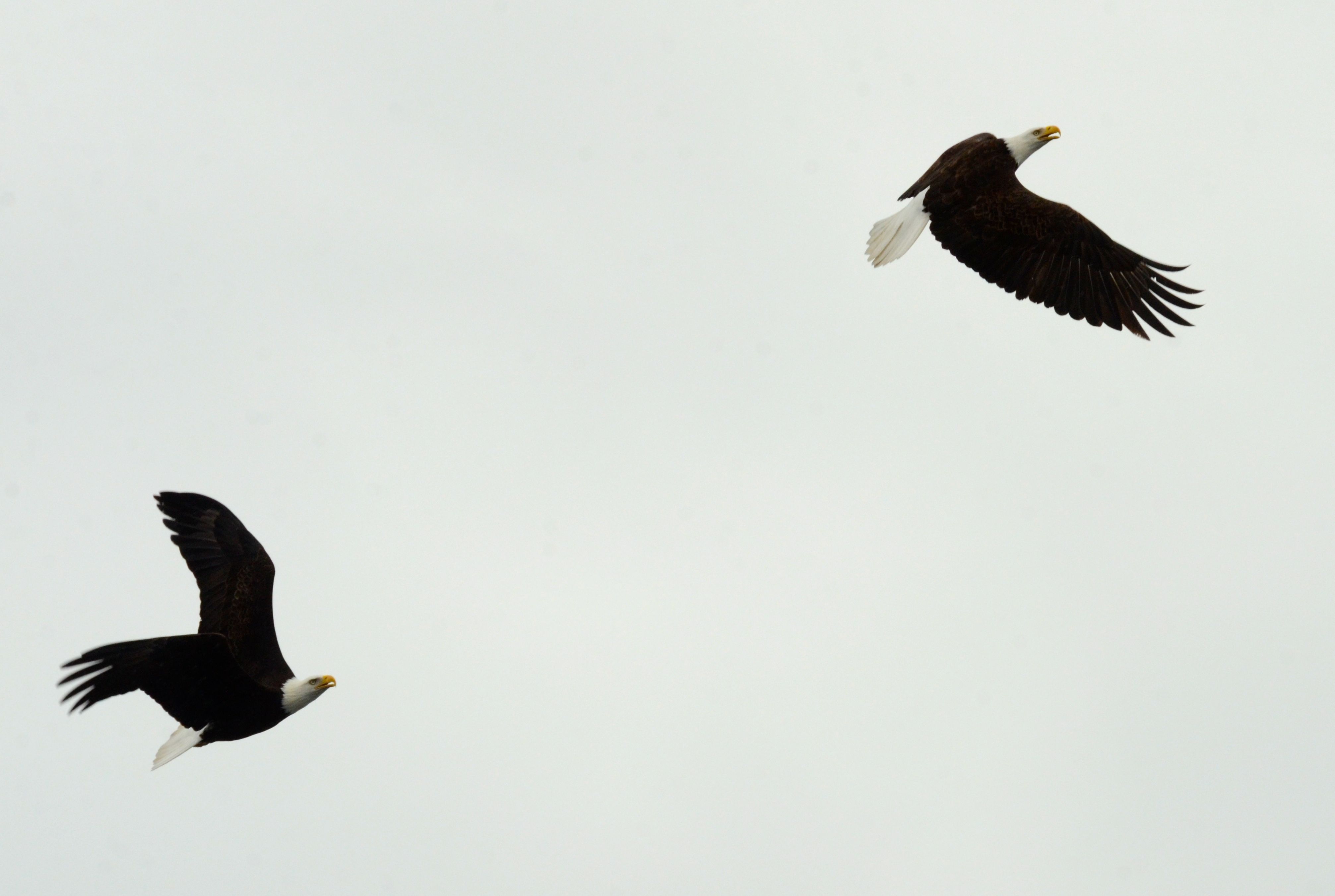
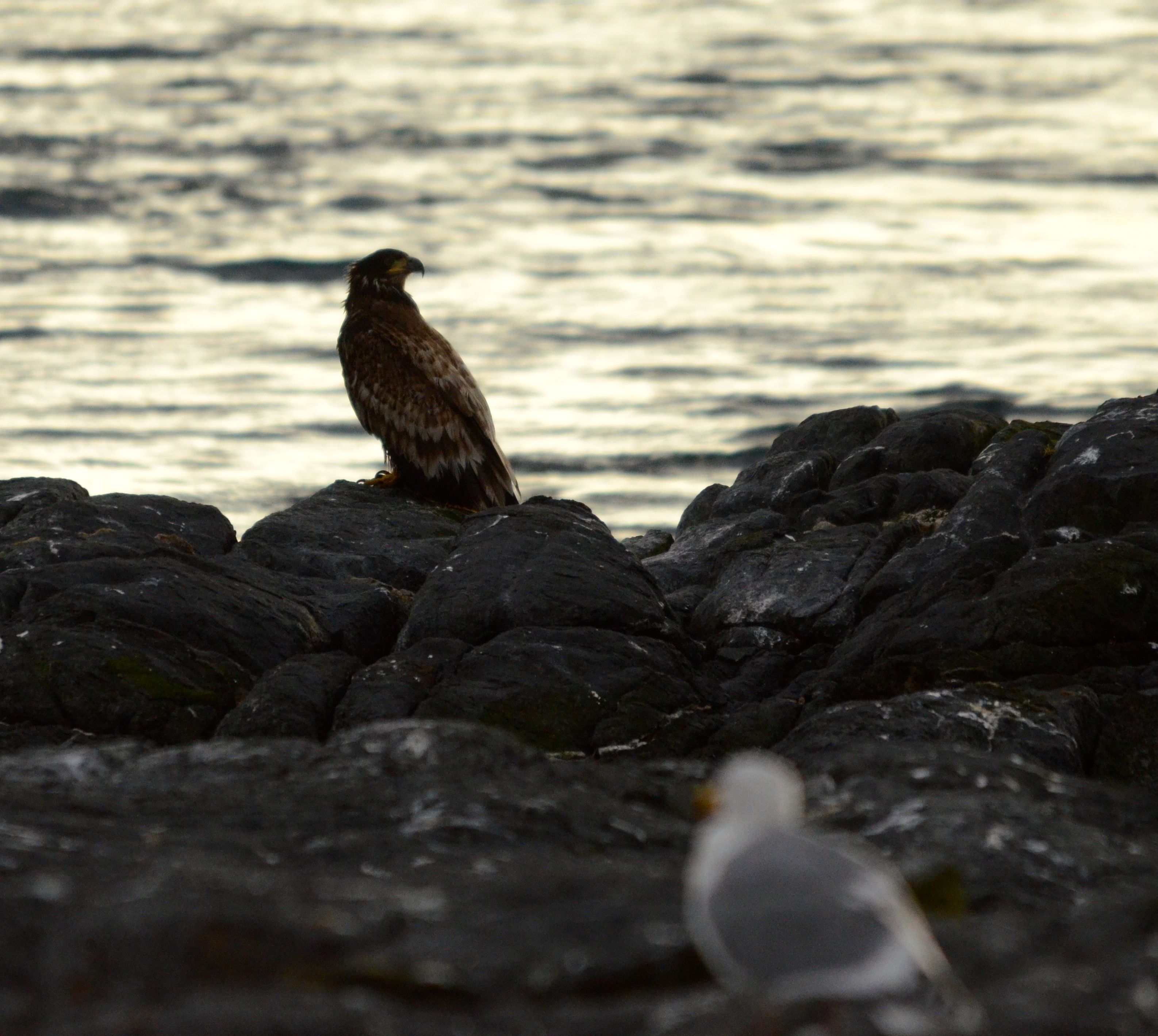
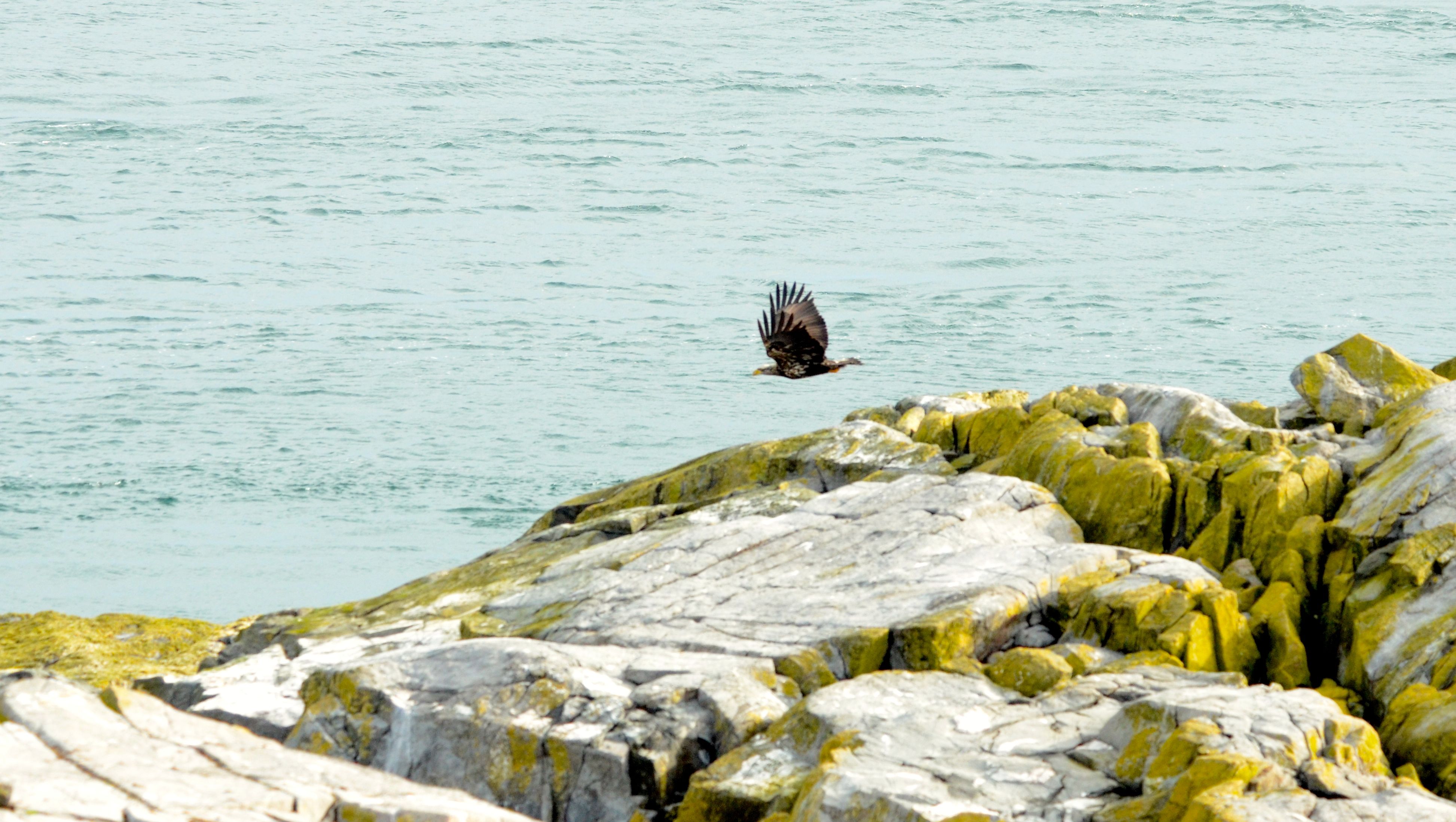
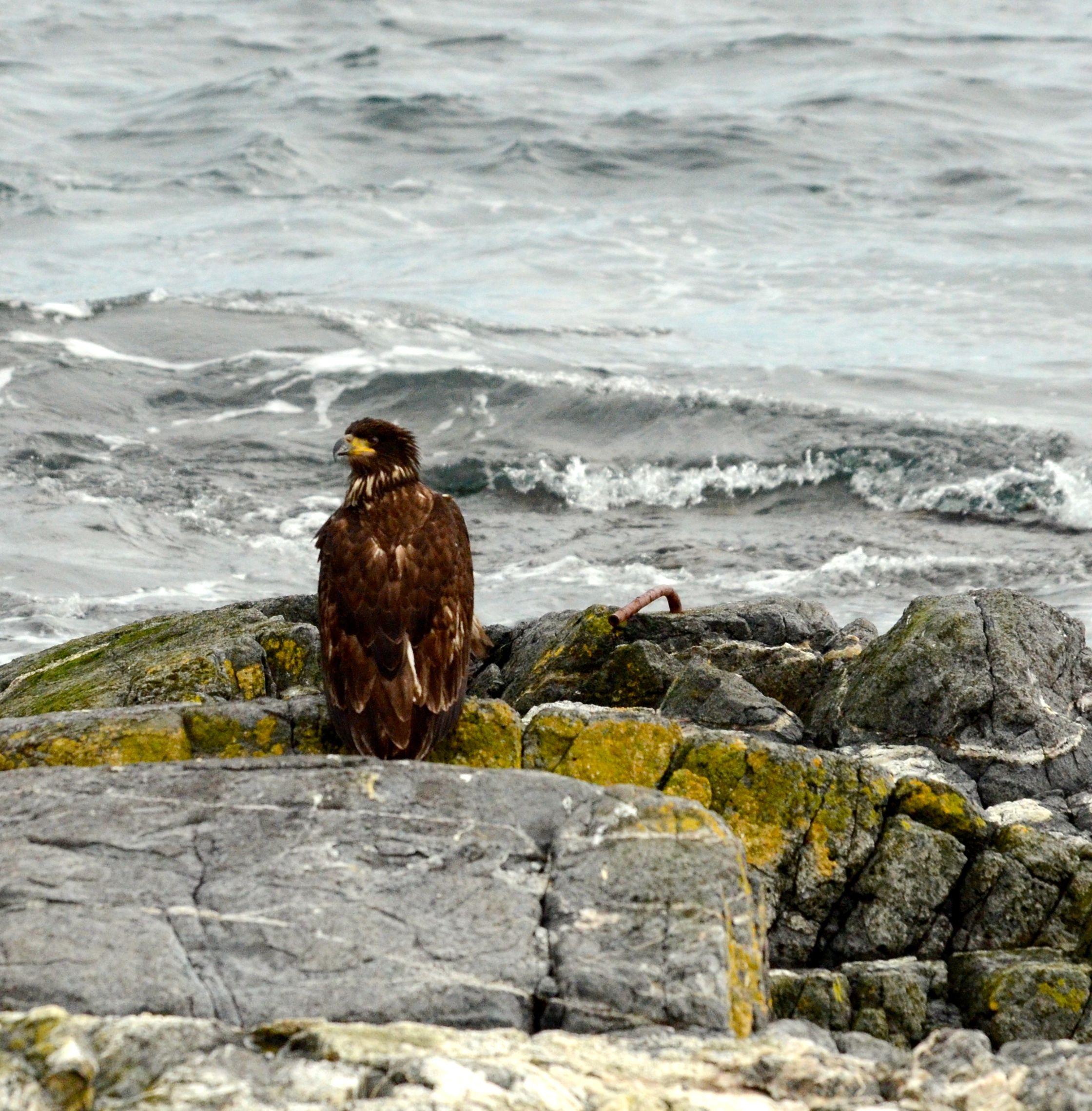
Five bald eagles perch on the South Islands.

Five bald eagles perch on the South Islands.

March 24 – Sea Otter

Sunny, patches of rain the afternoon
Wind: W 4-17 knots, calm in the late evening
Air Temperature: Low 7.7°C, High 10.7°C
Ocean Temperature: 8.9°C

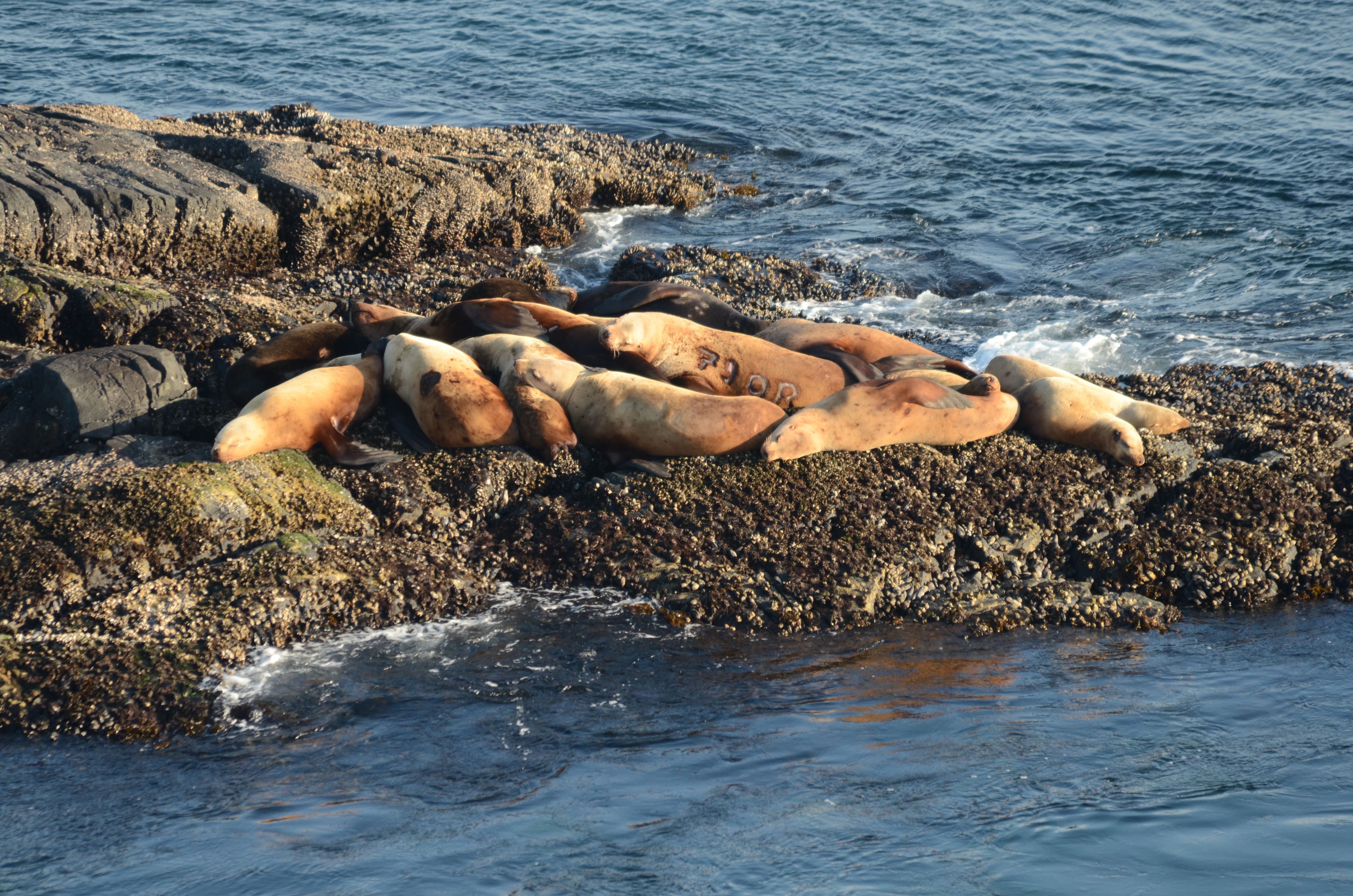
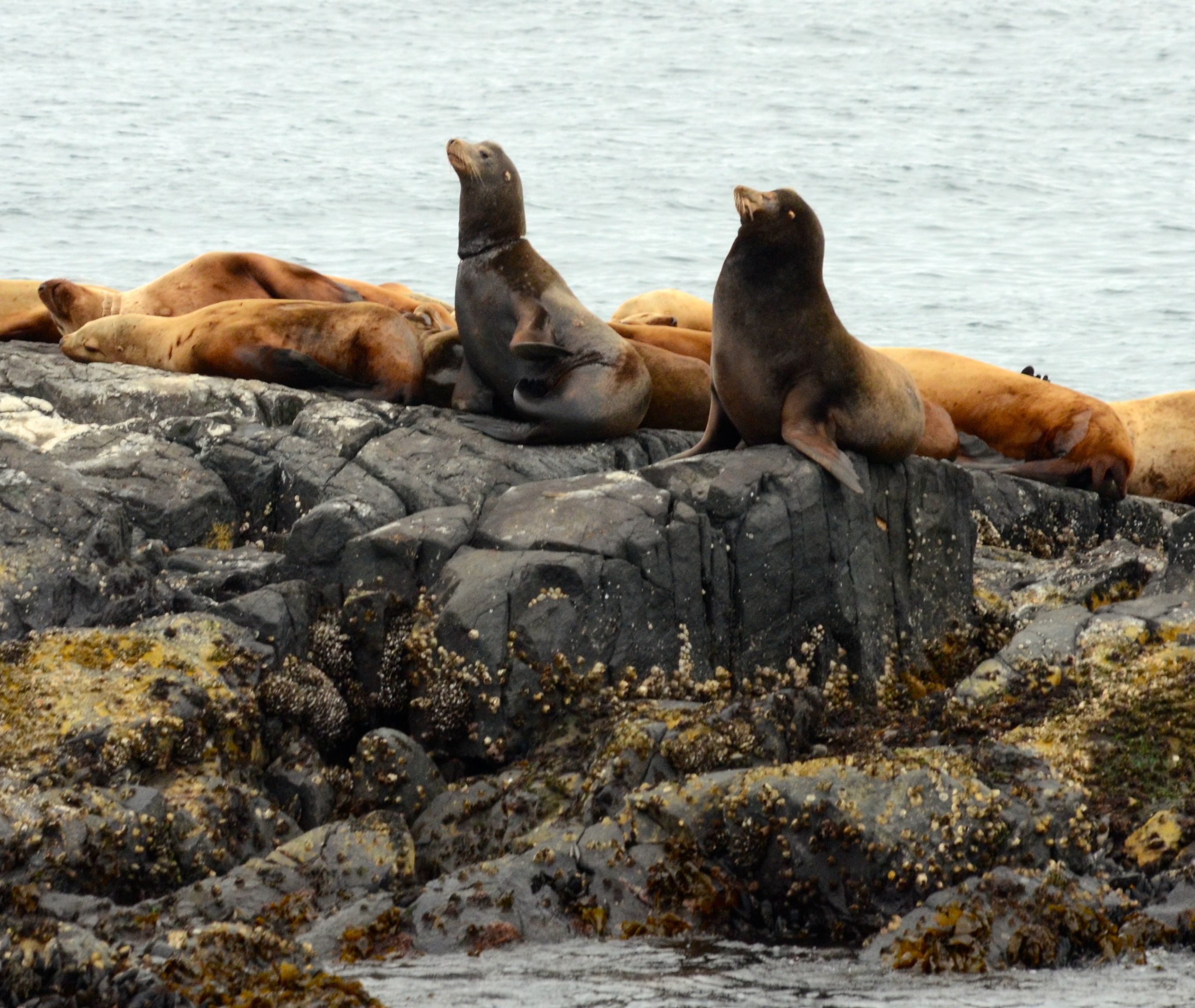
This afternoon, a ring-necked california sea lion was observed on the South Islands. It had something tightly wrapped around its neck, which is digging into the flesh.

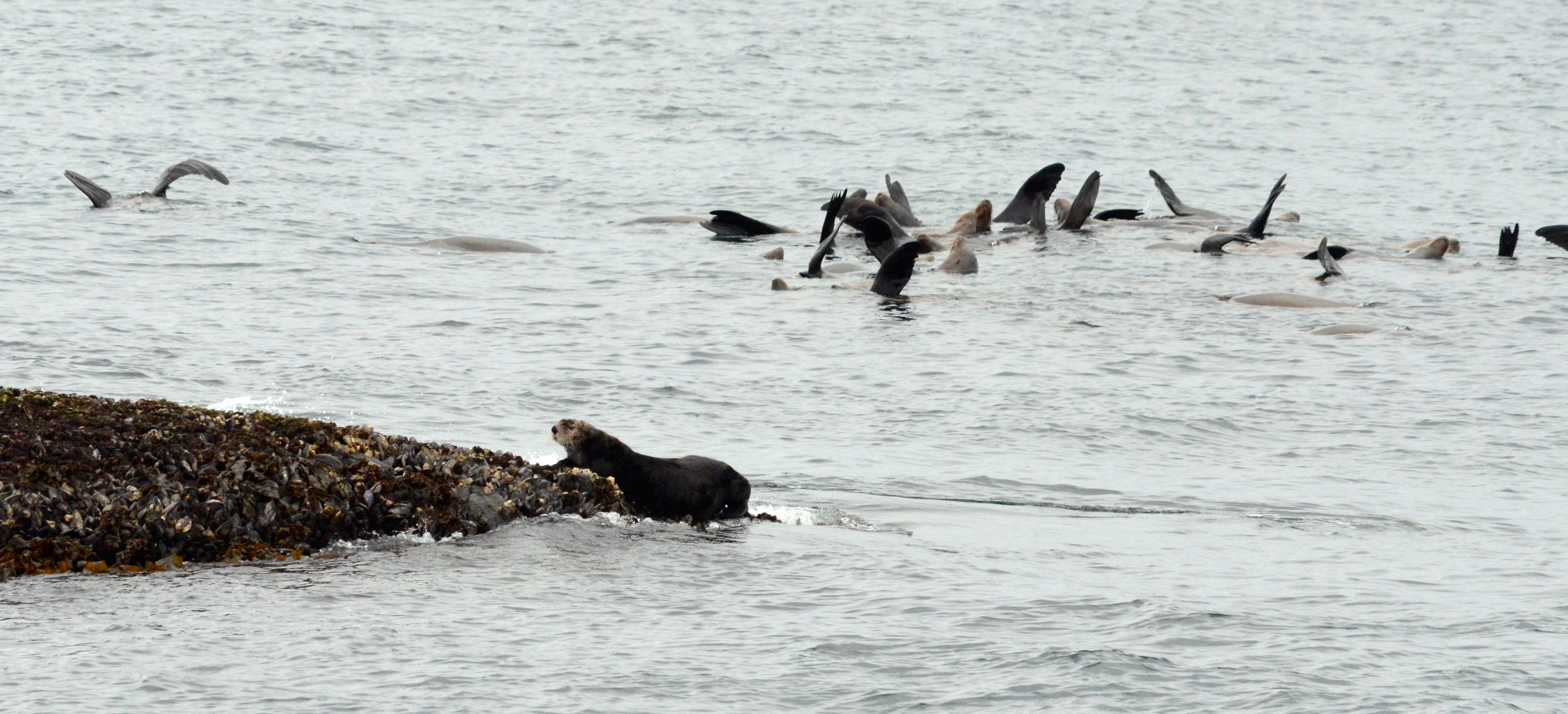
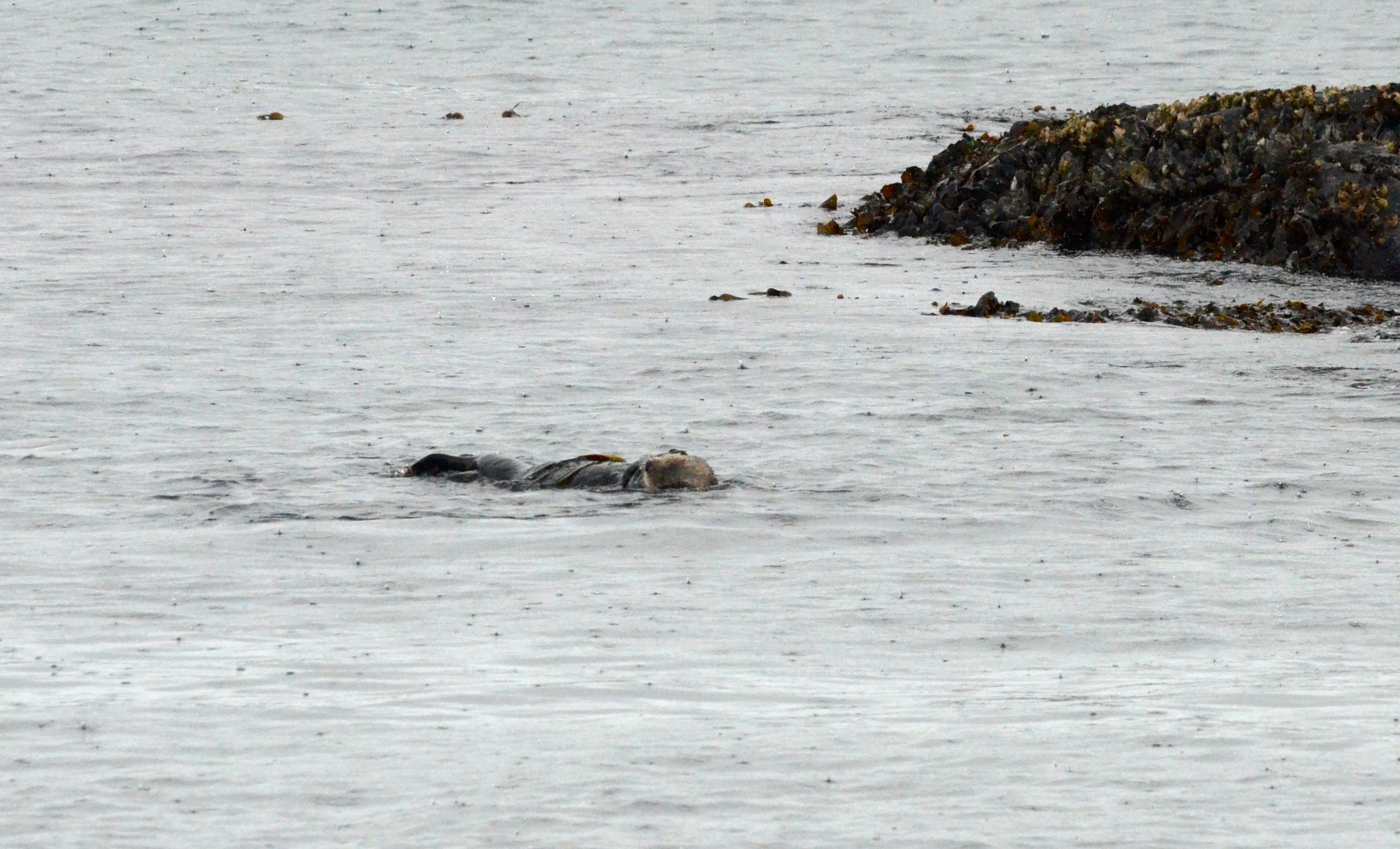
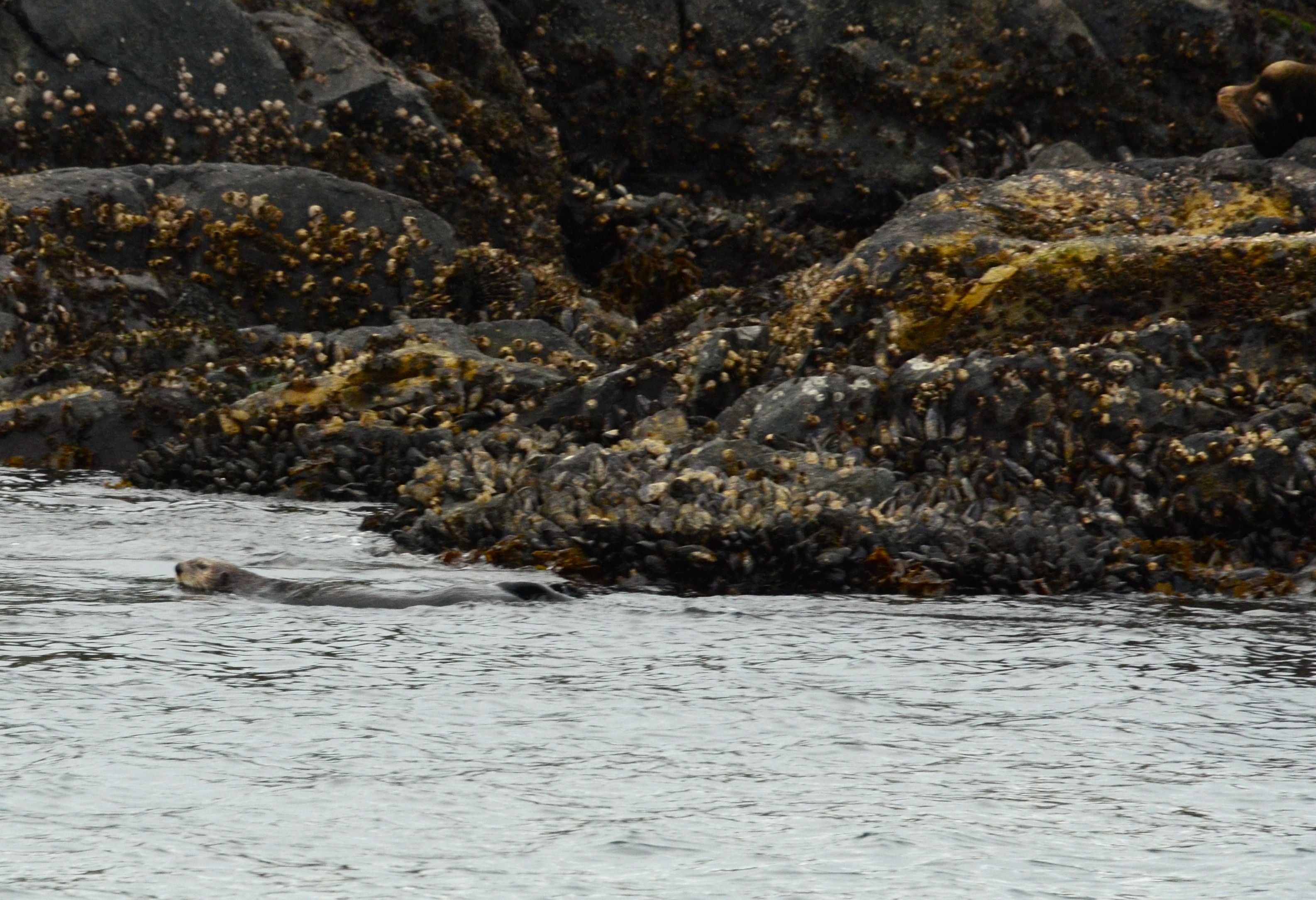
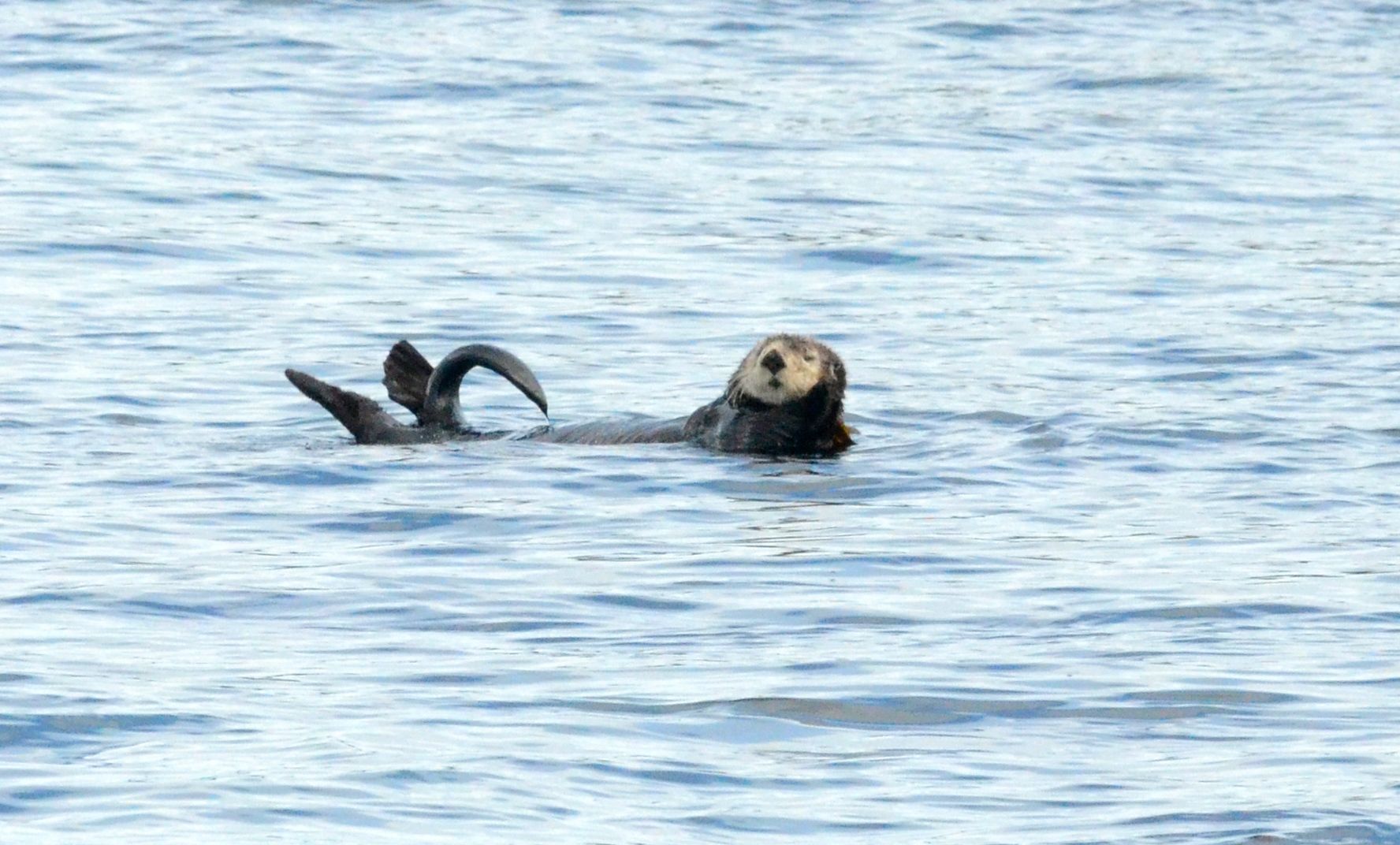
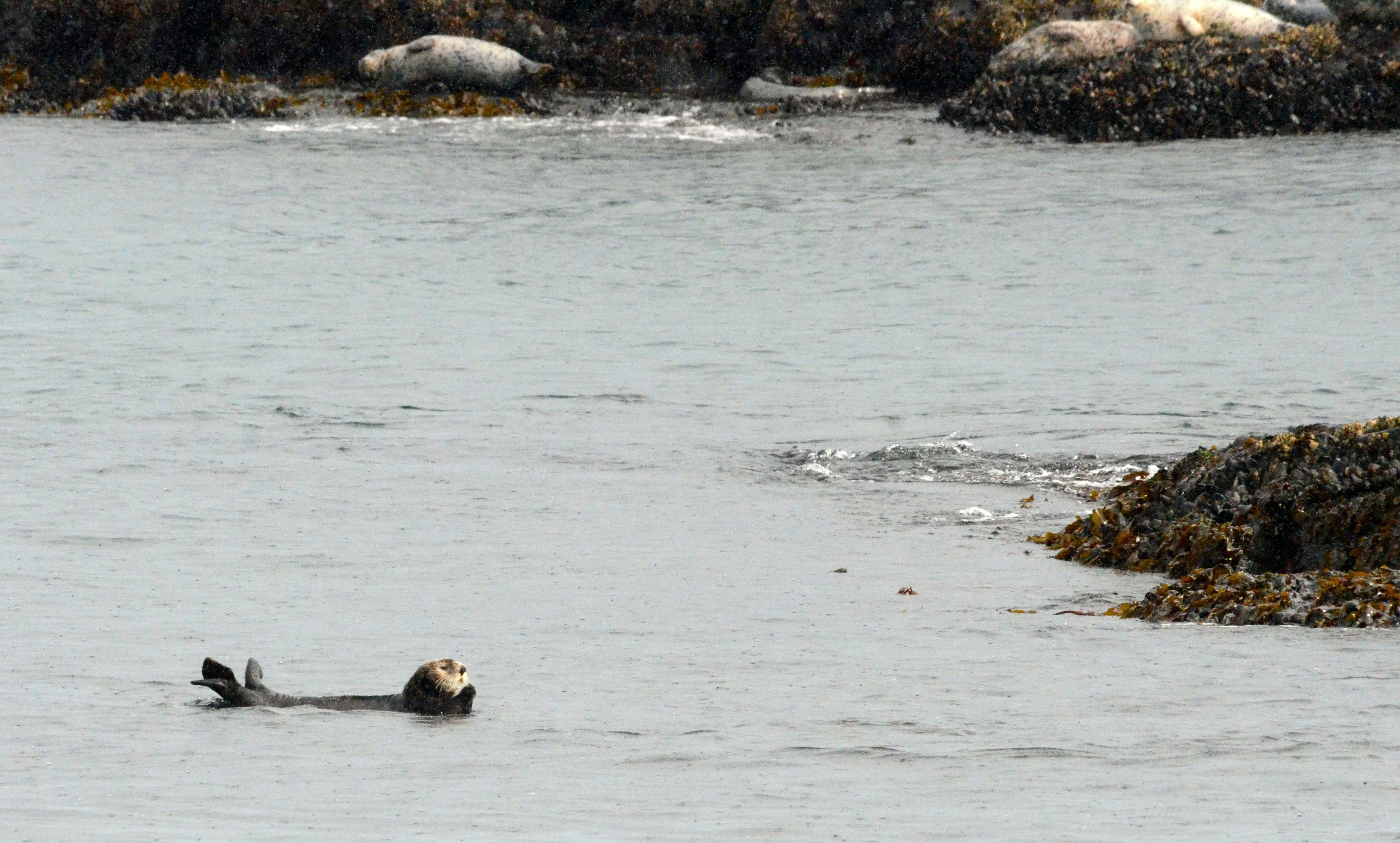
While observing the sea lions, a small creature appeared on the edge of the rock ten metres away from them. Much smaller than the sea lions, at about one metre long, it was eating the molluscs in the intertidal zone. To my great excitement, it was a sea otter (enhydra lutris). The sea otter ate, dove, rolled and swam around the South Islands for about two hours.

March 23 – Ships and Sea Lions

Overcast and light rain, sun breaks in the evening
Wind: NE 3-14 knots, switching to W 5-11 in the evening
Air Temperature: Low 7.2°C, High 9.4°C
Ocean Temperature: 8.8°C

Today was filled with the usual chores of cleaning rust of things, collecting wood, stacking firewood, running the generator, creating fresh water with the desalinator, measuring the salinity and temperature of the ocean water and looking out for the species of the ecological reserve.

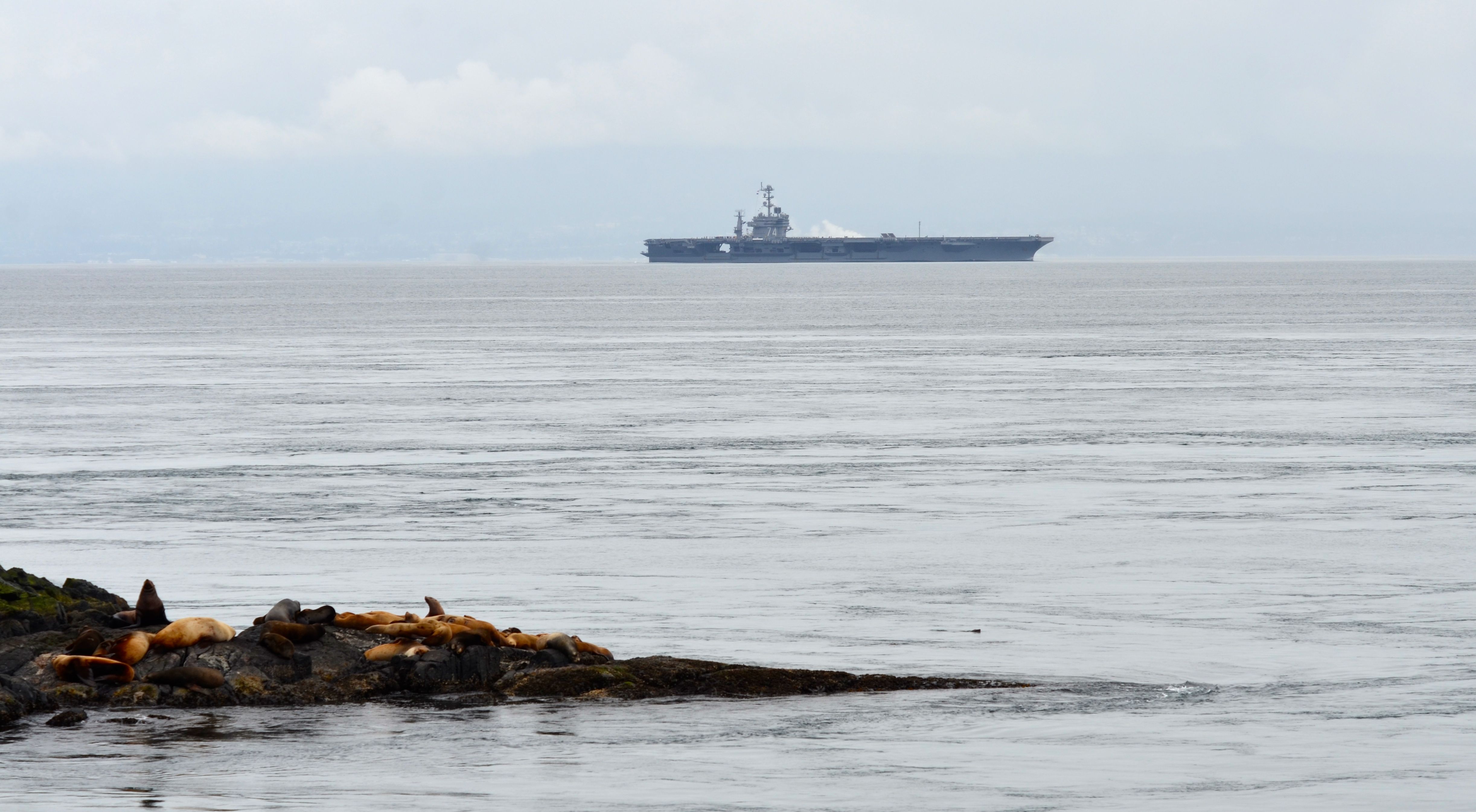
This afternoon, a large aircraft carrier passed within 4km of the ecological reserve. The USS John C Stennis is a nuclear powered super carrier, the largest type of aircraft carrier, measuring 333mx77m and weighing over 100,000 tonnes.

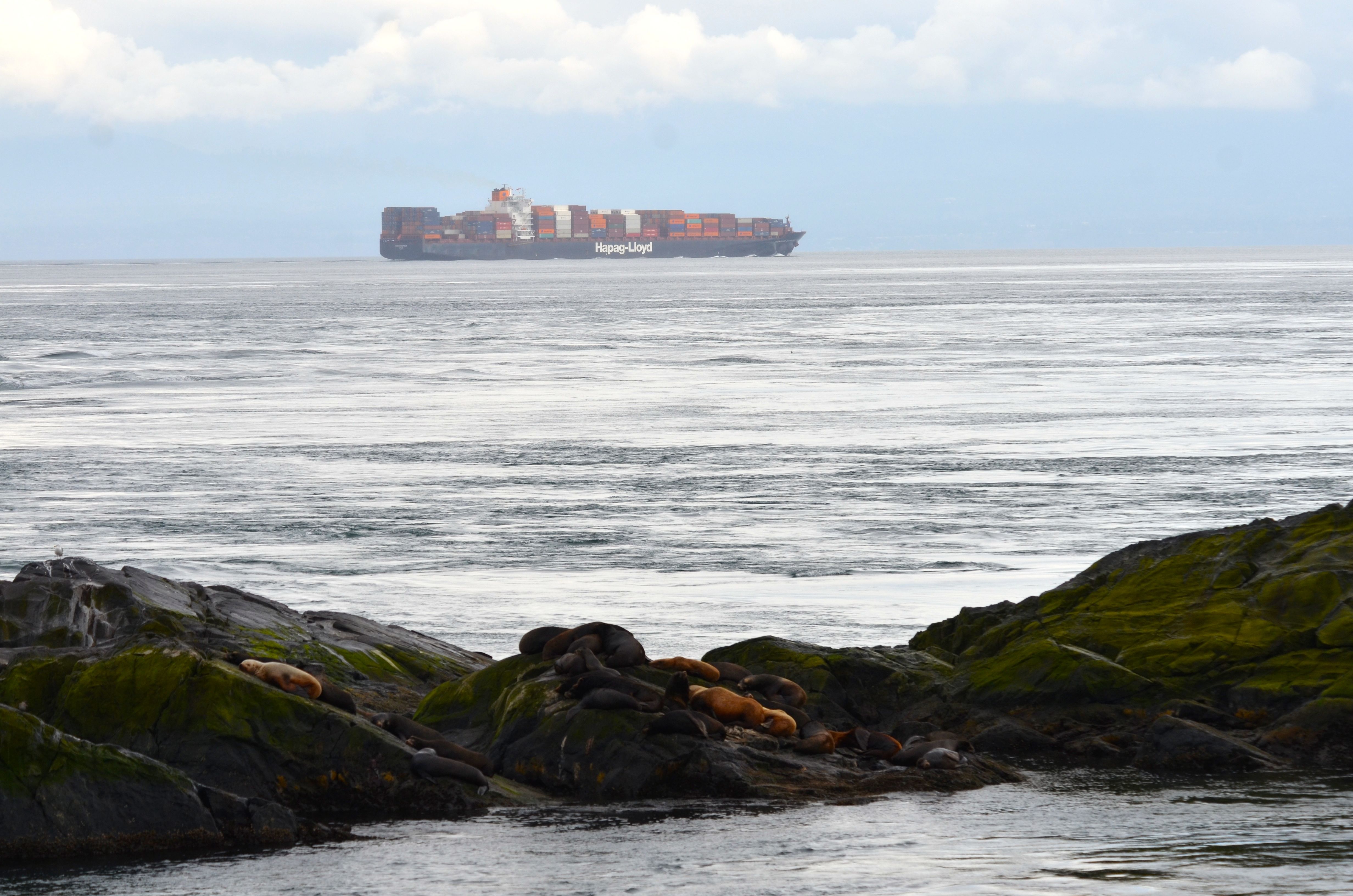
See the photos below of the ships that passed to the south of Race Rocks, close to where the sea lions swim, hunt and haul out.

Upon looking at the photo of the aircraft carrier, I noticed a sea lion in the foreground that is branded 26Y. This steller sea lion was born at Rogue Reef, Oregon in 2002.

March 22 – Rainbows and Venus

Overcast in the morning, rain and breaks of sun in the afternoon
Wind: NE 3-17, switching to SW 2-14 in the late afternoon onwards
Air Temperature: Low 7.8°C, High 10.0°C
Ocean Temperature: 8.8°C

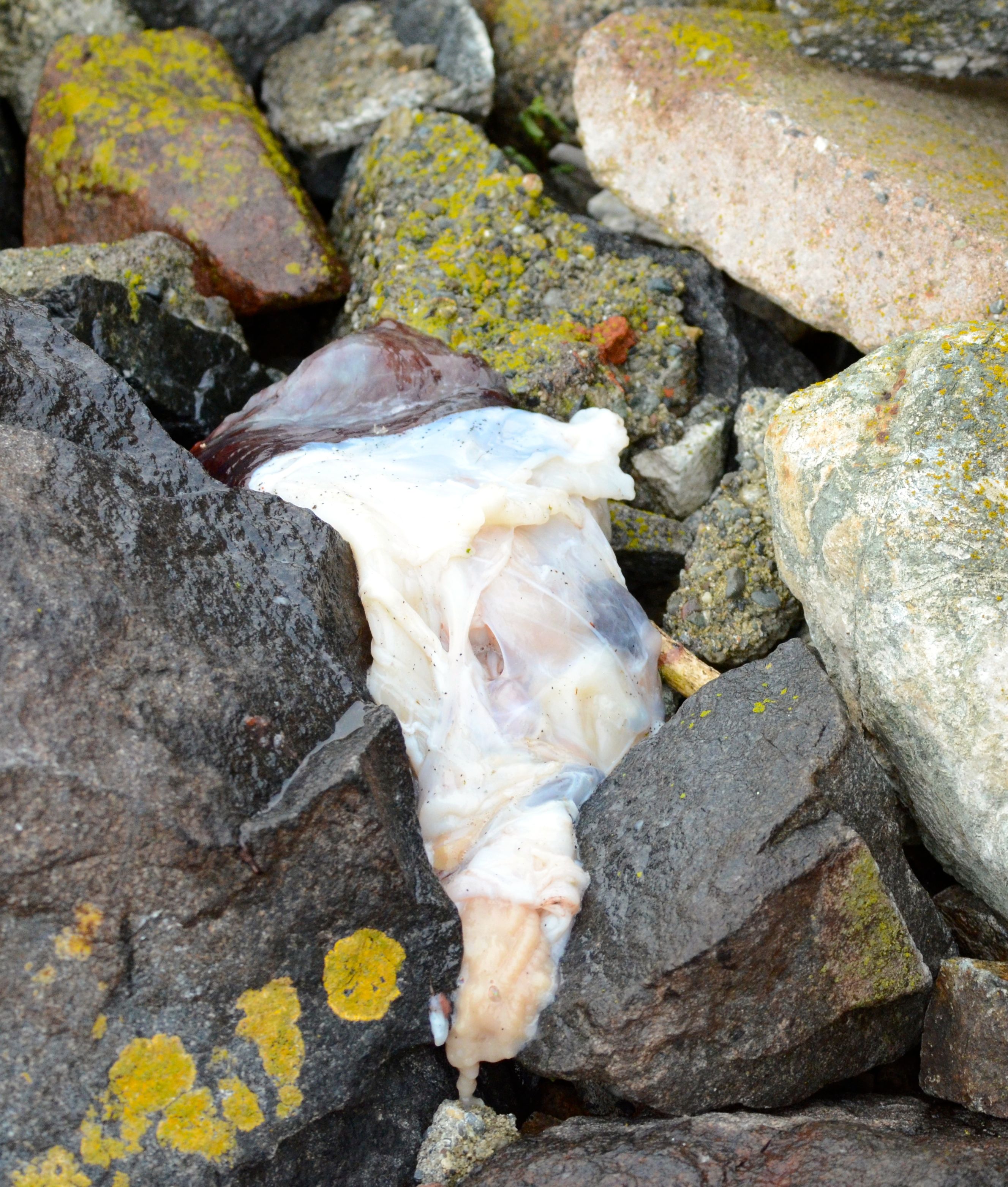
A 2.6m high tide came overnight, sending lots of logs floating through the reserve today. A small dead octopus washed ashore near the energy building. It was noticed by the visiting Pearson students, much to the excitement of their curious marine science minds.

The visiting students returned to the college this morning.

A floatplane flew very low over Great Race this morning. One eco tour boat was seen in the reserve today.

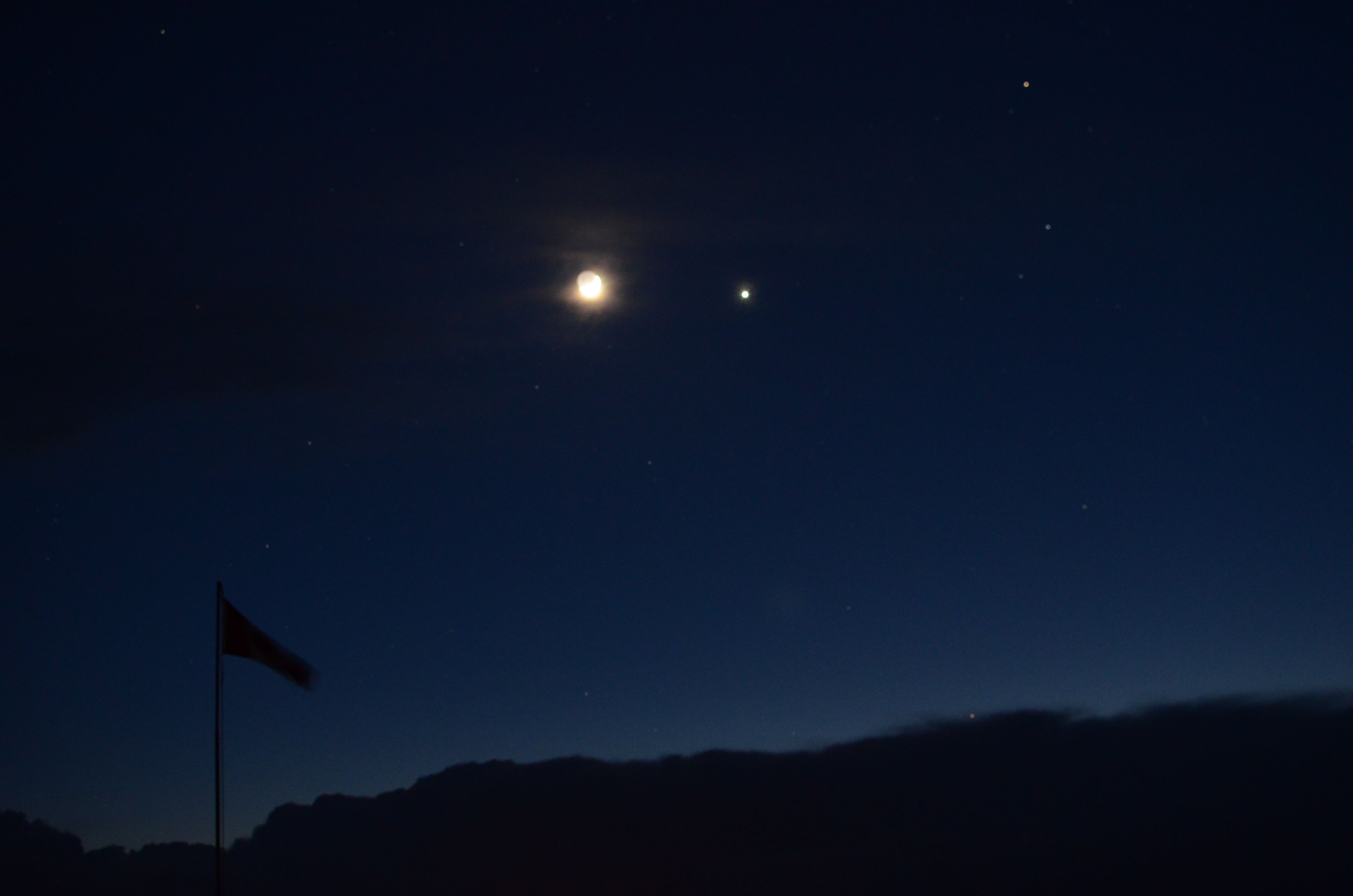
A very bright Venus was visible this evening, soon after the sunset. It was in the west of the sky, just north of the moon.

March 21 – Scaffolding and a Turkey Vulture

Light rain and partially cloudy in the early morning; sunny for the rest of the day
Wind: W 6-27 knots
Air Temperature: Low 8.4°C, High 11.4°C
Ocean Temperature: 8.8°C

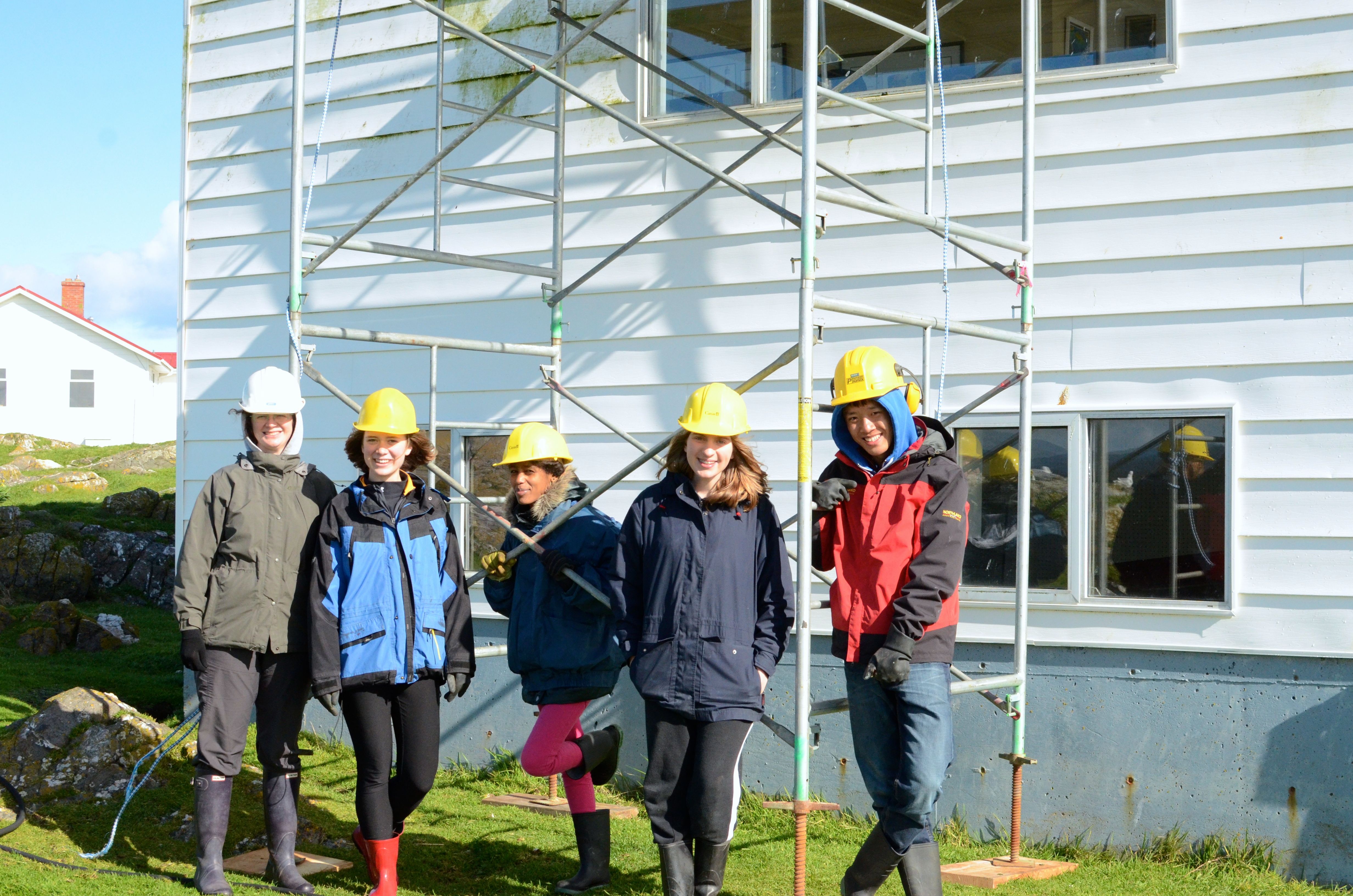
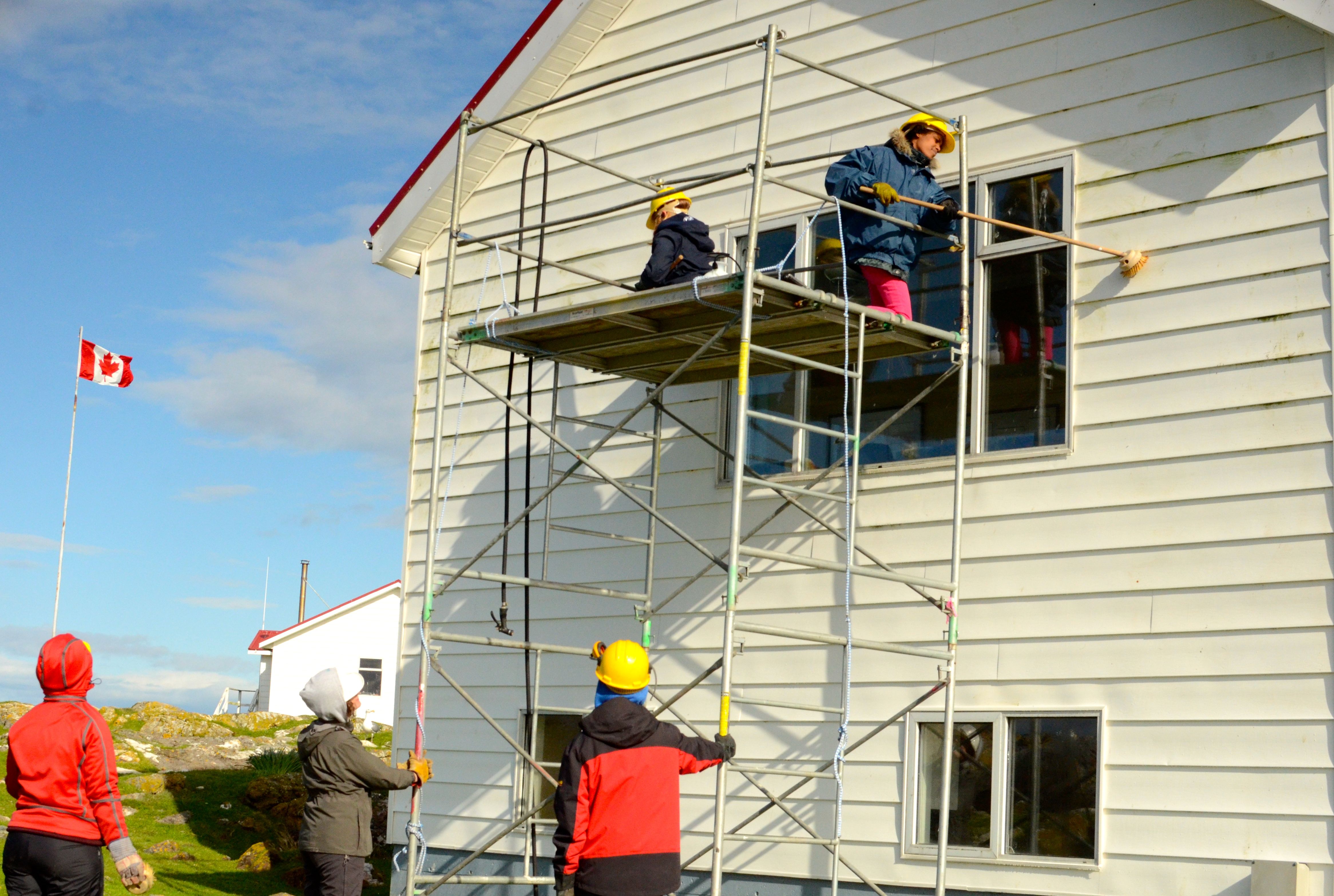
The visiting group of students toured the island and helped run the desalinator. In the afternoon they did a leadership initiative of setting up two levels of scaffolding and scrubbing the algae from the west wall of the Marine Science Centre. They did an amazing job of looking out for everyone’s safety and cleaning the walls.

A turkey vulture was seen in the early afternoon hovering by the Eco-Guardian’s house. It flew north towards Bentinck Island. They are rarely seen here at this time of year. Occasionally they pass through in the fall, on their southern migration routes.

There were two eco tour boat seen in the reserve today.

March 20 – Spring Equinox

Overcast with occasional light rain
Wind: NE 6-15 knots
Air Temperature: Low 9.2°C, High 11.2°C
Ocean Temperature: 8.8°C

The Spring Equinox brought more of the same weather. The daffodils, which have been in bloom for about a month, are beginning to die off. The canadian geese and gulls are still spending their days looking for their future nesting sites. They are getting more aggressive with each other. I don’t need an alarm clock in the morning, because the birds wake me up with the sun. The goose droppings are piling up in various deposits around the main island.

Courtney brought out a group on Second Nature from Pearson: Roman, Noemi, Roger, Catherine, Heather and Kim. They will be staying for the weekend and helping with some service projects on Saturday.

March 19 – Last Day of Winter- Census

Raining
Wind: NE 4-14 knots
Air Temperature: Low 8.8°C, High 10.3°C
Ocean Temperature: 8.8°C

The wet conditions were helpful with cleaning some exterior walls and windows. The rain water cistern was filled up from the roof. The rain also helped wash away the algae and slime on the walls, along with some scrubbing.

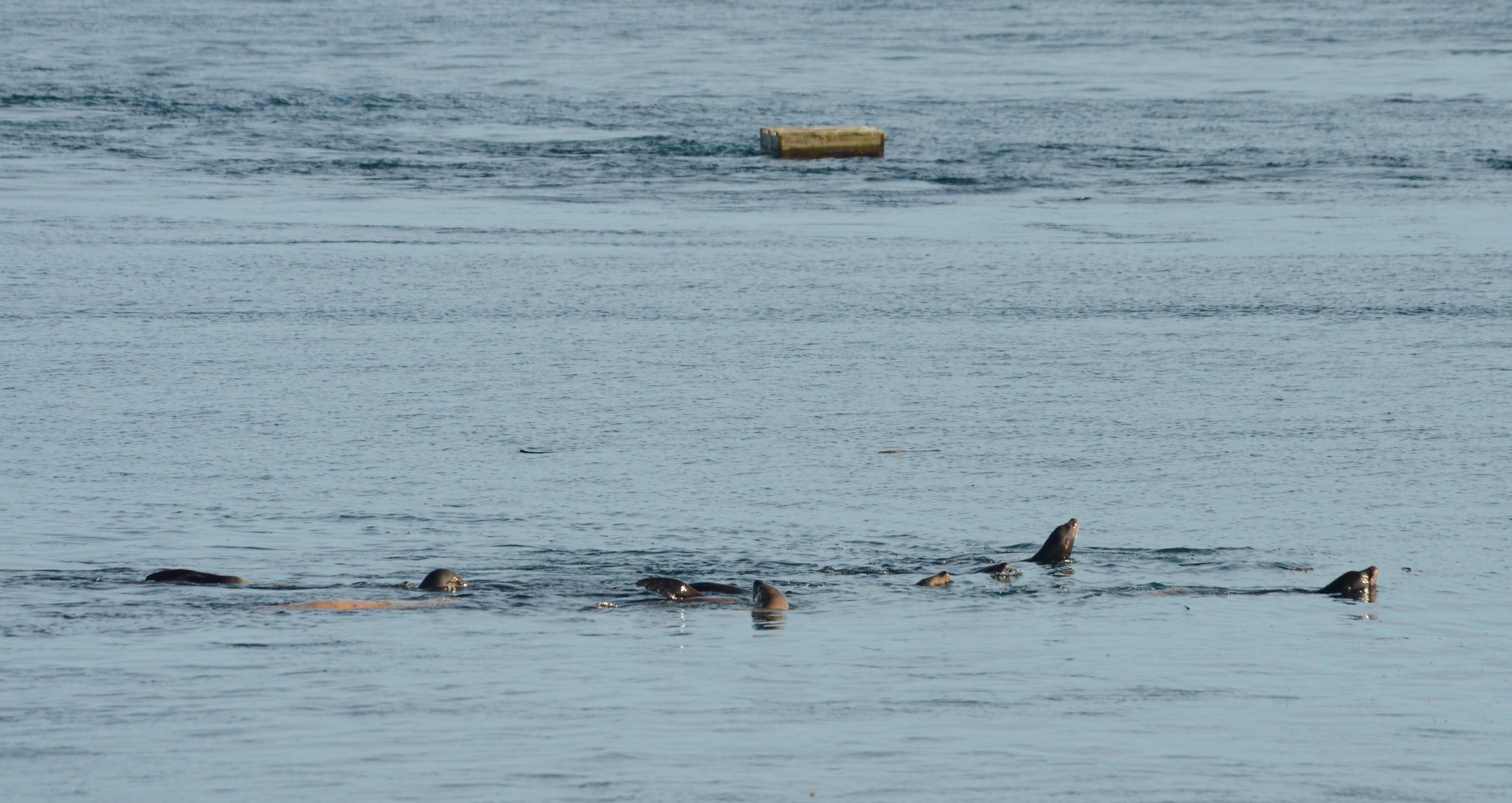
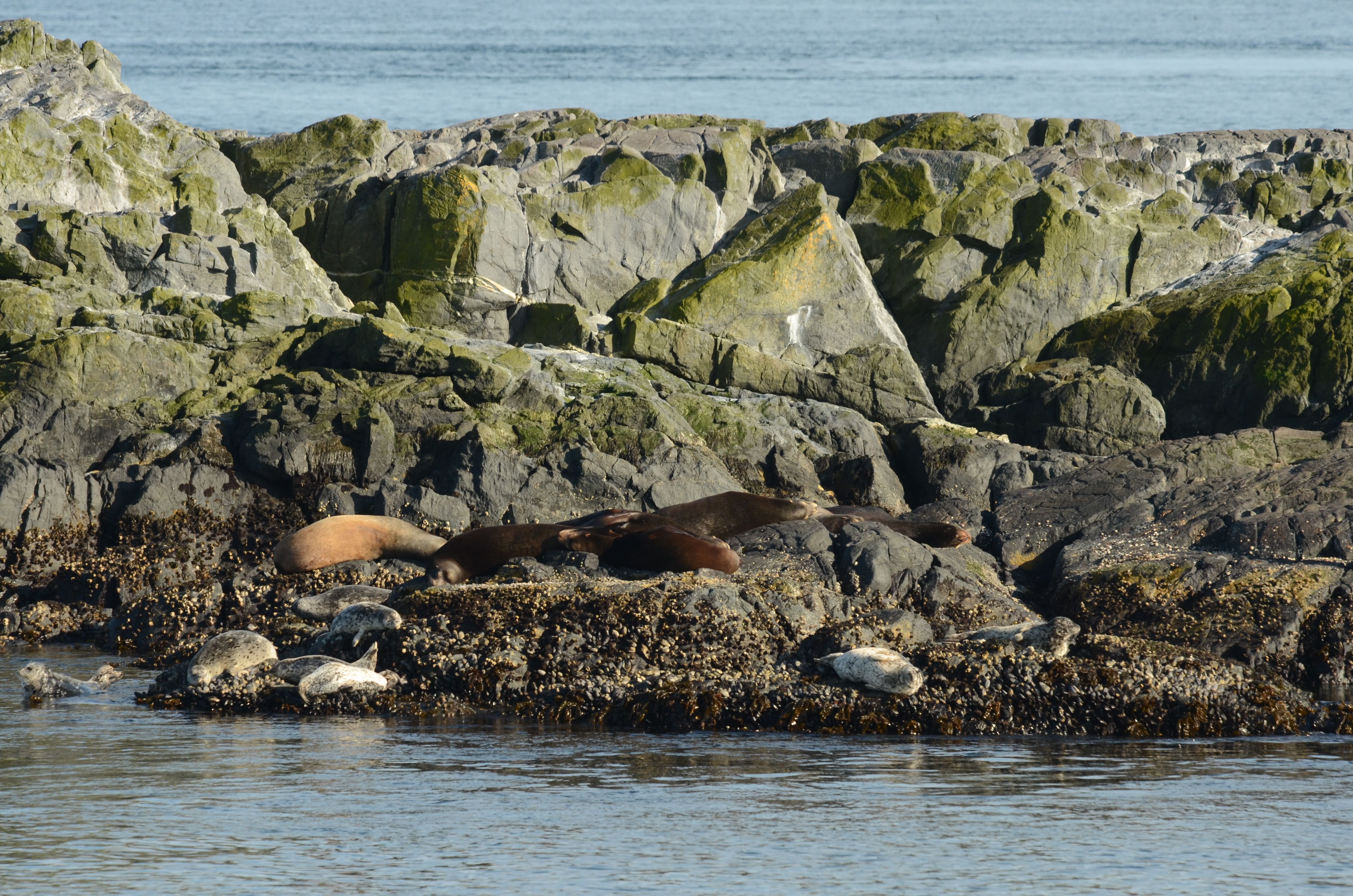
The low light and rain made the census difficult. In recent days, there has been a much higher number of harbour seals hauled out on the rocks. The sea lions also spent most of the day in the water. It was not possible to distinguish between the species of cormorants on Turbine or Middle Rock.

There were no boats seen in the reserve today.

Census results:
Steller Sea Lion: 59
California Sea Lion: 62
Harbour Seal: 21
Bald Eagle: 7
Cormorant: 27
Canada Goose: 24
Gull: 352
Black Oystercatcher: 4
Harlequin Duck: 9
Pigeon Guillemot: 13
Surfbird: 4
Black Turnstone: 16
Rock Sandpiper: 6
Savannah Sparrow: 1