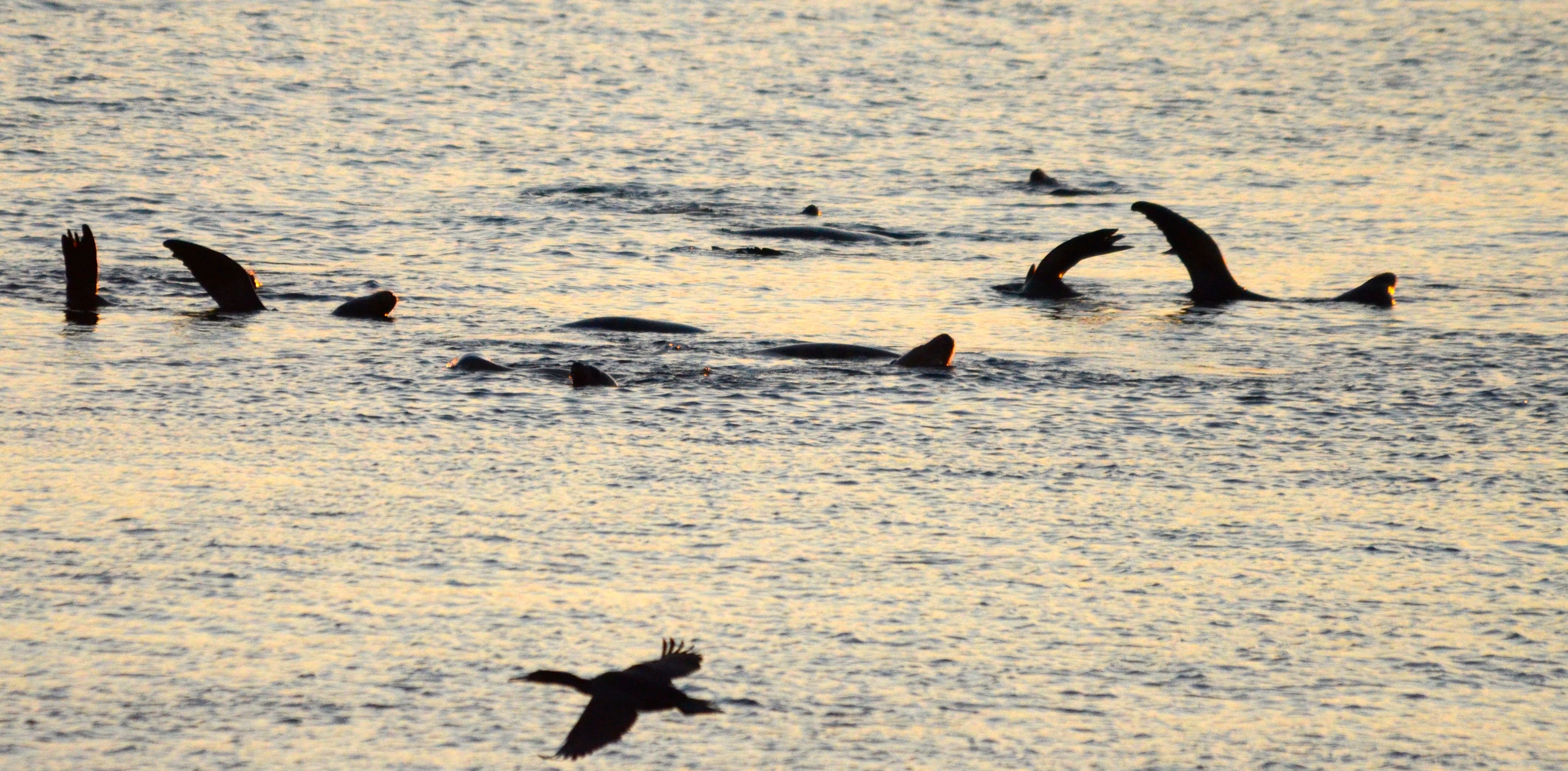
March 8 – Visitors Galore

Sunny, with patches of fog in the afternoon
Wind: Light northeasterly in the morning and afternoon, calm in evening and switching to 8 knots W at night
Air Temperature: Low 6°C, High 10°C
Ocean Temperature: 8.9°C

There were a lot of visitors today from a leadership program being put on by the Roy Group for twenty-four students visiting from Texas Christian University. The two groups of twelve students made their way around the island to discover the four archetypes of mythical leadership: magician, sovereign, lover and warrior.

Fog in the mid afternoon made it tricky to navigate the boat to and from Pedder Bay in the afternoon. I benefited from the waypoints that Courtney programmed into the plotter on the boat.

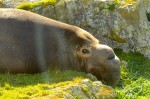
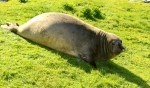
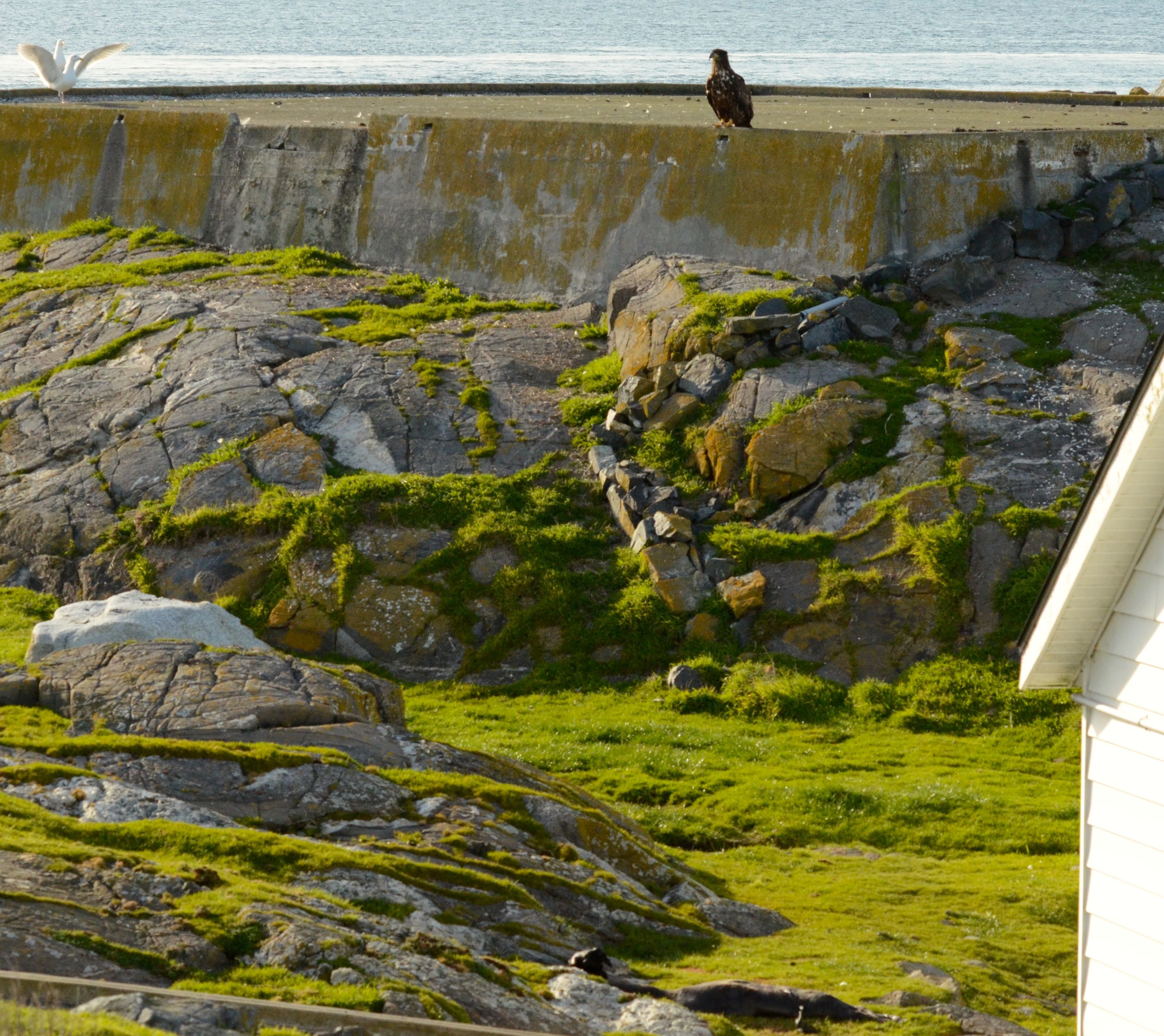
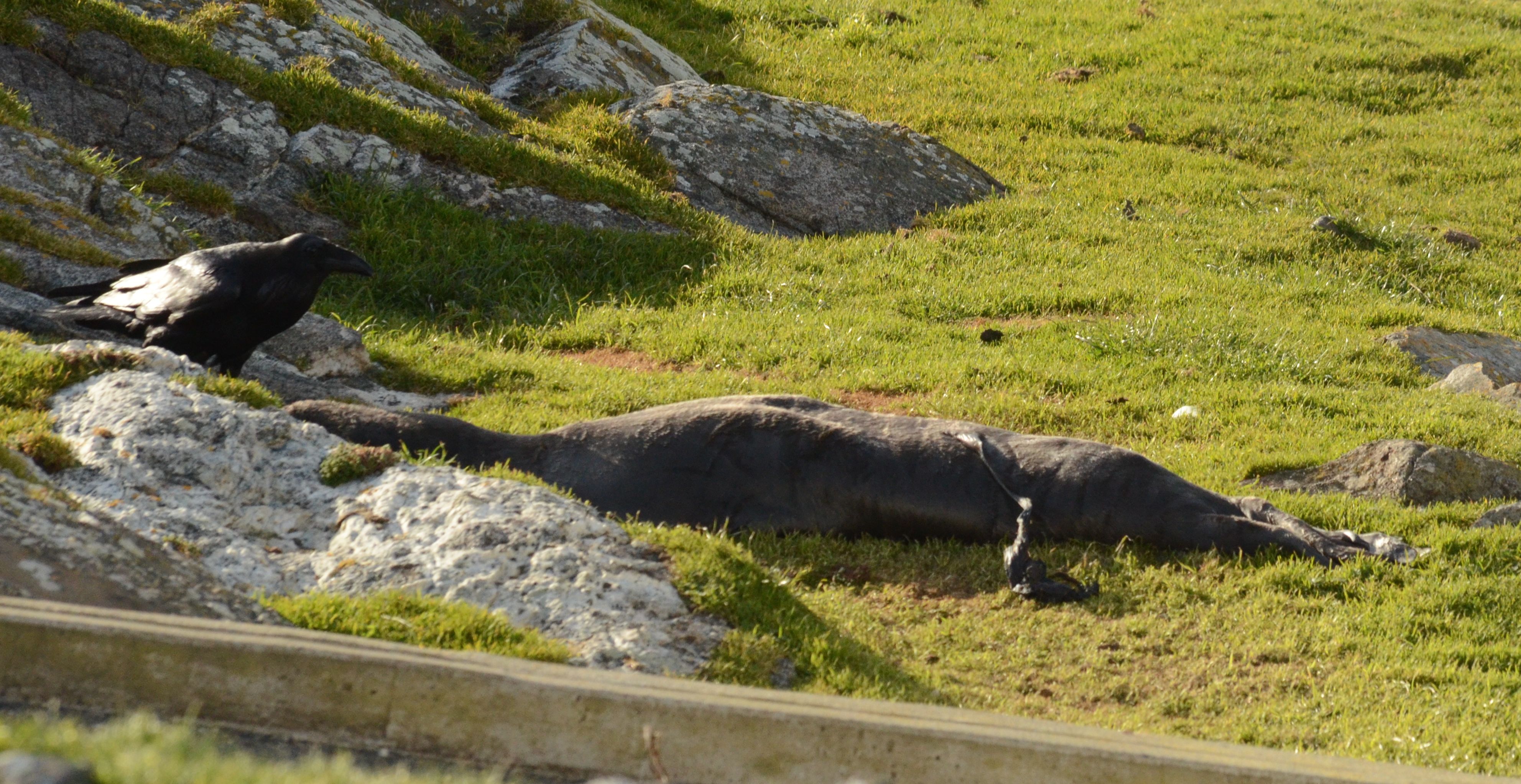
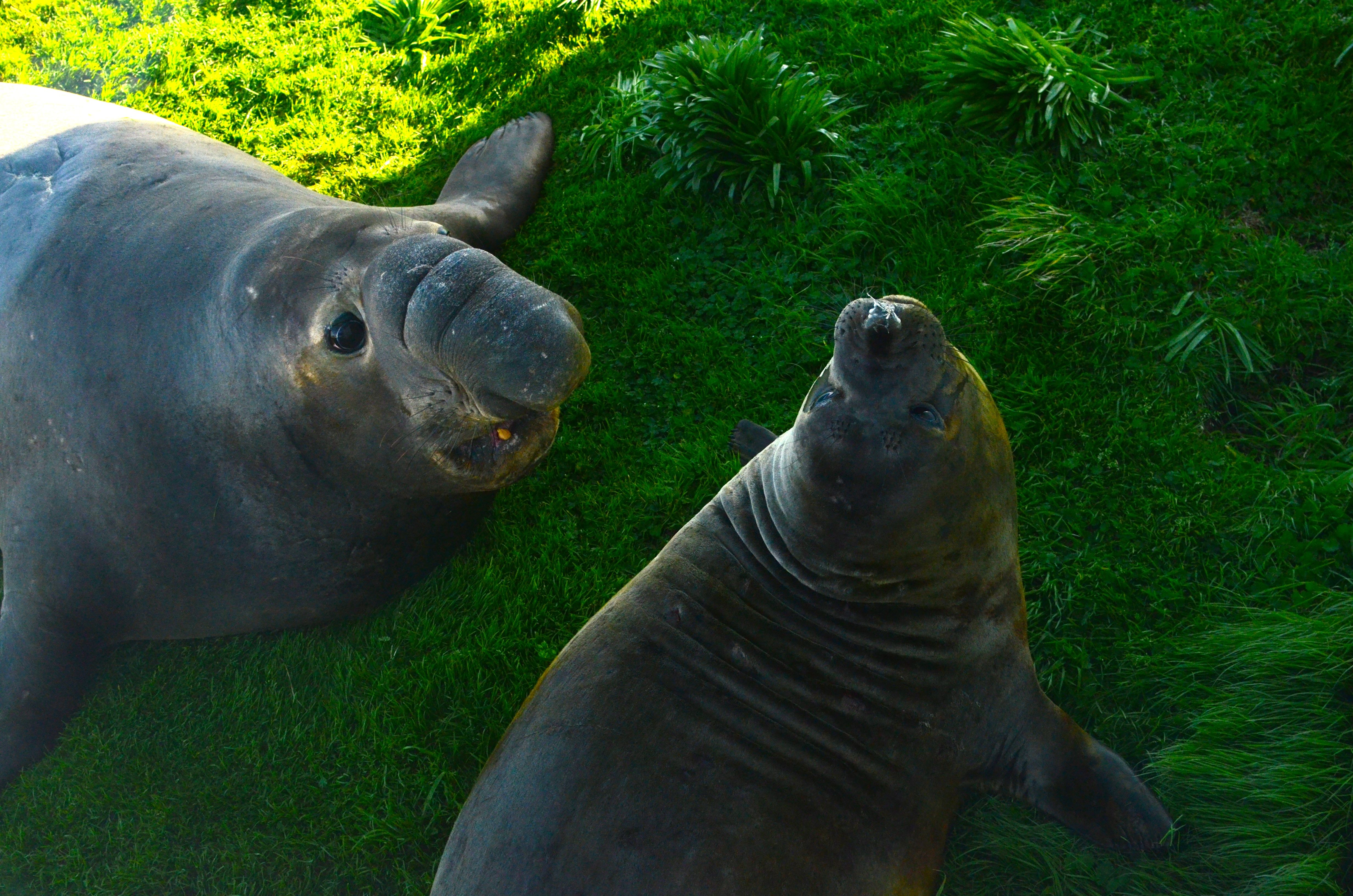
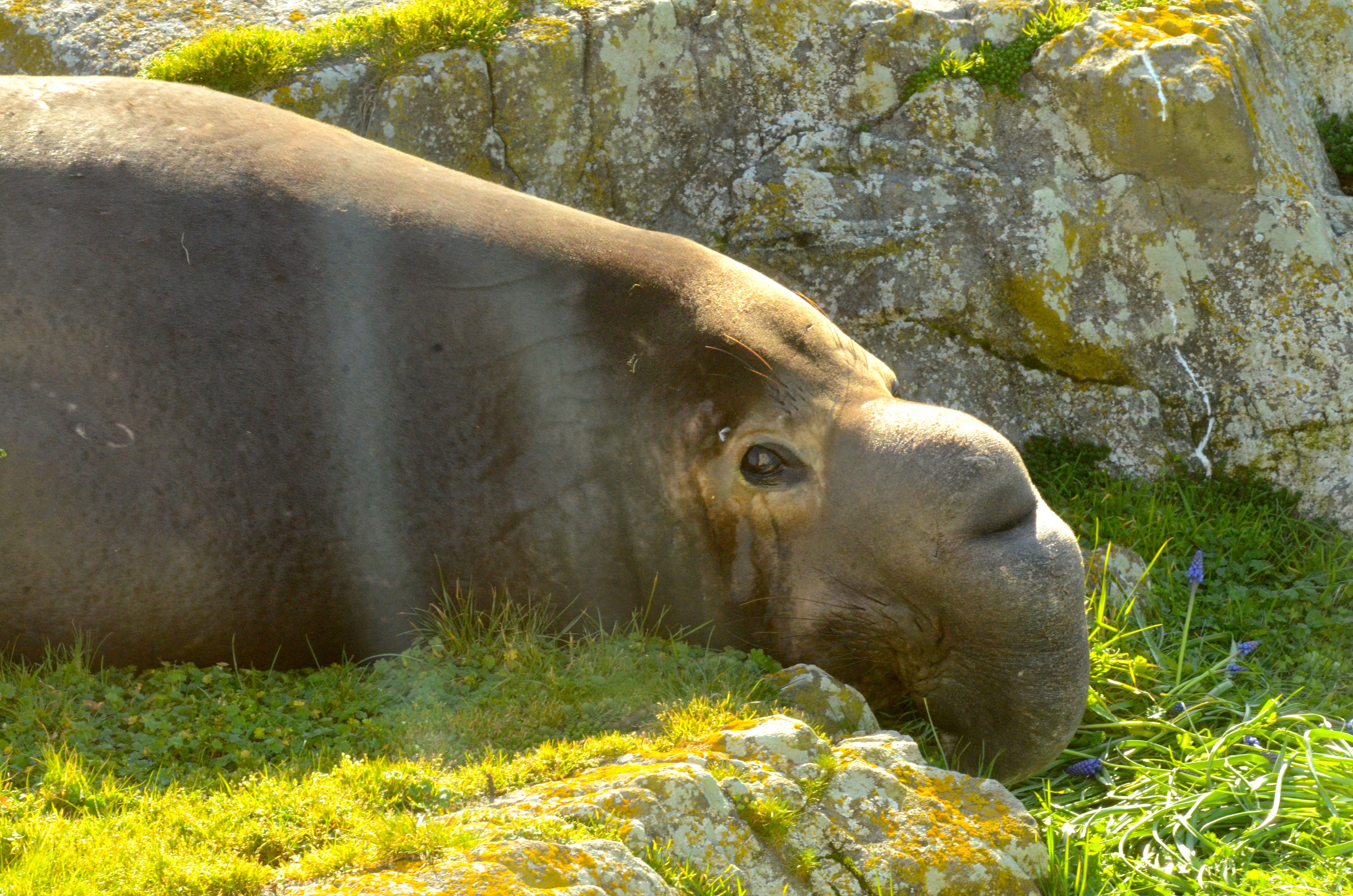
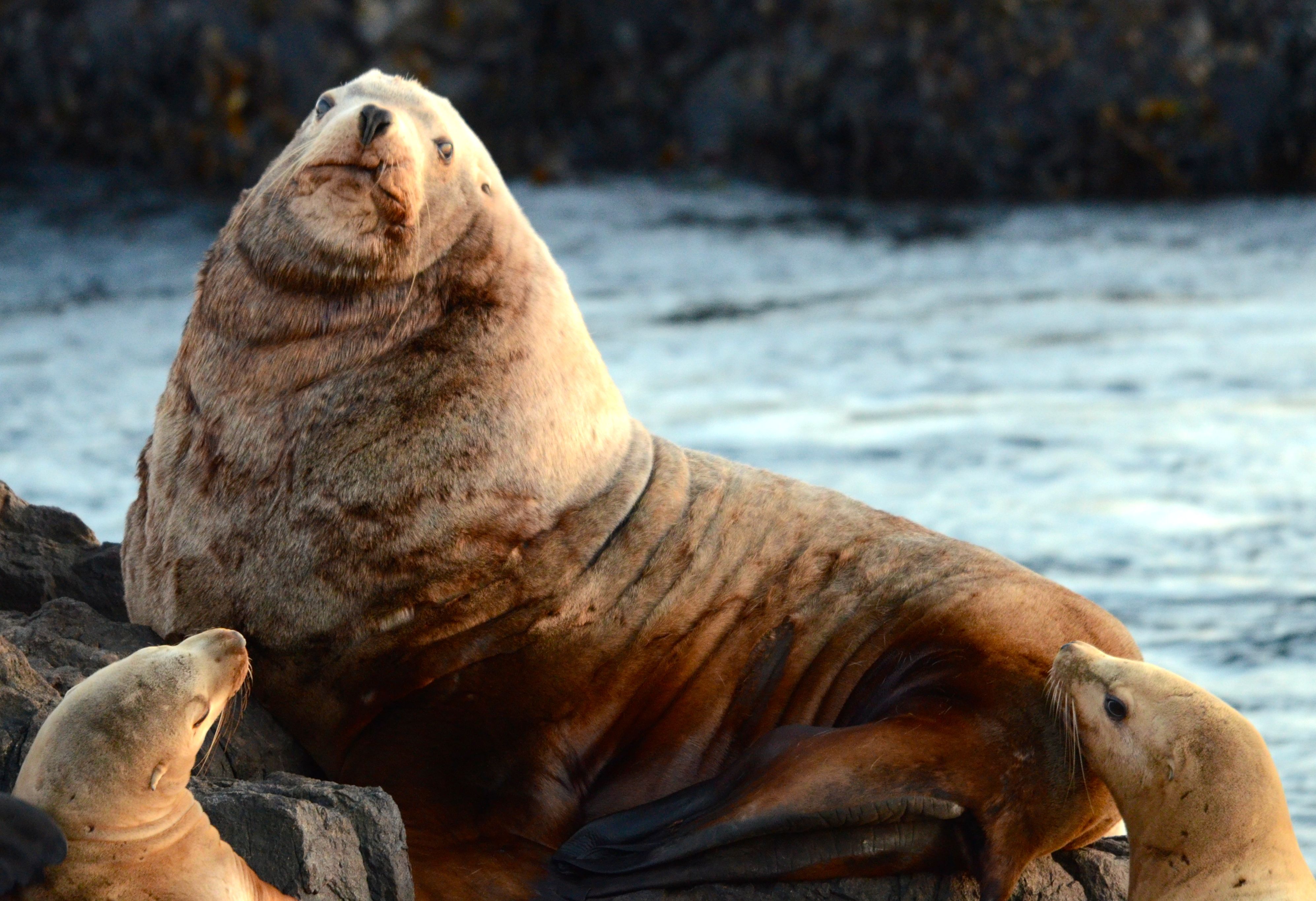
Chunk is still camped out on the grass by the helicopter pad.

There was a dive boat with five divers to the west of South Islands this morning.

March 7

Sunny
Wind: 3 – 9 knots NE, switching to SE in afternoon
Air Temperature: Low 7°C, Hight 11°C
Ocean Temperature: 9°C

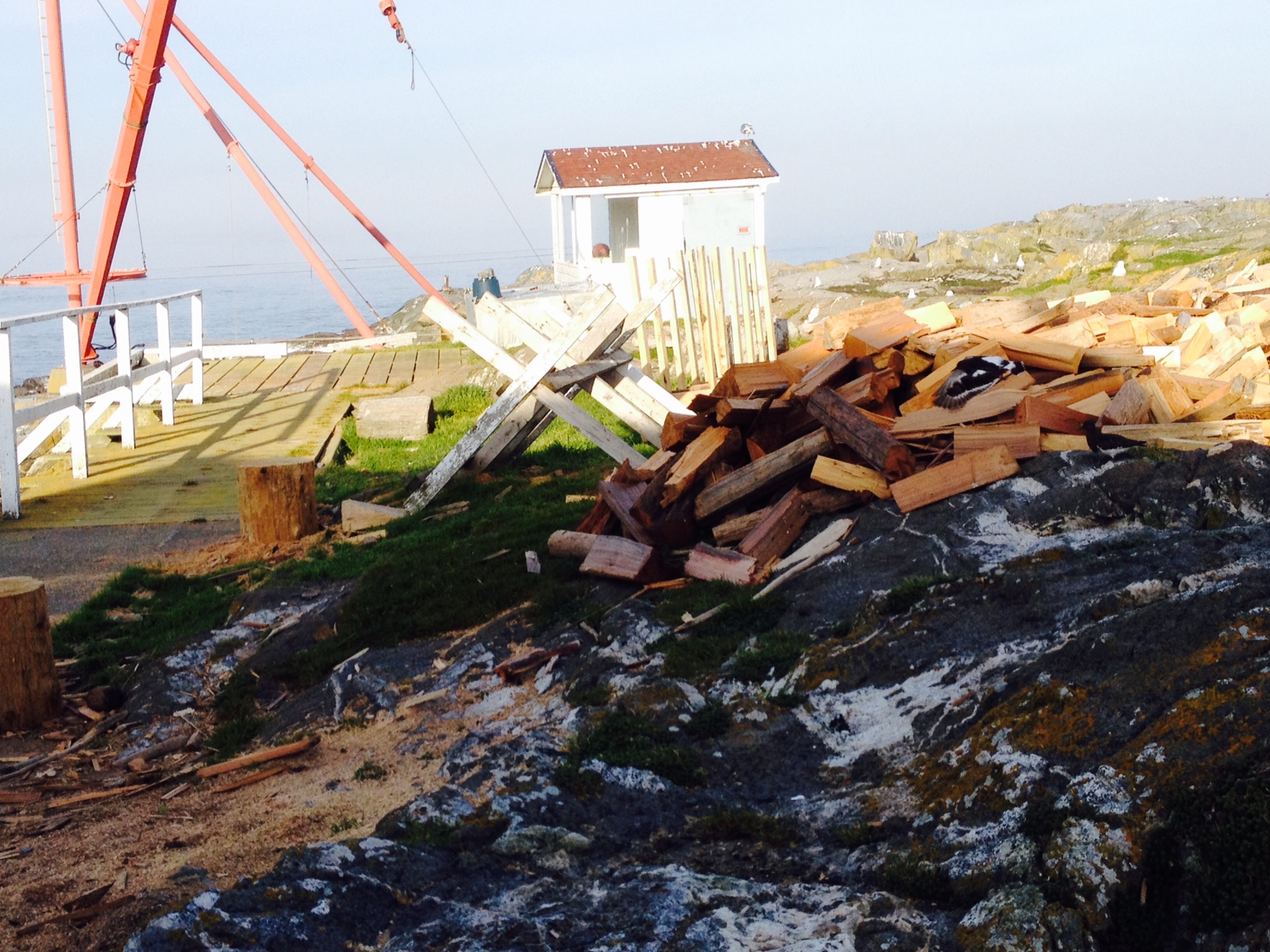
The morning was spent preparing the Marine Science Centre, and tidying around the island, to get ready for visiting students that are coming to Race Rocks this week.

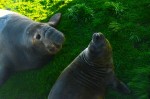
Chunk, the large male elephant seal, is still camped out on the grass below the helicopter pad.

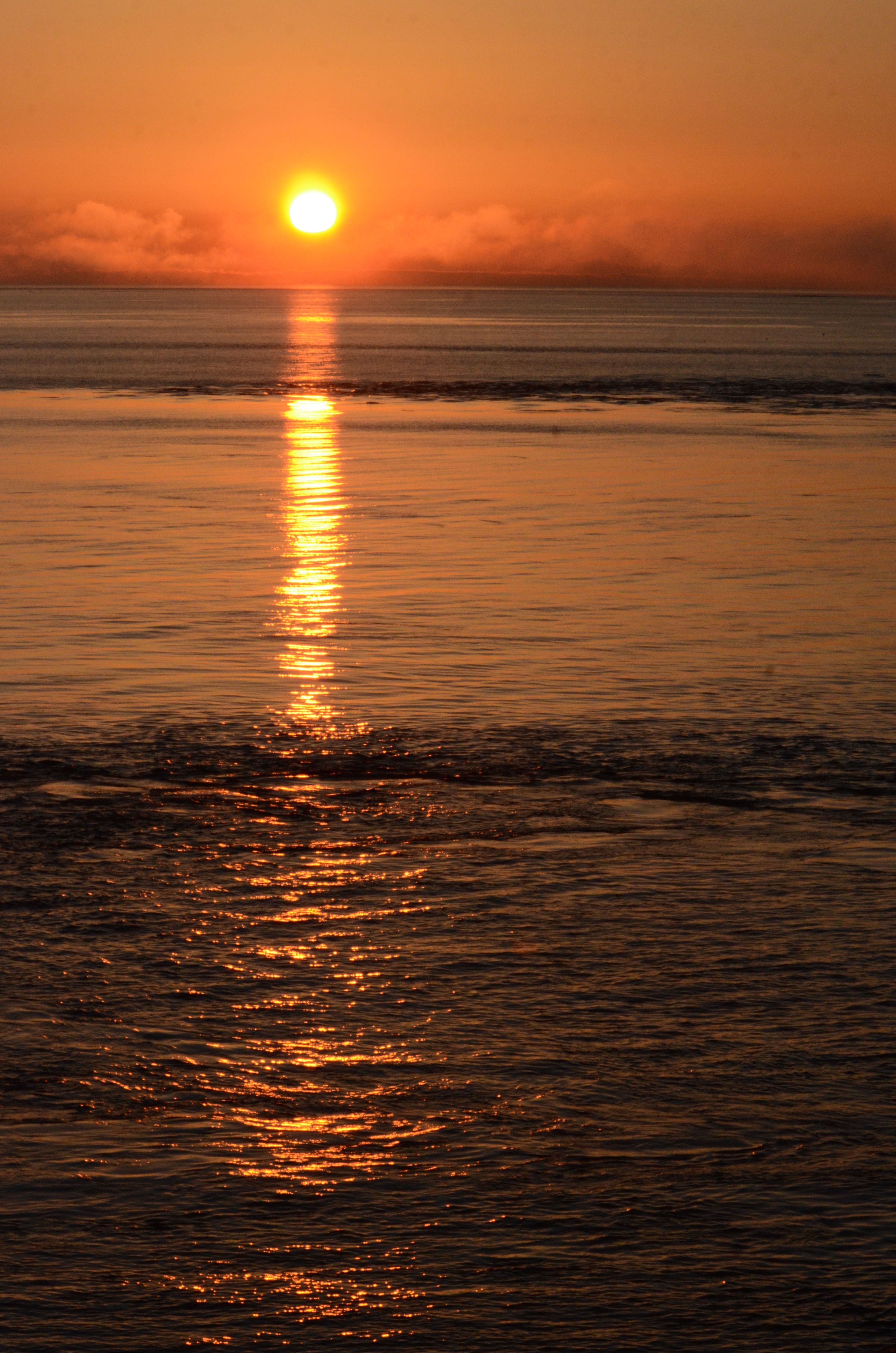
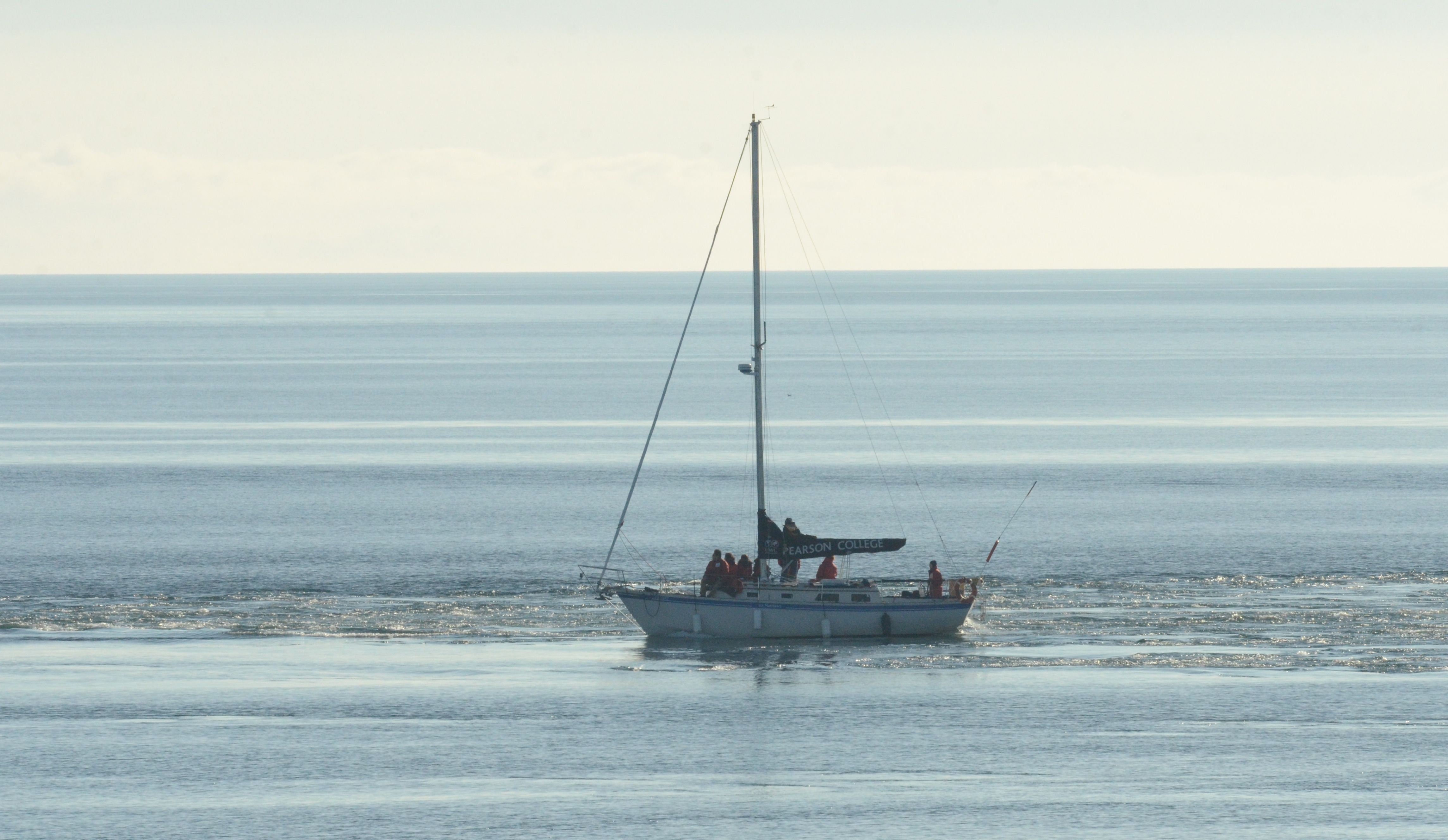
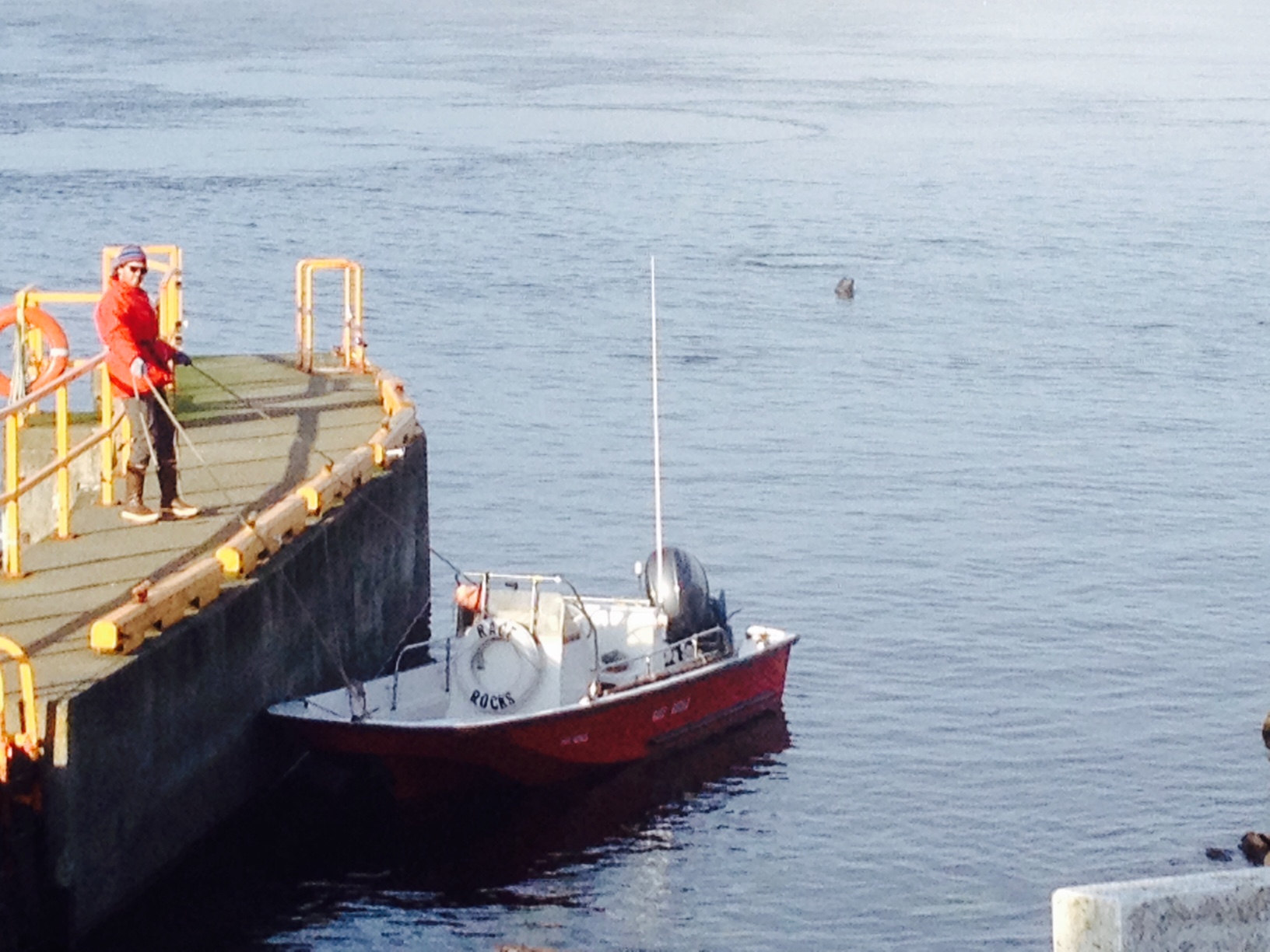
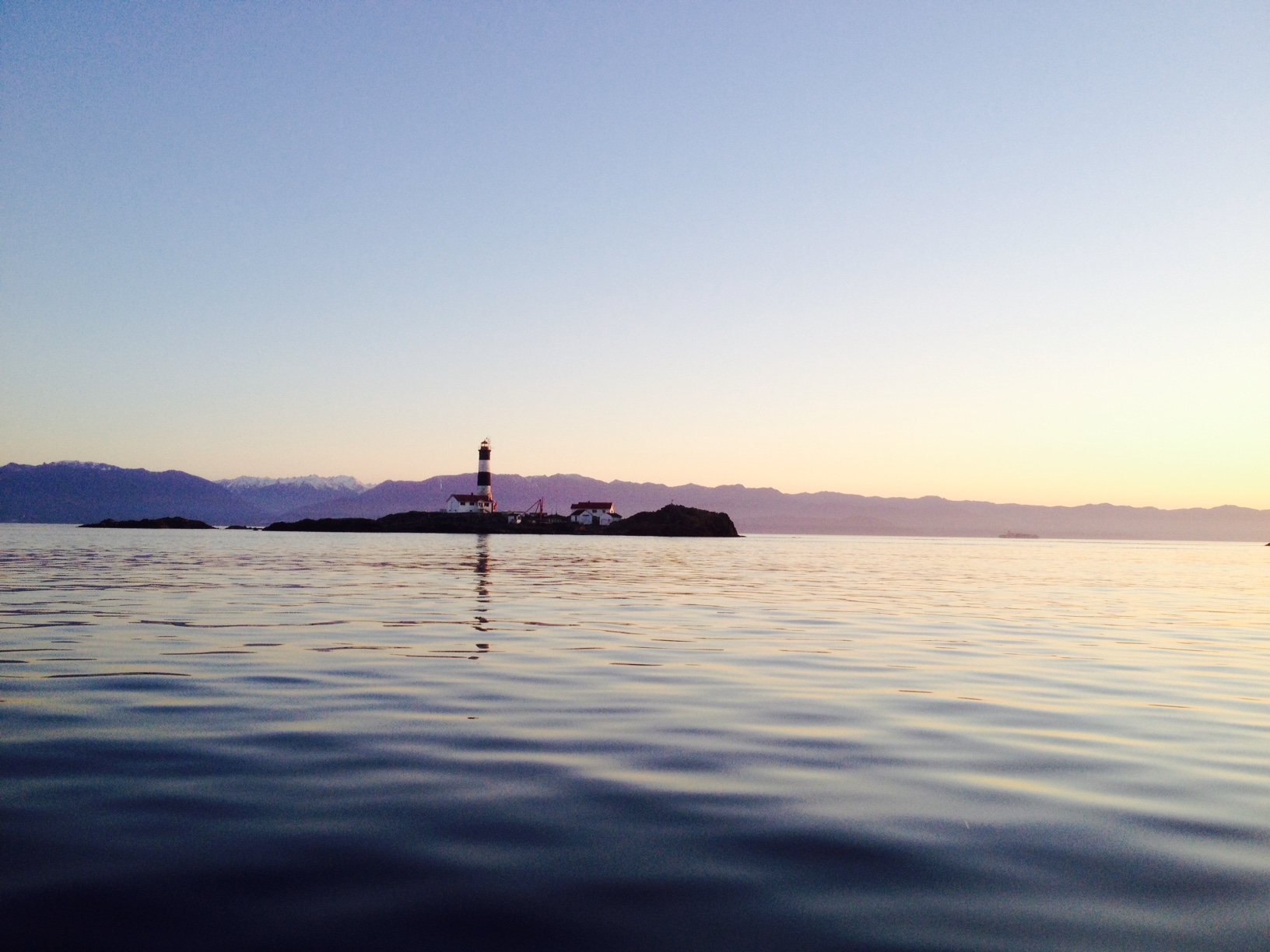
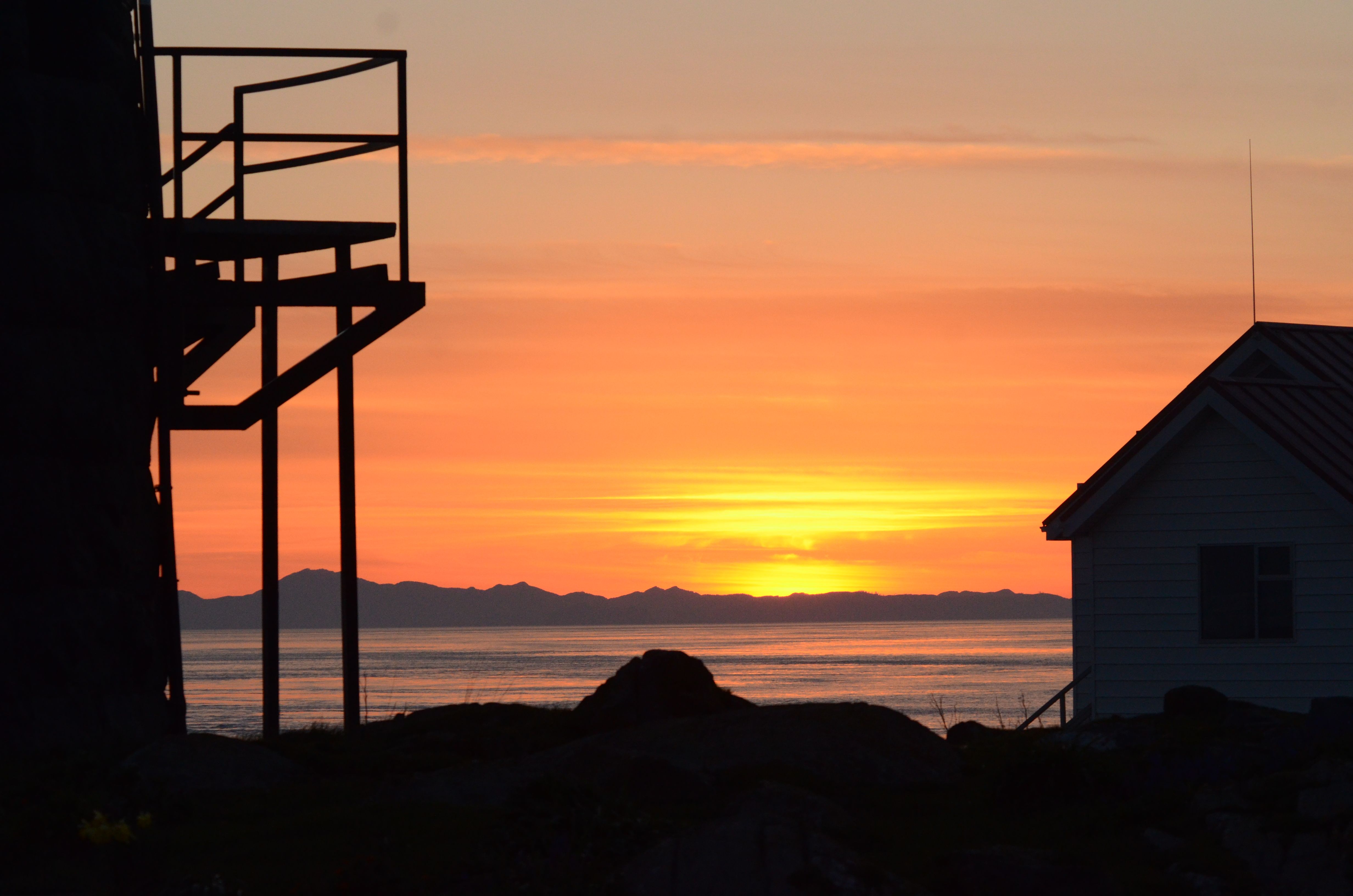
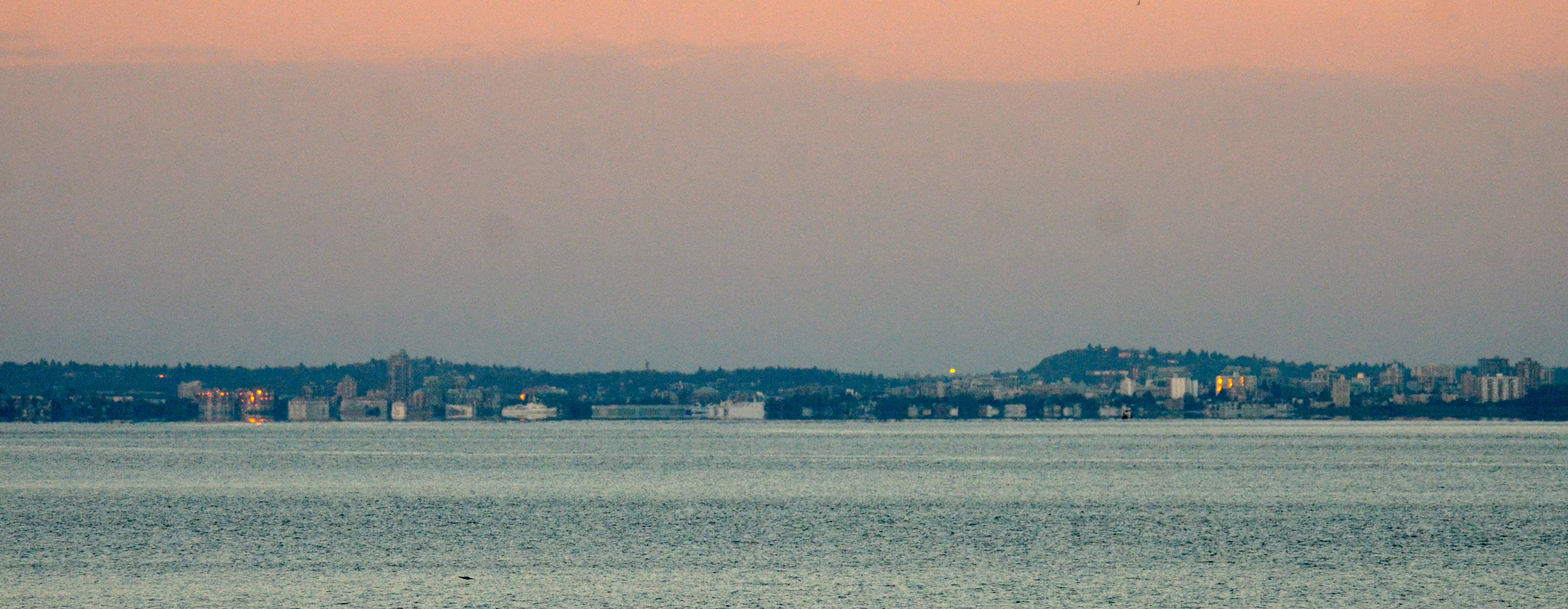
I left the reserve in the afternoon to attend One World, the annual show of dance, music and stories put on by Pearson students. I returned to Race Rocks with a visitor. The boat ride was spectacular as the sunset cast a rainbow of colours over the Juan de Fuca Strait.

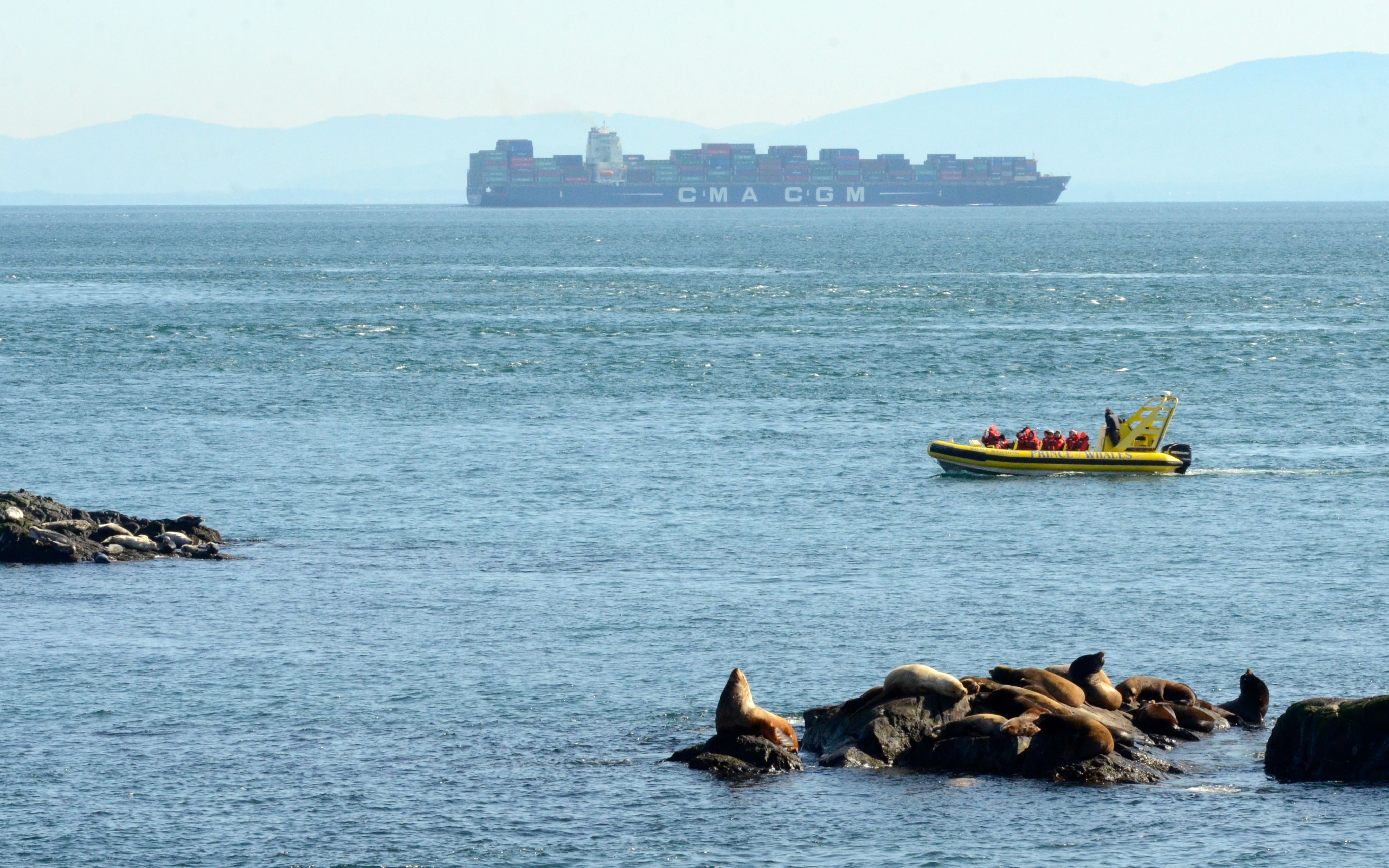
Two eco tour boats were seen in the ecological reserve today.

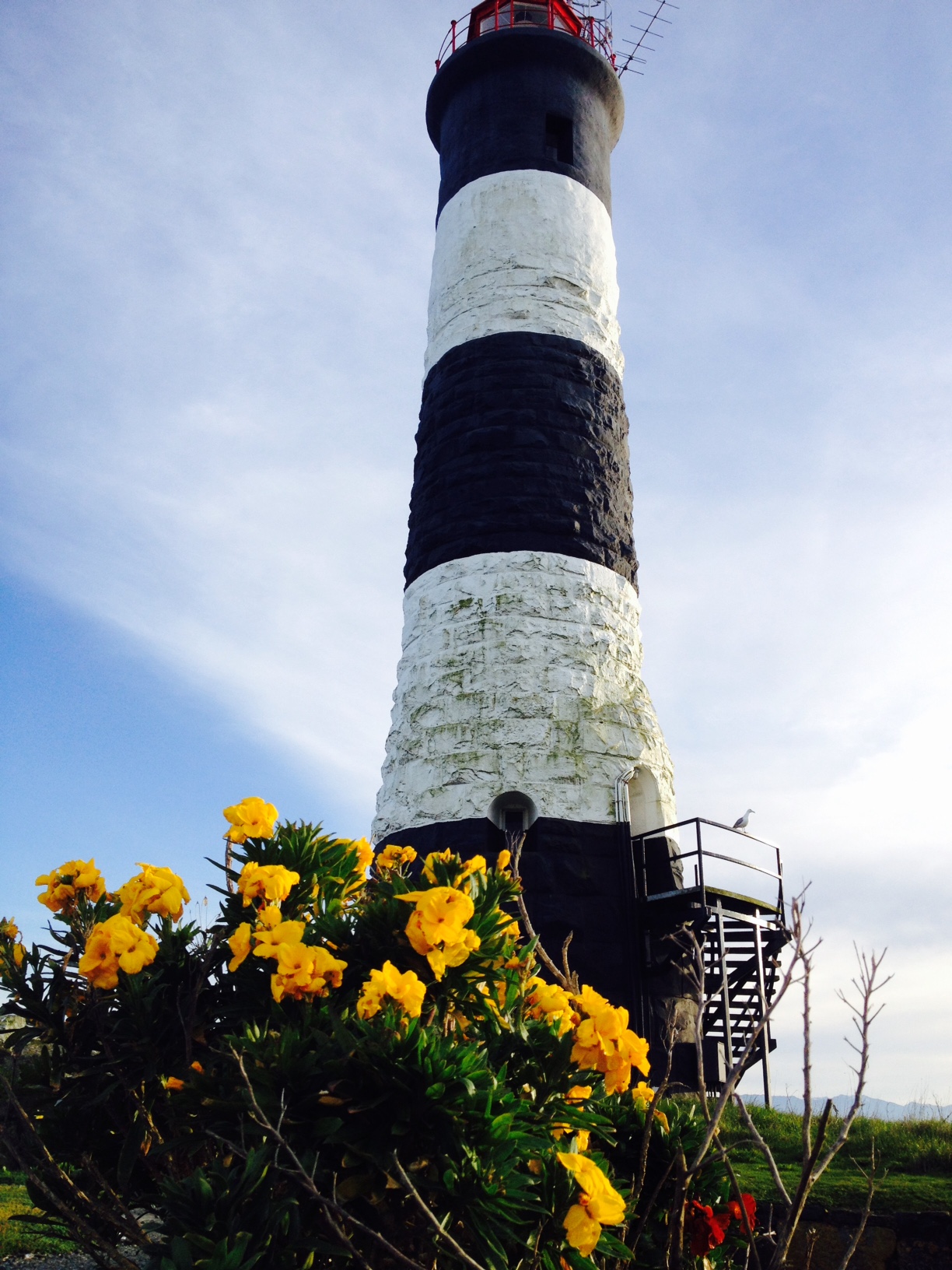
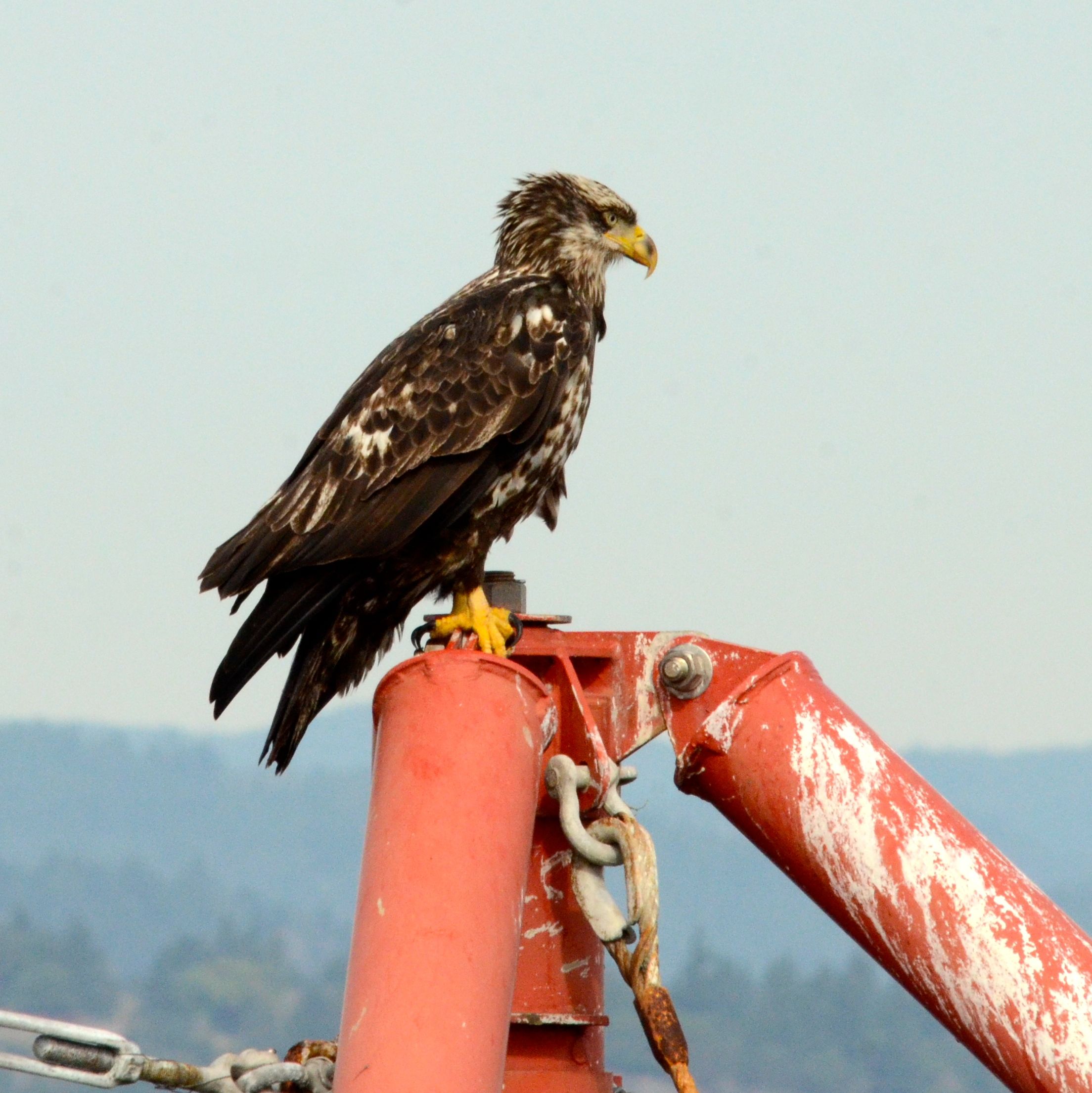
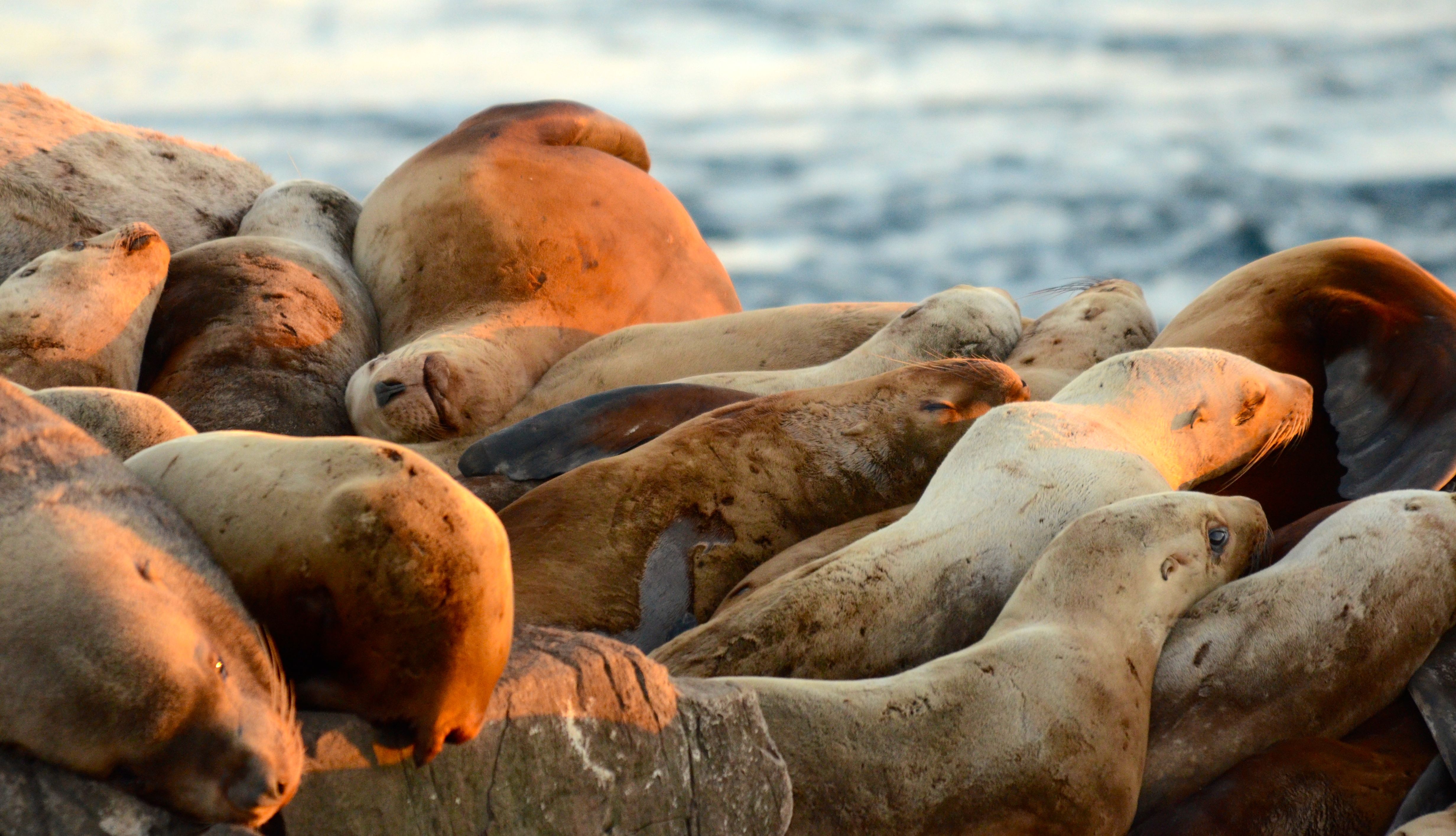
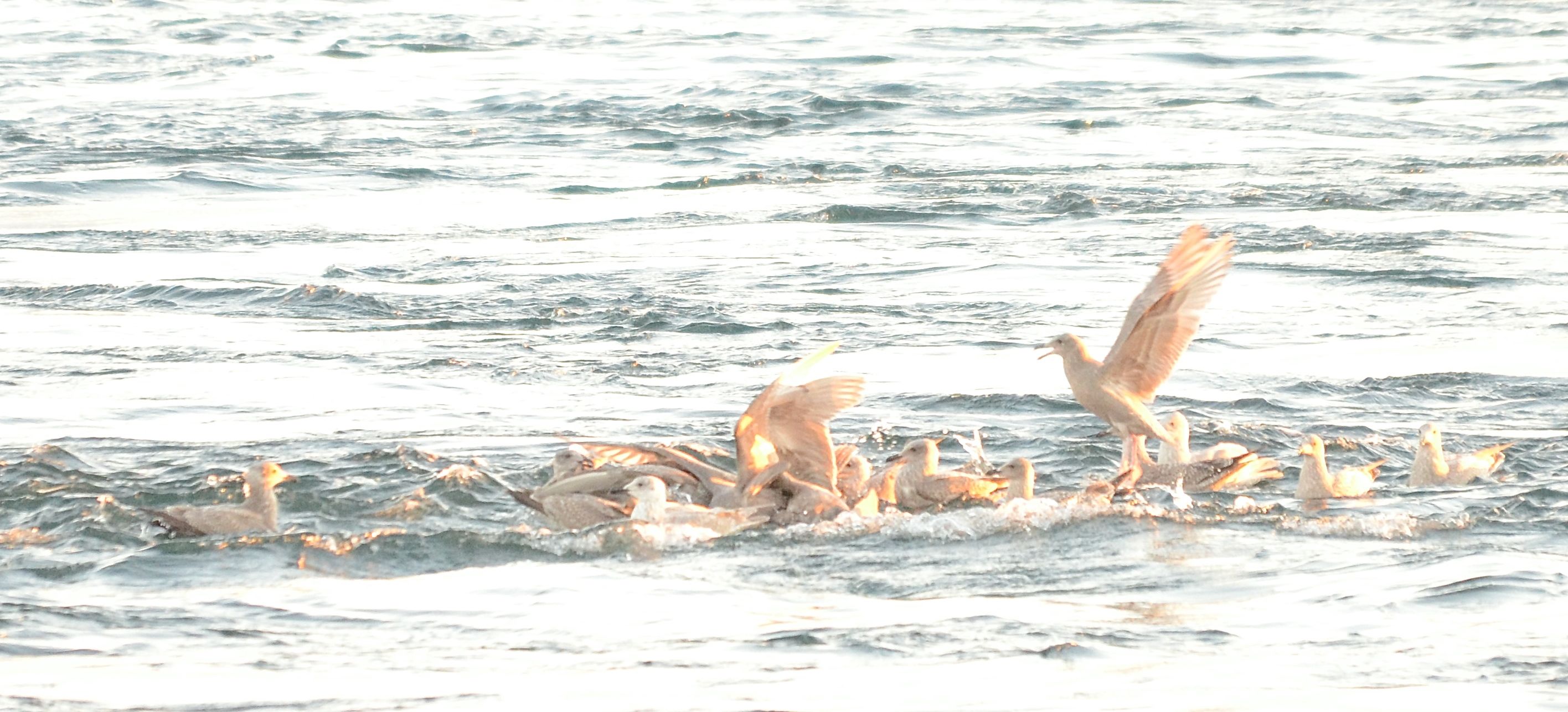
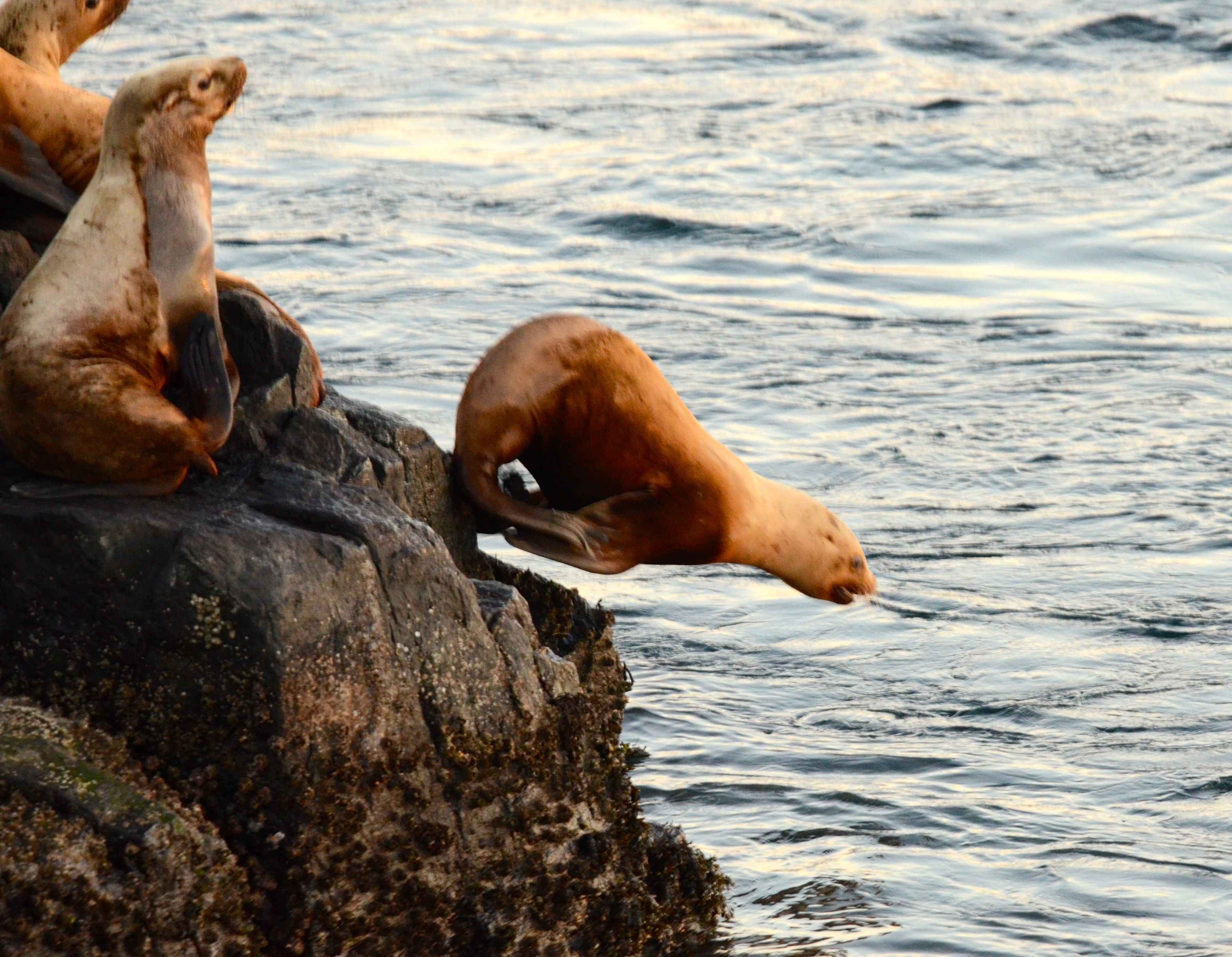
Thank you to Travis, today’s Race Rocks visitor, for the photos.

March 6 – Bright Sun, Bright Moon

Mostly sunny
Wind: 3 – 11 knots NE
Air Temperature: High 10°C, Low 7°C
Ocean Temperature: 8.8°C

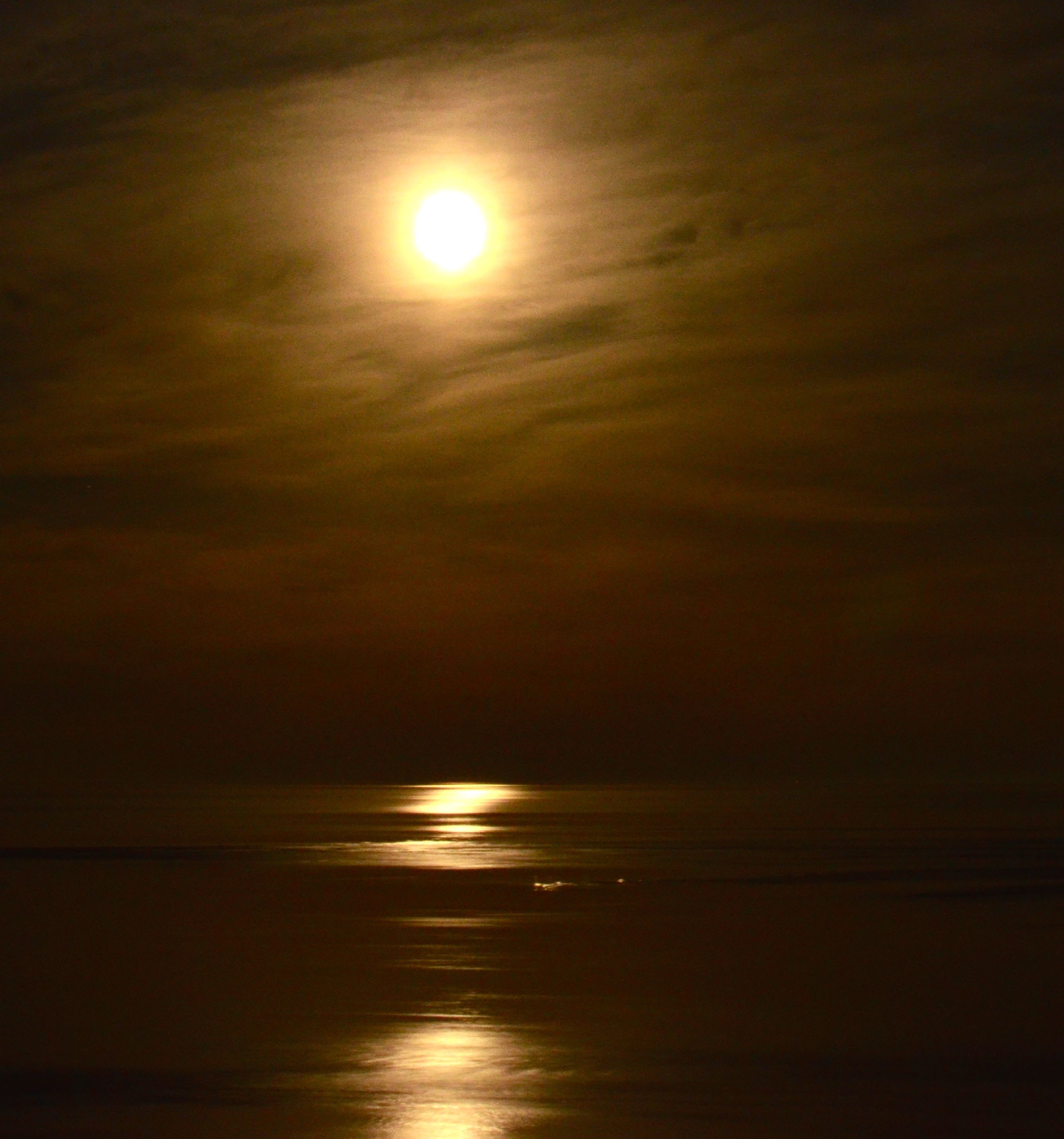
Last night was a full moon. Tonight’s moonrise happened at 19:25. It’s a waning gibbous moon, but it’s still as bright as last night.

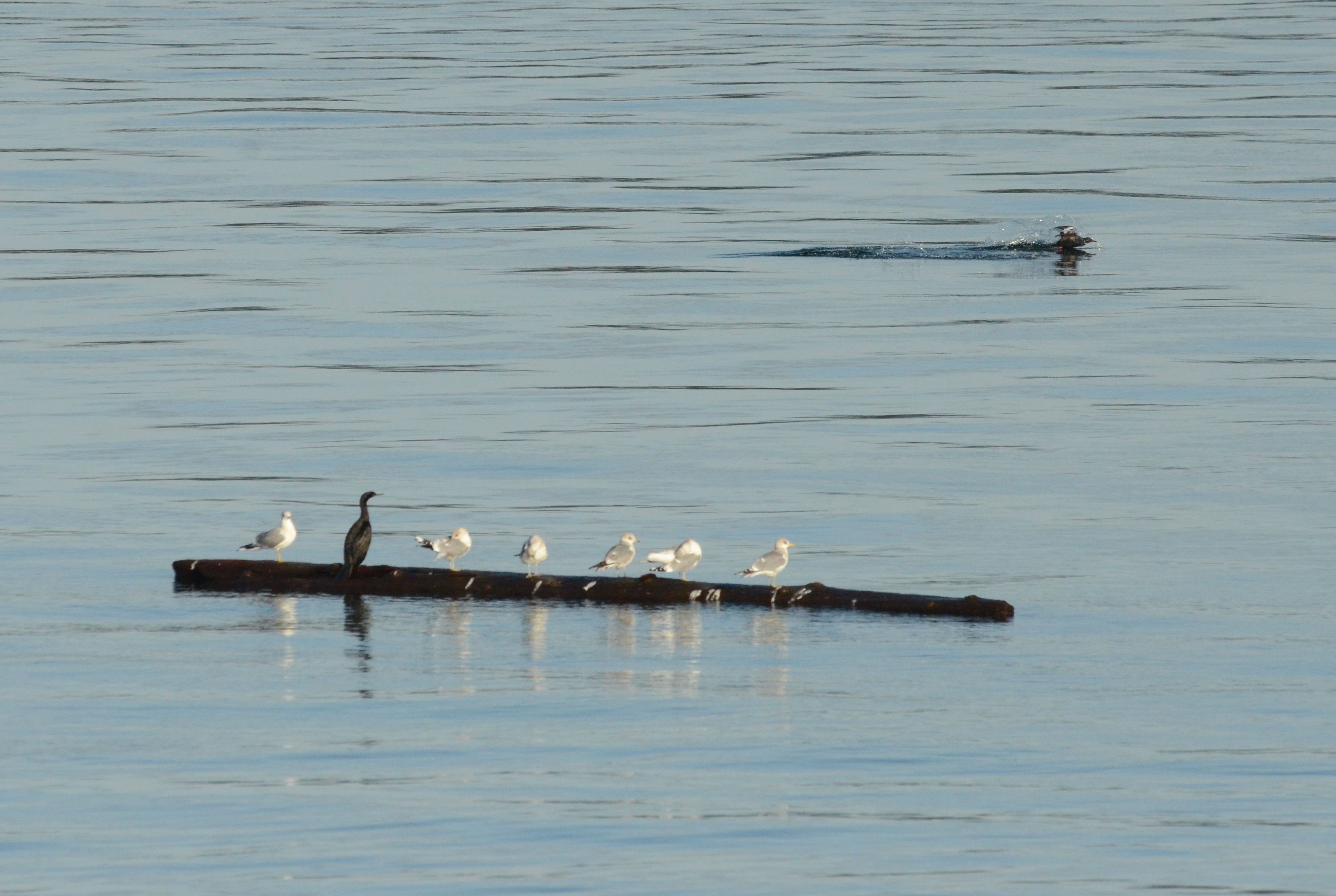
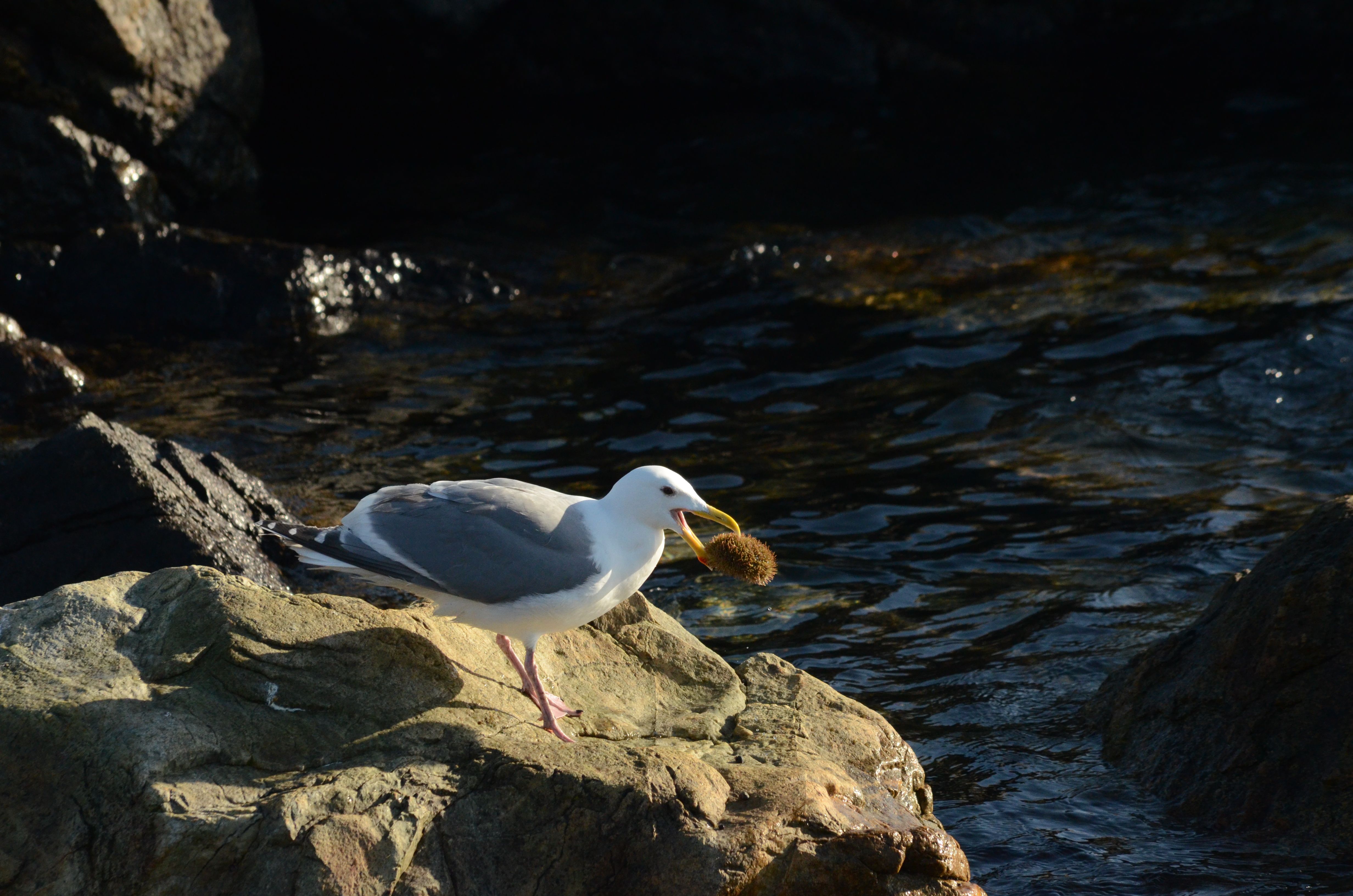
The gulls seem to be getting more territorial by the day. I witnessed many gulls attacking each other throughout the day. One gull grabbed onto another’s wing and wouldn’t let go for a minute. Maybe the other gull got too close to a nesting site that was already claimed.

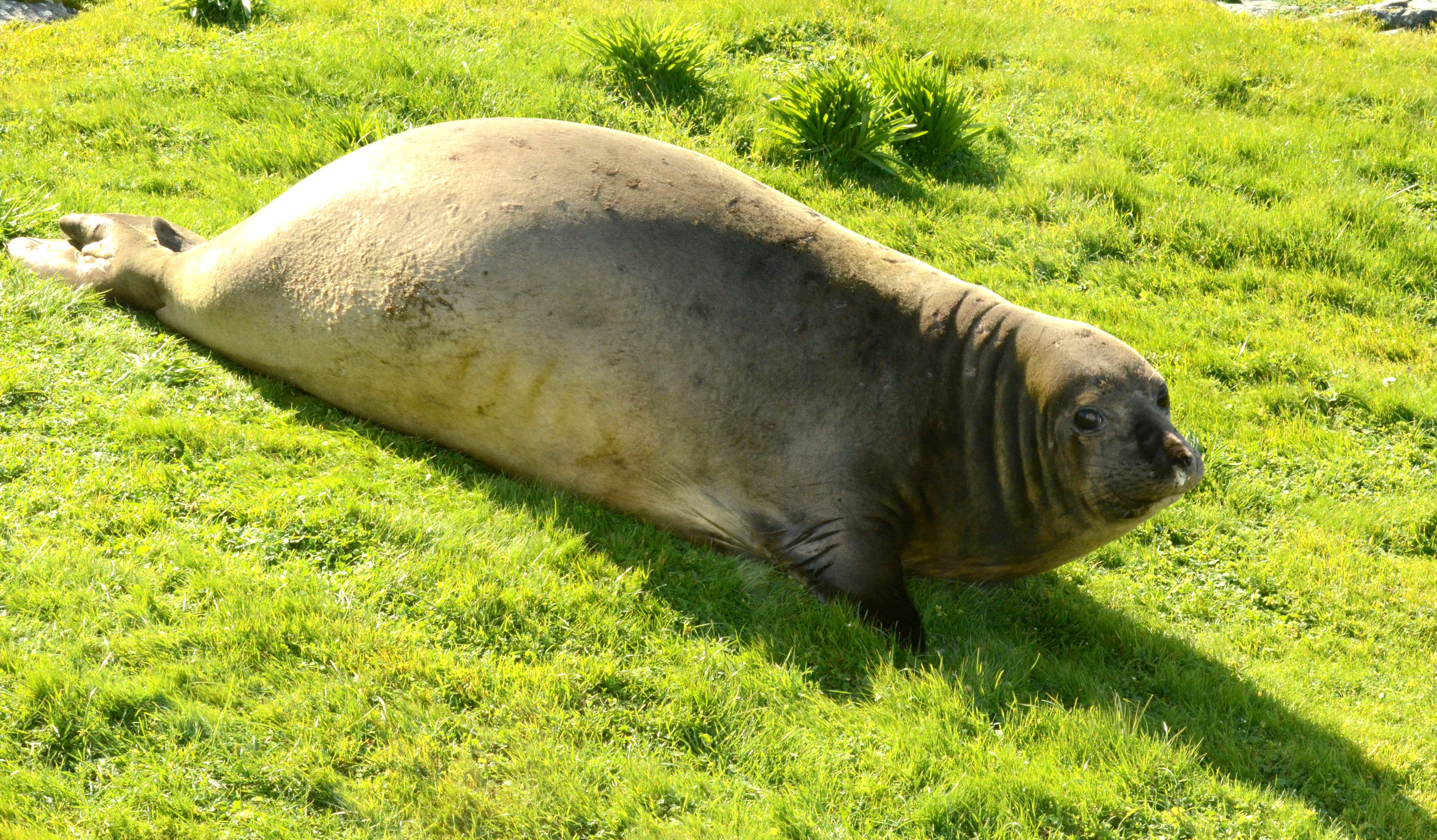
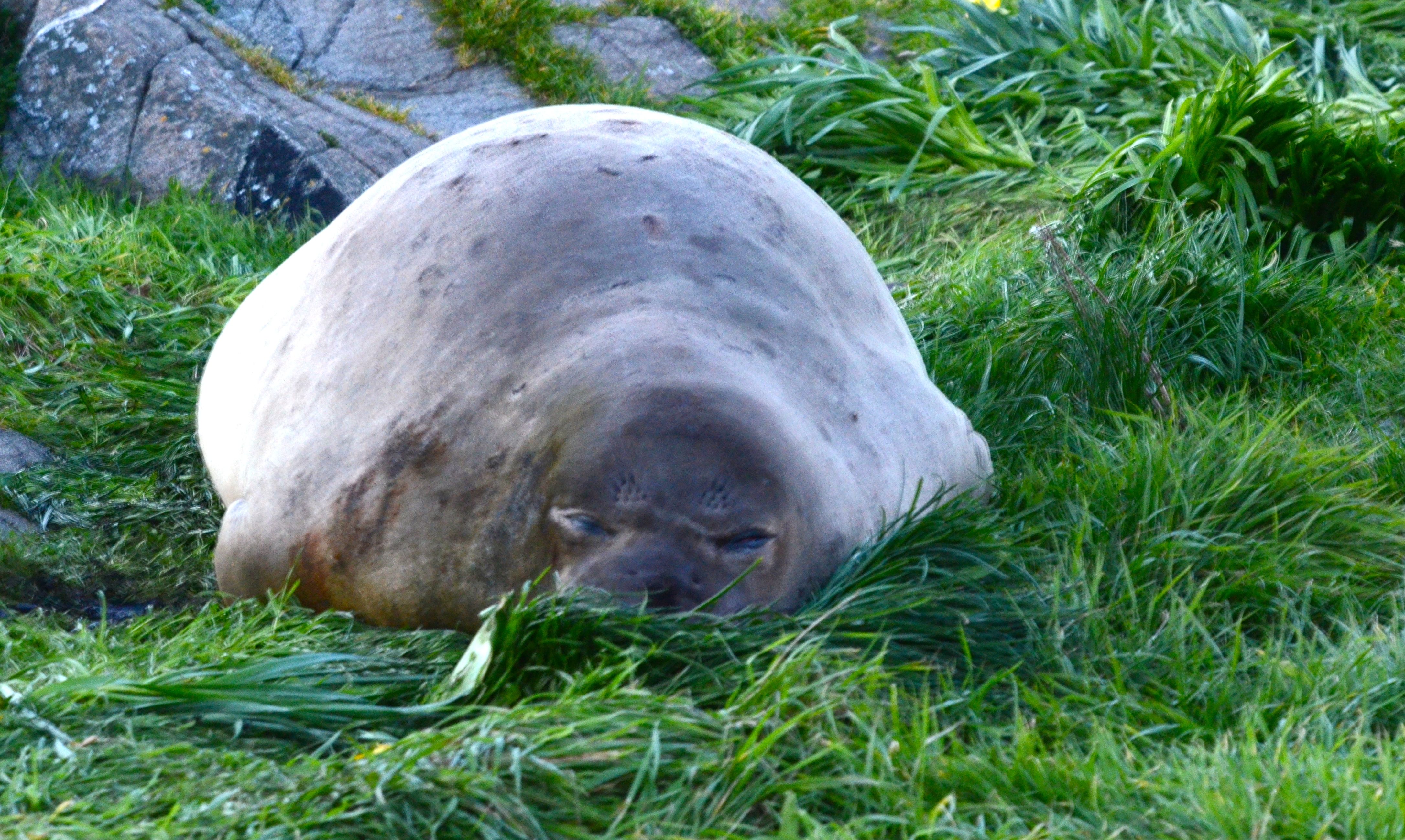
Chunk, the male elephant seal, spent another day in the same spot below the helicopter pad. The female elephant seal splashed around the jetty beach for most of the day.

One eco tour boat visited the reserve today.

March 5 – Census Thursday

Sunny with occasional clouds
Wind: 0-5 knots from N and switching around to SW throughout the day
Air temperature: High 10C, Low 6C
Ocean temperature: 8.9C

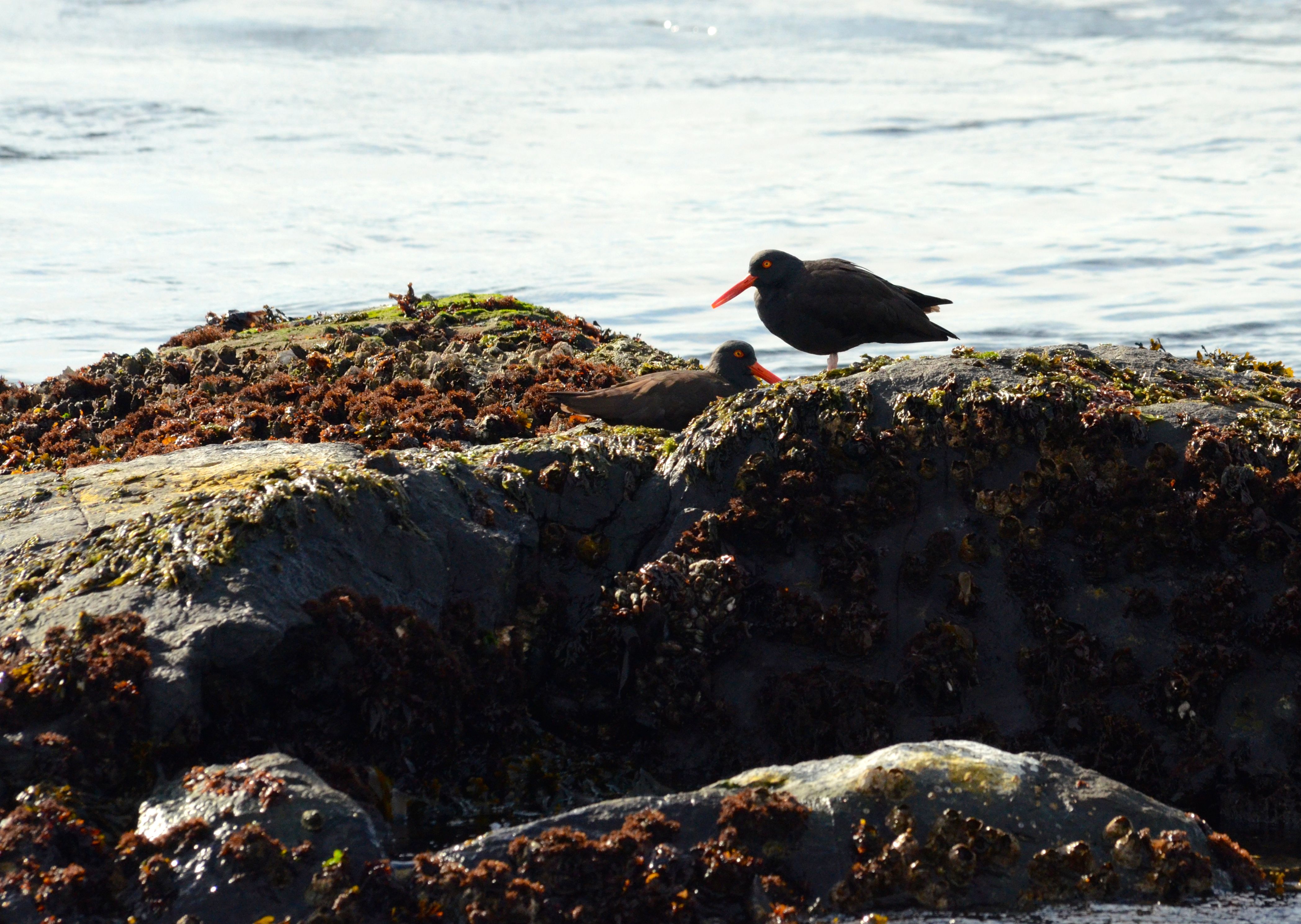
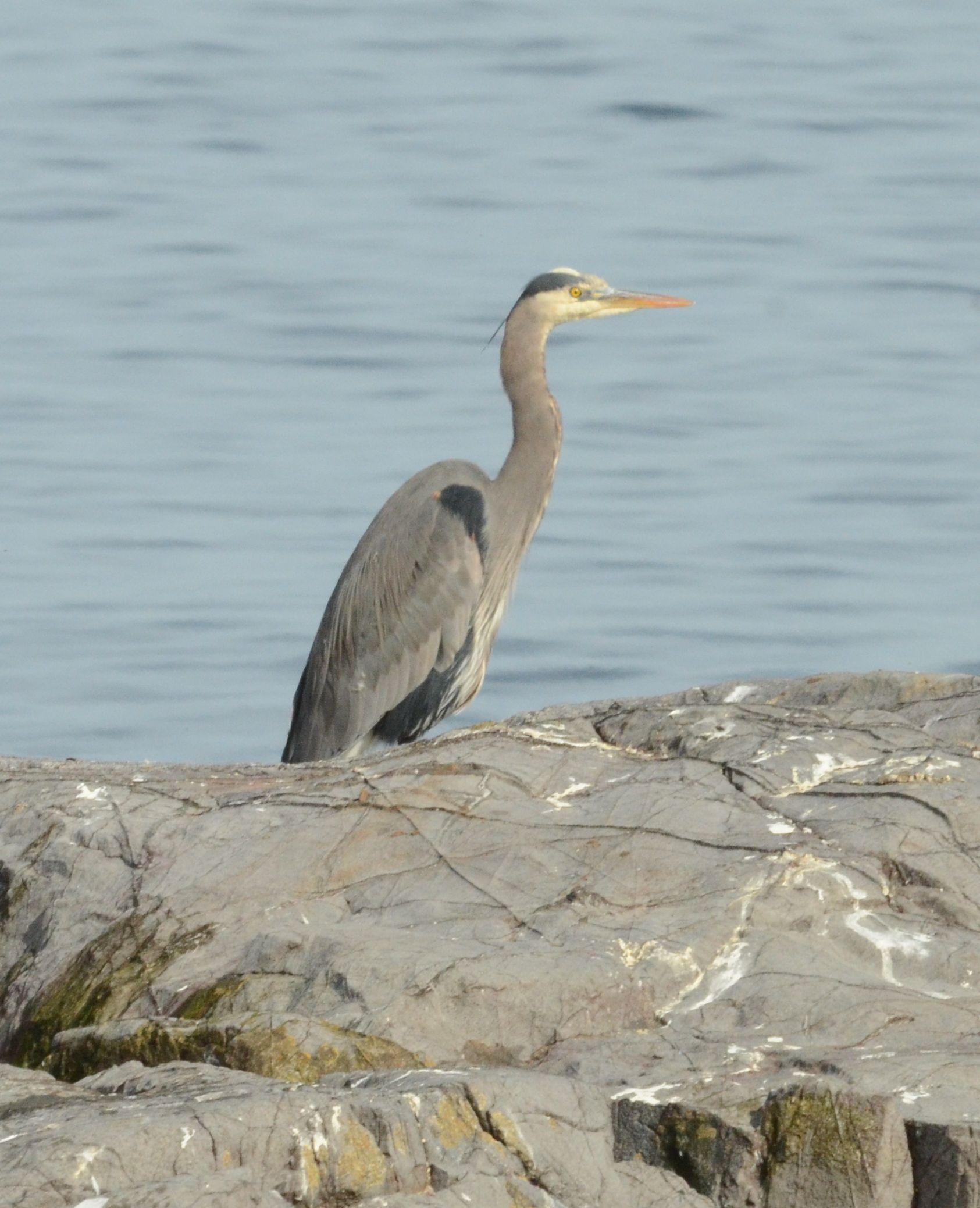
A great blue heron hung out on northeast side of Great Race for the afternoon. The oystercatchers are travelling around in pairs and are quite vocal. The gulls have spread themselves out around the island as they start to find nesting sites. Chunk returned to Great Race during the night. He spent the day resting against a boulder and the rock below the helicopter pad. The female elephant seal is relaxing in the same spots as yesterday, to the west of the main house.
Today’s census results:
Elephant Seal: 2
Steller Sea Lion: 18
California Sea Lion: 28
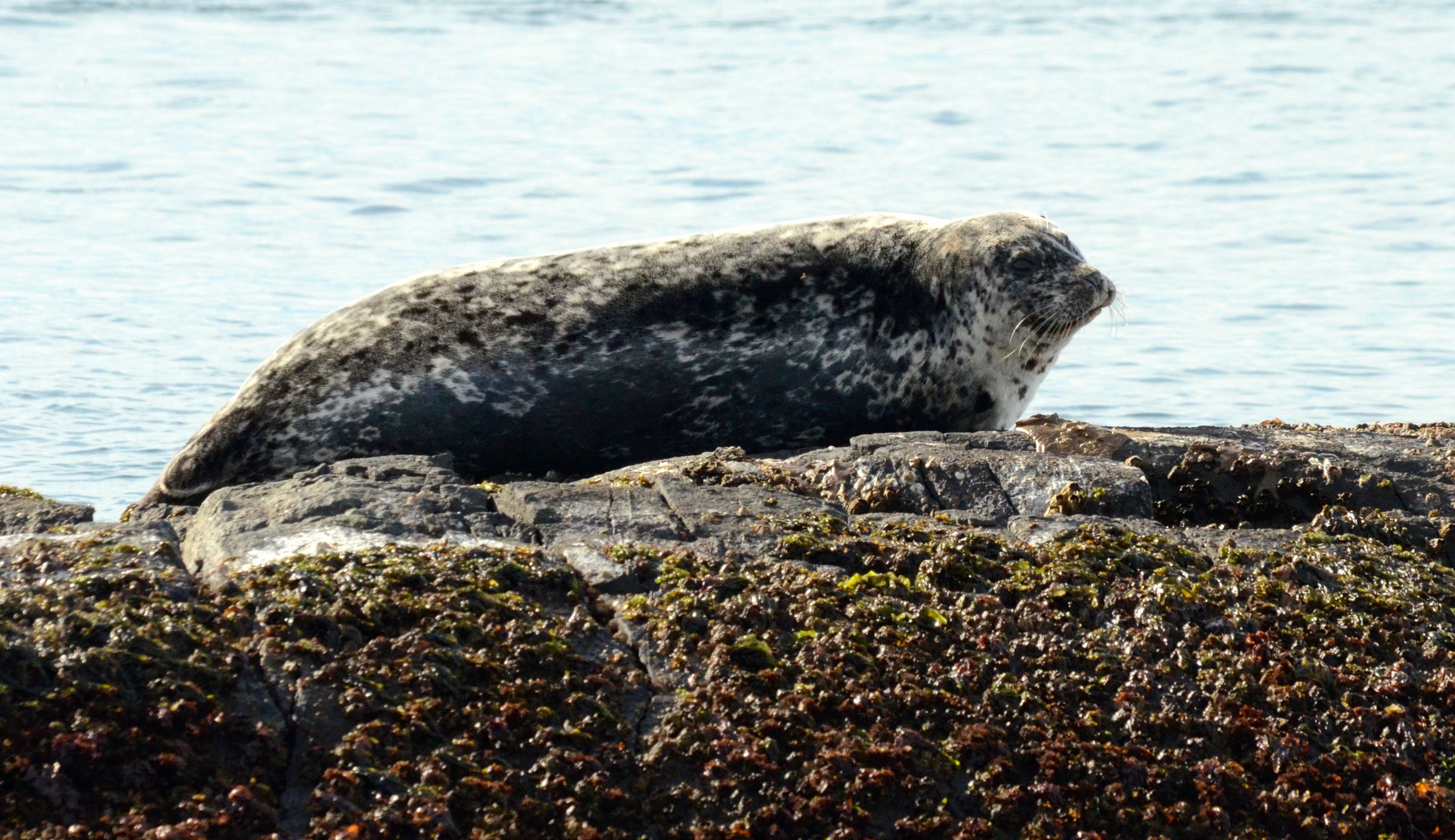
Harbour Seal: 41
Bald Eagle: 6 (3 adult, 3 juvenile)
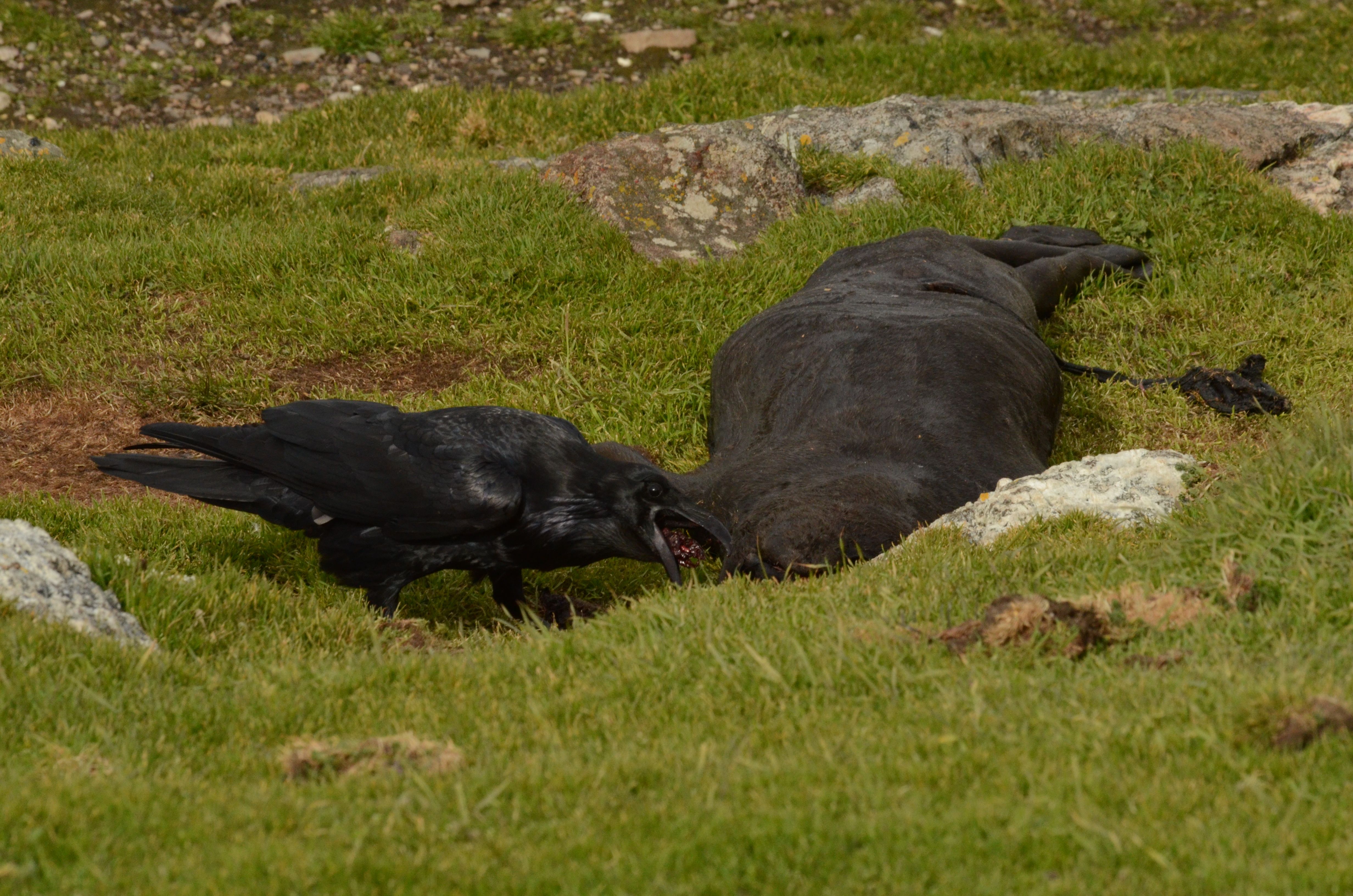
Raven: 2
Great Blue Heron: 1
Double Crested Cormorant: 9
Brandt’s Cormorant: 15
Black Oystercatcher: 8
Canada Goose: 17
Pigeon Guillemot: 36
Gull: 103
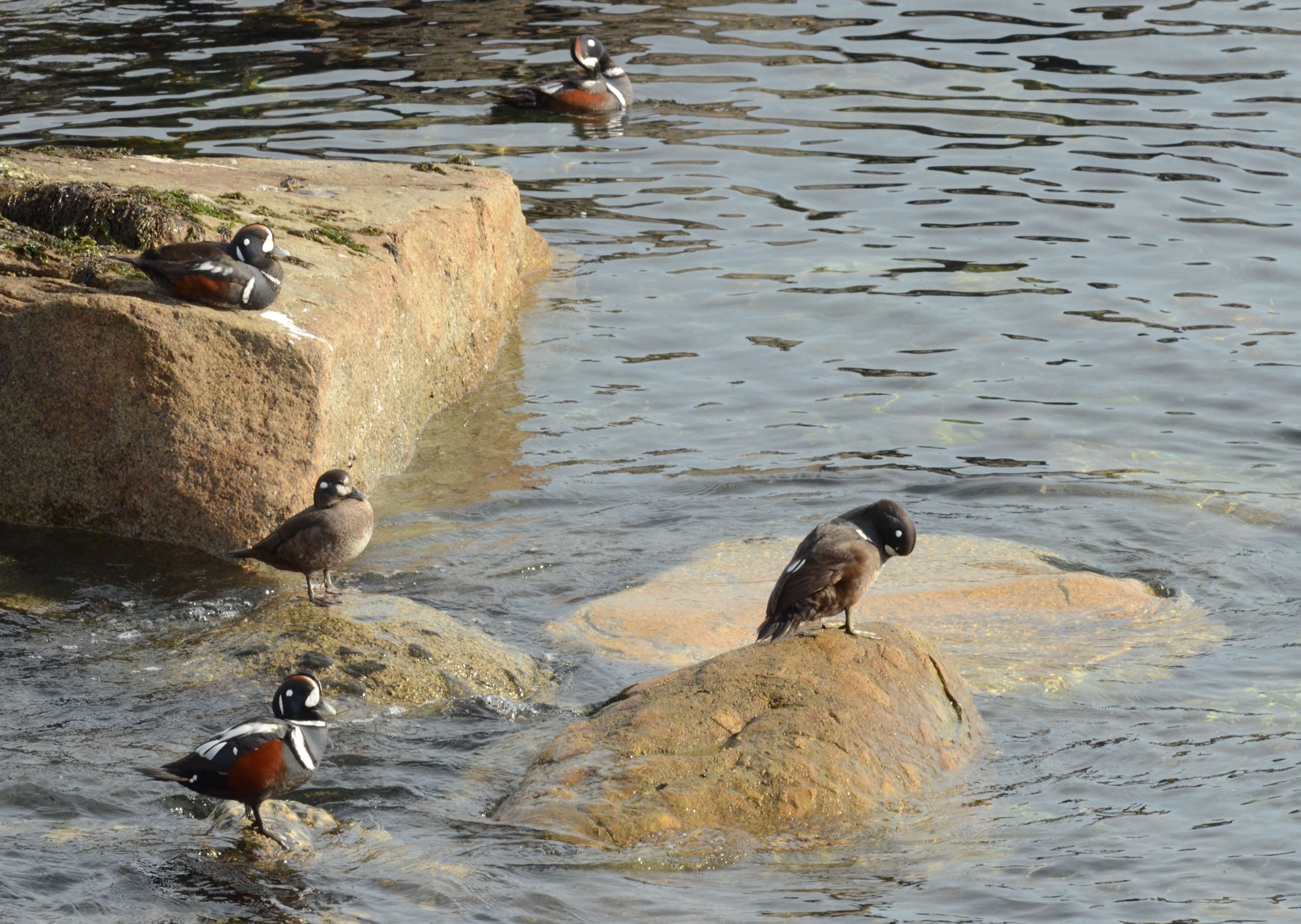
Harlequin Duck: 11
Surfbird: 2
Black Turnstone: 15
Savannah Sparrow: 1

One eco tour boat and one recreational boat visited the reserve today.

March 4 – Eagle Gathering

Sunny
Wind: 8 knots NNE in the morning, diminishing in the afternoon and switching to W in the evening
Air Temperature: High 9C, Low 4C
Ocean Temperature: 8.8C

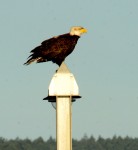
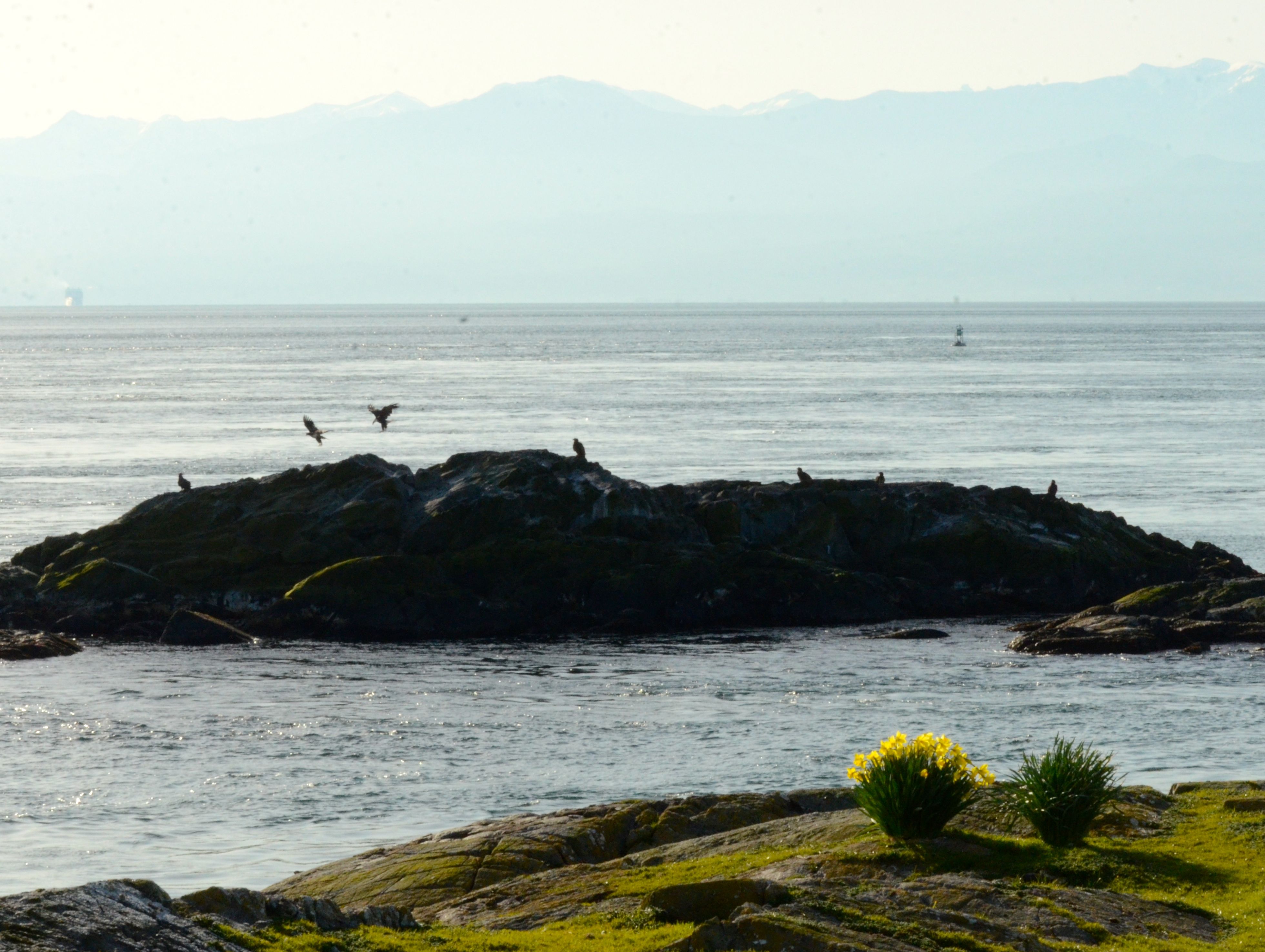
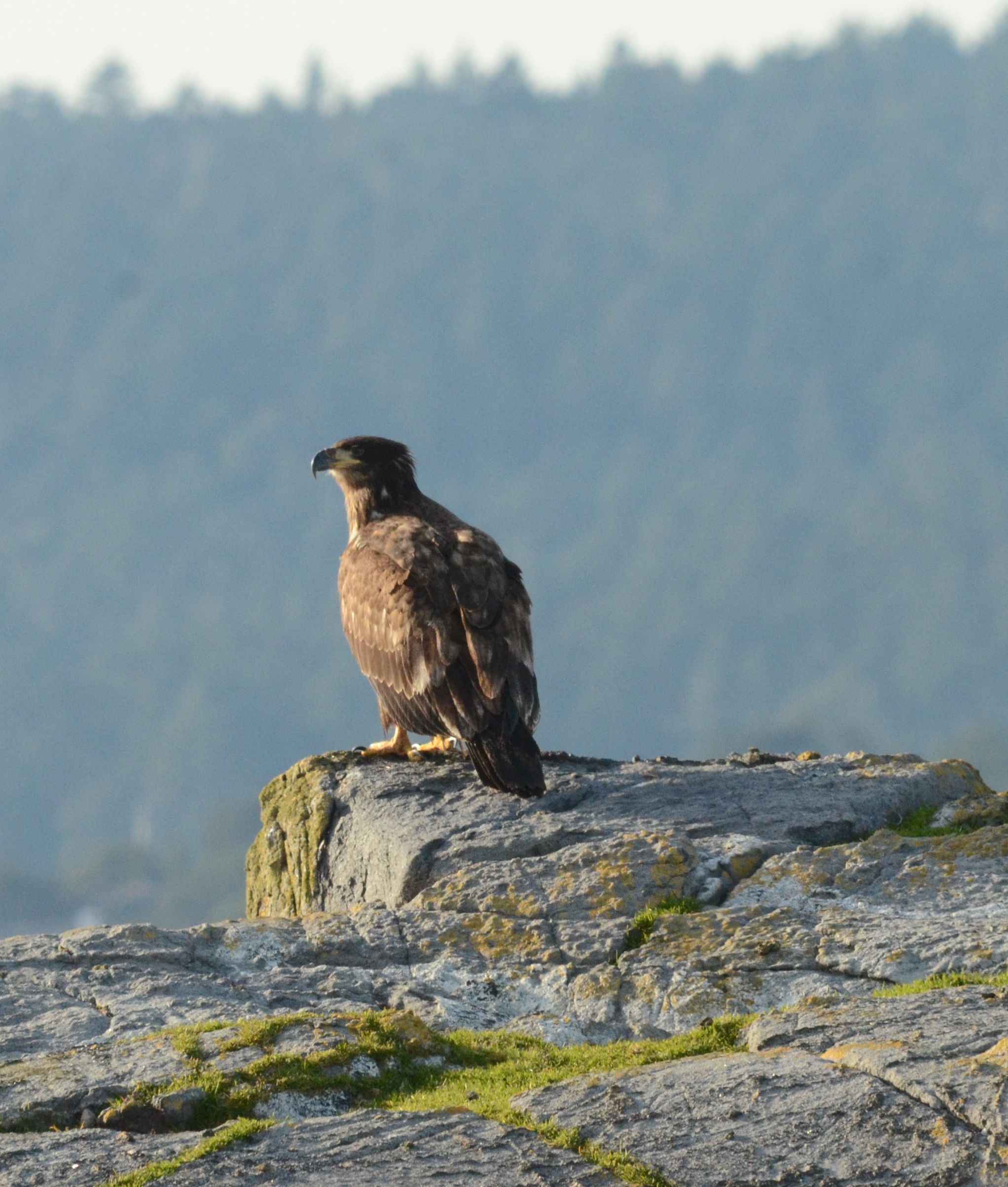
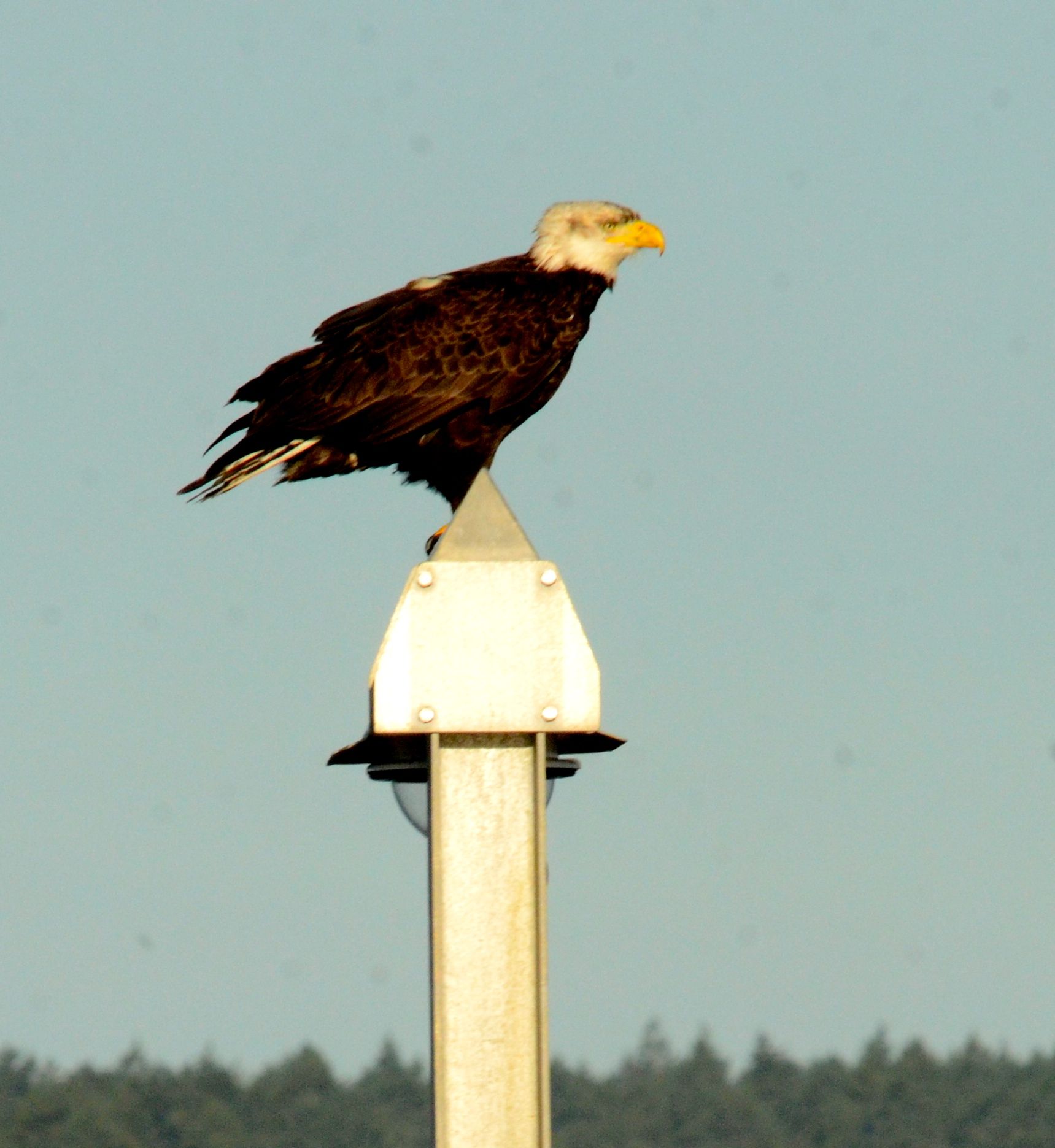
Twelve bald eagles were hanging out on the South Islands this morning. Many of them stuck around for the rest of the day, flying to different perches around the reserve.

Chunk left the main island at some point last night. The female elephant seal is still camped out to the east of the main house.

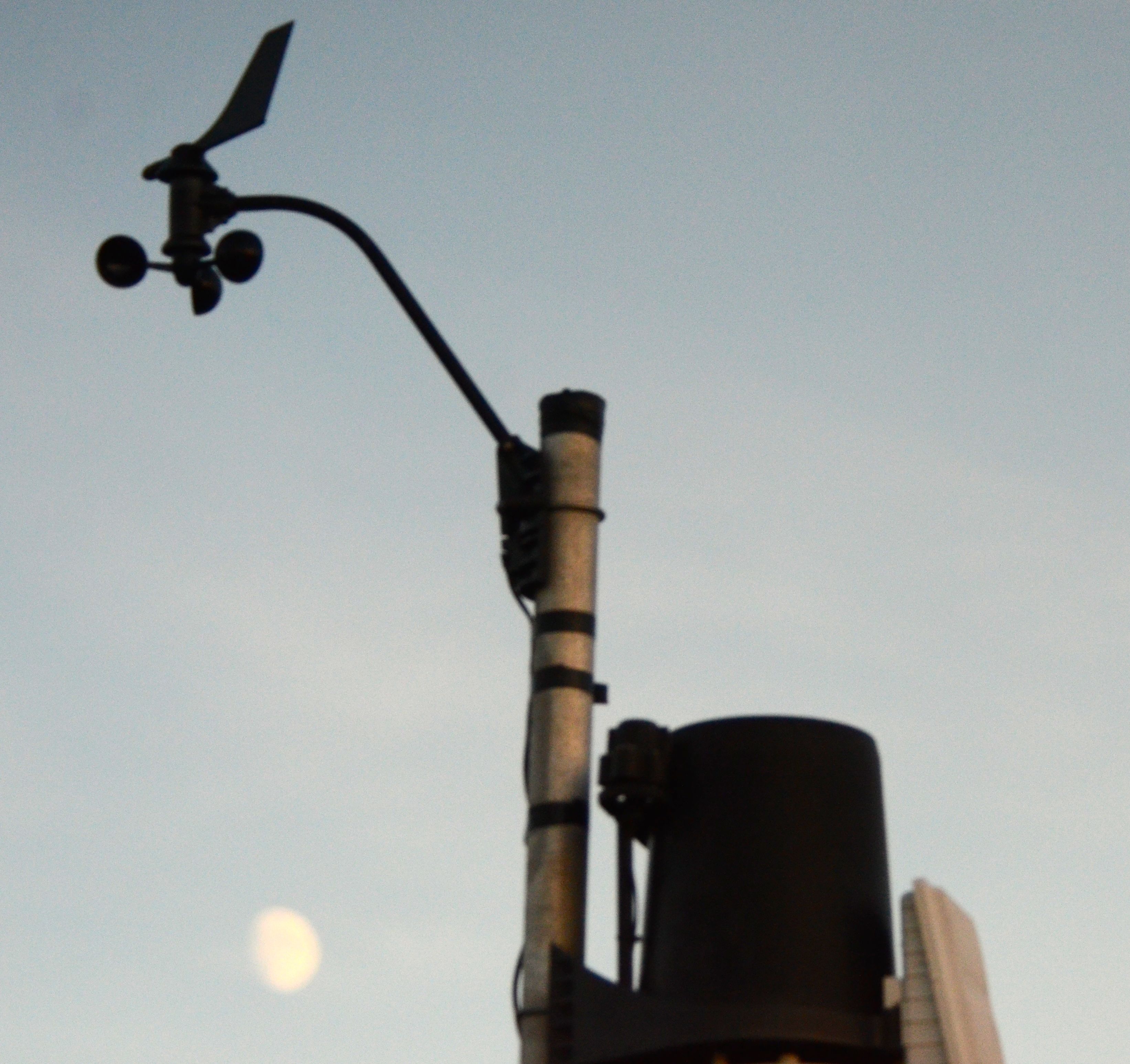
Courtney and Max visited for a couple hours this morning to do some maintenance on the cameras and other technology. Camera 5 is almost online again. One more replacement part needs to be installed in the coming days. The Davis weather station is back up and running after a few days offline. Thanks to Max fixing the computer that uploads the weather data.
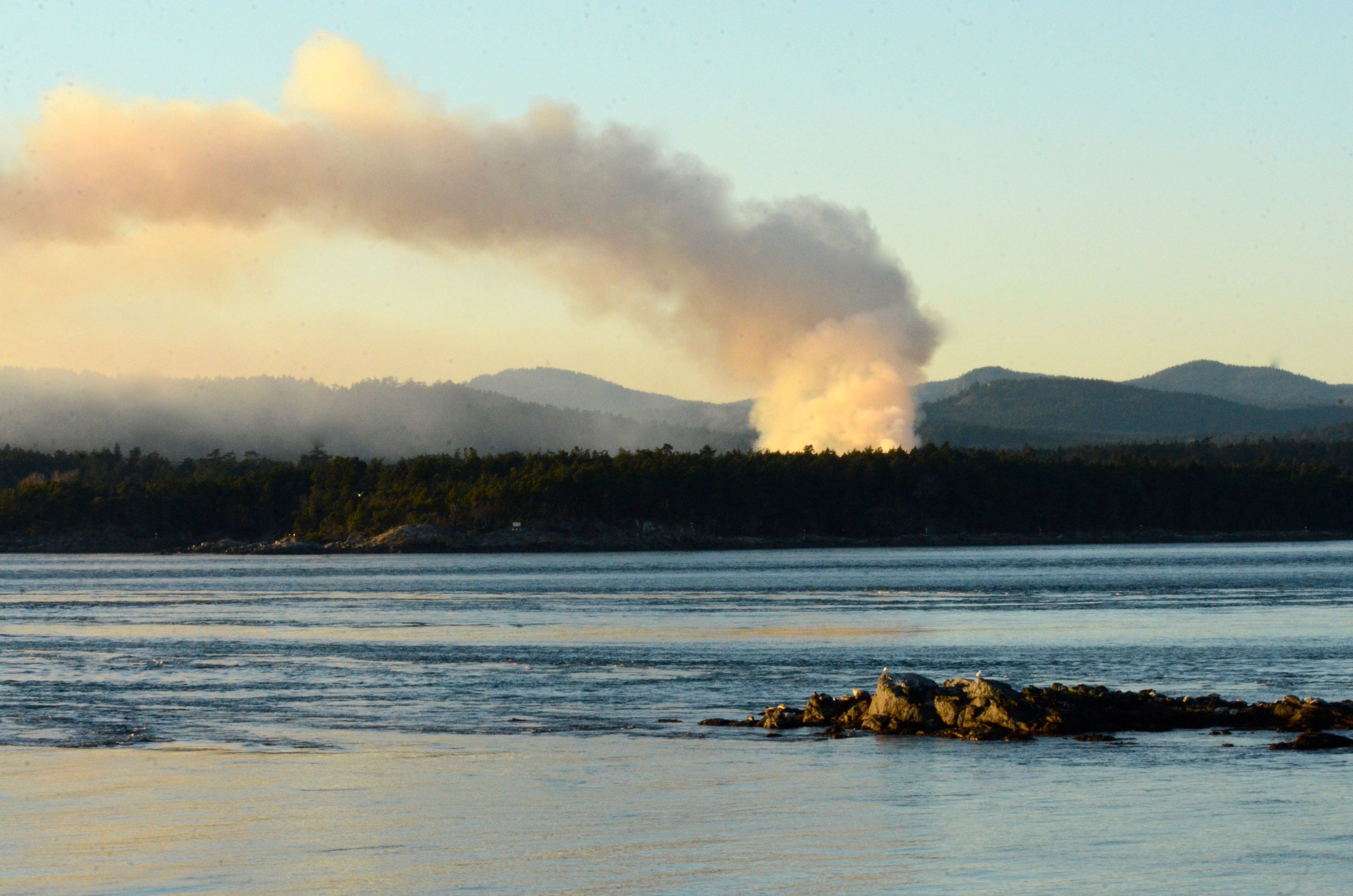
There was more munitions blasting today at nearby Rocky Point.

Three eco tour boats visited the reserve today.

March 3 – Elephant Seals and DND Blasting

Sunny
Wind 18 knots from the North in the morning, switching direction to SE and diminishing throughout the day to calm in the evening
Air temperature: high 10C, low 5C
Ocean temperature 8.8C

There is never a dull moment at Race Rocks. At 8:30 in the morning, Chunk (the large male elephant seal) and the female elephant seal that has been on the island for a couple weeks were on the grass to the north of the Ecoguardian’s House. From the window by the front porch, I watched as the female roared and kicked up grass with her flippers as she and Chunk were either fighting or mating. It’s hard to tell the difference. He approached her and bit into her back, adding to the many wounds and scars. The female fled to the other side of the house and Chunk followed. They spent the rest of the day at least 10 metres apart from each other on the west side of the house.

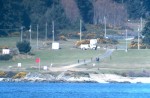
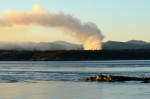
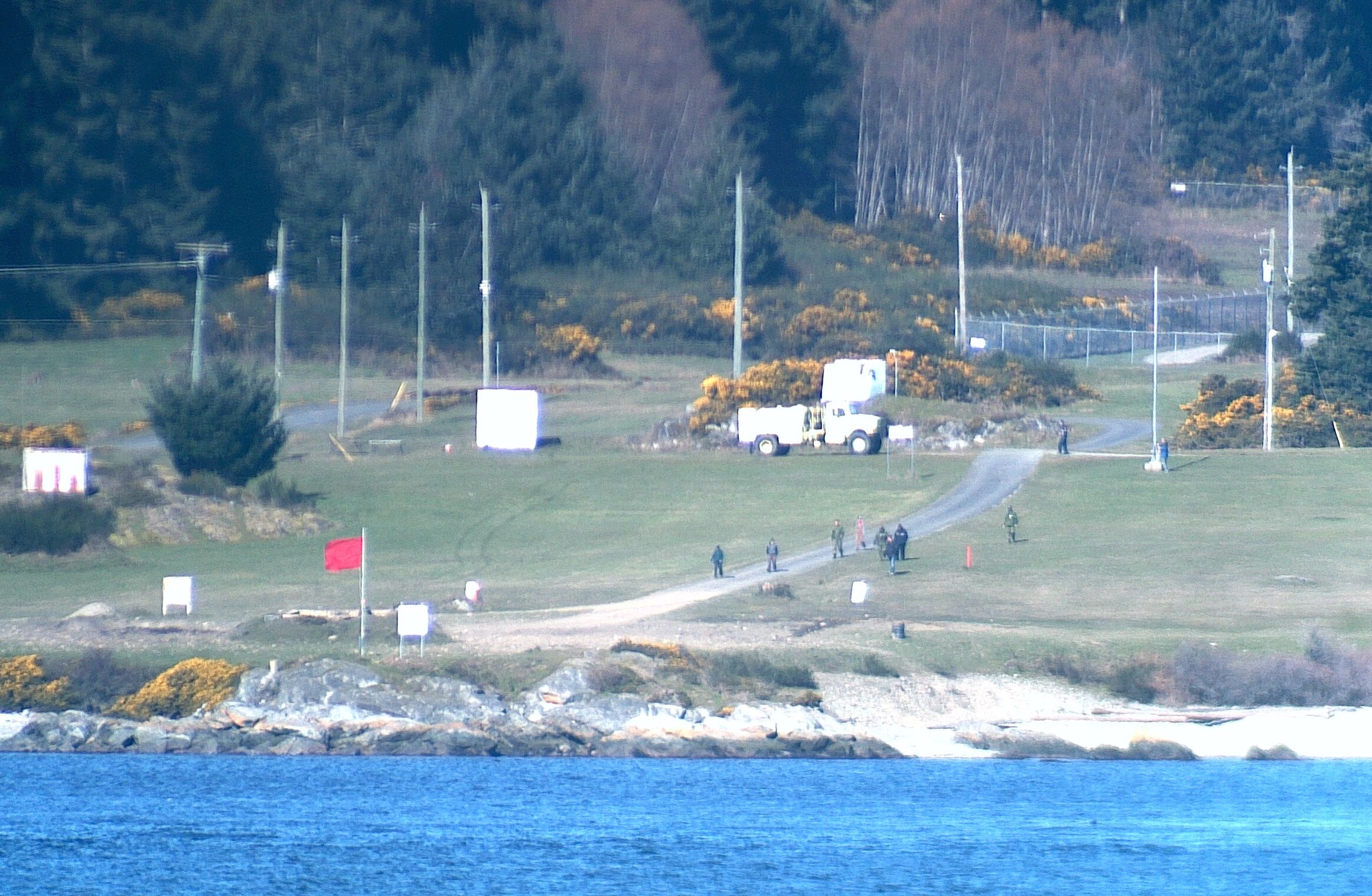
At 10:30, I was sitting in the house reading the SOP manual when I heard and felt a huge blast. There was a large puff of smoke rising from the Canadian Forces Ammunition Base Rocky Point, 2km to the NW. There were red flags to warn passing boaters. After the initial blast, a group of people appeared from a bunker to inspect the area where the munitions were detonated. There were a few more blasts in the next two hours.

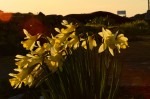
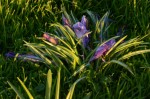
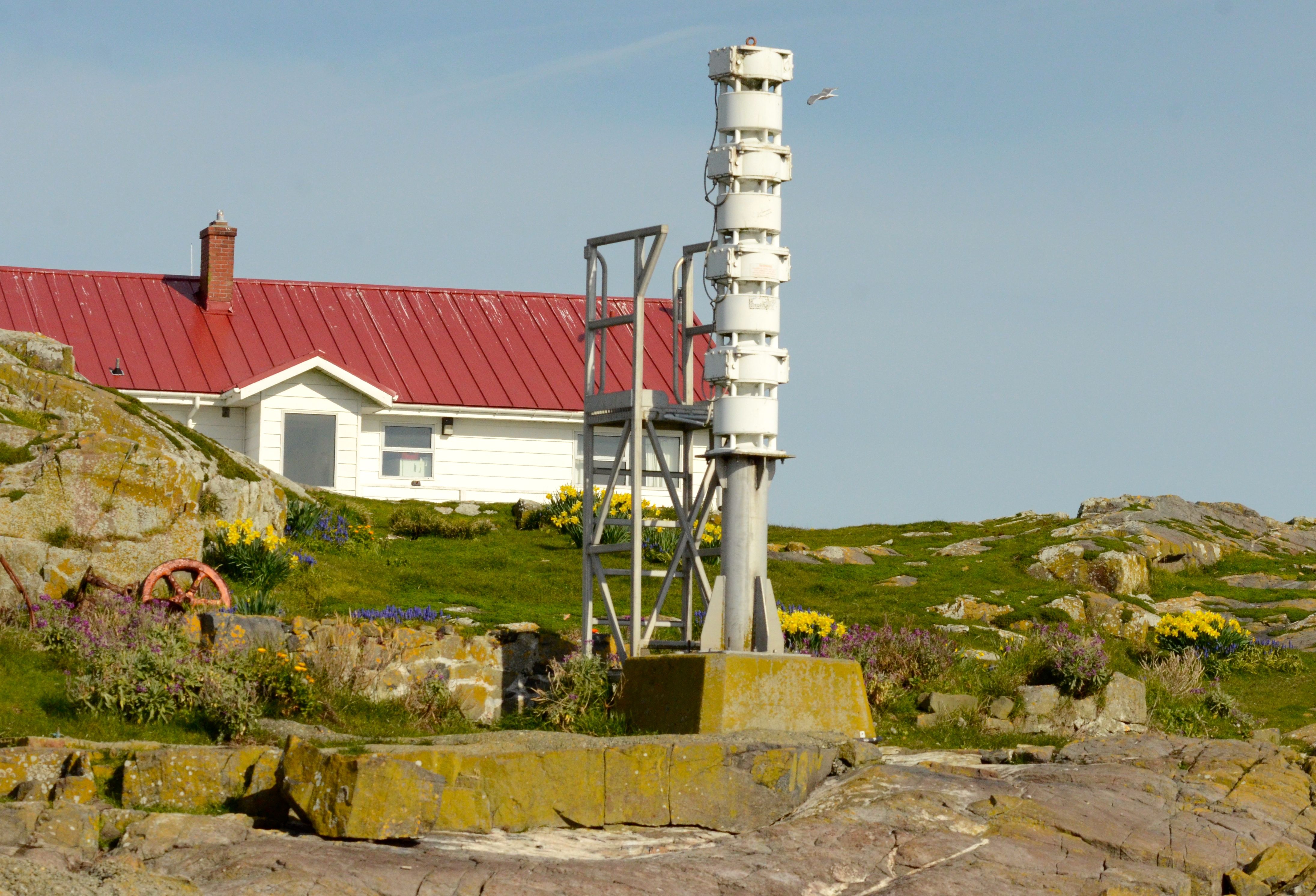
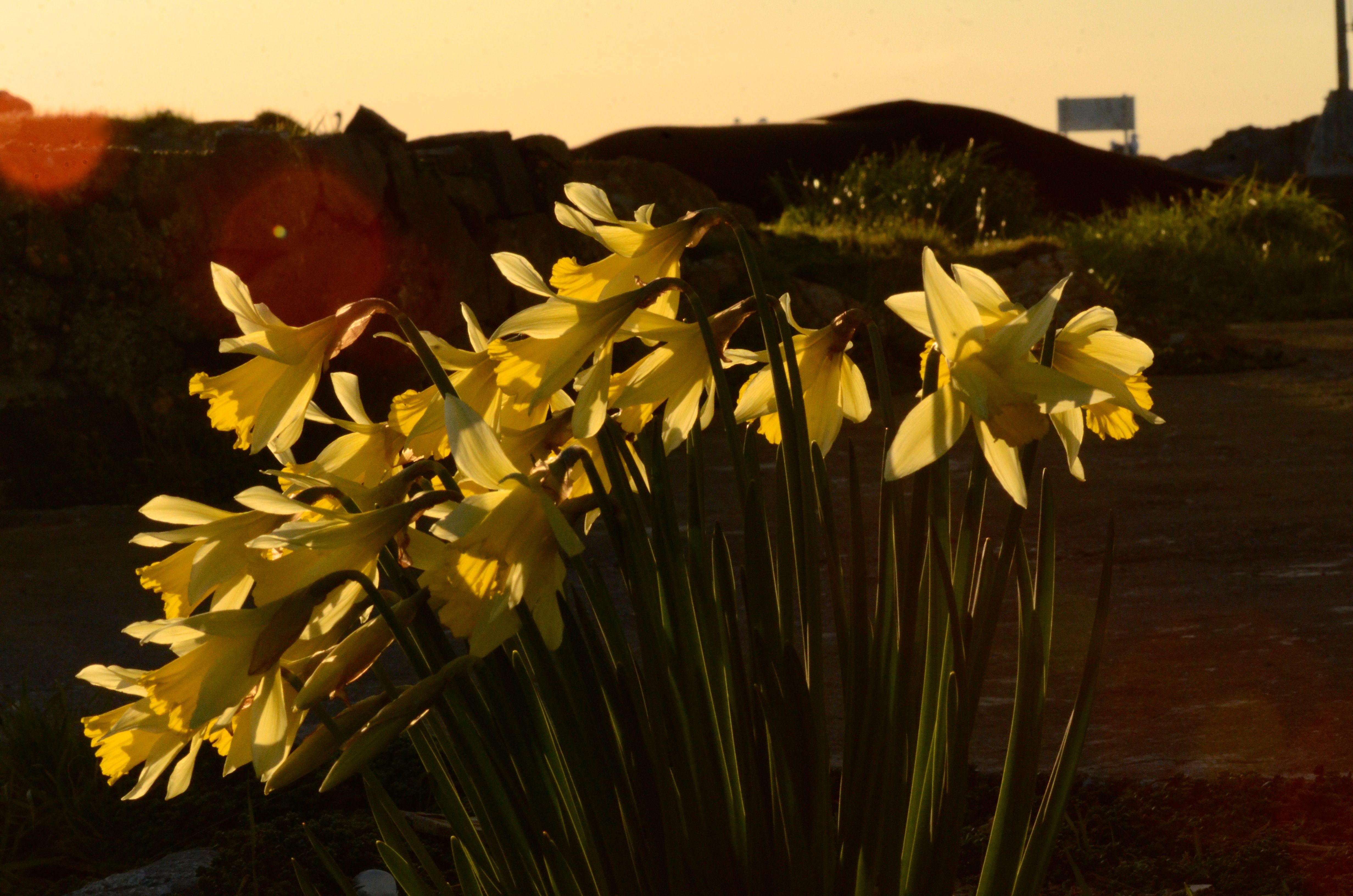
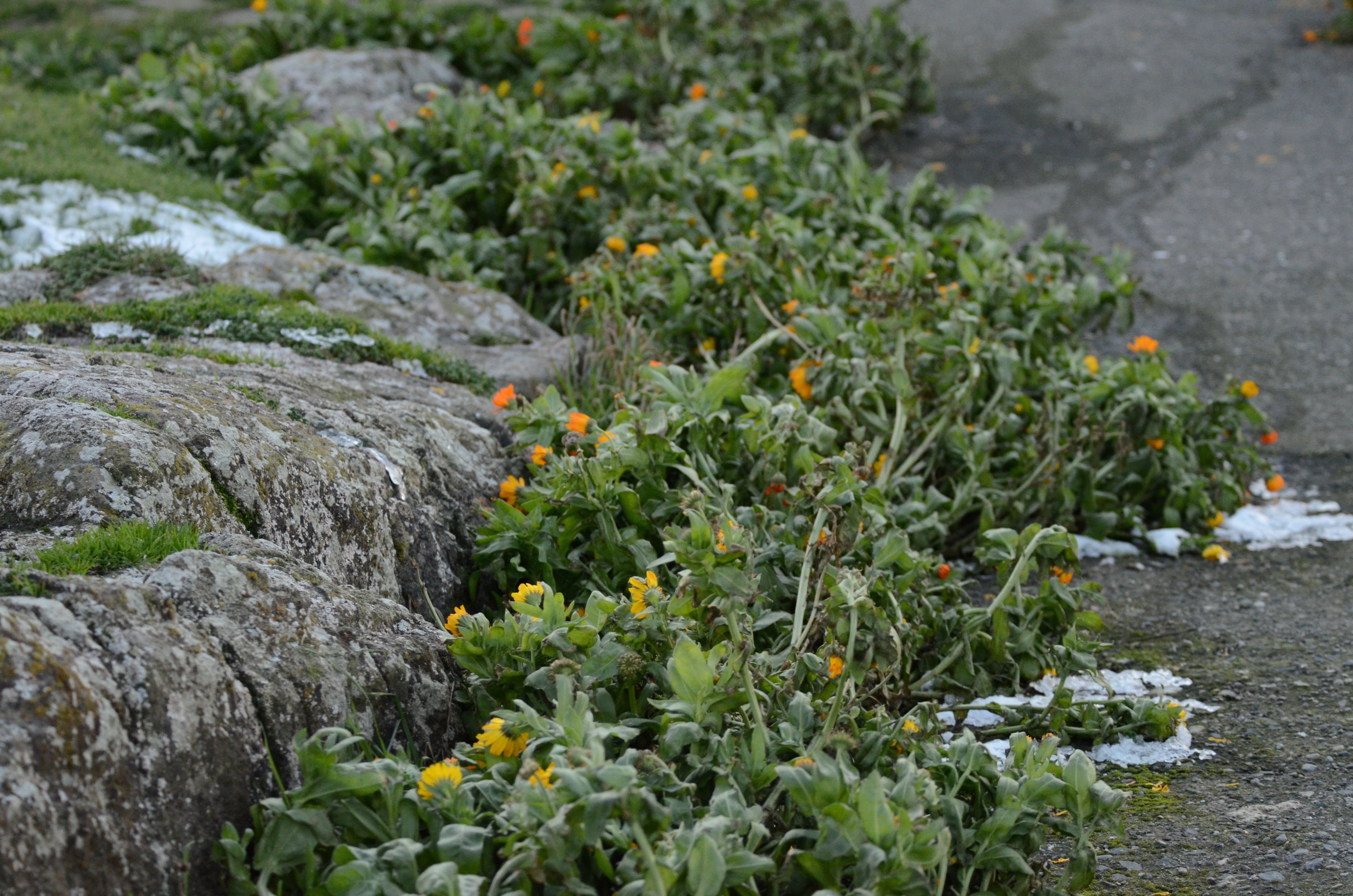
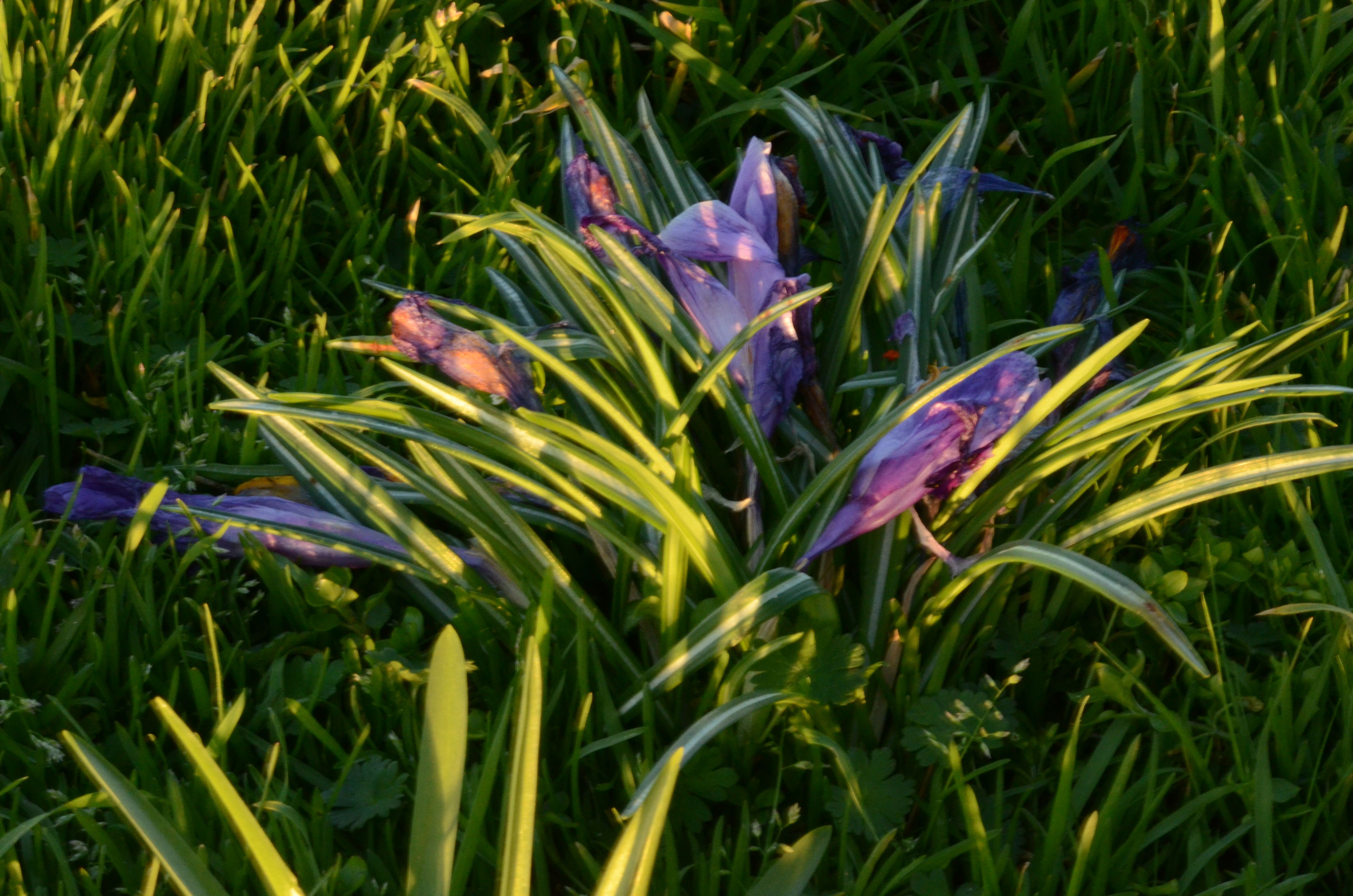
There are lots of flowers springing up around the island: daffodil, crocus, grape hyacinth, and calendula. Like several other plants that are not native to the island, they were planted by lighthouse keepers.

I spent the day reacquainting myself with the systems and species of the island.

The fog horn went off sporadically throughout the night, starting at 20:15. There didn’t appear to be any fog or clouds. The almost full moon lit up the night. It was so bright, I didn’t need to use a flashlight when I went to turn off the generator.

March 2 – Shift Change

Sunny
Wind 5-10 knots S to SW
Low 5oC
High 9oC

Two whale watching boats were seen in the ecological reserve.

Today was the shift change that saw Alex depart after being on for three months and Virginie for a month. It was a calm and glorious day to ferry the supplies and people back and forth to Race Rocks. Thank you Alex for all the great work you have done and the great shape you have left the place. I will be here until the end of March.

Shift Change?

The wind blew from the northeast between 17 and 27 knots. At 15:00, the wind died down a bit, blowing between 12 and 14 knots for several hours. The barometer dropped from 1014 hPa to 1008 hPa. The sky was clear, with some clouds in the south. Whitecaps rolled in from the northeast, calming down in the early afternoon. The temperature reached a high of 6.7oC at 15:00.

There was one whale watching boat seen in the reserve.

The winds, swell and tides combined to allow me to stay another day on the Rock. Between my time mopping the floors and tidying up inside the buildings, I observed sea lions through the binoculars. There were no branded or entangled sea lions observed. They all appear healthy. Many have moved on from Race Rocks, probably to go further up the west coast of Vancouver Island.  It will be interesting to see how many are still here. We will have to wait until tomorrow’s census to find out.

End of Shift

The wind blew from the northeast at 13-26 knots.  A small swell with whitecaps blew in from the northeast.  The barometer dropped from 1024 hPa to 1015 hPa.  The temperature reached a high of 5oC at 15:00.

There were no boats seen within the reserve today.

Everyday there appears to be fewer gulls and sea lions in the reserve.  An official count will happen on Thursday with the census.  There are still a lot of cormorants congregating on the shores of Great Race, as well as Turbine Rock and North Rocks.  The harbour seals are hauling out at low tides on various rocky ledges close to the shoreline.

Today was filled with cleaning and wrapping up some tasks that I’ve been doing while here for the past five weeks: construction in the basement of the Marine Science Centre, sorting out photos, and cutting up firewood that was collected at the shore and piled up by the tank house to get the salt rinsed off by the rain. Tomorrow is a shift change that will see Alex arrive for the winter shift.  I’ve had a great time as the Ecoguardian, learning lots from the species and history of this beautiful piece of land and sea.

Sun and Calm Seas

The wind blew from the north between 13-15 knots, until 10:00 this morning.  Then the wind shifted towards to northeast and calmed down to between 2-9 knots.  The sea was very calm, with no swells or whitecaps.  The barometer rose from 1020 hPa to 1024 hPa. The temperature increased slowly throughout the day from 1-4oC.

There were no boats seen in the reserve today.

If solar panels could be happy, they would have been happy today.  The sun shone brightly, juicing up the photovoltaic cells.  It wasn’t enough to melt all of the snow and ice, which remains in patches around the islands.  Some of the plants have begun to wilt from the prolonged cold weather.

I made a trip into Pedder Bay this afternoon.  Having been solo for the past two weeks at Race Rocks, it was great to catch up with some students and staff at Pearson.  I also dropped off garbage and picked up gas.  The northern half of Pedder Bay was frozen over with ice that was 2-3cm thick.  It made boat travel tricky.  Luckily there was a lane of broken ice just wide enough for the Boston Whaler to travel from the Pearson dock to the Pedder Bay Marina, where the gas was filled.  Unlike driving a car on ice, a boat stops when you hit ice, so it’s much easier to handle.  On the return trip to Race Rocks, I saw a large group of surf scoters between the mouth of the Pedder Bay and Race Rocks.