August 01 Census

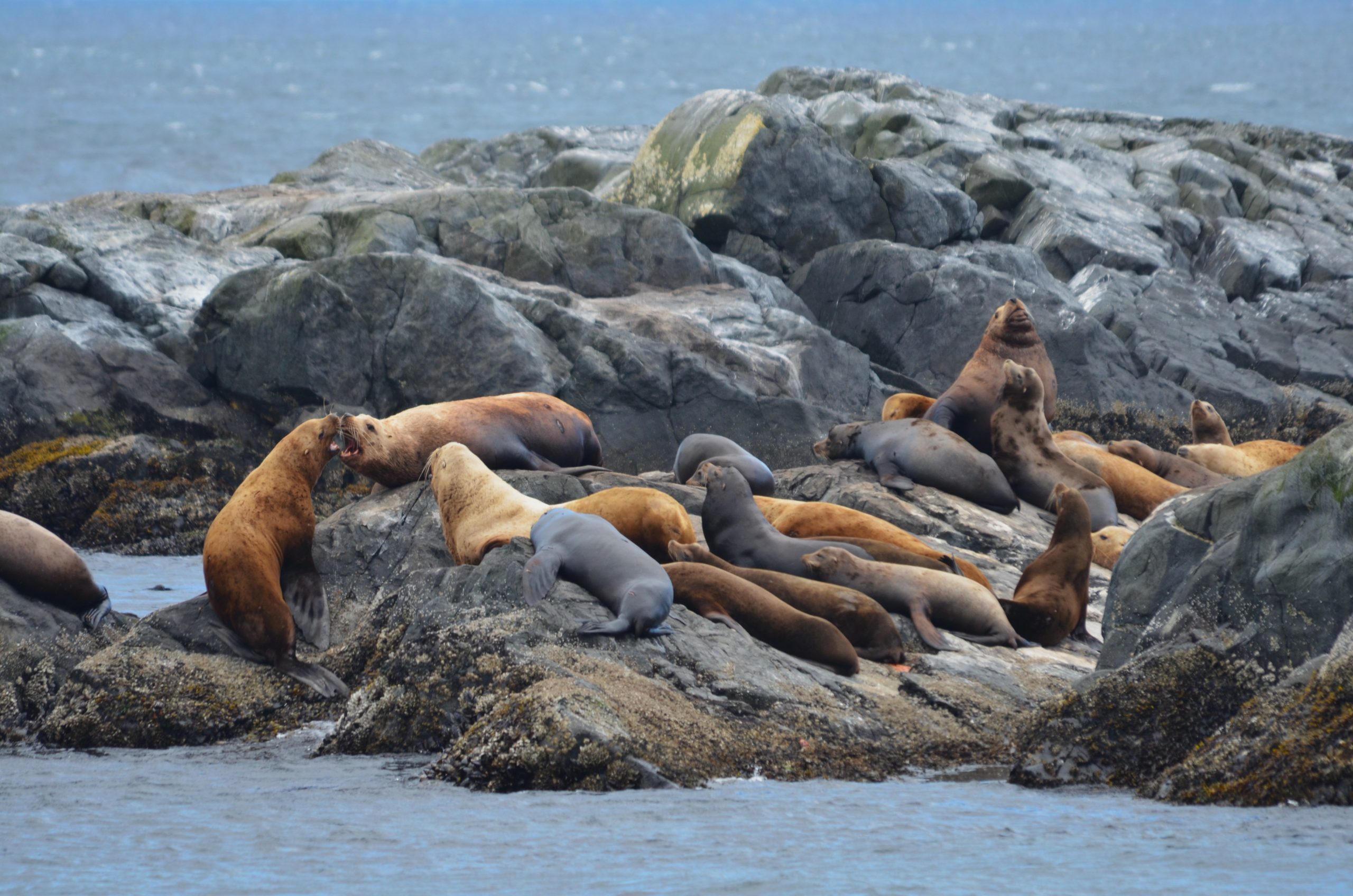
California sea lions: 62
Steller sea lions: 44
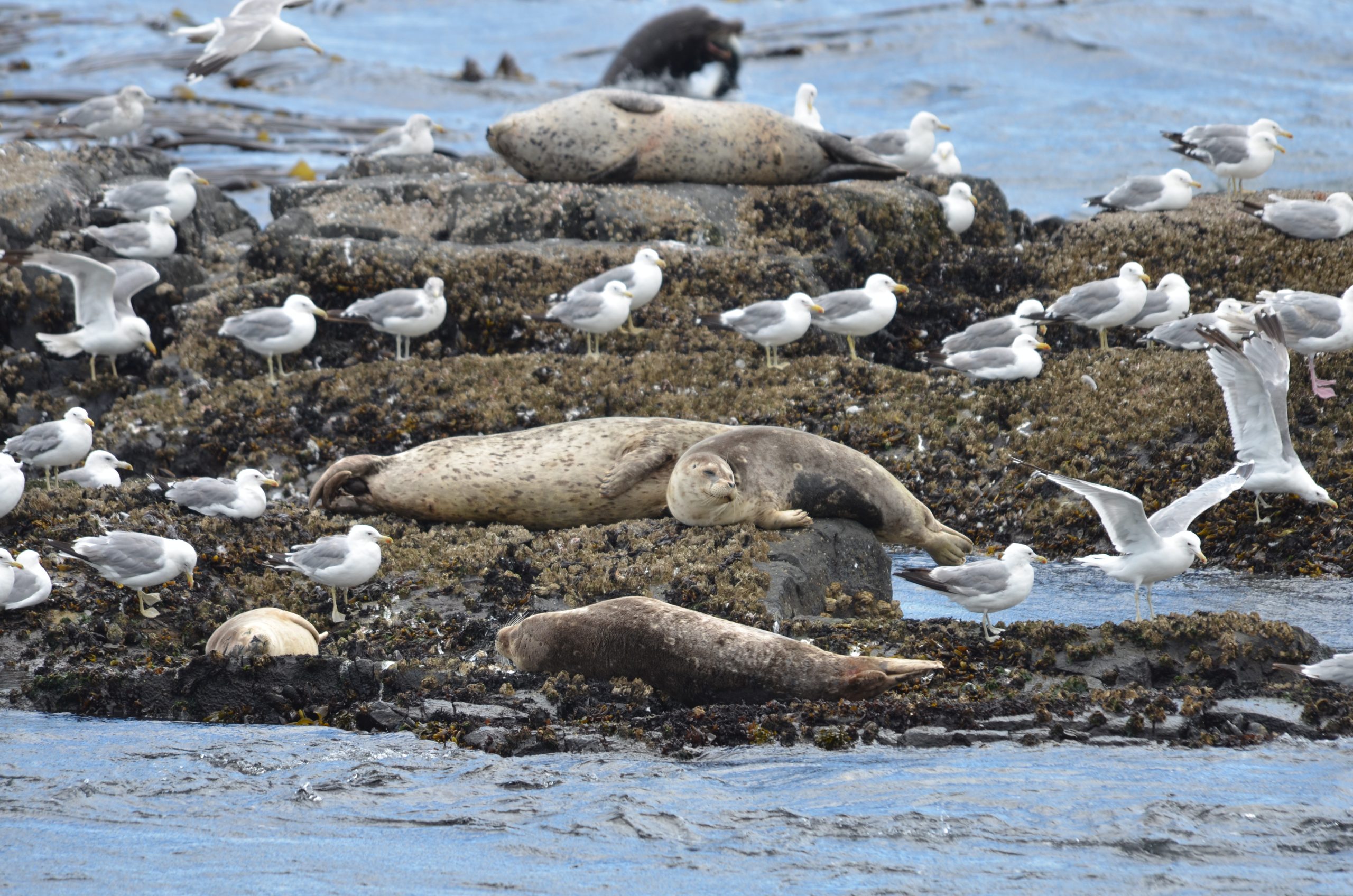
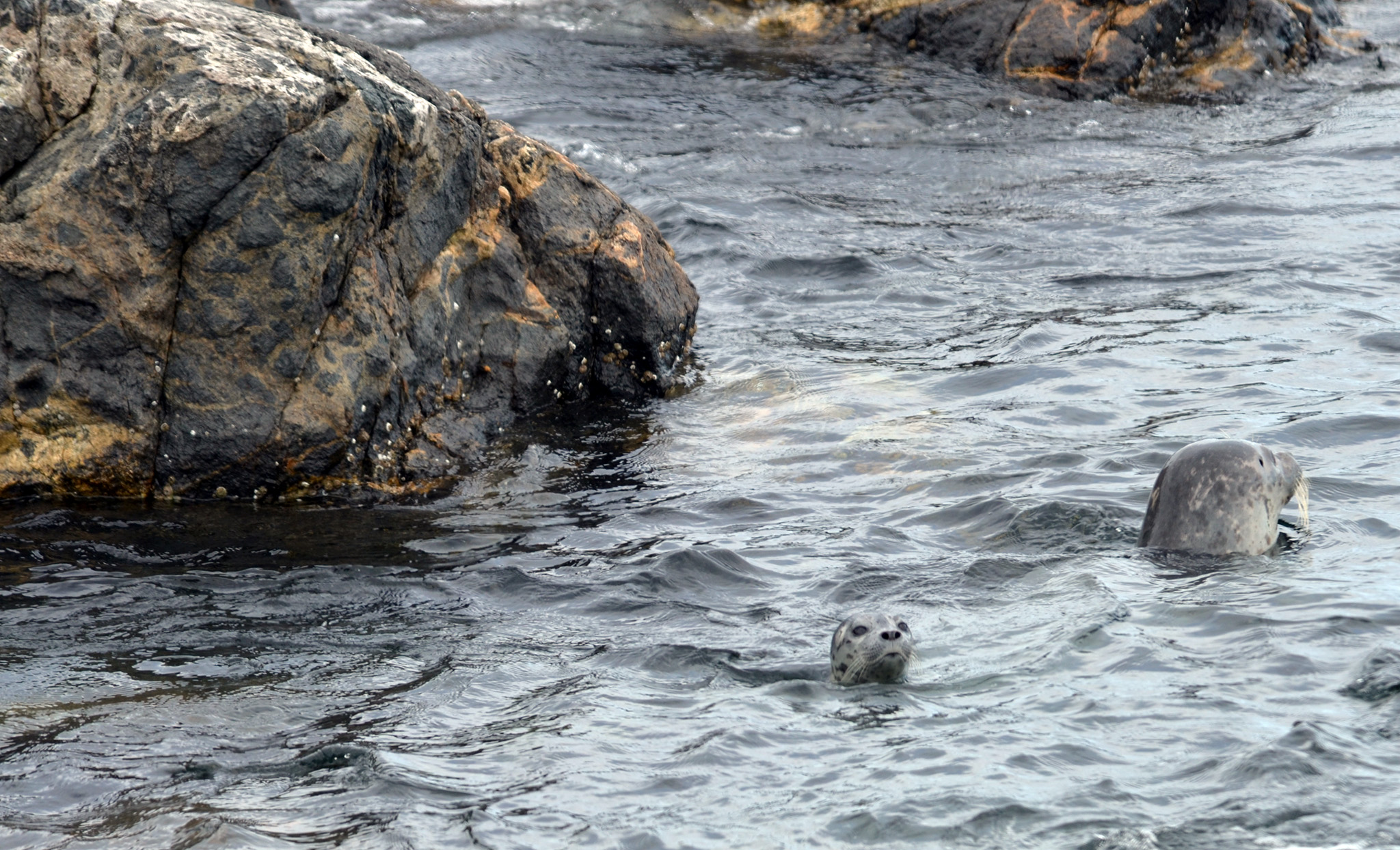
Harbour seals: 122

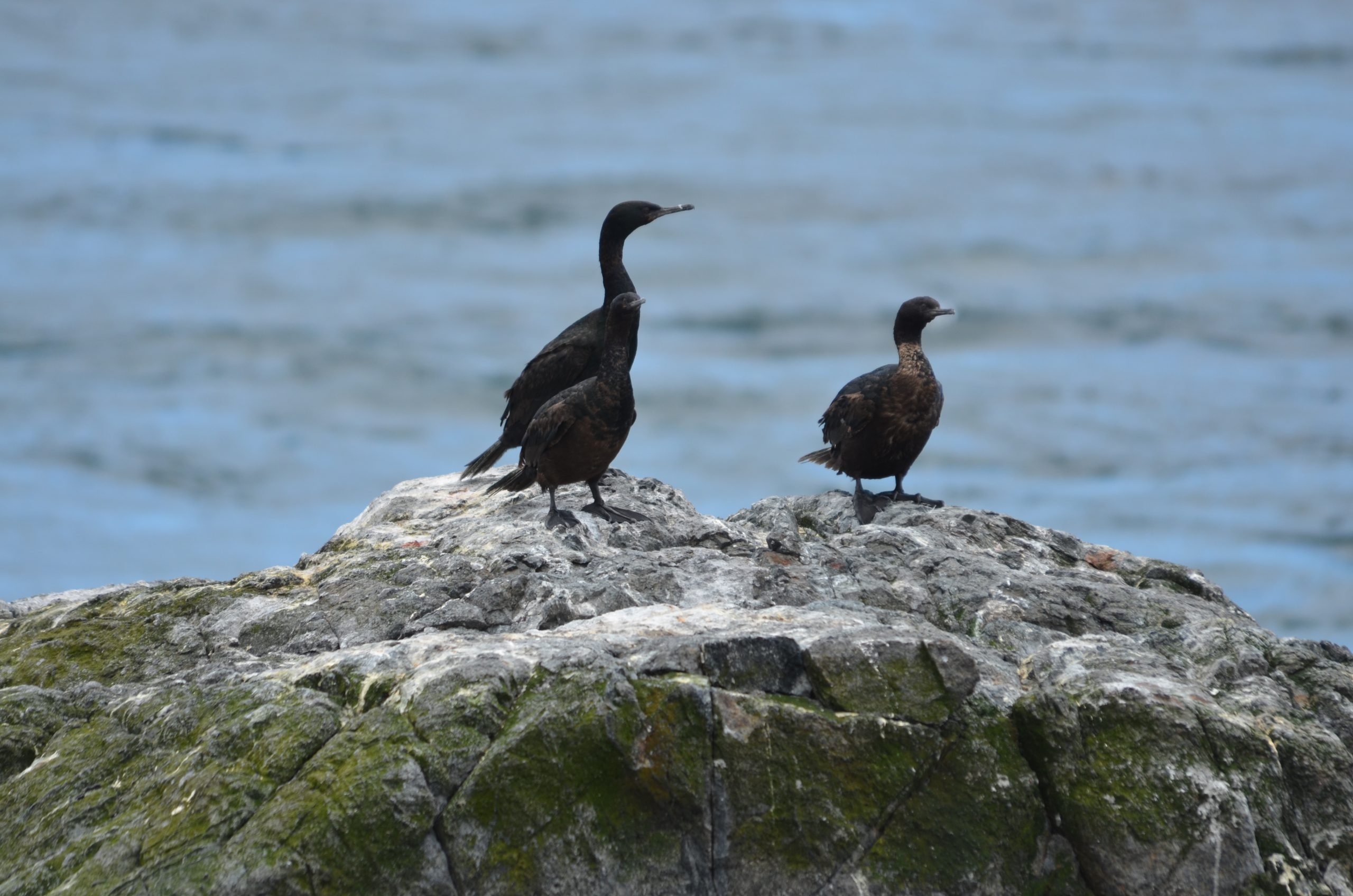
Cormorants: 54
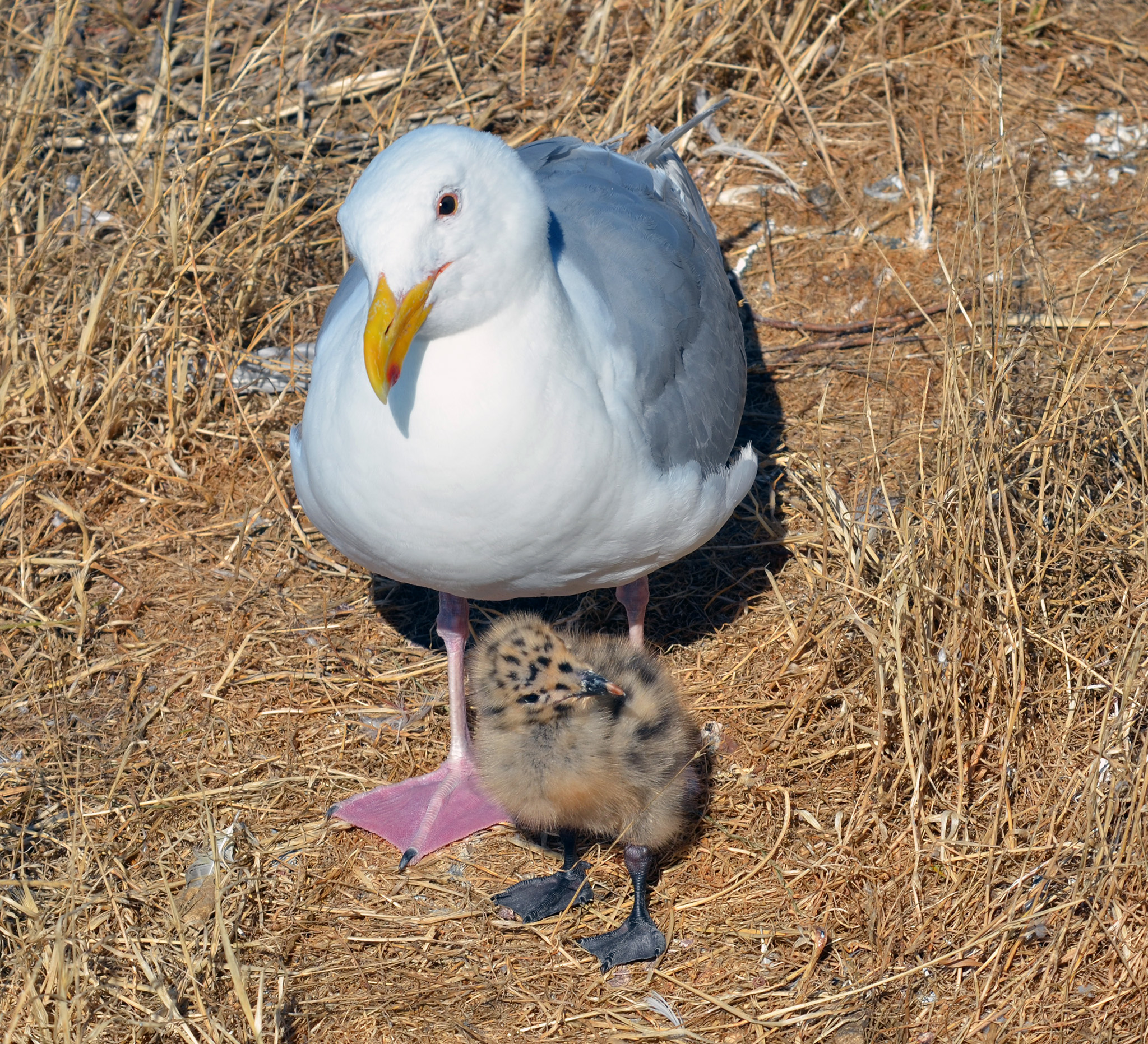
Nesting Gulls: 256 (+ 300 or so chicks)
Gulls (Outer rocks and water): 400
Canada Geese: 2
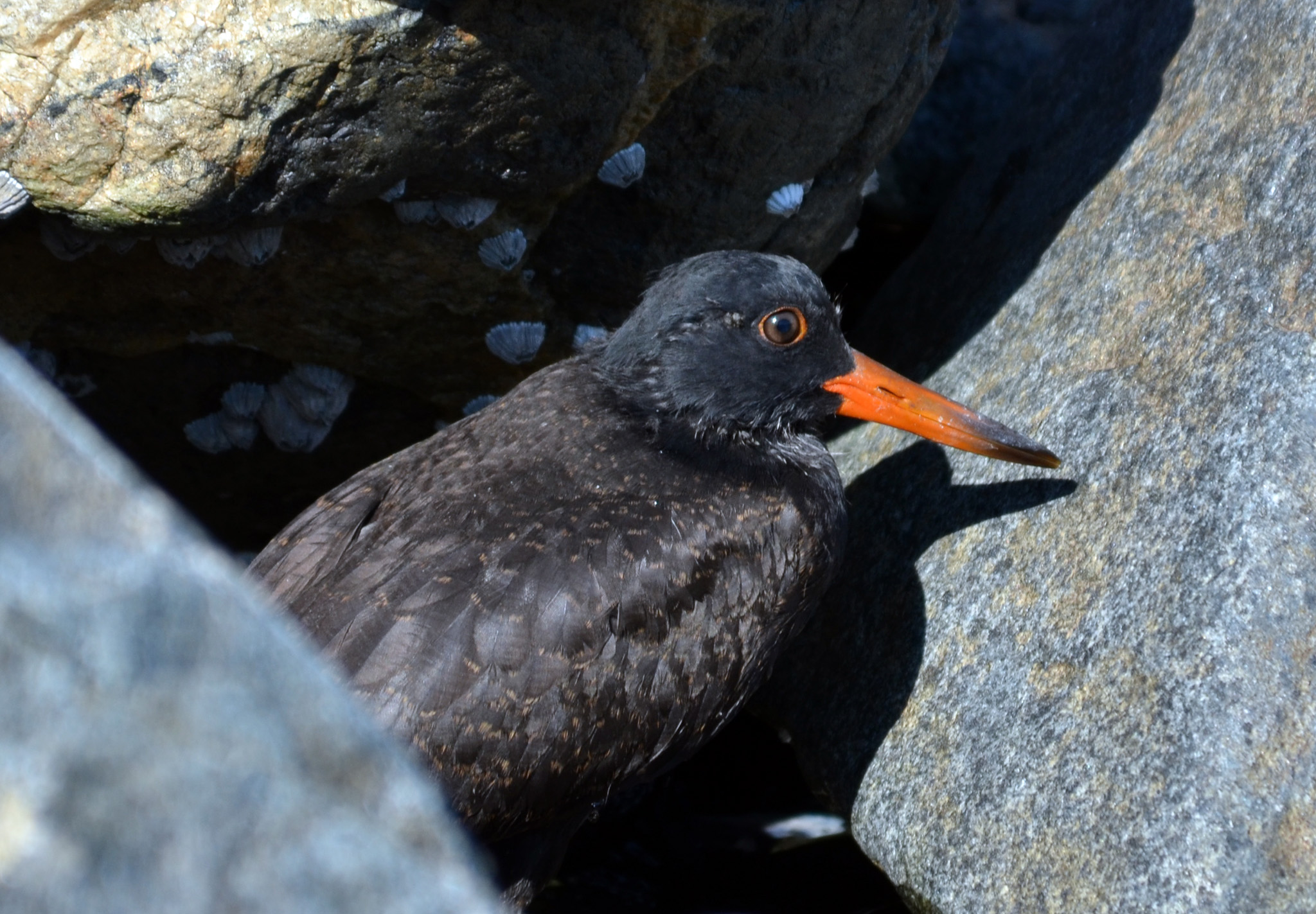
Oyster Catchers: 21
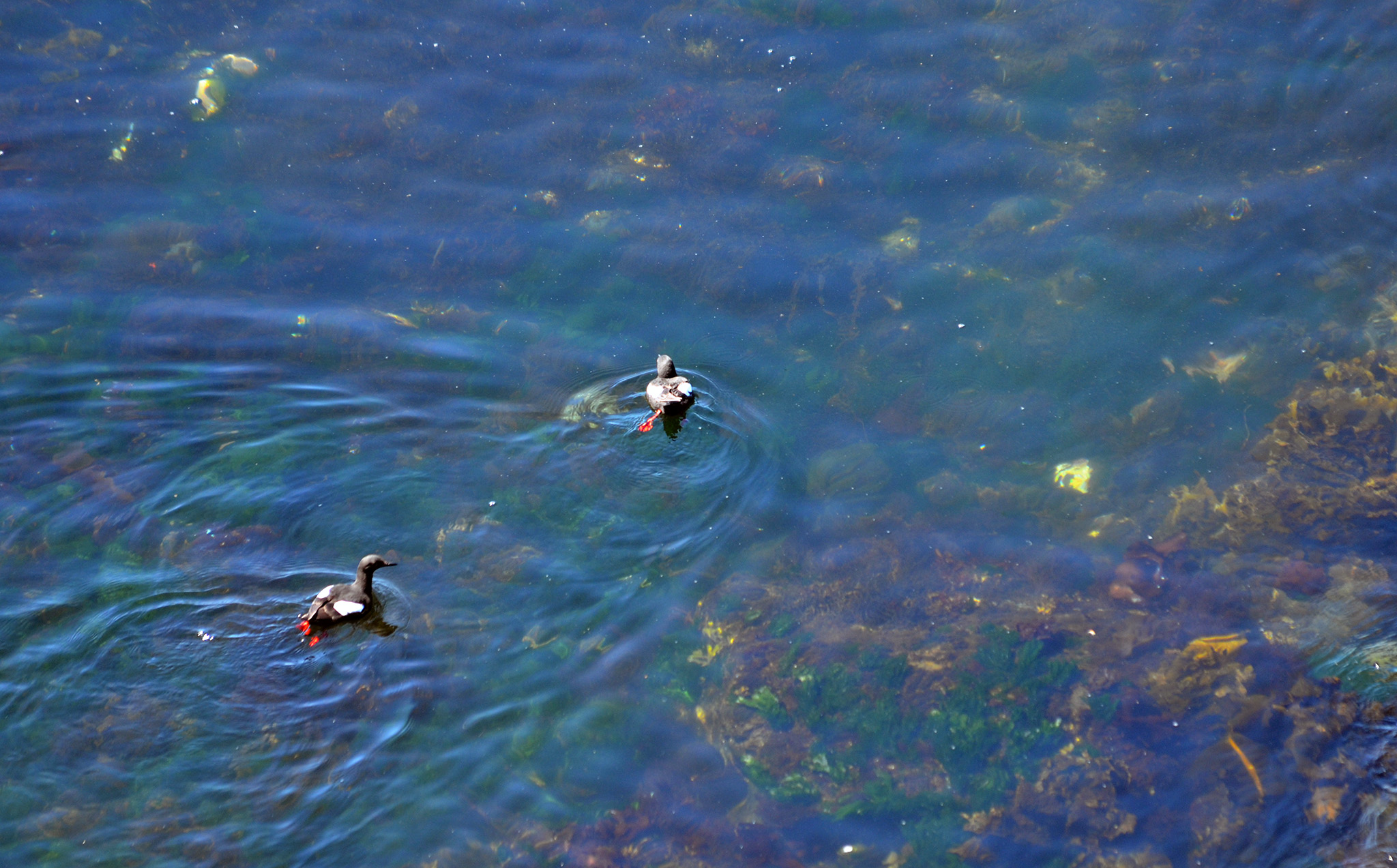
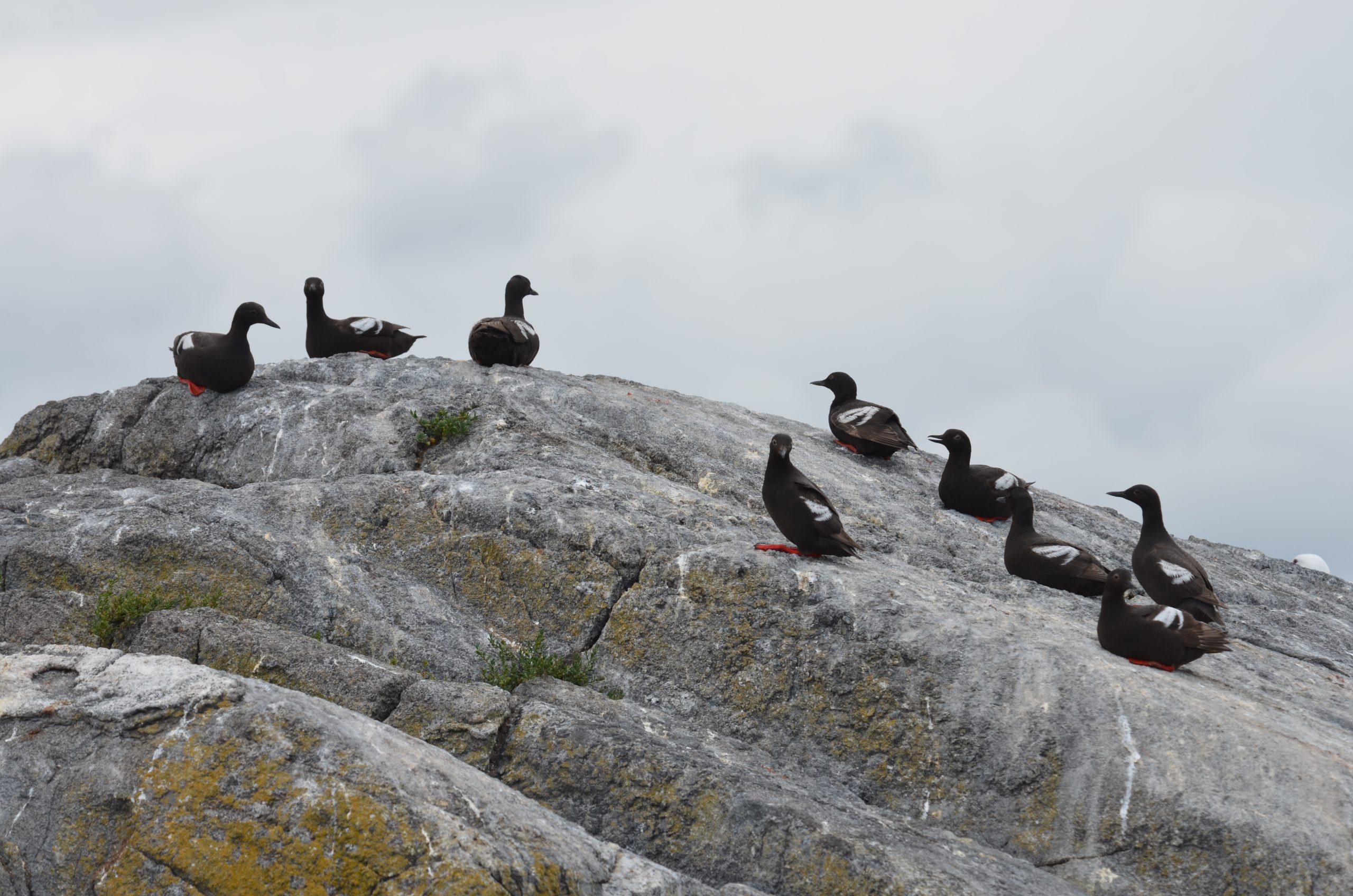
Pigeon Guillemots: 63
Bald Eagle: 1
Small brown songbirds: 4
Getting to Know the Neighbourhood

My first day alone on the rocks. I began by cleaning the kitchen while a short but mighty burst of rain swept over, saving me from solar panel duty for the morning. Then I ventured out to the top of the lighthouse, coffee and seagull broom in overhead.

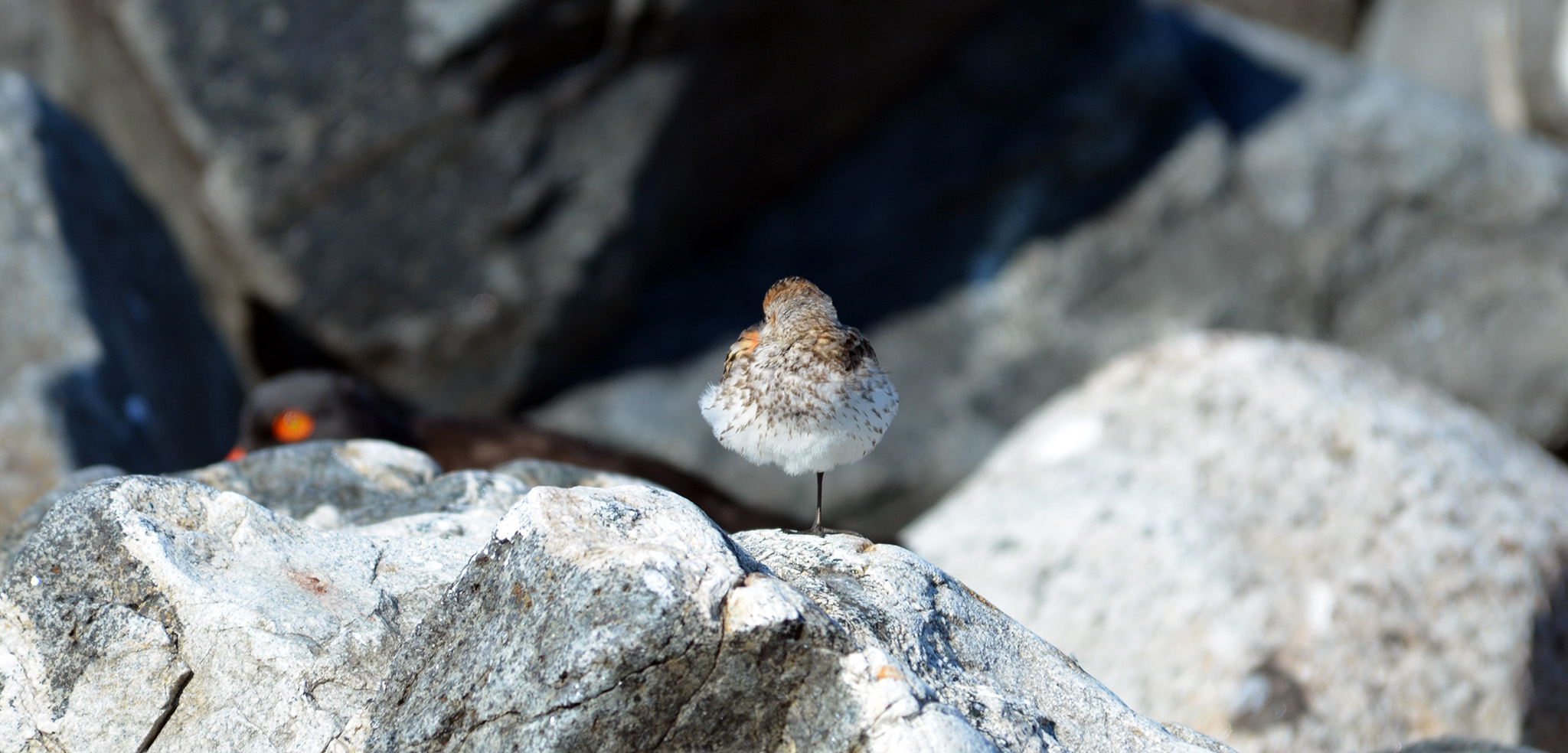
The census count took a few trips up to the light, once in the morning, afternoon and evening to get a good idea of who has been hanging around. In the afternoon and evening, many of the nesting birds had gone out for the day, and the sea lions were easiest to count as they all hauled out around the midday low tide to soak in some sunshine. There are a few small shorebirds I wasn’t able to recognize yet- time for some reading!

Facility Work
– Finished topping up batteries
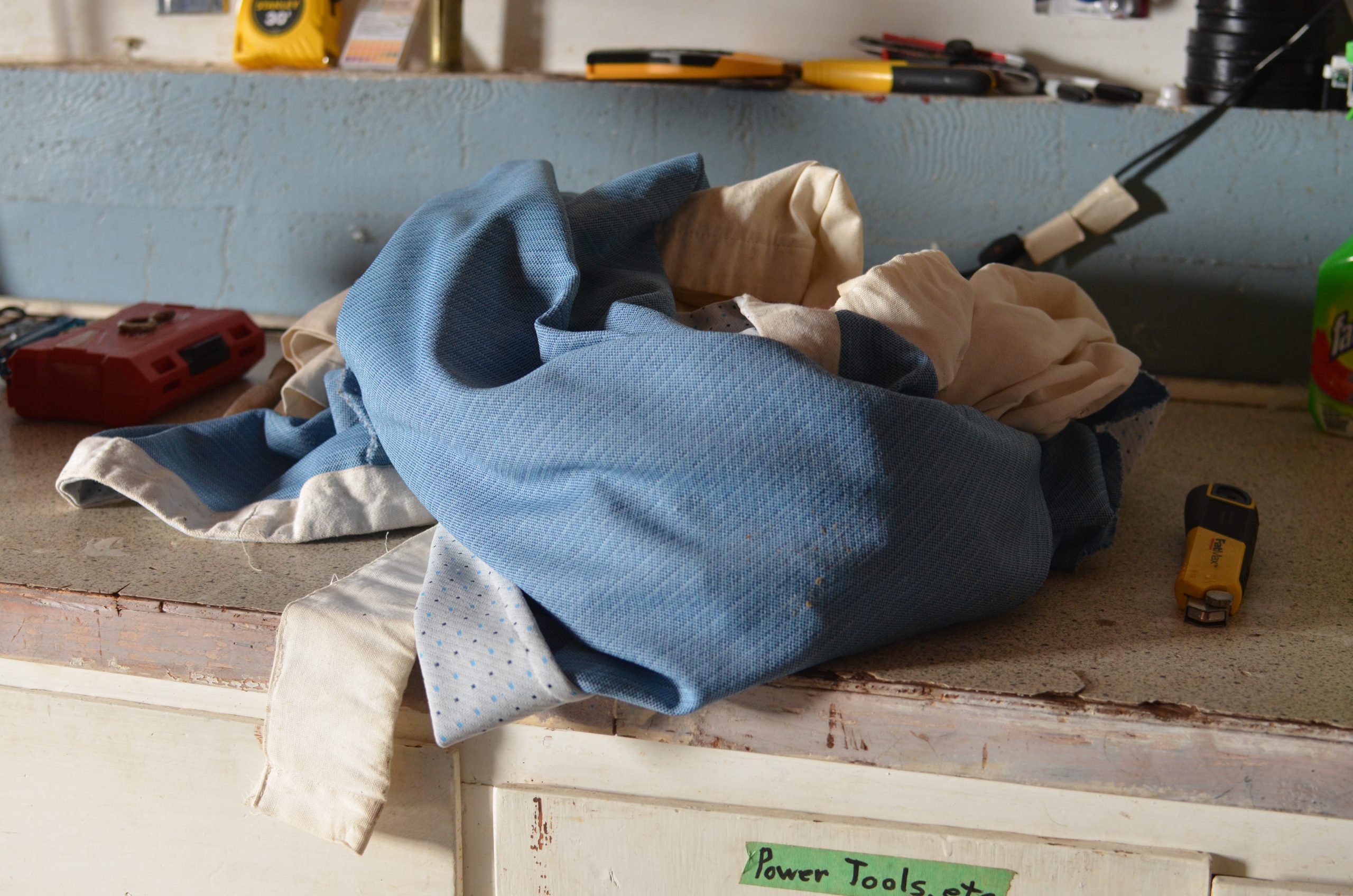
– Transformed old curtains into rags
Weather
Intermittent rain, mostly cloudy. Gusty! Strong westerly winds from 35 to 51 knots. Temperature 12.8 to 17.4 degrees.

Vessels
ecotourism: 16
private: 4
July 25 Census

Mammals:

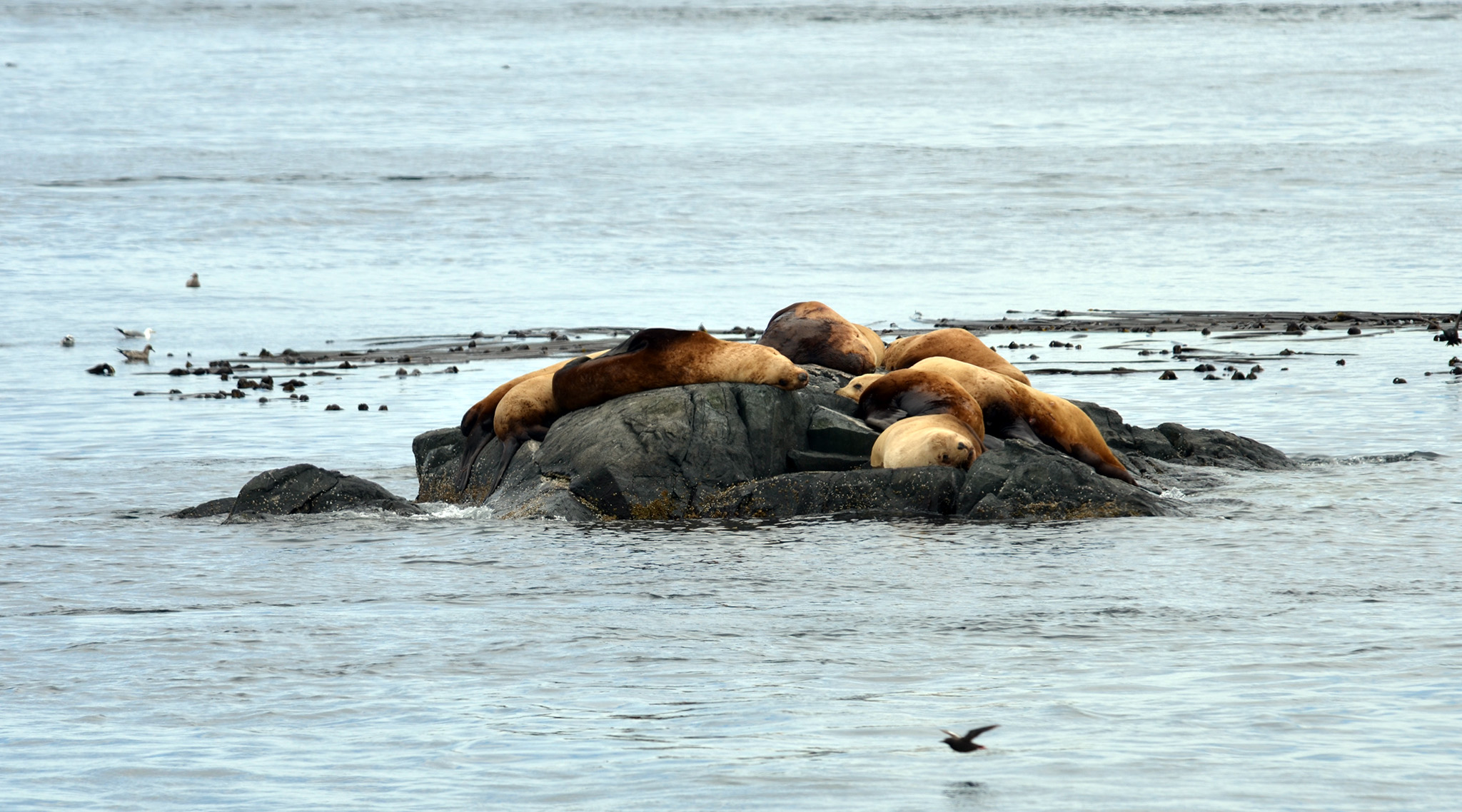
  • California sealion: 17
  • Stellar sealion: 29
  • harbour seal: 143  plus 6 pups

Birds:

  • gulls: 1371 (of these 809 were outside of main nesting area, chicks not counted)
  • cormorant: 74
  • black oystercatcher: 14 plus 5 chicks
  • pigeon guillemot: 234
  • bald eagle: 1
  • harlequin duck: 3
  • surfbird: 39
  • black turnstone: 113
  • ruddy turnstone: 1
  • brown headed cowbird: 1
  • Canada goose: 3

Wildlife seen this week inside the reserve but not observed today include: killer whale, humpback whale, short-billed Dowitcher, least sandpiper, western sandpiper, wandering tattler. The majority of the gulls outside the main nesting area (i.e., those on the South Islands, Seal Rocks and on the western shore line of Great Race Rock) were California gulls.

Wildlife notes

The sealions are returning in small numbers and are mostly on the South Islands for now. This started early in the week with the arrival of some large growling Stellar sealions. California sealions started appearing (and barking) the past two days.  It will soon start to get louder at night around here.

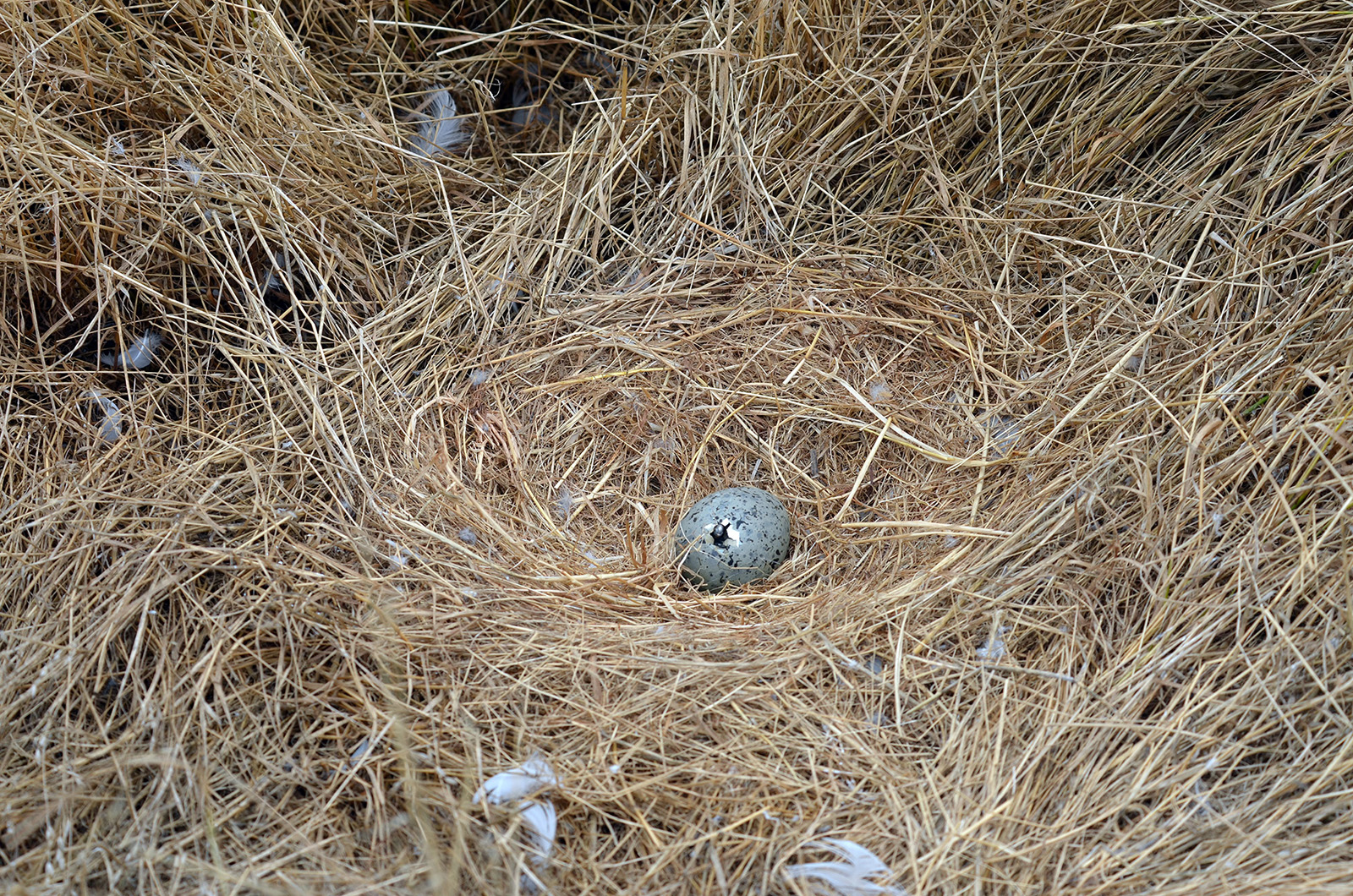
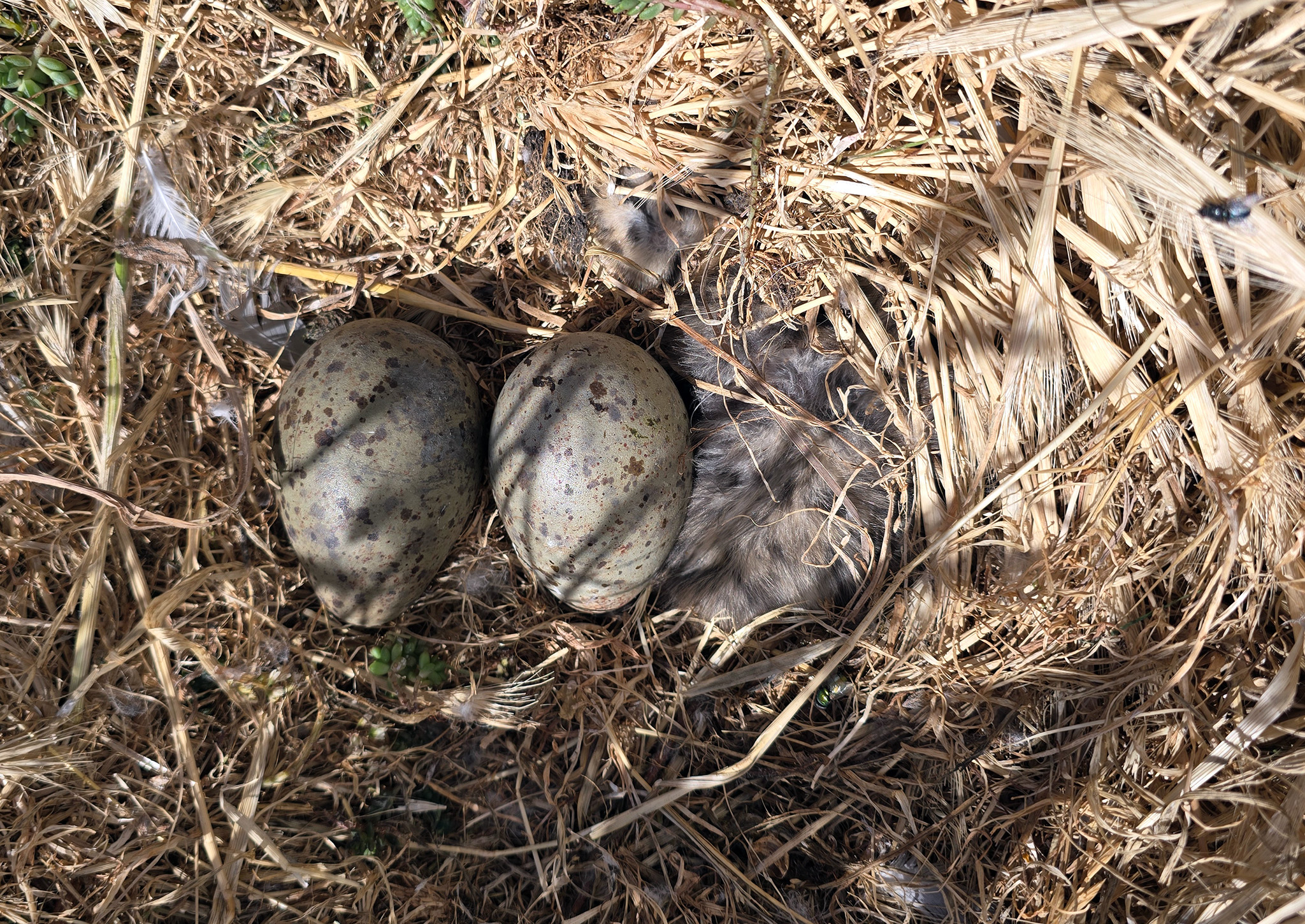
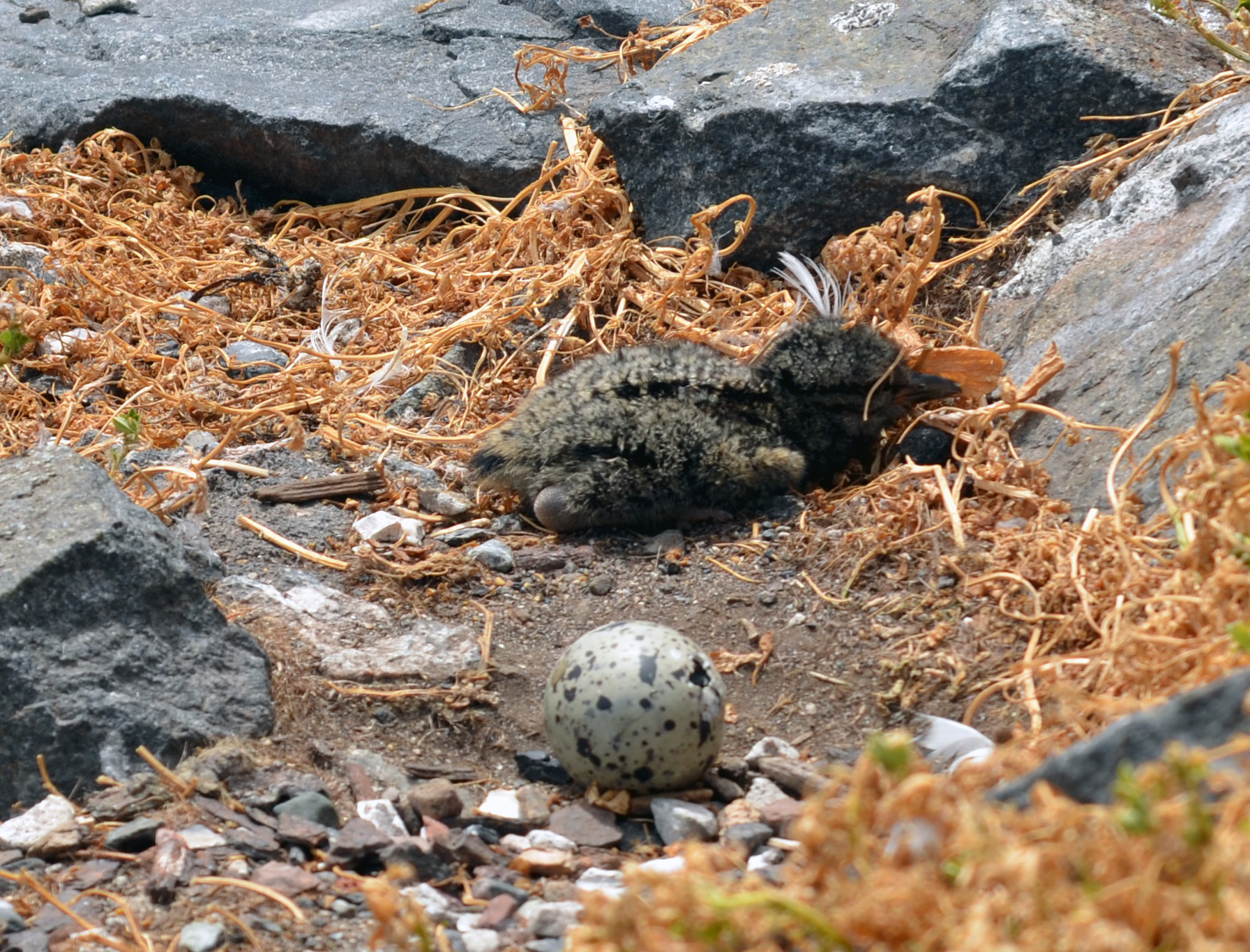
There are very few gull eggs left unhatched. Some seem eggs abandoned in shallow or untended nests. The single egg made in a nest spun of grass by the door to the Student Building is starting to hatch. Two eggs were in this nest on June 29th.

A simple nest made only of grass from the immediate area near the Student Building door. This may be one of the last gull eggs to hatch this year.  This means no more short cuts across the grass to get to the Student Building. This is unfortunate as “Intersection” gulls has moved their three chick to the start to the Student Building walkway.

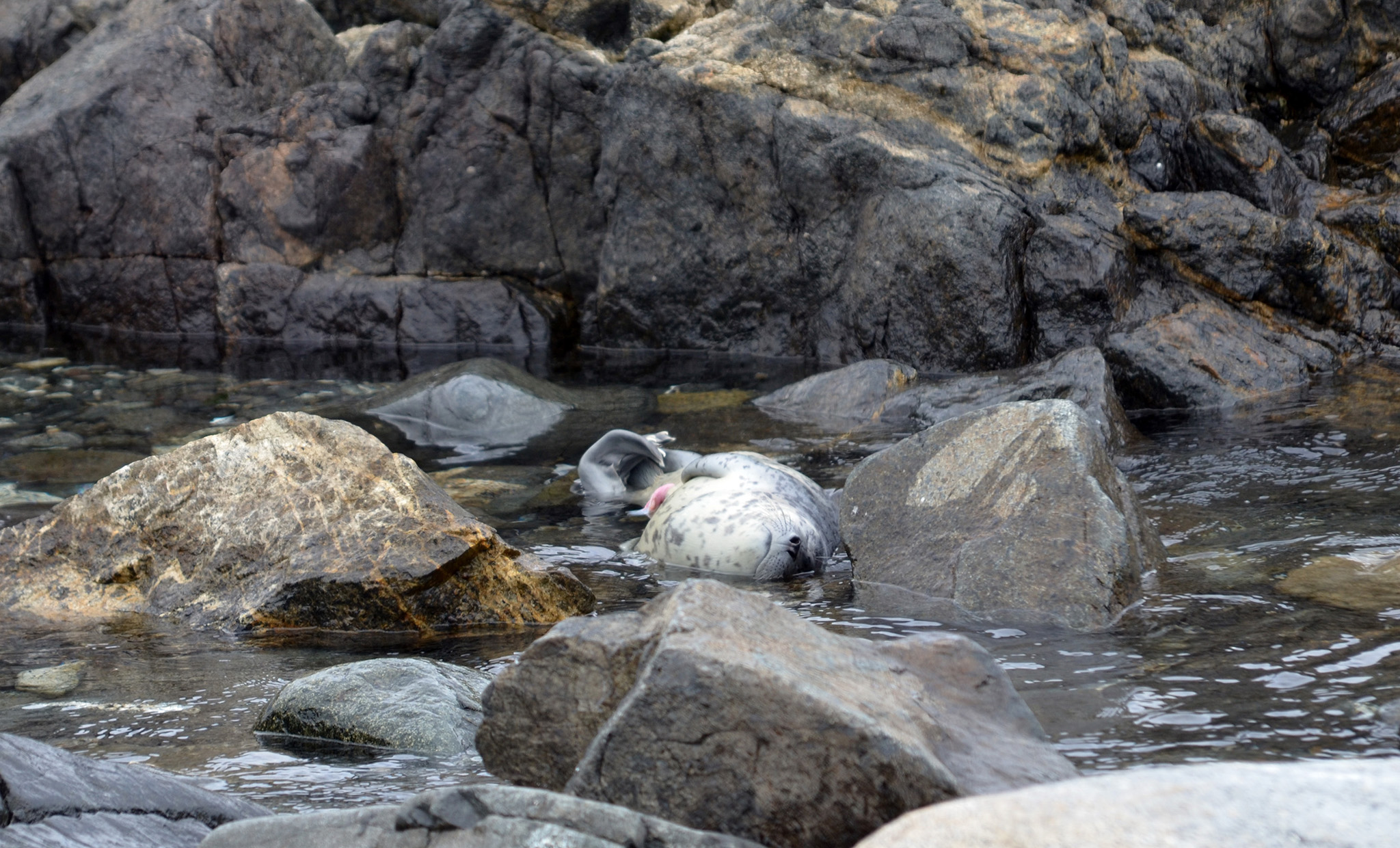
I think we are up to 6 seal pups in the area. Like the gulls, they are spread apart in age are vary is size.  The pup on East Beach this afternoon still had its umbilical cord attached so it is a new one since last Census.

Young harbour seal pup on East Beach this afternoon with its umbilical cord still attached.

Same young pup swimming away with its mother.

Vessels

  • Ecotourism: 24
  • Private: 3

Weather

Partly cloudy. Winds from the west and southwest, calm to 15 knots. Daytime temperature 14 to 17 degrees.

July 18 Census

Mammals:

  • Stellar sealion: 2
  • harbour seal:  165 plus 5 pups

Birds:

  • gulls: 832
  • cormorant: 67
  • black oystercatcher: 14 plus 4 chicks
  • pigeon guillemot: 51
  • bald eagle: 1
  • harlequin duck: 17
  • surfbird: 41
  • black turnstone: 48
  • ruddy turnstone: 1
  • least sandpiper: 1
  • western sandpiper: 1
  • wandering tattler: 1

Wildlife seen this week inside the reserve but not observed today include: California sealion, short-billed Dowitcher, a passerine. Pigeon Guillemots are underrepresented.

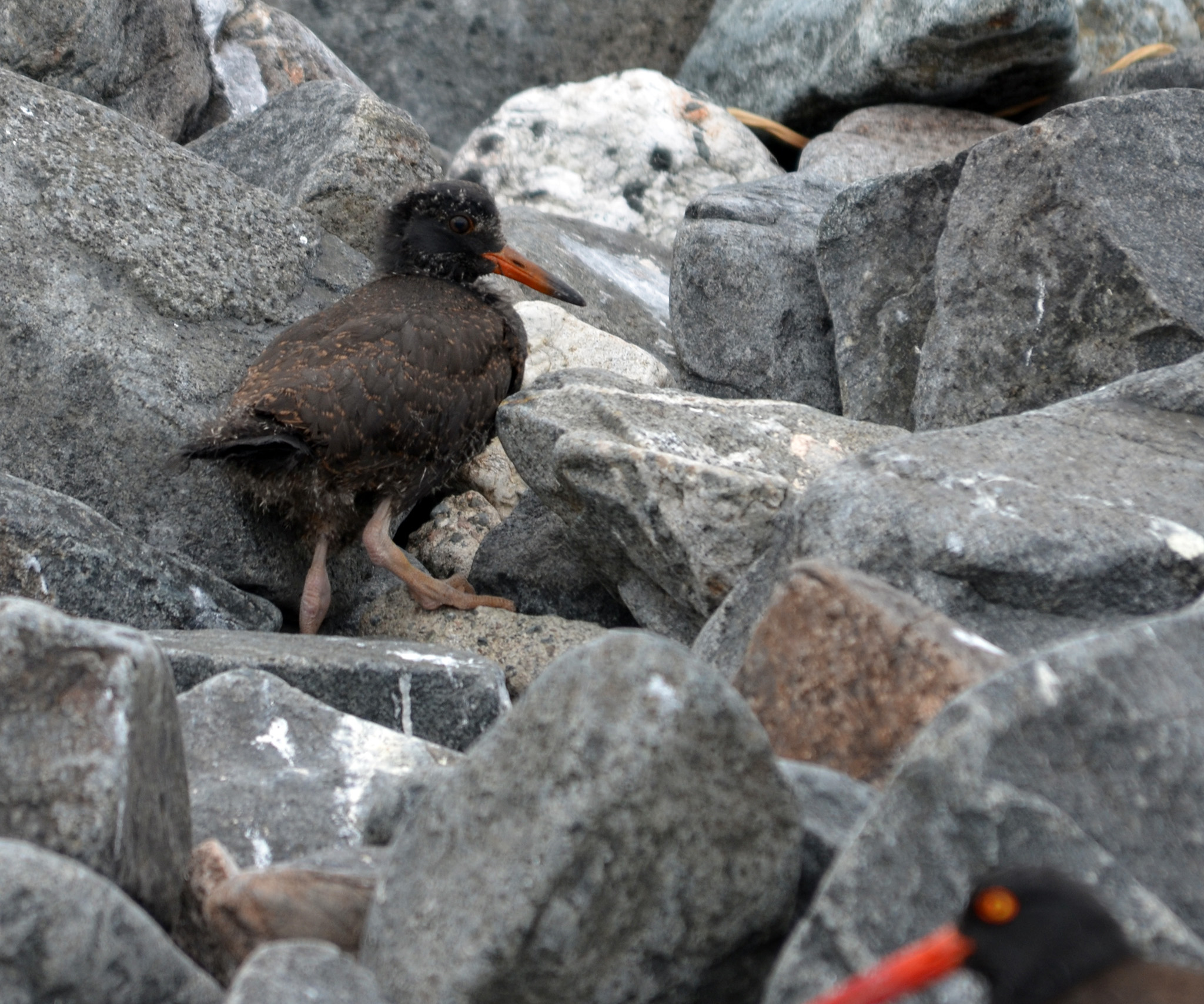
The 5 week-old Keepers House black oystercatcher chick “hiding” motionless in the rocks on East Beach. Its beak not yet fully orange, full sized or blunt tipped.

Tiny western sandpiper on East Beach. The Keepers House black oystercatcher parents in the background, always on watch.

Facility work

Thanks to Joan, the lamp room and lighthouse stairs look terrific and it was a clear view through the glass.

  • cleaned solar panels
  • battery maintenance

Vessels

  • Ecotourism: 12
  • Private : 0

Weather

Fog in the am. Clear skies. Winds westerlies 17 to 26 knots. Daytime temperatures 12 to 17 degrees.

July 11 Census

Mammals:

  • Stellar sealion: 1
  • harbour seal:  124 plus 3 pups

Birds:

  • gulls: 890 (733 Race Rocks plus 157 on South Island)
  • cormorant: 33
  • black oystercatcher: 14 plus 7 chicks
  • pigeon guillemot: 131
  • bald eagle: 1
  • harlequin duck: 7
  • surfbird: 17
  • black turnstone: 7
  • least sandpiper: 4
  • western sandpiper: 1

Wildlife seen this week inside the reserve but not observed today include: California sealion, barn swallow, brown headed cowbird, purple martin, Canada goose.

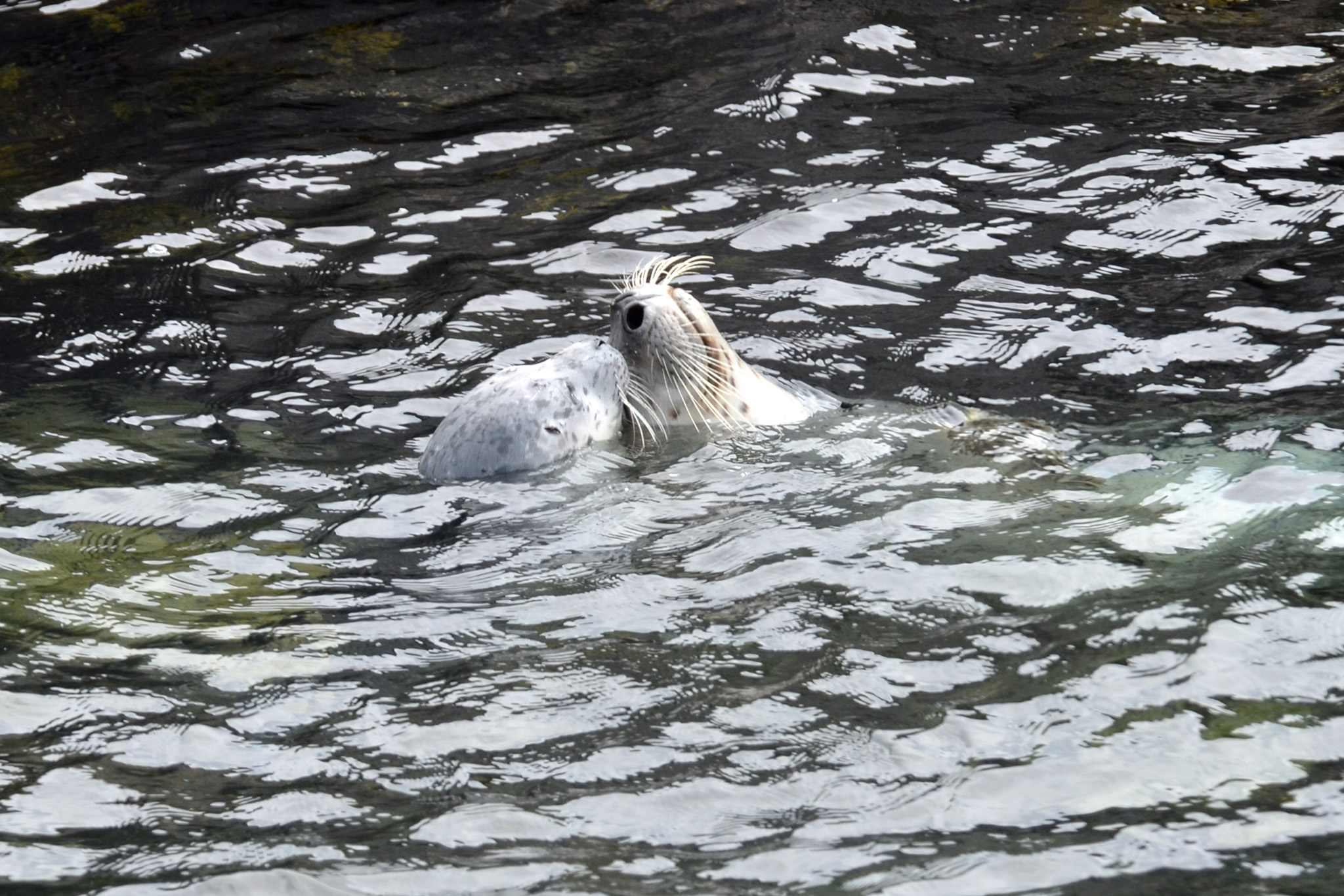
Mom and seal pup nose touching.

Wildlife notes

There are more dead gull chicks to be found scattered about – deposited on the walkways, lying in front of nests, one even incorporated with grass into the side of a nest. Odd that the gulls remove shells from their nests but they don’t seem to clear away the dead.

This nest is Window Gull’s nest by the tank shed. Last year only one of her three chicks survived. The first two to hatch were lying on the sidewalk. This year her first chick to hatch and die has been become part of the nest, woven in with grass, attracting shiny green flies.

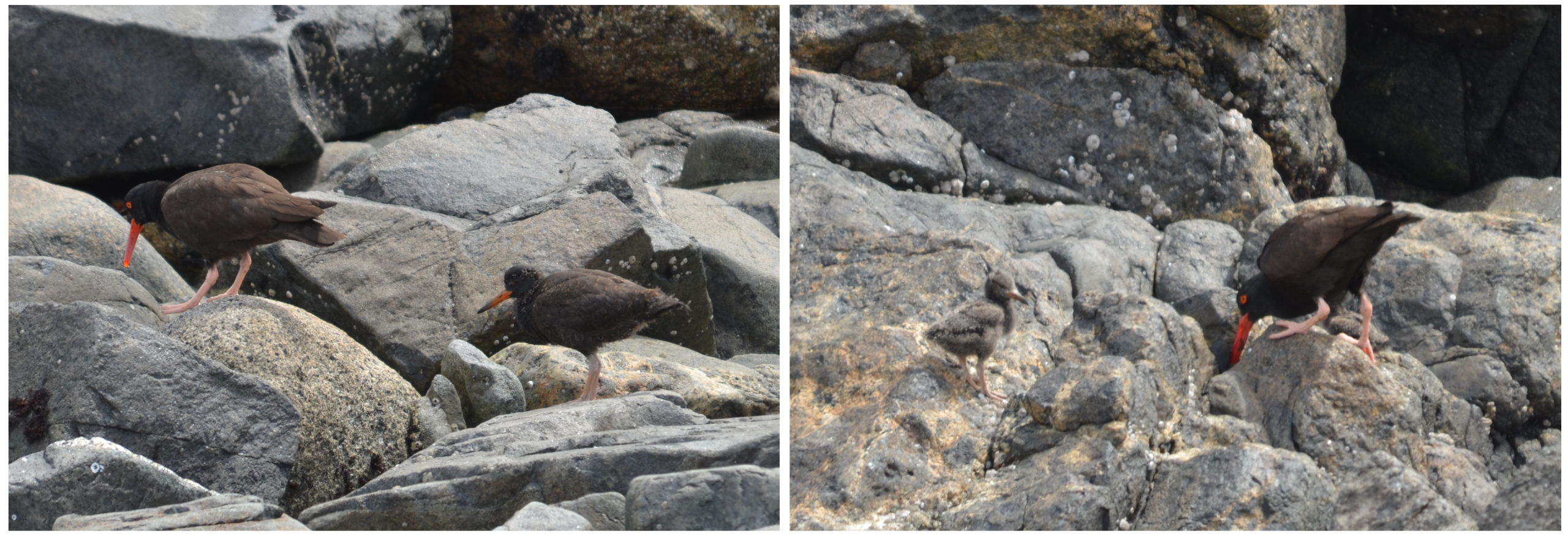
The oystercatcher chicks are doing well.  The largest, the Keepers House chicks are a month old and growing rapidly.  A size comparison for a two week old and month old chick is below.

One month old black oystercatcher chick.

Black oystercatcher chick versus parent size for a month old (left) and a two week old (right).

Facility work

Getting things ready for Joan, the next Eco guardian, who will come in tomorrow and stay for 5 days. I am glad to be able to meet her in person. When I first came in 2024 she was a great help, always answering her phone and my many questions.  I will return to Race Rocks next week.

  • cleaned solar panels
  • cleaned Keeper house outside windows
  • hung three more smoke/CO2 detectors, fixed loose weatherstrip
  • organizing, cleaning house

WORDLE TODAY !!!
Another good word for Race Rocks

Vessels

  • Ecotourism: 20
  • Private: 1

Weather

Partly cloudy. Winds predominately westerlies 7 to 19 knots. Daytime temperatures 11 to 16 degrees.

June 27 Census

Mammals:

  • California sealion: 1
  • Stellar sealion: 1
  • harbour seal: 214
  • elephant seal: 1

Birds:

  • gulls: 621
  • cormorant: 20
  • black oystercatcher: 14
  • pigeon guillemot: 172
  • Canada goose: 2
  • bald eagle: 1
  • harlequin duck: 1

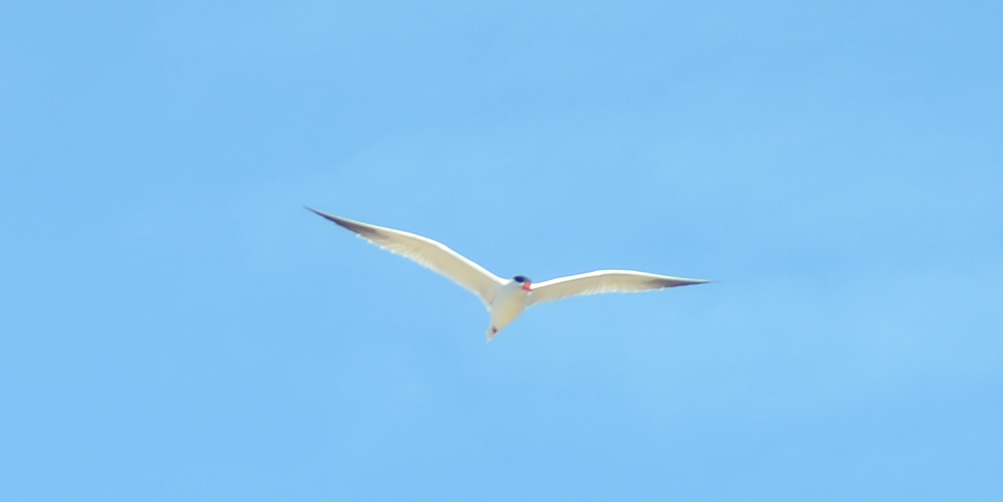
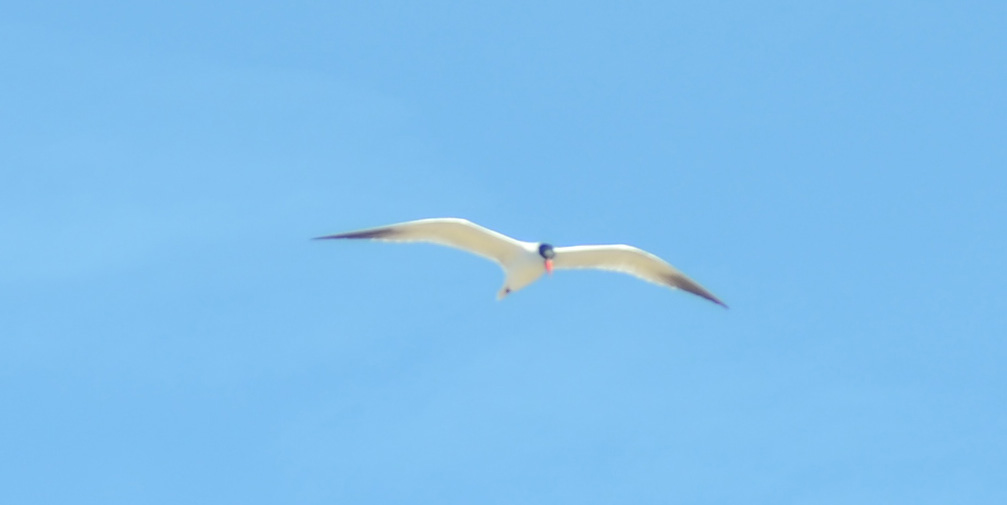
Wildlife seen this week inside the reserve but not observed today include: Caspian tern.

Wildlife notes

The Coast Guard black oystercatchers have hatched a chick with the second one just starting to peck its way out. Once all the chicks have hatched and they leave the nest, observing, photographing and even counting them will be difficult and time consuming… sitting in one spot for a long time swatting at flies, being far enough away that the parents are relaxed but close enough that you don’t need a spotting scope.  Unlike human children, the chicks are remarkably obedient. Just one peep from the parent and the small, well camouflaged chicks run for cover between the rocks.  I still have not been able to confirm how many of the Keepers House chicks have survived. So far I have only seen one.

The Coast Guard black oystercatchers newly hatched chick and their second egg. One of the black marks on the egg is a hole created by the chick inside.

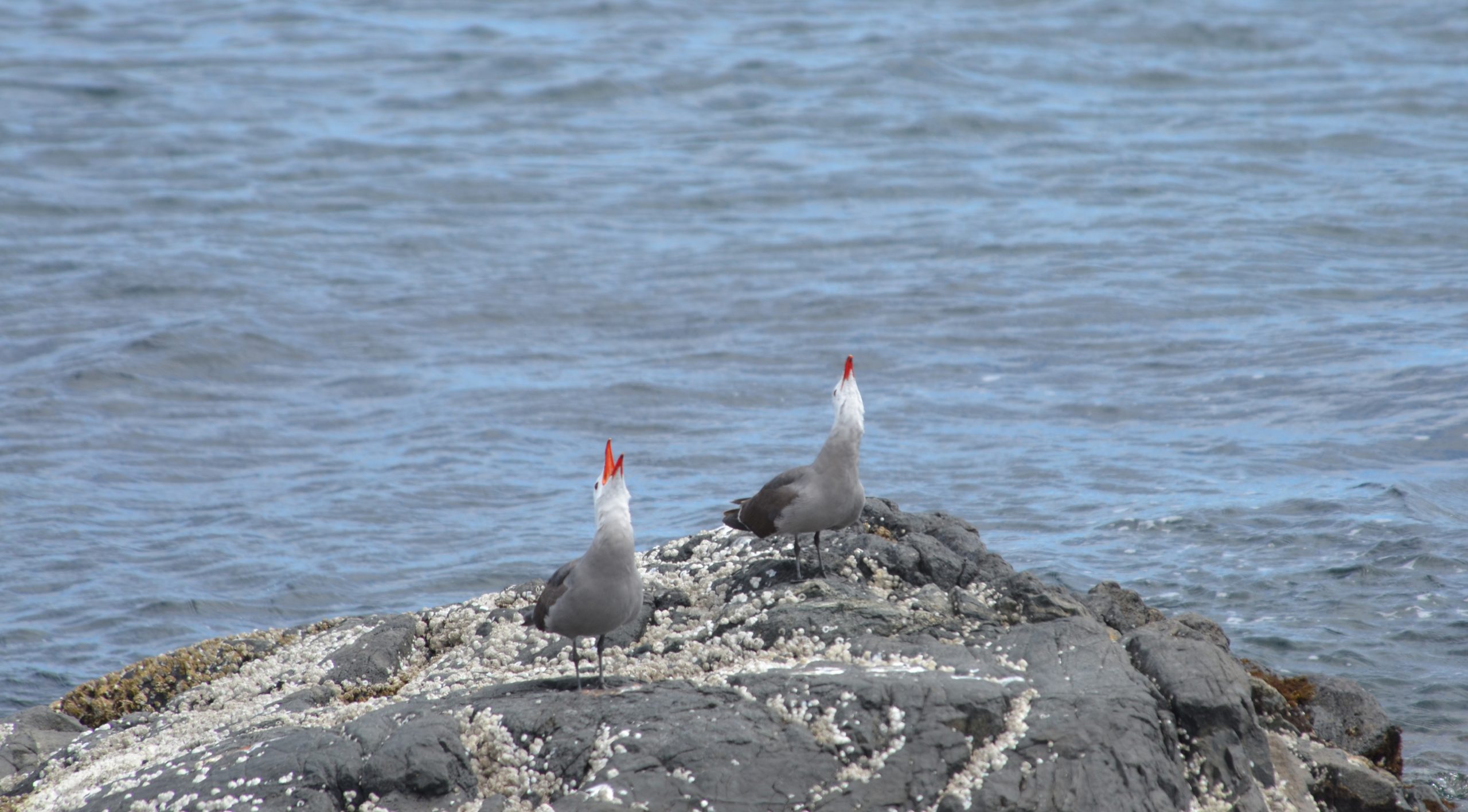
There was a group of 20 Heermann’s gulls on the south shore today.  A classy gull.  It is well dressed and directs its laughter like calls to the skies instead of wildly shrieking in any which direction at any one that will listen.

Two Heermann’s gulls

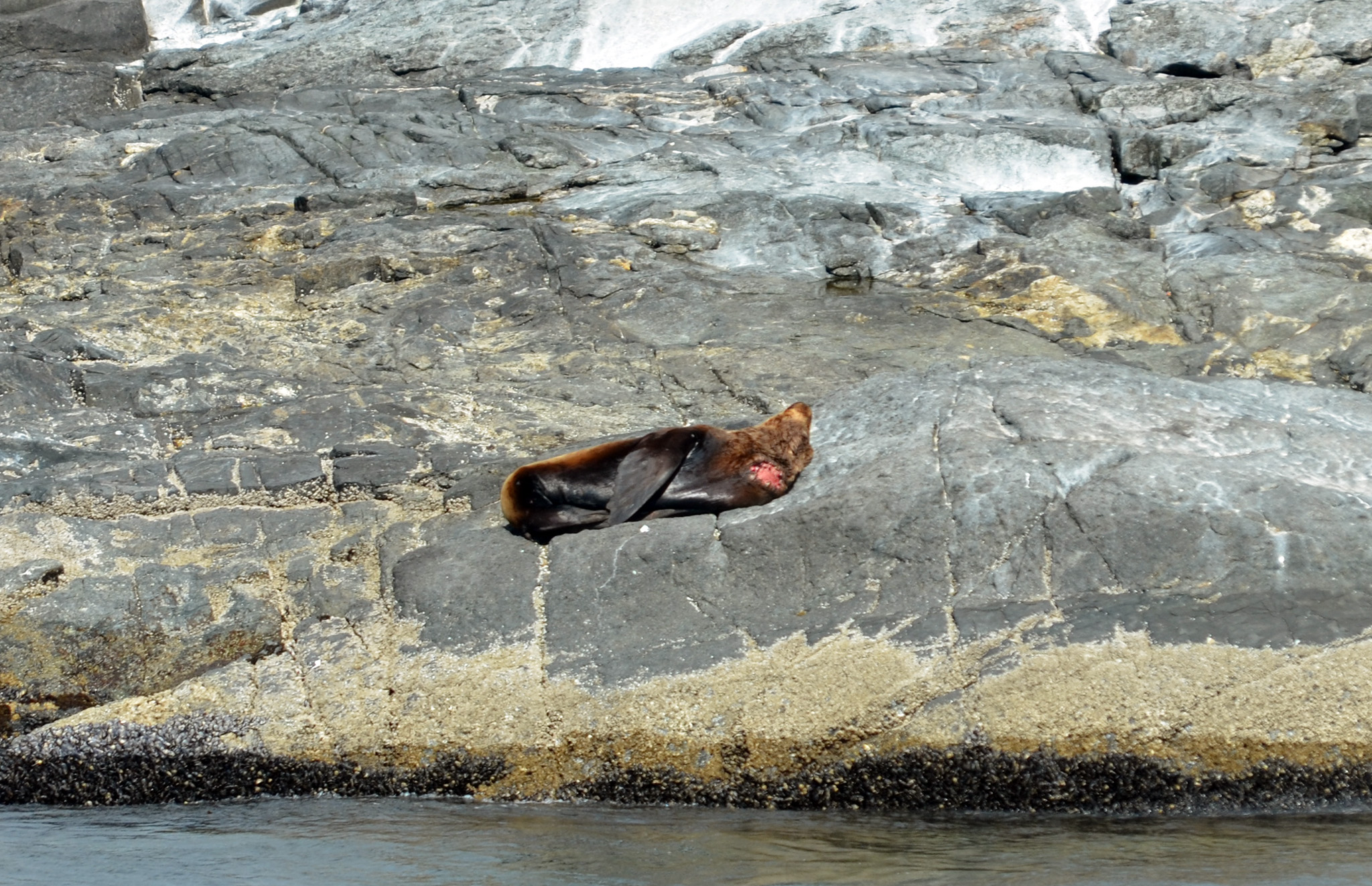
The sealion numbers have been very low the past weeks. Only two sealions were observed today. One was obviously wounded.  I don’t know why the other one isn’t out with the rest of the sealions gorging on fish.

Wounded sealion on Middle Rocks.

Facility work

  • did not clean the panels today, yipee! The generator ran early this morning bringing the batteries to 100%.  Starting with a fully charged battery and sun today, the dirty panels kept the batteries at 99% all day.
  • weeding walkways
  • general cleaning

Vessels

  • Ecotourism: 13
  • Private: 1

Weather

Sunny with scattered clouds. Winds westerly 16 to 24 knots. Daytime temperatures 11 to 15 degrees.

June 20 Census

Mammals:

  • harbour seal: 110
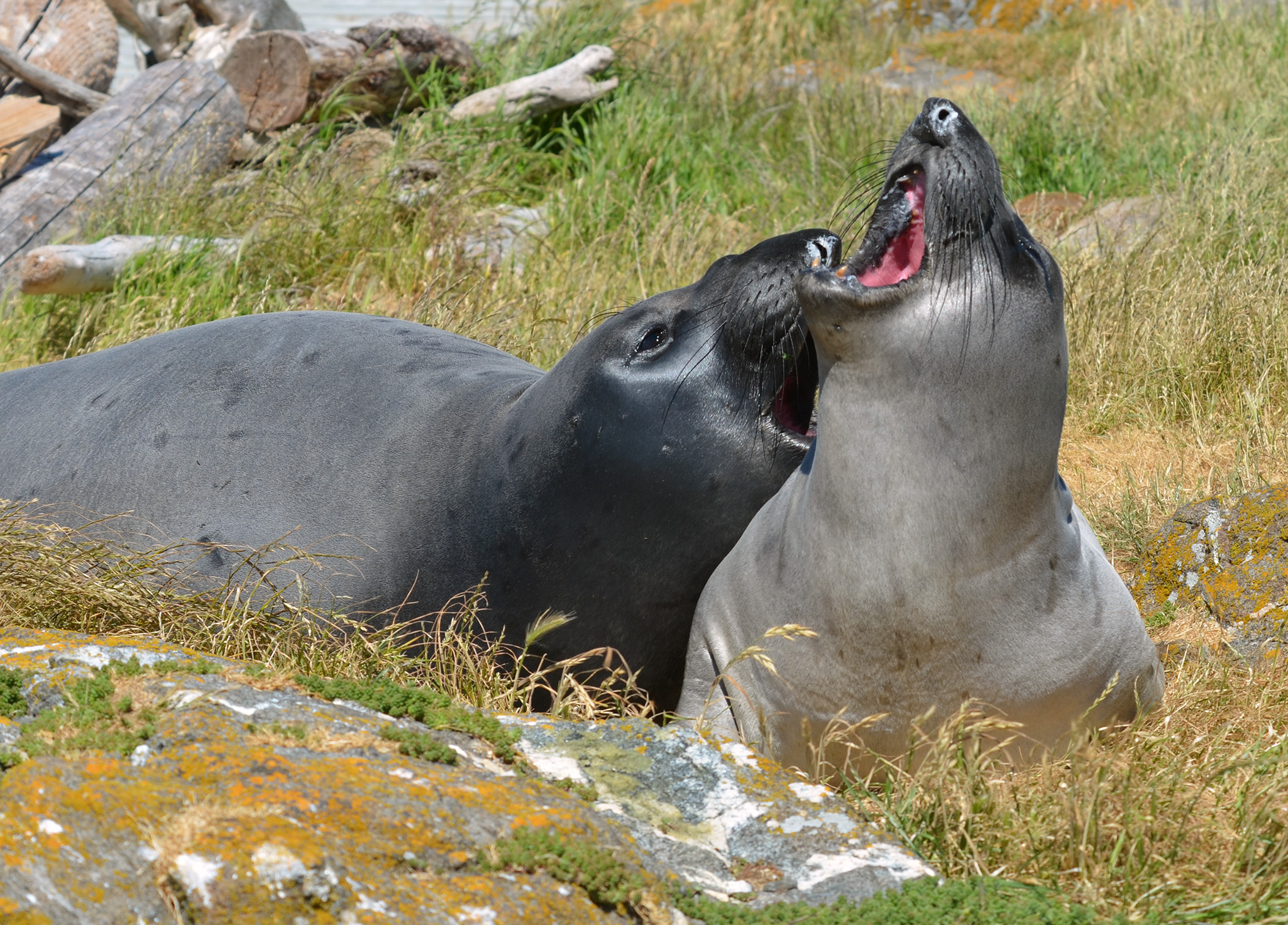
  • elephant seal: 1 mature female

Birds:

  • gulls: 673
  • cormorant: 28
  • black oystercatcher: 14 (plus 3 chicks)
  • pigeon guillemot: 15
  • Canada goose: 2
  • bald eagle: 1
  • purple martin: 1
  • great blue heron: 1

Wildlife seen this week inside the reserve but not observed today include: California sealion, Stellar sealion, Caspian tern, killdeer, harlequin duck, barn swallow. Again the pigeon guillemots, who were out all day, are greatly under represented (by a factor of 10).

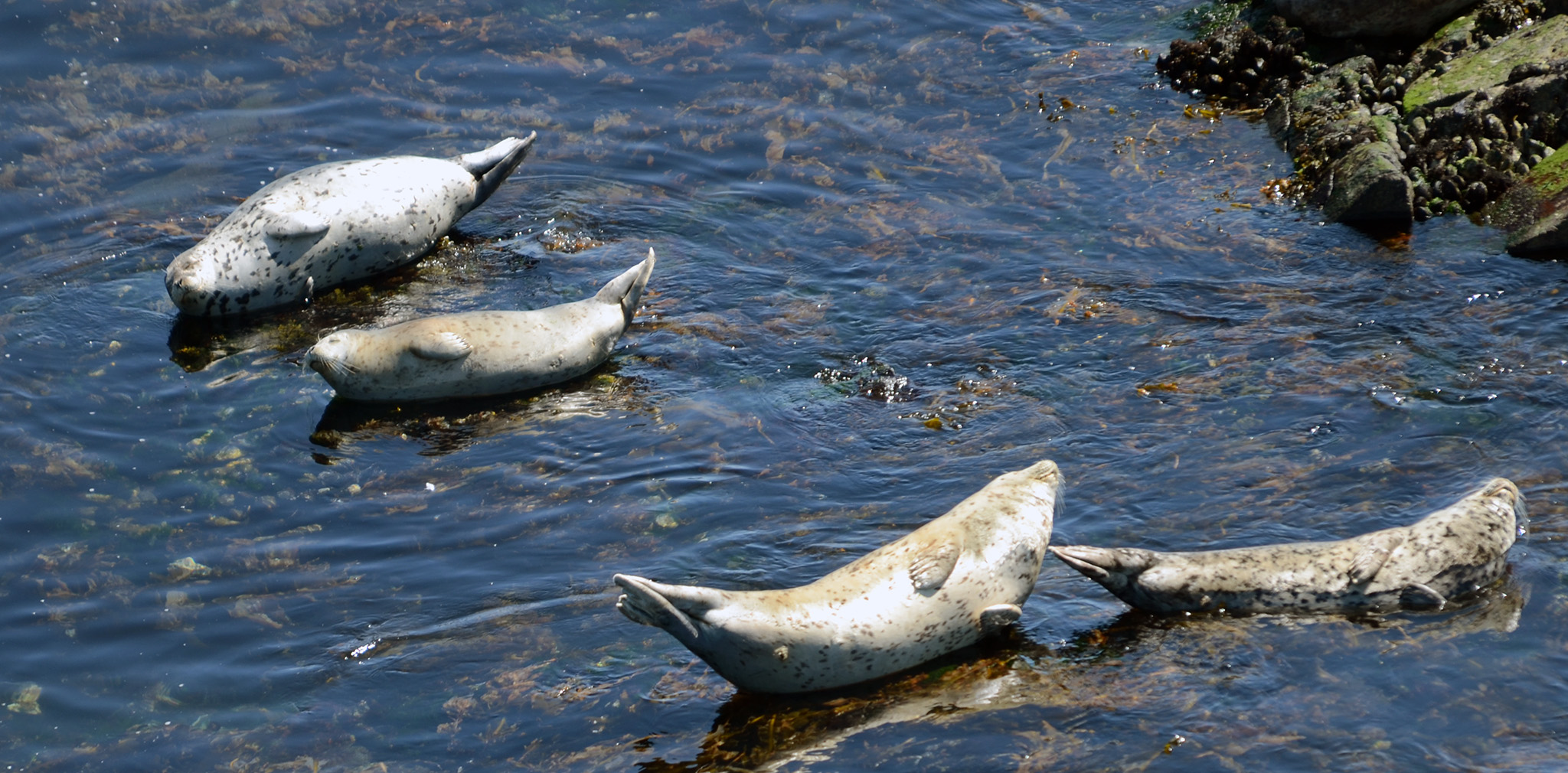
Banana seals. Seems like a lot of effort to stay warm and dry and prolong the inevitable, if just for another 20 minutes.

Today there was some enticing food around and almost all the gulls not on a nest were out feeding along the shorelines and in small bays.  For this count I separated the gulls into those sitting on a nest (328), not on nest on but on Race Rocks (143) and on South Islands and Seal Rocks (202). I am sure I missed more than a few nests that were obscured by rocks.

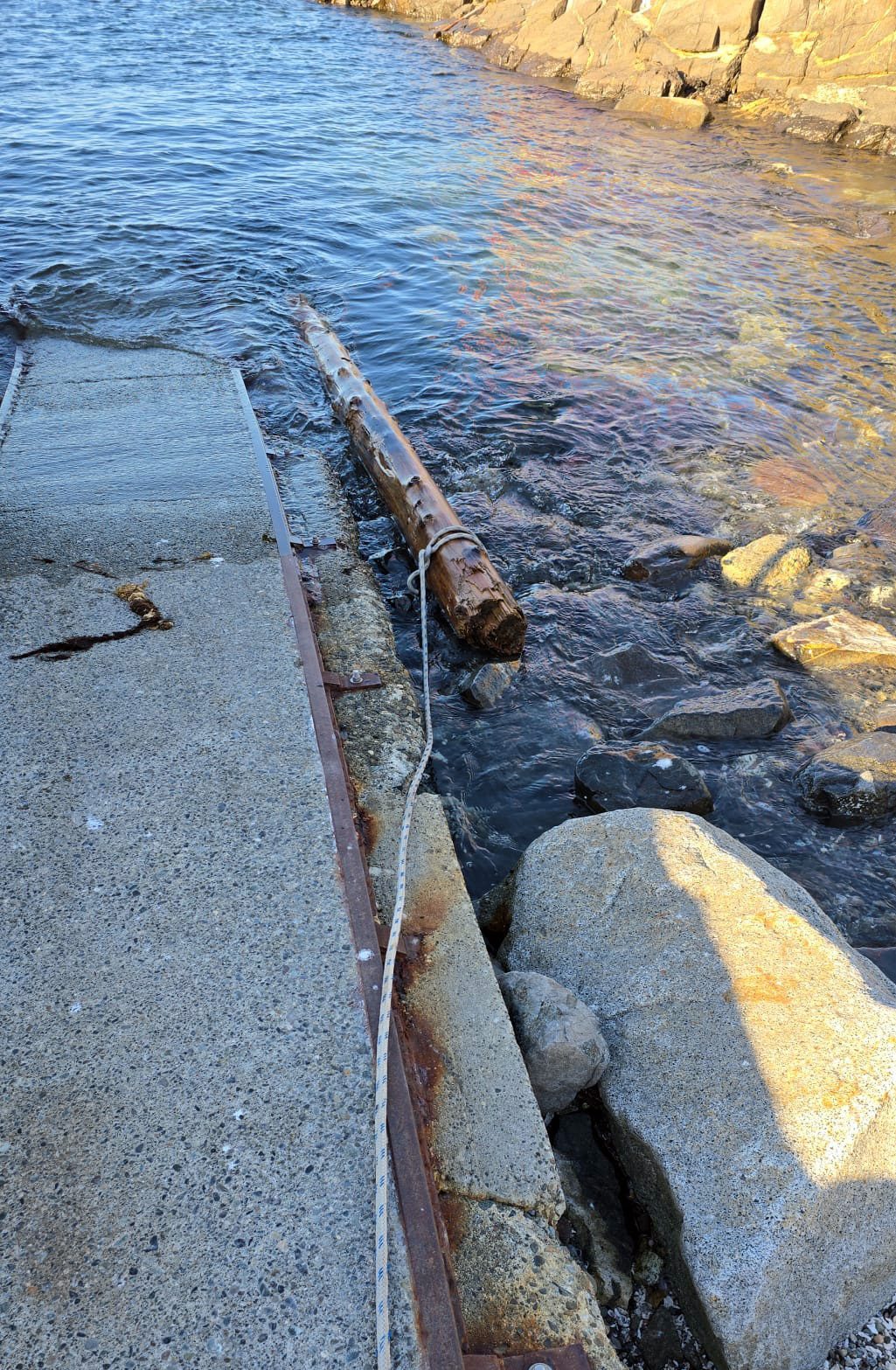
I spent 3 hours in the lighthouse today. Marvelous day.  I didn’t understand why there was a paper towel roll on the stairs of the lighthouse until I found a frantic purple martin throwing itself against the windows. I opened the small door to the outer deck. It flew away in a hurry straight toward Sooke.  I also longingly watched a long debris chain drift west through Race Passage. Last night with the pike pole I pulled a small log to shore and put a line on it. It was hard to watch so much wood just pass up by.

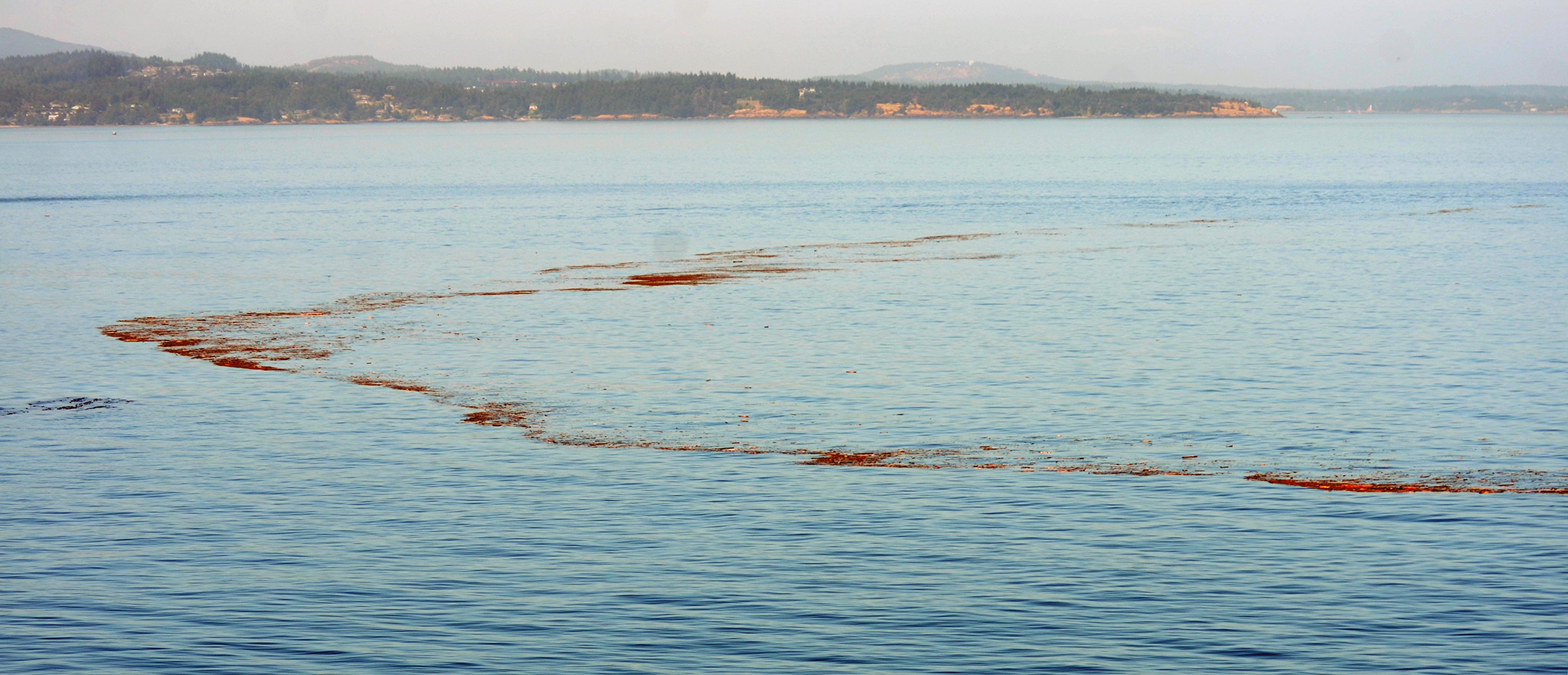
Debris drifting past

Facility work

  • cleaned solar panels
  • weeding along walkway
  • topped up battery fluids

Vessels

  • Ecotourism: 12
  • Private: 4
Weather

Clear skies. Light and variable winds during the day, westerlies 23 knots in the evening.  Daytime temperatures 11 to 19 degrees.

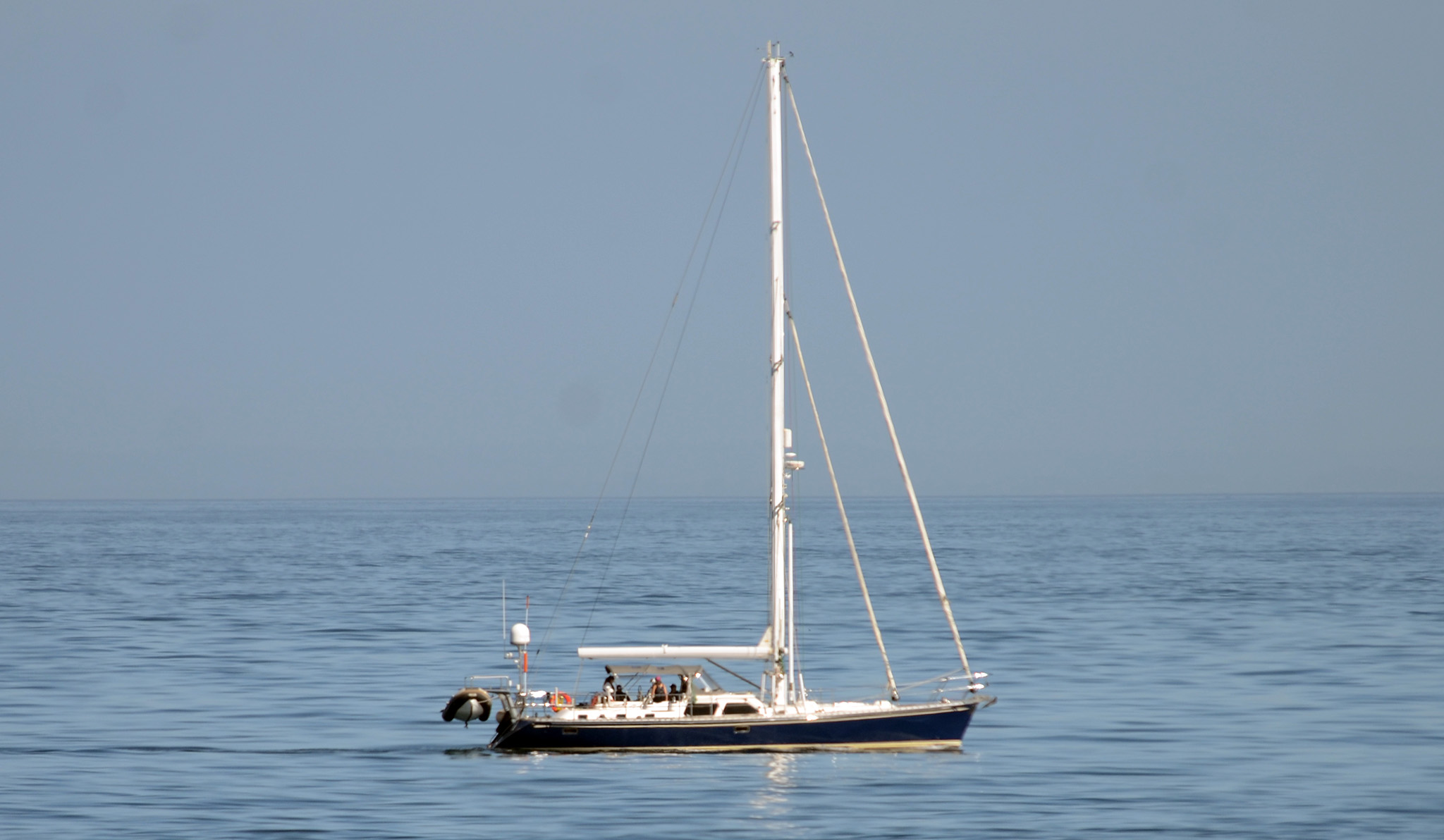
A beautiful center-cockpit yacht (maybe a Hallberg-Rassy) motoring past.

June 13 Census

Mammals:

  • Steller sea lion:  0
  • California sea lion: 8
  • harbour seal: 71
  • elephant seal: 1 mature female

Birds:

  • gulls:  732
  • cormorant: 38
  • black oystercatcher: 14 (plus 2 chicks)
  • pigeon guillemot: 43
  • Canada goose: 2
  • harlequin duck: 7
  • barn swallow: 2
  • brown pelican: 1
  • bald eagle: 1

Wildlife seen this week inside the reserve but not observed today include: two Caspian terns and one additional female elephant seal. The one year-old hasn’t been seen all week which is a bit surprising as she was not far ahead of the large female in her molt and they spend extra time on shore after they have shed their skin and fur. The 3 year old (L334) goes for a couple days, comes back for a day, then leaves again. She has not been seen for two day. The pigeon guillemots are greatly underestimated – there are likely more than 200.

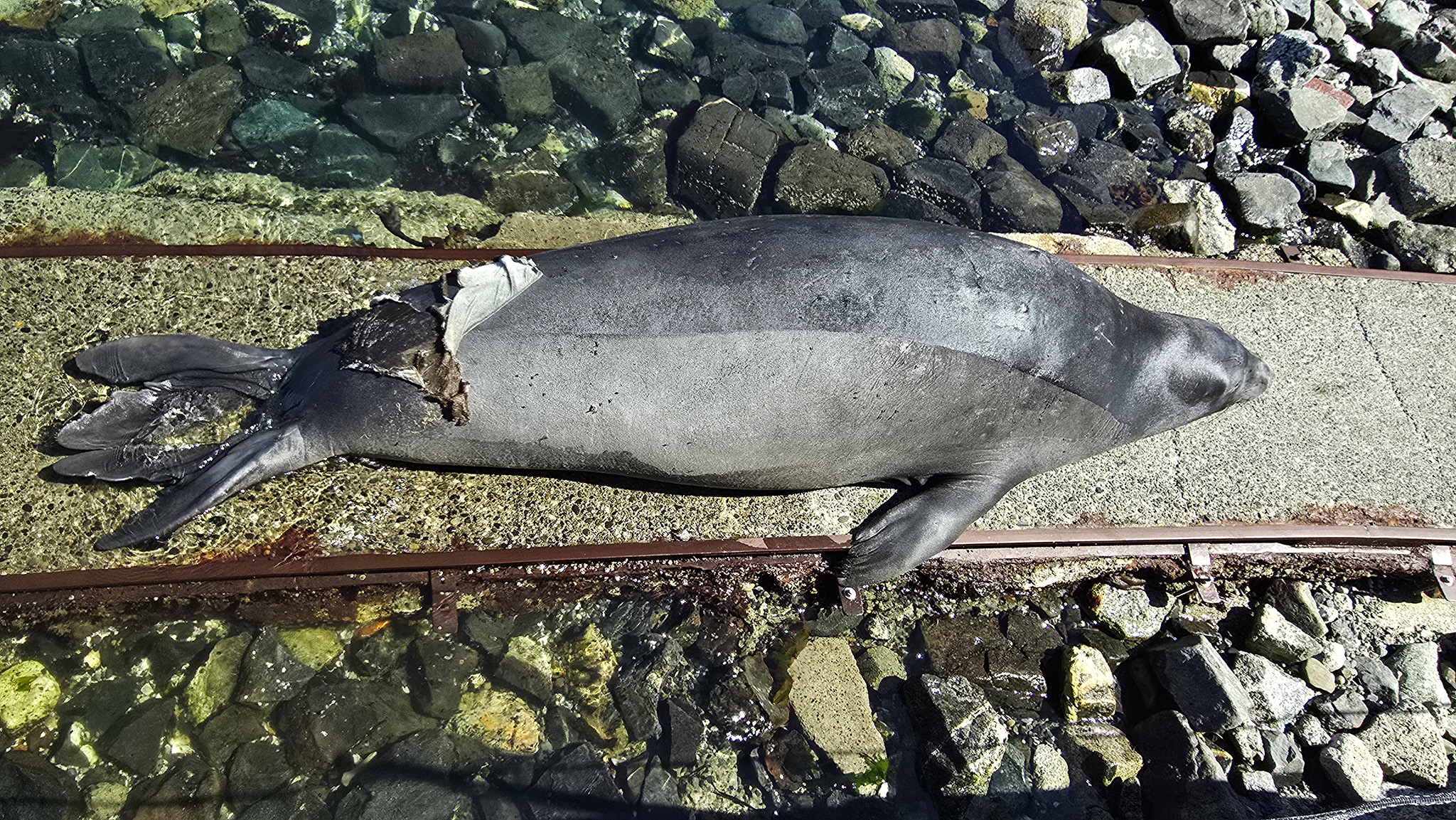
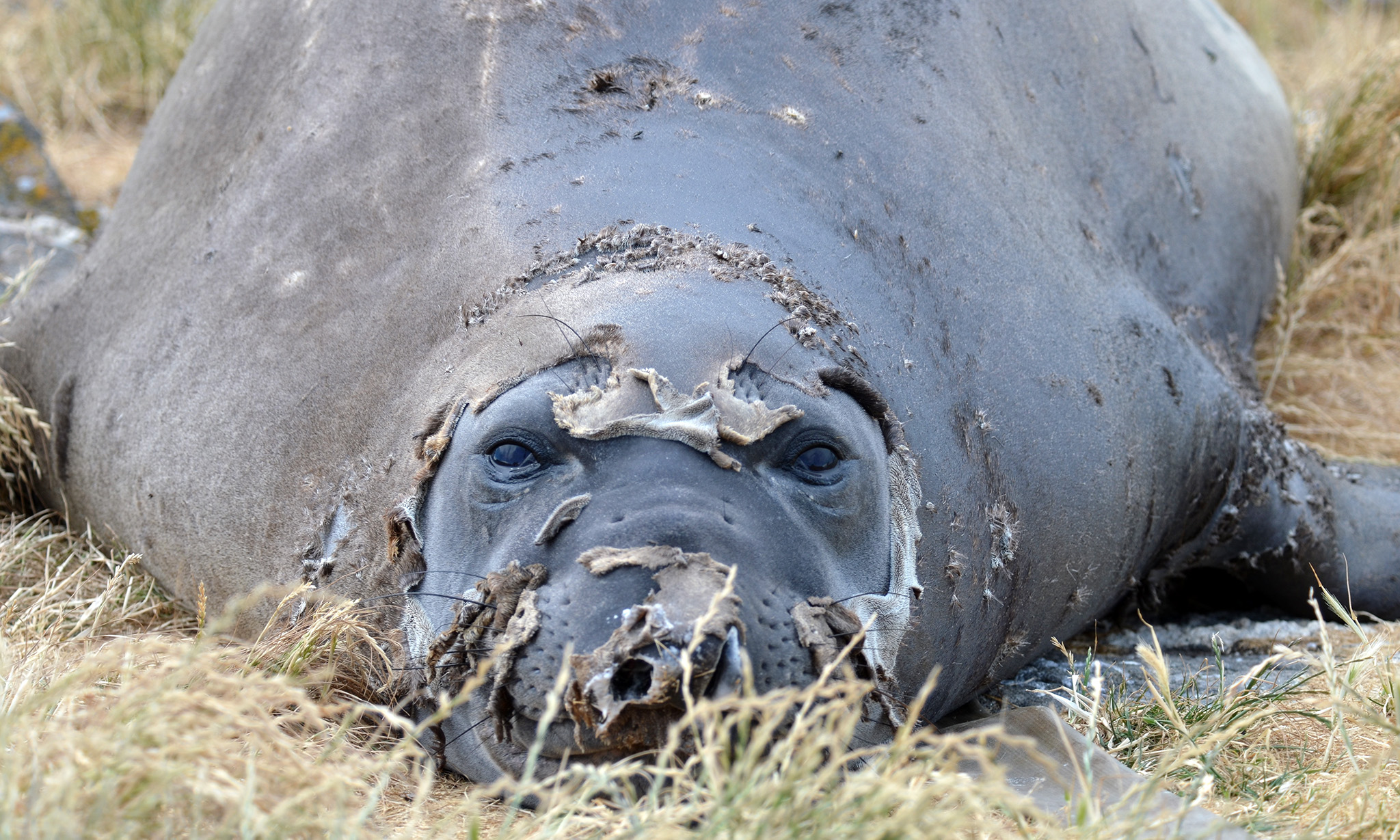
The mature female elephant seal is losing her last patches of skin and fur quickly.

June 12 2026

June 13 2026

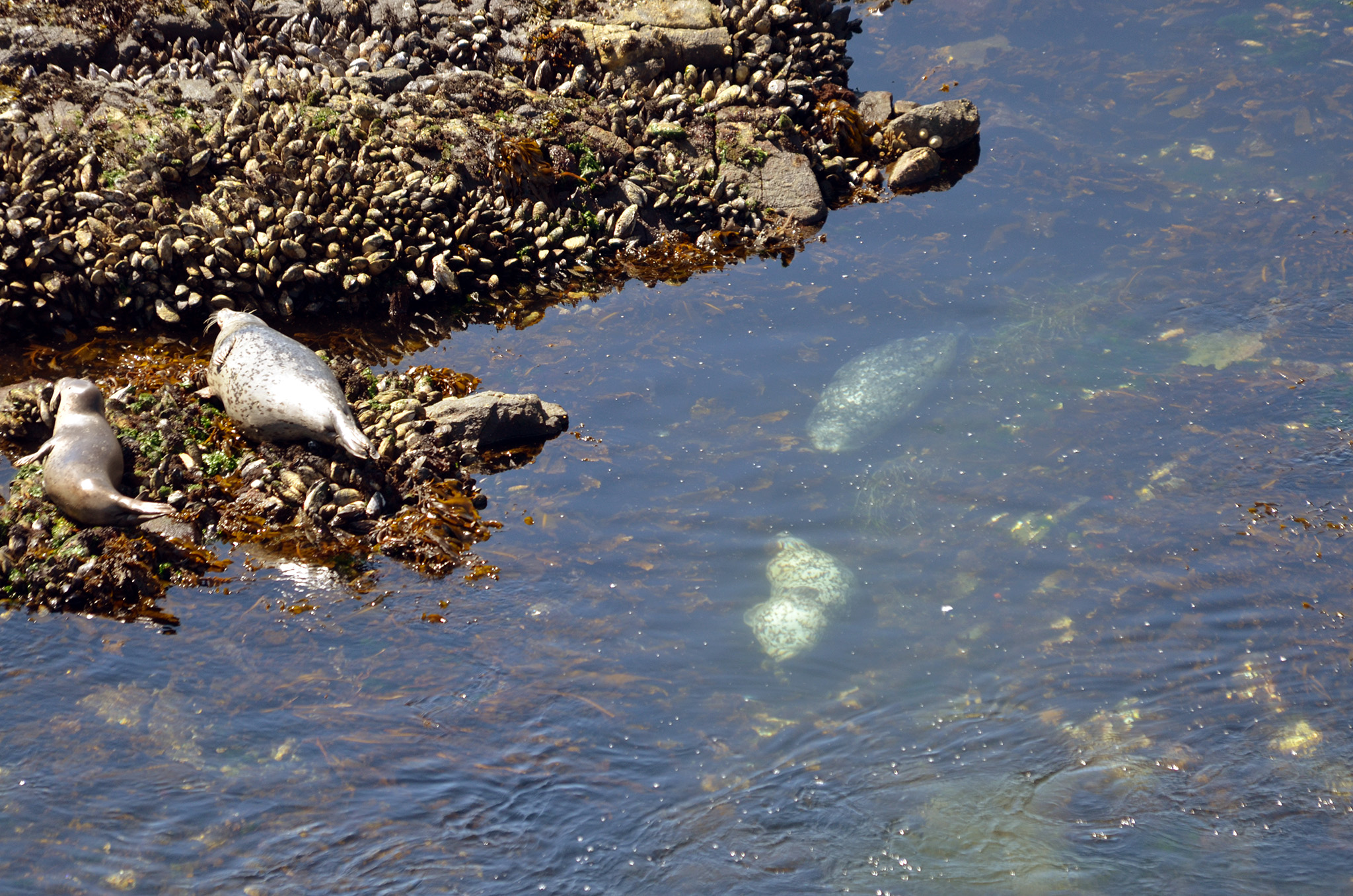
Two harbour seals in a crevice, deciding to sleep underwater instead of on land.

Incredibly clear water today. Photo from the top of the tower during census.

Facility work

  • cleaned solar panels
  • started weed trimming the walkways

Vessels

The light winds and warm weather may be responsible for the very high number of private vessels today.  Two were speeding in the reserve very close to shore.  I wonder if the electronic charts indicate the speed limits in the reserve? There was even a speed boater pulling his children around on a inflatable air mattress!

  • Ecotourism: 8
  • Private: 10

Weather

Spectacular weather. Clear skies with warm light winds from the SE (2 to 13 knots). Daytime temperature 12 to 22 degrees. Warmest day of the summer so far.

June 6 Census

Mammals:

  • Steller sea lion:  6
  • California sea lion: 14
  • harbour seal: 67
  • elephant seal: 2 females

Birds:

  • gulls:  331
  • cormorant: 29
  • bald eagle:  1
  • black oystercatcher: 14
  • pigeon guillemot: 63
  • Canada goose: 4
  • harlequin duck: 8
  • barn swallow: 2
  • great blue heron: 2
  • brown pelican: 3

Wildlife seen this week inside the reserve but not observed today include: two additional female elephant seals. It is not common for Great Race Rocks to be free of sea lions. The few Stellar and California sea lions observed today were on Middle Rocks, and most of the harbour seals on Turbine Rocks.

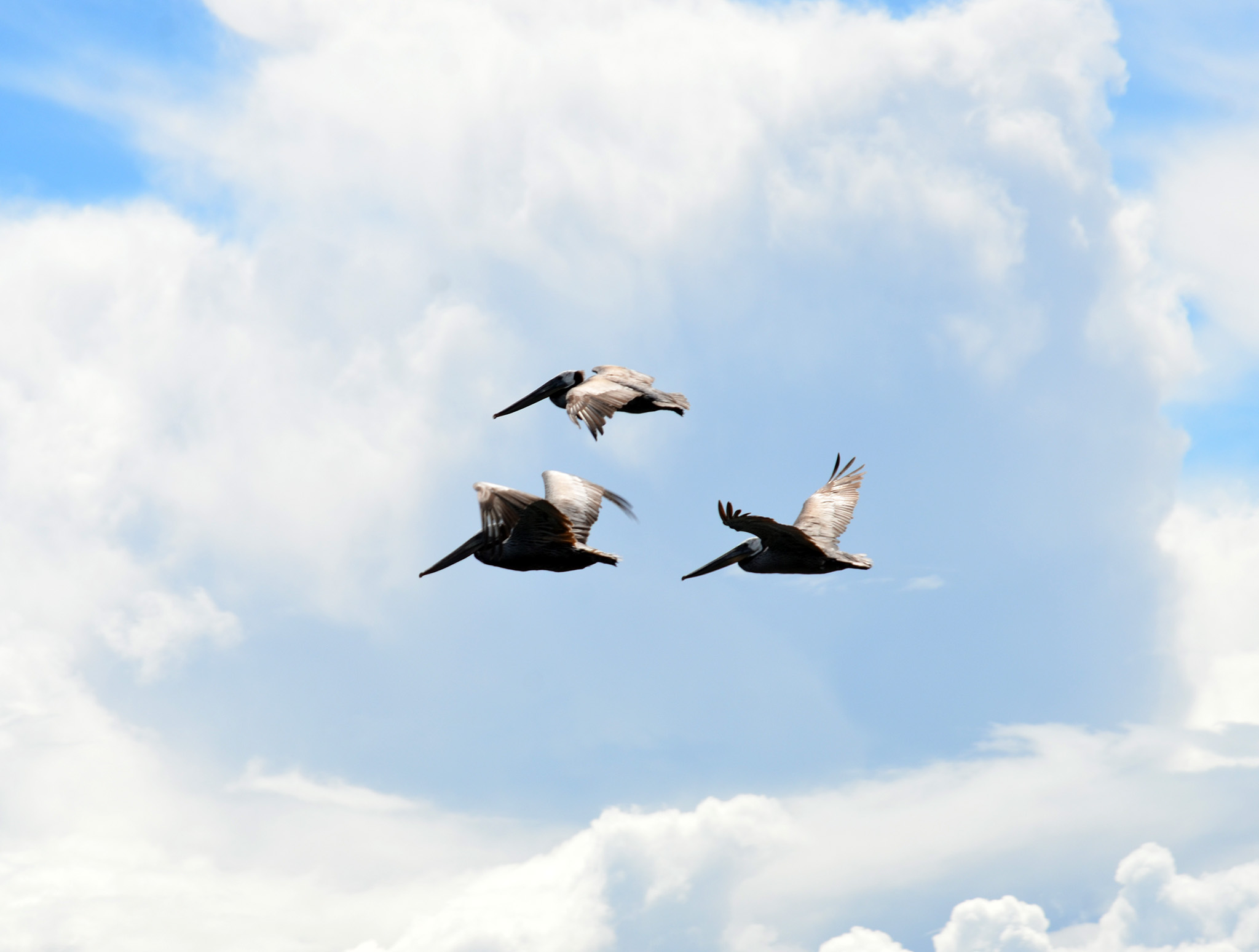
Brown pelicans

Wildlife notes

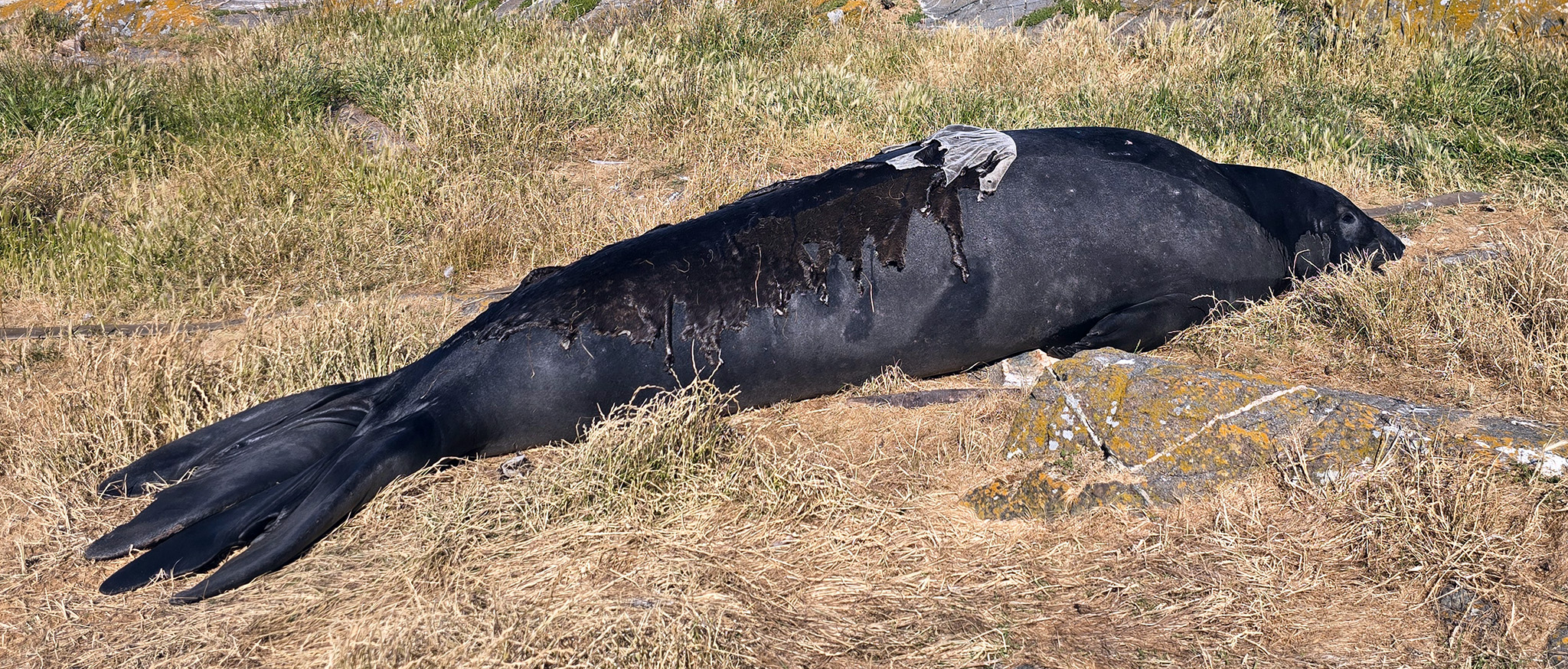
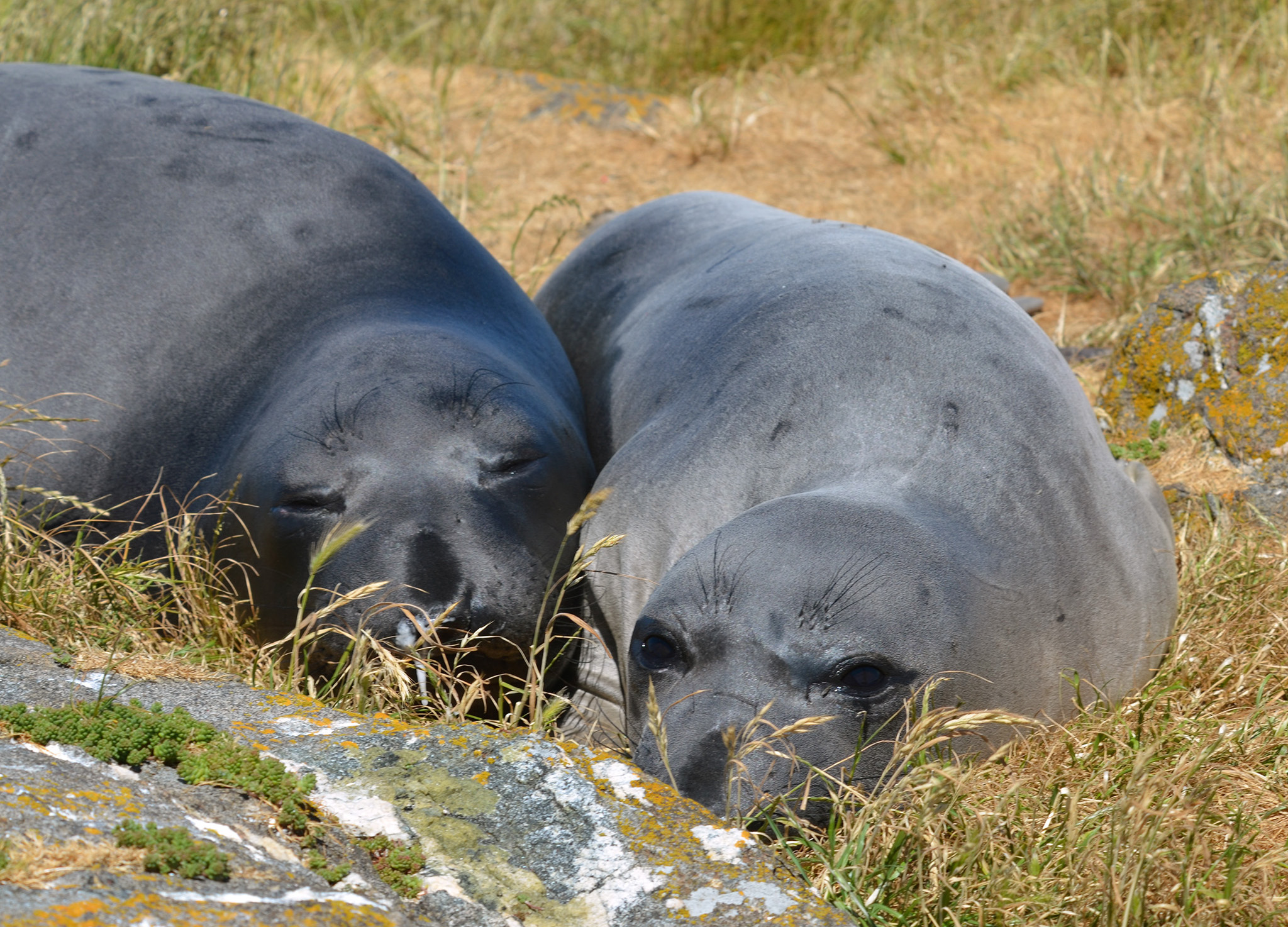
There have have been seven elephant seals on Race Rocks this year, all of them females.  A pregnant female gave birth to a female pup in January. For the spring molt, as many as five females were here at one time. The four year-old left last week, the two and three year-old (L334) left this week. The one year-old and the large mature female remain. The one year old is a bit further ahead in her molt. The mature female is mid molt, still very well fleshed and will likely be here for another two weeks.

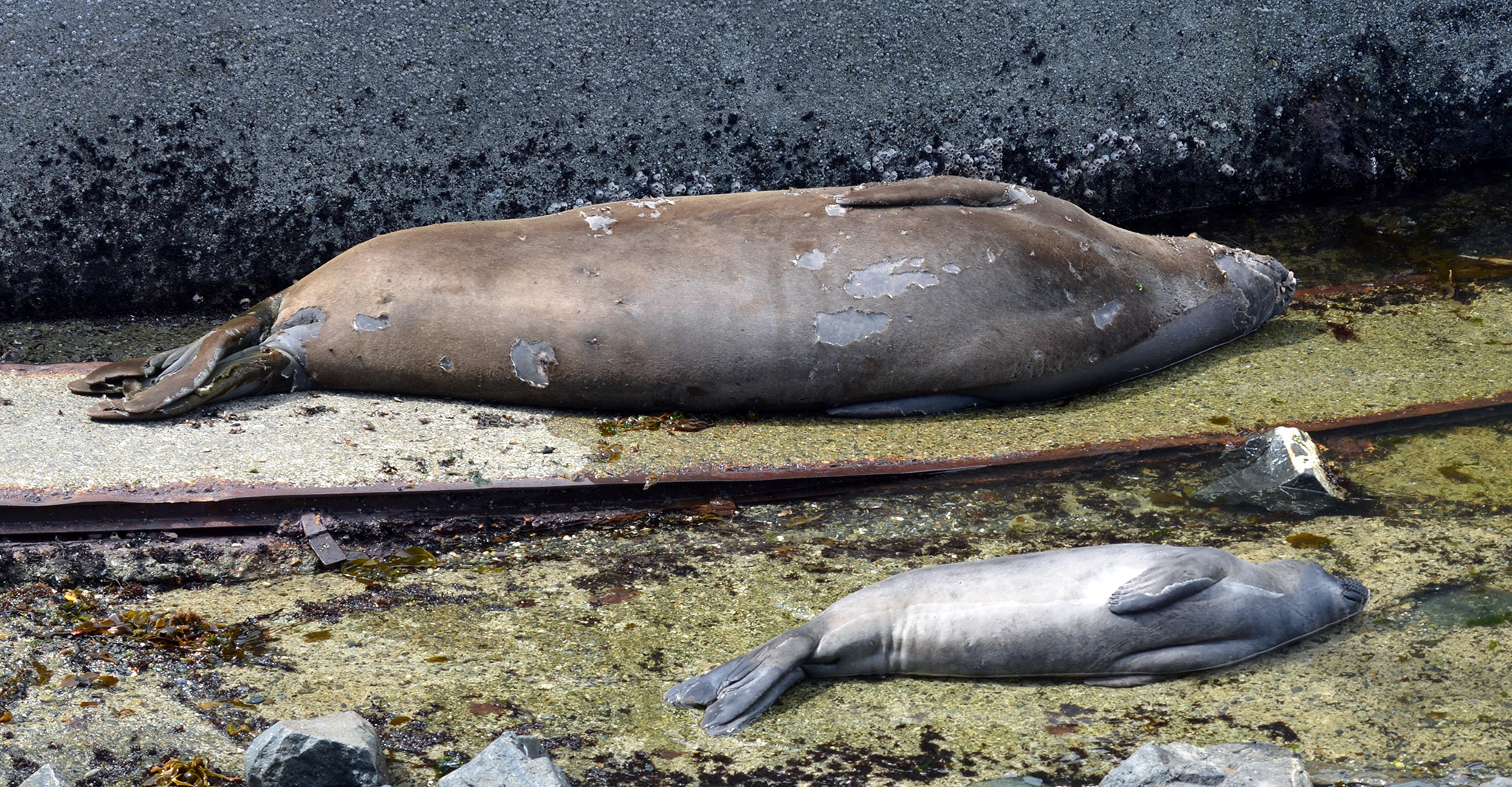
The mature and one year-old female elephant seals on the boat ramp for their daily wetting.

The mature female elephant seal in the grass. Ennui? I would assume the molting process is not pleasant and very boring for these active hunters.

Facility work

  • cleaned solar panels
  • ran desalinator
  • started weeding

Vessels

  • Ecotourism: 14
  • Private: 1
  • Paddle craft: outrigger canoe (OC1)

Weather

Sunny morning with light variable winds. Afternoon partly cloudy, winds westerlies building to 21 by evening.  Daytime temperatures 10 to 11 degrees.

May 30 Census

Mammals:

  • Steller sea lion: 3
  • California sea lion:  35
  • harbour seal: 86
  • elephant seal: 4 females

Birds:

  • gulls:  234
  • cormorant:  38
  • bald eagle:  1
  • black oystercatcher: 14
  • Canada goose: 6
  • harlequin duck: 13
  • barn swallow: 2

Wildlife seen this week inside the reserve but not observed today include: one additional female elephant seal.

Wildlife notes

The four year-old post molt female was last seen on May 28th and has returned to the sea. Of the four remaining elephant seals, the two-year old has lost the most weight and will likely be the next to leave, followed by L334.

The 3 year-old (L334 on the left) and two year-old elephant seals. L334 had just come up from a wetting on the boat ramp and took a rest beside the two year-old.

The cranky two year-old unimpressed by the closeness.

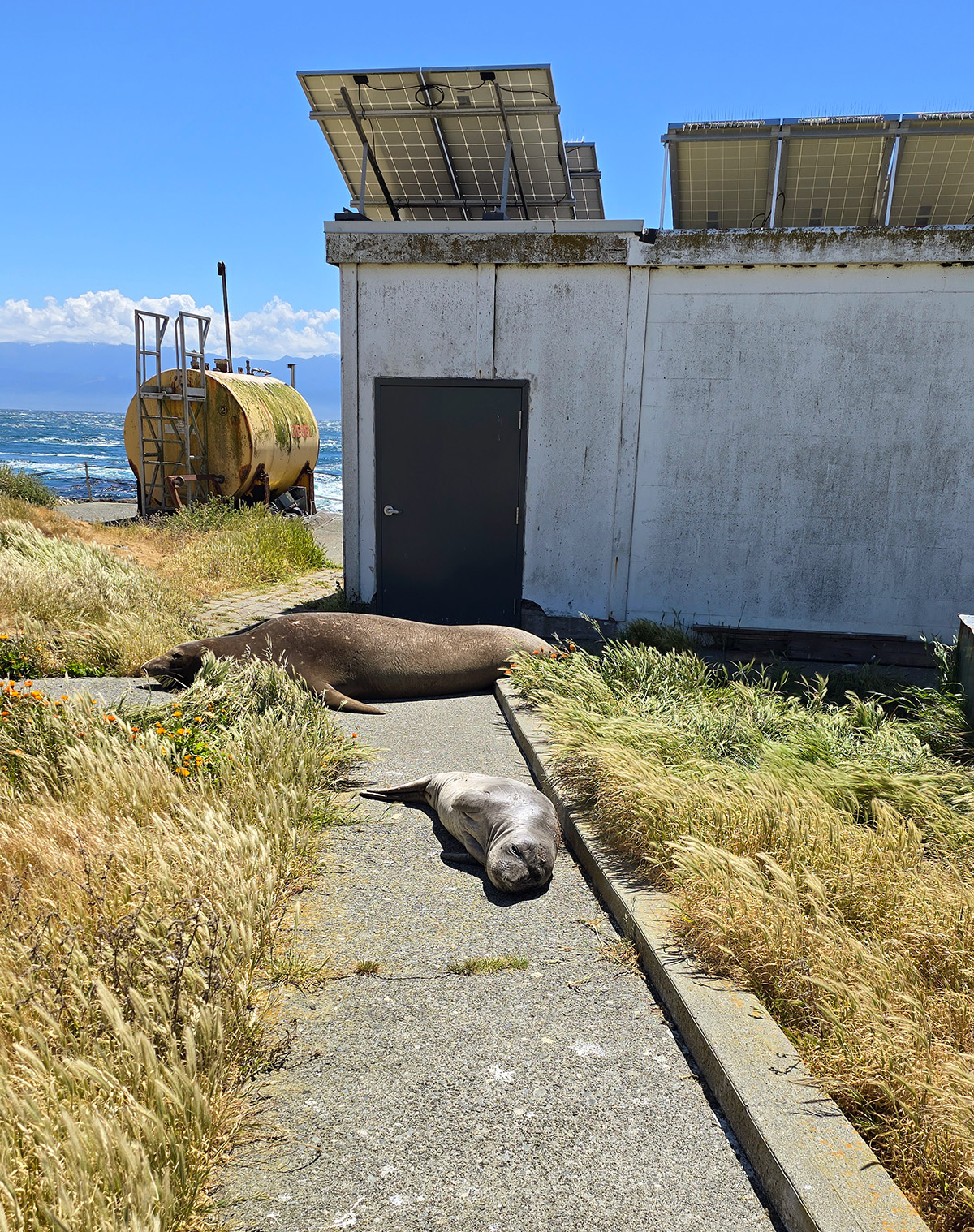
The youngest and oldest females spent the past two days by the energy building. Judging by the poo smear on the tower walkway, one of them even spent some time at the tower base, which isn’t an easy uphill trip for an elephant seal.

The mature female and the one year-old on the pathway to the energy building.

Facility work

  • cleaned solar panels
  • general cleaning

Vessels

  • Ecotourism: 3
  • Private: 2 kayakers

Weather

Clear skies. Westerlies 21 to 30 knots. Daytime temperatures 9 to 12 degrees.

Animal Census May 22

Census was done on Friday May 22 because Saturday May 23 is my last day at Race Rocks. It was foggy in the morning and evening which added too the challenge.


Mammals:

  • Steller sea lion: 2
  • California sea lion:17
  • Harbor seal: 12
  • Elephant seal: 5


Birds:

  • Gulls: 238
  • Cormorants: 14
  • Canada goose: 8
  • Pigeon guillemot: 140
  • Black oyster catcher: 6
  • Harlequin ducks: 10
  • Bald Eagle (Adult): 1

Other animals I’ve been seeing recently but didn’t see on the day of the census : Brown pelican, Barn swallows, Killdeer