Christmas Bird Count

Monday, December 24, 2001
Good Evening
TEMPERATURE: Max 8.0C — Min 4.9C — Reset 6.7C — Rain 0.0
Merry Christmas To One And All!!!
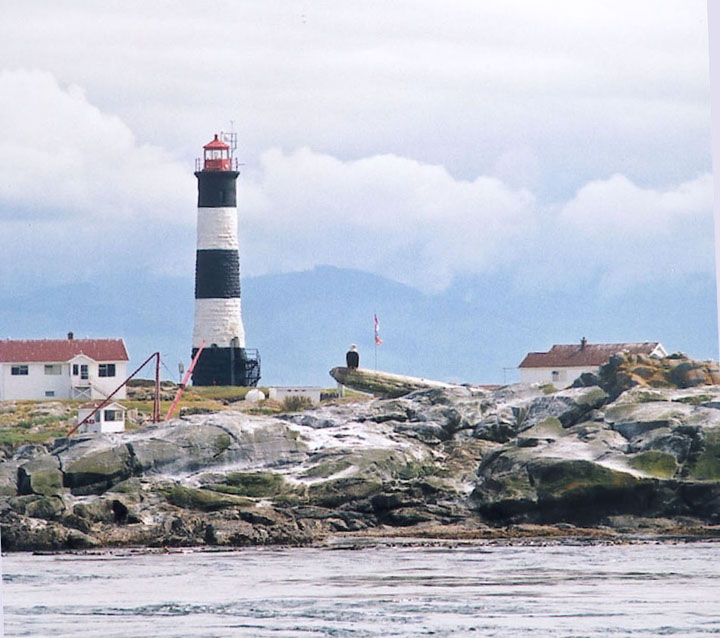
MARINE LIFE: Yesterday Angus Matthews took Alan MacLeod, Andrew Harcombe, and Ron Satterfield out in the Pearson College boat, 2nd Nature for the annual Sooke Christmas bird count. The trip was postponed from the 22nd because of the 40 knt. north winds. Following is a list of the birds seen between the Pearson College dock and Race Rocks- most of the sightings were in the area around Race Rocks. The highlight was the lone Iceland Gull, a very rare bird in this area! The first sighting of this bird for the trio of bird counters!
Pacific Loon 14
Common Loon 1
Horned Greb 1
Double Crested Cormorant 80
Brandt’s Cormorant 60
Pelagic Cormorant 12
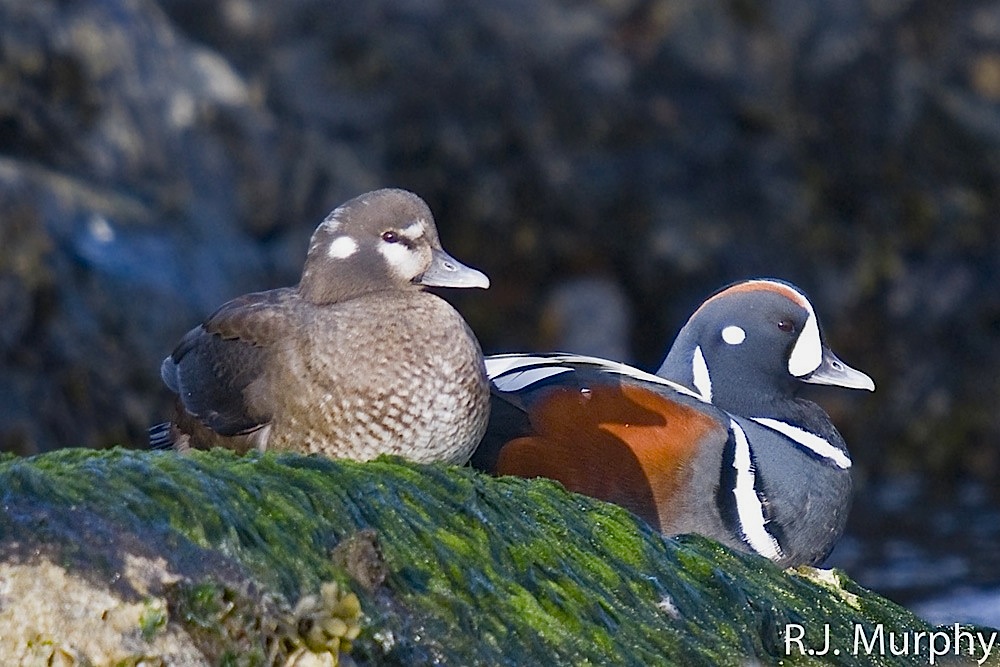
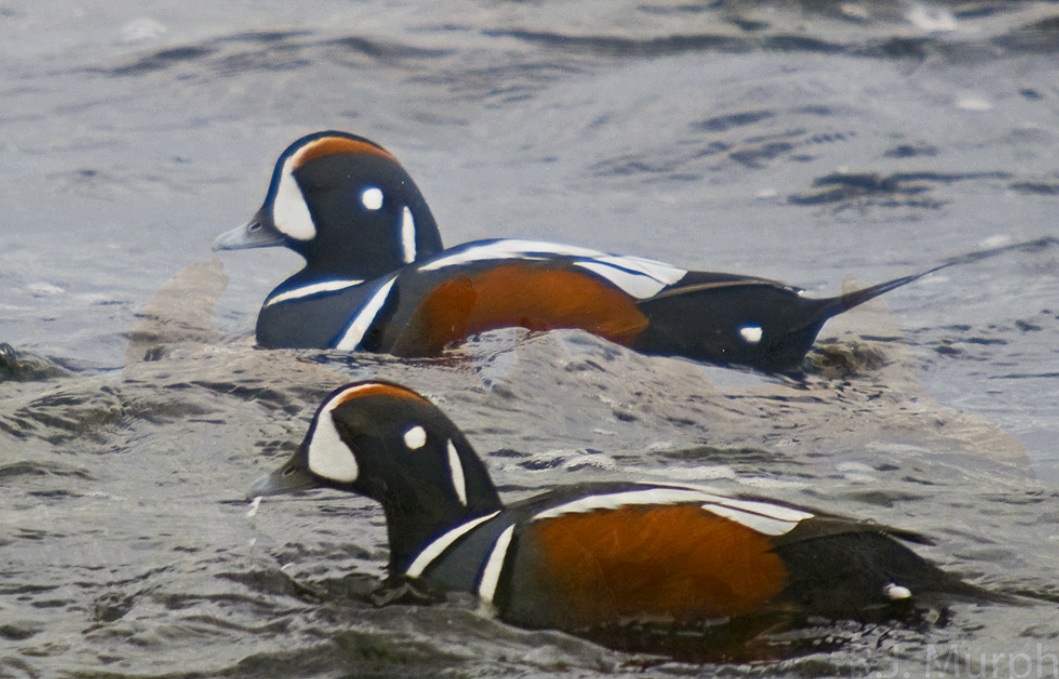
Harlequin Duck 2
Surf Scoter 30
Bufflehead 60
Hooded Merganser 5
Bald Eagle 4 adult,2 immature
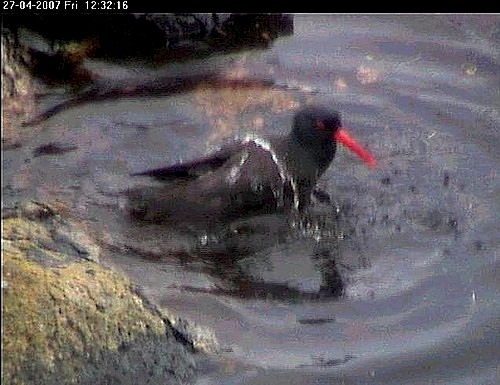
Black Oyster Catcher 16
Black Turnstone 6
Surfbird 6
Rock Sandpiper 9
Mew Gull 15
Herring Gull 8
Thayers Gull 530
Western Gull 1
Glaucous Winged Gull 720
Common Murre 40
Pigeon Guillemot 8
Marbled Murrelet 6
Belted Kingfisher 1
Eurasian Starling 8
Common Flicker 1
You may check out the file on the Christmas Count with pictures at:https://www.racerocks.ca/2001/12/24/9651/
Thank you Angus, Alan, Ron and Andrew, maybe it wasn’t blowing 40knots from the north but it was still a cold bumpy trip with 20 knots from the north east!
HUMAN INTERACTION:11:30 am 1 Whale Watcher Boat
12:15 1 Rib with 2 divers (burrrr)
14:30 Discovery Launch (2 passengers)
Thank You Jane and Chris for holding the ‘fort’ so we could visit with family and restock the pantry.posted by Carol or Mike S at 6:11 PM
Orca predation and gulls

-2001-12-20′, ’16:58:23′, ‘With the relatively calm sea today the hauled out Sea Lions slept the time away.The most action came from a few Northern Sealions on Southeast Rks. that went into the water to investigate the Orcas that came in from the West at 1:20pm.There was one bull,3 that could be females or juveniles and one fairly small one.It was really hard to get a good look as they didn”t stay on the surface very long.The whales made their way along the south shore of Gr. Race then veered out towards the Rosedale light buoy where they spent until 3:40 swimming back and forth with frequent tail slapping,breaching and slapping of flippers. 200+ gulls and 30 or so Cormorants stayed with whales I would guess feeding on any scraps floating about on the surface.Since the Orcas stayed well off shore,were quite ”noisy” and did not seem interested in the seals and sealions my guess is that they were residents. The last we saw of them they were headed SW. ‘, ‘Carol or Mike S’, ’16:08:56 ,

Orca Feeding

Thursday, December 20, 2001
Good Evening
TEMPERATURE: Max. 5.7C — Min. 3.9C — Reset 4.2C — Rain 0.4 mm
posted by Carol or Mike S at 6:05 PM
 MARINE LIFE: With the relatively calm sea today the hauled out Sea Lions slept the time away.The most action came from a few Northern Sealions on Southeast Rks. that went into the water to investigate the Orcas that came in from the West at 1:20pm.There was one bull,3 that could be females or juveniles and one fairly small one.It was really hard to get a good look as they didn’t stay on the surface very long.The whales made their way along the south shore of Gr. Race then veered out towards the Rosedale light buoy where they spent until 3:40 swimming back and forth with frequent tail slapping,breaching and slapping of flippers. 200+ gulls and 30 or so Cormorants stayed with whales I would guess feeding on any scraps floating about on the surface.Since the Orcas stayed well off shore,were quite ‘noisy’ and did not seem interested in the seals and sealions my guess is that they were residents. The last we saw of them they were headed SW.
posted by Carol or Mike S at 4:58
Good Morning
WEATHER: Sky Overcast — Vis. 15 Miles — Wind North North East 21 Knots — Sea 3′ Moderate — Low North East Swell — Occasional light Rain showers
posted by Carol or Mike S at 7:33 AM

Eagles and Sea lions

Wednesday, December 19, 2001
Good Evening
TEMPERATURE: Max. 8.1C — Min 3.7C — Reset 4.9C — Rain 0.8 mm
posted by Carol or Mike S at 6:17 PM
MARINE LIFE:The Sea Lions seen on cameras 1 and 2 show about 1/2 the population presently hauled out, the other half are spread out along the east and south shores of Gr. Race and on the Southeast Rks.There are quite a few young Northern Sea Lions this year maybe an indication of a healthy population growth? The Northern Sea Lions presently hauled out, out number the California Sea Lions approximately 8-1,there being approx. 325 Northern Sea Lions hauled out this afternoon.
5 immmature Bald Eagles visited the area today but stayed only 50 minutes,arriving and leaving within minutes of each other,three sat over on the southeast rocks and the other two on the highest point on West Race. Was nice to have a day with light winds and even enjoyed a few glimpses of the sun!
posted by Carol or Mike S at 5:21 PM
Good Morning
WEATHER: Sky Cloudy — Vis. 15 Miles — Wind South East 5 knots — Sea Rippled
posted by Carol or Mike S at 7:23 AM

Orcas out

Sunday, December 16, 2001
MARINE LIFE: 4 Bald Eagles visited the Reserve today,3 immatures and one mature.The first one(mature) arrived just after 9:30 this morning with it’s breakfast-an unidentified fish -grasped in it’s talons. The big bird set down on the NW bluff just above the boat house to eat. As the eagle tore off pieces of fish the 5 crows danced around it, wary, but anxious to get any bits that scattered.After only 5 or 6 minutes the eagle flew off leaving the crows to scour the rocks for any scraps however tiny! I did not see anything that would have scared the eagle,certainly not the crows!
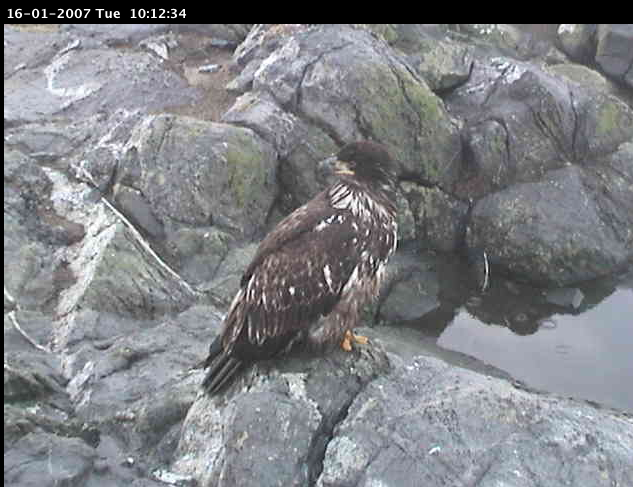
Just after 10 a.m. a lone California Sea Lion came ashore just east of the boat dock and proceeded to lumber across the island stopping every 3 metres or so to roll and rub on the grass.The reason we took note of the poor fellow is that he has a terrible scar around his neck -garbage in the sea or maybe some type of discarded fishing gear.Sea Lions with this type of wound, unfortunately are not that rare.We could not get close enough to see if it was just a scar or whether something was still in the wound.About noon 3 immature Bald Eagles landed on the ridge of West Race.They sat there for about 10 minutes until a boat approached (divers) and they flew over to N Rocks.After 1/2 hour or so they flew over to SE rocks where they stayed except for a couple of flights around the islands, unsuccessful attempts at getting a bird dinner.Two of these birds looked somewhat bedraggled with the mottled appearance of the head and tail feathers.The distinctive white plumage gradually appears with each molt over 4 or 5 years.
Just before 1:30 I noticed two Orcas northeast of North Rks. They were being followed by several groups of Sea Lions at about 100 metres. The whales surfaced 4 or 5 times as they made their way south just at the edge of the east side kelp bed.The last we saw they were in front of the engine room 200-300 metres off shore.As we watched for the whales to come back a 3-4 metre bull Elephant Seal drifted by and came into the small east bay. I did get some video as he floated around with just his head and unmistakable nose above the surface.He stayed in the bay only 12-15 minutes,arched his back,flared his great nostrils,dove into a wave and was gone! We often hear the elephant Seals vocalizing at night, it sounds like a calf bellowing in a tin can, but not lately, and from the sound of the roaring 45+ knt. not tonight either!
HUMAN INTERACTION: 12:10am -1:45pm Boat with 6 divers -West Race
TEMPERATURE: Max. 10.1C — 6.3C — Reset 8.7C — Rain 26.2 mm — Total rain fall for December 109.9 mm
posted by Carol or Mike S at 10:11 PM
Good Morning
WEATHER: Sky Overcast — Vis. 15 Miles — Wind West 13 Knots — Sea 1 Foot Chop
posted by Carol or Mike S at 7:32 AM

Haliacetus leucocephalus: Bald Eagle–The Race Rocks Taxonomy

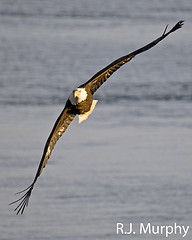
In November 2009, Ryan Murphy captured this set of images when a juvenile eagle was making his daily pass by to prey on a seabird. The juvenile california gull provides the meal for that day. Click the image to see a slide show video of this sequence..See the Eagle Set on Ryan’s Flickr site

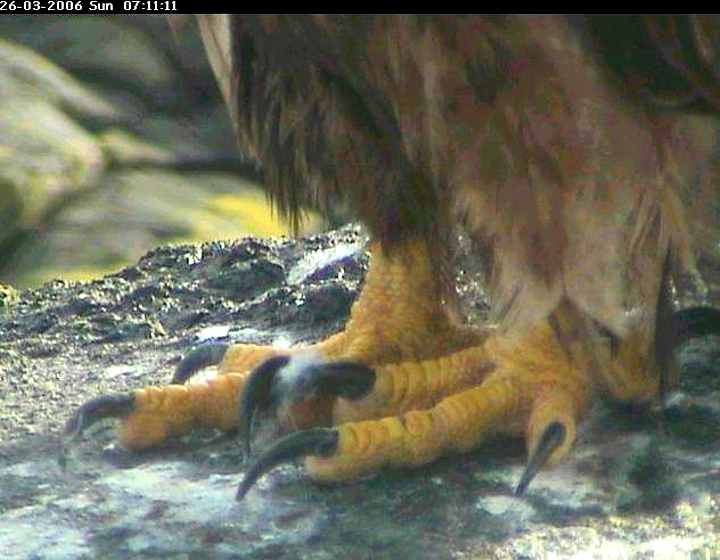
Bald Eagles measure from 30″ to 43″ ( 76 to 109 cm) in length and from 70″ to 96″ ( 2 to 2.4 m) in wingspan. They have a high thin, chittering voice which contrasts with its magnificent appearance. Bald Eagle’s diet is primarily based on fish catching. It also eats carrion and crippled waterfowl. At Race Rocks, eagles frequently take adult Gulls and Pigeon Guillemots as can be seen in the accompanying images.

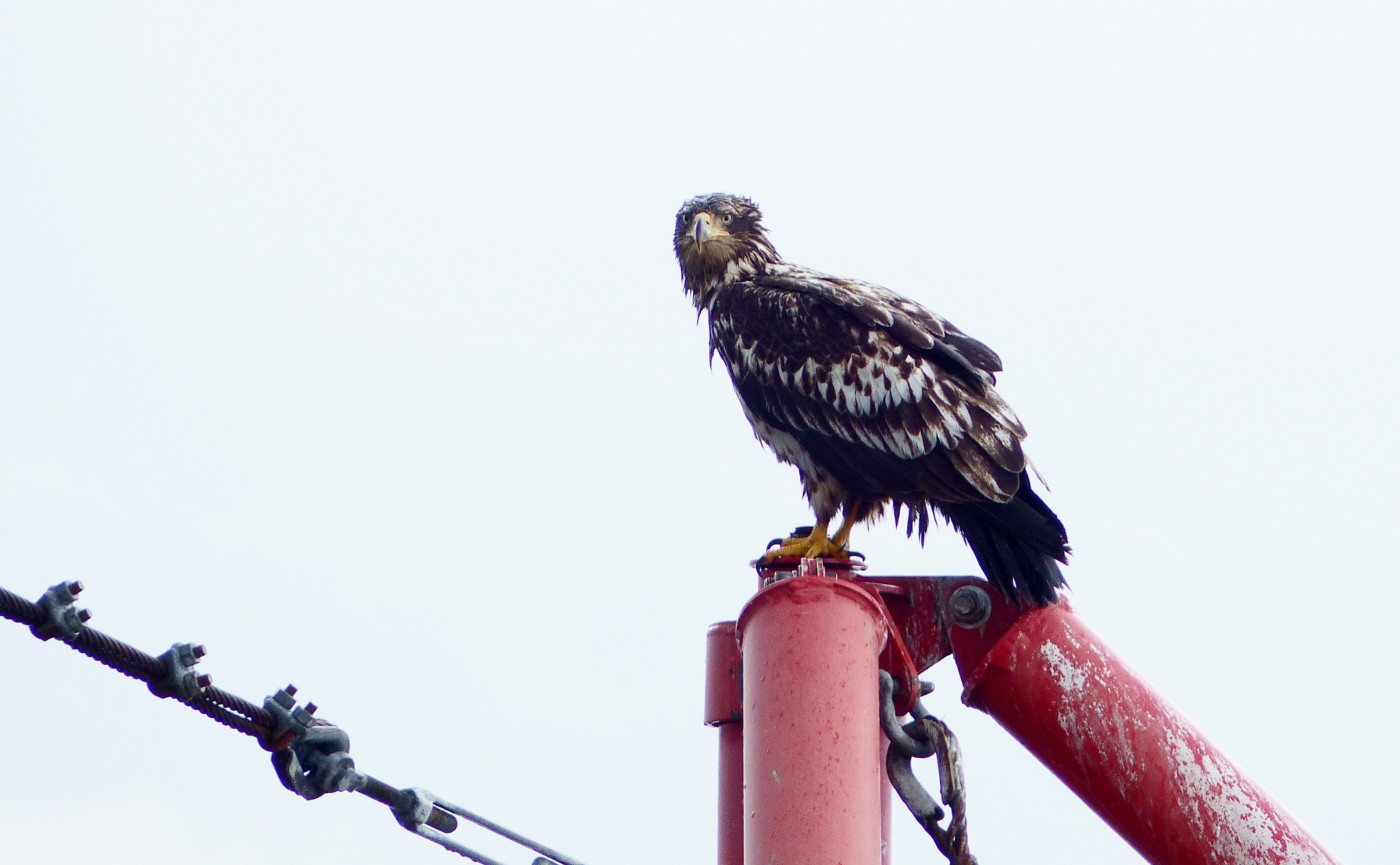
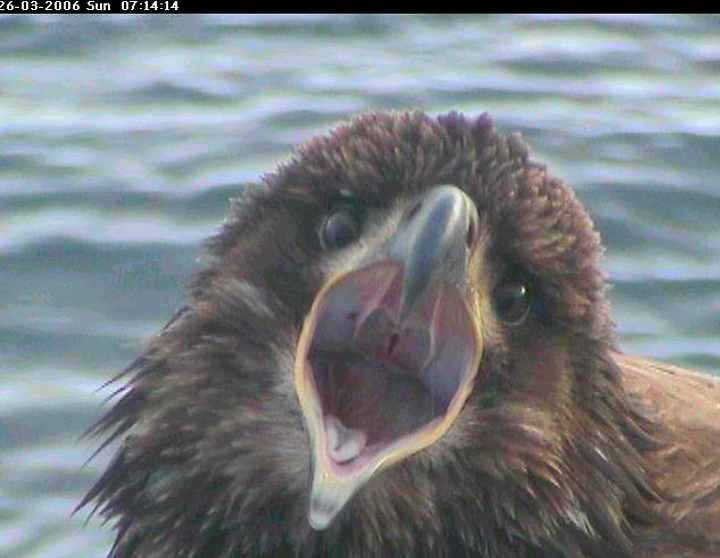
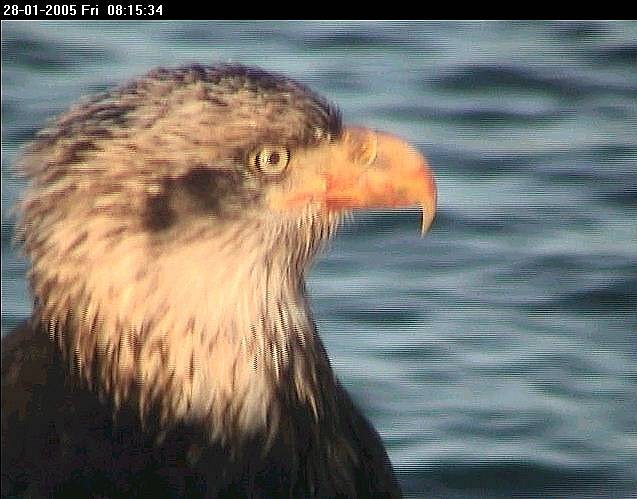
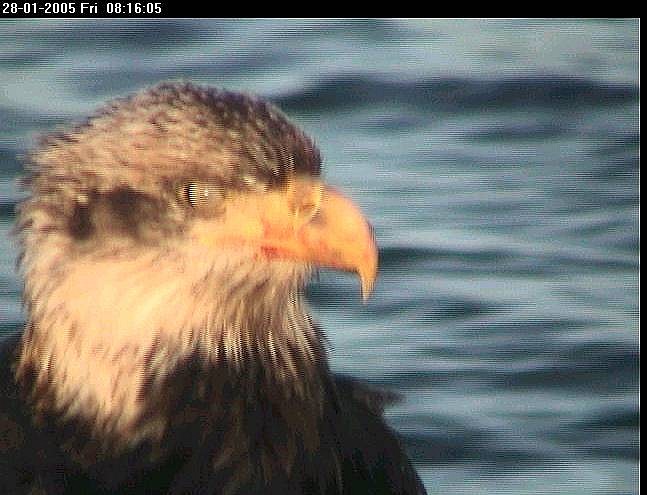
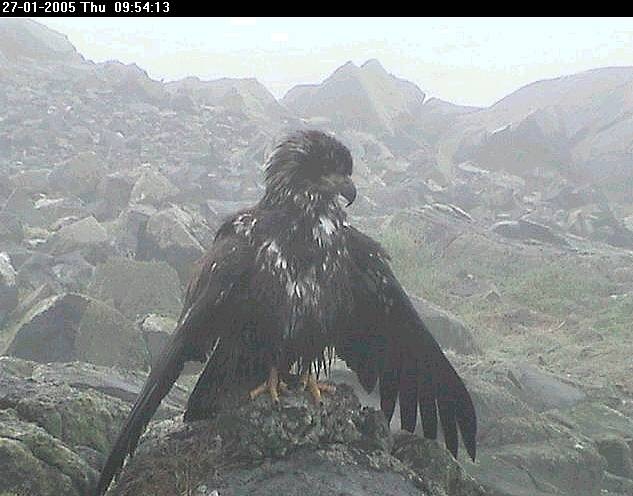
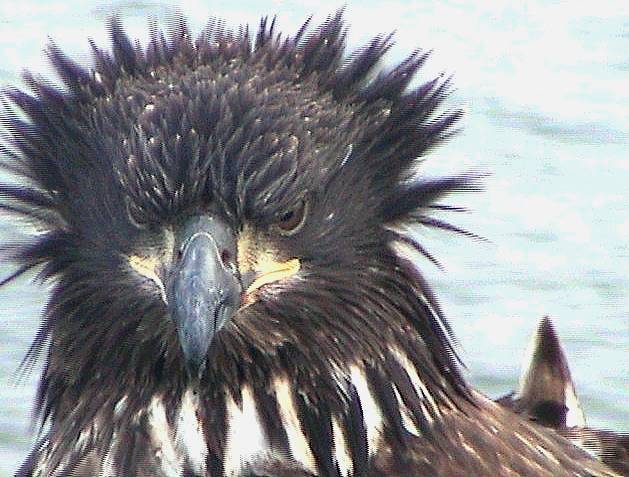
The adult Bald Eagle has a snow-white head and tail, the immature ones have brown head feathers which develop white underneath and gradually grow out over several years.
It was formerly found living all over North America. Hunting, poaching and the growth of civilization has had a negative impact in the Bald Eagle population whch has dimished considerably in the last decades. Nowadays it is found only in the Aleutians, Alaska, sections of Northern and Eastern Canada, British Columbia, Northern United States and Florida.

Its habitat is on or near seacoasts as well as close to large lakes and rivers, where the fish population is abundant. It nests in tall conifers, often old growth Douglas Fir or Cedar. Nests are common in the Southern part of Vancouver island. The closest to Race Rocks are on Bentinck Island and along Taylor Beach. The nests are renovated every year starting in January with new sticks, often ripped from tall dead fir trees. The eggs are white and come in groups of 1 to 3 each time.Its beachcombing , scavenging role, and the fact that it eats at the highest trophic level, can cause the Bald Eagle to accumulate pesticides in its body ( from contaminated fish and wildllife. ) The Bald Eagle population remains high in the rain forest coastal area of central and Northern British Columbia and Alaska.

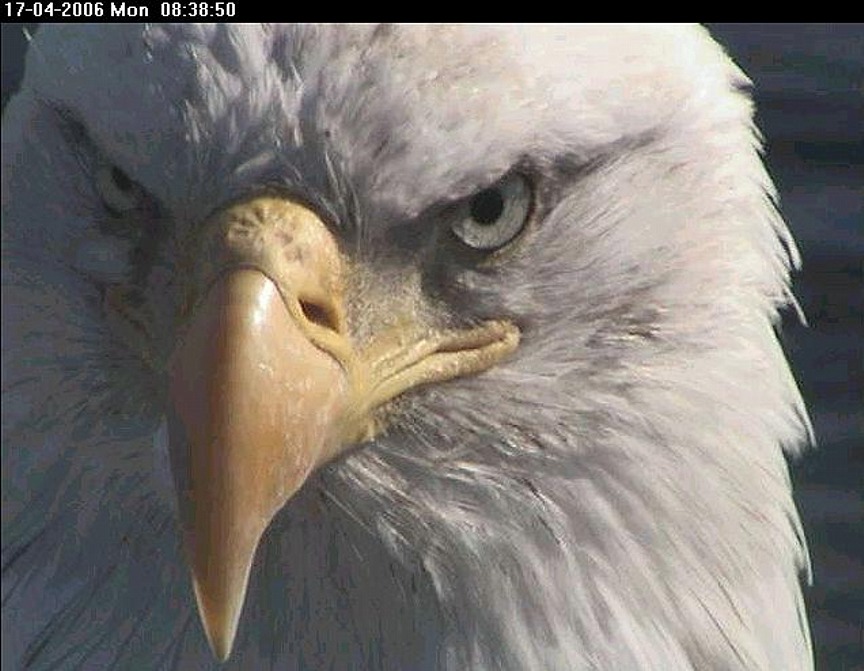
This image comes from the slide show “Fresh Kill” It provides a closeup of an eagle whose head coloring is almost mature, but has not yet lost its dark speckling.
Reference: Miklos D. F. Uduvardy ,1977 The Audubon Society, Field Guide to North American Birds, Western region., Chanticler press, fifth edition: NY


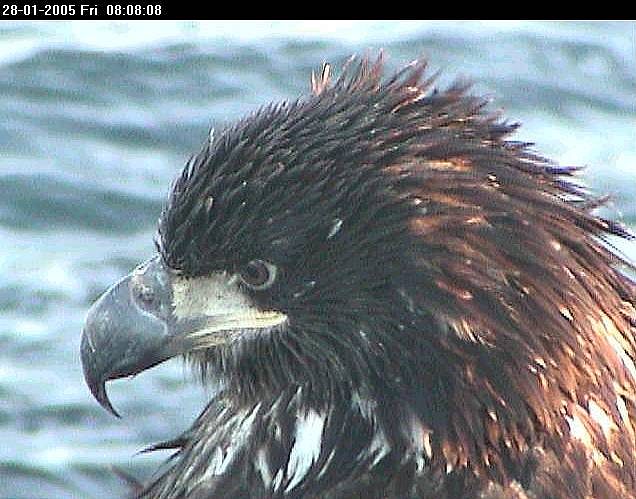
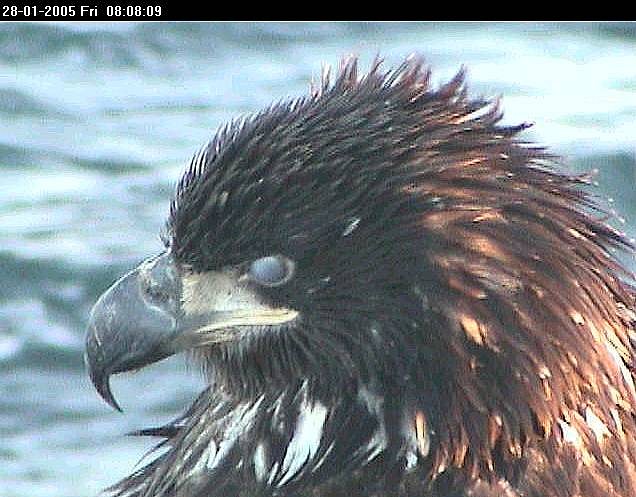
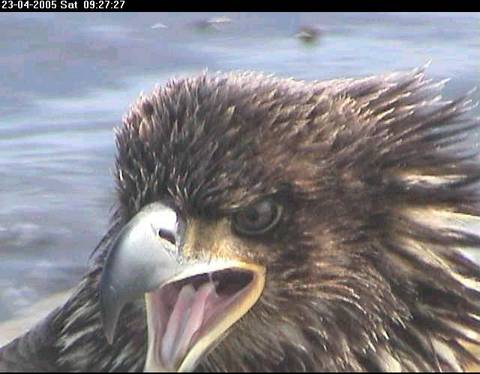
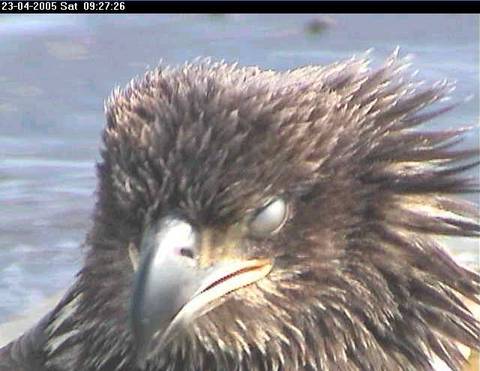
The nictitation membrane is a transparent inner eyelid in birds, reptiles, and some mammals that closes to protect and moisten the eye. It is also called the third eyelid.
Pam captured these images of young eagles close to camera 5 in the spring of 2005 to help us demonstrate this adaptation.You can find further information about this feature at: http://ebiomedia.com/gall/eyes/protect.html

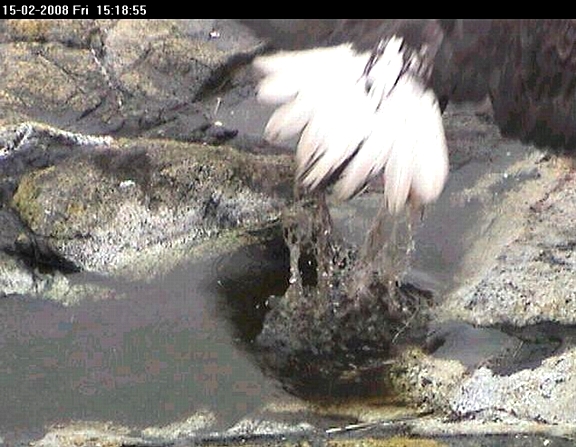
Bald Eagles in the Rain


Bad Hair Day for the Eagles


Other Members of the Class Aves at Race Rocks.

taxonomyiconReturn to the Race Rocks Taxonomy
and Image File
pearsonlogo2_f2The Race Rocks taxonomy is a collaborative venture originally started with the Biology and Environmental Systems students of Lester Pearson College UWC. It now also has contributions added by Faculty, Staff, Volunteers and Observers on the remote control webcams. Carolina Munoz 1987


Haematopus bachmani: Black Oystercatcher–The Race Rocks Taxonomy

2bloy

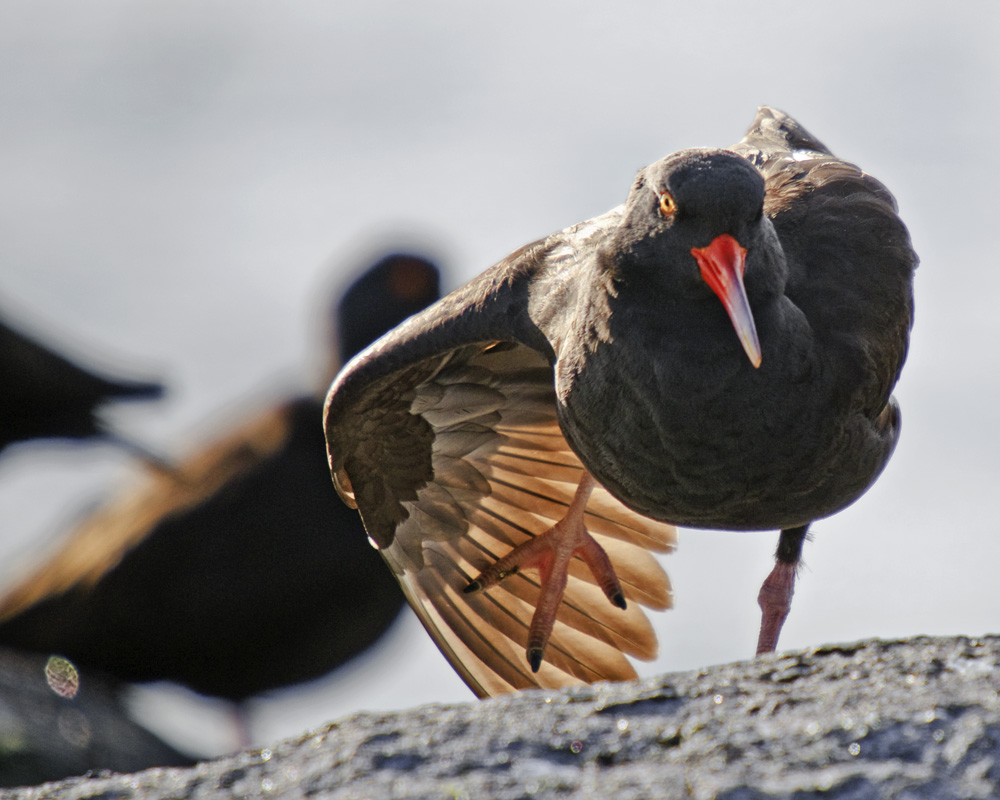
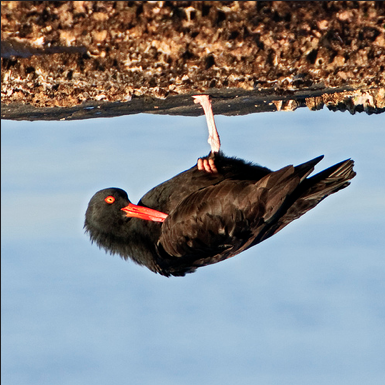
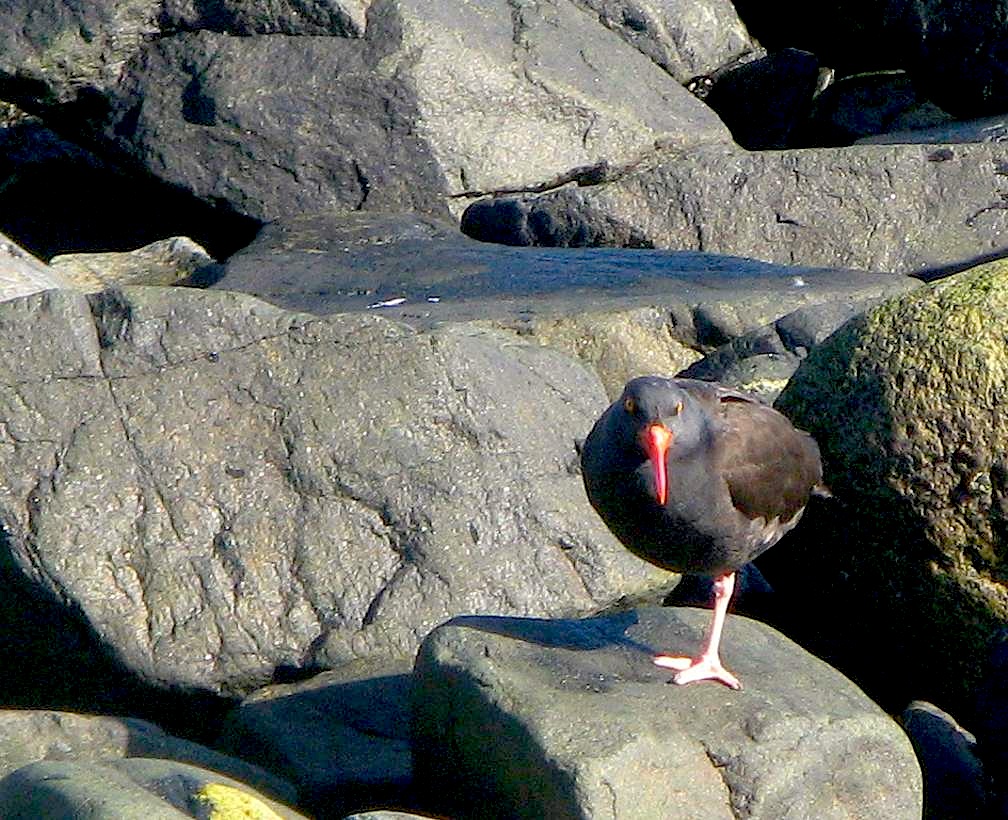
Black Oystercatcher, Haematopus bachmani photo by Ryan Murphy

Usually up to 6 pairs of the Black Oystercatcher, Haematopus bachmani nest at Race Rocks . They are also winter residents on the island, with numbers up to 100 individuals at times .

This link will connect you with the log showing the many
entries referring to Haematopus bachmani at Race Rocks.

ryansseton -Black oystercatcher


See  Ryan Murphy’s Flickr site for excellent images he took while he was ecoguardian at Race Rocks- 2009-2011


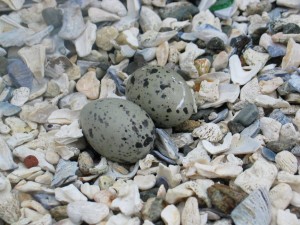
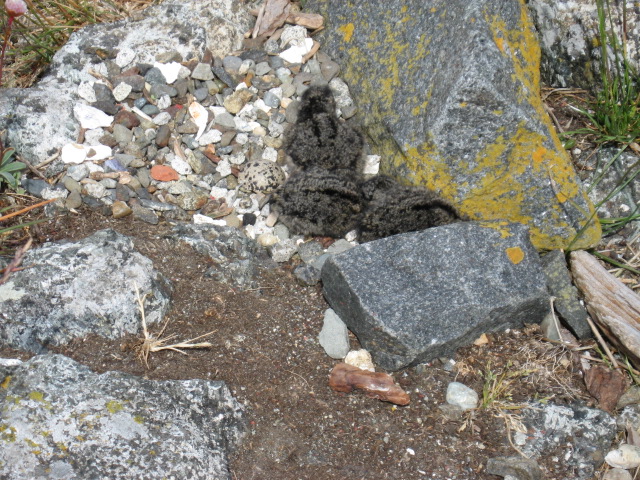
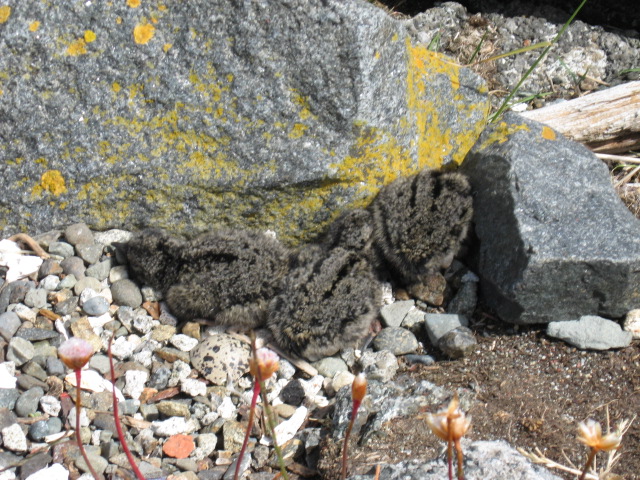
bloynest3mAn Oystercatcher nest demonstrates the fine art of camouflage
Classification:
Domain Eukarya
Kingdom Animalia
Phylum Chordata
Subphylum Vertebrate
Class Aves
Subclass Neornithes
Superorder Neognathae
Order Charadriiformes
Suborder Charadrii
Family Haematopodidae
Genus Haematopus
Species bachmani
Common Name :
Black Oystercatcher

Images for this slide show of mating Black oystercatchers were taken on the remote camera 5 by PB. May 29, 2006

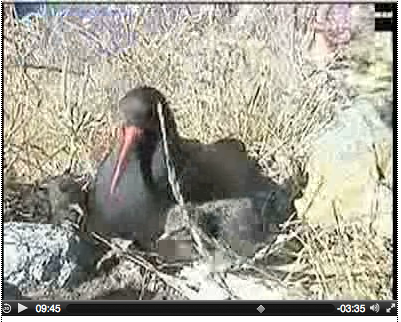
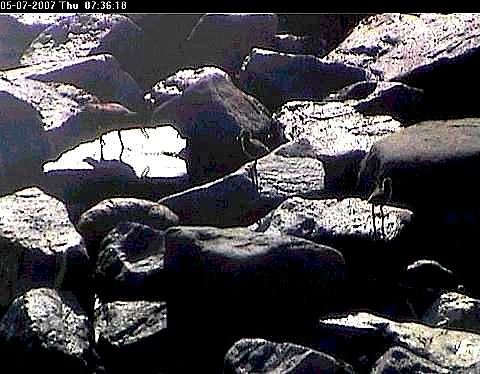
This video of the black oystercatcher on the nest in June 2007 was screen-captured from camera 2 which was placed two metres from the nest for the duration of incubation.

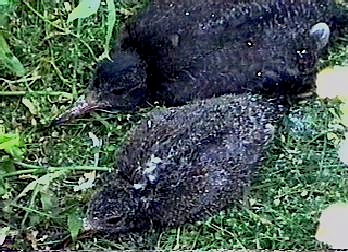
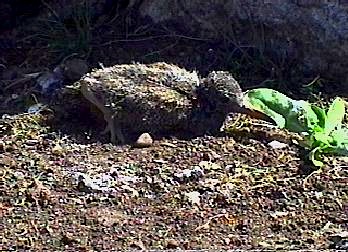
June 24, 2007: Hatching day! By the end of the day three chicks are active. This video by Garry Fletcher is a compilation of events throughout the day.

BLOYJune8 -hatch
Link to this post from June 22, 2008 for the hatch of Black Oystercatchers near the boathouse captured from a live webcast on a video camera.

blkoybehav1sSee this video on Black Oystercatcher Behaviour


This post in 2024 has great photos of the chicks of BLOYs

For an interesting article on precocial birds such as these oystercatchers see this link.

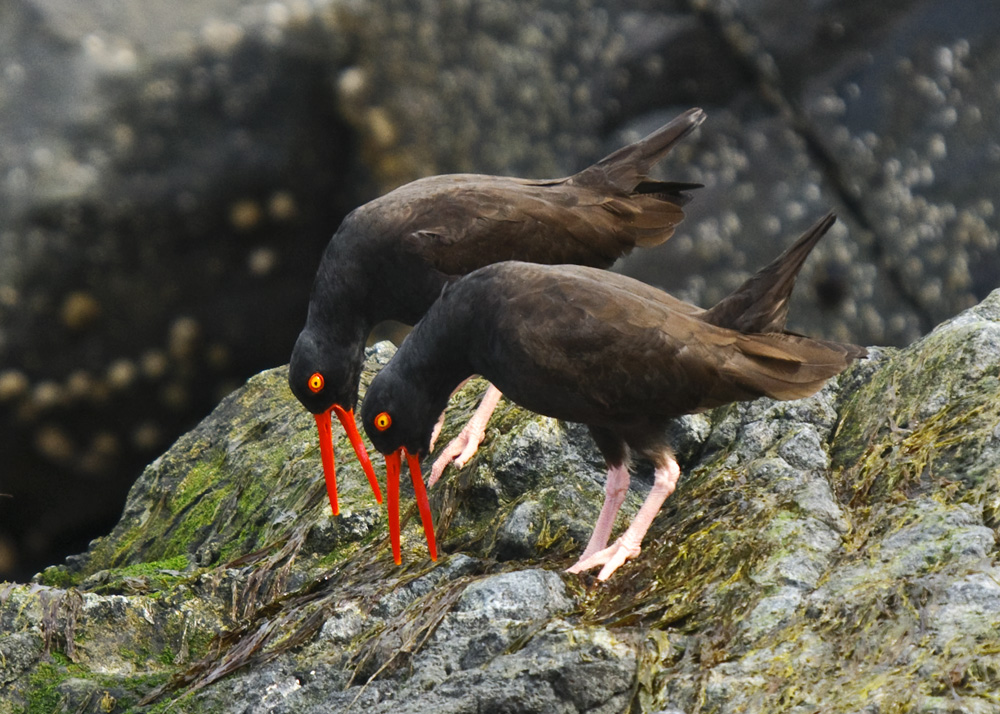
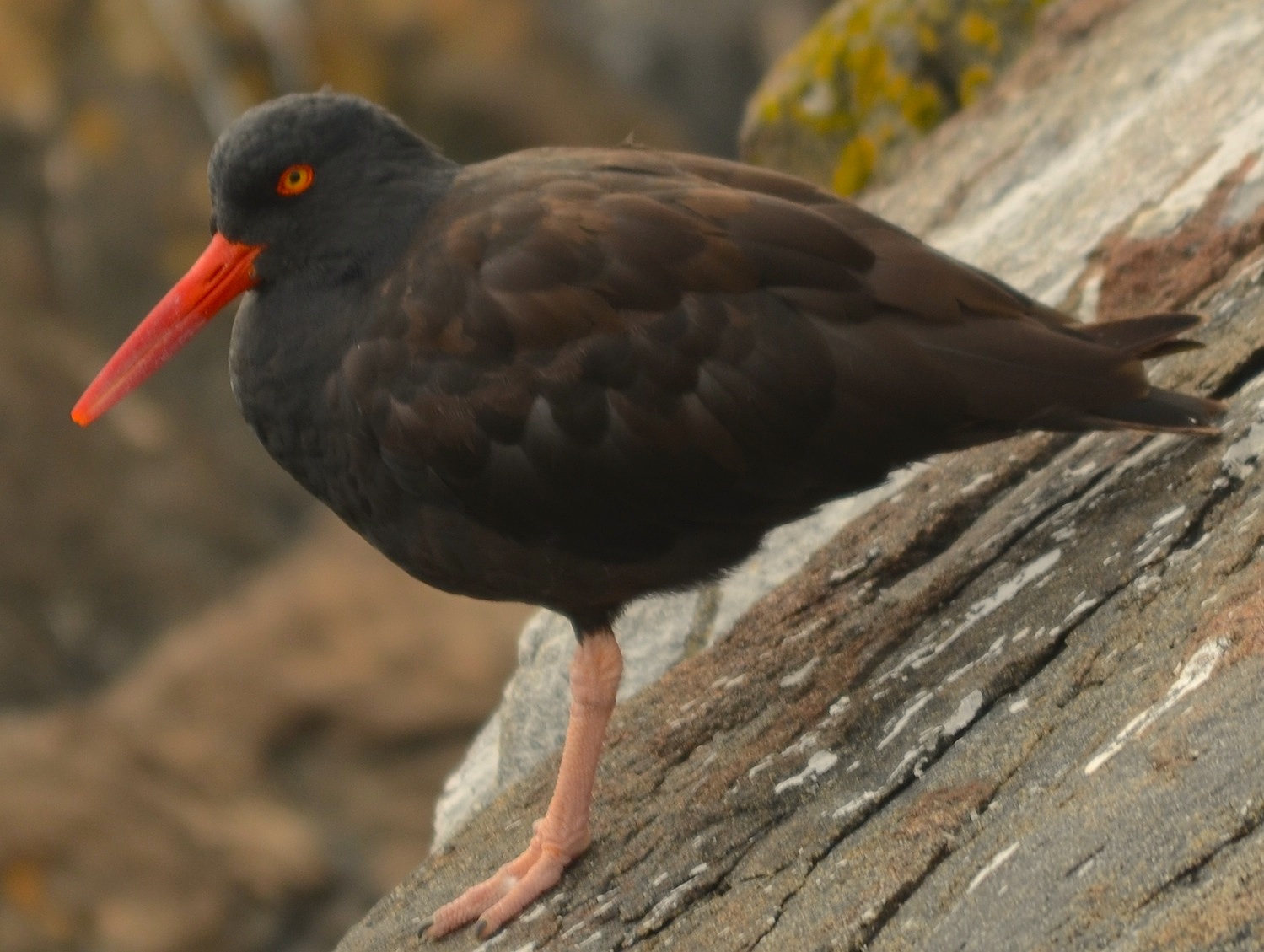
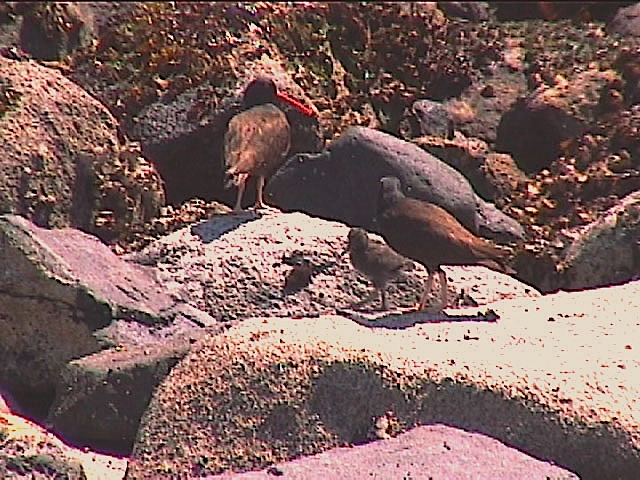
The black oyster catcher is a jet black bird with a long red beak and pink legs. They grow to 43-44 cm, relatively large for shorebirds. The male and female adult birds are alike in appearance, but juveniles are dull brown. Race Rocks is home to at least six pairs during early May. The birds leave in early fall and return in later December, in numbers up to 30. In the Race Rocks Christmas bird counts numbers as high as 64 in 1997 have been recorded.

1997 1998 1999 2000 2001 2002 2003 2004 2005 2006 2007 2008
64 17 1 25 16 39 storm 16 35 22 0 storm
2009 2010 2011 2012 2013 2014 2015 2016 2017 2018 2019 2020
57 32 60 36 30 3 40 — — — — —

The birds often use distracting displays, pretending to have a broken wing or surprising other birds that invade their nests, but are otherwise non-territorial. Both parents incubate two or three eggs on average, and mates may stay together for several years. Locally, since there are no oysters, the bird is not so aptly named, but it does prey upon a variety of intertidal shellfish, including limpets, chitons and various snails. Birds of the same family occupying the same ecological niche are found throughout the shorelines of the world.
Their long, chisel-like beak is perfect for prying the shells open to feed on the soft flesh inside. The skull to the left was the product of predation by a river otter in 2001. The presence of the black oyster catcher nesting areas can be noted upon the discovery of piles of empty shells in the nooks and crannies of Race Rocks. Analysis of the different shells found in these piles has been done and it serves as an indicator of shellfish species diversity on the island, as well as the food web of the oystercatchers.

See the results of the Fall 1999 collection of shells from the midden of the oystercatchers.

Also go to the Lab on the Ecological Niche of the Black Oyster-catcher.

see this Video by Paul Omole of a Black Oystercatcher Feeding. –Sounds of Foghorn in the background .
Other Members of the Class Aves at Race Rocks.

taxonomyiconReturn to the Race Rocks Taxonomy
and Image File
pearsonlogo2_f2The Race Rocks taxonomy is a collaborative venture originally started with the Biology and Environmental Systems students of Lester Pearson College UWC. It now also has contributions added by Faculty, Staff, Volunteers and Observers on the remote control webcams.

This file was originally started by Stewart Maudsley, Dec. 2001.


Sea lions growling again

Saturday, December 15, 2001
Good Evening
TEMPERATURE: Max. 7.0C — Min. 4.7C — Reset 6.9C — Rain 1.4 mm
posted by Carol or Mike S at 6:08 PM
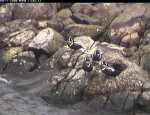
WEATHER: light winds all day,a nice break from the roaring westerly. It was nice to be able to hear the sea lions growling and barking again. Looks like we may be in for another stormy night judging from the swell that is starting to come in from the south east.Some of the Sea Lions on the east ridge are jumping into the water as the 3-4metre waves break over them while others are moving down the west side of the ridge to join a group of 14 California sea lions and the 2 Elephant Seals that have been hauled out all day.The Harbour seals are hauling out as the tide ebbs and unless disturbed will stay ‘high and dry’ until the tide comes in again.
–Today is the first day we have seen the large male elephant seal back on middle rock – ( see camera1- note added by Garry)
posted by Carol or Mike S at 4:37 PM
Good Morning

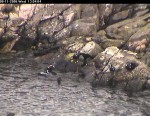
WEATHER: Sky Overcast — Vis. 15 Miles — Wind North East 9 Knots — Sea Rippled
posted by Carol or Mike S at 7:26 AM
Histrionicus histrionicus: Harlequin duck–The Race Rocks Taxonomy

rmharley copy

Histrionicus histrionicus –Harlequin Duck

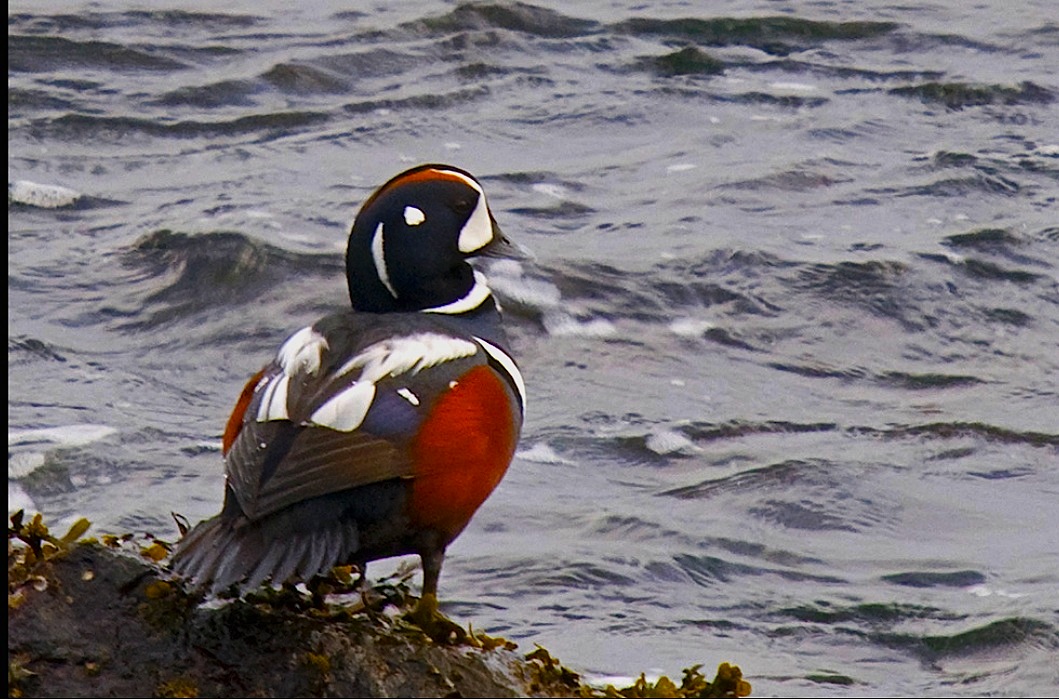
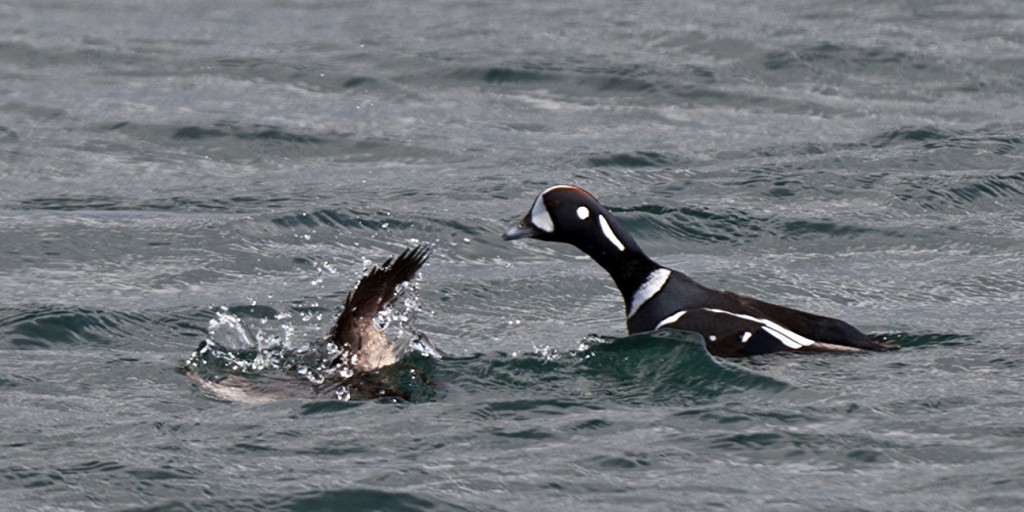
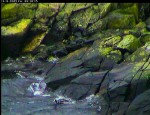
In the fall of 2006, there was a large flock of males and females around the shores of the island. They were frequently visible in the waters and shoreline around the docks. These pictures were captured on the remote camera 5 by Pam Birley.

Interesting Facts:

  • English name from characters in Italian comedy that wear a mask and have an oddly painted costume
  • Locally may be called “rock ducks” due to their habit of staying out on rocks.
  • Population of 200 – 300 thousand on the West Coast but endangered on the Atlantic Coast
  • A group of up to 30 harlequins overwinter at Race Rocks, arriving in early November and departing in the spring, numbers vary as they come and go during that time.

Identification:

  • Length: 12 inches
  • Wingspan: 26 inches
  • Small diving duck
  • Small gray bill
  • Dark wings

Males have a striking feathers with dark blue, dark orange, and white streaks
Females are discrete and have a subtle brown color that camouflages them for nesting

Ryan Murphy has an album of images of Harlequin ducks which he took while he was an Ecoguardian at Race Rocks- 2009-2011.

Biotic Associations:

  • Predation from Sea Lions ( We have seen them leave the water and come up on the rocks when sea lions are near.)
  • Spend majority of time feeding in Kelp Beds on aquatic invertebrates and lesser quantities of fish.

Food:

Freshwater invertebrates

  • Fish eggs consumed when available
  • Use their stubby bill to pry invertebrates such as snails, limpets, crabs, chitons, and mussels from the rocks
    during the winter months
  • In the late winter months they feed on herring spawn in large congregations.

Domain : Eukarya
Kingdom:  Animalia
Phylum : Chordata
Subphylum:  Vertebrata
Class : Aves
Order:  Anseriformes
Family:  Anatidae
Genus:  Histrionicus
Species: histrionicus
COMMON NAME: Harlequin Duck

See other posts on this website with reference to Harlequin Ducks

Other Members of the Class Aves at Race Rocks.

taxonomyiconReturn to the Race Rocks Taxonomy
and Image File
pearsonlogo2_f2The Race Rocks taxonomy is a collaborative venture originally started with the Biology and Environmental Systems students of Lester Pearson College UWC. It now also has contributions added by Faculty, Staff, Volunteers and Observers on the remote control webcams.

This file was originally produced by Dec. 2001 Karim Ladha (PC yr 27)


Cepphus columba: Pigeon Guillemot–The Race Rocks Taxonomy

rmmar2609piggguil

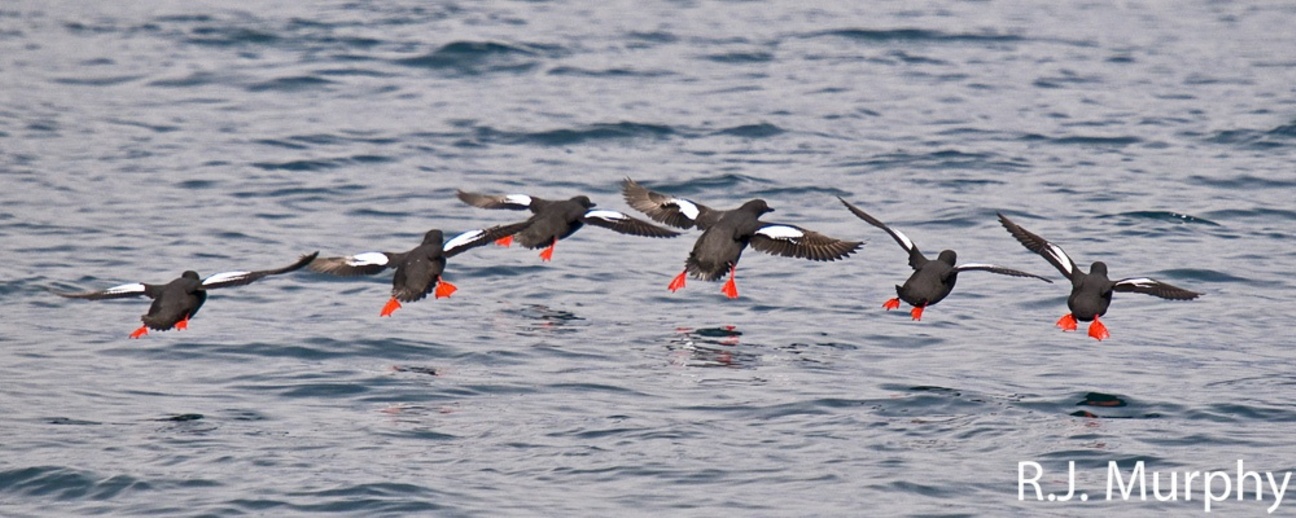
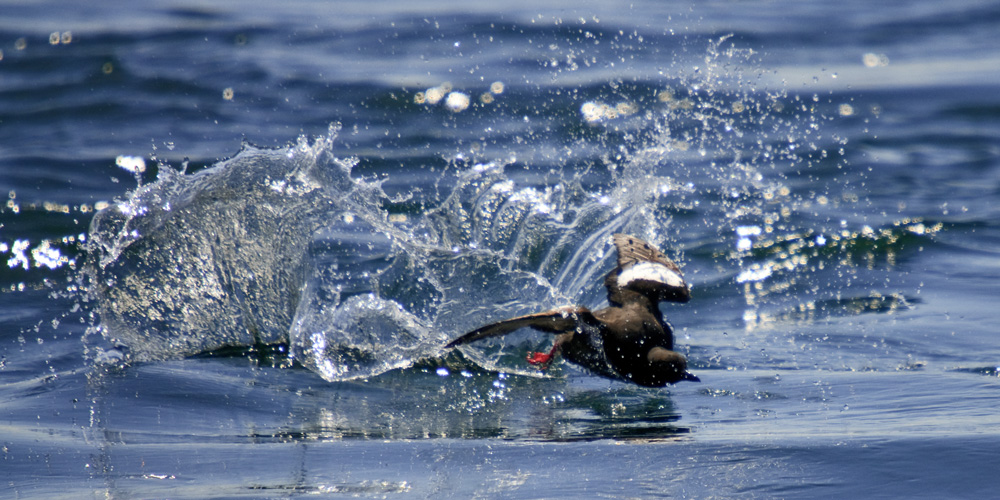
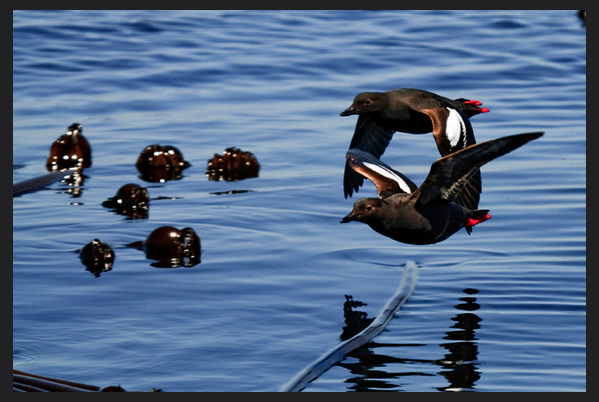
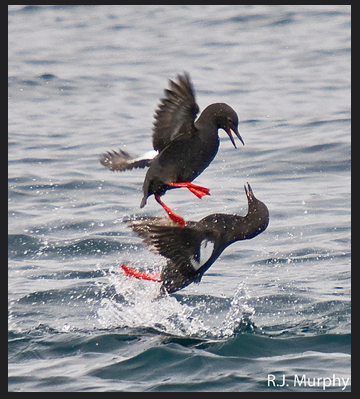
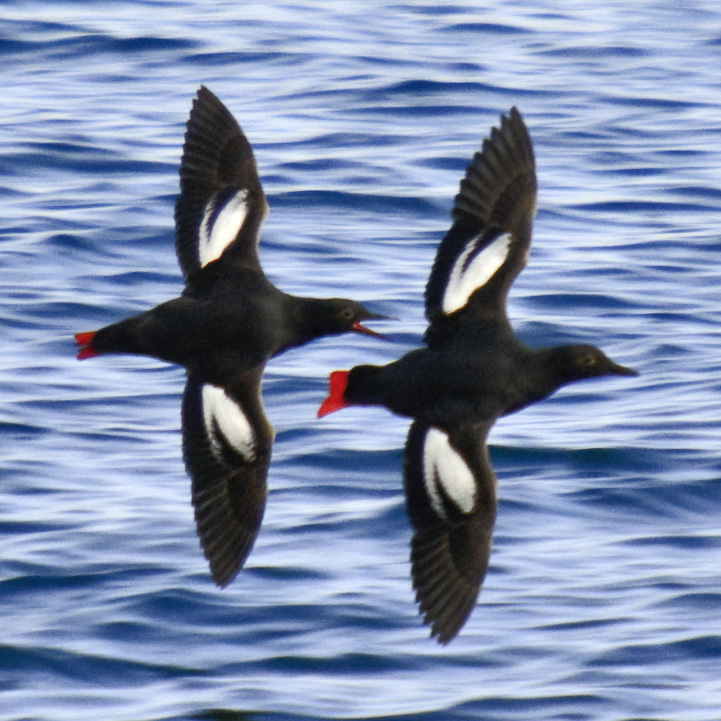
Pigeon Guillemots arrive in early January, some still in their mottled winter plumage. Their numbers build and nesting takes place in late spring. A favourite foraging area is in the main channel in font ( to the North) of the Race Rocks docks. They may number up to 100 in the water, diving down in the current and coming up with small fish, especially gunnels.

Ryan Murphy has done some amazing telephoto shots starting in February of 2009 of Pigeon Guillemots such as those below.  They are included in a set here on his Flickr site.

rm2010pigguilskip rmguillemot4
rmguillemot2

rm2piguil copy

Four samples of photos of Pigeon Guillemots by Ryan Murphy

winterplumage-pigu

Winter Plumage on Pigeon Guillemots, photo by Pam Birley by the Remote control Camera 5

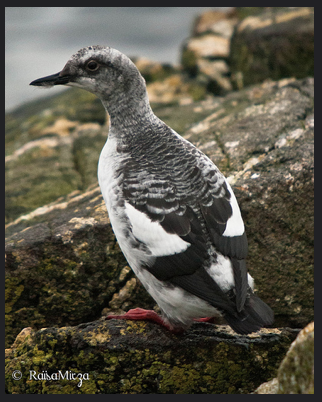
raisajan152011pigu

Winter Plumage of Pigeon Guillemot. photo by Raisa Mirza


Description
:
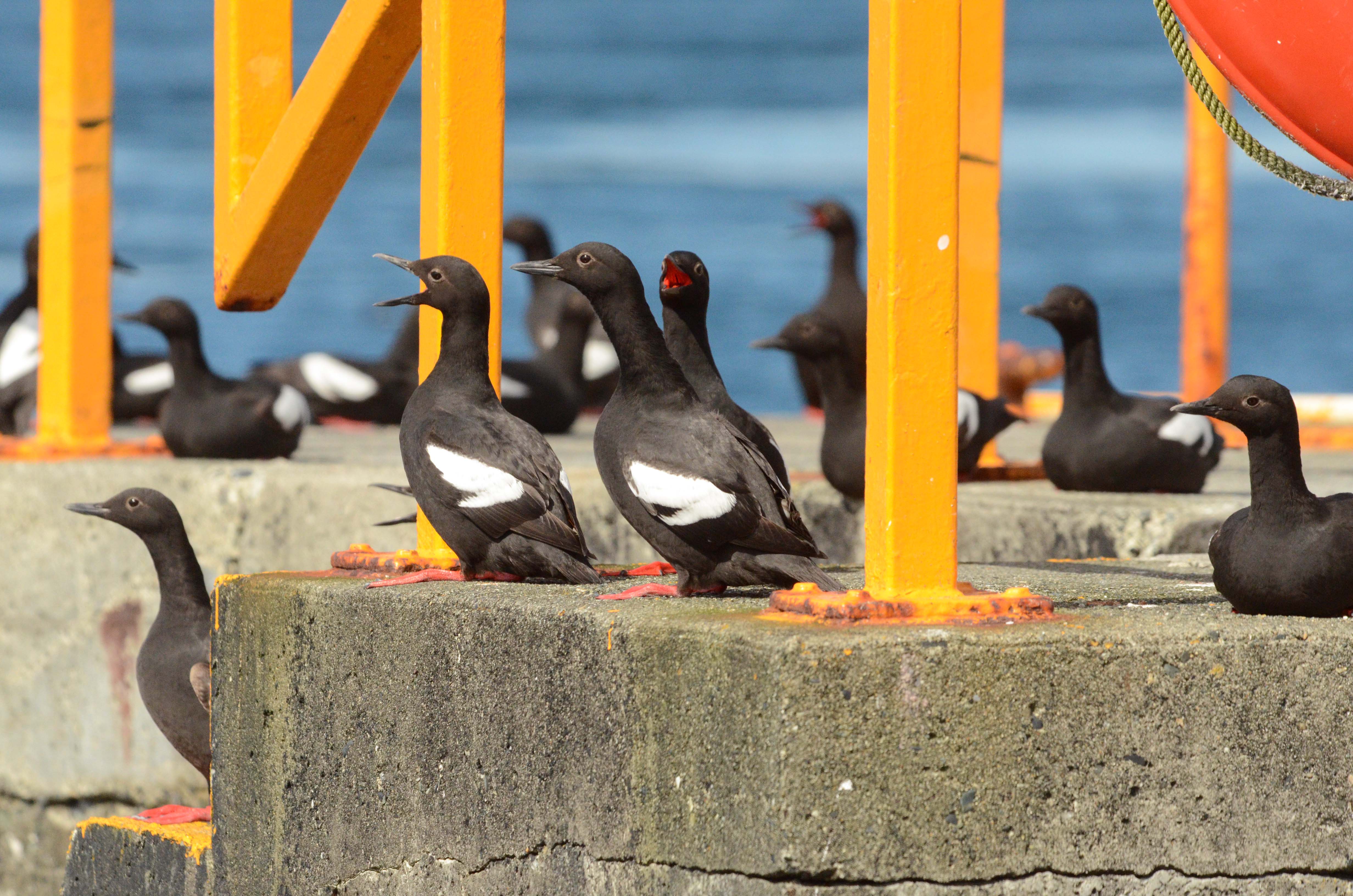
The pigeon guillemot has an average size of 12-14”. Its summer plumage is black with large white wing patches interrupted by black stripes.

It is interesting to note that in winter, its head and upper parts lighten slightly, however in all seasons feet and bill lining are brilliant red. In the spring it can be heard making a high whistle.

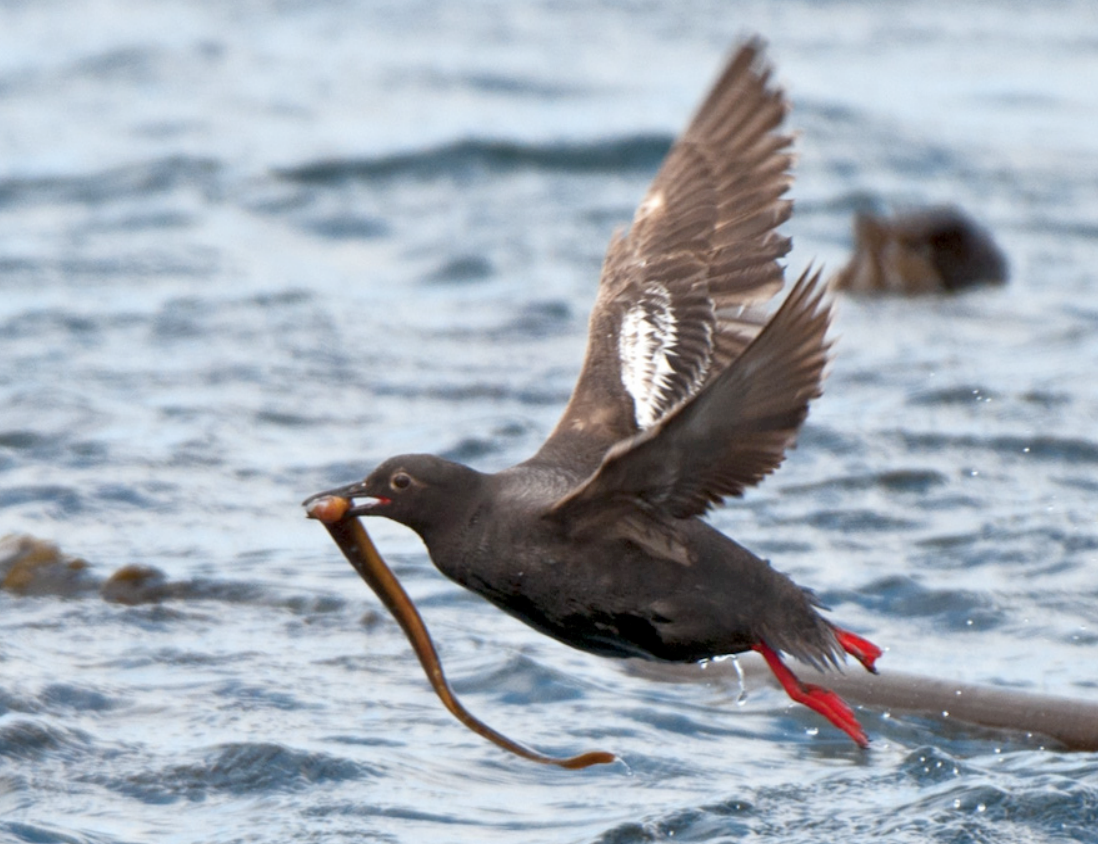
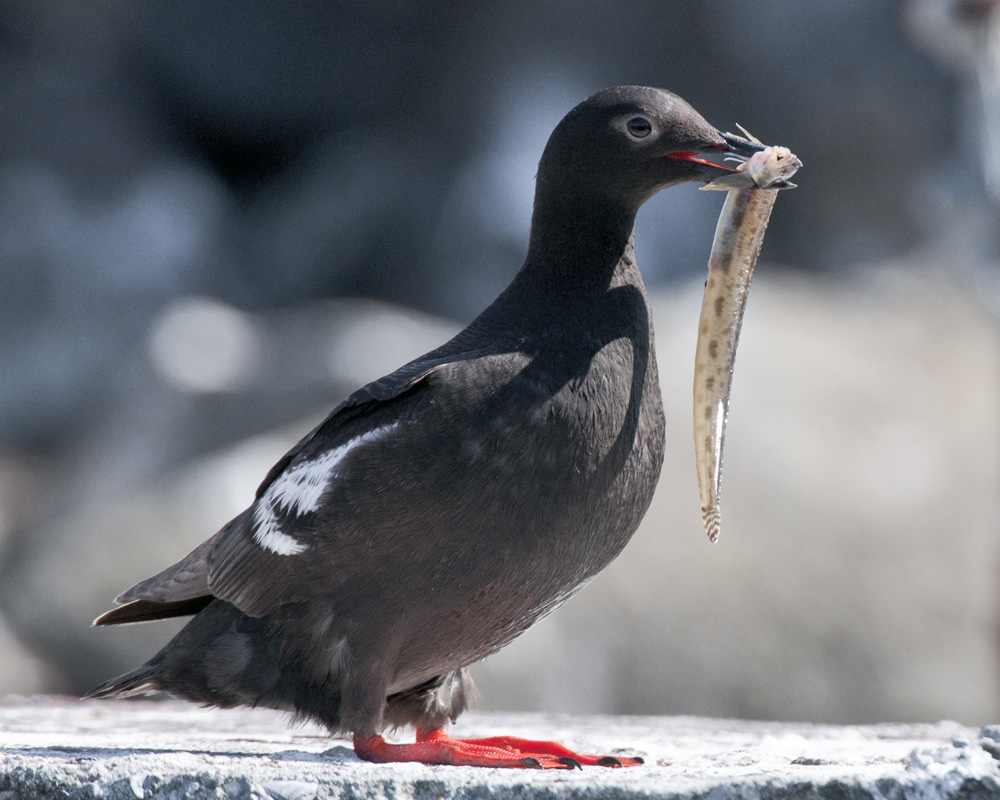
How and what they eat: The Pigeon Guillemot feeds by diving and taking up small fish. Some examples are: Penpoint Gunnels or “Blenny”, sand lance, smelt, and sculpins.

Habitat: This species resides in rocky coastal areas, with shallow inshore waters as its feeding grounds. Nest cavities are found amongst holes and rock crevices on the West, North East and South sides of Great Race Rocks. Some habitat for nesting was created years ago when blasting for the helicopter pad produced rubble under which they could tunnel..

rmgunnelandpigil copy

Ryan Murphy took this picture of a pigeon guillemot having just caught a gunnel.

Lumpenus sagitta, pacific snake prickleback captured by Pigeon guillemot

Lumpenus sagitta, pacific snake prickleback captured by Pigeon guillemot, Ryan Murphy photo.

Predators: Seagulls are predators of pigeon guillemot eggs. At Race Rocks, the main threat is predation by Bald Eagles, Peregrine falcons and nest predation by River Otters.

ahjuly3011pigguilchick

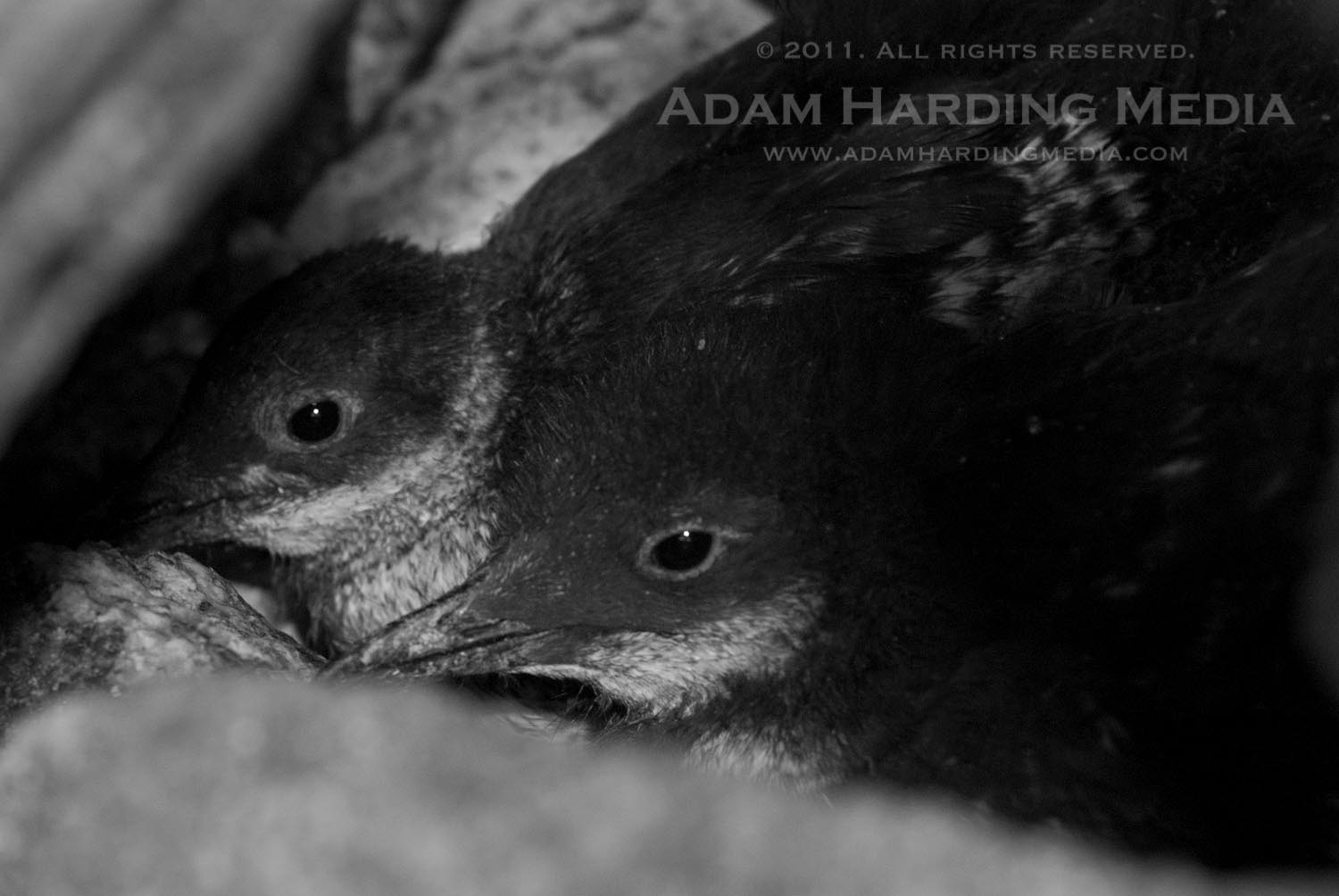
Summer ecoguardian Adam Harding was able to take pictures of a the chicks in a guillemot nest in the summer of 2011. The nest was located at the end of the low rock wall West of the science house


piguilnest

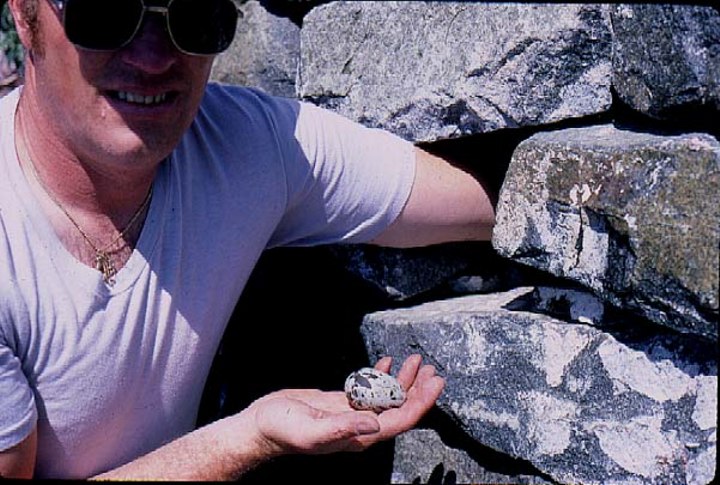
1 or 2 greenish or whitish, dark-spotted eggs are laid in a crevice or burrow. This nest burrow had been abandoned,perhaps due to predation, at the end of the season eggs were still present unhatched in the burrow. The light keeper’s assistant is shown here-1984-

Pigeon Guillemots

Pigeon Guillemots photo by Ecoguardian Courtney Edwards in March , 2014

The slide show above was made from pictures taken by Pam Birley in 2007

Kiprop made this video of the Guillemots jostling for position on the rocky shore on the West side of the island.

slide show of mating guillemots by Pam Birley was made from camera 5 screen captures.

Video of pigeon guillemots on the island and out in the passage where they dive and forage.[/caption]

Return to the Race Rocks Taxonomy and Image Gallery

Other Members of the Class Aves at Race Rocks.

taxonomyiconReturn to the Race Rocks Taxonomy
and Image File
pearsonlogo2_f2The Race Rocks taxonomy is a collaborative venture originally started with the Biology and Environmental Systems students of Lester Pearson College UWC. It now also has contributions added by Faculty, Staff, Volunteers and Observers on the remote control webcams.

Original text of this taxonomy was done in Dec. 2001 by Anthony Woodside, PC Year 27