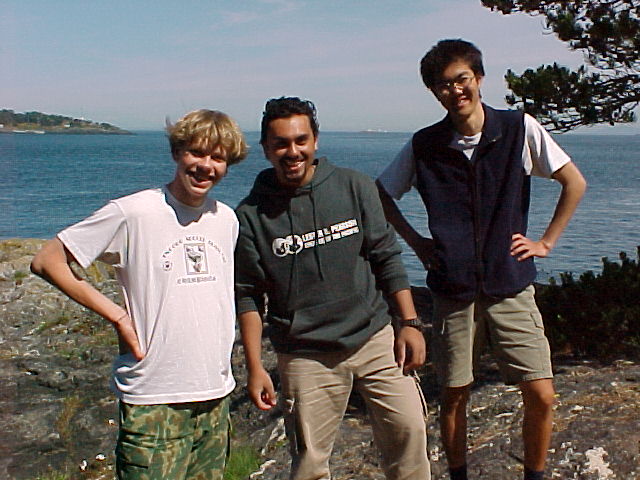
Victor David and Satoshi: For two weeks in May and June of 2000, Lester Pearson College graduating students, Victor Rakou, David Mesiha and Satoshi Kimura, and in the last week, Juan Manuel Alva and Martin Kryl, joined the sea gulls and stayed at Race Rocks running daily programs on a live camera, and broadcasting directly to the web. Faculty member Garry Fletcher worked with them for the daily webcasts from the shore and from underwater. Sponsorship for this week came from the Johan Ashuvud memorial fund.
The first big event was the Swiftsure Race Weekend. A camera was set up along with a supporting G4 computer in the top of the light tower. Two streams were broadcast, one to camera 4 on the website and a special experimental dedicated stream to Shaw Cable. This stream was of TV quality at 1Mbps and 21 FPS.
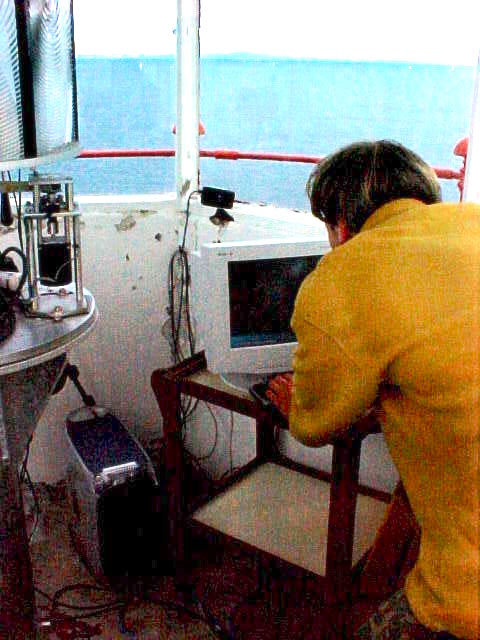
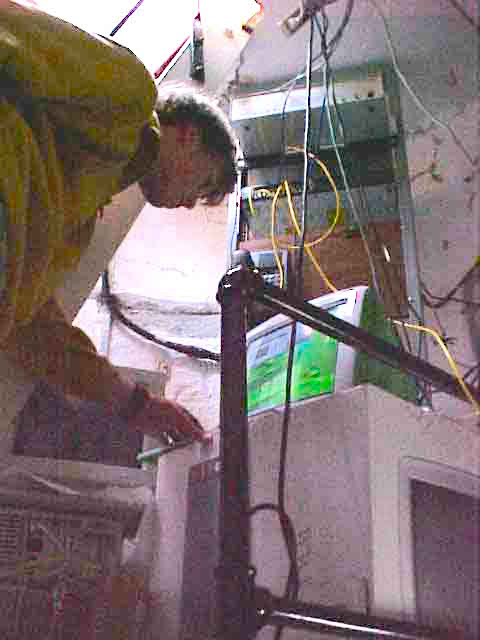
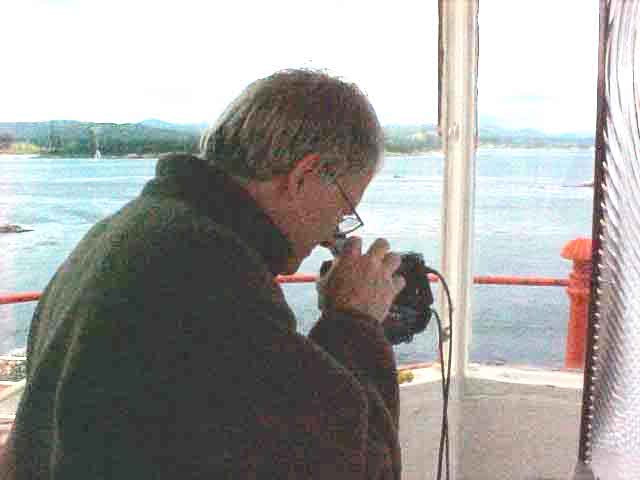
Our thanks to Kevin Sytsma of LGS for coming out to help setup for this 2 day broadcast and to Ken Dunham ( PC year 9) for reconfiguring the server from Ottawa in order to handle this experiment.
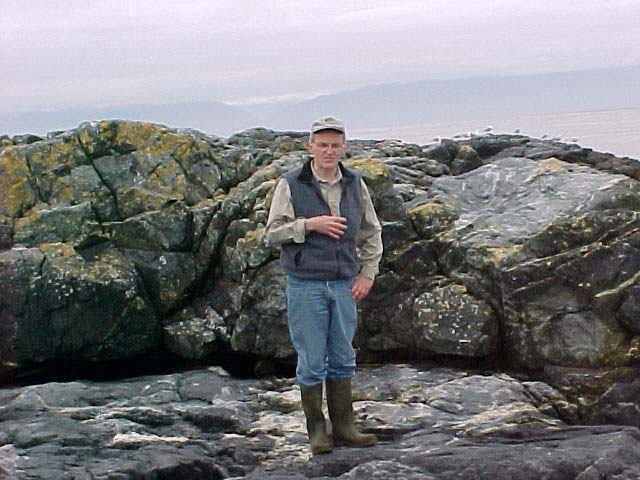
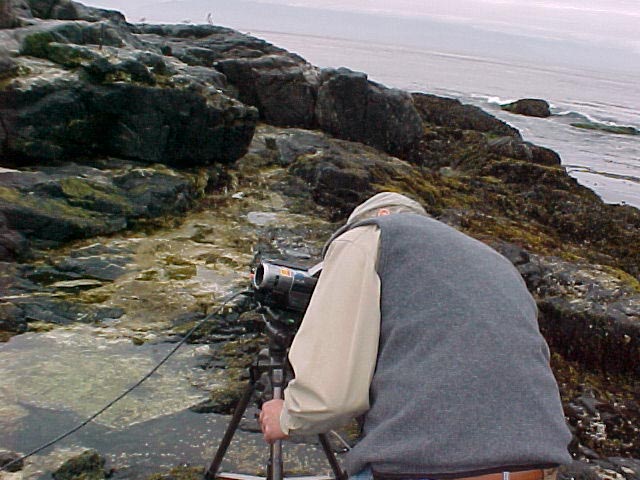
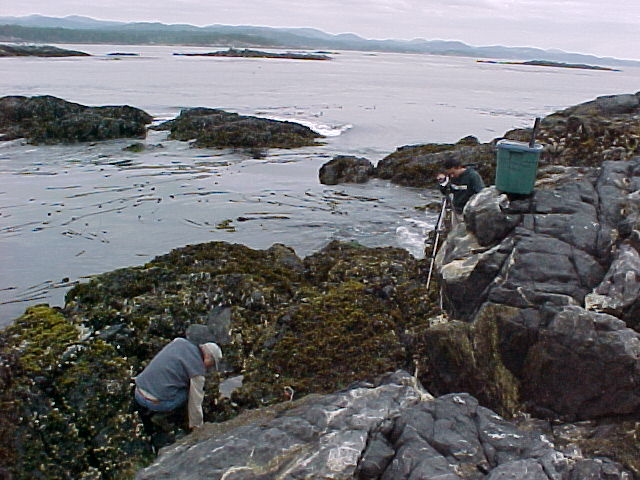
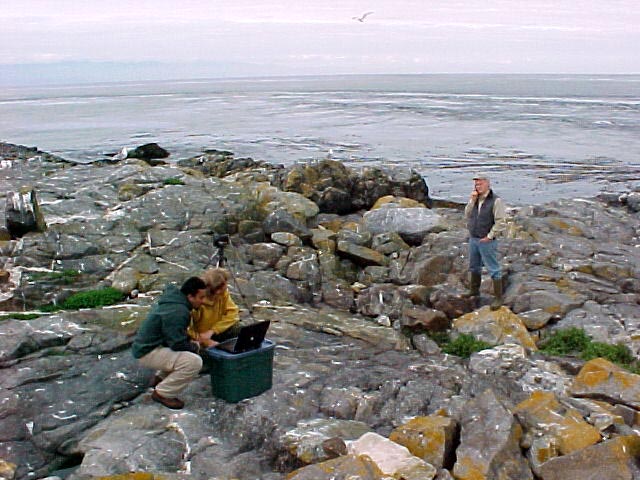
Each day at Low tide we set up in different locations around the island, always being careful to not disturb the nesting seabirds futher up on land. A Sony camera linked by Firewire to a G3 500 Mghz computer was located in the intertidal zone. From here, Audio and Video Signal went by the wireless Macintosh AirPort Link to the Science Centre. From here the signal traveled by Cat.5 cable to the top of the light tower where it was sent by radio to the Telus antenna at Lester Pearson College. From there it was webcast in live streaming video to the internet by a Macintosh G4 500.
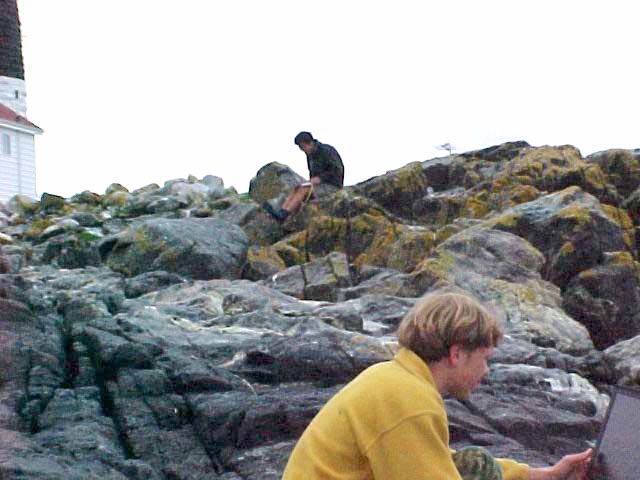
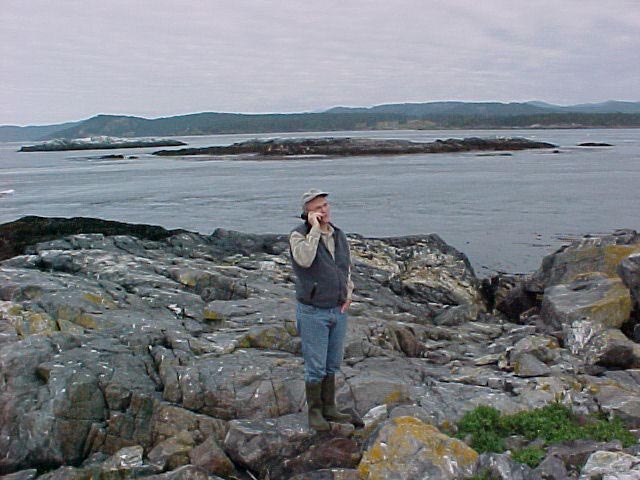
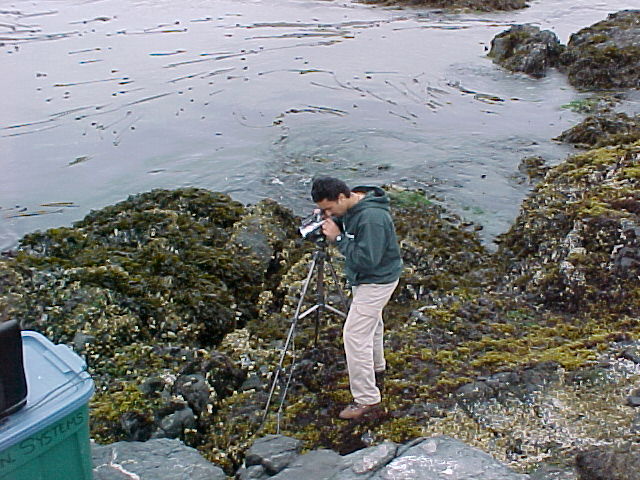
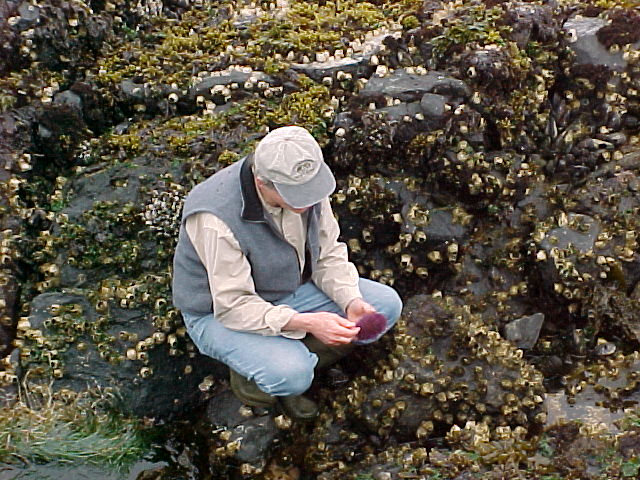
Content through the week ranged from adaptations of organisms to the special ecological niches of tidepools and intertidal slopes, to First Nations use of resources and the role of community/ stakeholder participation in the Marine Protected Areas Pilot process.
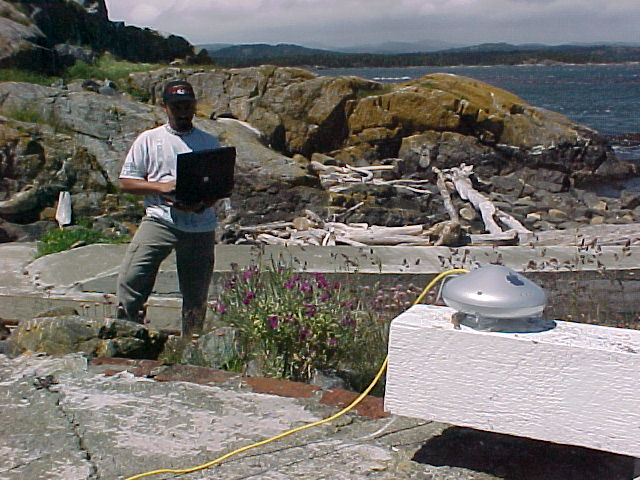
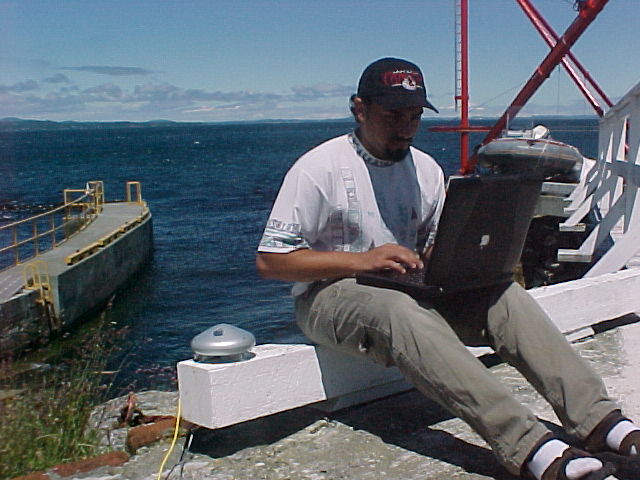
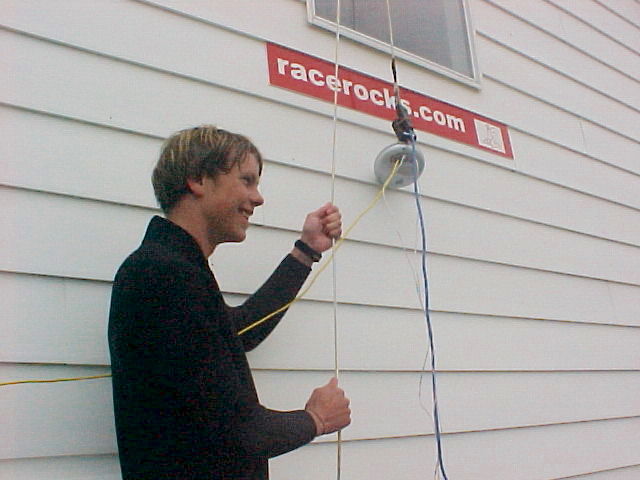
The airport wireless base station was tried in a number of locations. We relied on David to find the best locations for connectivity. Best wireless transmission was achieved when we hoisted it up to the roof of the science house. The radio waves go through buildings but not through rocks!
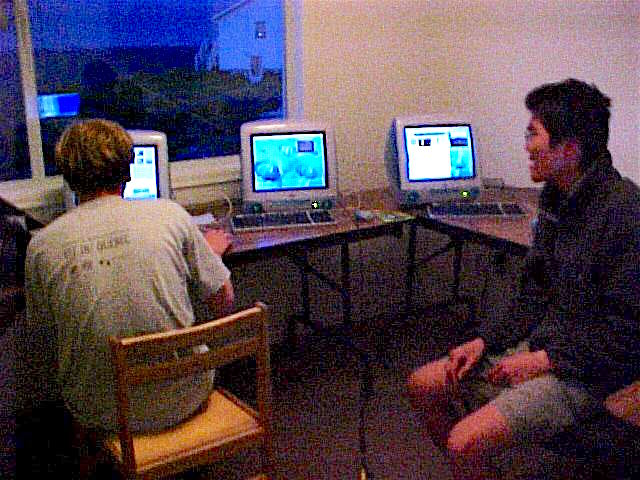
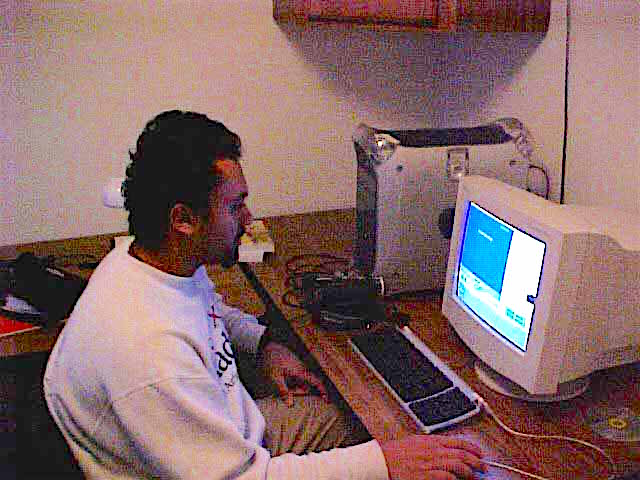
Further editing for the video archives took place in the science centre in the evenings.
Video created this week by the team:
 |
 |
 |
 |
| Underwater Invertebrates and Fish | On the last day of live webcasting, sea lions visited | Glaucous-winged gull behaviour | Gull territorial aggression |
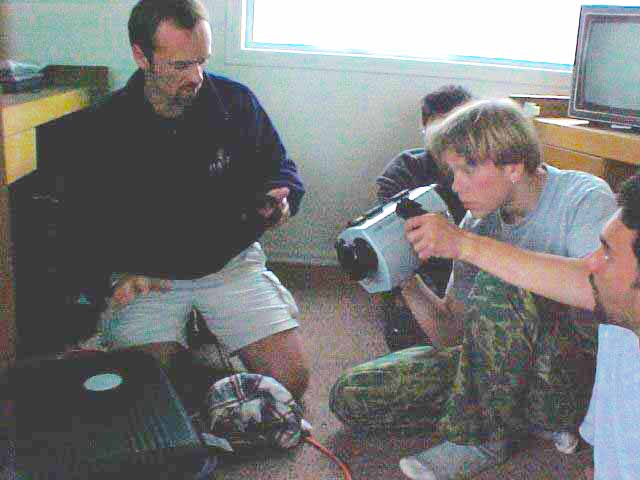
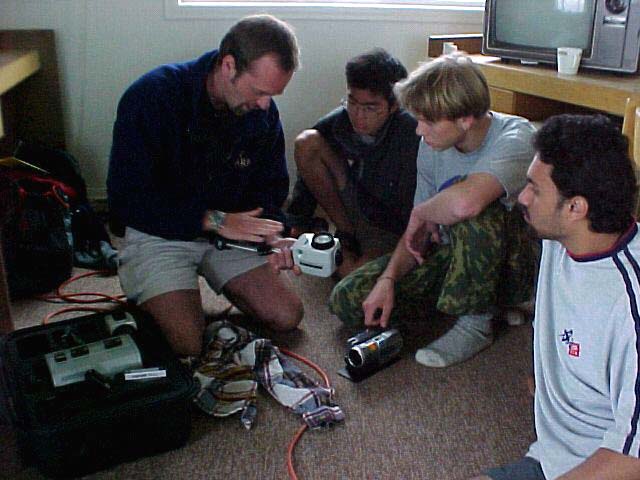
Chris Blondeau from Lester Pearson College joined us for a session on the care and maintenance of the underwater camera and housing. Chris is in charge of the shore-front at the college and is in charge of the SCUBA Diving program there.
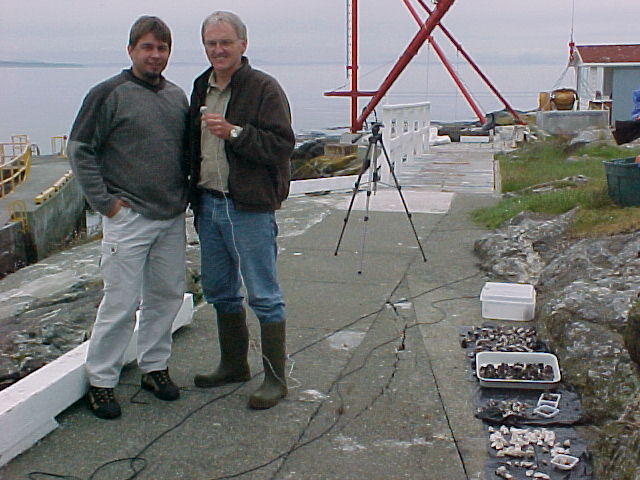
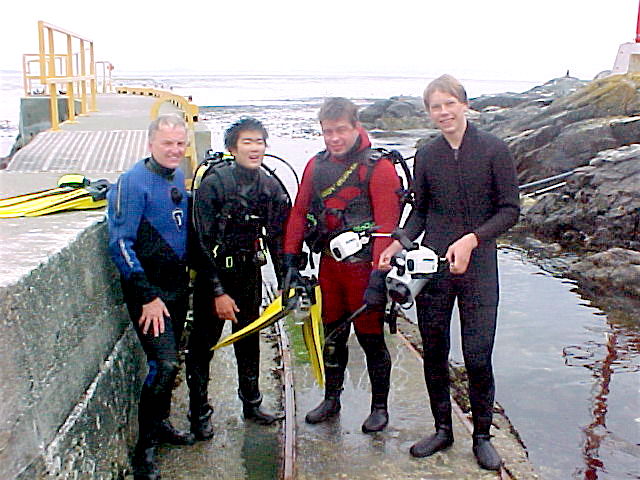
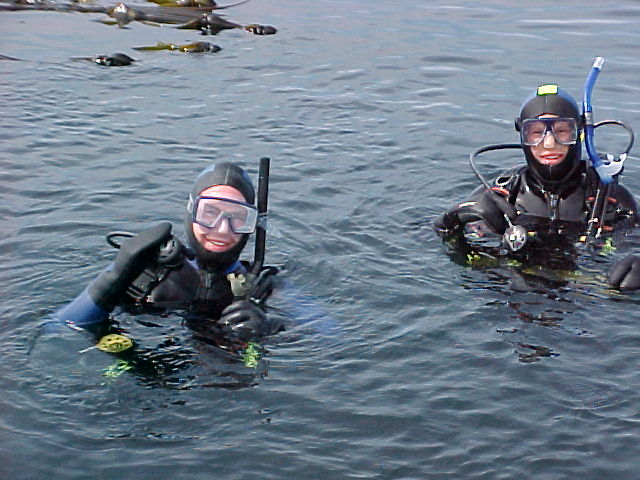
We were also fortunate to have some visitors take part in the intertidal discussions we had on the islands. Dr. Jochen Kuum ( PC year 10) is seen here with Garry and diving with Satoshi and Victor Stephen Haggarty (PC year19) also participated above and below water. This video was made on the last dive
-
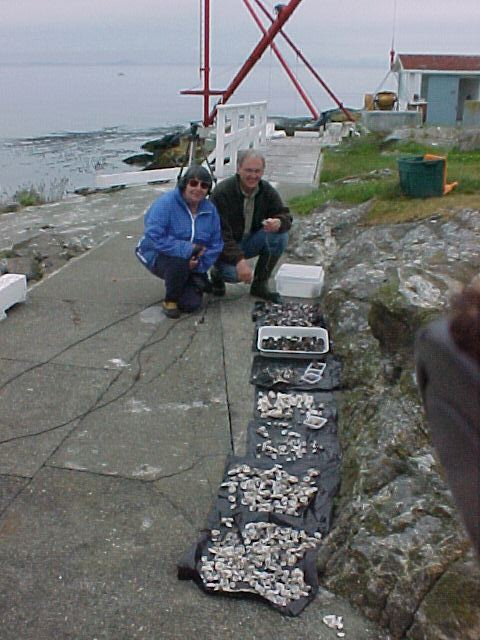
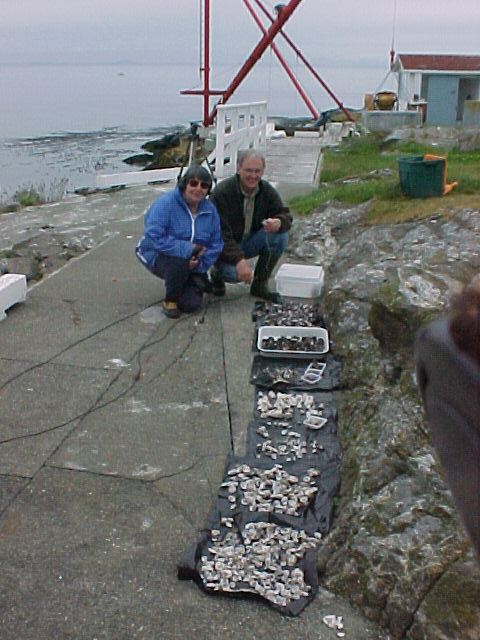
- Carol and garry with assorted shells from Black Oystercatcher midden.
-
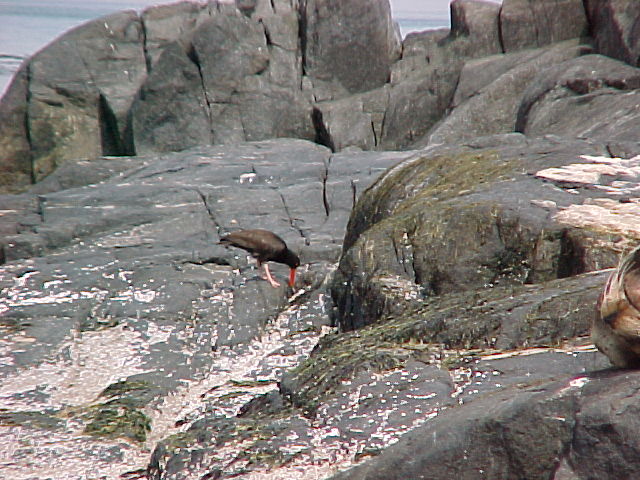
- Black Oystercatcher
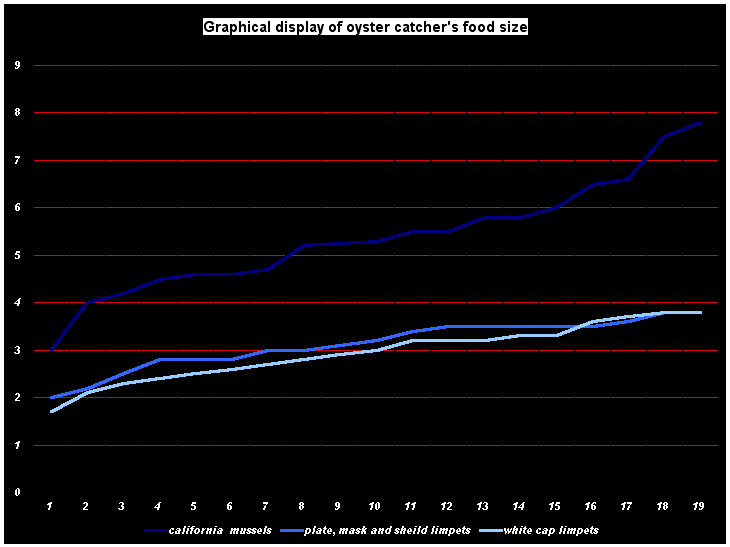
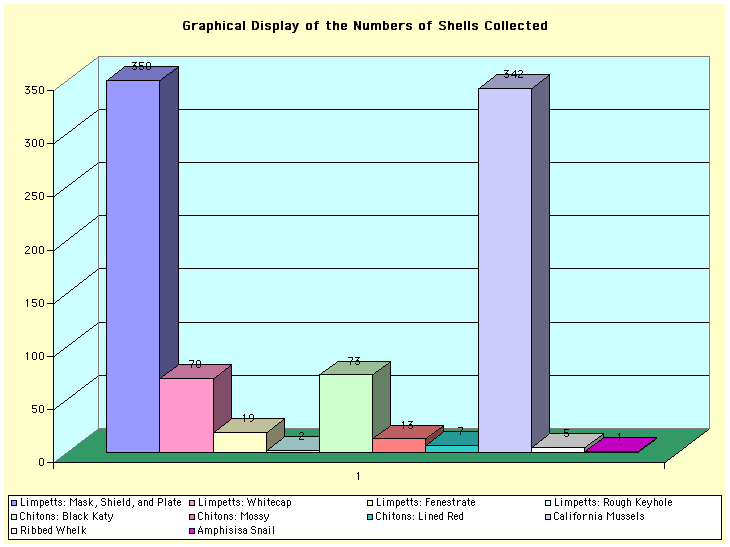
Carol Slater, who along with her husband Mike are the guardians of the MPA joined us to talk about the Black Oyster Catcher. We examined the trays of shells from last years midden of one nest. This parent bird was foraging off to the East of the dock where they hatched two chicks this year
-
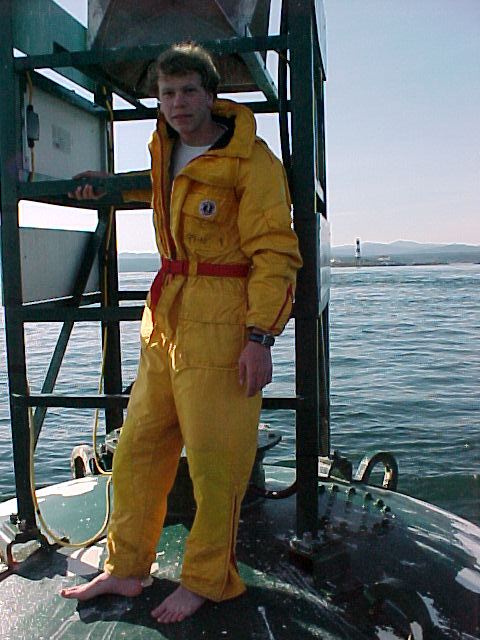
- Victor checking it out for the Russian Navy!
-
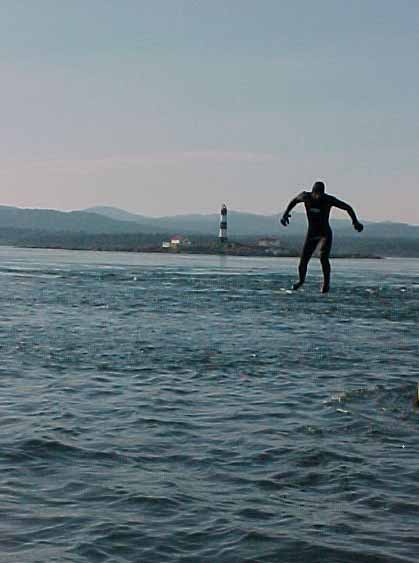
- Mysterious UFO South of Race Rocks~
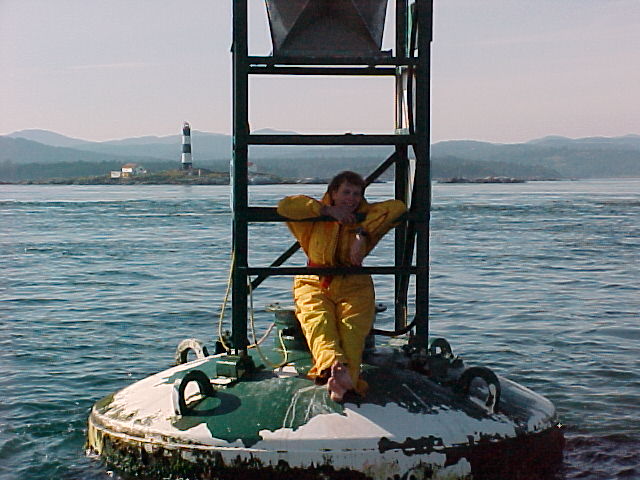
Race Rocks viewed from the South at Rosedale Rocks Buoy.
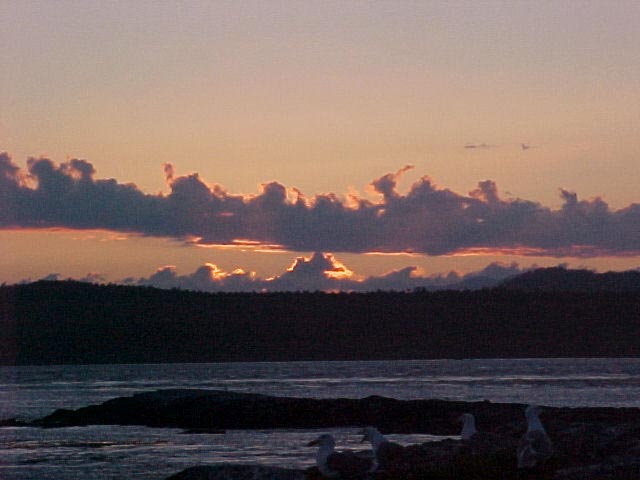
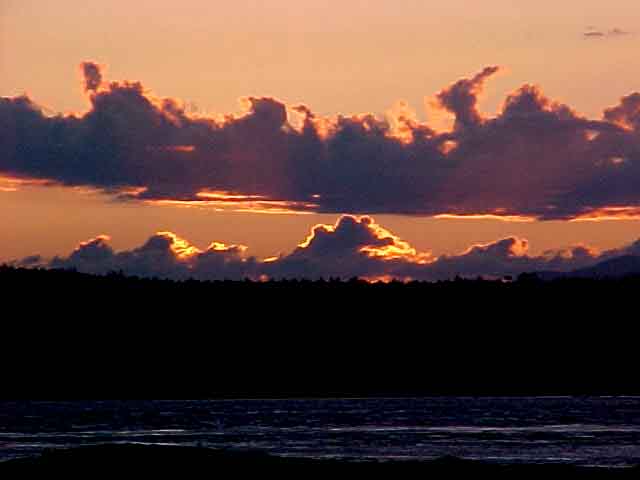
One of the best parts in staying at Race Rocks overnight while doing these webcasts was the great sunsets. Sometimes you can view these on the remote control camera 1 and camera 5.