Ahhh June in BC

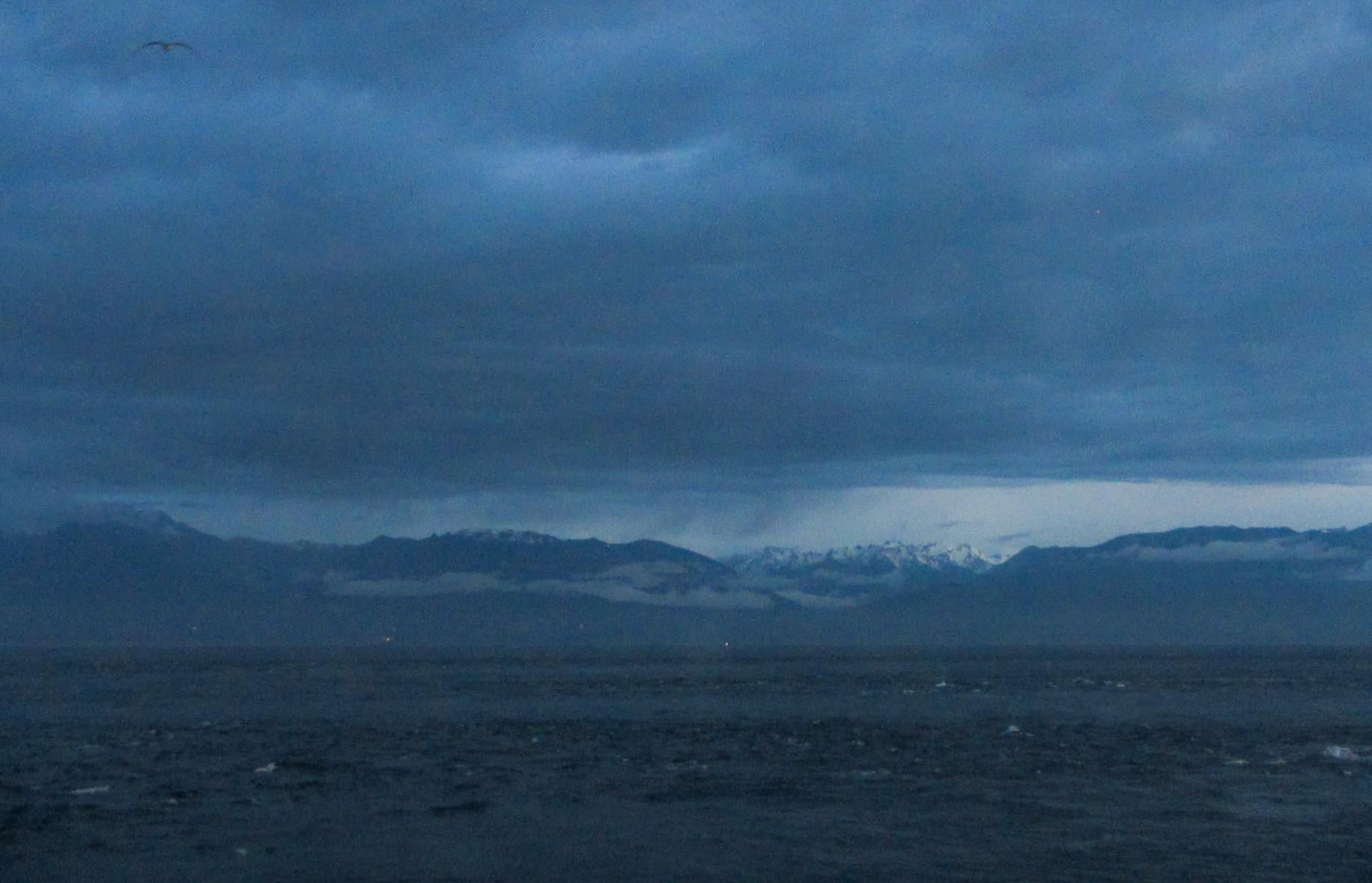
Typical June day in BC

Typical June day in BC

It always surprises me how long it takes for “summer” weather to arrive in BC. Today it is overcast, blowing 30 with driving rain, and 11 degrees (which feels like 7 with the wind chill).  For Race Rocks weather records see this link.


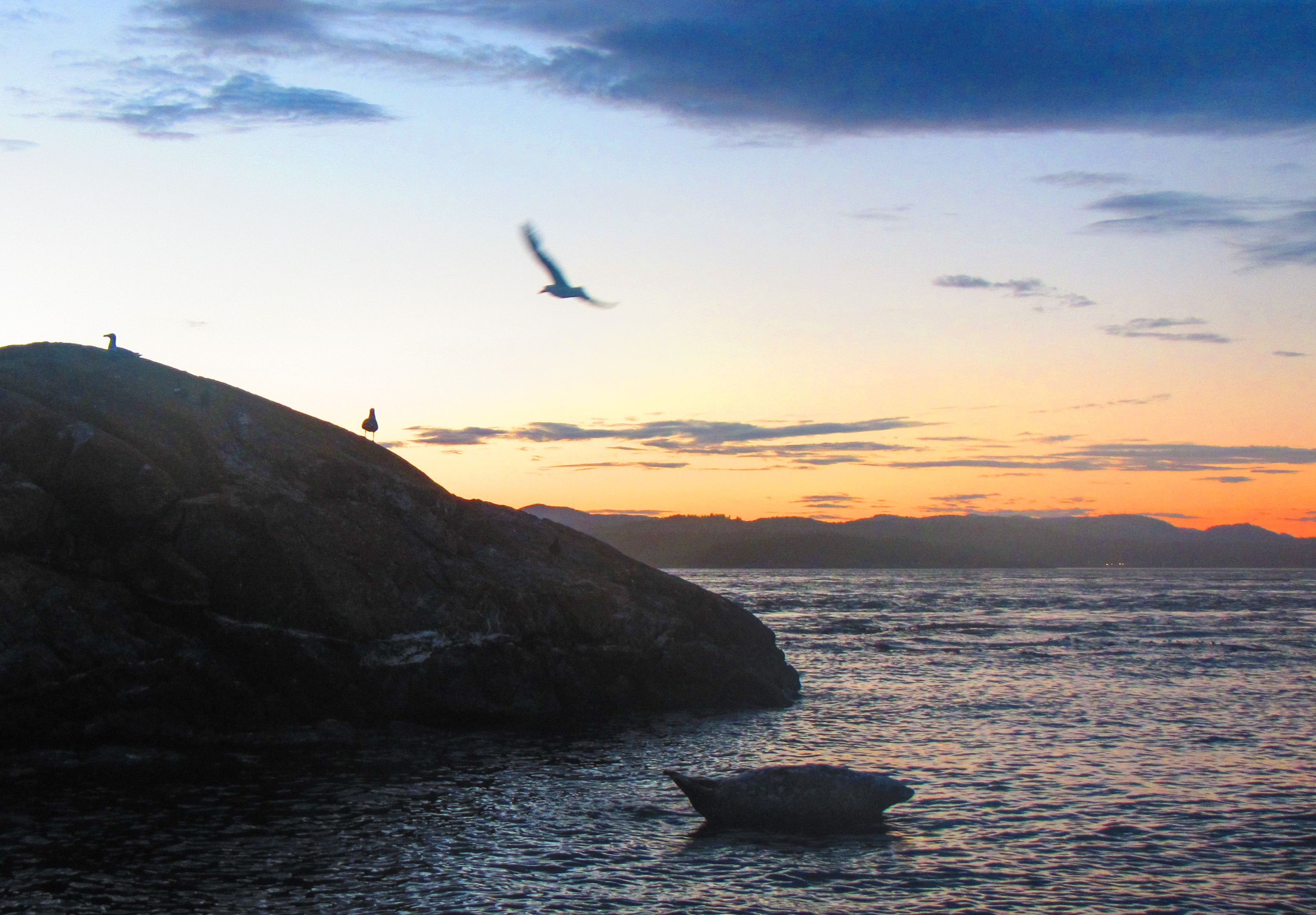
A very buoyant Harbour Seal

A very buoyant Harbour Seal


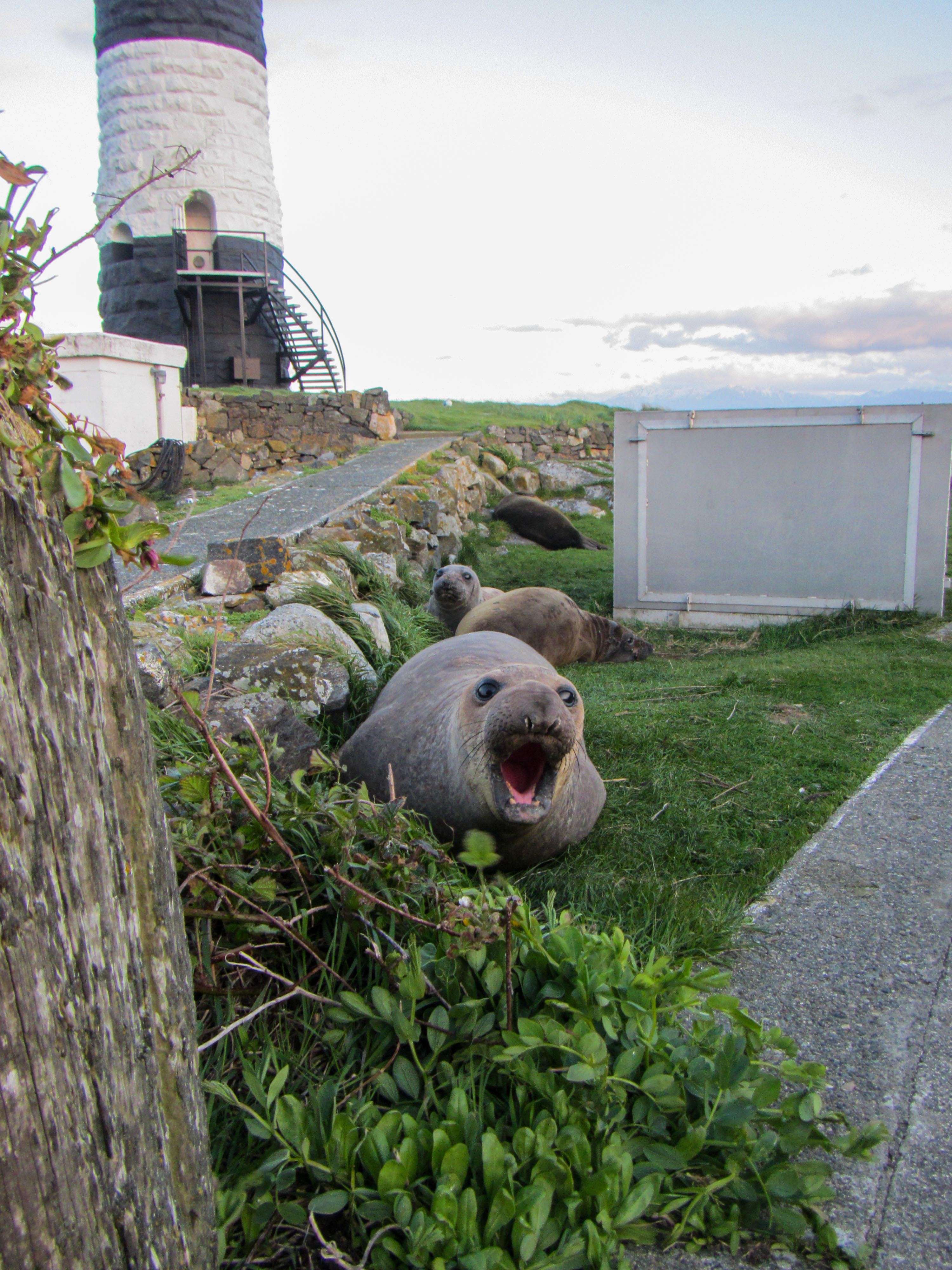
3 male elephant seals and I are the only mammals on Great Race Island but this big female Harbour Seal calmly shared a lovely sunset with me at the sea side…


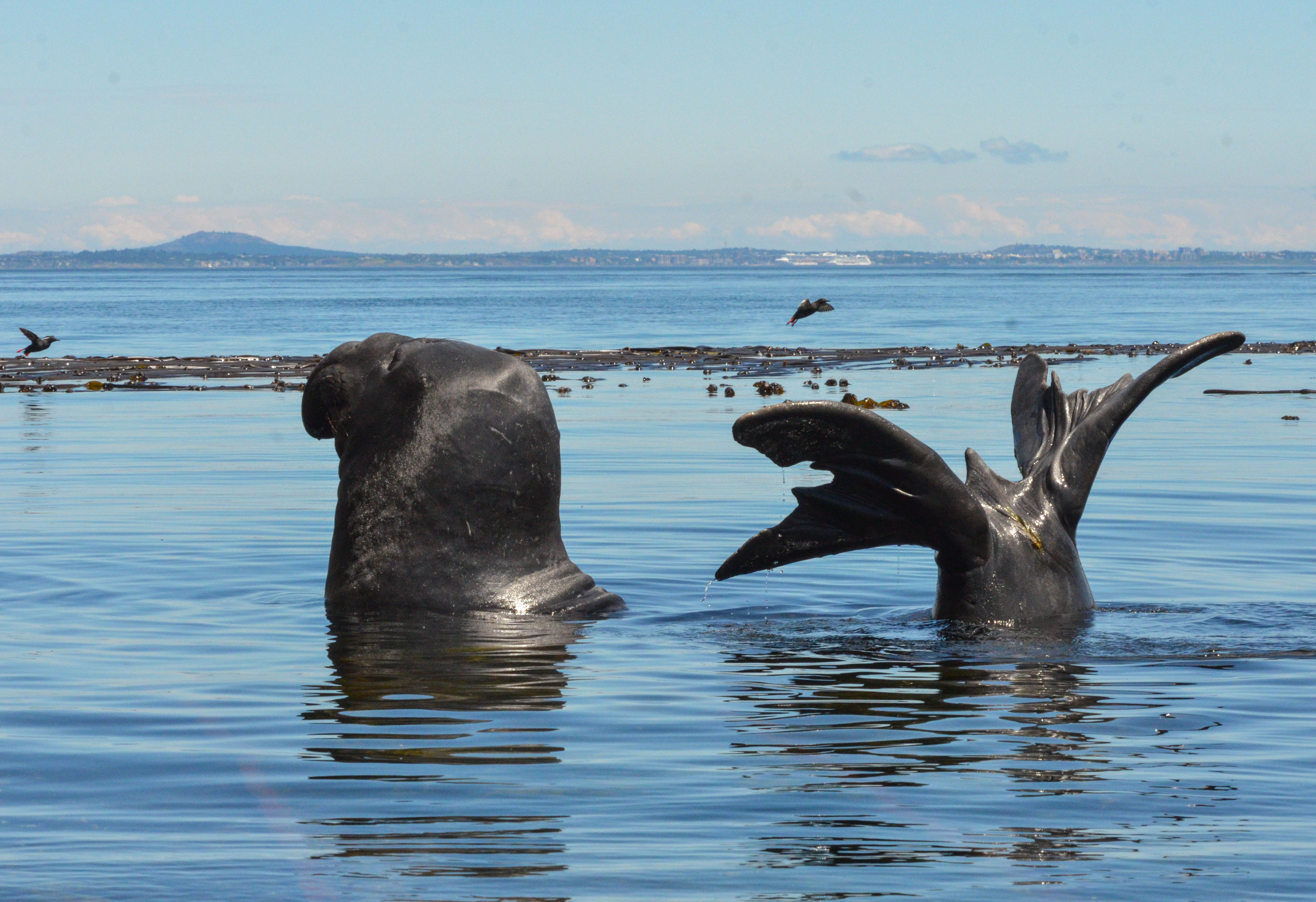
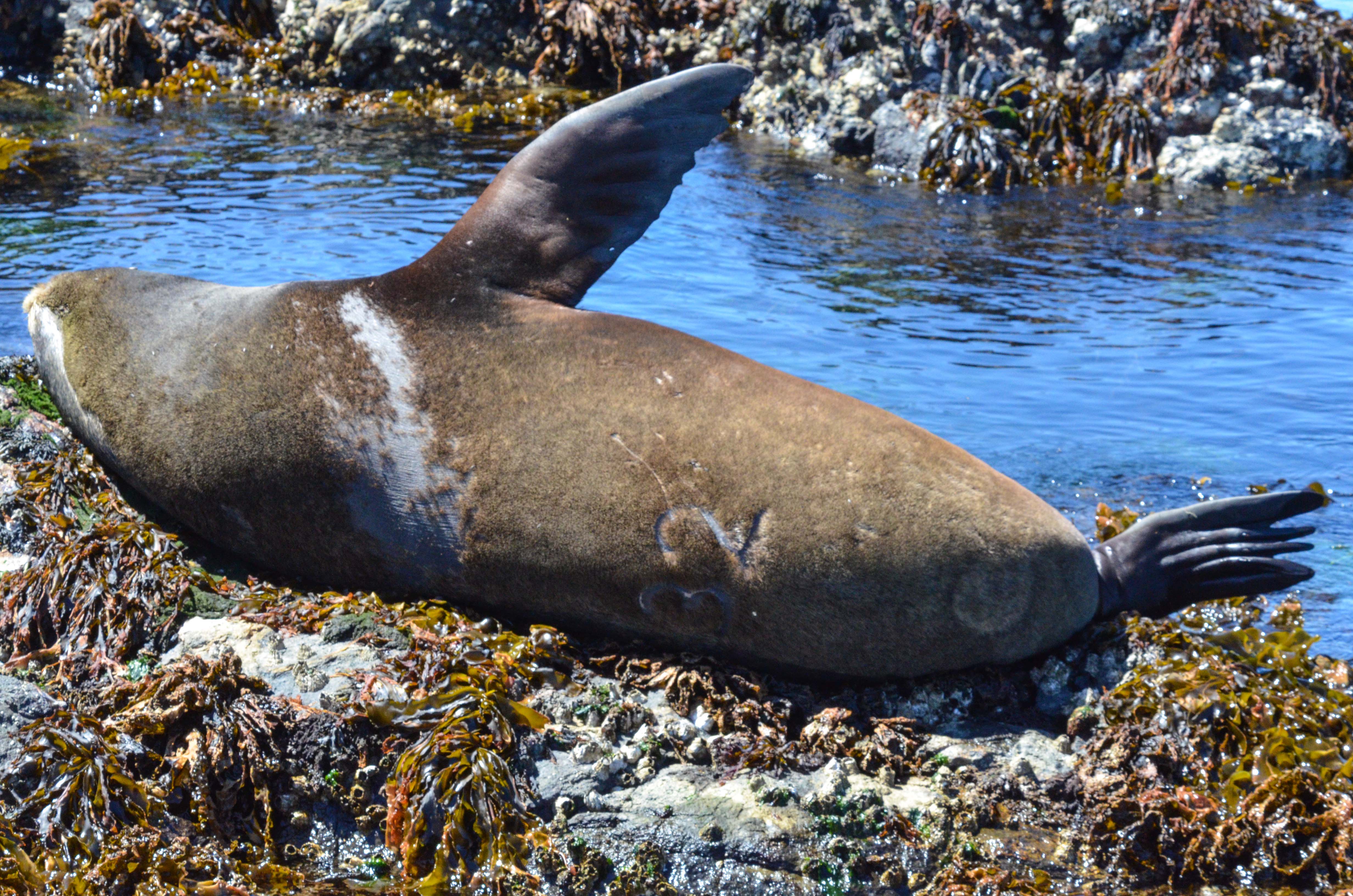
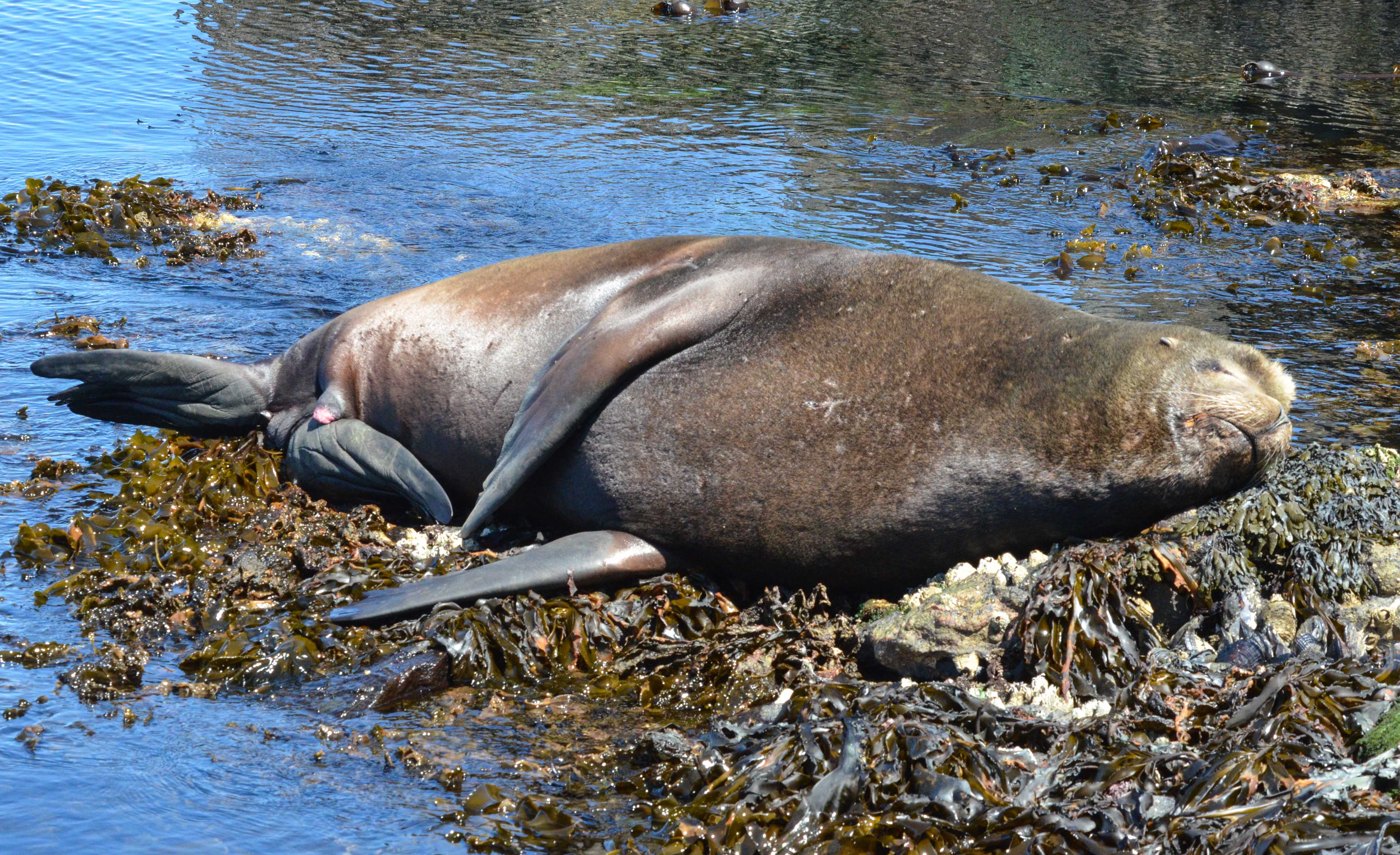
Yoga E-seal

Yoga E-seal


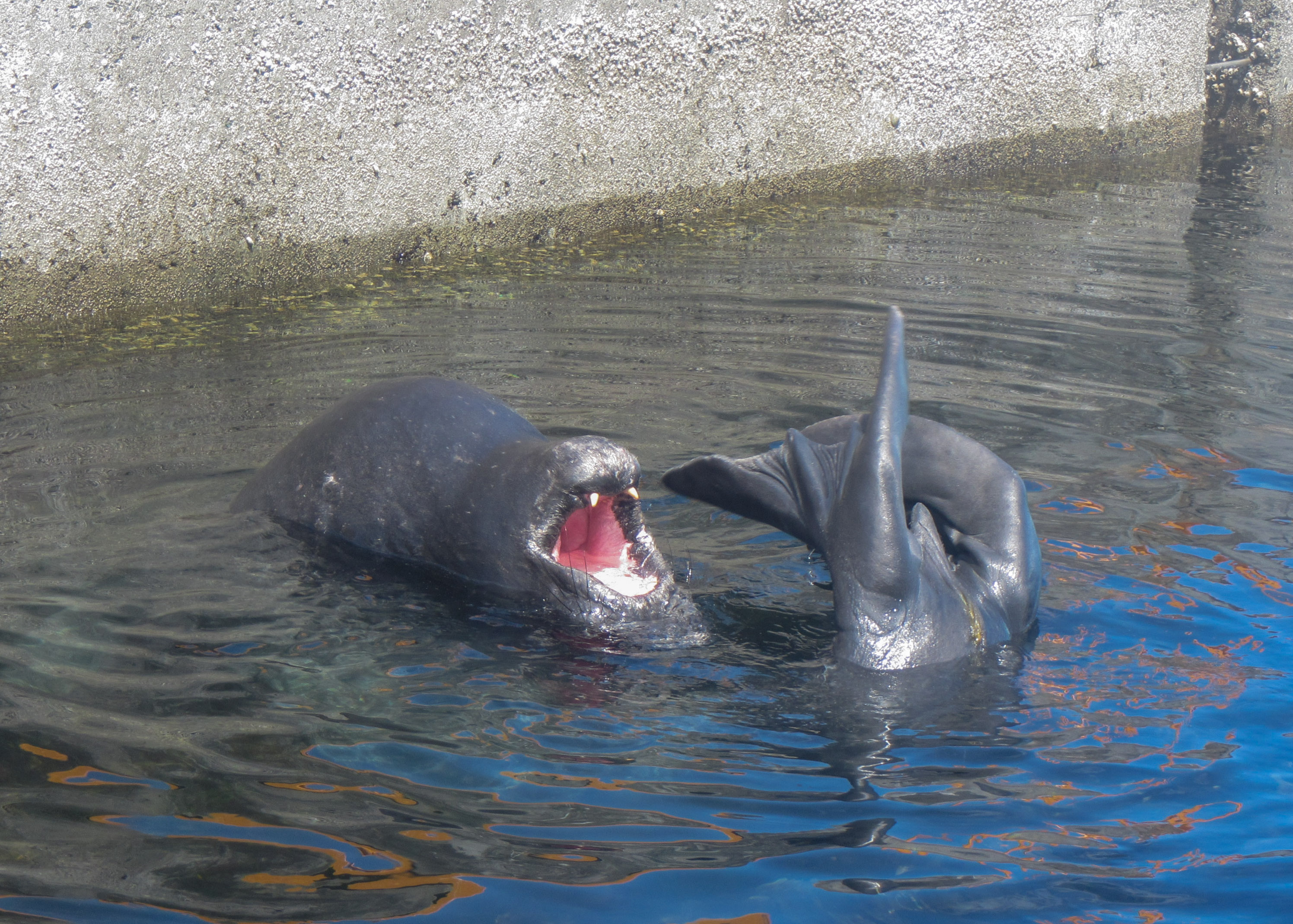
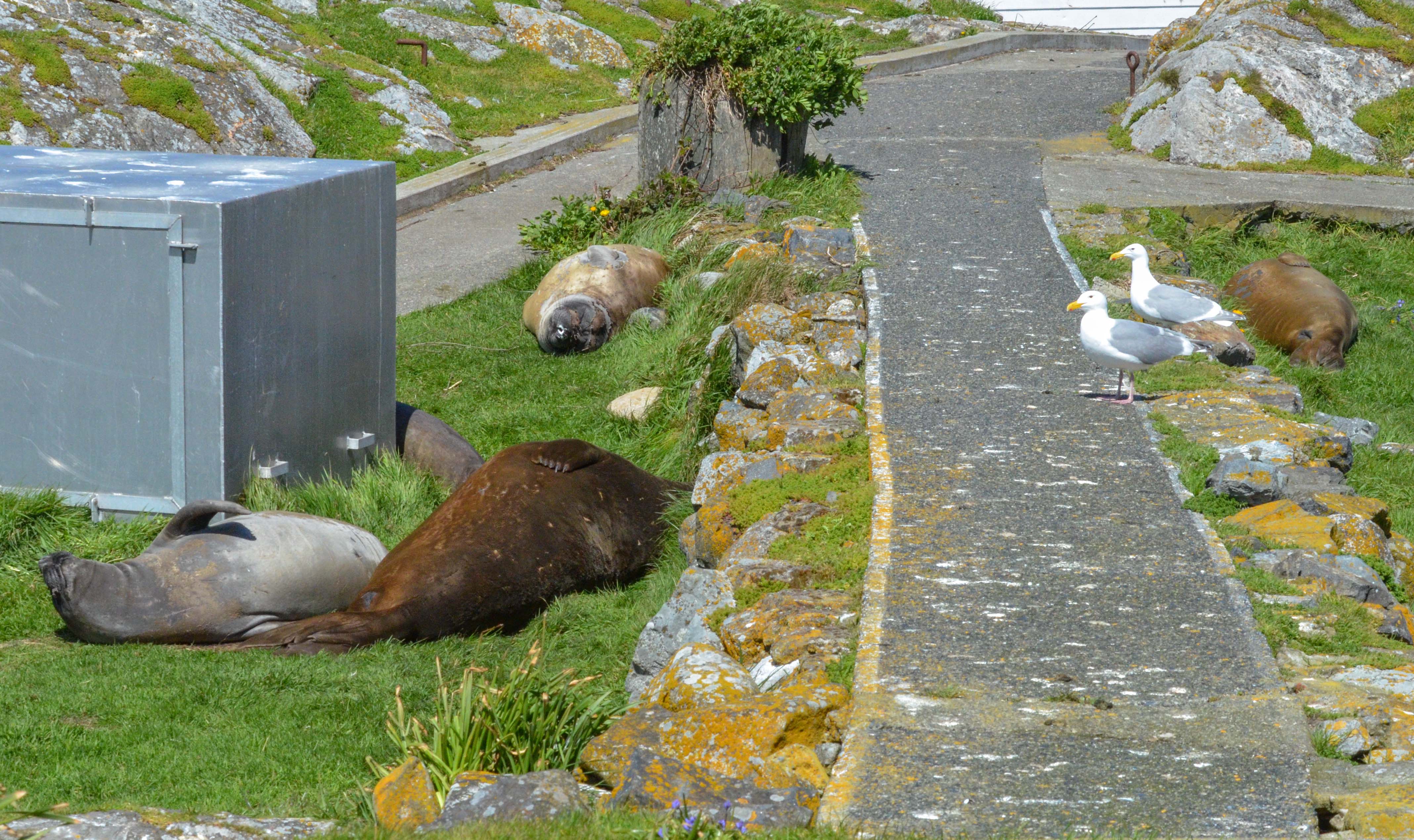
On a nice afternoon a few days ago Chunk was showing his flexibility by doing backbends and chewing on his hind-flippers.


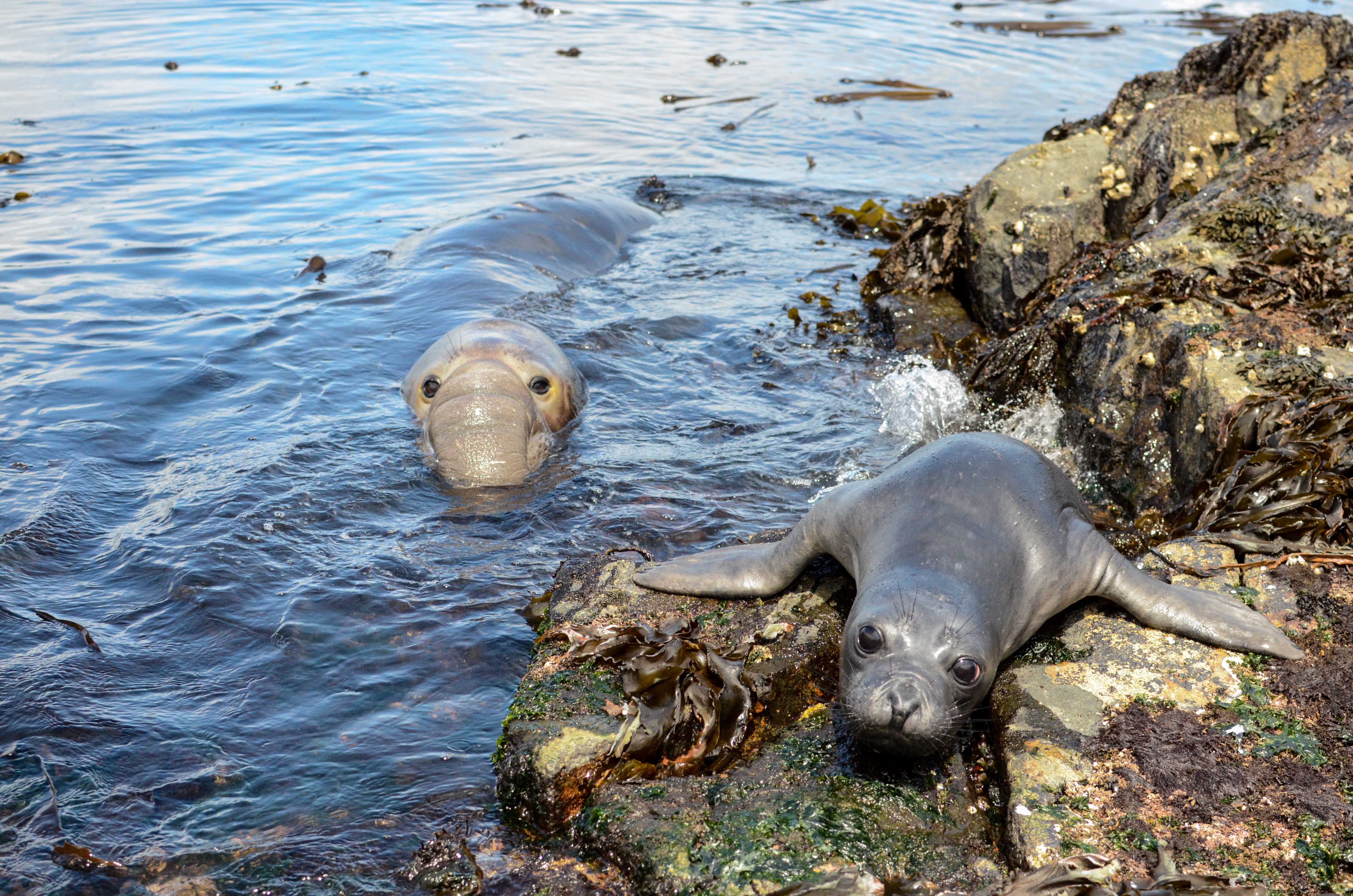
Seal Salutation

Seal Salutation


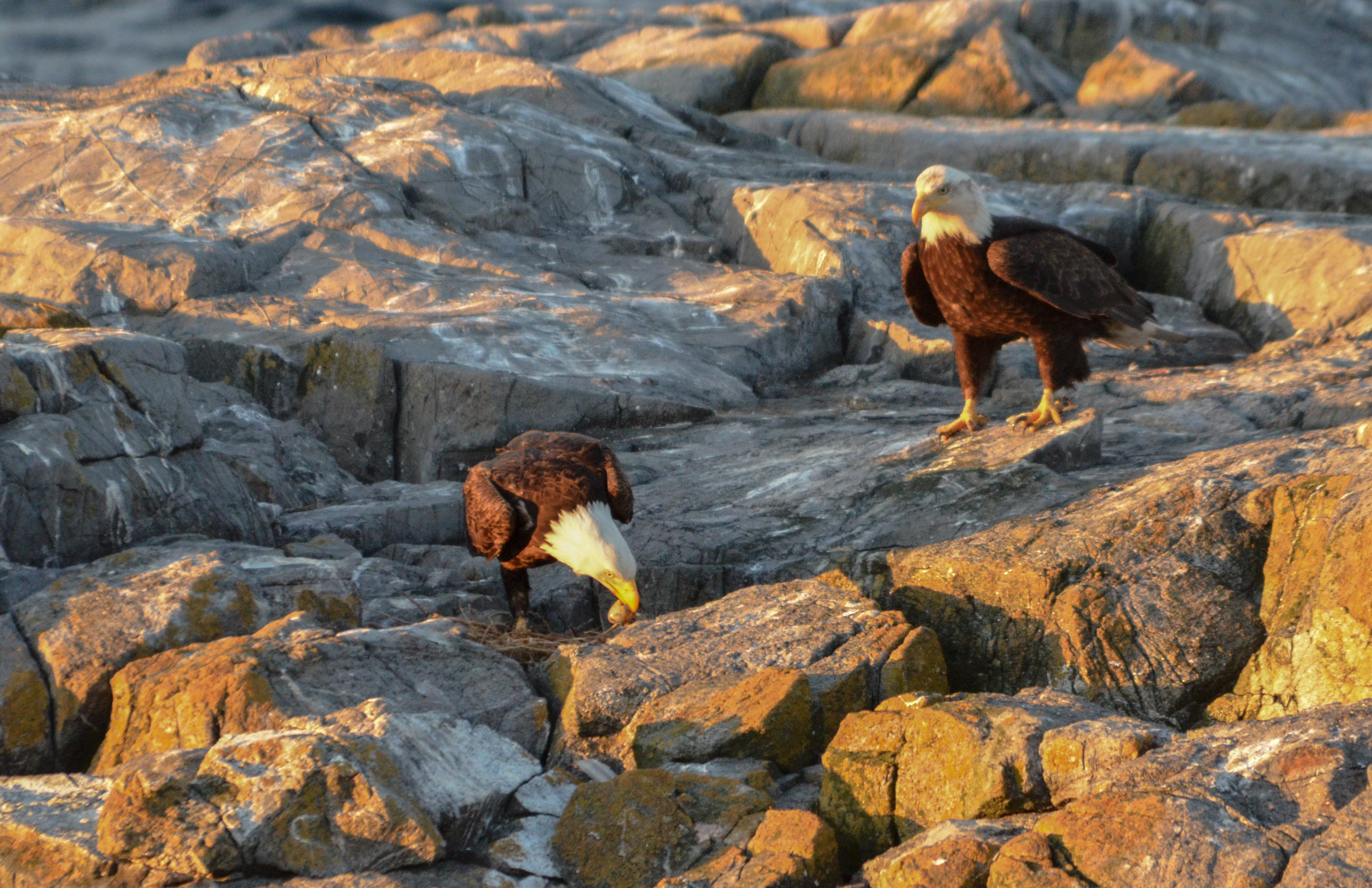
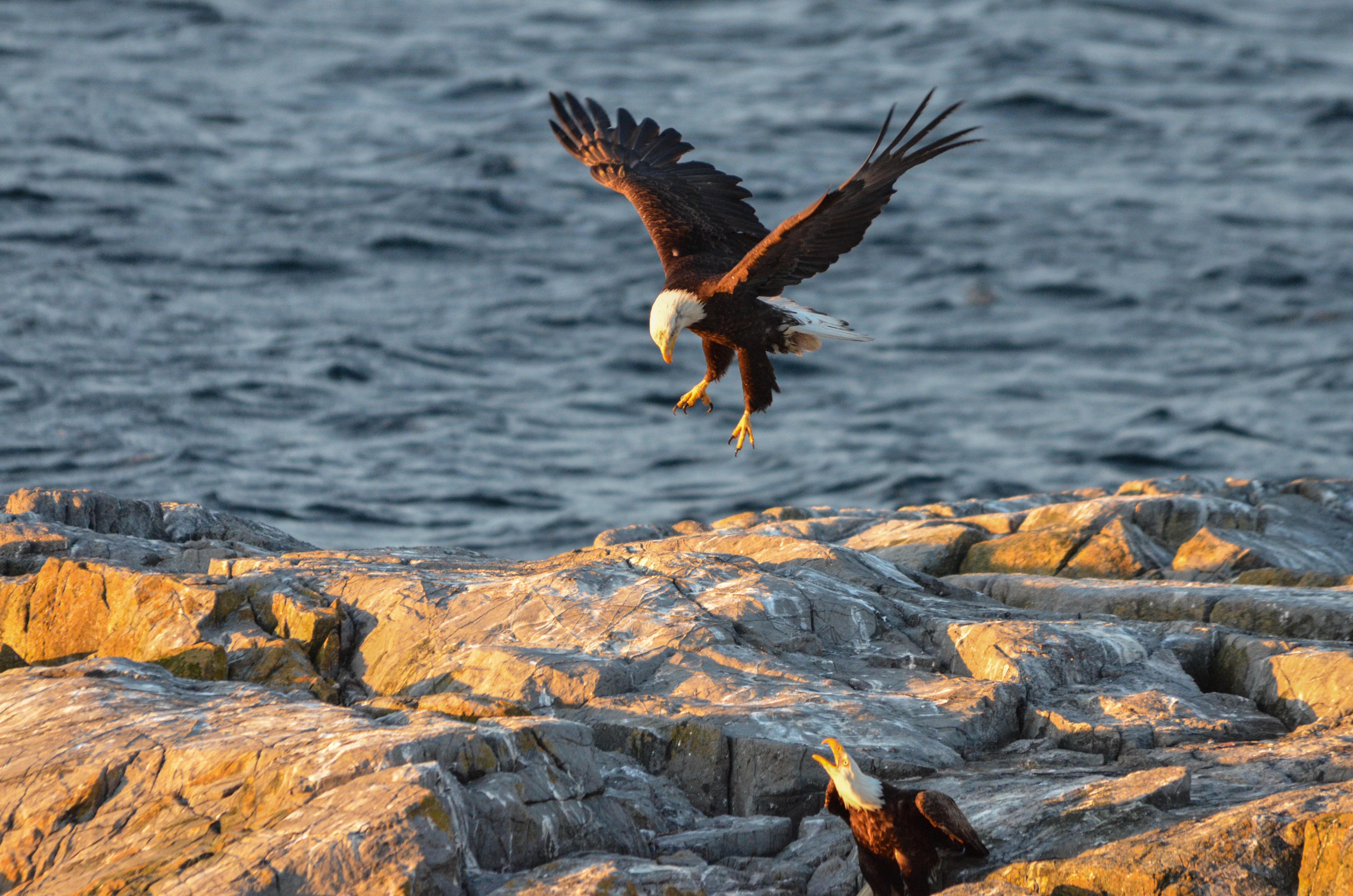
Bald Eagles Stealing Gull Eggs

Yesterday I spotted 2 Bald Eagles raiding gull nests. I had never seen this before.

Wary Allies

Wary Allies


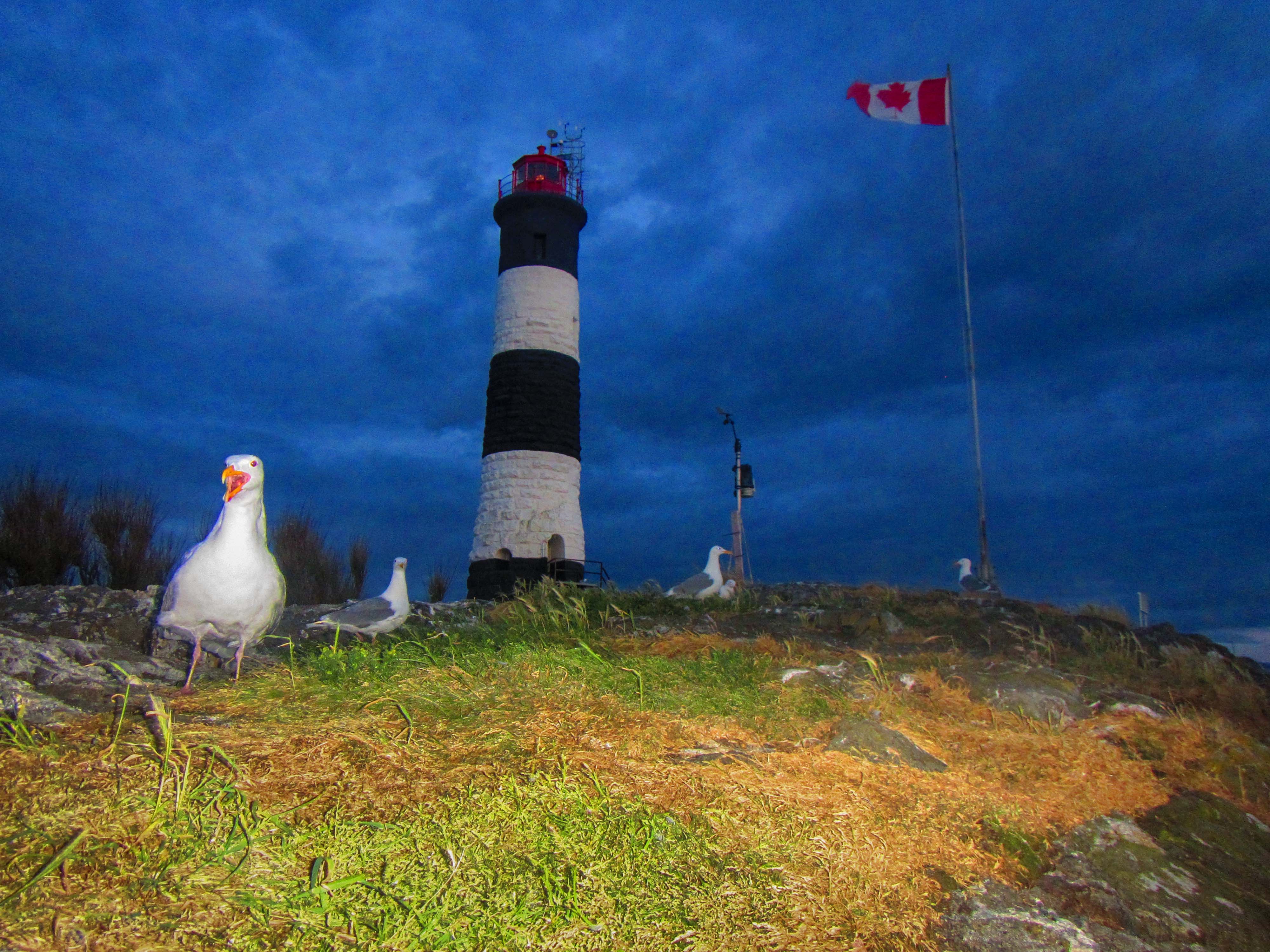
Nesting Gull and Tower

And finally this interesting shot! Nesting Gull and Tower.


Sensitive Oystercatchers

June is half over and I have about 10 days before Julie comes out to take over for the summer. I am trying to get some painting done in the dry and relatively windless spells, but one of the issues I am facing is trying not to disturb the oystercatchers nesting near the top of the ramp by the majority of railings. They immediately leave the nest when I get anywhere near, and won’t return til I am well clear. I worry about the eggs cooling too much, so I scrape the rails for 10 minutes then depart for an hour… Fortunately I have lots of time on my hands! Meanwhile only a couple juvenile e-seals remain and just as well because Misery’s curiosity is quite terrifying to them. Here one scrambles up the rocks to escape.

Best keep a safe distance...

Best keep a safe distance…

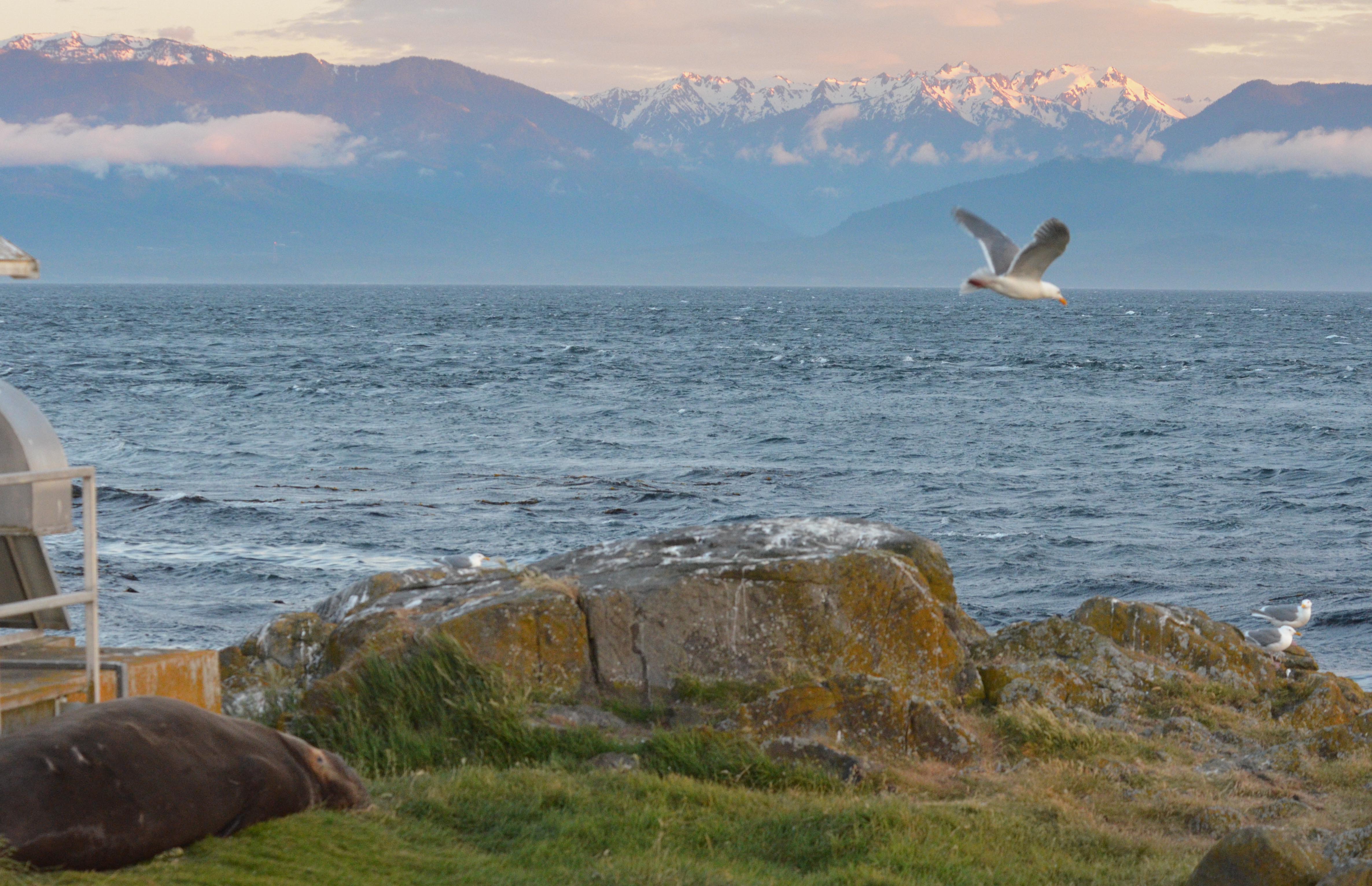
Sunset on Olympics

Sunset on Olympics


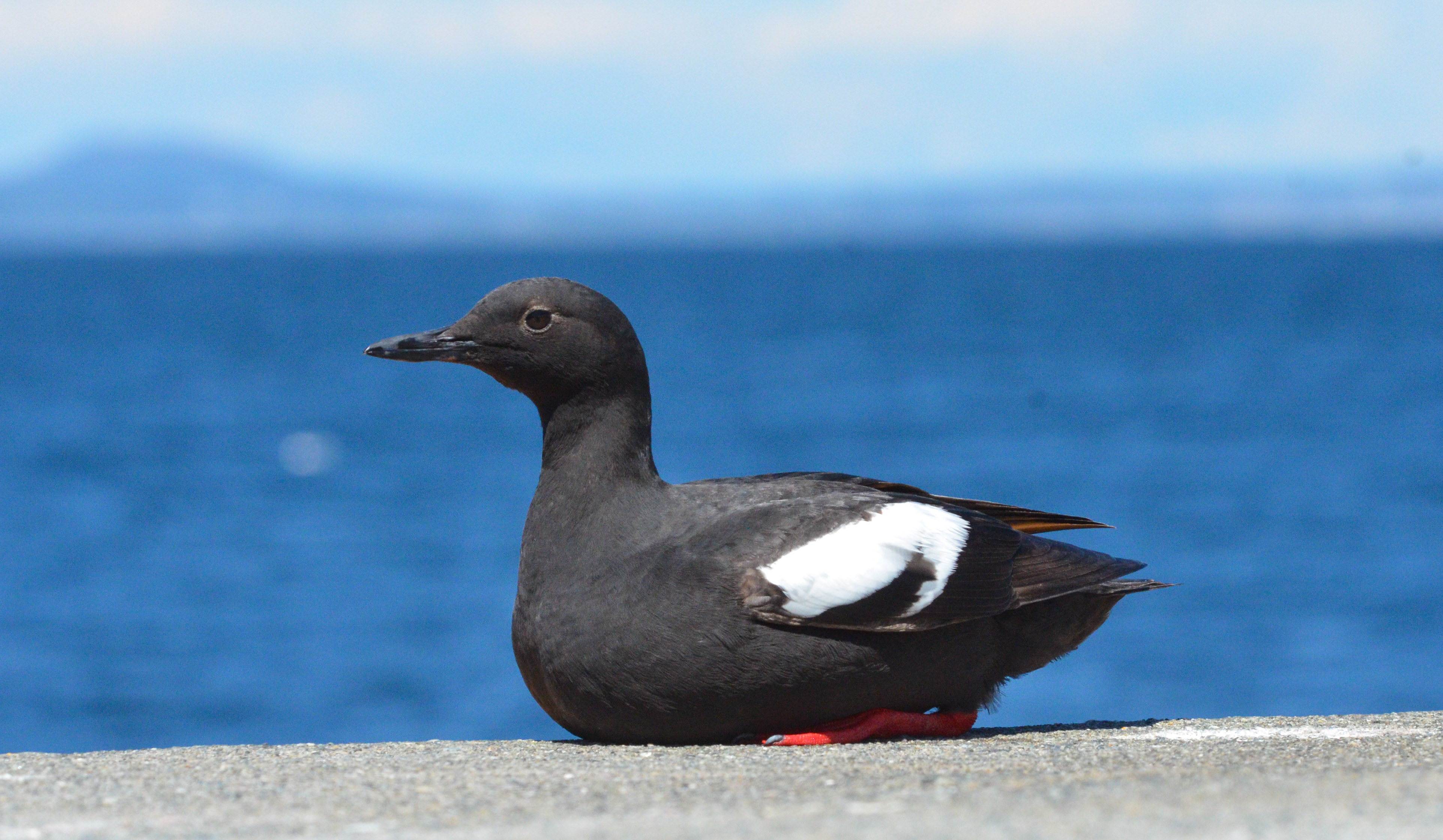
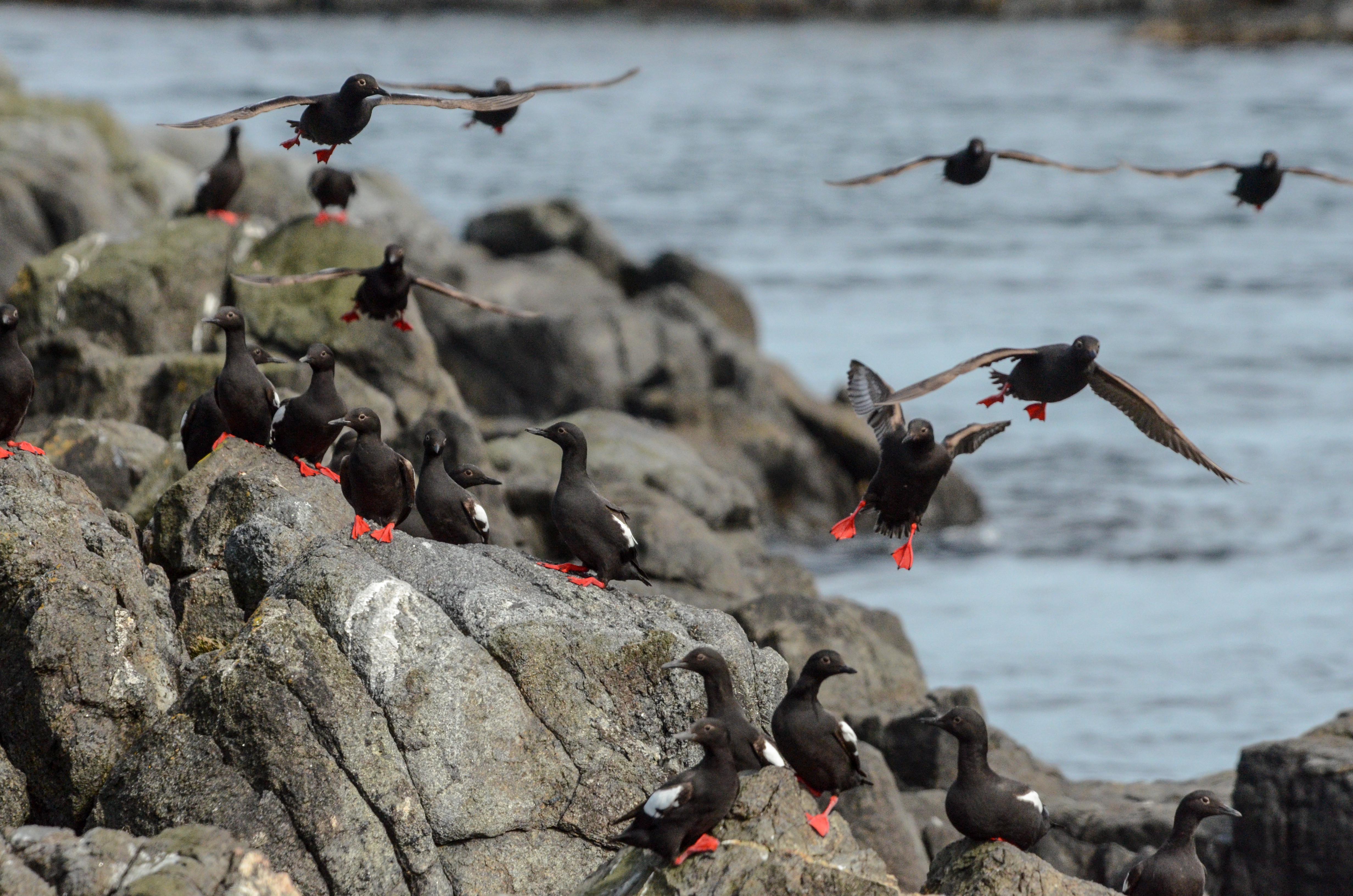
The Pigeon Guillemots are nesting in the larger cracks in the rocks; another reason to keep a low profile and limit my wandering around the island. They are adorable little birds!

Pigeon Guillemot

Pigeon Guillemot

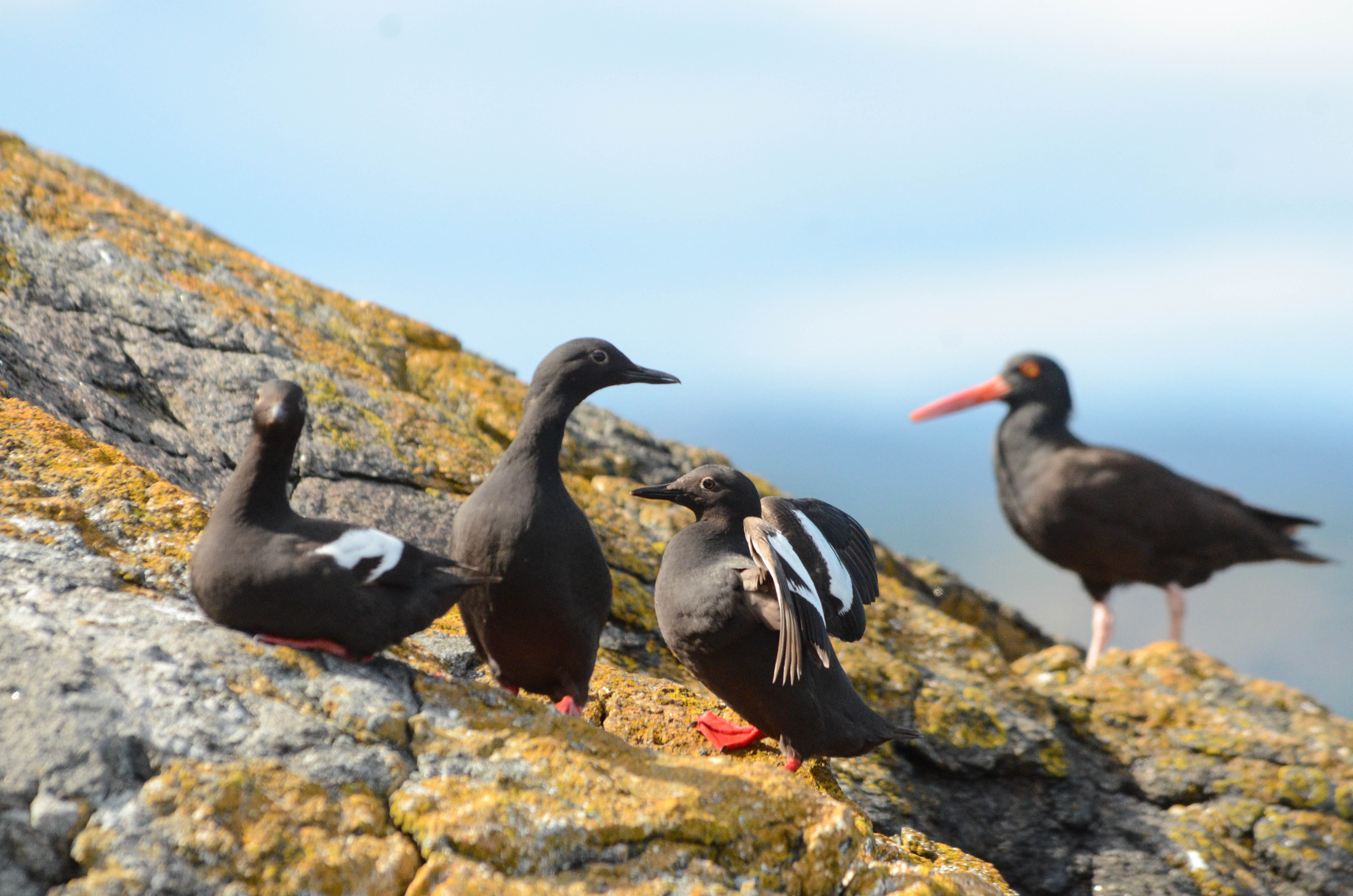
Pigeon Guillemots and Oystercatcher

Pigeon Guillemots and Oystercatcher


Pigeon Guillemots

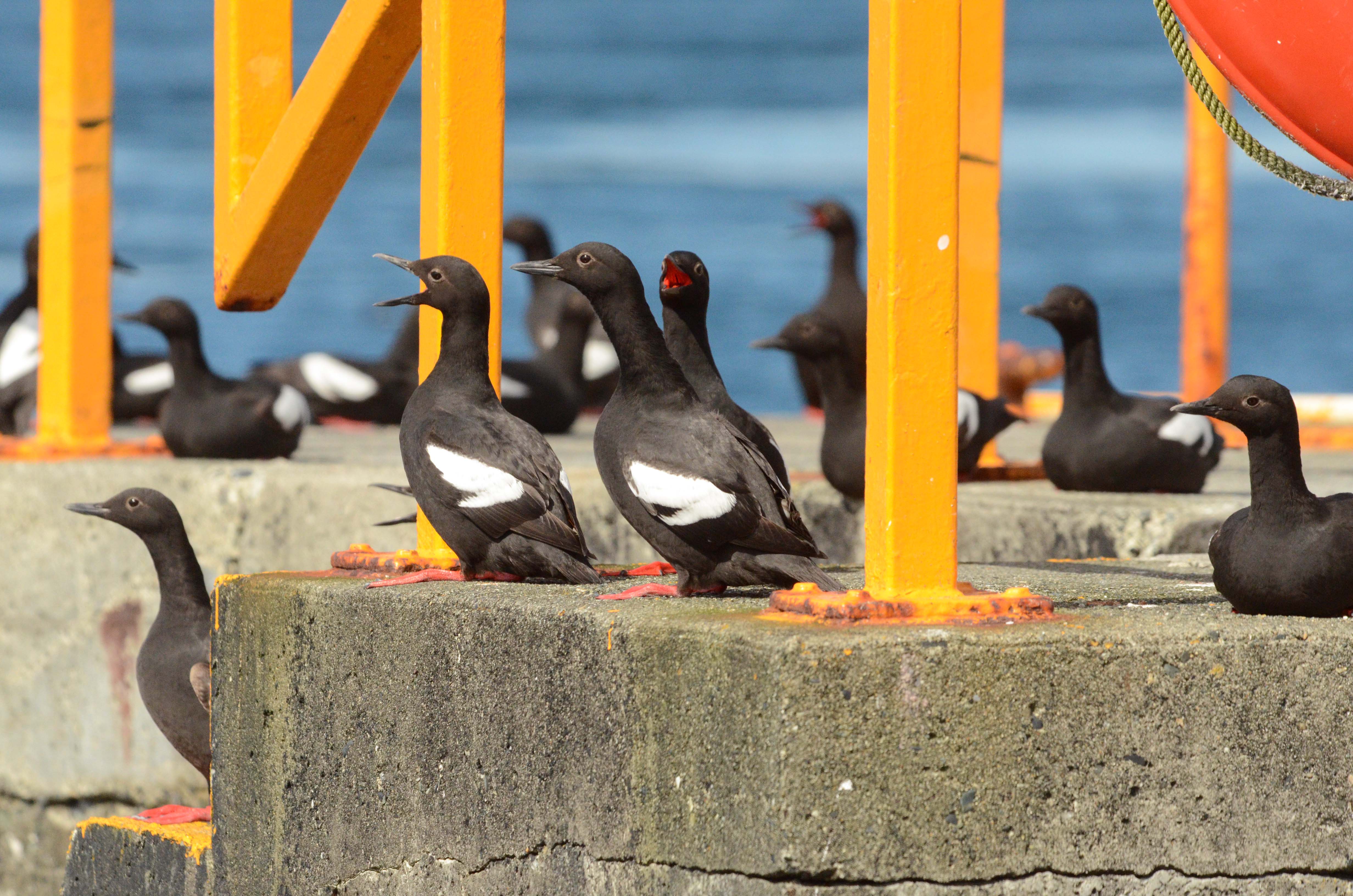
Pigeon Guillemots on the Jetty


Branded California Sea Lion 1032

Branded California Sea Lion 1032


Branded California Sea Lion 1032 en flagrante

Branded California Sea Lion 1032 en flagrante


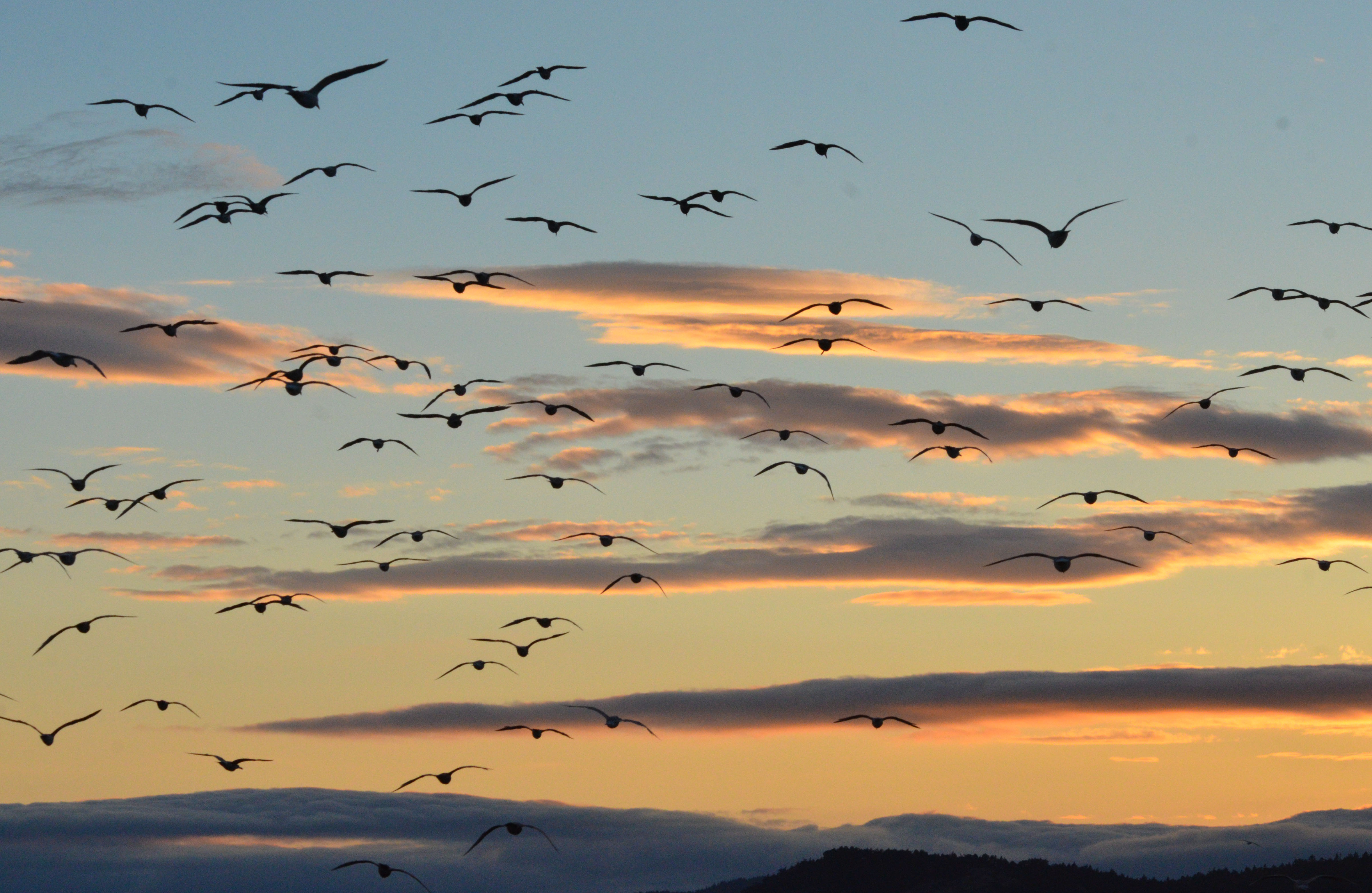
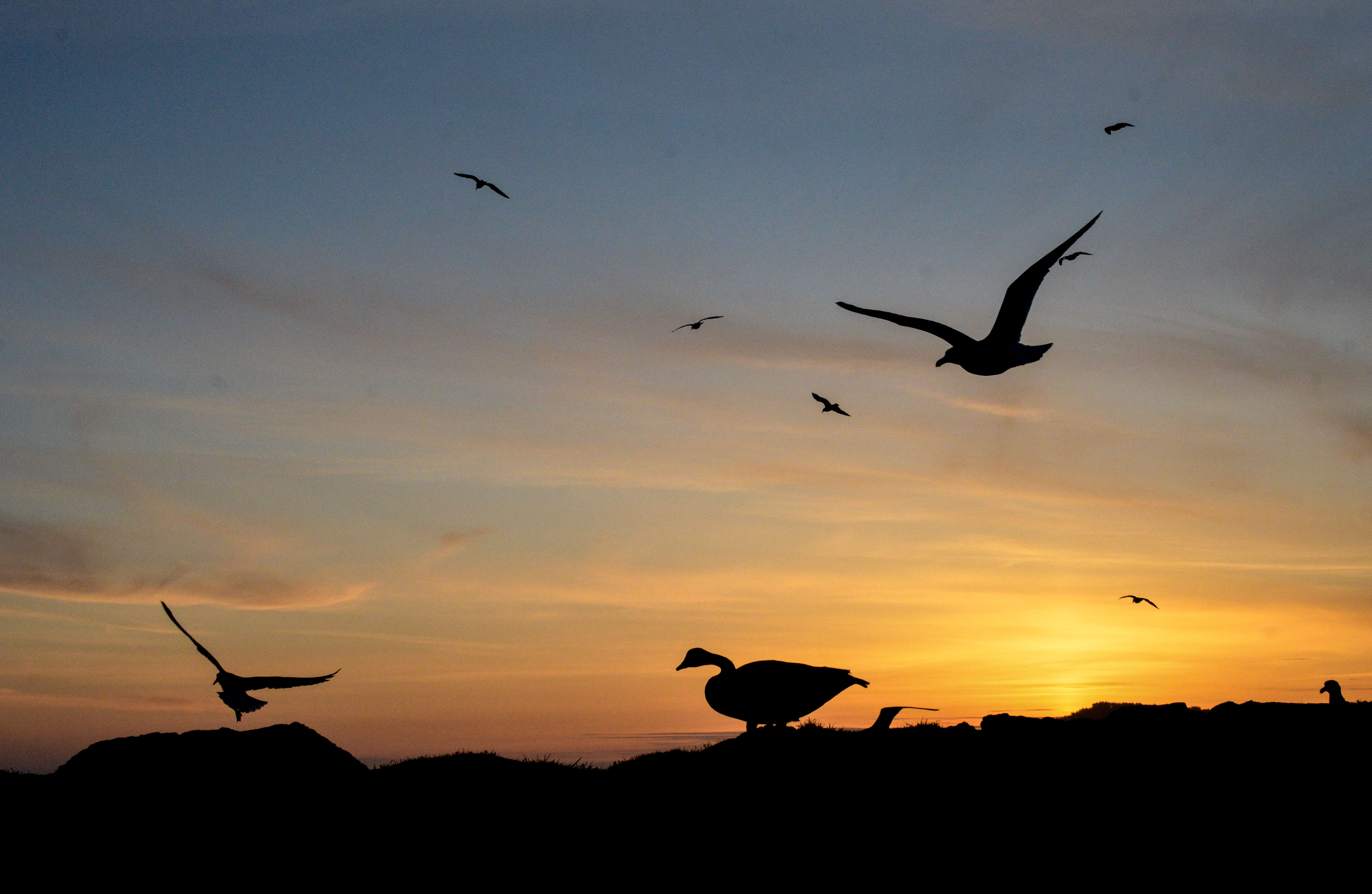
Sunset Flock of Glaucous-winged Gulls

Sunset Flock of Glaucous-winged Gulls

Last week of May’s Photos

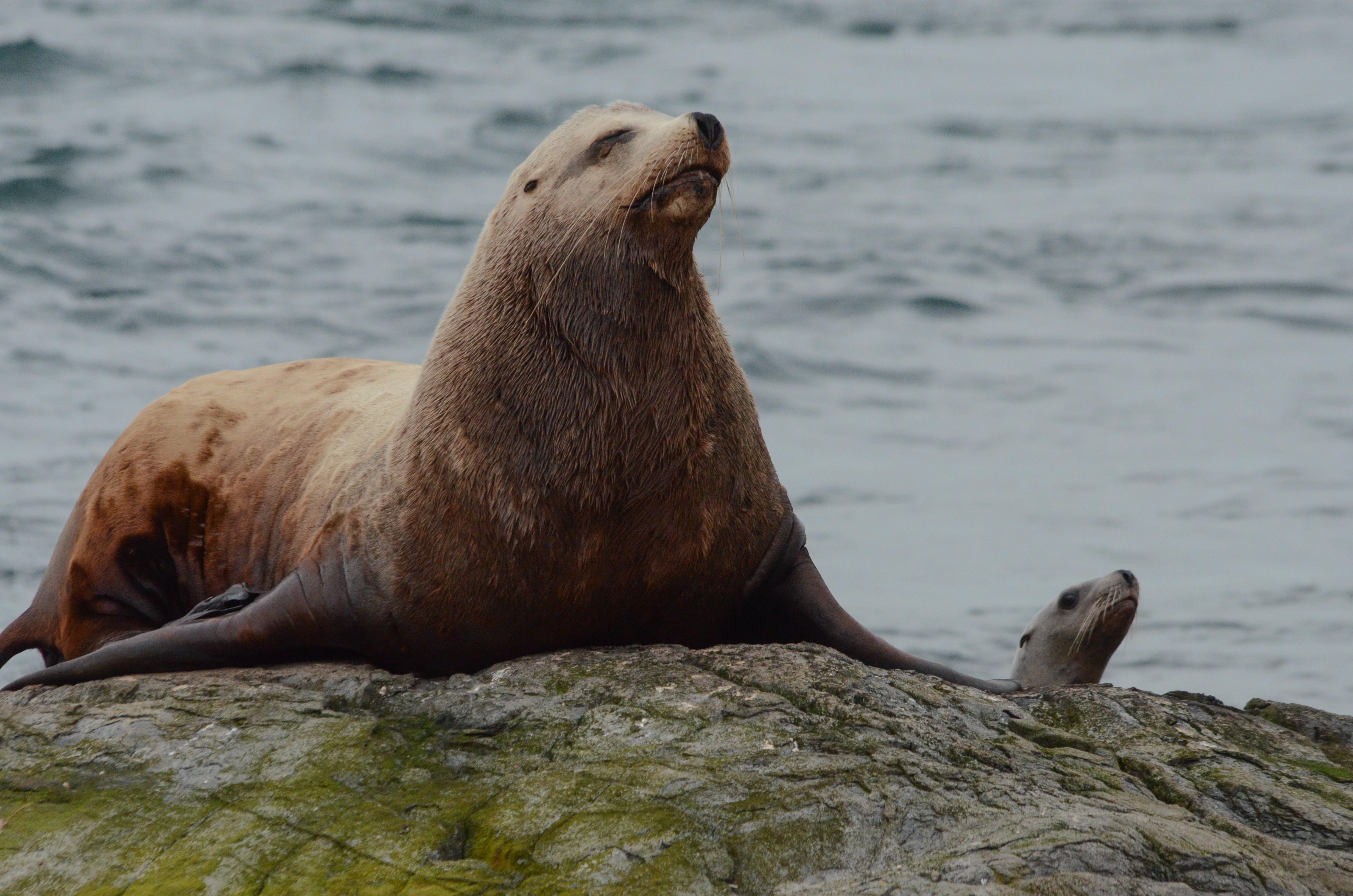
Big Steller - Little Steller

Big Steller – Little Steller

These are some of the more interesting photos the last week. I was able to lend a hand to the International Boundary Commission  technician who set up a GPS unit on the top of the tower in order to accurately determine the location of the US/Canada border.. to with in 4 decimal places! Why? Because we can!

Pigeon Guillemots

Pigeon Guillemots


The Guillemots are starting to nest along with the Glaucous-winged Gulls

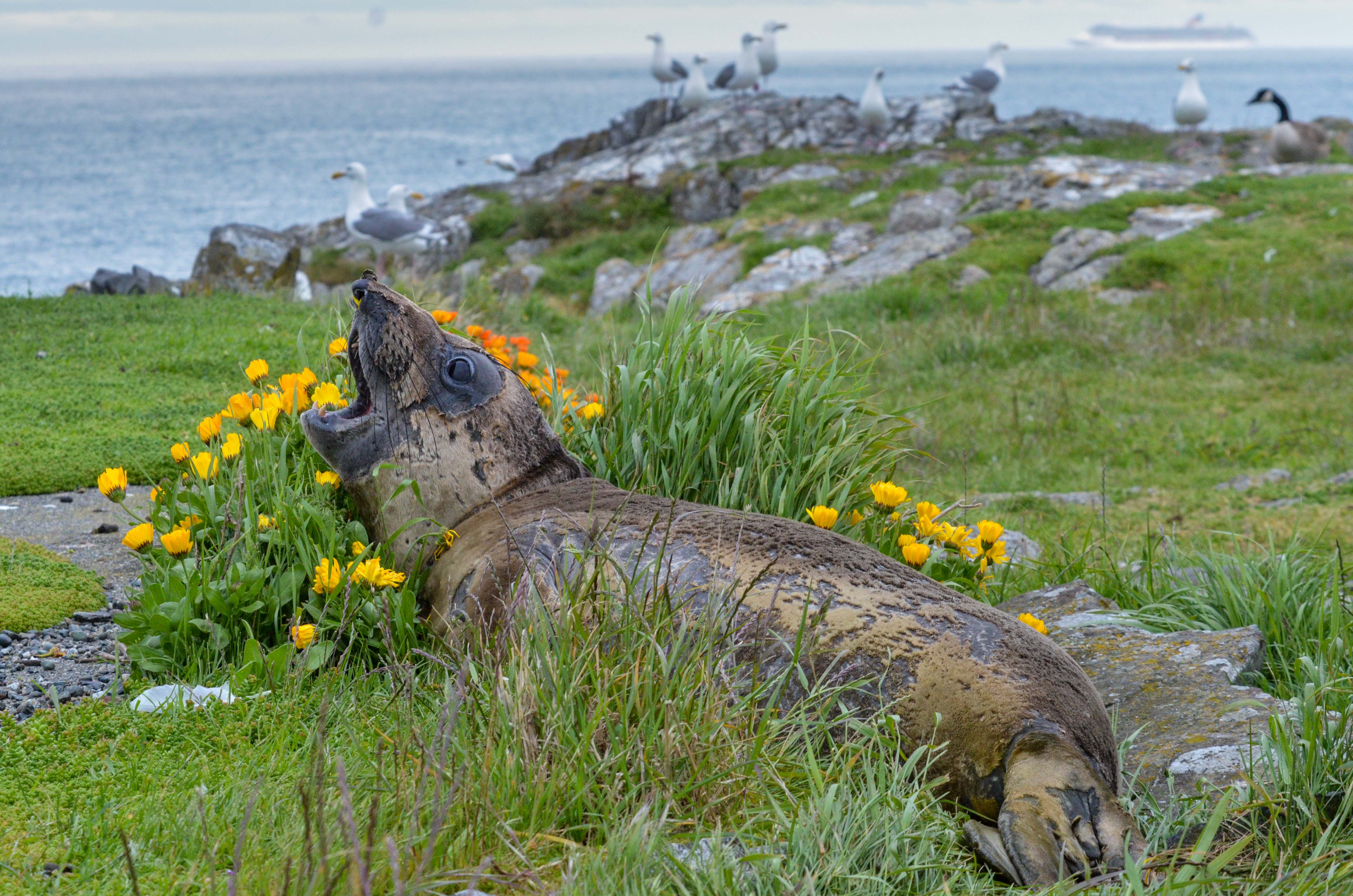
Pinky in the Flowers

Pinky in the Flowers


This little female found a nice spot to spend a few days….

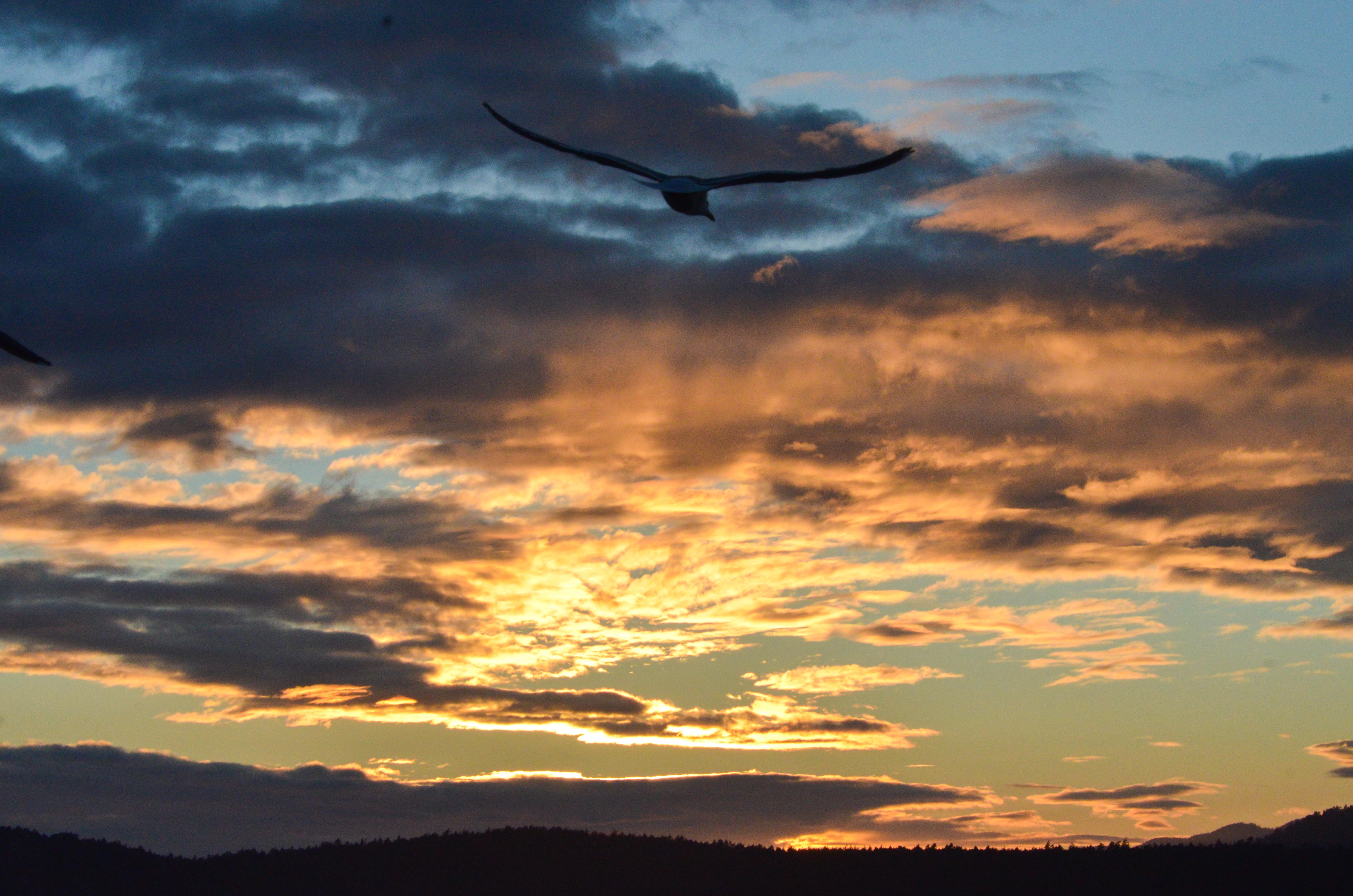
Sunset Gull

Sunset Gull

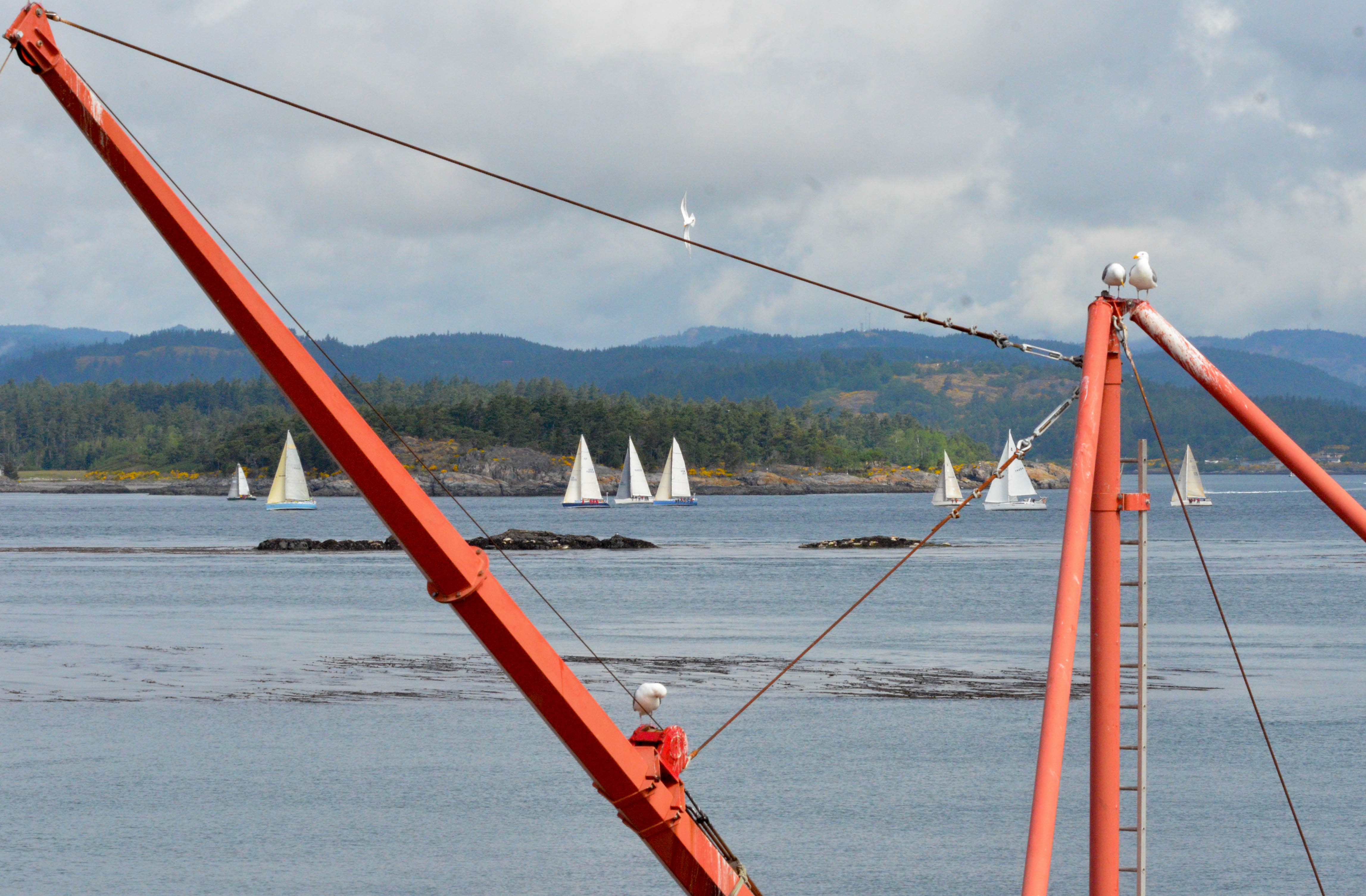
Swiftsure-Driftsure

Swiftsure-Driftsure


Stunning sunset…


A parade of sailing vessels…

Rambunctous Youth

Rambunctous Youth


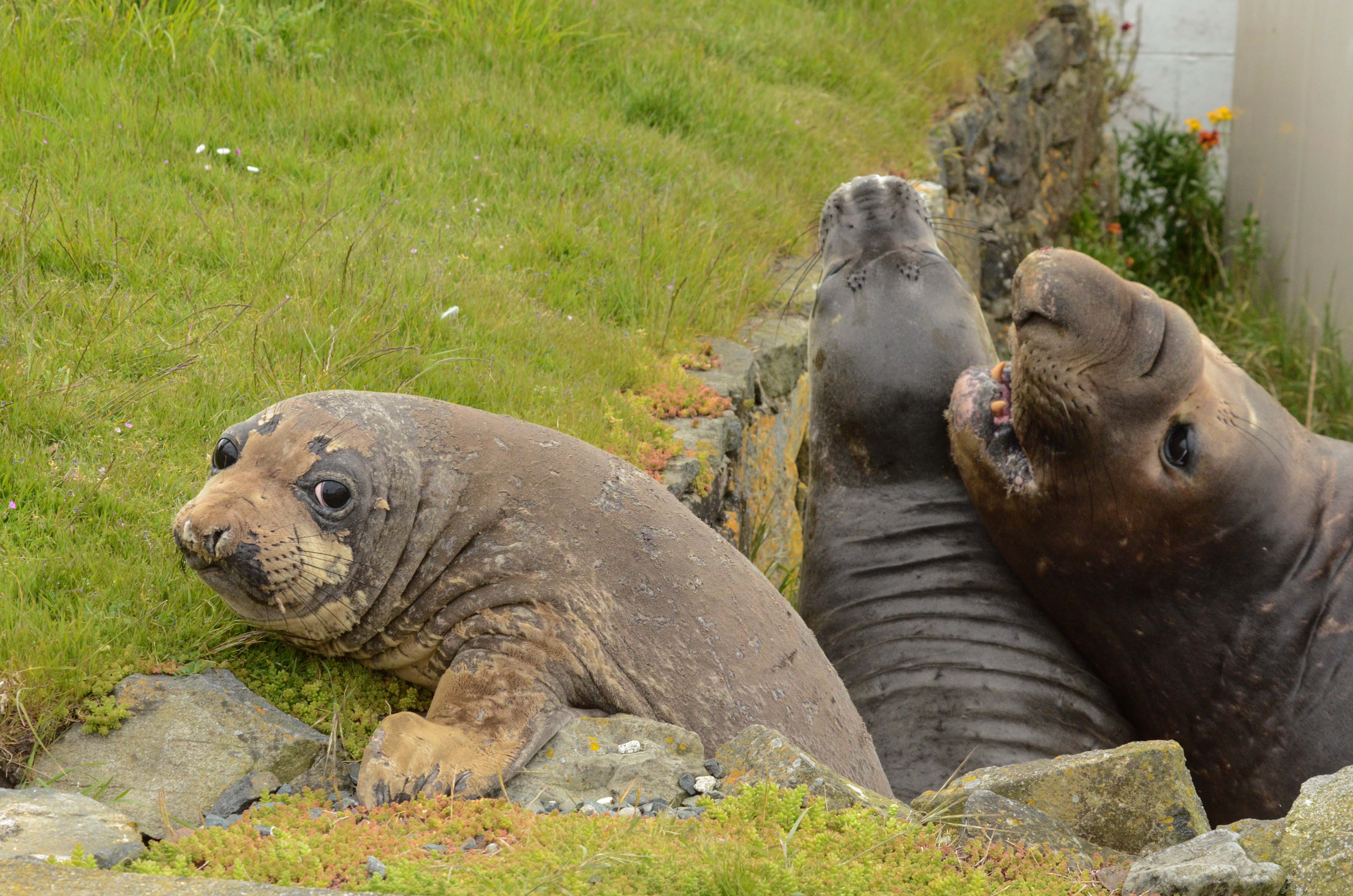
Lots of jousting from these young males

Rambunctous Youth

Rambunctous Youth

Lovely Month for a Moult

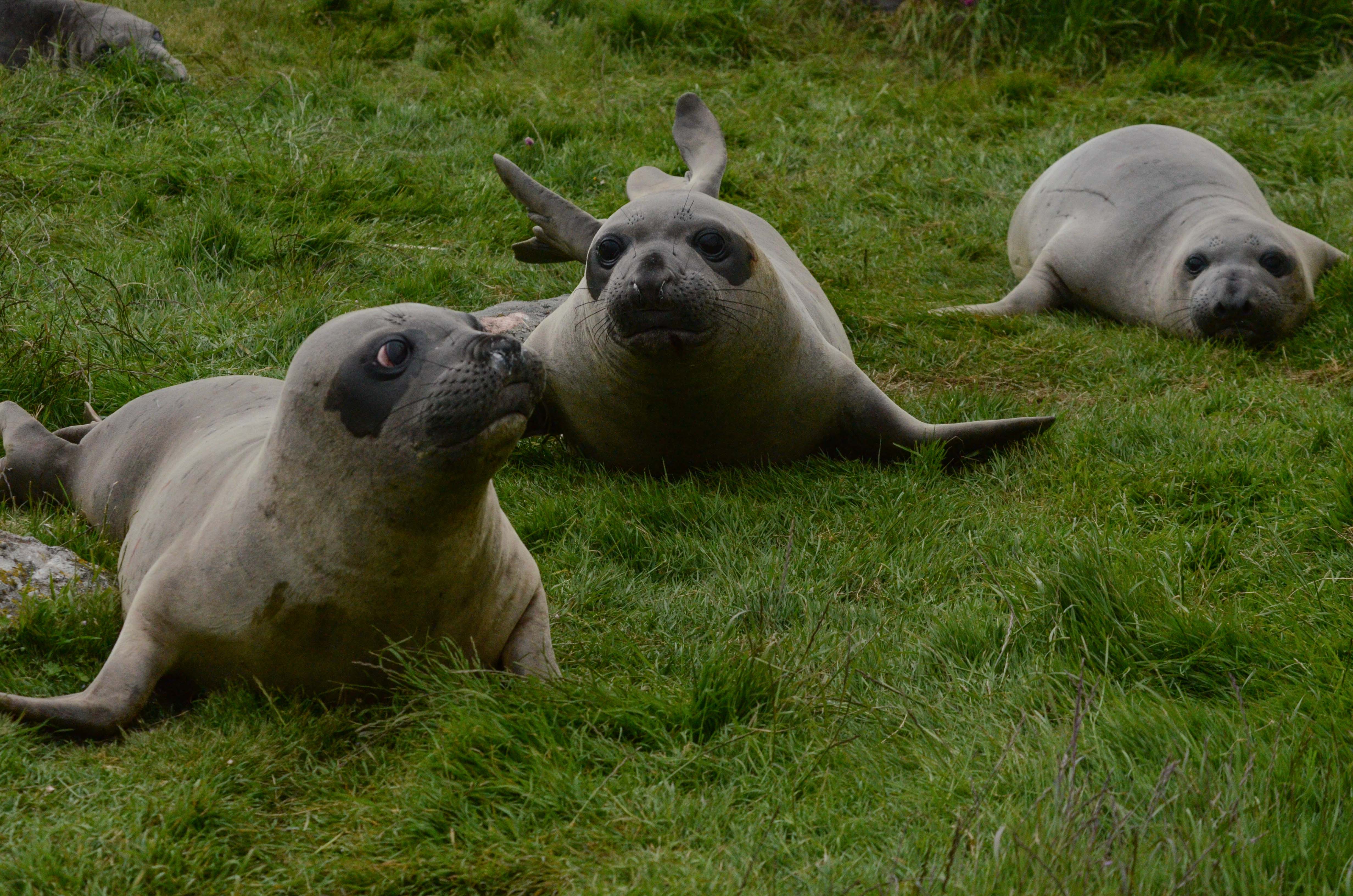
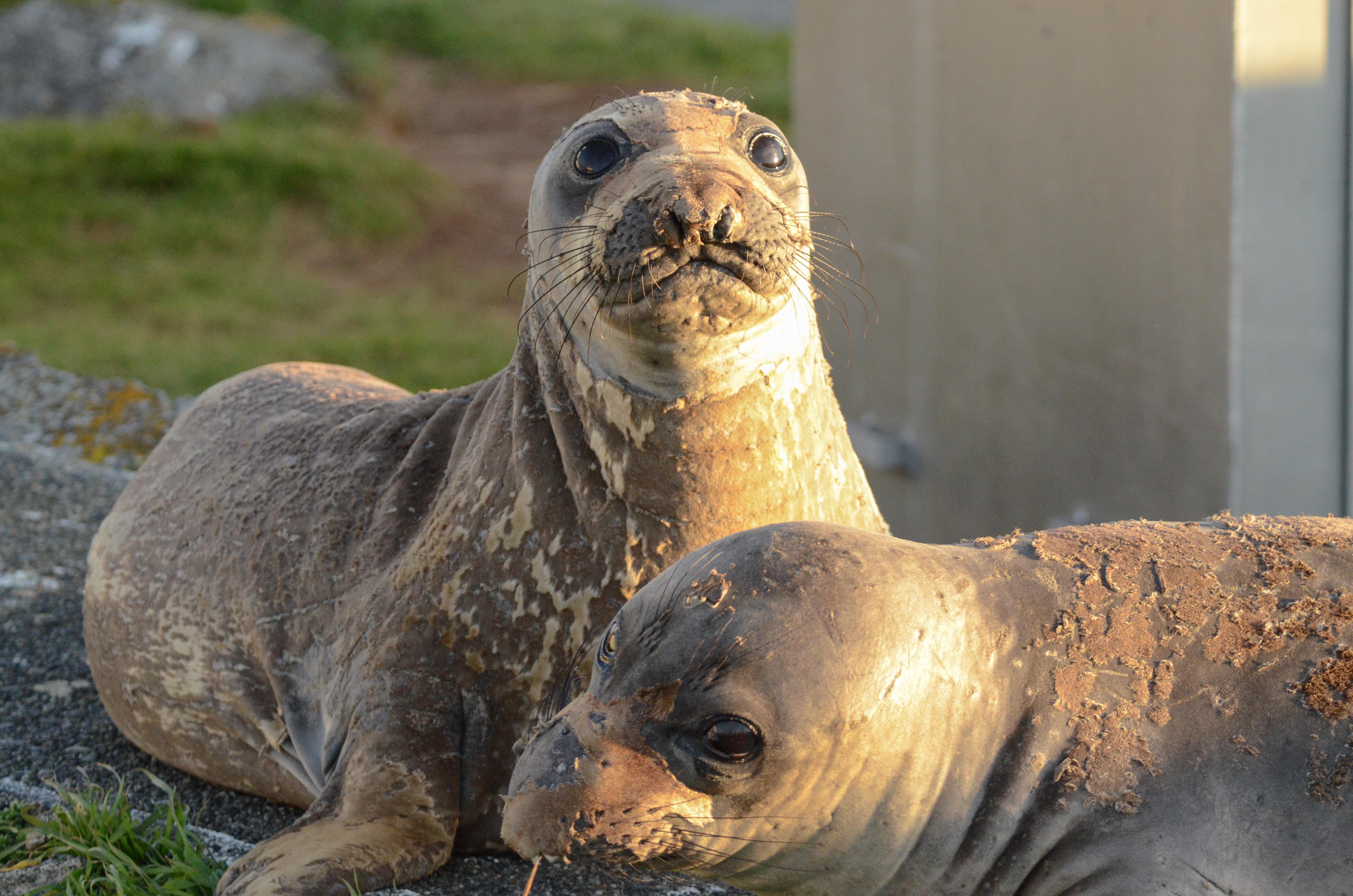
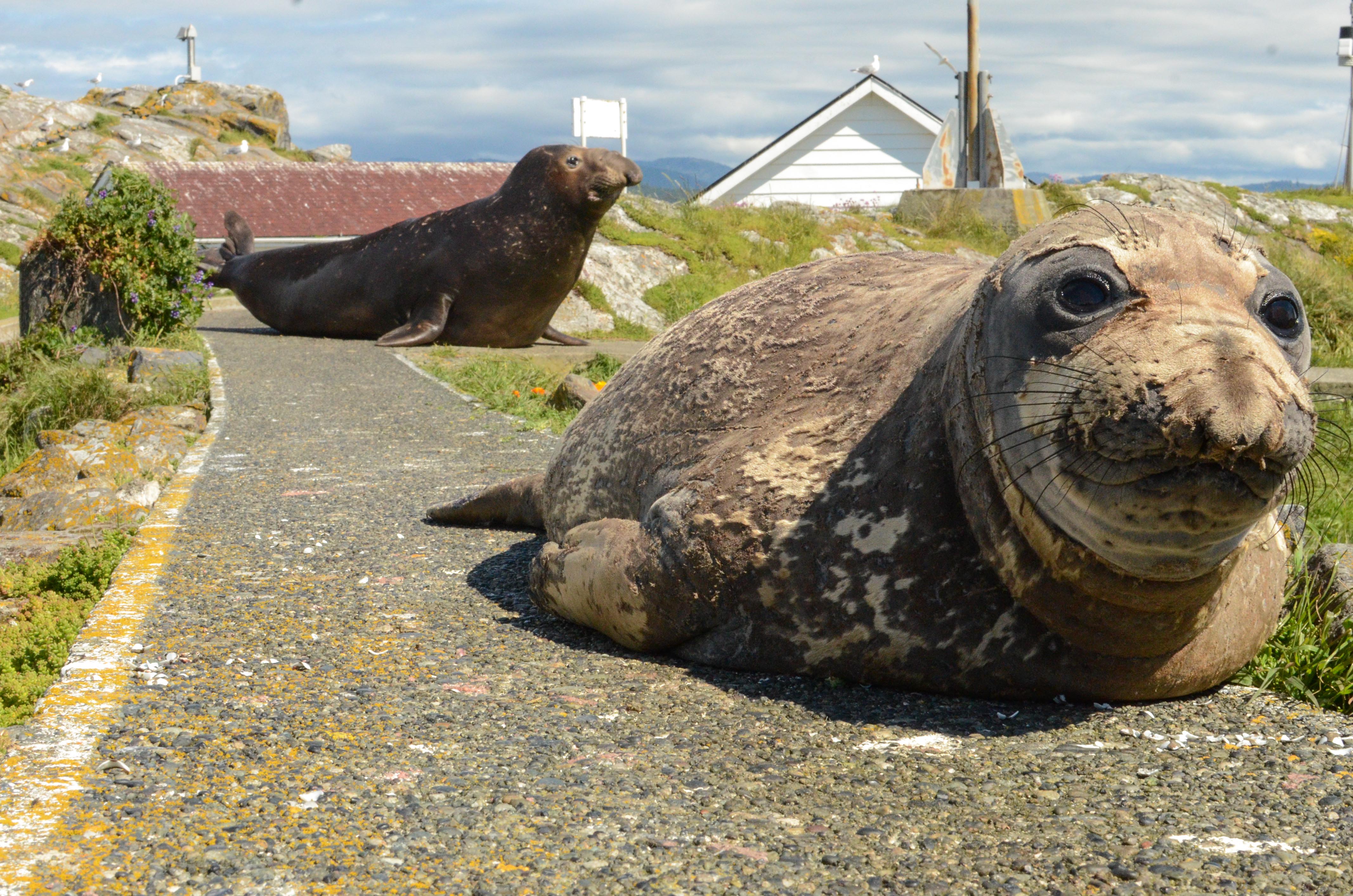
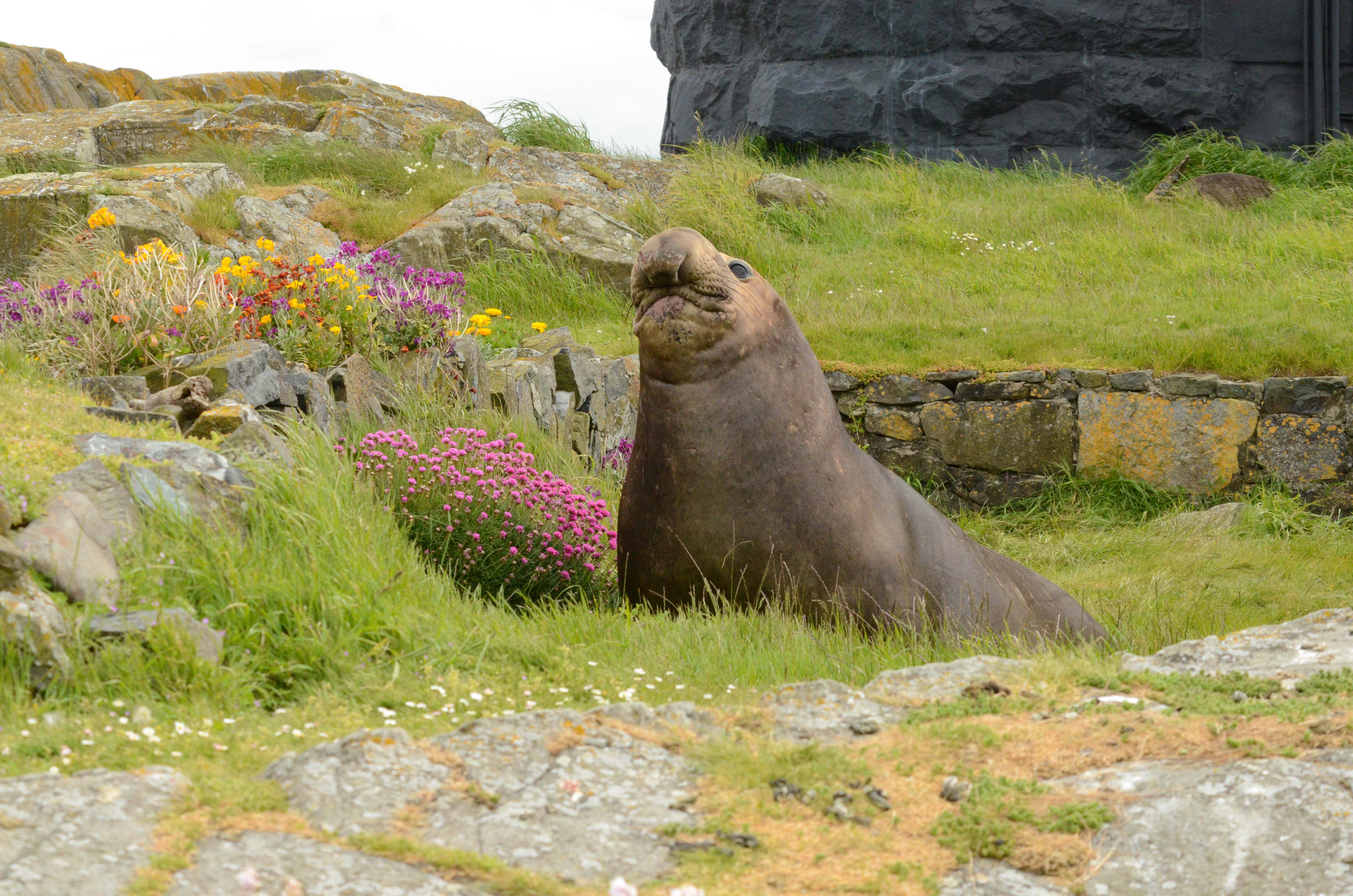
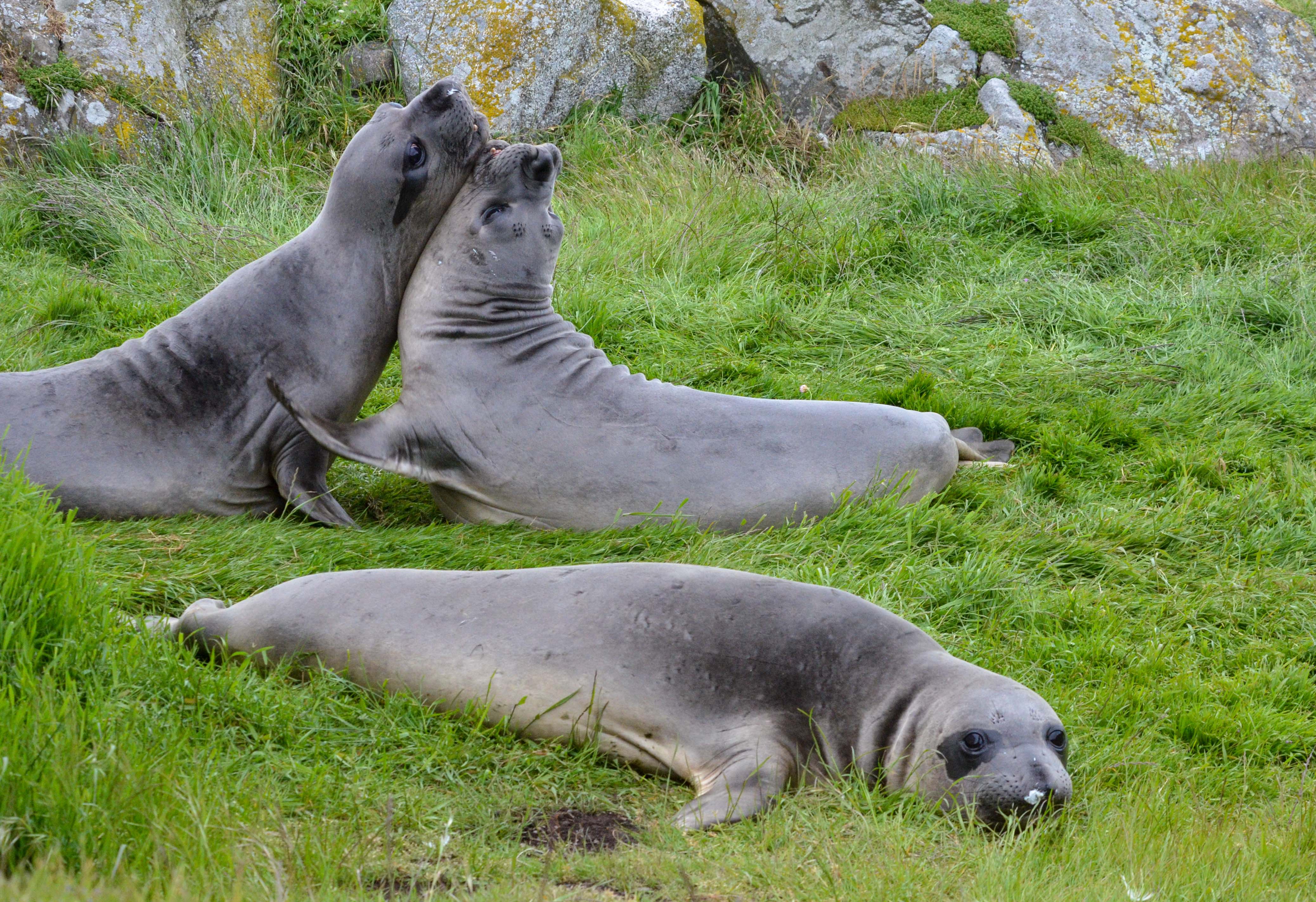
We continue to have about 12-15 elephant seals on Great Race Island. Most are nearing the end of their moult and are waiting until hunger drives them back to the open ocean. The big male (who is not fully grown) is just beginning to shed around his nose and mouth. Young e-seals and females moult earlier than the adult males, probably to avoid the threat of overly agressive or amorous advances by the big guys. Whenever Chunk moves a ripple of concern moves through the colony (literally). He often catches a small one and half-heartedly pushes it around, but he is fairly gentle all things considered.

Keeping an eye open...

Keeping an eye open…

Here comes trouble...

Here comes trouble…

Cornered...

Cornered…

Time to Smell the Flowers...

Time to Smell the Flowers…

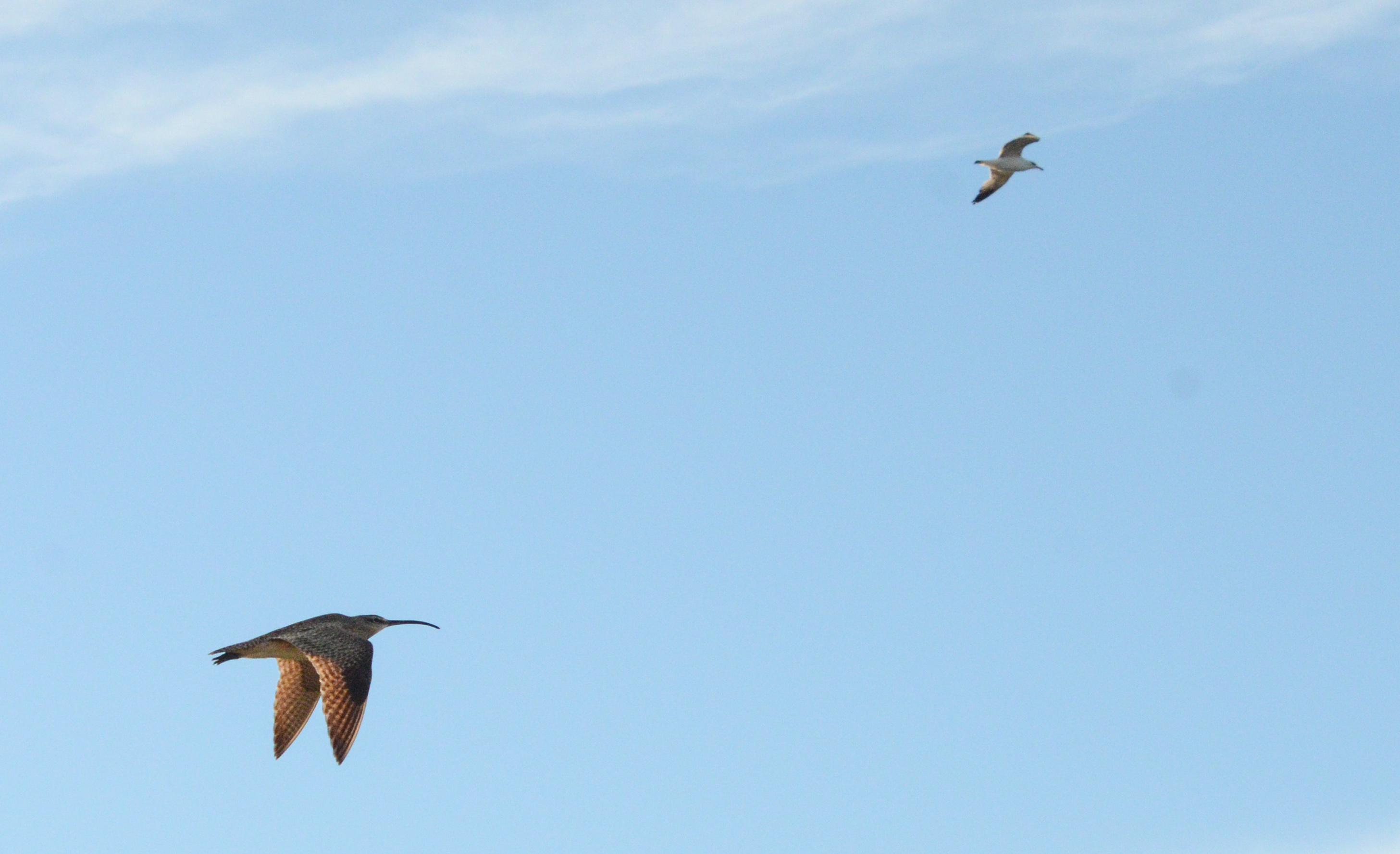
Whimbrel in Flight

Whimbrel in Flight


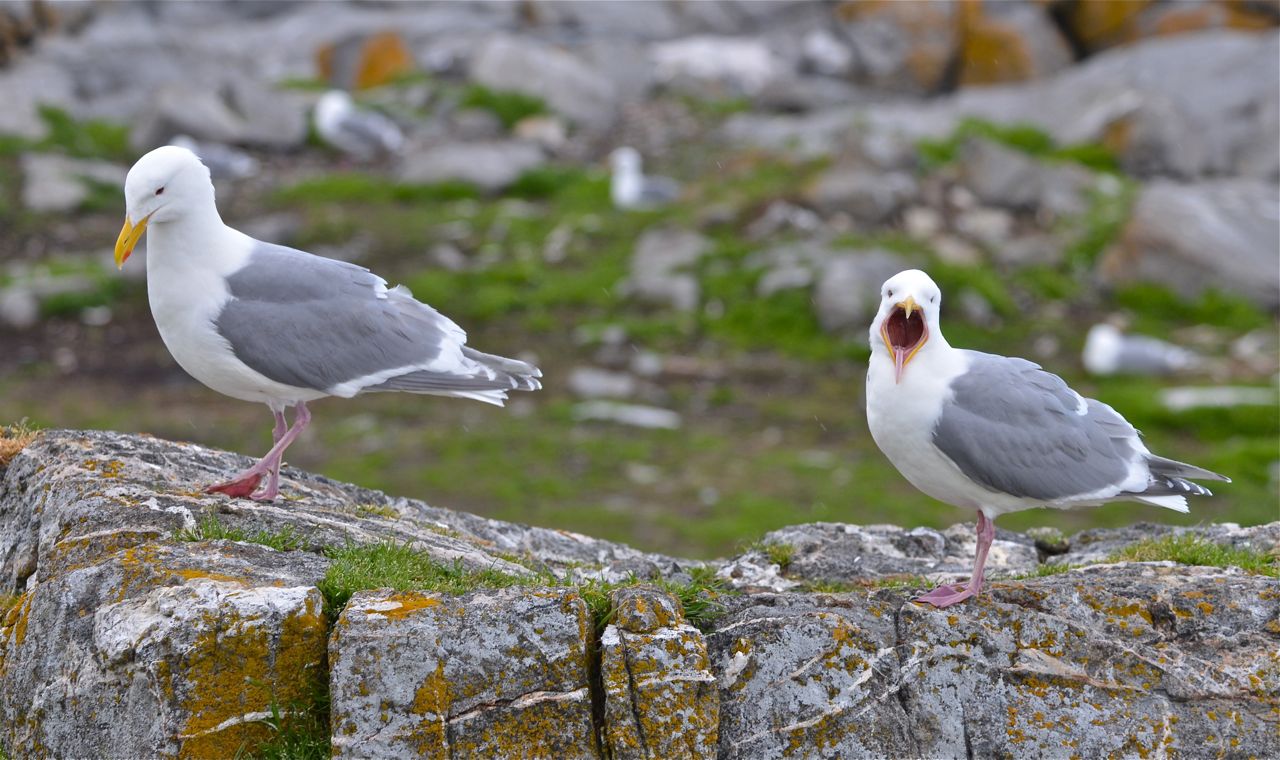
Where do the gulls go at night?

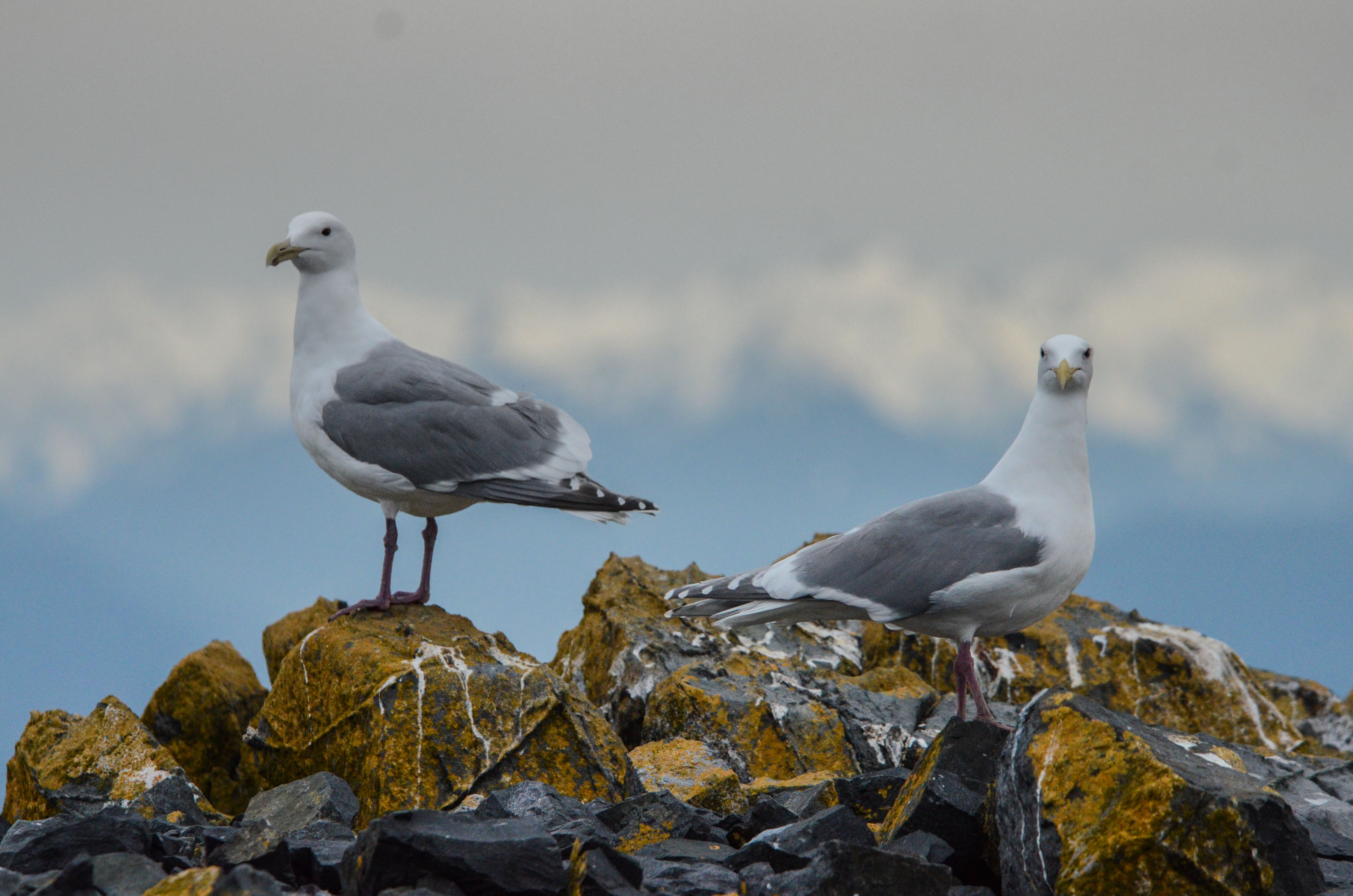
Glaucous-winged Gull

Glaucous-winged Gull

The Glaucous-winged Gulls (Larus Glauscens) is an almost ever-present fixture of Great Race Islet. This time of year from dawn to dark they can be seen occupying their potential nesting locations, building those nests, and settling territorial disputes with their neighbours. But many nights, when I head out to turn the generator off, I discover a silent and empty island; 300 gulls have simply disappeared, gone to some mysterious location I can only guess at. Do they prefer to sleep on the water? Do they feed on certain foods at night? What’s going on out there at night!

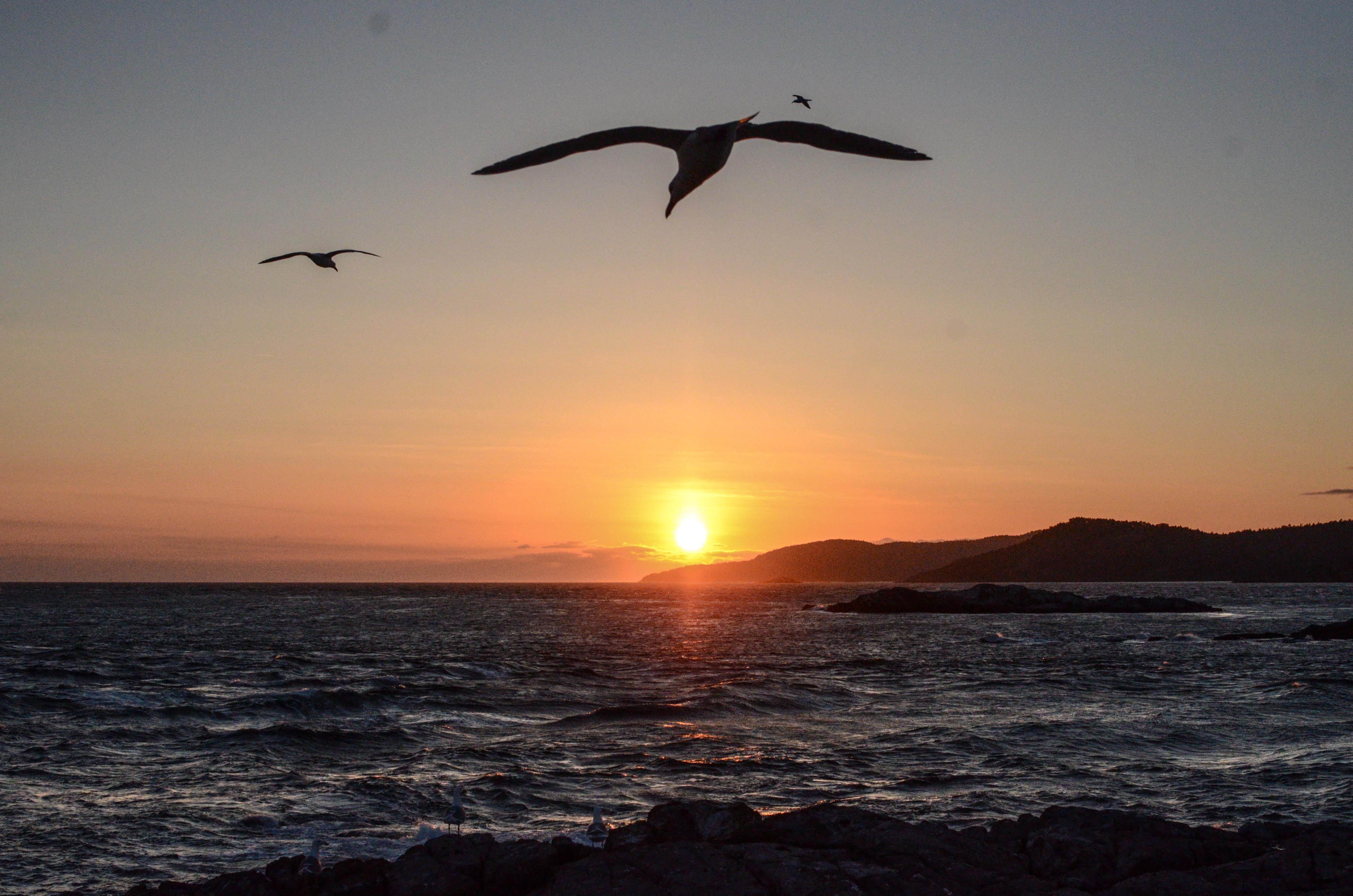
Sunset Soaring

Sunset Soaring

Regardless, I can tell you that Glaucous-winged Gulls are an extraordinary bird, at home on the lightest of breezes or duelling with the 50 knots gusts of an afternoon’s Westerly gale. Only in their ubiquitousness do we loose sight of their beauty and efficiency. They are masters of their realm.


The Hub of Activity

The Hub of Activity

In other news, yesterday there were 10 elephant seals in the yard and on the boatramp! This is a new record for Great Race. There are 4 young males, Bertha the mature female and 5 smaller females. A good-sized male is out on Middle Rock but it doesn’t look big enough to be Misery.


Juvenile Bald Eagle

Juvenile Bald Eagle

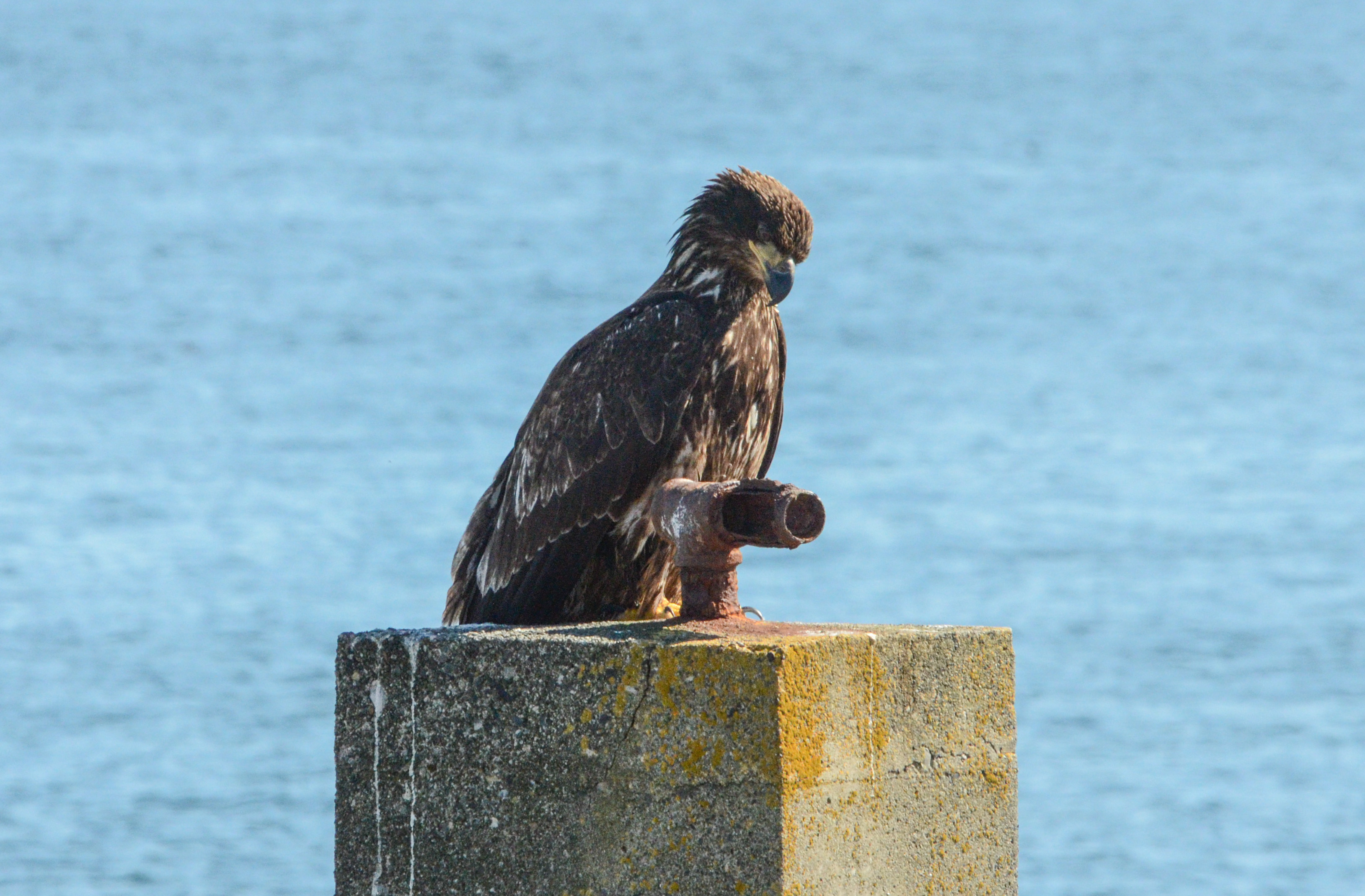
Many eagles are in the reserve, most juveniles. I watched one hunt a gull this morning and was surprised how the eagle targeted an individual gull and chased it for over a kilometer out to sea before I lost sight of them both.

Bertha is Back

And more beautiful than ever!
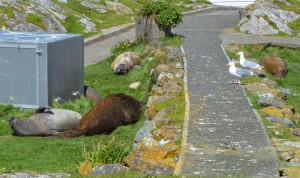
Bertha and gang avoiding the strong Westerlies
Bertha and gang avoiding the strong Westerlies

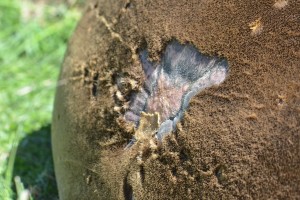
Bertha's Scar

Bertha’s Scar

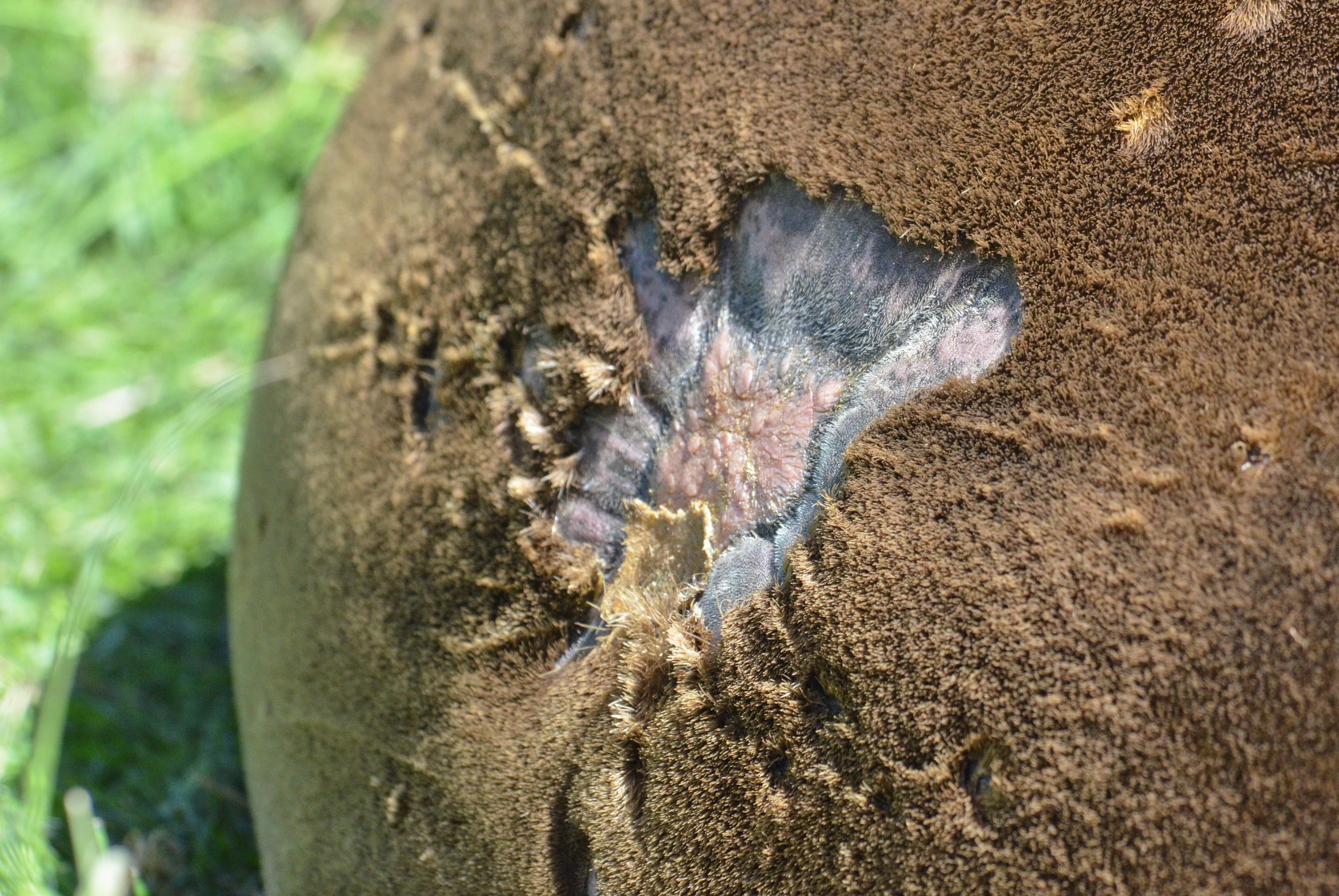
This morning 5 elephant seals were on the island, probably seeking some degree of shelter from the 35 knot Westerly wind that has been blowing all day. 4 are juveniles, but in the middle of the pile lies Bertha looking sleek and glossy-brown. She is easily identified by the large scar on her chest and her clouded left eye. Last year she arrived on Great Race on April 15th. I think she has been in the reserve for a little while now but I had not been able to identify her while she rested on Middle Rocks.
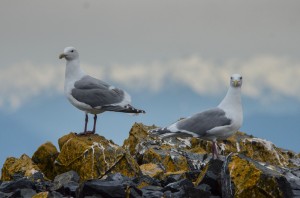


Biding their time...

Biding their time…


We appear to have about 300 Glaucous-winged Gulls on the island this spring. My estimate is that there are about 25% fewer individuals than last spring, when I counted about 200 breeding pairs. Other animals noted in the past few days have been several Dunlins, a small flock of Barn Swallows, a Whimbrel and what resembled a Solitary Sandpiper. I also saw for the first time a Mink (Mustela Vison) on Great Race; quite a swim for the little athlete!

Erik and I did an oil and filter change on the generator. Hopefully it will be the last one and we will soon be able to afford to install a wind generator to provide the last 20% of energy we require. We run the generator about 2.5 hours a day this time of year.

We had 3 groups of student this month, 2 roofers, 3 techs from Environment Canada, and several college staff. Tour boats and fisherfolk are being seen more regularly in the reserve as the nicer weather begins. We had to ask one group of fishers to pull their lines and leave the Reserve. Infractions are almost always due to ignorance and I am lobbying the government to post a few signs which, unattractive as they may be, could go a long way towards ameliorating those infractions.
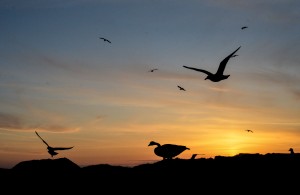
Birdyfull Sunset
Birdyfull Sunset
Unsettled Weather

The last few days have seen many extremes in weather, from 50 knot Westerlies with hail to gorgeous, clear, sunny and warm afternoons. I enjoy watching the squall fronts marching up the Juan de Fuca Strait, passing over me, and then moving on to affect Victoria.

Stunning cloudscapes
Race Rocks Tidal Rips

We were visited by a red-tailed hawk a few days ago. I didn’t observe it preying upon anything; the gulls are a bit too big for it to take on I think….

Hawk landing on the Anemometer
Hawk perched on the Anemometer

There are about 15 Elephant Seals in the reserve at this time, mostly juveniles. 3 of them are using Great Race as their haul-out while the others are on Middle Rock and can be observed using the live webcams: http://www.racerocks.com/racerock/video1.htm

3 Juvenile E-seals April 2013 including Tag 5086,  a visitor from last spring.
3 Juvenile E-seals April 2013 including Tag 5086, a visitor from last spring.


Back for Spring

It is good to be back on Race Rocks after a winter on the road in Mexico. It seems I am not the only one returning as the Pigeon Guillemots have been returning over the last few days as well. I am planning a special entry focused on them in the next week so stay tuned!

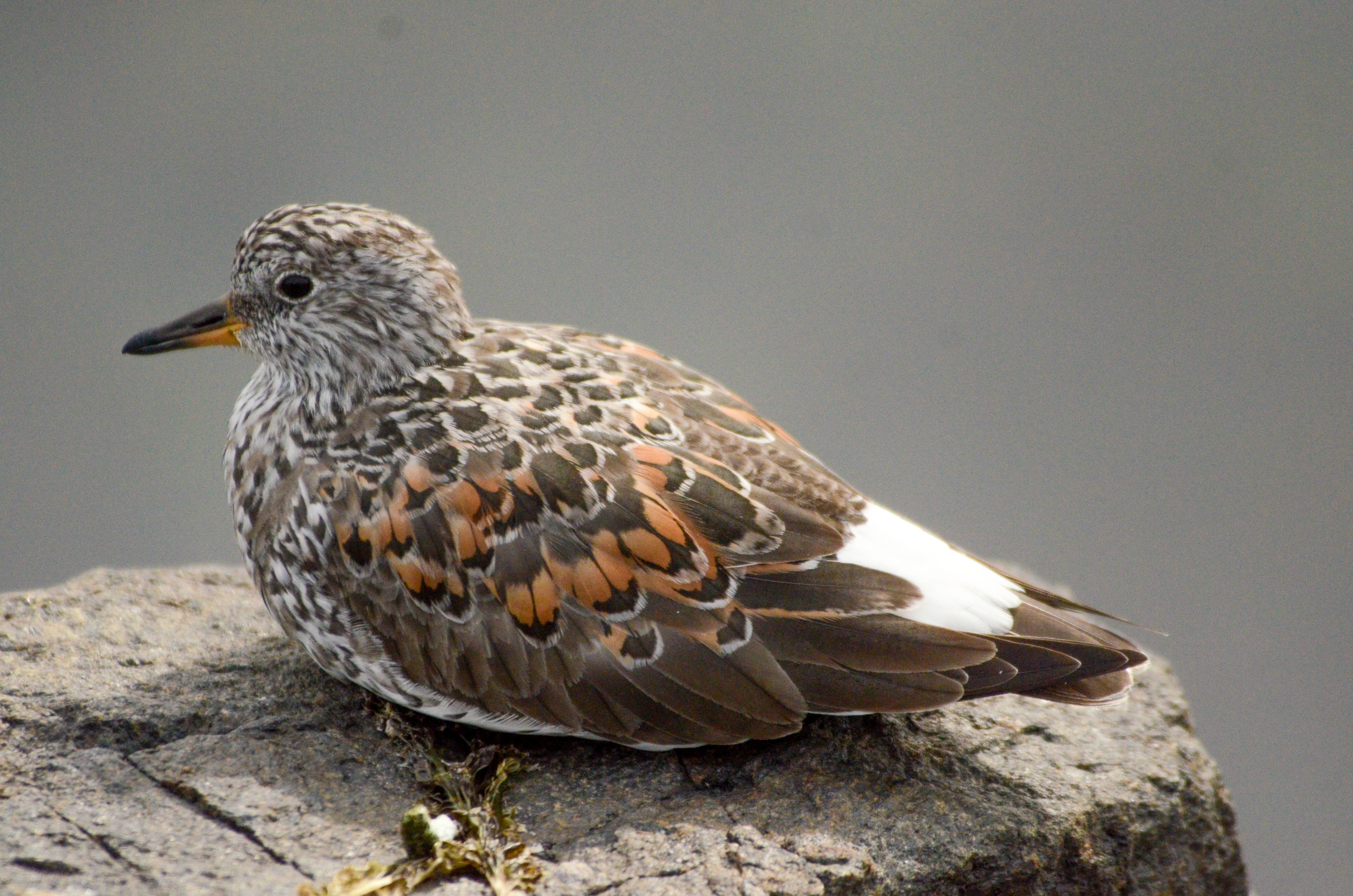
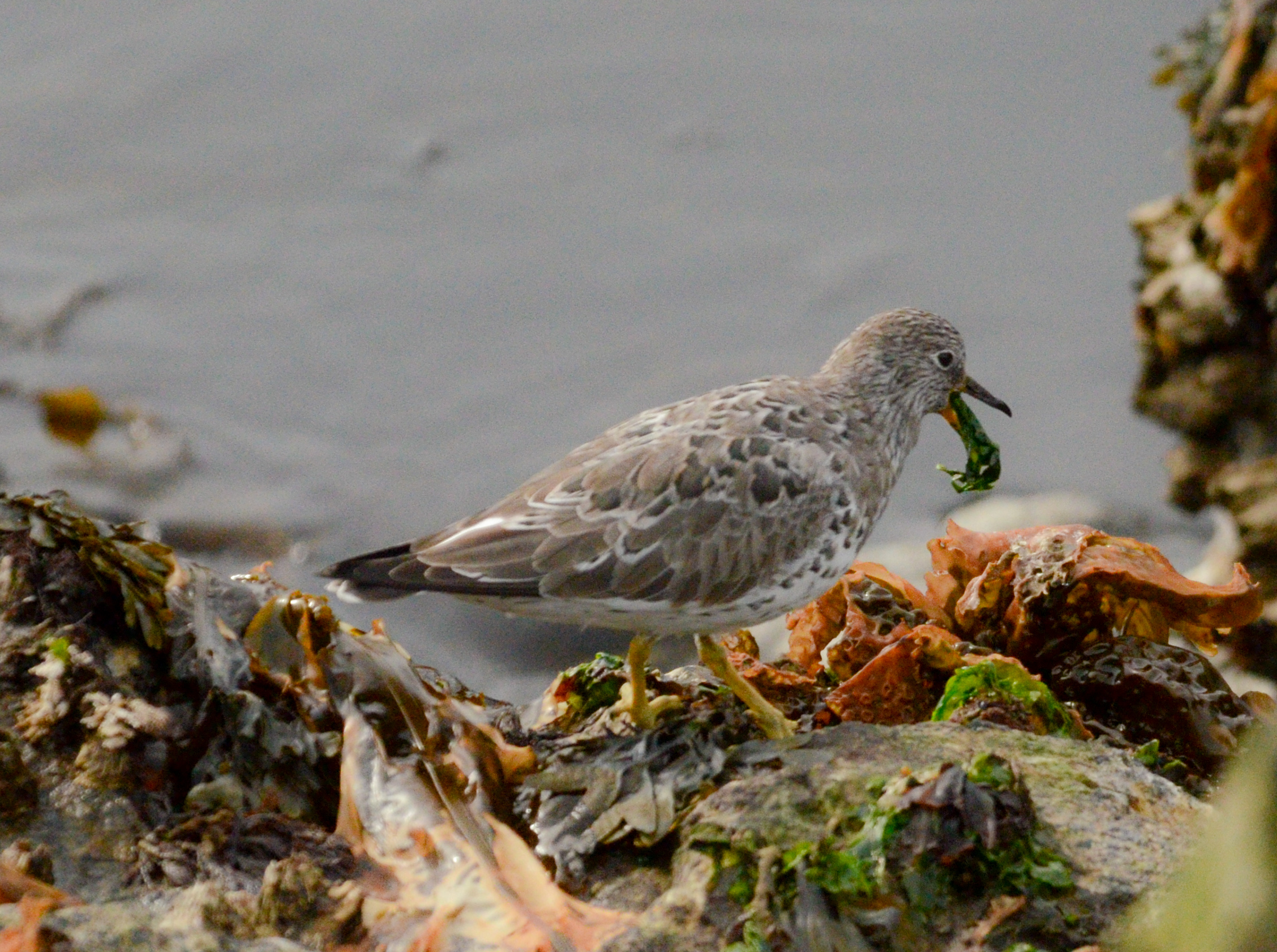
Surfbird (Aphriza Virgata) in breeding plummage

Surfbird (Aphriza Virgata) in breeding plummage

These birds usually eat invertebrates so this picture of one eating Sea Lettuce (ulva lactuca) a bit unusual.

These birds usually eat invertebrates so this picture of one eating Sea Lettuce (Ulva lactuca) is a bit unusual.

For now I think a census of the last few days is in order:

Steller (Northern) Sea Lions: 30

Harbour Seals: 100

Elephant Seals: 10

Orca: 6

River Otter: 1

Mergansers: 2

Pigeon: 1

Cormorants: 40

Glaucous-winged Gulls: 200

Pigeon Guillemots: 60

Northwestern Crow: 2

Raven: 2

Rufous Hummingbird: 1

Black Oyster Catchers: 20

Bald Eagle: 10

Harlequin Ducks: 10

Black Turnstones: 30

Sanderlings: 4

Song Sparrow: 6

Canada Geese: 14

Surfbirds: 40


Carrier, Vulture, Relief Guardian

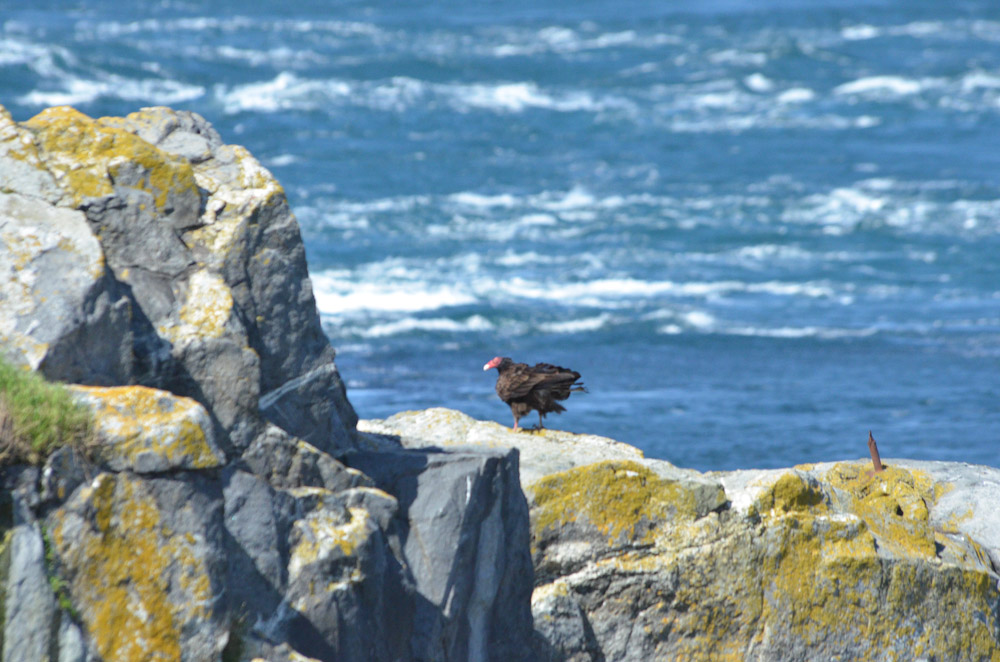
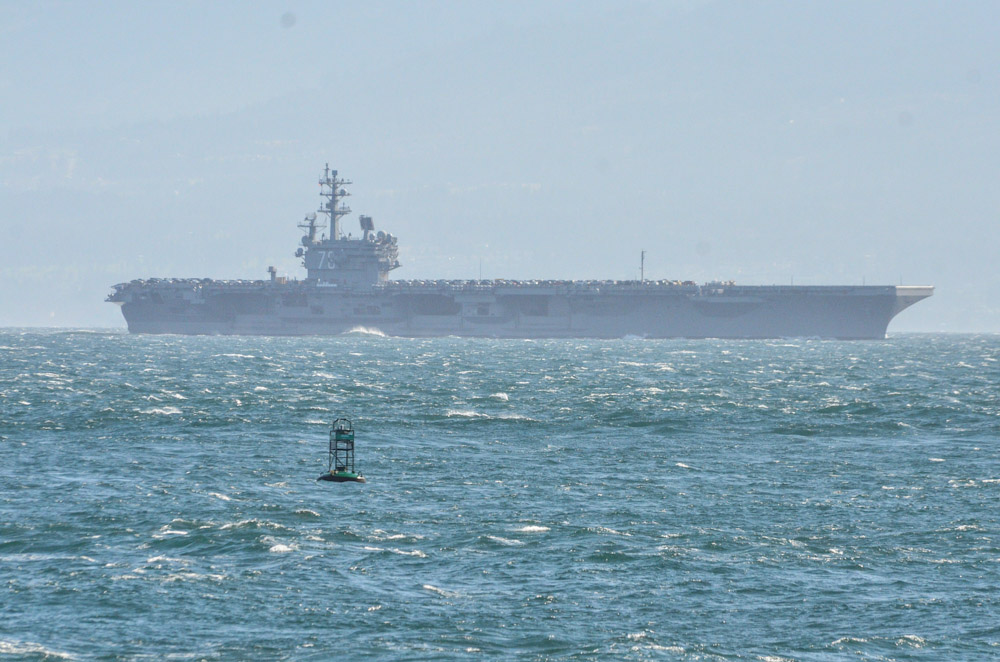
Today a relief guardian came out to take my place for about a week.   A pair of Turkey Vultures  landed on the island and an air craft carrier passed by in the distance behind Rosedale Reef.  Oddly, on close examination this carrier appears to be carrying cars not aircraft on its upper deck.

http://www.racerocks.com/racerock/eco/taxalab/2006/cathartesa/cathartesa.htm

turkey vulture
See this file on Turkey Vultures at Race Rocks

carrier

Cathartes aura: Turkey vulture

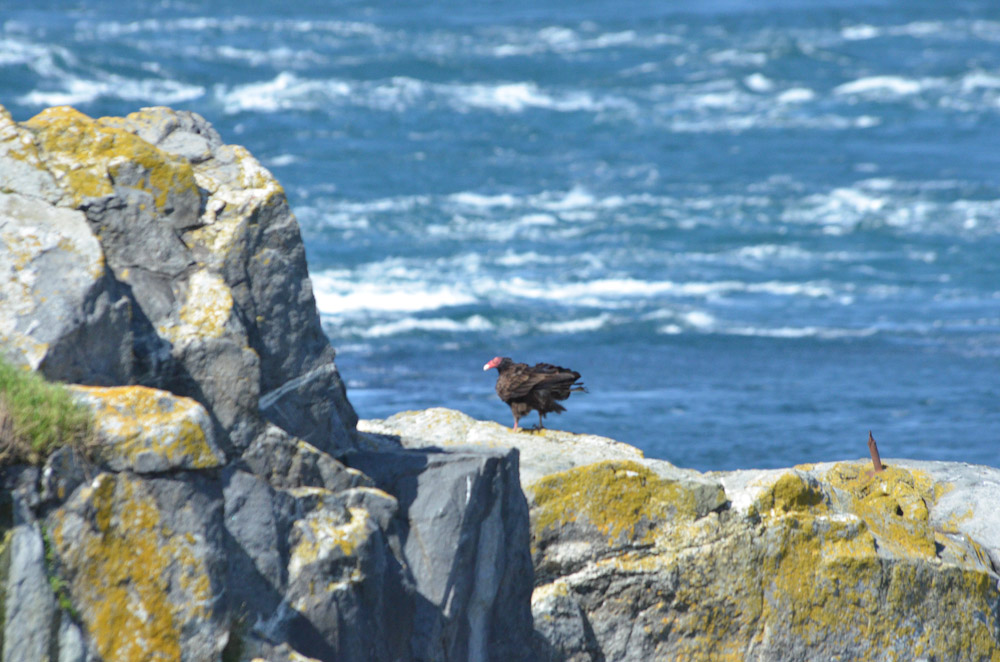
Alex Fletcher took this picture of a turkey vulture and included it in the Race Rocks Log of . We occasionally see Turkey Vultures at Race Rocks, rarely landed but often wheeling in the air. In October when migrating, they gather at this southern end of Vancouver Island, working up on the thermals until they have enough altitude and the conditions are right to cross the Strait of Juan de Fuca

Carol Slater noted in The Daily Log, Thursday, March 28, 2002
Good Evening
TEMPERATURE: Max. 8.1 ºC »» Min. 6.0 ºC »» Reset 7.1 ºC »» Rain 2.6 mm
MARINE LIFE: 4 Bald Eagles – 3 mature, only one pair of Geese today. Another wet and windy day but did have some visitors of note-just before noon 4 Turkey Vultures landed on the ridge just west of the Learning Centre. The other birds were somewhat wary but did not try to drive away the big vultures as they do with the eagles.The geese were very curious and waddled over to have a look all the time waving their necks back and forth.
Unfortunately by the time the geese made their way from the flagpole to where the vultures were, they had taken off towards Bentinck Island.Turkey Vultures often land here during the fall migration but this is the first time I can remember seeing them in the spring.The small elephant seal is still hauled out on the ramp,it’s nose just 3 metres from the boat house door, quite comfortable and unconcerned with us passing by even just inches away.

Other references to turkey vulture sightings may be found here:

CLASSIFICATION:
Domain Eukarya
Kingdom Animalia
Phylum Chordata
Subphylum Vertebrata
Class Aves
Order Cathartiformes
Family:Cathartidae
Genus Cathartes
Species aura

Common Name: Turkey Vulture


taxonomyiconReturn to the Race Rocks Taxonomy
and Image File
pearsonlogo2_f2The Race Rocks taxonomy is a collaborative venture originally started with the Biology and Environmental Systems students of Lester Pearson College UWC. It now also has contributions added by Faculty, Staff, Volunteers and Observers on the remote control webcams.