One Day Old Elephant Seal Pup

Wind: Yesterday 5-15 knots W to N; Today 0-18 knots SW to E
Sea State: up to 1 m chop
Visibility: 10-15 NM
Sky: overcast with light rain this evening
Temperature: 8-9 C
Atmospheric CO2: 412.75 ppm (recorded by NOAA at Mauna Loa Observatory, Hawaii)

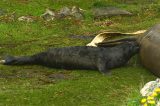
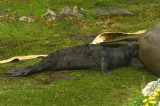
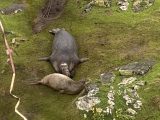
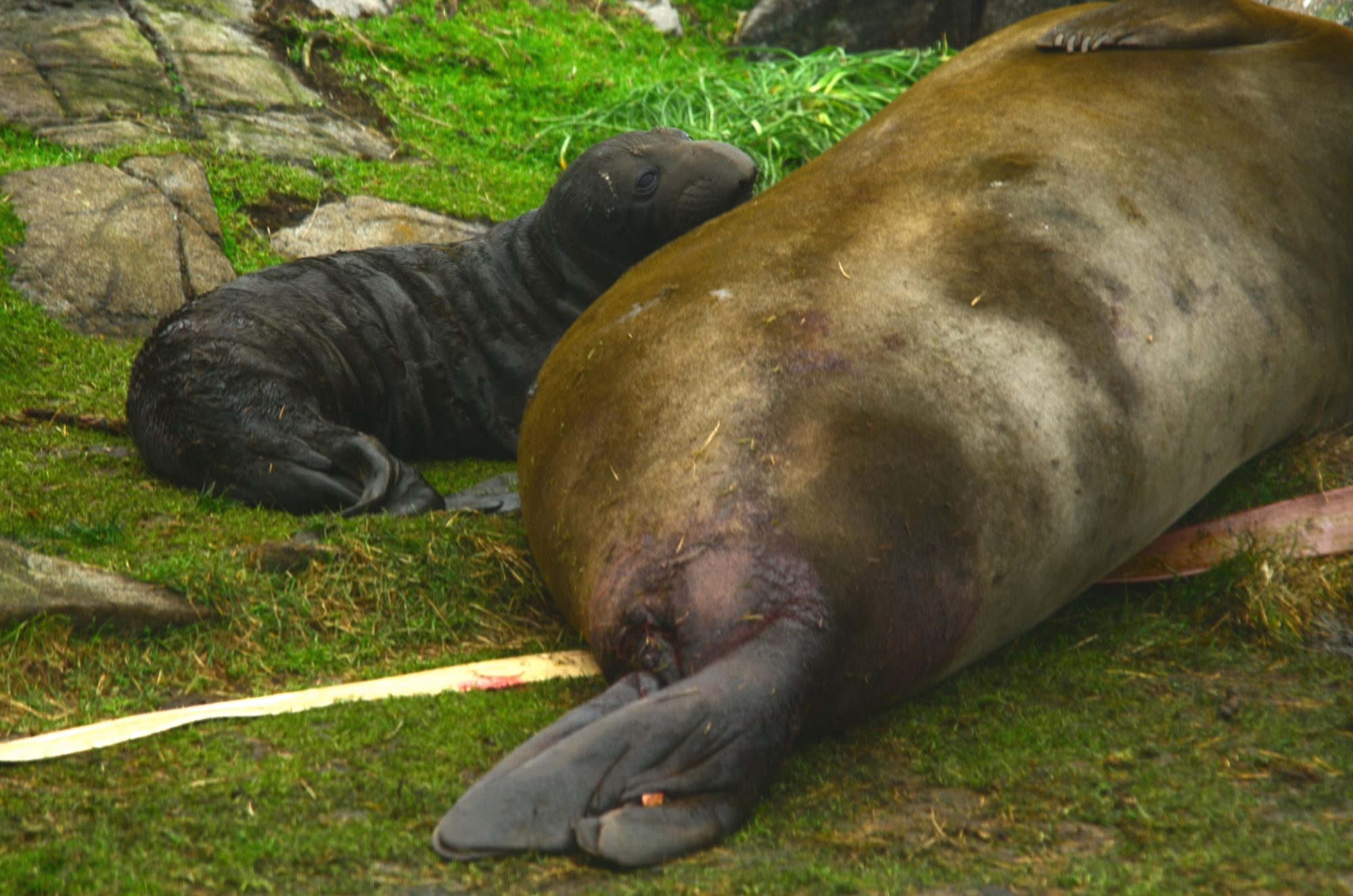
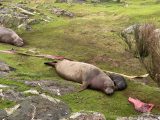
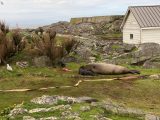
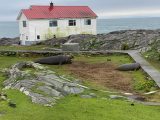
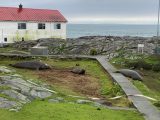
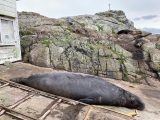
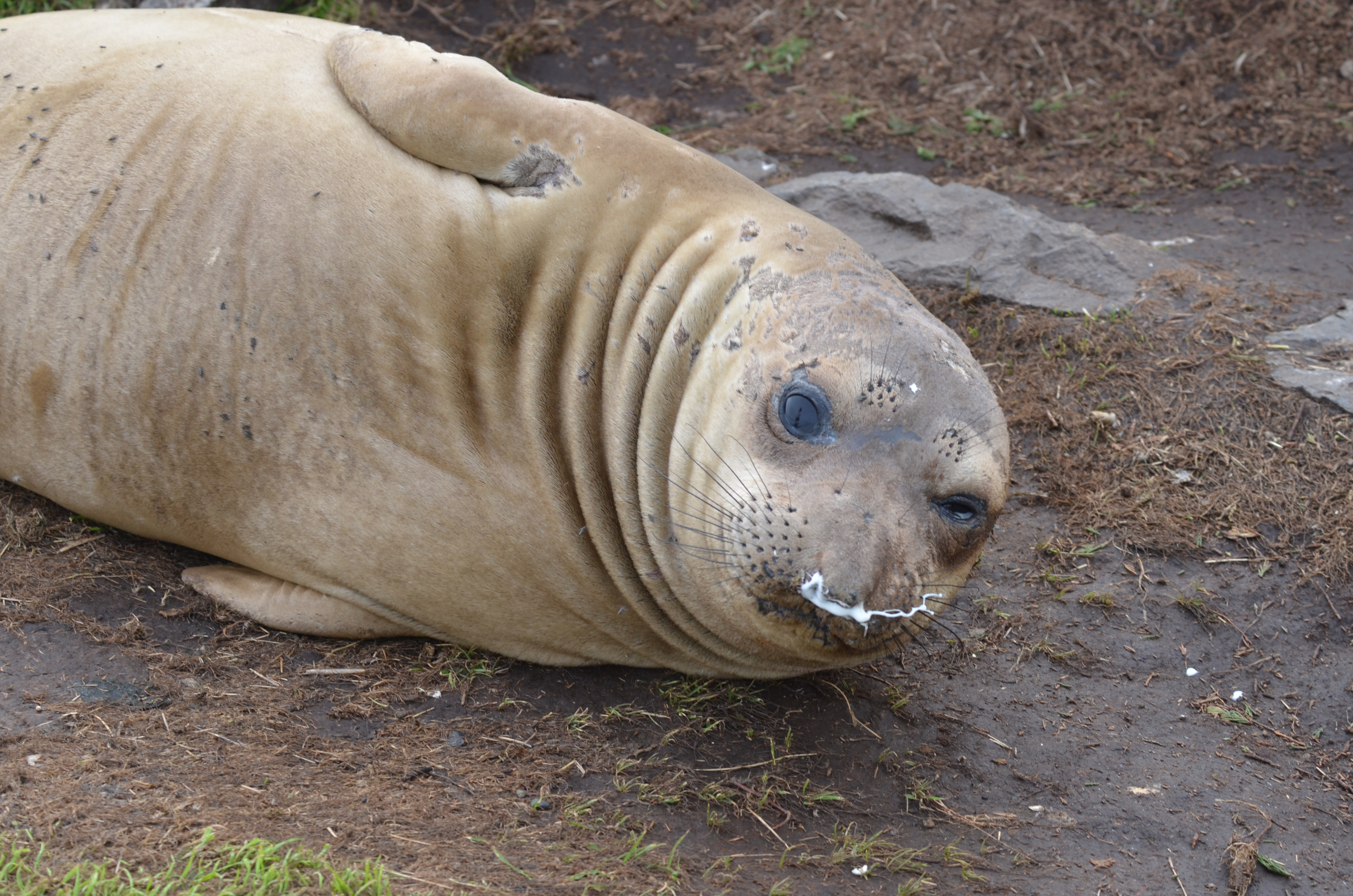
The one day old elephant seal pup is doing well. It seems to have got the hang of nursing. The alpha male elephant seal, who in the past has been referred to as Bernard, interacted with the pup and mother several times today.

I heard from elephant seal researchers in California that the new mother is T562, who also had a pup on January 4, 2019 on Race Rocks. She was born in the 2010-2011 breeding season on SE Farallon Island, near San Francisco. Until the beginning of 2019, she hadn’t been recorded anywhere since her birth. See Garry Fletcher’s post from February 9th about the elephant seal cow.

Last breeding season, three elephant seal births occurred between January 4 to 20. I will keep a look out for more elephant seal arrivals. Usually, they haul out and then give birth a few days later. Although, the new mother T562 was here for a couple weeks before she gave birth.

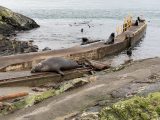
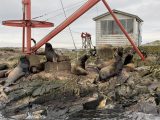
The entangled california sea lion is still present on the rocks near the winch and jetty. There has been no sign for the past two days of the entangled steller sea lion.

A previously rescued california sea lion was spotted today and appears to be doing well. More can be read about the care given to that sea lion during the visit by the Marine Mammal Rescue Centre, as detailed in Laas’ post from November 9.

Several eco tour boats have been in the reserve each evening. Yesterday, SCUBA divers were in the water near the North Rocks.

Here is a video of the new elephant seal family:

Videos and Photo of Elephant Seal Pup Nursing

Here are two videos of the elephant seal pup nursing and barking. The videos were taken from the basement door of the ecoguardian’s house. California sea lions can be heard barking in the background.

Photo of the elephant seal pup nursing


Elephant Seal Pup

At some point overnight, an elephant seal was born. The pup is moving around and appears be trying to figure out how to nurse.

Annual Christmas Bird Count

Wind: Yesterday 5-10 knots W; Today 5-20 knots NE
Sea State: up to 1 m chop
Visibility: 10 NM
Sky: overcast with rain this afternoon
Temperature: 7 C
Atmospheric CO2: 412.60 ppm (recorded by NOAA at Mauna Loa Observatory, Hawaii)

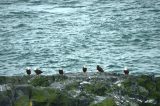
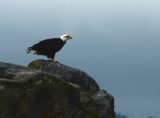
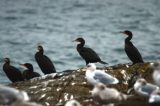
December 28 is the annual Christmas Bird Count, which happens in thousands of locations across North America. It has been happening for twenty-two years at Race Rocks. This morning with the northeast wind and dropping pressure, the planned visit by the local bird enthusiasts was called off. But fear not, citizen science provailed. For an hour and half this morning, I searched for birds of all feathers as I walked around the island and looked out from the top of the lighthouse. I used binoculars, a spotting scope and the zoom lens on the camera to check out the shoreline, water and the rocky islets of the ecological reserve. I was able to spot 12 species of birds, some of which were not present when I did the weekly census two days ago. Here are the results and photos of the bird count:

25 bald eagles (5 juvenile, 20 adults)
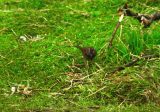
1 fox sparrow
4 canada geese
2 ravens
6 harlequin ducks
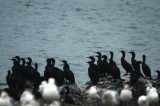
208 double-crested cormorants
59 pelagic cormorants
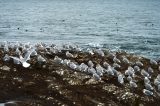
281 thayer’s gulls (on the rocks and in the water)
48 mew gulls (near Turbine Rock and North Rocks)
18 surfbirds
42 black turnstones
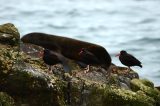
4 black oystercatchers

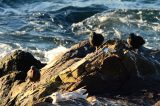
Photos of some of the birds seen today:

In the past two days, I have seen two entangled sea lions. Yesterday morning, I noticed a large steller sea lion with a small rope around its neck. The rope appeared to be cutting into the underside of the animal’s neck. A short while later, I noticed a california sea lion with a cut on its neck from what appears to be a plastic strap wrapped around it. The Marine Mammal Rescue Centre and Department of Fisheries and Oceans have been notified. If the sea lions remain at Race Rocks, it might be possible for a rescue to occur. Both animals were seen again today. See the entangled sea lion and marine mammal rescue tags for past occurrences that were written about in the Log. Two other california sea lions were seen that appear to have healing wounds from something that was previously wrapped around their necks. The animals don’t appear to have tags on their flippers to signify they have been rescued.

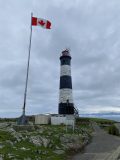
The Canadian flag was looking a bit tattered, so I replaced it today.

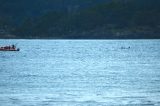
Just before sunset today, there were four eco tour boats in the reserve. The boats were all close to each other, which usually means something interesting is nearby. Sure enough, a pod of five or six orcas were passing westward. They travelled along the north side of the ecological reserve, just south of Bentinck Island and the Department of National Defence base.

Here are some photos from the past two days:

Boxing Day Megafauna Census

Wind: 0-25 knots NE
Sea State: up to 1 m chop
Visibility: 15 NM
Sky: overcast with sunny patches throughout the days
Temperature: between 6 to 7 C
Atmospheric CO2: 412.28 ppm (recorded by NOAA at Mauna Loa Observatory, Hawaii)

This morning, I heard a ruckus outside the west side of the house, where the a few of the elephant seals have been hanging out. The largest male appeared to be fighting the small juvenile male, while the female watched. The adult was slamming its head down onto the juvenile and biting it. This lasted for a few minutes before the juvenile and female fled to the north side of the path.

While I was doing the census in the middle of the day, there were three people snorkelling off the southwest of Great Race Rock Island. They took turns snorkelling in pairs, while one person stayed in the boat. Six other pleasure craft and eco tour boats were seen in the reserve over the past two days.

Weekly Megafauna Census for December 26:
5 elephant seals (1 juvenile male, 1 female, 3 adult males)
18 harbour seals
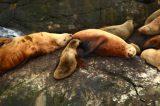
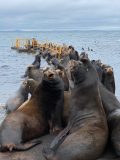
175 california sea lions
207 steller/northern sea lions
Birds:
8 harlequin ducks
9 surf scoters
4 canada geese
12 black turnstones
21 black oystercatchers
1 fox sparrow
15 bald eagles
107 cormorants (pelagic and double-crested)
224 gulls (a variety of species)


Festivus

Wind: 5-19 knots NE
Sea State: up to 1 m chop
Visibility: 15+ NM
Sky: 50% cloud cover with sunny patches throughout the days
Temperature: between 6 and 8 C
Atmospheric CO2: 411.99 ppm (recorded by NOAA at Mauna Loa Observatory, Hawaii)

It has been mostly quiet on the rock for the past two days, with the exception of the sea lions barking nonstop. It’s a mystery to me what they carry on about all night. Although, I will take that any night over the fog horn or the urban noises that are too far away for me to hear. The only visitors to the reserve were a few eco tour boats that lingered offshore in the late afternoons.
I had to quickly jump into action this morning, when I realized power had gone out just before I got out of bed. I ran the generator for several hours to make sure the batteries were fully charged. The solar panels helped a bit today, soaking up 3.7kWh of energy, which is a couple hours worth of the energy used on the island. There is lots of learning about off grid living.

Yesterday one of the juvenile males elephant seals left, bringing the population of elephant seals on the island from six to five.

A parcel of about 20 oystercatchers have been hanging out on the south side of the island. They mostly huddle on one leg with their beaks tucked into a wing.

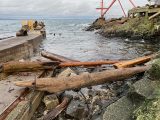
The northeast winds have delivered presents in the form of free firewood to heat the ecoguardian’s house. Through some clumsy use of a pike pole and the tolerance of a nearby resting elephant seal, I managed to land a 6.5 metre log and drag it up the jetty ramp. I also gathered lots of smaller pieces. The wood will be left out in the rain for a while to wash off the salt, then chopped up into manageable pieces, and eventually put away to dry for next winter.

Shift Changeover

Wind: 0-20 knots NE
Sea State: 0.5 m chop
Visibility: 15+ NM
Sky: overcast clearing to sun in the late morning
Temperature: 8 C
Atmospheric CO2: 412.73 ppm (recorded by NOAA at Mauna Loa Observatory, Hawaii)

Yesterday, Laas’ shift ended after being on Race Rocks for the past two and half months and a big chunk of the past two and a half years. I came out to the island at noon on Second Nature with Guy, Corey, two students, a family visiting the college and a friend of Laas. It was great to share in the excitement of all on the boat. I also appreciated their help carrying my many bins of food. I always get excited when the boat rounds the corner out of Pedder Bay and the lighthouse comes into view. The cacuphony of seal lion barks and belches was overwhelming when the boat pulled up to the jetty. Thanks for the great welcome home, my pinniped pals. I had a run through of the energy systems with Laas, Guy and Corey, as the equipment has changed completely since I was here almost five years ago. It’s great to be back on the Rock. Thank you Laas for leaving the place so tidy. Best of luck on your new adventures.
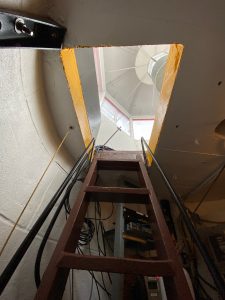
After the group left, I climbed the 99 steps inside the lighthouse to get a bird’s-eye view of the island. I spend the rest of the day reacquainting myself with the place and unpacking. I welcomed the slow down, as I settled into the island that I will call home for the season, watching the changes as the days become longer. I will be here for all of winter and depart soon after the vernal equinox.

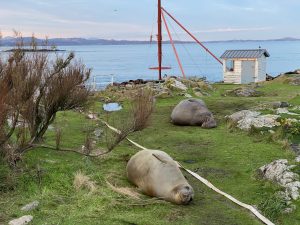
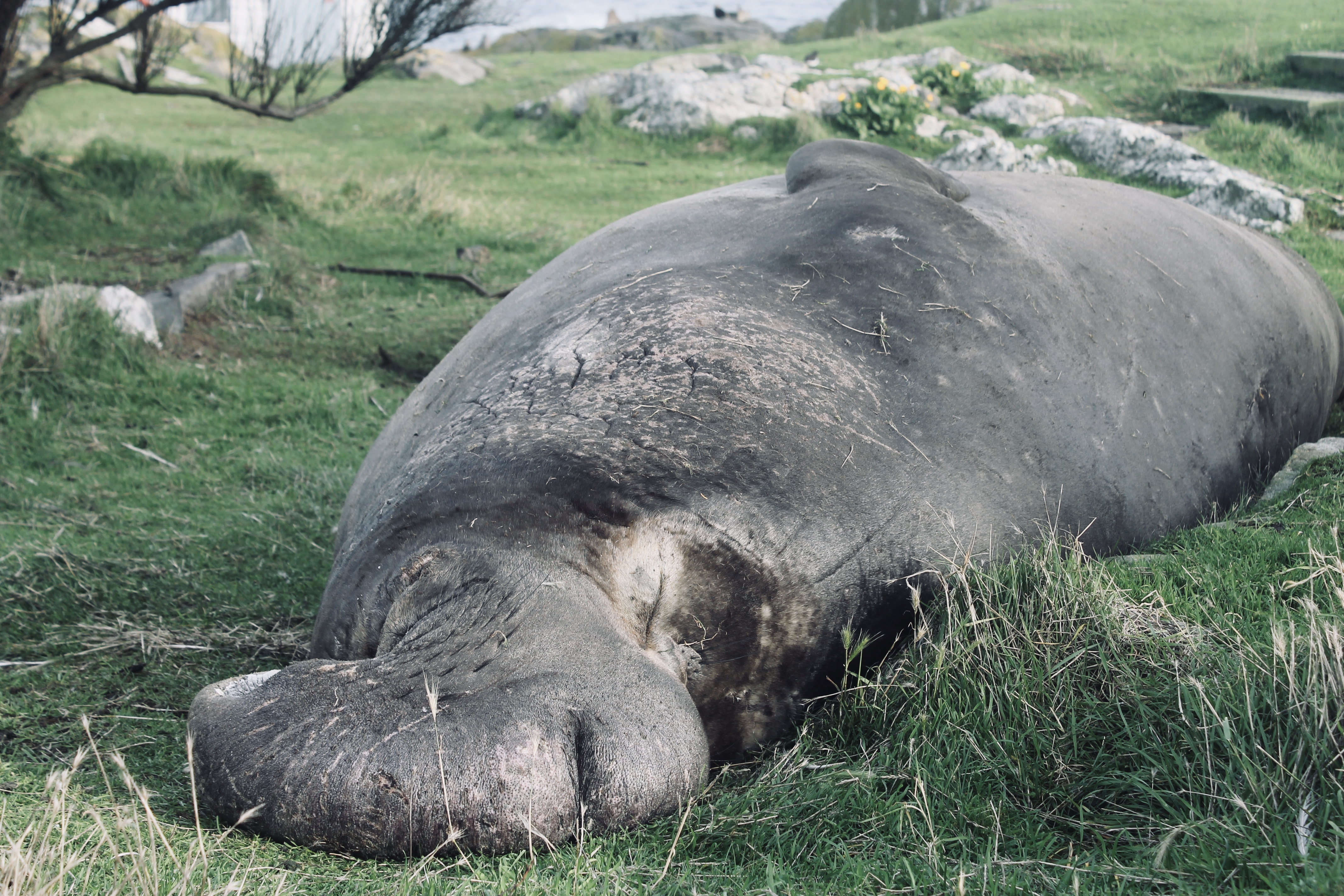
Today, I continued to check out more places and do the regular tasks like monitor the energy levels, wash the solar panels, turn the composting toilet and sample the salinity and temperature of the water at high tide. On one trip up the lighthouse, I counted 336 sea lions on the rocks. There are also six elephant seals on the main island: three large males spaced apart from each other, one pregnant looking female in the centre of the island and two juvenile males.

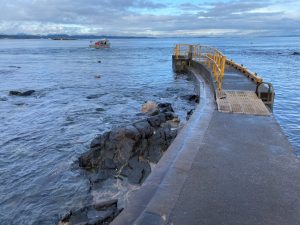
Approaching Race Rocks

Waving goodbye

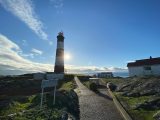
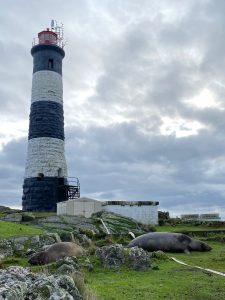
Lighthouse and elephant seals

Climbing to the top of the lighthouse

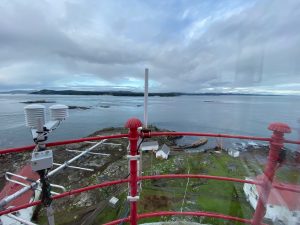
A bird’s-eye view

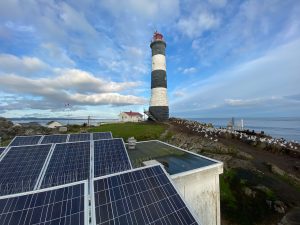
Solar Panels charging the batteries on a sunny day

Elephant seals

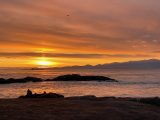
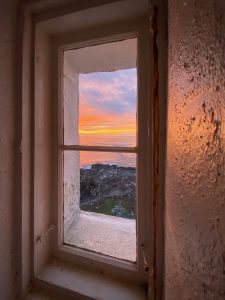
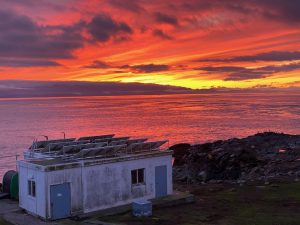
Sunset from halfway up the lighthouse

Sunset over the Olympic Peninsula


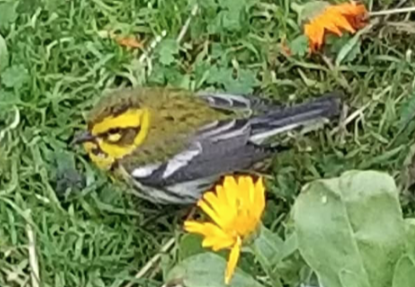
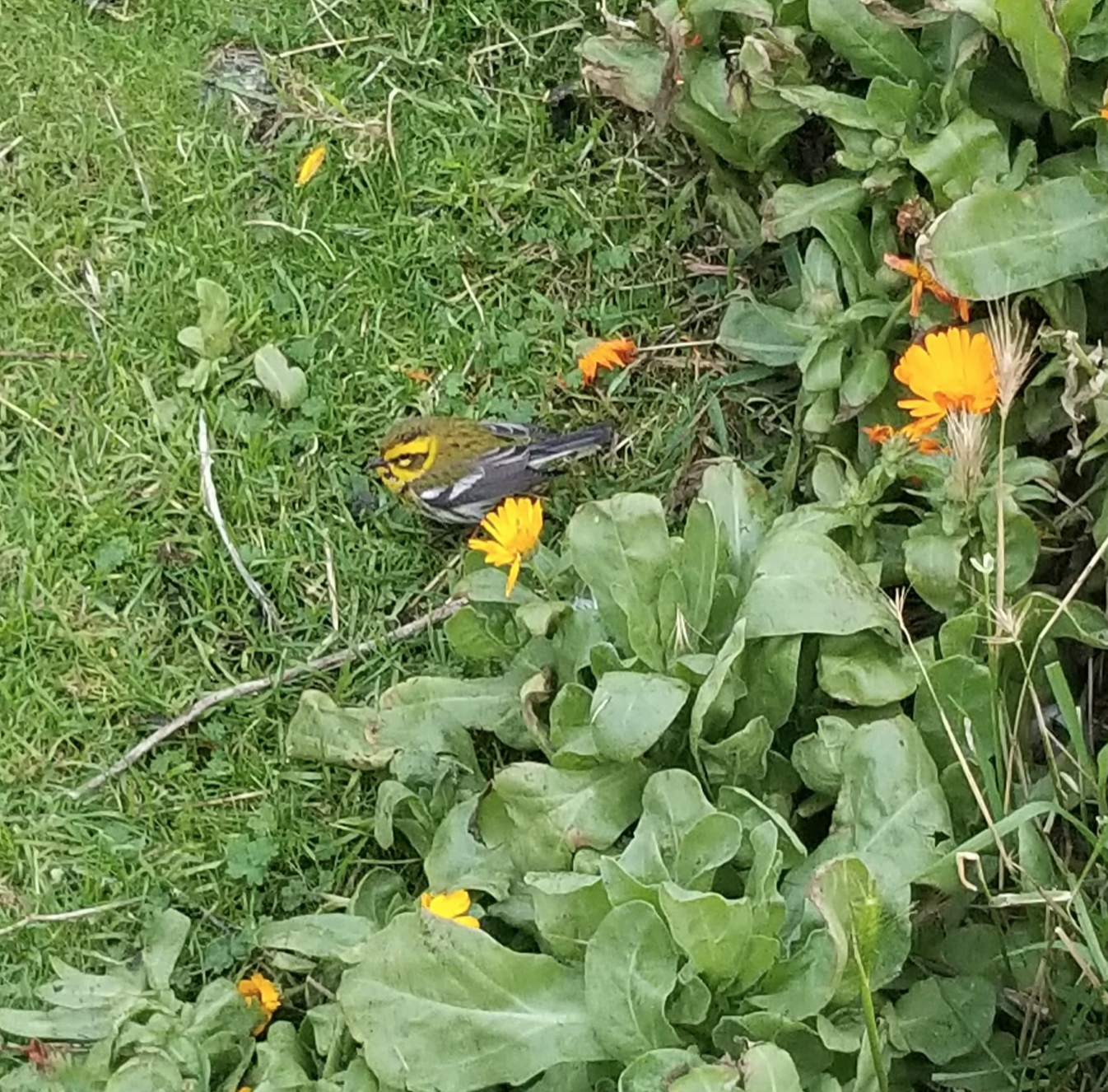
Townsend’s Warbler

Weather: 

  • Sky: Overcast
  • Visibility: 15+ miles
  • Wind: 10-20 knots NE
  • Water: Choppy under a metre

Boats/Visitors: 

  • A couple visitors today and expecting more throughout the week

Ecological

  • Saw this adorable little Townsend’s warbler on my way to turn the generator room, it was just hopping around in the flowers
  • The young female elephant seals, there were three did not stay very long, they have all left but there is still 5 males, 3 young ones and two big ones
  • Two of the young ones are tagged green tags C887 and D108
  • They are scattered around right now making some of my daily tasks difficult but it is so great to see them here before I take off


Setophaga townsendi: Townsend’s warbler- The Race Rocks taxonomy

Our first observation  of this species at Race Rocks was made by Laas Parnell, Ecological Reserve Warden on Dec 16, 2019.

Kingdom: Animalia
Phylum: Chordata
Class: Aves
Order: Passeriformes
Family: Parulidae
Genus: Setophaga
Species:
S. townsendi
Common name Townsend’s warbler


and this reference  from The Cornell Lab website:

Backyard Tips

On the Pacific coast in winter, Townsend’s Warblers often investigate backyard feeders, most regularly when temperatures drop below freezing, to eat energy-rich foods such as mealworms, peanut butter, and suet.

  • Cool Facts
    • On the wintering ground in Mexico, the Townsend’s Warbler feeds extensively on the sugary excretions (known as “honeydew”) of scale insects. It’s such a good food resource that Townsend’s Warblers set up and defend territories around trees infested with the insects.
    • Townsend’s Warbler was first noted to science by John Kirk Townsend, an American naturalist who collected a male specimen near the mouth of the Columbia River in what is now Oregon, on April 16, 1835. His discovery followed a long cross-continental trek. Townsend was accompanied on this expedition by English botanist Thomas Nuttall. Dozens of western plants and animals bear the names of these early naturalists.


Other Members of the Class Aves at Race Rocks.
taxonomyiconReturn to the Race Rocks Taxonomy
and Image File
pearsonlogo2_f2The Race Rocks taxonomy is a collaborative venture originally started with the Biology and Environmental Systems students of Lester Pearson College UWC. It now also has contributions added by Faculty, Staff, Volunteers and Observers on the remote control webcams. Dec, 11 2019- Laas Parnell

Elephant Seals

Weather: 

  • Sky: Overcast
  • Visibility: 15+ miles
  • Wind: 10-20 knots SE
  • Water: Choppy under a metre

Boats/Visitors: 

  • A few tour boats still out and about

Ecological

  • The sea lions numbers were still kind of holding steady until yesterday, a couple hundred of them have left again and there are still a few hundred sticking around.
  • There are now 5 elephant seals, two of them tagged, the small pink tag is still around along with a familiar one green tag C887 who I called Flounder last year.
  • Two bigger males, one of them the familiar Bernard, a slightly smaller guy and then flounder being the smallest male along with two females that are under a year old.
  • Not much else going on here the weather has been very dreary, still a mild winter though I’ve only had one or two storms so far