Logs and high water

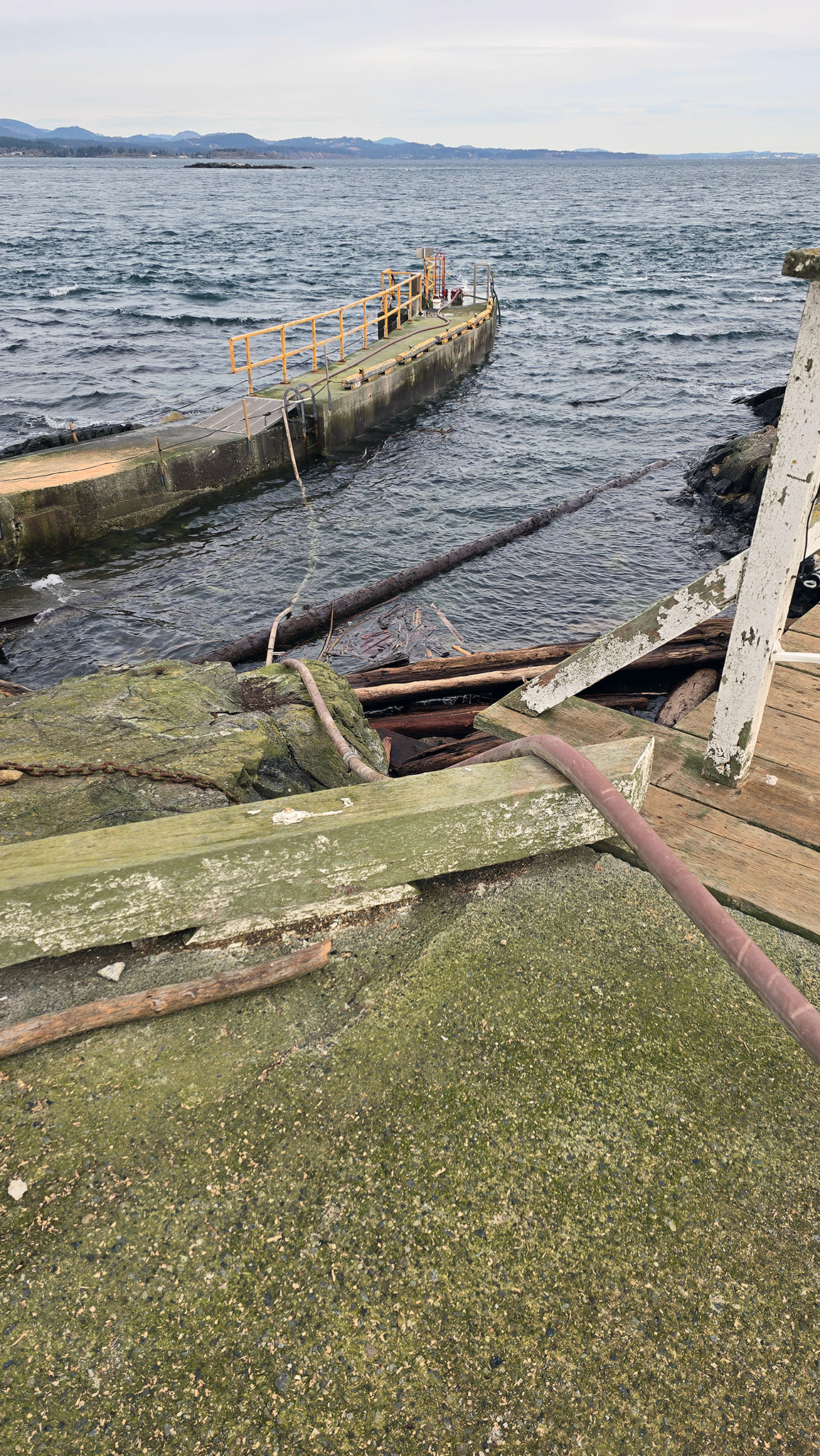
There was too much excitement here this morning. Waves and a high tide brought a ton of logs crashing on the shore, over the Jetty and against the electric fence shattering the wooden supports.
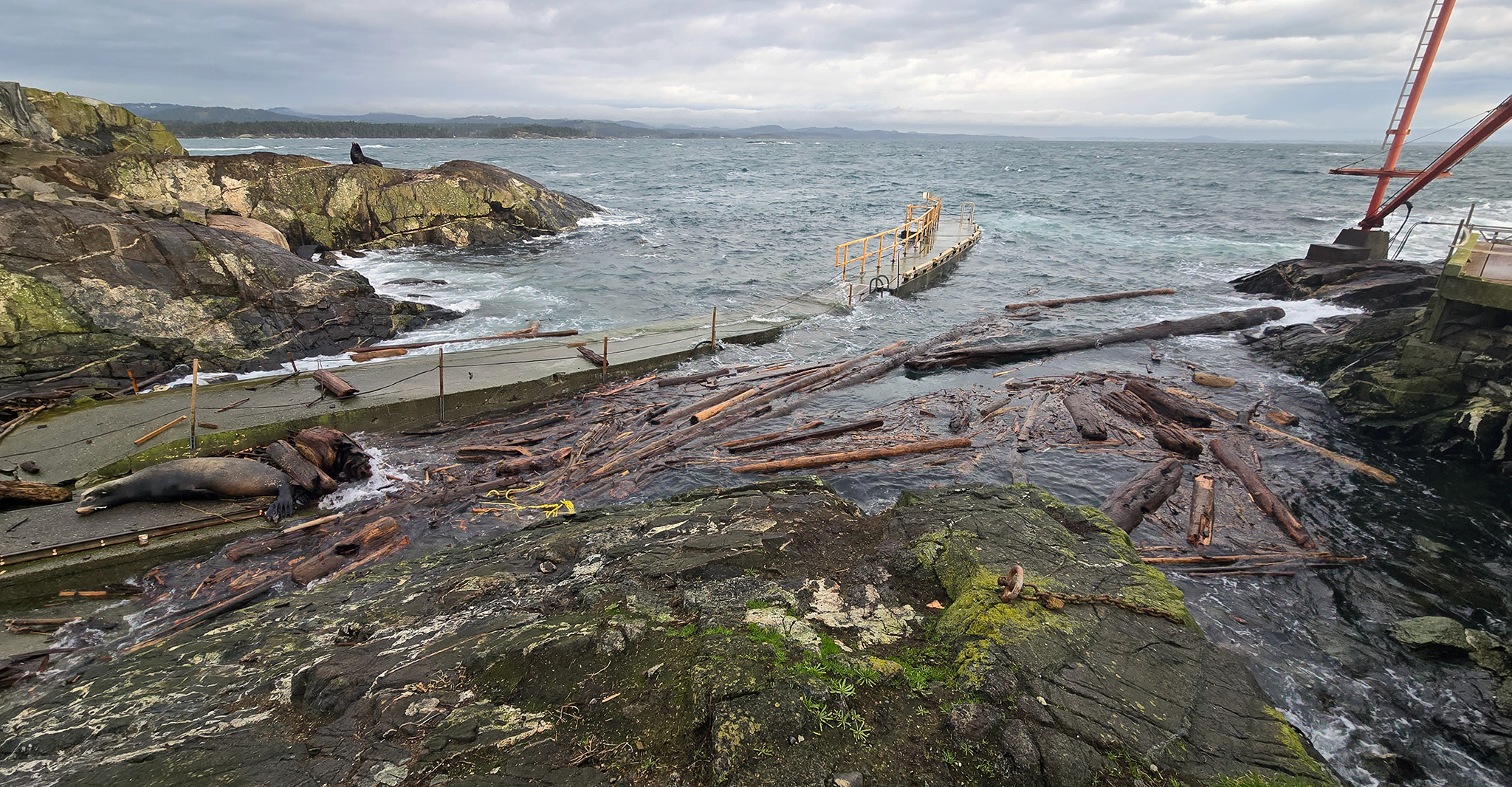
I so wanted to pike pole some of nice logs onto the ramp but the California sea lion on the ramp ahead of the logs wouldn’t allow it. Normally approaching with the herding board will encourage them to move.  The wheelbarrow also normally works. I even tried putting the herding board upright in the wheelbarrow.  It grabbed the wheelbarrow in its mouth, picked it up and flung it over its shoulder toward the sea. That ended my efforts to move it along. I was glad to able to retrieve the wheelbarrow with a pike pole.

The sea lion has been there all day and it doesn’t appear well. It is very skinny, almost skeletal, and appears to have little ability to move its hind end. I expect it may decide to move tomorrow when the students come and it sees a large group of people.

An emancipated CA sea lion. Normally you can’t see their spine or shoulder bones.

California sea lion with its spine bones protruding. A broken wooden support piece for the electric fence is lying on the Jetty above.

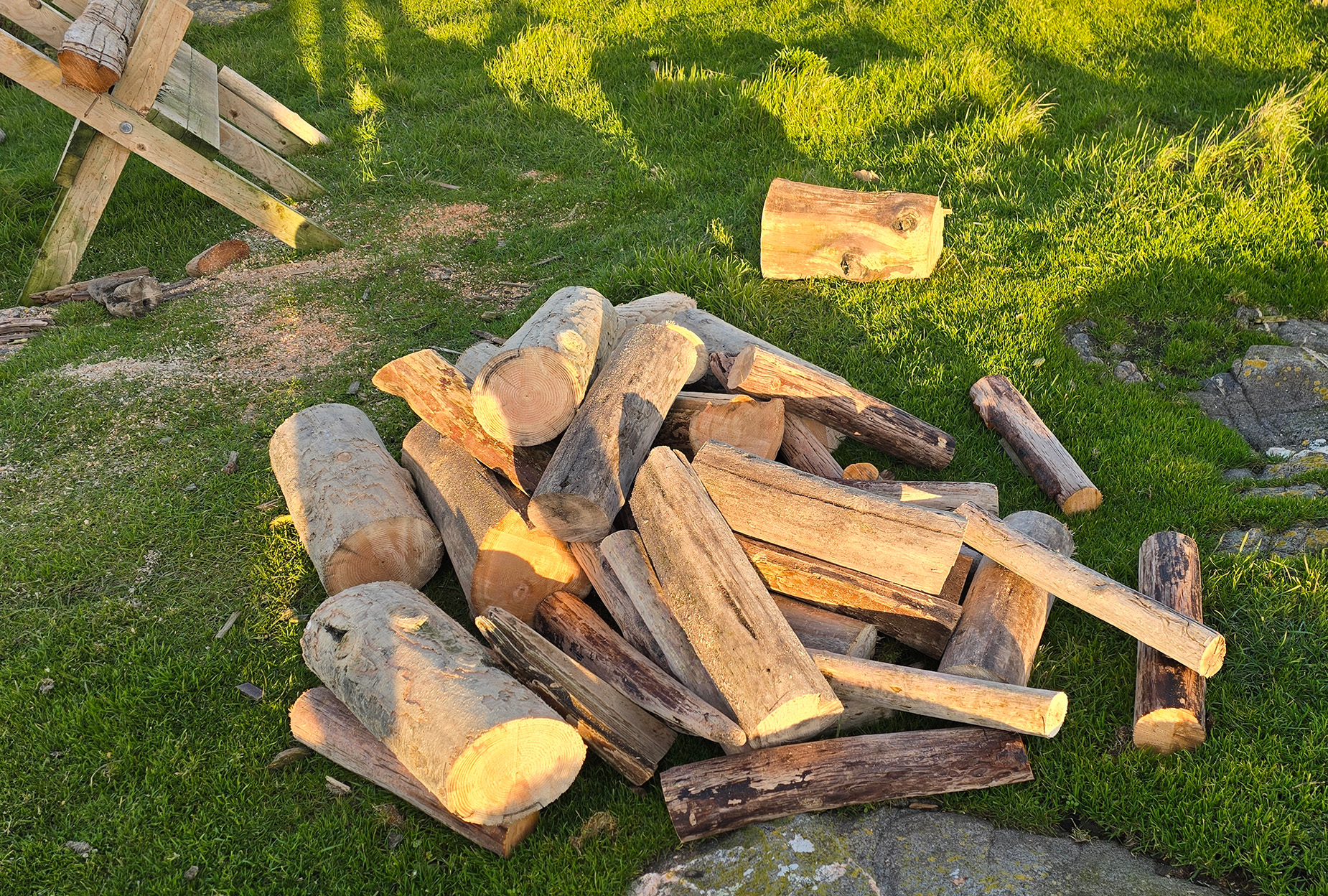
I had to skip the sea water sampling today as it was too sketchy during the morning flood with all the water over the Jetty and crashing logs, and too scary to walk past the sea lion in the dark for the evening flood event. The fences will need to be repaired when the tides drop later in the week and hopefully the good logs aren’t washed away.  I focused on cutting the smaller firewood pieces on the grass that had been hauled up previously.

Facility work

  • ran the desalinator to produce fresh water
  • transferred fuel
  • cut firewood

Vessels – none

Weather

Partly cloudy in the morning, overcast with periods of rain in the afternoon. Gentle northerly breeze (Gentle sound pleasant, I suppose on large sail boat,12 to 19 knots may feel gentle and keep the boat moving, but in the rain and cold, there is nothing gentle about it). Daytime temperatures 9 to 11 degrees.
Weather change

Wildlife notes

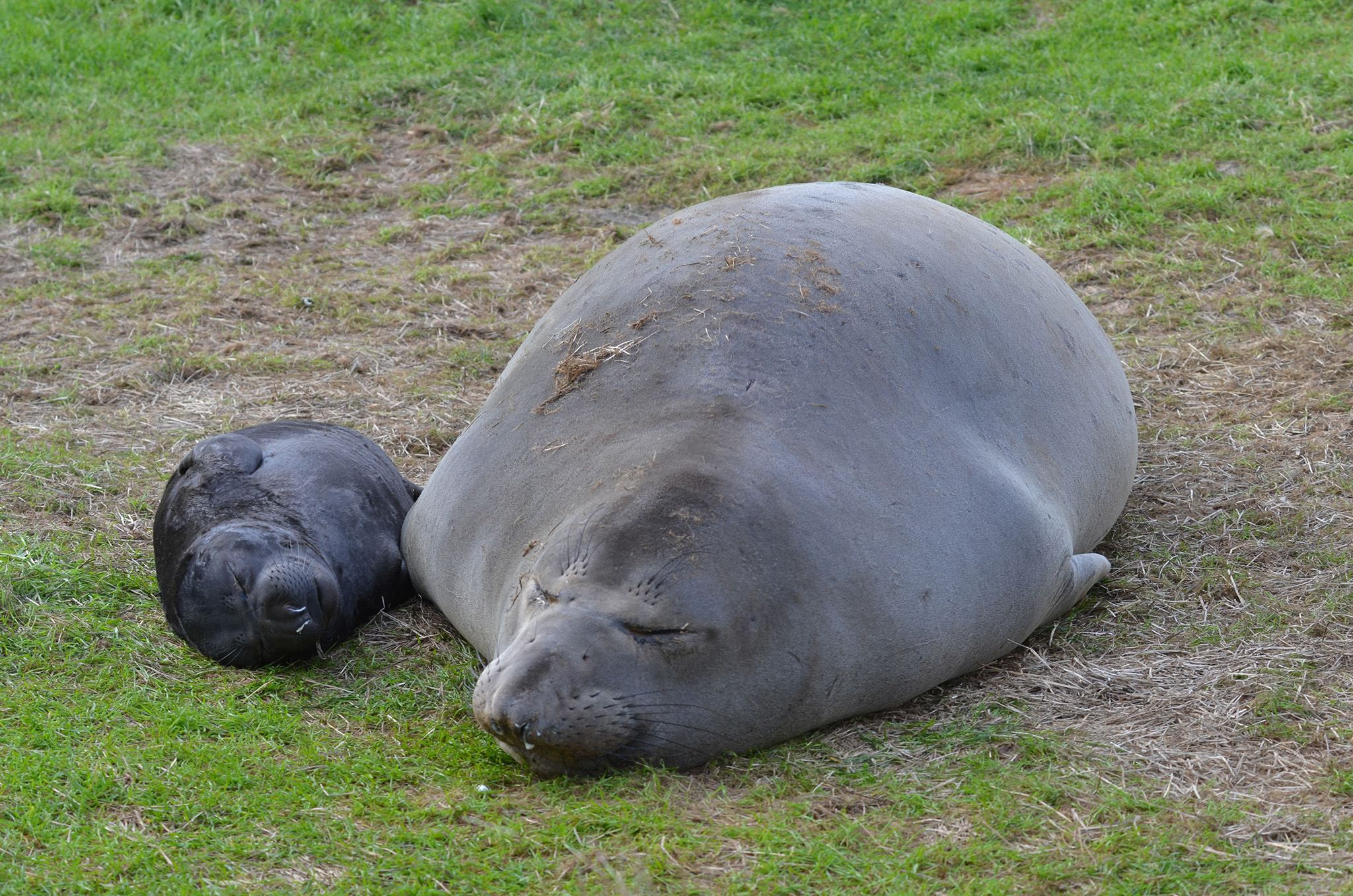
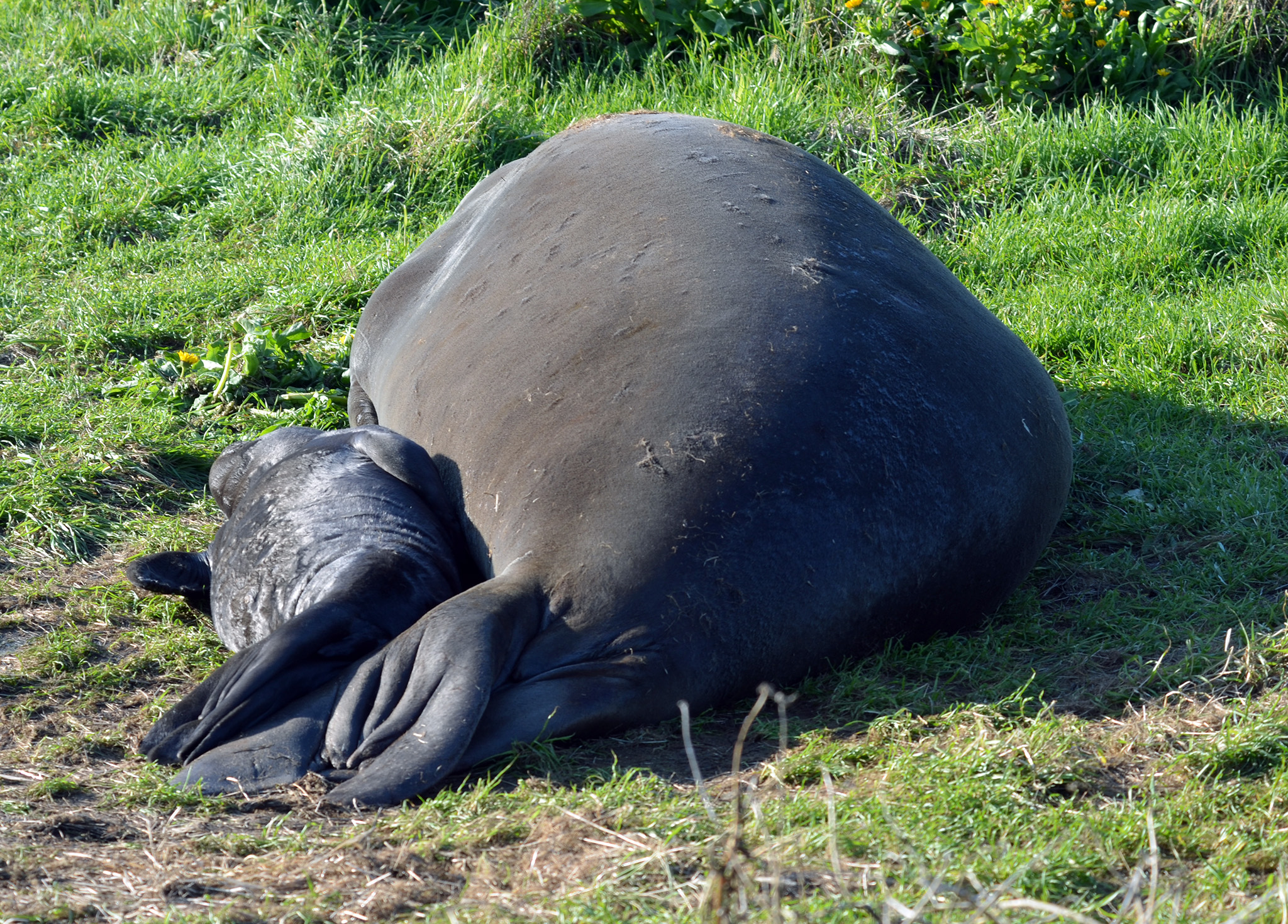
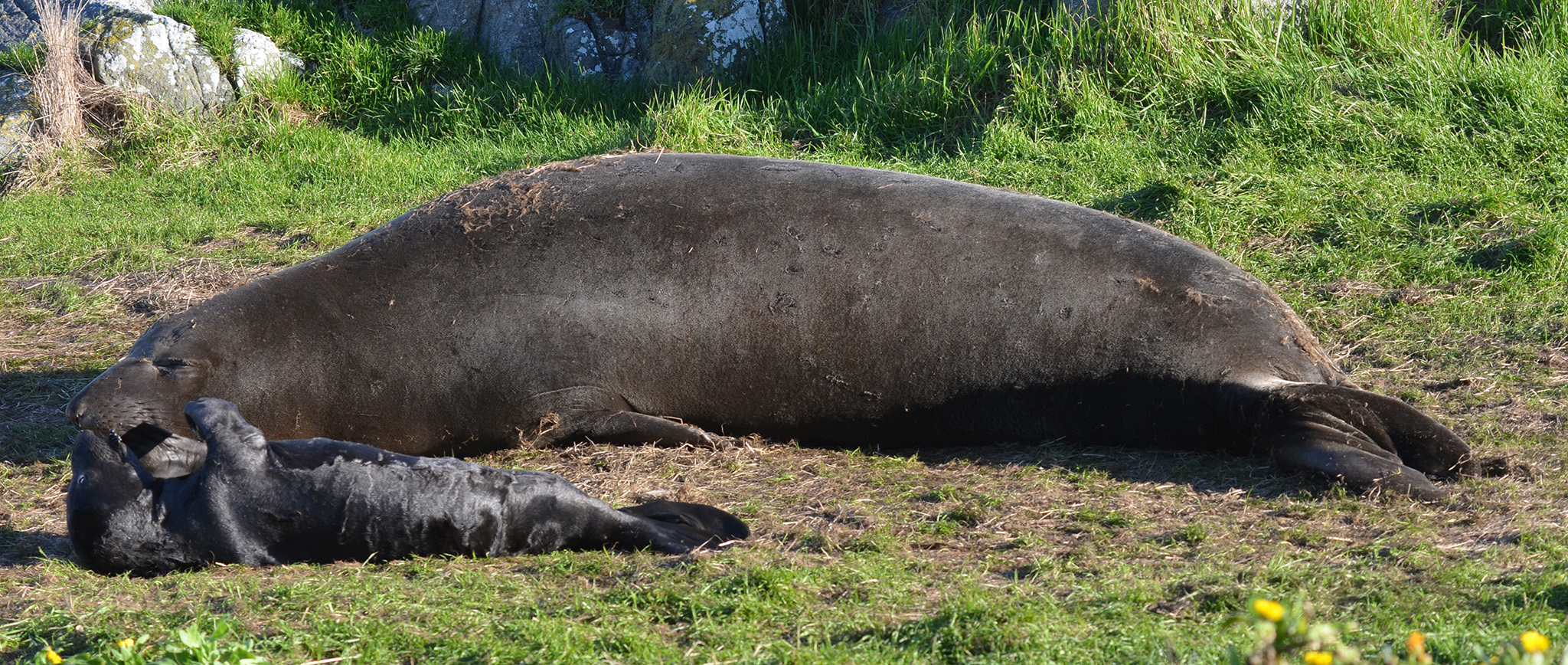
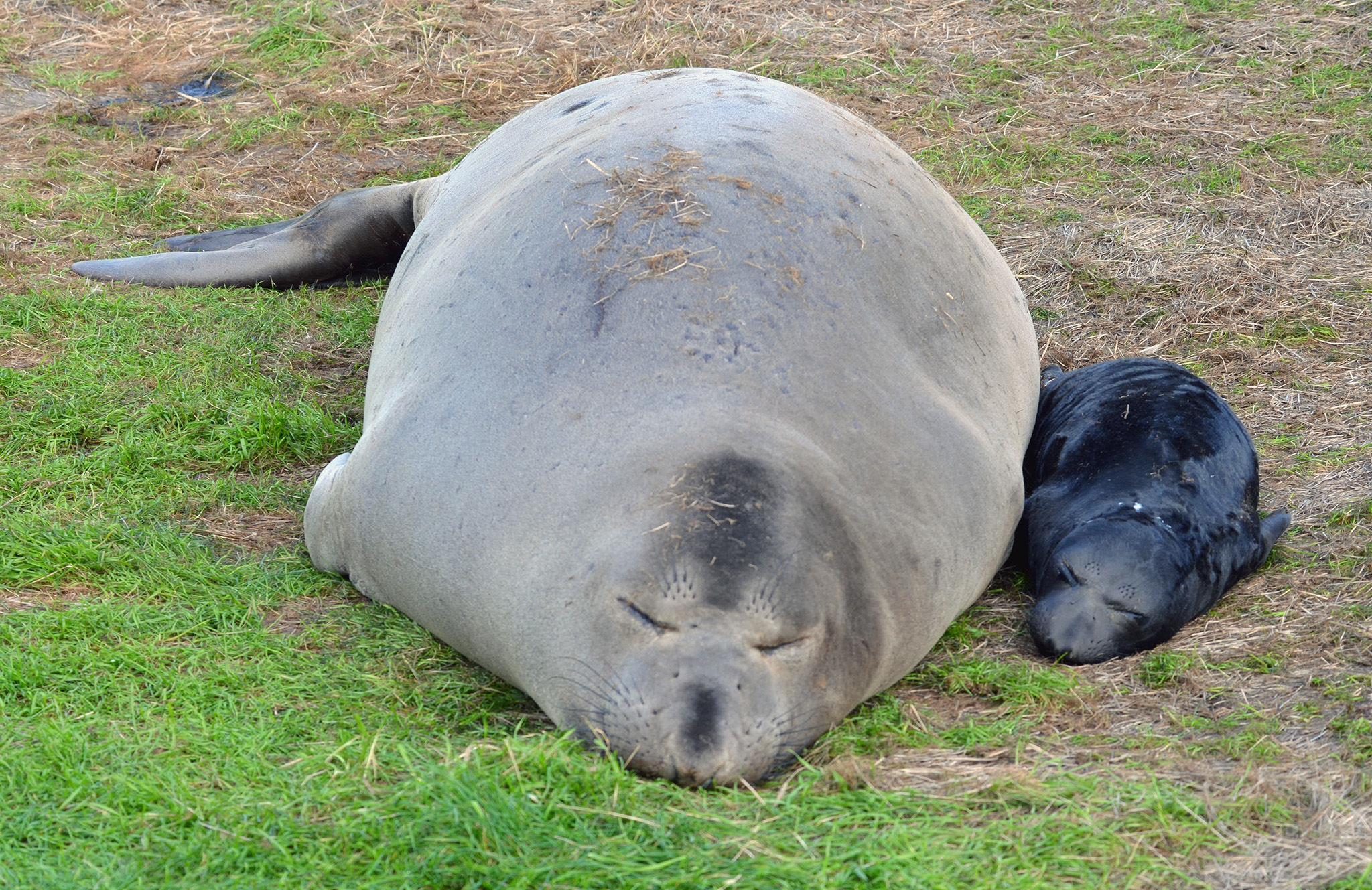
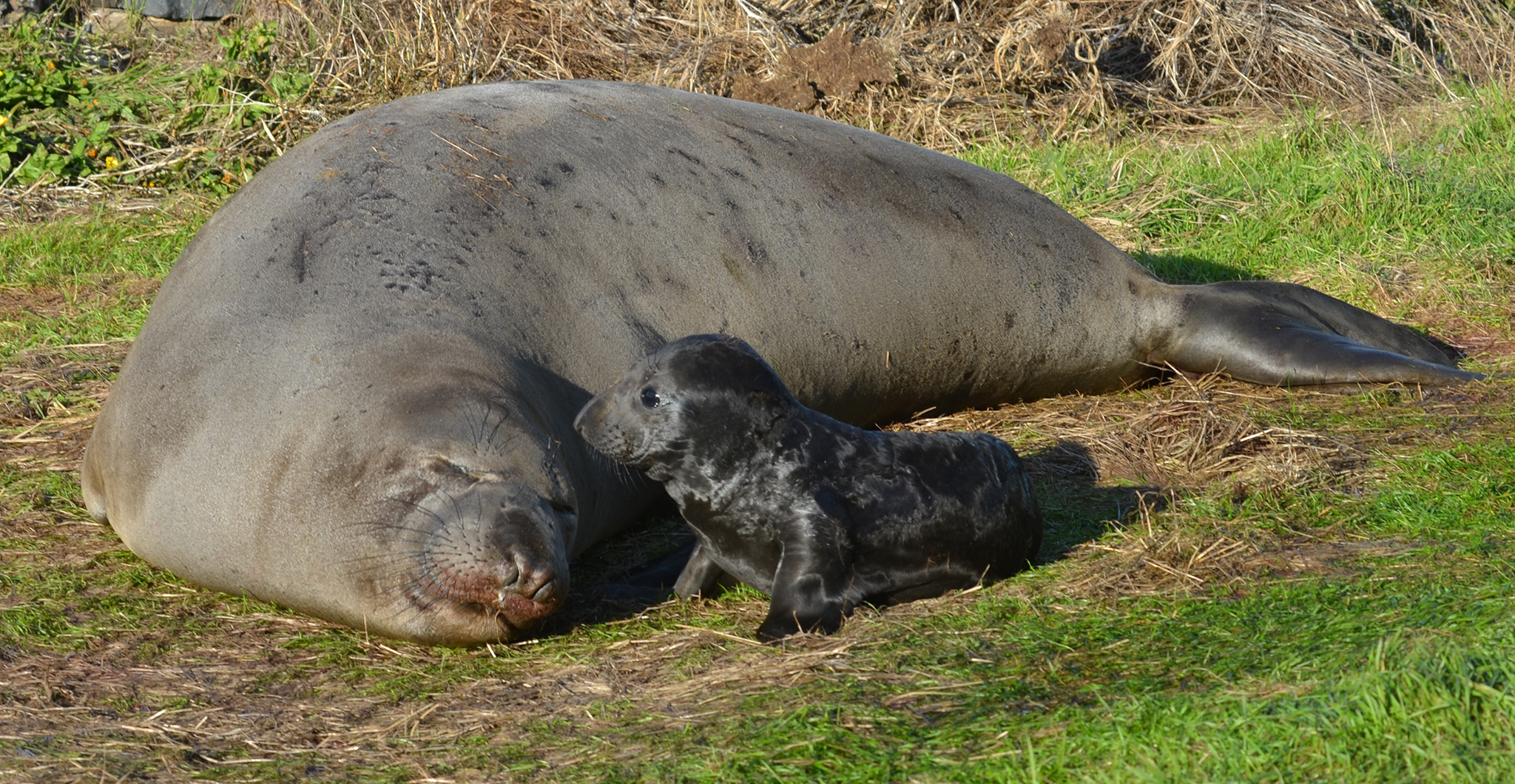
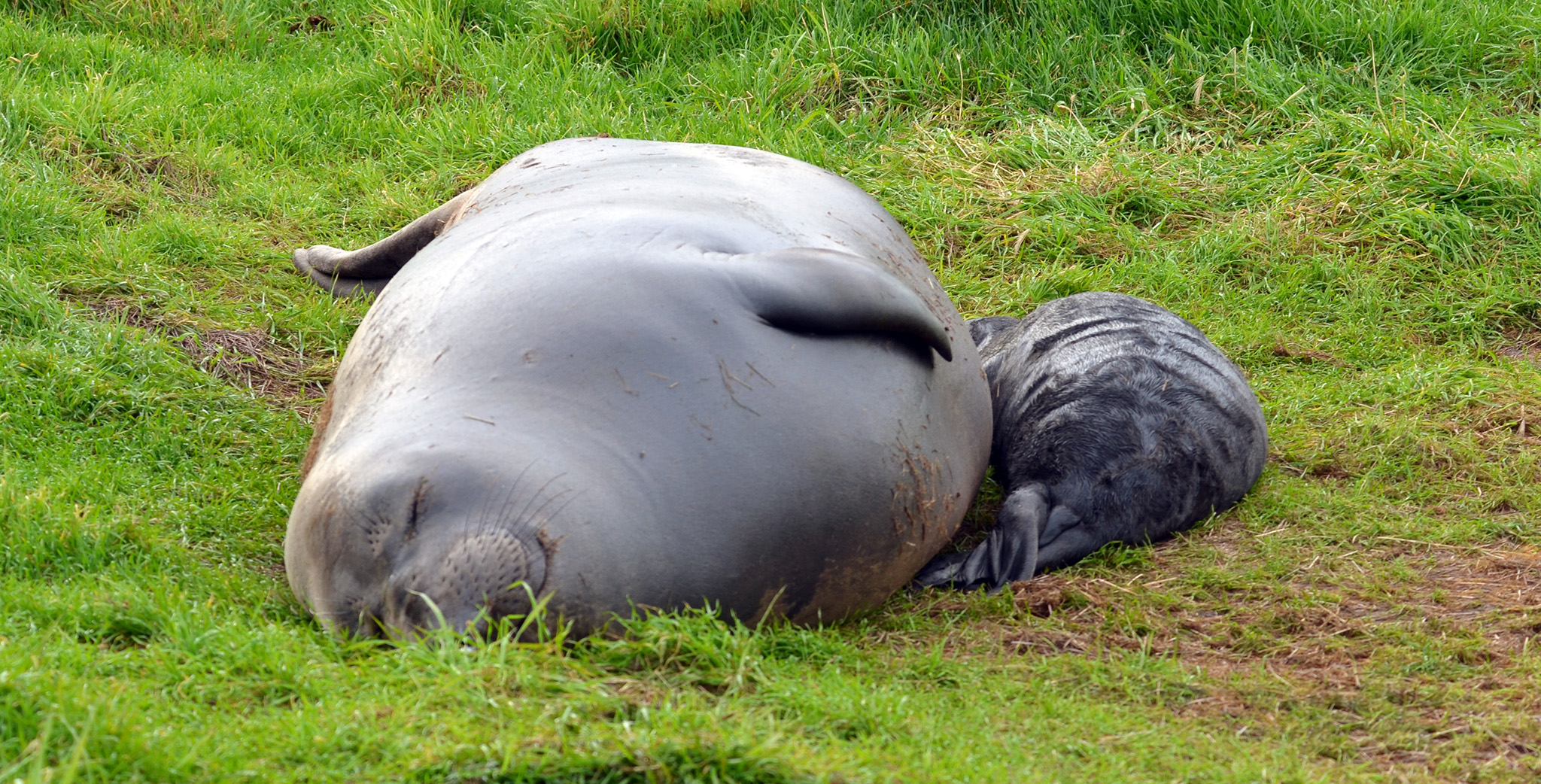
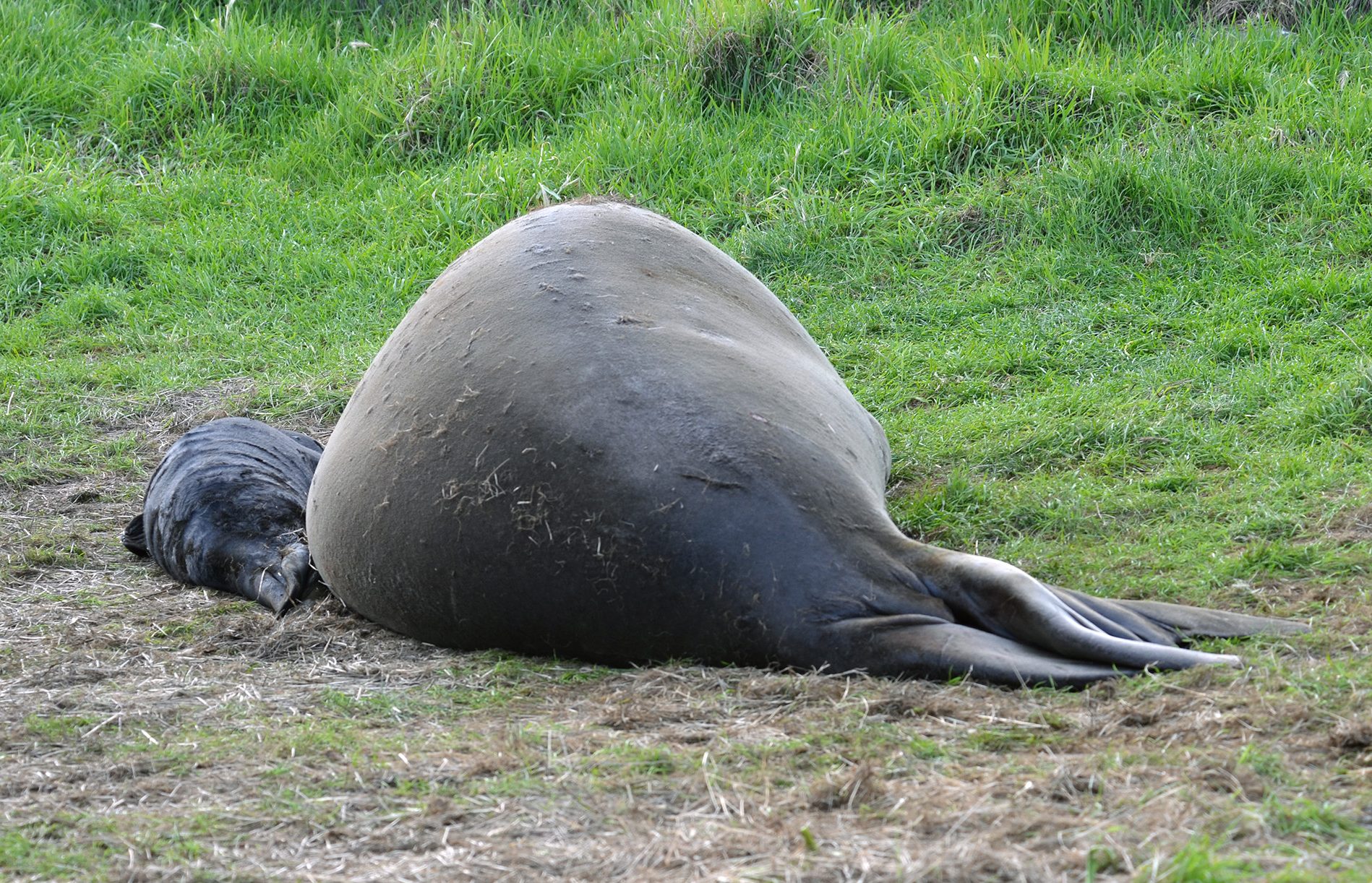
All is well with the elephant seal pup on day 9.  I hope the pup gets a lot bigger before a male shows up to mate as it will need to be sturdy and move out of the way quickly.  The adult females go into estrus (become receptive) at the end of the nursing, about 24 days after giving birth. She gave birth on the January 20th so she will be receptive around Valentines Day.  They have an 11 month gestation period but the fertilized egg doesn’t implant in uterine wall for a few months. This gives mom time to fatten up again before she comes back to land in the spring to molt.  After nursing, molting is her next biggest energy draw, as she also fasts during this event. The fertilized egg will implant in June or July, giving the pup fetus 7 months to develop.

Mom and pup on Day 9

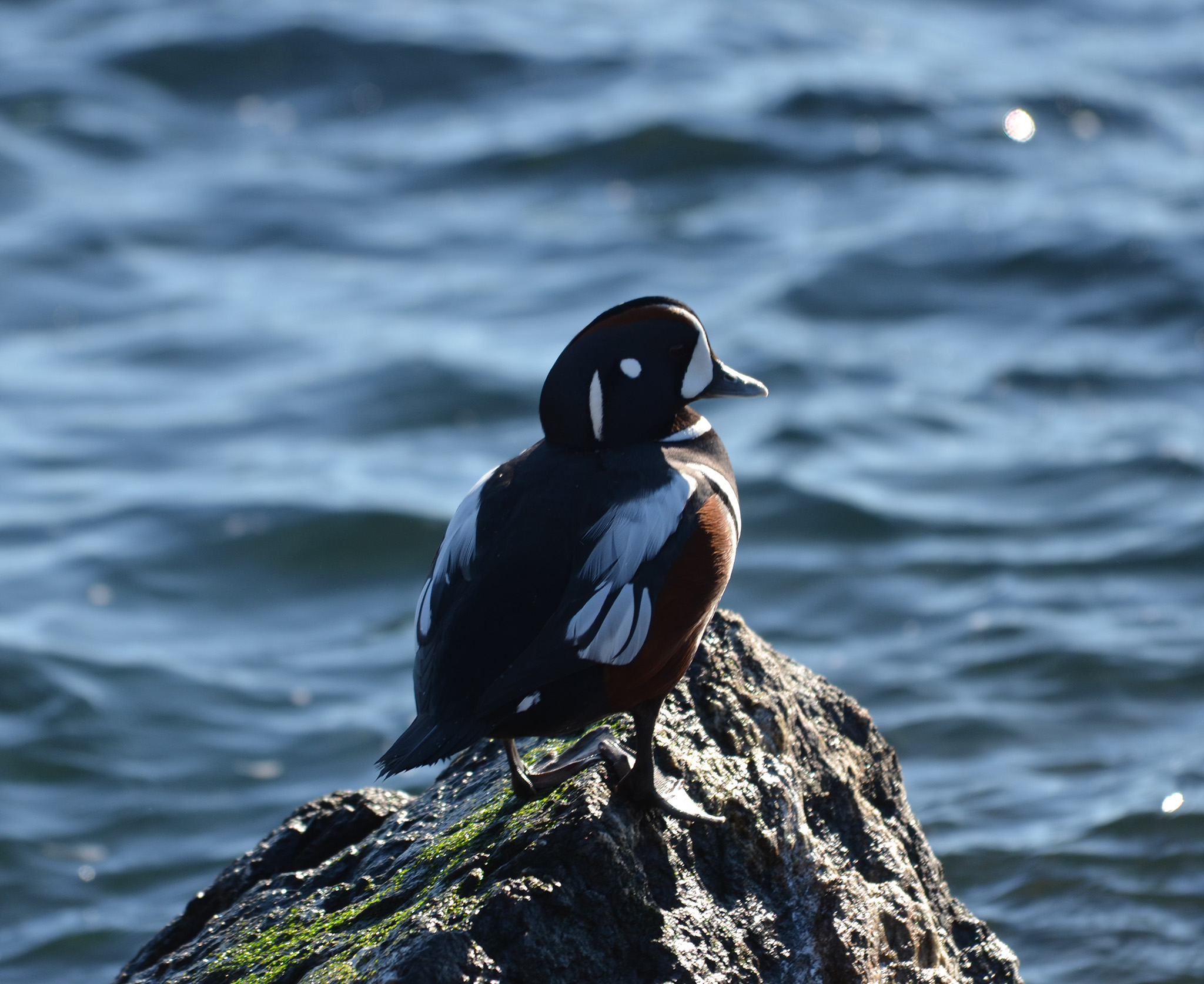
On this first drizzly and partly grey day in a long time I’m sharing an image of a Harlequin duck in the sun on East Beach that I took a few day ago.

Facility work

  • battery fluid top up
  • moved wood from the boat ramp and got a line on another log
  • cleaned the stove and greasy range hood – a repeat of last time,  to see photos

Vessels

  • Ecotourism: 1
  • Private: 0

Weather

Partly cloudy in am, overcast in pm. Short periods of light rain. Winds light to gentle northeasterly breeze. Daytime temperatures 8 to 9 degrees.
Pumping salt water

Wildlife notes

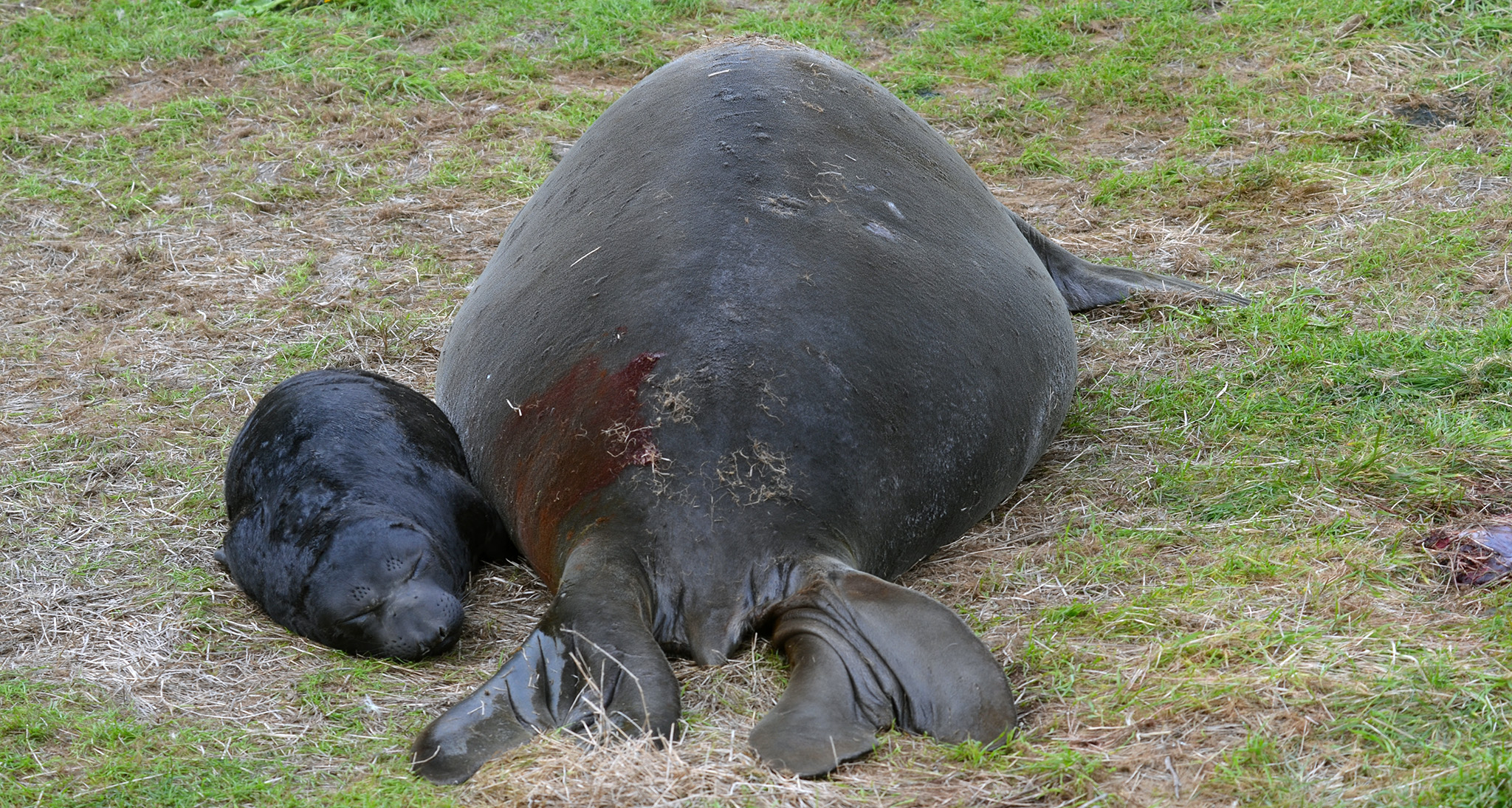
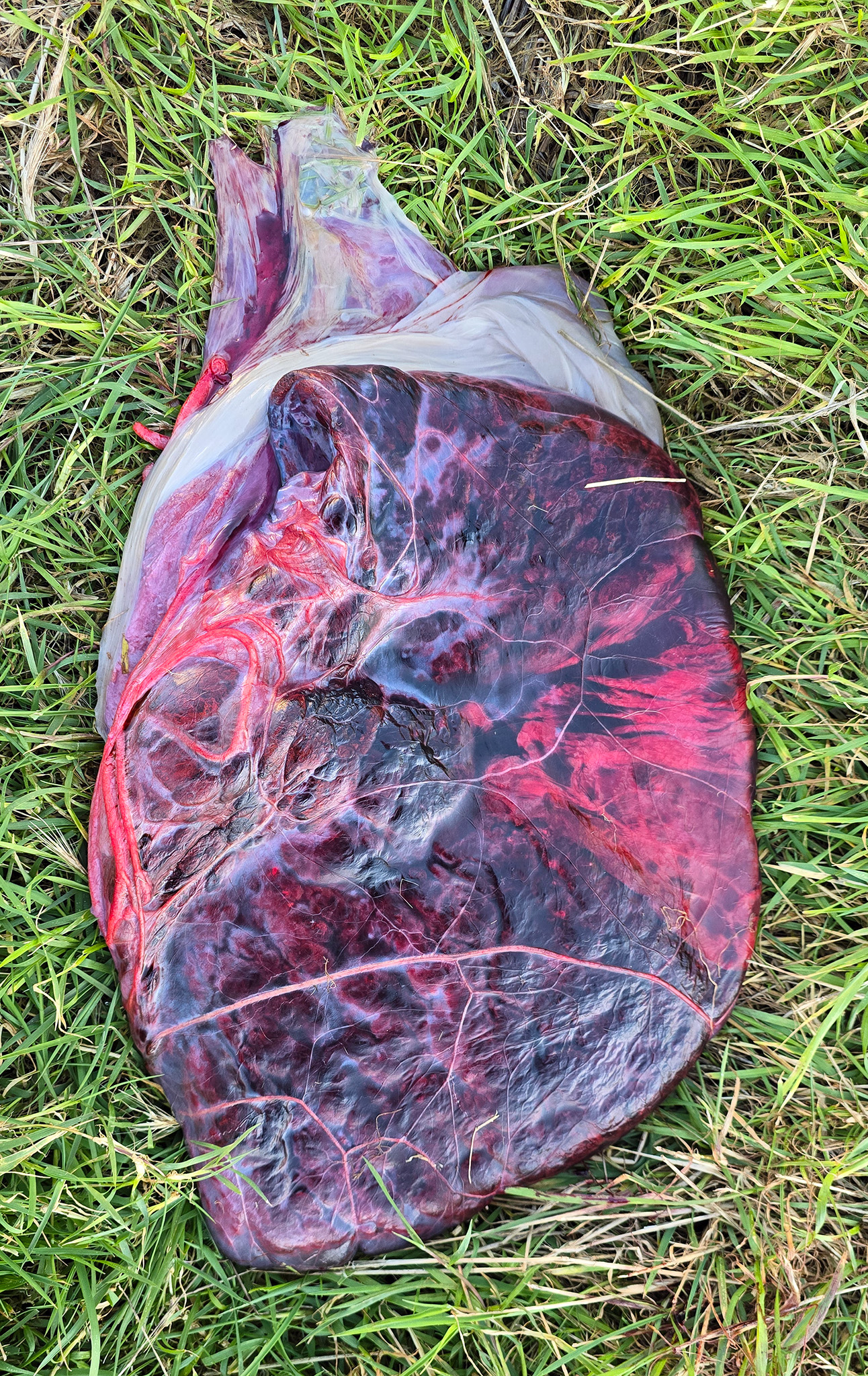
The elephant seal family is content in the hollow. The pup is growing and the mom is determined to keep the birds away from the placenta and has large blood stains from rolling in it.

Mother and pup on Day 8. The red stains are from rolling in the placenta, seen on the far right.

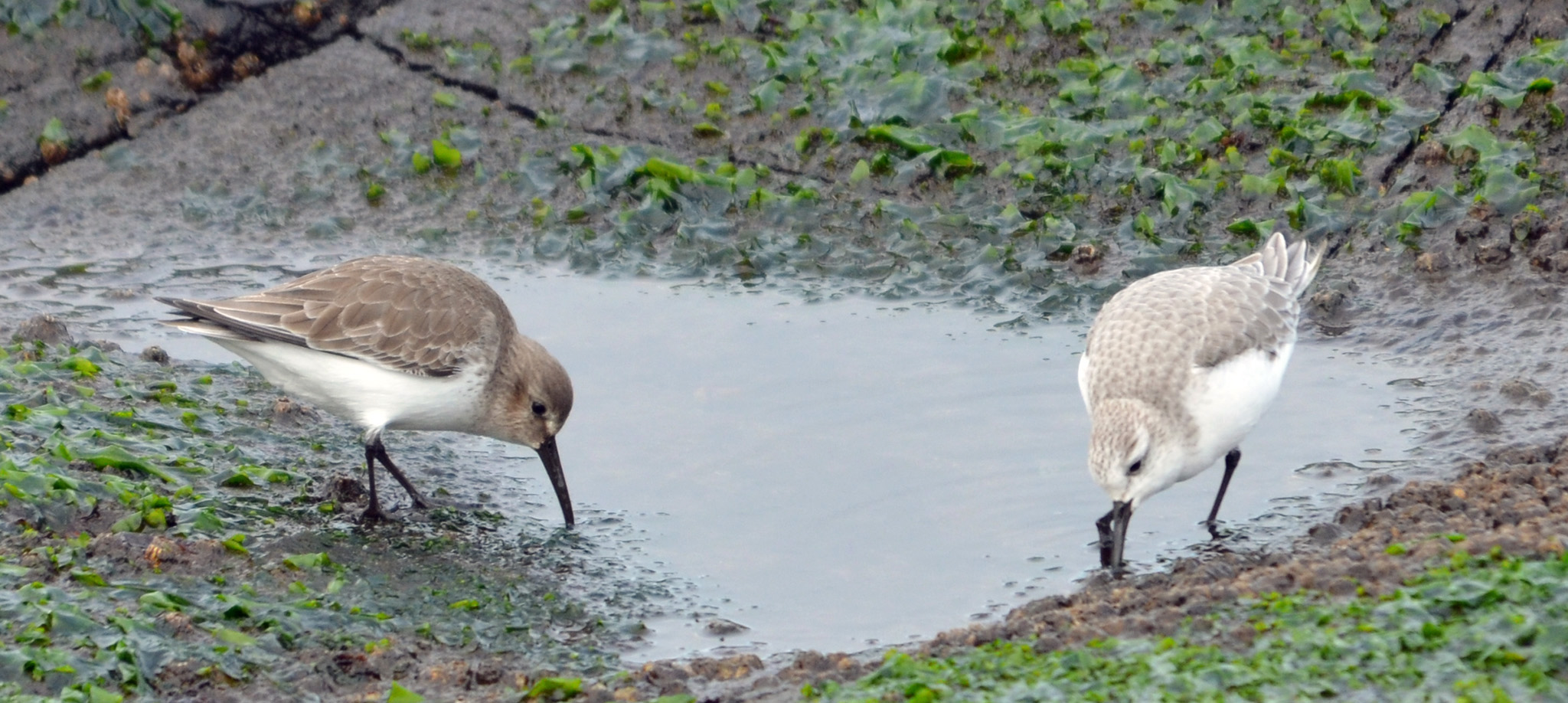
A couple dunlins, a sanderling, a surf bird and several black turnstones were feeding at the low tide on the north shore.  They are all roughly the same size but with different colourings and beak shapes – shame I didn’t have the time to observe if they were targeting different things to eat.

A dunlin (left) and a sanderling (right).

Facility work

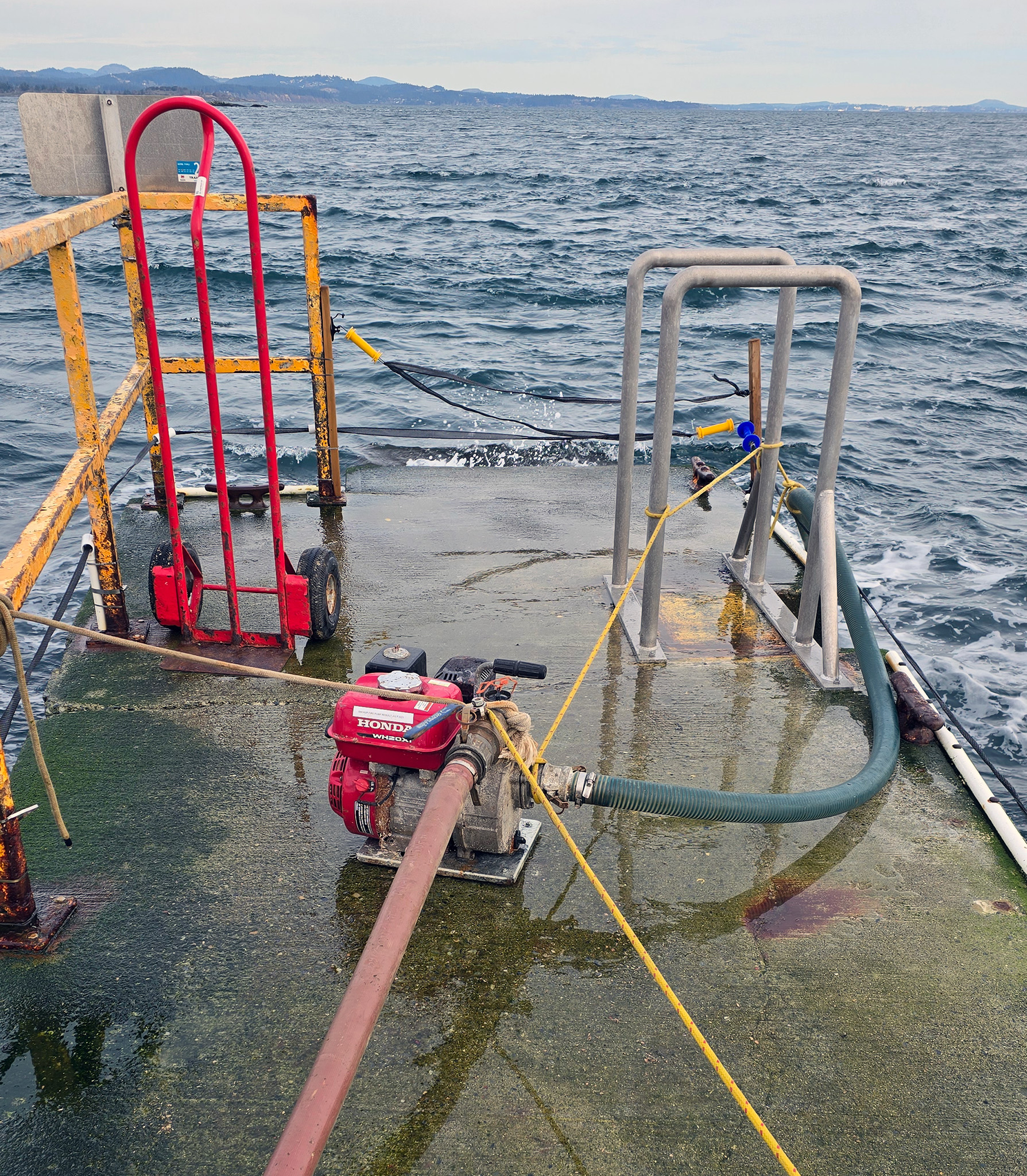
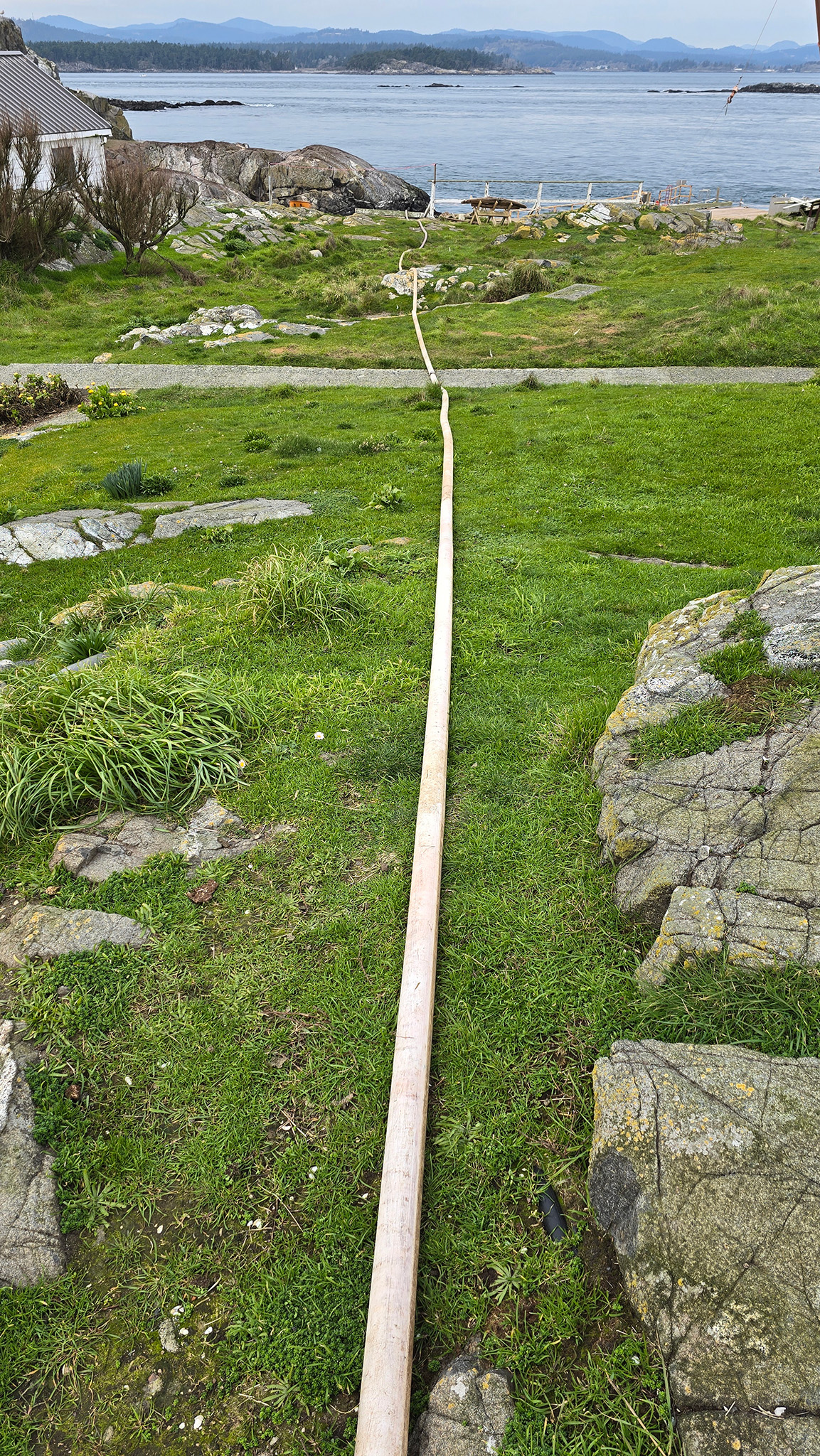
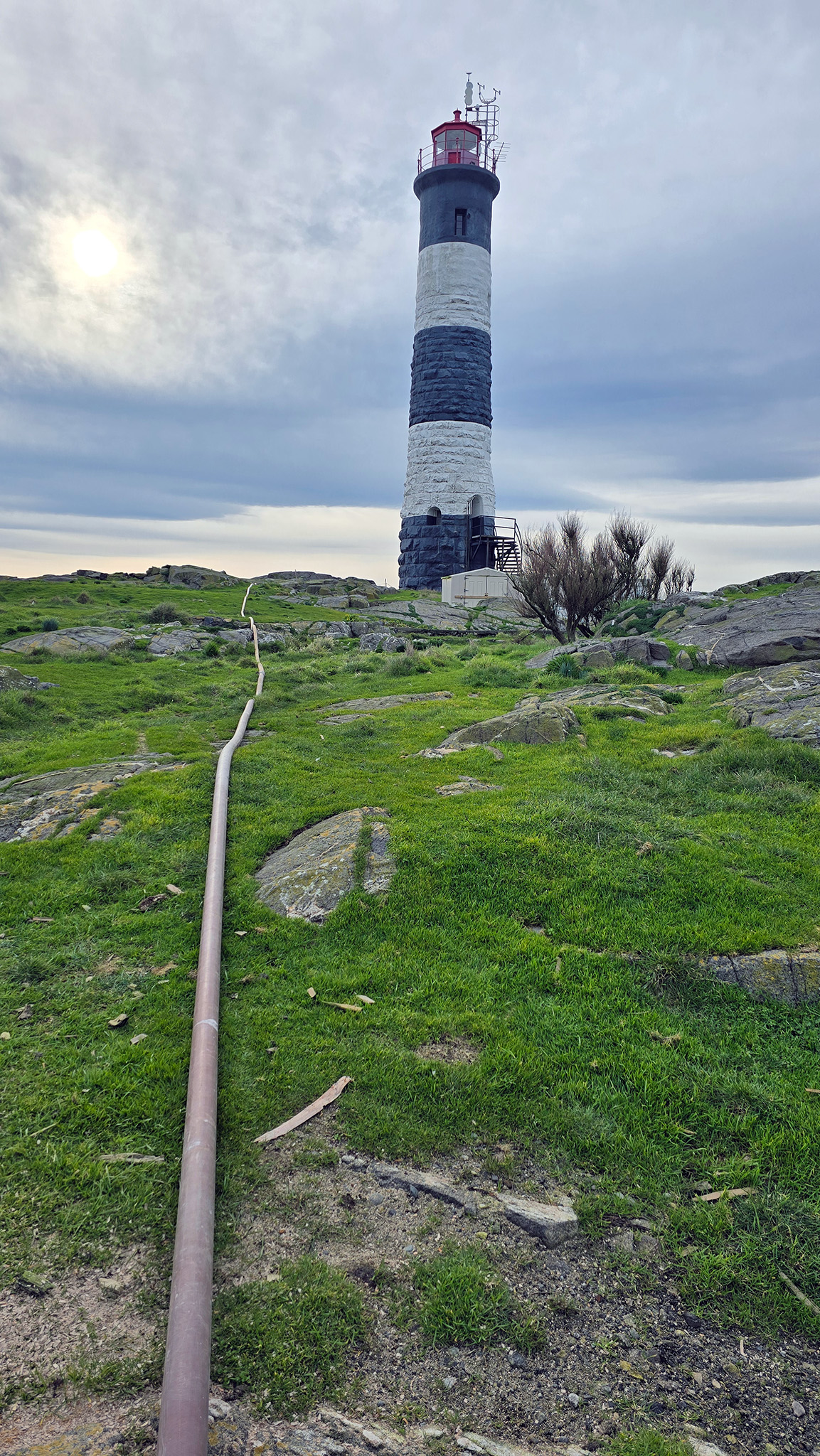
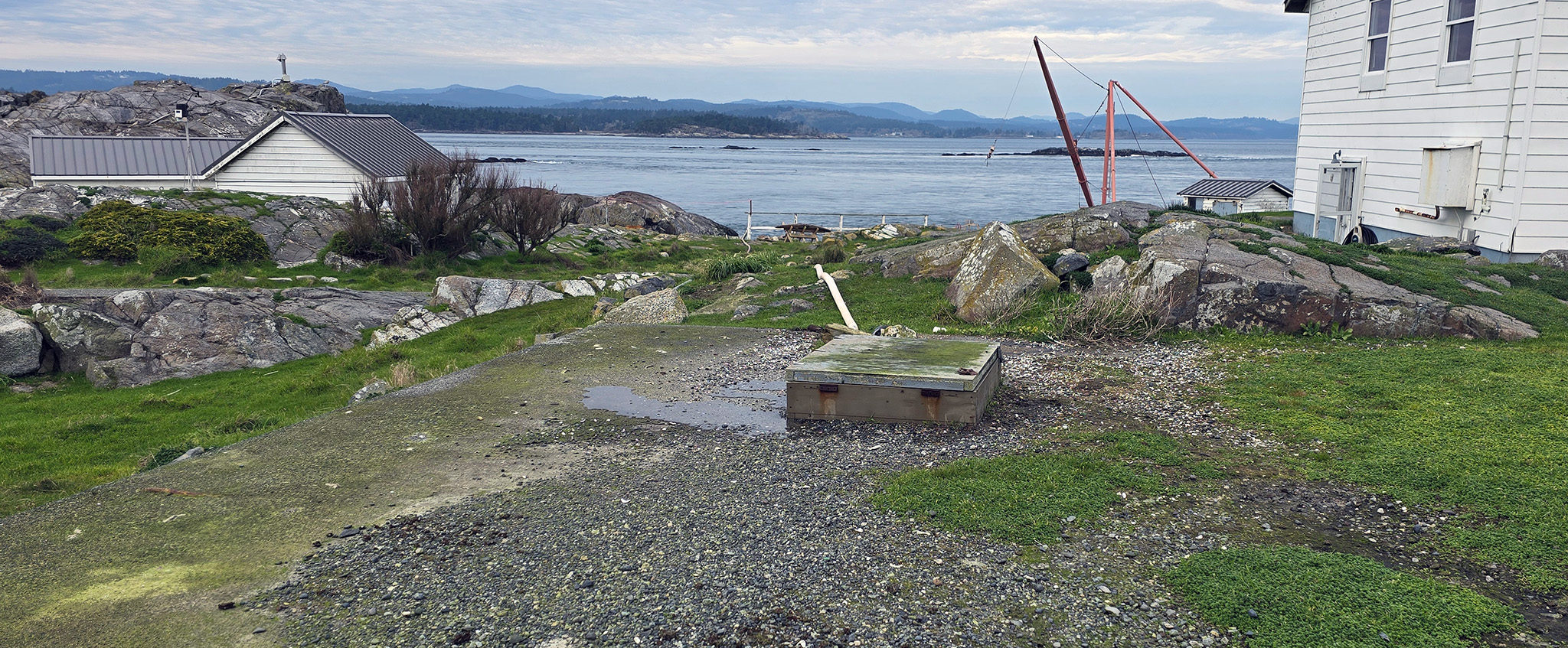
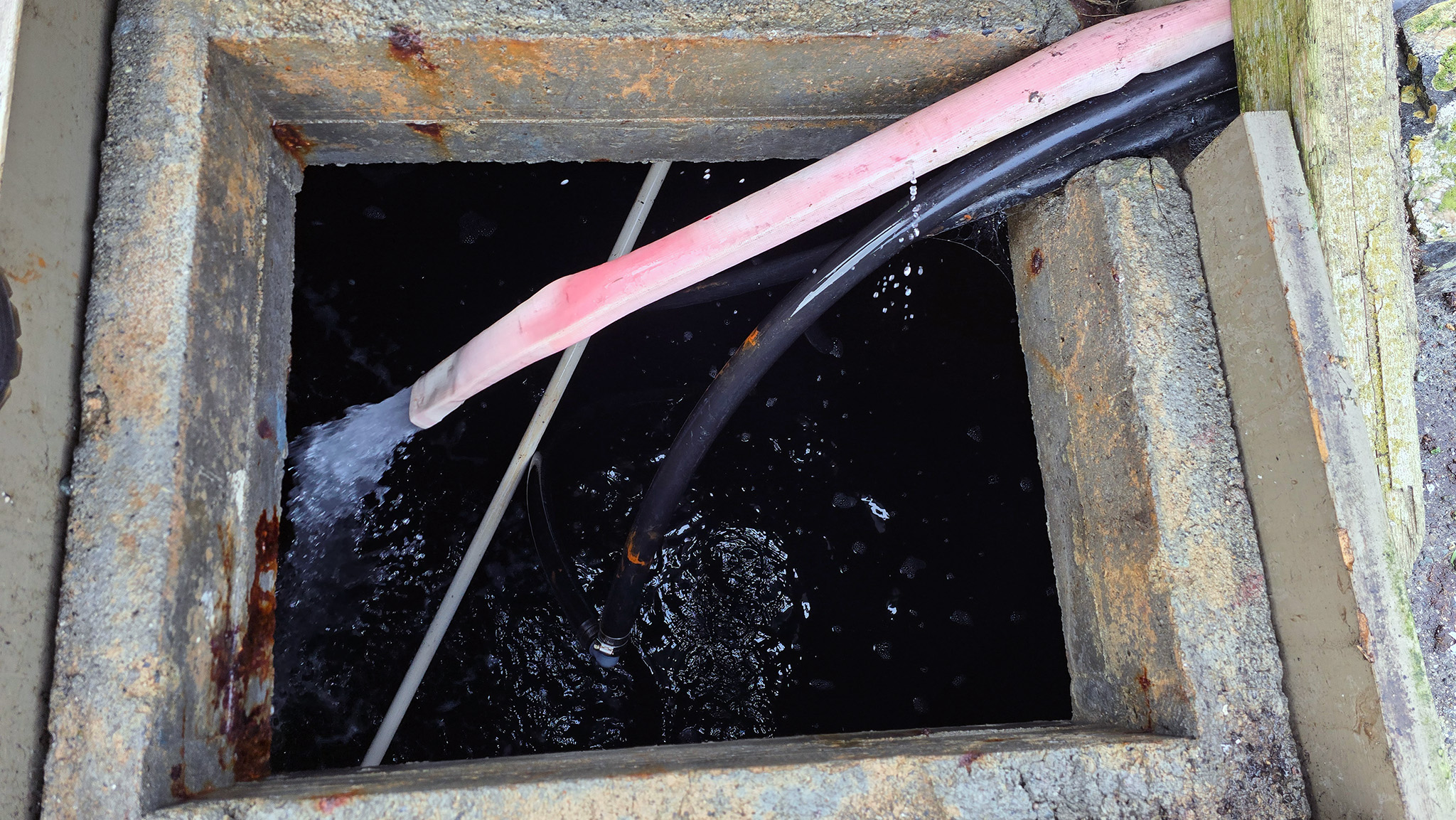
The focus of today was filling the cistern with salt water as we need a huge reservoir of salt water. The ratio varies a bit but for every 1.5L of fresh water produced, about 9L of concentrated salt water is sent back to the sea (for pictures of the desalination plant see 26 | July | 2024 | Race Rocks Ecological Reserve-).  Here are some photos of the fire hoses and pump setup we use to get salt water up to the massive rock and concrete cistern beside the Keeper’s house. It took many hours and 3.5 tanks of gas on the pump.

Pump tied down on the Jetty. The green intake hose on the right is lowered into the ocean and the pink hose sends the salt water up to the cistern.

Fire hose leading into the cistern hatch. The foot print of the cistern is larger than the house.

Fire hose filling the cistern with salt water

Vessels

  • Ecotourism: 0
  • Private: 2

Weather

Overcast. Light to gentle northeasterly breeze. Daytime temperatures 6 to 9 degrees.


Day 7

Wildlife notes

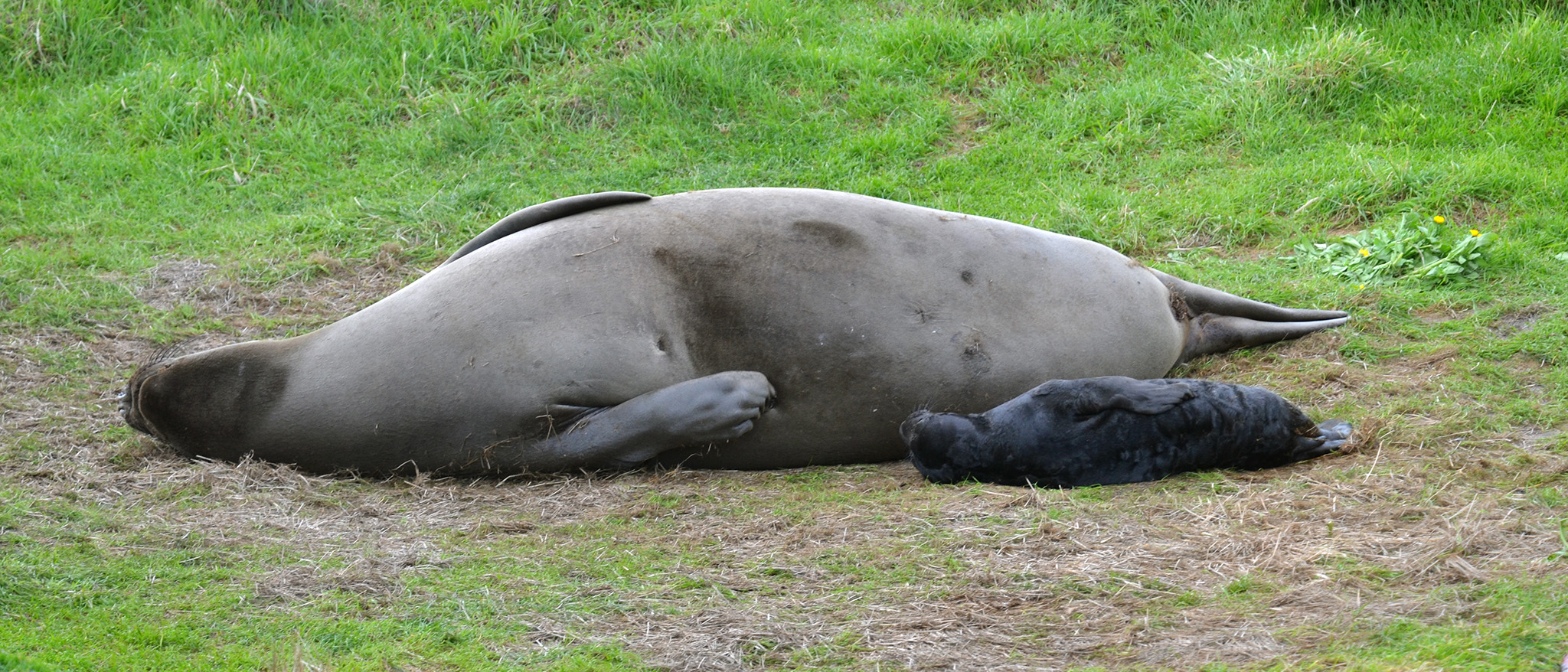
The elephant seal pup is a week old today. It is putting on weight, rounding out a bit and getting stronger.  At two weeks old they should double in size from when they were born.  Some gulls finally had a few stabs at the placenta but the mom does not tolerate them nearby.

Elephant seal pup on day 7

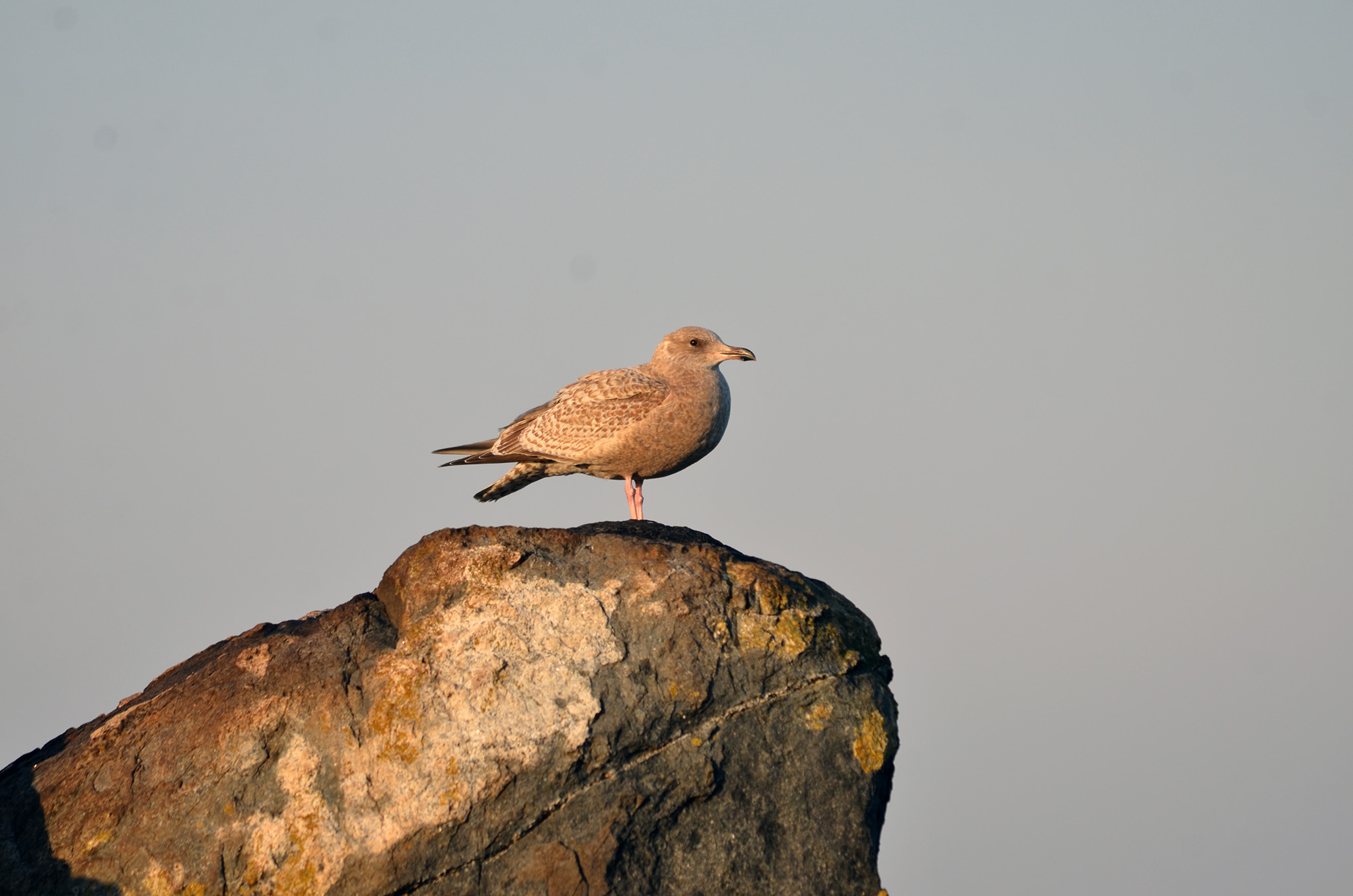
Thayer’s Iceland gull by the Jetty

Facility work

A lot was (and still is) going on today – four alarms on my phone were set: 3pm check intake hose on pump, 7:45pm water sample, 8pm nighttime check in, 10pm turn off desalinator.

  • wheelbarrowed cut firewood rounds to the Keeper’s House basement
  • one round of filling the cistern, will continue on higher tide tomorrow
  • produced fresh water while the generator was running

Vessels

  • Ecotourism: 1
  • Private: 0

Weather

Mostly overcast. Gentle northeasterly breeze. Daytime temperatures 4 to 6 degrees.
Struck gold

Wildlife notes

The pup slept up close to its mom on this cold winter day.  There was frost on the ground and it was 3 degrees most of the morning. I even pulled out the big guns… my heavy weight merino long johns, normally reserved for winter sailing. I turn the furnace on for 10 minutes in the morning and have the woodstove going all day.  The house cools down a lot over night and it is really hard to get out of down bag in the morning.

Elephant seal pup on day 6 pressed tight to its mother

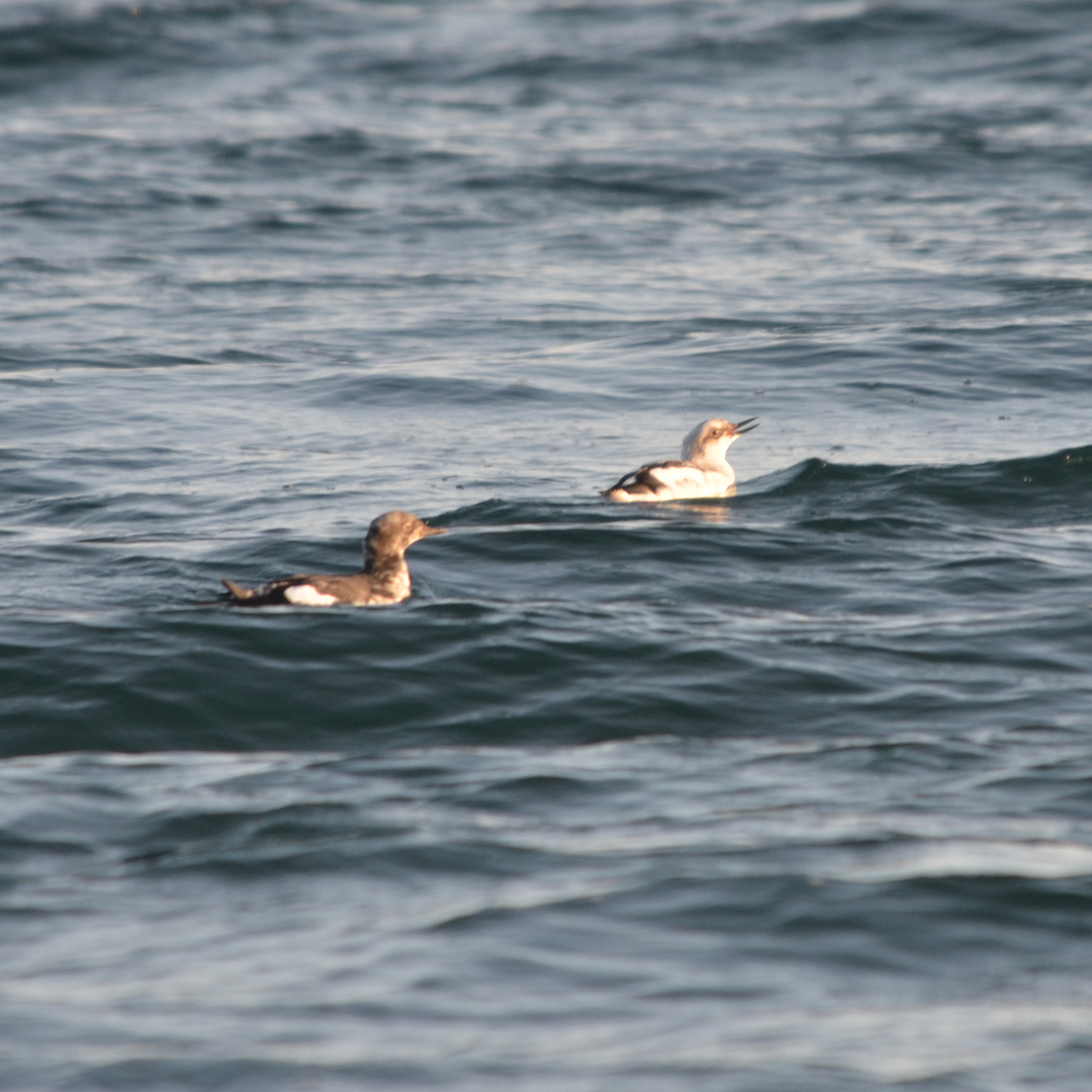
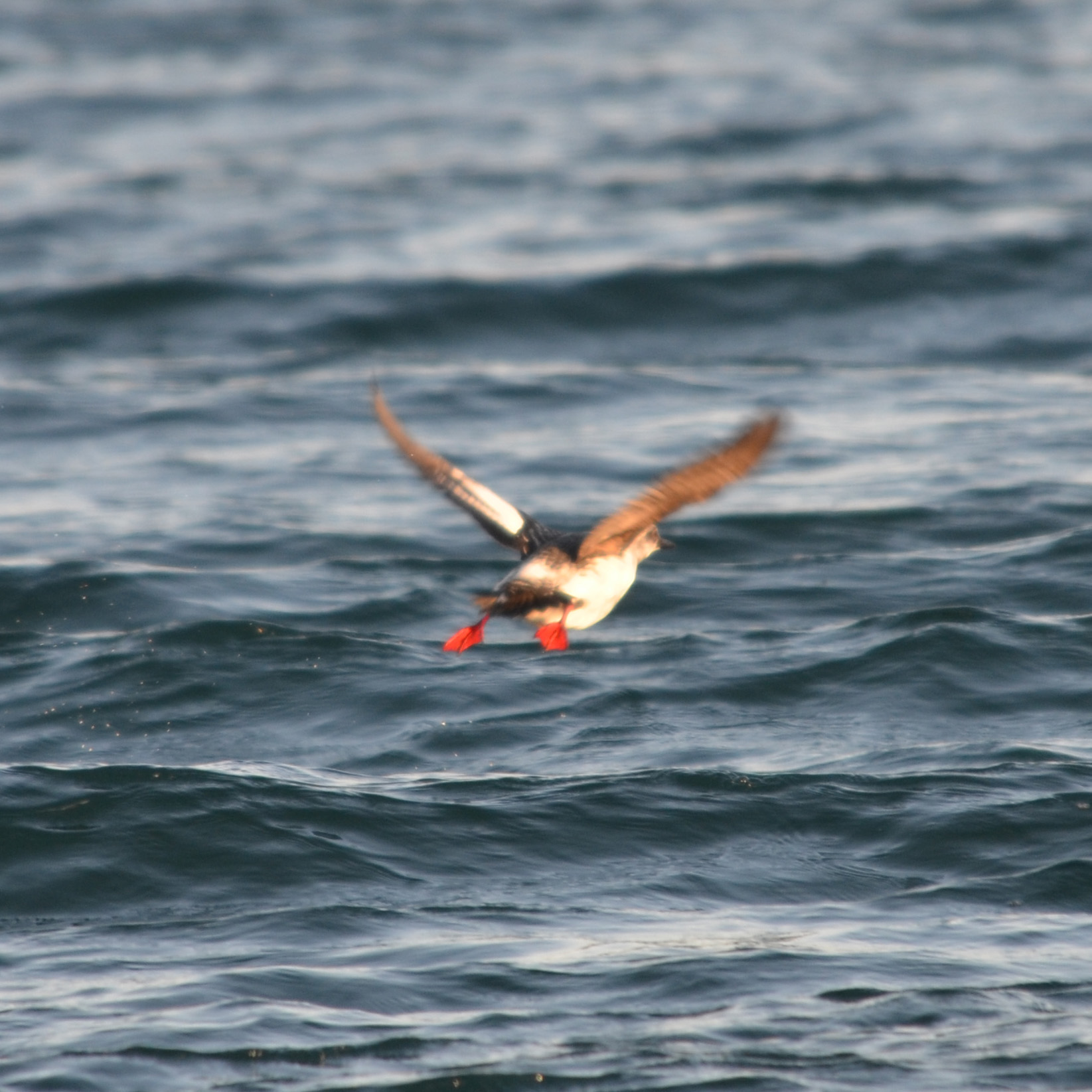
A group of about 30 pigeon guillemots were feeding in the current north of the Jetty. I had never seen them in their winter plumage so it took quite a while observing, photographing and freezing my fingers before I saw their tell-tail orange feet.

Facility work

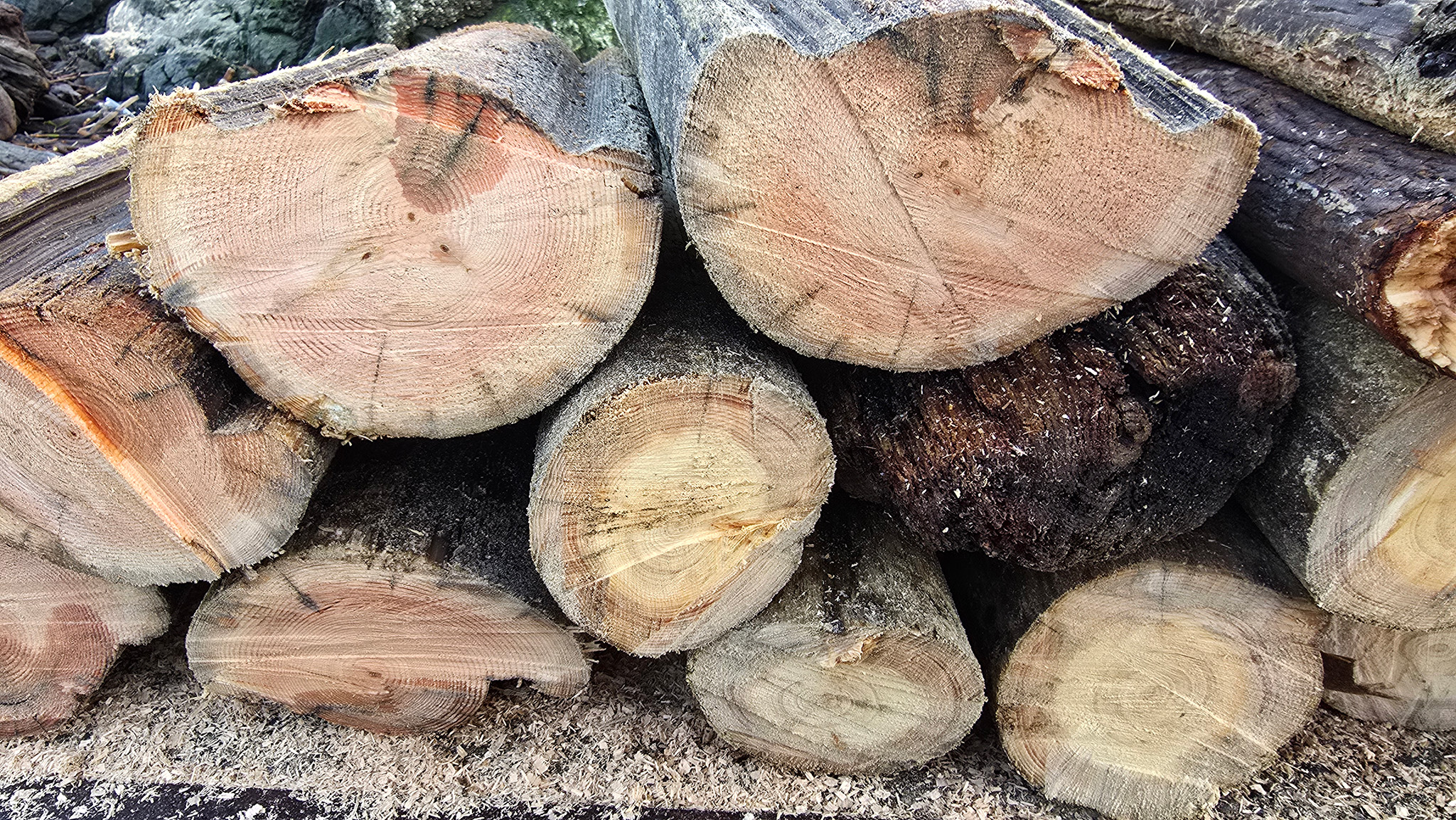
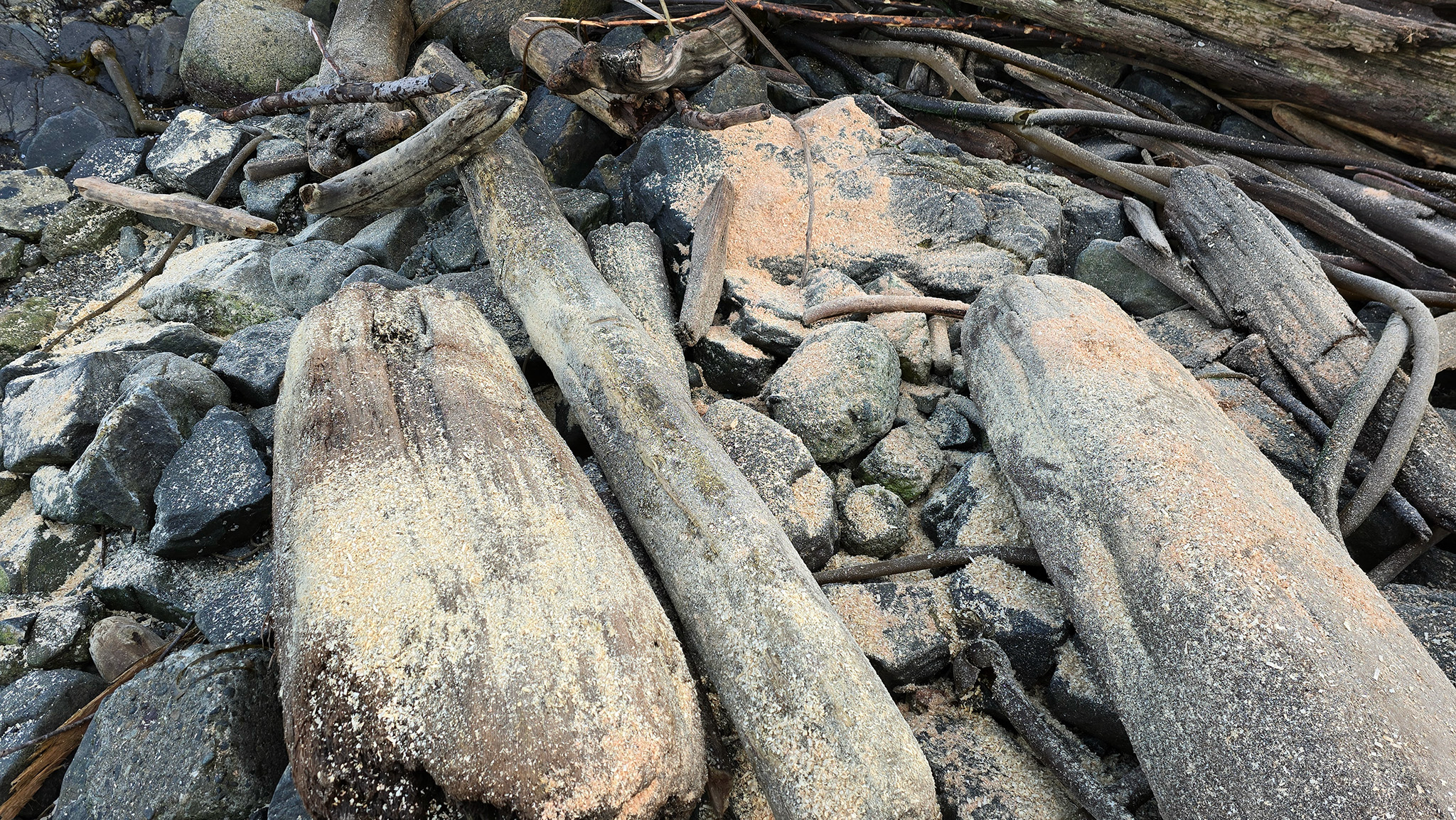
I had fun with the chainsaw today making a piles of sticks in the grass but it was down on the beach by the boat ramp where I struck gold. I cut up a yellow-cedar and Douglas-fir log. Too bad the yellow-cedar wasn’t a bigger log as it burns so hot.  Poseidon please bring us more yellow-cedar!

  • topped up battery fluids
  • transferred fuel
  • cut firewood

Golden yellow-cedar saw dust on the left and pinkish Douglas-fir sawdust upper center. The yellow cedar smells a little bit like raw potato.

Vessels

  • Ecotourism: 0
  • Private: 0

Weather

Clear skies. Light to gentle northeasterly breeze. Daytime temperatures 3 to 6 degrees.
Jan 24 Census

Mammals:

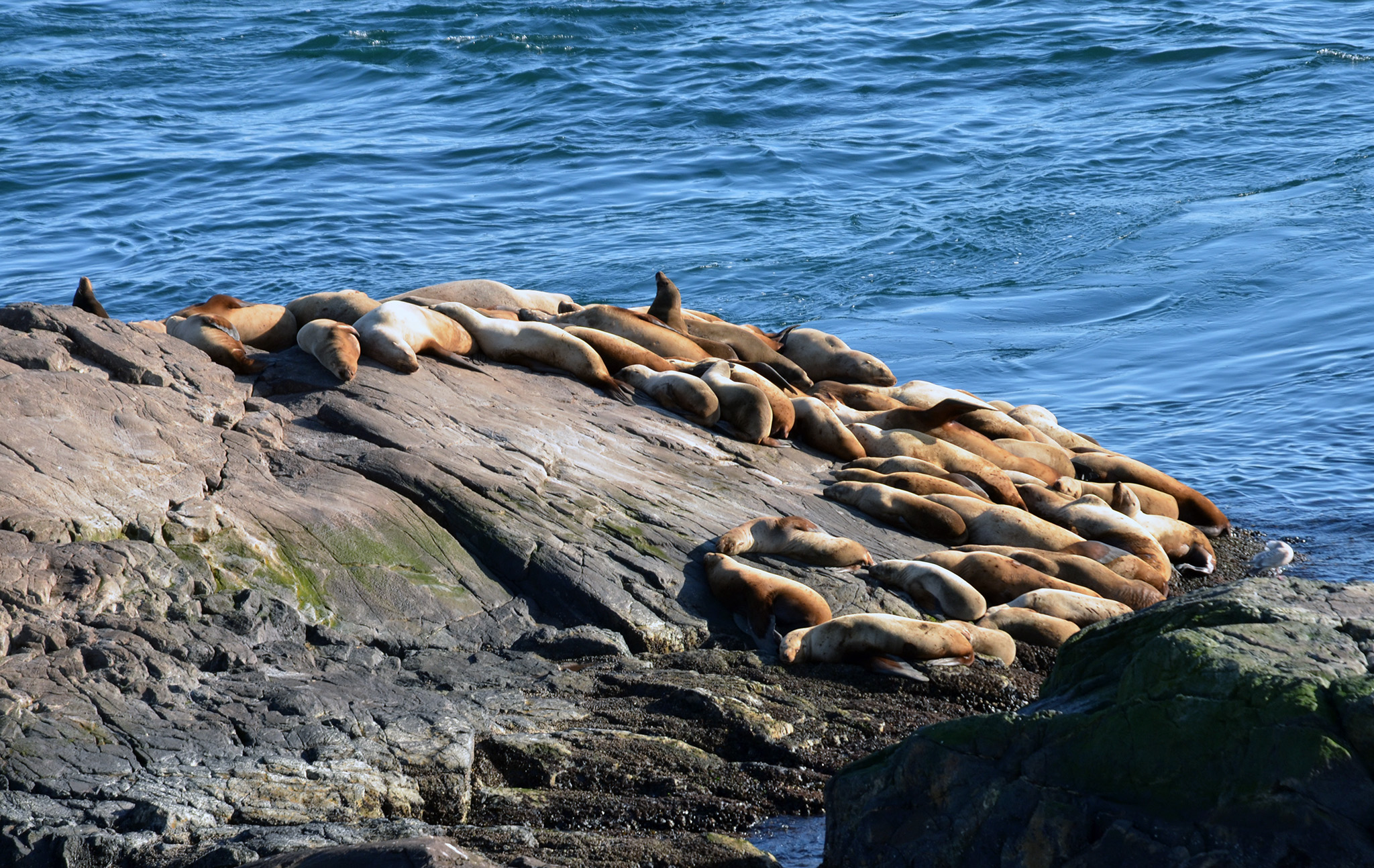
  • Steller sea lion: 54 (168 Jan 15)
  • California sea lion: 105 (69 Jan 15)
  • Harbour seal: 43 (20 Jan 15)
  • Elephant seal: 2

Birds:

  • Gulls: 202 (399 Jan 15)
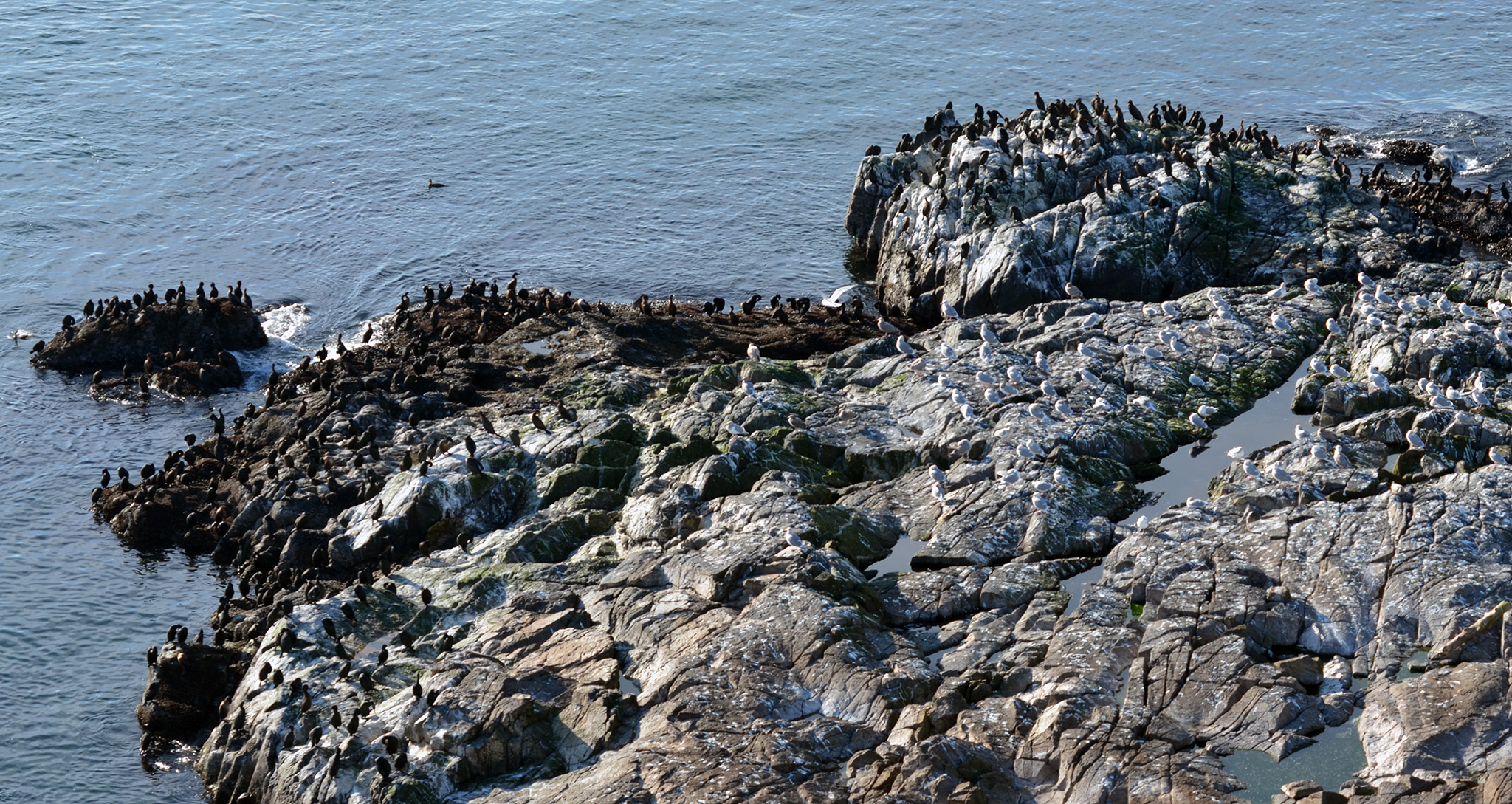
  • Cormorant:  452 (271 Jan 15)
  • Bald eagle: 2 mature, 3 immature
  • Black oystercatcher: 10
  • Harlequin duck: 4
  • Black turnstone: 2
  • Raven: 2

Wildlife seen this week inside the reserve but not observed today include: killer whales, surfbirds, Canada geese, Brants, song birds. The most obvious visual differences seen since the last census is the increase in the number of cormorants and the reduction in Stellar sea lions.

Just some of the 452 cormorants on the western shore.

A much smaller group of Stellar sea lions on the South Islands than see in the photo from the Jan 15th Census

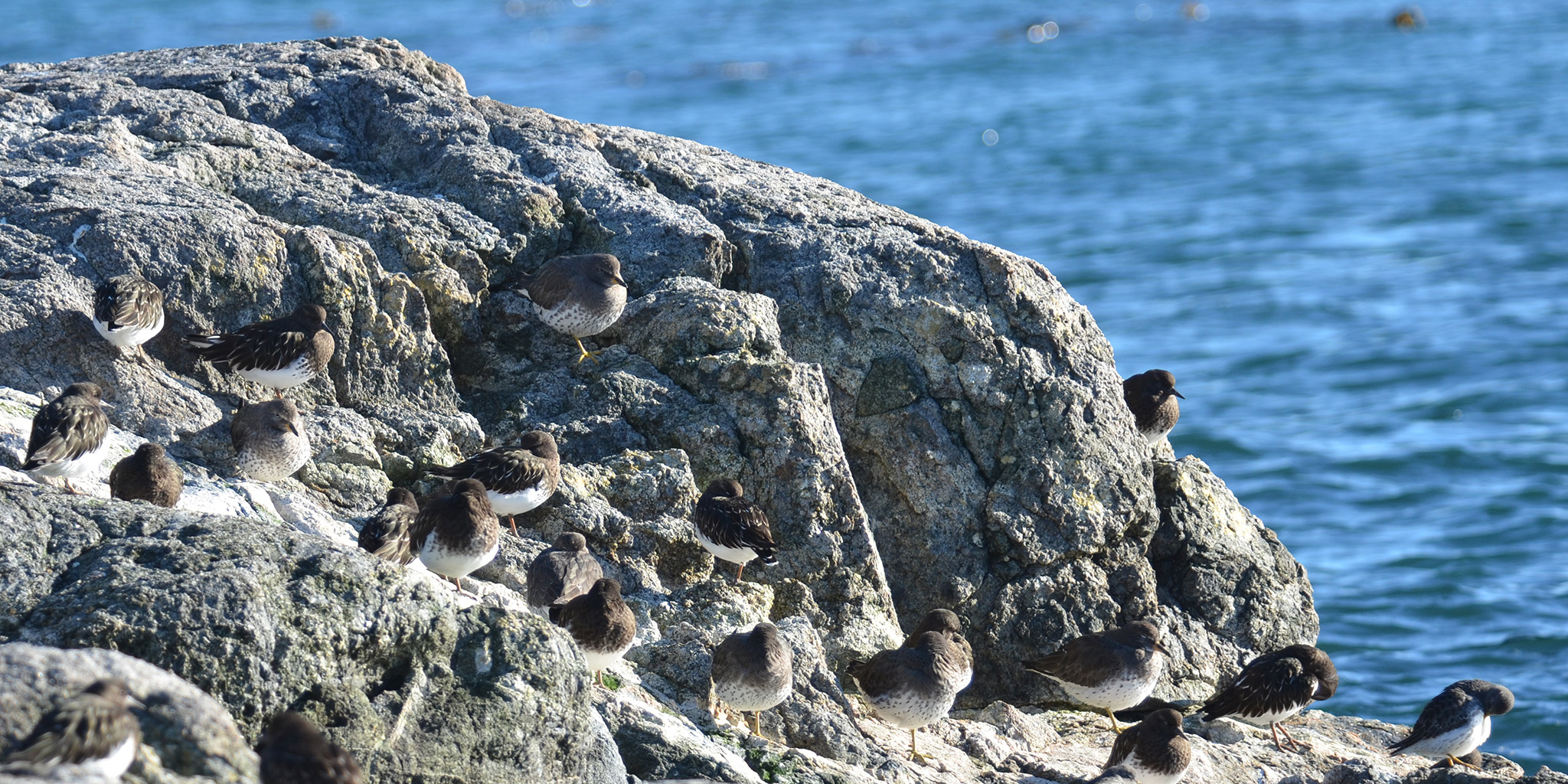
Surfbirds and black turnstones seen earlier in the week.

Wildlife notes

It has been a peaceful day here.  The skies clear and waters calm. The elephant seal and her 5 day-old pup are sleeping and nursing in the sunny hollow.  The pup is strong enough now to hold its head high and reach the upper teat. Two branded sea lions were photographed and reported to NOAA.

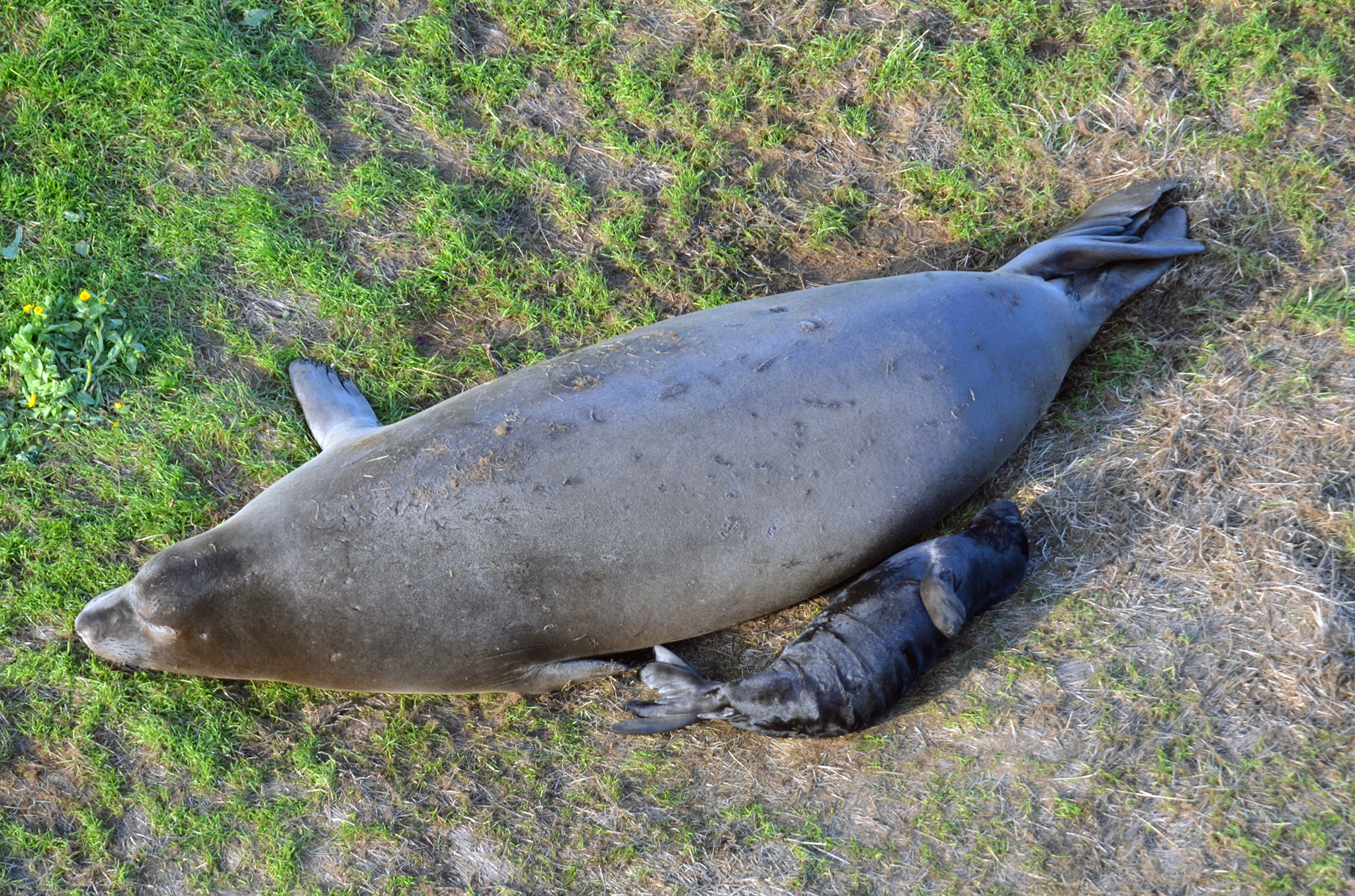
Elephant seal and her 5 day-old pup seen from above.

Facility work

  • stacking wood
  • kindling
  • general cleaning

Vessels

  • Ecotourism: 0
  • Private: 0

Weather

Skies mostly clear, high clouds forming in the afternoon. Winds light to gentle. Direction variable from northerly to easterly.  Daytime temperatures 3 to 7 degrees.
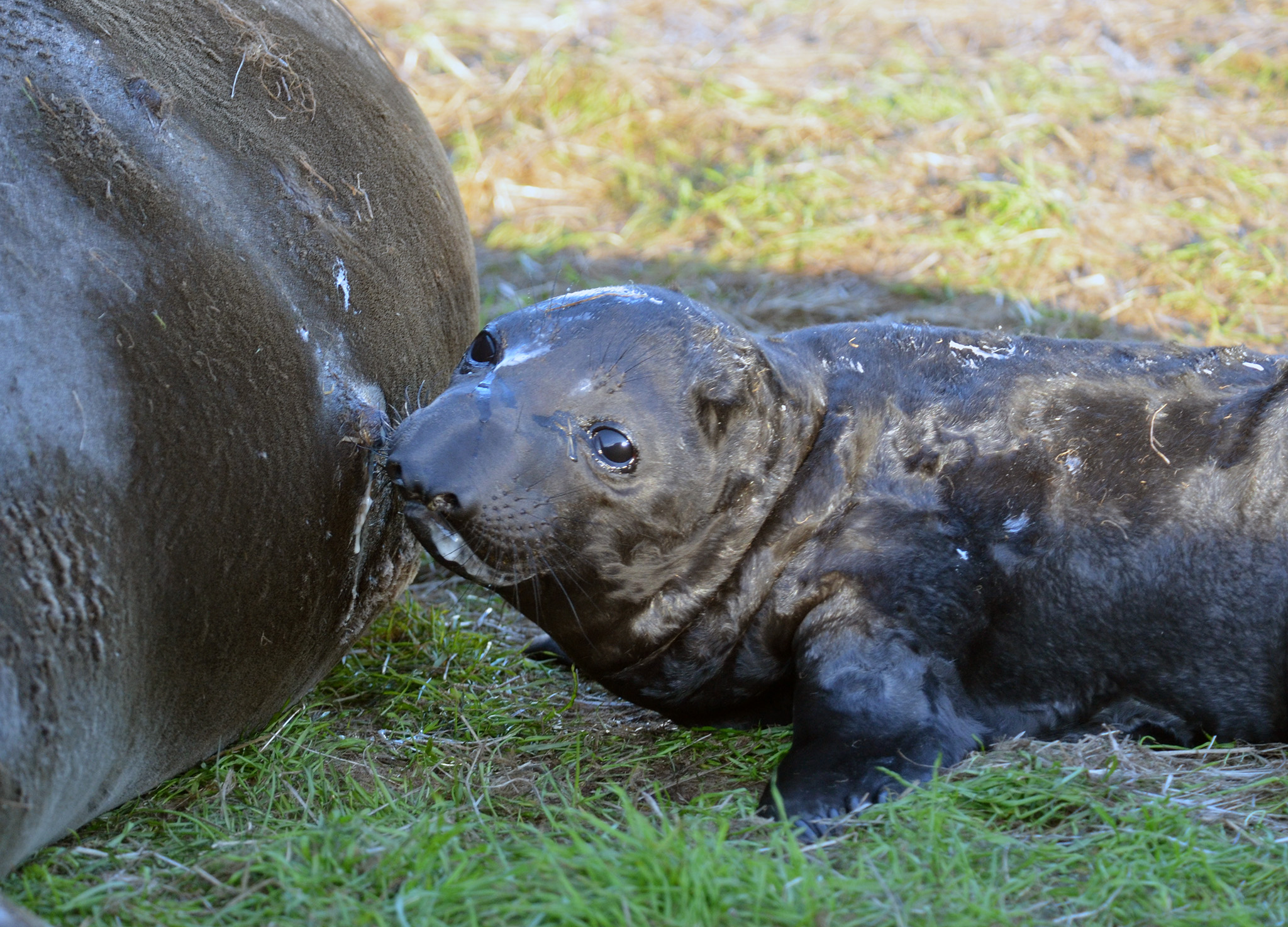
Day 4

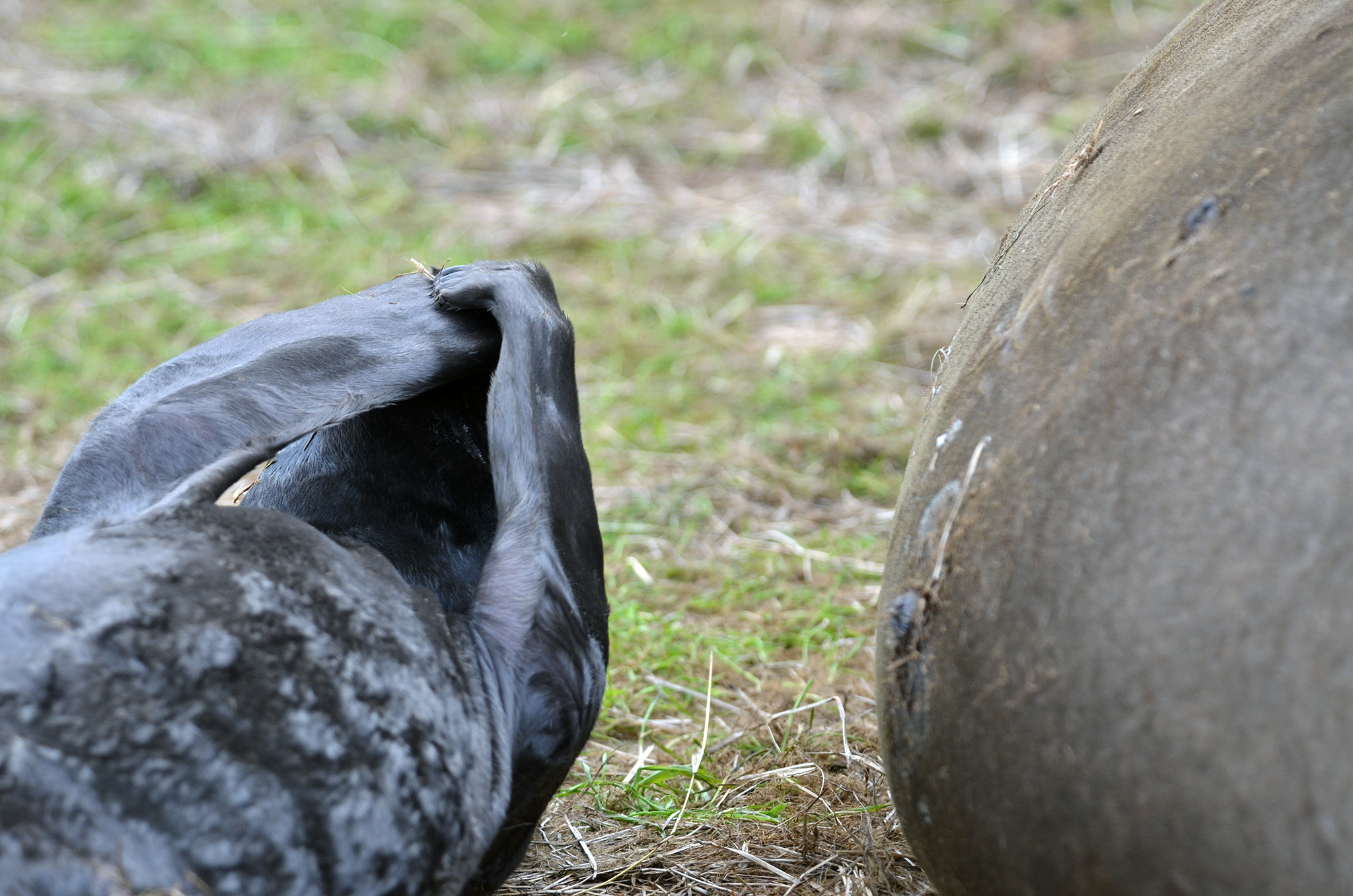
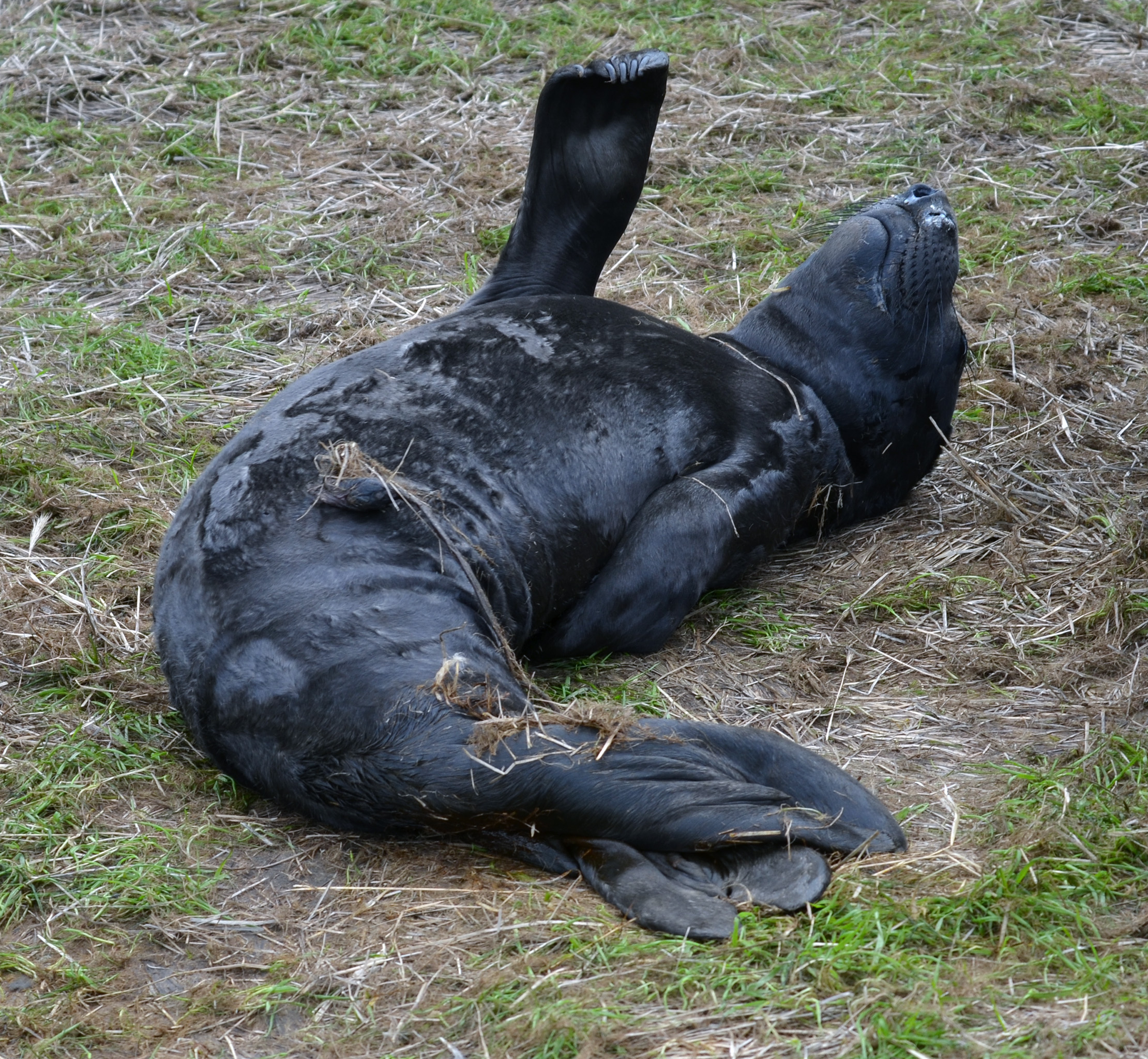
The pup has shed its umbilical cord. It is feeding well and spends time squirming around, stretching, rolling and exploring its flippers and scratching. The placenta is still intact. I watched a raven show some interest but mom sent it off with a big bellow.

It was another glorious day. Today I’ve posted some photos of the scenery and other inhabitants, not just the elephant seals on this fine sunny day.

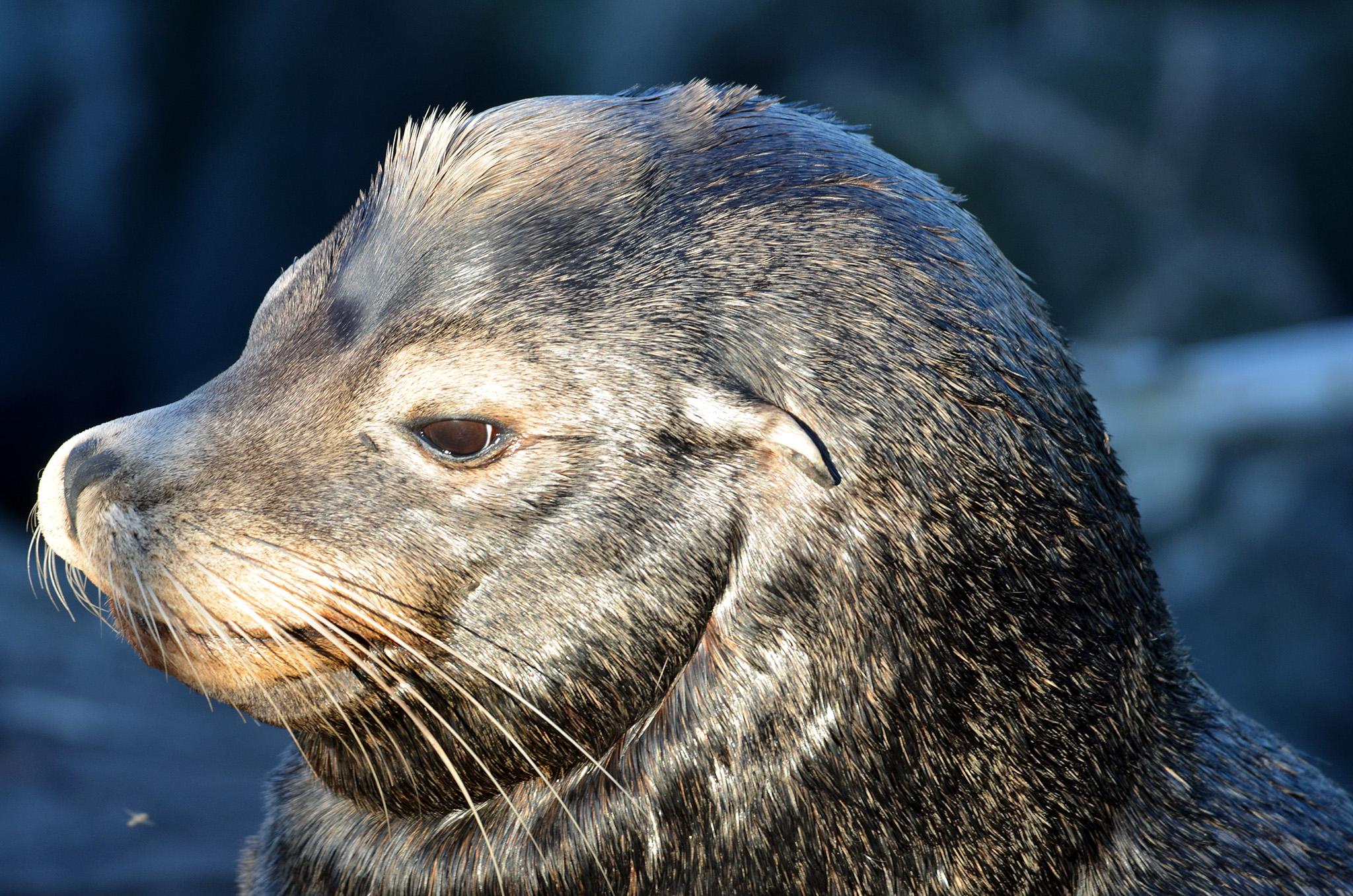
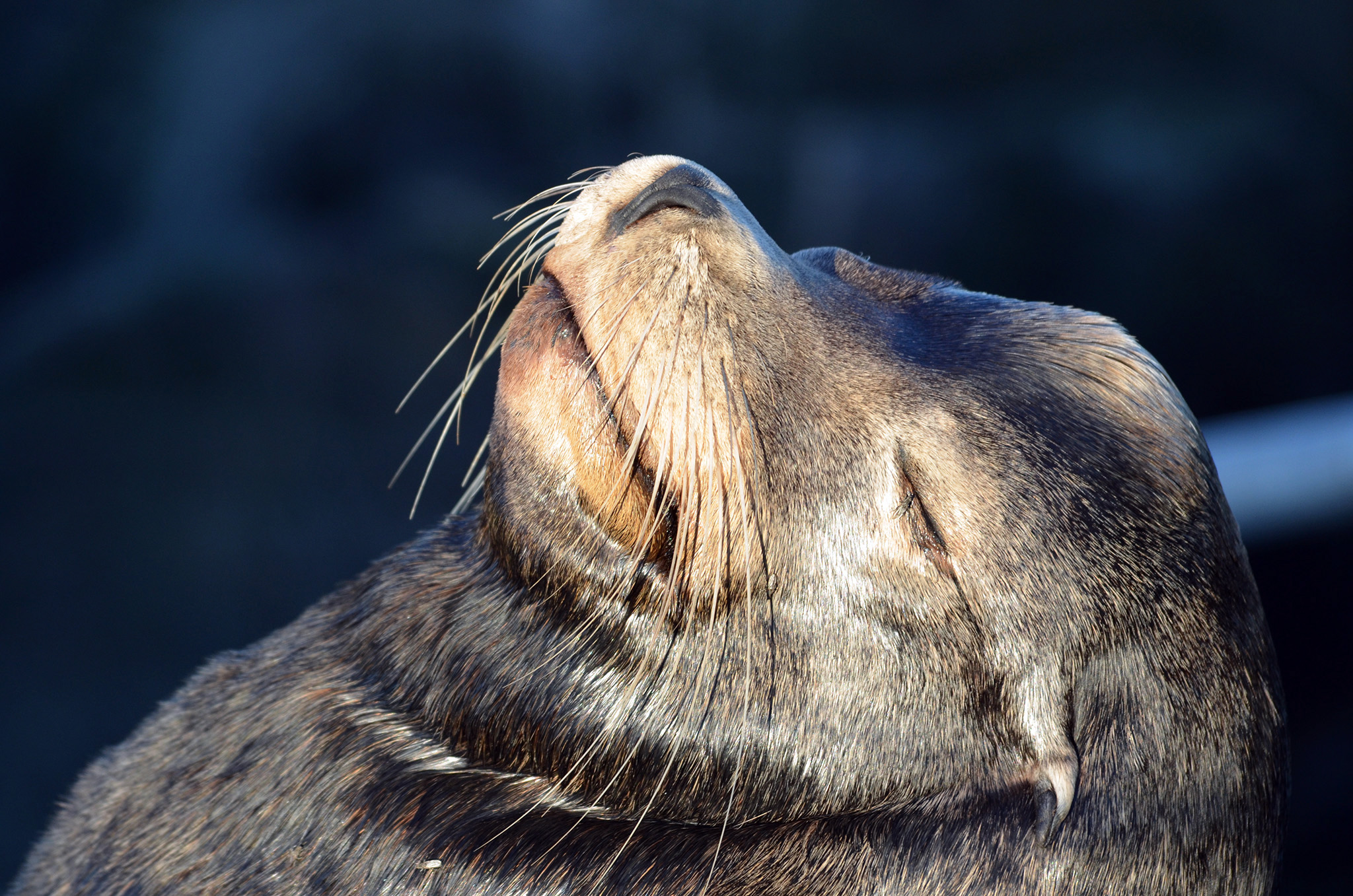
California sea lion by the Jetty

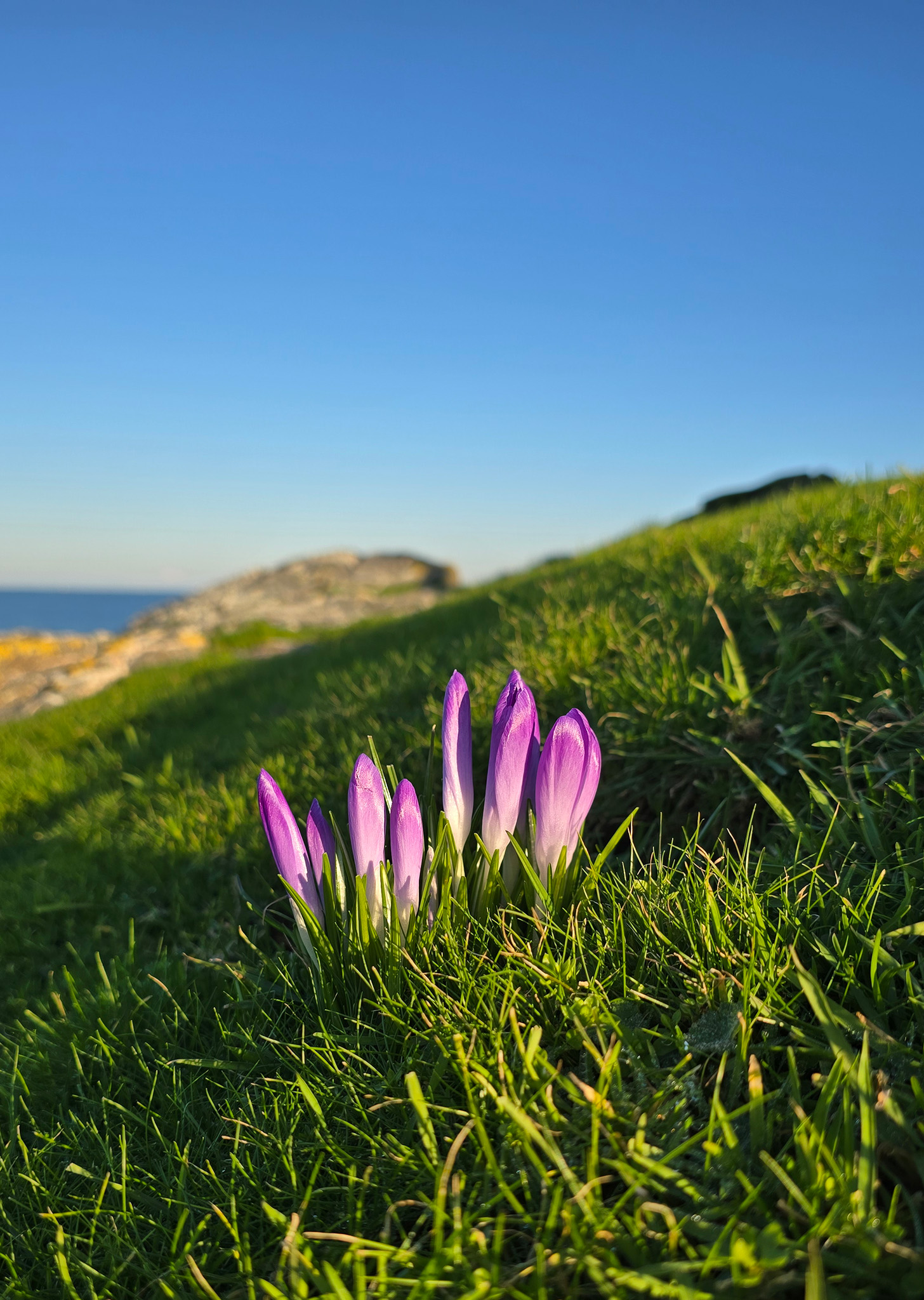
Crocus flowers closing in the setting sun

Facility work

I had intended to do the animal census today but the generator auto started this morning. I changed my focus to energy consuming endeavors instead.

  • ran the desalinator, produced 652 L of fresh water
  • ran the electric log splitter
  • stacked firewood

Visitors

A group of 14 students, the marine biology instructor and seafront staff were on the island today for a short visit.

Vessels

Ecotourism: 2
Private: 1

Weather

Clear skies. Winds light to gentle northeasterlies. Daytime temperature 3 to 8 degrees.
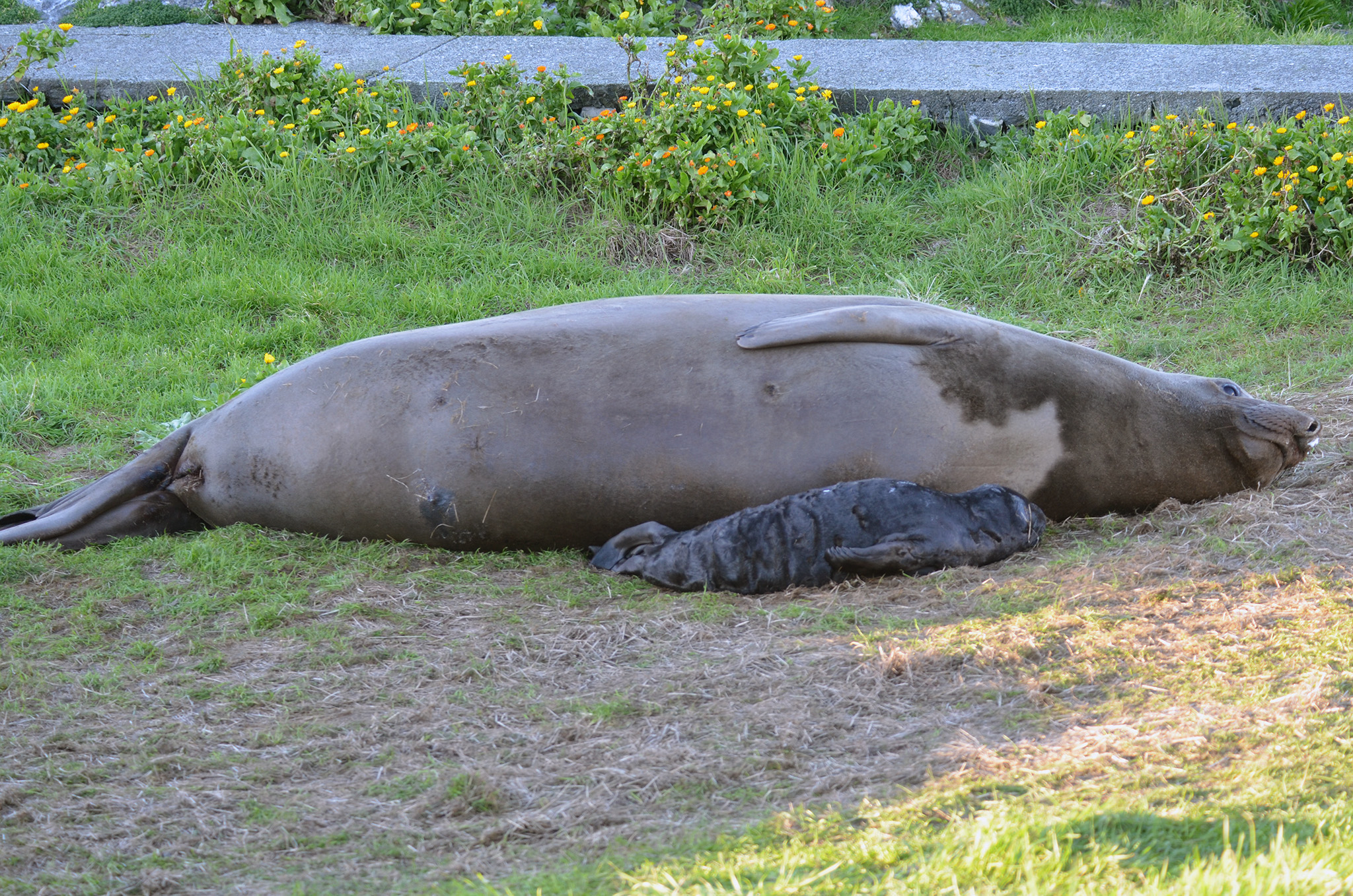
Day 3

It is day 3 and no one has taken an interest in the high protein placenta!  The pup is starting to fill out its oversized birthday suit. It is also settling down better after feeding. For the two days it was twitchy and now it is moving on to squirmy, exploring it is body parts and rolling on its back.  It still seems to be itchy and scratches often.

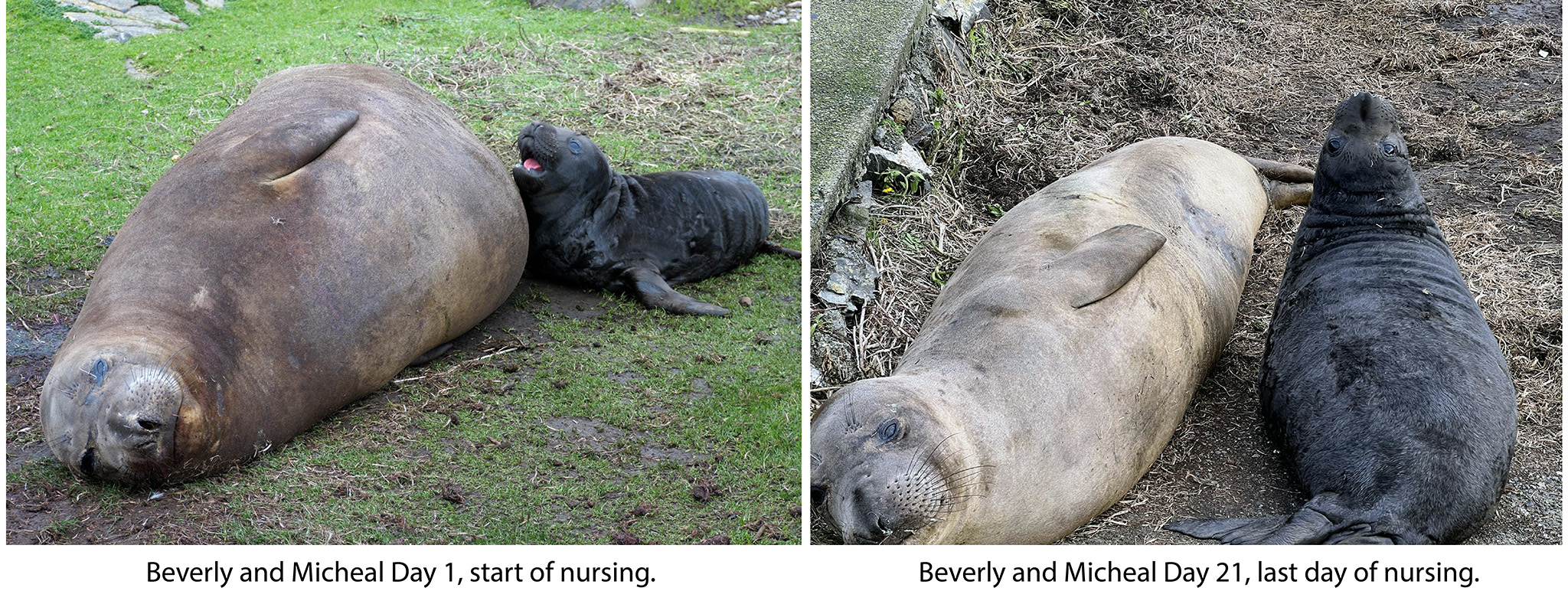
I have been asked to take daily pictures of the mom and pup from the front, back and side so a Pearson student can document the transformation of mom and pup from birth through to weaning.

The transformation is a shocking one. During the nursing period of up to 28 days the mother does not eat. The milk she produces comes from her reserves and for every pound the pup gains, she loses two pounds (see source). By the end she will have lost 40% of her body weight. She will leave the fat little pup behind and head back to the sea to regain her weight.  I won’t be here then but Cedric will have lots of fun watching the pup explore the island and learn how to swim.

I searched through old posts and found these two photos taken by Courtney Edwards on her January 13, 2022 post. They nicely illustrate the weight transfer from mom to pup.

Visitors

14 students, the marine biology instructor and two seafront staff were on the island today.

Facility work

  • battery fluid top up
  • getting firewood
  • reorganizing our basement firewood pile into to wet and less wet
  • started on kindling

Vessels

  • Ecotourism: 1
  • Private: 2

Weather

Skies mostly overcast. Light northeasterly breeze. Daytime temperature 4 to 5 degrees.
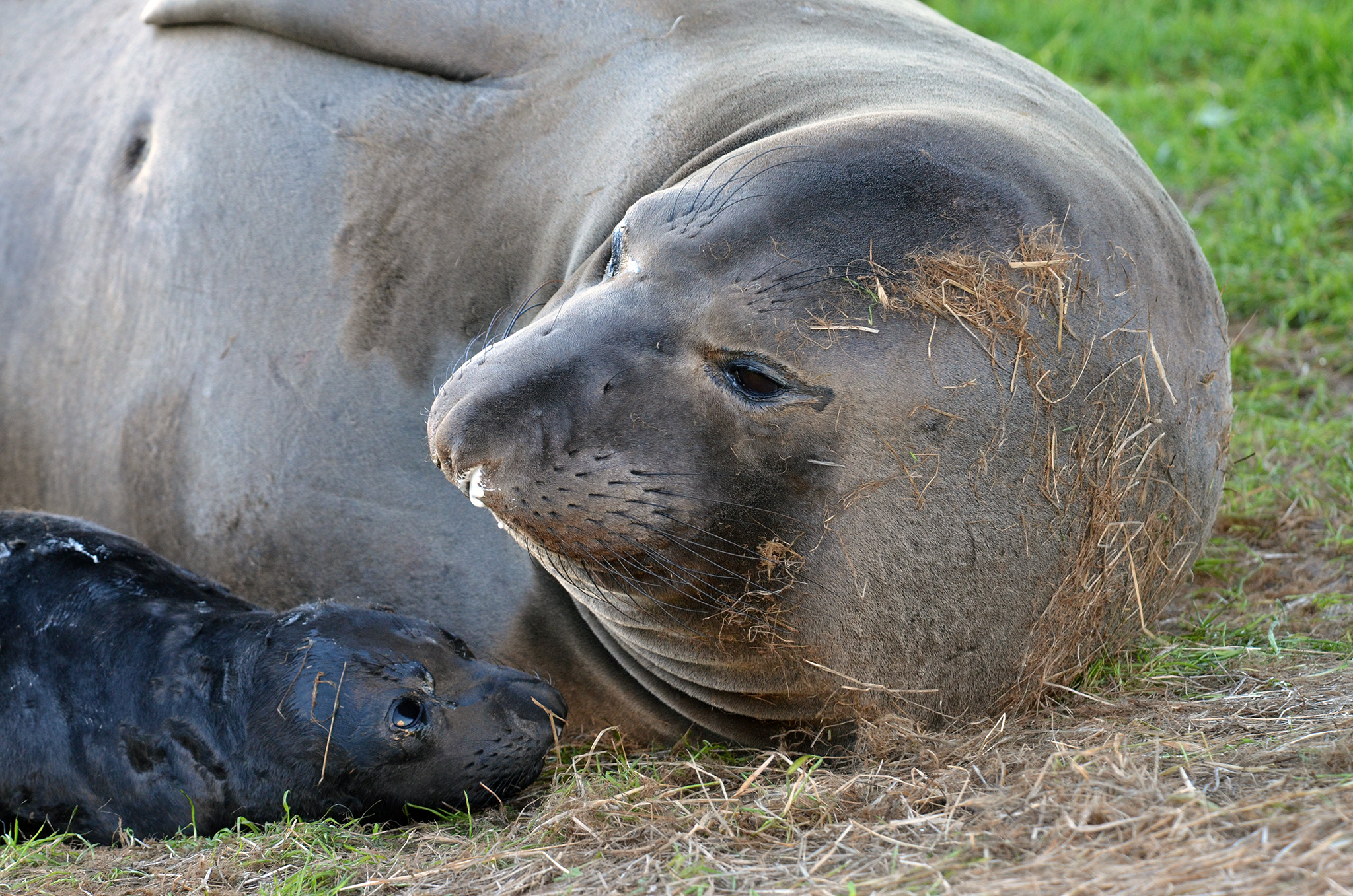
Day 2

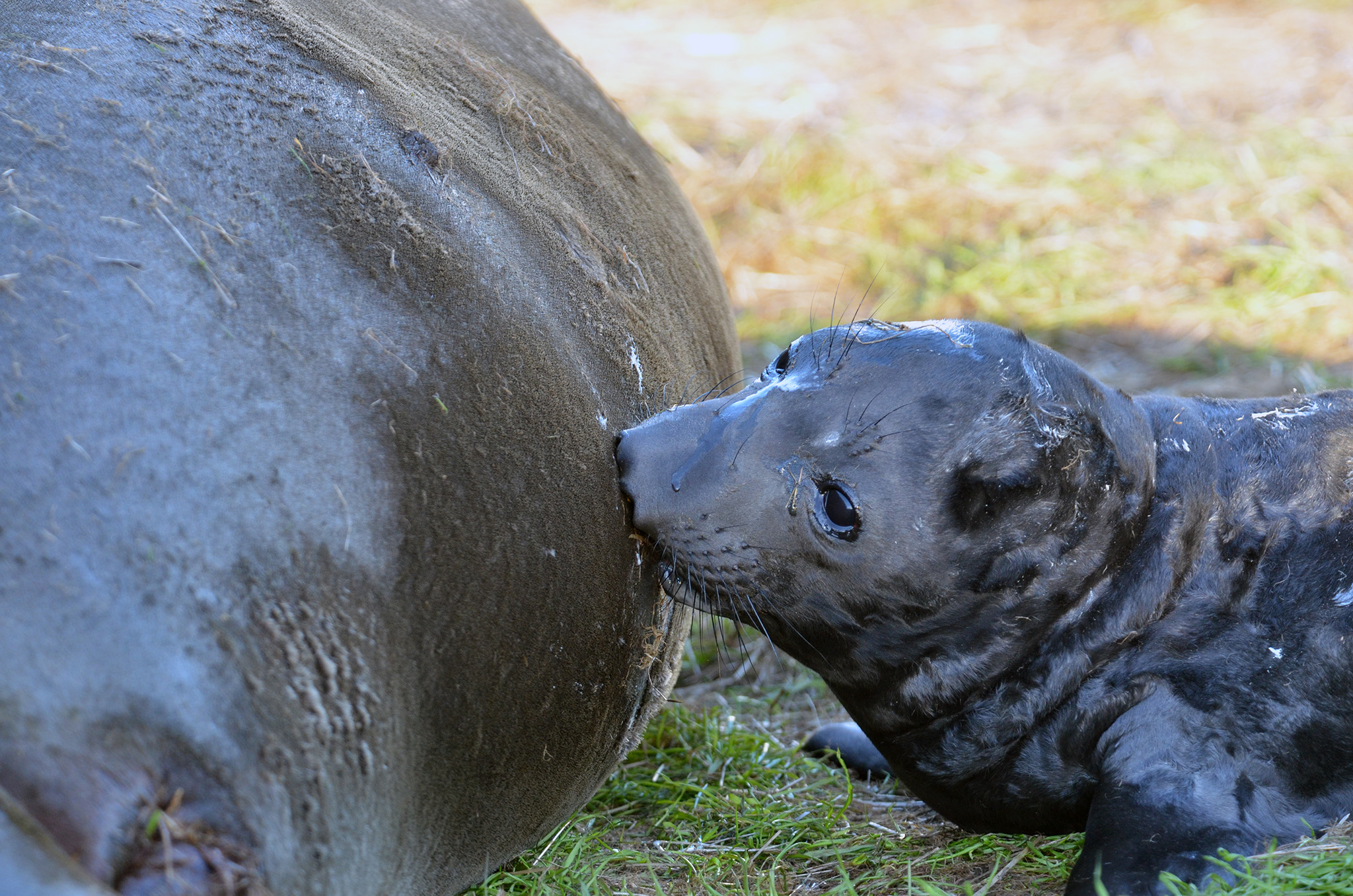
The last two nights have been spectacular for me – lots of stars, a stunning show of northern lights yesterday and now a sliver of a orange moon setting – but I worry about the skinny pup on these cold nights. Yesterday the low was 7 and as I write it has already dropped to 6 degrees. The pup must consume a lot of energy to stay warm, unlike her massive blubbery mom. I hear their feeding time “conversation” (the mom bellowing to encourage the pup to eat and the pub squawking when it can’t find the teat) during the night so I assume feeding continues in the dark.  The pup doesn’t seem to see very well and usually starts its search around mom’s armpit so I suppose it doesn’t matter much if it is pitch black out. But I am surprised the pup can’t smell the teat to determine which way to search. The mom has to do all the wiggling forward and micro adjustments to help it out.
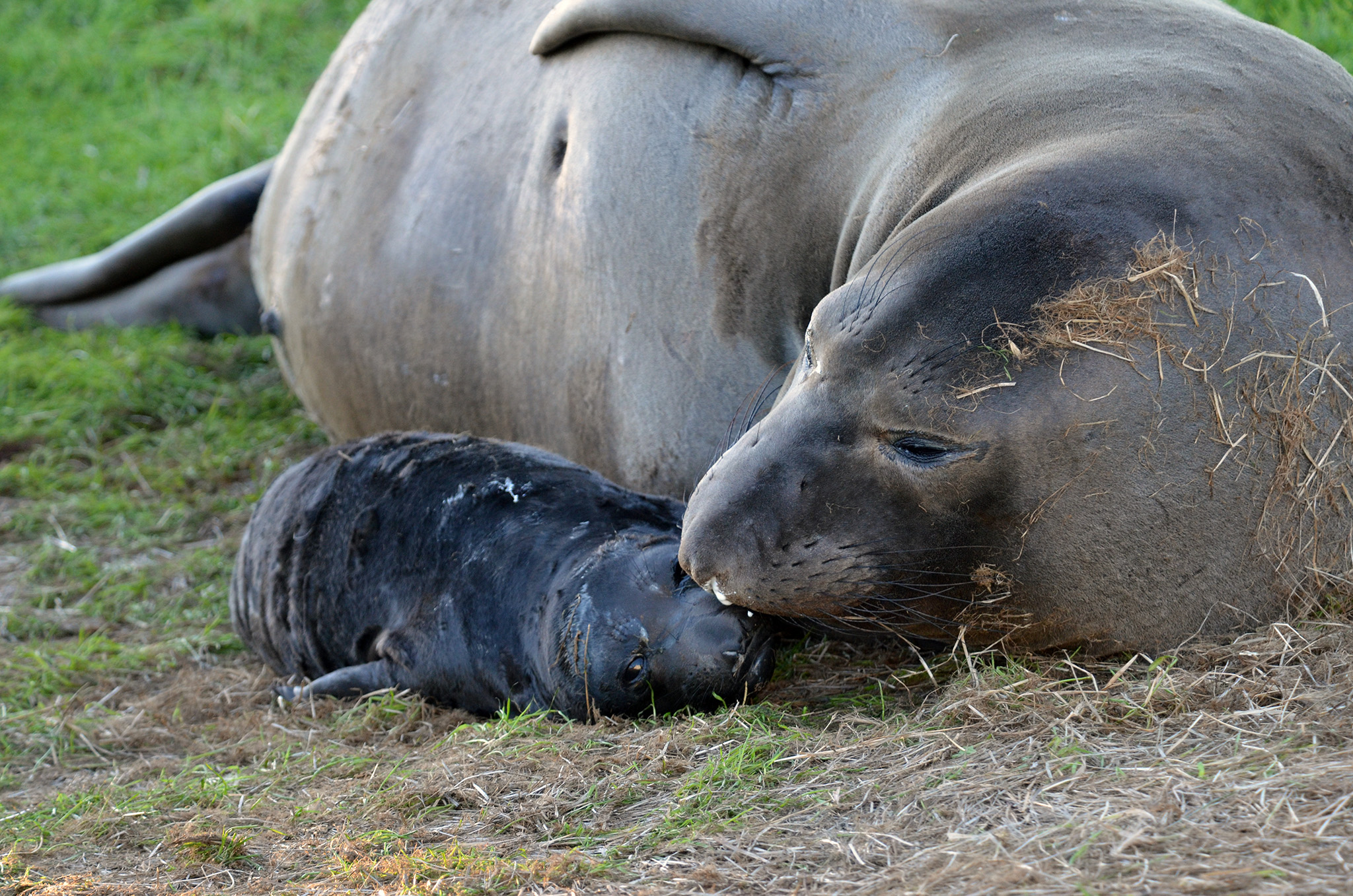
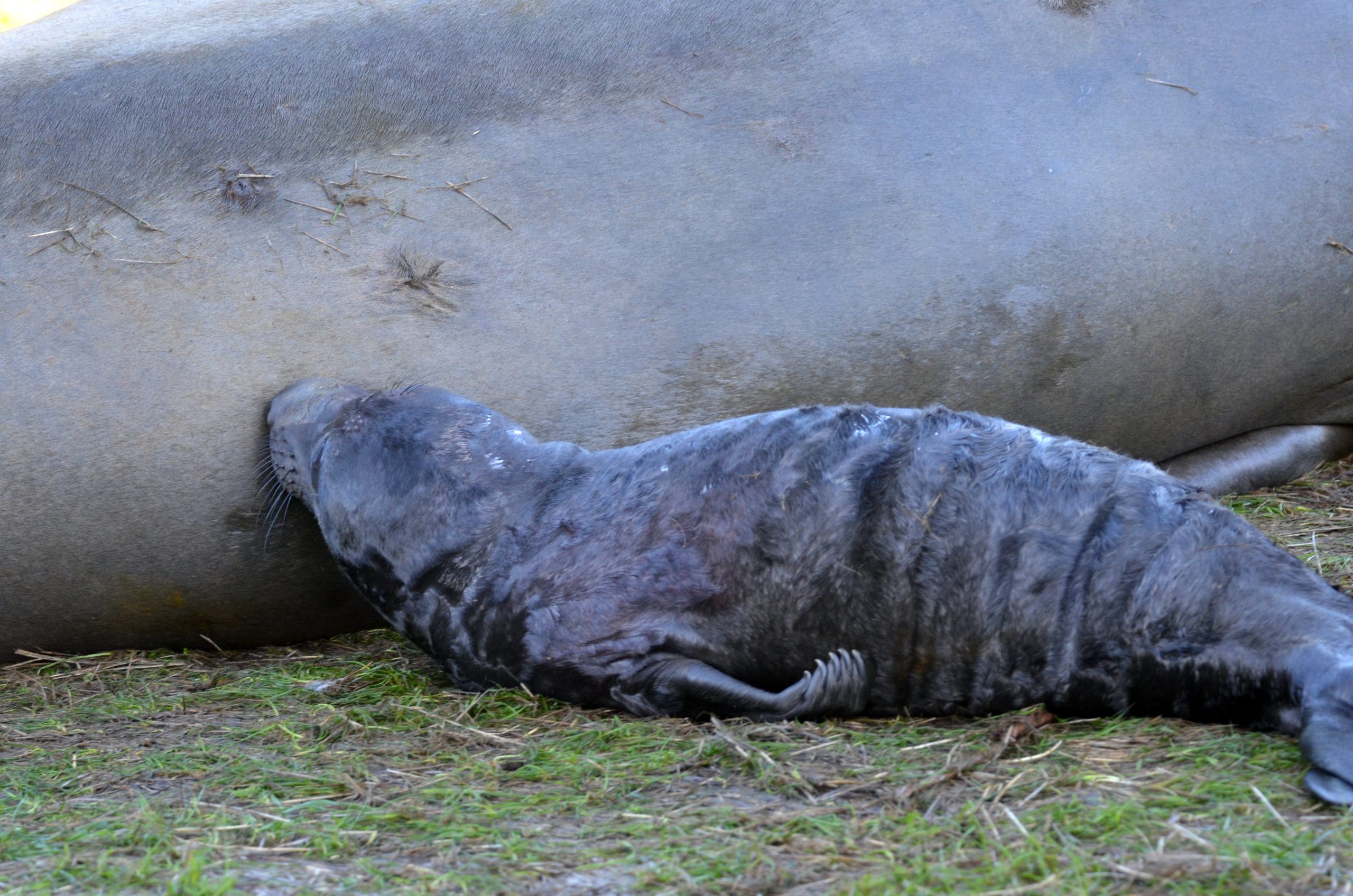
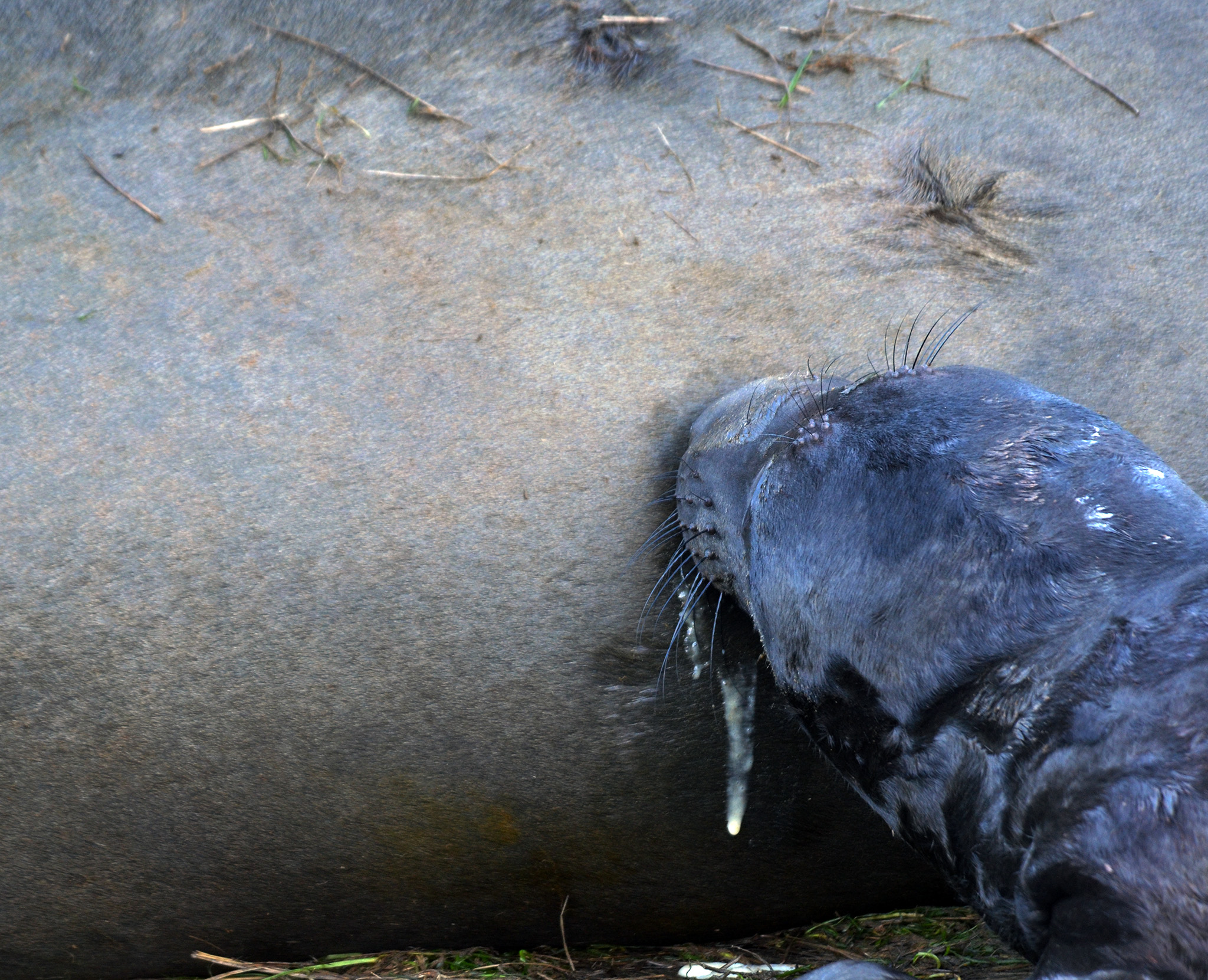
In terms of feeding, the pup will drink a bit, drop its heavy head and continue in short bursts. The white marks on the pups face, head and back are a mixture of milk from its clumsy search to relocate a teat and from its mom’s nose froth. This froth is a surfactant that stops their lung tissue from sticking together when their lungs collapses under the immense pressure of a deep dive.

Sorry to all you other beautiful creatures out here who haven’t been photographed today.


Taking a break from feeding

The pup has finished feeding and is making its way to toward mom’s face.

Mom checking in.

Facility work

  • getting firewood
  • transferring fuel

Visitors

3 student leaders from CALD guiding 9 students, the marine biology instructor and seafront staff.

Vessels

  • Ecotourism: 3
  • Private: 0

Weather

Clear skies. Gently northeasterly breeze. Daytime temperatures 6 to 10 degrees.

Birth

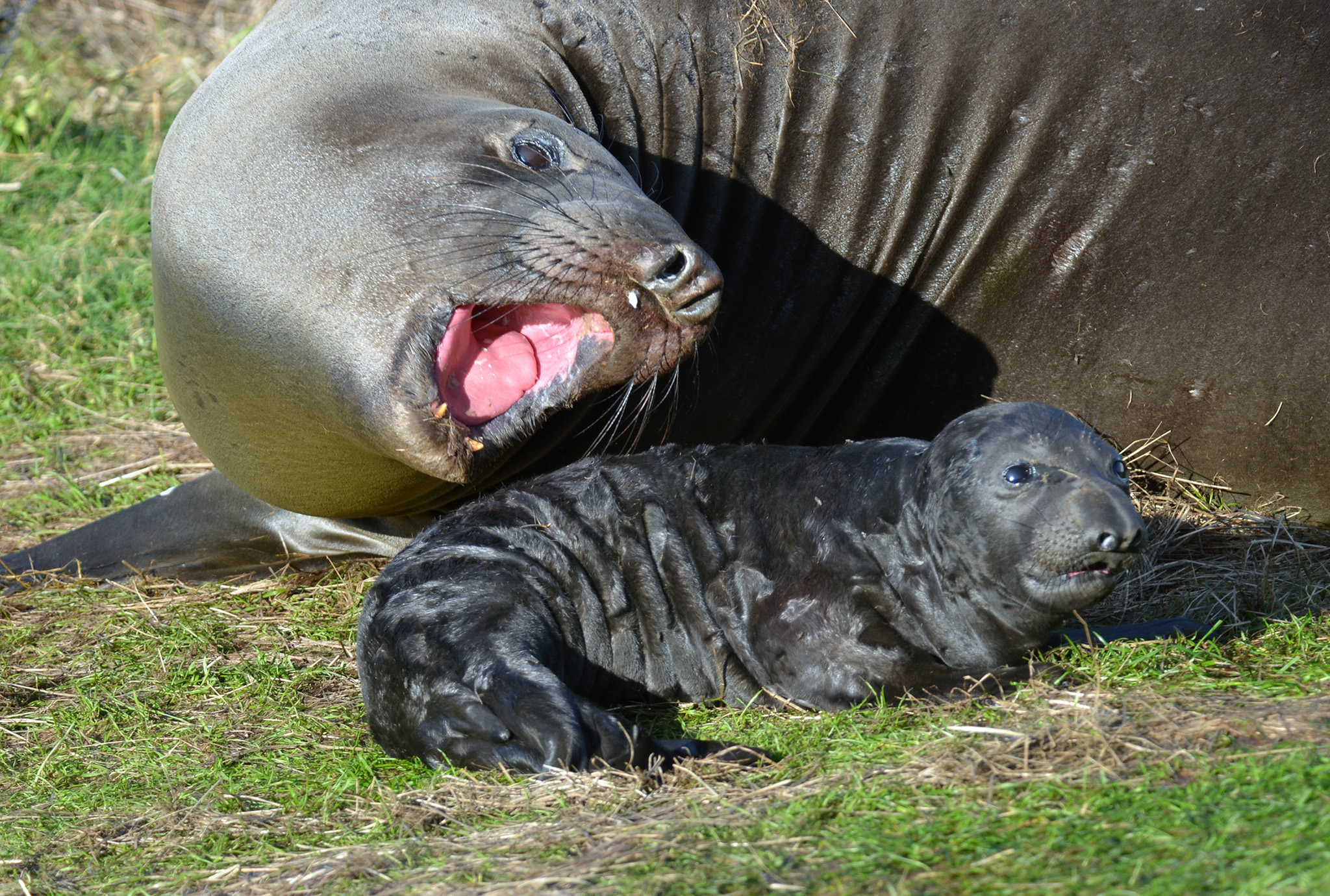
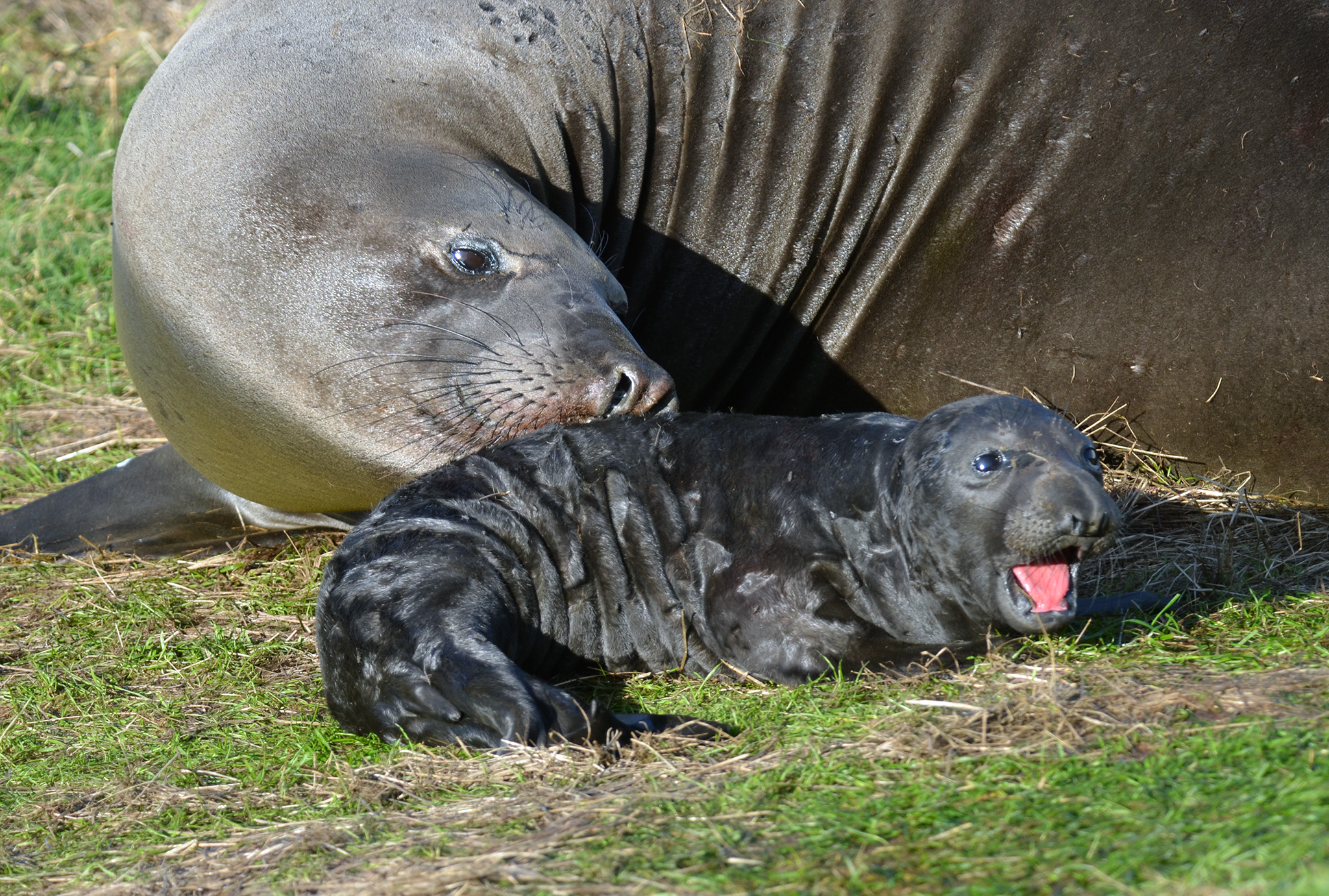
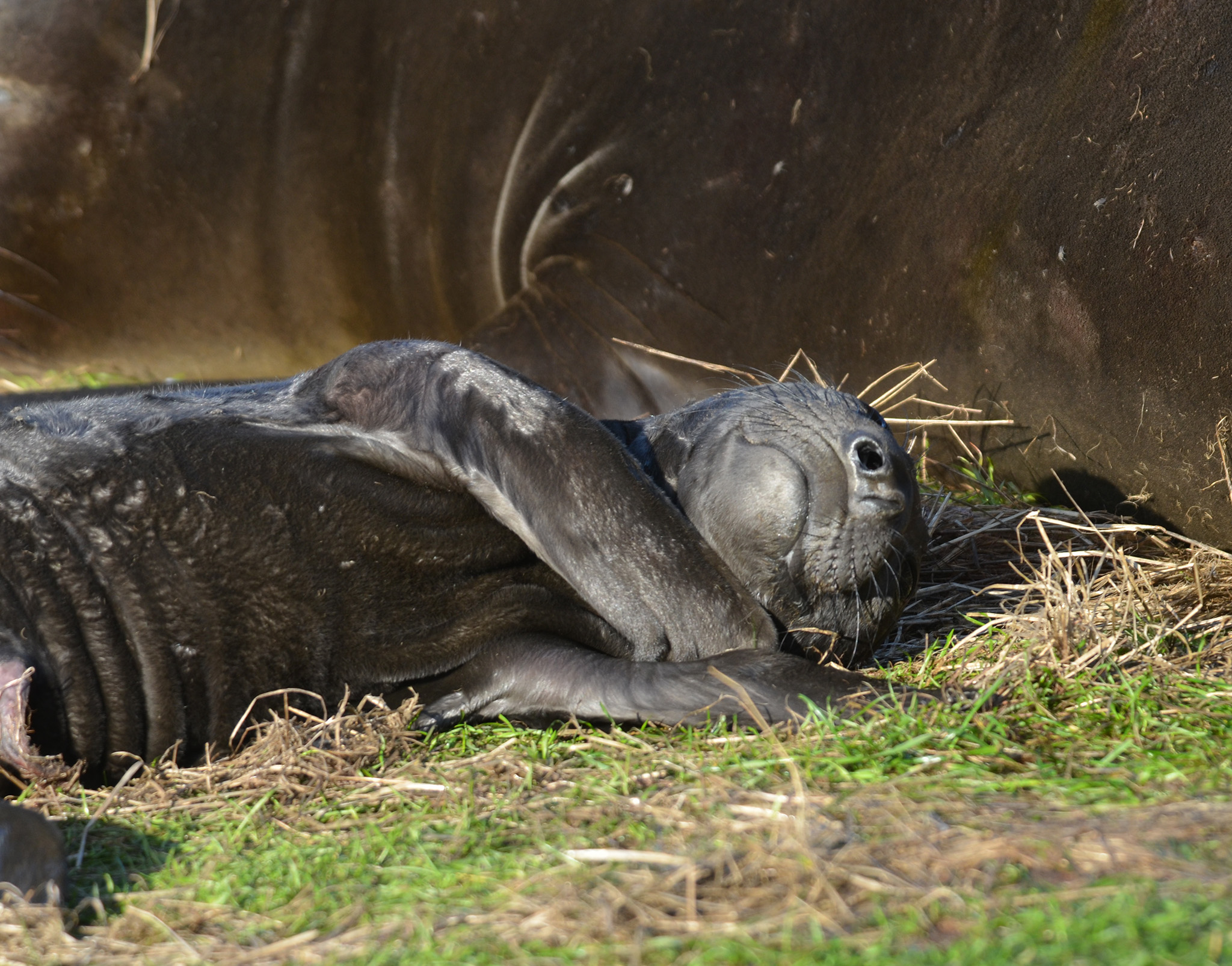
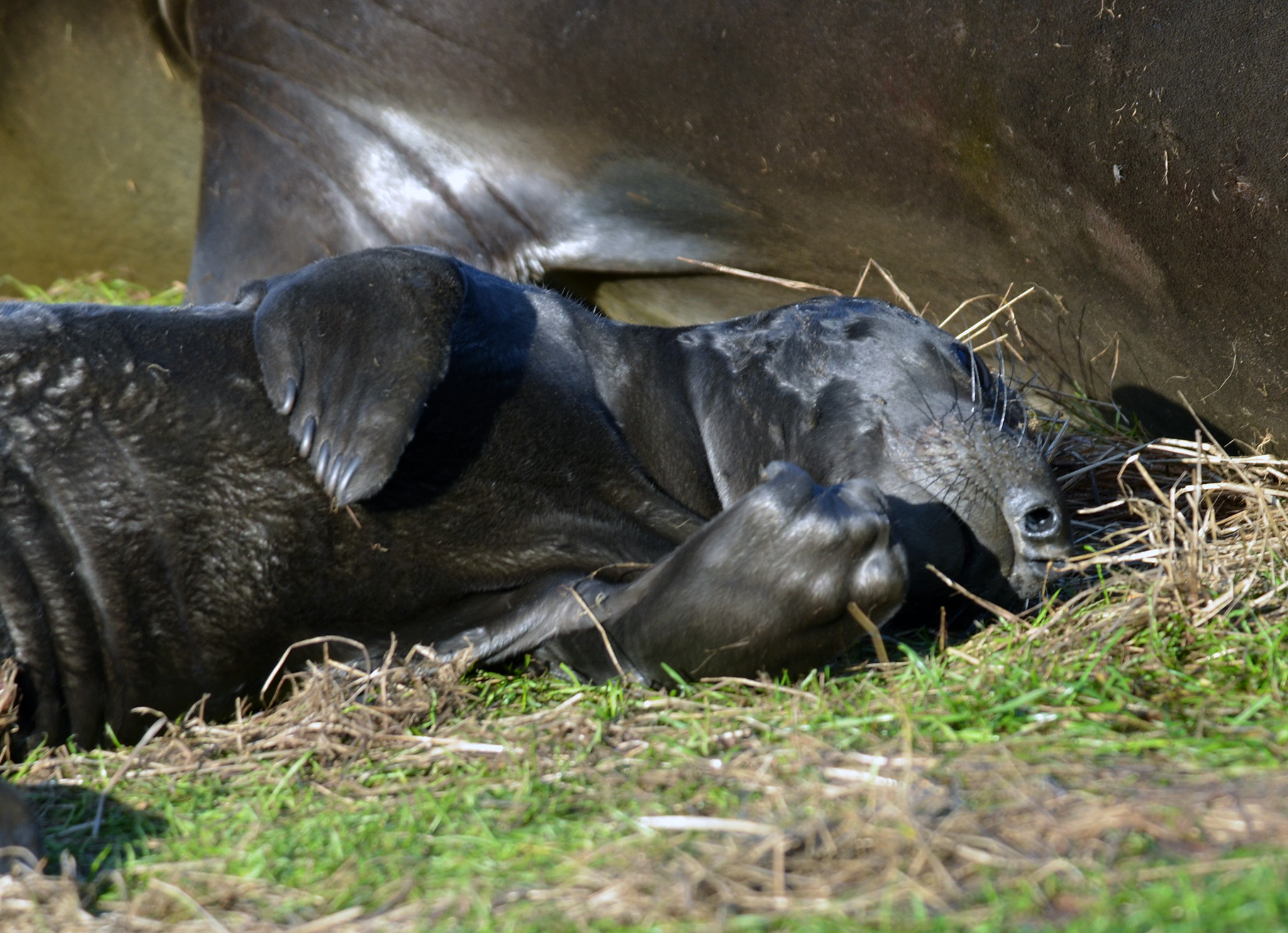
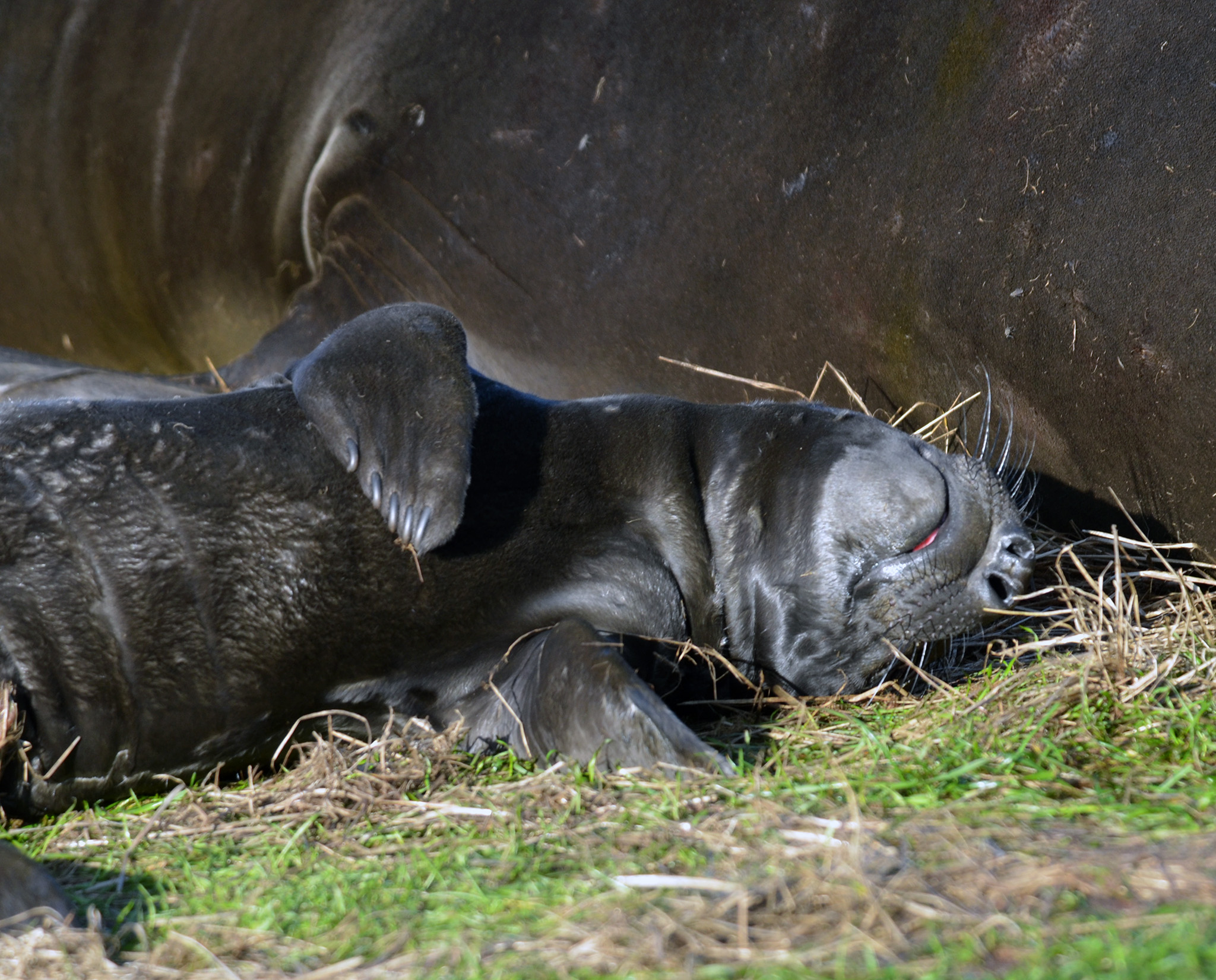
After 10 days on the island, the elephant seal gave birth in the early morning.  It took several hours for them (mom bellowing and pub squawking) to organizing themselves in the right position for the young pup to find a teat.  This is the first pup born here in three years. In 2023 there were three pups, in 2022 two pups, and in 2021, five pups were born. I believe this is the first year that no adult males where present to mate with the new mothers.

The wet pups first feed this morning.

Elephant seal milk is 55% fat.

The placenta lay there the entire day unnoticed by any scavenging birds.


Photos below of the pup scratching and snoozing.

A pod of killer whales swam past the west shore this morning. Normally this would be the highlight of the day!

Facility work

  • Produced 360 L of fresh water
  • Moving firewood further on shore

Visitors

Two groups of marine biology students visited the island with their notebooks for a lecture.

Vessels

  • Ecotourism: 1
  • Private: 0

Weather

Clear skies. Gentle southeasterly breeze. Daytime temperatures 6 to 10 degrees.