Brodiaea coronaria : harvest brodiaea


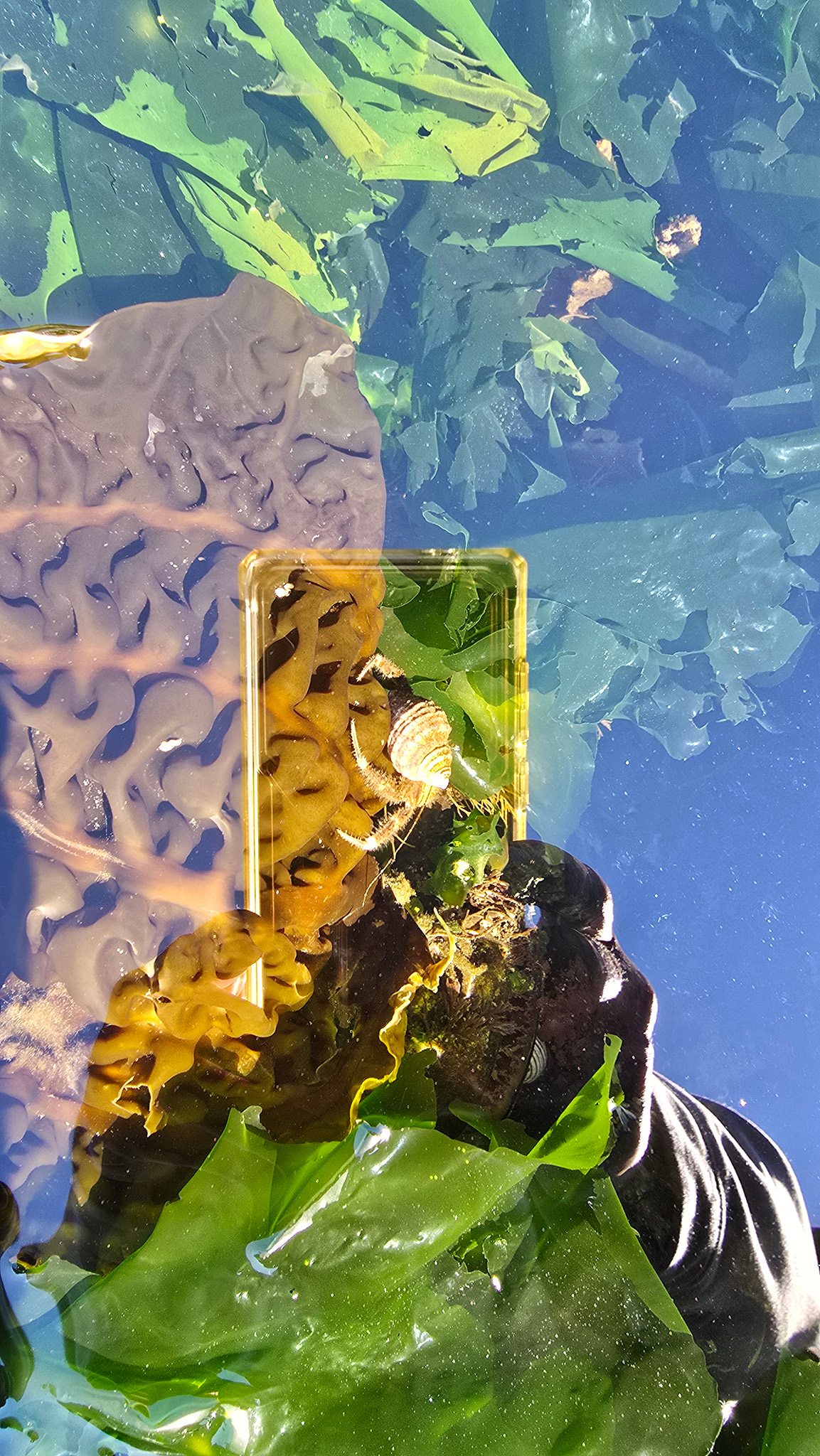
Ecoguardian Christine Chourmouzis identified this new plant at Race Rocks on  June 7, 2026.  She wrote: Two tiny harvest brodiaea (crown brodiaea) about 5cm tall were found on the rocks west of the Student Building. It is a native plant not yet found on Race Rocks.  The closest sighting I could find was by the famous botanist Adolf Ceska on the shore across Race Passage in the 1985. It grows from southern BC to California on dry grassy sites or rock bluffs and has traditionally been harvested for its small, nutty flavoured corm which can be eaten raw or cooked.

An interesting story about taxonomists who disagreed on the name can be found at https://en.wikipedia.org/wiki/Brodiaea#Nomenclature

Kingdom: Plantae
Clade: Embryophytes
Clade: Spermatophytes
Clade: Angiosperms
Clade: Monocots
Order: Asparagales
Family: Asparagaceae
Subfamily: Brodiaeoideae
Genus: Brodiaea
Species:
B. coronaria
Binomial name
Brodiaea coronaria

Other Angiosperms at Race Rocks.

taxonomyiconReturn to the Race Rocks Taxonomy
and Image File
pearsonlogo2_f2The Race Rocks taxonomy is a collaborative venture originally started with the Biology and Environmental Systems students of Lester Pearson College UWC. It now also has contributions added by Faculty, Staff, Volunteers and Observers on the remote control webcams.


Sidewalk buddies

Wildlife notes

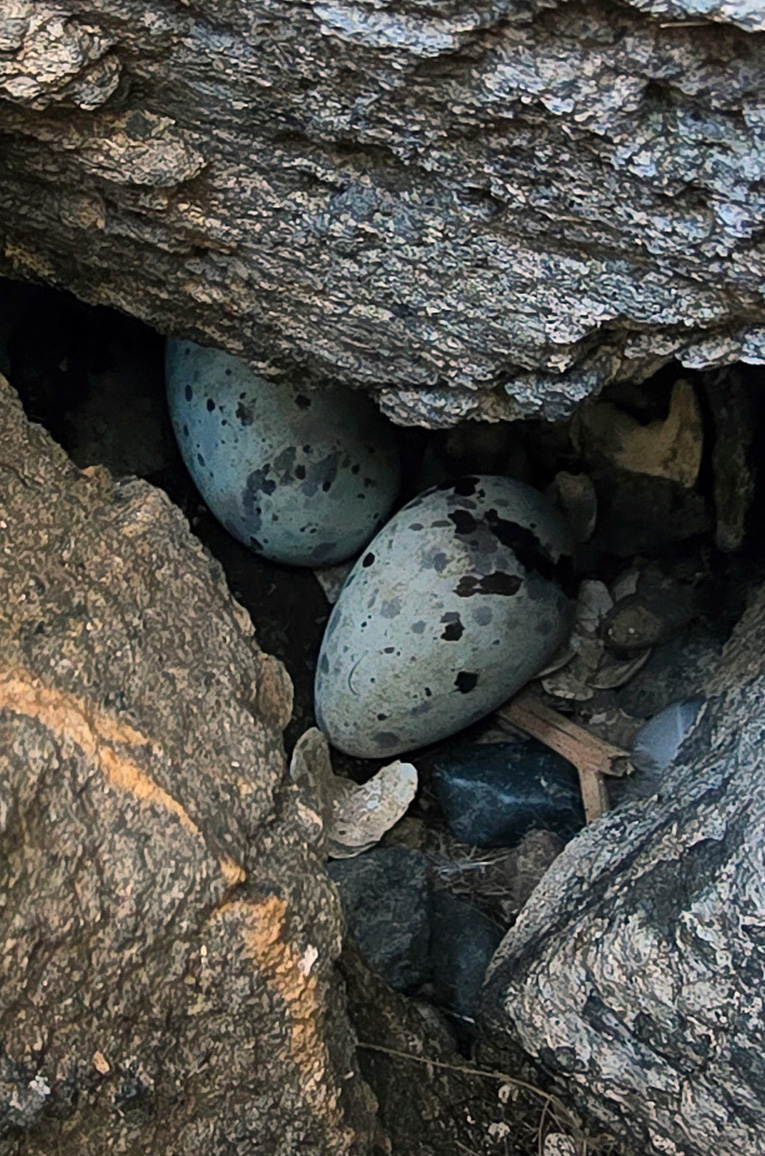
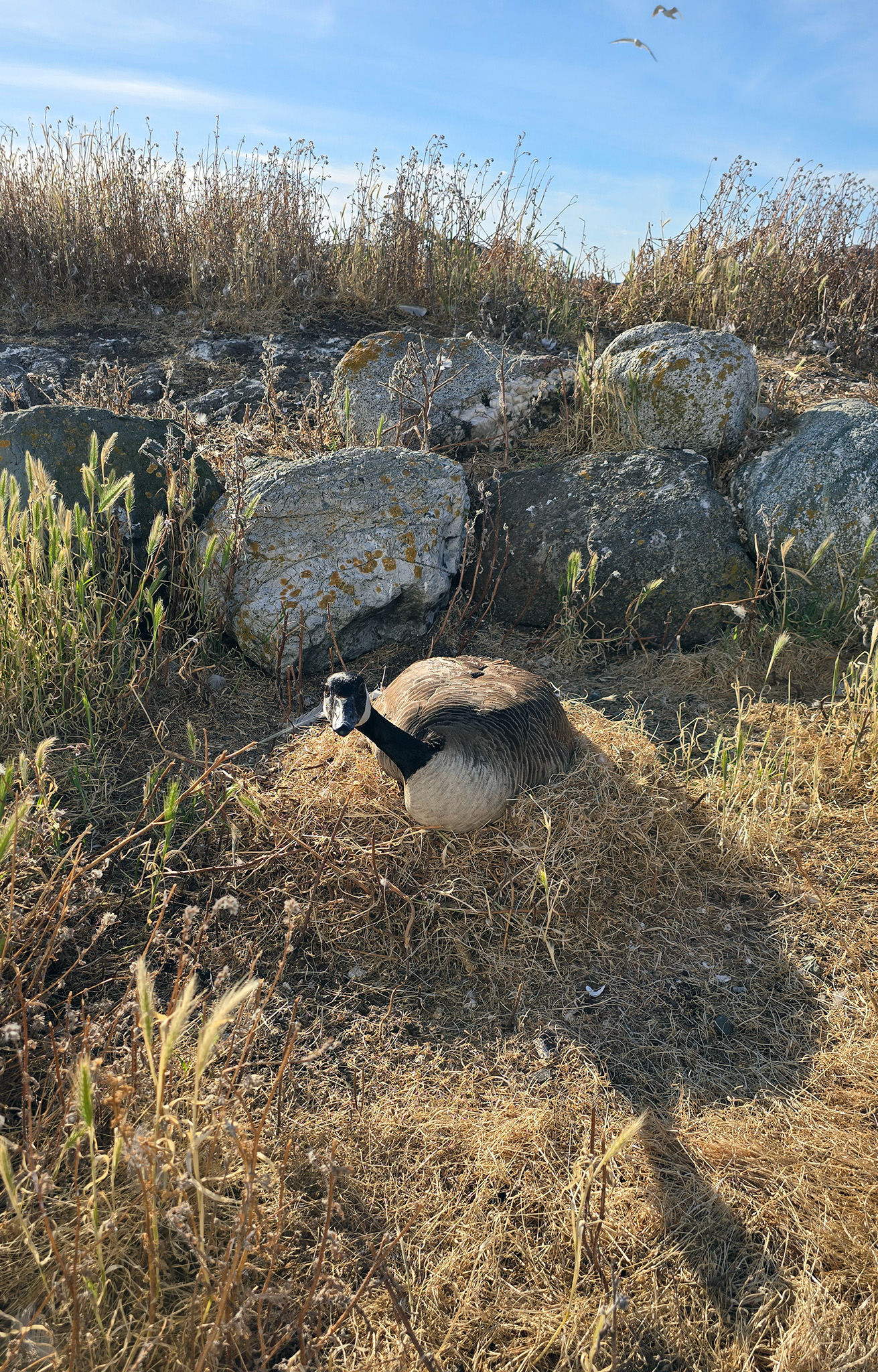
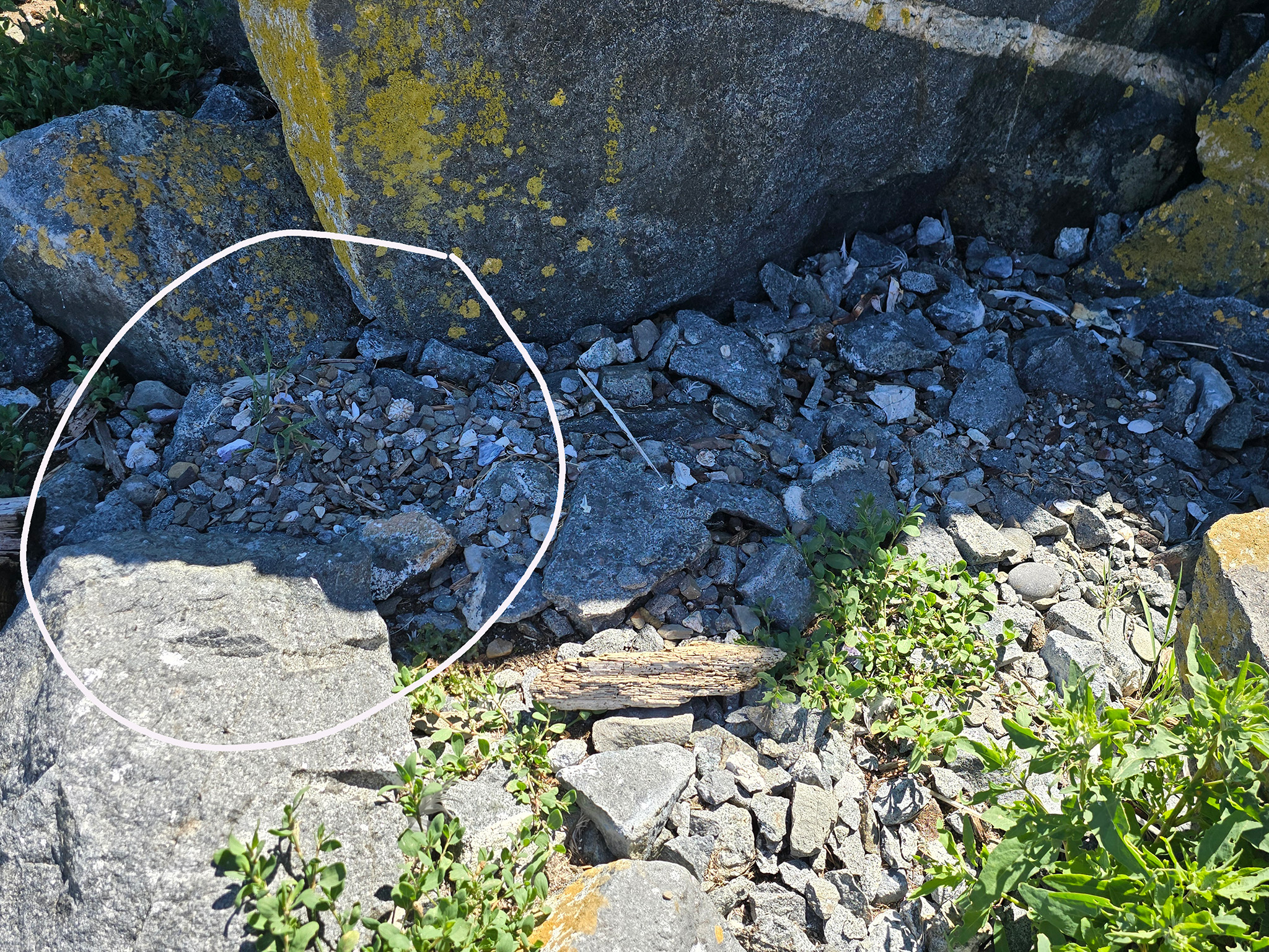
A Canada goose and glaucus winged seagull on their nests beside the walkway to the Keepers House.

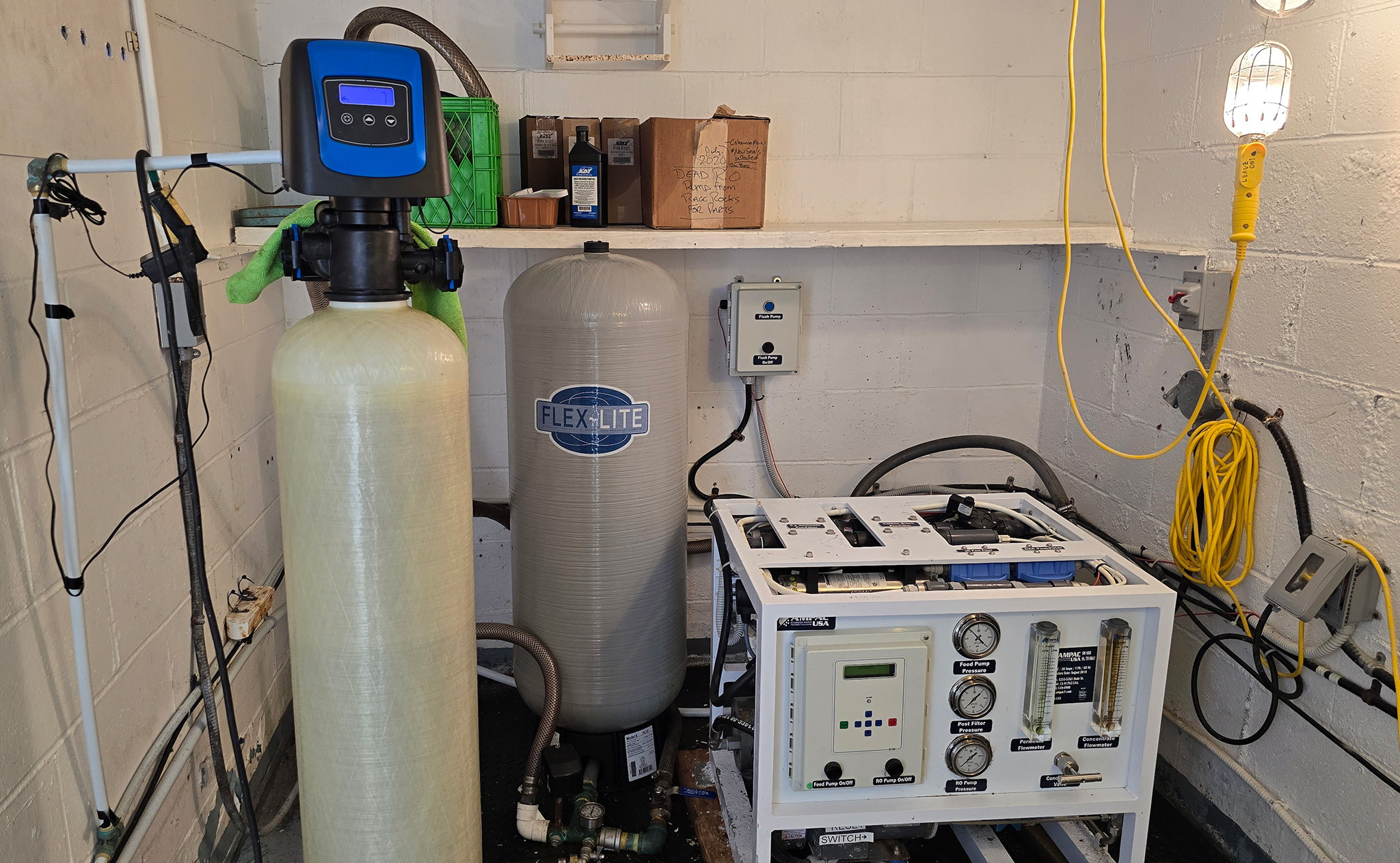
Two gulls would not nest this close! Sidewalk goose is sitting on addled eggs and it is a hard thing to watch. She will eventually leave the nest but not until the bitter end when her body can’t sustain it any longer and she needs to eat.  The goose is rather calm and remains on the nest as I pass by whether alone or with a cart or wheel barrow.  Sidewalk gull is a little less relaxed.  She had her nest on the other side of the walkway last year where she had only one chick and constant trouble from the neighbours. This is a better spot for the chick and hopefully the goose will help keep her calm. It really does make my life difficult with an aggressive gull parked on the walkway.  My first gull attack of the season was by Bunker gull this morning. Another inconvenient place to have a nest. The desalinator is in the bunker building (a real wartime bunker) and I must access that building. The time has come to wear my helmet and carry a broom stick!

Facility notes

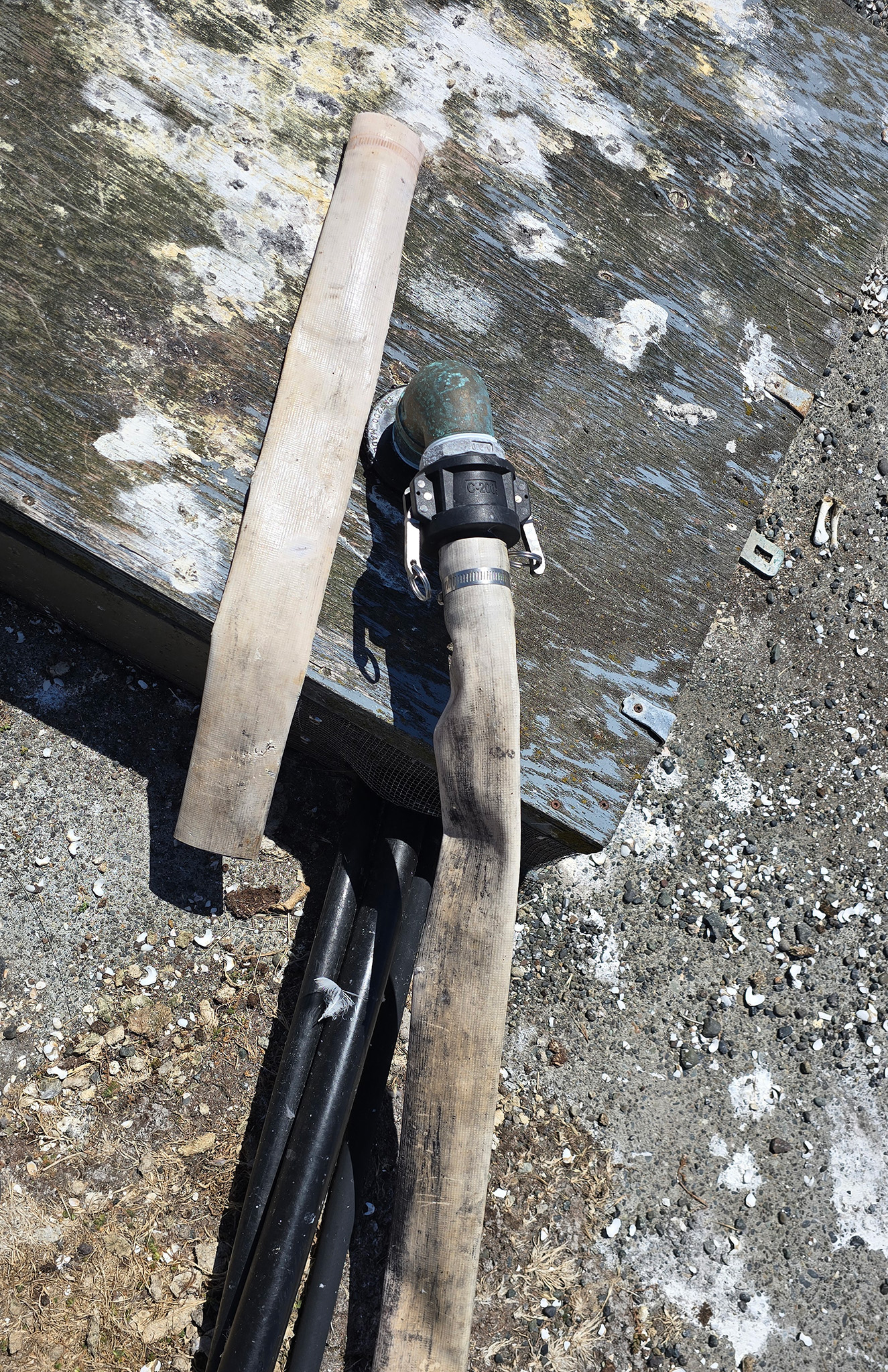
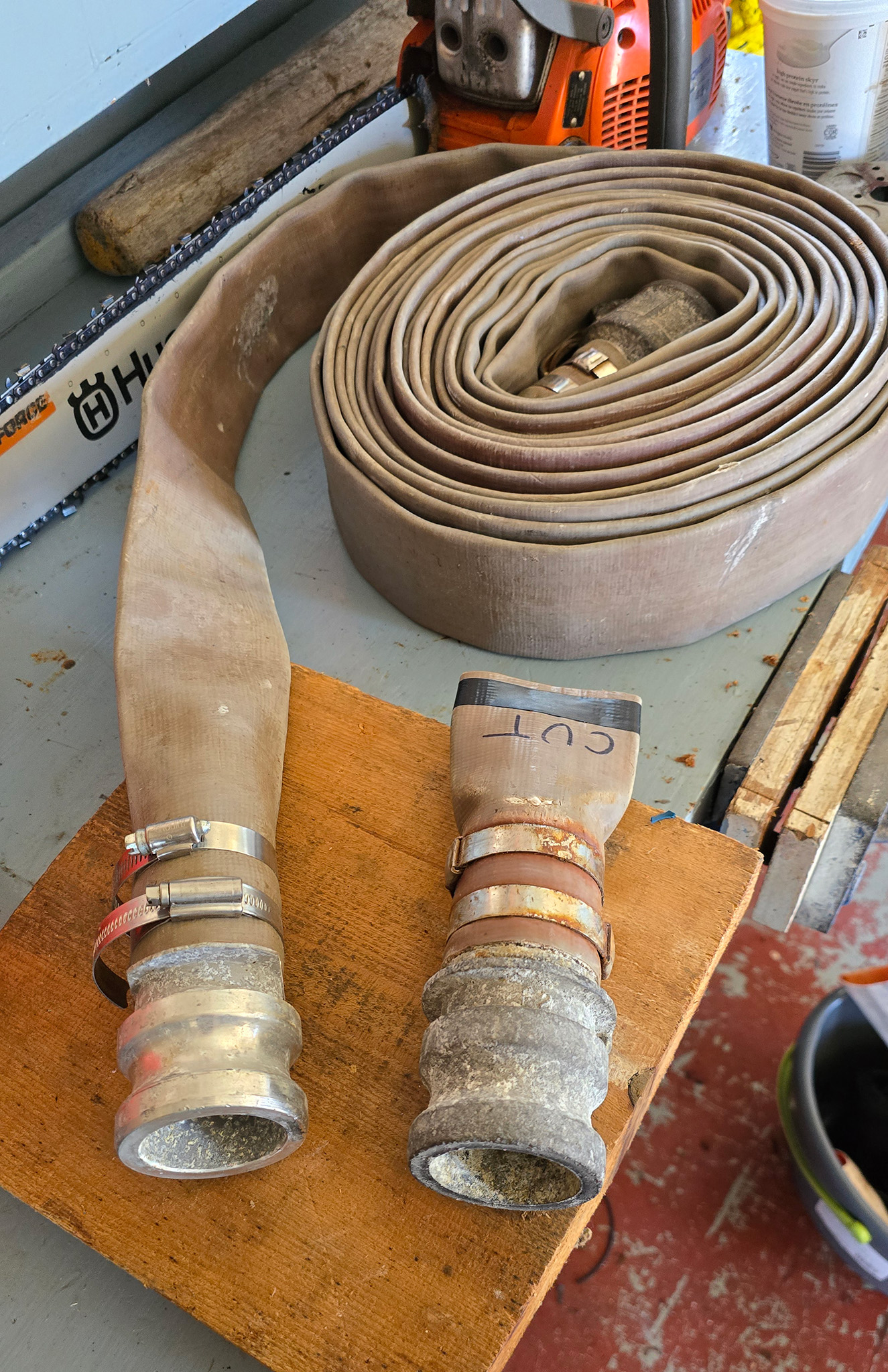
It was a very busy long day. The generator was running today so I was operating the desalinator and the log splitter all morning to take advantage of the excess power. All available firewood on the island is now cut, split and stacked. Shakes were cut for future kindling and starter pieces made. It is a shame more wood wasn’t hauled up in the spring as little drift wood/logs wash up in summer. Greg and Richard came by in the afternoon and we worked on disassembling the winch and frame assembly for Old Lister, straightening the door frame on the Battery Room, adding water hoses to the Student House, transferring diesel fuel to the generator (100L) and to the furnace tank in the Keepers House (160L). The flag was lowered in preparation for the forecastred gale force winds. I used the furnace this evening as a treat :) Tomorrow I’ll light the usual 2 pm fire.

Firewood supplies stacked in the basement of the Keepers House. Hopefully the sea delivers more.

Vessels

  • Ecotourism: >6 (the count is incomplete as I spent much of the day inside buildings)
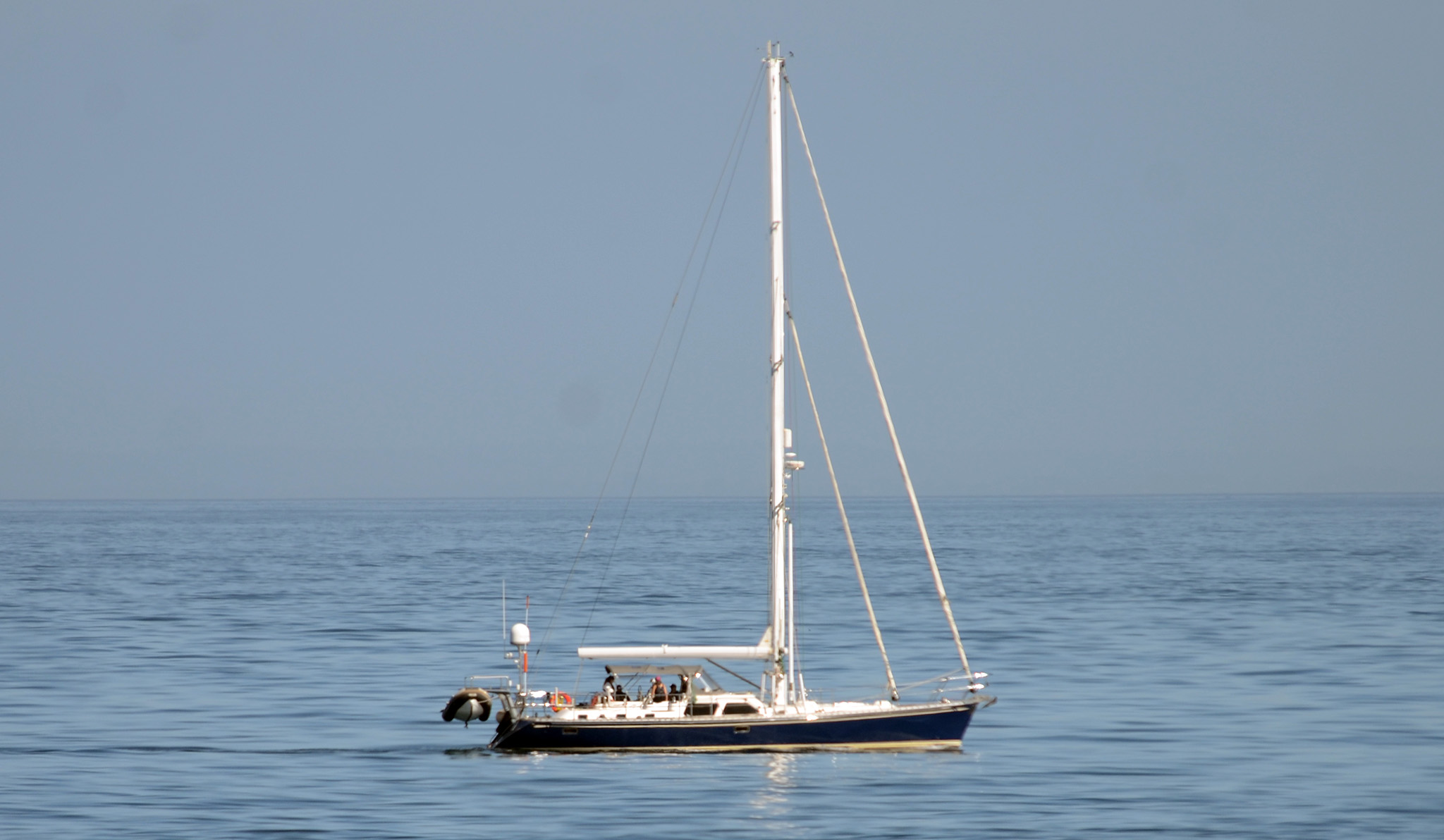
  • Private: 1

Weather

Skies overcast. Periods of rain. Winds NE 13 to 25, gusting 31 in the early evening.

Brodiaea coronaria

Two tiny harvest brodiaea (crown brodiaea) about 5cm tall were found on the rocks west of the Student Building. It is a native plant not yet found on Race Rocks.  The closest sighting I could find was by the famous botanist Adolf Ceska on the shore across Race Passage in the 1985. It grows from southern BC to California on dry grassy sites or rock bluffs and has traditionally been harvested for its small, nutty flavoured corm which can be eaten raw or cooked.

Harvest brodiaea (Brodiaea coronaria)

Wildlife notes

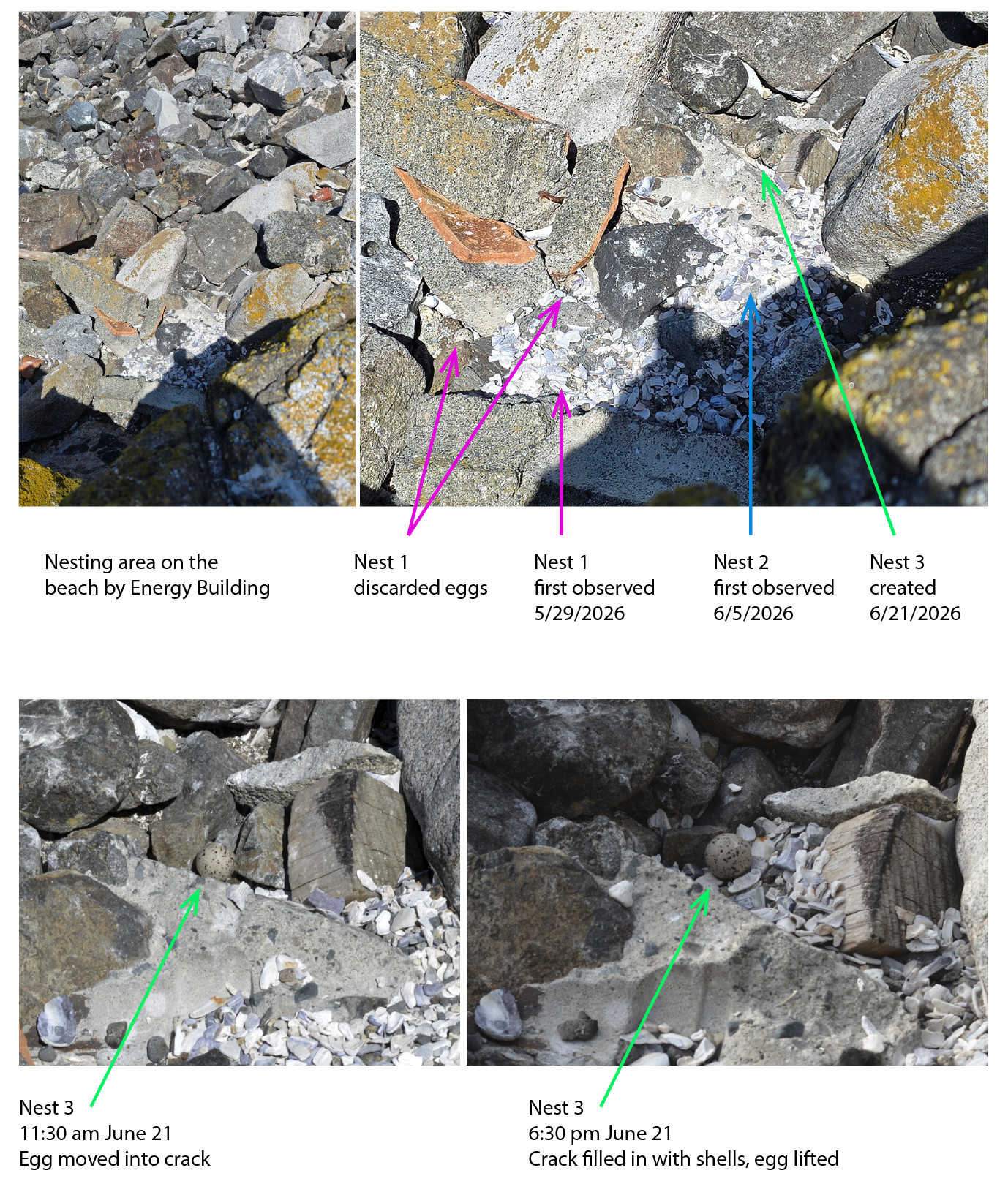
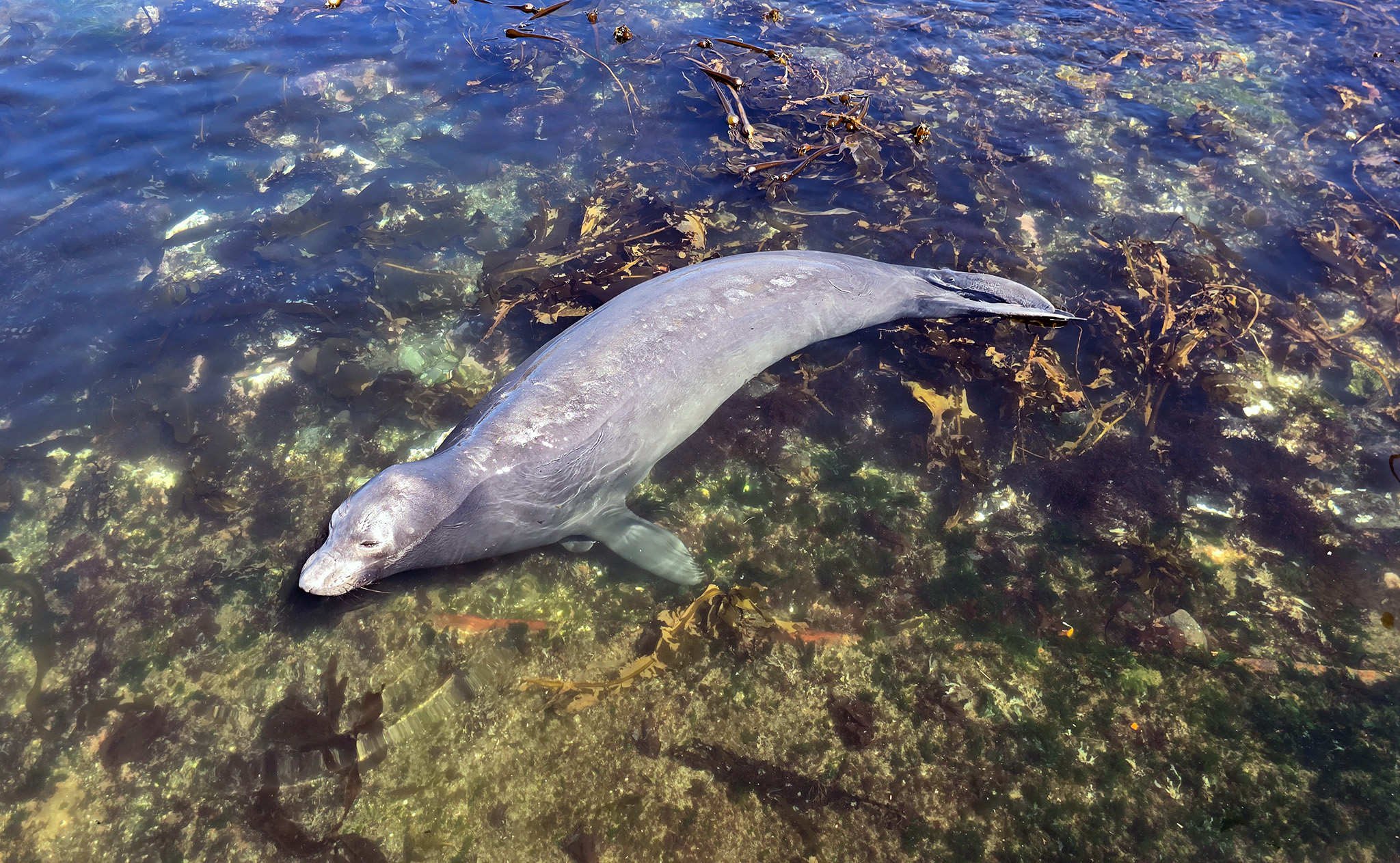
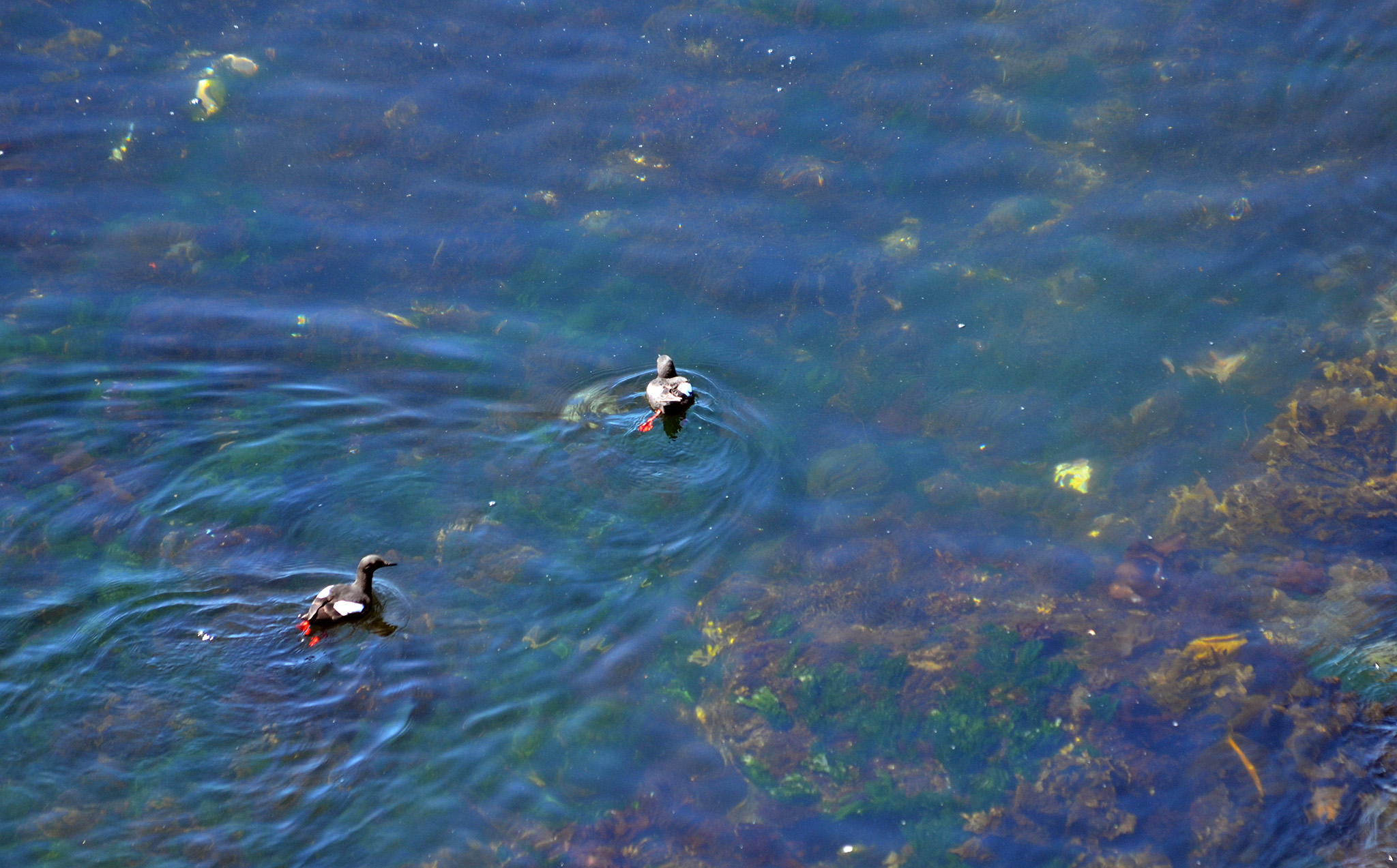
The gulls are in various stages of courting, nest building and incubating. About 20% of the built nests have eggs in them. Some gulls have not yet built nests and there are areas (compared to last year) not yet fully occupied by courting pairs. There are few sea lions, the pigeon guillemots have been out for most of the day and the three year-old (L334) elephant seal returned today after being absent for a couple of days.

Facility work

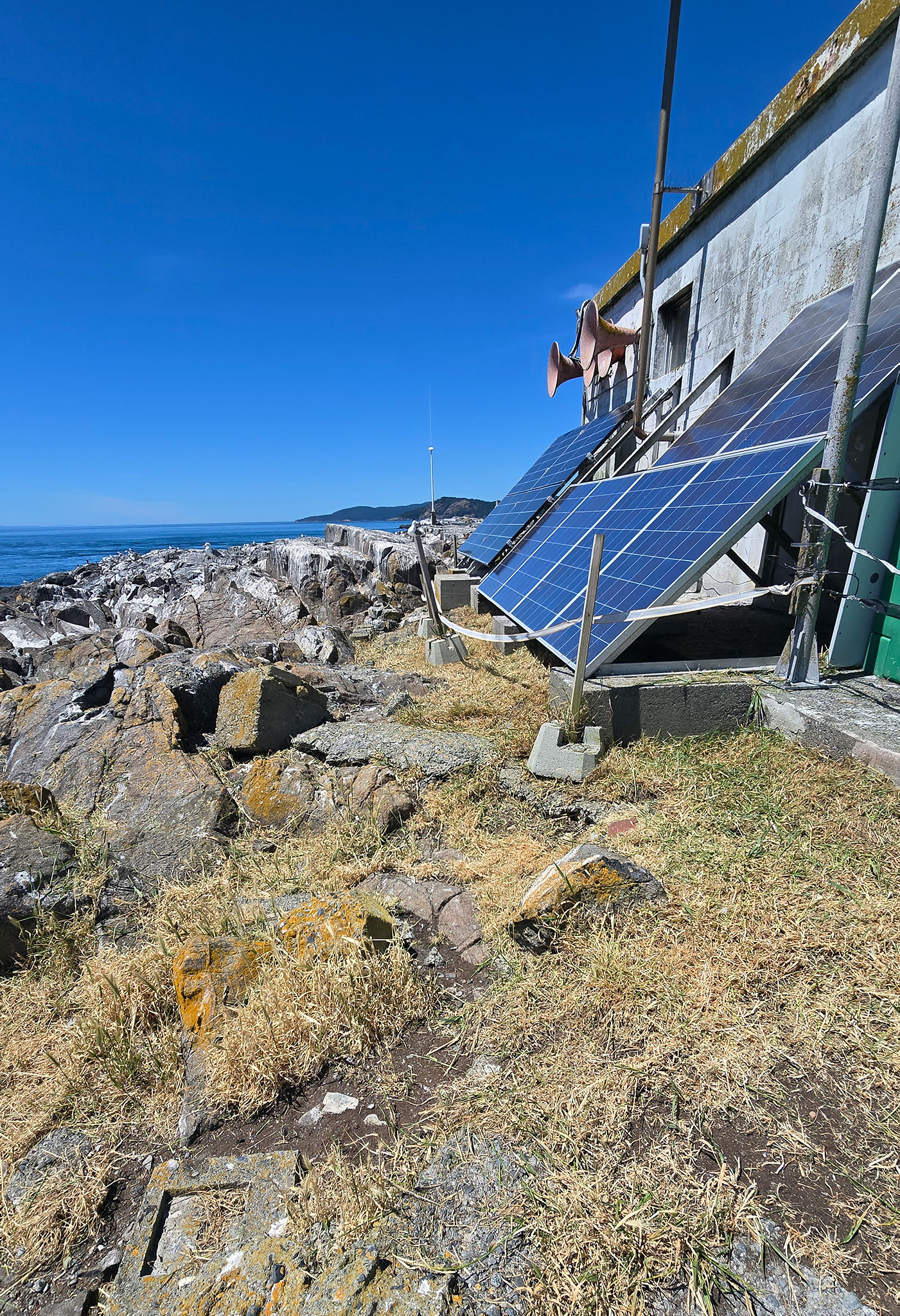
  • cleaned the solar panels
  • brought firewood rounds into the basement ahead of tomorrow’s rain, started organizing wood pile for splitting and stacking

Vessels

  • Ecotourism: 13
  • Private: 2

Weather

Westerlies 20 knots and partly cloudy in the morning. Skies overcast in the pm, winds 8 knots by evening. Daytime temperatures 11 to 13 degrees.
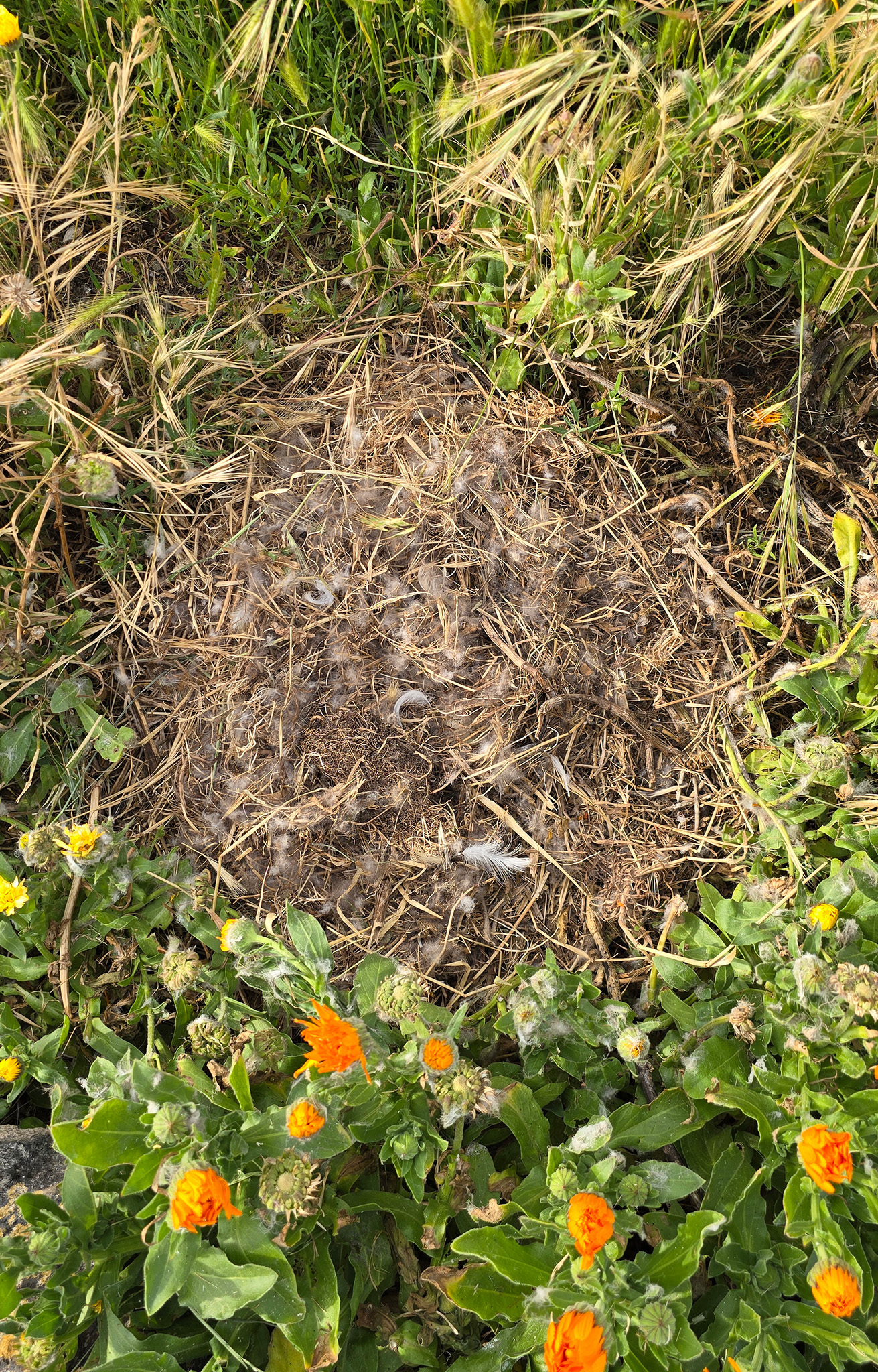
 

June 6 Census

Mammals:

  • Steller sea lion:  6
  • California sea lion: 14
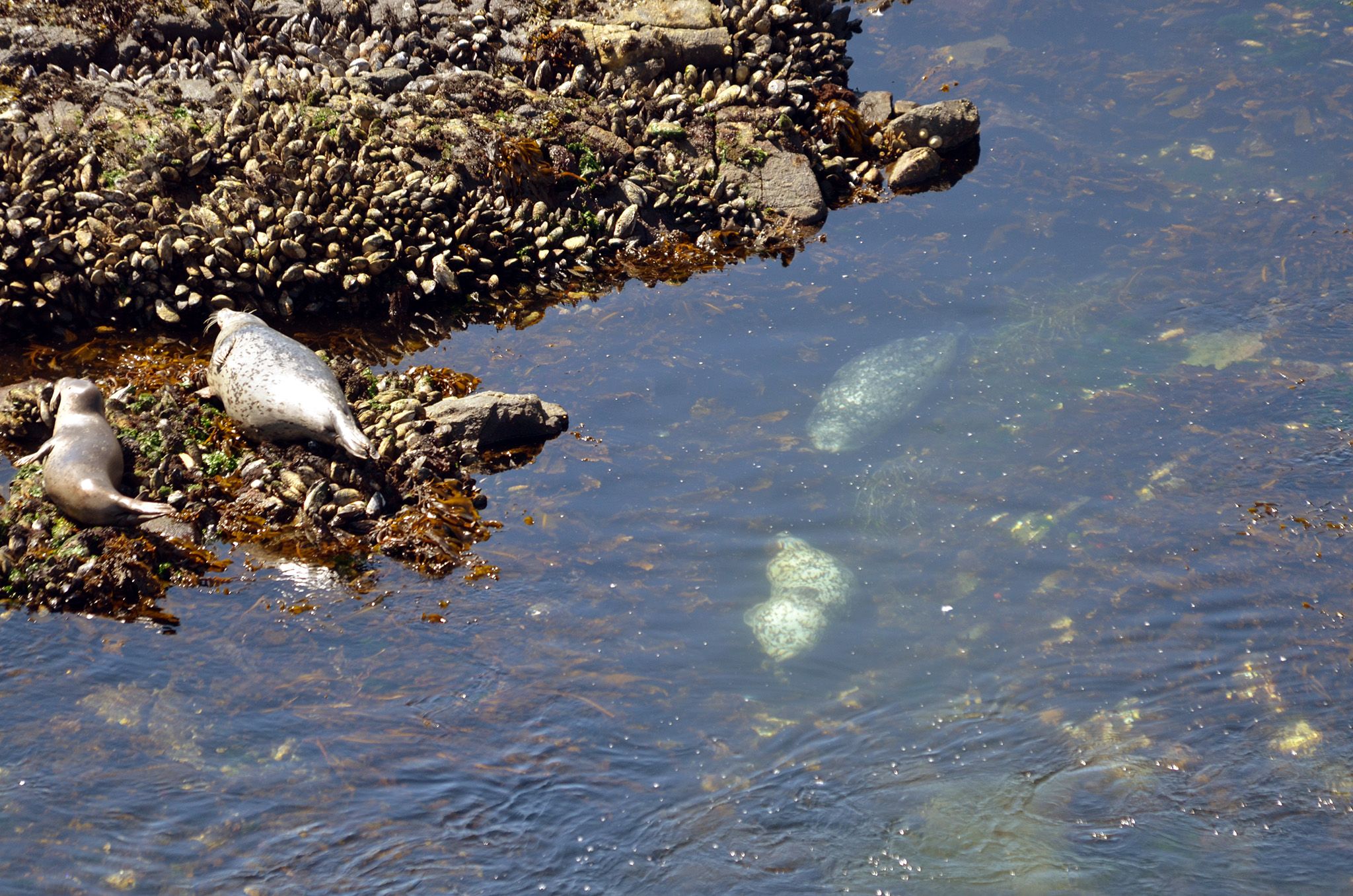
  • harbour seal: 67
  • elephant seal: 2 females

Birds:

  • gulls:  331
  • cormorant: 29
  • bald eagle:  1
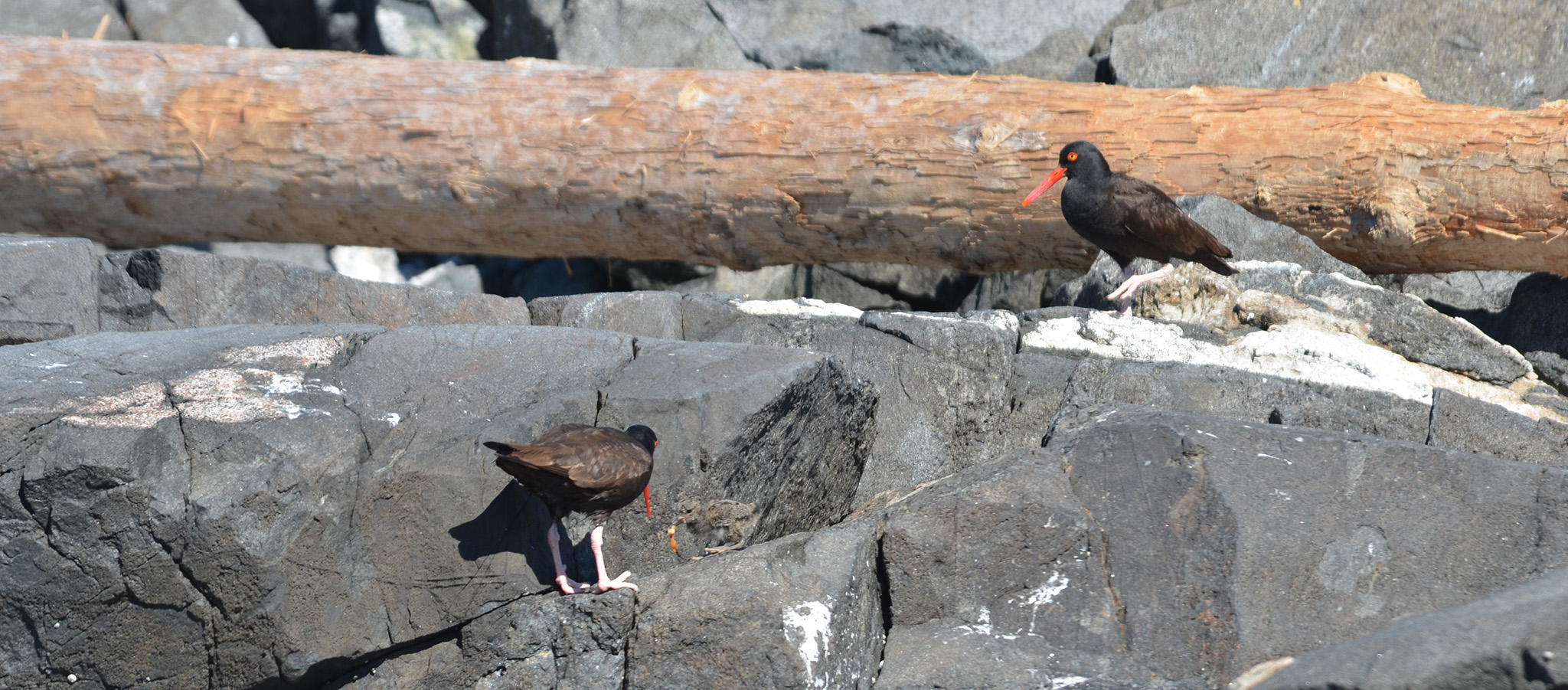
  • black oystercatcher: 14
  • pigeon guillemot: 63
  • Canada goose: 4
  • harlequin duck: 8
  • barn swallow: 2
  • great blue heron: 2
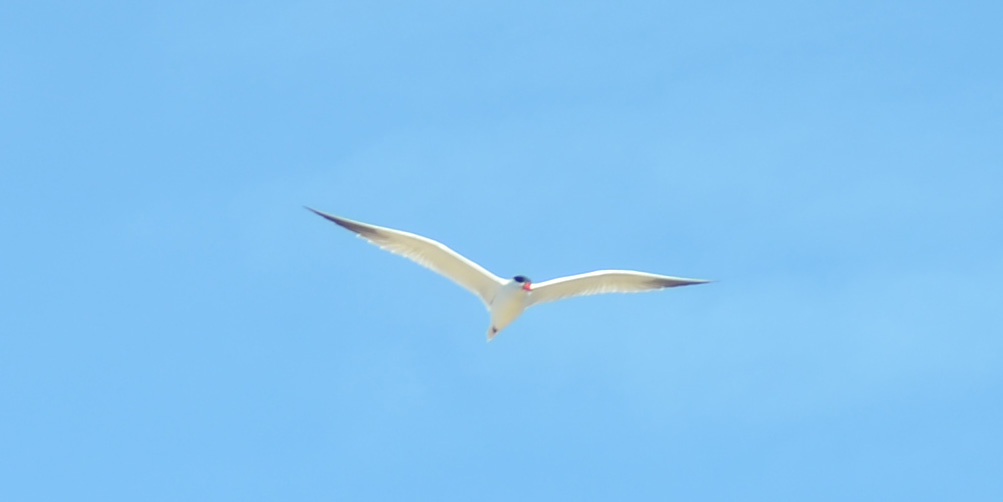
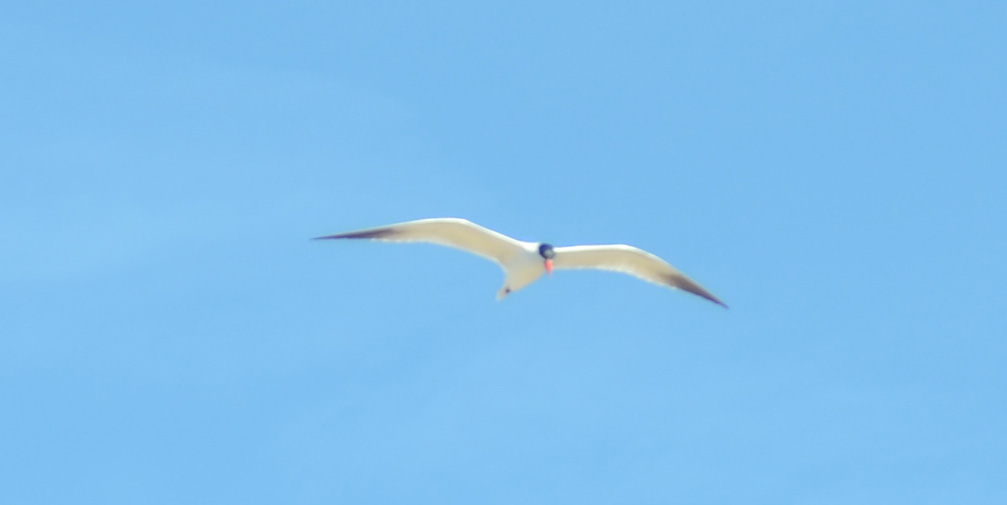
  • brown pelican: 3

Wildlife seen this week inside the reserve but not observed today include: two additional female elephant seals. It is not common for Great Race Rocks to be free of sea lions. The few Stellar and California sea lions observed today were on Middle Rocks, and most of the harbour seals on Turbine Rocks.

Brown pelicans

Wildlife notes

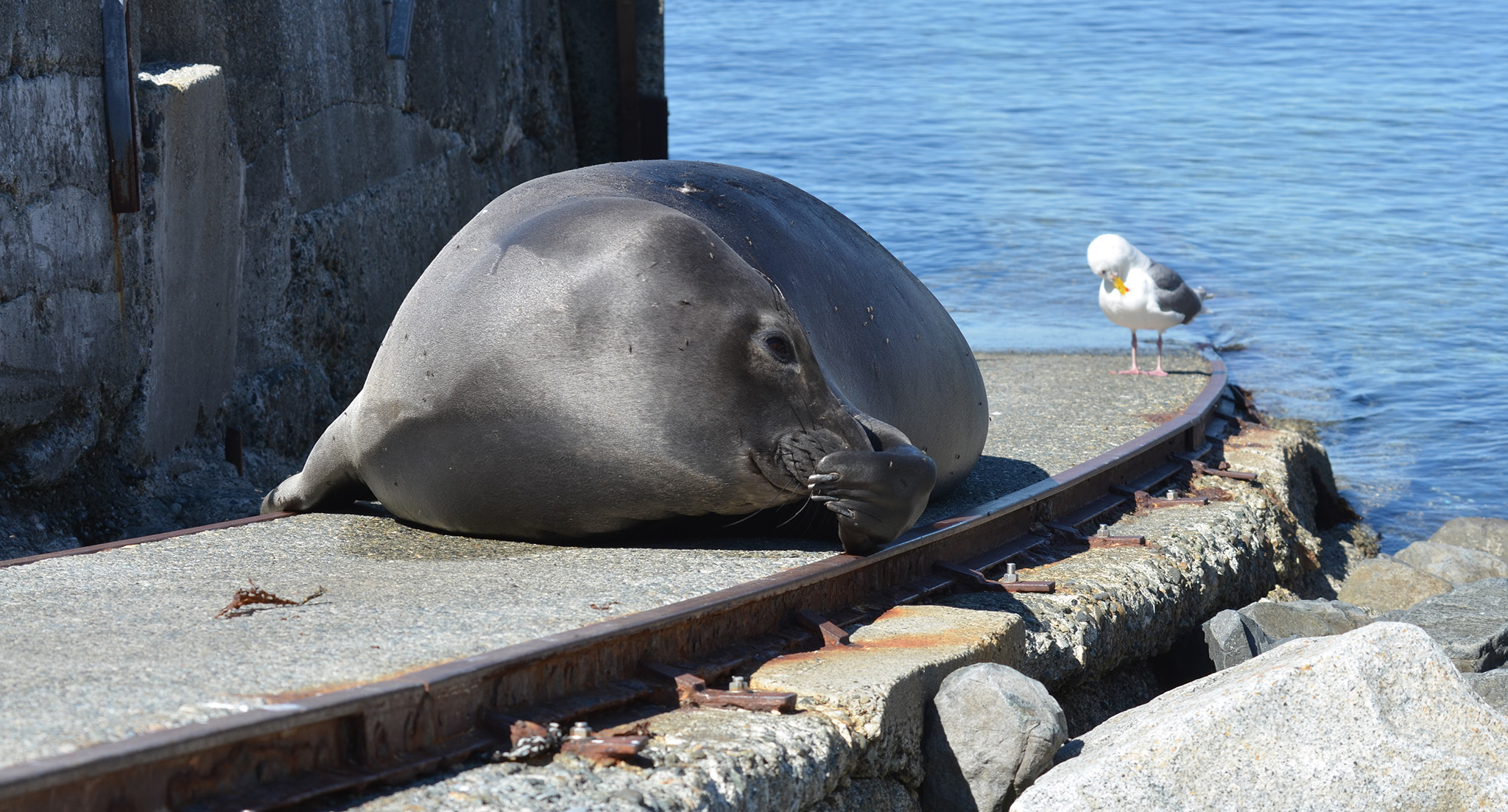
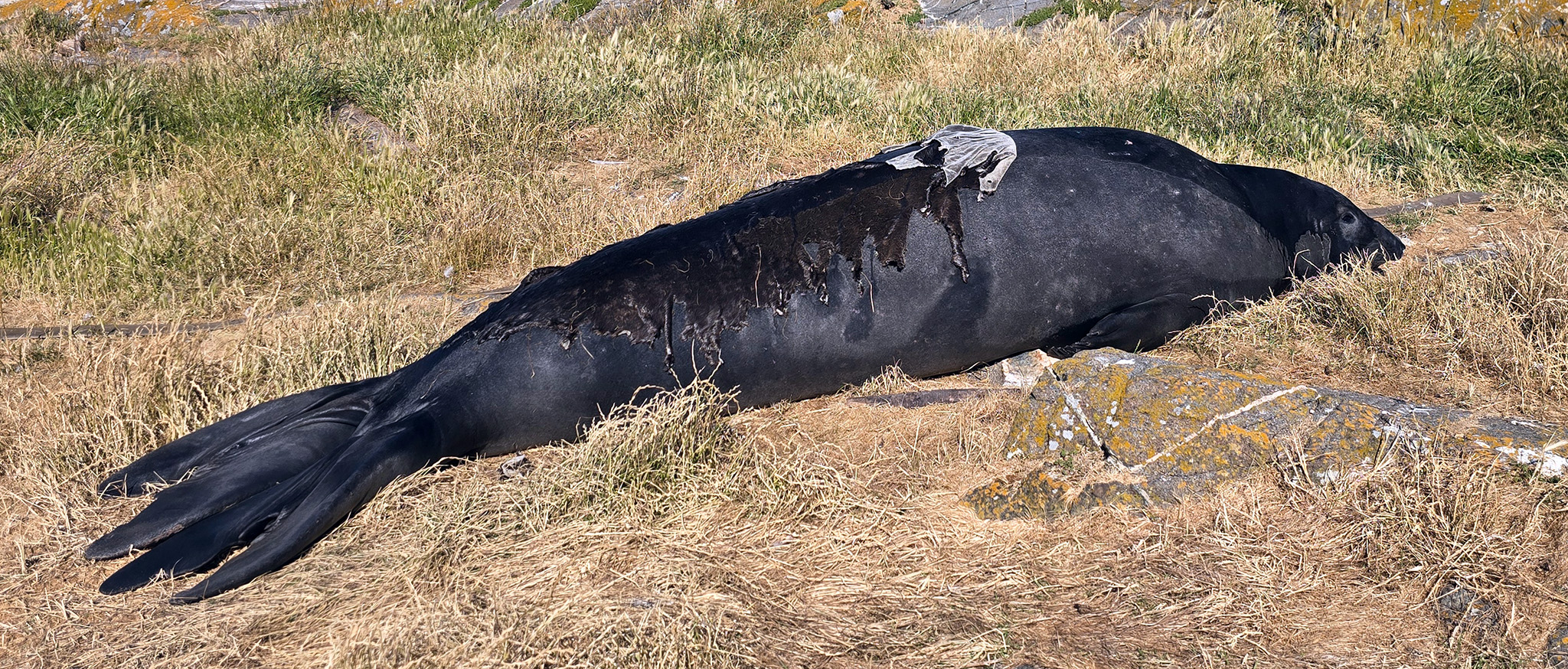
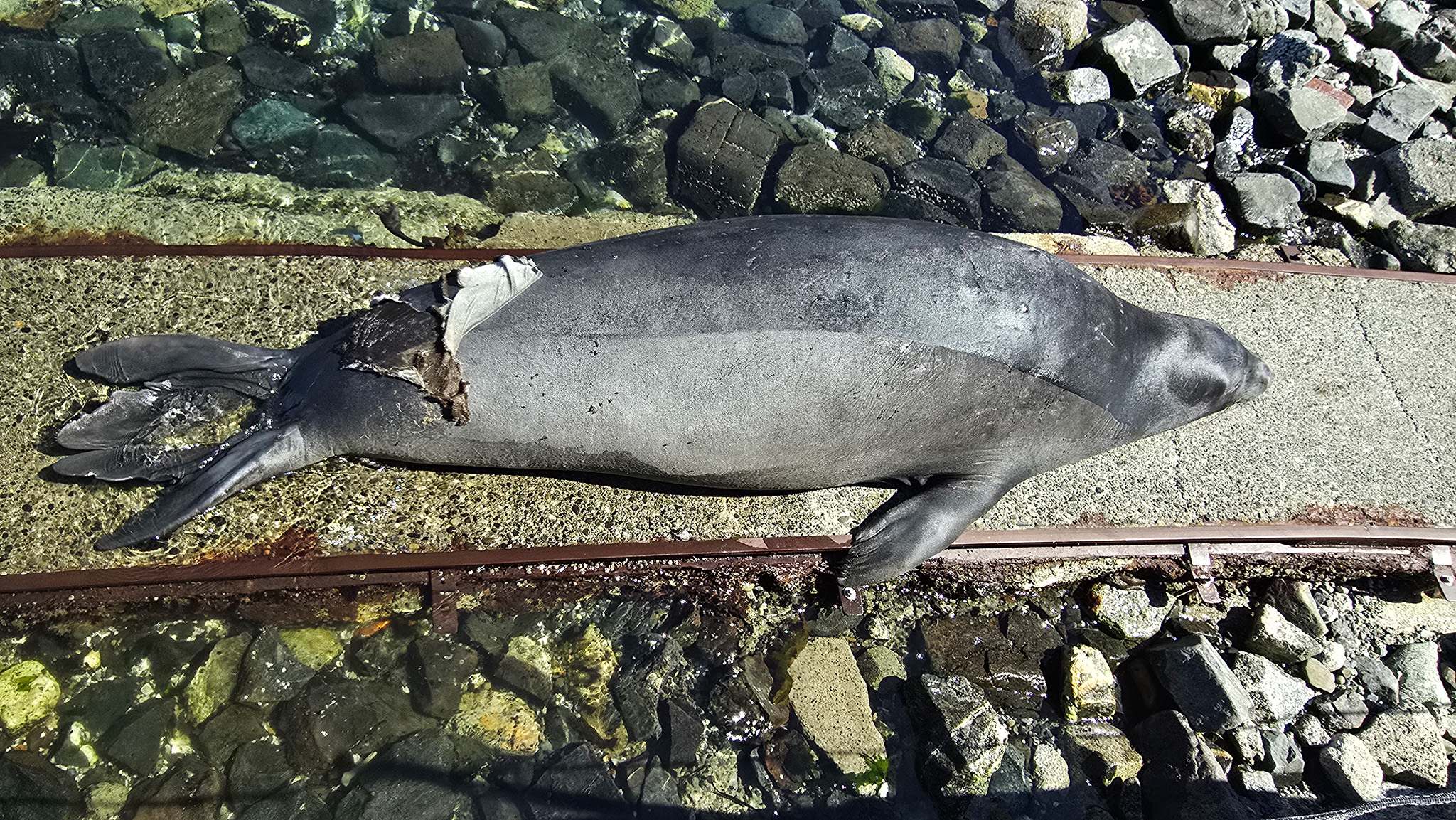
There have have been seven elephant seals on Race Rocks this year, all of them females.  A pregnant female gave birth to a female pup in January. For the spring molt, as many as five females were here at one time. The four year-old left last week, the two and three year-old (L334) left this week. The one year-old and the large mature female remain. The one year old is a bit further ahead in her molt. The mature female is mid molt, still very well fleshed and will likely be here for another two weeks.

The mature and one year-old female elephant seals on the boat ramp for their daily wetting.

The mature female elephant seal in the grass. Ennui? I would assume the molting process is not pleasant and very boring for these active hunters.

Facility work

  • cleaned solar panels
  • ran desalinator
  • started weeding

Vessels

  • Ecotourism: 14
  • Private: 1
  • Paddle craft: outrigger canoe (OC1)

Weather

Sunny morning with light variable winds. Afternoon partly cloudy, winds westerlies building to 21 by evening.  Daytime temperatures 10 to 11 degrees.
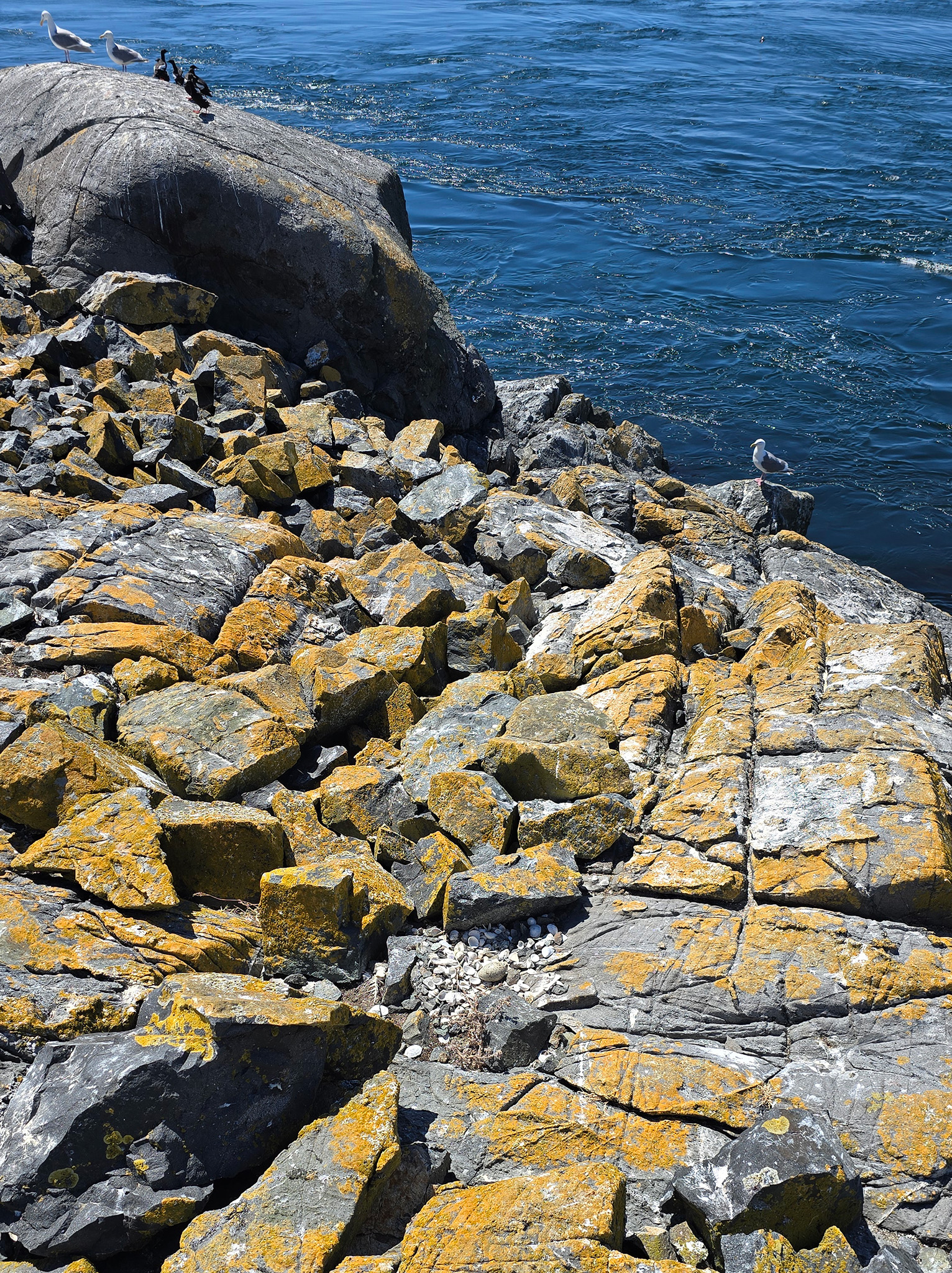
May 2026 Seawater Data

DAILY SEA SURFACE TEMPERATURE AND SALINITY OBSERVATIONS
Institute of Ocean Sciences, North Saanich, B.C., V8L 4B2
Station: RACE ROCKS
Observer: Laura/Karen/Christine Month: May
YSI ID: #9 Year: 2026
YSI YSI
Temp Sal
Day Time ºC ppt
1 14:30 9.5 30.7
2 15:00 9.6 31.0
3 15:50 9.8 31.1
4 16:25 9.5 30.8
5 16:48 9.7 30.8
6 17:47 9.7 31.0
7 18:07 9.9 30.8
8 19:02 9.8 30.7
9 20:38 9.9 30.7
10 9:50 9.9 30.7
11 9:45 8.9 30.2
12 11:19 10.2 30.7
13
14 10:20 10.3 30.5
15 15:00 9.8 30.8
16 14:00 10.0 31.5
17 14:45 9.4 31.8
18 15:25 9.0 32.3
19 16:20 9.4 31.9
20 17:15 9.4 32.0
21 18:50 9.6 31.8
22 19:25 9.5 31.9
23 10:30 9.9 31.4
24
25 4:32 9.8 31.2
26 11:40 9.9 31.1
27 12:30 10.4 31.0
28 13:12 10.4 31.0
29 13:50 10.3 31.5
30 14:18 9.5 31.9
31 14:19 9.8 31.6

May 30 Census

Mammals:

  • Steller sea lion: 3
  • California sea lion:  35
  • harbour seal: 86
  • elephant seal: 4 females

Birds:

  • gulls:  234
  • cormorant:  38
  • bald eagle:  1
  • black oystercatcher: 14
  • Canada goose: 6
  • harlequin duck: 13
  • barn swallow: 2

Wildlife seen this week inside the reserve but not observed today include: one additional female elephant seal.

Wildlife notes

The four year-old post molt female was last seen on May 28th and has returned to the sea. Of the four remaining elephant seals, the two-year old has lost the most weight and will likely be the next to leave, followed by L334.

The 3 year-old (L334 on the left) and two year-old elephant seals. L334 had just come up from a wetting on the boat ramp and took a rest beside the two year-old.

The cranky two year-old unimpressed by the closeness.

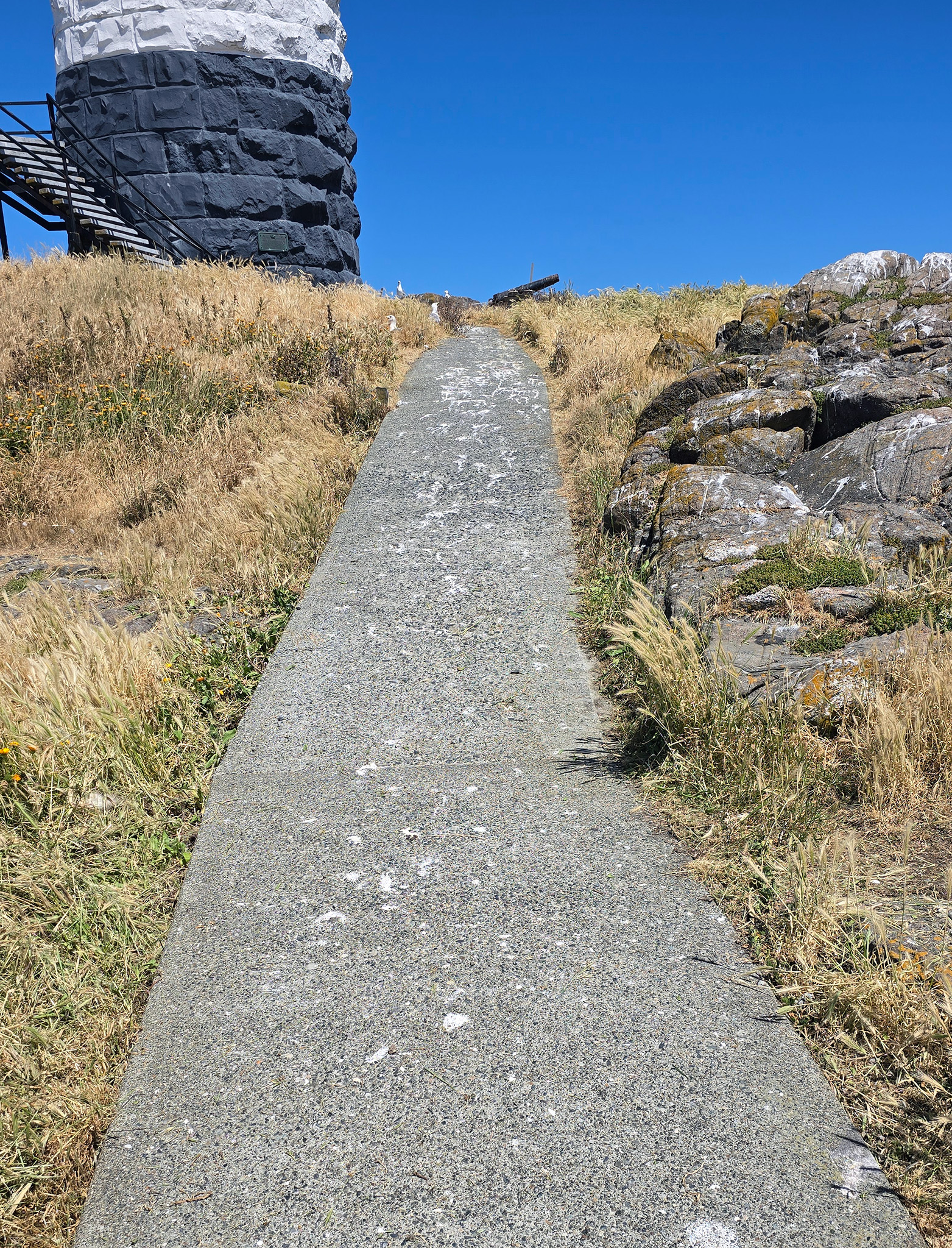
The youngest and oldest females spent the past two days by the energy building. Judging by the poo smear on the tower walkway, one of them even spent some time at the tower base, which isn’t an easy uphill trip for an elephant seal.

The mature female and the one year-old on the pathway to the energy building.

Facility work

  • cleaned solar panels
  • general cleaning

Vessels

  • Ecotourism: 3
  • Private: 2 kayakers

Weather

Clear skies. Westerlies 21 to 30 knots. Daytime temperatures 9 to 12 degrees.
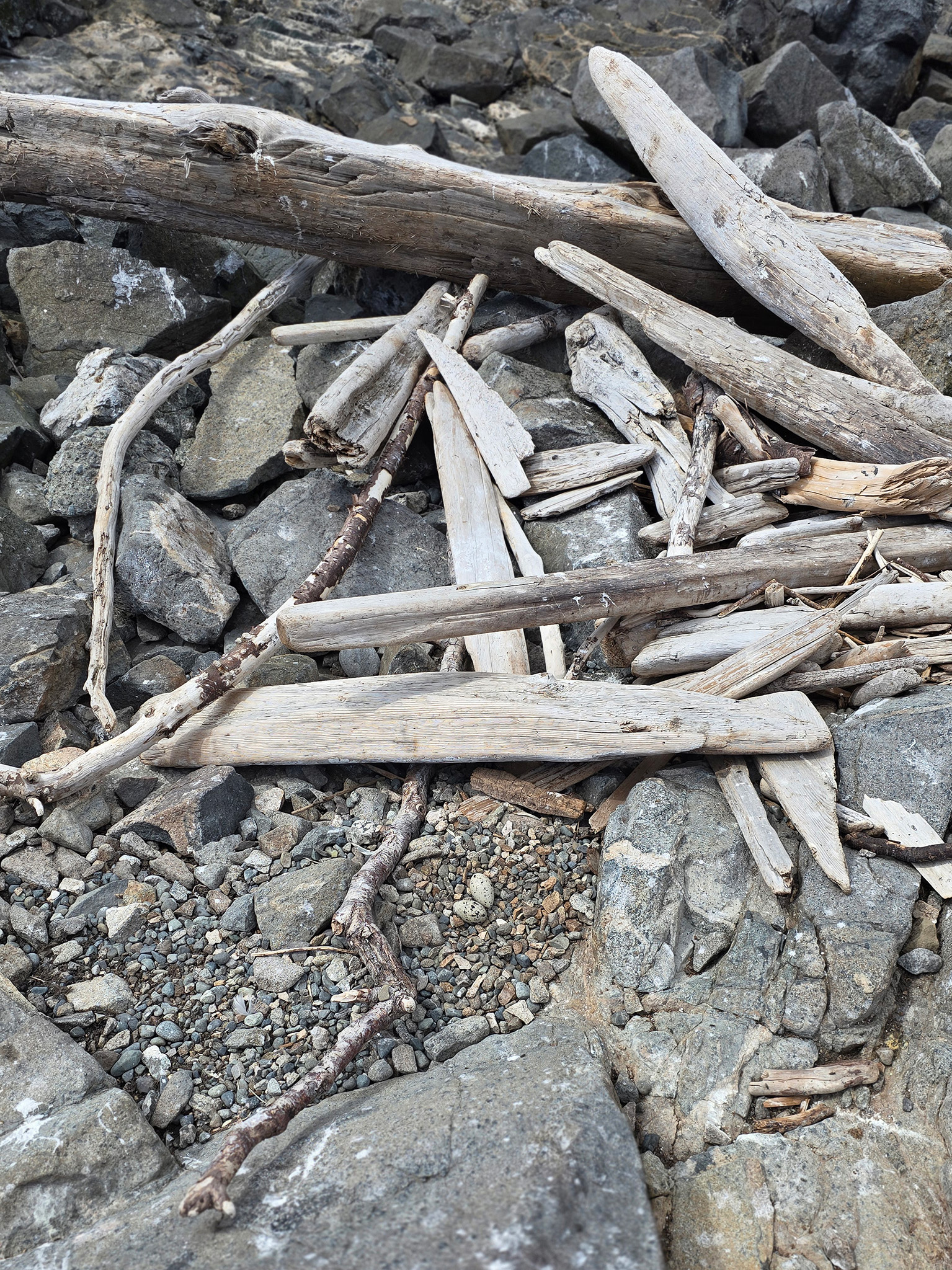
Blustery

Wildlife notes

The house is shuddering, the seas tossed and the grass wind whipped. The gulls are mostly on their bellies, head to the wind.  Their beaks are the best wind vanes around revealing the small wind shifts caused by the terrain and structures. The pigeon guillemots and cormorants were out feeding, the sea lions lounging on the rocks and the elephant seals asleep in the grass, unbothered by the winds.

Facility work

The high winds kept me off the roof today but the batteries were so well charged yesterday that the dirty solar panels were able to bring the charge back up to 97% by sundown today.

  • battery fluid top up
  • daily water sample
  • house cleaning
  • no solar panel cleaning

Vessels

  • Ecotourism: 0
  • Private: 0

Weather

Clear skies. Winds W to WNW 28 to 39 knots, gusting to 46. Daytime temperatures 10 to 11 degrees.
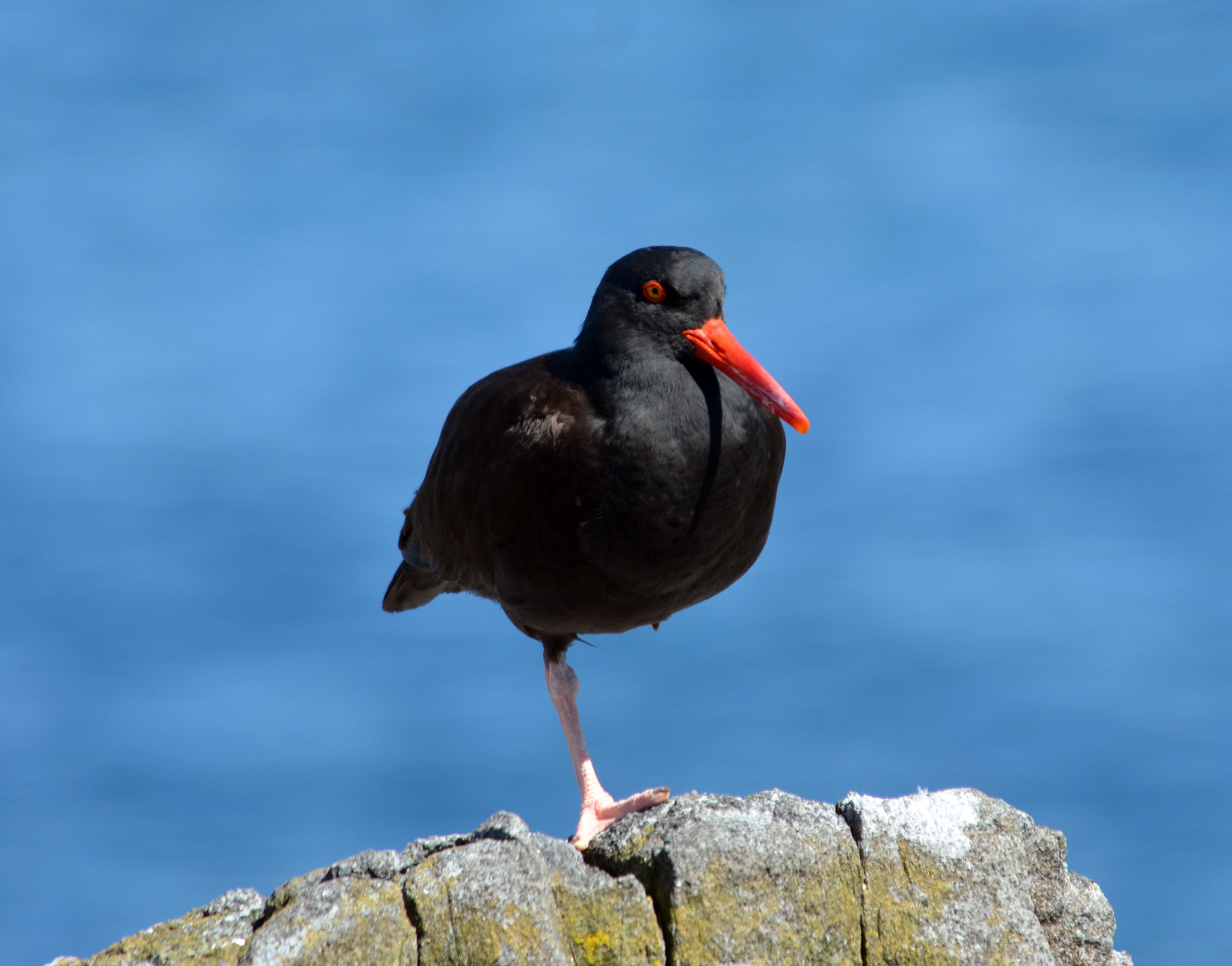
Old Lister

Old Lister left the island today in pieces.  She was dismantled and carted away as part of a larger push to remove old equipment, batteries, fuel drums and other toxic materials from the island.  It all went well thanks to a safe and well executed plan, a hardy team of helpers and some very cooperative elephant seals.

Old Lister, the retired Lister 25 KW Diesel Generator Set

Mike operating the belay system to control the decent of the cart down to the boat ramp.

The cart held anchored in place while the crew handlines the boat toward the ramp. The two year-old (center) and the large adult female elephant seal (right) eager to go for a swim were surprisingly tolerant of the activities.

Loading the first and heaviest component.

The two year-old decided she had enough after the first two carts were loaded and headed back uphill.

The team celebrating the successful mission! All the heavy pieces made it aboard.  The rest of Old Lister can leave the island with a much smaller work crew.

Facility work

  • removal of Old Lister
  • solar panel cleaning

Vessels

  • ecotourism: 3
  • private: 1

Visitors

The work crew composed of 3 Pearson staff, 1 alumni and 4 additional helpers

Weather

Skies clear. Westerlies 6 to 22 knots until 3pm, then reaching 40 knots with gusts of 46 by 6pm. Daytime temperatures 11 to 15 degrees.
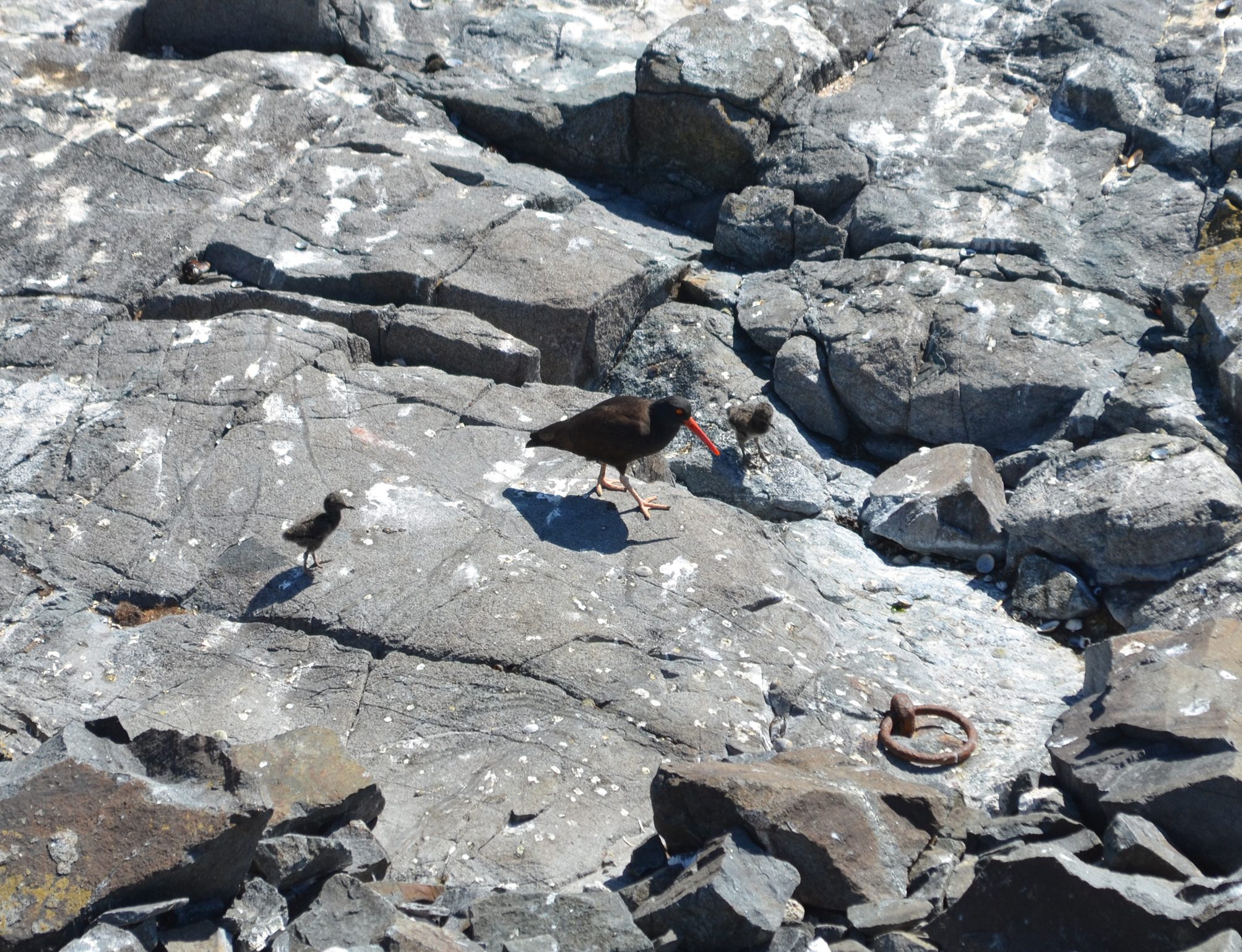
L334

Wildlife notes

When I left Race Rocks on Feb 5th 2026, Sylvia and Ms. B. Lackie, her 17 day-old pup, were the only two elephant seals on the island.  Sylvia left shortly after her pup was weaned and Ms. B. Lackie stayed a lot longer.  Month later now, the grass is knee high and there are 5 different female elephant seals here on Race Rocks. The most famous of these is L334.  She was tagged as a weanling in March 3, 2023 in Ano Nuevo State Park in California. Each year thousands of elephant seals return to the park to breed and to molt (here is a link to their live camera to see just how many and how tightly packed they are).

In May 2024, the one-year-old L334 came to Race Rocks to molt. In her first year she traveled about 750nm to get here and quite possibly did the journey alone.  She came again to molt in April 2025, and is here again this May as a three year-old.

L334 – The 3 year-old elephant seal born in Ano Nuevo State Park, California, coming back from her daily swim. Behind her is a mature female.

L334 and her tag

Using L334 as a size reference, I figure we currently have one, two, three and four year-old juvenile females and one mature female. Note, the one year-old cannot be Ms B Lackie as elephant seals don’t molt until the year after they are born.

The 1 year old is mid-molt, the two to four year-olds are in the late stages of molt and will be leaving soon.  The large adult is just preparing to start her molt.

From  left to right: The two year-old at the end stages of her molt and the “scruffy” one year-old mid way through her molt.

From left to right: The mature female preparing to molt, a four year-old in the late stage molt, and  the three year old L334, also in late stage molt.

Facility work

  • topped up battery fluid
  • cleaned house
  • ran the desalinator
  • cleaned solar panels

Vessels

  • Ecotourism: 17
  • Private: 3

Weather

Sunny. Winds W 5 to 20. Daytime temperature 9 to 13 degrees.
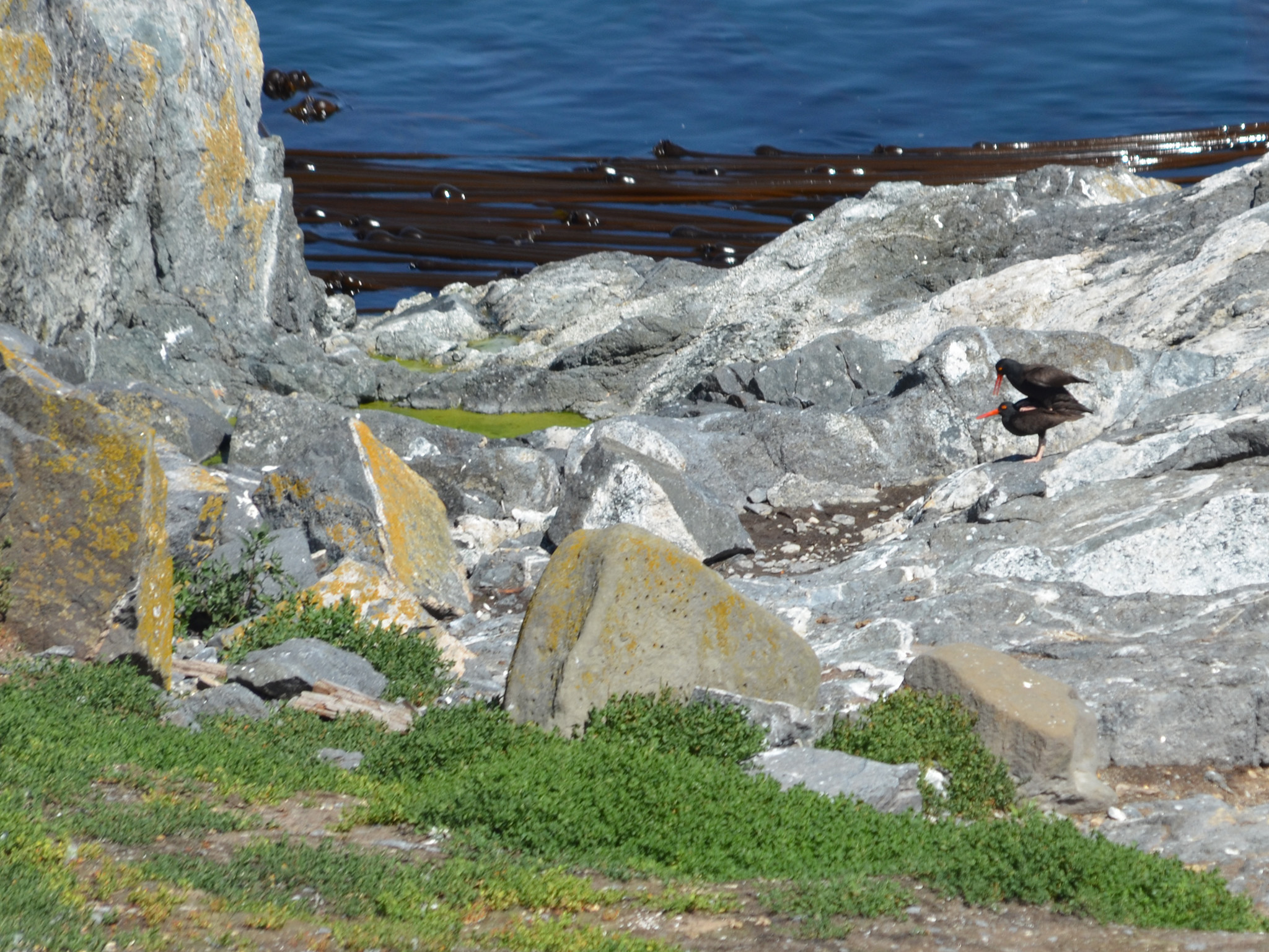
Animal Census May 22

Census was done on Friday May 22 because Saturday May 23 is my last day at Race Rocks. It was foggy in the morning and evening which added too the challenge.
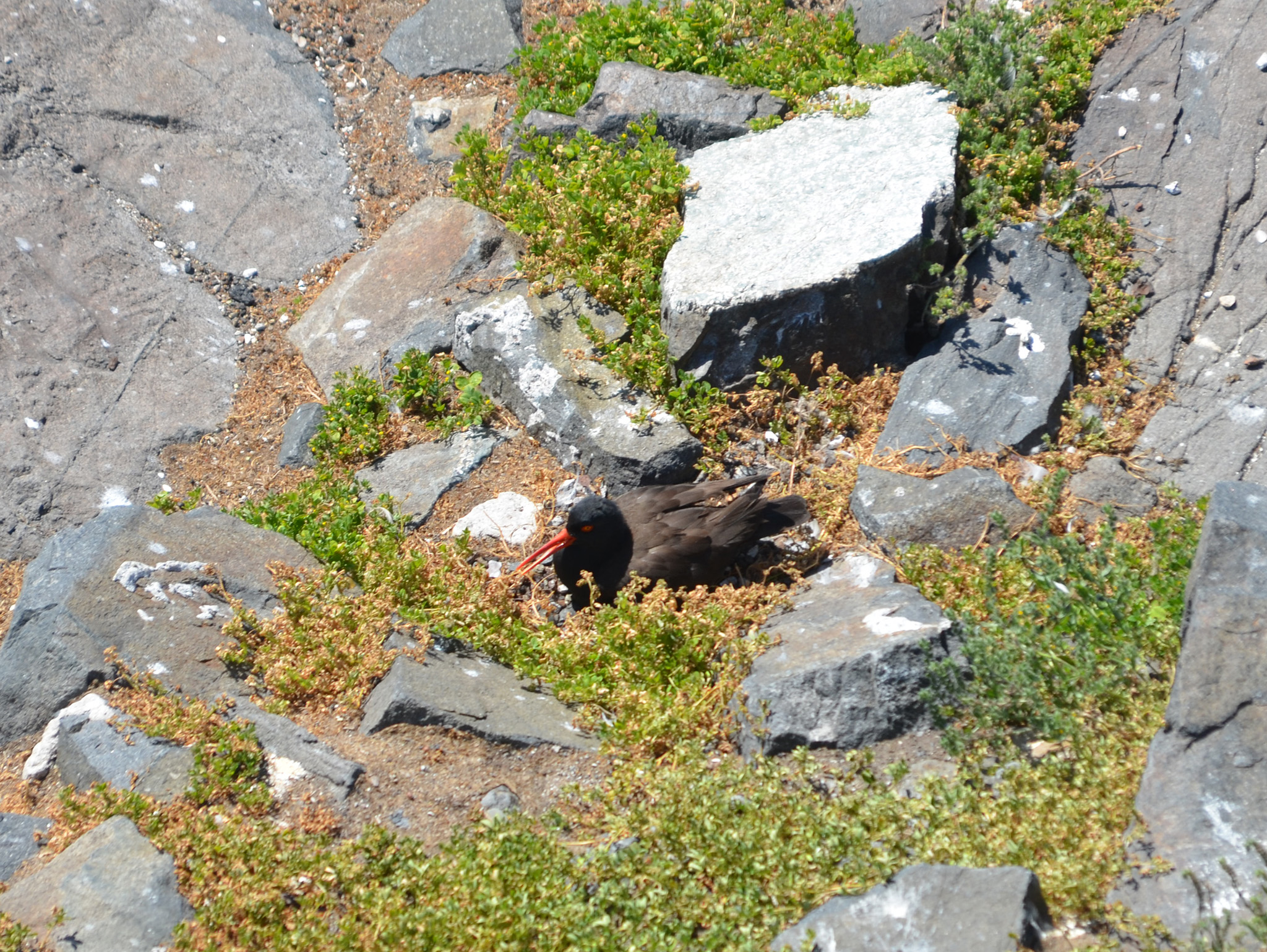
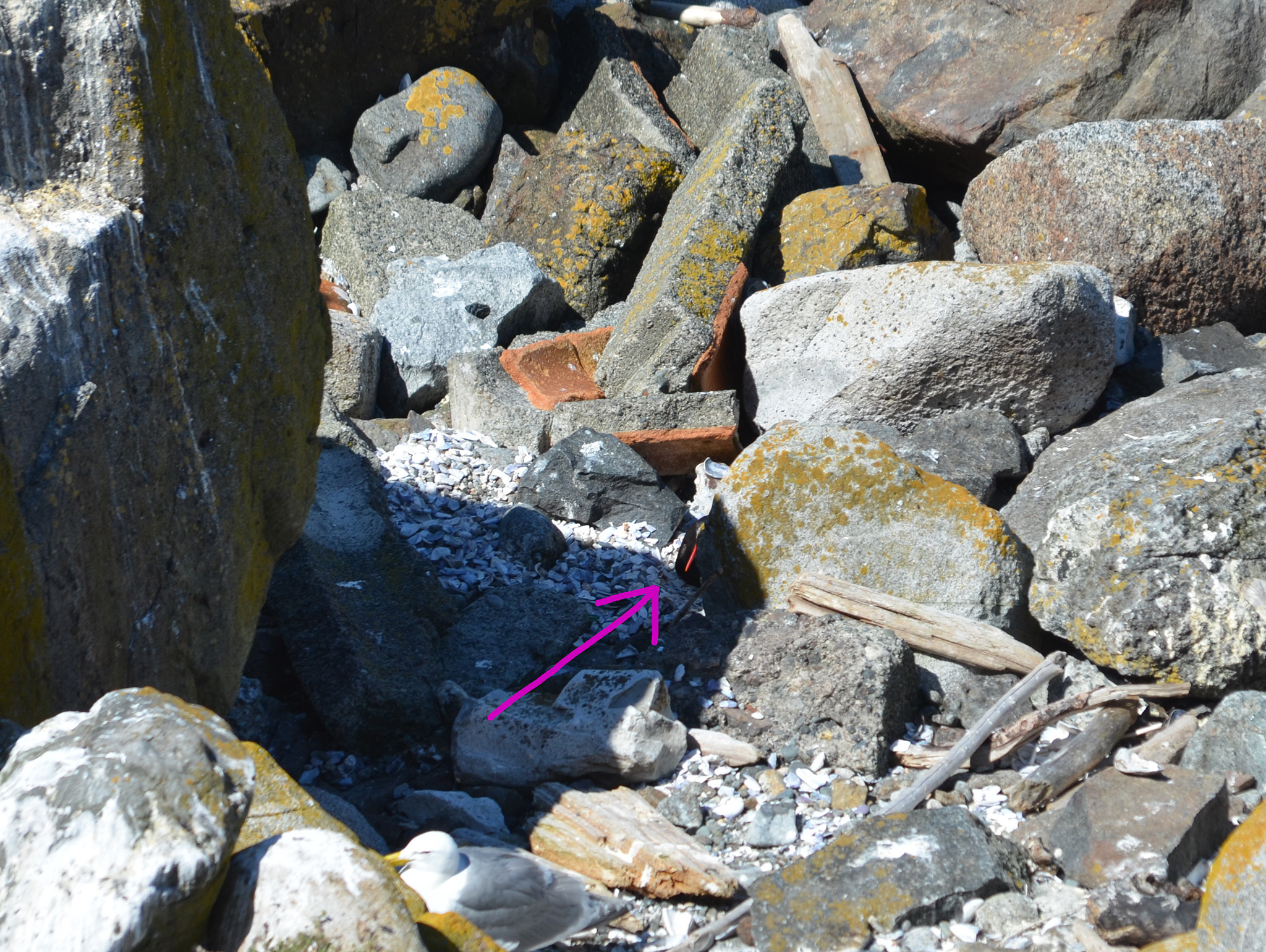
 

Mammals:

  • Steller sea lion: 2
  • California sea lion:17
  • Harbor seal: 12
  • Elephant seal: 5


Birds:

  • Gulls: 238
  • Cormorants: 14
  • Canada goose: 8
  • Pigeon guillemot: 140
  • Black oyster catcher: 6
  • Harlequin ducks: 10
  • Bald Eagle (Adult): 1

Other animals I’ve been seeing recently but didn’t see on the day of the census : Brown pelican, Barn swallows, Killdeer