254 less Sea Lions

Ecological Happenings

  • Weather conditions worsen as the brunt of the storms come through. Large swell, with larger forecast for tomorrow.
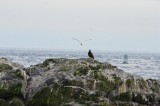
  • Two Ravens have been hanging around the reserve over the  last couple of days. Seen again today near Camera 5.
  • Juvenile  Bald Eagle hanging about the island this afternoon as. Bird species have moved closer to the main island with the change in weather.
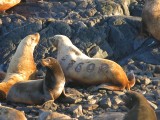
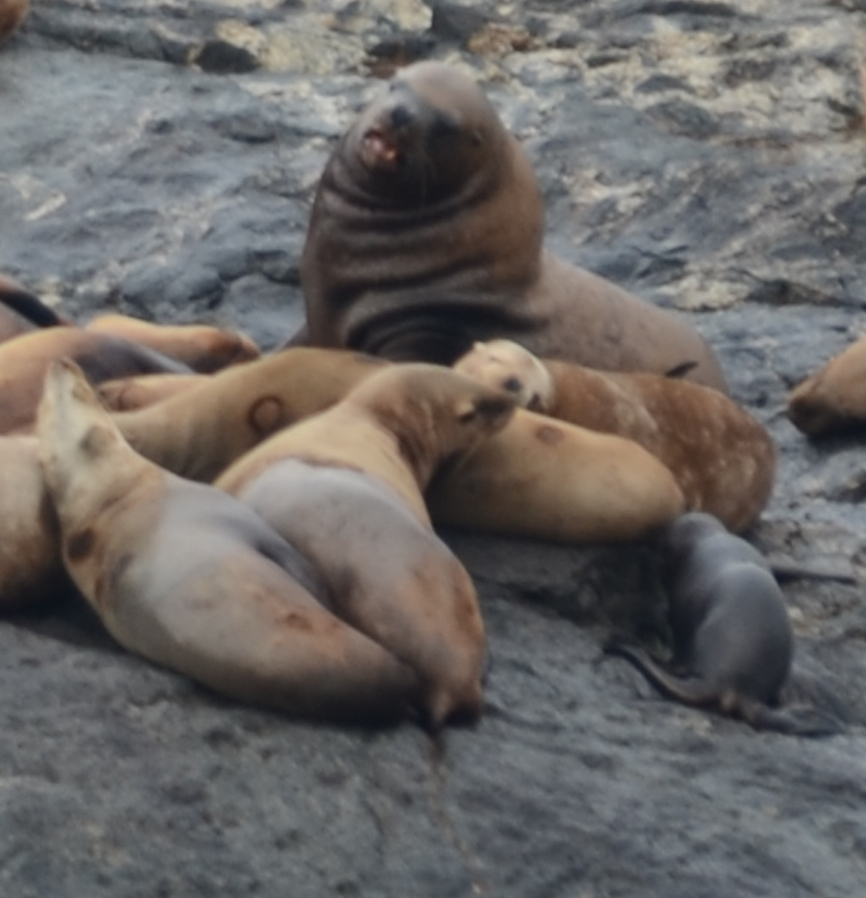
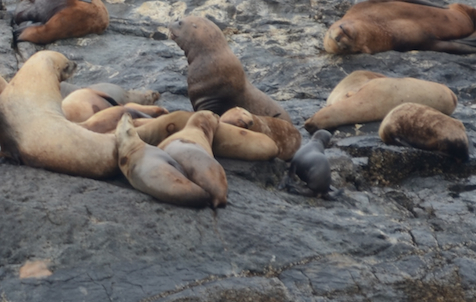
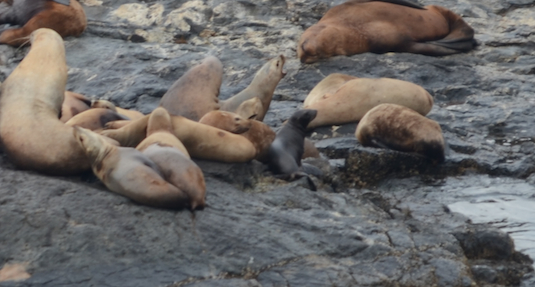
  • There are currently 254 less Sea Lions in the reserve. This change has taken place over the last week.

Maintenance

  • Attempt to install the new water pump in the keepers house. This has been a task requiring time and research. While water is still not running, we are working on it!
  • With hours of daylight diminishing, generator use on the island has increased.

No marine vessels or visitors today

DSC_4150

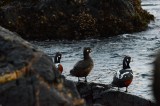
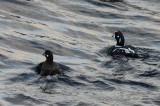
Harlequin Ducks

Ecological Happenings

  • Three Harlequin ducks seen today.
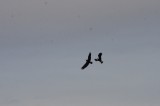
  • Two Bald Eagles flying together (one juvenile).
  • Winds picked up speed today to 16kts. Strong wind warnings have and continue to be in effect.

Marine Vessels

  • Two tour boats seen today. They are missing the views of the Sea Lions, as boats usually visit the North West of the island, while currently most Sea Lions have moved to the south island.
  • One helicopter flying relatively low. Animals were startled.

Other

No visitors.


Mario and Luigi

Weather

Winds of between 11-18 kts from the ENE. The barometer dropped to 101.2. kPa Winds tonight to 15kts, chance of showers. Strong currents in the reserve.

Boat activity

  • Four tour boats, one speeding in the reserve.
  • Three fishing boats.
  • One dive boat.

Ecological happenings

  • Humpback whales spotted to the East.
  • Bald eagles still at North Rocks.
  • Very active salmon feeding in the reserve.

Maintenance

  • Plumbing featured heavily in today’s activities. We seem to have stopped the leak in the student’s house, but the system is now out of action as we had to remove the in-line filter for use in the keeper’s house.

Early Morning Orcas

Weather

A fine day out at RR today. Winds of between 5-12 kts in varying easterly directions. The barometer dropped from 102.4 this morning to 101.9. Winds increasing tonight to up to 20kts, with midnight fog, forecast to dissipate by Saturday morning.

Boat activity

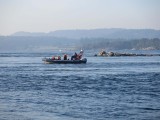
  • Six tour boats (3 of which spotted the Orcas that were hanging around the reserve this morning)
  • Two pleasure fishing vessels. One moved a little too quickly out of the reserve. We encourage all vessels to travel at a maximum of 7kts within the reserve (we don’t want butchered Sea Lions :)

Ecological happenings

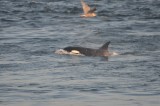
  • 3 Orca’s spotted well within the reserve this morning at 10am.
  • Two bald eagles at North Rocks

Maintenance

  • We continue to trouble shoot the water system in the student house. The pump is now installed, but there is a mysterious leak. Stay tuned……

Visitors

  • Two friends of the eco-guardians are visiting the island today (Carole and Flo). One is a renewable energy consultant and will be checking out the island’s system for improvements. Like all visitors they are awestruck by the island’s energy and beauty.

New Eco-guardians.

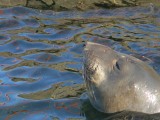
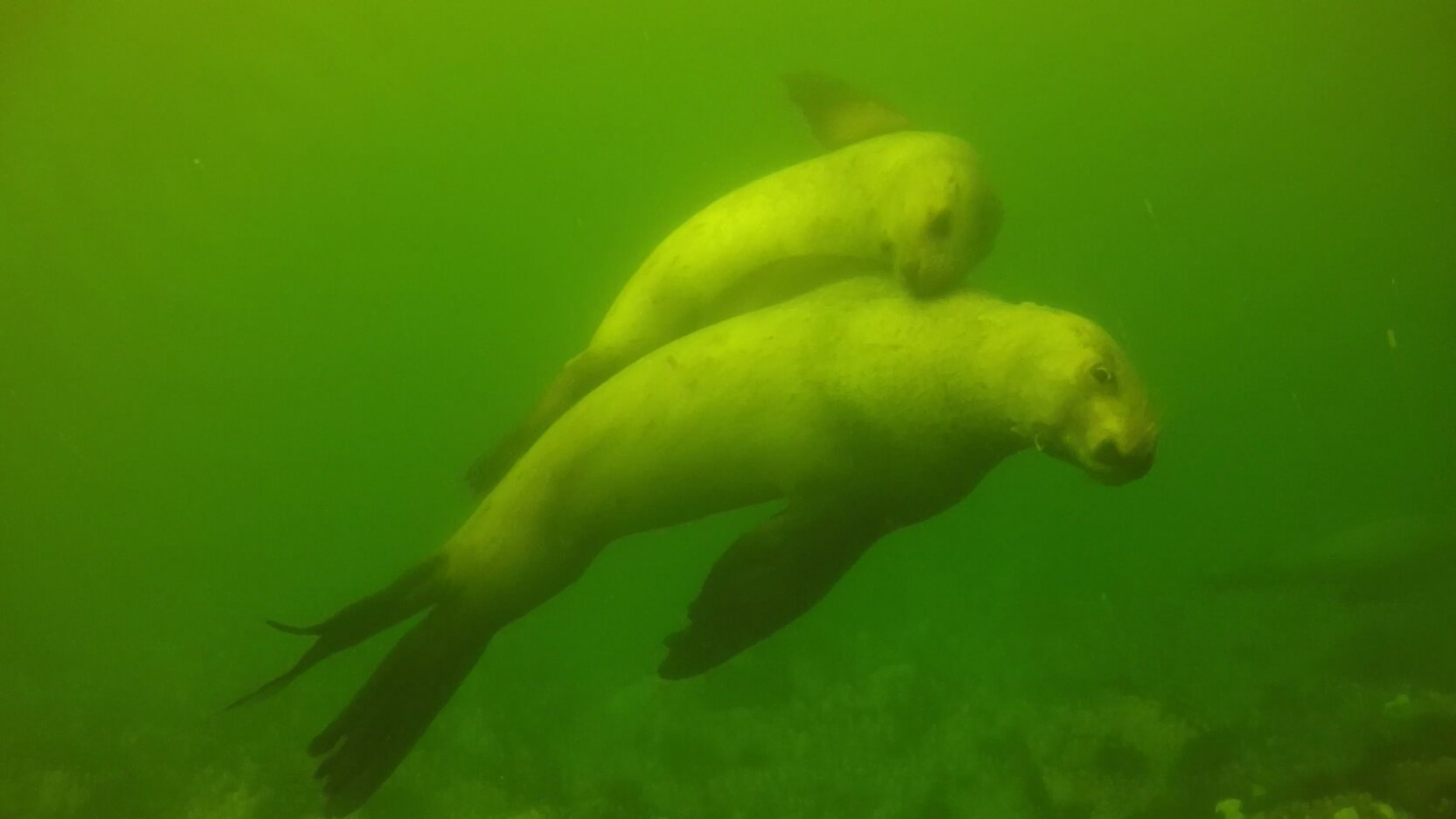
Sea lions visit Pearson College Divers Photo by Jasper Rea.

Sea lions visit Pearson College Divers Photo by Jasper Rea.

It was a beautiful day at Race Rocks, with light southeast winds and a mostly clear sky. The barometer fell a little today to ~1013hPA and the forecast for tomorrow is for sunny skies. There is a strong wind warning in effect for overnight with diminishing southeast winds Friday. Rain is forecast for Saturday.

Only four whale-watching vessels were noted in the protected area today and three pleasure craft passed through going slowly. The people on one of those vessels, the Kaos were observed feeding rockfish to sea lions in the Ecological Reserve. It is illegal to feed wildlife and if it happens they will be reported.

Today was animal census day and here are the results.

Animal Census

Steller Sea Lion 321

California Sea Lion 637

Harbour Seal 77

Northern Elephant Seal 9

Sea Otter 0

Humpback Whale (1 observed within one mile of ER southeast of

Great Race)

Canada Goose 23

Harlequin Duck 5

Surf Scoters 11 (flying through to east)

Common Murre 5

Rhinoceros Auklet 4

Double-crested Cormorant 73

Brandt’s Cormorants 25

Pelagic Cormorant 9

Unidentified Cormorants 20

Bald Eagle 1 adult

Black Oystercatcher 11

Black Turnstone 7

Kildeer 2

Glaucous-winged Gull 248

California Gull 3

Thayer’s Gulls 707

Herring Gull 0

Ring-billed Gull 1

Western Gull 2

Heerman’s Gull 14

Mew Gull 0

Unidentified gulls 53

Total gull count 1028

Common Raven 2

Red-winged Blackbird 7 (during count week)

Savannah Sparrow 12

Song Sparrow 2

American Goldfinch 1

American Pipet 1

Don and Nina, the new eco-guardians in-training arrived today. They worked hard all day, after getting up very early to catch the morning slack and are progressing really well in learning some of the idiosyncrasies of Race Rocks operations.

Plastic No No Band

Thanksgiving Monday was a wet day dominated by light north-northeast winds in the morning and a moderate westerly in the afternoon. Wind speed was 10 or less knots until it turned to west. By early evening it had risen to 15 – 20 knots. The barometer fell early and has been climbing since late morning boding better weather tomorrow. The wind is forecast to drop after midnight and switch to light easterlies for Tuesday. Forecasters expect a mix of sun and cloud with fog patches dissipating in the morning. A brighter day expected.

Seven whale watching vessels visited in the morning and none in the afternoon and the three pleasure craft that passed through were also in the morning.

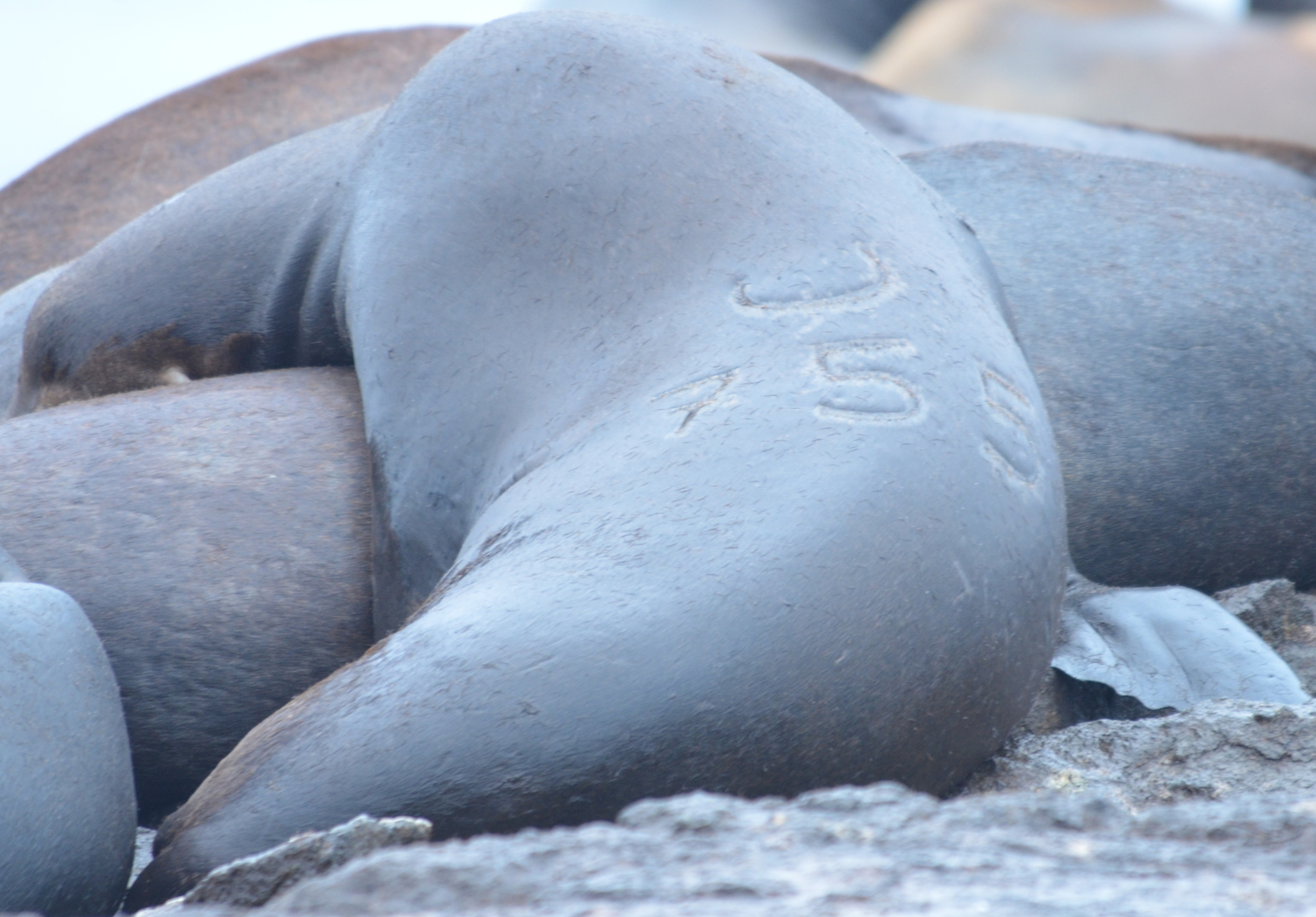
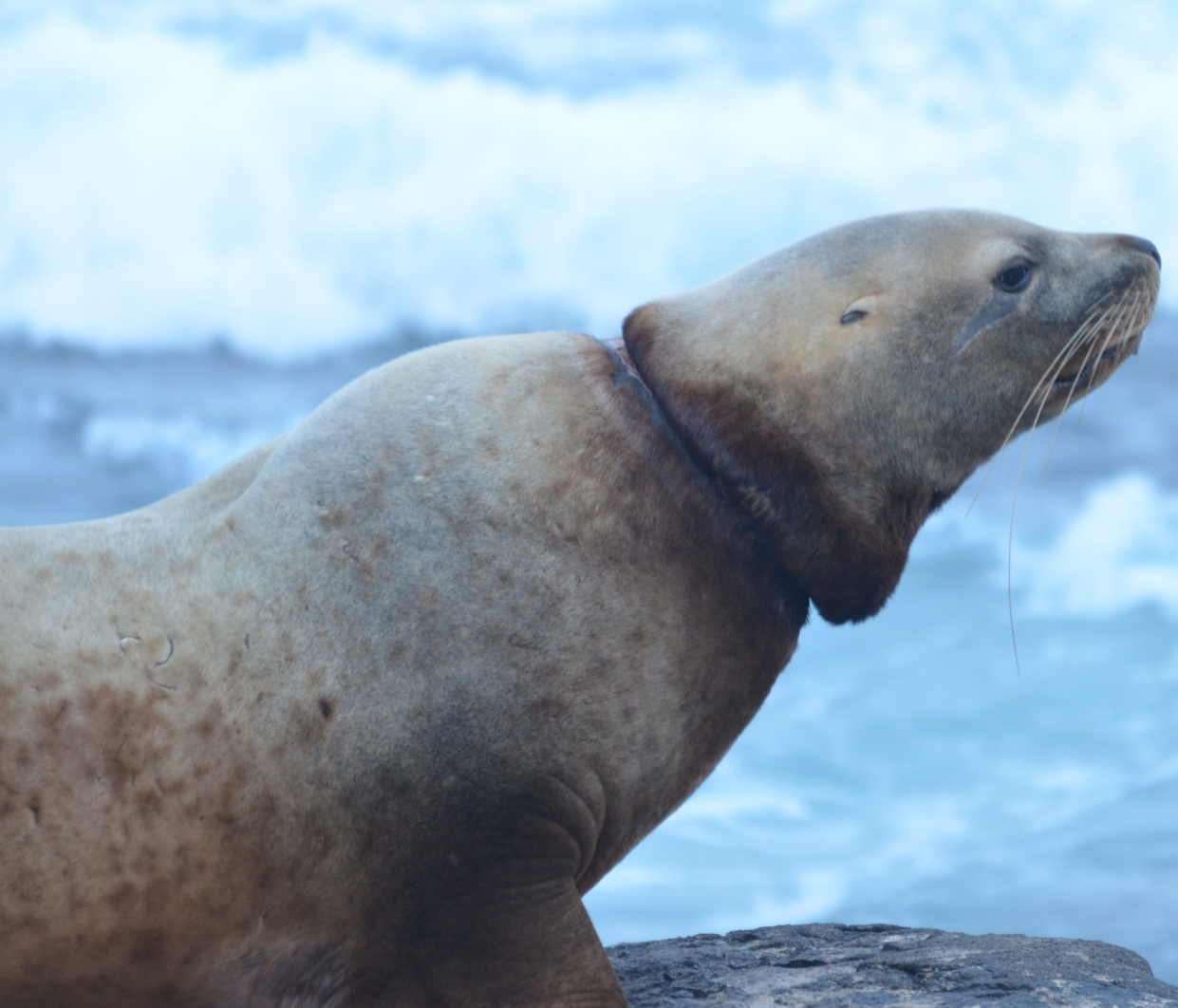
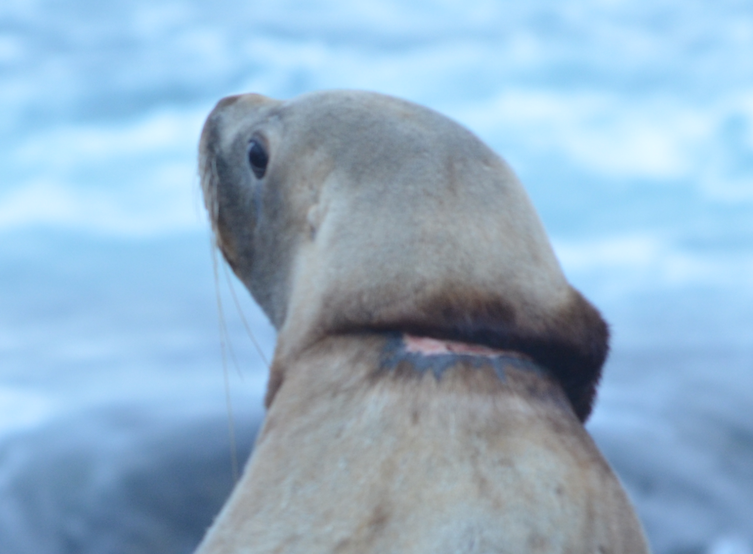
On wet days, it seems as if the sea lions spend more time in the water although there are pockets of Californians (on the cairns, for example) that stayed put, hauled out all day. The rock-climbers also stayed where they were (up by the heli-pad), some for a couple of days. I did see one “new” (to me) brand today, California Sea Lion ‘U755’ from the Columbia River area. There was also a “necklaced Stellers Sea Lion on the rocks by the energy building today. That rock is quite popular with Stellers which surprising due to its proximity to the activity.

Six young Northern Elephant Seals were ‘hanging out’, tussling in the water by the jetty all day today.

Salmon continue to pass through, as observed in sea lion kills throughout the area. The Glaucous-winged Gulls and Thayers Gulls continue to scavenge at the surface during the kills and in the mixed species feeding flocks where diving birds force forage fish balls up to the surface. Humpback Whales continue to forage adjacent to the protected area. The Humpback out by Rosedale Reef today is an extremely large one (probably a female). It spends very little time at the surface with dive times averaging greater than 10 minutes

California Sea Lion with brand U755. The U is also a C and indicates the animal was branded as a weaner near the Columbia River.

California Sea Lion with brand U755. The U is also a C and indicates the animal was branded as a weaner near the Columbia River.

and sometimes only one or two blows. They are tremendously high, straight blows.

More and more Double Crested Cormorants arrive daily raising the total number of cormorants using the protected area to forage and roost. The adult Bald Eagle returns each morning and worries the gulls and cormorants.
Chores are routine and it is really great to have company.

Giving Thanks.

The morning was calm and mostly clear with very light winds (<5 knots) from the southeast. The wind picked up a little in the afternoon and switched to north-northeast by evening. The barometer peaked at 1020 hPA mid-day after rising quickly from yesterday’s low of almost 995. As the sun sets, the barometer is falling almost as fast as it rose and the forecast has a strong wind warning in effect. The forecast also calls for clouds and periods of rain on Monday along with the wind.

Five whale watching vessels were observed in the protected area. There may have been more when I went ashore for a few hours. Four pleasure craft were observed in reserve. One rental boat was observed speeding in reserve on the south side but stopped just after they were spotted and left the area slowly and carefully. There was one over-flight observed, it looked like a fisheries patrol vessel and they were high, probably one thousand feet.

One very large Humpback Whale was blowing near Rosedale Reef in the morning and there was some whale activity near West Rock in the afternoon, but unable to identify the species. Whale watching vessels were aggregating there.

The adult Bald Eagle was back on North Rock today and I counted 95 cormorants in the water just after a flock of gulls flew past alerting the presence of the eagle. As the salmon rivers start to be less busy there will be more and more eagles.

Processing some of the photos taken earlier in the fall brought to light a few showing a very young (still black) Stellers Sea Lion on Middle Rock. That might be a new record.

Red-winged Blackbirds moved through Great Race today and as in the spring they landed on the tower before heading south. There were seven on them and they may have come down to ground but I was busy and didn’t see them.

My husband is here for Thanksgiving and I am thankful

.

Twofold Foggy: Friday – Saturday

Friday started with fog again and light southeast winds, from 5 to 10 knots. By late morning there were glimmers of clearing and by mid-day the sun was shining. The wind stayed calm and it stayed fairly clear, with clouds rolling by as the wind turned to west, in the late afternoon. By evening it was still and the sky mostly clear but that must have changed as the was fresh rainwater in the morning. The barometer bottomed out Friday morning at 1007 hPA before rising briefly. It started to drop again mid-day falling until mid-Saturday. The gale warning for Saturday, came true after another very foggy morning and light easterly winds. The turn to westerly was rapid, the fog was blown off and ominous clouds with a black line on the water to the west, foretold of what was to come. It blew up fast, reaching 40 knots and then settled back down to the up and down of 20 – 35 knots. There is gale warning is still in effect and the wind is forecast to lighten overnight, then become easterly 5 to 15 near noon Sunday. (I am collecting rainwater for laundry, bonus.)

Only two whale watching vessels were observed in the protected area Friday. Two sports fishing vessels also passed through. Saturday was a little busier with five whale watching vessels noted in reserve but there were no pleasure craft, they were probably seeking shelter. It is quite possible that I missed traffic both days due to thick fog reducing visibility.

Thursday was too foggy to do the animal census so it is cobbled together from the brief time slots when visibility permitted on Friday. It is interesting to note that the gull population plummeted after the arrival of the first Bald Eagle to be seen here, since I arrived at the end of August. Not sure if that is coincidental or not.

I only noticed the eagle because of the hundreds and hundreds of gulls moving en masse, from North Rock over to Great Race. When I peeked through the spotting scope, all the cormorants were in the water, the gulls were gone and there sat an adult Bald Eagle. Only the Harbour Seals seemed to ignore its presence.

There was no sign of the eagle today and the gull numbers are perhaps even lower. Glaucous-winged juveniles and adults continue to mill around summer territories. Some young ones are still practising picking things up, flying up and dropping them. Most of the adults are fully into their alternate plumage now. Their faces recovering from the physical aspects of feeding young.

The sea lions are spending more time in the water now that their favourite haul-out spots are worse than pig pens. Some of them have turned to rock climbing and I saw the first scouts up on the heli-pad today.

Animal Census

Steller Sea Lion 317

California Sea Lion 428

Harbour Seal             156

Northern Elephant Seal 6

Sea Otter 1

Southern Resident Killer Whale ( observed within one mile of ER during count week, (Race Passage, east, west and south of RR)

Biggs Killer Whale (Transients) ( during count week Race Passage & southwest)

Humpback Whale 2 (1 observed within ER west side during count week)

Minke Whale 1 ( observed within one mile of ER during count week just east of North Rock)

Canada Goose 4

Harlequin Duck 7

Surf Scoters 73 (flying through to east)

Double-crested Cormorant 35

Brandt’s Cormorants 29

Pelagic Cormorant 9

Bald Eagle 1 adult

Black Oystercatcher 23

Black Turnstone 6

Kildeer 2

Glaucous-winged Gull 258

California Gull 41

Thayer’s Gulls 874

Herring Gull 0

Ring-billed Gull 0

Western Gull 2

Heerman’s Gull 20

Mew Gull 18

Unidentified gulls 361

Total gull count 1574

Common Raven 2

Savannah Sparrow 19

Fox Sparrow 1

Junco 1

Golden-crown Kinglet 1

American Pipet 1


Starting the countdown on my last week on the rock for this shift. I may be back for a bit at the end of October, if extra training is needed for the new folks.
Small Seal Hauls On Bull Kelp

The wind blew steadily 25 to 30 knots from the west today, all day. The morning was relatively calm on the lee side but by early evening it was really rough all around Race Rocks. Cloudy morning skies gave way to a sun-dominated mix, of sun and clouds in the afternoon. There was no precipitation in spite of the clouds. Remarkably, the total annual rainfall here to date is ~22 cm, not much. The barometer climbed back up to 1016 hPA., before starting another little slide. The forecast is calling for sunshine with increasing cloud and continuing strong westerlies.

No vessels were observed in the Ecological Reserve during the day today. One whale watching vessel was observed working in the Reserve just at sunset.

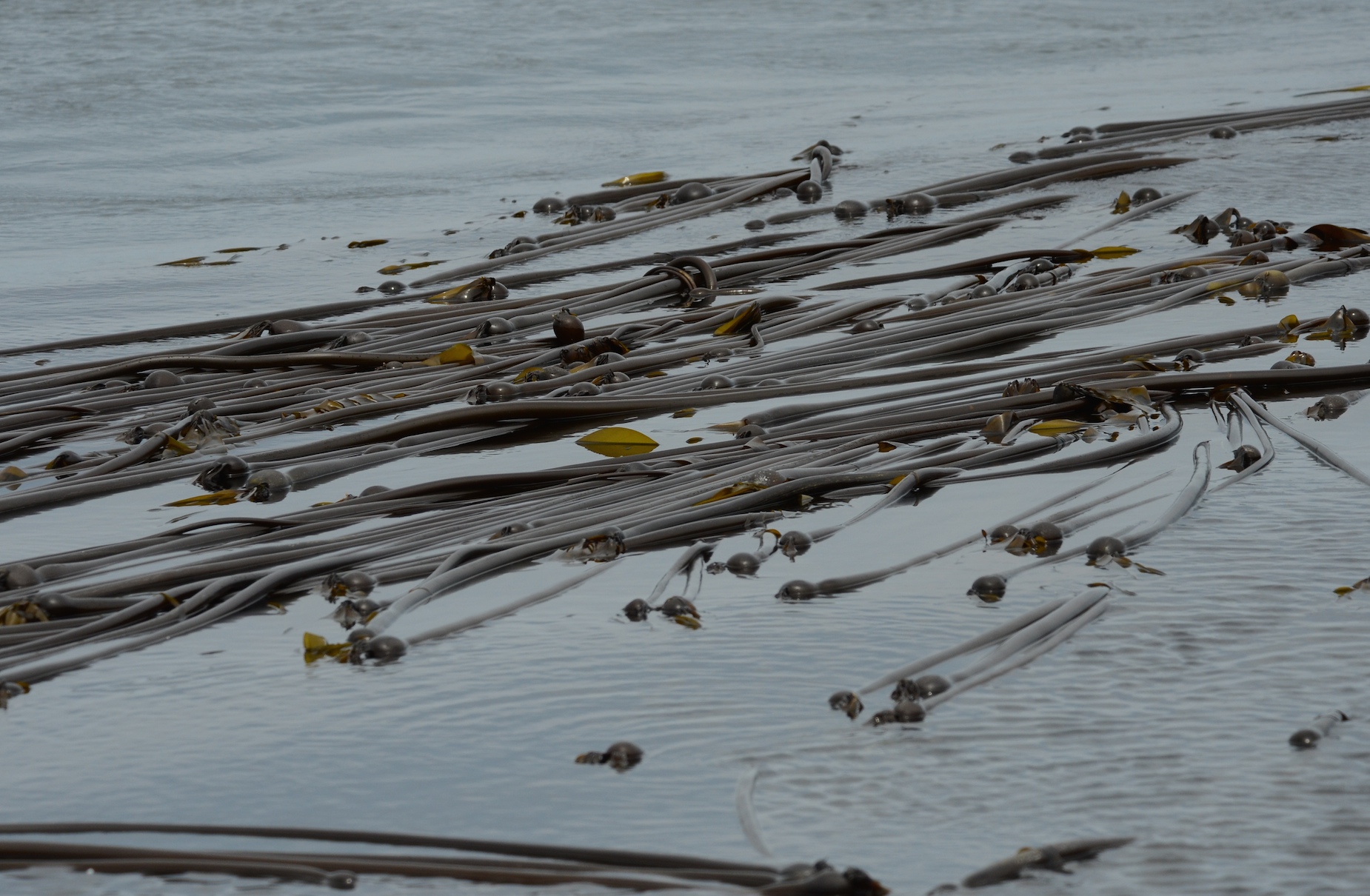
Ecological happenings are all in motion and continue on the path that has been described over the last few days. The bull kelp growth may be slowing as evidenced by some epiphytic growth showing on a very small percentage of the “plants”.

These algae are super carbon fixers and not only crank out food, they also grow so thickly that they shelter the Sea Otter and today I saw a small Harbour Seal actually climbing out of the water onto the bull kelp. It is slippery stuff so I was surprised when I looked a few hours later: it was still there and had managed to dry off the upper part of its body while hauling on bull kelp.


Bull kelp is still actively growing.

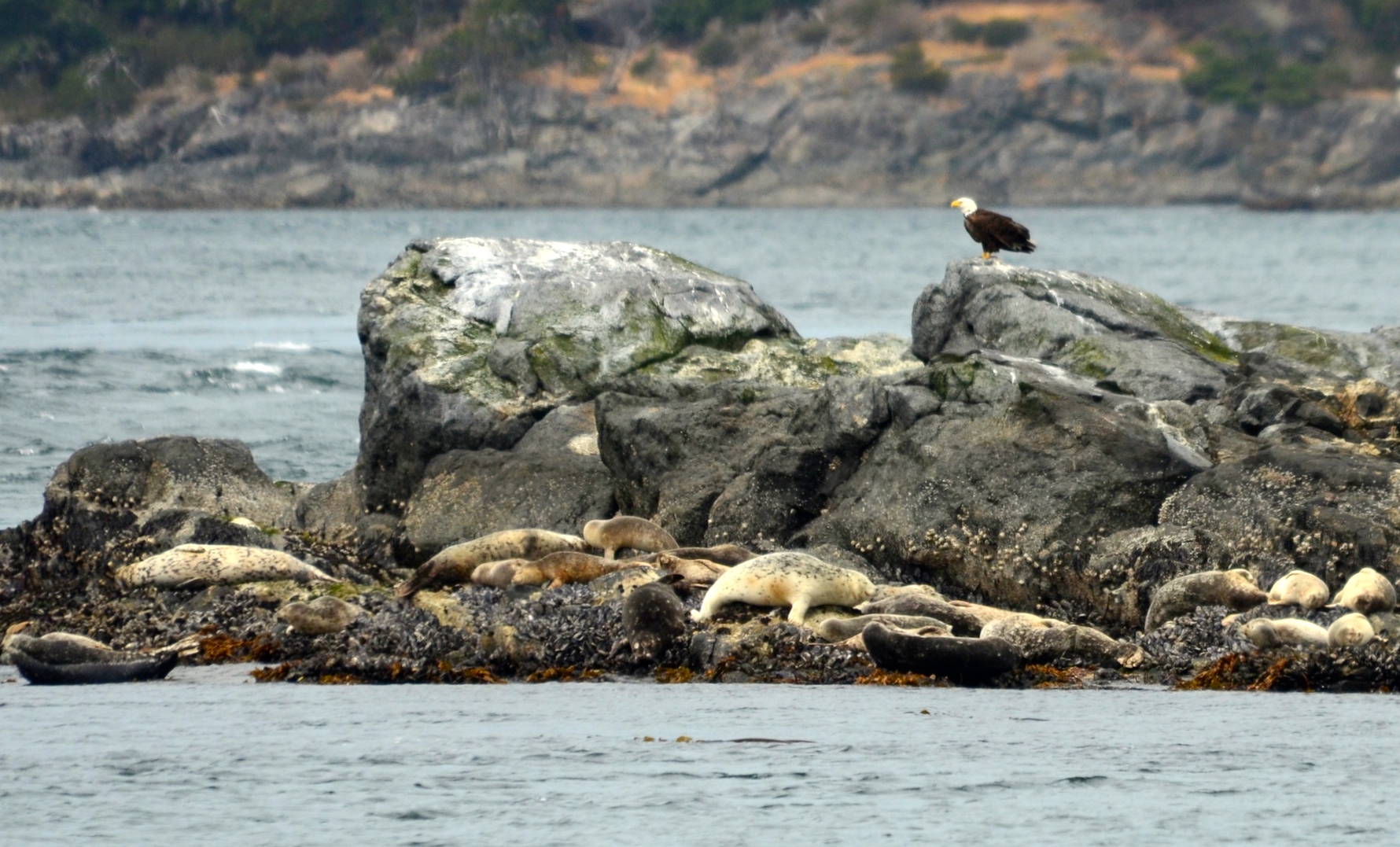
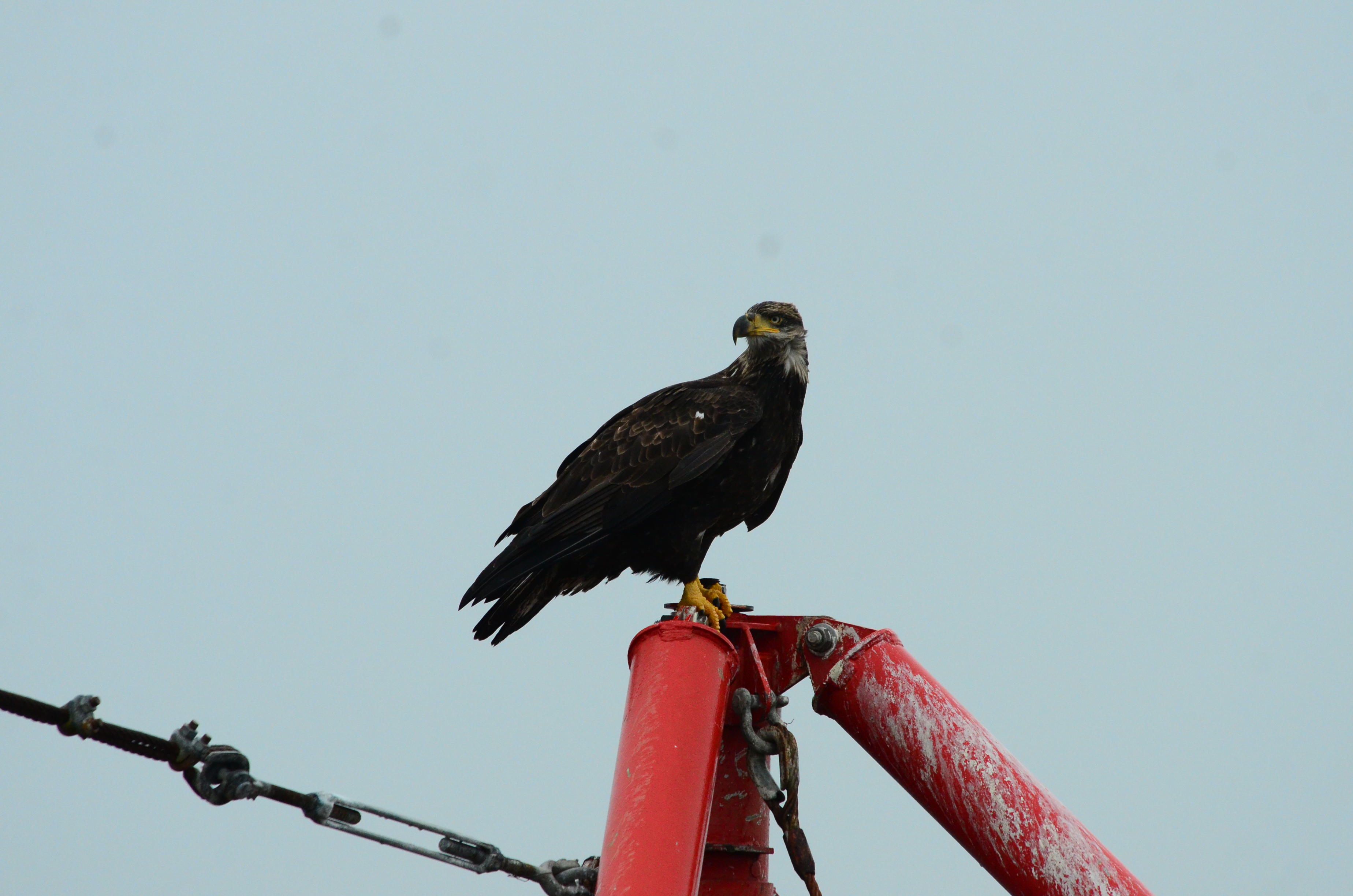
I realized today that the Harbour Seals, of which there are a lot more (225 to 250) than Northern Elephant Seals (maximum count 35), may have had the short end of the stick when it comes to mentions in the Log entries. Maybe it is because the elephant seals are up close and personal and not bothered by our presence. Maybe it is because it has been such an priviledge to get to know the elephant seals and their diverse personalities and behaviours. The Harbour Seals are further away and hard to tell apart as individuals. An adult Bald Eagle was very interested in the Harbour Seals today and although it is early for inside waters, I thought that there might be some pupping activity soon.

Adult Bald Eagle on watch near hauled out Harbour Seals on Turbine Rock.

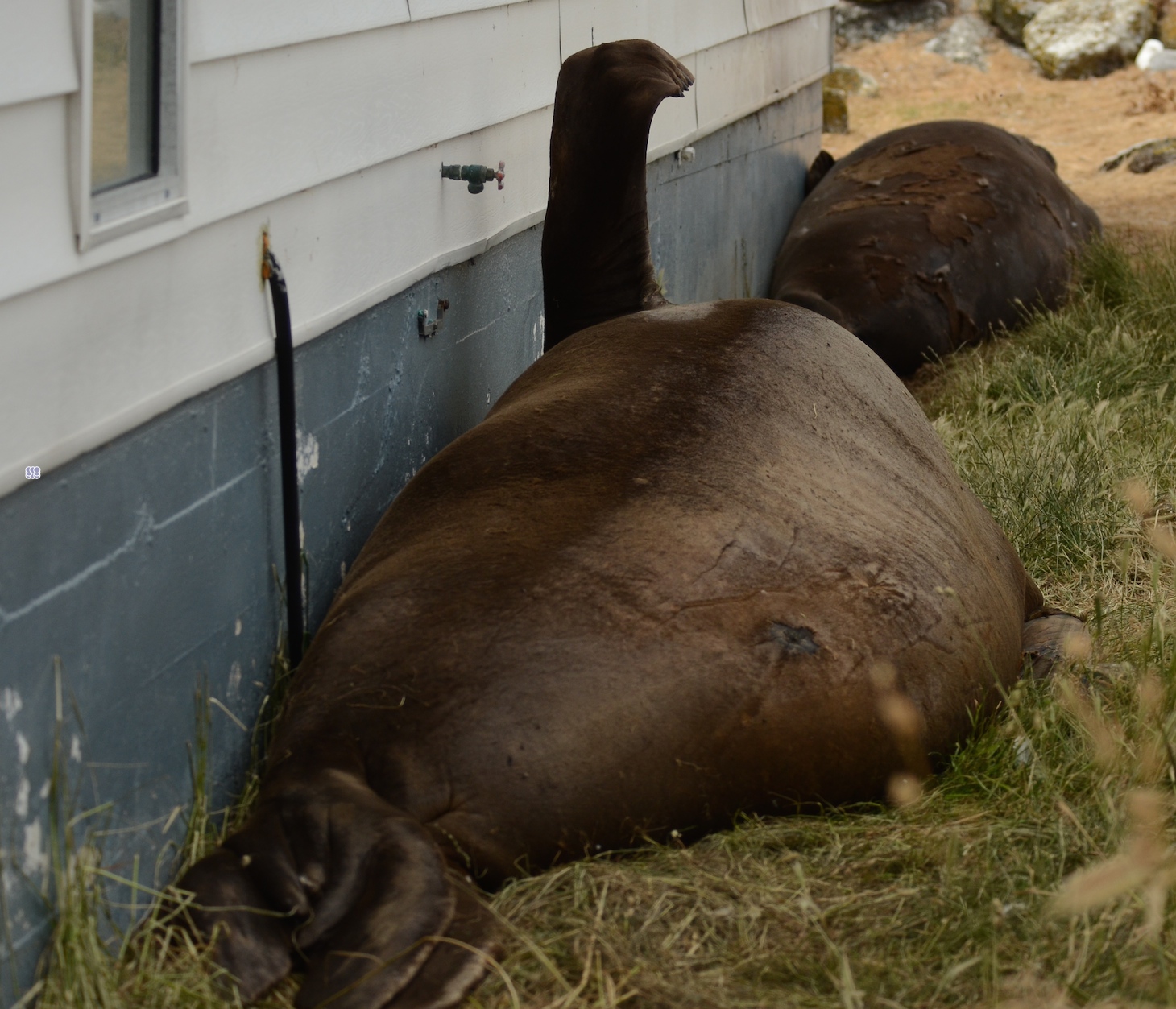
Chunk and Floyd often sleep together behind the science house. Floyd’s moult is more than two thirds done while Chunk has not even reached a third yet.

Chunk (closest) and Floyd stretched out behind the science house. Chunk is stretching his right fore flipper.

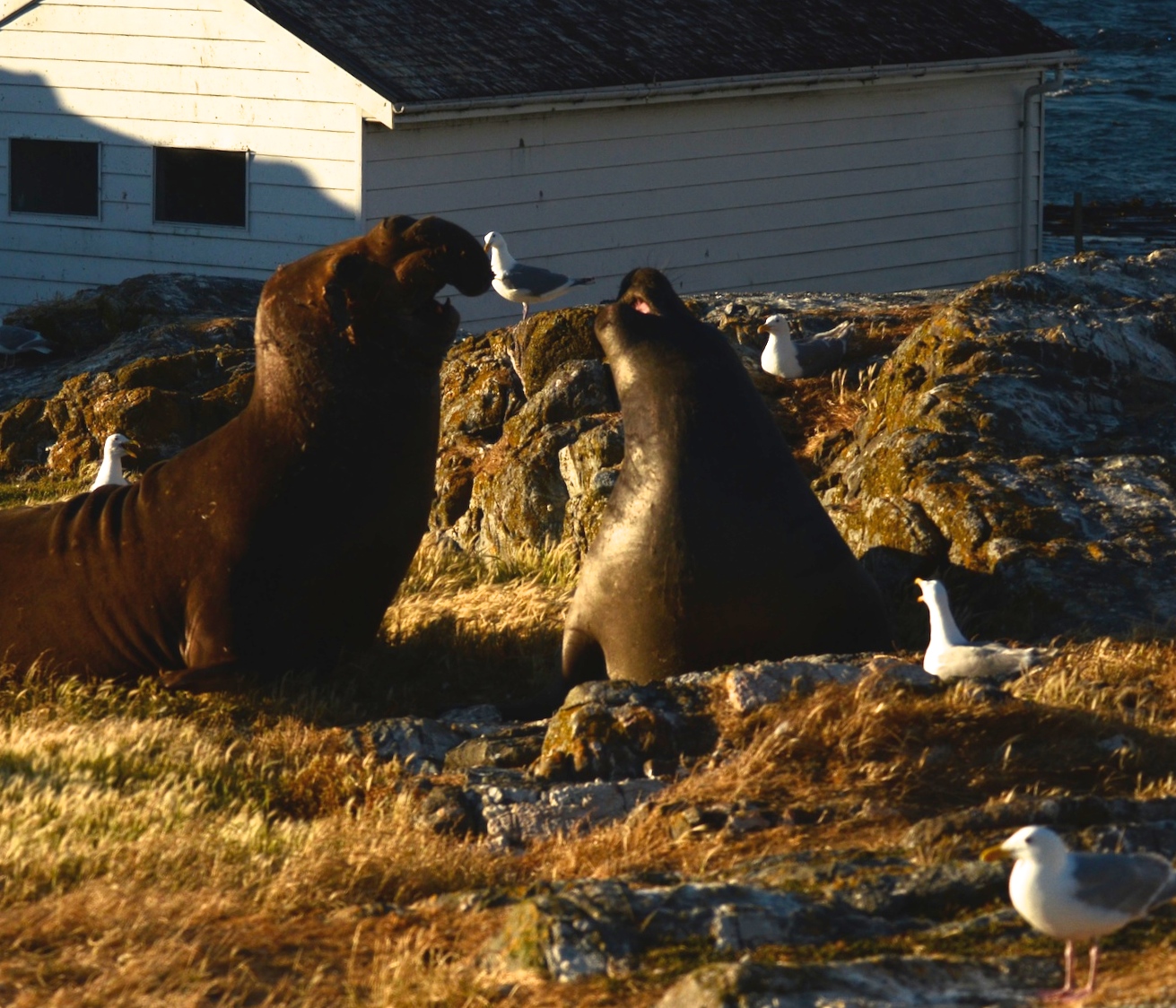
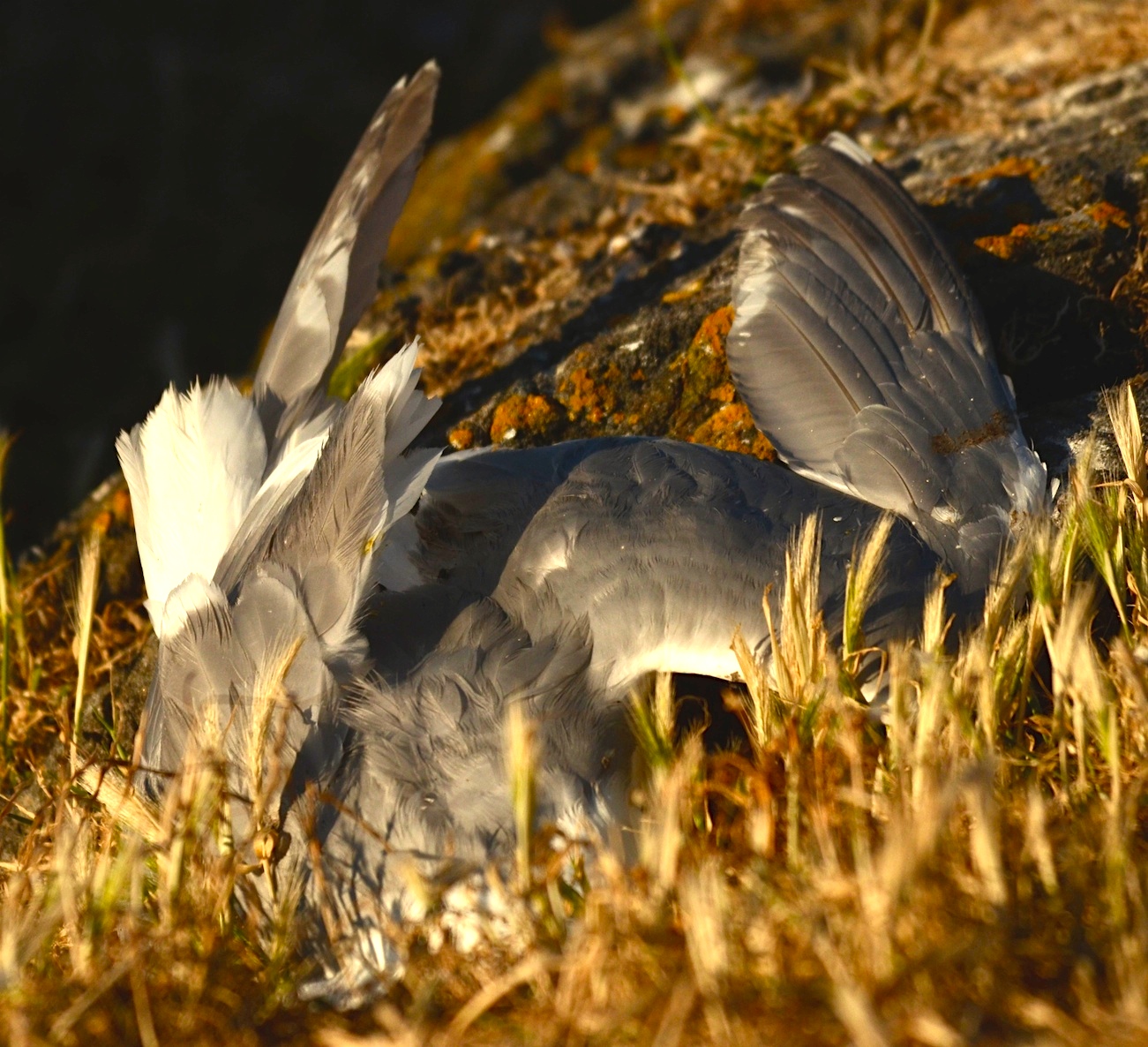
Chunk and Floyd also have their battles and tonight they chose to fight in amongst the nesting gulls, crushing at least one nest and killing an adult that was trying to defend its nest.

Chunk and Floyd go at each other in among the nesting gulls.

Gull versus adult bull elephant seal: seal 1; gull 0.

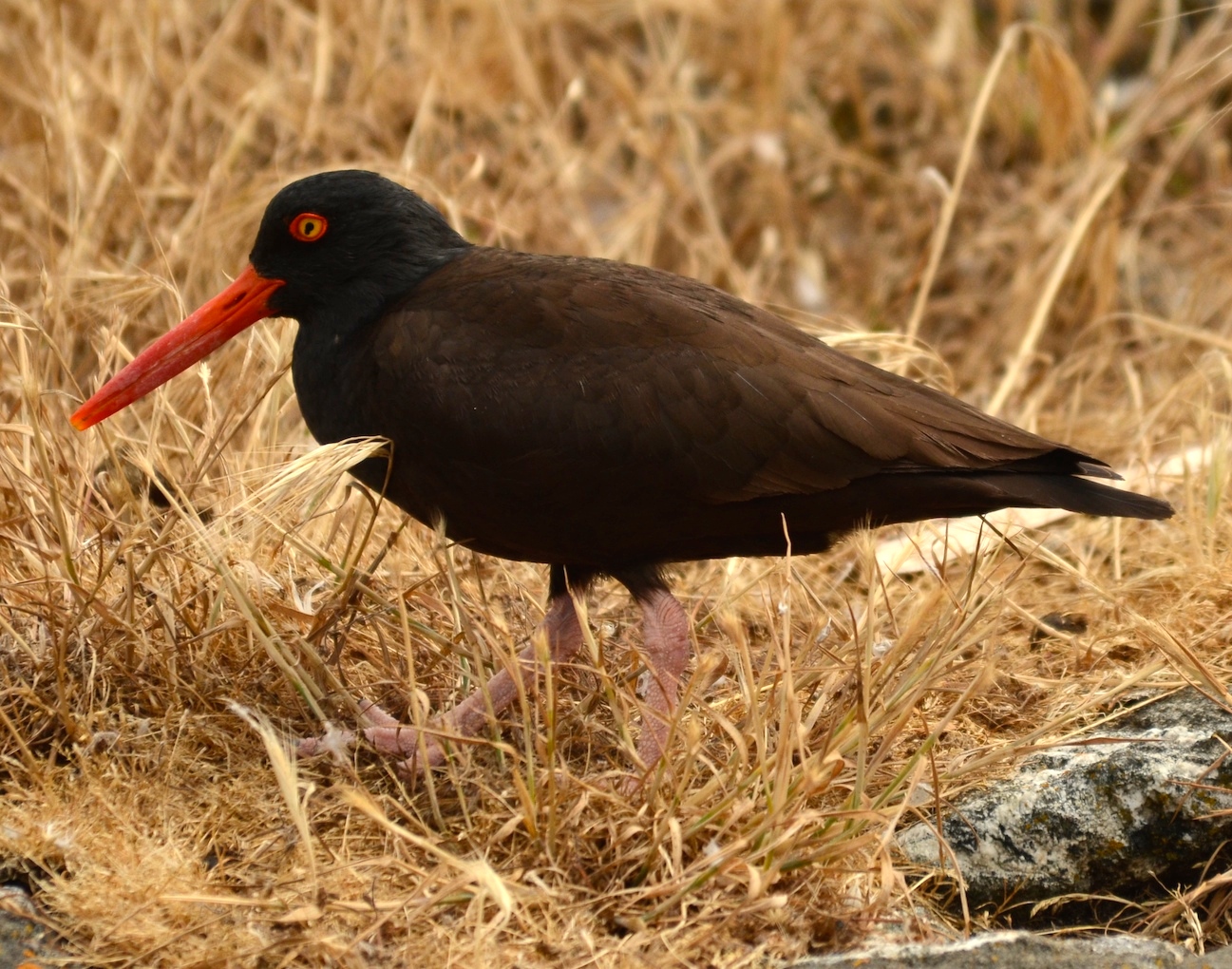
My favorite bird here continues to be the Black Oystercatcher, there is something about their very spartan nests and their willingness to take on adult Bald Eagles and Ravens that makes me cheer them on. Their looks are pretty great too. The newly hatched chicks are very precocious and can follow parental commands almost immediately. They are so good at remaining perfectly still when “told to” that they are almost impossible to see. Thank goodness for telephoto lenses. I will try to get a photo of the chicks from a distance tomorrow.

Black Oystercatchers are fiercely brave little birds and willing to chase off Ravens and even Bald Eagles. Their nests are entirely comfortless with only pebbles and shells for decoration.

There were no visitors today and chores were routine as I wrap up the last few days of my shift.

National Aboriginal Day at Race Rocks Heritage Site

The wind was slow and relaxed most of today at Race Rocks. In the morning, it blew 5 – 10 knots east and in the afternoon it turned to south/southeast and blew just enough to make the flag look good. The outflow wind pushed out the fog that had formed early to the west. Eventually the wind backed around through south, southwest and over to west. At the end of the day it was blowing west 20 to 25 knots and a strong wind warning is part of the forecast along with a mix of sun and cloud, mostly cloudy with fog banks in the morning.

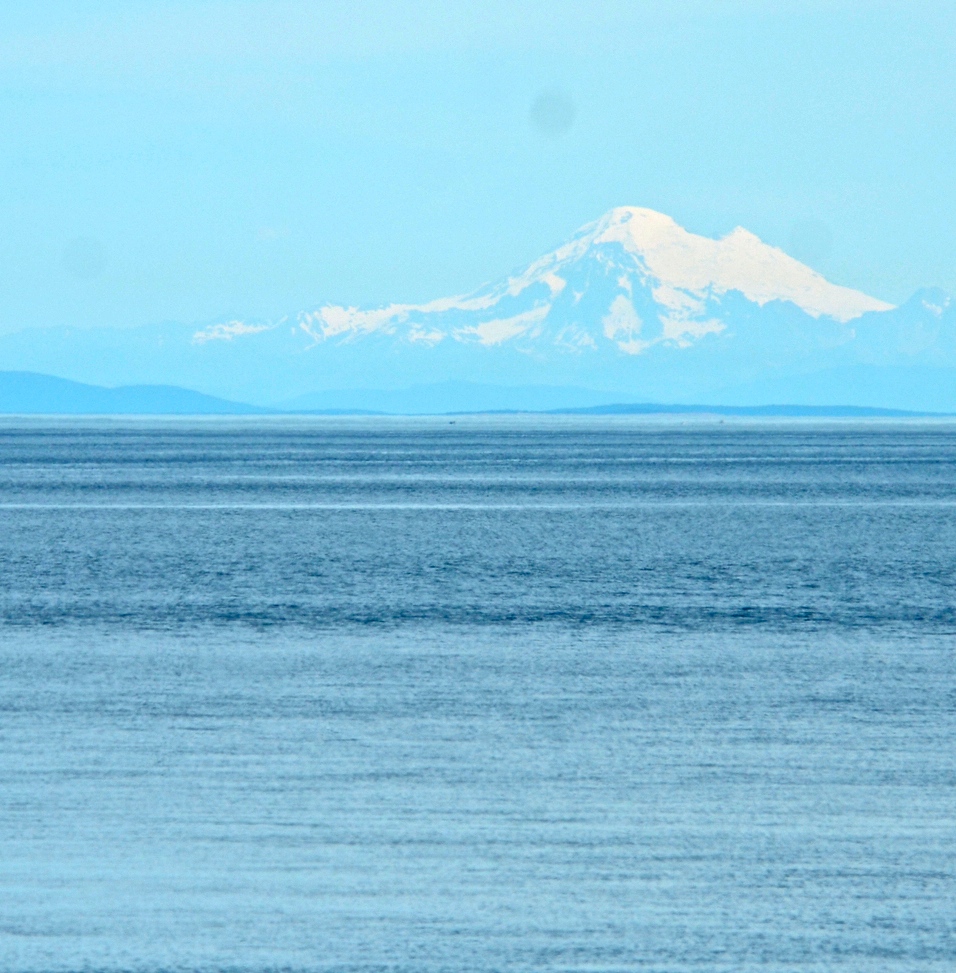
The sky was clear all day today and with the clarity, cloud formation on the Cascade and Olympic Mountains ranges was visible. Mount Baker stood like an eastern sentinel and Bahokas Peak was visible, low, like a distant lookout, at the far southwestern entrance to the Strait of Juan de Fuca.


Mt. Baker to the east.

Mt. Baker to the east.

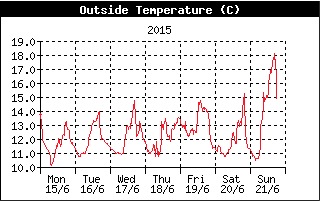
Today, the barometer continued the slide it started on Friday and ended up just above 1010 hPA. in the late afternoon. With the still wind and intense sunshine came higher temperatures. The high today of 18o C is a big jump up from the week’s average of 13.9 o C to Saturday and from the overnight low of 10.5 o C. That was sea surface temperature yesterday 10.5 o C.

Outside air temperature at Race Rocks for last week.

Outside air temperature at Race Rocks for last week.

There was very little whale watching activity today with only one vessel observed working in the Ecological Reserve. There were quite a few sports fishing vessels in reserve including rentals, charters and individual fishers. Two boats were observed fishing for rockfish in the closed Rockfish Conservation Area, within in the Ecological Reserve. Most people respect the closure and this is how the area has a chance to rebuild and start to contribute juvenile fish to adjacent areas.

Today is national aboriginal day and I would like to honour the First Nations within whose territories Race Rocks lies today. I would also like to draw attention to the stone cairns on the island, which date back to ~500AD. These cairns are a testament to a long and storied history that has been too often down-played or downright ignored, by Euro-Canadian historians. https://www.racerocks.ca/history-of-race-rocks/first-nations-burial-cairns-at-great-race-rocks/

Ecologically we are moving into summer and these lovely long days are important markers of biological activity. Most of nesting gulls are incubating and almost all the nests I have had a peek at, have three eggs. This island is an ideal location for nesting studies as the light tower offers an incomparable 360-degree view. Observational activity from that height does not disturb the nesting birds.

Seasonal timing is important and gull and oystercatcher chicks should start hatching out in a couple of weeks. It is trickiernow to pinpoint what is going on with the Pigeon Guillemots and easier later, once they start to carry fish to their chicks. The early nesters (Canada Geese) have young almost full size now and their numbers have dropped again. There are only two pairs of adults left; one pair with five goslings and the other with three. An adult Bald Eagle was hunting here today.

In the water around Race Rocks, at least three species of salmon are passing by (Chinook, Coho and Sockeye) and halibut have moved into the relatively shallow waters outside the reserve. At the surface, mixed species, feeding flocks are starting to form, driven from below by diving birds such as Rhinoceros Auklets. That is where the juvenile gulls seem to be feeding. The sea lions have all gone now and pregnant Harbour Seals are starting to look very round. Just Chunk and Floyd remain in the elephant seal department and they were both sleeping up against the back of the science house most of the day.

I went ashore briefly today and was back by breakfast. There were no visitors and chores were routine today.