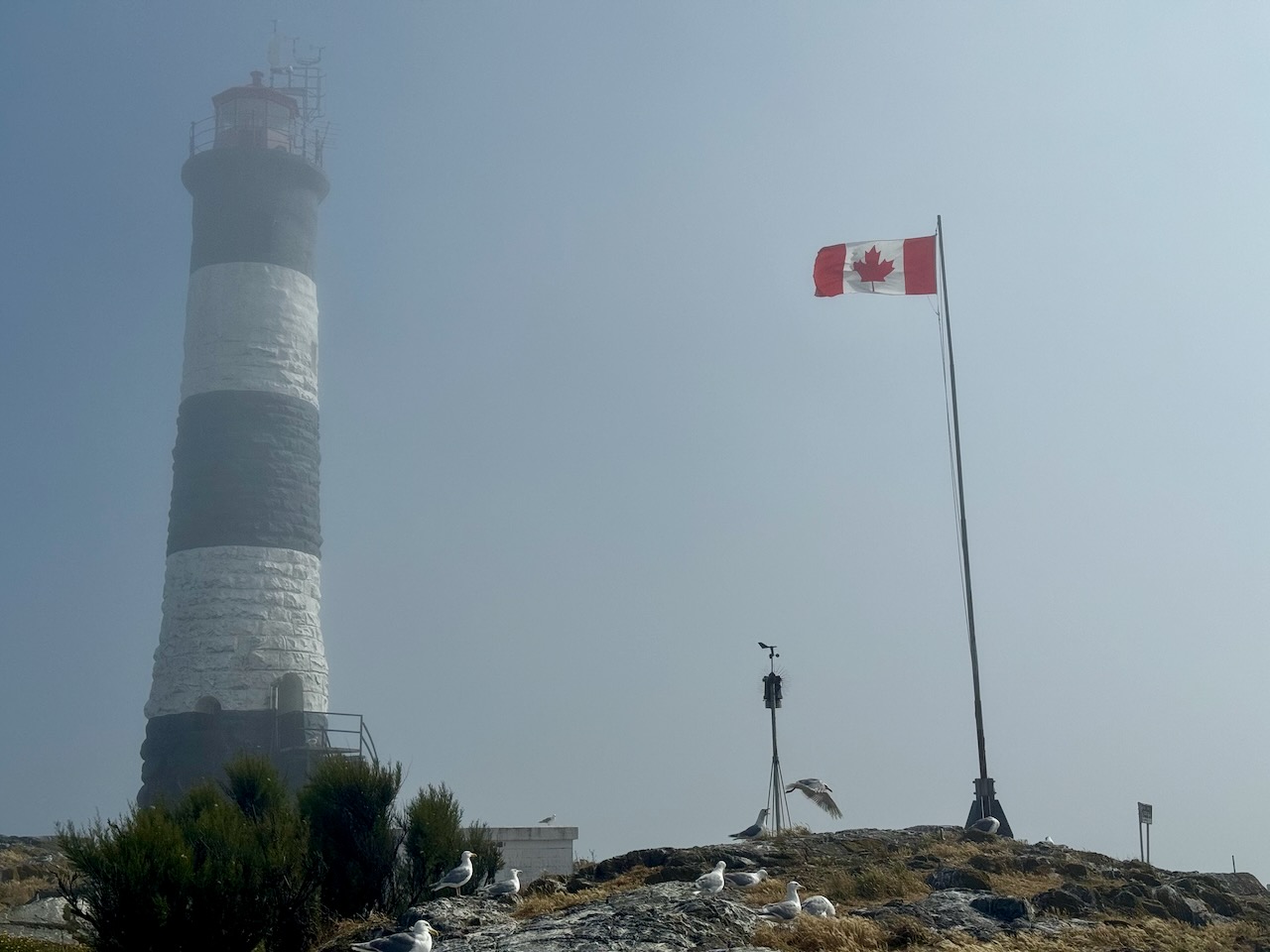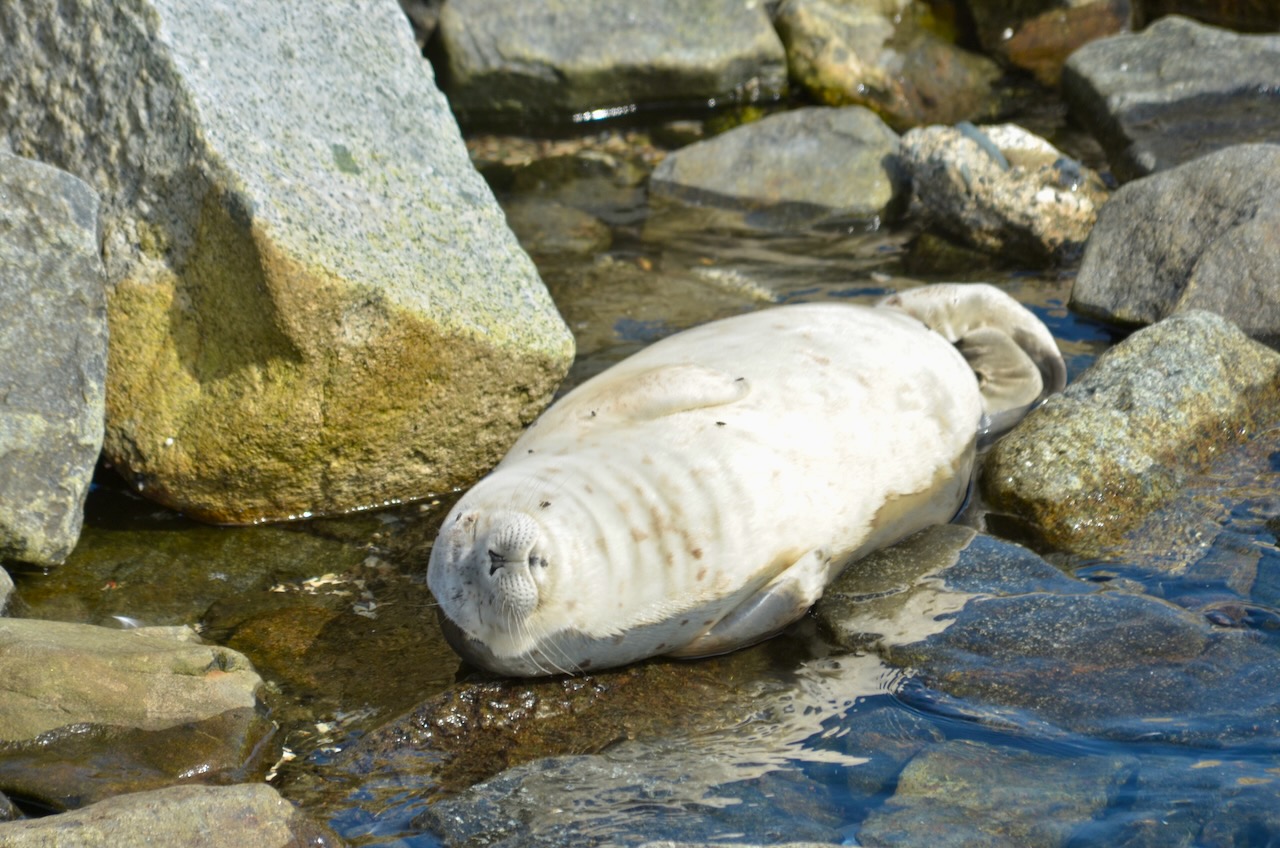
August 6

Wildlife Notes:

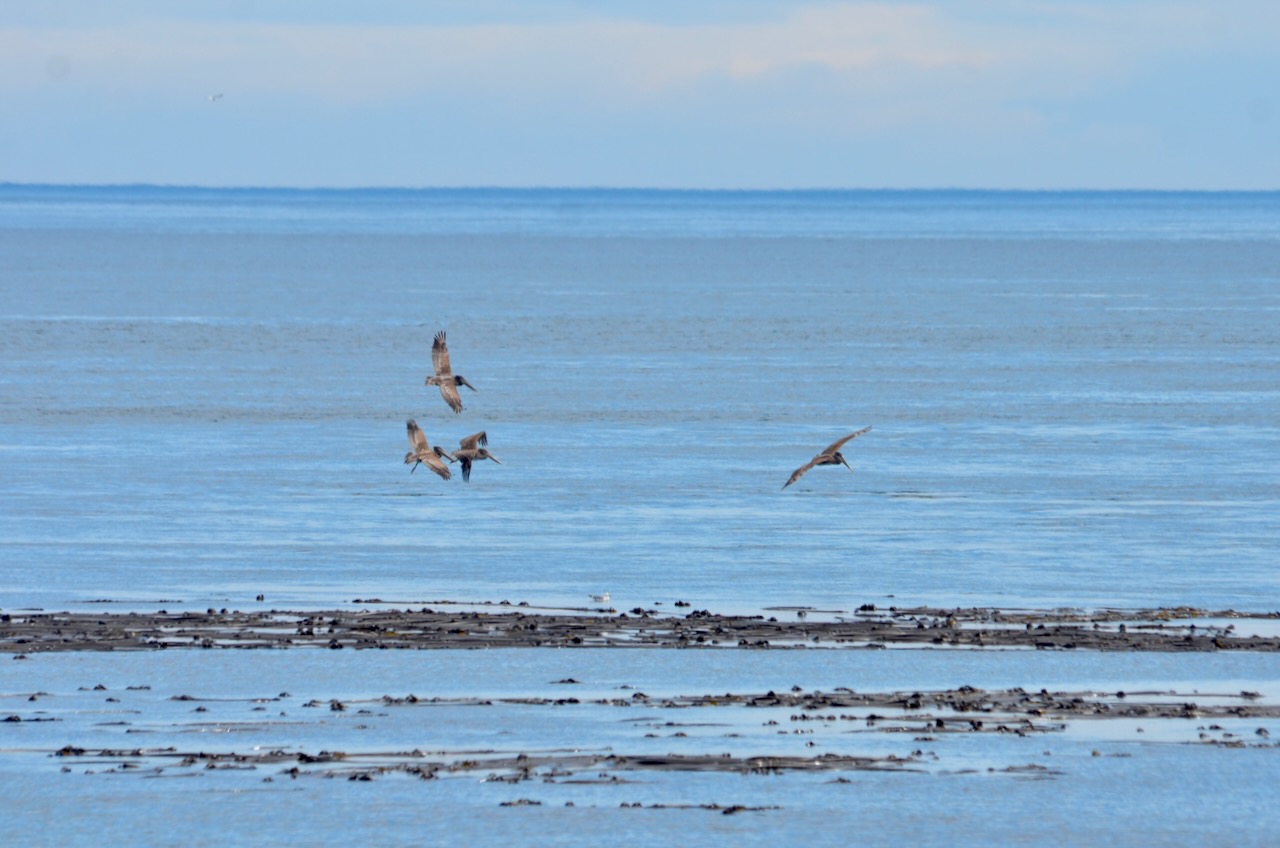
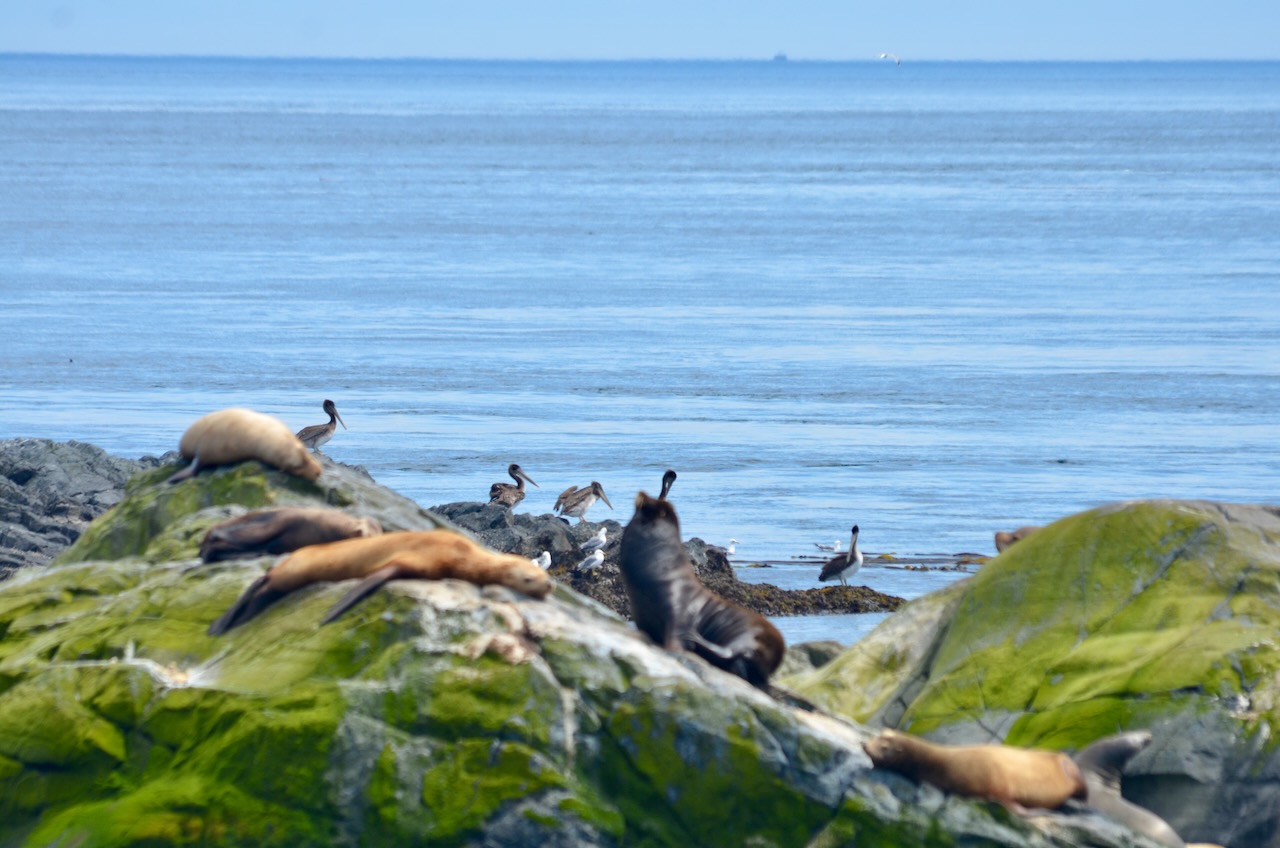
  • A scoop of brown pelicans stopped by the ecological reserve this afternoon. They rested and preened on the South Islands before taking off a couple hours later. A group of pelicans can go by many names: brief, fleet, pod, pouch, scoop, and squadron.
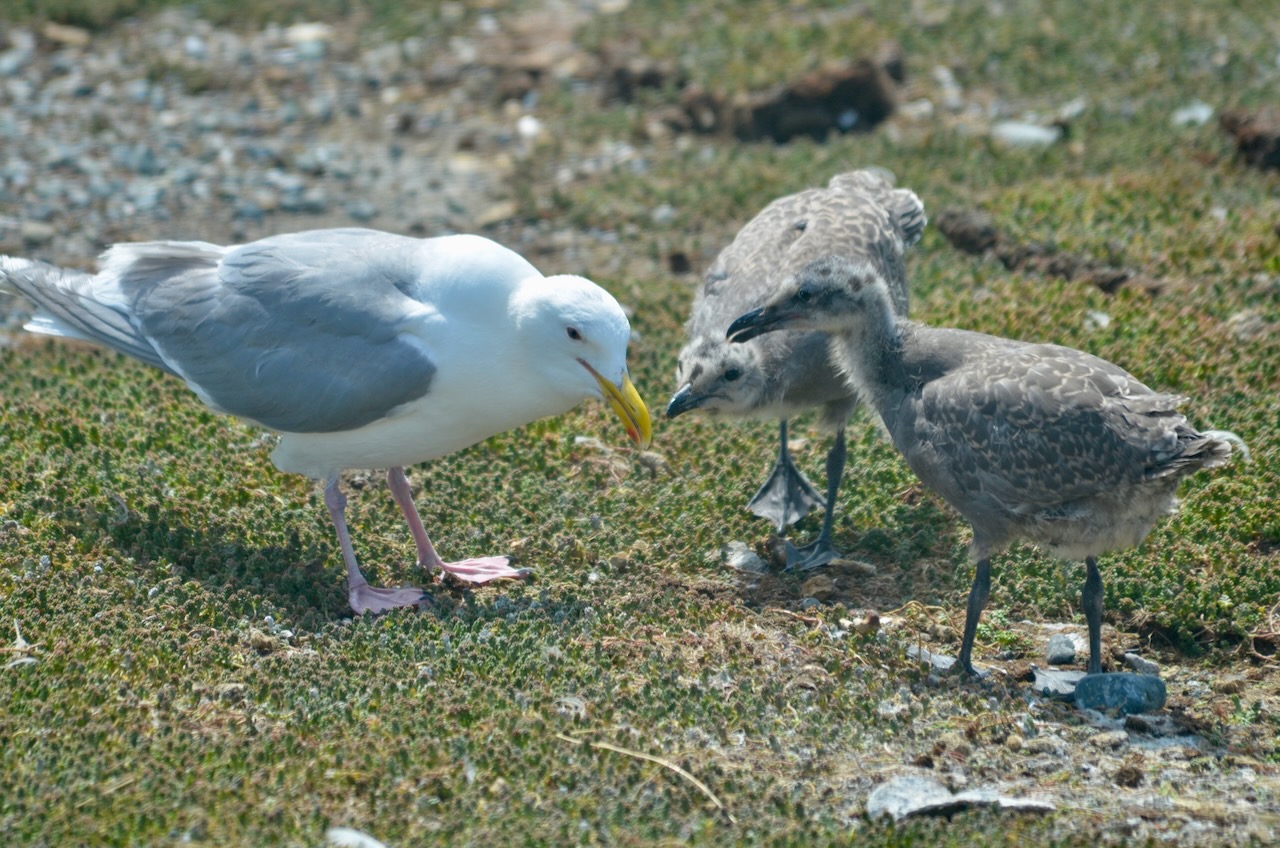
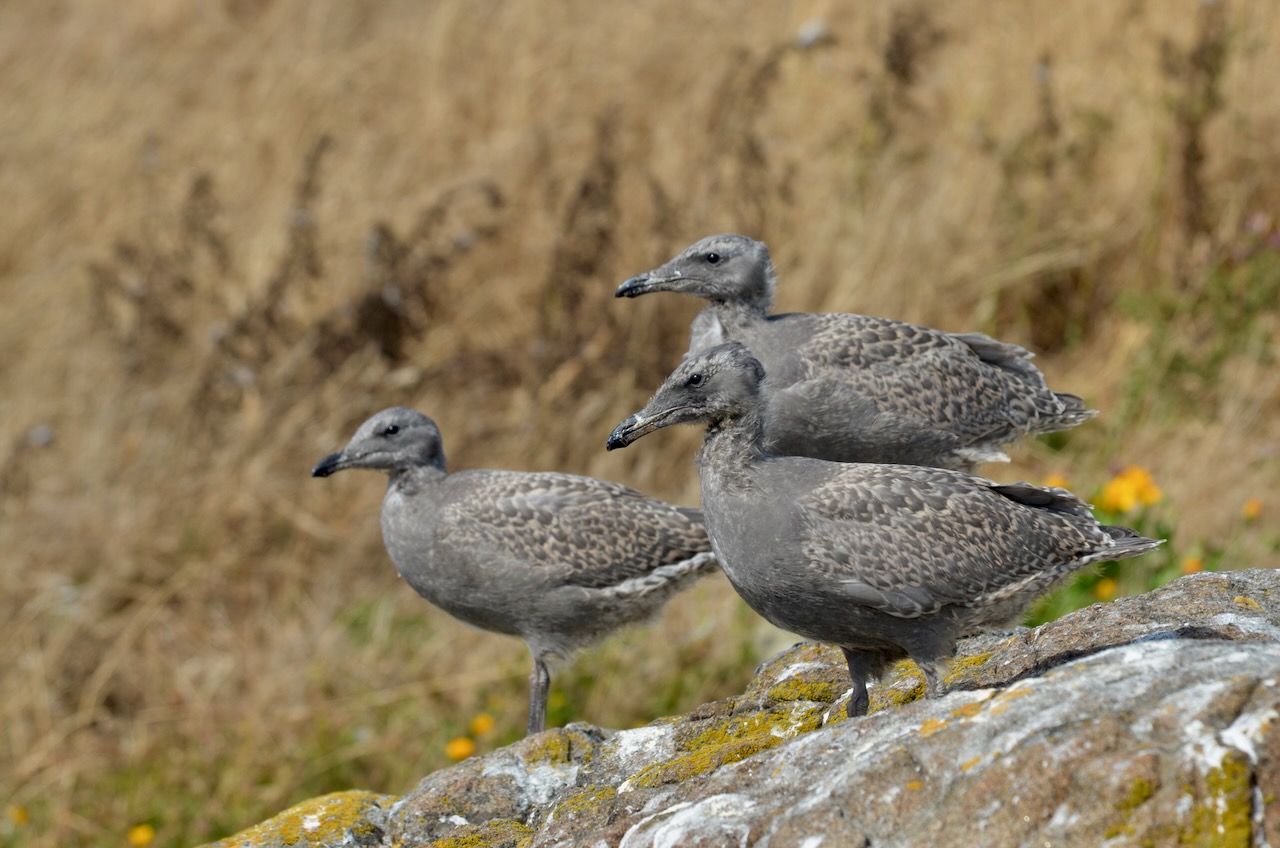
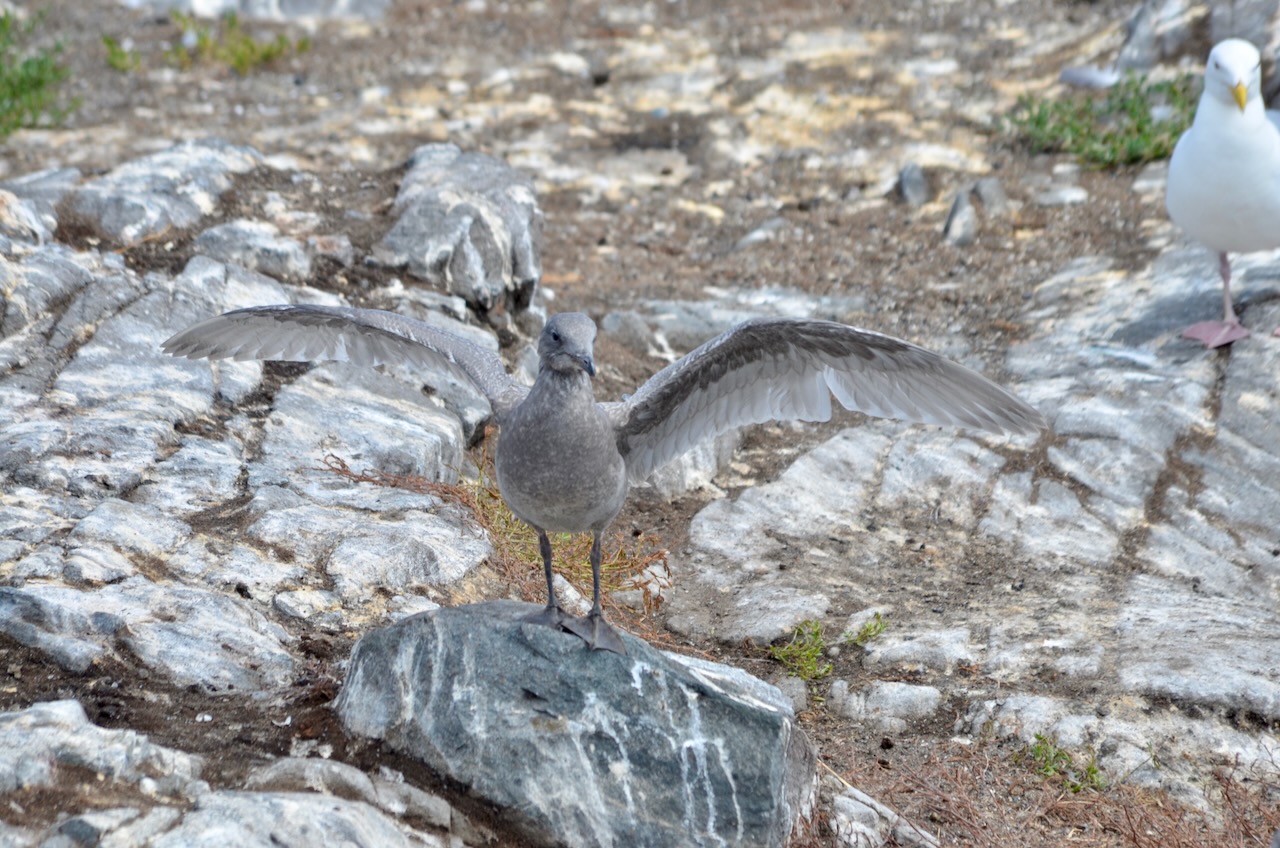
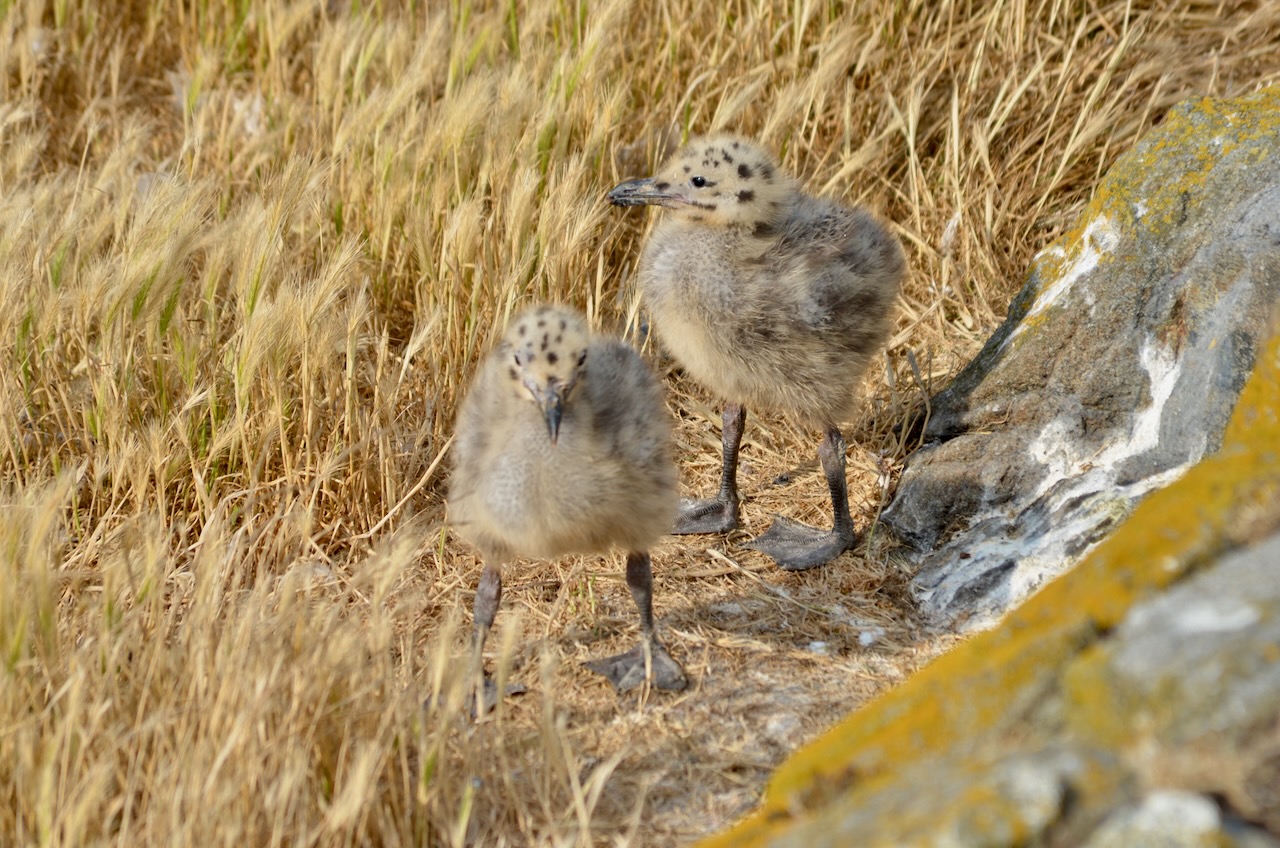
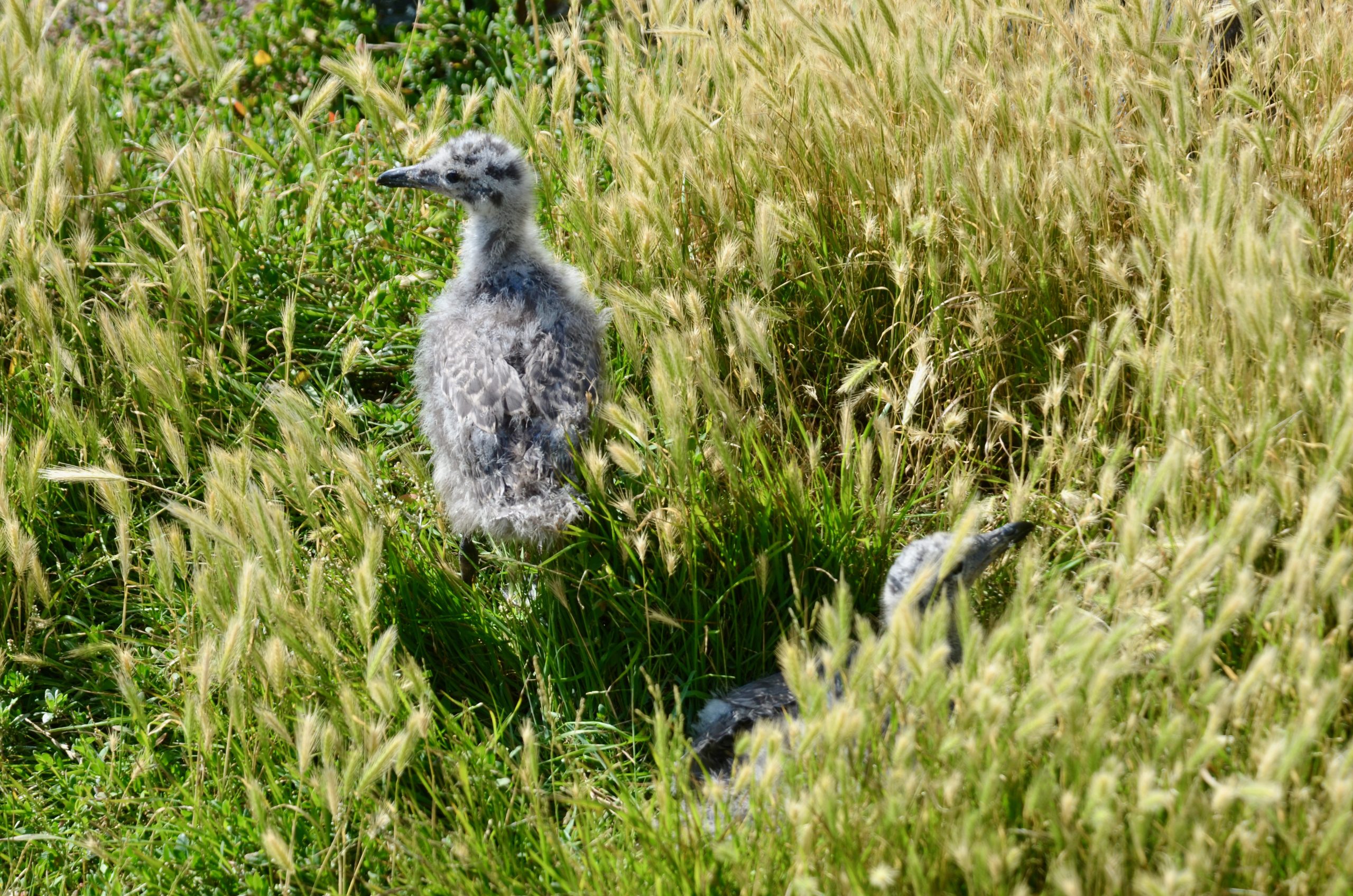
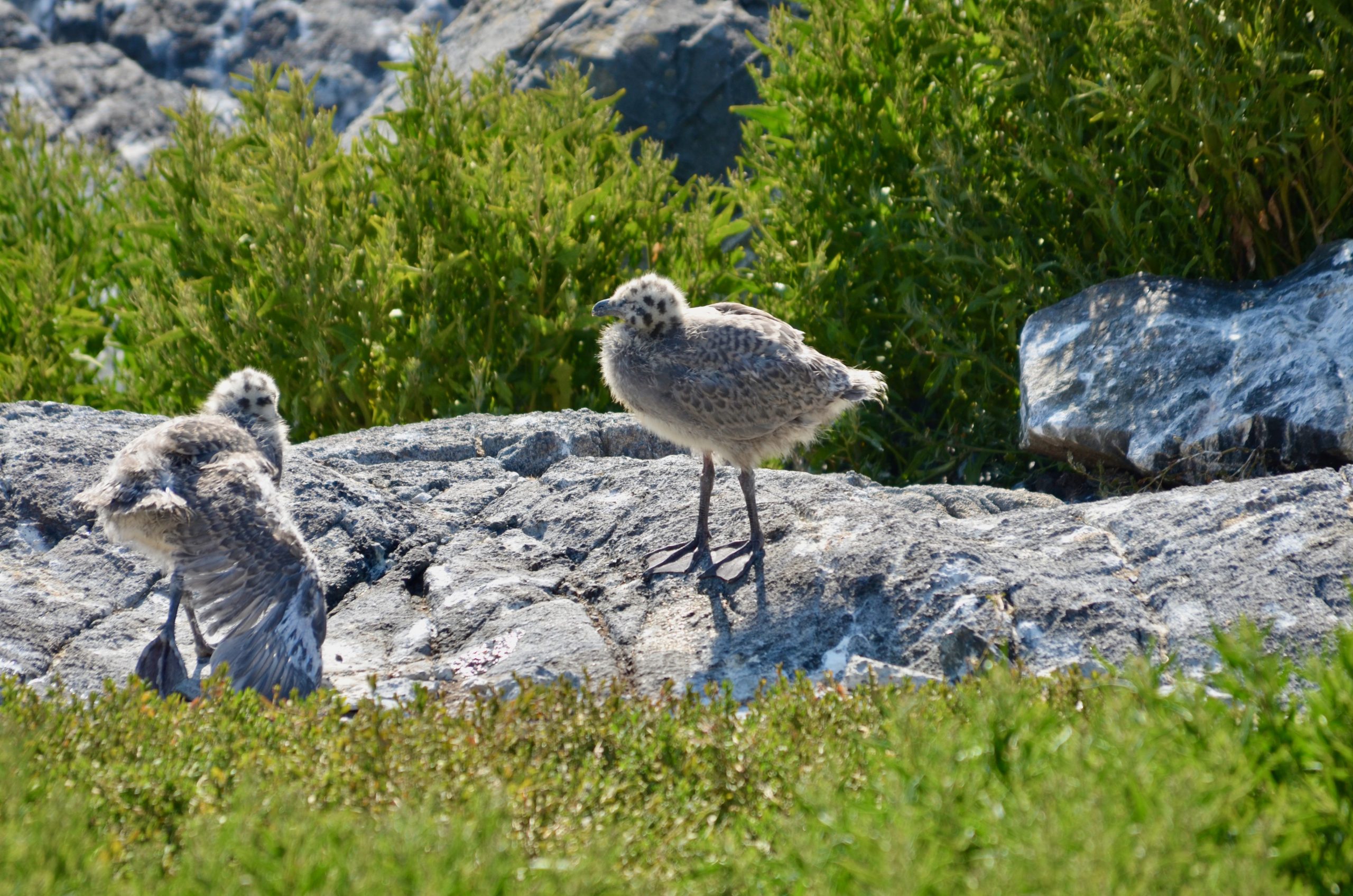
  • Many of the gull chicks are practicing their take offs and landings. Some are getting about 30 cm or higher off the ground during their wing strengthening exercises. Soon they will all take flight! Then I can stop walking around with a broom over my head to prevent the gull parents from attacking me.

Facility work:

  • The generator ran automatically this morning when the battery voltage dipped down to 47.8V just before 07:00am. The batteries did not fully charge from solar power yesterday due to the clouds. The generator ran for almost seven hours today, using about 30 L of diesel. The battery state of charge went from 65% to 100%, with only some assistance from solar energy since it was cloudy this morning.
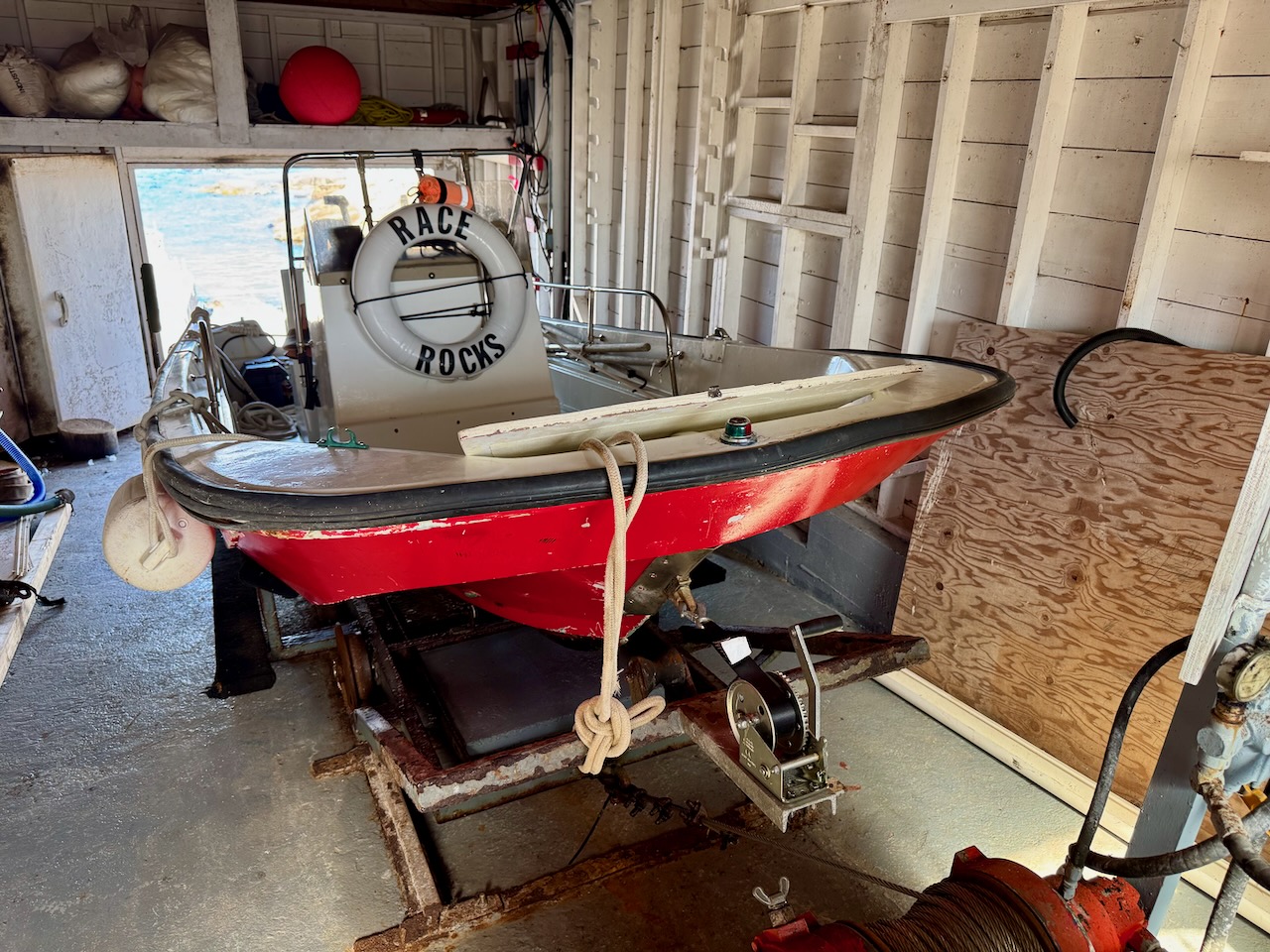
  • Changed the relatively much smaller 12V battery in station boat after charging it for a couple days.

Vessels:

  •  Ecotourism: 17
  •  Private: 3

Weather:

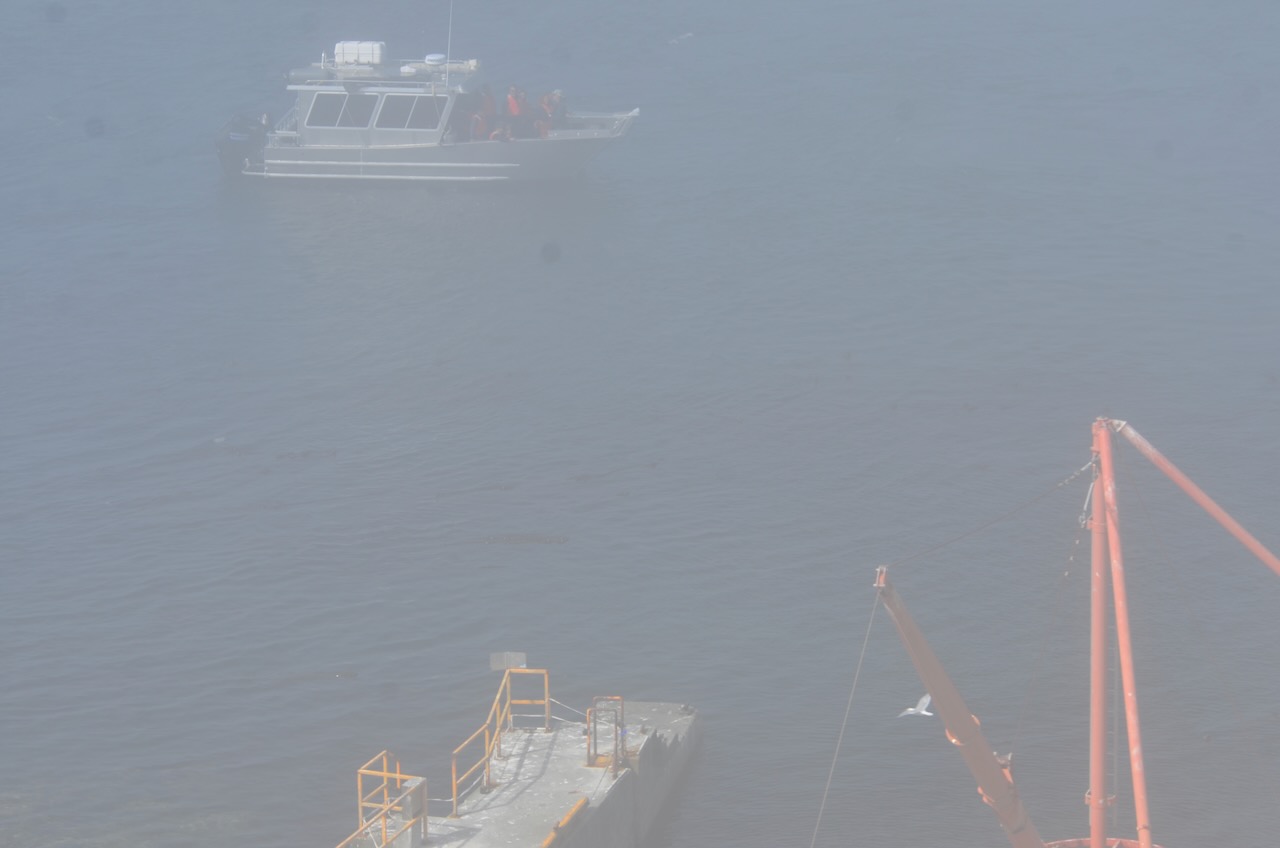
  • Sky: Cloudy this morning, partly cloudy this afternoon, fog patches in the evening
  • Wind: variable early this morning, west 4-30 knots from mid morning onwards
  • Sea: rippled for most of the day, then up to 3′ chop in the evening
  • Air temperature: low 13 °C, high 18 °C
  • Seawater temperature at max flood: 10.7°C

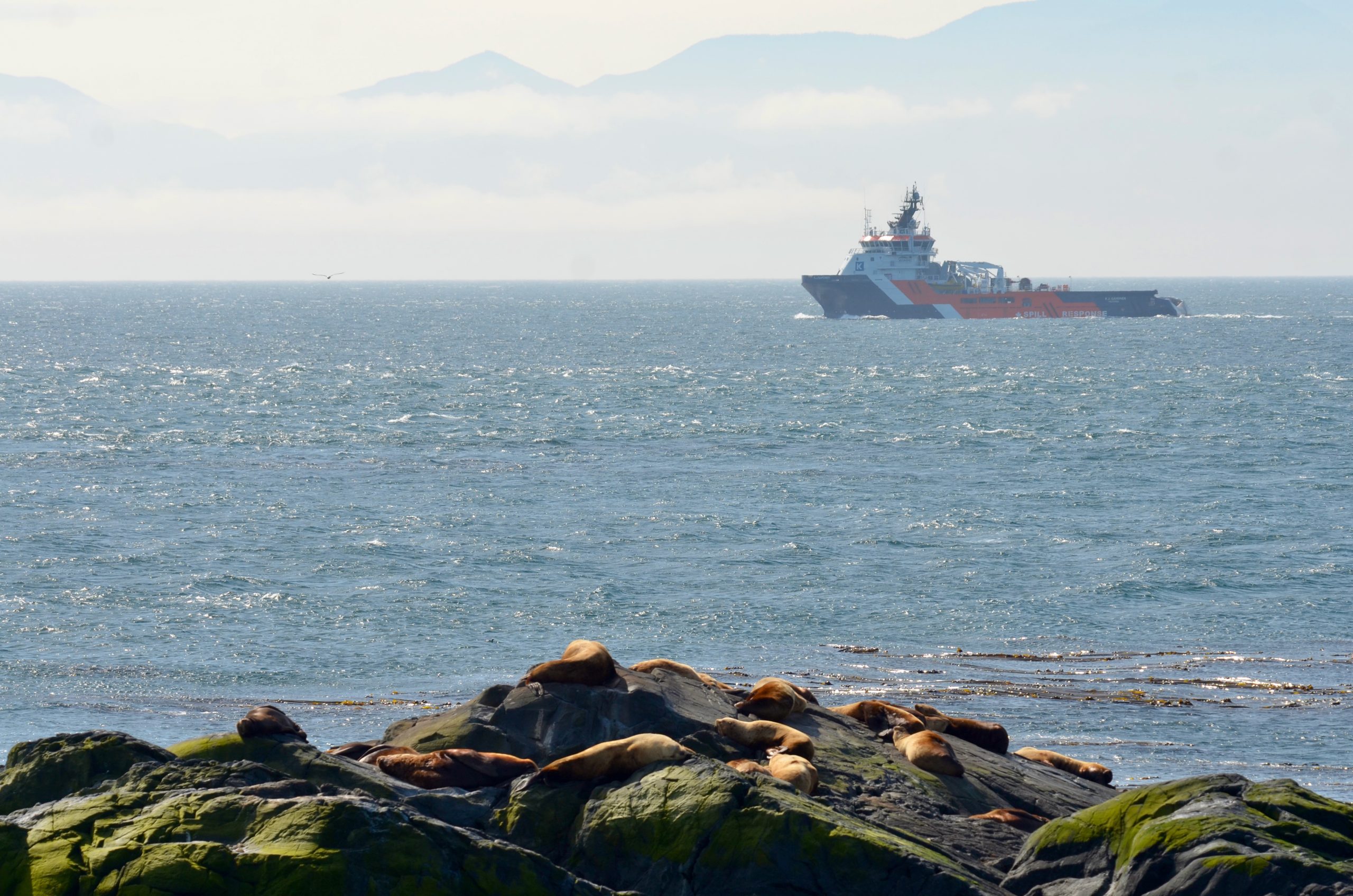
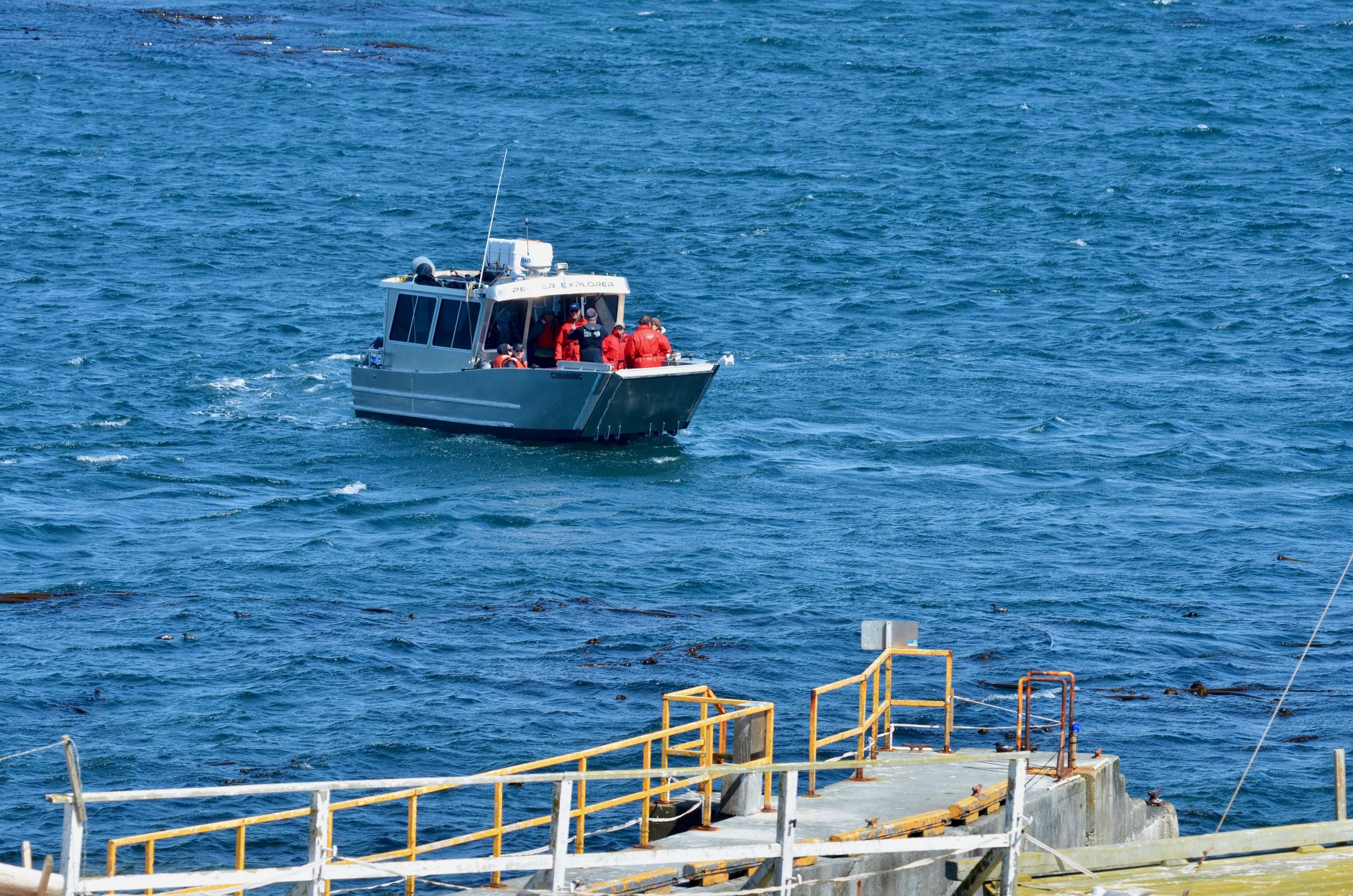
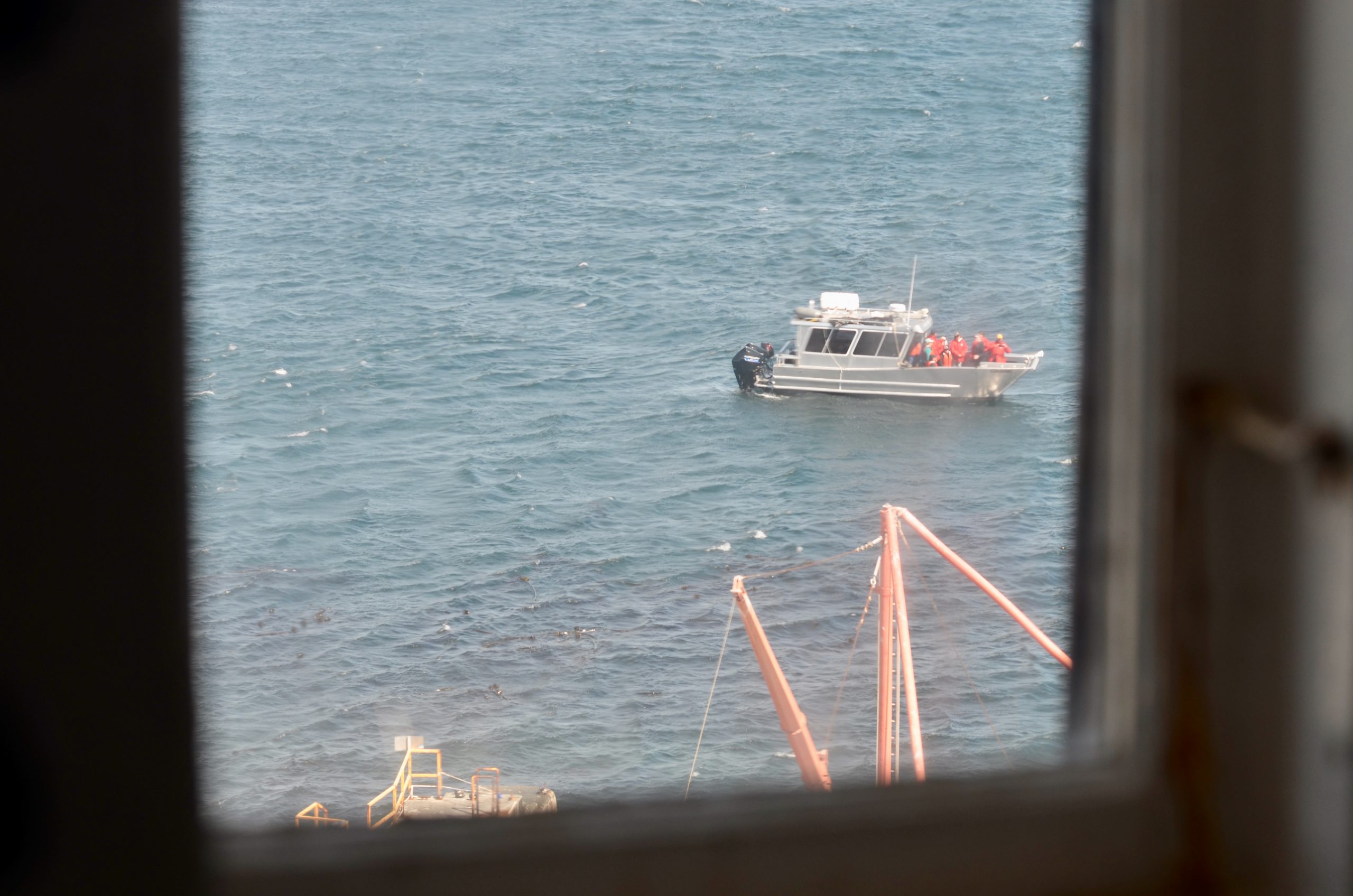
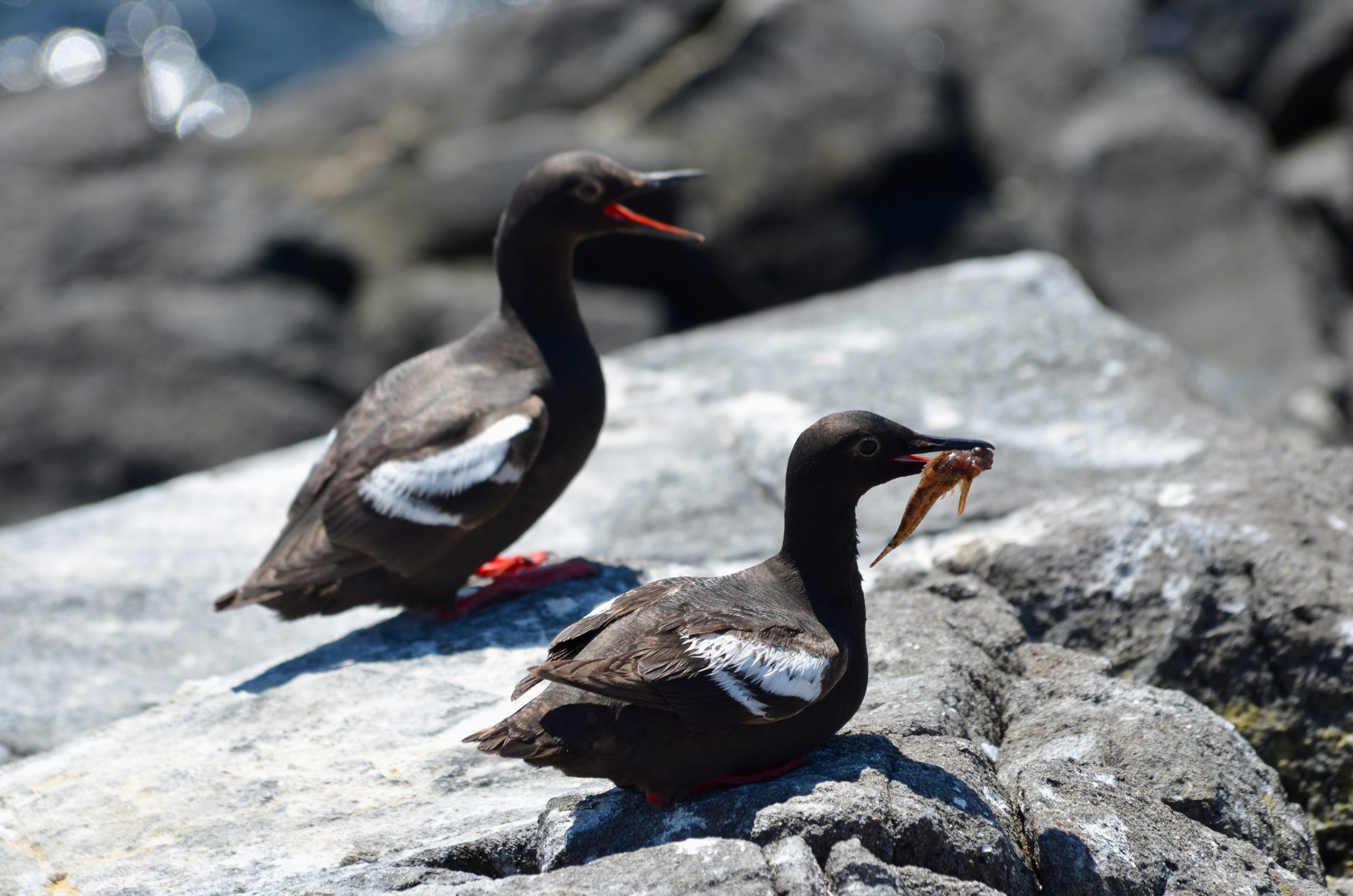
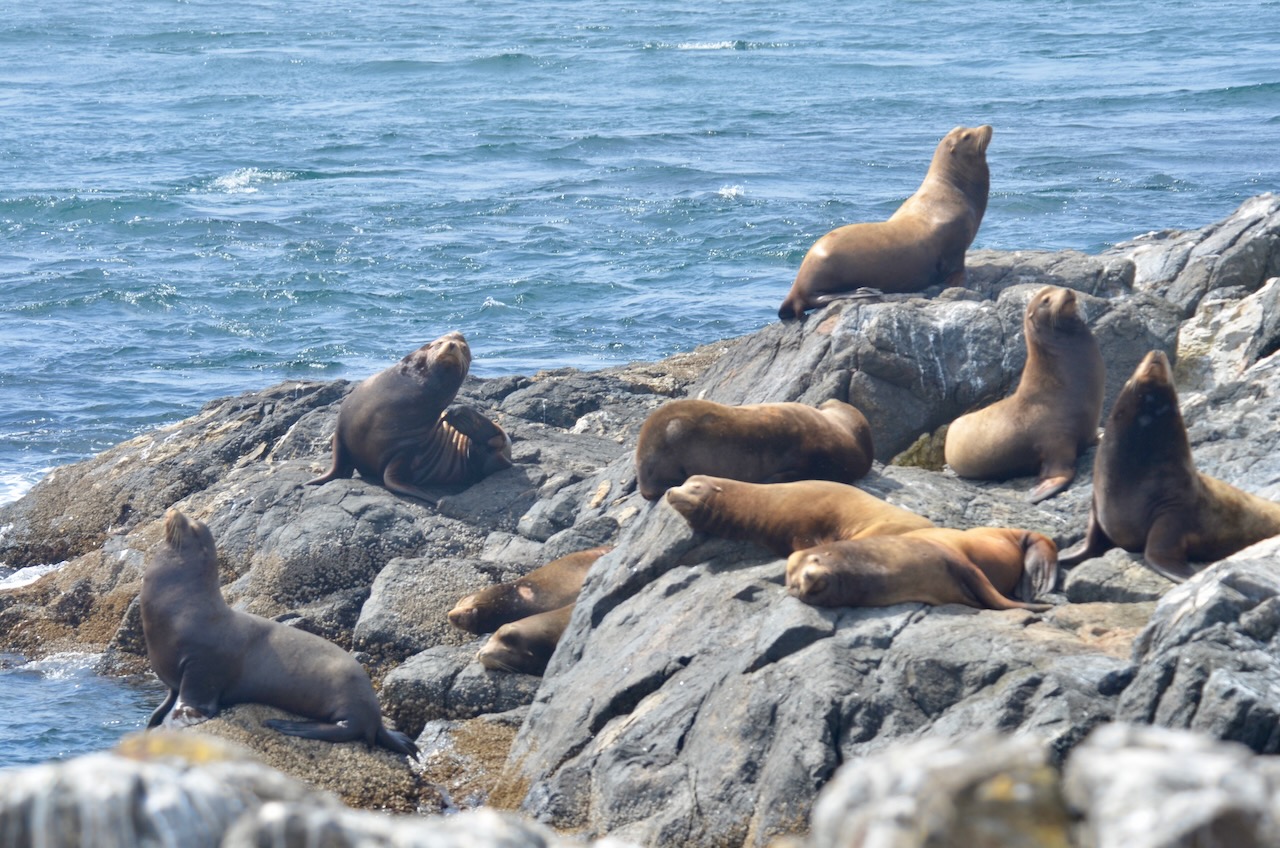
Photos from today:

*All wildlife photos are taken at the furthest distance possible, and may be cropped to improve detail.
August 5

Wildlife Notes:

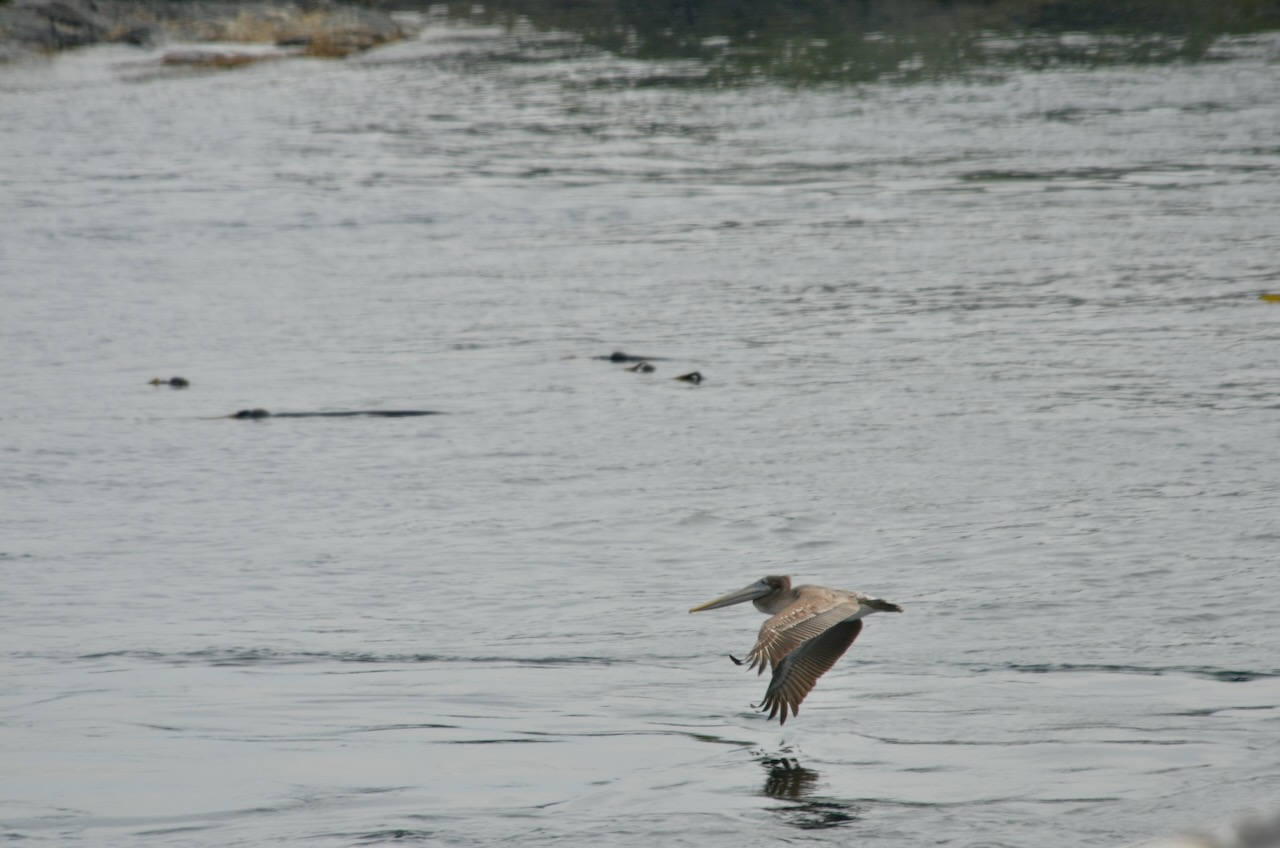
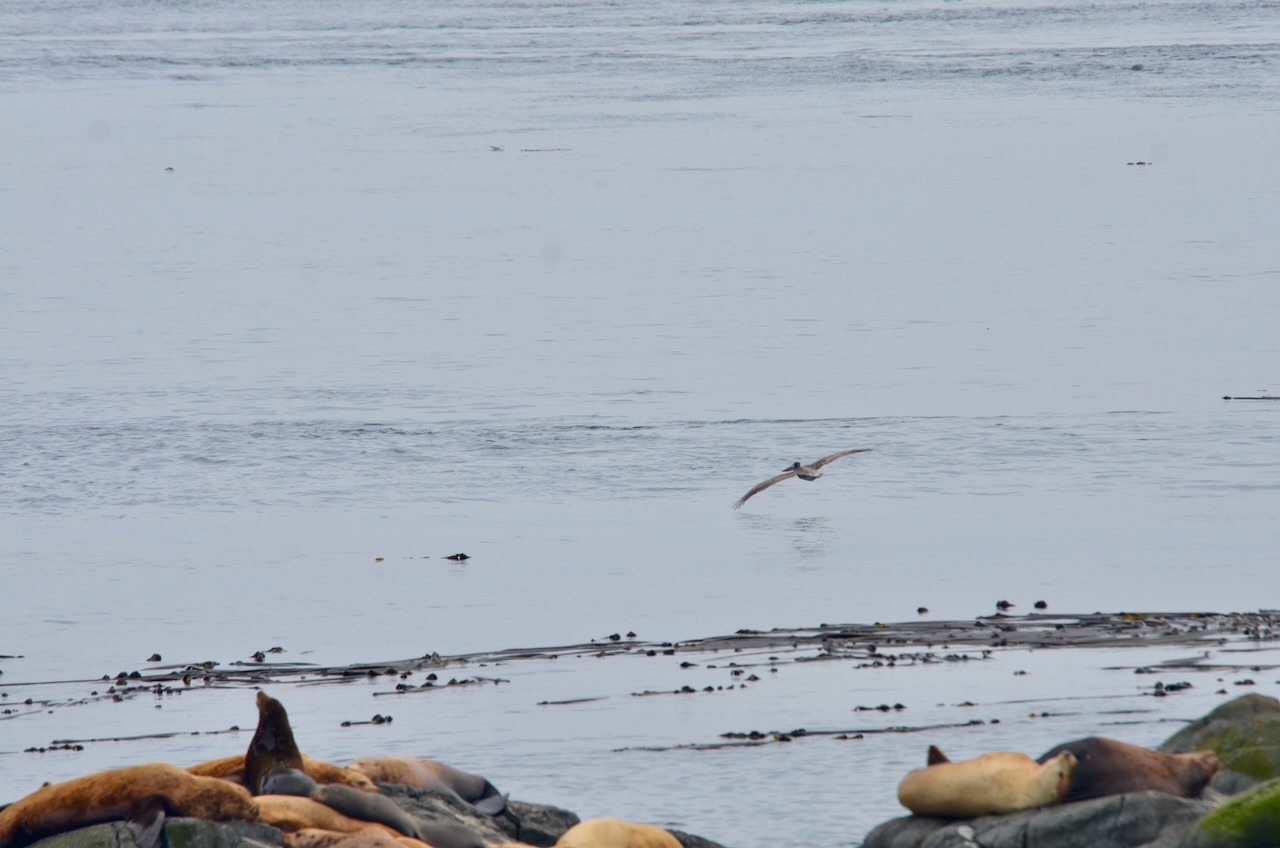
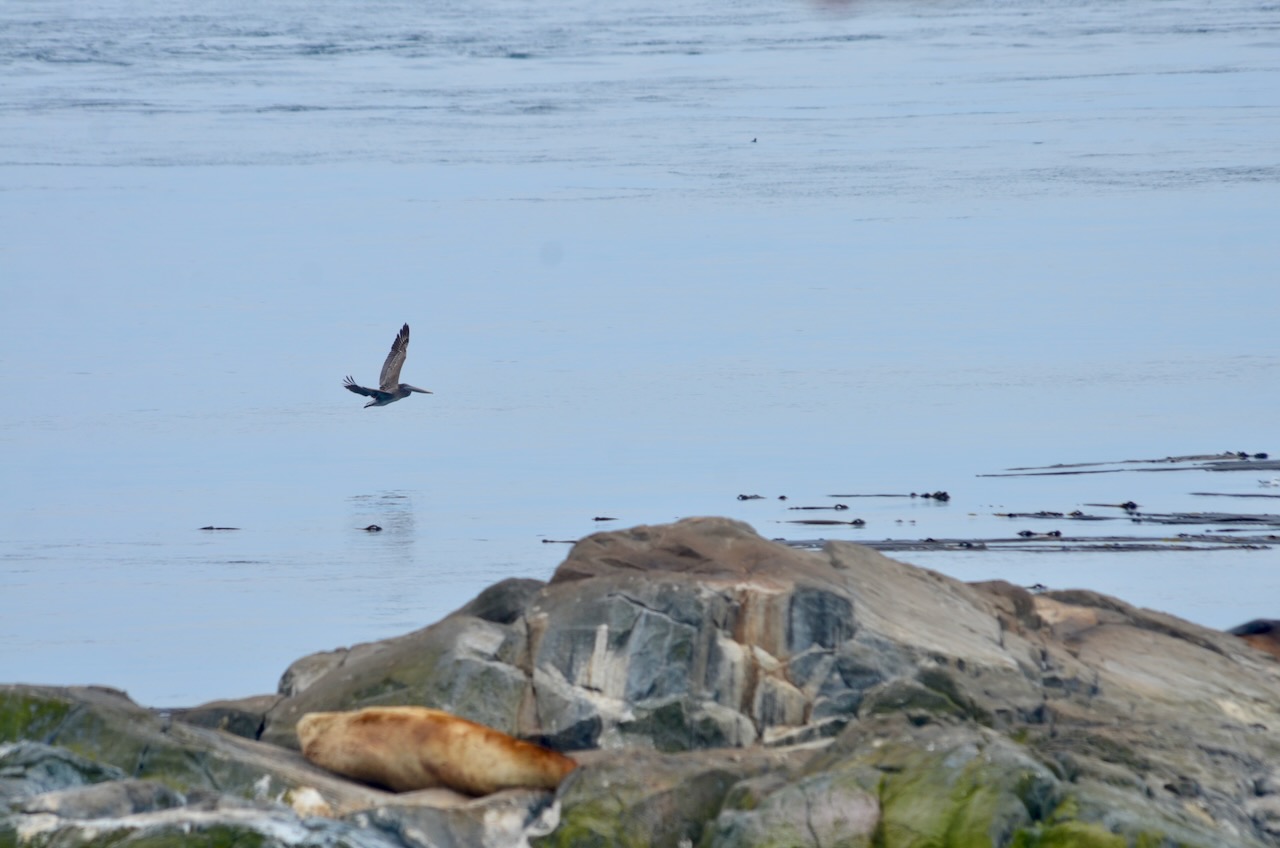
  • A brown pelican flew by the ecological reserve this afternoon, stopping off briefly in the water on the east side, just past the large kelp bed. The pelican did not stay long before flying back through the south channel, which allowed me to snap photos (see below) of the big bird in flight.
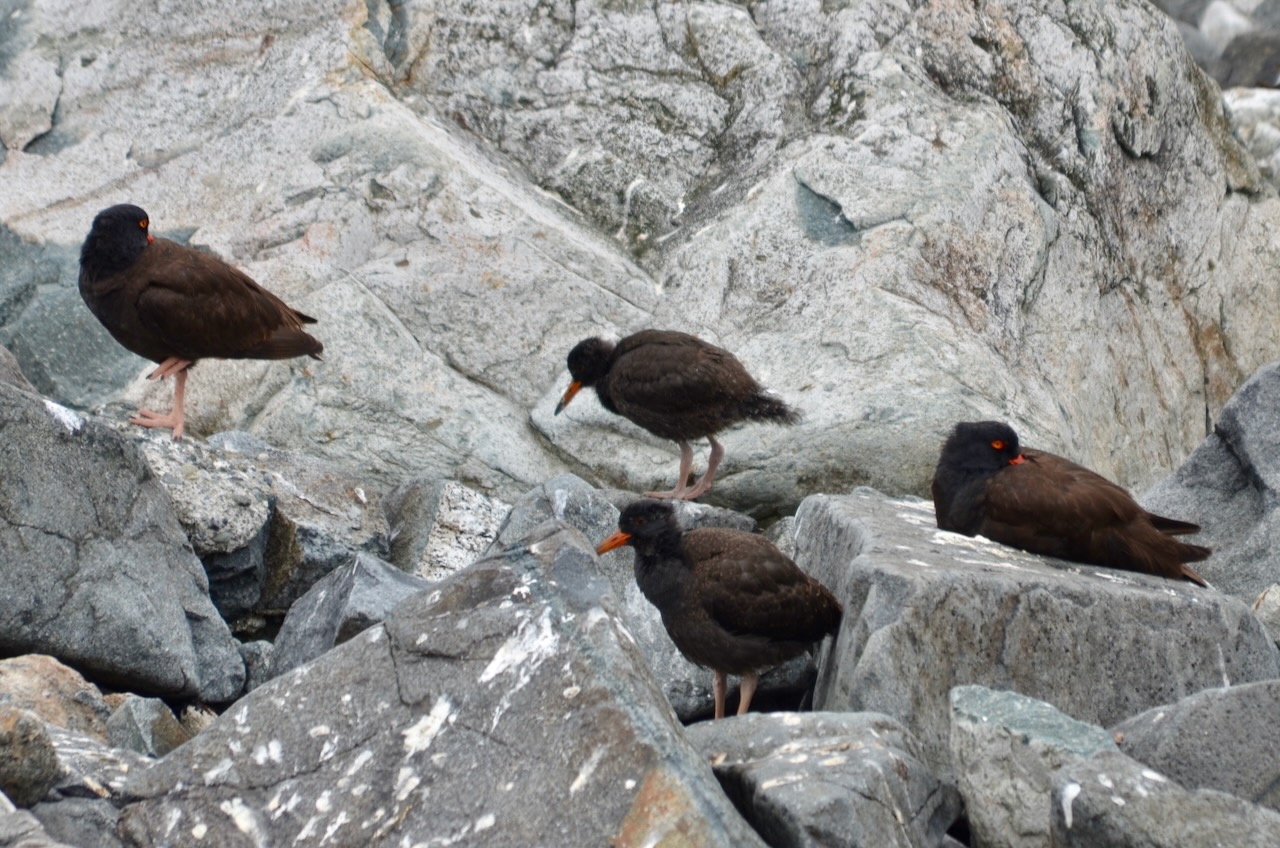
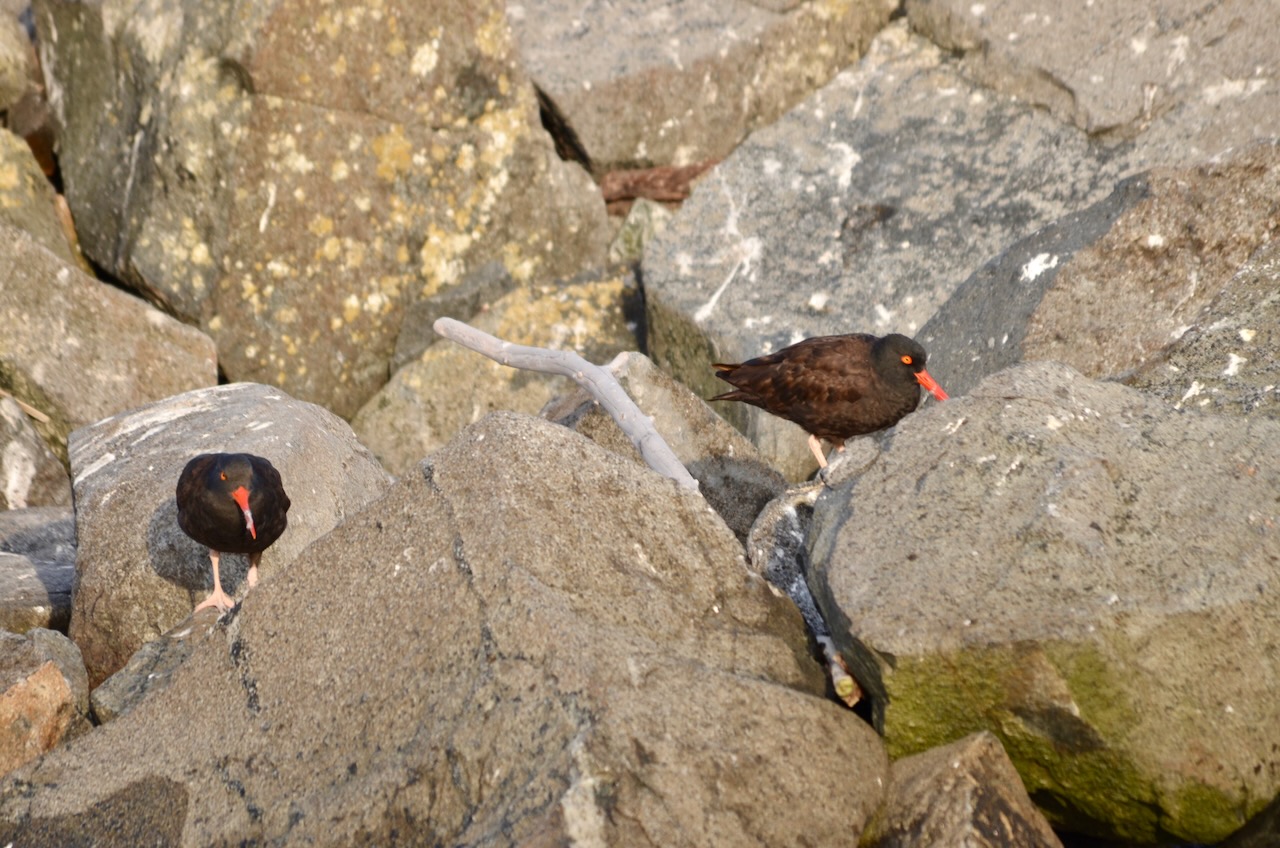
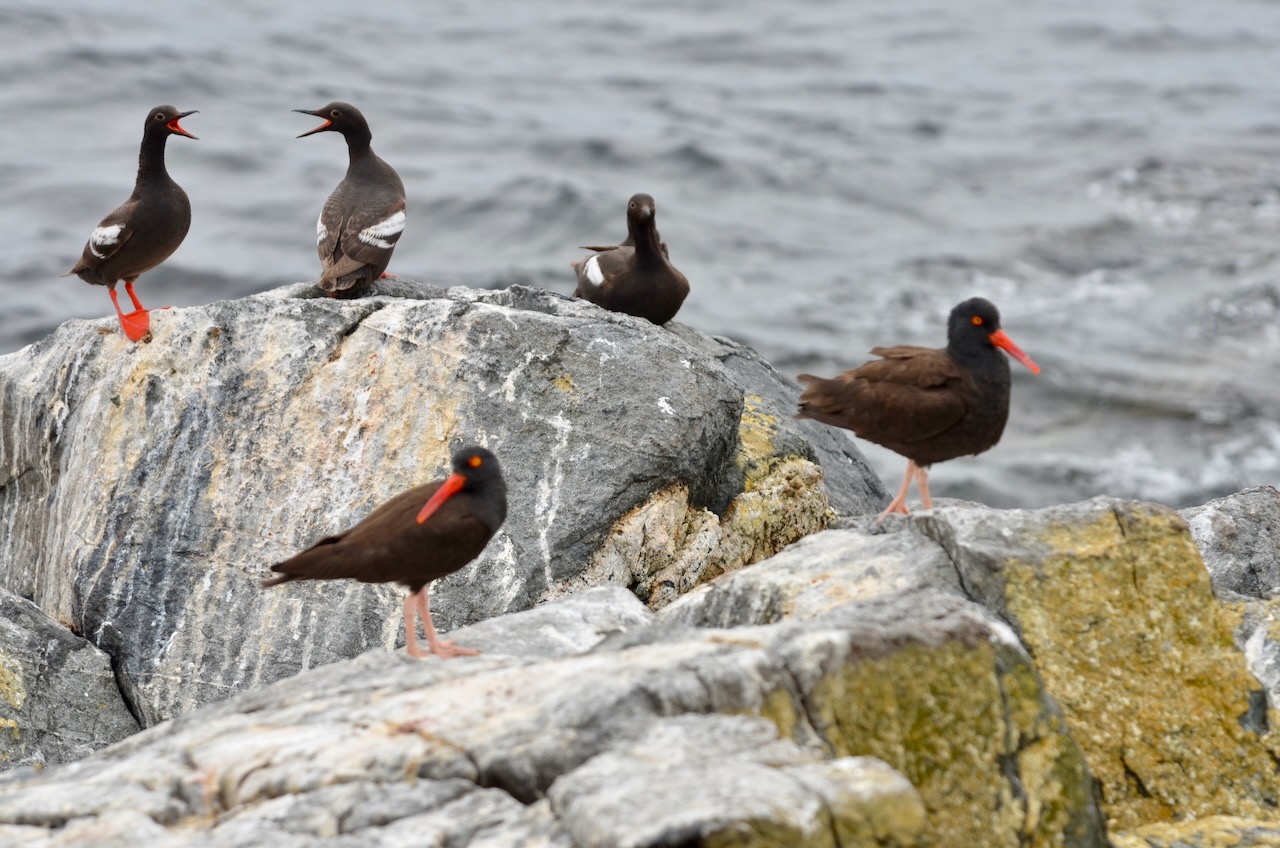
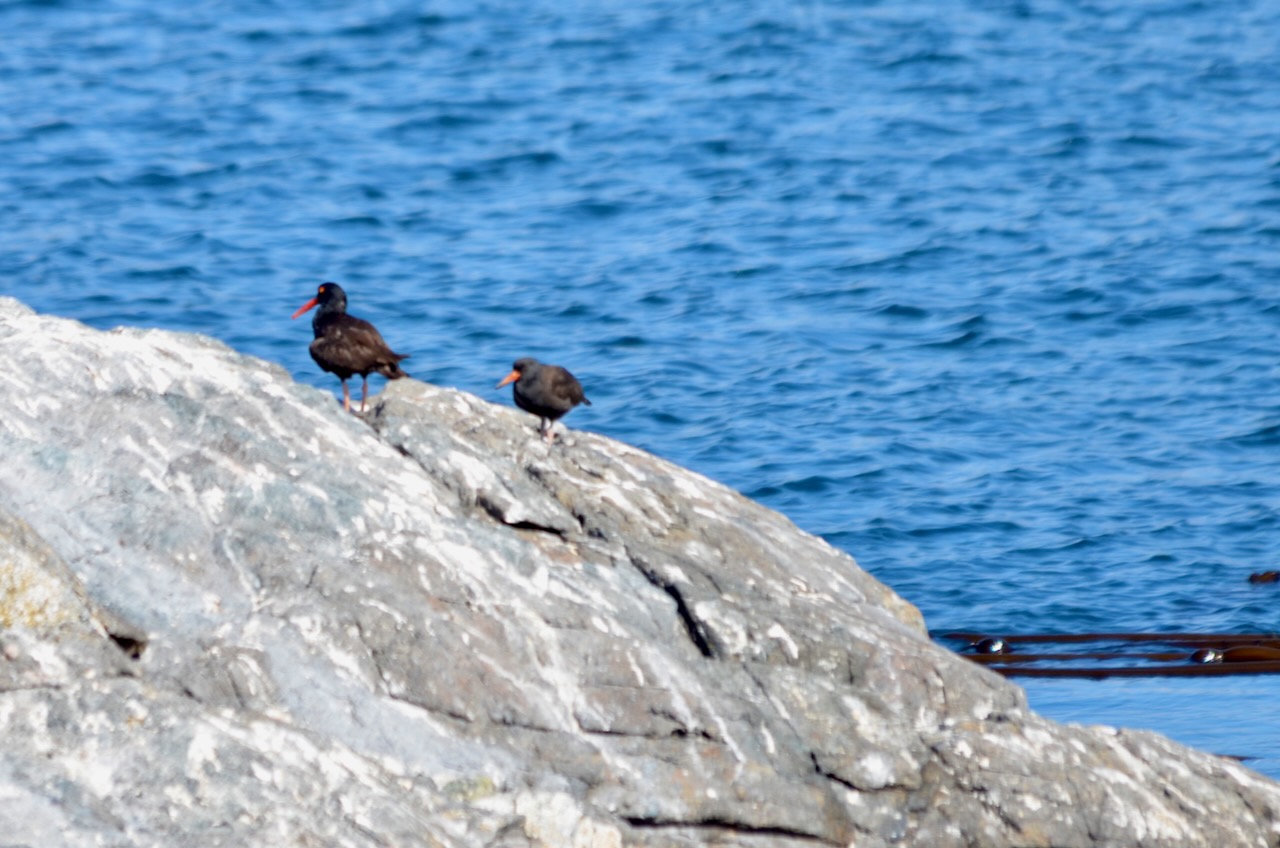
  • After five days off looking from afar, I finally was able to see some of this year’s black oystercatcher chicks. Christine’s map of oystercatcher nests from June 1 has helped me find where the oystercatcher pairs are located, but the chicks are either too well camouflaged or are no longer around.
    This afternoon, two chicks and their parents were between the ecoguardian’s house and the edge of the east beach. The chicks are looking more like adults with their orange bills, pink legs, and black feathers. Like other chicks born on Race Rocks, they begin their lives blending into the rocks as grey fluff balls.
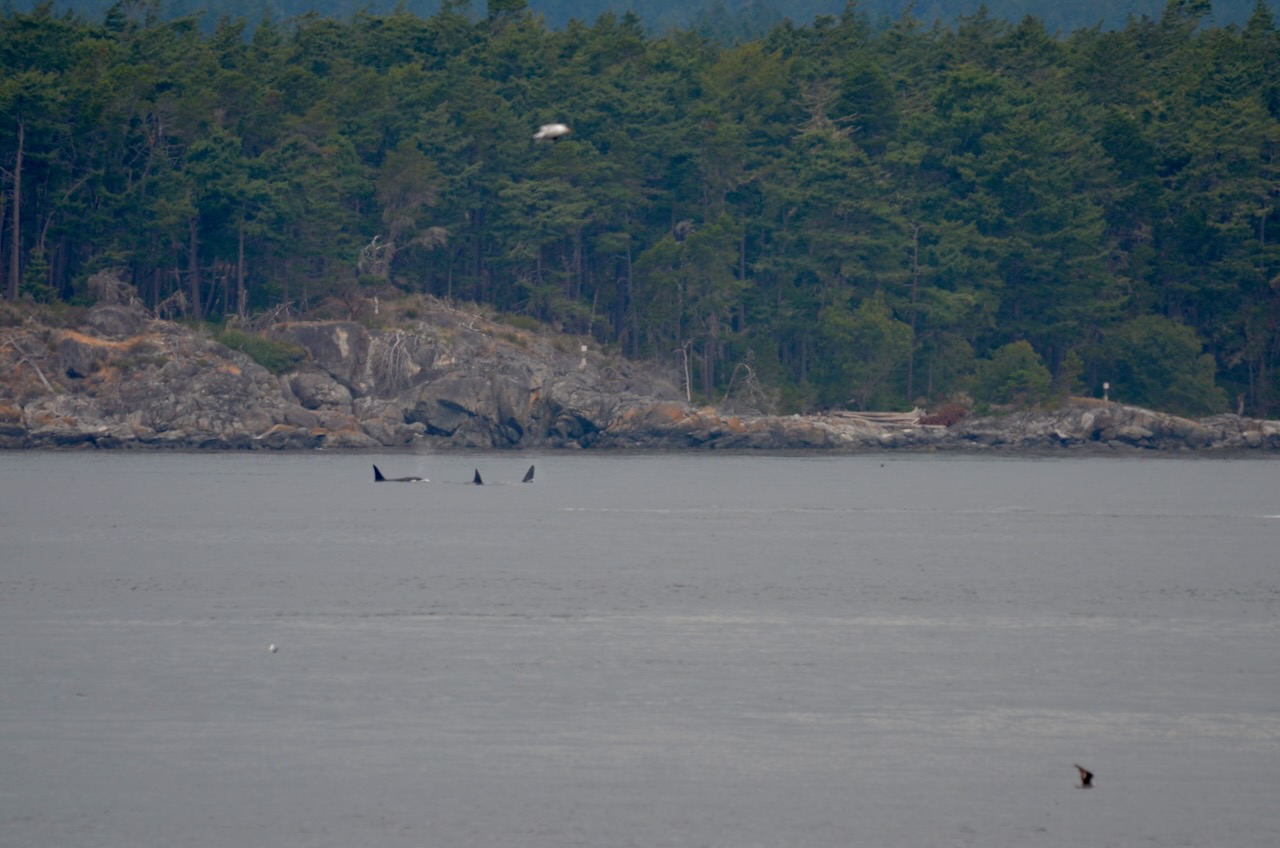
  • This afternoon, there was a flock of ecotour boats gathering to the northwest of the ecological reserve. A pod of orcas in Race Passage (directly to the north) were travelling near the shore of Bentinck Island.

Facility work:

  • Top up the water in the batteries
  • General tidying
  • Take measurements for an instrument installation

Vessels:

  •  Ecotourism: 18

Weather:

  • Sky: Cloudy
  • Wind: variable 0-18 knots
  • Sea: rippled
  • Air temperature: low 13 °C, high 16 °C
  • Seawater temperature at max flood: 11.4°C

Photos from today:

*All wildlife photos are taken at the furthest distance possible, and may be cropped to improve detail.
August 4

Wildlife Notes:

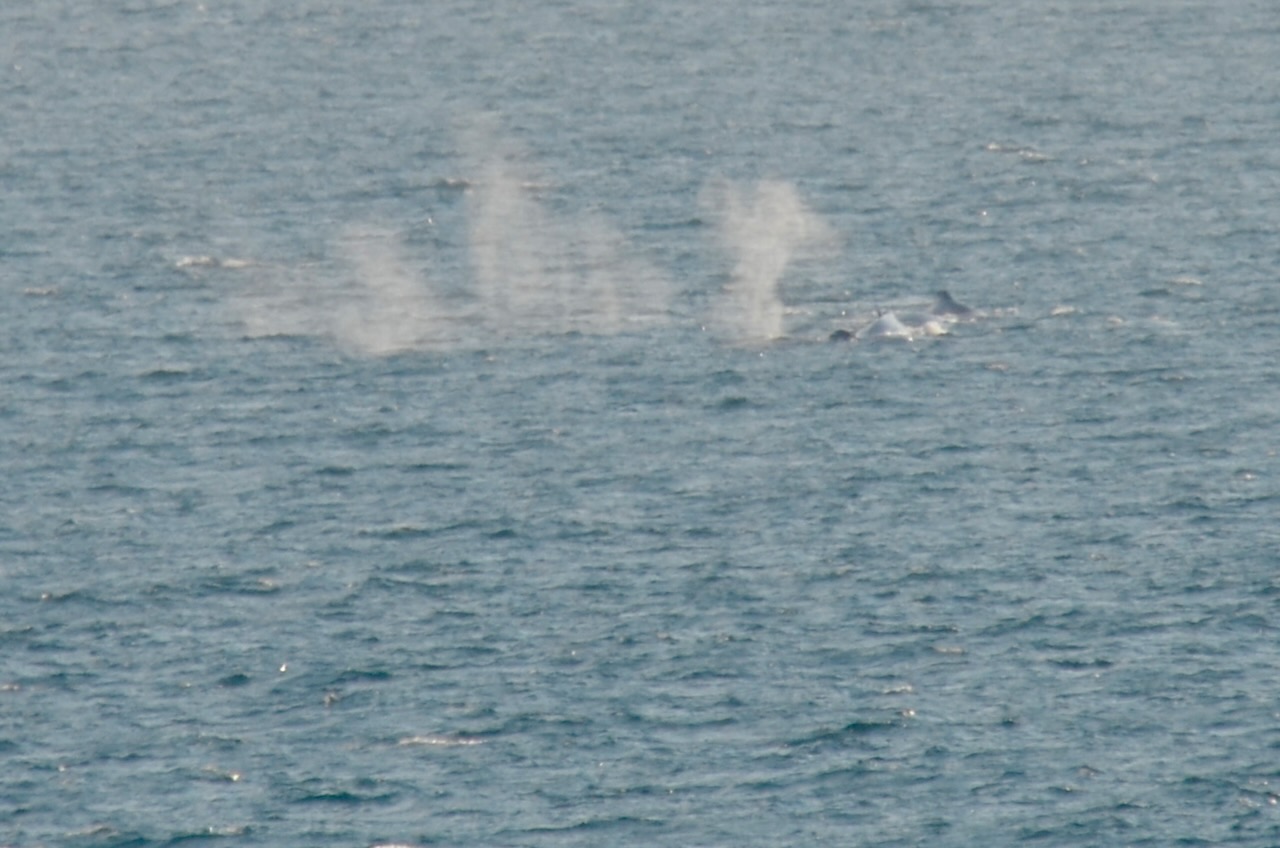
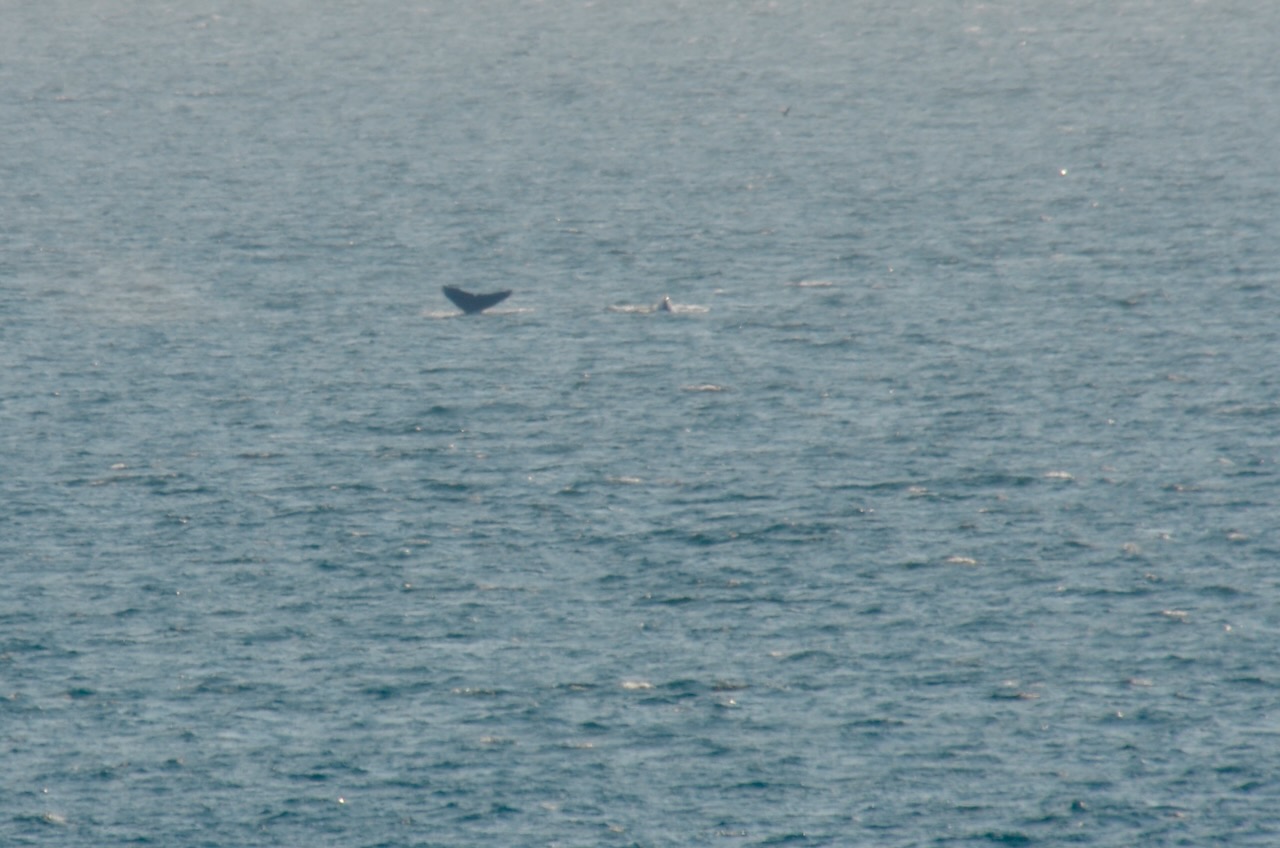
There were many humpbacks to the south of the ecological reserve again today. They were too far away to get any decent photos even with the 400mm lens.

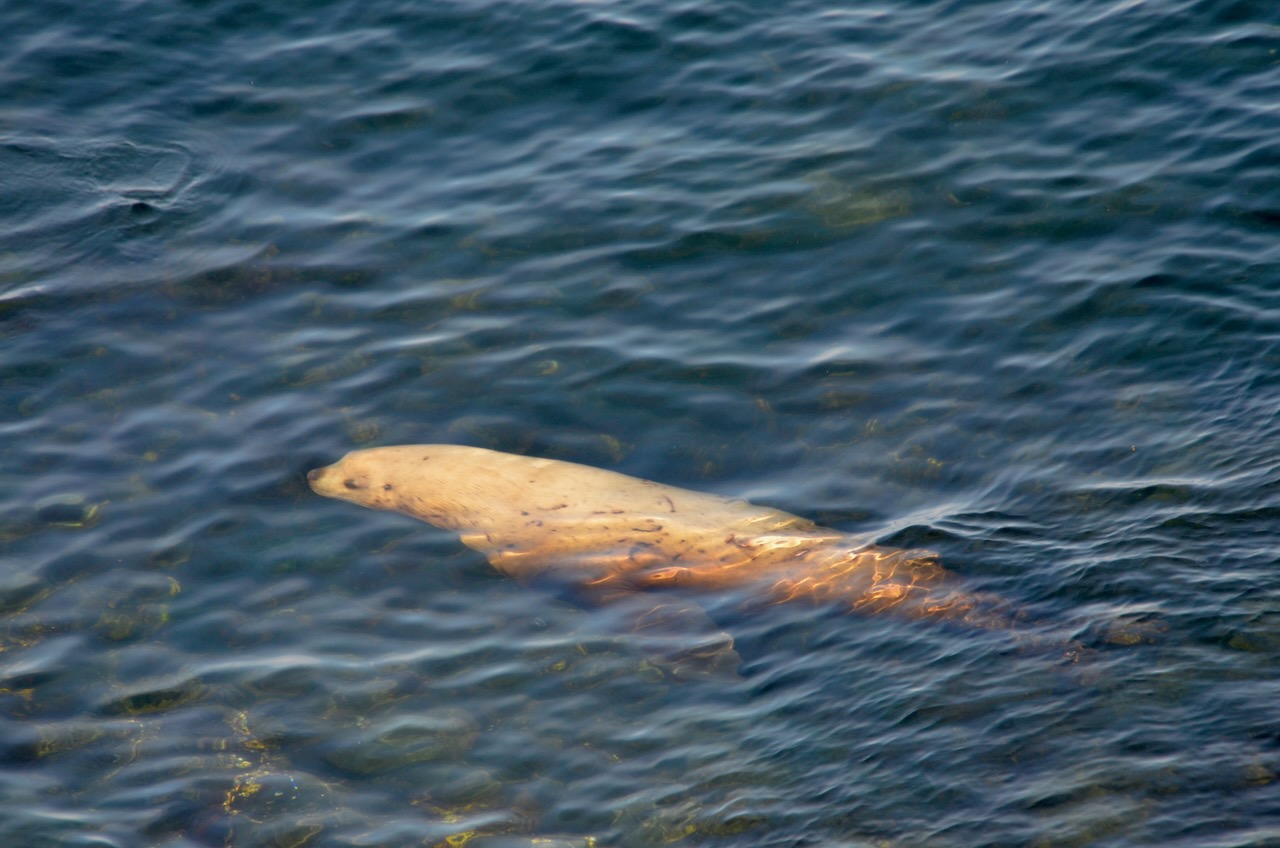
The population of the California sea lions is increasing by a few each day. I woke up this morning to their barks in the east bay.

Facility work:

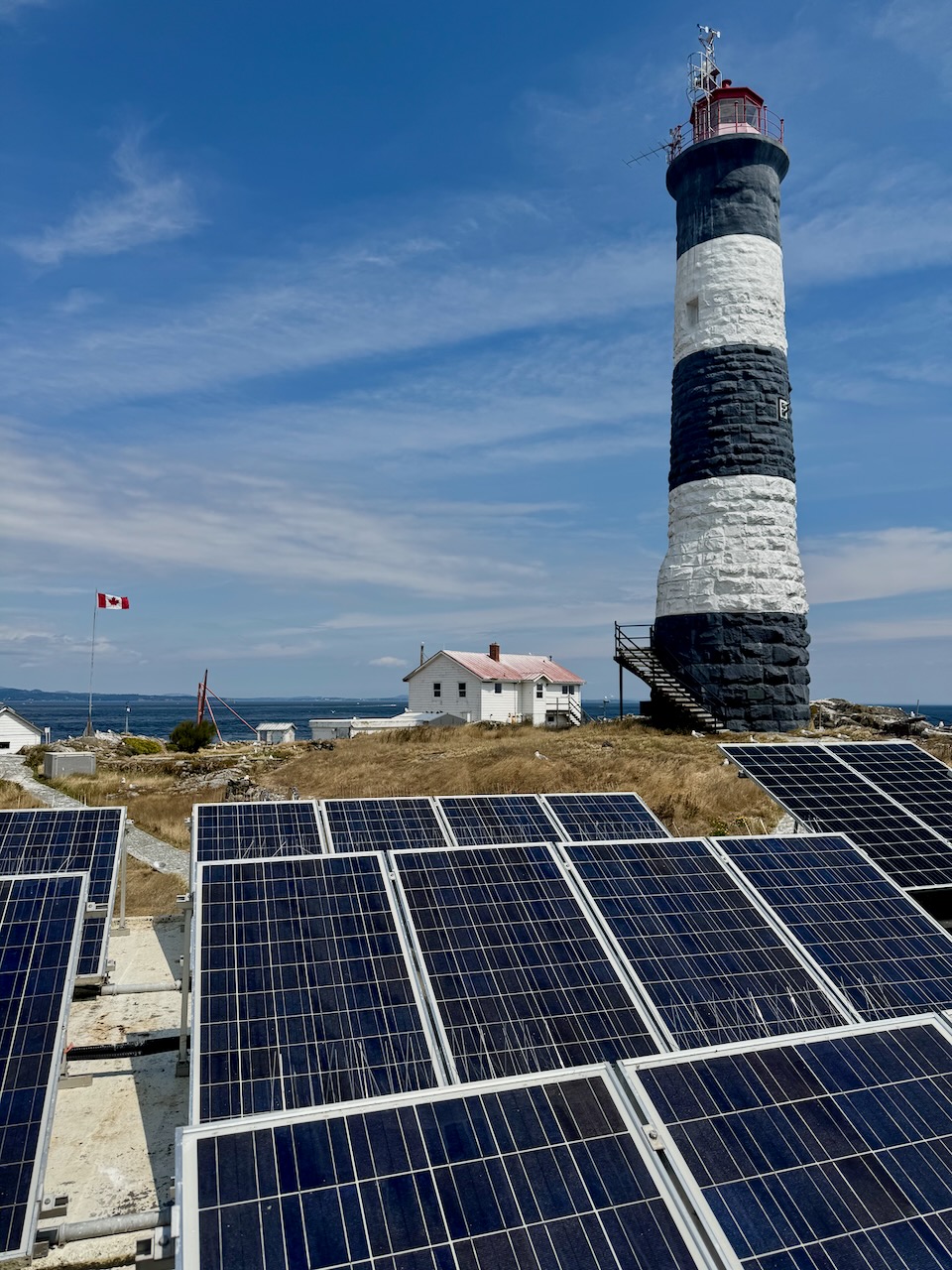
  • Clean the 44 solar panels
  • Check the electrical systems on the station boat
  • General tidying around the island’s buildings

Vessels:

  •  Ecotourism: 19
  •  Private: 5

Weather:

  • Sky: Partly cloudy
  • Wind: West 15-26 knots
  • Sea: 2′ to 3′ chop
  • Air temperature: low 12 °C, high 17 °C
  • Seawater temperature at max flood: 11.7°C

Photos from today:

*All wildlife photos are taken at the furthest distance possible, and may be cropped to improve detail.
August 3

Wildlife Notes:

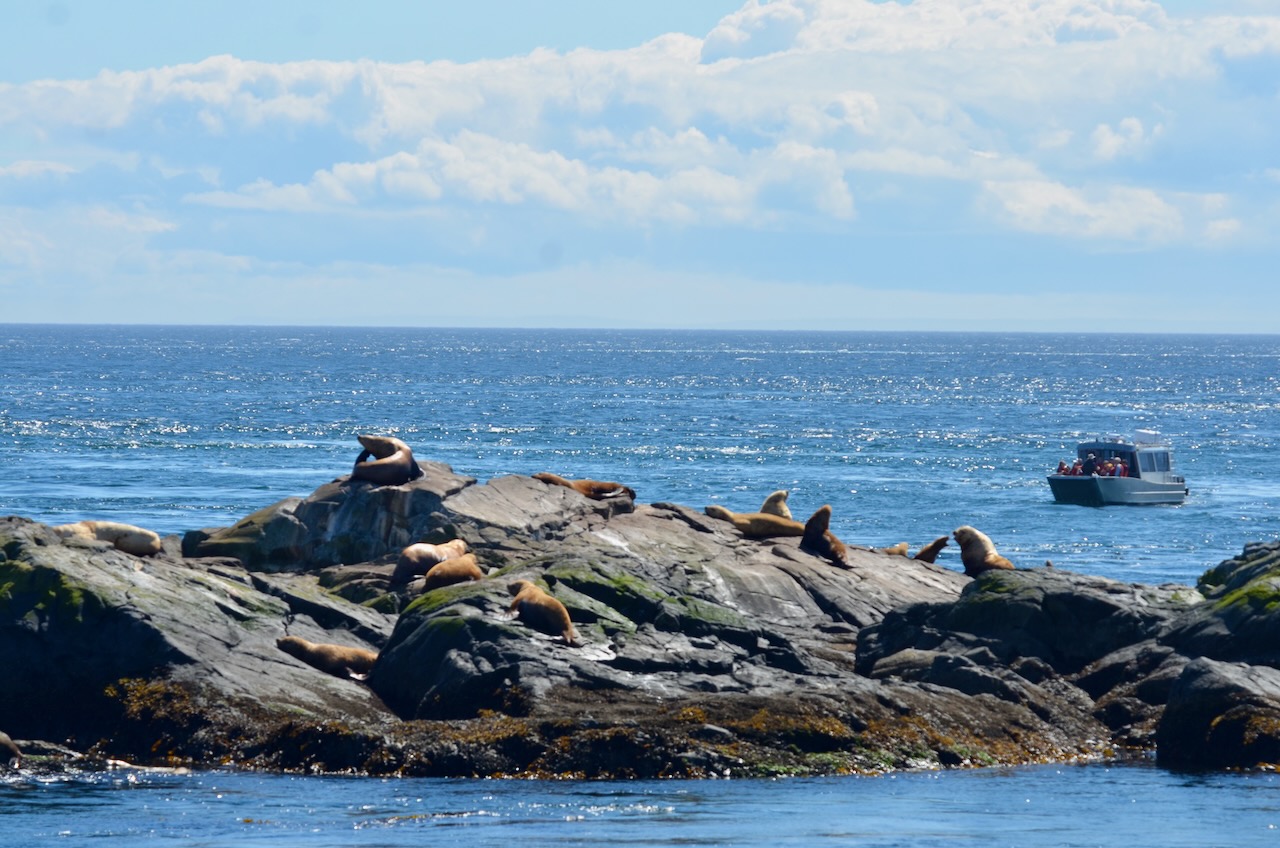
There were many humpback whales seen throughout the day to the south of the ecological reserve. They did not come close enough to this rock for any great photos. Although that did not stop me from trying. Many ecotourism boats spent time out there observing and must have got excellent photos from their vantage.

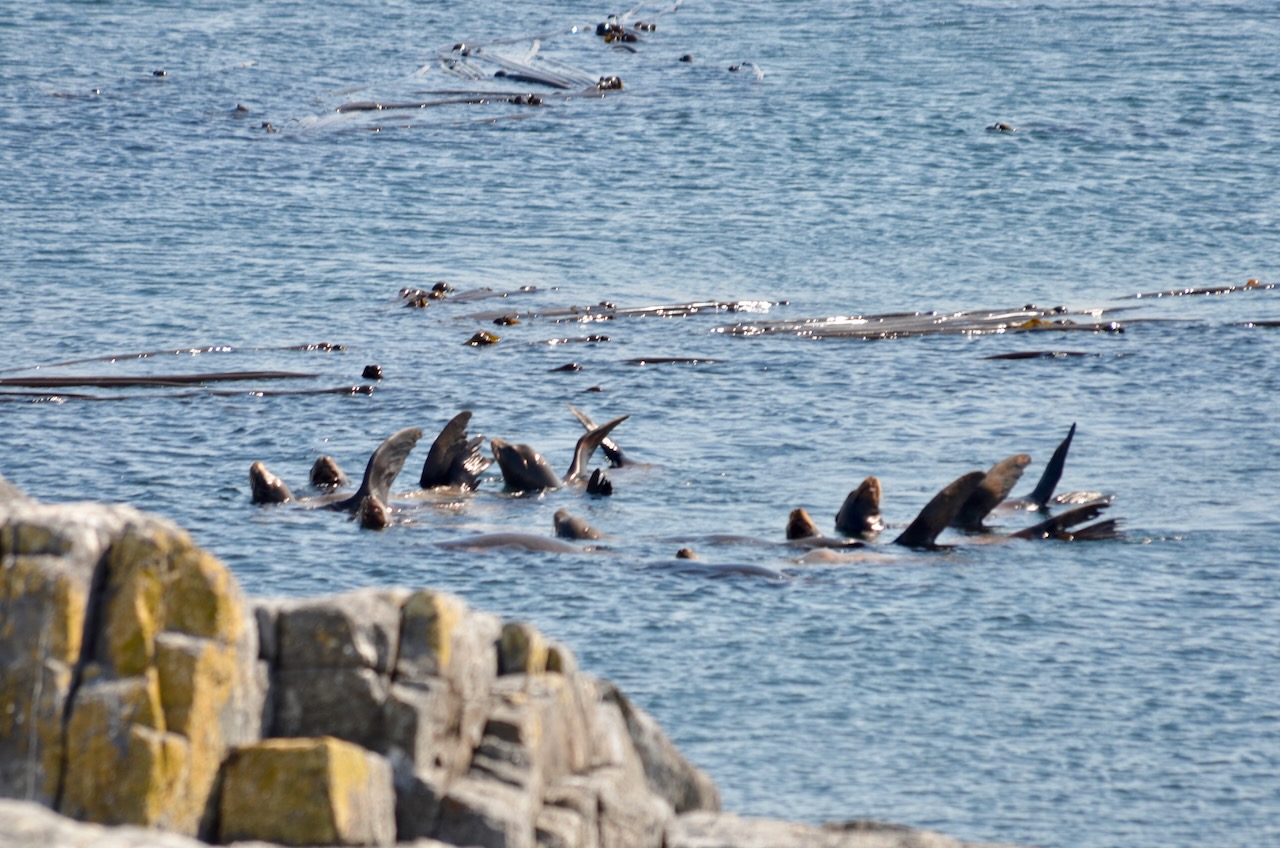
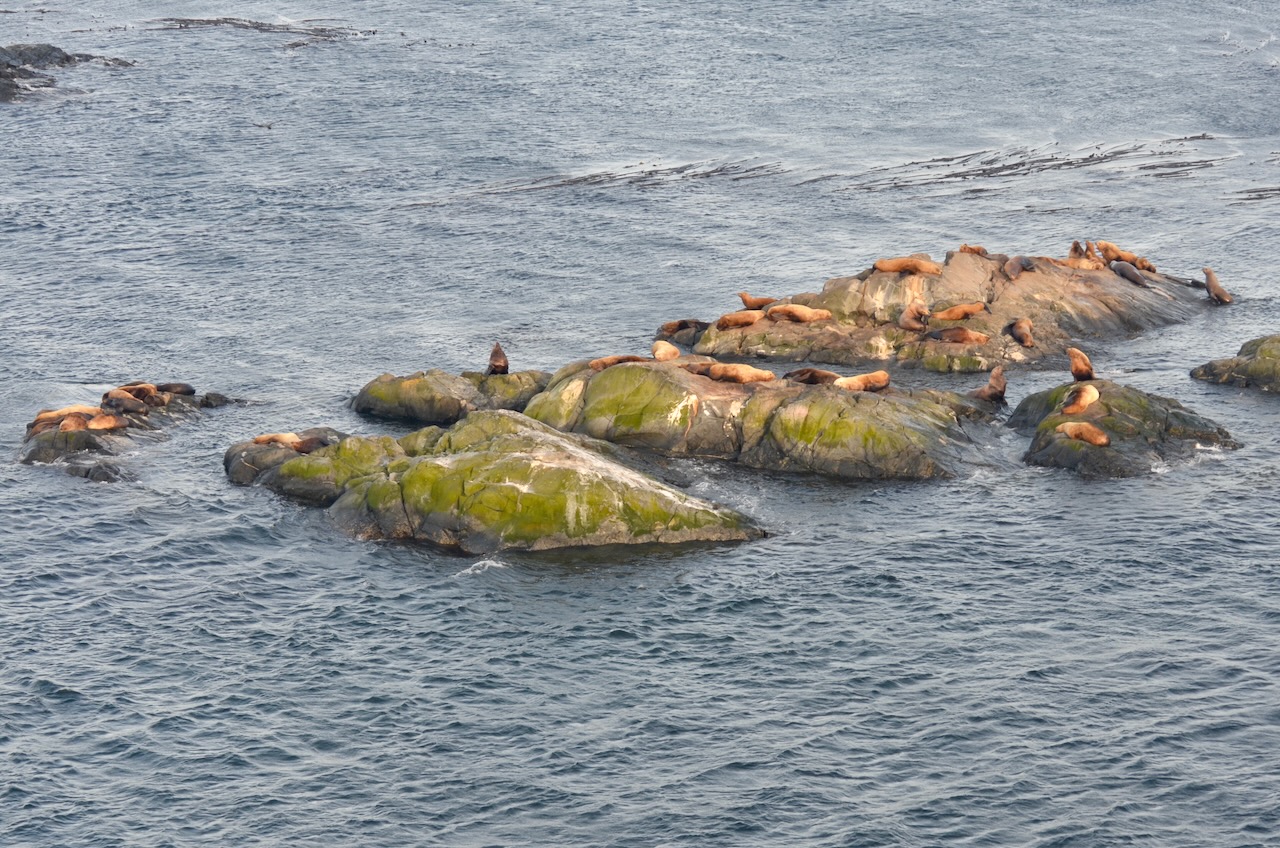
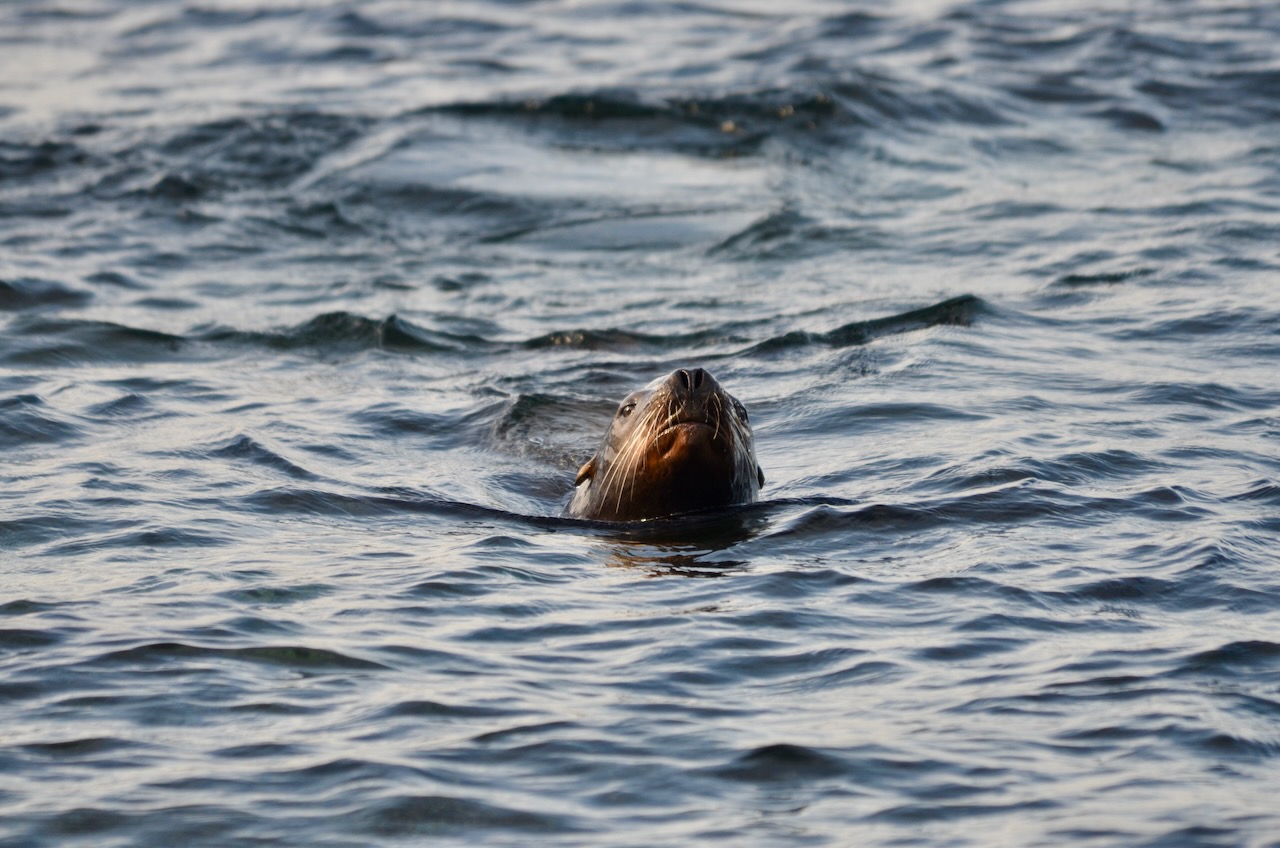
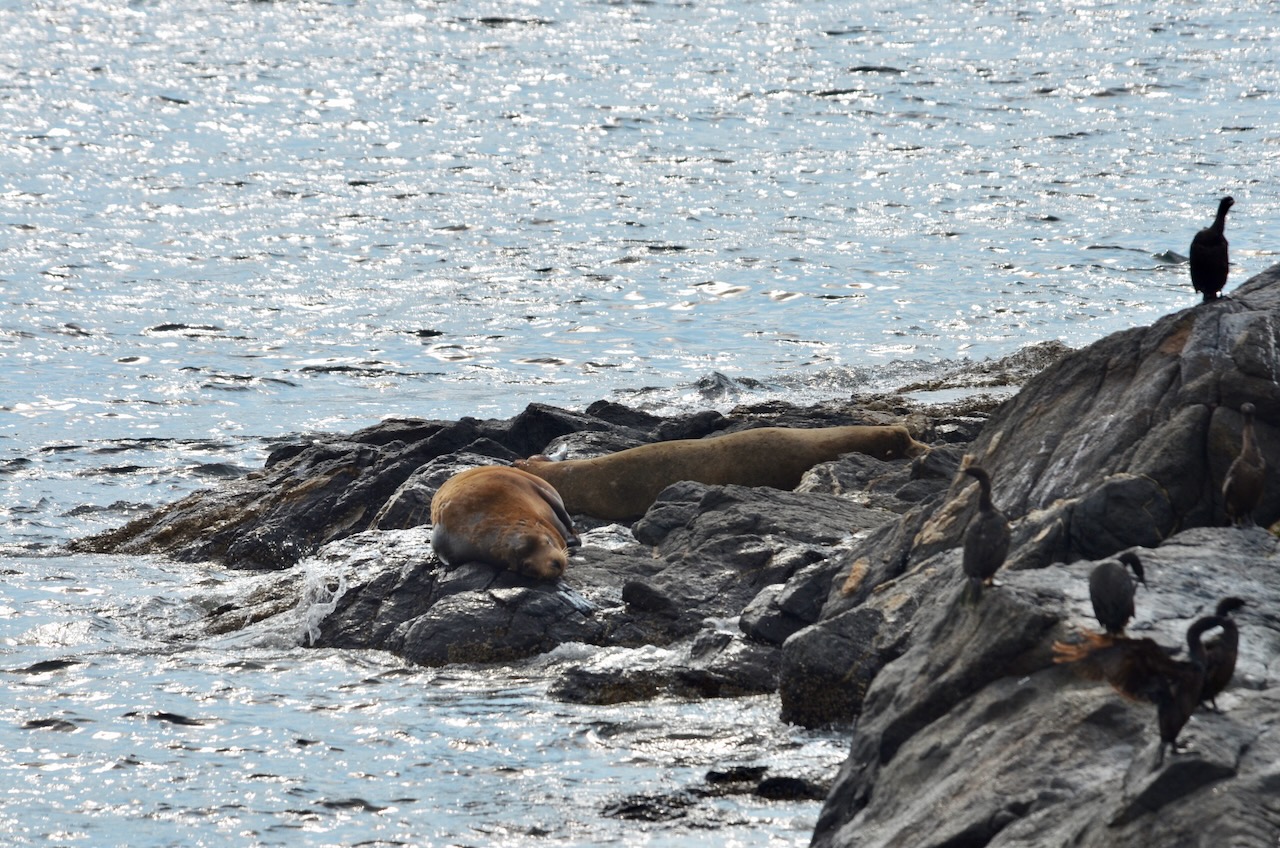
Three California sea lions have landed on the main island. This advanced team marks the beginning of the takeover that will last into the fall and winter, when several hundred of them will sleep, bark, and attempt to occupy any surface. The Californians have not always been the best neighbours at Race Rocks when it comes to the human built infrastructure. So far these three have been respectful and keeping to the perimeter.

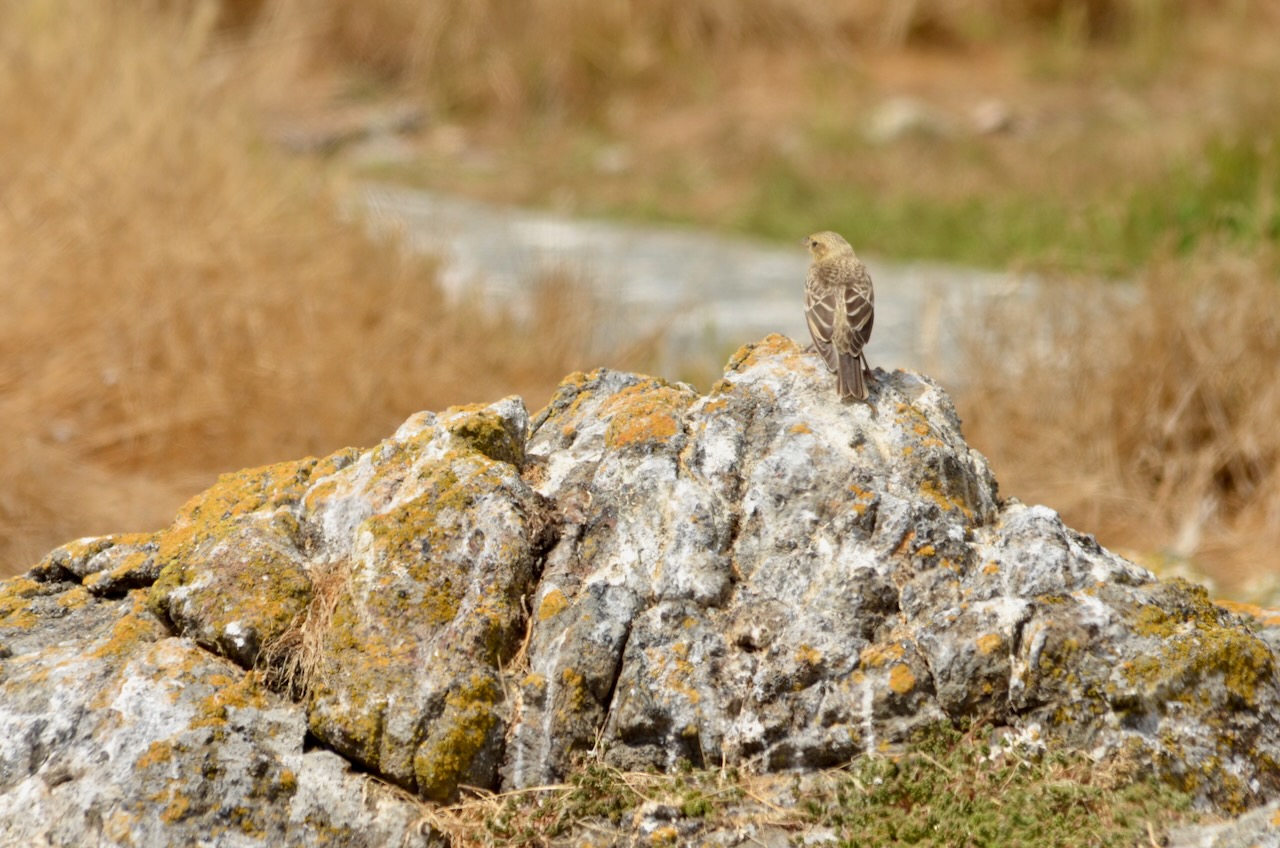
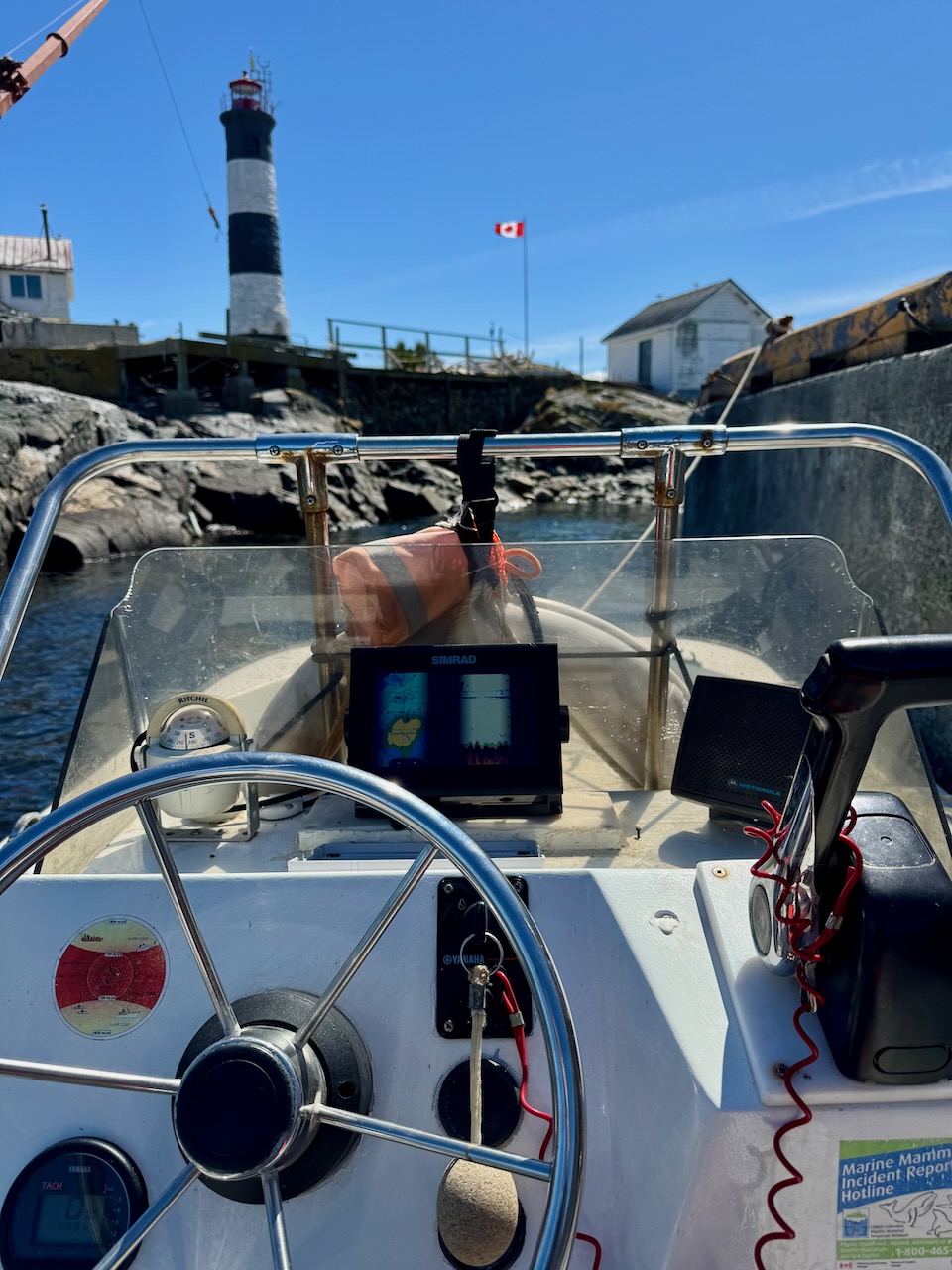
A few times today, I saw a very small and fast bird flying around the middle of the tower. I wonder if it is living in the currently malfunctioning foghorn sensor nearby where I caught glimpses of the quick bird. Coast Guard technicians are planning to visit next week to do maintenance on their equipment like the foghorn. I will keep looking out with binoculars for the fast flyer. Hopefully the bird is actually living in the recently installed nesting boxes attached to a post above the ecoguardian’s back porch.

Facility work:

  • Run generator in the evening to top up the batteries after not getting enough solar energy on the mostly cloudy day
  • Clean windows in the lantern room so I can better spy on marine mammals
  • Clean ecoguardian’s house windows so I do not have to look out through guano

Vessels:

  •  Ecotourism: 20
  •  Private: 1

Weather:

  • Sky: Cloudy in morning with some sunny patches in the afternoon and evening
  • Wind: west 16-29 knots
  • Sea: 1′ to 2′ chop
  • Air temperature: low 12 °C, high 16 °C
  • Seawater temperature at max flood: 11.5 °C

Photos from today:

*All wildlife photos are taken at the furthest distance possible, and may be cropped to improve detail.
August 2

Wildlife Notes:

  • The loud barks of a few California sea lions echoed across the island this afternoon. Perhaps they are calling out for other pals to stop off here or just being loud California sea lions.

Facility work:

  • Clean windows
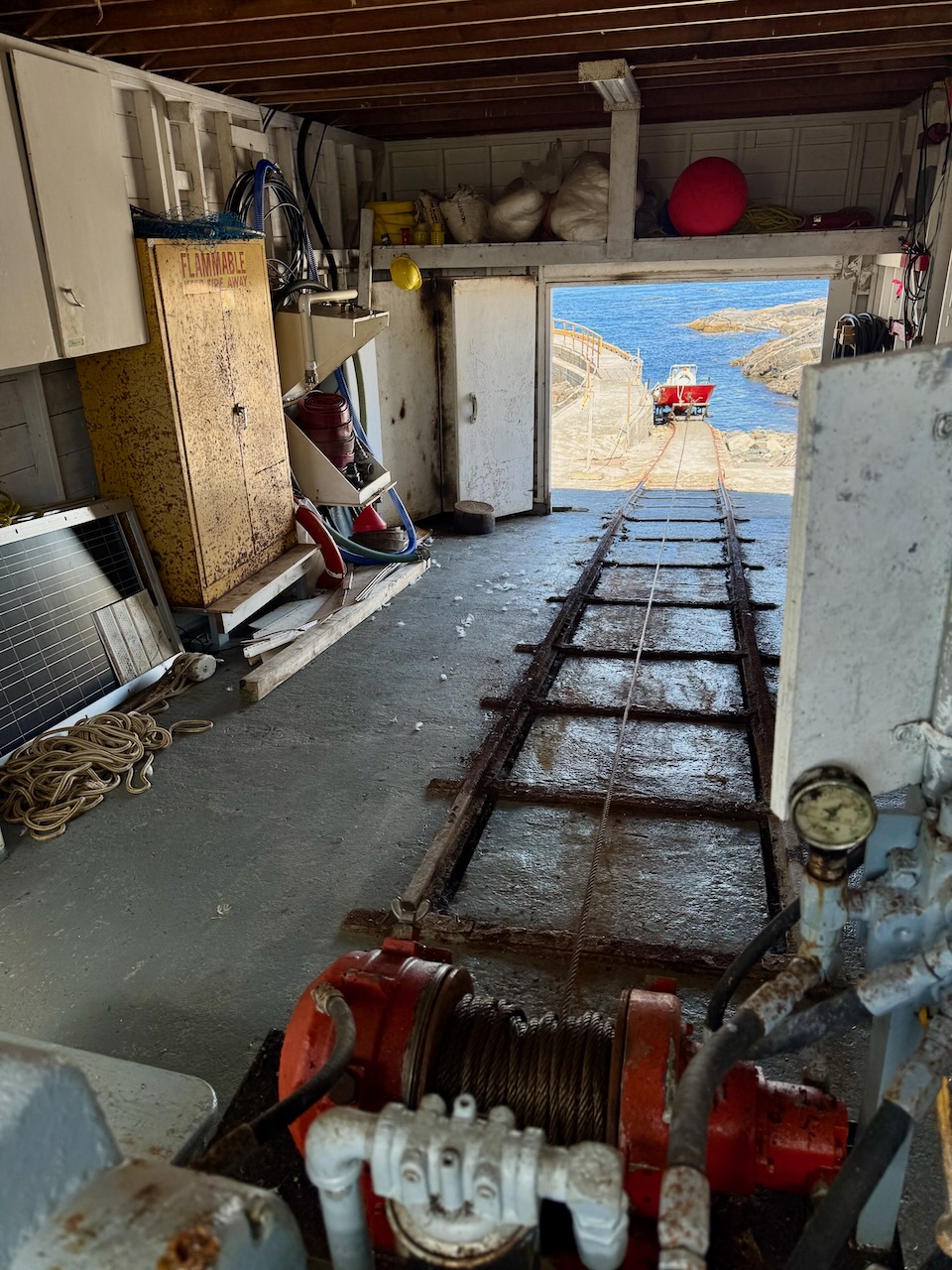
  • Tidy boat ramp of weeds and accumulated small pieces of wood
  • Top up water in the 24 batteries in the Energy Building

Vessels:

  • 14 ecotourism boats passed through the reserve today. Many more motored through the channel to the north on their way to see humpback whales and other sites further to the west. 

Weather:

  • Sky: partly cloudy, fog throughout the morning with a distant fog bank to the south persisting into the evening
  • Wind: west 23-35 knots
  • Sea: 2-3′ chop
  • Air temperature: low 11 °C, 16 high  °C
  • Seawater temperature at max flood: 11.3 °C

Photos from today:

*All wildlife photos are taken at the furthest distance possible, and may be cropped to improve detail.
August 1 Census

Weekly Census:

Mammals:

  • Steller sea lion: 36
  • California sea lion: 4
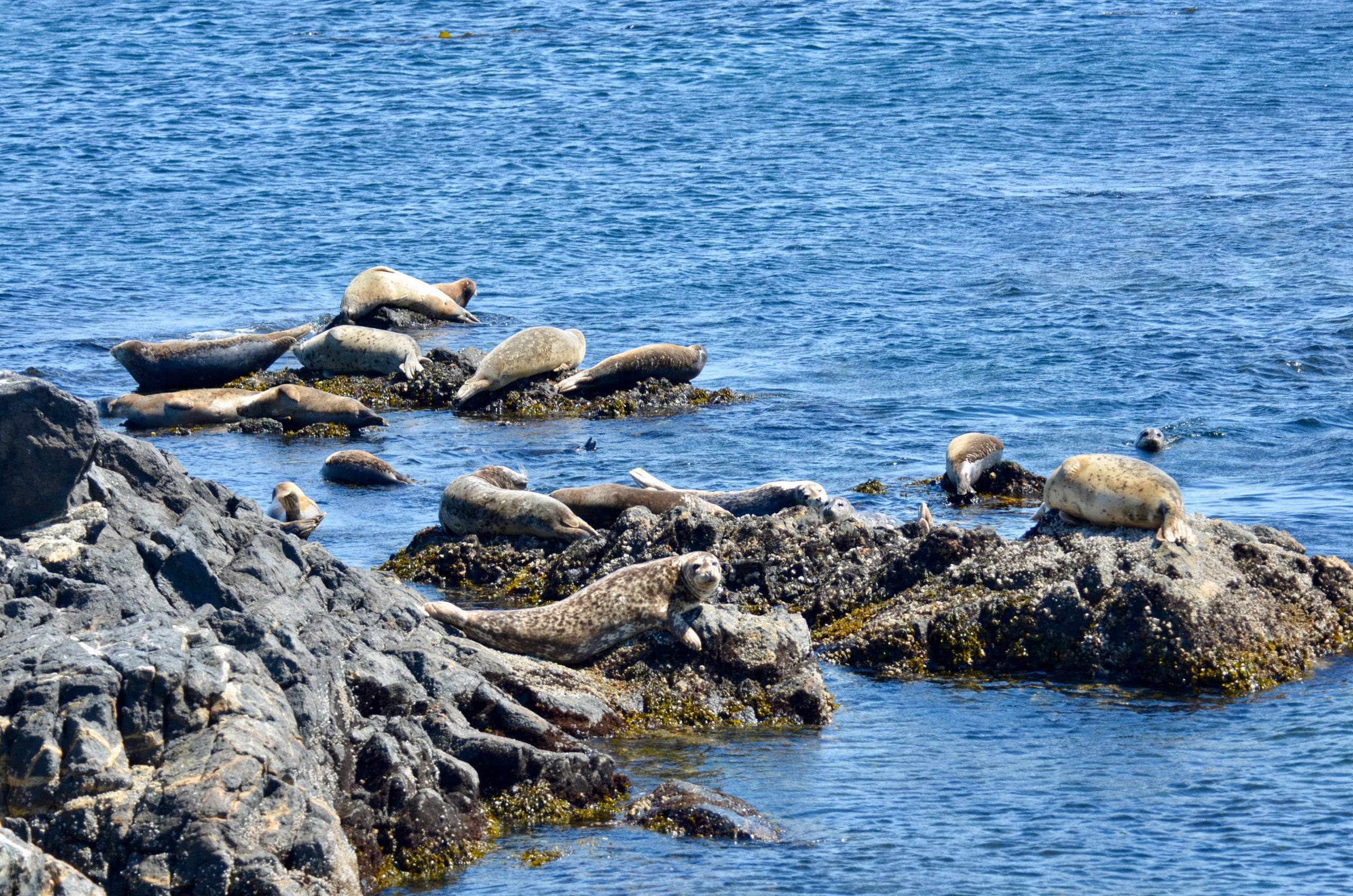
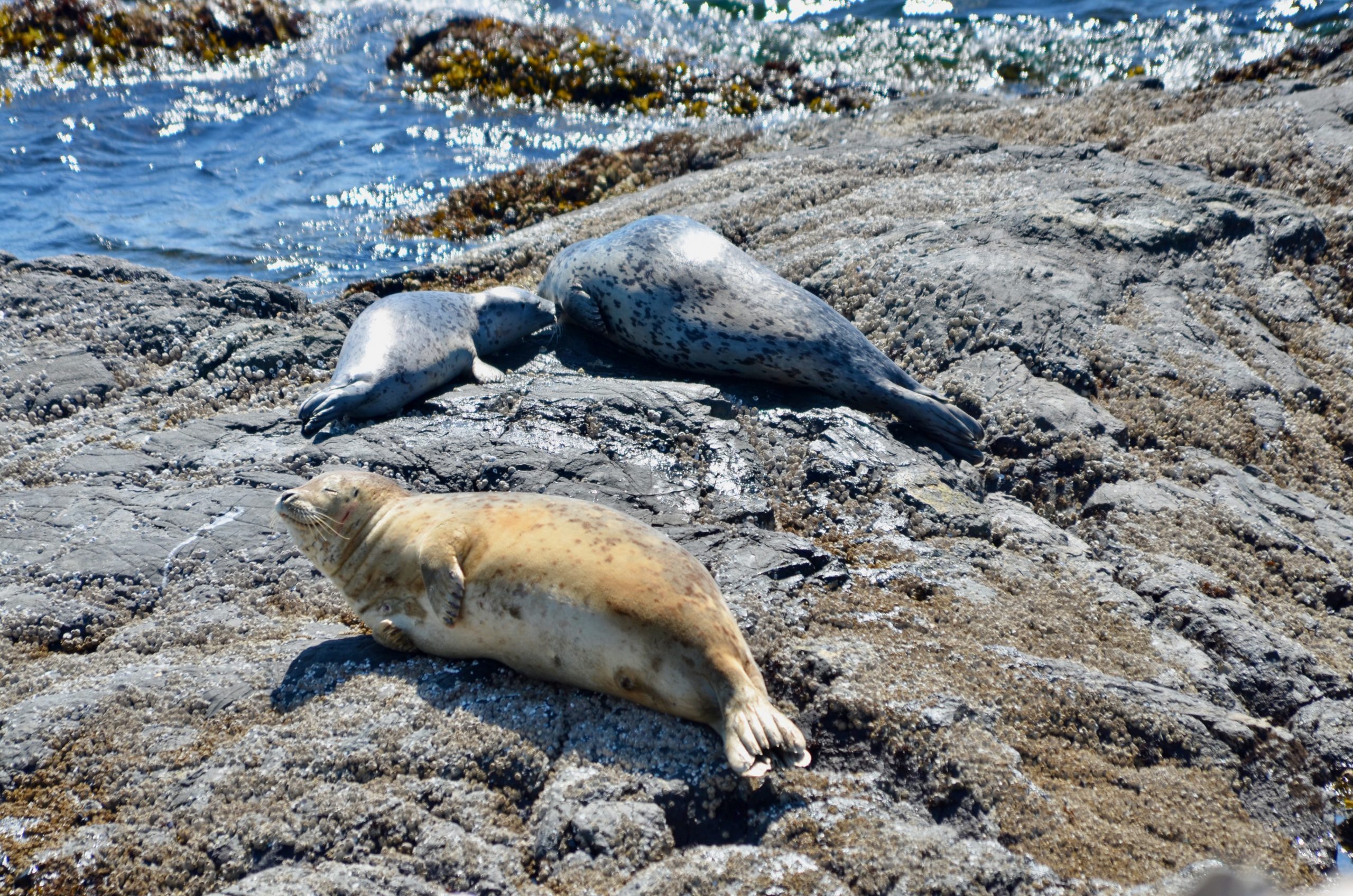
  • Harbour seal: 129

Birds:

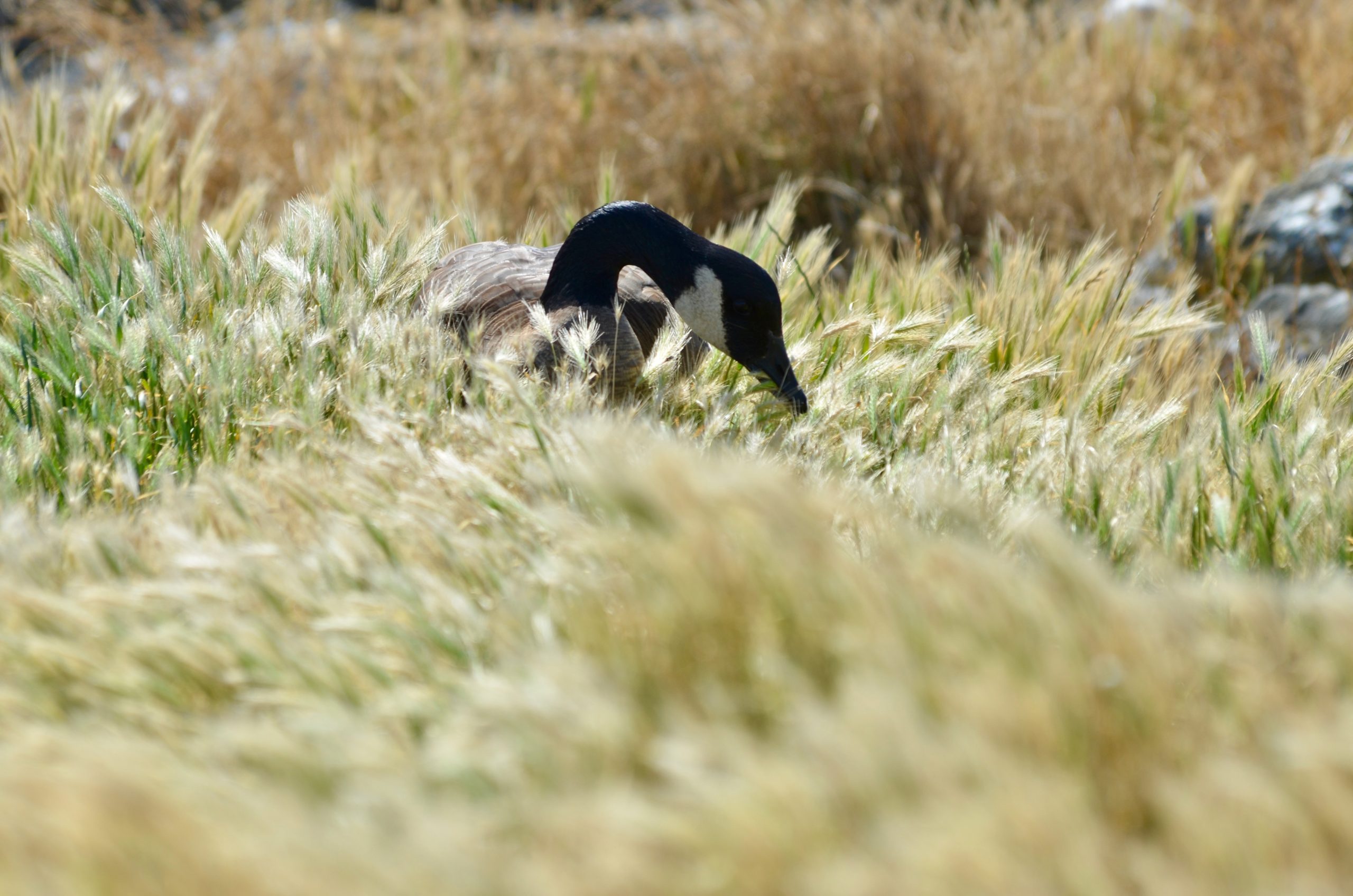
  • Canada goose: 9
  • Cormorant: 19
  • Gull: 556
  • Black oystercatcher: 10
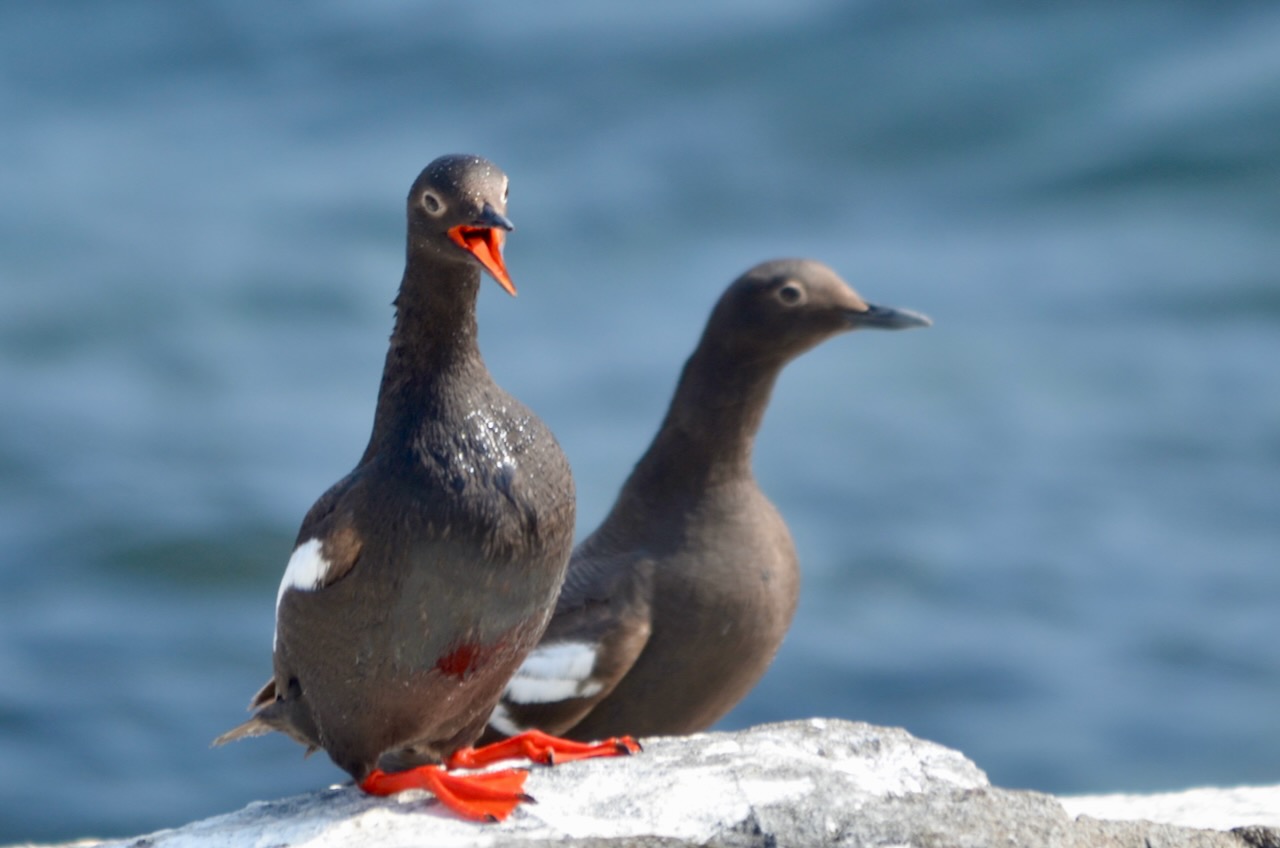
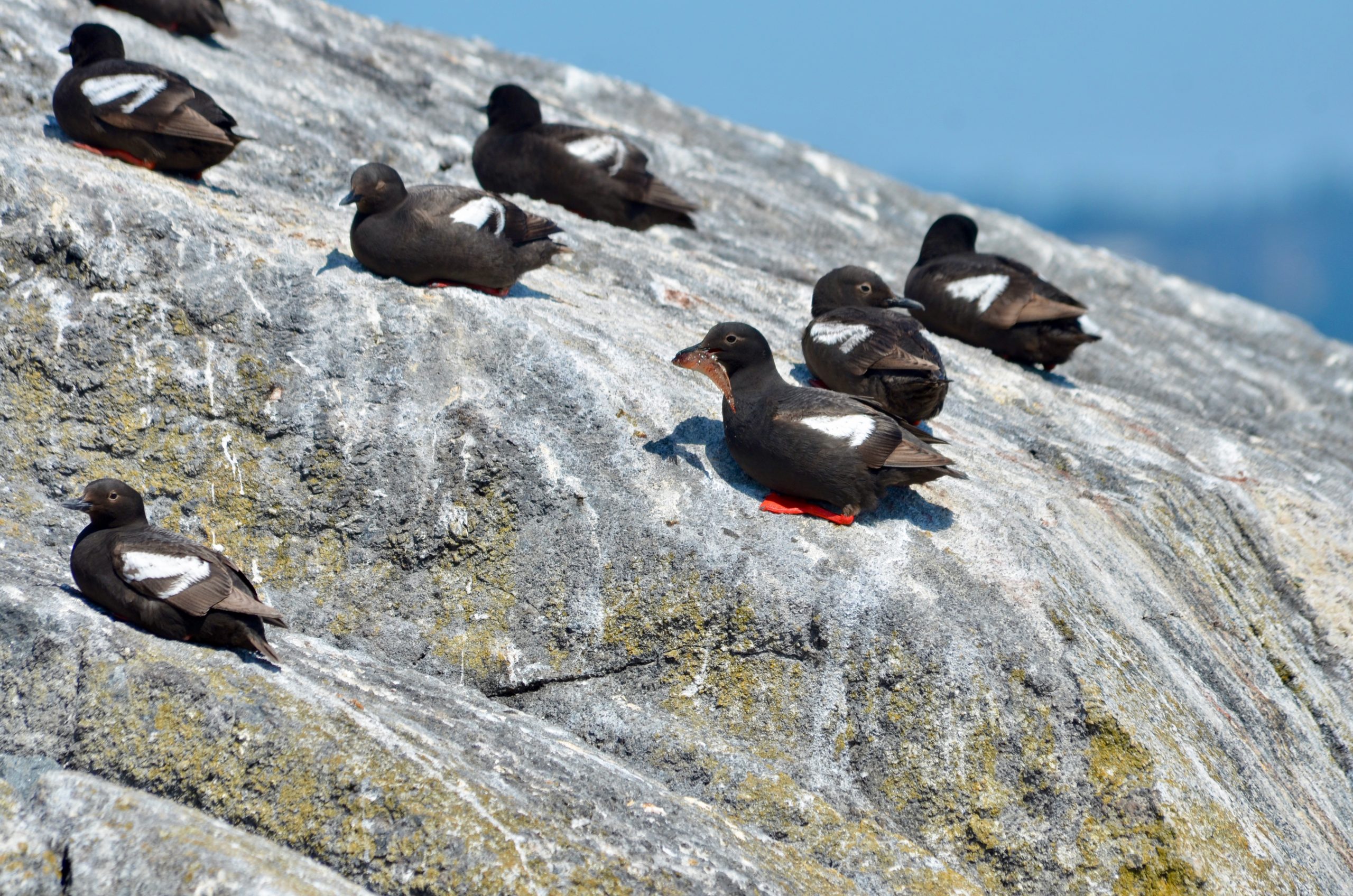
  • Pigeon guillemot: 102
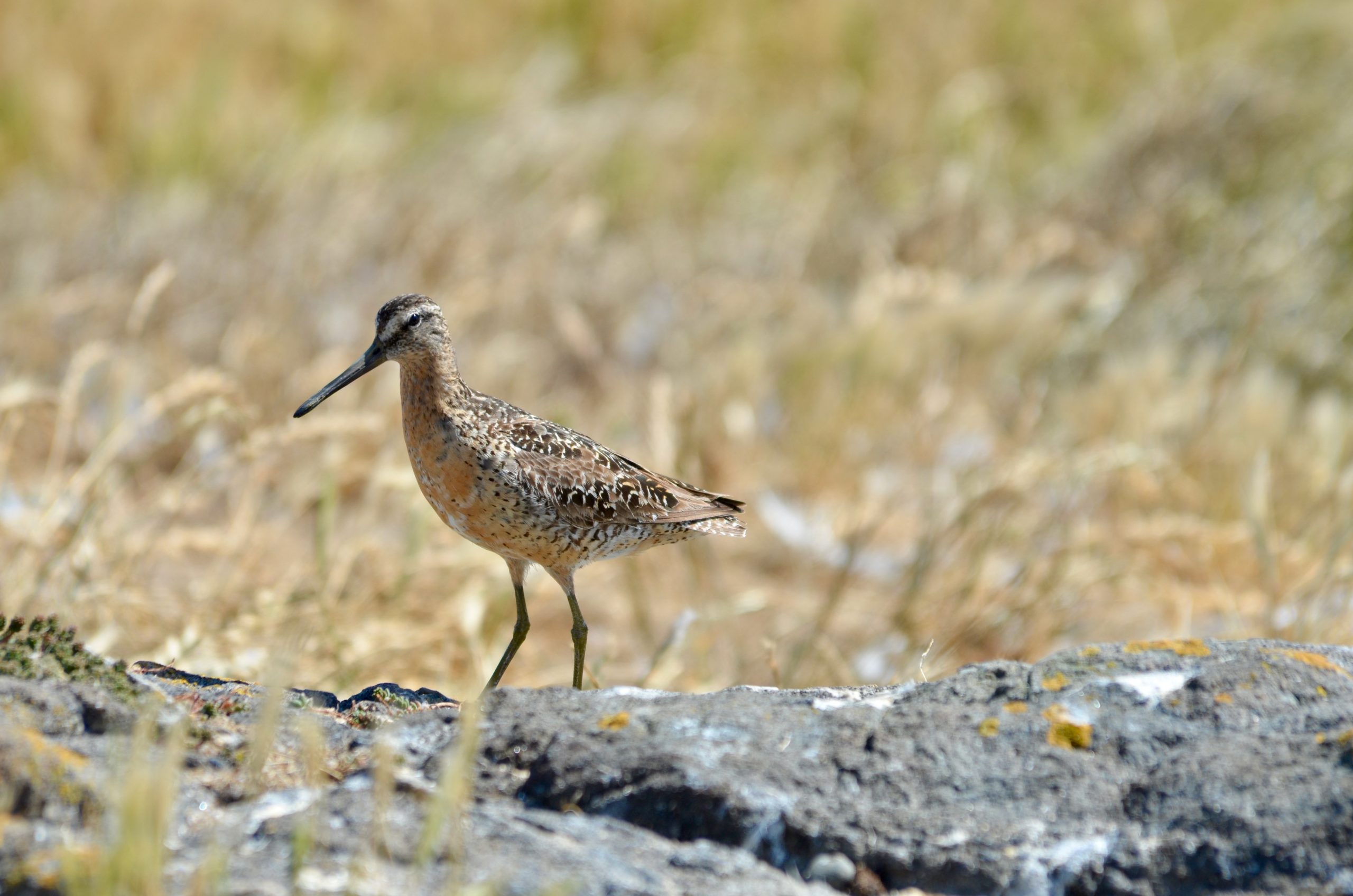
  • Short-billed dowitcher: 1
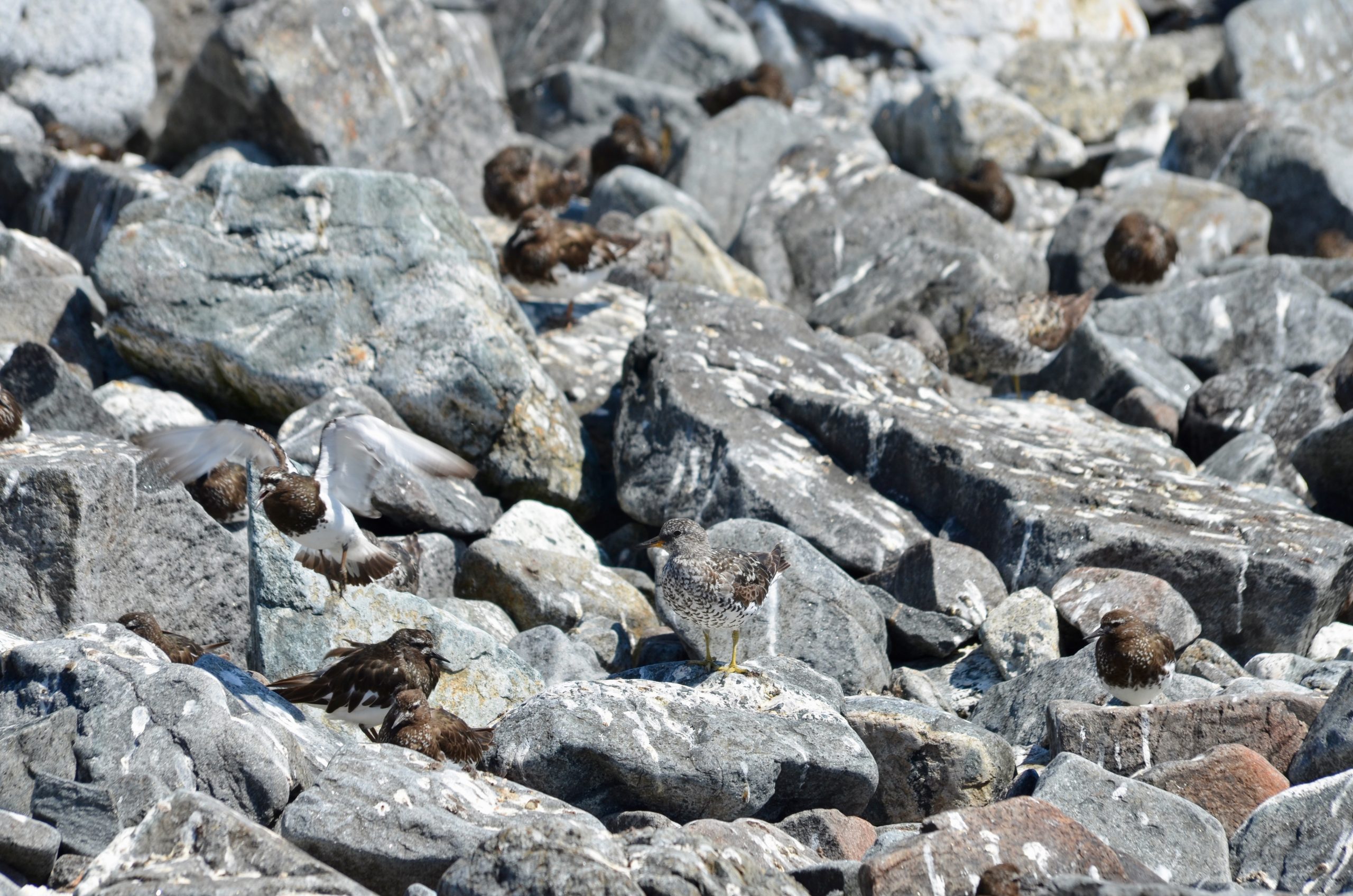
  • Surfbird: 22
  • Black turnstone: 52

Facility work:

  • Clean solar panels and windows
  • Tidy up the boat house

Vessels:

  •  Ecotourism: 21

Weather:

  • Sky: Partly cloudy, fog in evening
  • Wind: west 22-41 knots
  • Sea: 3-4′ chop
  • Air temperature: low 12 °C, high 17 °C
  • Seawater temperature at max flood: 10.3°C

Photos from today:

*All wildlife photos are taken at the furthest distance possible, and may be cropped to improve detail.

Wildlife Census

We’ve been hearing Elephant Seal vocalizations at night, but haven’t seen anyone lurking around on the boat ramp. After taking the Race Rocks boat ‘Neighbor’ for a rip we spotted this cutie hiding at the summit of Middle Rock. Courtney used the ‘socketed’ pectoral flipper to differentiate the elephant seal from the surrounding sea lions. After that she started making visits to the boat ramp first thing in the morning. Not pregnant, didn’t give birth, just hanging around.

Female Elephant Seal wallowing at the jetty.

Female Elephant Seal complaining about the noise at Middle Rocks to the NW.

We also got a California Sea Lion hanging out next to the crane with a red flipper tag on his right flipper. We haven’t been able to figure out what this tag identifies yet.

California Sea Lion with a red tag in his ‘flipper-pit’.


No number or identification, just a red clip.


The coveted ‘end of the jetty’ position is all about leverage, and not letting anyone new join the party.

Mammals:

  • Stellar Sea lions: 126
  • California Sea lion: 153
  • Harbour Seal: 48
  • Northern Elephant Seal: 1

Birds

  • Gulls: 45
  • Cormorants: 38
  • Eagle: 1 Adult, 2 Juvenile
  • Turnstones: 14
  • Canada Geese: 5 – 2 breeding pairs
  • Oystercatcher: 22
  • Pigeon Guillemots: 26

Boats

  • Recreation Salmon Fishing: 18
  • Tourism: 4
  • Sailboats: 4

Weather must be improving as we’re seeing more sailboats cruising around the Juan de Fuca.

The Stellers diminished this week and started using the fringes after the sea lion pileup from last week.

I try to remember to include the Bald Eagles, they’ve been pretty lazy these days.

Kayaking the rapids at Race Rocks looks pretty fun.

A log kept bumping into her butt and making her angry. Hard life of an Elephant Seal.
 

Wildlife Census

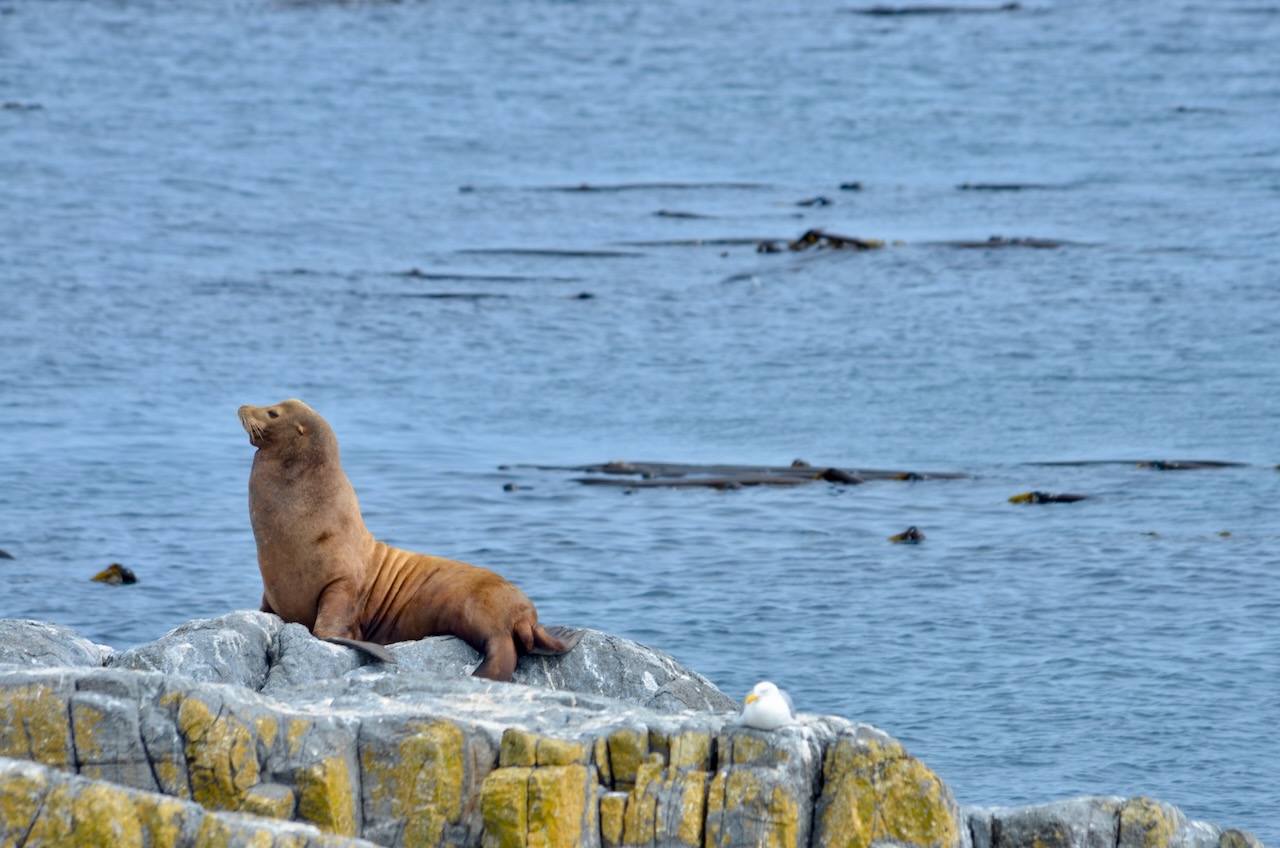
BOOM! With the nice weather improving, a huge cohort of Steller Sea Lions showed up, and took over South Islands. This is a change from the typical South Seal Rocks haul-out next to the generator shed. I’ve attached a Reserve Map for those interested.
South Islands got COVERED in Steller Sea Lions this week.

Race Rocks Reserve Map


Bull Stellers had to figure out the pecking order for the summit.

Mammals:

  • Stellar Sea lions: 250
  • California Sea lion: 150
  • Harbour Seal: 22
  • Sea Otter: 1 (Ollie?)

Birds

  • Gulls: 50
  • Cormorants: 55
  • Eagle: 4 Adult, 6 Juvenile
  • Turnstones: 30
  • Canada Geese: 7 – 3 breeding pairs
  • Oystercatcher: 44
  • Pigeon Guillemots: 73
  • Harlequin Ducks: 4

Pigeon Guillemots taking over the NW bluffs of Race Rocks.

Harlequin Ducks on South Seal Rocks

Double-crested Cormorant

Harbour Seals love that low-low tide.

I was recently reminded that Trans-Mountain is now operational, and we’re seeing an increase in tanker traffic in the Juan-de Fuca Straight.

PIGU!!! On a good day the Pigeon Guillemots can almost drown out the sea lion barking.

Black Oystercatchers are used as an indicator of good coastal ecosystem health.

Probably Ollie, lurking on the edge of South Islands for a few days.

I was trying to decide if Ollie was carrying around an old River Otter again. Your guess is as good as mine here.

Black Turnstone love foraging around the edges of the footpath and outcropping rocks.


Census + Spring has sprung!

Pearson Students coming out to see the wildlife!

This week Second Nature made a trip out with some students to see the Sea Lions! It’s always great to see just how excited students are to see Race Rocks!

California Sea Lion loving that cozy sunshine.

Canada Geese can eat up to up to 2kg of grass a day. It noticable.

Weather has been fantastic, with new Pigeon Guillemots and Oystercatchers showing up.

Mammals:

  • Stellar Sea lions: 64
  • California Sea lion: 87
  • Harbour Seal: 14

Birds

  • Gulls: 55
  • Cormorants: 25
  • Eagle: 2 Adult, 2 Juvenile
  • Turnstones: 14
  • Canada Geese: 5 – 2 breeding pairs
  • Oystercatcher: 15
  • Pigeon Guillemots: 52

Ocean swell coming up the Juan de Fuca onto the jetty.

Animal Census

I guess that counts as winter storms…

Looking south from the Lighthouse.

We got some spicy winds and the temperature dropped out from January 30 – February 5th. With the storms came the California Sea Lions en masse: going from 58 the previous count to 168. The Jetty must be much nicer than wherever their feeding grounds are.


Temperature trends for the week.

Wind data in Km/hour. A little spicy.

I am pretty impressed with the tourism operators that visit Race Rocks: I would have assumed anything over 35 knots would make for a bad day to visit, but we maxed out with 6 tourism vessels visiting the Sea Lions and Birds of Race Rocks, even during the worse day of winds we got this week. We also got a visit by Fisheries and Oceans Canada, doing a patrol of the Ecological Preserve and ensuring the tourism vessels didn’t disturb the Sea Lions.

Wind and current working against each other can make for some lumpy wildlife viewing.

First time I’ve ever seen Sombrio Point visit Race Rocks.

Time to hide from the wind and waves.

As for Race Rocks proper things have been pretty chill. There isn’t much of a stockpile of firewood, so we’ve been scavenging any bits of wood on the island to keep warm when the winds blowing. Hopefully warm weather is coming, or we’d take some evil North wind to deliver us some new fire wood.

Scrounging for any wood to keep things from freezing.

Mammals:

  • Stellar Sea lions: 70
  • California Sea lion: 168
  • Harbour Seal: 22
  • Sea Otter: 1 (Ollie?)

Birds

  • Gulls: 55
  • Cormorants: 30
  • Eagle: 4 Adult, 5 Juvenile
  • Turnstones: 14
  • Canada Geese: 8 – 4 breeding pairs trying to hunker down
  • Oystercatcher: 25
  • Pigeon Guillemots: 45

Boats

  • Tourism: 6
  • Private: 0
  • Government: 1