Chunk ‘nd the Trunk

It was a glorious day at Race Rocks with westerly winds continuing from yesterday but with more moderate speeds of 15 – 25 knots and even lighter winds of 10 – 15 early in the morning. The sky was clear above although there was a ‘marine haze’, which reduced visibility early to less than ten nautical miles. As the winds picked up so did air quality leading one to wonder if the ‘marine air’ actually has an onshore and anthropogenic source.  Solar radiation intensity was high today peaking at over 900 W/m2. It is 19:00 hours as I write this, with more sunshine to come and the accumulated solar radiation for the day is already close to 700 Langleys. The forecast includes a westerly gale warning for tomorrow afternoon and evening with clear skies and a high UV index of seven.

Only one whale watching boat (from Sooke) was observed in the Ecological Reserve today.

There were more large and startling (at least to me)  explosions today, which did not result in even a visible flinch by the Northern Elephant Seals. The Harbour Seals got into the water and were looking around at the surface and the Pigeon Guillemots flew but quickly returned and recovered. Two vessels with containment booms, one travelling at a fairly urgent-looking speed towing some of the booms were observed in the vicinity of Race Passage today. It may have just been an exercise, as they didn’t stay long.

Ecologically, things are continuing to grow at a tremendous rate as spring accelerates for the shift into summer, in less than two weeks. The goslings have graduated from short paddles to longer endurance swims crossing Middle Channel. Their grazing pressure on the island continues but doesn’t seem to exceed the productivity of the grasses that they graze on.

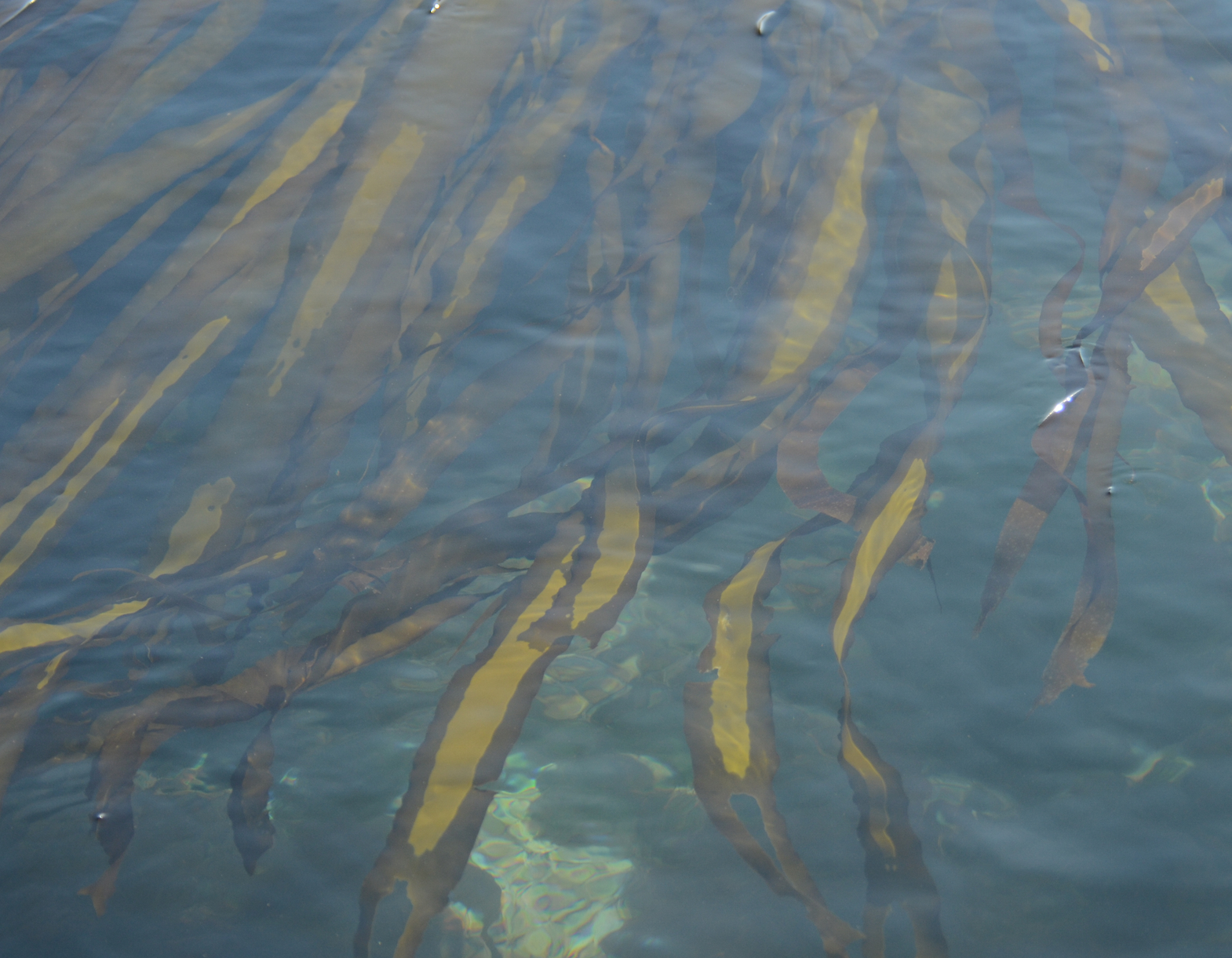
In the water, the productivity of Bull Kelp or Nereocystis lutkeana continues unabated and large, well formed kelp beds fringe all of the islets and reefs, producing tremendous amounts of food for a broad array of direct grazers and both peripheral and out-lying detritovores that eat the sloughing bits and pieces that drift down from the canopy and out of the kelp beds.
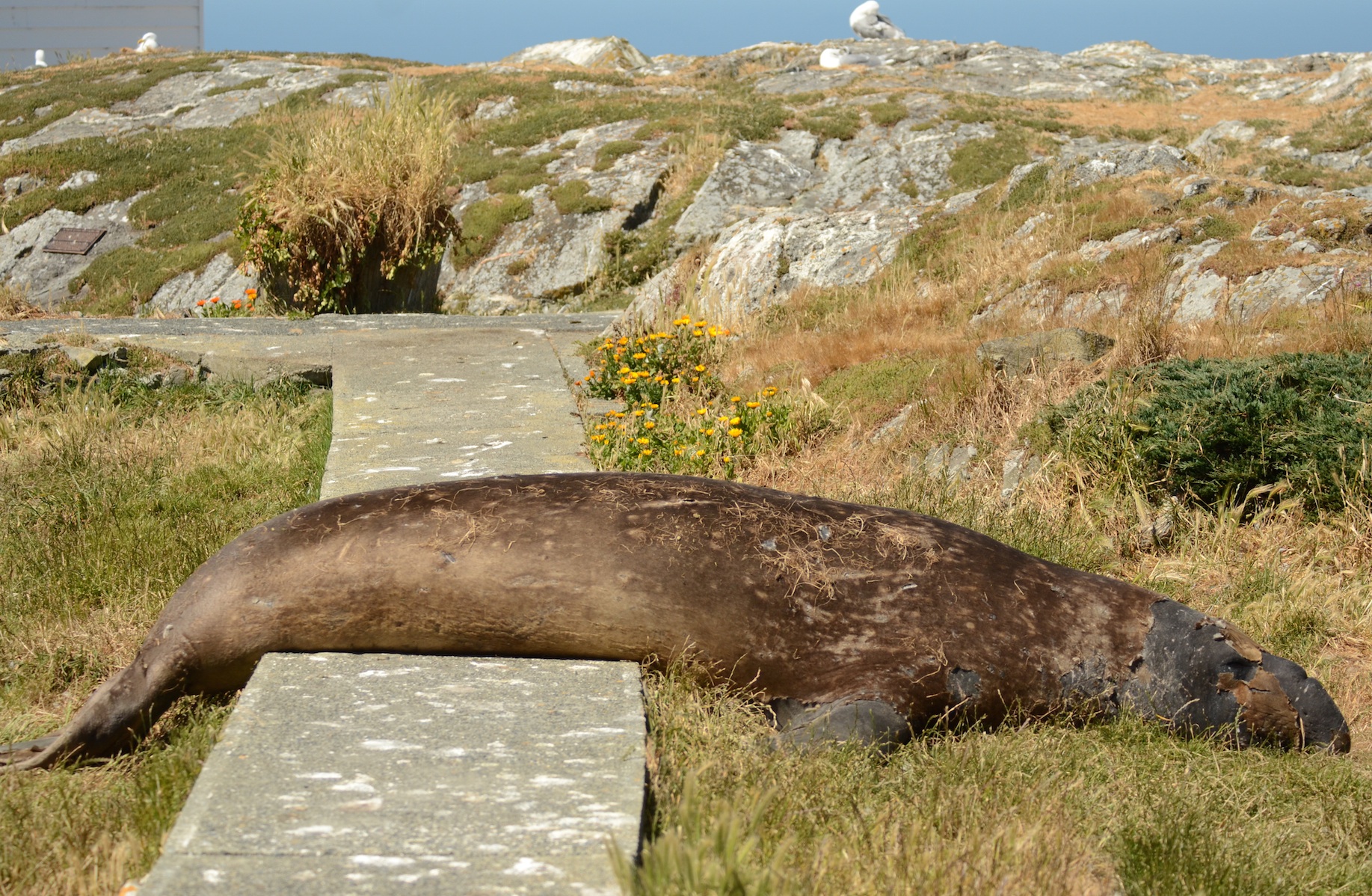
We are supposed to stay on the walkways when moving around the island. Not always possible when there are traffic jams like this one in this morning's commute.

We are supposed to stay on the walkways when moving around the island. Not always possible when there are traffic jams like this one in this morning’s commute.

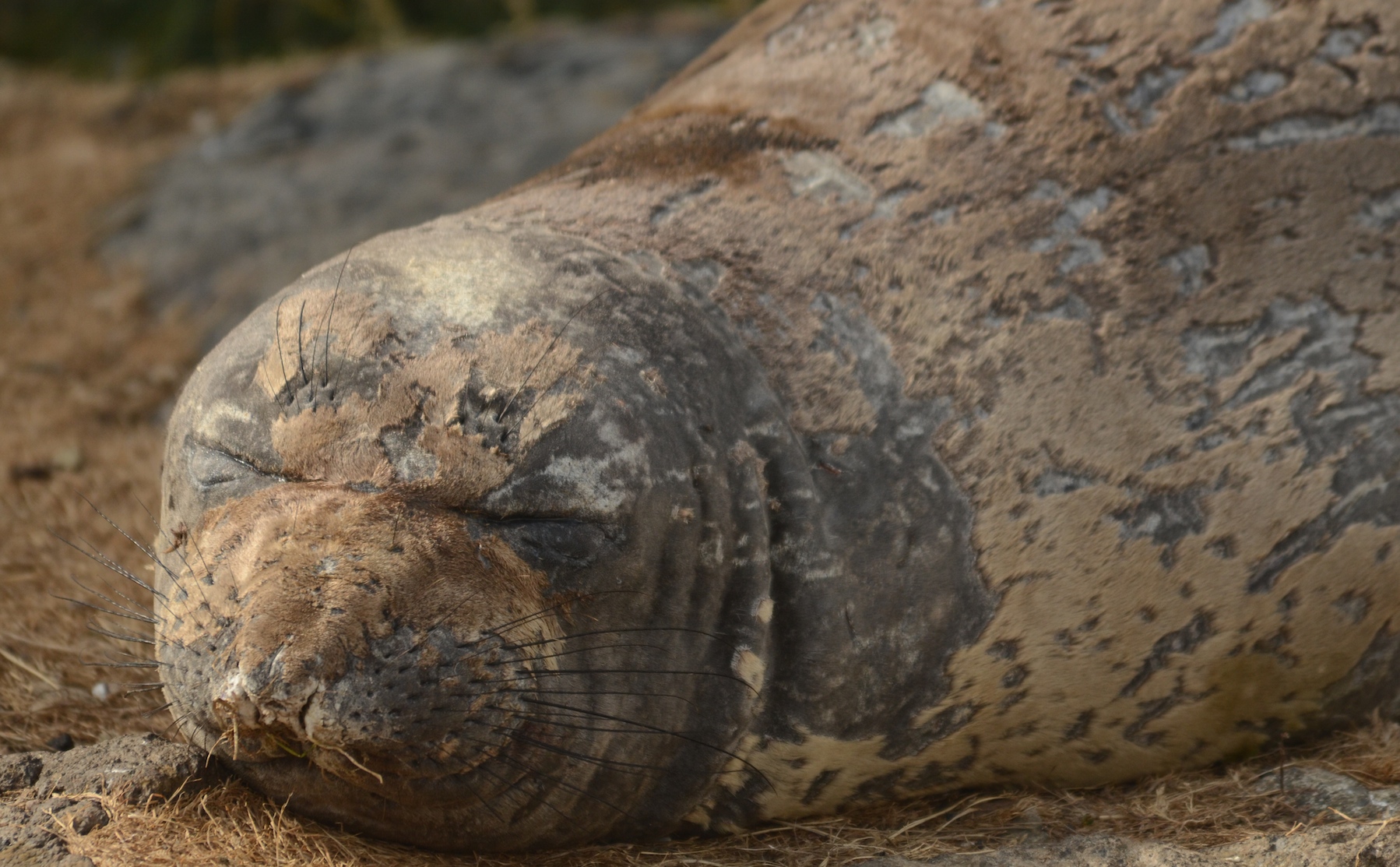
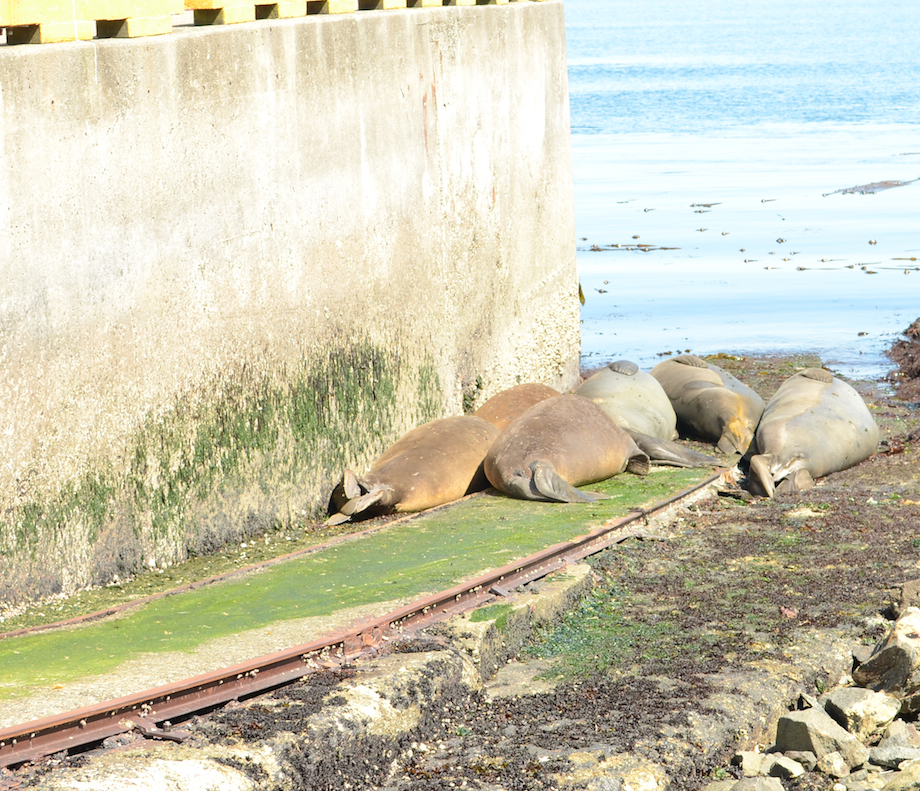
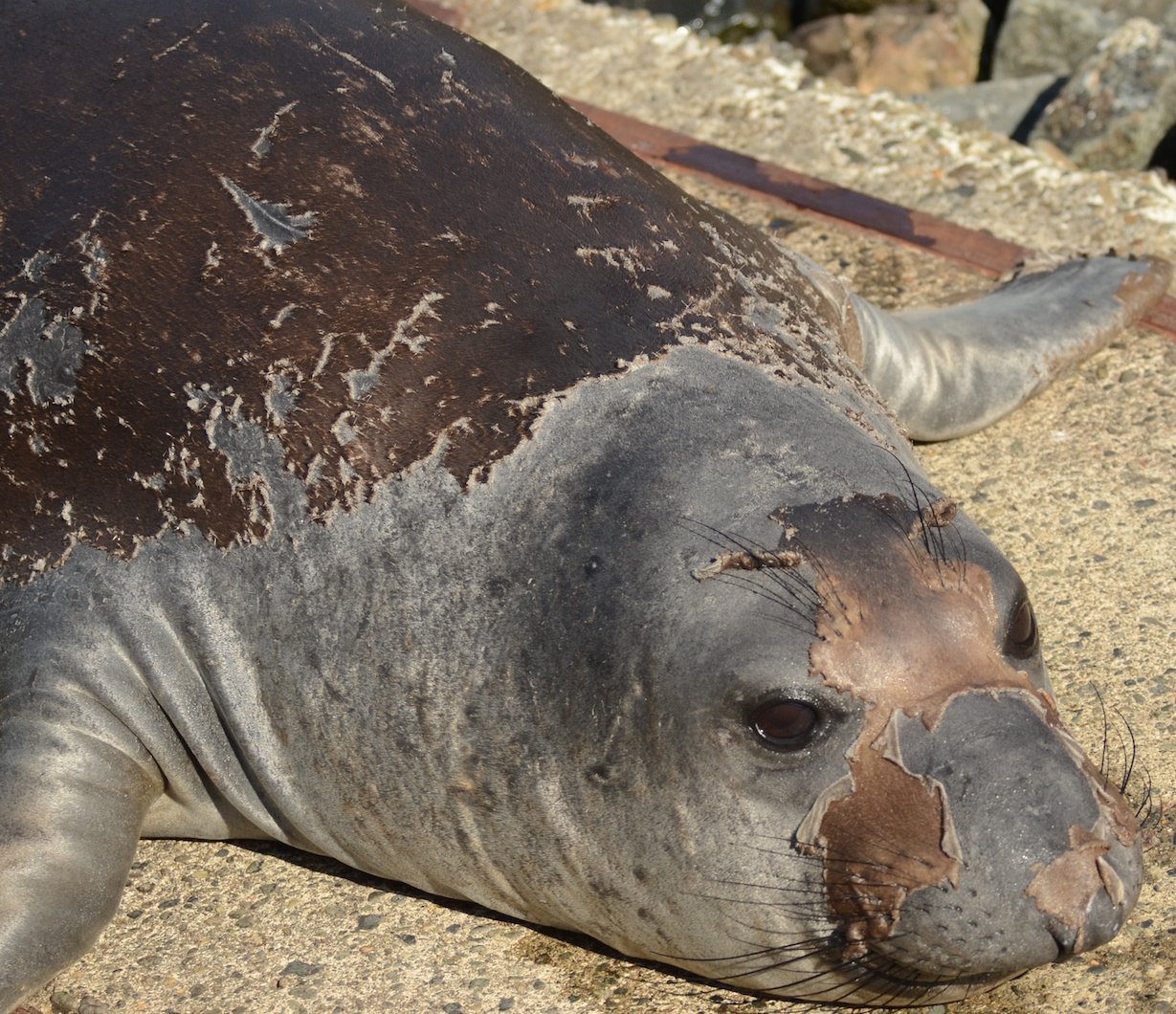
The Northern Elephant Seals spend time in the water draped in the kelp and playing with it with their mouths. What is not clear is whether this is intentional or just there (in the way). The big males are taking several swims a day right now thanks to the marine railway, which makes access so much easier for them. Chunk’s moult is just visibly starting today, on his nose and just below his mouth and on what would be a chin if he had one. Floyd’s moult is progressing visibly as wound sites and patches where he can scratch are coming off. There were some interactions between the two big guys today but hostilities were averted through strategic maneuvering by Floyd, basically avoidance behavior. Above, he is making a slow get-away which of course requires a tremendous amount of energy and much resting.
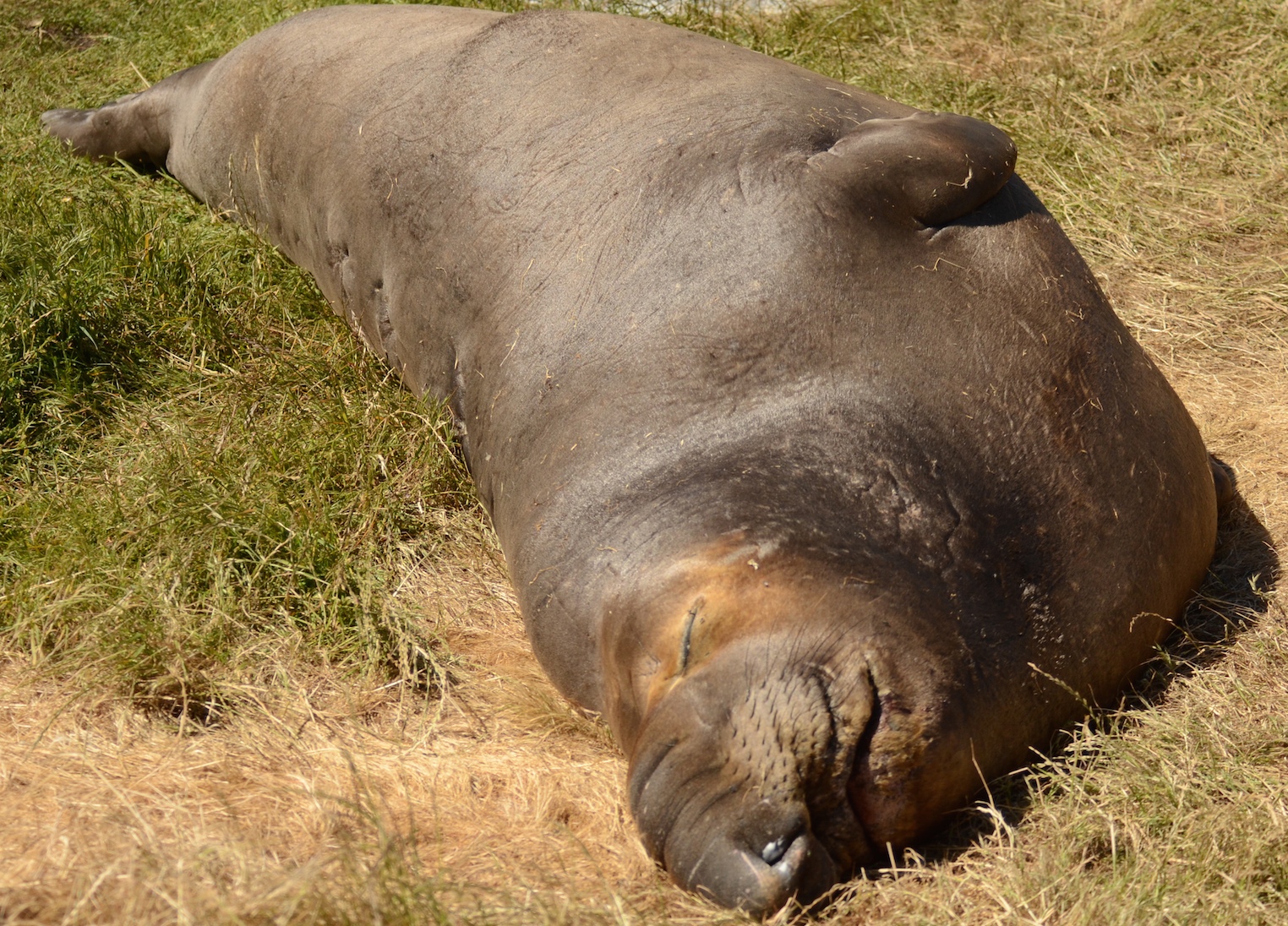
 

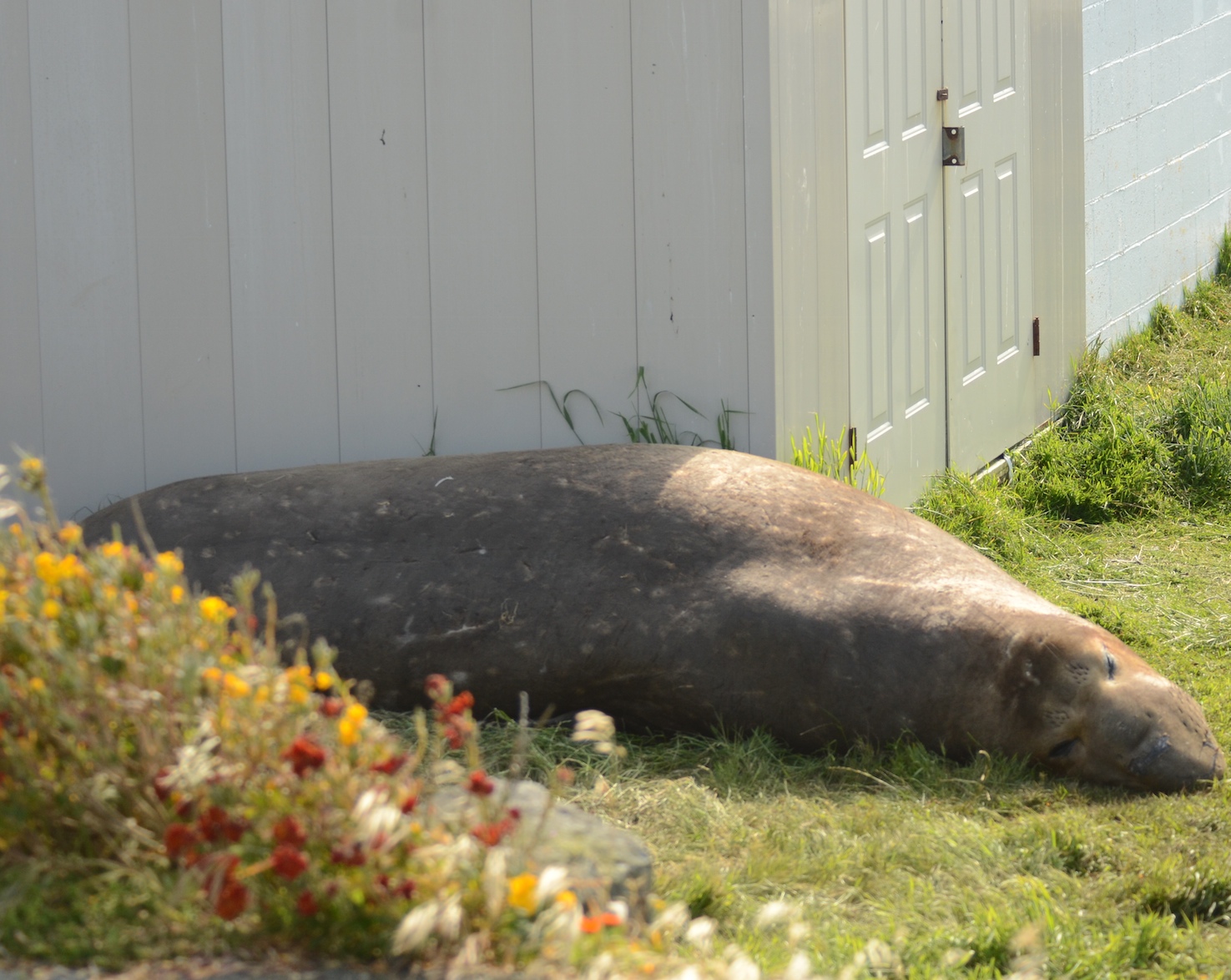
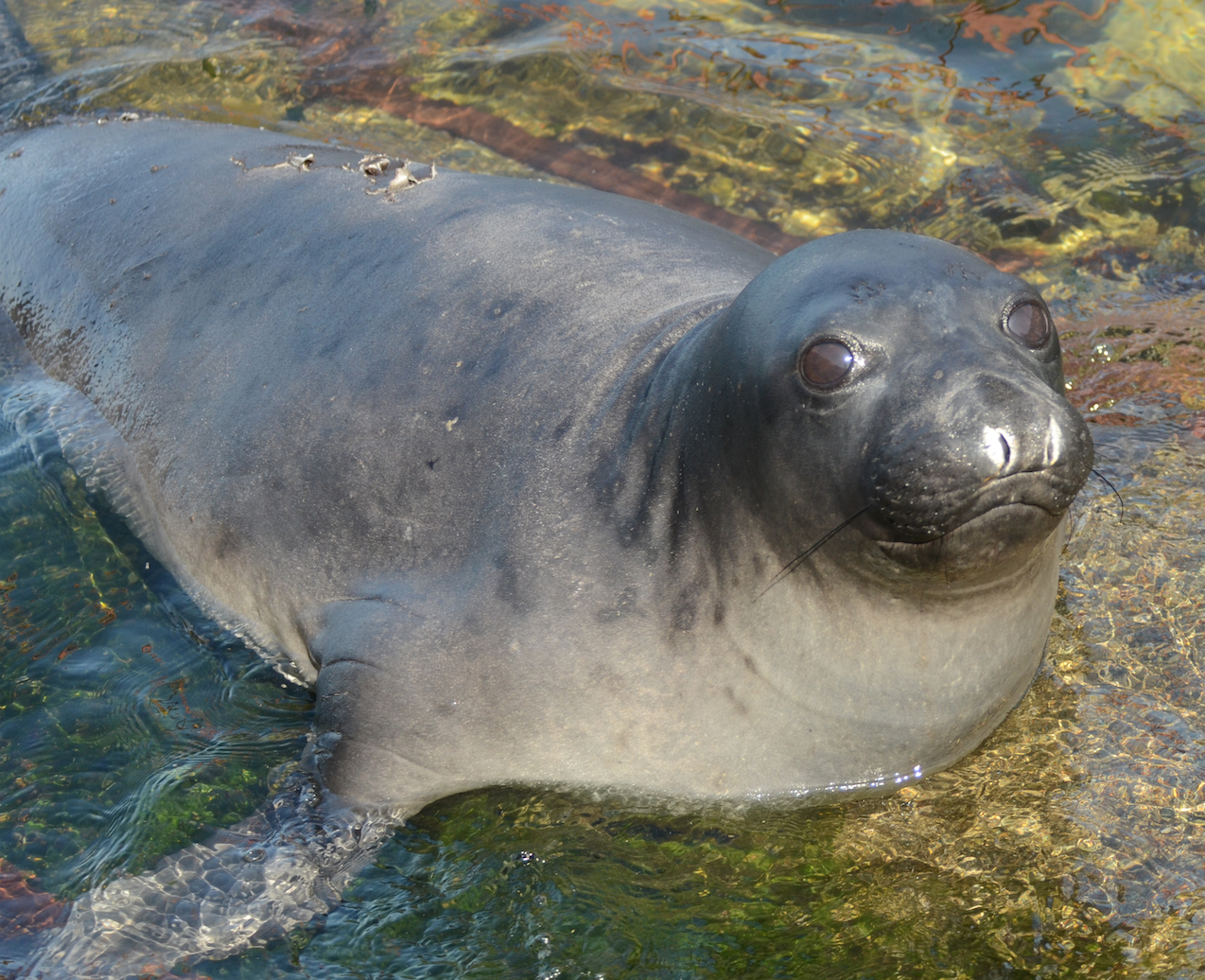
Chunk stretched out, having a nap. His large proboscis is prominent and the scars that run along his back are just visible.

Chunk stretched out, having a nap. His large proboscis is prominent and the scars that run along his back are just visible.

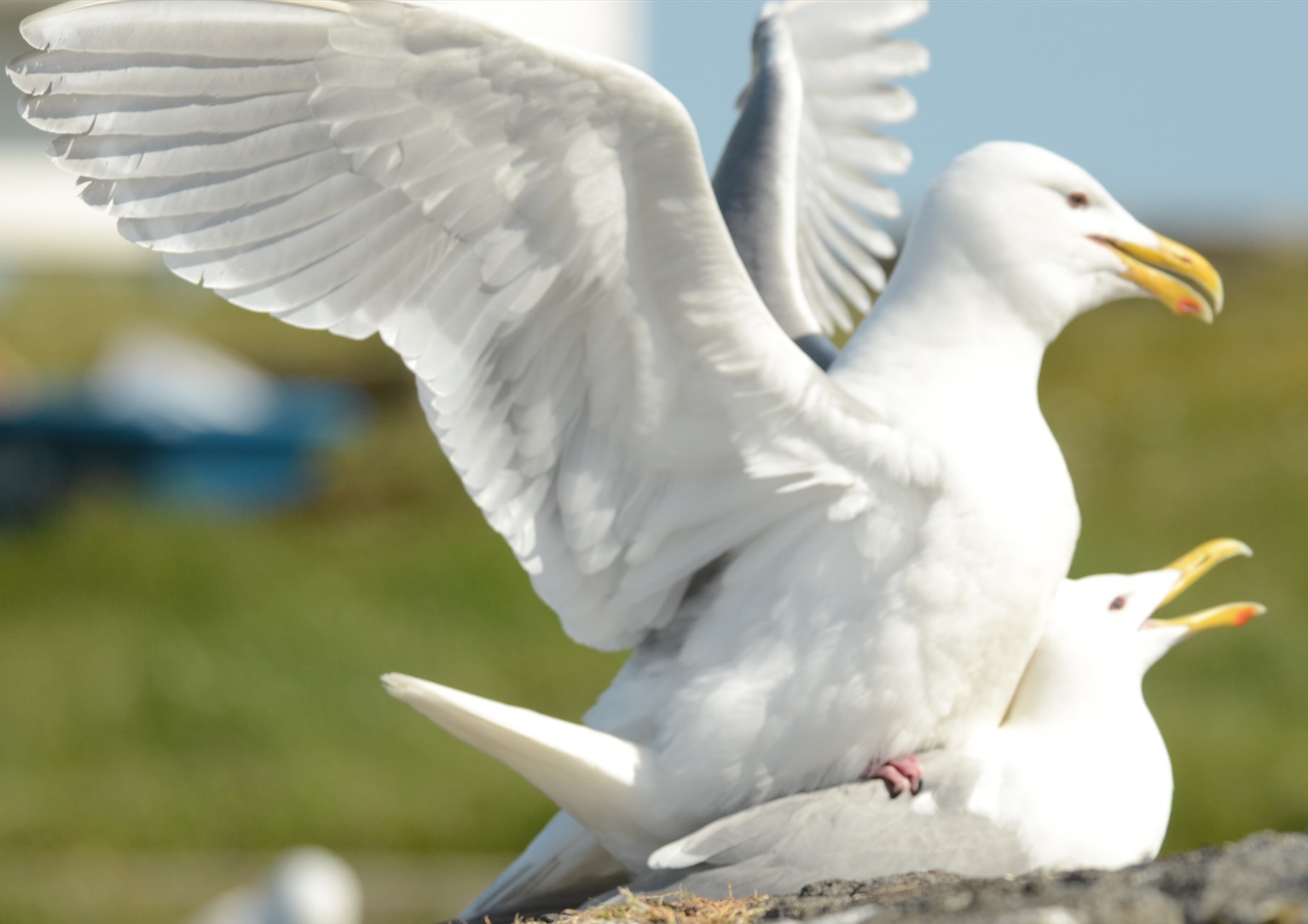
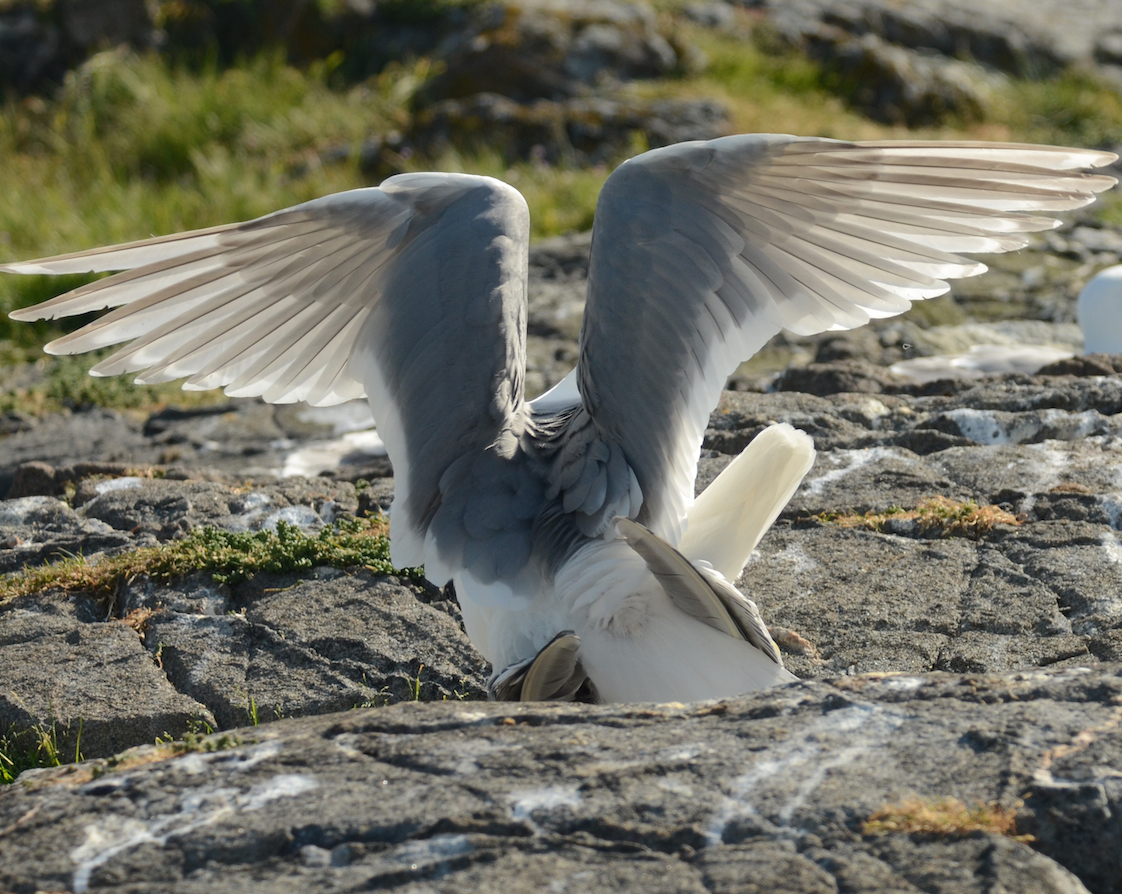
More gulls are sitting on eggs each day and their nests are beautifully made by pulling up grass by the roots and carefully packing it into just the right shape by pushing down with their sternums, tails in the air. Level is of course important. All of the nests observed today had three eggs.


There were no visitors today and chores were routine.
Ghosting through the Kelp Forest.

I had trouble with a temprarily unavailable log-in page when I went to to post my log blog last night, so am posting the two days together now.

The westerly blew throughout both days and fog obstructed the views. Yesterday it cleared after 4 PM and by 6 PM, thick fog had moved back in and visibility was back down to several hundred meters. Today it cleared earlier and stayed clear until sunset (at least). Wind speed both days varied between 10 and 25 knots over the course of the day and in varied direction from west-southwest to west. Yesterday the barometer went up to 1015 hPa from 1014 and then started dropping. Today, it was steady until noon and then it started dropping going as far as 1010hPA by 8 PM. The forecast for today was correct: strong westerly wind warnings, fog “patches” and sunshine. Tomorrow the wind warning has been upgraded to a gales and the rest remains the same.

Six whale watching vessels were observed working in the Ecological Reserve yesterday and today I saw three. They all abided by the rules and regulations more or less. Some boats/skippers may be used to pushing the distance limits but I did not observe negative impacts.


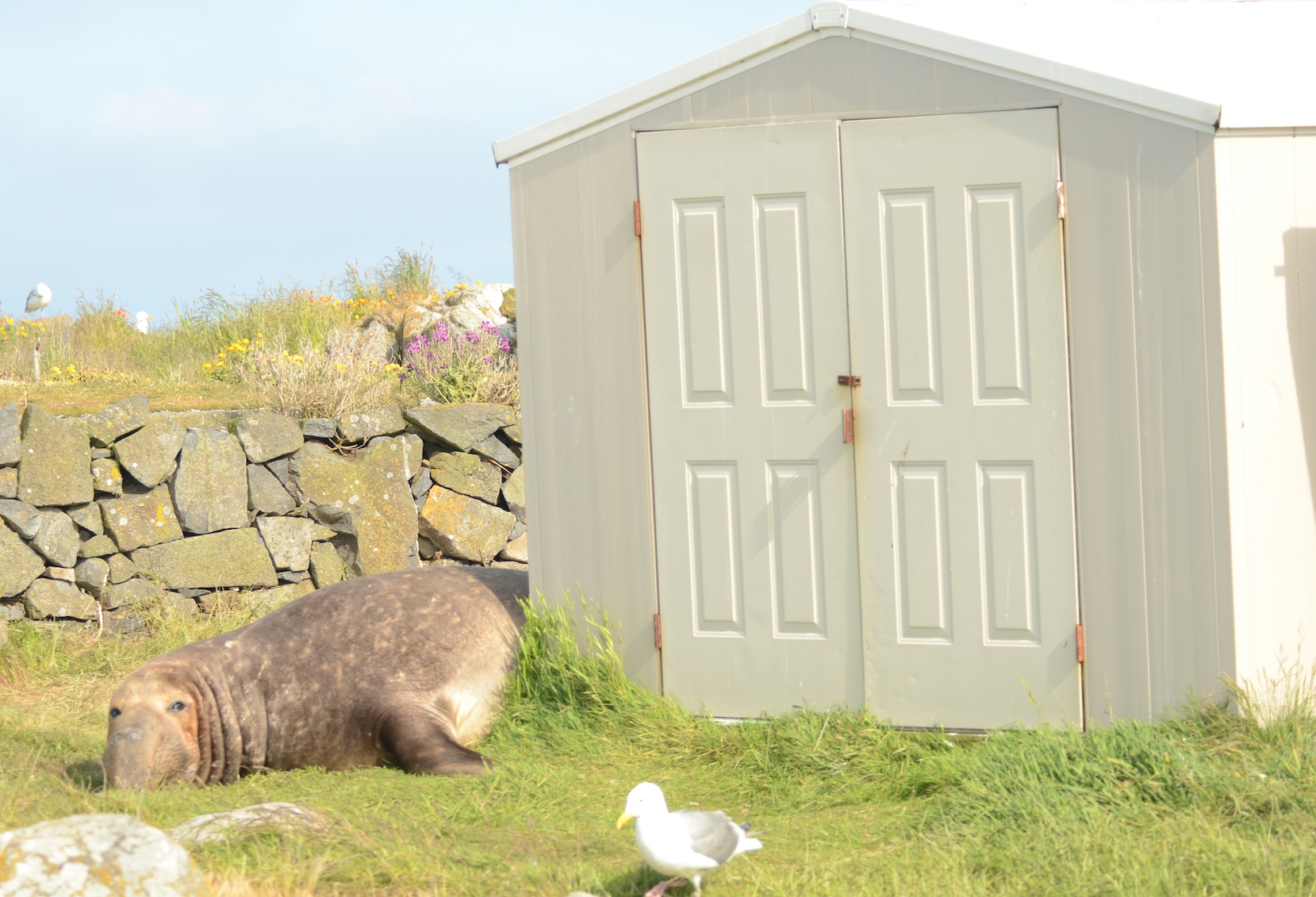
I was lucky enough to see Chunk ghosting around the island from the top of the light tower and it was a surreal sight. He started out in the surge channel in front of the science house and swam around anti-clockwise. If it wasn’t for his white scar, I might have missed him, as it was a bit foggy. He only came up to look around and make a right angle turn to avoid a reef, once. He moved elegantly with hind flippers sweeping side to side, ever so slightly and propelling his huge mass along at a good speed. He seemed to purposefully seek out the kelp and sweep through it. The pale grey, submarine shape shifted in and out of the kelp, hugging the coastline, in shallow water. How different this must be from his normal habitat offshore and in the deep. If that is what our Canadian elephant actually does. It would be nice to know where they go when they are not here.

Floyd as water watchdog.

Floyd as water watchdog.


I was glad that I topped up the freshwater the day before yesterday as Floyd decided to sleep right up against the freshwater tank-house yesterday and today. It would have been a challenge to get in and out to check water-levels with his head jammed in between the Diefenbunker and the tank-house.

How to avoid Floyd

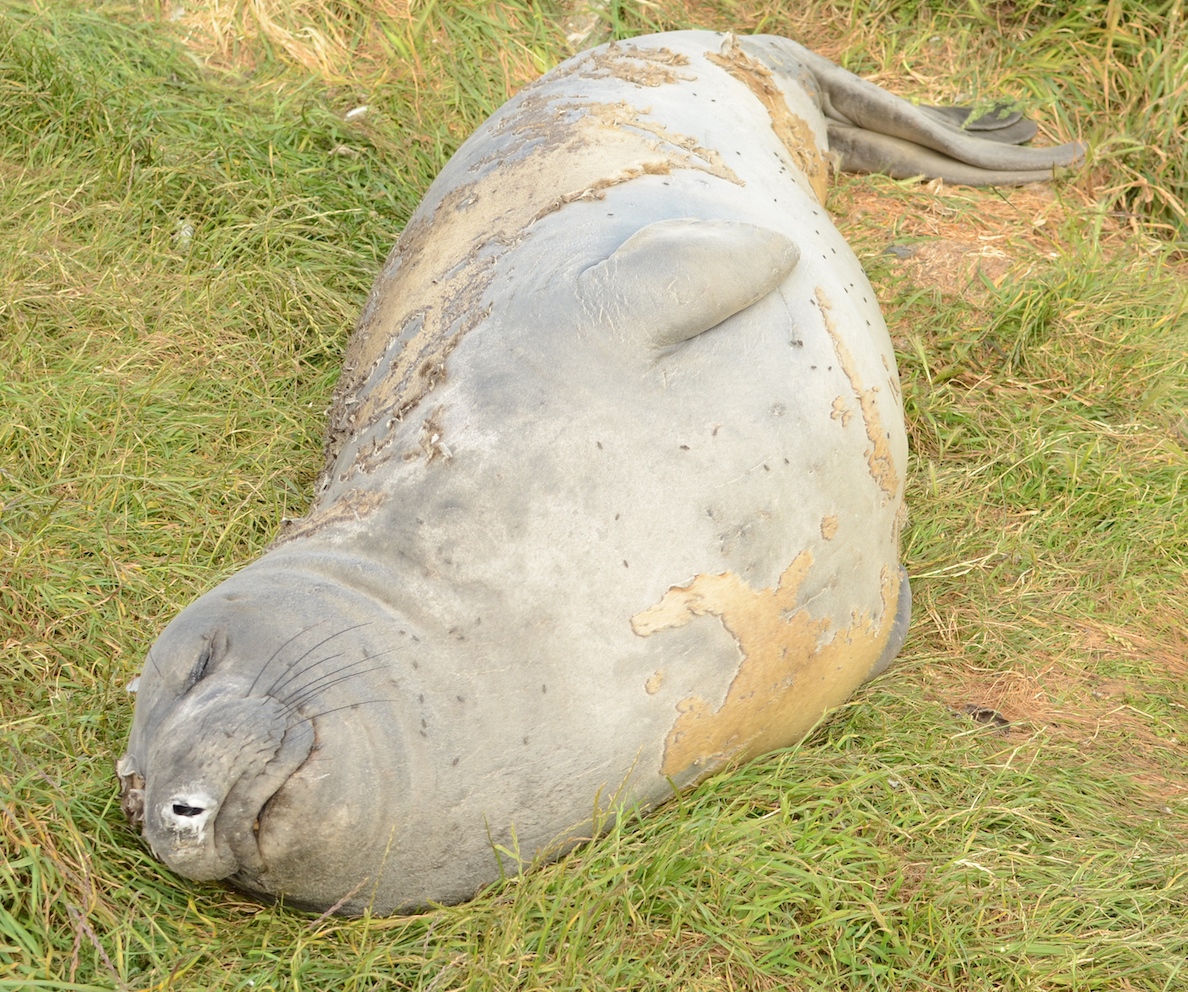
The two-year-old northern elephant seals that looked so bad before moulting are now starting to look much better as their moult progresses. This one still looks a bit scabby but no more oozing and bleeding sores.

scabby moult

According to my favorite vet, Marty Haulena of the Vancouver Aquarium (Who else knows about such things?), “when there are deep cracks, bleeding and large ulcers it becomes part of a syndrome known as northern elephant sealskin diseases (NESSD) and that syndrome is not well understood though it is likely a combination of secondary bacterial infection, immune-mediated disease, and endocrine problems. It is most likely to occur in yearlings during their first or second major moult. If minor they can survive” Thanks Marty for letting me know.

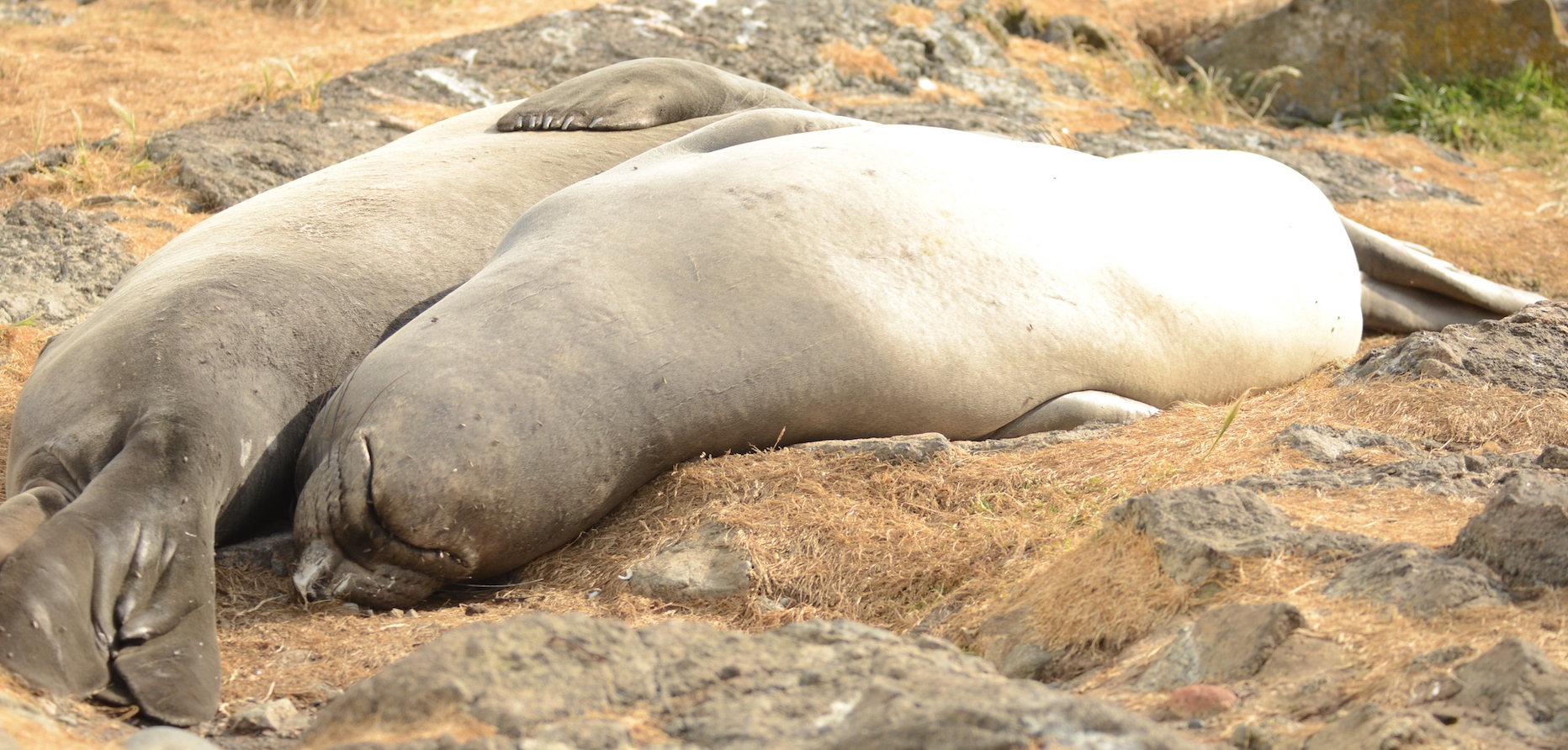
These two have been moulting, losing weight and sleeping more and more since they arrived a couple of months ago.

These two have been moulting, losing weight and sleeping more and more since they arrived a couple of months ago.

Thursday was census day and here are the results.


Northern Elephant Seals 22 (including 16 on Great Race)

Harbour Seals 110

California Sea lions 19

Northern or Stellers Sea lions 25 (One male with a neck ring, one female with a two year old, is branded but could not see brand.)

River Otter 1

Sea Otter 1

Canada Geese 23 (+ 26 goslings, one gosling missing) (note one adult (non-breeding) taken by eagles)

Harlequin Ducks 0 (left last week)

Pelagic Cormorants 16

Double Crested Cormorants 3

Bald Eagle 1 adults, 2 sub-adults

Black Oystercatchers 10

Kildeer 2

Pigeon Guillemots 211

Glaucous-winged Gulls total 444 (436 adults in nesting areas; 8 sub-adults in roosting/resting area) Some gulls starting laying and incubating.


There were no visitors either day and chores were routine. I leave for Portugal tomorrow Christine will be doing the blog. Back June 7th.


May 26

It was another steady, west by southwest day, blowing 15 to 20 knots, from morning to night and clearing out the clouds for a glorious afternoon and evening. There was just enough marine haze on the horizon to make a great sunset. This morning barometer gradually rose to 1016 hPA and then started a slow decline after noon ending up at 1014hPA just before 8:00 PM. The forecast is calling for strong westerlies to continue with a mix of sun and cloud.

Only four whale watching boats were observed in the Ecological Reserve today and everyone was on their best behaviour.

Ecological happenings were subtle today. More sealions are hauling out on Great Race including a few very chunky Stellers bulls. The California Sealions seem to putting the call out for others within hearing range to come and bark in concert. There are more birds mating wherever you look, the Canada Geese goslings are growing incredibly fast and the bull kelp is now forming a broad canopy even on the high tide. The gull bolus contents are shifting to more ‘forage fish’ bone content from the earlier strong bias toward chiton plates and the adults are feeding each other in practice for parenthood?

The Bald Eagles continue to fly in and scare all the gulls, geese and oystercatchers and it looked like they caught something today, but I am not sure what..

Chris and Courtney brought Second Nature out in the afternoon with two visitors from Scotland, (an alumna and her husband), and the two relief eco-guardians Guy and Christine who will be here for the summer. Chris, Courtney and Guy delivered diesel for the generator, using the derrick, barrels, a drum dolly and a fair bit of sweat. It looked scary to me but they pulled it off with aplomb and Chris said it is easier, safer and less risky than the old method, so that is really great.

My chores today were routine. I am going to post this now and update it with photos later in case the Internet goes down again in between. Must run and shut down the generator.


Yellow-headed Blackbird

Again it was a day dominated by the west and west-southwest winds. It was blowing 30 to 35 knots at dawn but the velocity subsided and most of the day it blew 20 to 25 knots. Skies were partially overcast and as predicted there were a few showers. Air temperature remains low, and is not much different than flooding sea surface temperature at ~ 9.7 oC. ranging between 10 oC and 12 oC .The wind is also chilling and today had the highest wind speeds of the week. The barometer rose today from 1008 to 1013 hPa and is dropping now while the forecast calls for gales and a gale warning has been issued. Saturday is supposed to be mainly cloudy with a 30% chance of showers.

There were four whale-watching boats observed, working in the Ecological Reserve today. No other vessels were observed in reserve.

Female Northern Elephant Seal # 5086 is on day seven of her moult now and has made great strides in losing skin during the last 24 hours. She has achieved the two thirds moulted milestone and is still grouchy.

5086_Day 7

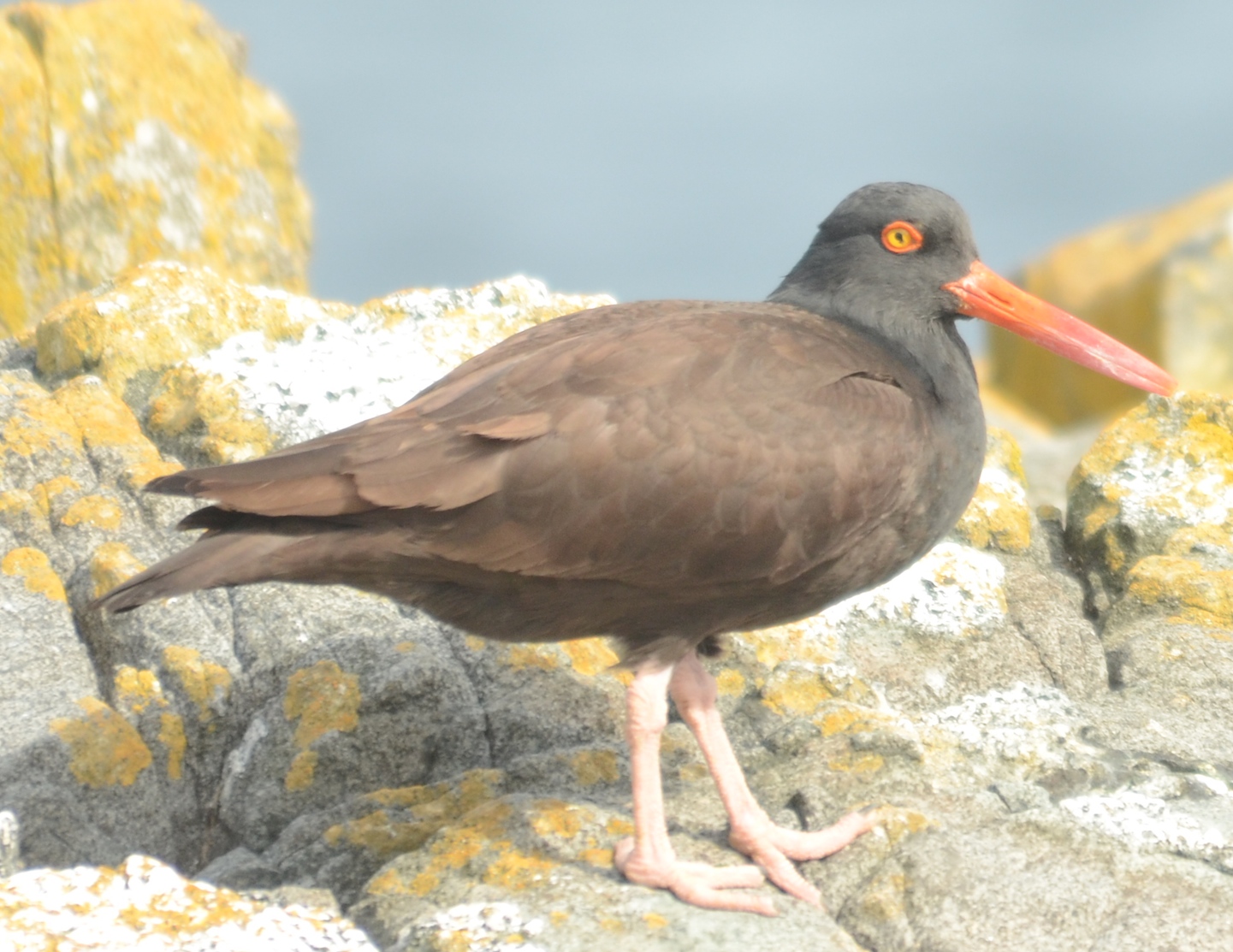
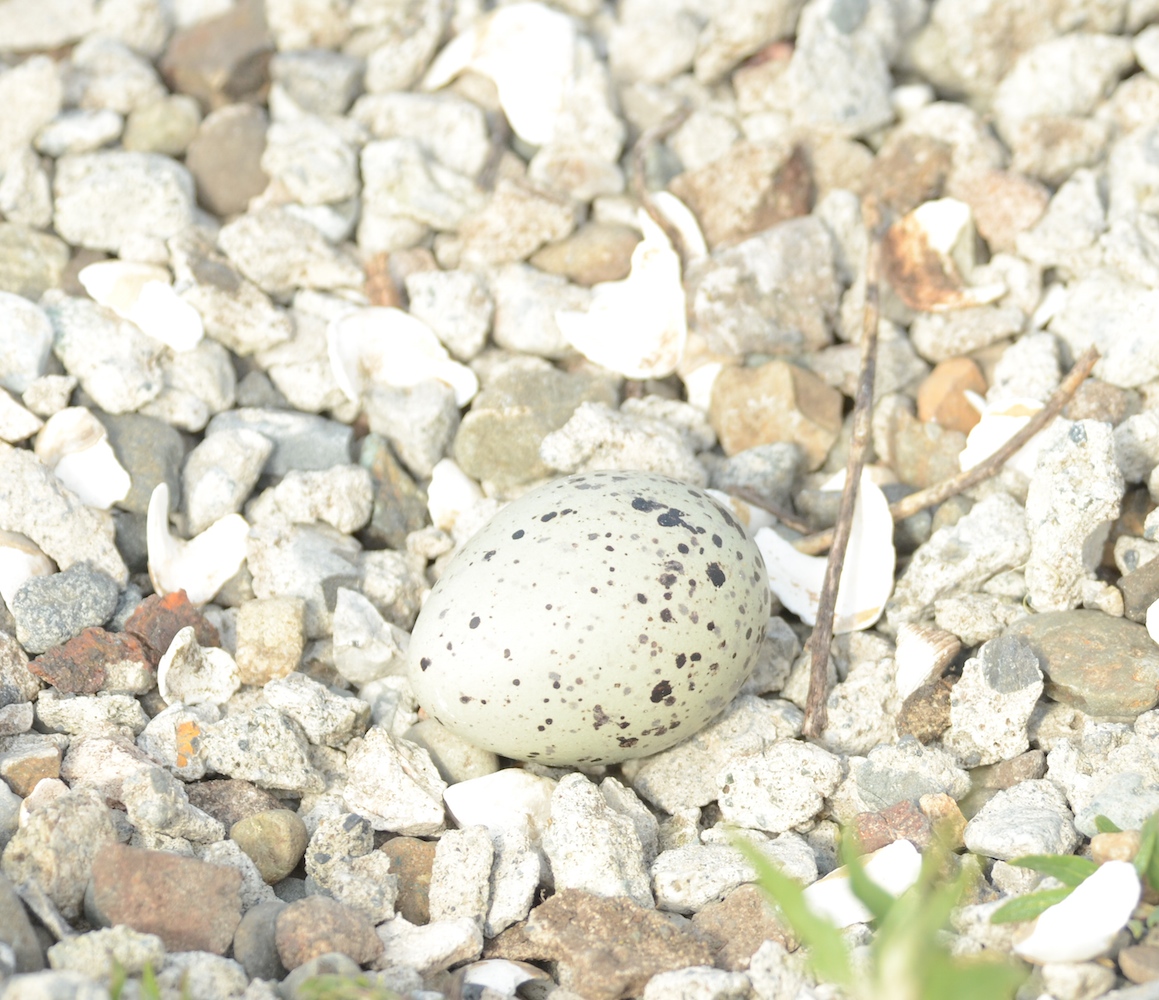
Black Oystercatchers are without a doubt nesting now and there are eggs in their terribly spartan nests, which have none of the comforts of home like soft vegetation or down.

Untitled bloy egg2

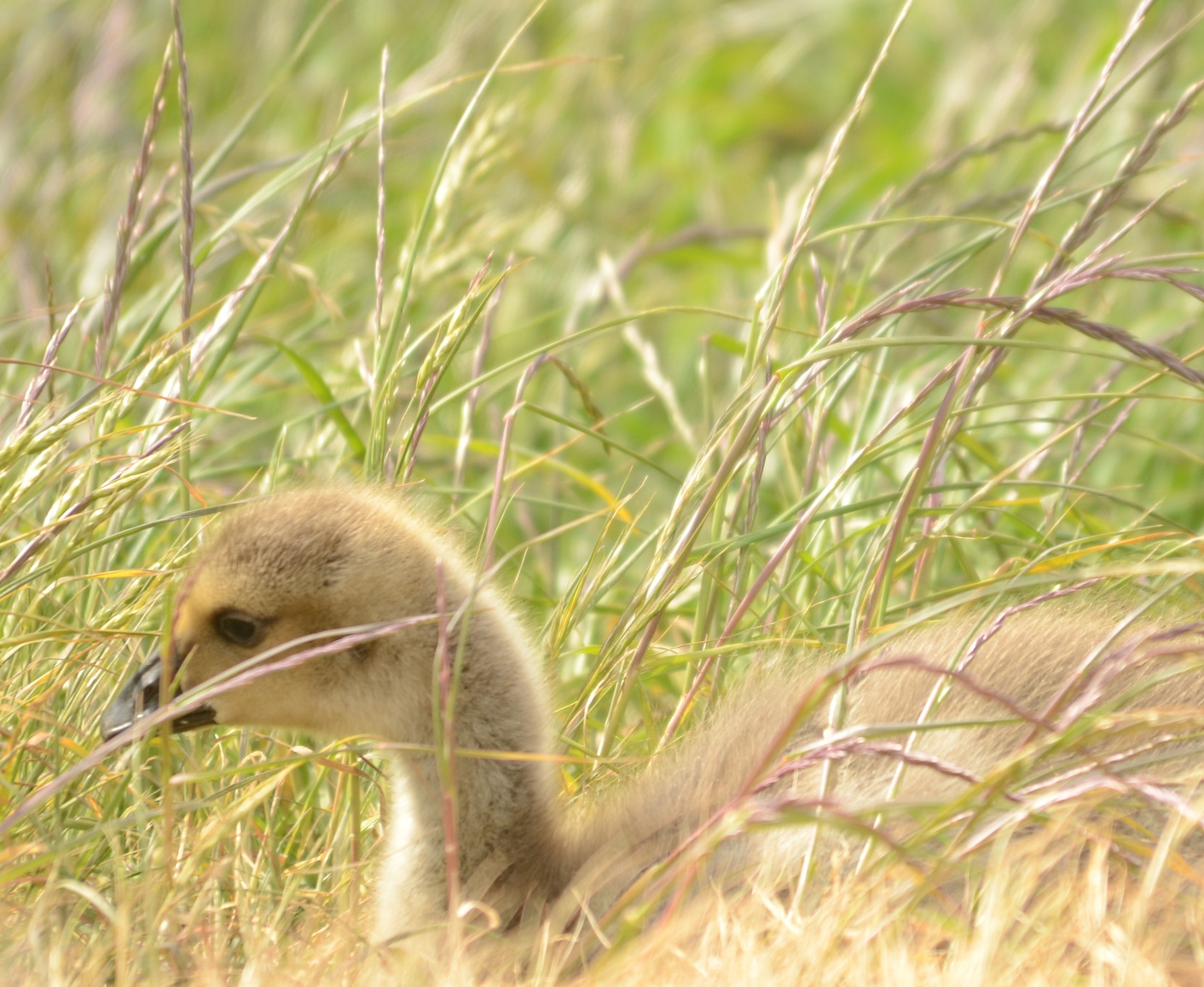
Some of the goslings are getting quite large and although they may be considered pesty, they are still fascinating to watch.

gosling

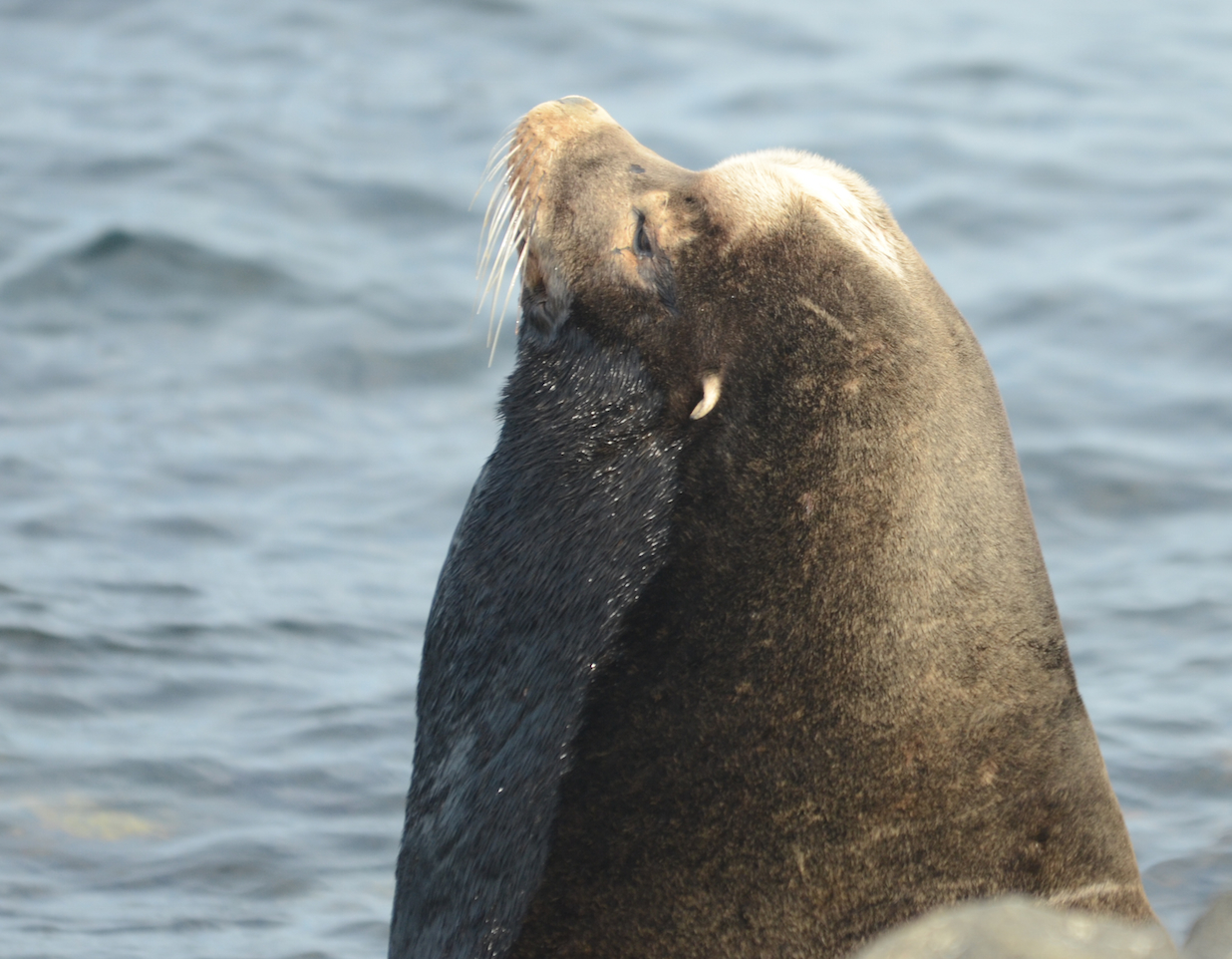
The California Sealions are moving back onto Great Race and I awoke to a chorus of them doing a call and response outside my bedroom window this morning.

ZACA

Thanks go out to Don Stewart for spotting and identifying an Anna’s Hummingbird on Great Race today, I believe this is a new addition to the species list here.

DCS

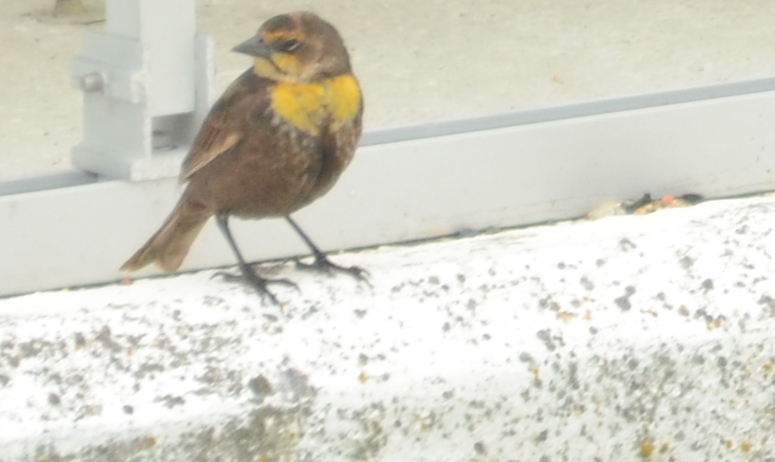
Another thank you to Rocky Point Bird Observatory for identifying a Yellow-headed Blackbird, another possibly new bird to the island. It has been hiding in the long grass and thistles near the base of the Light Tower and it has been difficult to get a photo fast enough. Today it flew to the roof of the Energy Building which made a photo much easier.

Yhblkbrd

Yesterday was census day but it was too foggy much of the day to do a good census. Here are the results from today’s census.

Northern Elephant Seals 26 (18 on Great Race, 8 on Middle Rock)

Harbour Seals 228

California Sealions 14

Northern (Stellers) Sealions 26

Canada Geese 24 (+ 21 goslings)

Harlequin Ducks 6

Pelagic Cormorants 8

Double Crested Cormorants 13

Bald Eagle total 3; 1 adult, 2 sub-adults

Black Oystercatchers          14

Kildeer                                   2

Pigeon Guillemots              230

Glaucous-winged Gulls total 564 (556 adults in nesting areas; 8 sub-adults in                           roosting/resting area)

California Gulls                    6

Common Raven                  1

Northwestern Crow             1

Anna’s Hummingbird         1

Yellow-headed Blackbird   1

Chores were routine today. Courtney came out with the new switch box for Camera 2 and installed it. Camera 2 is working again now but a close-up study on diatom film. Don left on Second Nature.


Finally Field Exam.

It blew west 15 – 20 knots all day as the barometer slowly climbed to 1016 hPa and leveled off. The early, overcast sky gave way to sunshine by late morning and it continued brilliantly until sunset. The forecast is for more of the same with the strong wind warning continuing.

Two whale watching boats were observed working in the Ecological Reserve and both followed guidelines and regulations, treating the Reserve and its wildlife with respect. Several sports fishing boats passed through the Ecological Reserve at low speed and only one halibut sports fishing boat was slow to slow, in the go-slow zone, doing at least 15 knots but eventually remembering and slowing.

All of the ecological happenings reported on, in the last week or so continued today. Great Race was busy with Northern Elephant seals coming and going from their bathing routines, moulting, sleeping and jousting. The gulls, guillemots and oystercatchers continued to prepare for the next generation and Canada Geese were out and about, promenading their goslings. A raven was seen taking one small gosling that had been noted dead earlier, near a nest in front of the science house. Both species of sealion seem more vocal this week, with the Steller’s mostly on West Rocks and the Californians more spread out but definitely back at South Islands.

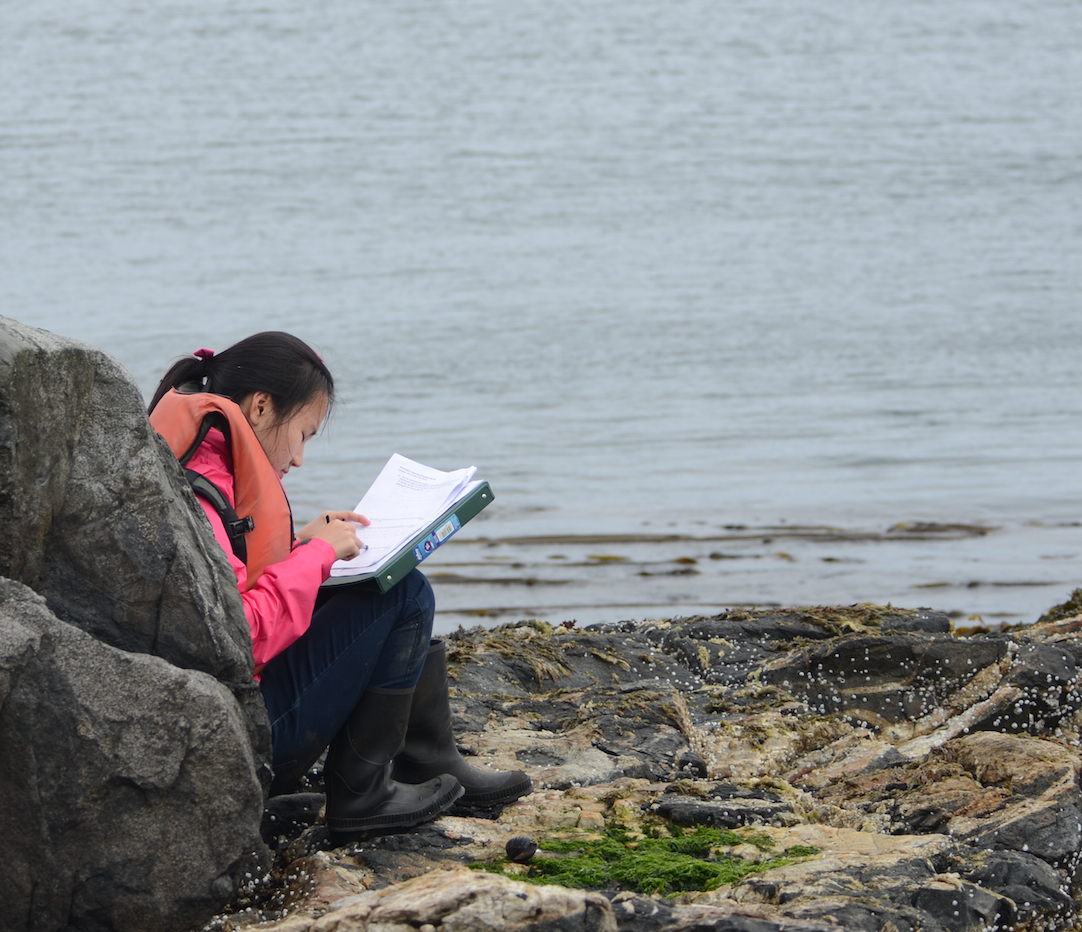
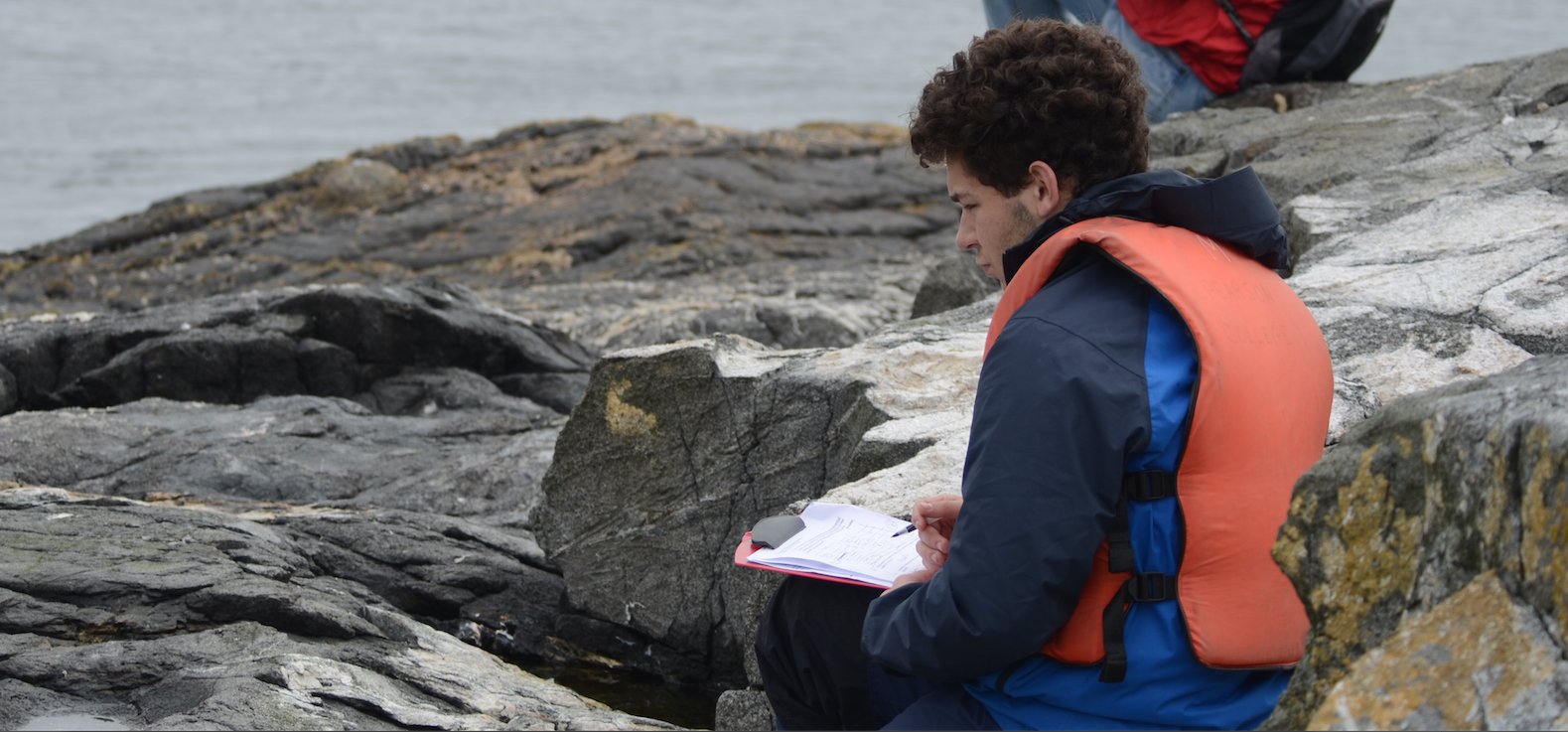
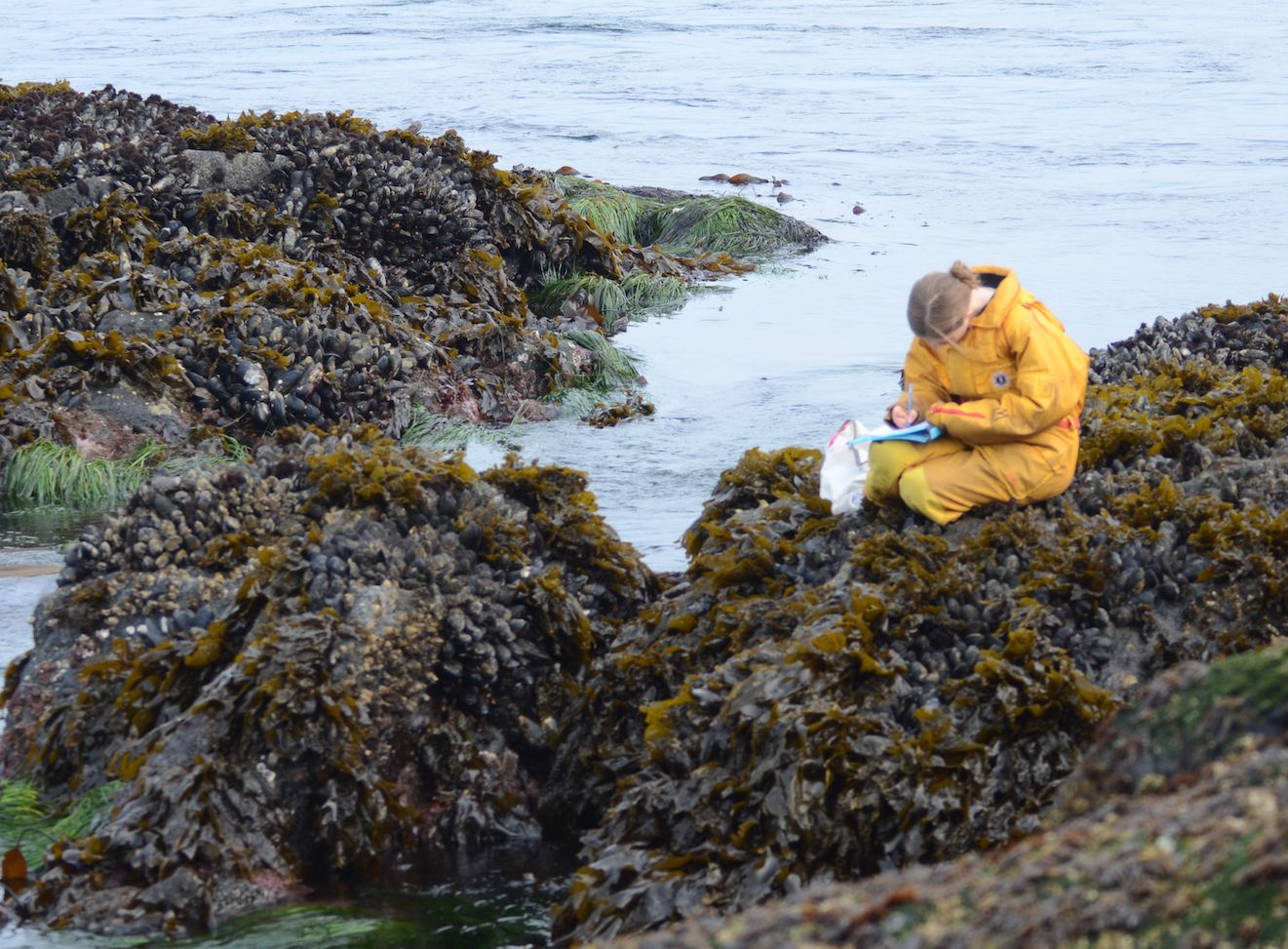
Today was busy with visitors as Laura and 36 first year marine science students arrived early to do their marine science field exam. Chris and Courtney, shuttled the class out in Second Nature and Hyaku. An extra trip in Hyaku brought out author Peter Johnson who is researching lighthouses for an up-coming book, along witha guest photographer. Hanne, a second year marine science student from Pearson College also arrived on that trip and she photographed the first years hard at work and enjoyed observing elephant seals with Courtney.

connor

Connor continuing to learn from nature even as he writes exam.

Ha biodivers

Ha finishes off answers on biodiversity and species richness, surrounded by diverse intertidal species.

more biodivers

Determining a relationship between tidal height and intertidal diversity.

marsci exam west

‘Delightful dichotomies and wondrous waves’ is the intriguing title of this exam station.

My family continued their visit and helped out in lots of different ways, from assisting boats and people on the jetty, to encouraging me in becoming more proficient and comfortable running the derrick. I assisted Laura and students with the field exam, which is very unique. This is one exam the students will  never forget.


How Low Can It Go?

Thick fog met me at dawn, not the sleepy kind that coffee cuts through, but dripping wet, zero visibility, fog created through the convergence of cold ocean water and warm air. The fog retreated and advanced repeatedly before it was beaten back by high wattage sunshine. The westerly wind blew throughout, at 5 – 15 knots only rising near sunset to closer to 20. The barometer started a gradual drop in pressure late morning yet the forecast is for sunshine and continuing westerlies.

There were a few whale watching boats in the area mid-morning with two observed in the Ecological Reserve. Sports fishing boats were seen in the general area but outside the Reserve.

The elephant seals found the trek to seawater quite an effort today and some of them gave up for a few hours on the way to have a swim. Getting back up the hill was even more of an effort.

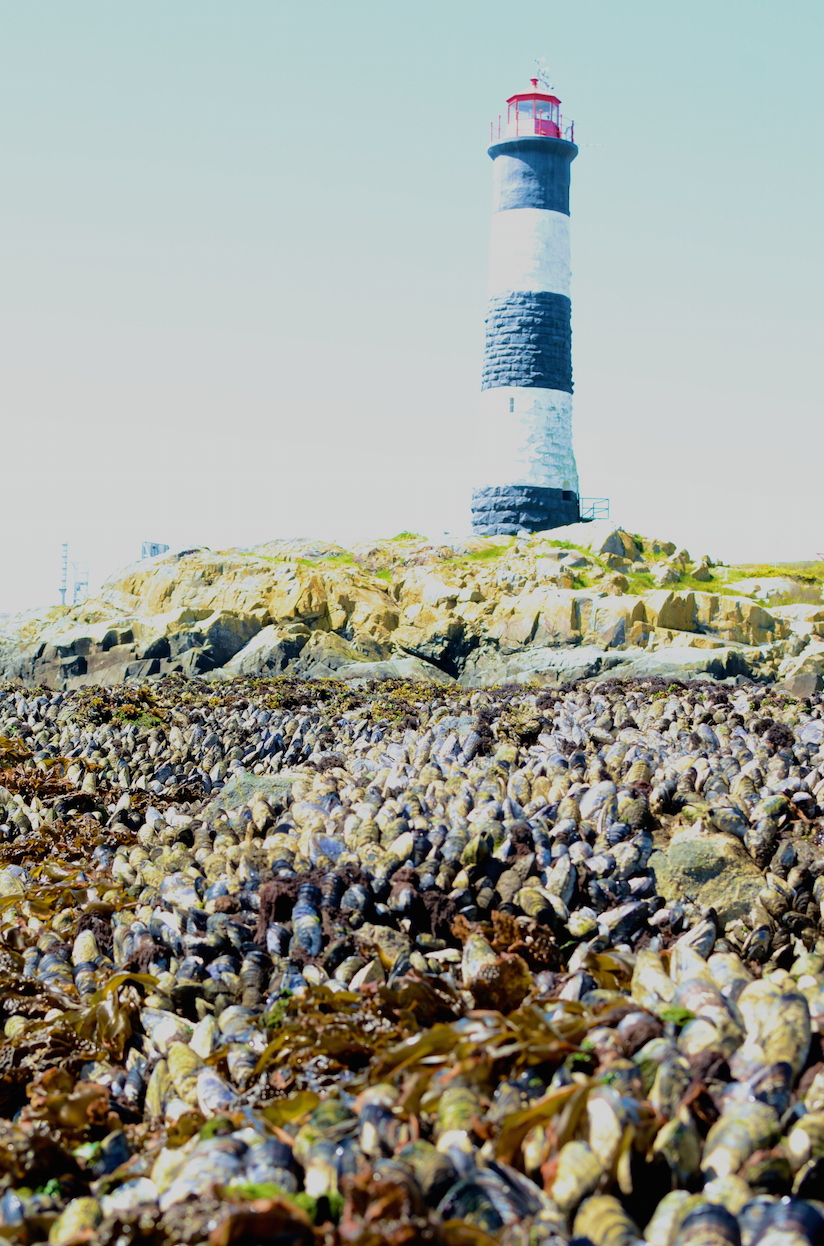
The tide is a long way out.

The tide is a long way out.

Observational efforts were focused in the inter-tidal and on the mega-fauna census today. Another really good tide (0.5m) allowed me to do a large algal survey and find more marine invertebrate species. I will share some of the invertebrates here and come back to the seaweeds tomorrow. In each photo, if you look closely you will notice smaller and smaller animals in a wall to wall competition for space or is it sharing of space.

The human history and natural history are intertwined.

Both the natural and human history at Race Rocks are profound.

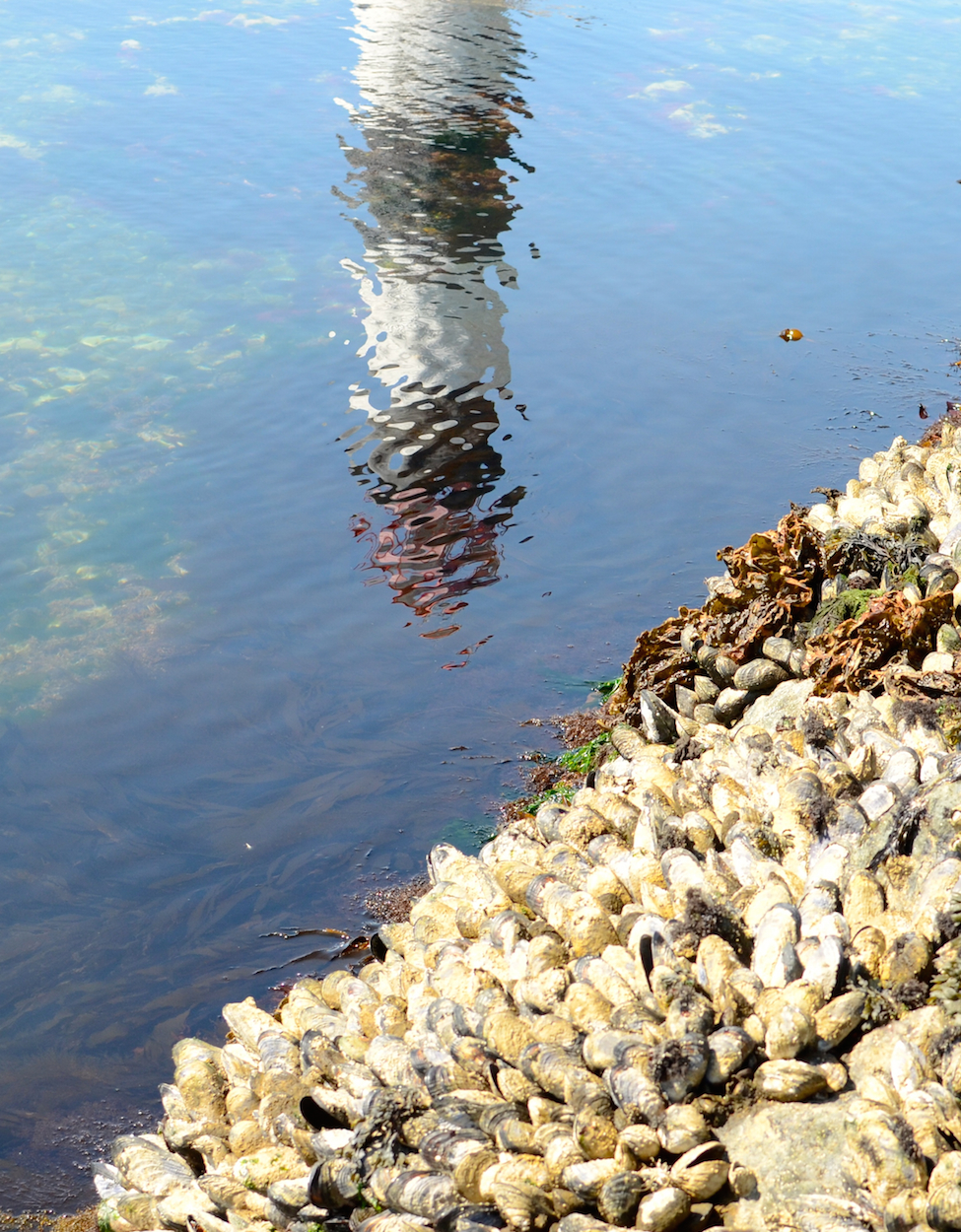
California Mussel beds are ‘old growth’ and substantial on Great Race. The large area provides important habitat creating significant diversity.


Extensive mussel beds on the south side of Great Race.

Extensive mussel beds on the south side of Great Race.

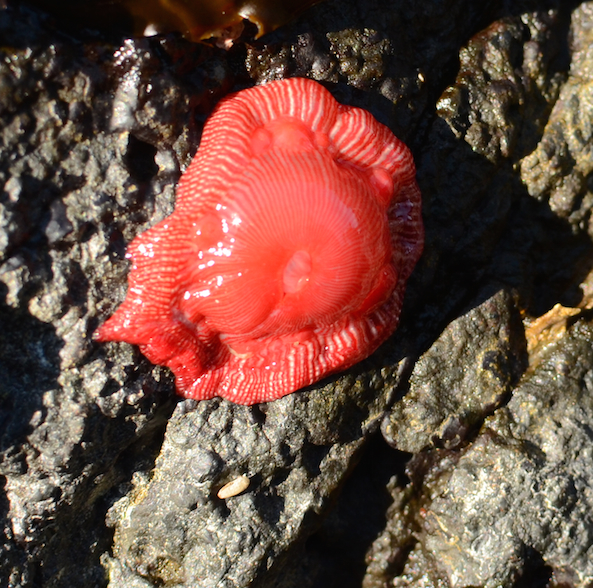
A brooding sea anemone (Epiactus prolifera) with numerous offspring attached low on the column near the pedal disc.

Epiactus prolifera

The mottled sea anemone (Urticina crassicornis) is quite common in the low inter-tidal on the south side of Great Race.

Urticina crassicornis

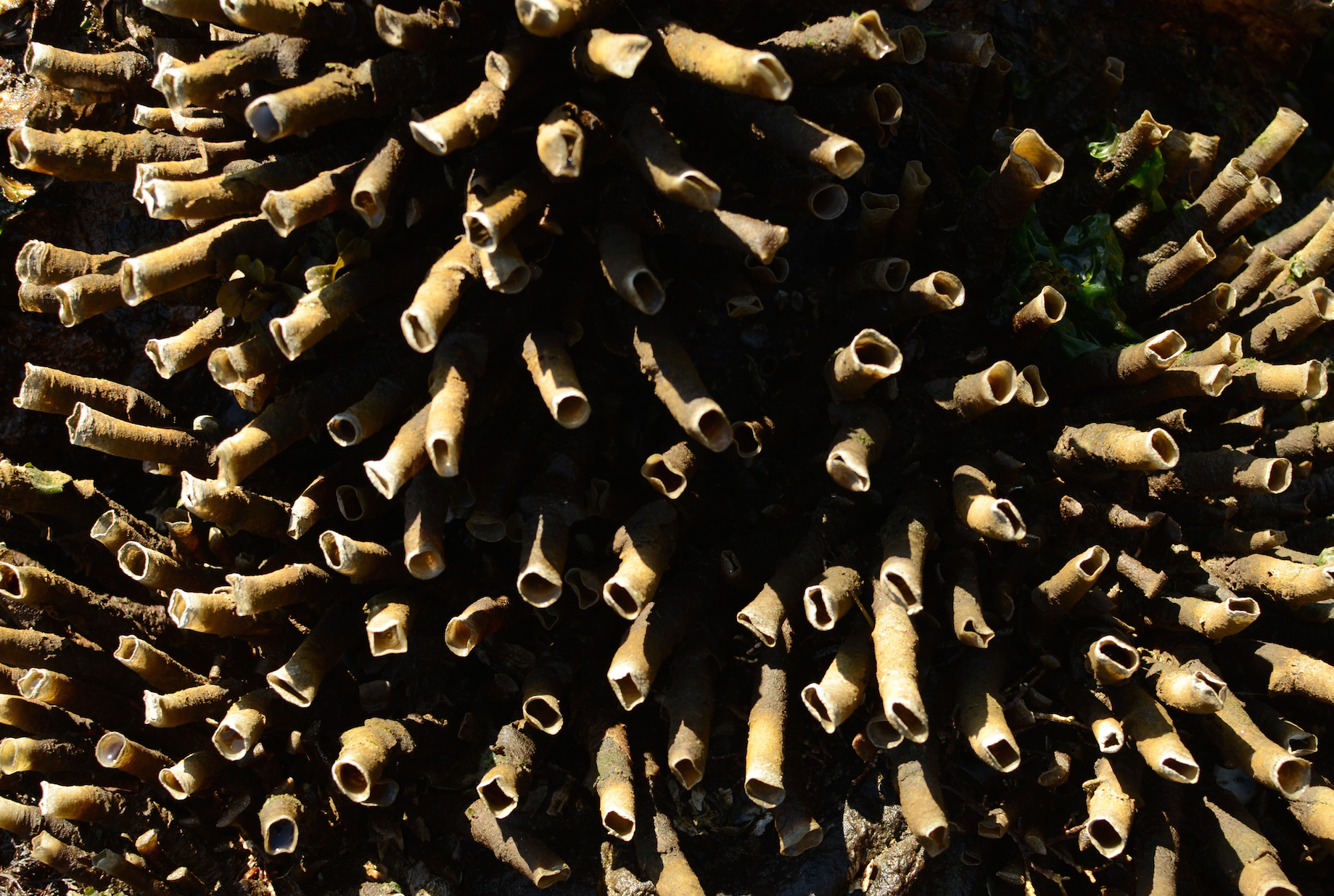
This species of tubeworm, named after Vancouver (Eudistylia vancouverensis) is usually more abundant sub-tidally. Here in the high current area between Great Race and South Islands, it is common in the low inter-tidal.

Eudistylia vancouverensis There is a lot of gigantism on the Pacific coast but here at Race Rocks even the giant species seem even more abundant and bigger than I have seen them elsewhere.

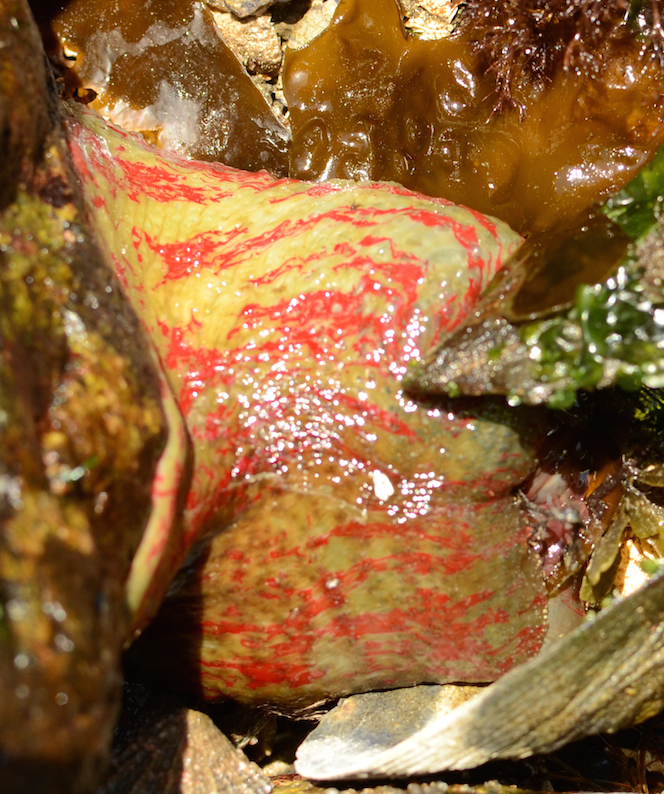
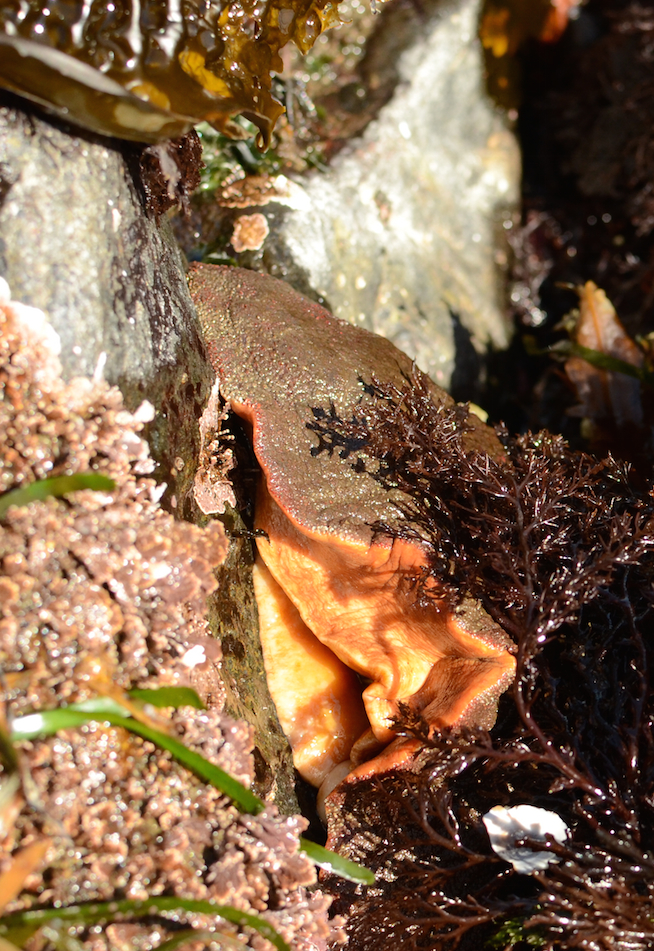
Cryptochiton

The gumboot chiton (Cryptochiton stelleri) is an important grazer in the inter-tidal. They are very abundant here.

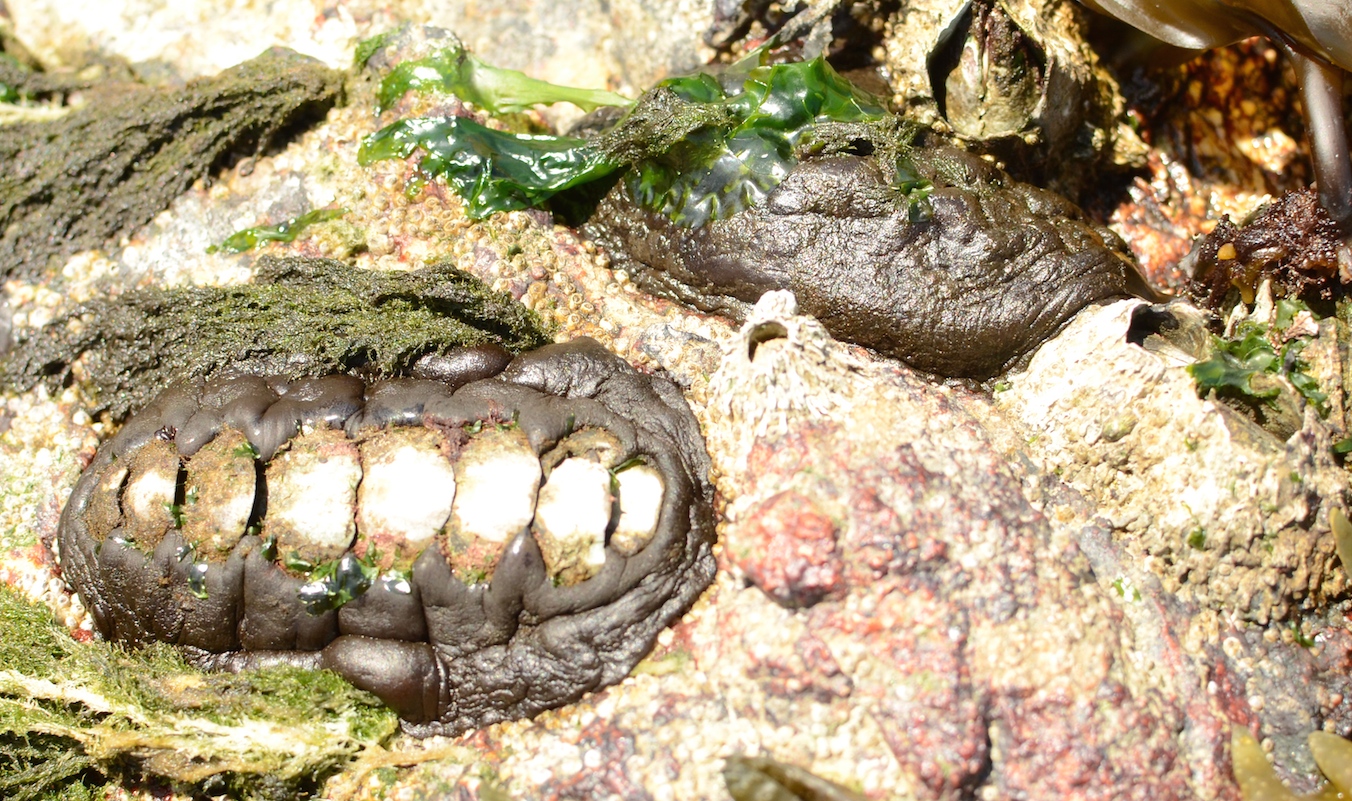
Katharina

The Black Leather Chiton (Katharina tunicata) is another grazer and like the gumboot chiton grows both very large and is super abundant here.


Cucumaria Dodecaceria

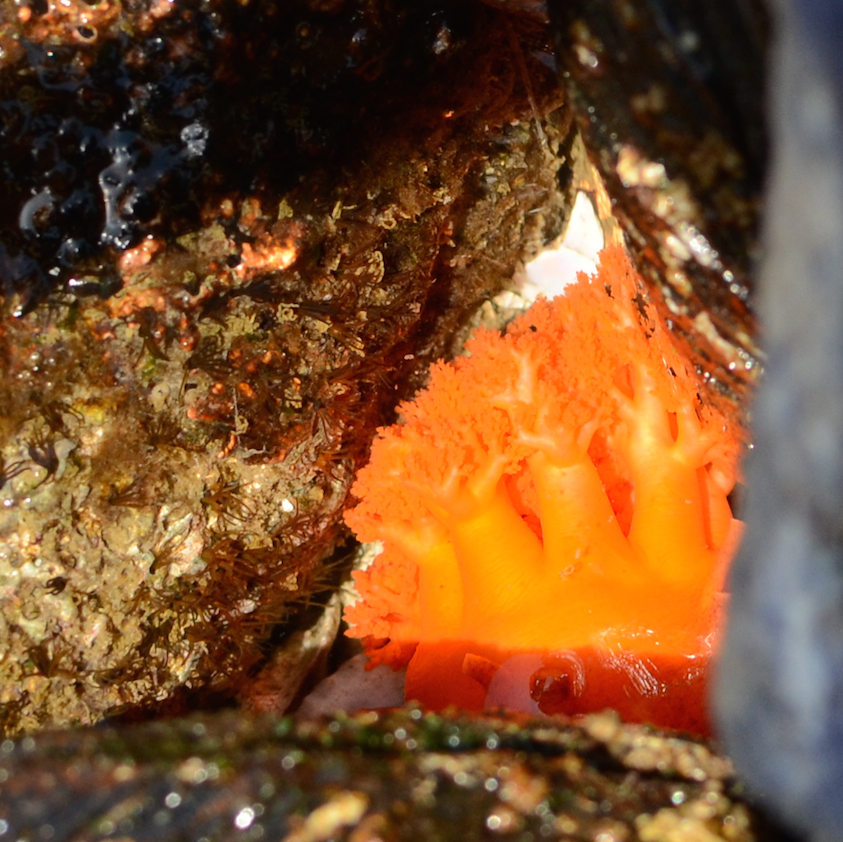
Orange sea cucumbers (Cucumaria miniata) are really abundant both in tide pools and under the edges of boulders and there a lot of boulders on the south side.


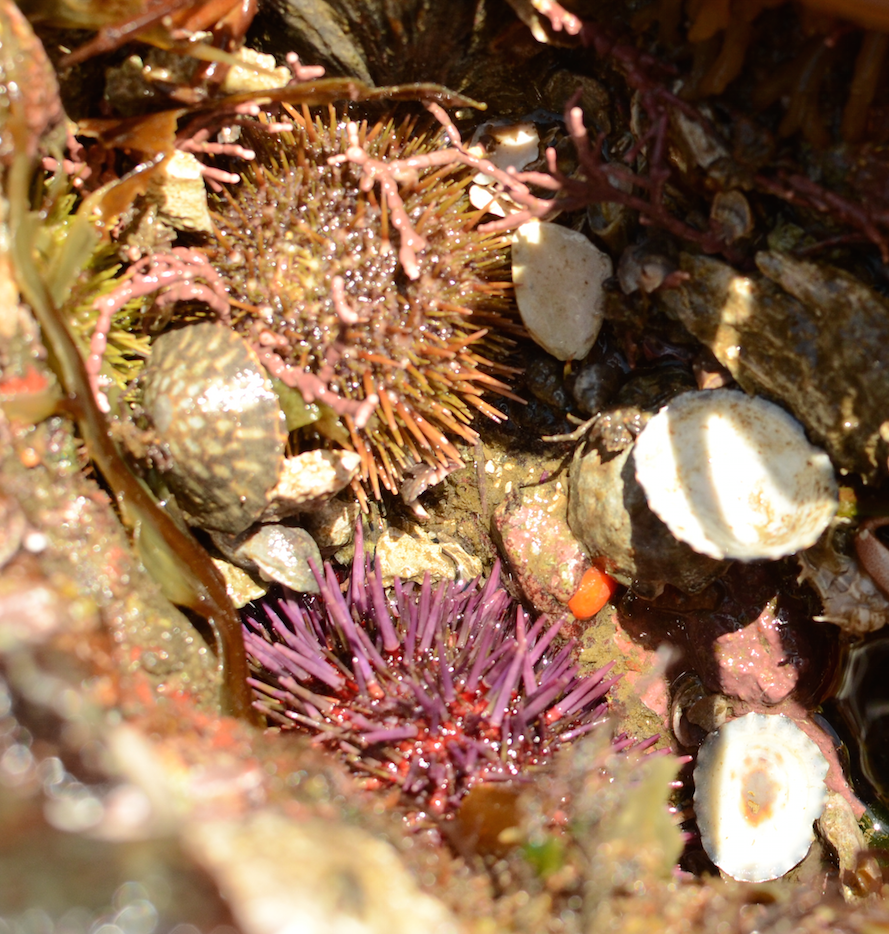
Three species of sea urchin were observed today, adding the green urchin (Stronglyocentrotus drobachiensis) to the list. The green and purple both like to “dress-up” aka cover themselves, with shells, seaweeds and even bits of wood. Here they were using empty limpet shells in an area frequented by oystercatchers.

drobachiensis rostangia

Green and purple sea urchins with a small orange nudibranch to their left (Rostanga pulchra) that usually lives on the red sponge Ophlitasponge.


Today was large animal census day and the results are as follows:

Humpback Whale (young (small) animal) 1

Northern Elephant Seals 34 (including 15 on Great Race)

Harbour Seals 179

California Sea lions 17 (includes brand U792)

Northern Sea lions 20 (mostly old males)

Sea Otter 1

Canada Geese 36 (includes 18 goslings)

Harlequin Ducks 8

Pelagic Cormorants 0

Double Crested Cormorants 6

Bald Eagle 2 adults, 3 sub-adults

Black Oystercatchers 10

Greater Yellowlegs 1

Black Turnstones 0 (none seen in spite of searching)

Western Sandpipers 2

Least Sandpiper 2

Pigeon Guillemots 148

Glaucous-winged Gulls total 607 (458 adults in nesting areas; 60 adults in roosting/resting area; 79 sub-adults in roosting/resting area)

Western Gull (hybrid?) 1

Herring Gull 2 (Juv.)

Common Raven 1

Northwestern Crows 2

Barn Swallows 2

Savannah Sparrow 6

There were no visitors today. Chores were routine.
 

Enter the Merry Month of May

The wind was just a zephyr today, with a weightless push from south, then southwest, and then nothing for a while. Not much to sail with and the flag hung lifelessly. The barometric pressure was similarly lethargic, going up ever so slightly, then down by about the same. The strong wind warning continues, so it may get here by Sunday evening and the forecast is for sunshine.

There were no whale-watching boats in the Ecological Reserve today although a sports fishing boat came by to look at the sealions in the evening. One rental boat from Pedder Bay with three men, insisted on fishing for and catching rockfish in the closed Rockfish Conservation Area, while the regulars were well outside. There needs to be more notification and communication about where the conservation area is located.

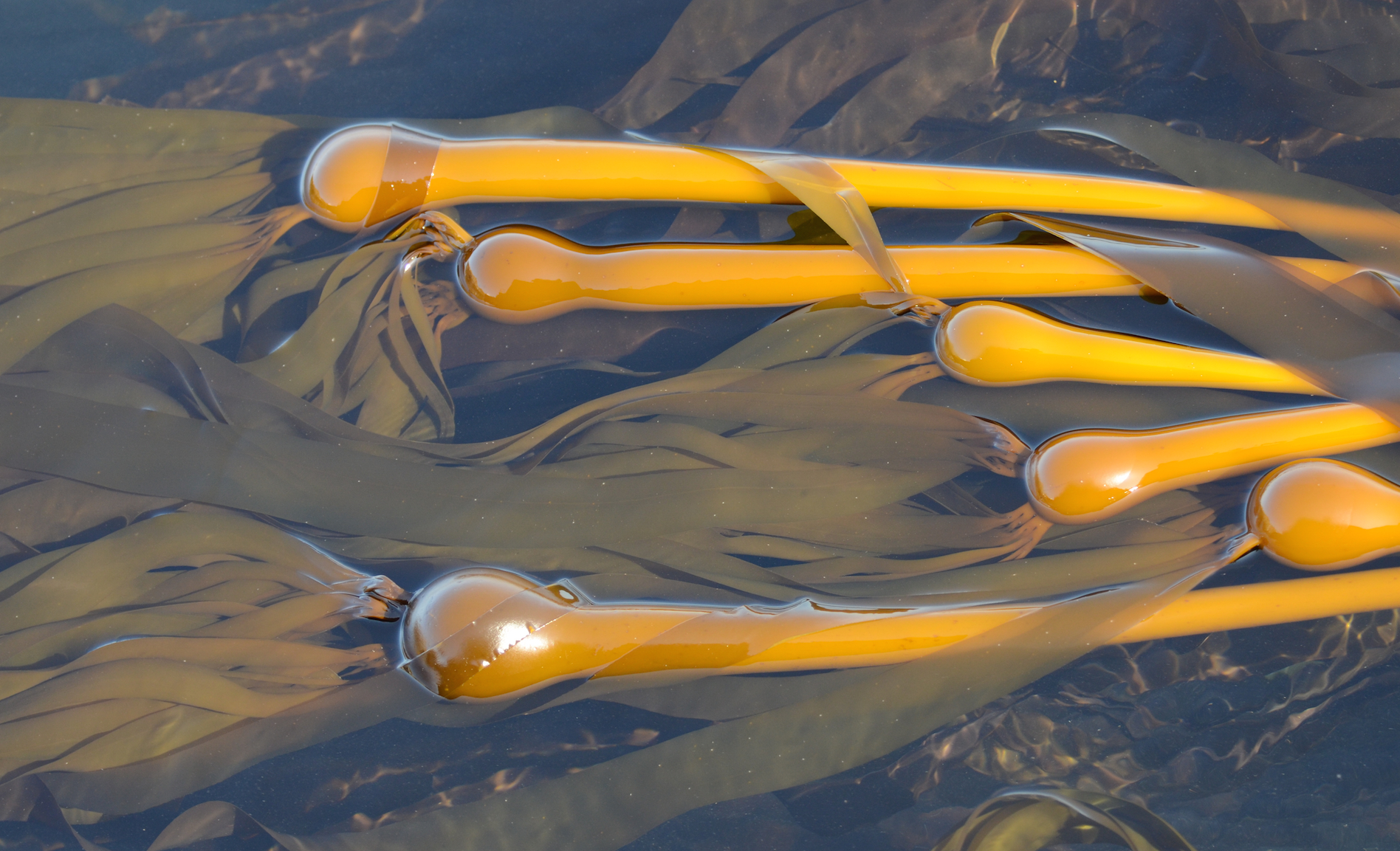
The bull kelp has reached the surface at low tides and is forming fairly massive beds around Turbine Rock where the Sea Otter likes to hang-out. In by the jetty where the current is less active it is at the surface all the time now and some of it is very reproductive, with large sori patches visible on the fronds.

Bull kelp fixes carbon faster than just about anything and grows so fast it makes bamboo look like it is standing still.

Bull kelp fixes carbon faster than just about anything and grows so fast it makes bamboo look like it is standing still.

Bull kelp sori

You can easily see where reduction division (meiosis) happens in the lighter yellow spore patches. You can also see where early patches have popped out of the frond and drifted off.


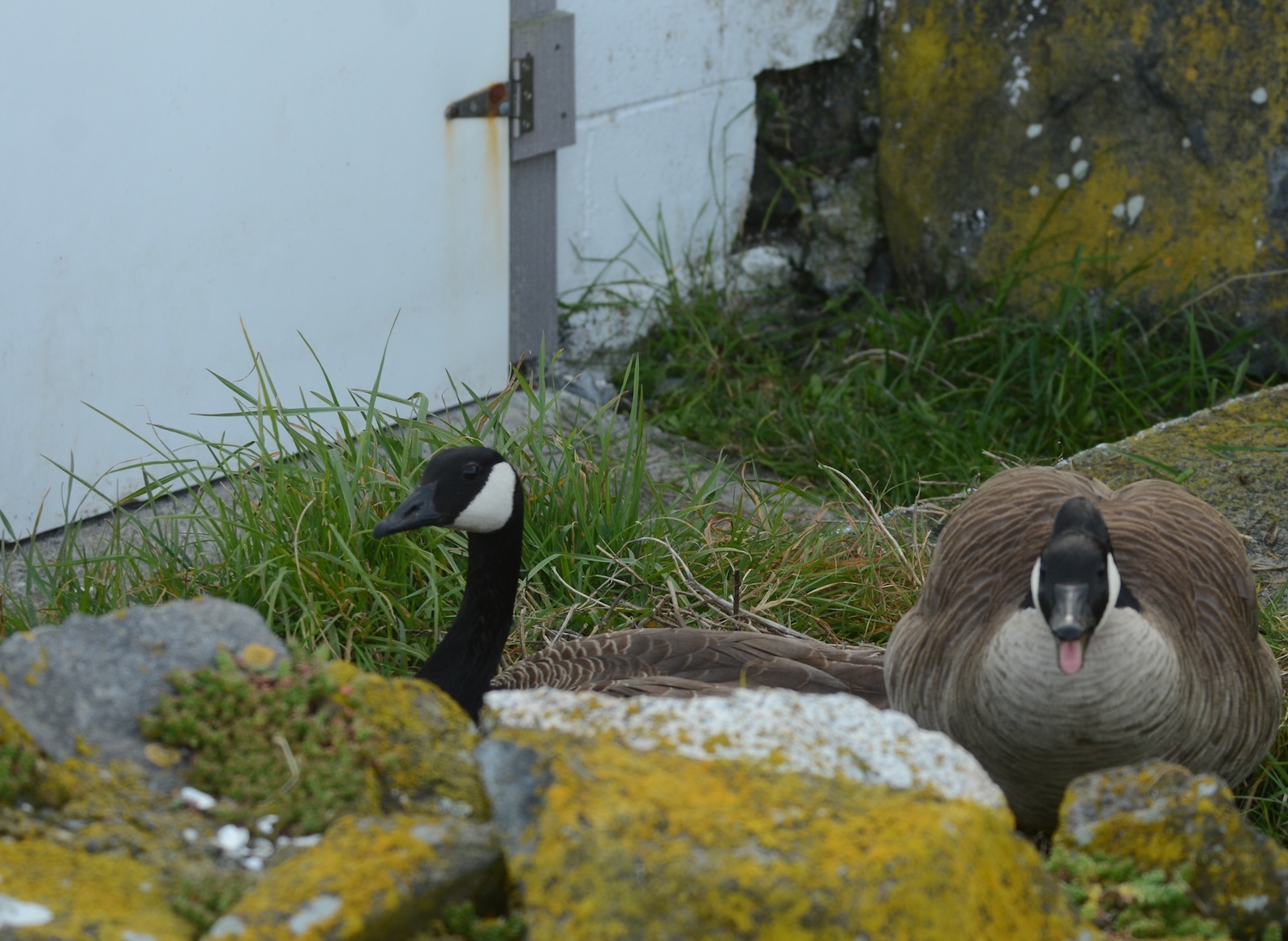
The pair of geese nesting at the base of the light-tower were out walking their goslings today. It looks like five out their eight eggs successfully hatched. The gander belonging to another, younger pair gave himself a real scare today, walking past the basement door where he could see his own reflection. That was really troubling to the pair and also very noisy. The gulls are also noisily going about their business.

Gwgu mate gwgu mate2

The elephant seals continue to moult although a few of them are down to just a few eyebrow hairs now. The younger males seem to be the last to moult and the most active. The same 12 to 14 individuals continue to frequent Great Race.

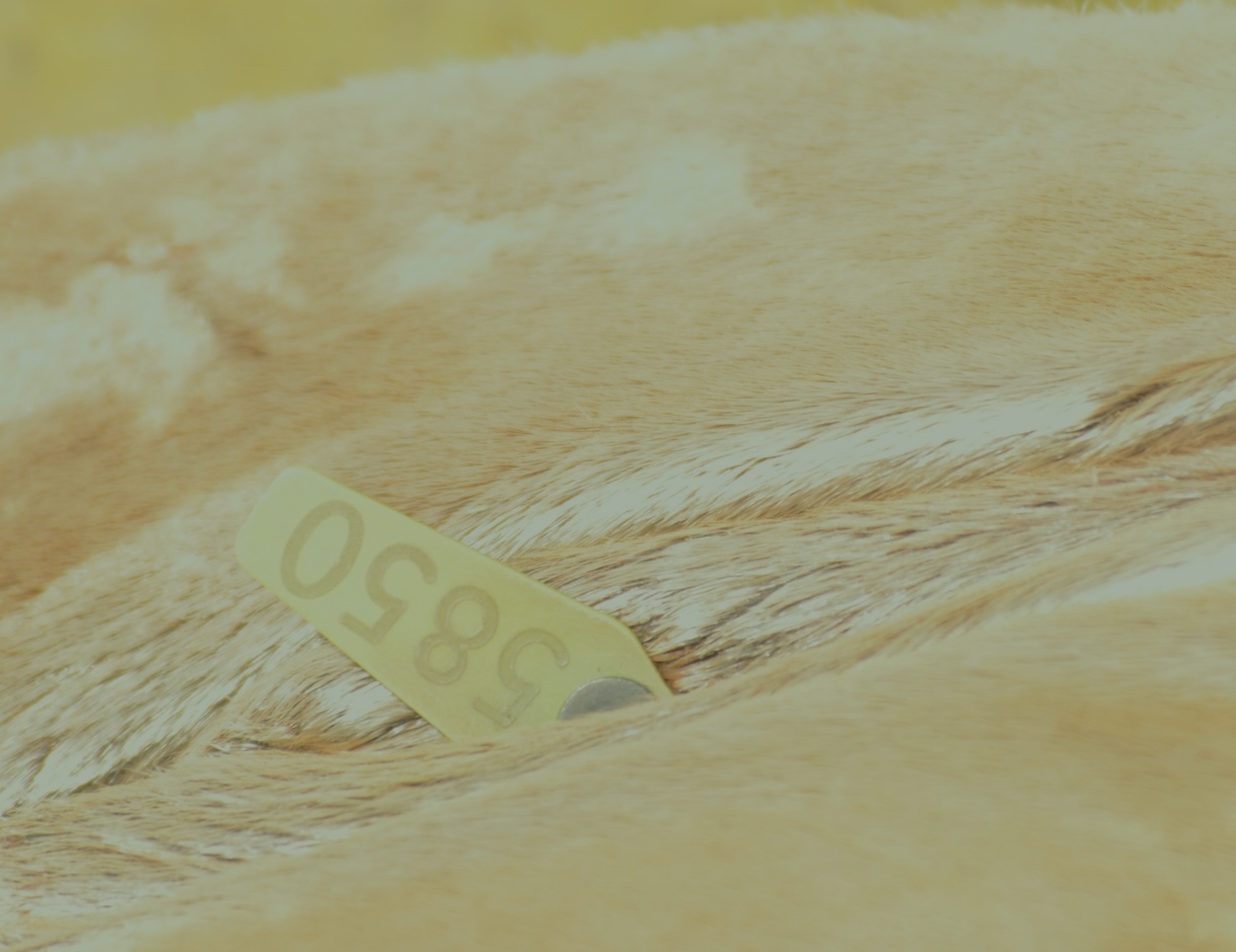
This almost three year old male (#5850) continues to spend day and night on Great Race. He has finally started to moult.

This almost three year old male (#5850) continues to spend day and night on Great Race. He has finally started to moult.

This young female is ahead of the young males in her moult.

This young female is ahead of the young males in her moult.

California Sealions were hauled out on Great Race today for the first time since I arrived in March and there was a male Californian (sealion) on the jetty that didn’t want to leave when I went down to sample seawater in the afternoon.

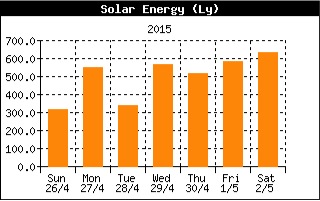
The solar panels were well supplied with sunlight today and produced enough energy to run the de-salinator and top up fresh water supply. The high value was 900 W/m2 and the cumulative amount for the day, at 7:00 PM broke the week’s record.

Untitled

There were no visitors today and maintenance included routine chores and a couple of little projects.

A Changeable Spring Day.

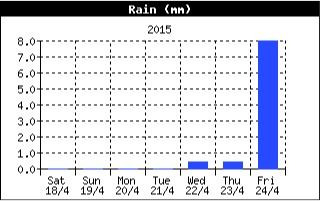
During the early part of the morning, the flag hung vertically, stuck to the flagpole, wetted by fresh rain. Later in the morning, when it occasionally fluttered, it was from almost imperceptible, easterly zephyrs. After lunch it blew north 10-15 knots for a while before switching over to the afternoon westerlies mid afternoon. Although there was significant rain (see figure below) throughout the day, there was also lots of sunlight and we surpassed yesterday’s level by over 30%. The barometer started rising in the early morning and by 17:30 was at 1008 hPa. The forecast for Saturday is for a continuation of the afternoon westerly pattern.

A graph of  the past week's rainfall recorded by a Davis instruments tipping bucket rain gauge.

A graph of the past week’s rainfall recorded by a Davis instruments tipping bucket rain gauge. Check the web-site for lots of cool data.

Only one whale watching boat was observed in the Ecological Reserve, just at dusk, although several headed west and back through Race Channel. One sports fishing boat fished very close to the boundary at Rosedale, but clearly outside. The Life Saving vessel ‘Spirit of Sooke V’ came through middle Channel this afternoon at a very stately pace and then swung around and went in between South and Great Islands and returned to the west.

A pod of at least four Killer Whales passed to the south of Race Rocks, heading west at ~07:00. It was not possible to determine which population and there were probably quite a few more than four. They were quite spread out and moving fairly fast, travelling about half way out to the US/Canada border (yellow can buoy) from Race Rocks. A flock of 23 Black Brandt flew through Middle Channel about the same time, also heading west. The Barn Swallows appear to be staying on the island somewhere; at least they were here bright and early. This place is certainly a haven for an insectivore. I hope they stay.

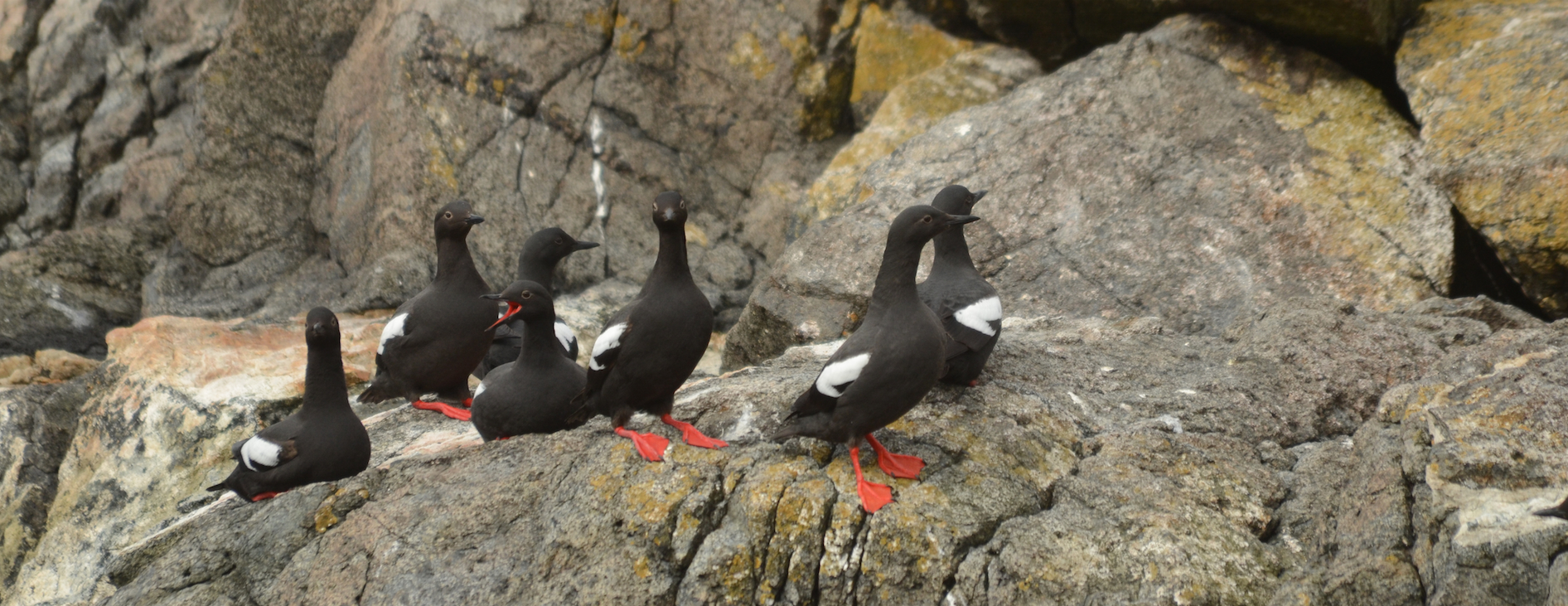
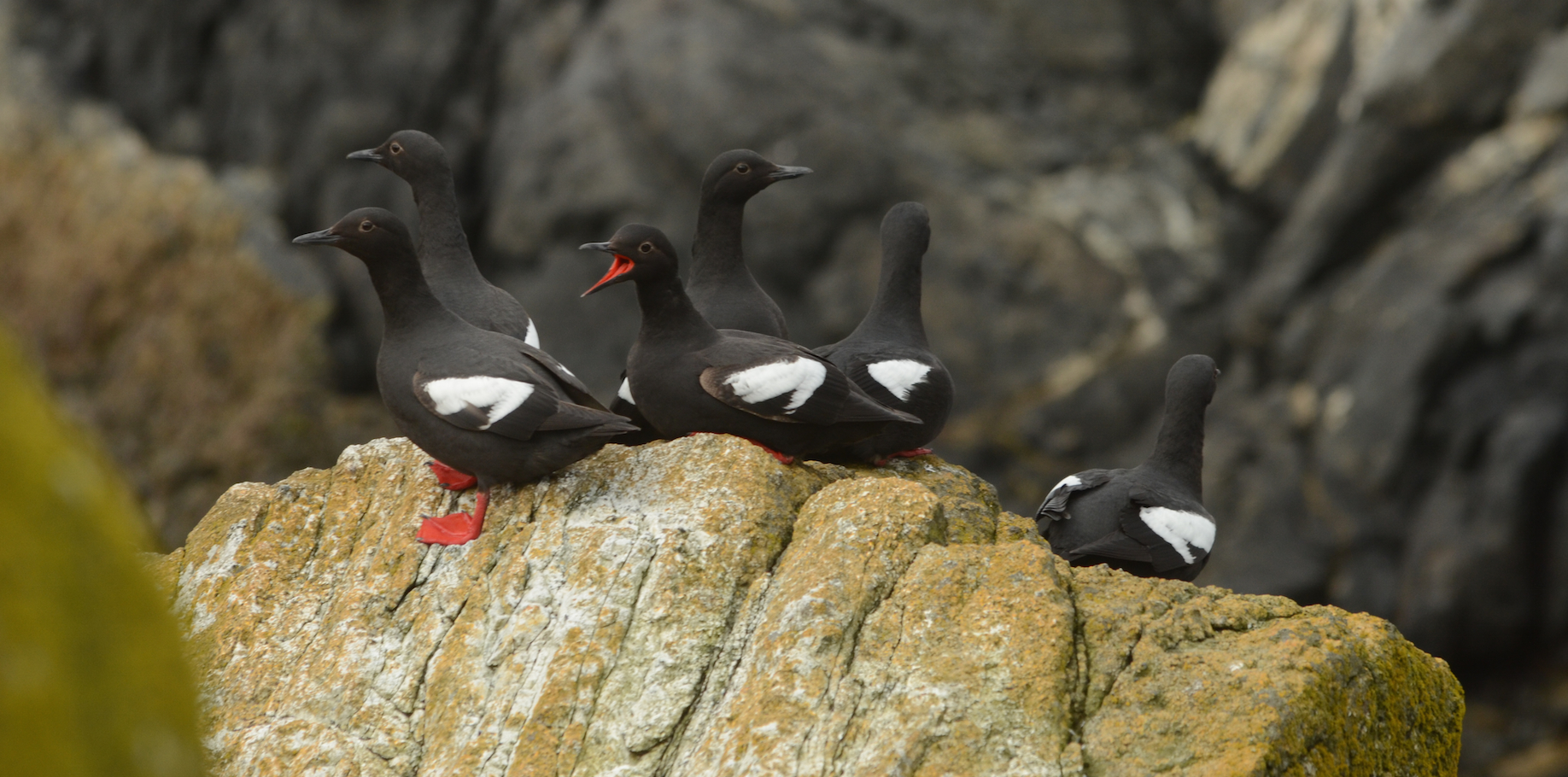
Pigeon Guillemots are members of the auk family, related to murres. They swim underwater using their wings and steer with their feet.

Pigeon Guillemots are members of the auk family, related to murres. They swim underwater using their wings and steer with their feet.


Right now they are in their alternate, or breeding plumage, otherwise in the winter their colouring is more like a winter murre or murrelet with lots of white, gray and dark gray.

Right now they are in their alternate, or breeding plumage, otherwise in the winter their colouring is more like a winter murre or murrelet with lots of white, gray and dark gray.

The Pigeon Guillemots are spending more time on land as spring progreses. These true seabirds are ill equipped for walking with their feet used as rudders for underwater flight, and set far back on their muscular little bodies. I don’t think they are actually nesting yet but certainly getting use to land. Their favorite roosting spots are in the surge channel between the energy building and the science house, on the jetty and its’ upland scree and cliff area and on the little cliffs just southeast of the light-tower.

Now that the winds have settled down, the eagles are back and making determined attempts on the Canada geese. They also spend a considerable time on the pinniped haul-out rocks.

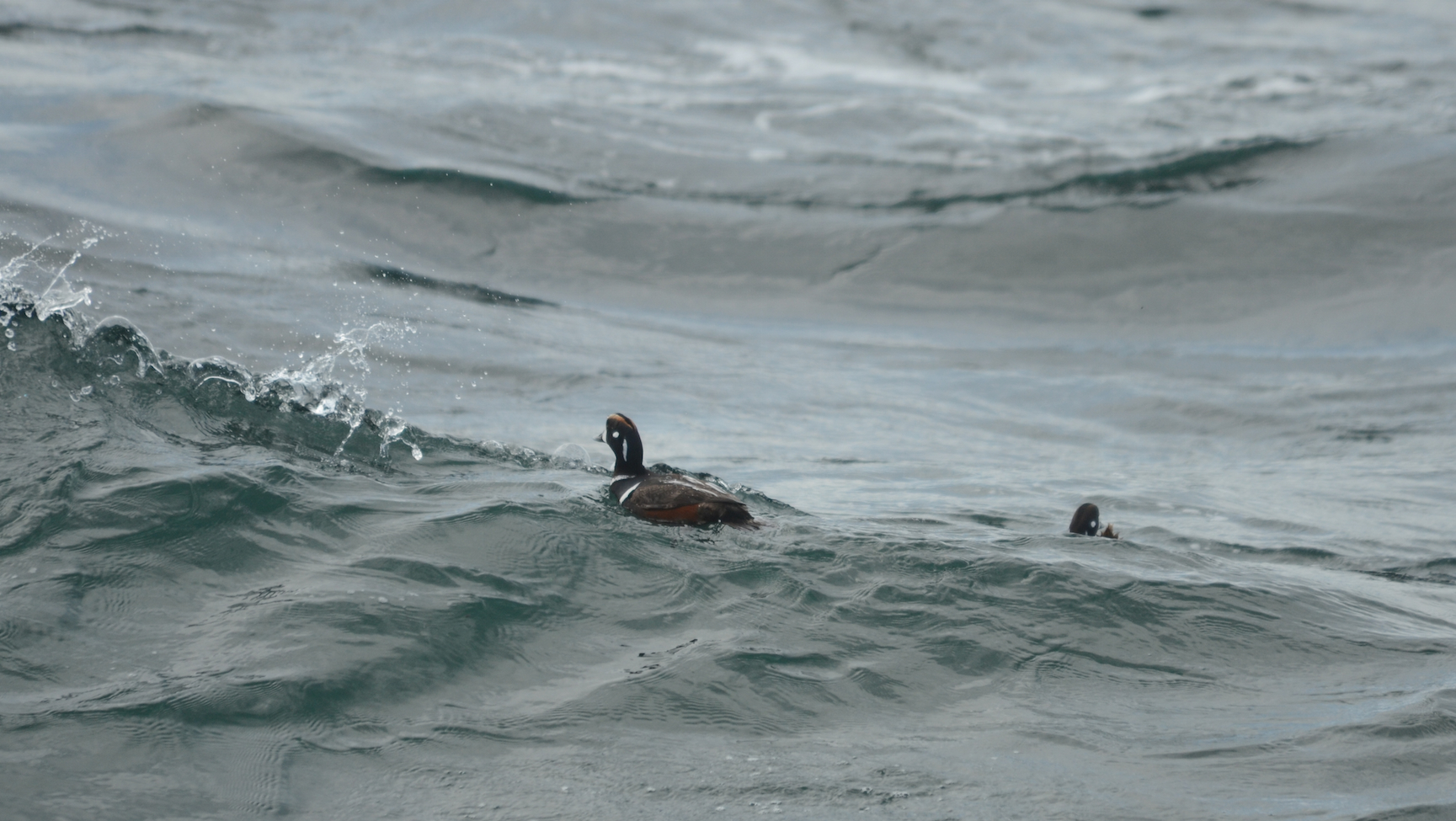
I keep expecting the Harlequin Ducks to leave and head for the mountains, where they nest and lead their summer  lives. There are at least four here still and probably more.

Harlequin Ducks are also supreme under-water swimmers and specialize in white water: in rushing  mountain rivers and streams in breeding season and in the sea the rest of the time.

Harlequin Ducks are also supreme under-water swimmers and specialize in white water: in rushing mountain rivers and streams in breeding season and in the sea the rest of the time.

A new (to me), young, female Northern Elephant Seal joined the Great Race elephant seal group today bringing the total to nine, five males and four females. #5850, the three year old male, embraced the new female (literally) and although he is the smallest of the males on the island, while the other males were practicing their jousting he had his ‘pinky’ out and was snuggling up to the new arrival. It is the first time I have seen seals hold ‘hands’.

A student group is arrived just before dinner and are staying over. They will be part of a first year biology field trip that will be here most of tomorrow. Work was routine today but the day was anything but routine. Amazing place.
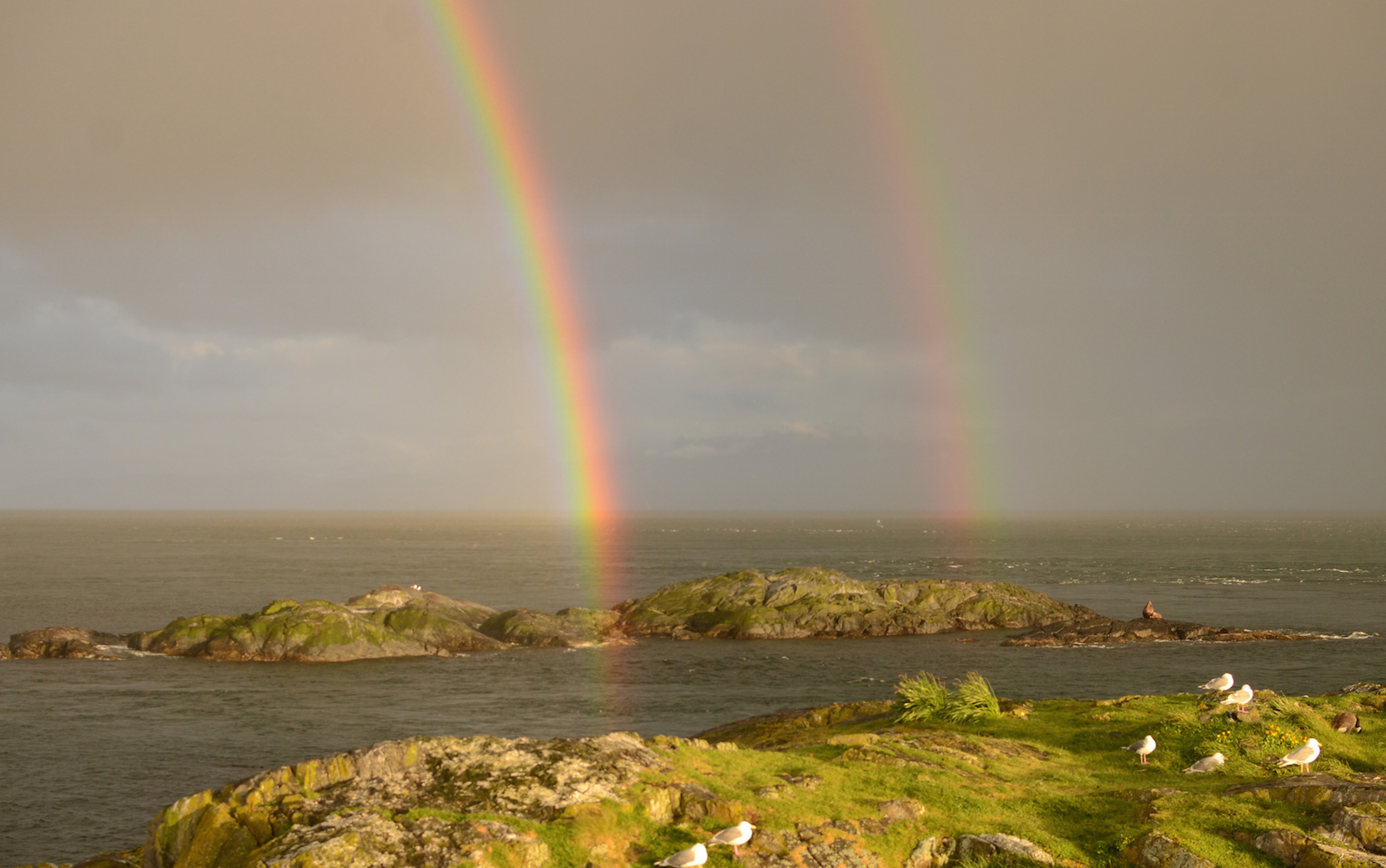
double rainbow

All About the Wind.

The west wind blew all night and by daylight, the 30 to 35 knot winds had sucked in low cloud, rain and rough seas from offshore. Winds increased to 35 gusting to 40 knots in the late morning and continued unabated all afternoon. Air temperature was close to yesterday’s sea surface temperature of 9.7 o C and with the wind chill was hovering around 4oC. Light levels were the lowest of the last week and not even 60% of yesterday. The barometer bottomed out just before midnight last night and has been slowly creeping up and out of its hole today. Gale warnings remain in effect for tomorrow with the wind predicted to turn southeast Thursday.

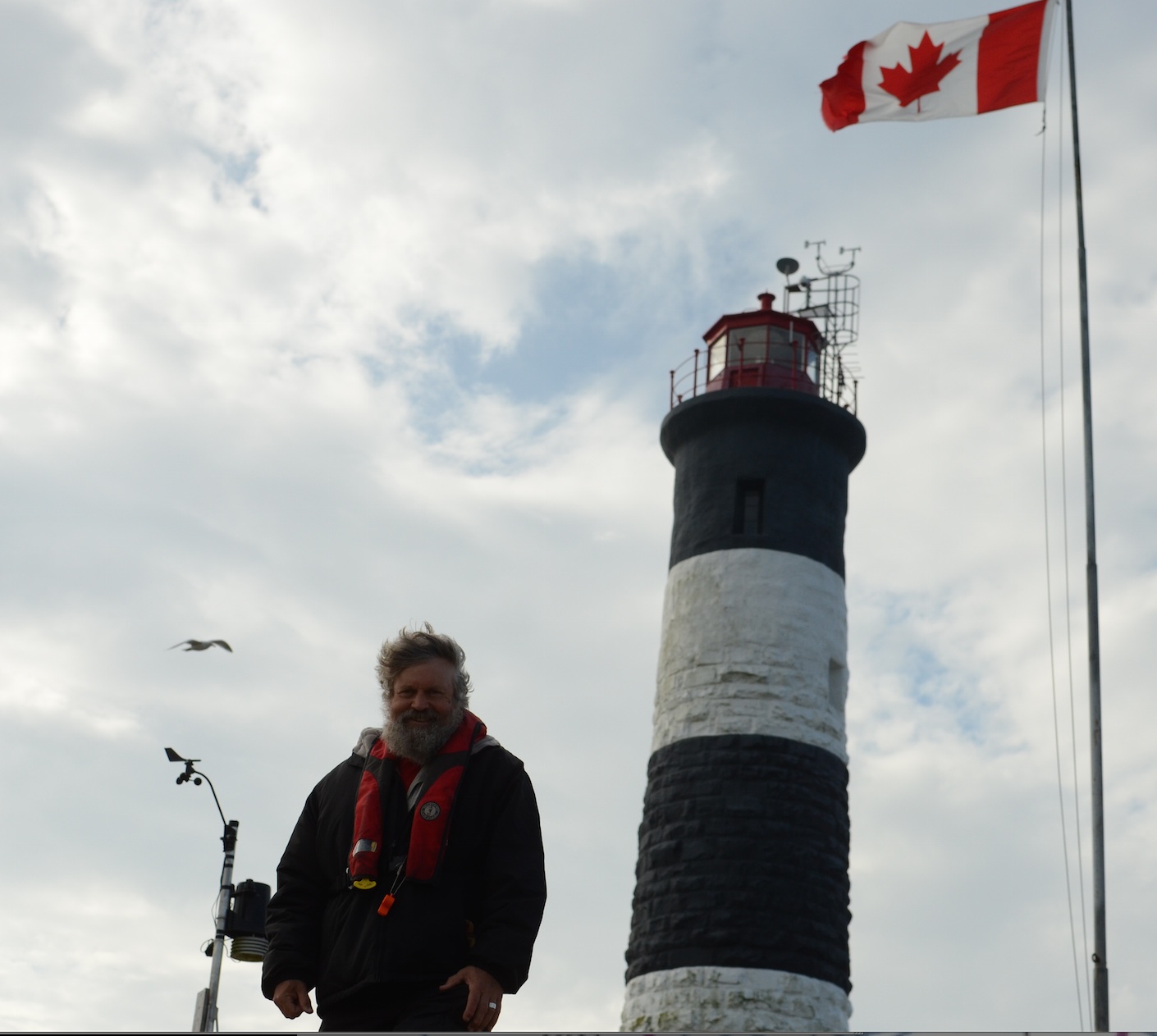
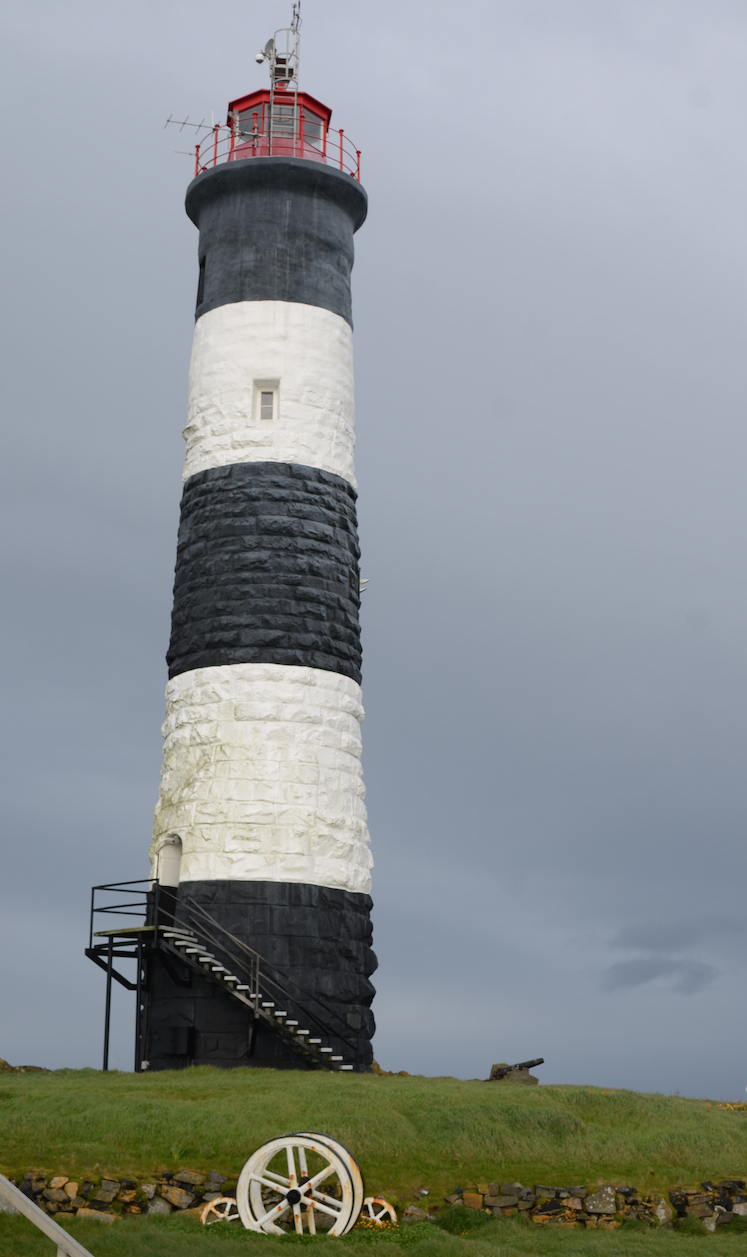
The only thing not affected by the wind today was the stone tower.

Standing firm after 155 years.

Standing firm after 155 years.

There were no whale-watching tour boats in the Ecological Reserve today. Sea conditions were not conducive.

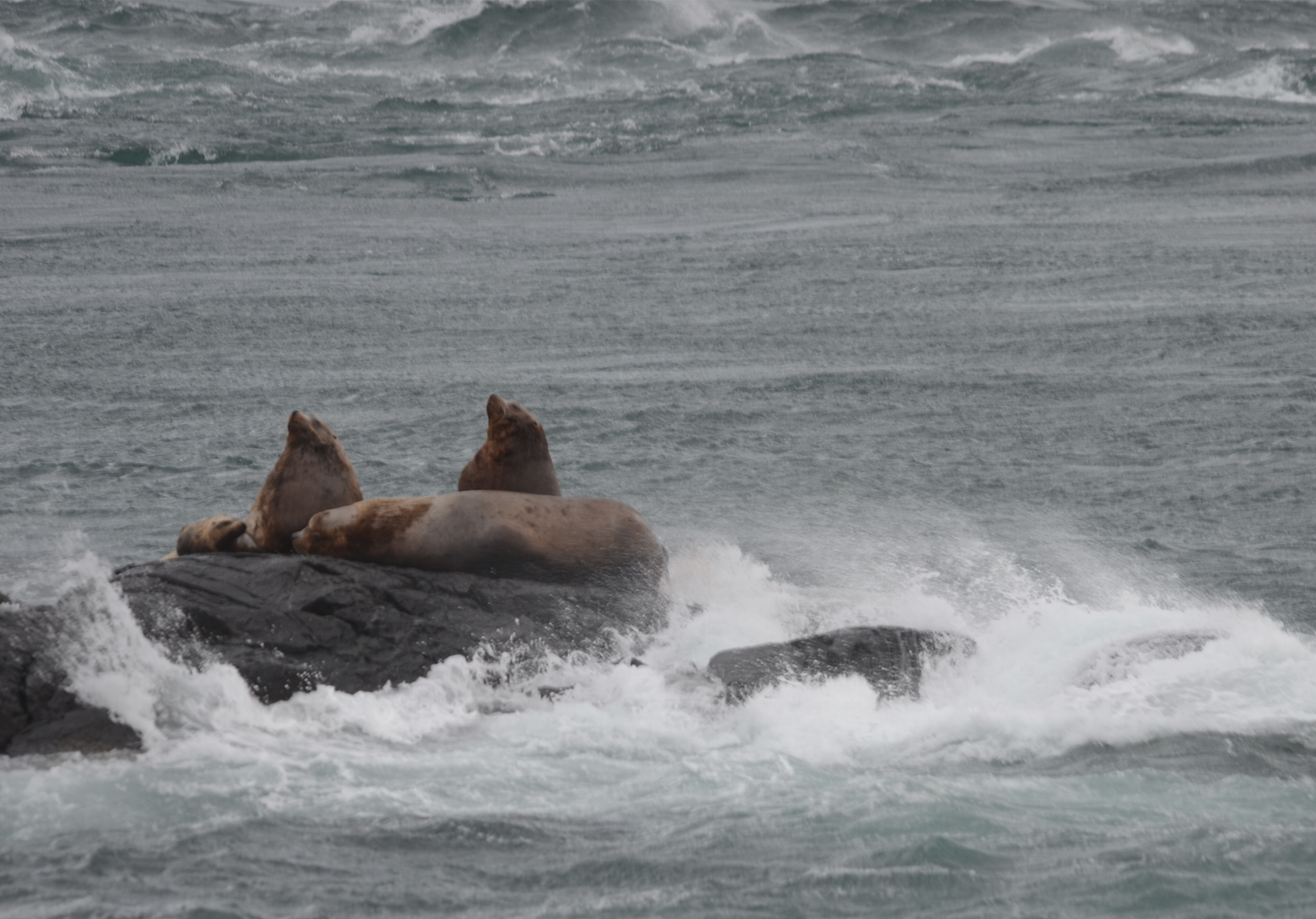
The ecological focus today was to observe how the mega-fauna behaved in the wind. Only a few sealions hauled out, the remainder rested in the water near the haul-out where it was probably quite a bit warmer without the wind chill factor.

This is a day when having blubber really makes sense.

This is a day when having blubber really makes sense.

The Northern Elephant Seals made a huddle and “took turns” being in the coveted central, heating position. One female slept off by herself, maybe not quite as warm but definitely more peaceful. Only #5850 went for daily ablutions, the others stayed dry, even if a bit mucky.

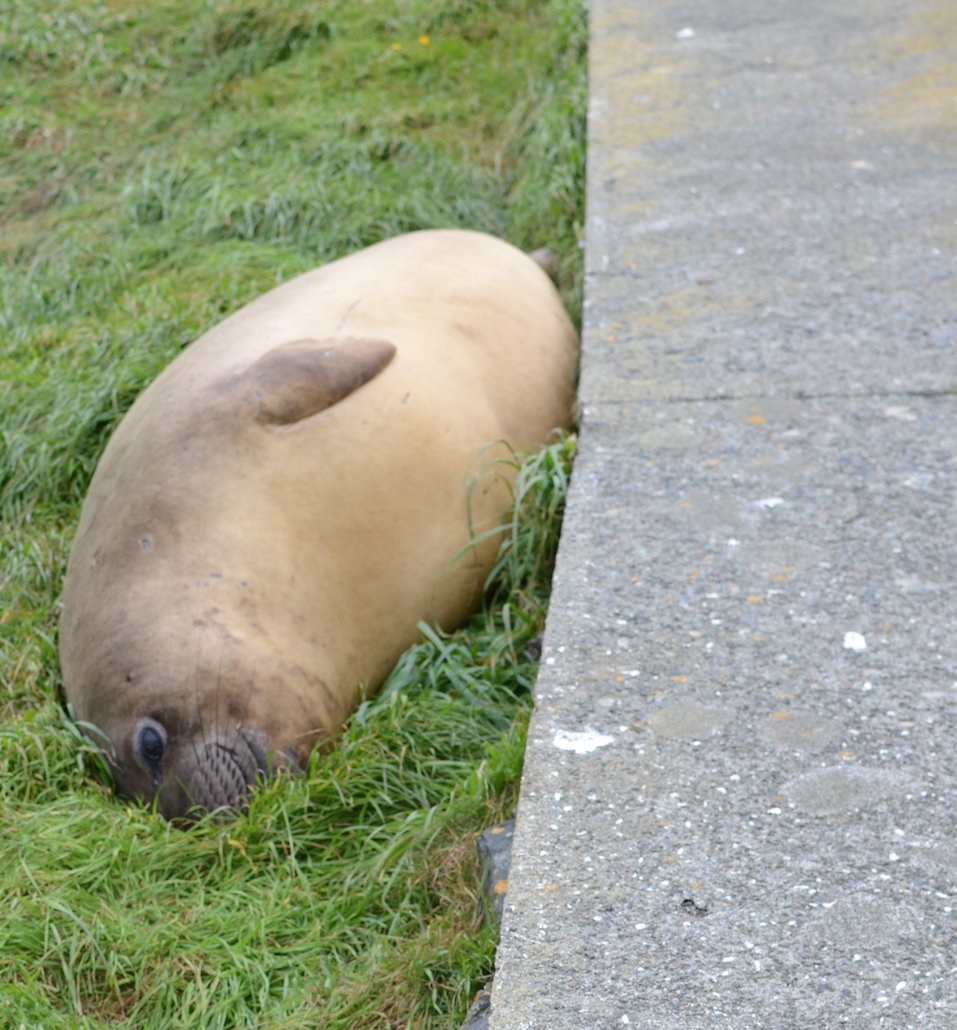
Female Northern Elephant Seal huddles up to sidewalk.

Northern Elephant Seal huddles up to sidewalk.

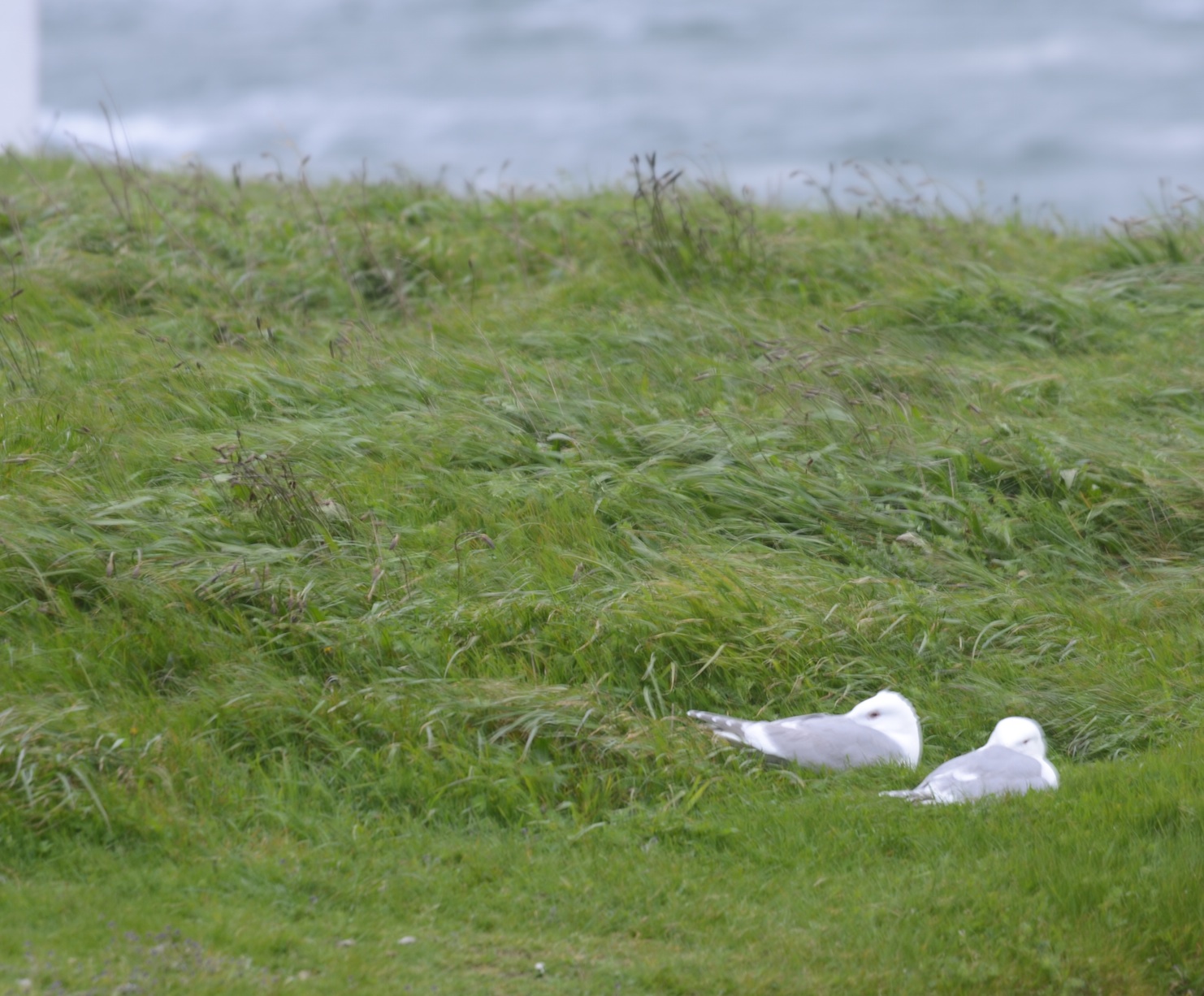
Glaucous-winged Gulls hunkered down with heads under wings, keeping a low profile and perhaps holding on with their toenails, as they seemed to totter and grimace during the big gusts. The geese with nests were on them with ganders close by guarding and staying low. The three pairs that are still trying to set up nests were observed chasing gulls . The Bald Eagles, so ubiquitous every other day for the last 25 days, were nowhere to be seen, nor were oystercatchers, turnstones, nor guillemots.

GwGu in wind

Two marine science classes were supposed to visit today but the weather just didn’t cooperate and Courtney wisely cancelled the trips. Thus there were no visitors and chores were basic routine.


April 12

As the sun set, the wind shifted around to south-southeast after blowing about 10 knots  from a westerly direction most of the day. The snow line across the Strait is very low and the chill in the air continues. Although there was some sunshine today producing a high solar radiation reading of 1,000 watts/m2, there was also a lot of cloud. The barometer reached a high of 1020 hPa mid-day and then began to fall. The forecast is for southeast showers switching back to westerlies tomorrow afternoon.

Only one tour boat was observed in the Ecological Reserve today and although there were dozens of sports-fishing boats all around the reserve none were observed inside.
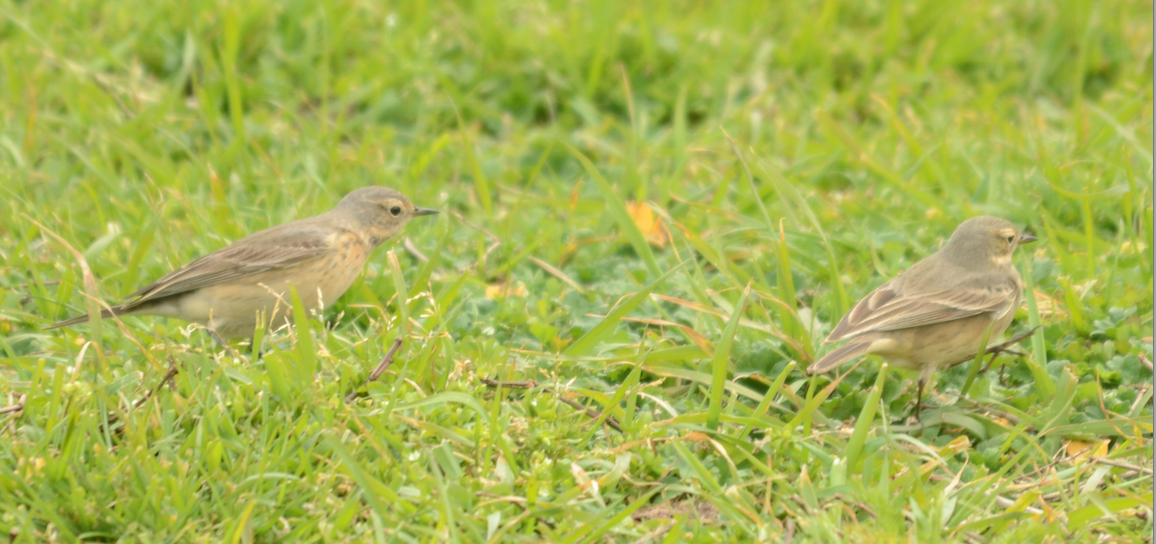
American Pipits have been spotted bobbing and flitting around Great Race and there is a photo below as evidence. Thanks go out to Rocky Point Bird Observatory for the identification confirmation.
American Pipits have been busy feeding on insects on the ground at Great Race.

American Pipits  busy feeding on insects on the ground at Great Race.

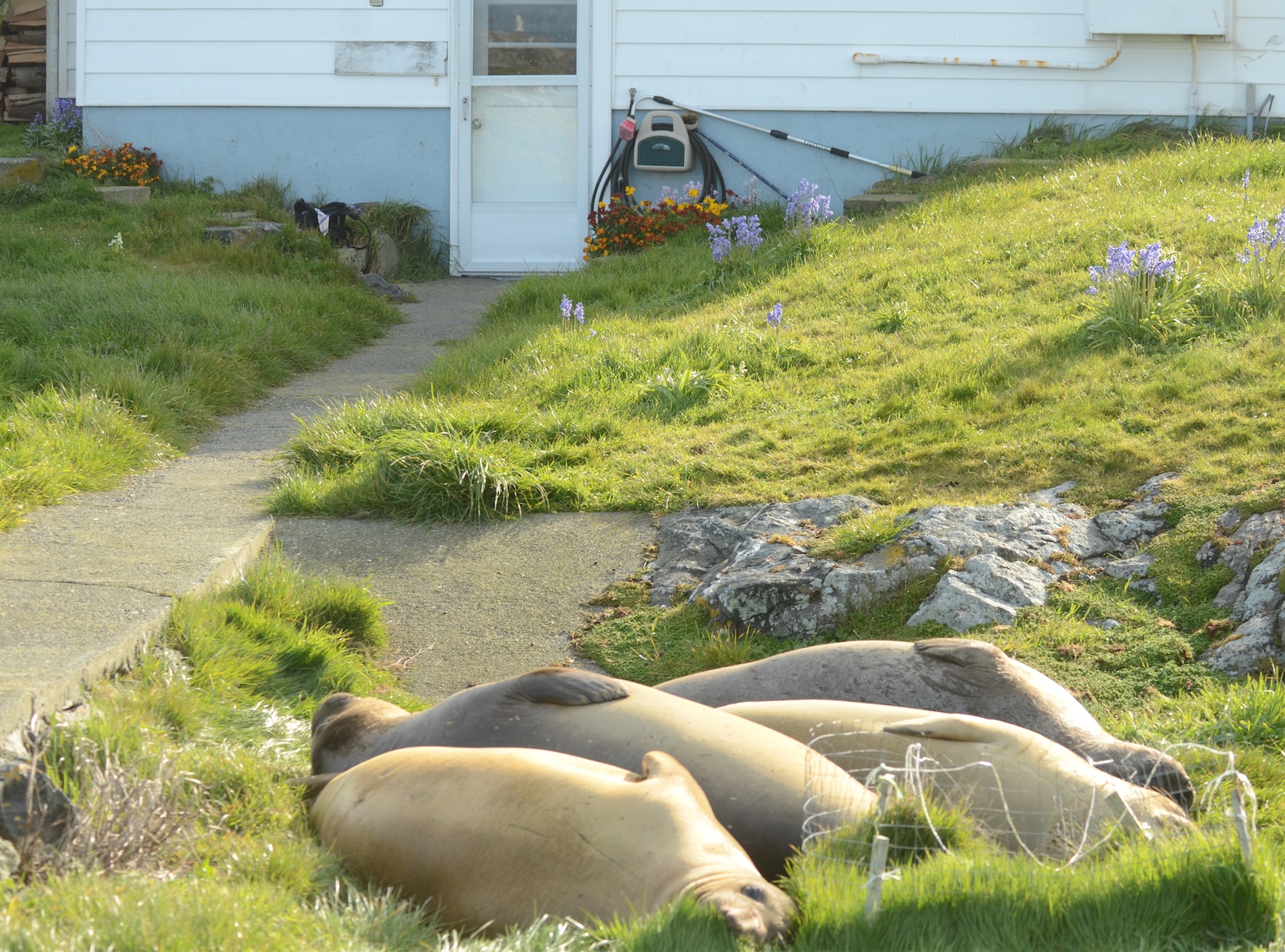
Six Northern Elephant Seals came ashore at first light and spent the whole day sleeping in the garden. One was a tagged, with a pale green tag #5850. This same individual had two tags when I first saw it last fall, October 14.

Goose exclusion cage keeps seals from flattening all the grass. Cage may be flattened too.

Goose exclusion cage keeps seals from flattening all the grass. Cage may be flattened too.

Northern Elephant Seal tagged at Ano Nuevo as a weaner in 2012.

Northern Elephant Seal tagged at Ano Nuevo as a weaner in 2012.


The Canada Geese are in over-drive right now and uber-territorial. One pair tried again to take up residence in the entrance way to the de-salinator room which is just not going to work.

Canada Geese defending the entrance to the de-salinator.

Canada Geese defending the entrance to the de-salinator.

The Glaucous-winged Gulls are engaging in more definite pairing behaviours and also becoming more territorial. Many are nest building, pulling out chunks of grass turf for padding. Black Oystercatchers are looking broody too and I observed Black Oystercatchers eating limpets today.


There were no visitors today.