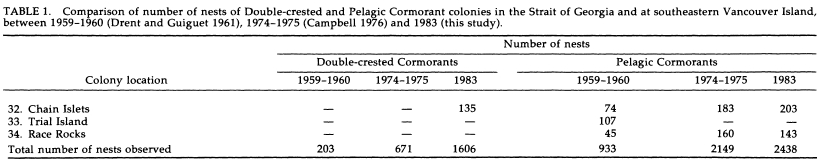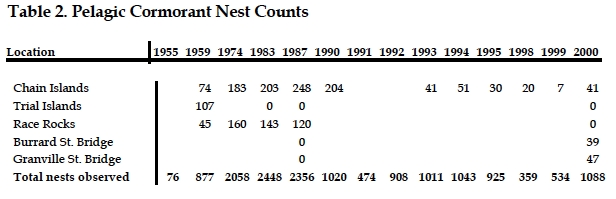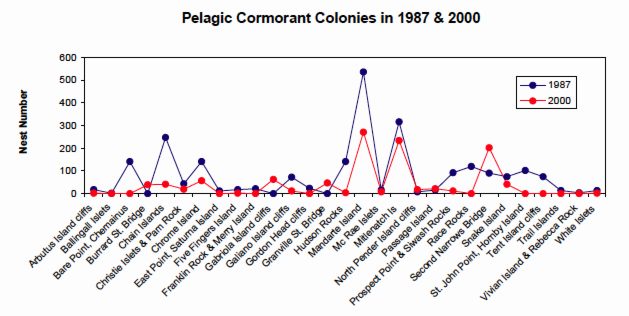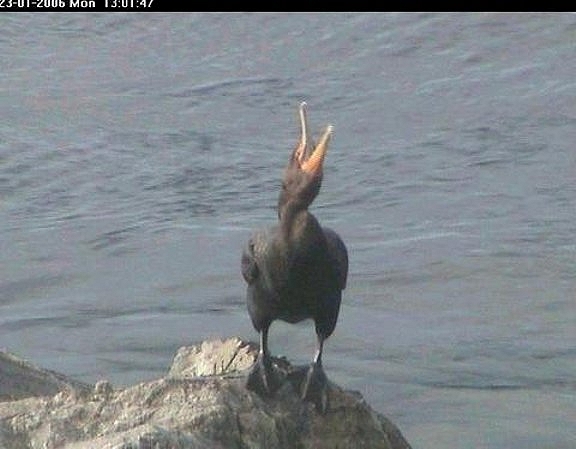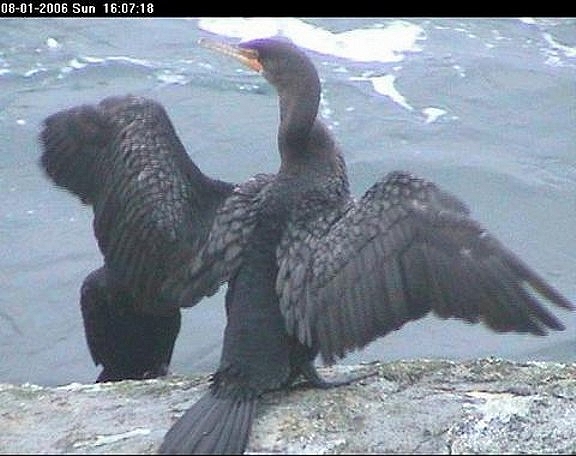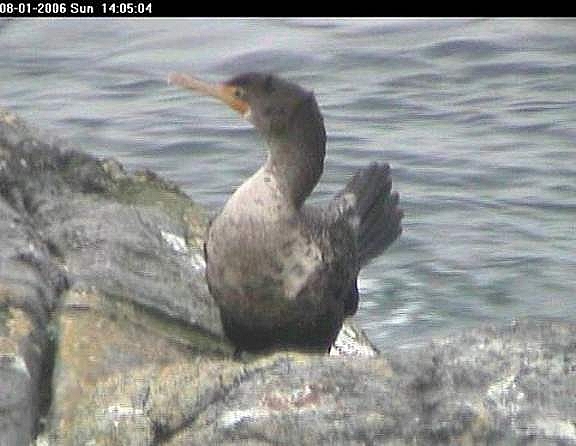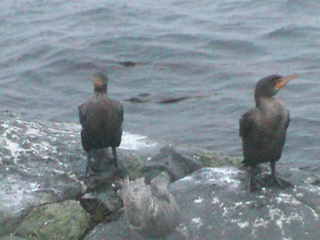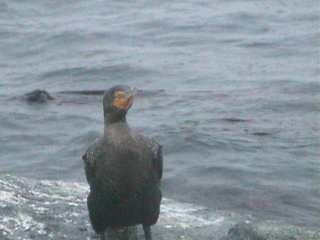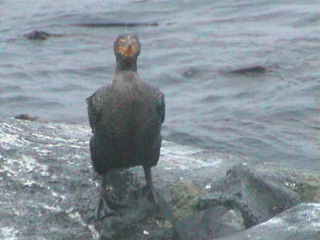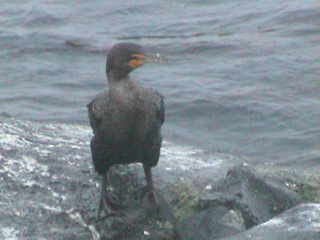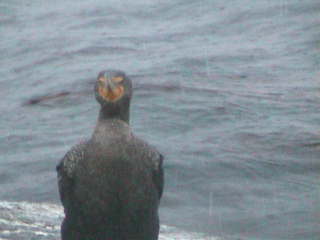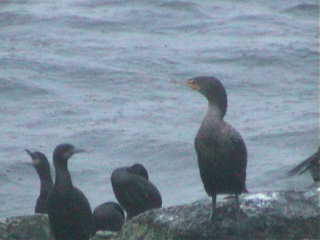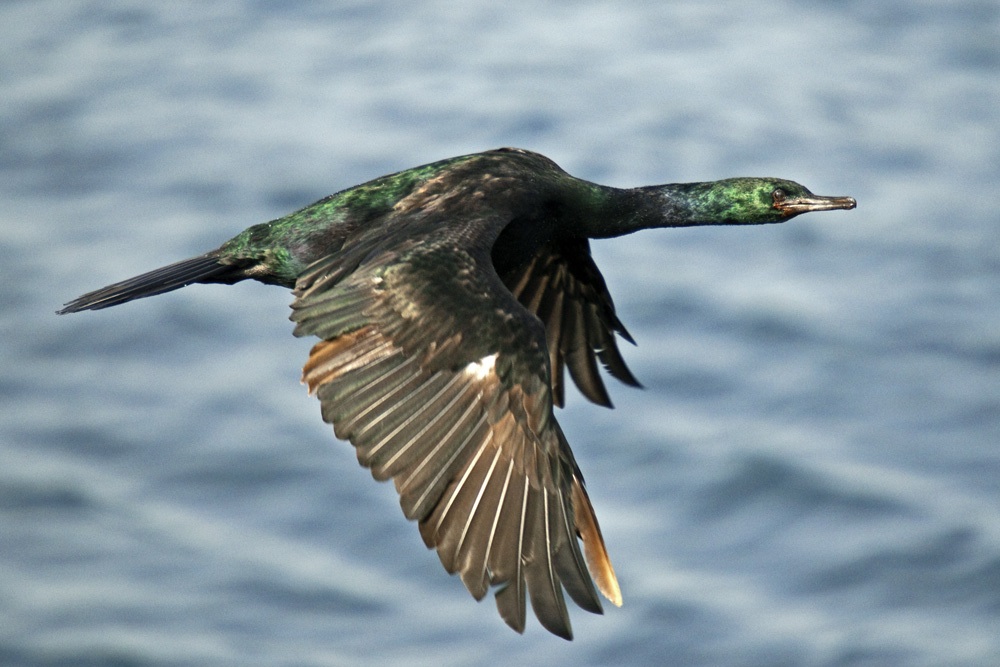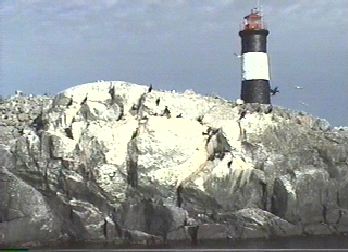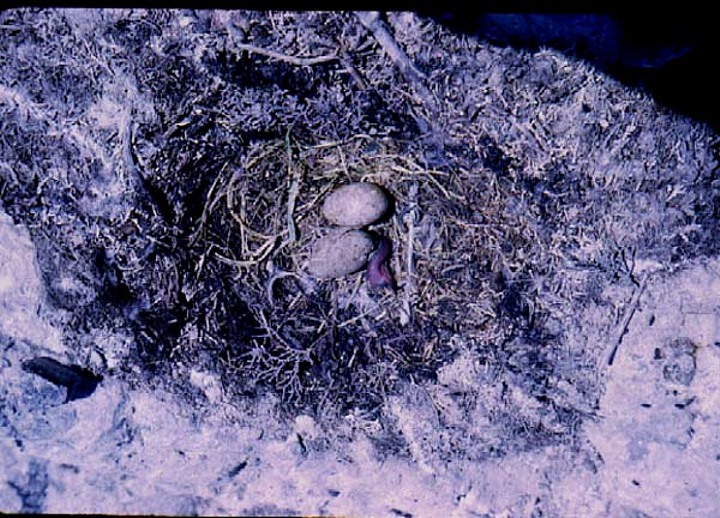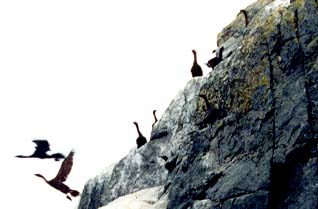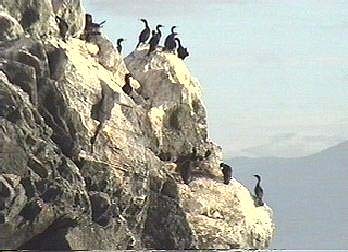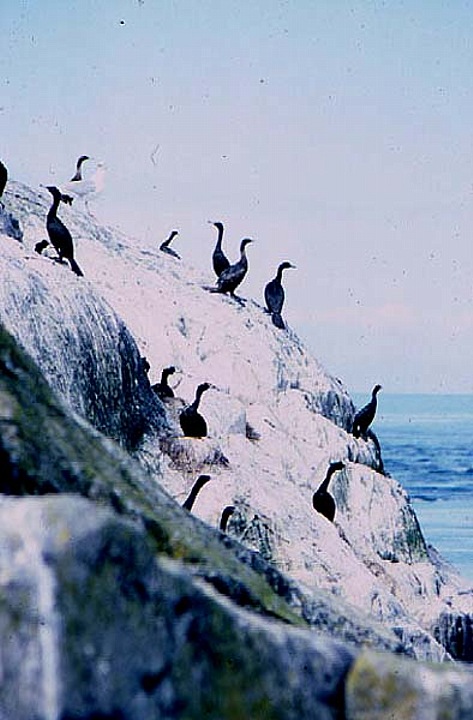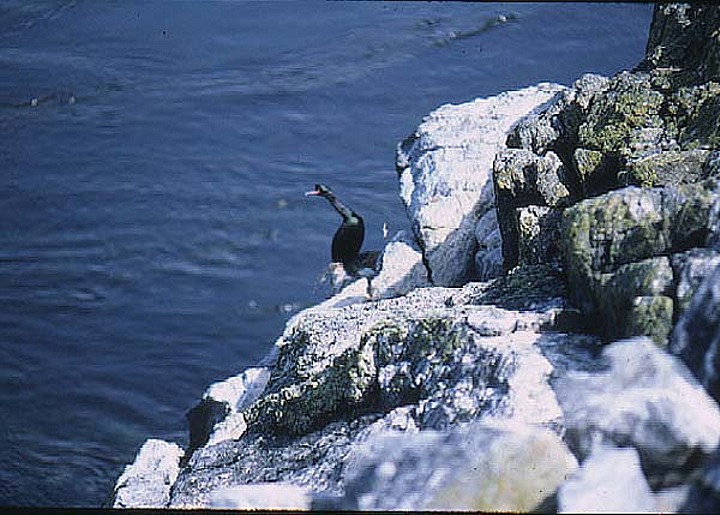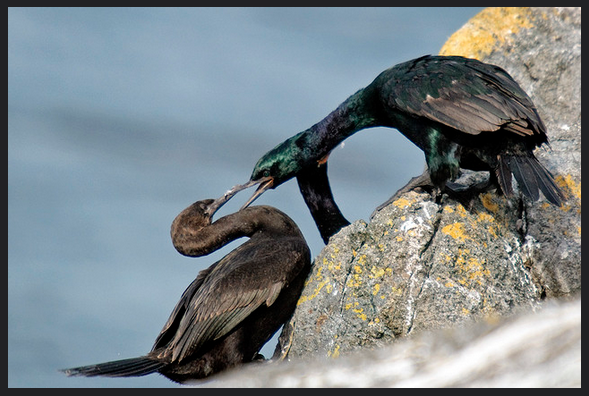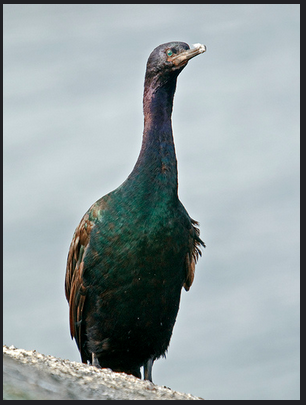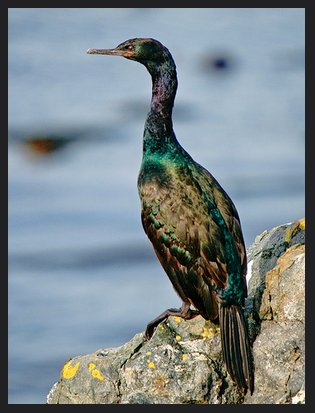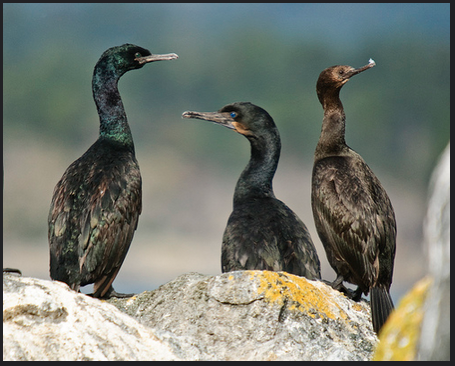
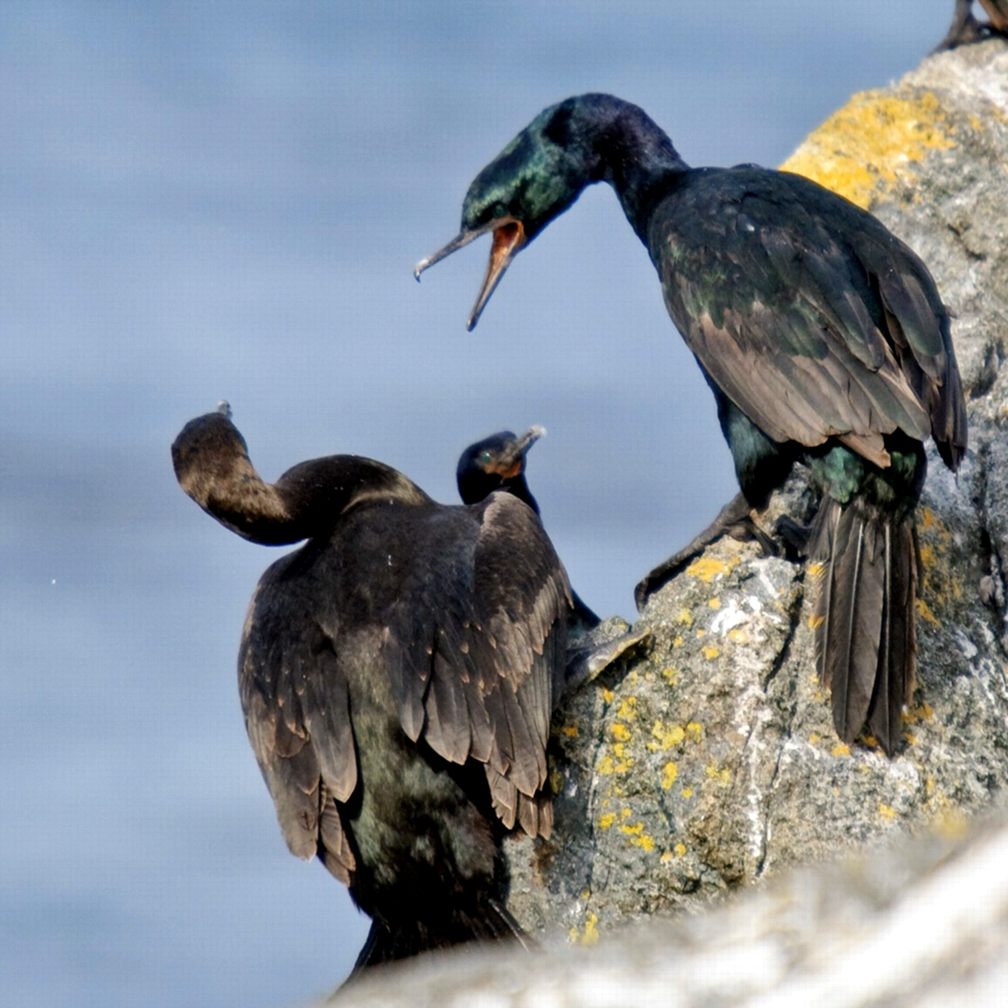
 We have seen a marked decline in nesting of one of the four species of seabirds which has nested traditionally at Race Rocks, Pelagic Cormorants (Phalacrocorax pelagicus). By 2007, the nesting population had been reduced to one or two nests, and from 2008 to the last season (2009 ) there were no nests at all. This population crash has been common across the Gulf Islands., and the lower end of Vancouver Island and Strait of Juan de Fuca. According to the Canadian Wildlife Service, the population of this species is estimated to be at 9000 individuals, and the pelagicus subspecies is red-listed by BC – other subspecies are stable.
In this file, I have summarized the results of several papers on research on Cormorant populations in the southern Gulf Islands and Georgia Strait. Vermeer and Rankin, 1984, did their research when the populations were on the incline, however since the 1900s, this trend has not persisted as has been reflected in the paper by Chatwin et al. The summary of their paper and the possible reasons for decline are listed near the end of this review.
The British Columbia Coastal Waterbird Survey by Badzinski et al, 2005 indicated a possible upturn in the population trend in BC.
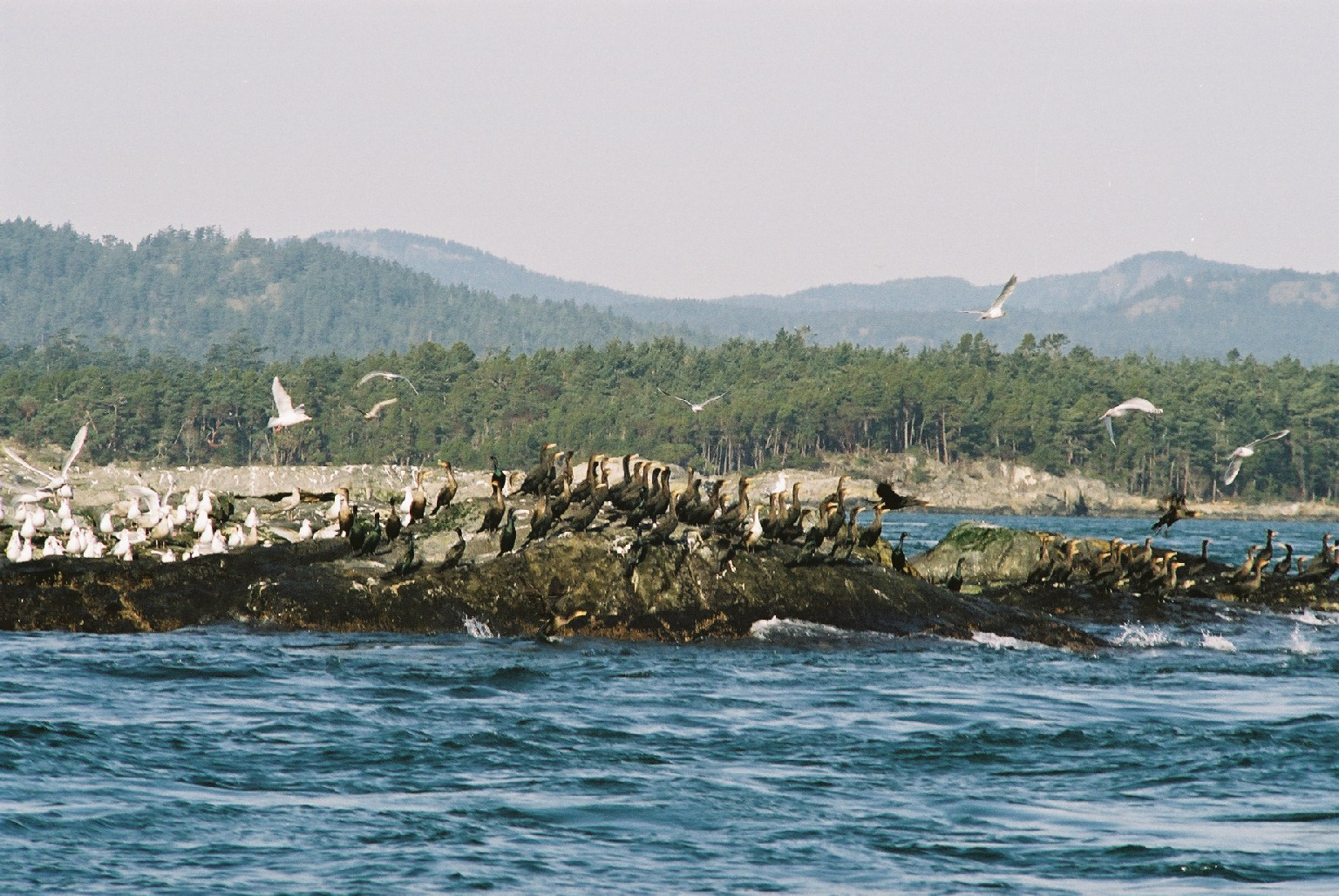
See images of Pelagic Cormorants on Ryan Murphy’s Flickr site
The Christmas bird count records from Race Rocks reflect some of the low population numbers at that time of year, but do show an increase in the last two years, so we hope this may signify a turn in the welfare of this species. It will be interesting to track whether or not this species returns to nesting.
Population Trends in Nesting Double-Crested and Pelagic Cormorants in Canada
|
Double-crested and Pelagic Cormorant Inventory in the Strait of Georgia in 2000
|
The authors express their concern for the decline in recent years with the following summation:
|
The reasons for the decline were summarized in the paper as follows:
|
| British Columbia Coastal Waterbird Survey An Evaluation of Survey Power and Species Trends after Five Years of Monitoring March 2005http://www.bsc-eoc.org/download/BCCWS%205-YR%20Report.pdf
Authors: Shannon S. Badzinski 1, Richard J. Cannings 2, Tasha Smith 2, & Jason Komaromi 3
|
| Also from the website of the Canadain WildlifeService, Information is presented on the decline of seabirds along the Pacific Coast of Canada. So we will continue to update our population observations of this species .Garry Fletcher, February, 2010 |