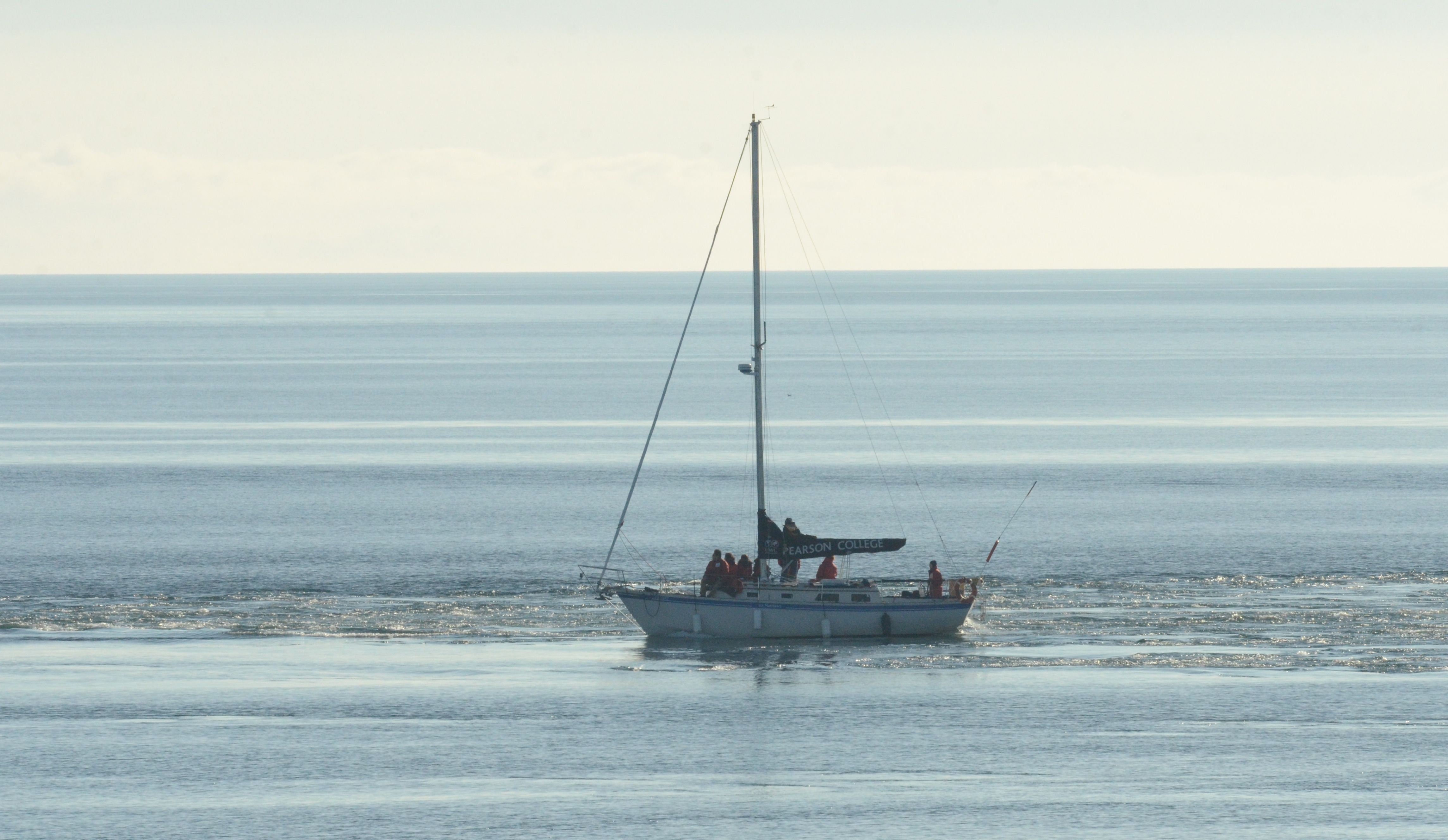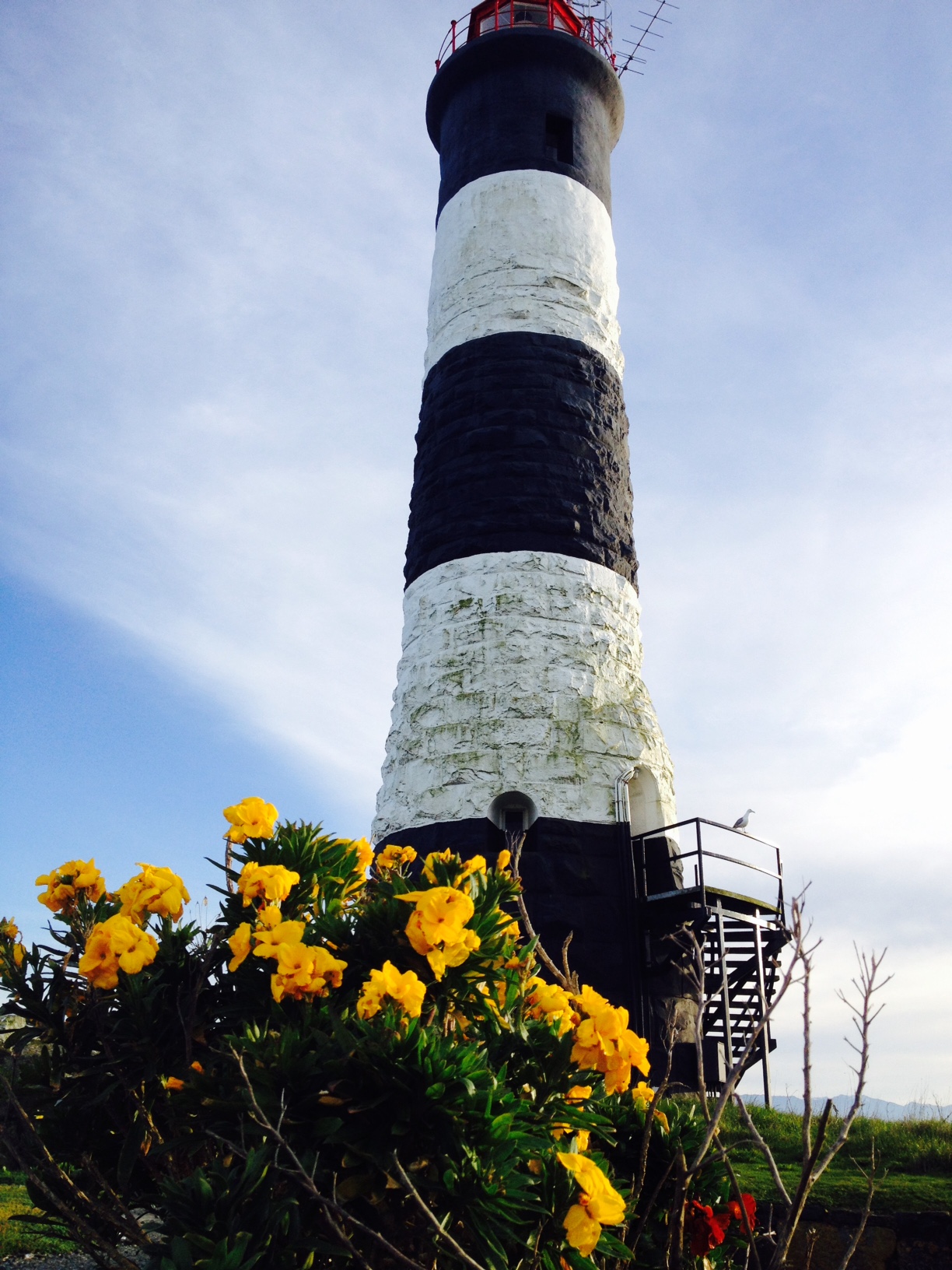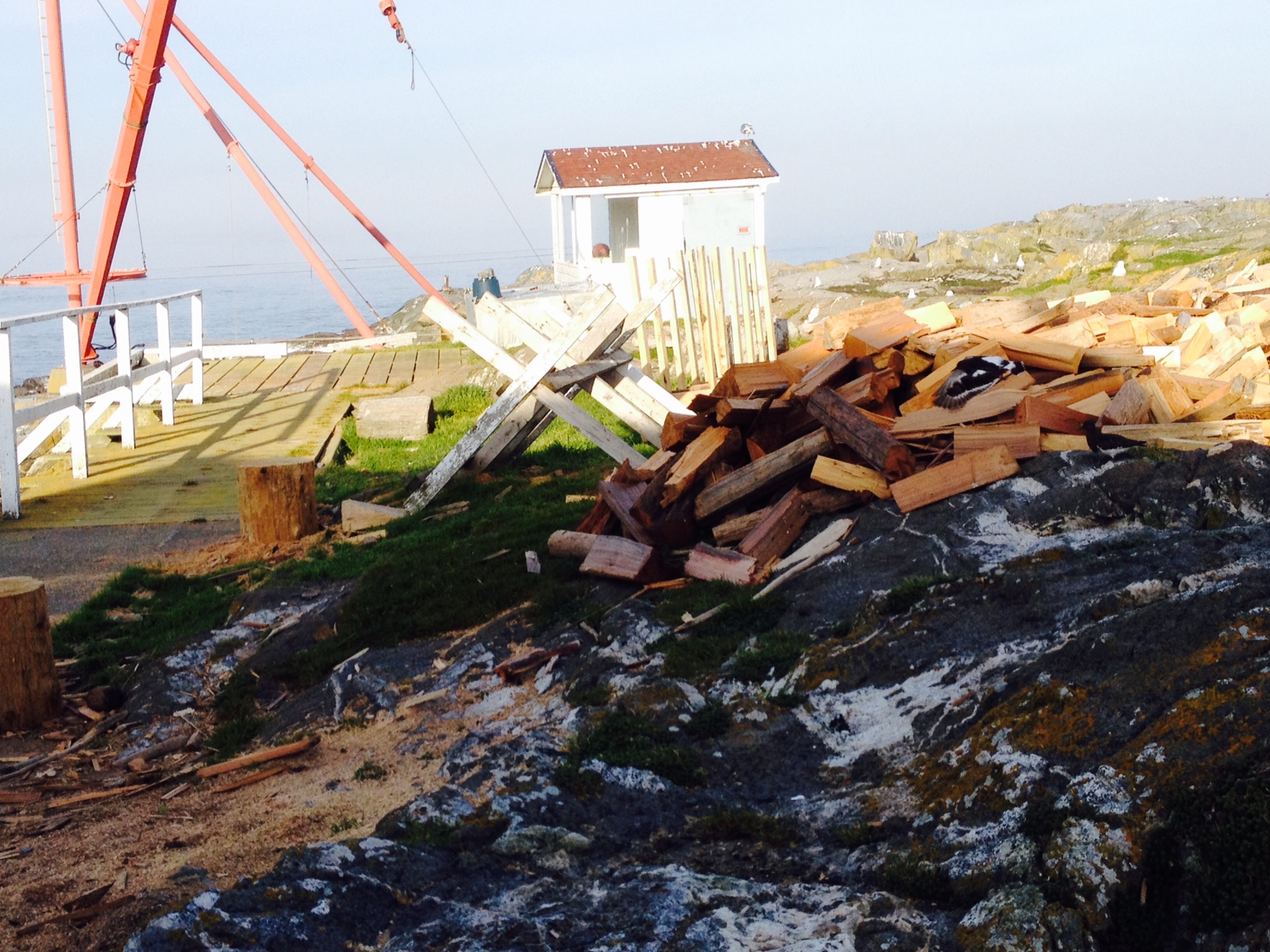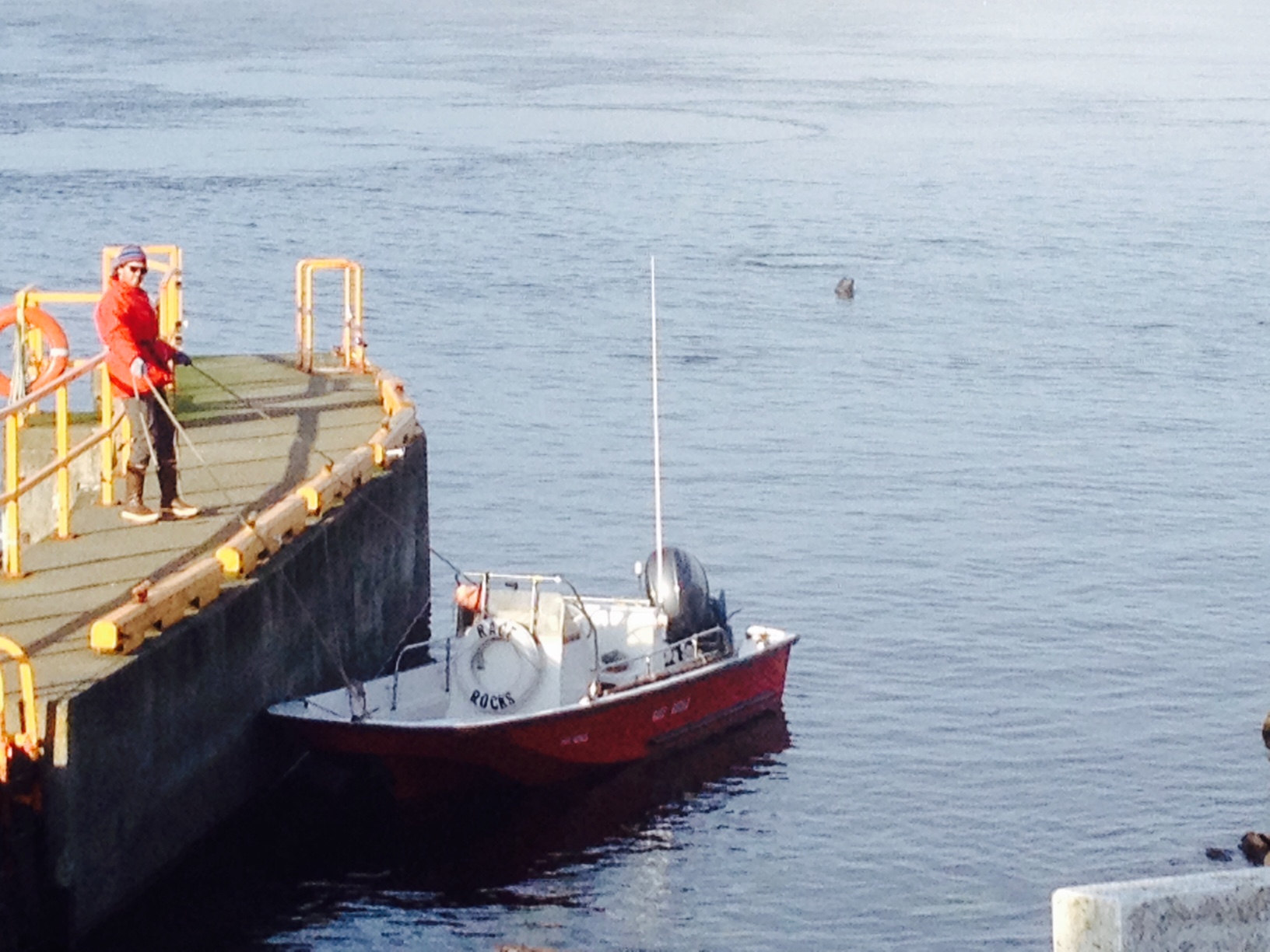
Uneventful Weather: Perhaps a Small Blessing.

The weather at Race Rocks was spectacularly uneventful today. The barometer creeped down, little by little all day, to end not much lower than it started, at 2018 hPa. The sky was overcast with a bit of drizzle from time to time. Winds were light and at ground level the wind never got over 10 km/hr. The whole thing fizzled out into a patchy fog as darkness fell.

I didn’t see any tour boats in the Ecological Reserve today other than the Dive Boat from Ogden Point. There were plenty of sport-fishers, but all outside the reserve, trying to catch halibut. The currents are so strong here that they have to anchor to fish a specific spot and it looks like it can be challenging.

There were over 100 Pigeon Guillemots here today and it was a treat to watch them in their new, bright plumage as they bobbed and dove in the currents. The Glaucous-winged gulls are also looking very dapper in their new feathers and they seem to be spending a lot of time head dipping and bill raising and generally shuffling around looking like they are biding their time for the perfect alignment of day length and the Milky Way for nesting. Bald Eagles, two adults and sub-adult were hunting on Great Race today and they would make the gulls all lift off from time to time. That was the big excitement of the day. It was generally just a blissful sort of day.

My student visitors left in the late morning, picked up by Chris Blondeau in Second Nature. It was such a treat to have them on the island for my first few days. I felt lucky to have such an auspicious start. These students may be humble but they are really very special. I found out during our safety briefing that the five young ladies from Greenland, Guatemala, Quebec and young man from New Brunswick, were collectively trained as fire fighters, first-aid responders and counsellors, as part of their duties at Pearson College. These young people have my respect and are really using education as “a force to unite people, nations and cultures for peace and a sustainable future.” When I asked them what made their stay on the rock special and why it should be maintained as part of Pearson College, they mentioned things like peacefulness, quiet, nature, hopefulness, the importance of the marine protected area. They also said how great it is to just get away and how lucky they felt, to be able to come to such a special and beautiful place.

As we said our goodbyes on the jetty, they presented me with a hand-drawn thank you card and a can of Maple Syrup from Quebec. How sweet! There is something about Maple Syrup that is beyond delicious.

I did the regular chores today, getting back into the routine of spot checks, VHF monitoring, seawater sampling, washing solar panels, clearing walkways, running the generator and generally fighting entropy. I also managed to clear a few pernicious, waterlogged chunks of wood that were blocking the marine railway, which was really satisfying. It was fun to use the pee-vee and pike pole and I managed to stay mostly dry.
March 9 – Pearson Project Week Visitors

Fog overnight, sunny begining at 9:00
Wind: 6 – 27 knots W to SW
Air Temperature: High °C, Low °C
Ocean Temperature: 9°C

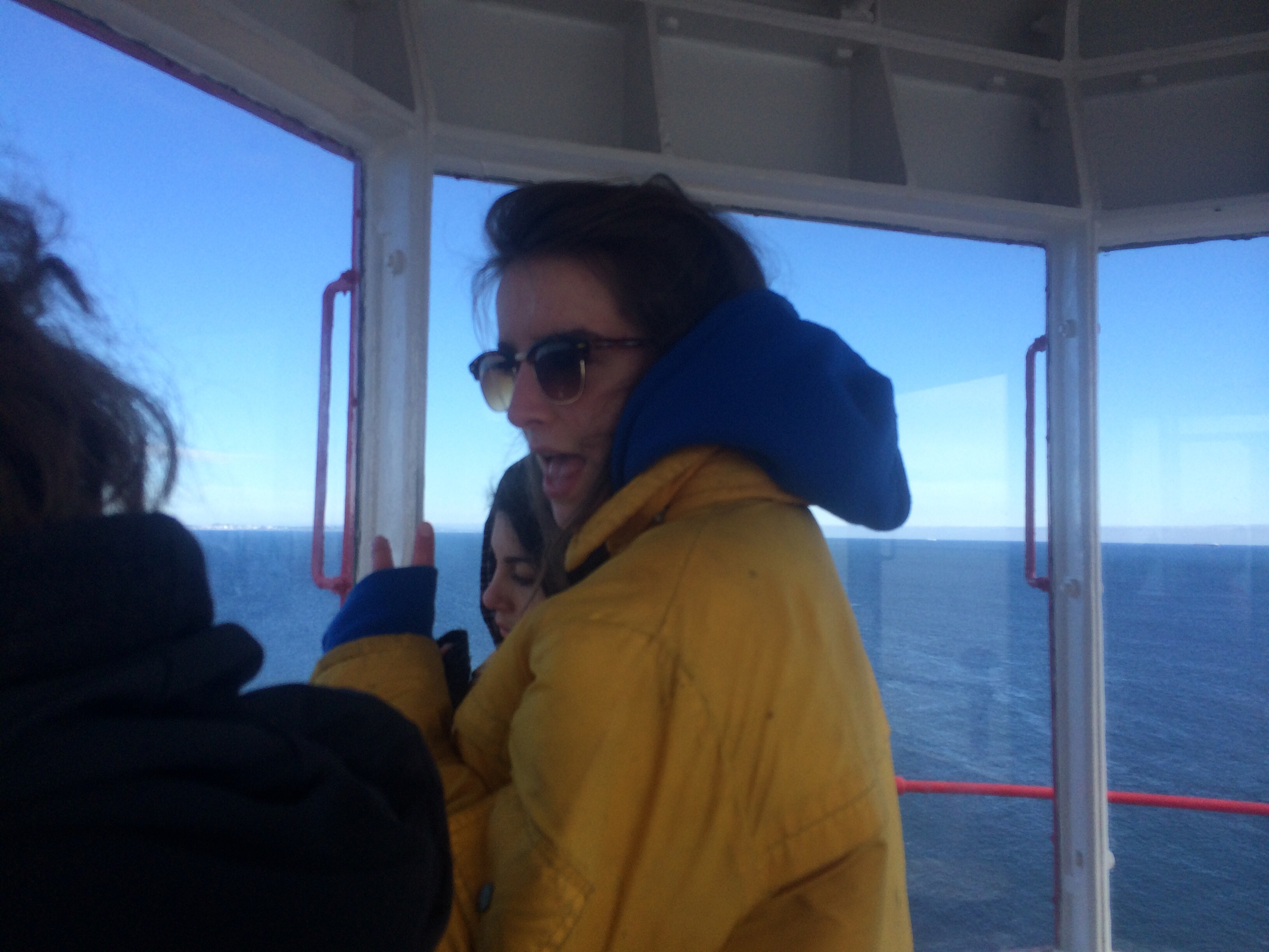
Five second year Pearson students came to Race Rocks this morning to spend part or all of Project Week. Yam, Sean, Martin, Neel and Bader will be exploring Race Rocks, helping out with tasks, studying and diving. Chunk came back onto the island just in time to welcome the visitors as they toured around the ecological reserve.

Yam helped shrink the firewood pile by the tank house by stacking it underneath the stairs of the Marine Science Centre. It will dry out over the summer and be ready to heat the Ecoguardian’s house next winter.

One eco tour boat visited the reserve today.

March 8 – Visitors Galore

Sunny, with patches of fog in the afternoon
Wind: Light northeasterly in the morning and afternoon, calm in evening and switching to 8 knots W at night
Air Temperature: Low 6°C, High 10°C
Ocean Temperature: 8.9°C

There were a lot of visitors today from a leadership program being put on by the Roy Group for twenty-four students visiting from Texas Christian University. The two groups of twelve students made their way around the island to discover the four archetypes of mythical leadership: magician, sovereign, lover and warrior.

Fog in the mid afternoon made it tricky to navigate the boat to and from Pedder Bay in the afternoon. I benefited from the waypoints that Courtney programmed into the plotter on the boat.

Chunk is still camped out on the grass by the helicopter pad.

There was a dive boat with five divers to the west of South Islands this morning.

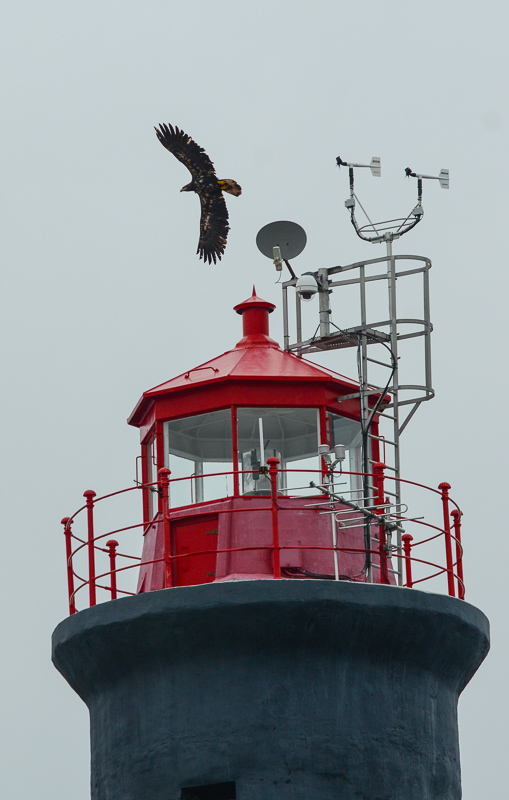
Jan 22-26: fog, eagles, orcas

DSC_0090

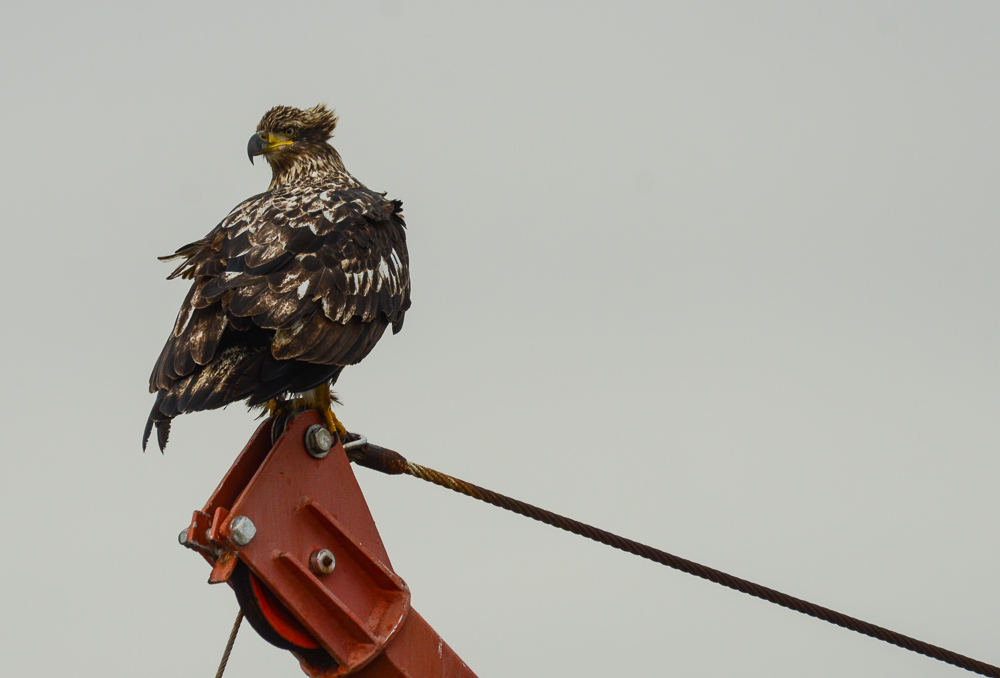
juvenile bald eagle on the tope of the crane boom

Jan 22: Misty, low visibility. Wind N 10-15 knots. 1 private pleasure craft in the reserve. Cut and chopped firewood.

Jan 23: Rain, wind N 10-15 knots.  1 ecotour vessel in the reserve.  Followed up with eco tour company I spoke to a couple days ago about one of their boats, distance to mammals and avoiding disturbance. Also called a different eco tour charter company, that I hadn’t seen here before, about distance from mammals and speed in the vicinity of the rocks.  Cut and chopped firewood. Could hear elephant seal pup again today.

DSC_0106.jpg

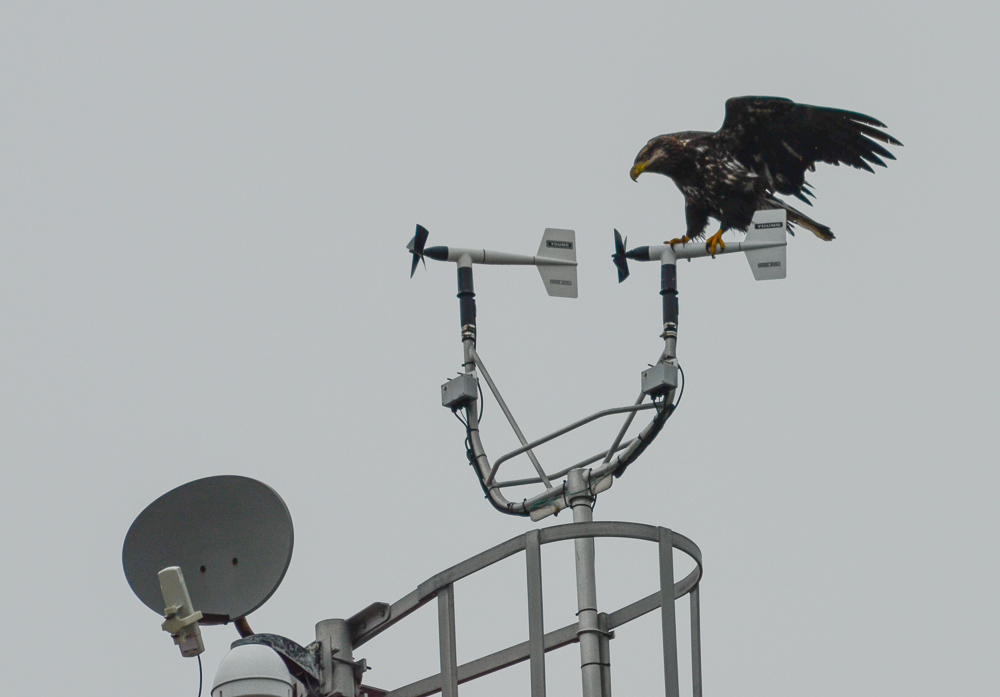
juvenile bald eagle on one of the anemometers on top of the tower

DSC_0122

Jan 24:  A blanket of fog rolled in from the North in the morning reducing visibility and triggering fog horn including in the middle of the night. Periods of rain too.  Two ecotour vessels in the reserve. Went off island around noon in the fog, navigated by GPS on boat with cell phone as back up.  Picked up supplies in Colwood including extra chains, files and lube for the station chainsaw.  Brought three guests back out with me in the afternoon to stay overnight.  Sea was very calm on the way over and the fog had lifted enough to see to Port Angeles. The fog came back before dusk but lifted overnight.

Jan 25:  Cloudy, light rain, light wind.  10-15 orcas passed through race passage going with the current, heading SW. I brought guests back to college around noon. On the way over we passed by elephant seal rock and were able to see the pup with its mother.  It was on the West side of the mother, out of sight from the main island or tower cam. Came back out before dark.

Jan 26: Foggy in the morning, fog horn went off during the night. Cloudy throughout day, wind light.  1 ecotour vessel.  Cut and chopped wood. Foggy again in the evening.

Fog Looks Loud from a Distance

The wind gusted overnight up to 28 knots from the west.  It decreased in the early hours and switched around to the northeast, blowing between 6 and 17 knots.  The barometer rose slightly in the first half of the day, from 1019 hPa to 1024 hPa at 11:00, afterwards dropping to 1020 hPa.  There was a light rain for most of the daylight hours, with low cloud cover and fog looming around Race Rocks.  The visibility was between 1 and 2 nautical miles.  In the evening, the visibility increased between the periods of rain.

There were no boats seen in the reserve today.

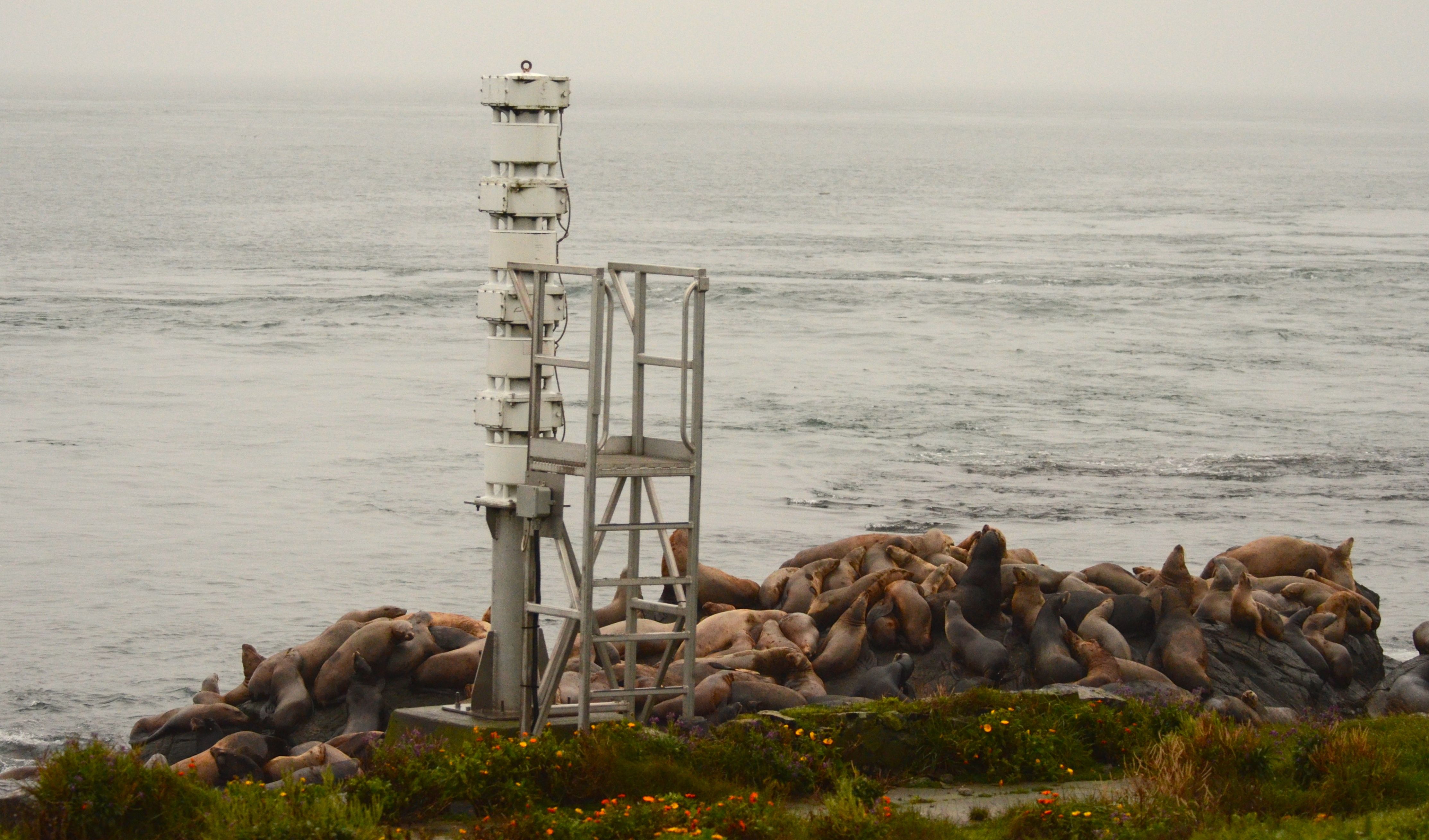
The fire pump got a good nonemergency workout today, running for several hours to fill up the salt water cistern.  The cistern feeds the desalinator, which hydrates me and other humans on Race Rocks.  The ominous fog convinced me that it was a good idea to wear ear protection whenever I was on the south side of the island, where the fog horn is located.  I was worried about the sea lions being startled by the fog horn, that I was sure would go off at any moment.  Obviously, they knew better than me since the fog never reached Race Rocks.  There is an instrument half way up the tower that reads how light passes through air, switching on the high pitched fog horn when necessary.  The ear protection is quite comfortable, like earmuffs.  I caught myself wearing them when I was nowhere near the fog horn.  Ready for the fog horn and rain, I zigzagged all over the island doing work: getting rid of the algae on exterior walls, topping up the batteries with the generator, testing the salinity of the sea water, sweeping the goose poop off the paths, picking up garbage that washed ashore, moving things, and doing my best to fix broken things.

A Mighty Wind’s a Blowin’ for Census Day

The barometer dropped all last night from 1015 hPa to 1002 hPa this morning, before it began to climb again towards 1008 by the end of the day.   The wind started from the northeast, but then switched to blow strongly from the southwest from mid morning onwards. The gusts reached 47 knots in the evening.

There were two whale watching boats seen in the reserve.

Once the fog lifted, the census was a bit easier to do. Then the wind blew up and most of the birds hunkered down on the leeward side of the island. I wasn’t able to positively identify all of the individual species of gull. Next week, I will strive to get an accurate breakdown of the number of glaucous-winged, thayer’s, california, western and heerman’s. There are a lot fewer gulls compared to last week, only 14% of the 3224 that were on the reserve last Thursday.

See the photos below for some of the noteworthy species and sights seen during today’s census.

Here are the results of the census:

Steller Sea Lion: 211

California Sea Lion: 404

Harbour Seal: 7

Northern Elephant Seal: 11

Bald Eagle: 1

Canada Goose: 24

Double Crested Cormorant: 14

Pelagic Cormorant: 56

Gull: 450

Black Oystercatcher: 18

Black Turnstone: 26

Surfbirds: 15

Dunlin: 4

Killdeer: 2

Savannah Sparrow: 2

Fox Sparrow: 1

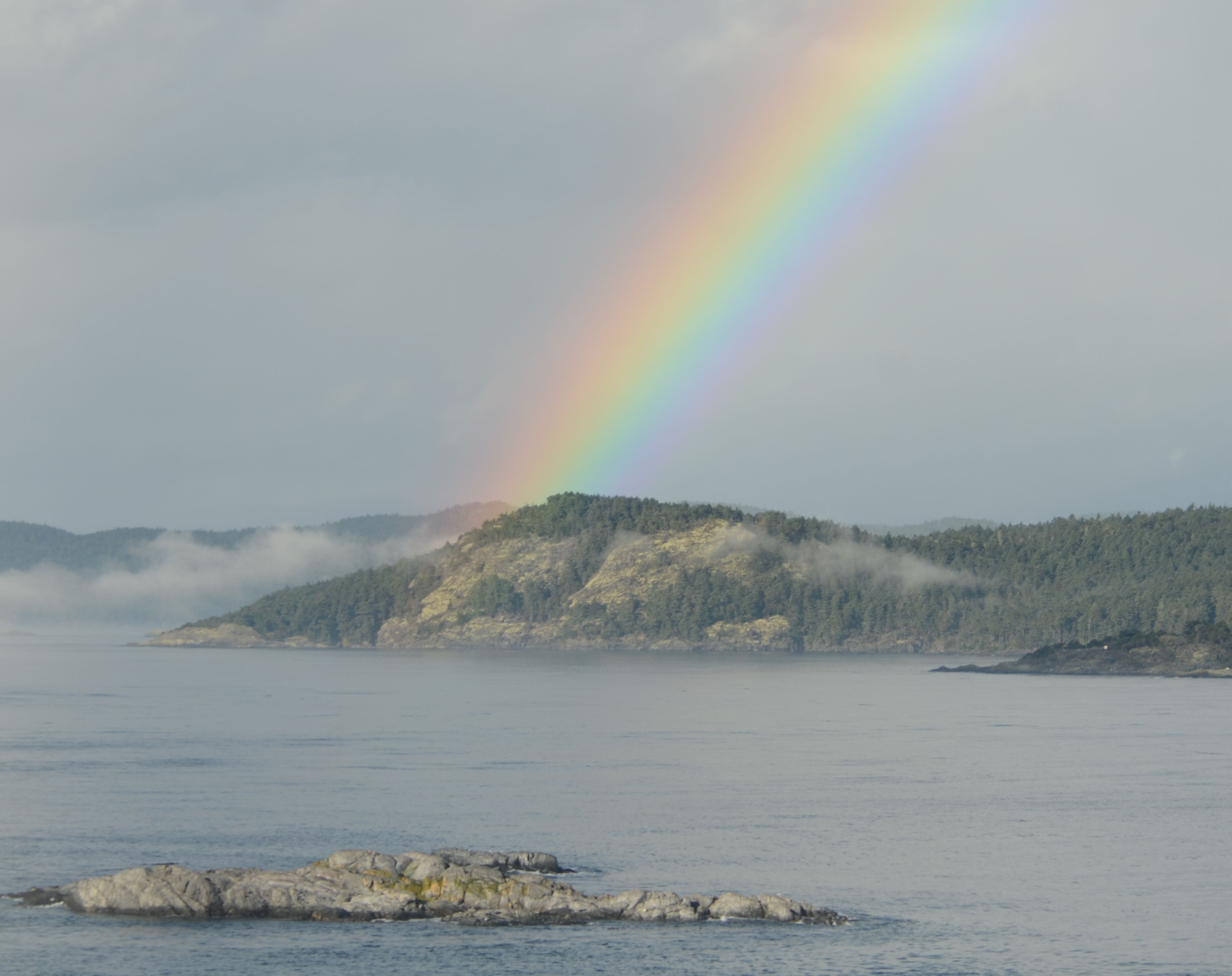
A rainbow appeared as the fog was burning off this morning. Turbine Rock is in the foreground. The pot of gold is Church Point.

A rainbow appeared as the fog was burning off this morning. West Rock is in the foreground. The pot of gold is Church Point.

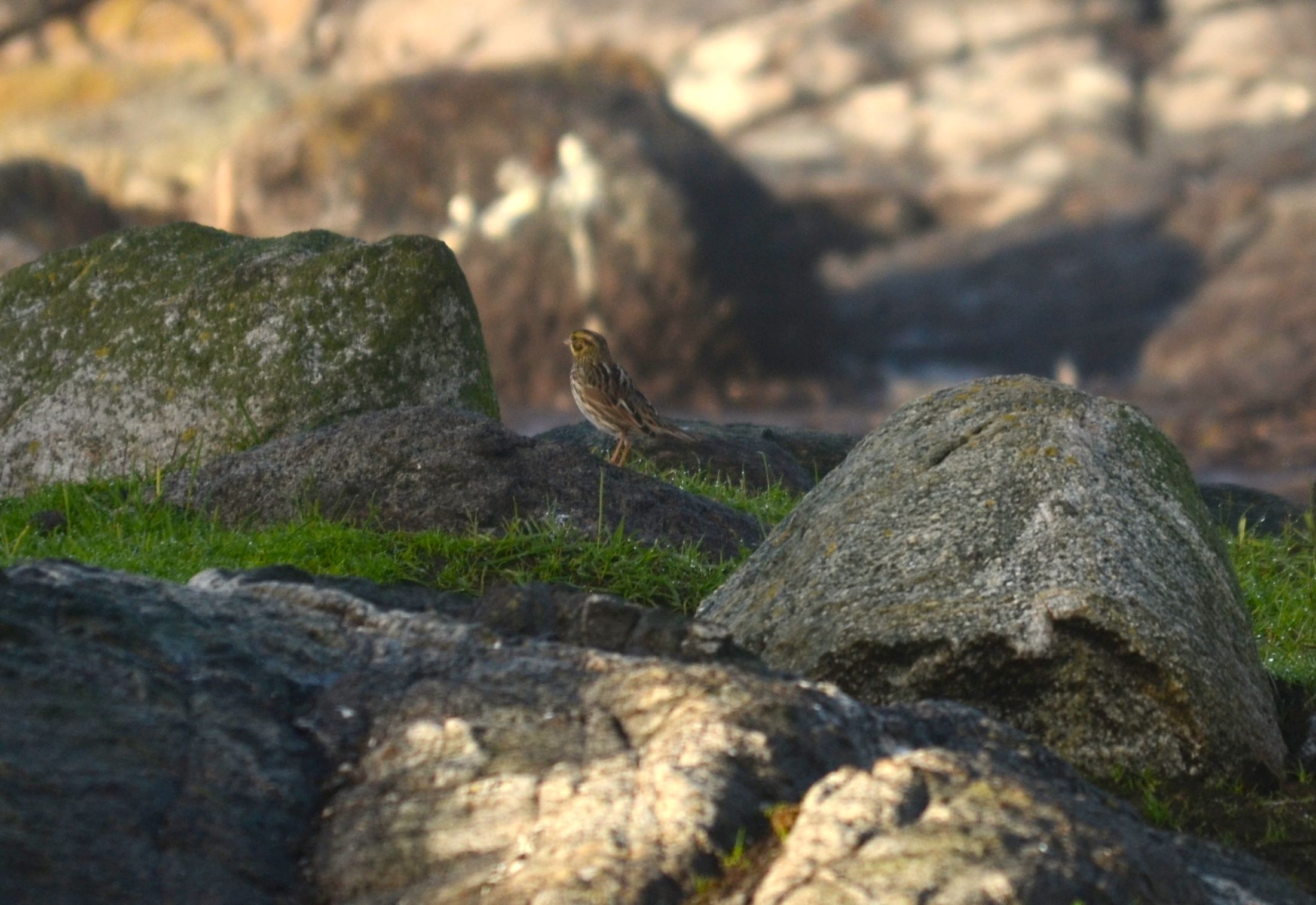
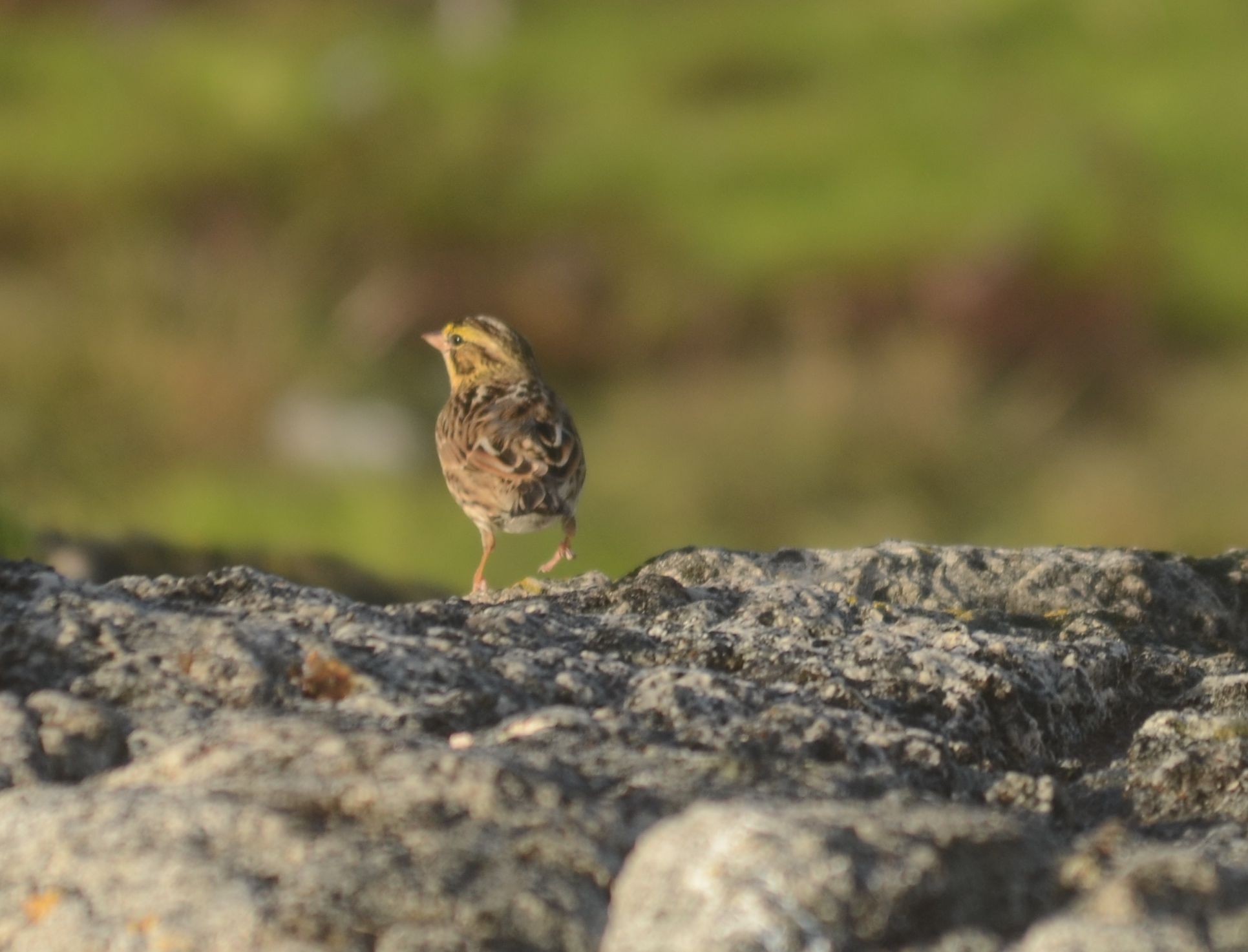
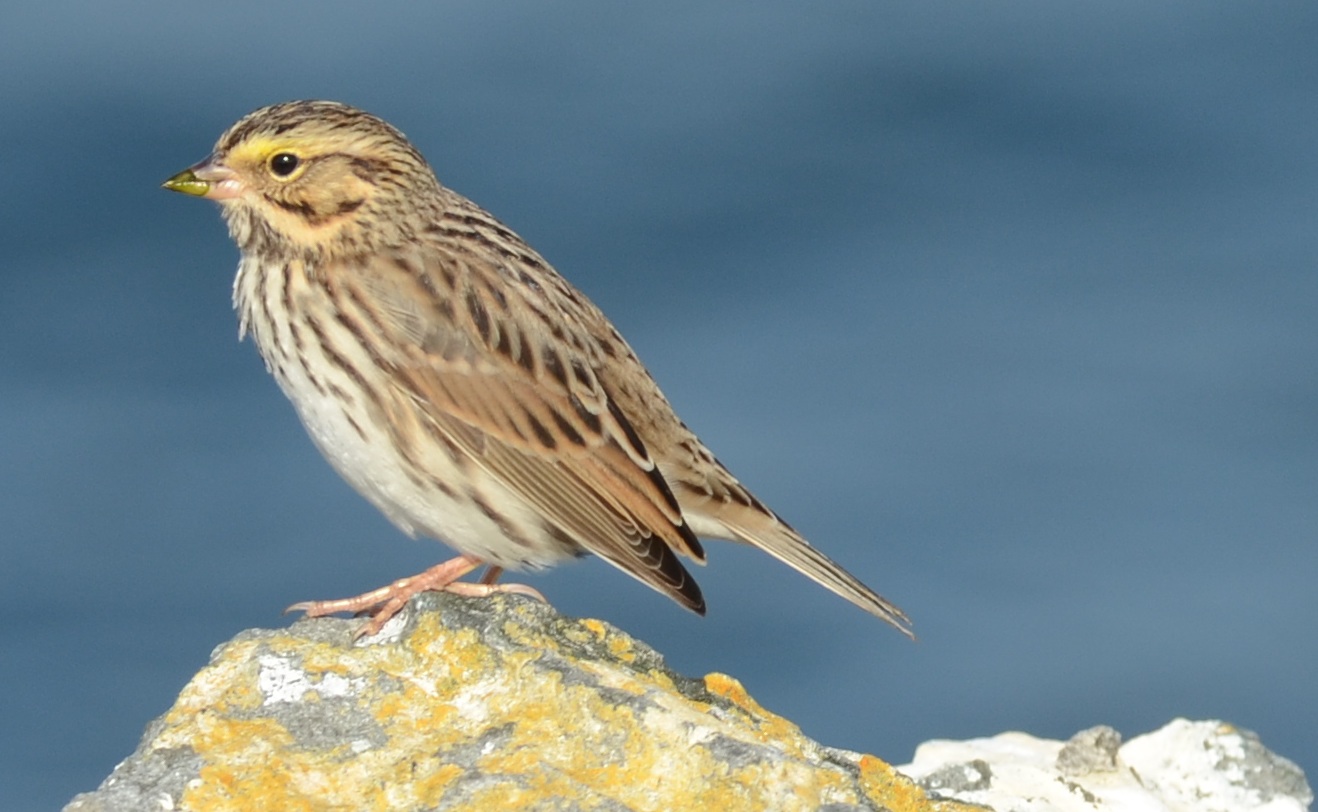
A savannah sparrow near the burial mounds by the marine science centre

A savannah sparrow near the burial mounds by the marine science centre

Another view of a savannah sparrow near the burial mounds by the marine science centre

Another view of a savannah sparrow

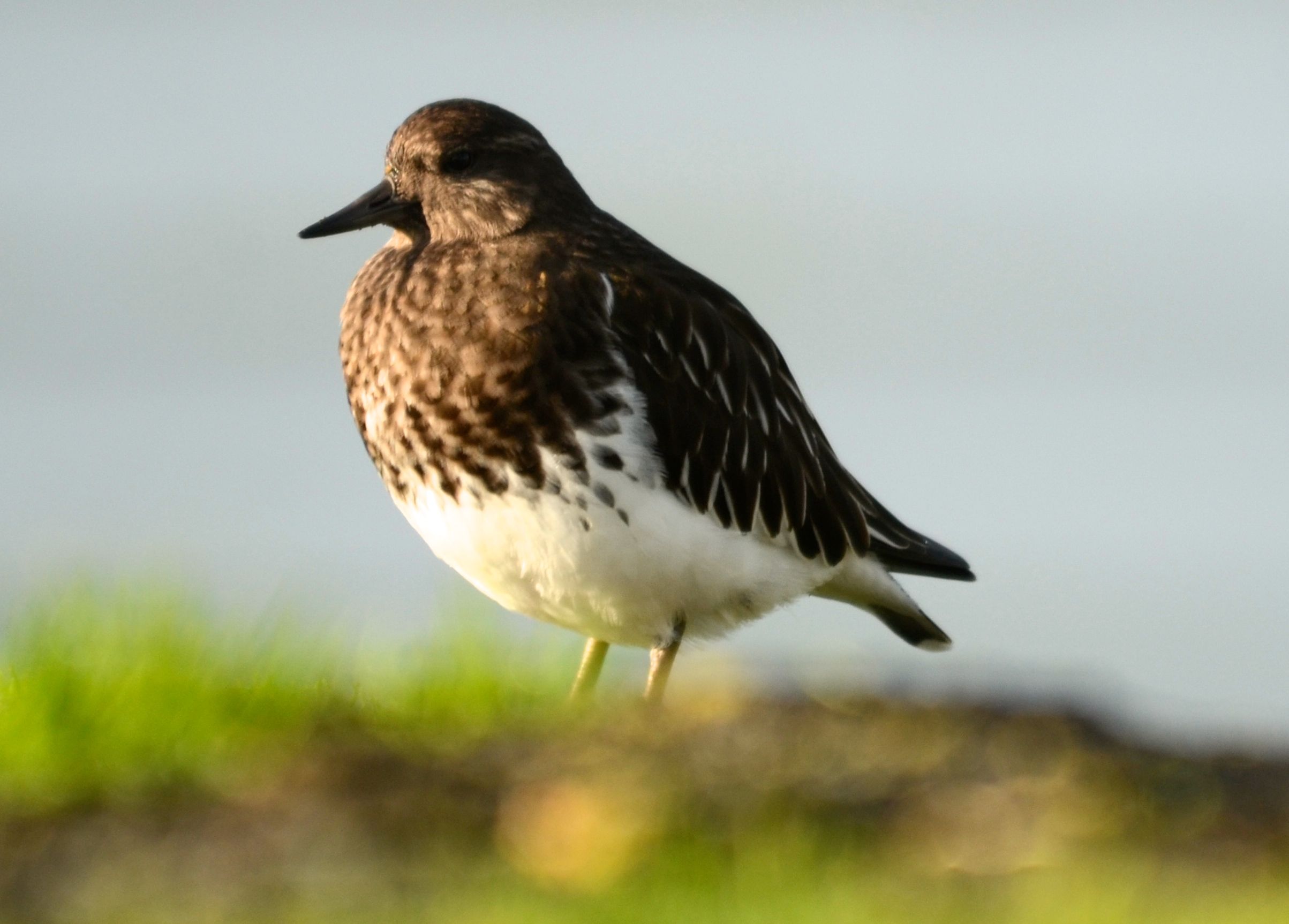
Black turnstone

Black turnstone

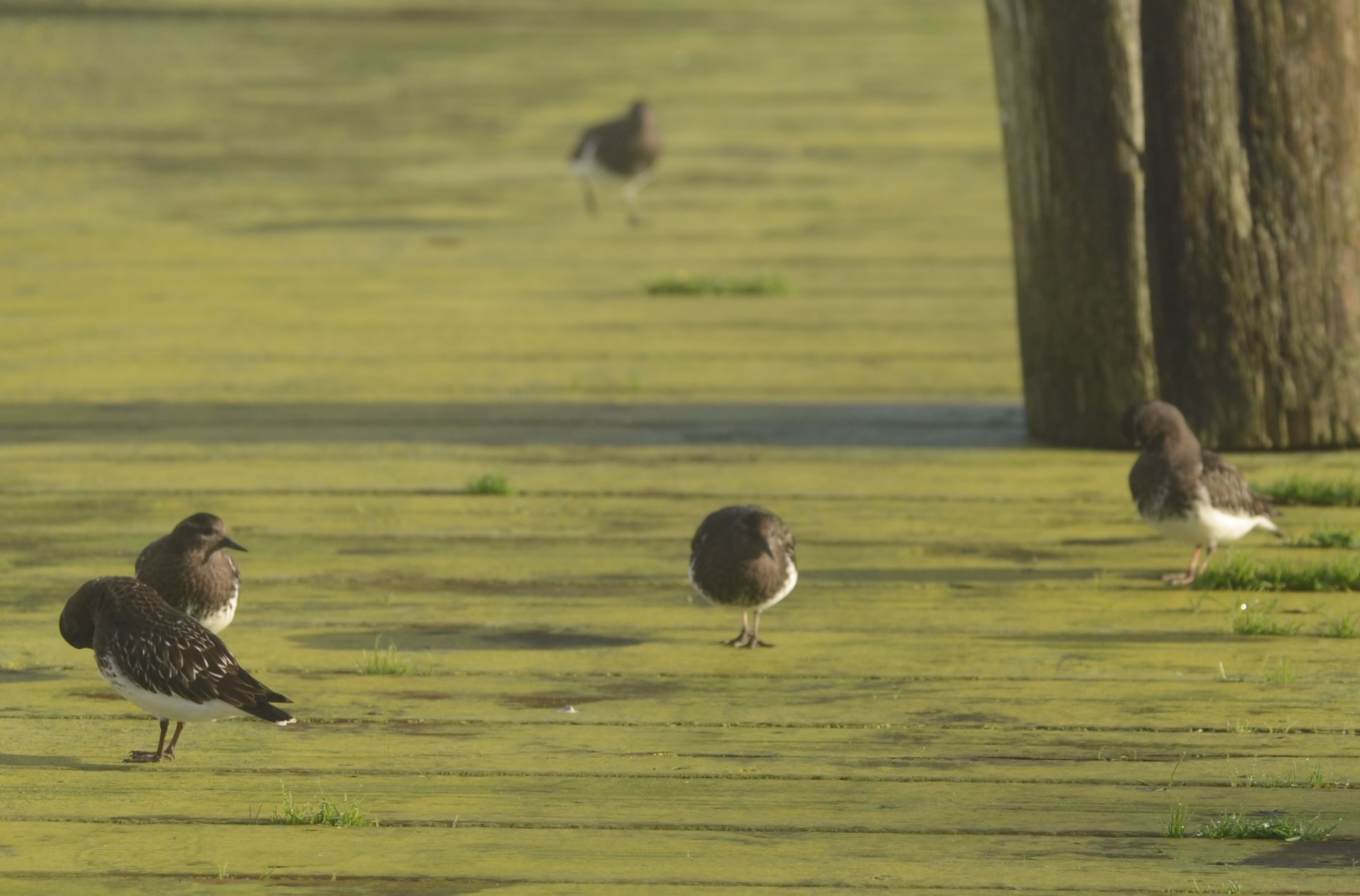
Black turnstone on the boardwalk by the crane

Black turnstones on the boardwalk by the crane

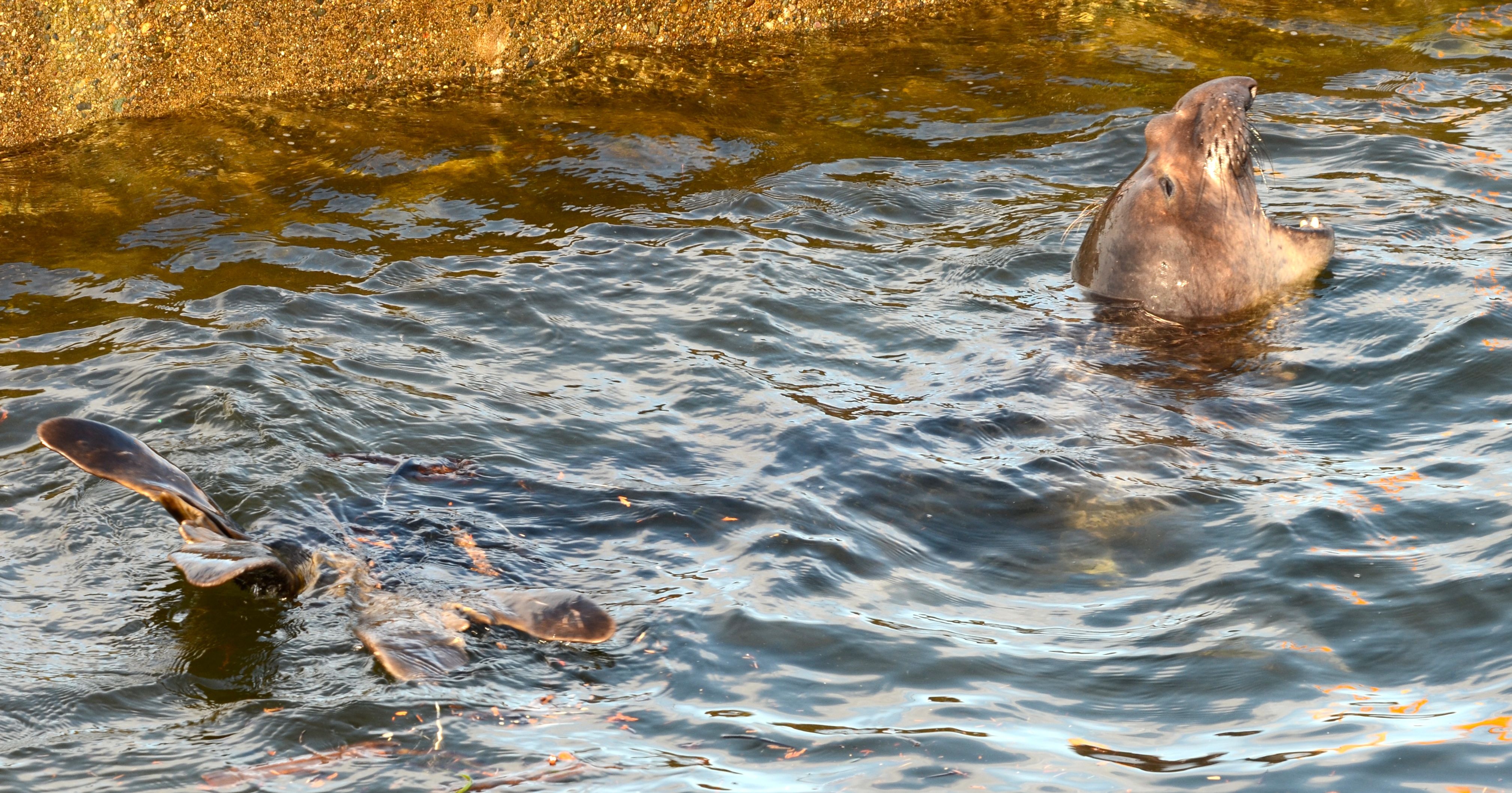
A male elephant seal barks and floats beside the jetty.

A male elephant seal floats and barks beside the jetty.

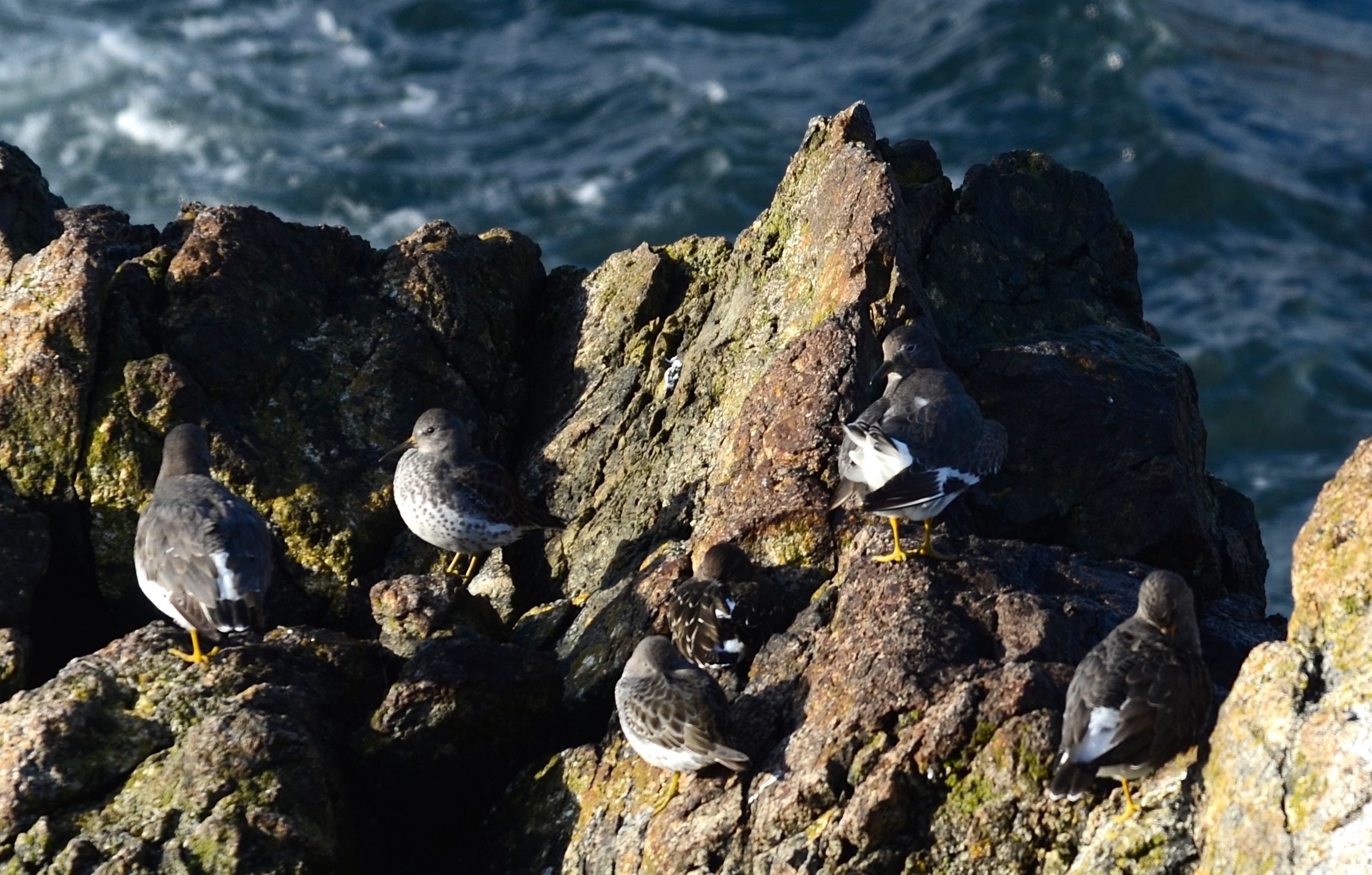
Sandpiper-like birds: durlin, surfbird and black turnstone

Sandpiper-like birds: dunlin, surfbird and black turnstone. Can you identify them all?

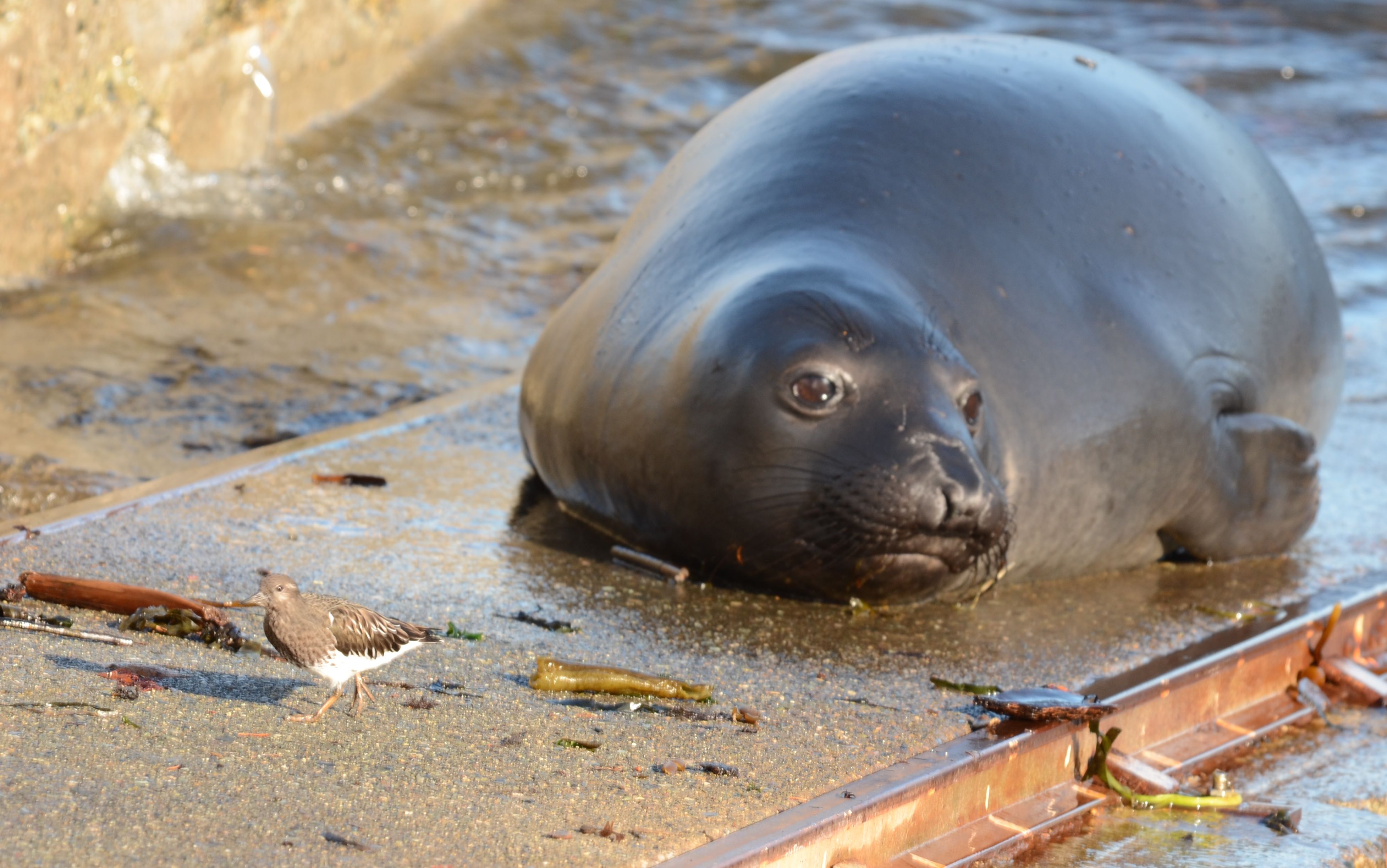
A black turnstone and elephant seal share boat ramp

A black turnstone and elephant seal share the boat ramp

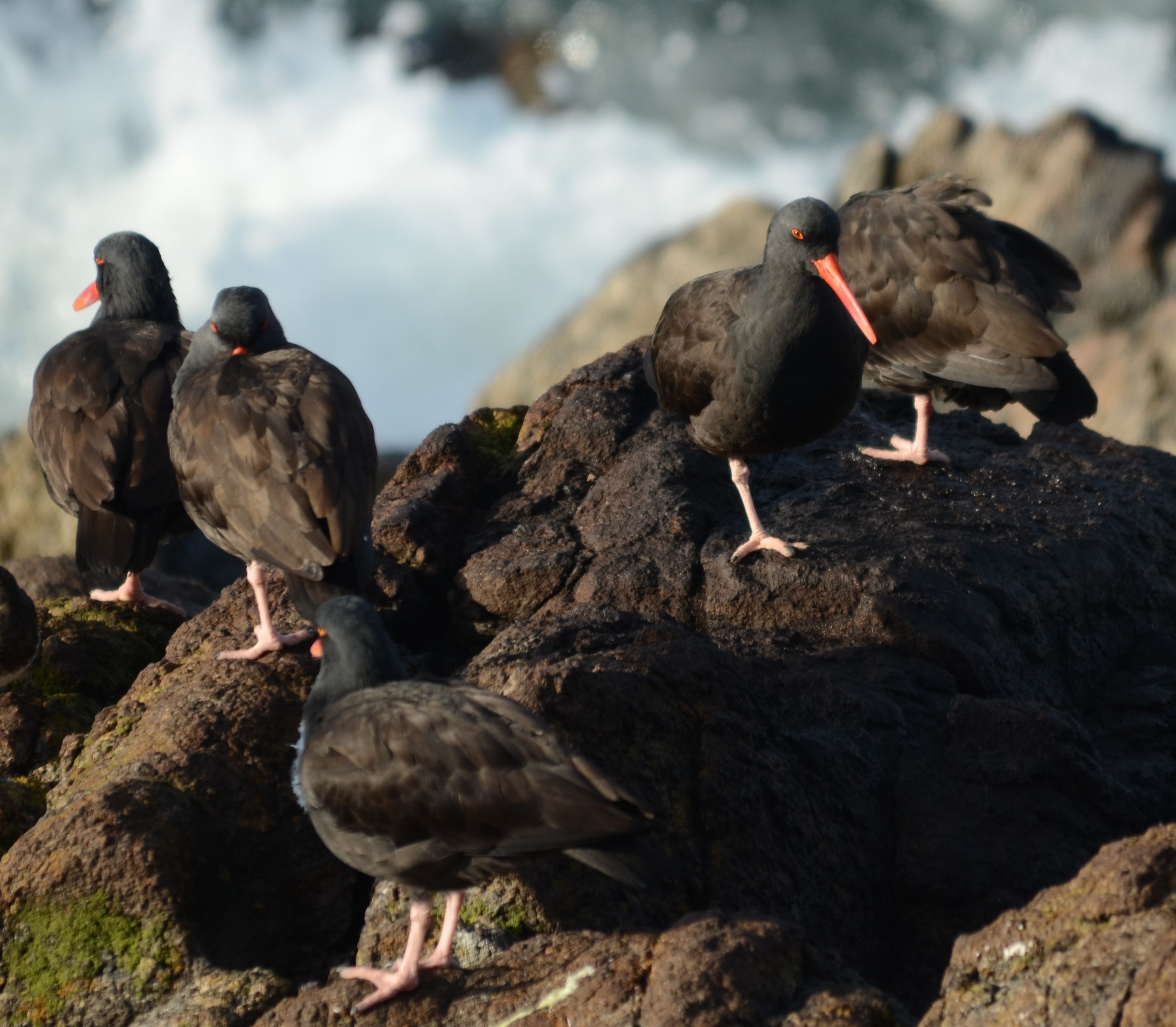
Black oystercatchers on the rocks by the surge channel

Black oystercatchers on the rocks by the surge channel

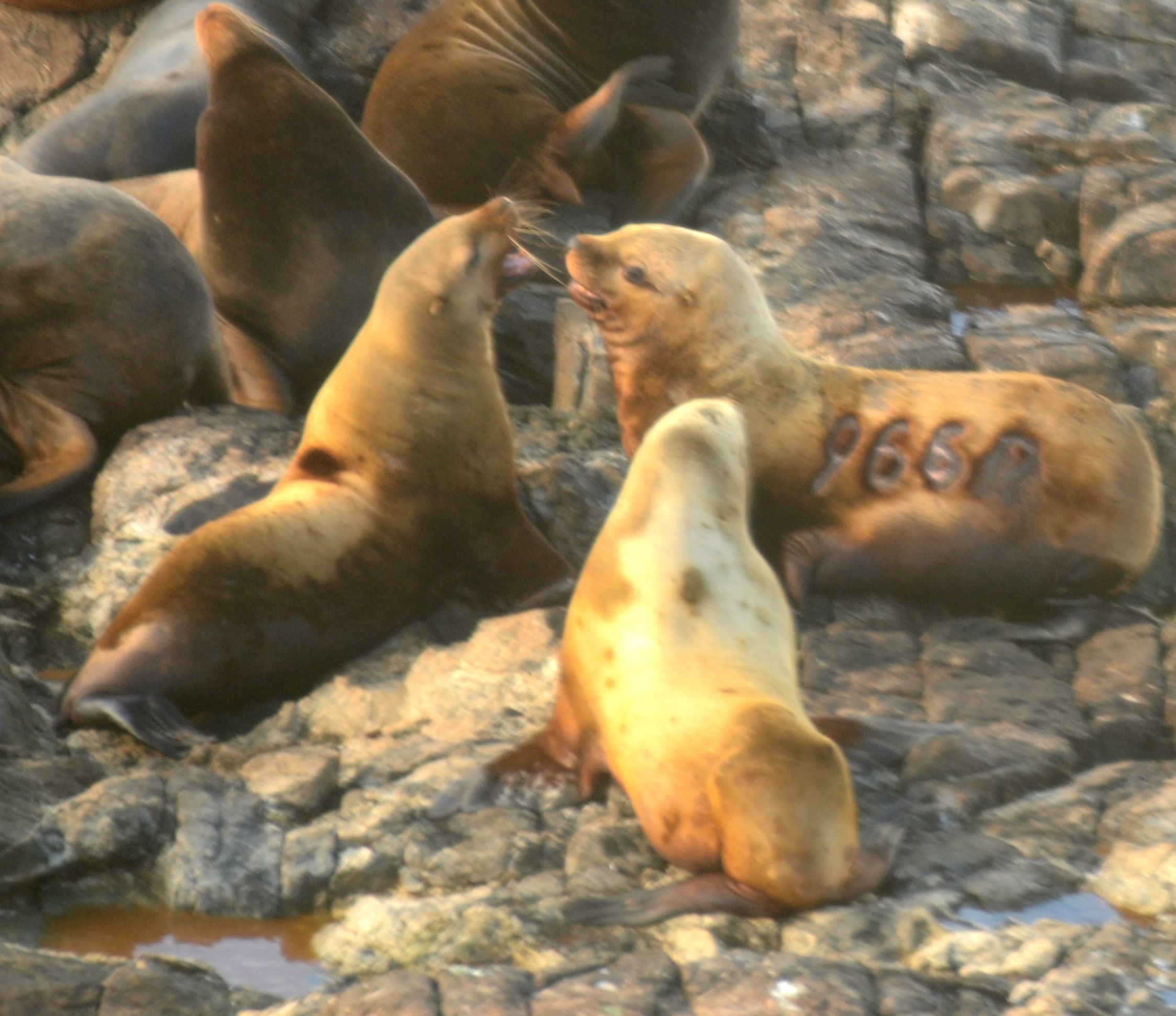
A steller sea lion with the brand "966R." The "R" signifies that it was branded in Rogue Reef, Oregon. I will add more information when I find out.

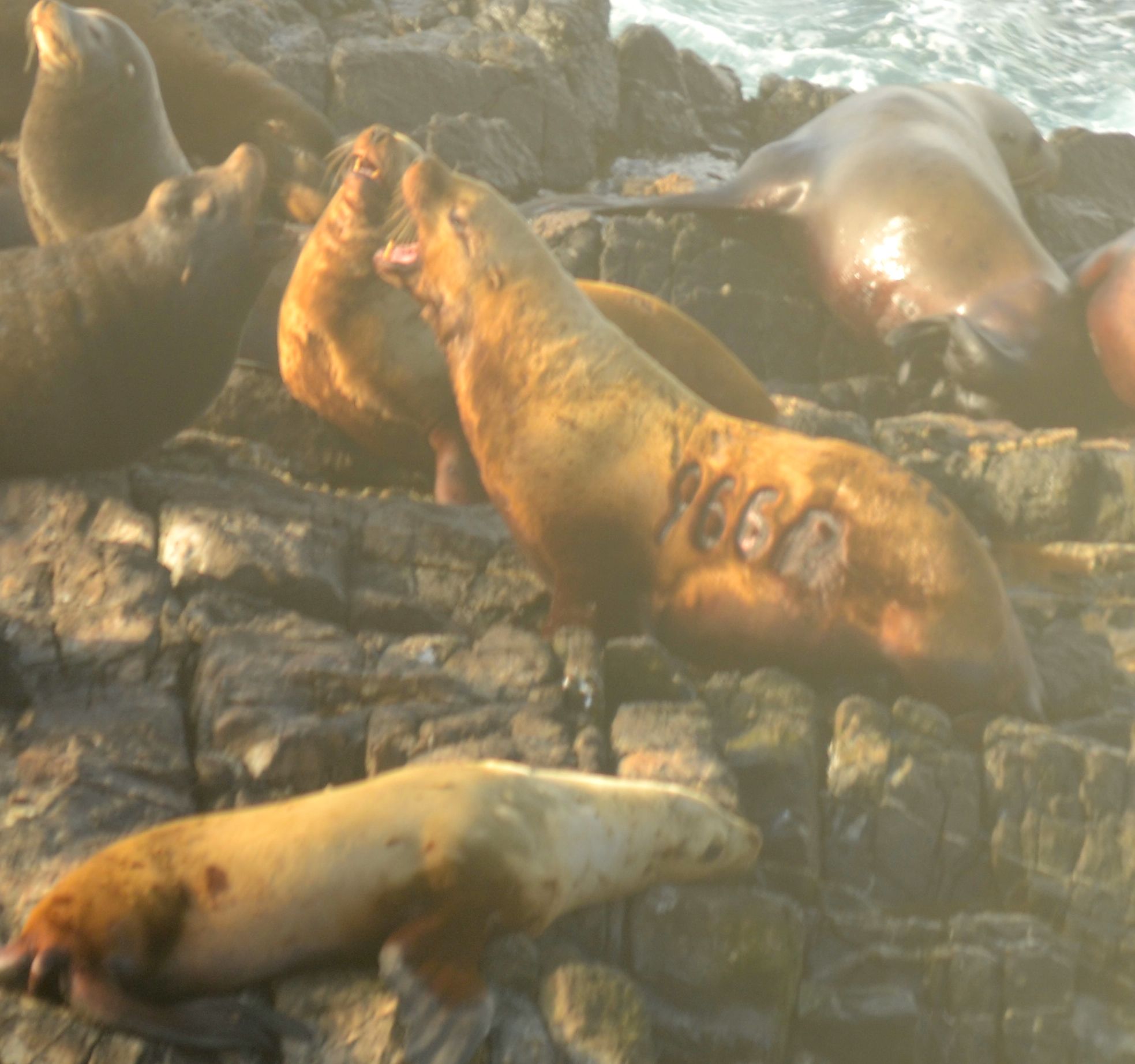
A steller sea lion with the brand “966R.” The “R” signifies that it was branded in Rogue Reef, Oregon. I will add more information when I find out.  [Updated information from Pat Gearin with the NOAA: The Steller was branded as a pup at Rogue Reef, Oregon in July 2011.  It is a male and so far we have 9 resights from this individual, all from BC.  In 2011, he was sighted at Pachena Point once, and in 2012 he was sighted at Carmanah 8 times.]

Another view of 966R

Another view of 966R

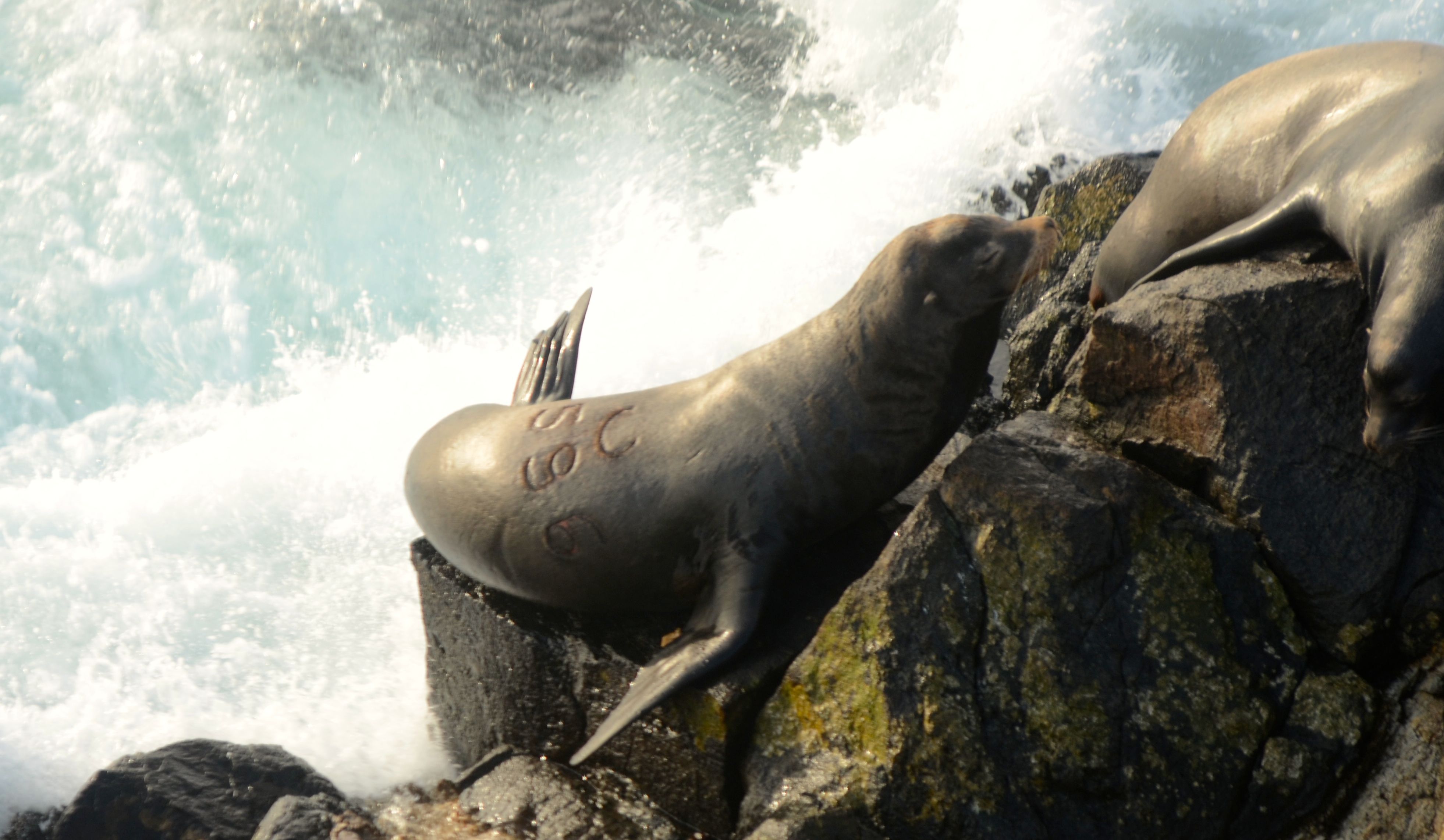
A branded california sea lion with the brand "U596." The "U" or "C" depending on which way you look at it,  means that the sea lion was captured in the Columbia River Area. It was branded in Astoria, Oregon.

A branded california sea lion with the brand “U596.” The “U” or “C” depending on which way you look at it, means that the sea lion was captured in the Columbia River Area. It was branded in Astoria, Oregon.  [Updated information from Matthew Tennis: U596 was branded on August 15, 2014 in Astoria. At that time he weighed ~193 kg. He was seen in Astoria for a few days following the branding and again in the middle of October. This is the first resight for this animal outside of Astoria. They have high site fidelity and being a relatively young animal, it is very possible he will be seen at Race Rocks for years to come.]

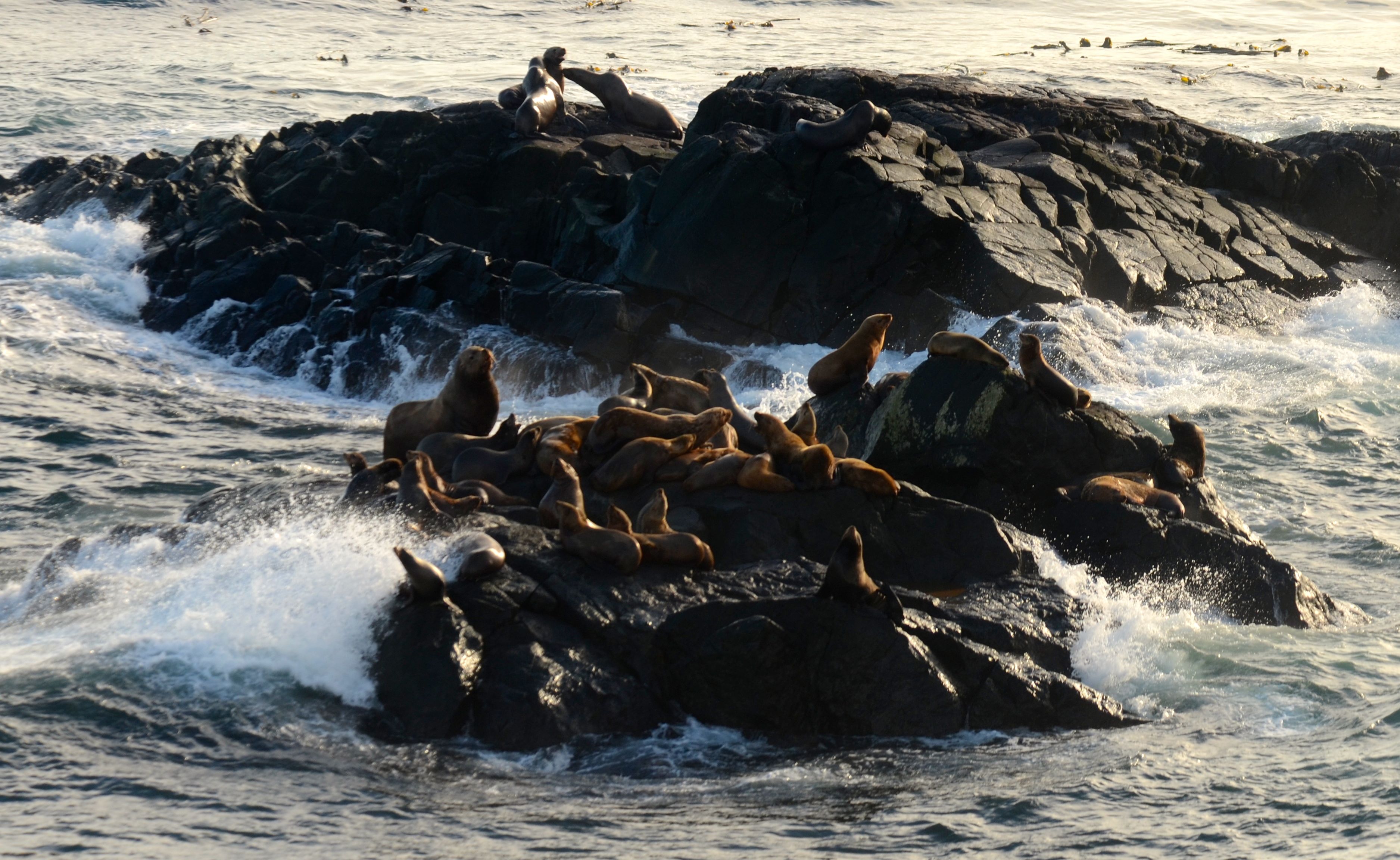
A group of steller and california sea lions get bashed by the waves on the south islands.

A group of steller and california sea lions get bashed by the wind and waves on the south islands.

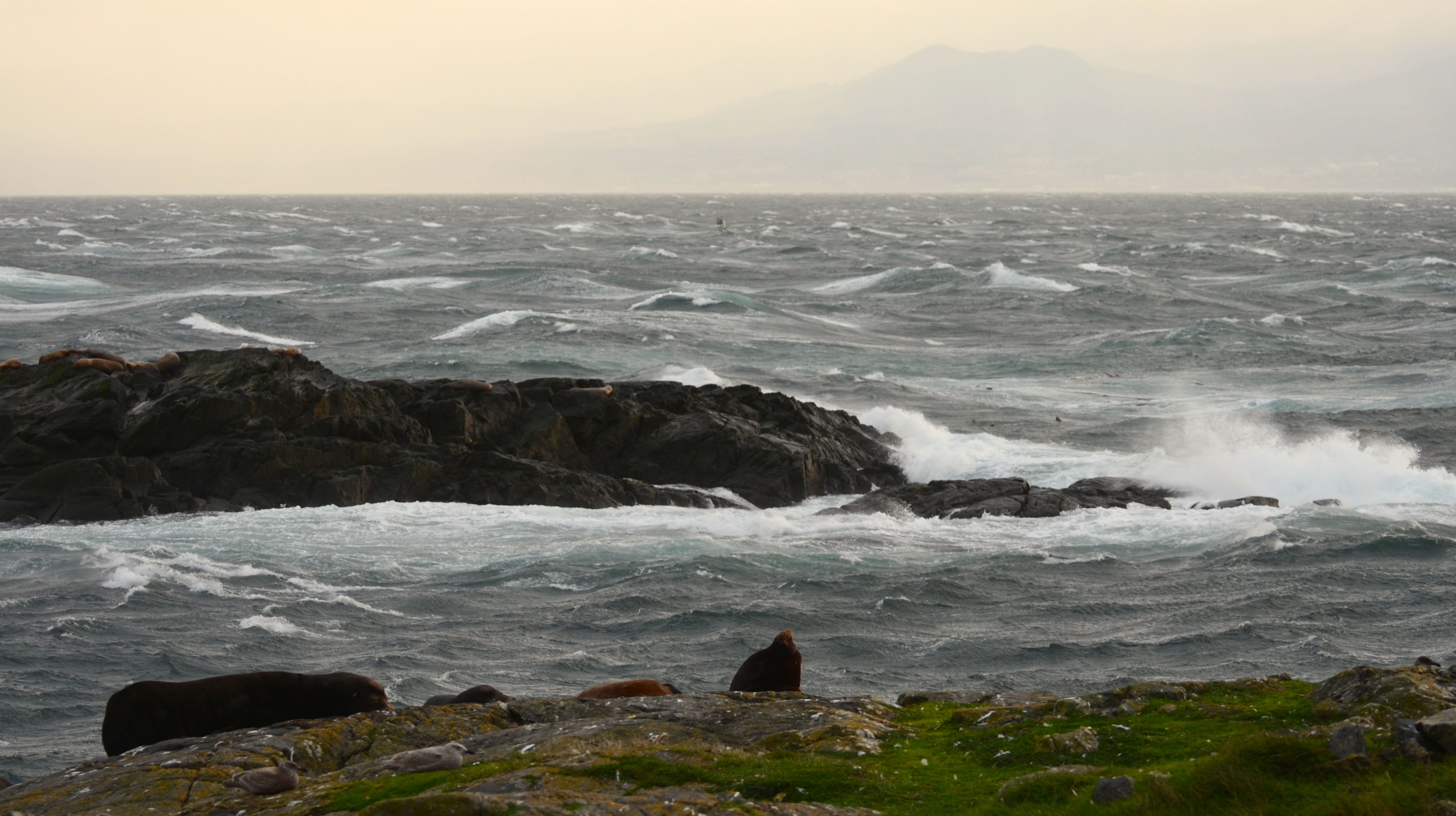
The wind gusted to 47 knots from the south west during the late afternoon, whipping up big waves. The buoy that marks Rosedale Reef can be seen getting tossed around in the background.

The wind gusts reached 47 knots from the southwest during the late afternoon, whipping up big waves. The buoy that marks Rosedale Rock can be seen getting tossed around in the background.

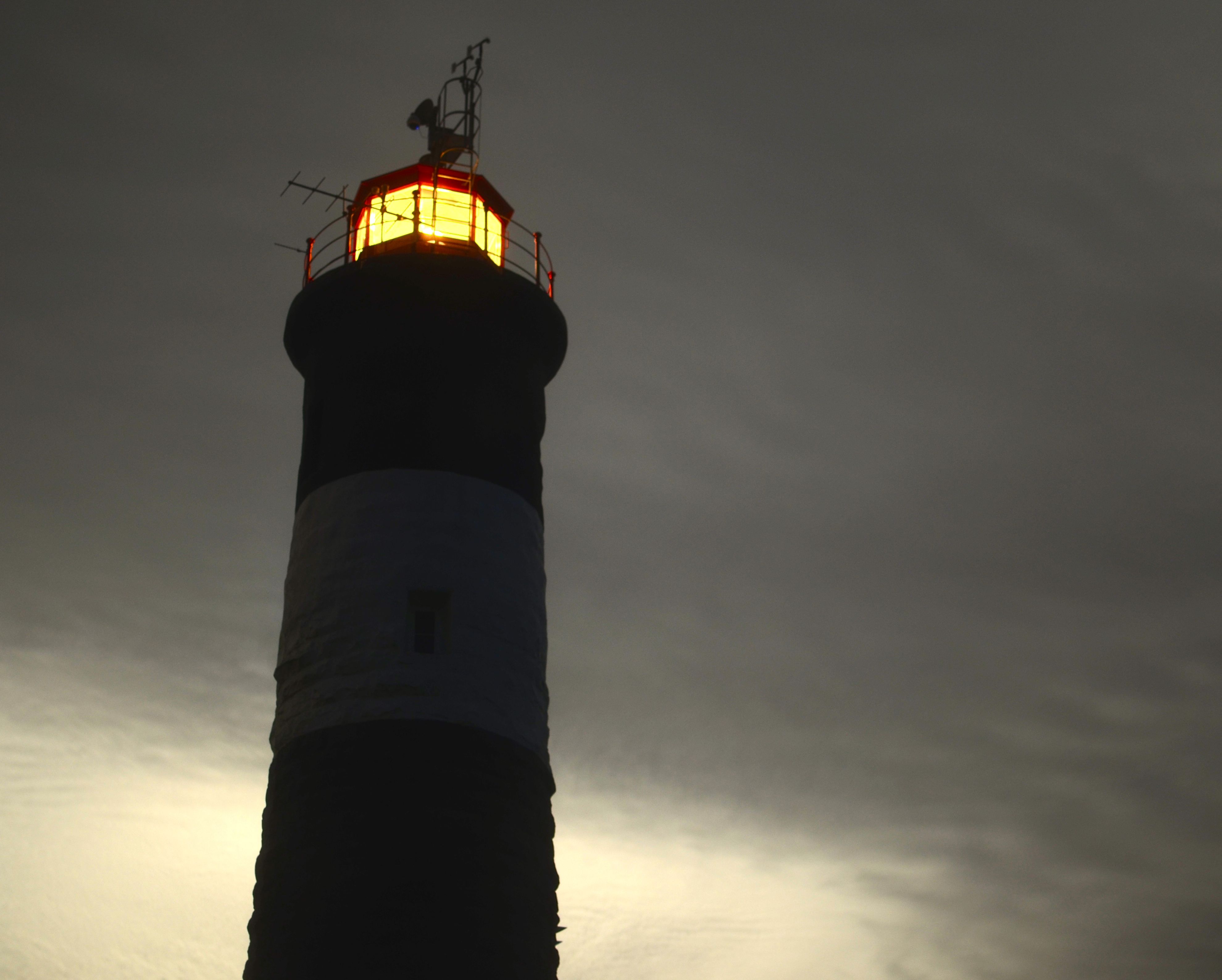
lighthouse moonrise

The lighthouse with the moon rising behind

Battery Power

The fog came and went again today but overall there was enough sunshine to keep the solar panels producing power. There was very little wind, always less than ten knots and often less than five. The direction was quite variable: in the morning it came from the north, then switched around to south and was blowing westerly at sunset. Now in the late evening it has turned back to a three-knot north wind. The barometer rose gradually most of the day so we are back up where we were a couple of days ago. The forecast is for increasing clouds with some sunshine tomorrow.

Today, I was not able to monitor vessel traffic in the Ecological Reserve as well as I usually do, nevertheless, 23 whale watching boats were observed in the Reserve, several visiting multiple times.

I did a large animal census, today and will report on it tomorrow as it is late now.

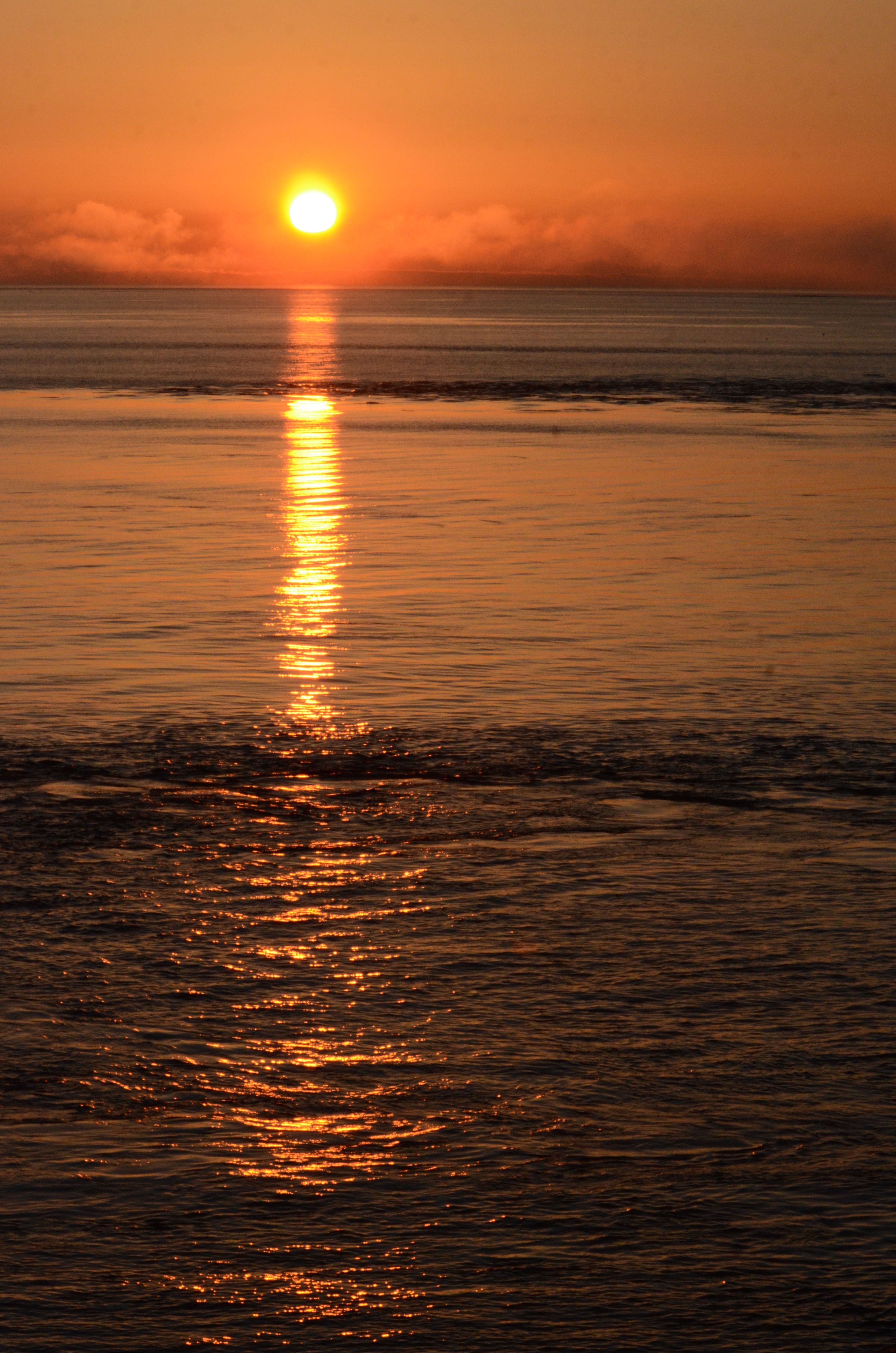
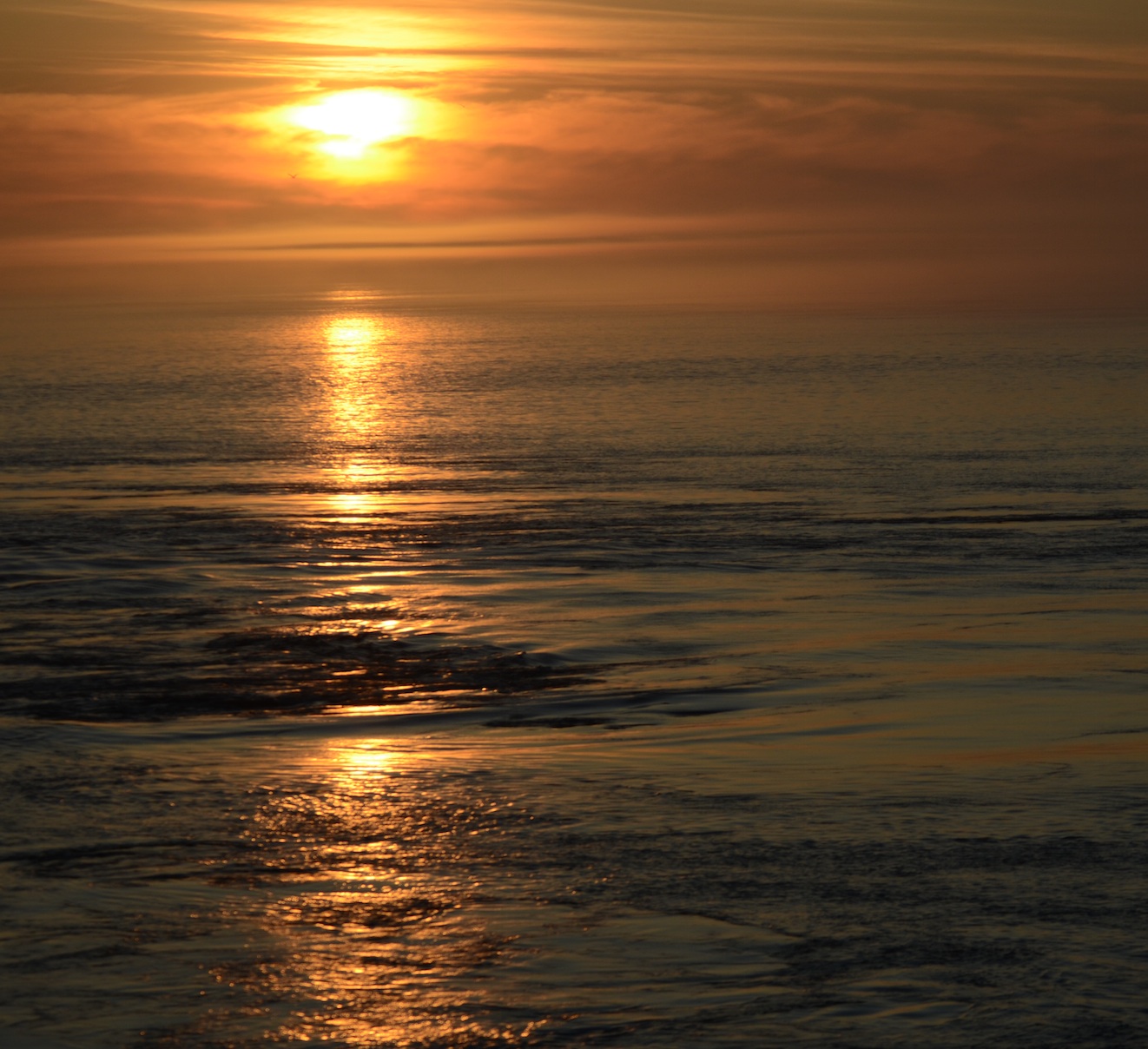
The middle of the day was taken up with battery room maintenance. Courtney showed me how to do it by doing 24 batteries and then I did the rest while the electrician and his apprentice were there. They checked on me to make sure that I was okay, working in that dangerous environment. All 96 batteries were checked and topped up with distilled water. Other chores included the usual daily tasks, seawater sampling, generation of electricity with the Lister and launching the boat. Once the electricians were finished, I gave them a ride into Pedder Bay. In spite of fog, there was a bit of a sunset. Here’s the shot.

As the tide ebbs, the sun sets through the fog reflected in the boils and rips.

As the tide ebbs, the sun sets through the fog reflected in the boils and rips.

Fogimatrix.

The weather here was dominated by fog today. It lifted in an interesting way this morning so that you could see out and under the fog for several miles yet there was thick fog above, at very low elevation. The rising sun shone through this clear layer, creating a weird and wonderful lighting effect from below. By mid-day the fog had burned off and sunshine prevailed at sea level. There was still fog in the shipping lane and the tops of the Olympic mountains were visible. The fog flowed back in by mid-afternoon and thickened steadily after that, pushed in by a westerly fog wind. During the day there wasn’t much wind until late afternoon/early evening when it picked up to 15 to 20 knots from the west. The barometer continued its slow trend downward that started a few days ago and the forecast looks relatively good until rain on Friday.

There was a fairly steady parade of whale watching boats in the Ecological Reserve today. They were looking at Humpback Whales, Harbour Porpoise and of course the Sea Lions. Sixteen tour boats were noted although I may have missed some in the fog. One of the tour operators had the chance to see a really big (tyee) spring salmon swimming through the kelp forest.

There were sports fishers catching Coho, Spring and Chum Salmon to the south and west of Race Rocks and many sea lions were also busy catching salmon while at the same time helping to feed the gulls with their scraps, not out of any benevolence, just because they are messy eaters.

There are many gulls here now including Glaucous-winged, Glaucous-winged hybrids and Thayer’s gull which are challenging to distinguish. I look forward to doing the census first thing tomorrow to try and figure out how many of which species. The Heerman’s Gulls continue to benefit from sea lion salmon treats which they certainly can’t do where they breed in Mexico. I like watching them. They are very beautiful and have a interesting feeding behaviours that they may have learned from birds like skimmers where they live rest of the year. They fly with their lower bill hanging down just above the water and occasional skim the water with it, catching small prey.
There are many sea lions on the west side of the island now and the westerly wind carries the dusty grime from them onto everything in its path. The Savannah Sparrows feed in and around the sea lions.

These little Savannah Sparrows forage through the sea lion waste picking up morsels and probably a few parasites.

These little Savannah Sparrows forage through the sea lion waste picking up morsels and probably a few parasites.

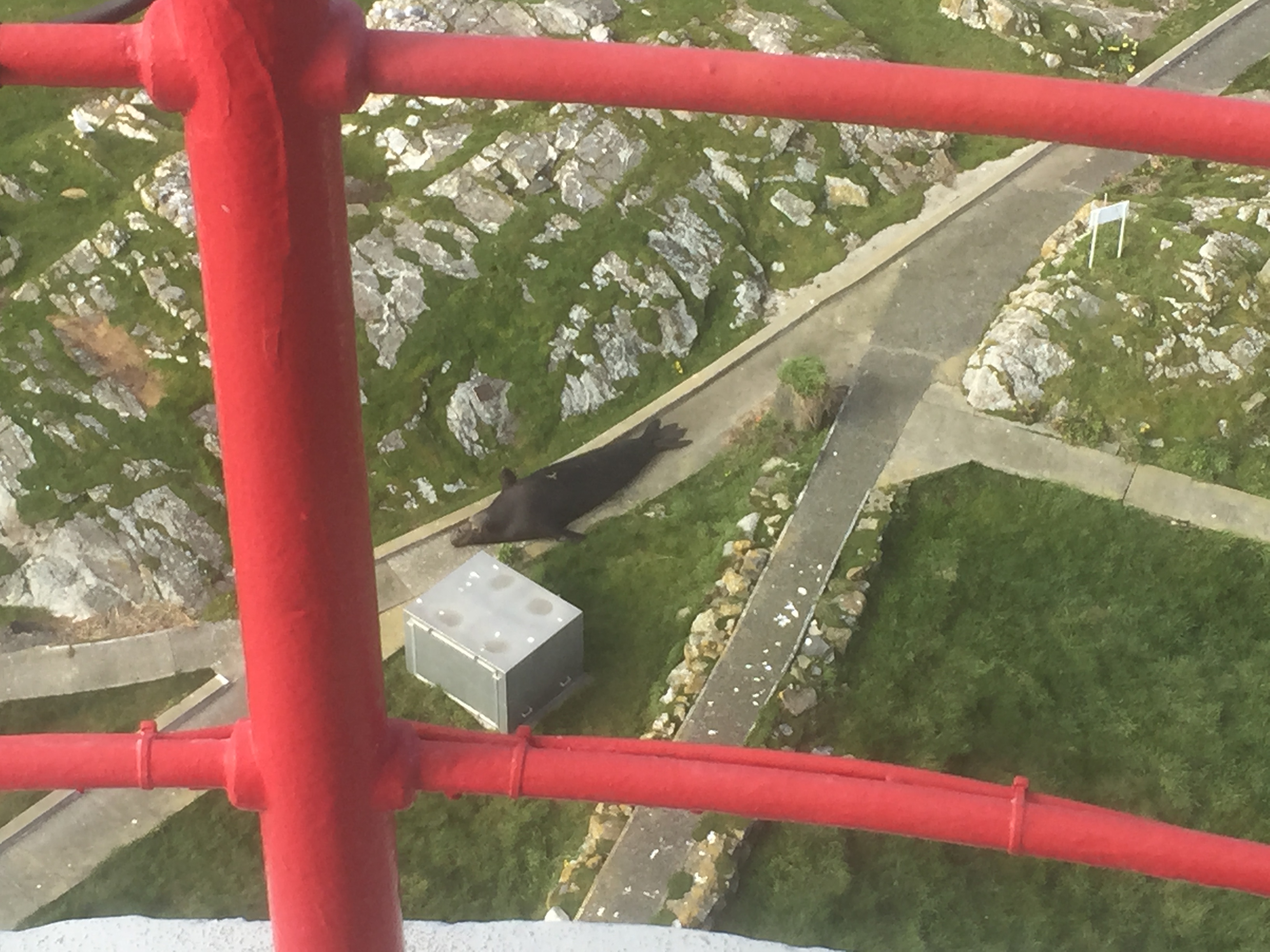
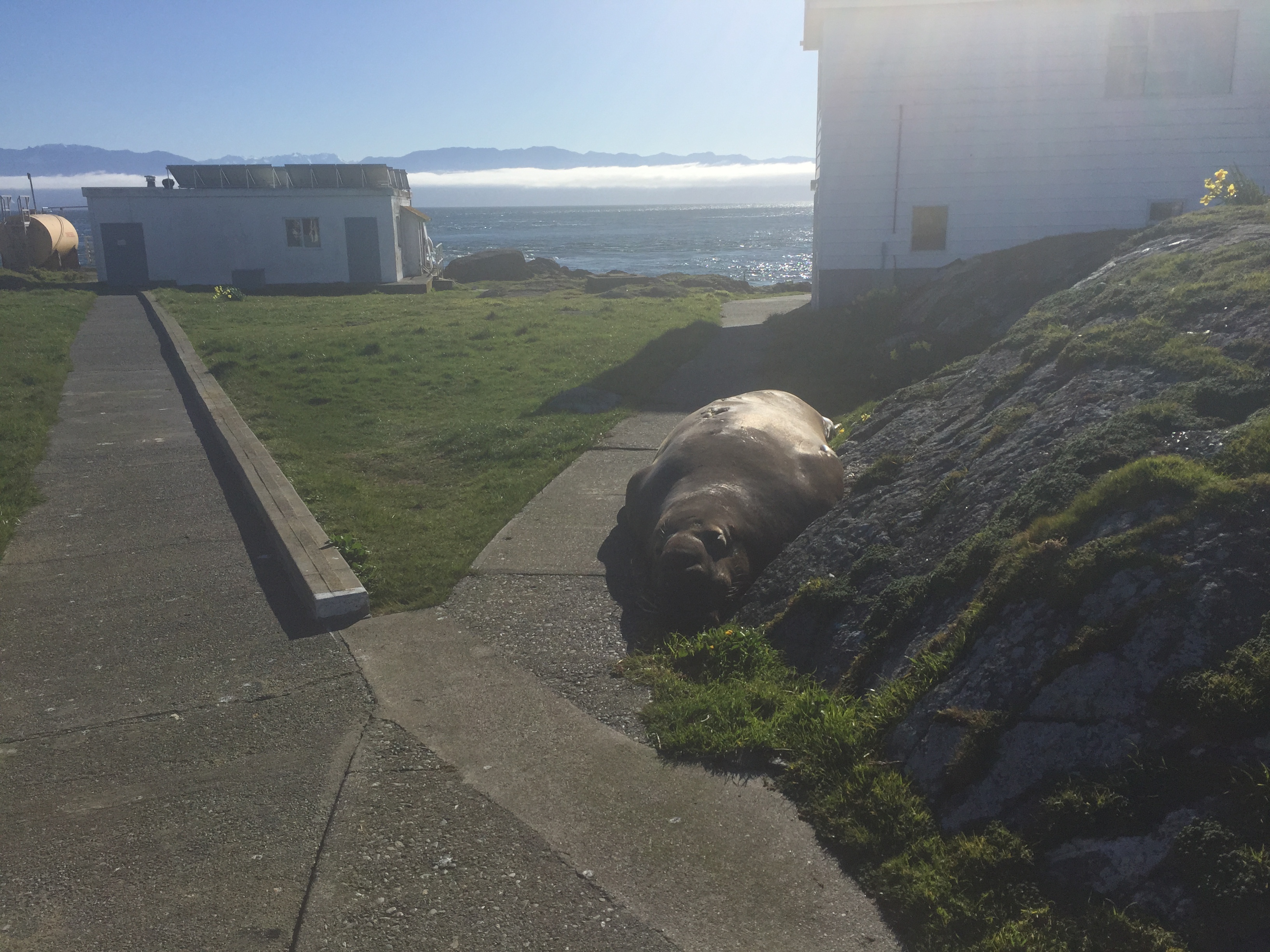
Elephant Seals have been hauling out on Middle Rock for over a month and now some are back on Great Race again. There was a small one hauled out on the northeastern side and a bigger one on the railway with the sea lions.

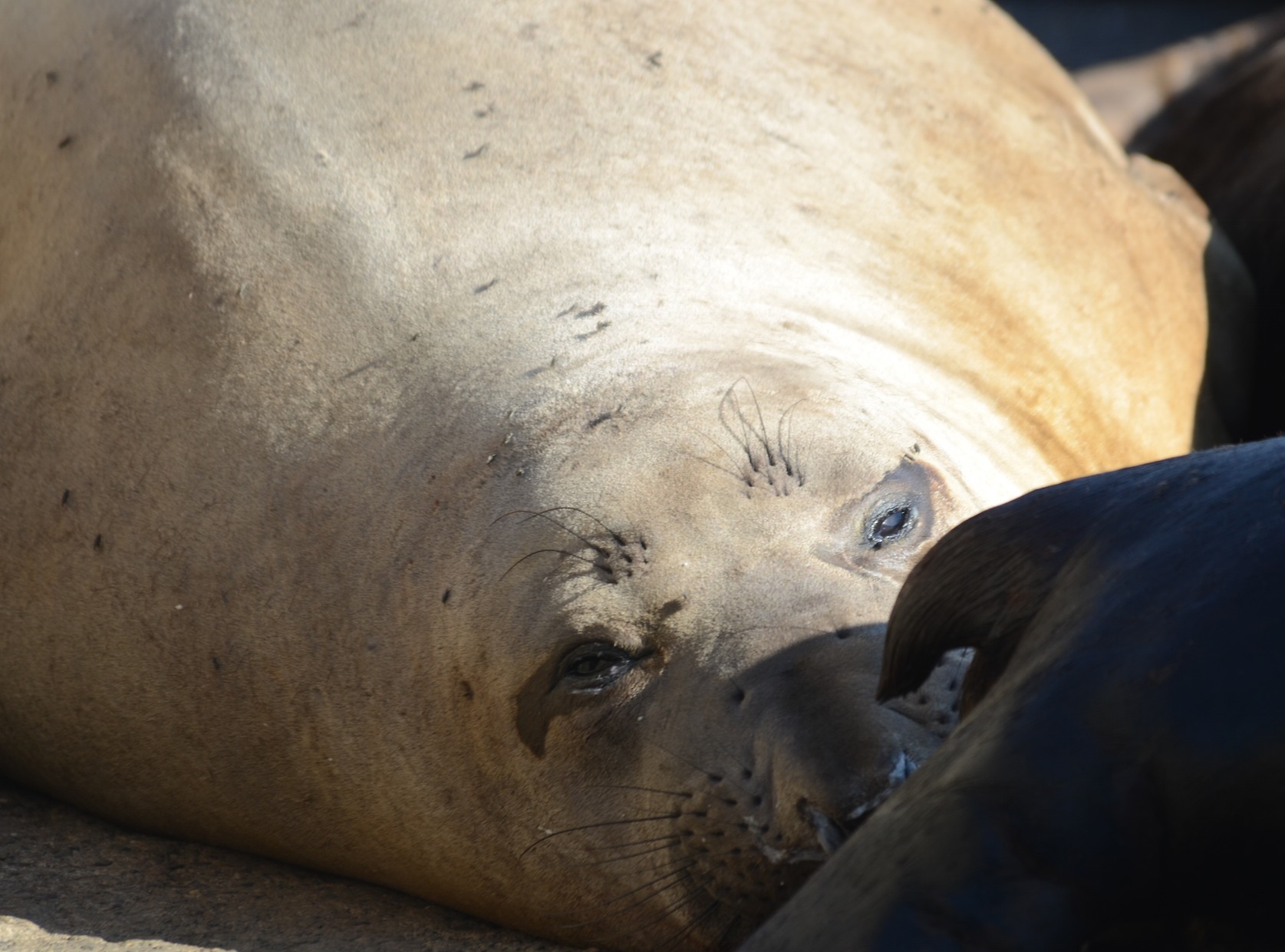
This Elephant Seal is napping with California Sea Lions on the marine railway.

This Elephant Seal is napping with California Sea Lions on the marine railway.

Washing the solar panels took a long time this morning. They were really dirty. I will do them after the census and it will probably take even longer, tomorrow as I want to shovel off the organic stuff that has accumulated before the electrician arrives to work on the panels. Today I readjusted to life on Race Rocks, finished the month-end report for September, did the seawater sample, made freshwater with the desalinator, ran the Lister generator and sorted photos as well as sea lion brand and entanglement data.

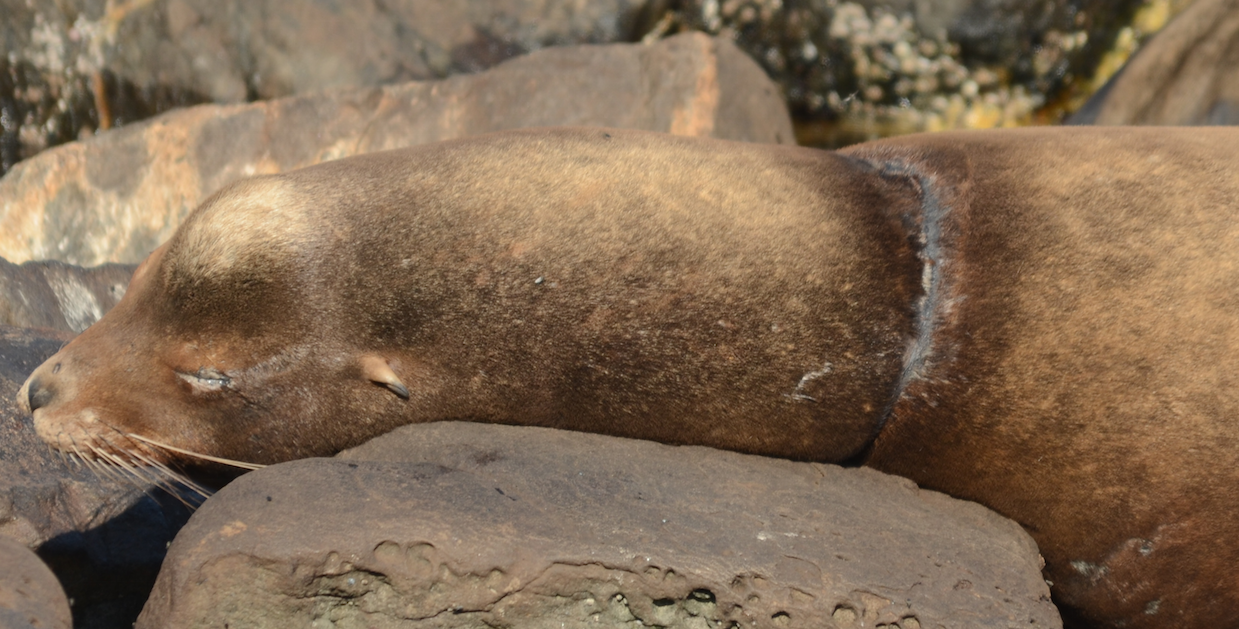
This entangled California Sea Lion has been spotted repeatedly since the end of August.

This entangled California Sea Lion has been spotted repeatedly since the end of August.

Out of the Fog

I returned to Race Rocks today after attending the Trans-Atlantic workshop on Ocean Literacy and the European Marine Science Educator’s conference last week, in Gothenburg, Sweden. I am refreshed and inspired to finish off my shift at Race Rocks.
It was warm and sunny when Courtney and I left Pearson College in Pedder Bay this morning but as we drove southeast towards Race Rocks, we were soon enveloped in the cool, damp fog. As the sunny peaks of the Olympic Mountains slid out of view, obscured by fog, the dark shape of North Islet emerged and behind it came Great Race and the light-tower, out of the fog. It is great to be back and was just as great for Jeff, who was filling in, to leave.
It was foggy on and off all day with a few periods of sunshine with visibility of over a nautical mile. Throughout the day, the foghorn blew and I could hear ships signaling as they navigated the Strait of Juan de Fuca in the fog. There was no wind for most of the day but it has been consistently blowing about ten knots out of the west for the past several hours and the fog is thickening.
The fog did not deter the whale watching boats as there were Humpback Whales feeding in the area today and the last cruise ship of the season in port. One smaller Humpback was diving and presumably feeding right in the Ecological Reserve diving against the flooding tide. I wonder if they can use the flow to their advantage in feeding more efficiently with less effort? Natural history speculation aside, the count of observed whale watching boats from 11:00 to 19:00 (dusk) was thirteen with some vessels visiting more than once.
The Chum Salmon run started in earnest while I was away and there appears to be fewer sea lions hauled out than there were before. There are many in the water however. Sea lions of both species are very busy eating Chum Salmon with most of the kills I observed, happening right in or at the edge of the tidal flows. They thrash the fish and rip it apart at the surface and swallow large chunks tail last at the surface as well. This source of scraps, of course attracts gulls. Several species of gull were seen in these sea lion driven feeding flocks today; Glaucous-winged, Hermann’s, Thayer’s and Ring-billed Gulls. There were three or four fairly hefty Elephant Seals hanging around the marine railway today. They have such huge eyes and such clean looking pink mouths. Many of the Sea Lions have serious tooth decay and oral disease.

While I was away there were several a visits to the island. The Victoria Natural History Society made it part of their birding trip on September 27, sixteen friends of the Royal BC Museum made a visit October 4th and a family visit was made by by Mike and Carol Slater, one of their daughters and several grand-children. Mike and Carol were the last light-keepers at Race Rocks and the first Eco-Guardians. They survived some epic storms and I am sure they have some great stories to tell. If you are interested in the “contemporary” history of Race Rocks, there is a lot of information on this web-site, including ancient videos, images and even historic weather events.

My main tasks today were to get moved back into the house, to do the seawater sampling, fix the pier fence and run the generator for a few hours in order to top up the batteries. There is new clean oil in the Lister gen-set and new filters etc. thanks to Jeff. The old Lister seems to run better than ever tonight a I finish my last task, posting this blog..

Gray on gray.

It was a bit of a gray day with some thick fog and even a few patches of sunlight, which made fog-bows. This is my made up word for the colourless, rainbow-like arches made by the sun in the fog. Winds were light and swung around out of the north, northeast and over to the east, with the northeast predominating, at about 5 knots. The barometer was fairly steady today and the forecast for tomorrow is for more of the same only more southeast, also with showers.

There were Dall’s Porpoise and Humpback Whales nearby late in the afternoon, which brought a few whale watching boats with a total of nine noted in the Ecological Reserve. The operator of the vessel King Salmon, of Great Pacific Adventures needs to review the regulations for operation in the Ecological Reserve.

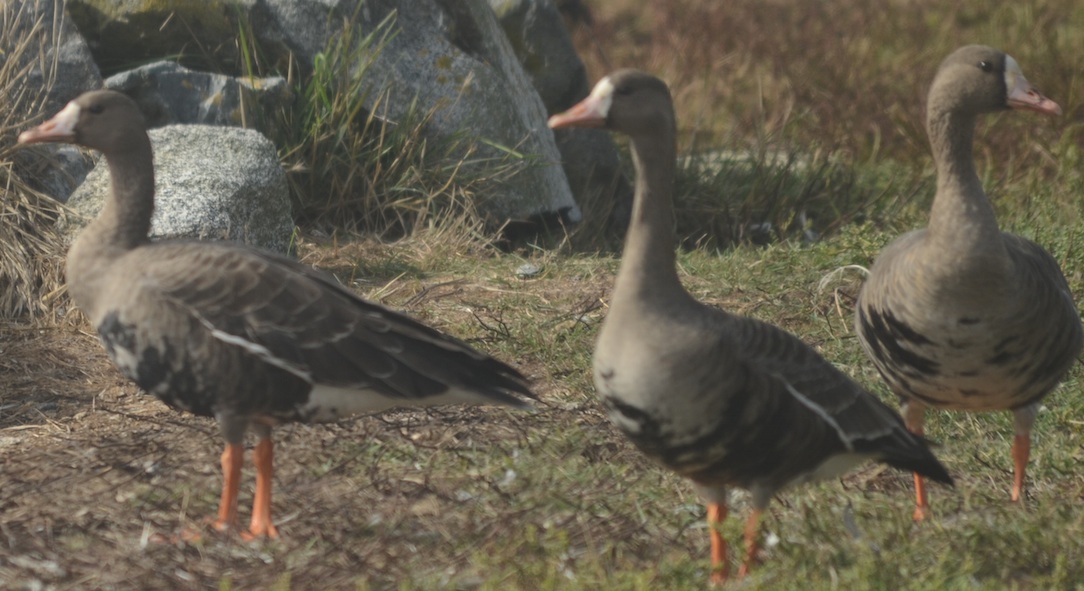
The newcomers today were four Greater White-fronted Geese. This species nests in the arctic west of Hudson’s Bay and the western populations winter from here down to Mexico.

Greater White-fronted Geese were resting and recovering here today.

Greater White-fronted Geese were resting and recovering here today.

Today was the day, for the weekly census of megafauna and these are the results:
Steller’s Sea Lion 176
California Sea Lion 406
Elephant Seal 6
Harbour Seal 168
River Otter 2
Canada Goose 4
Greater White-fronted Goose 4
Double-Crested Cormorant 18
Pelagic Cormorant 8
Cormorant sp. 2
Black Oystercatcher 8
Black Turnstone 11,
Killdeer 2
Surfbird 28
Common Murre 4
Thayer’s Gull 113
Glaucous-winged Gull 22
Heerman’s Gull 6
California Gull 1
Western Gull 1
Gull spp. 256 (probably in similar proportions to above, unable to tell due to distance and fogged glass in the tower)

Fence maintenance takes quite a bit of time right now as new sea lions arrive for the winter and learn to stay away from the houses and off the jetty. They would probably prefer to be right here in the kitchen but that is a trade-off with having a guardian here. Fresh-water production and electrical generation continue to be a priority. Today was also the day for month-end report, house cleaning and packing. I am off to Scandinavia to share and learn more about Ocean Literacy. Thanks to all the PC Marine Science students who were willing to share their thoughts with the participants of the gathering at the University of Gothenberg.