After the Autumnal Equinox.

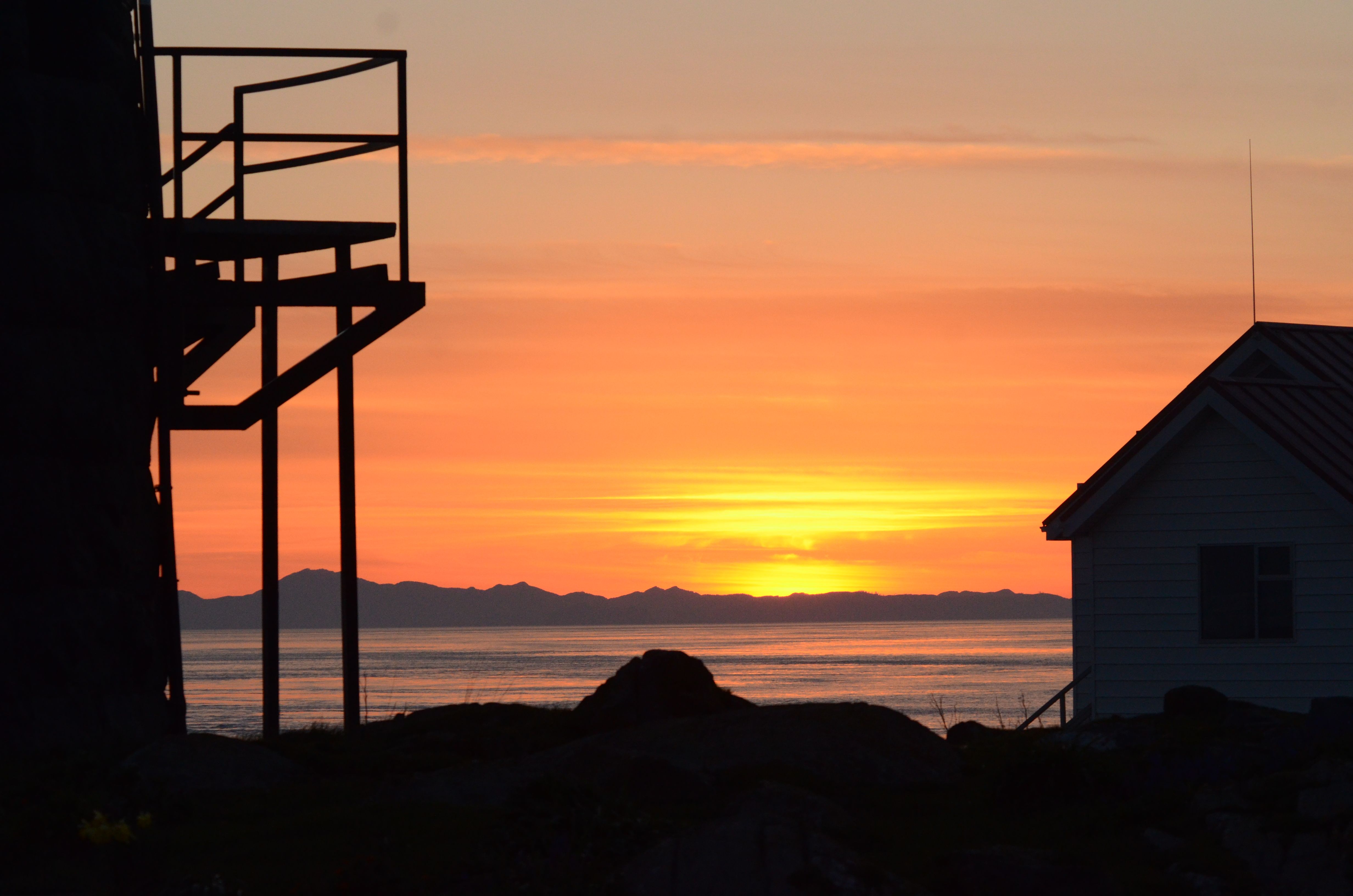
The day started clear with clouds distant, to the east. A steady north by northeast wind of between 5 and 10 knots seemed to gradually bring the clouds around but Race Rocks remained in the donut hole as it often does, with sun dominating until late afternoon. The barometer is holding steady, if averaged over the last two days at ~ 1014 hPA, but the tendency now, is falling again, at the end of the day. There was no colour for sunset as the clouds built and the forecast calls for showers for the next few days, with easterly winds turning to westerly and fog patches dissipating near noon tomorrow.

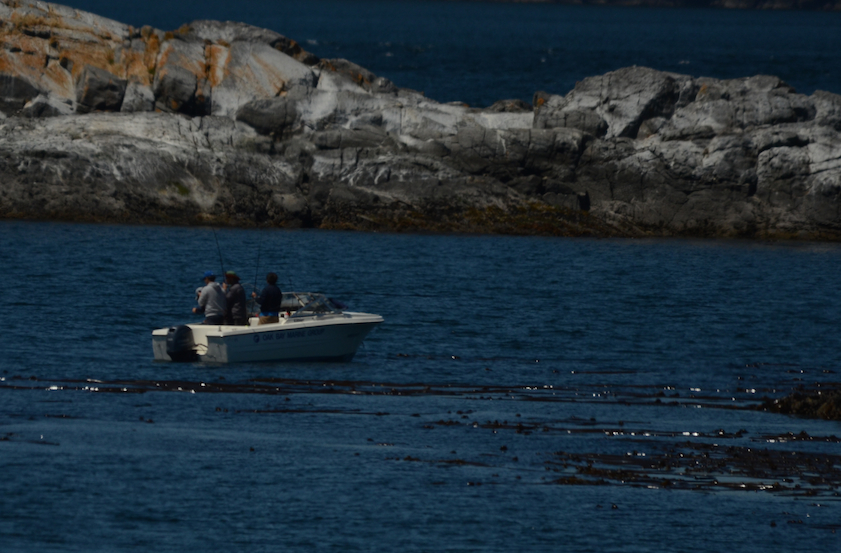
It was a quiet day on the whale-watching front with only four visits to Race Rocks Ecological Reserve by commercial operators. There was an equal number of “pleasure” craft but they were not all as well behaved, with one of the Pedder Bay Marina rentals fishing in reserve. The marina is now able to track their rentals using GPS. They are really good about contacting their renters, when called and persuading them to move out of the Rockfish Conservation Area which is closed to sports fishing, for finfish in the Ecological Reserve.

There were repeated explosions across the way. A good ending for explosives I suppose, if you consider the alternatives. It seems to make the sea lions jittery and by that I mean more likely to stampede and go into the water. The Stellers seem more sensitive to disturbance in general.

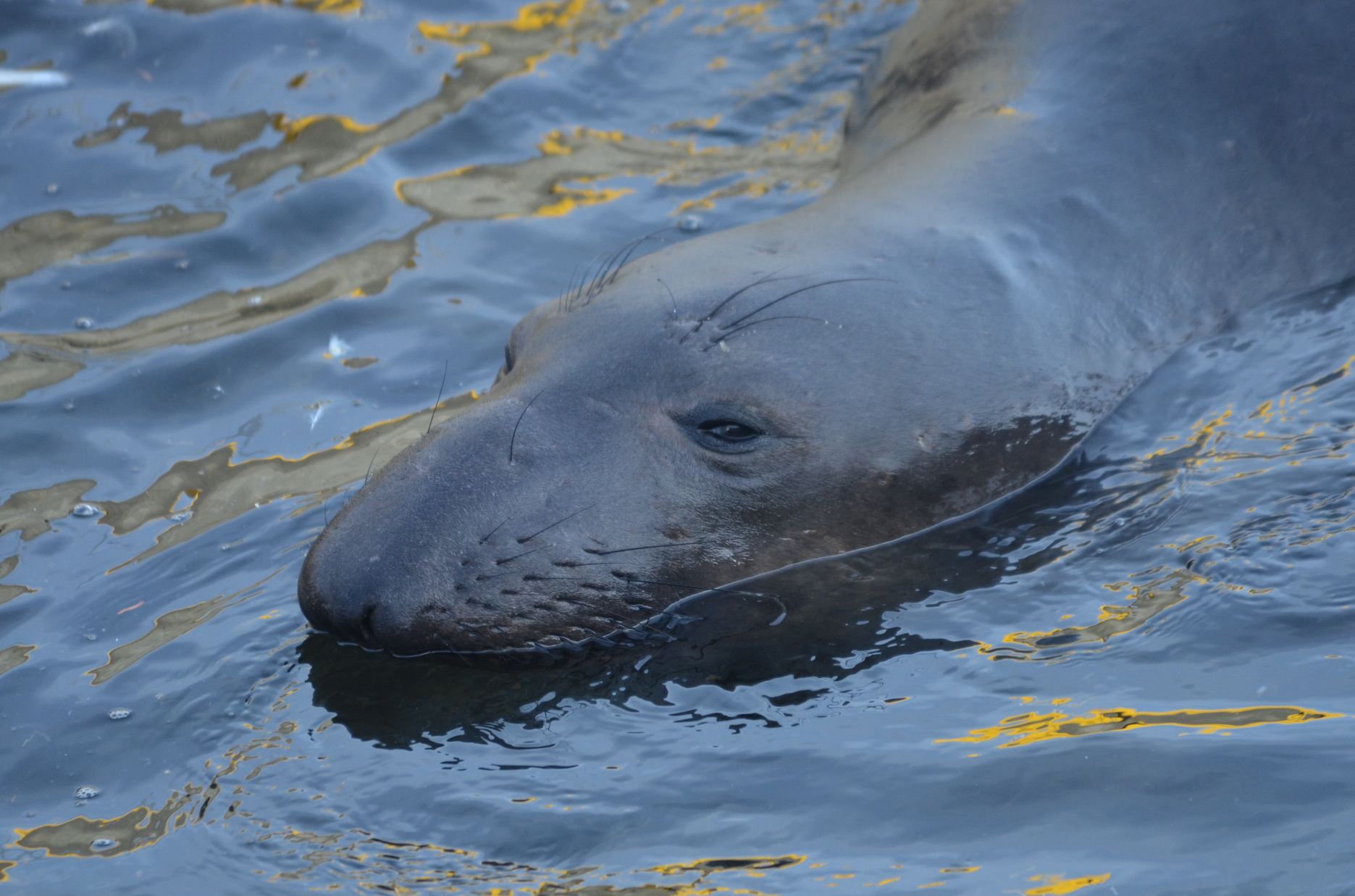
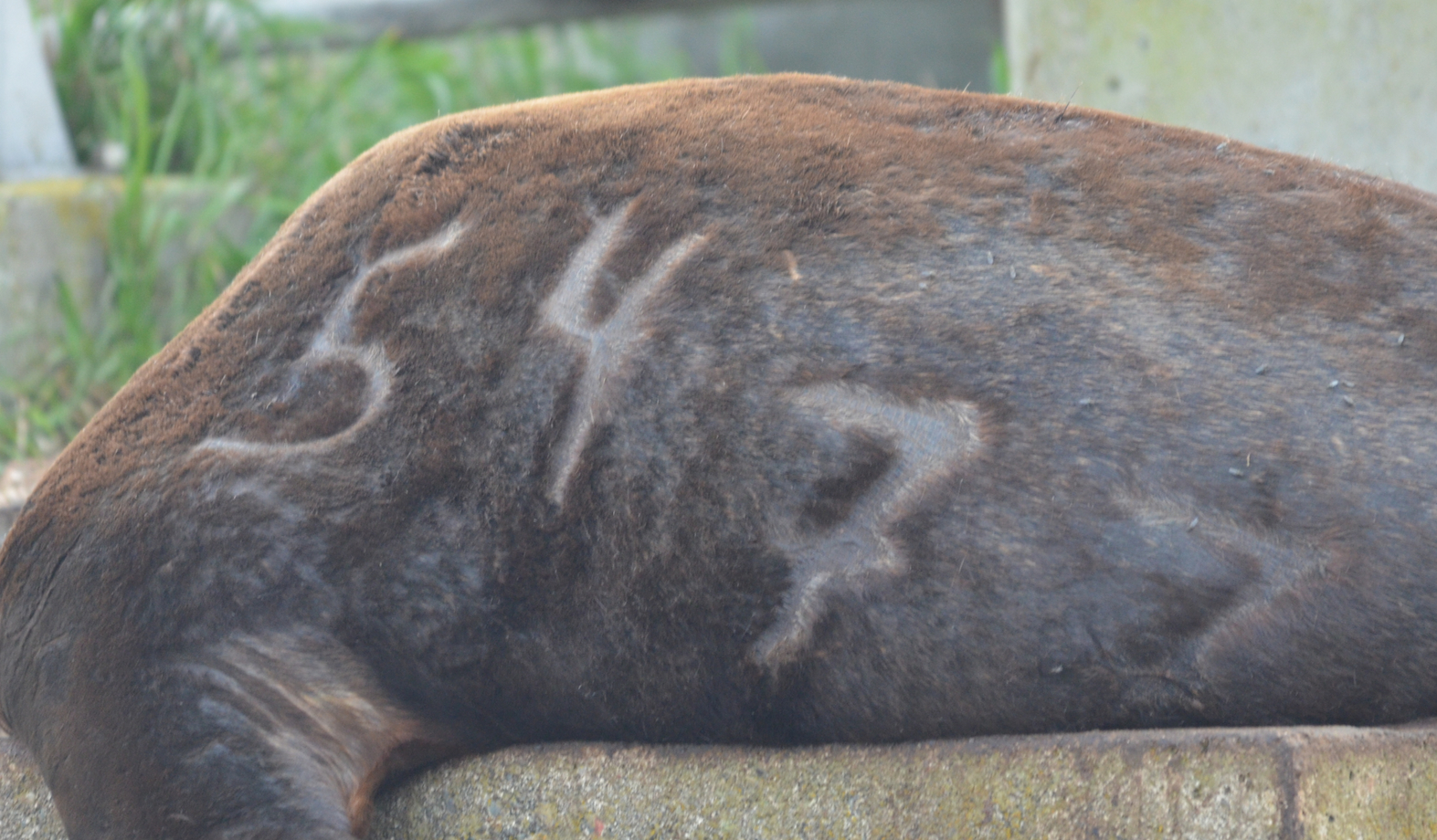
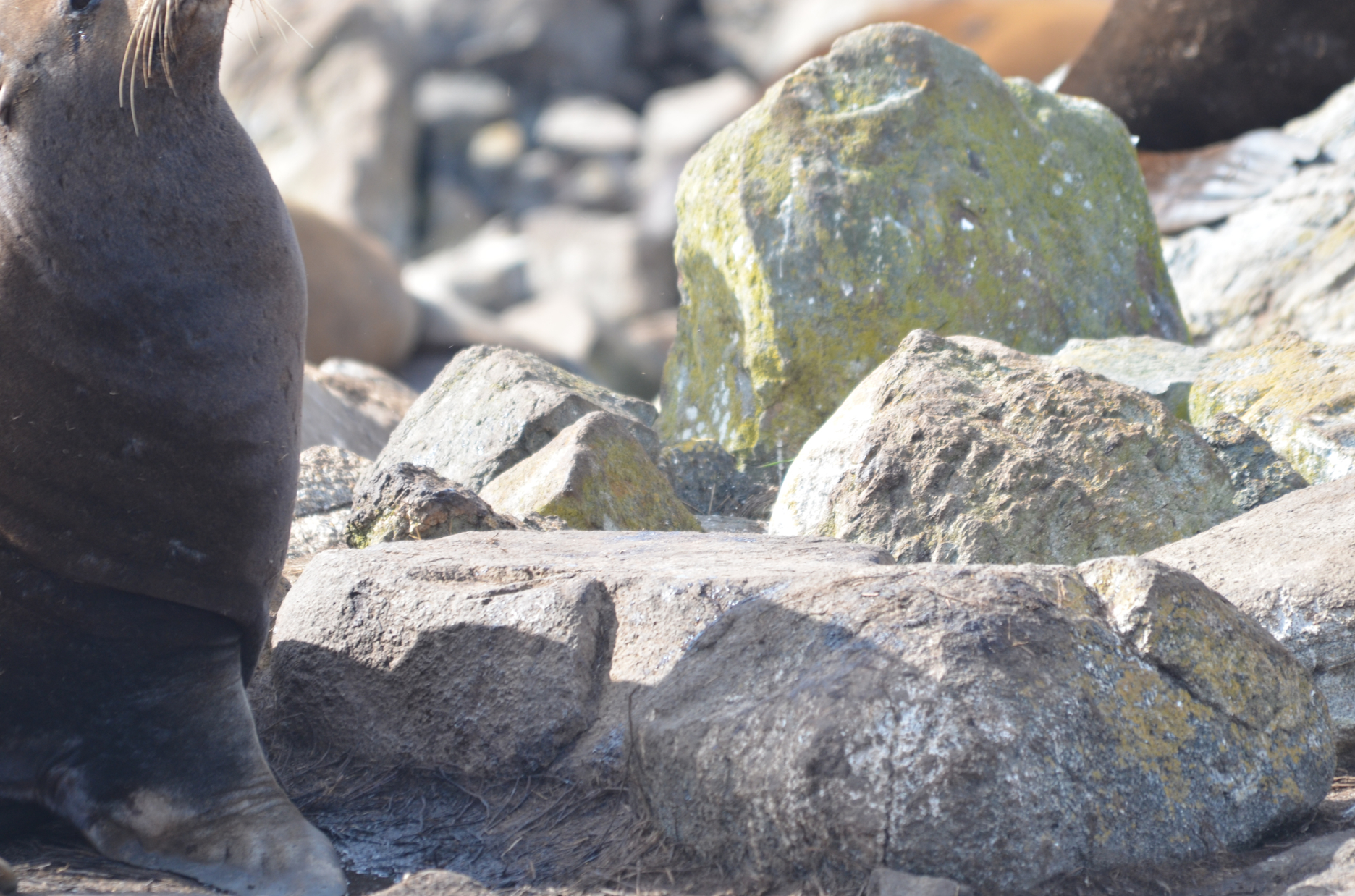
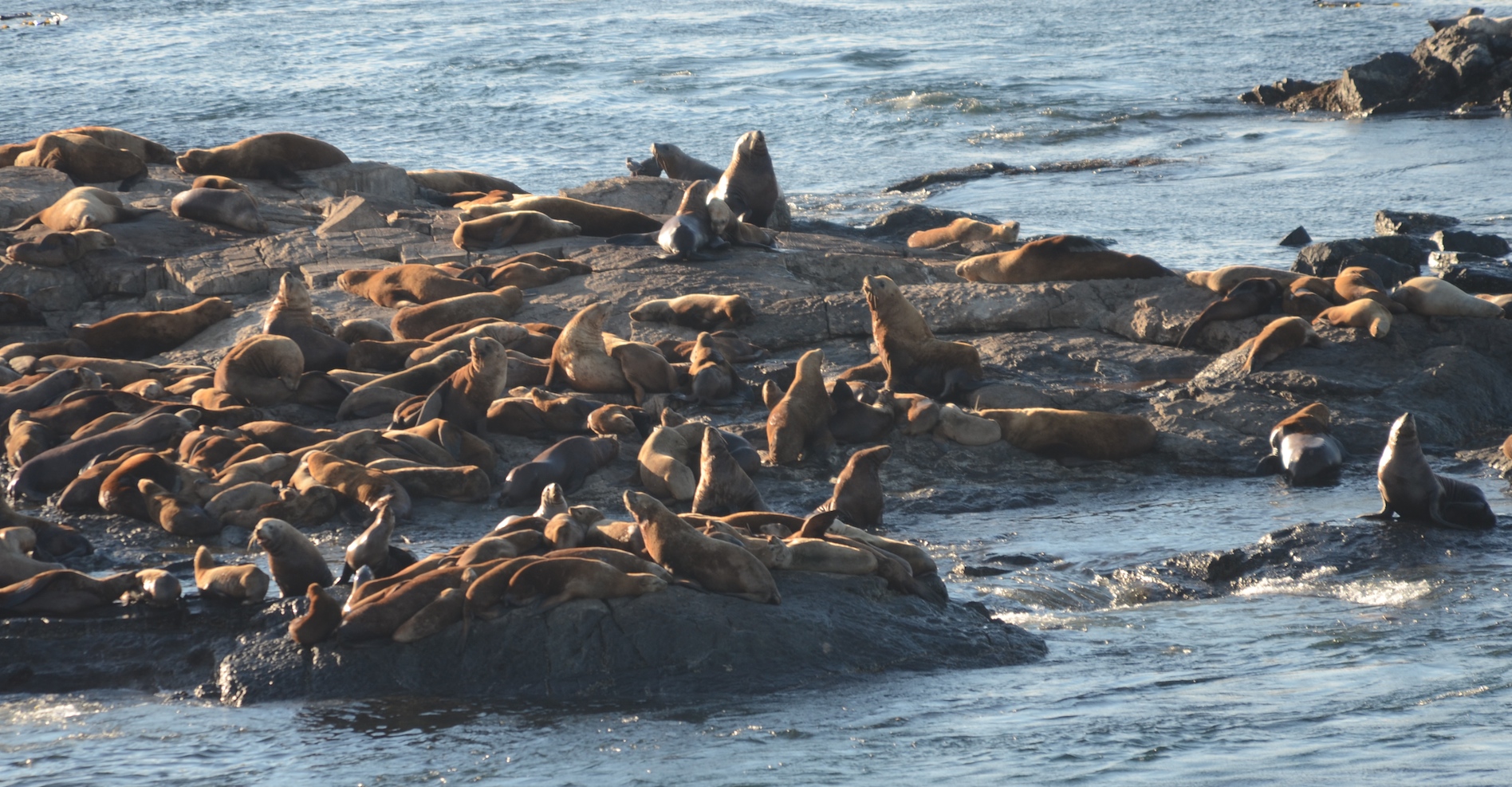
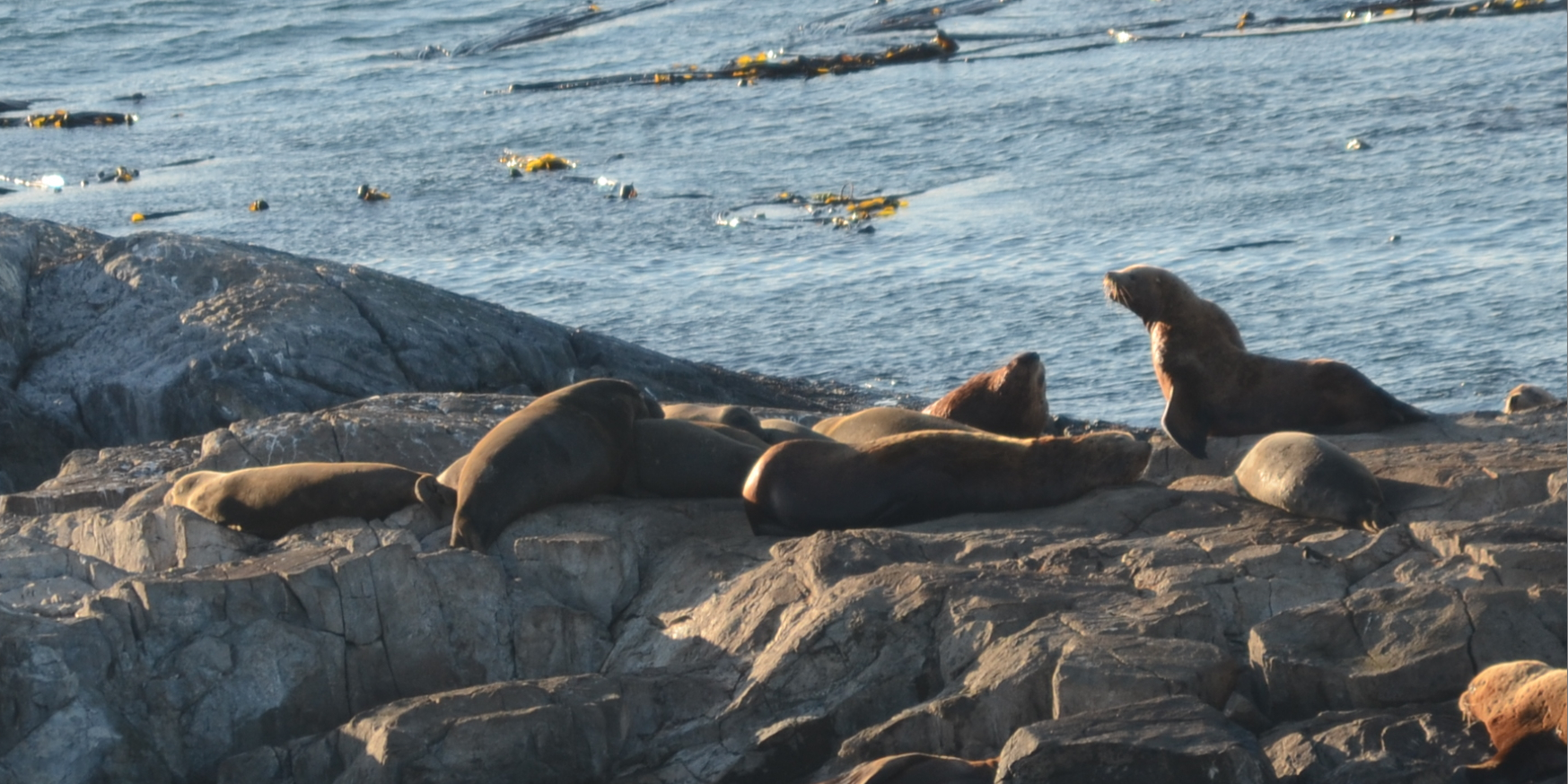
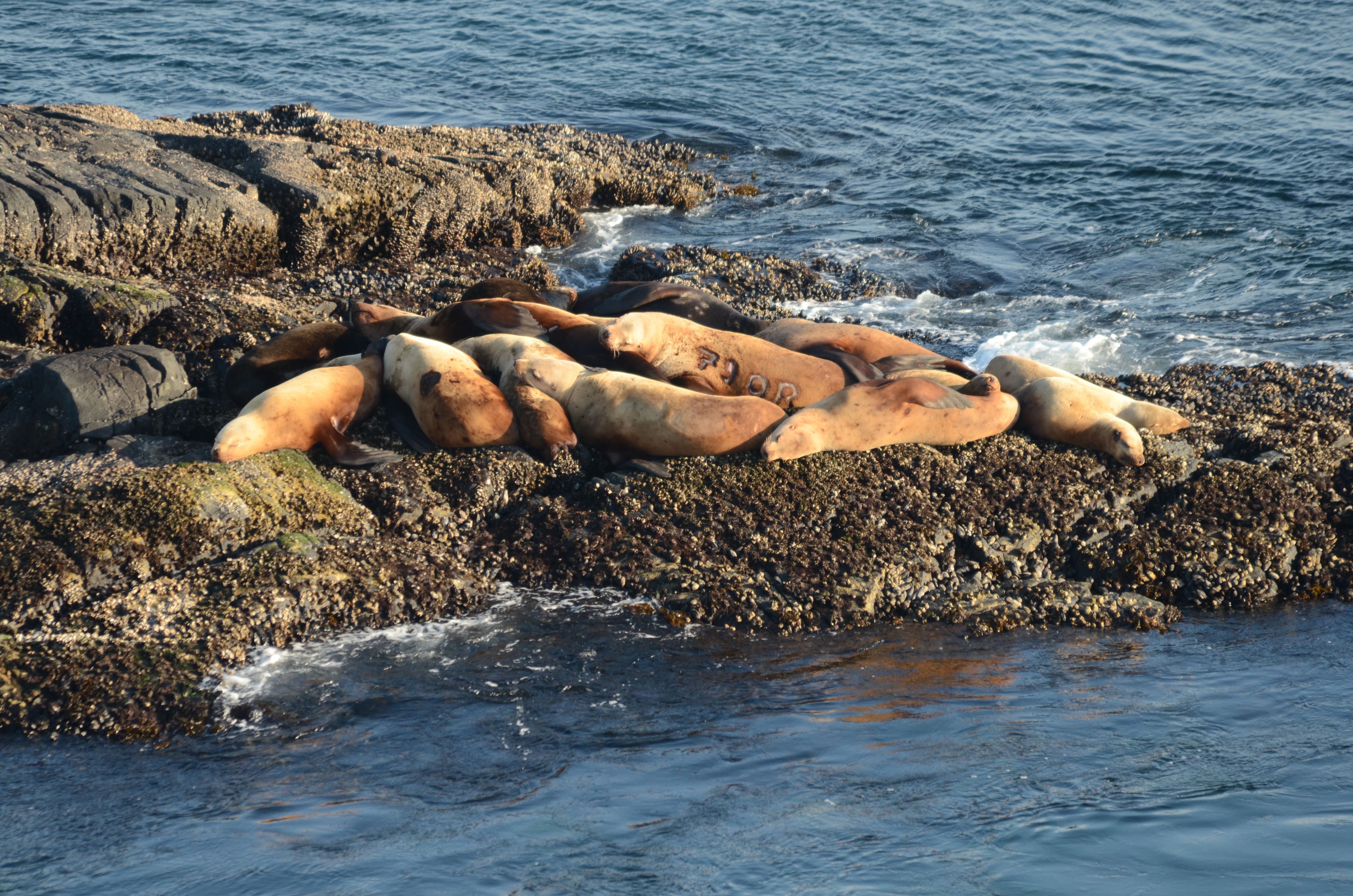
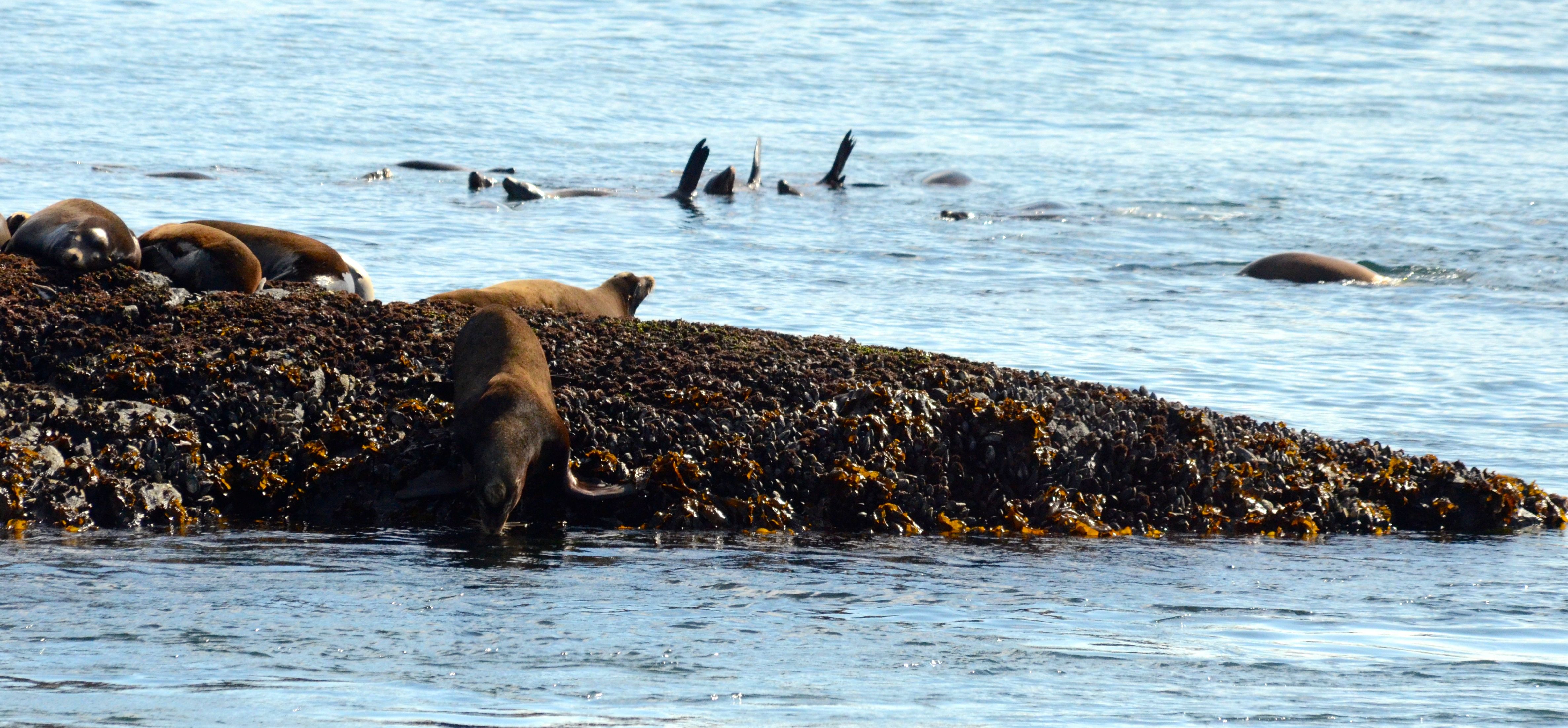
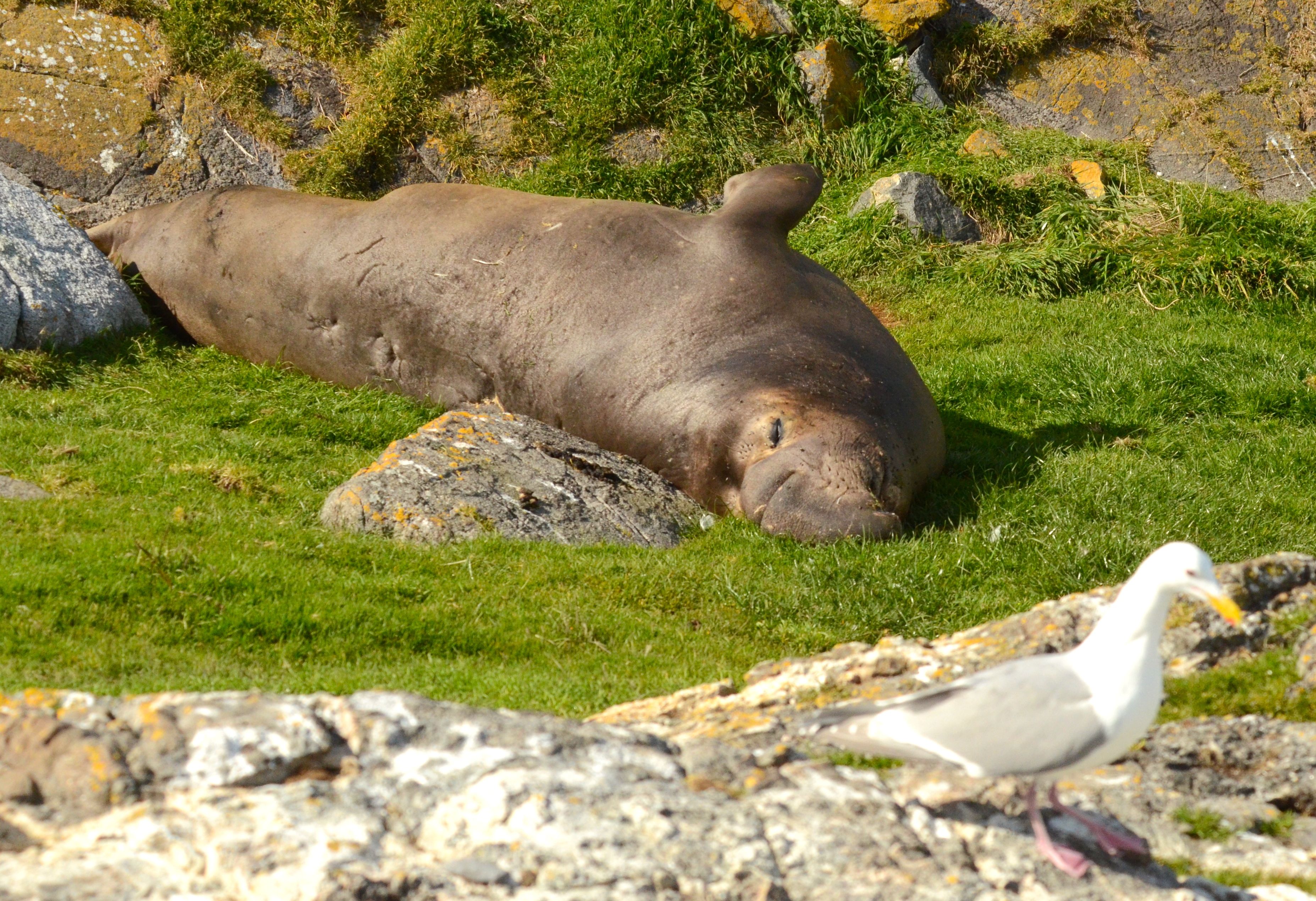
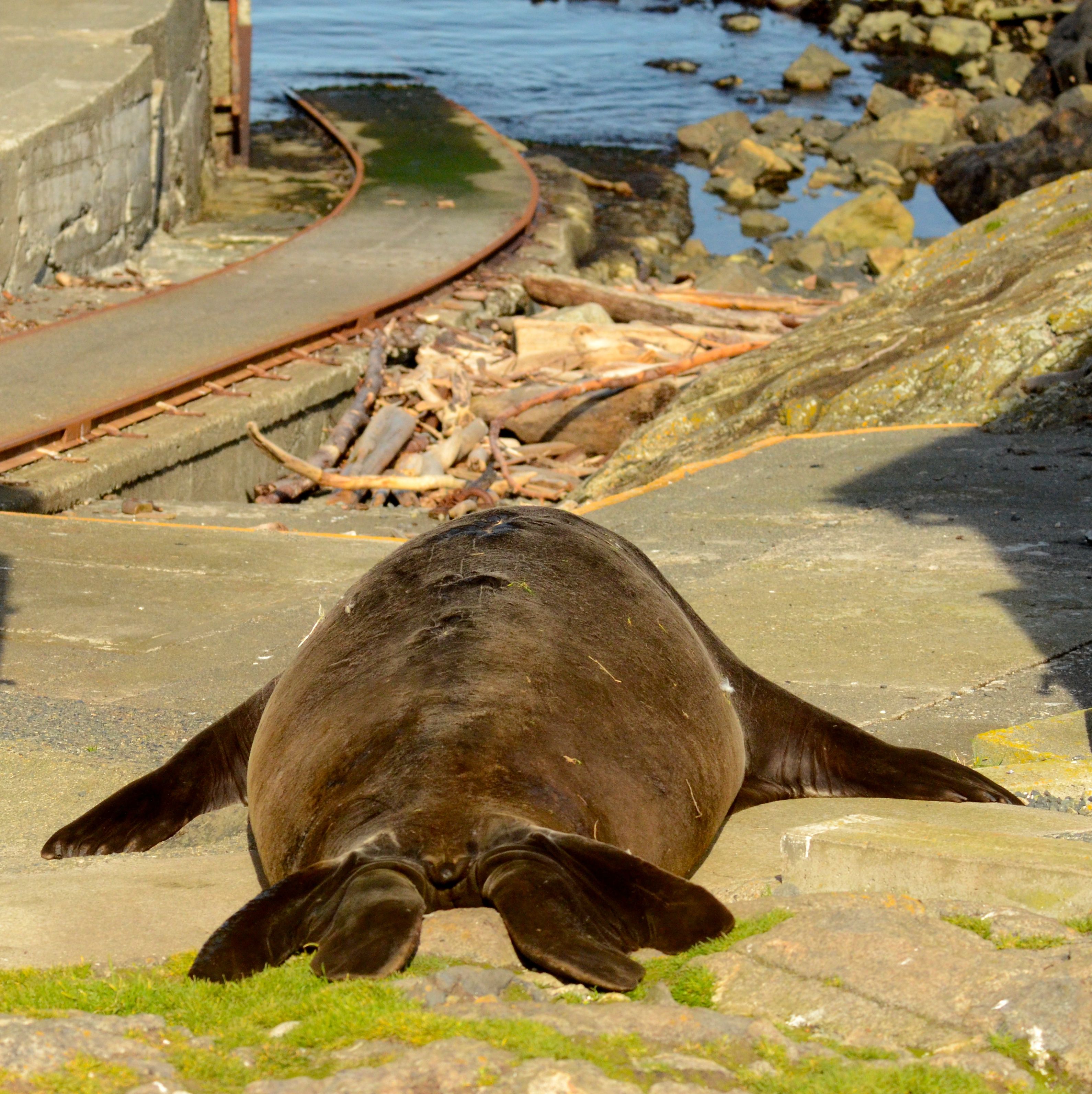
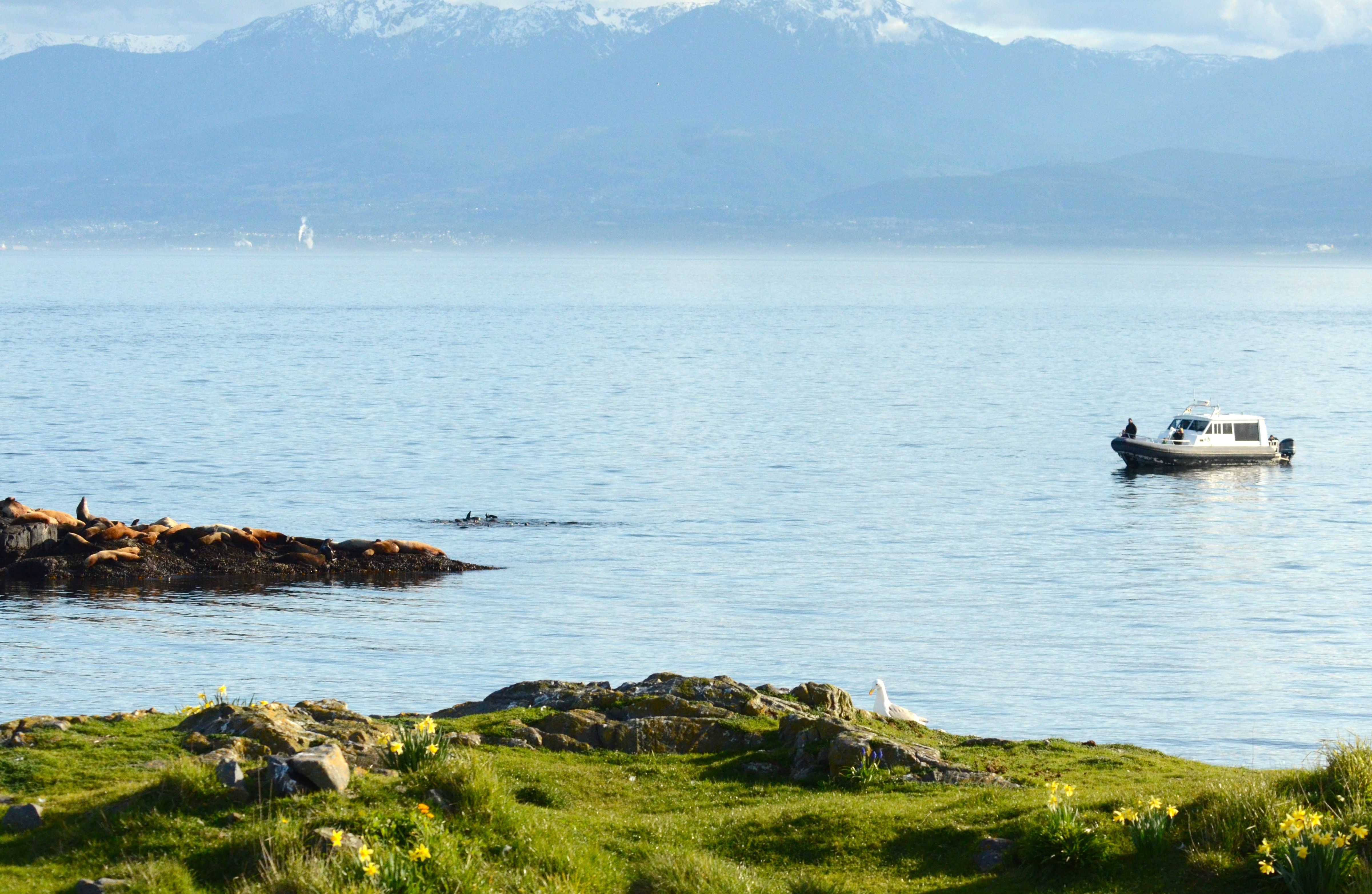
Ecologically, the sea lion moult continues, elephant seals are trying to get up onto Great Race but there are a lot of sea lions in the way. Northern Elephant Seal # 5850 was back again this morning but didn’t make it up the ramp due to sea lion congestion. Later I saw him doing the ‘wave’ up the rocks in front of the Science House. Another individual seal joined the sea lion mosh pit east of the Eco-guardian’s House and others still hold their own on the top of Middle Rocks completely surrounded and outnumbered by Stellers Sea Lions but not bothered. The Sea Otter has been absent for a couple of days.
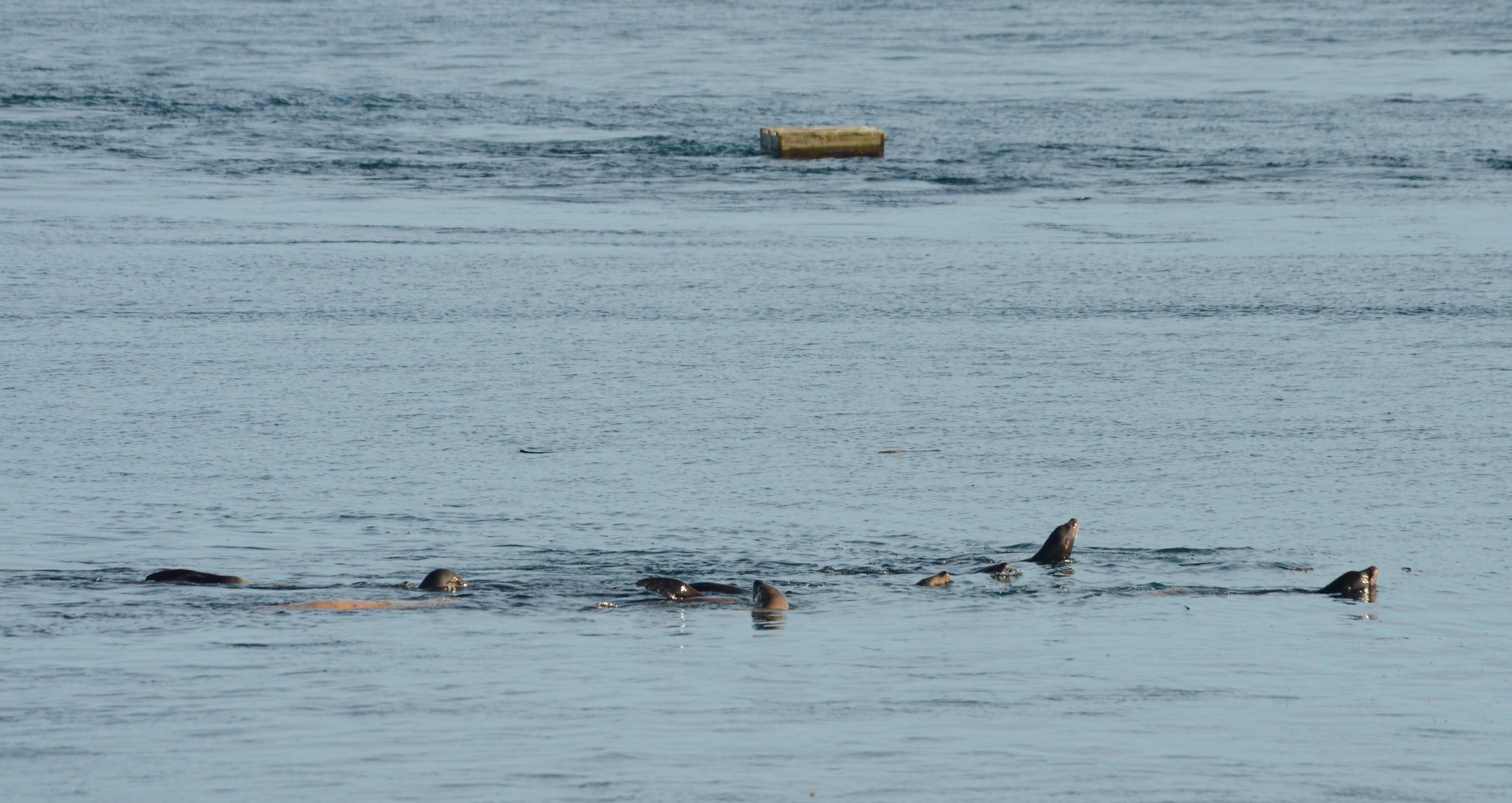
Bull kelp stipes are becoming more and more covered with epiphytes and their blades are loaded with spore patches increasing chances of a good settlement for the next generation. Cross jellies and barnacle moults continue to dominate the large zooplankton visible to the naked eye and the phytoplankton bloom has cleared which probably means either a crash or more likely lots of grazers like copepods and euphausids (aka krill). What ever cleared the phytoplankton certainly improved visibility into the water considerably. It is pretty cool to watch the big Steller’s Sea Lions ghosting through the kelp forest.
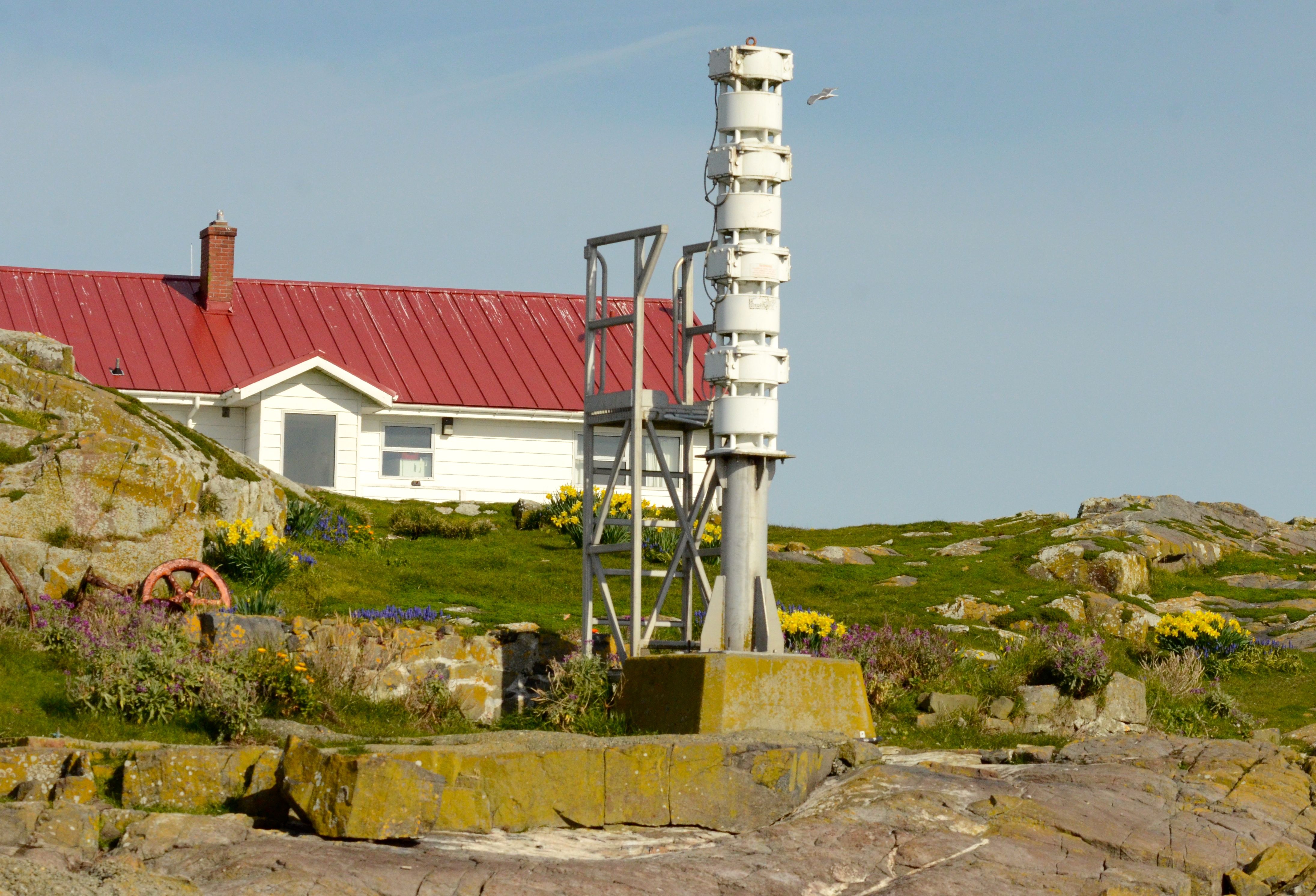
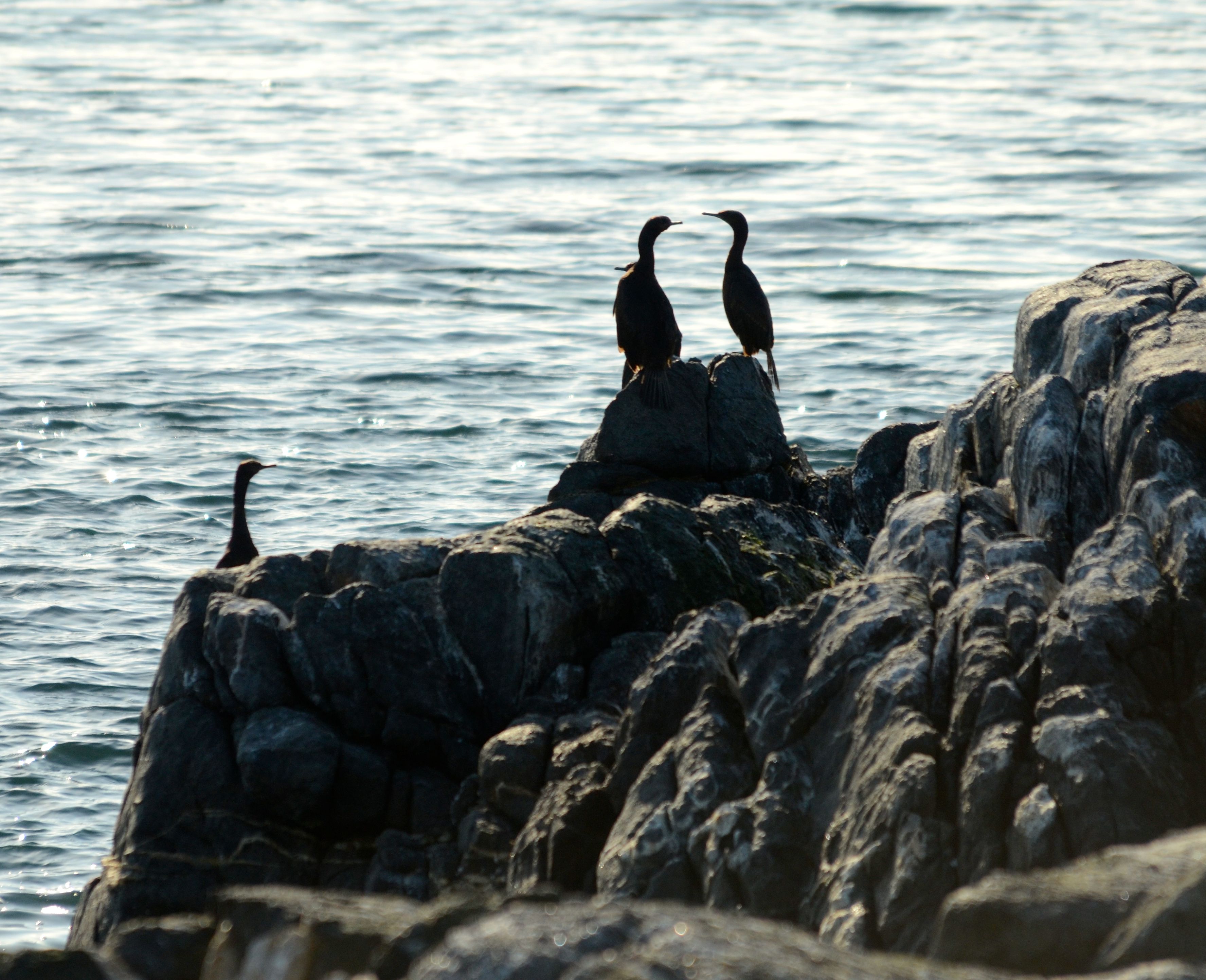
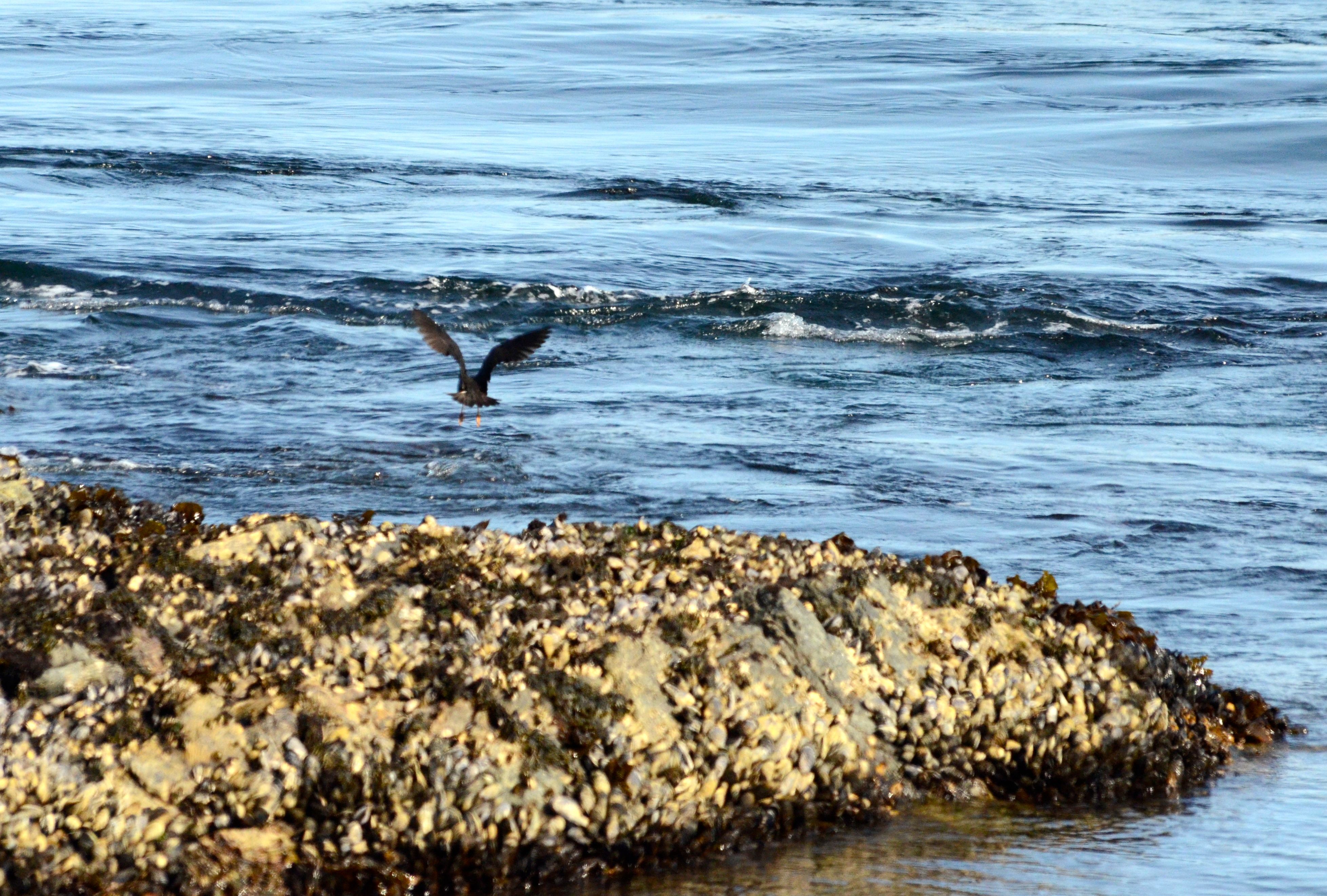
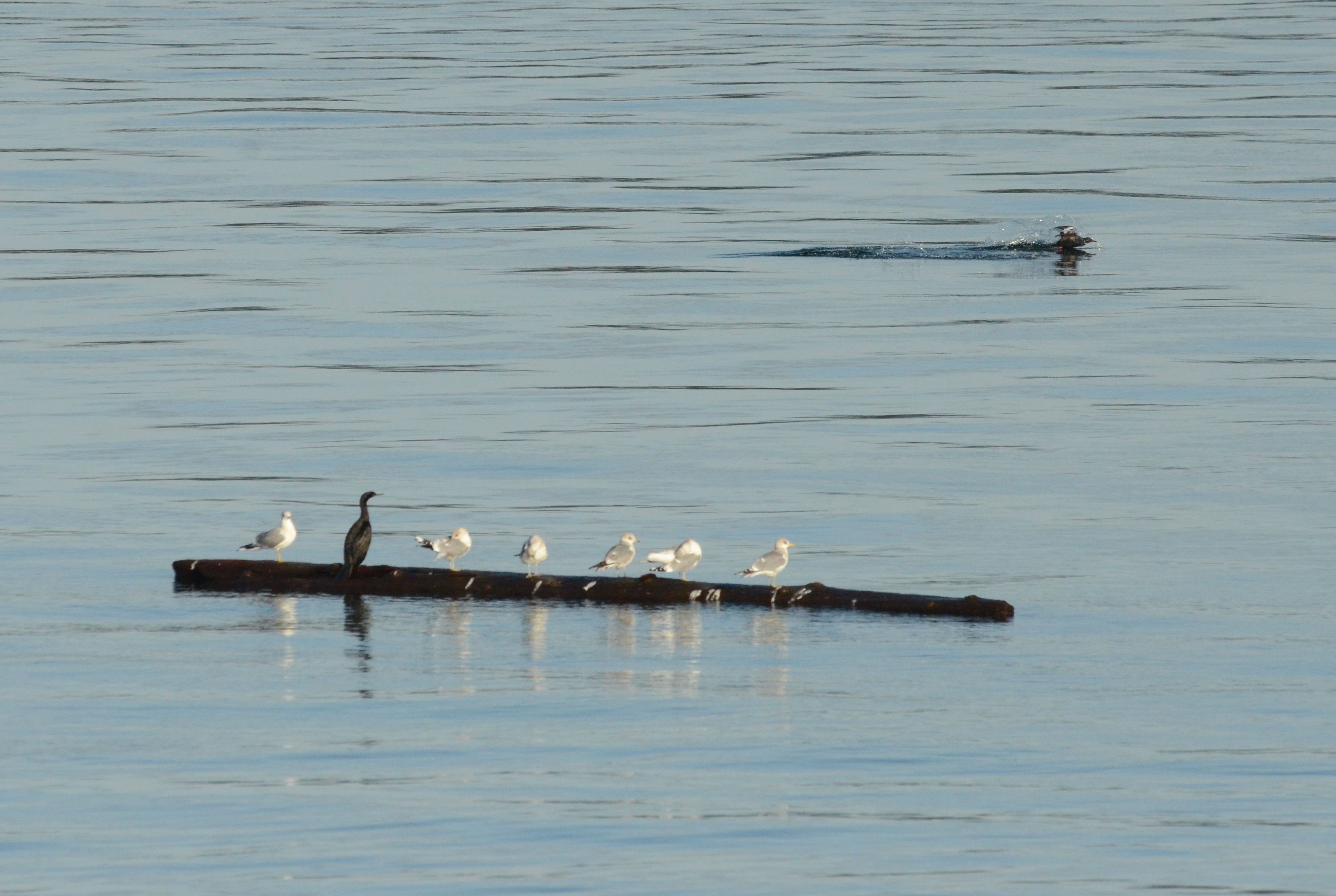
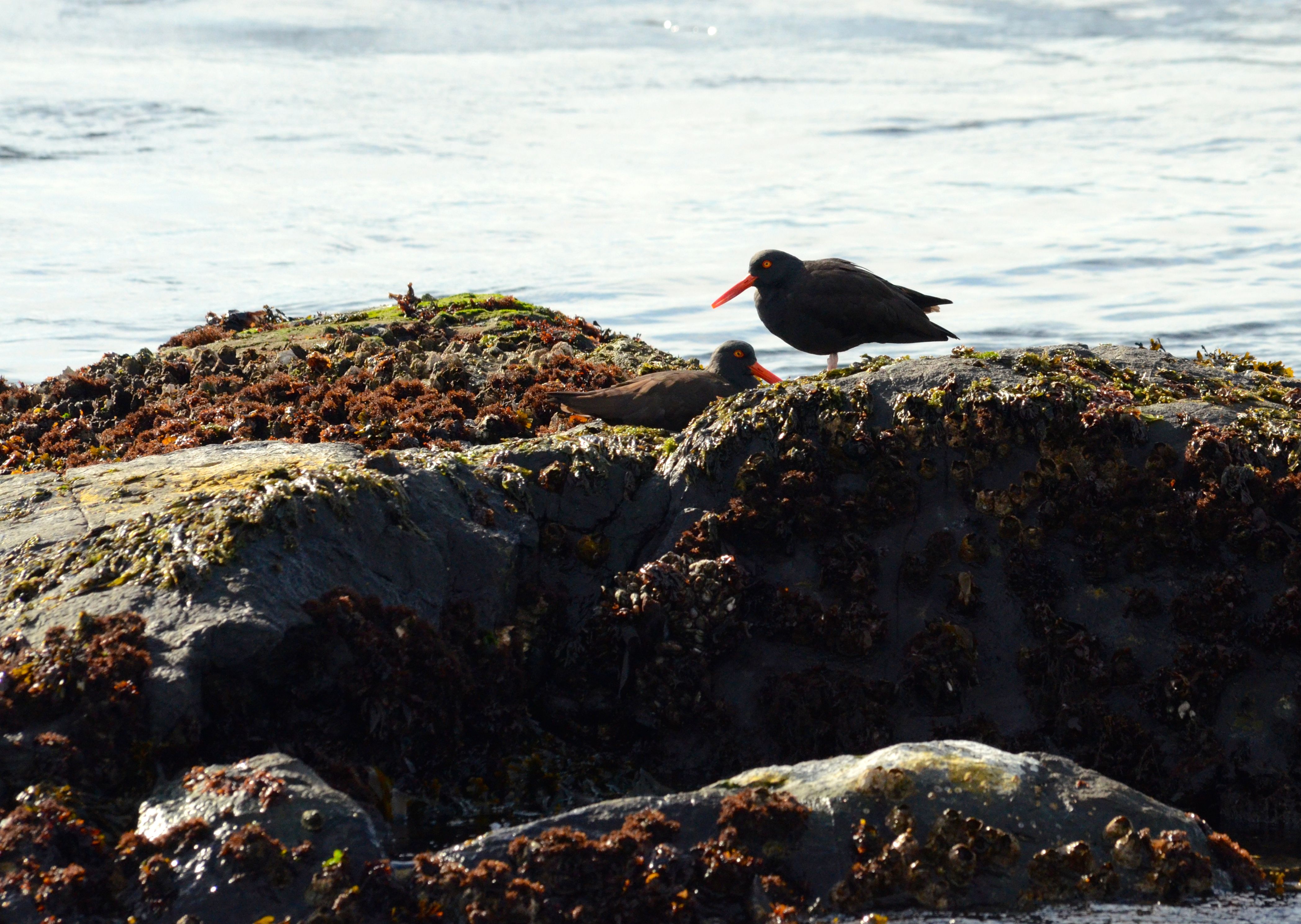
Black Oystercatchers are back, congregating on Great Race after an absence. More gulls and cormorants arrive in the area daily. There continues to be large, mixed-species feeding flocks including gulls and divers and multi-species gull feeding flocks associated with sea lion salmon kills. Salmon and halibut continue to swim past and around Race Rocks as evidence by the predators in the area, including human fishers talking about their catches on the radio. The Canada Geese are attempting a come back and it is difficult to keep them off as they just sit on the water waiting for the coast to clear. Every night the Killdeer return to Great Race as night falls.

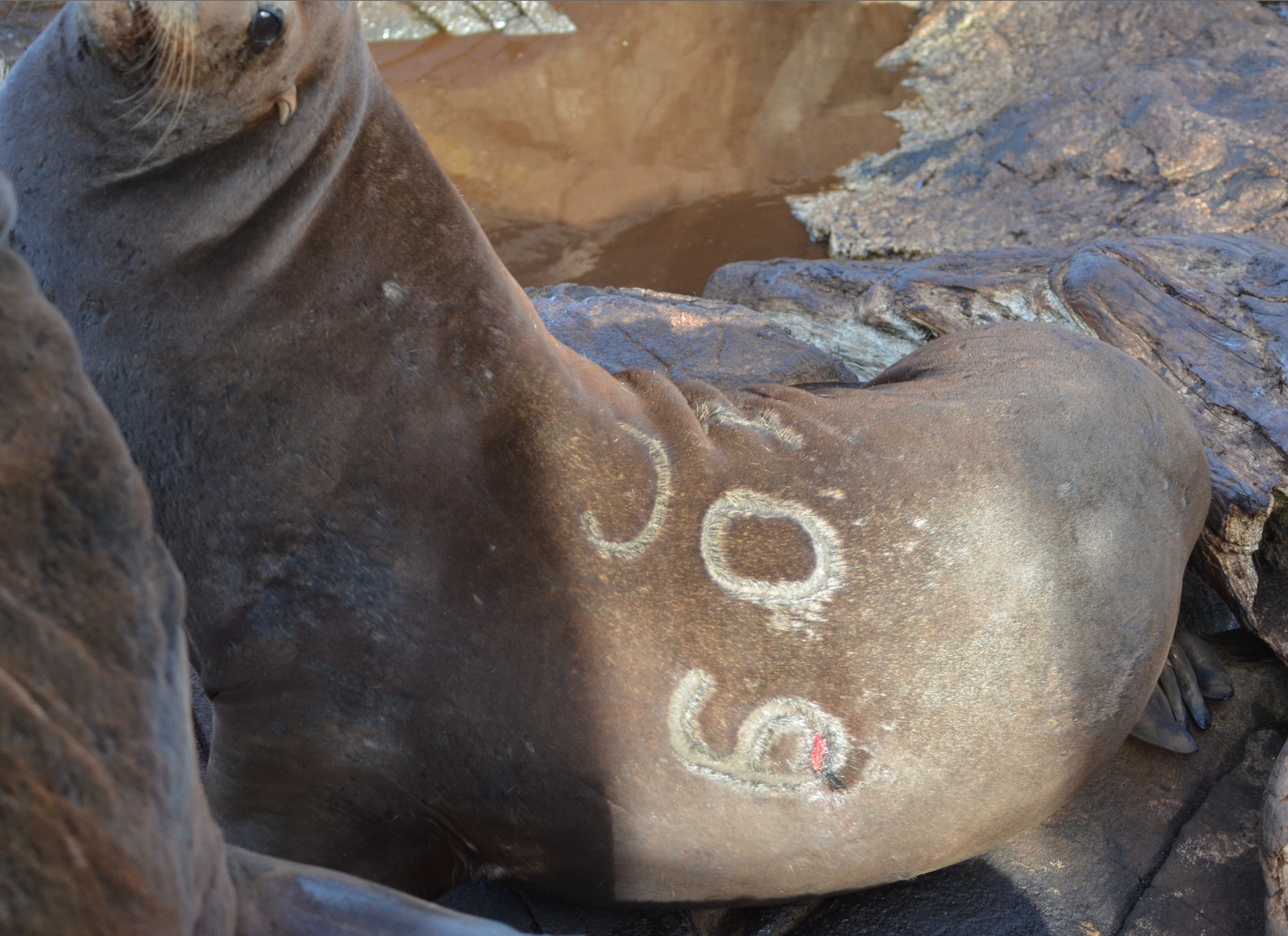
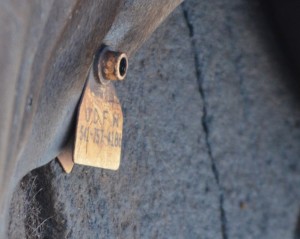
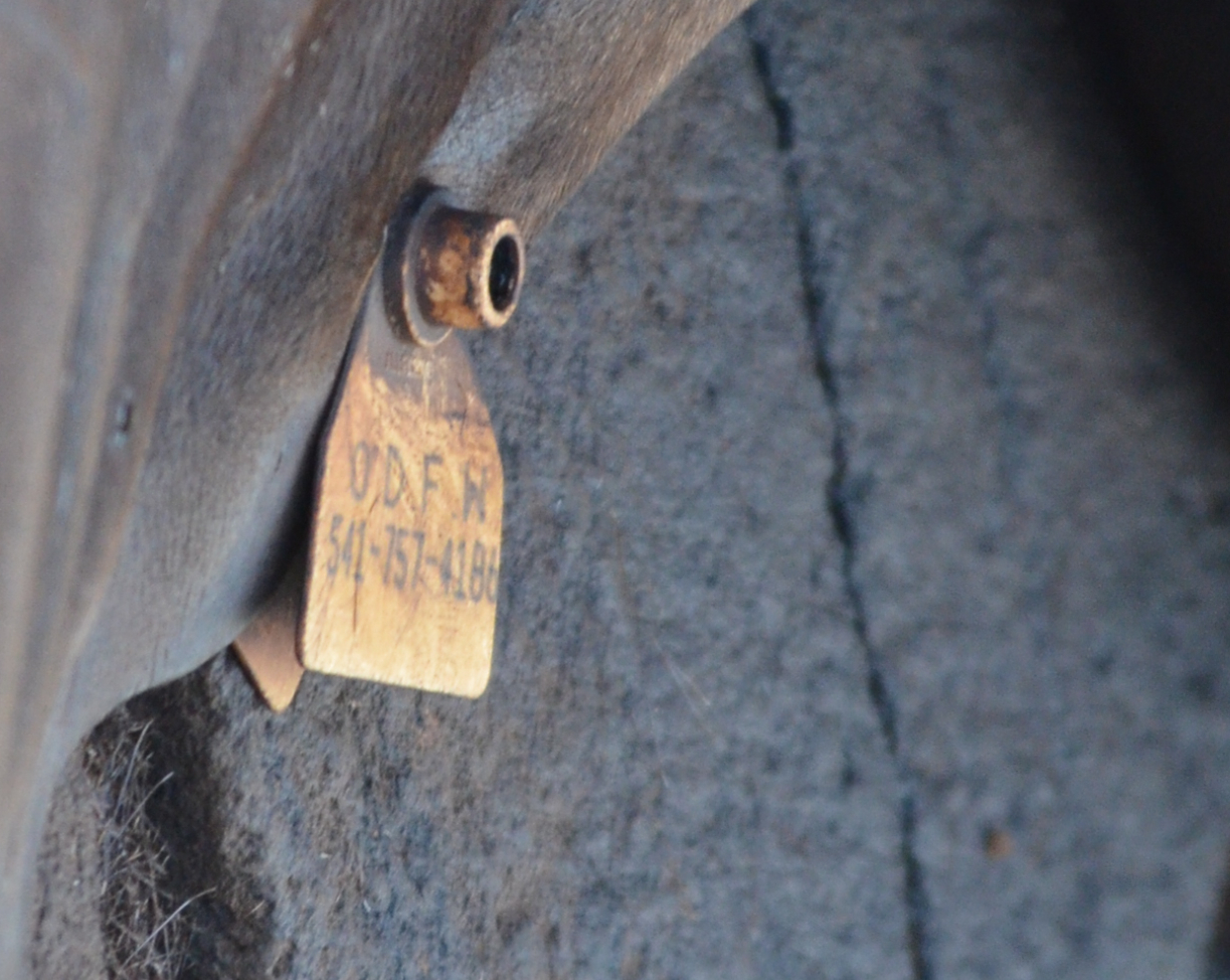
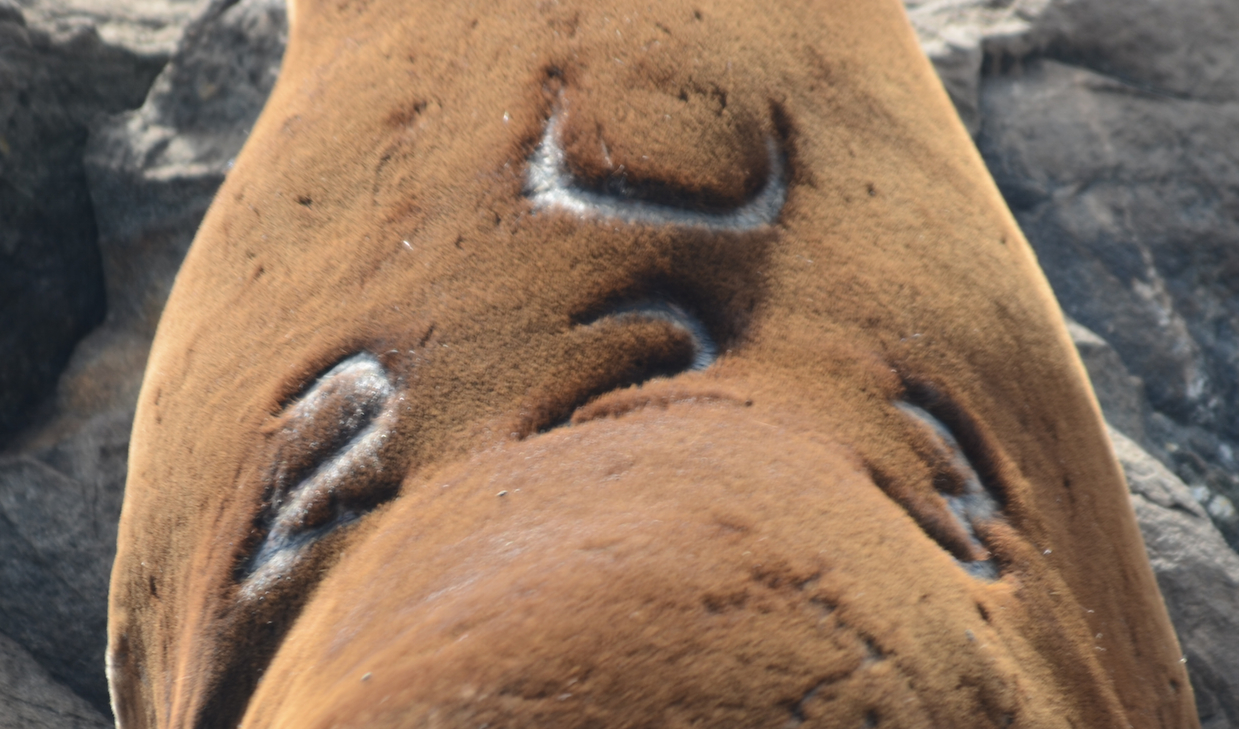
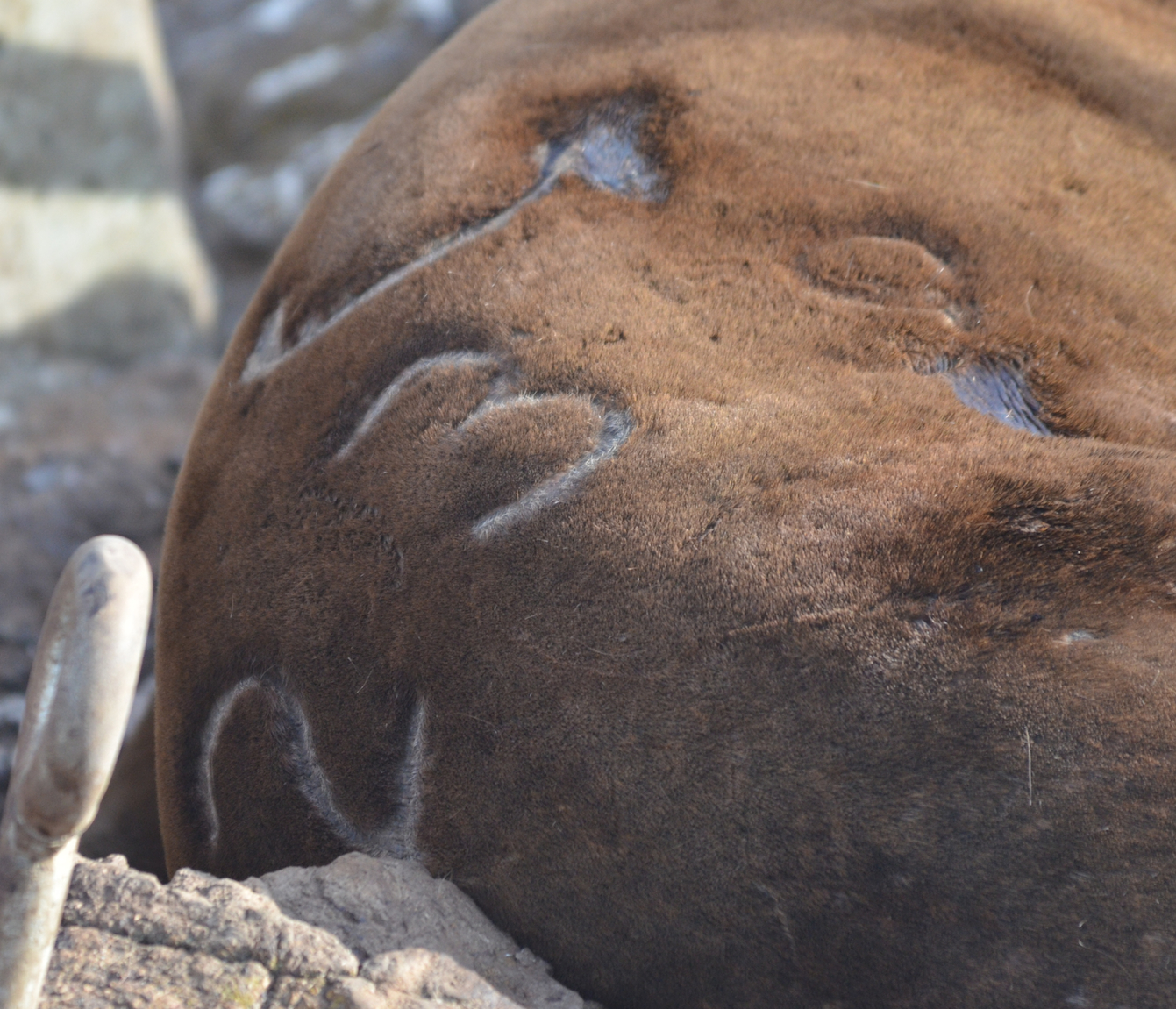
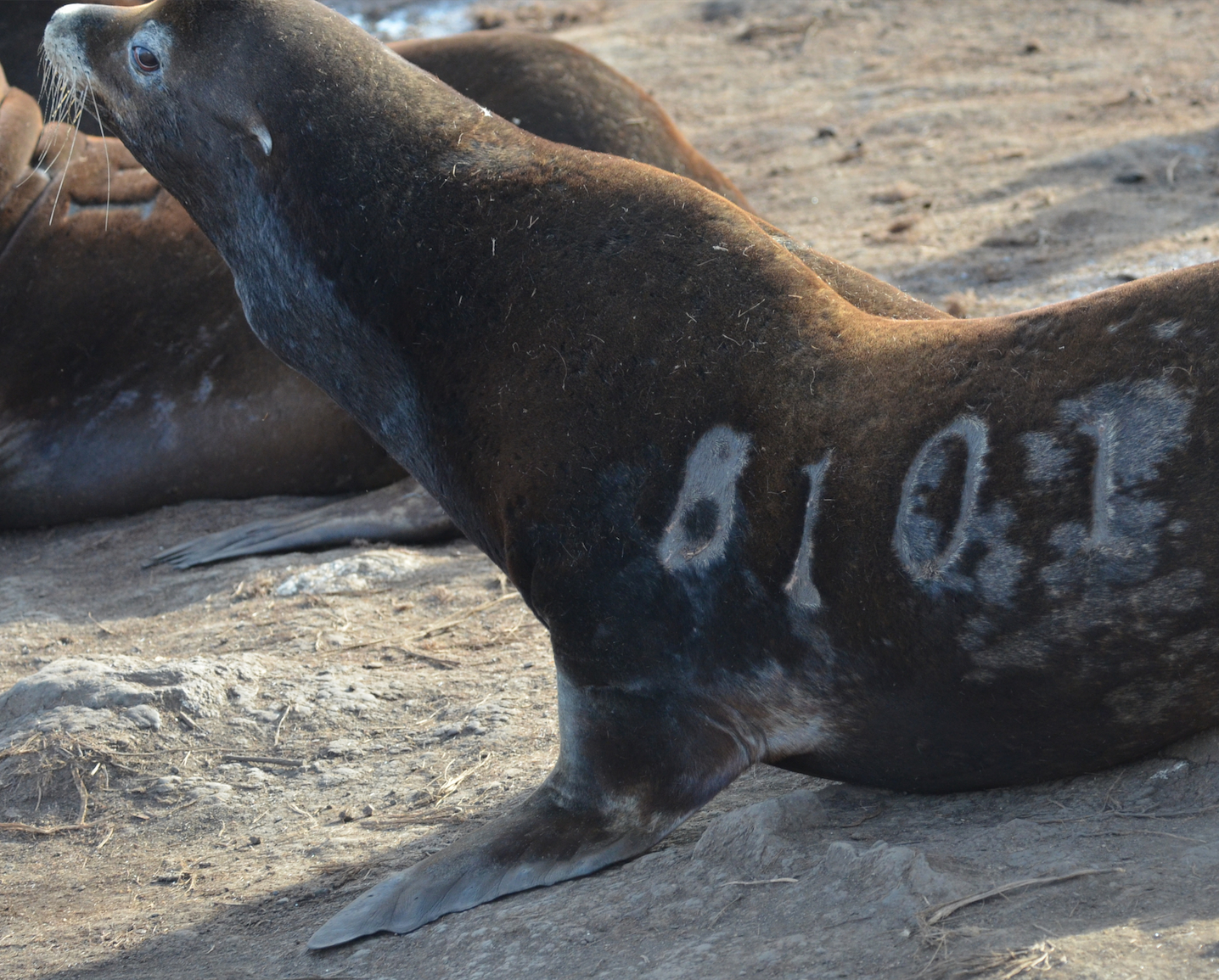
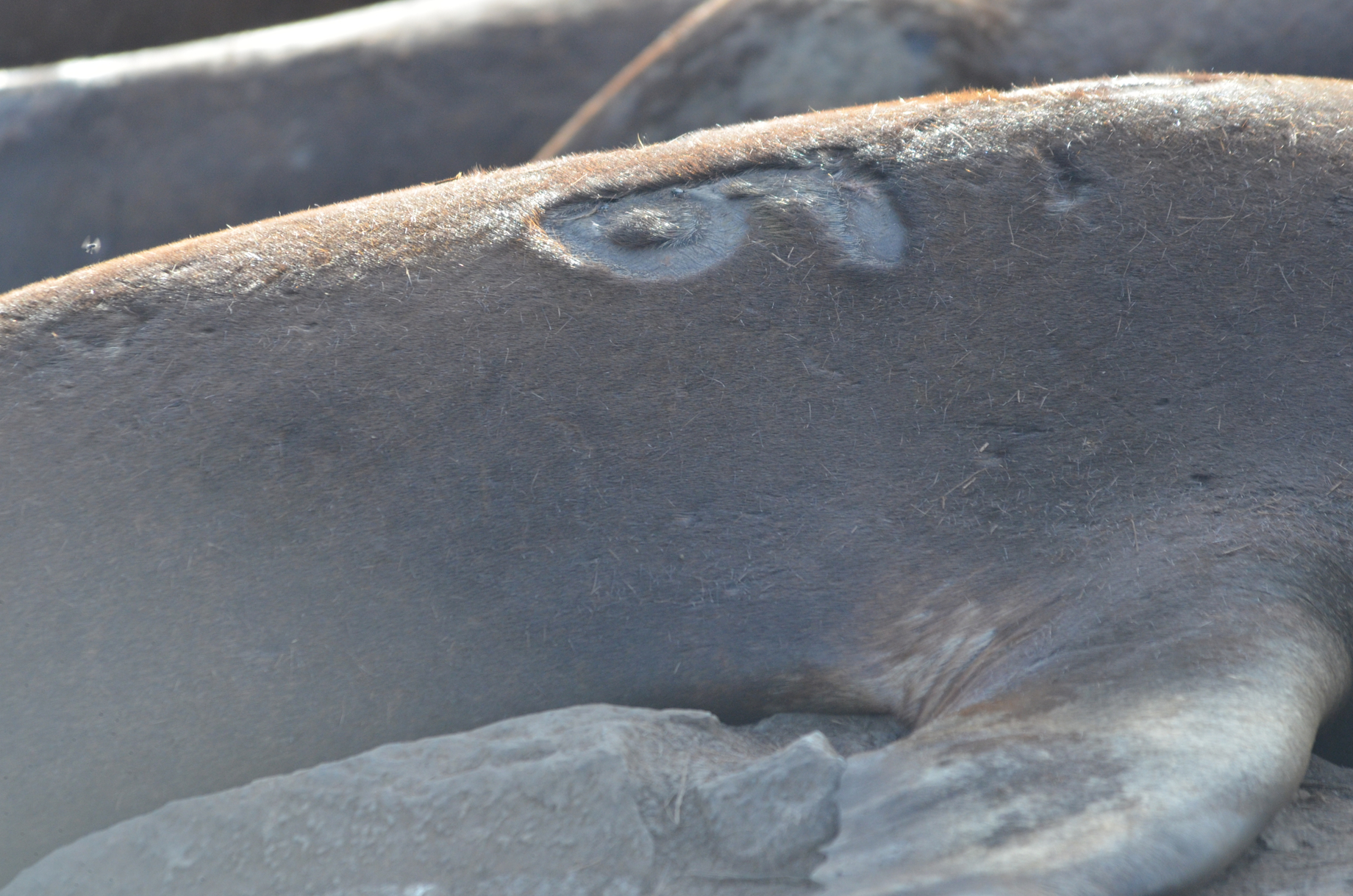
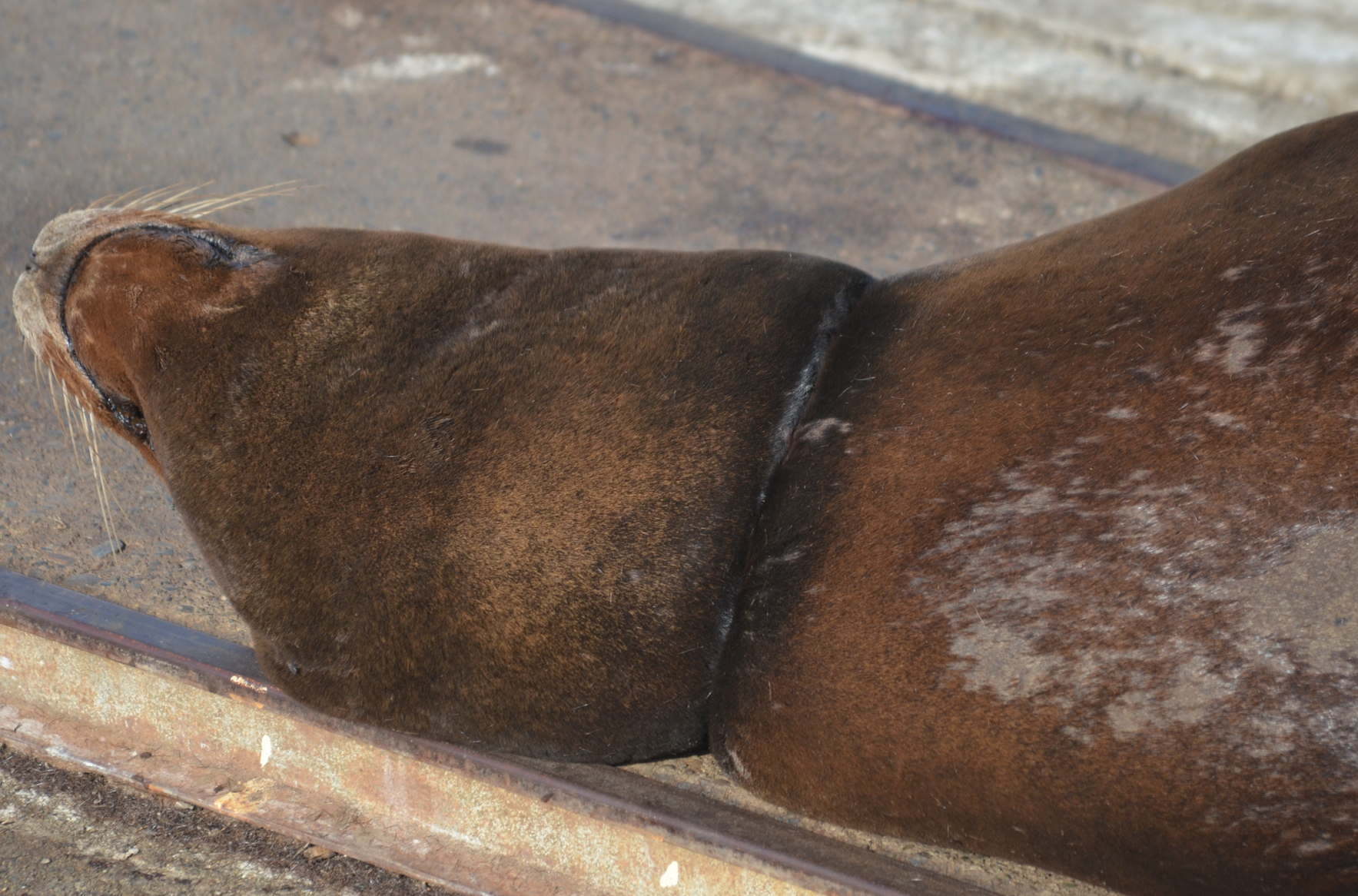
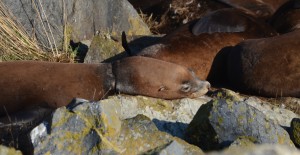
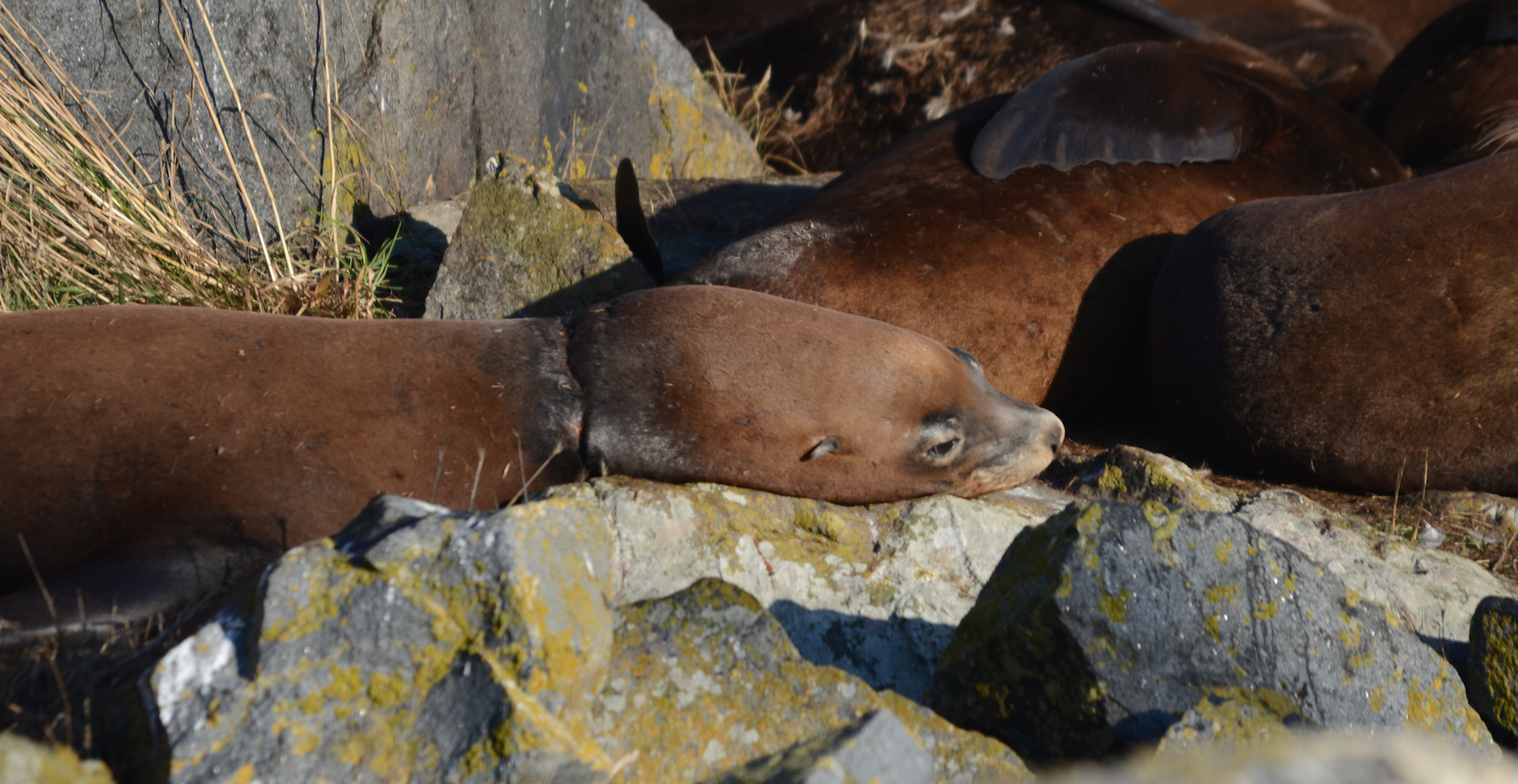
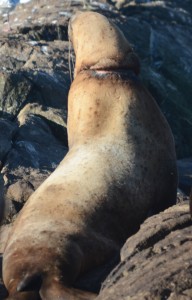
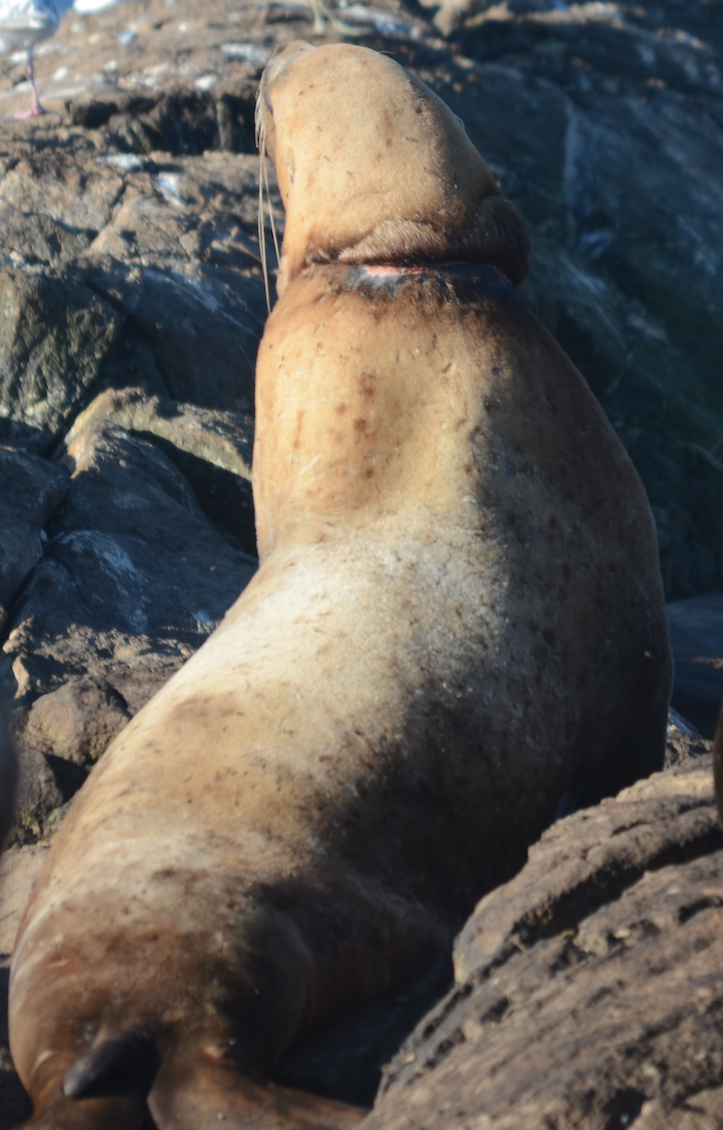
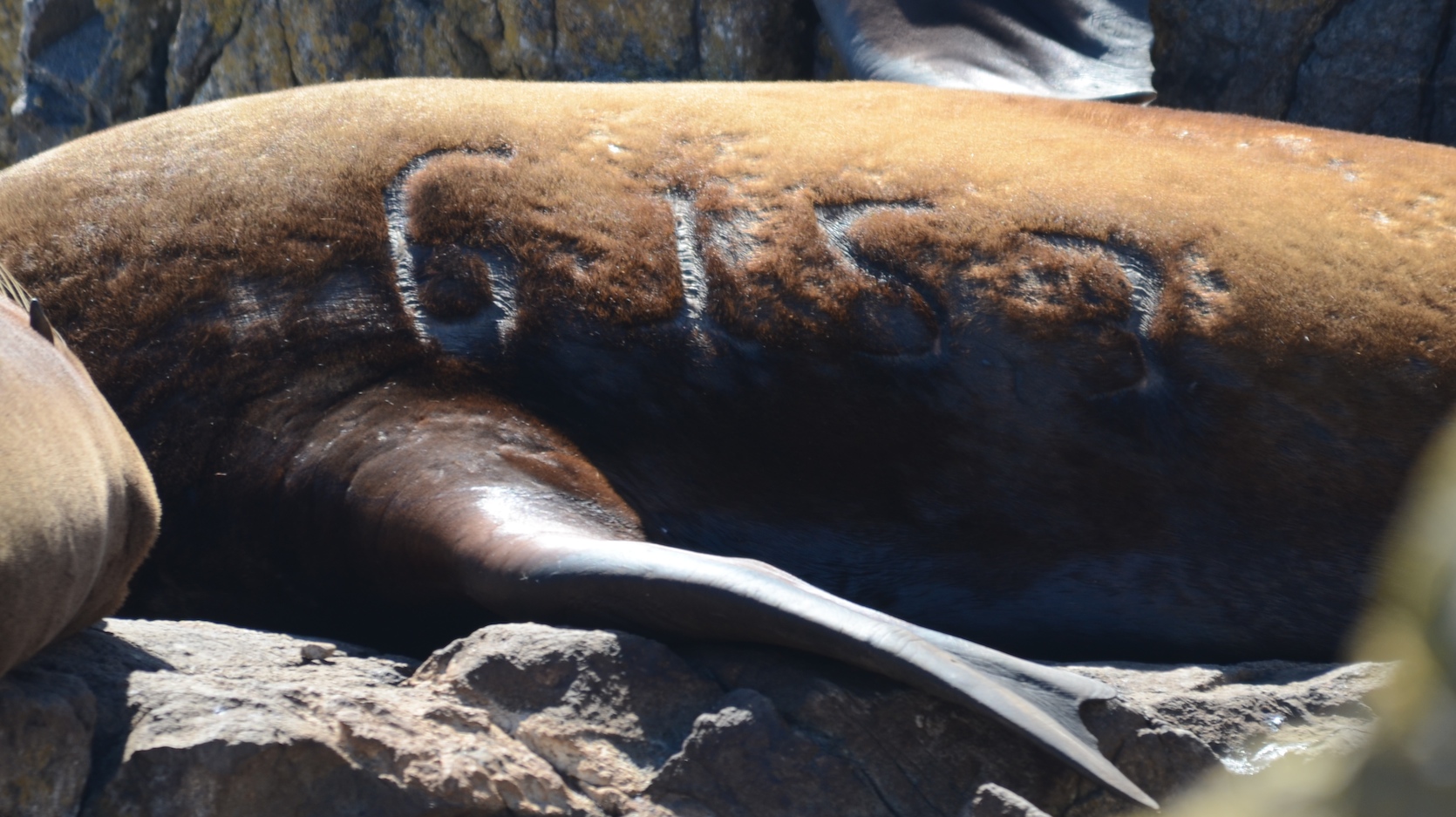
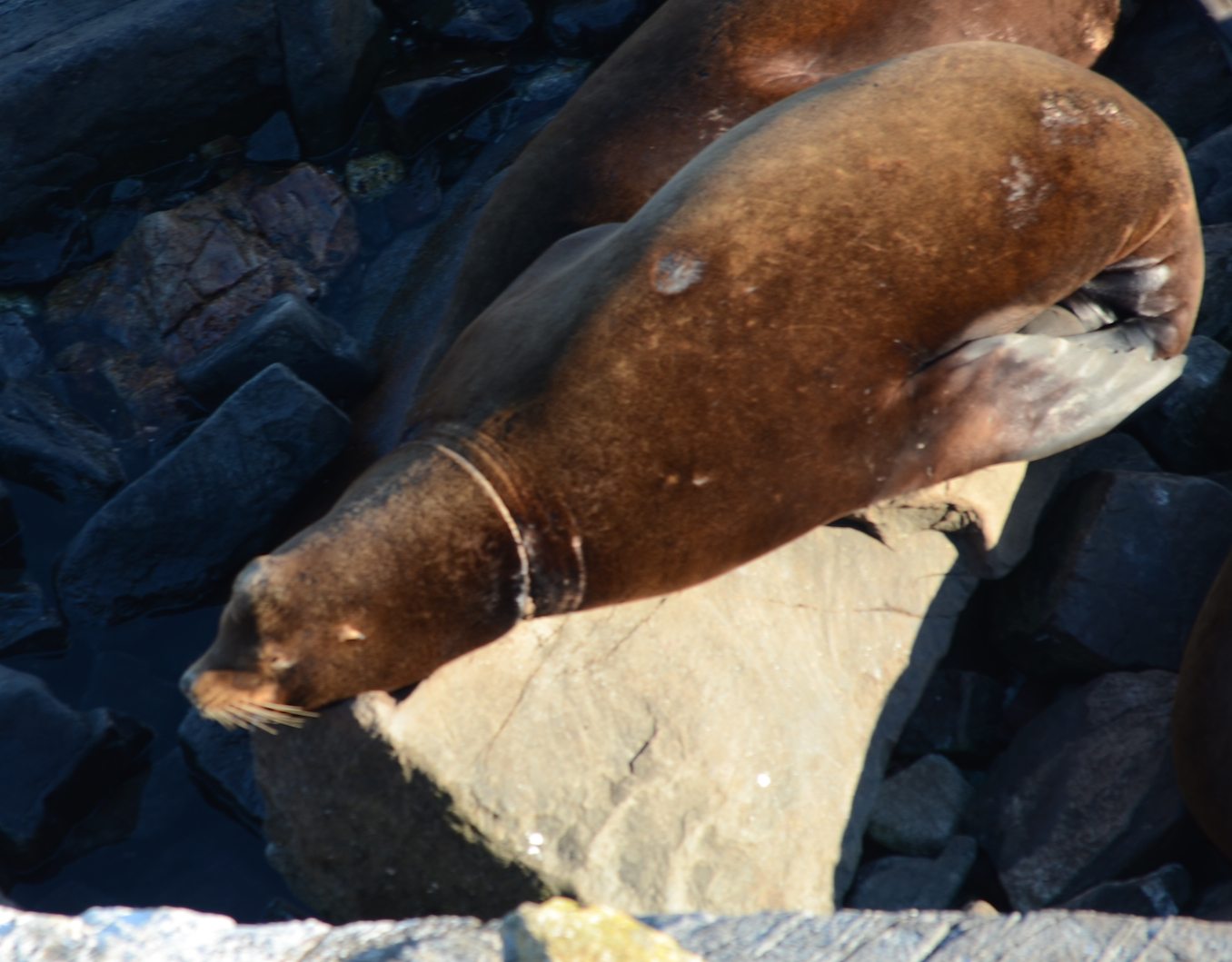
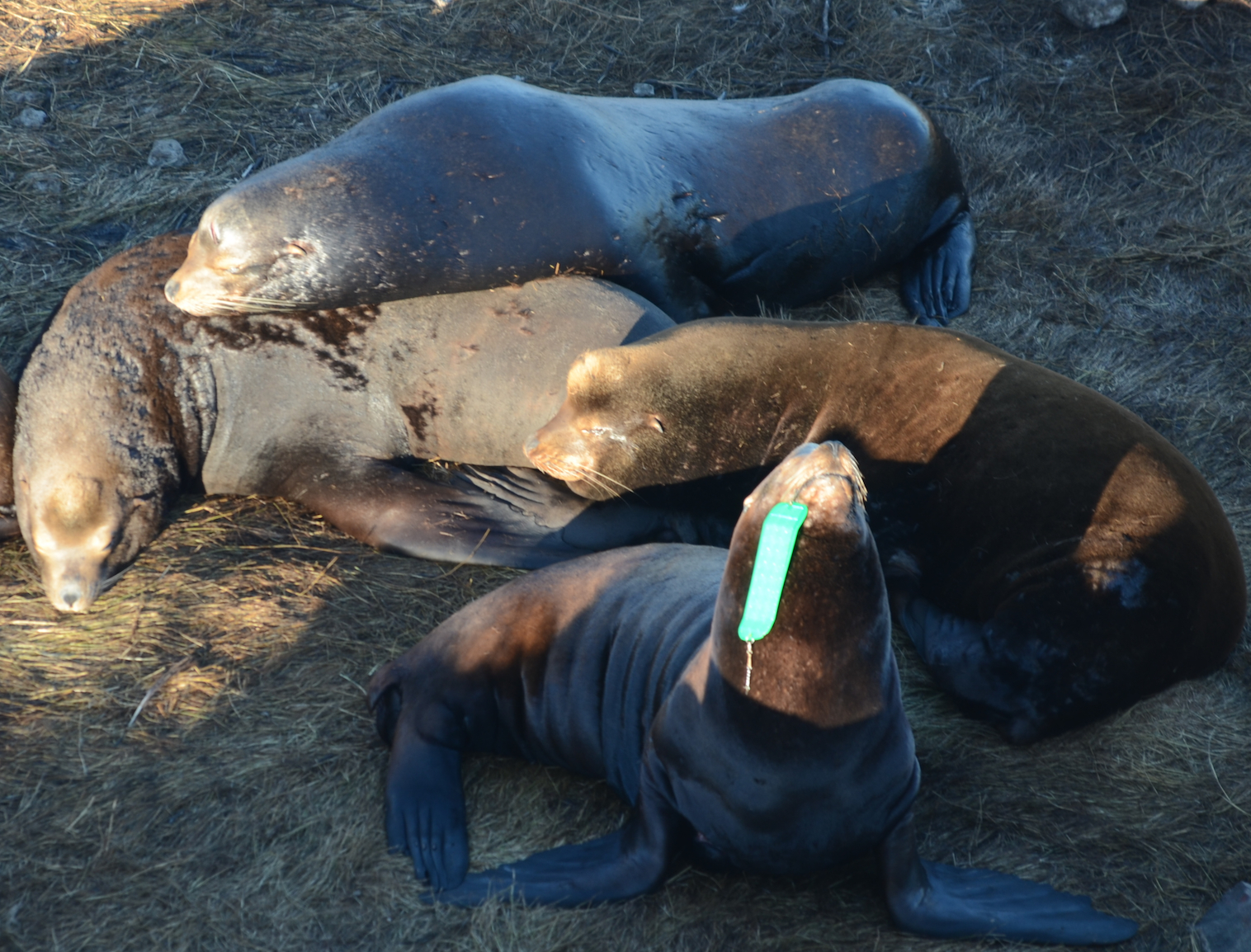
Sea Lion brand and entanglement photography continues as do the daily chores to keep this place running sustainably. There were no visitors today.


Moulting Time Again: Fur and Feathers Fly

Fog gave way to sunshine by early afternoon and the west wind continued to increase from ~10 knots in the morning to 18 knots by mid-afternoon. The barometer, which has been sliding down stepwise since mid-day Monday made another step down today but remains relatively high at 1016 hPA. The forecast for Central Juan de Fuca is for more of the same but sunnier.
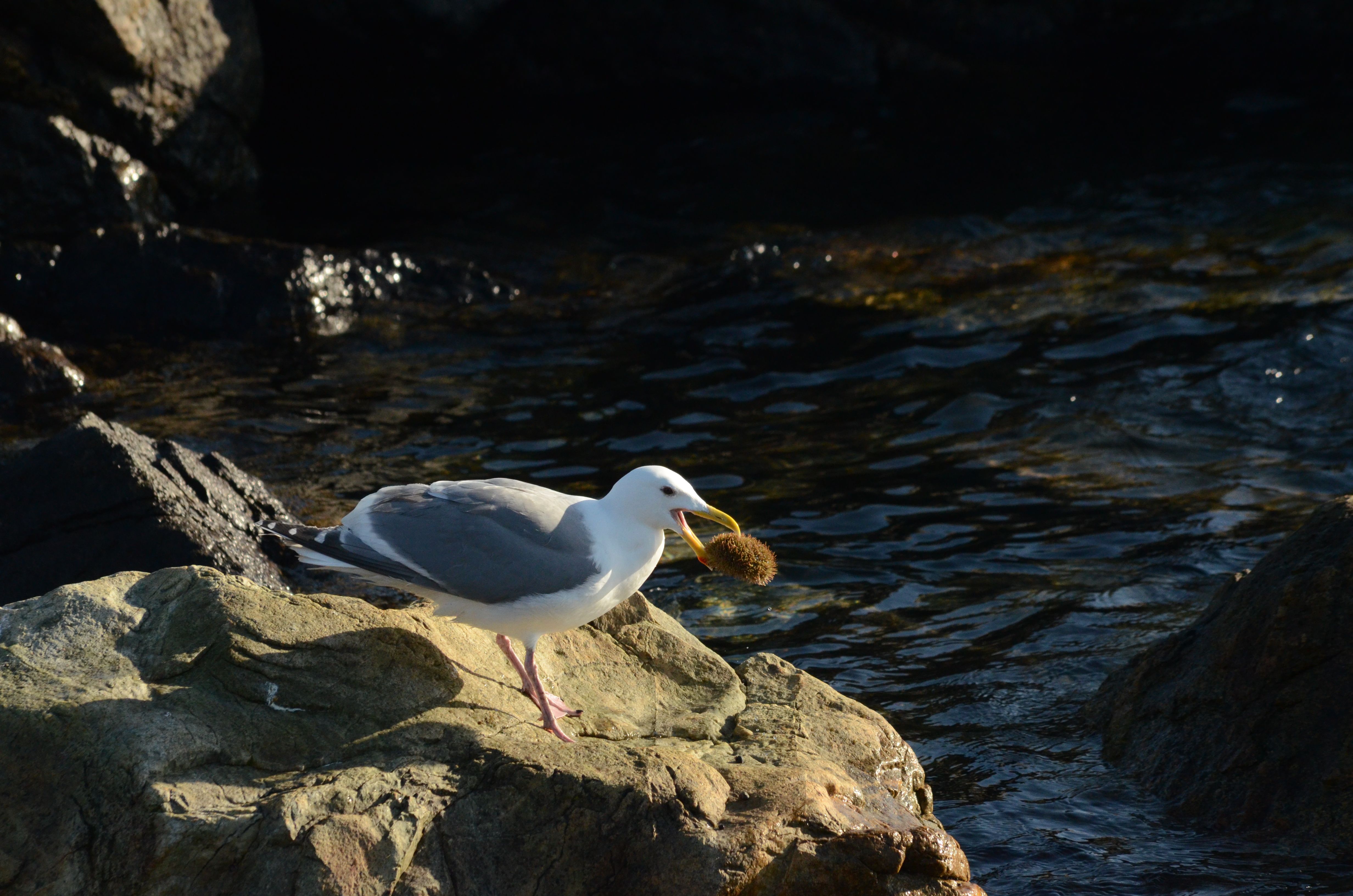
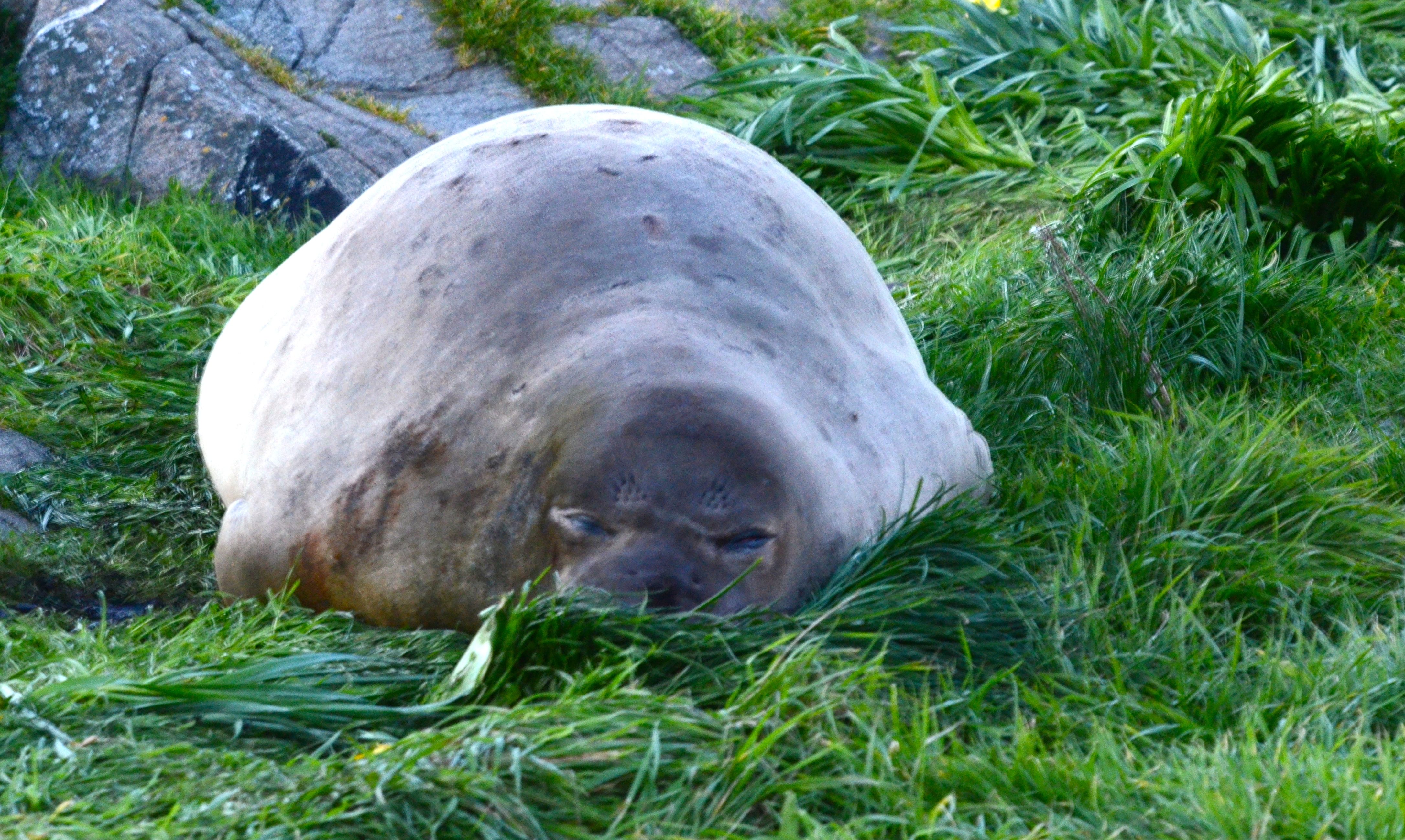
Except for Island Explorer, which did go through Middle Channel against the current today, there was no whale watching activity here today and no other vessels were noted in reserve.

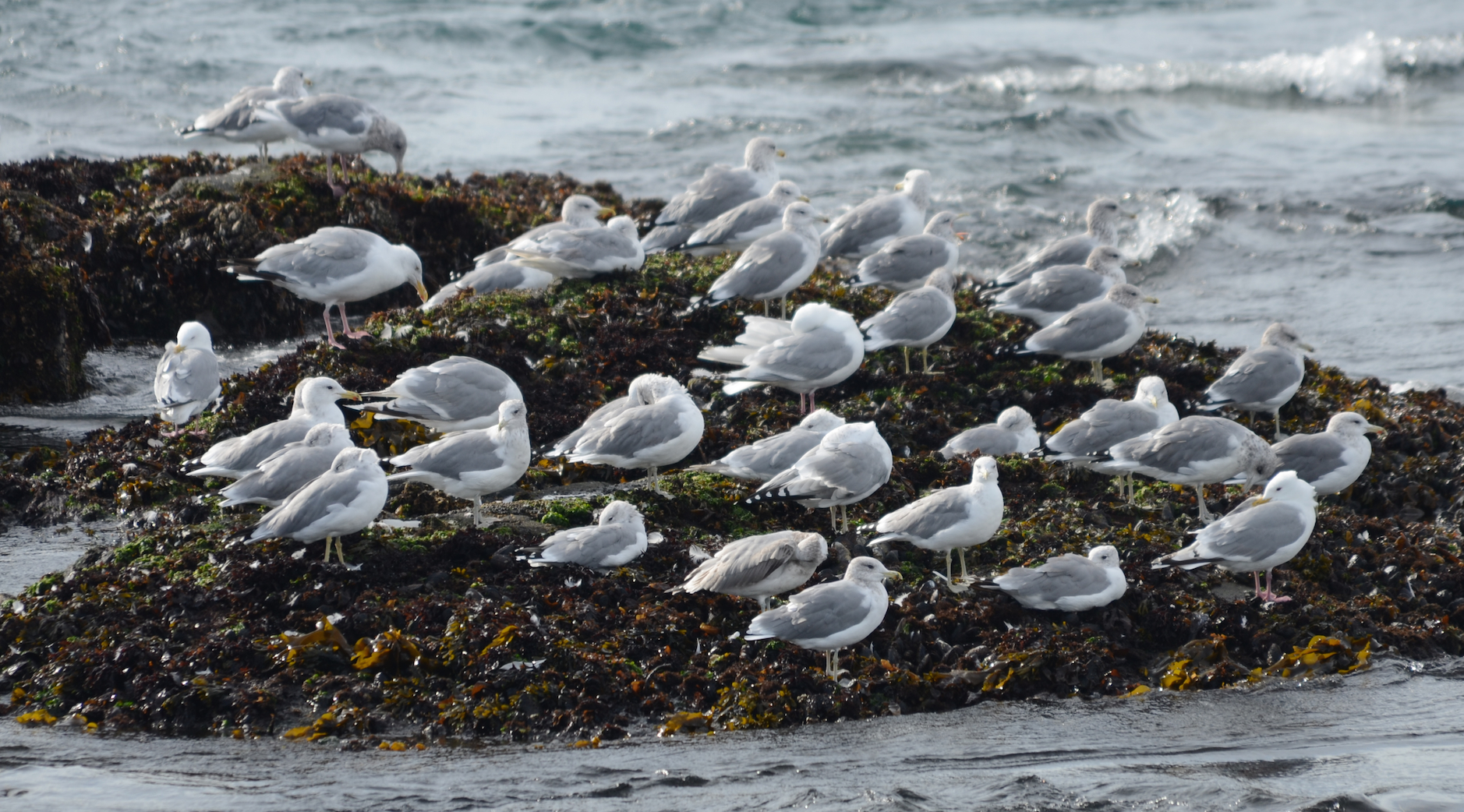
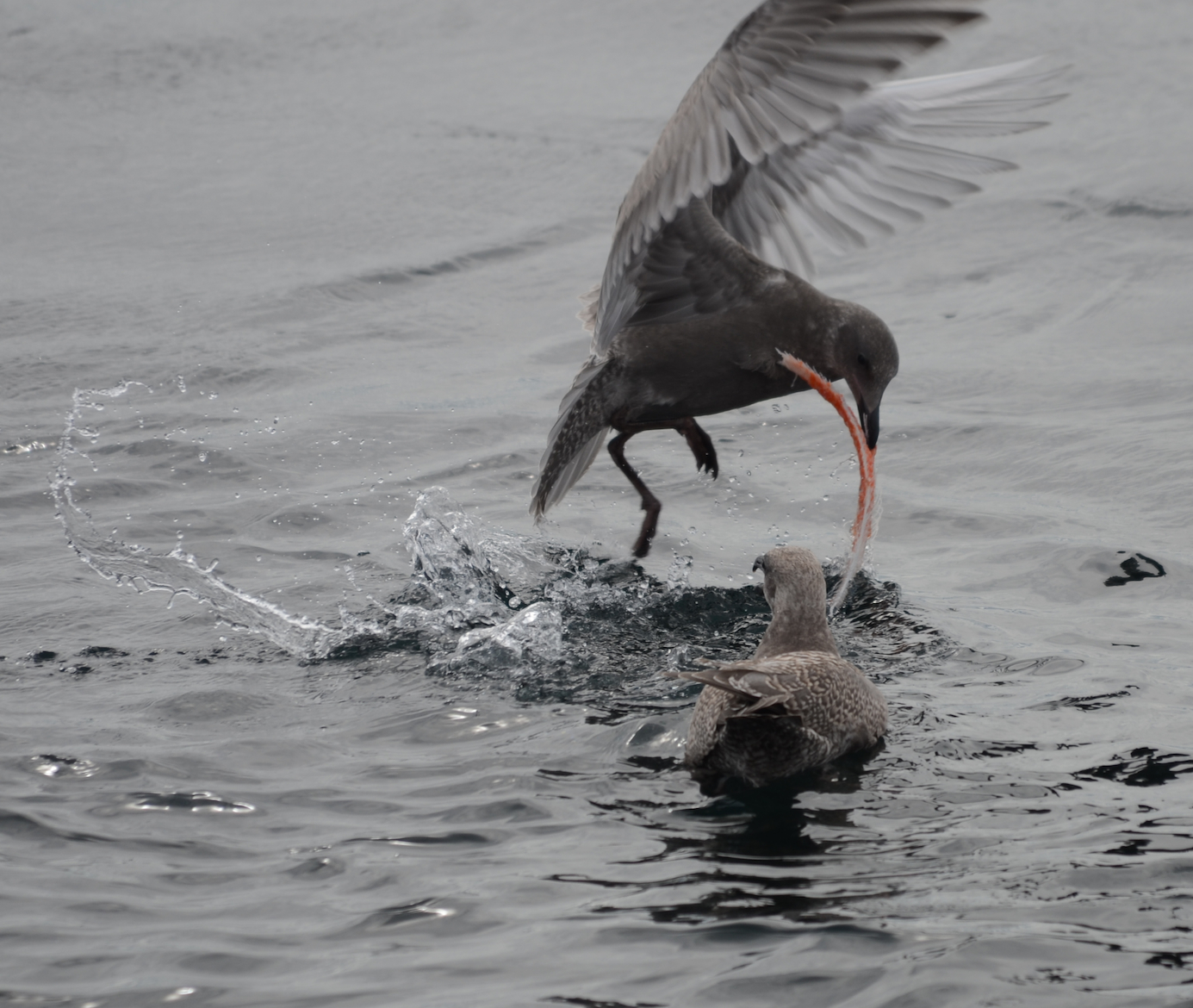
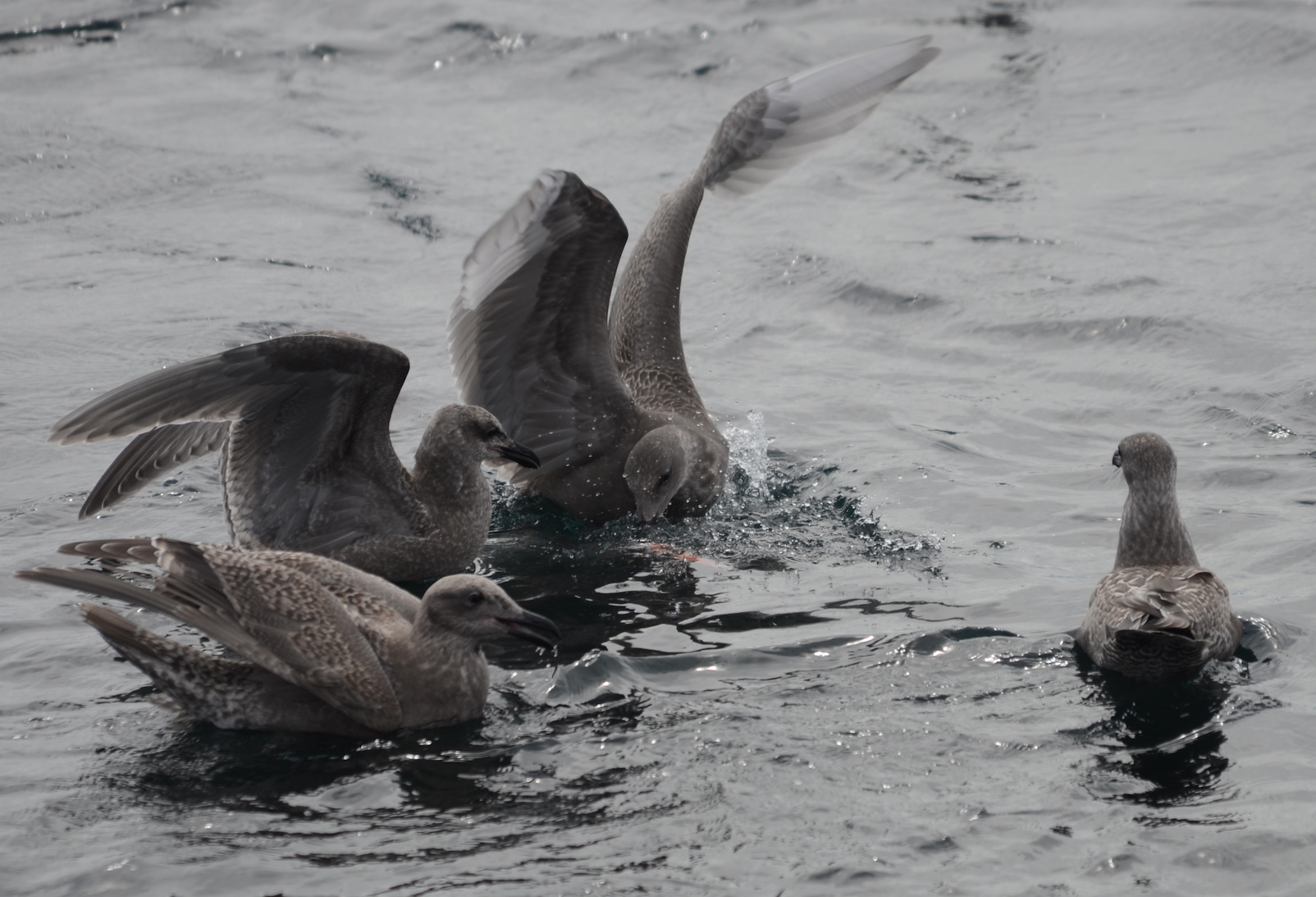
More post-breeding gulls from other breeding areas are showing up daily including California, Heerman’s, and occasional Herring and Ring-Billed Gulls. Glaucous-winged Gull adults that are still feeding chicks are looking battle weary and changing into winter plumage. Some of their heads are a mess from constant begging and pecking by the young ones. There are still territorial disputes going on between adults and young gulls that are not their own. Fresh remains of Glaucous-winged Gulls are seen daily in different spots so I guess in a way those adults with young are the lucky ones. The gulls that are flying are feeding on salmon bits provided by the sea lions and many of the feeding flocks here are dominated by juvenile Glaucous-winged Gulls.

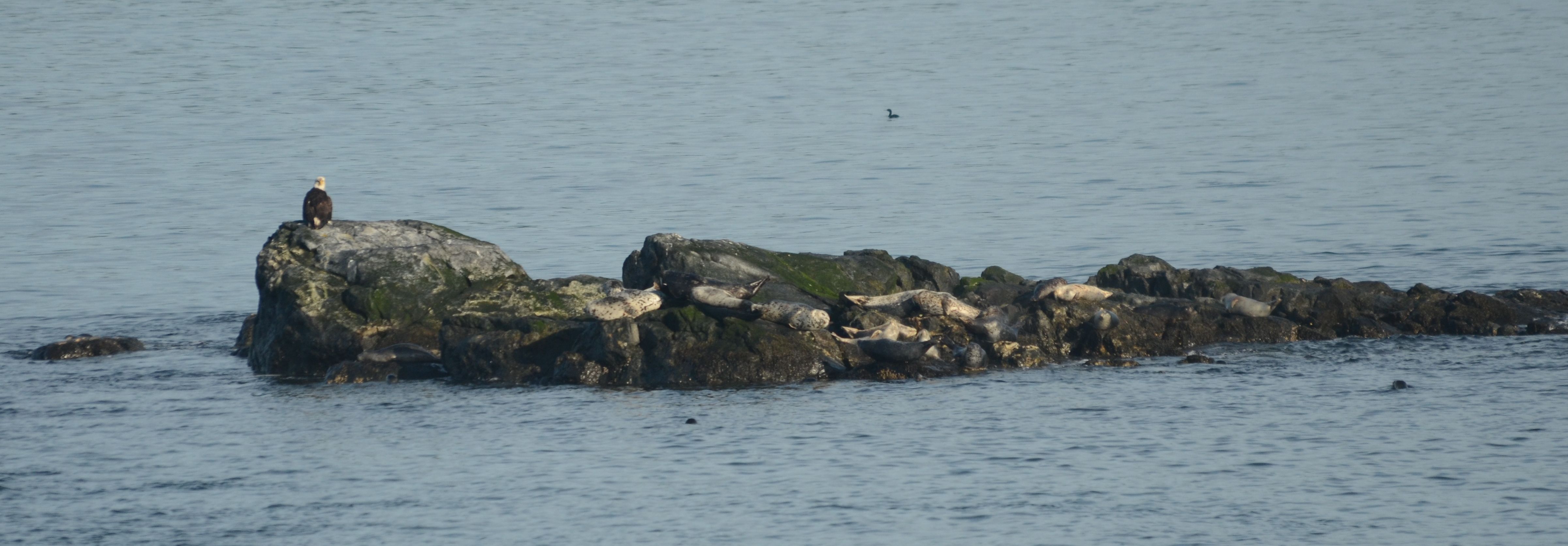
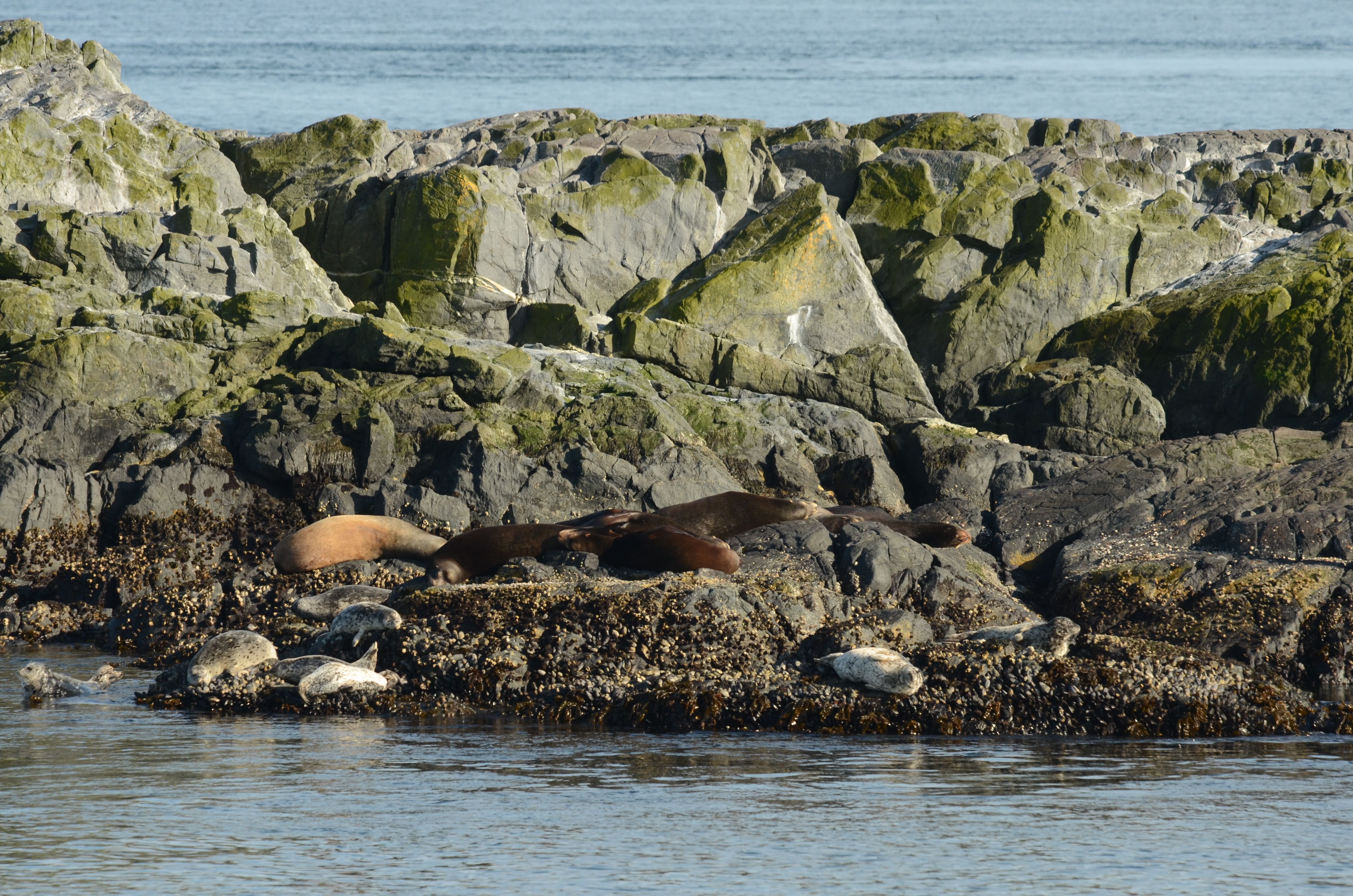
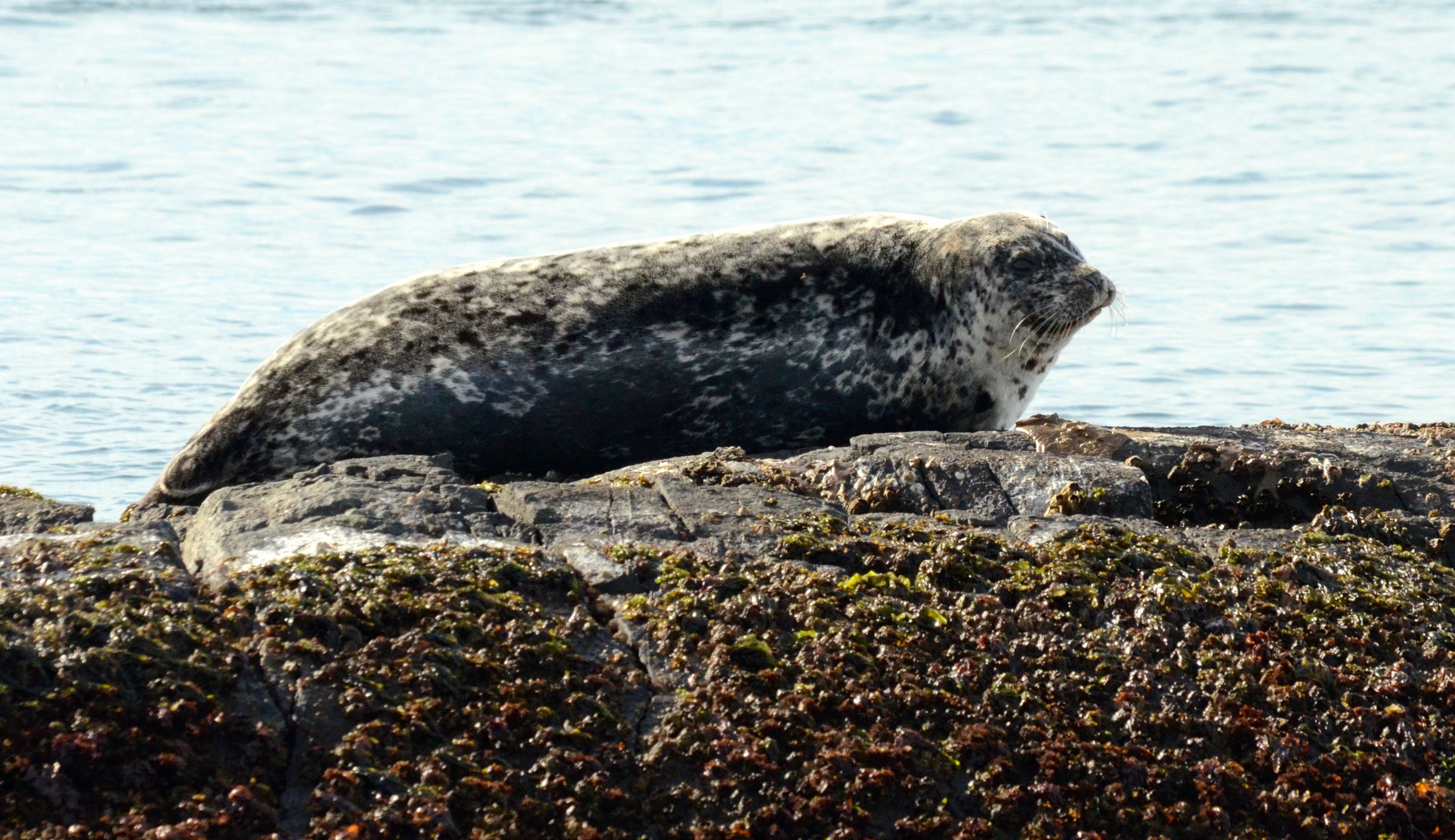
The sea lions are firmly into their moult now as well and spending lots of time ashore. Middle Rock is almost exclusively Steller Sea Lions except for a small hold-out at the top by Northern Elephant Seals. Large male Stellers are encroaching on their space again today but it appears more about finding a quiet place to sleep than the more aggressive interactions I saw with younger male Stellers who were scared off yesterday. Turbine Rock is also mostly Stellers while Great Race and South Islands are populated by both species together. The Harbour Seals are hauled out wherever there is a bit of separate space on North, West and South Rocks with a few on Turbine and Middle as well.

I continue to get brand, tag wound and entanglement photos of the sea lions while they are ashore. I am curious about the biomass hauled out here right now. It is a pretty incredible concentration and one of the reasons that it is a special area worthy of conservation as an Ecological Reserve. It is an honour to be here and witness what goes on a daily basis. Some of the other conservation reasons are underwater and less accessible but we are working on getting camera 2 back up and running to give a glimpse into that world too.

Chores today were routine maintenance and there were no visitors.


Shift Switch

The almost constant wind of Race Rocks did not disappoint today. Although is started slowly, once it warmed up there was a steady blow from the west of 25 to 30 knots. The sky was mostly clear with a little fog coming and going late morning and high clouds spreading out from the mountains. The barometer peaked at close to 1019 hPA. and then started to fall in the afternoon. There is a strong wind warning in effect again for tomorrow with the prediction following the pattern of light winds in the morning and building in the afternoon. The last few evenings have been quite windy and rough and the forecast tomorrow has a 40% chance of rain in the late afternoon and evening, on top of the wind.

Two whale-watching boats came through the Ecological Reserve today. A Pedder Bay rental boat was observed fishing for rockfish in Rockfish Conservation Area which is closed to fishing. When I went out to take their photos they tried to move out of sight and ended up fishing about 50 feet off of Middle Rock. When I continued to document their activity they moved out close to the boundary and that is when the Pedder Bay folks showed up to encourage them to move out of the Reserve. That kind of support and community encouragement to follow the rules is really amazing. A big shout out to Pedder Bay Marina, thank you for making the effort for conservation. That kind of response will help keep your business sustainable.

sporty fishers

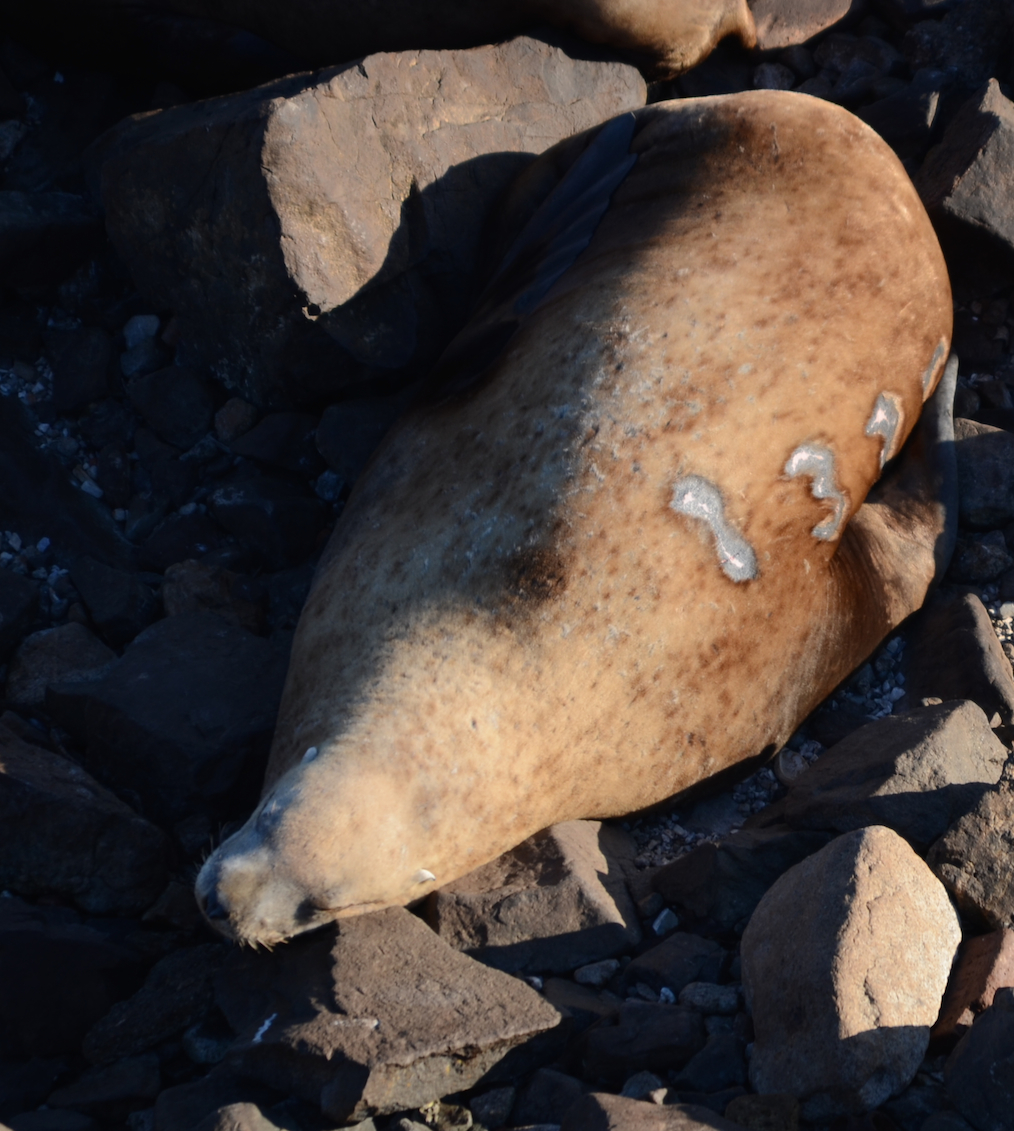
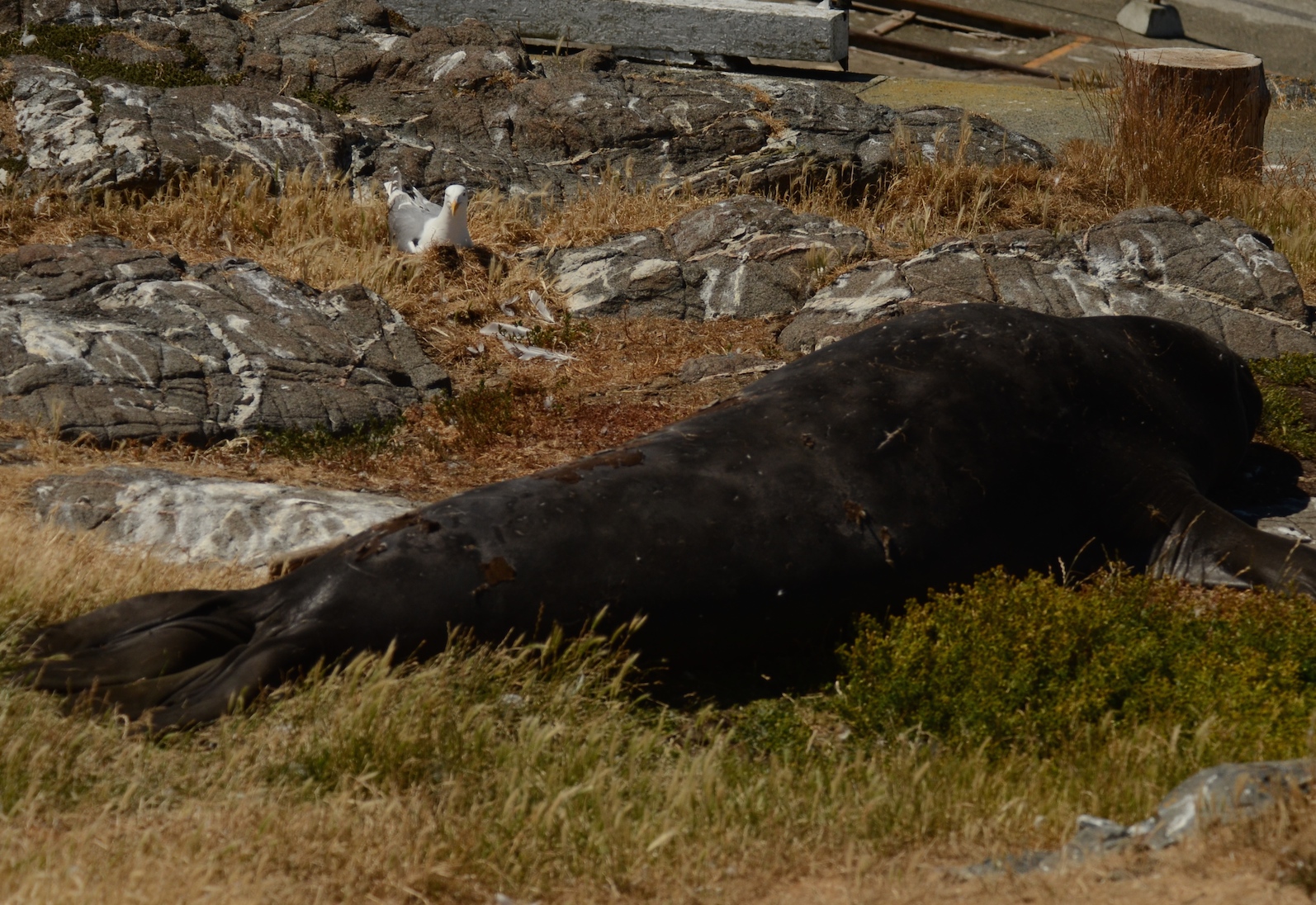
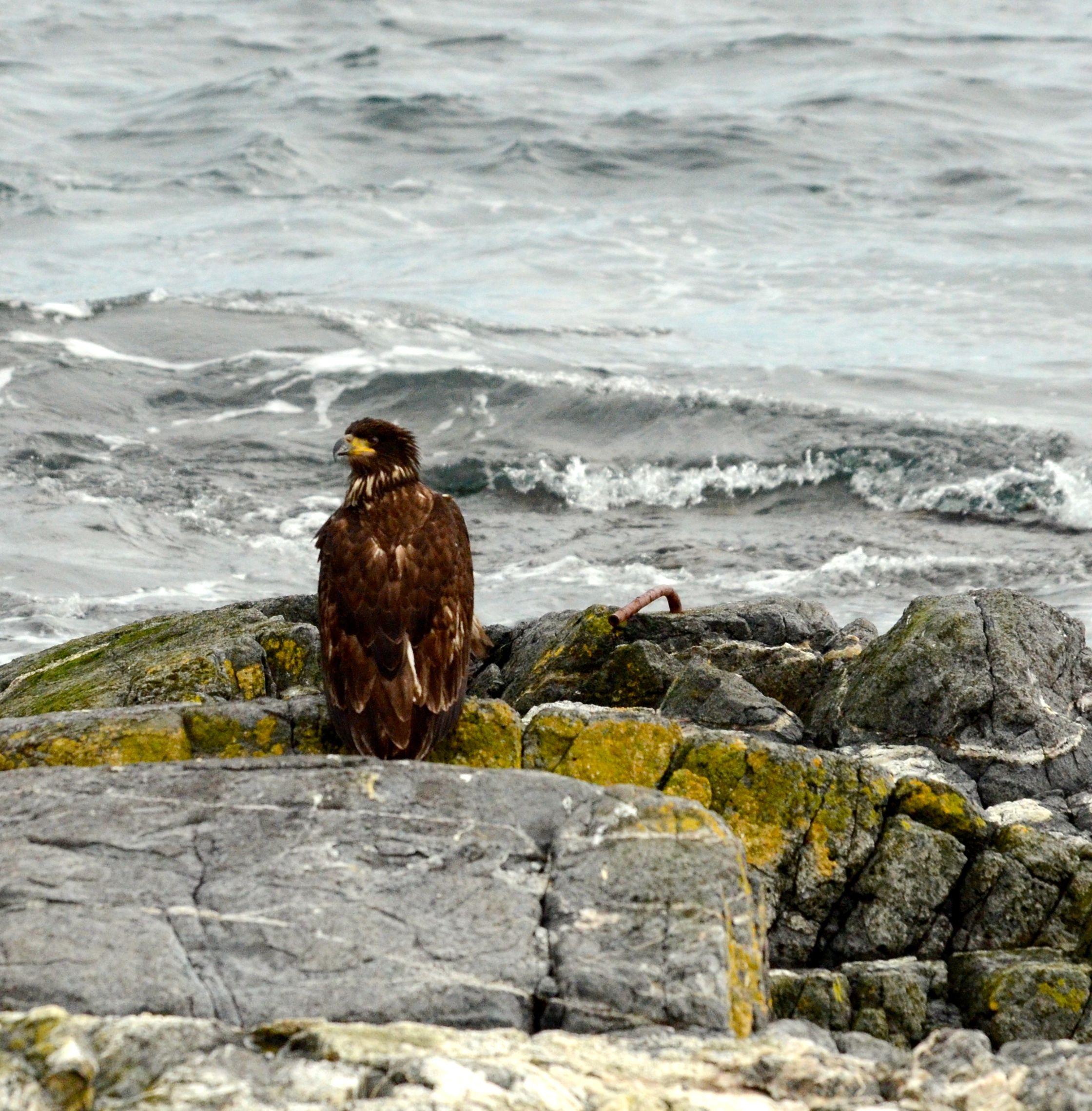
Things continued as expected today with the usual ecological happenings described in the the last few days’ Logs. Chunk and Floyd avoided each other a bit more today which is definitely a good thing for the gulls which don’t stand a chance when the big guys get out of control. Floyd is almost finished his moult with just a few vibrissae and wee scraps of old skin on his back to go. He has lost a tremendous amount of the bulk he brought ashore when he first arrived.

Floyd has lost not only his skin and fur but also ~30% of his weight, since he came ashore to moult.

Floyd has lost not only his skin and fur but also ~30% of his weight, since he came ashore to moult.

Killer Whales were in the vicinity in the early evening. A small pod of Biggs’ Killer Whales swam slowly westward through Race Passage and the whale watching boats were talking about the Southern Resident Killer Whales’ L-pod being a little further west.

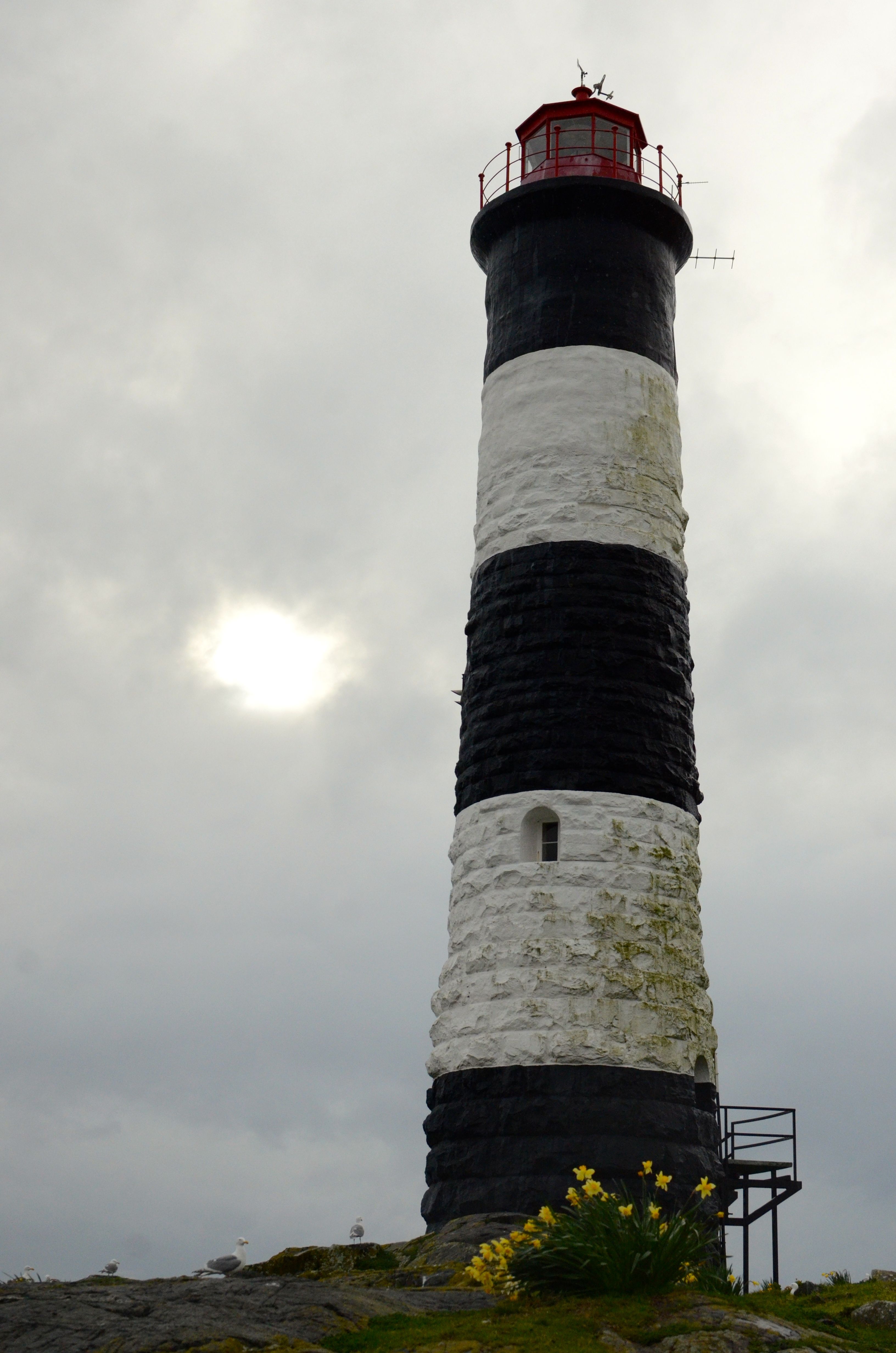
There were no visitors and work was focused mainly on preparing and cleaning things for the next crew, Guy and Christine, who will start tomorrow. It has been a real privilege to be out in this special, bio-diverse and productive place and I look forward to returning and meeting the next wave of marine science students in September.

March 26 – Census

Sunny
Wind: 0-17 from varying directions throughout the day
Air Temperature: Low 9.2ºC, High 11.8ºC
Ocean Temperature: 9.0ºC

Today was spent preparing for the shift change. Anne Stewart will arriving tomorrow to take over as the Eco-Guardian.

There was one eco tour boat seen in the reserve today.

Here are the results of today’s megafauna census:
Steller Sea Lion: 58
California Sea Lion: 31
Harbour Seal: 79
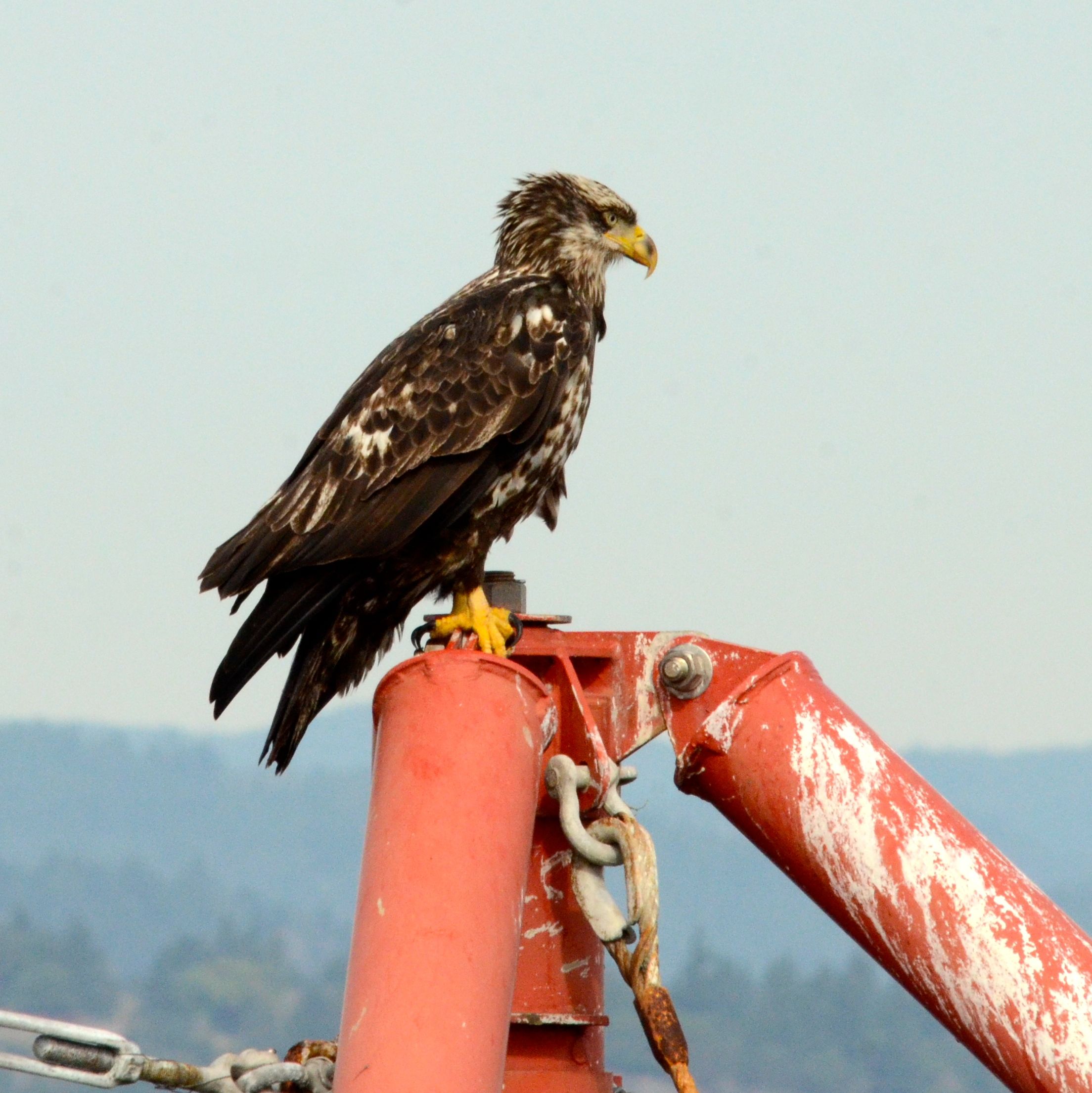
Bald Eagle: 3
Cormorant: 16
Canada Goose: 24
Gull: 256
Crow: 2
Oystercatcher: 4
Pigeon Guillemot: 234
Surfbird: 8
Black Turnstone: 16
Savannah Sparrow: 1

March 20 – Spring Equinox

Overcast with occasional light rain
Wind: NE 6-15 knots
Air Temperature: Low 9.2°C, High 11.2°C
Ocean Temperature: 8.8°C

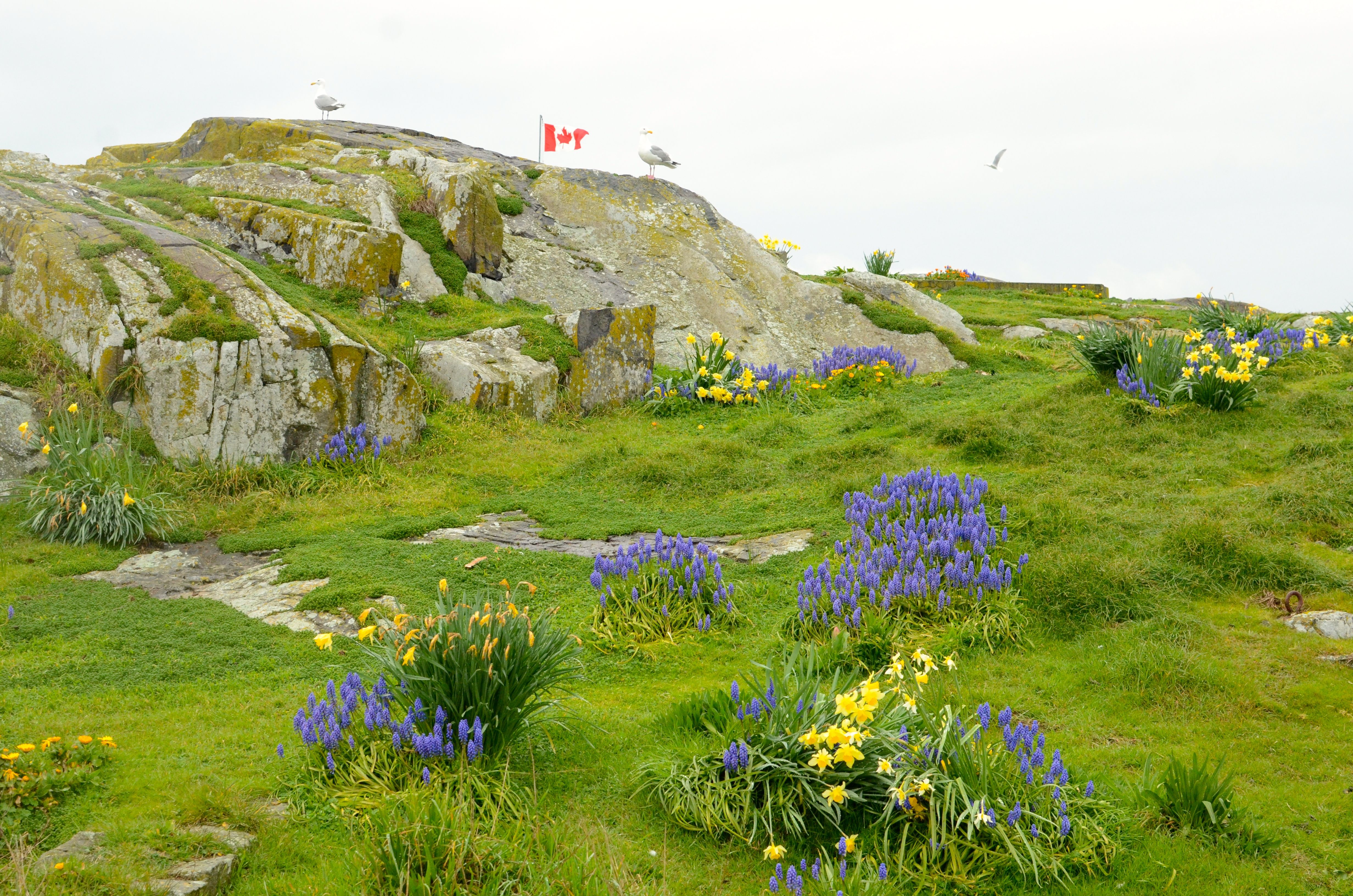
The Spring Equinox brought more of the same weather. The daffodils, which have been in bloom for about a month, are beginning to die off. The canadian geese and gulls are still spending their days looking for their future nesting sites. They are getting more aggressive with each other. I don’t need an alarm clock in the morning, because the birds wake me up with the sun. The goose droppings are piling up in various deposits around the main island.

Courtney brought out a group on Second Nature from Pearson: Roman, Noemi, Roger, Catherine, Heather and Kim. They will be staying for the weekend and helping with some service projects on Saturday.

March 19 – Last Day of Winter- Census

Raining
Wind: NE 4-14 knots
Air Temperature: Low 8.8°C, High 10.3°C
Ocean Temperature: 8.8°C

The wet conditions were helpful with cleaning some exterior walls and windows. The rain water cistern was filled up from the roof. The rain also helped wash away the algae and slime on the walls, along with some scrubbing.

The low light and rain made the census difficult. In recent days, there has been a much higher number of harbour seals hauled out on the rocks. The sea lions also spent most of the day in the water. It was not possible to distinguish between the species of cormorants on Turbine or Middle Rock.

There were no boats seen in the reserve today.

Census results:
Steller Sea Lion: 59
California Sea Lion: 62
Harbour Seal: 21
Bald Eagle: 7
Cormorant: 27
Canada Goose: 24
Gull: 352
Black Oystercatcher: 4
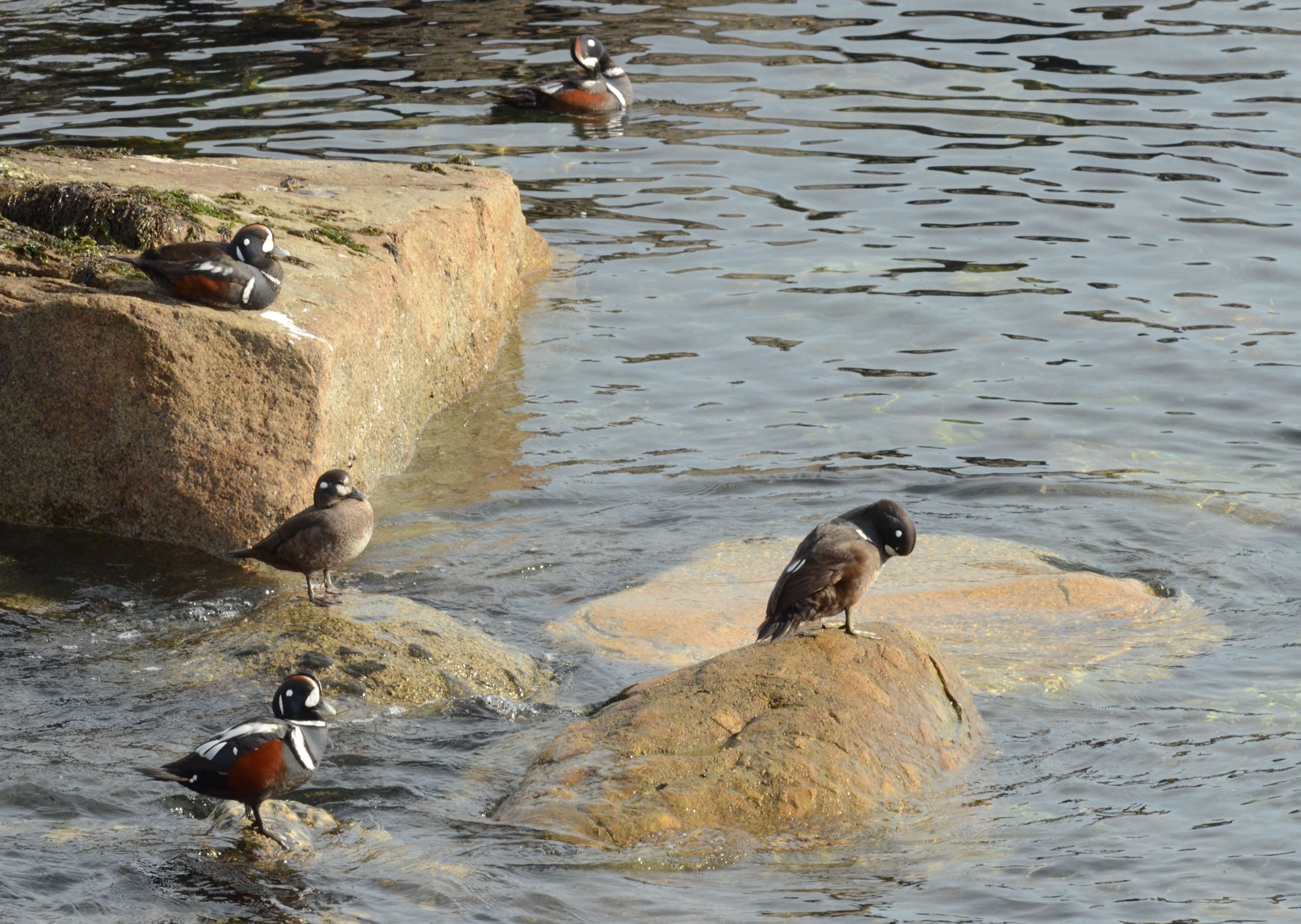
Harlequin Duck: 9
Pigeon Guillemot: 13
Surfbird: 4
Black Turnstone: 16
Rock Sandpiper: 6
Savannah Sparrow: 1

March 12 – Sunny Census Thursday

Sunny
Wind: 0-13 knots SW in the morning, NE from mid morning to afternoon and SW in the evening
Air Temperature: Low 9.9°C, High 13.2°C
Ocean Temperature: 9.0°C

Three Pearson students came to Race Rocks this morning. Karen, Sunny and Hanne joined Martin, who has been here since Monday.

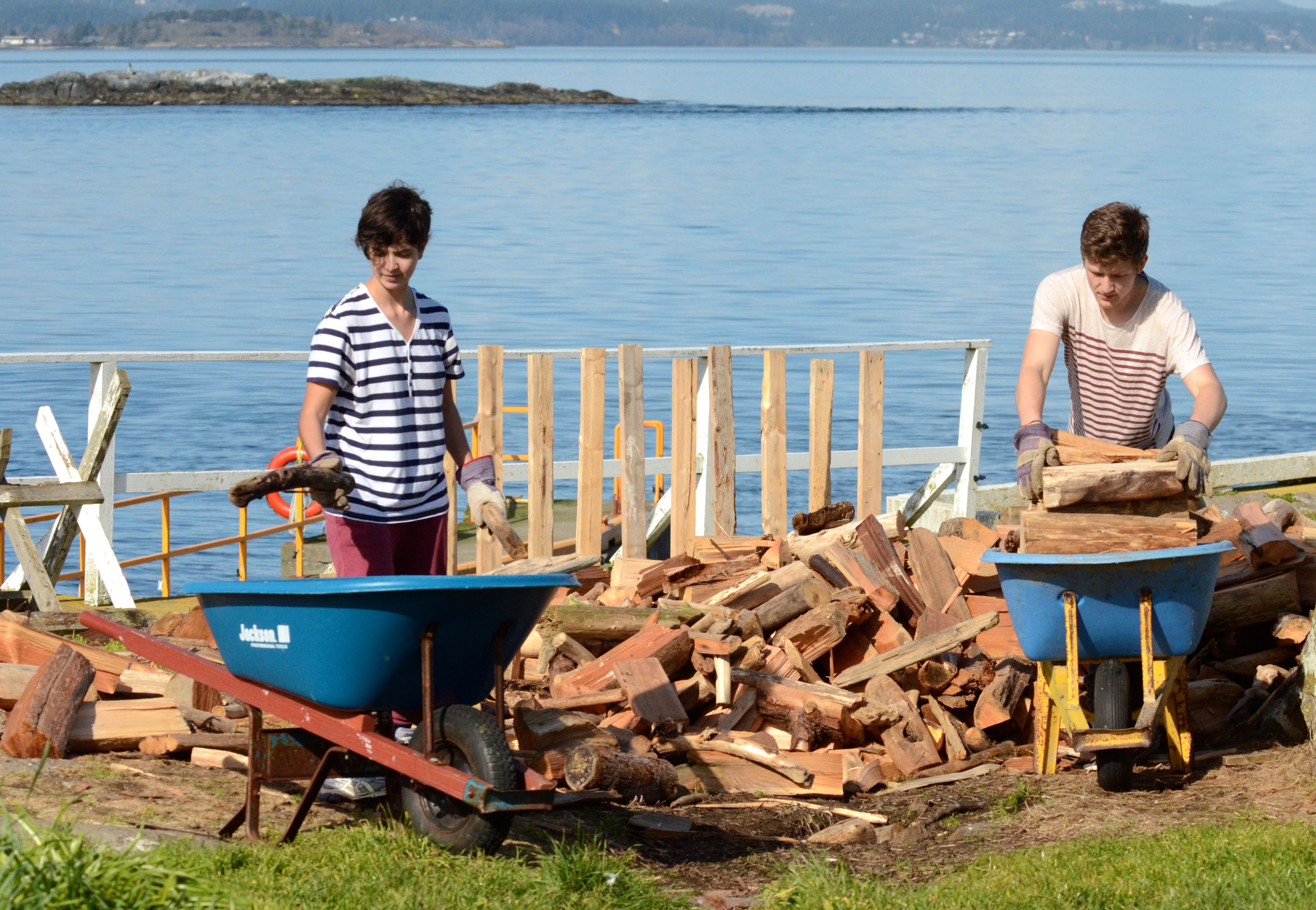
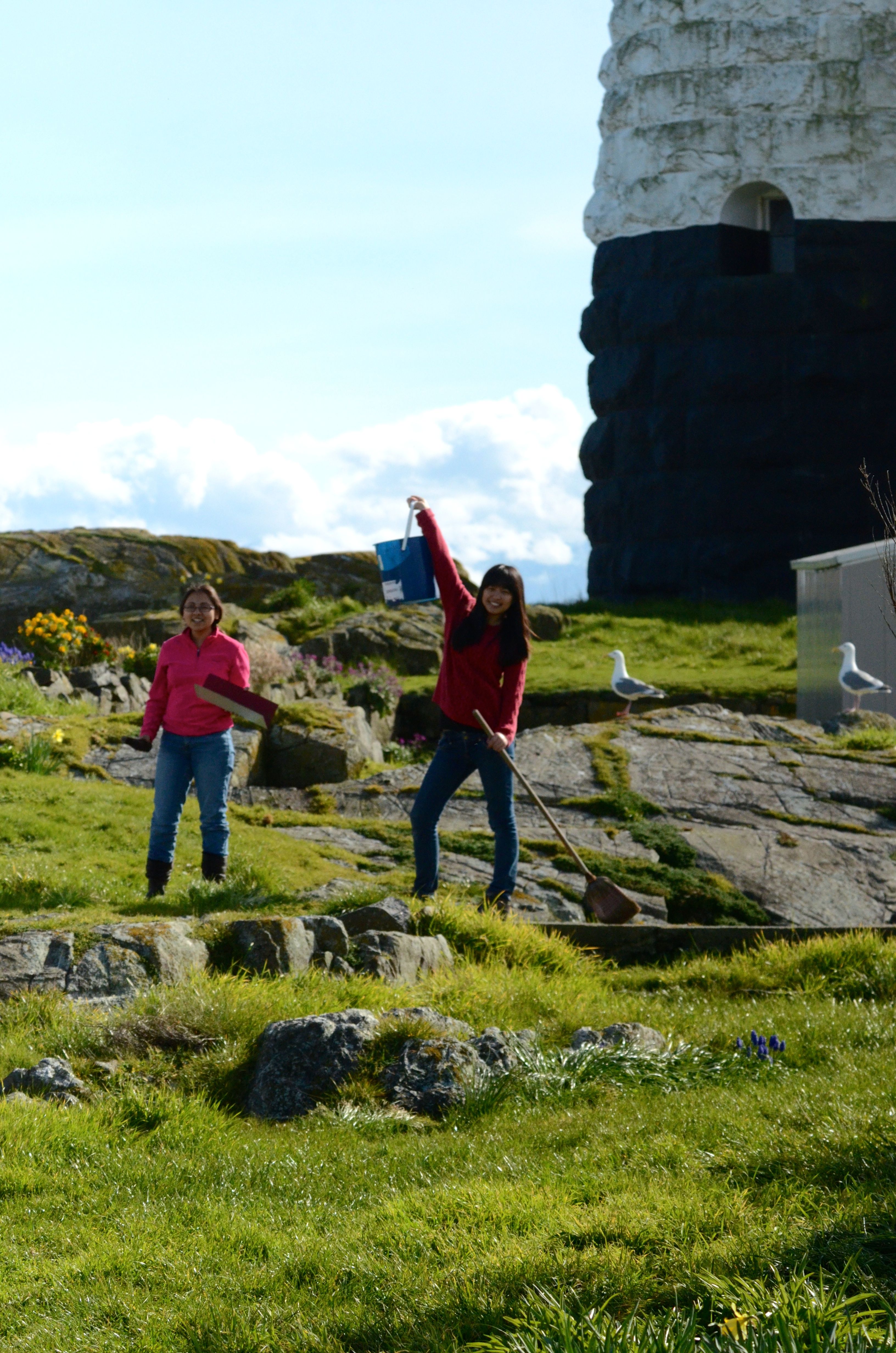
The students did some work this afternoon: sweeping all 99 steps of the lighthouse and continuing the process of stowing the chopped wood in all the nooks and crannies of the buildings, to be used next winter to heat the main house.

There was DND blasting happening in the morning and early afternoon on Bentinck Island, less than 1km away from the ecological reserve.

Today’s high temperature of 13.2°C, as measured at the ground weather station, was the highest recorded since 2006, when the weather station was installed. A high of 14°C was recorded by the instruments at the top of the lighthouse.

Three eco tour boats visited the reserve. One boat came very close to a group of sea lions swimming and others hauled out on the South Islands.

The low tide of 1.1m at 13:52, exposed lots of species from the low tide zone into the air. The shore and tidal pools were full of life: mussels, barnacles, limpets and lots of other flora and fauna of the sea. The oystercatchers and shore birds were having a feast.

There were no small birds perching birds seen today. There are usually a few fox, sparrows, savannah sparrows and occasionally juncos and robins zipping around the island.

Here are the results from today’s Megafauna Census:
Elephant Seal: 1
Steller Sea Lion: 54
California Sea Lion: 43
Harbour Seal: 52
Bald Eagle: 9
Great Blue Heron: 1
Crow: 1
Oystercatcher: 4
Double Crested Cormorant: 12
Brandt’s Cormorant: 21
Gull: 247
Canada Goose: 14
Pigeon Guillemot: 9
Harlequin Duck: 13
Surfbird: 3
Black Turnstone: 10
Rock Sandpiper: 2

March 6 – Bright Sun, Bright Moon

Mostly sunny
Wind: 3 – 11 knots NE
Air Temperature: High 10°C, Low 7°C
Ocean Temperature: 8.8°C

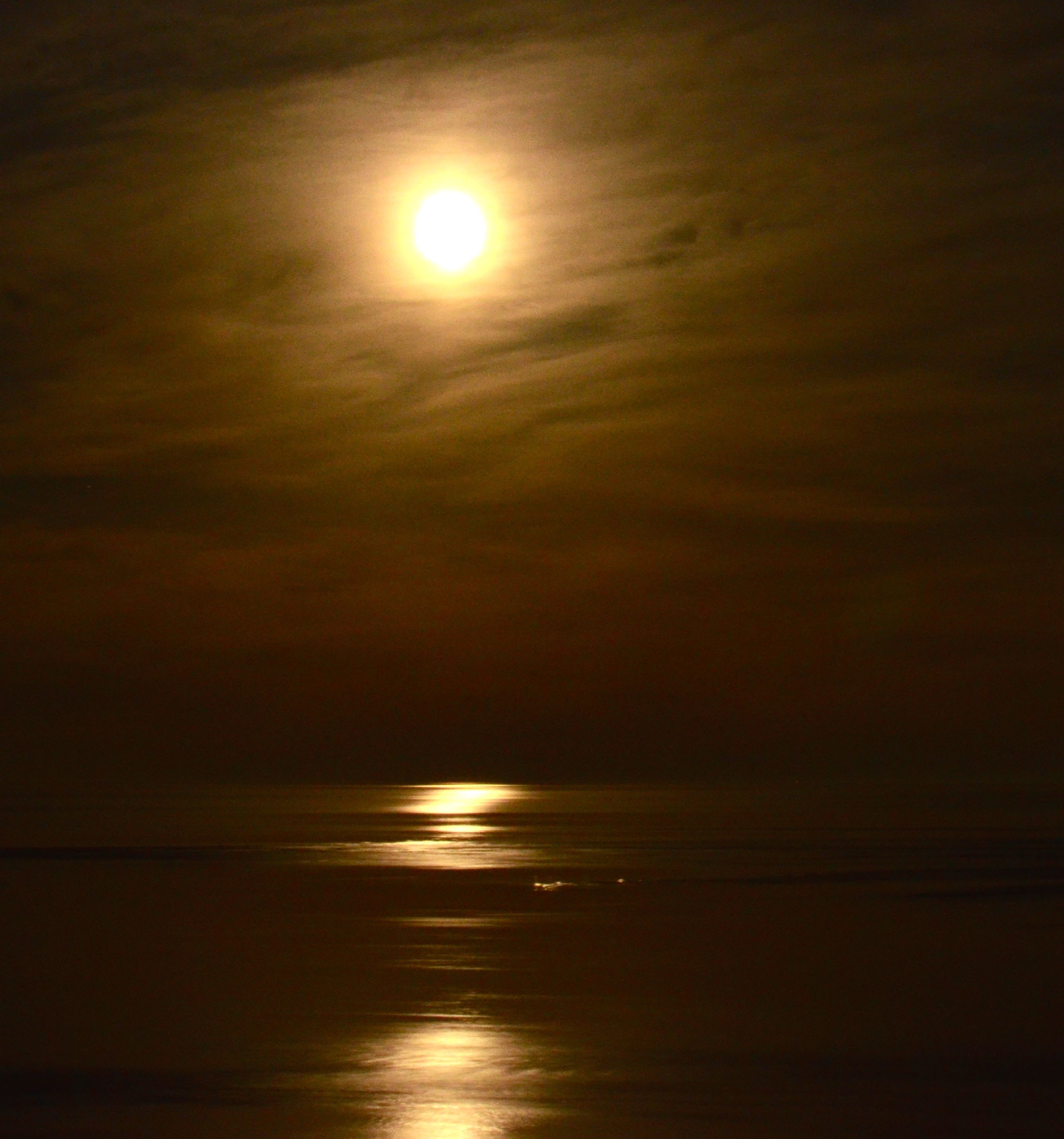
Last night was a full moon. Tonight’s moonrise happened at 19:25. It’s a waning gibbous moon, but it’s still as bright as last night.

The gulls seem to be getting more territorial by the day. I witnessed many gulls attacking each other throughout the day. One gull grabbed onto another’s wing and wouldn’t let go for a minute. Maybe the other gull got too close to a nesting site that was already claimed.

Chunk, the male elephant seal, spent another day in the same spot below the helicopter pad. The female elephant seal splashed around the jetty beach for most of the day.

One eco tour boat visited the reserve today.

March 5 – Census Thursday

Sunny with occasional clouds
Wind: 0-5 knots from N and switching around to SW throughout the day
Air temperature: High 10C, Low 6C
Ocean temperature: 8.9C

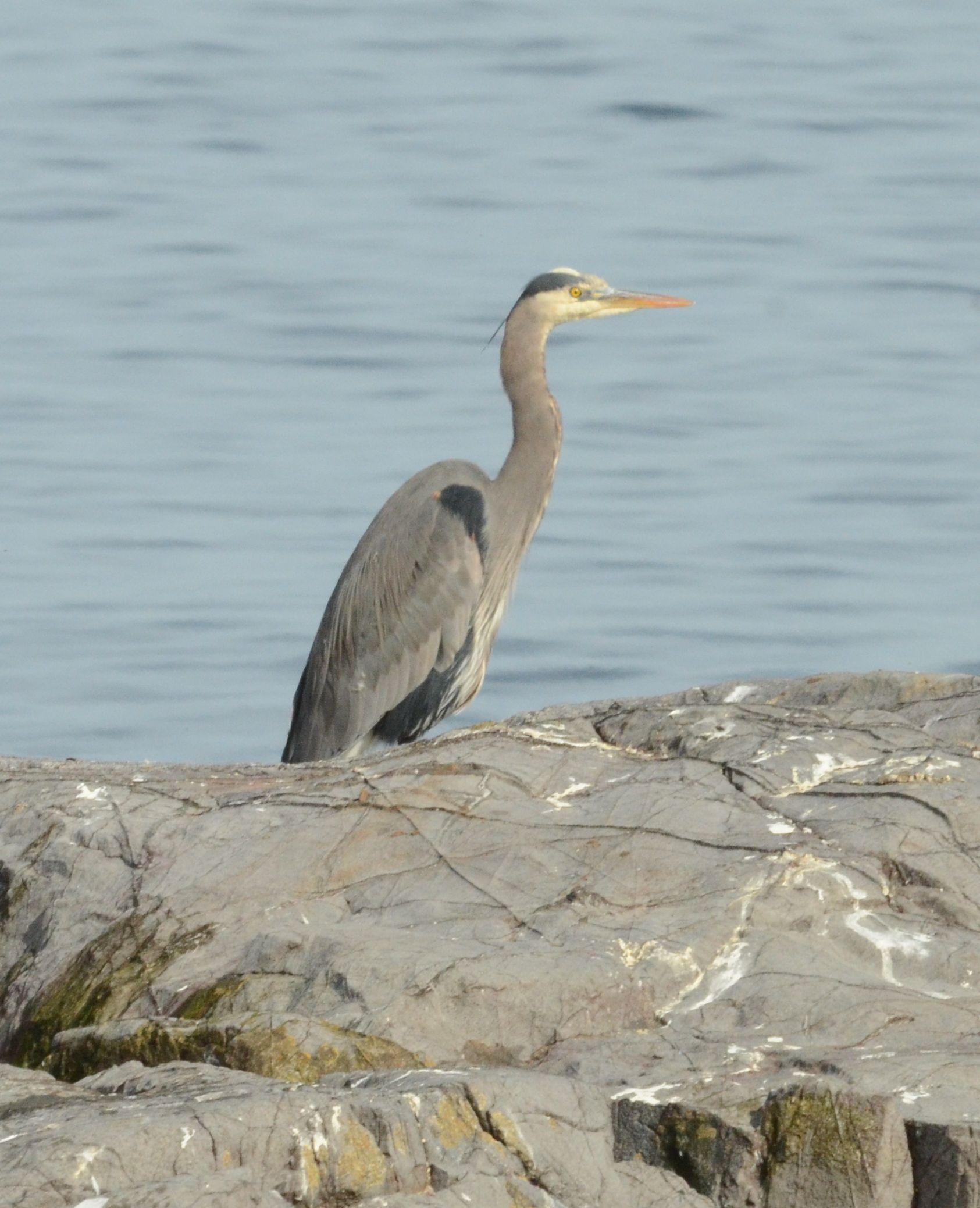
A great blue heron hung out on northeast side of Great Race for the afternoon. The oystercatchers are travelling around in pairs and are quite vocal. The gulls have spread themselves out around the island as they start to find nesting sites. Chunk returned to Great Race during the night. He spent the day resting against a boulder and the rock below the helicopter pad. The female elephant seal is relaxing in the same spots as yesterday, to the west of the main house.

Today’s census results:
Elephant Seal: 2
Steller Sea Lion: 18
California Sea Lion: 28
Harbour Seal: 41
Bald Eagle: 6 (3 adult, 3 juvenile)
Raven: 2
Great Blue Heron: 1
Double Crested Cormorant: 9
Brandt’s Cormorant: 15
Black Oystercatcher: 8
Canada Goose: 17
Pigeon Guillemot: 36
Gull: 103
Harlequin Duck: 11
Surfbird: 2
Black Turnstone: 15
Savannah Sparrow: 1

One eco tour boat and one recreational boat visited the reserve today.

March 2 – Shift Change

Sunny
Wind 5-10 knots S to SW
Low 5oC
High 9oC

Two whale watching boats were seen in the ecological reserve.

Today was the shift change that saw Alex depart after being on for three months and Virginie for a month. It was a calm and glorious day to ferry the supplies and people back and forth to Race Rocks. Thank you Alex for all the great work you have done and the great shape you have left the place. I will be here until the end of March.