mammal count

10kts NE wind. Cloudy, but still no rain.
Tour boats: 5
Dive boats: 2

Marine Mammal Count
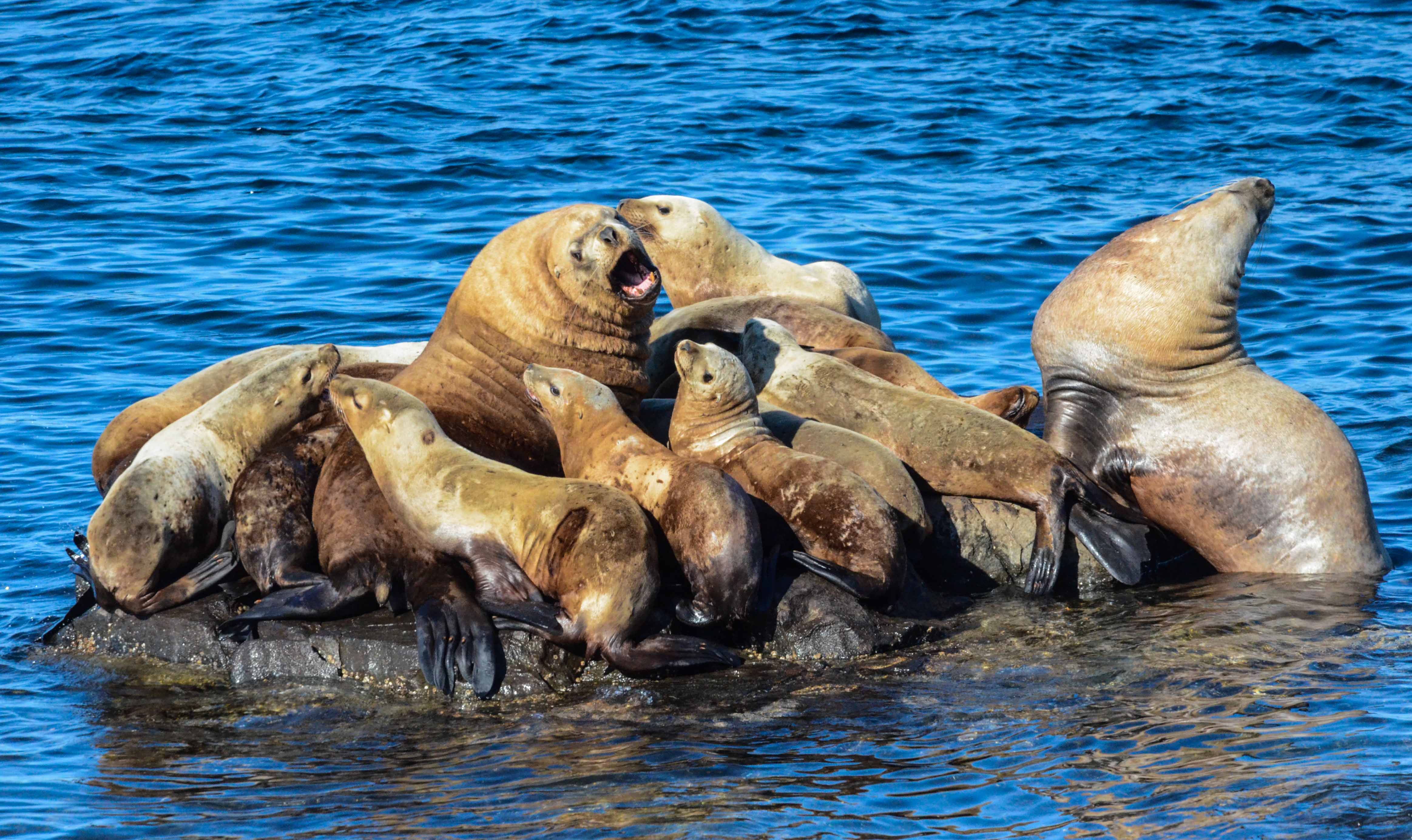
Stellar Sea lion: 272
California Sea lion: 396
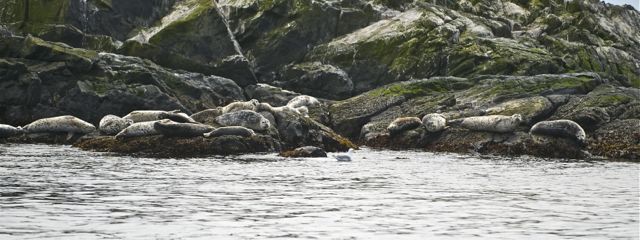
Harbour seal: 78
Elephant seal: 8

Harlequin Duck: 4
Sanderling: 1
P1010064

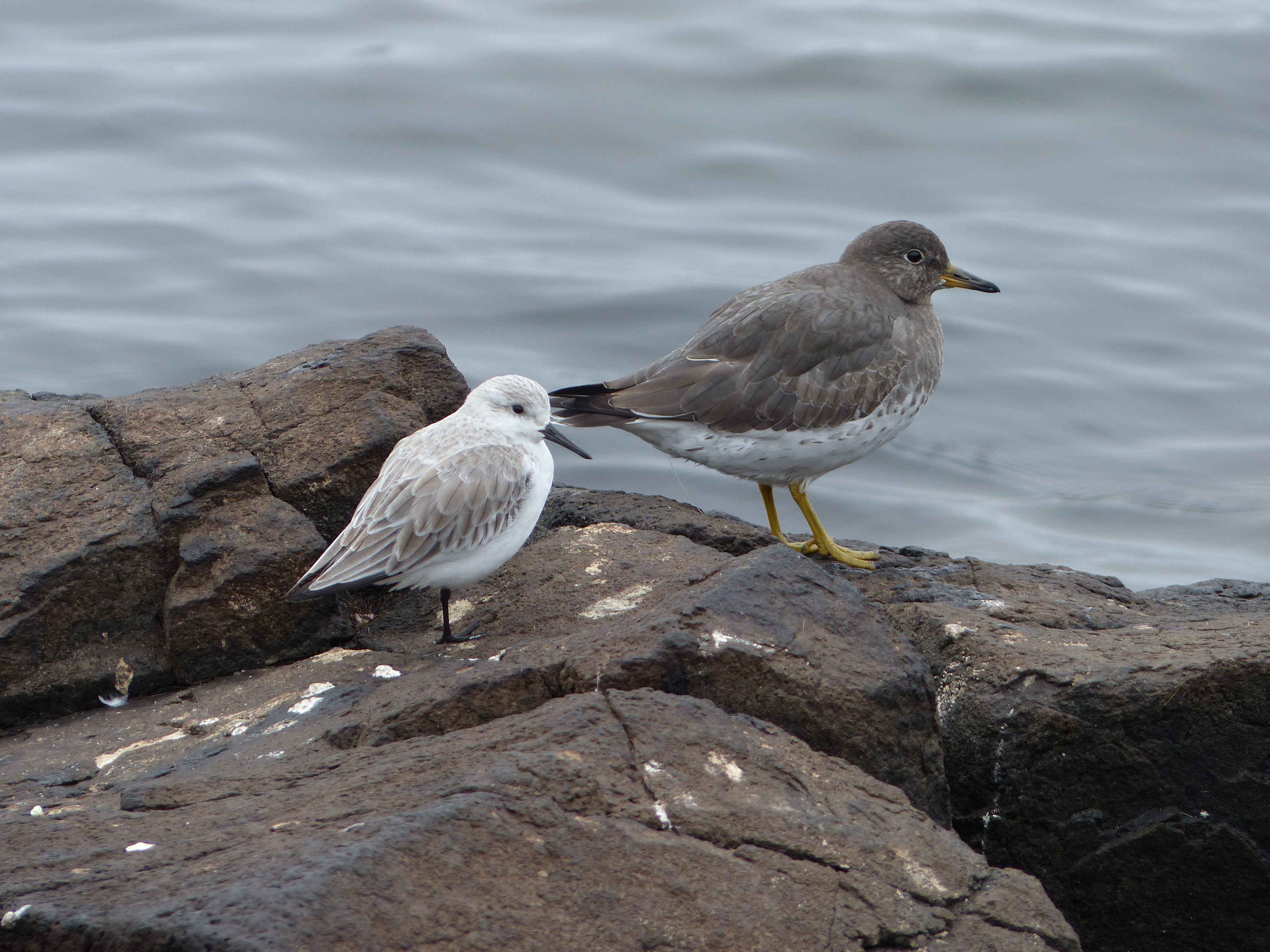
Sanderling (Calidris alba) and a Black Turnstone
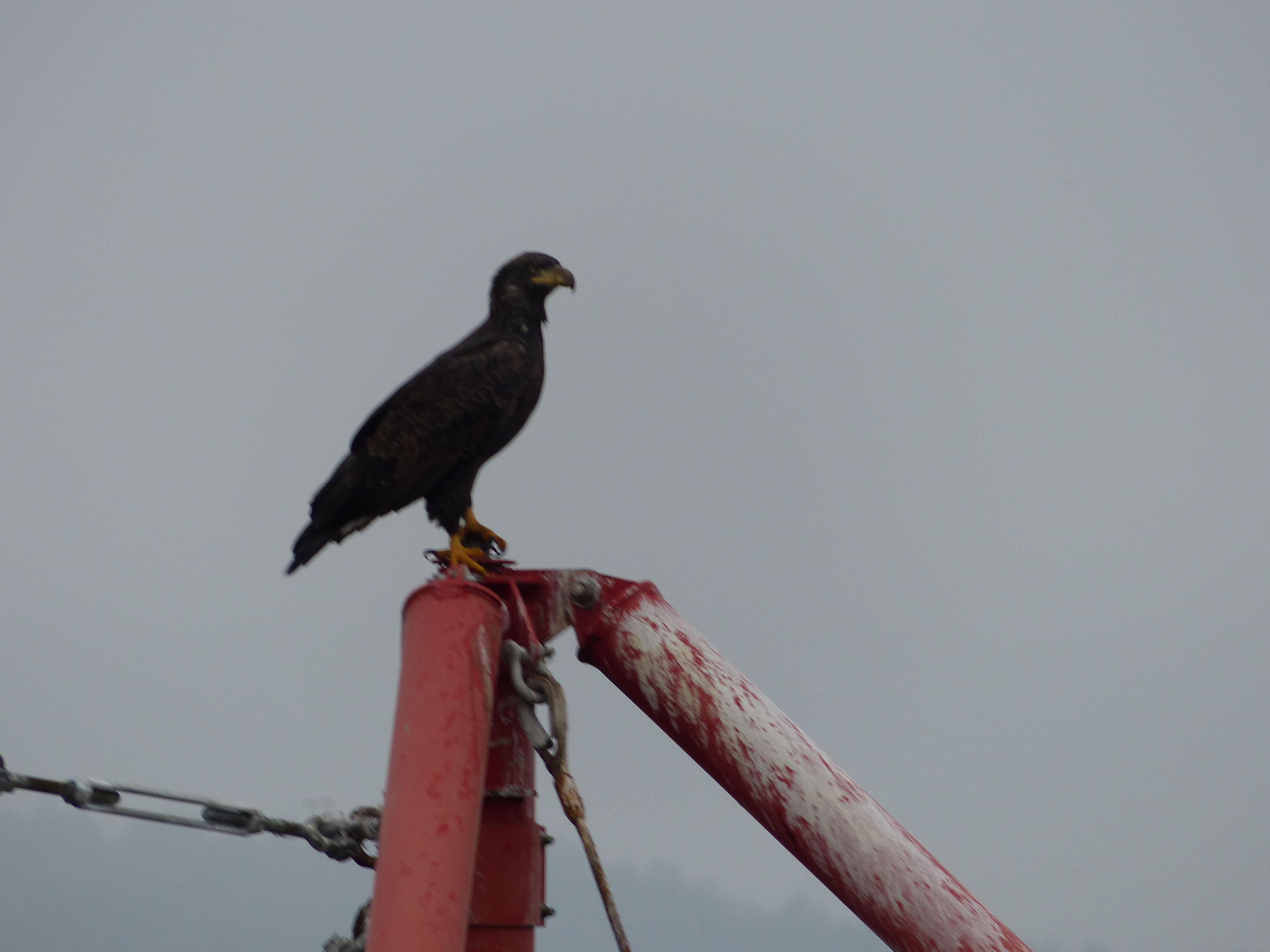
P1010046

Another breakfast eagle sighting this morning.
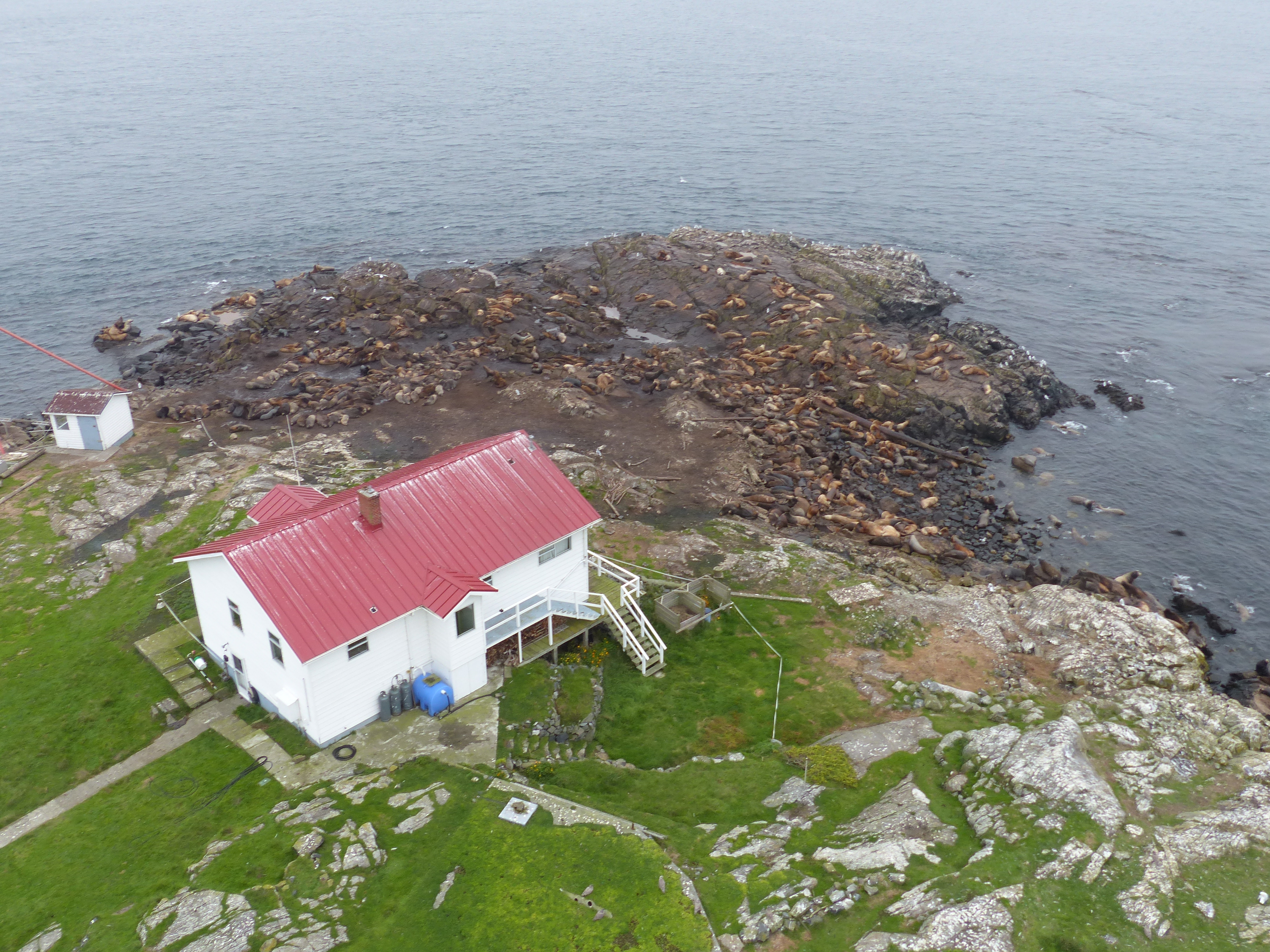
P1010048

Sea lions on the North-Eastern flats of Greater Race Rock

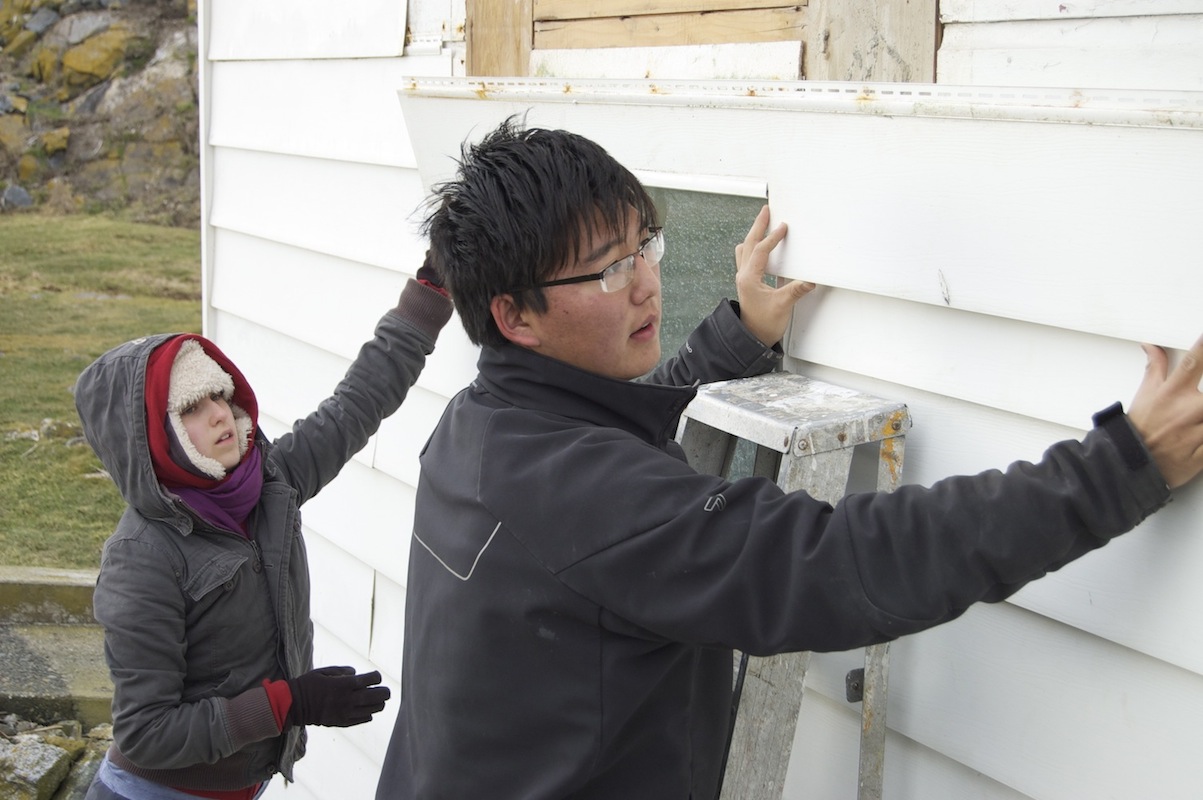
-tidied boat shed
 

Animal Notes and Census

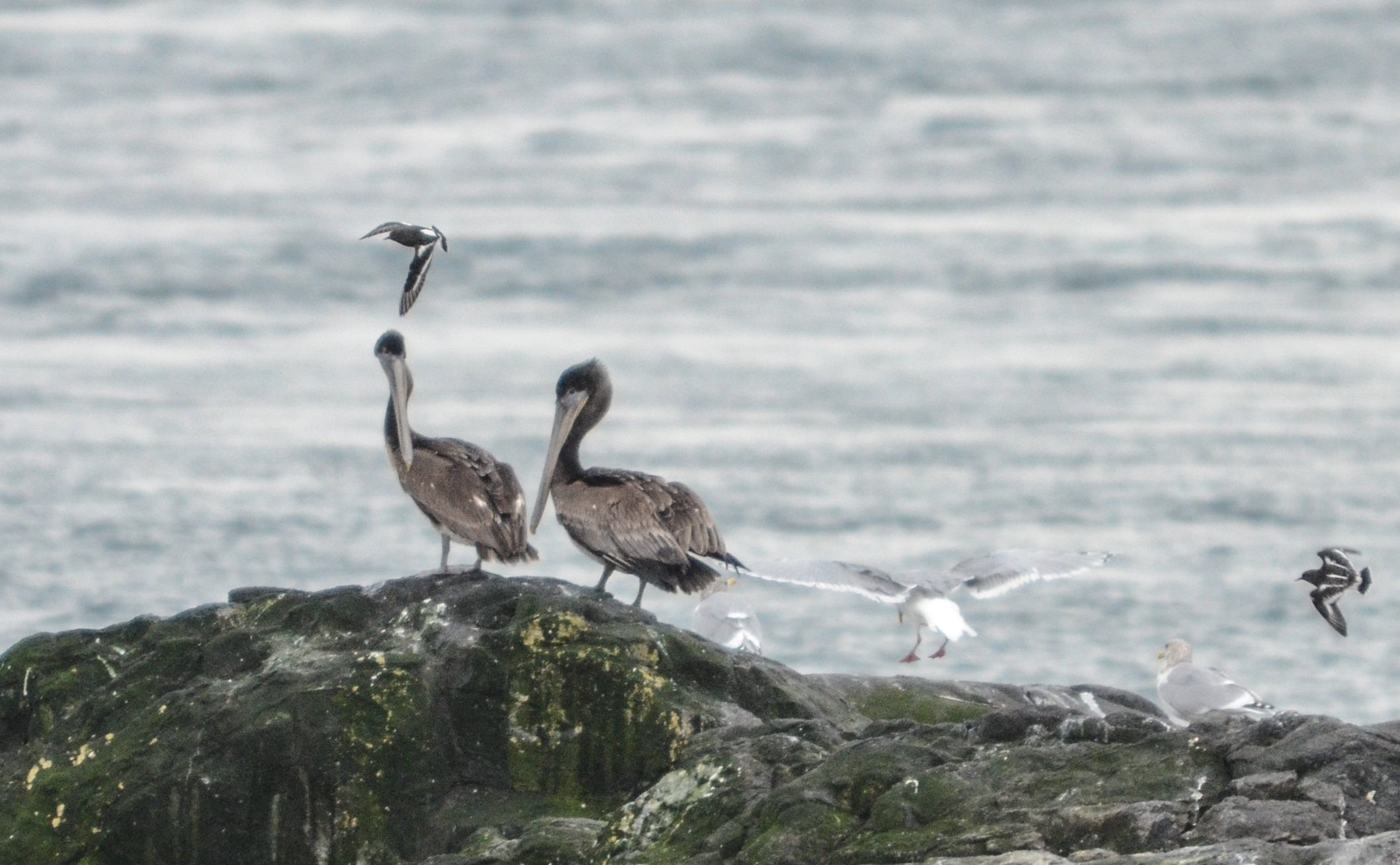
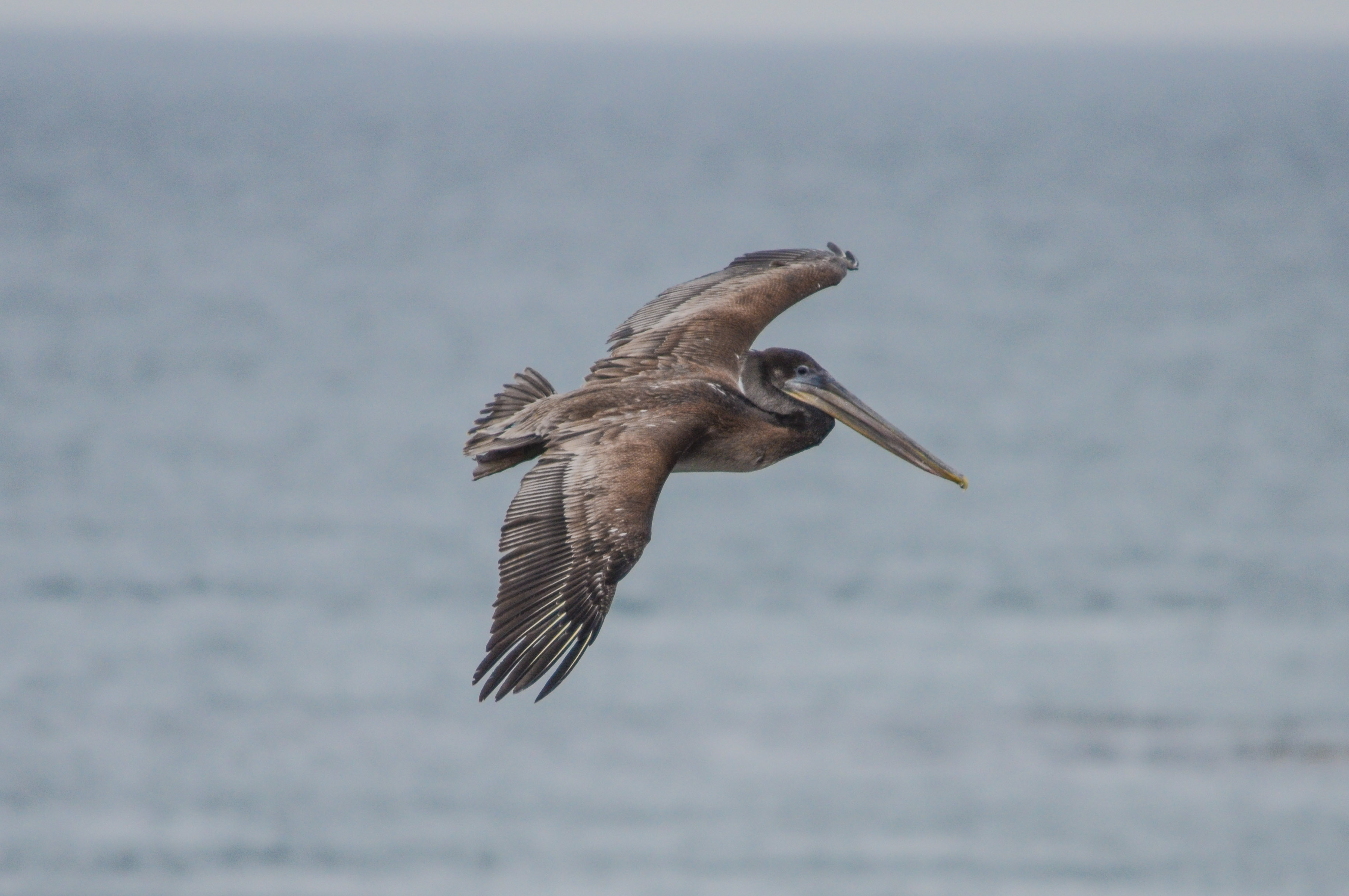
A few days ago we had two unusual visitors to our waters. Two Brown Pelicans (Pelecanus occidentalis) spent several days on Great Race and North Rocks. Brown Pelicans, though the smalles of pelicans, are enormous birds weighing up to 6 kilos and measuring up to 135 cms with a wingspan of up to 2.5 meters.

A visitor from warmer climes….

Northern vacation to Race Rocks….

We have had two other unusual visitors in the last week. I discovered a Barred Owl in the boathouse attacking a Starling (another recent arrival), and Pam our avid photographer friend from England got several pictures of Peregrine Falcons that came through hunting sparrows and starlings. Pam’s pictures can be seen at: http://www.flickr.com/photos/66339356@N00/sets/72157628747376295/

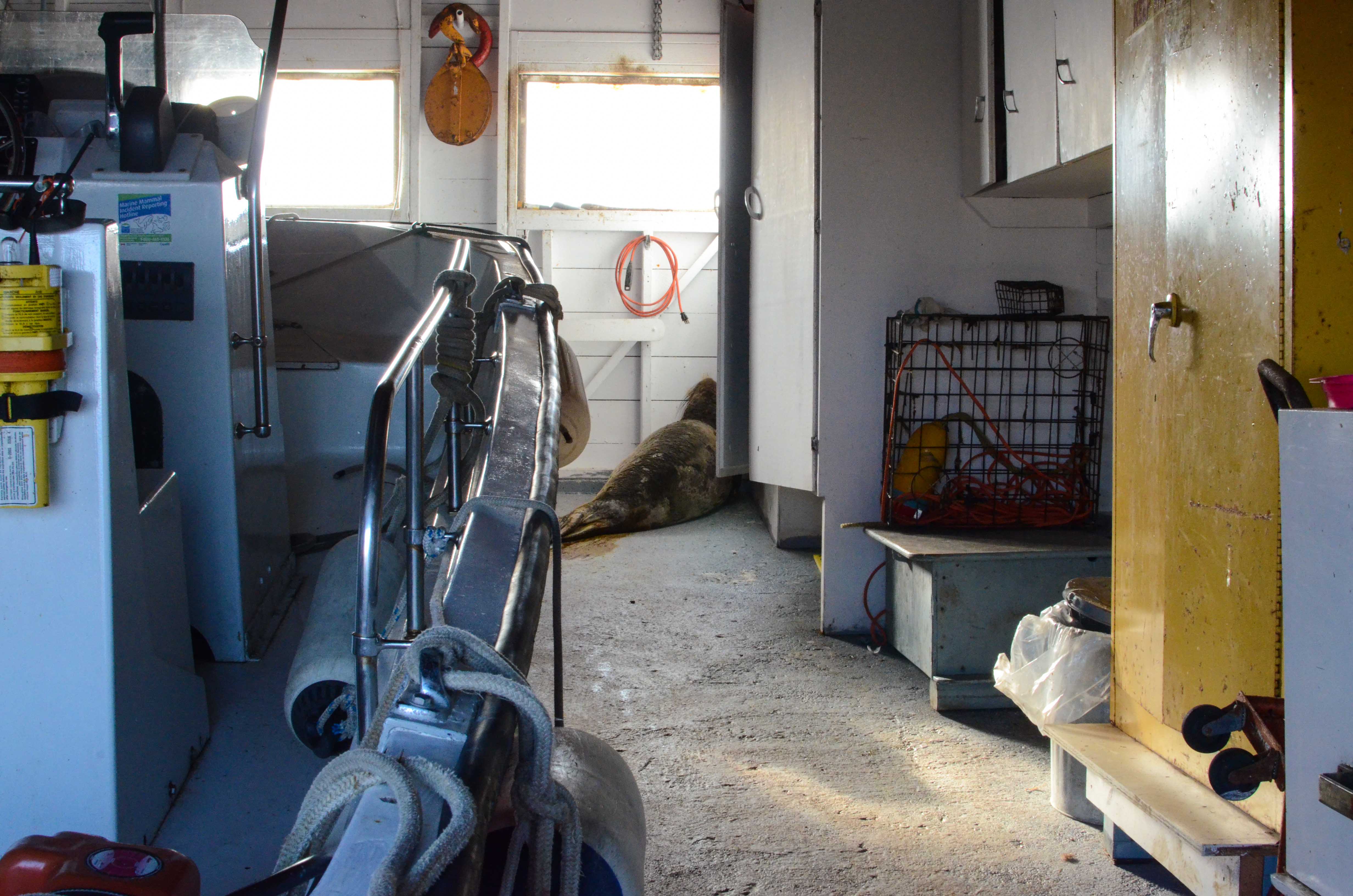
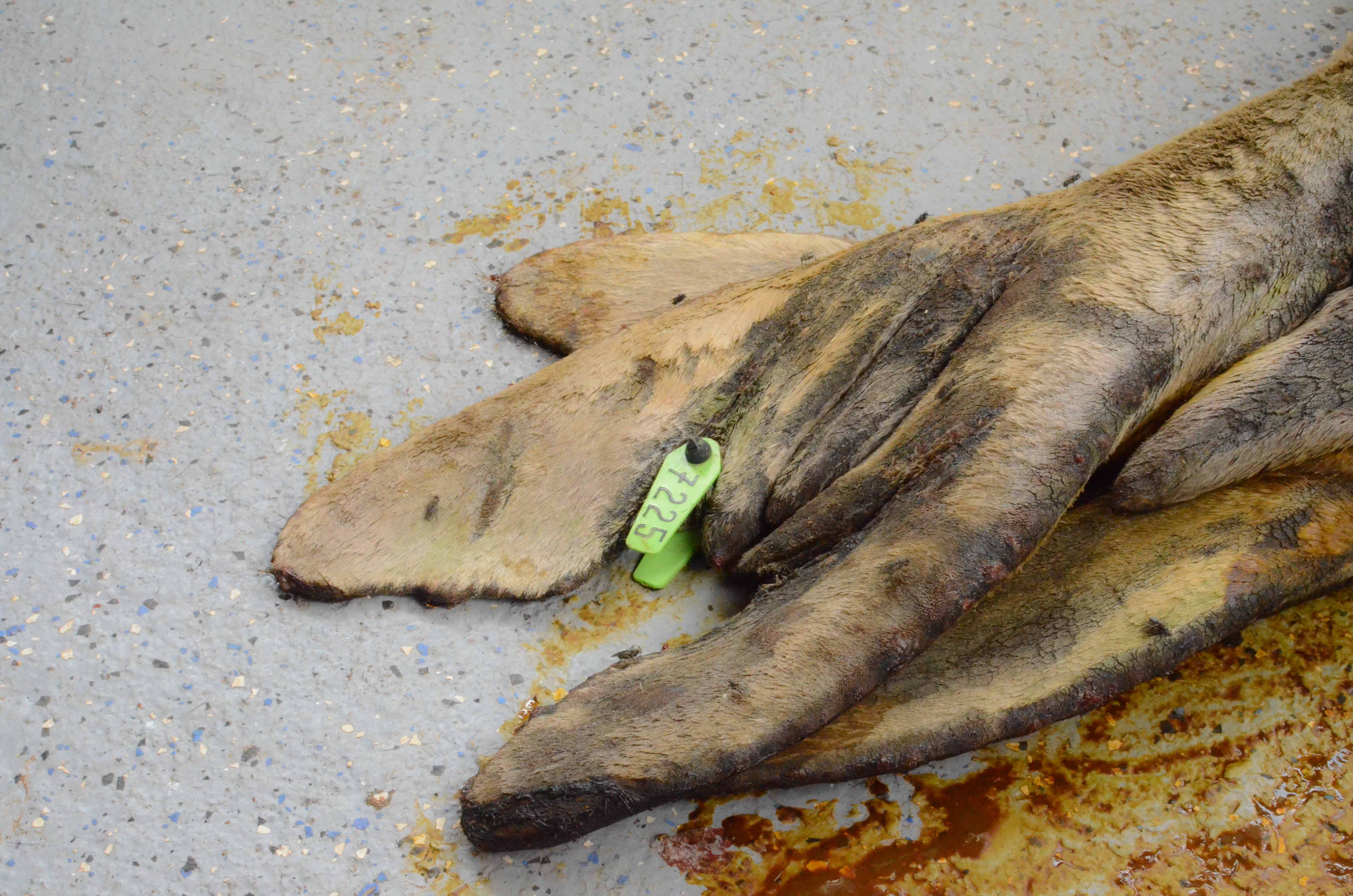
Another tagged e-seal showed up in the boathouse yesterday.

Might as well hang out somewhere cozy…

Tagged 7225

 Animal Census Nov 8 2012

Species Current Population (Est)
Stellar/Northern Sea Lion  30
Elephant Seal  7
Harbour Seal  200
California Sea Lion  50
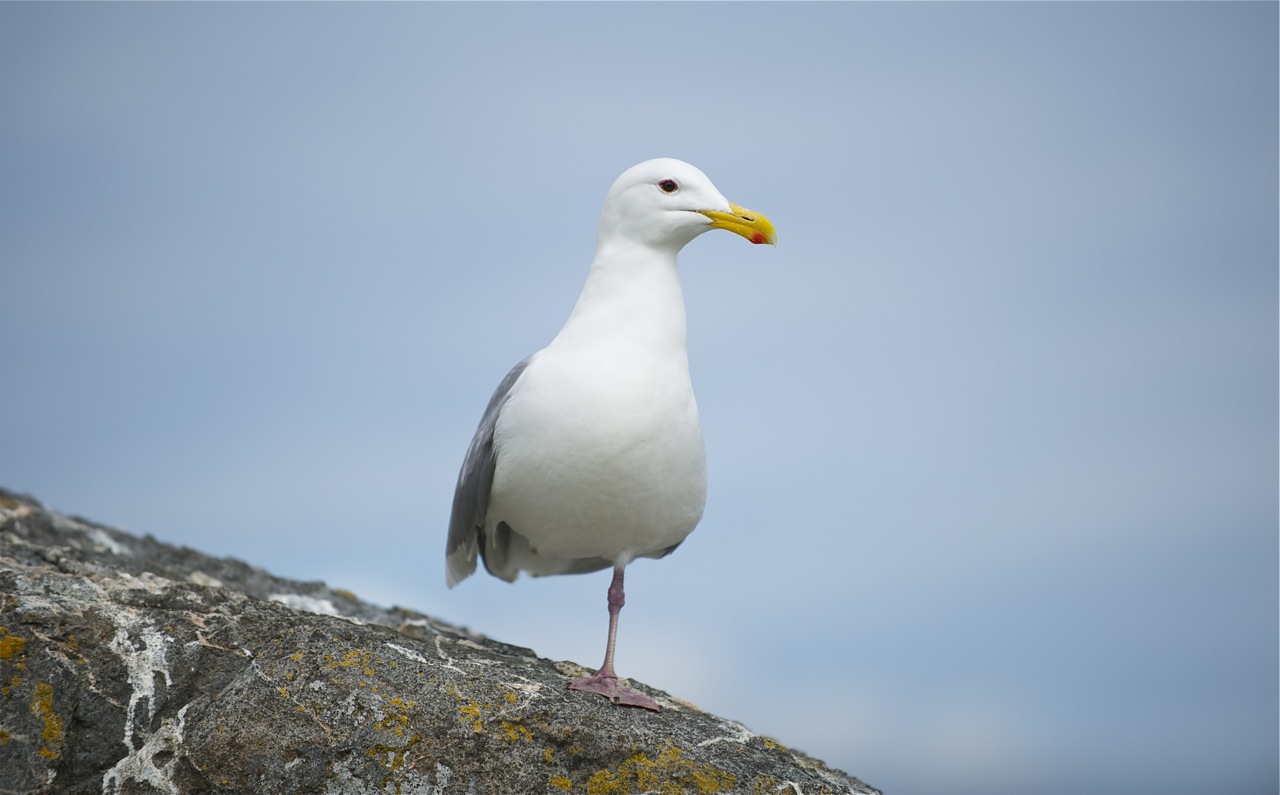
Glaucous-winged Gull  150
Herring Gull  300
California Gull  30
Heerman’s Gull  80
Black Turnstones  100
Surfbird  6
Pelagic Cormorants  40
Brandt’s Cormorant  30
Killdeer   6
Dunlin  16
Harlequin Ducks  20
Canada Goose  14
Bald Eagle  3
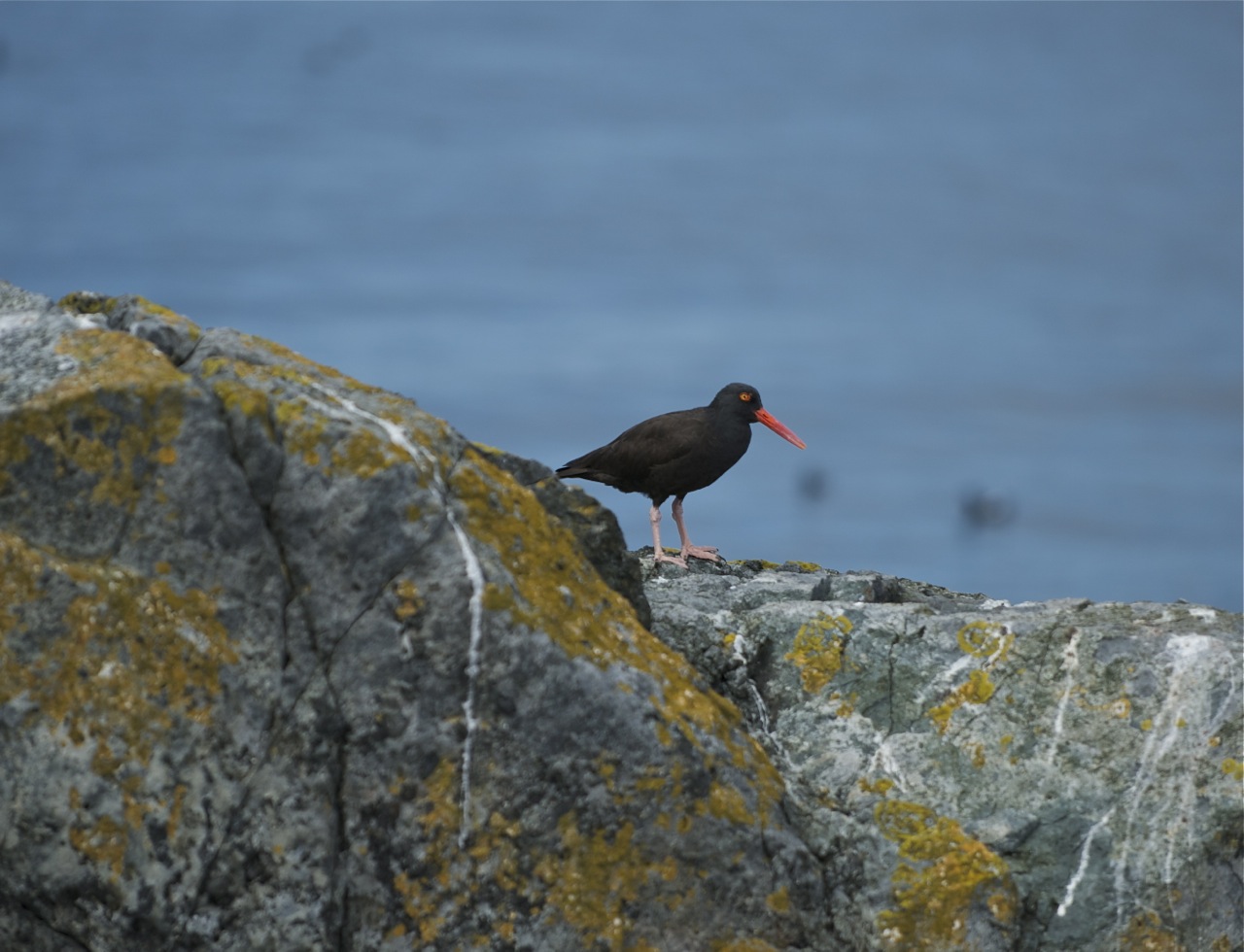
Black Oyster-catcher  40
Sanderlings  8
Starlings  8
Race Rocks Eco-Guardian  1
Rhinoceros Auklet  100
Common Murre  100
Sparrows  20
Brown Pelican  2
Barred Owl  1
Peregrine Falcon  2


Changes in the weather

The first gentle sou’east weather pattern with clouds and rain occurred in the last few days. The rain is most welcome to wash away a summers worth of gull and pinniped excrement. This island can be smelled from a kilometer away!

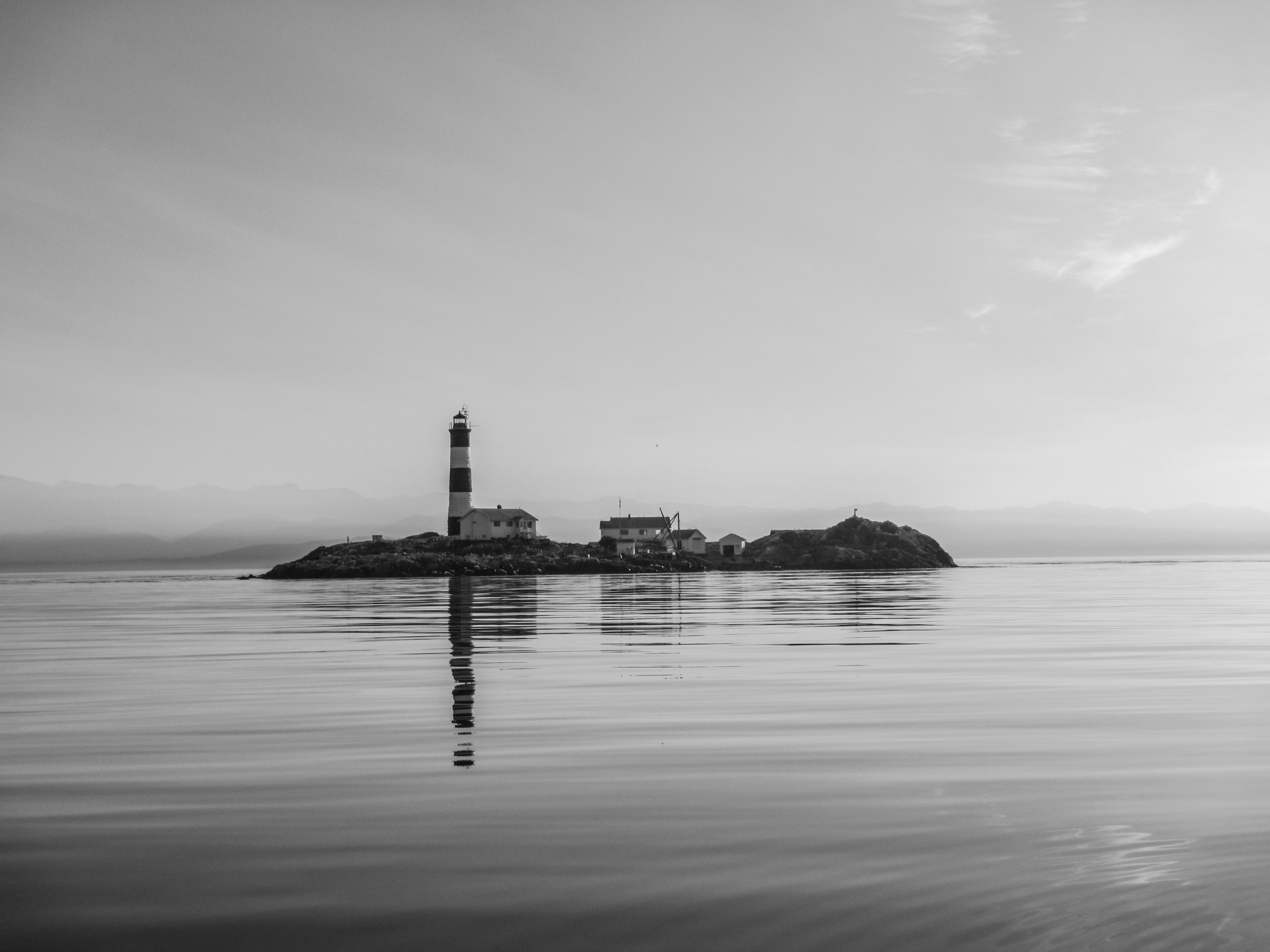
At the edge of the world…

Surrounded by ankle-biters!

About 2/3s of the sea lions have left since the weather change. We are down to around 140 animals, perhaps 75 are Stellers down from the 175 of 10 days ago. Californians make up the remainder down from 225. Quite a few juveniles have showed up in the last week.


More birds are showing up. In the last few days several Harlequin ducks and a few dozen cormorants returned to dot the shoreline with the oystercatchers. Flocks of Bonaparte gulls feed on minnows in the eddies, forced to the surface from the deeper water by murres and rhinoceros auklets. Killdeers are spending the nights here. I hear them when I shut down the generator at night. Close to 30 sparrows are flitting about, and yesterday a few eagles and ravens were hunting and scavenging. Late developing gull chicks are on the menu. The flock of turnstones forages in the sea lion haulout ignored by the sea lions.

Tour boats are becoming less frequent and sport fishermen are waning too… yesterday for example a pod of orca passed with only 2 boats watching them rather than 8-10.

Animal Census Apr 18, 2012

Stellar Sea Lion – 20

Elephant Seal – 12

Harbour Seal – 200

Glaucous-winged Gull – 200

Brandt’s Cormorant – 250

Pelagic Cormorant – 10

Black Turnstones – 30 w/ 2 juveniles

Surfbirds – 10

Raven – 4

Crow – 1

Dunlin – 2

Sparrows – 6

Pigeon Guillemots – 150

Harlequin Ducks – 100

Canada Goose – 20

Bald Eagle (adult) – 4 (juvenile) 8

Black Oyster-catcher – 40

34 people have visited in the least 2 weeks

Moulting Time

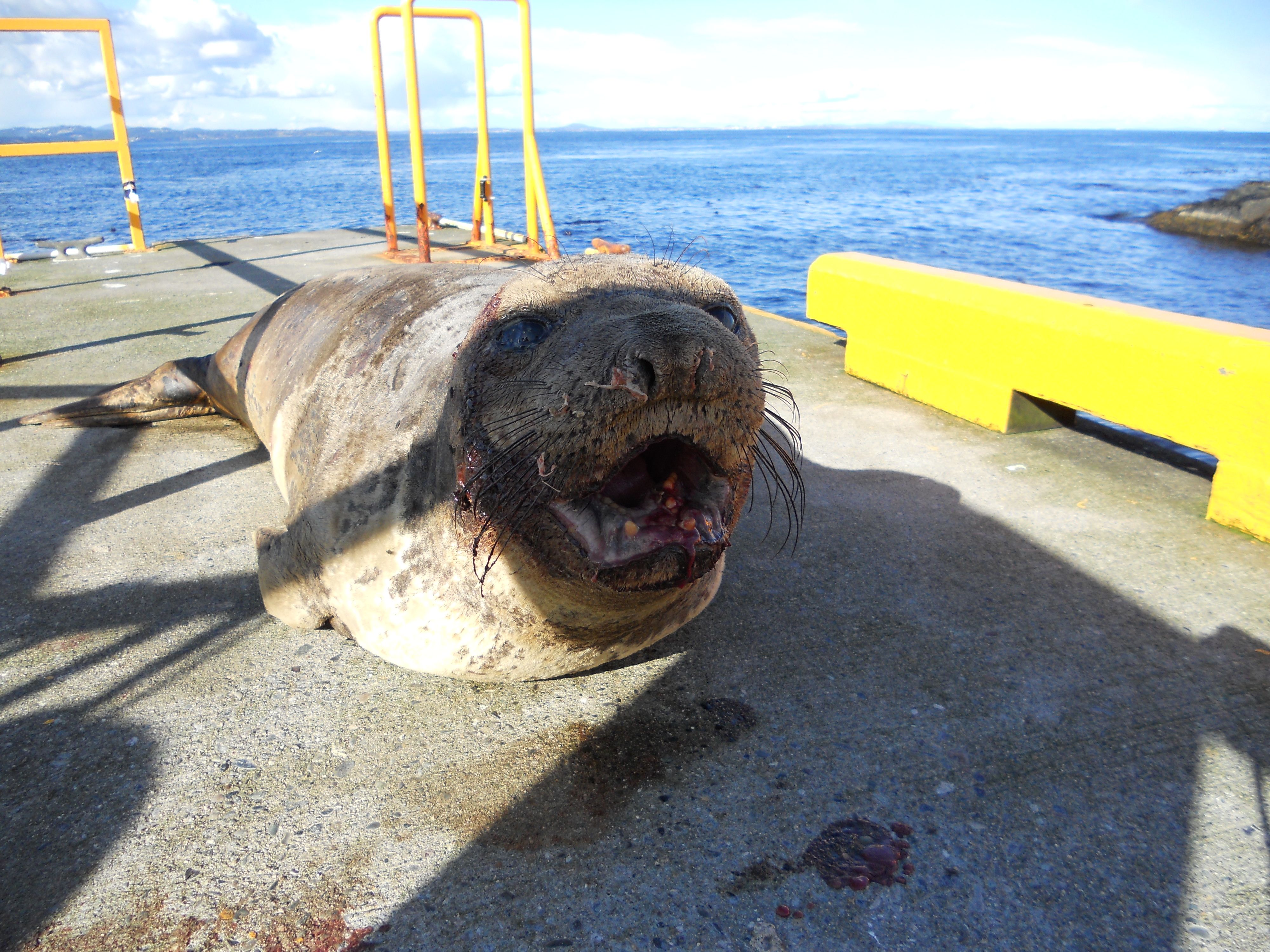
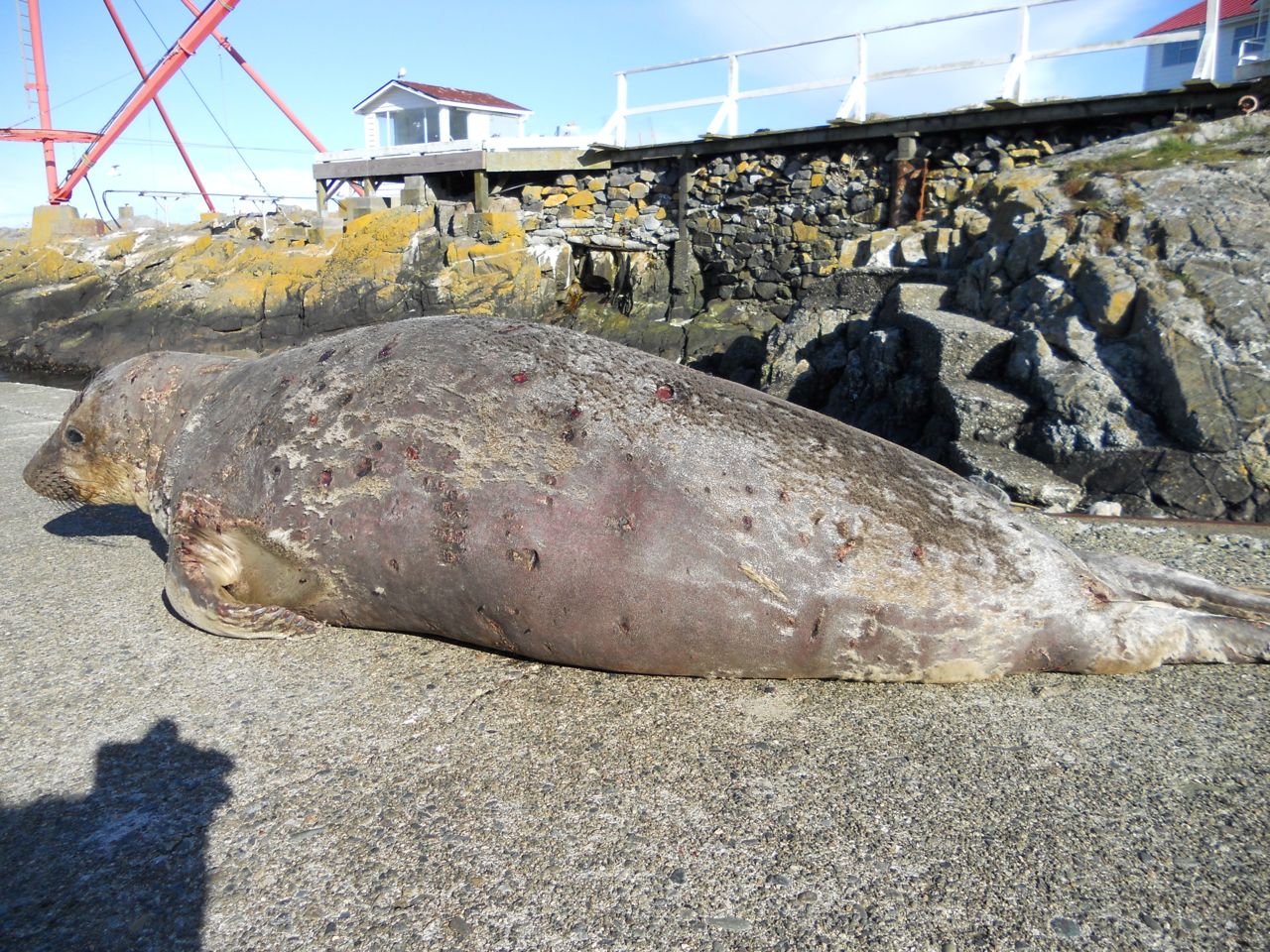
There are about 8-10 young and mostly moulting elephant seals in the reserve at this time. Between four and six have been lounging on the pier creating obstacles for the group of 10  students that spent the weekend here. The grumpy infected girl at the end of the dock made all of us clamber around the outside of the rail to get to and from the boat. Today I thought she looked a bit better. There appears to be an object imbedded in her lower palate; perhaps a barb or spine from a fish she was hunting. I hope it works it’s way out in time. Presumably elephant seals are pretty durable creatures… we will keep a close eye on her recuperation.

The students did a great job of weeding the scotch thistles from around the tower.

There are plenty of Pigeon Guillemots and Black Oystercatcher pairs on the island, with a few Harlequin ducks and Rhinoceros Auklets just offshore. The Harbour Seals should start giving birth soon. There is a large pregnant female on the foreshore near the engine room.

3 rental boats entered the reserve and broke all the rules for respectable human decorum here. I called the marina and they quickly responded by phoning the renters to warn them of their infractions. I was happy to see them promptly exit the reserve and head off towards the military ballistics range.

Bird and Mammal Count

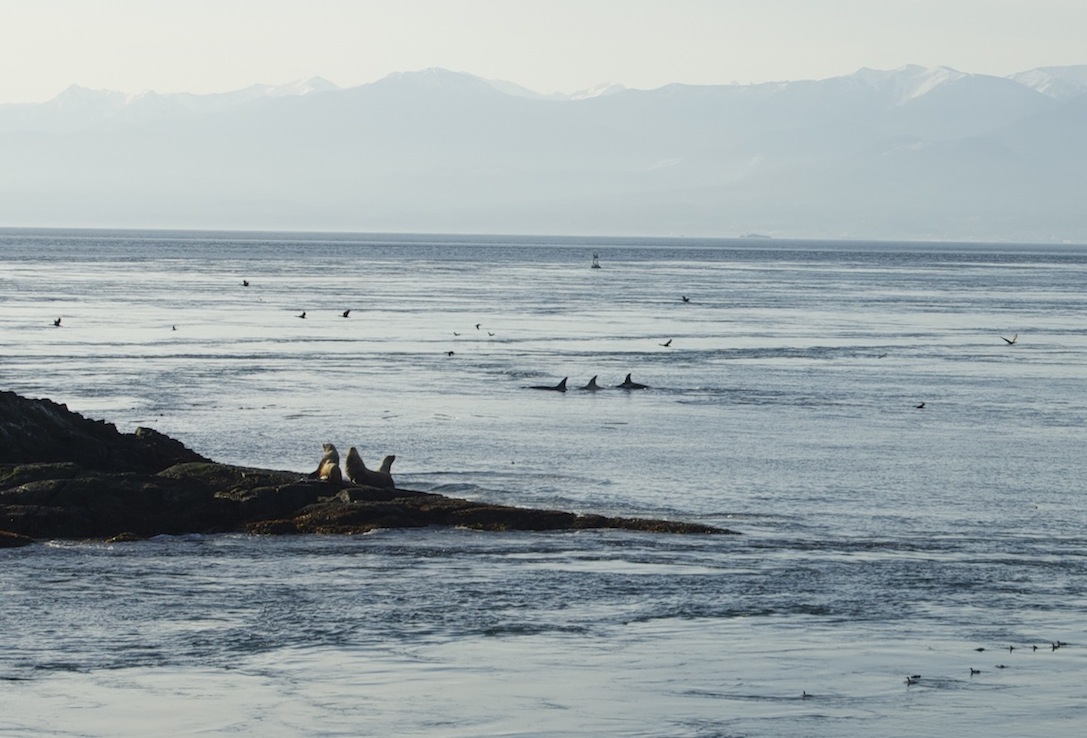
At least 8 orcas passed by Race Rocks Sunday morning

For Sunday March 25:

Black Oyster Catcher (Haematopus bachmani): 7 pairs

Canada Goose (Branta canadensis): 3

Surfbirds (Aphriza virgata): 100+

Cormorants (Phalacrocorax penicilatu, P. pelagicus, and/or P.auritas): 200+

Gulls (mostly Larus glaucescens): 230+

Pigeon Guillemots (Cepphus columba): 30+

Harlequin Ducks (Histrionicus histrionicus): 5

Harbour Seals (Phoca vitulina) : 30+ S islands

Northern Sea Lions (Eumetopisa jubatus): 14 S islands, 1 Middle Rocks

Elephant Seals (Mirounga angustirostris): 3 Middle Rocks, 1 Great Race

Orcas (Orcinus orca): 8 in the morning going E between S Islands and Rosedale Reef Buoy

Project Week-part 3 (final)

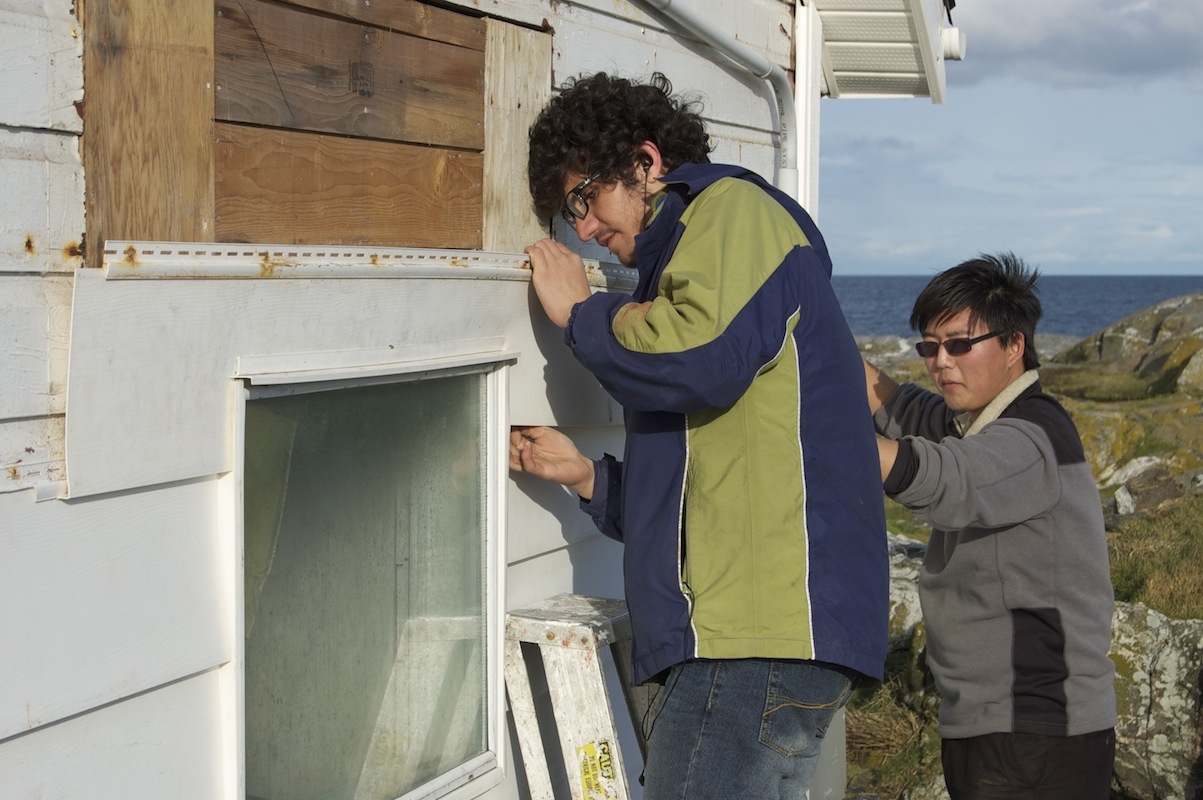
Yesterday was the last day of project week, in the morning I brought students back to campus in two trips on the whaler.  It has been great group to have out here for the past week, they have helped out with several projects and tasks, endured some stormy weather, survived without a shower, cooked their own food (and shared a few good meals with me), and experienced the isolation and richness of the Race Rocks Ecological Reserve.  During their stay they were very conscious of the time and resources required for importing fuel and generating energy and fresh water and did a great job minimizing consumption and waste.

In the final days of the week students helped out with transferring diesel to the furnace tanks and cleaning cupboards in the science centre kitchen.  Throughout the week the group maintained a daily count of animals in the reserve, the count is included below.


Feb 27 Feb 28 Feb 29 Mar 1 Mar 2 Mar 3
Harbor seals 45 50 10 22 20 16
Elephant seals 2 2 2 2 2 2
Sea lions 2 5 5 5 6 6
Gulls 57 23 33 43 31 26
Cormorants 60 27 29 40 56 32
Oyster Catchers 3 5 3 6 7
Bald Eagles 1 1 1
Brown Sandpiper 4 12 8 6
White Sandpiper 5 3 4
Pigeon Guillemots 22 150
Common Mergansers 2
Harlequin Ducks 12 7 6

Thanks to the group for their contributions and good company.


Camera 5 working

The remote camera on the N side of the Great Race is working now, you can access it here: www.racerocks.com/racerock/video5.htm

Note: there are 20 presets which cover all major points in a 300 degree view.

Squall has been staying around the SE side of the tower.  Misery comes and goes, the pup usually keeps out of his reach.

Yesterday there were 2 eco-tour vessels in the reserve.

Facility work: replaced toilet vent fan, replacing basement basin drain plumbing, planning composting containers.

Bird count today: 6 Harlequin ducks, 150 Cormorants, and 90 gulls.

Wind 20- 30 knots from the west all day, rainy.


Animal Census Jan 2012

Air Breathing Animal Census of Race Rocks Jan 2012

Stellar Sea Lions: 30

Elephant Seals: 6-7

Harbour Seals: 50

Bald Eagles: 5-15

Brandt’s Cormorants: 50

Glaucous-Winged Gull: 100

Herring Gull: 30

Black Turnstones: 50

Song Sparrow: 6

Peregrine Flacon: 1

Killdeer: 4

Dunlin: 2

Sandpiper: 6

Harlequin Ducks: 20

Human: 1