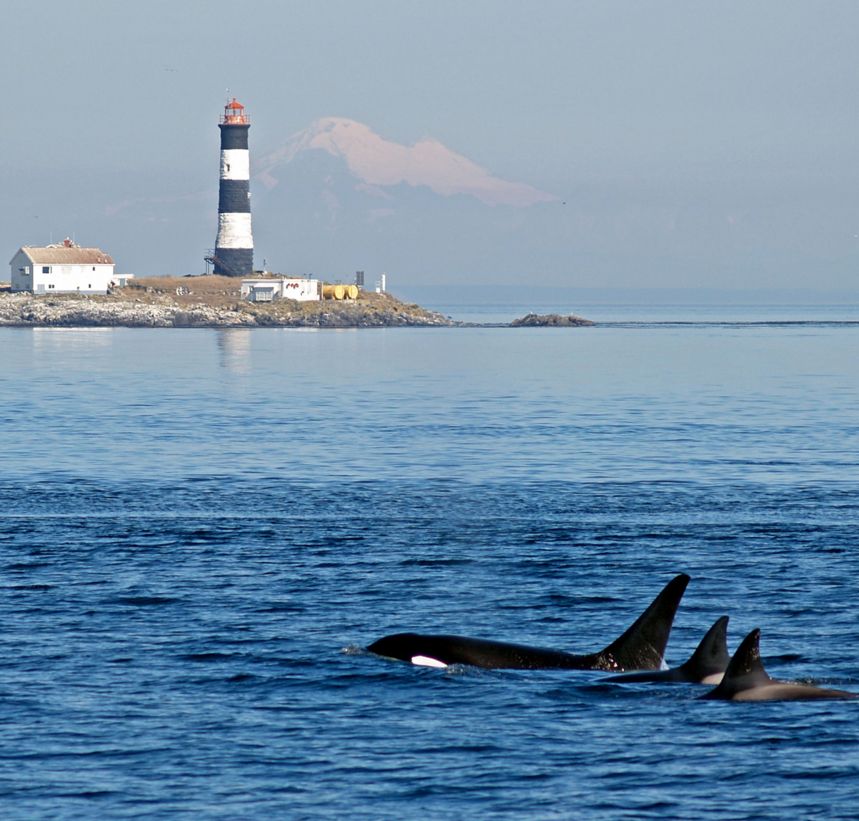
Orcas out

Sunday, December 16, 2001
MARINE LIFE: 4 Bald Eagles visited the Reserve today,3 immatures and one mature.The first one(mature) arrived just after 9:30 this morning with it’s breakfast-an unidentified fish -grasped in it’s talons. The big bird set down on the NW bluff just above the boat house to eat. As the eagle tore off pieces of fish the 5 crows danced around it, wary, but anxious to get any bits that scattered.After only 5 or 6 minutes the eagle flew off leaving the crows to scour the rocks for any scraps however tiny! I did not see anything that would have scared the eagle,certainly not the crows!
Just after 10 a.m. a lone California Sea Lion came ashore just east of the boat dock and proceeded to lumber across the island stopping every 3 metres or so to roll and rub on the grass.The reason we took note of the poor fellow is that he has a terrible scar around his neck -garbage in the sea or maybe some type of discarded fishing gear.Sea Lions with this type of wound, unfortunately are not that rare.We could not get close enough to see if it was just a scar or whether something was still in the wound.About noon 3 immature Bald Eagles landed on the ridge of West Race.They sat there for about 10 minutes until a boat approached (divers) and they flew over to N Rocks.After 1/2 hour or so they flew over to SE rocks where they stayed except for a couple of flights around the islands, unsuccessful attempts at getting a bird dinner.Two of these birds looked somewhat bedraggled with the mottled appearance of the head and tail feathers.The distinctive white plumage gradually appears with each molt over 4 or 5 years.
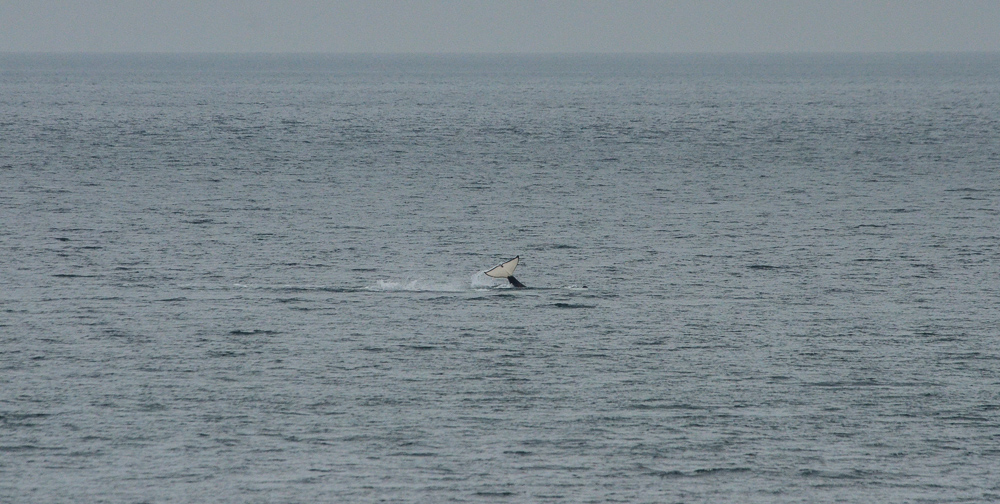
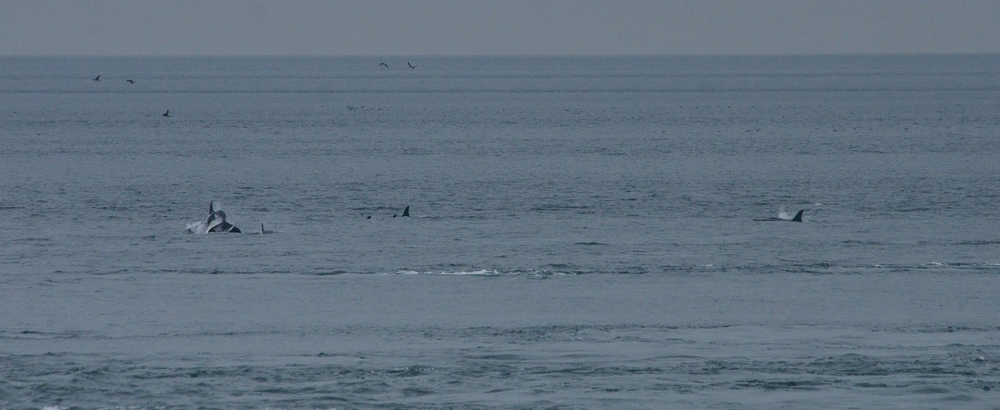
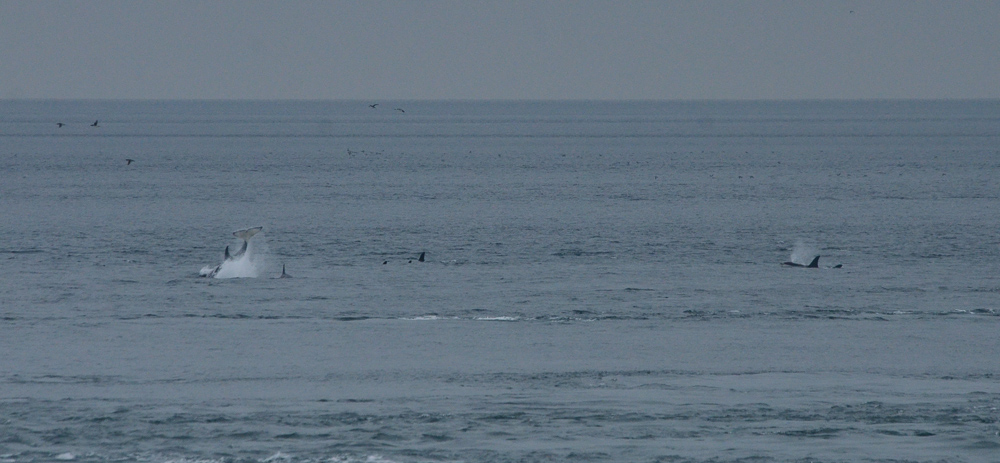
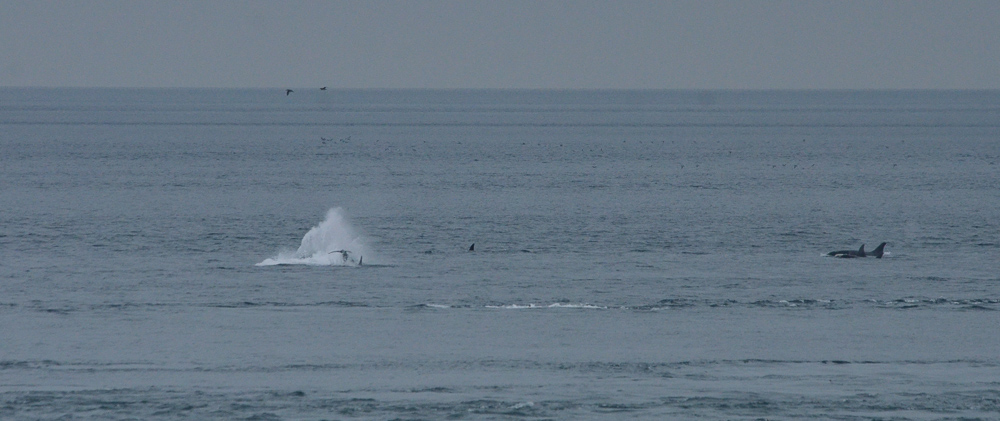
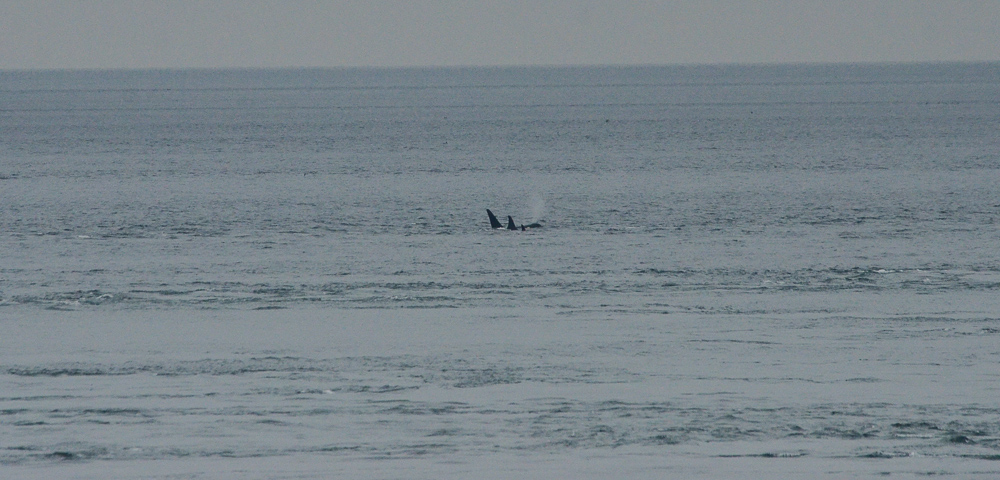
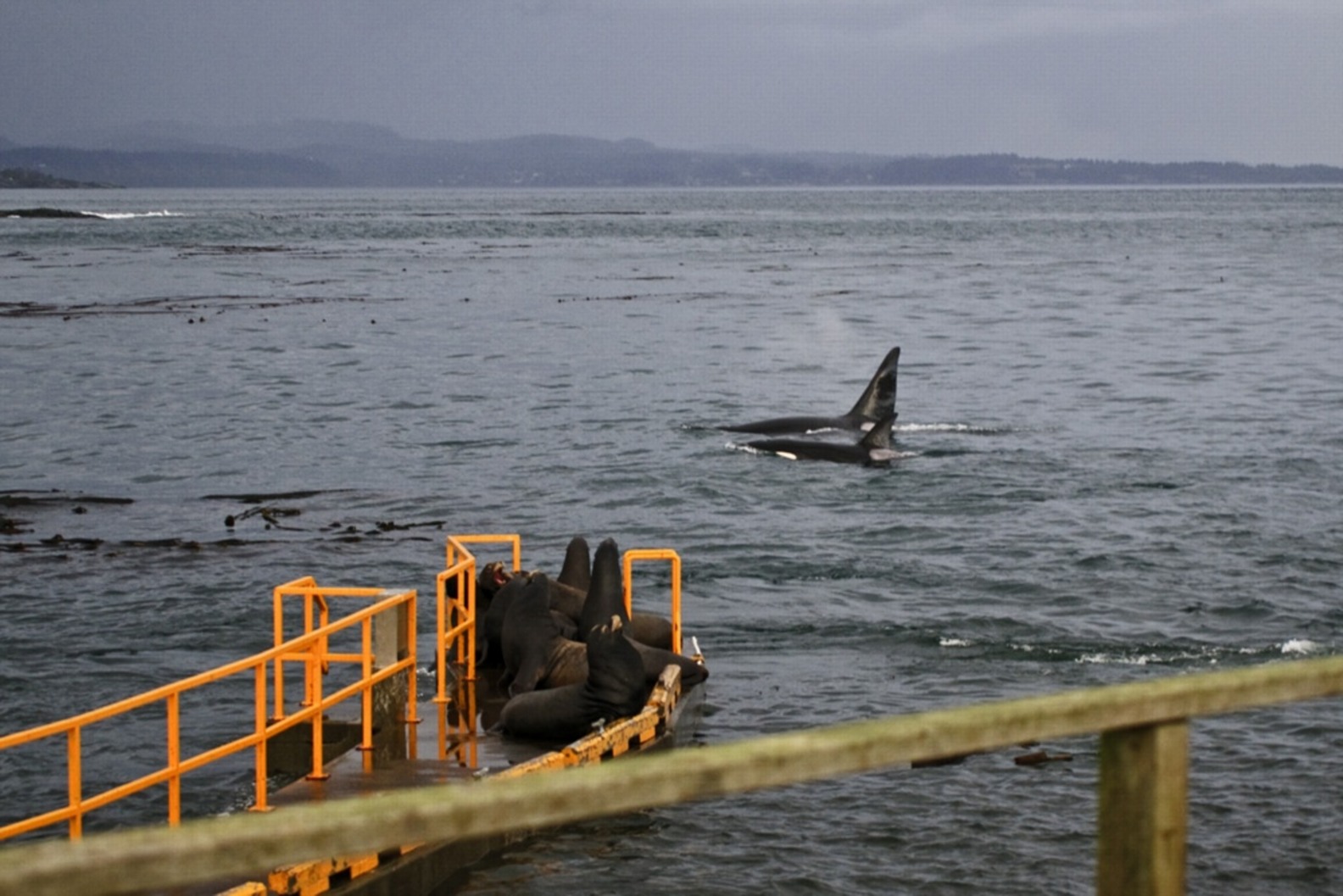
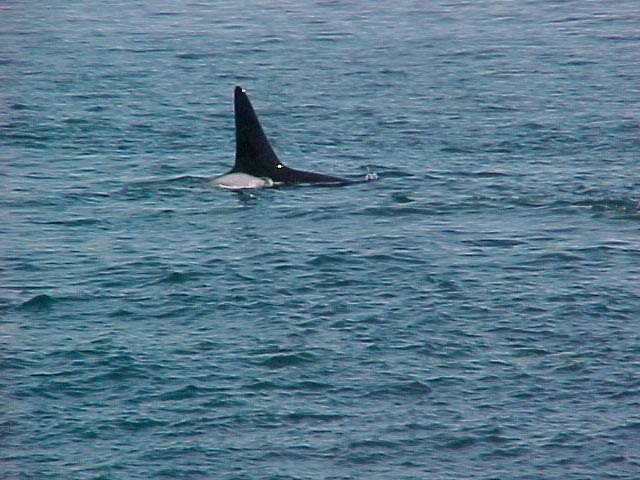
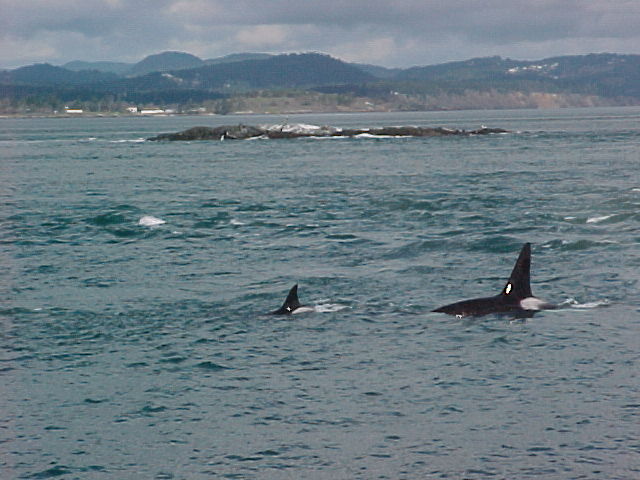
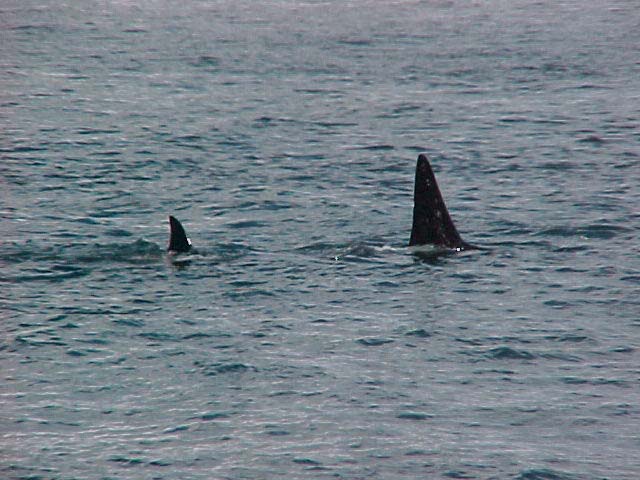
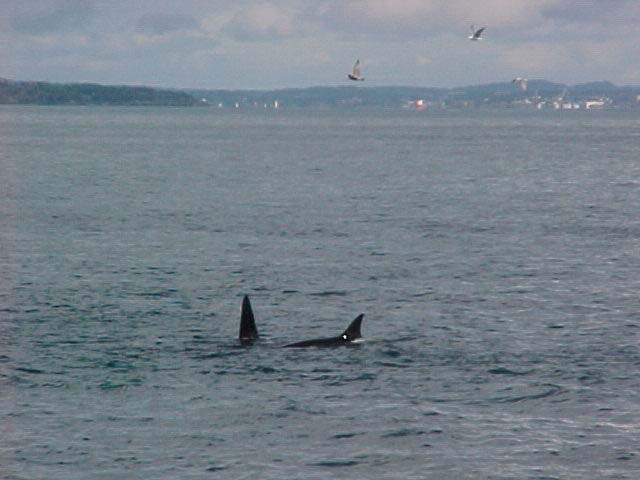
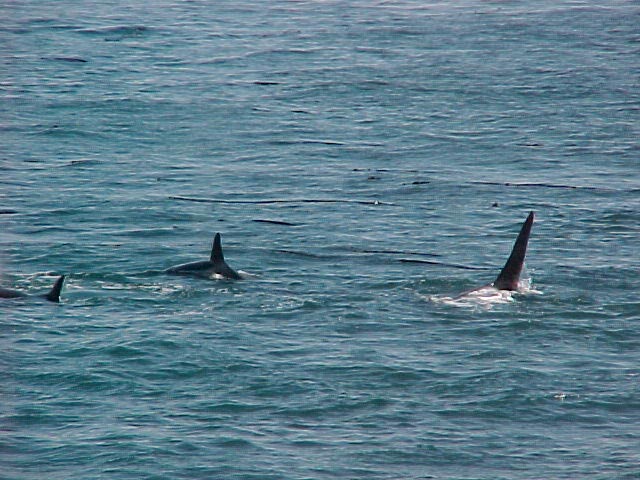
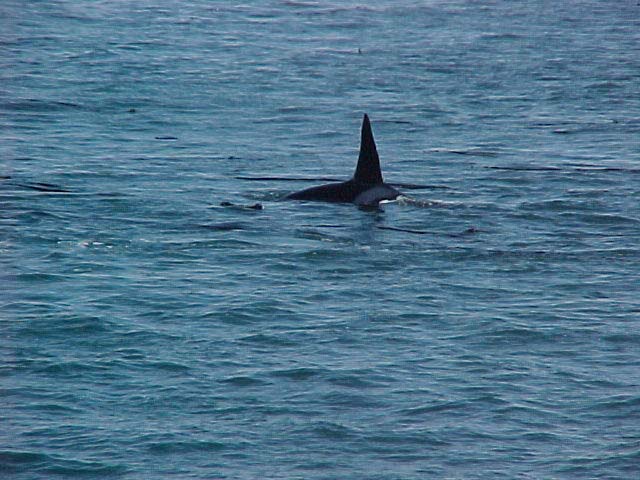
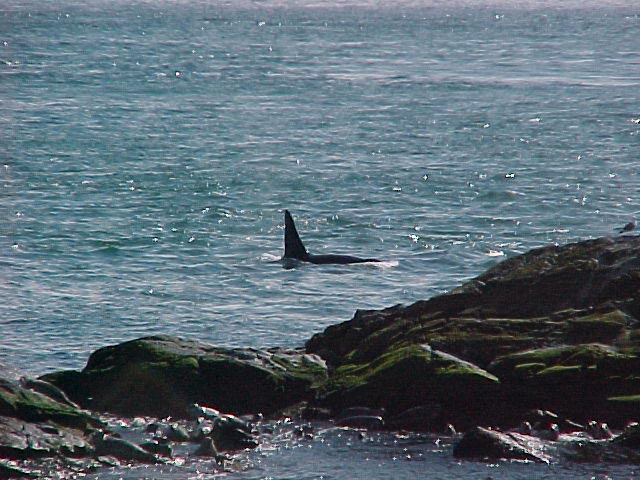
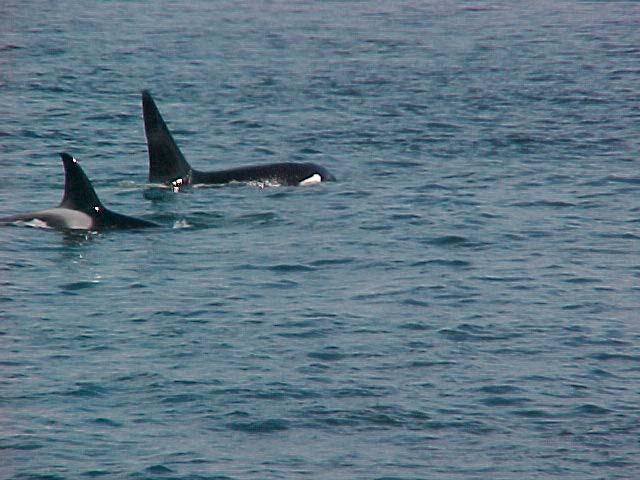
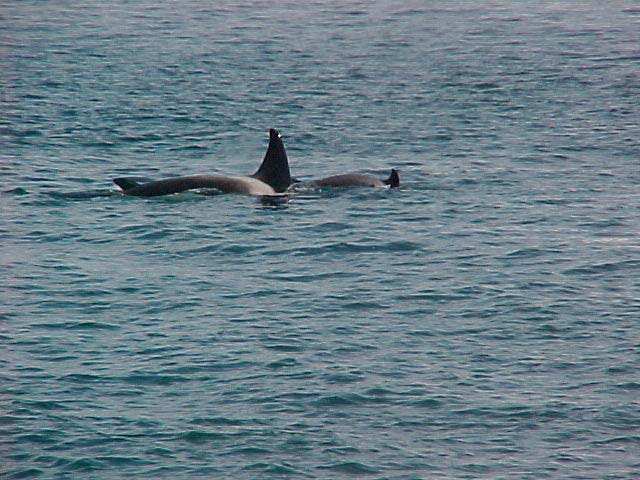
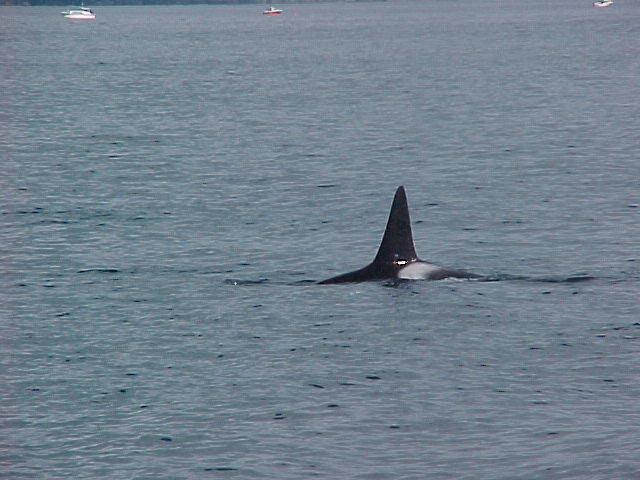
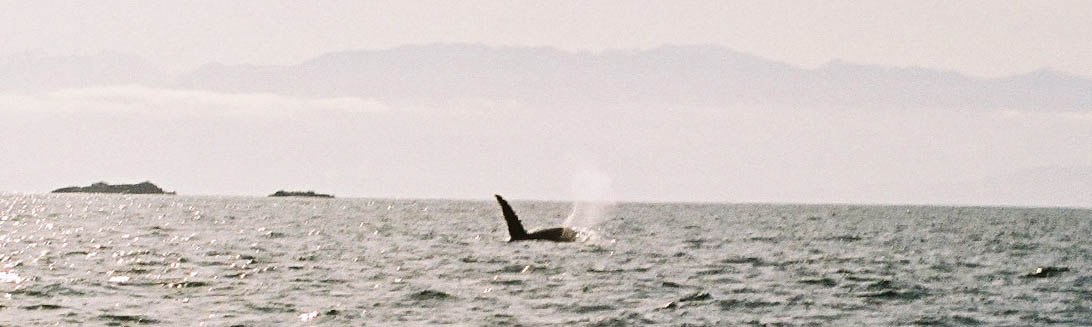
Just before 1:30 I noticed two Orcas northeast of North Rks. They were being followed by several groups of Sea Lions at about 100 metres. The whales surfaced 4 or 5 times as they made their way south just at the edge of the east side kelp bed.The last we saw they were in front of the engine room 200-300 metres off shore.As we watched for the whales to come back a 3-4 metre bull Elephant Seal drifted by and came into the small east bay. I did get some video as he floated around with just his head and unmistakable nose above the surface.He stayed in the bay only 12-15 minutes,arched his back,flared his great nostrils,dove into a wave and was gone! We often hear the elephant Seals vocalizing at night, it sounds like a calf bellowing in a tin can, but not lately, and from the sound of the roaring 45+ knt. not tonight either!
HUMAN INTERACTION: 12:10am -1:45pm Boat with 6 divers -West Race
TEMPERATURE: Max. 10.1C — 6.3C — Reset 8.7C — Rain 26.2 mm — Total rain fall for December 109.9 mm
posted by Carol or Mike S at 10:11 PM
Good Morning
WEATHER: Sky Overcast — Vis. 15 Miles — Wind West 13 Knots — Sea 1 Foot Chop
posted by Carol or Mike S at 7:32 AM
Orcinus orca: Killer Whale–The Race Rocks Taxonomy

Screen Shot 2015-01-16 at 9.58.02 PM

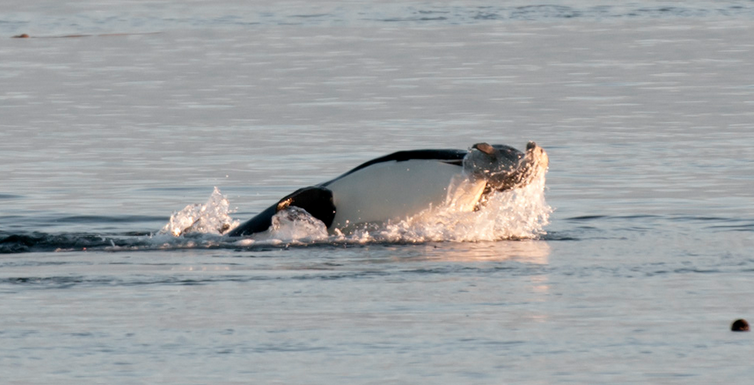
Orcinus orca with prey– photo by Ryan Murphy, Sept 21 2010

rrwhale

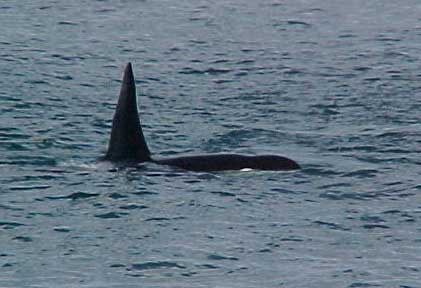
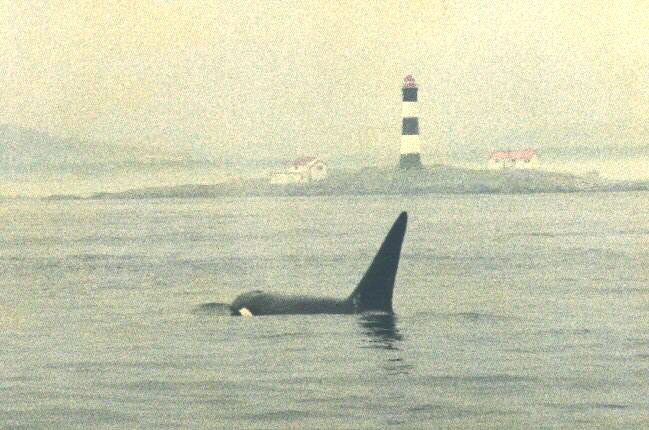
In 1978, a group of divers from Lester Pearson College were mapping the underwater life in the Rosedale Reef area just South of Great Race Rocks. A large bull orca, from a transient pod surfaced near the boat. Duane Prentice who was then a student in the Diving Service at Pearson College, took this photo from the dive boat. The photo was featured the following year in the Lester Pearson College Proposal for an Ecological Reserve at Race Rocks. Duane is now a photo-journalist living in Victoria.


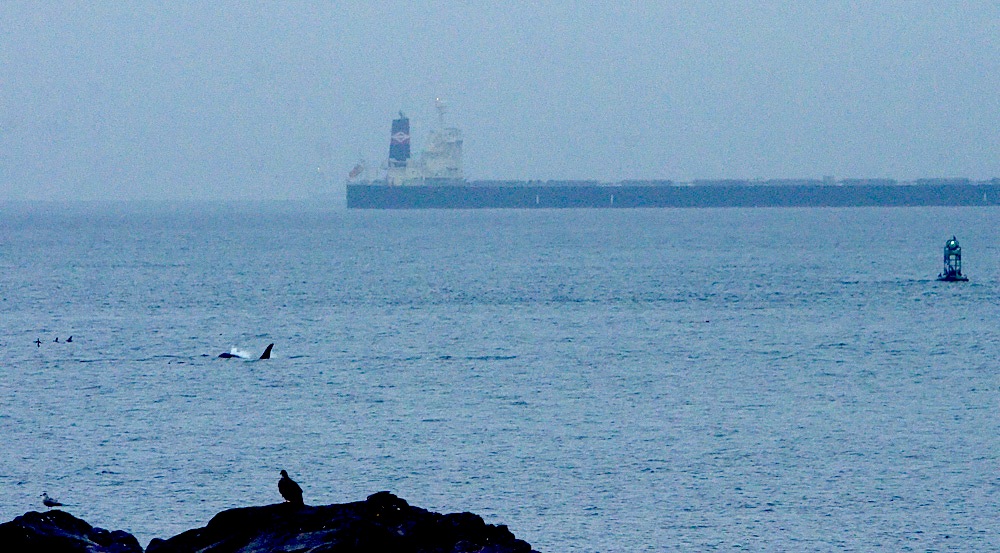
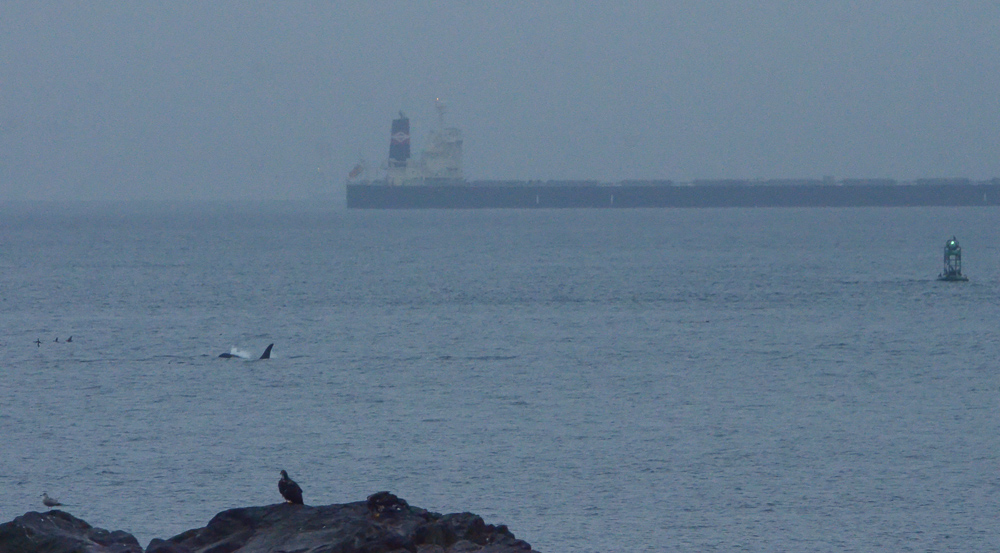
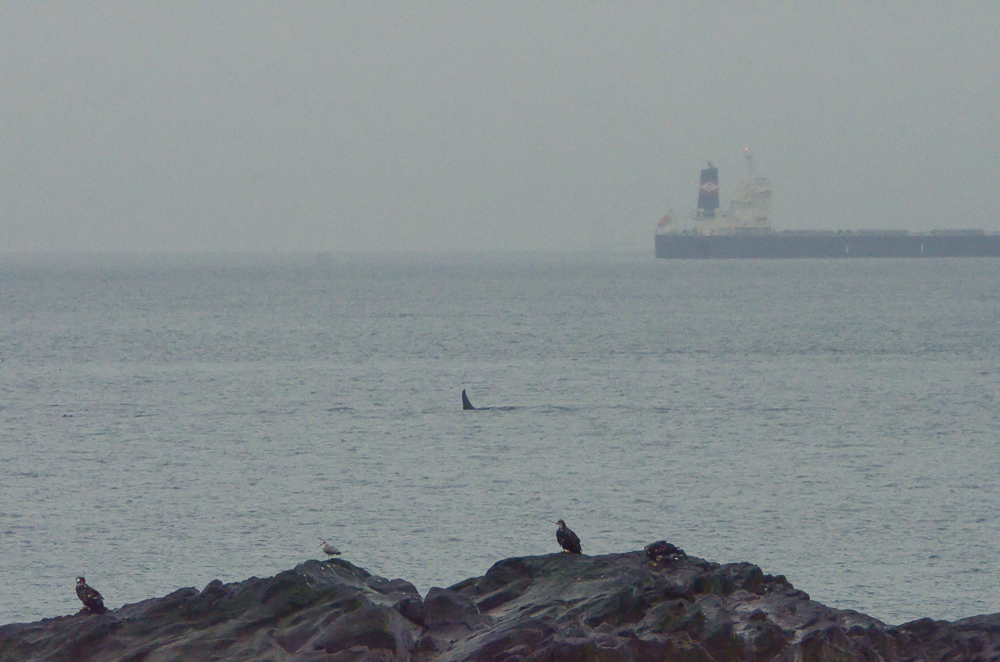
AF-orca-and-ship2jan132014

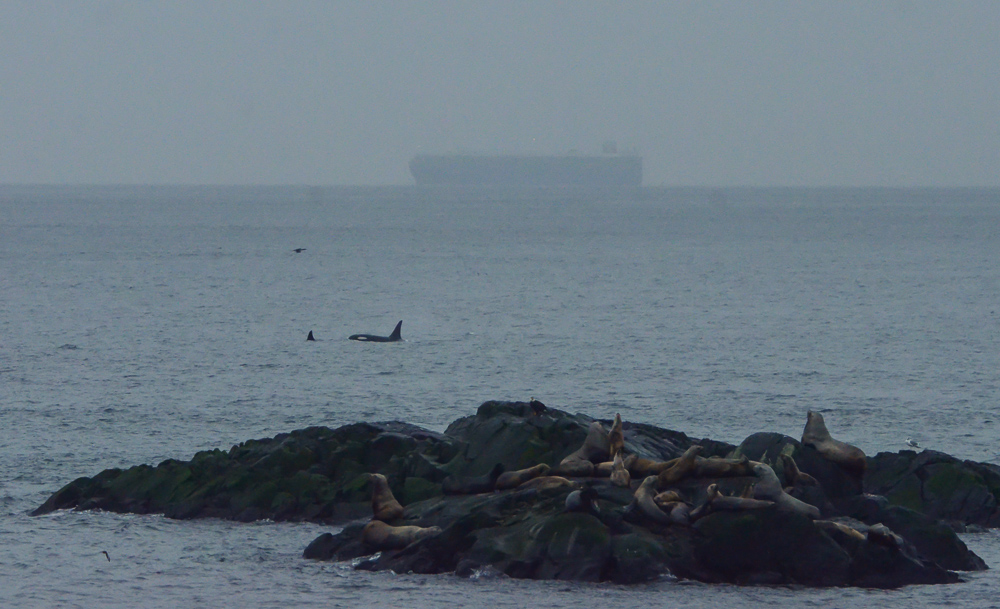
This image of a bulk carrier , whales and eagles is one that was added to our Oil Spill and Animals at Race Rocks page photos by Alex Fletcher.

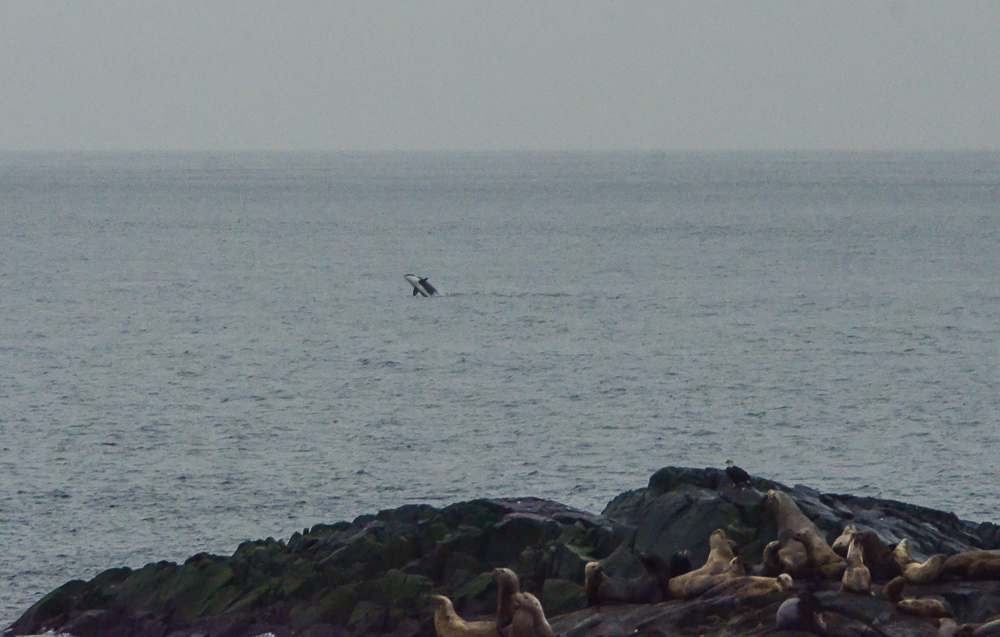
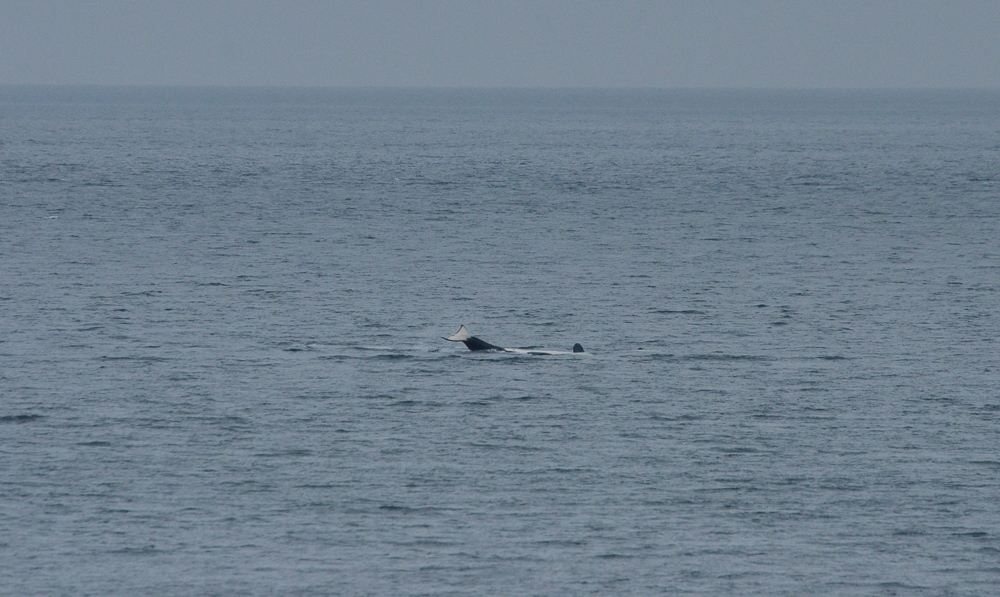
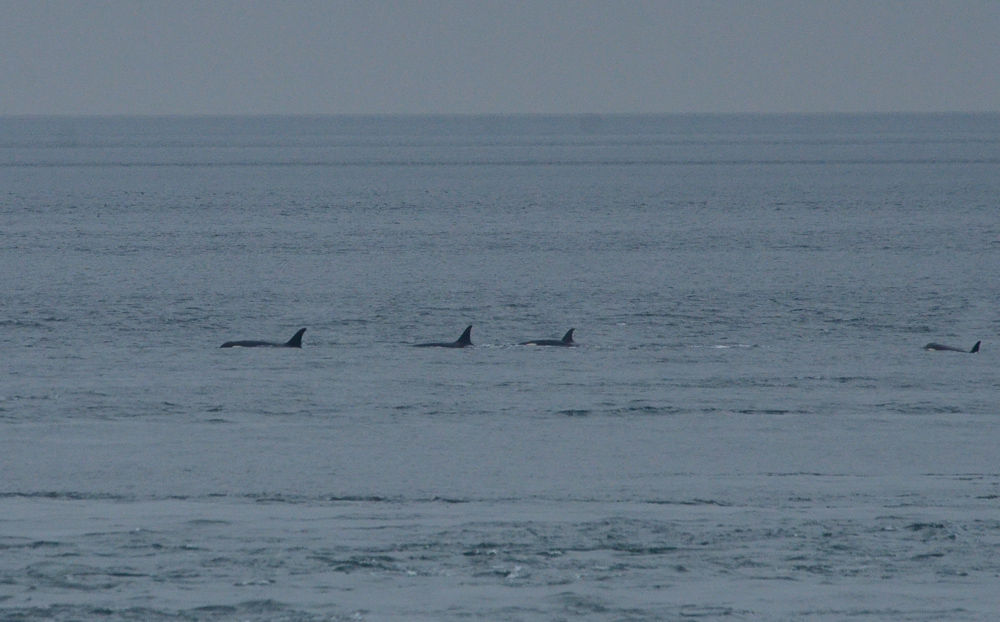
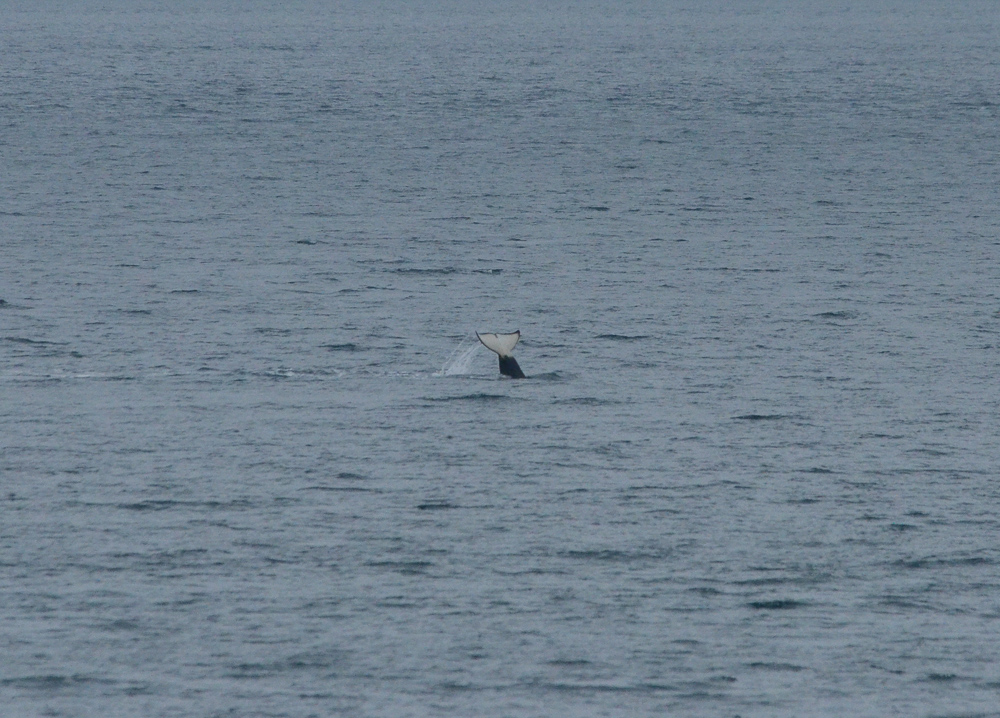
In the Ecoguardian log of January 13, 2014, Alex Fletcher reported his sightings of Orcas that week at Race Rocks Ecological Reserve. See the images below:

Physical characteristics:
Size:

1crooked

From one of the Race Rocks Activity pages of 2002: “We spotted an Orca on our way back to Pearson College from Race Rocks. An exciting end to an exciting day.”

Although small compared to some whales, killer whales are the largest predators of mammals known.  Male killer whales, or bulls, average 5.8 to 6.7 m (19-22 ft.) and usually weigh between 3,628 and 5,442 kg (8,000-12,000 lb.). Females, or cows, average 4.9 to 5.8 m (16-19 ft.) and usually weigh between 1,361 and 3,628 kg (3,000-8,000 lb.). Individual sizes vary significantly between geographical areas.  Length estimates for more than 2,000 killer whales taken by North Atlantic whaling operations show male North Atlantic killer whales average about 6.1 m (20 ft.) while females average about 5.5 m (18 ft.).

Body Shape:
A killer whale has a sleek, streamlined, fusiform (tapered at both ends) body shape.

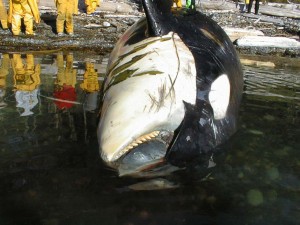
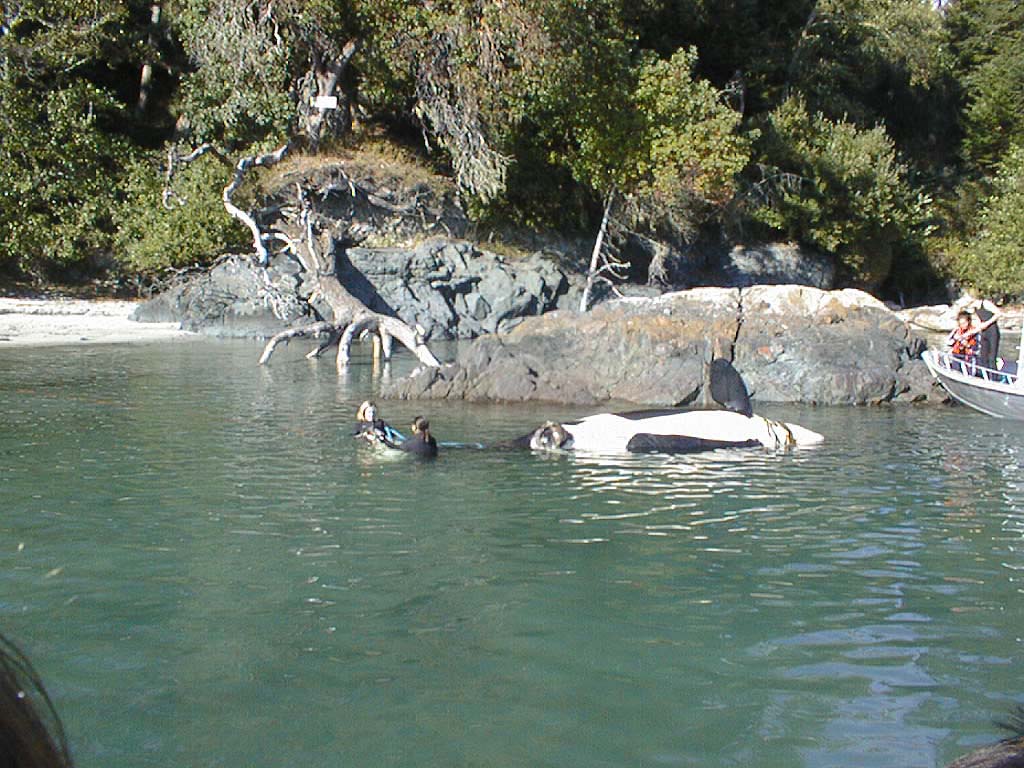
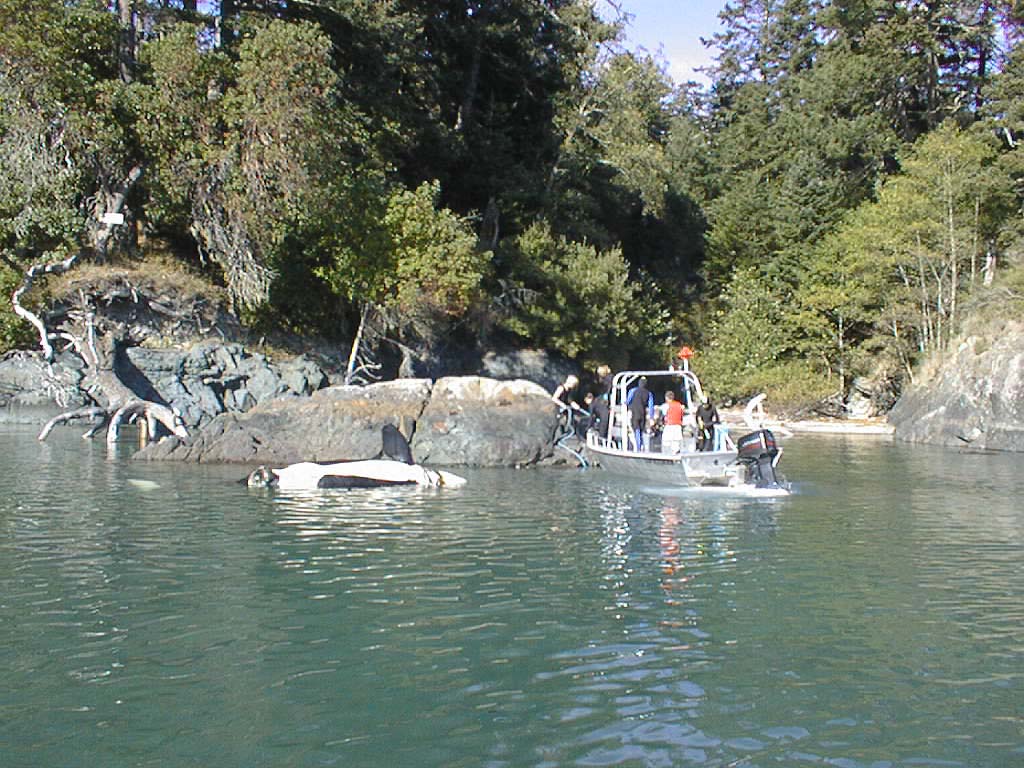
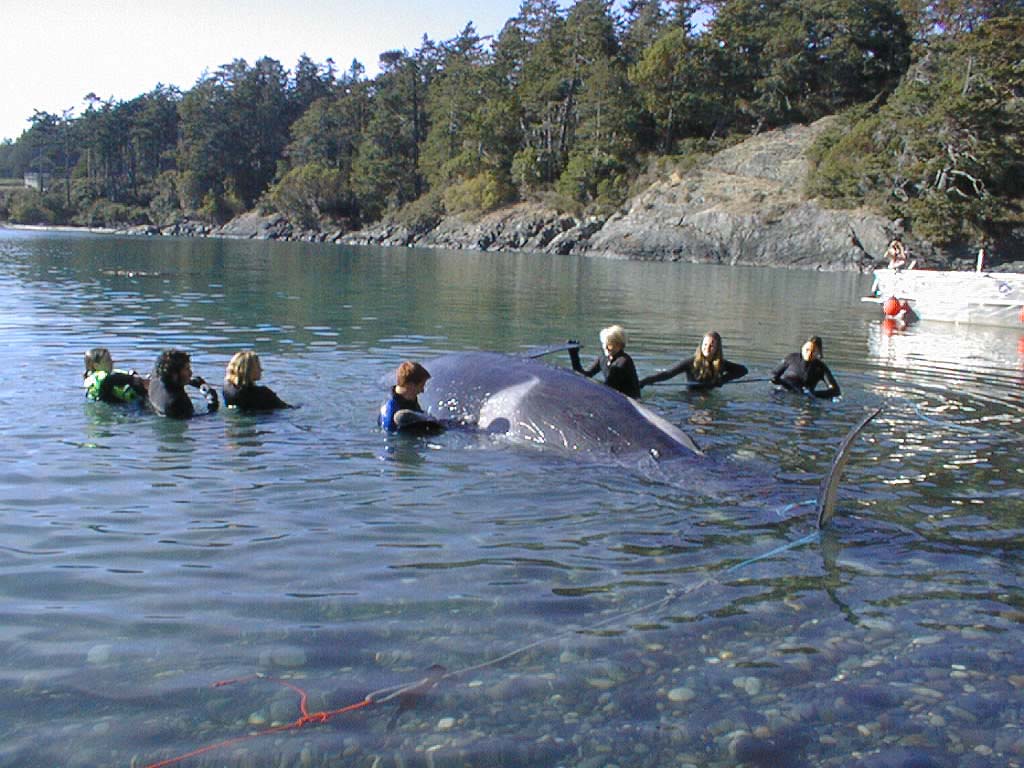
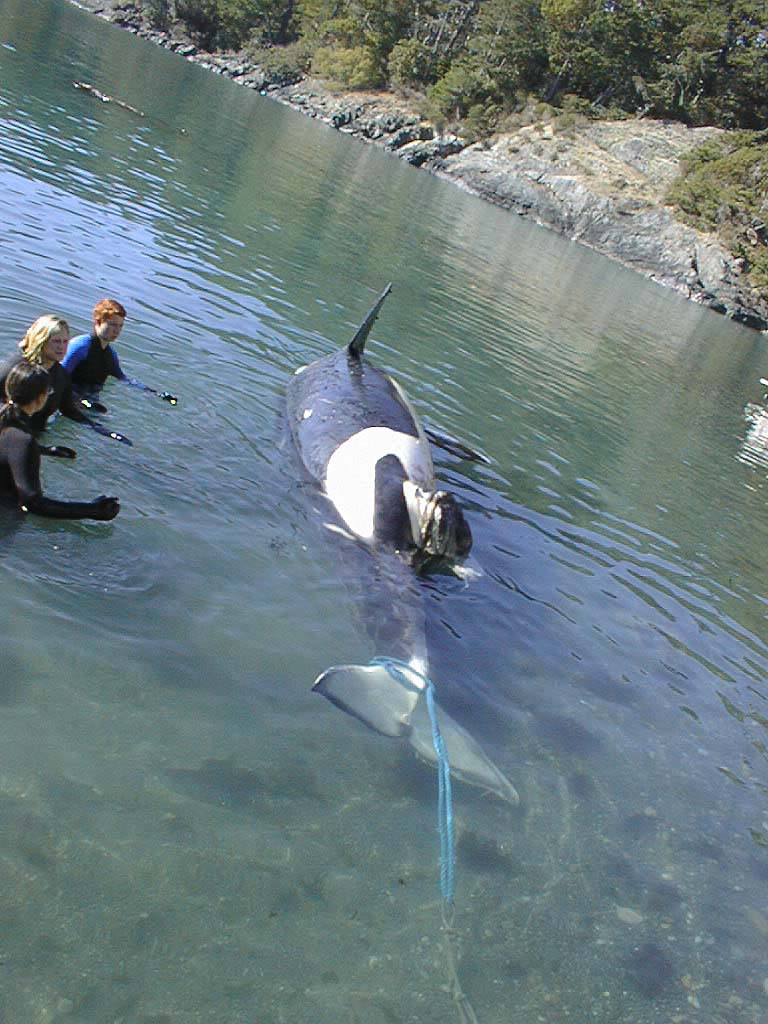
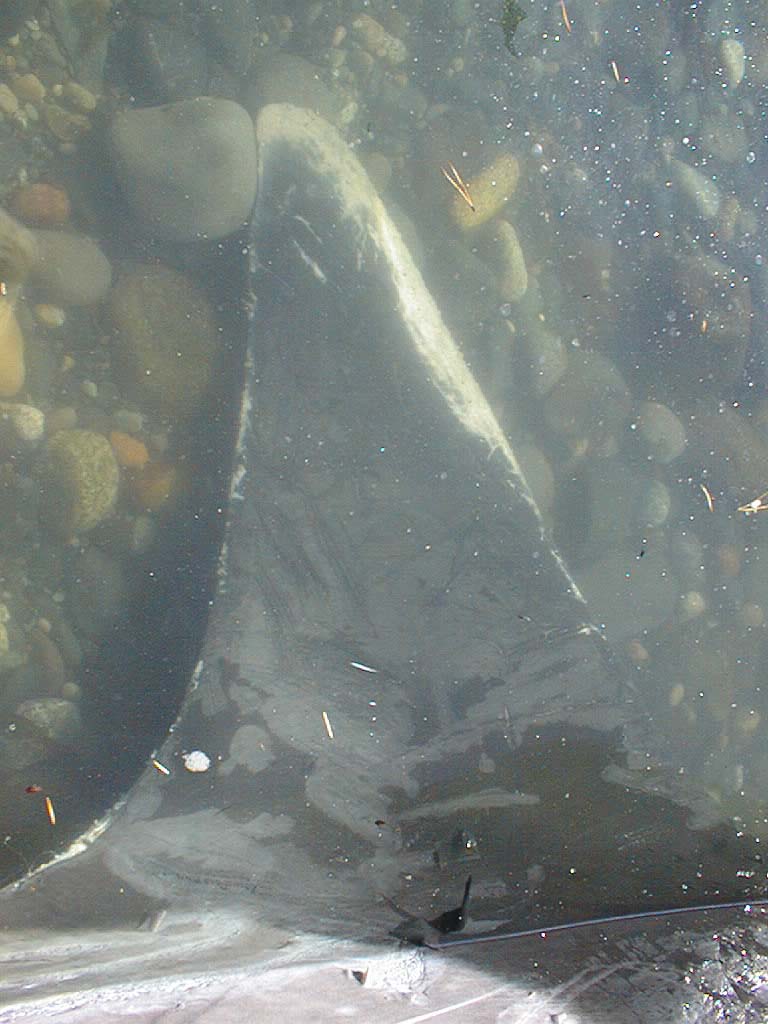
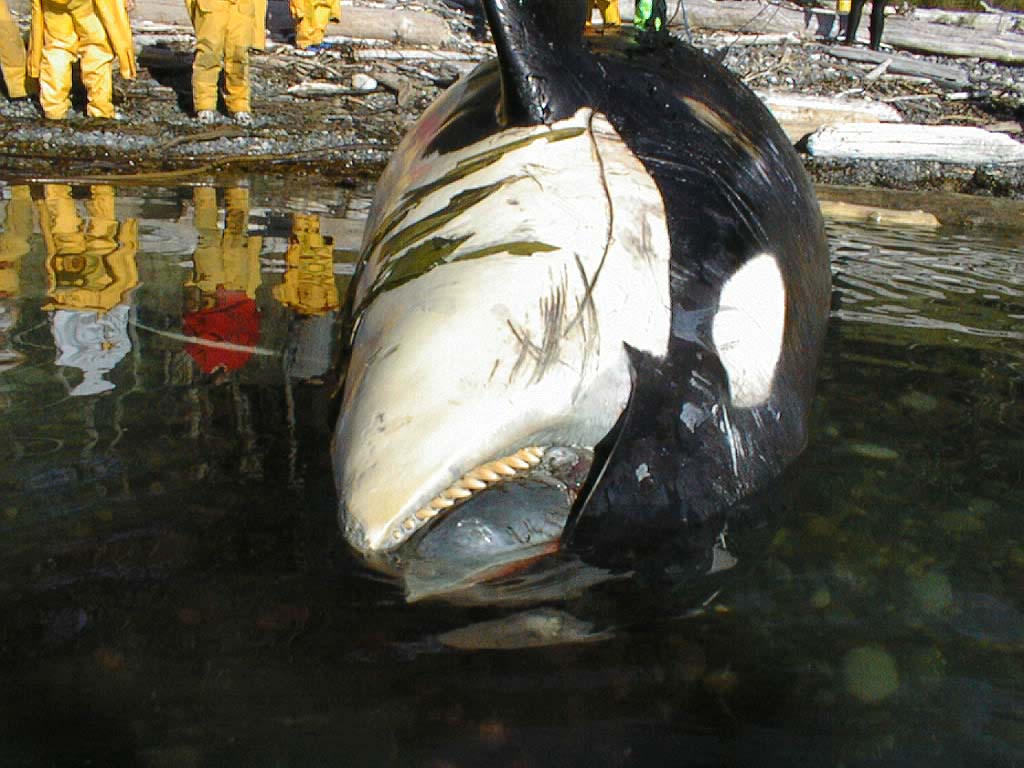
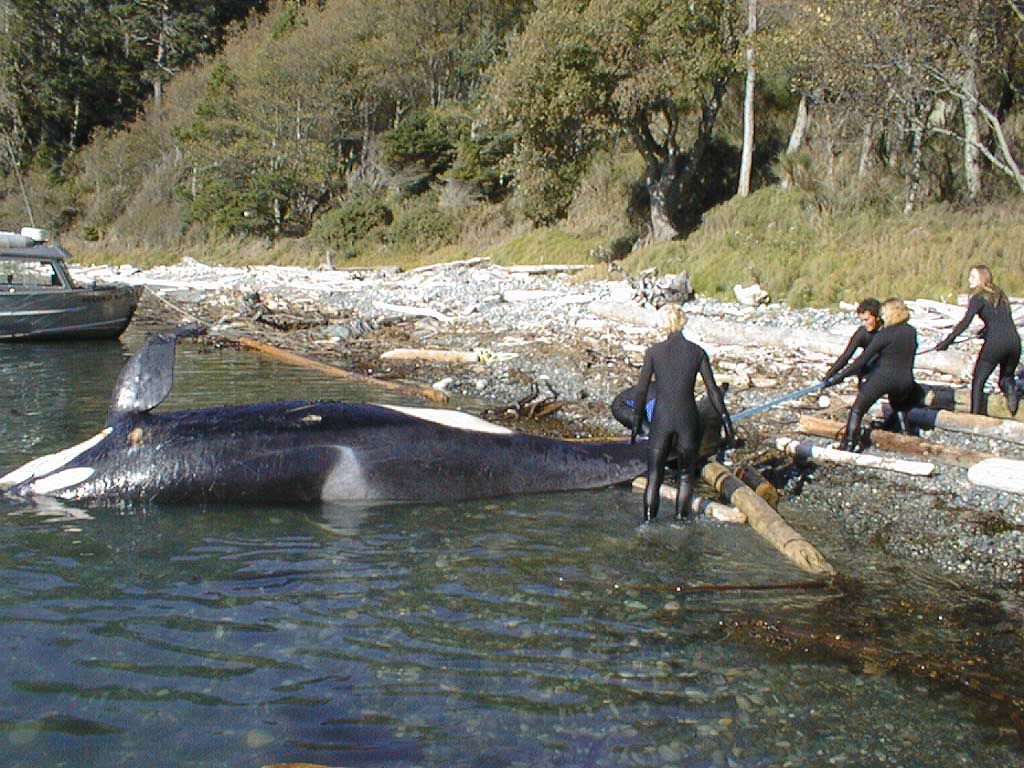
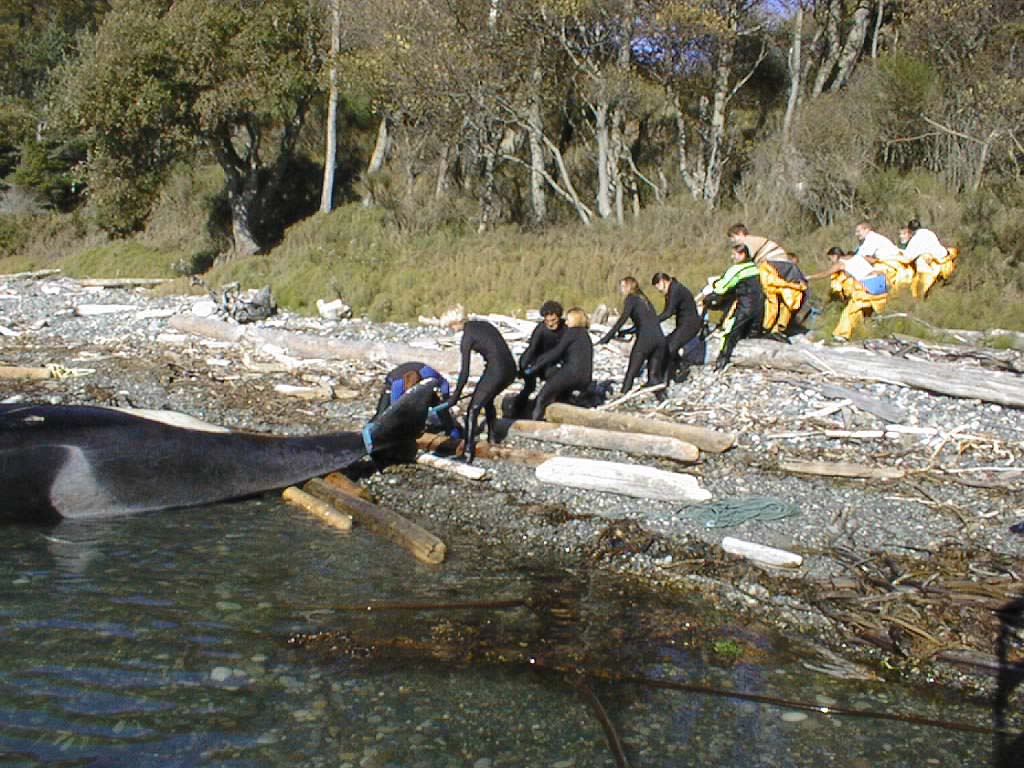
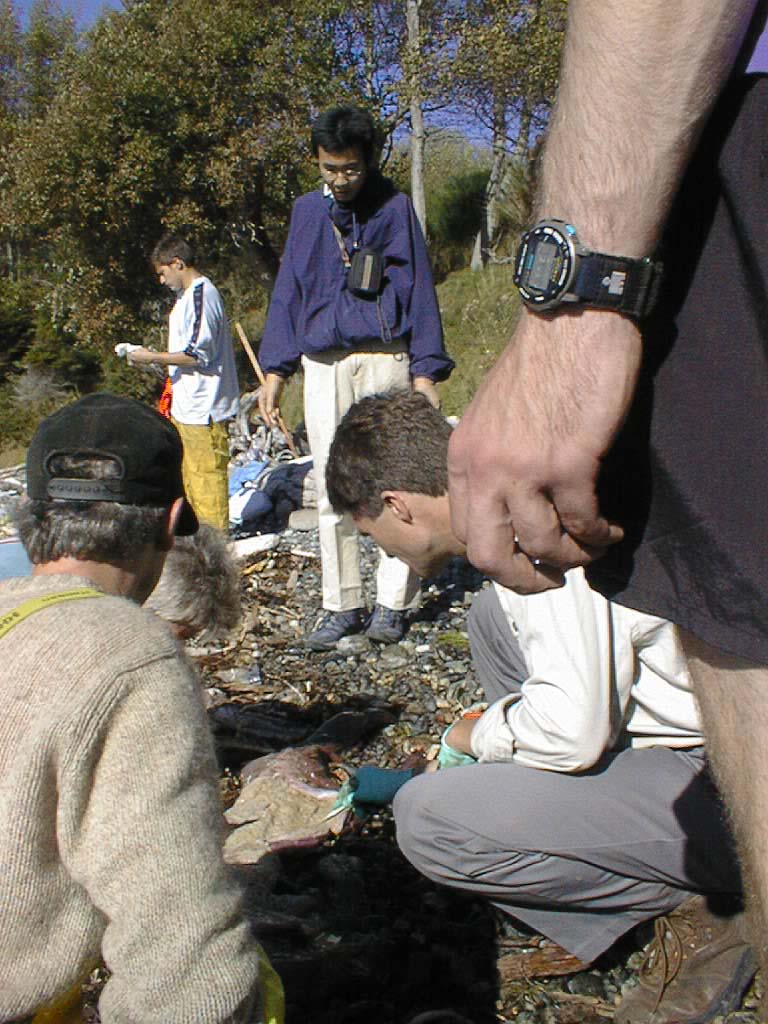
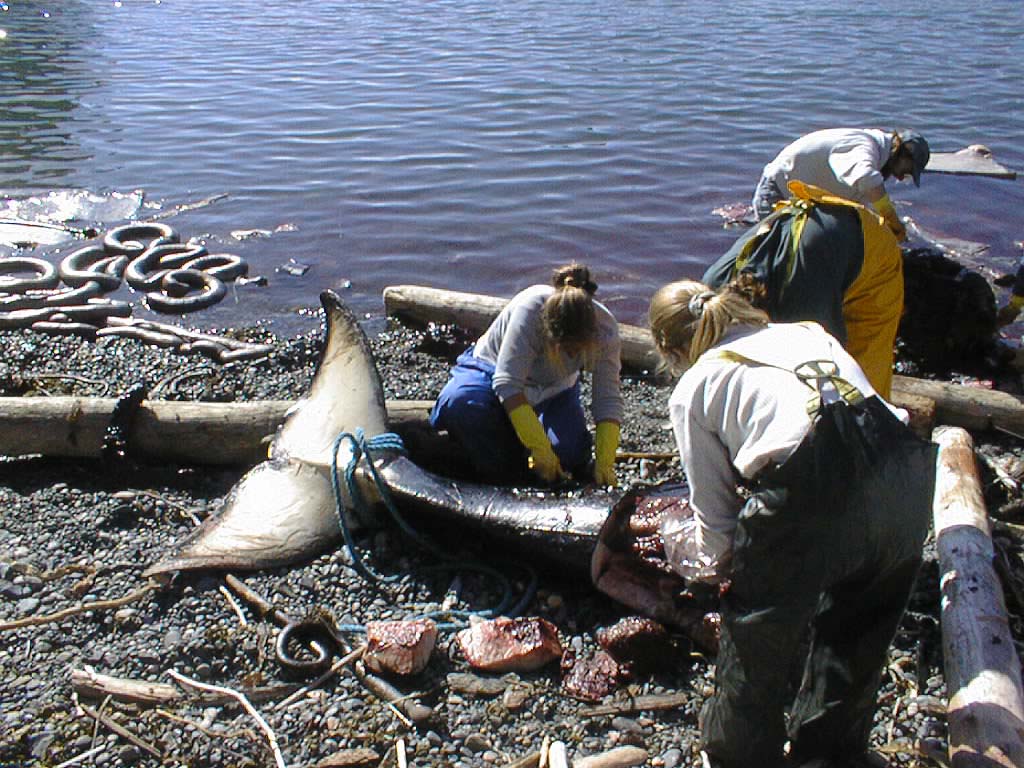
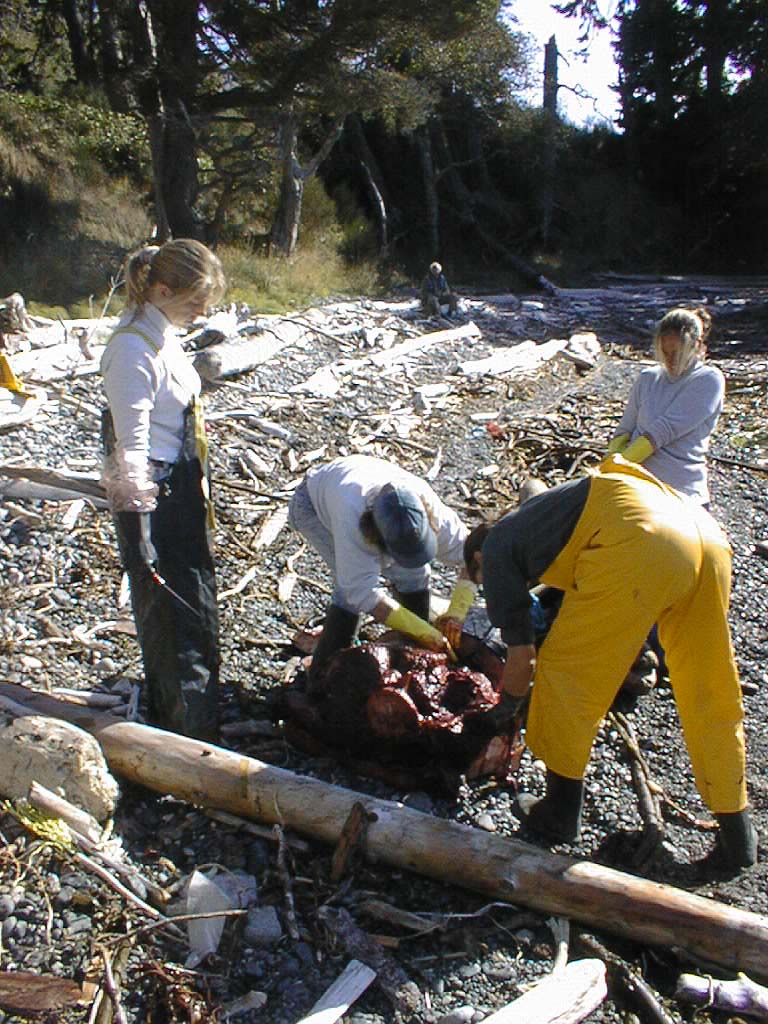
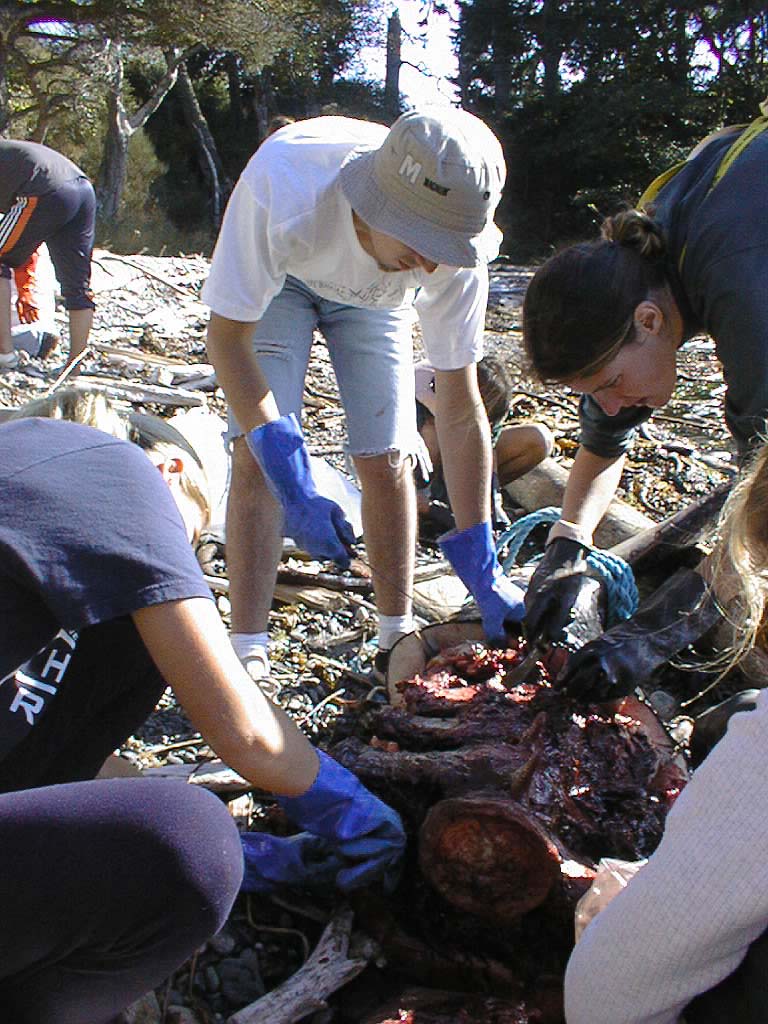
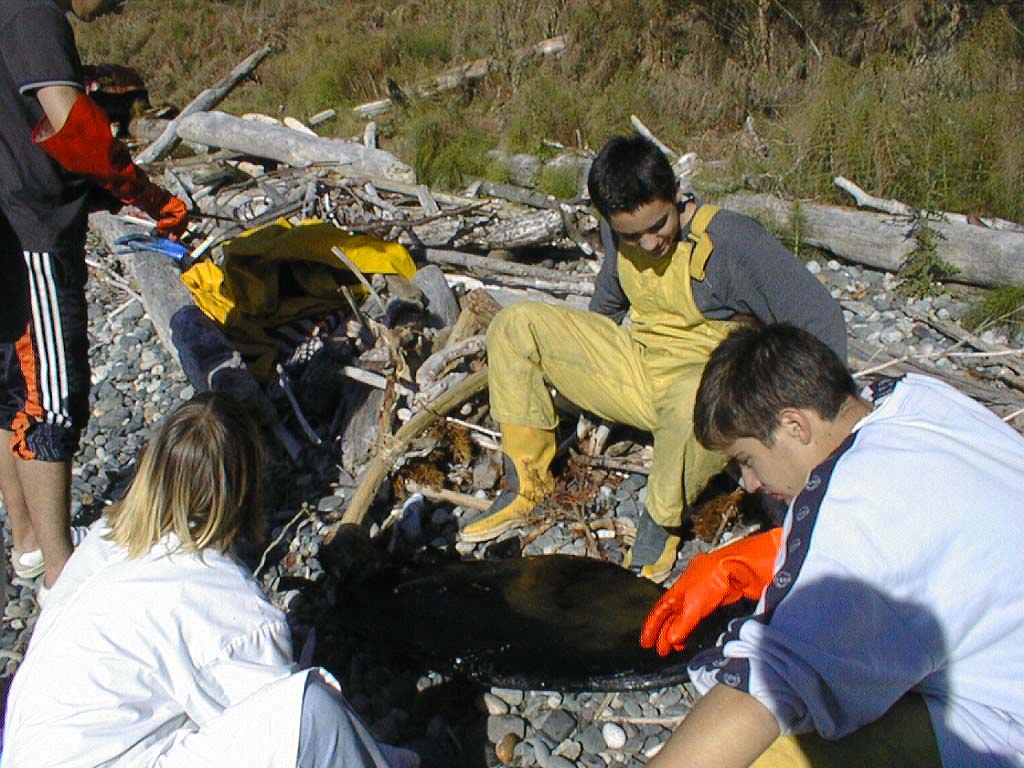
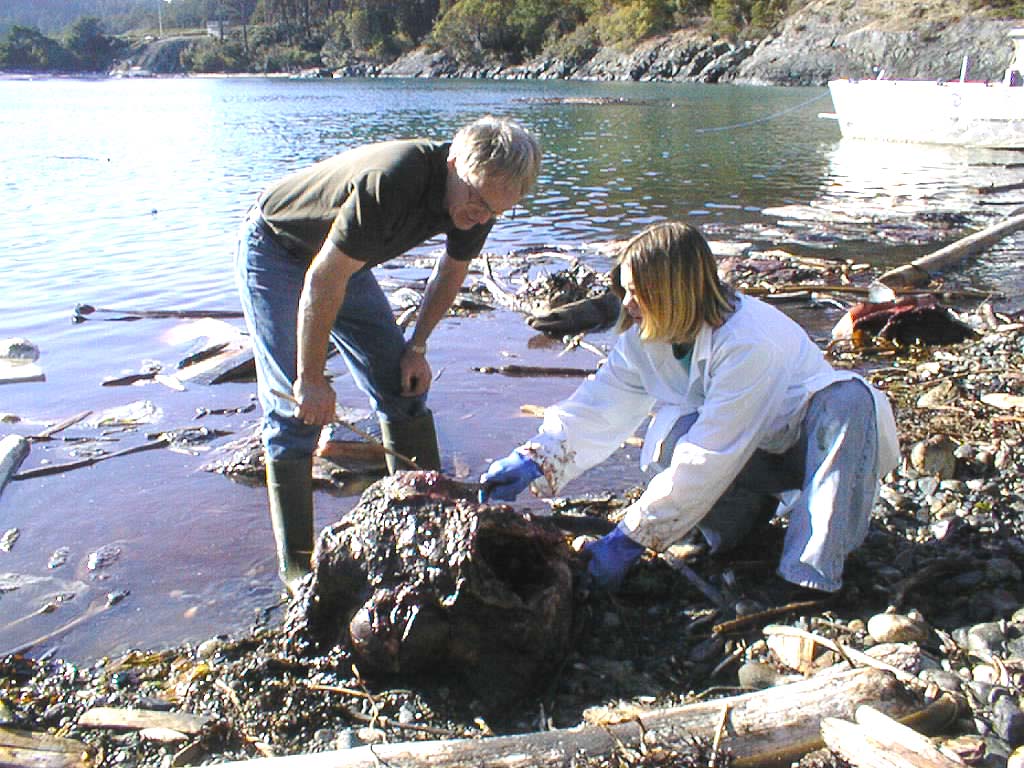
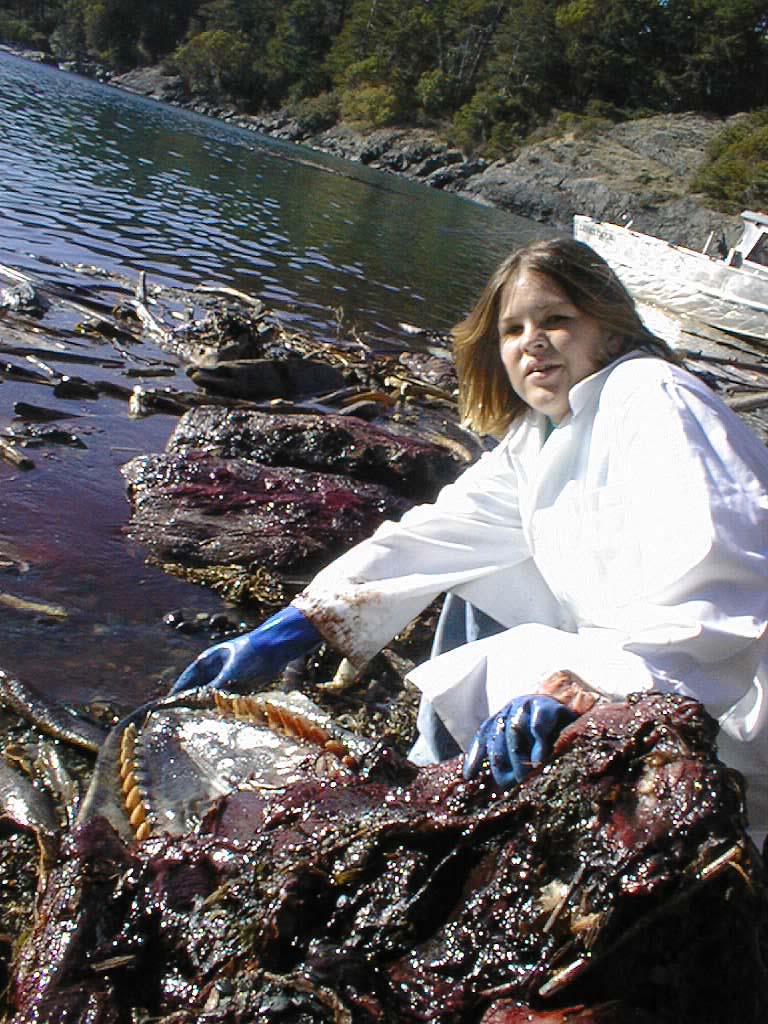
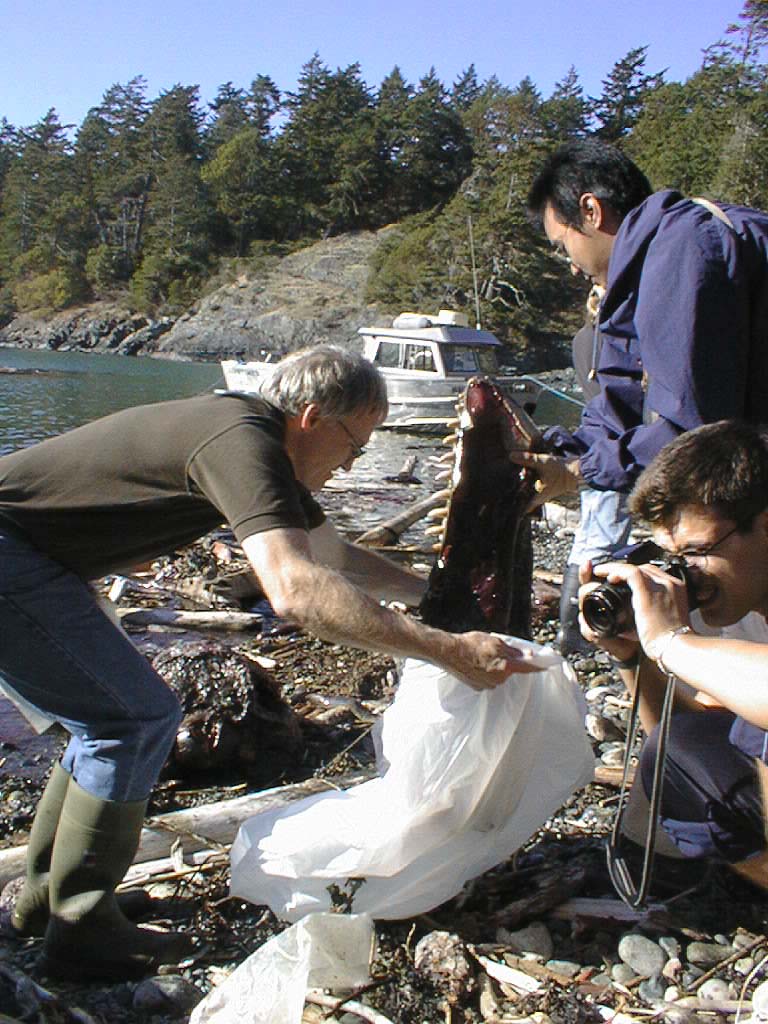
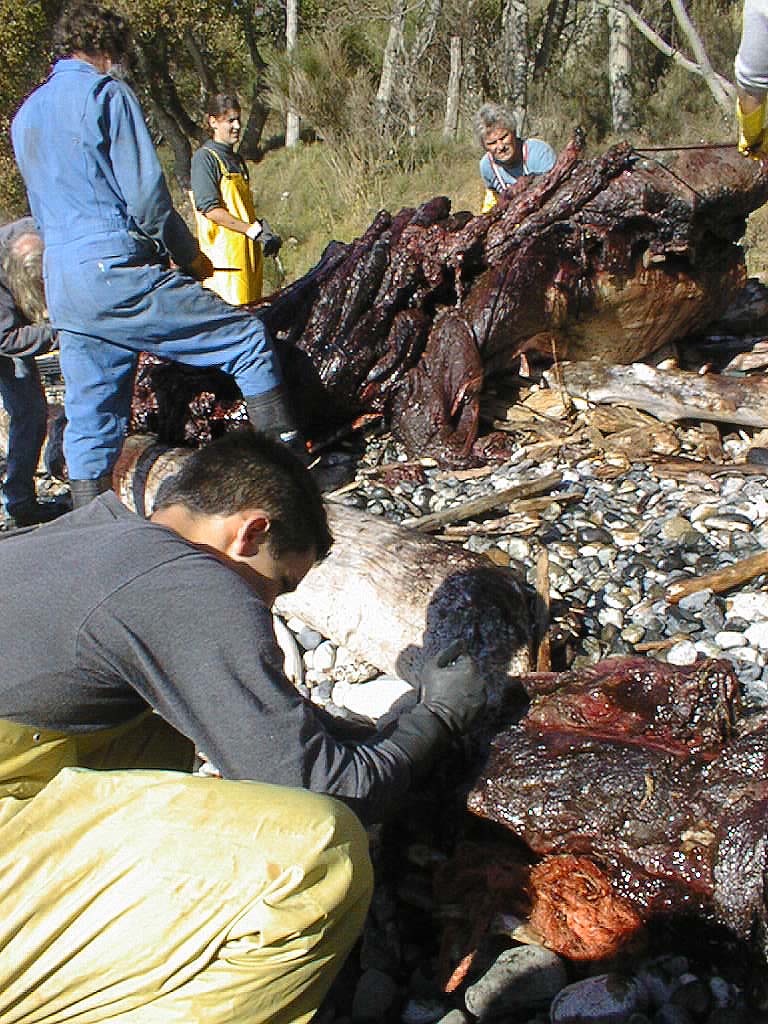
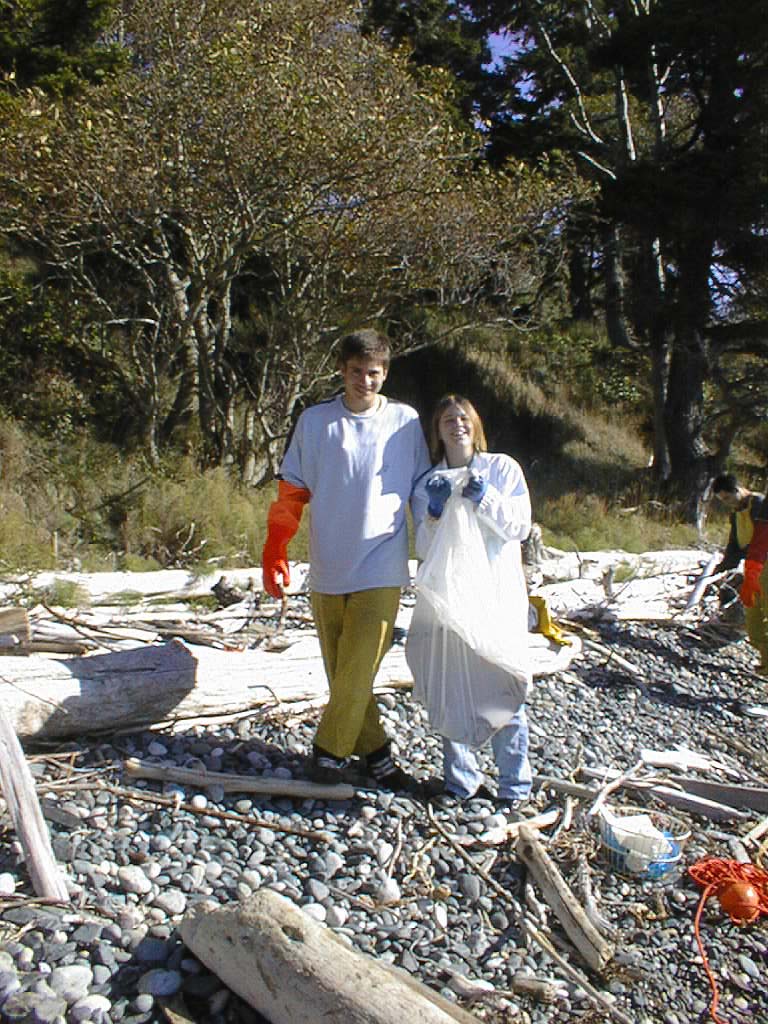
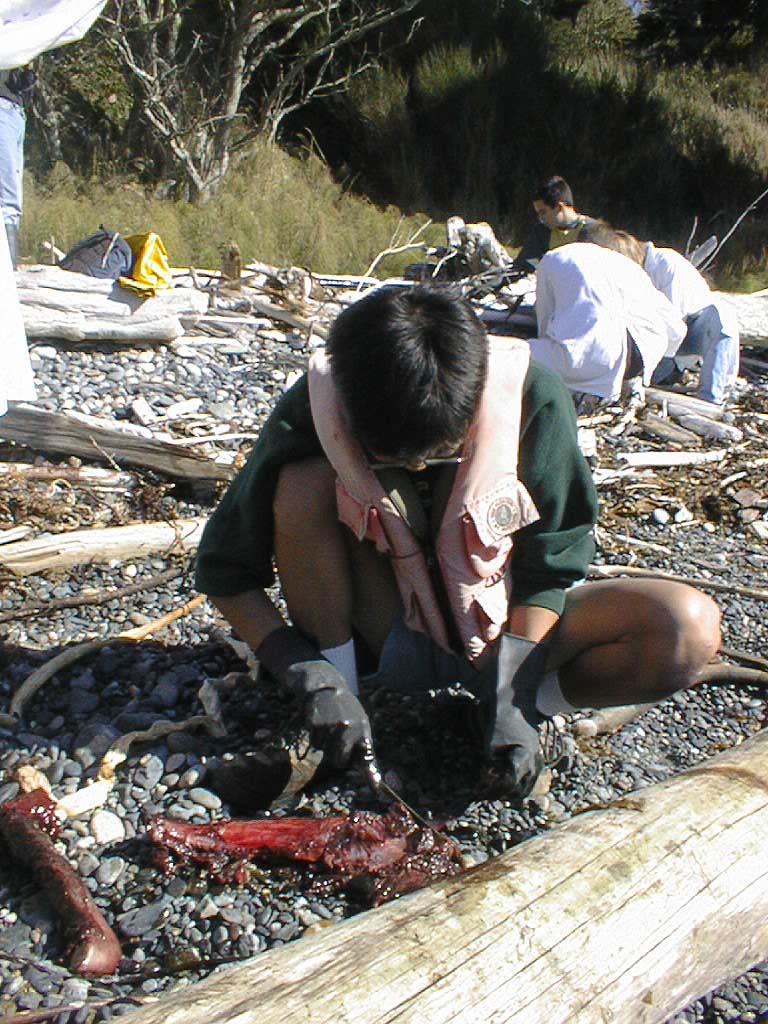
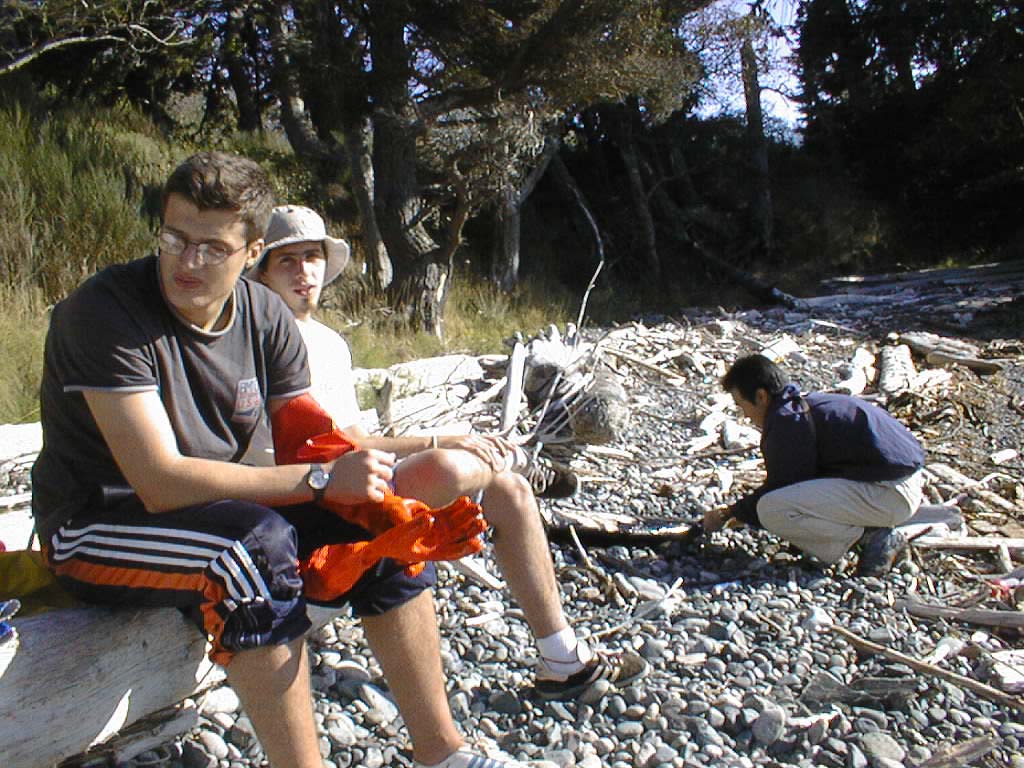
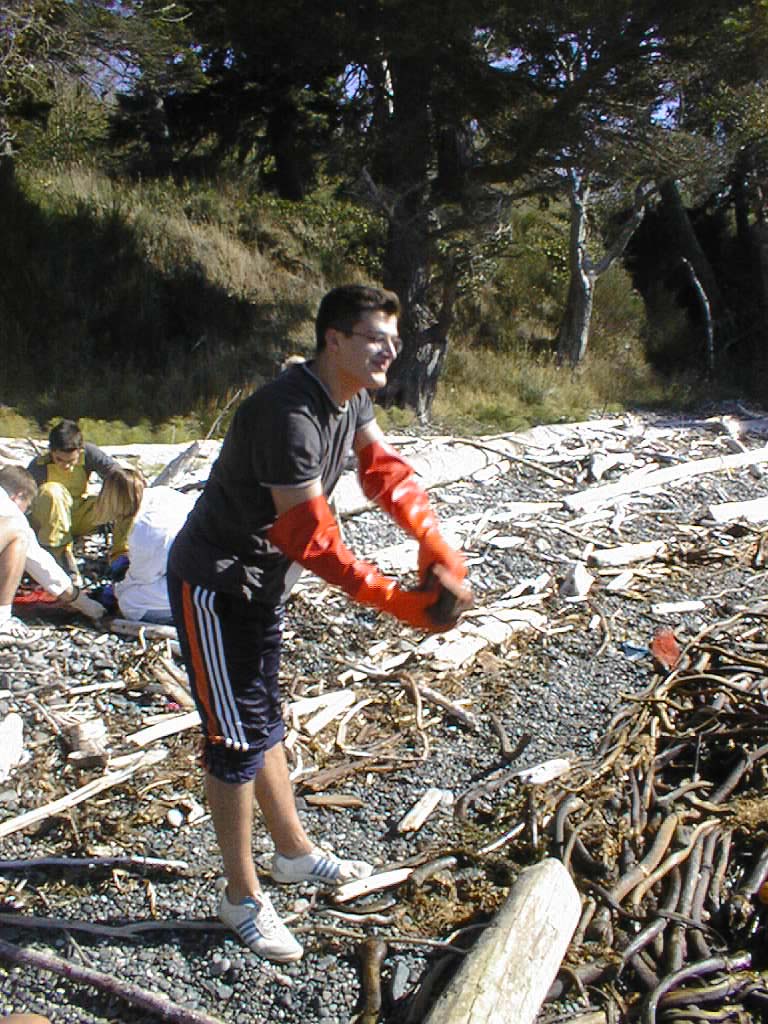
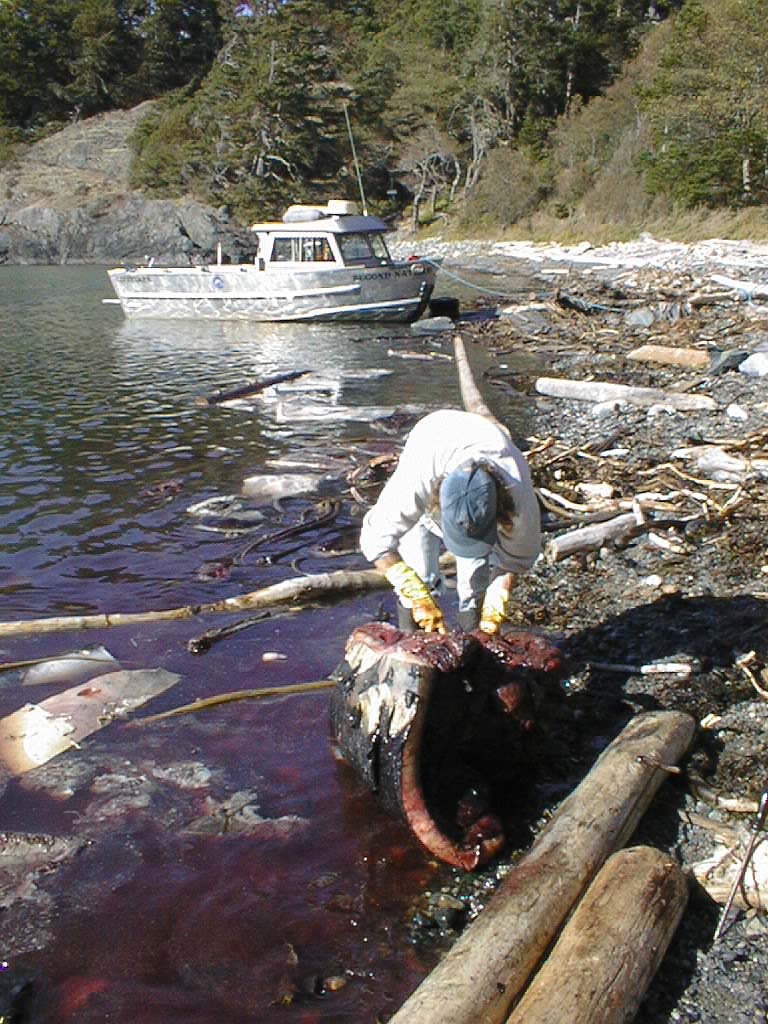
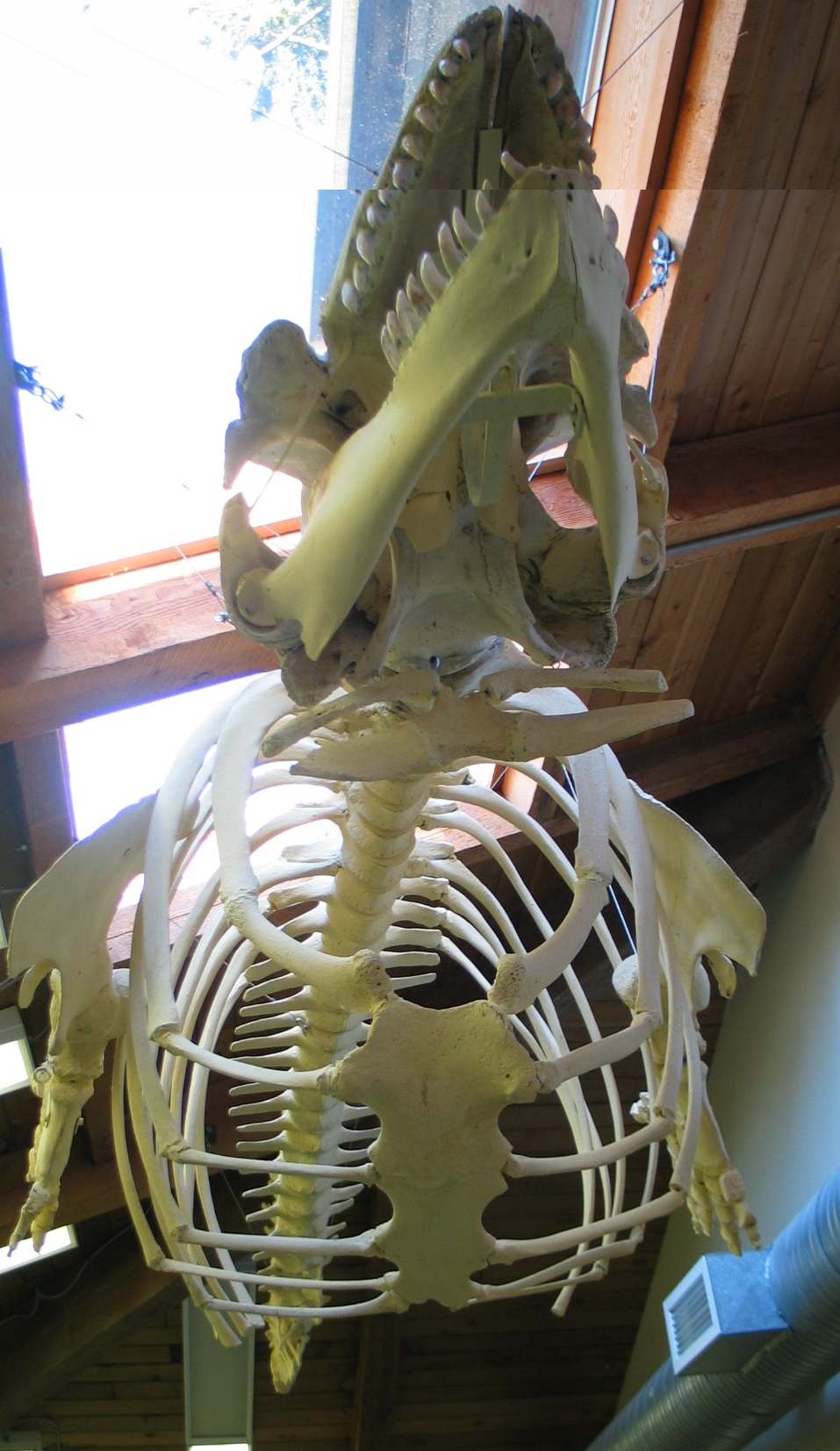
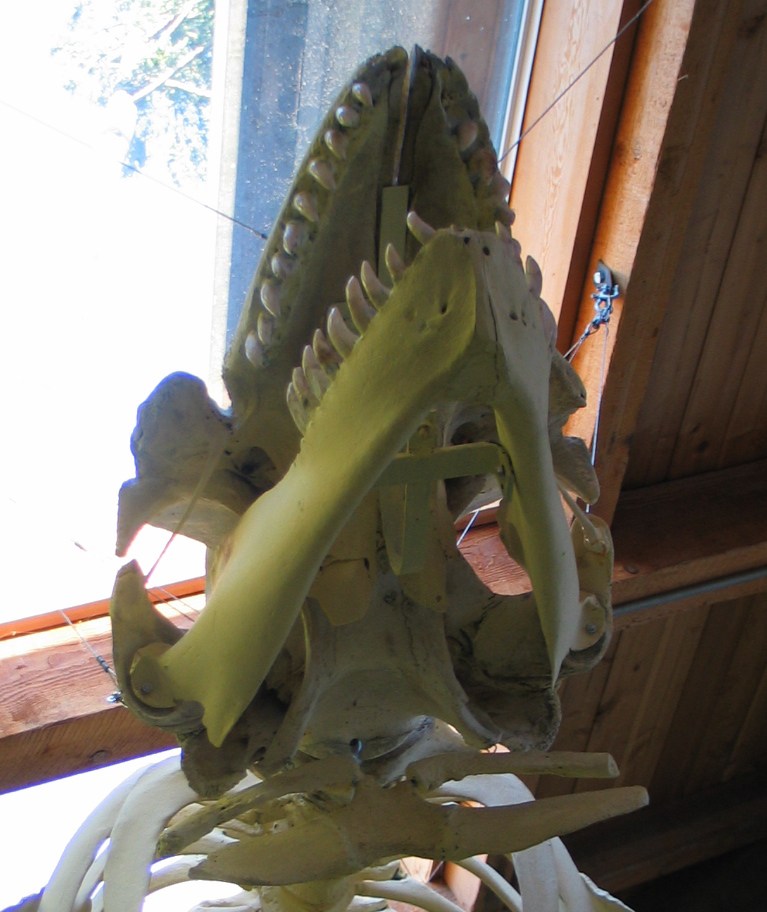
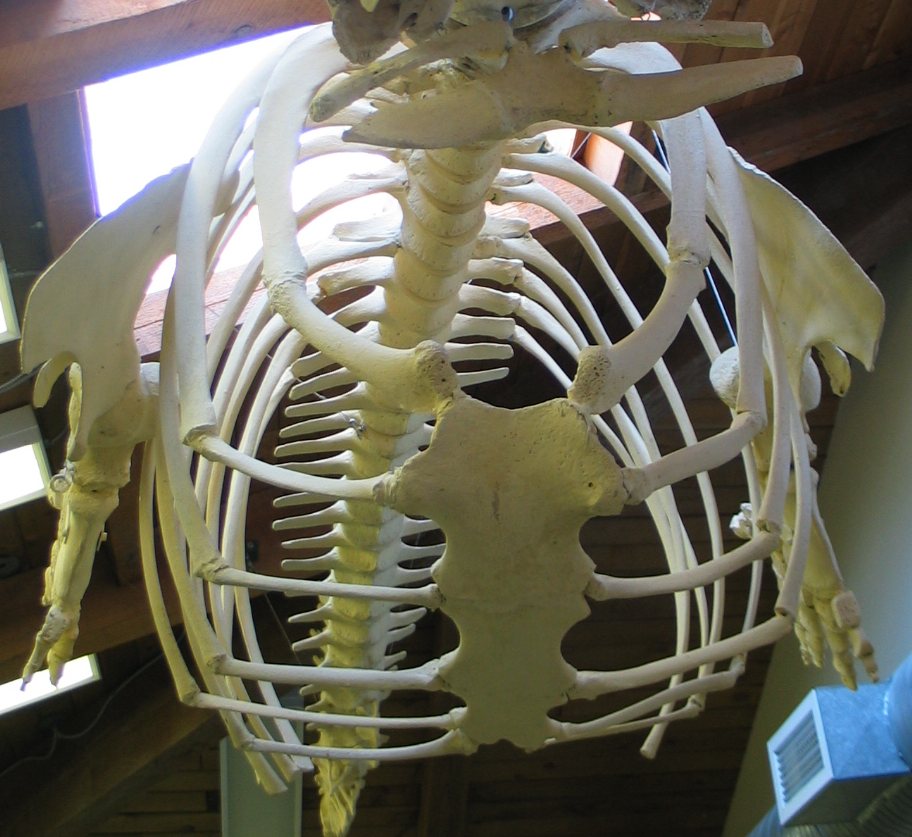
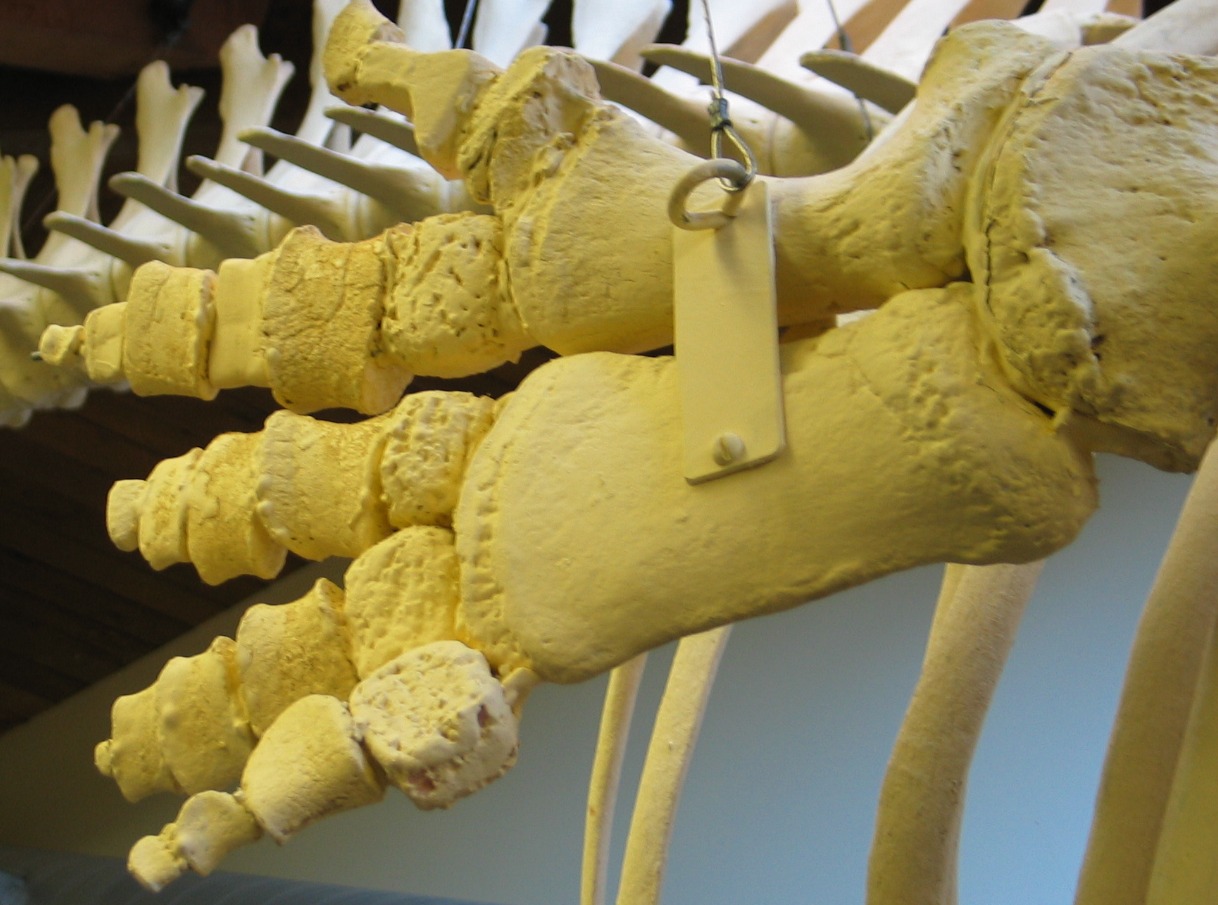
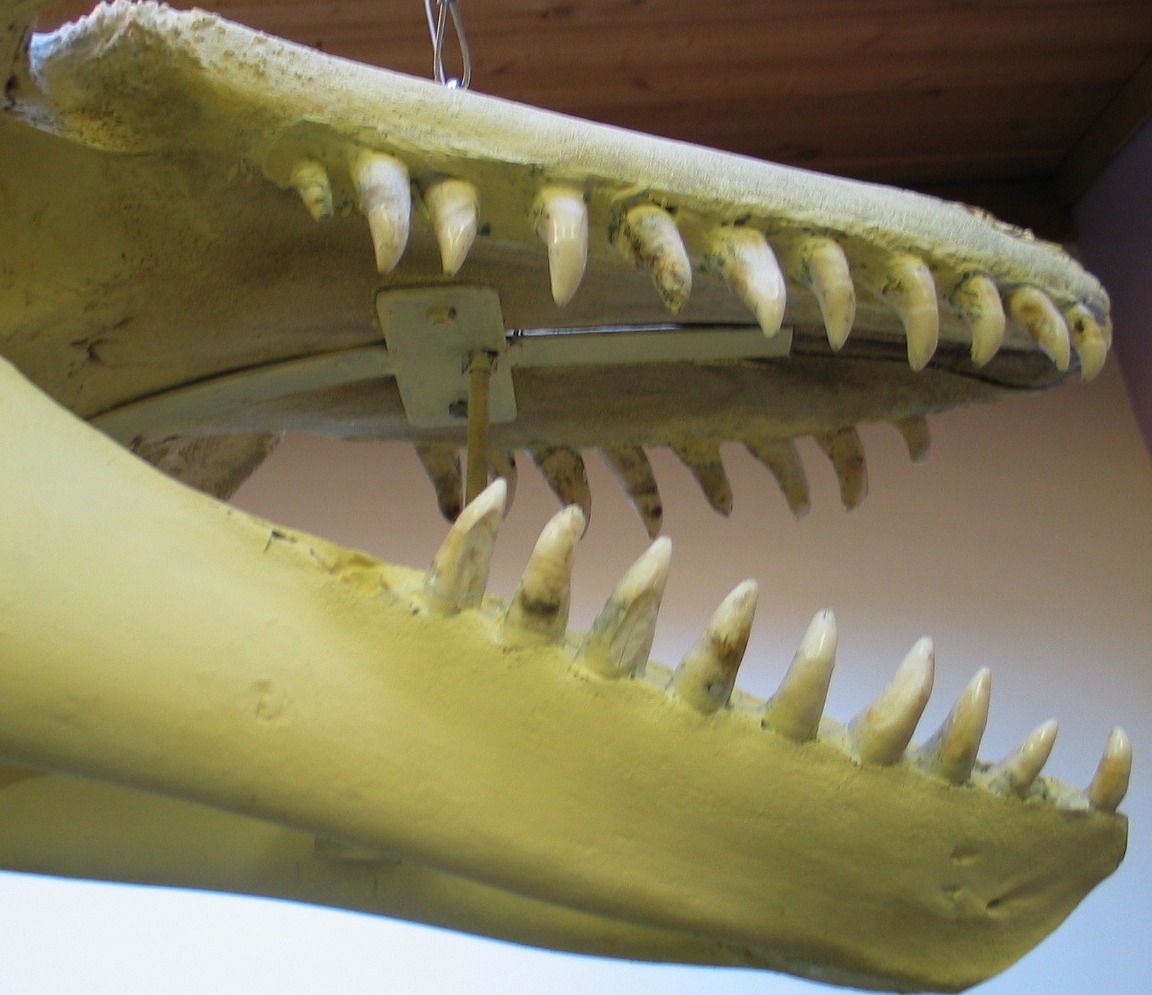
frontOn Sept 25, 1999 students from Pearson College and teacher Catrin Brown went out to Whirl Bay to retrieve the bones of a female Orca, L21 who had died.
The photos and story of that episode can be found in this post.

rightside


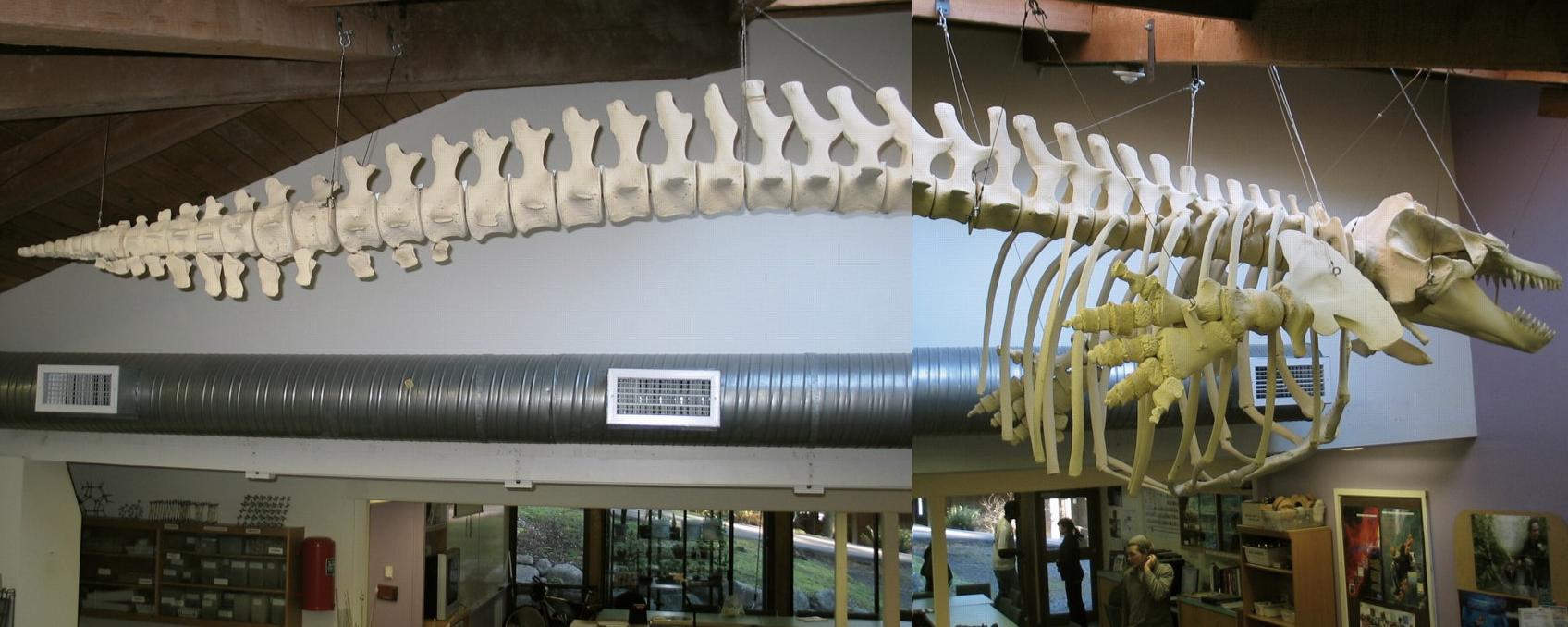
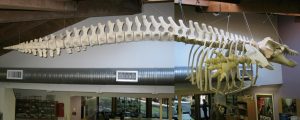
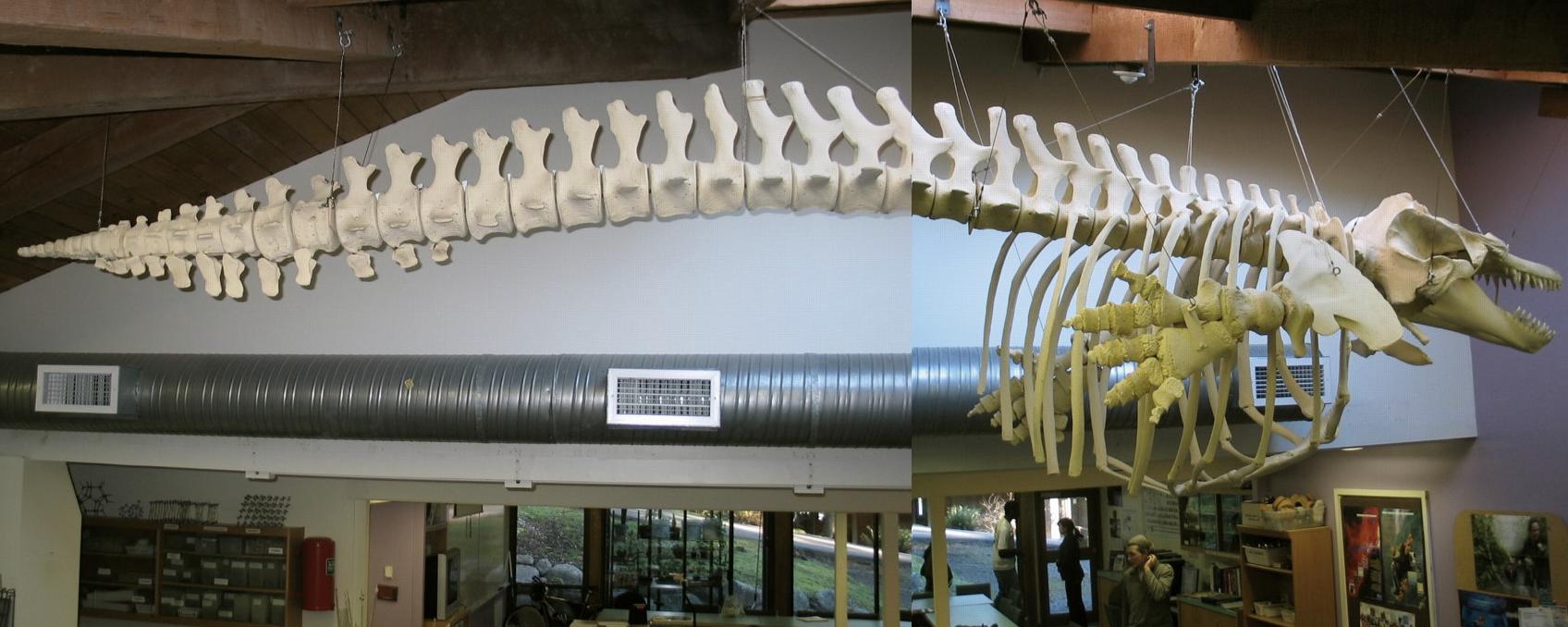
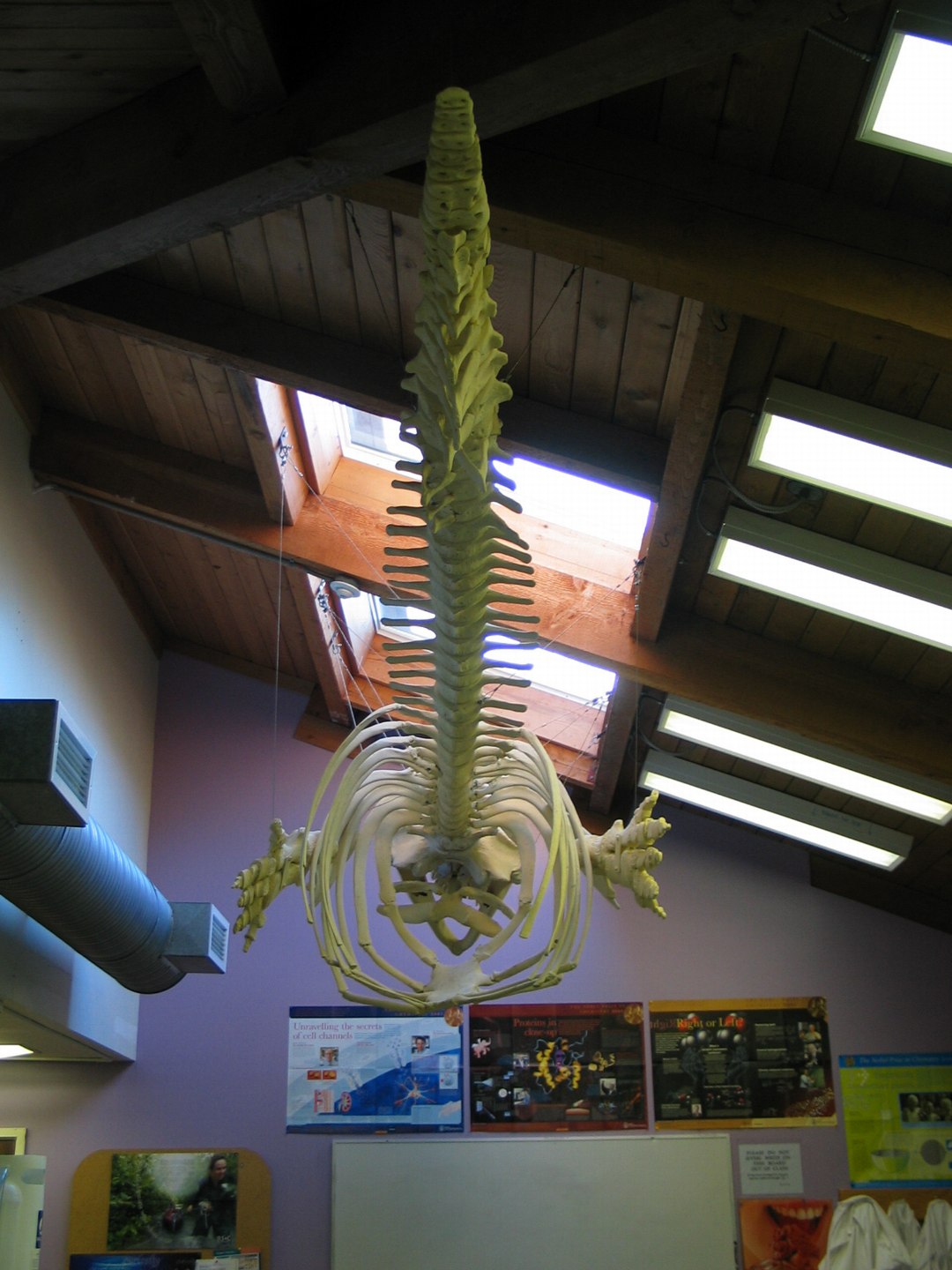
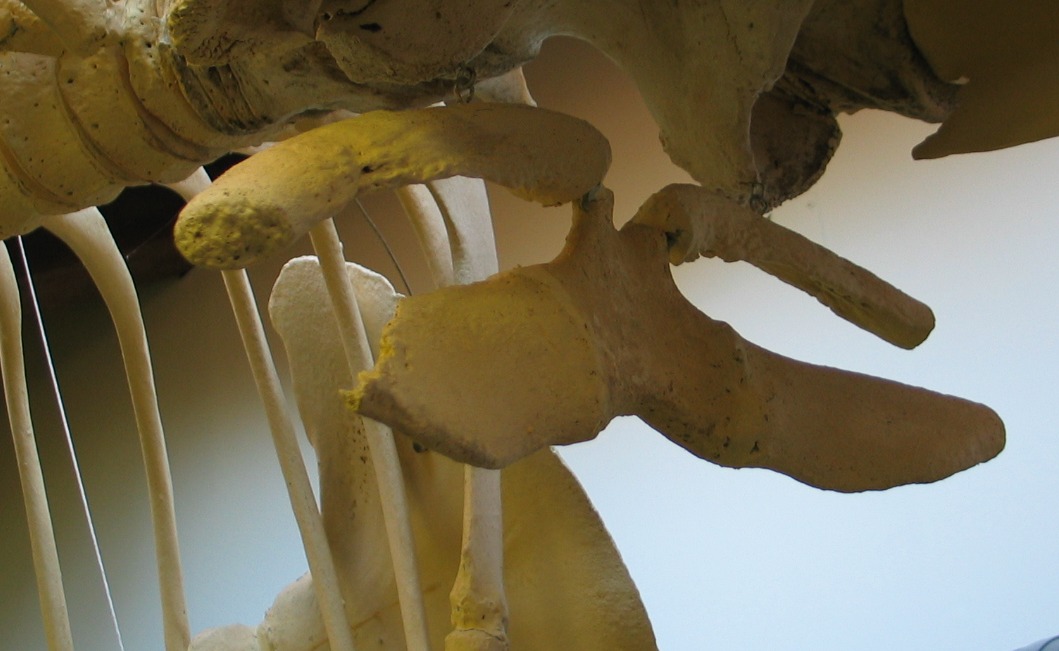
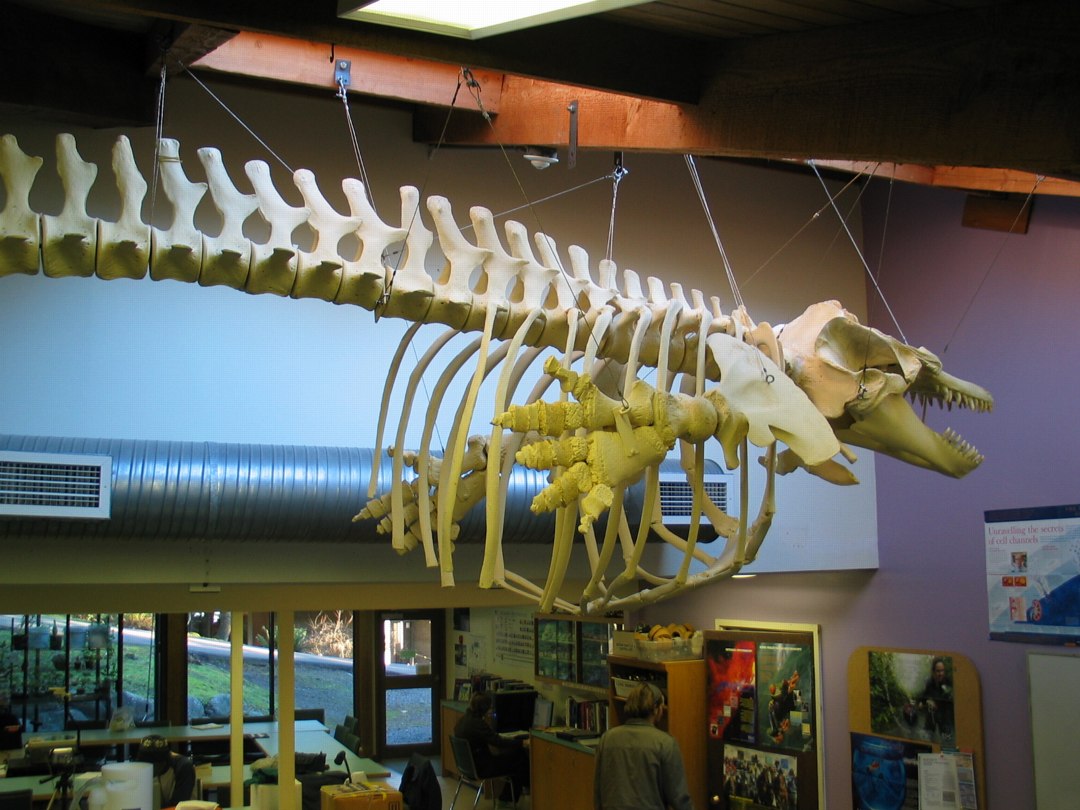
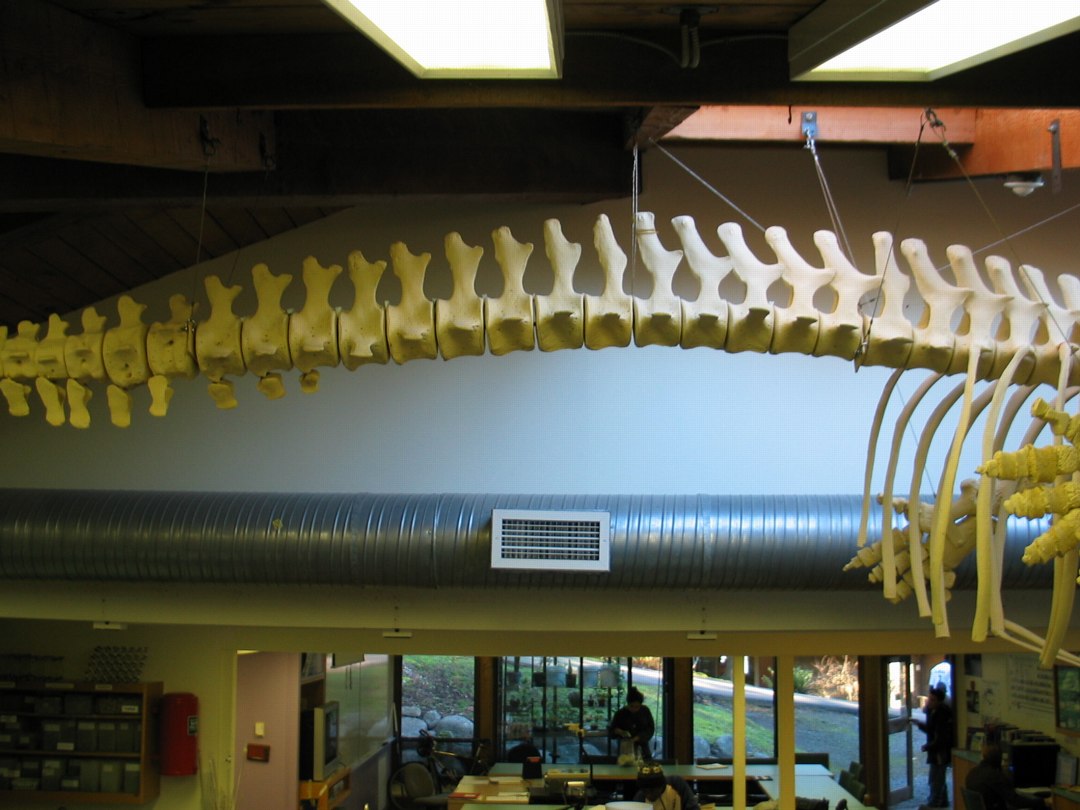
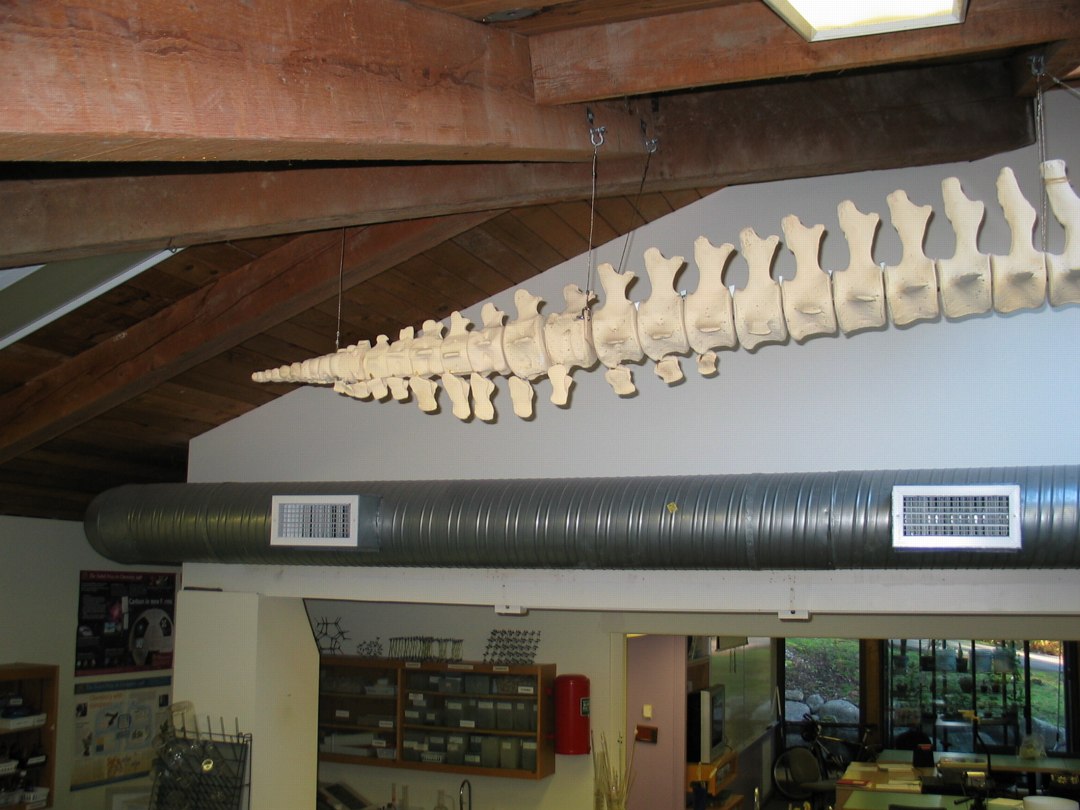
See images of the skeletal mount which now hangs in the biology lab at Pearson College


Coloration:

lortonwhale-1

Orcinus orca, (killer whales),  South West of Race Rocks …Photo by Jeff Lorton

The dorsal surface and pectoral flippers are black, except for the gray saddle area located just behind the dorsal fin.  The ventral (bottom) surface, lower jaw, and undersides of the tail flukes are mostly white.  The undersides of the tail flukes are fringed with black. A white ‘eyespot’ is located just above and slightly behind each eye. The markings on the flukes and saddle patch have been used as the standard method of identification of Killer whales. Their vocalizations were researched in the 1980’s by John Ford. He spent many hours in the Race Rocks and the rest of the waters around Vancouver Island for his research.

rmorcadock

Ryan Murphy has taken pictures of the Orcas that he has seen in the Ecological reserve since 2009.See this Flickr set for the complete set.

Photos below by
Roberto Serpelloni, (PC yr 25) March, 2000

Kingdom Animalia
Phylum Chordata
Sub-Phylum Vertebrata
Class Mammalia
Sub-Class Eutheria
Order Cetacea
Sub-Order Odontoceti
Family Delphinidae
Genus Orcinus
Species orca

Behavior:

Sound travels well in water and orcas communicate with calls, clicks and whistles. They use ‘echolocation’ clicks to navigate and find food.  Orcas can leap out of the water to ‘breach’. Orcas also ‘spy-hop’, rising vertically in the water with their heads in the air, looking around.

Permanent mother-led family groups form extended families called ‘pods’. Though mothers are the primary caregivers, everyone plays a part in caring for the young.  The social life is vital.  Each pod has its own distinct dialect.

orcaisll

A collage of pictures of an Orca killing a seal- taken from the video..


Living at Race Rocks affords the rare opportunity to see attacks by Transient Orcas on the resident harbour seal population. In this video below,  Mike and Carol Slater captured some of the sequence in an event that happened some distance off the South islands.[video width=”640″ height=”480″ mp4=””https://www.racerocks.ca/wp-content/uploads?2015/12/orca_300.mp4″}{/video

orcollageA collage of pictures of an Orca killing a seal- taken from the video above.
 Biotic-associations:

The website http://www.cgo.wave.ca/~wolfy/orca.html offers detailed information about orca’s bio-associations and hunting manners. It is based upon a comprehensive bibliography that includes several research papers and books. (Link opens in a new window).

Local Research on Killer whales:
Robin W. Baird and Hal Whitehead ,Social organization of mammal-eating killer whales: group stability and dispersal patterns
.2000,

Ford, J.K.B. 1991. Vocal traditions among resident killer whales (Orcinus orca) in coastal waters of British Columbia.
Can. J. Zool. 69: 1454-1483.
Bigg, M.A., P.F. Olesiuk, G.M. Ellis, J.K.B. Ford & K.C. Balcomb III. 1990. Social organization and genealogy of resident killer whales (Orcinus orca) in the coastal waters of British Columbia and Washington State.
Rep. Int. Whal. Commn. (Special Issue 12): 383-405.
Ford, J.K.B. 1989. Acoustic behaviour of resident killer whales (Orcinus orca) in British Columbia.
Can. J. Zool. 67: 727-745.

From John Ford’s website you can hear Killer whale sounds of the Southern Resident Killer Whales.

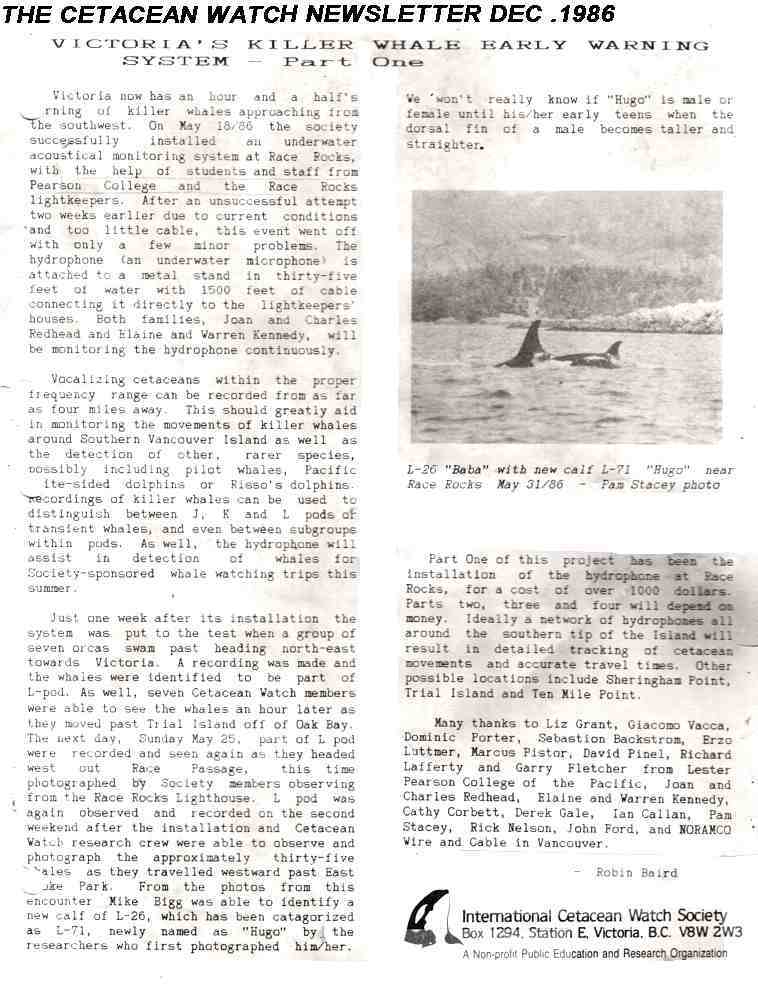
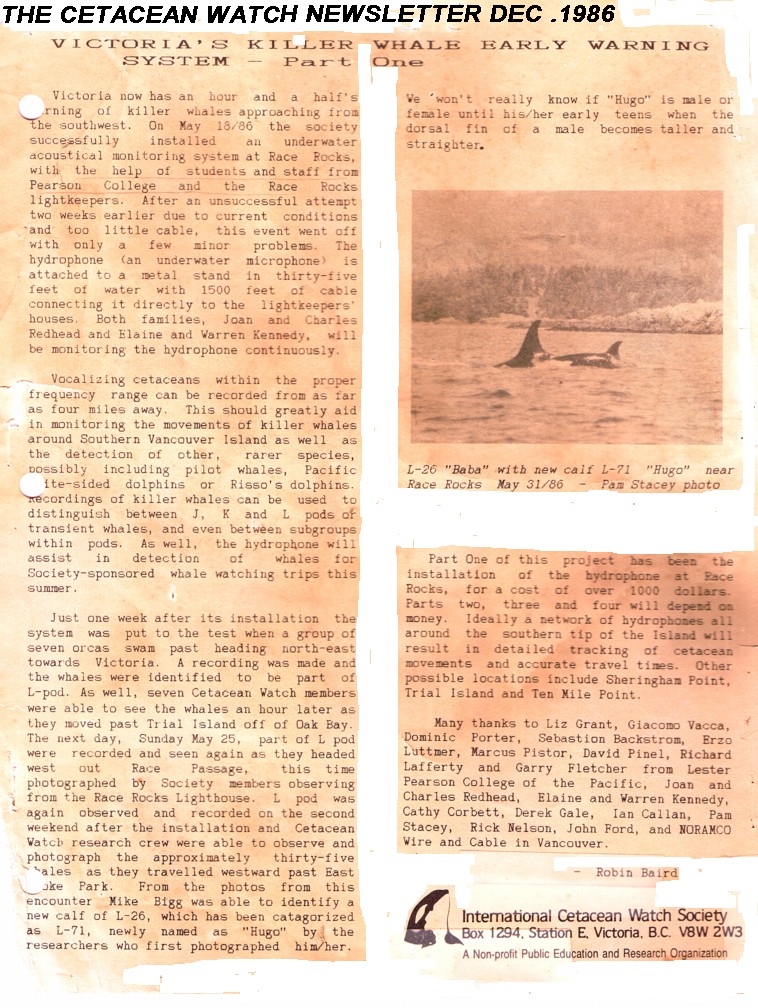
cetaceanEarly research: The Cetacean Watch Newsletter , Dec 1986. A Discussion of Victoria’s Killer whale early warning system, and the installation of the first hydrophone at Race Rocks.(1986)


Link to the Ecotourism problems  page:

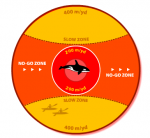
bewhalewiseLink to the Be Whale Wise website for viewing guidelines
Other Members of the Class Mamalia at Race Rocks.

taxonomyiconReturn to the Race Rocks Taxonomy
and Image File
pearsonlogo2_f2The Race Rocks taxonomy is a collaborative venture originally started with the Biology and Environmental Systems students of Lester Pearson College UWC. It now also has contributions added by Faculty, Staff, Volunteers and Observers on the remote control webcams.

Jaffar Saleh Subaie PC yr 27

Tour Boat Disturbance

Wednesday, December 05, 2001
Good Evening
TEMPERATURE: Max 6.1C — Min 3.3C — Reset 4.9C — Rain 0.8 mm
HUMAN INTERACTION: Two groups of students came over in 2nd Nature this afternoon to learn the intricacies of the desalination plant that provides our fresh water. Two tour boats were in the reserve at 14:40 one of which did approach Middle Rock a little too close and caused some Sea Lions to take to the water. I think actually having people standing so high on an observation deck was very threatening to the animals. Garry happened to be in the tower so obtained this video of the disturbance:
http://www.racerocks.com/racerock/archives/videcotourimpact.htm
Sadly we have a dead marine mammal at the base of the ridge along the east shore of Great Race. Even with the telescope I cannot tell whether it is a Harbour Seal,an Elephant Seal or a California Sea lion and I can’t get close enough without disturbing the 50 or so Sea Lions and 2 Elephant Seals hauled out all around to make a positive ID.MARINE LIFE: At approximately 16:00 we saw 6 or 7 Orca just east of North Rocks, unfortunately it was too dark for filming but what a sight! There was one very large bull in the group and one quite small Orca, possibly a calf. They were breaching and slapping their tails and really churning up the sea. They started out in fairly large circles diving, porpoising and rolling and the large bull breaching quite often. After about 10 minutes the circles got smaller and they started swimming very fast on their sides with their dorsals at about a 45 degree angle to the water. They were quite low in the water and were sort of ‘plowing’ the water,back and forth,around and around.Finally with the telescope we did see the reason for all the activity, one unlucky California Sea Lion. Twice the Sea Lion was tossed in the air. We watched until it was too dark to see anything except a few white splashes. As all this was going on there was a group of 30-40 sea gulls circling over-head ready to snatch up any ‘crumbs’ that might come their way -nothing is wasted in this example of the food chain.
posted by Carol or Mike S at 6:08 PM
Good Morning
WEATHER: Sky Cloudy — Vis. 15 Miles — Wind North West 5 Knots — Sea Rippled
posted by Carol or Mike S at 7:19 AM
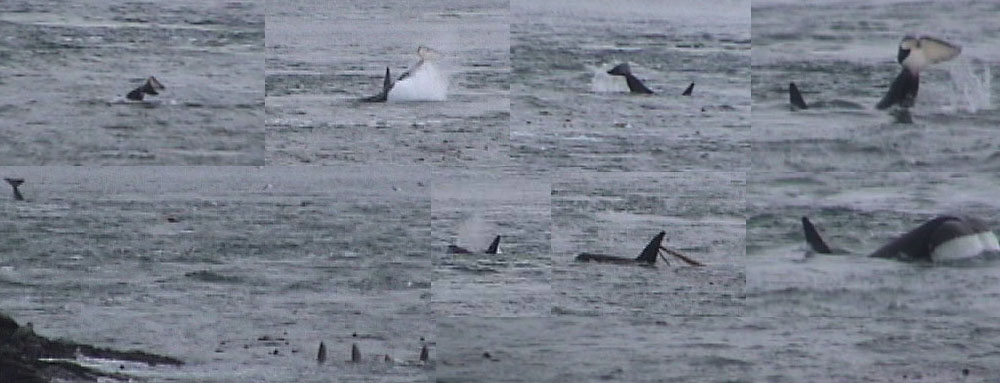
Orca visit

Wednesday, October 31, 2001


WEATHER: Max 10.1ºC — Min 8.1ºC — Reset 8.9ºC Rain 14.6mm
Total Rain fall 108.1mm for the month of October 2001- Mean high temp. 11.5ºC — Mean low temp. 8.1ºC
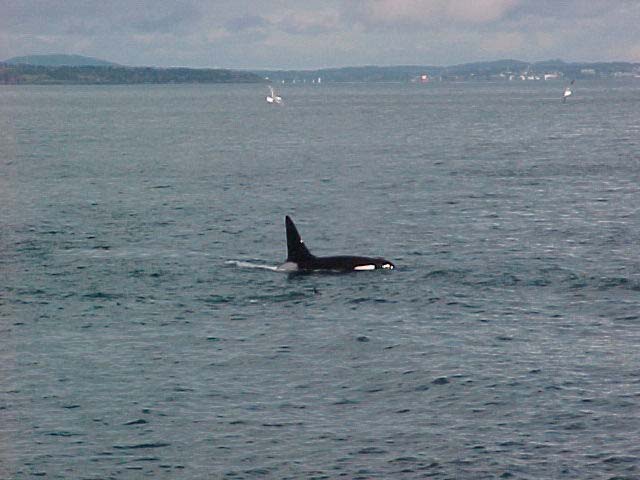
MARINE LIFE: A blustery start to the day again but the weather did not seem to bother the mature Bald Eagle that arrived shortly after 9:00 and stayed for over two hours.We noticed the second visitor at 12:50 just west of Gr. Race,a lone transient bull Orca. He ‘cruised’ along the shore of North Rocks and Gr. Race and then into the kelp bed on the east side of Gr. Race.The Harbour seals were very agitated,crowded together close to shore, bobbing up and down to watch for the whale. Interestingly several groups of sea lions(steller&california) followed along about 200′ behind the Orca. Watched through the telescope one group of 10-12 sea lions follow the Orca about a mile east when we lost sight of them.


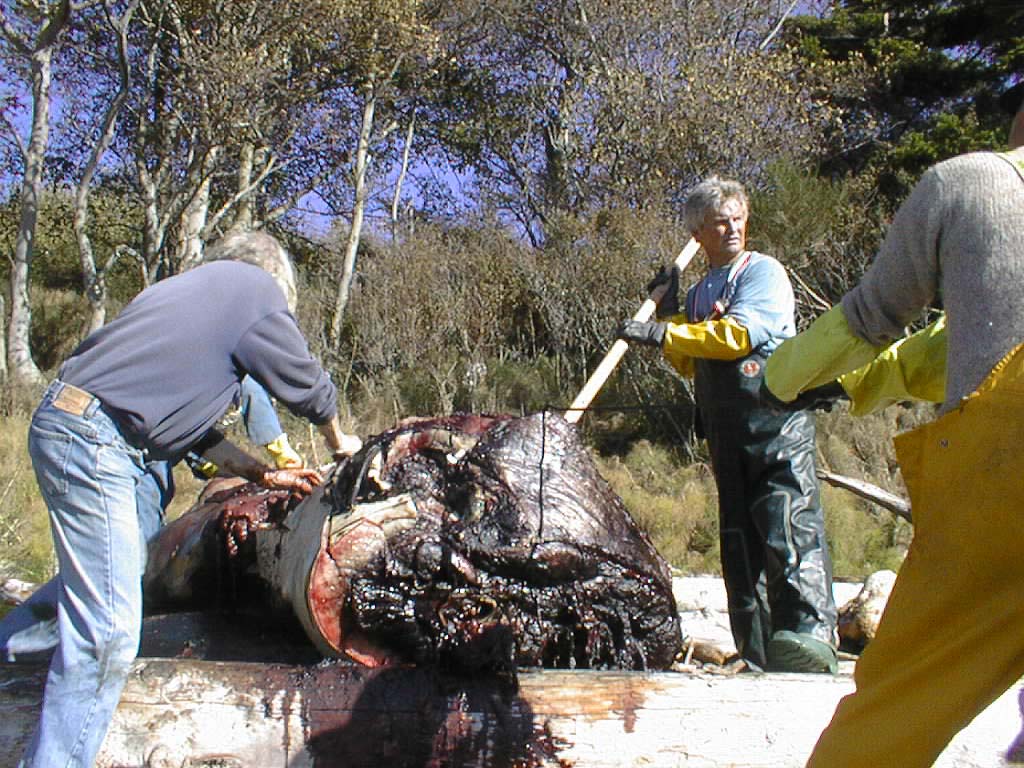
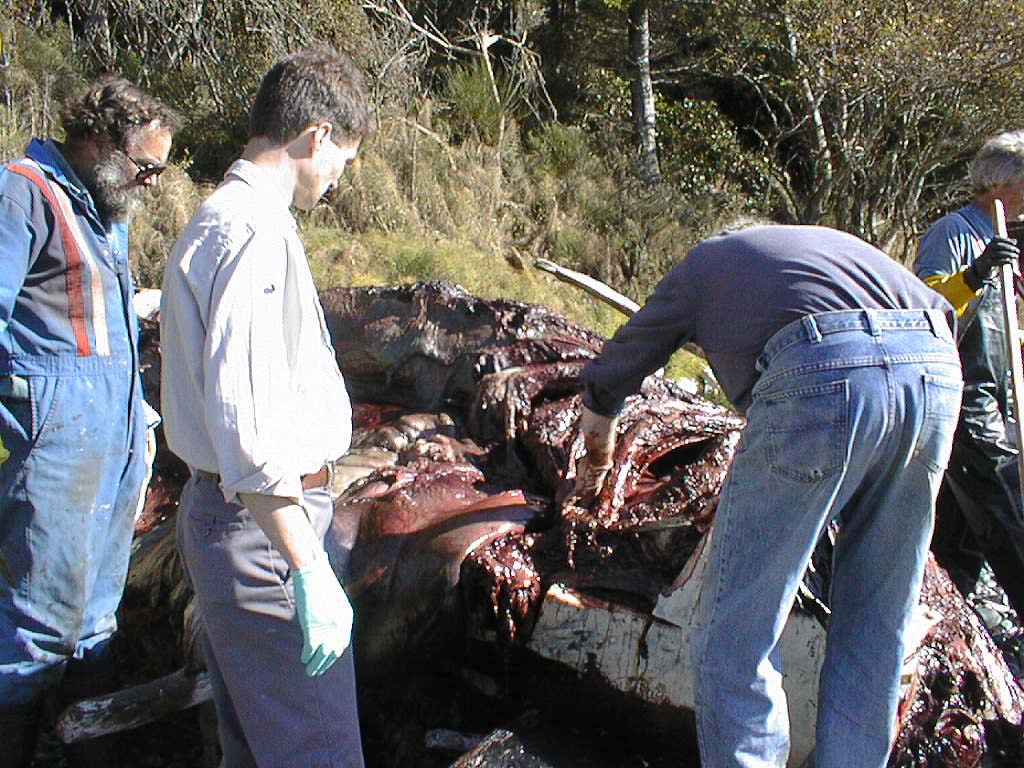
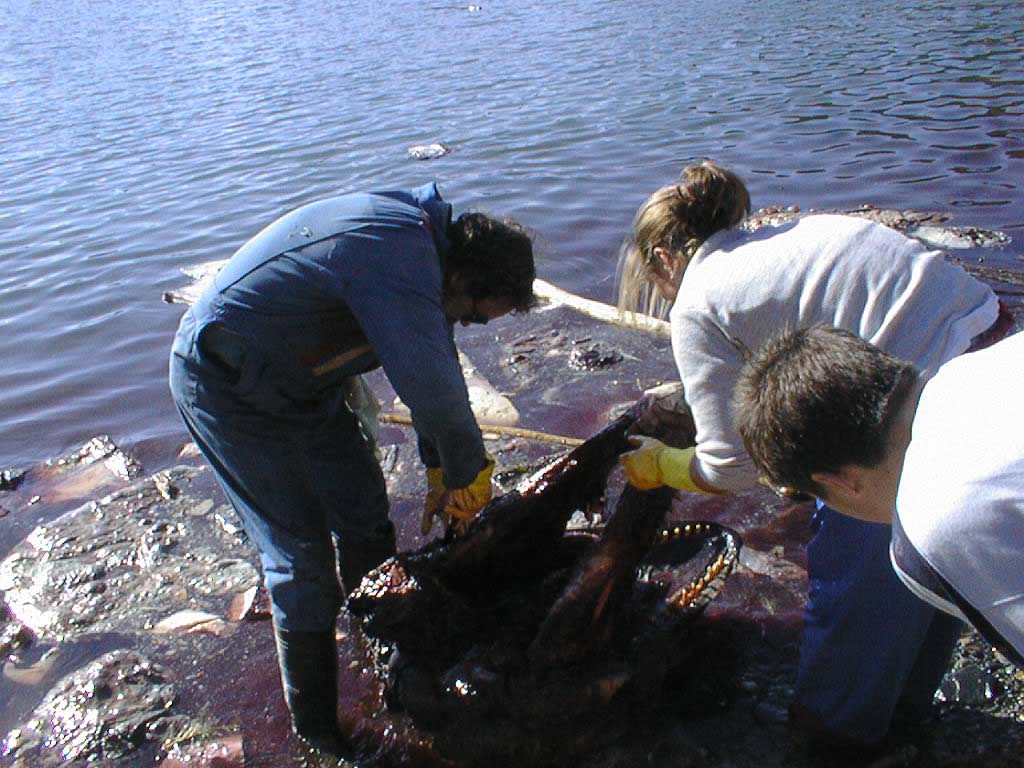
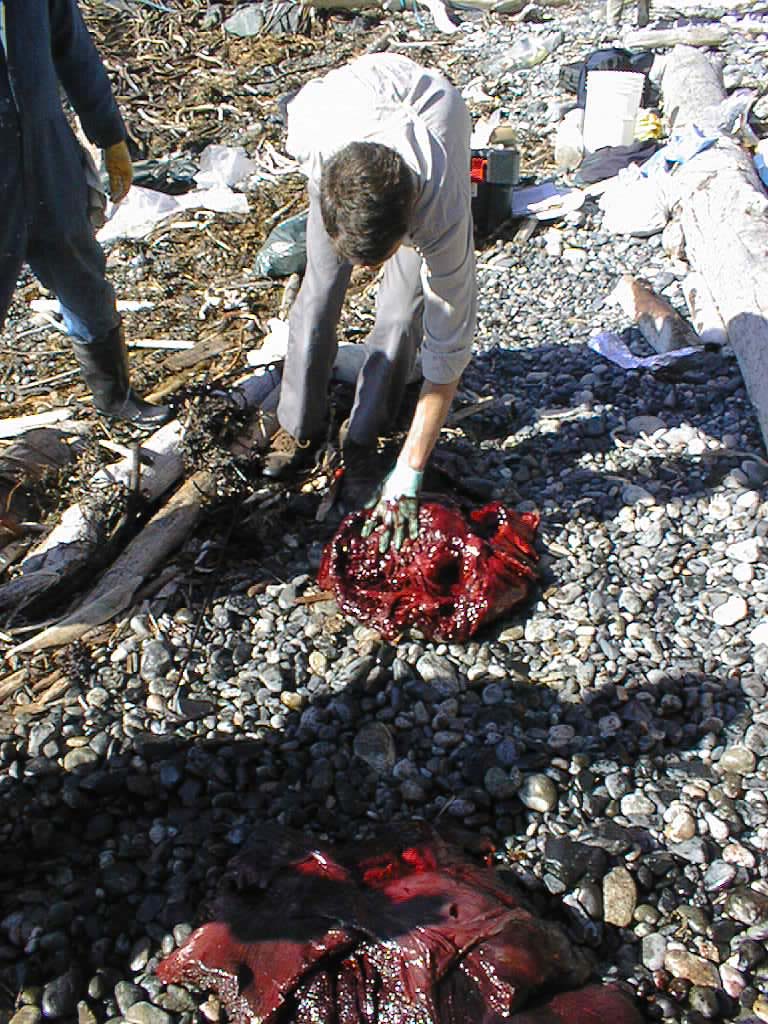
Necropsy and Skeletal Mount of Orca L51- 1999

Orca L51 Removed From the Strait of Juan de Fuca
On the weekend of September 25, 1999 a dead female Orca was reported by a Canadian Coast Guard employee, Wayne Ingalls.
It was floating in the area of Christopher Point near Bentinck island at the eastern end of the Strait of Juan de Fuca, just adjacent to Race Rocks. On Tuesday, the 28th we were informed at Pearson College and a team of students from the diving service went out to secure the body in a small bay near the Point.

The Orca Skeleton mounted at Pearson College

Orca Skeletal Mount at Pearson College

The Finished product of the work of skeletal preparation of L51 is now  suspended above the lab benches in Catrin Brown’s Biology Lab. The mount was made by students and Hans Bauer, a former faculty member who volunteered for the job, along with Hugo Sutmoller.

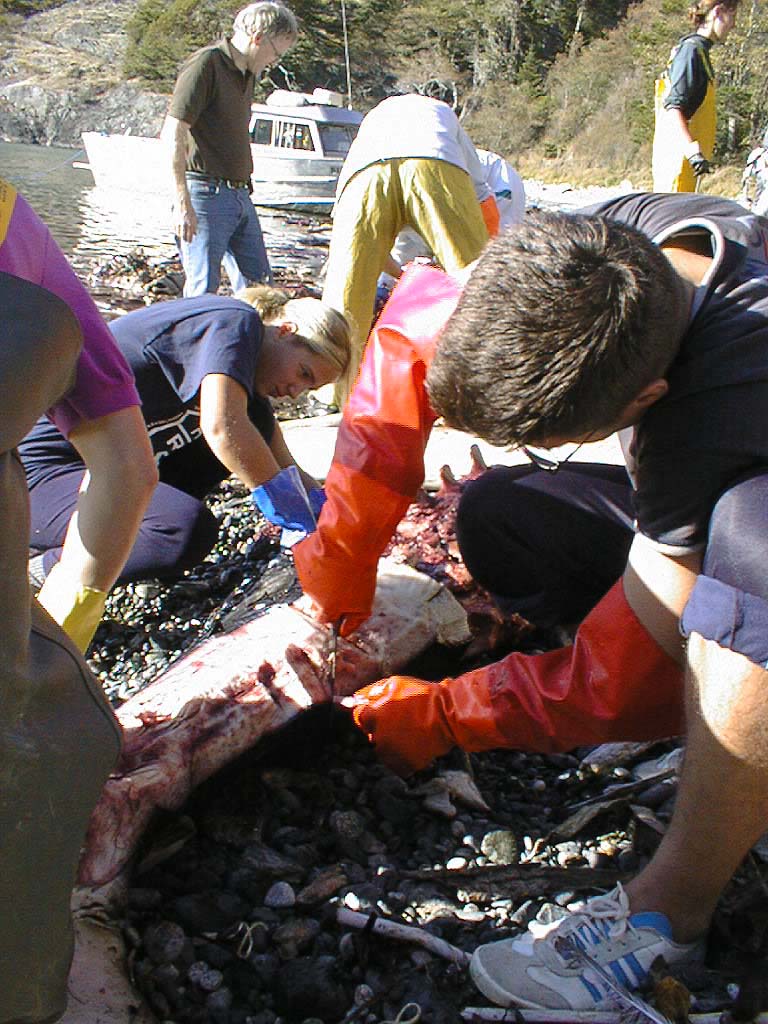
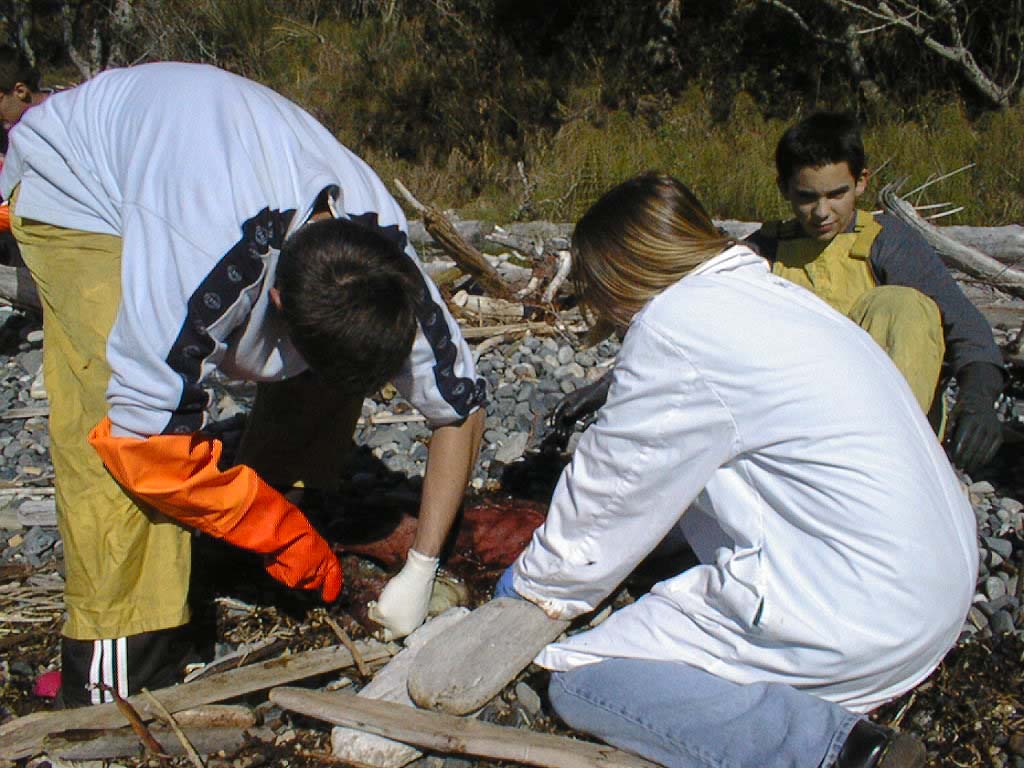
See the flensing of the orca L51 by Pearson College students


A serious contaminant of Orcas in the southern Vancouver island area is PCBs. Male Orcas accumulate these chemicals throughout their life, whereas females are purported to increase in levels until a birth, whereupon the levels in the tissue drop as a result of lactation.

For more information on contaminants in the Orca Food web, see the following Link:

“Is Victoria Sewage Contaminating Southern Resident Killer Whales?“
A Technical Submission to the SETAC Victoria Sewage Scientific and Technical Review Panel
By Gerald Graham, Ph. D. Marine Environmental Consultant
On behalf of the T. Buck Suzuki Environmental Foundation


ORCA skeleton assembled

This article appeared in the Jnuary 17 , 2002  number 8 issue of the Collge newspaper

It’s a grand jigsaw puzzle – hundreds of bones, huge and tiny, all to be reassembled into the skeleton of a whale. Graduates returning to the June reunion will know the first whale project, and everyone at Pearson since then will know the vast frame of a whale erected behind the swimming pool. The present Orca project is well underway, and, happily for those currently working on it, well past the smelly stage.

Biology teacher Catrin Brown, a team of students, and Han Bauer, the first Biology teacher at Pearson, took the project a stage further this week, examining the skeleton of a porpoise – rather easier to fit into lab space! – in order to understand better the structure of the killer whale. Catrin gives us following explanation.

Catrin’s Explanation

In September 1999, a 27-year-old female killer whale known as L-51 was found dead in the waters off Race Rocks. Her death was presumably the result of a prolapsed uterus from a difficult childbirth a few months before, and fate of her young calf was unknown.

A team of Pearson divers towed the whale ashore, where it was disembowelled and transported back to the college in gorey chunks. Sections of the carcass were then suspended from the college docks, where ocean life feasted on the decaying meat over a period of months. Eventually the clean bones emerged and after a summer of drying and bleaching in the sun, the smell receded and the promise of a skeleton took shape.

At this stage outside help was sought, and found in the person of Hans Bauer, Biology teacher at the founding of the college, who is now retired and living in Sydney, near Victoria. With his good humoured guidance, students tackled the task of removing some of the more tenacious marrow by boiling the large bones in large vats over a fire. Many students have been involved in various stages of this project including Katy Green (year 25), Joao Marquez (year 26), Francoise Guigne (year 27) and Jaffar Saldeh (year 27).

We are now close to the stage of reassembling the bones into a permanent mount for display on campus. As the population of killer whales inhabiting the Juan de Fuca Strait has recently been declared an endangered species, L-51 is likely to be a focal point of interest.

January 17, 2002. number 8.

Victoria’s killer Whale Early Warning System Dec 1986.

By Robin Baird –From The Cetacean Watch Newsletter , Dec 1986.
A discussion of Victoria’s Killer whale early warning system, and the installation of the first hydrophone at Race Rocks.

robin

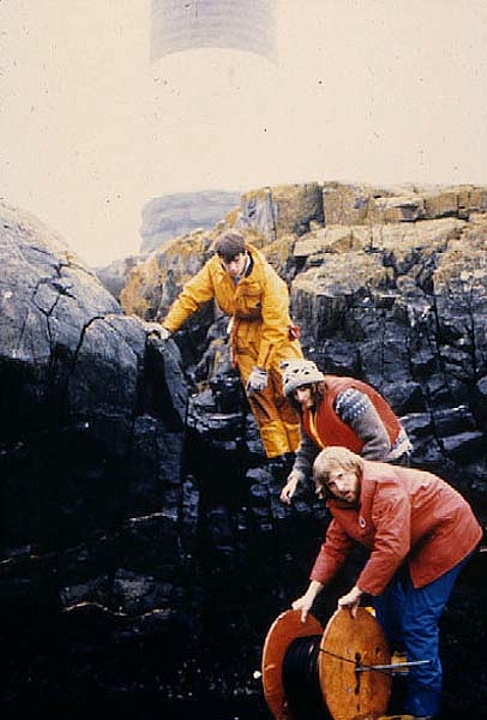
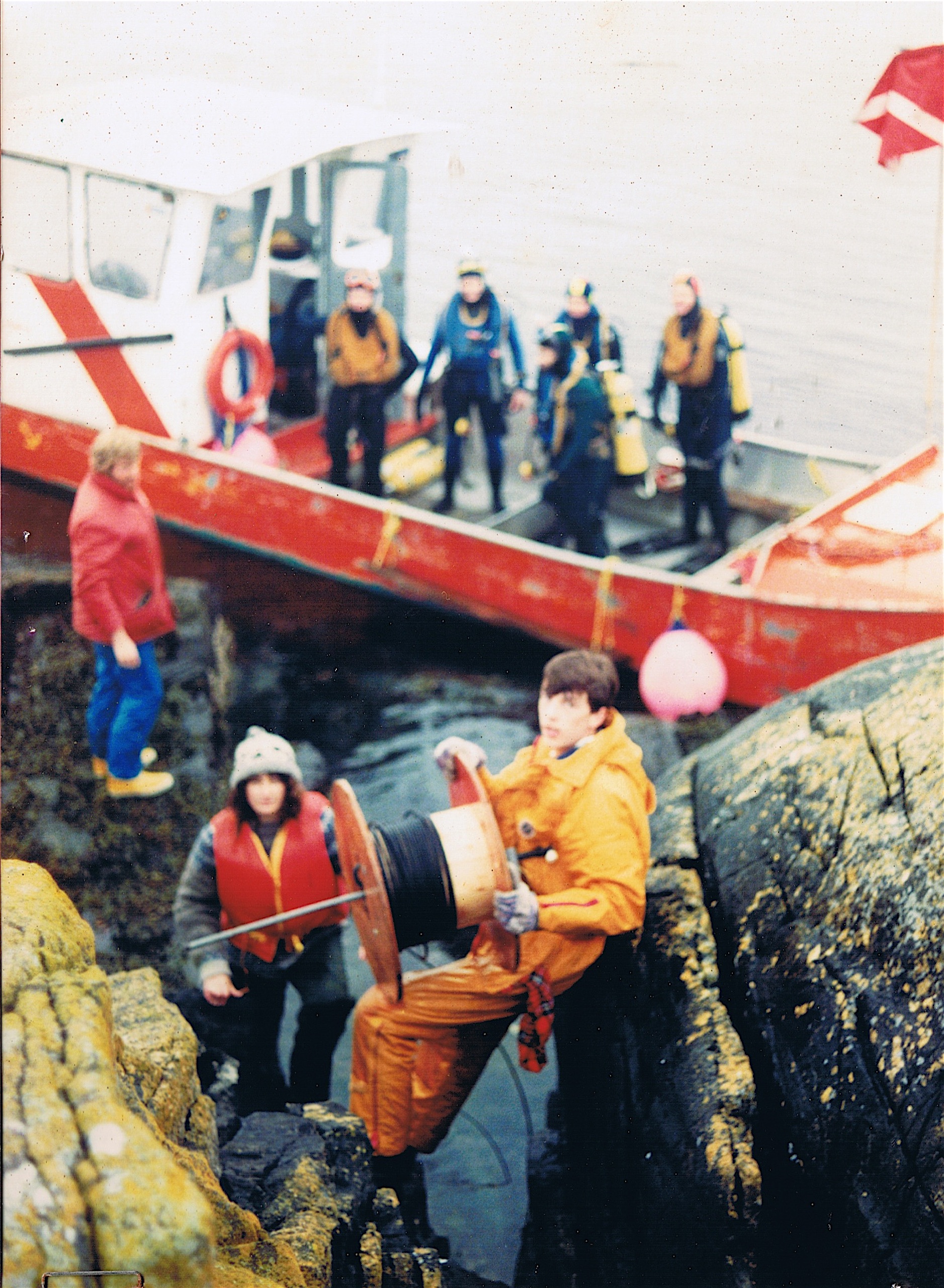
Marcus Pistor ( PC student) Pam Stacey and Robin Baird installing the hydrophone cable on the south-east side of Great Race Rock.

cetacean

Social organization of mammal-eating killer whales: group stability and dispersal patterns

by Robin W. Baird and Hal Whitehead
See the full PDF:KWSocOrg
Abstract
: The social organization of mammal-eating “transient” killer whales (Orcinus orca) was studied off southern Vancouver Island from 1985 through 1996. Strong and long-term associations exist between individual transients, so sets of individuals with consistently high association levels, termed pods, can be delineated. Pods consist of individuals of mixed ages and sexes, and typically contain an adult female and one or two offspring (averaging 2.4 individuals). The mother–offspring bond remains strong into adulthood for some male (and less often for female) offspring. Other males disperse from their maternal pod and appear to become “roving” males, spending some of their time alone, and occasionally associating with groups that contain potentially reproductive females. These males appear to have no strong or long-term relationships with any individuals, and adult male – adult male associations occur significantly less often than expected by chance. Females that disperse from their natal pod appear to be gregarious (having high average association rates) but socially mobile (having low maximum association rates). Differences in social organization from the sympatric fish-eating “resident” killer whales (where no dispersal of either sex occurs) likely relate to differences in foraging ecology. Transient killer whales maximize per capita energy intake by foraging in groups of three individuals,whereas no such relationship has been documented for resident killer whales