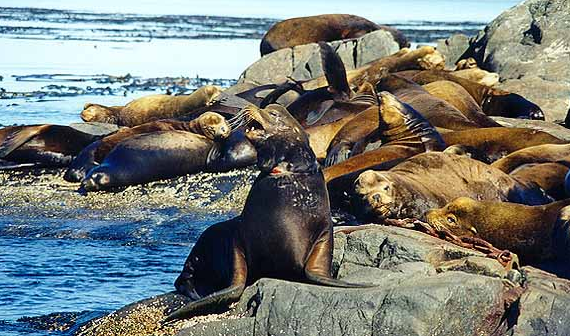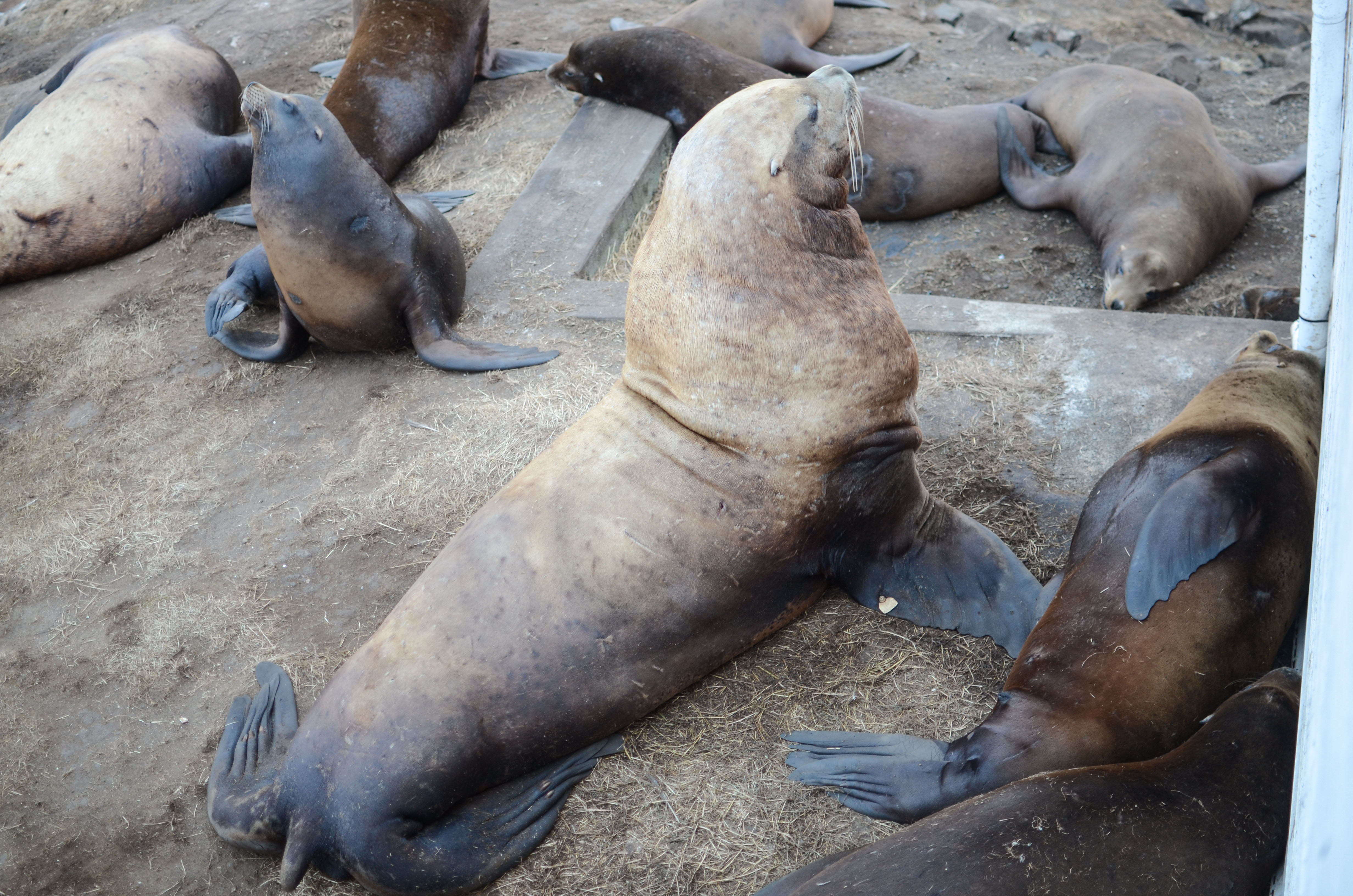
Human Impact on Sealions: Fishing Flashers, Entanglement, Boat strikes

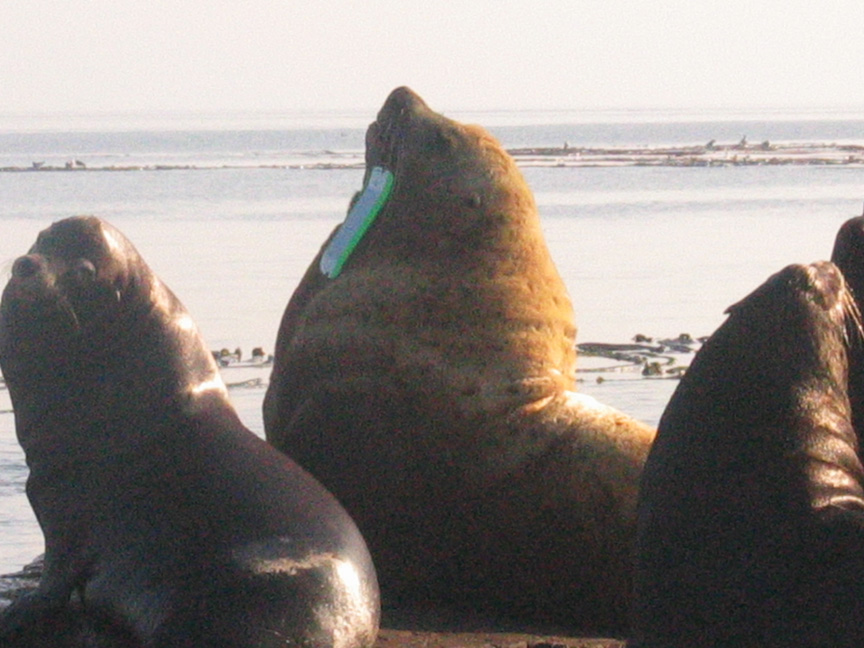
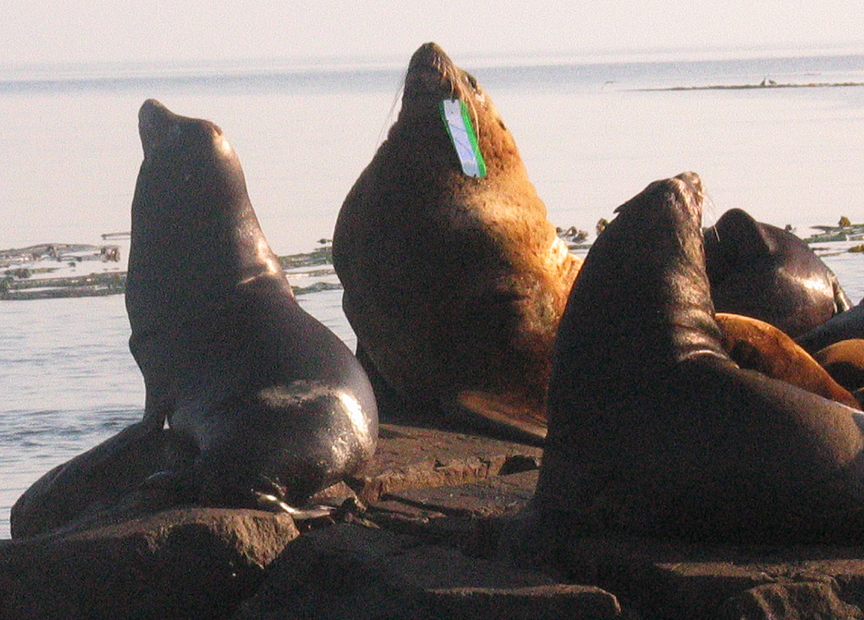
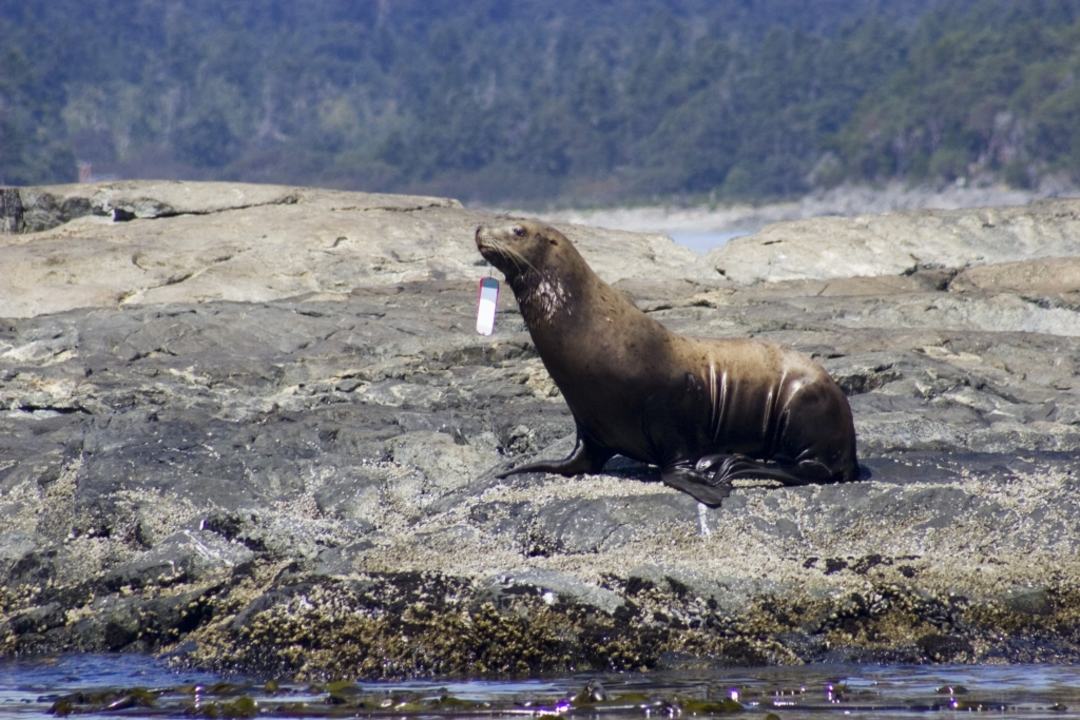
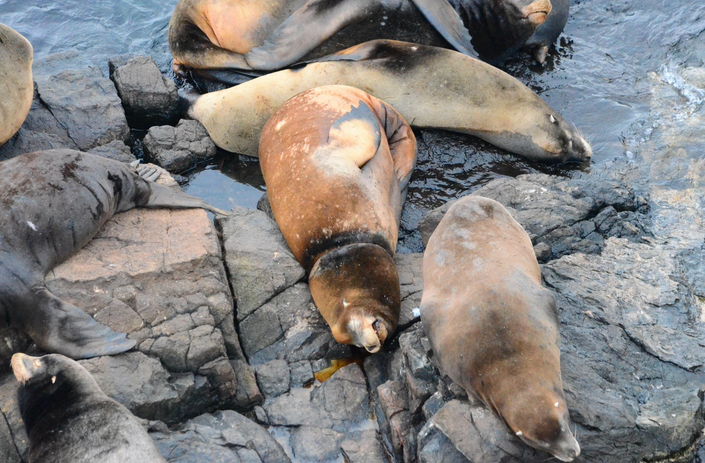
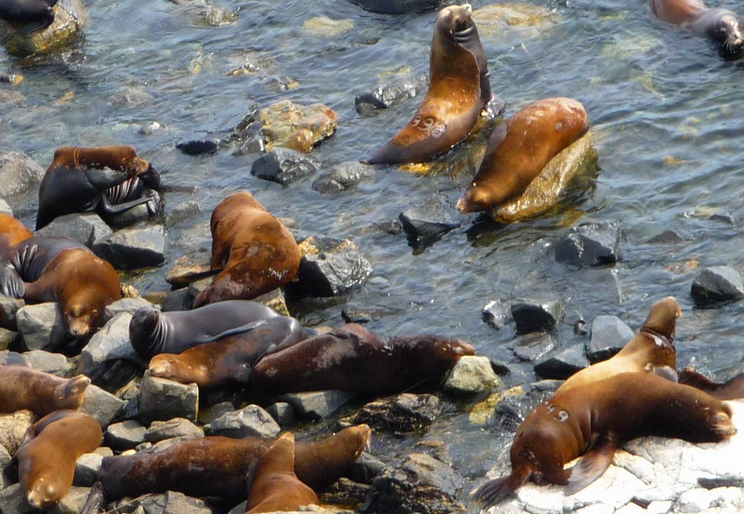
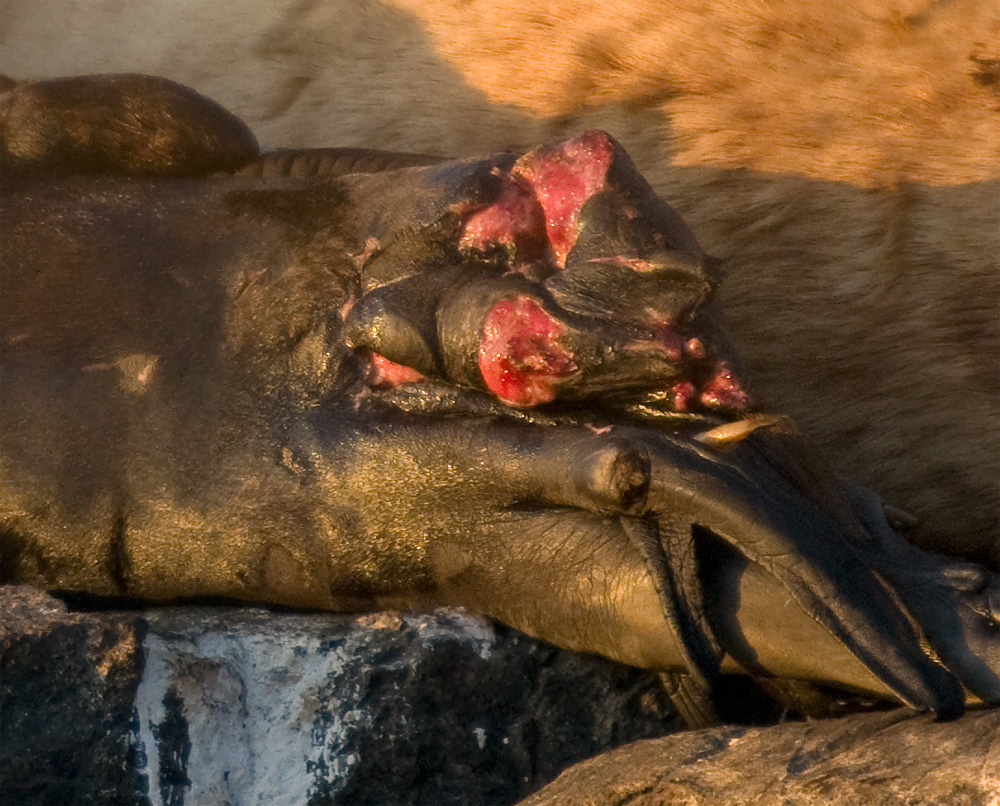
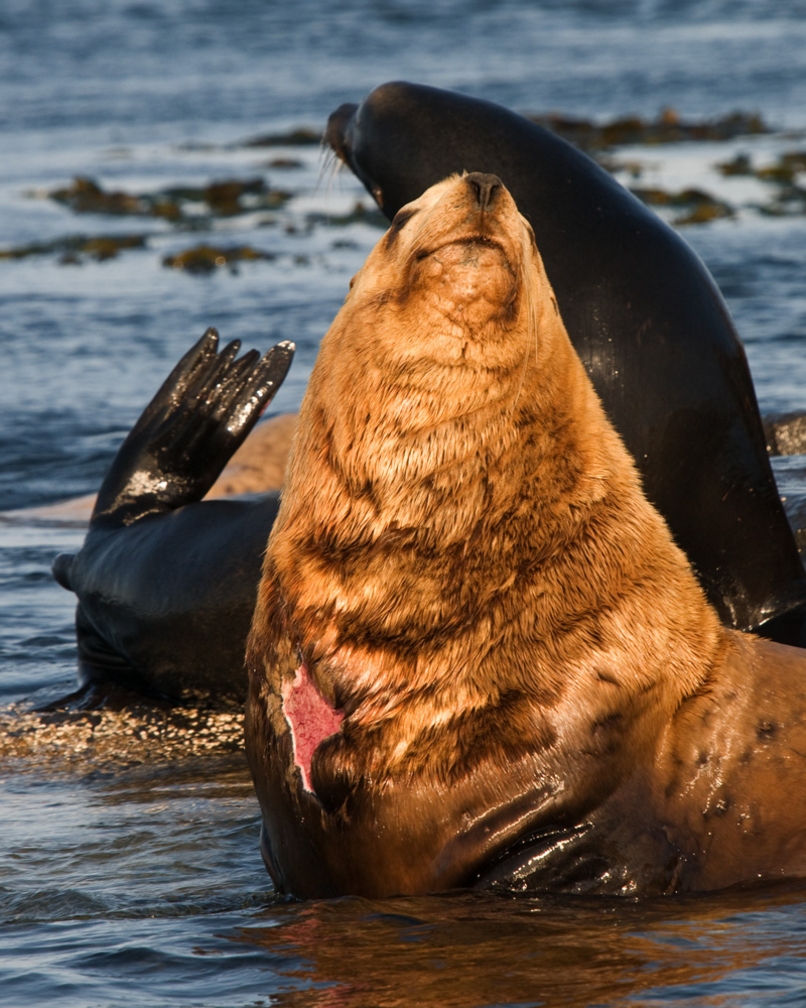
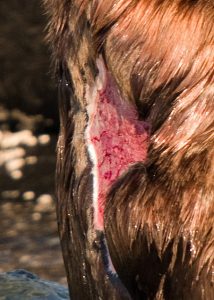
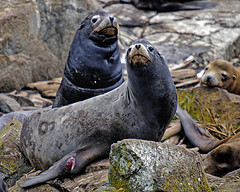
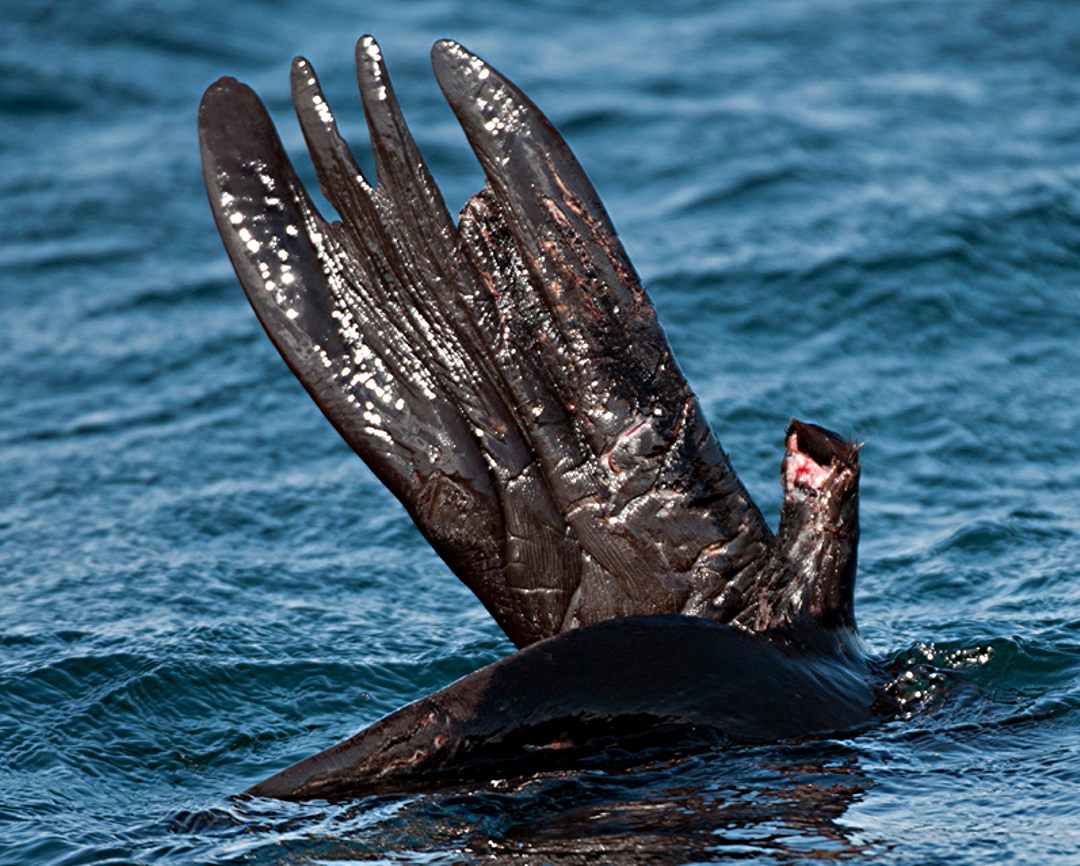
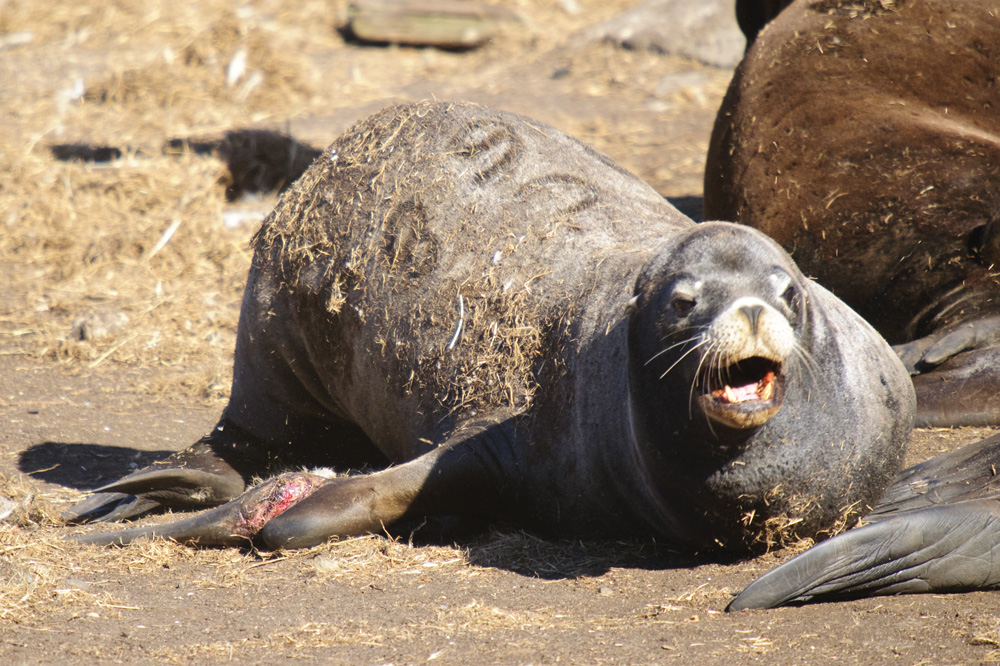
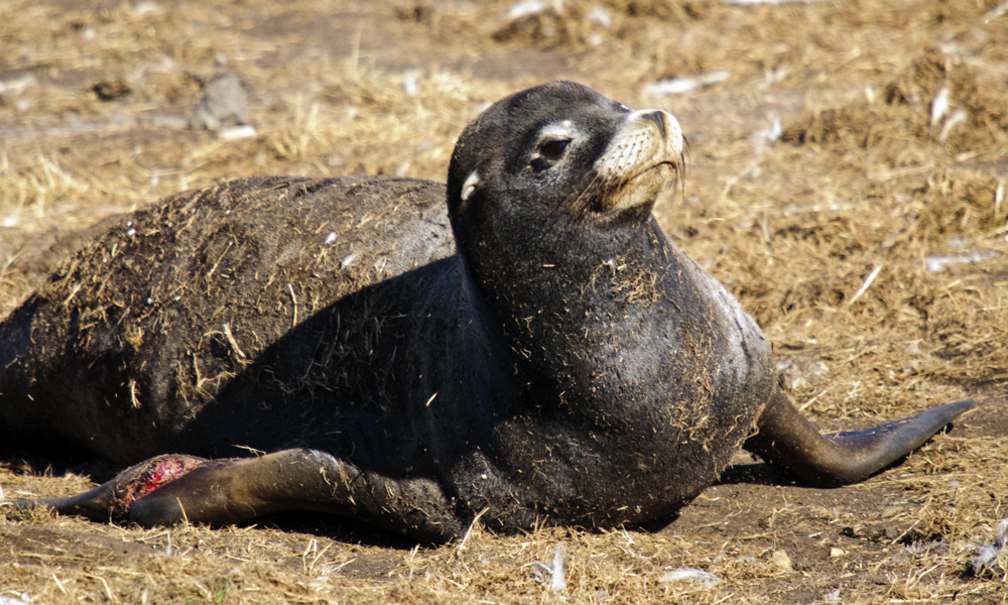
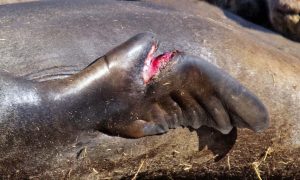
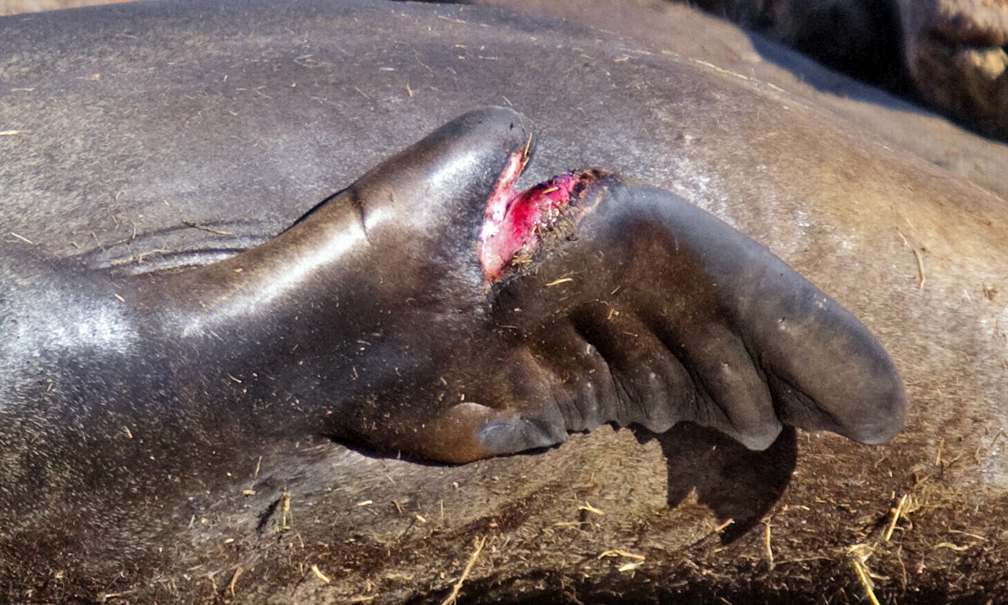
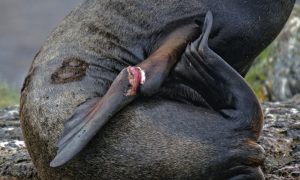
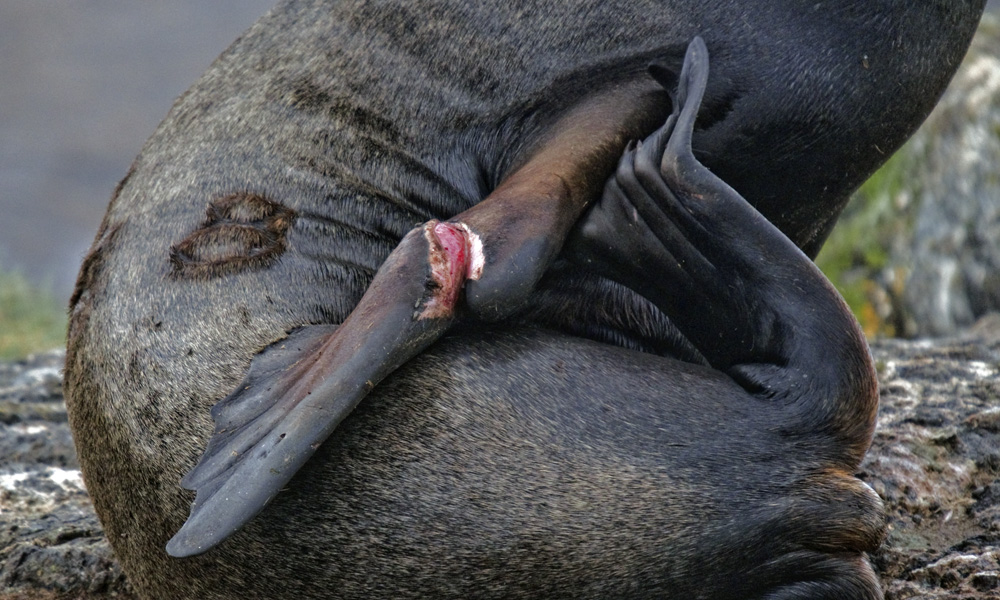
In this post we have put together many of our references to the impacts that humans have inflicted on our California and Steller or northern sea lion population which hauls out at Race Rocks.  It includes images of fishing flashers and entanglement in commercial fishing gear, especially plastic net-binding hoops, as well as examples of strikes by boats which have injured sealions, often resulting in limb amputations. It is our hope that the fisher community can be more aware of how harmful their actions or negligence can be on marine mammal populations.  

FISHING FLASHERS:

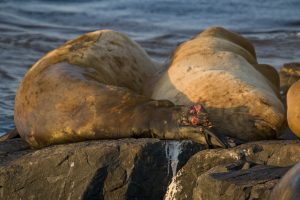
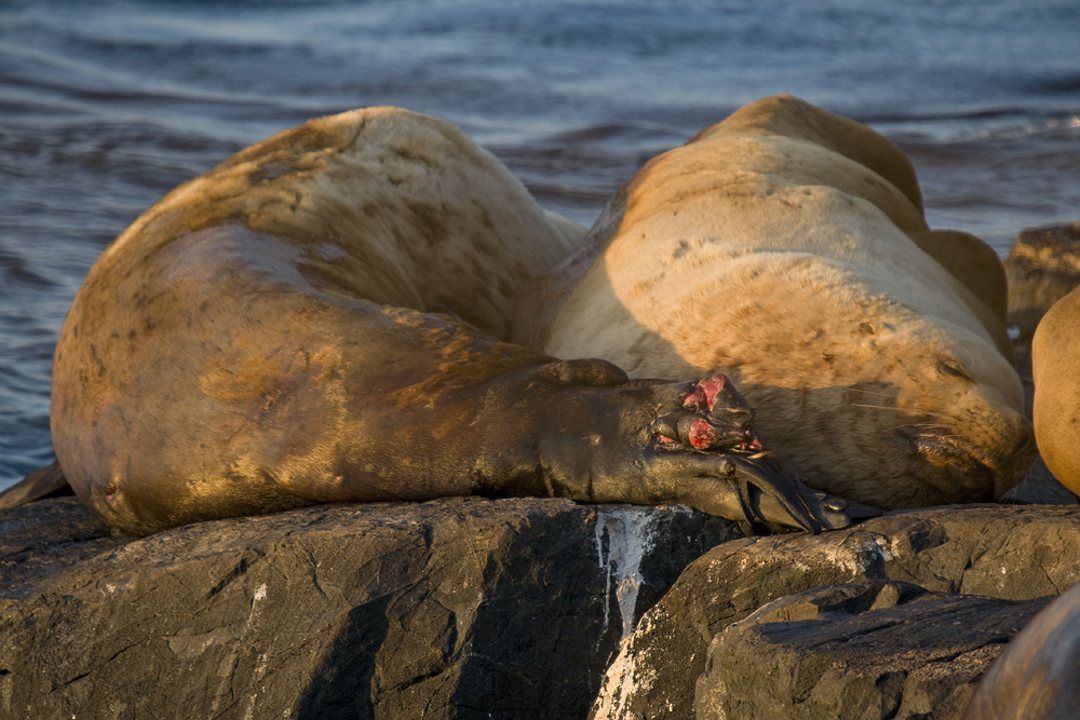
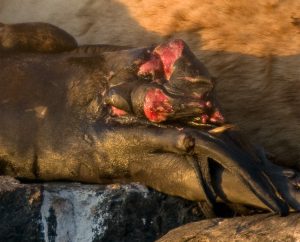
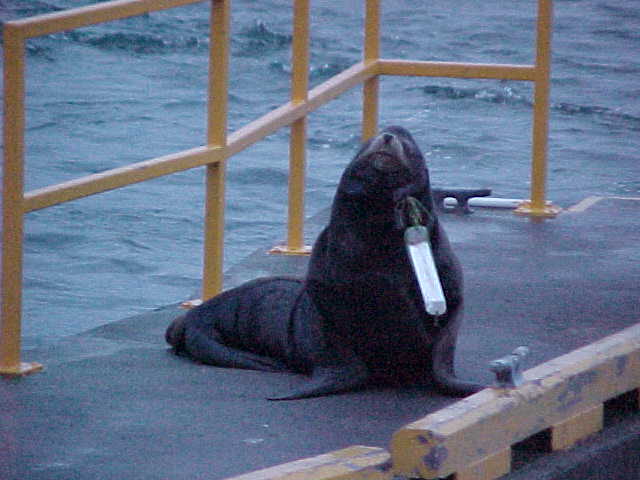
We see this event all too often at Race Rocks. Fishers must take responsibility for removing fishing gear from the water when marine mammals are nearby. Not only is it expensive to loose equipment, the impact on these sea lions is uncertain. If the animal succeeds in breaking the leader for the flasher, then the animal only has to contend with the hook down in the stomach. It is not known how this effects sea lion mortality.
flash2

Dec. 13 2006

flasher2northern

Feb. 2006

flashernorthern

Feb. 2006

hookedsealion

This Northern sea lion was photographed on August 15, 2007 by Roth Wehrell. UVIc

front

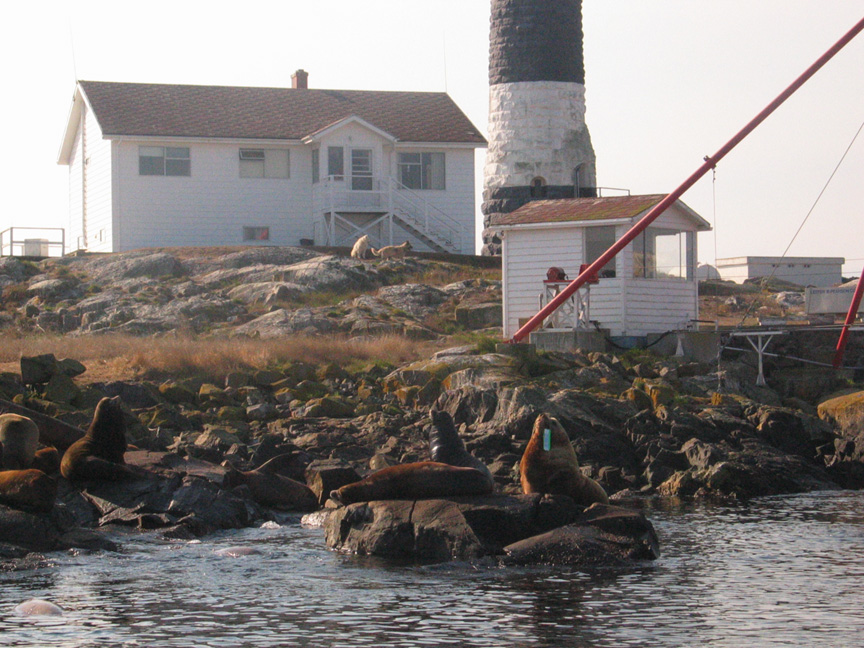
A flasher on one of the sealions at the docks

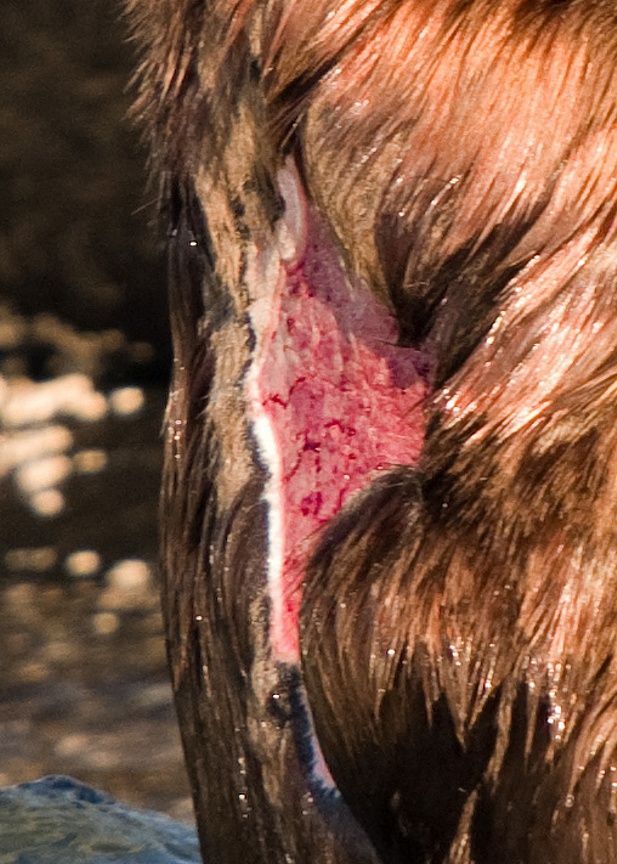
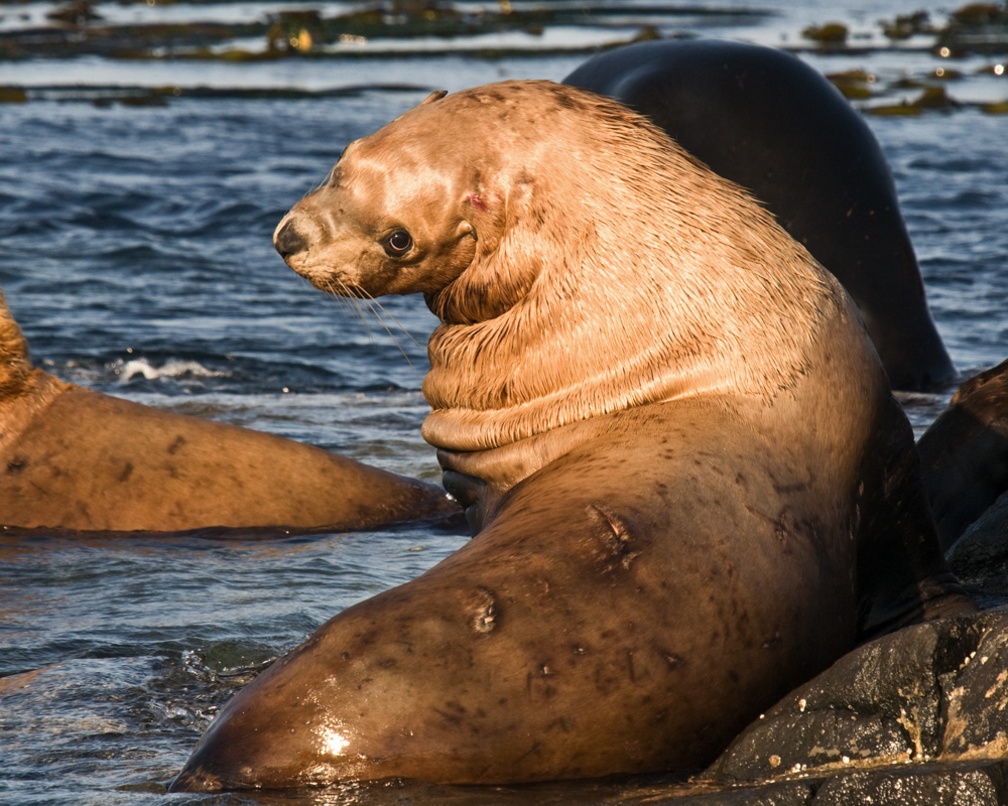
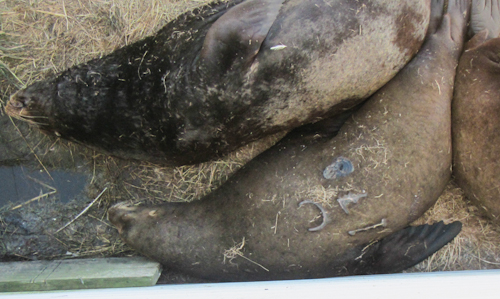
Entanglement in Commercial Fishing Plastic bindings on Nets.

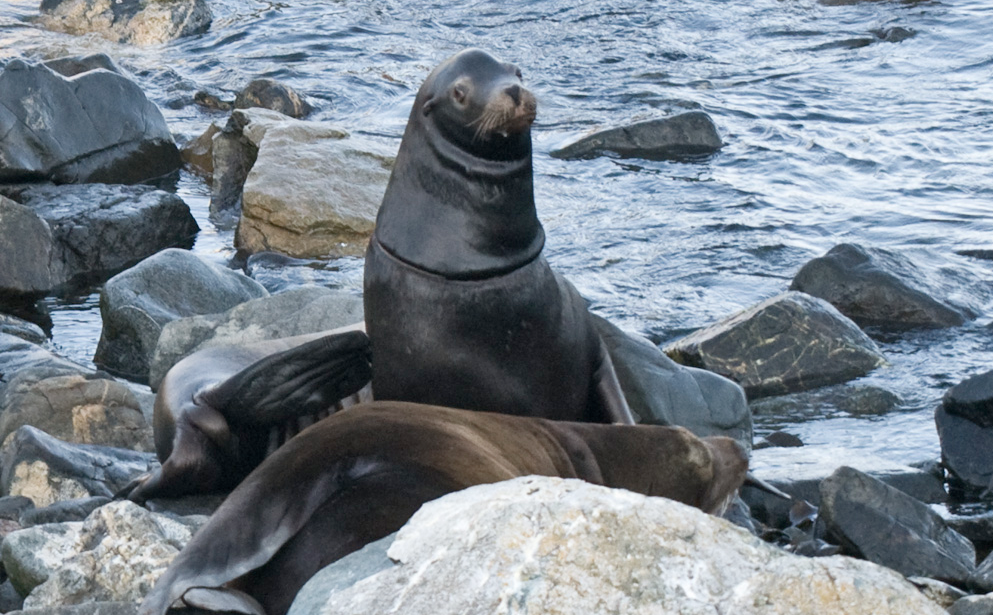
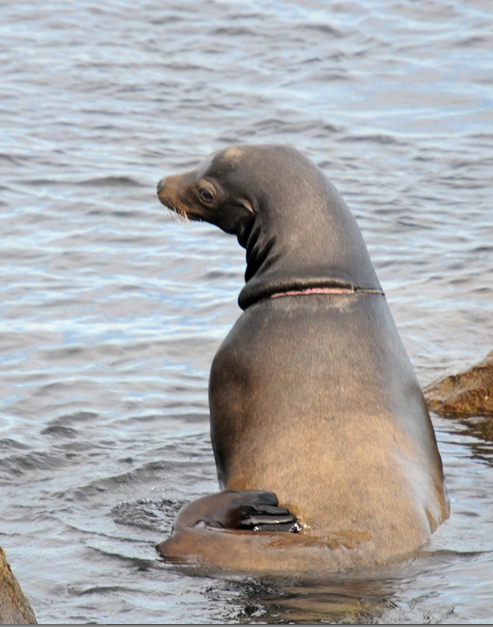
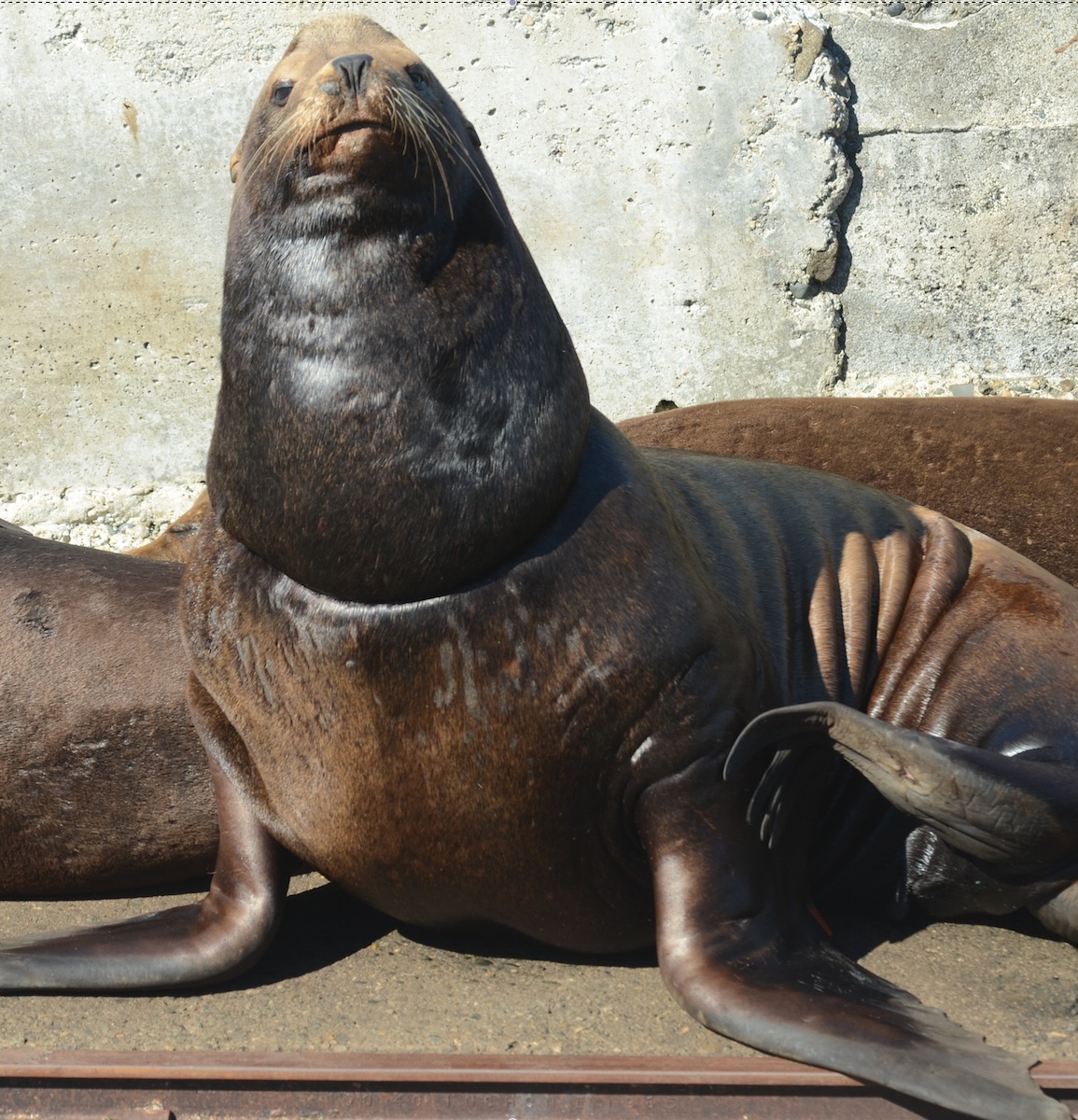
This section shows plastic neck rings from commercial fishing nets around the neck of a sea lion.
Please write your Fisheries governing departments to request that all plastic bands used in the fishing industry for binding fish nets by made of biodegradable material.
RM4_8493necklace

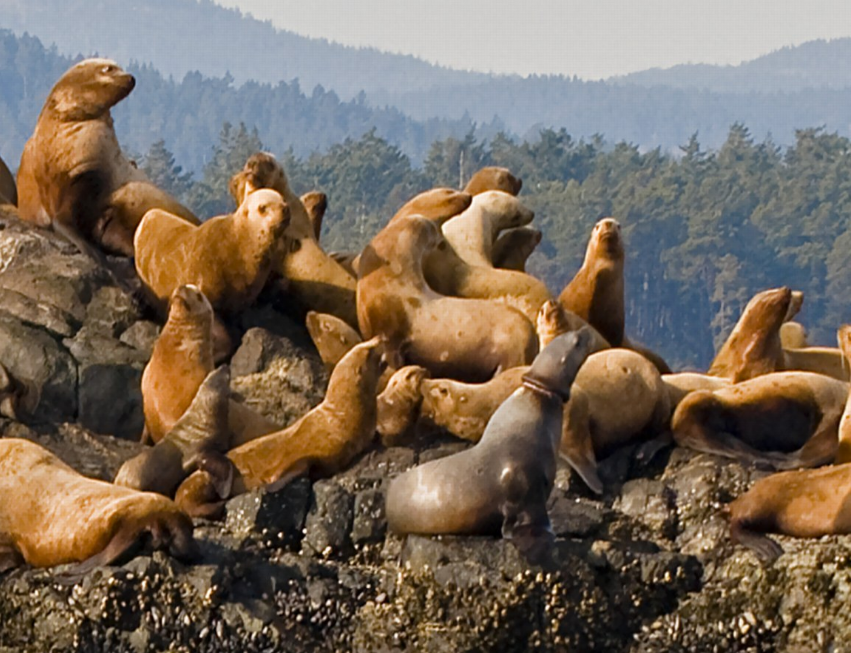
Neck rings on middle island

Oct26 2015

Oct26 2015

gfsept809threebrand

Sept. 9,2009-

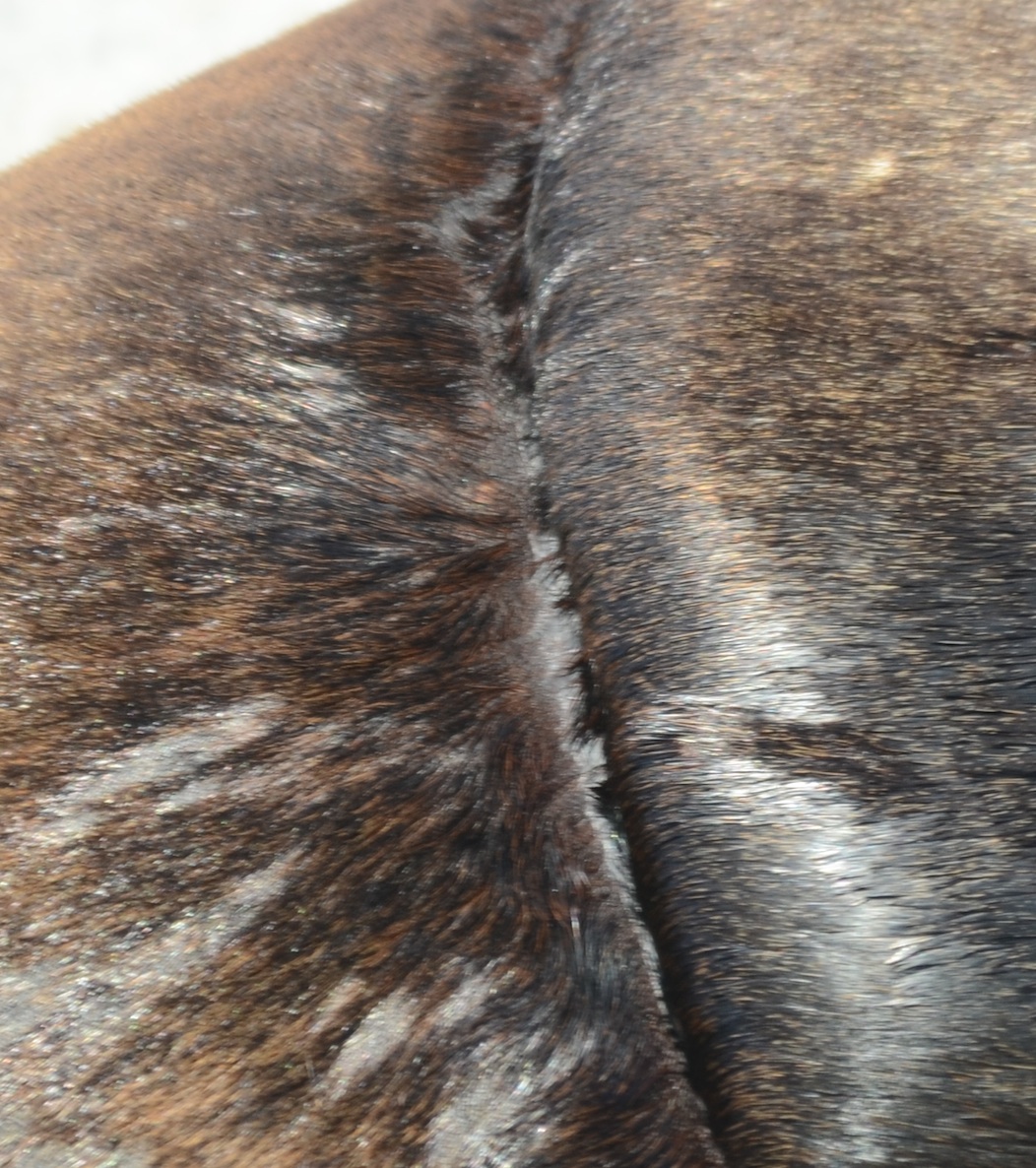
This northern (steller’s) sea lion showed up on Middle Rock in February of 2009 . Note the ridge formed by the ring toward the head end. Photo by Ryan  two neck rings and three brands appear in the same photo from the tower. GF

Aug 31, 2009

Aug 31, 2009

Sept. 2, 2009

Sept. 2, 2009- Ryan Murphy photo

Sept. 1999

Sept. 1999 Carol Slater took this picture of a California beside the docks.

These two tags will bring up the other posts on Marine mammal Injuries and Entanglement.

See other photos from the excellent collection of Ryan Murphy on Flickr

See this reference: Entanglement of Steller sea lions (Eumetopias jubatus) in marine debris: Identifying causes and finding solutions

Kimberly L. Raum-Suryana, , , Lauri A. Jemisonb, Kenneth W. Pitcherc
Elsevier: Volume 58, Issue 10, October 2009, Pages 1487–1495
Abstract
Entanglement in marine debris is a contributing factor in Steller sea lion (SSL; Eumetopias jubatus) injury and mortality. We quantified SSL entanglement by debris type, sex and age class, entanglement incidence, and estimated population level effects. Surveys of SSL haul-outs were conducted from 2000–2007 in Southeast Alaska and northern British Columbia. We recorded 386 individuals of all age classes as being either entangled in marine debris or having ingested fishing gear. Packing bands were the most common neck entangling material (54%), followed by rubber bands (30%), net (7%), rope (7%), and monofilament line (2%). Ingested fishing gear included salmon fishery flashers (lures: 80%), longline gear (12%), hook and line (4%), spinners/spoons (2%), and bait hooks (2%). Entanglement incidence was 0.26% (SD = 0.0064, n = 69 sites). “Lose the Loop!” Simple procedures such as cutting entangling loops of synthetic material and eliminating the use of packing bands can prevent entanglements.

BOAT STRIKES:

As the Northern (Steller) and California sea lions started to return to Race Rocks in the fall of 2009, Ecoguardian Ryan Murphy noticed what may be a significant increase in the number of encounters they have had with humans. Ryan took  these pictures at the time.

Killer Whales, Porpoise and Sea Lions Galore.

It was another glorious day at Race Rocks and the trend is continuing. The barometer rose slowly until late afternoon and then levelled off and dropped a bit. The forecast is for outflow easterlies that are so good at keeping the fog at bay.
Following a little too close.
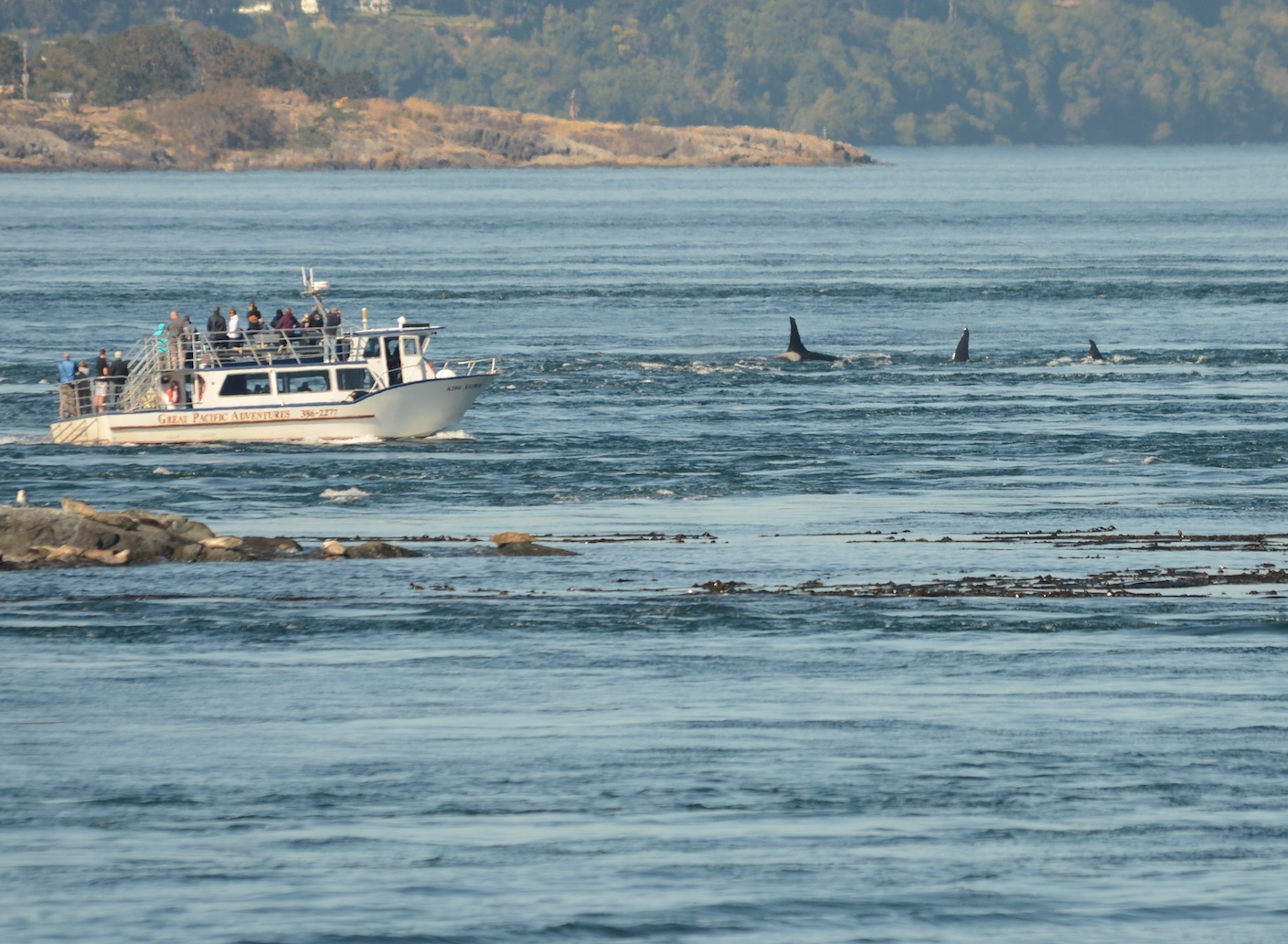
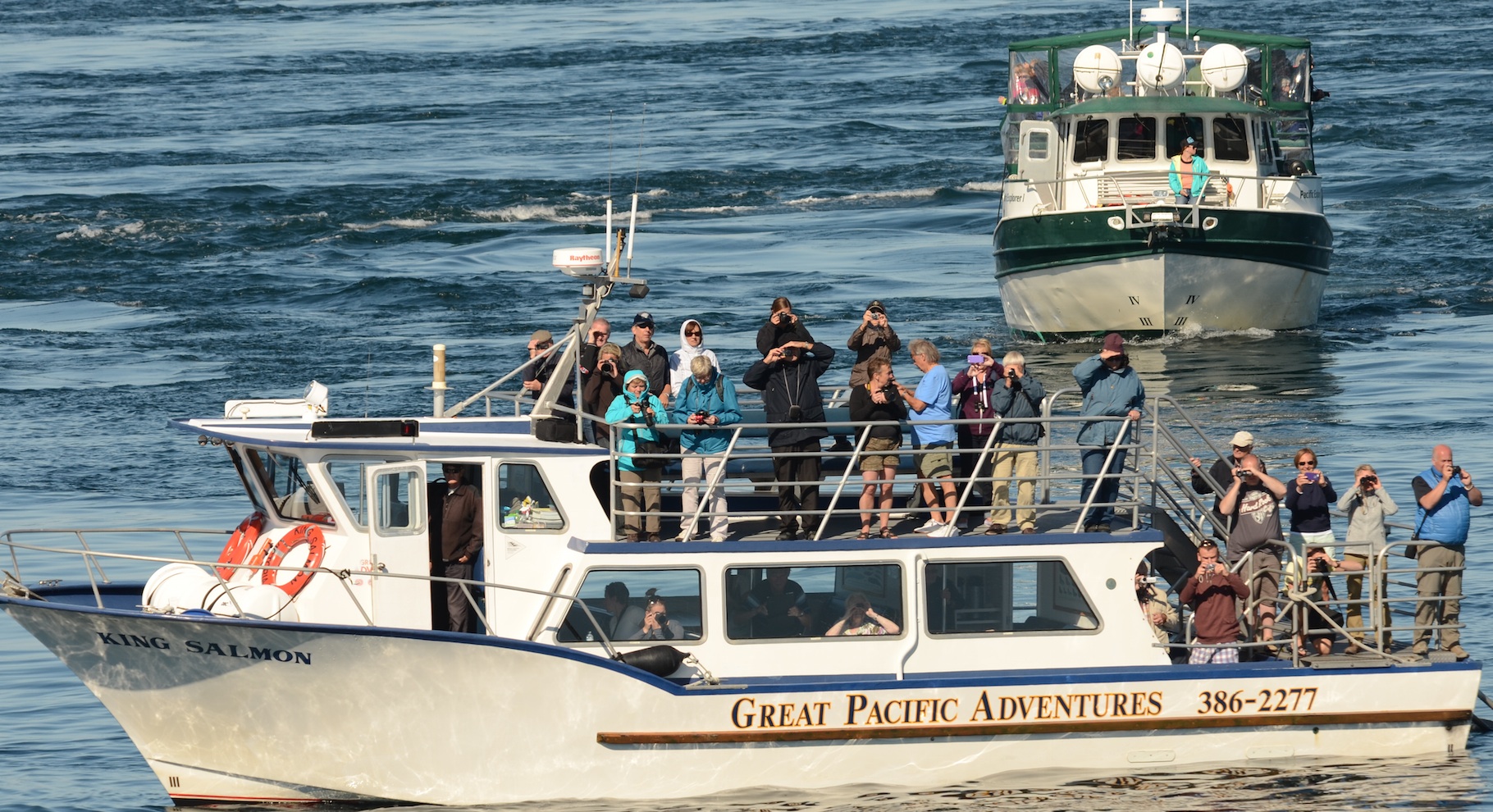
There was a flurry of whale watching activity today as Southern Resident Killer Whales went past Race Rocks going east with the tide. After the main pod had passed, there were 15 whale watching boats in the reserve and I noted a total of 32 over the day.
Crowded in front of the jetty
I saw two Harbour Porpoise (Phocoena phocoena) feeding in the reserve. They are such smooth, quiet, little divers. They seemed to be feeding on some sort of forage fish that were flipping at the surface. Very tidy and well behaved compared to the sea lions.
Tide is coming up.
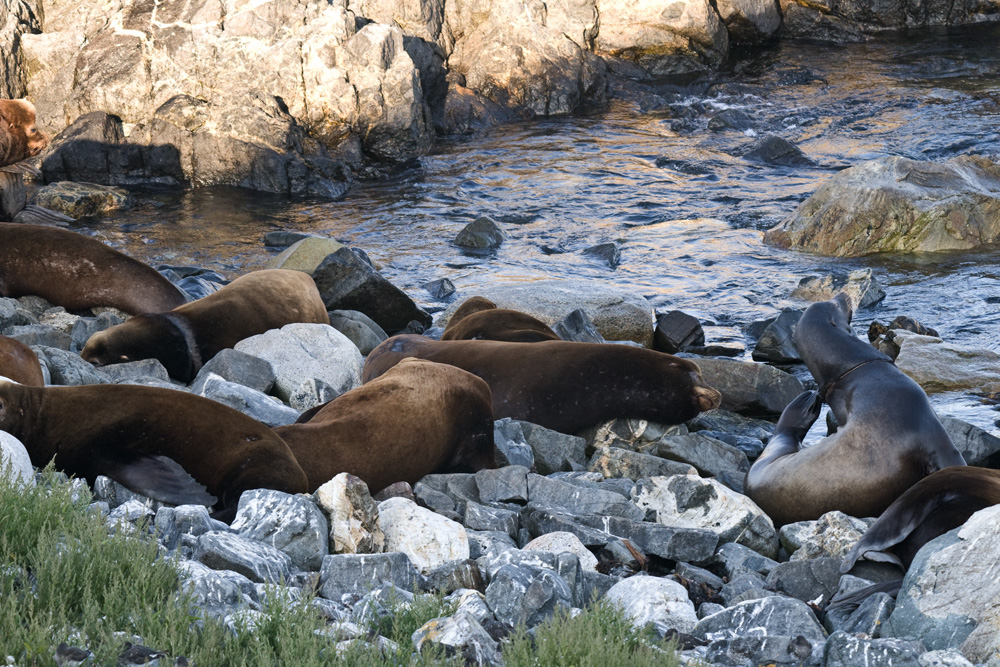
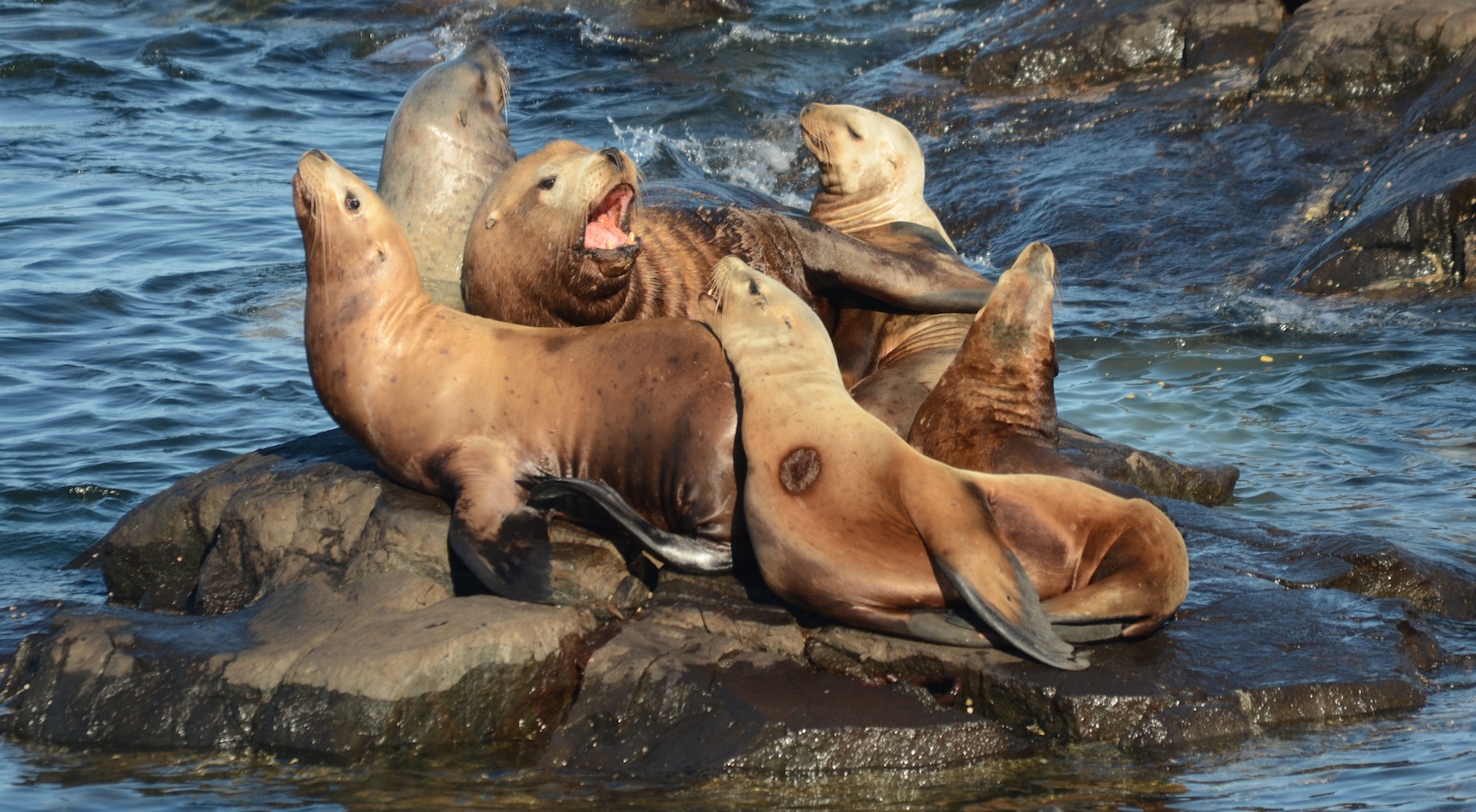
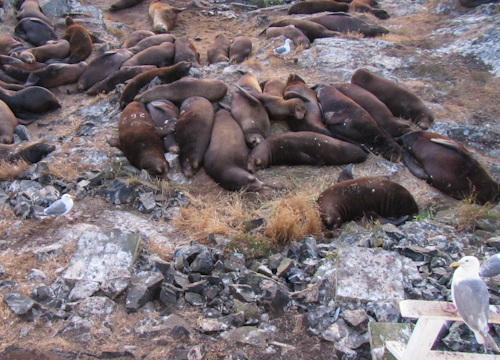
Some of the choice spots for hauling out are quite crowded now and there is a lot of jockeying for position in the California Sea Lion mosh pit where it is not unusual to see animals running across others to find a comfy sleeping spot. They stack in like cord-wood and must keep each other warm.

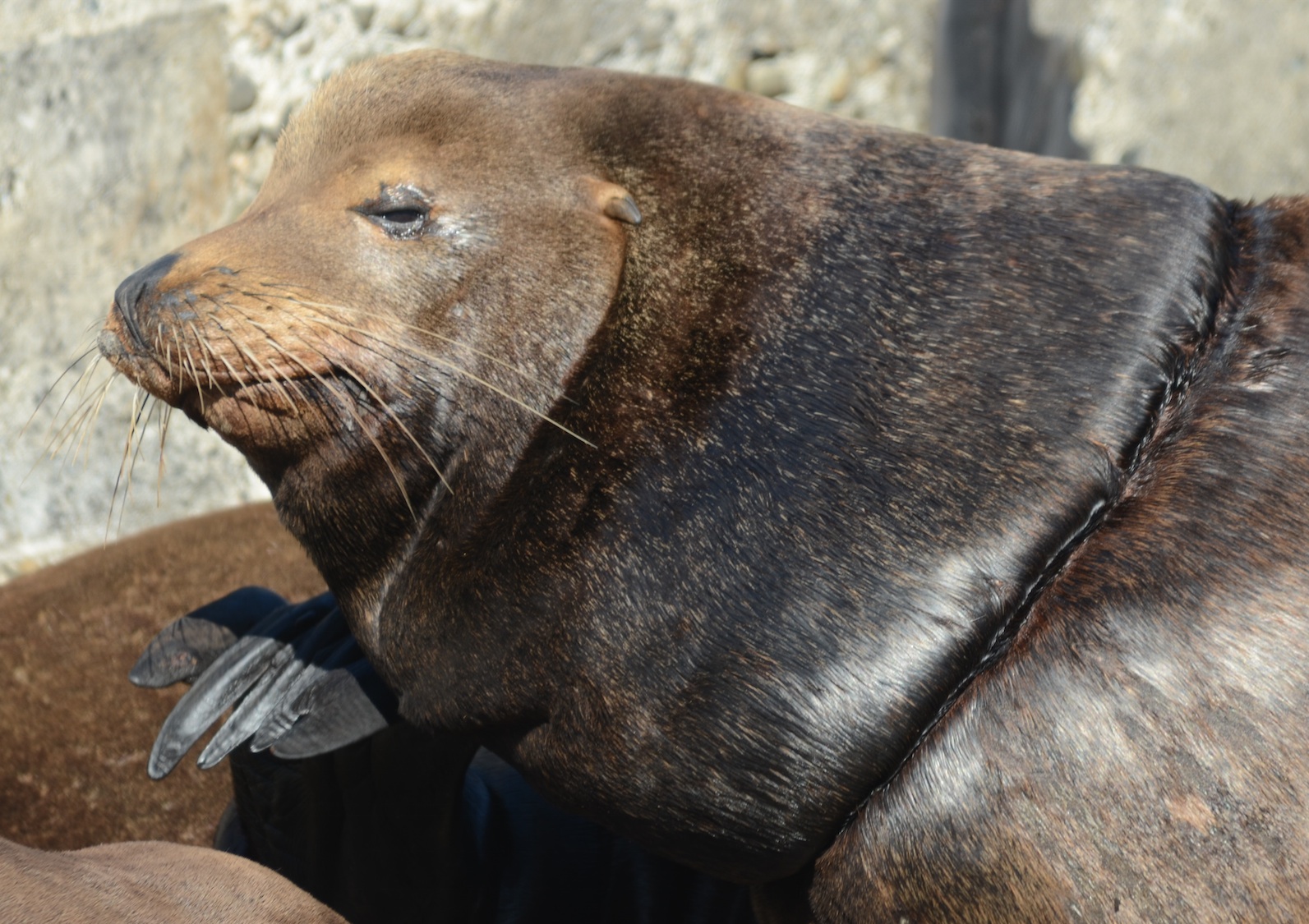
Here are a few shots of the California Sea Lion with the orange tags (no numbers) that has been ring-necked but seems to be healthy and vigorous. I didn’t find the ring-necked Steller’s today.
Stopped scratching for a moment.
Healing Ring-neck.Healthier ring-neck

Alex Fletcher solved my bird mystery: the mystery birds are Killdeer that arrive just after dark each night. Alex has heard them in the winter too. They must roost on the island and then leave for the day, as I have not seen them in daylight yet.

I finished the fence today, did more cleaning and made fresh water with the desalinator. By the time I went to turn off the generator the Sea Lions were laying on my fence. Hmmm, that is not not very effective.

The Race Pushes out Illegal Fishers

The day started and ended beautiful and clear, with thick fog coming and going, in between. The westerly winds were unabated and are still gusting over 25 knots as I write this at 21:30. The barometer ended up a little lower than it started with a few ups and downs. It looks like more of the same for tomorrow.

There were only three tour boats noted today and they were following Bigg’s Killer Whales to the west. With lots of Southern Resident Killer Whales, in the Gulf Islands that is probably where the main fleet was working today.

There was another Pedder Bay Marina rental boat with three male Asians fishing illegally in the Rockfish Conservation area today but by the time I tried to hail them on the radio and find the number for DFO Observe, Record, Report, the tidal flow had booted them out of the reserve. They tried again but were repulsed again by the mighty Race. Go tide. I also watched a small, skillfully sailed vessel virtually fly through with full sails and the westerly astern plus a big flood tide whipping him along.

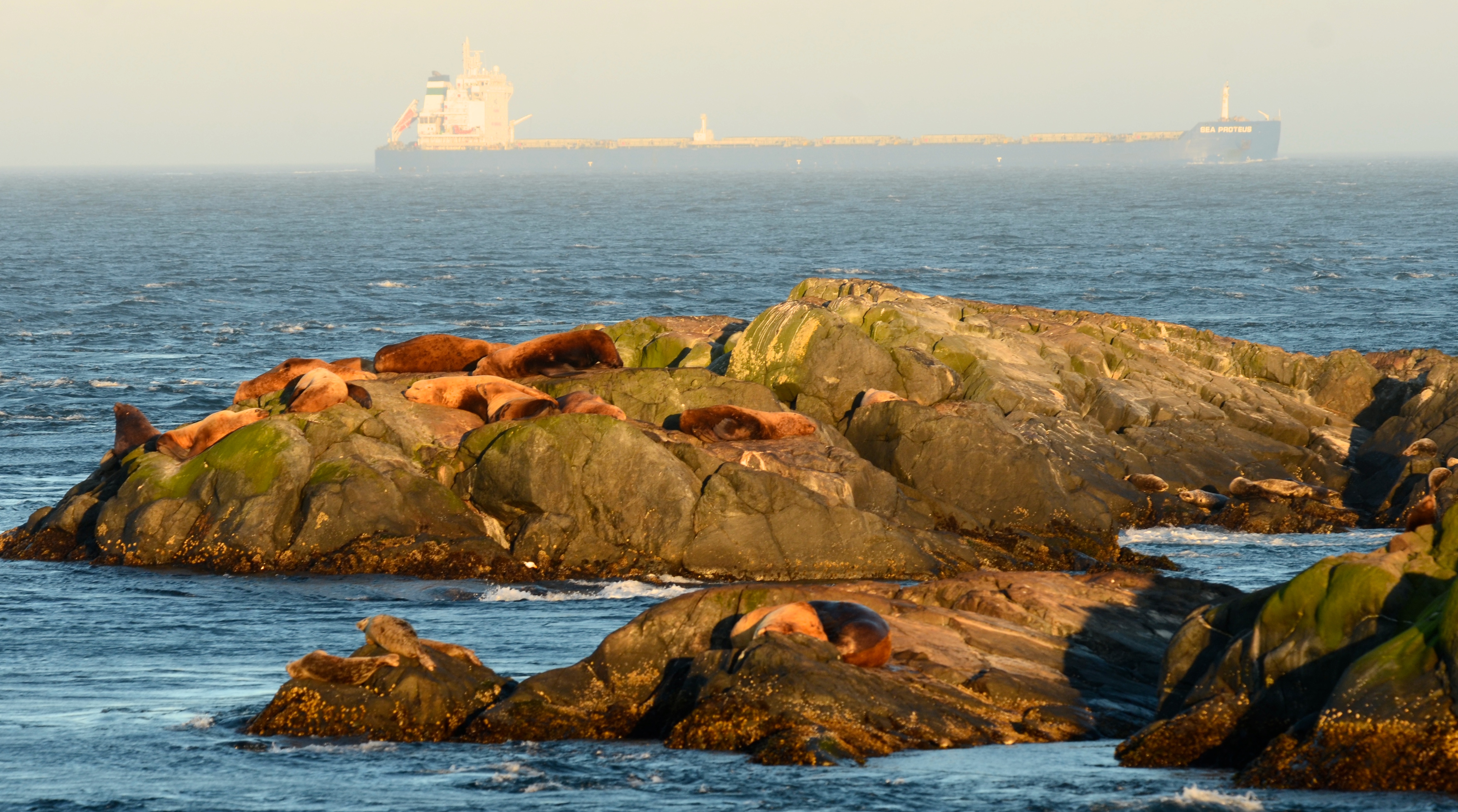
Moving the 100 lb. propane tanks yesterday bugged my knee so I had a slow day today and learned how to use the camera (a little). Here is a photo requested by the Eco-Reserve Warden, Garry Fletcher. He asked for a photo with sea lions in the foreground and a ship in the background. Voila. (Okay, next time the horizon will be level.)

Seals and Sea Lions in the foreground, ship in the background.

Seals and Sea LIons in the foreground, ship in the background.

There are still a few technical details to figure out on how to make an electric fence to keep the big sea lions from leaning their way into the basement of the Science House. I am trying to train them to stay off the house by tapping two rocks together but they are not easily intimidated and some of them are downright ornery.

Sea lion on the jetty

Westerlies between 20-30 knots all day. Sky cloudy for most of the day with some sun. Barometric pressure starting to climb since yesterday. Winds are forecasted to reach a high of 25 knots tomorrow evening.

10 whale watching boats in the reserve today.

First sea lion on the main island found a spot on the end of the jetty. Although there have been several Stellers on West Rocks for more than a week, this was one of the first Californias I have seen this shift. Saw both pair of Black Oystercatcher chicks today and their beaks and plumage are getting much lighter.

Started cleaning out the boathouse this afternoon.

Marine Mammal Tracking at Race Rocks

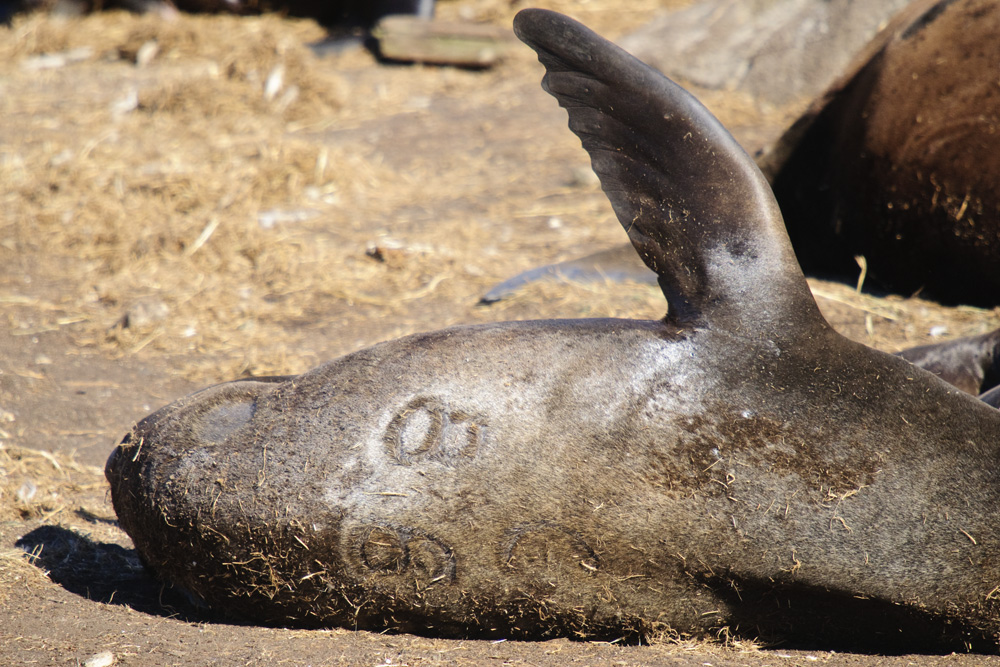
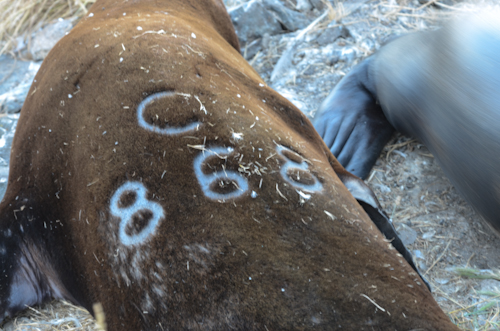
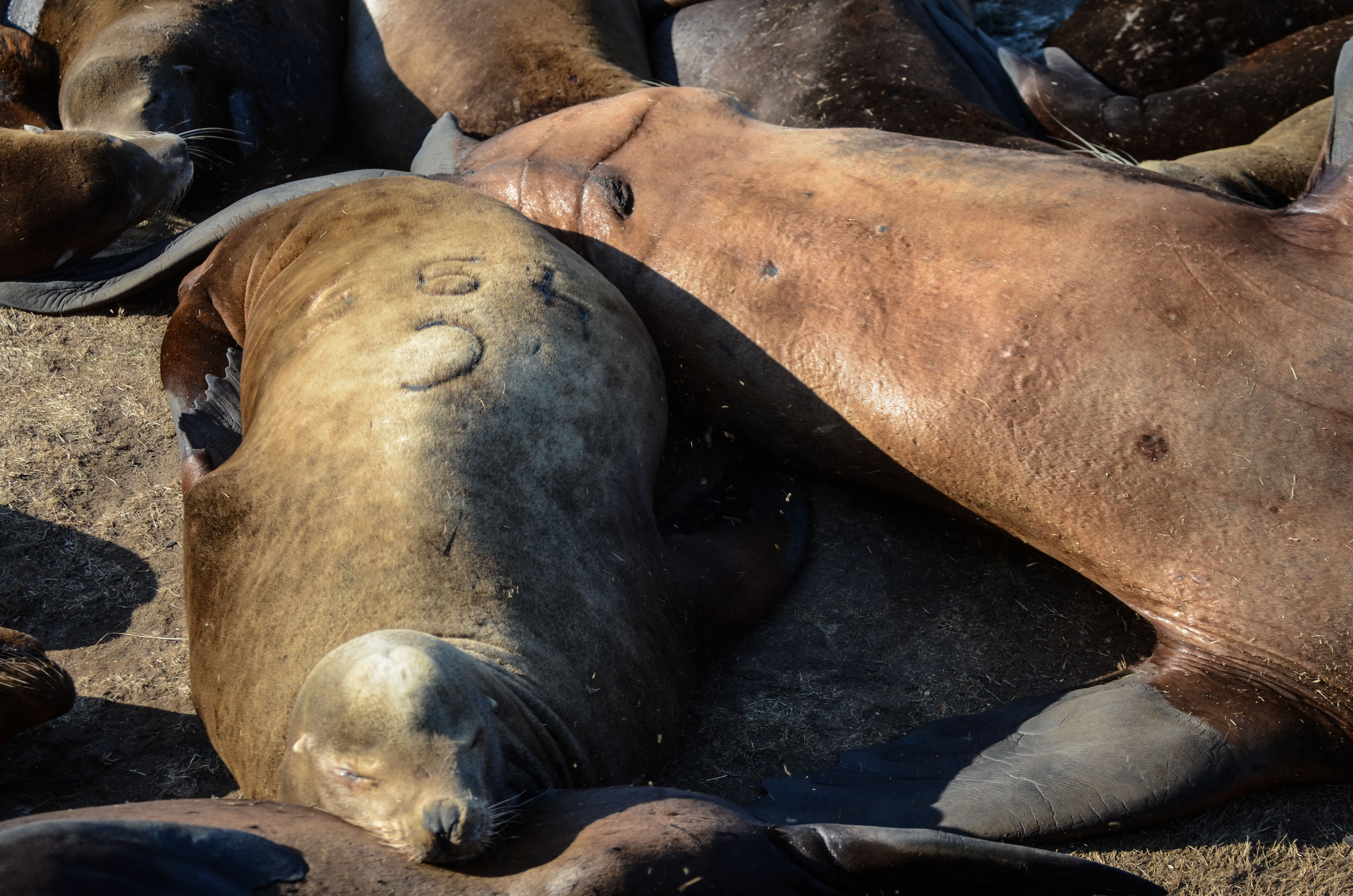
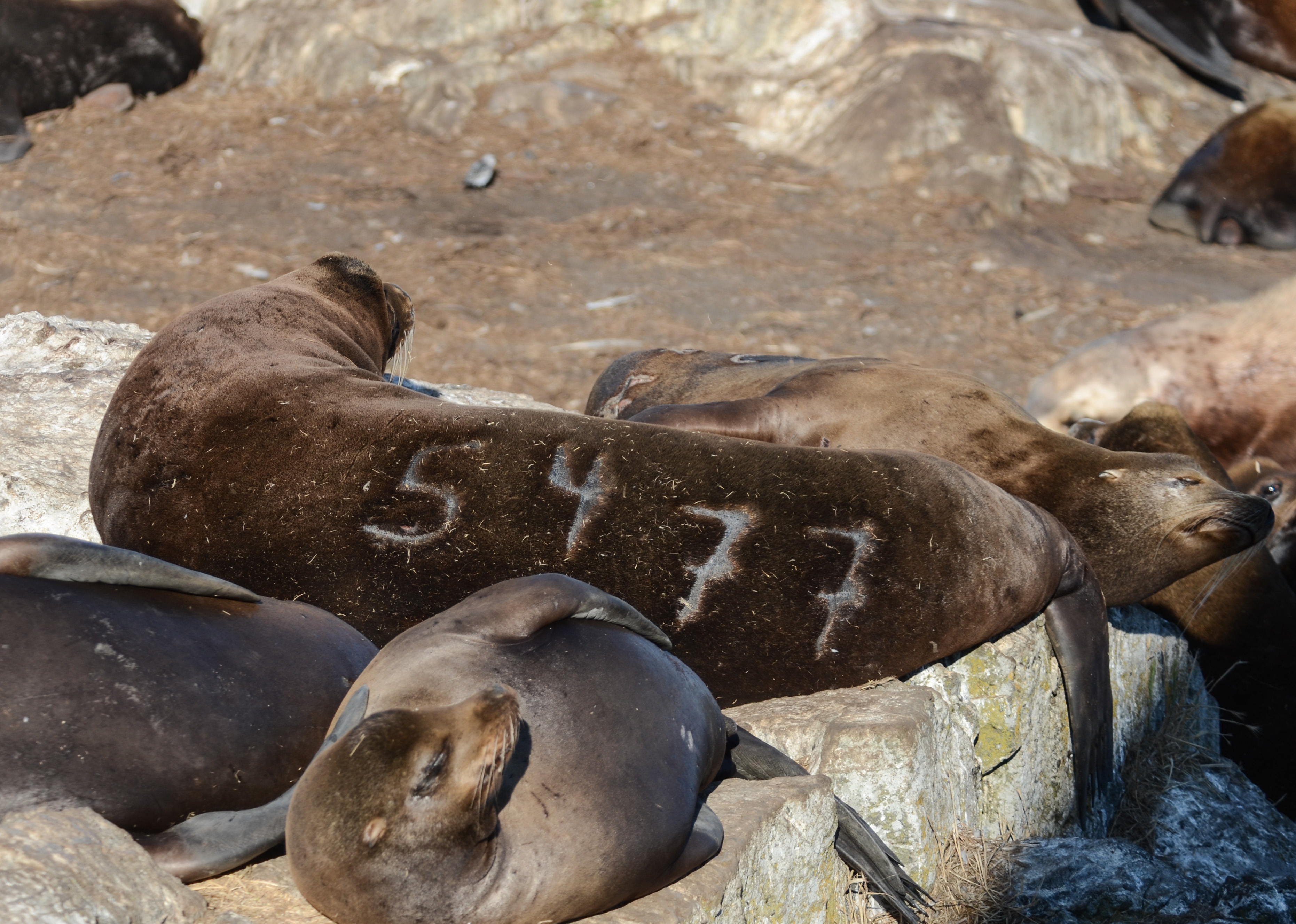
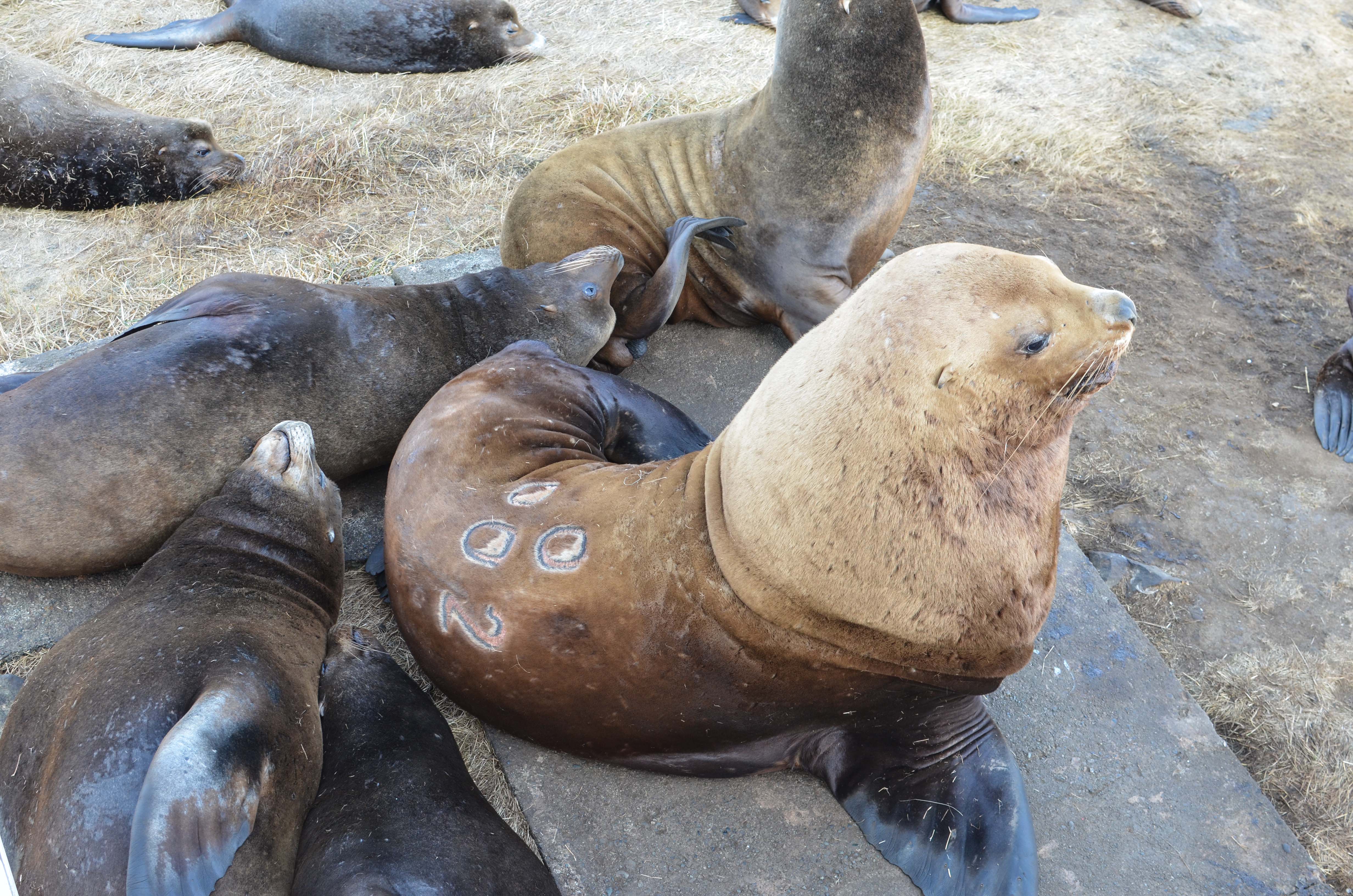
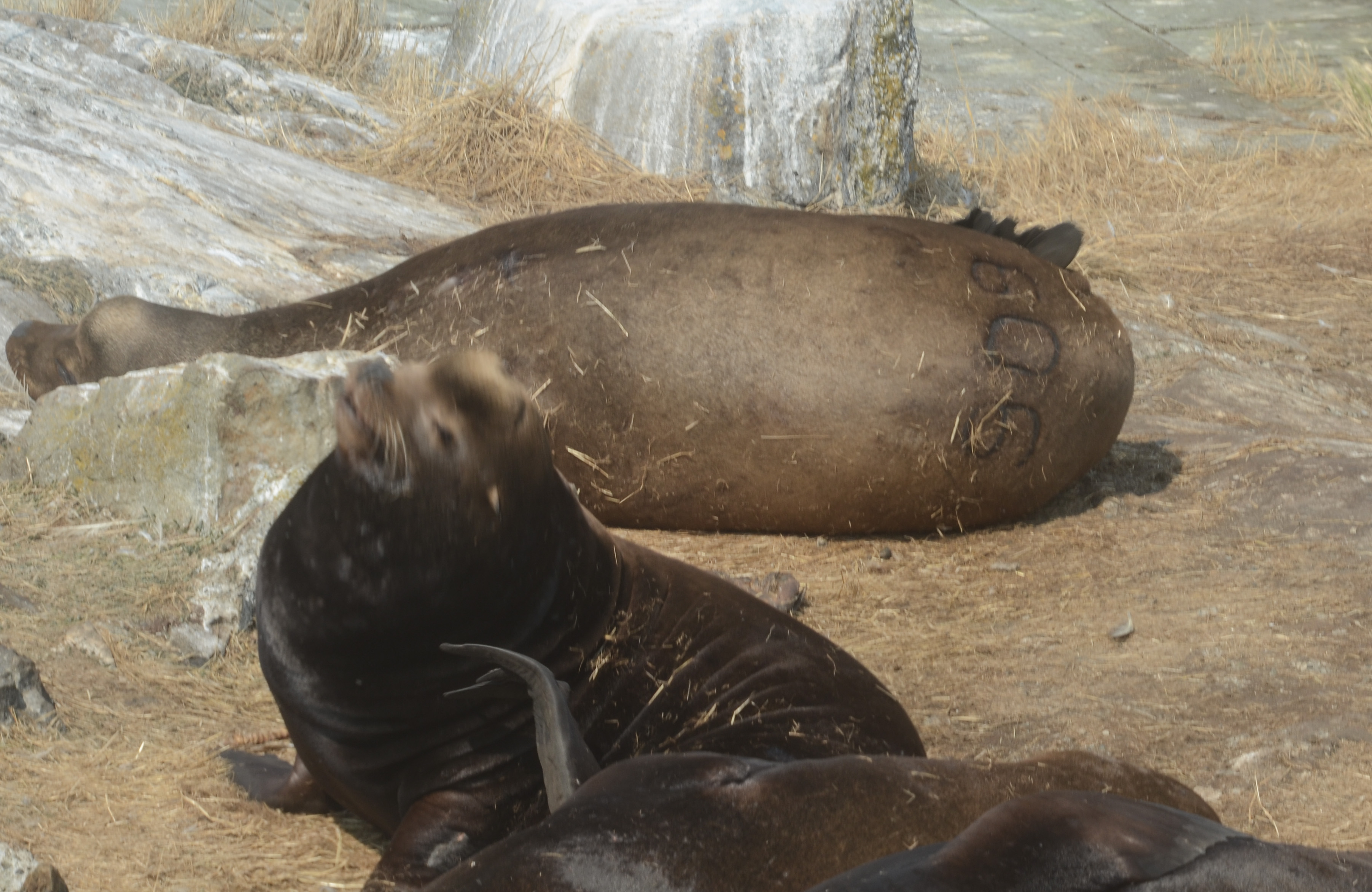
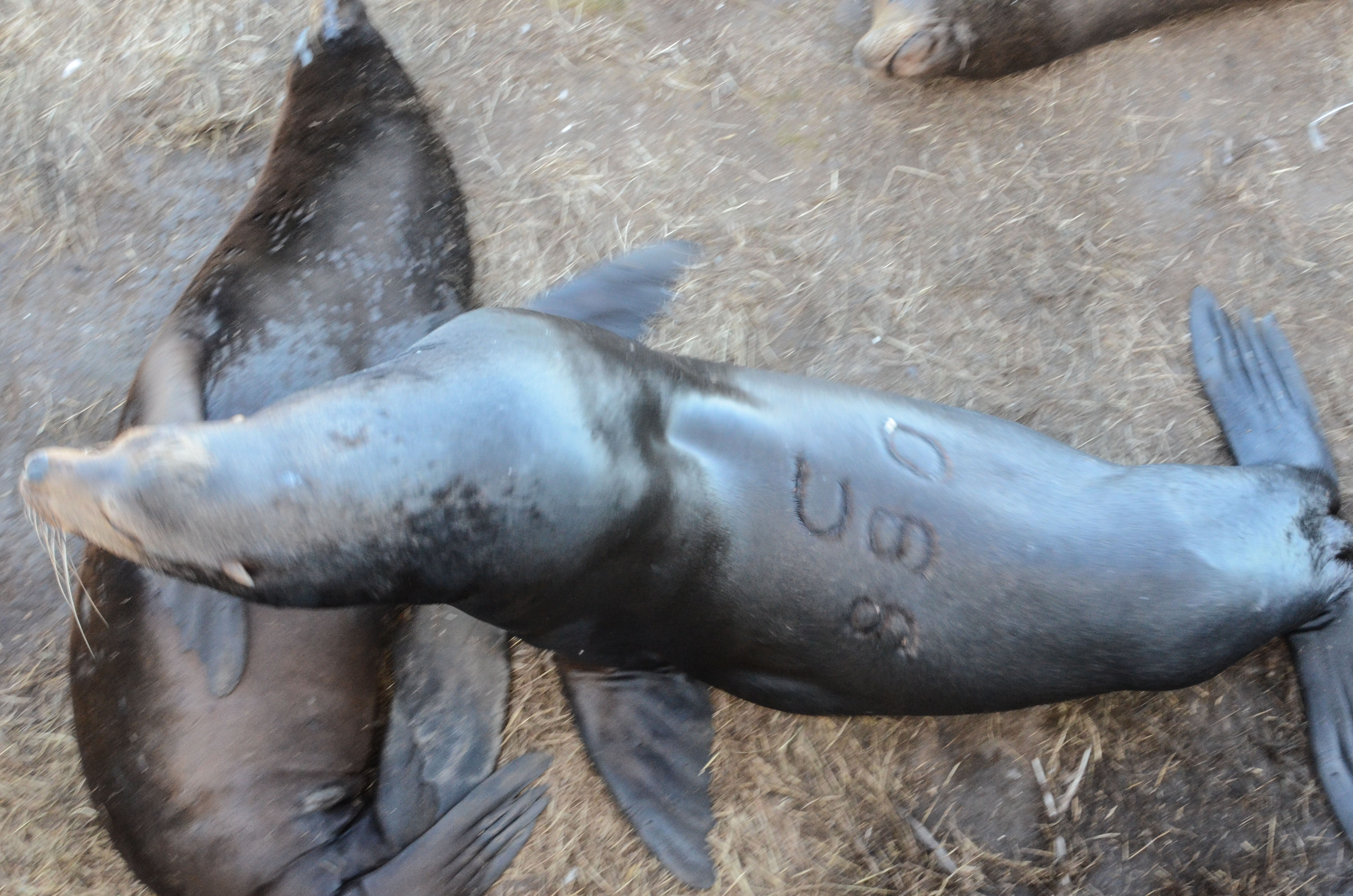
Records of Sea Lion brands: Branded 402 R You can  see the Ecoguardian’s notes and images of the branded sea lions in the log for 2011-2013 etc. here.

Previous photos and observations of tracking devices prior to 2011 can be seen in this linked file:

For Marine mammal injuries : see  https://racerocks.ca/wp/tag/injury/

Also some of the branding images for  2010-2012 are included below:

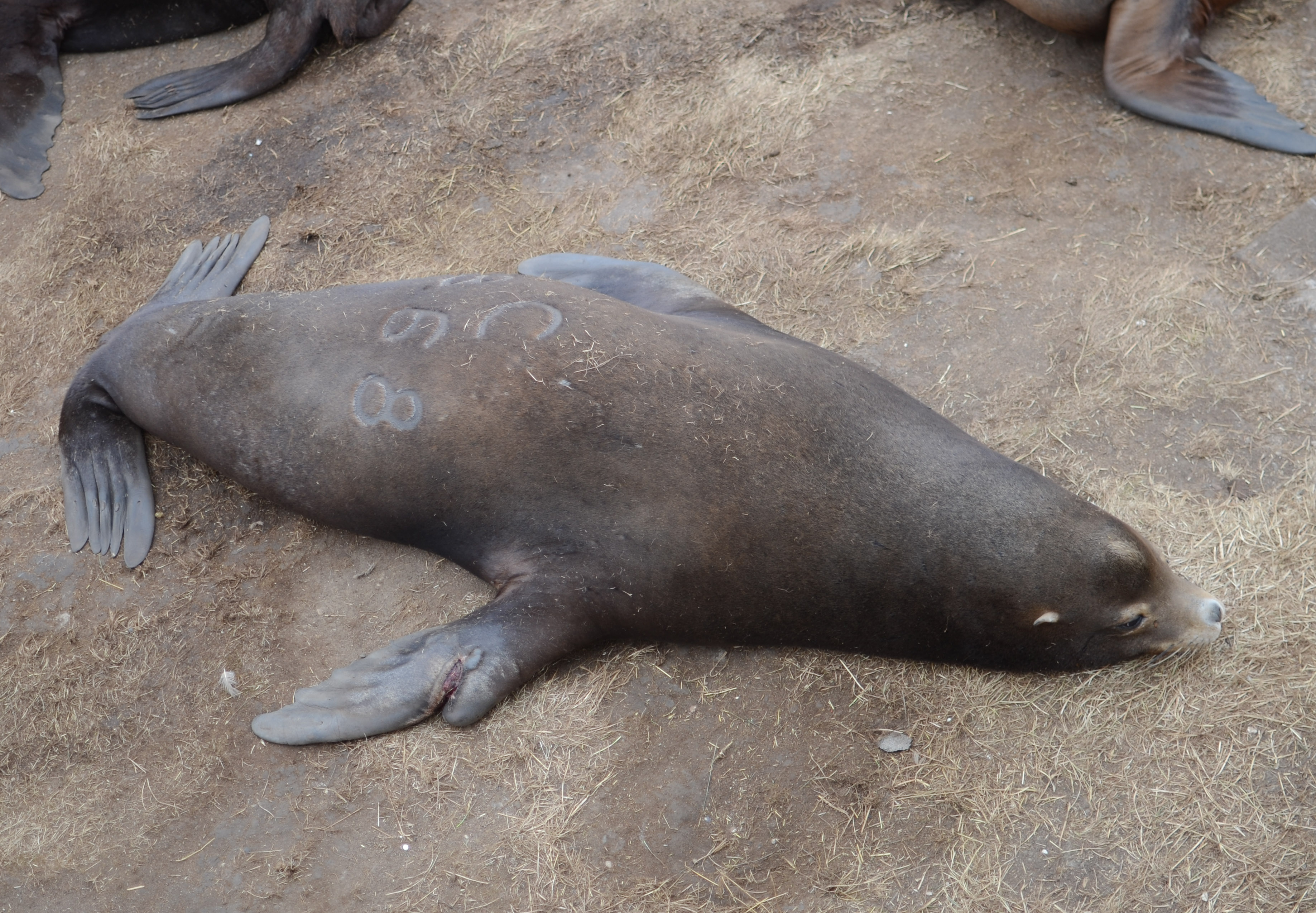
 sept2  C868 Calif Sea lion  
 Sept2  U178
 Sept2  U262  
 Sept 10  C495  California Sea Lion  
 Sept 10  5477  California Sea Lion
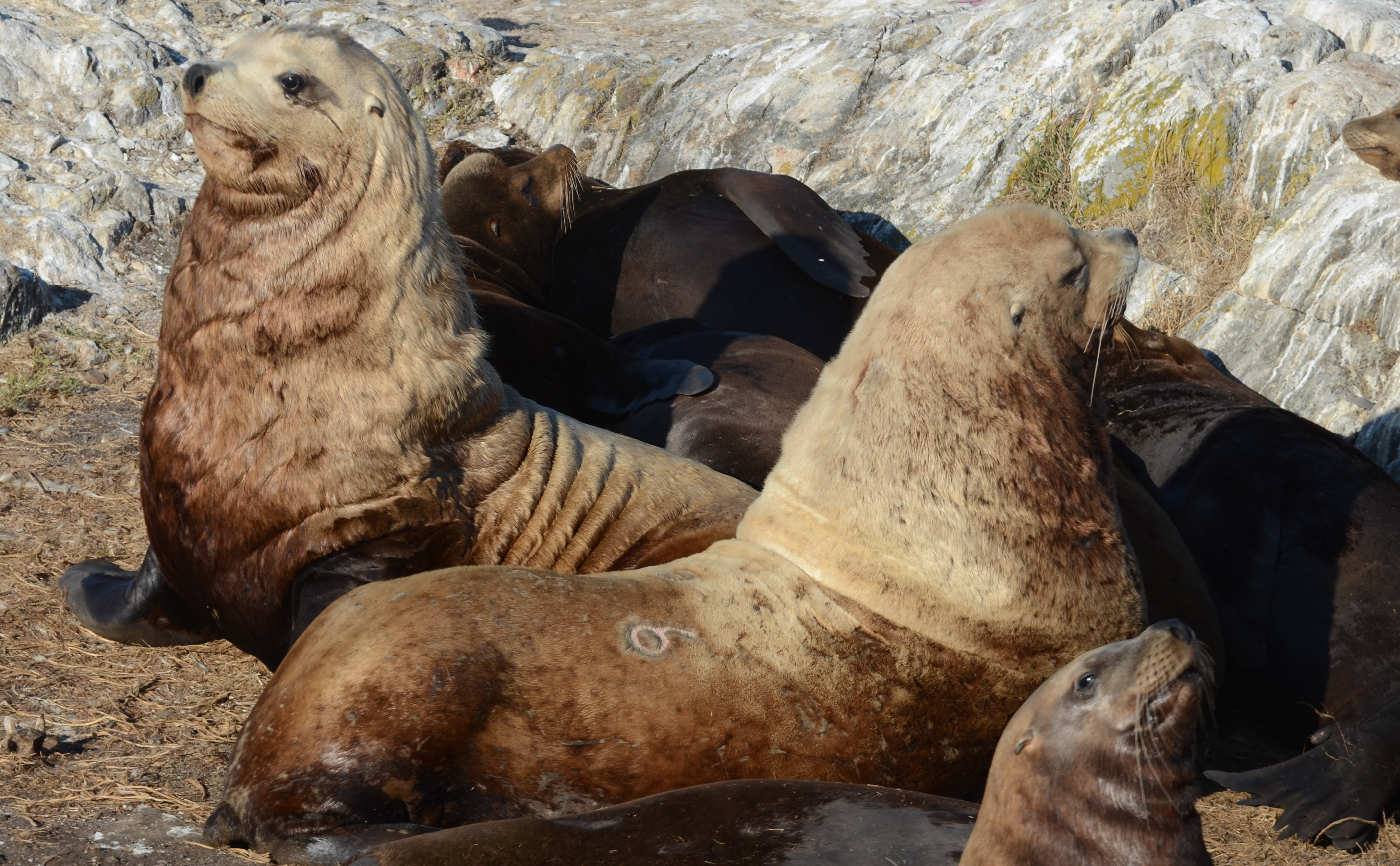
 Sept 11  6  Steller Sea Lion
 Sept 11  C868  California Sea Lion
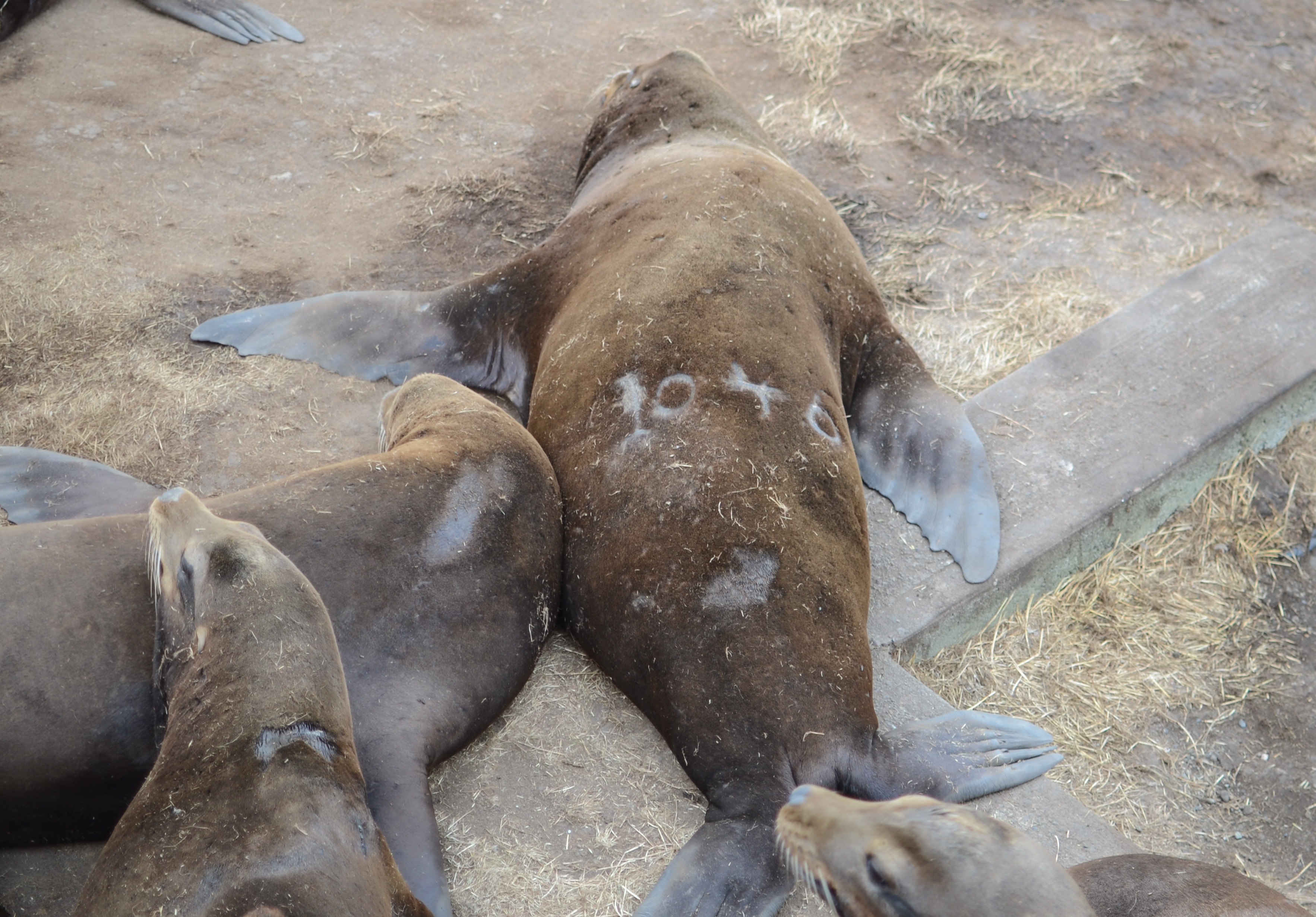
 Sept 12  1046 ?  California Sea Lion  
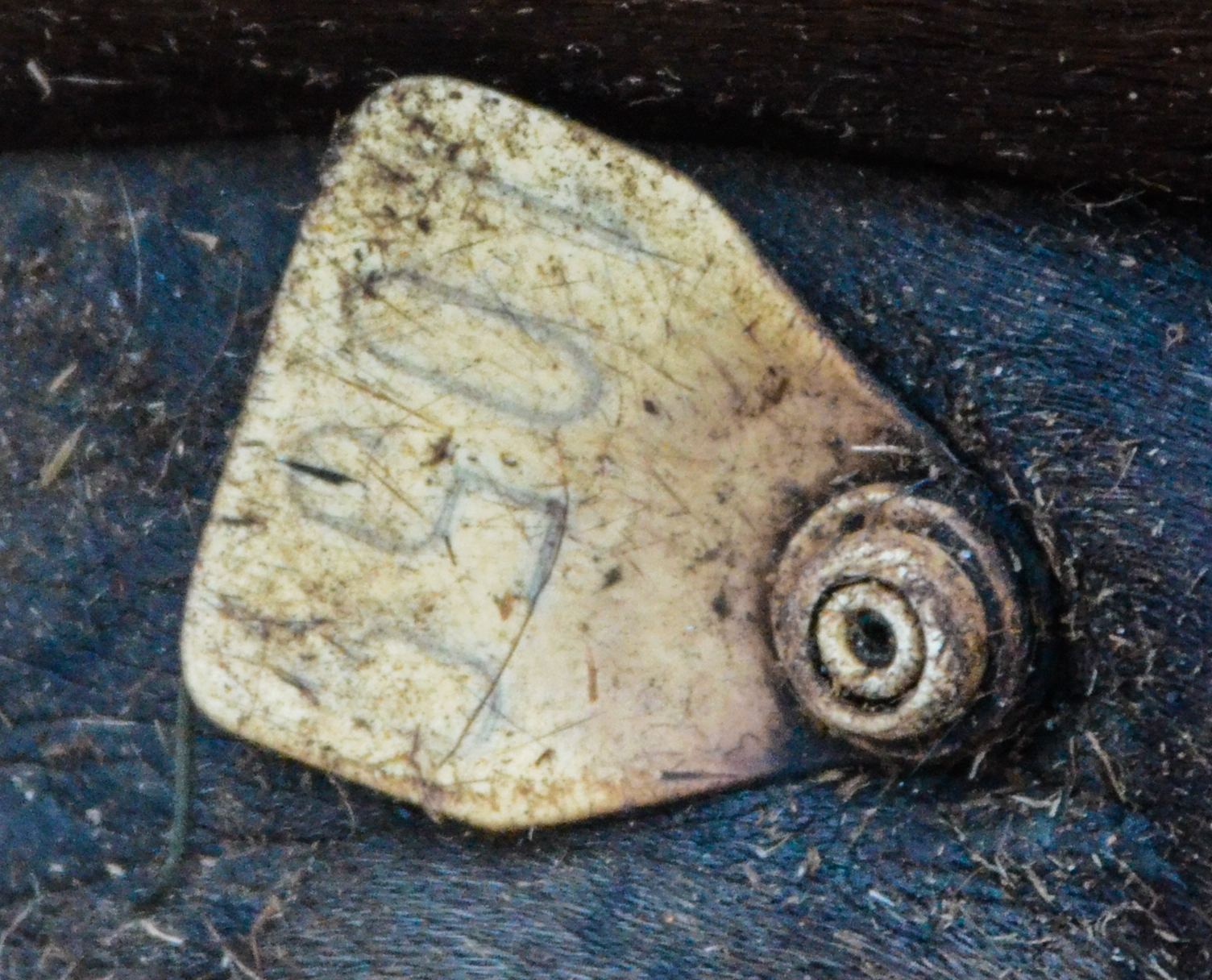
 Sept 13 yellow tag 105_ ? front flipper  Steller Sea Lion  
 Sept 14  O002  Steller Sea Lion  
 Sept 14  909  California Sea Lion
Sept14 2012  C880  California Sea Lion