Rush Rush

Wildlife notes

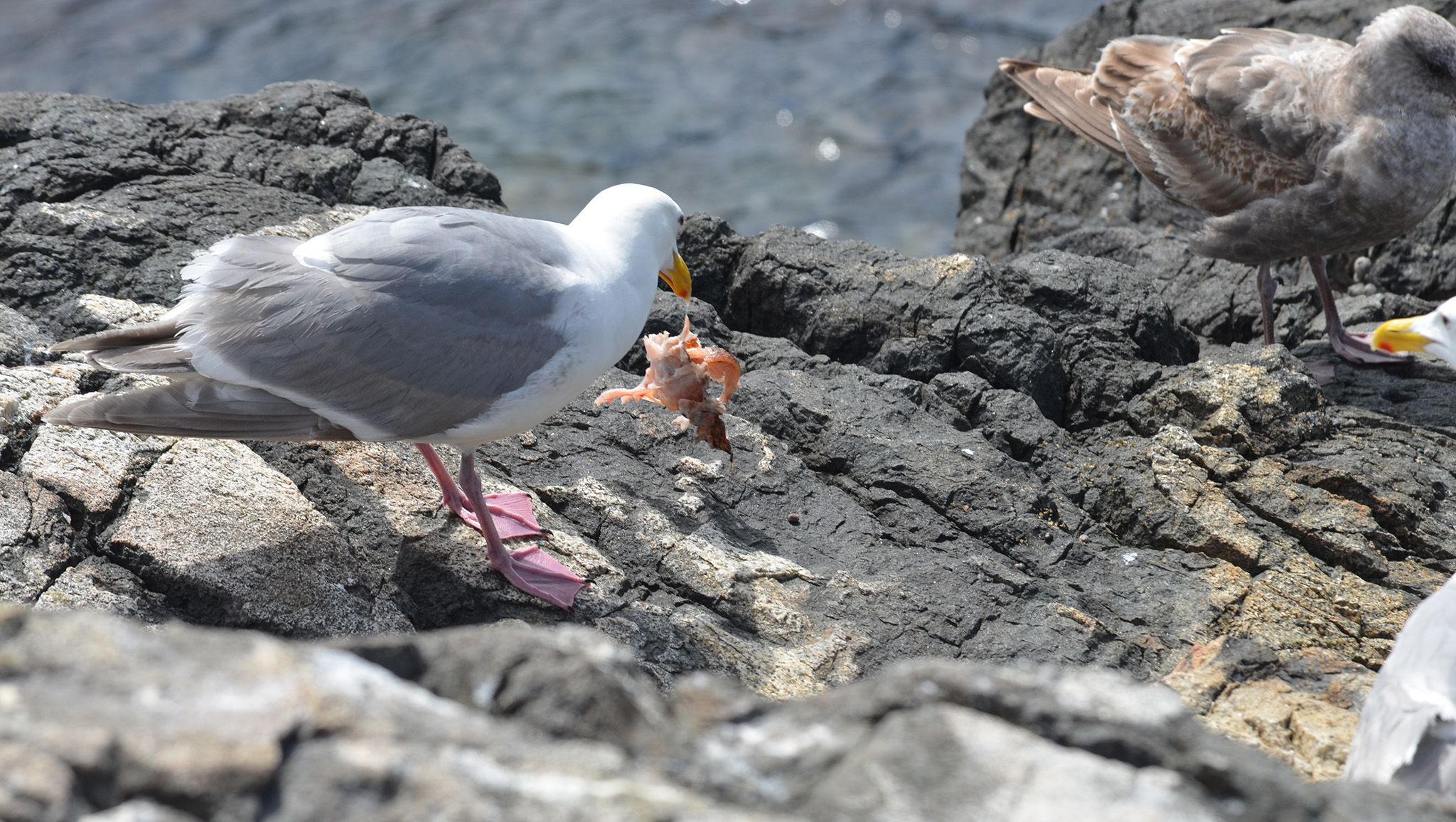
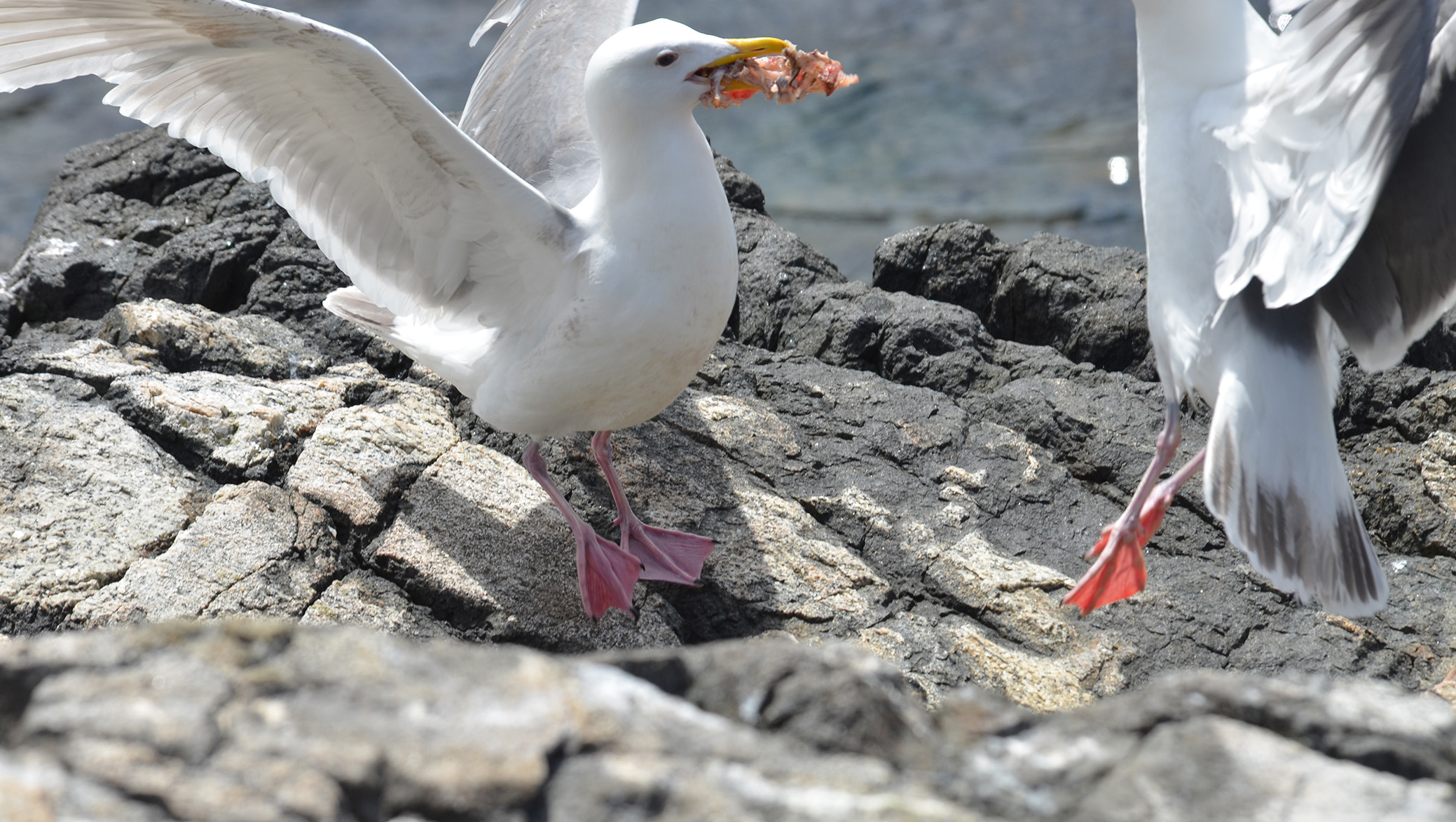
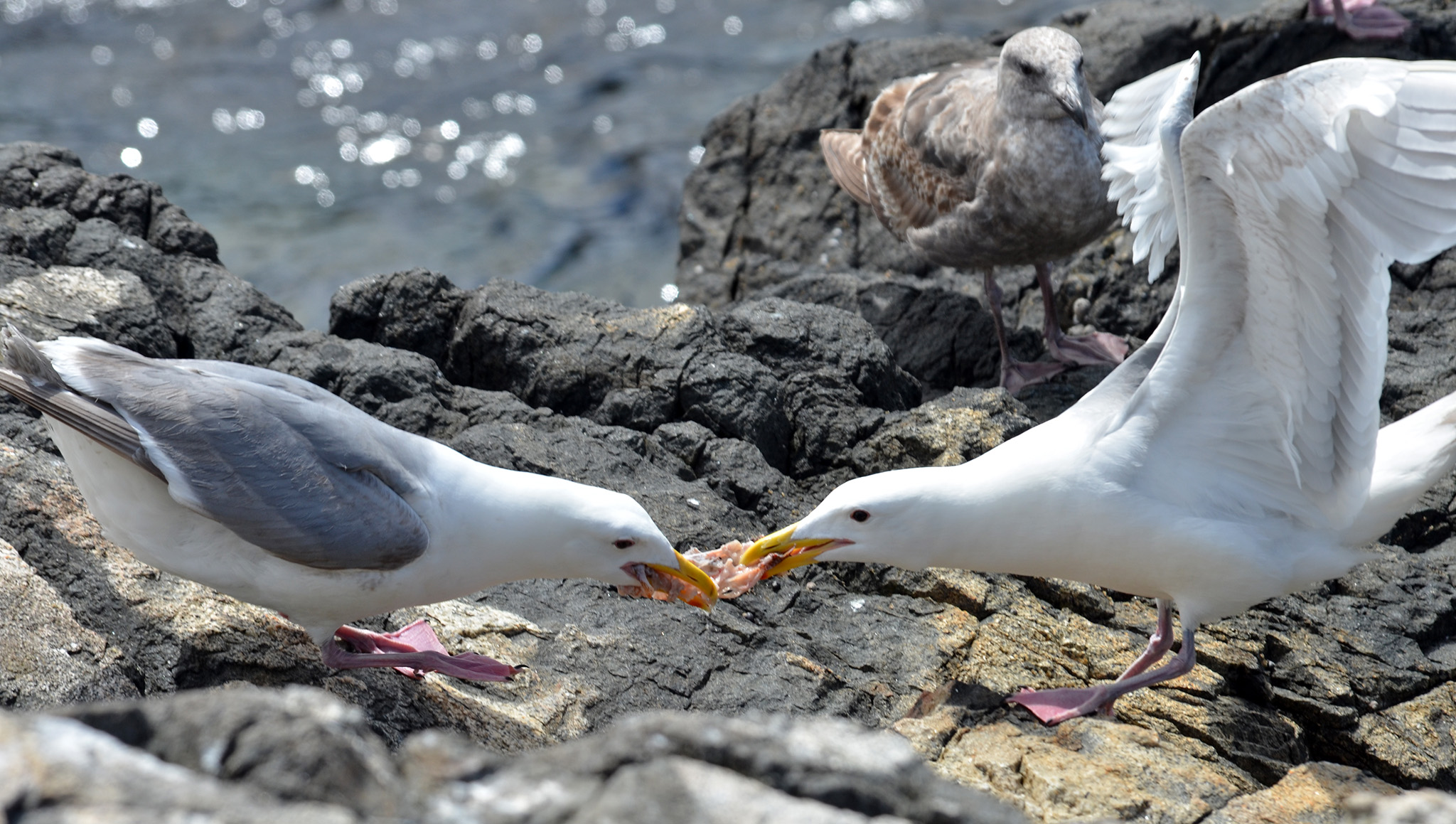
There was so much was going on today I hardly had time to look around until 4pm when I had a quick look at the oystercatchers nests for the nest survey (coming shortly) and observed some banded gulls (report coming shortly).

Facility work

The generator was running in the morning on manual start in a effort to produce as much fresh water as possible before Monday when the cistern pump will be taken apart and check valves examined.  When I arrived here there was wasn’t that much fresh water and I have been playing catchup. The desalinator ran for 9 hours today on a combination of generator and solar power producing 530L of water, with another 1000L to go before the tank is full. I moved equipment around and cleaned the solar panels before the gang arrived.

Ten people spilled out of the boat.  Three technicians were on a site visit to quote on a solar and battery storage system overhaul (a larger solar array and lithium batteries).  I was busy running around explaining our systems and duties to a future Ecoguardian and six other people (staff and helpers) went to work lugging more stuff (mostly metal) off the island.  I was so occupied I only managed to snap a photo of the loaded boat before it left.  There were so many people and different activities in the works today that they forgot my groceries on shore!
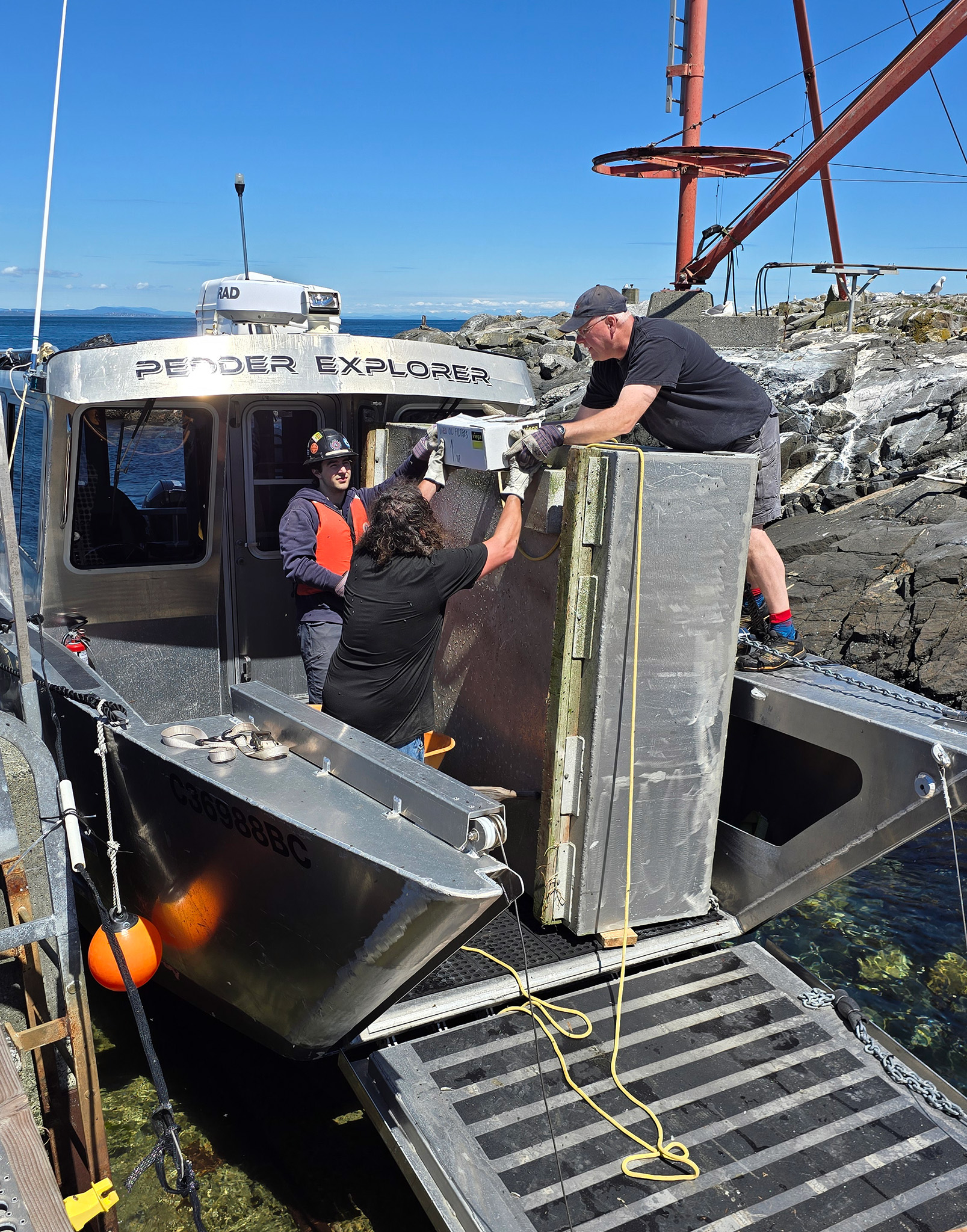
The boat with a large metal fuel tank, many old motors and pumps, even a sink, and the remaining pieces of Old Lister. The metal tank was once use in MV Second Nature to transfer diesel fuel to the island. The Derek (red crane in the background) would lift it from the boat onto shore.

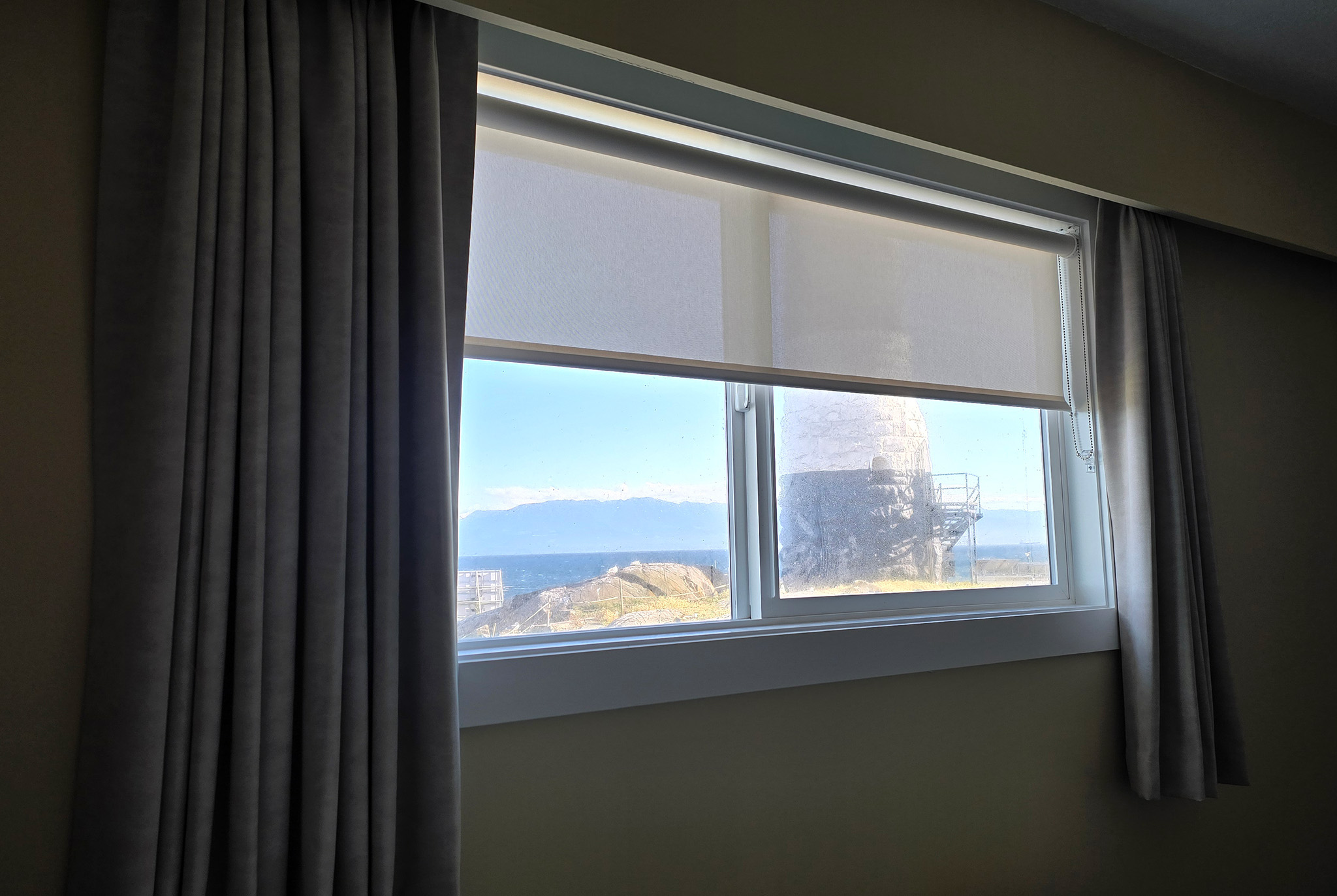
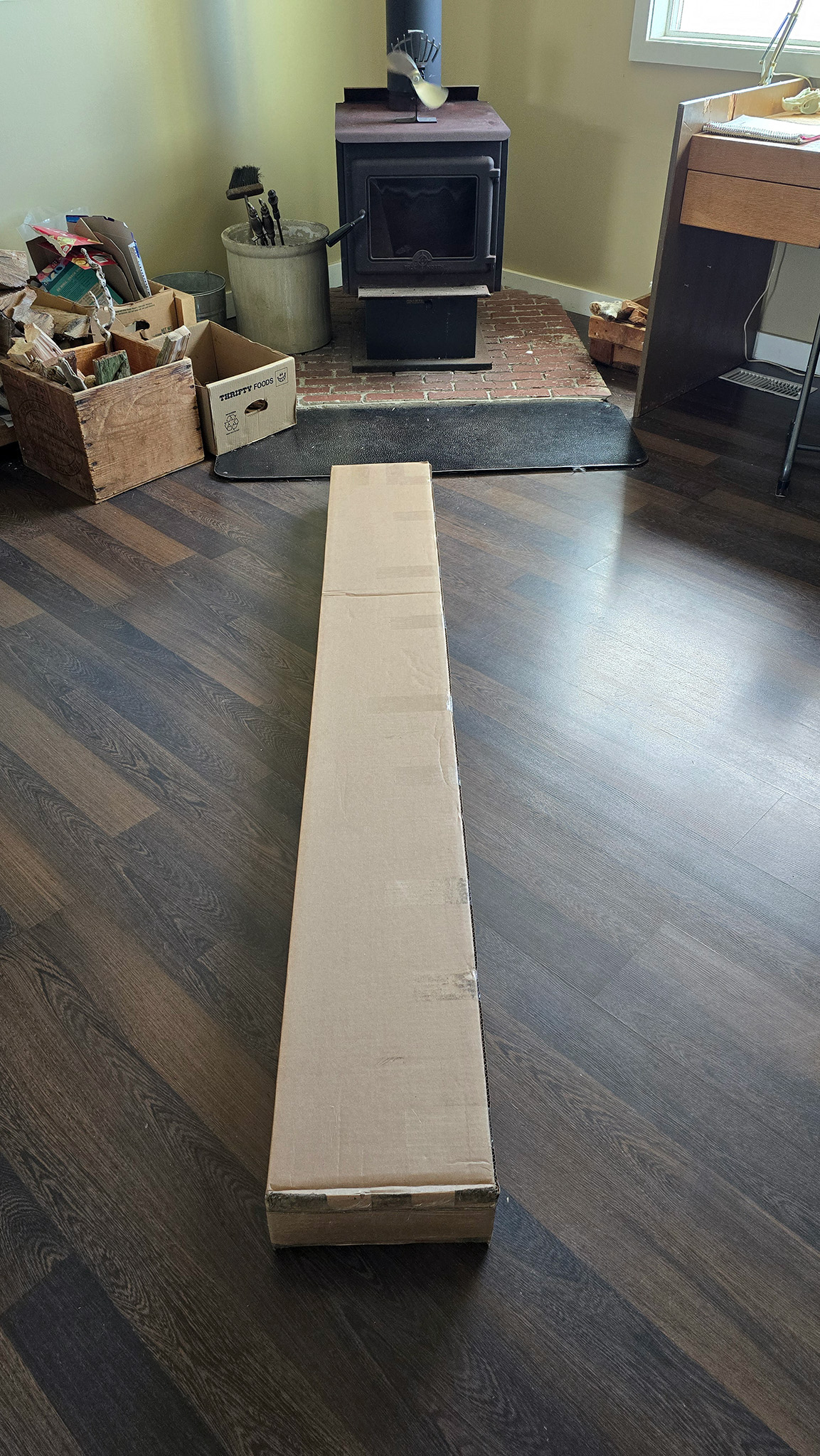
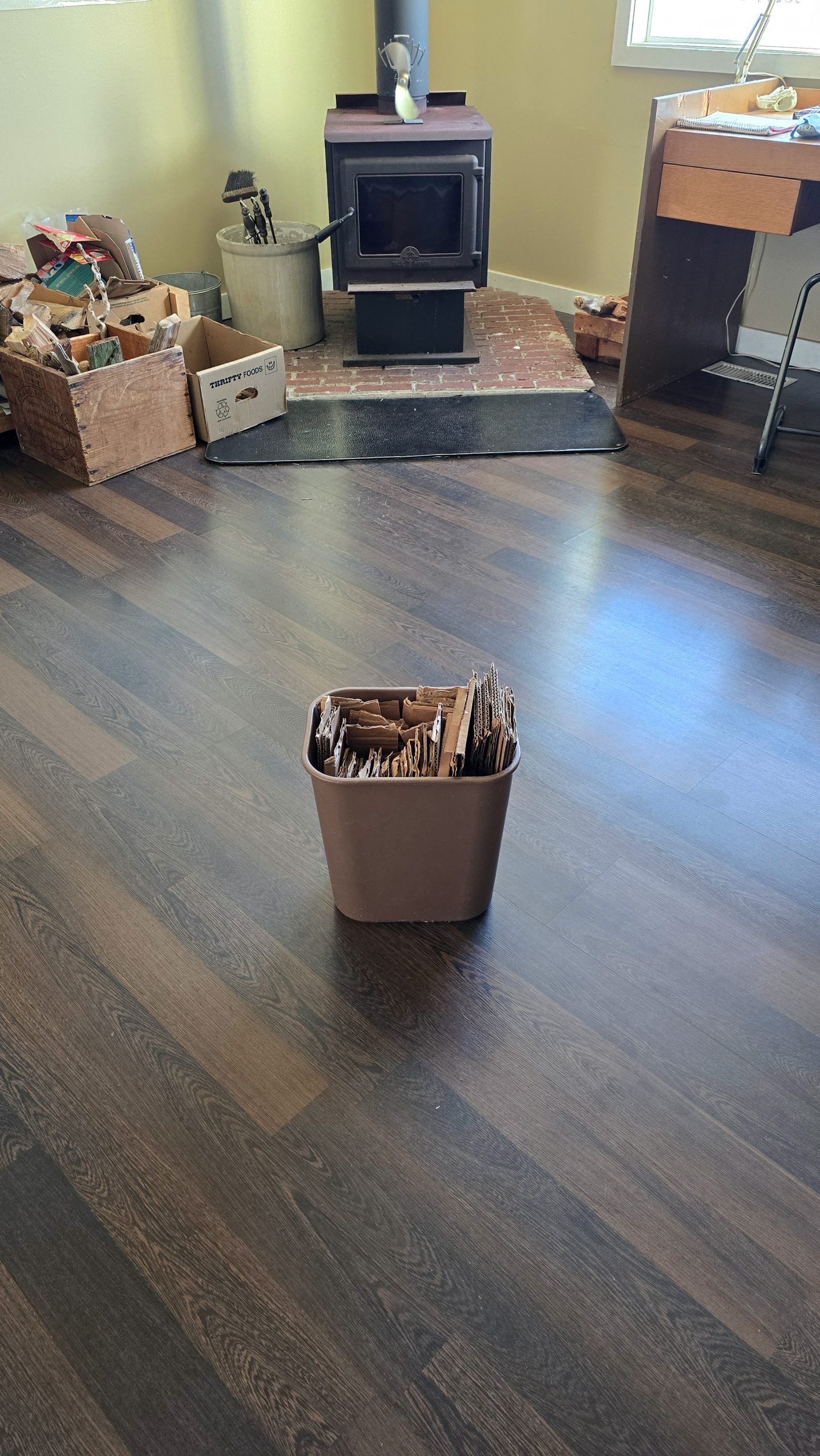
Normally it is really quiet here. I plan and generally have one thing to focus on at a time. Small things, like finding a new nest or a big cardboard box is exciting. The box contained 2 more roller blinds – a new addition to the Keeper’s and Student House. We no longer need to live as university students with bed sheets as curtains. The bedroom windows have proper light blocking curtains and a roller blind. Just two more to go and the Keeper’s house will be fully outfitted. The new window coverings are great but I was also excited about the box. The carboard makes excellent fire starter so I was real happy to cut it up!
Vessels

  • Ecotourism: 11
  • Private: 3

Weather

Clear skies and sunny. Gently to moderate westerly breeze during the day. Winds SW 18 to 29 in the evening. Daytime temperatures 10 to 12 degrees.
Jail time

Wildlife notes

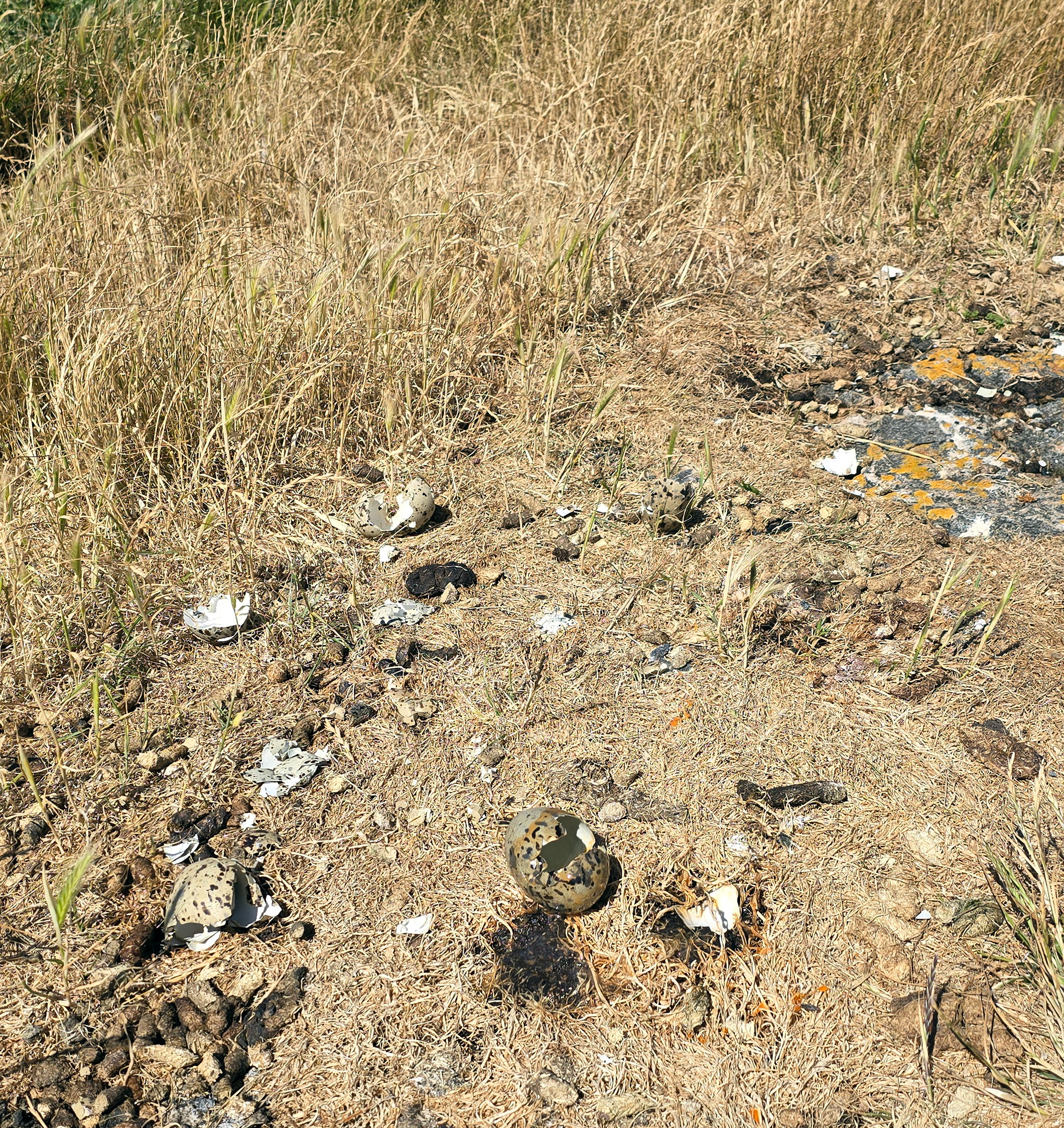
The egg thief is back. The killing field is strewn with eggs shells. It is hard to keep count as the wind carries some of the evidence away but yesterday midday there were remnants of 5 gull eggs and one goose egg when I first watched the thief slurping at an egg. I studied him all afternoon and evening yesterday and was able to determine it is a coupled male with a nest 5m away. He actively defends his stash of shells, chasing away any curious neighbours. The devious bird waits for the oystercatcher “eagle” alarm and takes to the air together with the rest of the gulls but he is always the first to return. He flies out low over the Jetty, quickly circles back and selects his target nest.  He didn’t even have to land but was able to take an egg undamaged in a hover and carry it to his killing field. He ate two more eggs last night that I witnessed. This afternoon he ate at least one more egg.  A survey of the nests around yielded 8 nests with 0 eggs, 5 with 1, 2 with 2 and 2 with 3. Granted the gulls haven’t all laid eggs but there are a lot of less than full nests in the vicinity. Curiously, his nest was one of the two full nests. If gull chicks ate the vegetation on the island (competition for a local resource), this behaviour might make sense but they are fed food from the sea, foraged by their parents. This criminal deserves some serious jail time.

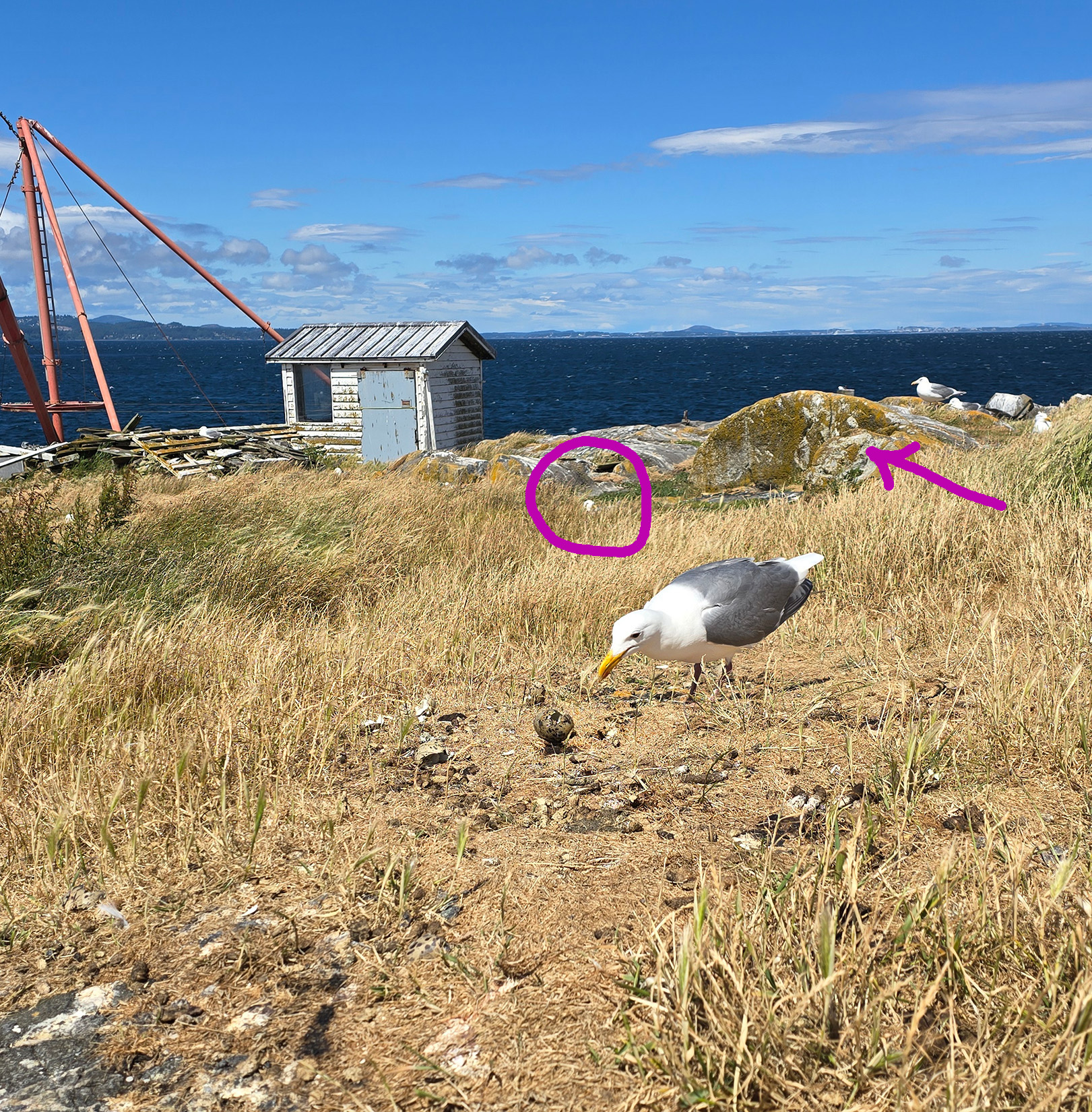
Thief in the killing field approaching his egg after I disturbed him. His partner sits on three eggs in the circled area. The arrow points to the rock where he often sits planning his next heist.

Facility work

  • cleaned the solar panels
  • ran the desalinator for three hours (cistern pump issues still exist but it runs)
  • ran the fire pump for two hours and topped up the cistern with seawater

DND Activity

One house shaking blast was heard at 15:05.

Vessels

  • Ecotourism: 9
  • Private: 0

Weather

Skies mostly clear. Westerlies 15 to 24 knots until late afternoon, switching to SW 15. Daytime temperatures 10 to 12 degrees.
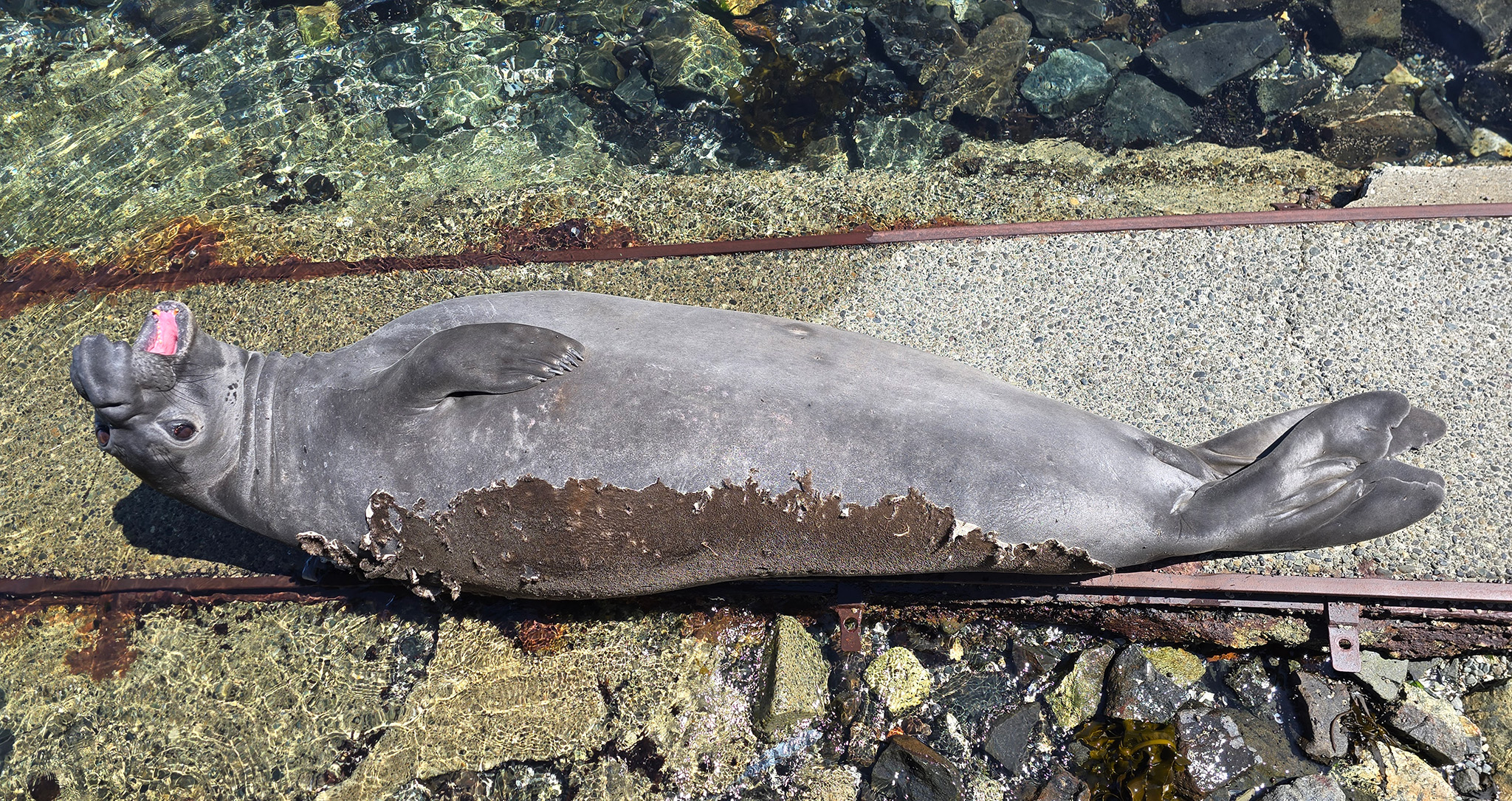
Mature female elephant seal on the boat ramp. The fur and skin on the back is usually the last to shed.


Bag of bones

Wildlife notes

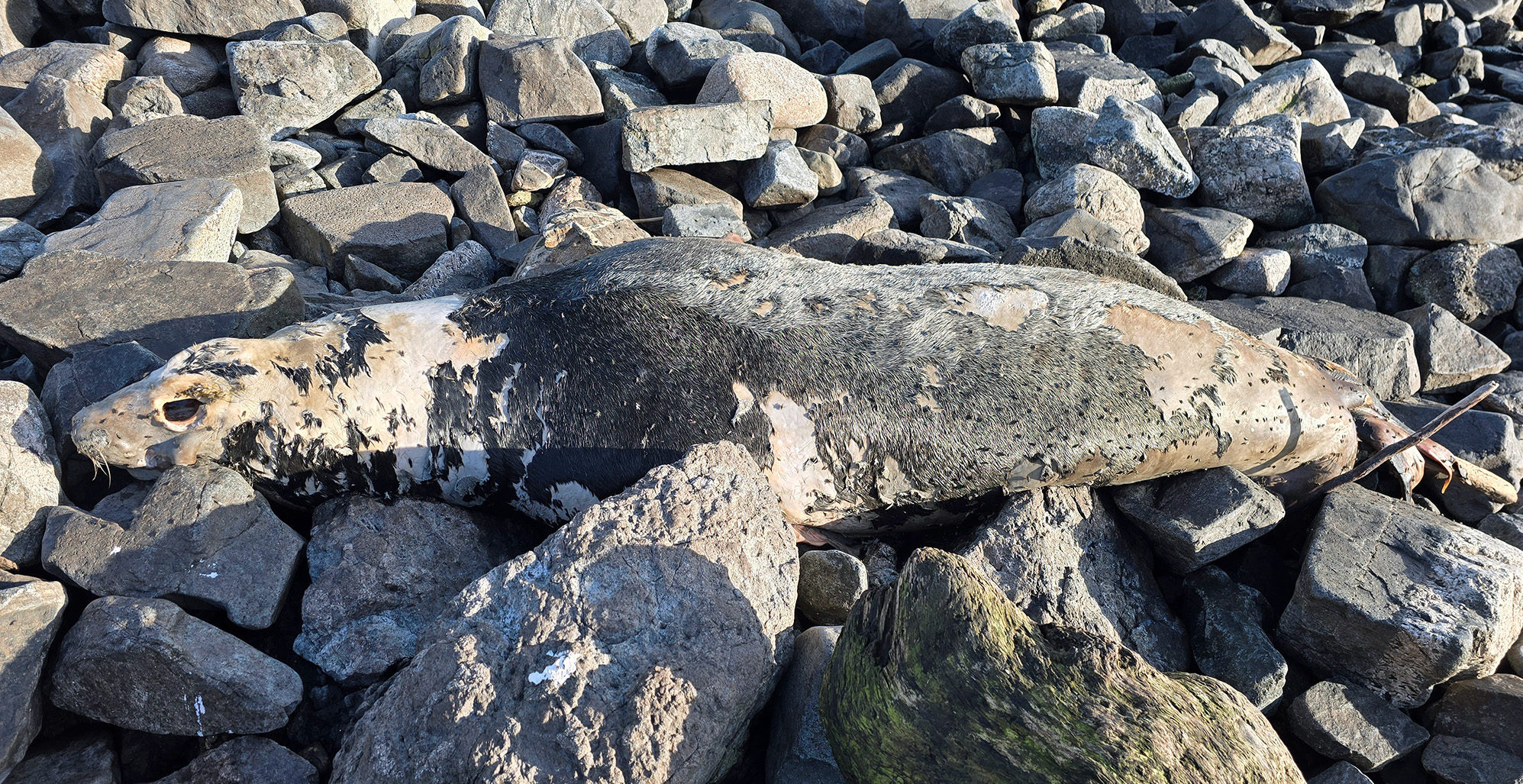
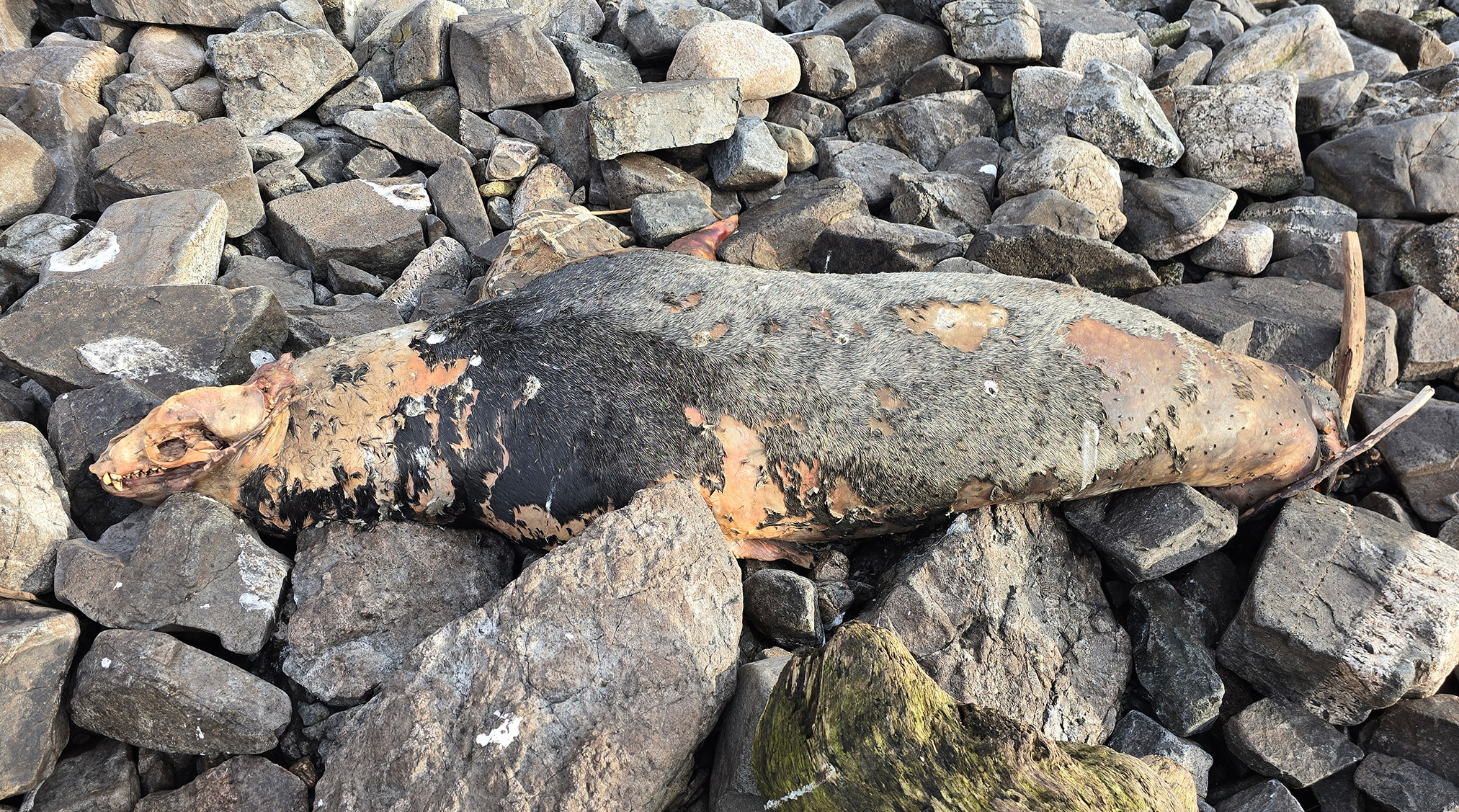
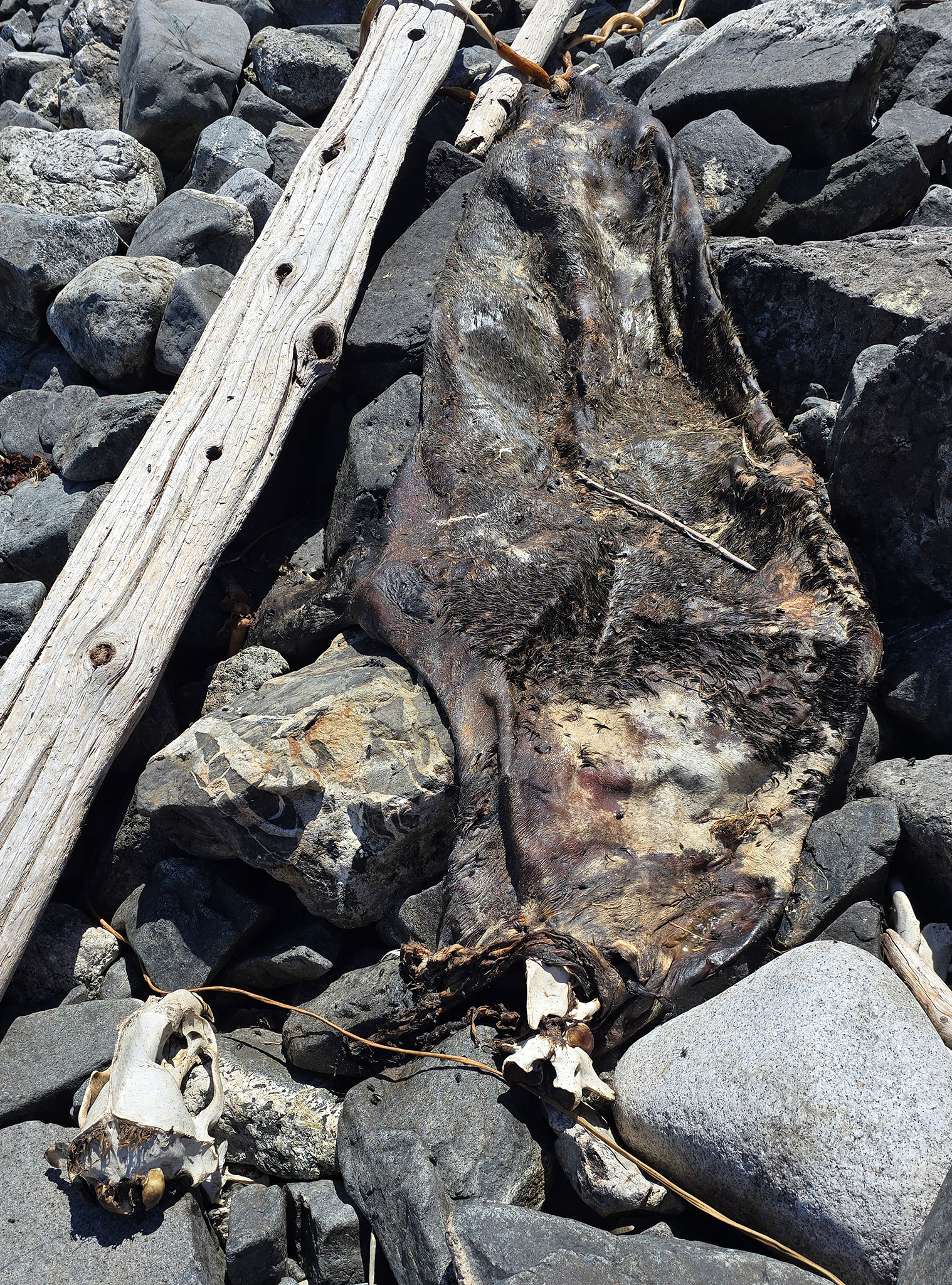
The dead California sealion on East Beach is a foul smelling bag of bones. After four months the bone are clean of flesh but the skin remains intact (more photos). It is no wonder people tan animal hides and sea skins. The gulls and black oystercatchers pay it no attention but I can hardly stand the smell. Some animal odors just seem to linger forever, like the patches of shed skin and fur from the elephant seal which retains its putrid odor for years, even when properly dried.

The collapsed carcass of a dead California sealion. The skin around its head was peeled back by the birds months ago. The skull has now been detached, a few spine bone exposed but the bulk of its skeleton remains trapped in the sack of skin.

Facility work

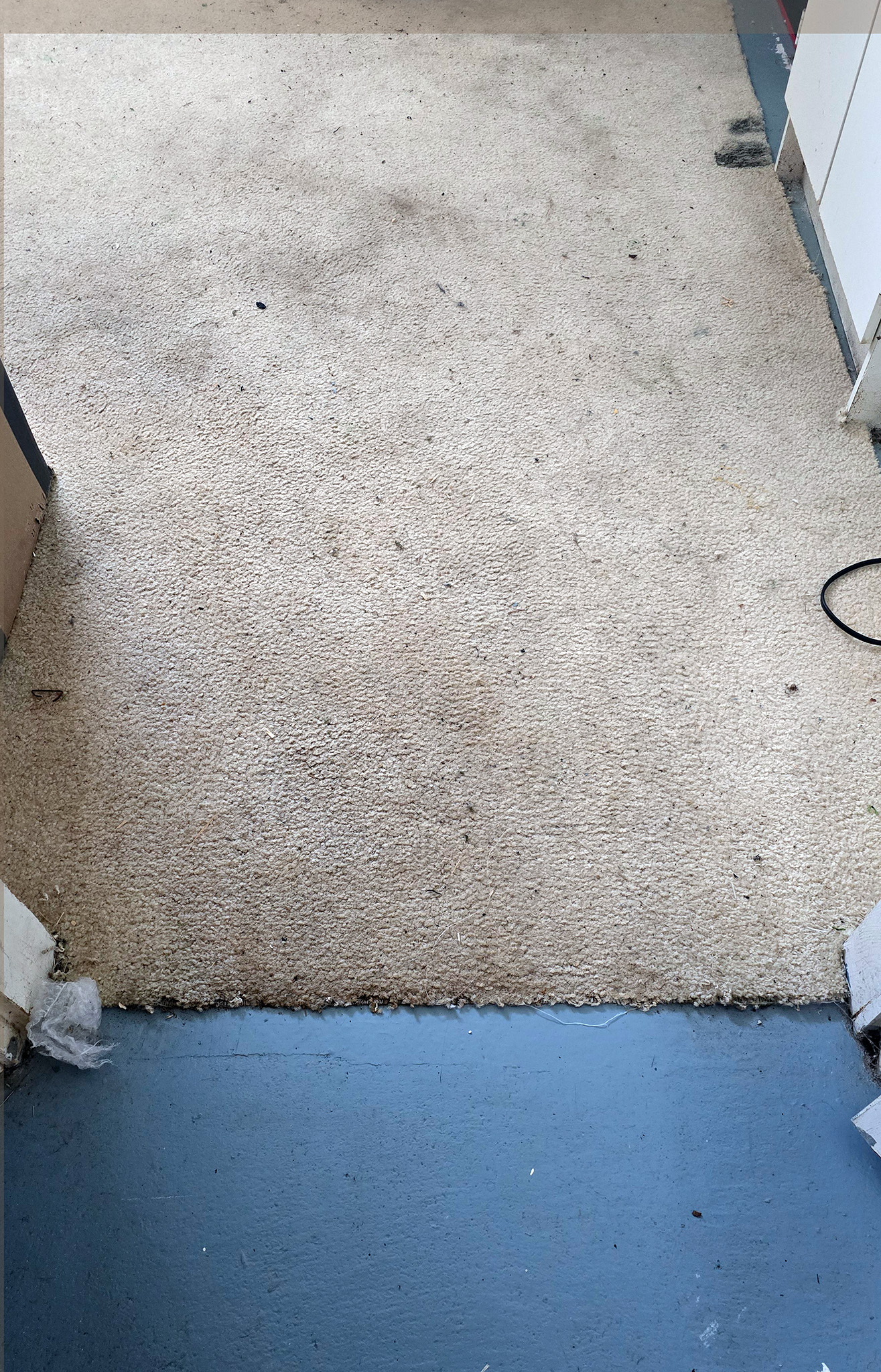
The generator ran again this morning. With the excess power the desalinator was put to work and I spend 3 hour with the shop vacuum in the basement of the Keepers House (floors, walls, window sills, shelves etc). The rain last night and high winds today kept me off the Energy Building Roof but the solar panels will need a cleaning tomorrow. The cistern pump was acting up and cycling on and off. Hopefully there isn’t a leak in the underground pipe running from the cistern into the Bunker.  I’ll try it again tomorrow when the solar production is high enough to run the pump.


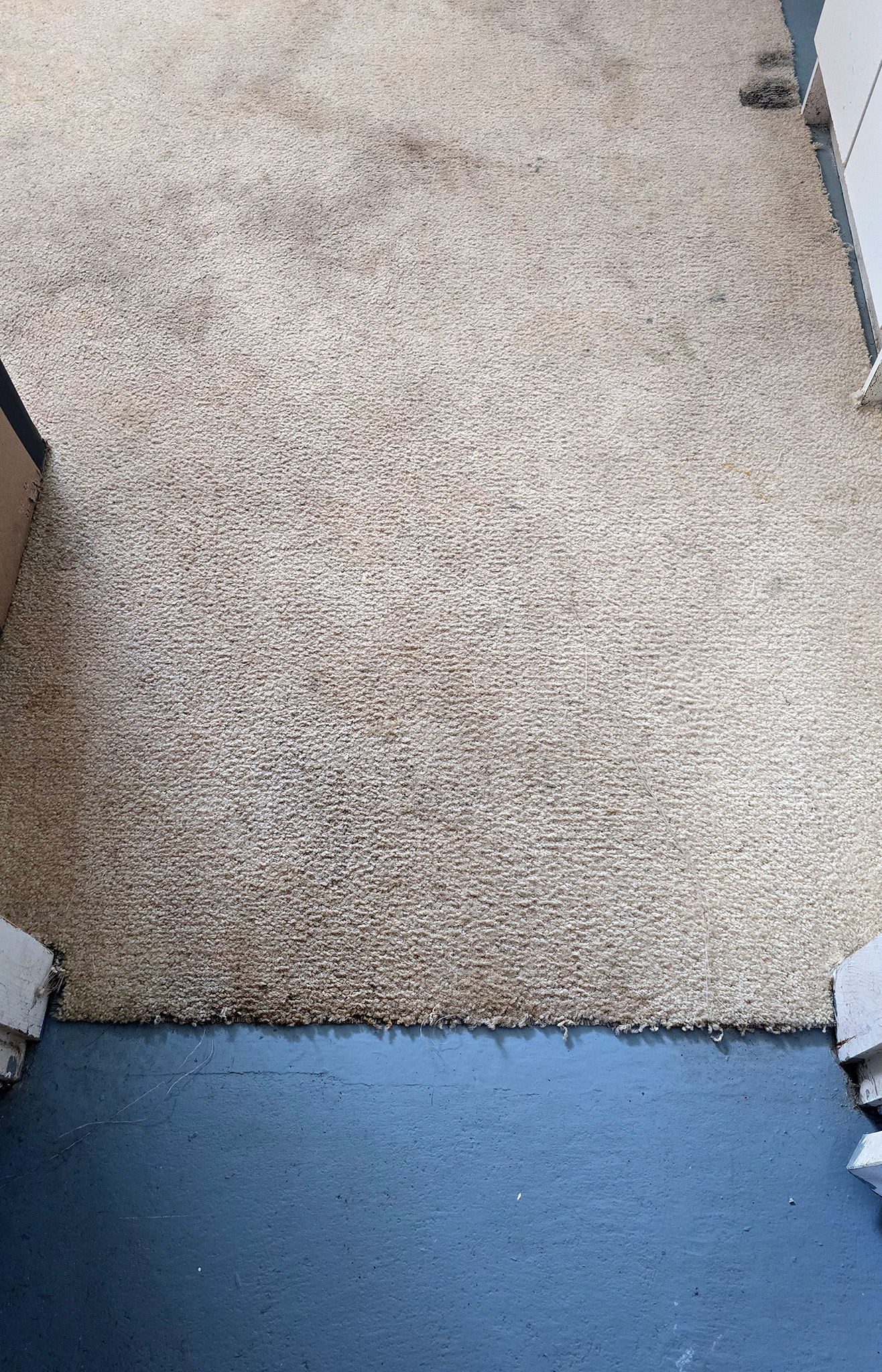
The basement storage room carpet. Can’t get the stains out but at least it is cleaner and smells better in the room.

Vessels

  • Ecotourism: 0
  • Private: 0

Weather

The flag spent the day lowered and bound. Skies ranging from clear to partly cloudy with scattered showers. Strong westerlies 23 to 37 knots.  Daytime temperatures 10 to 12 degrees.
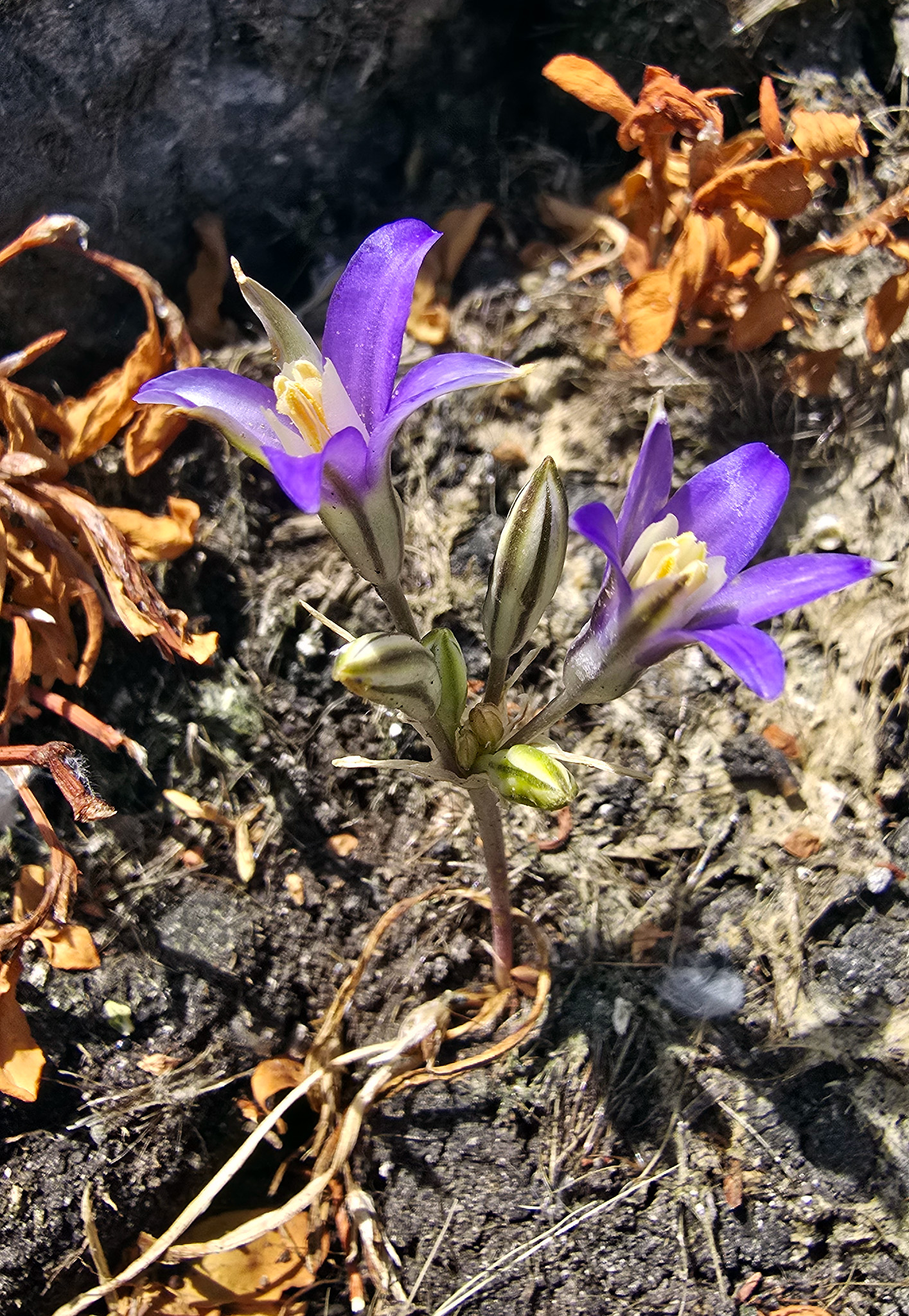
Brodiaea coronaria : harvest brodiaea


Ecoguardian Christine Chourmouzis identified this new plant at Race Rocks on  June 7, 2026.  She wrote: Two tiny harvest brodiaea (crown brodiaea) about 5cm tall were found on the rocks west of the Student Building. It is a native plant not yet found on Race Rocks.  The closest sighting I could find was by the famous botanist Adolf Ceska on the shore across Race Passage in the 1985. It grows from southern BC to California on dry grassy sites or rock bluffs and has traditionally been harvested for its small, nutty flavoured corm which can be eaten raw or cooked.

An interesting story about taxonomists who disagreed on the name can be found at https://en.wikipedia.org/wiki/Brodiaea#Nomenclature

Kingdom: Plantae
Clade: Embryophytes
Clade: Spermatophytes
Clade: Angiosperms
Clade: Monocots
Order: Asparagales
Family: Asparagaceae
Subfamily: Brodiaeoideae
Genus: Brodiaea
Species:
B. coronaria
Binomial name
Brodiaea coronaria

Other Angiosperms at Race Rocks.

taxonomyiconReturn to the Race Rocks Taxonomy
and Image File
pearsonlogo2_f2The Race Rocks taxonomy is a collaborative venture originally started with the Biology and Environmental Systems students of Lester Pearson College UWC. It now also has contributions added by Faculty, Staff, Volunteers and Observers on the remote control webcams.


Sidewalk buddies

Wildlife notes

A Canada goose and glaucus winged seagull on their nests beside the walkway to the Keepers House.

Two gulls would not nest this close! Sidewalk goose is sitting on addled eggs and it is a hard thing to watch. She will eventually leave the nest but not until the bitter end when her body can’t sustain it any longer and she needs to eat.  The goose is rather calm and remains on the nest as I pass by whether alone or with a cart or wheel barrow.  Sidewalk gull is a little less relaxed.  She had her nest on the other side of the walkway last year where she had only one chick and constant trouble from the neighbours. This is a better spot for the chick and hopefully the goose will help keep her calm. It really does make my life difficult with an aggressive gull parked on the walkway.  My first gull attack of the season was by Bunker gull this morning. Another inconvenient place to have a nest. The desalinator is in the bunker building (a real wartime bunker) and I must access that building. The time has come to wear my helmet and carry a broom stick!

Facility notes

It was a very busy long day. The generator was running today so I was operating the desalinator and the log splitter all morning to take advantage of the excess power. All available firewood on the island is now cut, split and stacked. Shakes were cut for future kindling and starter pieces made. It is a shame more wood wasn’t hauled up in the spring as little drift wood/logs wash up in summer. Greg and Richard came by in the afternoon and we worked on disassembling the winch and frame assembly for Old Lister, straightening the door frame on the Battery Room, adding water hoses to the Student House, transferring diesel fuel to the generator (100L) and to the furnace tank in the Keepers House (160L). The flag was lowered in preparation for the forecastred gale force winds. I used the furnace this evening as a treat :) Tomorrow I’ll light the usual 2 pm fire.

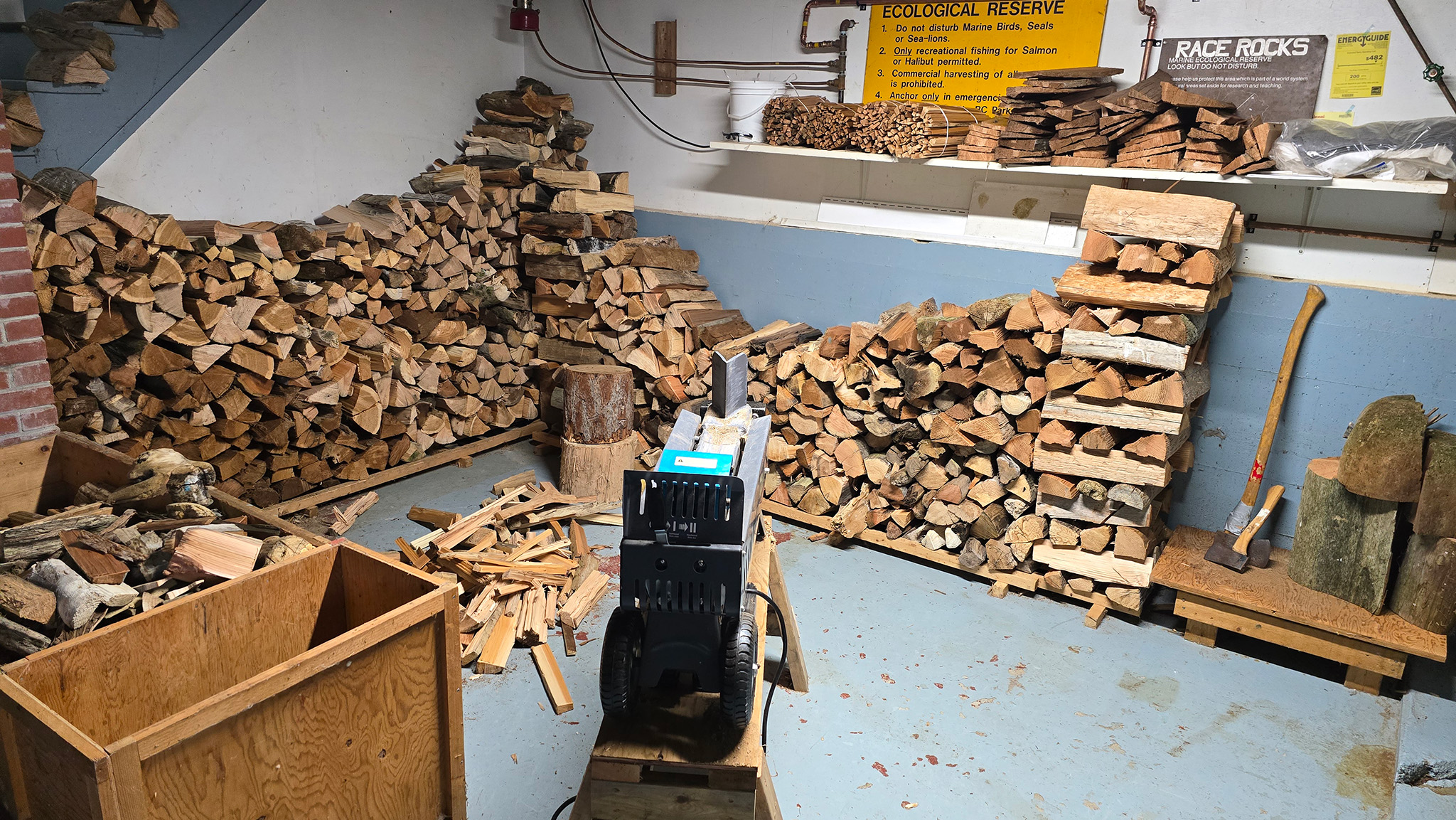
Firewood supplies stacked in the basement of the Keepers House. Hopefully the sea delivers more.

Vessels

  • Ecotourism: >6 (the count is incomplete as I spent much of the day inside buildings)
  • Private: 1

Weather

Skies overcast. Periods of rain. Winds NE 13 to 25, gusting 31 in the early evening.

Brodiaea coronaria

Two tiny harvest brodiaea (crown brodiaea) about 5cm tall were found on the rocks west of the Student Building. It is a native plant not yet found on Race Rocks.  The closest sighting I could find was by the famous botanist Adolf Ceska on the shore across Race Passage in the 1985. It grows from southern BC to California on dry grassy sites or rock bluffs and has traditionally been harvested for its small, nutty flavoured corm which can be eaten raw or cooked.

Harvest brodiaea (Brodiaea coronaria)

Wildlife notes

The gulls are in various stages of courting, nest building and incubating. About 20% of the built nests have eggs in them. Some gulls have not yet built nests and there are areas (compared to last year) not yet fully occupied by courting pairs. There are few sea lions, the pigeon guillemots have been out for most of the day and the three year-old (L334) elephant seal returned today after being absent for a couple of days.

Facility work

  • cleaned the solar panels
  • brought firewood rounds into the basement ahead of tomorrow’s rain, started organizing wood pile for splitting and stacking

Vessels

  • Ecotourism: 13
  • Private: 2

Weather

Westerlies 20 knots and partly cloudy in the morning. Skies overcast in the pm, winds 8 knots by evening. Daytime temperatures 11 to 13 degrees.


June 6 Census

Mammals:

  • Steller sea lion:  6
  • California sea lion: 14
  • harbour seal: 67
  • elephant seal: 2 females

Birds:

  • gulls:  331
  • cormorant: 29
  • bald eagle:  1
  • black oystercatcher: 14
  • pigeon guillemot: 63
  • Canada goose: 4
  • harlequin duck: 8
  • barn swallow: 2
  • great blue heron: 2
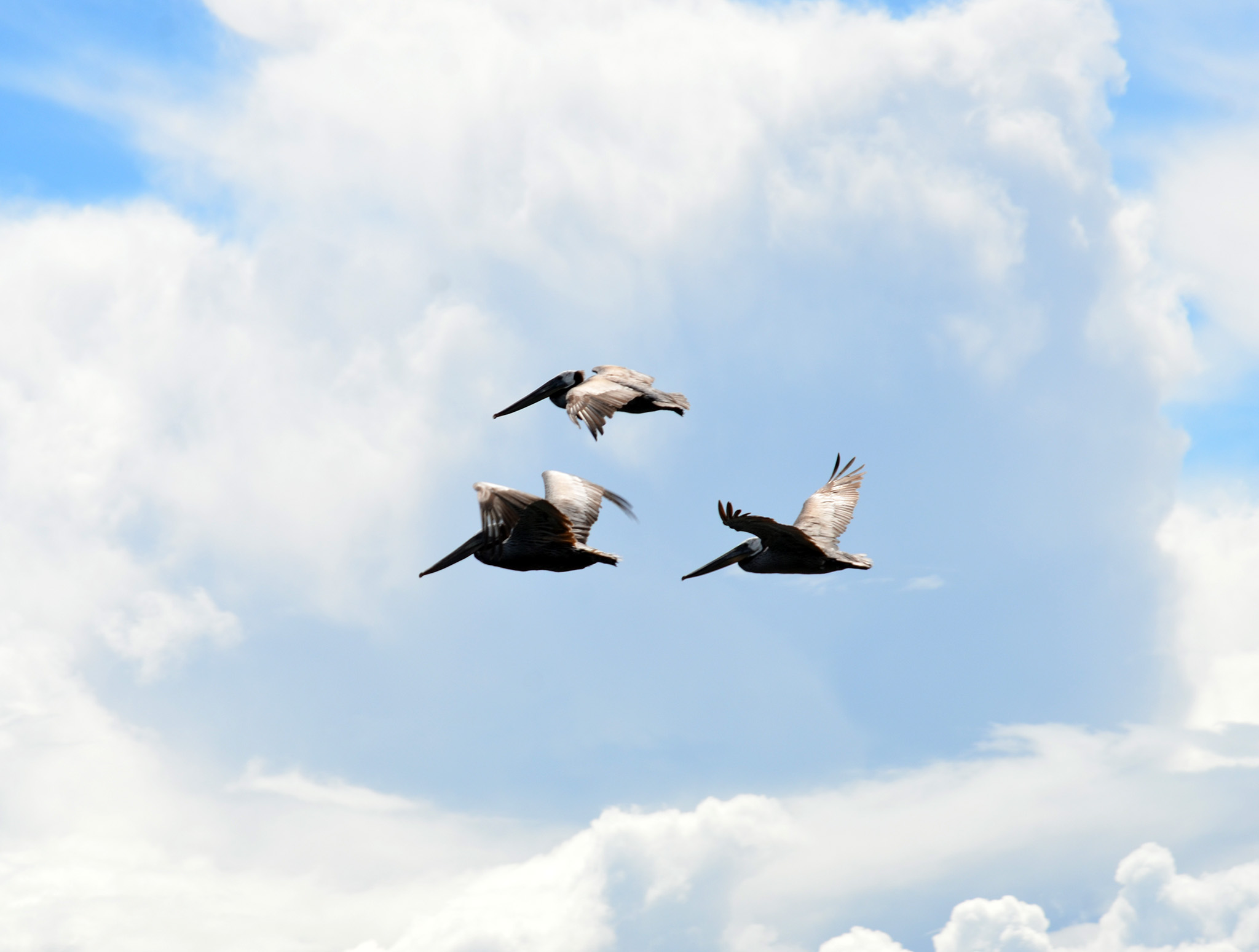
  • brown pelican: 3

Wildlife seen this week inside the reserve but not observed today include: two additional female elephant seals. It is not common for Great Race Rocks to be free of sea lions. The few Stellar and California sea lions observed today were on Middle Rocks, and most of the harbour seals on Turbine Rocks.

Brown pelicans

Wildlife notes

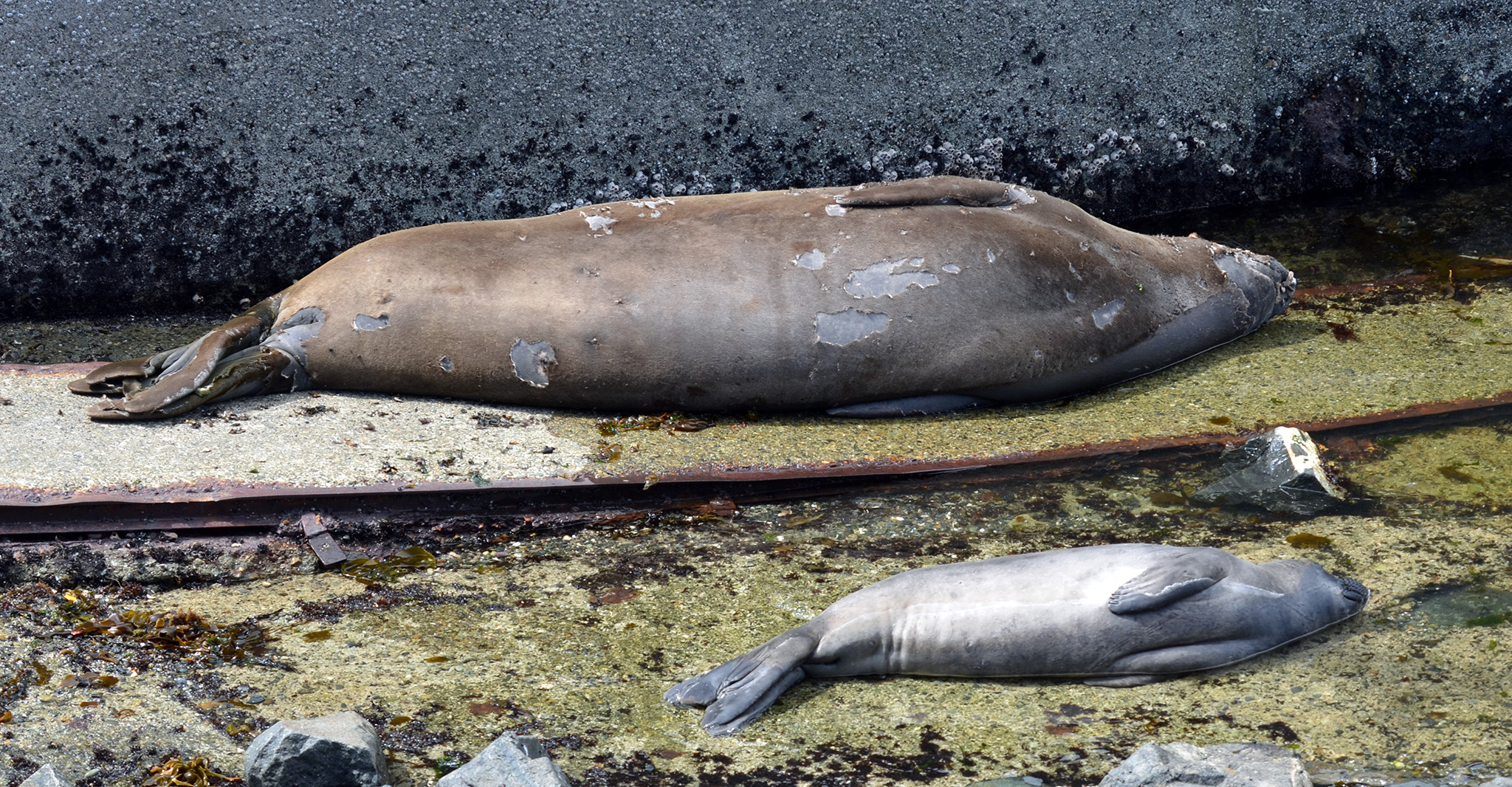
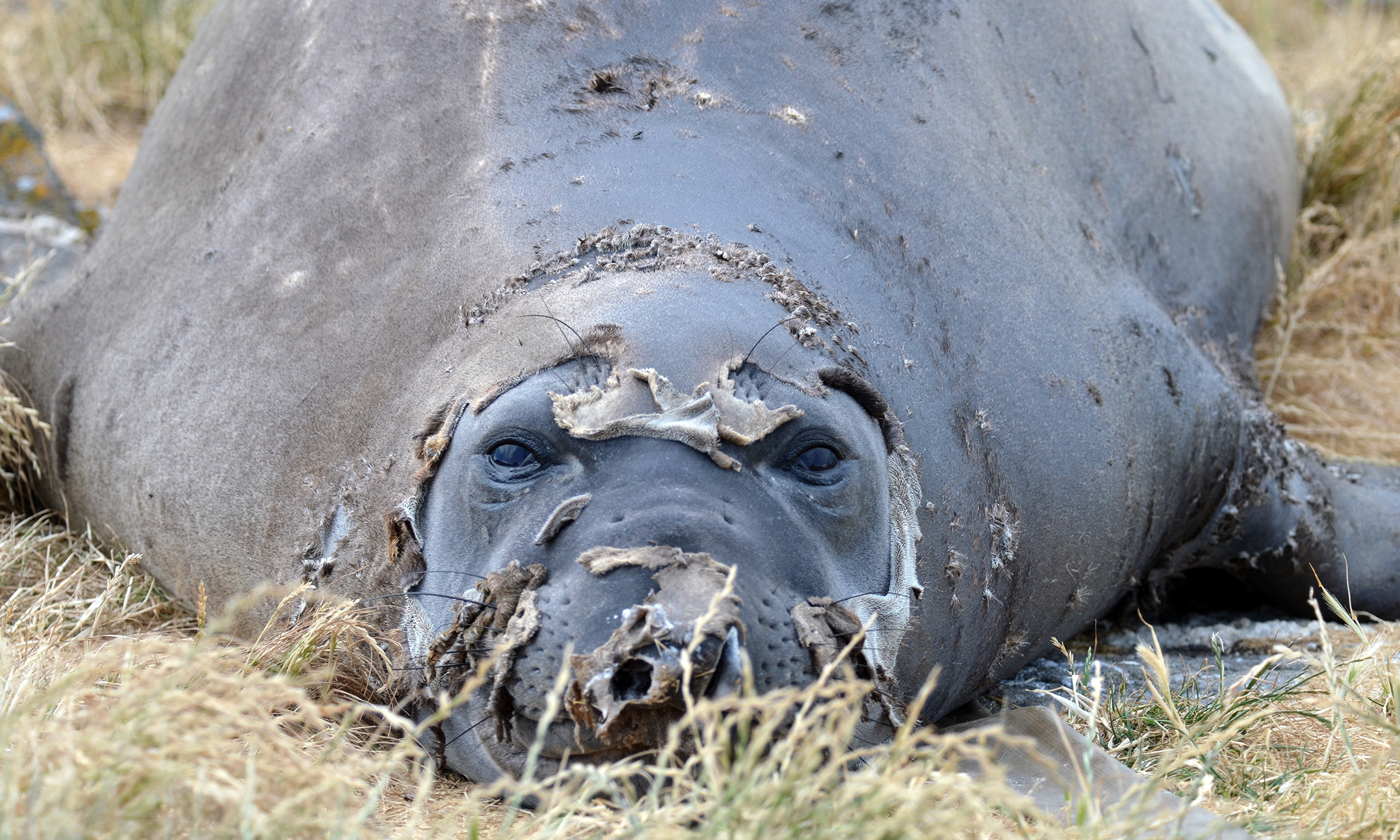
There have have been seven elephant seals on Race Rocks this year, all of them females.  A pregnant female gave birth to a female pup in January. For the spring molt, as many as five females were here at one time. The four year-old left last week, the two and three year-old (L334) left this week. The one year-old and the large mature female remain. The one year old is a bit further ahead in her molt. The mature female is mid molt, still very well fleshed and will likely be here for another two weeks.

The mature and one year-old female elephant seals on the boat ramp for their daily wetting.

The mature female elephant seal in the grass. Ennui? I would assume the molting process is not pleasant and very boring for these active hunters.

Facility work

  • cleaned solar panels
  • ran desalinator
  • started weeding

Vessels

  • Ecotourism: 14
  • Private: 1
  • Paddle craft: outrigger canoe (OC1)

Weather

Sunny morning with light variable winds. Afternoon partly cloudy, winds westerlies building to 21 by evening.  Daytime temperatures 10 to 11 degrees.