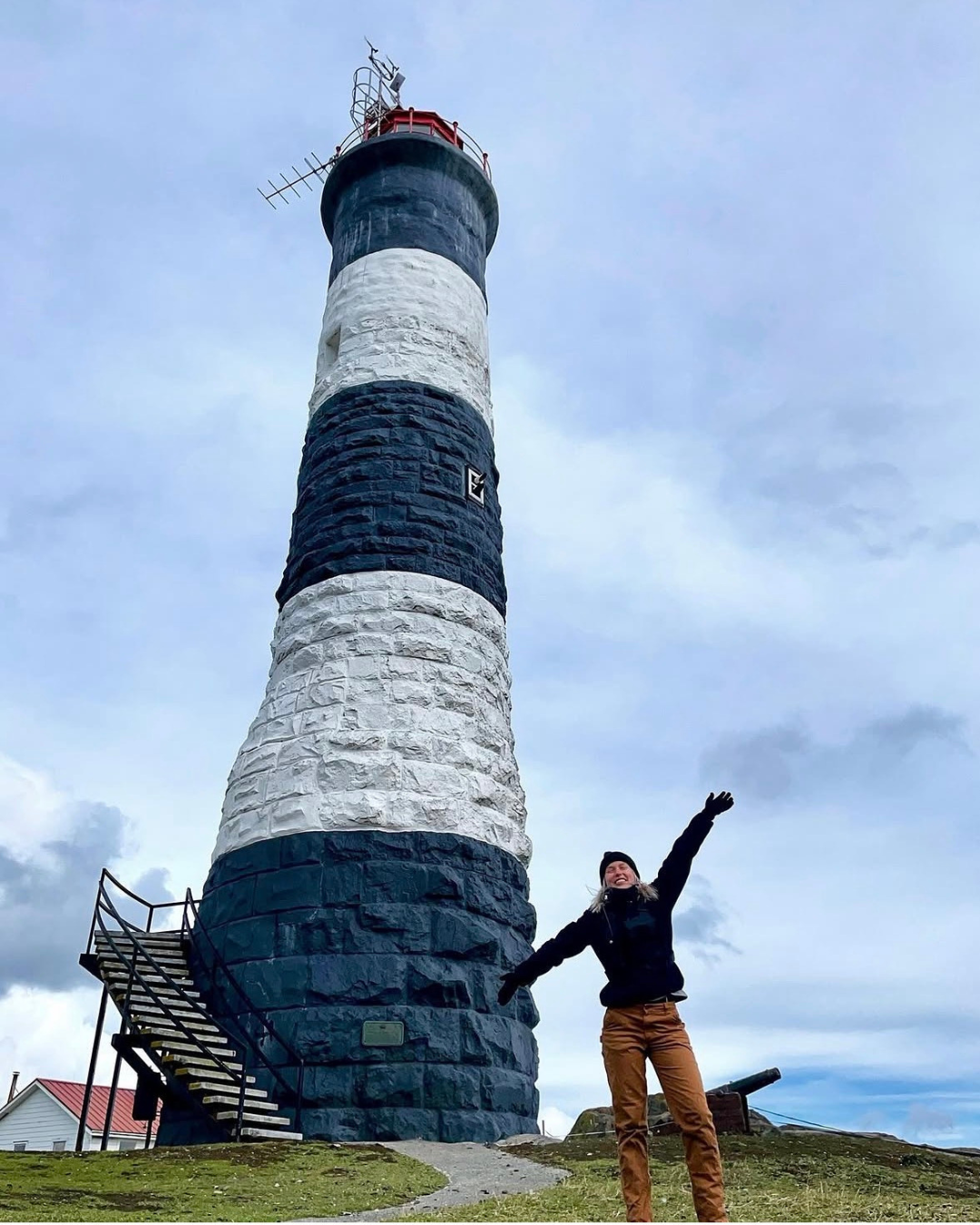
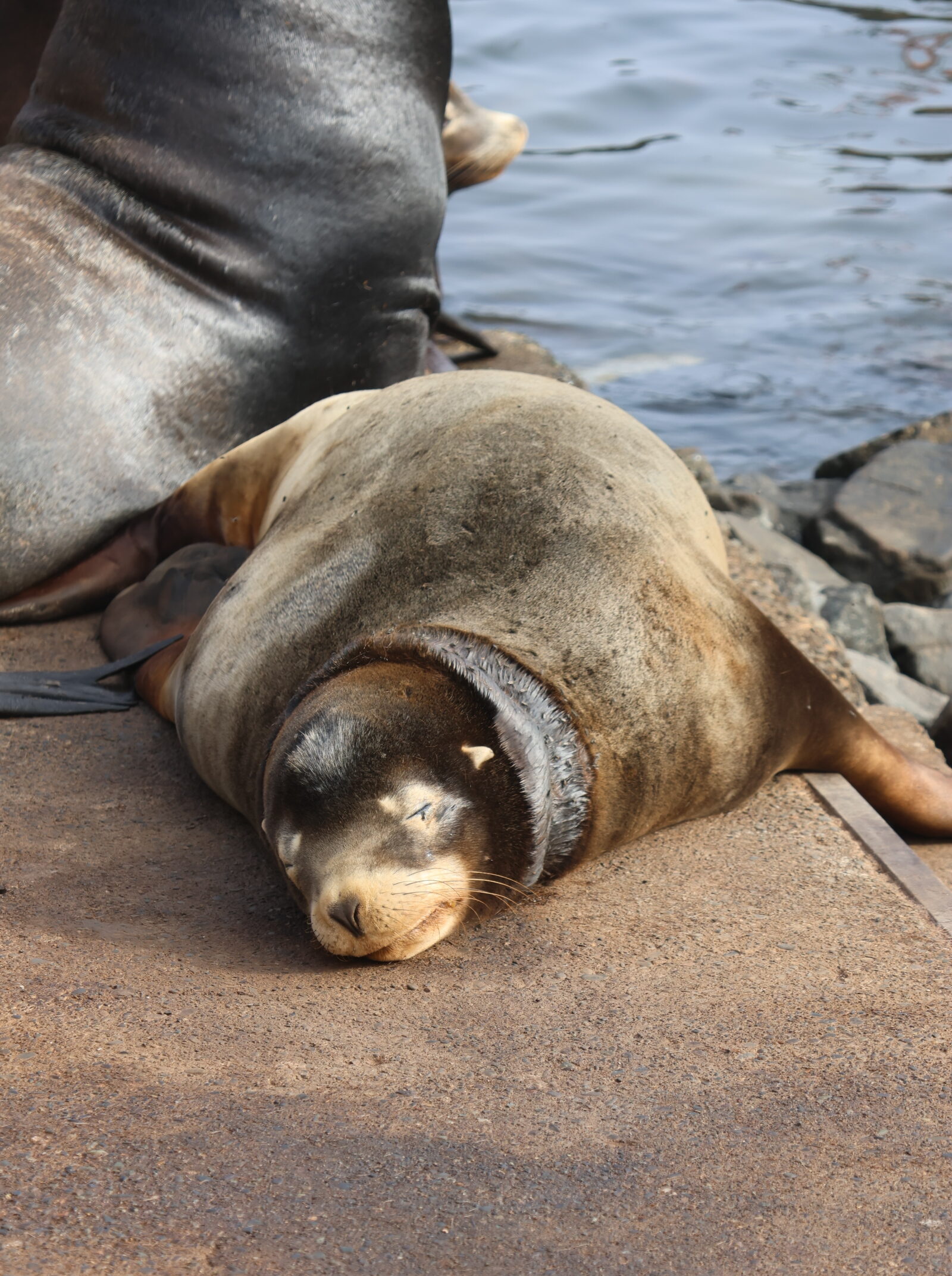
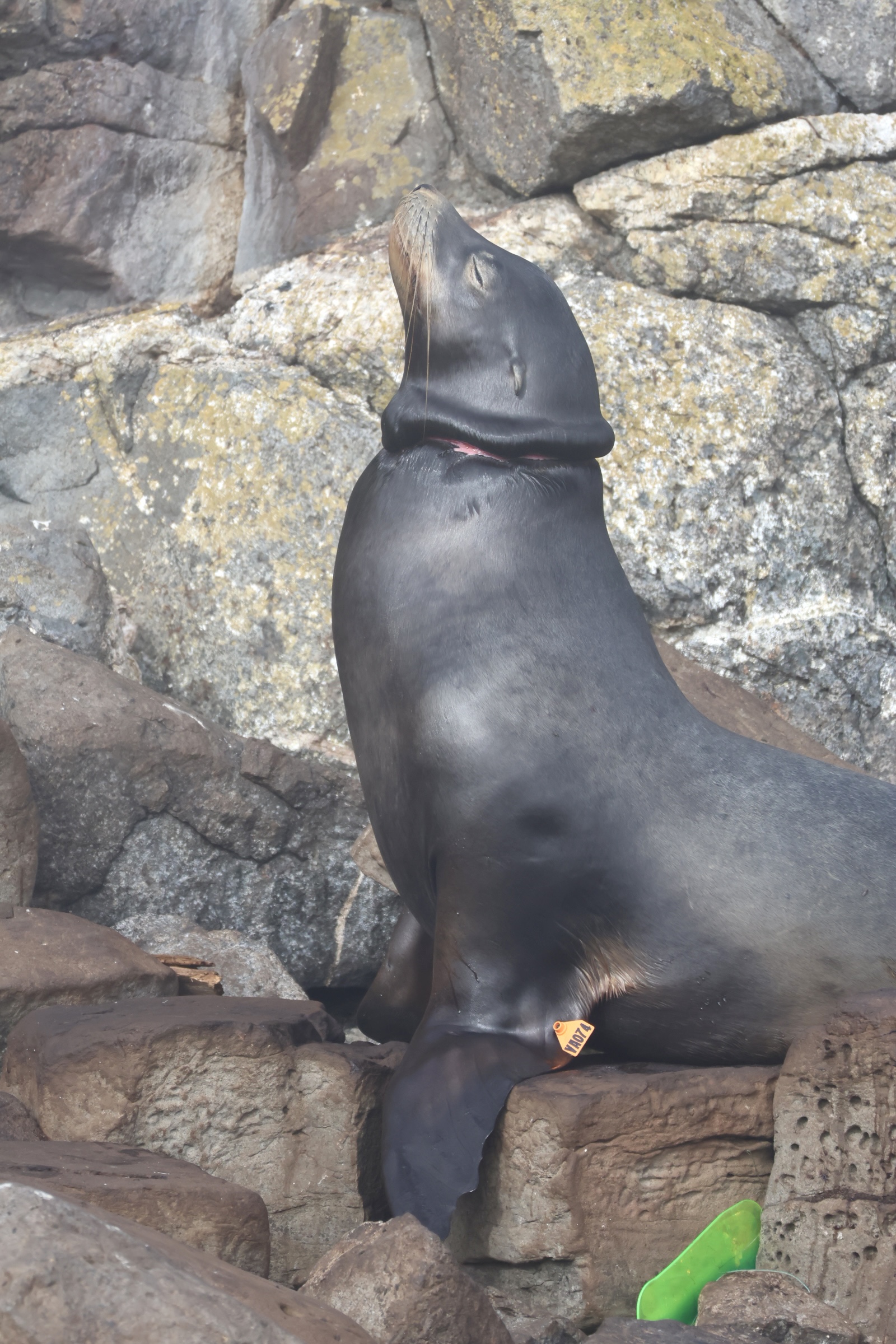
It has been a fantastic few days out here! The team from the Vancouver Aquarium Marine Mammal Rescue Society came out with DFO to disentangle the California sea lion that I first spotted last October.
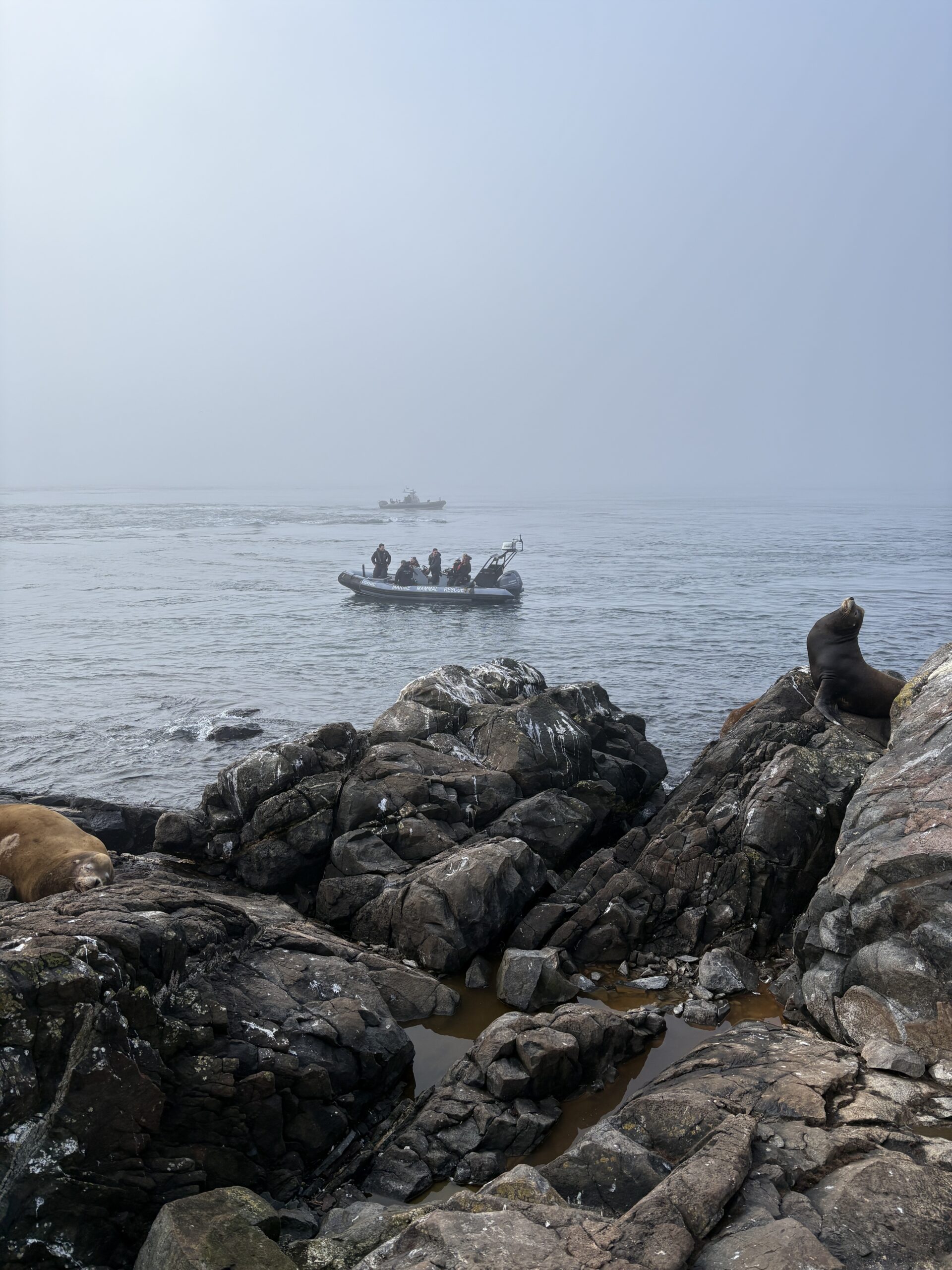
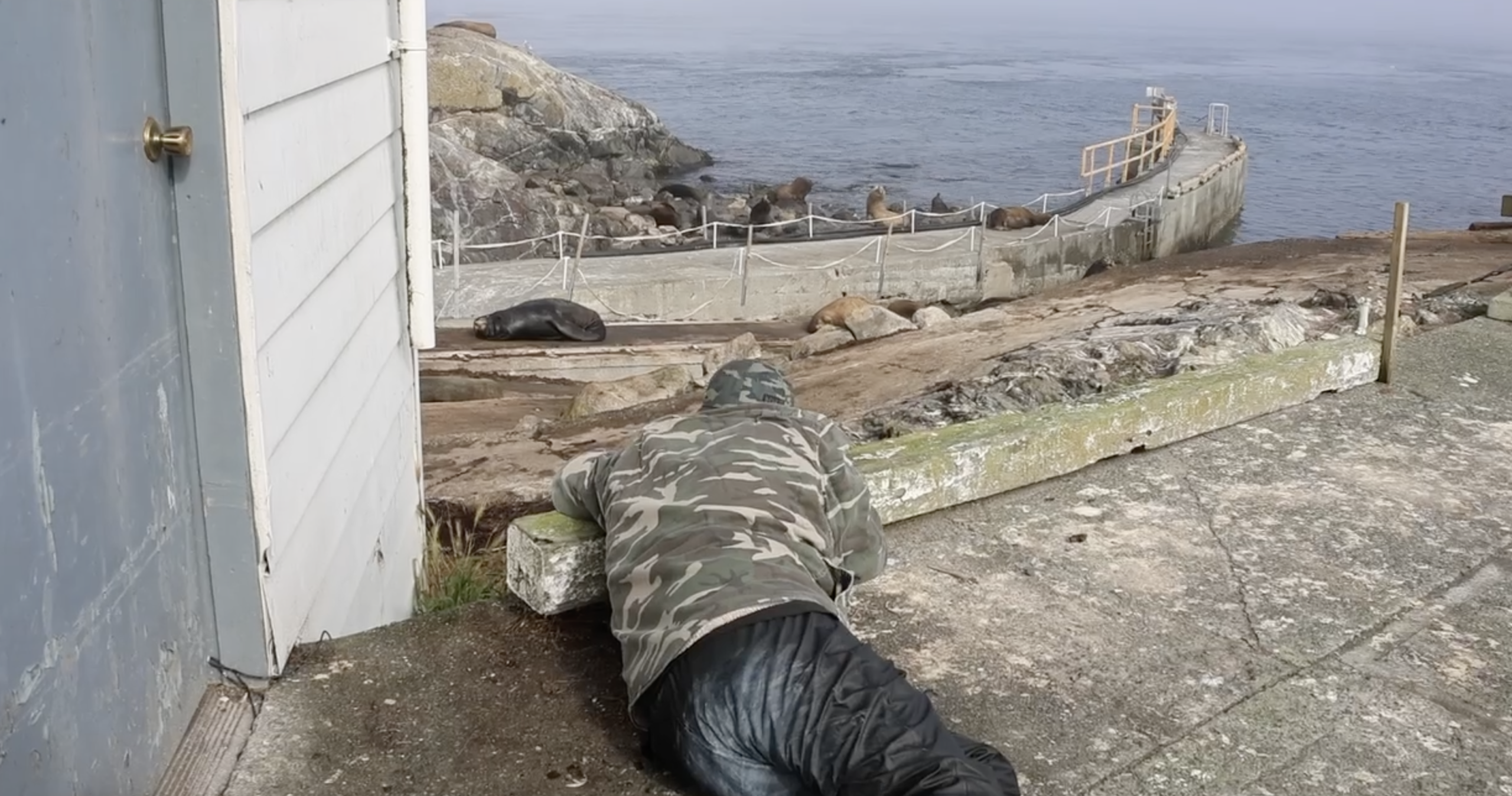
He was sleeping up high on the boat launch with made landing at the jetty tricky because we didn’t want to scare the sea lions and risk him going in the water. Instead, DFO dropped the rescue team off the south side of the island. The current was strong so we weren’t sure it would be possible, but they were able to safely nose the rhib into the rocks behind the generator building and the team came up the rocks. This ended up being great because we could approach the entangled sea lion without scaring him, and there are significantly less sea lions on the south side lately, so the disturbance was minimal.
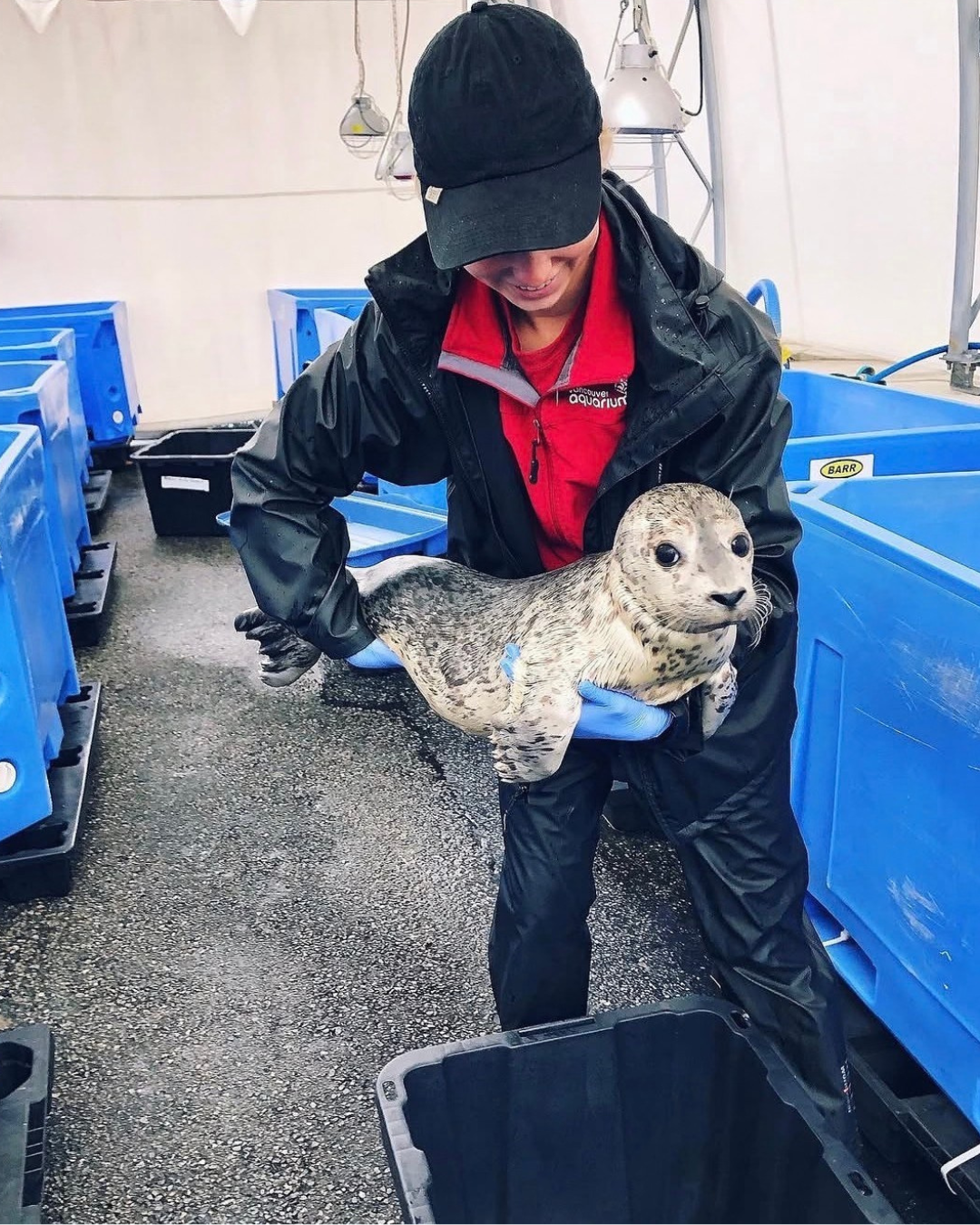
For those who don’t already know, when I’m not at the lighthouse, I work full time as a Registered Veterinary Technologist with the Marine Mammal Rescue Society. This was my team coming out, and disentanglements are one of my favourite parts of the job. Doing this work at Race Rocks is especially meaningful: I can help save an animal, and I’m often the person who finds and monitors them, coordinates with the team, and supports the rescue. Afterward, I’m able to continue monitoring the animal in the following days, which is incredibly rewarding.
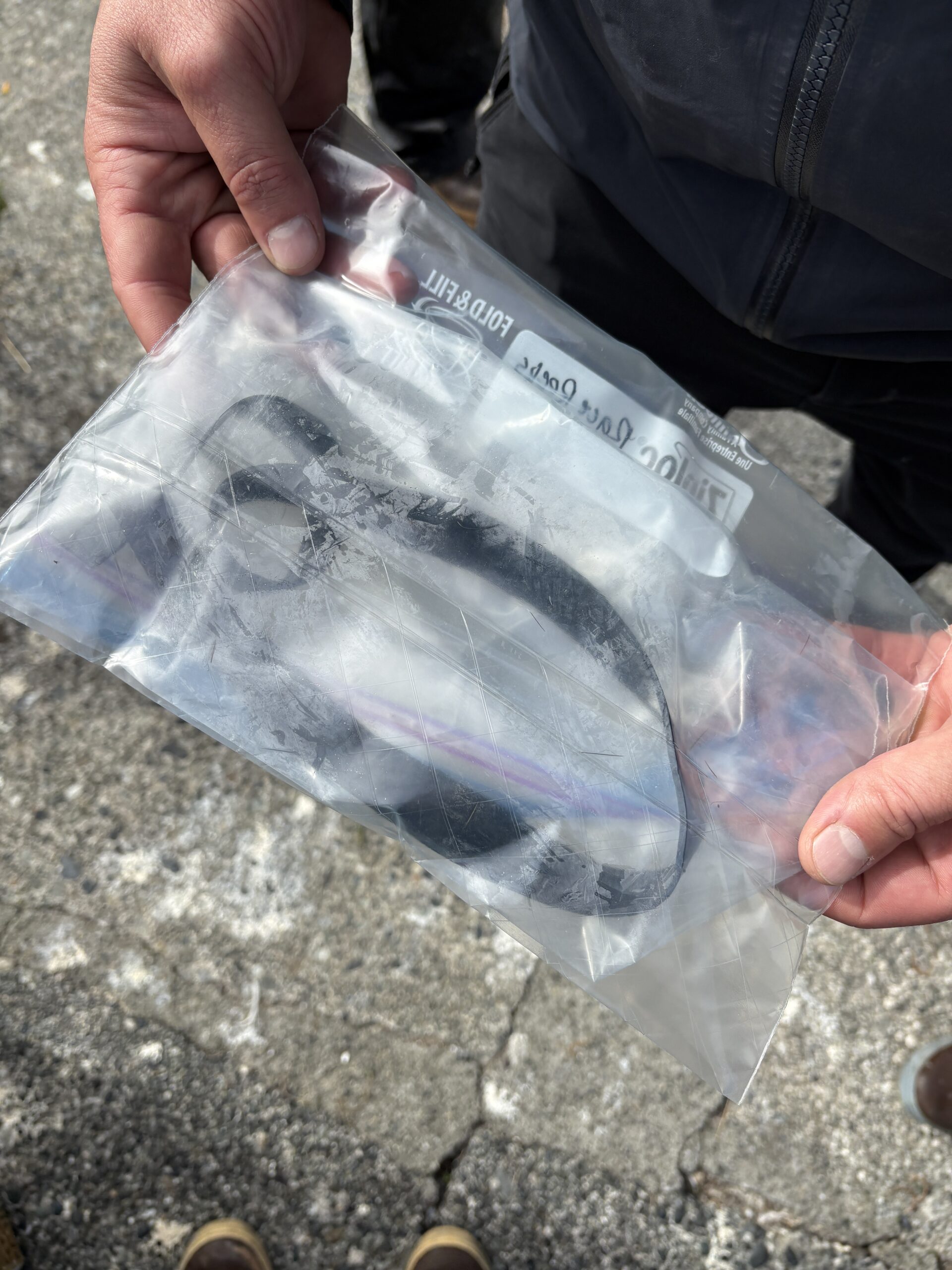
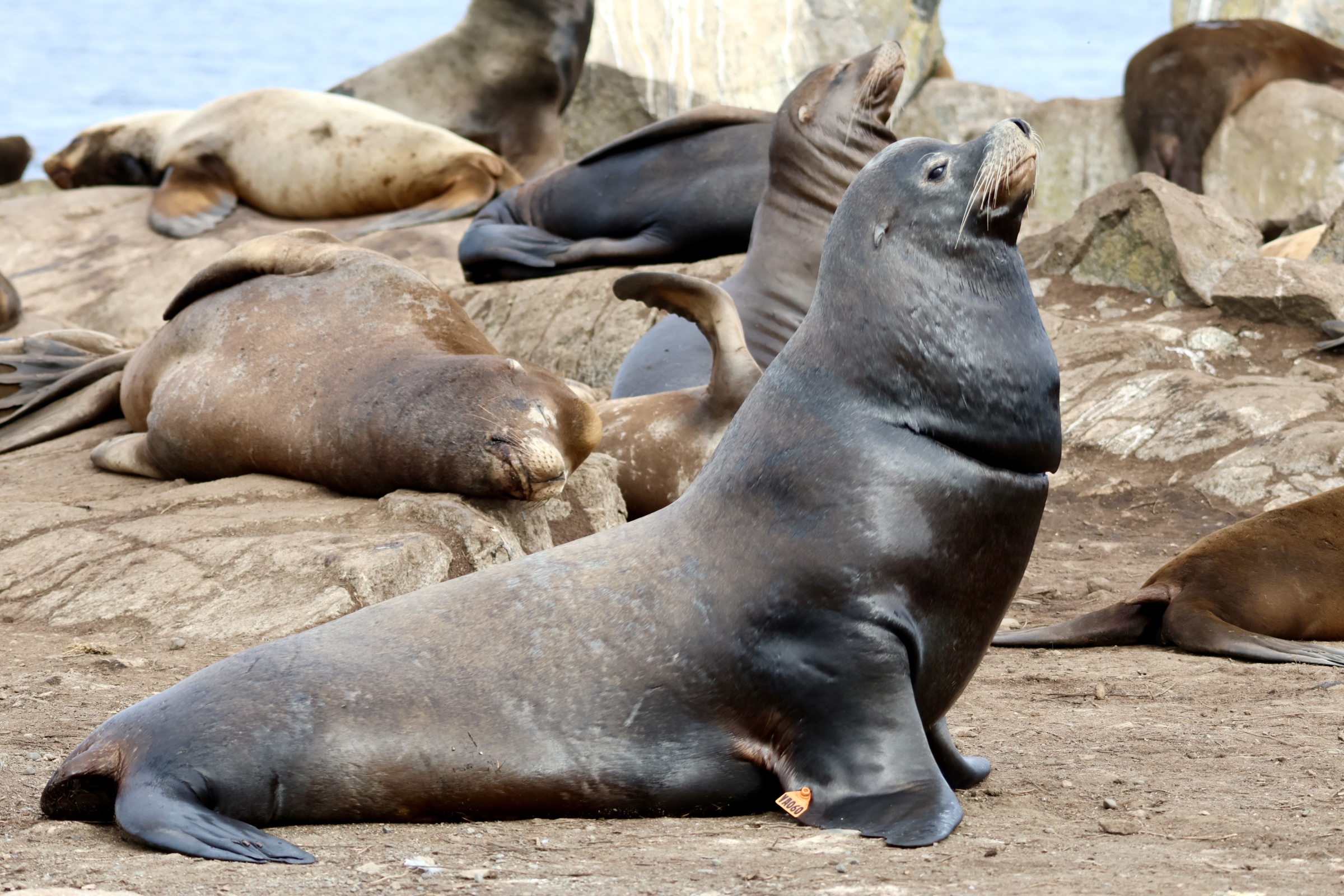
The rescue itself was straight forward, Dr. Haulena darted the entangled sea lion with a sedation protocol that allows us to approach and work with the animal, but doesn’t sedate them so deeply that if they end up going into the water they won’t drown. Thankfully, after the initial shock of the dart, the sea lion only moved a few feet before settling back down on the ramp. The sedation takes about 12 minutes to take effect, at which time we moved in. We quickly discovered that the entanglement material was a thick industrial rubber band, these bands have a wide variety of uses in the marine field and can often be found on commercial crab traps or used in other pot fisheries. Once the band was removed, we place a flipper tag on each of his fore flippers, these are not satellite tags, but they can help us identify the animals in future sightings.
A great example of this is the animal Eva helped us with in August. He is still here and I was able to determine that by taking a photo of his tags and then comparing them to our spreadsheet. Each tag has a unique number on it that allows to ID the animal when resighted. I’ll insert a photo of the animal we rescued in August below:
Once we were done, we gave him an injection to reverse the sedation and then we watched from the top of the of the boat launch as he woke up, stretched out, and then entered the water and swam off. He later hauled back out on the rocks to the left of the jetty and is currently still there as I write this. I can’t imagine the relief he must be feeling and I’m already excited to see him here again next year!
You can watch the rescue video here: https://youtu.be/EJJ7pKWvKIY?si=JR4Ft_c99E8h6POc
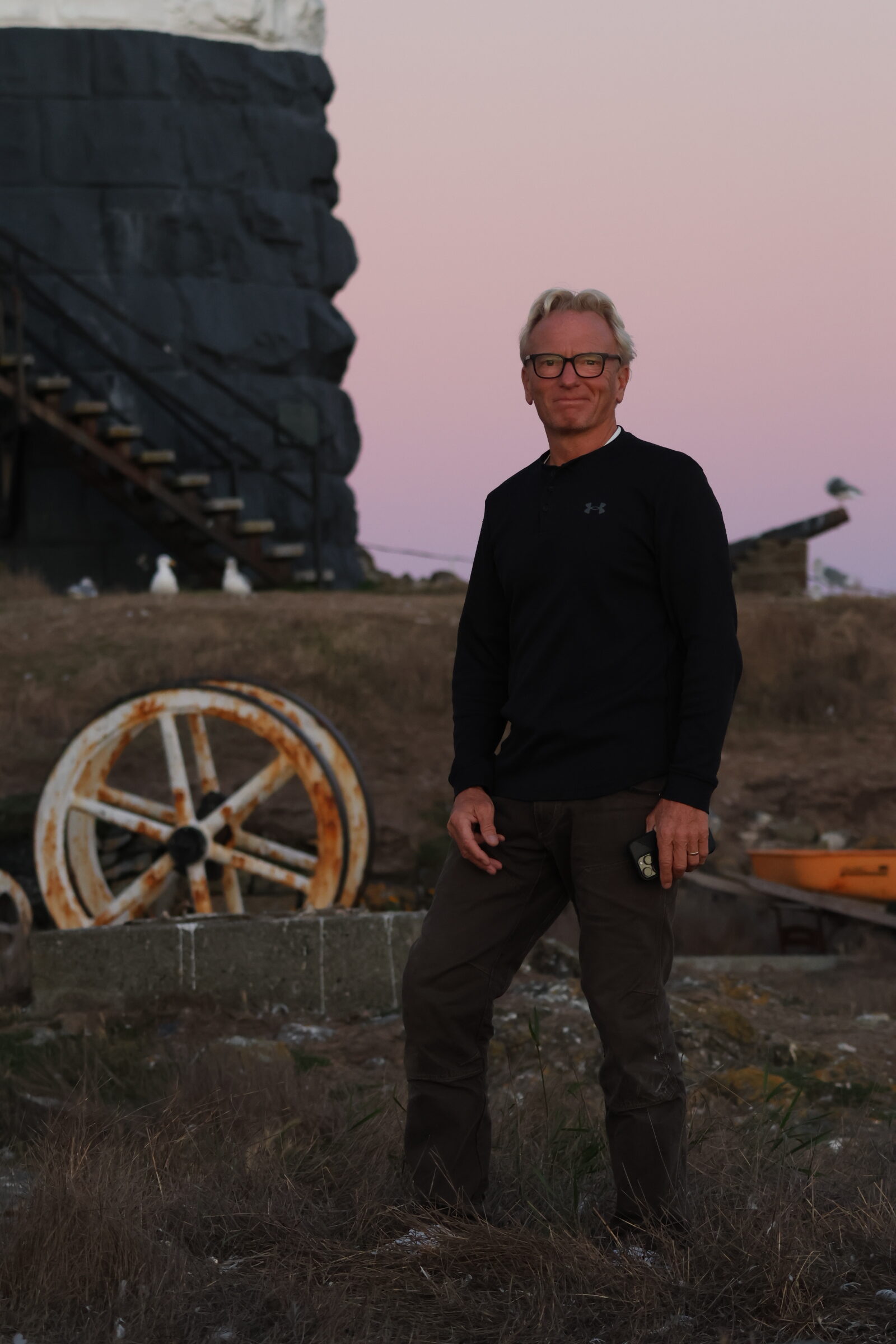
The team was gone by 12:30, and with them they took my dad whose been here this first week with me. It’s been so special having him here and spending time with him, he is the one who taught me my love for the ocean and he enjoys it out here just as much as I do!
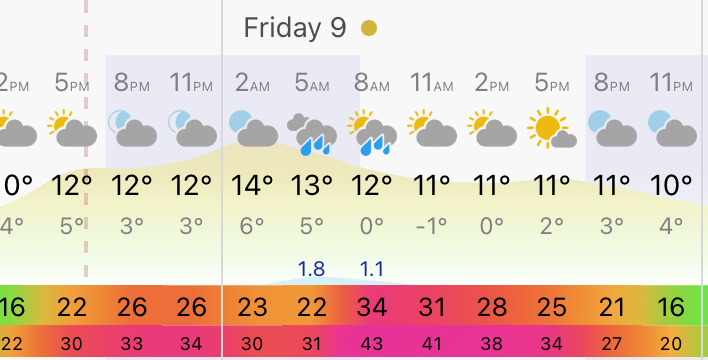
Aside from the excitement of the disentanglement, things have been quite calm around here. The weather has been incredible, glassy seas and no wind, full sun and whales everywhere! Today is supposed to reach 40 knot winds (close to 80km/hr) and raining, so today I’ve be battening the hatches and making sure everything is securely put away and I have everything I need in the house. The generator is being run manually at the moment so I will need to make a couple outside treks to turn that on and off but other than that my plans include a fire and storm watching from inside. I’m very curious to see how that affects Saturday’s census!
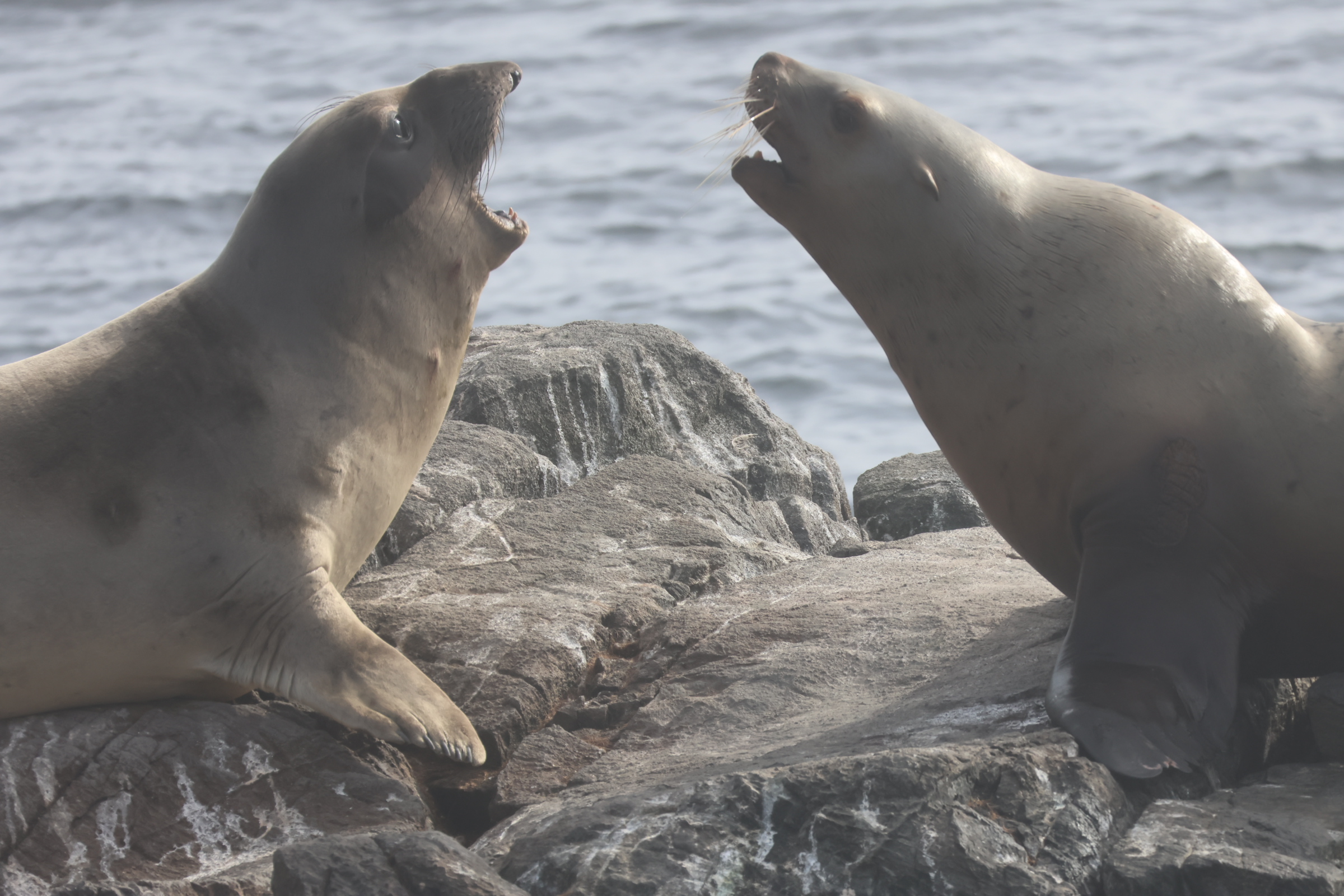
And lastly, we have a young female elephant seal back at Race Rocks! She has been hanging out with the Stellers on the South rocks but hopefully she comes up to the grass soon!
Facility work for the past couple days:
- Ran the generator
- Cleaned main house windows
- Topped up batteries
- Fixed the main house kitchen sink (thanks dad!)
- Lots of fence repair
- Cleaned solar panels
- Storm prep: lowered the flag, secured the electric fence as best as possible, general site clean-up.
- Oil change in Honda generator
- Ran the last remaining line of electric fence tape behind the main house
Vessels:
- Ecotourism: average of 15 per day
- Private: average of 4 per day
Visitors:
- DFO team: 4 people
- VAMMR team: 6 people
- Greg/Richard for supply drop off.