The following article from the Victoria Times Colonist with a video of an interview with Dr. Martin Haulena of the Vancouver Aquarium appeared in the Times Colonist on October 29 2024 concerning the rescue of an entangled sea lion at Race Rocks Ecological Reserve:
Author Archives: Garry Fletcher
Carduus acanthoides : Plumeless thistle- The Race Rocks taxonomy
from https://racerocks.ca/upkeep-day/
Neha Acharya-Patel the ecoguardian at Race Rocks identified this new species for Race Rocks in the log today. 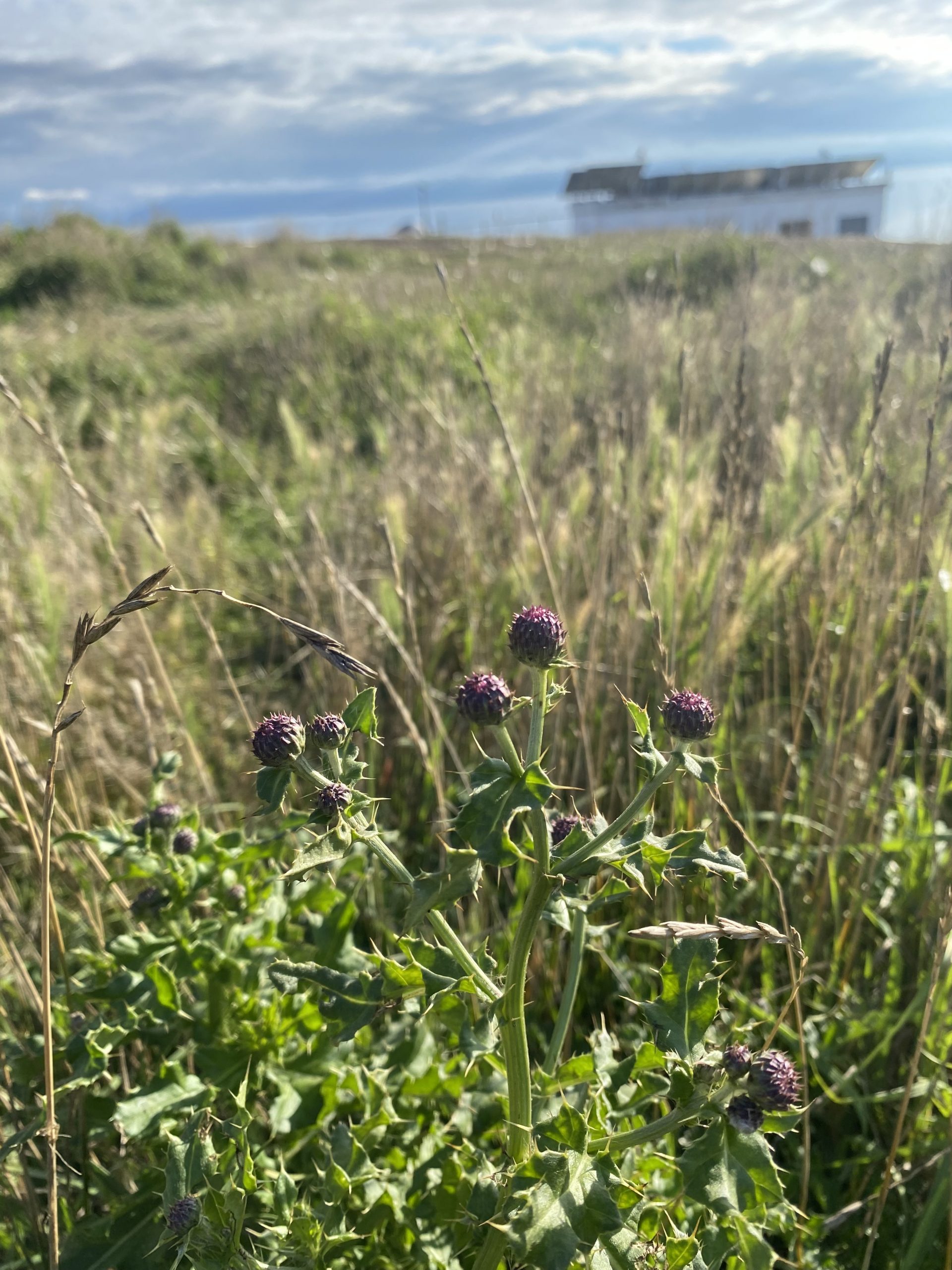
From Wikipedia, the classification as follows
Scientific classification |
|
|---|---|
| Kingdom: | Plantae |
| Clade: | Tracheophytes |
| Clade: | Angiosperms |
| Clade: | Eudicots |
| Clade: | Asterids |
| Order: | Asterales |
| Family: | Asteraceae |
| Genus: | Carduus |
| Species: |
C. acanthoides
|
| Binomial name | |
| Carduus acanthoides | |
Other Angiosperms at Race Rocks.
 Return to the Race Rocks Taxonomy Return to the Race Rocks Taxonomyand Image File |
 The Race Rocks taxonomy is a collaborative venture originally started with the Biology and Environmental Systems students of Lester Pearson College UWC. It now also has contributions added by Faculty, Staff, Volunteers and Observers on the remote control webcams. The Race Rocks taxonomy is a collaborative venture originally started with the Biology and Environmental Systems students of Lester Pearson College UWC. It now also has contributions added by Faculty, Staff, Volunteers and Observers on the remote control webcams. |
Progne subus: Purple martin – The Race Rocks Taxonomy
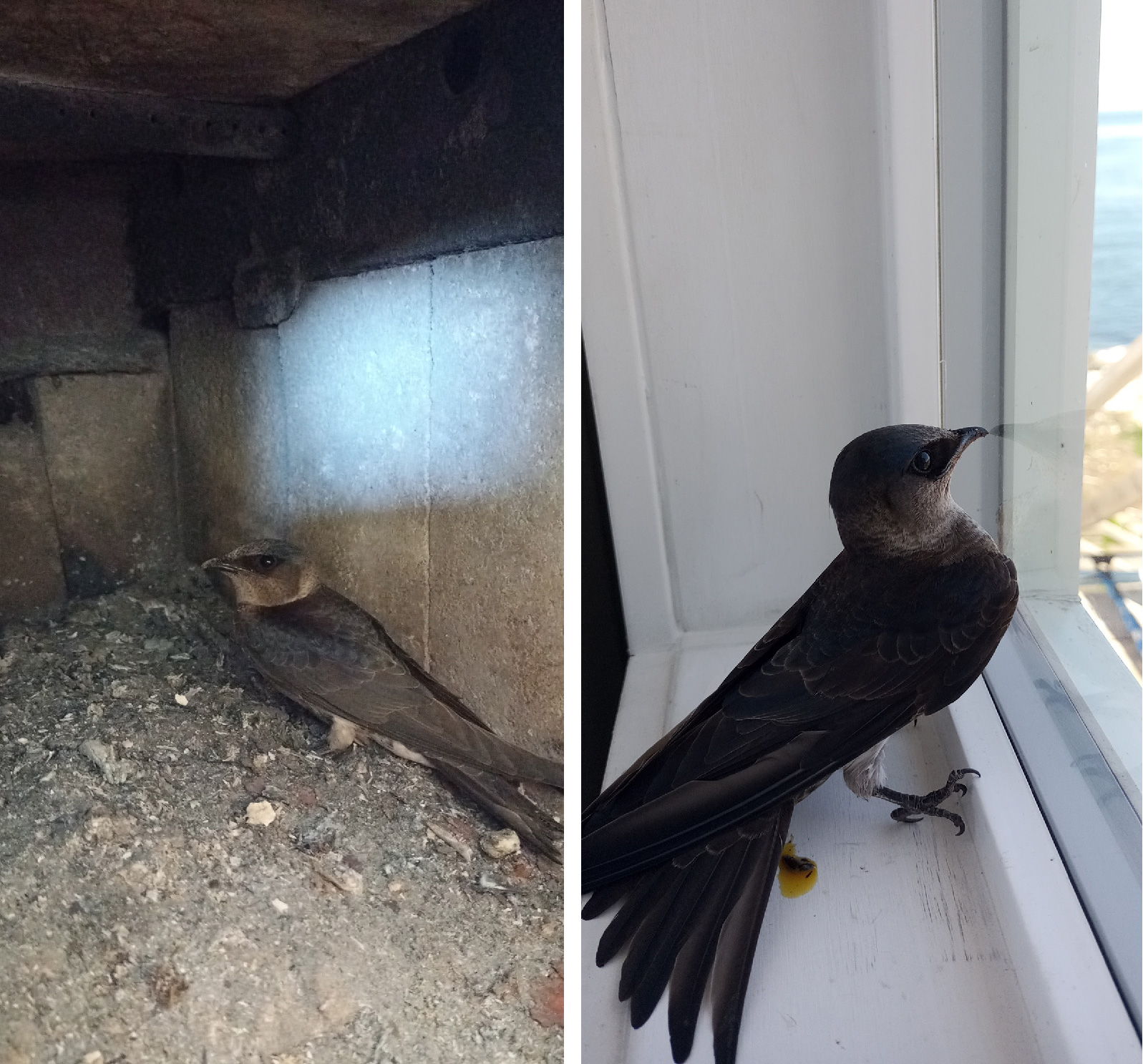
On June 20, 2045 , Race Rocks Ecoguardian Christine Chourmouzis found a purple martin in her house
she writes in her log: Two purple martins were spotted on top of the tower and on roof of the Keepers’s house around noon. At 3 pm I discovered a purple martin had made its way down the chimney pipe into the wood stove. I am so glad the ashes were cold and I was able to get it back outside!
-
Purple martins suffered a severe population crash in the 20th century widely linked to the release and spread of European starlings in North America. European starlings and house sparrows compete with martins for nest cavities. Where purple martins once gathered in the thousands, by the 1980s they had all but disappeared. (Wikipedia)
They have excellent aerodynamic maneuvering control as they fly quickly over open areas catching insects with a wide opening mouth. They are valued for their voracious appetite for mosquitoes and flies. With their food being flying insects, the island certainly provides an abundant supply of the kelp fly Coelopa vanduzeei
Domain: Eukarya
Kingdom: Animalia
Phylum: Chordata
Sub-phylum: Vertebrata
Class: Aves
Order: Passeriformes
Family: Hirundinidae
Genus:Progne
Species: subis. (Linnaeus, 1758)
Common Name: Purple martin
Physical Description:
It is the largest swallow in North America.
With an average length of 20 cm (7.9 in) and a wingspan of up to 38 cm (15 in), the purple martin is the largest amongst the 90 odd species in the family Hirundinidae.[9]
Purple martins are sexually dimorphic. Adult males are entirely black with a glossy steel blue sheen, the only swallow in North America with such coloration. Adult females are dark on top with some steel blue sheen, and lighter underparts. Adults have a slightly forked tail.
Relationship with humans:
Continual maintenance and protection is required, as European starlings and house sparrows compete with martins as cavity-nesters, and will fight with martins over nest sites. Thus, unmonitored purple martin houses are often overtaken by more aggressive, non-native species.[3] Purple martin proponents are motivated by the concern that the purple martin would likely vanish from eastern North America were it not for this assistance.[24]( Wikipedia)
| Other Members of the Class Aves at Race Rocks |
| Return to the Race Rocks Taxonomy and Image File |
| The Race Rocks taxonomy is a collaborative venture originally started with the Biology and Environmental Systems students of Lester Pearson College UWC. It now also has contributions added by Faculty, Staff, Volunteers and Observers on the remote control webcams.
June 20 2024 Christine Chourmouzis – Ecoguardian |
Race Rocks Ecological Reserve Warden’s Report June 14 2024
Garry Fletcher, ER Warden for Race Rocks visited the reserve on June 14, 2024
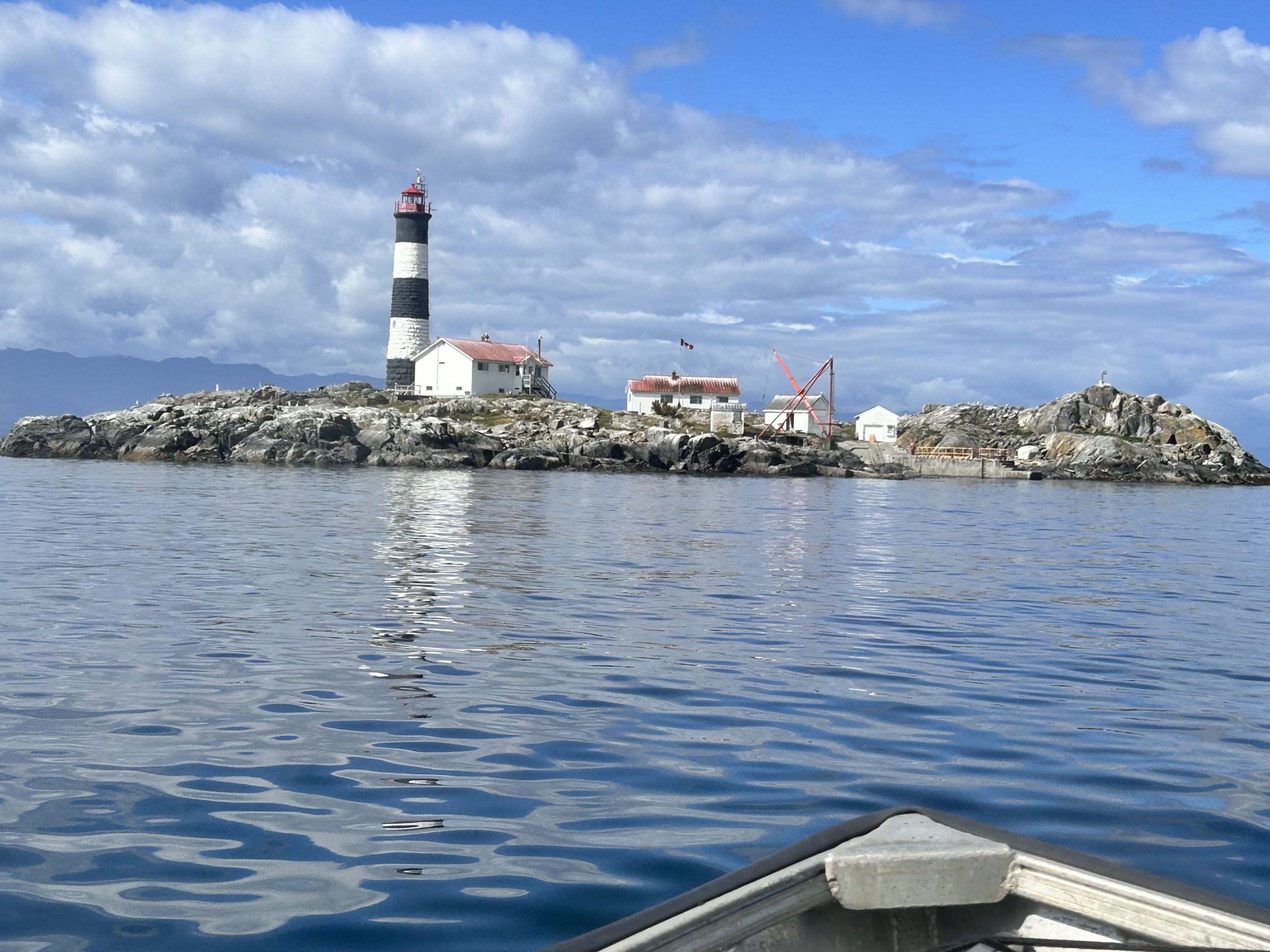 Greg Dickinson from Pearson College provided transport in Second Nature for the following group:
- Lisette and Mads – Mads is a former student and both are volunteering at Pearson College
- Garry Fletcher – Park Warden
- James Tuohy – future Ecoguardian
- Ann Nightingale and Andrew Jacobs – Rocky Point Bird Observatory
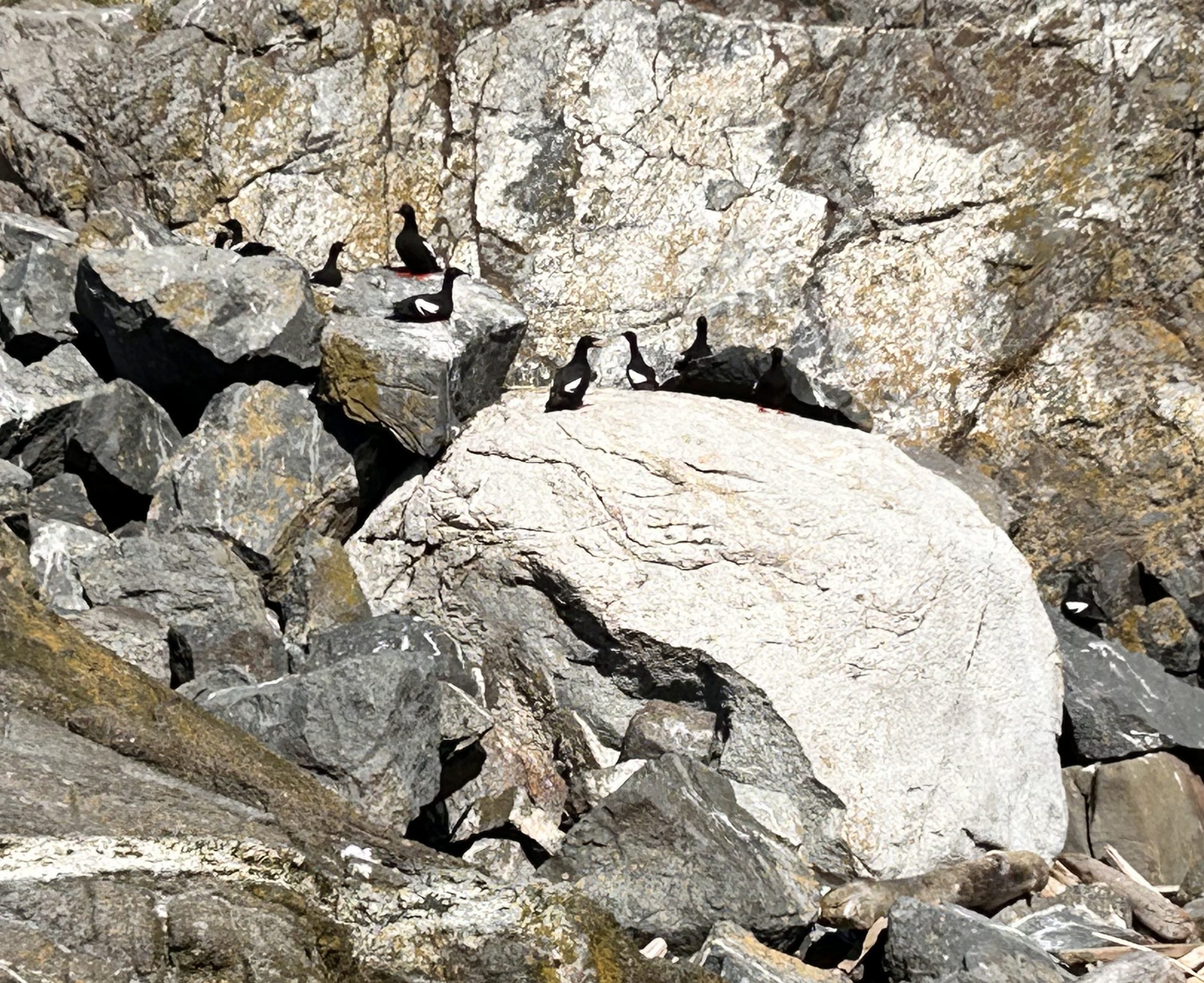
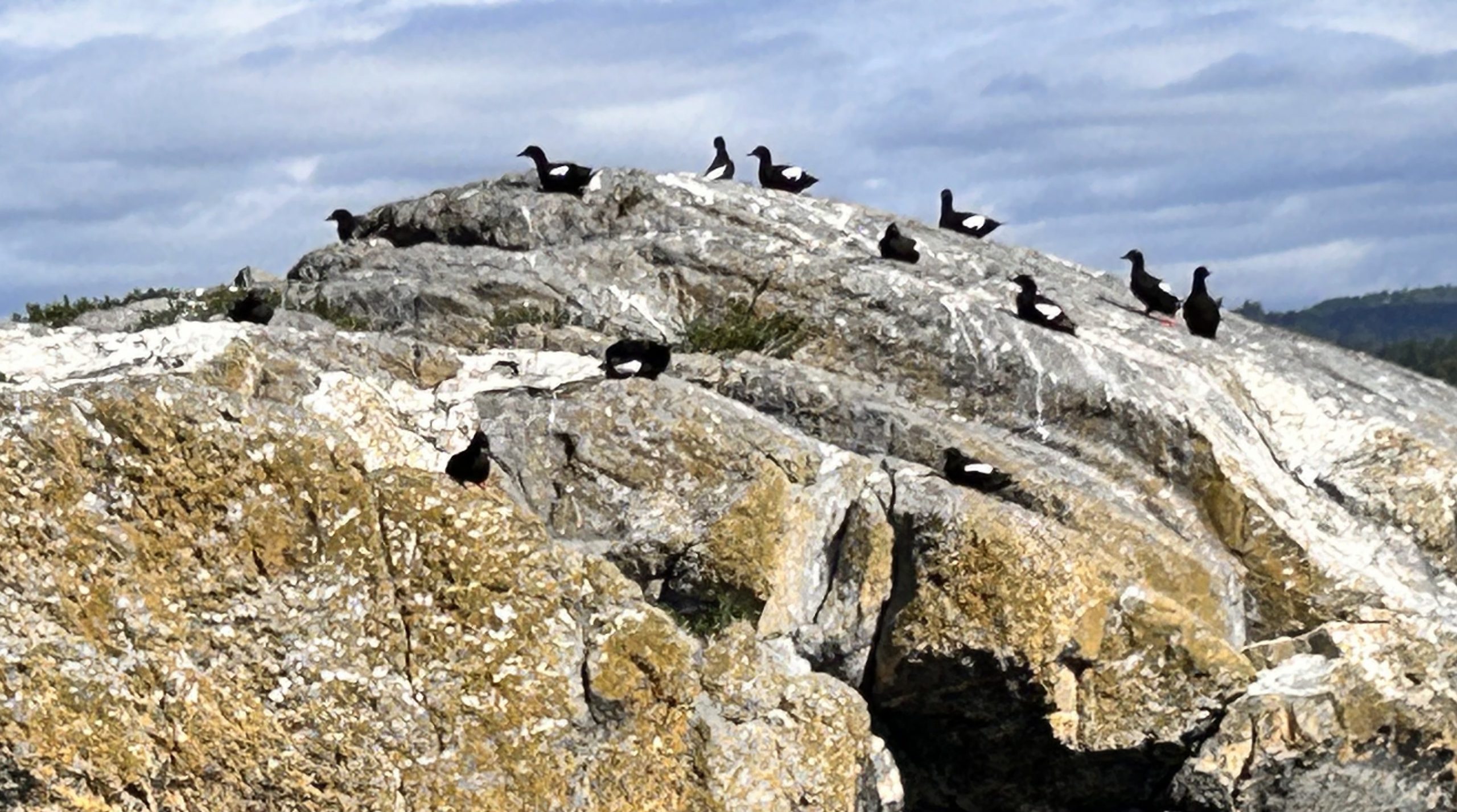
Upon docking I was struck by the number of Pigeon Guillemots on the rocks . Although I haven’t checked back in our records, there certainly seems to have been an increase in numbers
We were greeted by the new ecoguardian Christine Chourmouzis . In addition to having a general survey of the reserve, I was able to direct Christine and James through the process of entering them as editors on racerocks.ca and creating a log and posting it on the Race Rocks website.
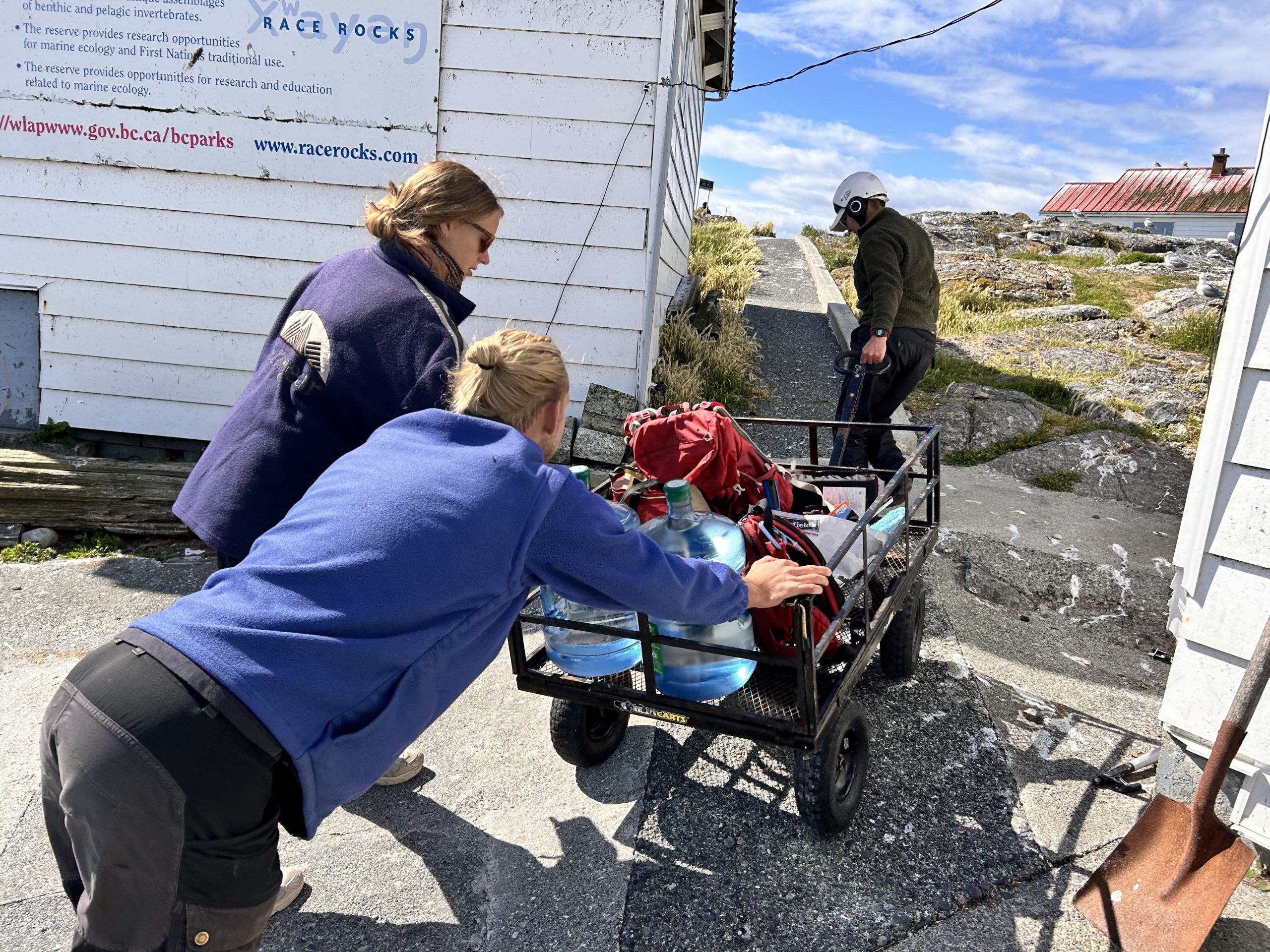 Supplies for the Ecoguardian are off-loaded
-
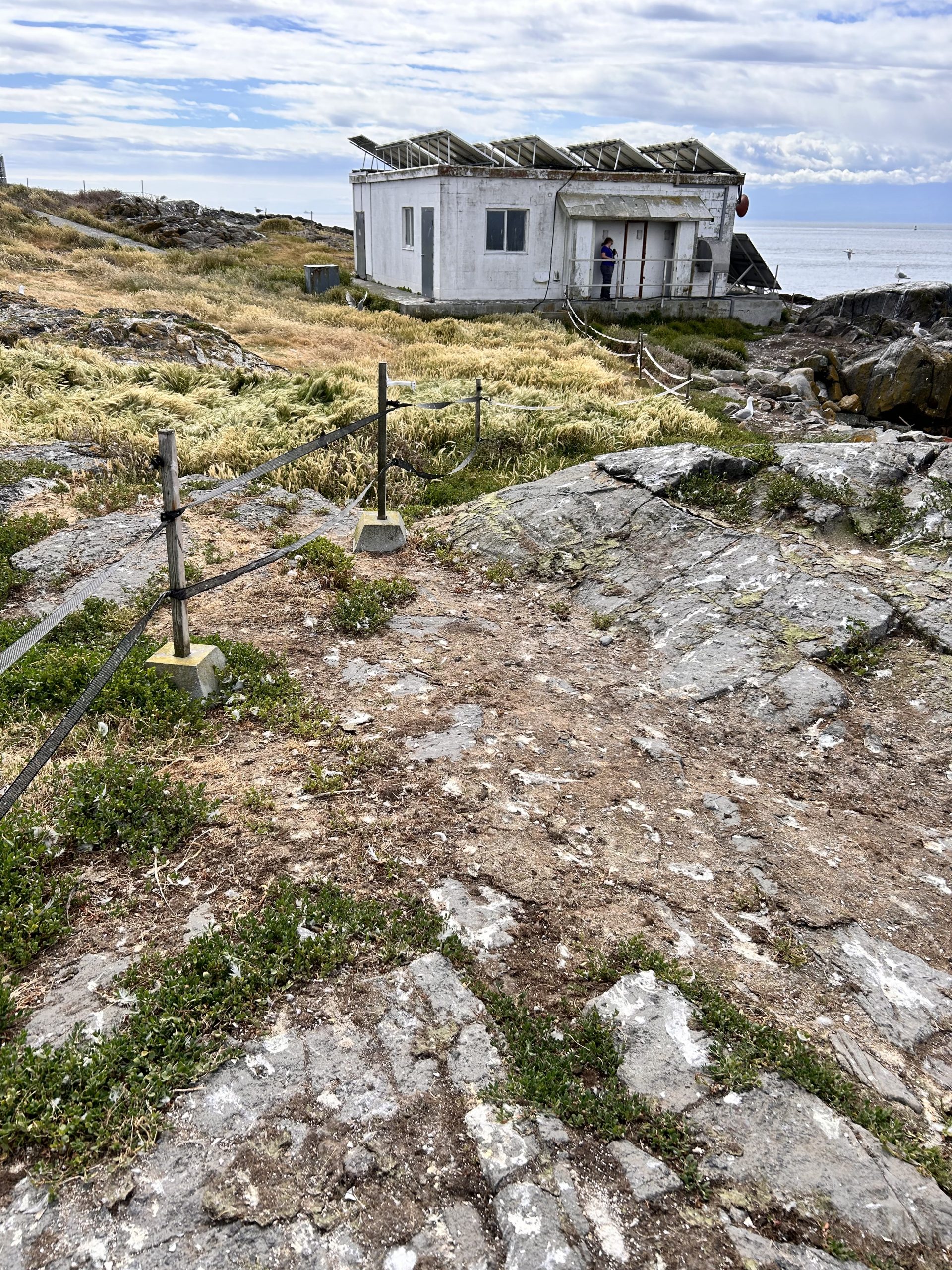
- Sea lion fence
-
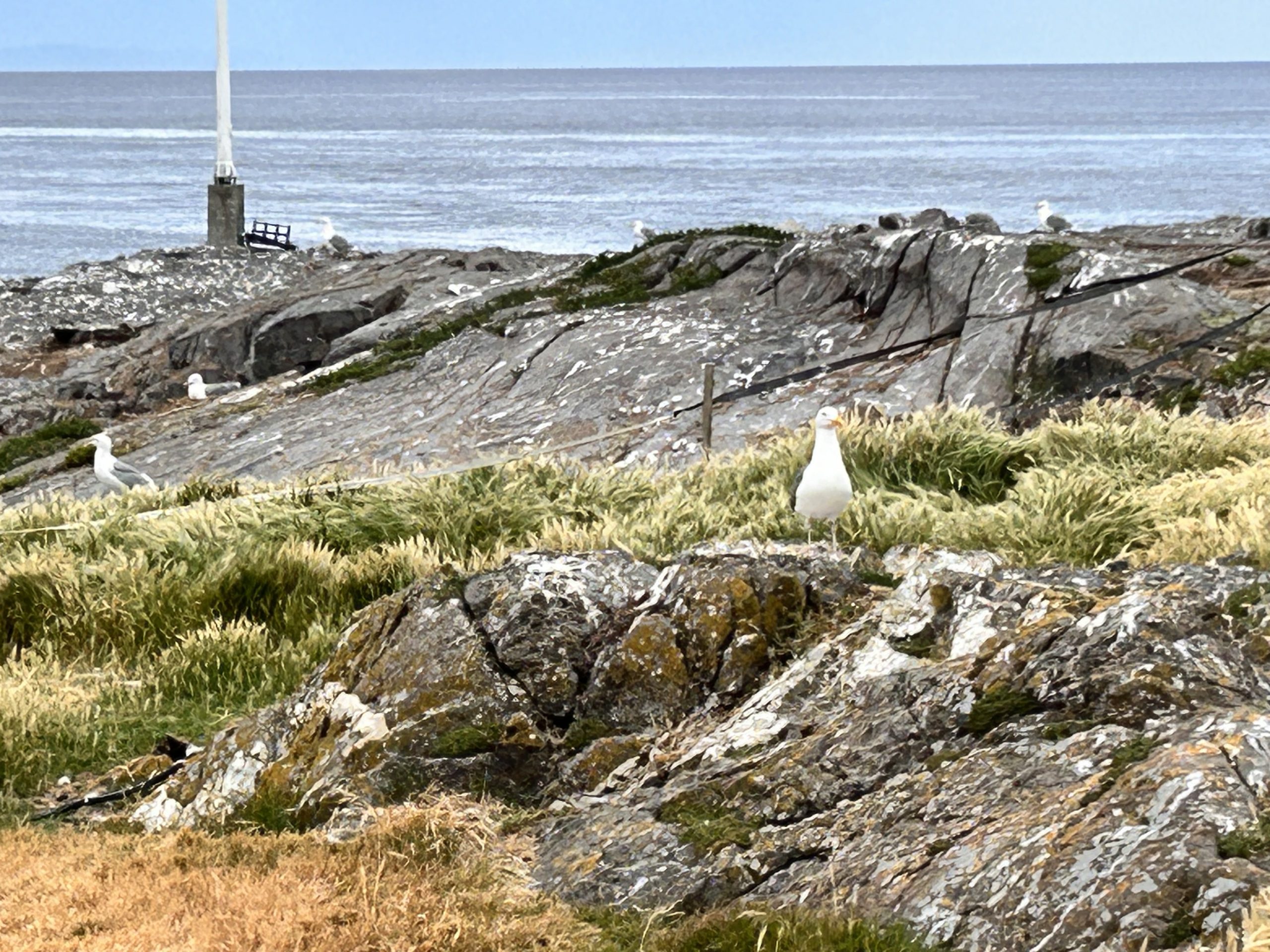
- For several years now we have mainytained a sealion fence to keep the sealions out of the central island area where they can cause damage to infrastructure . This year, I submitted an application to BC Parks for funding to pay for installation of a permanent fenceline as the temporary posts are often pushed over by the sealions when they accumulate in the fall in massive numbers on the archipelago of islands
-
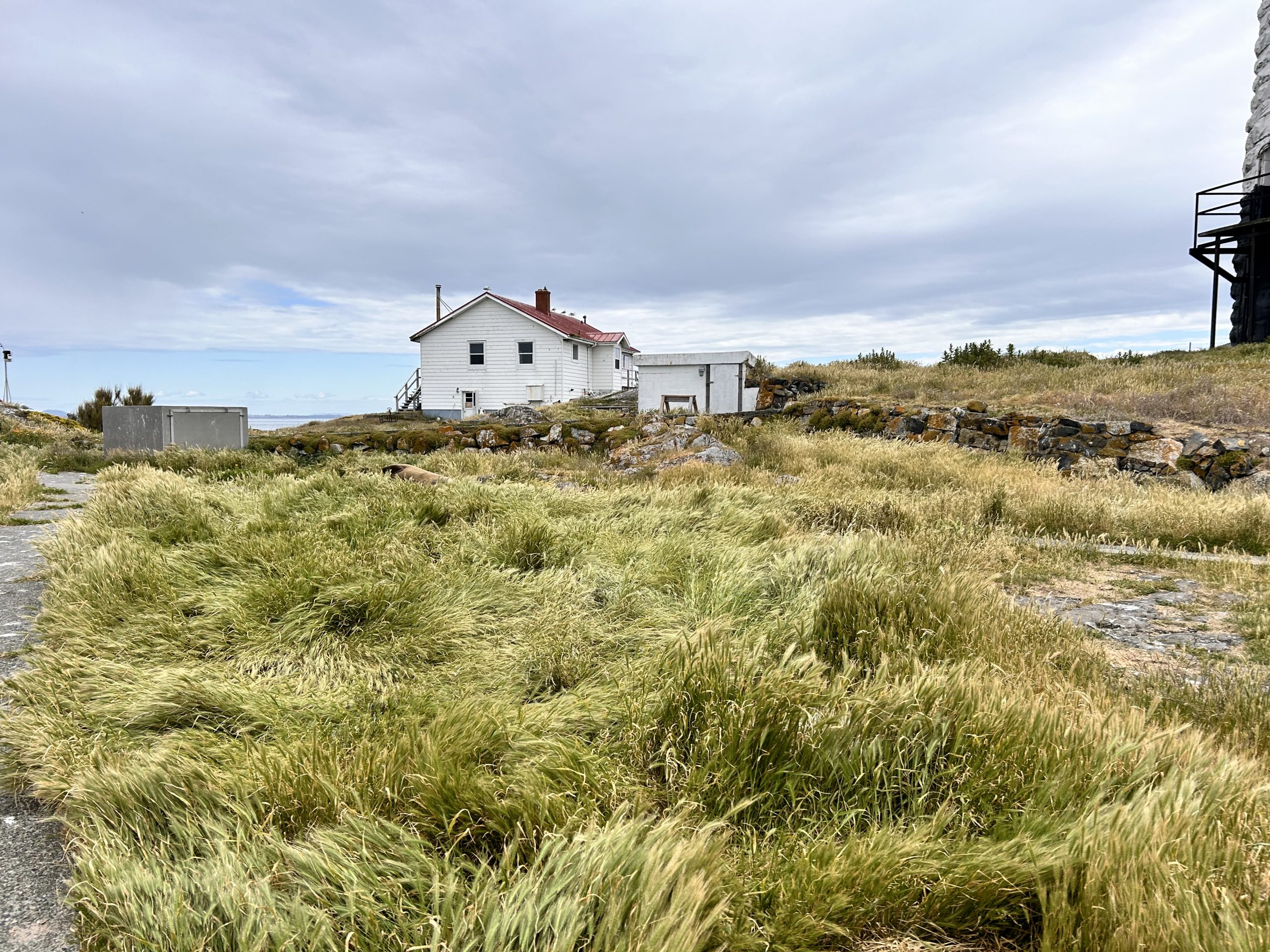
- This year there has been an invasion of the grass foxtail over much of the island
-
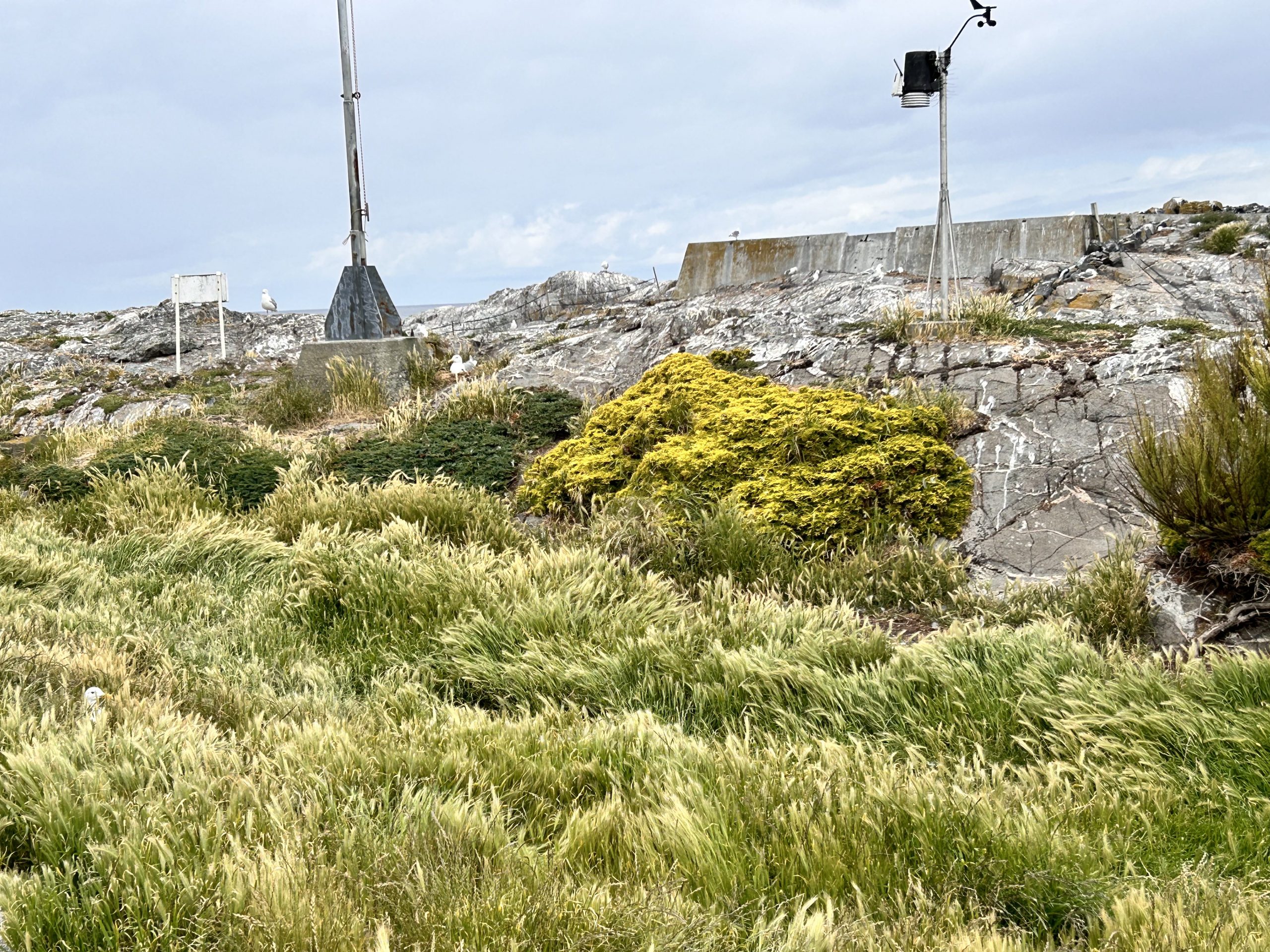
- It has almost totally replaced the pineapple weed which has been abundant in previous years
-
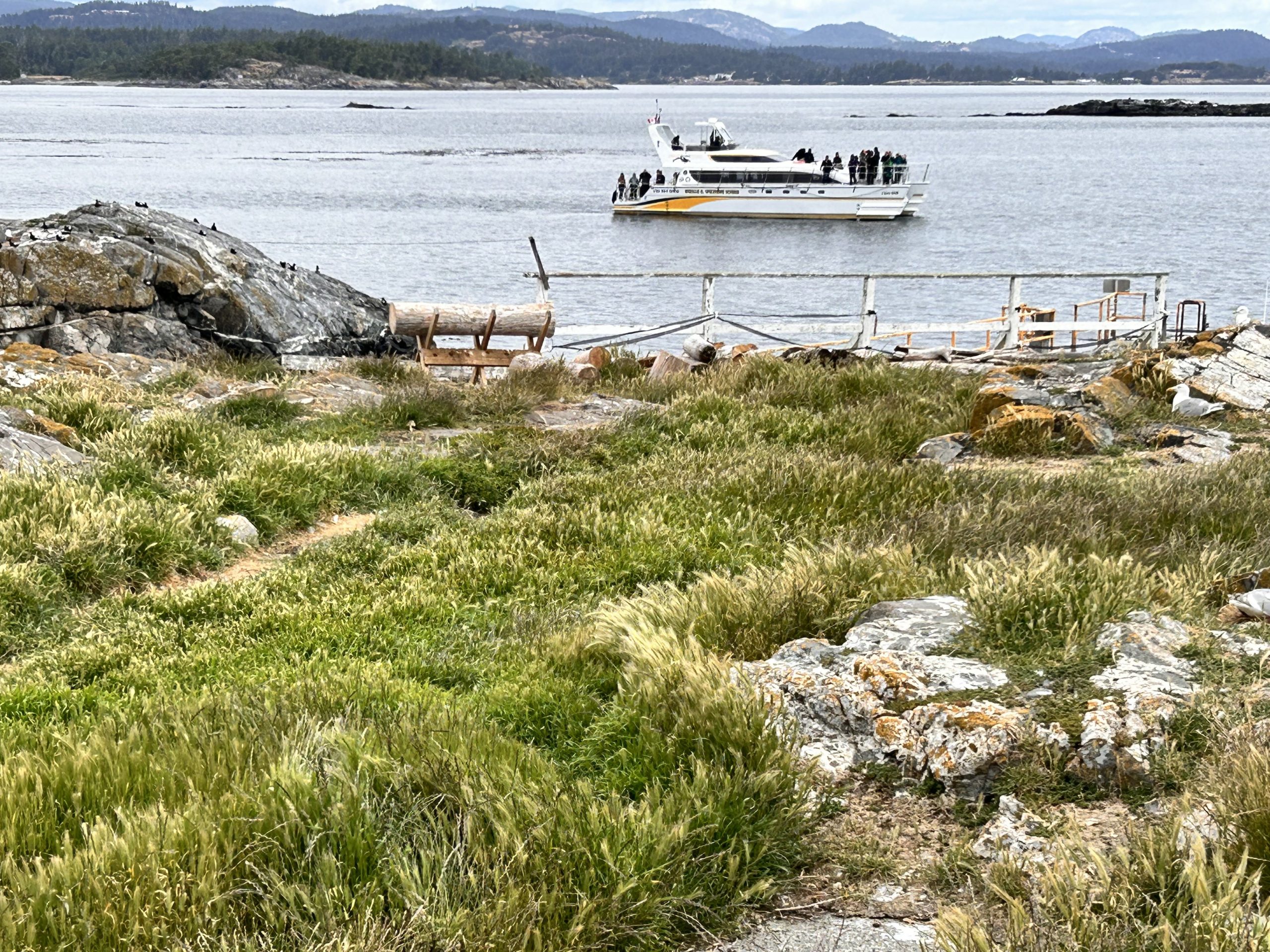
- one of the many Ecotourism boats passes through the channel North of the docks
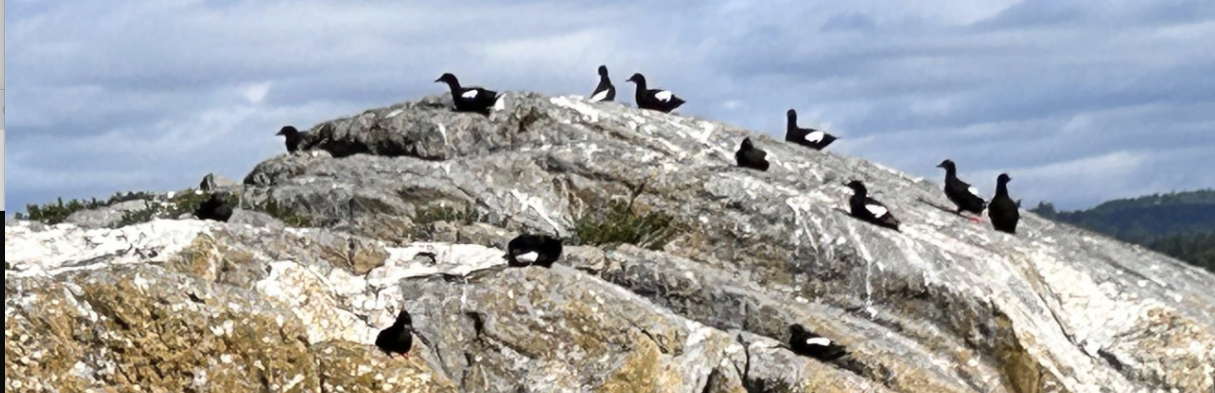
Pigeon Guillemots also nest on the island
-
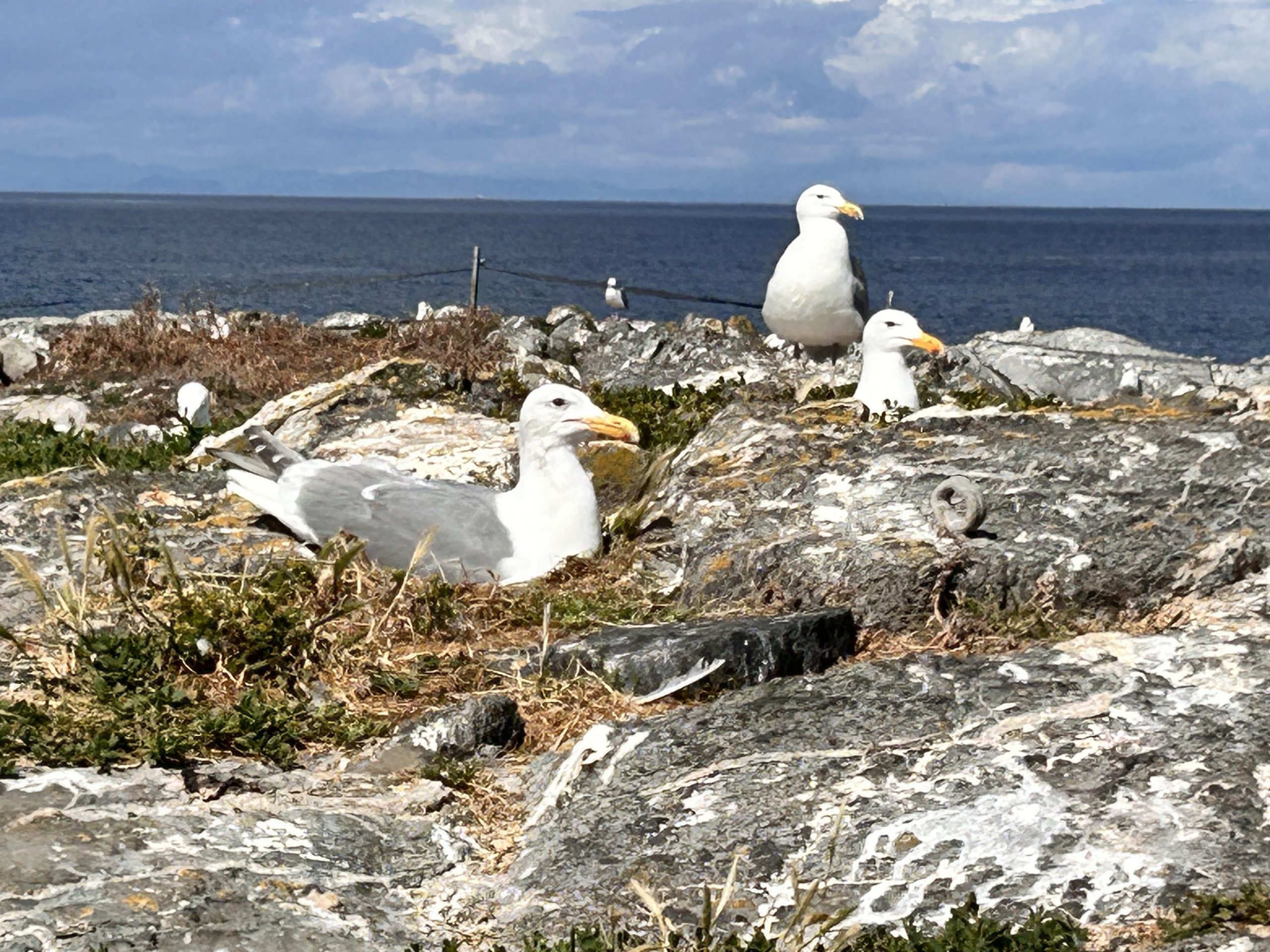
- James and Ann documented nests and locations on the island
-
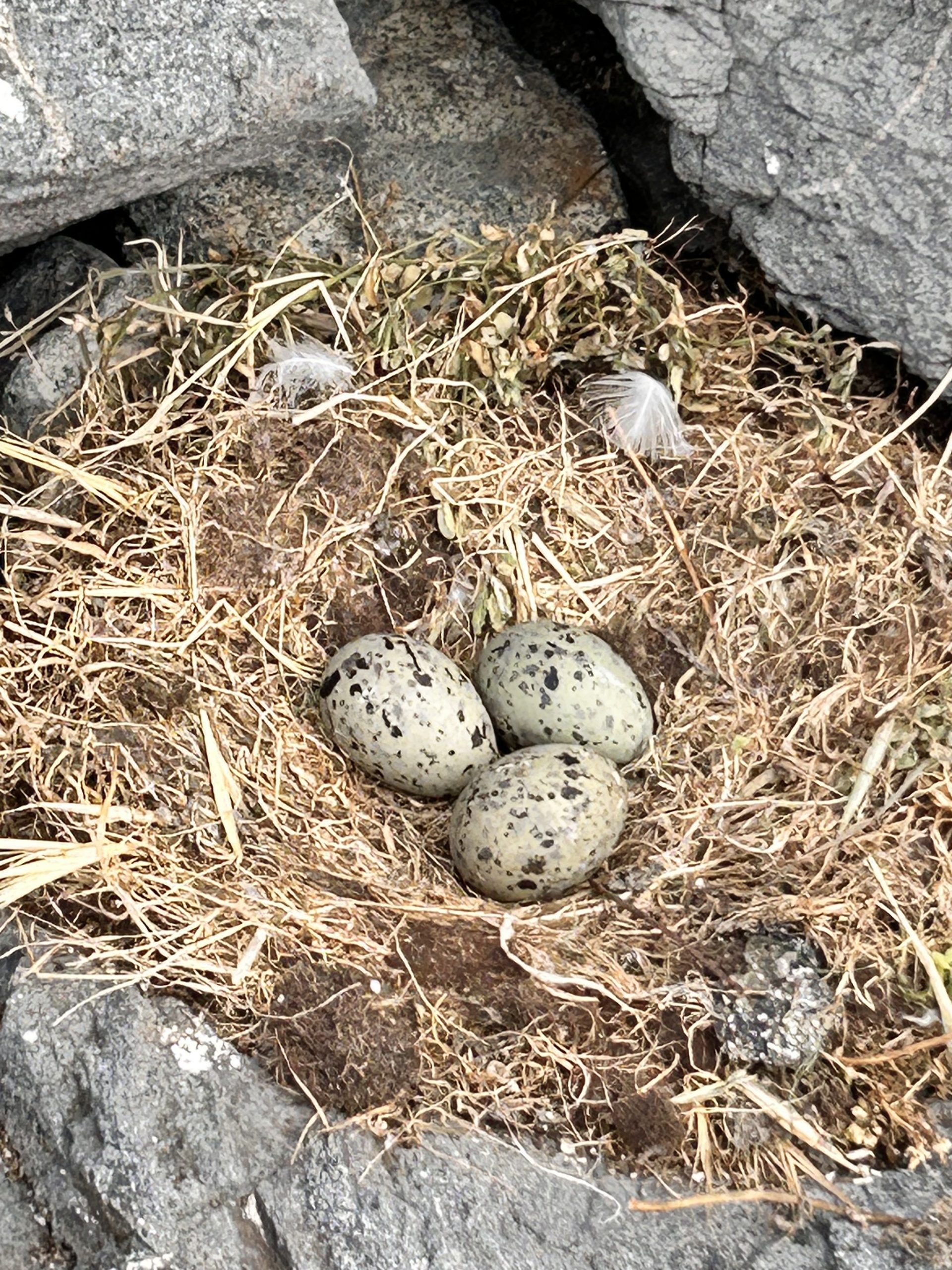
- Most nests have some eggs
-
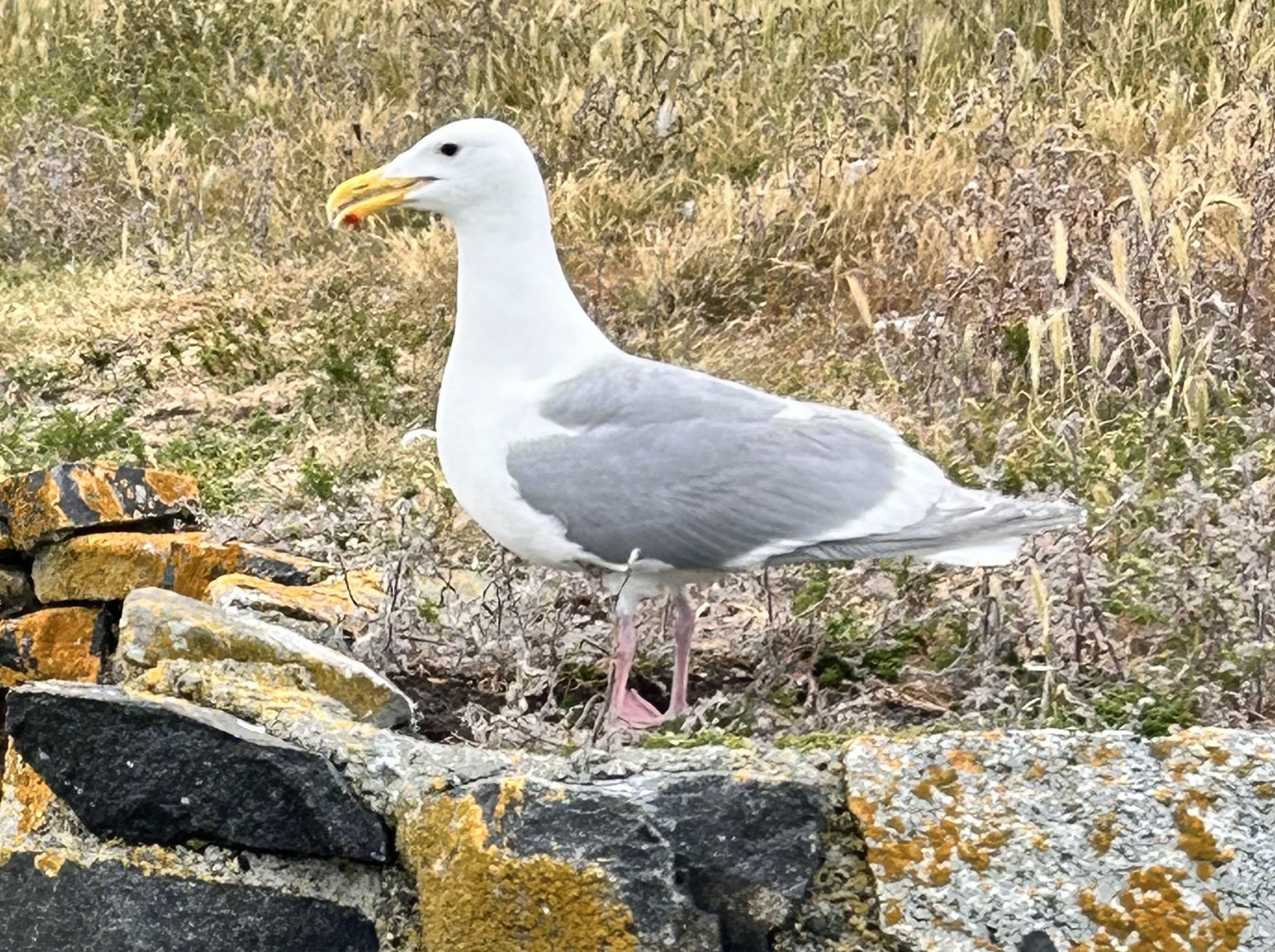
- The Glaucous-winged gull
-
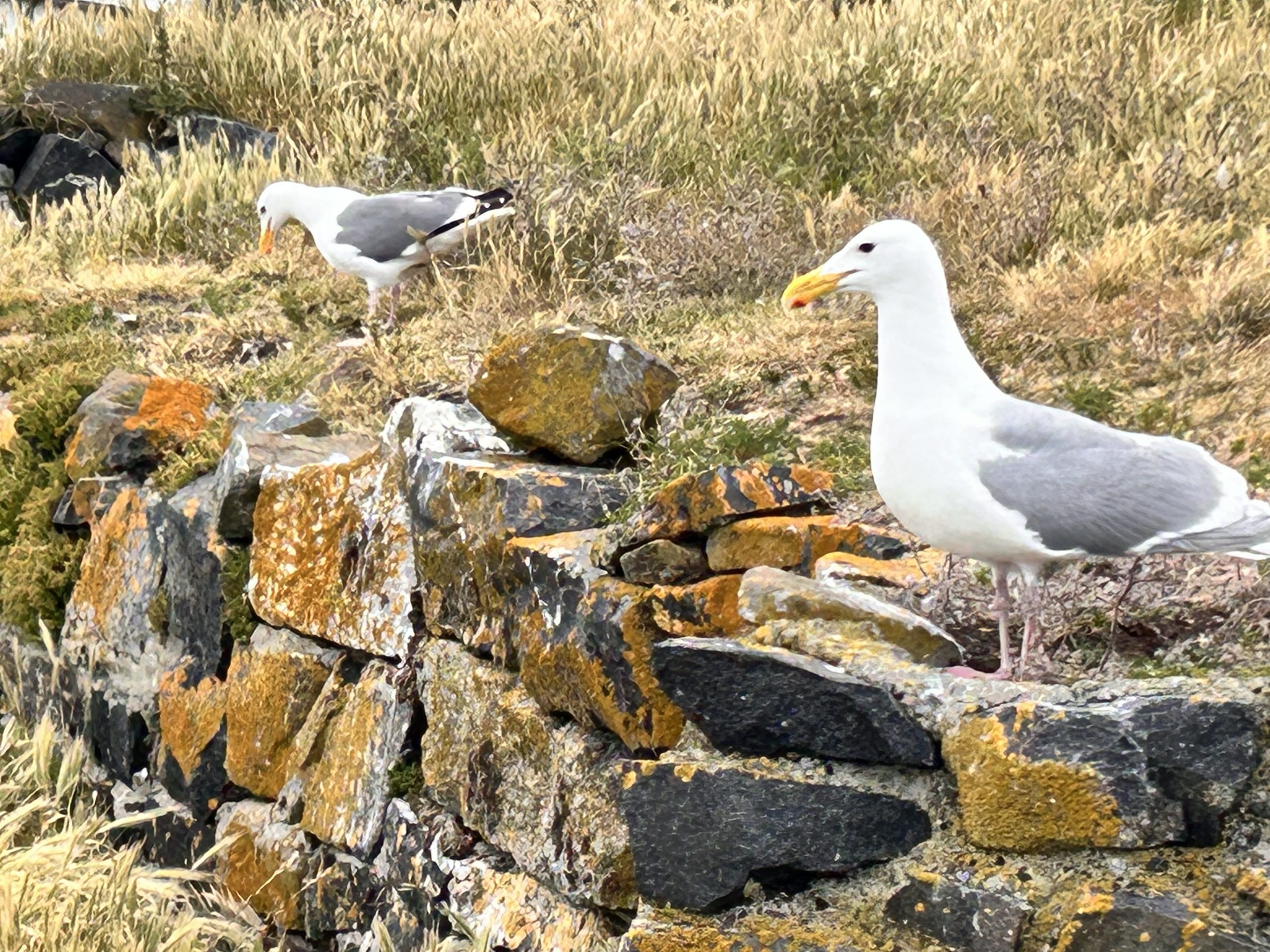
- Glaucous winged and the western xglaucous -winged hybrid
-
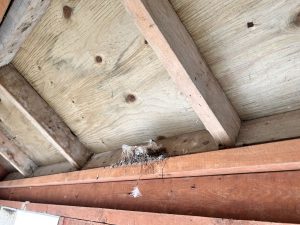
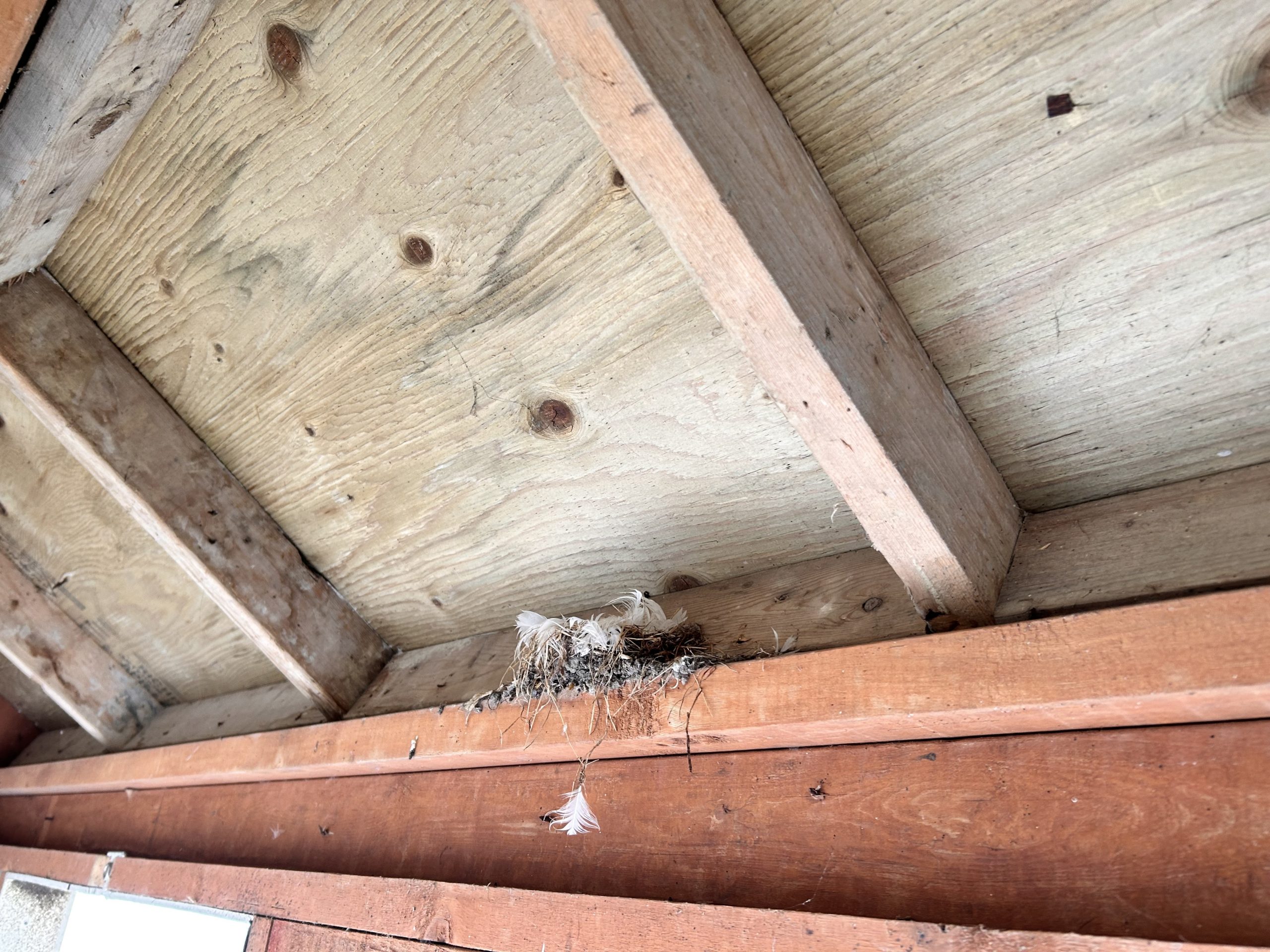
- a barn swallows nest has appeared although there were no birds in sight
-
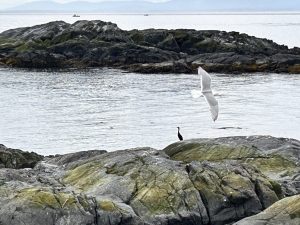
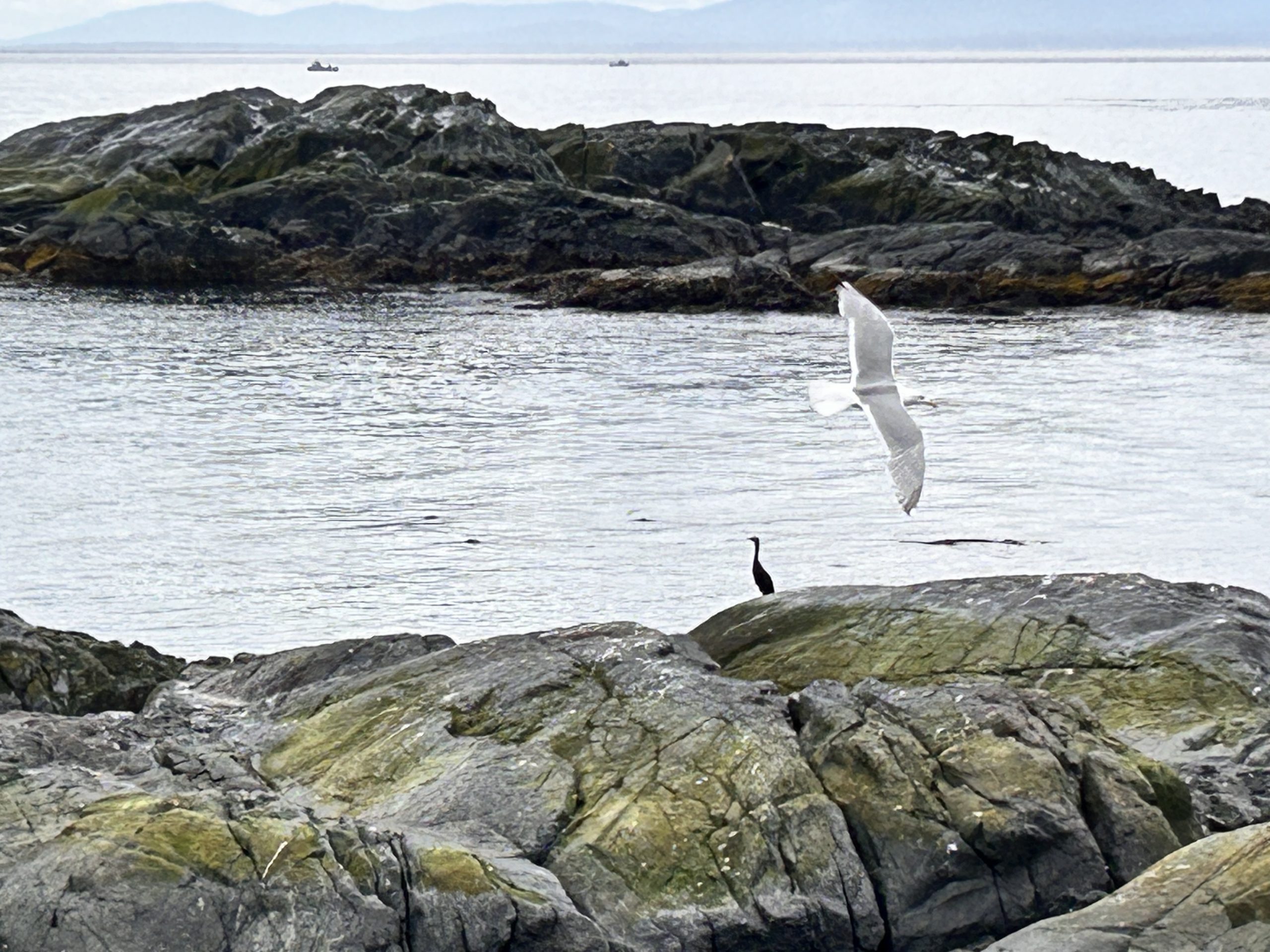
- A lone cormorant on the south side of great Race Island
-
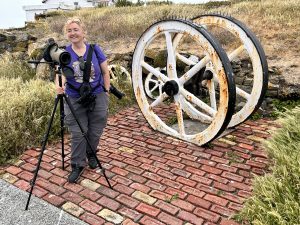
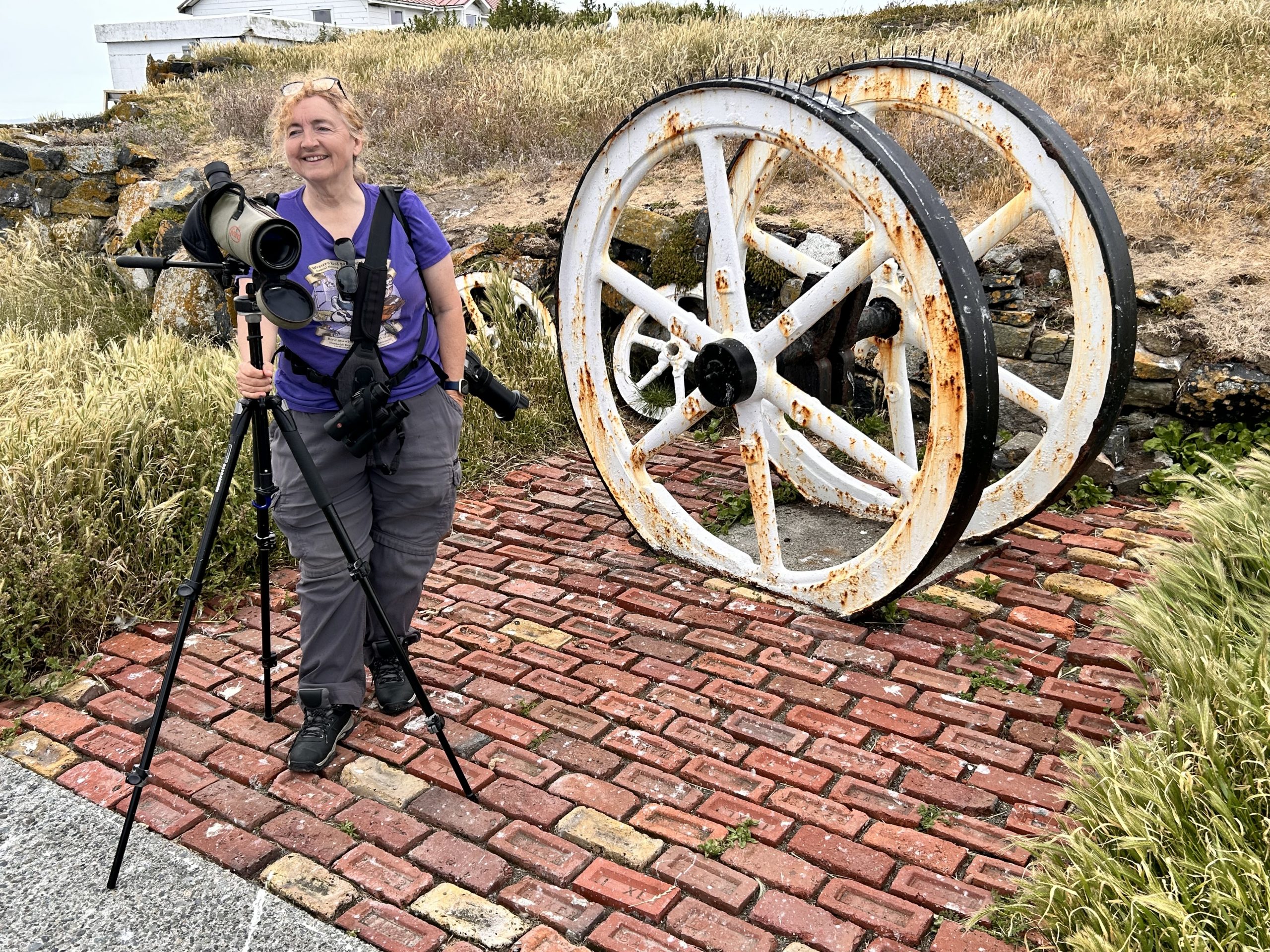
- Ann Nightingale came out to do a proper survey of the Gull population with Andrew Jacobs of the Rocky Point Bird Observatory
-
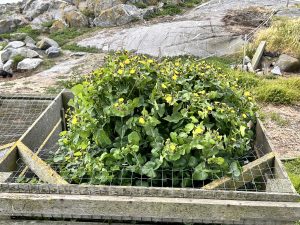
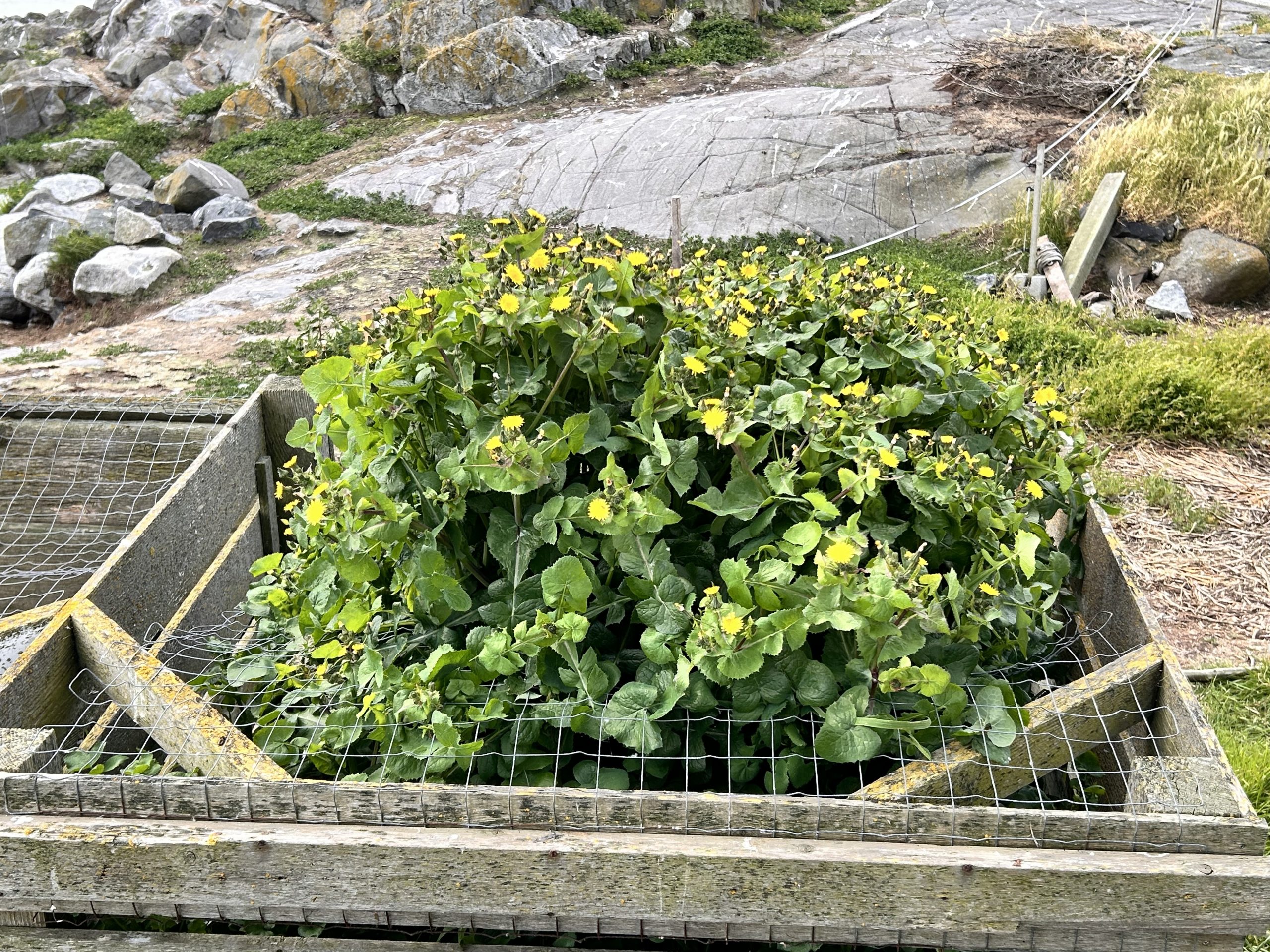
- Various invasive polants grow in the compost bin
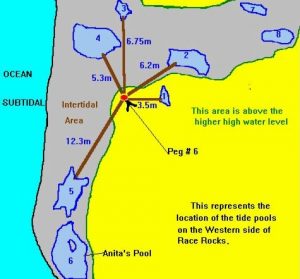
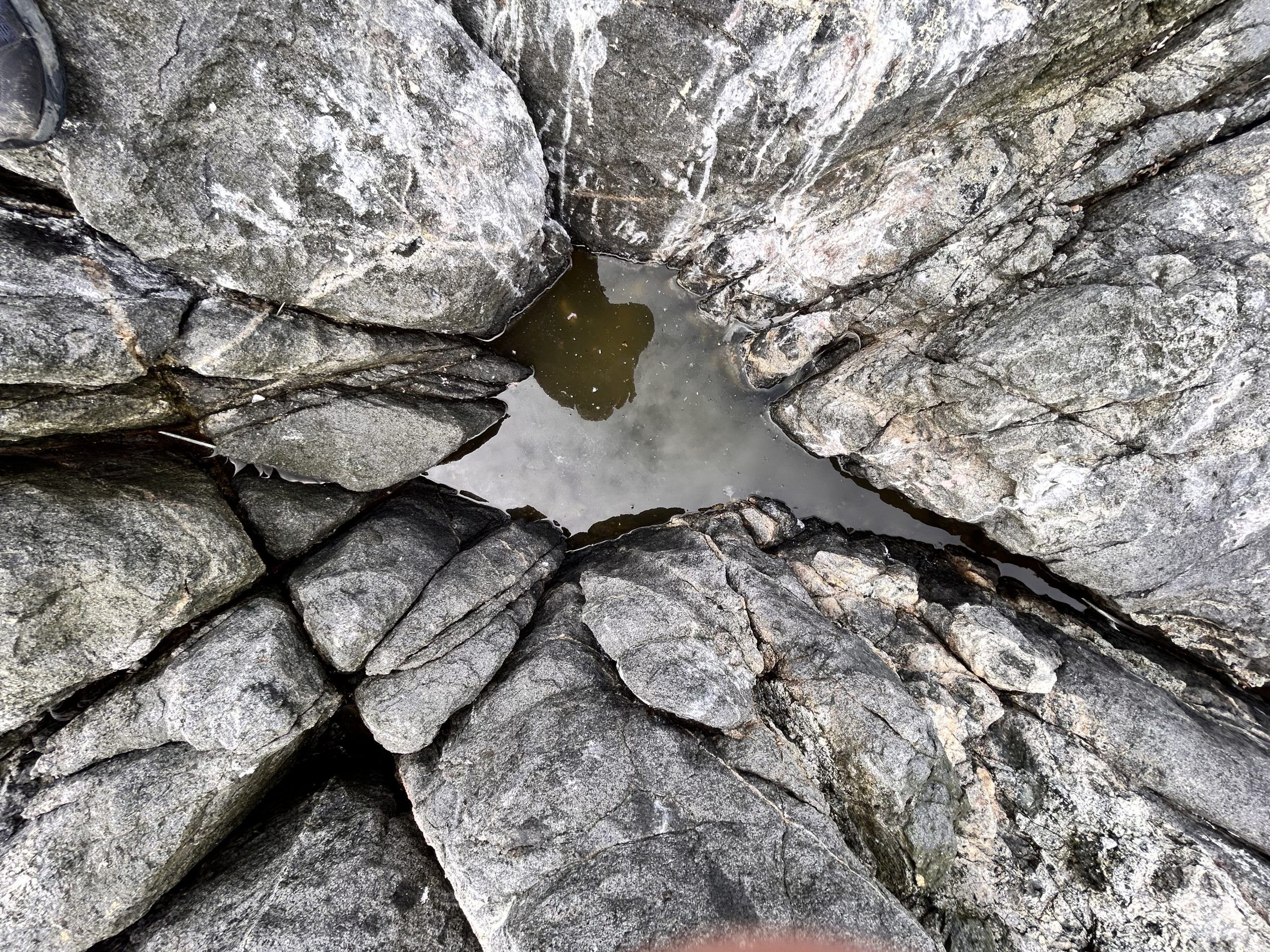
When I was teaching at Pearson College, we often monitored a set of tidepools out on the island’s West side. I checked out those pools again and took photos which show the state of algae growth. Some observations in the tidepool files provide a baseline for comparative studies in the future. These files are on the tidepools
Today’s observations are in the set of photos below
-
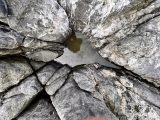
- Tidelpool#1
-
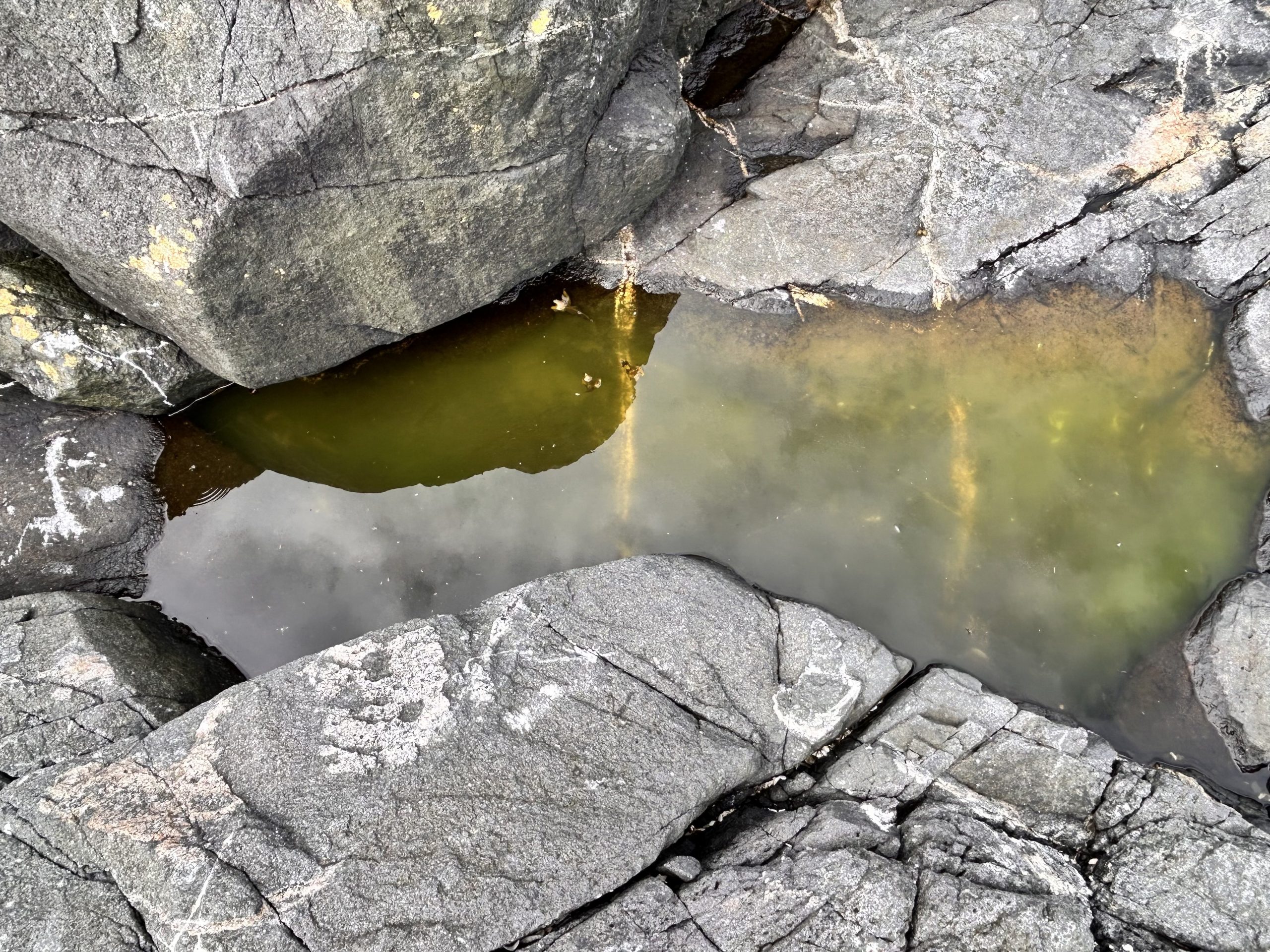
- tidelpool#2
-
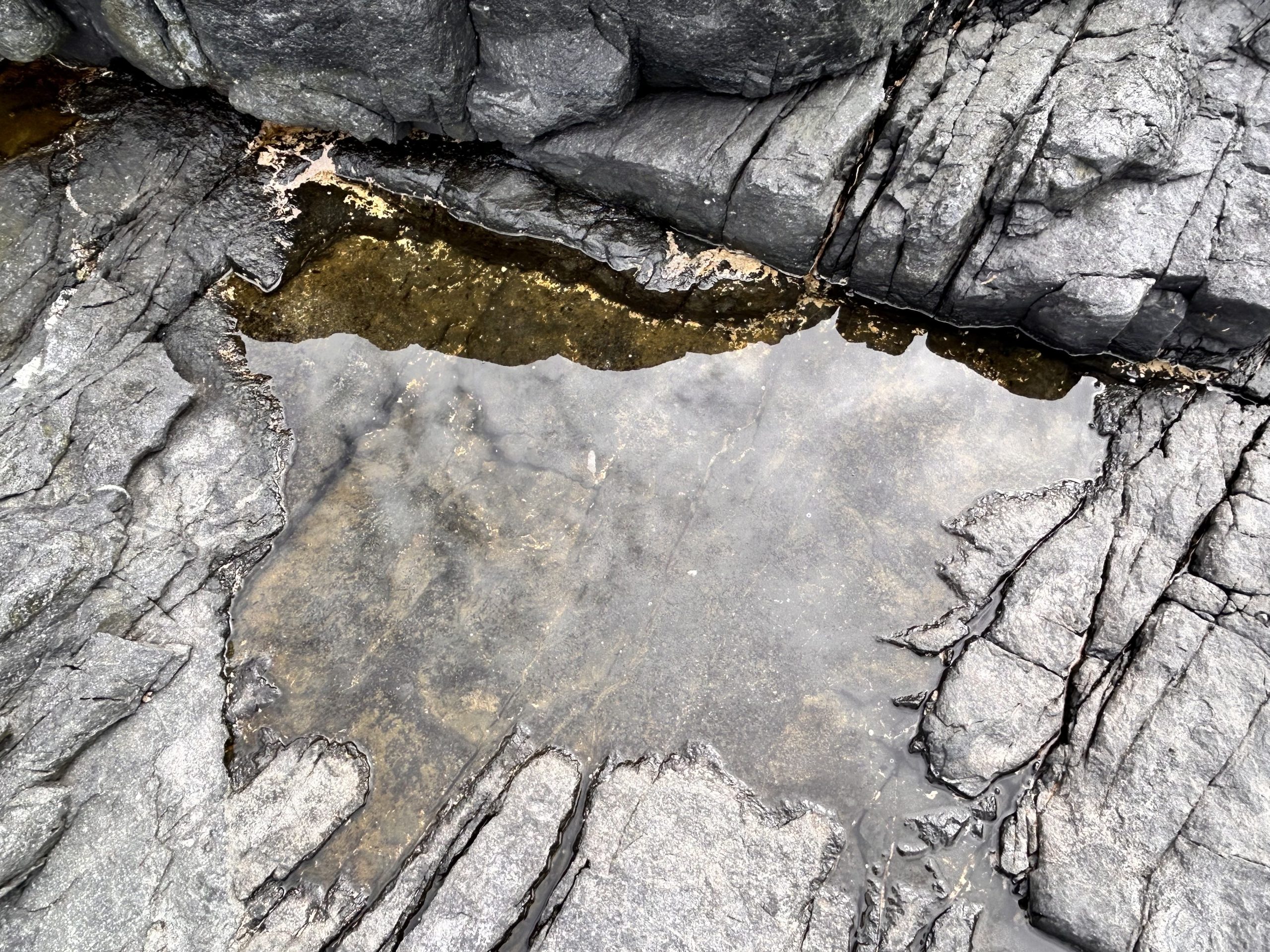
- tidelpool#3
-
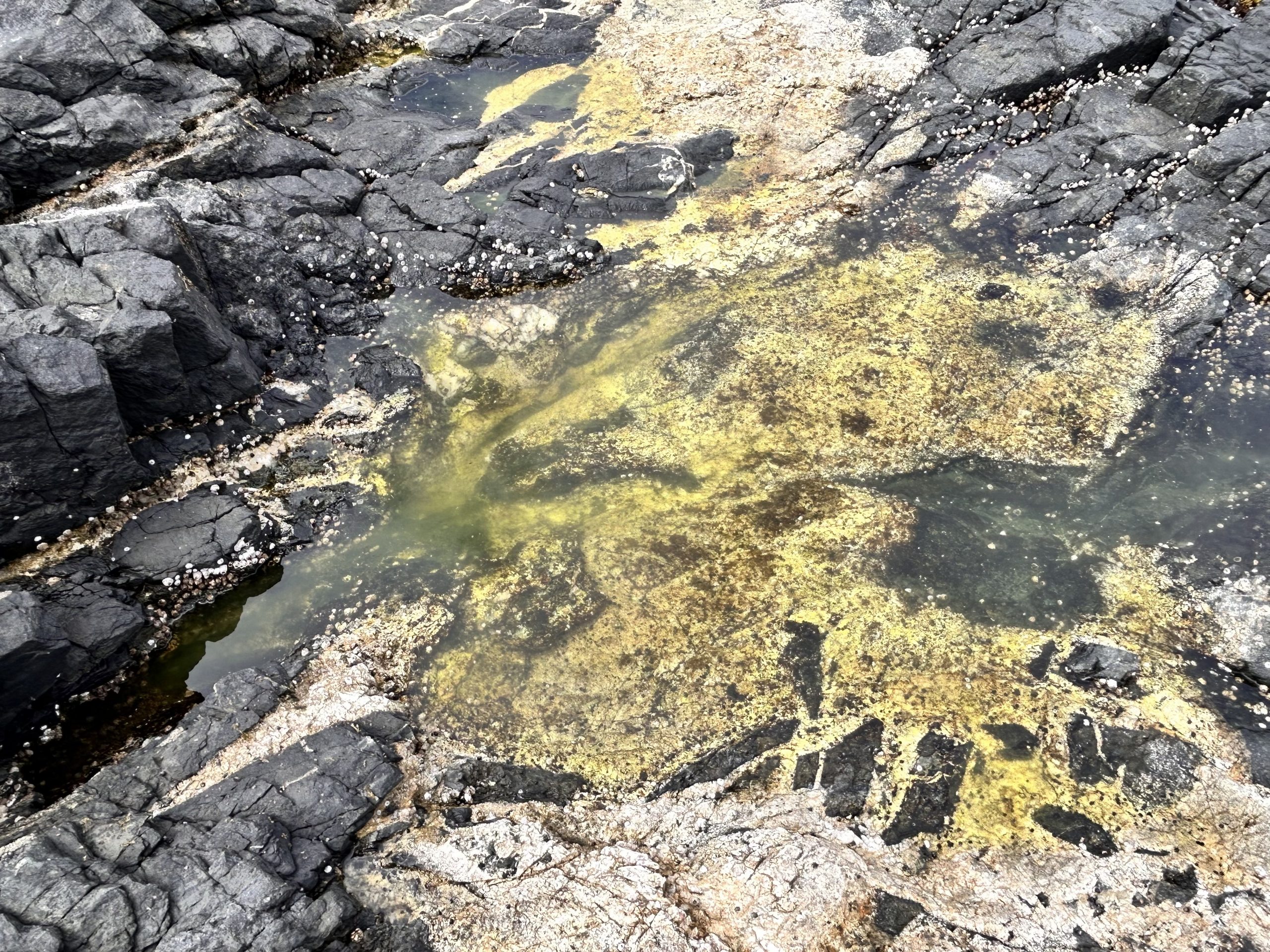
- tidelpool#4
-
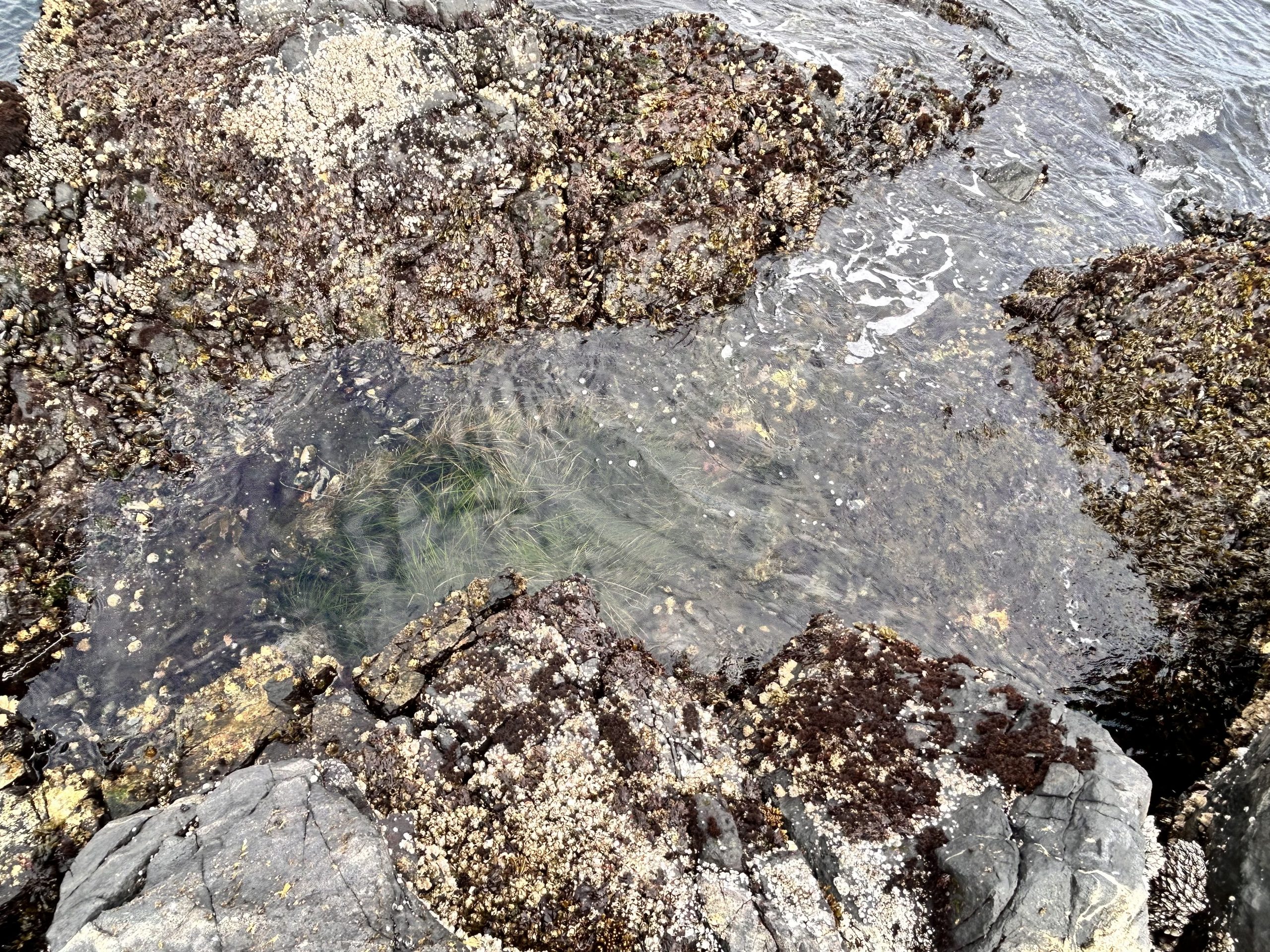
- tidelpool#5
-
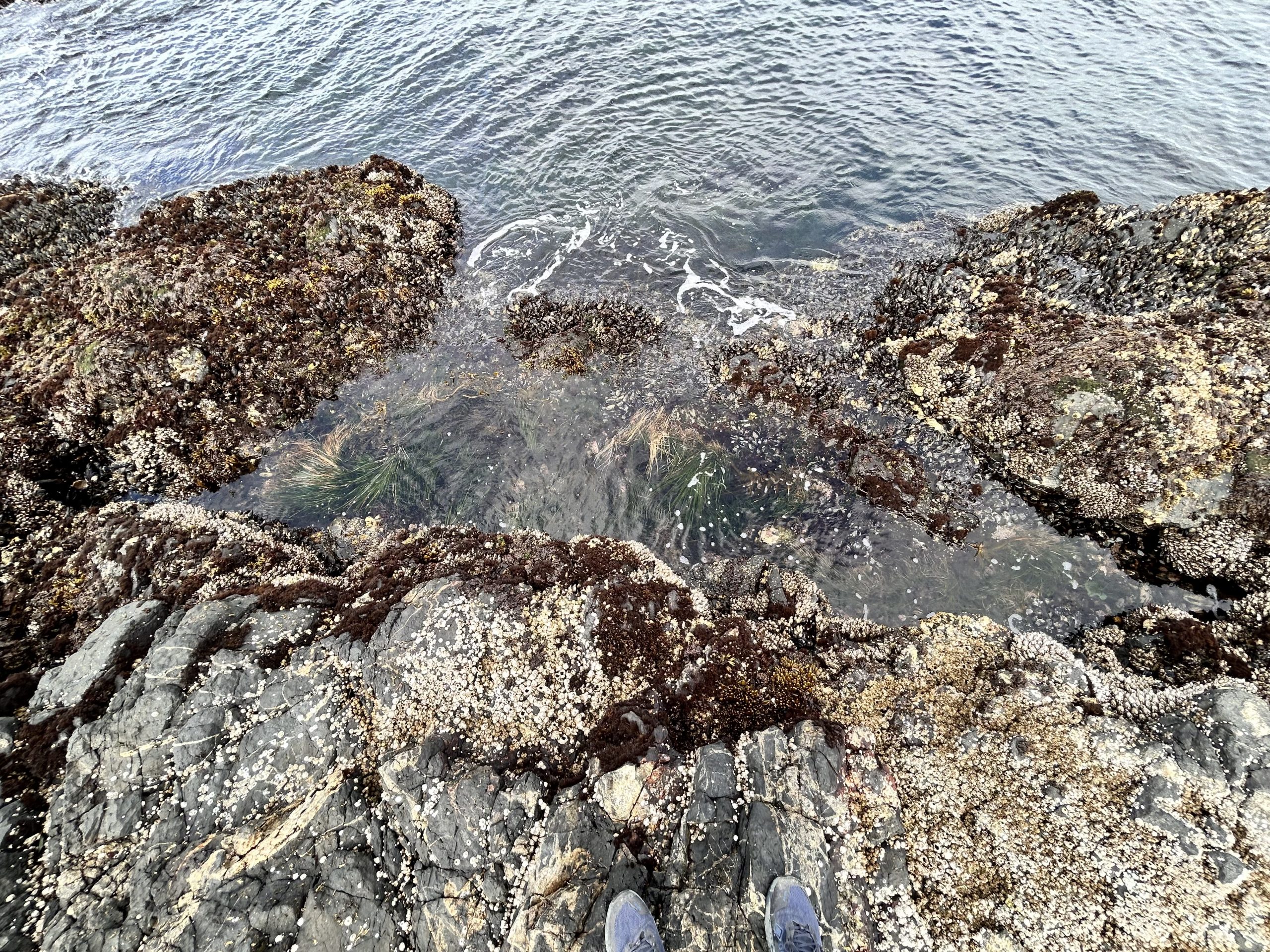
- tidelpool#6
-
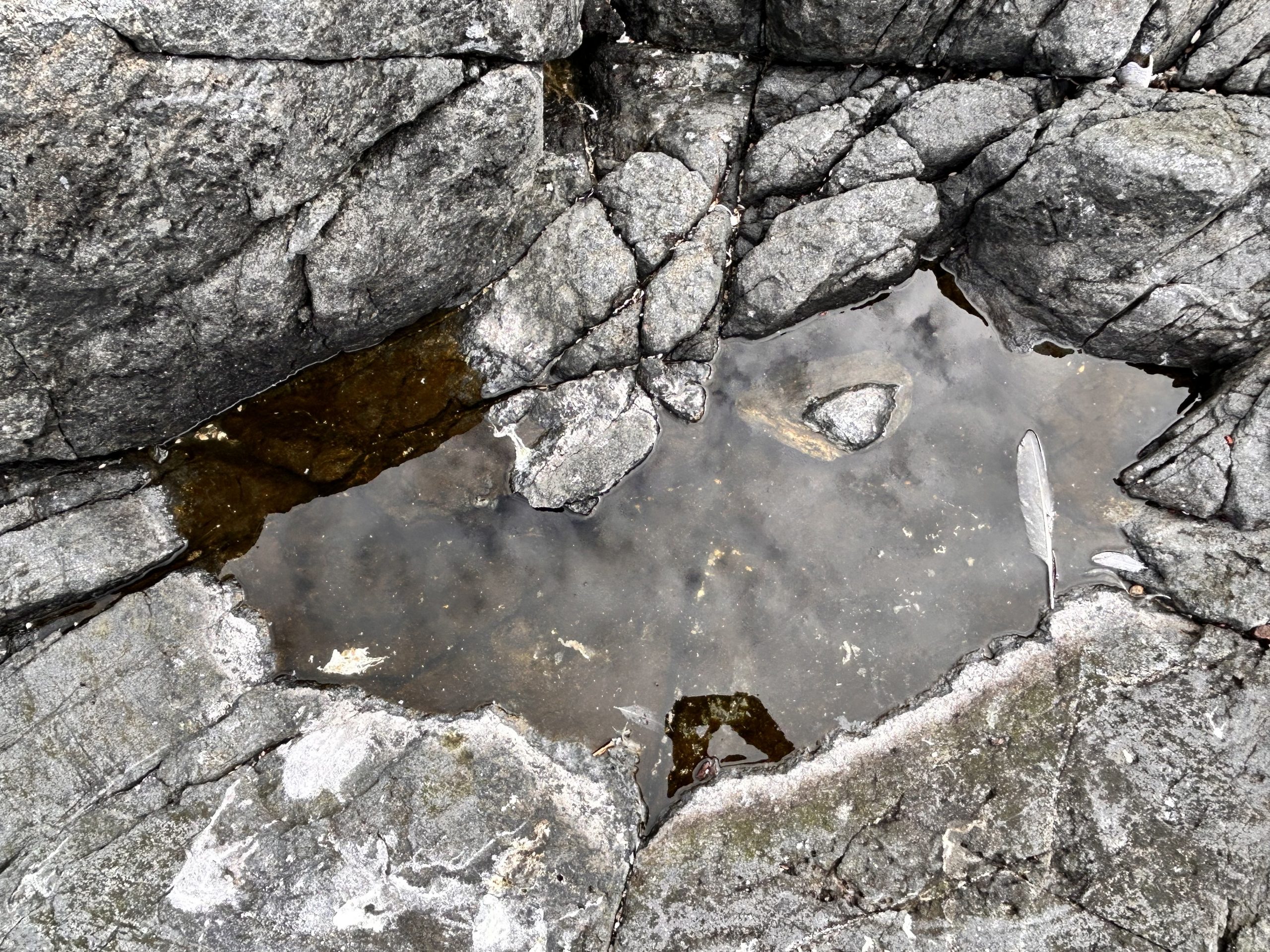
- tidepool#7
-
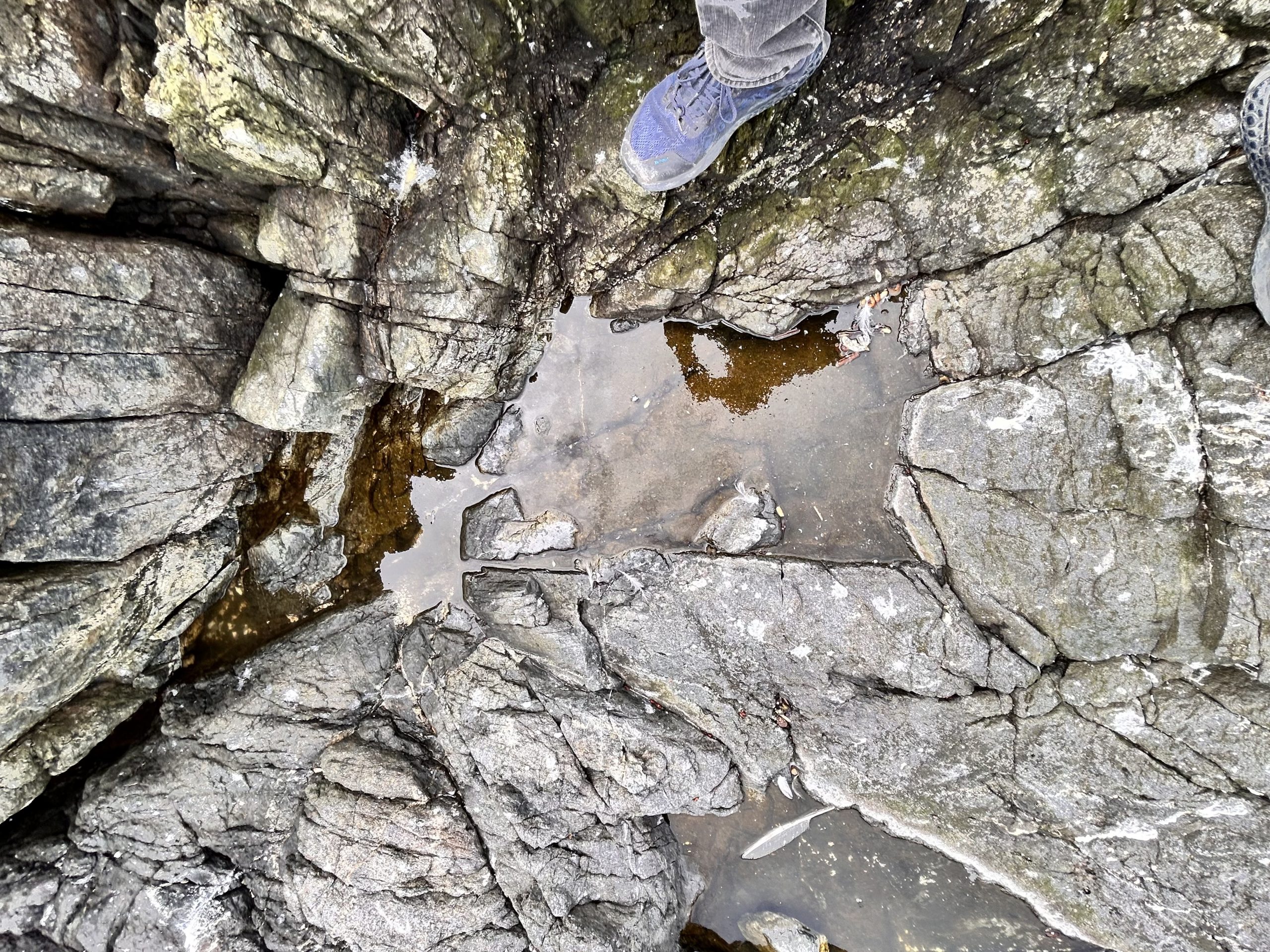
- tidepool8
-
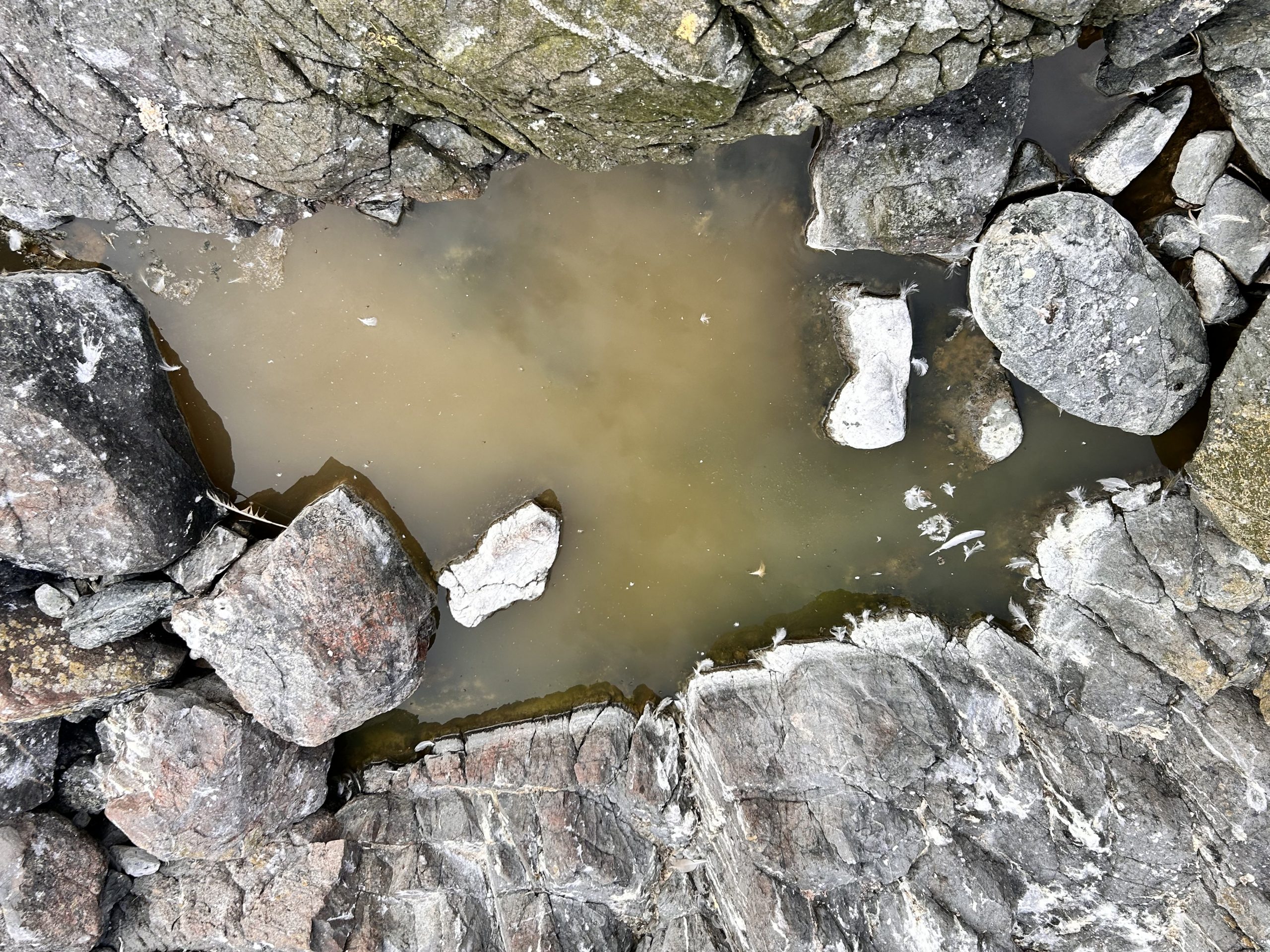
- tidelpool#9
-
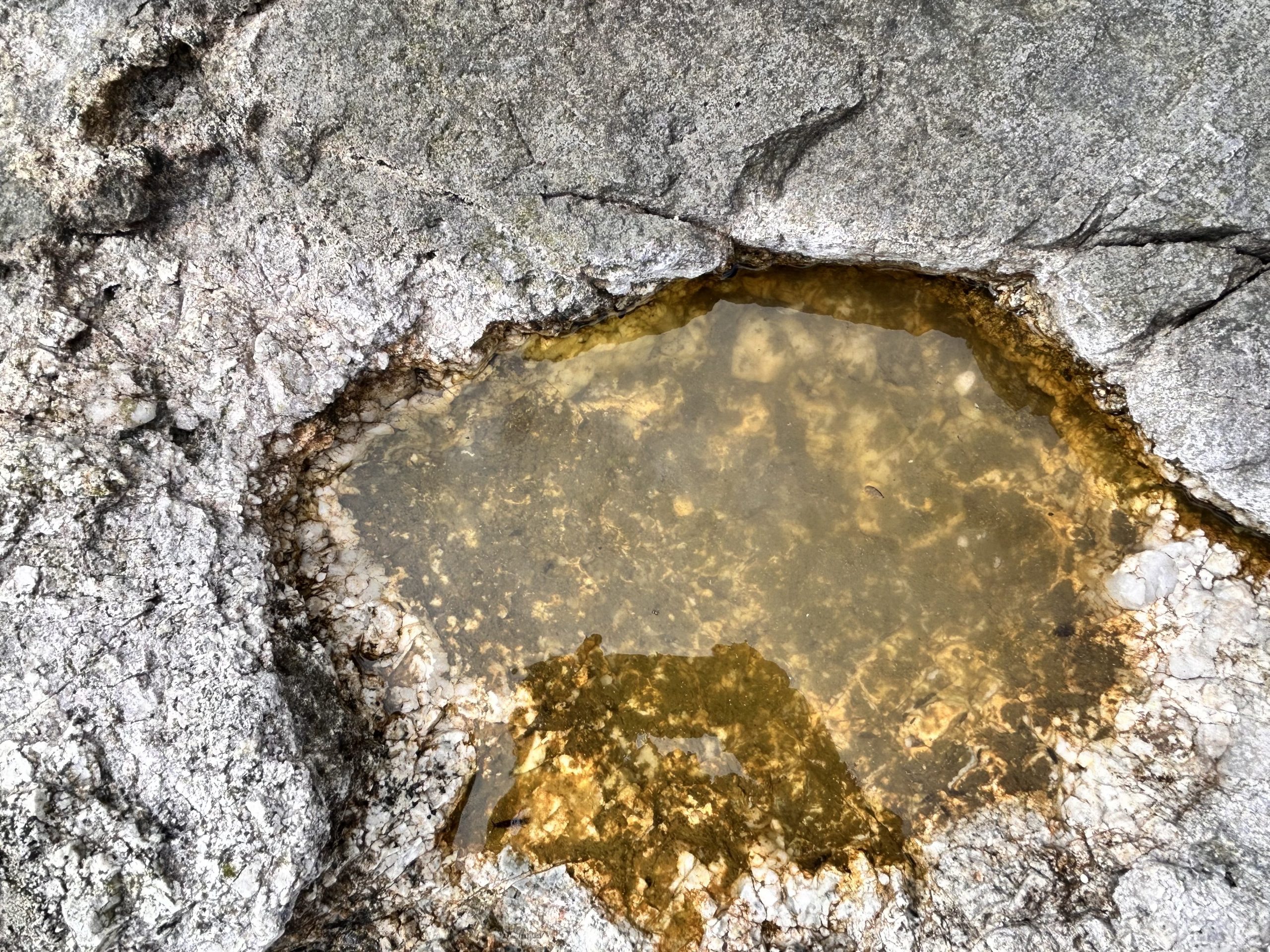
- tidelpool#10
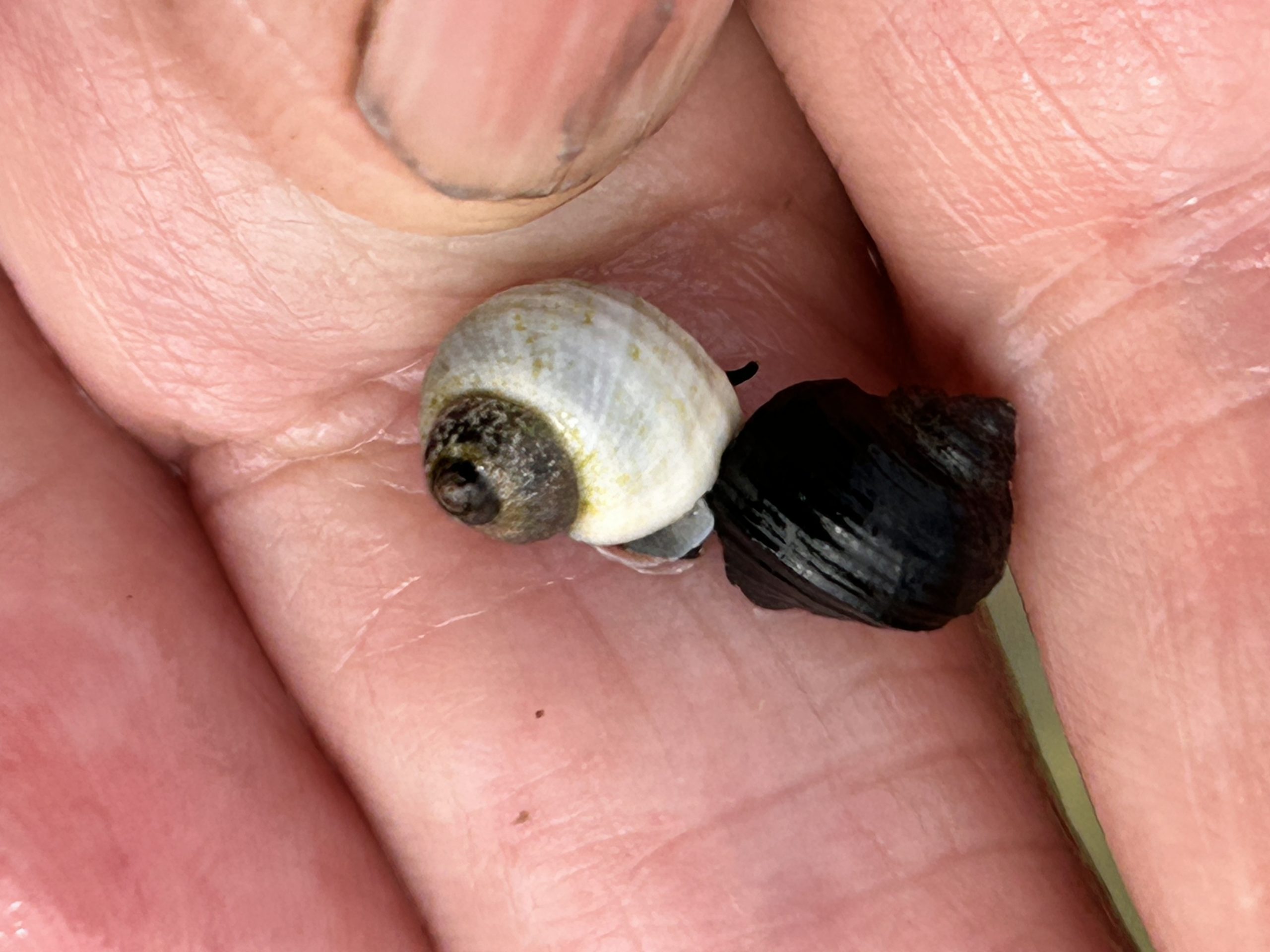 I checked pool #4 which has a white quartz intrusion through it to see if the white periwinkle snails were still there.
A review of some of the installations on the Island
-
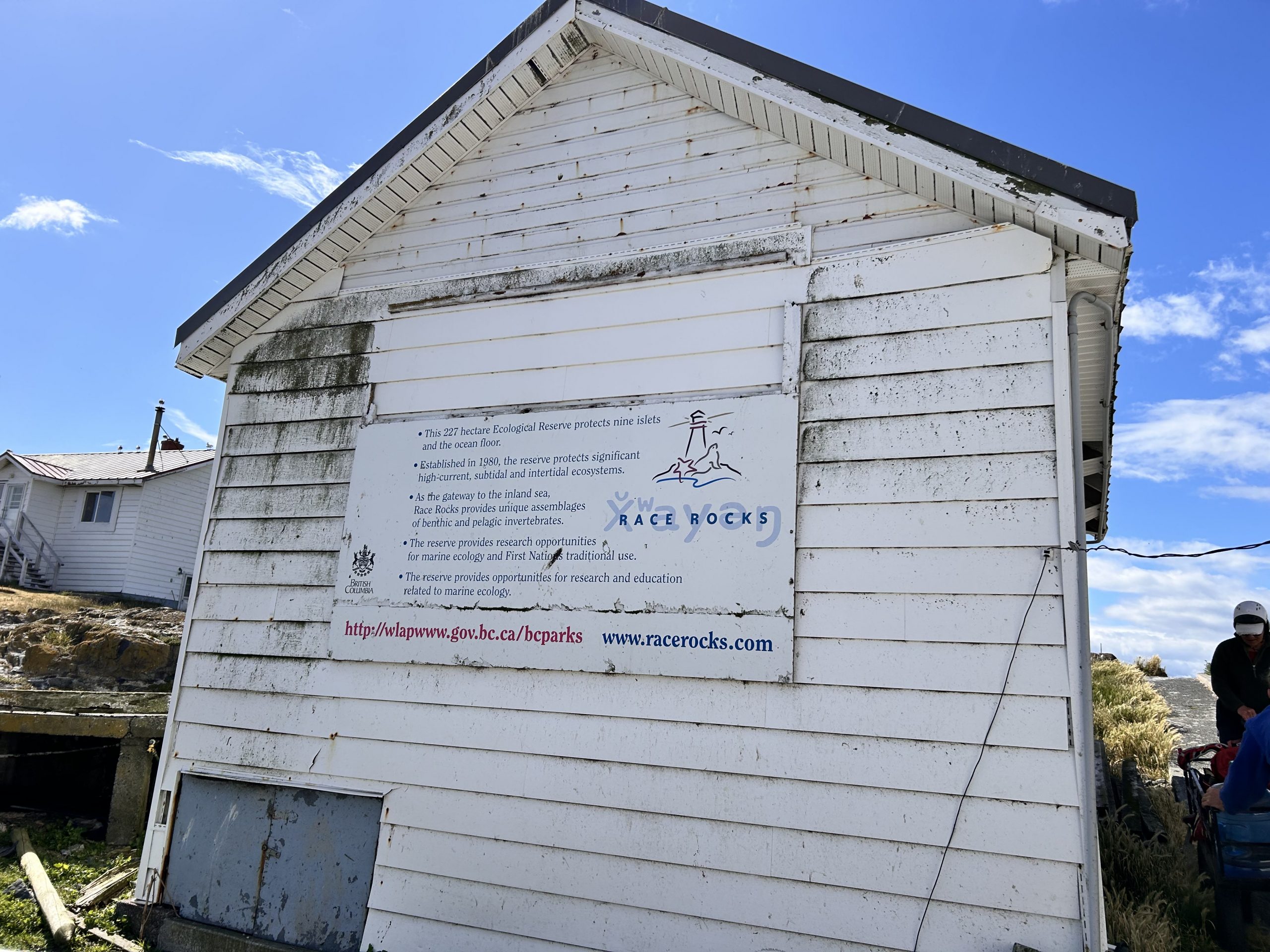
- Always a problem is the growth of Algae on the buildings. The Ecoguardians play a big role in trying to keep up with this problem and it involves scrubbing and hosing down.
-
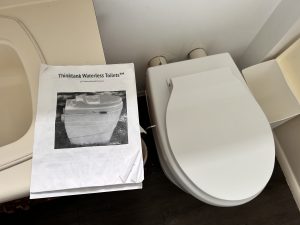
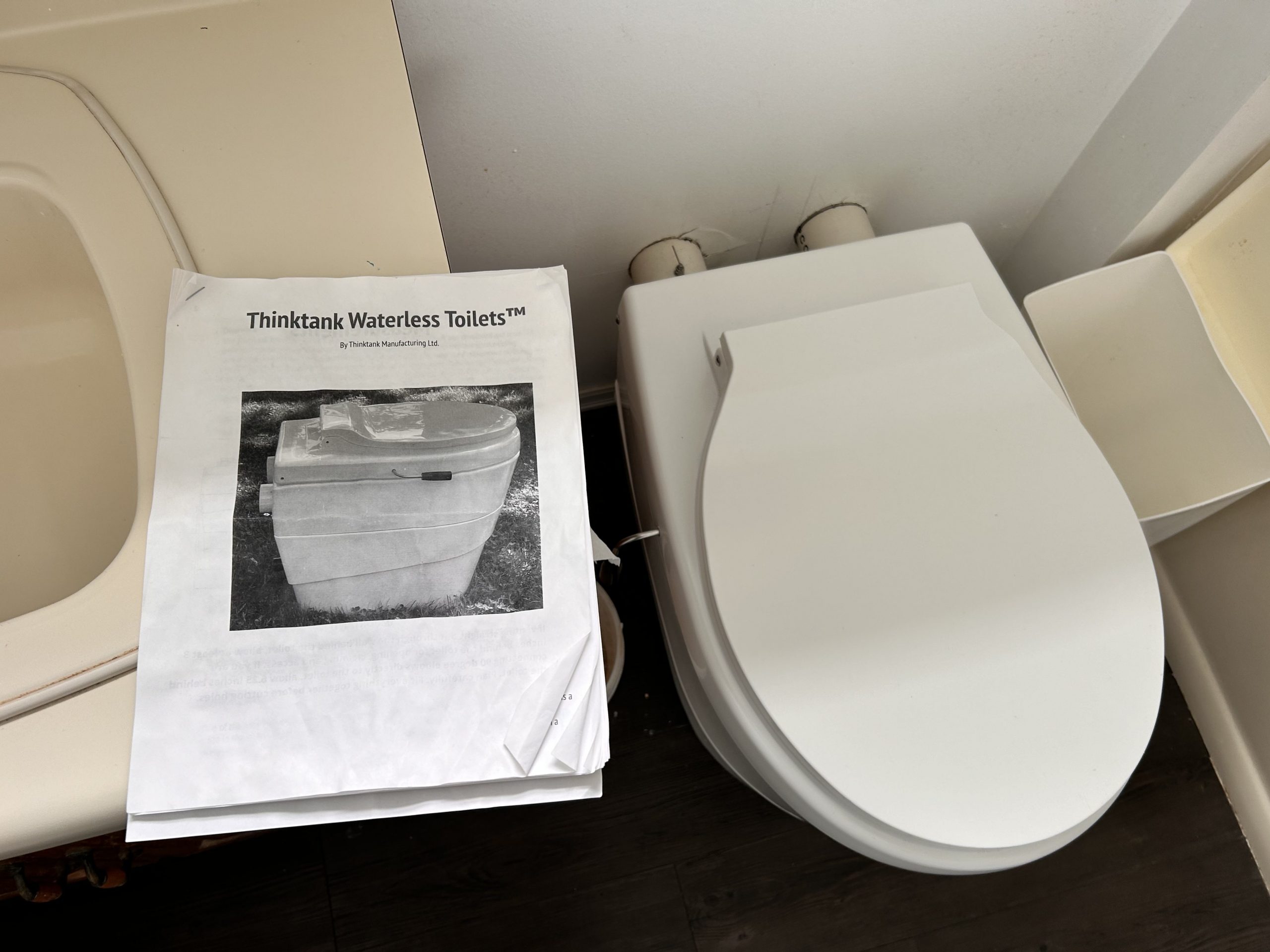
- The latest version of composting toilet has proven to be very effective.
-
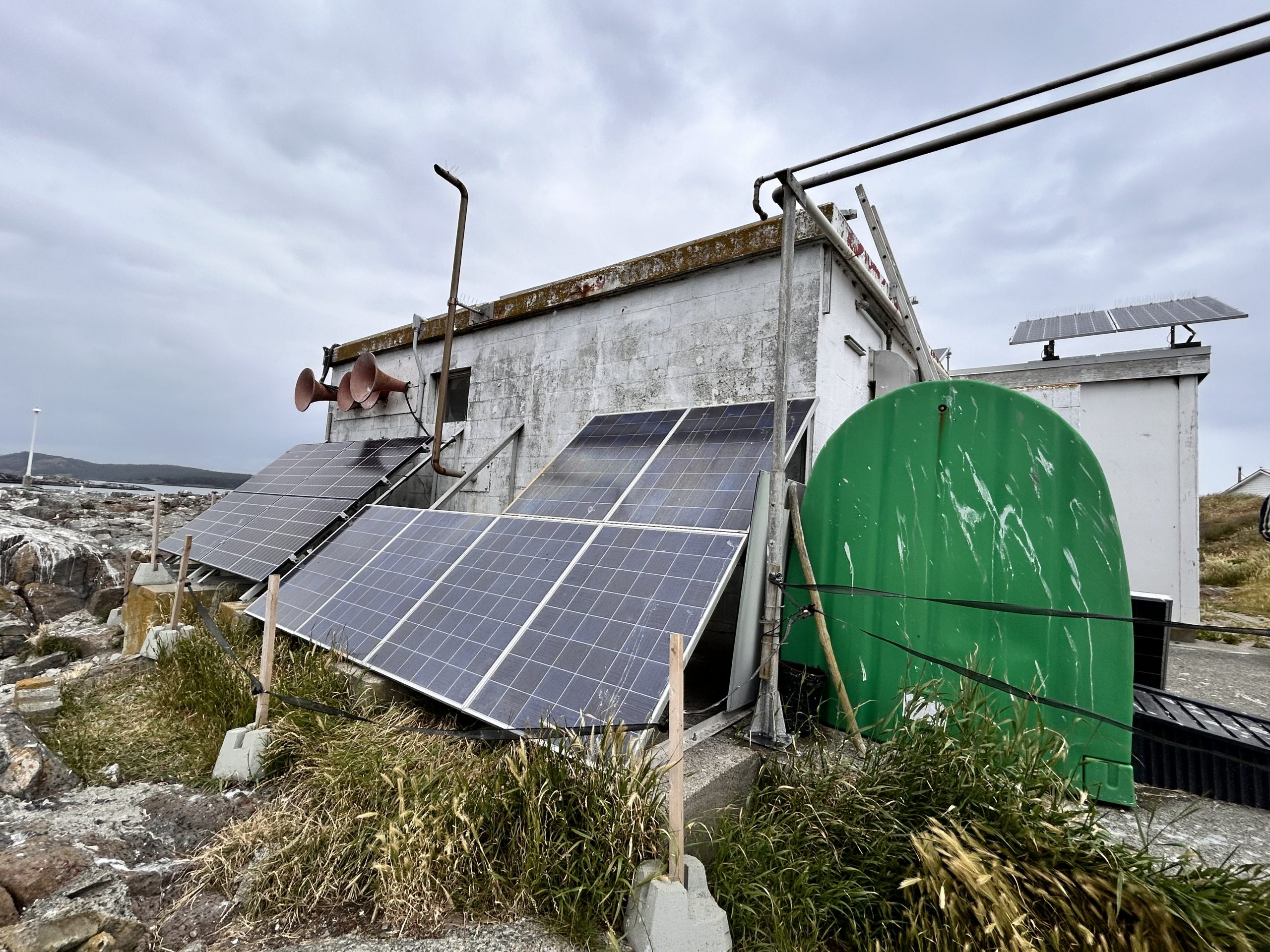
- Newly added Solar panels provide effective production of energy to run the island in the summer months I hope we can get the red goghorn bells repainted soon . They were te last air chime s to be in service in North America
-
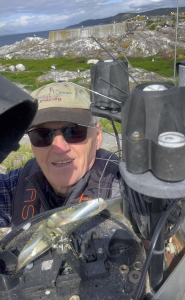
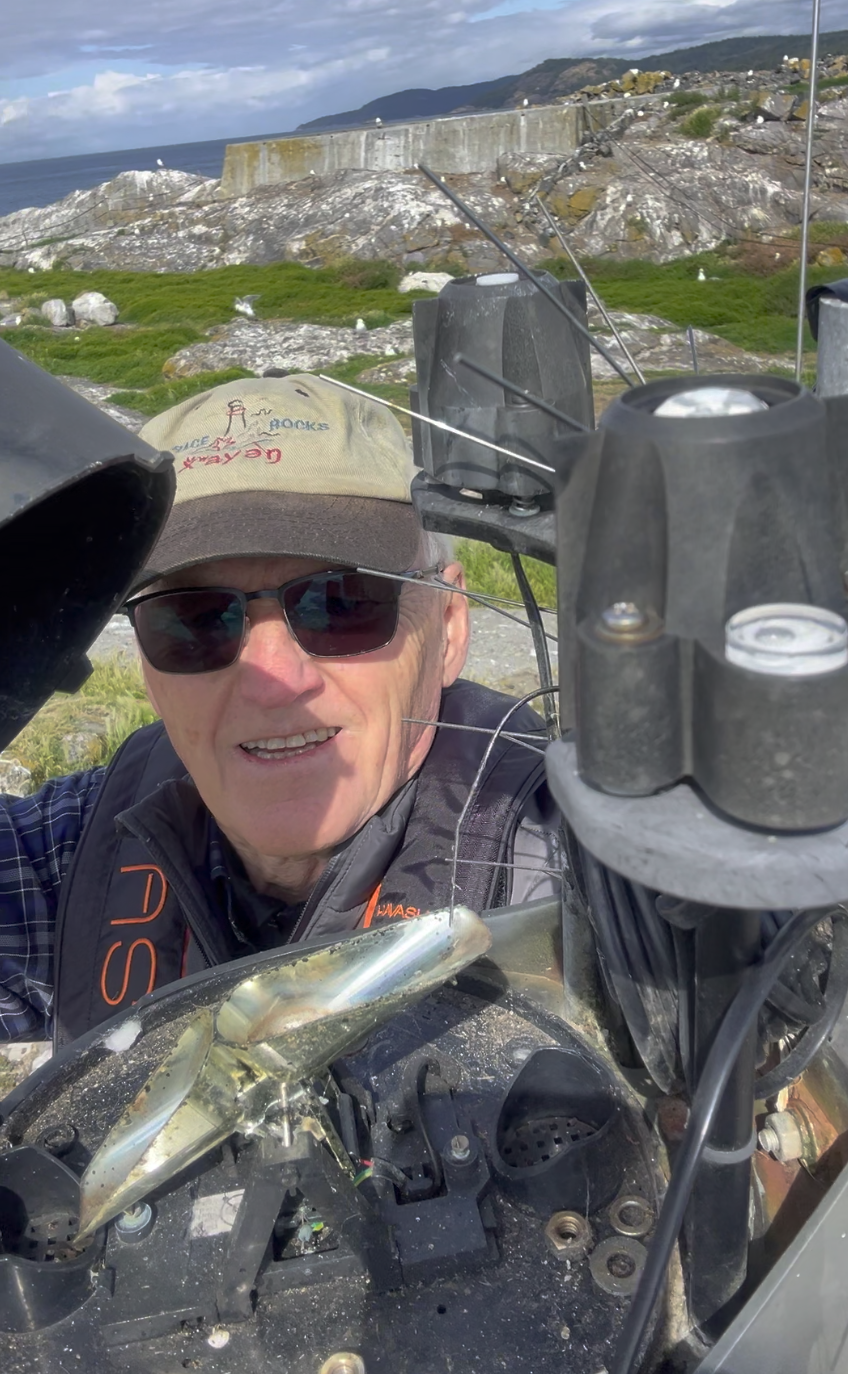
- I checked on the Davis weather instrument as there have been some erroneous readings of the rain guage tis spring. All seemed to be functioning normally at this end.
-
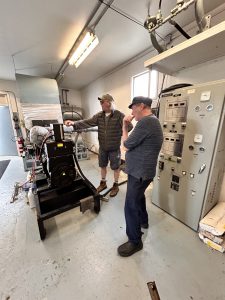
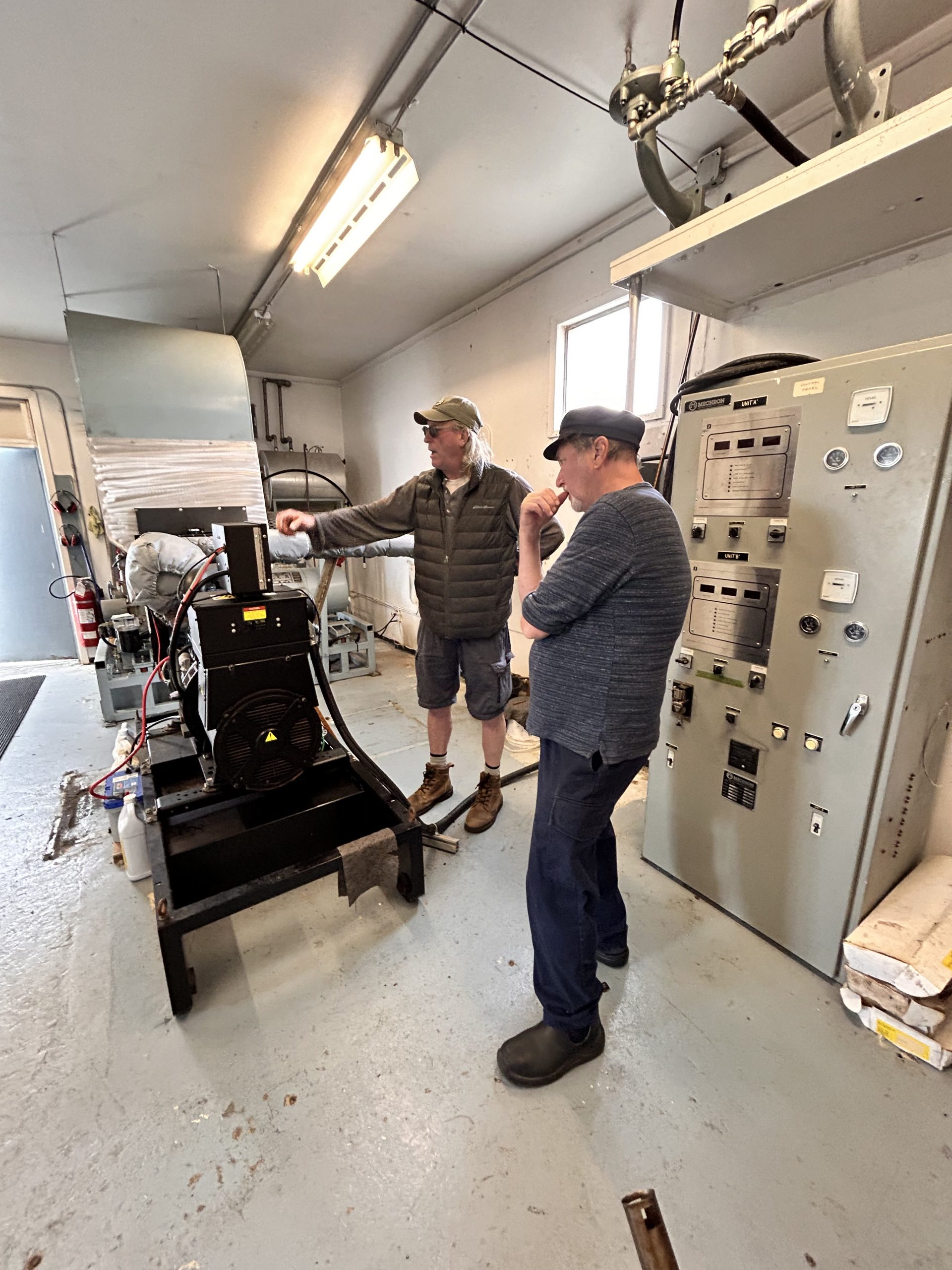
- Greg gives instruction on the runneiing of equipment in the engine room to James.
-
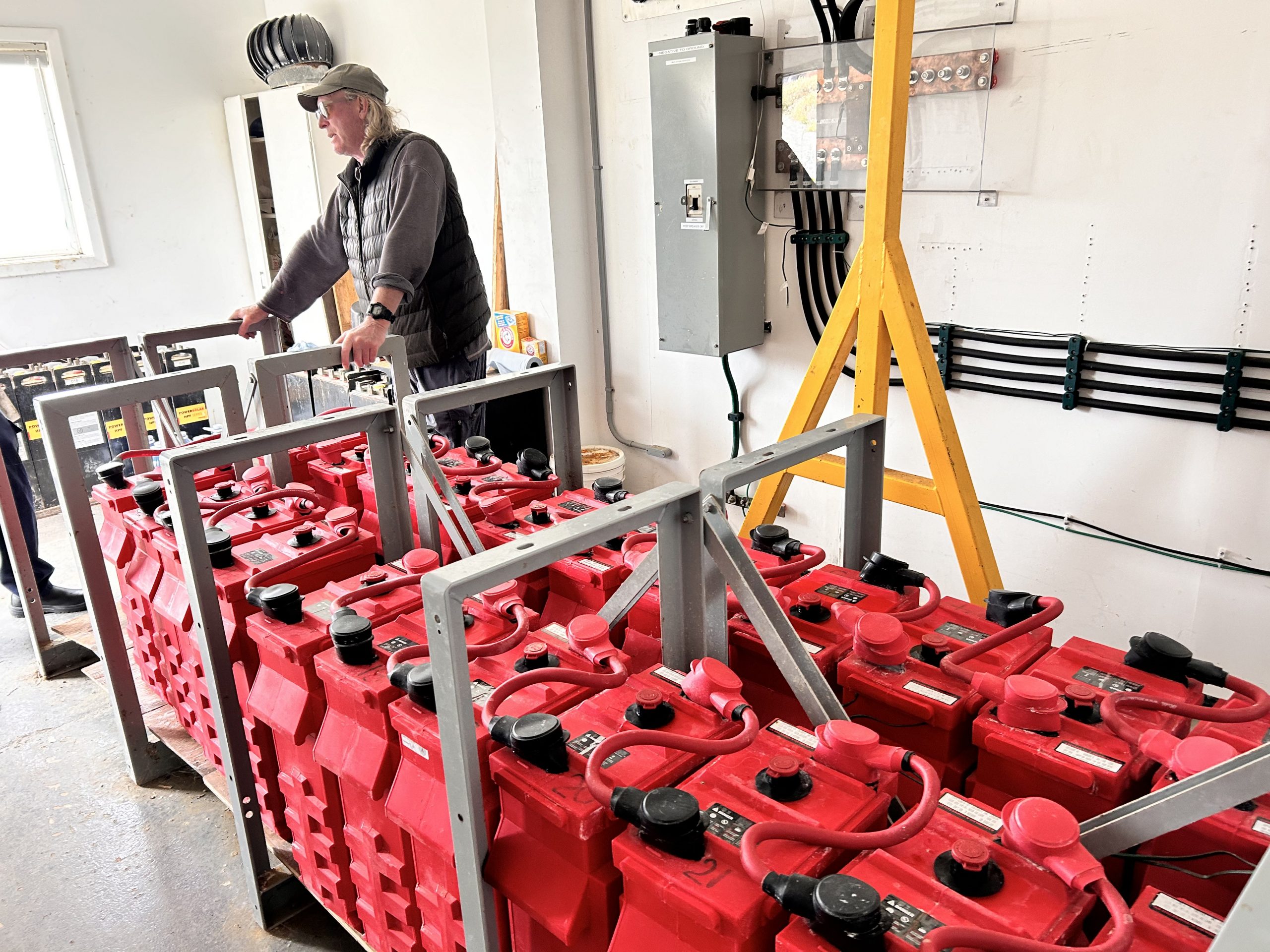
- Keeping the storage cells at the right capacity is important, so detailed instruction is given to all new Ecoguardians
-
- This year there has been an invasion of the grass foxtail over much of the island
-
- It has almost totally replaced the pineapple weed which has been abundant in previous years
-
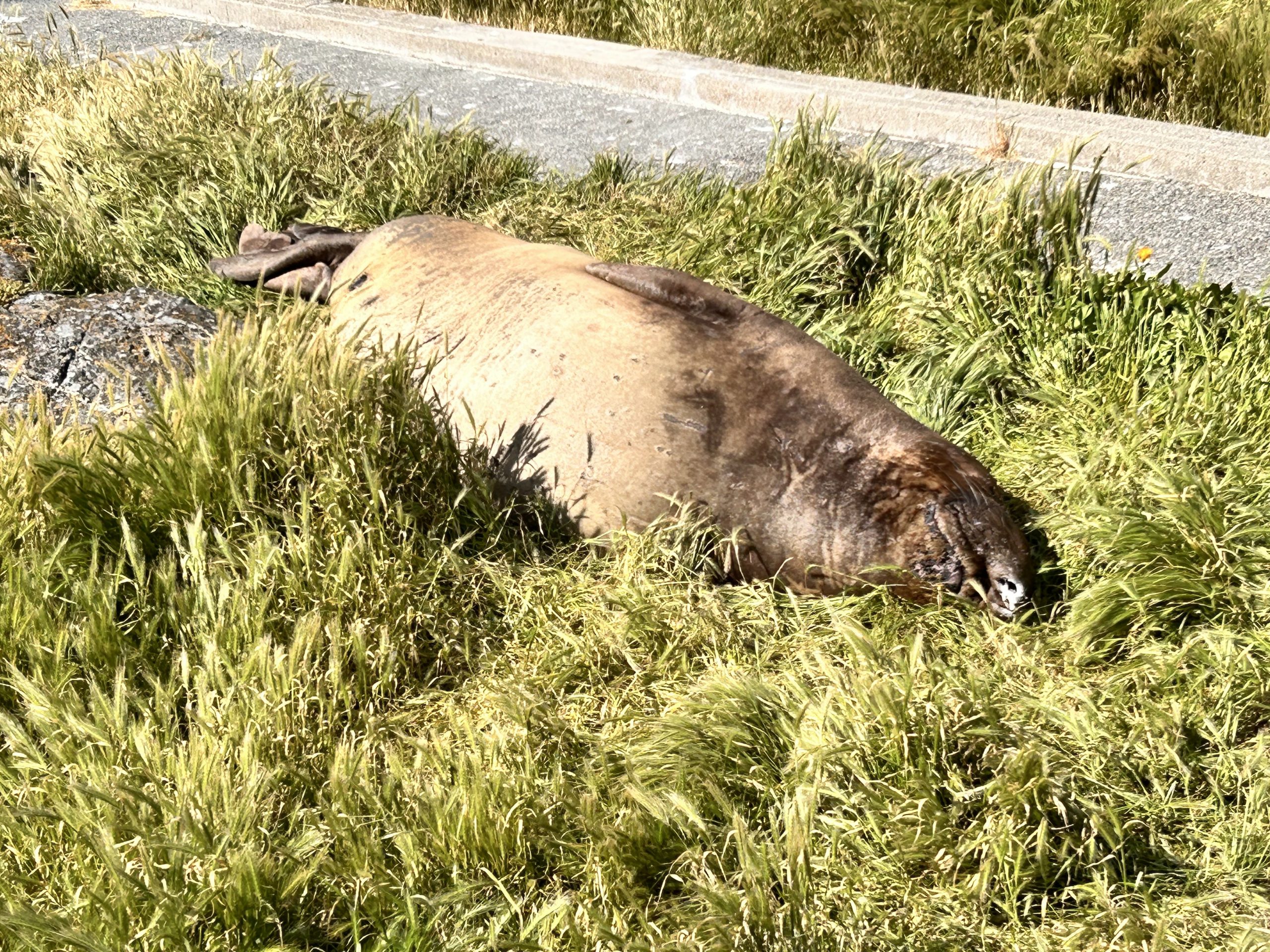
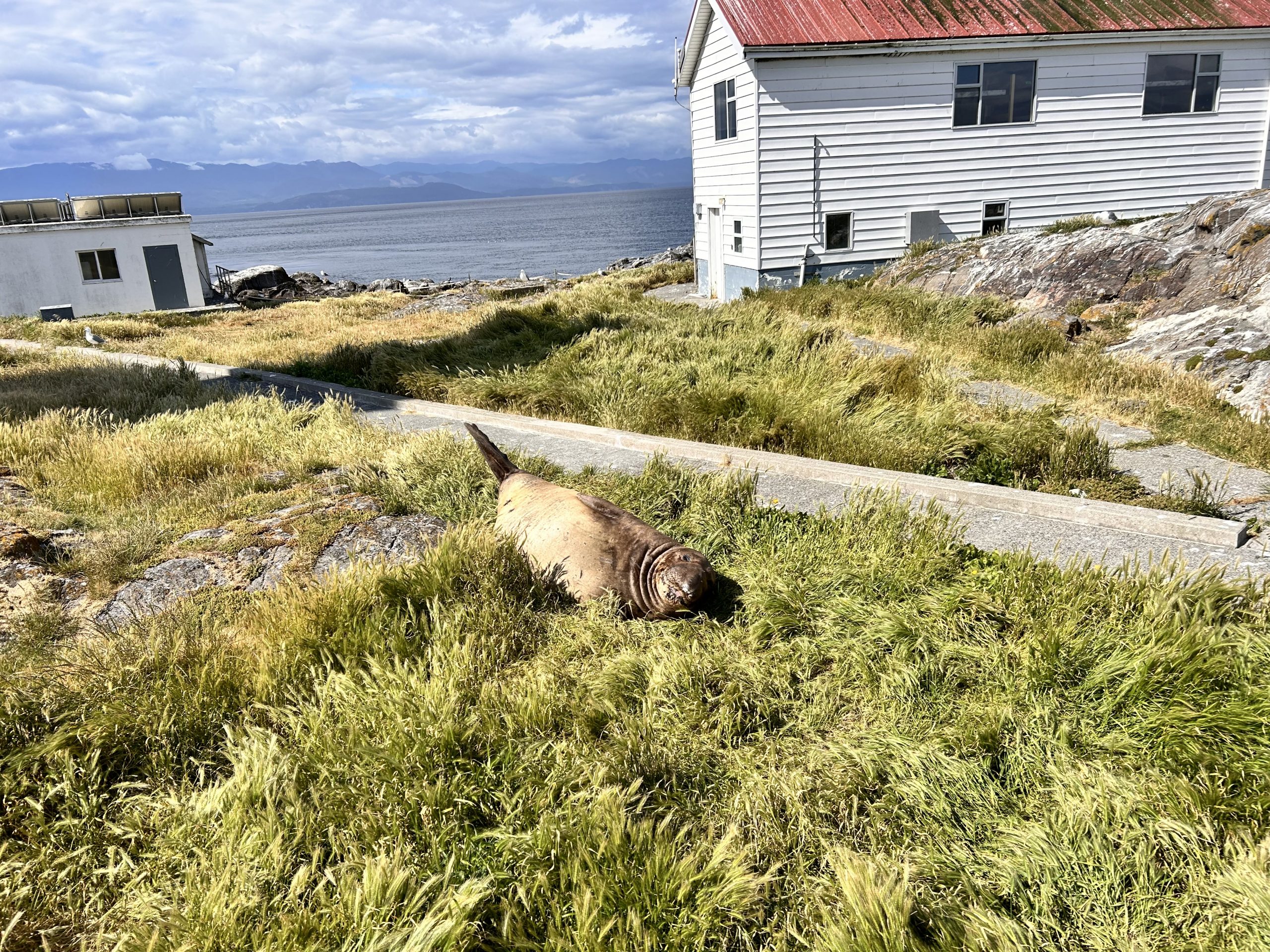
- This male elephant seal has taken up residence on the island and doent seem to be botthered by the foxtail
-
- one of the many Ecotourism boats passes through the channel North of the docks
Due to recent notices on social media about the problems that pet owners are having when their dogs get exposed to foxtail , I was concerned about whether there was a similar problem with marine mammals. This guy certainly seems to be enjoying the location however.
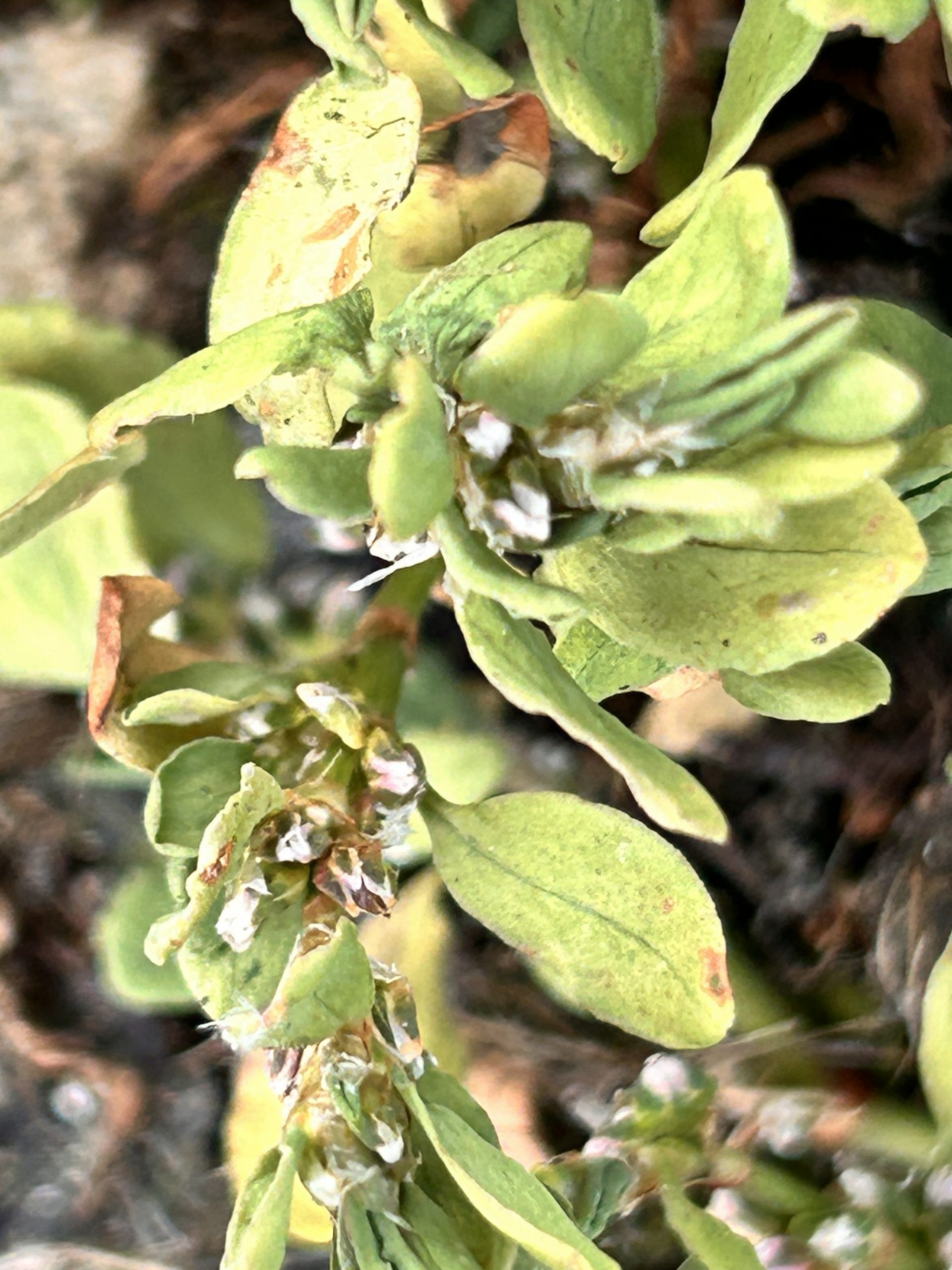
I tried to find the small patch of the rare plant seaside plant Romanzoffia on the rocks on the East side of the house. Unfortunately the area was covered with knotweed now. We will have to check again in the winter.
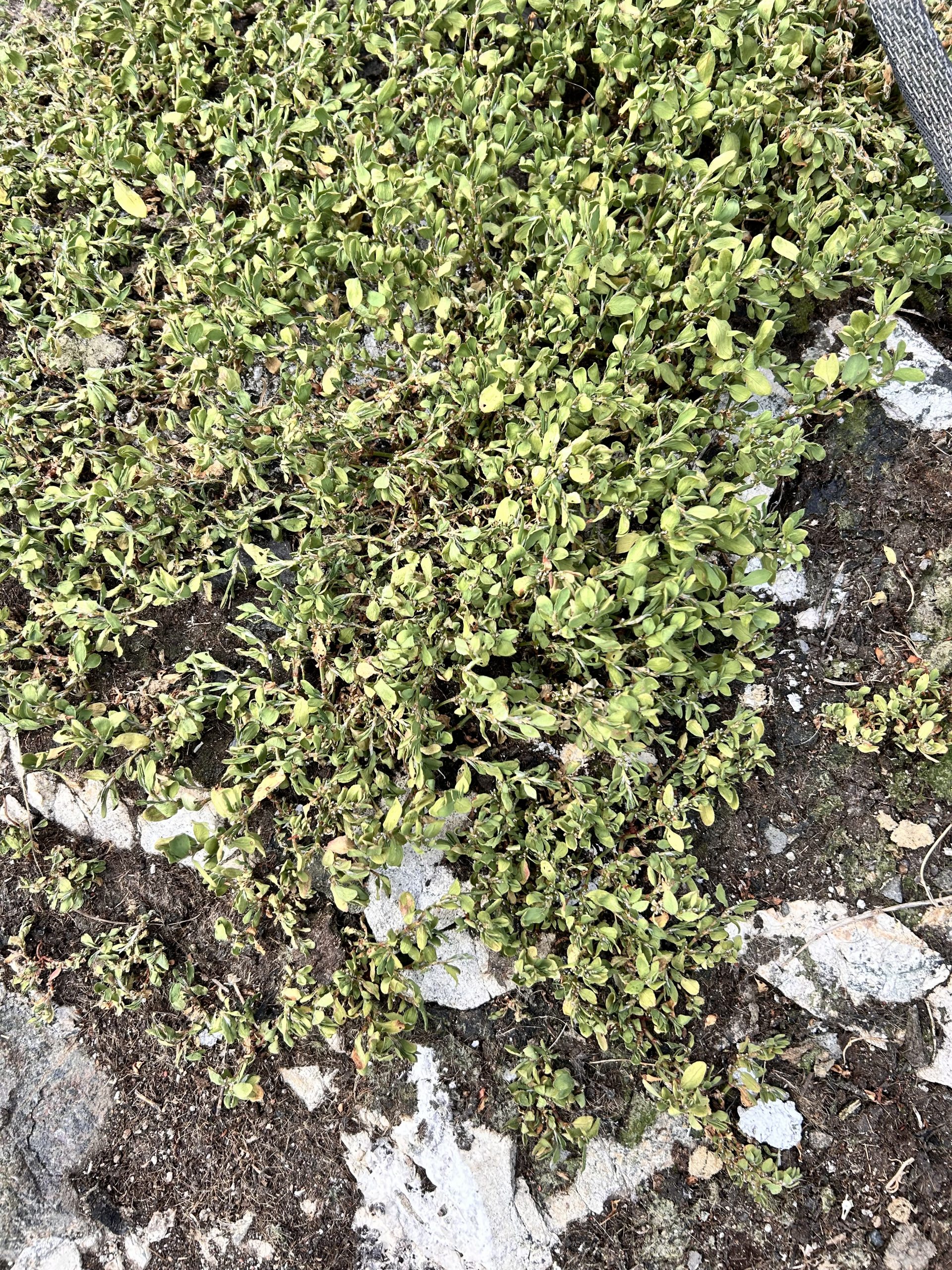
-
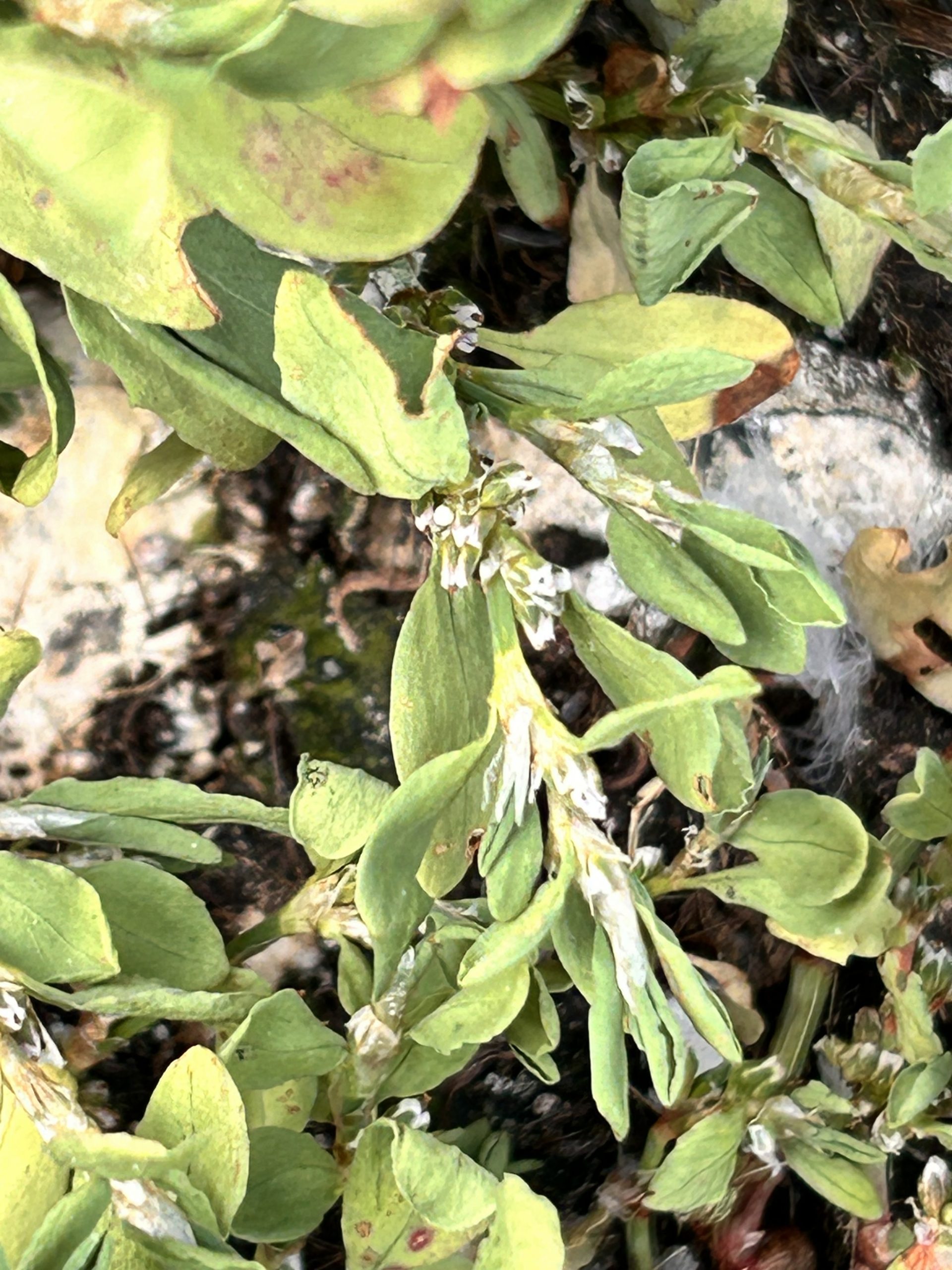
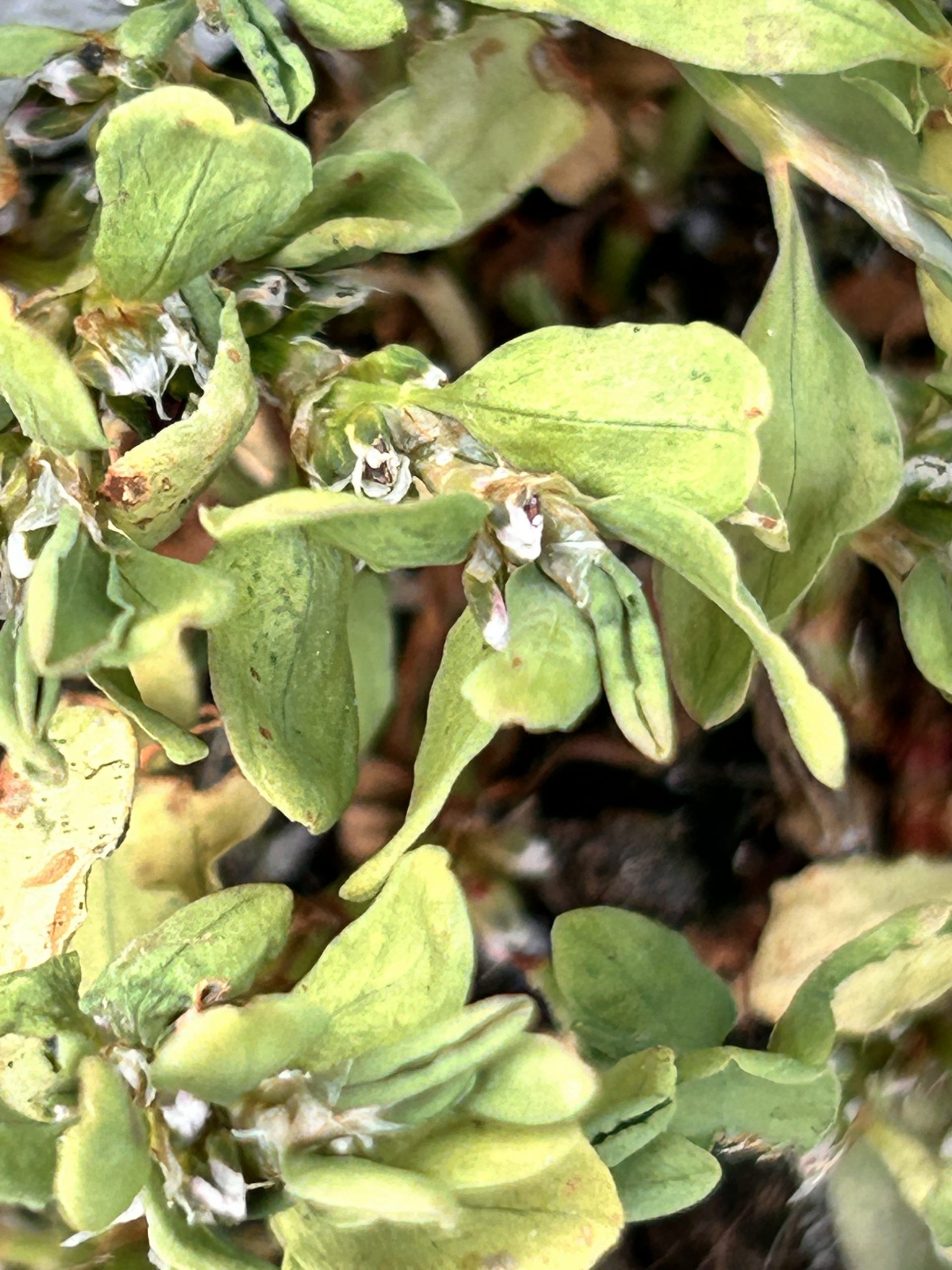
- Knotweed
The Turkish marsh gladiolus is now in bloom. This is a good example of a garden escape, planted by lighthouse keepers probably as much as 80 years ago, they still come up every summer .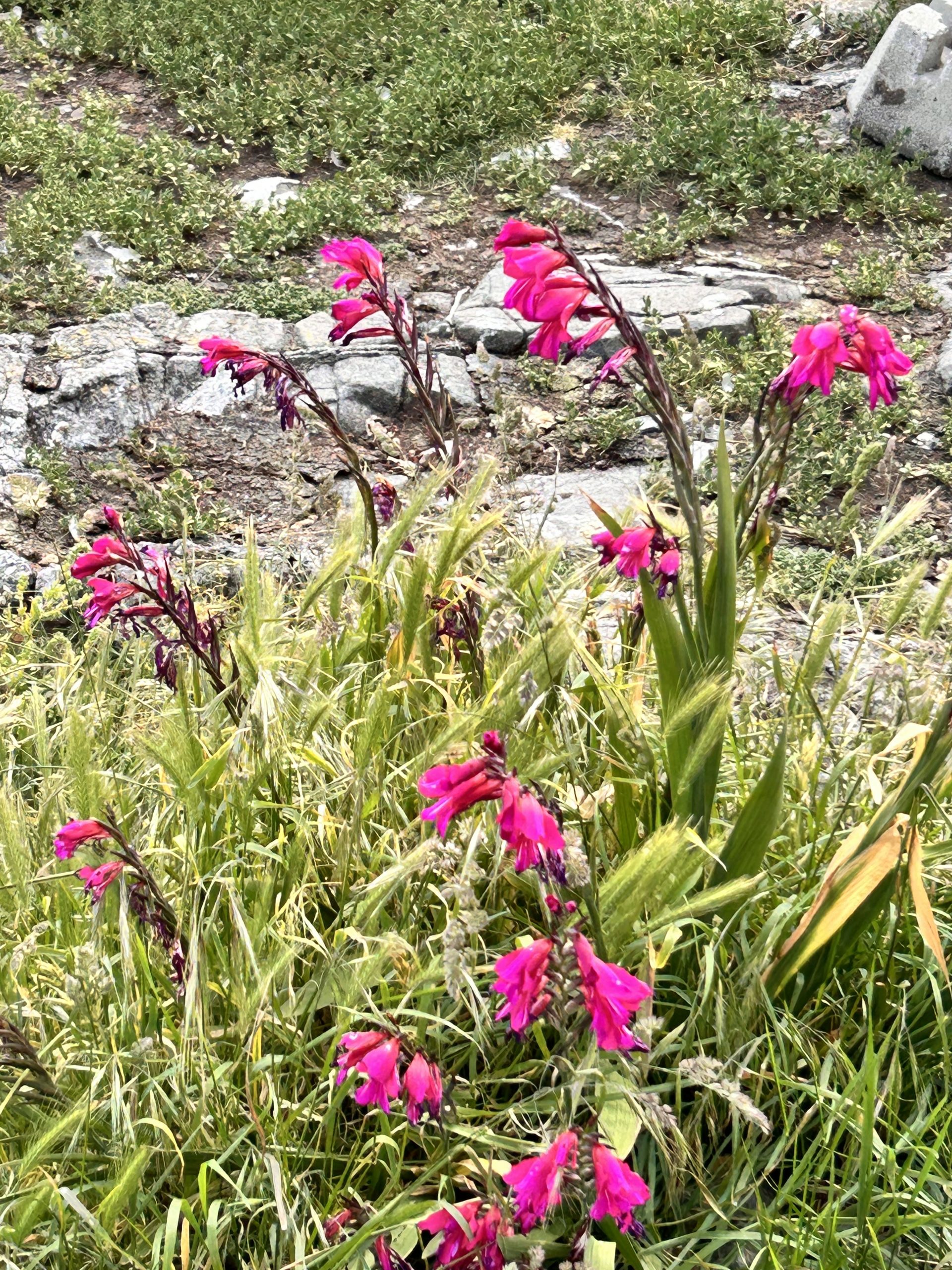
E-Bird June Race Rocks gull survey and Census
E-Bird Gull Survey https://ebird.org/checklist/S184107190
Subject: June Racerocks Gull Survey
Rocky Point Bird Observatory & Pearson College Race rocks Gull Survey June 2024
Survey conducted by Andrew Jacobs and Ann Nightingale
Thank you to Greg for getting us out there again on the boat and Christine with the assistance during the survey.
This survey was conducted to investigate the phenotypes of the glaucescens-occidentalis hybrid complex using the Great Race Rock as a nesting area. We looked for pairing preference of phenotypes, nest habitat preference and mapped the nests that had parents on them. We looked at the breakdown of the colony diversity into five phenotypic groups – pure type Glaucous-winged Gulls, Glaucous-winged trending hybrids or light morph Olympic Gulls, intermediate trending hybrids or intermediate morph Olympic Gulls, Western trending hybrids or dark morph Olympic Gulls, and pure type Western Gulls. The nesting of Western Gull on the island is of specific interest as there are adult Western Gulls near the island year round and we would like to see if Western Gull pairs are starting to breed in Canada or if they are forming mixed pairs.
The survey also counted other species of gull and age classes as well as other species using the rocks this time of year. The general nesting grounds on the main rock were used by the hybrid complex, Pigeon Guillemot, and Black Oystercatcher although no nests of the latter two were seen they were displaying as if nests were nearby.
Ebird link with photos and sound recordings.
The numbers of pure type Glaucous-winged Gull were up for the breeding season over our previous survey by about 6-7 times at 69 individuals with 64 adults and 5 immatures. The number of hybrid and intergrade type Olympic Gulls was 321 with 314 adults and 7 immatures. The breakdown of colour morphotypes in the Olympic Gulls was light morph (Glaucous-winged trending hybrids) 138 individuals with 133 adults and 5 immatures, intermediate morph (Intermediate trending hybrids) 166 individuals with 164 adults and 2 immatures, dark morph (Western trending hybrids) 17 individuals with 17 adults.
The island at this time contained 4 adult Western Gulls, two of which were on nests, one was in the grassy area on a rocky outcropping and one was on the outer rocky part of the island along the cliff. The two nesting Western Gulls did not have a partner present while we were on the island. Surprisingly one of the Western Gull nests appeared to have a rock placed in with its three eggs in the nest of roughly egg size.
Total glaucescens-occidentalis hybrid complex birds 394
Glaucous-winged Gull 69 (17.51%)
Olympic Gull 321 (81.47%)
-Light morph 138 (35.02%)
-Intermediate morph 166 (42.13%)
-Dark morph 17 (4.13%)
Western Gull 4 (1.01%)
Visible pairings 44
Glaucous-winged + Glaucous-winged 2 (4.54%)
Glaucous-winged + Light Olympic 6 (13.63%)
Glaucous-winged + Intermediate Olympic 3 (6.81%)
Light Olympic + Light Olympic 14 (31.81%)
Light Olympic + Intermediate Olympic 5 (11.36%)
Light Olympic + Dark Olympic 1 (2.27%)
Intermediate Olympic + Intermediate Olympic 11 (25.00%)
Intermediate Olympic + Dark Olympic 2 (4.54%)
Banded individuals included three Olympic Gulls one colour banded adult (cobalt blue over metal right leg and red over cobalt blue left leg), and one adult and one immature with metal bands.
Other Gull species in the survey area included California Gull with 3 immature individuals and Heermann’s Gull with 4 adults.
The other non larid species present
1 Canada Goose
3 Harlequin Duck
11 Black Oystercatcher
2 Killdeer
8 Rhinoceros Auklet
254 Pigeon Guillemot
3 Brandt’s Cormorant
23 Pelagic Cormorant
1 Bald Eagle
2 Barn Swallow
Pinniped abundance and usage of the area
2 Northern Elephant Seal – two immatures one small and one medium sized.
59 Harbour Seals
2 California Sealions
Map of nest locations.
Next time we will also log unidentified nests.
Any other questions or feedback is welcome.
Thank you,
Andrew Jacobs
Race Rocks Ecological Reserve Management Plan
The management Plan was produced many years ago and needs updating.
It can be found on the BC government website at:
https://nrs.objectstore.gov.bc.ca/kuwyyf/race_rocks_er_mp_20020515_502695e402.pdf
Polygonum aviculare : prostrate knotweed- The Race Rocks taxonomy
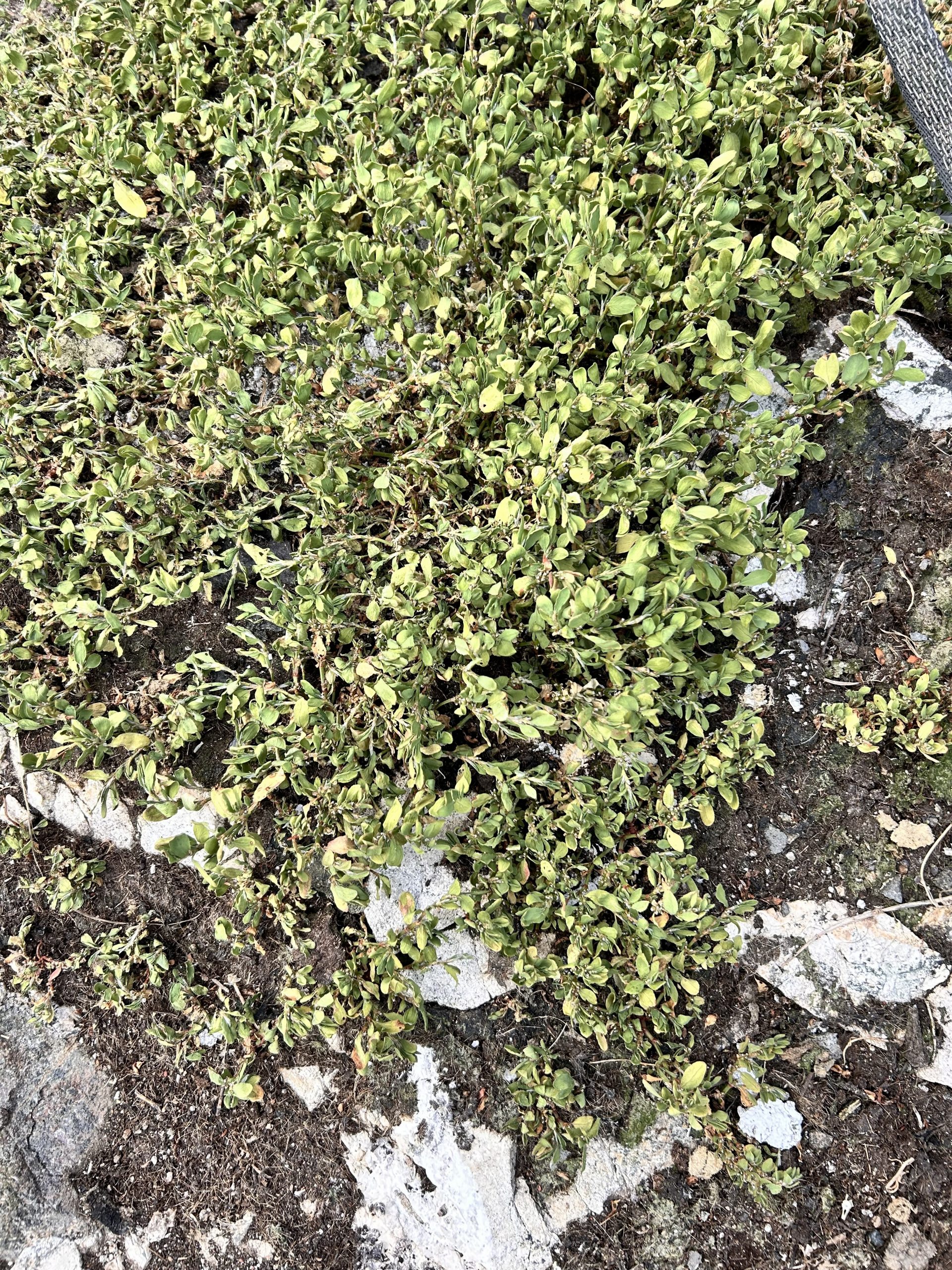
This summer there is a proliferation of knotweed in areas on Race Rocks in which it has not occurred before : also see: https://racerocks.ca/polygonum-aviculare-prostrate-knotweed-the-race-rocks-taxonomy/
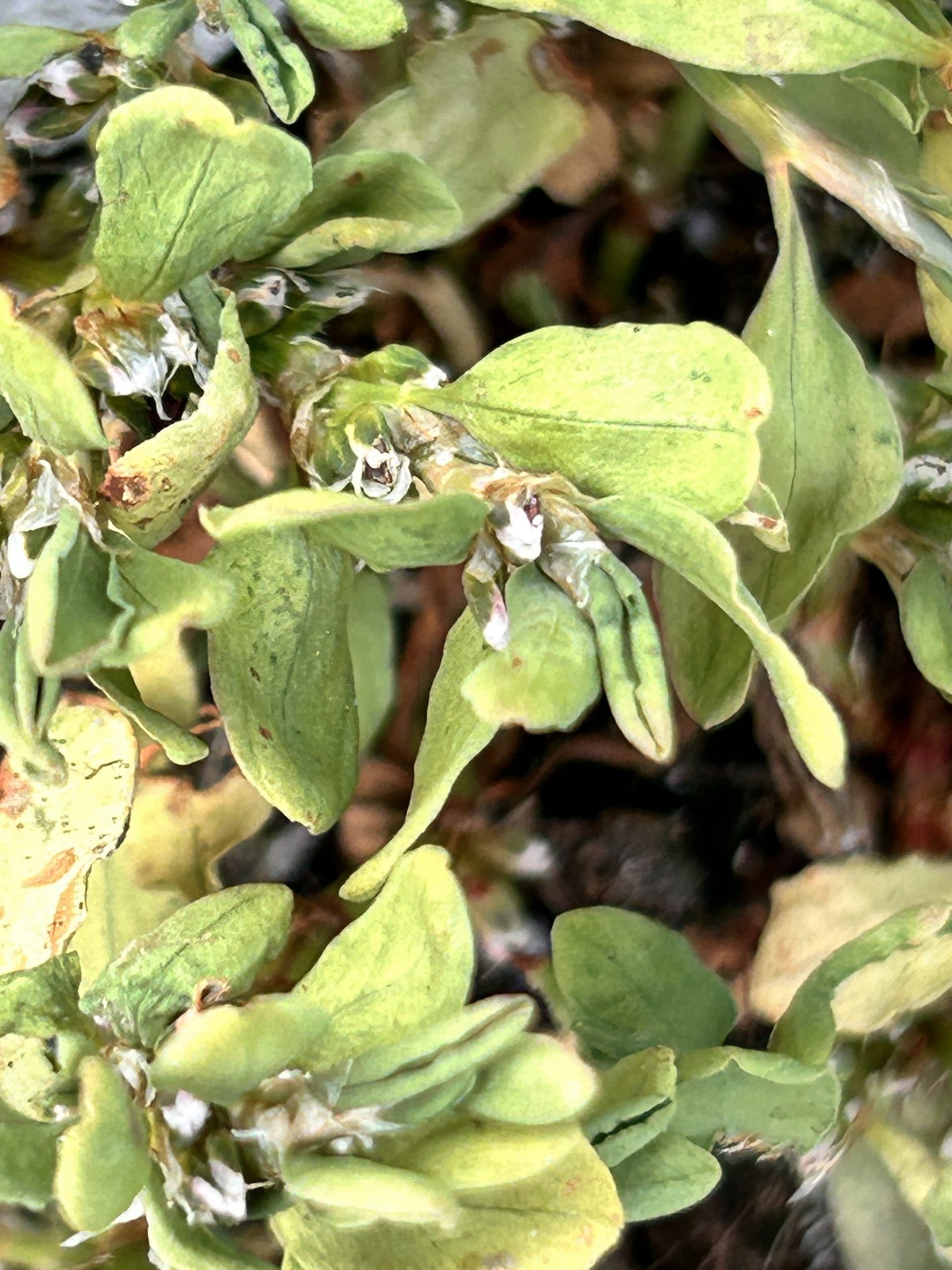
-
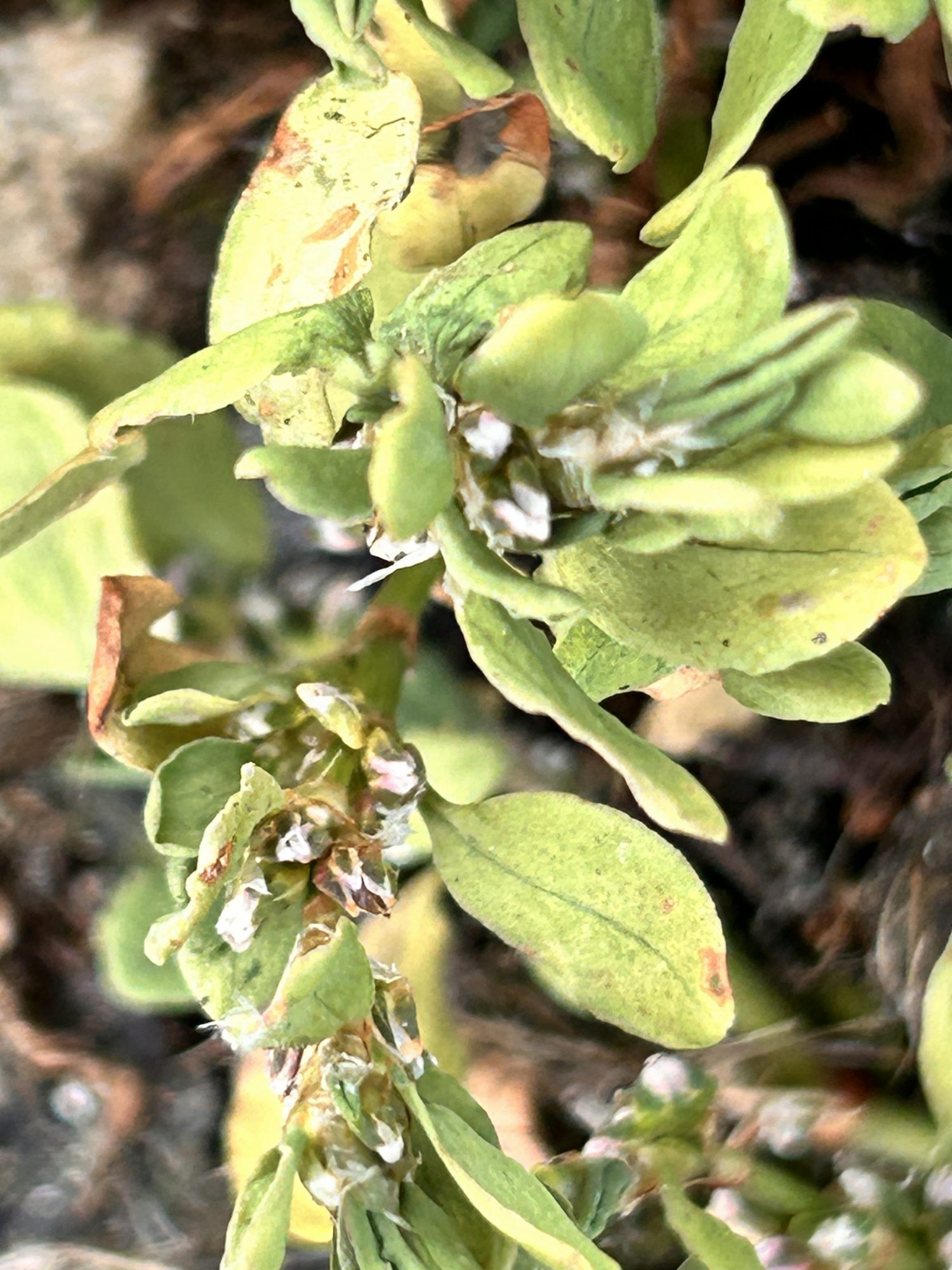
- close up of flowers
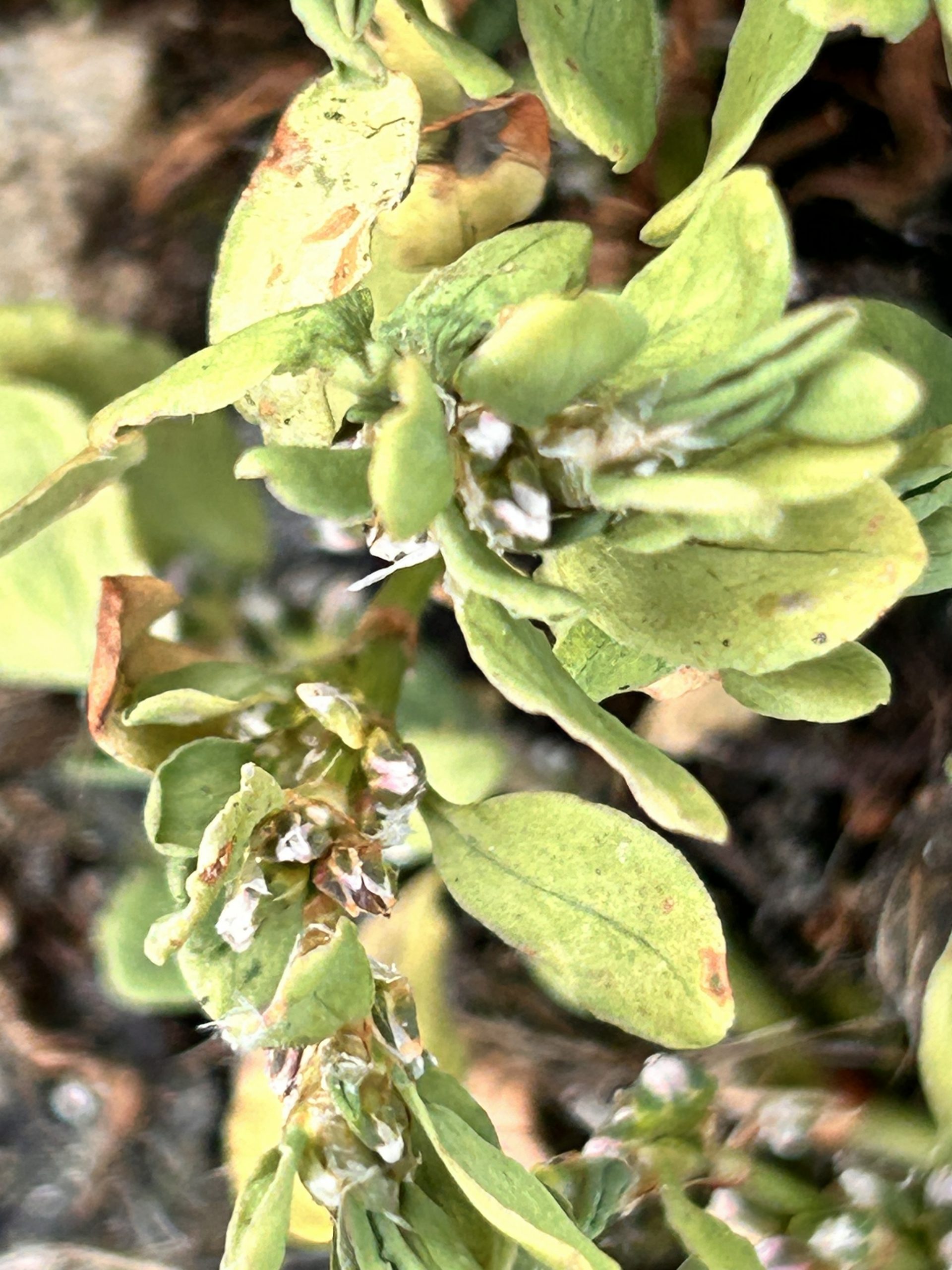
The following Classification is from Wikipedia
https://en.wikipedia.org/wiki/Polygonum_aviculare
| Scientific classification |
|
|---|---|
| Kingdom: | Plantae |
| Clade: | Tracheophytes |
| Clade: | Angiosperms |
| Clade: | Eudicots |
| Order: | Caryophyllales |
| Family: | Polygonaceae |
| Genus: | Polygonum |
| Species: |
P. aviculare
|
| Binomial name | |
| Polygonum aviculare
L. 1753
commonname : Common knotgrass or Prostrate knotweed
|
|
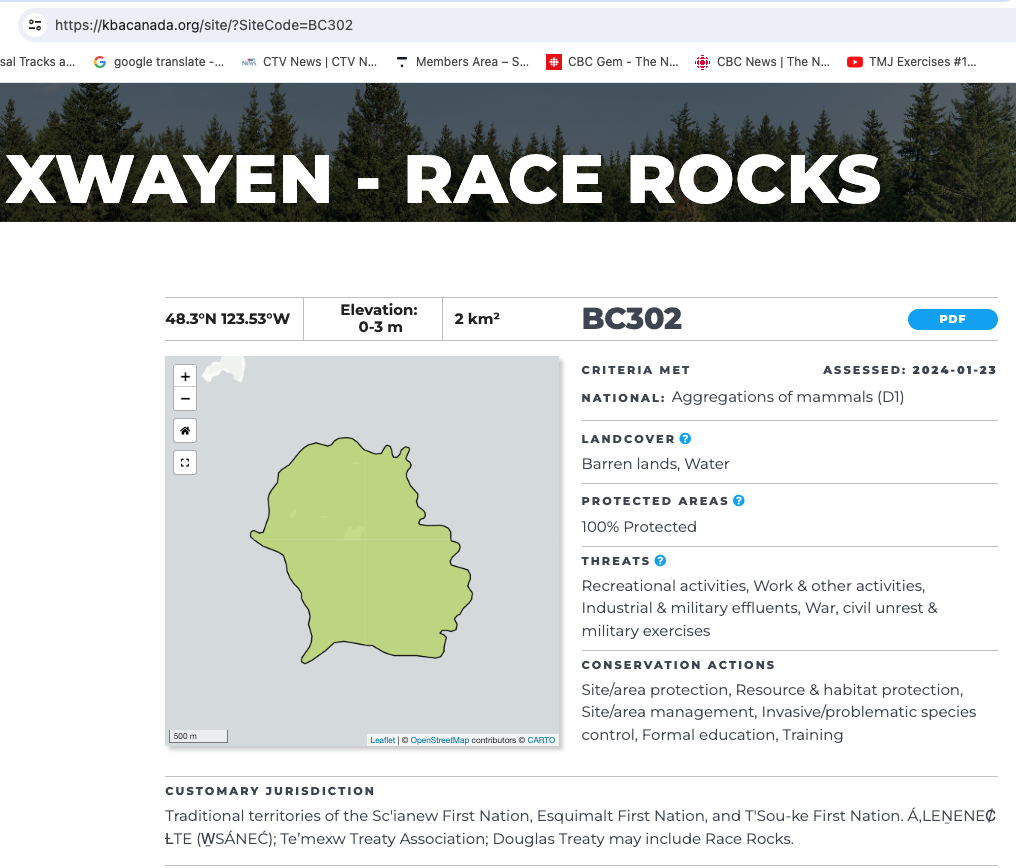
Race Rocks Key Biodiversity Area ( KBA)
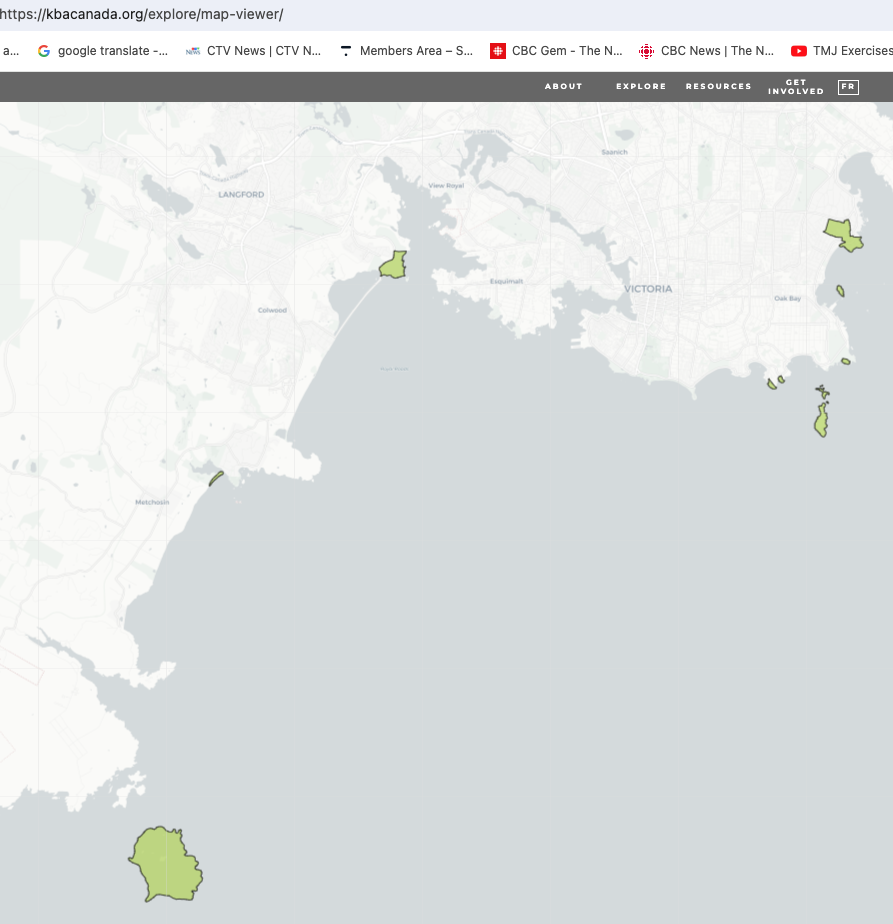
Race Rocks has been designated as a Key Biodiversity Area, joining several other KBAs in the Victoria Area.
Ecoguardian Change-over day
FRIDAY 19 April CHANGE-OVER DAY
Sunny with brisk breeze. 7C NE 18/gusts33
6.30 AM Observed 9 Steller, 3 Cal plus two young (or females?) on Welcome Rock (near jetty).
Five Elephant seals. Gulls still at rest. Very odd to see no guillemots in sun from north window.
Early detonation on DND.
Housekeeping: The usual bath/floors/fridge. Wiped window casings and sills of new windows;
swept baseboards; cleaned light switches and cabinet pulls.
Flowers bloooming
Eco-guardians Allen and\ ilka Olsen
THURSDAY 18 April
Clear and sunny with brisk breeze. Numerous VHF warnings of CA warship conducting
ammunition firings. DND detonating explosives. Continued to view wildlife and vegetation.
Calendula beginning to bloom; flowering beach pea (Lathyrus japonica) on stump battered by
gale. Magnificent display of brodiaea along west house foundation. Found that the invasive
sedum is supported on sealion felt; beginning to invade grass.
Good recovery of grasses and other greens.
Chopped wood/filled stove box and cleaned area; filled batteries; finished with solar panel
wash.
Not a single wildlife tour boat.