Swallowed whole

Wildlife notes

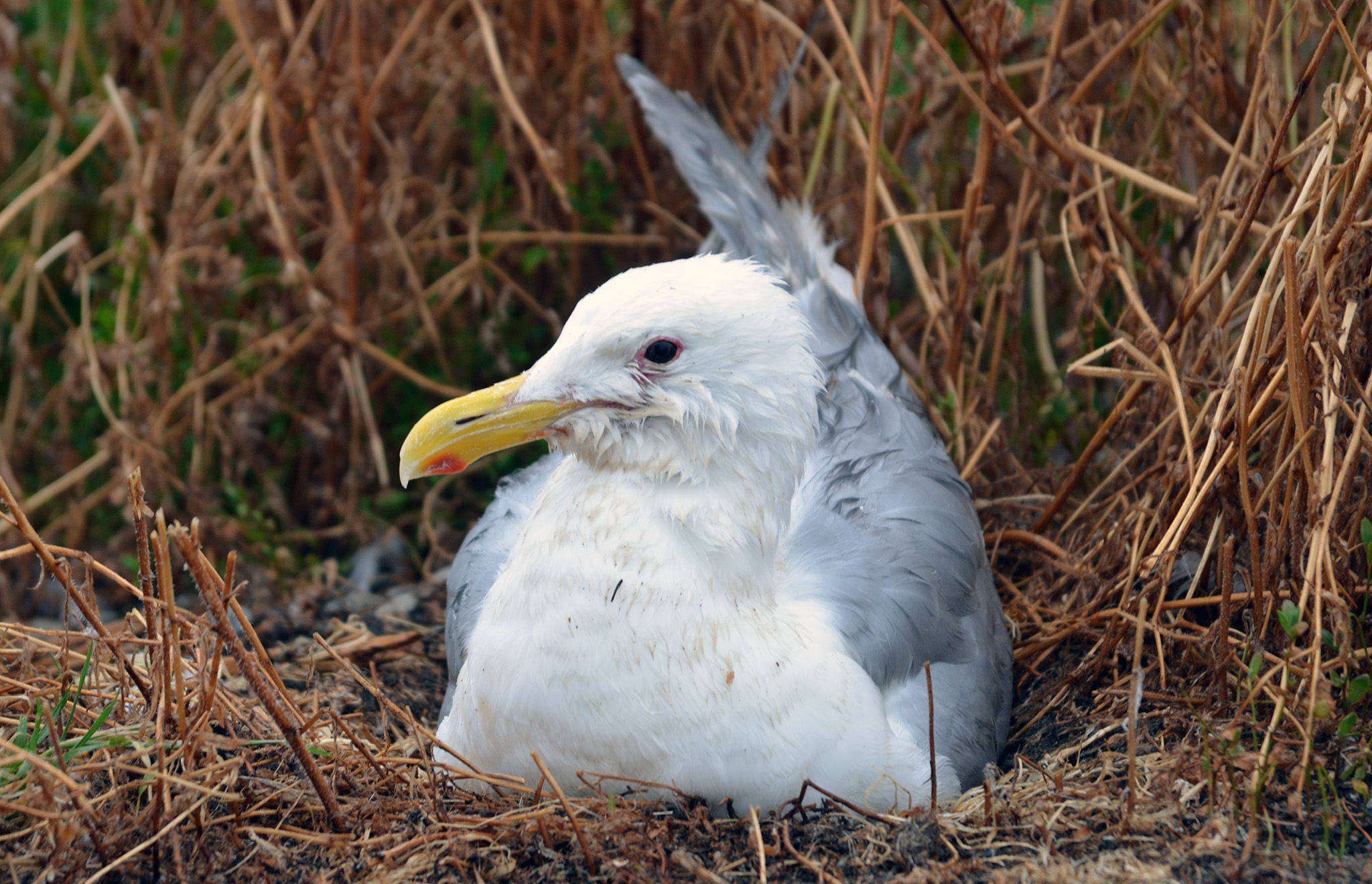
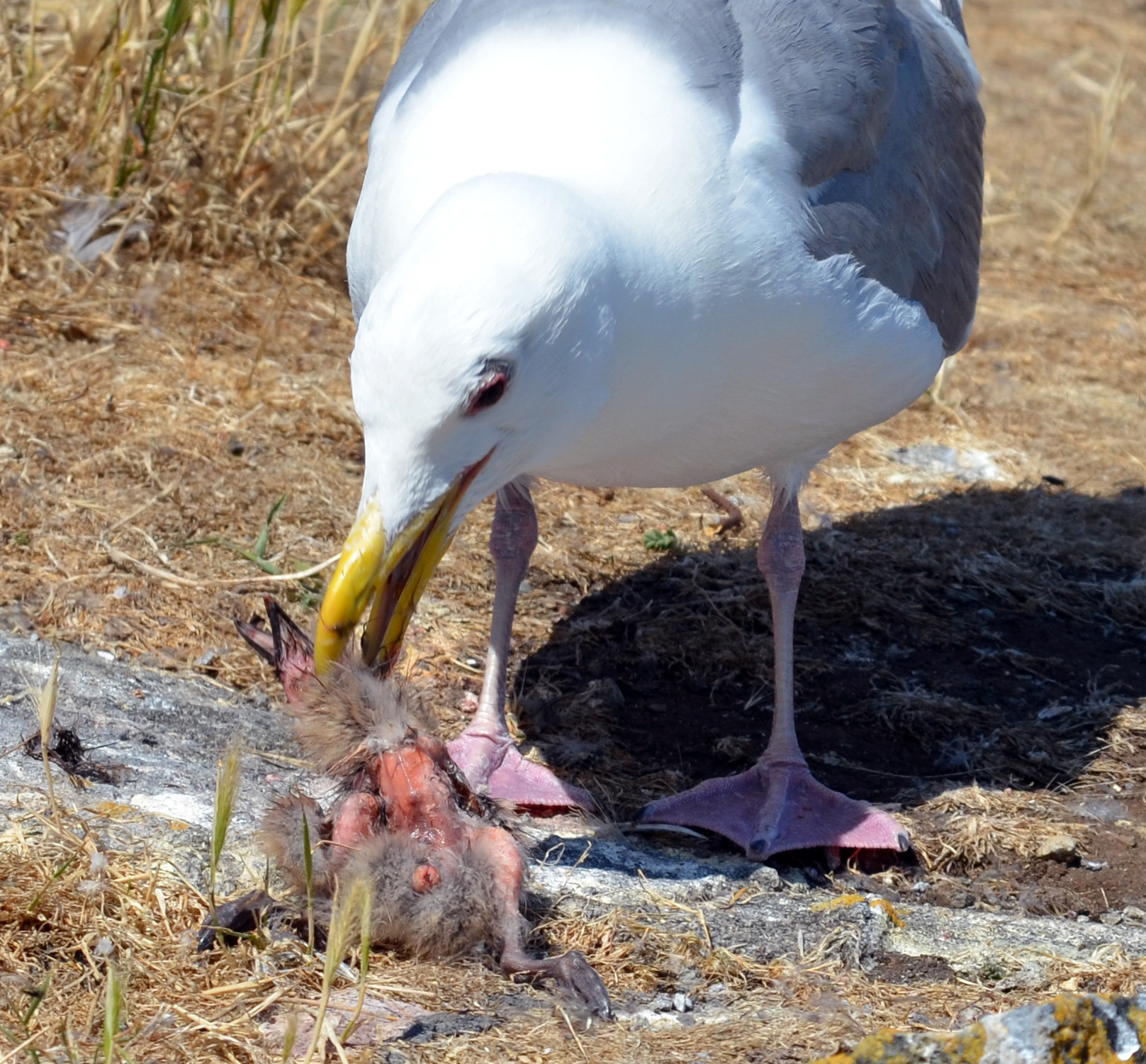
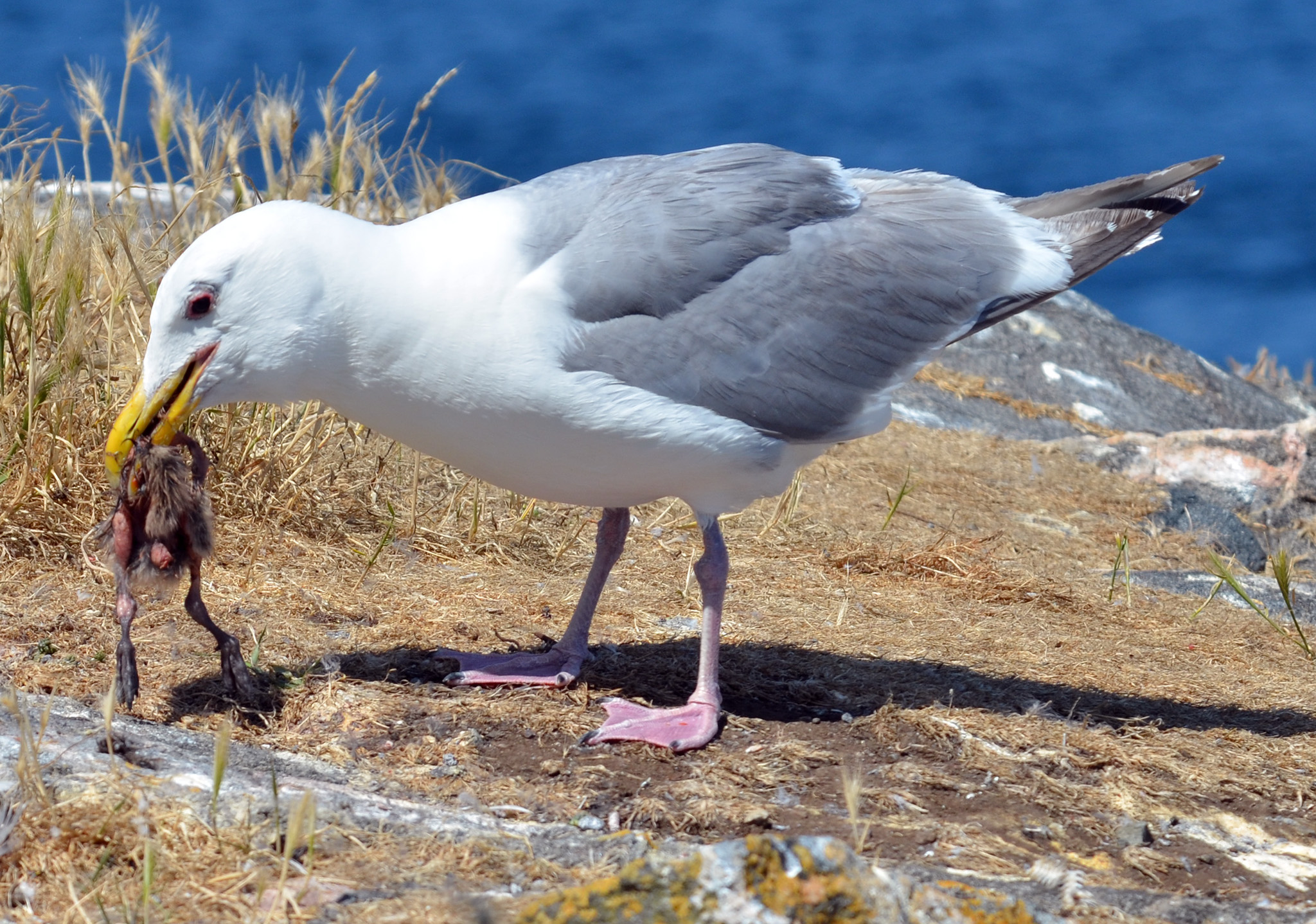
I watched a gull chick get eaten today. Shaken and whipped around for a bit, then swallowed whole, head first. I expected to see my first dead gull chick of the season any day now, maybe lying still on a walkway. I have seen chicks killed by neighbouring parents and have even seen a neighbouring chick join in on attack but once dead they are generally left there to slowly decay. This chick was killed and eaten by a gull who does not have a nest in the immediate area, in other words, it wasn’t defending its nest, territory or chick. It wasn’t the egg thief of 2025 or 2026. It looked like Grandpa gull!
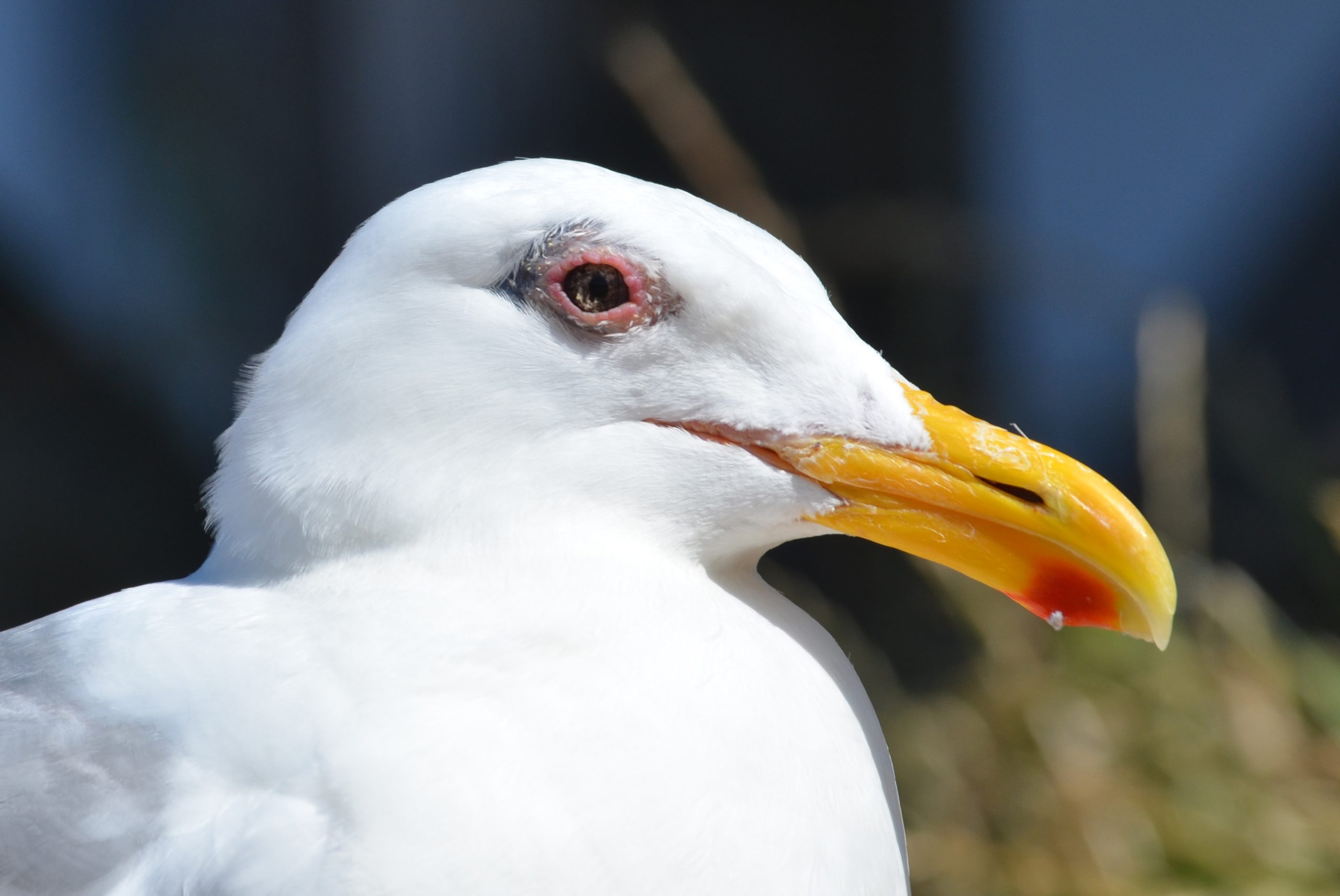
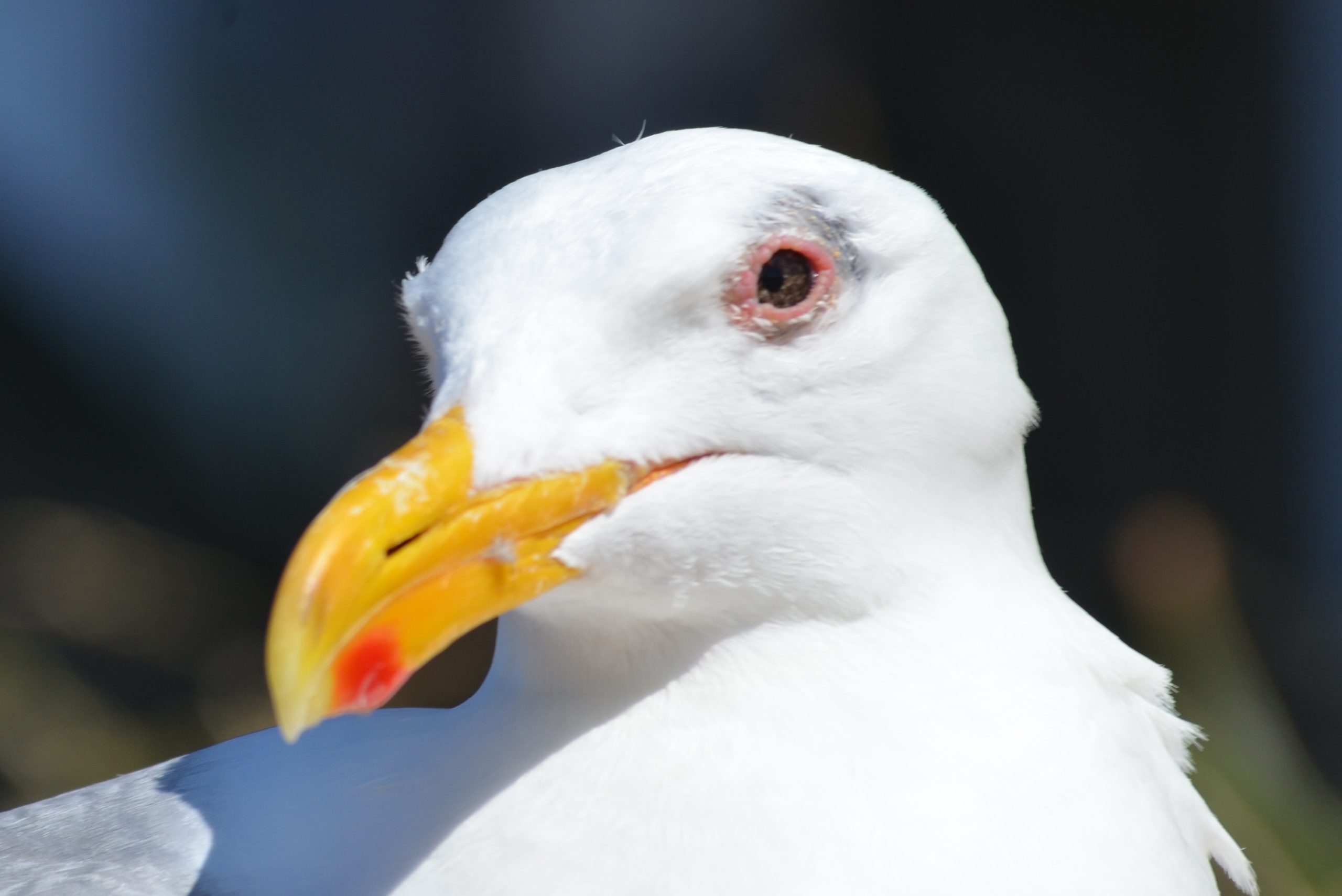
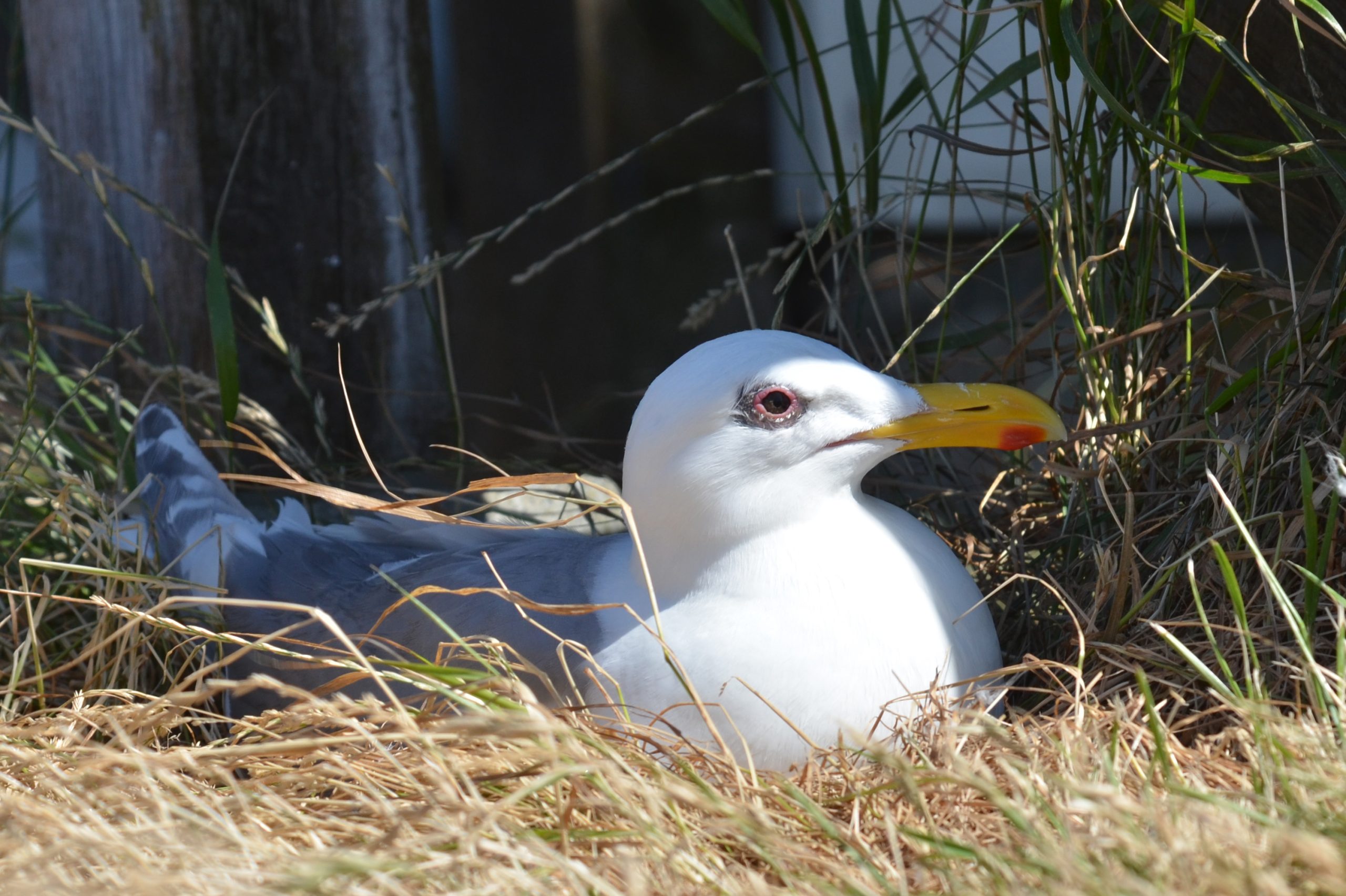
Grandpa and Grandma gull have dark pigmentation around their eyes. They were named before I learned the pigmentation is not age related. They nested under the landing of north entrance stairs in 2024 and 2025. This year they are a few feet away beside the bottom step. In 2025 their three young chicks were all killed in their nest. There are only a few of these dark eyed birds on the island so I couldn’t help but wonder if he could have turned mean after his experience last summer. Would a gull even be able to remember a past act, past perpetrator or plan a targeted attack?
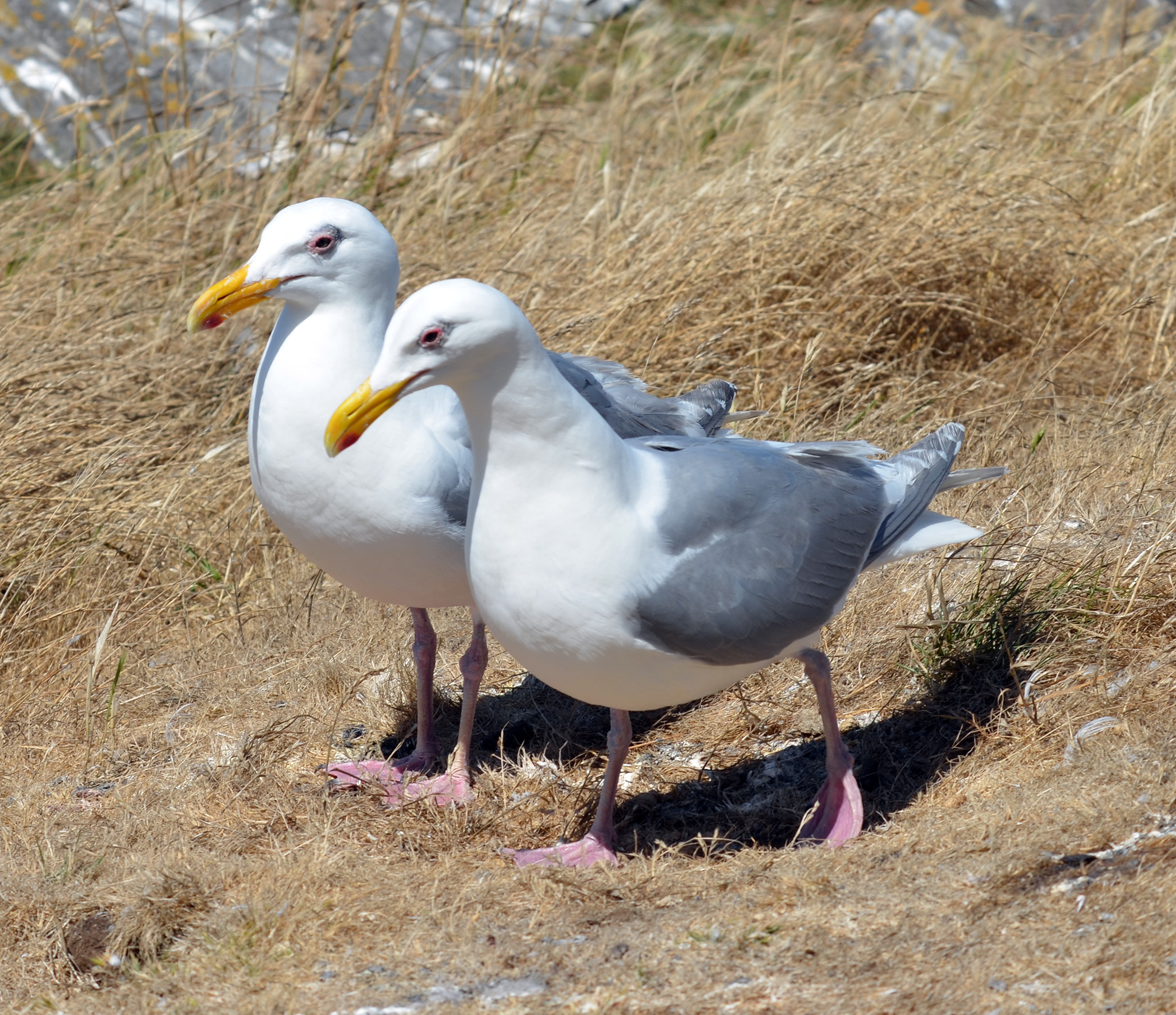
Grandparent gulls, July 2025
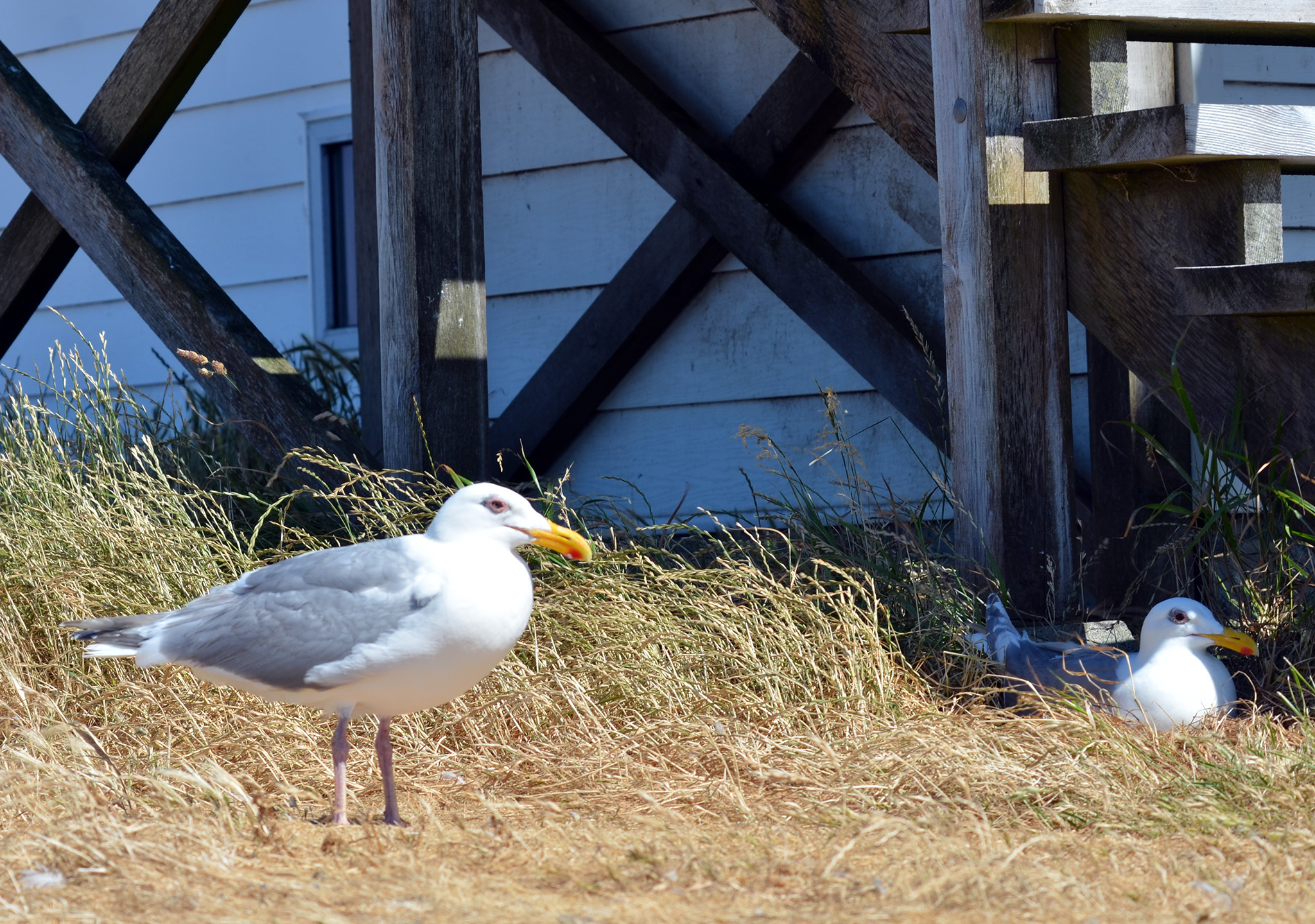
Grandparent gulls, June 2026.   Parent one on the left, parent two on the right on the nest. Details below.

Other wildlife notes. The purple martins were here for a short while yesterday and today. They visited the nesting boxes briefly. One of the two sea lions I chased off the boat ramp yesterday doesn’t have full use of its rear flippers.  He can’t move well on land or in the water.  I didn’t have the heart to chase him off today as he was the only one on the boat ramp and in his state he can’t move quickly or lunge at me when I walk past for the daily seawater readings.  When others start arriving, I don’t think I will be able to selectively encourage them to leave.  He has the same mobility issues but isn’t as skinny as the one that died on the ramp on Jan 30th and was pulled to sea on Feb 2 2026.

Facility work

  • cleaned solar panels
  • pulled some thistles
  • transferred fuel
  • cleaned outside windows on the Keepers House

Vessels

  • Ecotourism: 12
  • Private: 2

Weather

Skies clear. Winds W 11 to 24 during the day, increasing to 38 gusting 43 by evening.  Daytime temperature 10 to 13 degrees.
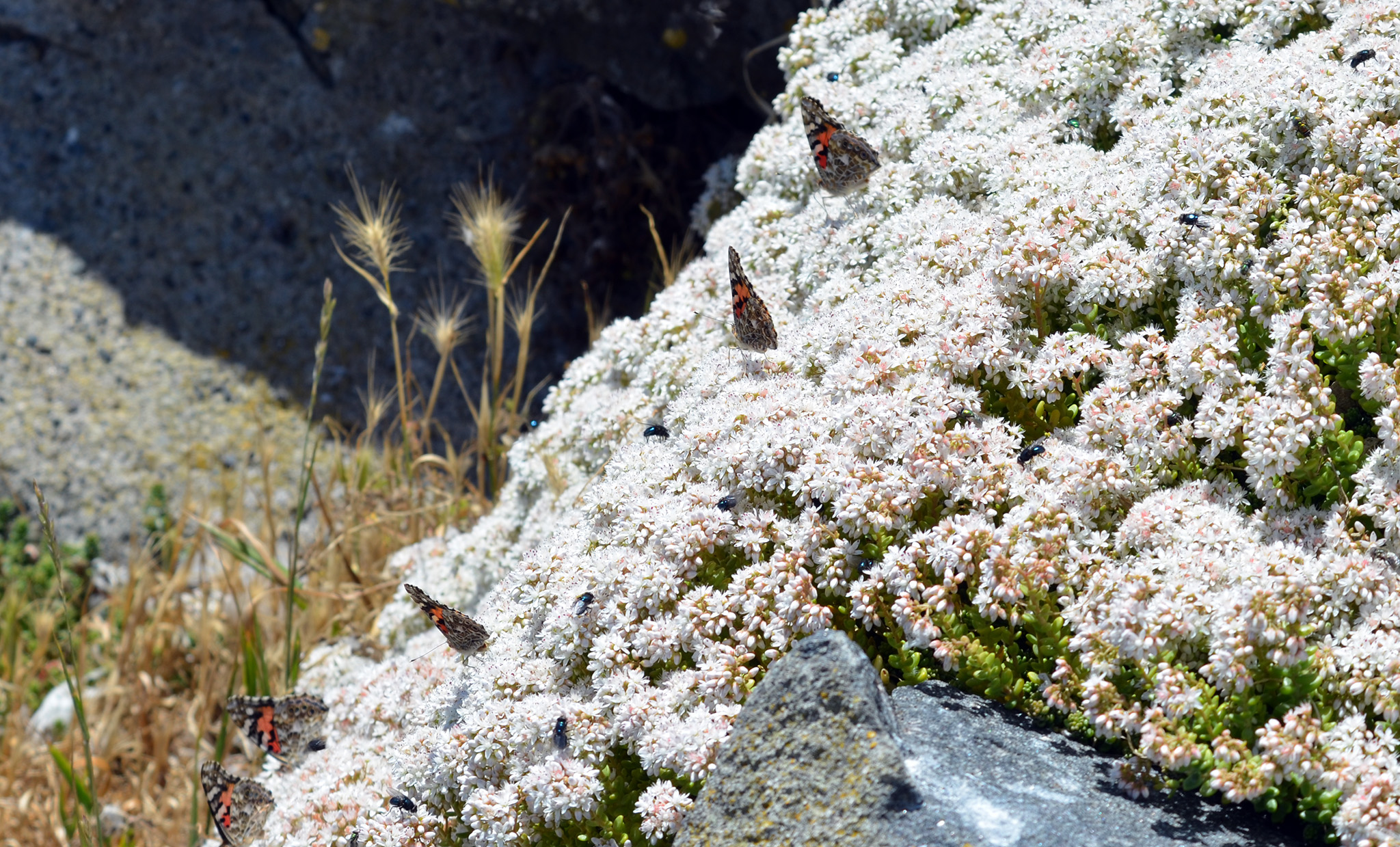
butterflies and sunshine

Wildlife notes

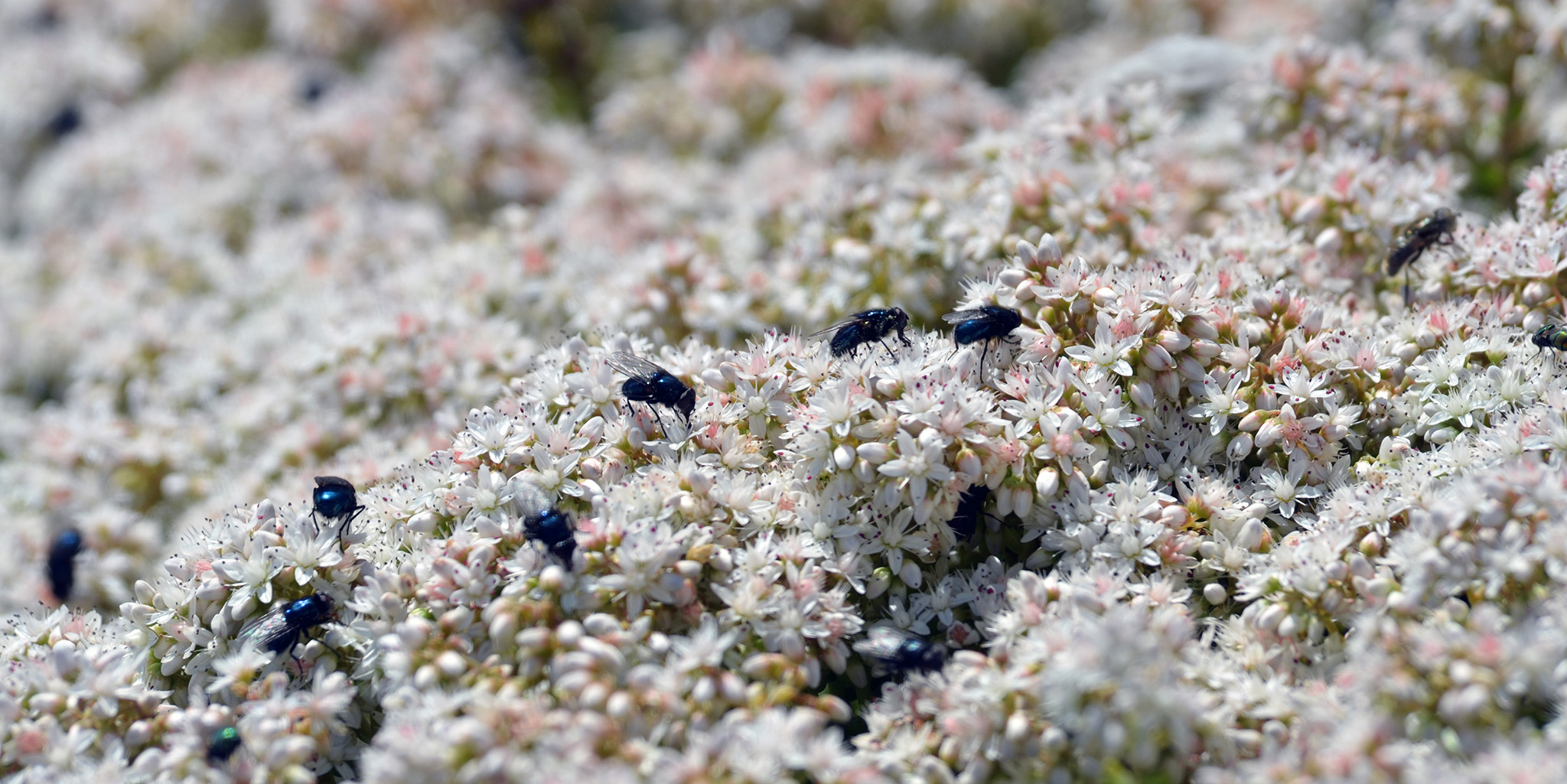
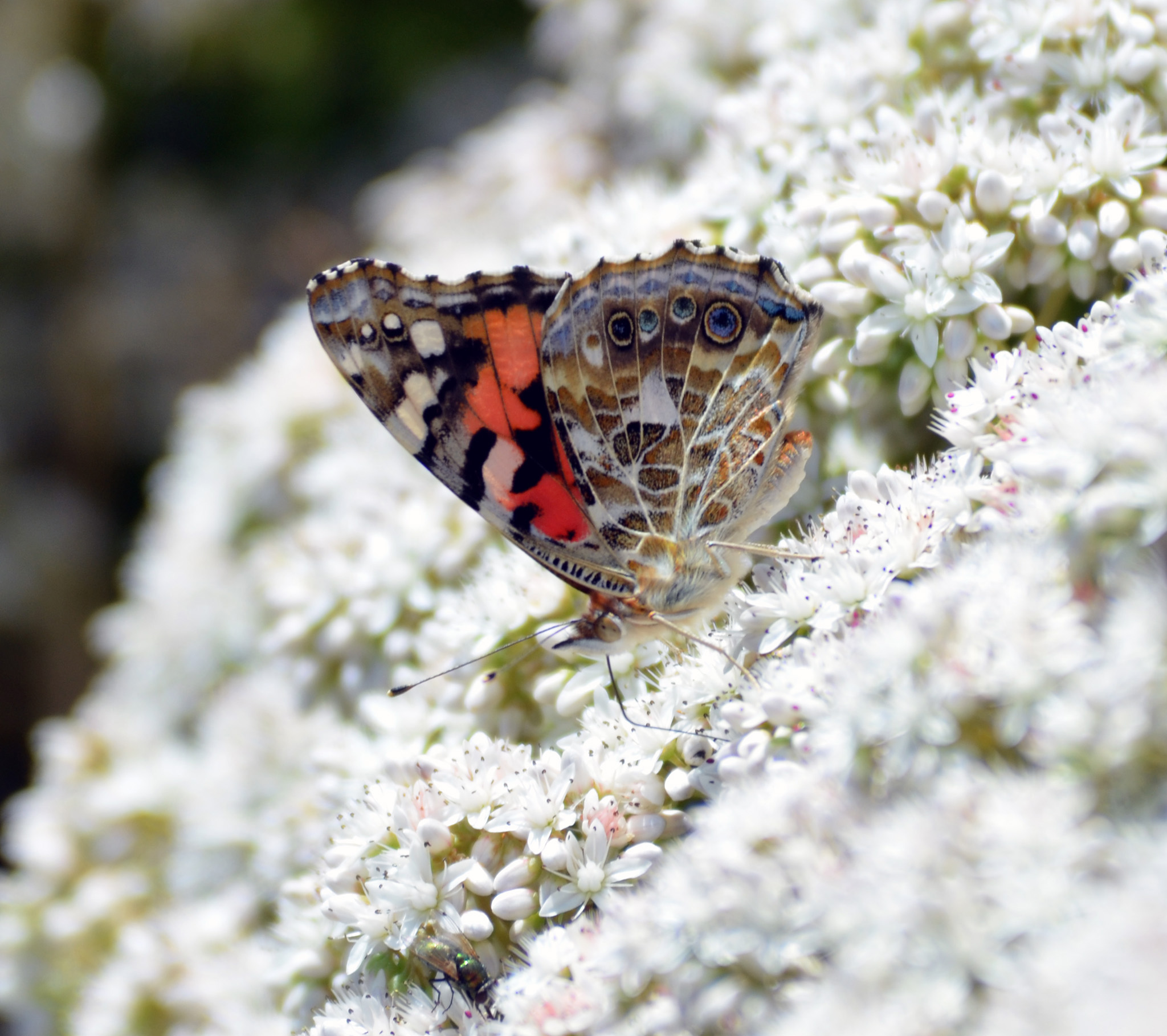
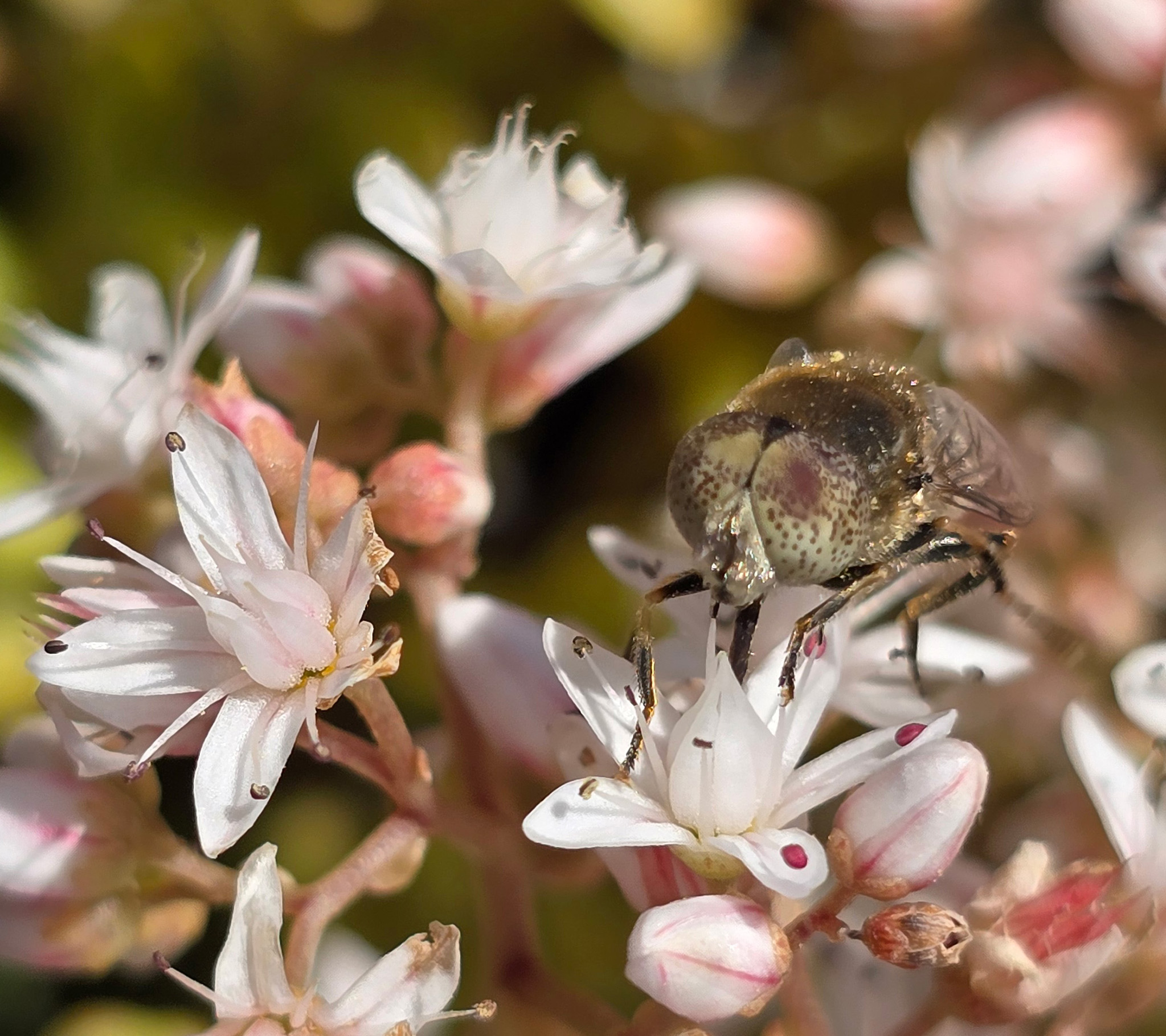
It was a calm day filled with butterflies and sunshine.  The English stonecrop is in full flower now and very scenic.  I can’t detect any fragrance but it has attracted painted ladies and a variety of different coloured flies.

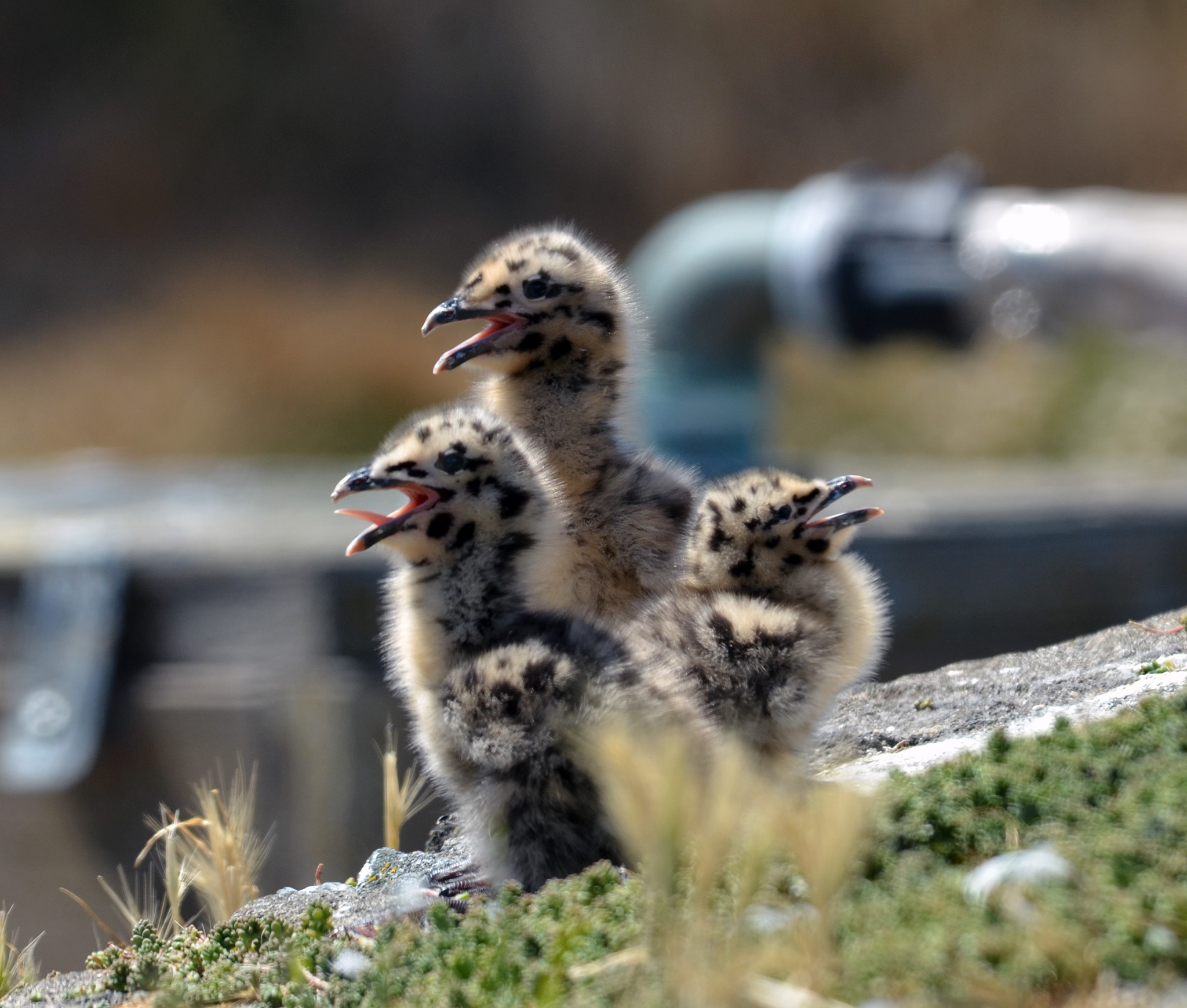
I would guess that half of the gulls have chicks now. They are quick to strike and are less tolerant of my presence.  I was hit in the head twice today. Once it was just loud and startled me (wearing a helmet bucking up a log for firewood) and a second time it hurt a bit (wearing a baseball cap photographing the stonecrop and insects). Not nice! But the chicks sure are cute.

First chicks by the lid to the seawater cistern. It will be difficult getting there to inspect the water level.

Facility work

  • cleaned solar panels
  • cut and split firewood

Vessels

  • Ecotourism: 12
  • Private: 1

Weather

Fog in the early morning then clear skies. Winds mostly westerlies 3 to 18 knots. Daytime temperatures 9 to 13 degrees.
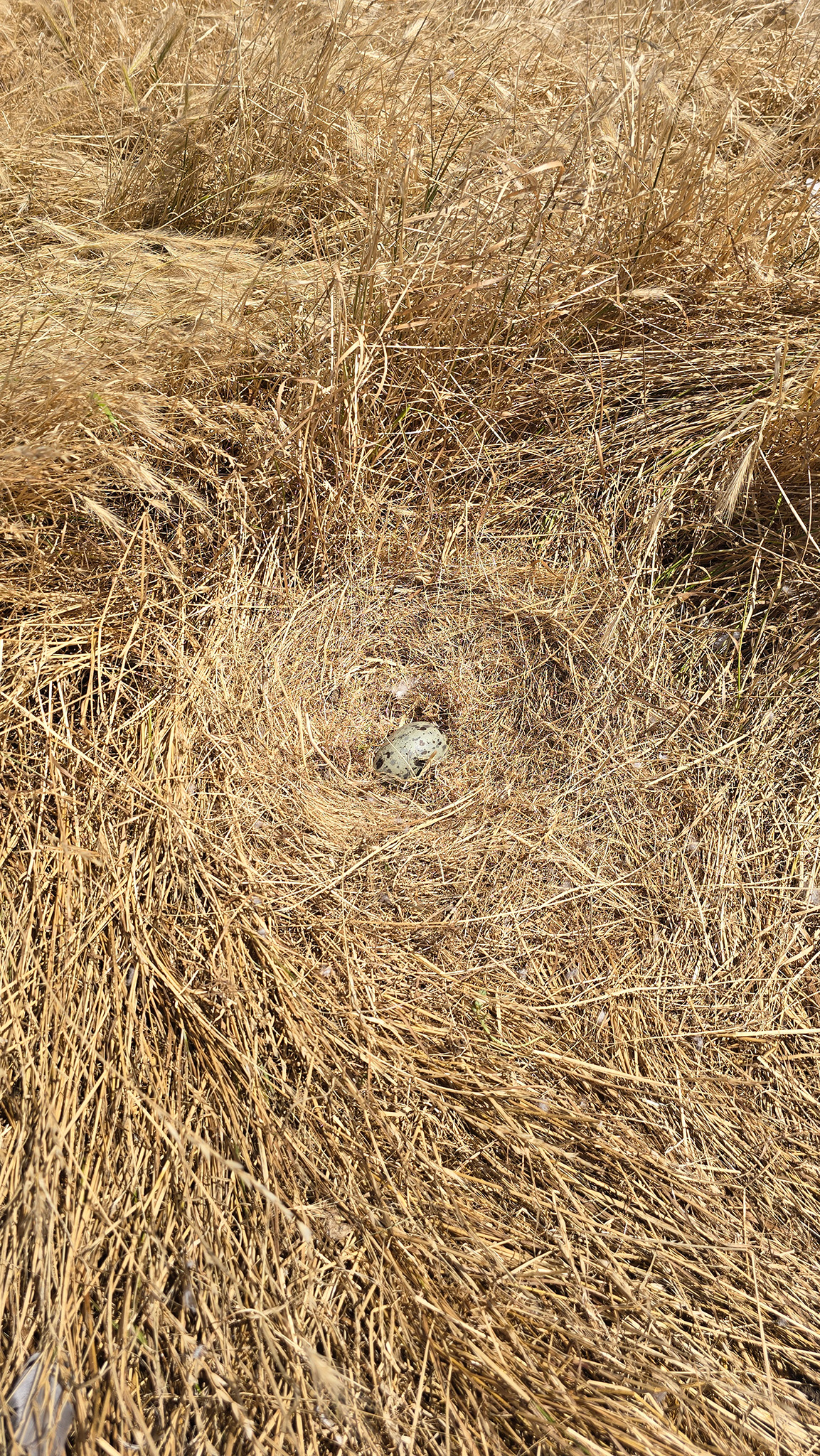
July 4 Census

Mammals:

  • California sealion: 2
  • harbour seal:  144

Birds:

  • gulls: 598
  • cormorant: 30
  • black oystercatcher: 14
  • pigeon guillemot: 63
  • Canada goose: 2
  • bald eagle: 1
  • harlequin duck: 8

Pigeon guillemots are underrepresented. Wildlife seen this week inside the reserve but not observed today include: Caspian tern, Stellar sea lion, barn swallow, dark legged shore bird and a female elephant seal last seen July 3.

The events are probably unrelated but the first day here without the endearing elephant seal and I am immediately chasing the only two barking California sea lions off the jetty and the boat ramp. How quickly things change!

I spent three hours in the lighthouse looking for black oystercatcher chicks and harbour seal pups. Success on both accounts but with the high winds I was limited to taking very lousy photos through the lighthouse windows.  I found one young harbour seal pup.  The mom looked as if it was trying to encourage the pup onto the rocks for a rest. It tried to get up on the rocks but gave up and turned around.  The mom went after it and together they swirled, twirled and touched noses – an incredible thing to watch.

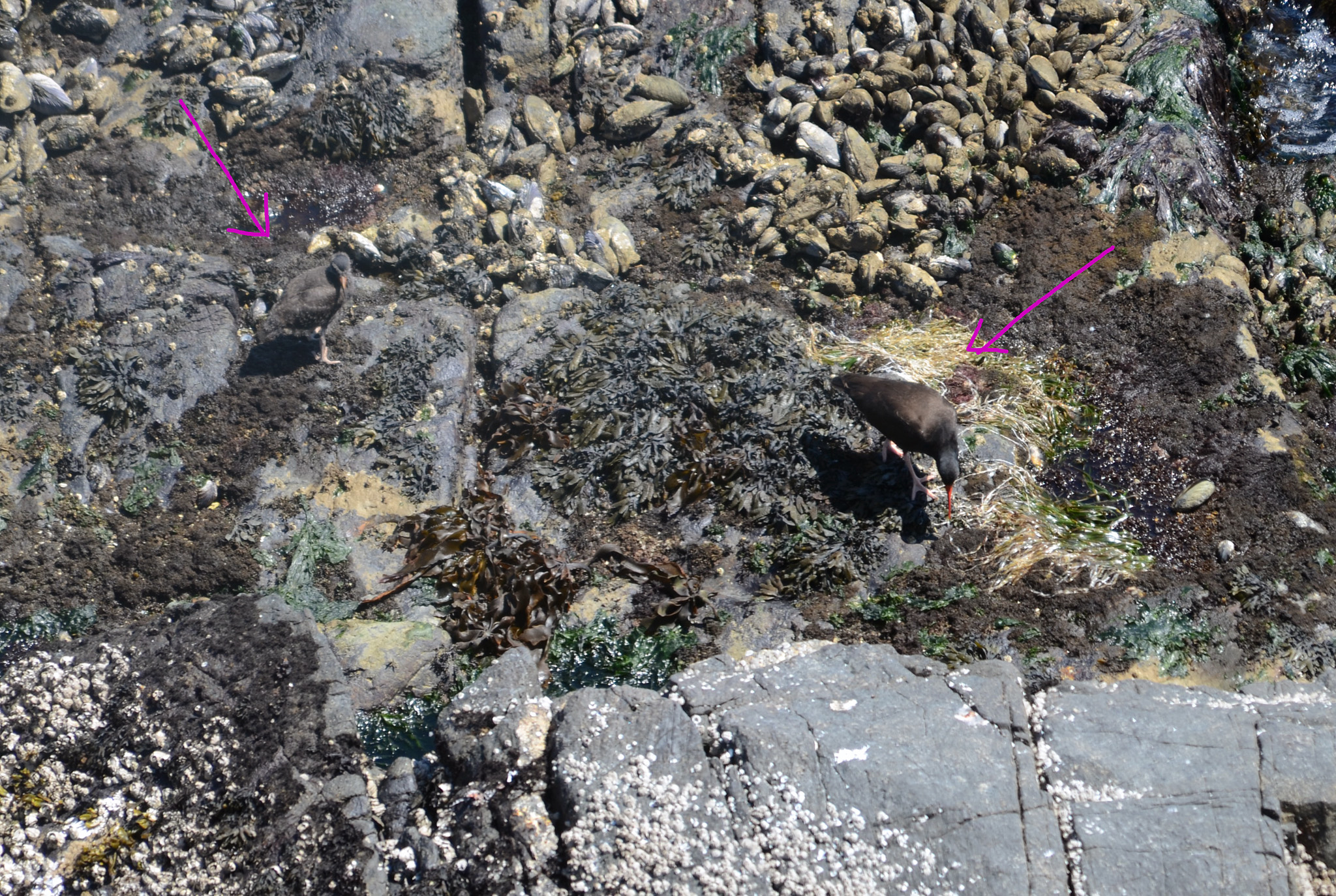
The Keepers House oystercatcher chicks are three weeks old. They are big and strong enough to be taken to the water edge and shown how to forage. Their legs are pink, beaks half orange and their pin feathers are starting to grow.  The Coast Guard and the East Beach parents haven’t moved their young chicks close to shore yet. At times when the foraging is good, they return every two minutes with a food delivery for their little chicks.

Keepers House black oystercatcher parent and their three week old chick.

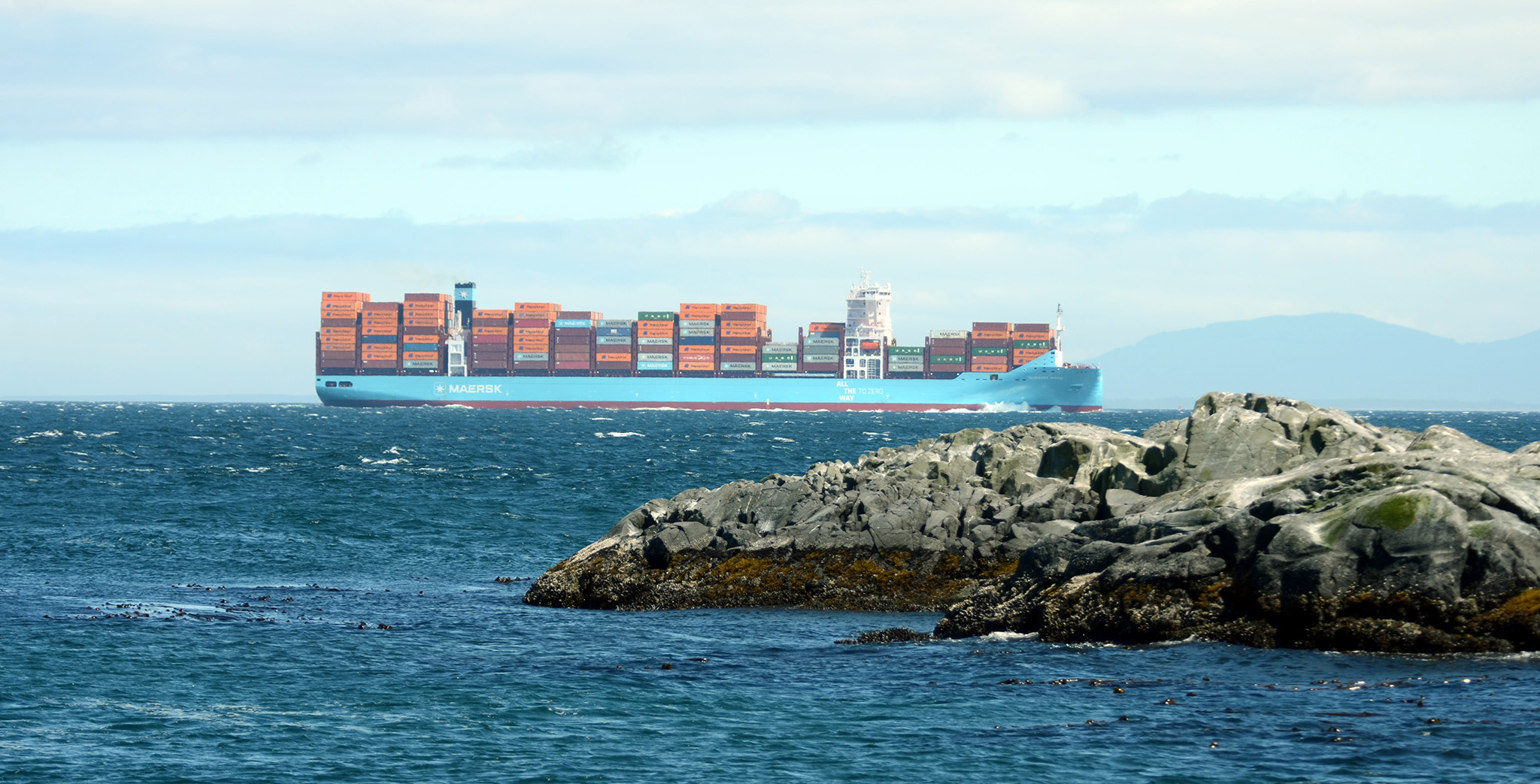
ALL THE WAY TO ZERO

What a nicely painted ship, such beautiful colours, worth a photo!  It turns out this ship,  the Tauranga Maersk, is the second of Maersk’s six midsized dual fuel (methanol) ships launched in 2026. According to the Maersk’s All The Way to Zero webpage, the shipping of 11 billion tons of stuff around the world accounts for 3% of global greenhouse gas emissions and they are committed to net zero by 2040.  Maersk says the duel fuel ships are one of the ways to reach this goal, with hopes of other technologies on the horizon.  Unfortunately, one of the companies trying hydrogen just went bankrupt :(

The container ship Tauranga Maersk left Vancouver at 9:48 am today, was photographed here at 3:30pm on route to Yokohama Japan with an ETA of July 21, 15:00.

Facility work

  • cleaned solar panels
  • general cleaning

Vessels

  • Ecotourism: 9
  • Private: 1

Weather

Scattered clouds. W 20 to 25 knots in the am, WNW 33 in the pm. Daytime temperatures 12 to 14 degrees.

More chicks

Wildlife notes

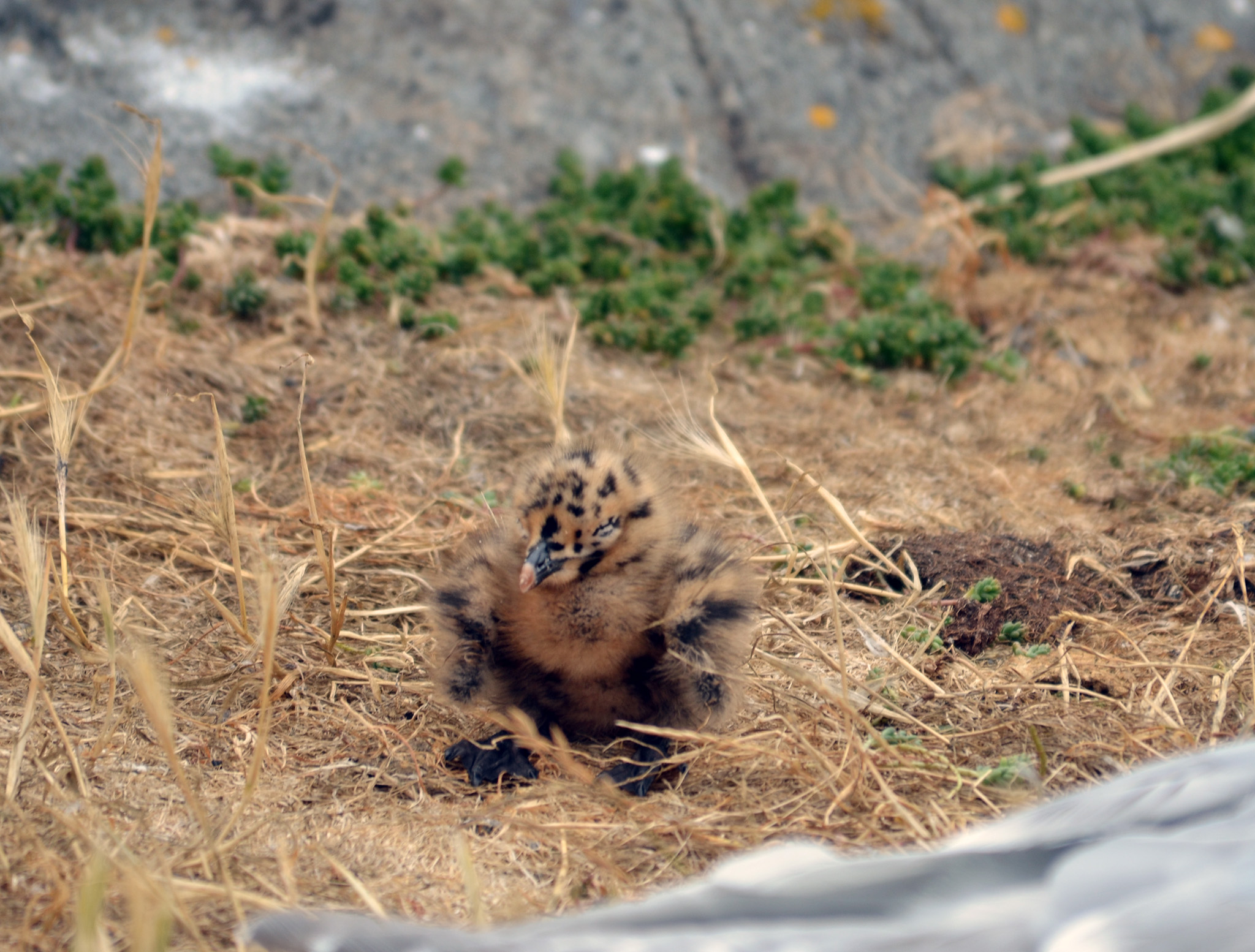
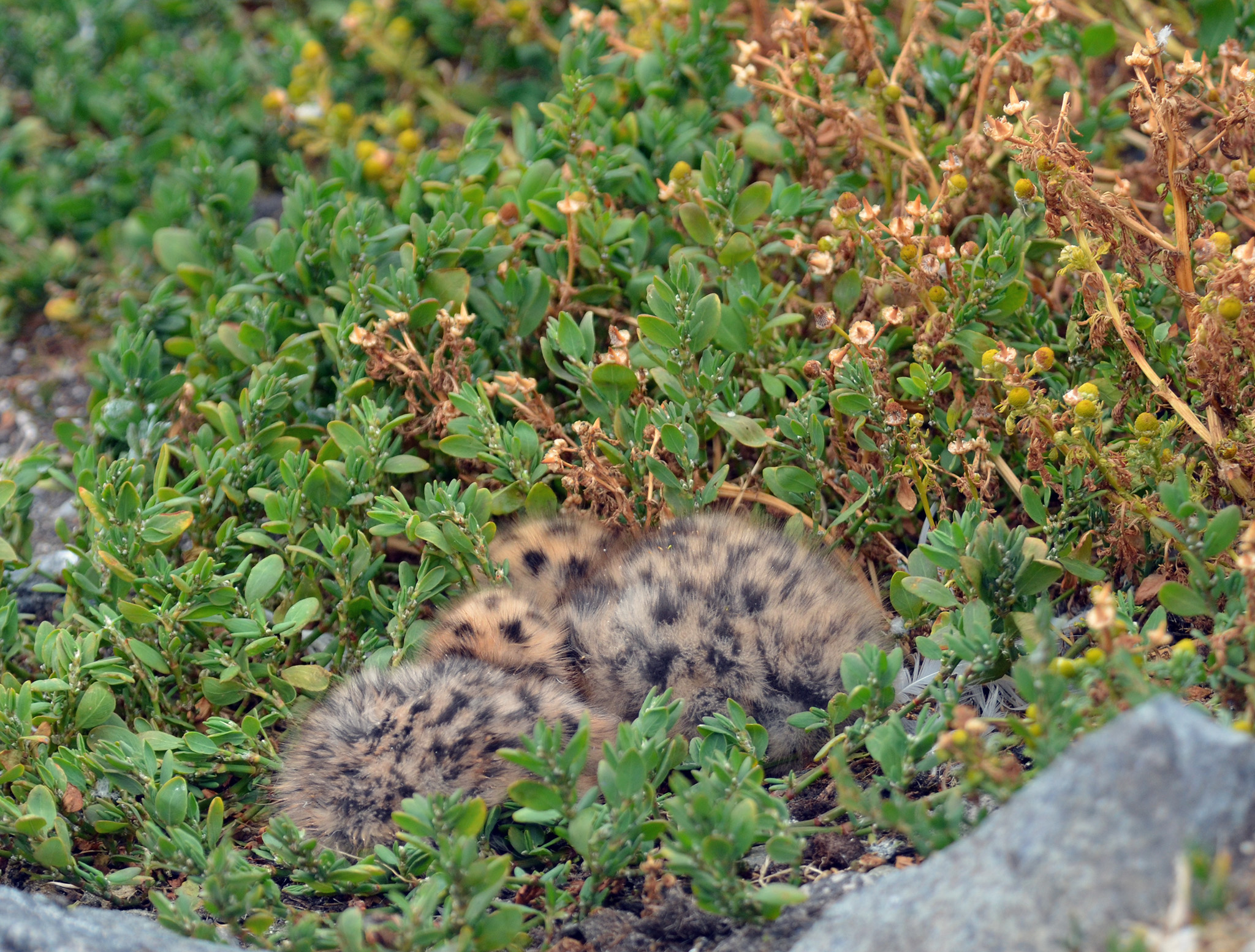
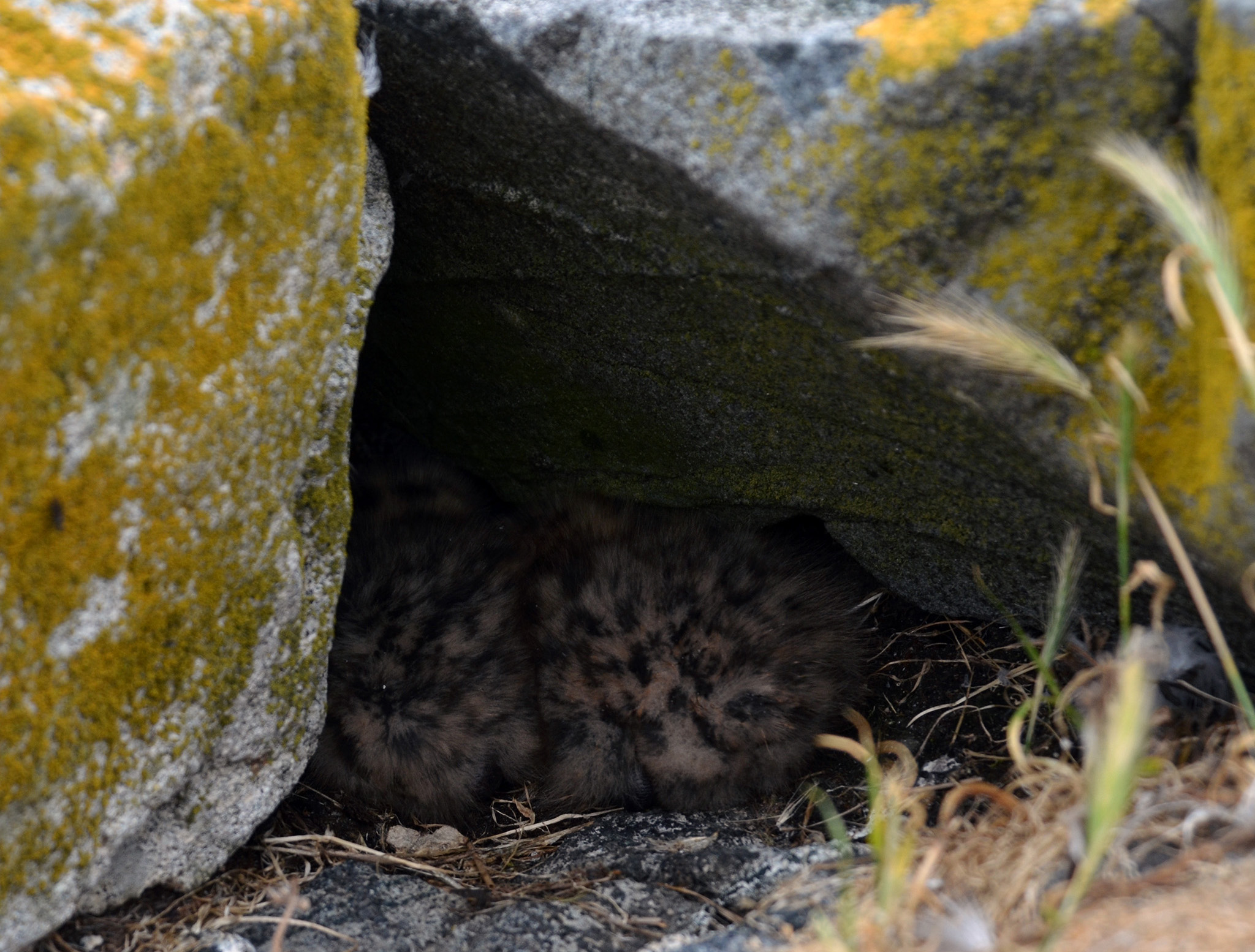
There are a few more chicks each day.  They are hard to spot but that is by design.  The change in behaviour of the parent (more territorial and quick to charge) is the signal to start looking for their well hidden/camouflaged chicks.

Photos of three well hidden chicks: in the open, in the vegetation and in a crack.

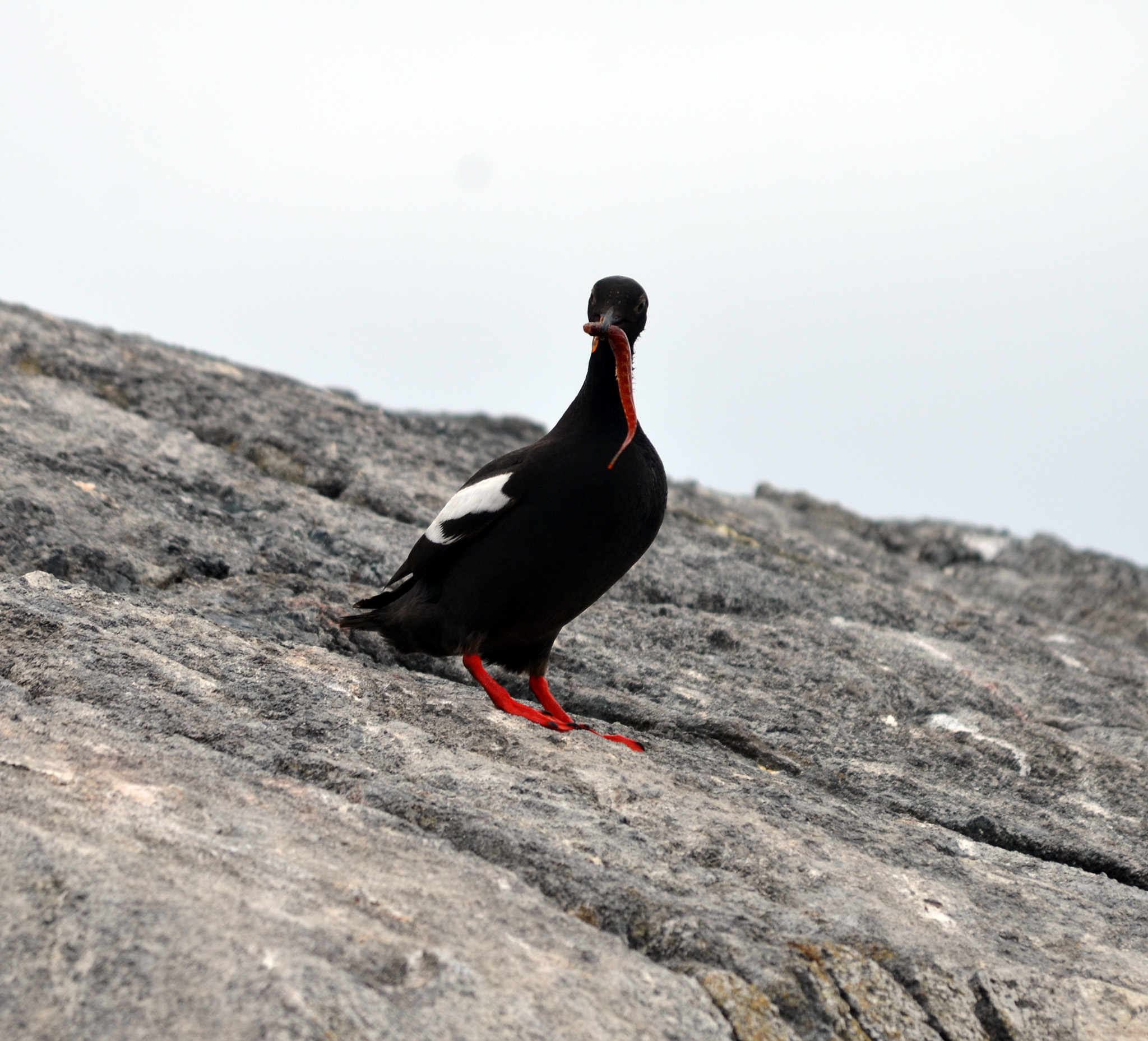
The pigeon guillemots are also starting to hatch more chicks, though theirs are much harder to photograph.  Parents are bringing food back and are very cautious about it.  They mill about and thoroughly survey the area before they approach their burrows. What they catch for themselves they eat underwater. What they “show off” on land is for their chicks.

Pigeon guillemot with a meal for its chick.

Facility work

  • cleaned solar panels
  • topped up battery fluids
  • produced 154 L fresh water
  • more vacuuming (stairs, floors and shelves in second bedroom, pantry, bathroom, closet)

Vessels

  • Ecotourism: 16
  • Private: 3

Weather

Skies cloudy. Winds westerly 10 to 20 knots. Daytime temperatures 12 degrees.

Dirty

Wildlife notes

It was a wet day.  This dirty gull caught my attention today. Normally gulls keep themselves sparkly white and don’t even appear wet or disheveled.

Dirty bird

Facility notes

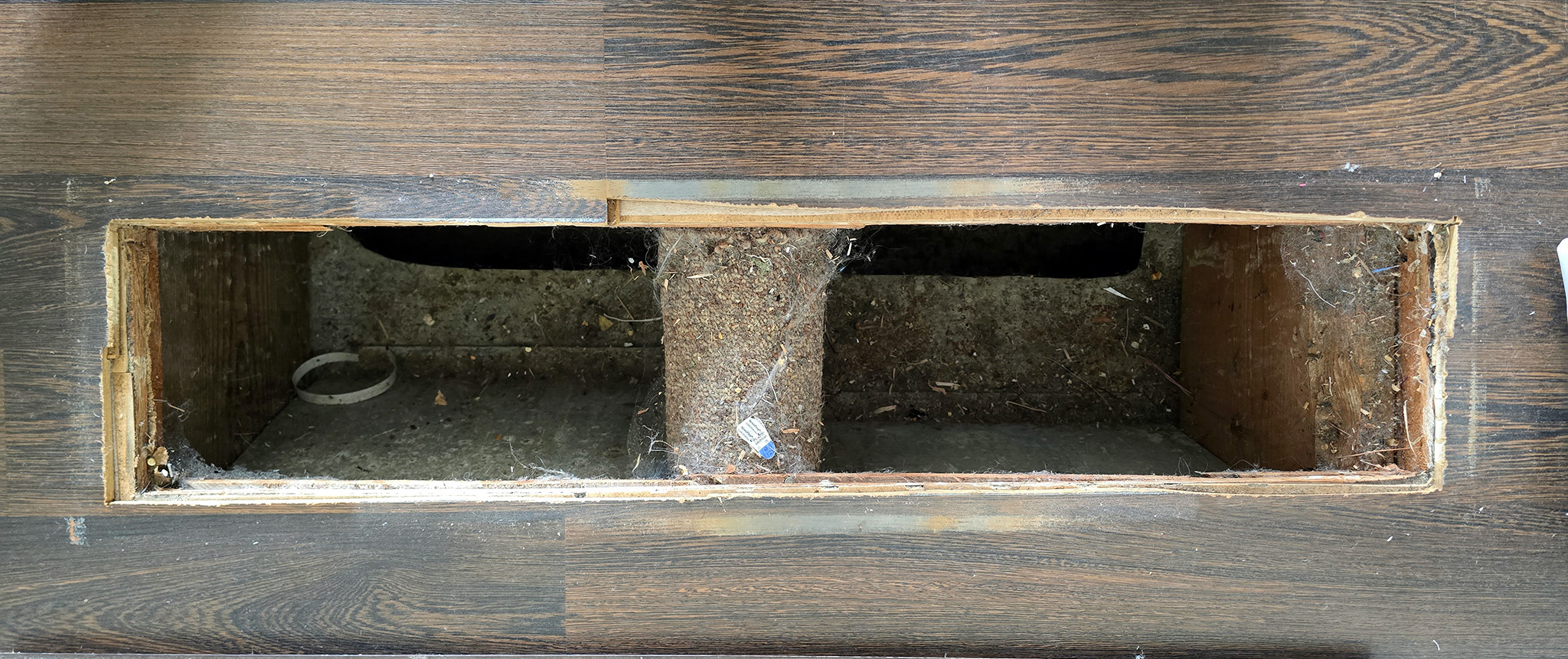
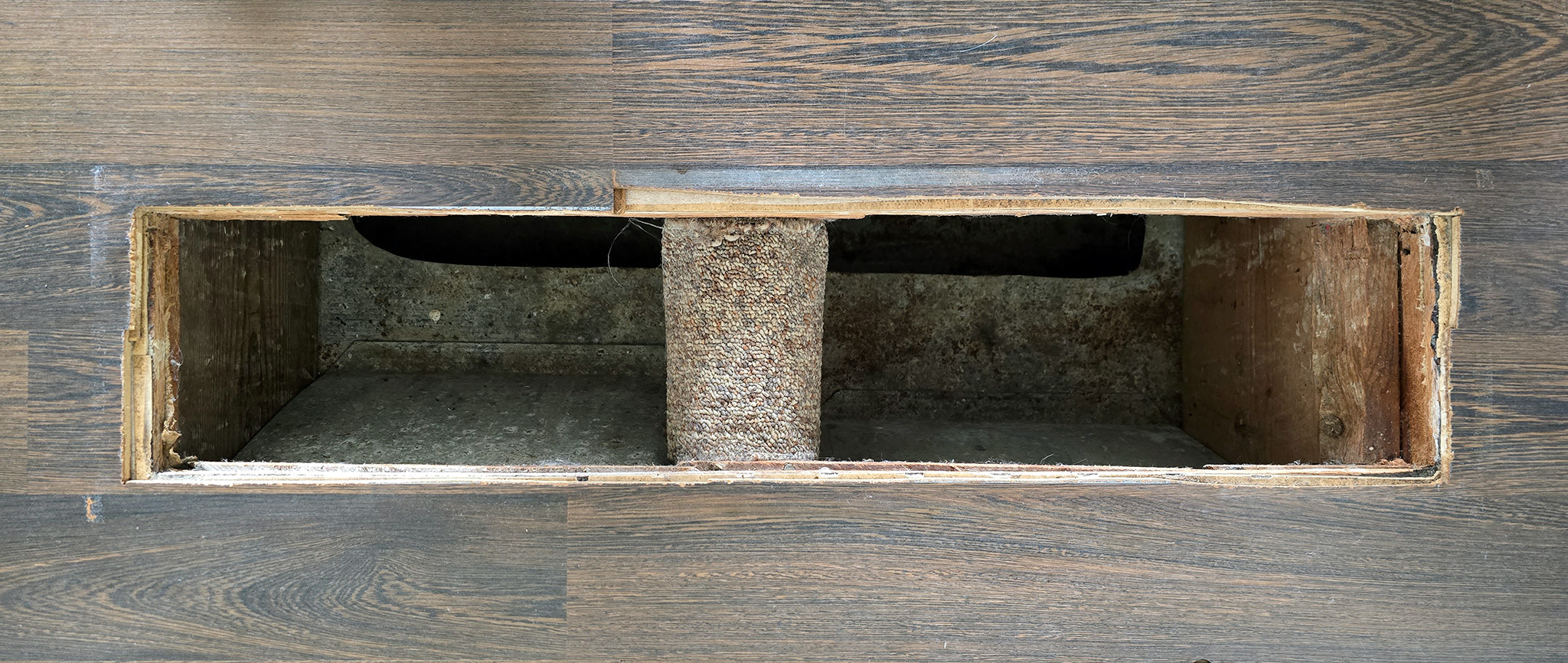
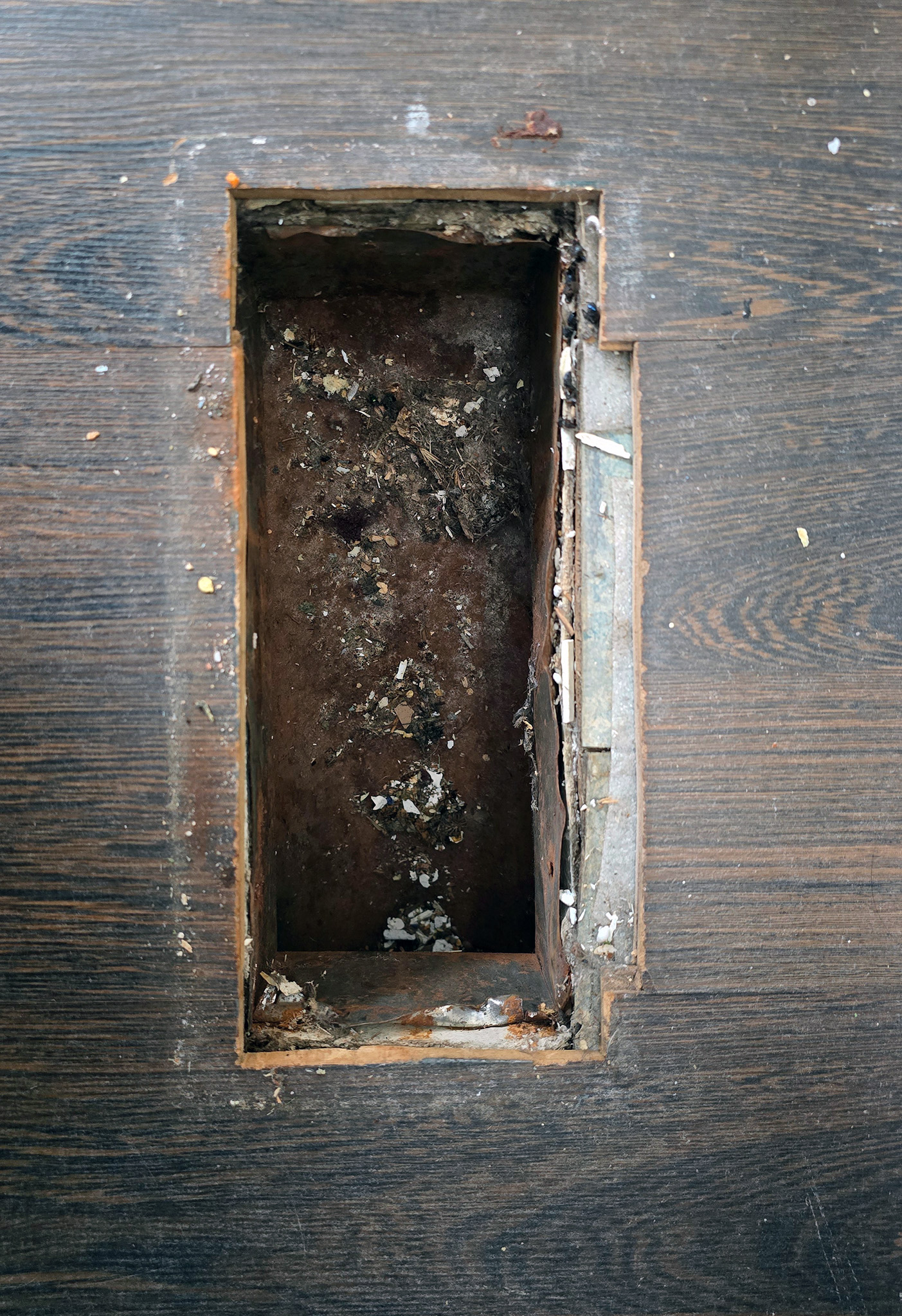
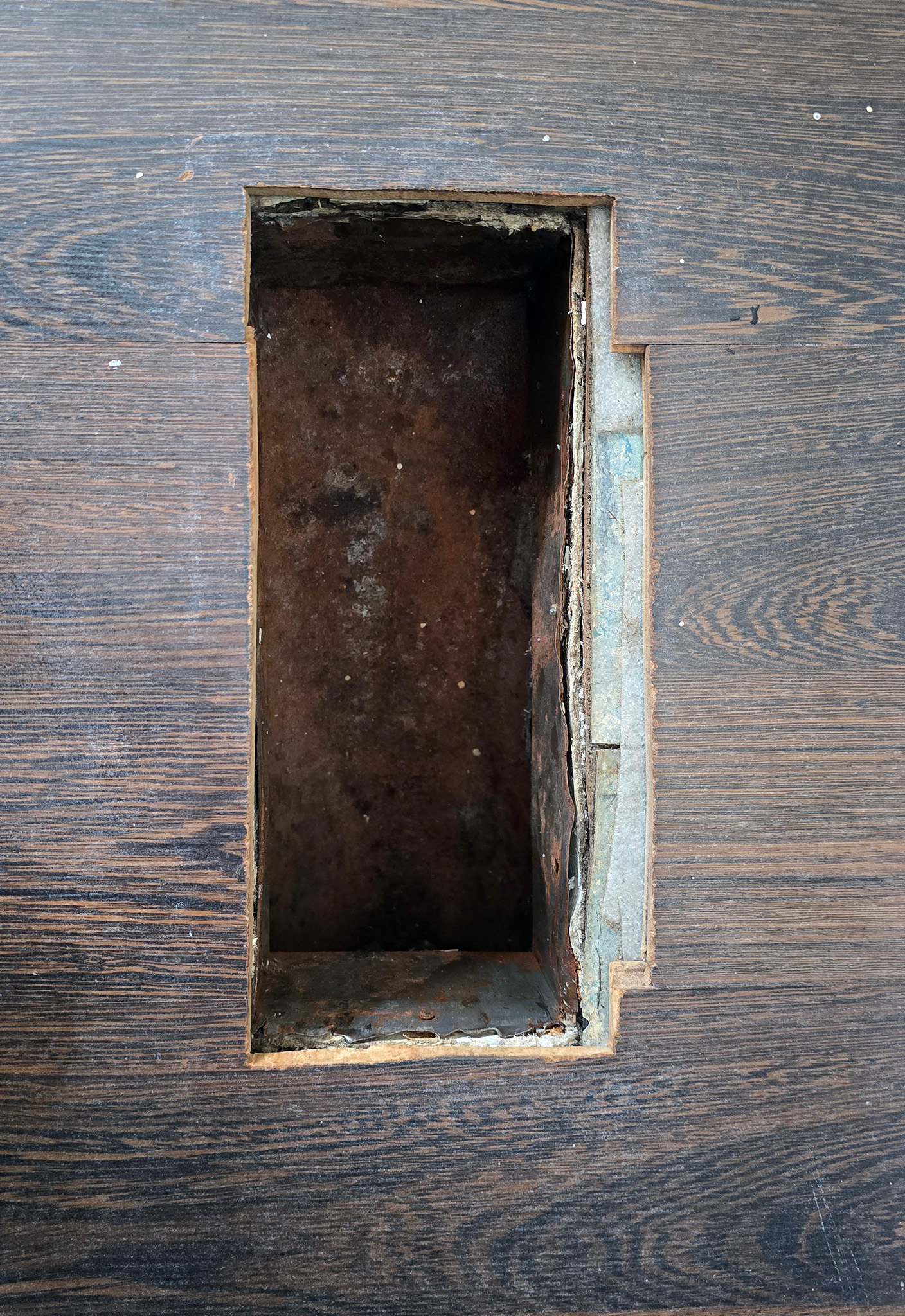
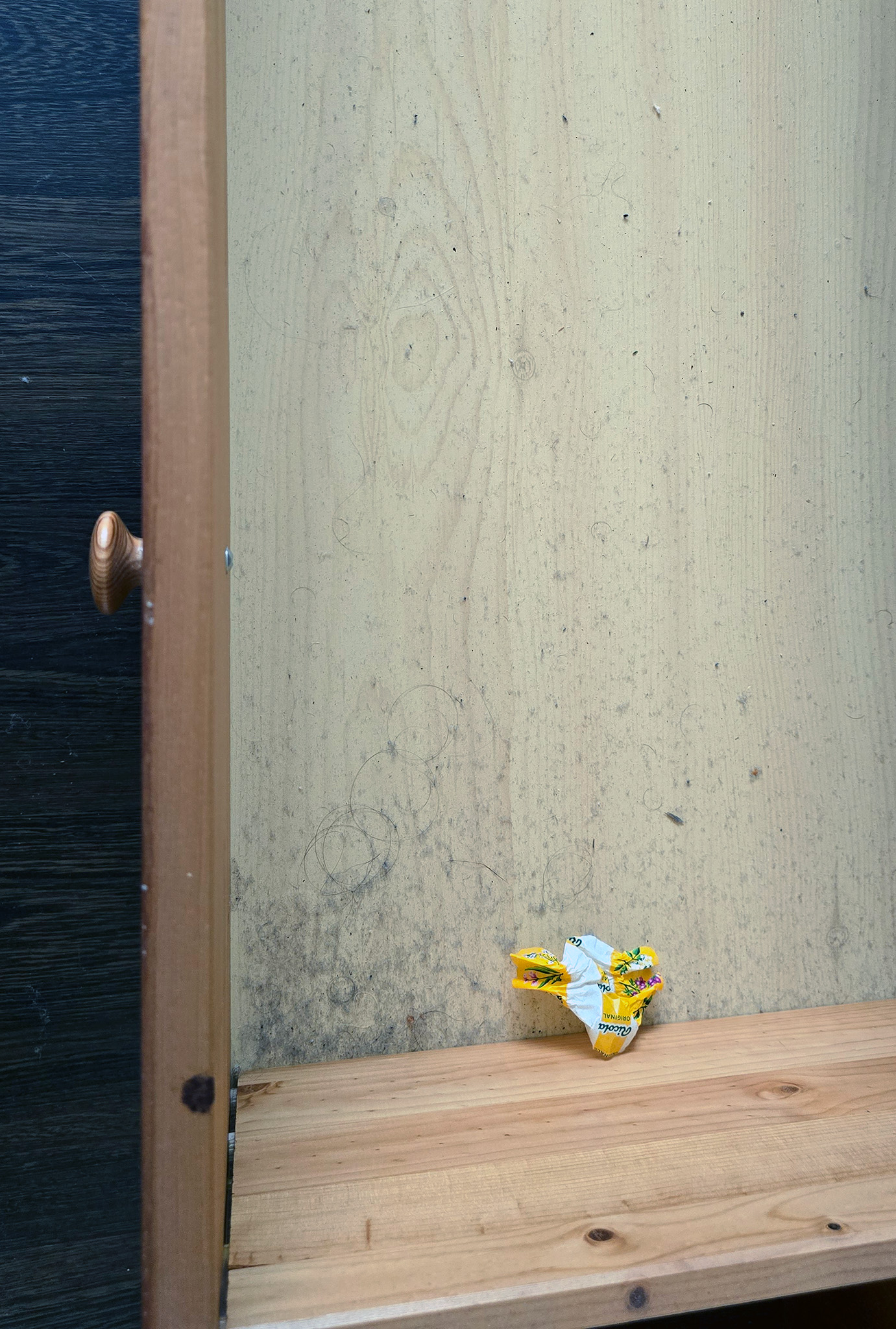
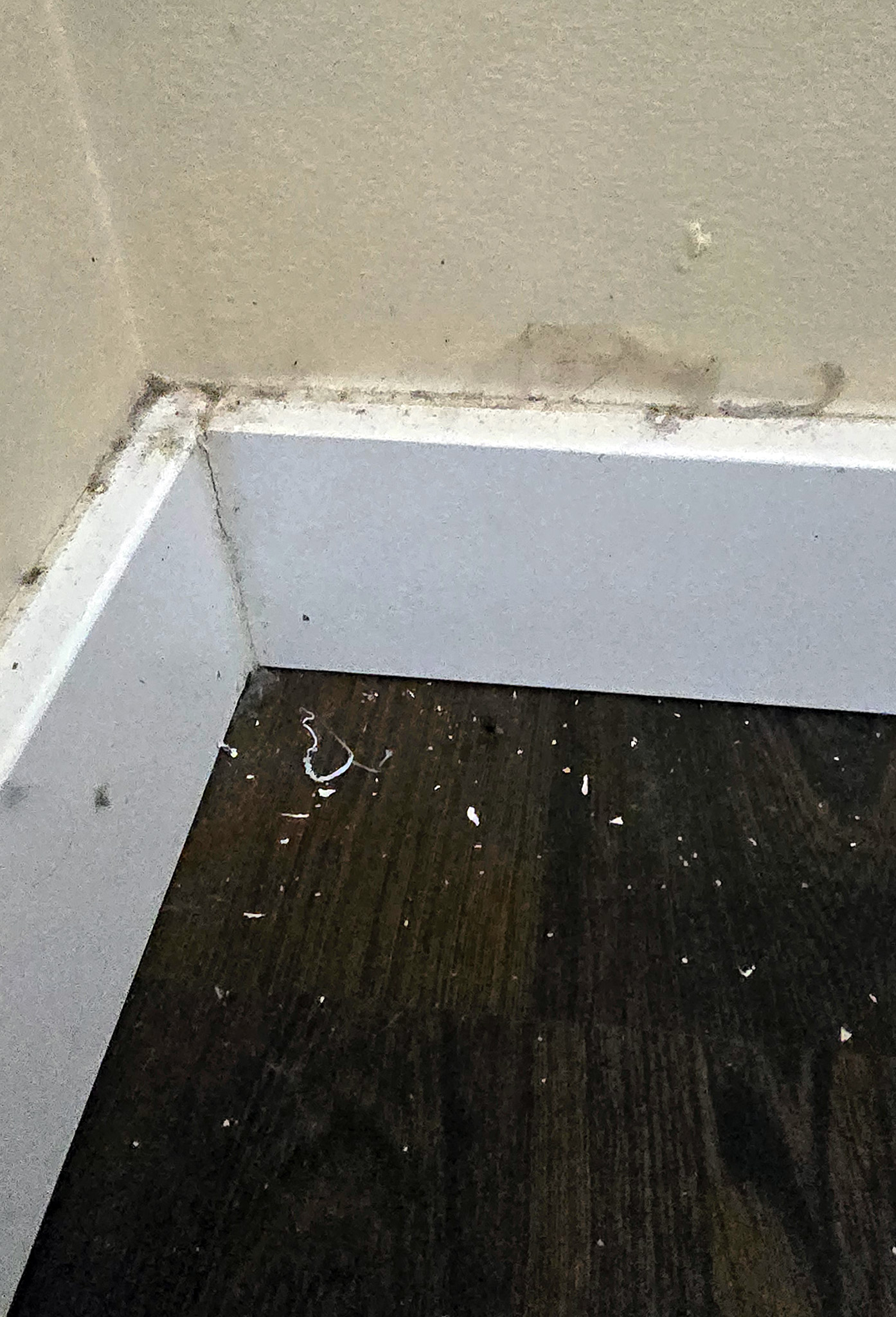
I thought the muddy bird was cute and affectionately named it Dirty bird. There is nothing amusing about the dirt in the corners, on the baseboards, under the bed or in dresser drawers and in the furnace vents that I found today. Furnace vents are not normally cleaned that often but the last person who slept in this particular bedroom left it a filthy mess, which I spent time cleaning today.  I would have rather cleaned the solar panels but the rain did it for me today.

Vessels

  • Ecotourism: 21
  • Private: 1

Weather

Overcast with periods of light rain, clearing in the evening. Winds variable 7 to 12 knots. Daytime temperatures 11 to 13 degrees.
Happy Canada Day 2026!

Wildlife notes

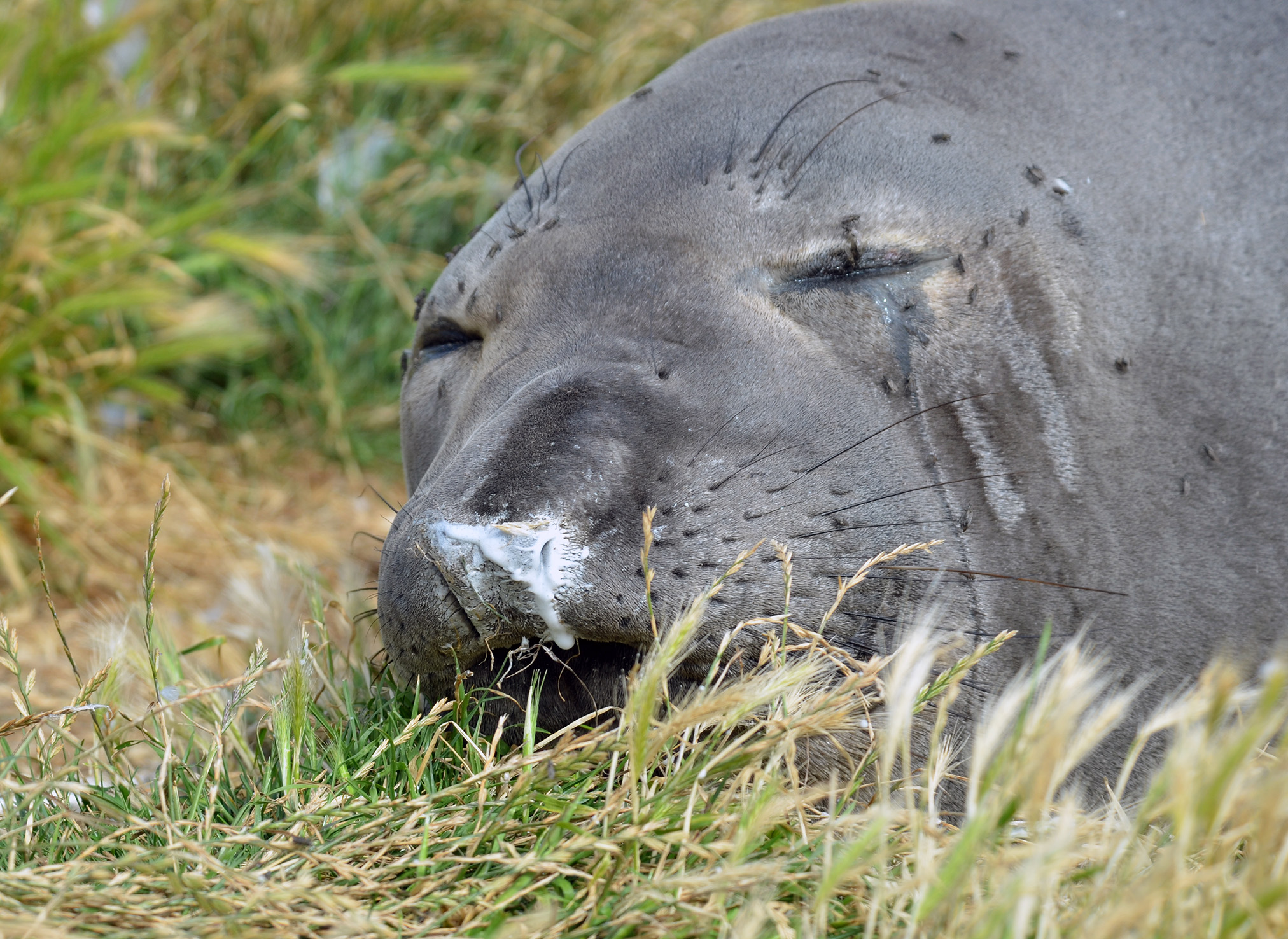
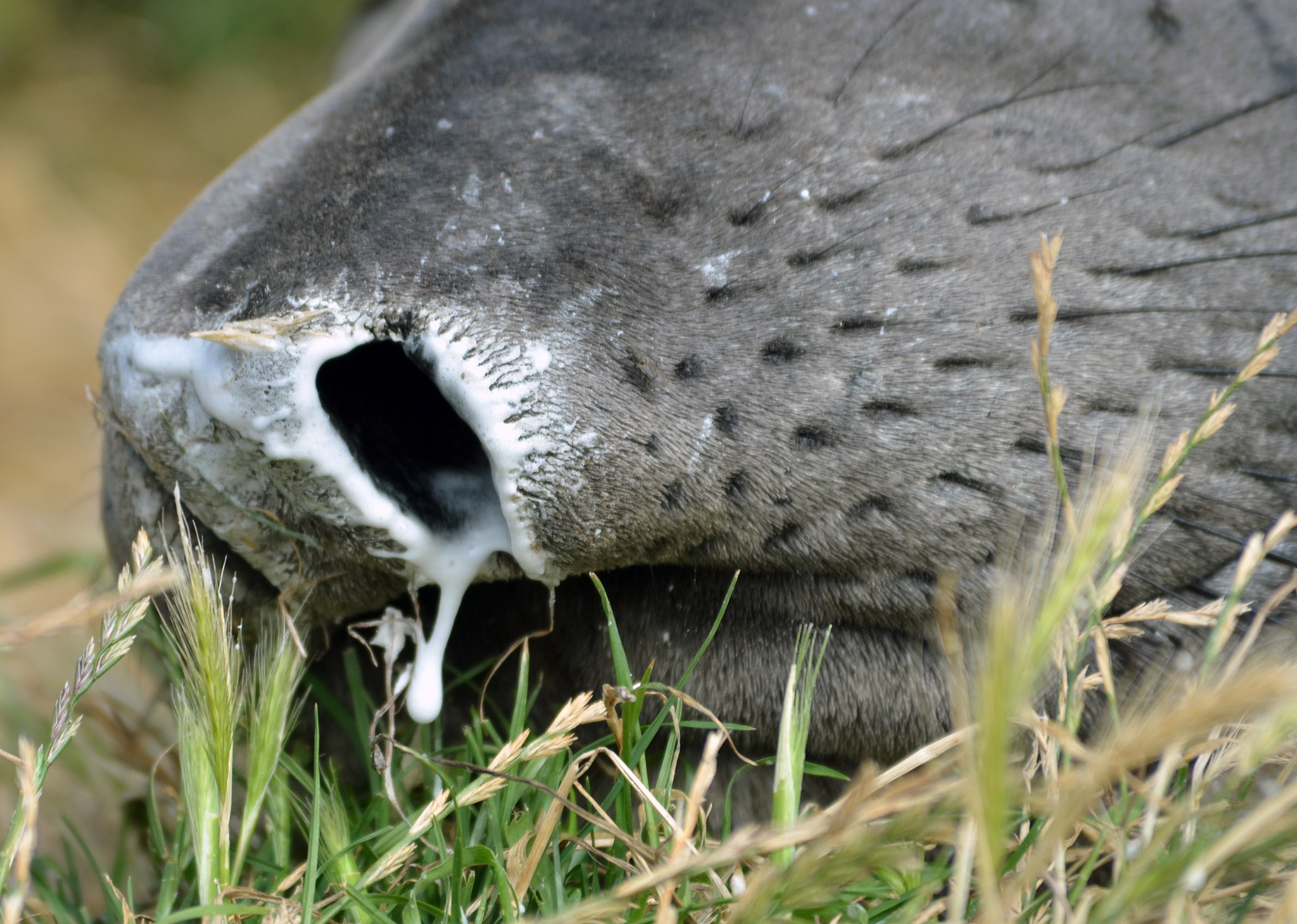
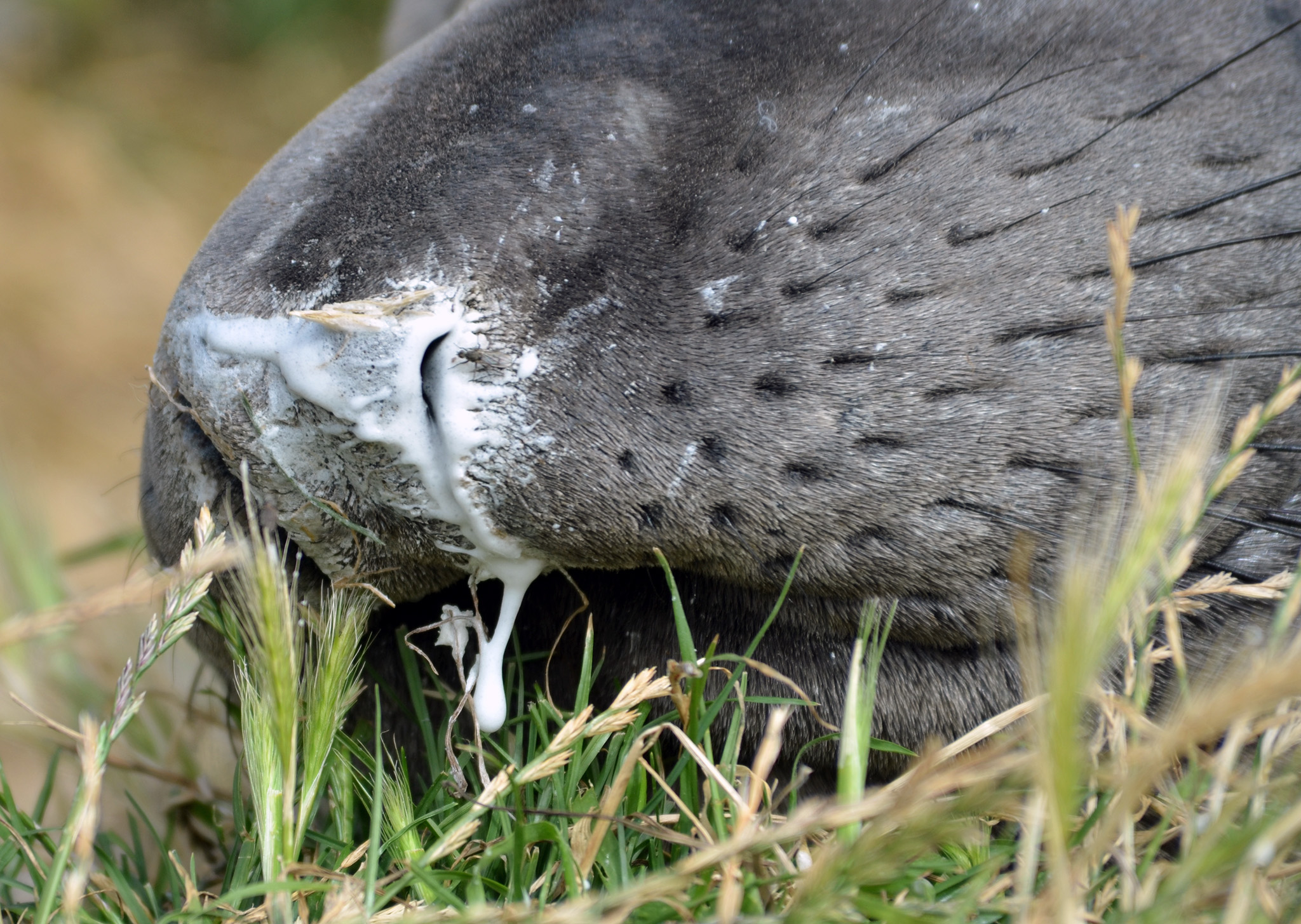
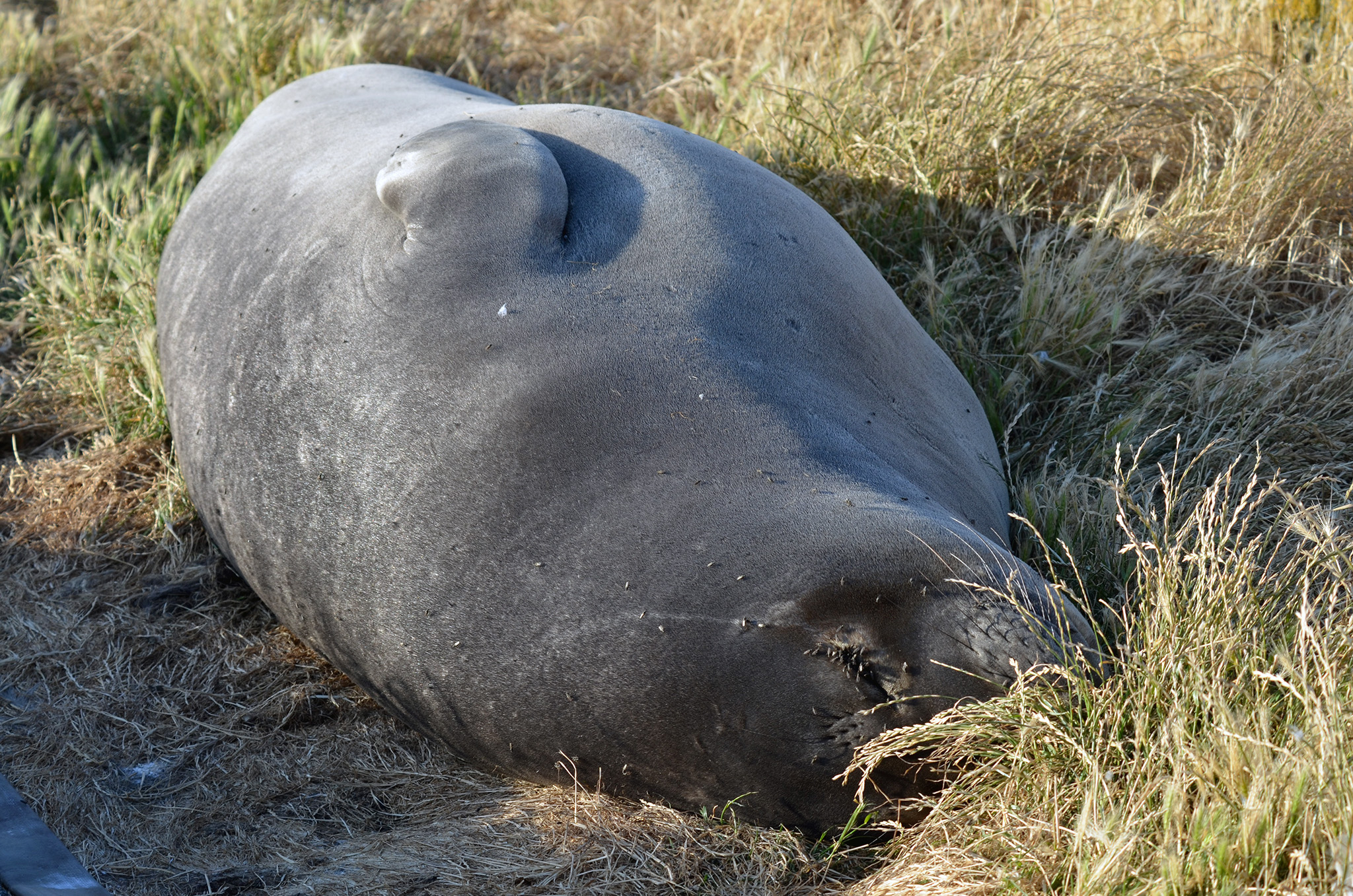
The elephant seal made many trips to the water today.  I photographed the oily secretions from her eyes and the white pulmonary surfactant, both adaptions she needs for life in the sea.  She will dive to such great depths that the immense pressure will cause her lungs to collapse. The pulmonary surfactant will stop her lung tissues from sticking together and allow her lungs to reinflate when she comes back to the surface.

The oily secretions from her eyes (she doesn’t have tear ducts) and the white pulmonary surfactant coming from one of her nostrils. It is normal for an elephant seal to close one nostril tight and use only the other for deep breathing.

Facility notes

The generator and the desalinator ran this morning.  About 360 L of fresh water were produced but I used 300 of it doing two loads of laundry most of which was bedding.  I stripped both single beds as they looked slept in and washed sheets, mattress pad and cover, a blanket and other things from the linen closet that looked dirty. Also did a major sort of bedding and discarded ripped, heavily stained or worn sheets and fitted sheets with worn out elastic. You can find things in the closet now and we have some new sheets! We are also starting to replacing the decades old duvets and covers. I took advantage of the excess electricity and vacuumed the tank shed.

  • Laundered bedding, sorting and cleaning
  • vacuum tank shed floors and surfaces

Vessels

  • Ecotourism: 12
  • Private: 2

Weather

Partly cloudy. Winds variable, predominantly from the SW or NW,  10 to 24 knots. Daytime temperatures 12 to 15 degrees.

Time to leave?

Wildlife notes

The female elephant seal here has finished her molt and could be heading back to sea any day now. She has been fasting since she arrived in May and has lost a lot of weight during her catastrophic molt where shed and regrew all of her skin and fur.

I believe this female was also here last year at this time as she has the same star shaped scar on the her upper back near her left shoulder. Last year she arrived on May 18, spent 18 days preparing for her molt, spent two weeks shedding and another 18 days preparing for her departure. It wasn’t recorded in the logs this spring when she arrived but if we add 18 days to the day she finished molting this year, which was June 14th, she would leave around July 2nd.  In previous years they seemed to produce a lot more white froth (see June 25 2024 to read about their talents and the white froth) from their nose before they left.  I will miss her and I stare at her a little longer each day as I know her time is coming.

Female elephant seal. I am sure she won’t miss the flies.

Facility work

Greg and Richard came by today for a grocery run and with new line to replace the fraying flag pole halyard. Just in time for Canada Day! I will save the photo of that for tomorrow.

  • cleaned solar panels
  • weeded more areas
  • replaced flag halyard

Vessels

  • Ecotourism: 8
  • Private: 2

Weather

Skies partly cloudy. Winds variable 4 to 16 knots. Daytime temperatures 12 to 13 degrees.
June 2026 Seawater Data

DAILY SEA SURFACE TEMPERATURE AND SALINITY OBSERVATIONS
Institute of Ocean Sciences, North Saanich, B.C., V8L 4B2
Station: RACE ROCKS
Observer: Mike/Christine Month: June
YSI ID: #9 Year: 2026
YSI YSI
Temp Sal
Day Time ºC ppt
1 16:05 9.9 31.5
2 15:57 10.1 31.4
3
4
5 17:35 10.2 31.1
6 18:25 10.2 31.2
7 19:30 10.4 31.2
8 20:30 10.5 30.9
9 21:30 10.5 31.0
10 10:30 10.7 30.9
11 11:20 10.7 31.0
12 12:31 10.9 30.9
13 13:40 10.4 31.5
14 13:32 10.1 31.6
15 14:32 10.1 31.6
16 15:30 10.1 31.9
17 16:15 9.5 32.1
18 17:49 9.9 31.7
19 18:45 10.0 31.8
20 19:37 10.8 31.3
21 20:31 10.9 31.1
22 21:10 11.1 30.8
23 21:35 11.2 30.6
24 11:13 11.8 30.3
25 12:12 11.4 30.3
26 13:09 11.4 30.5
27 13:49 11.1 30.7
28 14:29 10.9 31.1
29 14:55 10.7 31.4
30 15:10 10.3 31.6

Gulls hatching and laying

Wildlife notes

Glaucous-winged gulls and their hybrids

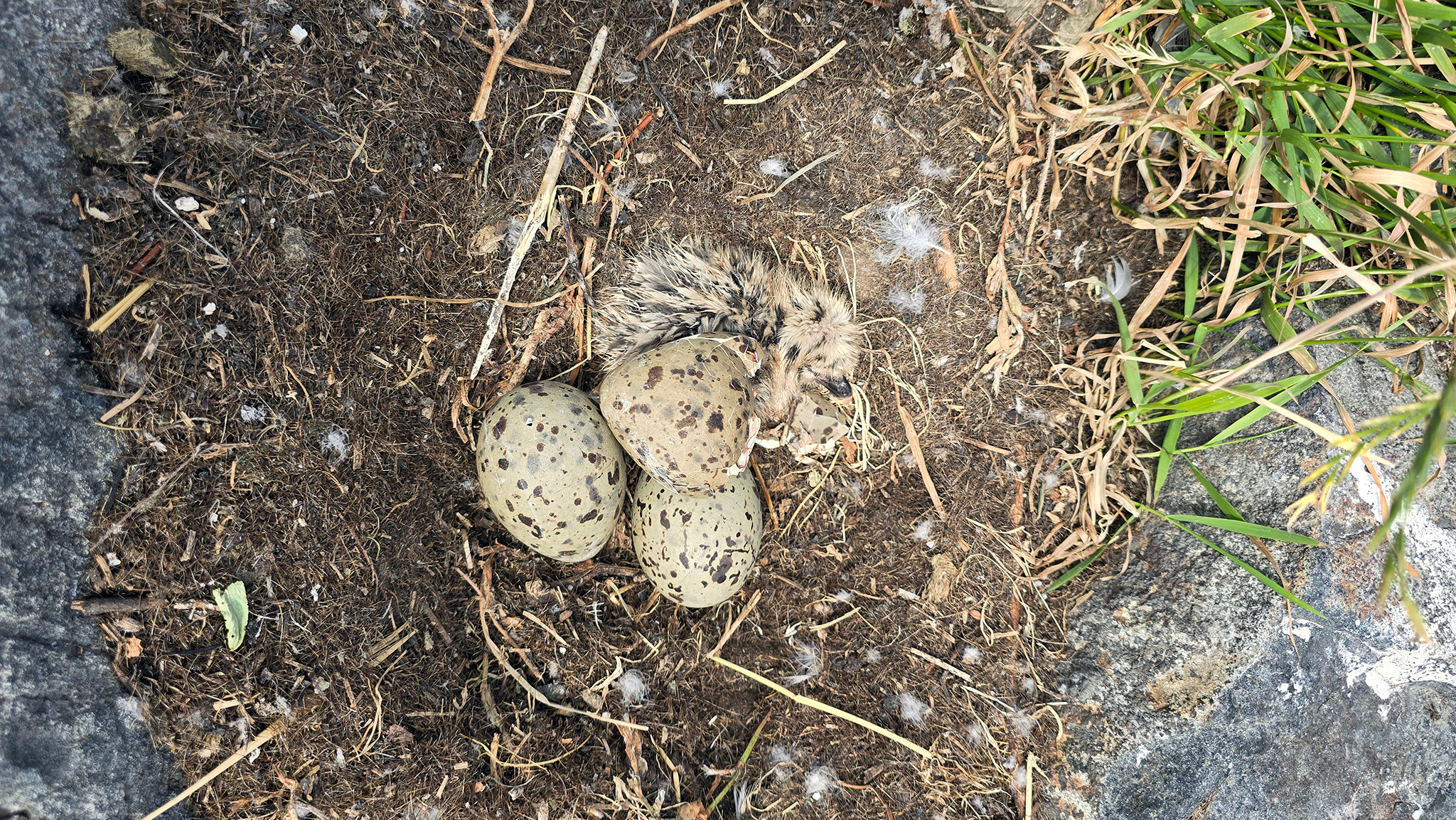
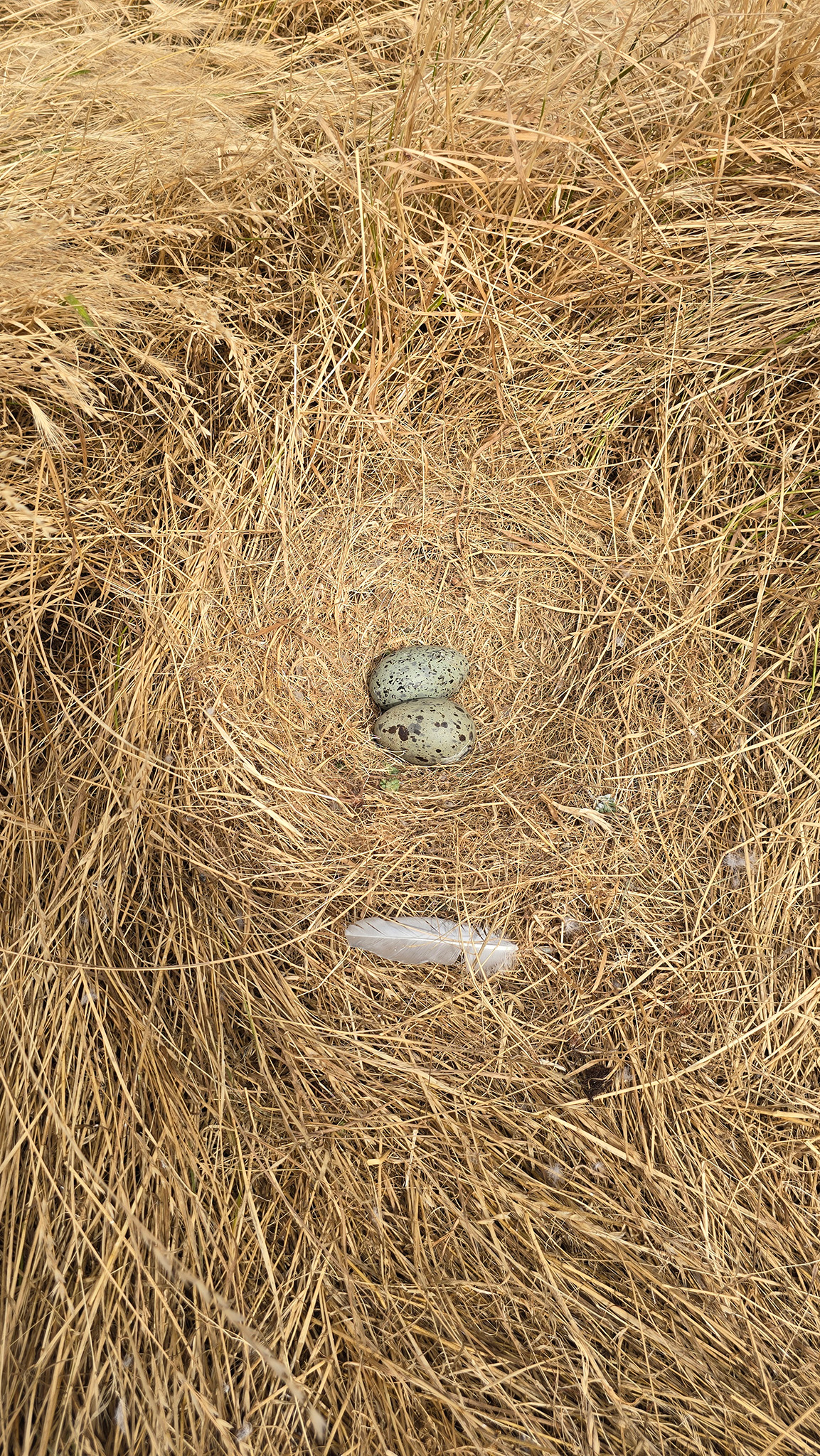
While some gull parents have chicks starting to hatch, others are still laying their eggs.  I think these are the extremes and most chicks will be hatching in another week.  I fear for those chicks who will hatch 26 to 29 days from now. I would prefer to hatch early and grow enough before other chicks and their protective (murderous) parents abound. There is just as much variation in egg laying time as there is in nest shape, materials used, base locations and exposure.  The newely hatched chick is in a nest built up and off the ground with mostly mud and sealion hair.  The photo of the egg laid today is in a nest spun entirely out of grass.

A newly hatched gull chick in a nest at the top of East Beach.

Black oystercatchers

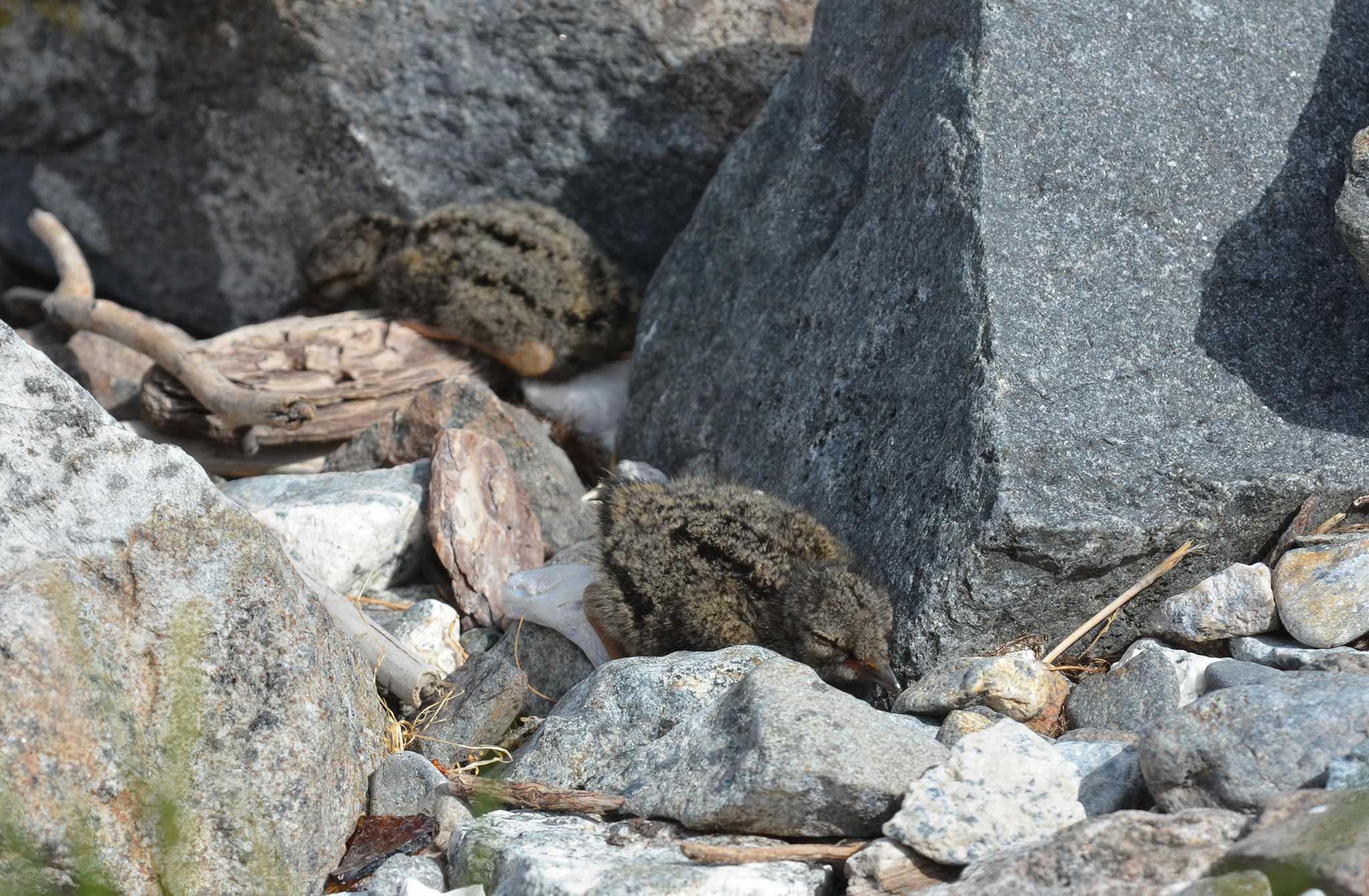
I am sad to announce the Energy Building black oystercatchers only egg was taken yesterday.  The parents have left the area.  Good news is both the East Beach eggs hatched today.  They are very close to the gull nest with the hatched chick shown above so I hope the East Beach parents get their chicks moved before the gull chicks start to wander.

East Beach parents two newly hatched black oystercatcher chicks ordered to lay motionless by their parents.

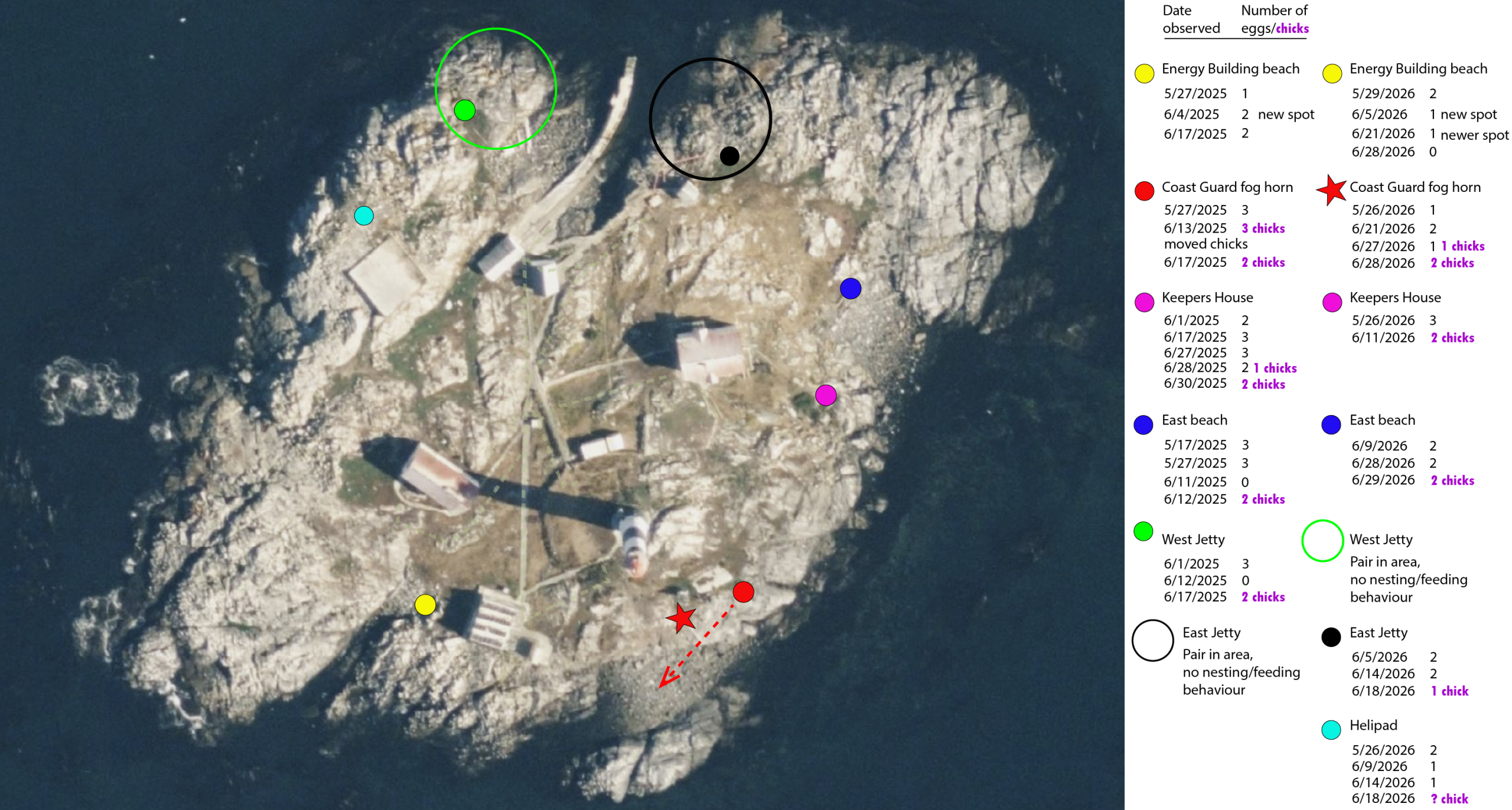
A total of seven oystercatcher chicks have now been visually confirmed from a total of seven paired couples.  The Helipad chick was not observed but assumed to have hatched by the parents behaviour.  The Energy Building pair lost their egg and the West Jetty pair did not lay any. The updated oystercatcher map is below.

Facility work

  • cleaned the solar panels
  • weeding

Vessels

Two people on jet skis blew through the reserve today. Almost as crazy as the person dragging his children around on a inflatable toy.

  • Ecotourism: 14
  • Private: 3
  • Two jet skis

Weather

Partly cloudy. Westerlies 2 to 21 knots. Daytime temperatures 11 to 14 degrees.
Worried

Wildlife notes

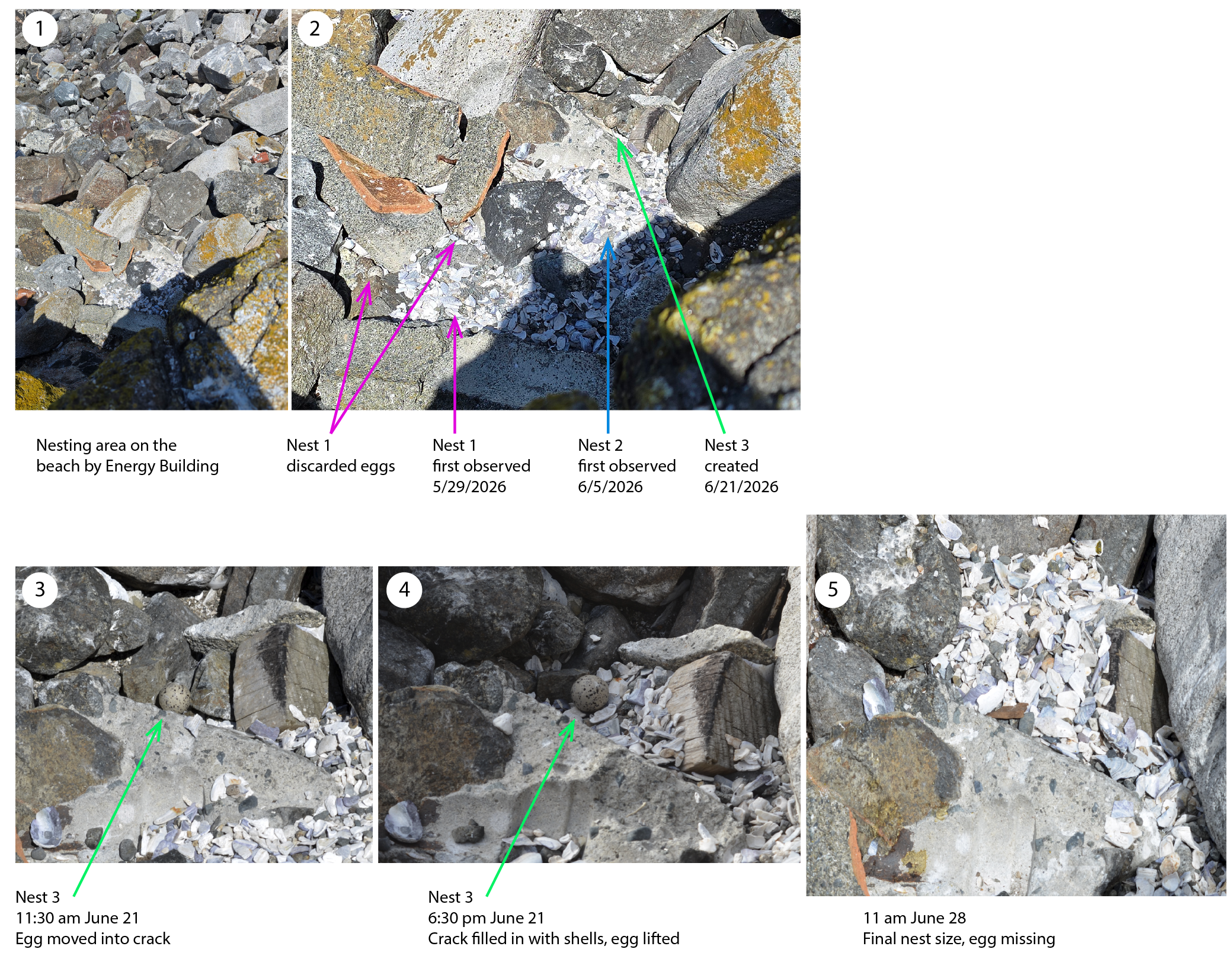
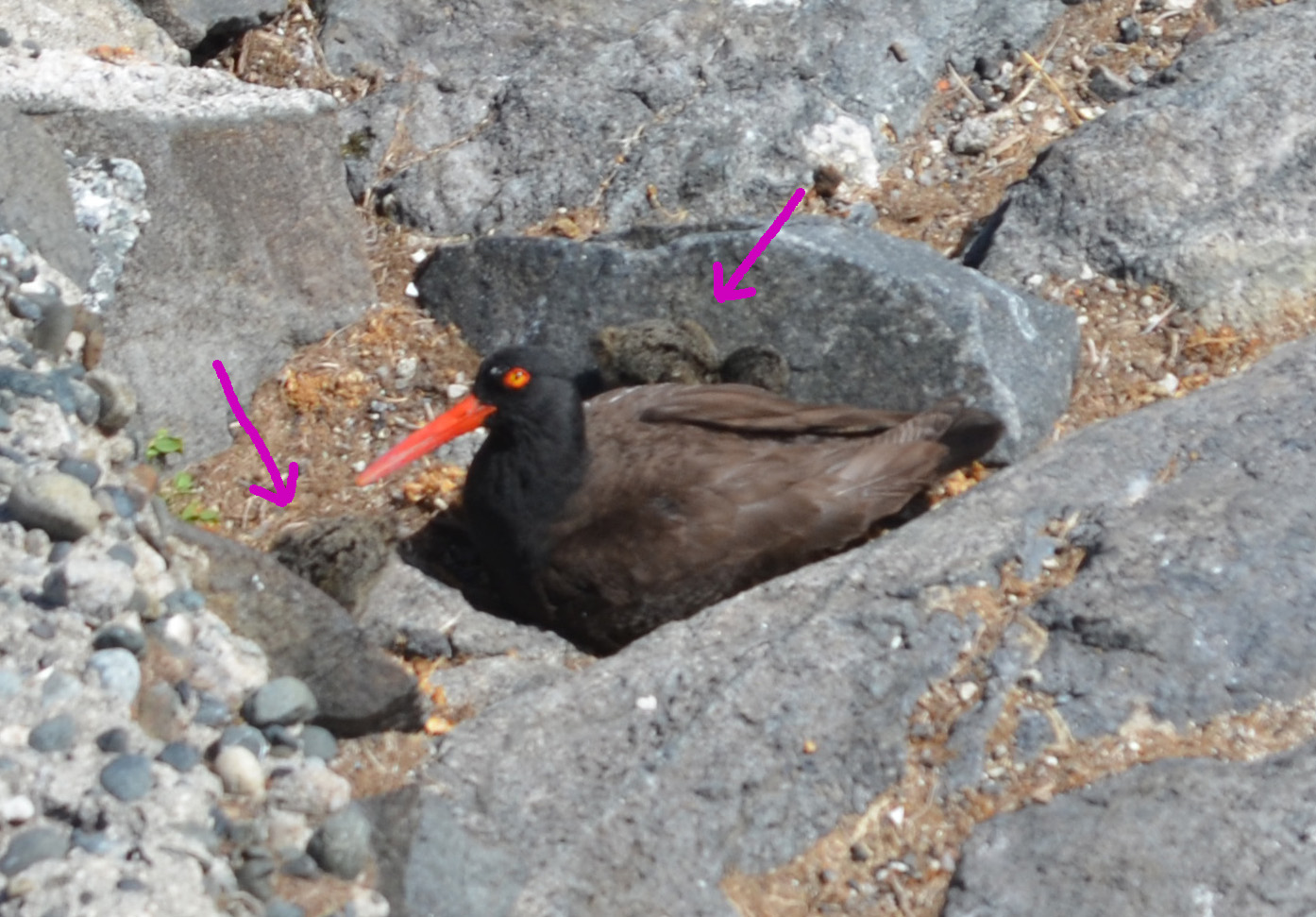
While cleaning the solar panels I noticed a gull near the Energy Building black oystercatcher nest, closer than it would normally be… not a good sign.  These oystercatchers have already had three different nests (see Assiduous for a summary).  What now?  Below is an illustration (click to enlarge) of their three different nest locations (image 1 to 2) and the increasing size of nest three over time (image 3 to 5). I would guess the shells in nest three would be at least six inches deep and all of them in the area could fill a five gallon bucket.

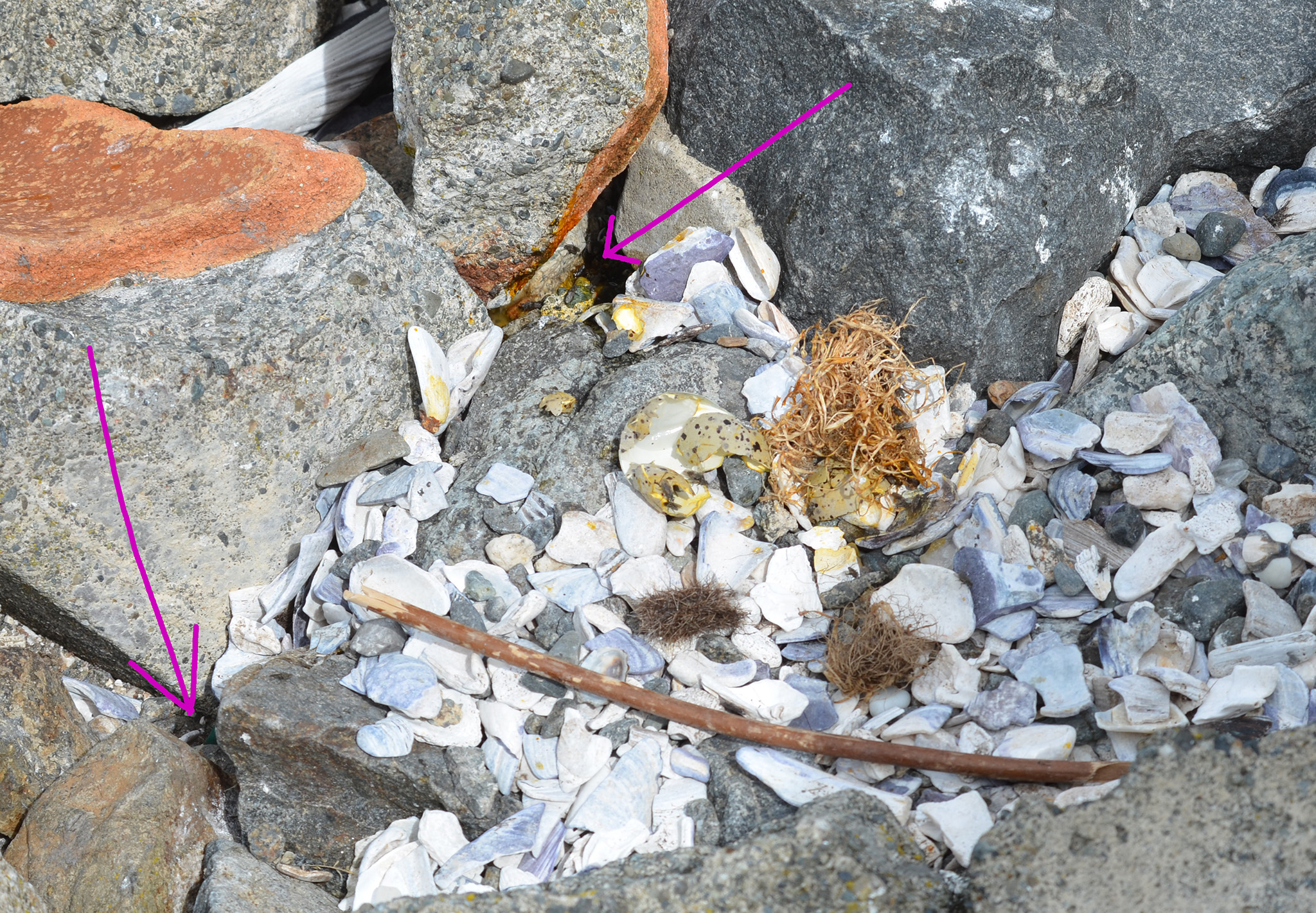
Their single egg was on nest three yesterday. I can’t say if their last egg was eaten or had hatched.  I was away for a few days between observing nest one and two so in terms of timing it could have hatched. The behaviour of the parents (not alarm calling, not together but on other sides of the beach looking to the sea) suggests it was eaten.  There was a crushed shell in the area but from the light yellow colour on the shell inside and on the rocks and its location on nest one, I believe it was one of the two discarded eggs from nest one.  Both discarded eggs are missing.  I will have to watch these parents closely to see if they are feeding or guarding a chick.

Energy Building black oystercatchers nest number one with crushed egg shell in the middle of the nest. The purple arrows show where the discarded eggs from nest one lay until yesterday.


Today I was able to confirm the Coast Guard oystercatchers second egg hatched. They are feeding two little chicks, one and two days old.  They have been moved further away from the gull nests and near the right kind of cover for the chicks.

Coast Guard oystercatcher parent with two chicks as see from the top of the lighthouse. I am certain their eyes are so good they can see me moving up there. They are named after the Coast Guard who maintains the nearby fog horn and solar panel installation.


Facility work

  • cleaned solar panels
  • weeding

Vessels

It was a busy day on the water.  There are a lot of whales around but all out of sight for me :(

  • Ecotourism: 22
  • Private: 9

Weather

Skies clear. Clouds distant. Winds westerly 10 to 22 knots. Daytime temperatures 11 to 15.