Coralline Algae Discoveries, Impossible Invasive Plants

Weather:

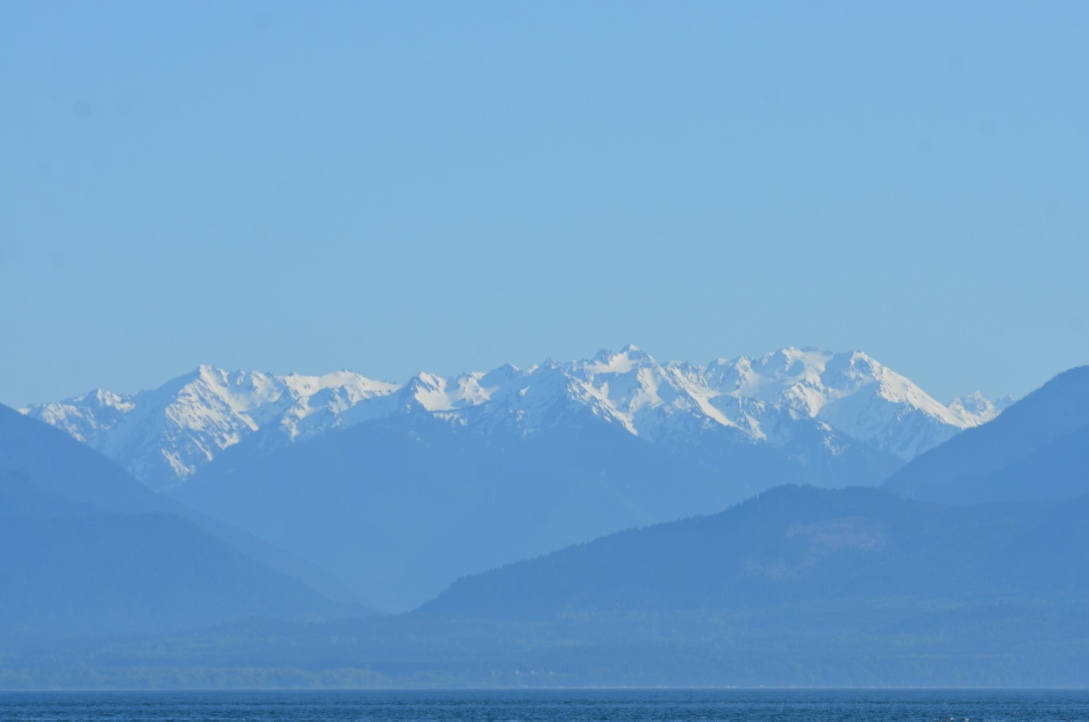
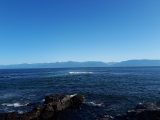
  • Visibility 15+ NM
  • Sky clear
  • Wind 5-10 knots SE
  • Sea state: calm

Visitors/Marine Traffic: 

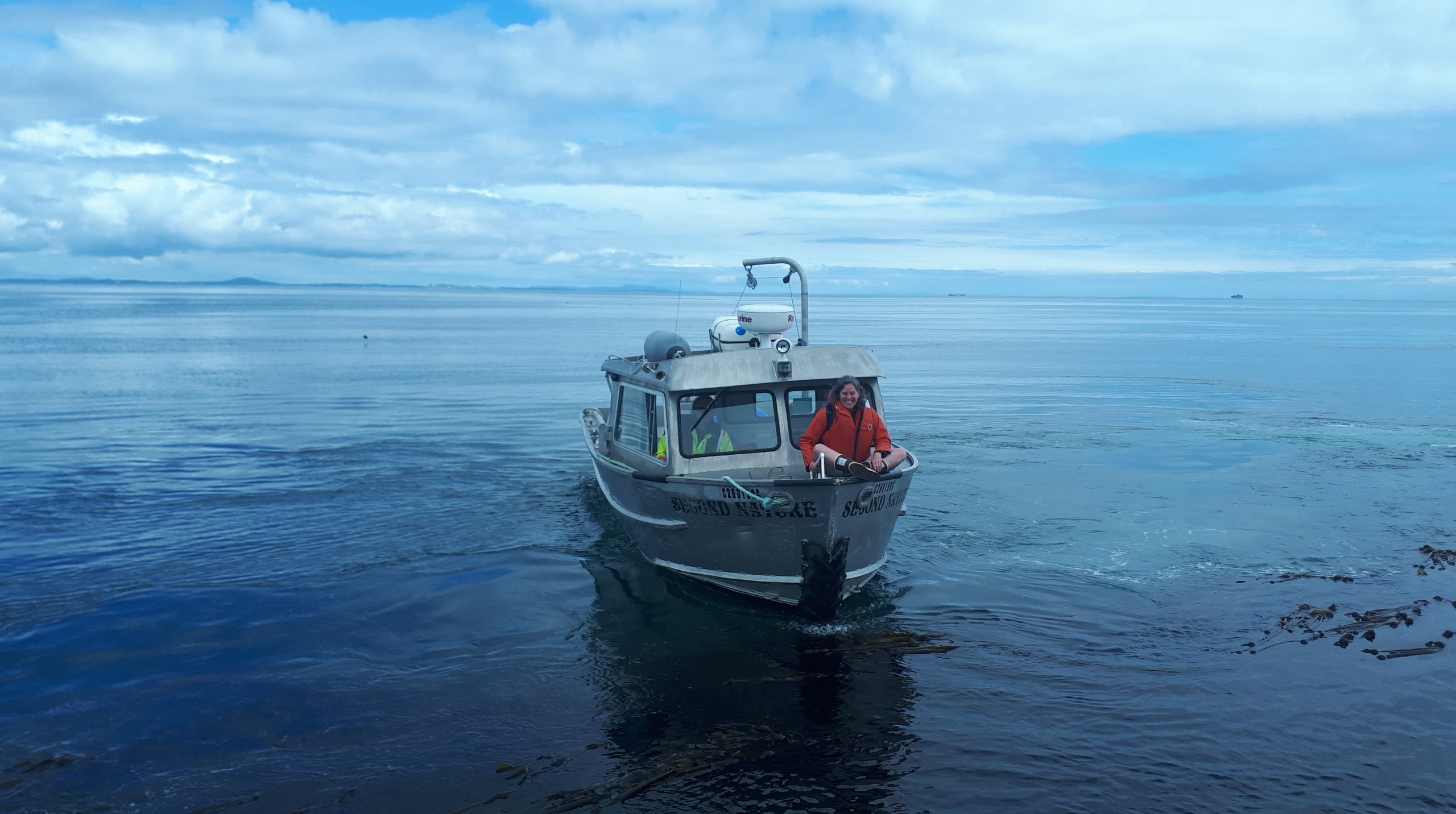
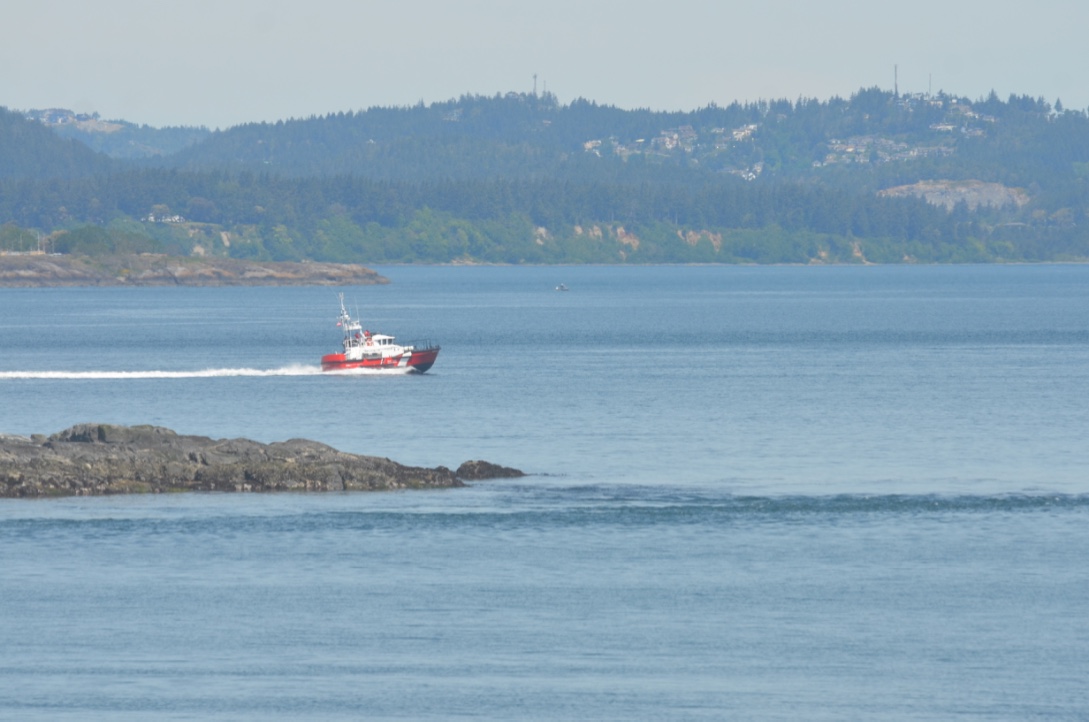
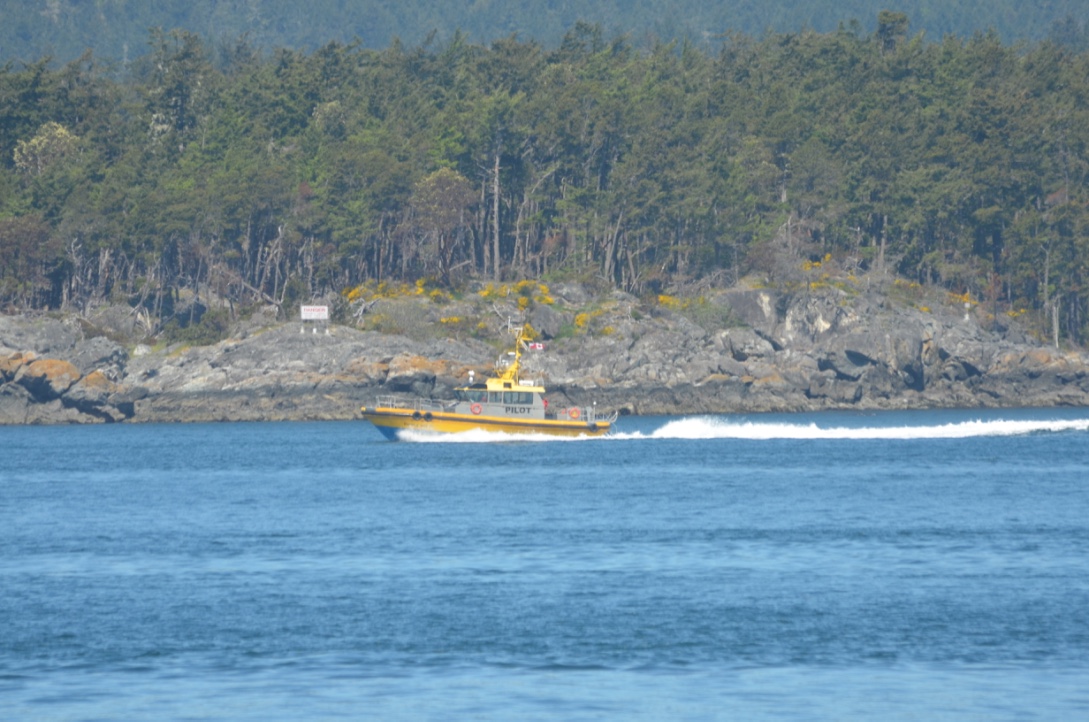
  • One medium sized catamaran passed through race passage this morning drifting on the current
  • This afternoon we were joined by Guy and Christine, who brought us some generator hardware and spent a bit of time enjoying the beautiful weather.
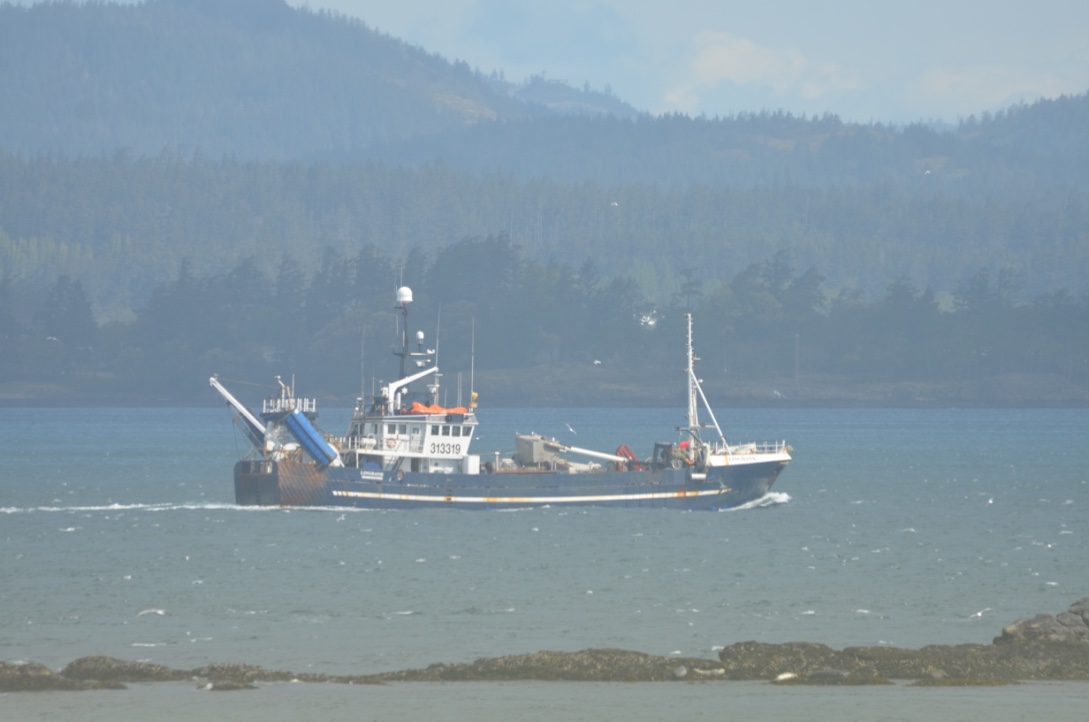
  • Quite a bit of commercial traffic outside the reserve today including barges of logs and shipping containers.

Ecological: 

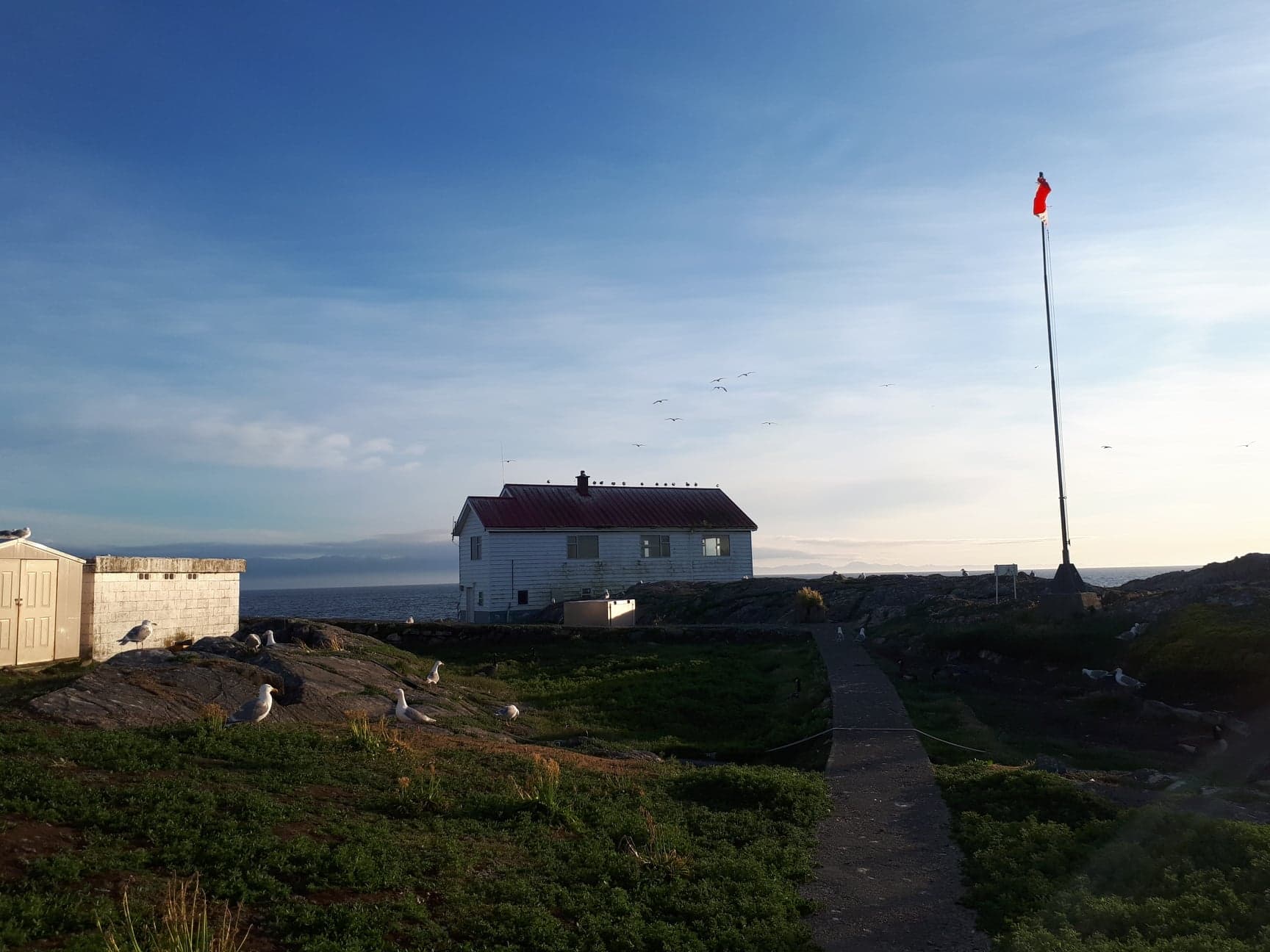
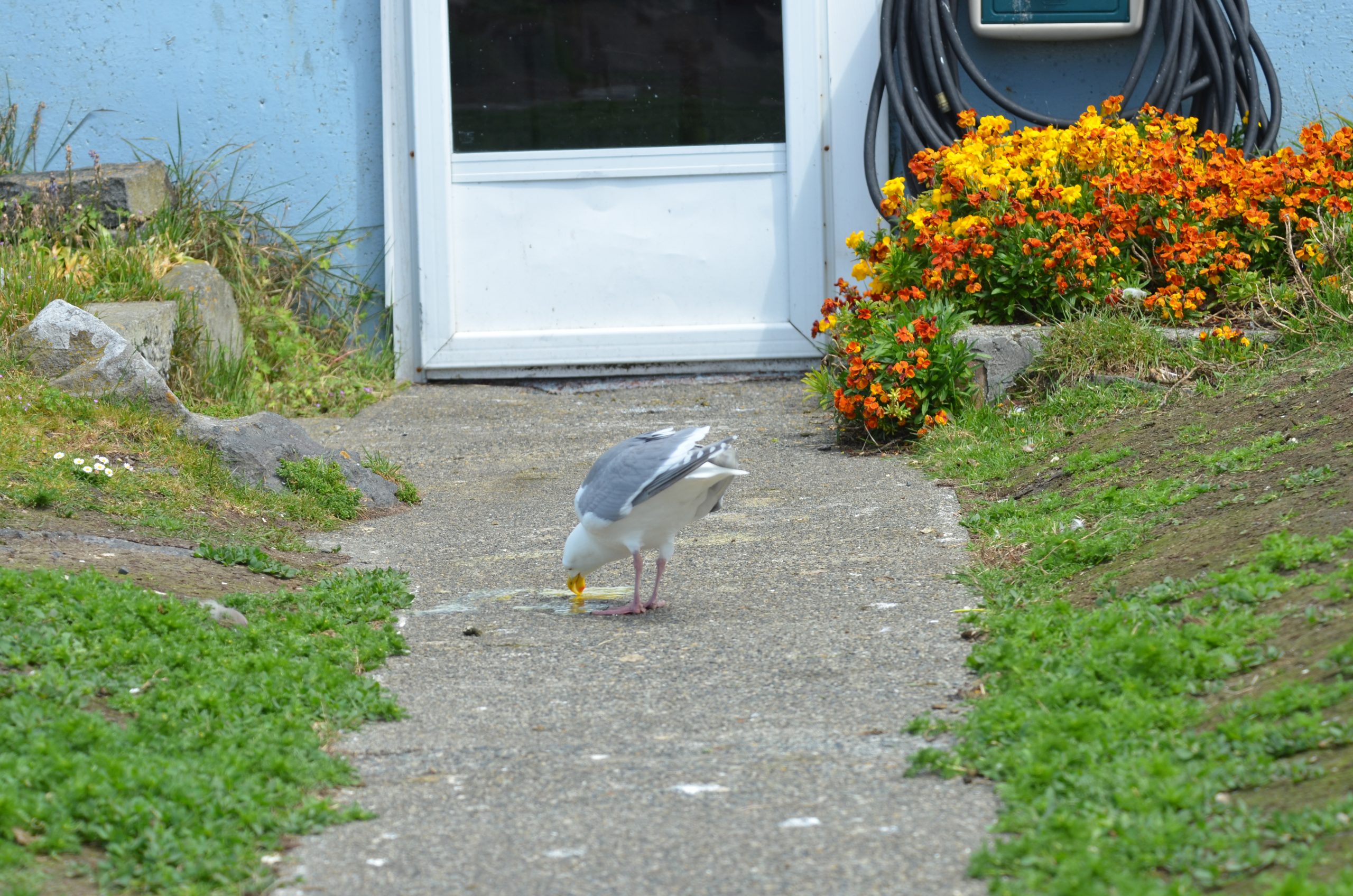
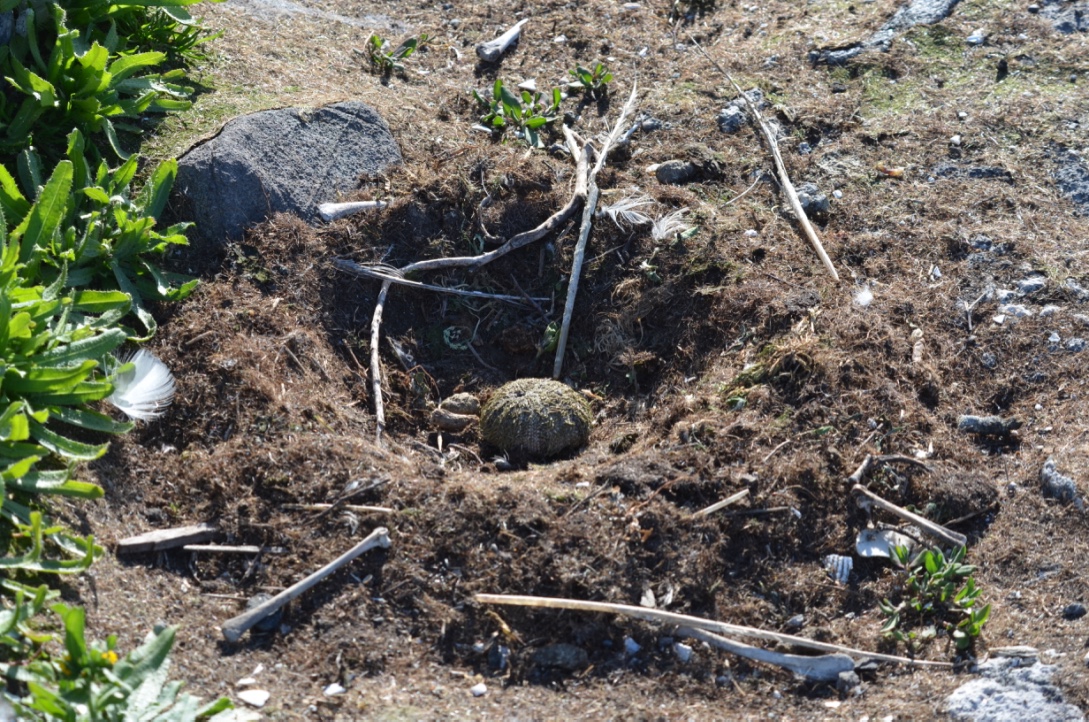
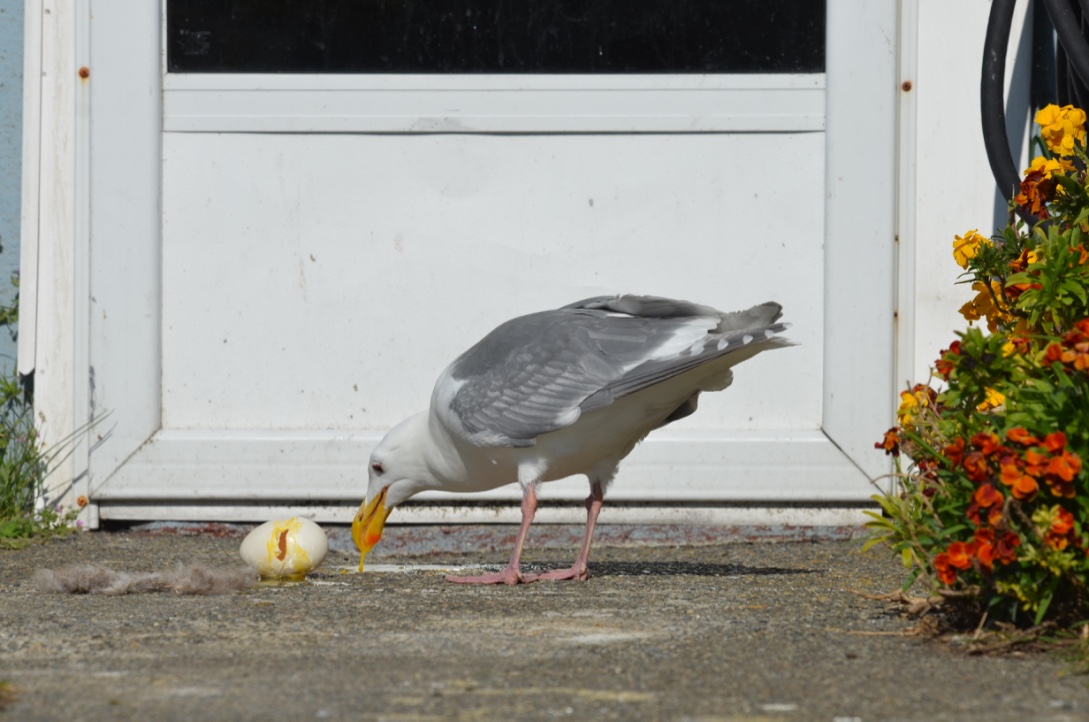
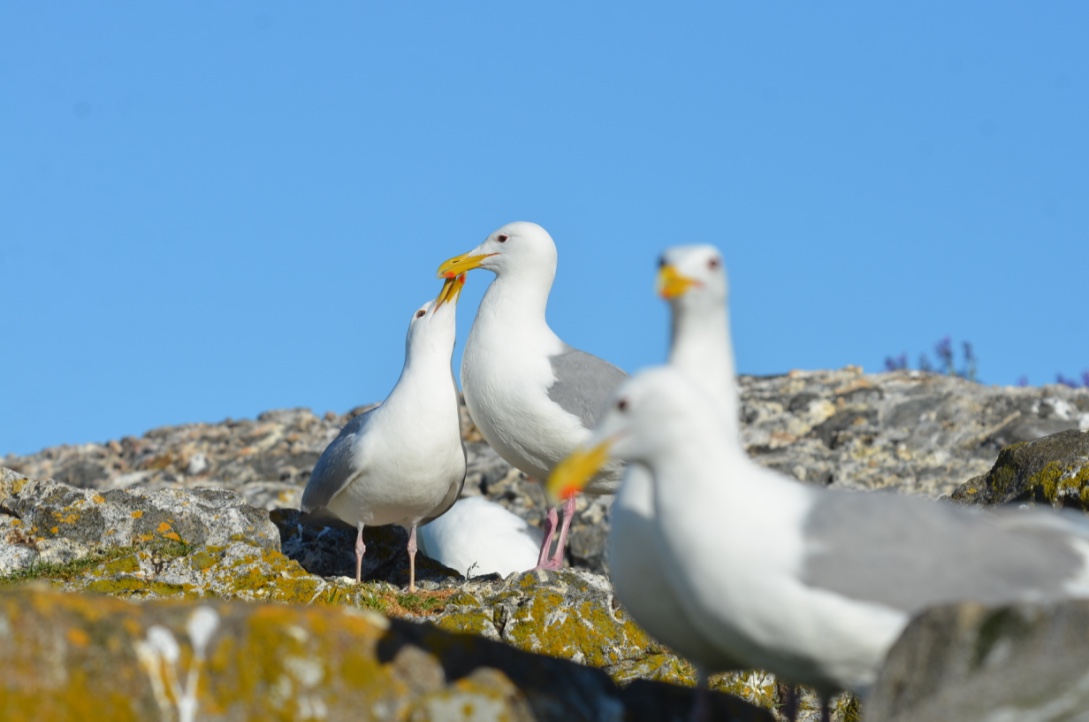
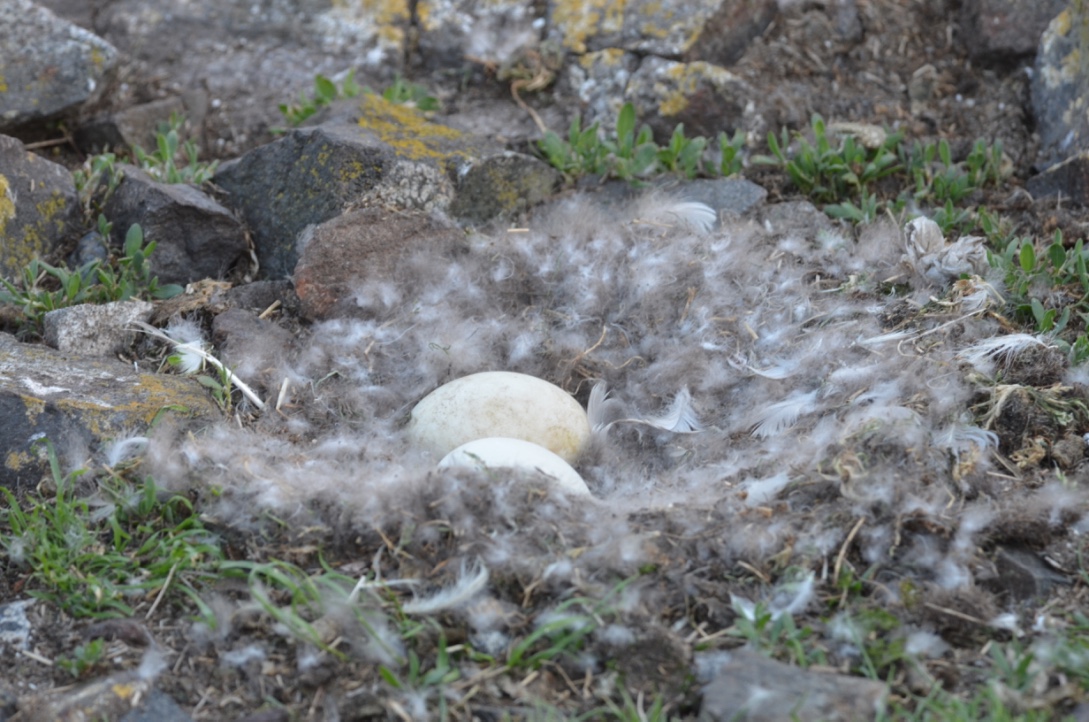
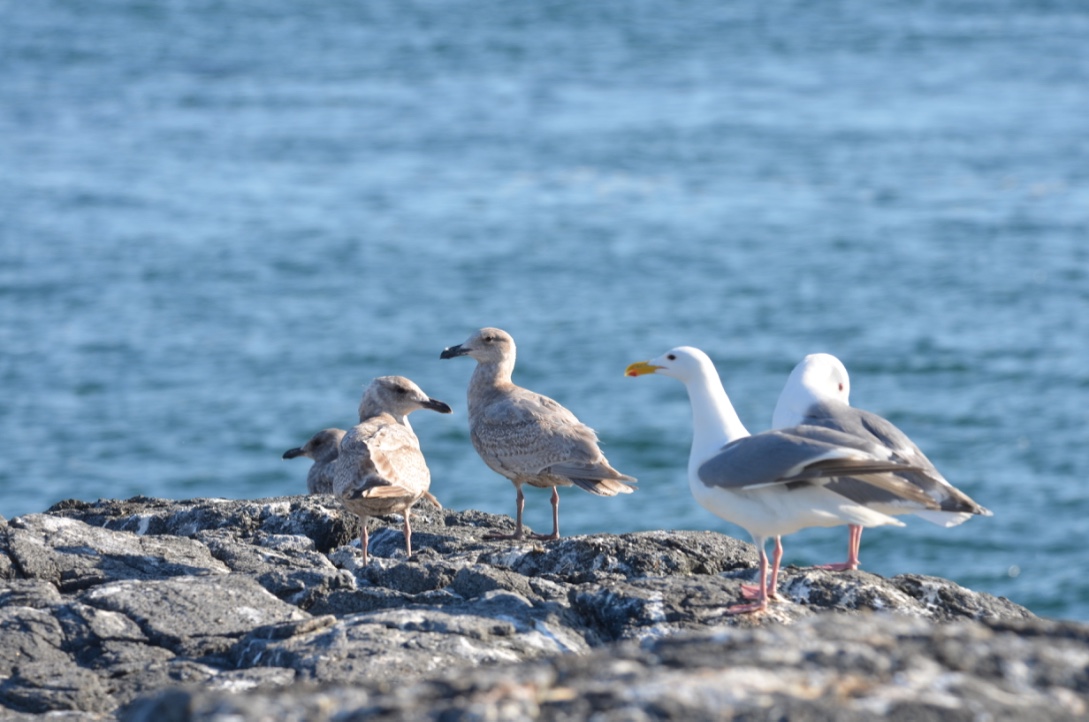
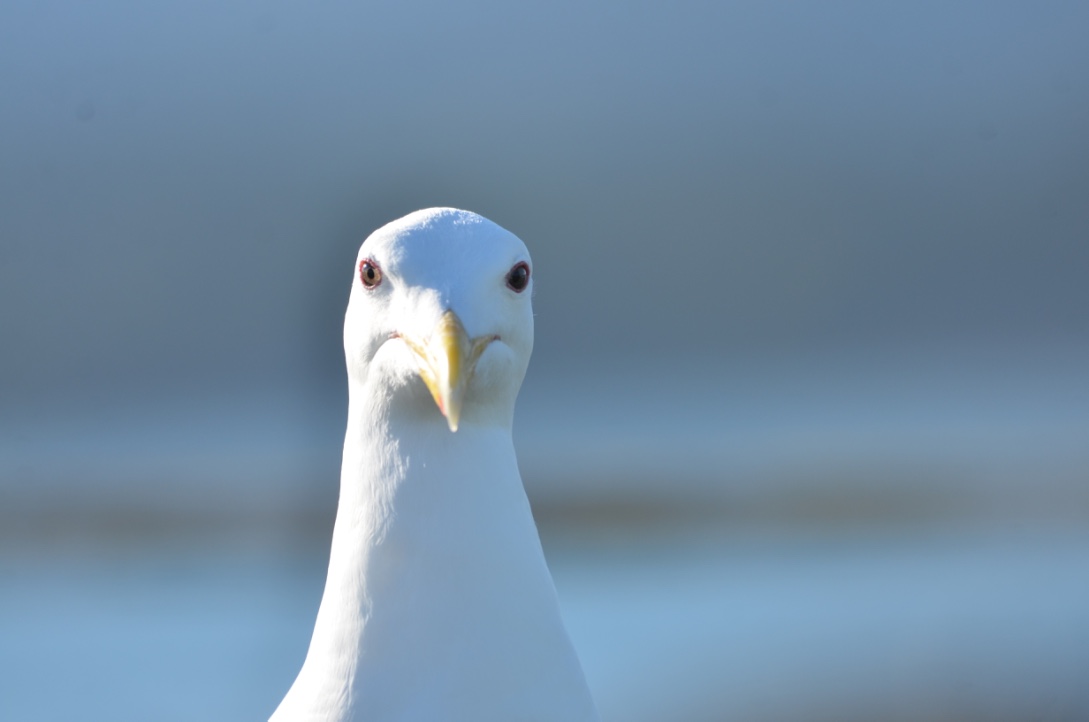
  • There are quite a few beginnings of seagull nests now. They have become more aggressive, and now fight each other over space. We have seen some pairs mating.
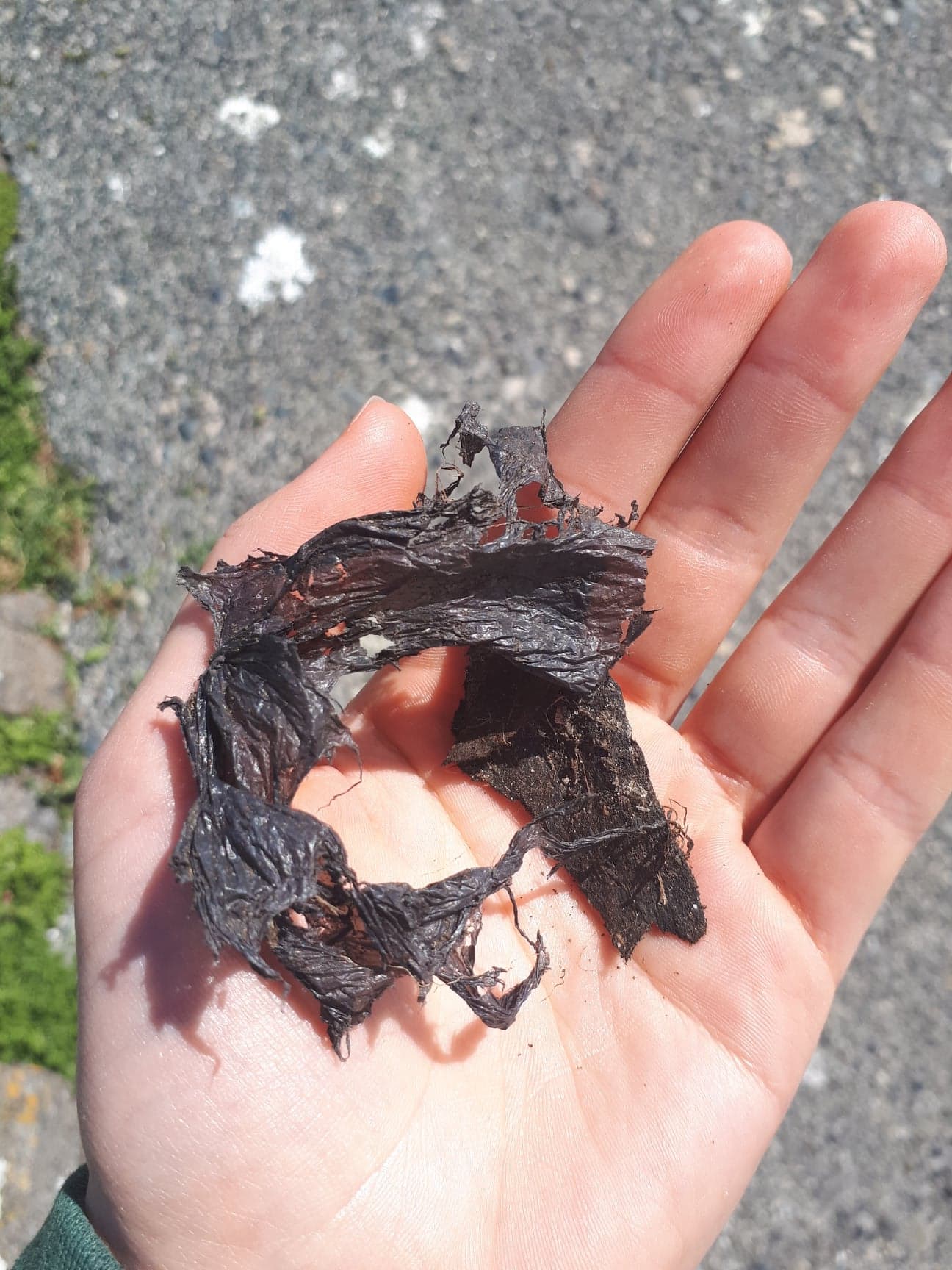
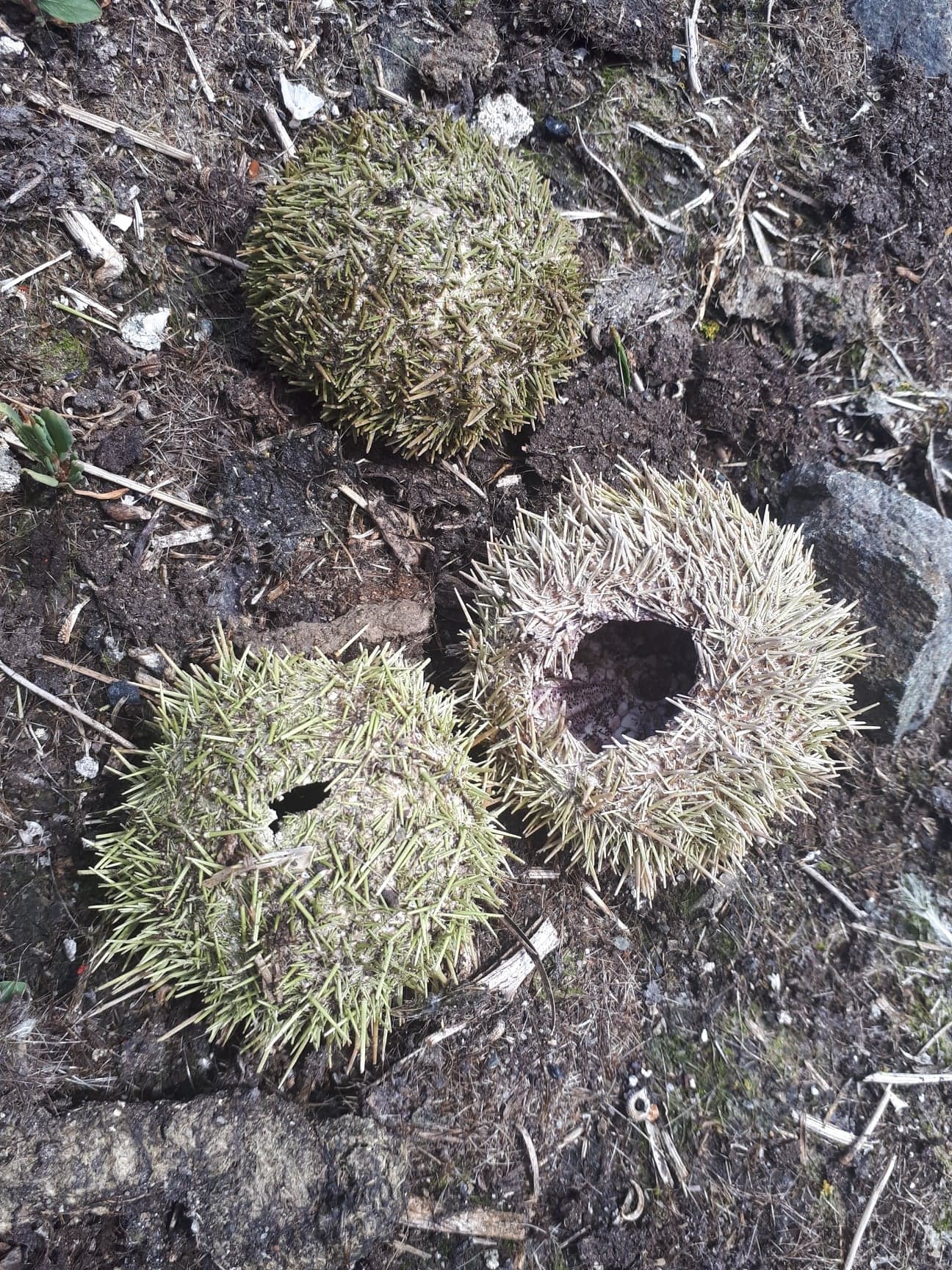
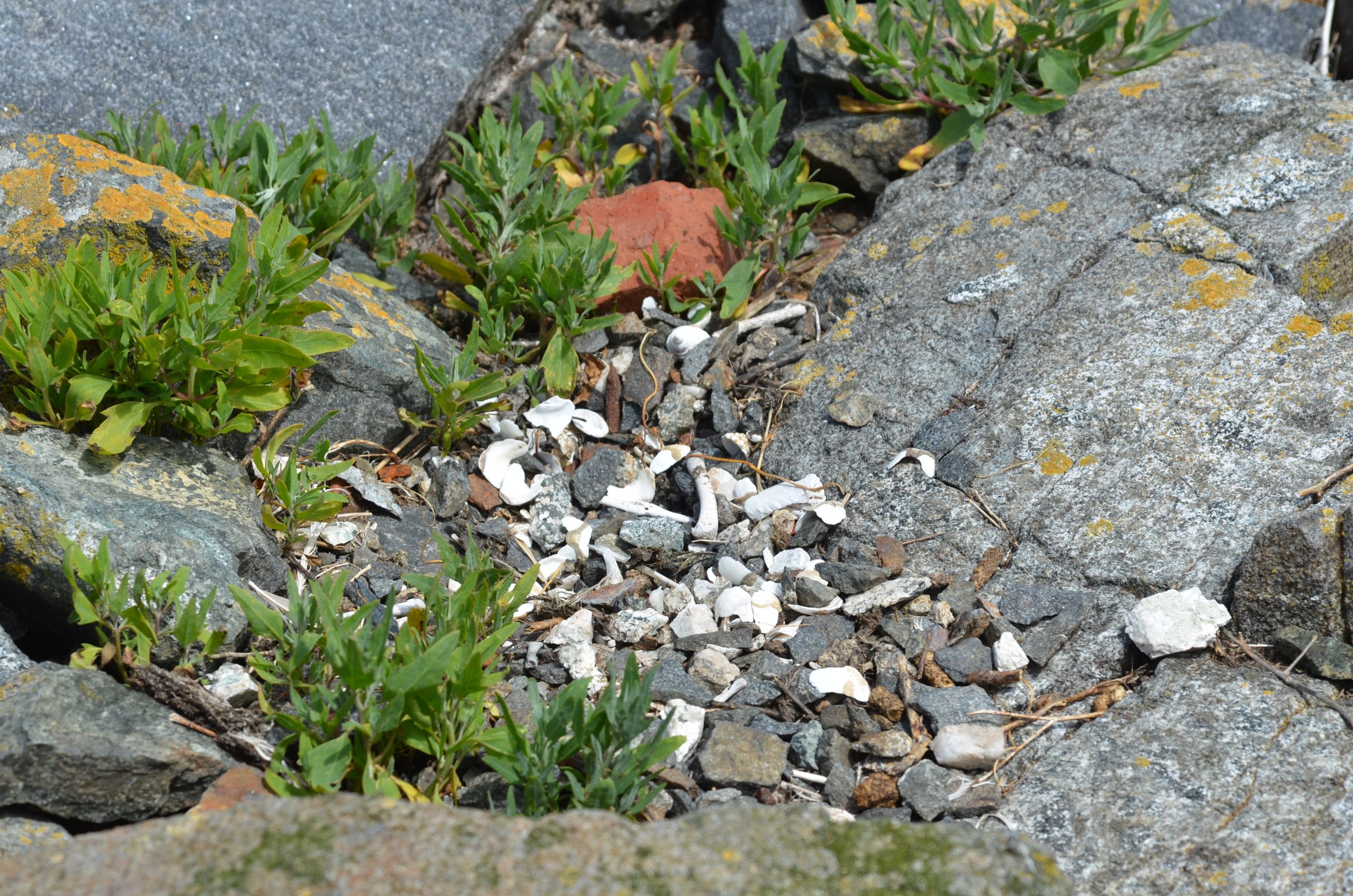
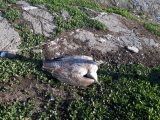
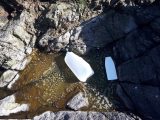
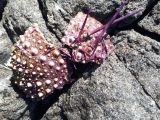
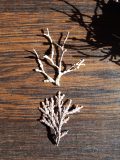
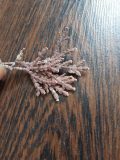
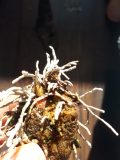
  • We have been finding coral-like white fragments in the intertidal since last year, but until now have not been able to identify what they could be. Today we found some that were not white, but red! This insight has led us to believe that this is coralline algae. Amazingly, this article states that these unassuming structures can continue to grow forever (!) if left undisturbed and have growth rings that be counted, just like trees!
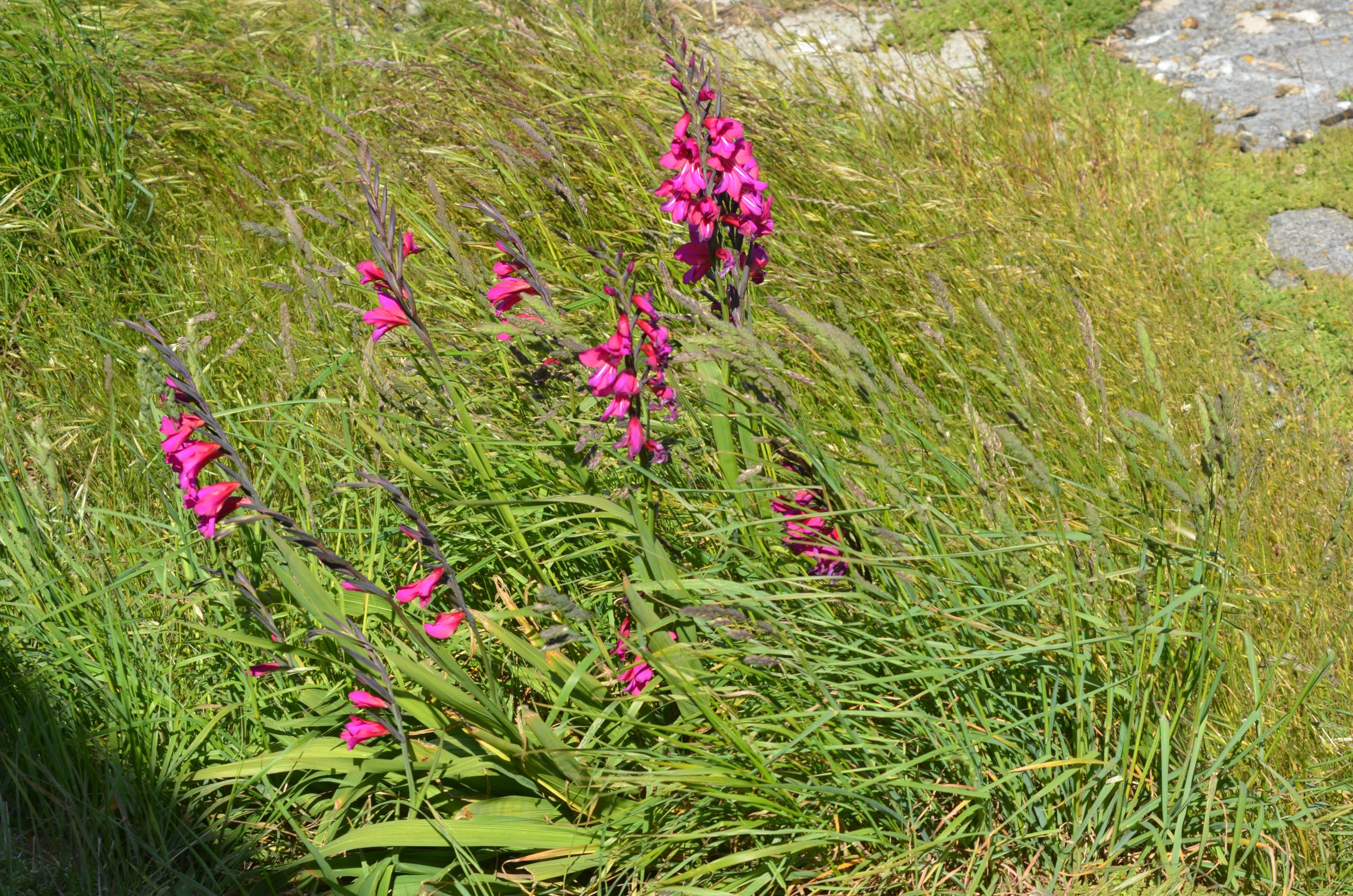
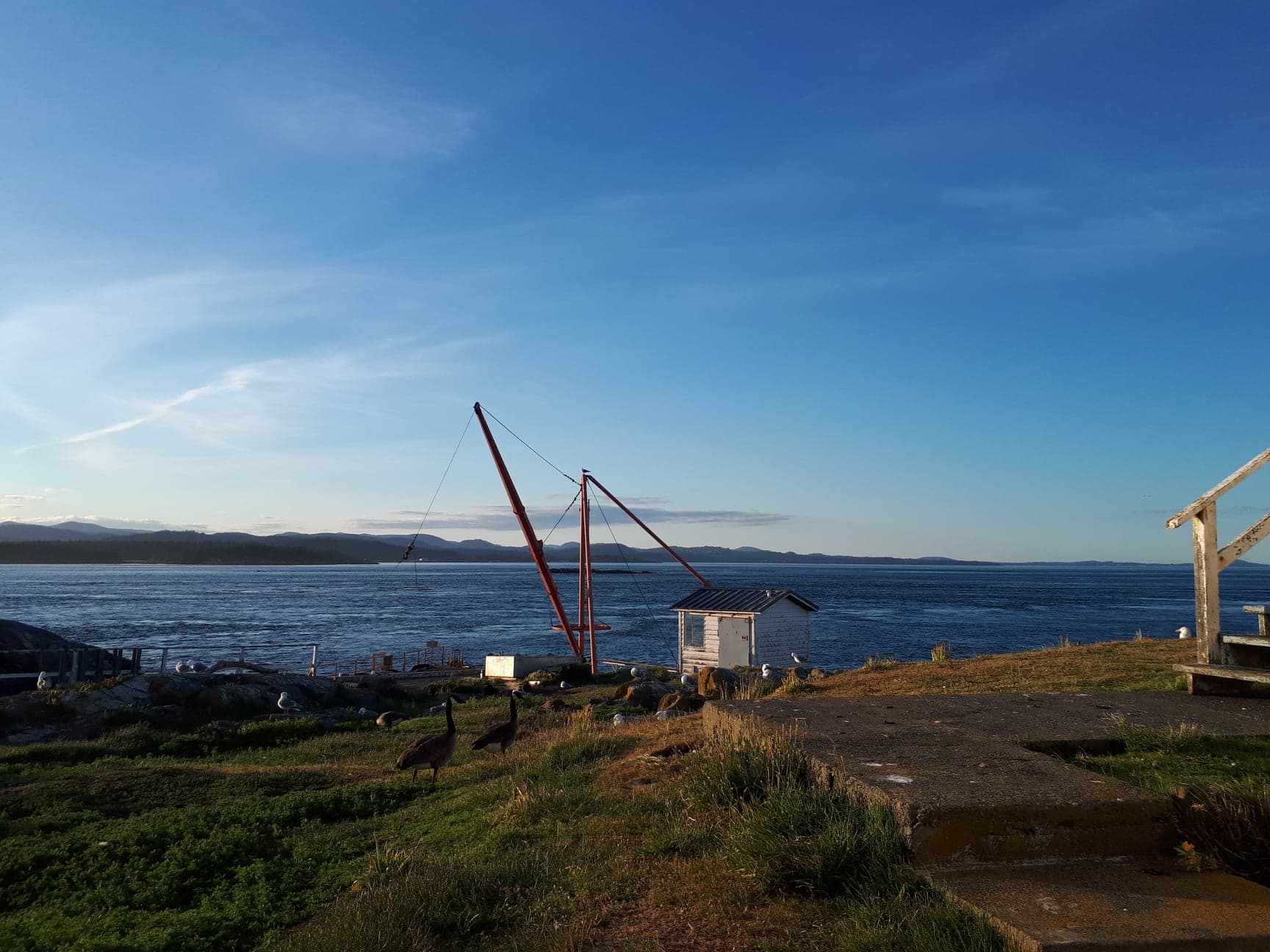
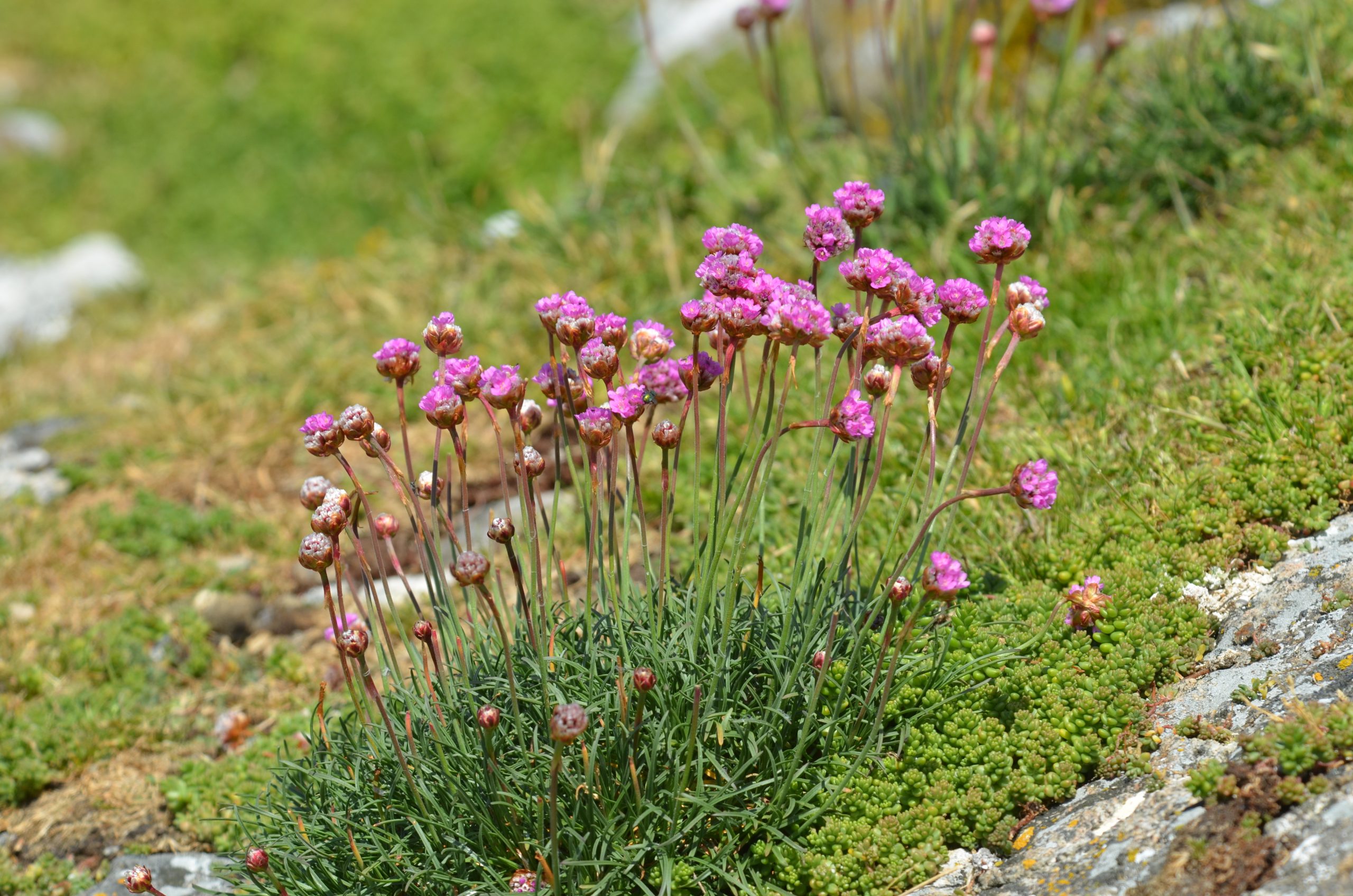
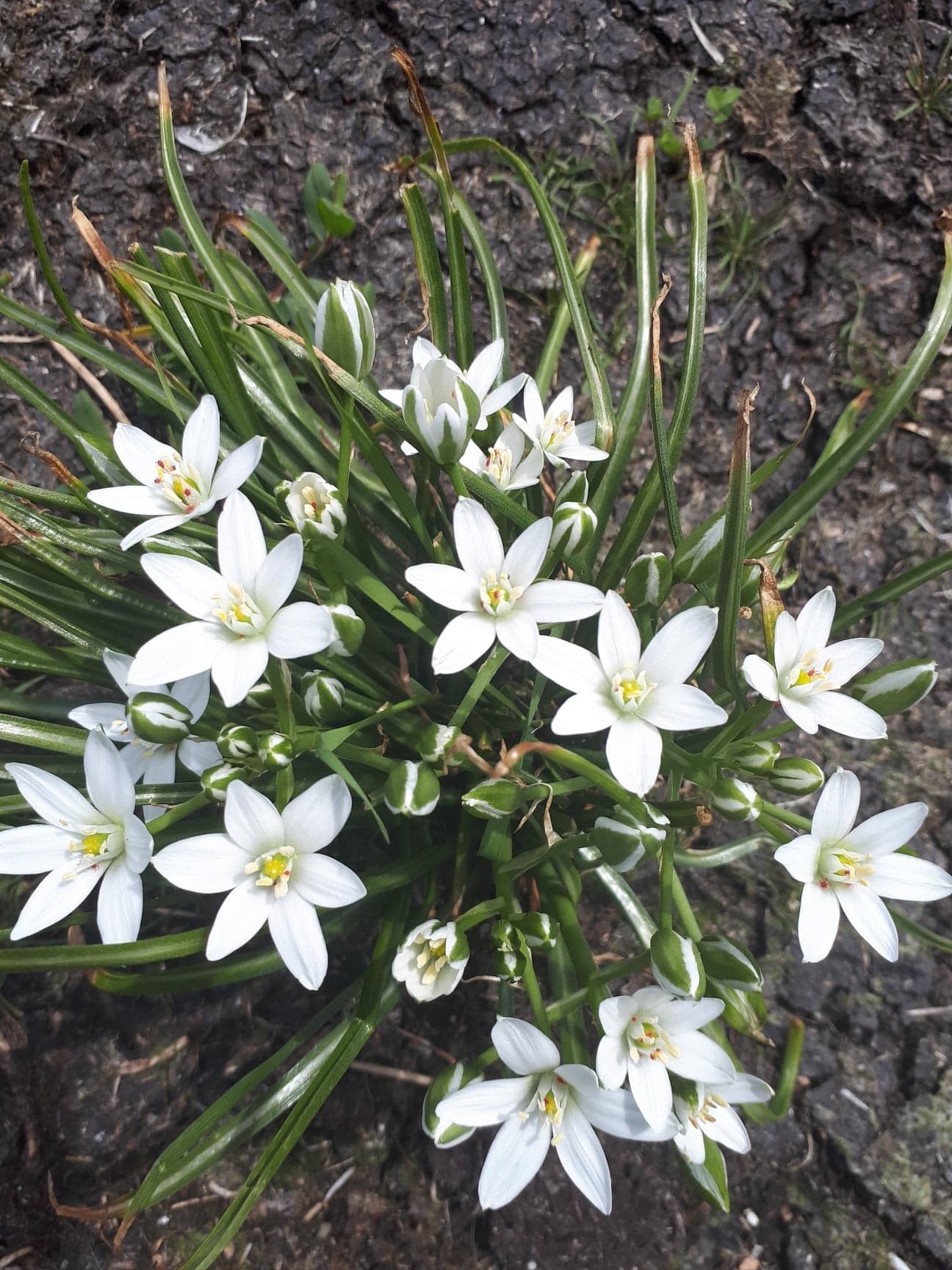
  • As Gary Fletcher mentions in this post, prostrate knot weed is one of the invasive species here on Race Rocks. We noticed that it is particularly efficient at growing in places where no other plants are able, therefore it’s beginning to spread in rocky areas. It has notably spread to the rocky areas on the SW side of the island where no other flora nor fauna has managed to establish itself.


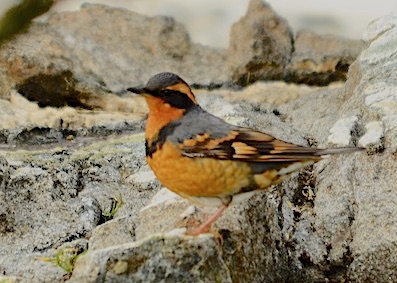
Ixoreus naevius; Varied Thrush- The Race Rocks Taxonomy


Ecoguardian at Race Rocks,  Nick Townley , spotted this first specimen recorded occurance of Ixoreus naevius  a  Varied Thrush at Race Rocks on February 22 2020

At this time of year the migranting birds are starting to show up. Their flyway is from the Olympic Penninsula , 10 Km across the Strait of Juan de Fuca , and the Race Rocks archipelago is the first landfall that they can rest on.   This record is the 20th migrating songbird species that has been photographed at Race Rocks over the past 20 years. . About another 20 species of migrating seabirds also use Race Rocks as a migratory stopover in the spring and fall .

Kingdom: Animalia
Phylum: Chordata
Class: Aves
Order: Passeriformes
Family: Turdidae
Genus: Ixoreus
Bonaparte, 1854
Species:I. naevius
Binomial name
Ixoreus naevius
Gmelin, 1789


Other Members of the Class Aves at Race Rocks.
taxonomyiconReturn to the Race Rocks Taxonomy
and Image File
pearsonlogo2_f2The Race Rocks taxonomy is a collaborative venture originally started with the Biology and Environmental Systems students of Lester Pearson College UWC. It now also has contributions added by Faculty, Staff, Volunteers and Observers on the remote control webcams. Nick Townley , Ecoguardian

Townsend’s Warbler

Weather: 

  • Sky: Overcast
  • Visibility: 15+ miles
  • Wind: 10-20 knots NE
  • Water: Choppy under a metre

Boats/Visitors: 

  • A couple visitors today and expecting more throughout the week

Ecological

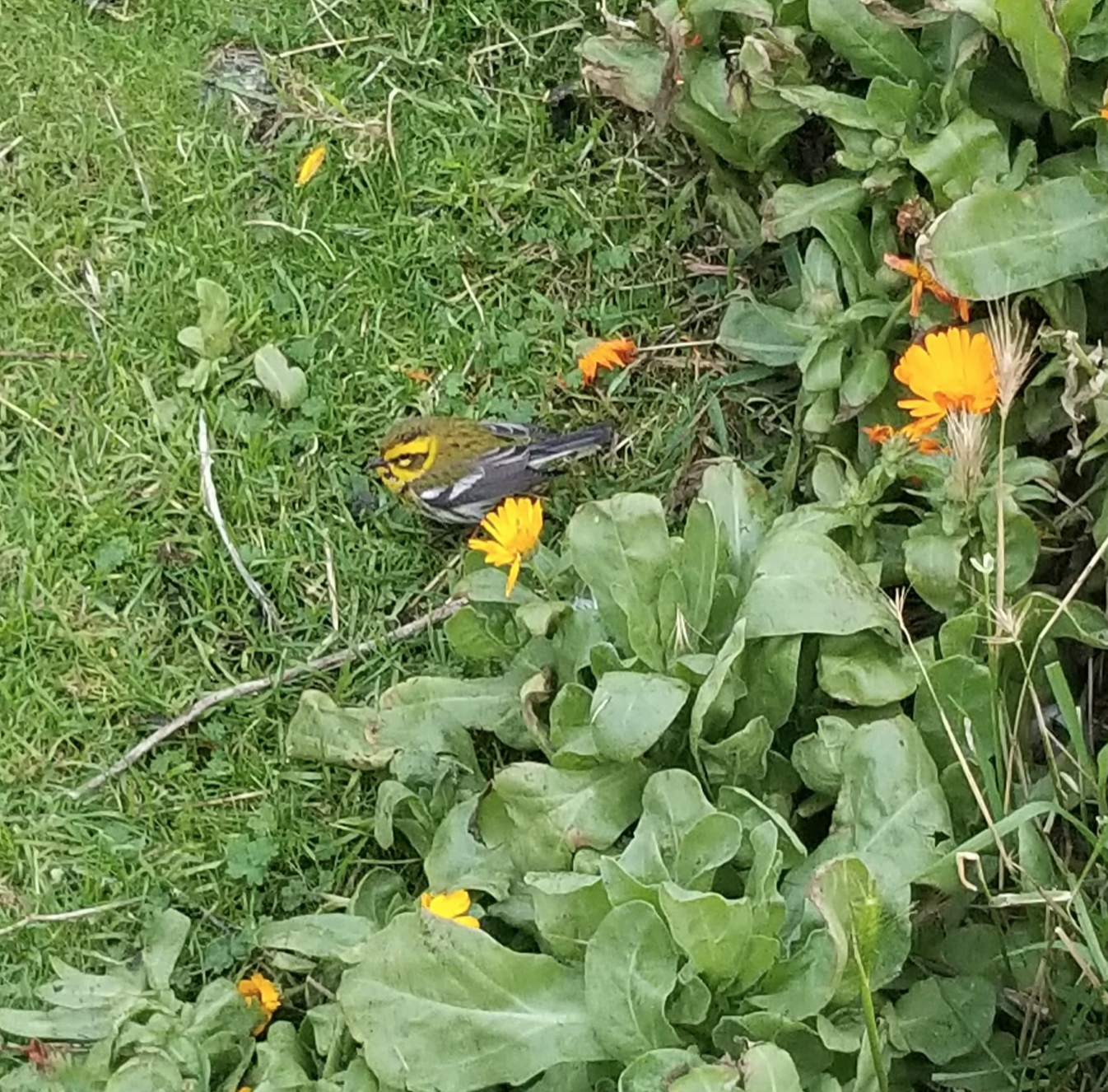
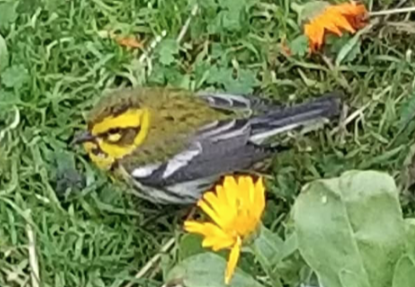
  • Saw this adorable little Townsend’s warbler on my way to turn the generator room, it was just hopping around in the flowers
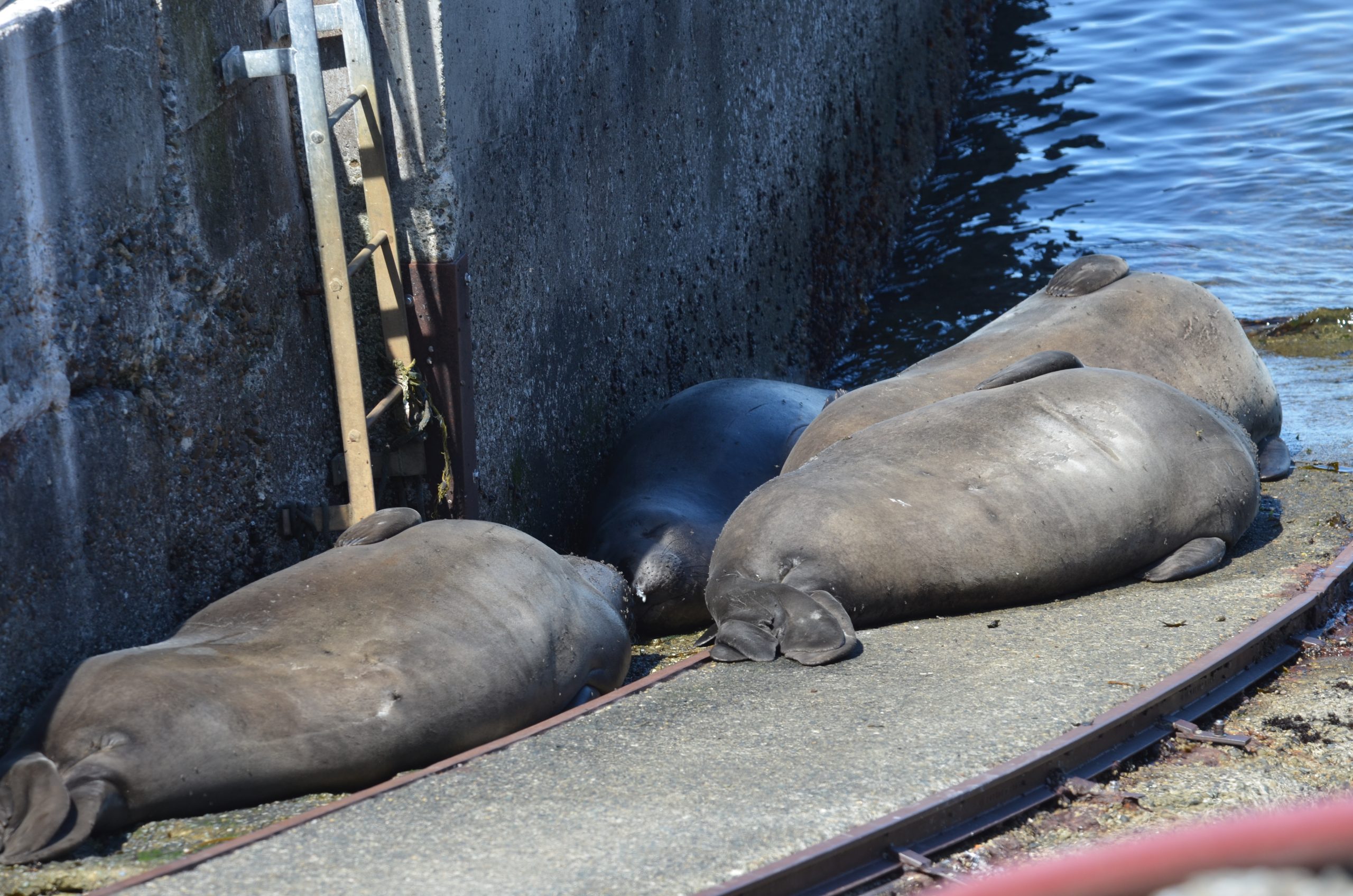
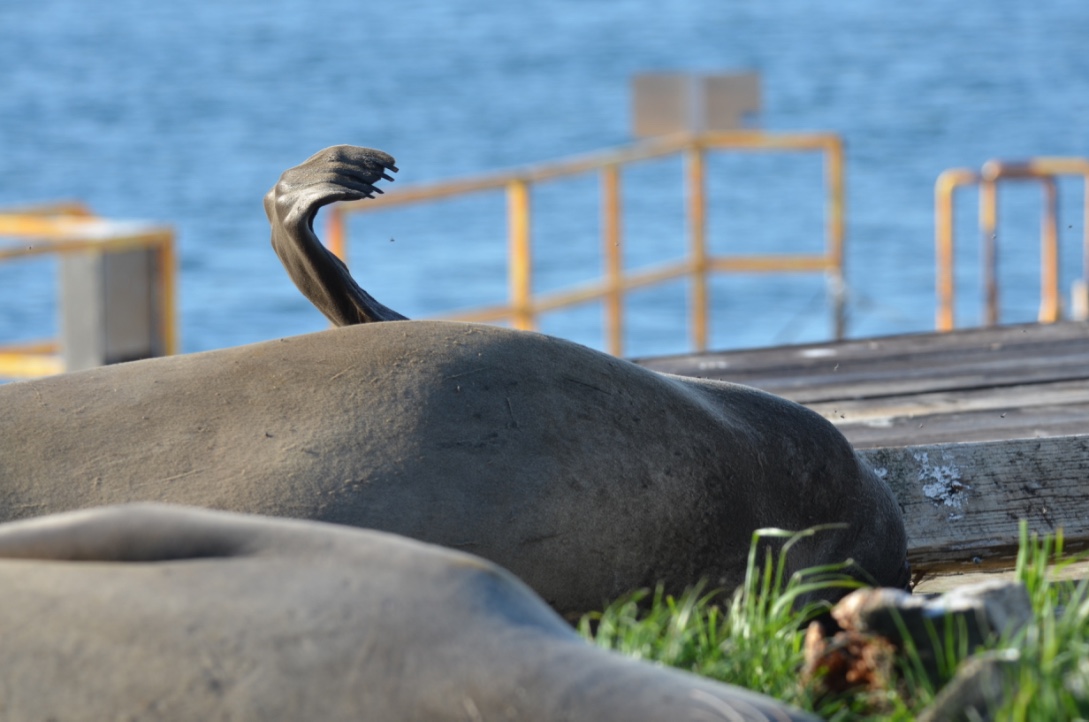
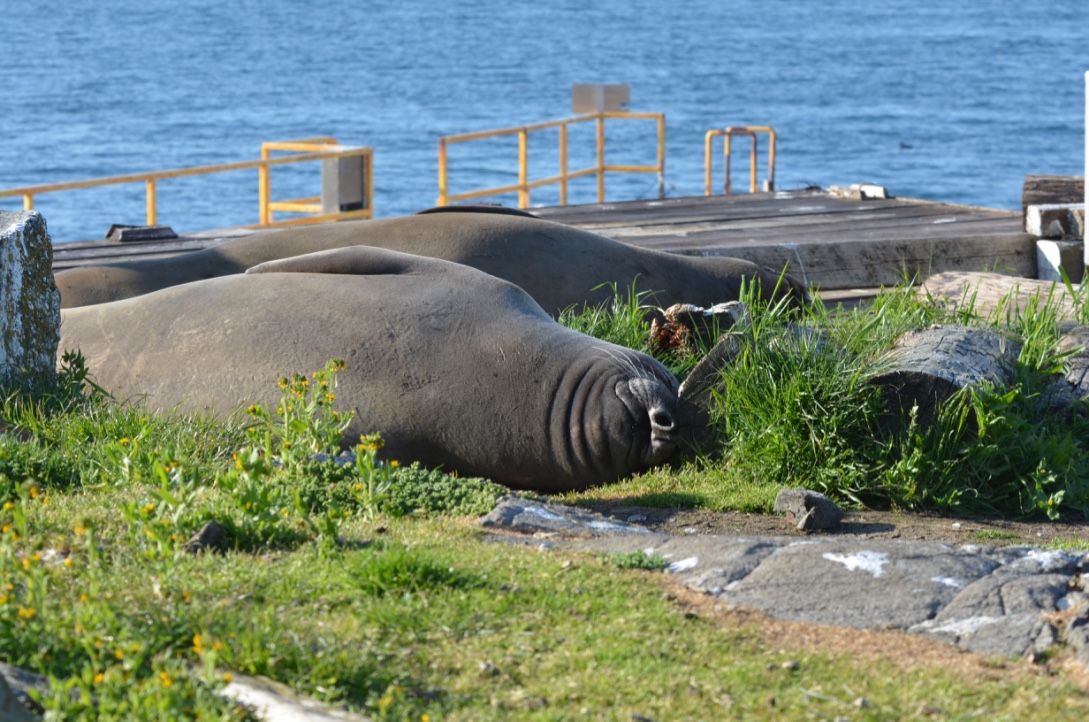
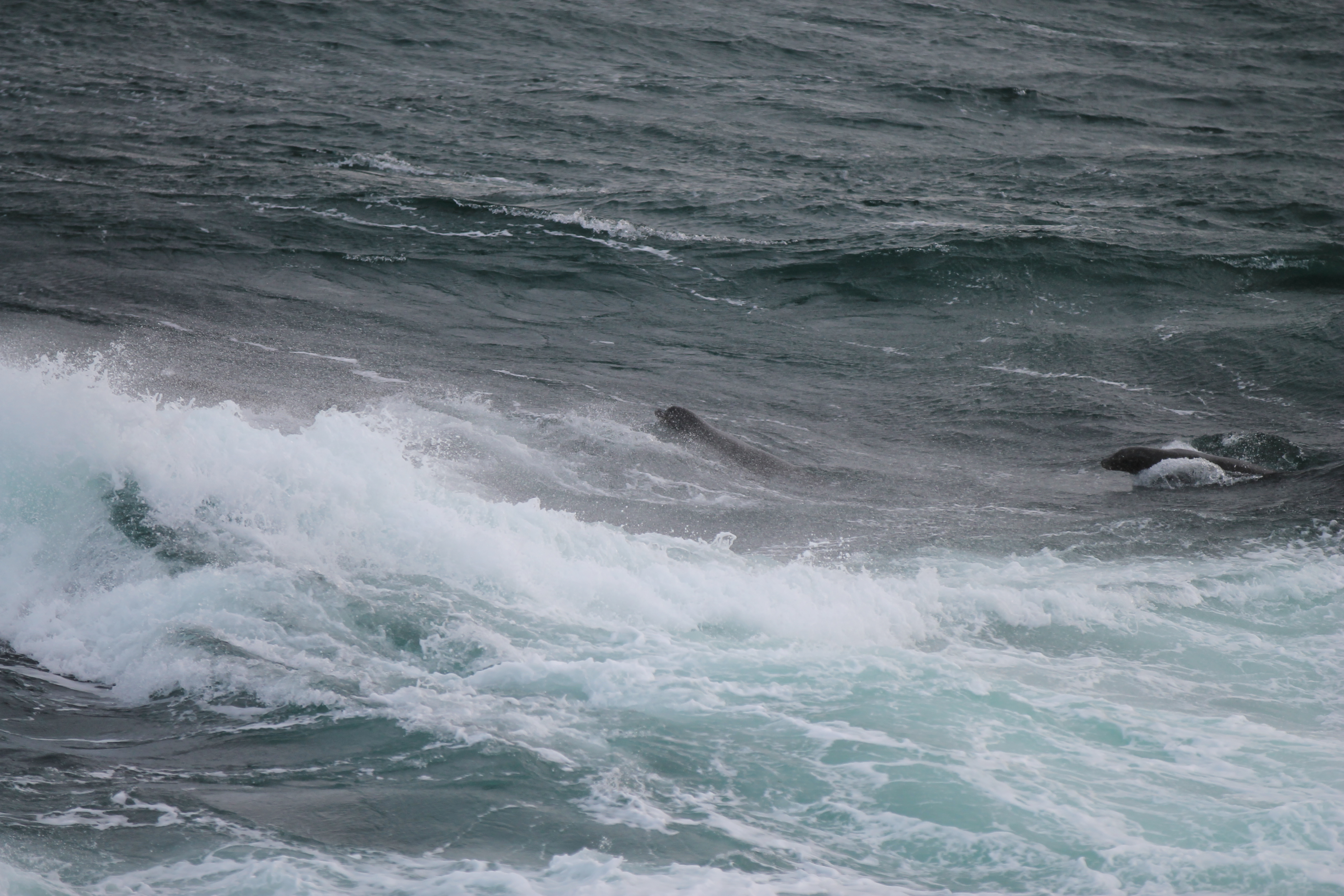
  • The young female elephant seals, there were three did not stay very long, they have all left but there is still 5 males, 3 young ones and two big ones
  • Two of the young ones are tagged green tags C887 and D108
  • They are scattered around right now making some of my daily tasks difficult but it is so great to see them here before I take off


Setophaga townsendi: Townsend’s warbler- The Race Rocks taxonomy

Our first observation  of this species at Race Rocks was made by Laas Parnell, Ecological Reserve Warden on Dec 16, 2019.

Kingdom: Animalia
Phylum: Chordata
Class: Aves
Order: Passeriformes
Family: Parulidae
Genus: Setophaga
Species:
S. townsendi
Common name Townsend’s warbler


and this reference  from The Cornell Lab website:

Backyard Tips

On the Pacific coast in winter, Townsend’s Warblers often investigate backyard feeders, most regularly when temperatures drop below freezing, to eat energy-rich foods such as mealworms, peanut butter, and suet.

  • Cool Facts
    • On the wintering ground in Mexico, the Townsend’s Warbler feeds extensively on the sugary excretions (known as “honeydew”) of scale insects. It’s such a good food resource that Townsend’s Warblers set up and defend territories around trees infested with the insects.
    • Townsend’s Warbler was first noted to science by John Kirk Townsend, an American naturalist who collected a male specimen near the mouth of the Columbia River in what is now Oregon, on April 16, 1835. His discovery followed a long cross-continental trek. Townsend was accompanied on this expedition by English botanist Thomas Nuttall. Dozens of western plants and animals bear the names of these early naturalists.


Other Members of the Class Aves at Race Rocks.
taxonomyiconReturn to the Race Rocks Taxonomy
and Image File
pearsonlogo2_f2The Race Rocks taxonomy is a collaborative venture originally started with the Biology and Environmental Systems students of Lester Pearson College UWC. It now also has contributions added by Faculty, Staff, Volunteers and Observers on the remote control webcams. Dec, 11 2019- Laas Parnell

Storms, birds and elephant seals

Weather: 

  • Sky: Partly cloudy
  • Visibility: 15+ miles
  • Wind: 0-40 knots NE
  • Water: waves between 0-2 metres

Boats/Visitors: 

  • Saw a couple boats here and there, not during the big storm though
  • Greg is dropping by today with some supplies

Ecological

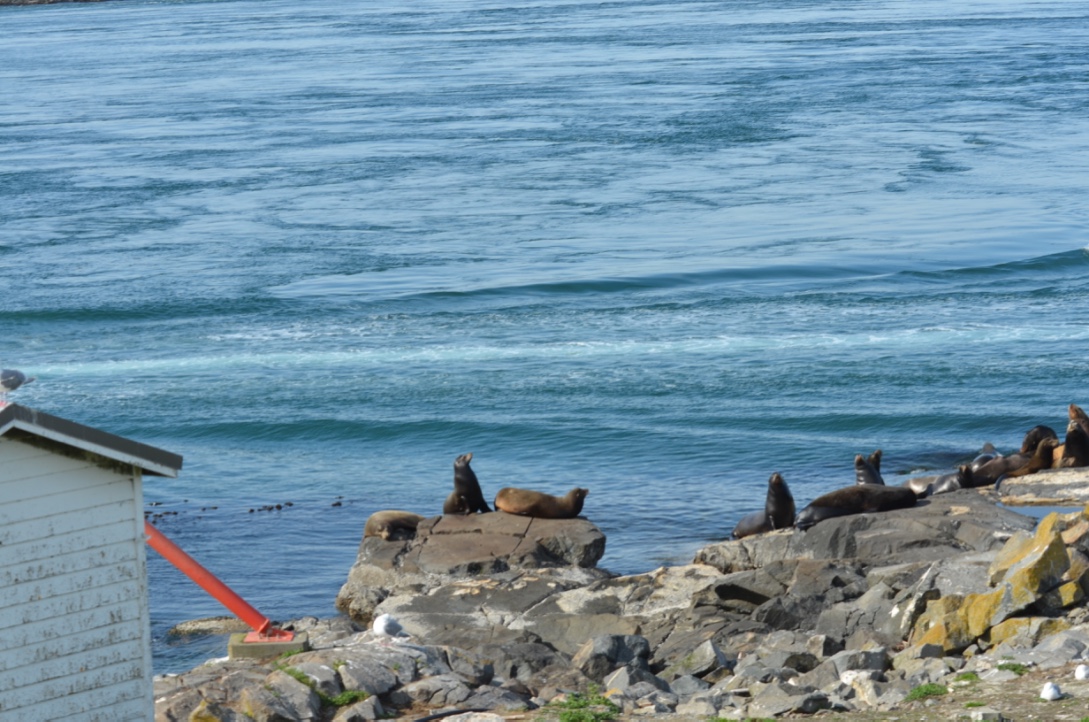
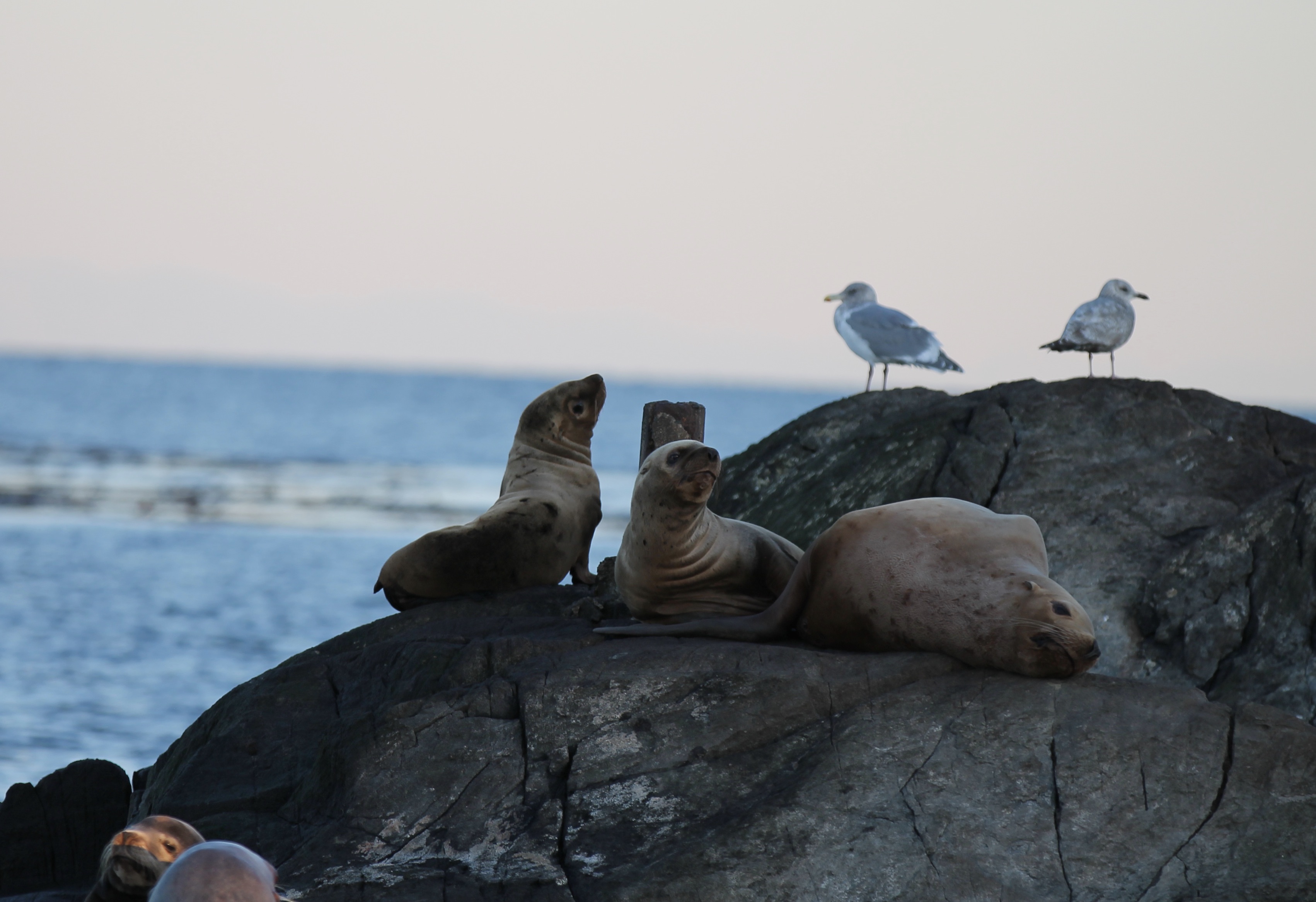
  • Seems like some of the sea lions came back when the storm hit, it was blowing up to 40 knots on Wednesday but today it has finally come down to almost nothing
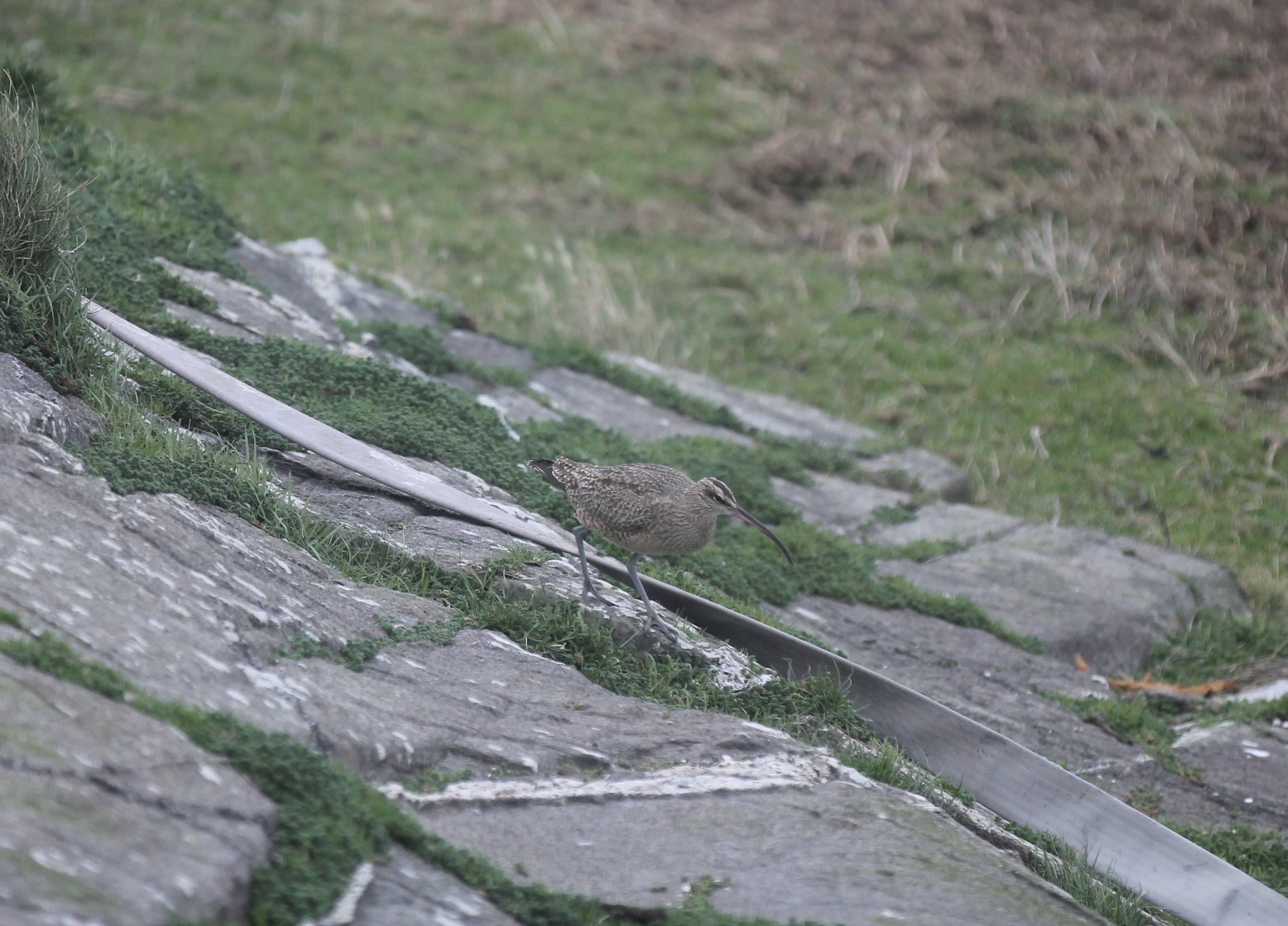
  • A couple different birds also came by, I’ve been seeing a lot of ravens lately, eagles, snow buntings and one whimbrel
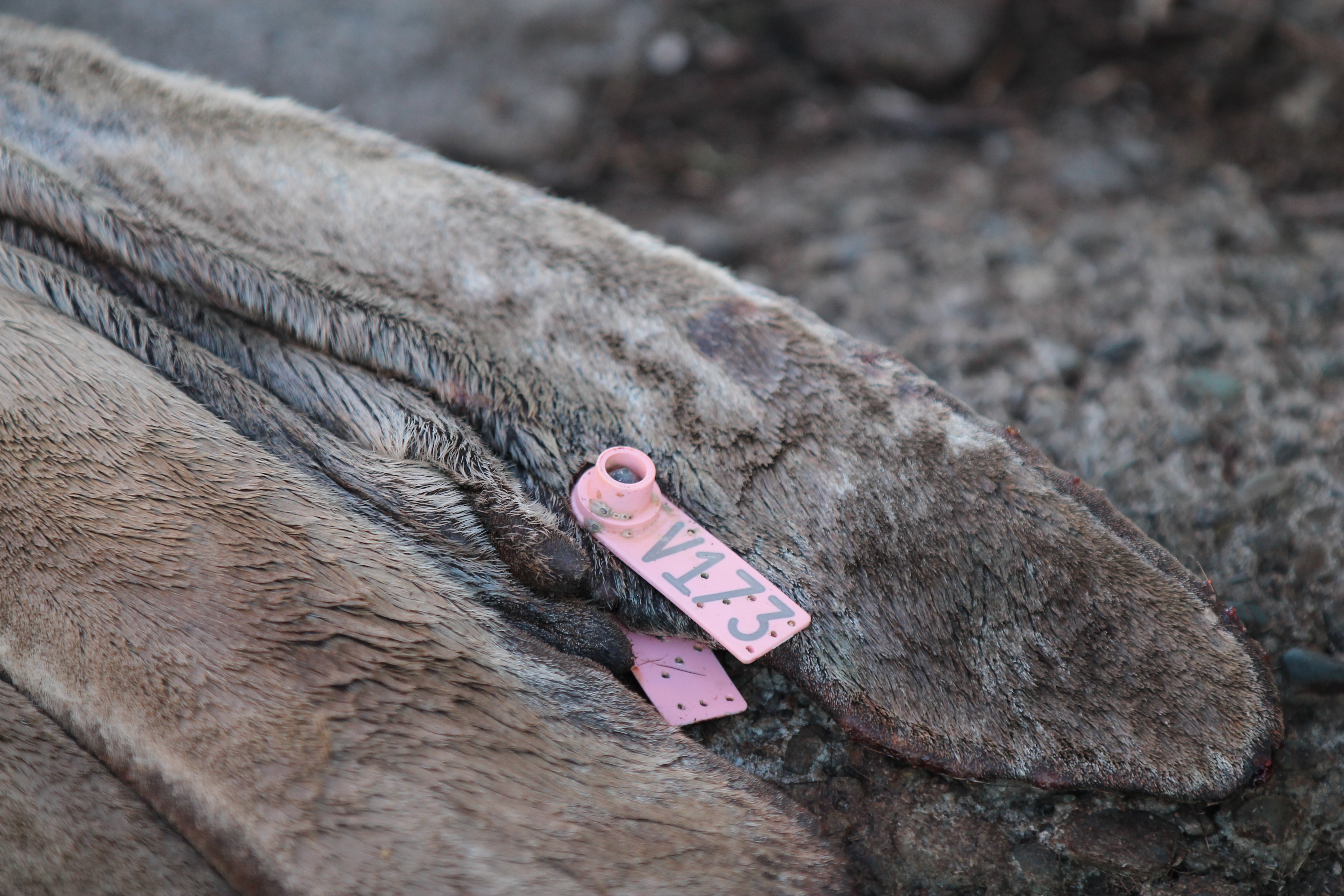
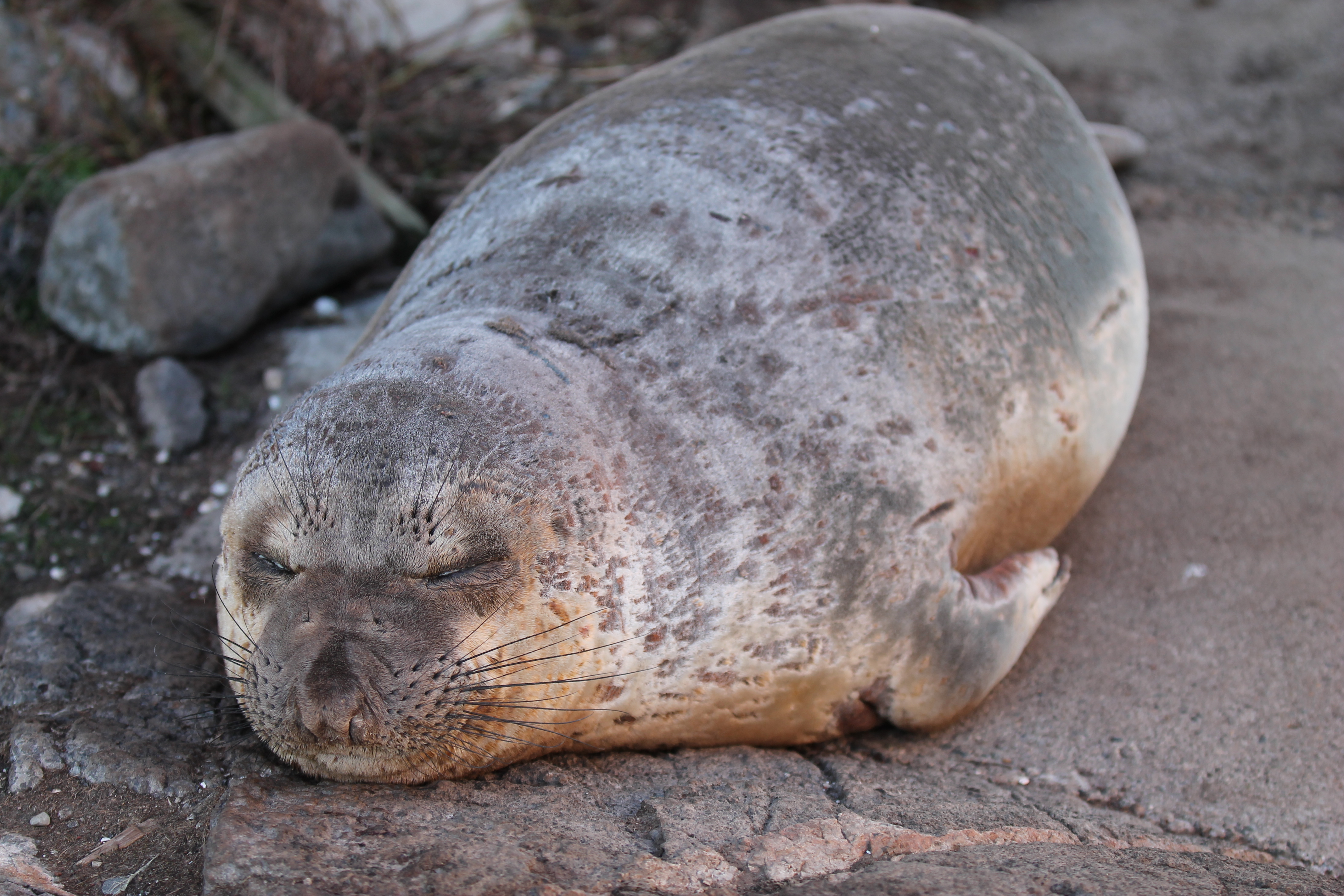
  • There is a little elephant seal by the jetty today, pink tag V173
  • Thankfully the storm brought in some driftwood than can be cut up and dried out for next winter

Larus californicus: California Gull

In March 2010 Pam Birley captured this gull with the remote camera. She wrote “I saw a California gull recently and attach pics.  You don’t seem to have any in the taxonomy pages.   It’s not a rare gull but this maybe the first I have seen at RR.” Indeed it is one of those gulls which has fallen through the cracks so this is a rather late addition to our taxonomy.

This adult plumage is reached after 4 years. Note the black tip on the bill and the yellow legs which distinguish it from the Western Gull.
Domain Eukarya
Kingdom Animalia
Phylum Chordata
Sub-Phylum Vertebrata
Class Aves
Order Charadriiformes
Family Laridae
Genus Larus
Species californicus
Common Name: California Gull

Other Members of the Class Aves at Race Rocks.
taxonomyiconReturn to the Race Rocks Taxonomy
and Image File
pearsonlogo2_f2The Race Rocks taxonomy is a collaborative venture originally started with the Biology and Environmental Systems students of Lester Pearson College UWC. It now also has contributions added by Faculty, Staff, Volunteers and Observers on the remote control webcams. March 10 2010- Pam Birley

Larus hyperboreus: Glaucous Gull — The Race Rocks Taxonomy

A photo of the rare second year Glaucous Gull on the right, Western Gull on the left. Photo March 8, 2009 by RyanThis is only the third record for this area in the Rocky Point Bird Observatory records.

Probable identification of the white gull on the left is the immature Glaucous gull. The gull on the right is an immature Glaucous-winged gull (photo 21st Dec 2005..camera 5 by Pam Birley)

To the left: This is a tentative identification. If it is correct, according to David Allinson of the Rocky Point Bird Observatory, ” this probably represents only the second record for Glaucous Gull (a 1st winter bird) for Rocky Point’s checklist (and a first for Race Rocks too!). The big head, the large bubble-gum pink dark-tipped bill, and white head and body (at least what can be seen) seems to be diagnostic.
However, to be cautious I should only say probable as we cannot see all of the bird.”


To the left: This is a tentative identification. If it is correct, according to David Allinson of the Rocky Point Bird Observatory, ” this probably represents only the second record for Glaucous Gull (a 1st winter bird) for Rocky Point’s checklist (and a first for Race Rocks too!). The big head, the large bubble-gum pink dark-tipped bill, and white head and body (at least what can be seen) seems to be diagnostic.
However, to be cautious I should only say probable as we cannot see all of the bird.”
This is one of the largest species of gull. It can be up to 66-81 cm. in length. It nests on the tundra, and the range is circumpolar.It moves South in winter but only small numbers reach as far as the Pacific Northwest.”

Domain Eukarya
Kingdom Animalia
Phylum Chordata
Sub-Phylum Vertebrata
Class Aves
Order Charadriiformes
Family Laridae
Genus Larus
Species hyperboreus
Common Name:
Glaucous Gull


Other Members of the Class Aves at Race Rocks.
taxonomyiconReturn to the Race Rocks Taxonomy
and Image File
pearsonlogo2_f2The Race Rocks taxonomy is a collaborative venture originally started with the Biology and Environmental Systems students of Lester Pearson College UWC. It now also has contributions added by Faculty, Staff, Volunteers and Observers on the remote control webcams.
October 2006 Pam Birley

Bird List and Census by D.Donnecke

Daniel Donnecke has contributed his images and counts from a visit to race Rocks on October 30 to ebird.org

https://ebird.org/checklist/S61055064


Pacific wren in the lantern room

Stormy day –wind 25 to 30 knots from the east

When I entered the lantern room around 9 a.m. there was a wren. It went through the metal hatch on the floor where there is a hole but soon came back. eventually, I opened the door and it flew out.

The winter wren was previously recorded in October 2016 and April 2014.


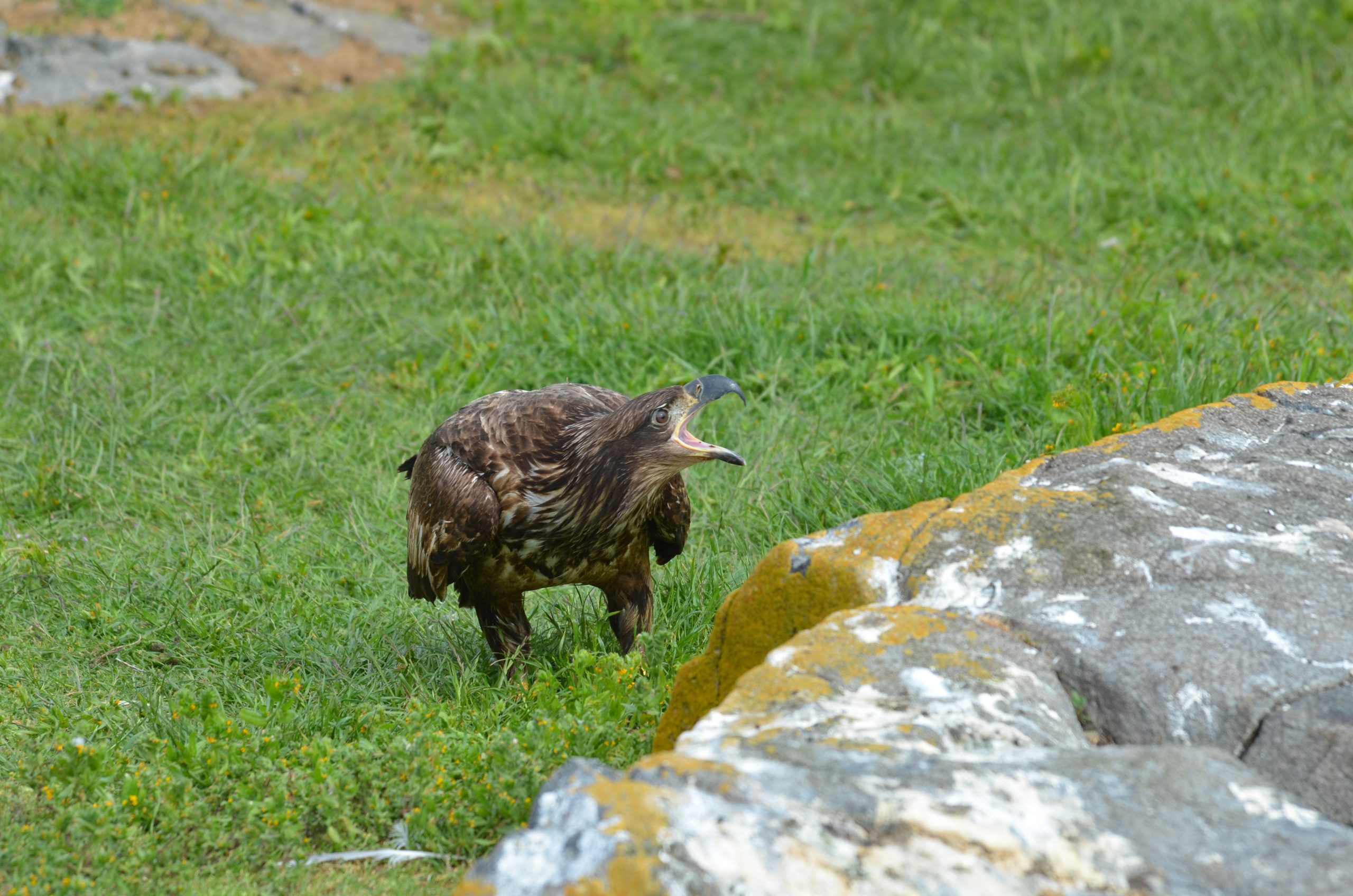
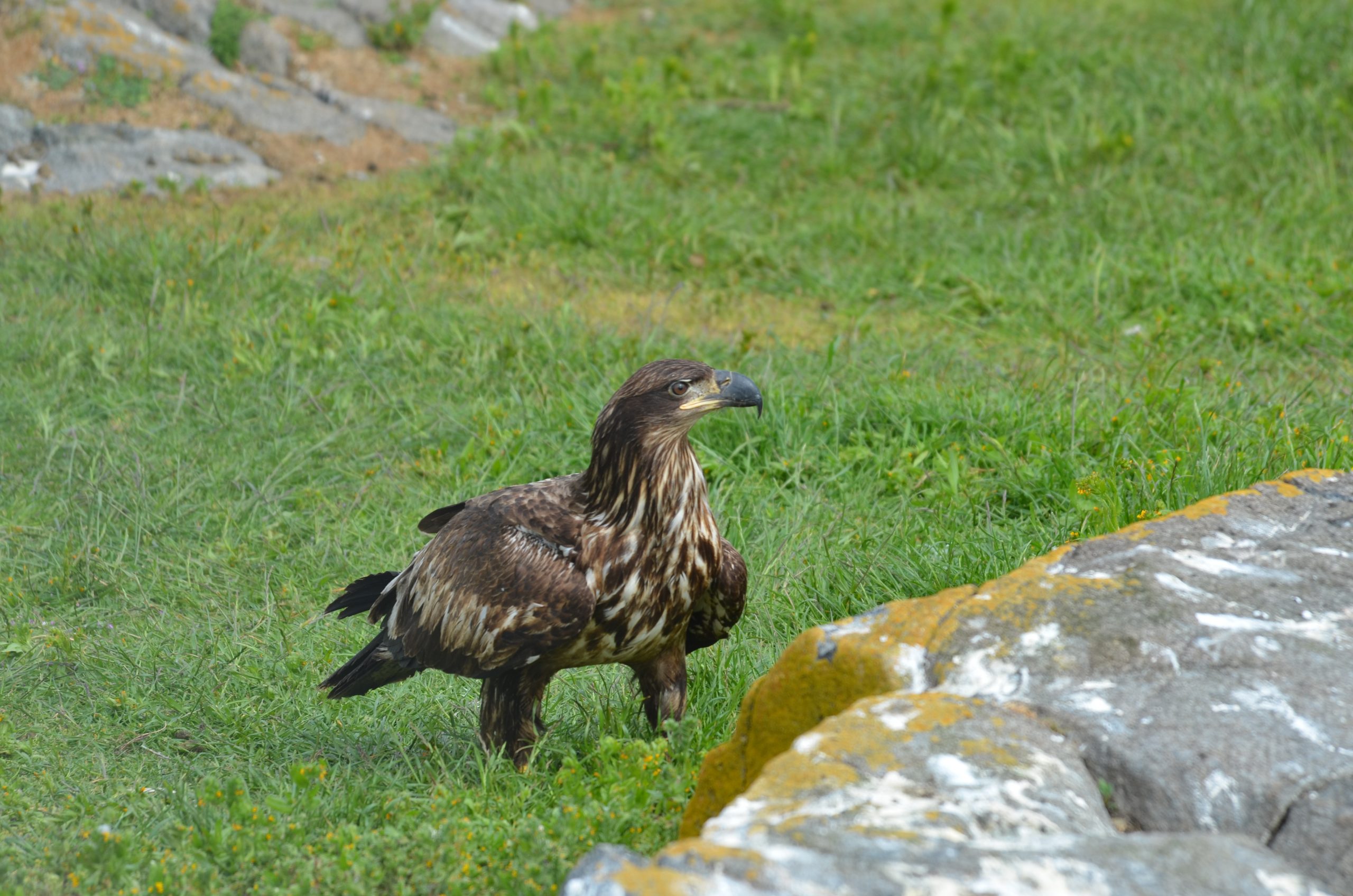
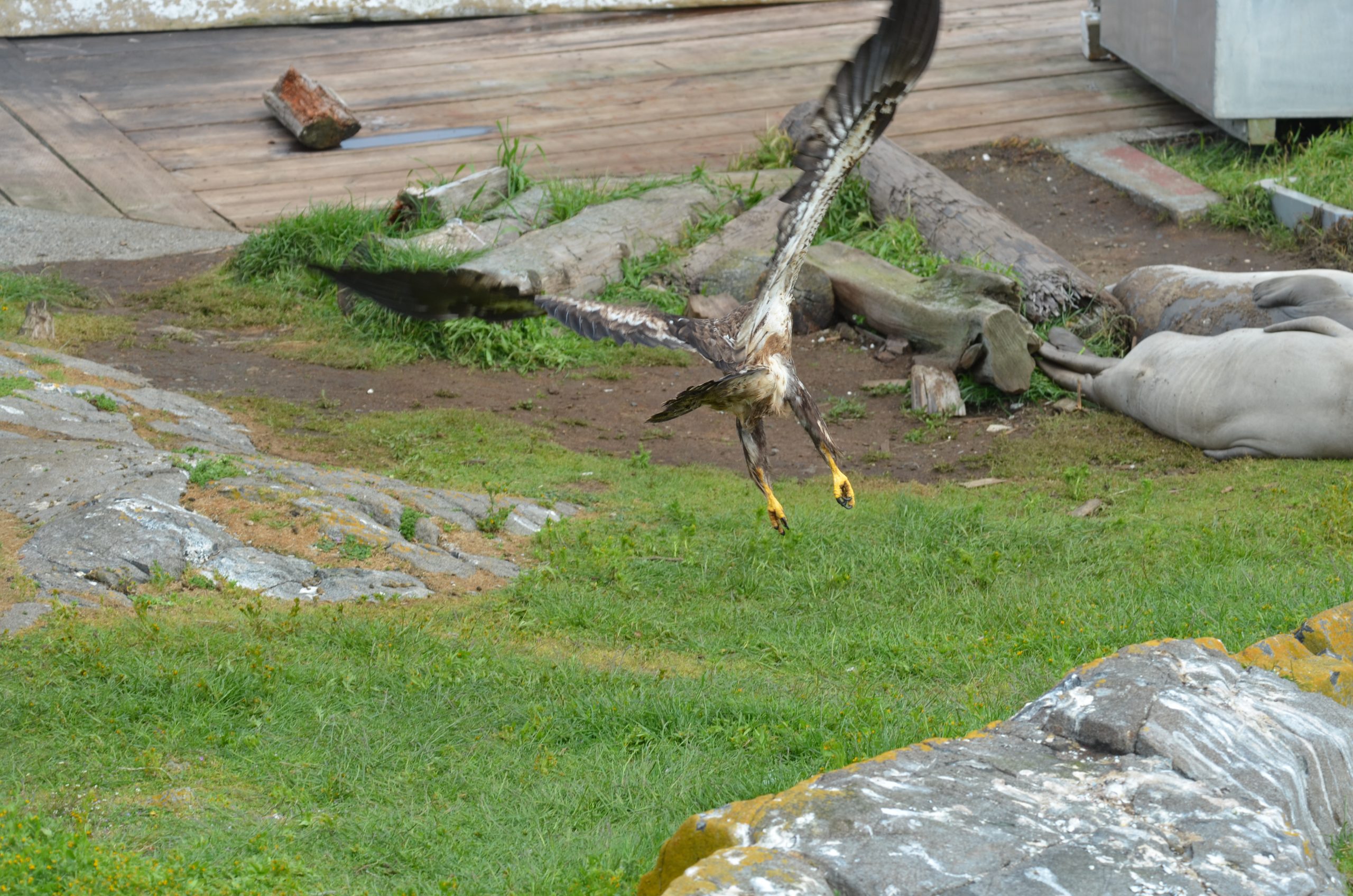
banded immature eagle

wind 11 knots north east

sky clear

water calm visibility >15

Started the day watching the sunrise from the light house as I have for the past 7 days. This was the first morning whales were not visible. the water surface was like a mirror. There was no wind. Many groups of birds, between 20 and 50, were headed south. In the course of 30 minutes I saw over 10 groups. They looked like Alcids and I suspect common murre. There is a poor picture below but when I enlarge it I can make out the markings..


I saw what I believe was a dolphin twice. Just a blow much smaller then the whales and almost no animal visible. I only saw each blow because I was looking through binoculars at the birds, otherwise I would have missed it.

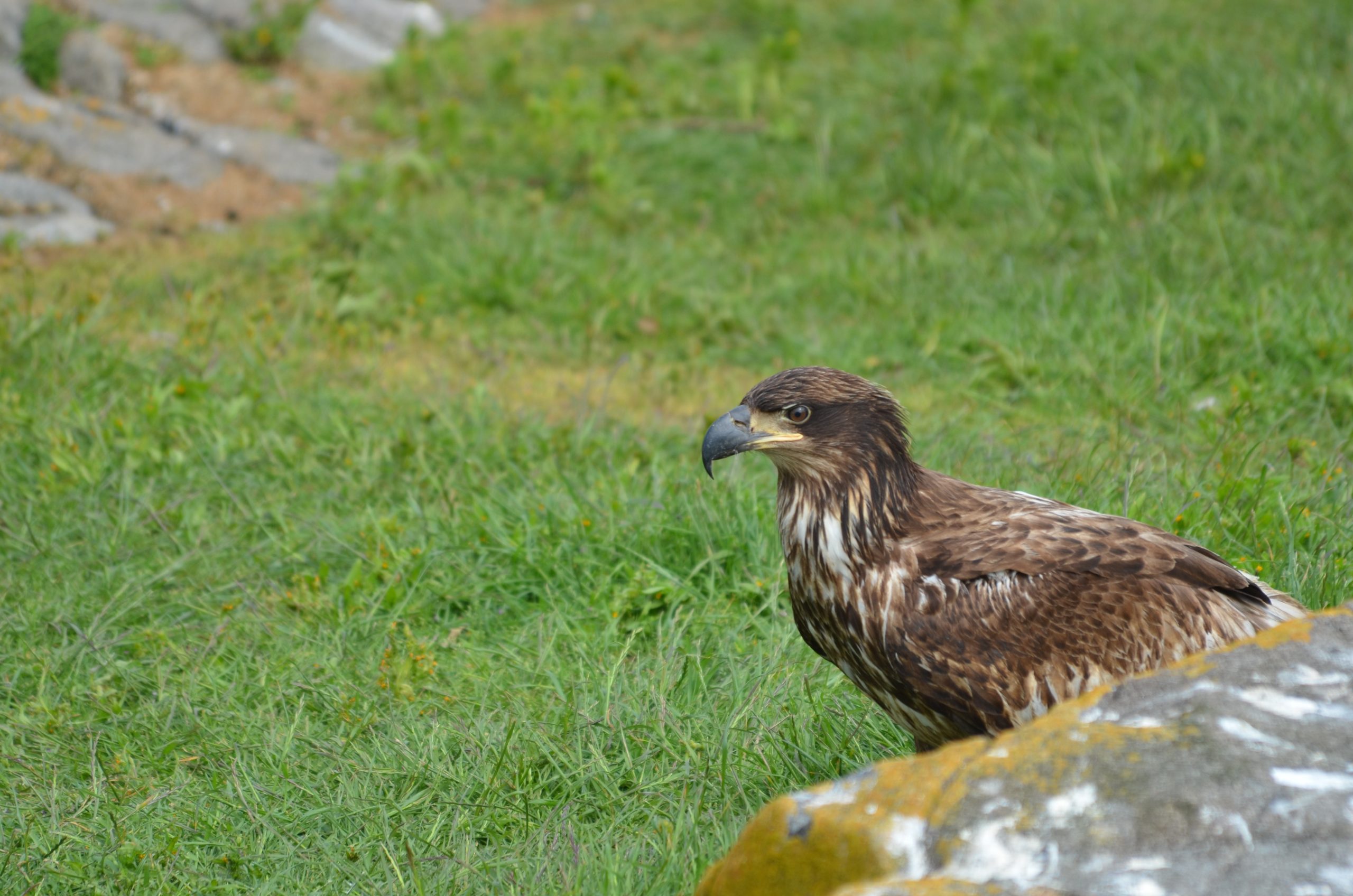
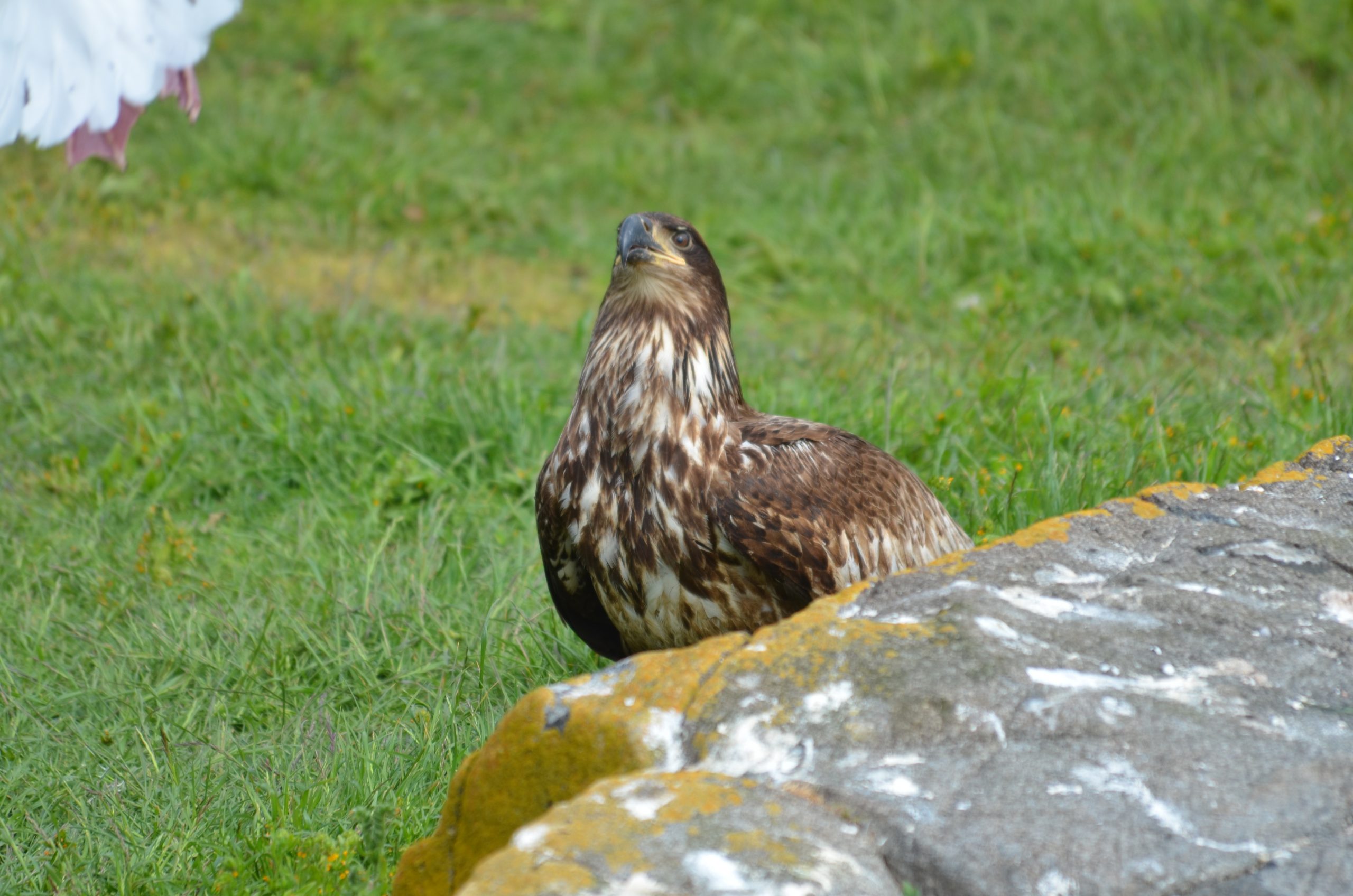
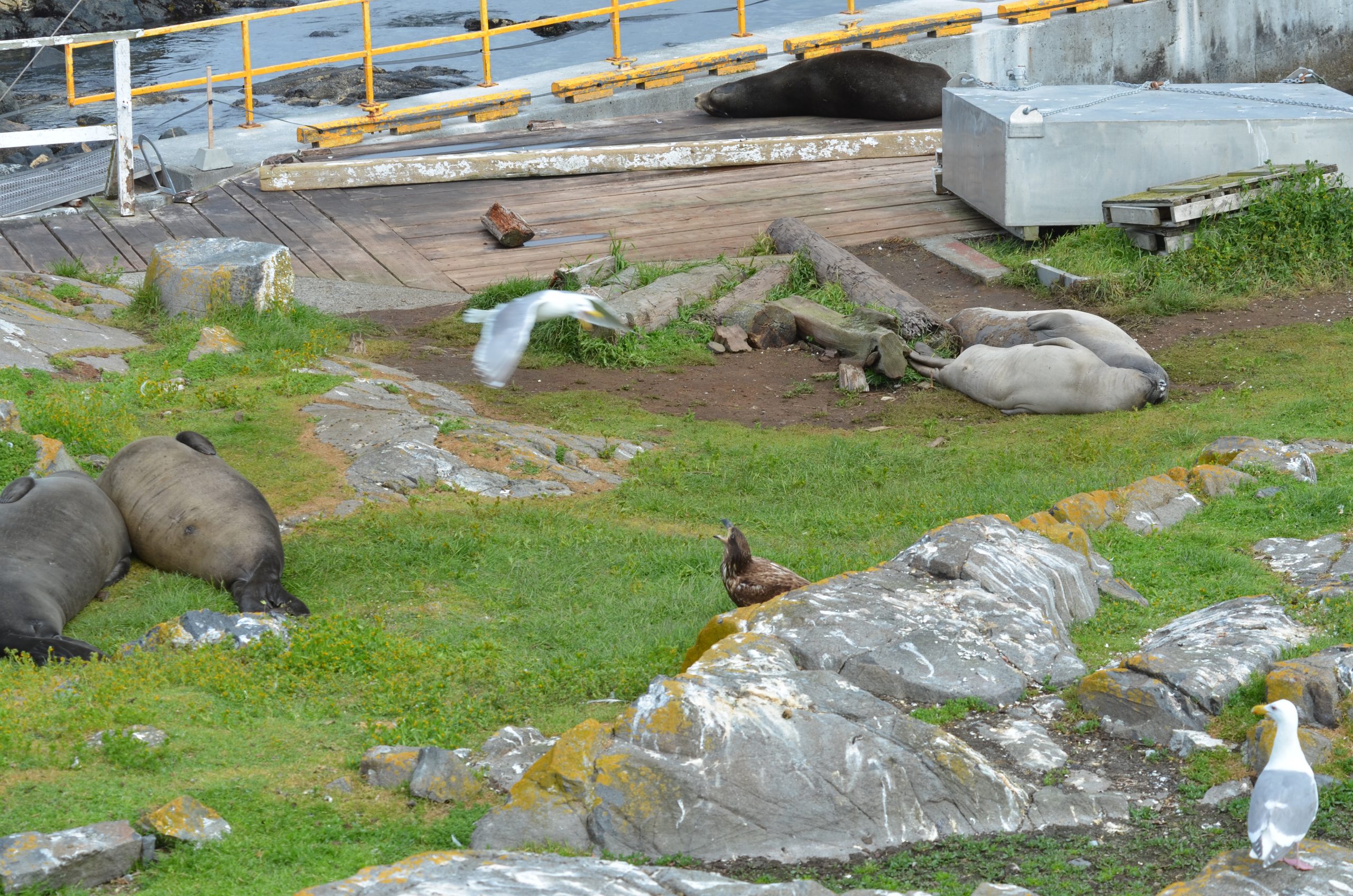
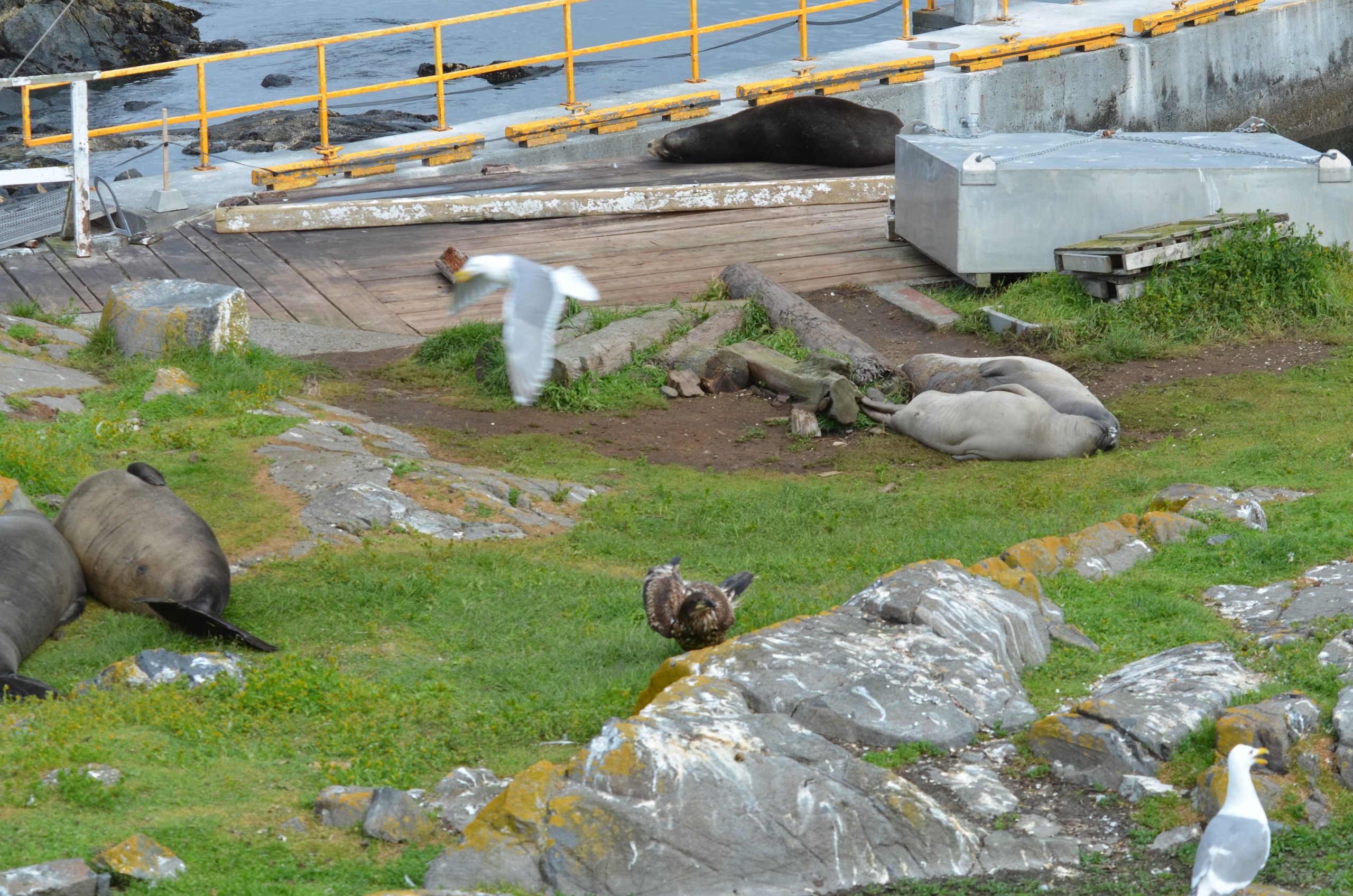
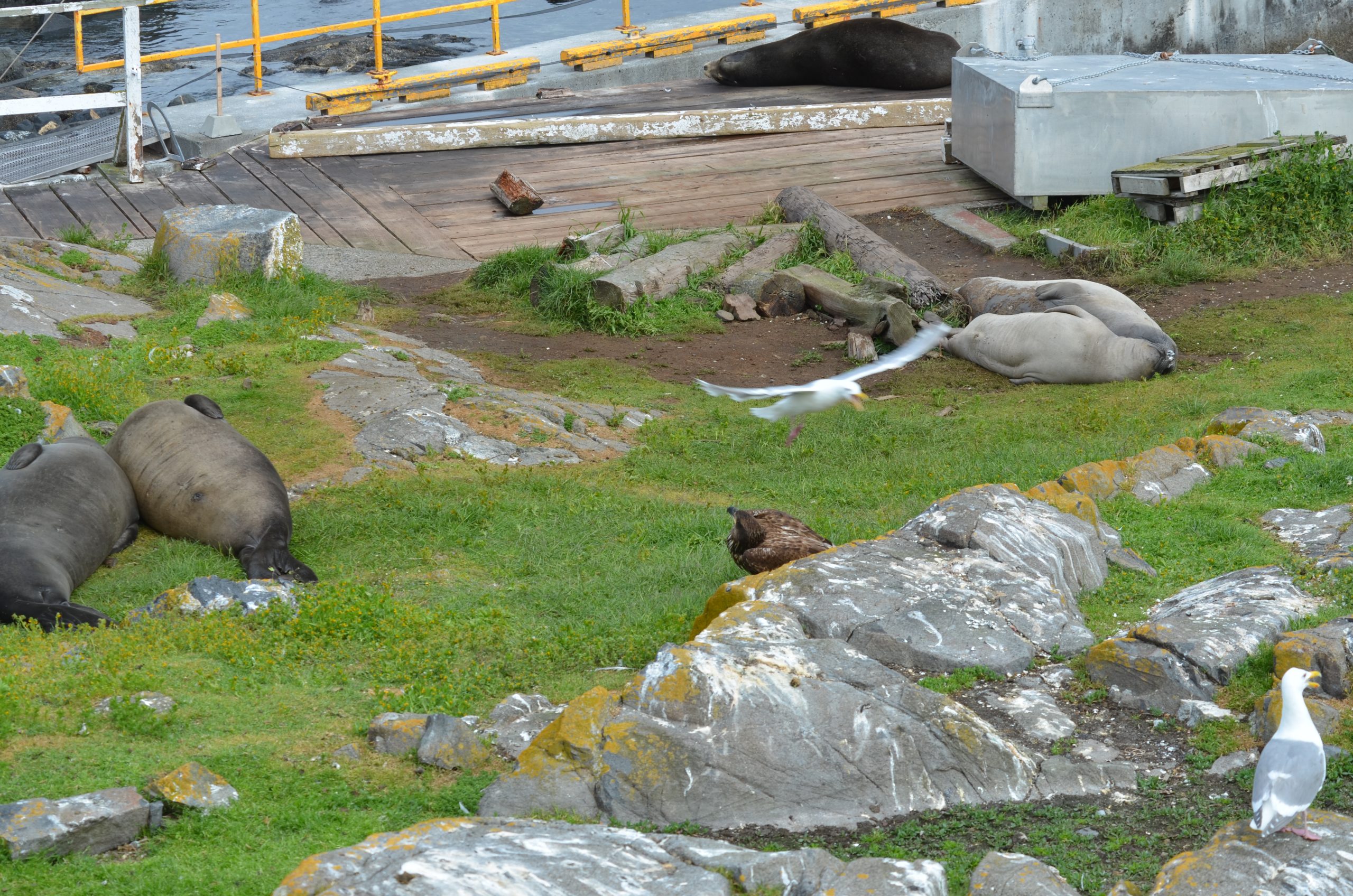
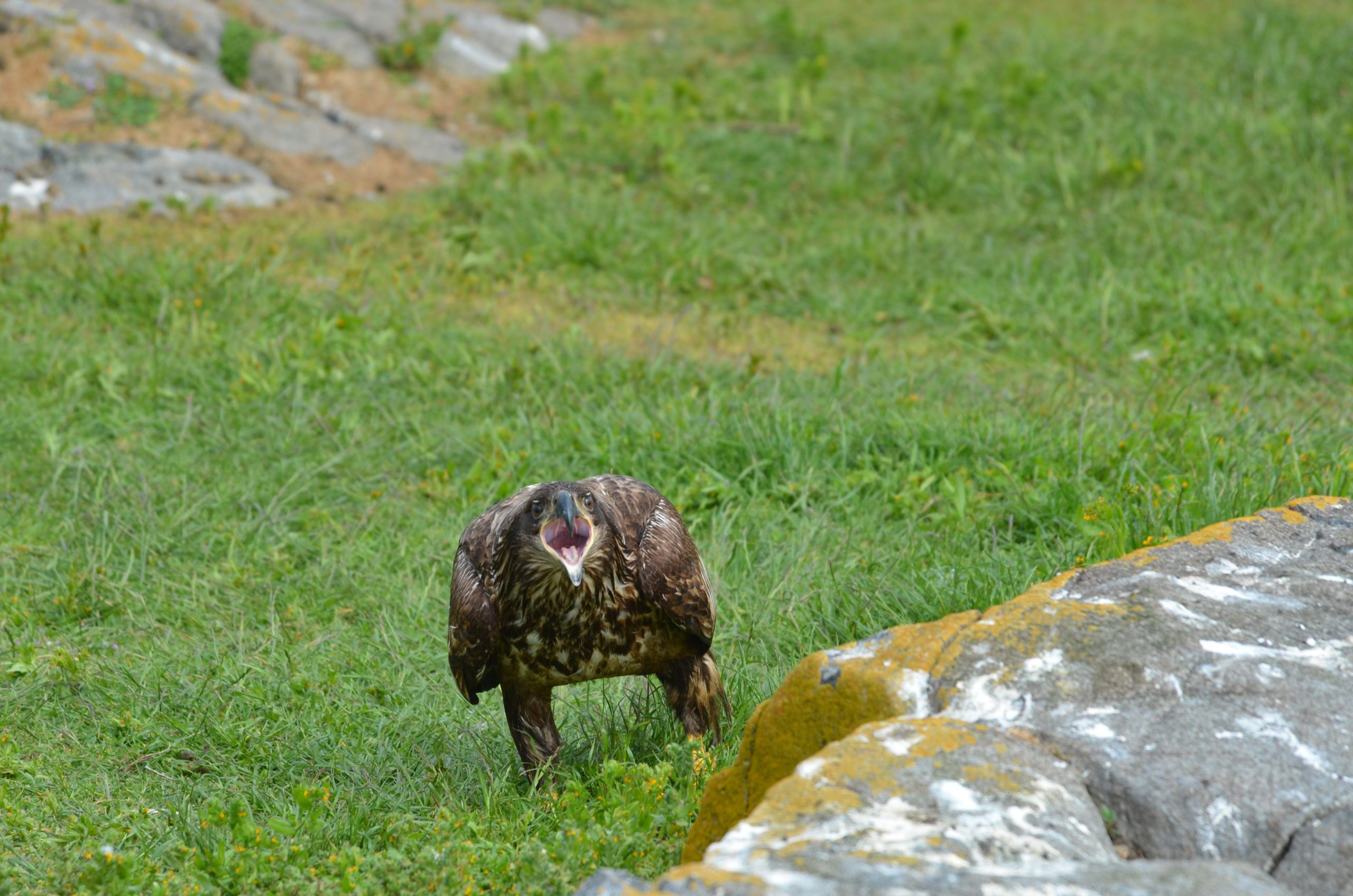
About an hour later I took this picture of an immature eagle eating a gull and when I looked online I could see its’ tag.

The humpback whales were visible again around 10 a.m. and I watched 2 of them for about an hour. There were lots of pectoral fins,dives and mouths breaking the surface followed by bubbles.


Maintenance

Greg and Guy came out today and filled the water tank, pressure washed around the generator house. We cleaned up some oil that is leaking in the generator house from the coast guard abandoned machinery. Brought fuel up to the generator. This week I brought almost all the wood from under the porch into the house and today I started moving the pile of driftwood by the jetty up under the porch. Also I am planning to have the lighthouse stairs swept by tomorrow (20 left to go). Electric fence mending continues daily.


Whale Watching boats

I have been pleasantly surprised at how respectful the whale watching boats have been. There has not been one incident of the sea lions plunging into the ocean. The boats go slowly and seem to watch the sea lions behaviour and veer away if they notice any activity suggesting anxiety. BUT TODAY after I had watched the humpbacks a boat zoomed over way too close and kept following the whales. they did not drift but actively pursued the whales for over an hour within 10 metres of them or closer. I took lots of photos and will send them to Tyron Pile. it was upsetting to watch. Maybe a new driver?