End of Summer?

The day started with partially overcast skies and a south wind of 5 – 10 knots. Late morning, the wind picked up from the northeast and brought fog. There was a bit of sunshine mid afternoon and then clouds gradually filled. By evening the wind was from the west 5 knots. Barometric pressure ended up a little higher than yesterday, but not by much and it was dropping again as evening progressed. The forecast is calling for showers and light to variable east to northeast winds.

There were was whale watching activity to the south today and 12 whale watching vessel visits were observed in the Ecological Reserve. They were mostly well behaved but a couple operators need to mind their speed in reserve and everyone gets very close to the sea otters, although the sea otters do not seem disturbed. Three sports fishing vessels were noted in reserve. They all slowed and proceeded carefully, using Middle Channel.

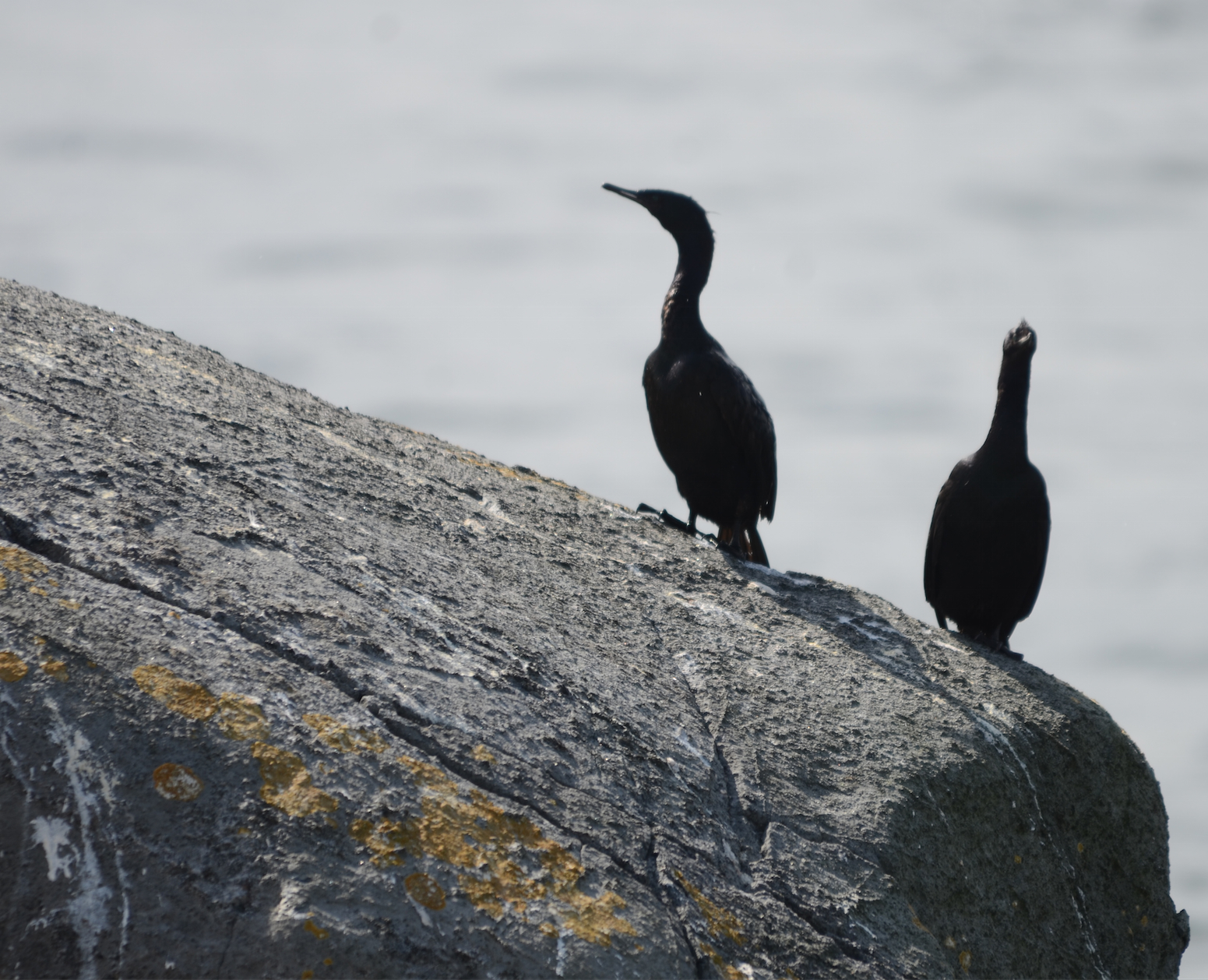
As the weather changes and summer draws to a close, more migratory birds are noted at Race Rocks. Some are just passing through on their way south, maybe some of the same ones I saw going in the other direction last spring such as Barn Swallows, Fox Sparrow and American Pipets. Other birds are arriving back from their breeding grounds to spend the fall winter and spring, like the Harlequin Ducks. Harlequin Ducks were seen this morning around Turbine Rock. Others are at the northern end of their post-breeding migration like the Heerman’s Gulls and California Gulls and will head south again before long. Pelagic Cormorants are spotted roosting near Camera 5 daily. This is a species that used to nest here and it would be nice to see them nesting here again.

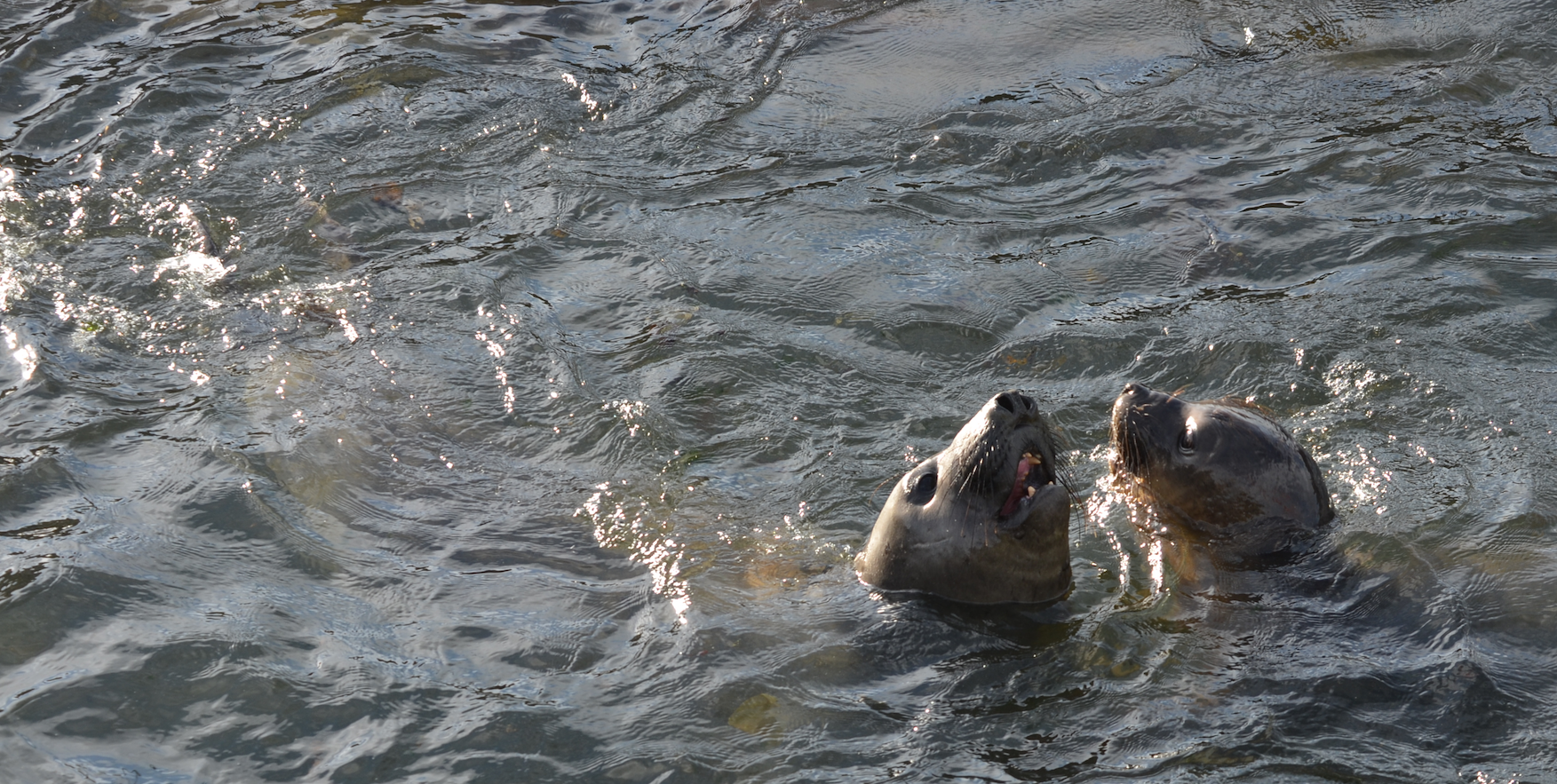
On the Pinniped front there were nine Northern Elephant Seals holding their ground on the top of Middle Rock today. As I know from personal experience they are good at that.

Chores were routine today and there were no visitors.

Strong Westerlies

It was a westerly kind of a day, gusting 25 – 30 knots all morning under partially clear skies. In the afternoon gusts were stronger, churning the sea into a white froth. The wind speed dropped to 20 knots in the evening and was closer to 15 by the time the sun went down. Although the fog was threatening early, it stayed off to the west and the haze that has hanging around was cleared by the wind and replaced with building clouds. The strong wind warning continues and the forecast for Monday is mainly cloudy. The barometer continues its step-wise descent.

In spite of blustery conditions and because of all the marine mammal action there were 18 visits observed by commercial tour operators today. Whale watching was good in the area today and the sea lost some salt to exhilarated looking tourists who had their hoods on and exposure suits battened down in the smaller open boats. No other vessels were observed in reserve.

It was another exciting day on the mammal front with Humpbacks all around, Killer Whales in Race Passage, an increased number of sea lions and return of at least one elephant seal to Great Race Island. Salmon continue to be an important part of gull diet in the area and that is mostly due to scavenging off kills by sea lions.

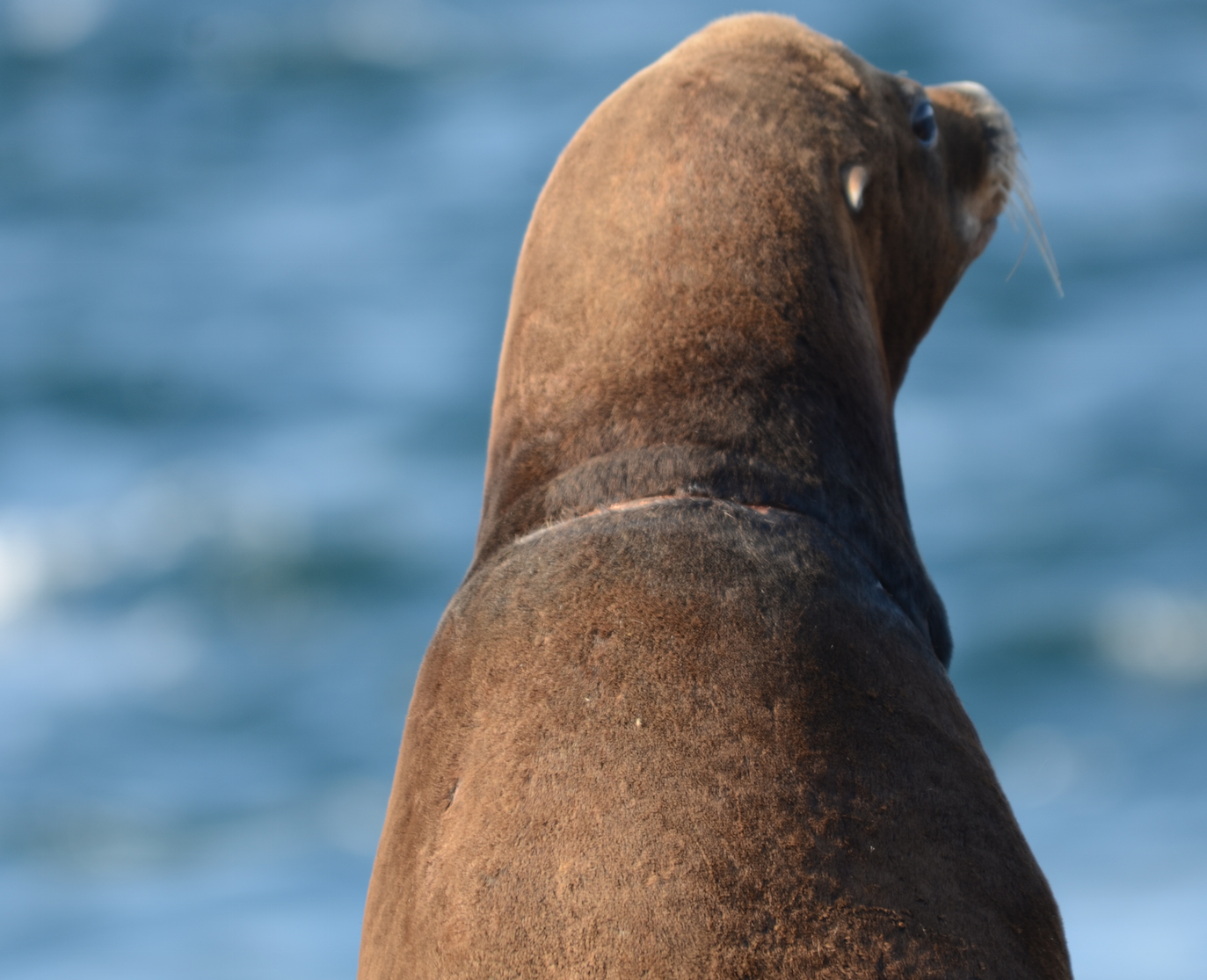
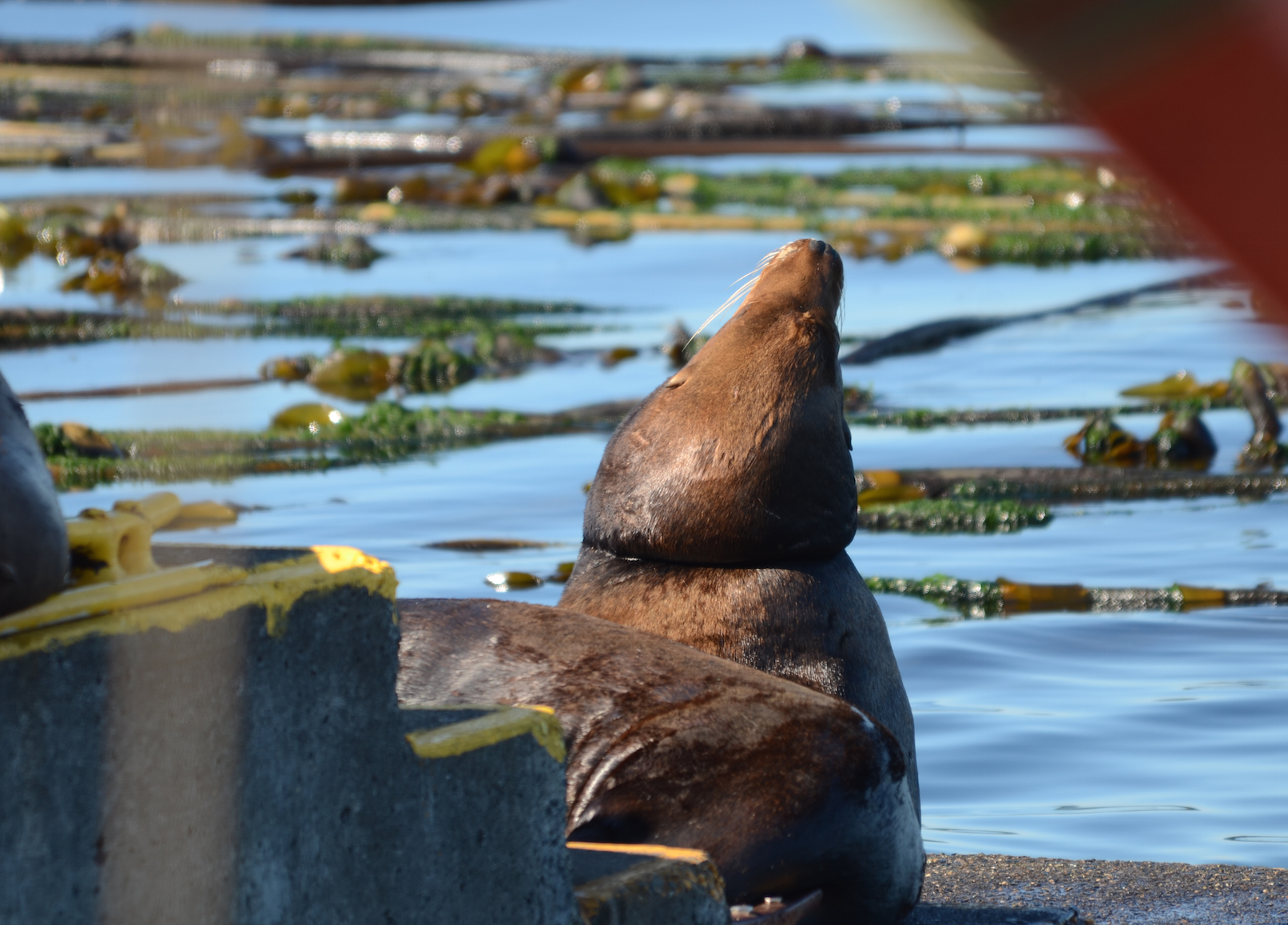
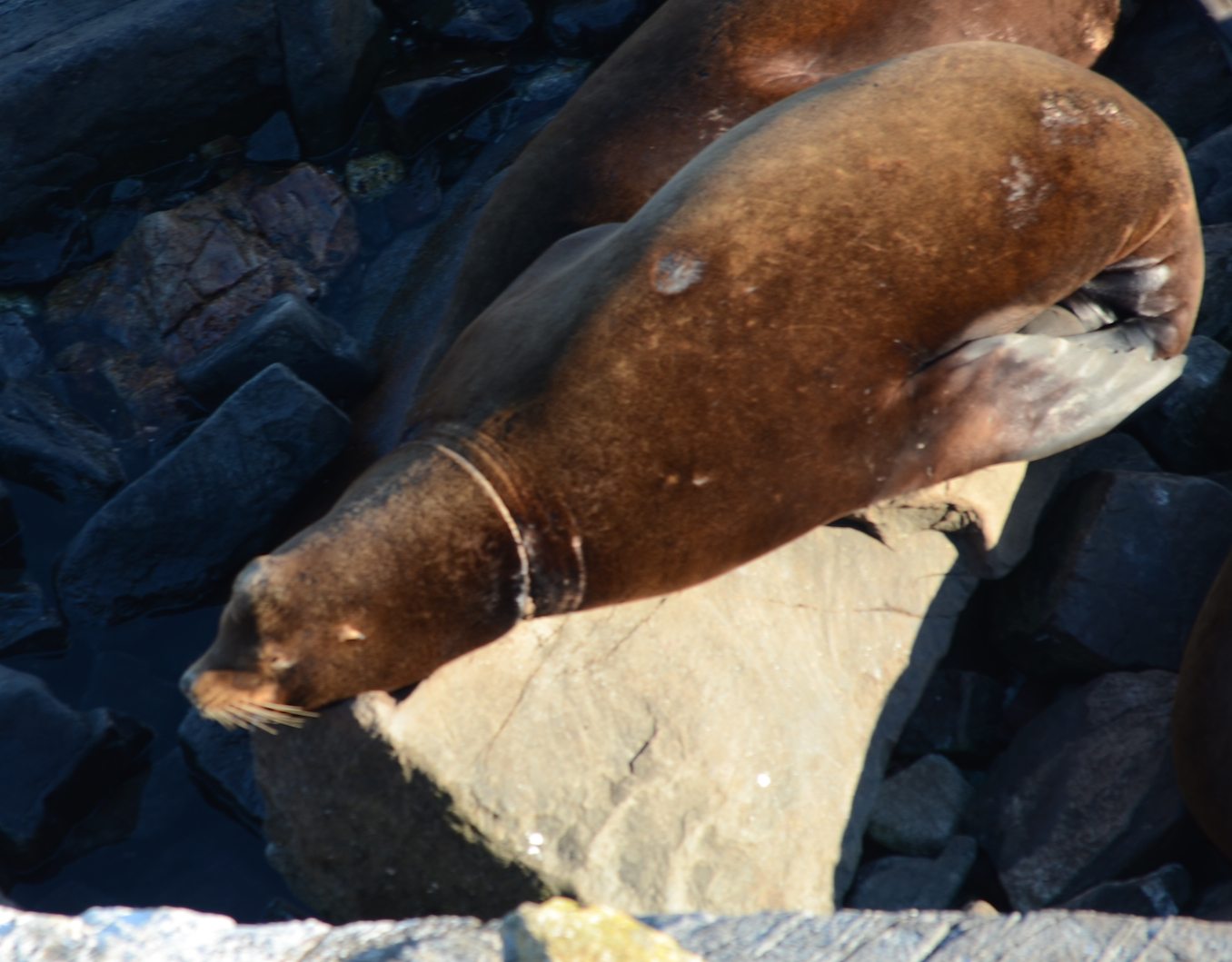
One of the California sea lions that hauled out with a big new flasher last week, has managed to get rid of it. I am not sure if the hook is inside but today he just had a little broken piece of the flasher hanging out of his mouth when I went to do the seawater sampling and when I came back it was lying on the walkway with its bead chain still looking shiny. There are several ‘necklaced’ sea lions here right now. They all seem to have white plastic strapping around their necks and it looks deadly.

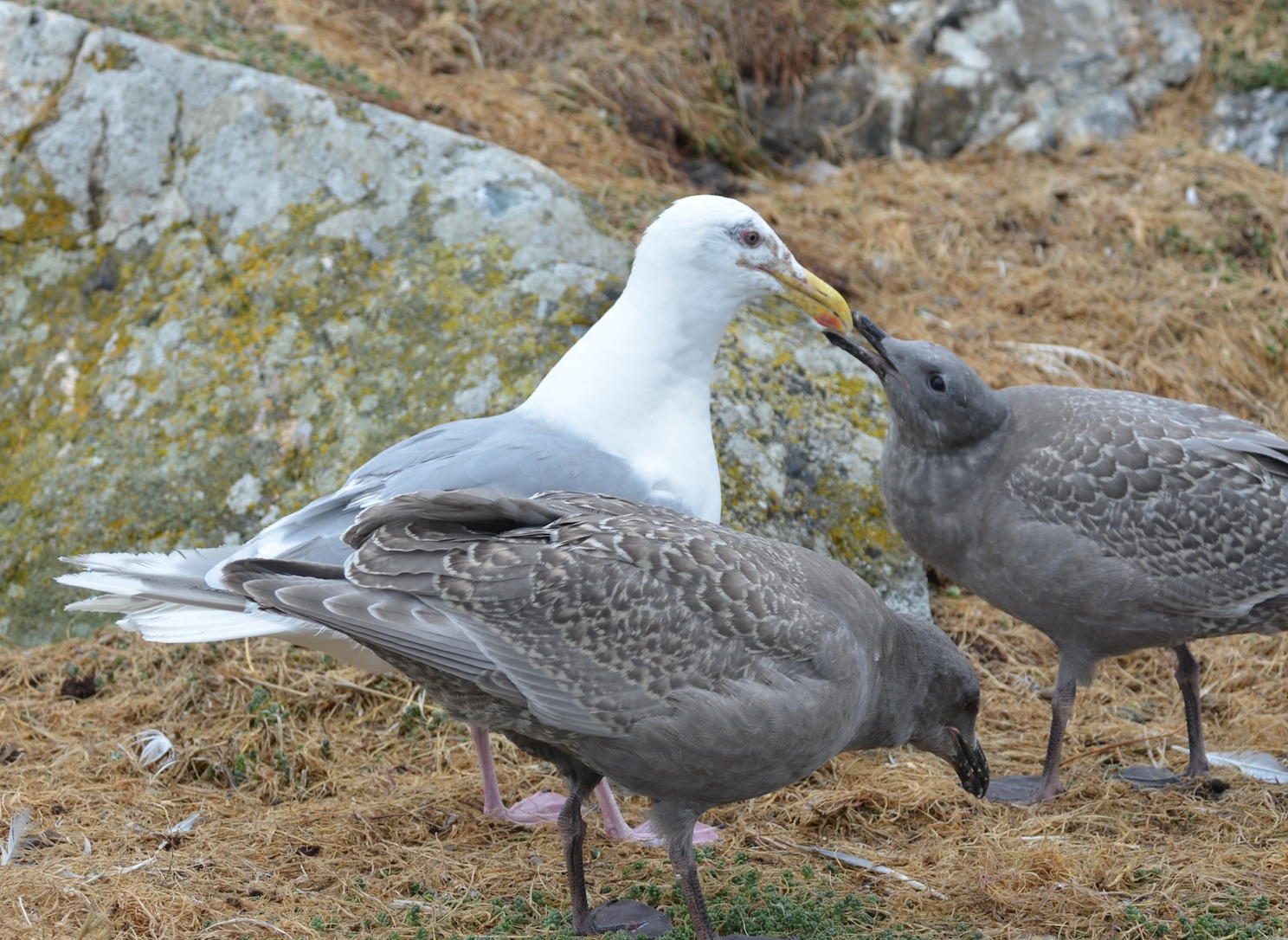
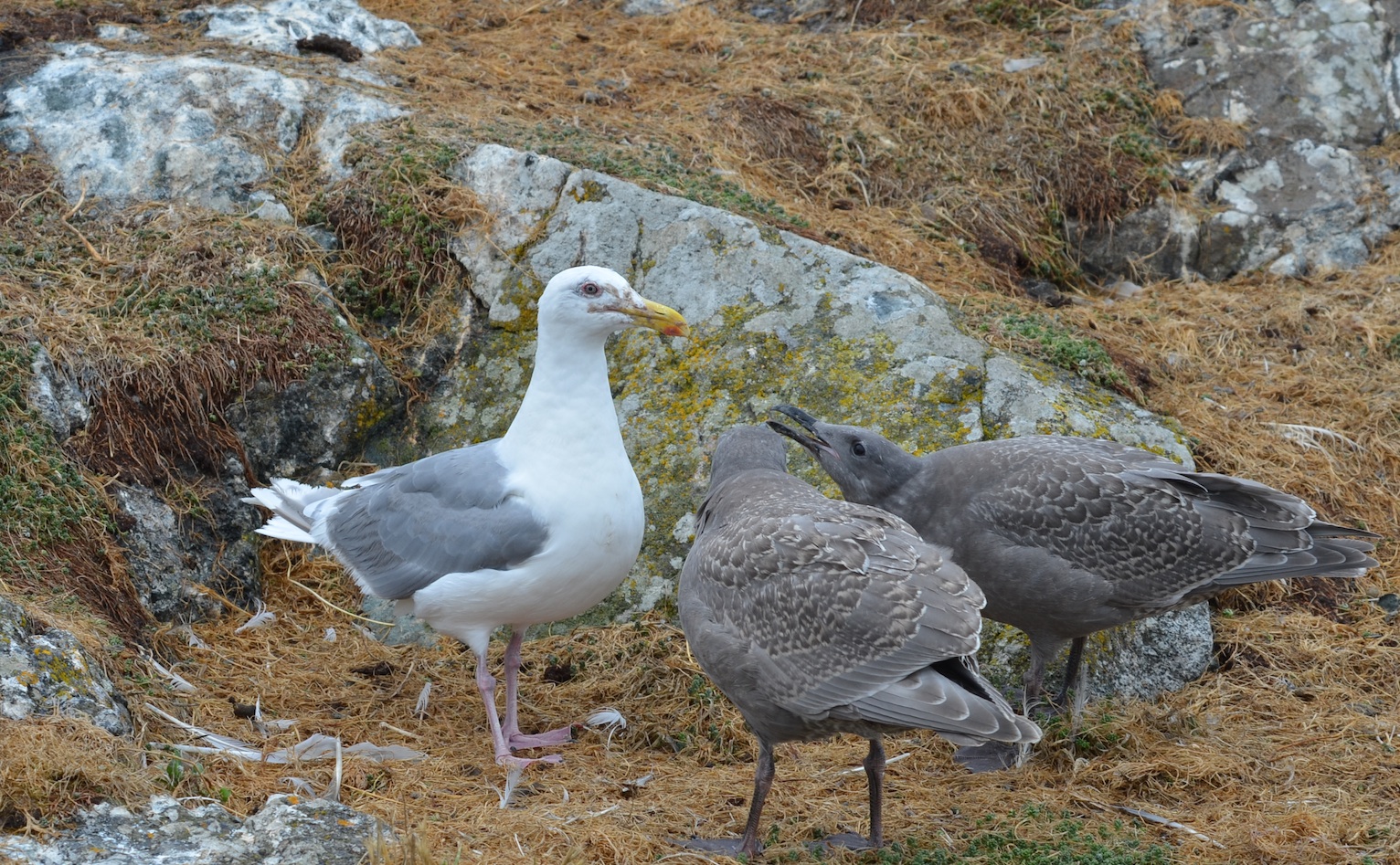
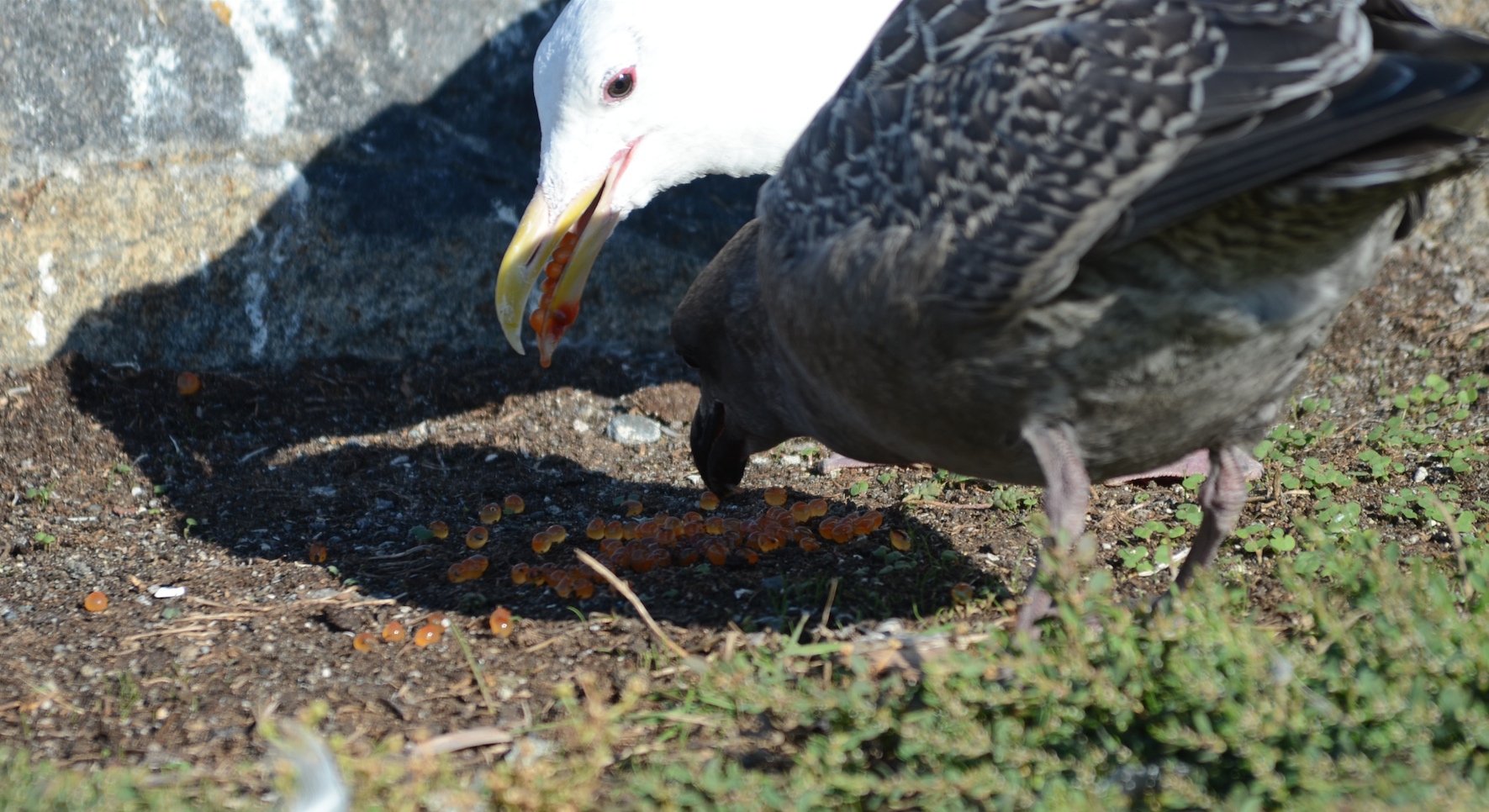
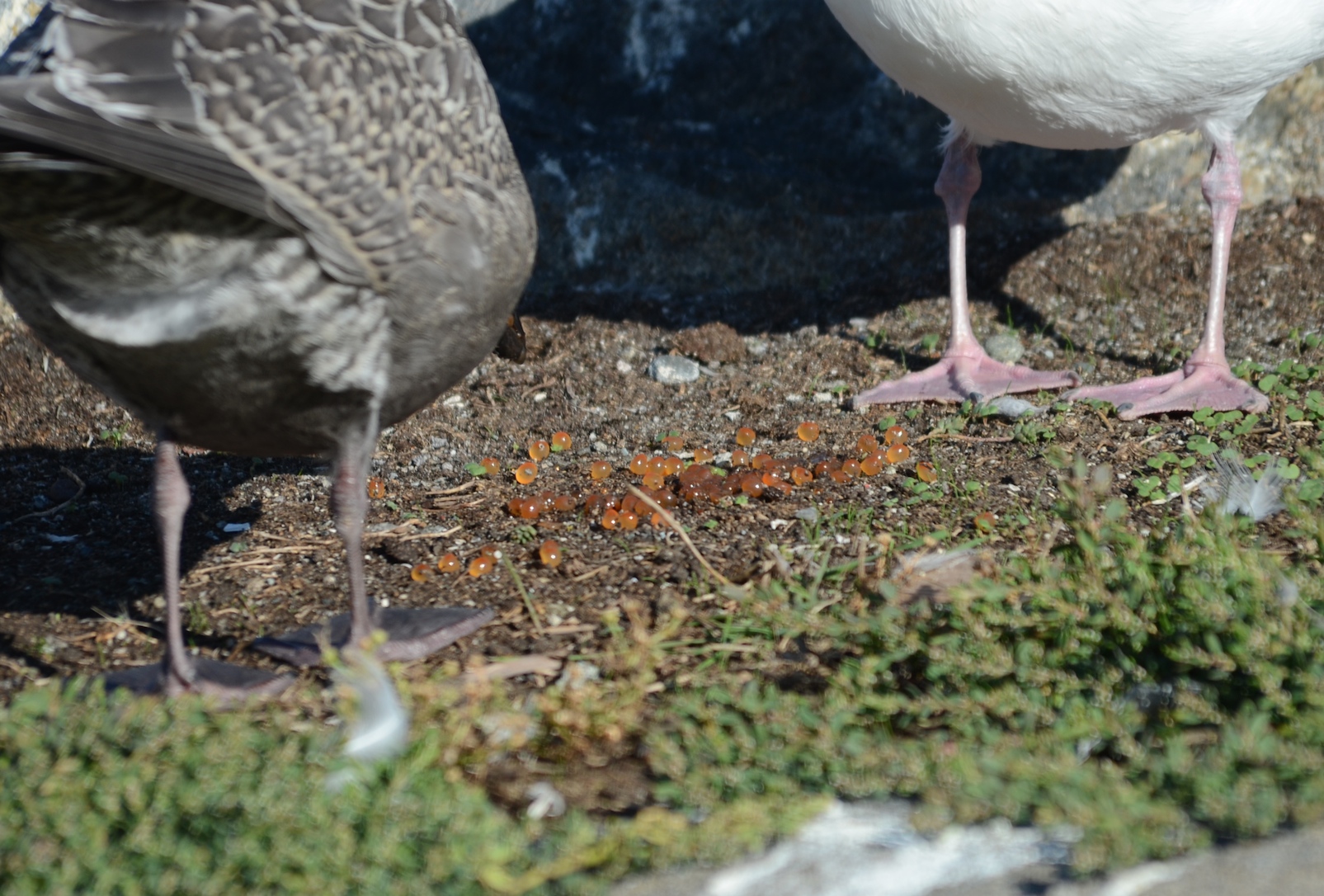
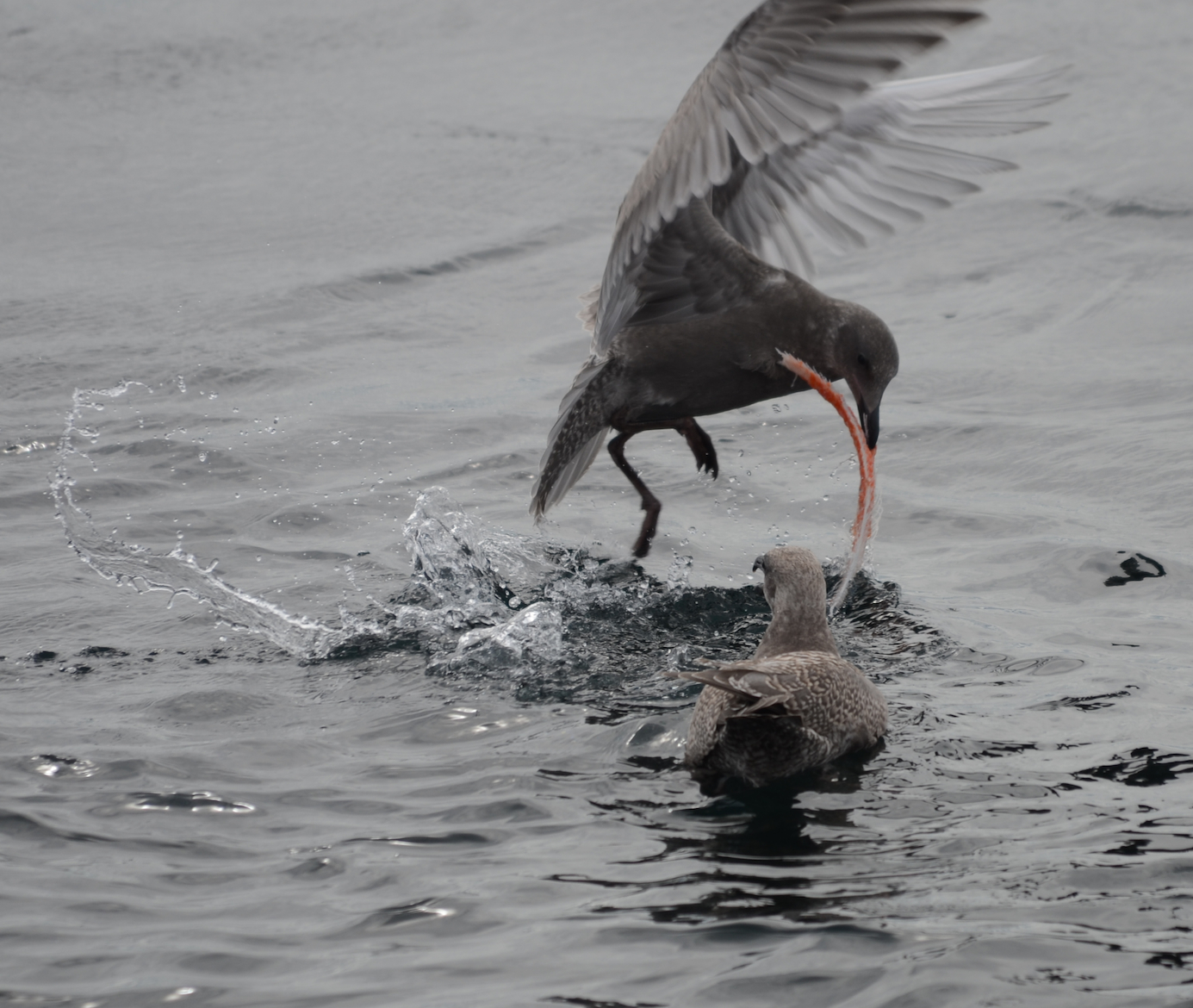
There are only a few Glaucous-winged Gulls left on Great Race and not many more that are still being fed by parents. I photographed one juvenile eat salmon caviar brought back and deposited with special serving and plating effects by its parent. Lots of people think that gull is just a four- letter word associated with human garbage and super abundant. Glaucous-winged Gulls are the only species (of ten species seen here) that actually nest in the Salish Sea and their numbers have been declining for a few years now. Known in birder code as GwGu this four letter word represents an important species in the local ecosystem that is a risk due to human activity. In many areas plastic pollution poses a serious threat to young gulls that do not know better than to eat it. From the evidence so far far at Race Rocks, GwGu have been fairly plastics-free. Lets keep it that way.

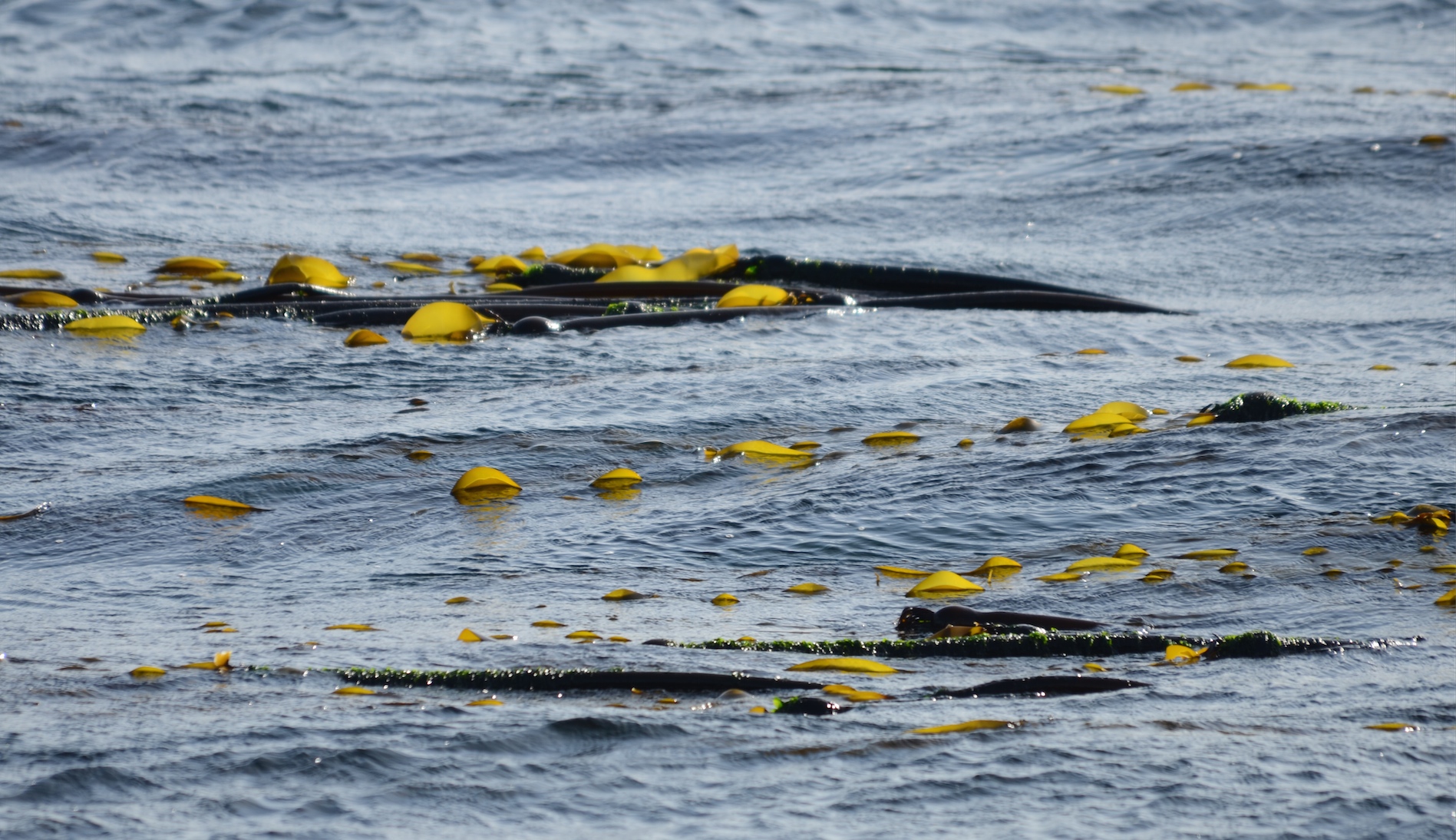
Although most of the bull kelp is still very strong and beautiful, many of the stipes have epiphytic green or red algae growing on them now as they start to senesce. Bull kelp is an annual species and it grows very fast during the spring and summer. Soon the storms will be dispersing these incredible carbon sinks and some will end up on the bottom entombed in mud. Sinking plankton takes the most carbon to the bottom, helping make the ocean the world’s biggest carbon sink for atmospheric carbon dioxide. Thank you ocean, for being such a complex regulator of climate.

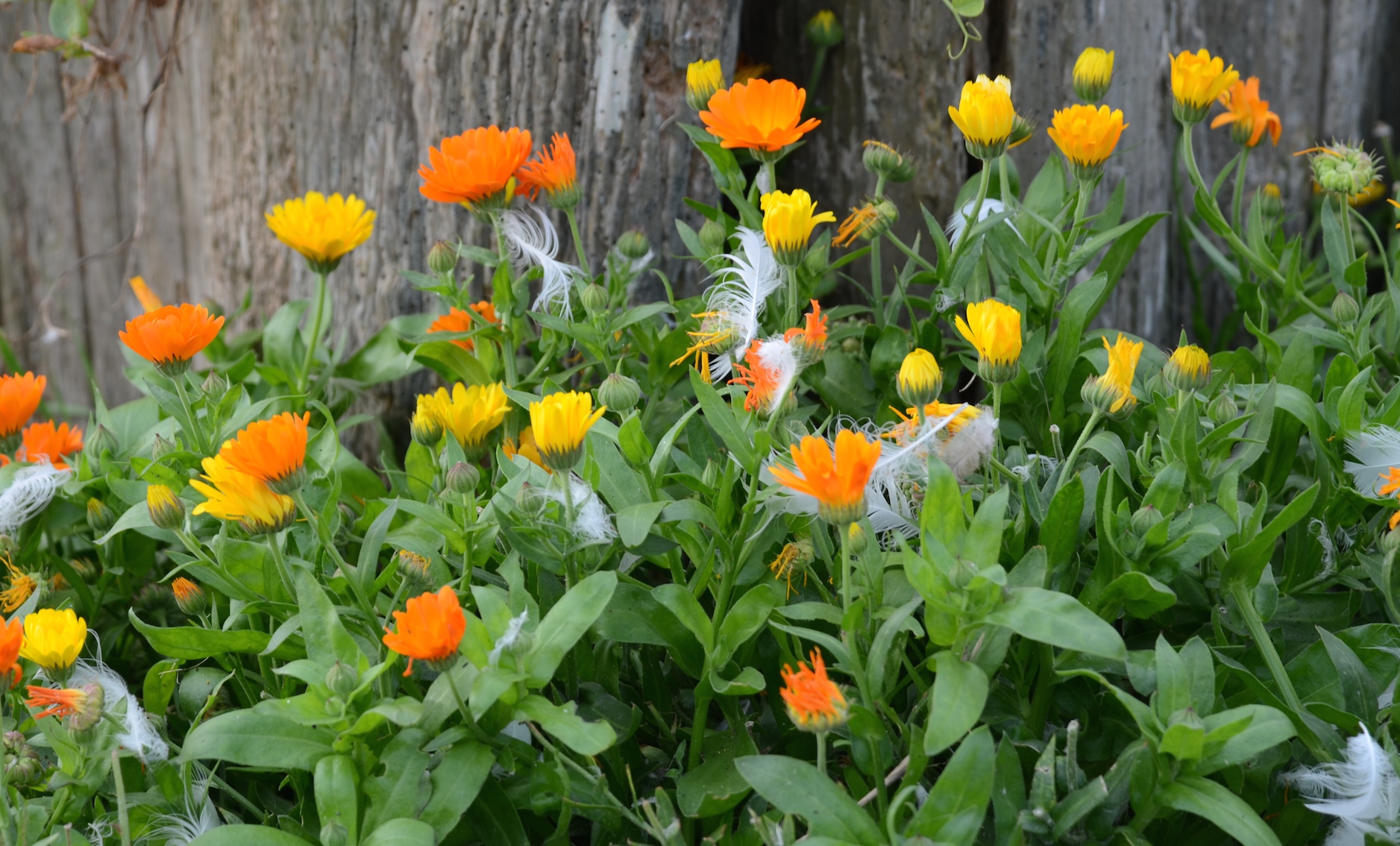
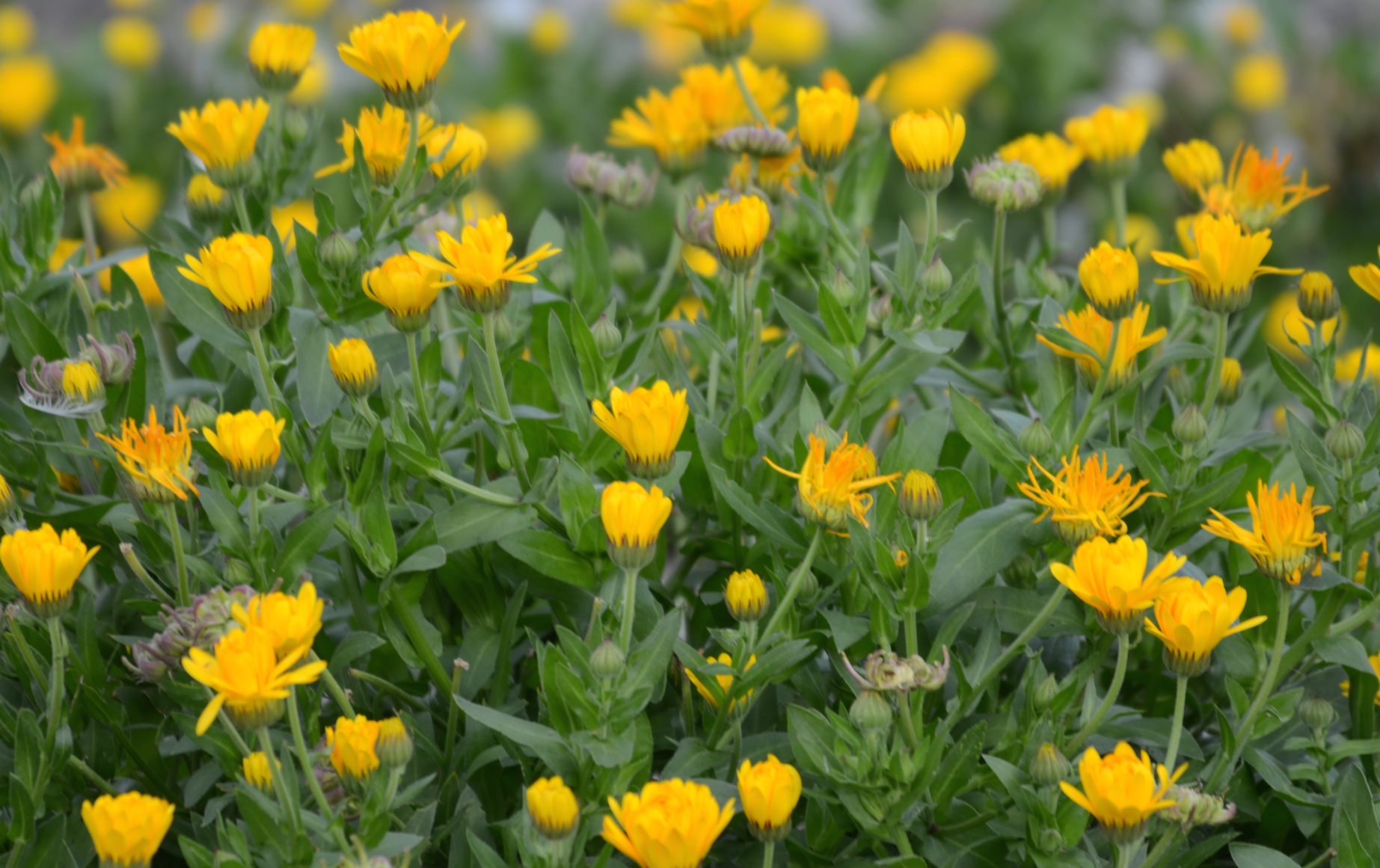
Ashore, the Calendula is still blooming giving new meaning to the term perennial. This plant flowers all year round here, looking as fresh in September as it does in March. It closes up when it is cold and wilts in frost but survives as a remnant of a long-gone lighthouse keeper’s garden. Native to the Mediterranean, Calendula’s bright, cheery blooms are incredibly resilient and it is one of the few plants the Canada Geese don’t eat. Although it probably shouldn’t be flourishing in an Ecological Reserve here, I am glad it is here and it reminds me that people are part of the ecosystem.

Again chores were routine and there were no visitors.

Moulting Time Again: Fur and Feathers Fly

Fog gave way to sunshine by early afternoon and the west wind continued to increase from ~10 knots in the morning to 18 knots by mid-afternoon. The barometer, which has been sliding down stepwise since mid-day Monday made another step down today but remains relatively high at 1016 hPA. The forecast for Central Juan de Fuca is for more of the same but sunnier.

Except for Island Explorer, which did go through Middle Channel against the current today, there was no whale watching activity here today and no other vessels were noted in reserve.

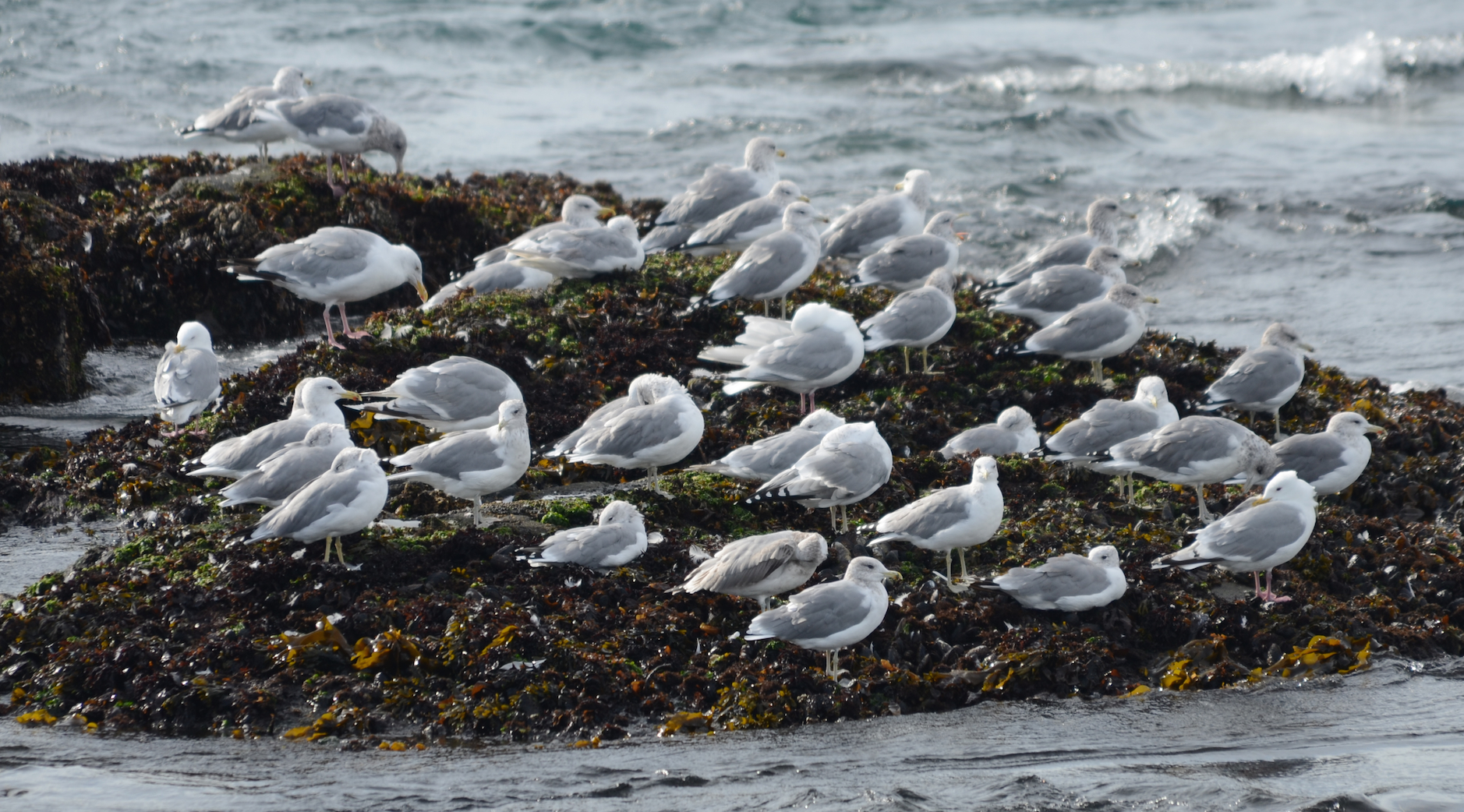
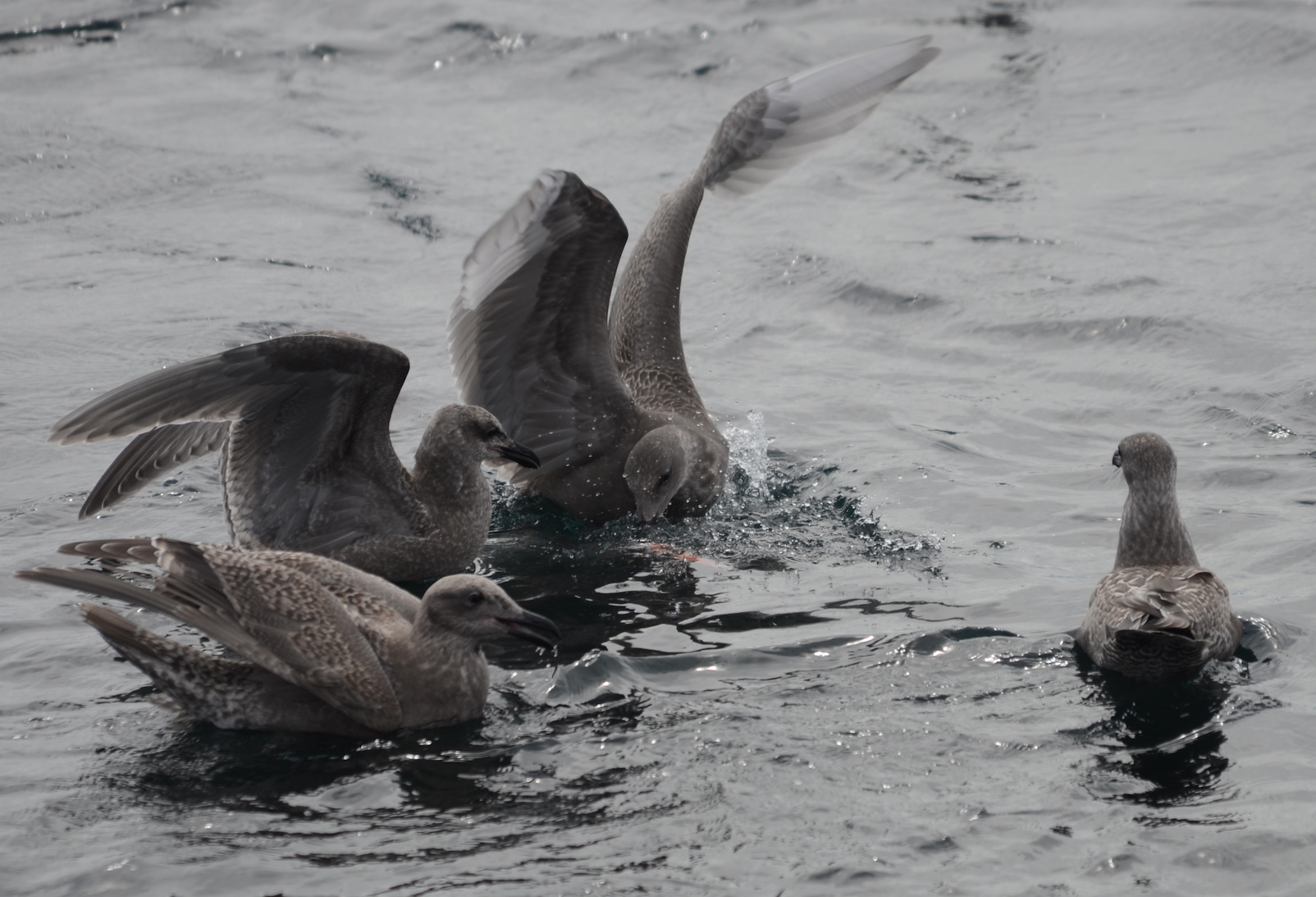
More post-breeding gulls from other breeding areas are showing up daily including California, Heerman’s, and occasional Herring and Ring-Billed Gulls. Glaucous-winged Gull adults that are still feeding chicks are looking battle weary and changing into winter plumage. Some of their heads are a mess from constant begging and pecking by the young ones. There are still territorial disputes going on between adults and young gulls that are not their own. Fresh remains of Glaucous-winged Gulls are seen daily in different spots so I guess in a way those adults with young are the lucky ones. The gulls that are flying are feeding on salmon bits provided by the sea lions and many of the feeding flocks here are dominated by juvenile Glaucous-winged Gulls.

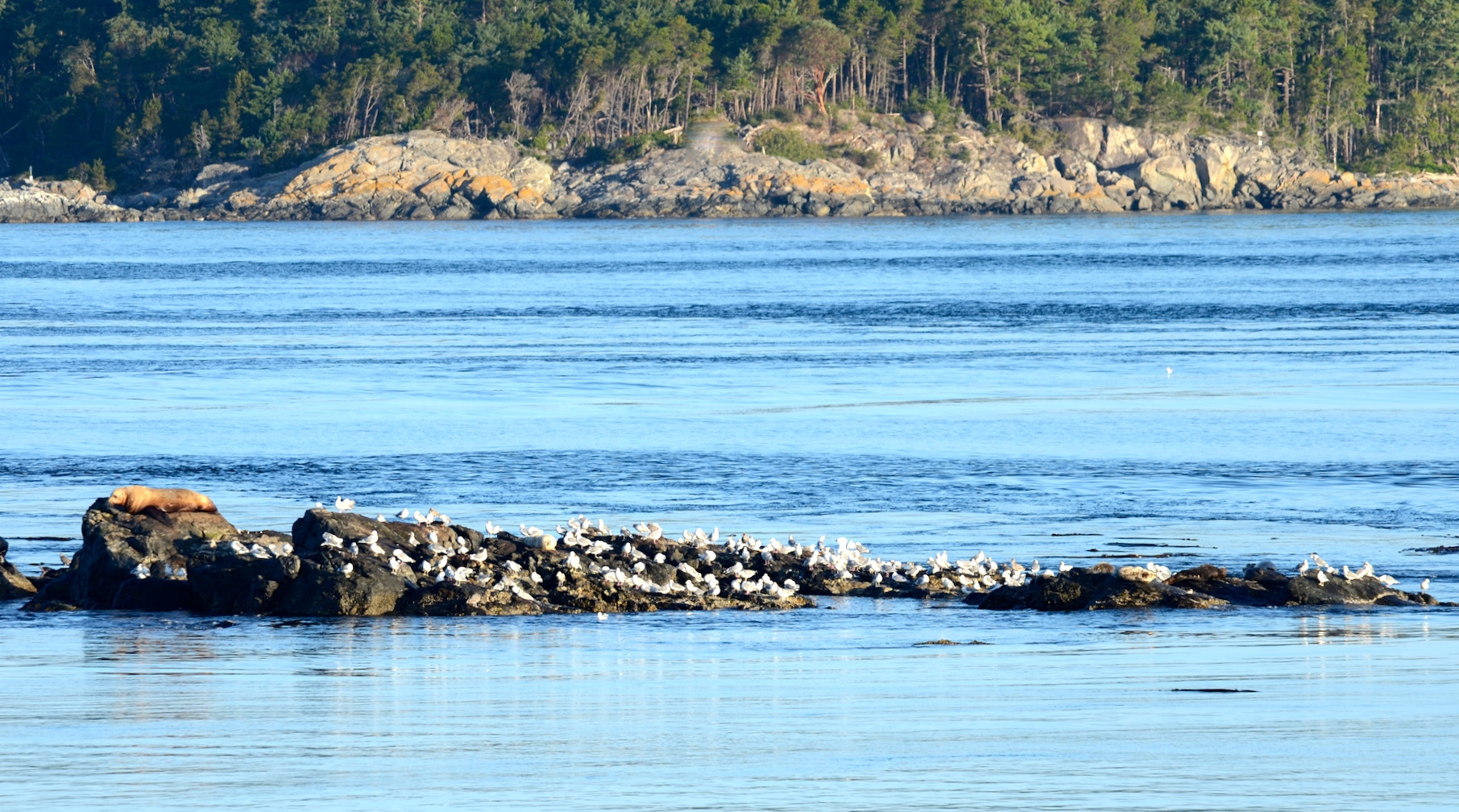
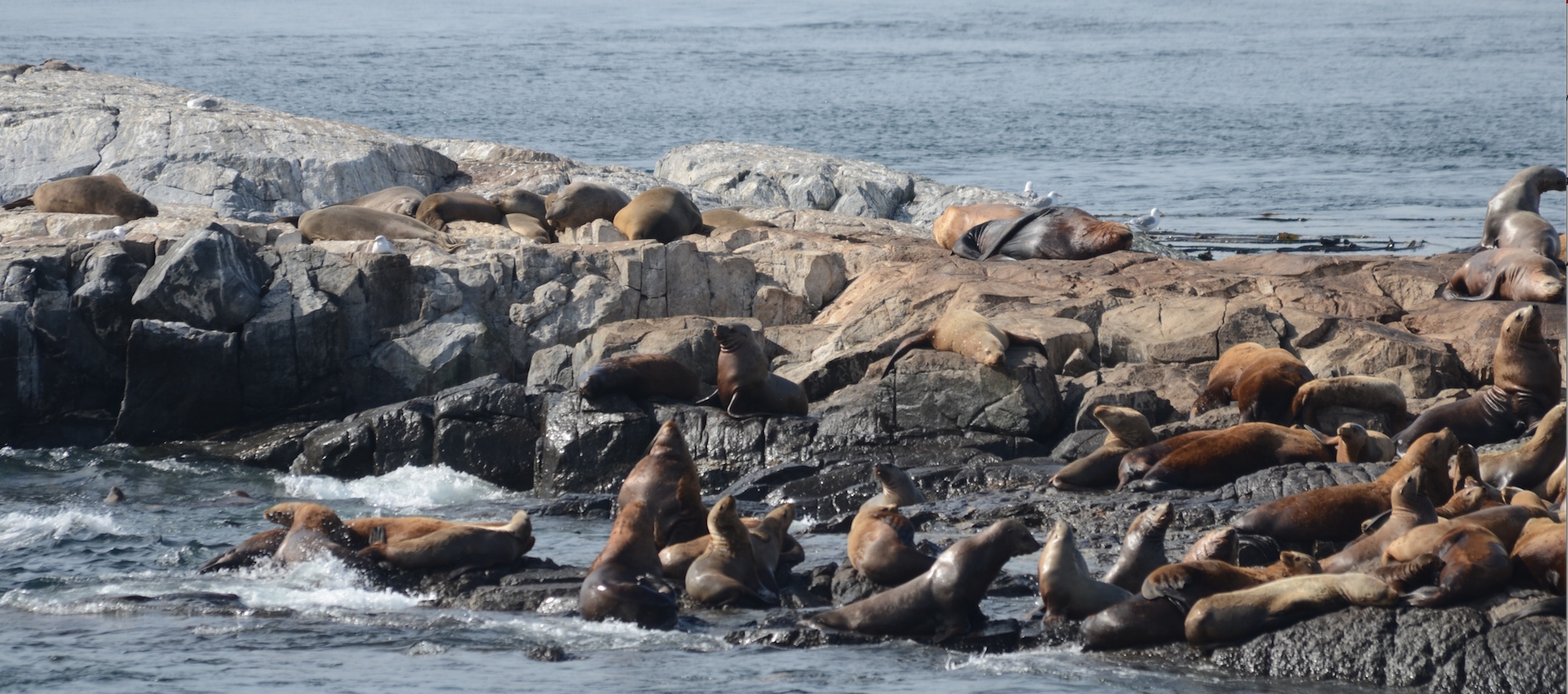
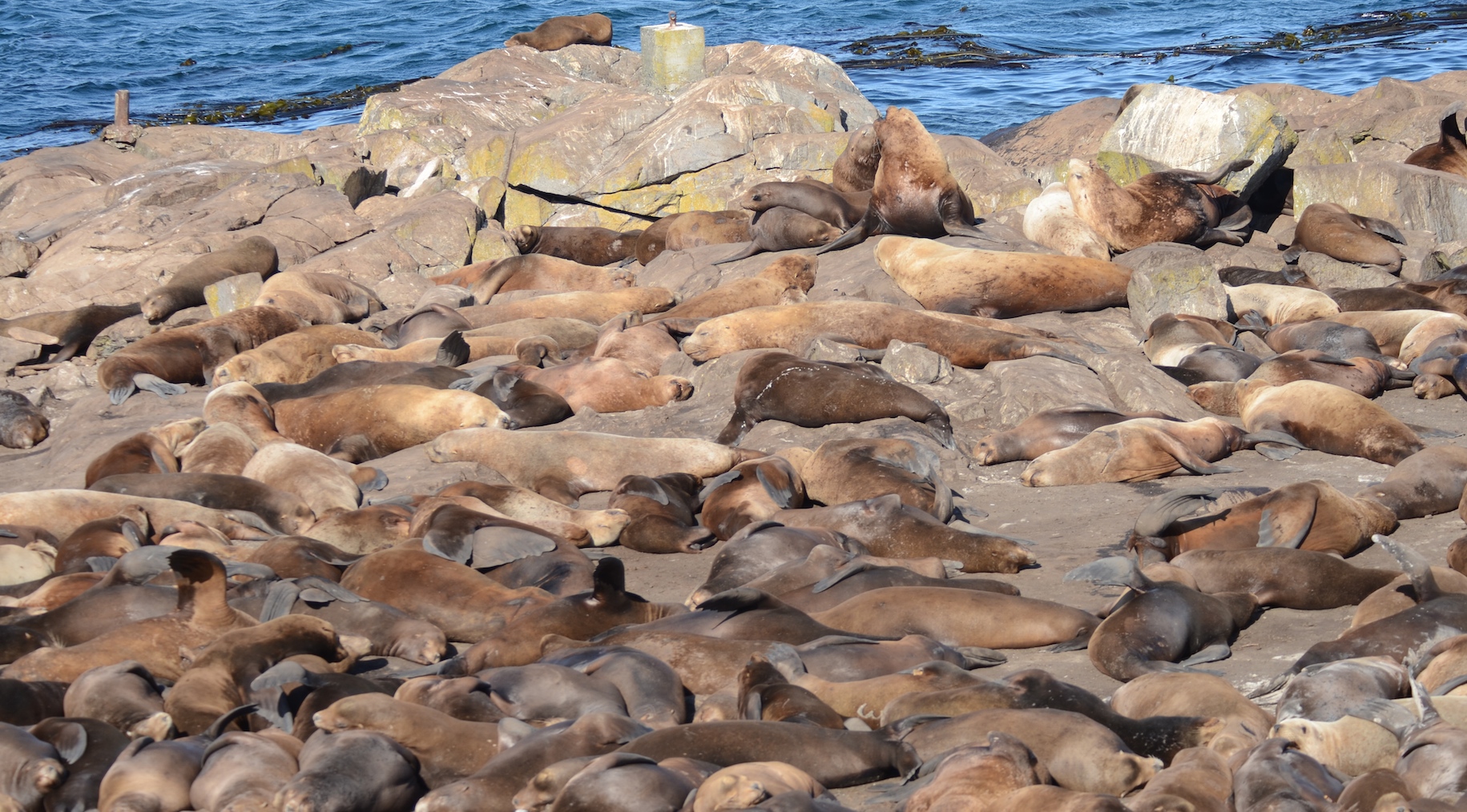
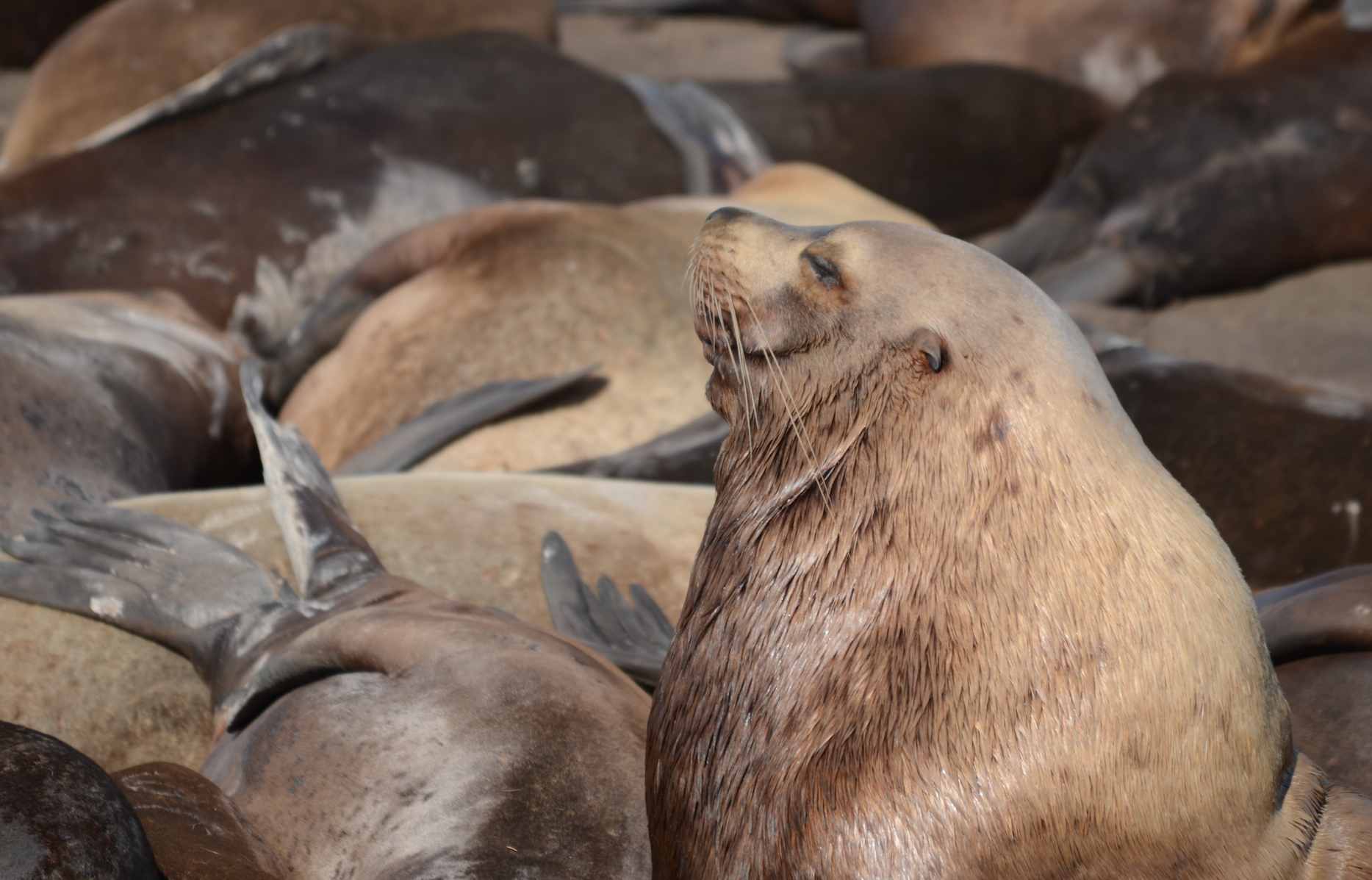
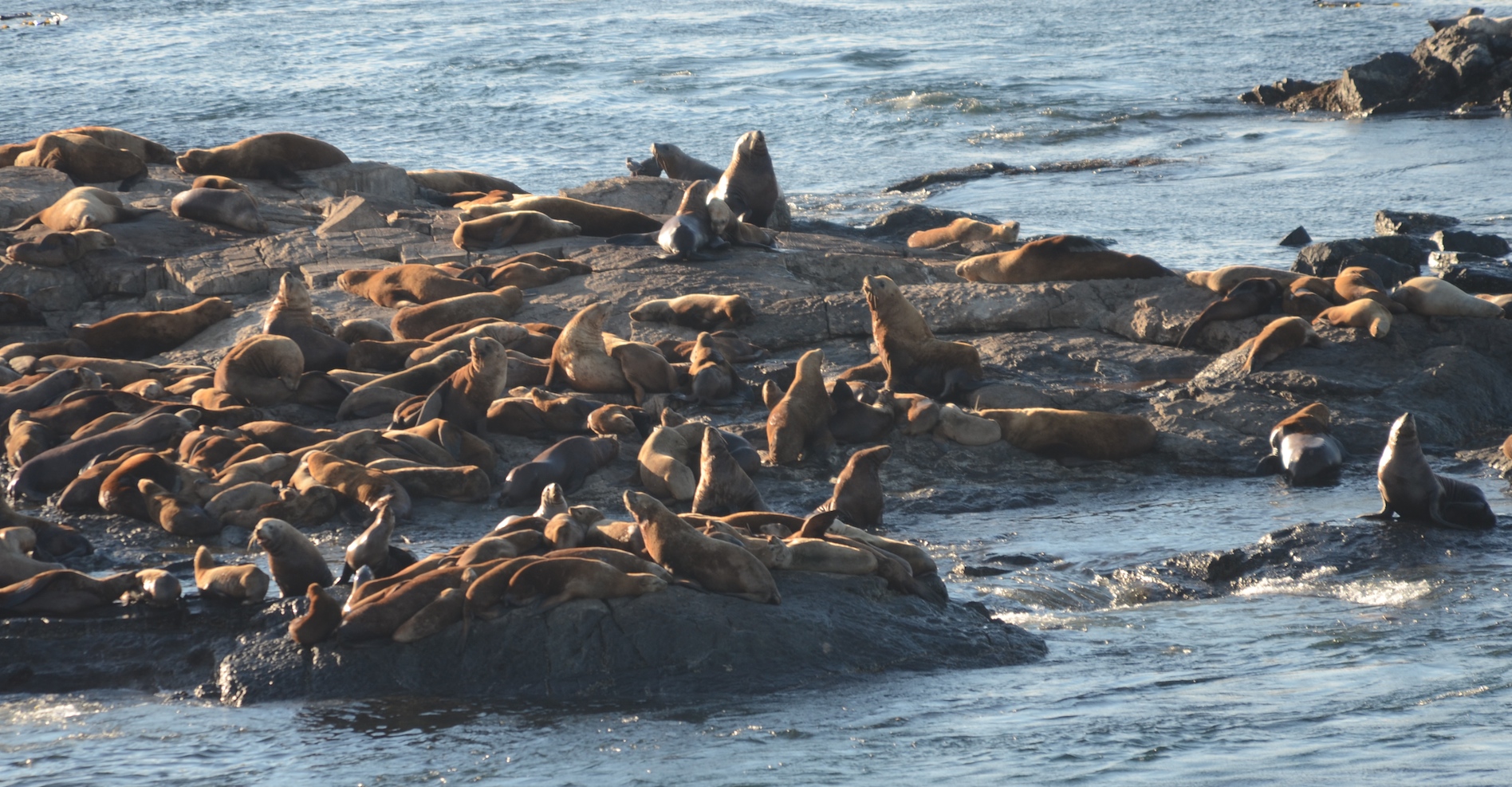
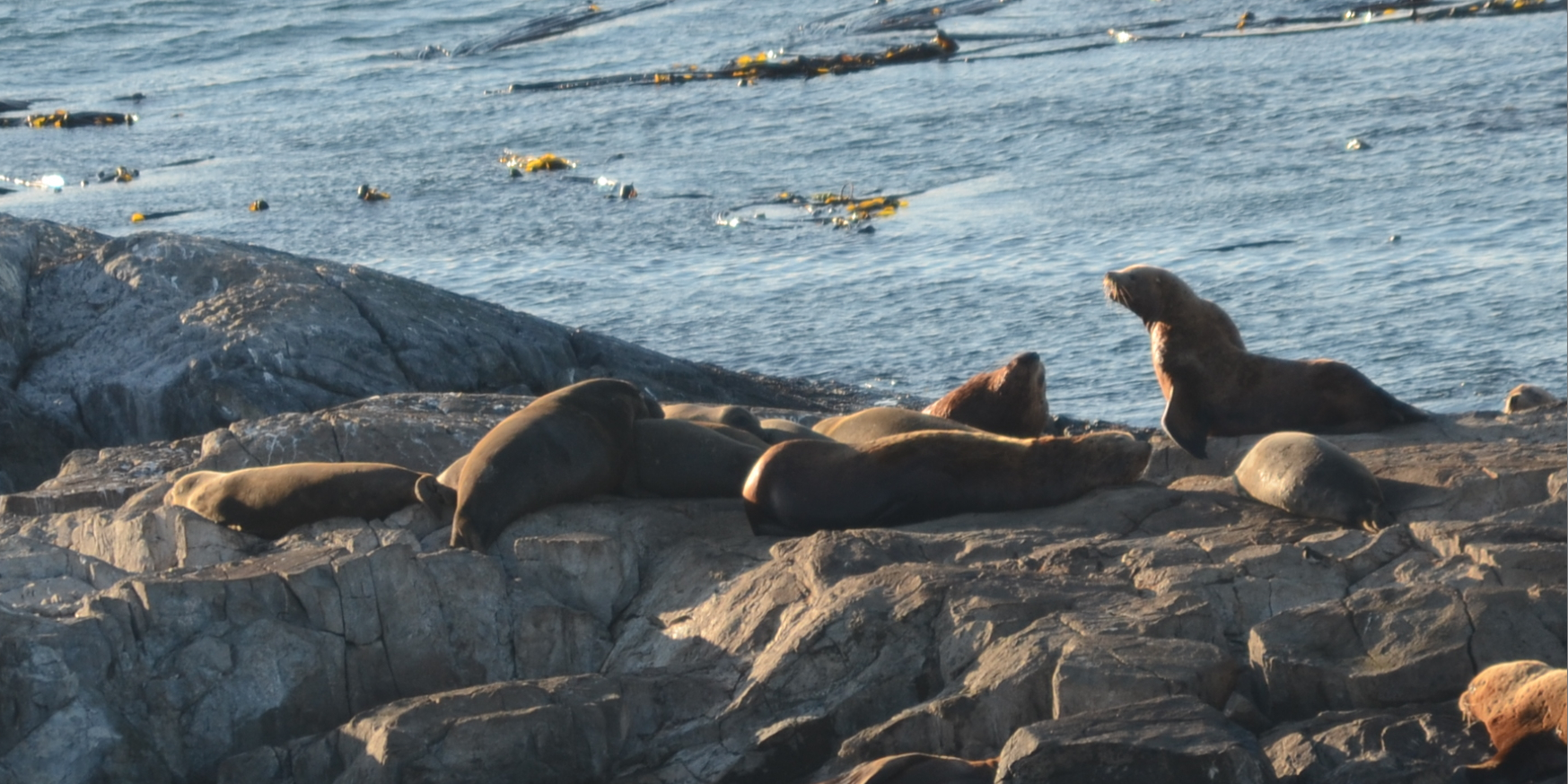
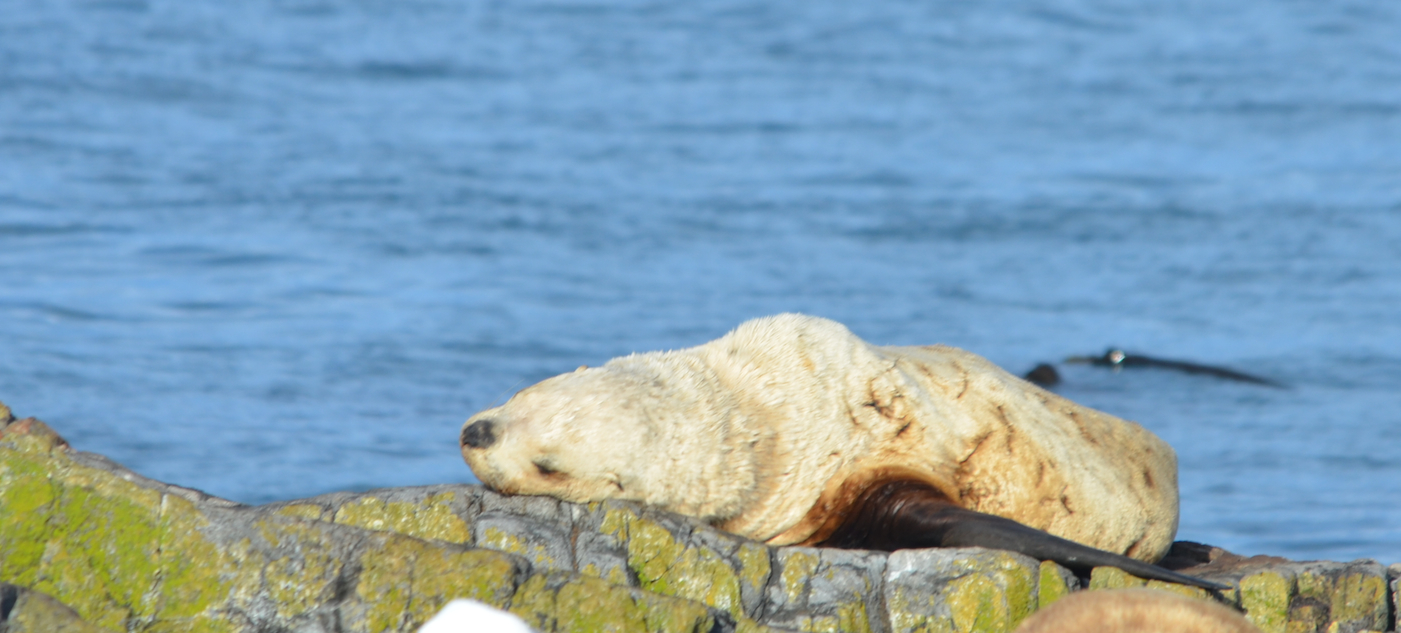
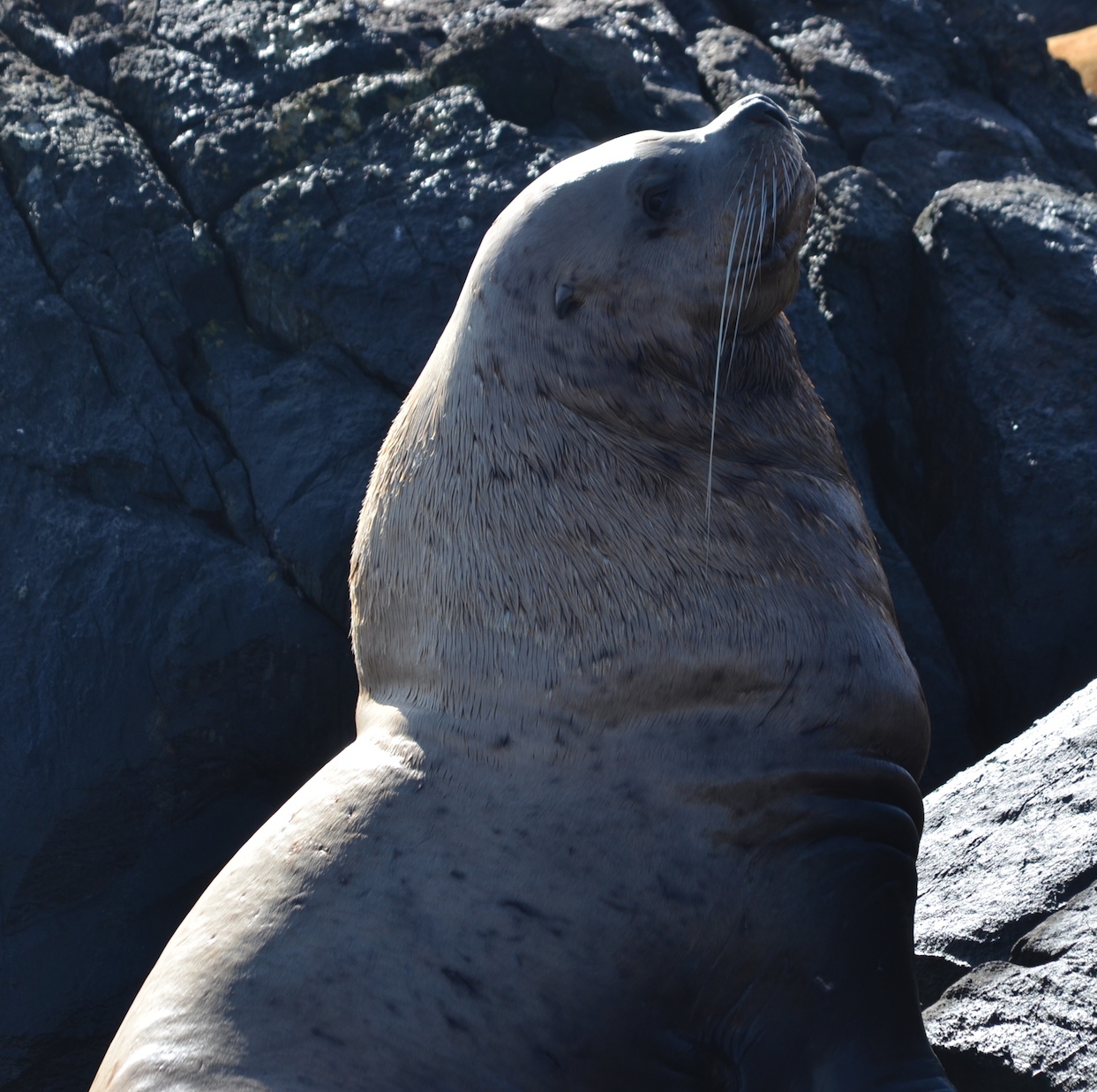
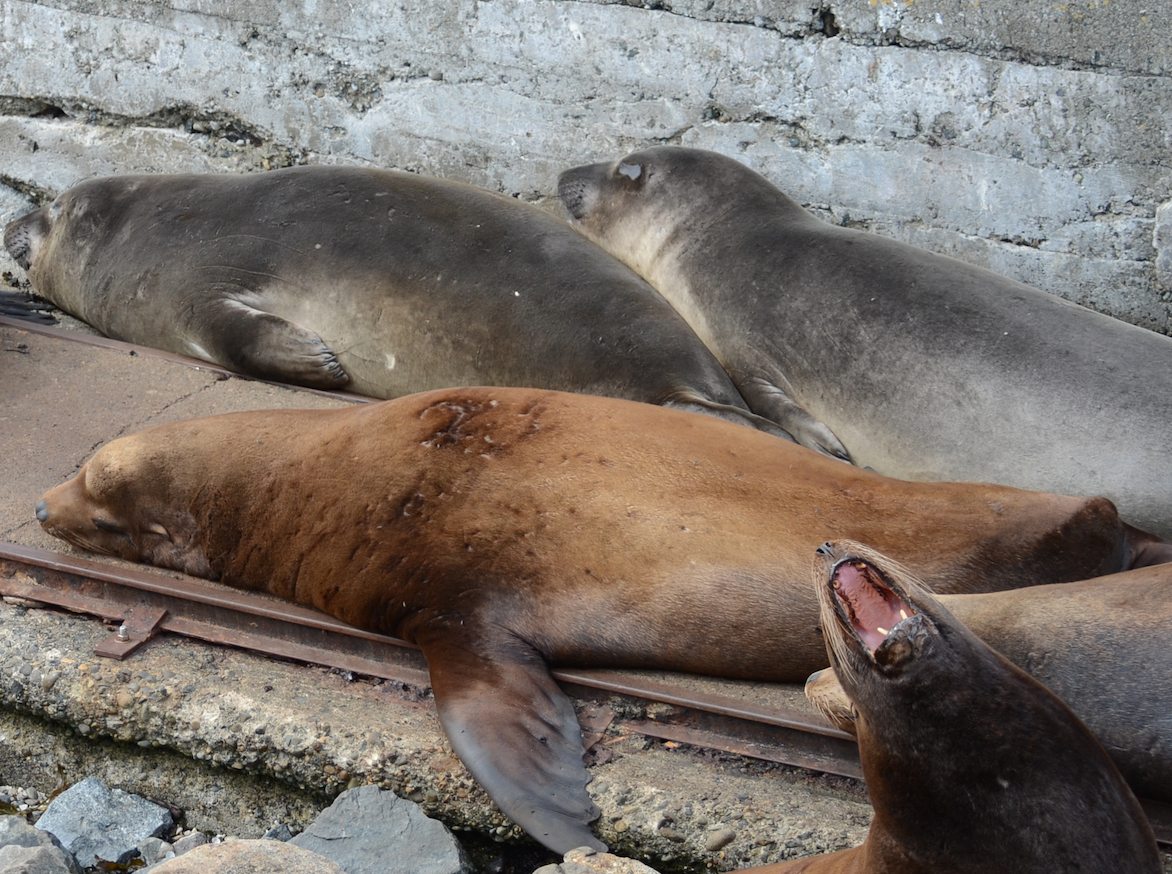
The sea lions are firmly into their moult now as well and spending lots of time ashore. Middle Rock is almost exclusively Steller Sea Lions except for a small hold-out at the top by Northern Elephant Seals. Large male Stellers are encroaching on their space again today but it appears more about finding a quiet place to sleep than the more aggressive interactions I saw with younger male Stellers who were scared off yesterday. Turbine Rock is also mostly Stellers while Great Race and South Islands are populated by both species together. The Harbour Seals are hauled out wherever there is a bit of separate space on North, West and South Rocks with a few on Turbine and Middle as well.

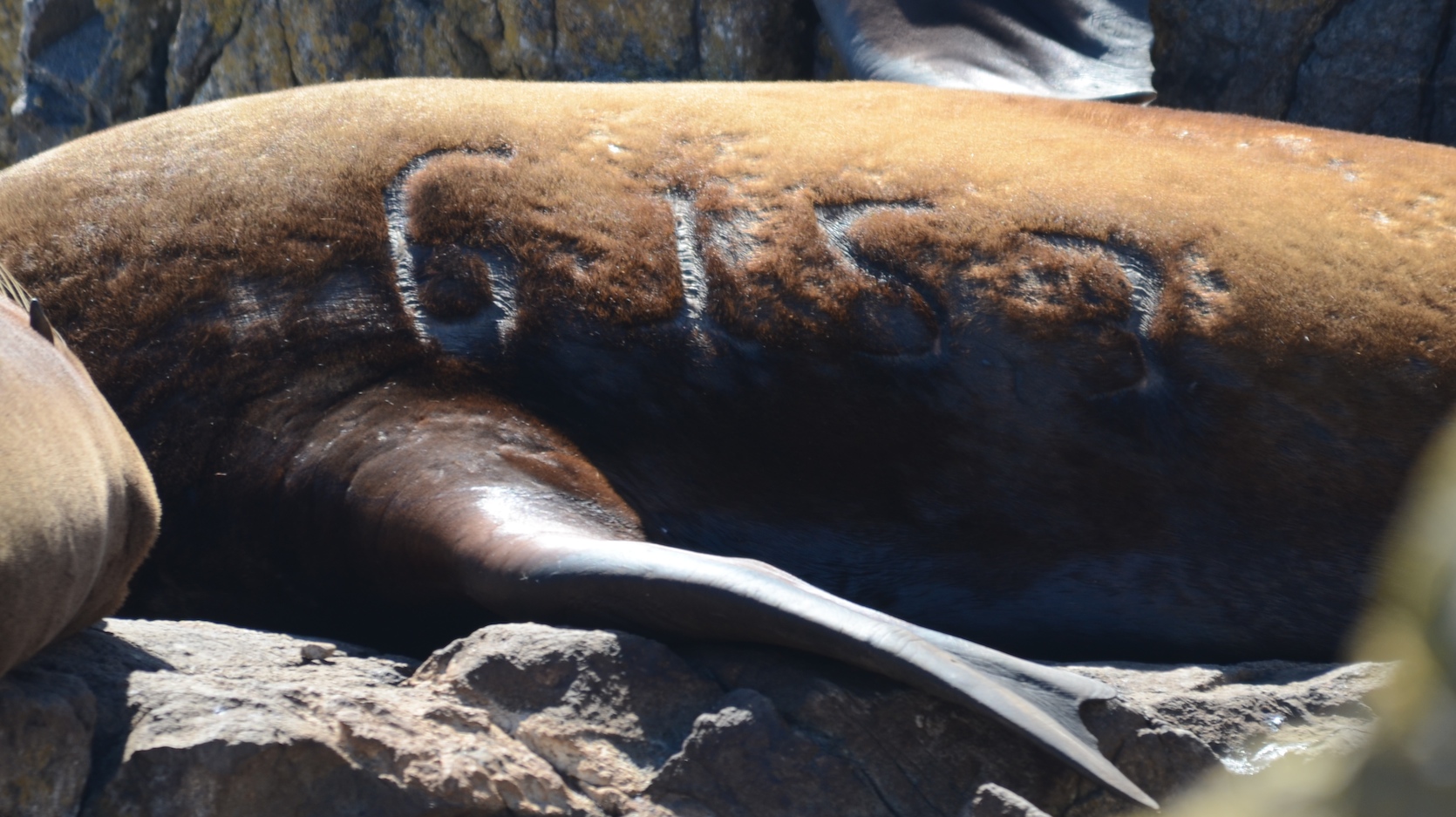
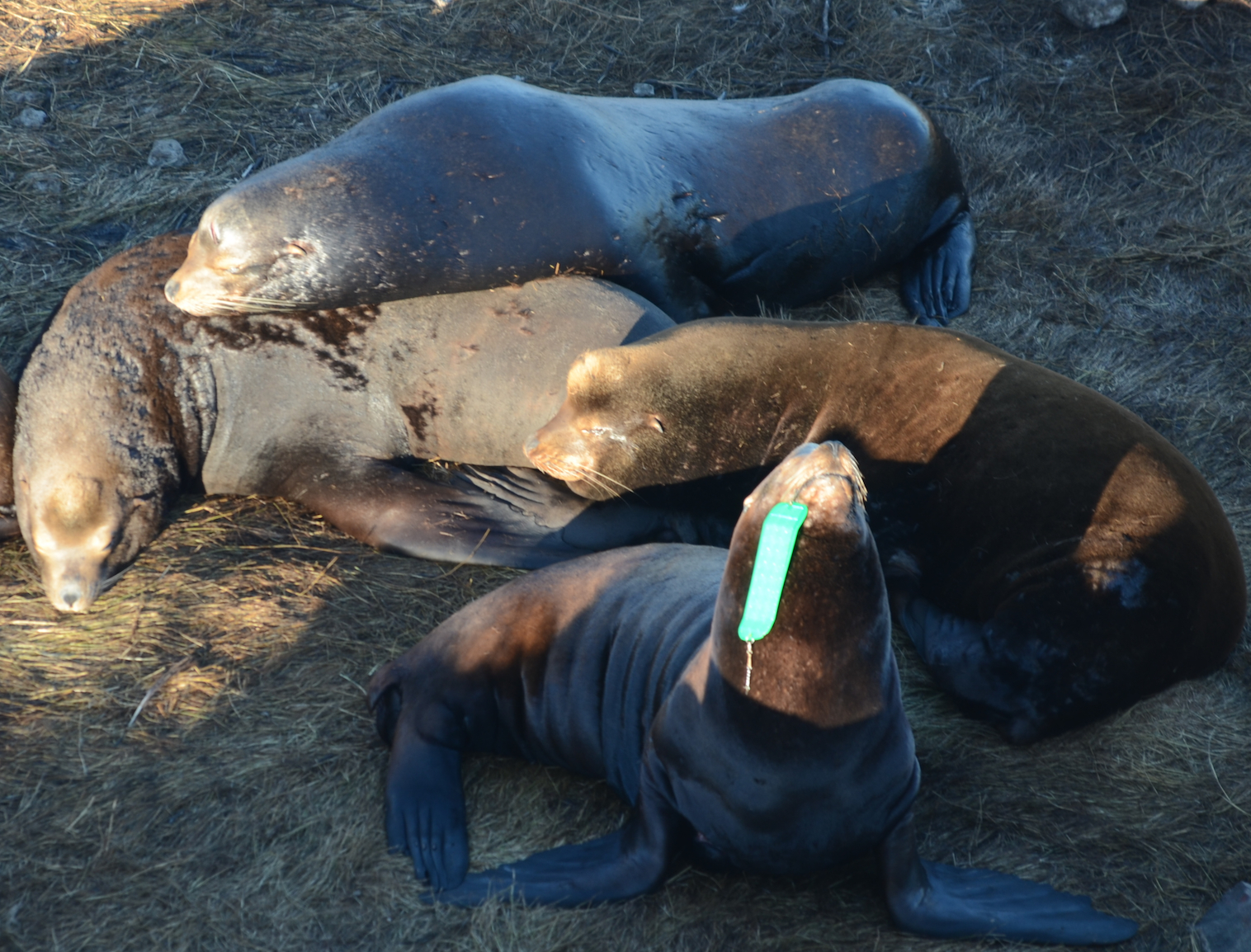
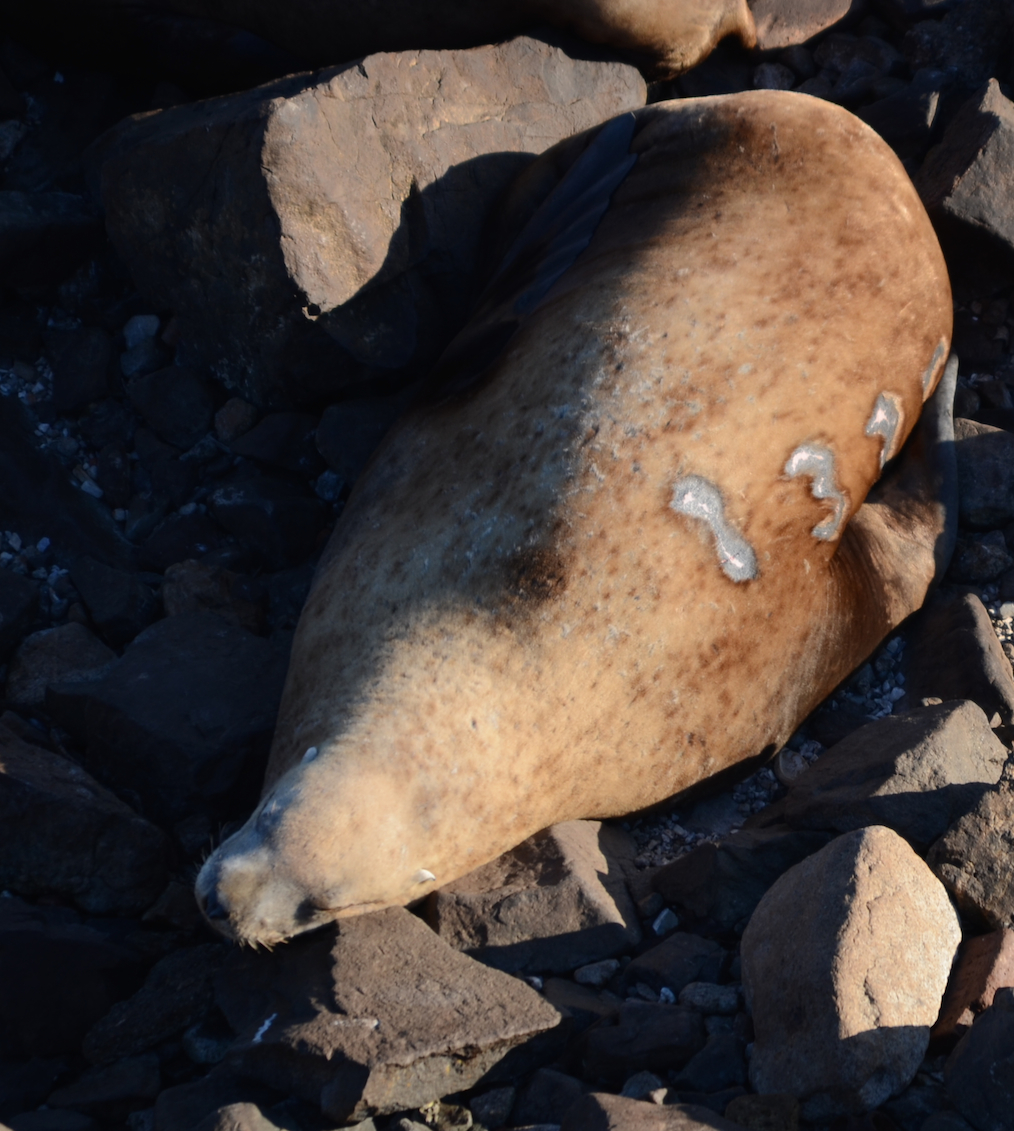
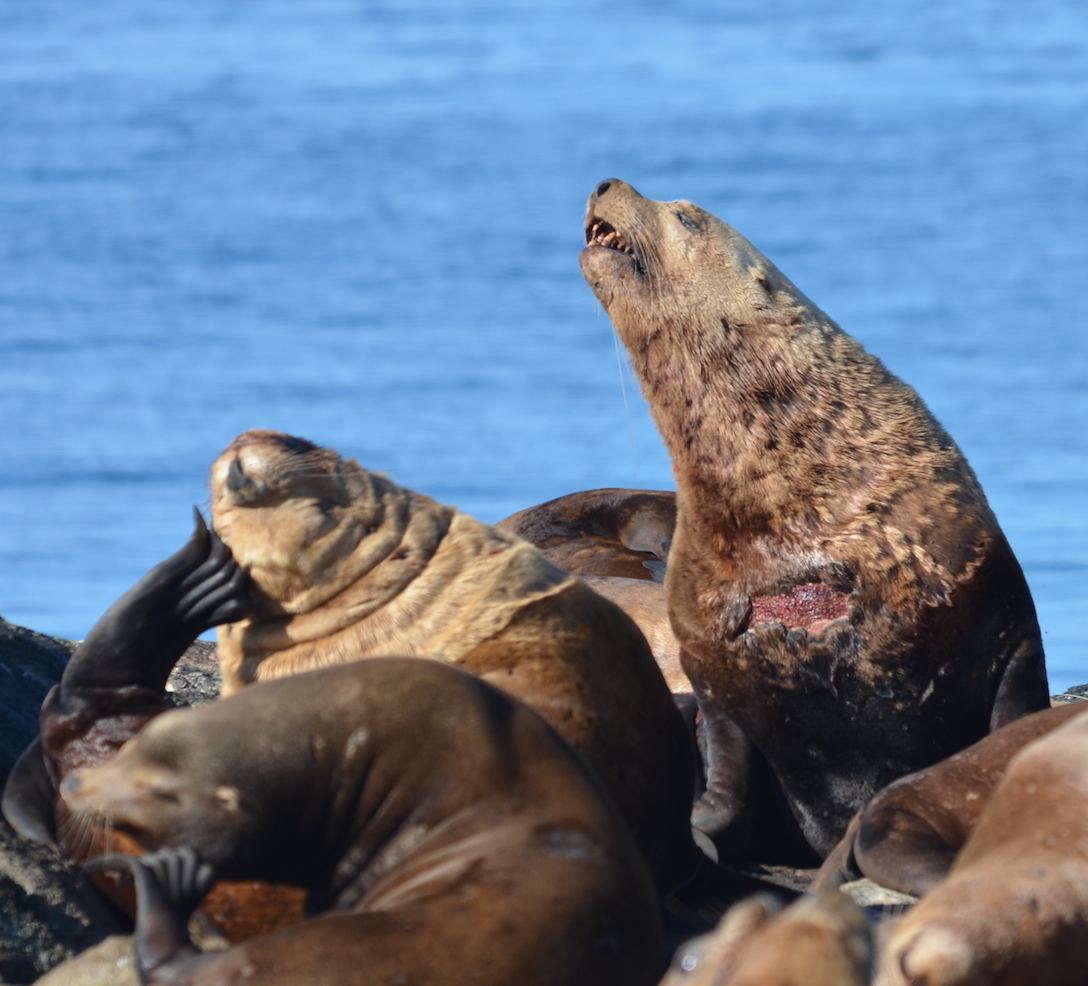
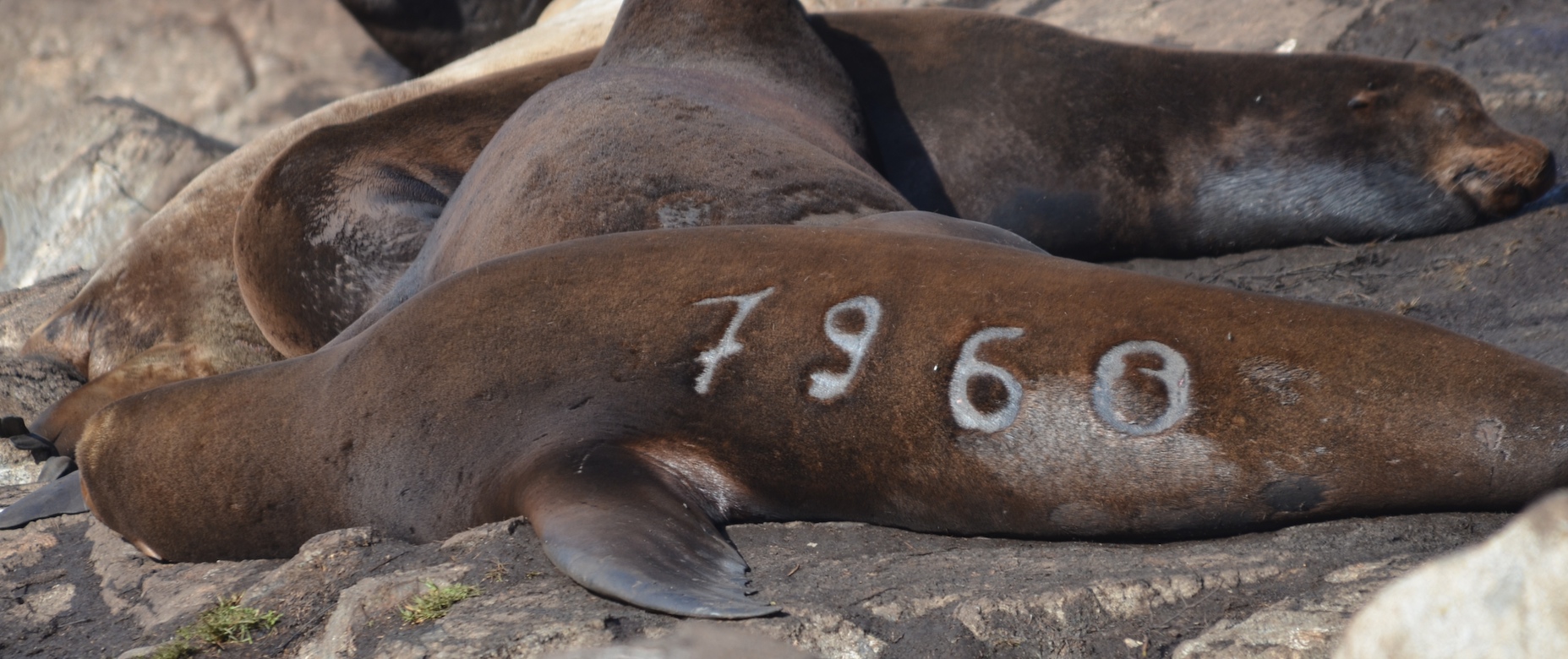
I continue to get brand, tag wound and entanglement photos of the sea lions while they are ashore. I am curious about the biomass hauled out here right now. It is a pretty incredible concentration and one of the reasons that it is a special area worthy of conservation as an Ecological Reserve. It is an honour to be here and witness what goes on a daily basis. Some of the other conservation reasons are underwater and less accessible but we are working on getting camera 2 back up and running to give a glimpse into that world too.

Chores today were routine maintenance and there were no visitors.


Blues Skies.

The weather at Race Rocks was good for generating solar power today with clear skies overhead and a gentle west wind. At the same time, massive cloud formations were building over the Olympic Mountains to the south and the Coastal Ranges to the east. The barometer stayed up at about 1015 hPa today and the forecast is calling summer-like winds with a gale warning posted for tonight and Saturday. It is supposed to be sunny tomorrow and then return to rain for a few days.

Two whale watching boats were observed visiting the Ecological Reserve today and there might have been more. At least three sports fishing boats were in to look at all the animals in the water and on the rocks. One vessel was actively fishing in the Race Rocks Rockfish Conservation Area.

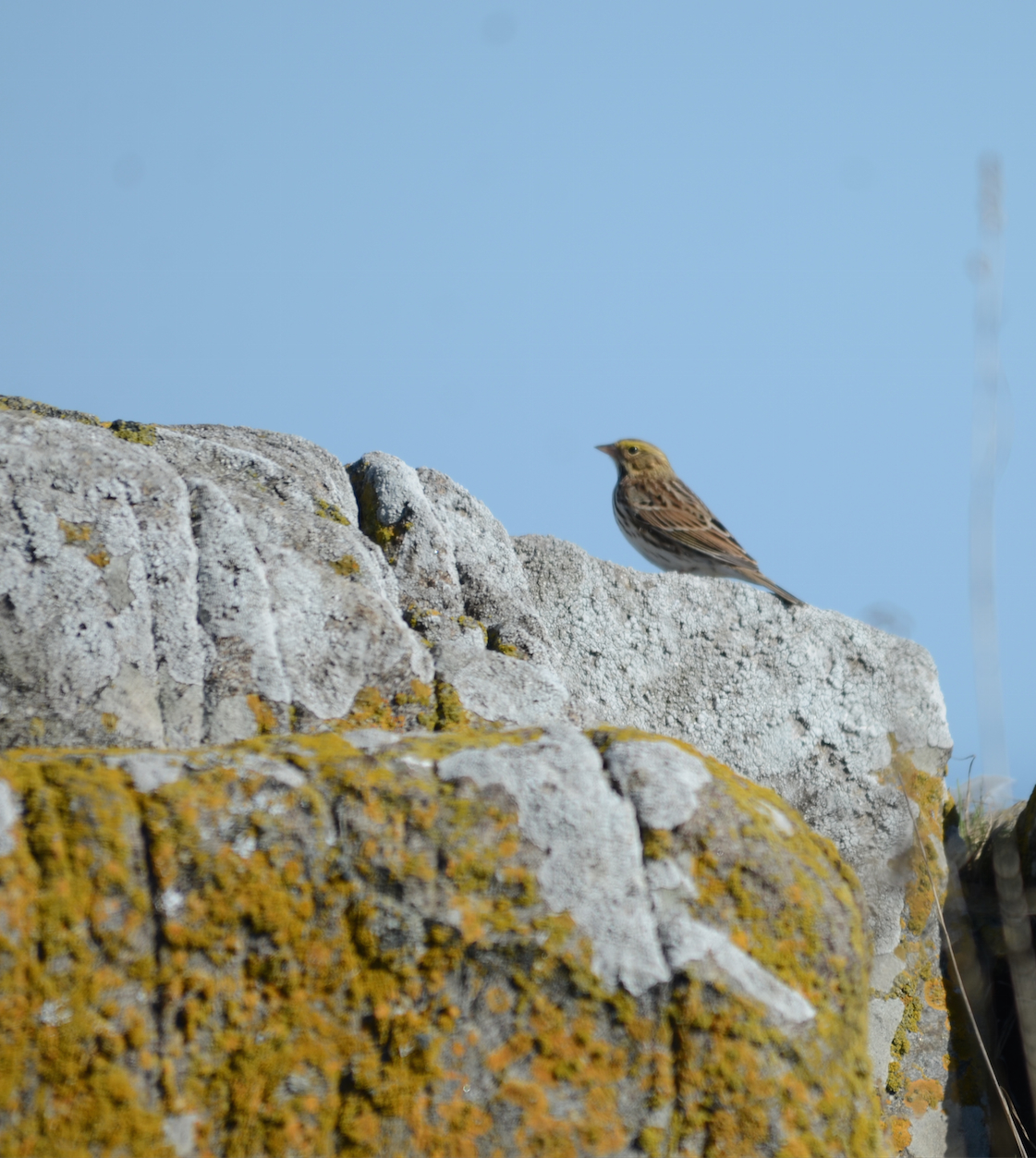
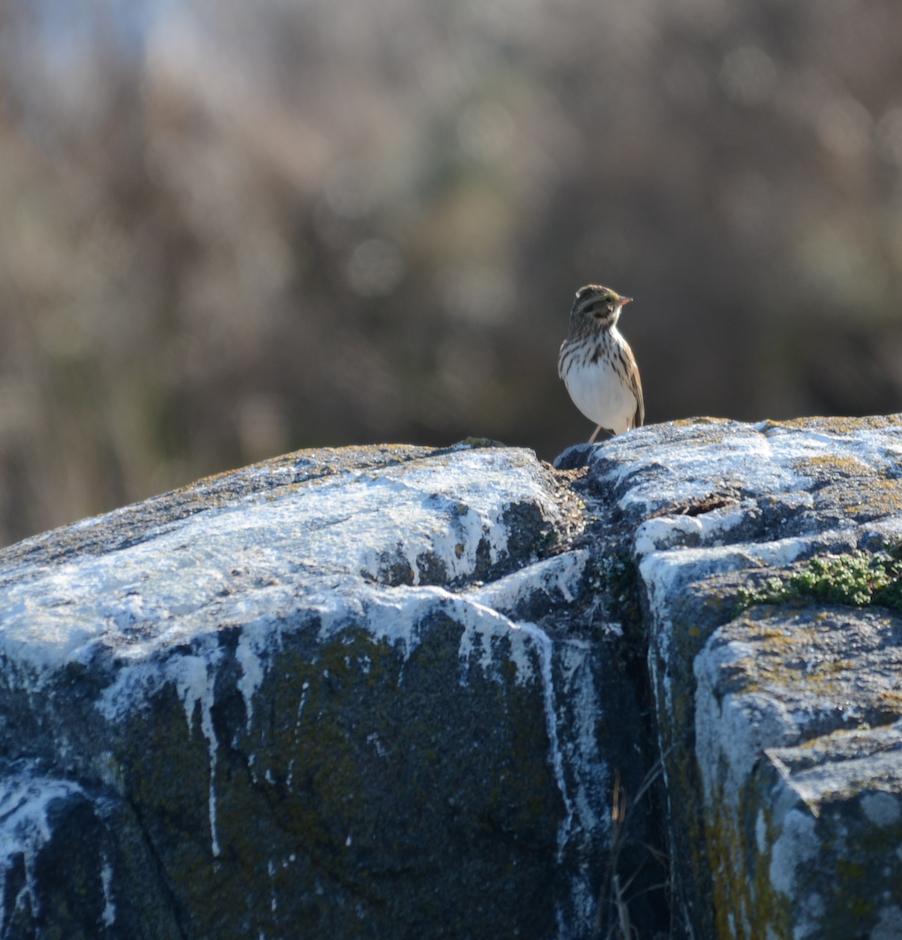
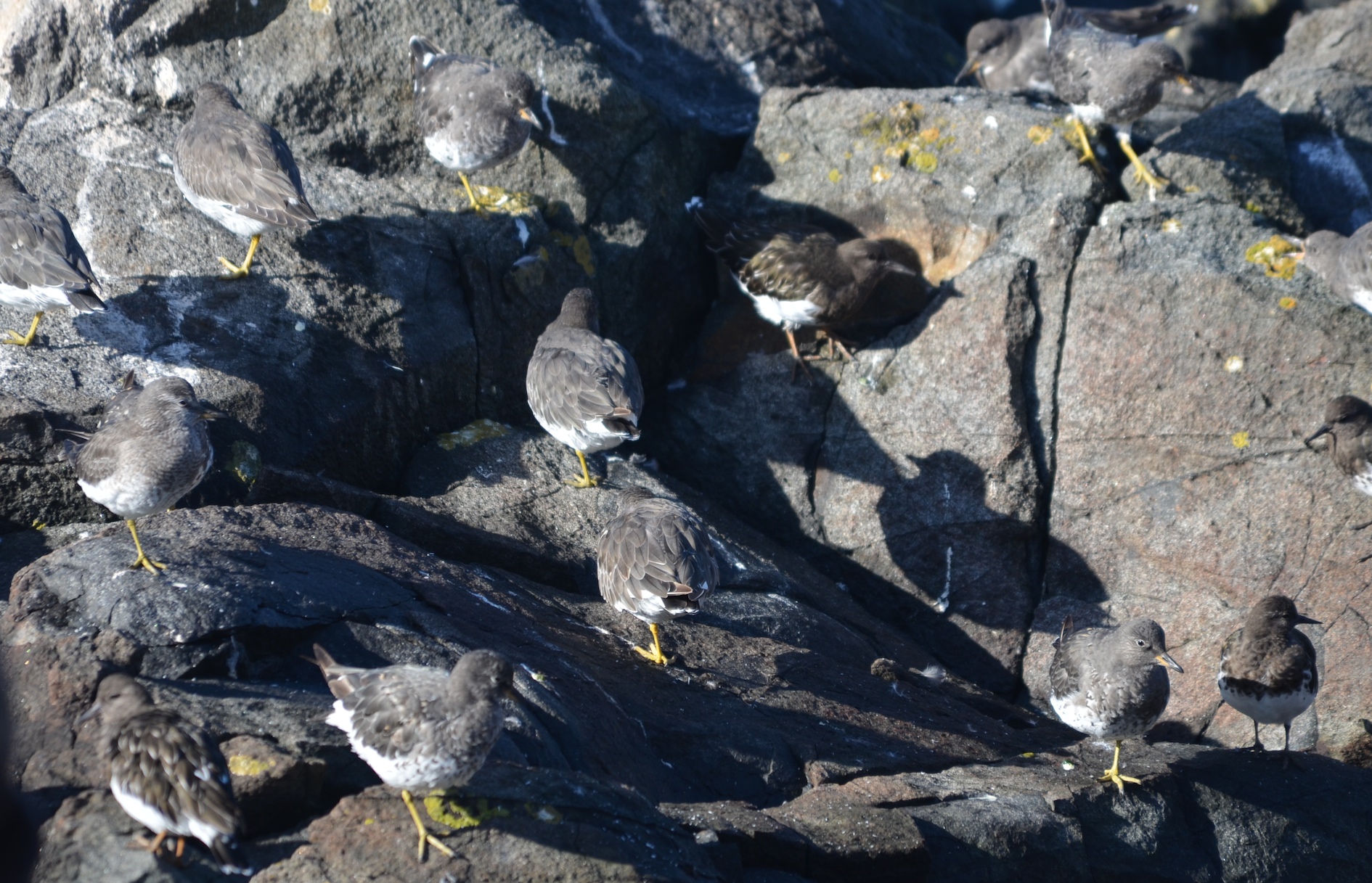
Ecologically, the transition into autumn seems to be happening with more migratory birds passing through and stopping by. The Savannah Sparrow count jumped up to ~ 15 birds today and Surfbirds to 25. Northern Phalaropes were observed feeding in the tide slicks near the reserve boundaries and more gulls in post-breeding migration, like Heerman’s Gulls and California Gulls seem to be arriving daily. See gallery below for more photos.

The weather, sea conditions and currents were also excellent for launching the whaler and doing a test run. I went ashore today and picked up Alex after doing most of the regular maintenance in the morning and finishing on return. The underwater Camera (2) mysteriously came back on-line today after unplugging and plugging back in everything Max and I could think of, to jump start it. When I checked today it wasn’t working.

Making Sense of the Census.

The sun shone through a bit more today even as clouds and much needed rain continued. West winds blew at about 10 knots most of the day as the clouds were pushed steadily inland. The barometer is now back up to where it was last Friday before the big nose-dive into Saturday’s storm. The forecast looks a little brighter for Friday and Saturday before a return to wet and cool.

Whale watching activity in the Ecological Reserve was very subdued today as the black and whites moved north and east yesterday. Only four visits by commercial whale watching boats were observed in the Ecological Reserve. One sports fishing vessel and a couple of rental boats also came through obviously oblivious to the speed reduction zone within the reserve boundaries .

Thursday is census day and here are the results of this week’s animal census.

Steller Sea Lion 497

California Sea Lion 522

Harbour Seal 81

Northern Elephant Seal 2

Sea Otter 1

River Otter 1 seen (probably more)

Southern Resident Killer Whale 7 (during count week)

Biggs (Transient) Killer Whale 5 (during count week)

Humpback Whale 1 just outside of reserve but may have transited border

Canada Goose 4 full time (2 adults 2 goslings) (24 visited once during count week)

Harlequin Duck 1

Double-crested Cormorant 11

Pelagic Cormorant 12

Brandt’s Cormorant 1

Black Oystercatcher 29

Black Turnstone 95

Ruddy Turnstone 1

Western Sandpiper 3

Kildeer 1

Dunlin 1

Glaucous-winged Gull 276 (193 – adults; 83 juveniles)

California Gull 61

Western Gull 1

Heerman’s Gull 26

Peregrine Falcon 1

Common Raven 2

Savannah Sparrow 3

It is of note that there have been no Pigeon Guillemots seen since I arrived. Last year there were chicks, still  being fed by their parents, on the nests in the rubble area just west of the jetty at this time of year and later. I am hoping that the river otters have not been visiting these ground-breeding birds and will look for evidence of what has been going on there.

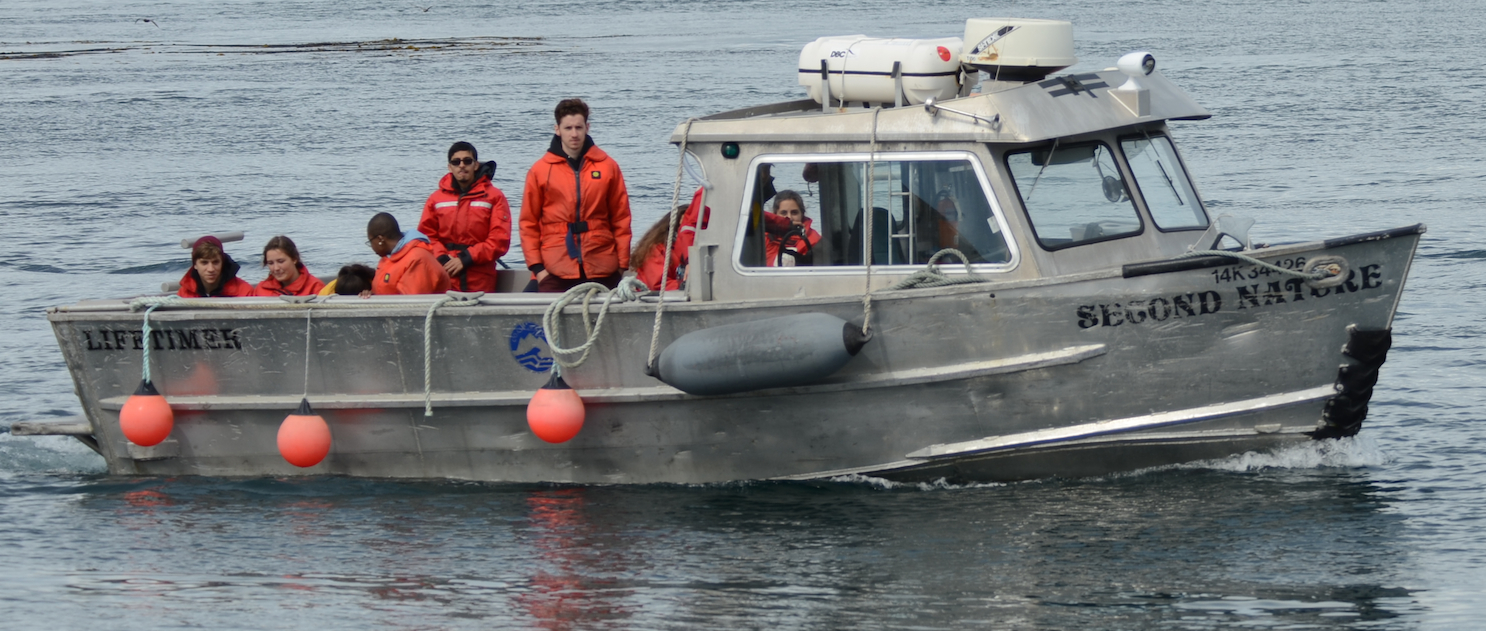
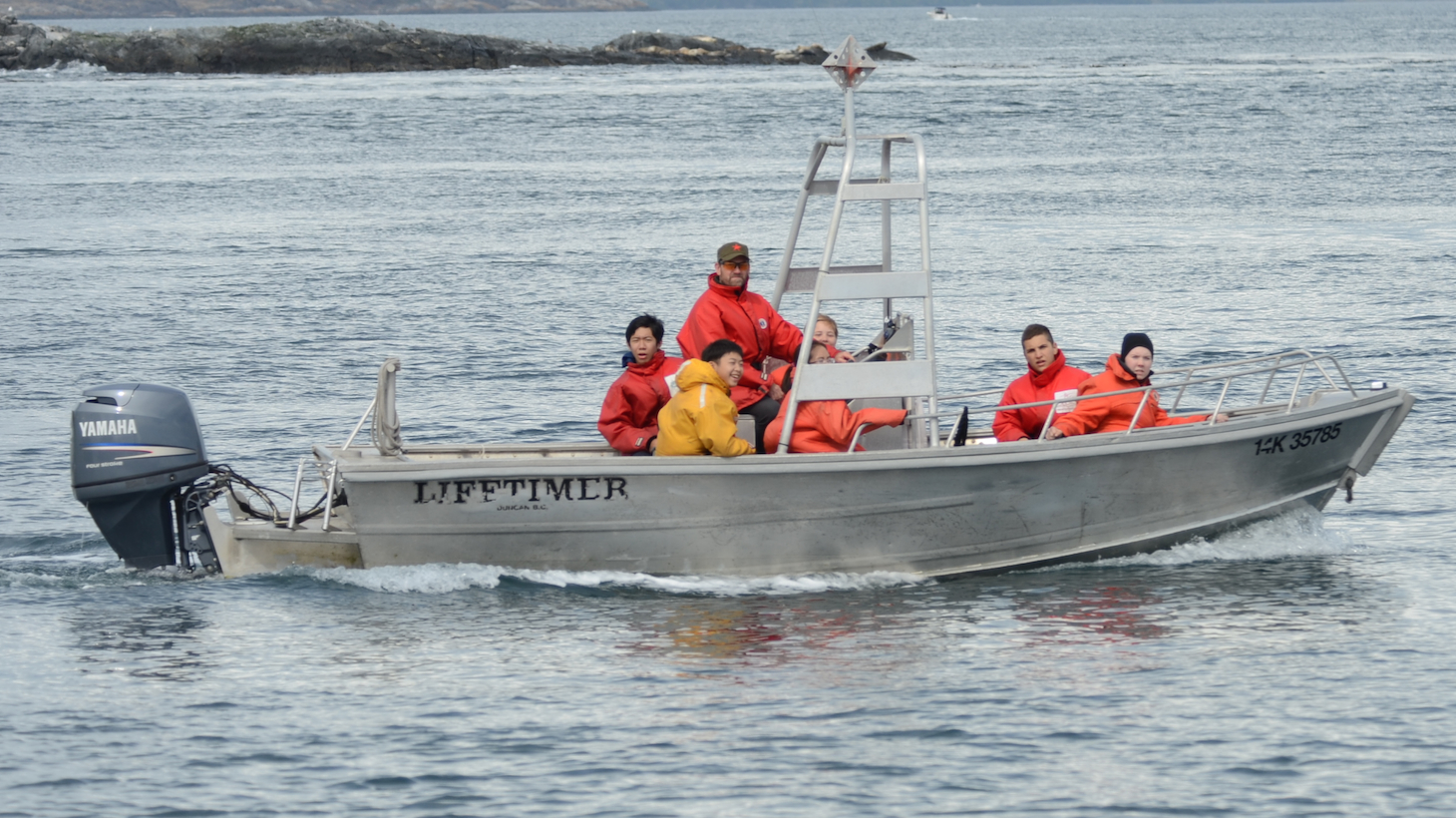
Maintenance work was routine and the only other visitors to the reserve were the Pearson College students having their orientation by vessel. Courtney kindly delivered paper, which was appreciated as there was none.

Pearson College students doing orientation week activity at Race Rocks Ecological Reserve.

Pearson College students doing orientation week activity at Race Rocks Ecological Reserve.

super friendly philosophy teacher


High Seas and Mystery Birds

There was a large sea running today with at least a one-meter swell surging up the ramp and over the smaller islets. This was in turn reflected by a dramatic sky constantly changing with everything from downpours to brilliant sunshine, rainbows and some rumbling thunder thrown in for good measure. The barometer tentatively climbed to above 1010h Pa and the forecast is calling for continuing drama tomorrow including lightning and a strong wind warning.

There were 18 visits by commercial whale watchers noted, within the Ecological Reserve . Again it was a pleasure watching the respectful operators move slowly with the currents in the Ecological Reserve, keeping a sharp lookout for the hundreds of animals in the water and giving their guests the best views of the wildlife. Most (94%) of the skippers were respectful of the guidelines that the industry itself came up with for sustainable use of the Ecological Reserve.  I took photos of the one that wasn’t.

Other than the usual cast of characters, Great Race was treated to a visit by a very swift Peregrine Falcon, which was hunting young gulls. I didn’t see it take one but found another of the “turtleneck” mystery mortalities first thing this morning. Still betting on the River Otters for that modus operandi.

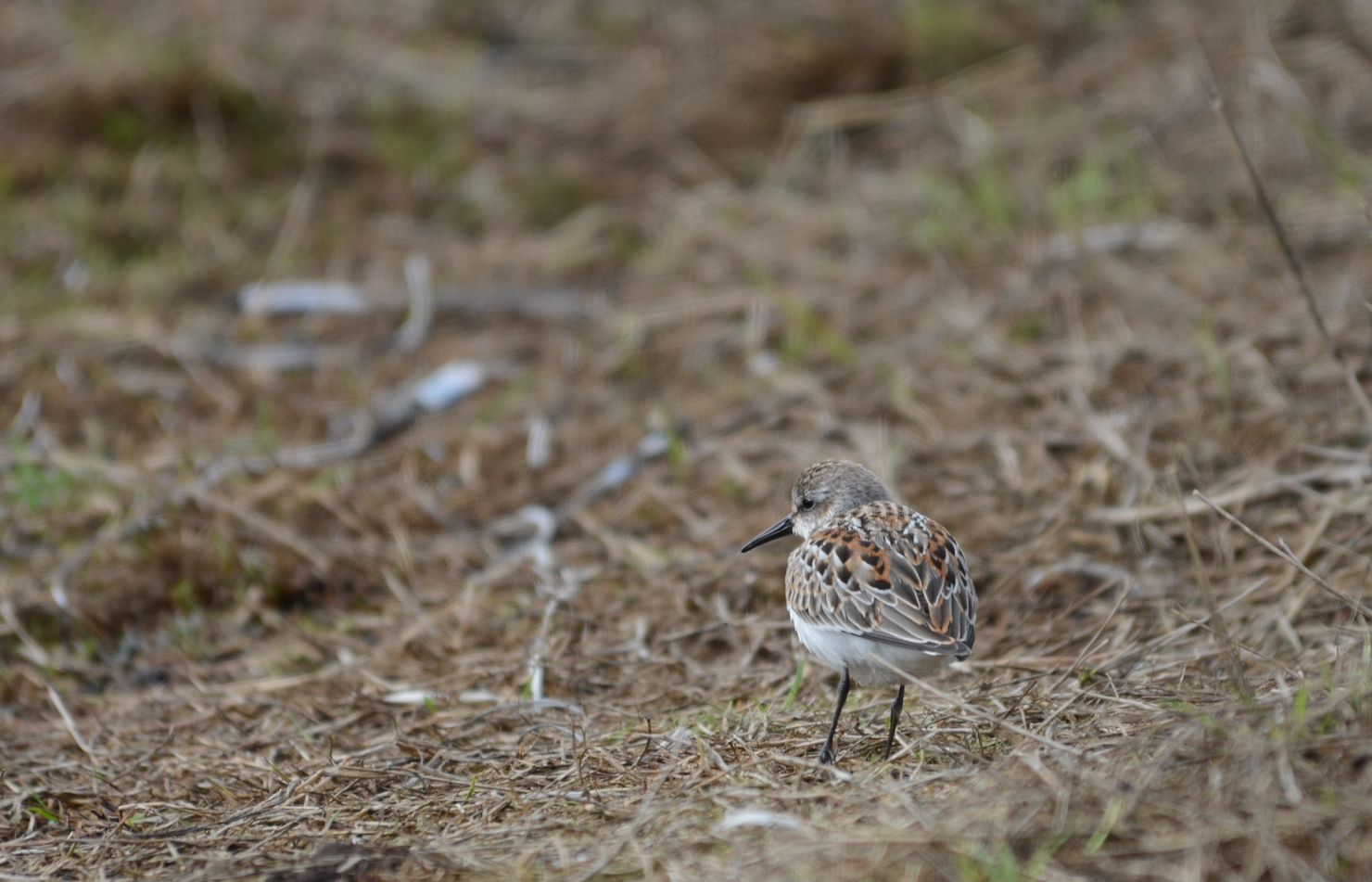
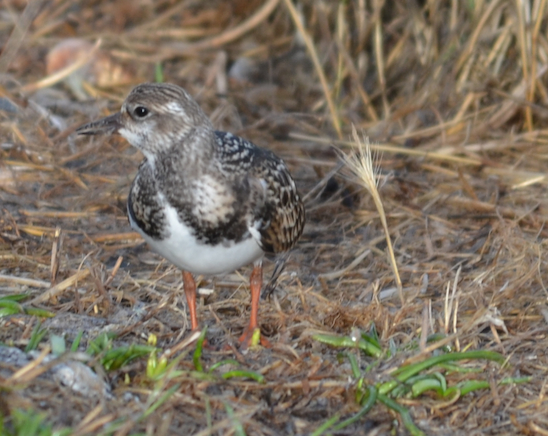
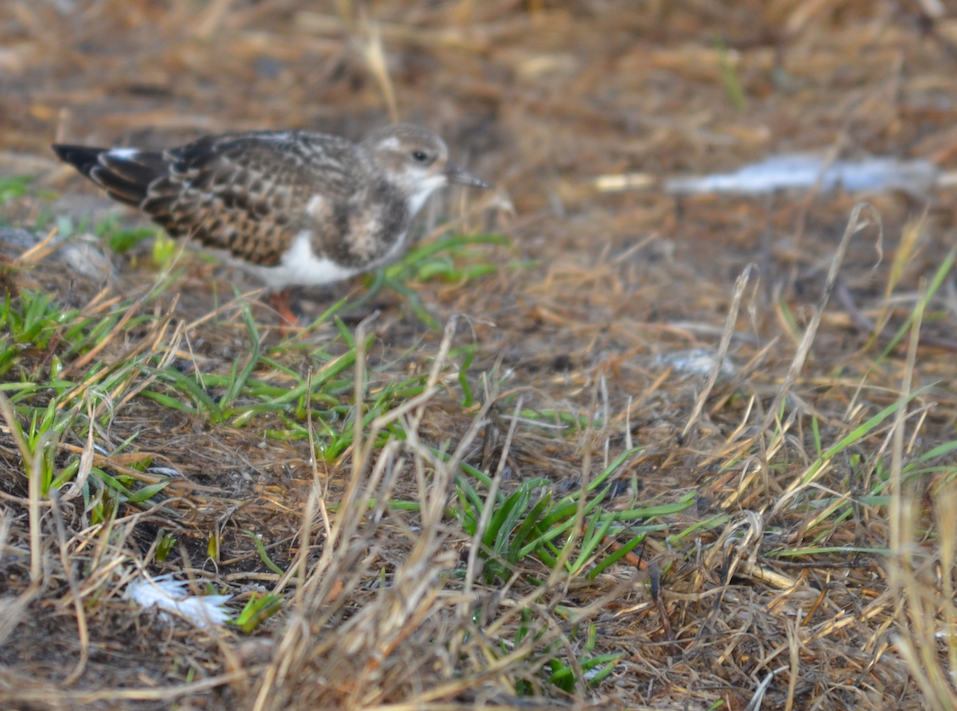
I photographed a shorebird that I wasn’t sure of the identification today. I posted a photo here and one on twitter and received a tweet almost immediately. Dick Cannings of Bird Studies Canada knew right away that this is a Ruddy Turnstone. I have only seen them from below (in the boat), in breeding plumage, in mixed flocks with Black Turnstones at Baeria Rocks Ecological Reserve and never in the vegetation, from above here at Race Rocks. That is my excuse and I’m sticking to it. Of course it is a Ruddy Turnstone, what else could it be?

Name this bird (please).

Ruddy Turnstone looking for insects in the vegetation.

unidentified sandpiper

No visitors today and chores were either routine or fighting entropy.

Cool and Wet

The cool, wet weather these last couple of days at Race Rocks was a long time coming and the ceiling is still thick enough so that peak solar radiation levels are about half the norm for this month. The little bit of soil is sucking up the moisture and there is already some visible return of green, a colour almost defeated by the drought. The wind didn’t do much until late afternoon today and there was no wind most of the morning. By early afternoon it was up to 10 knots southeast, only to fall off again as it swung to a feeble southwest in the evening. The barometer continues to crawl out of the hole created by Saturday’s storm and it is almost back up to 1010hPa. From the forecast, it looks like periods of rain will continue as the cold front moves southward over the next few days and then we will be back into the summer pattern of westerly winds and possibly sunshine, if not fog.

There was quite a bit of whale watching activity in the area today. There were 18 visits made by commercial boats operating inside the Ecological Reserve and more outside. All but two vessels abided by the rules, taking it slow, being respectful and courteous to each other and mindful of the large concentration of animals in this protected area. From the radio chat and observations, I was able to ascertain that there were both Biggs’ and Southern Resident Killer Whales in the vicinity. Both pods passed just outside the reserve heading west about a half mile to the south. There was also a humpback feeding just east towards Victoria.

One, large, whale watching speeder may have taken his cue from the only “sports”-fishing boat that came into the reserve today. A Grady-White-type boat with halibut gear, came inside behind a line-up of whale watchers and then roared off from inside Middle Channel as if his urgency trumped the wildlife values in this congested area. Later one of the well respected companies had a large vessel observed taking off at speed after a visit to the sea lions, closer than 100m. I hope the animals in the water were able to get out of his way.

There were a number of sea lions with major wounds noted today and I will try to photo-document them on a drier day. Of note were fresh, severe gashes on at least three Steller Sea Lions and what appeared to be propeller marks on two Californians. Most of the sea lions spend their time sleeping when they are not off foraging or tussling with each other. The Californians that are awake though, are always barking.

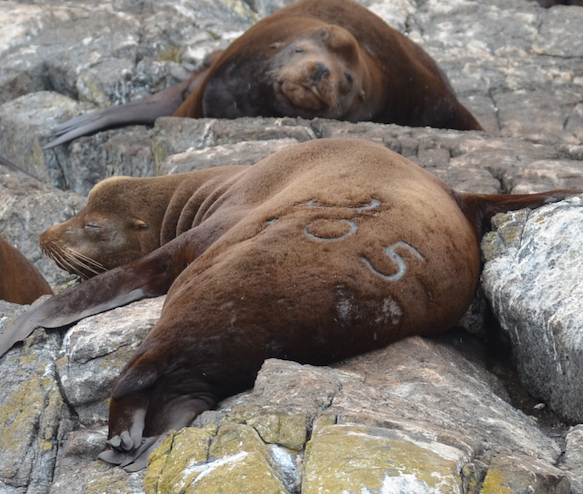
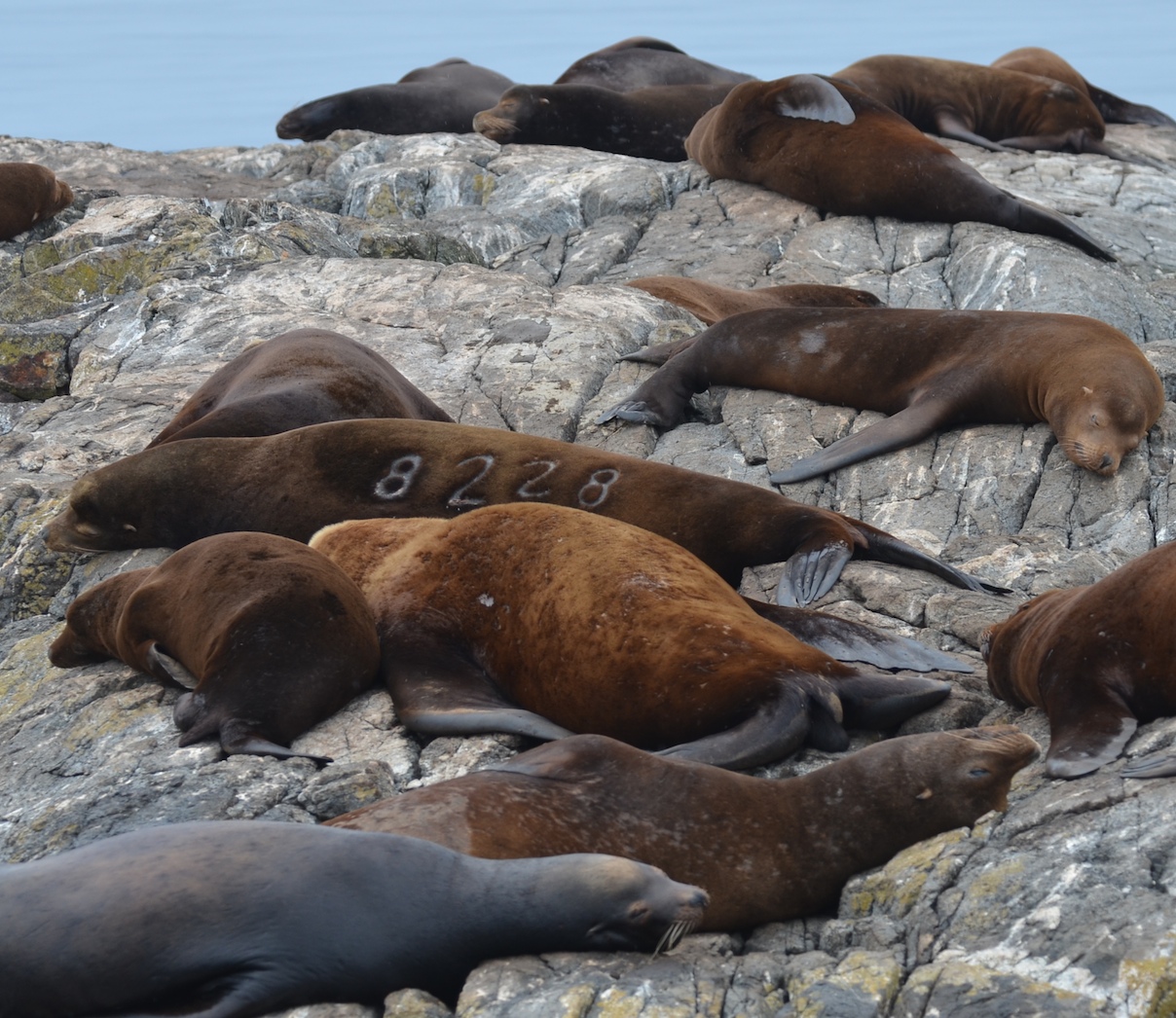
I tried to document three branded California Sea Lions today but only succeeded in recording one full number without question, # 8228 on the left side. I got one partial # U_05 on the rump and another partial #U14__. I didn’t see any branded Steller’s yet.

The pre-summer cast of avian characters, is back and it is really a privilege to be here again to witness Race Rocks as the change to autumn happens. I saw at least 95 Black Turnstones busy foraging all over the island today. They roost together on the south shore in the evening, making it easier to get a good count . They are back from a summer away at nesting sites along the western Alaskan shores of the Bering and Chukchi Seas. Cormorants probably didn’t go far but the Double-Crested Cormorants I saw today definitely do not nest in the reserve.

Most of the Glaucous-winged Gull chicks have fledged and left the island but there are still a few slow pokes who are busy begging from worn-out looking parents for food. Amazingly some adults are feeding three big chicks that appear larger than the adult. There is evidence of fresh predation on these young gulls and River Otter is the prime suspect as it seems to be nocturnal or crepuscular activity and one of the remains was dragged right in to the otter den entranceway. As was noted last year, it appears that the head of the gull is enveloped in its neck skin as if the skin was torn and pulled up like a turtle-necked sweater coming off inside out.
A newly fledged Glaucous-winged Gull with handsome new feathers.

A newly fledged Glaucous-winged Gull still not confident enough to fly away on a new adventure.

The Northern Elephant Seals surprised me. I knew there was one here on the marine railway ramp on Great Race because Guy and Christine had mentioned it and it hauled out just before they left yesterday. It is a really well fed young one, completely plumped out since I last saw them after their horrendous moulting fasts of the late spring. Another five Northern Elephant Seals are visible with the scope from the top of the tower, on Middle Rocks amidst the sea lions. Of the five, one appeared to be very small, perhaps young of the year and the other four were larger juveniles perhaps including a small adult female. I will try to get a better handle on this in the days to come.

There were no visitors today as I got back into routine chores and was constantly reminded of the incredible natural setting that makes this place so special.
Summer work

Guy finally put a second fence around the student house and it has been working efficiently since: Humans and their belonging are now well protected. Every day we can see more sea lions around and on the main island. Our 2 students finished the trailer-painting job. The young gulls now fly and swim to the southern rocks and there are fewer birds everyday so it ‘s not anymore an adventure going across the island. The 20th has been a pretty windy day from 29.5knots in the morning to 29.5 late in the afternoon
Painting work all around

We had to go to town and took back more concrete blocs on the island .In the morning we discovered closed to the solar panels the dead body of a pretty big chick and another one closed to the boathouse. That makes a total of 10 dead birds until now. The girls had been very busy painting the desalinator room floor and they put a first coat of rust paint on the trailer. . Many whale watchers were around the rocks more than 20 boats. At 4h00PM the Northeast wind increased a lot and reached 36 knots later in the evening shaking the houses. Sun is lying down at 8H20PM

Trips to the college

It has been such gorgeous day: sun, no wind so the perfect day for picking up some stuff needed to finish to reinstall the fence around the student house before the sea lions invade that spot too. We had to do 2 trips and came back with concrete blocs and poles. Noemi and Catherine had to meet their supervisor at the college so it was a good timing for everybody. For their school project they have to verify the number of seagulls everyday so it will be interesting to see the evolution of the situation