Dec 28, Warden’s Report -Race Rocks Ecological Reserve

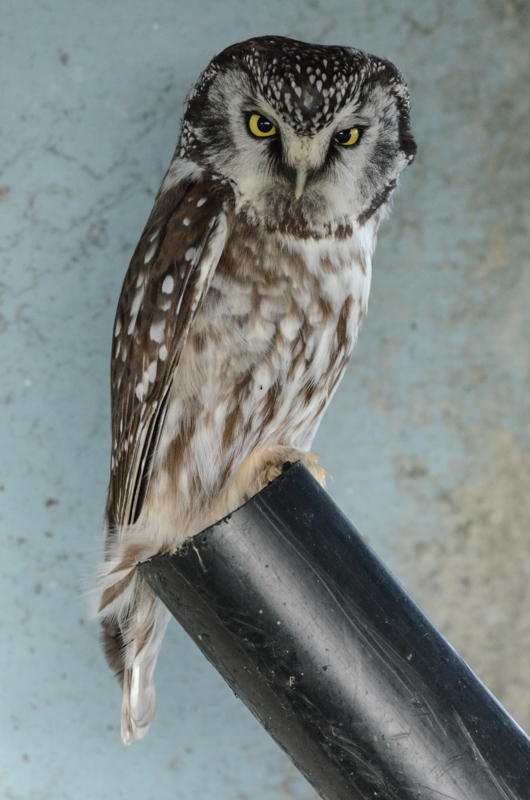
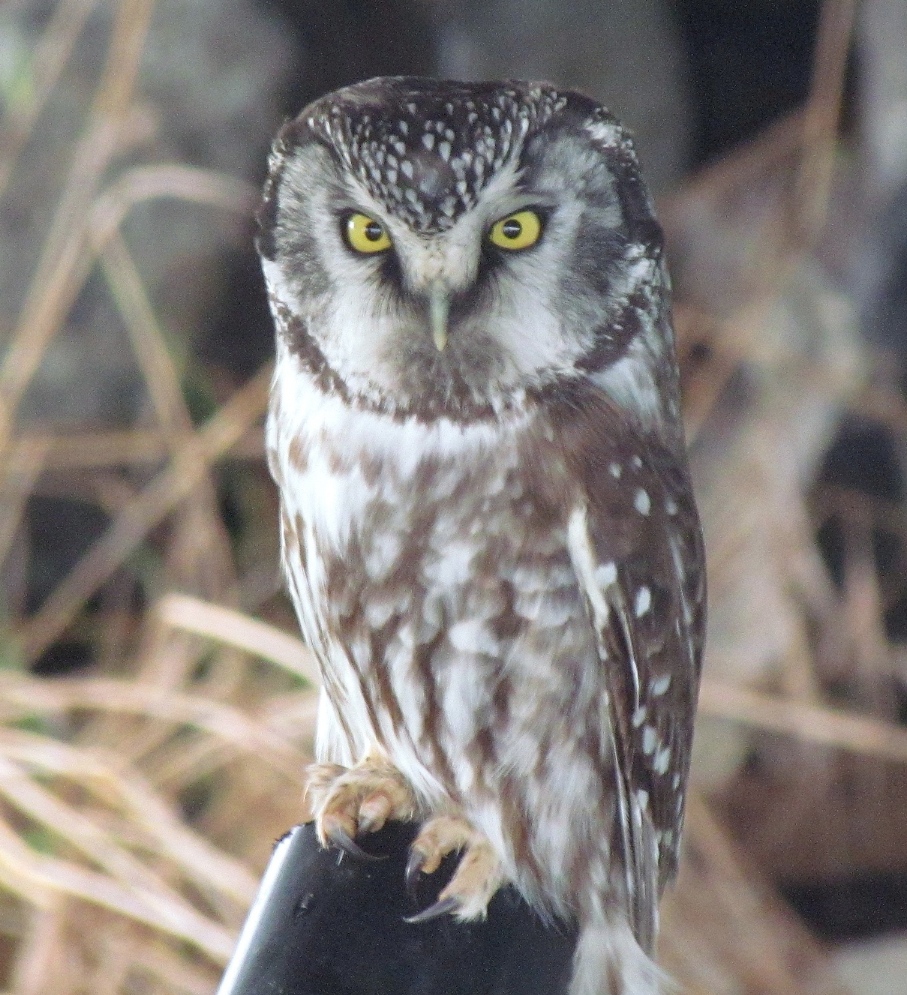
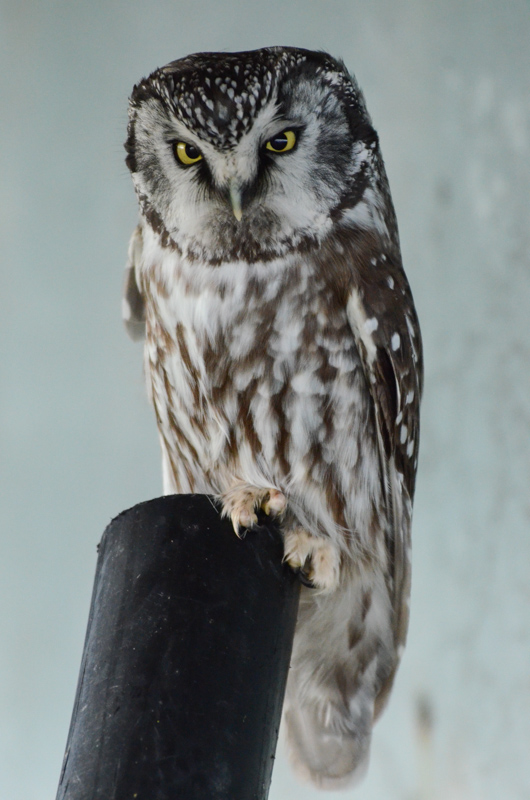
I went to Race Rocks today with Val George for the Christmas bird Count.  ( See other reports from  today.) The highlight of course was the discovery of the first record for the Boreal Owl in Southern Vancouver Island . Some other observations from my visit are included here:
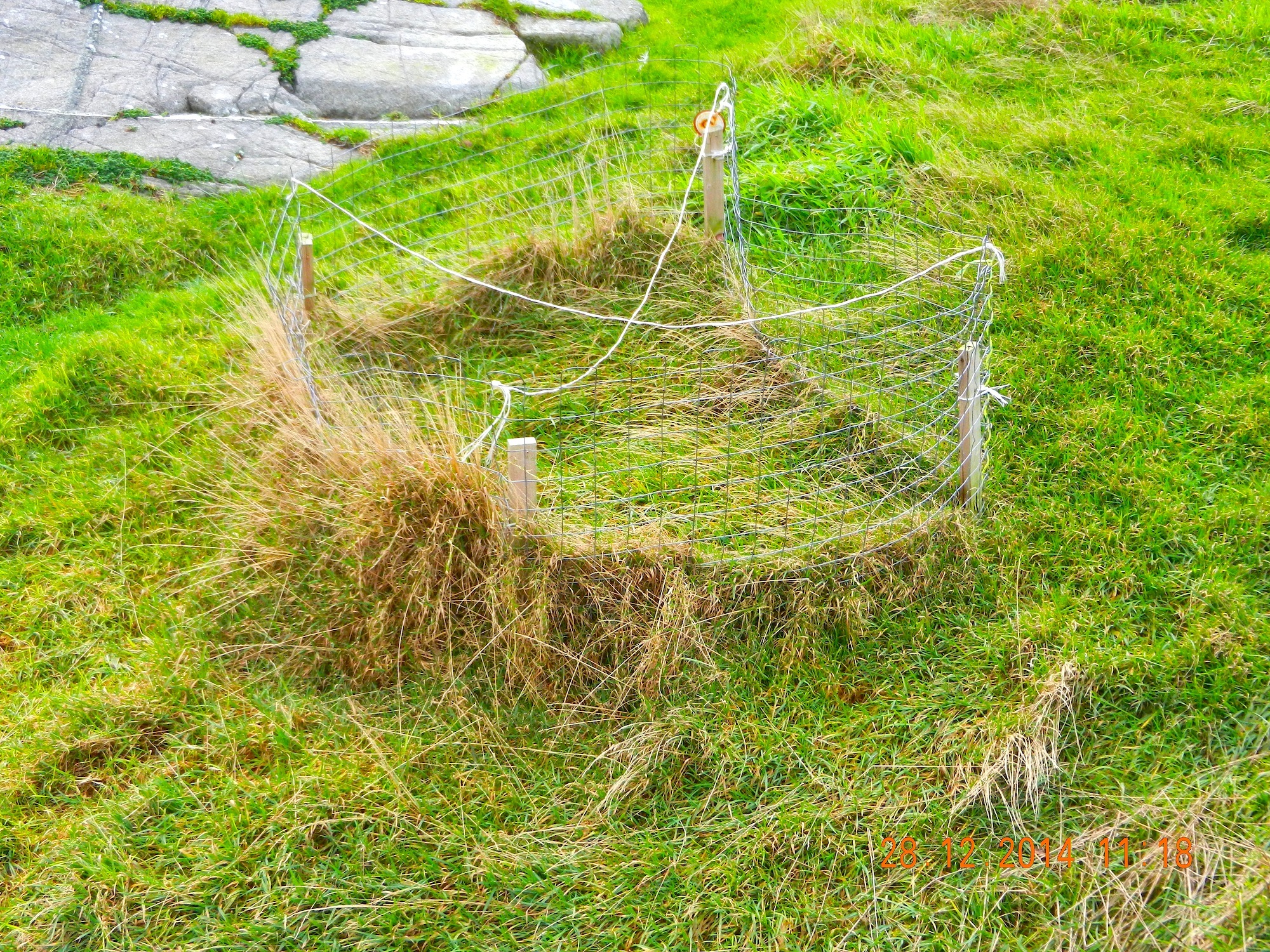
2014-12-28gooseexclosure2 2014-12-28gooseexclosure1m
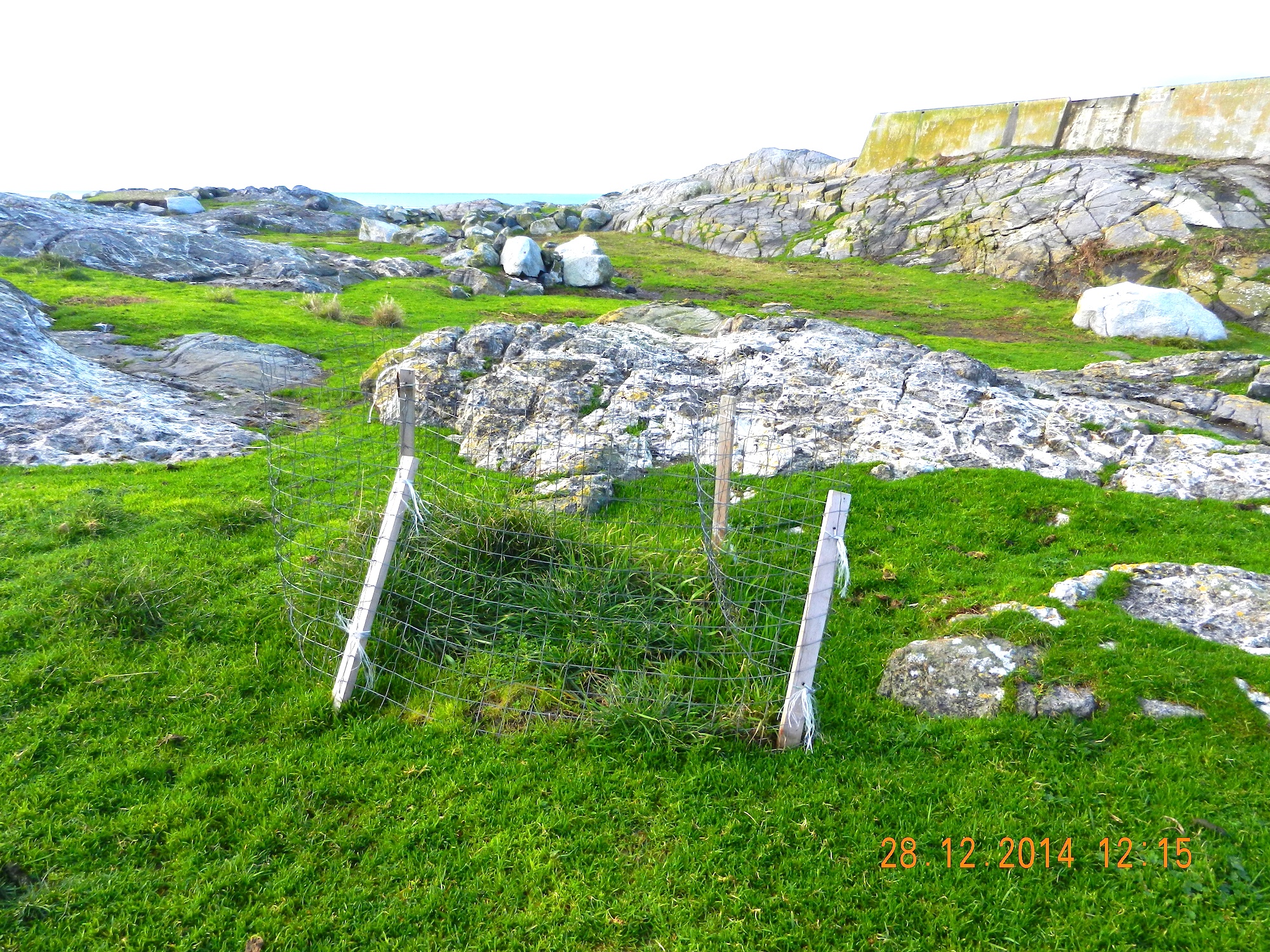
Several 1 metre exclosures for goose grazing have been installed on the grass  areas on Race Rocks. Winter grazing by the Canada geese (introduced to Vancouver Island in the 1980s) has resulted in erosion in some areas of the island, and grass turf cover is prevented.
2014-12-28macrocystislongm 2014-12-28 macrocystis
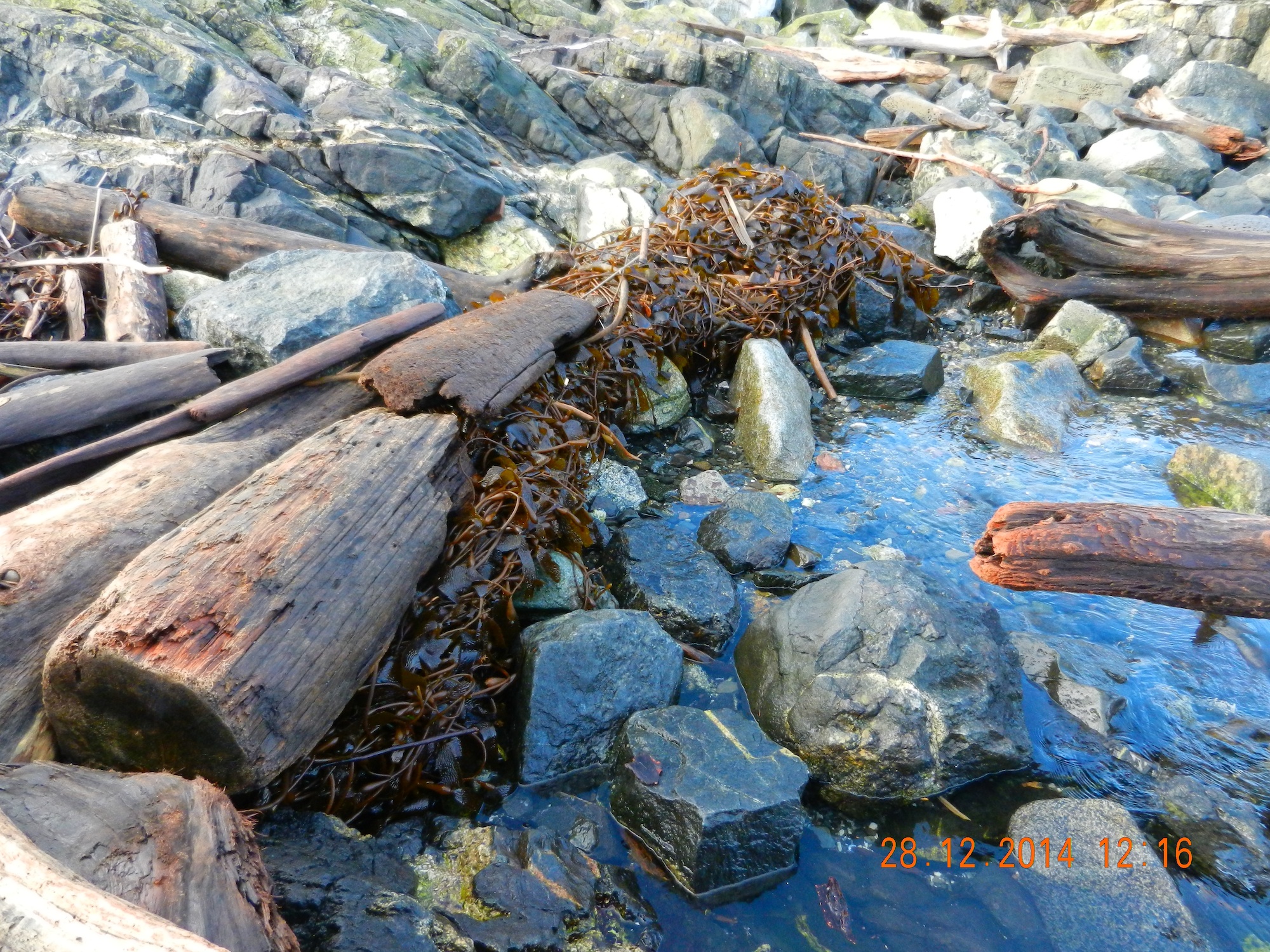
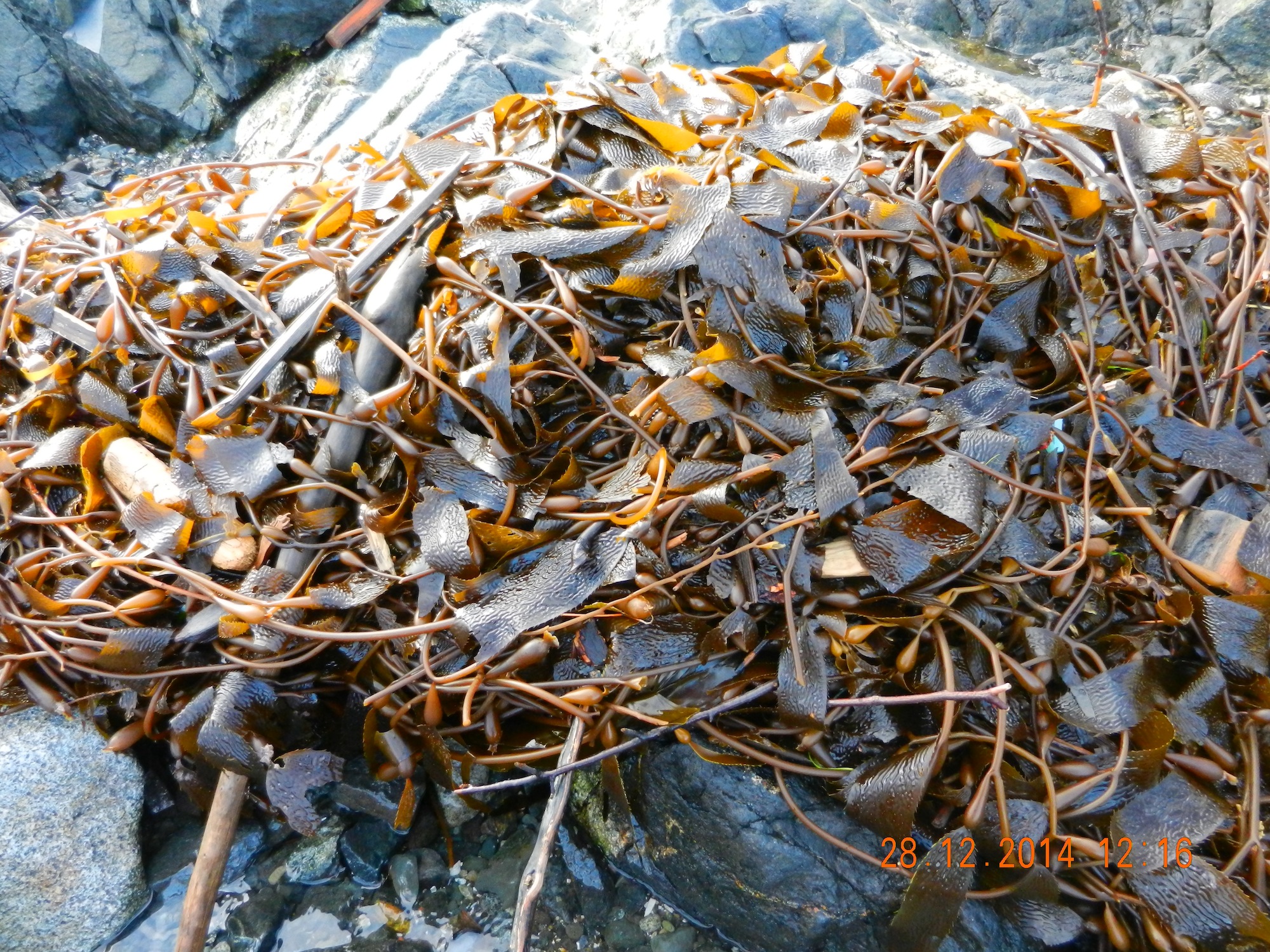
Drift Macrocystis at the jetty. This Giant Kelp can grow anchored at great depths but winter storms will lift it up and the  main contribution to energy-flow  in the ecosystem comes from decomposition on the shoreline. Macrocystis grows in areas of high salinity, so not in he brackish estuarine conditions of the Strait of Juan de Fuca , but not at Race Rocks  where it ends up only as drift in the strand line.
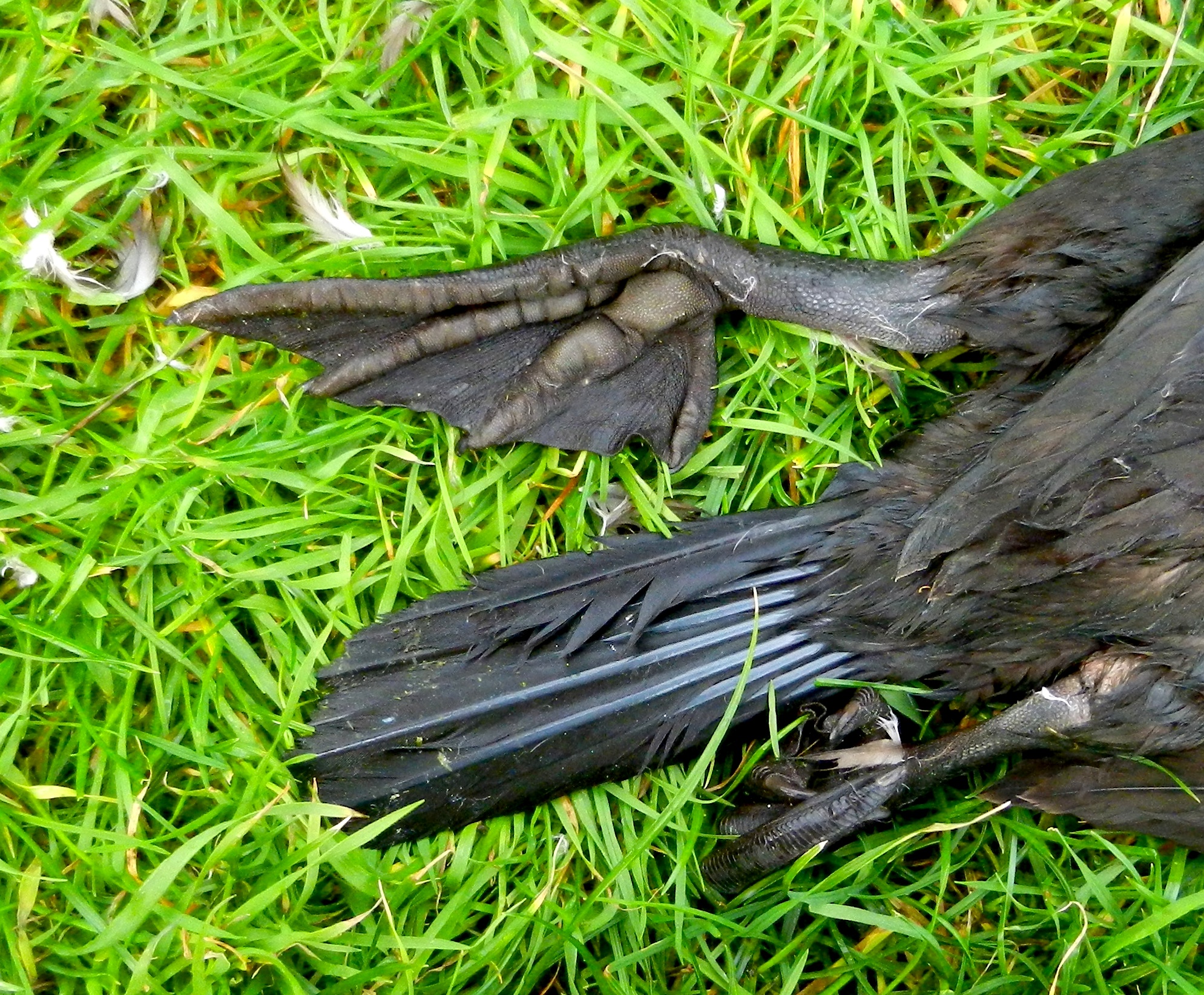
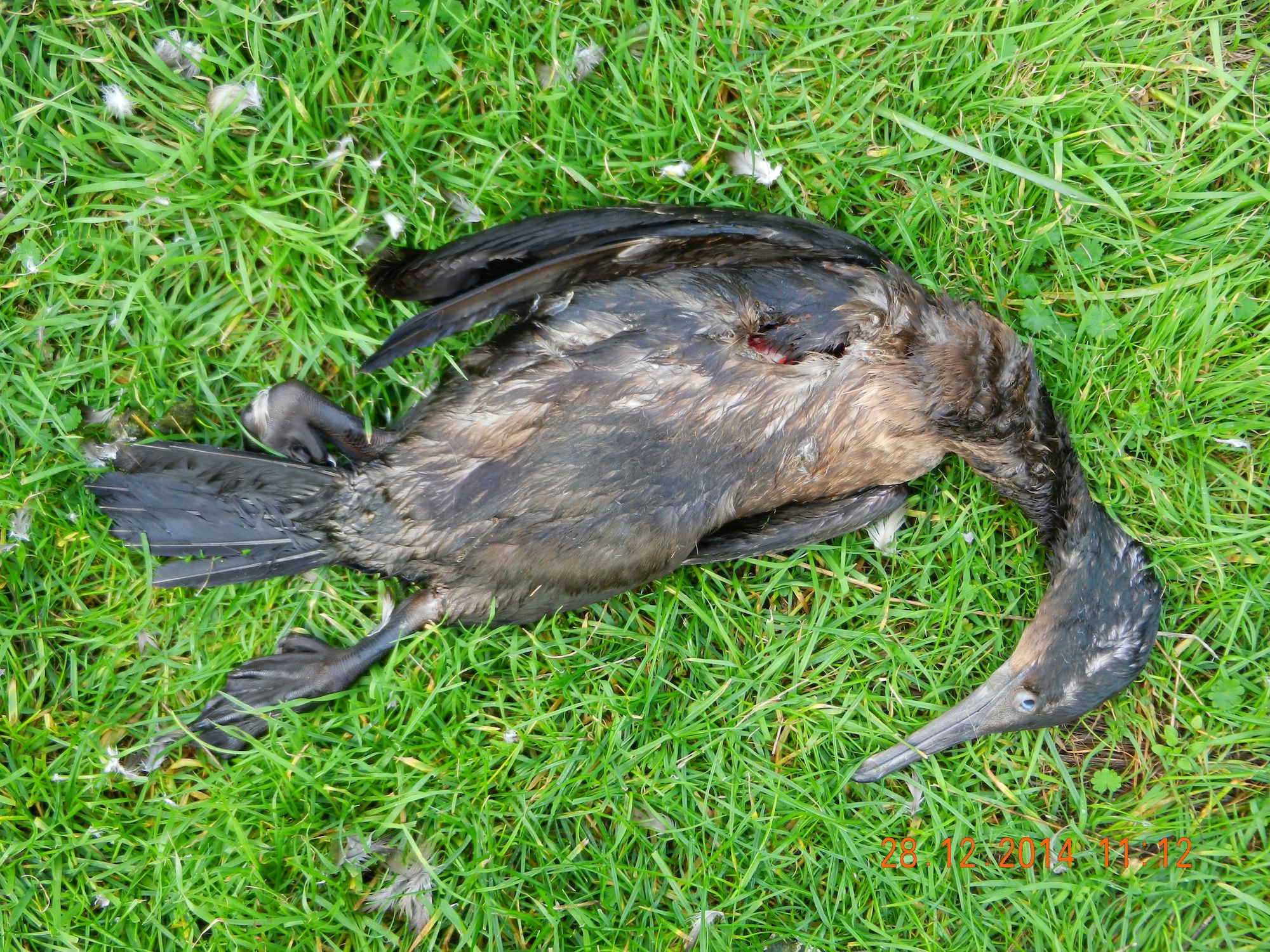
deadcorm cormfeet
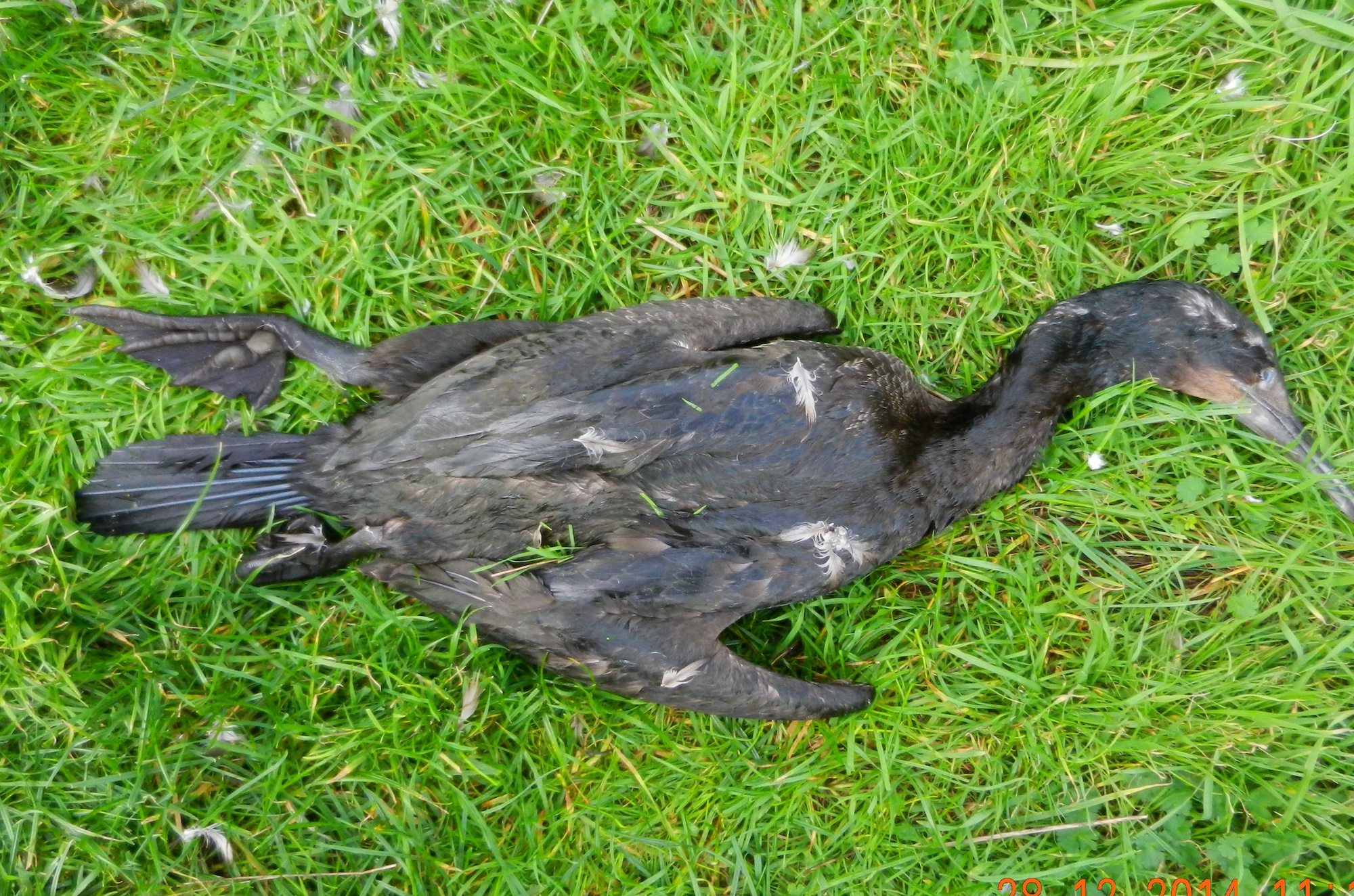
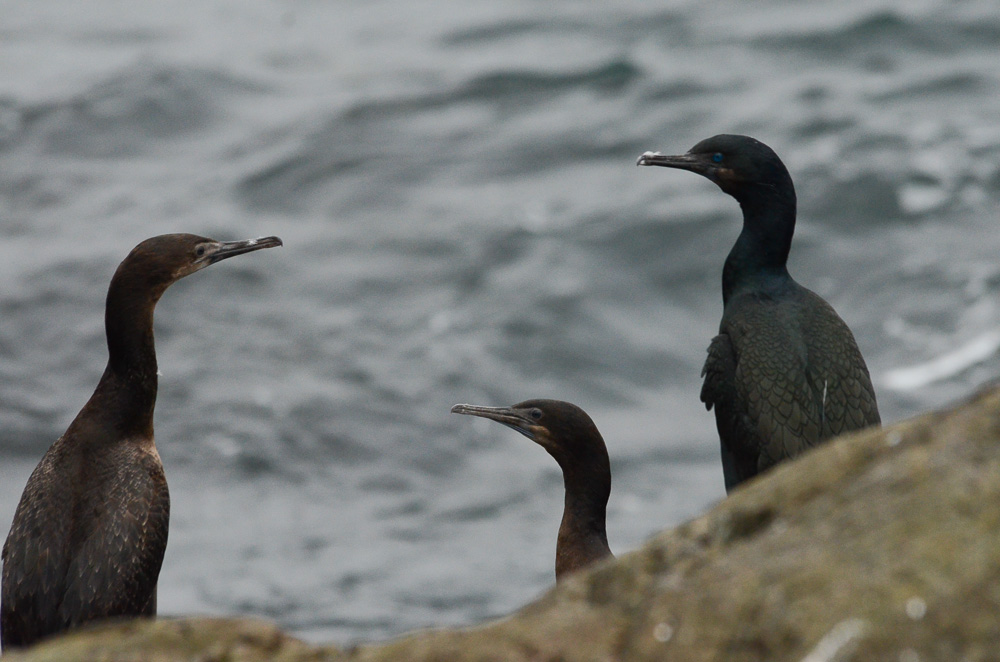
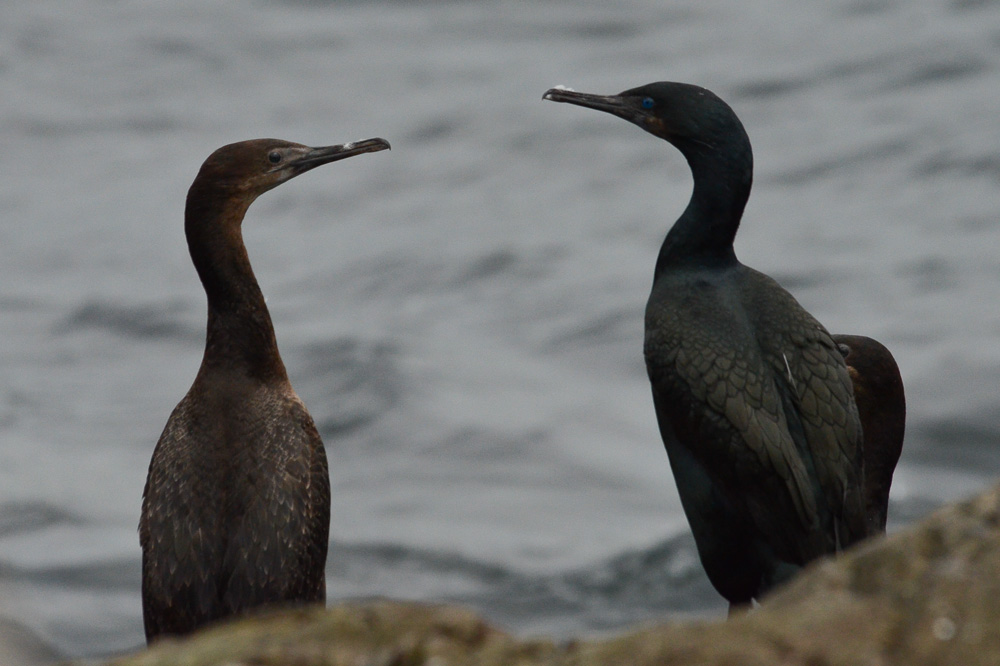
A dead cormorant, (probably Brandt’s ). Interesting webbed foot structure.
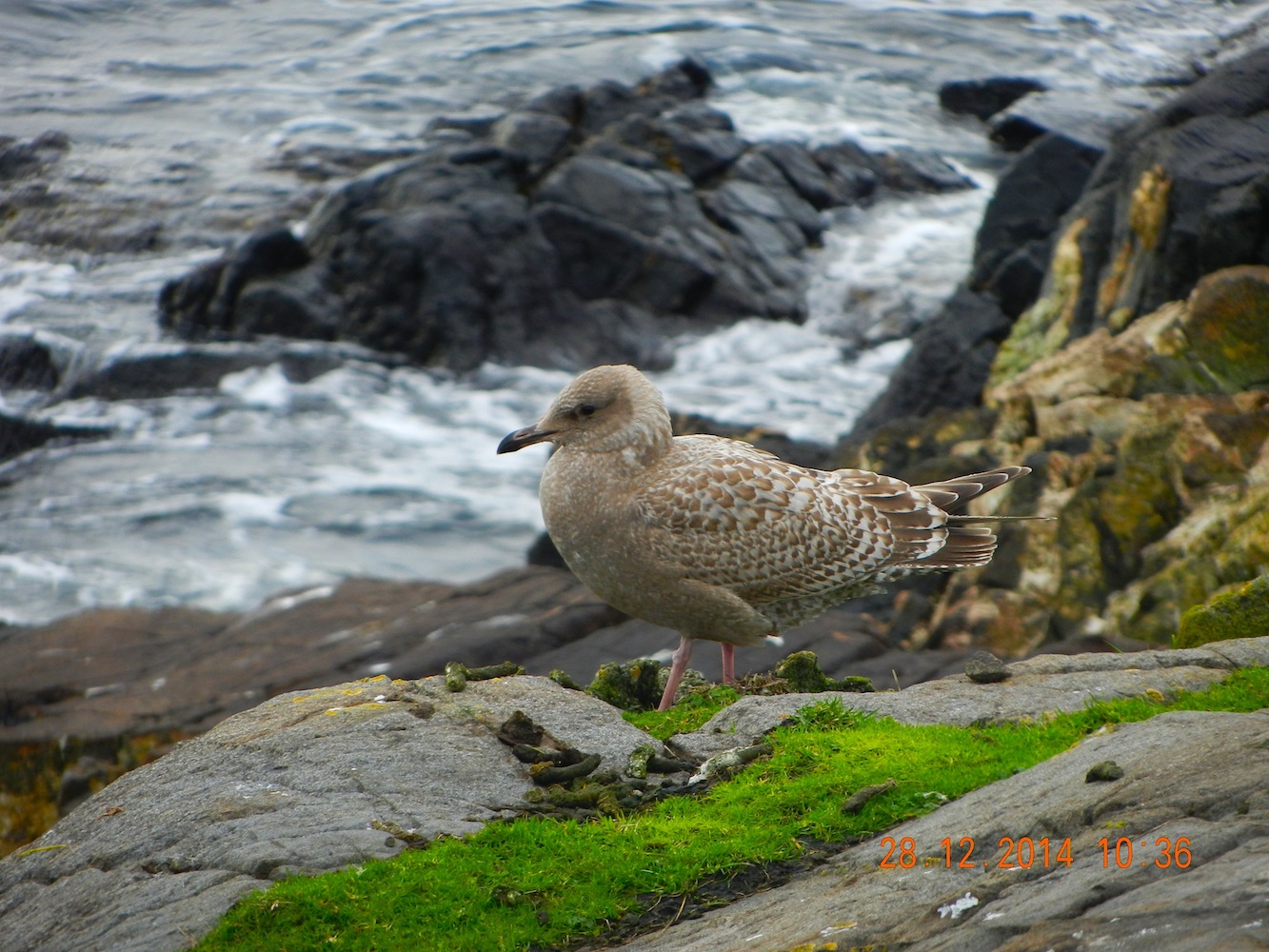
2014-12-28thayer1year 2014-12-28deadcormventralm
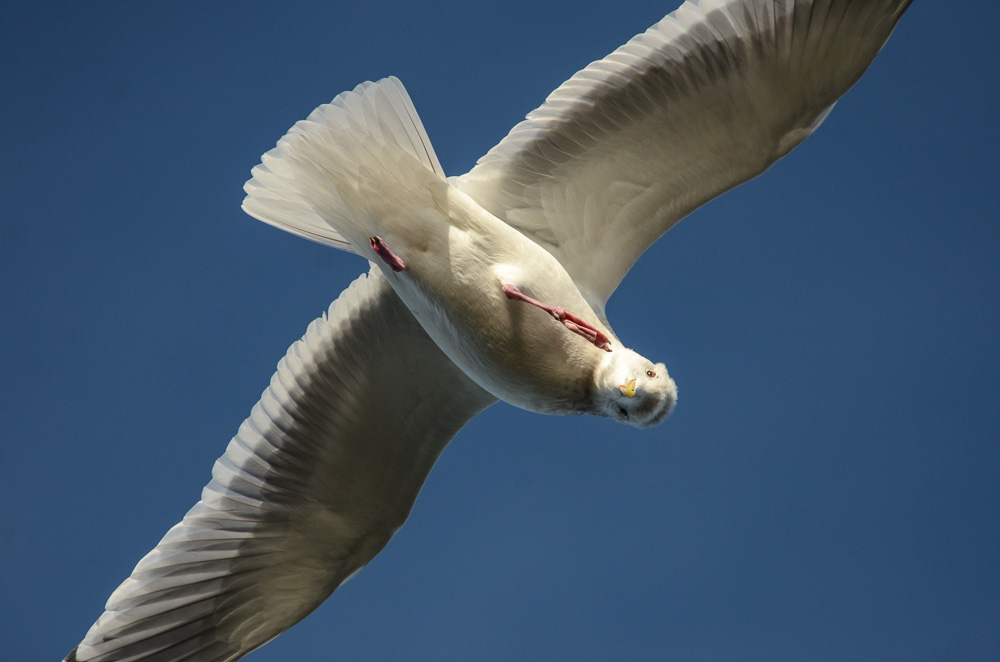
A 1st year juvenile Thayer’s Gull The breast had a hole and internal organs  were eaten. It was probably from an eagle attack.
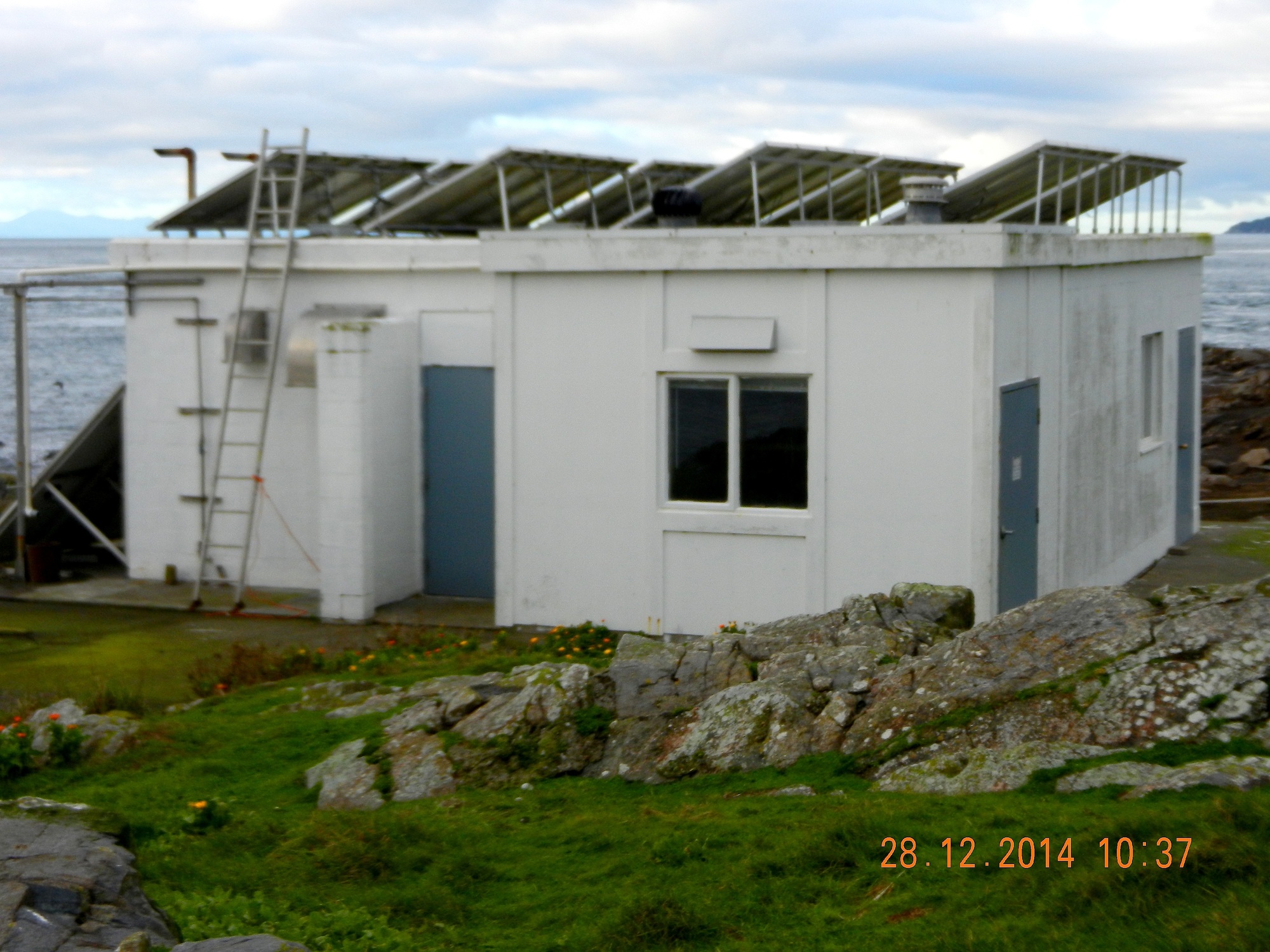
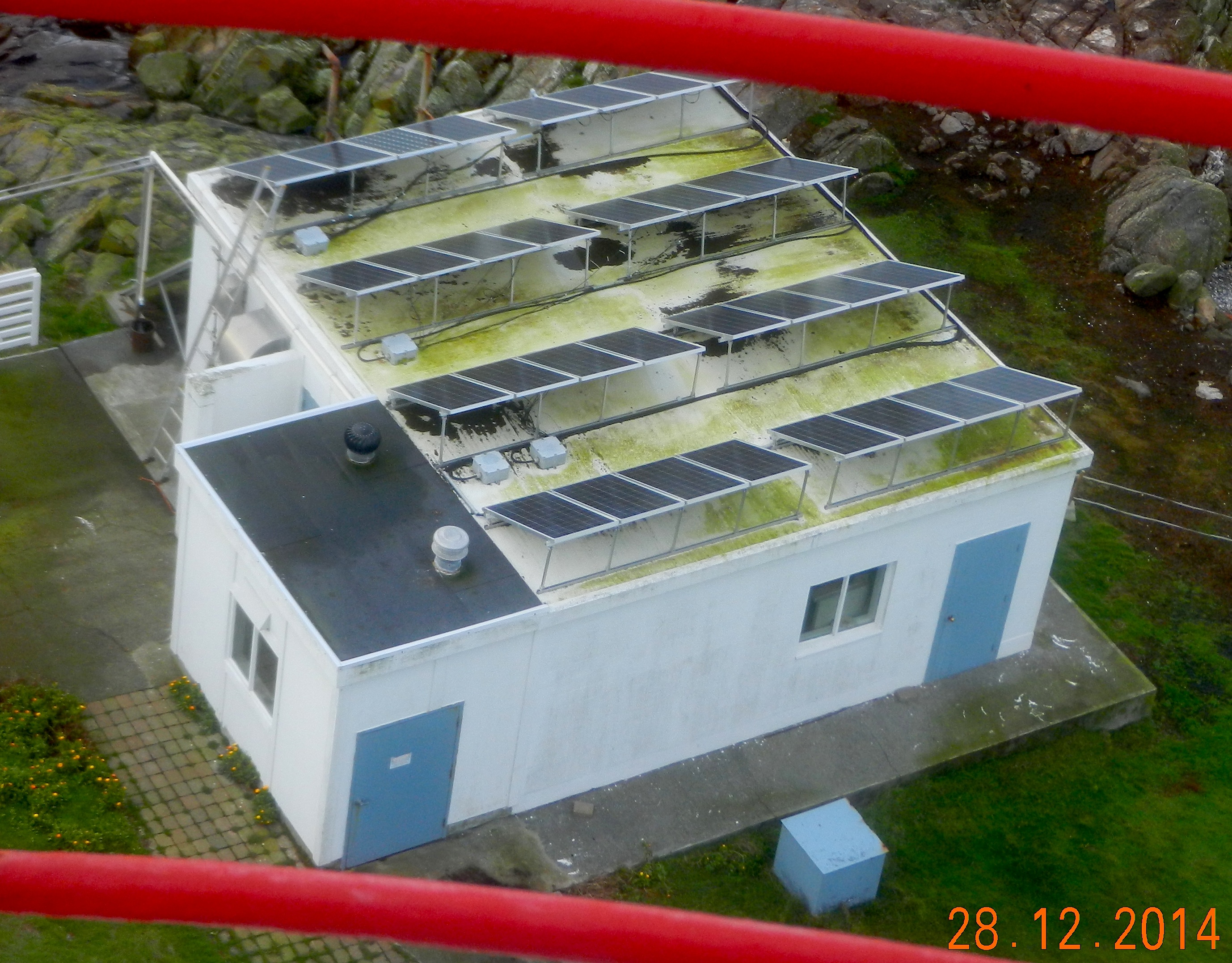
2014-12-28energybldg energybuildingpanels
This year, the college has finished tilting the solar panels. Increased energy efficiency has been noted. They were originally installed flat since we were concerned that the strength of the wind may damage them. This hasn’t happened. View of the energy building roof from the top of the tower.
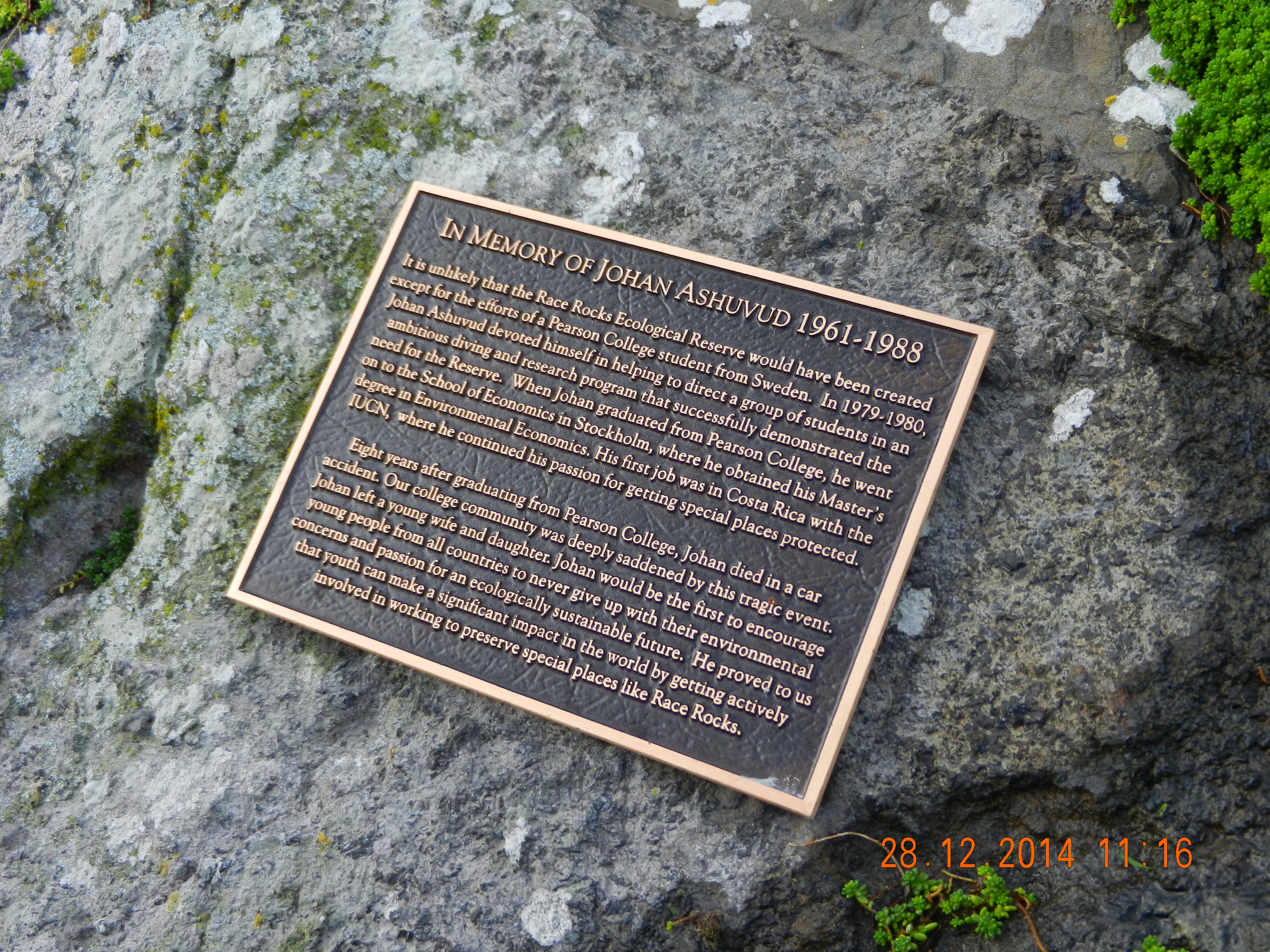
2014-12-28johanplaque ..
This fall a plaque has been installed to honour Johan Ashuvud, who as a student at Pearson College, was instrumental in having Race Rocks designated as an ecological reserve in 1980 ..

Other Ecological reserves wardens reports are available here:
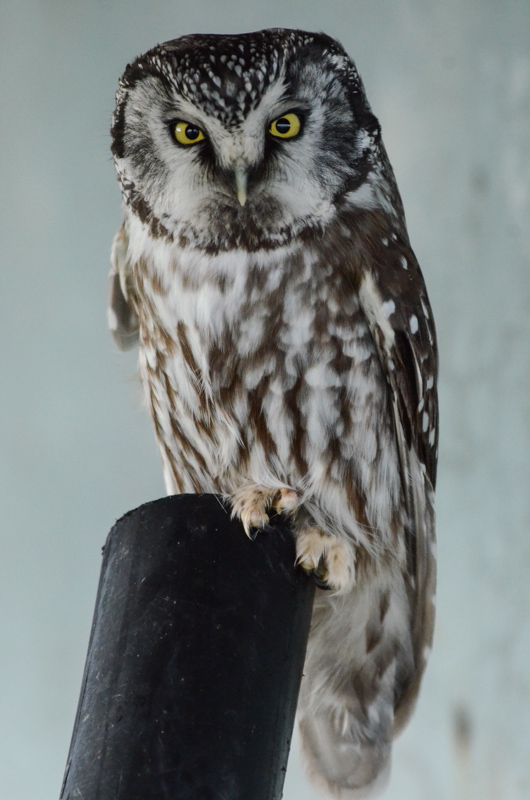
Aegolius funereus: Boreal Owl–The Race Rocks Taxonomy

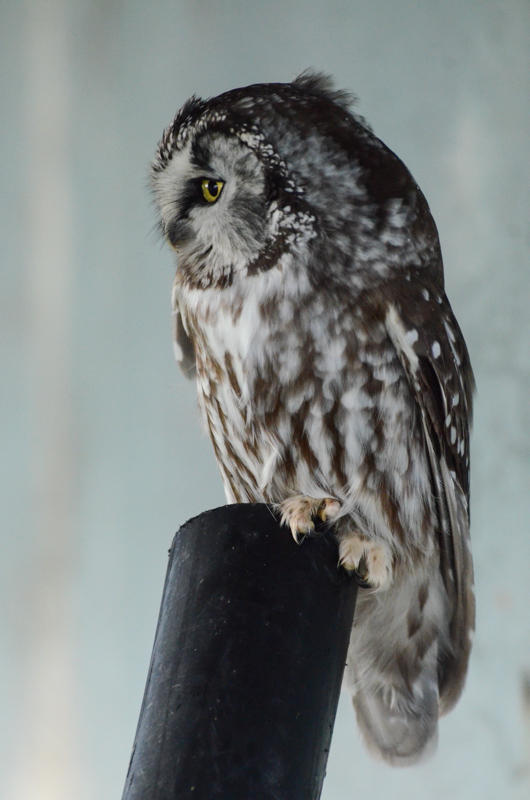
Boreal Owl: A.Fletcher photo

Boreal Owl (Aegolius funereus):  for measurement –the pipe is 5 cm (2 inch)  diameter–photo by Alex Fletcher, Ecoguardian at Race Rocks, Dec 28, 2014.


December 28, 2014– Val George and myself were picked up at Pedder Bay By Alex Fletcher, (Ecoguardian at Race Rocks) and we went out to Race Rocks for the Sooke area Christmas Bird Count. It was a great day with many high counts , but we were especially surprized to flush a small owl out from under a rock up near the camera 5 pedestal.  At first Val thought it just could be a Boreal owl (Aegolius funereus)  which would be a first for this area. We found it again under the porch of the Ecoguardians house and were able to get some good pictures of it. Then we decided it must be a Saw whet owl as Boreals are just too rare here. When he returned home and started comparing his pictures with other images, Val realized it was indeed the rare ( for this area)  Boreal owl.

Report in Times Colonist : Newcomer thrills watchers at Sooke Christmas Bird Count

(These owls breed in dense coniferous forests across northern North America and Eurasia and in mountain ranges such as the Alps and the Rockies. The subspecies: A.f. richardsoni is the only one that occurs in North America). It lays 3–6 eggs in a tree hole in the forest. The small nocturnal owl eats mainly voles and other mammals but also birds as well as insects and other invertebrates.)--text in brackets adapted from Wikipedia–

Scientific classification
Kingdom: Animalia
Phylum: Chordata
Class: Aves
Order: Strigiformes
Family: Strigidae
Genus: Aegolius
Species: A. funereus
Aegolius funereus (Linnaeus, 1758)
Subspecies: A.f. richardsoni (Bonaparte, 1838)
Other owls photographed at Race Rocks.

Link to the call of the Boreal Owl:

From the reference: Rare Birds of Vancouver Island: Compiled by Rick Toochin, Paul Levesque and Jamie Fenneman July1, 2013: The following notation indicates only three other records of the Boreal Owl on Vancouver Island, but there are no records for it on southern Vancouver island.
Boreal Owl (Aegolius funereus):
1.(1) adult February 27, 1993: fide Don Cecile (specimen) Tofino (Siddle 1993b)
2.(1) adult October 3, 1994: Marc Winfield, Rick Toochin, Mike Toochin: Triangle Island (Toochin 1995) (Bowling 1995a)
3.(1) adult fall 1996: fide Jamie Fenneman (specimen) Courtenay (Bain and Holder 1996f)

taxonomyiconReturn to the Race Rocks Taxonomy
and Image File
pearsonlogo2_f2The Race Rocks taxonomy is a collaborative venture originally started with the Biology and Environmental Systems students of Lester Pearson College UWC. It now also has contributions added by Faculty, Staff, Volunteers and Observers on the remote control webcams.
Garry Fletcher
, Dec. 2014.


Teals return again

Rain throughout the day, wind 15-20 knots most of the day, started North then shifted to West. West wind picked up in the evening gusting over 35 knots.  Barometer reached a high of over 1025 hPa on Monday and has been falling today towards 1010 hPa.

One eco tour vessel in the reserve

Chunk has been on the main island all day until the evening.  There is a second large male elephant seal on west rock, visible on camera 1, that I haven’t seen on the main island yet.

With the rain came the Green Winged Teals (3) again to the muddy flats on the NE side of the island.

Cleared some logs out of the jetty bay with the pike pole and chopped fire wood.

census

DSC_7738

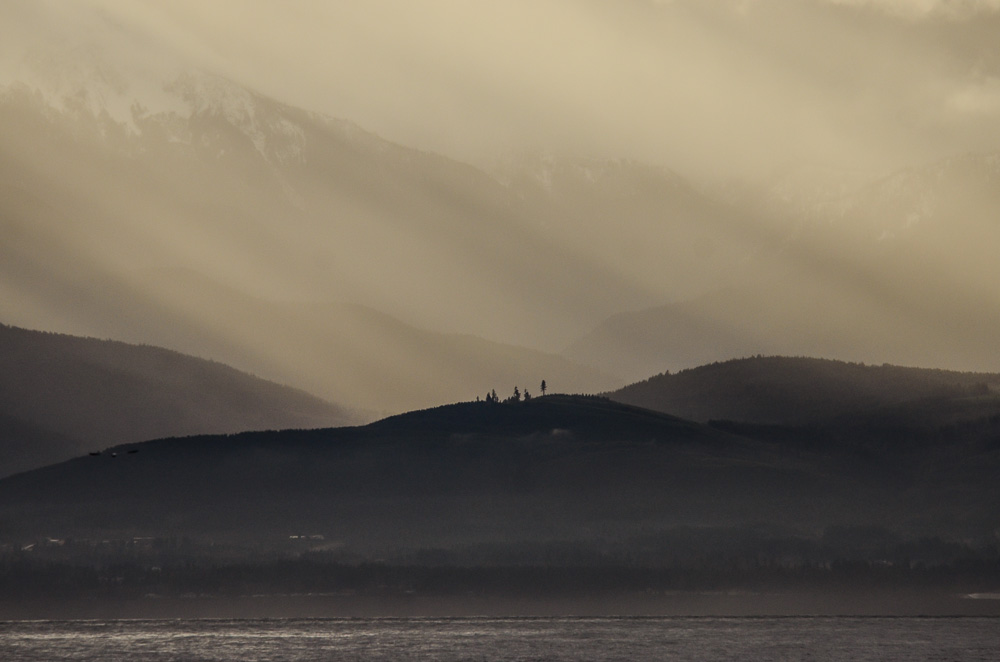
morning light on the olympic peninsula, Washington.

Wind light in the morning, below 10 knots, but large swells rolling in throughout the day. At Trial and Discovery the wind was clocking at 30 knots SE, gusting over 40, which was creating the waves.  In the evening the wind changed direction and was gusting over 35 knots West.

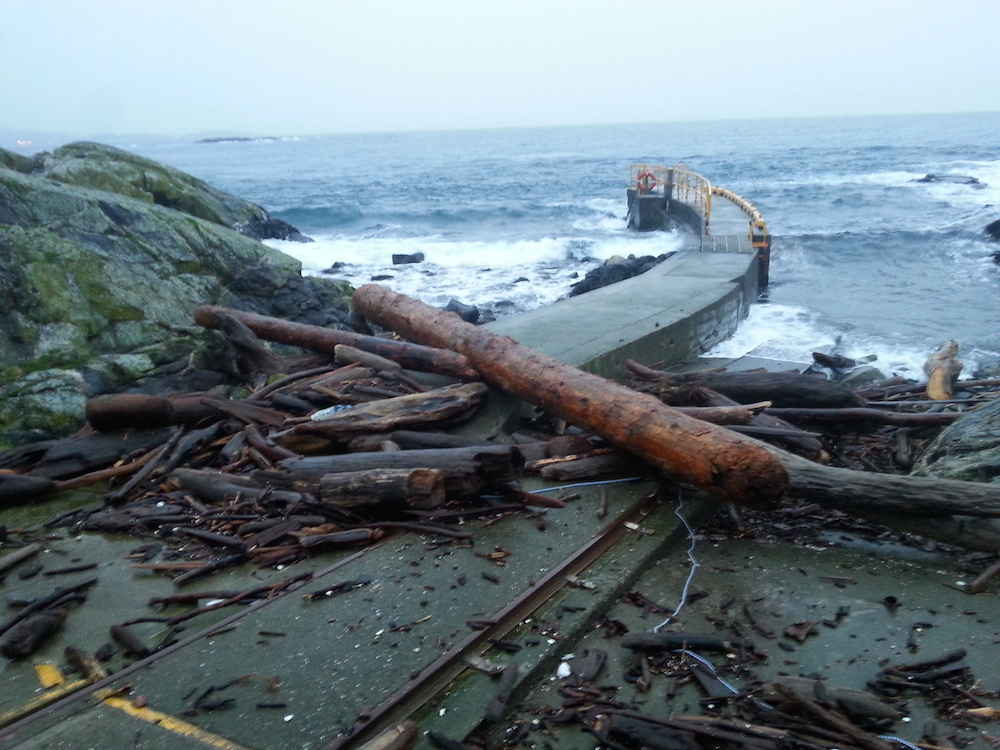
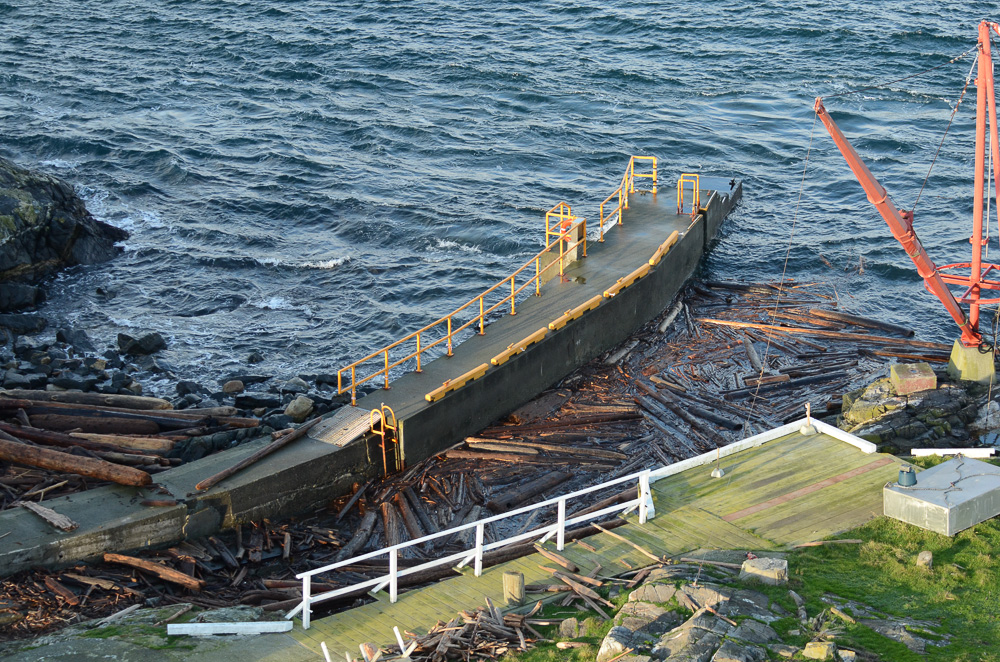
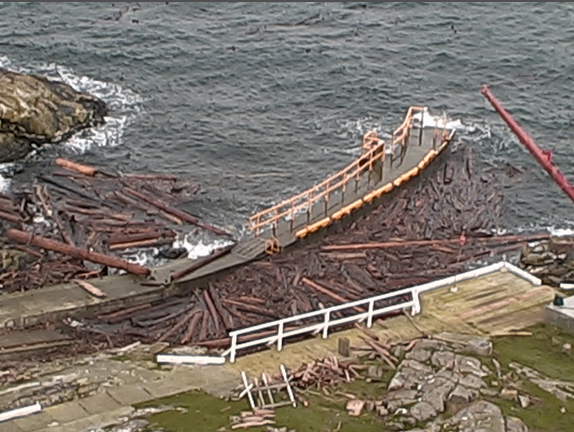
The high tide combined with NE swell meant the jetty was practically submerged a good part of the day.  Some logs and debris were thrown up and piled at the top of the jetty walkway.  I got the boat ramp cleared but will have wood to deal with tomorrow, the big log is about 26 feet long.

20141220_161216

debris left from the high tide and waves

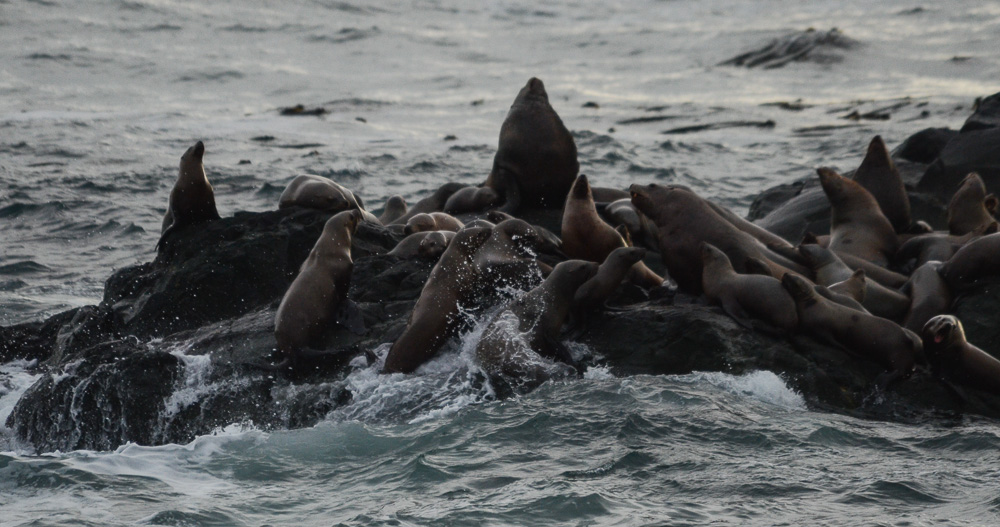
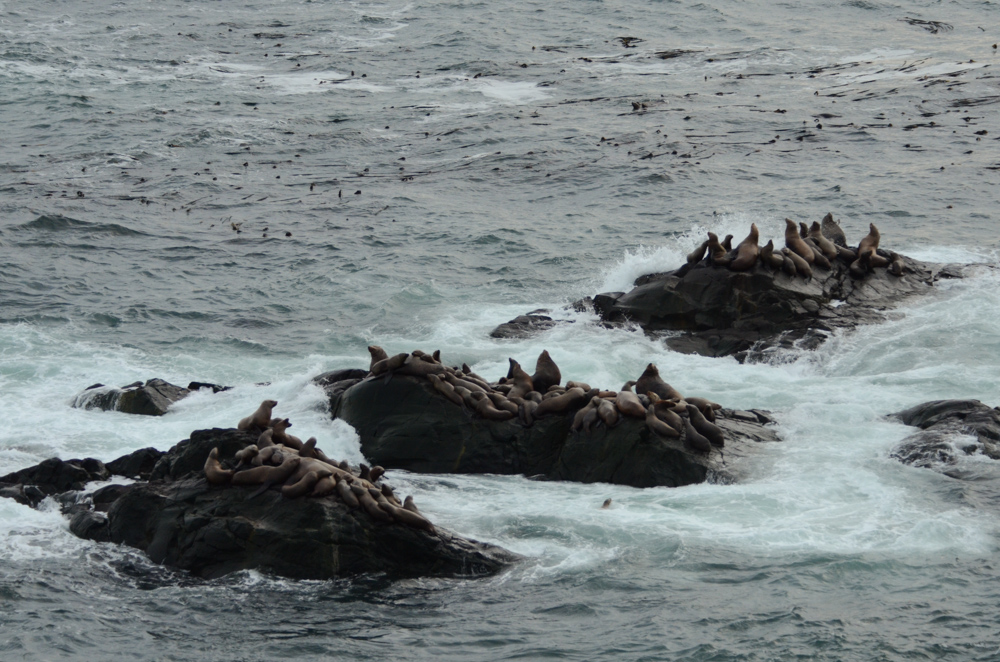
Sealions were clinging to the small amount of rocks that were left with the tide and swells. Chunk came onto the main island, I couldnt see the other elephant seals anywhere, waves were washing over the West rocks where they had been resting.

DSC_7779

DSC_7838

sealions on the South rocks


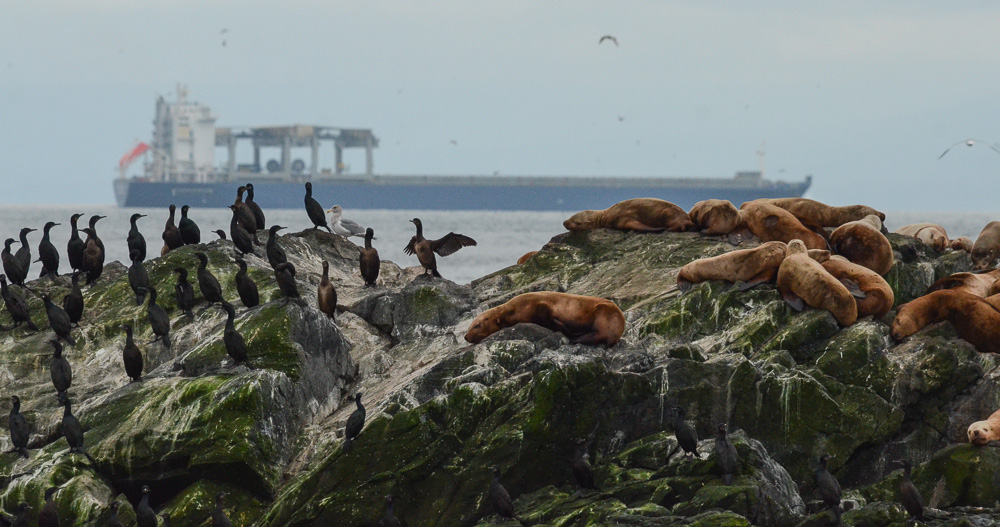
Census today: There was a higher than usual number of Black Oyster Catchers on the south side of the island.

California Sea lions: 8

Northern Sea Lions: 133

Harbour Seals: 2

Elephant Seals: 1

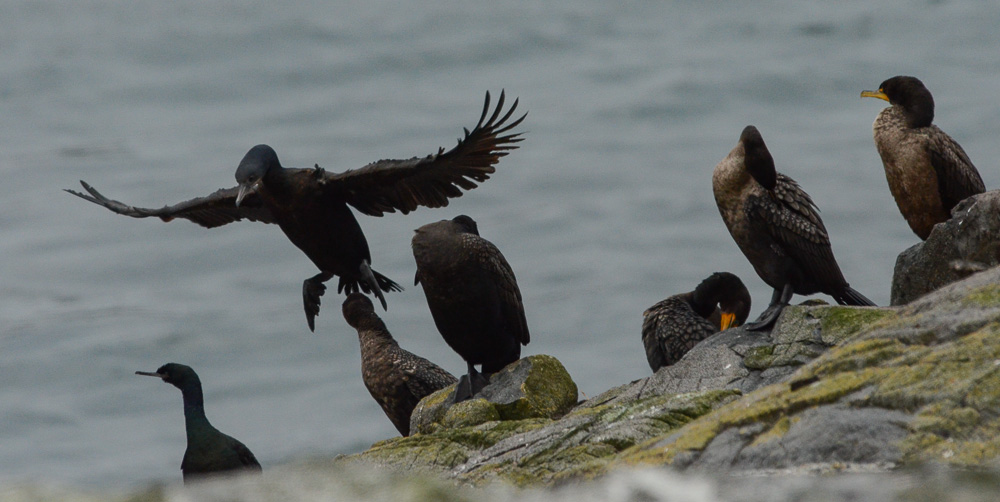
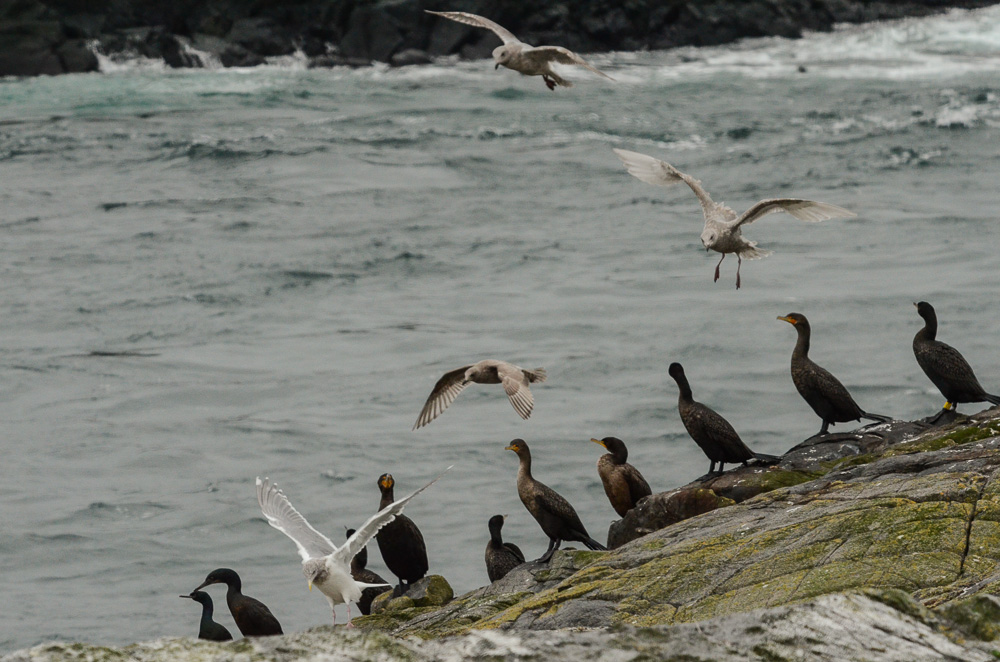
Cormorants: 79

Canada Geese: 2

Gulls: 300

Bald Eagle: 5

Harlequin Ducks: 4

Black Turnstone: 18

Dunlin: 4

Sparrow: 2

Green Winged Teals: 7

Black Oyster Catchers: 116

Surfbirds: 7


census, banded cormorant


Atmospheric pressure rose to a high of over 1020 h Pa today.  The NE wind has started to return, 10 to 20 knots most of the day.

One whale watching boat and one dive boat in reserve today.

Thursday the weather/visibility was pretty bad for a census and on Friday I went off island so I did a makeup census on Saturday.

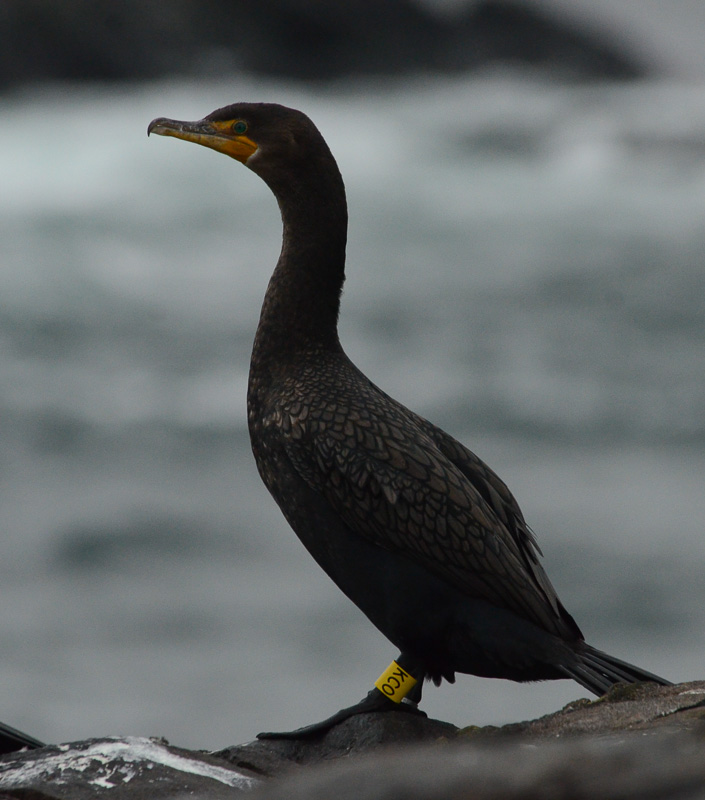
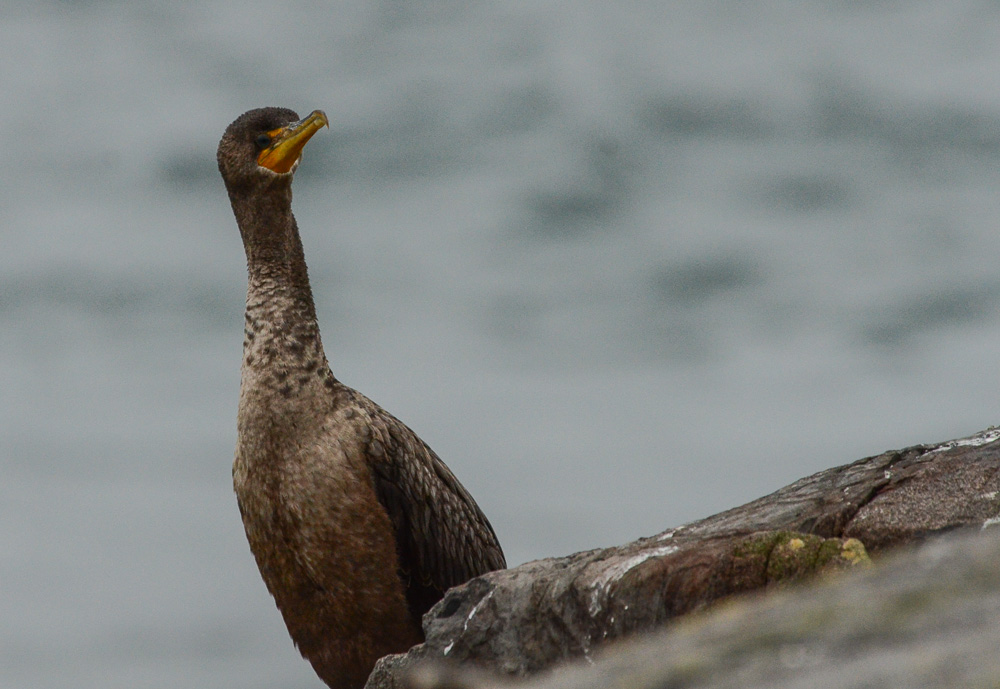
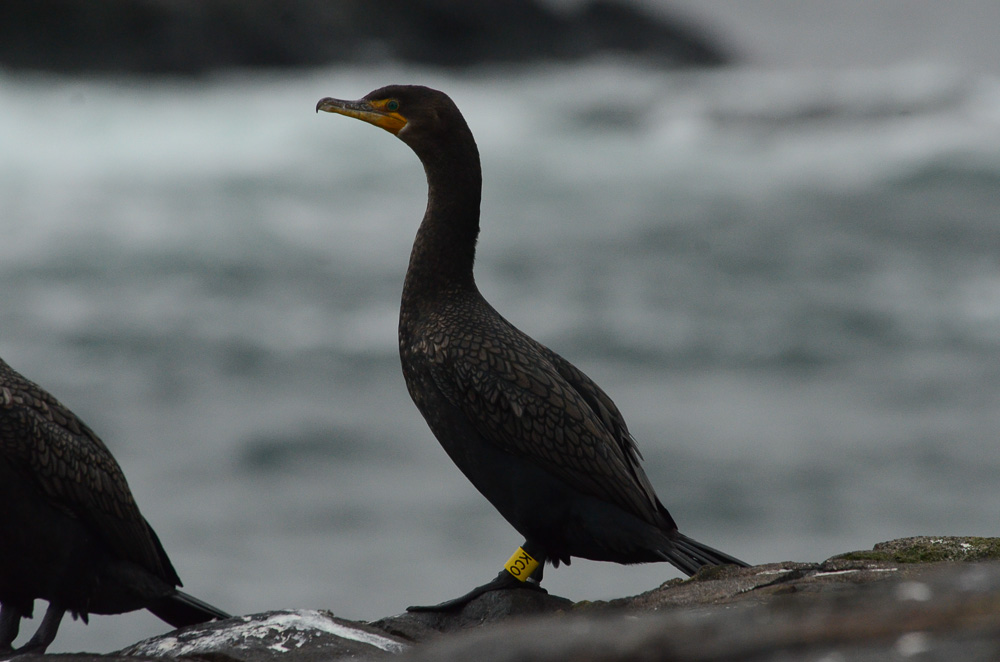
Notably: there was a high count of cormorants, 520, compared to last week as well a yellow banded individual (KCO)- details documented on next post. There was a high number of bald eagles (20) in reserve, and a lone kingfisher and pelican again in the reserve.  While there have been over 40 black oyster catchers here this week there were none observed today.

Harvested driftwood including a good size fir log I tied up at high tide and bucked and chopped once the tide had fallen.  Worked on toilet install and hammer drilling for plaque install.


Census:

California Sea lions: 38
Northern Sea Lions: 222
Harbour Seals: 5
Elephant Seals: 6
Cormorants: 520
Canada Geese: 2
Gulls: 680  mostly Thayer’s)
Bald Eagle: 20
Harlequin Ducks: 5
Black Turnstone: 2
Dunlin: 3
Sparrow: 0
Kingfisher: 1

Pelican:1

Banded Cormorant data:

DSC_6938 banded cormorant

Double-Crested Cormorant photo by Ecoguardian Alex Fletcher

 Note on banded cormorant:
The bird (KC0) was banded as an adult at a breeding colony on East Sand Island in the Columbia River estuary (near Astoria, OR) in May 2013 by the group, Bird Research Northwest (http://www.birdresearchnw.org). They  banded the bird as part of their study on movement and demography of the species. (There is a large DCCO colony there and some  think authorities  are trying to destroy it as the corms are eating all the fish that are trying to get up the river. See
http://news.nationalgeographic.com/news/2014/11/141118-shooting-cormorants-columbia-river-salmon-endangered-species-environment/)

On Dec . 30, 2014 the following details were sent to us after we reported it to the
The North American Bird Banding Program

Banding Data returned after reporting:
Band Number :1128-01387 KC0
Species: Double-Crested Cormorant
Age of Bird : Hatched in 2011 or earlier
Banded : 05/31/2013 Sex Unknown
Location:  East Sand Island, 2.4 KM West-Southwest of Chinook, WA, Clatsop county , Oregon USA (Coordinates: LAT: 46.25833; LON: -123.975 )
Bander Dr. Daniel D. Roby Oregon Cooperative  WRU Oregon State  University 104 Nasgh Hall Corvallis  OR 97331 3803
Encounter Data
Location 2 mi SSE of Rocky Point, British Columbia, Canada
Encountered 12/13/2014
Desc: Race  Rocks Ecological Reserve

————————————————————————————

Info from : BandReports@usgs.gov

The North American Bird Banding Program
Bird banding is important for studying the movement, survival and behavior of birds. About 60 million birds representing hundreds of species have been banded in North America since 1904. About 4 million bands have been recovered and reported.

Data from banded birds are used in monitoring populations, setting hunting regulations, restoring endangered species, studying effects of environmental contaminants, and addressing such issues as Avian Influenza, bird hazards at airports, and crop depredations. Results from banding studies support national and international bird conservation programs such as Partners in Flight, the North American Waterfowl Management Plan, and Wetlands for the Americas. The North American Bird Banding Program is under the general direction of the U.S. Geological Survey and the Canadian Wildlife Service. Cooperators include the U.S. Fish and Wildlife Service, Mexico’s National Commission for the Knowledge and Use of Biodiversity and Secretary of the Environment and Natural Resources; other federal, state and provincial conservation agencies; universities; amateur ornithologists; bird observatories; nature centers; nongovernmental organizations such as Ducks Unlimited and the National Audubon Society; environmental consulting firms and other private sector businesses. However, the most important partner in this cooperative venture is you, the person who voluntarily reported a recovered band. Thank you for your help.

U.S. Geological Survey
Canadian Wildlife Service
Please Report Bands at www.reportband.gov or call 1-800-327-BAND

Direct reporting form we used can be found  at:
https://www.pwrc.usgs.gov/BBL/bblretrv/


Pelican, 50knot gusts

The barometer hit a low of below 985 hPa in the afternoon.  Winds had been 10 to 20 knots N most of the day but picked up in the evening and switched to west late in the night, gusting over 50knots.

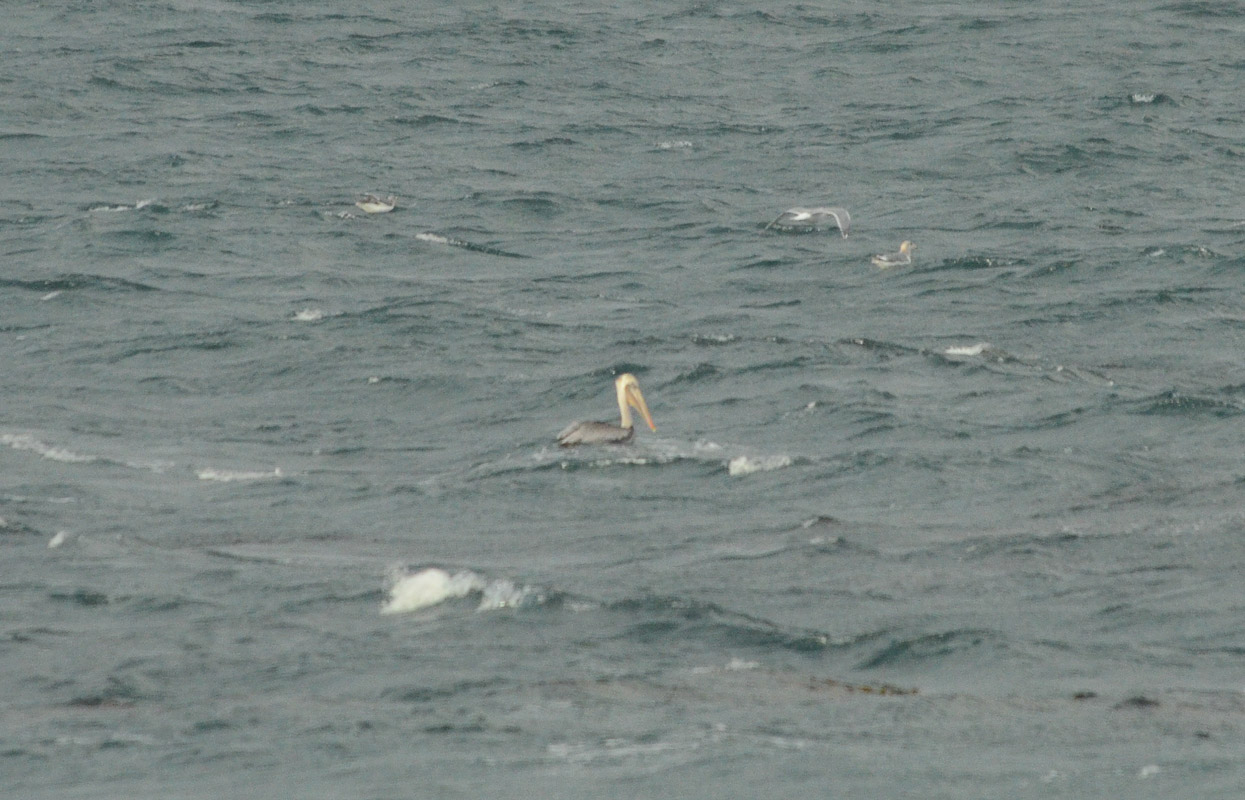
I spotted one pelican offshore in the reserve.  Chunk was on the main island overnight but left around noon.

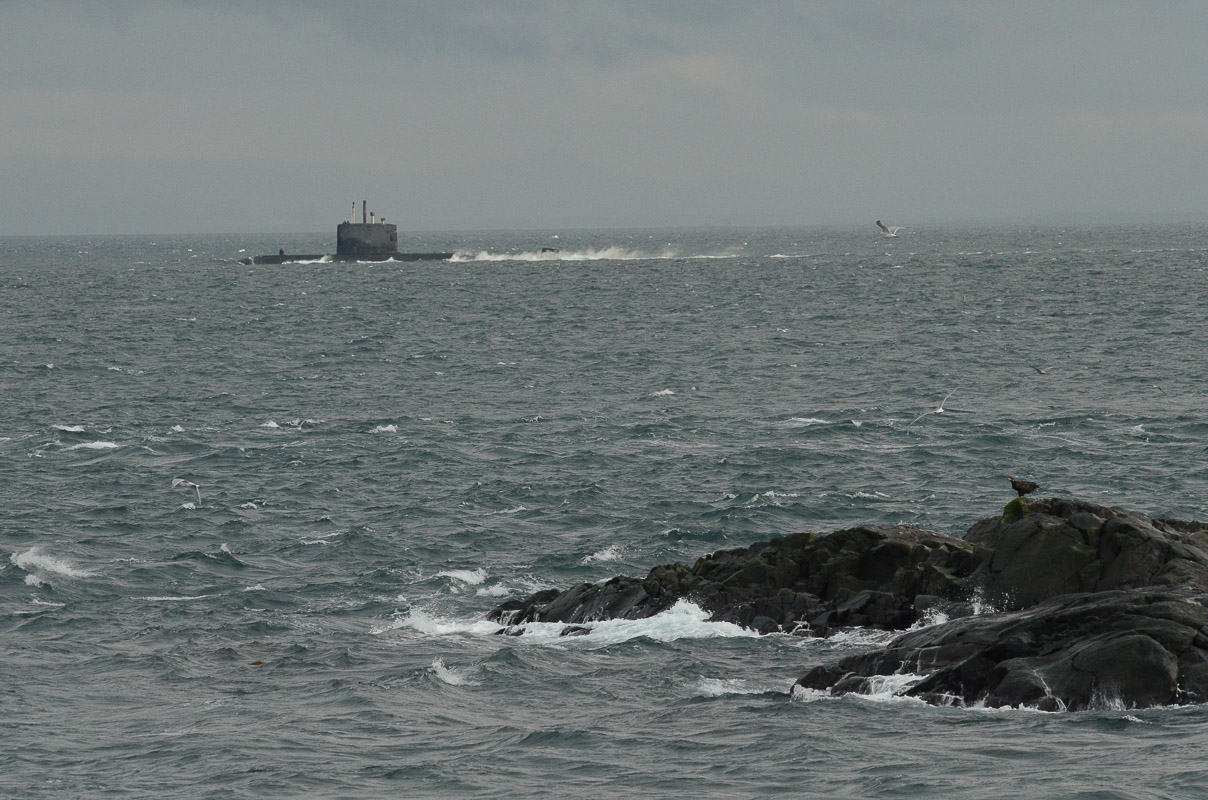
A submarine passed by close to the reserve.

DSC_6783

submarine passing on the East side of the reserve, heading North.

DSC_6763

pelican in the reserve, N of Great Race

A lot of wood debris got washed up on the boat ramp throughout the day and this evening. Collected lots of driftwood for burning.  Working on compost toilet installation.

Kingfisher, teals, surf, chunk

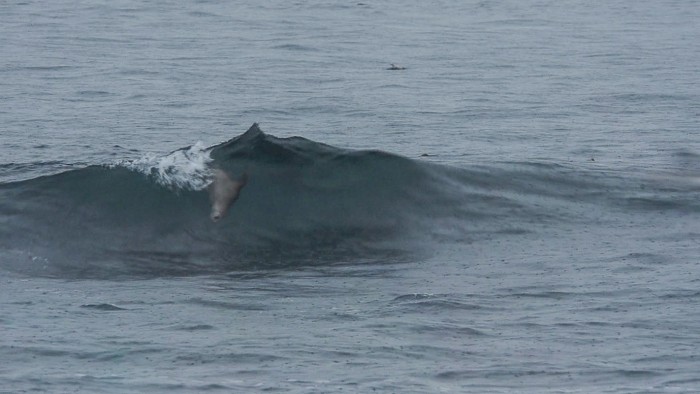
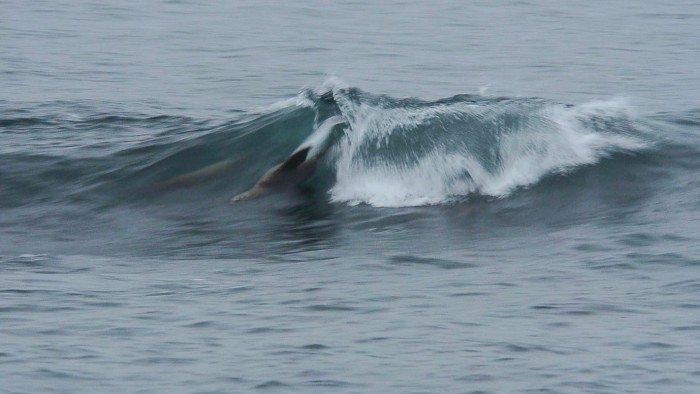
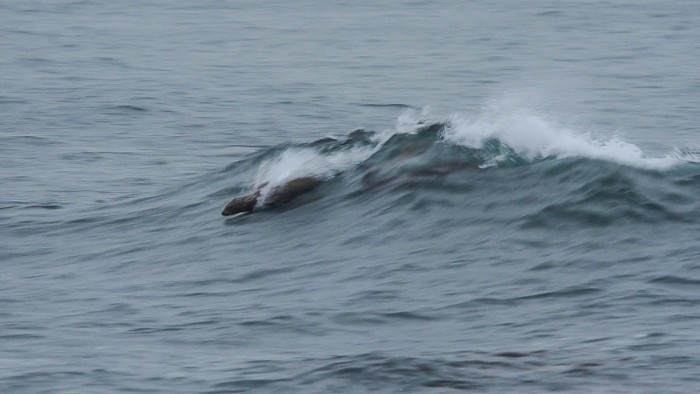
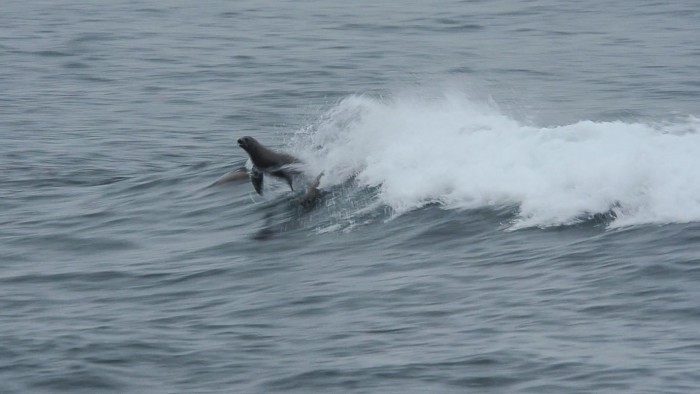
Lots of rain today. The barometer continued to fall this morning reaching a low of 985 hPa this afternoon. It was windy overnight and a west wind picked up this evening briefly gusting over 35 knots.   There have been swells coming in on both the NE and W sides of the island today along with high tides all morning that combined to submerge the jetty with waves and provide good surfing conditions for sea lions.

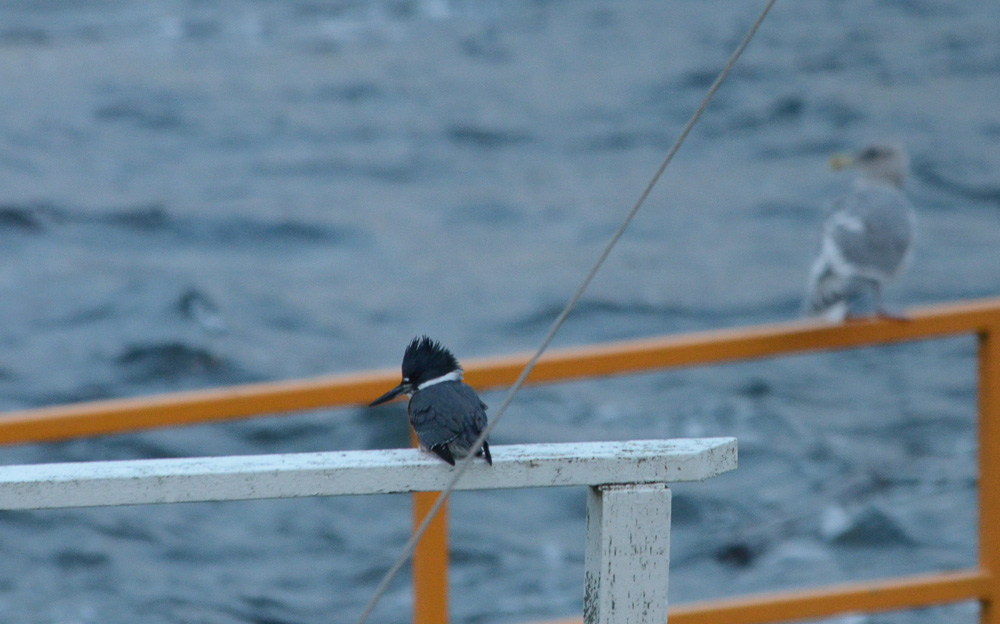
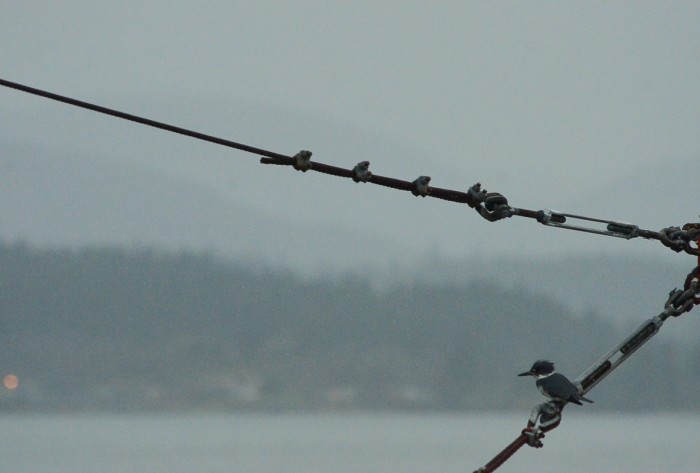
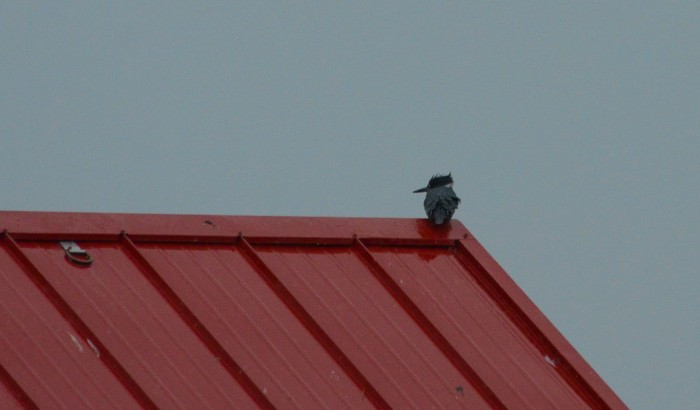
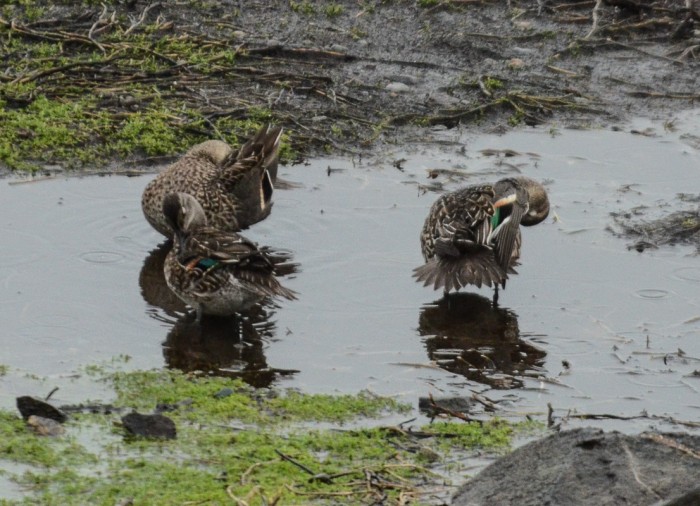
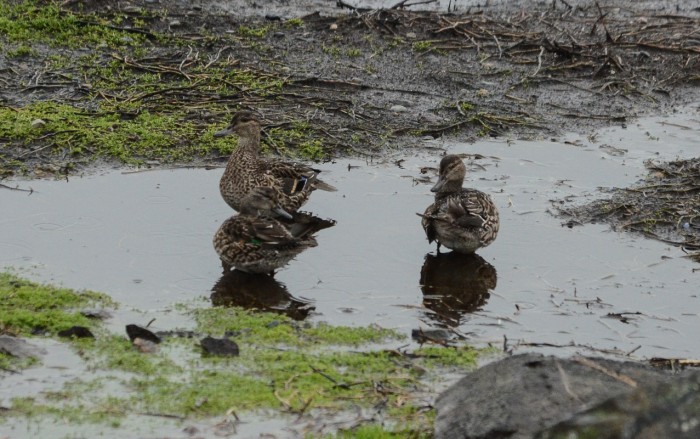
I spotted a infrequent visitor, a belted kingfisher perched on the crane.  There were also three green winged teals in the mud flats on the NE side of the island, I only ever see them when it rains a lot and there are fresh water puddles.

Sealions had good surfing conditions most of the day.  The images were taken off the south side of the island, reef break.

Before dusk Chunk (Zeke) came up the boat ramp onto the island, the first time he has come on the main island during my shift.  He has grown since last winter and has a stronger vocalization.

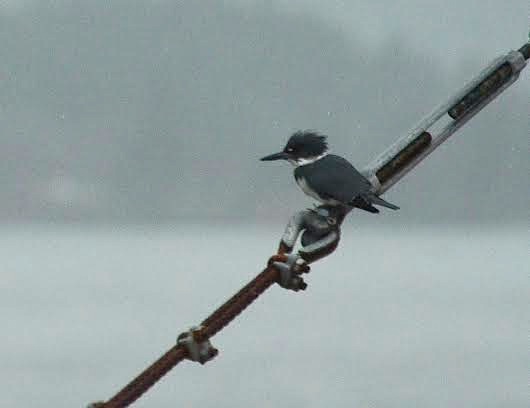
Megaceryle alcyon: Belted Kingfisher– The Race Rocks Taxonomy

This is our first record of the Belted Kingfisher (Megaceryle alcyon) at Race Rocks. It came today from the Ecoguardian,  Alex Fletcher.  We see these birds frequently in Pedder Bay and along the Coastline of Taylor Beach, but so far we have not had a record from Race Rocks.

kingfisher

Belted Kingfisher _ Megaceryle alcyon on the winch cable: photo by Alex Fletcher, Dec 10, 2014


Scientific classification
Kingdom: Animalia
Phylum: Chordata
Class: Aves
Subclass: Neornithes
Infraclass: Neognathae
Superorder: Neoaves
Order: Coraciiformes
Suborder: Alcedini
Family: Cerylidae
Genus: Megaceryle
Species: M. alcyon
Megaceryle alcyon (Linnaeus, 1758)

Usually kingfishers are common around the shores of Pedder bay and Taylor Beach. They are rarely sighted at Race Rocks

Other Members of the Class Aves at Race Rocks 
taxonomyiconReturn to the Race Rocks Taxonomy and Image File
pearsonlogo2_f2The Race Rocks taxonomy is a collaborative venture originally started with the Biology and Environmental Systems students of Lester Pearson College UWC. It now also has contributions added by Faculty, Staff, Volunteers and Observers on the remote control webcams. Alex Fletcher (PC)