Shift change, census

Wind NE 15-20 knots becoming N 10-15 knots in the afternoon. Sky cloudy with periods of rain.

Courtney brought me out this morning in Second Nature to start a 3 month winter shift. She brought Nick back after I was able to get a quick update on systems and supplies.

Census:
California Sea lions: 20
Northern Sea Lions: 155
Harbour Seals: 1
Elephant Seals: 7
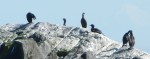
Cormorants: 70
Canada Geese: 5
Gulls: 252
Bald Eagle: 1
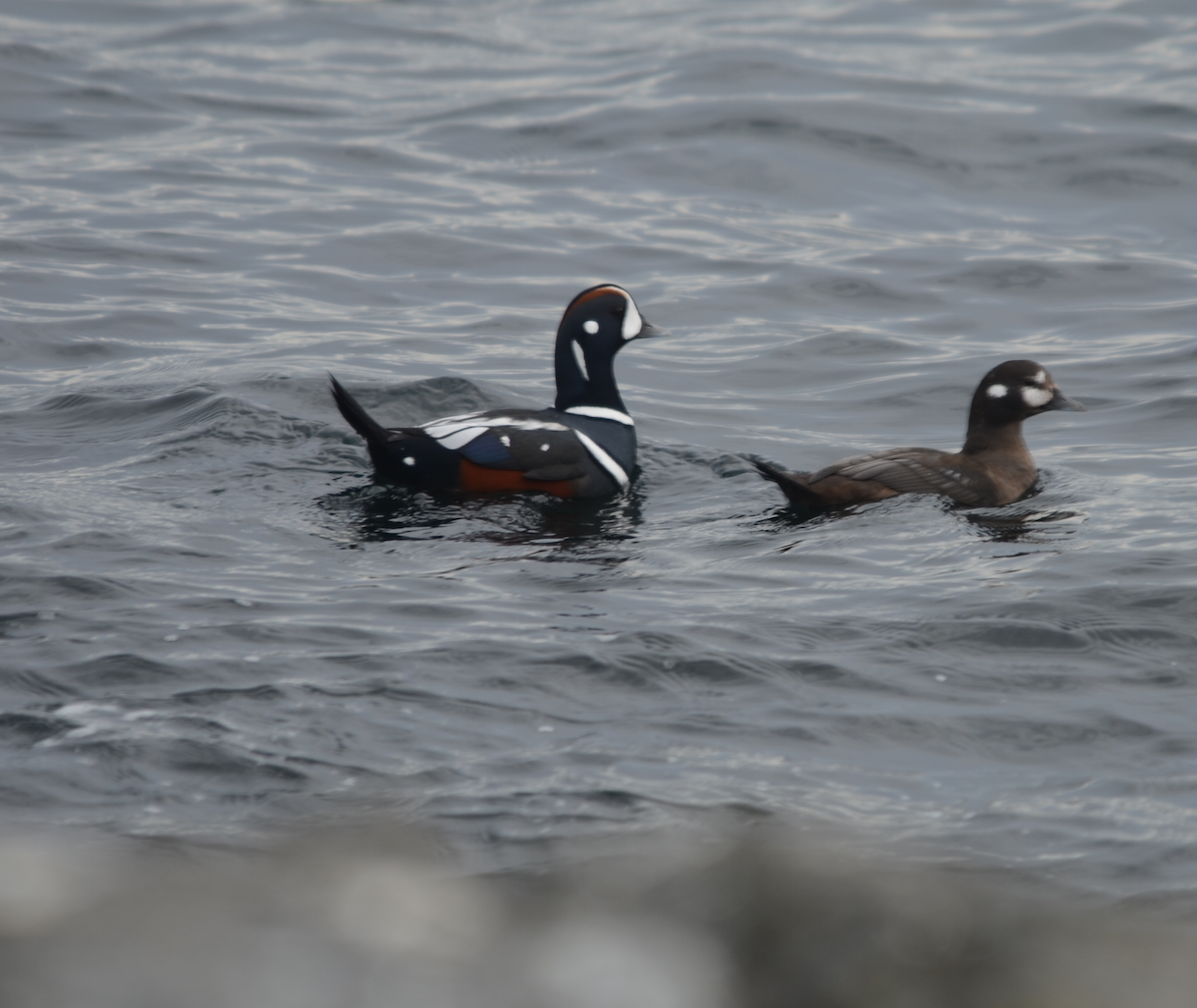
Harlequin Ducks: 2
Black Turnstone: 2
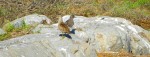
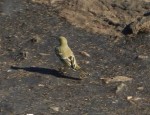
Sparrow: 1

3 Branded northern sealions observed: 870R, 347Y, and 975? (last symbol not visible)

Spent most of the day moving in, unpacking and getting reacquainted. We brought two full propane tanks out in the morning. Running diesel this evening.

The house is clean and things look to be in order here. Thanks to Nick, Ann, Jeff, Julie, and Courtney for their work out here since my last shift.

Melanitta perspicillata: Surf Scoter–Race Rocks Taxonomy

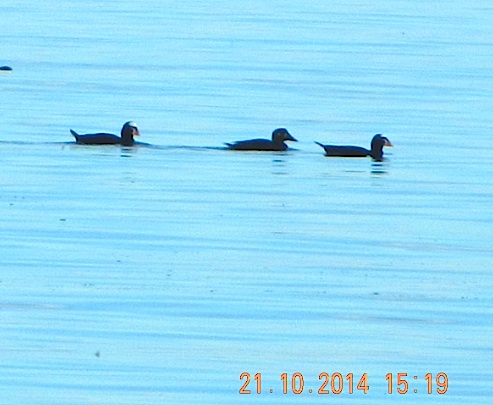
ntscotersit

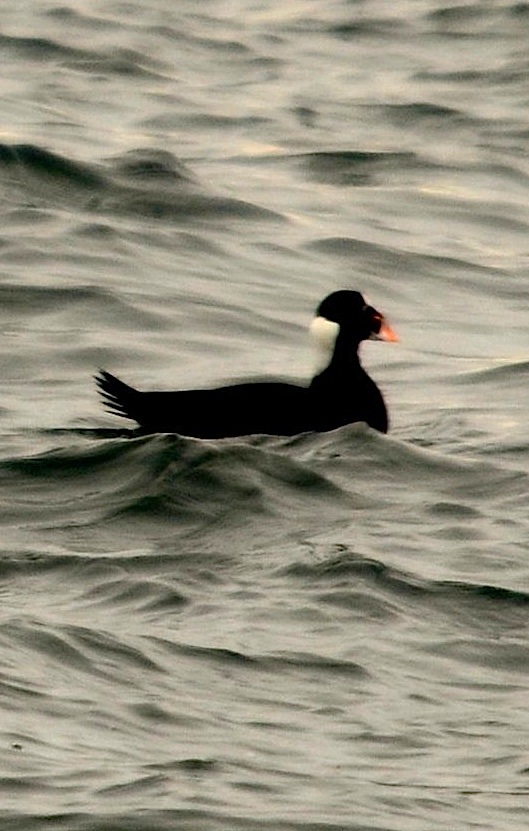
Surf scoter,  Melanitta perspicillata at Race Rocks photo by Nick Townley

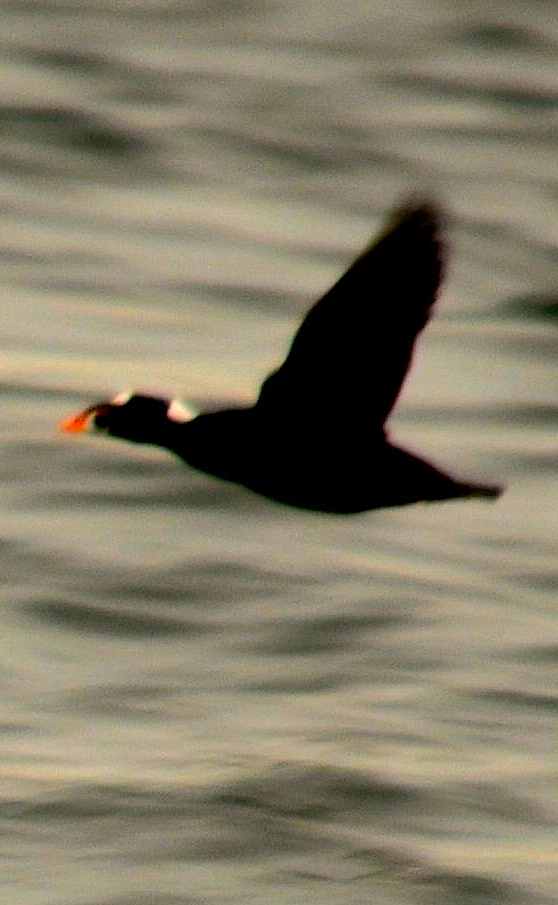
ntscoterfly

Surf scoter, Melanitta perspicillata in flight

surfscoterSurf Scoters are often sighted off the shores of Taylor beach in the fall (see http://metchosinmarine.ca/gf/?p=3080 ) but only show up at Race Rocks occasionally .. see the Christmas Bird Count records: The first photographic record we have was taken in November, 2014 by Ecoguardian Nick Townley.

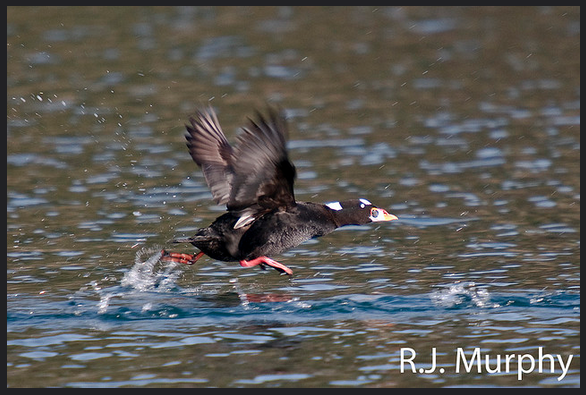
RMfeb42009surfscoterPM

This photo was taken by Ecoguardian Ryan Murphy in 2009 but was probably in outer Pedder Bay where they are frequently found.


Scientific classification
Kingdom: Animalia
Phylum: Chordata
Class: Aves
Order: Anseriformes
Family: Anatidae
Subfamily: Merginae
Genus: Melanitta
Species: M. perspicillata

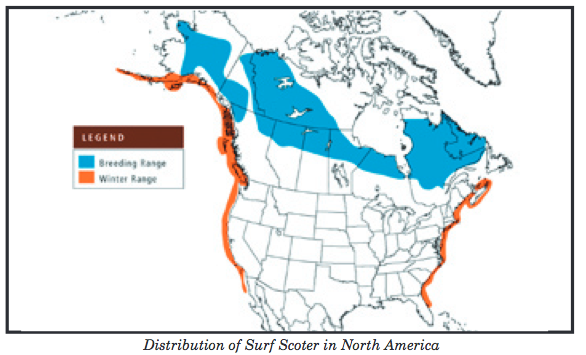
Surf Scoter range

Winter and Summer range of surf scoter: from seaduck ventures page

An excellent reference on the surf scoter with an image of the range can be found on the seaduck ventures page


<

taxonomyicon Return to the Race Rocks Taxonomy and Image File
pearsonlogo2_f2The Race Rocks taxonomy is a collaborative venture originally started with the Biology and Environmental Systems students of Lester Pearson College UWC. It now also has contributions added by Faculty, Staff, Volunteers and Observers on the remote control webcams. Dec 2014, Nick Townley


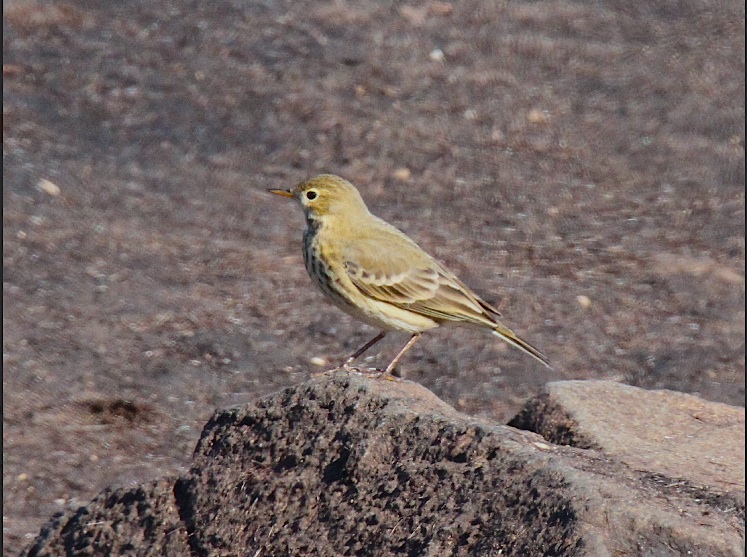
Anthus rubescens: (American Pipit ) –The Race Rocks Taxonomy

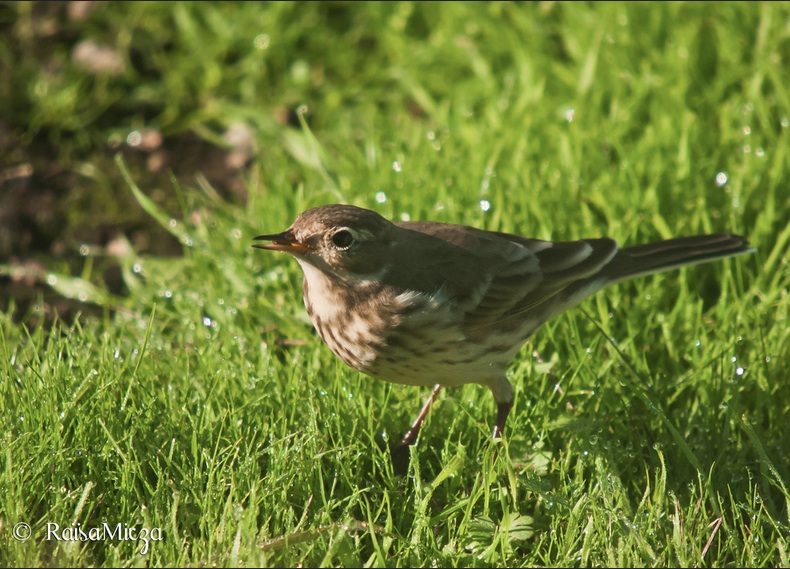
raisasept292010amerpipit

Raisa Mirza in the fall of 2010 took this image of an American Pipit at Race Rocks.

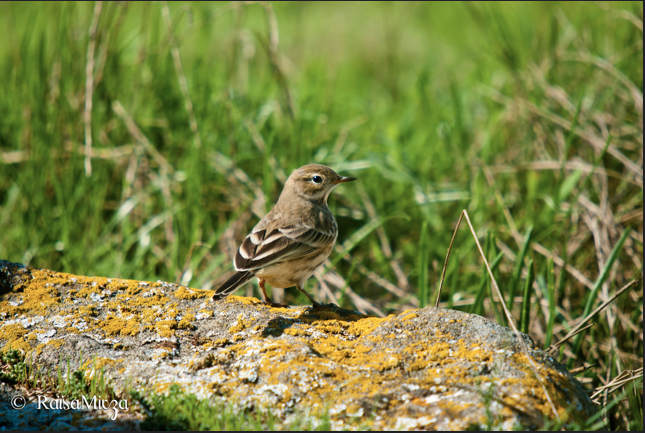
Raisasept222010americanpipit

Raisa Mirza in the fall of 2010 took this image of an American Pipit at Race Rocks.

8 individuals of this  species were recorded on the  VNHS Field Trip, Sept 27 2014.

DanielleD-Amerpipet

Photo of American Pipit by Daniel;e Donecke on the VNHS FIeld Trip, Sept 2014


Scientific classification
Kingdom: Animalia
Phylum: Chordata
Class: Aves
Order: Passeriformes
Family: Motacillidae
Genus: Anthus
Species: A. rubescens

Other Members of the Class Aves at Race Rocks.

taxonomyiconReturn to the Race Rocks Taxonomy
and Image File
pearsonlogo2_f2The Race Rocks taxonomy is a collaborative venture originally started with the Biology and Environmental Systems students of Lester Pearson College UWC. It now also has contributions added by Faculty, Staff, Volunteers and Observers on the remote control webcams.

Oct 30, 2012 –Garry Fletcher

Whistling House

There was a big blow last night and I learned that this house can whistle; with three distinct tones, synchronously, very musical. This morning there was a swell from the southeaster and an even bigger groundswell coming in from open sea to the west. Add the tidal race to the mix and you can imagine that the wave patterns created were mesmerizing.

It seemed like the day was in recovery from the storm, with gentle winds from the north-northeast, light rain and overcast. The pattern of barometric pressure change was not so reassuring, falling since noon it is now back below 998 hPa. That is where it was for last night’s big blow. It looks like the forecast is for more of the same.

There were six whale-watching boats observed in the Ecological Reserve today; five Canadian and the almost daily visitor from Port Angeles, called Island Explorer. The big draw, other than Race Rocks itself, were abundant Humpback Whales in the area. It certainly wasn’t the weather. At least two of the Humpback Whales were in the Ecological Reserve .

There were four Elephant Seals on the marine railway today, Gat (#5850-6967) , Flake and two larger animals. They ‘played’ together and then slept together for most of the day. More sealions than have hauled out since about a week ago, were also sleeping soundly throughout the day today, perhaps recovering from last night.
Euju ringneck south2 Oct 22

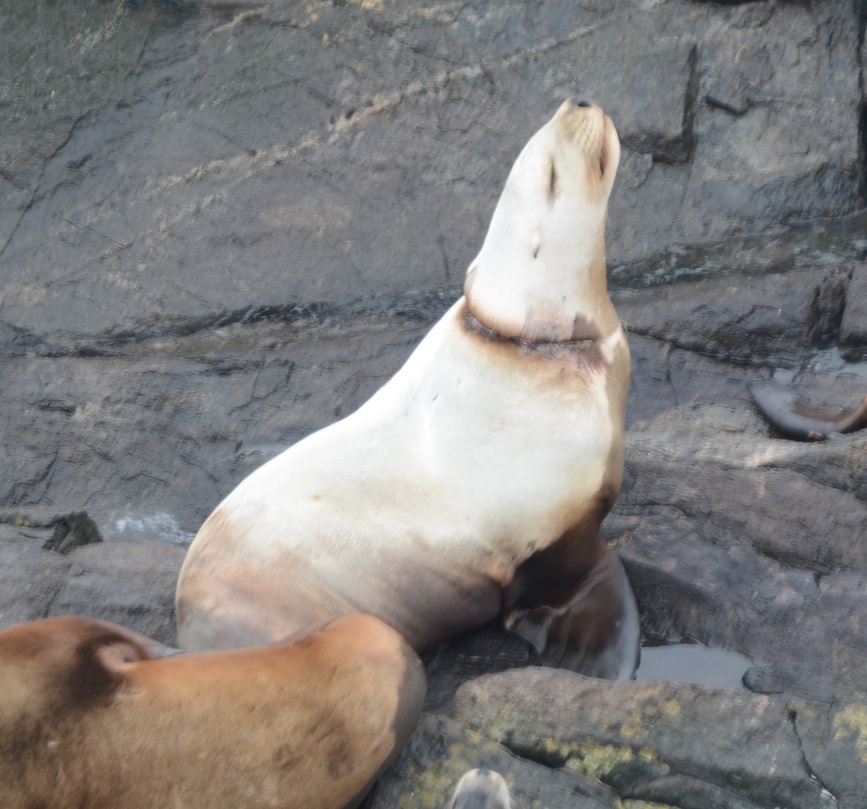
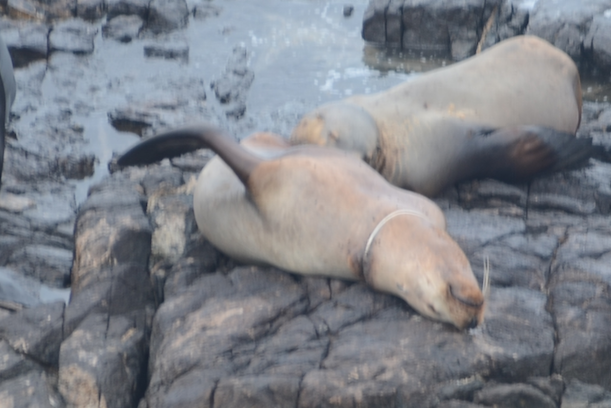
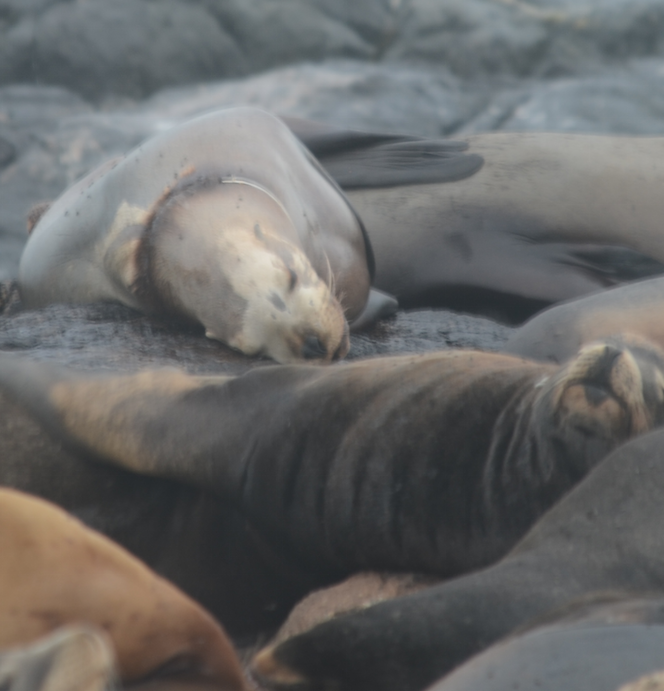
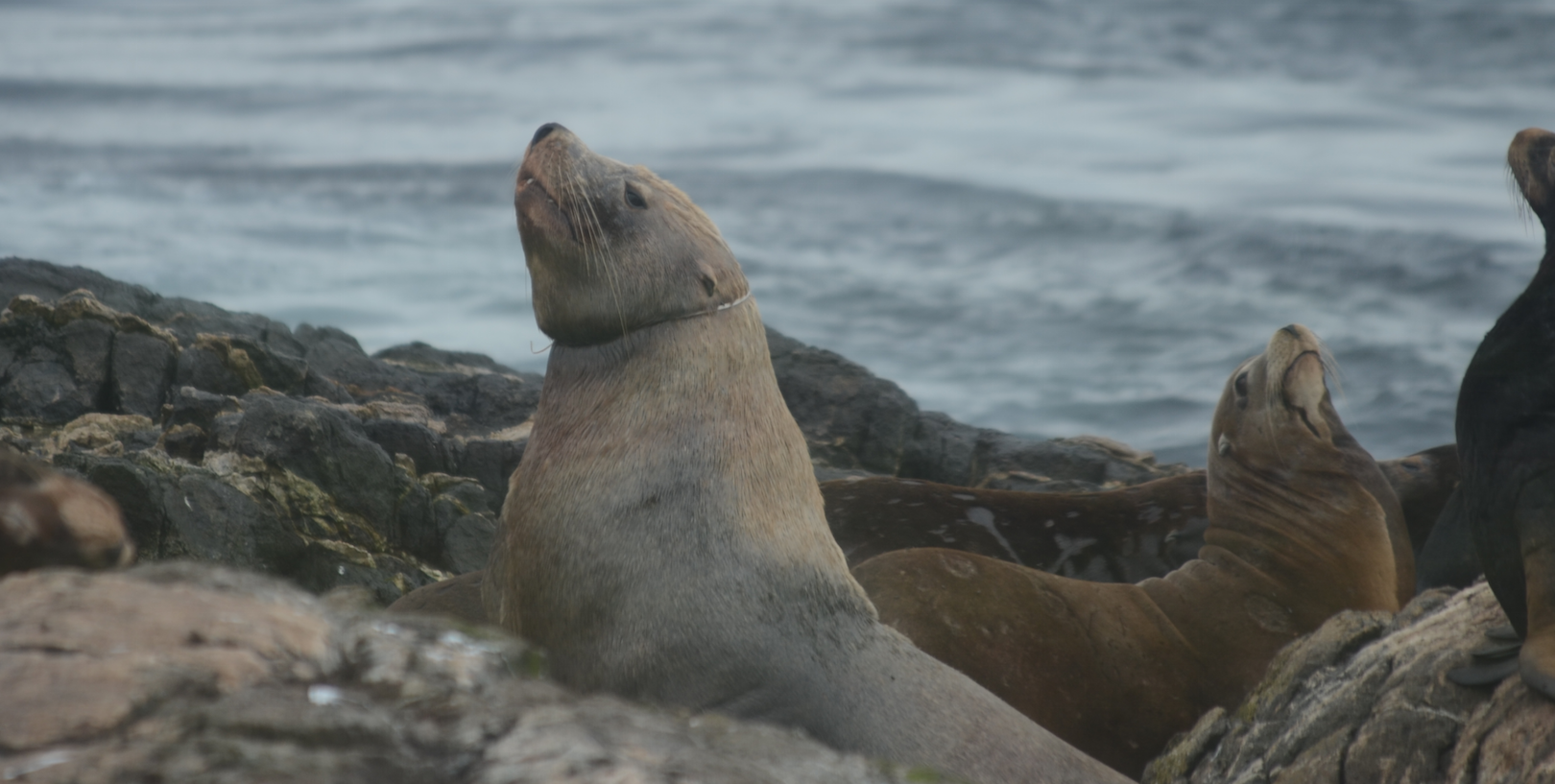
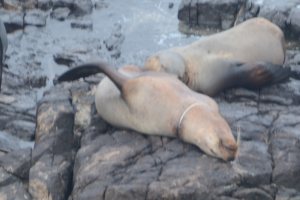
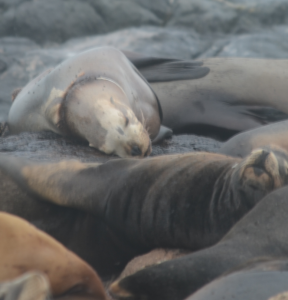
The three entangled Stellers sealions that are proposed candidates for disentanglement were all attending, two of them hauling out close to the living-room window of the science house.
 

Euju ringneck west 2 Oct 22

Euju ringneck west Oct22 Euju hi-top ringneck Oct22

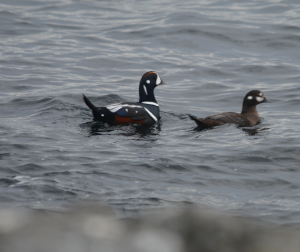
When I was doing the seawater sample I noticed a couple of Harlequin Ducks foraging on the north side of the island. I would like to see them on the underwater camera.
Hadu M & F

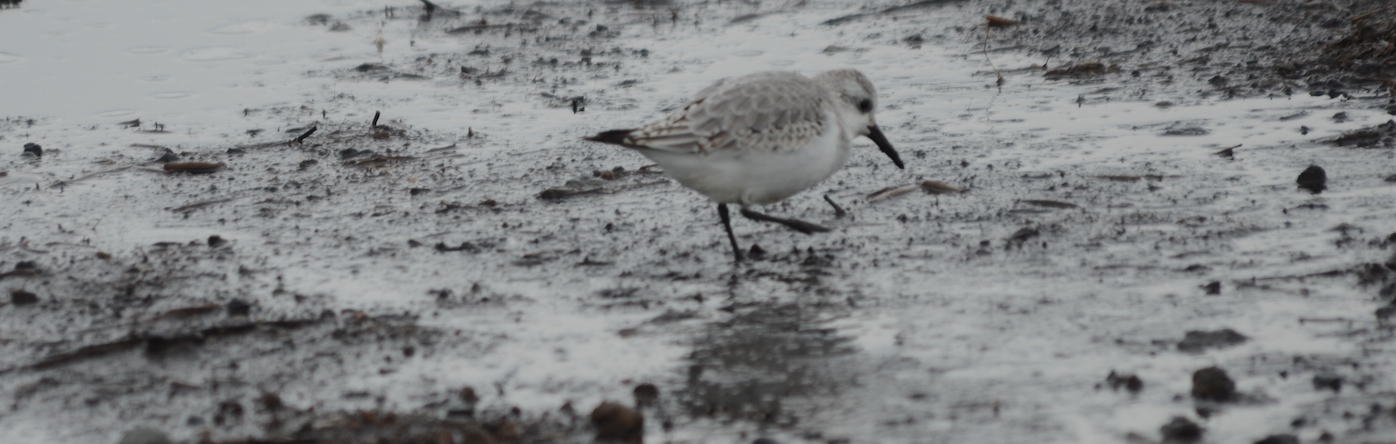
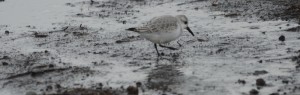
More shorebirds were observed foraging on the abandoned sealion haul-out today; Dunlin, Western Sandpipers and Sanderlings were foraging with the Black Turnstones. The smaller birds were kneading the substrate with their feet and probing. That area is completely covered in a mat of sealion hair from their moult.
sand tapping

Even though it was a dark and gloomy day, the solar panels managed to keep up with operational, electrical use. The generator is just cooling now after topping up the batteries for the night.
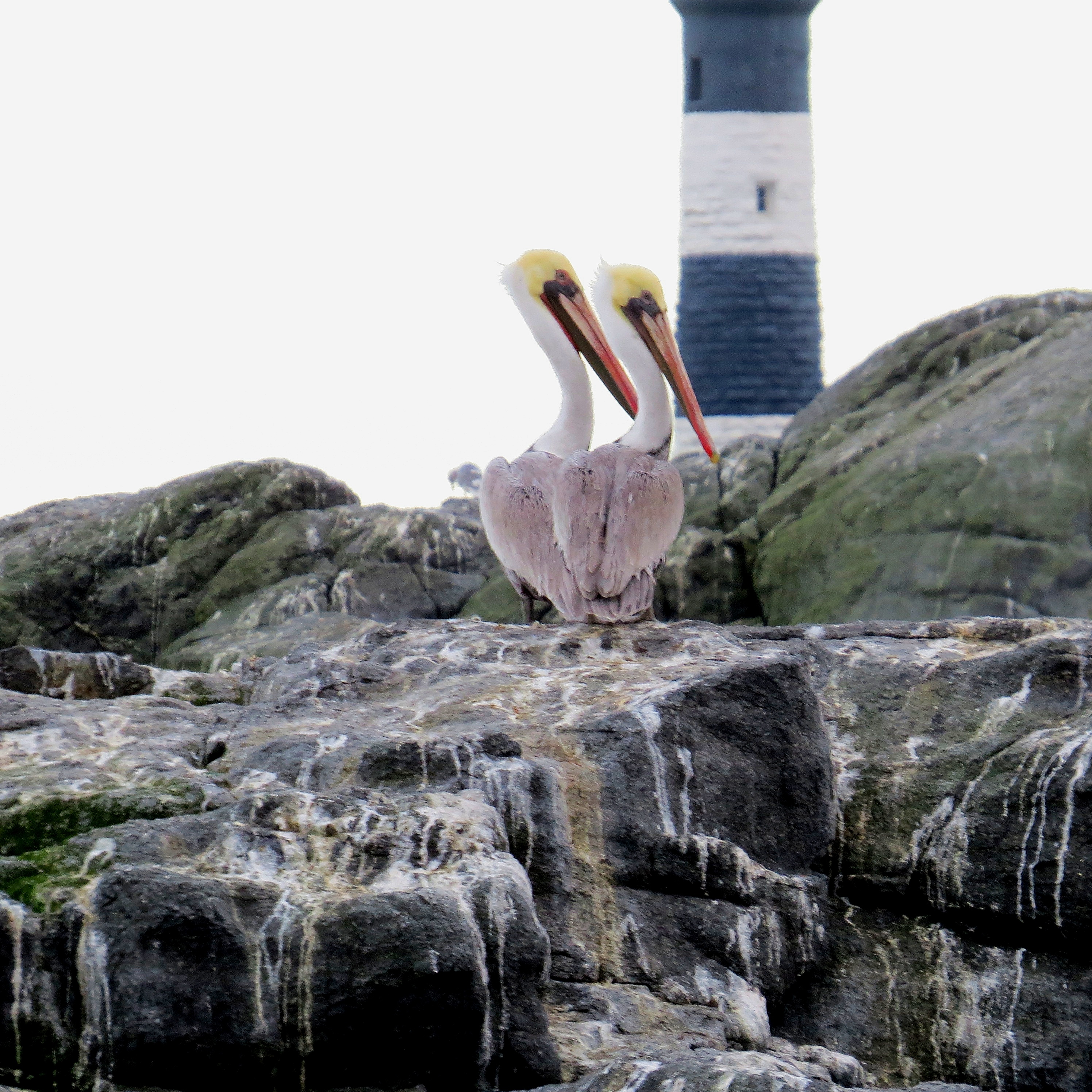
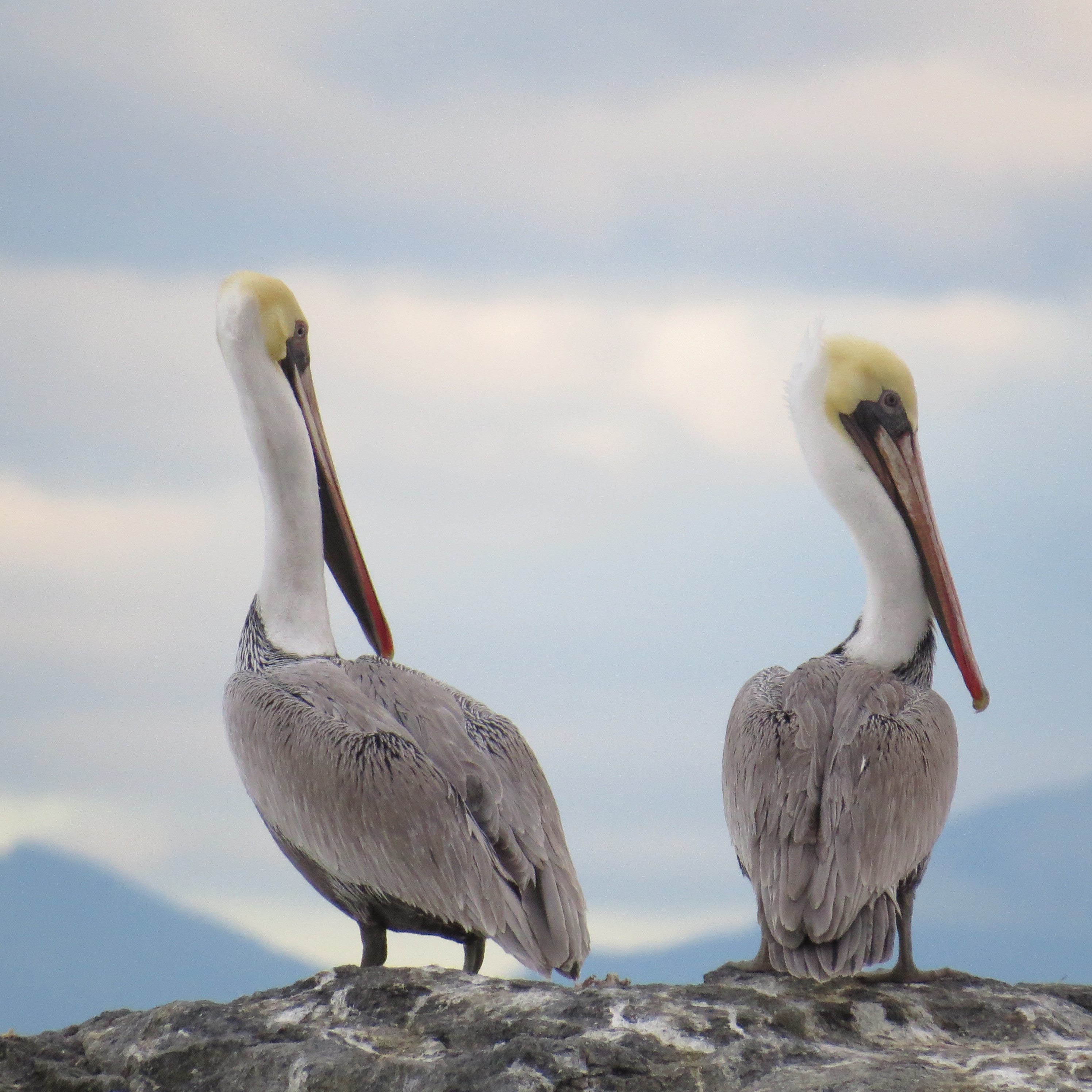
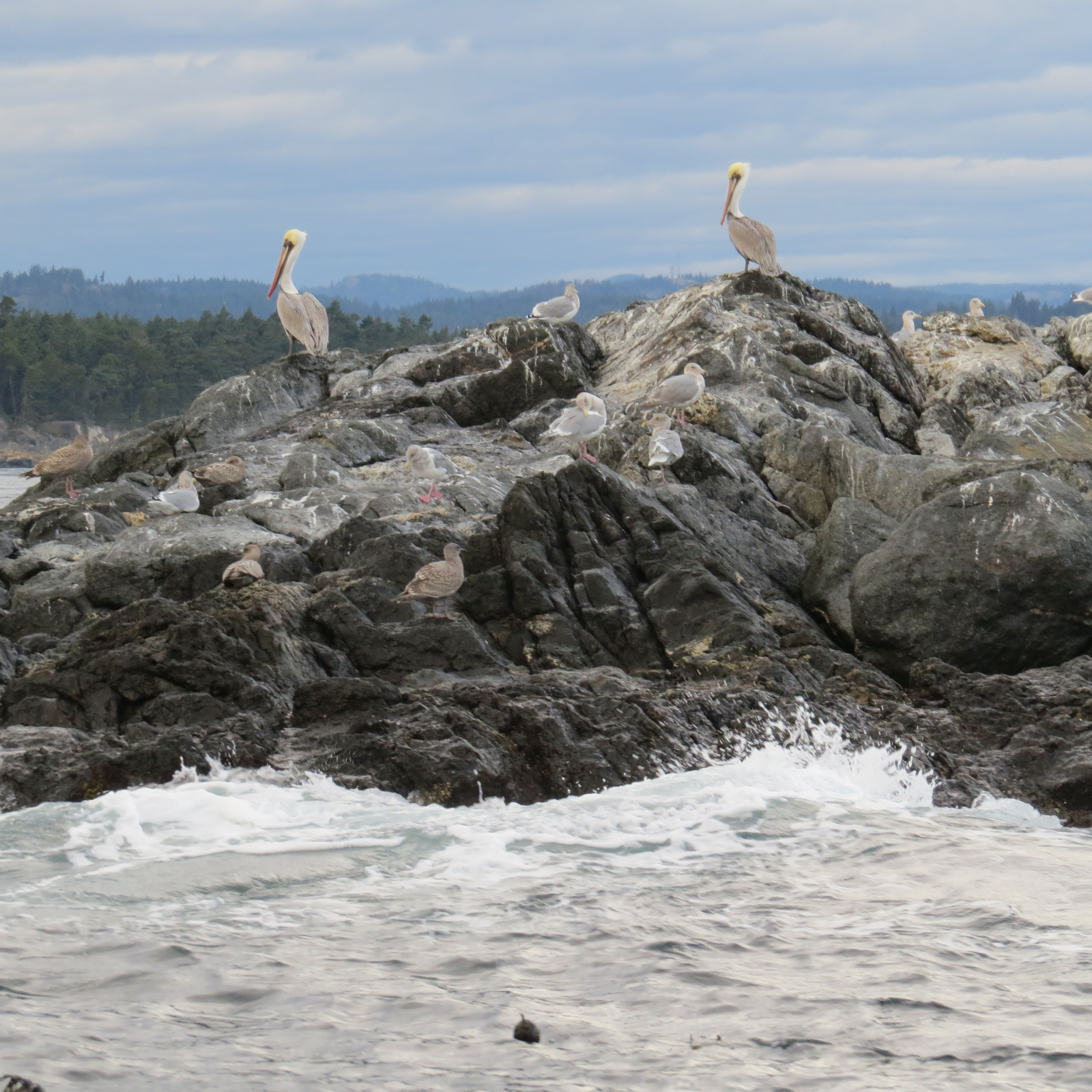
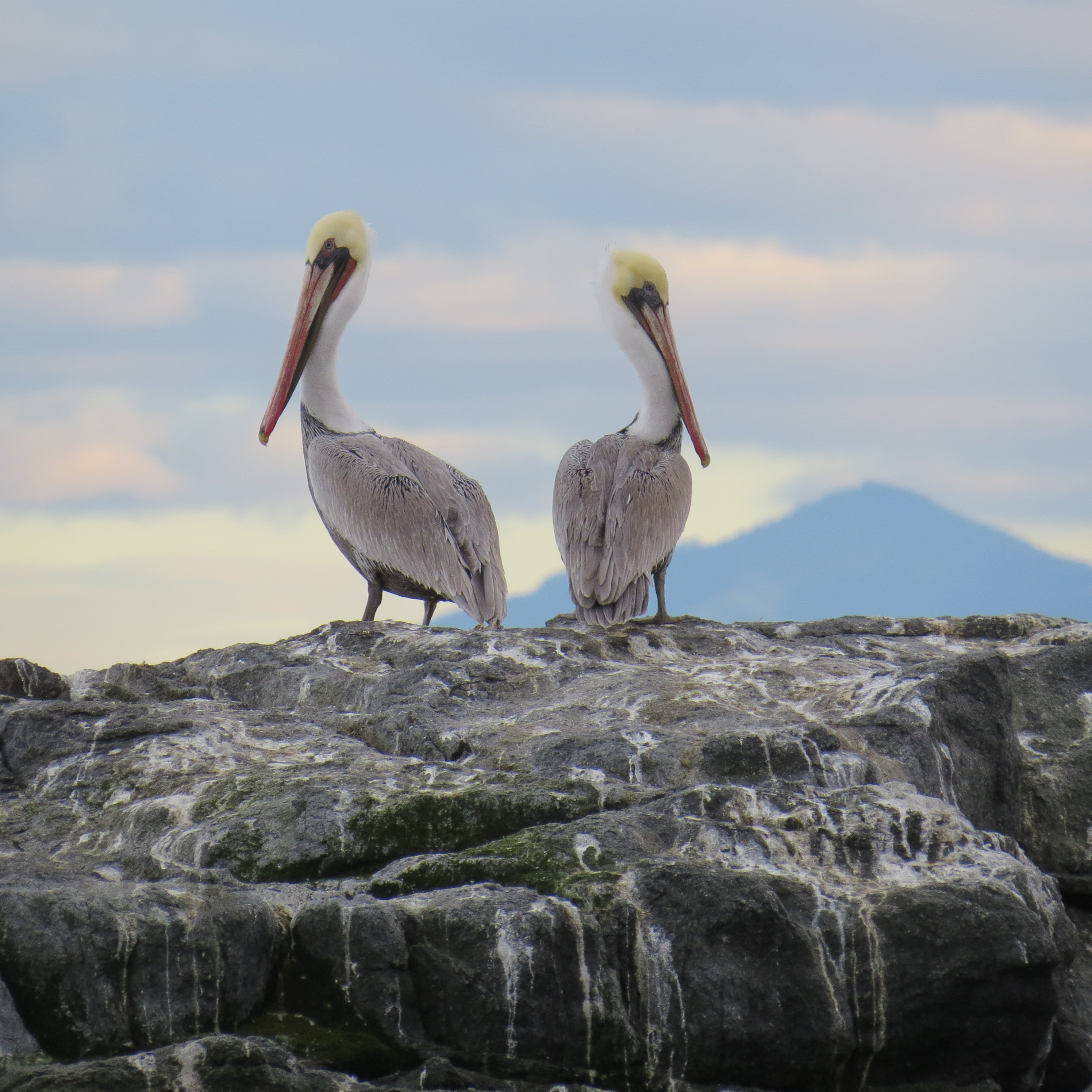
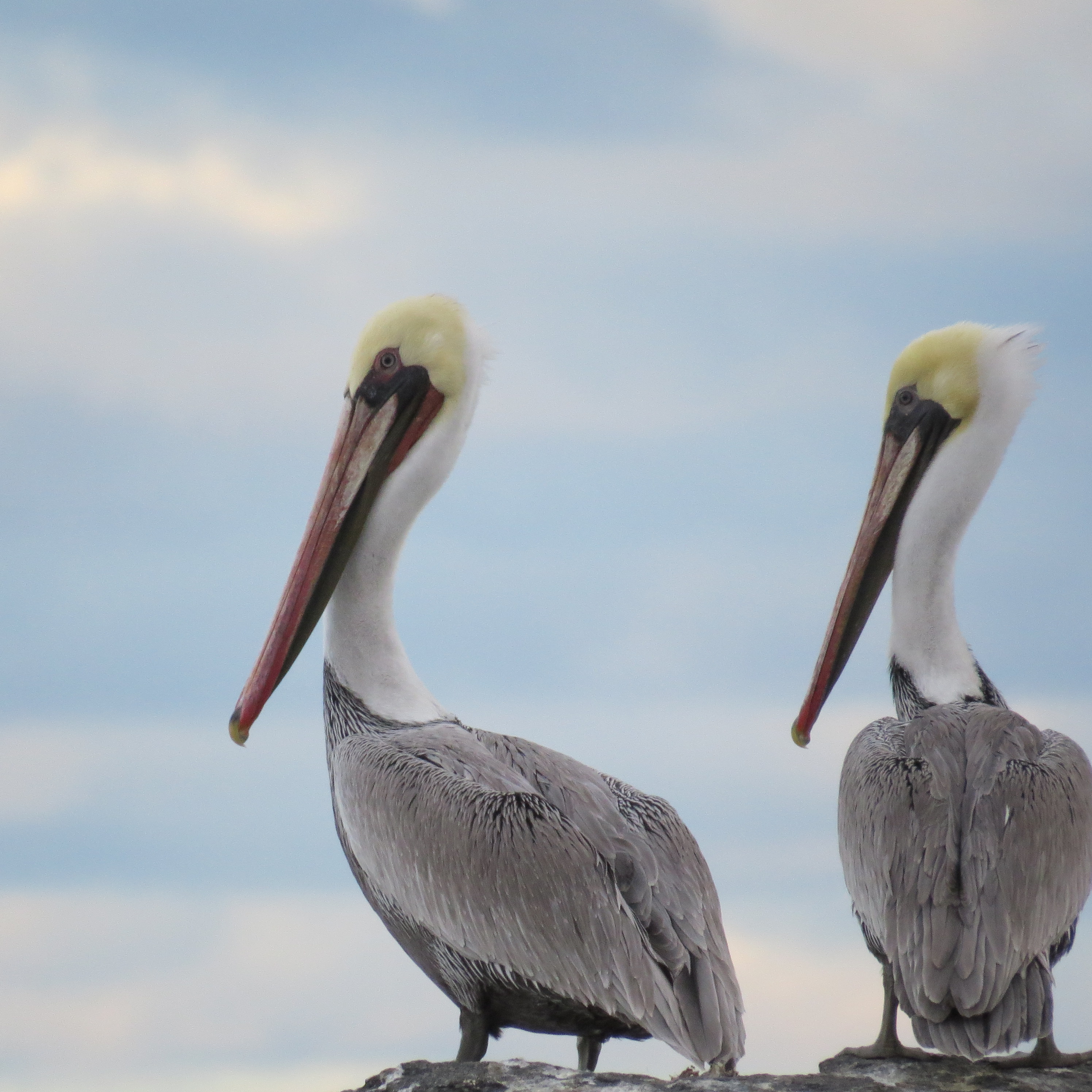
Pelicans again at Race Rocks

Thanks to Rick Page, a Board Member of Friends of Ecological Reserves for forwarding  these images of Brown Pelicans taken at Race Rocks today. He says ” I was in the bow of the boat and noticed the profile of the pelicans from a long way out as they stood on the peak of West Rocks.”

rickpage191014pelican_1668


Musical Rocks at the Race

It was another north-easterly day, with an ocean swell running up and down the islets of the Race. Although it was mostly overcast in the morning, periods of sunshine dominated and it was a pleasant, autumn day. The barometer continued to climb until about noon and then slipped back down, but not as far as yesterday’s low. The marine forecast is for variable winds in the morning and west Wednesday evening with periods of rain during the day.

In the pinniped world of Race Rocks, haul-outs are shifting around like musical chairs. Steller Sea lions are now abundant on North Rock, which in September was the exclusive domain of Harbour Seals. There is a small Harbour Seal hauling out in the jetty bay now and most of the California Sea Lions have moved to the south and west side of Great Race. Middle Rock, which had ten Elephant Seals, a few weeks ago, now has over one hundred Steller Sea Lions and five of the Elephant Seals have moved back onto Great Race. They arrived all wet and big-eyed this morning and moved in for all day slumbering. All of these pinnipeds make interesting sounds, music to their ears, I am sure, and they all distinctly different. More on that another day.
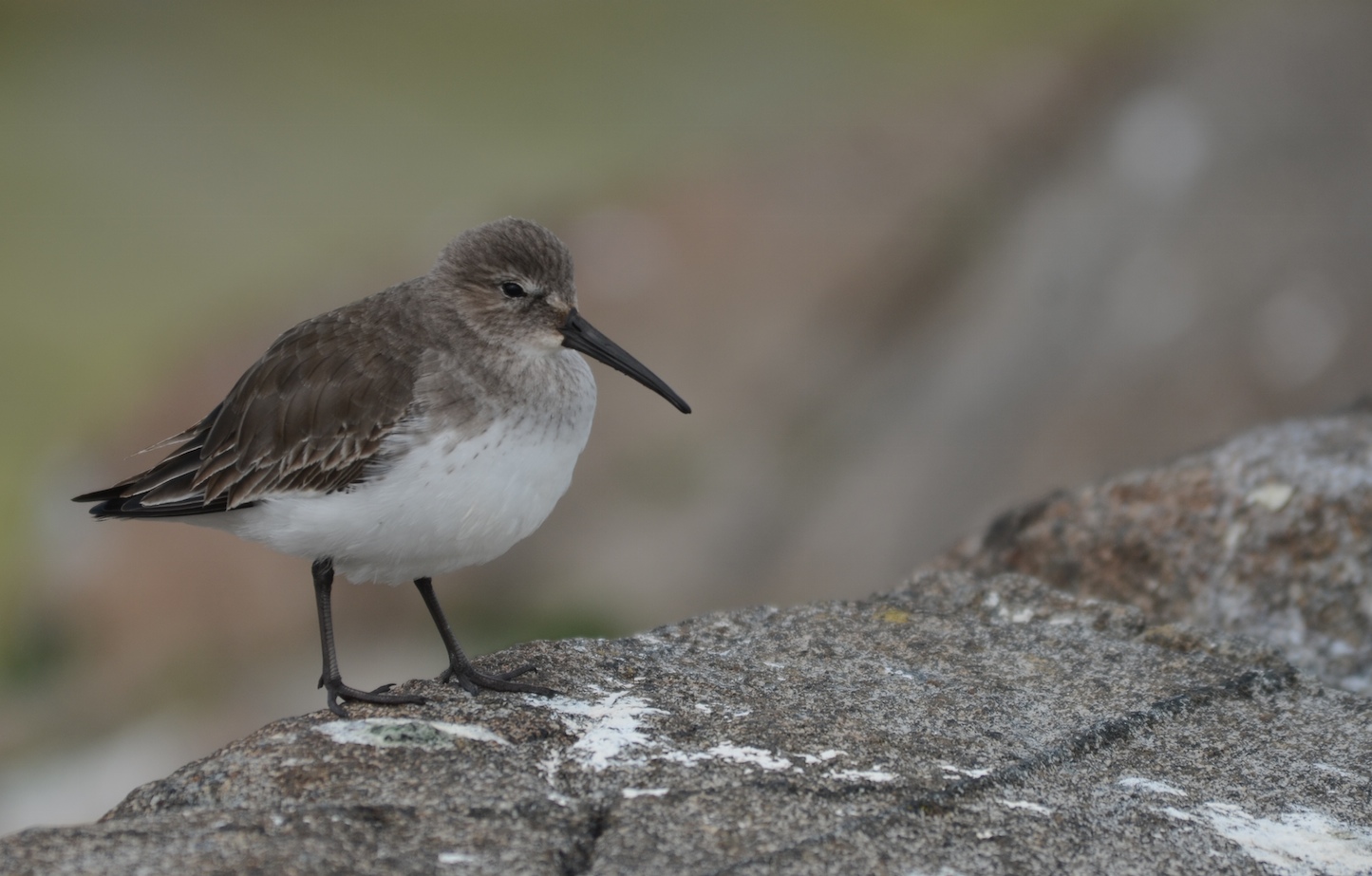
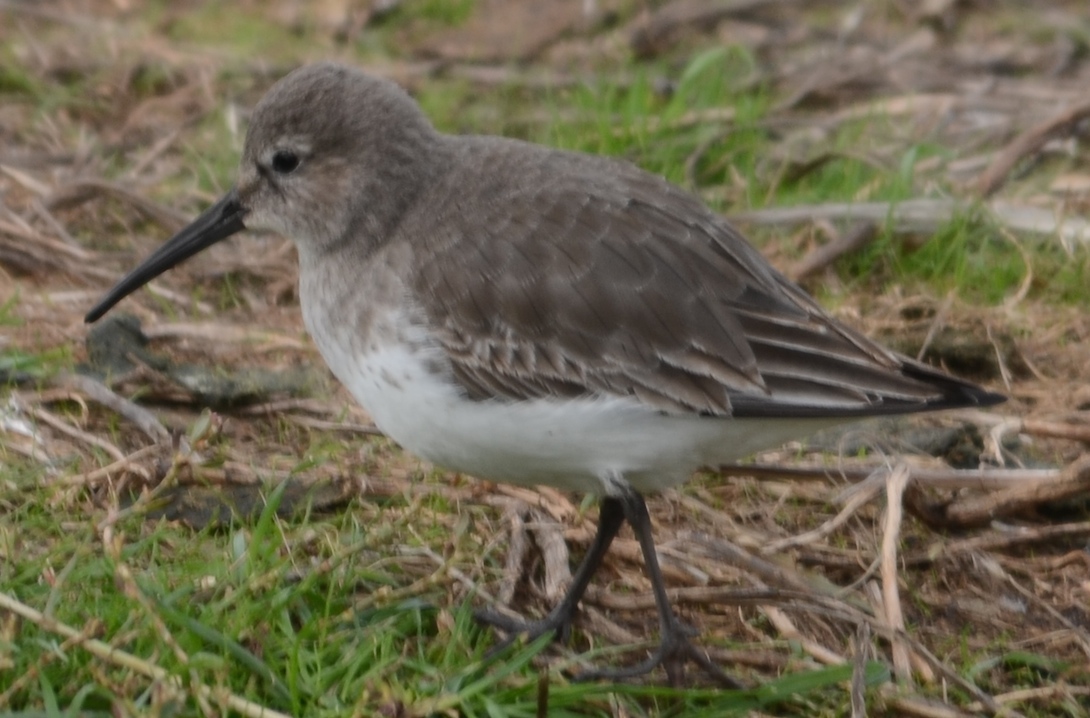
It is quite delightful what you can see out your kitchen window here. I looked out while doing dishes this evening and saw two large Humpback Whales to the south, just outside the Ecological Reserve near Rosedale Reef. There were no boats around, just the two of them blowing and diving, circling around in the same area, taking fairly short dives and showing their big flukes in a beautiful display of might and grace. The dishes were quickly superseded with the spotting scope and binoculars. A sport fishing boat approached, slowed and stopped a respectful distance away and just sat there taking it all in, for a long time. When they left the scene, they did so slowly, giving the whales a wide berth. I believe that this sort of respect insures a better viewing experience as well as protecting the whales. Earlier in the day, I stopped for tea and was just heading for my book when I looked out the kitchen window and saw this plain, medium-sized shorebird foraging with the Canada Geese. It was a Dunlin in winter plumage.

Dunlin?Dunlin?3

Routine maintenance was augmented with getting the Underwater Video Camera (Camera #2 on this web-site) hooked up to the Internet and starting winter preparations such as getting the furnace running. I had hoped to join the marine science class by boat for their kelp forest adventure but the swell and wind waves were a bit too large to launch and retrieve the boat.

Fogimatrix.

The weather here was dominated by fog today. It lifted in an interesting way this morning so that you could see out and under the fog for several miles yet there was thick fog above, at very low elevation. The rising sun shone through this clear layer, creating a weird and wonderful lighting effect from below. By mid-day the fog had burned off and sunshine prevailed at sea level. There was still fog in the shipping lane and the tops of the Olympic mountains were visible. The fog flowed back in by mid-afternoon and thickened steadily after that, pushed in by a westerly fog wind. During the day there wasn’t much wind until late afternoon/early evening when it picked up to 15 to 20 knots from the west. The barometer continued its slow trend downward that started a few days ago and the forecast looks relatively good until rain on Friday.

There was a fairly steady parade of whale watching boats in the Ecological Reserve today. They were looking at Humpback Whales, Harbour Porpoise and of course the Sea Lions. Sixteen tour boats were noted although I may have missed some in the fog. One of the tour operators had the chance to see a really big (tyee) spring salmon swimming through the kelp forest.

There were sports fishers catching Coho, Spring and Chum Salmon to the south and west of Race Rocks and many sea lions were also busy catching salmon while at the same time helping to feed the gulls with their scraps, not out of any benevolence, just because they are messy eaters.

There are many gulls here now including Glaucous-winged, Glaucous-winged hybrids and Thayer’s gull which are challenging to distinguish. I look forward to doing the census first thing tomorrow to try and figure out how many of which species. The Heerman’s Gulls continue to benefit from sea lion salmon treats which they certainly can’t do where they breed in Mexico. I like watching them. They are very beautiful and have a interesting feeding behaviours that they may have learned from birds like skimmers where they live rest of the year. They fly with their lower bill hanging down just above the water and occasional skim the water with it, catching small prey.
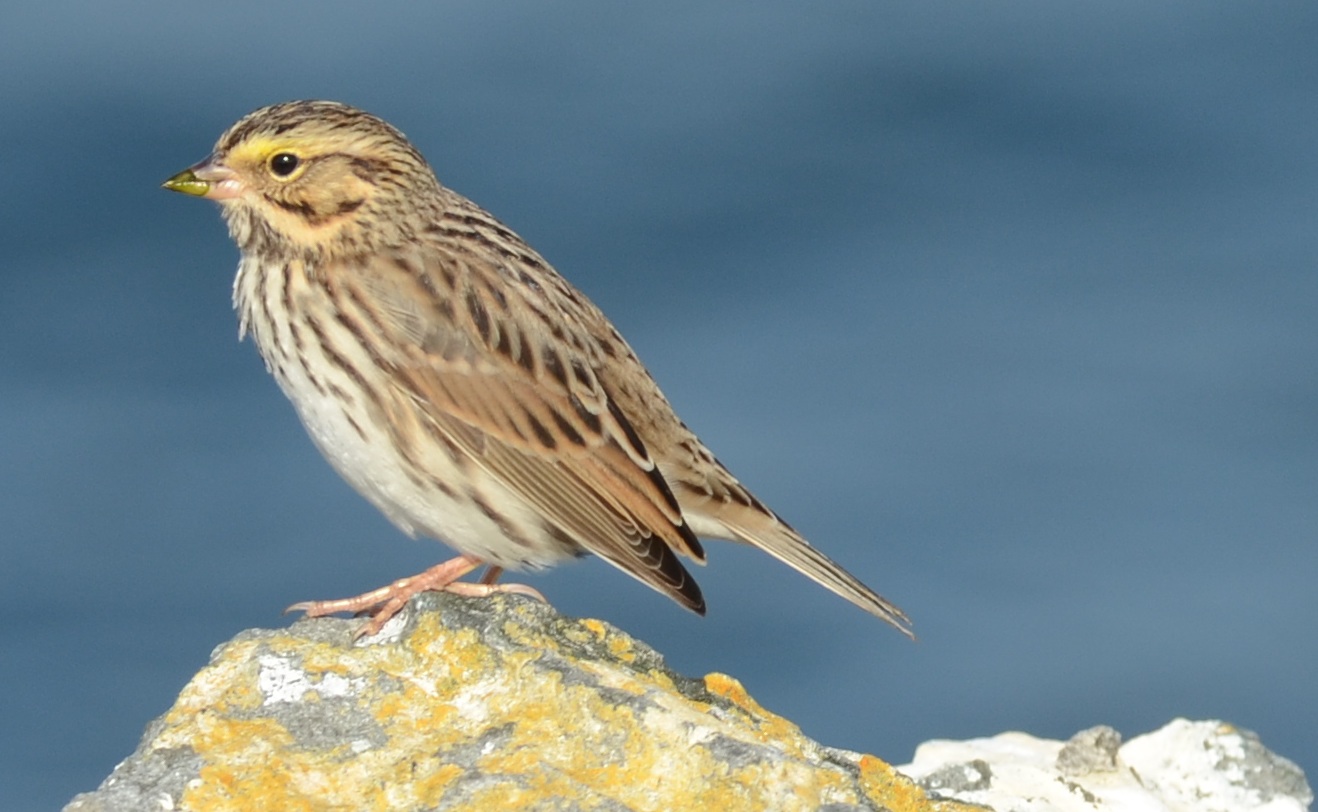
There are many sea lions on the west side of the island now and the westerly wind carries the dusty grime from them onto everything in its path. The Savannah Sparrows feed in and around the sea lions.

These little Savannah Sparrows forage through the sea lion waste picking up morsels and probably a few parasites.

These little Savannah Sparrows forage through the sea lion waste picking up morsels and probably a few parasites.

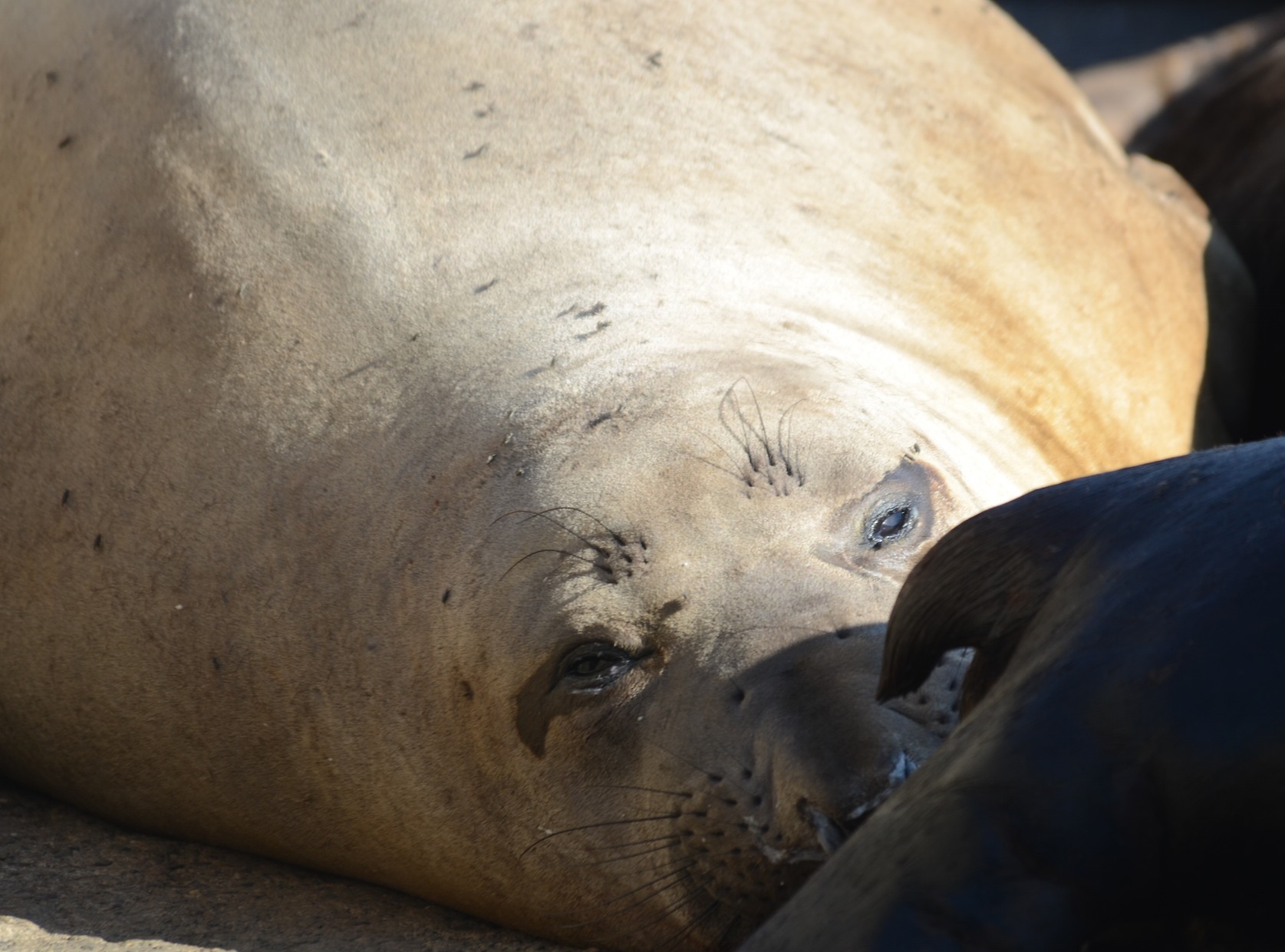
Elephant Seals have been hauling out on Middle Rock for over a month and now some are back on Great Race again. There was a small one hauled out on the northeastern side and a bigger one on the railway with the sea lions.

This Elephant Seal is napping with California Sea Lions on the marine railway.

This Elephant Seal is napping with California Sea Lions on the marine railway.

Washing the solar panels took a long time this morning. They were really dirty. I will do them after the census and it will probably take even longer, tomorrow as I want to shovel off the organic stuff that has accumulated before the electrician arrives to work on the panels. Today I readjusted to life on Race Rocks, finished the month-end report for September, did the seawater sample, made freshwater with the desalinator, ran the Lister generator and sorted photos as well as sea lion brand and entanglement data.

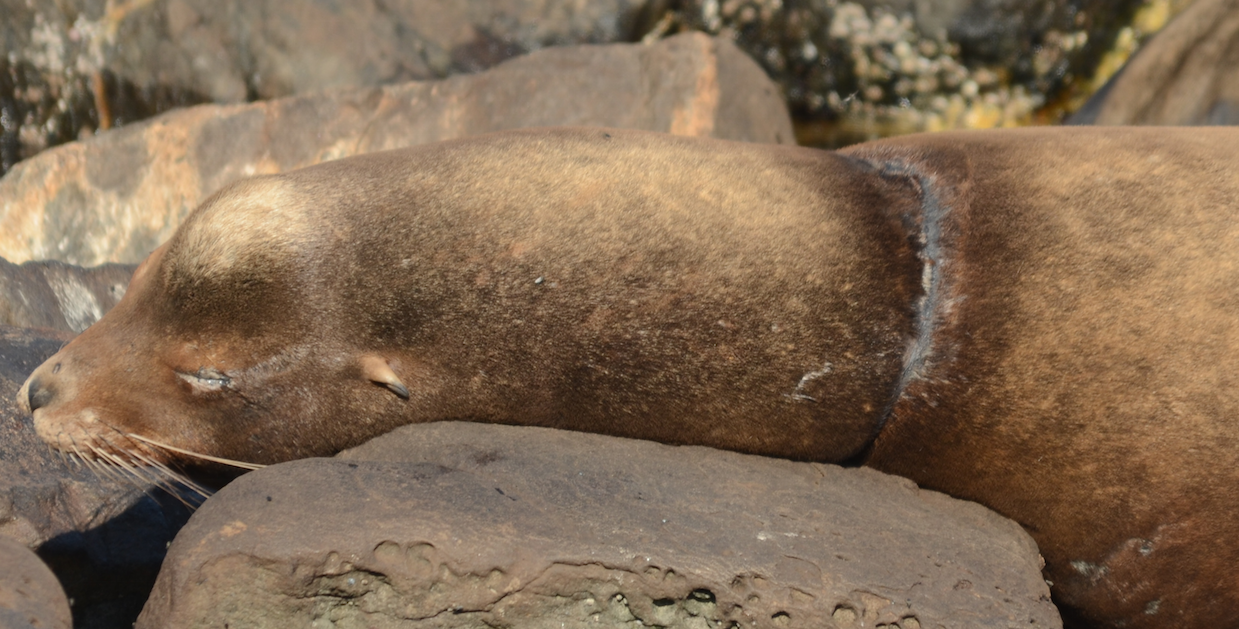
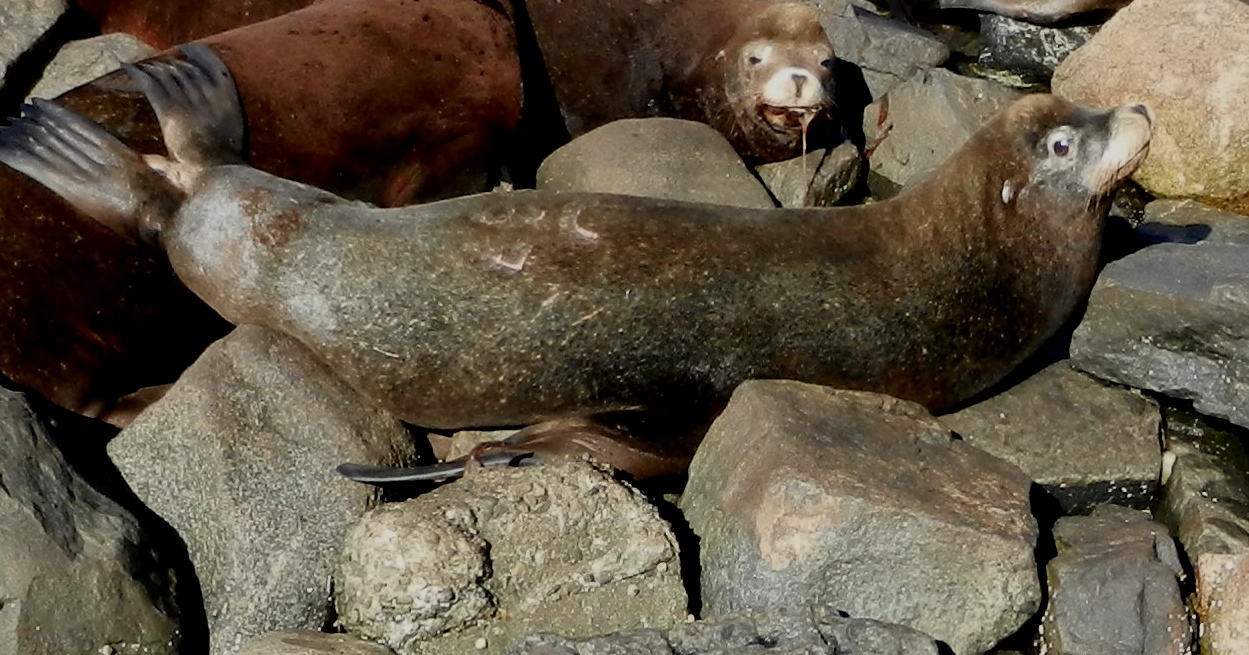
This entangled California Sea Lion has been spotted repeatedly since the end of August.

This entangled California Sea Lion has been spotted repeatedly since the end of August.

Victoria Natural History Society Field Trip-Bird Count

Thanks to the participants of the VNHS Field Trip today and especially to Daniel Donnecke for tabulating this detailed bird census list.

For the boat crossing between Pearson College and  Race Rocks, Daniel and the group on the boat made the following observation:

2 Great Blue Heron
110 Double crested cormorant
2 pelagic cormorants
160 rhinoceros auklets
45 common murre
3 pigeon guillemot
25 Heermann’s Gulls
8 Glaucous winged gull
20 California Gull
30 Gull sp.
4 Oystercatcher
4 Harlequin duck
1 common Goldeneye
4 mallard
1 red-throathed loon
56 greater white fronted geese (single flock crossing the strait)
20 band tailed pigeons
2 coopers hawk
400 turkey Vultures (attempting to cross the Strait but turned  around)
DanielleD-Amerpipet

American Pipit–Anthus rubescens photograph by Daniel Donnecke

At Race Rocks Daniel made the following census notes which he entered on eBird : 23 species (plus 2 other taxa) total:

4
Greater White-fronted Goose
11
Canada Goose
2
Harlequin Duck
17
Surf Scoter-(-east-bound)
42
Brandt’s Cormorant
8
Double-crested Cormorant
18
Pelagic Cormorant
25
cormorant sp.
10
Turkey Vulture- (-distant, ketteling)
16
Black Turnstone
2
Dunlin
1
Western Sandpiper
1
Short-billed Dowitcher
2
Common Murre-(-low number, most alcids closer to Vancouver Island)
1
Rhinoceros Auklet-(-low number, most alcids closer to Vancouver Island)
41
Heermann’s Gull
1
Western Gull
110
California Gull
1
Herring Gull
25
Thayer’s Gull
36
Glaucous-winged Gull
85
gull sp.
8
6
Savannah Sparrow
1
Song Sparrow

For other images of the species above see the Race Rocks Taxonomy

Field trip for VNHS

2014-09-27gfvnhstowers


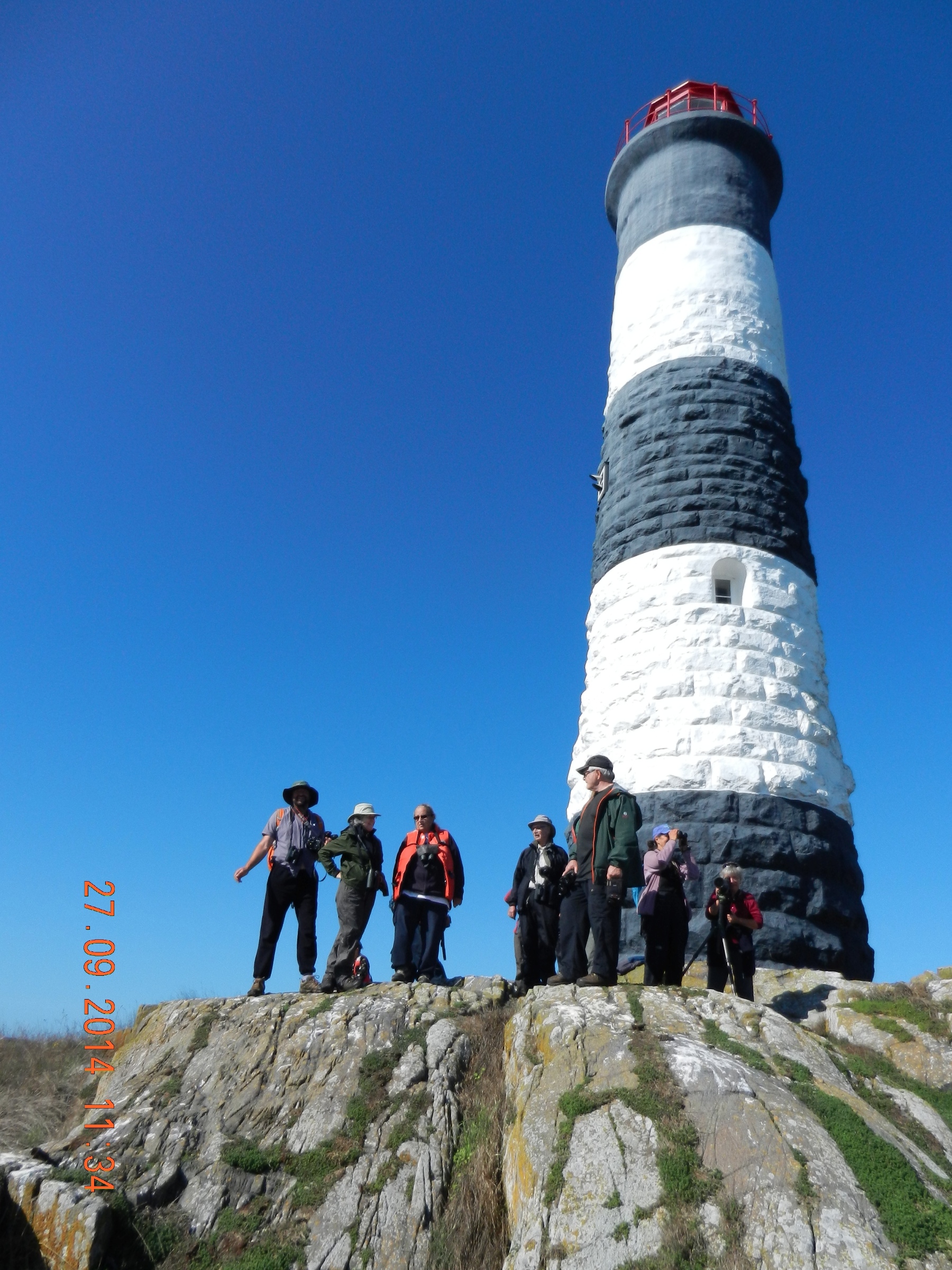
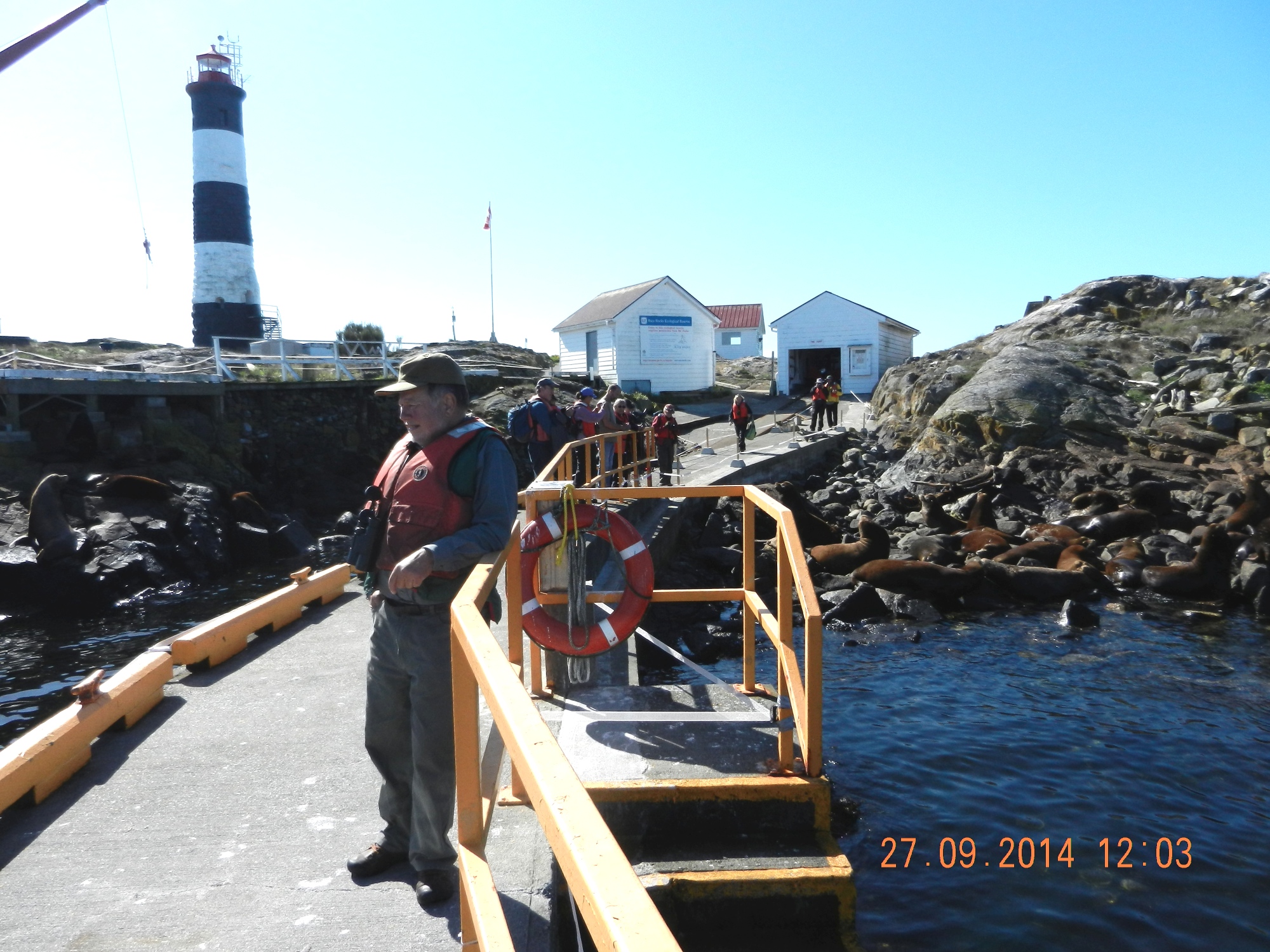
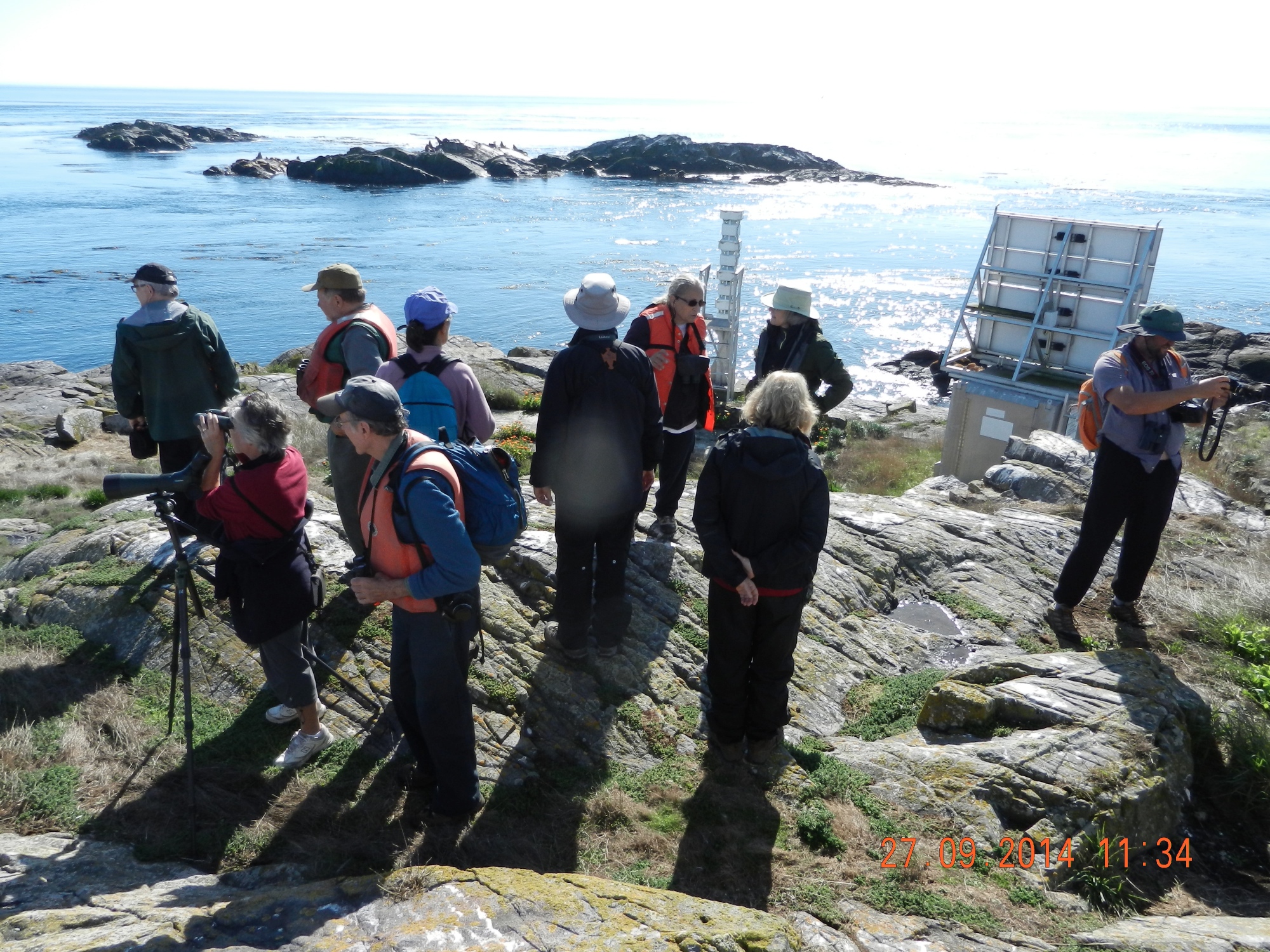
Members of the Victoria Natural History Society accompanied ER warden Garry Fletcher on a field trip to Race Rocks this morning. Most of the members were avid birdwatchers so this time of year was ideal to view some of the many species that stopover at Race Rocks in their fall migration. See the census records submitted by Daniel Donnecke


Some of the birds seen on the trip”

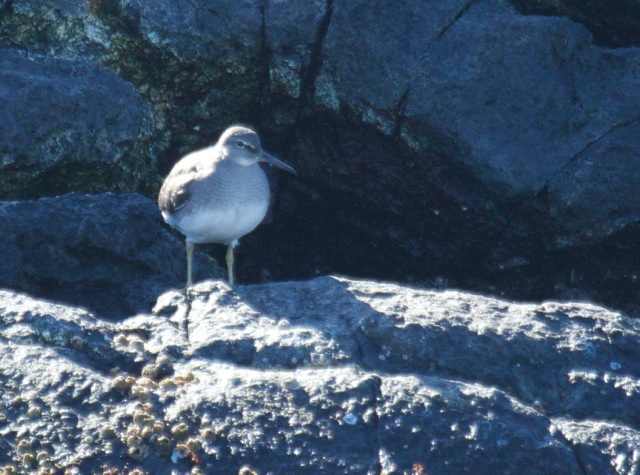
wtattlerAlso on a trip on a ecotourism vessel, Liam Singh took this image of this  wandering tattler which we had missed.

gfbrande calseal

One branded california sealion was hauled out near the docks. The number was not clear.

Marine Science Students Visit Race Rocks

Coming from Bamfield, I expect large volumes of water when the barometer drops and it starts to blow southeast. It was grey and wet today but the wheelbarrow I left out to collect rainwater only has about 500ml of water in it at the end of the day. The barometer is still sliding so maybe I should be careful what I say. The wind did turn around to westerly for a while as it cleared in the late afternoon and is now flowing out from the northeast with more drizzle approaching real rain. From Environment Canada’s forecast it looks like the trend for this week.

Although there are still plenty of recreational fishers around, only one was noted in the reserve today and they were looking at sea lions. There was only one whale watching boat noted in the reserve.

Laura brought the first of her three marine science classes, from Pearson College to Race Rocks today. Courtney masterfully landed Second Nature at the very unforgiving pier and we had a wonderful field trip with a student:teacher ratio of 4:1. The students were really good at moving with stealth so as to not startle the sea lions. This allowed for good sea lion observations, which were noted in their journals. They saw all four species of Pinnipeds and added to their growing species lists with Black Oystercatchers, Black Turnstones, Glaucous-winged, Heerman’s and Thayer’s Gulls. They spotted new (to me) branded California Sea Lions including three branded in the Channel Islands. All of the students had a bird’s eye view from the top of the light-tower thanks to Courtney and we finished off with warm cinnamon buns at the keeper’s house.

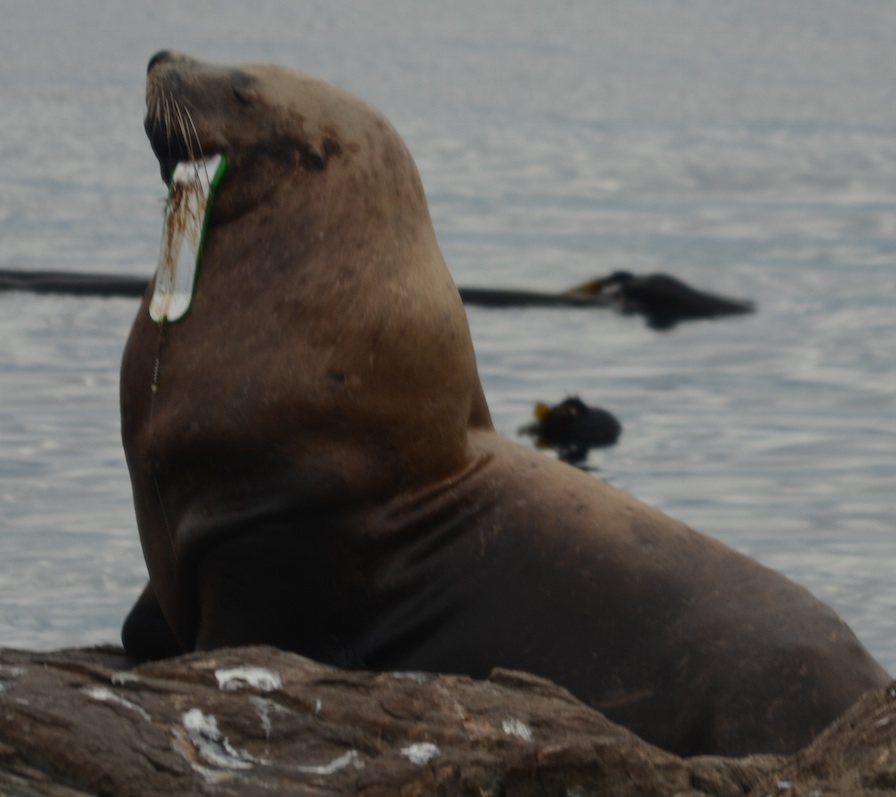
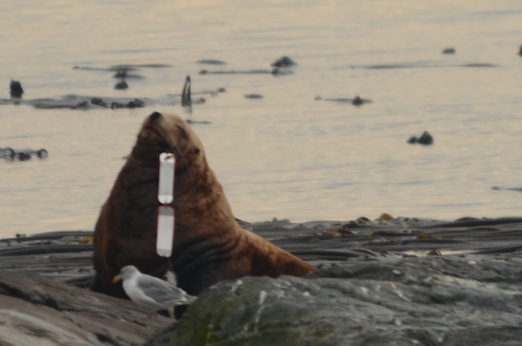
After the visitors left, I caught a glimpse of these two Steller’s Sea Lions entangled in sports fishing gear. Those are salmon flashers hanging out of their mouths, which is not good news, as these cannot be disentangled the way the neck-rings can. The individual with one flasher has been hauling out at this same spot for a few weeks now. The one with two flashers, has not seen before today.

I will be watching out for  this animal over the next month.

I will be watching out for this animal over the next month.


Today was the first time this animal with two flashes was seen here. It will be easy to distinguish it from the one with only one flasher.

Today was the first time this animal with two flashes was seen here. It will be easy to distinguish it from the one with only one flasher.