Clear skies, strong Westerlies

Strong Westerlies all day. Clear skies. Force 5
The barometer has been pretty level, the forecast is for the wind to ease overnight and pick up as strong Westerlies again tomorrow afternoon.

6 tour boats
3 halibut boats on the edge of the reserve

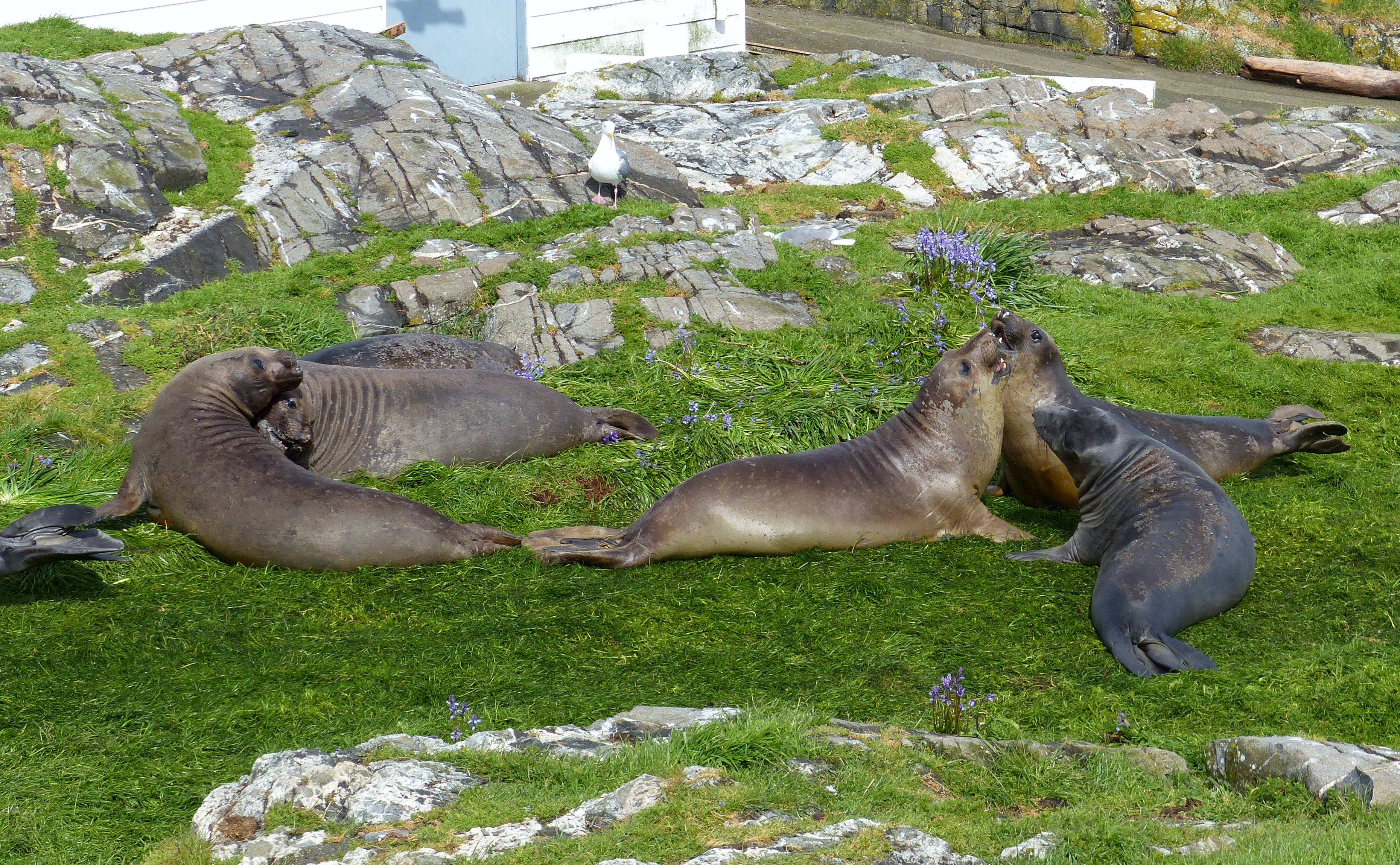
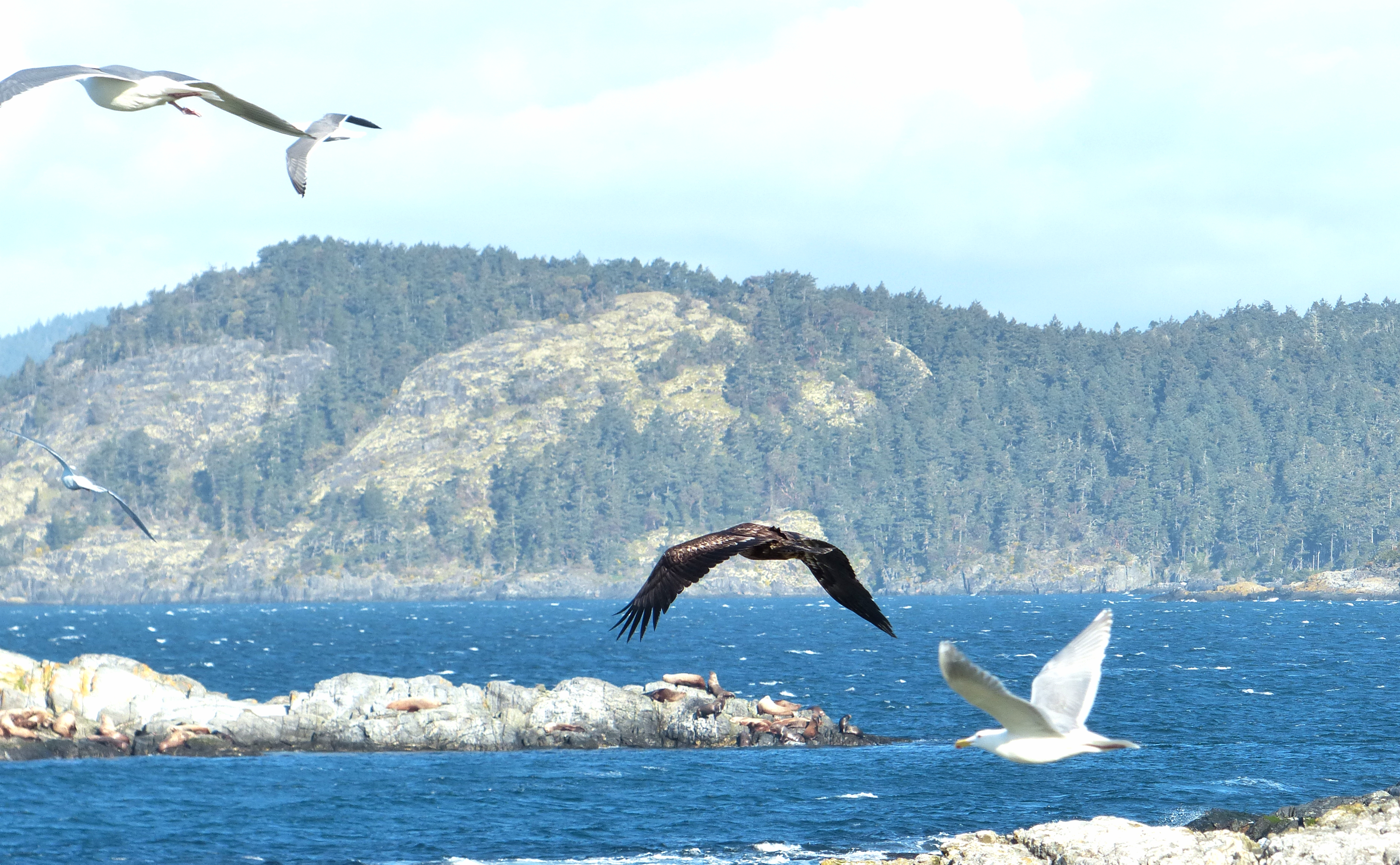
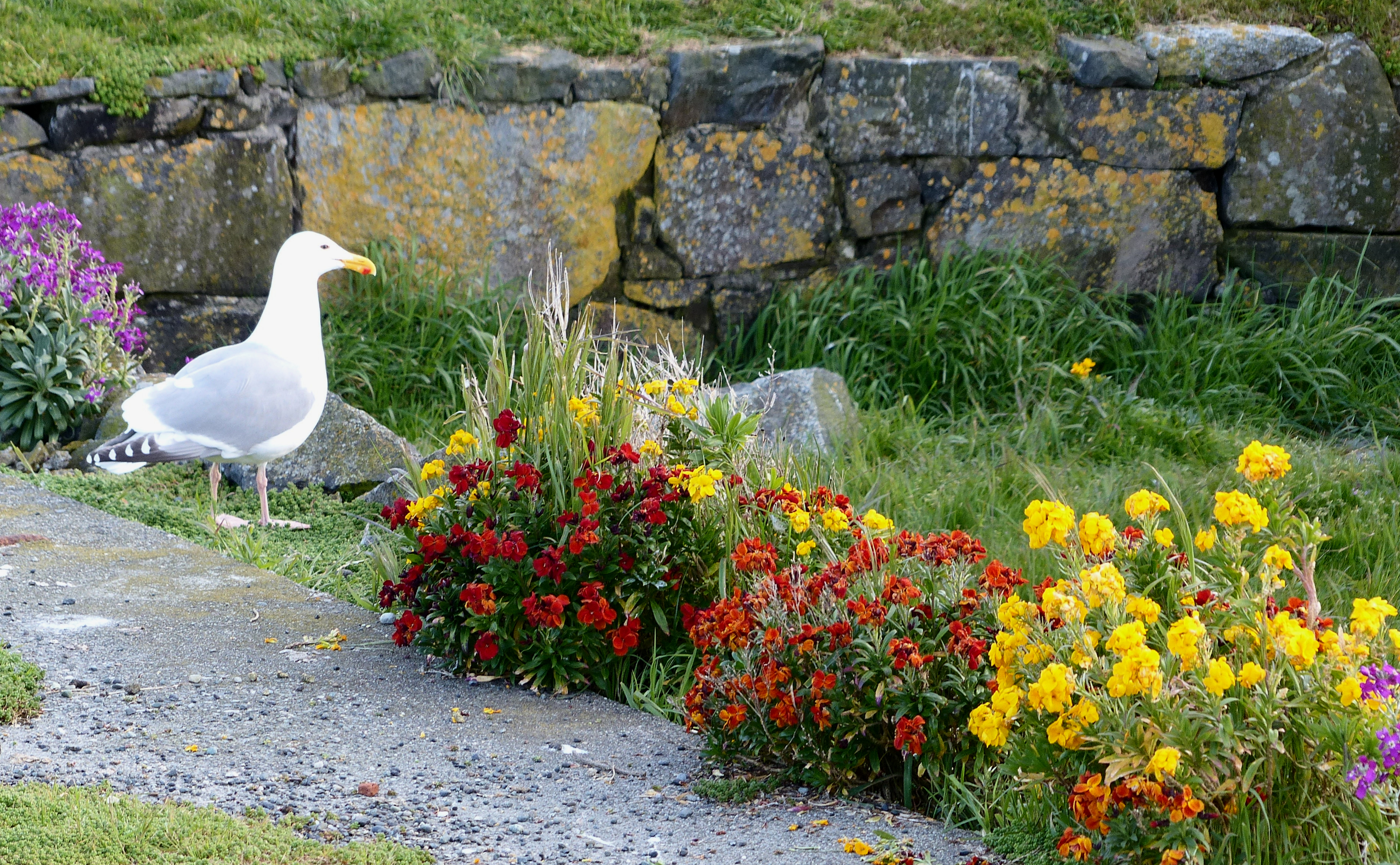
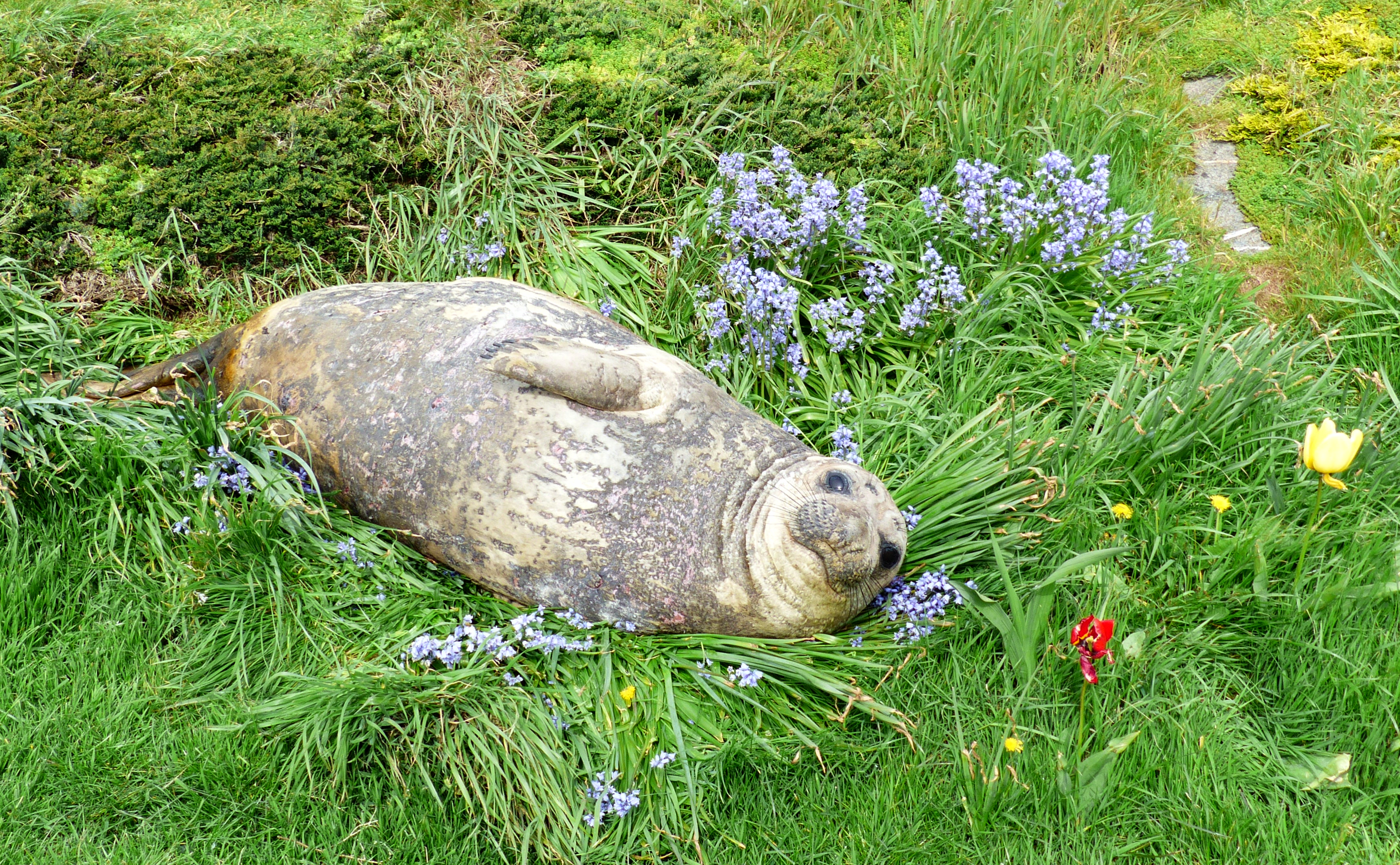
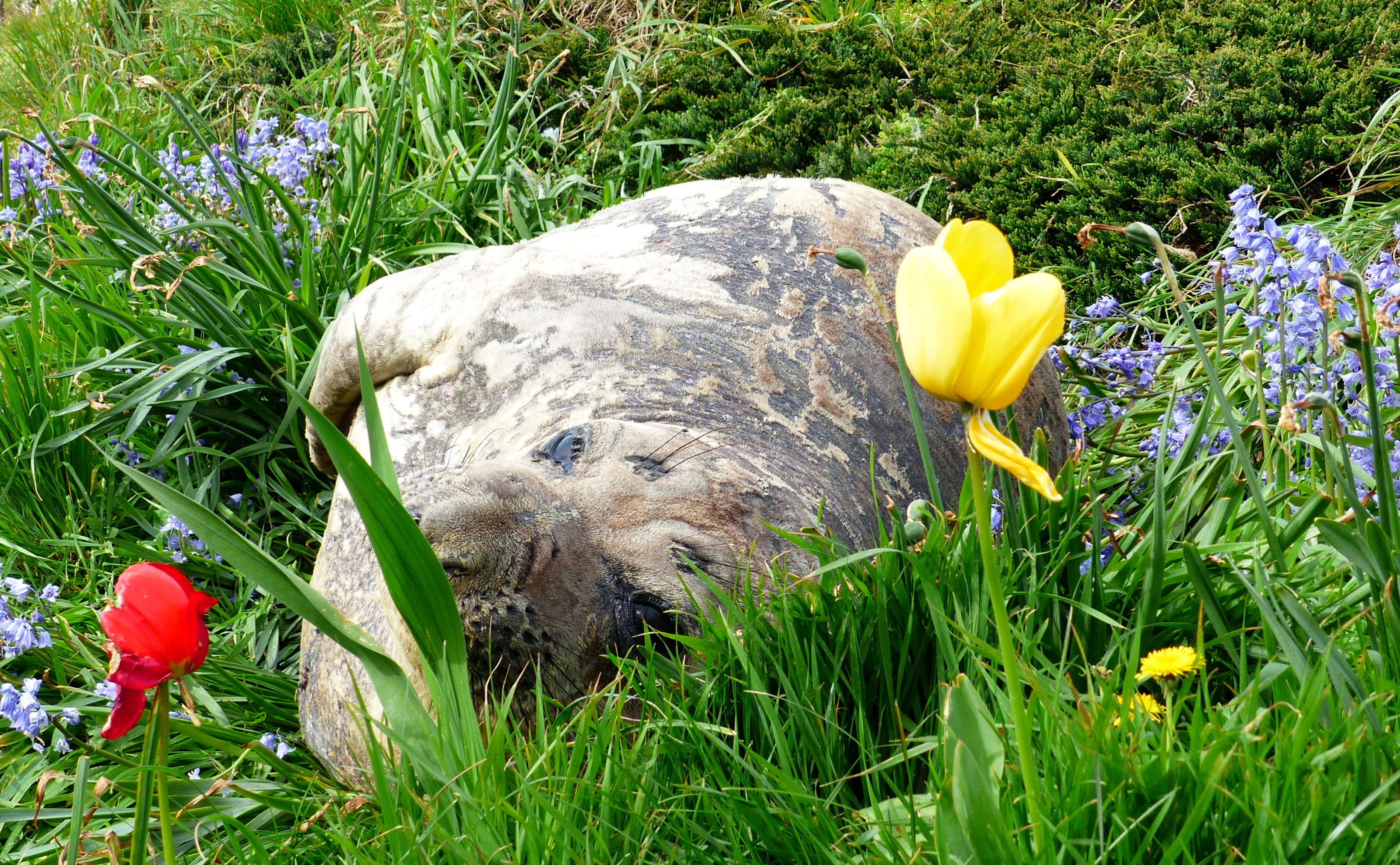
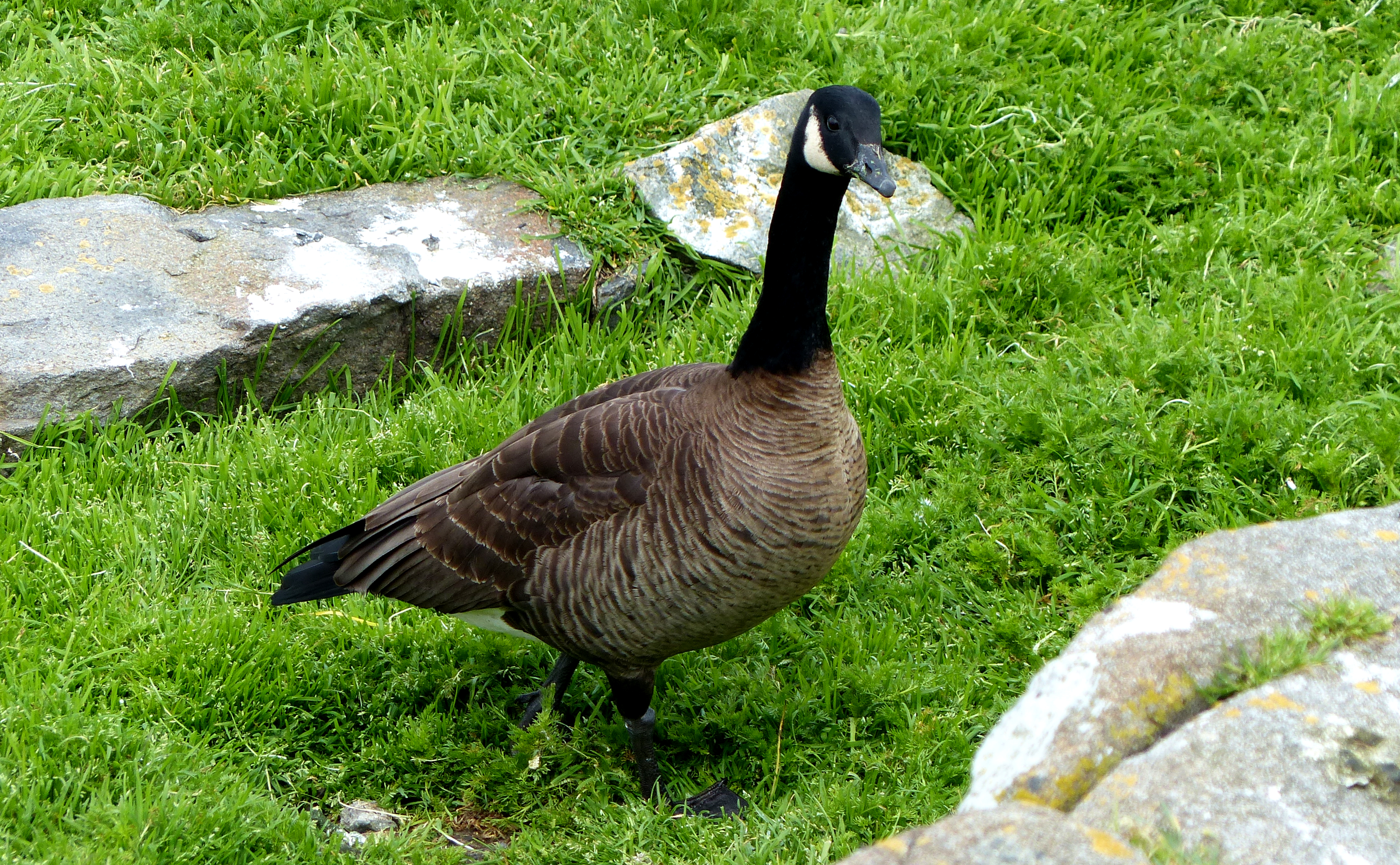
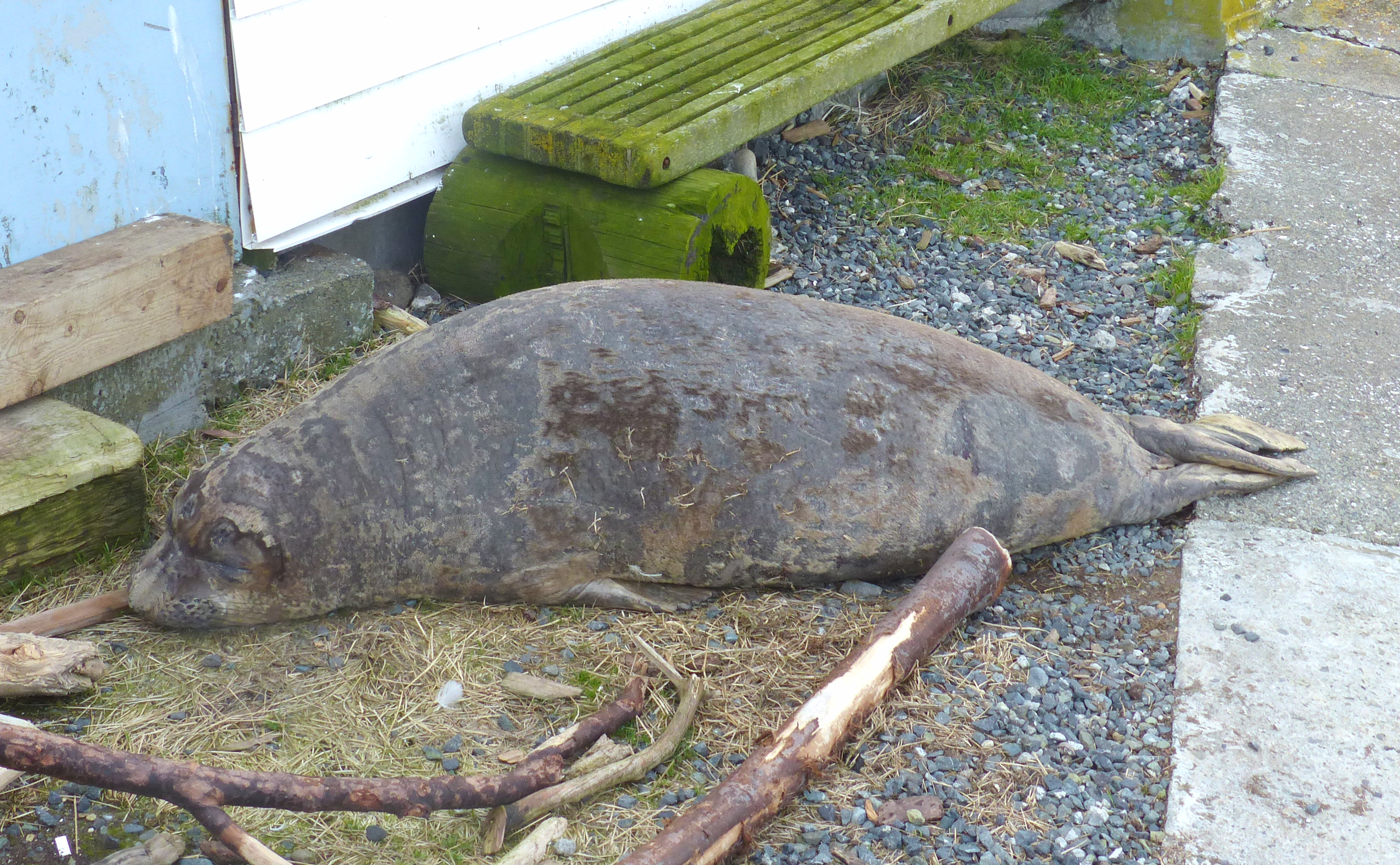
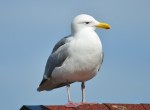
Business as usual in the reserve today. The Elephant seals are still in the front yard. The Sea lions are on Middle Rock. Lots of Gulls. My windows are in dire need of washing after being seriously bombed by the Gulls. The challenge is that there are two very aggressive Canada Geese nesting next to the tap I need to use to get the pump running off the rain water collection tank. We have a truce for getting firewood but I get attacked every time I go to the compost. I’m hoping that the Geese and I can work something out for using the hose.

-Ran desalinator off the PV panels
-Worked on SOPs and shift calendar
-Started cleaning sludge of roof of energy building
-Worked on Science house basement door

Glassy

Light to no wind. Clear skies. Force 0.
Barometer is steadily rising. Forecast is for a ridge approaching overnight, strong West winds tomorrow.

5 tour boats
2 recreational fishing boats passed through the reserve.
2 recreational boats fishing for halibut just outside the reserve boundary
1 recreational boat jigging just outside the boundary

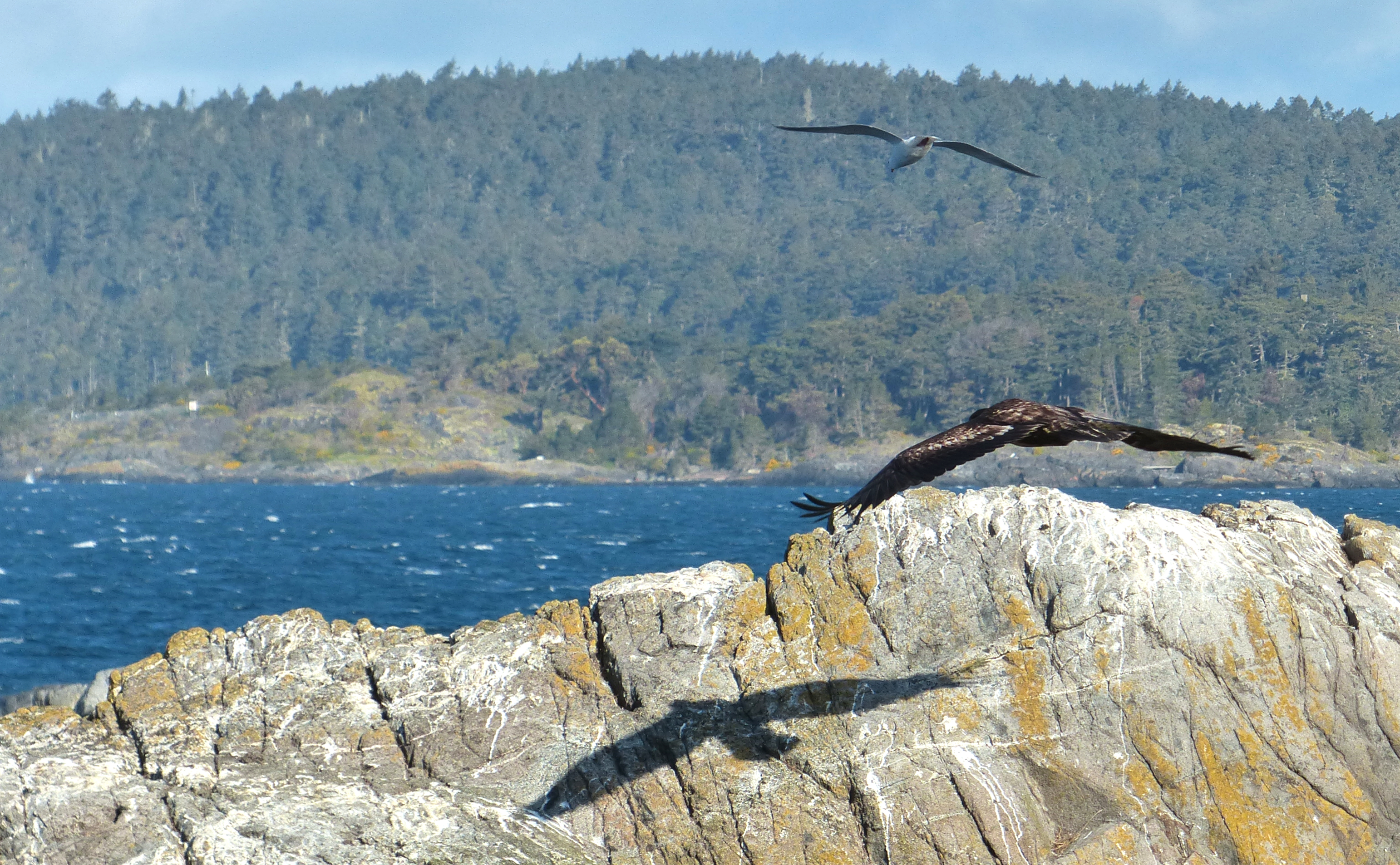
When I went outside last night around 2200 to take my water sample there were no Gulls. Normally, I turn on the outside light to clear out the Gulls right next to the house because it’s really unnerving to have them flying around your head with just a little headlamp for light. And as I walk down the paths the Geese and Gulls make a tonne of noise and fly out of the radius of light made by my headlamp. But last night it was completely quiet, not a Gull on the island, which is really eerie when you’re used to a constant bird orchestra. And then this morning, they were all back in their usual spots. There were 6 Bald Eagles in the reserve this morning, so maybe that’s why the Gulls left for the night. I saw a Gull take a few stabs at one of the Canada goose goslings while the adult Geese weren’t looking, but it was chased off by the male Goose. It was a hot day for the Elephant seals, and they either went down to the water, sat in some nasty puddles, hid in the shade of the buildings, or tried a combination of those strategies throughout the day.

-Cleaned air intakes on the Xantrex inverters in an attempt to cool down Inverter 1
-Took down the broken VHF antenna by climbing up into the Science House attic
-Changed desalinator HP pump oil
-Found a new Goose nest on the South side of the island
-Ran the crane for the monthly check

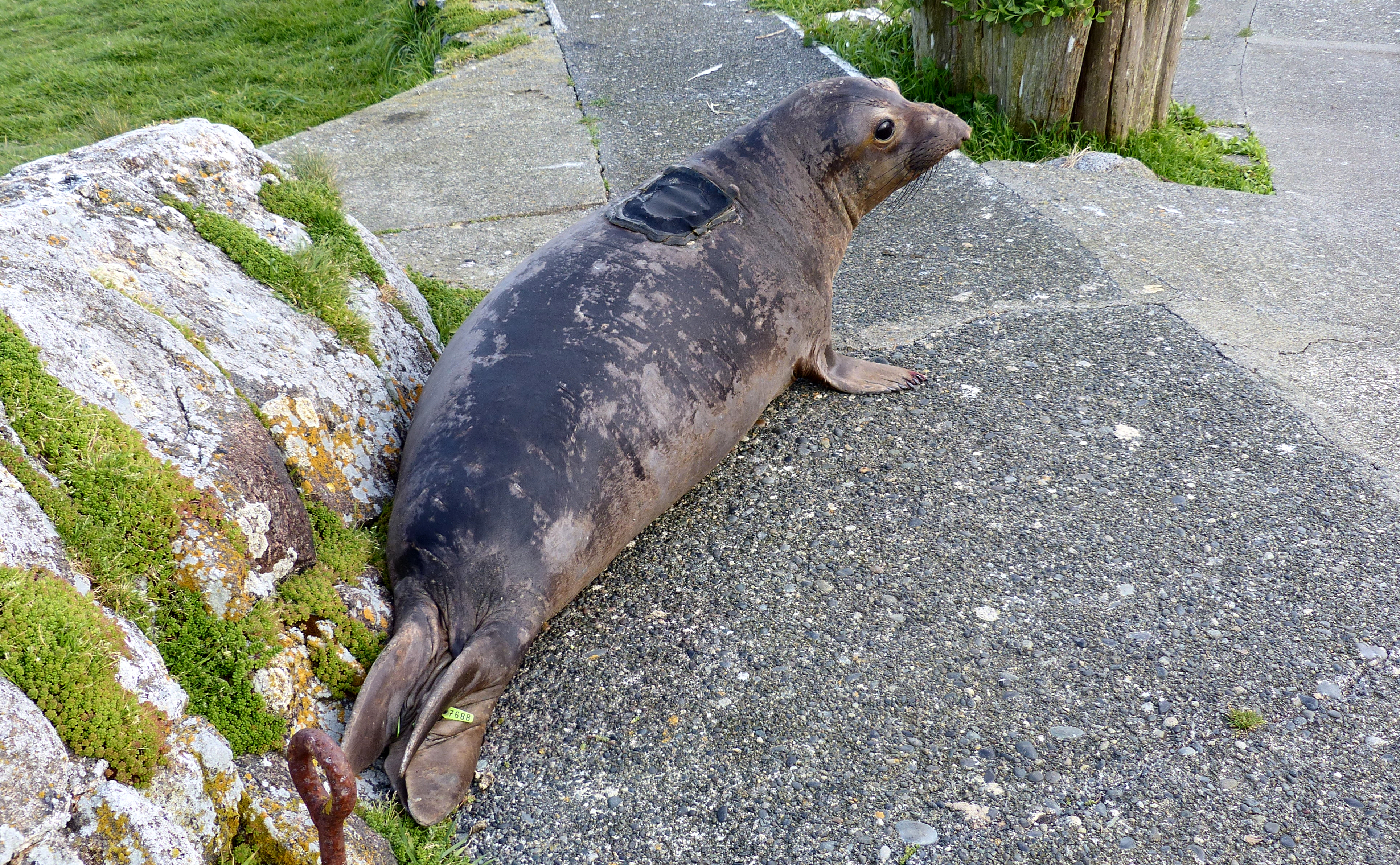
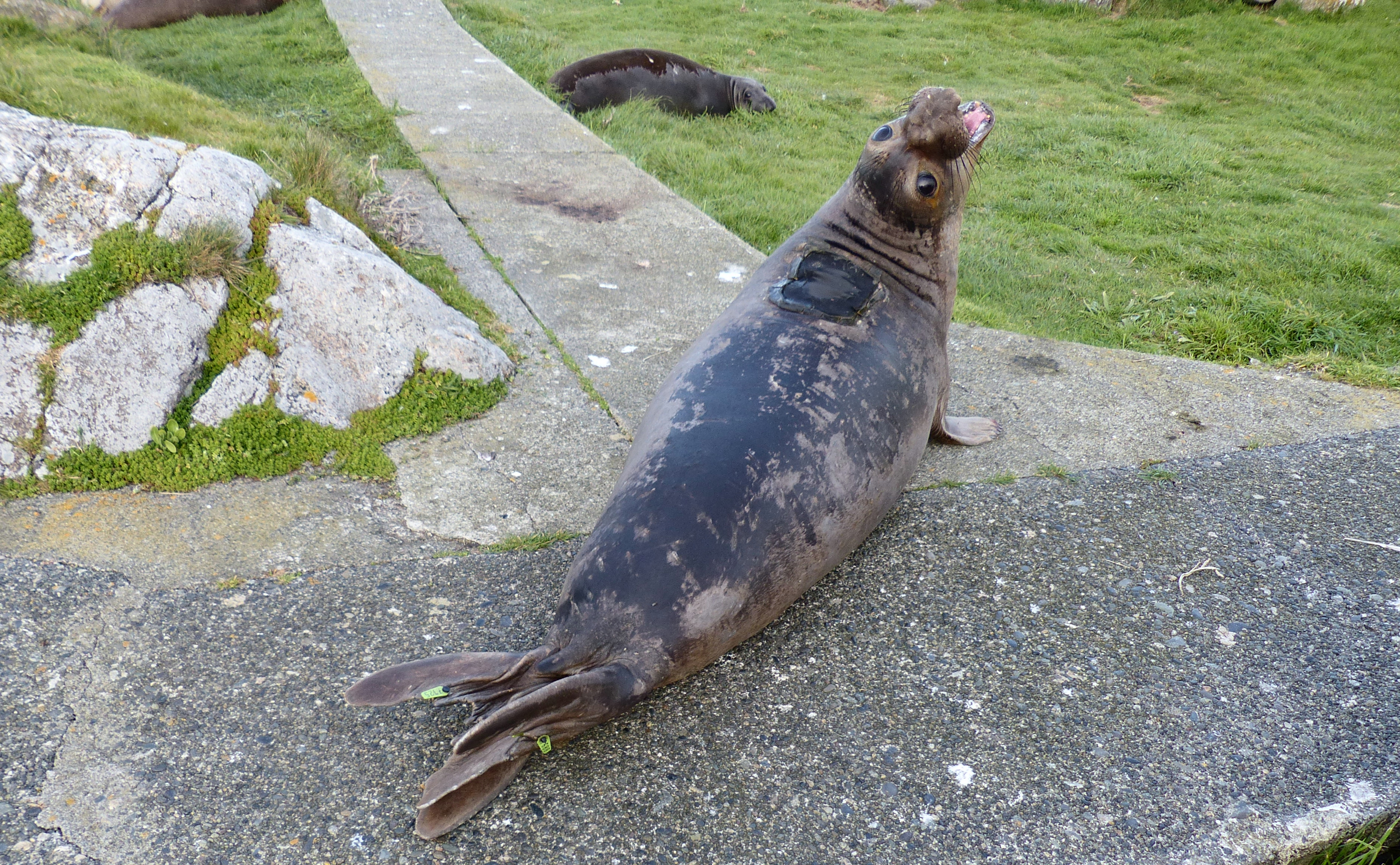
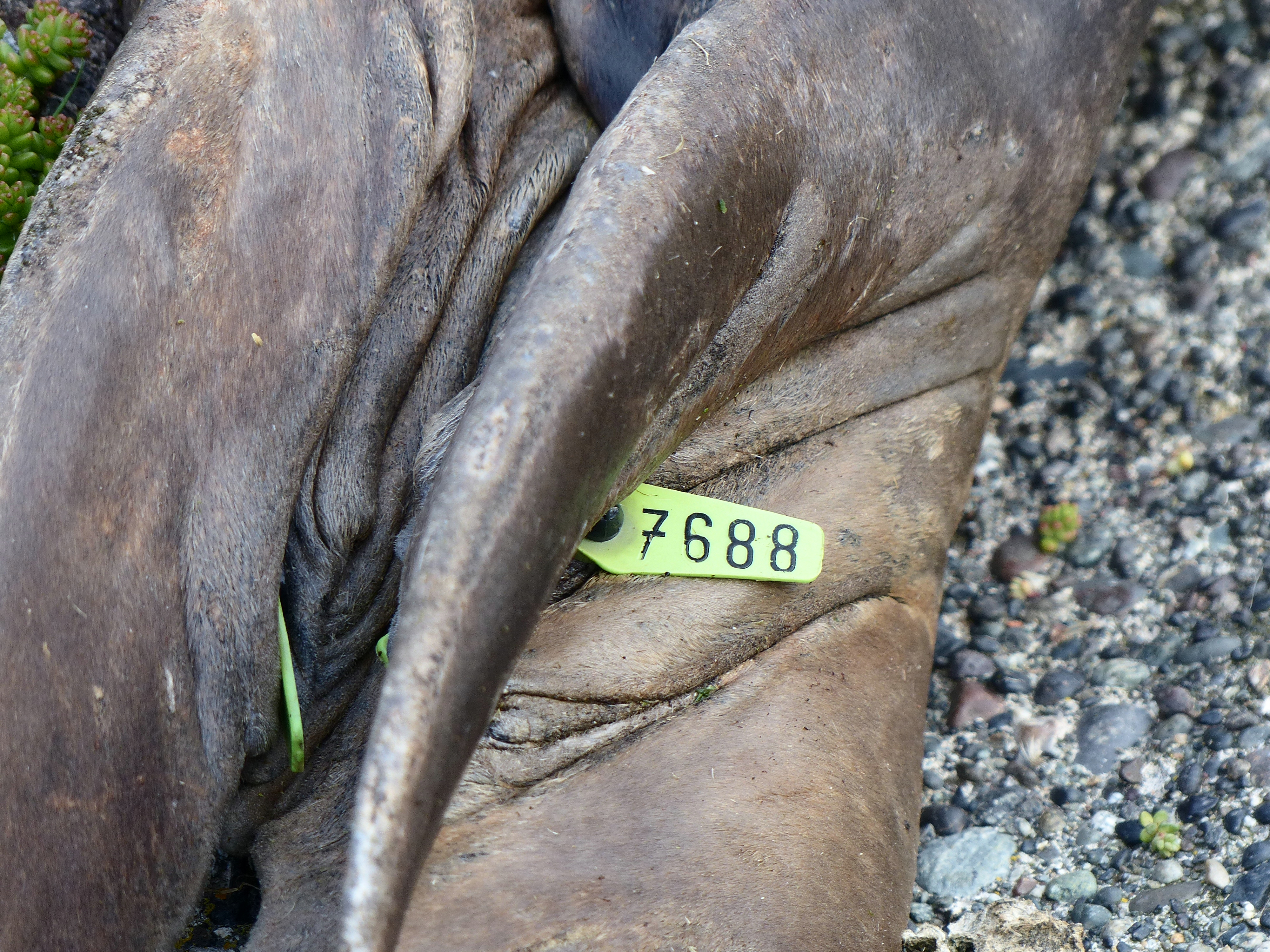
Elephant seal tag: green 7688

Clear skies.  Light Easterly wind all day. Beaufort Force 2-3
A beautiful day in the Reserve, but the barometer is falling and there is a front forecasted for tomorrow.
[I’m trying to learn the Beaufort wind scale off the top of my head, and get into the habit of checking the barometric tendency so that will be part of my weather log from now on]

I was sitting on the South edge of Great Race when an Elephant seal popped up to look at me and had what appeared to be a radio transmitter on its back. It promptly disappeared, but came up the boat ramp an hour later. I’m keen to find out if the researchers retrieved the transmitter and have the track of this seal. I am really curious about where these Northern-living Northern Elephant seals go when they are not in the reserve.

Continue reading →

West Wind

Strong West wind all day. Mixed weather, everything from clear skies to sideways rain.

4 tour boats
DND blasting: Several super loud blasts late morning.

The generator started up just fine this afternoon. Yeah!

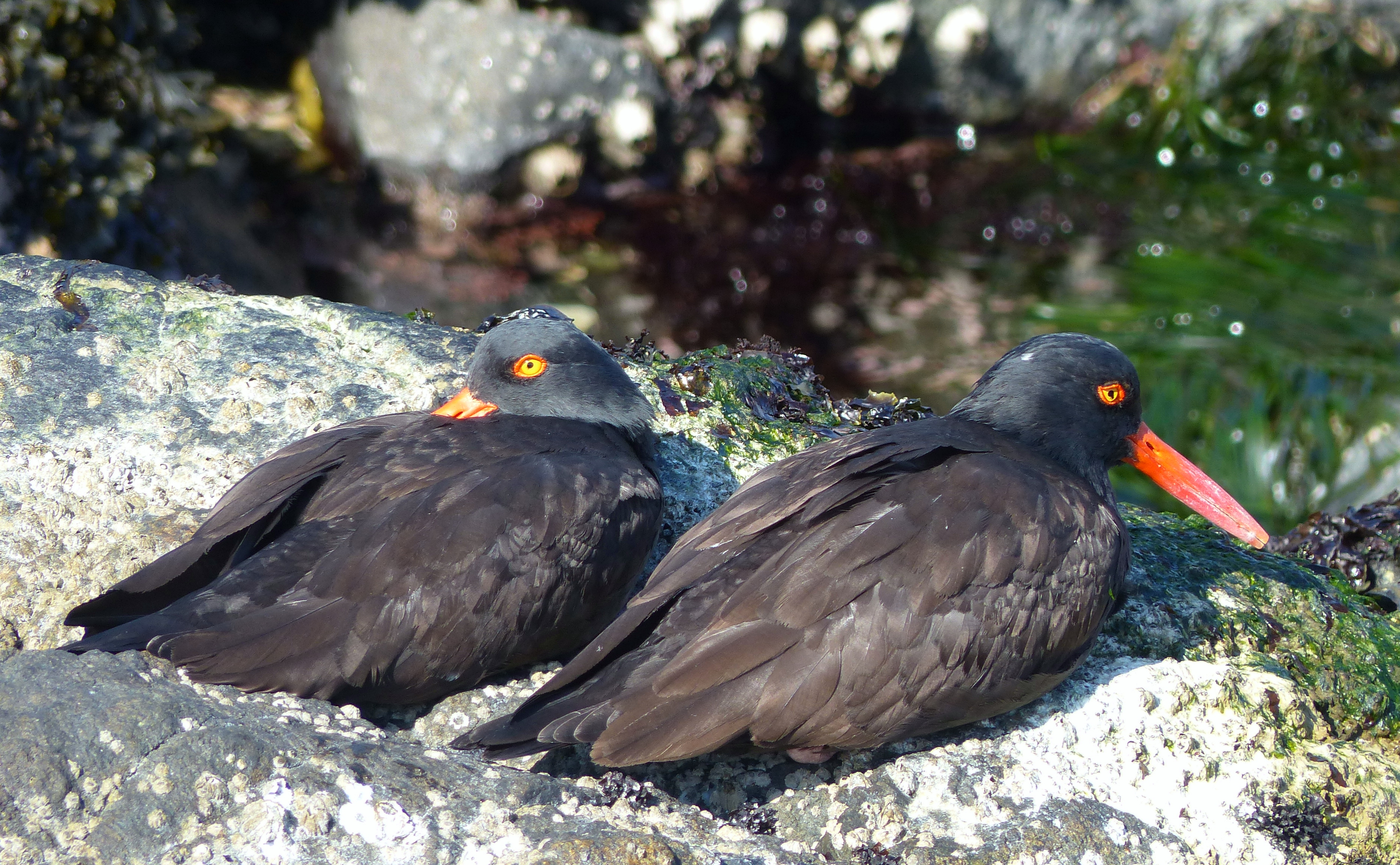
There are now 10 Elephant seals on Great Race. There are 6 below the tower by the hose box, two in the garden West of the Keeper’s house, and two lying just up from the tank shed. Needless to say, there are a lot of detours off the paths for me to get between the buildings since they seem to like sleeping on the very edge of the paths. I found another Canada goose nest today on the very edge of the island just East of the big yellow diesel tank. There are 7 nests on the island: on the East beach behind a rough stack rock wall, one next to the compost pile on the South side of the Keeper’s house, one just East of the base of the tower, one under the tower stairs, the nest I found today just East of the diesel tank, a nest West of the Science house underneath a log, and one on the East side of the camera on the bluff. There is still one pair of geese that I am pretty sure have a nest right in the middle of the island by the Science house, but I haven’t been able to find it yet. It looks like the Snow Goose is gone, but the lone Cackling Goose is still around. The Sea lions are still camped out on West Rocks. There were 4 Bald Eagles on South Rocks this morning. The Eagles, both juveniles and adults, are regularly flying over the island and stirring up the Gulls, but I have yet to see a Gull get taken by an Eagle. The Barn swallows are still cruising around, no sign yet of any nests. The Guillemots are still spending a lot of time on the jetty. And I’ve been watching the Oyster catchers, but I haven’t seen any nesting behaviour.

-Cleaned up the generator room
-Keeper’s house chores: laundry, cleaned the stand up freezer, tidied up the basement workshop, replaced some light bulbs, cleaned the really dirty windows, turned the North entryway into the best tea/reading/guitar spot in the house.
Chen caerulescens : Snow Goose –Race Rocks Taxonomy

Snow Goose

Lesser Snow Goose, Chen caerulescens

Domain Eukarya
Kingdom Animalia
Phylum Chordata
Subphylum Vertebrata
Class Aves
Order Anseriformes
Family Anatidae
Subfamily  Anserinae
Genus Chen
Species caerulescens
Common Name: Snow Goose or Blue Goose


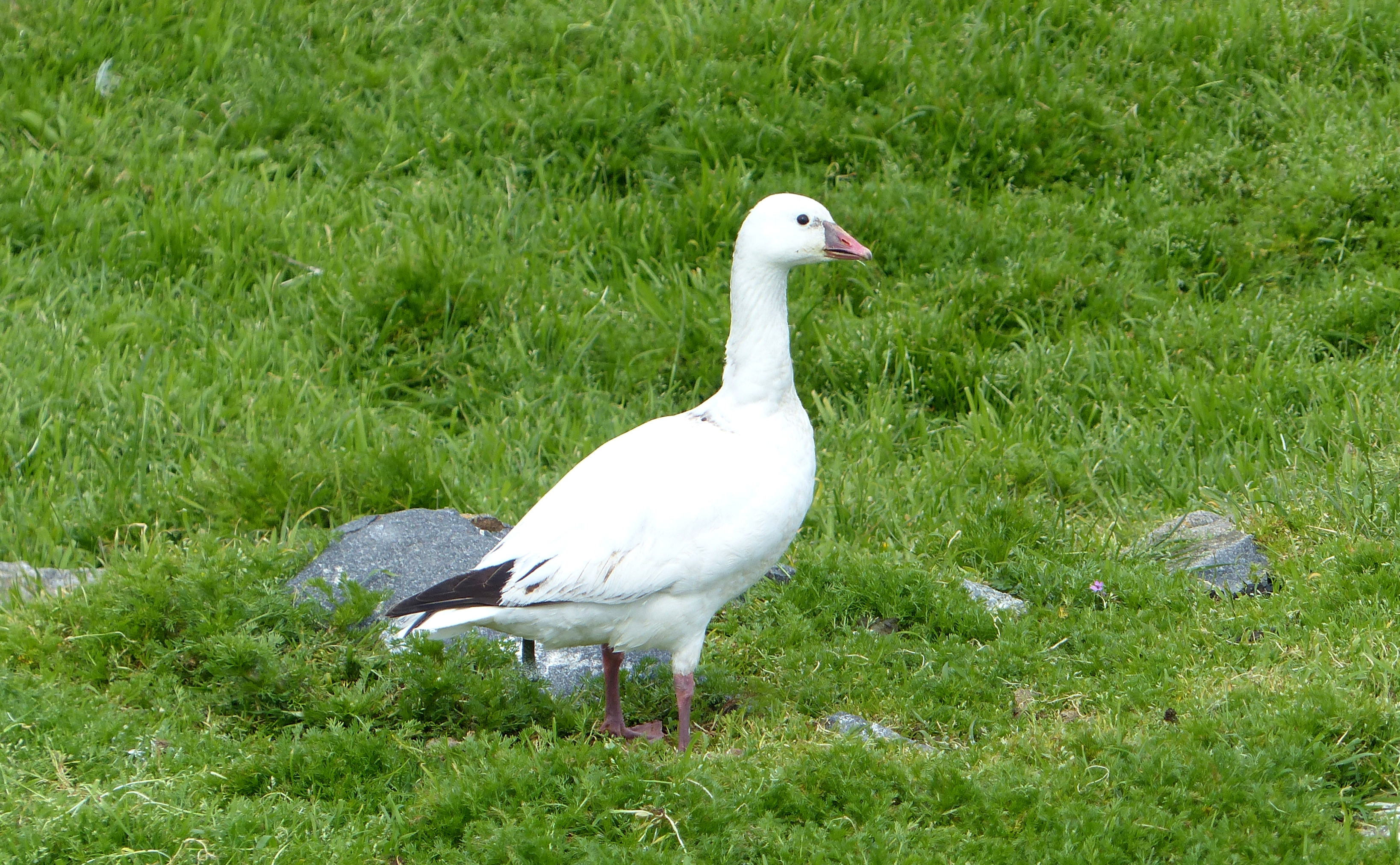
This is the first observation and photo we have of a snow goose at  Race Rocks. Ecoguardian Courtney Edwards took this photo on April 21, 2014. These geese migrate in great numbers through the lower mainland area at this time of year.

Cackling goose and Snow goose

Light Wind in the morning, String Westerly in the evening. Cloudy with scattered showers. Rain in the evening. Tour boats:8 1030 flyover by a small float plane The Cackling Goose and Snow Goose (note — a new record for Race Rocks ) are still foraging on the grass on Great Race. The Canada Geese often chase these two smaller geese. The Sea lions all moved to the East side of West Rocks this morning. Up until today, they had been on South Rocks since I got here in the middle of March. Eagles are regularly flying over Great Race and making all the Gulls take flight, but I have yet to see an Eagle grab a Gull.

-Ran the fire pump -Cleaned all the fire hose fittings -Fixed tank shed storage door latch -Worked on SOPs

Bucephala albeola: Bufflehead, Race Rocks Taxonomy

bufflehead-female-ce30mar13

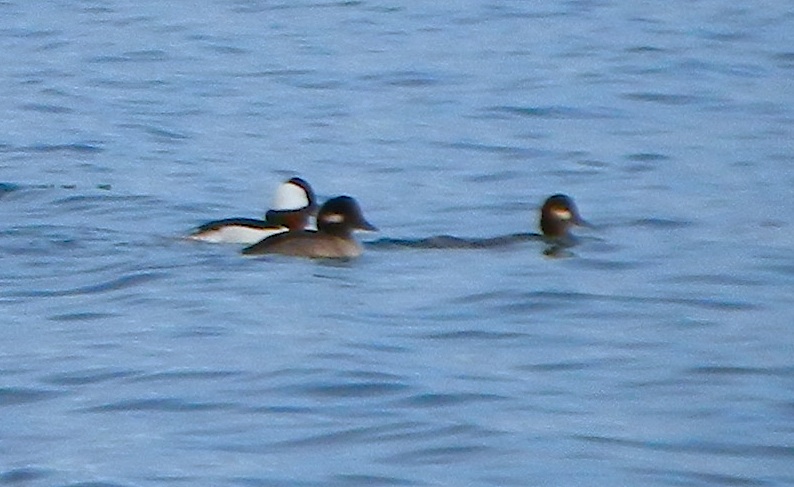
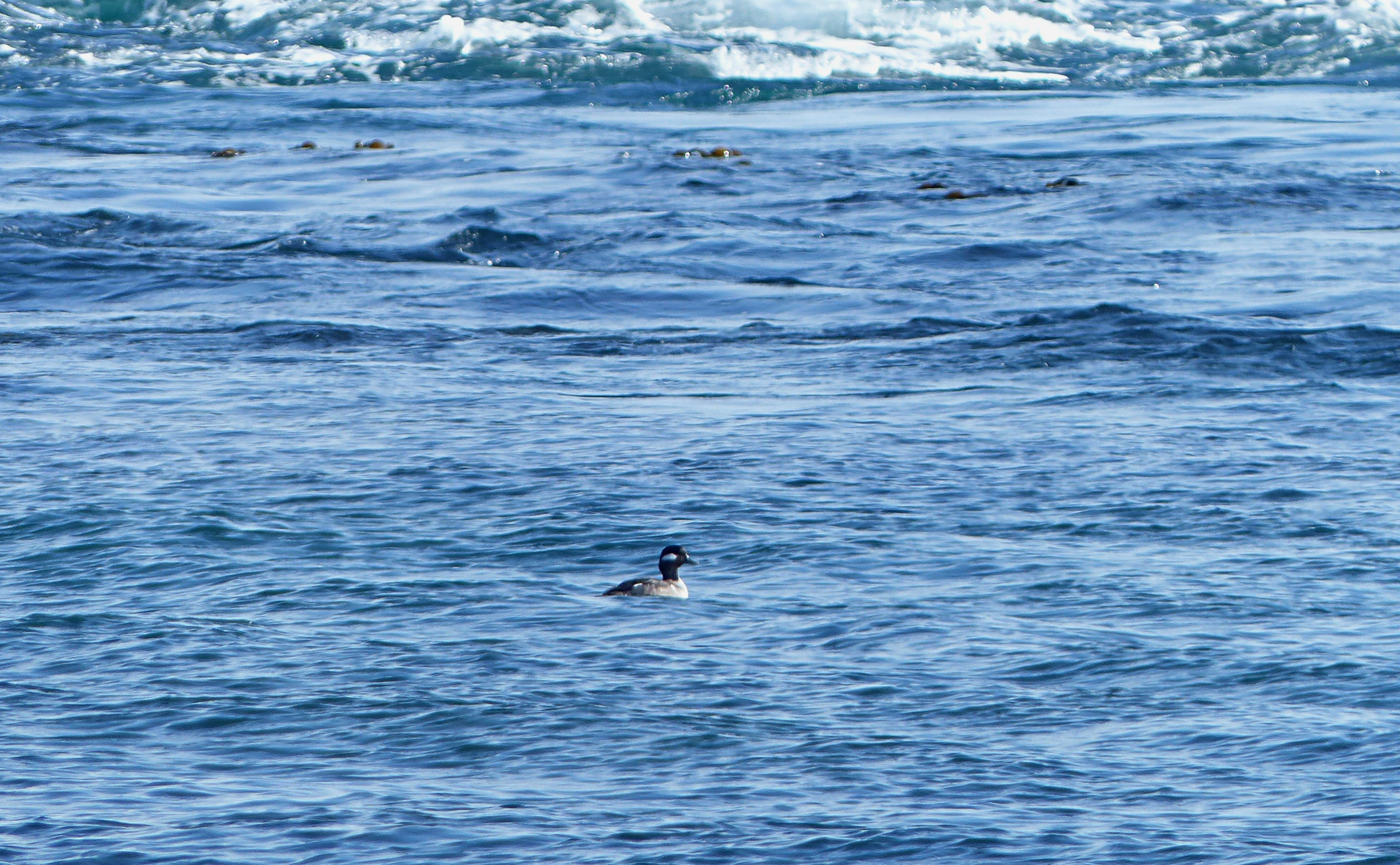
Bufflehead , Bucephala albeola photographed near Great Race Rocks March 30, 2014 by Courtney Edwards,

buffleheadmaleandfemales

Bufflehead male and females.

Classification:
Domain: Eukarya
Kingdom: Animalia
Phylum: Chordata
Subphylum: Vertebrata
Class: Aves
Order: Anseriformes
Family: Anatidae
Subfamily: Merginae
Genus: Bucephala
Species: albeola
Common Name:Bufflehead


rmbuffleheadPM

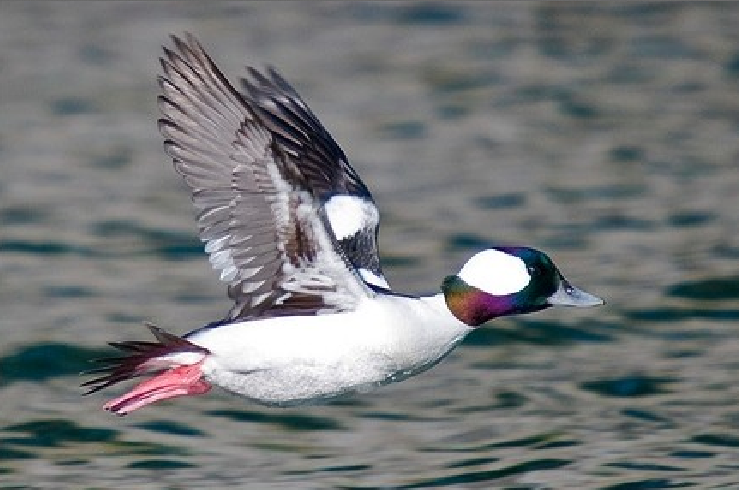
Male Bufflehead, Bucephala albeola photo by Ryan Murphy

We normally see Buffleheads throughout the winter months feeding in bays and along beaches on the shores of Metchosin. The males are much more obvious from their contrasting black and white plumage. This is the first observation we have had in the Race Rocks waters.

Other Members of the Class Aves at Race Rocks.

taxonomyiconReturn to the Race Rocks Taxonomy
and Image File
pearsonlogo2_f2The Race Rocks taxonomy is a collaborative venture originally started with the Biology and Environmental Systems students of Lester Pearson College UWC. It now also has contributions added by Faculty, Staff, Volunteers and Observers on the remote control webcams.

March, 2014–Garry Fletcher

Sea Scouts

Moderate West wind, easing in the afternoon. Low West swell. Patchy clouds.

A group of sea scouts came out for a tour today. They left out of Victoria Harbour on a schooner called Passing Cloud (Operated by Outer Shores Expeditions). They spent a couple hours on the island. Learning about the animals, the history of Race Rocks, and taking a look at the world from the top of the lighthouse.
Calm Saturday

Light variable winds most of the day. Four brief periods of rain, clear skies in between. Very low West swell. Rainbows.

6 tour boats
2 dive boats

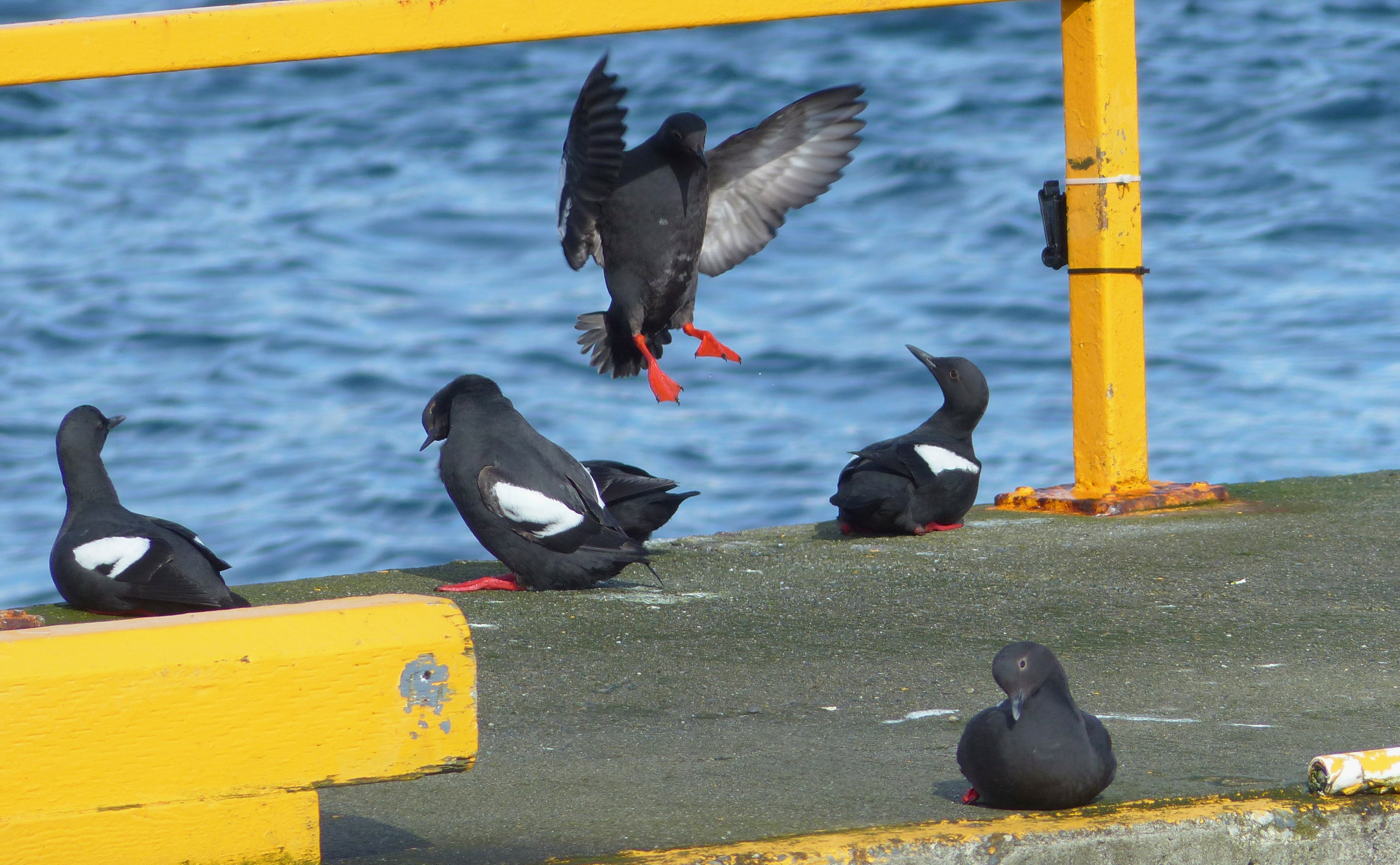
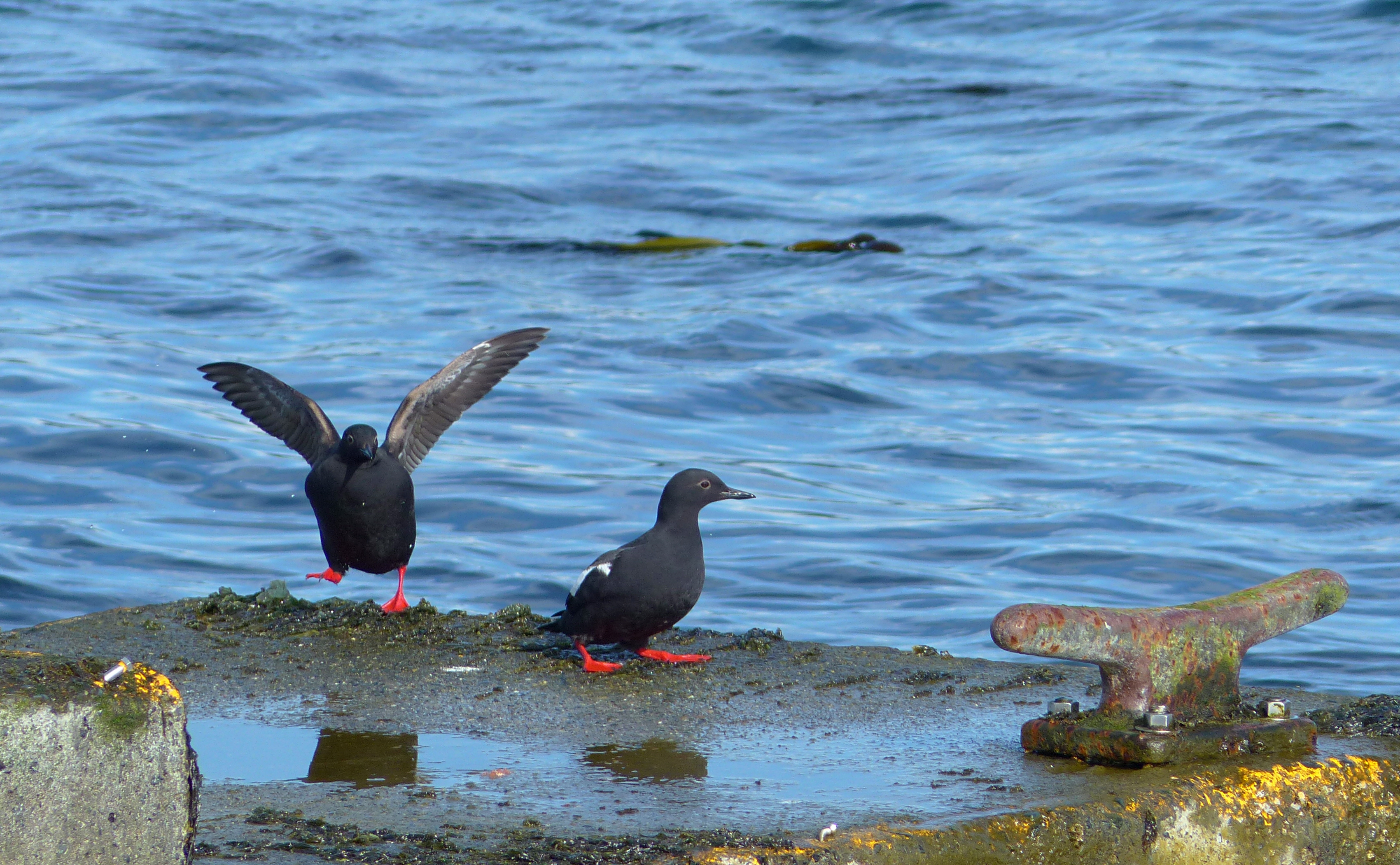
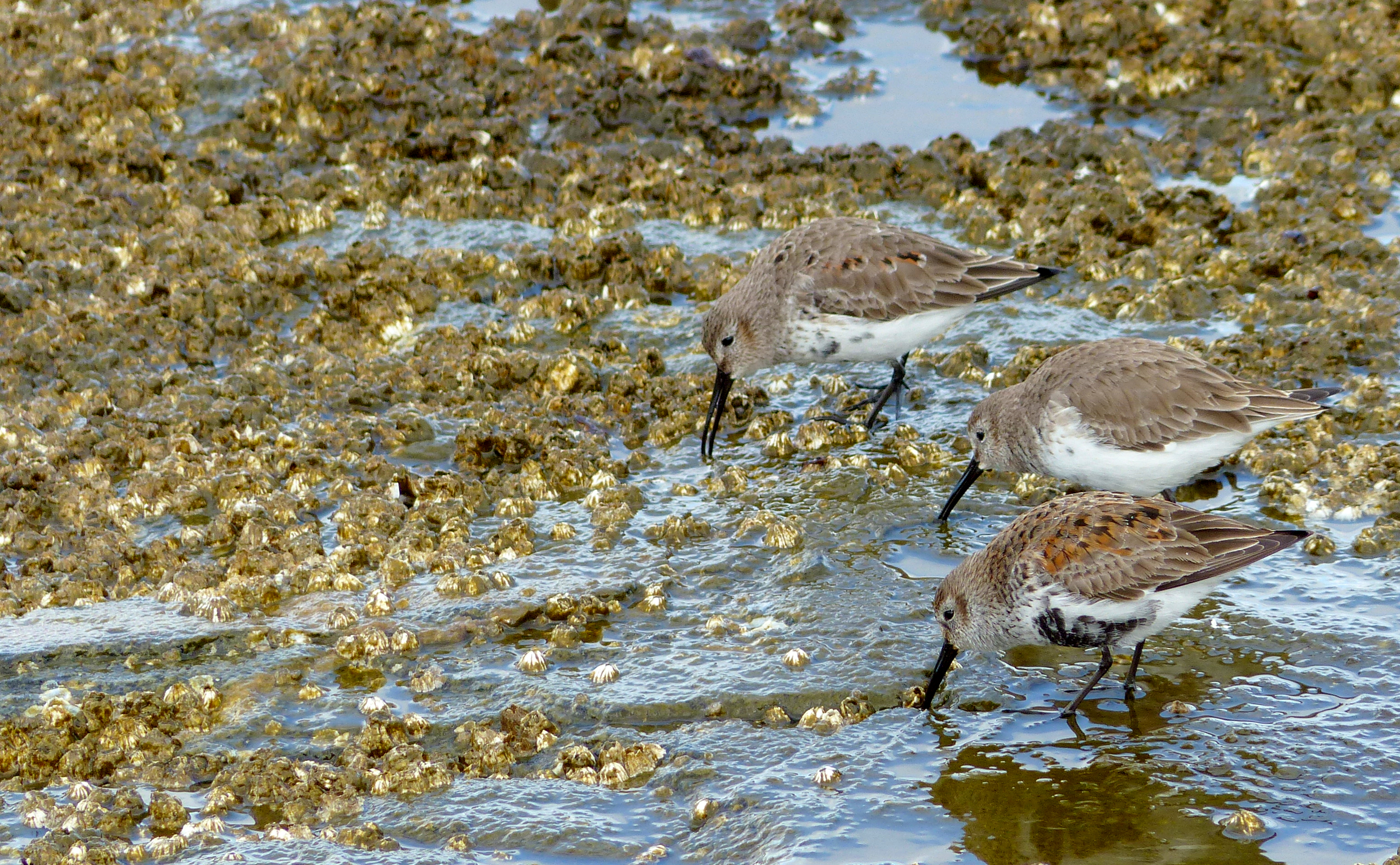
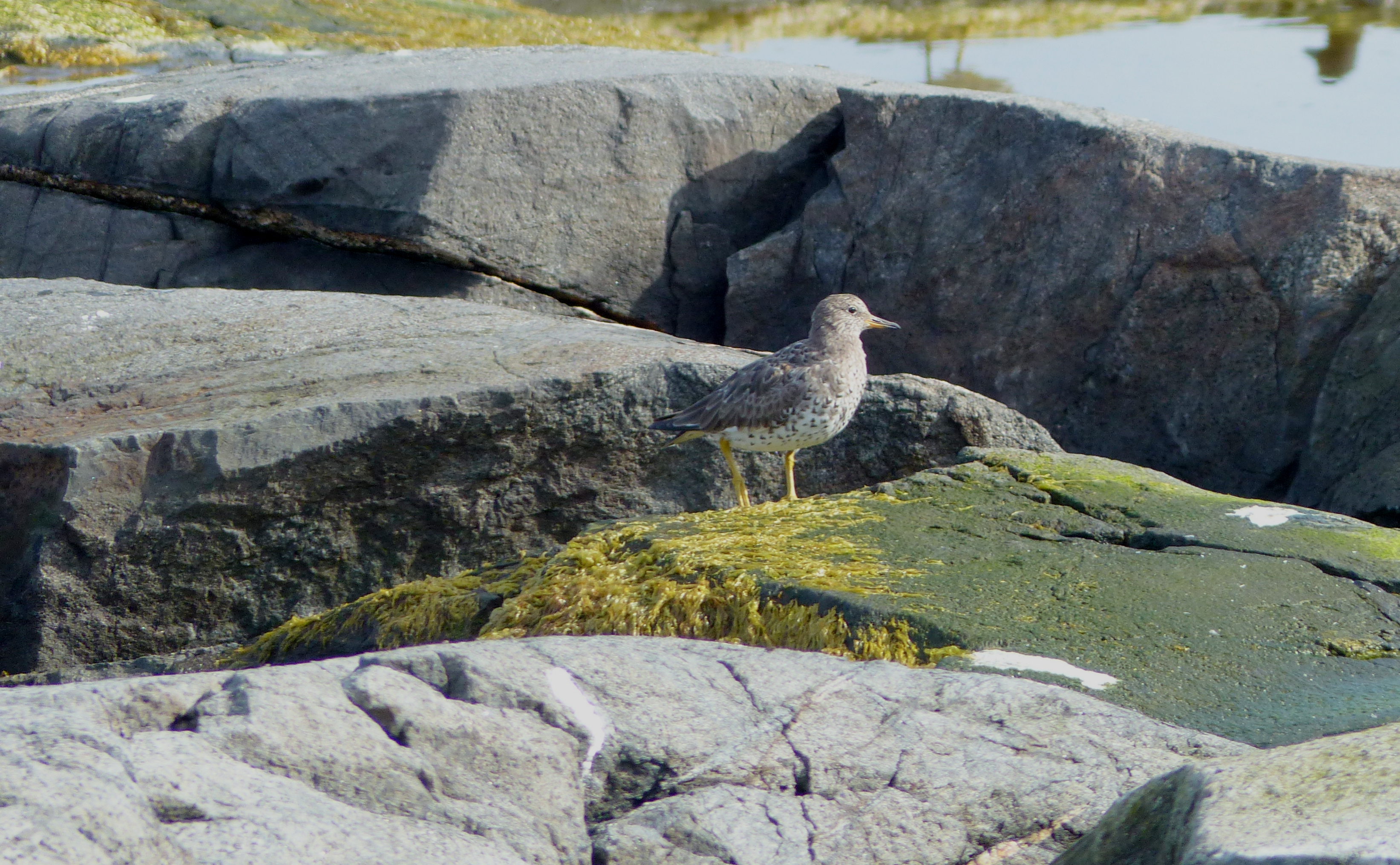
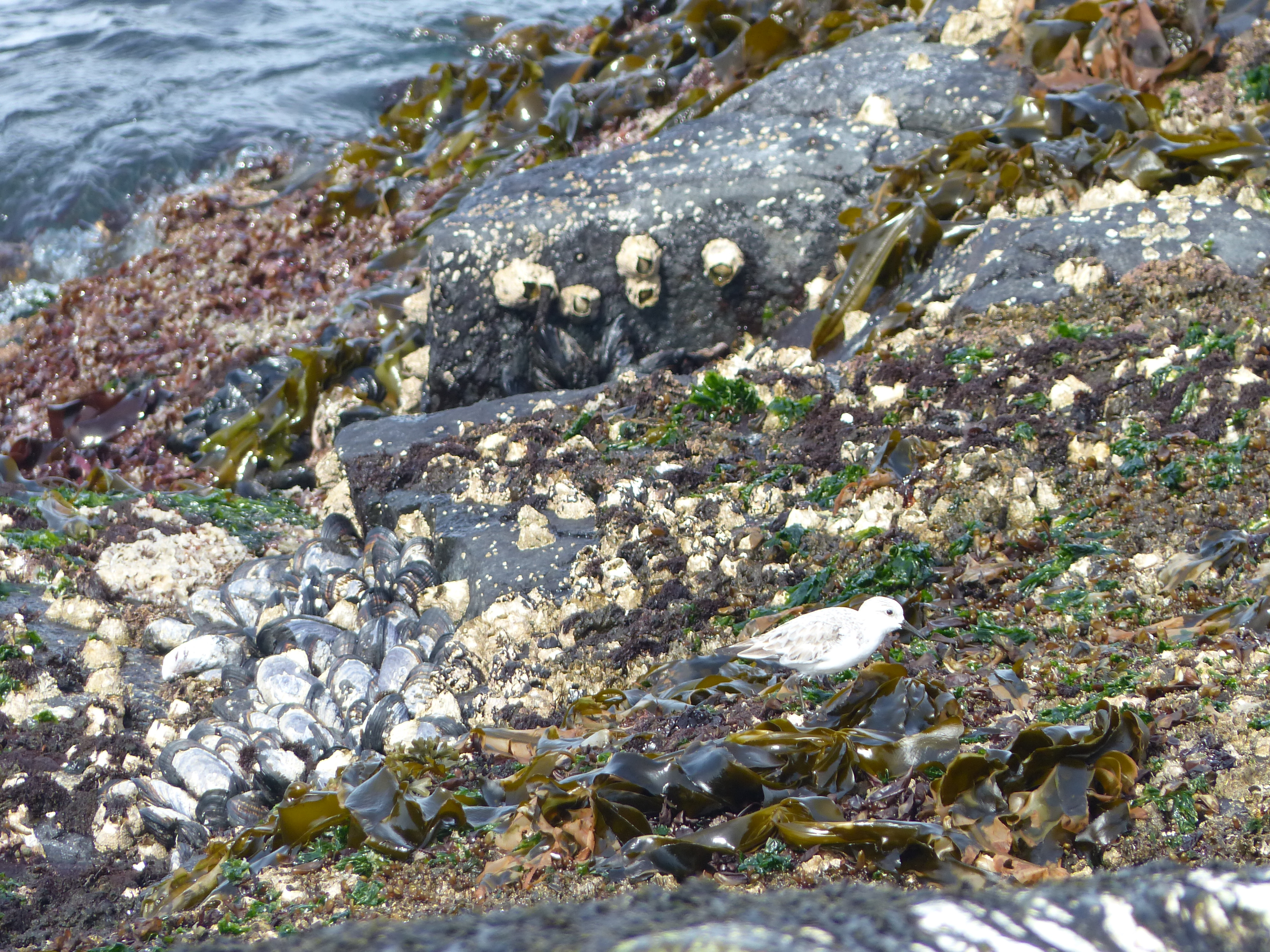
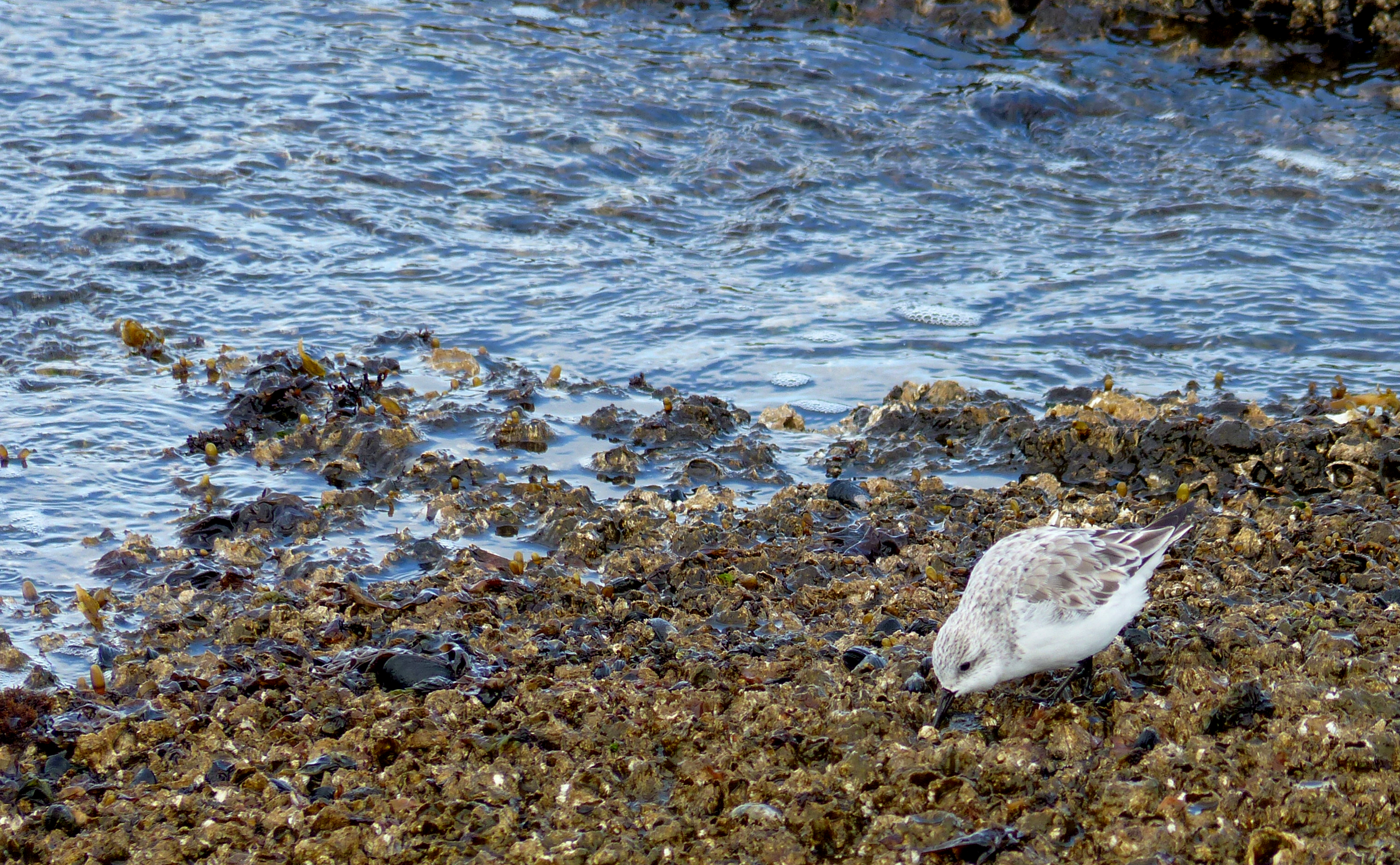
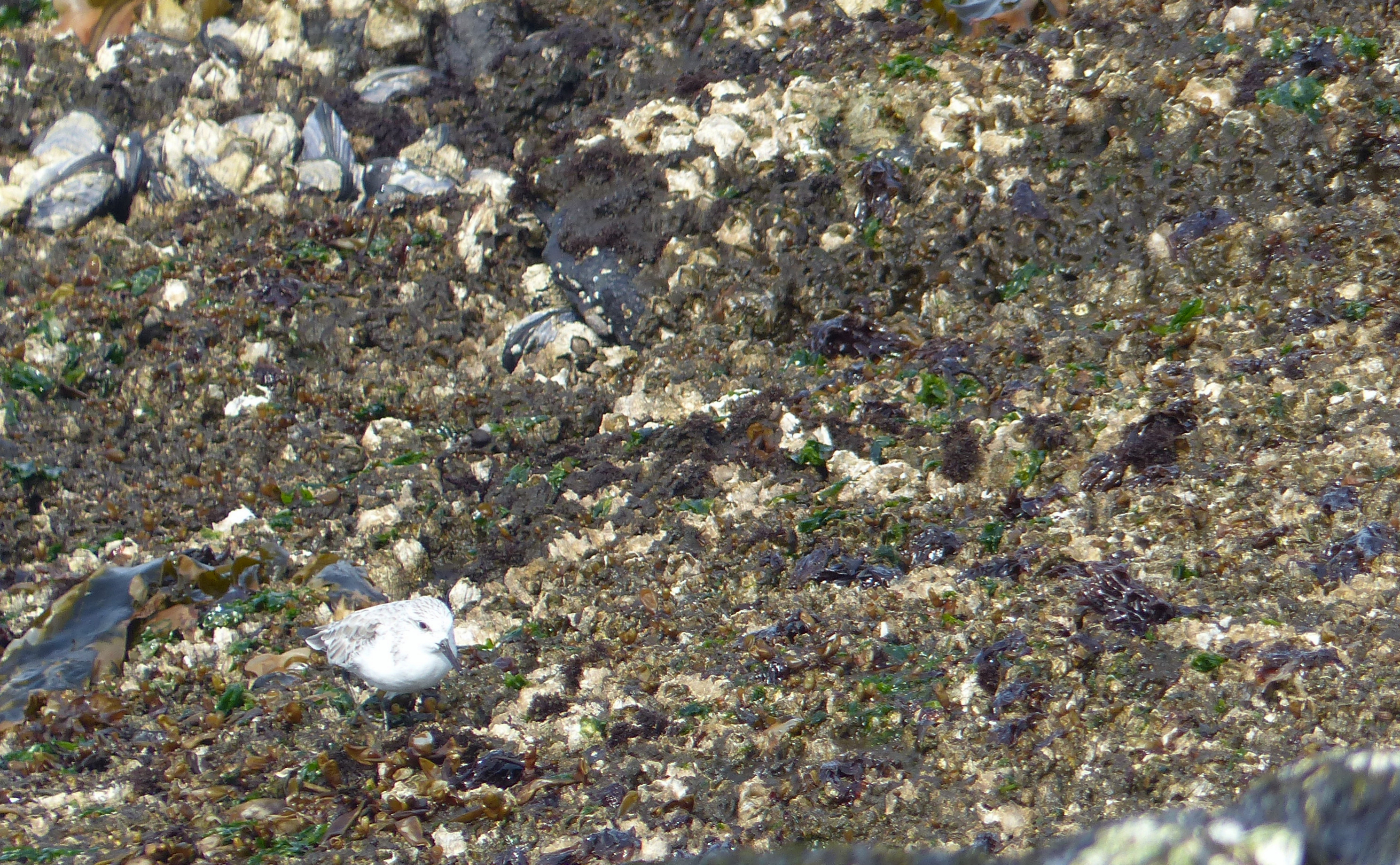
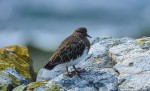
I spent some time today trying to learn to use the Nikon DSLR that lives out here at Race Rocks. The zoom on the big lens is awesome, but I still have a few technical issues to work out. My mission was to get a photo of a Pigeon Guillemot flying away from me with its red feet sticking out, but I wasn’t happy with any of my attempts. While wandering around looking for things to photograph I saw 10-15 Turnstones. They are spending most of their time in the middle of Great Race. There was 4 Western Sandpipers, 1 Sanderling, and 2 Dunlins all feeding in the muck-puddles on Great Race.The Elephant seal that has been next to the tank shed left this morning, but there are still two out on Middle Rocks. There are a few monster Steller Sea lions among the group out on South Rocks. There are now three Canada Goose nests, all with eggs in them.
Pigeon Guillemots

Overcast/cloudy. Light North to North-East wind. Low SE swell in the afternoon.
5 tour boats

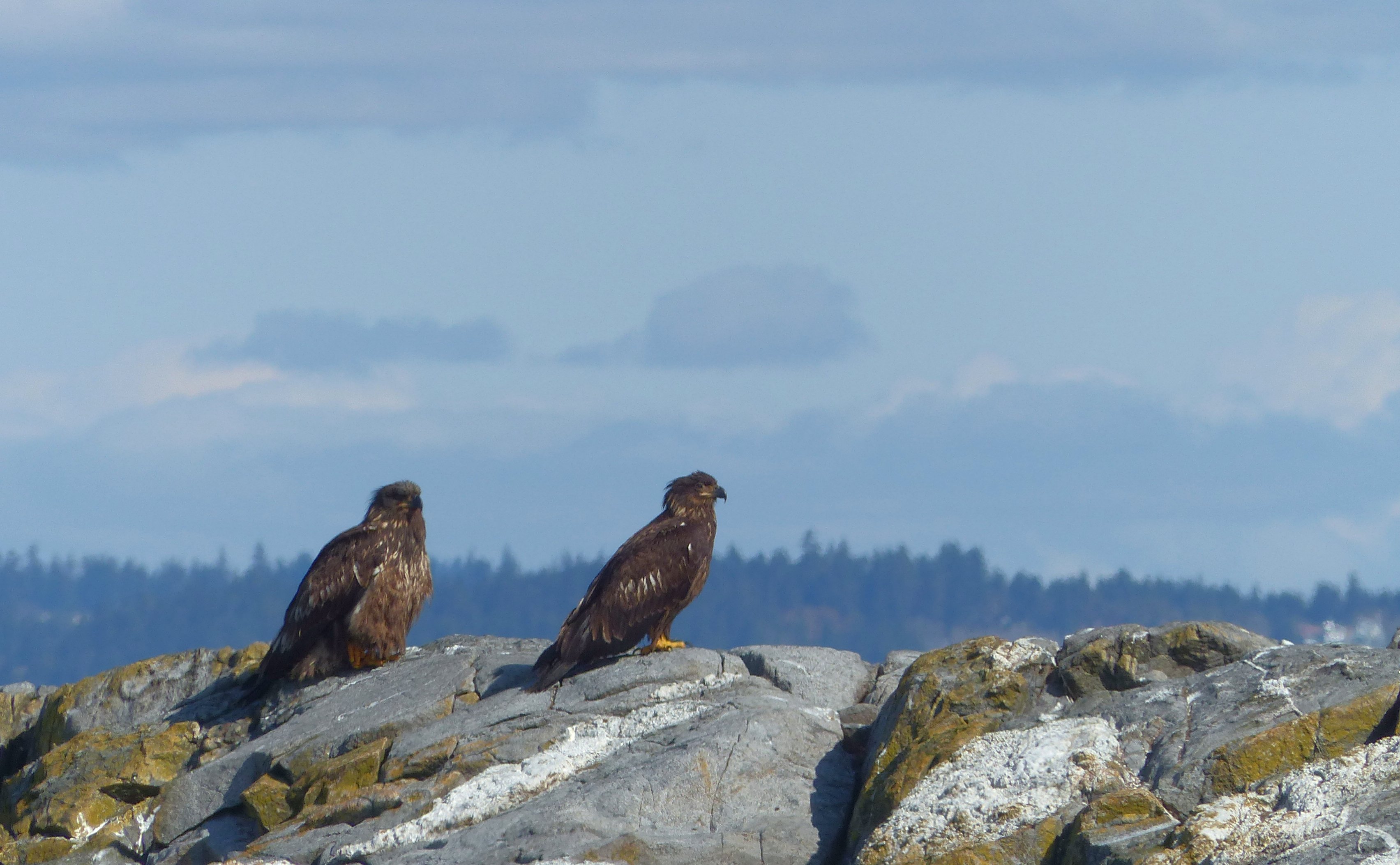
This morning there was a Great Blue Heron on the bluffs on the NE side of Great Race, 5 eagles on the outer islands, and Guillemots!
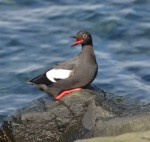
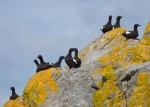
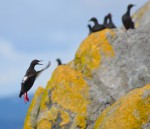
I don’t know if all these birds have been in the reserve for a while, but with the high tide this morning there were probably 100 Pigeon Guillemots whistling their little high-pitched whistle all along the shore of Great Race. Pigeon Guillemots (Cepphus columba) are members of the auk family. They are small diving birds. Their most obvious attribute is their radioactive-red feet that stick out behind them when they fly. Interestingly, these feet only have 3 toes (most birds have 4). They also have large white wing patches with a black bar. They spend spring and summer onshore to breed. A pair mates for life. They build their nests on bluffs and lay 3 to 4 eggs.  The rest of the year they live in offshore waters. They are fairly inefficient flyers, and goofy walkers (kind of like a penguin) but they are amazing swimmers. They use their wings to propel themselves underwater. They typically forage for small fish and invertebrates at 10 to 30 m, but they have been documented at 45 m. A group of Guillemots is apparently called a “bazaar”.


-measured windows
-figured out jetty ladder hardware
-discouraged geese from nesting