Canada Geese

Clear skies. Light winds.

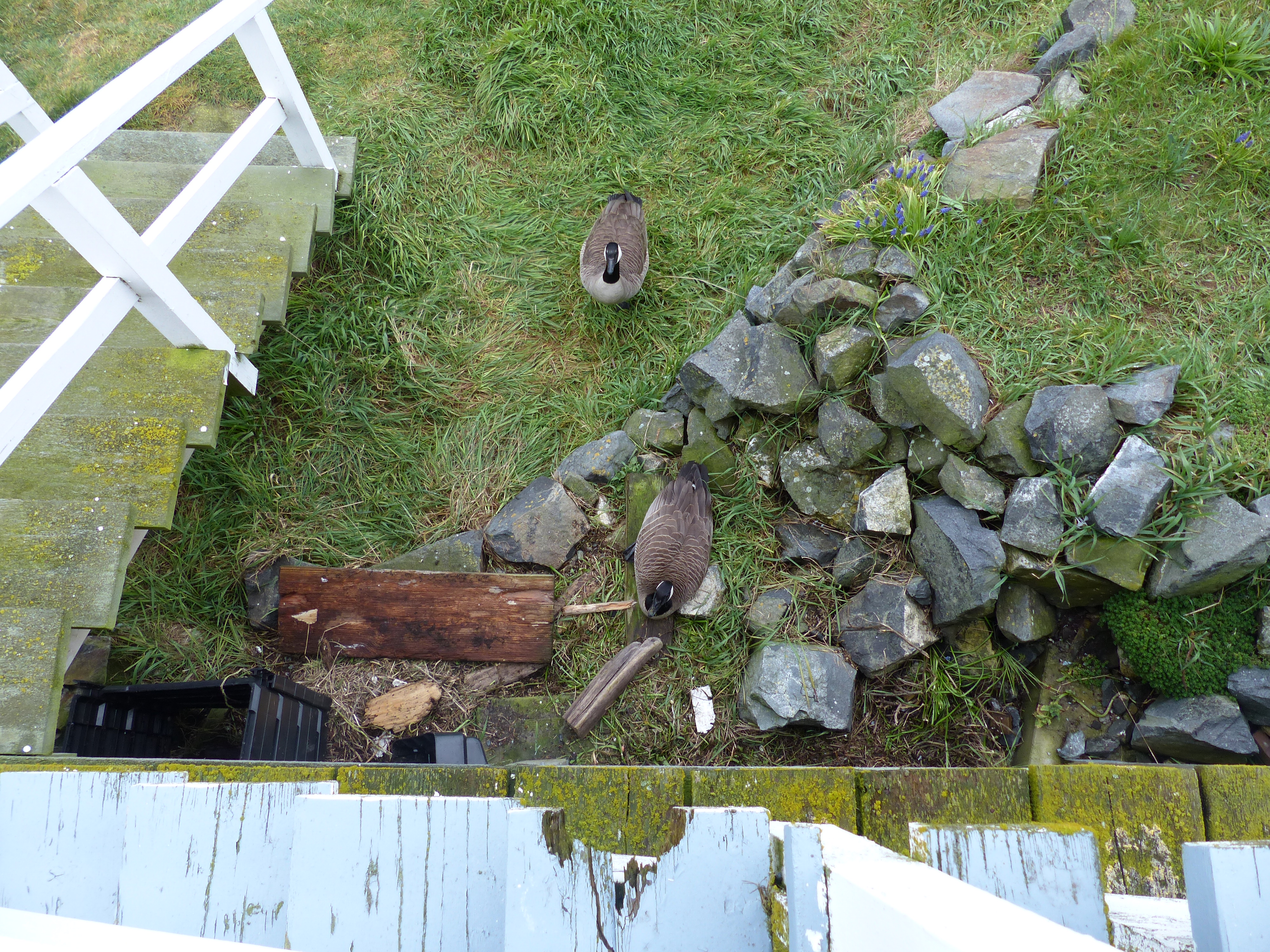
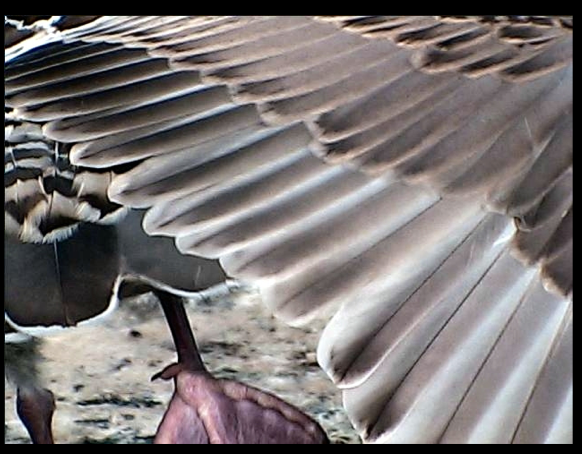
The most Canada geese that I have counted to date is 33. The Canada goose (Branta canadensis. Not “Canadian goose”, they do not have citizenship) is a regular visitor/resident out here at Race Rocks. The species has 11 sub-species, many of which experienced a dramatic decline at the beginning of the 20th century because of hunting pressure and habitat loss. However, in the last 25 years the species has experienced a strong recovery. There are many groups that have also ceased to do their seasonal migration. They have recovered to a point where they are now considered a pest in many places. The main reasons for their change in status and migrations has to do with the bird’s adaptability. It has thrived under decreased hunting pressure and changes in weather/climate. This has combined with an increase in protected grassy areas (eg lawns, golf courses, and parks) and agricultural practices that leave waste grain in the fields over the winter. The species is considered to be invasive in New Zealand, where it was intentionally introduced as a game species. The species was also introduced, and has also migrated, to the UK and several Scandinavian countries. The species’ adaptability means that the Canada Goose is now the most numerous waterfowl in North America.

Continue reading →

Spring Equinox

Clear skies. Variable North-East to South-East winds.
Waning gibbous moon, only one low day-time tide (~1m), and 4 to 5 kt currents.

I’m a day late, but Spring has officially arrived as determined by the sun crossing over the celestial equator.
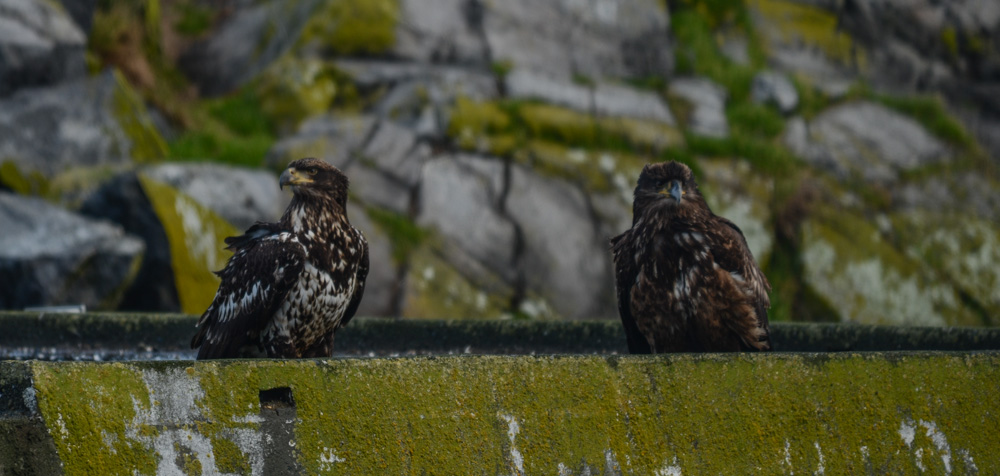
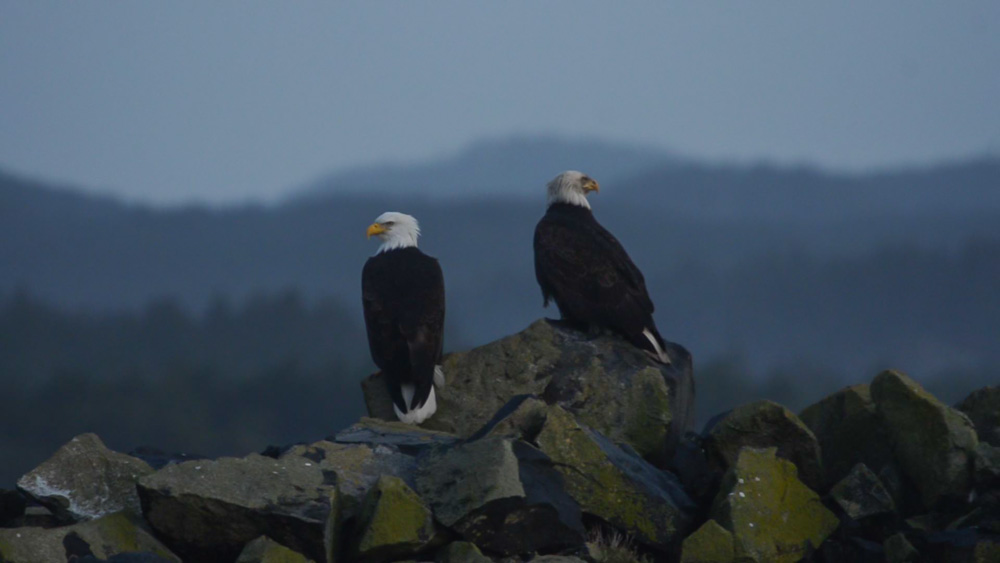
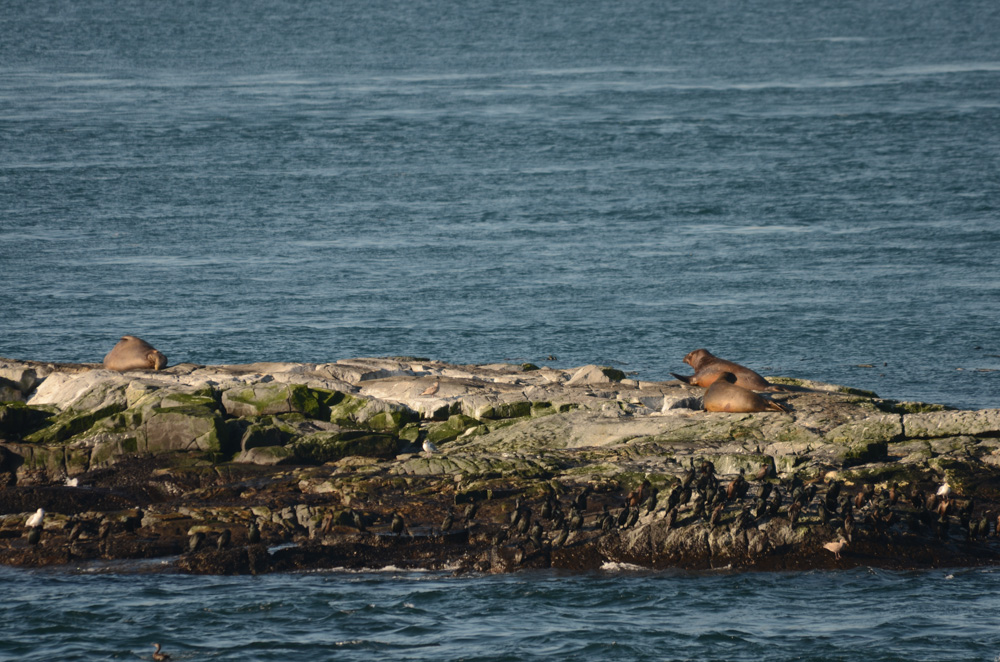
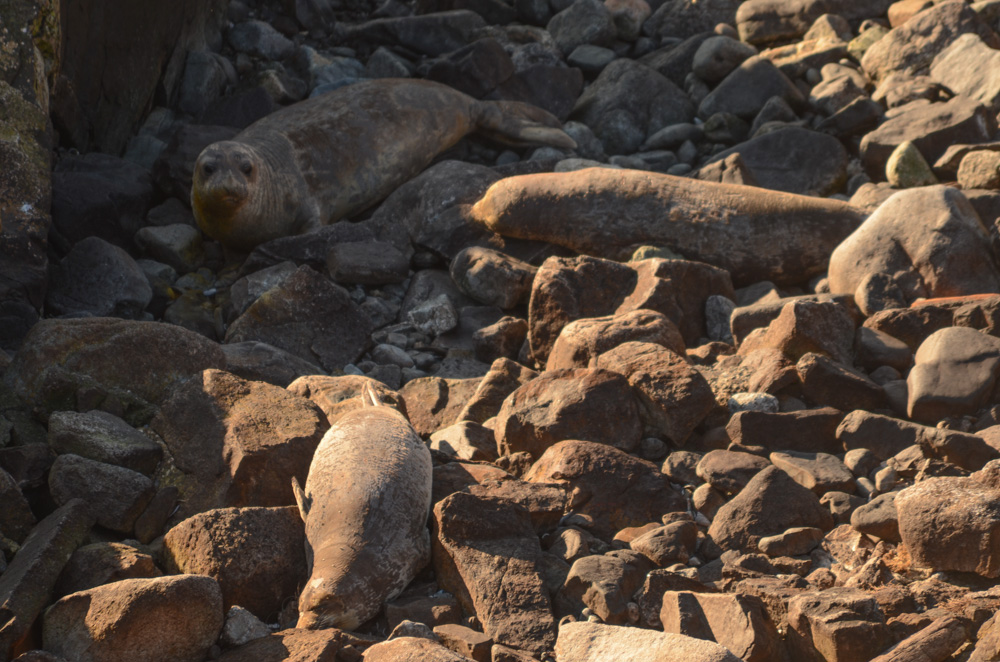
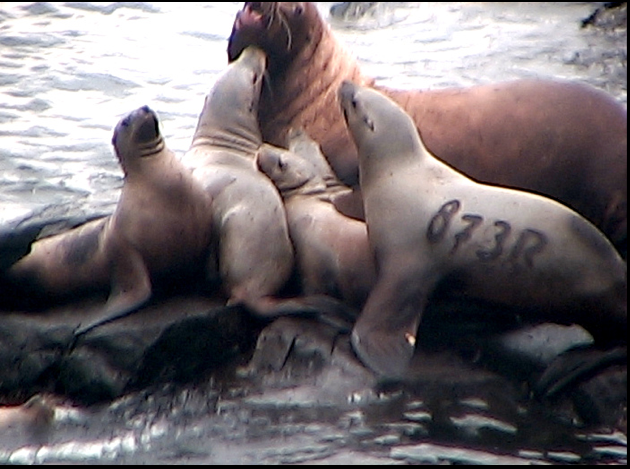
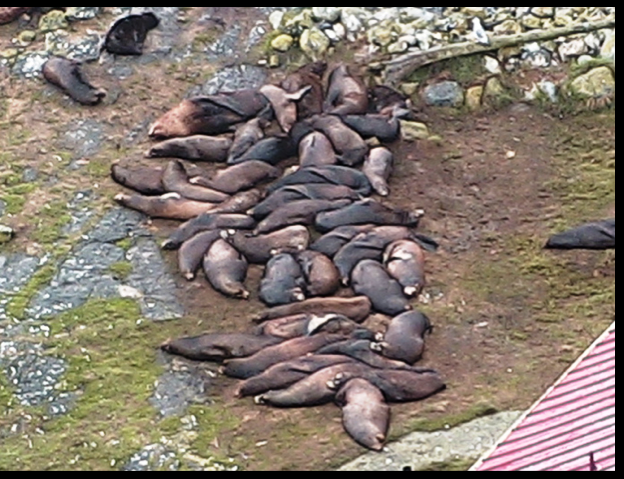
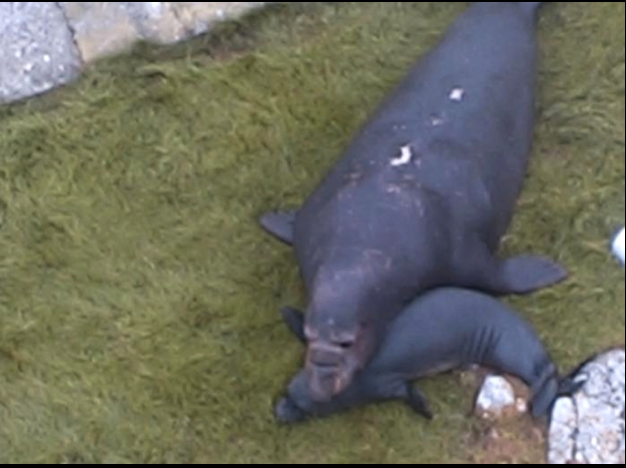
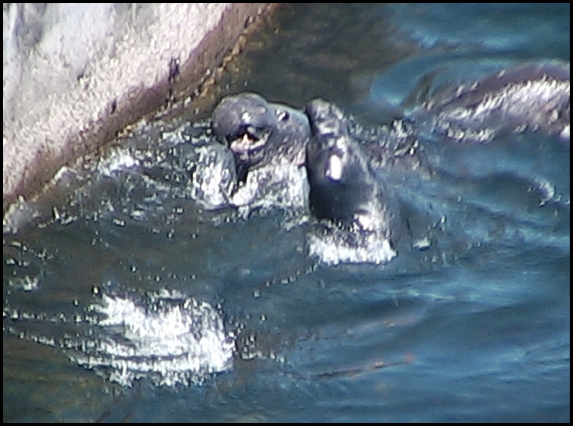
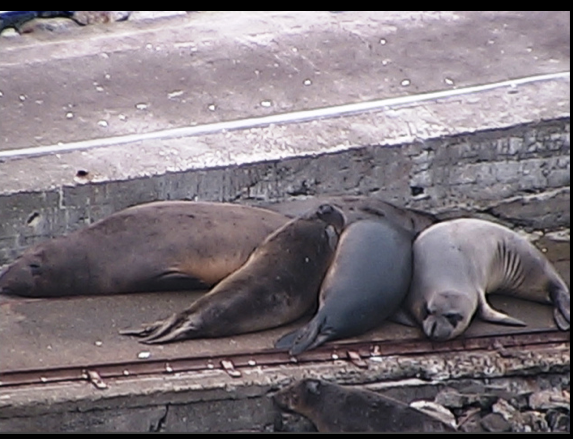
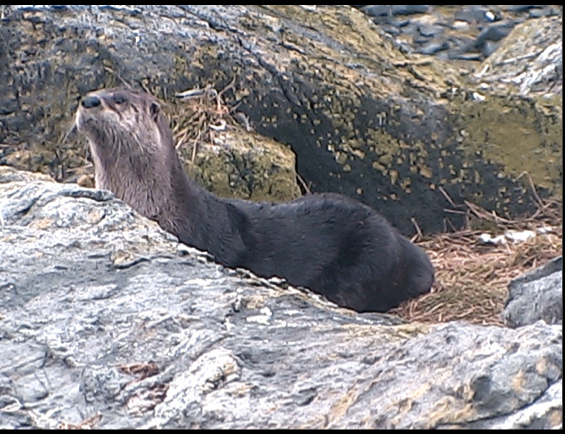
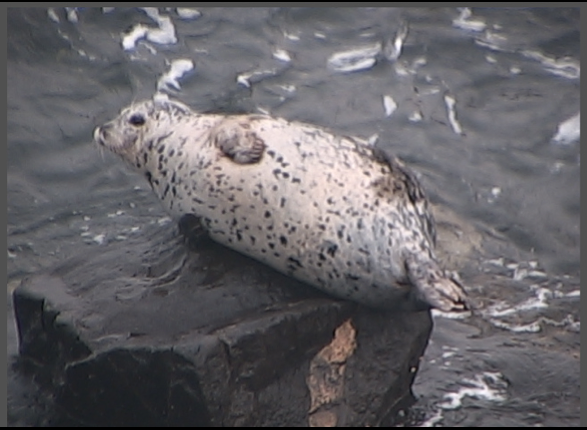
There was a lot of Harbour seals out on Middle and Turbine rocks today. The Elephant seals are on the West Rocks. The Sea lions are still out on South Rocks. There was a large group of Harlequin ducks (14) in the water off the East beach. Cormorants were arriving in the reserve all day so assume my count dramatically under-estimates their numbers. The Canada geese with the nest next to the Keeper’s house have two eggs now. None of the other pairs of Geese seem to have settled enough to have eggs. The gulls are starting to pair up and settle into nesting spots. Amazingly, there were 7 Bald Eagles in the Reserve this morning. Most of them were sitting in pairs on the tops of various rocks. They were a fairly even mix of juveniles and adults. I saw a few sandpiper-like birds, but they were too fast for me to photograph or properly identify. Judging by the smell coming from the tank shed walkway, there is still a River otter living out here. And I saw some Scoters in the mouth of Pedder Bay on my way into the college this morning.

2 Tour boats

First Day of Spring Animal Census

Steller Sea lion: 31
California Sea lion: 6
Elephant seal: 3
Harbour seal: 144
Cormorant: 54
Gull: 133
Canada Goose: 15
Harlequin duck: 17
Black turnstone: 5
Unidentified sandpiper: 3
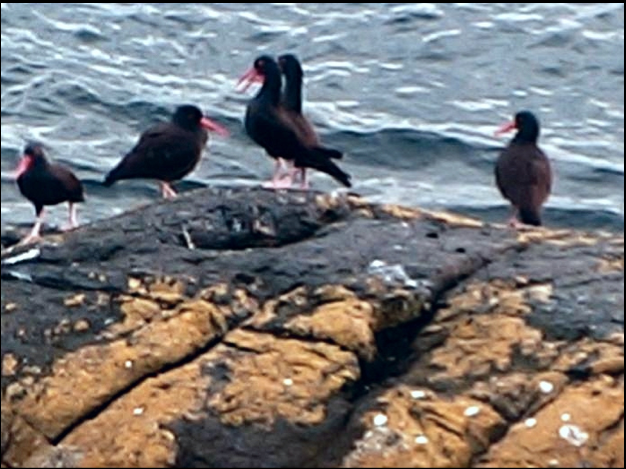
Oyster catcher: 6
Bald eagle: 7
Savannah sparrow:4
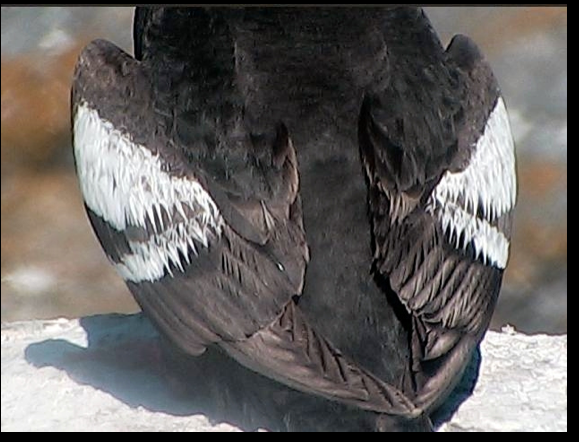
Pigeon Guillemots: 25
River otter: 1

Off station today from 0830 to 1030 to get keys and dive gear.
-fixed sagging corner on crane deck/walkway
-checked/cleaned Science House propane cleanout

Gale

Strong Westerly gale all day. Intermittent rain and sun. Rainbows.

So far the new chimney for the wood stove is coping with the wind. It’s only been blowing up to 40-ish knots, but it’s still going strong.

There are a few Steller Sea lions still hanging out on the South rocks, although they spent the day in the water because of the foul weather.
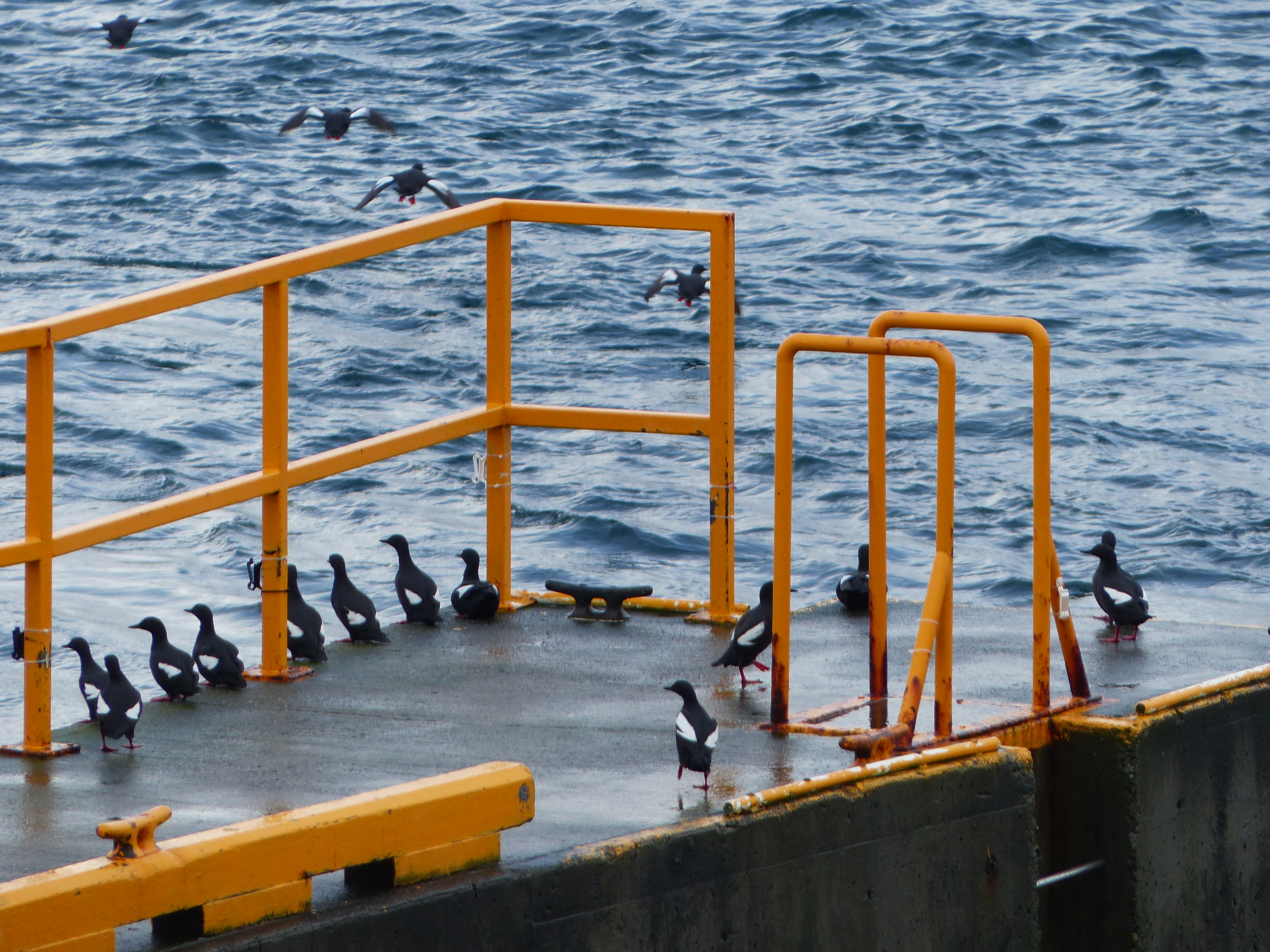
This morning there were Pigeon Guillemots all over the end of the jetty.
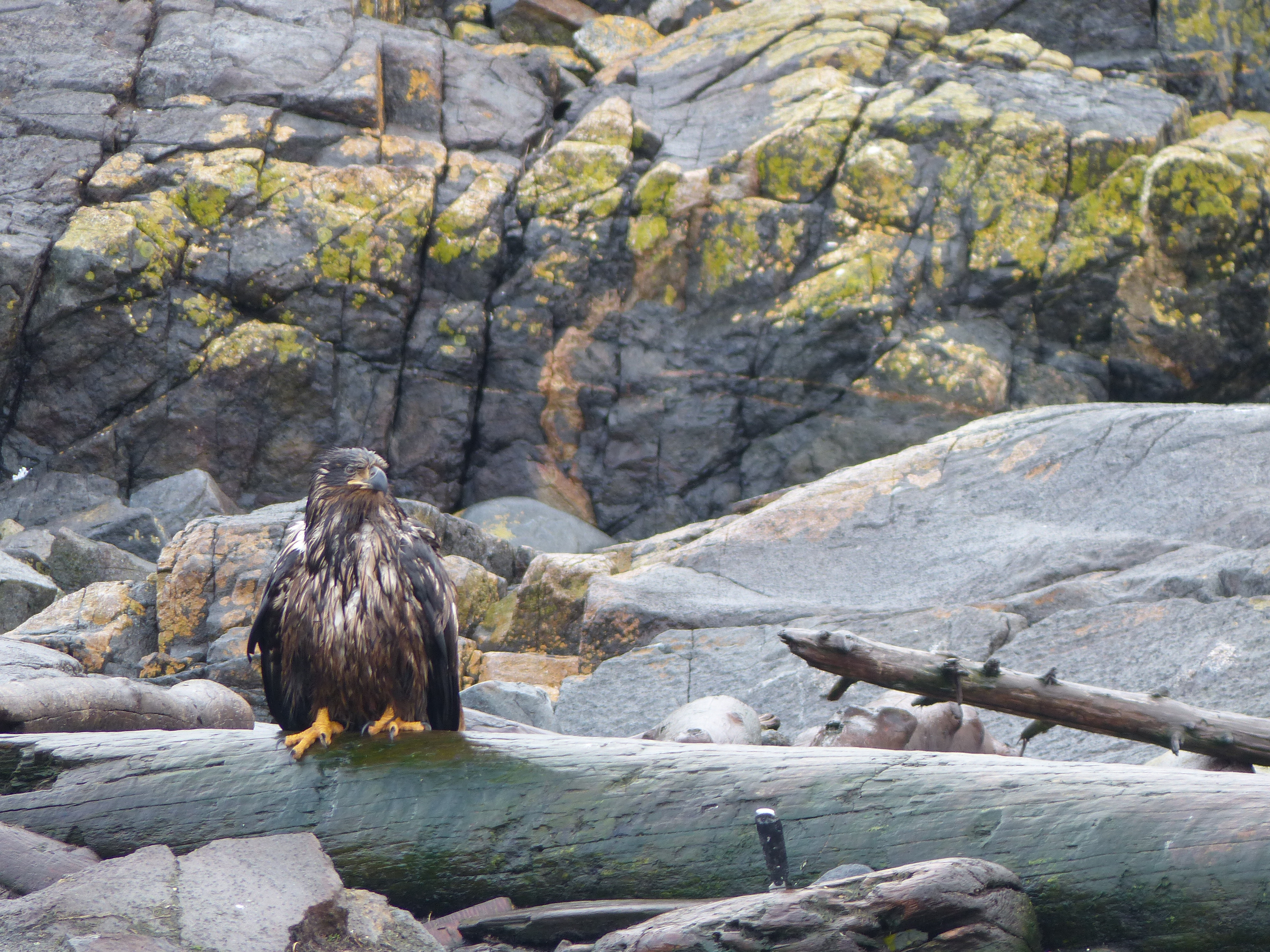
The eagles are still around, feeding on the Sea lion carcass on the East beach.

Earlier today, while up in the lantern room, all of the Gulls lifted off the island because an Eagle flew over Great Race. So while it was blowing 30+kts, every bird on the island lifted up to the height of the tower and did their best to avoid the eagle. The eagle settled on the East beach and eventually the Gulls sat back on the ground. For those few minutes it was pretty amazing seeing all of the gulls and a great big Eagle doing their aerial acrobatics up at 100ft.


-working on drainage issues around buildings
-trying to quiet down all the squeaks and rattles that happen in the keeper’s house when it’s windy

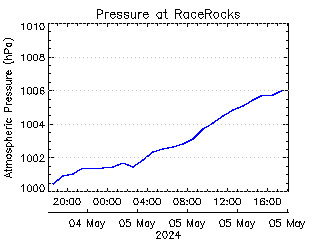
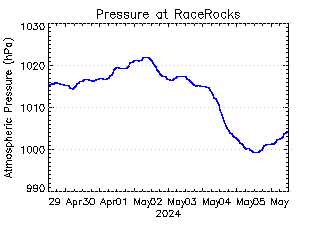
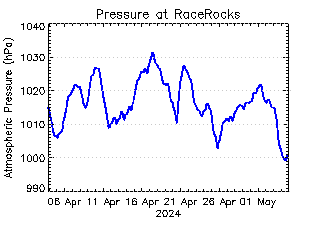
Atmospheric Pressure / Barometer at Race Rocks

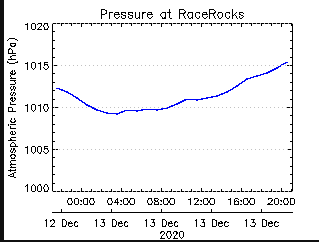
Click for Barometric pressure today at Race Rocks
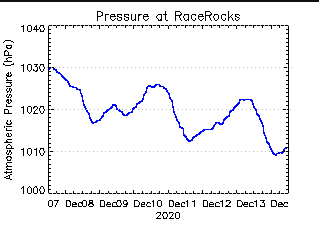
Click for Barometric Pressure for the past week
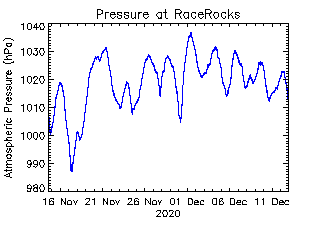
Click for Barometric pressure this past month  
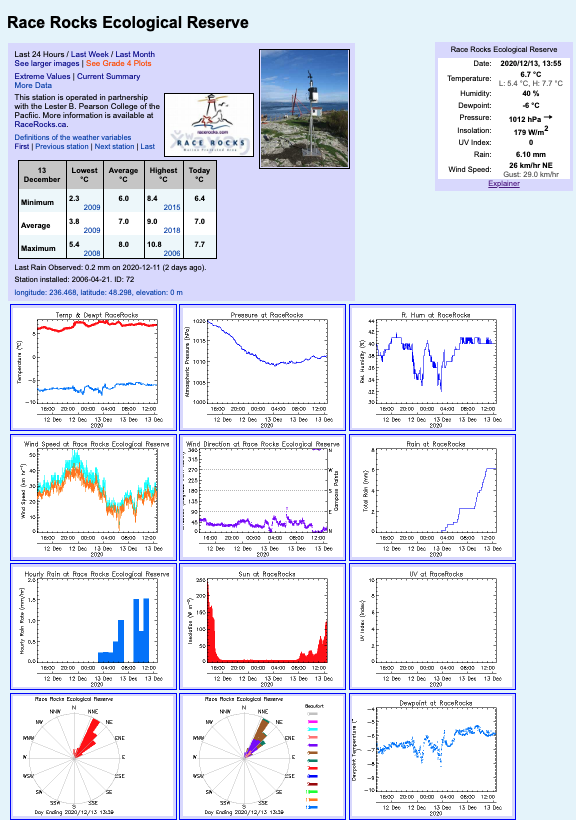
 

See the barometric pressure, today, last week, last month on the weather page: Our weather instrument is at an elevation  above sea-level of 6 meters.

The weight of the air that makes up our atmosphere exerts a pressure on the surface of the earth. This pressure is known as atmospheric pressure. Generally, the more air above an area, the higher the atmospheric pressure. This, in turn, means that atmospheric pressure changes with altitude. For example, atmospheric pressure is greater at sea-level than on a mountaintop.


To compensate for this difference in pressure at different elevations, and to facilitate comparison between locations with different altitudes, meteorologists adjust atmospheric pressure so that it reflects what the pressure would be if measured at sea-level. This adjusted pressure is known as barometric pressure. Our weather iinstrument  measures atmospheric pressure. Barometric pressure changes with local weather conditions, making barometric pressure an important and useful weather forecasting tool. High pressure zones are generally associated with fair weather, while low pressure zones are generally associated with poor weather. For forecasting purposes, the absolute barometric pressure value is generally less important than the change in barometric pressure. In general, rising pressure indicates improving weather conditions, while falling pressure indicates deteriorating weather conditions. Our weather instrument samples the barometric pressure at the time of the archive and writes that value into the archive memory every 10 minutes.

It makes an interesting esercise and one can get a good understanding of negative correlations when comparing the records for wind speed and barometric pressure for several days or the past month

The affect of Barometric Pressure on Organisms at Race Rocks

Response of organisms to Barometric Pressure:

There is little quantitative evidence that the organisms of Race Rocks respond directly to changing barometric pressures. However, it is to be noted that most birds possess a sensory organ that does respond to changing pressure. An organ in the middle ear called the Vitali organ or the Paratympanic Organ detects pressure changes, warning them to take cover before a storm arrives. Birds will also interrupt migration when there is a hurricane approaching. It is also obvious that changes in wind patterns, so closely tied to changing barometric pressure, influence foraging patterns, social interactions and timing of activity. See this file for an example of a snow storm when there were no birds at Race Rocks. The overwintering populations of gulls and cormorants were back the next week.

Research Idea: Track barometric changes at Race Rocks, and do behavioural observations using the remote control camera. Try to find out if there is a correlation between a rapidly changing pressure and bird behaviour. Things to control for in your study:

 Temperature and present wind conditions ( velocity and direction).
Research elsewhere has shown that Bats are the only mammals that respond to pressure changes, because they also have a Vitali organ. See the quote below: “BAT BAROMETERS SIGNAL MEAL TIME” By Sean Henahan, Access Excellence “CHAMPAIGN, Ill. –

Bats appear to use a built in barometer to determine the chances of a good nights bug hunting, according to a study by Ken Paige of the University of Illinois Institute for Environmental Studies. Paige spent nearly a year monitoring the dining habits of a colony of eastern pipistrelles, a cave-dwelling bat commonly seen in western Illinois. He found that the bats emerged in larger numbers when barometric pressures dropped and insects were numerous. He noted that the number of insects declined dramatically and that fewer bats left their roost when air pressure increased. Indeed, barometric pressure alone explained 87 percent of the variation in bat activity, he noted: “My research strongly suggests that the eastern pipistrelle uses barometric pressure as a cue for predicting the relative abundance of aerial insect prey outside their roost. Barometric pressure is the only physical environmental cue available to a bat roosting deep within a cave. All other variables such as light, temperature, relative humidity and wind currents are virtually constant. When air pressure is low, aerial insects are abundant, and bats respond by leaving the roost to forage.” The bats built-in barometer is likely to be its Vitali organ, a middle-ear receptor that is thought to help birds measure air pressure. Bats are the only mammals to have such a sensory organ. Paige’s bat-watching also showed that bats track barometric pressure metabolically. When the barometer fell, the bats slowed down their metabolisms, allowing them to conserve energy. By doing so, they can delay or eliminate the need for entering torpor, a sluggish state of dormancy that makes them susceptible to predators. In addition, the bats’ tracking of metabolic pressure may function as a bet-hedging strategy, he said “When pressure is low, insects are most abundant, except during heavy rain,” he said. “Because it is unlikely that bats can detect the rain from deep inside a cave, they have to fly out of the roost to check. This is no problem, however, because at low pressure they already are running on an economy setting and will waste minimal energy if they find their trip to the outside is a waste of time.” Because they already are conserving energy, he added, they can extend the benefit of their previous meal. Thus barometric-pressure tracking can be viewed as an alternative evolutionary strategy to torpor, he explained. This results of this research project appeared in the June issue of the British journal Functional Ecology.”.

Accessed January 2014: at:  http://www.accessexcellence.org/WN/SUA06/batsense.html


West winds, Blasting

The weather this week has shifted to predominantly W and SW with a few nights of winds over 40 NMPH. There have been some big swells rolling in several days this week.  This morning there is a 30 NMPH NE wind blowing 4 foot waves into the jetty but it is forecast to swing back to west this evening. The west wind has brought much warmer temperatures than the previous week.
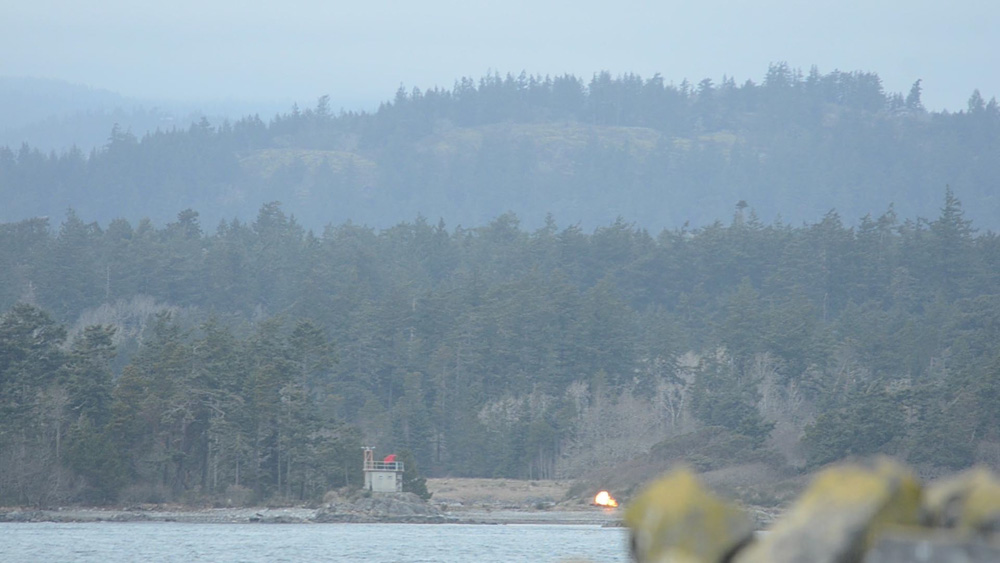
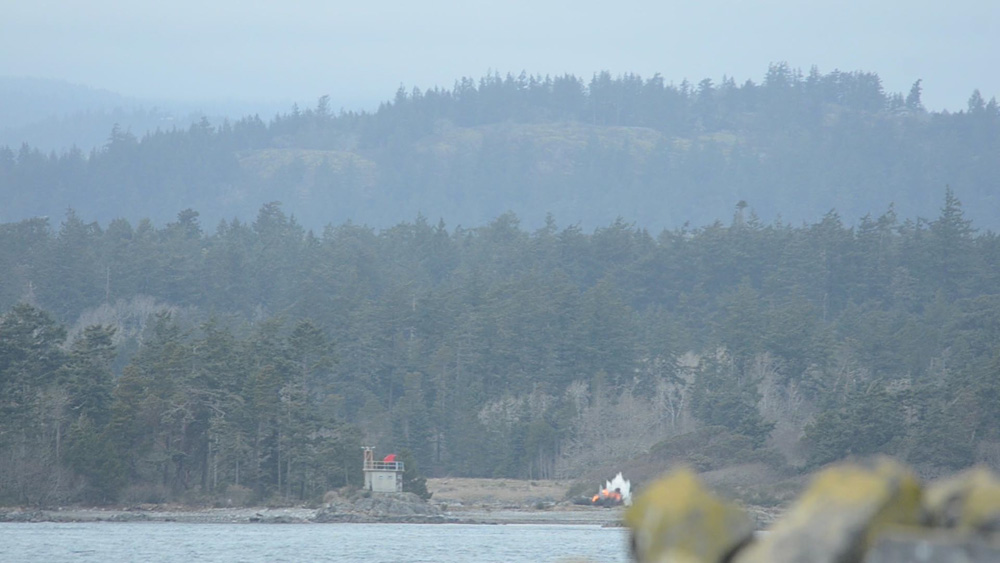
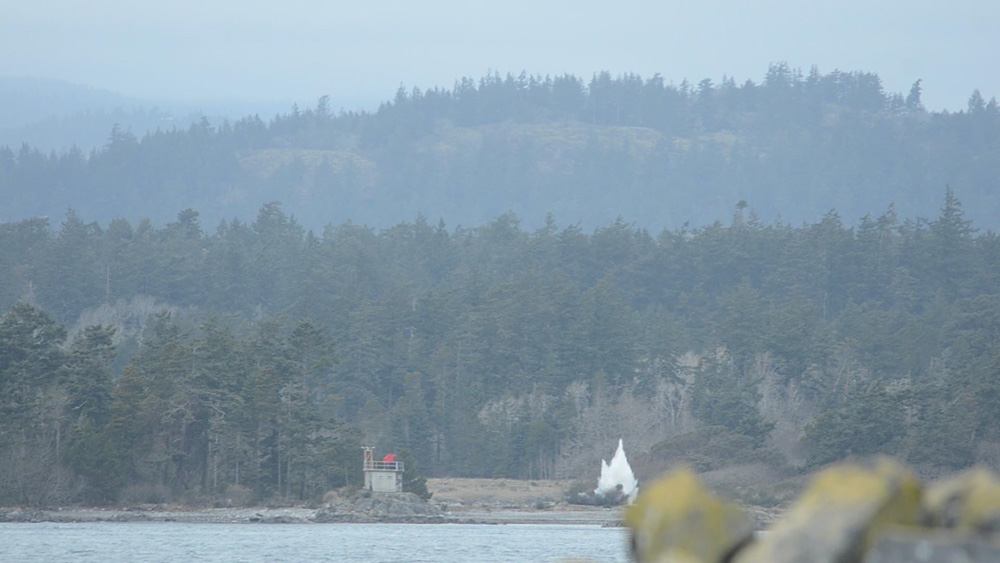
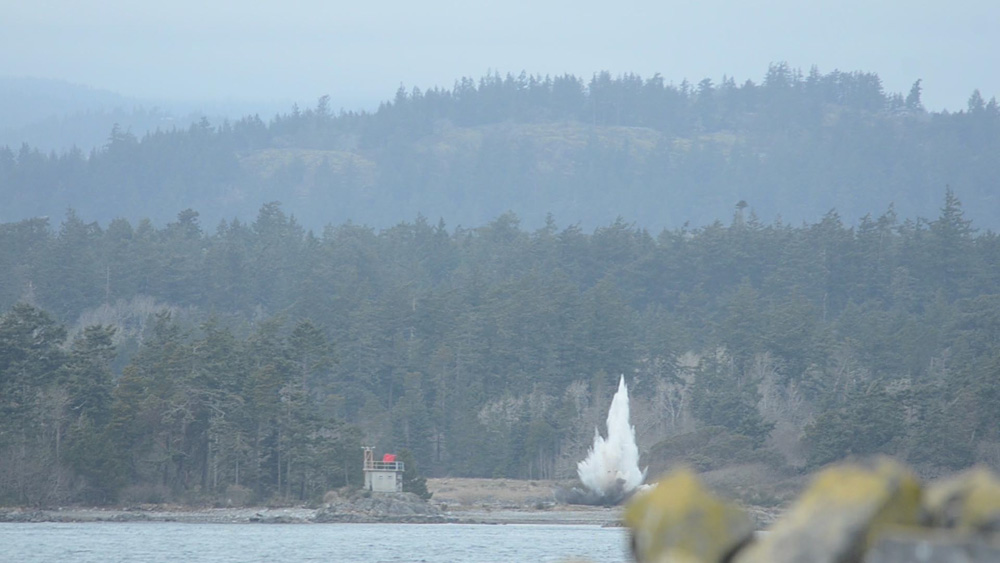
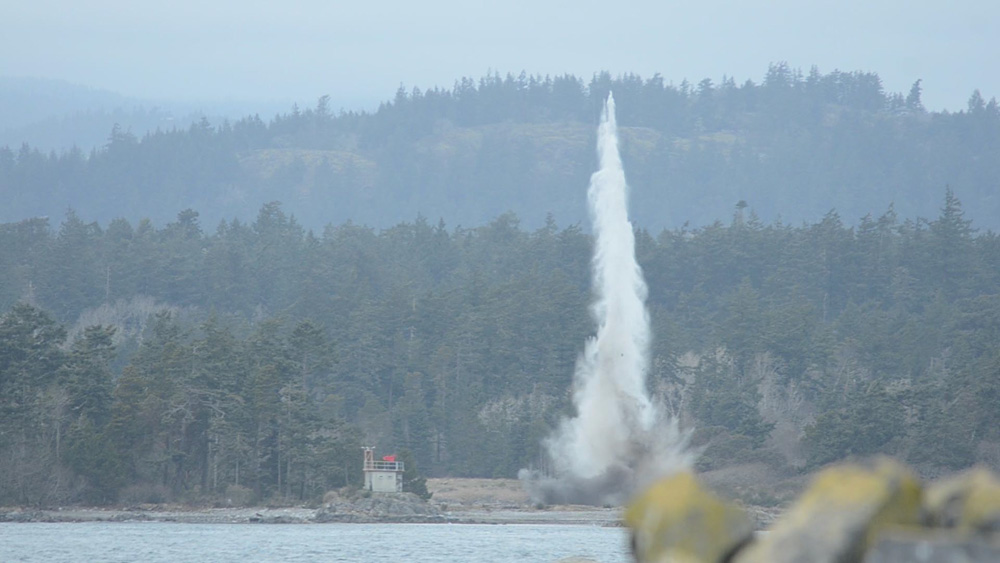
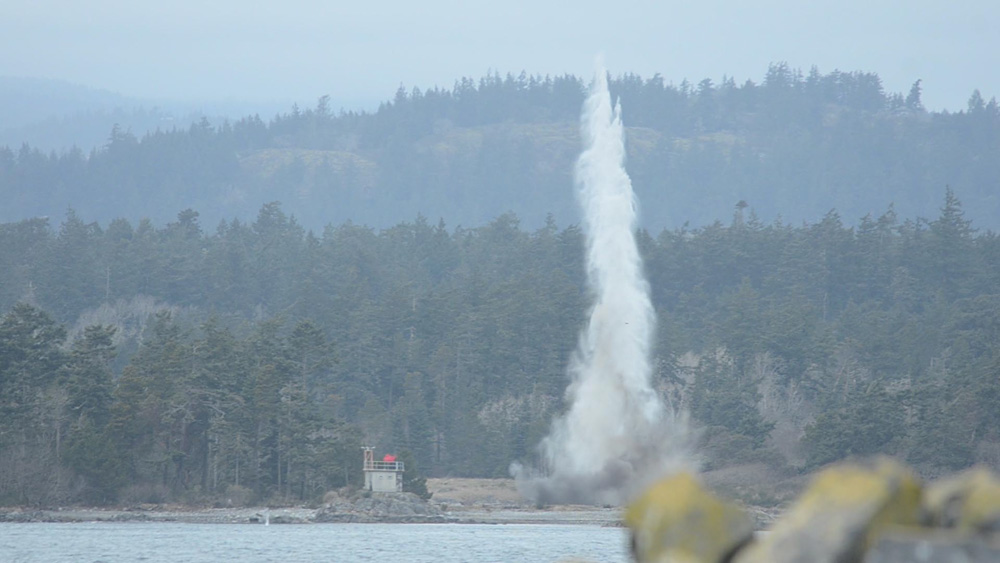
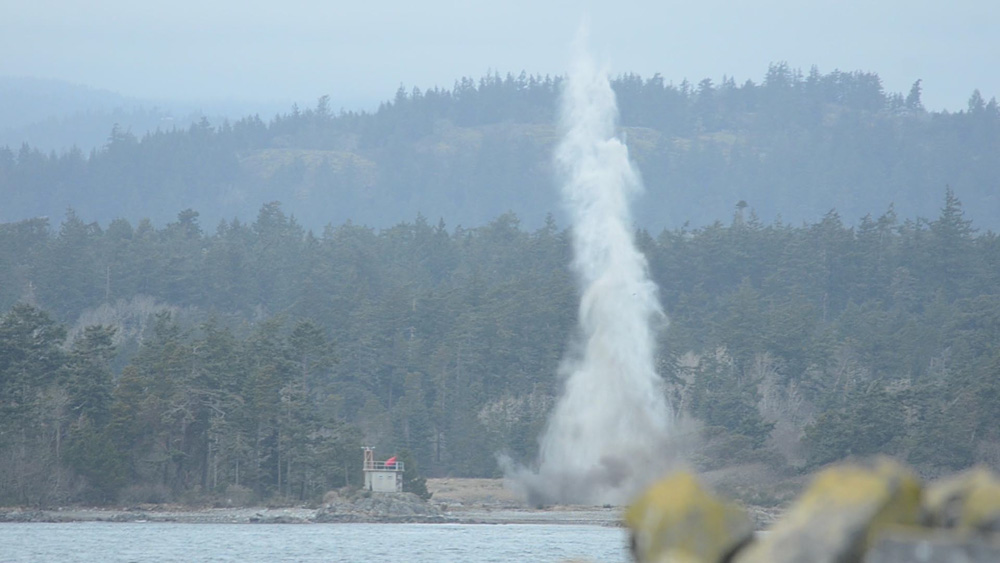
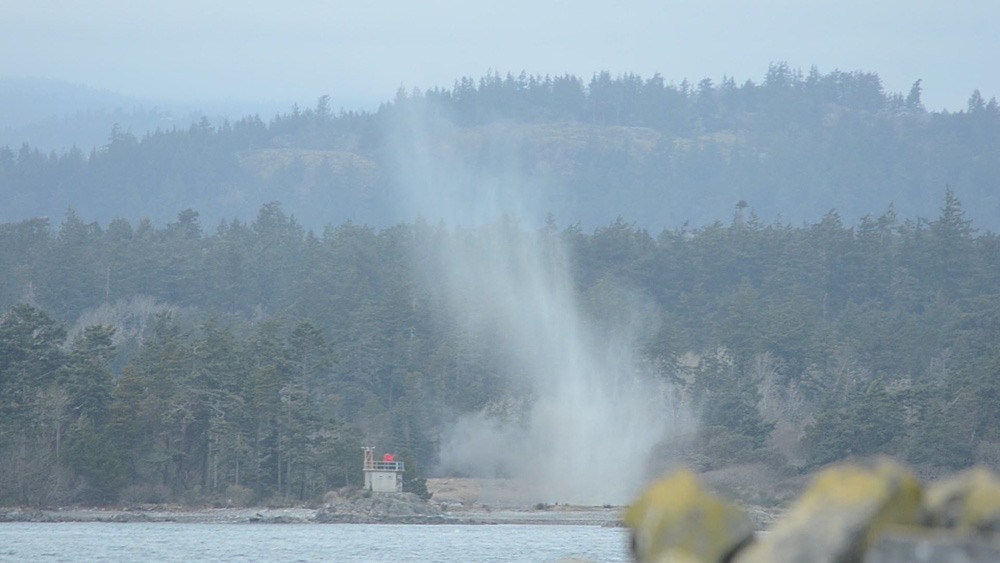
There has been ongoing military blasting on Bentinck Island this week with some particularly heavy blasts occurring Monday. The images above were captured from video taken on Monday.
sub-7714
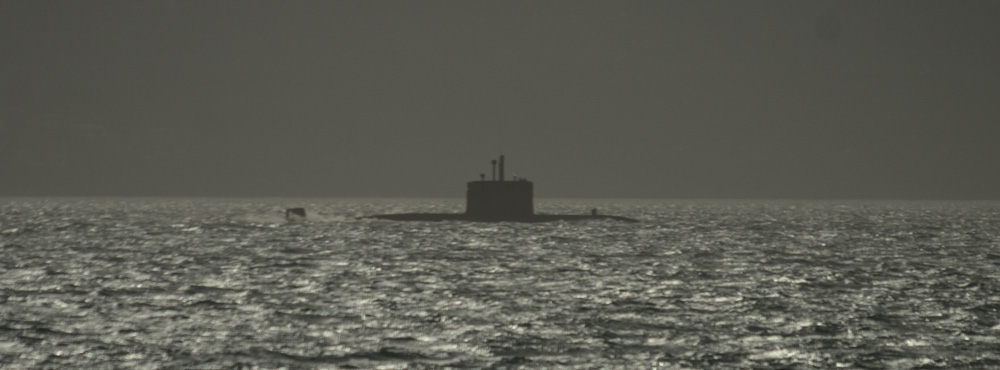
There has also been regular navy activity in the Straight including a submarine that passed by on the 14th

2 juvenile-7706

eagles-7682
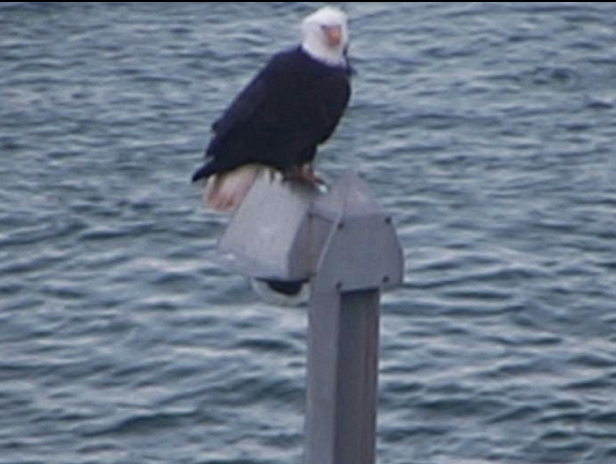
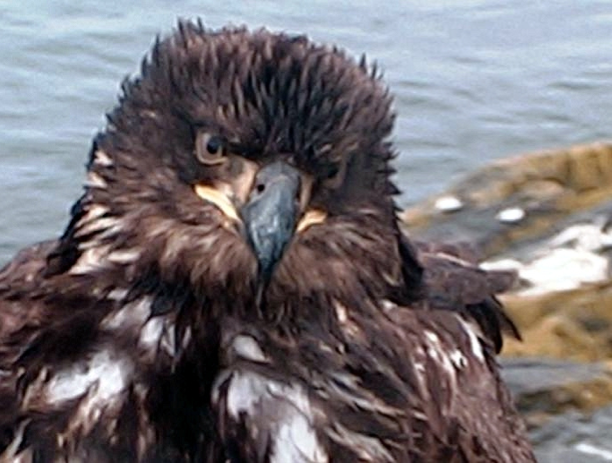
There have been lots of Bald Eagles in the reserve lately, they have been feeding regularly on the dead sealion in the East bay.

The pup has been much more adventurous lately. He has been moving around the island and has shown an interest in muddy puddles which he seems to have some trouble getting himself out of as he is slippery, still quite chubby and building his strength. Chunk went off island yesterday evening and is back today. He mostly ignores the pup but has occasionally pursued the pup, putting his head and mouth on the pup but without causing harm. The pup squawks and moves away and that seeems to be the end of it.

Went off island on Wednesday afternoon for supplies. On Friday I picked up four guests from Pearson College and brought them to the island for the weekend.

-finished replacing bad drain pipes in main house basement, clean up
-picked up backup Honda water pump and other supplies from College
-cleaning and fixing up assist house, added shelf for VHF regulated power supply box
-have been in touch with faculty regarding planning for a student group to RR for Project Week
-communications with inverter mechanic and about wood stove
-cut, chopped, stacked fire wood

e-seals, blasting

Sky cleared up yesterday, mostly cloudy today. NE wind less than 15 NMPH becoming W this afternoon.

Counted 16 bald eagles in reserve today, they have started feeding on the deceased sea lion.

Chunk has started spending more time off the main island, he was away all day today and back this evening.  I was able to get a better view of Middle Rock yesterday. In the picture below you can see Chunk on the left and a good sized female on the right with a young male behind her.

middle rock 2 male-7306

Middle rock: Chunk, younger male and female ( i think the one that had a pup out there earlier this month)

The number of moulting female elephant seals on the main island has increased to a total of 4: 3 in south bay (including one with green tag) and 1 in South East beach (pink tag). They all look pretty rough, as usual.

3 moulting females in South bay

3 moulting females in South bay

DND blasting: 1 blast yesterday, 3 blasts today. Looked like some small military vessels doing exercises near the reserve midday today and yesterday.

1 eco tour vessel, 1 charter rental from Pedder Bay (I called the marina as they were in the reserve and it was chartered by Shaw to get footage of race rocks).

-following up on wood stove
-cut, chopped, stacked wood
-topped up fresh water
-did some training/refreshing with relief guardian
-checked on battery water levels

Westerly

Over the past 5 days we have had strong westerly winds reaching over 40 NMPH most days (in the evening) and over 50
NMPH on Saturday evening. There have been heavy swells as a result. Because of bad weather/low light I am having to run the generator longer most days, around 3 hours to charge batteries, than usual.

Chunk has mostly remained on main island with Bertha who continues to resist his advances. We are approaching the date when she gave birth two years ago. I have not been able to see the pup on middle rock for several days. The weather has made it harder to get a view over there.

On Thursday the 9th, 12 bald eagles were observed in the reserve. Still havent been able to get banding info on black oyster catchers.

Wednesday, Jan 8th: 1 charter fishing boat toured through reserve, 1 CG helicopter flew over.
Monday, Jan 13th: 1 CG helicopter flew over.

-securing things from wind
-following up on woodstove
-following up on furnace servicing
-cleaning solar panels
-fire wood cutting when weather permits

Another Year of Remote Cam Photo Records by Pam Birley

We are very fortunate to have our friend from England, Pam Birley continuing to provide a detailed watch from her home in Leicester on the happenings at Race Rocks via the two remote controlled cameras, 1 and 5  and the underwater camera 2. There are many stories revealed by her photo gallery on Flickr.  A sample of her work is presented below: Her  complete 2013 gallery is at https://www.flickr.com/photos/66339356@N00/albums

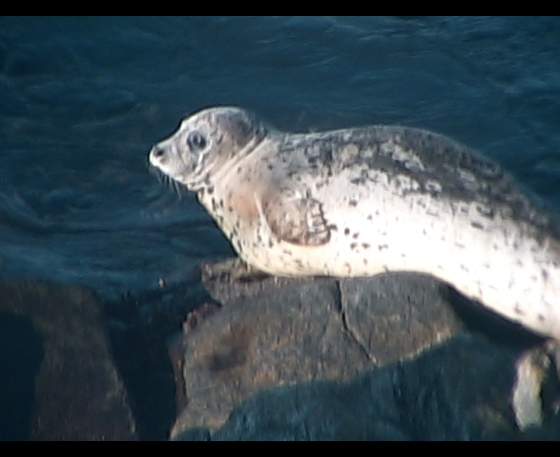
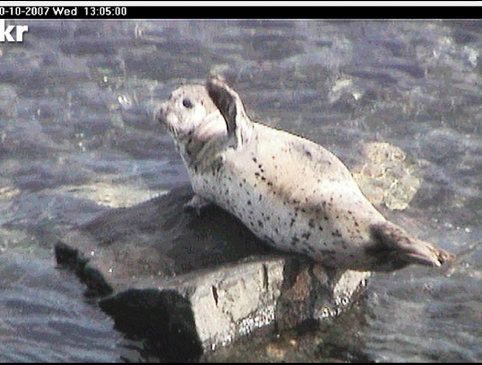
We can follow the patterns of marine mammal use of the islands for haulout and births, and individual accounts such as her “6-spot”, a harbour seal which she has observed on the same rock by the jetty since every year since 2007.  She tracks our breeding elephant seals and she is one of the few to catch the river otter scenes on the island as well.

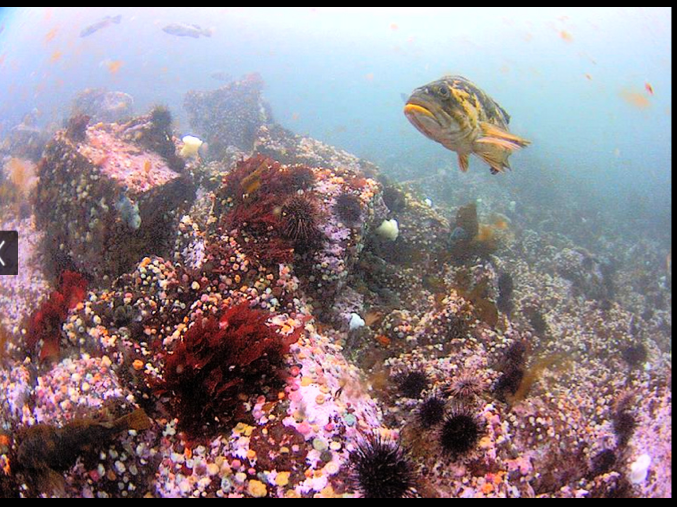
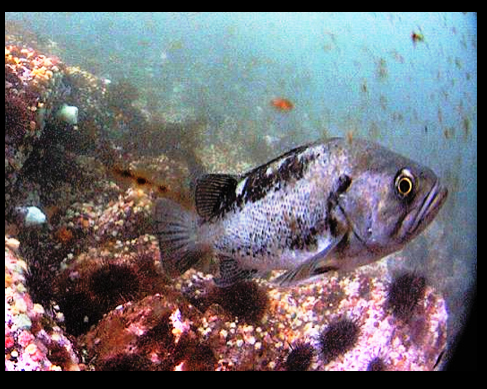
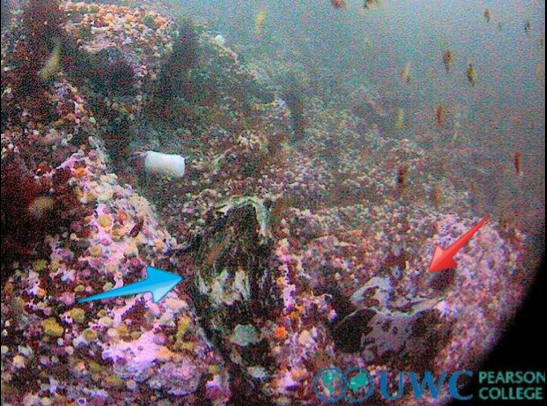
Pam also has made some interesting captures on the Underwater Camera 2 . There are several species of fish and invertebrates shown and  a few unidentified ones show up as well .

Her accounts of the birds of Race Rocks are also invaluable. The  roosting patterns of many species, the nesting behaviour of black oystercatchers and glaucous-winged gulls, migratory shorebird stopovers as well as predation and scavenging are detailed in her gallery.

So thanks again to Pam Birley for her commitment to having continued her watch in 2013. Her contribution to “Citizen Science ” is appreciated. The 2013 gallery is here  

Posts tagged with Pam Birley can be seen here: 

 posts tagged with Webcam Visitor Observations can be seen here:

Links to the complete set of Pam’s Race Rocks images  is available here:


Rain and wind

It started raining in the evening and continued throughout the day.  This was the first significant rain here in a few weeks.  The wind picked up late in the day and was gusting over 45 NMPH West in the evening.

1 ecotour and 1 recreational vessel were in the reserve.  A coast guard helicopter flew over coming from the West.

There were 3 small ducks in the NE puddle, I believe they were Green Winged Teals.  I counted 15 canada geese on the island today, the most I have seen lately.

-worked on month end report
-entered salinity data into spreadsheet and submitted to DFO
-checked on drainage from roofs and downspouts around basements
-collected drift wood
-contacted wood stove contractor

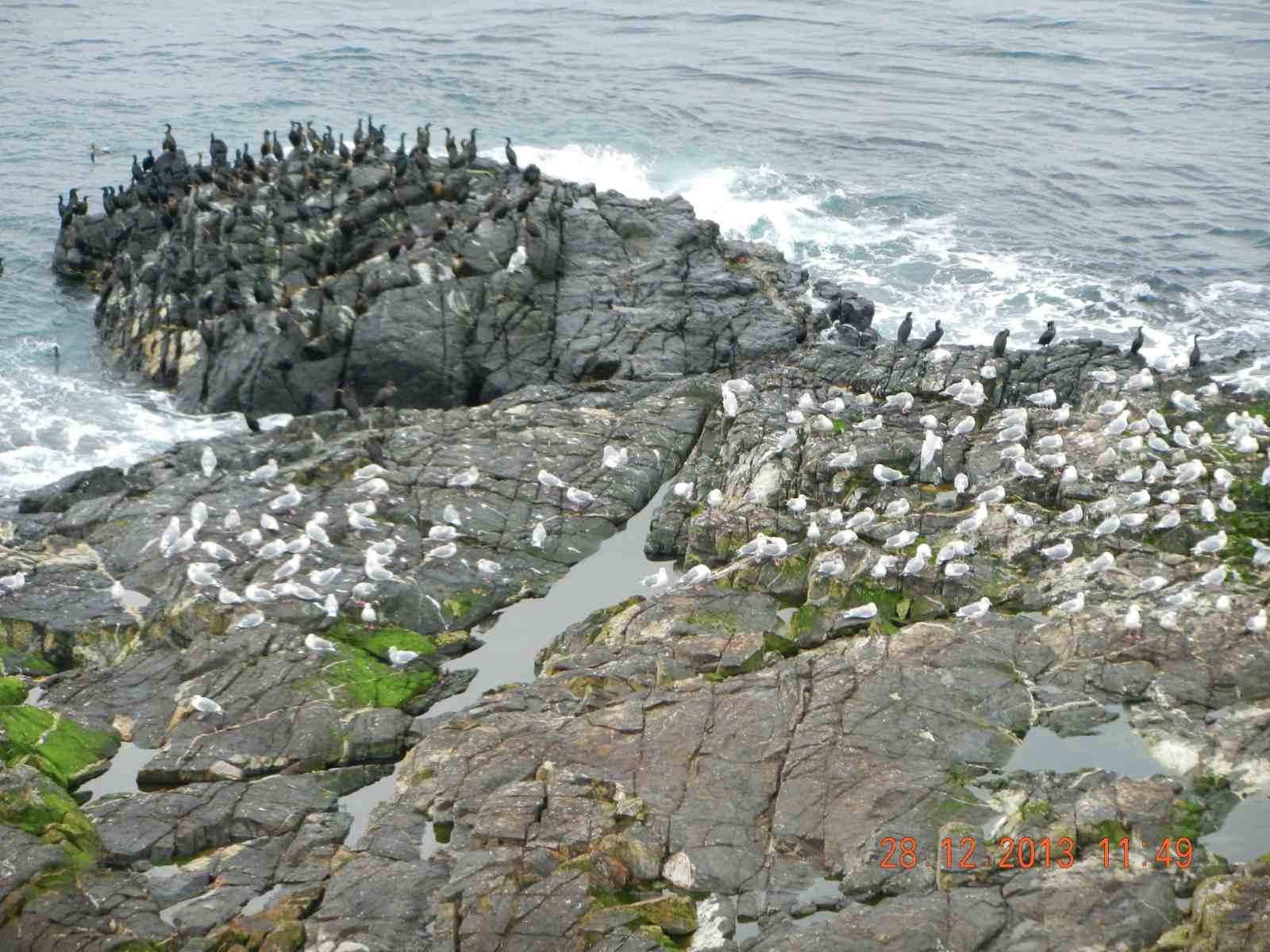
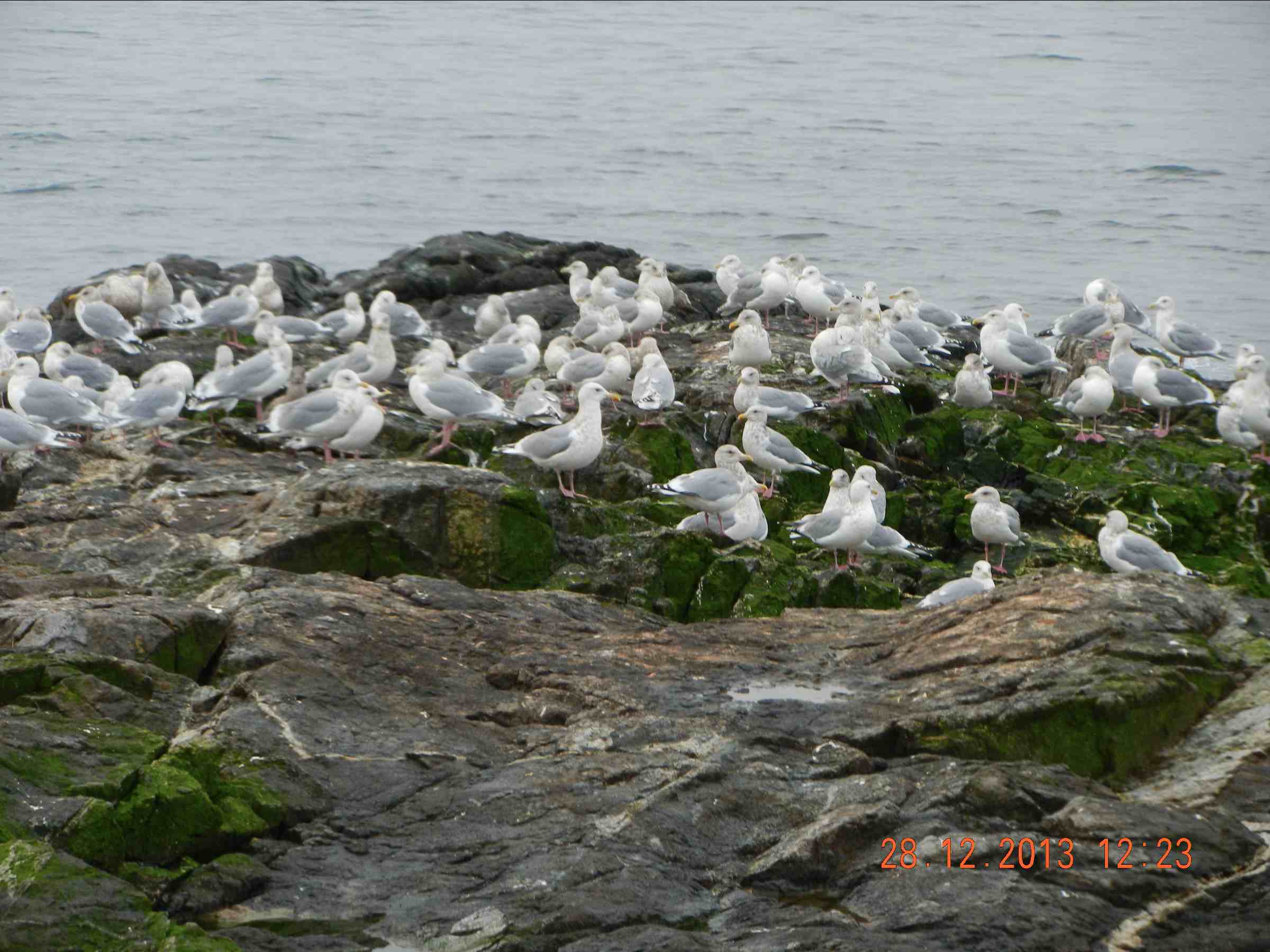
Christmas Bird Count at RR 2013

Also-Warden’s Report for Dec 28, 2013.
Link to the Index for the past records of the Christmas Bird Counts

2013-12-28songsavan

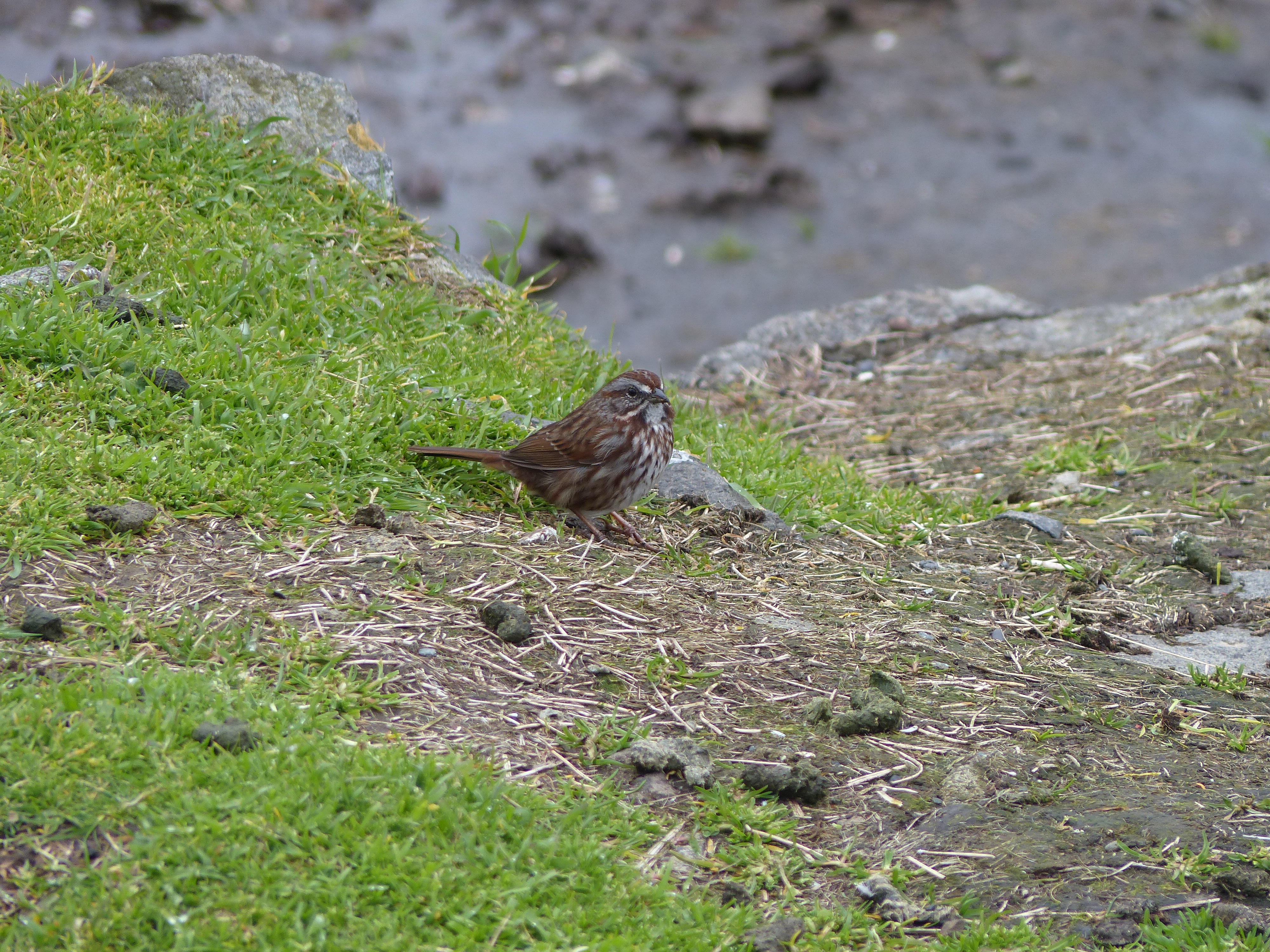
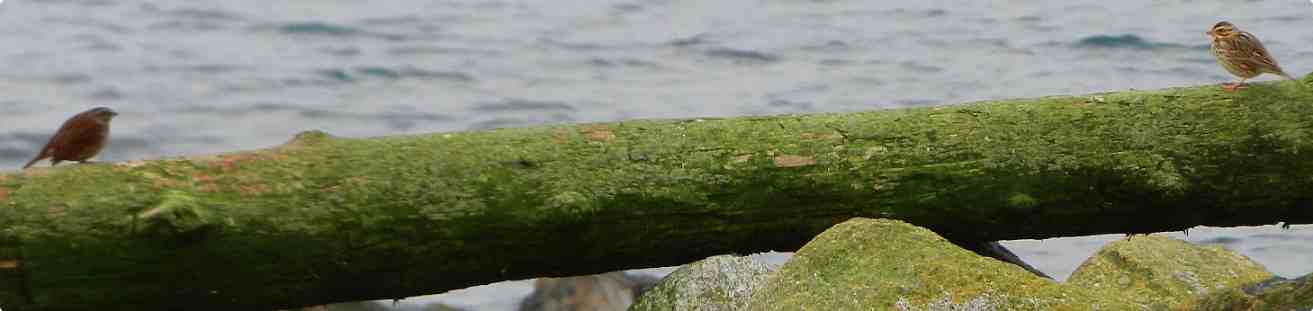
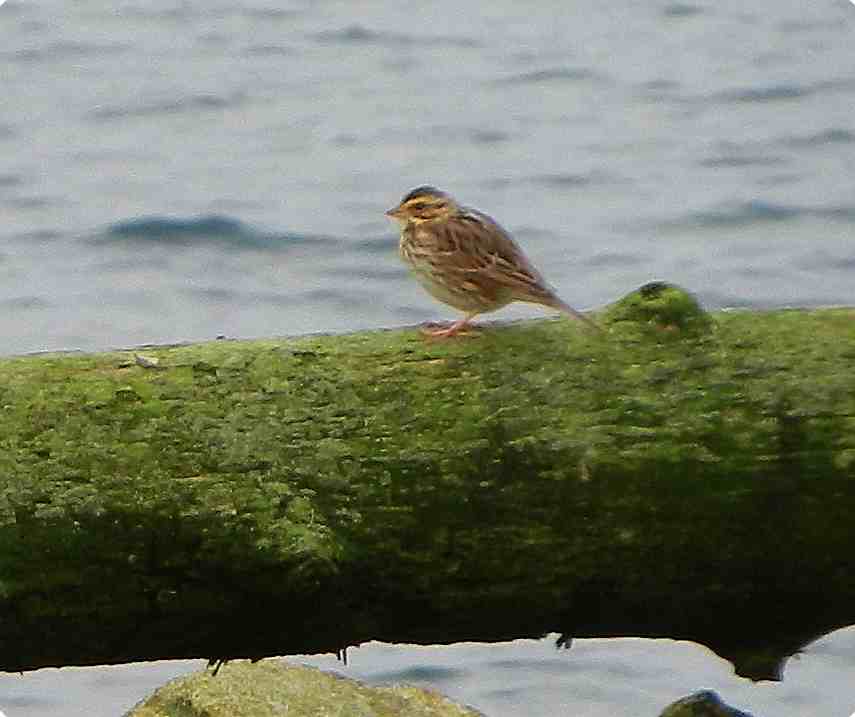
Song Sparow on the left and Savannah Sparrow on the right of this lichen covered log on the West side of Great race Rocks..

Ecoguardian Alex Fletcher picked up Val George and myself from the Pearson College docks mid- morning and we started our count by water in Pedder Bay, then across Rocky Point, through Eemdyck Channel and then across Race Passage to Race Rocks via West Rocks and Middle Rocks. The following includes only the Race Rocks portion of the census:

Observers:  Val George, Garry Fletcher and Alex Fletcher

2013  Christmas Bird Count – Summary      Date ___Dec28___Area or Sub-Area__Race Rocks Ecological Reserve__
Observers (in field)—3 Leader Garry Fletcher
Temp—-6 Wind NE,  3.5km Time Start__10:30___a.m.   Finish___12:00__a.m.
A.M. Clear,calm partly cloudy Moving water open ocean around
for your entire count team # hours (on foot) 1.5 distance (on foot) .35km, and top of tower
Northwestern Crow 2
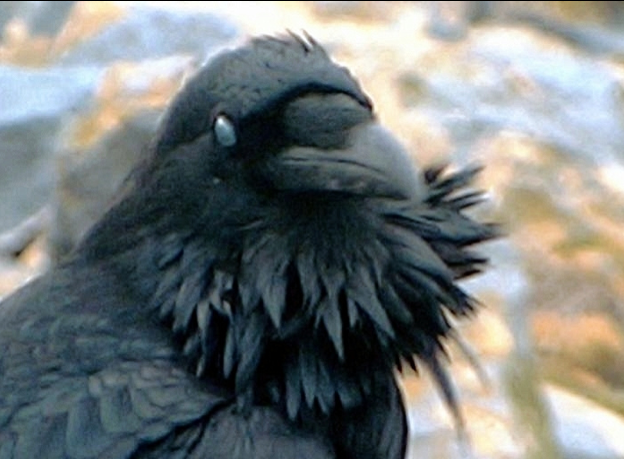
Common Raven 2
Thayer’s Gull 200
Canada Goose 6
Black Oystercatcher 30
Black Turnstone 14
Harlequin Duck 10
Bufflehead 8
 Song Sparrow 1
Savannah Sparrow 1
Glaucous-winged Gull 20
 Common Murre 4
Pacific Loon 2
Common Loon 1
Brandt’s Cormorant 80
Double-crested Cormorant 120
Pelagic Cormorant 17
Bald Eagle  (adult) 1
Bald Eagle
(immature
7
Total Number of Birds 528
Total Number of Species 17