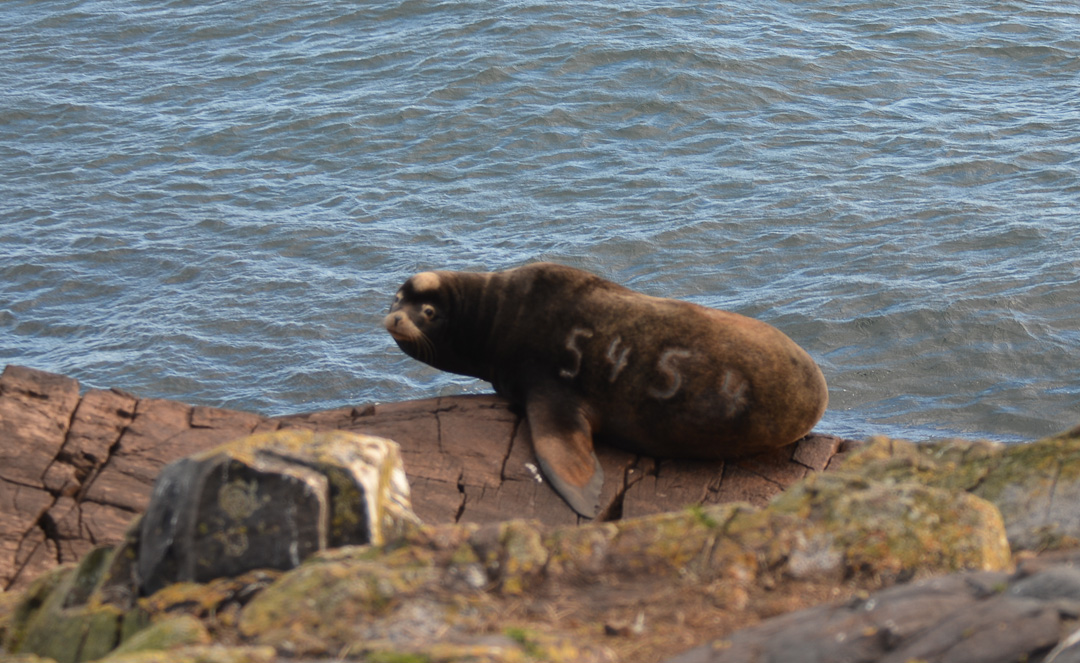
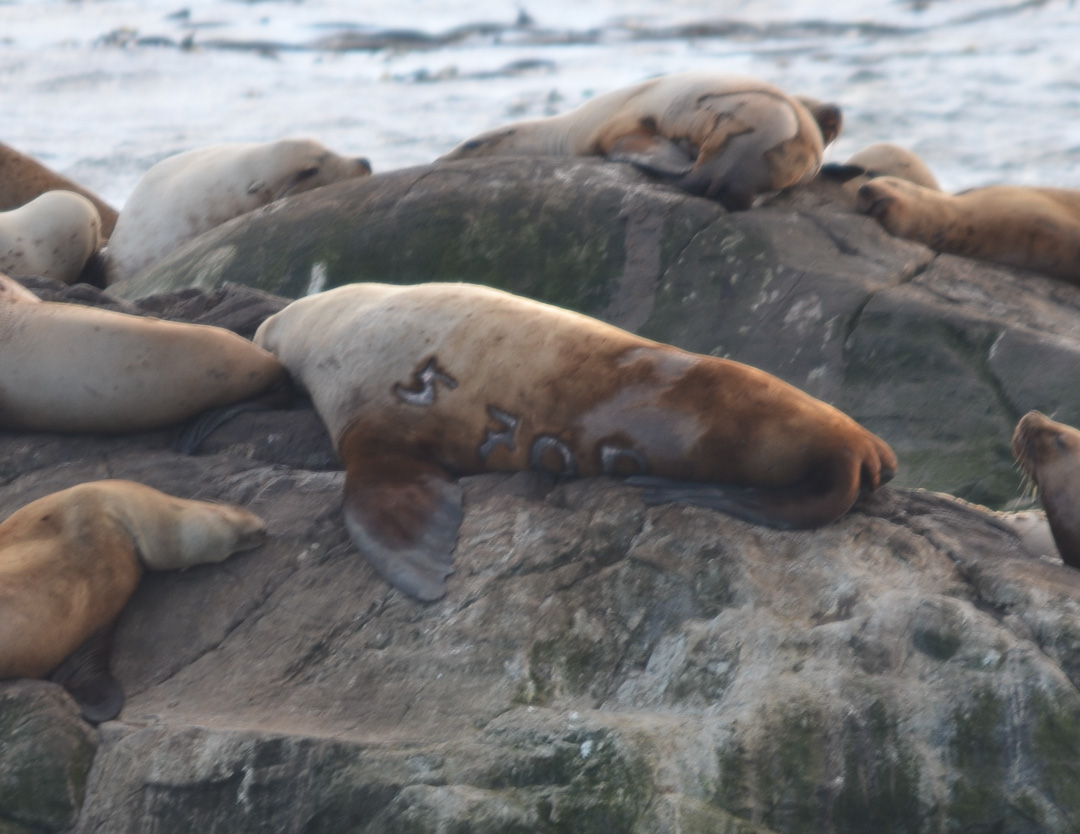
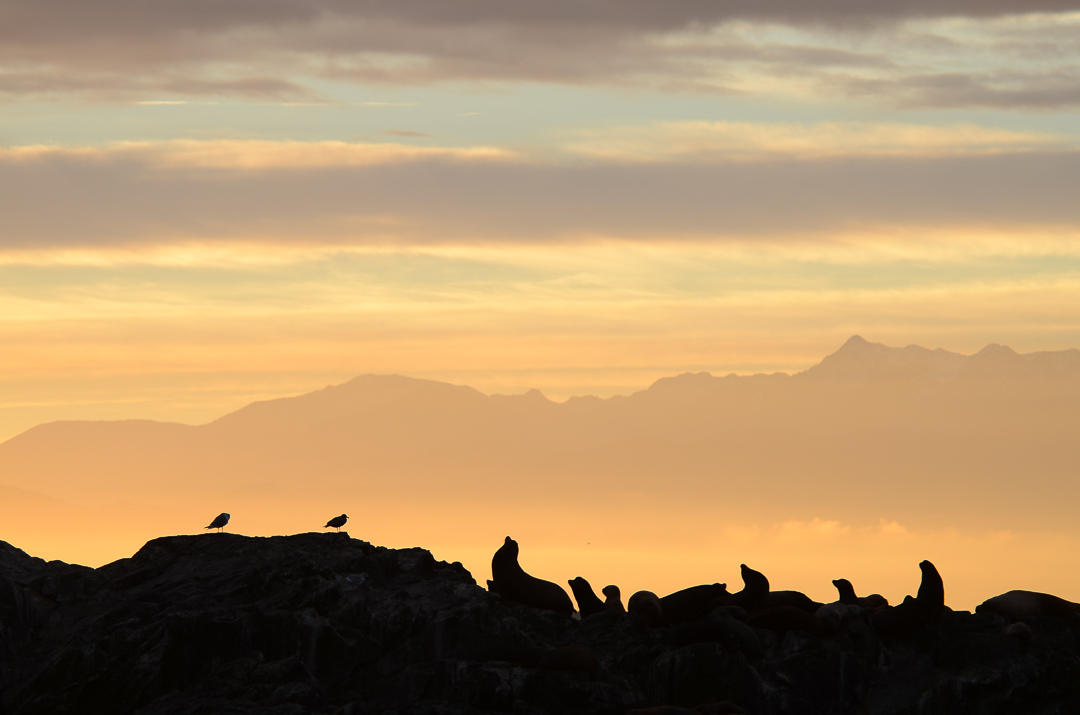
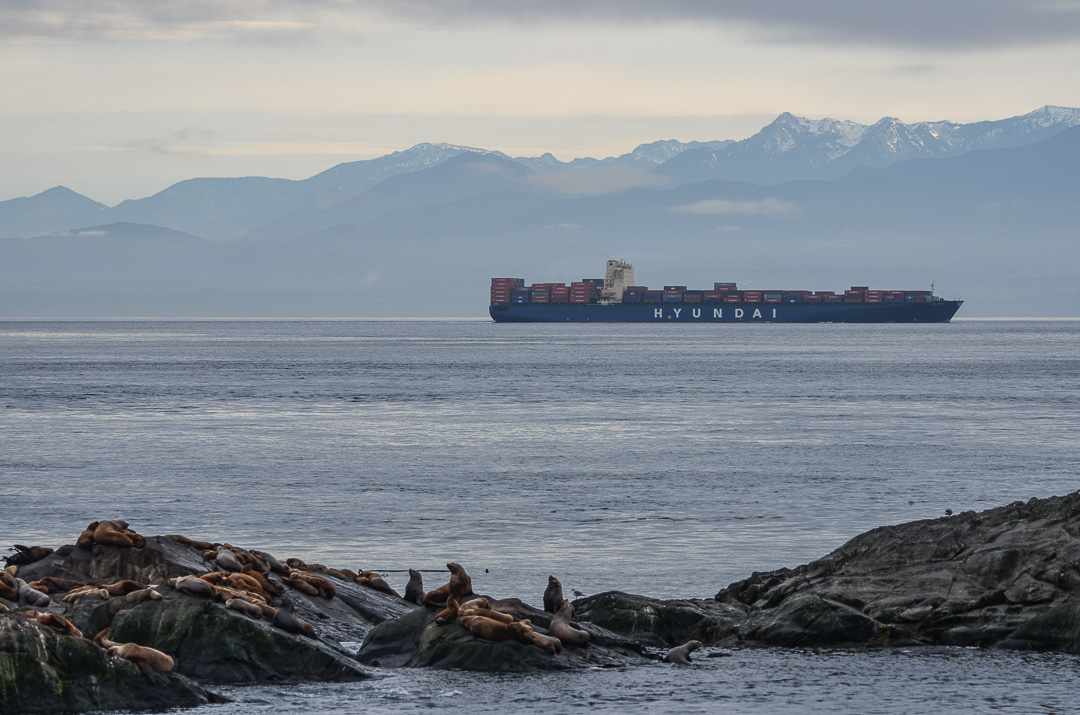
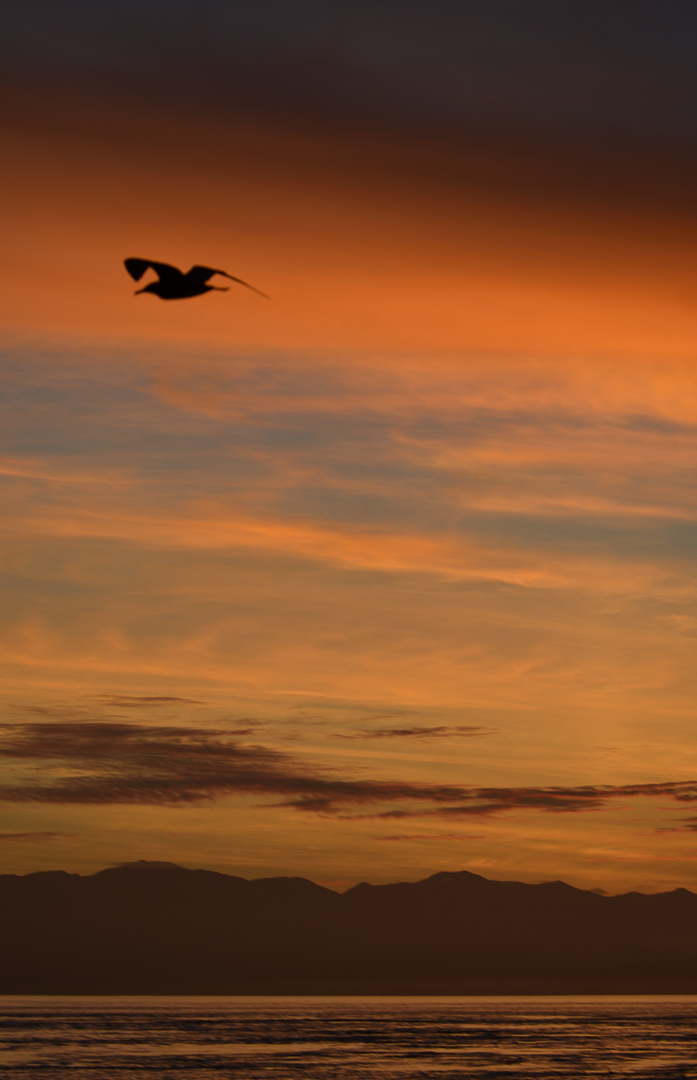
Photos from the past of couple weeks


Nice Day for a visit

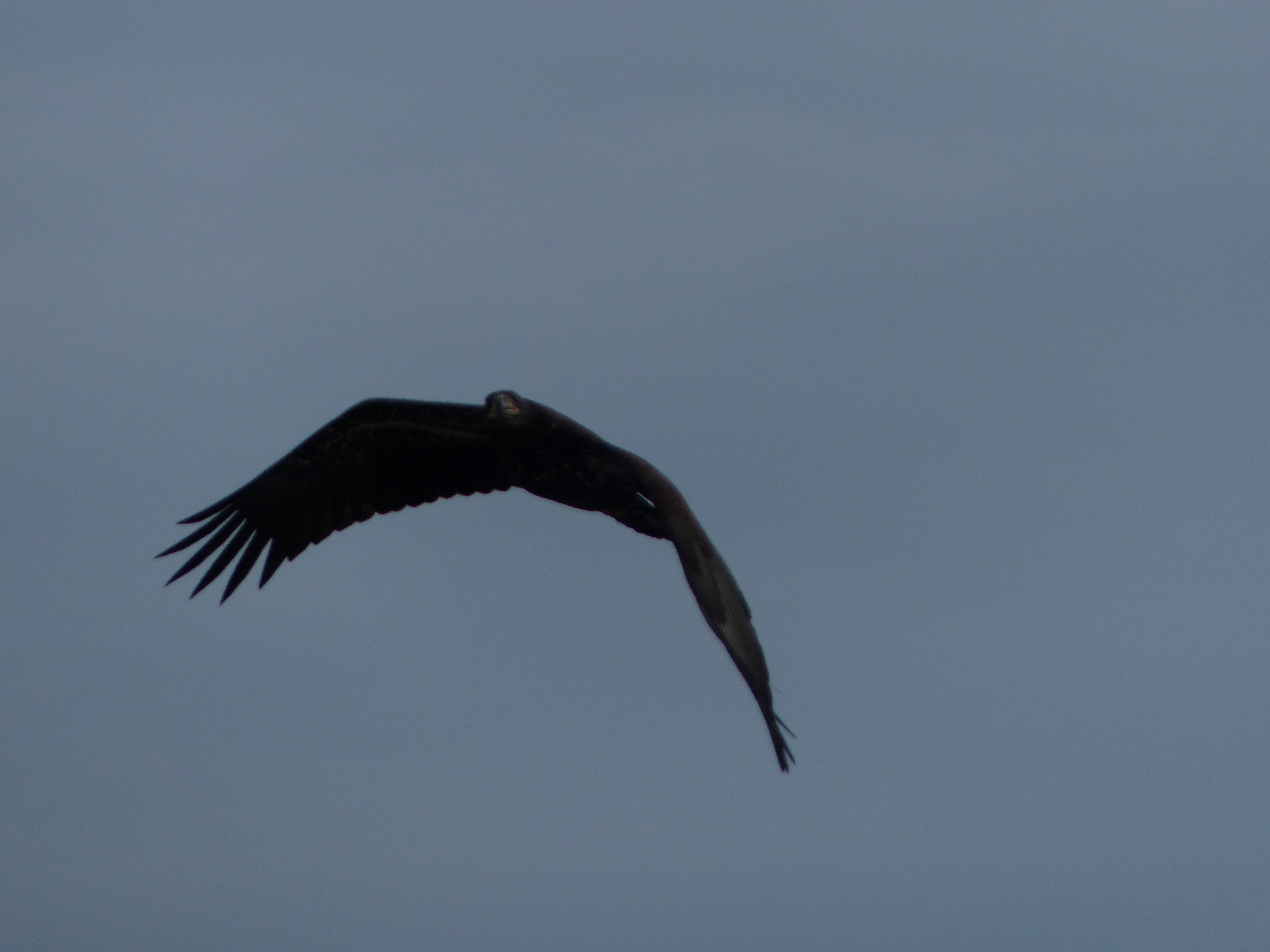
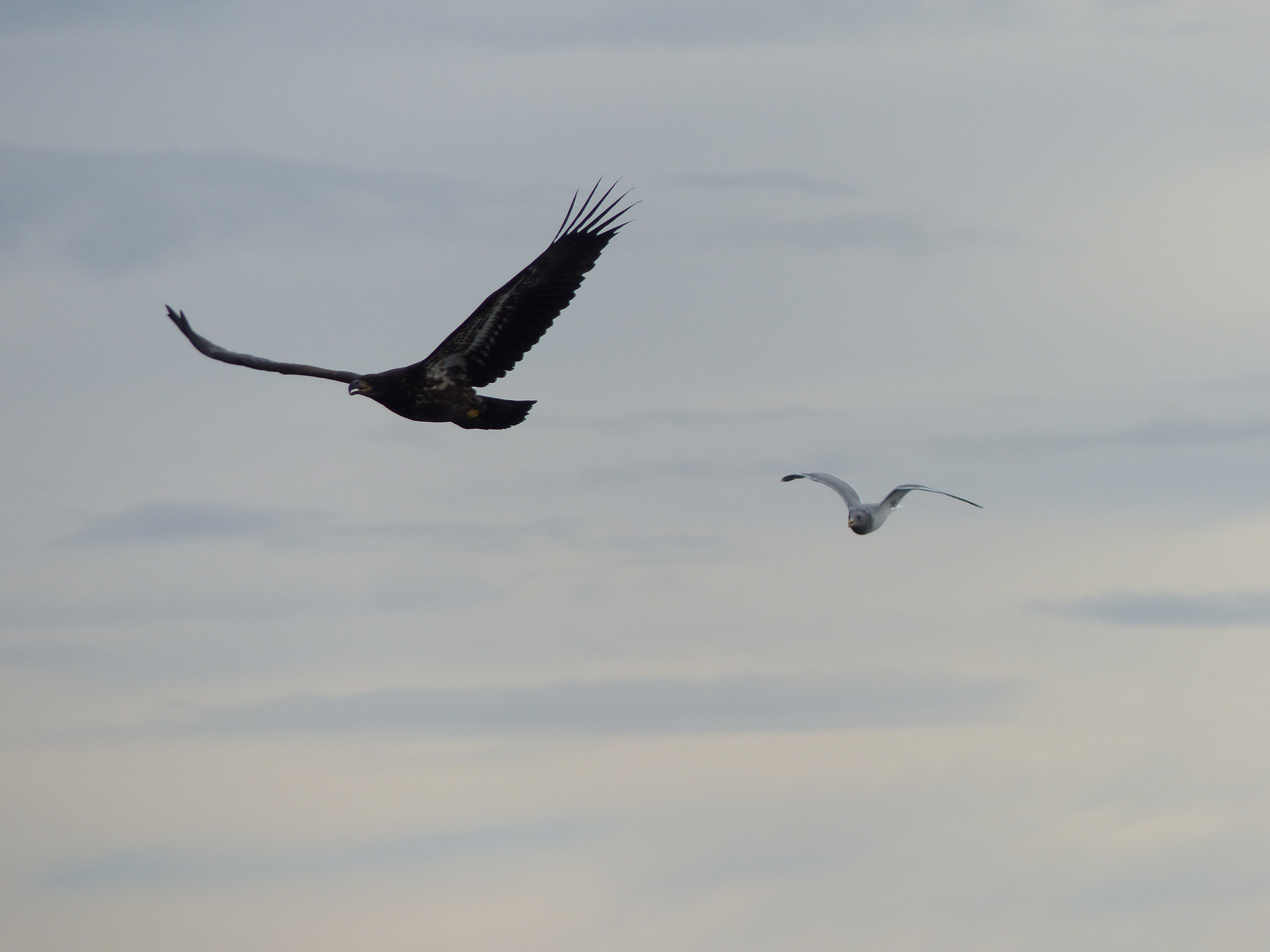
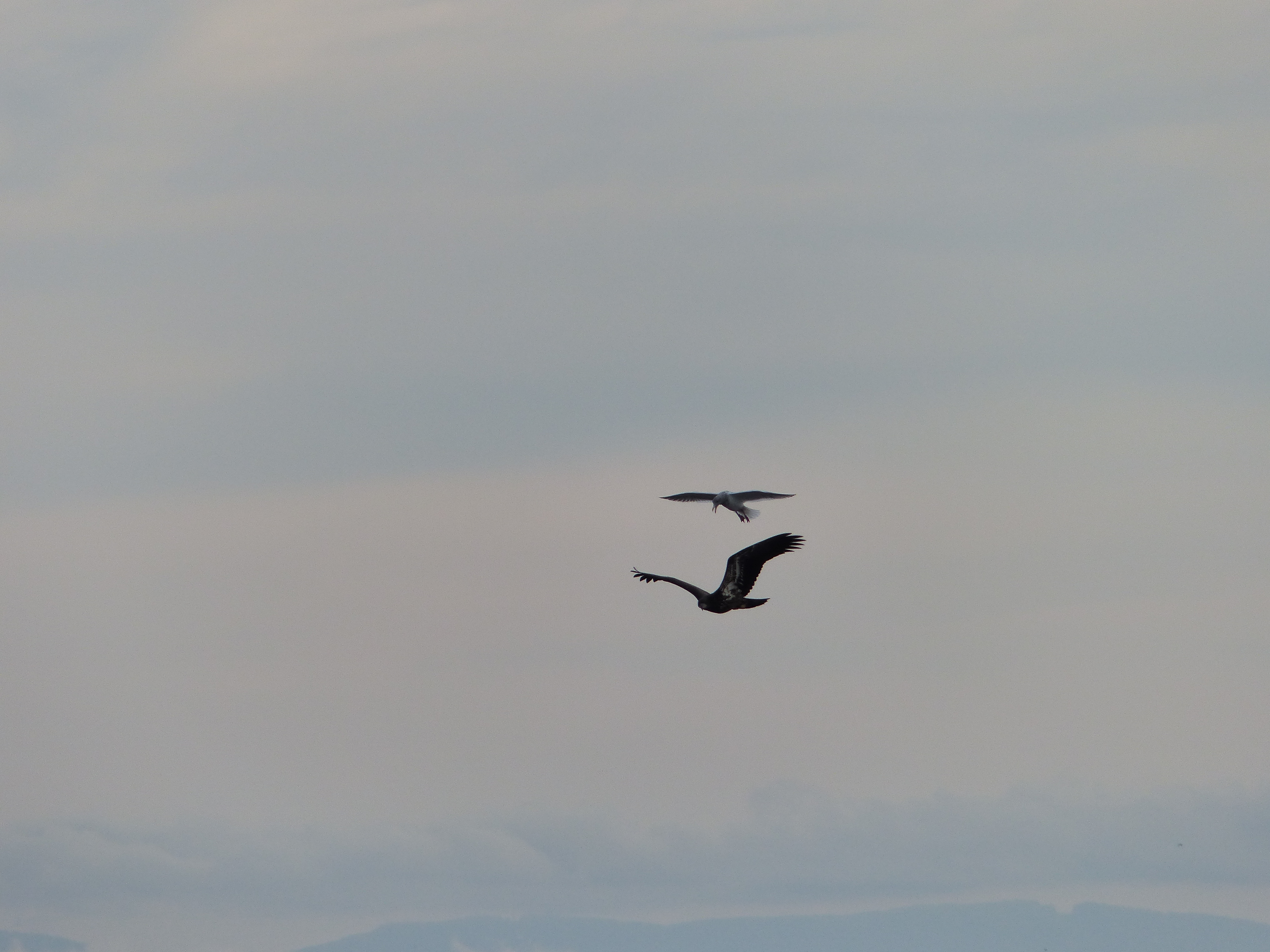
The wind dropped and sky cleared up today.  I counted 15 bald eagles on West rock and Middle rocks in the morning

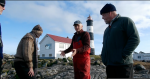
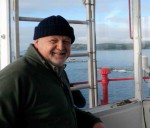
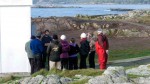
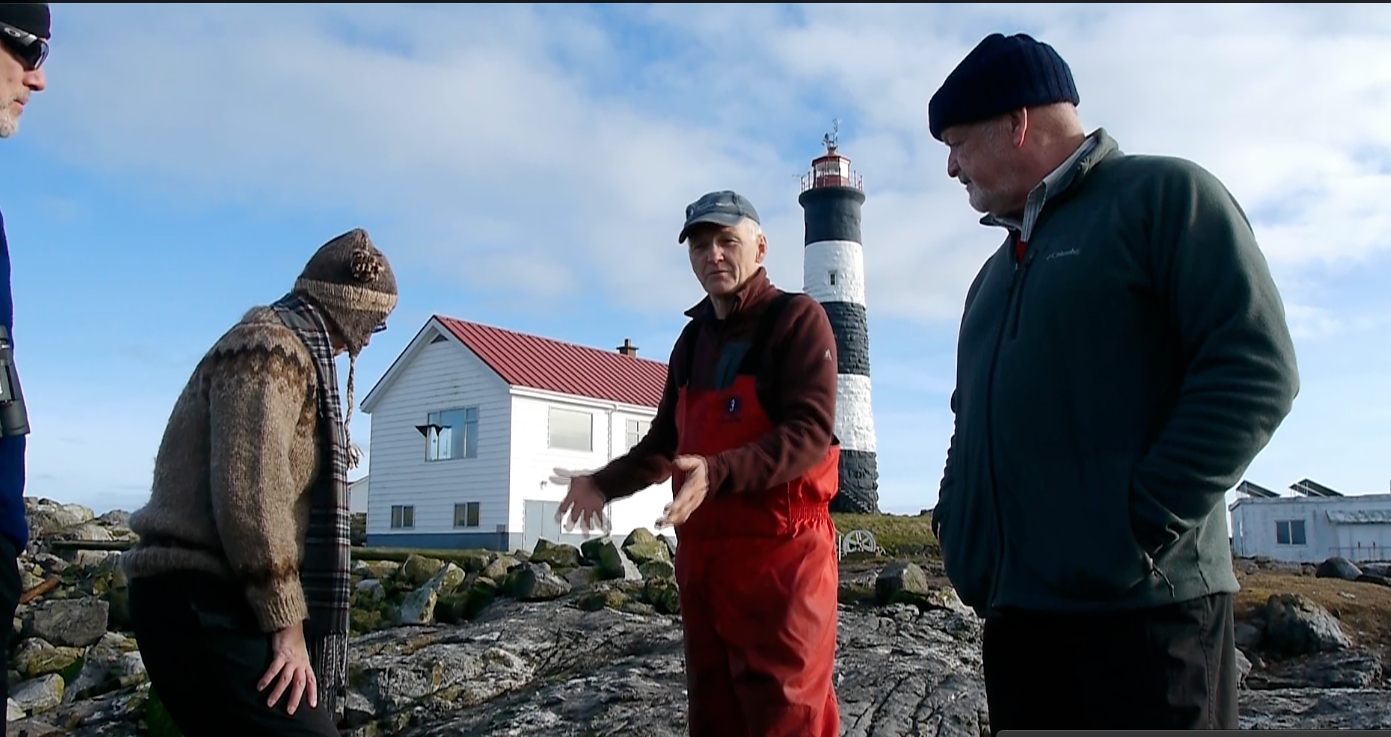
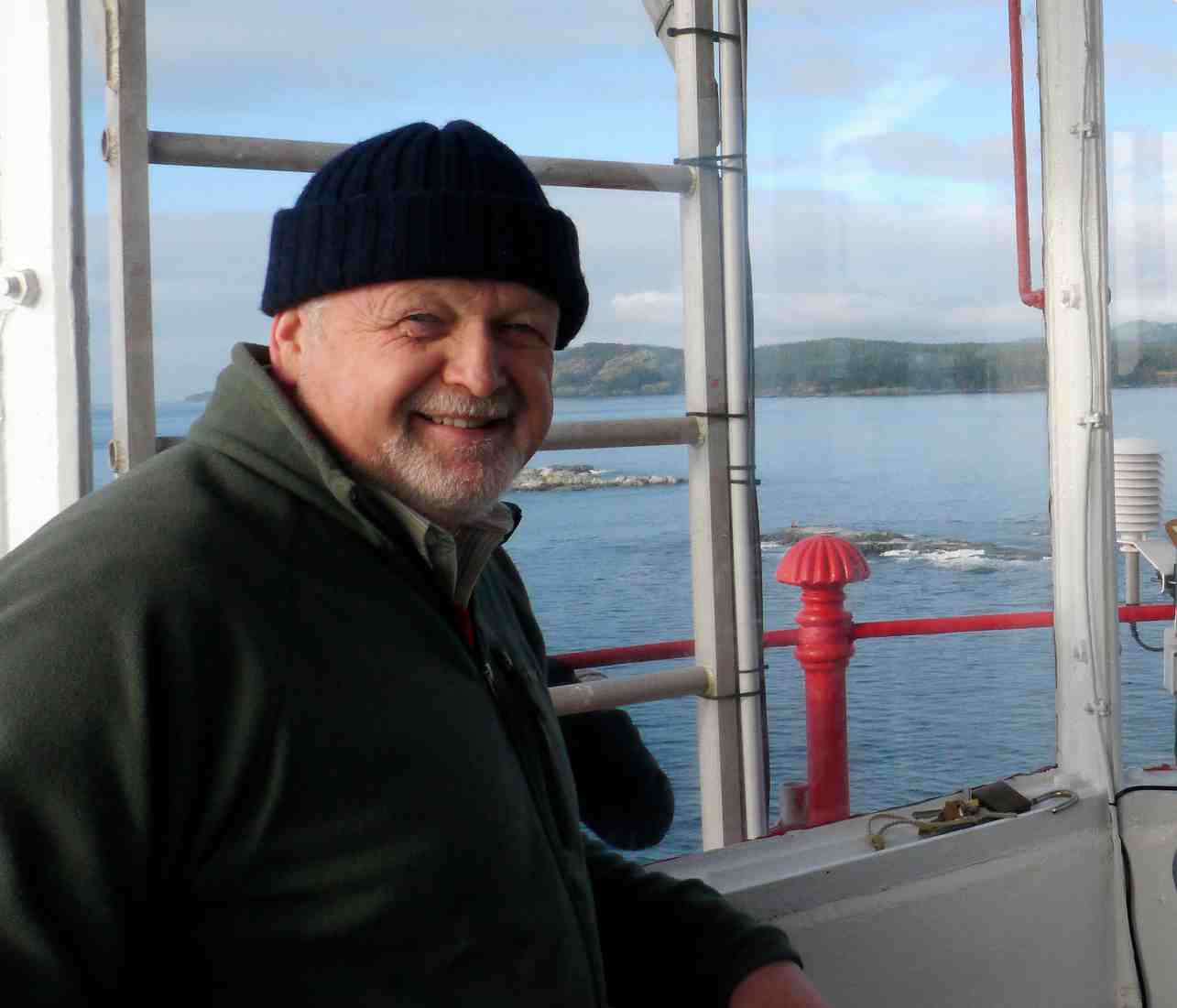
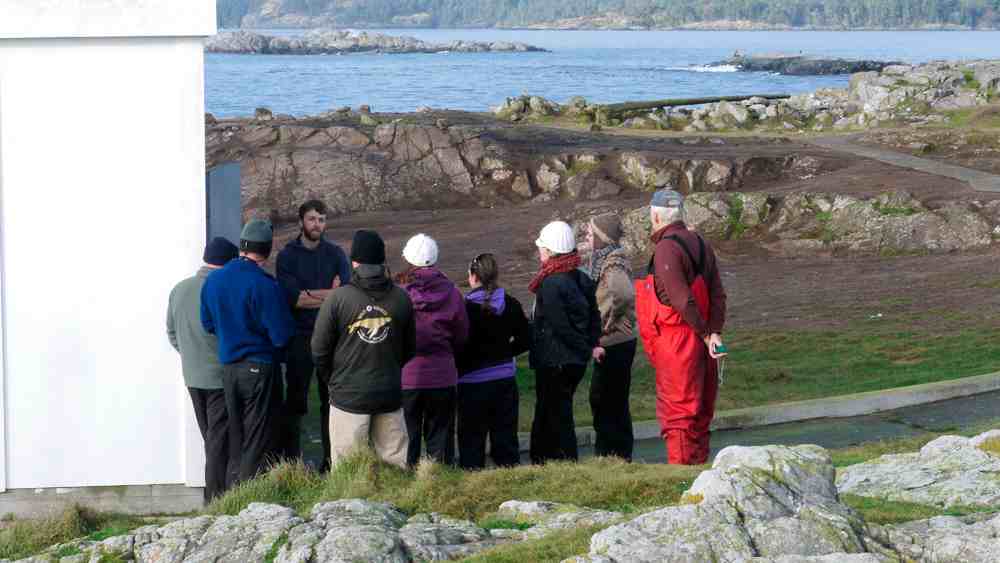
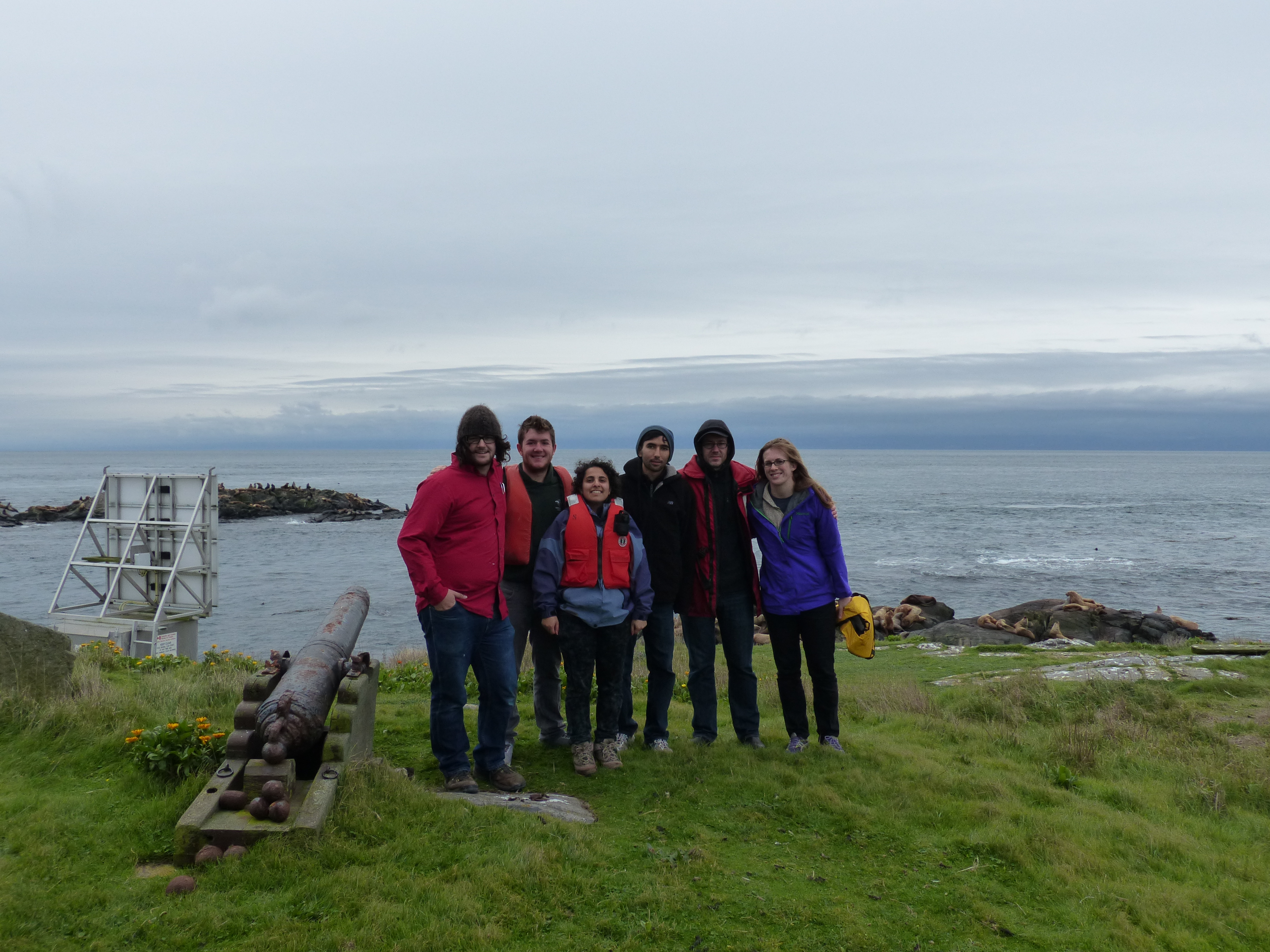
Angus Mathews, Executive Director of the Shaw Ocean Discovery Centre and long time champion of the Race Rocks Ecological Reserve, visited Race Rocks with some staff members from the Shaw Centre as well as Bruce Obee, freelance author and photographer, Todd Golumbia, Ecologist formerly with the Gulf Islands National Park and Garry Fletcher, Race Rocks Ecological Reserve warden. They came out on a Eagle Wing Tours boat with Brett Soberg, co-owner of Eagle Wing and long time tour guide, who carefully manoevered the sleek fiberglass boat, with three 250 hp outboards, alongside the unforgiving concrete jetty.

All images below were taken by Bruce Obee:

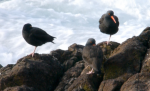
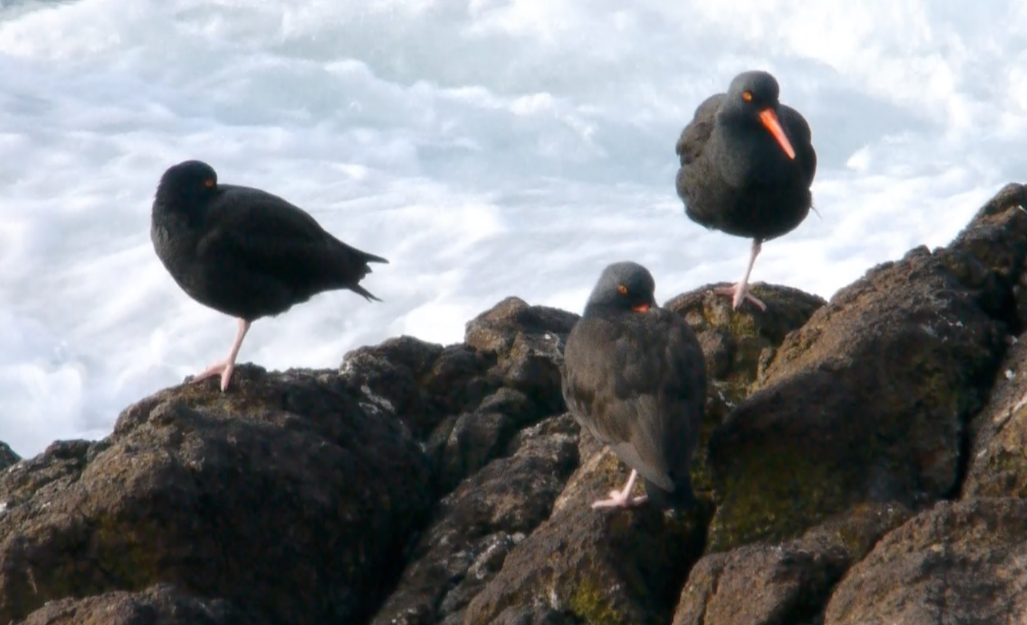
Angus and Garry both have a long history with Race Rocks so we had a good tour and heard some good stories. Todd noticed that one of the black oyster catchers on the south side of the island was banded, likely a banding he had done in the gulf islands. We weren’t able to get a reading on the ID number so I will try to follow up with this information.

The Shaw Centre has initiated the Salish Sea Institute.  To learn more about this important project check out this article by Bruce: http://bruceobee.com/readers-picks-2/ and this video: http://www.youtube.com/watch?v=1SNhwzhk-oA&feature=youtu.be

One private sports fishing boat toured around in reserve today.

-9 visitors to the island today
-did some preparations for visitors including installing bumpers on jetty
-toured island with visitors
-cut, chopped, stacked firewood
-did some tinkering with boat house door. It has new hardware installed and is working better than before but is still derailing sometimes. Maybe installing some roller brackets at the bottom could help keep it aligned.
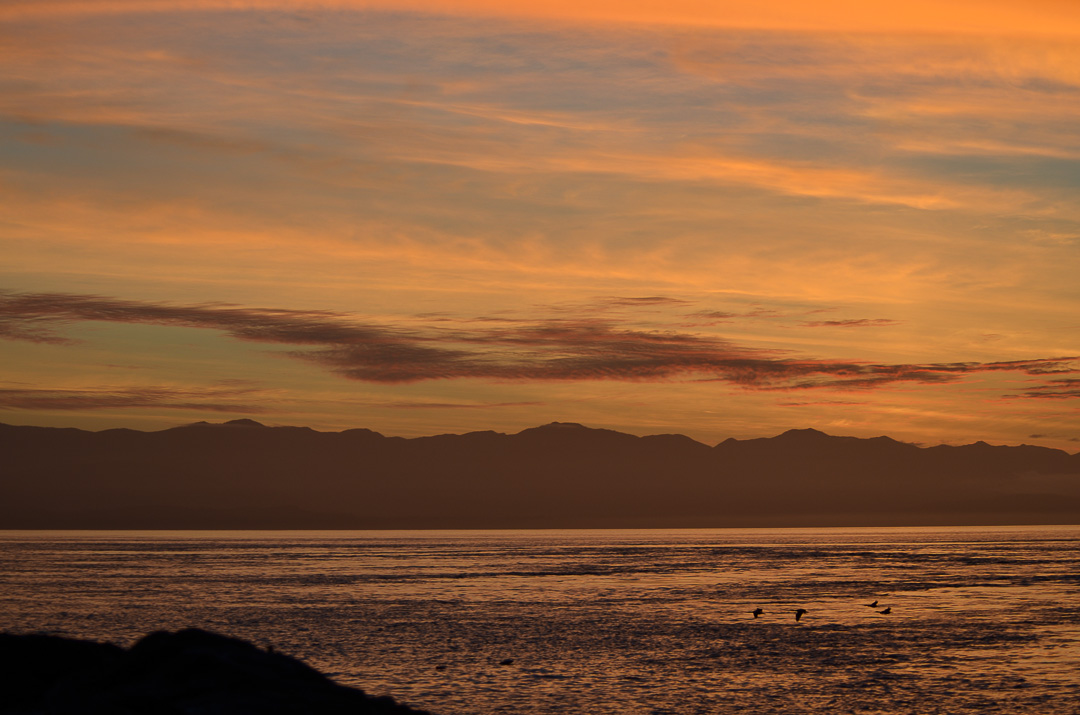
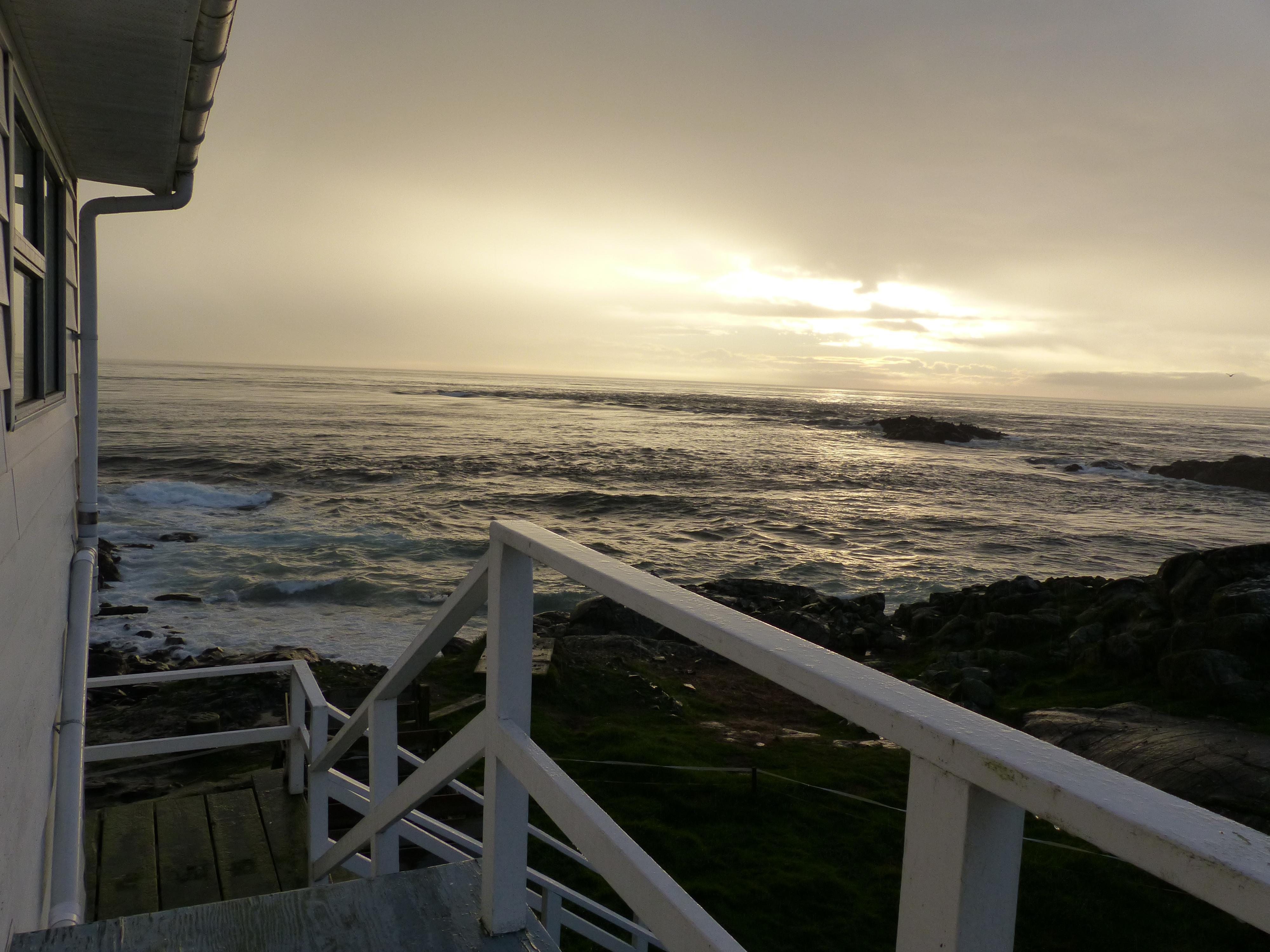
-observed nice sunset
last day

Clear skies. Strong NE winds. Cold

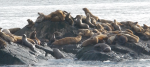
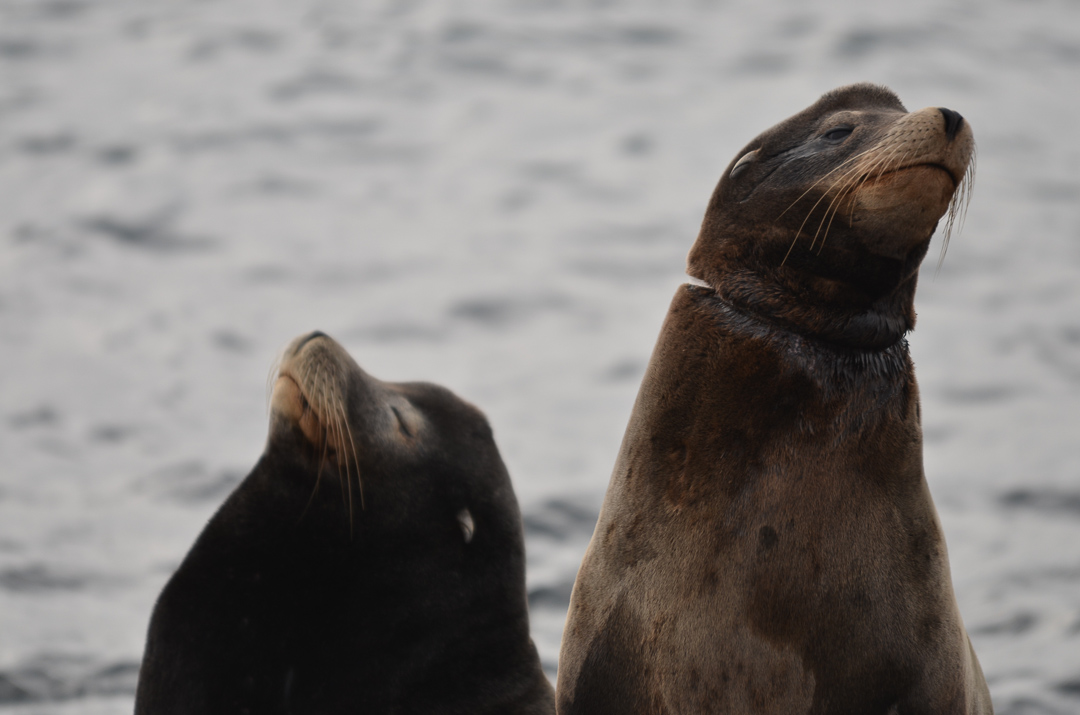
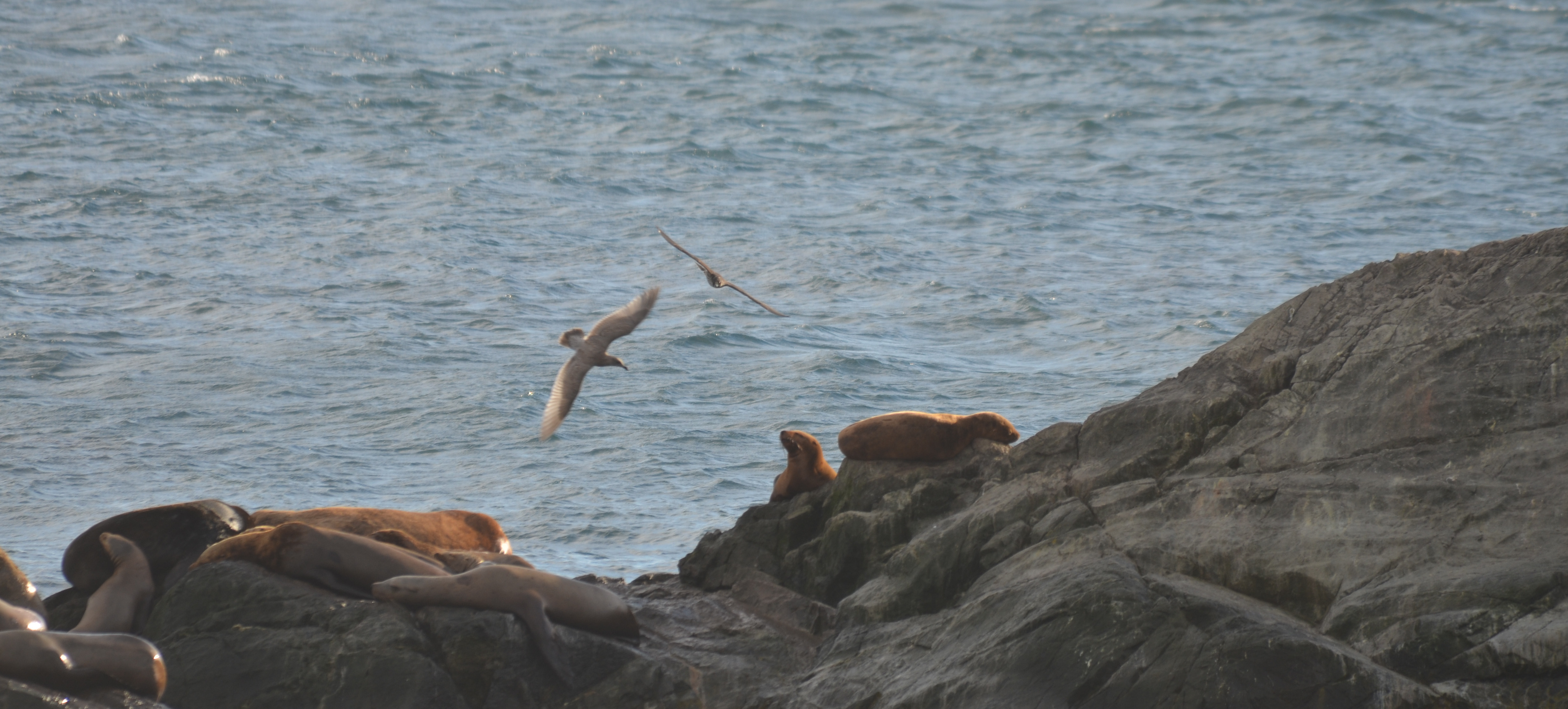
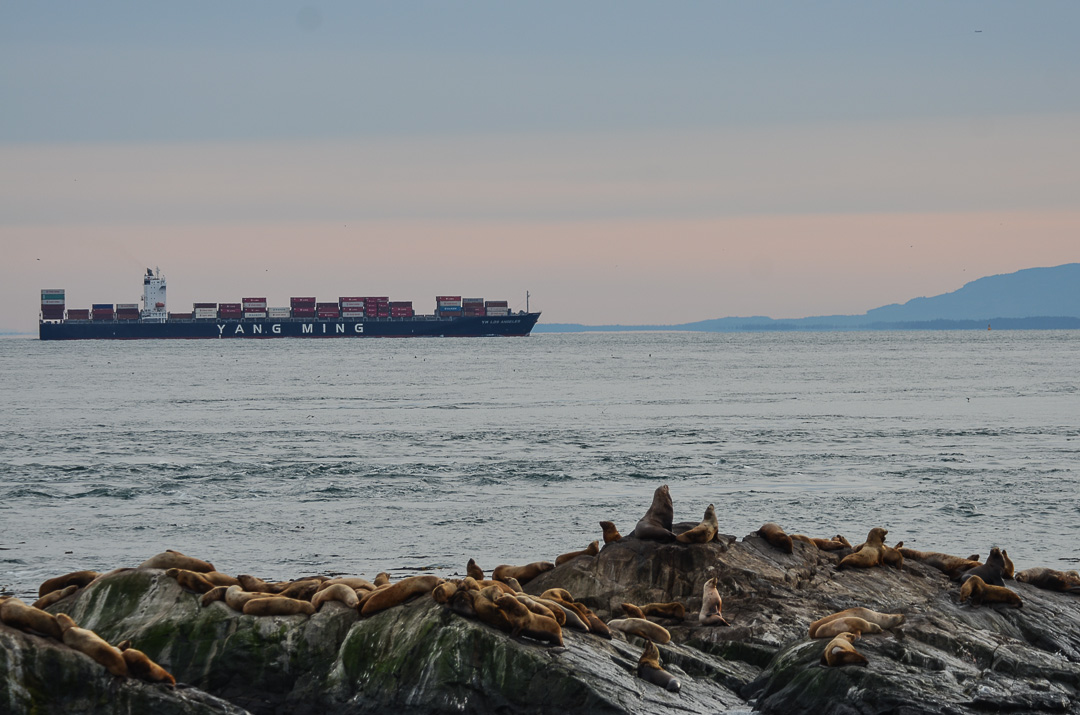
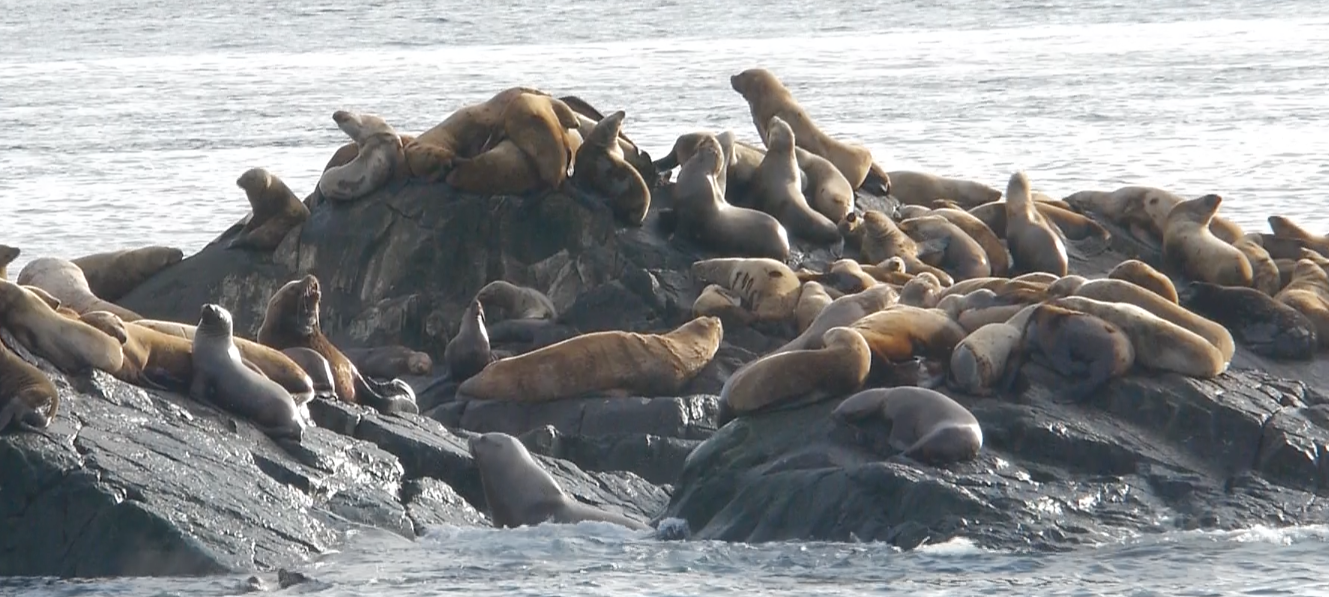
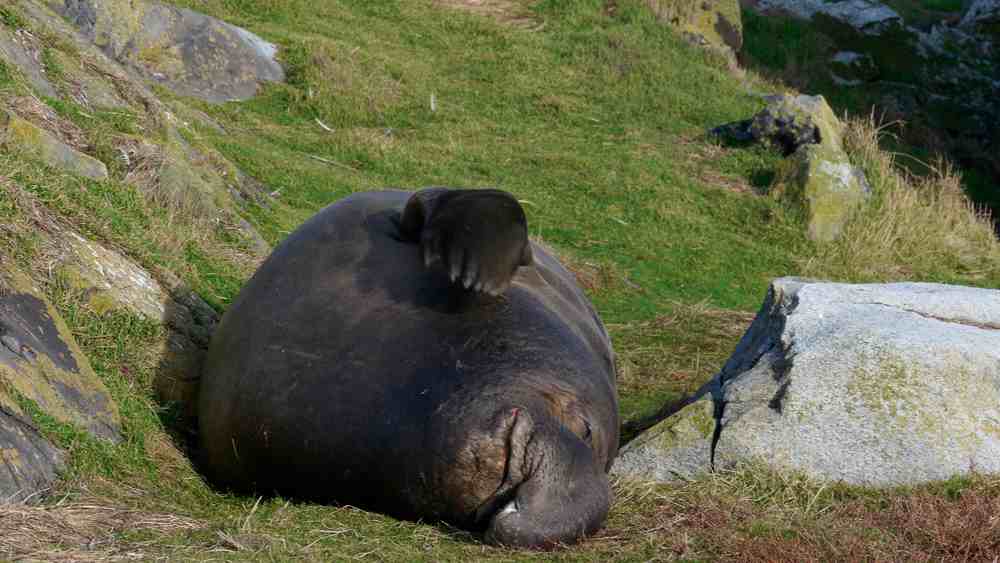
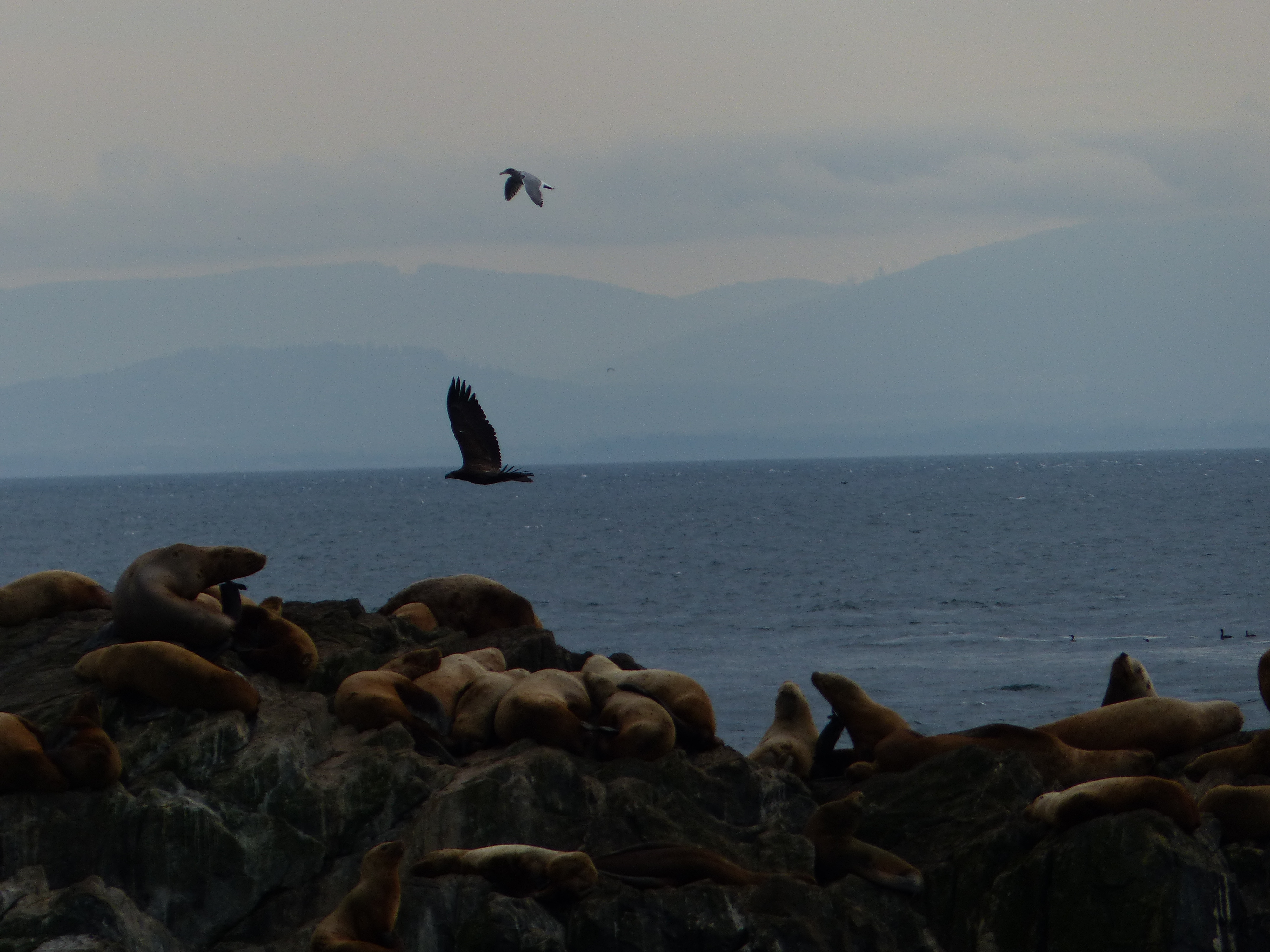
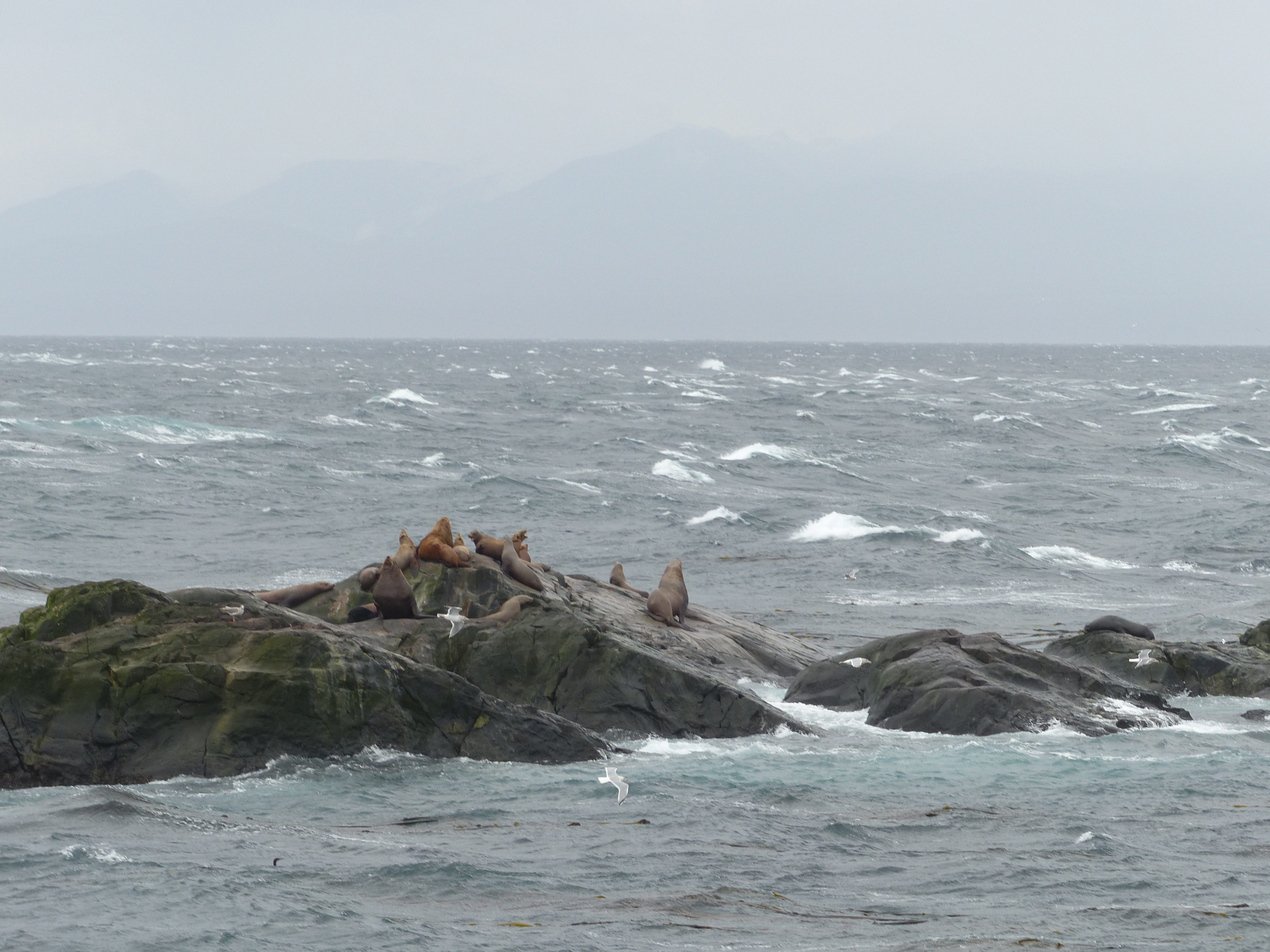
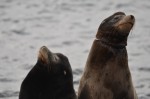
Despite the winter weather, it is still a busy place out here in the reserve. The female elephant seals are hauled out on Middle Rock. The male Elephant seal is next to the Science House. There were lot’s of Oyster catchers, and way more Cormorants then I was expecting. There are also still quite a few Sea lions (~470) in the reserve; mostly on the South side of Great Race and South Rocks. I finally got a decent picture of a Savannah Sparrow today; and the Sandpiper stopped long enough to get a good photo so I could finally ID it.
Continue reading →

tafoni

Clear sky. Light winds.
My shift of nearly-perfect-weather continues.

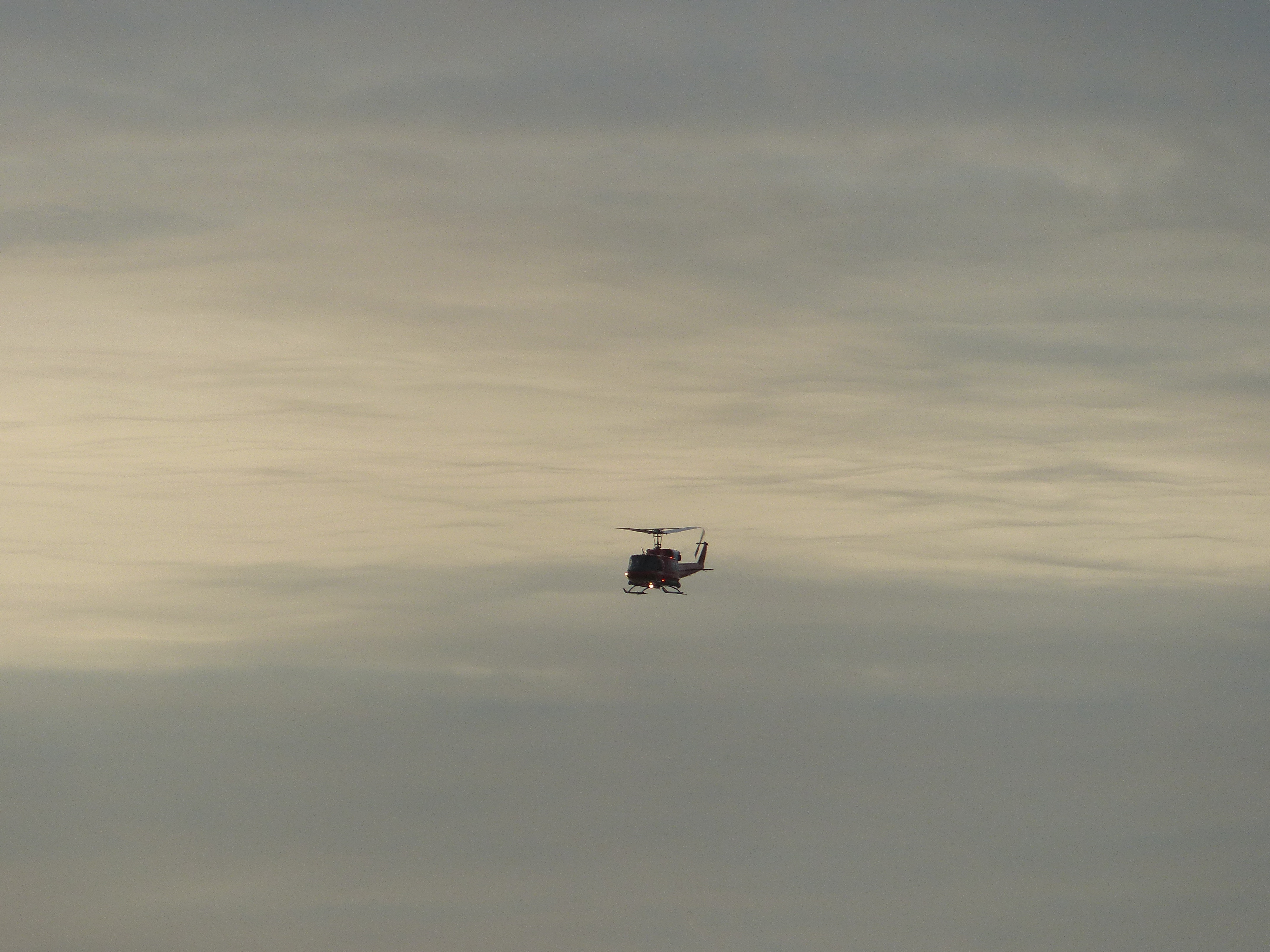
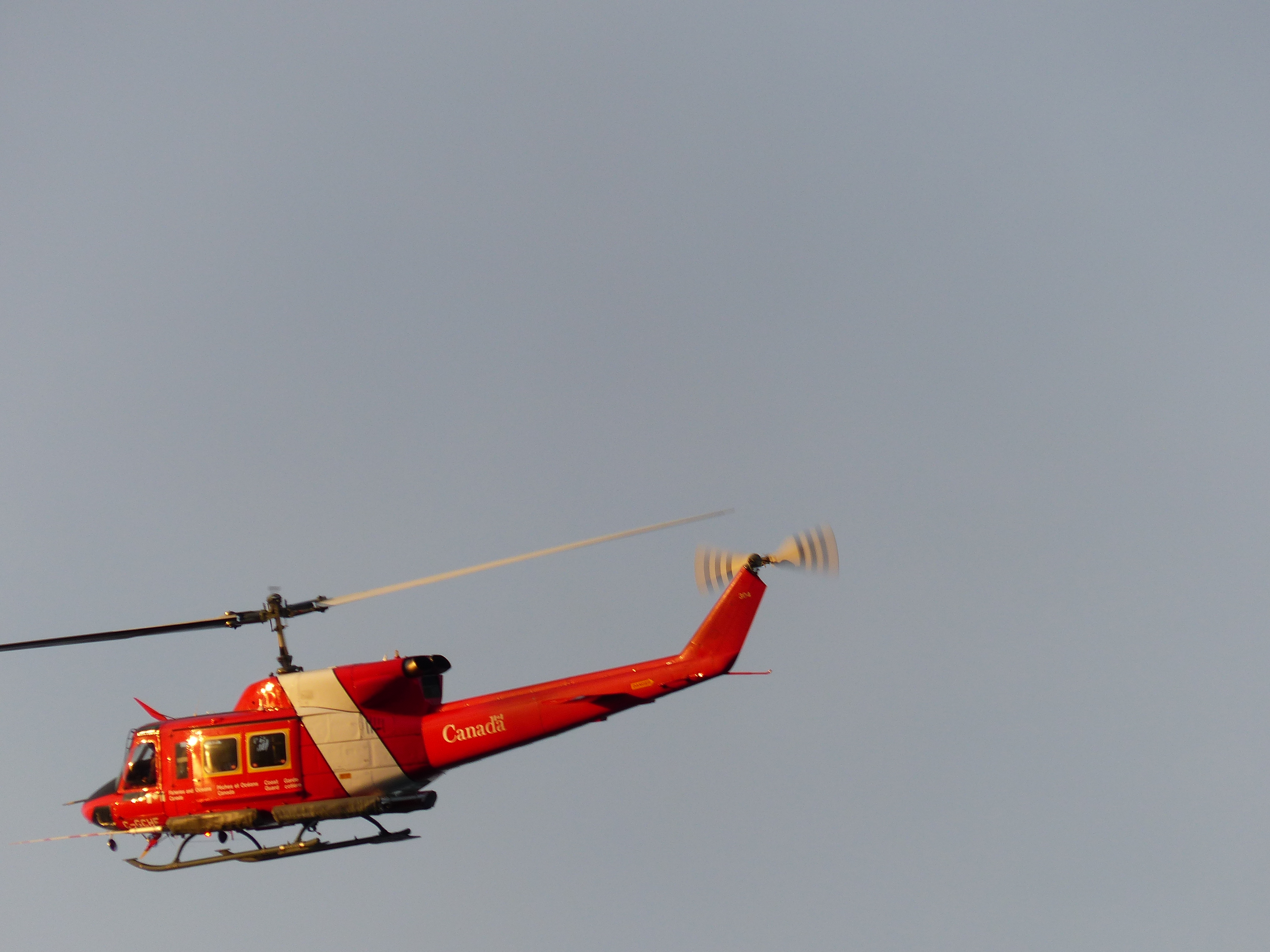
I was almost finished my animal census (I just needed a couple picture of areas with lot’s of animals) when a Coast Guard helicopter did two circles of the tower. A lot of Gulls took flight the Sea lions on South Rocks took to the water. I guess I’ll try again tomorrow.

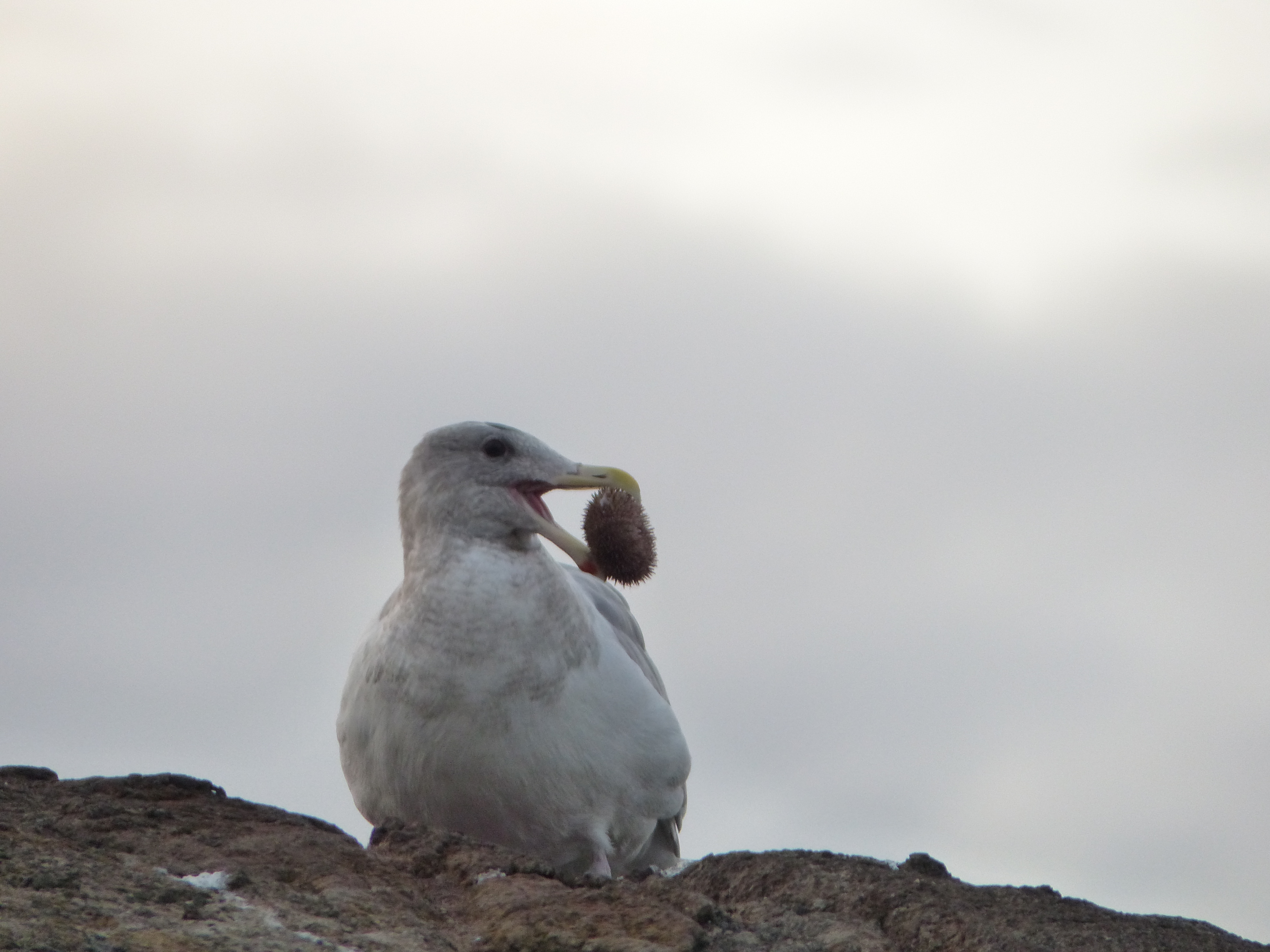
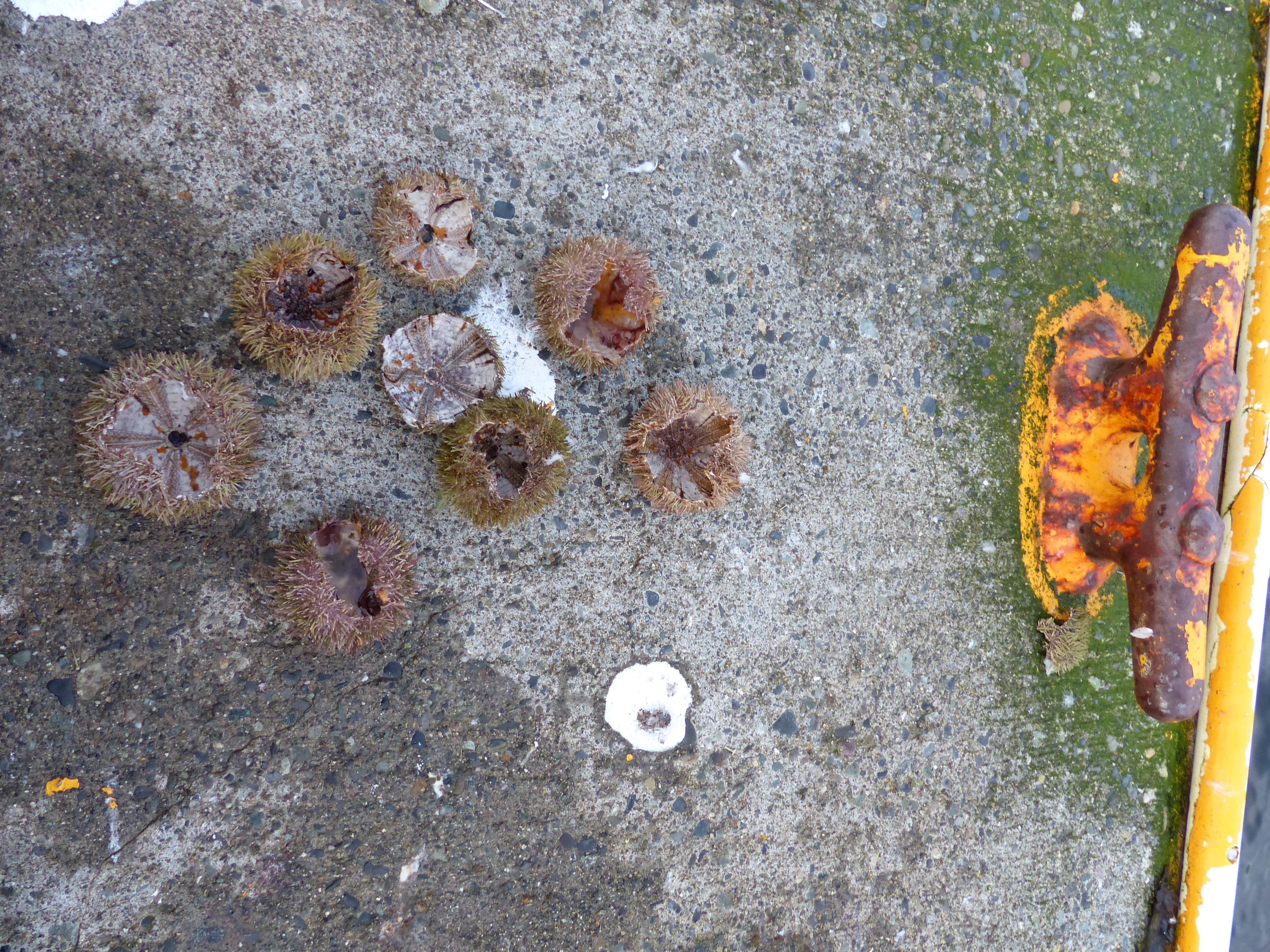
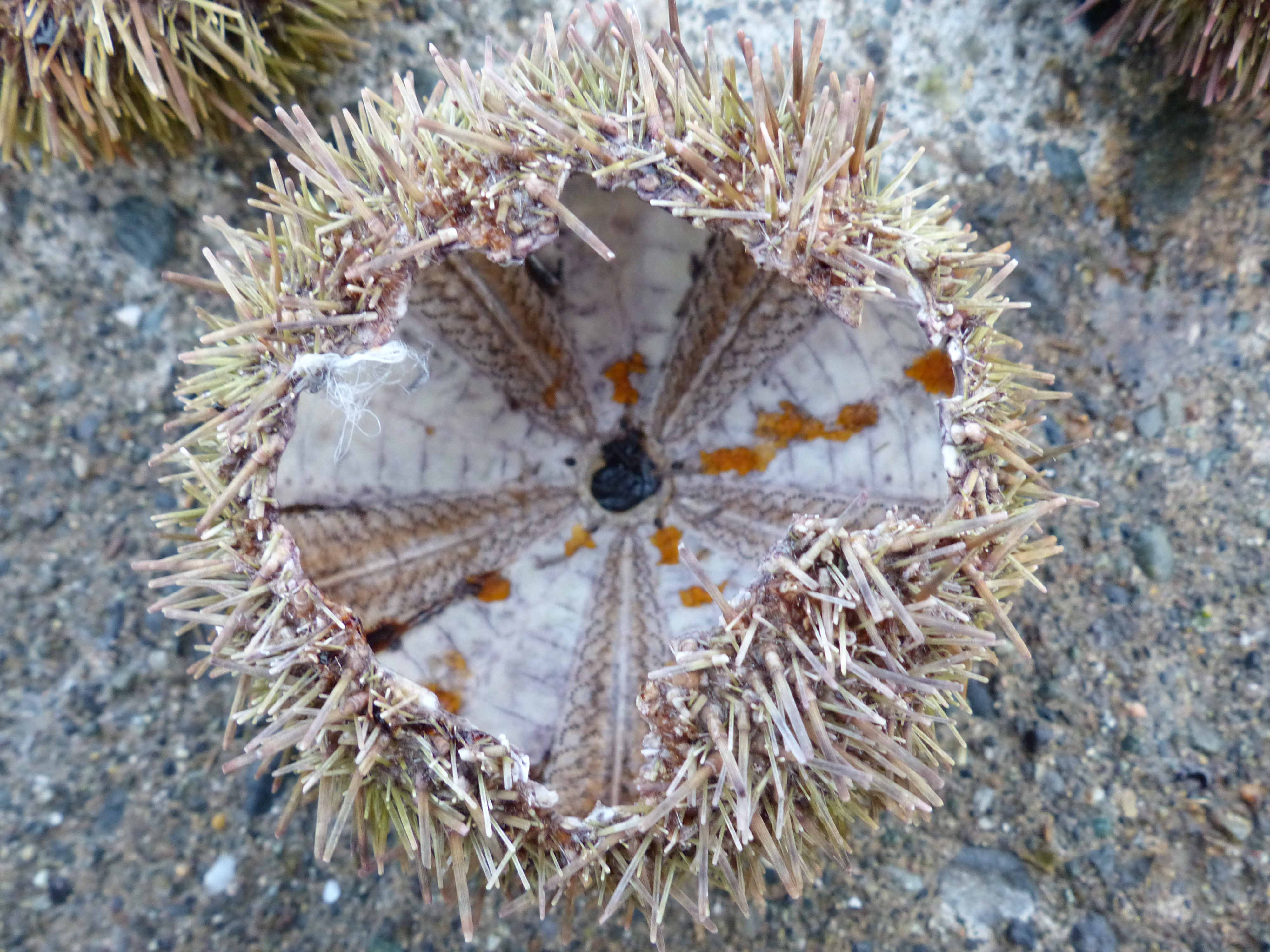
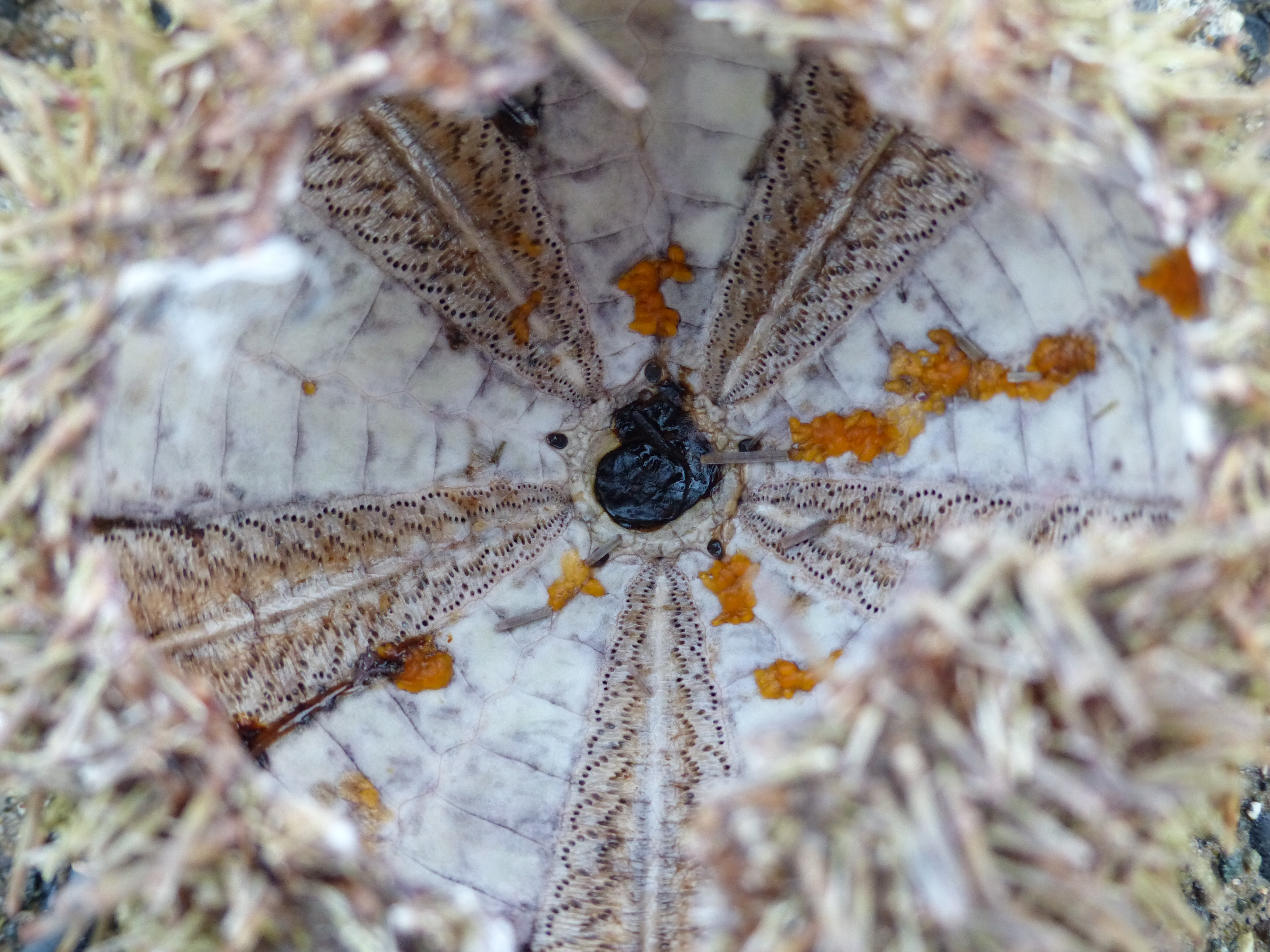
The Gulls have been capitalizing on the low tides during daylight hours and have been foraging on green urchins. They leave the broken urchins on walkways, the jetty, and rock outcroppings. This time of year the urchins are full of roe (gonads) which, by Sea gull standards, is high is calories and nutrients.

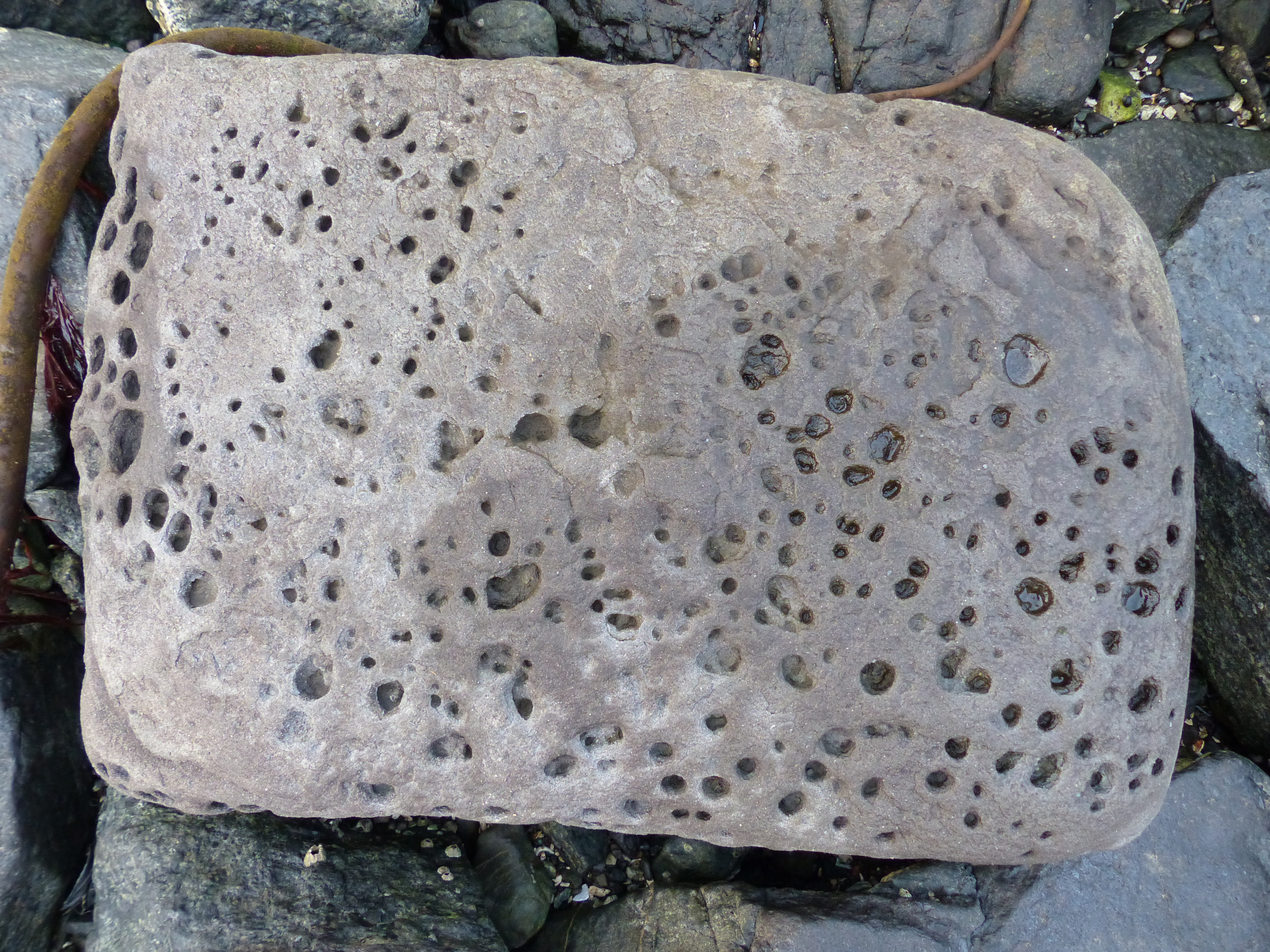
Tafoni: The blocks of sandstone out a Race Rocks are leftover from building the tower stairs. There are a hand-full of rectangular blocks on the beach by the jetty. These blocks have the signature patterns of pits and holes that are cause by chemical erosion. Because the stone is permeable, saltwater infiltrates throughout the block. As the sun and wind dries the outer surfaces, the water moves outward, dissolving the clay that binds the sand particles together resulting in the surprisingly organized patterns of holes. Another driver is the physical weathering that occurs as salt dries and puts pressure on the rock particles forcing areas to exfoliate and flake. Although the science of tafoni isn’t fully understood, it is thought that there are also biological drivers, particularly in the intertidal region (Tafoni also occurs in deserts, no urchins there). Univavles and Urchins can chemically dissolve and abrade the the surface of the stone and hasten the dissolution of the pits.

-Worked on DFO boat count report
-grease gun scavenger hunt
-washed solar panels
-ran firepump and wiped it down with fluid film
 

eagle

Moderate NE winds all day. 3 ft wind chop. Cloudy but no rain.
The students left yesterday, and some volunteers from the college made a brief photo stop when Chris came to pick them up.

There was a boat fishing illegally in the reserve this morning. It left before I could try to make radio contact.

wind

Strong winds all day, switching between NE and W. Scattered showers.


-prepped student house for visitors
-Erik delivered propane
-made keeper’s house floor plans

raven

Overcast, scattered showers. Moderate NE wind all day.

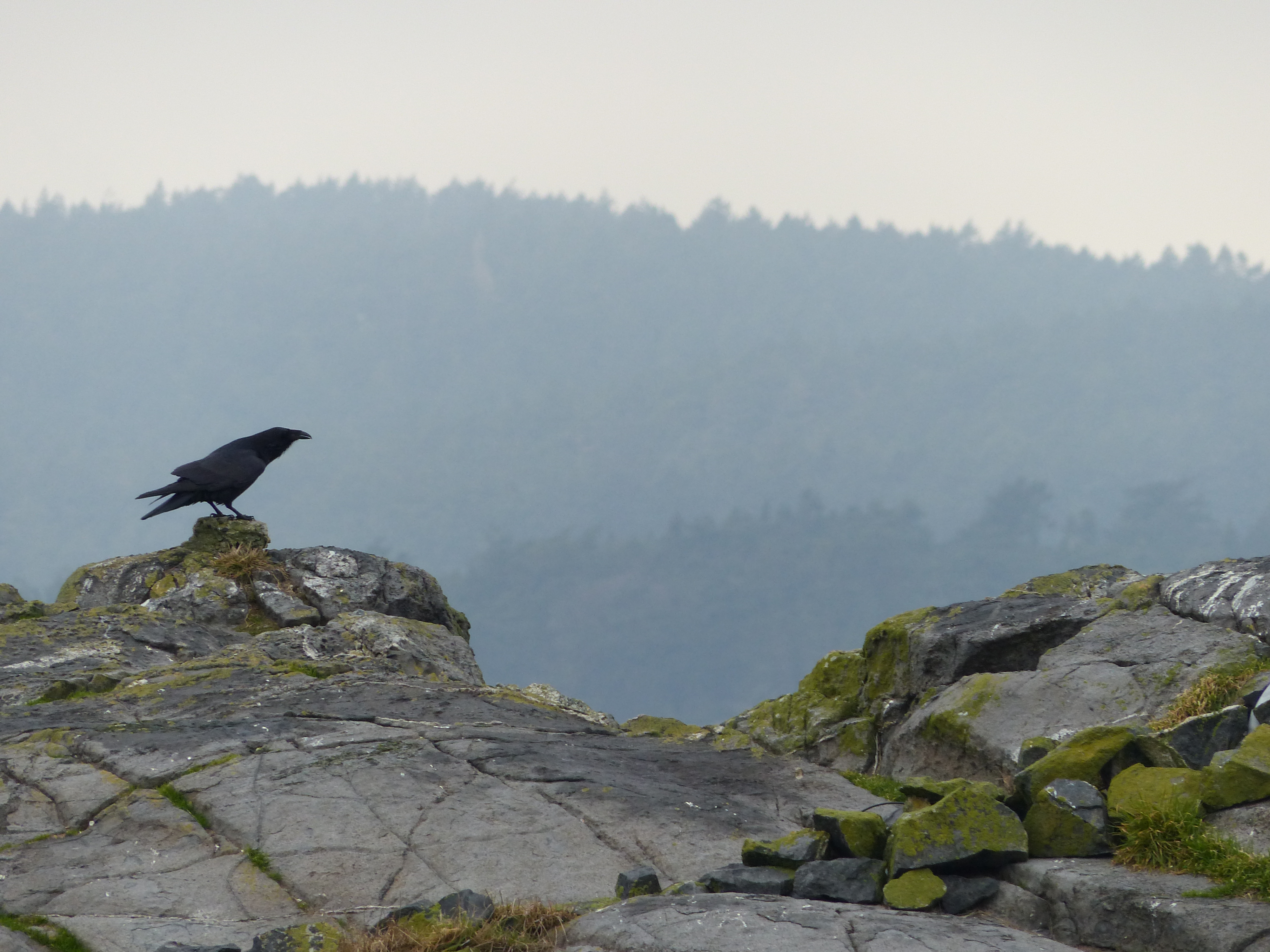
I finally figured out what moves the dead sea gulls around at night: Ravens. Because I rarely see them out here I had been wondering what moved the dead birds back onto my pathways night after night. They must live nearby on the big island (Vancouver Island) and come out here to forage and feed.

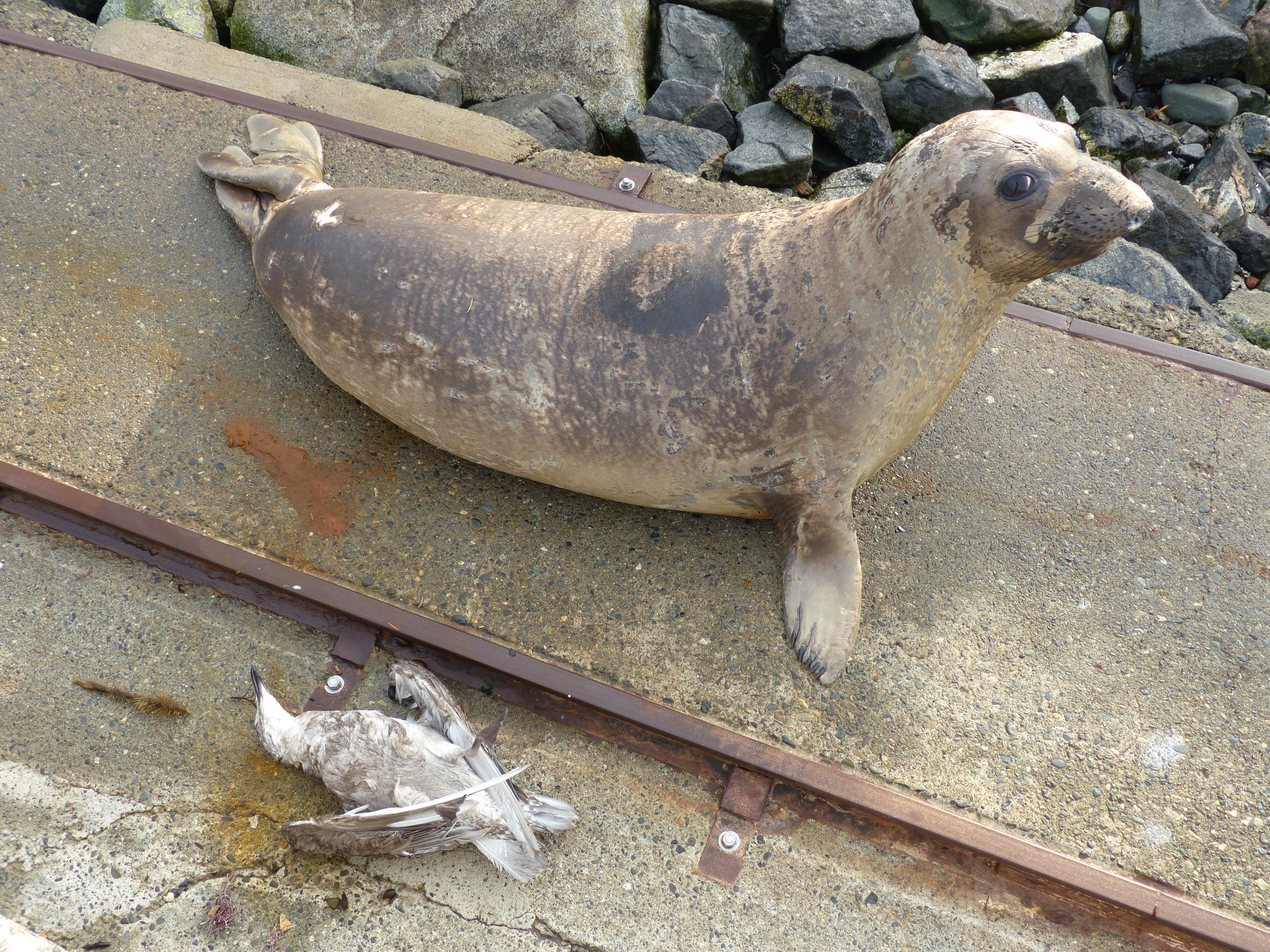
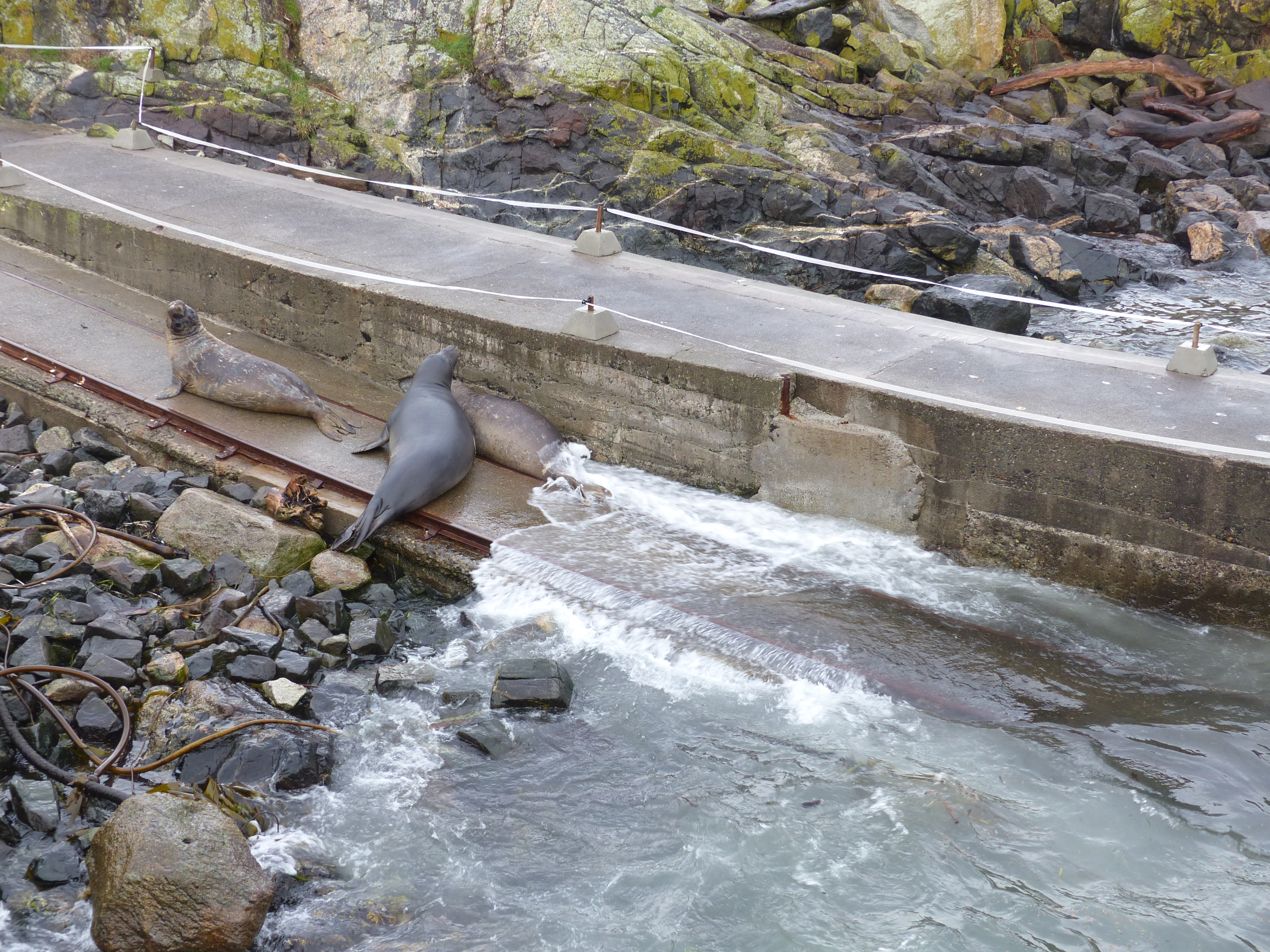
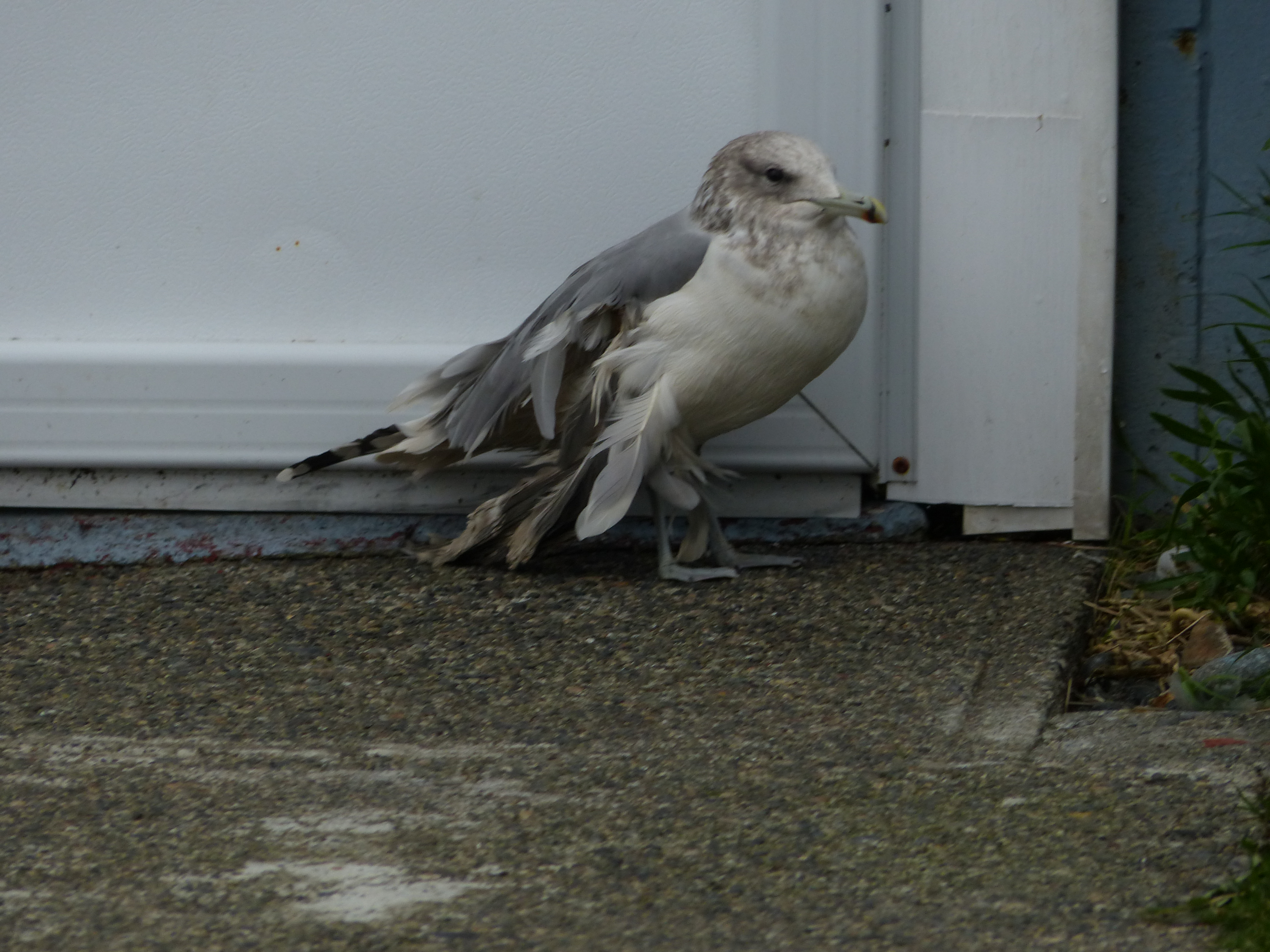
Female elephant seal and a dead gull on the boat ramp.

Female elephant seal and a dead gull on the boat ramp.

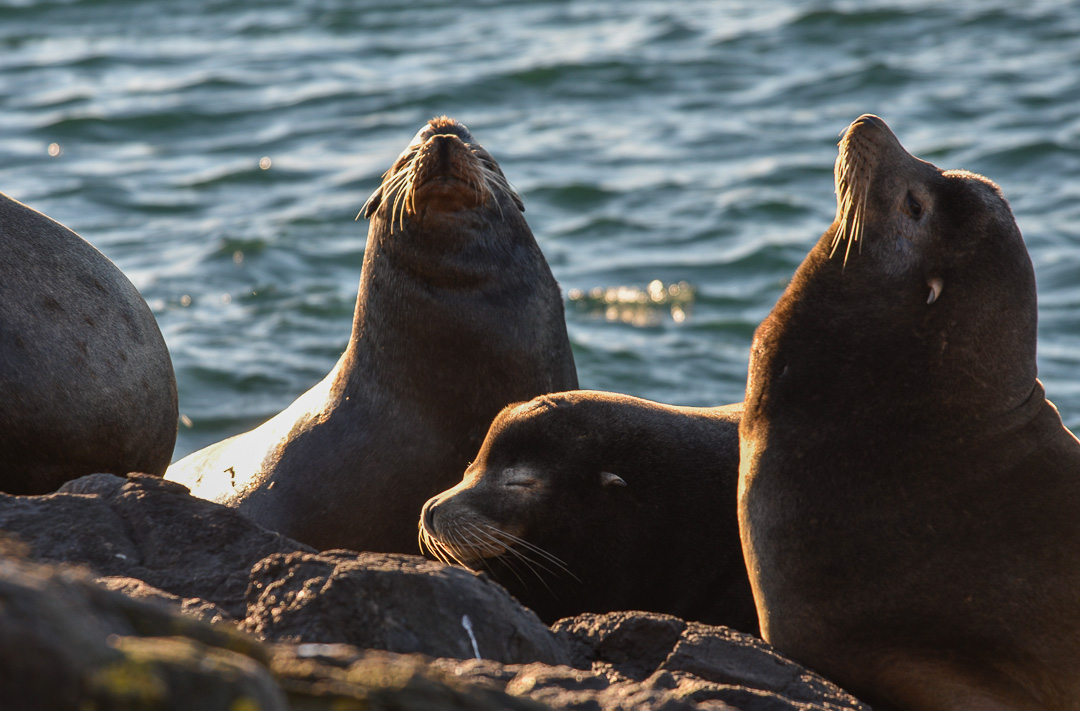
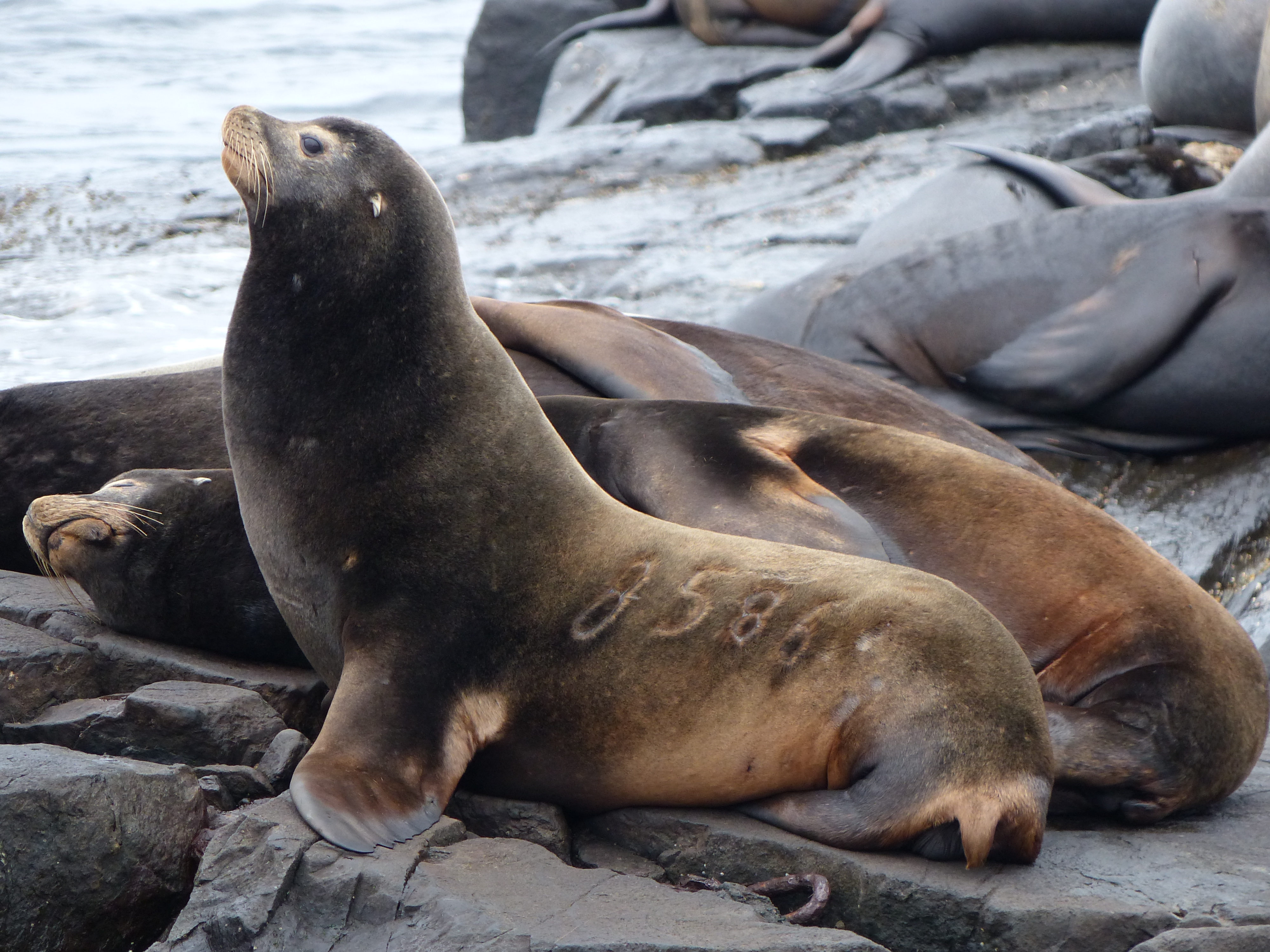
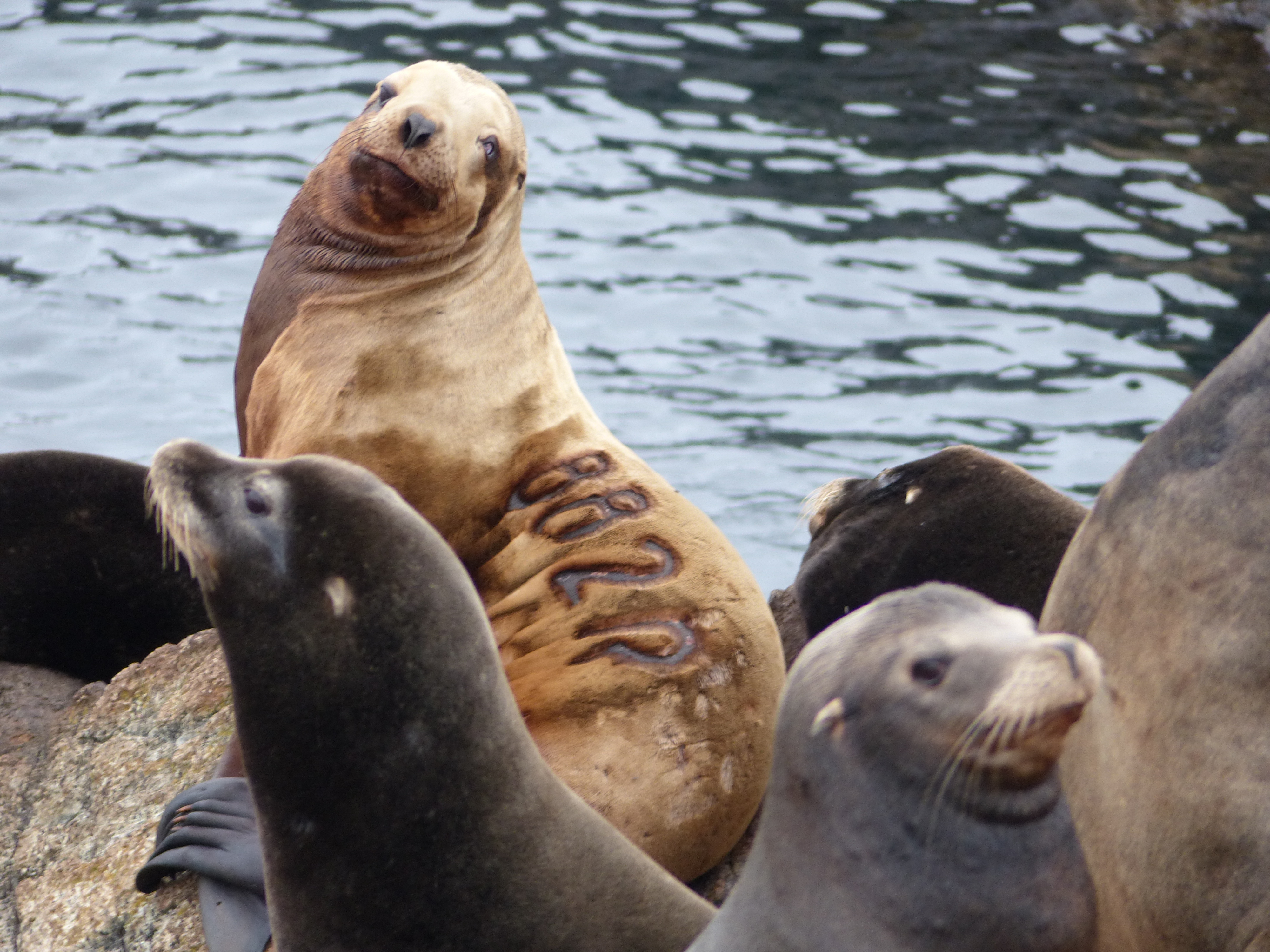
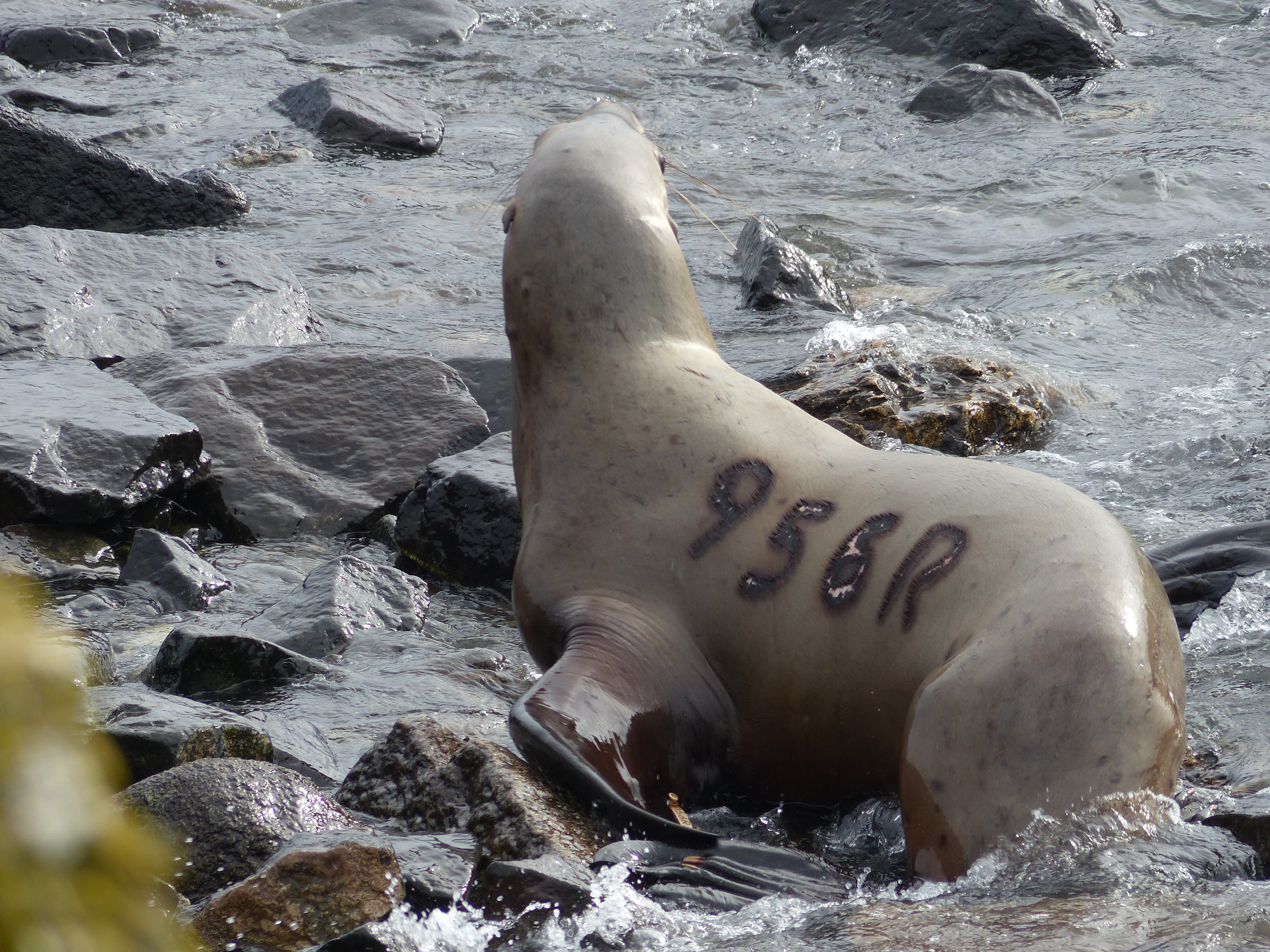
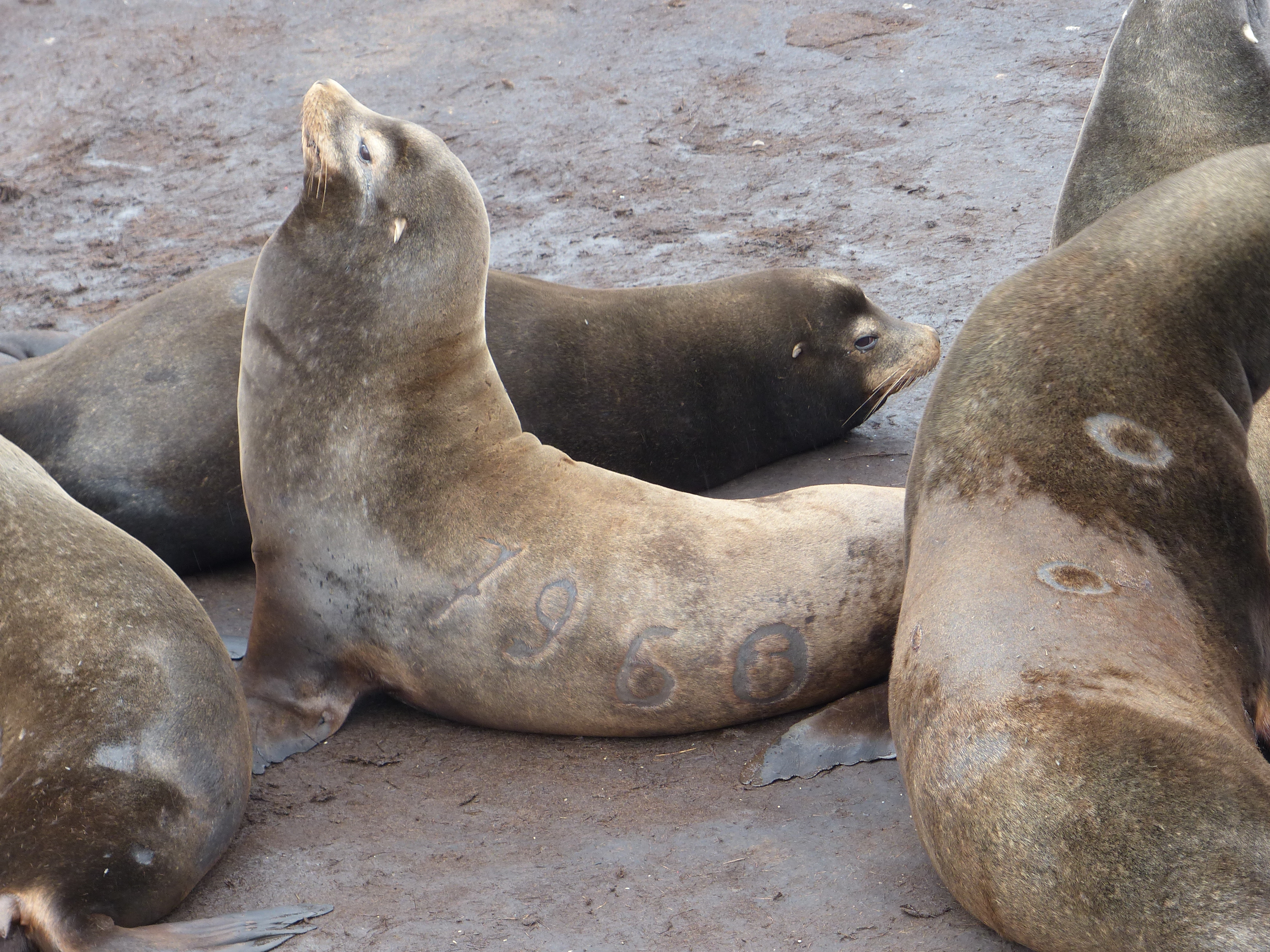
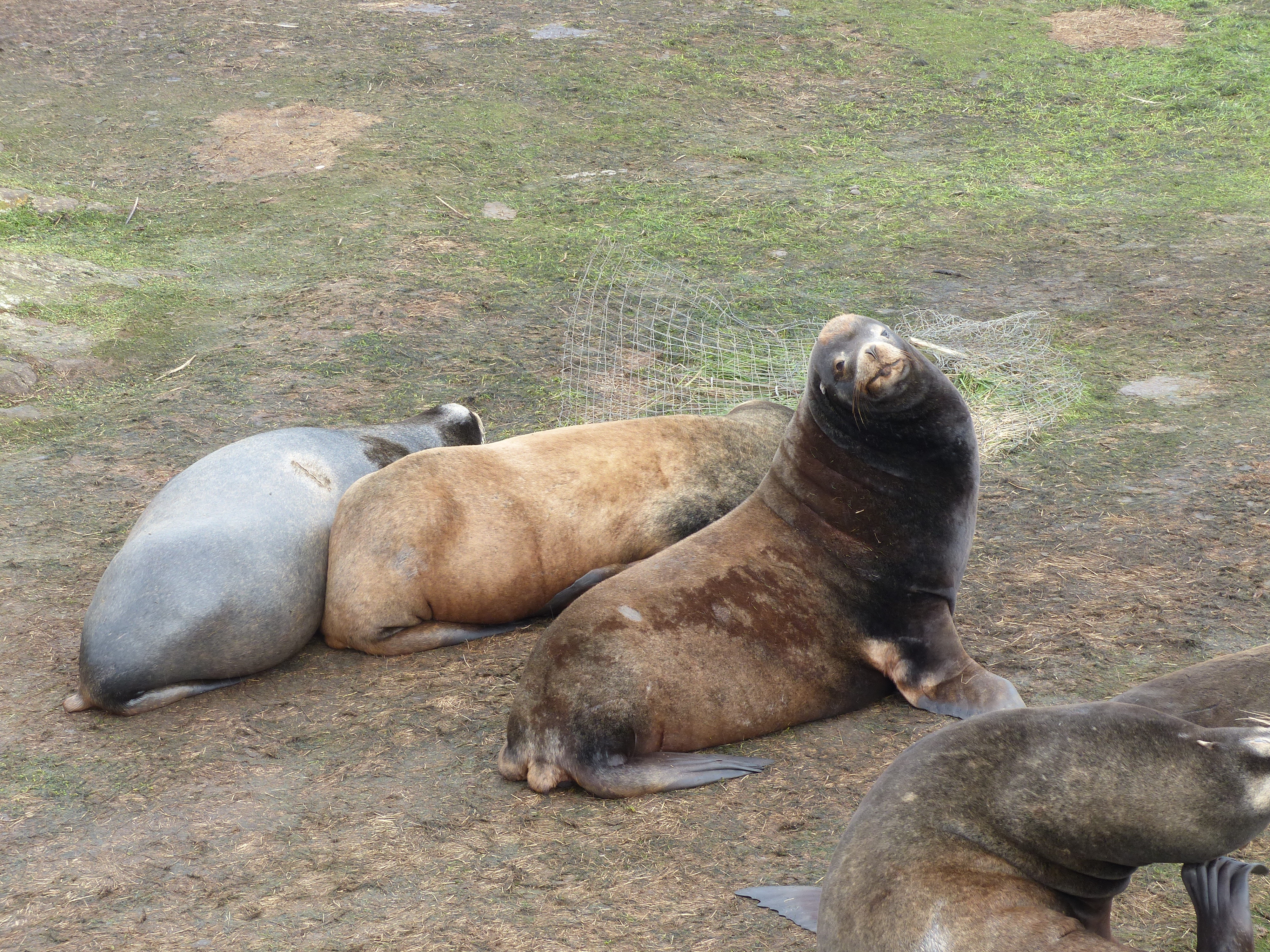
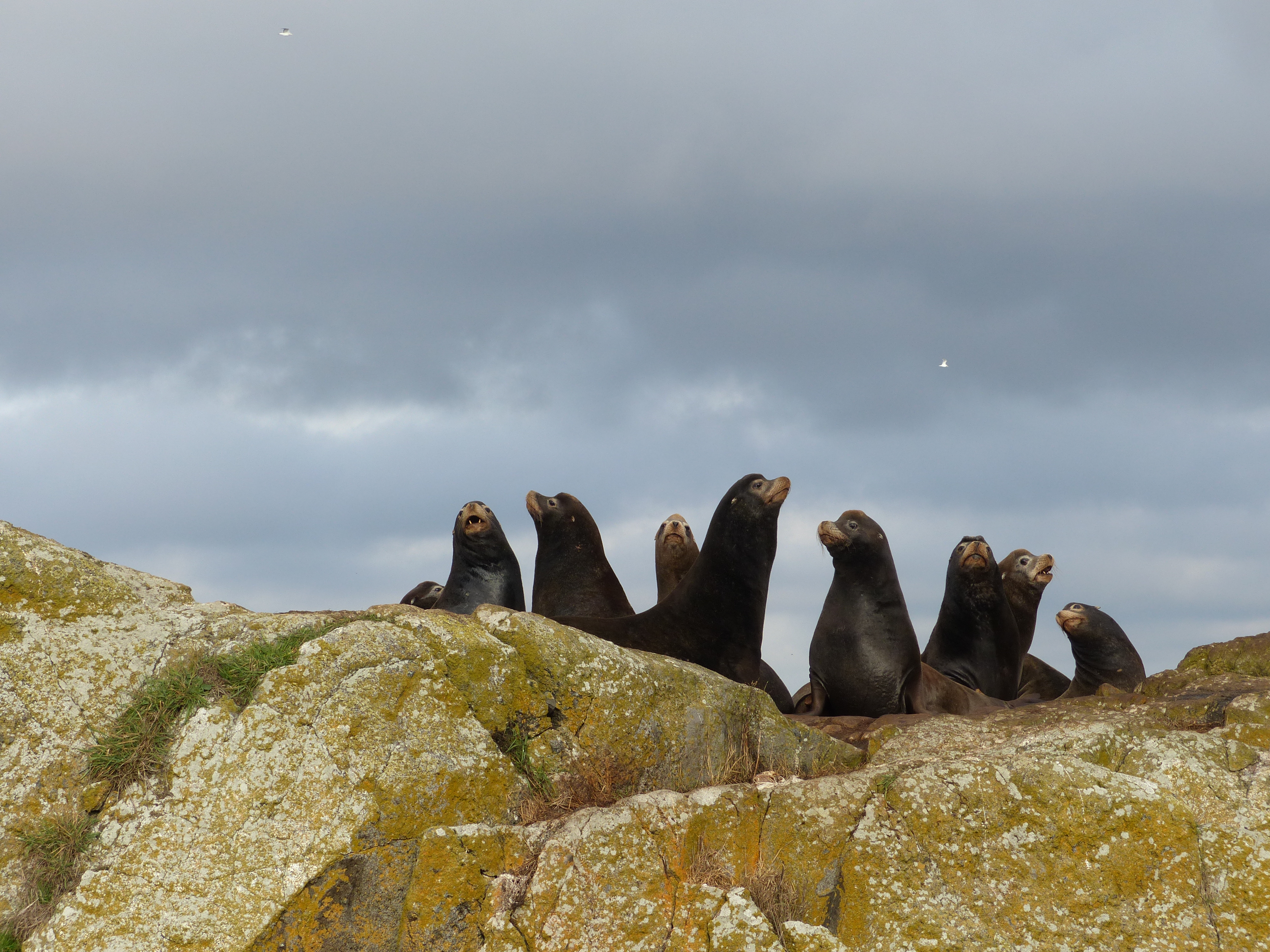
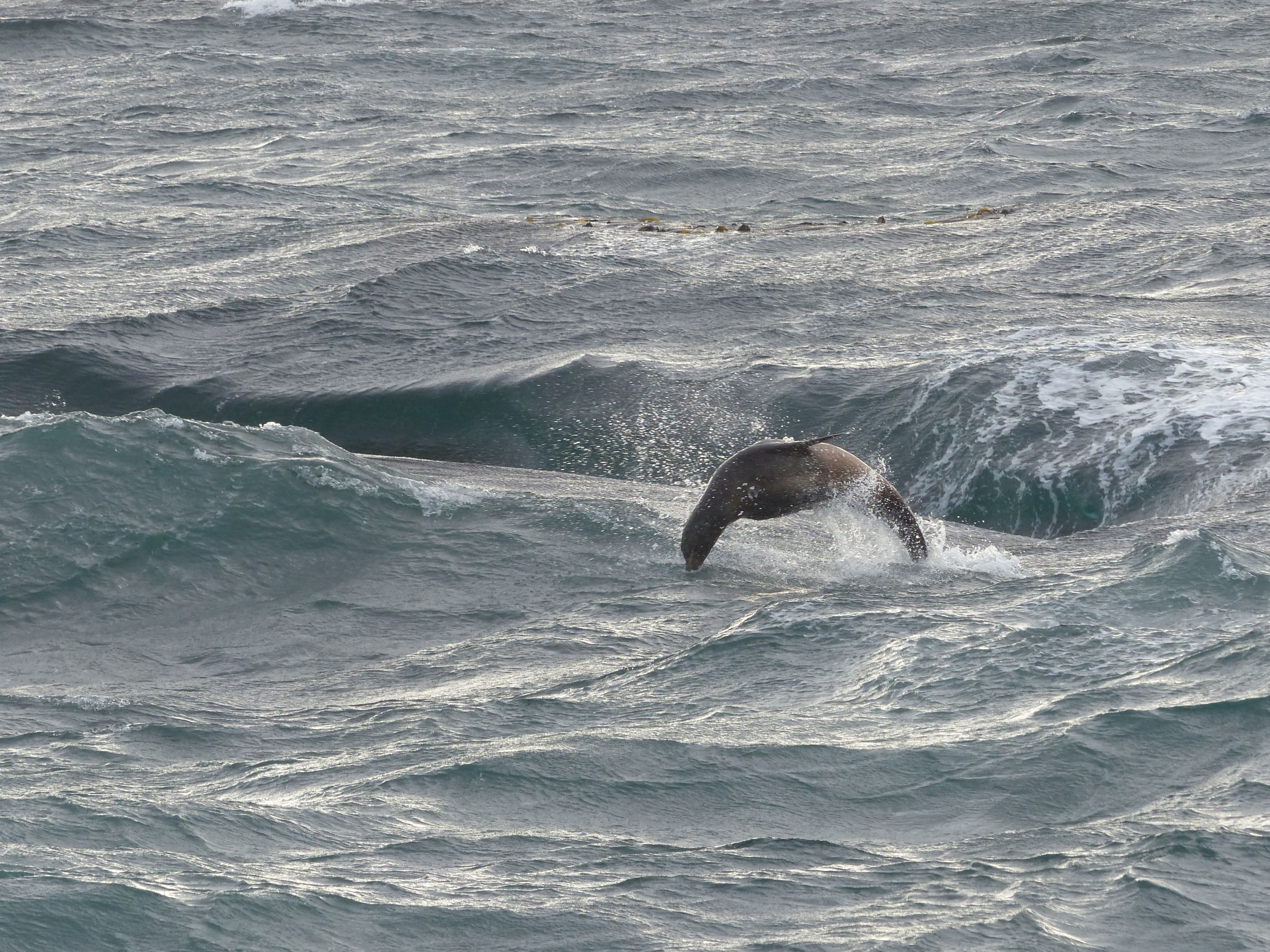
California "See" lions!

California “See” lions!

[Daily Marine Conservation Link]
My Salish Sea Marinipedia is a citizen science project created by our local aquarium, the Shaw Ocean Discovery Centre. It is a database (for kids) of species found in the Salish Sea, but the information comes from anyone. Their slogan…”Join us in discovering the biodiversity of your ocean, share what you learn and inspire others to make a difference.”

-electric fence around student house
-diesel to student house

storm warning in effect!

Light SE wind in the morning. 3ft East swell.
Midday it switched to 25 kts West.
Late afternoon it was blowing 45 kts West. With a 5ft+ West swell.

Bird Count
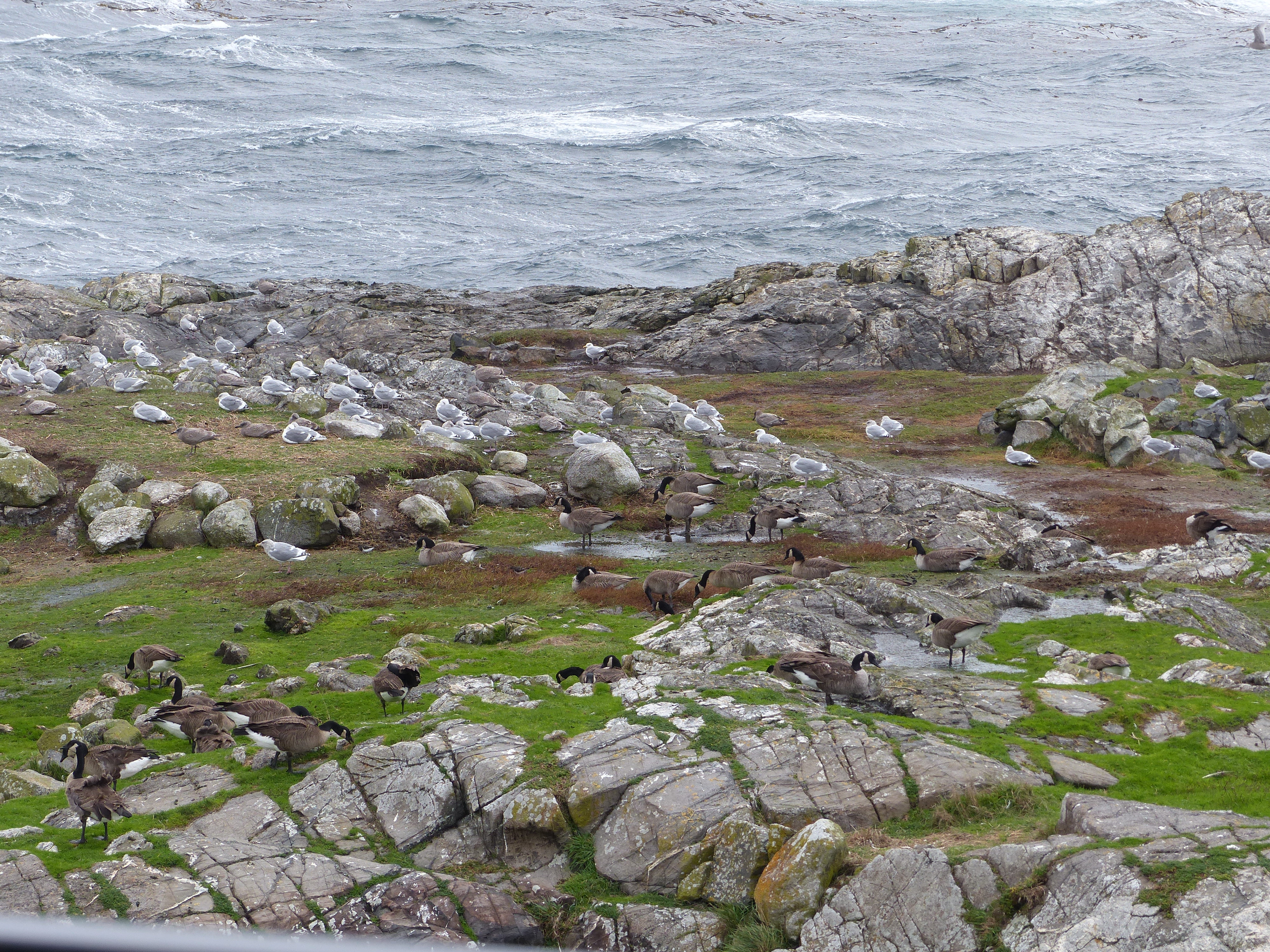
26 Canada Geese spent the day sheltering from the storm on Greater Race Rock
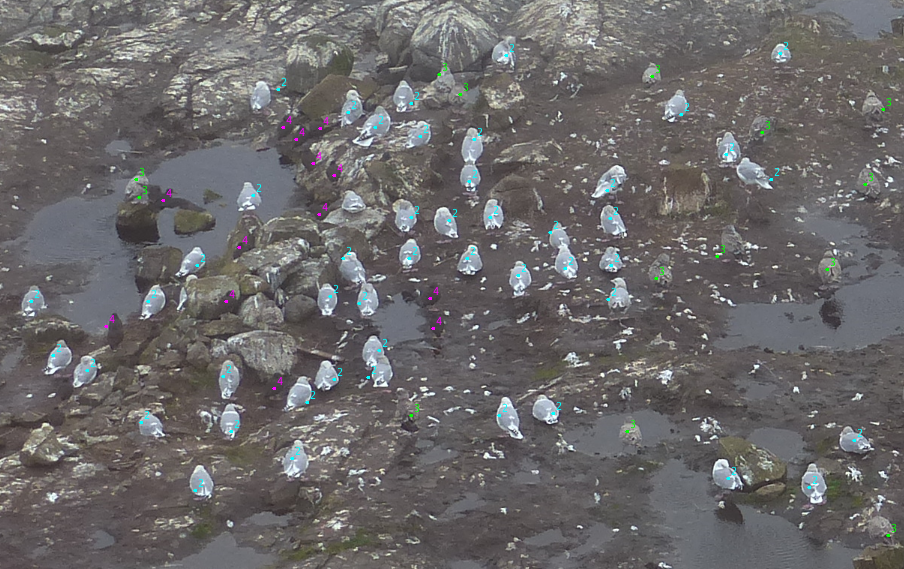
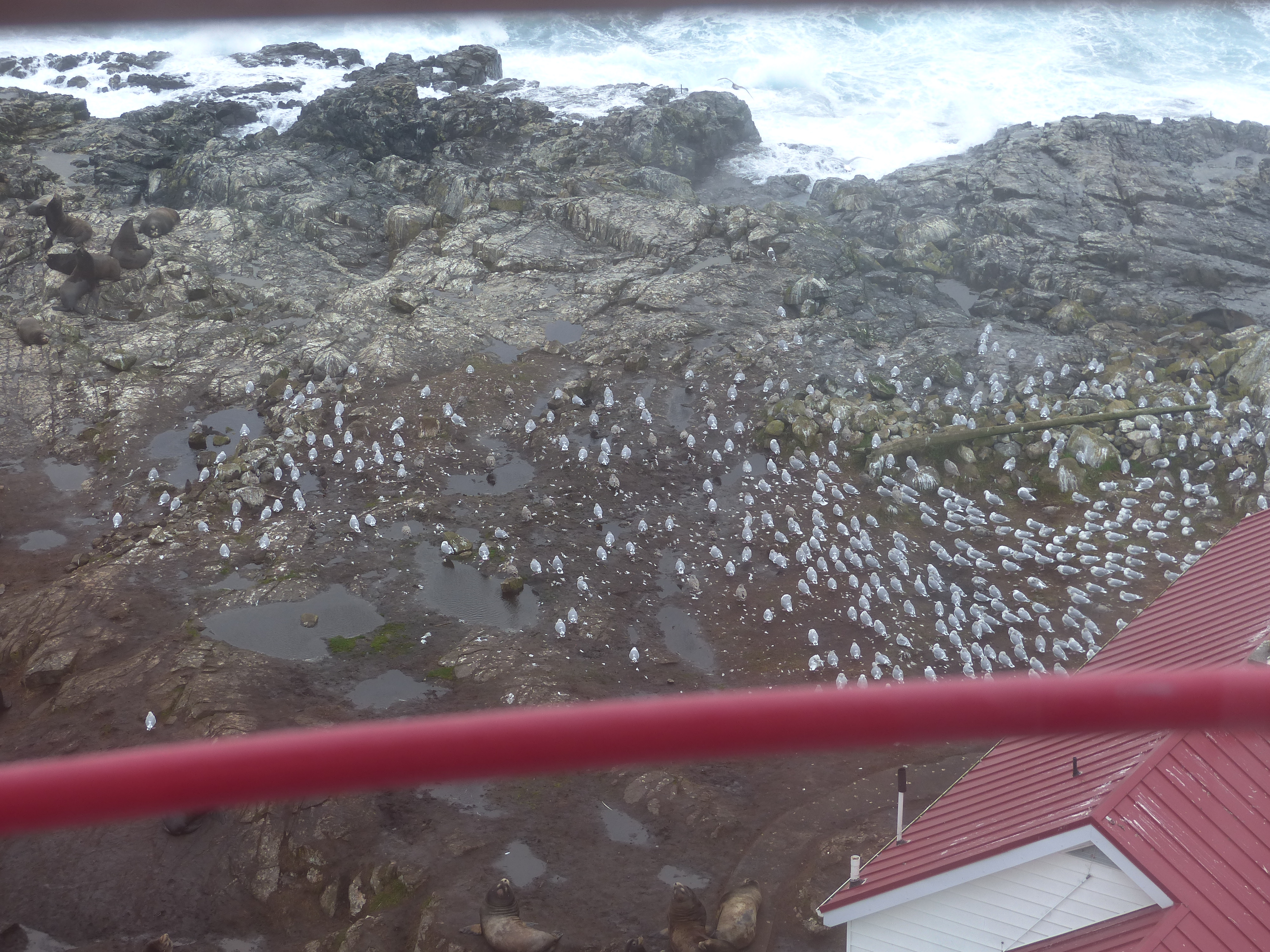
670 Adult Gulls + 96 Juvenile Gulls = 766 Gulls total
20 Oyster Catchers
136 Cormorants
I don’t know where the Turnstones and Sparrows hide during bad weather

Screenshot 2013-11-03 09.43.35

How I counted Birds: The nice thing about bad weather is that it forces all the birds to come to Greater Race Rock because of the waves surging over the outer islands. They also tend to sit in organized groups when it’s really windy. So I took photos of all the groups of birds and using a ‘cell counter’ macro in a great free program called ImageJ I counted all the birds and tallied the results.


[Daily Marine Conservation Link]
Sea stars up and down both coasts of North America are experience a mass die-off event now called Sea Star Wasting Syndrome. In recent years the populations of sea stars has been extremely high in the Salish Sea, and in September 2013 reports of mortality events started coming in from divers. A collaborative research effort is now underway and the Vancouver Aquarium is hoping that divers start to participate in some Citizen Science.
The Howe Sound Research and Conservation team is tracking this event by mapping observations of healthy and sick sea stars  but they need data! So if you see any sea stars while diving report it to this website


fog

Cloudy, with periods of fog. Evening fog. No rain.

Our reference on Fog as an abiotic factor can be found at: http://www.racerocks.com/racerock/abiotic/fog/fog.htm

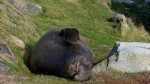
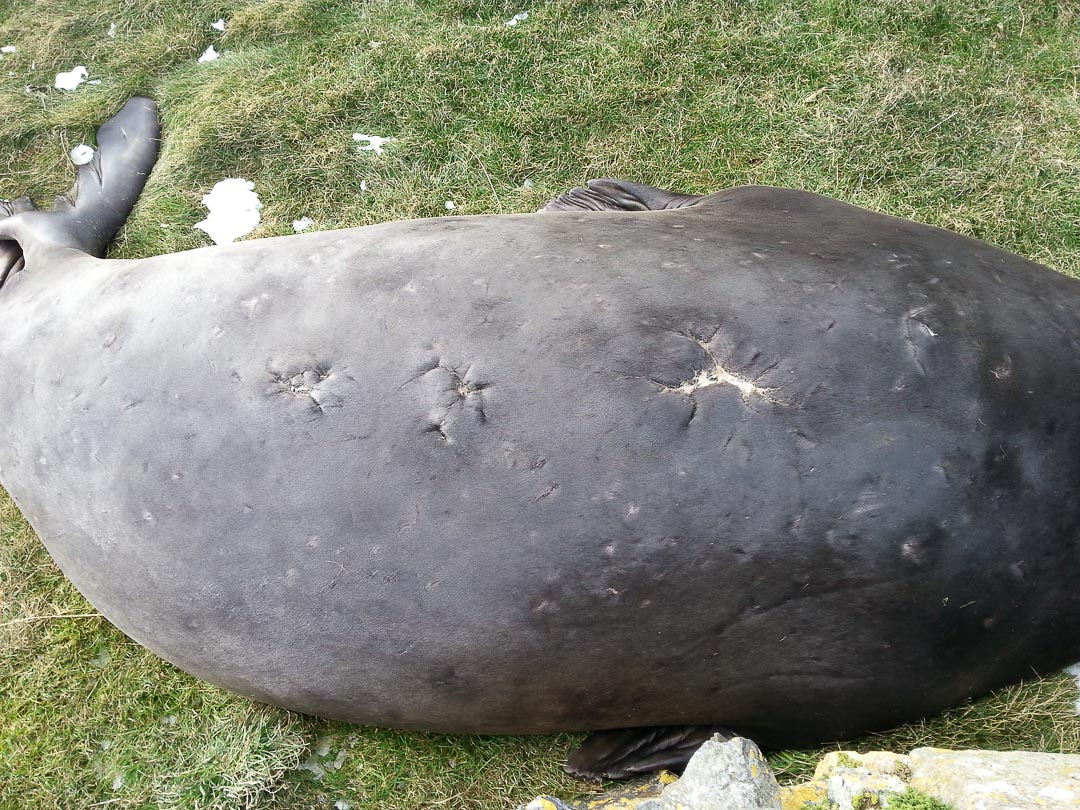
3 elephant seals decided to come up off the boat ramp today. It started with Cranky-Pants (the seal with the scabby molt) and she was followed by two of the larger females. They spent the afternoon lying in the grass next to the desalinator bunker.

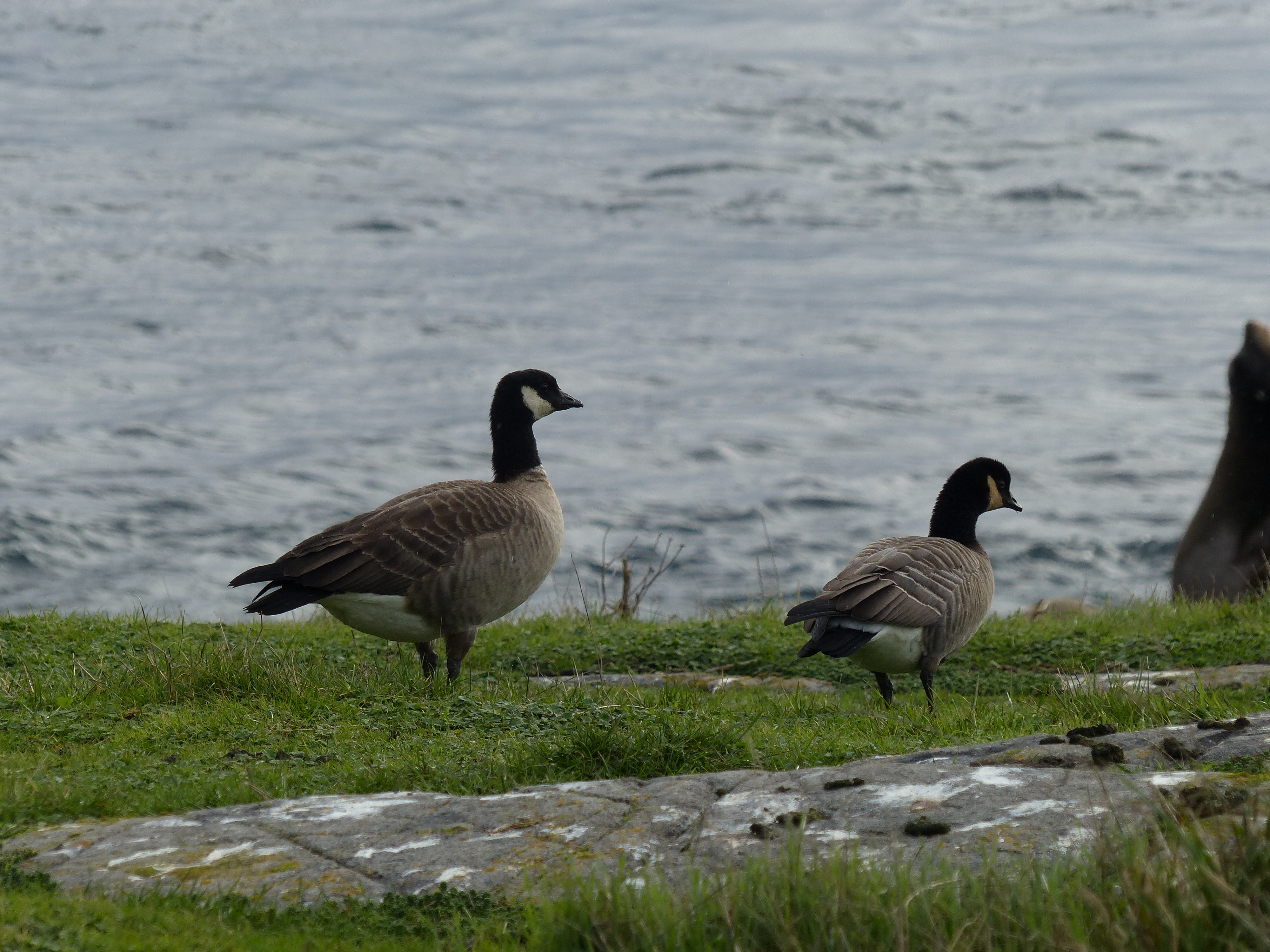
Still seeing the White fronted goose and the Cackling goose. The larger Canada geese bully the two smaller geese, but they still tend to move around the island in a group.

Off station from 1230 to 1430 to get food