Anas platyrhynchos: Mallard Duck–The Race Rocks Taxonomy

pbdec15mallards

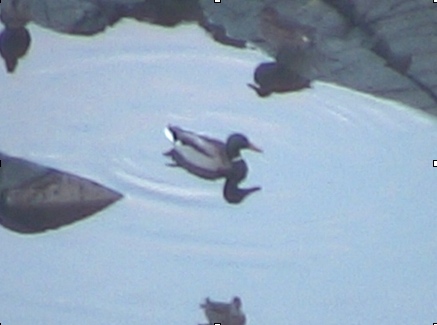
Pam Birley from England took this first set of images of mallard ducks at Race Rocks with the remote camera today. Over on Vancouver Island it is a very common duck but has never been recorded out here before.

This is the first image taken of this species at Race Rocks. Pam said in her e-mail “Not too exciting but never seen them before at RR.  A group of 6 Mallards in a rock pool along the NE shore.  Seemed to be one breeding male and I believe the others were all female.  Light very poor but have enhanced the pics as best I could.”.


Domain: Animalia
Phylum: Chordata
Subphylum: Vertebrata
Class: Aves
Order: Anseriformes
Family: Anatidae
Genus: Anas
Species platyrhynchos
Common Name: Mallard Duck

Return to the Race Rocks Taxonomy

This file is provided as part of a collaborative effort by the students, faculty, staff and volunteers of Lester B. Pearson College and website viewers on our remote cameras on the internet. 15 Dec. 2012–Pam Birley

15 Elephant Seals

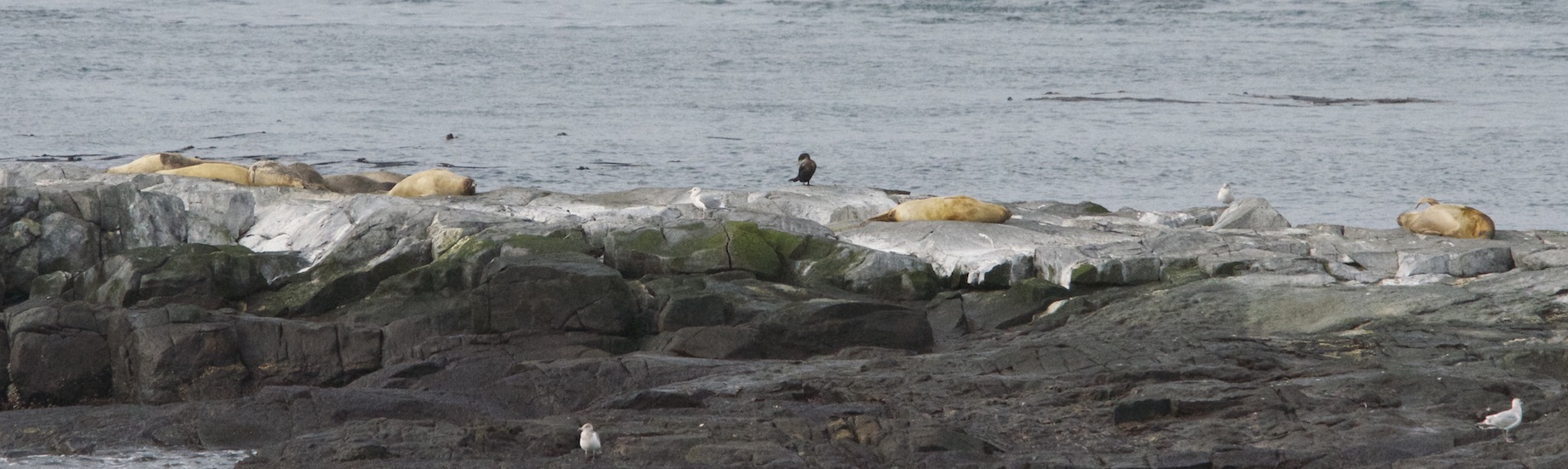
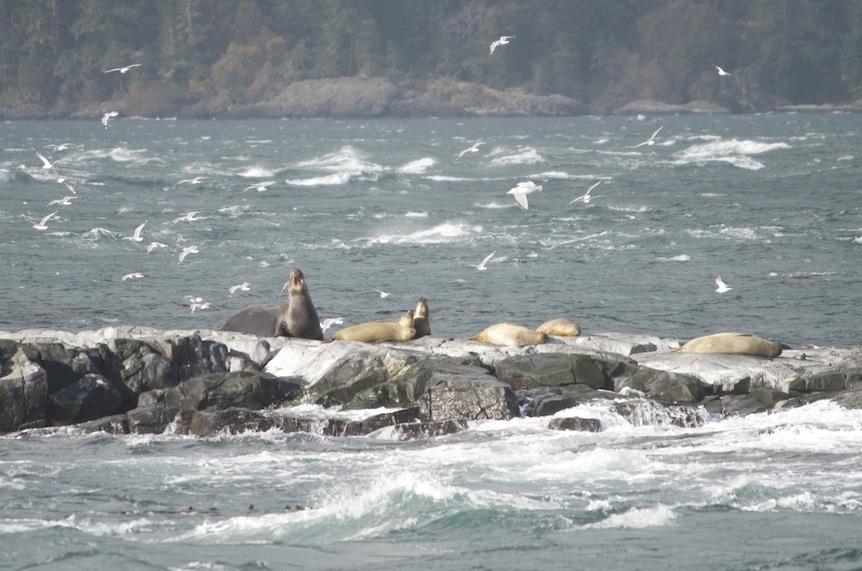
West Rock, 10 elephant seals Dec 8.


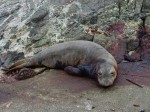
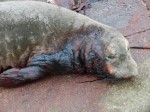
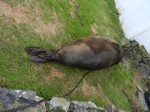
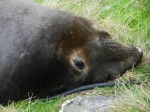
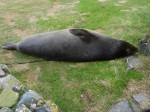
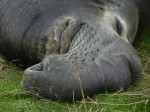
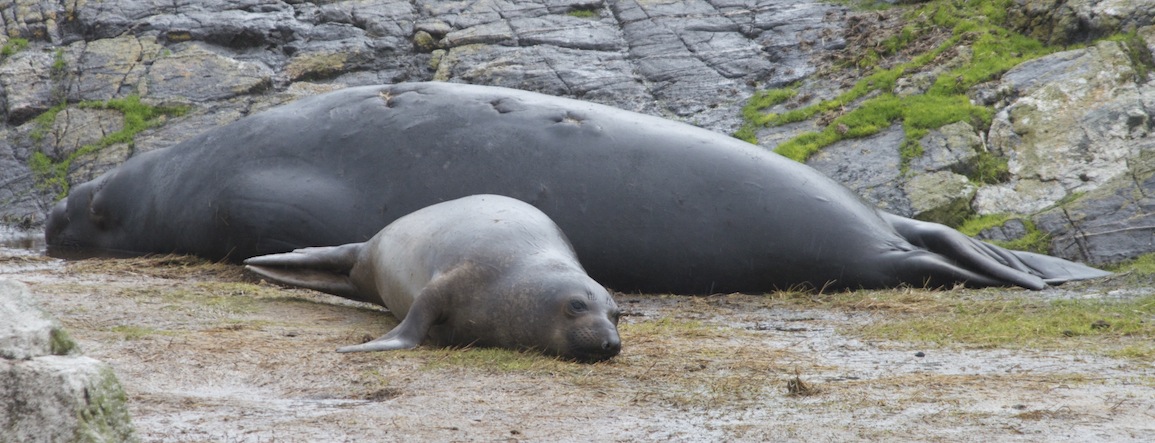
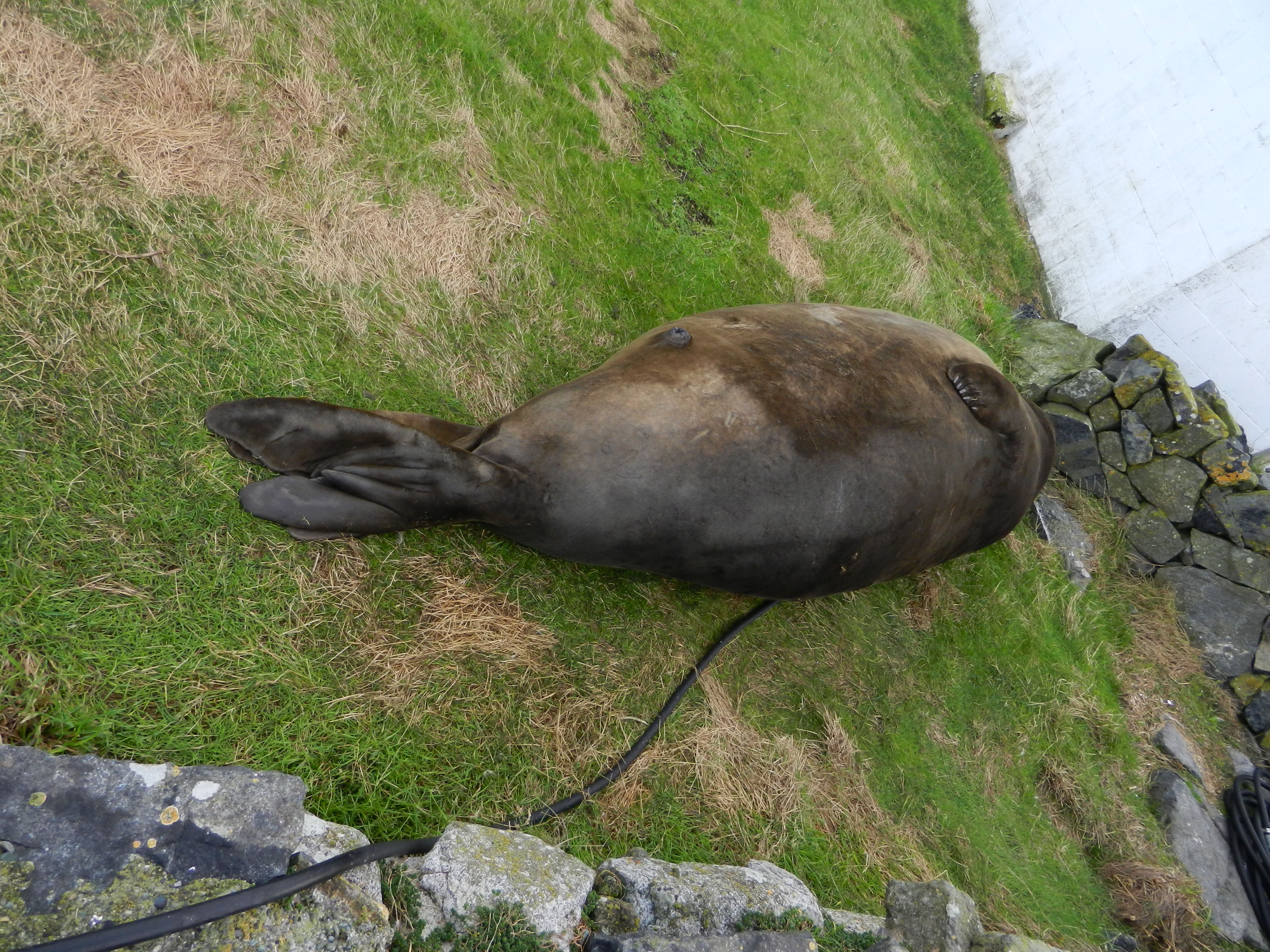
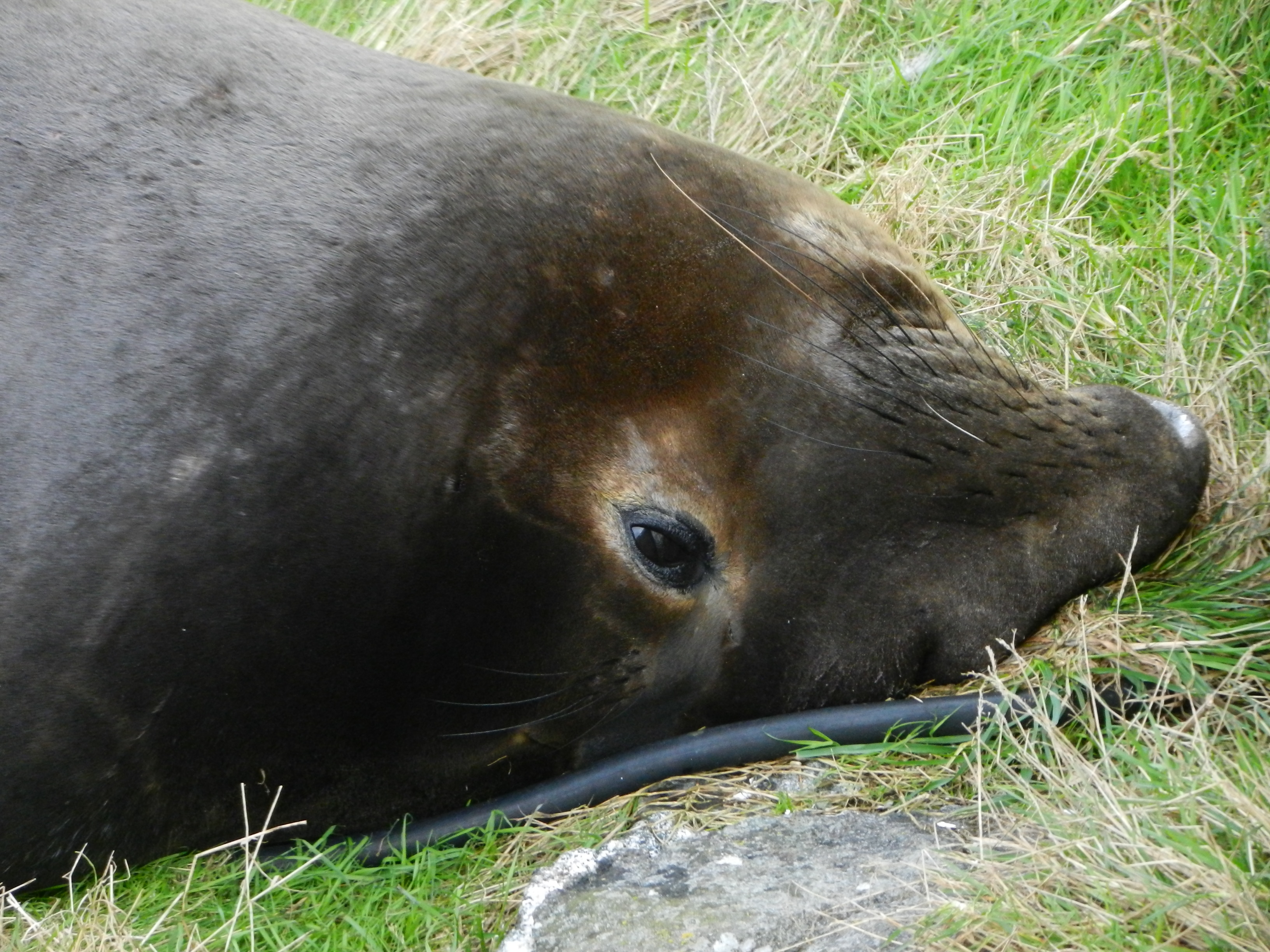
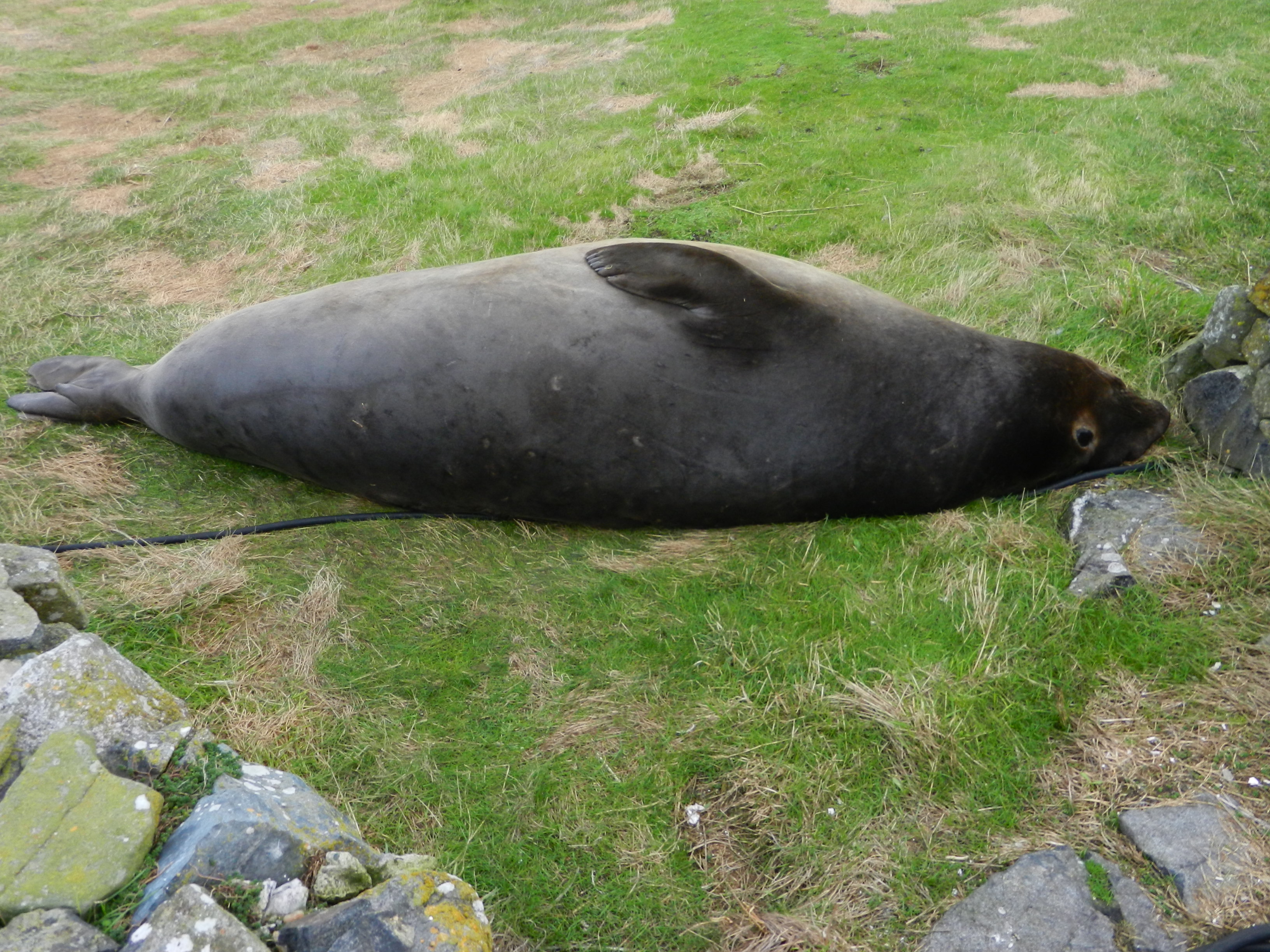
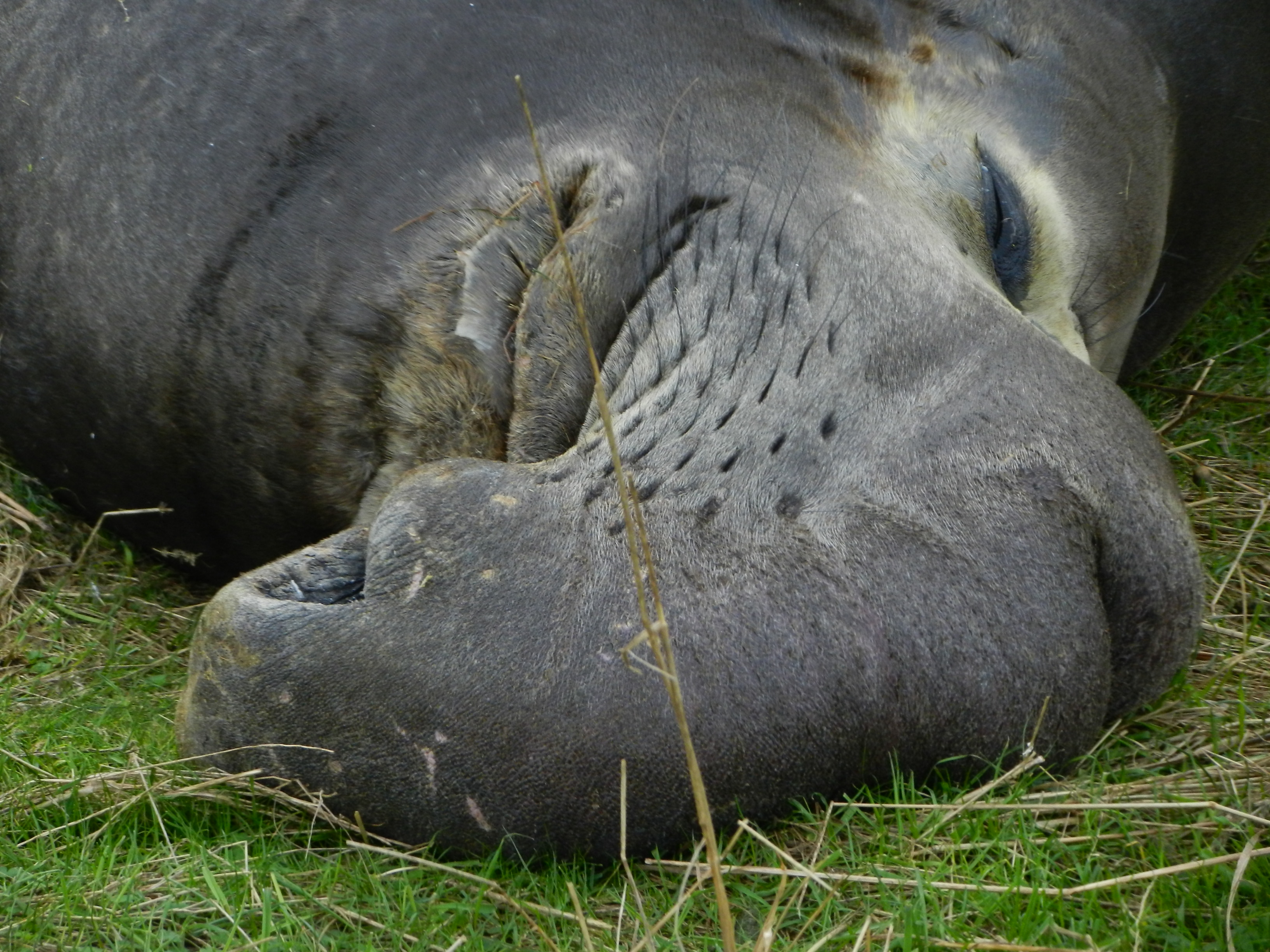
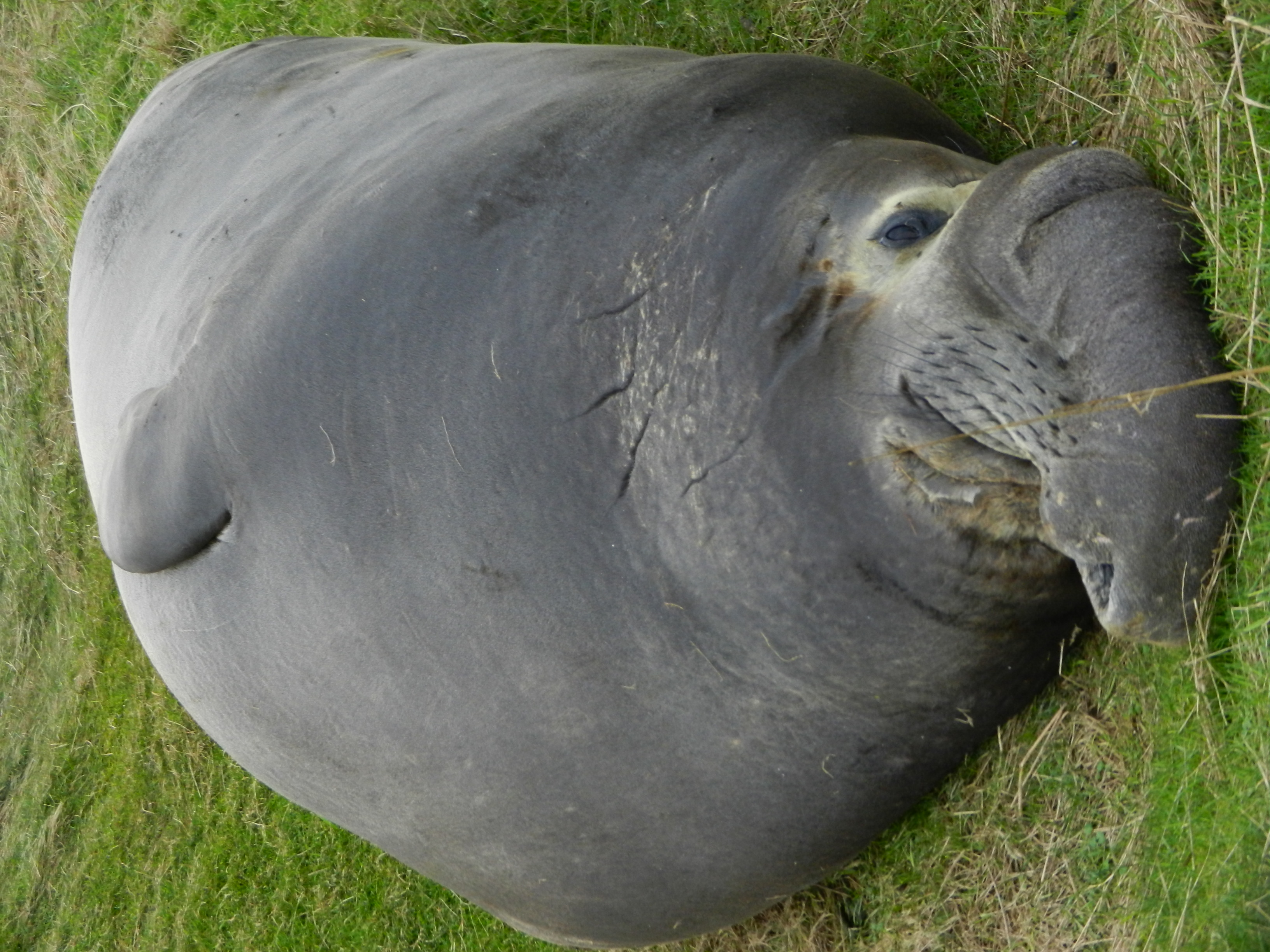
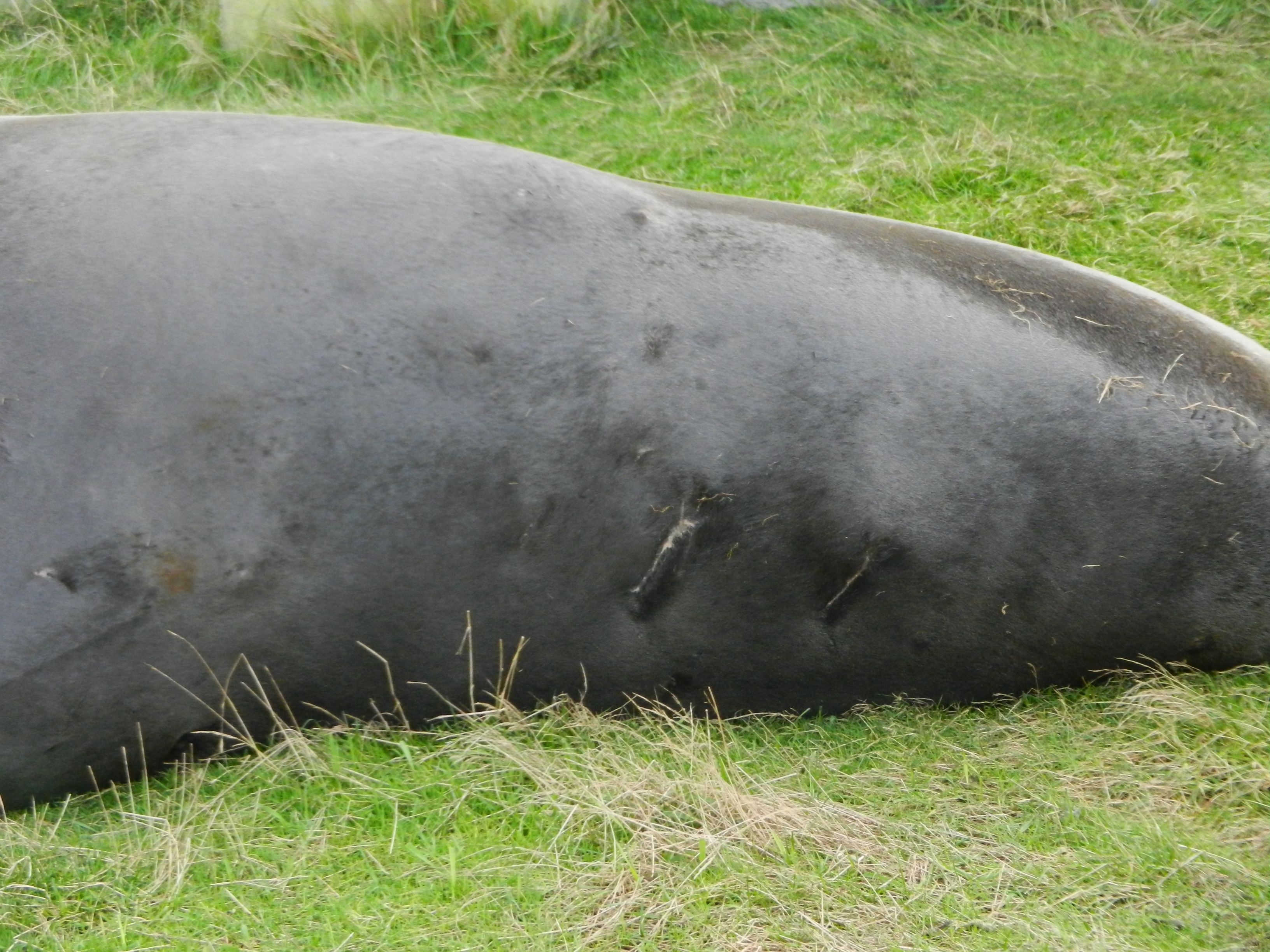
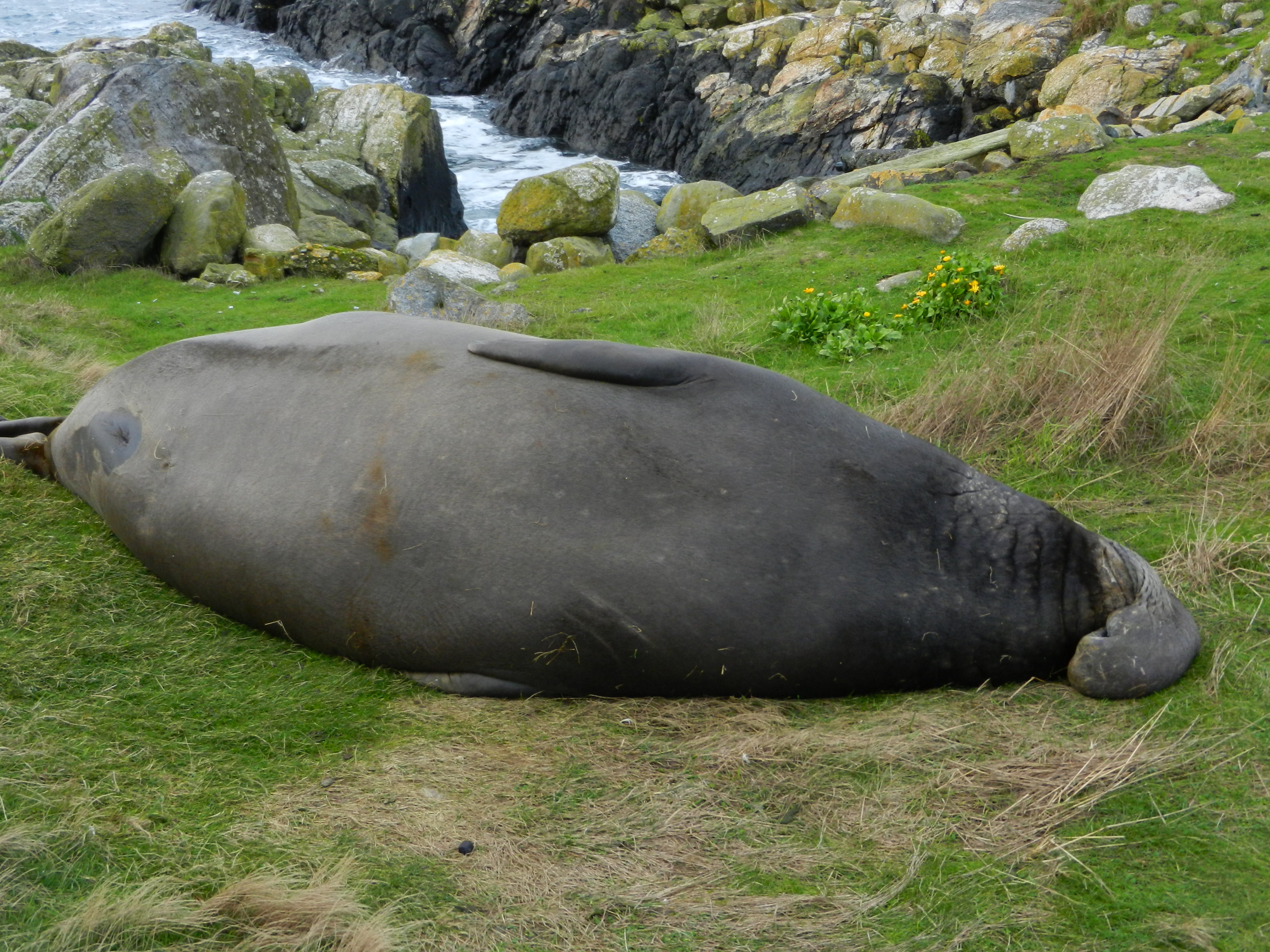
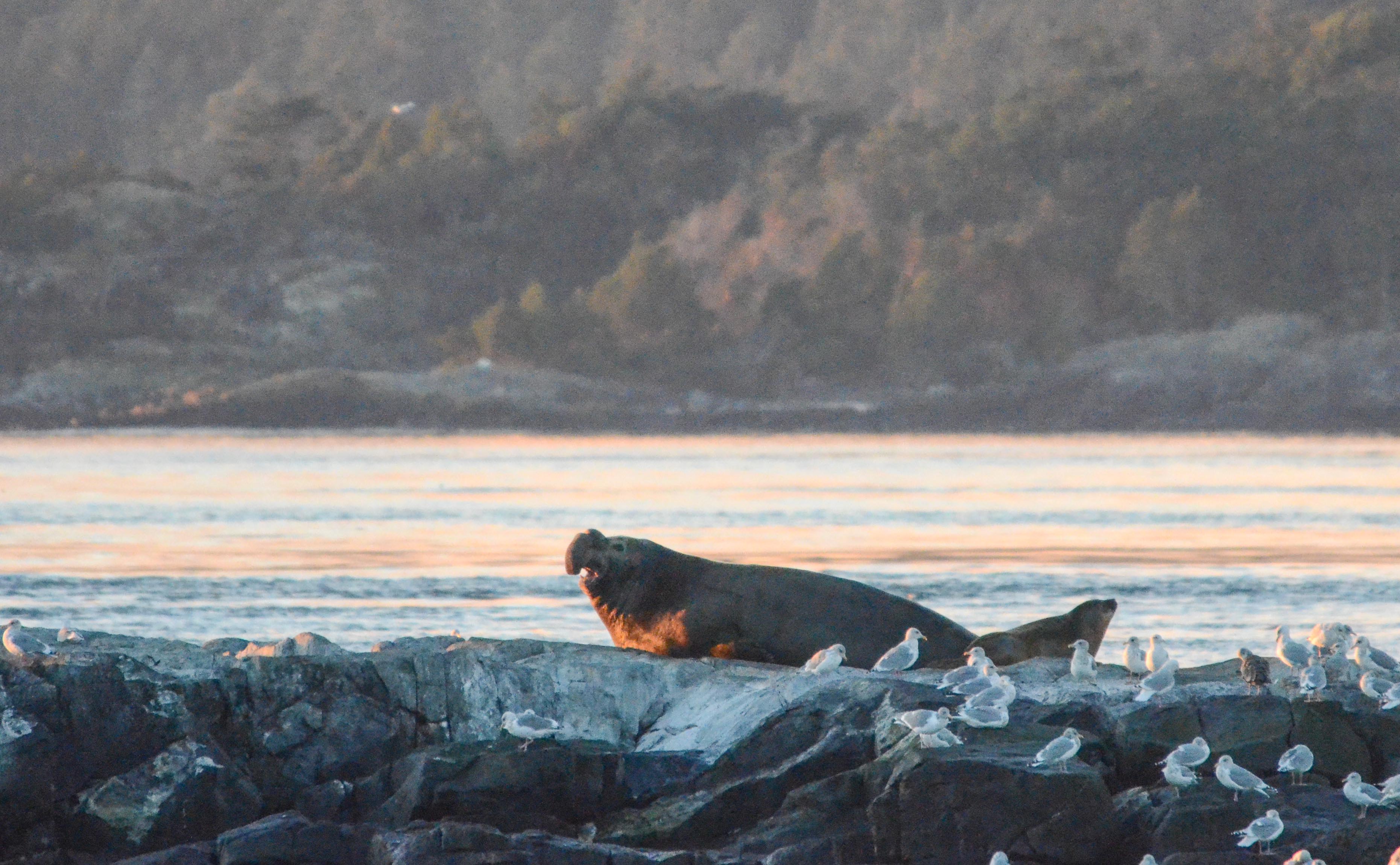
Male elephant seal younger than Misery with deep scars and a female elephant seal on main island Dec 8

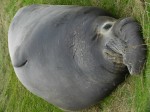
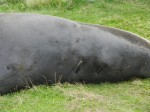
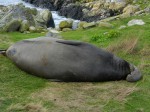
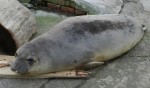
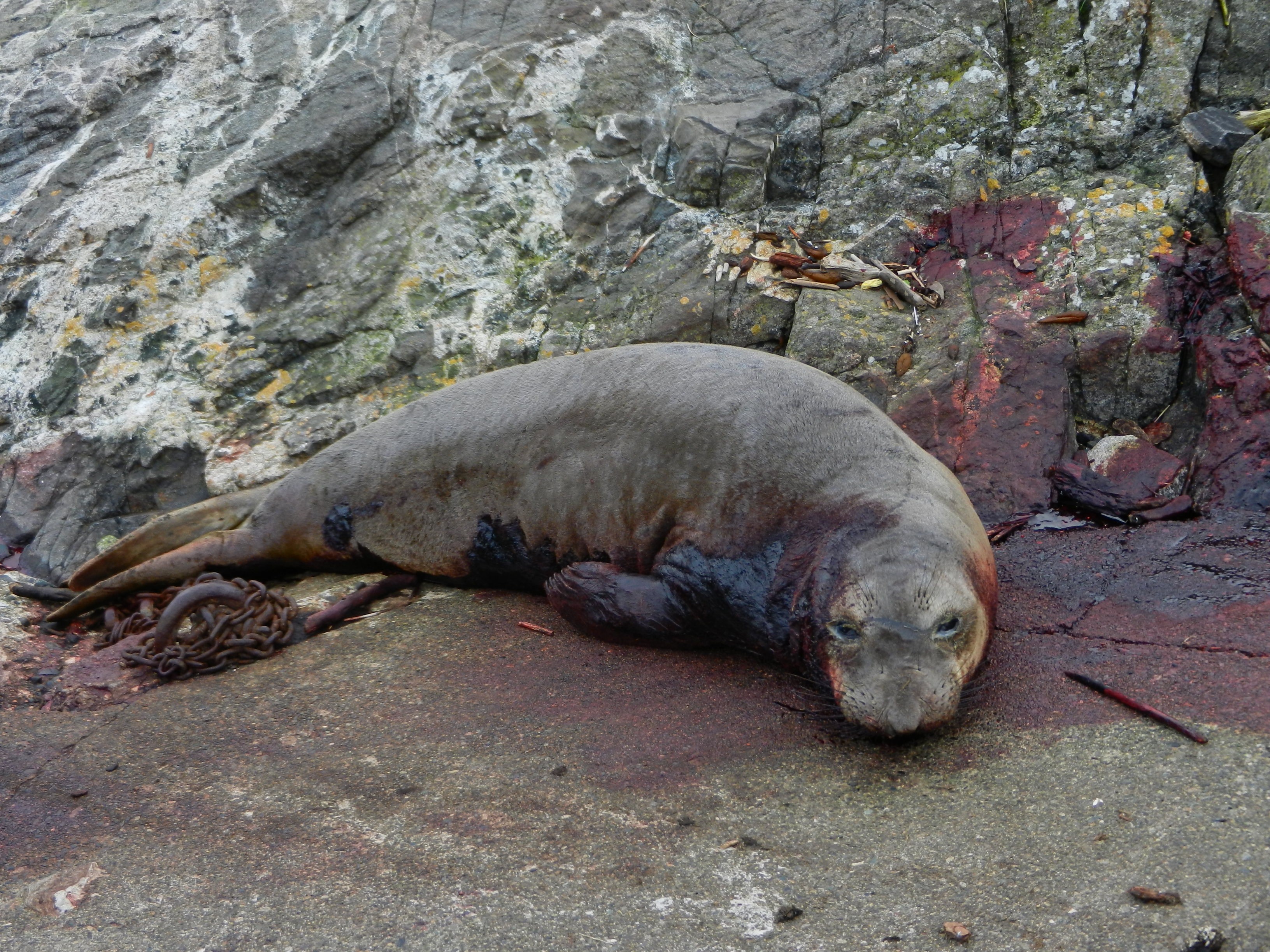
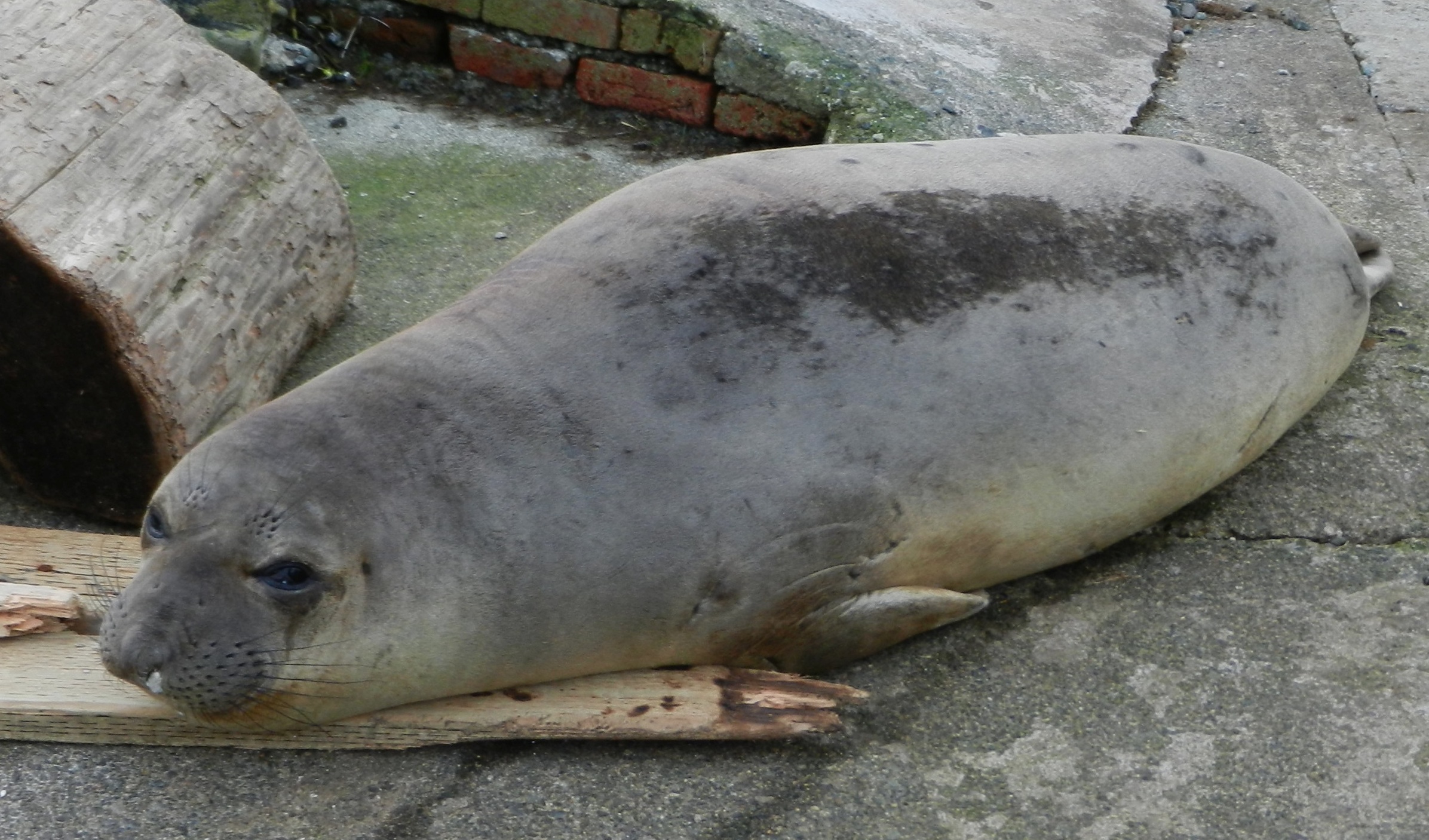
On Dec 8 I counted 15 elephant seals in the reserve: 3 female and 2 male elephant seals hauled out on Great Race as well as 10  female elephant seals on West Rock.  I think this is the most i have ever counter here.

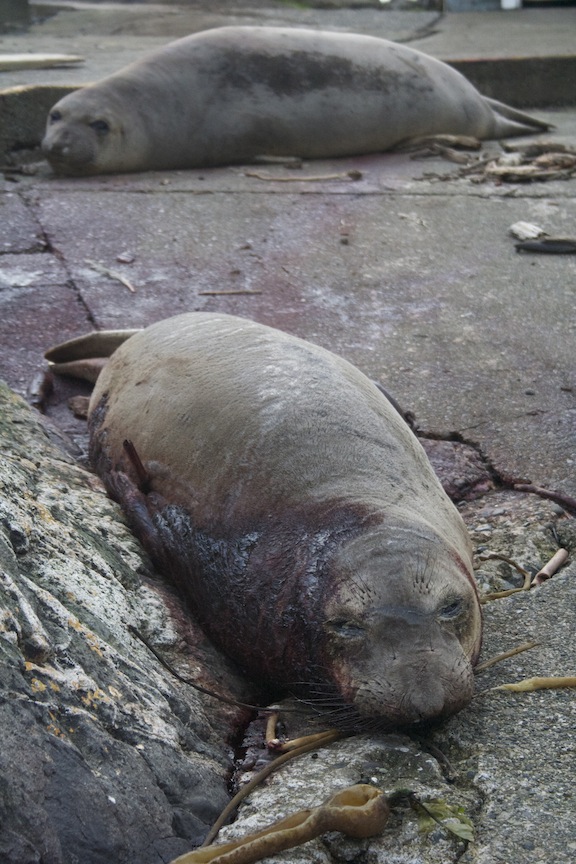
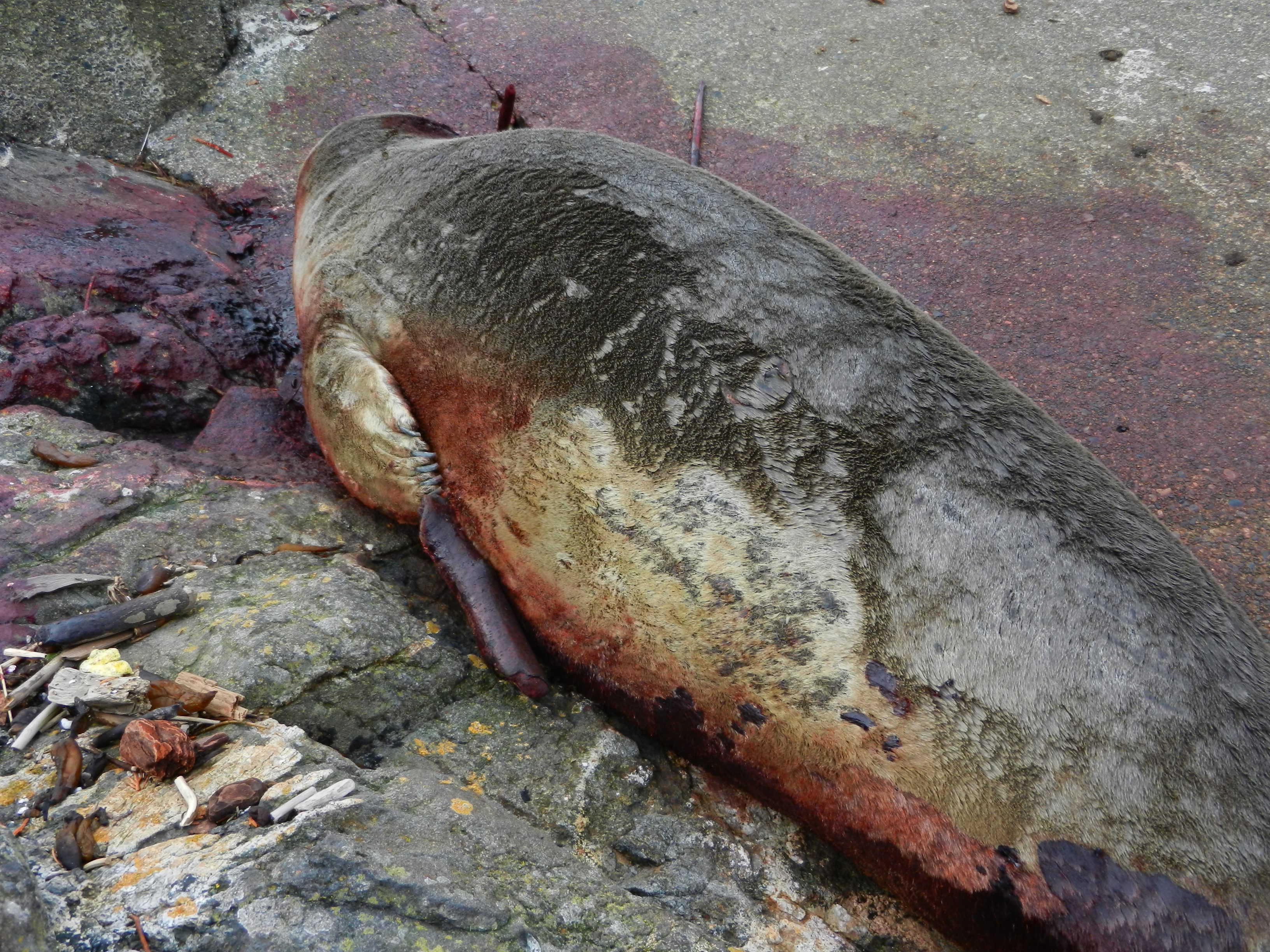
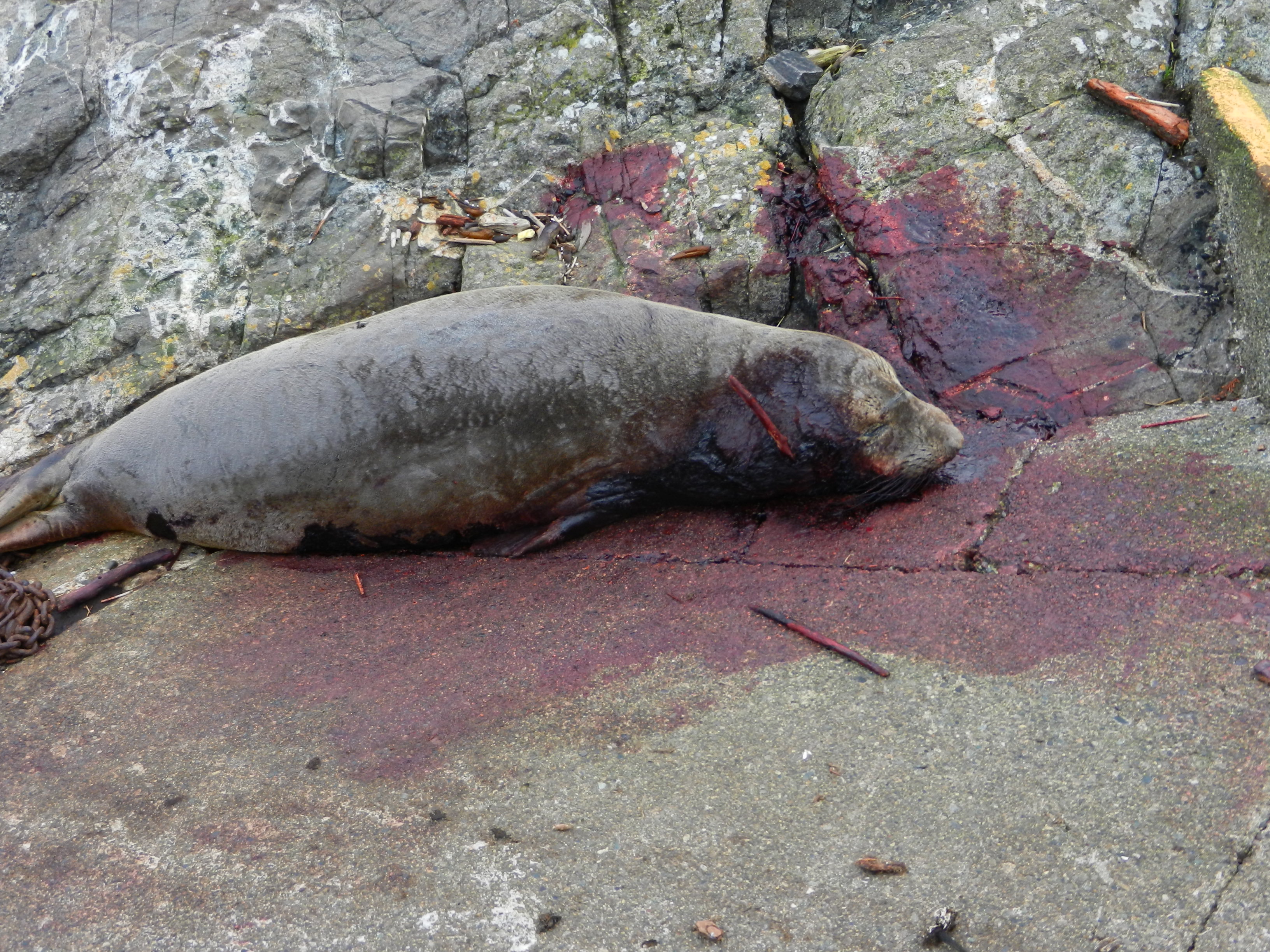
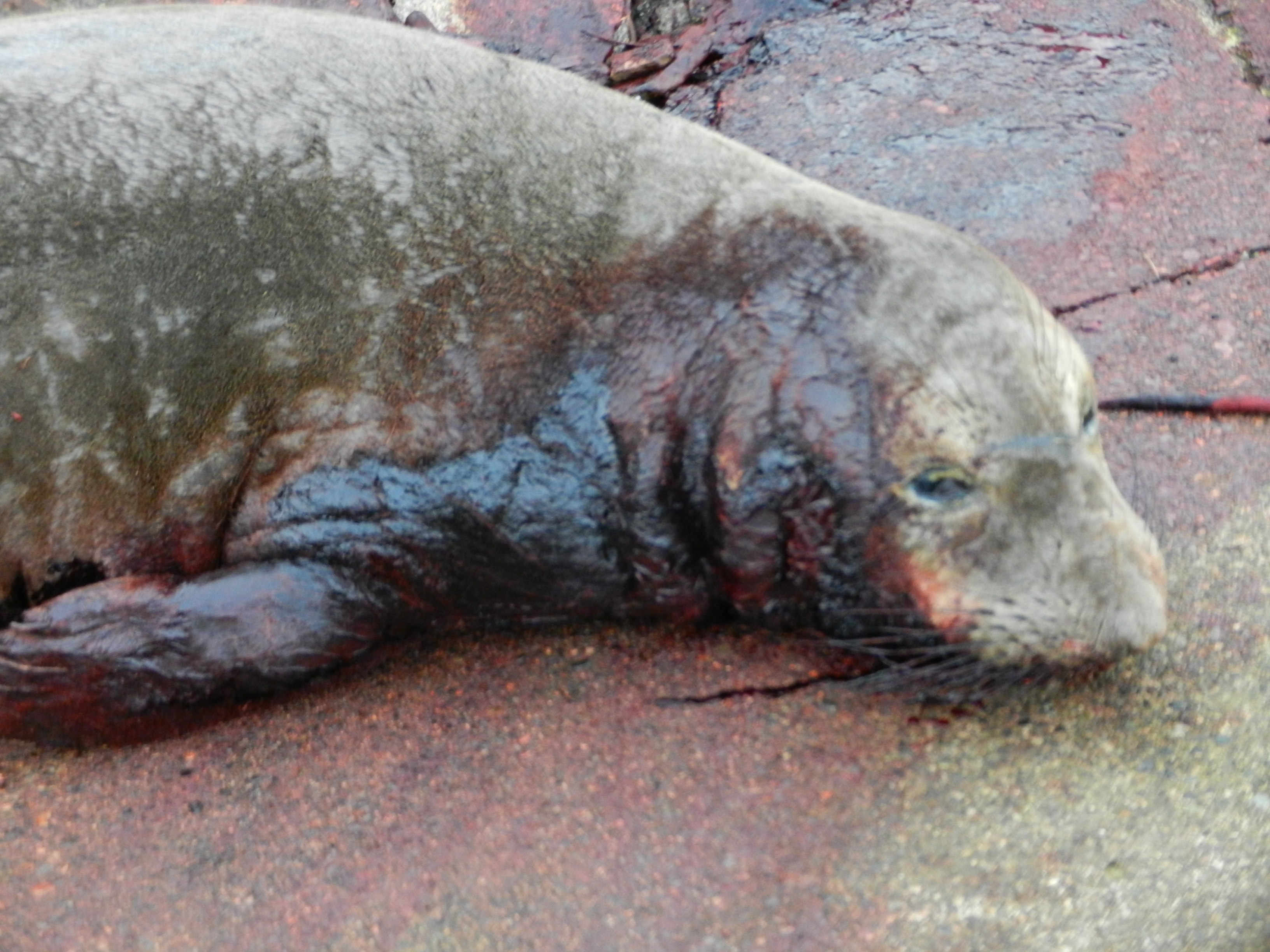
mouth or throat injury

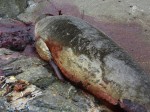
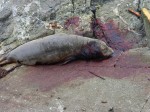
Unfortunately one of the females on Great Race is injured in her mouth or throat and has been bleeding quite a lot.  We have notified the Department of Fisheries and Oceans about her.  There was an elephant seal in the spring that had a mouth injury as well.


The second male elephant seal is brave  to venture onto great race while Misery, Alpha male, is about.  This same elephant seal was here earlier this year, Mike posted about “chunk” at the end of May: https://www.racerocks.ca/2012/05/31/end-of-may/

And i think that it is the same one that had been around earlier that we were calling “Zeke”. I reported him injured here by Misery in February: https://www.racerocks.ca/2012/02/09/zeke-is-wounded/

The scars look similar, including a scar to his right eyelid.  Misery does not seem to be very bothered by the other male being on the main island.  The younger male has kept his distance though.

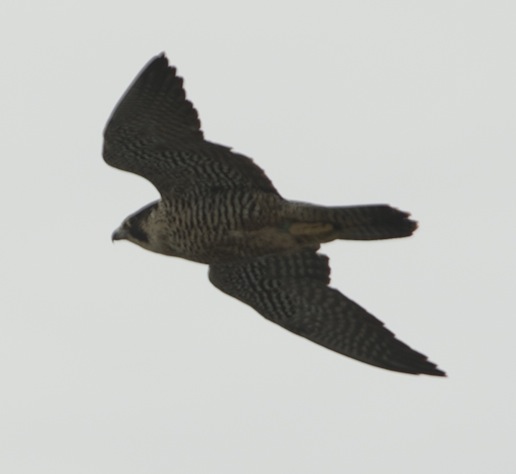
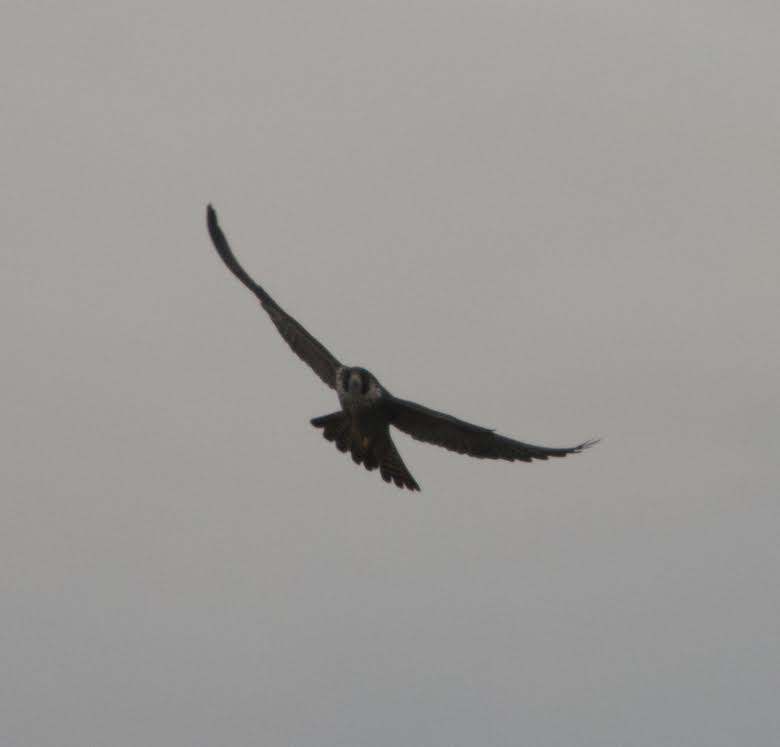
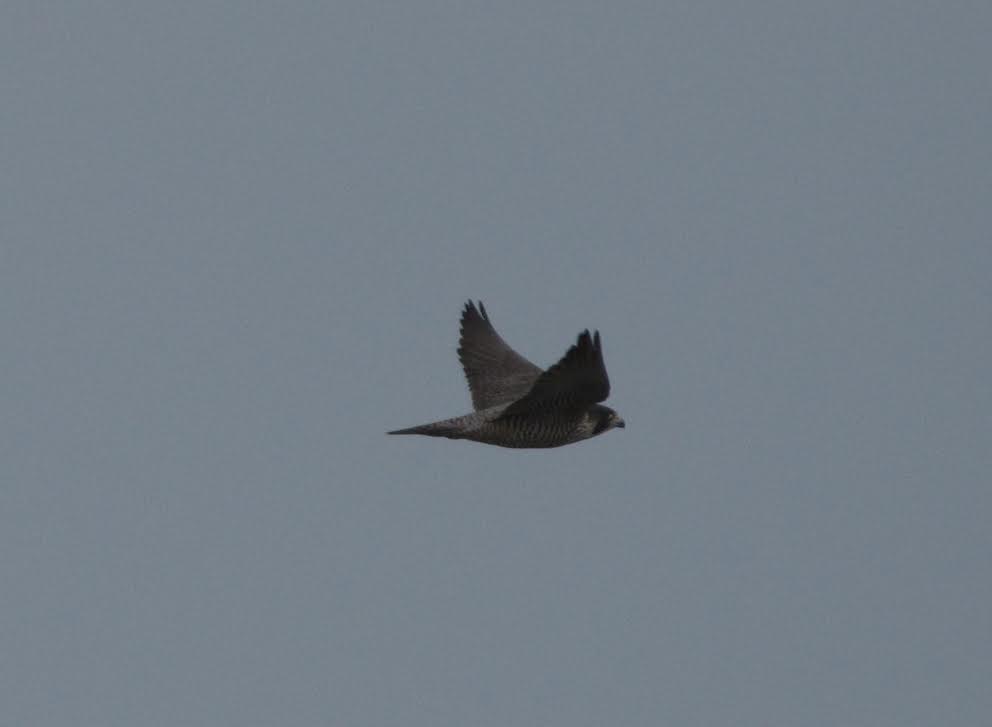
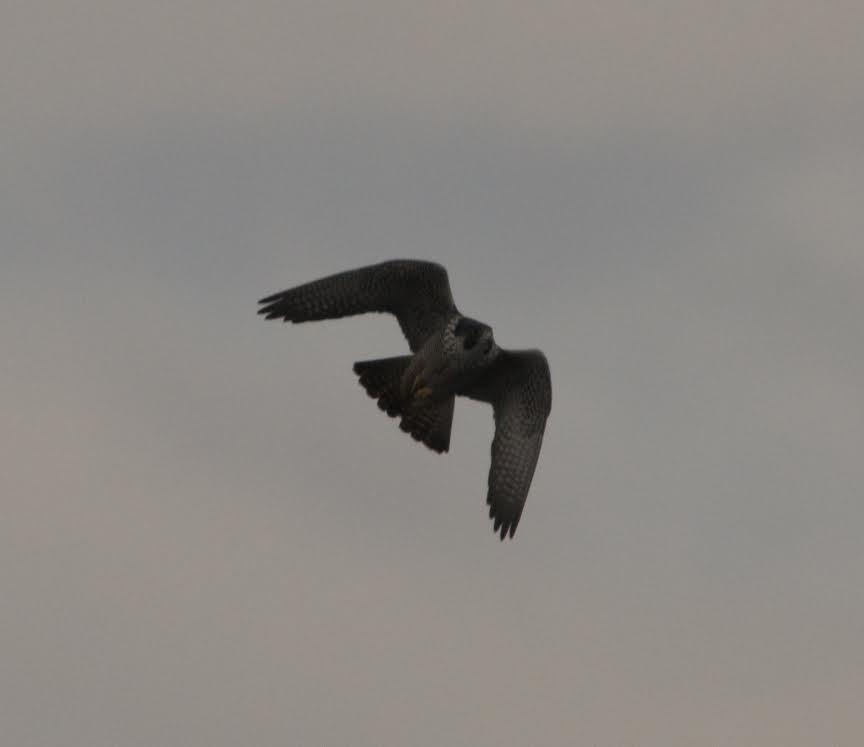
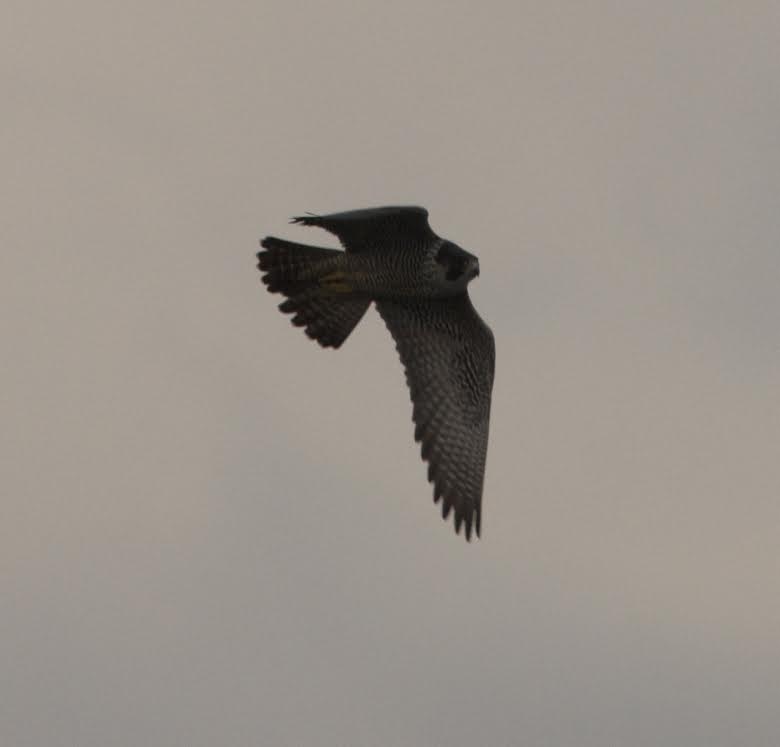
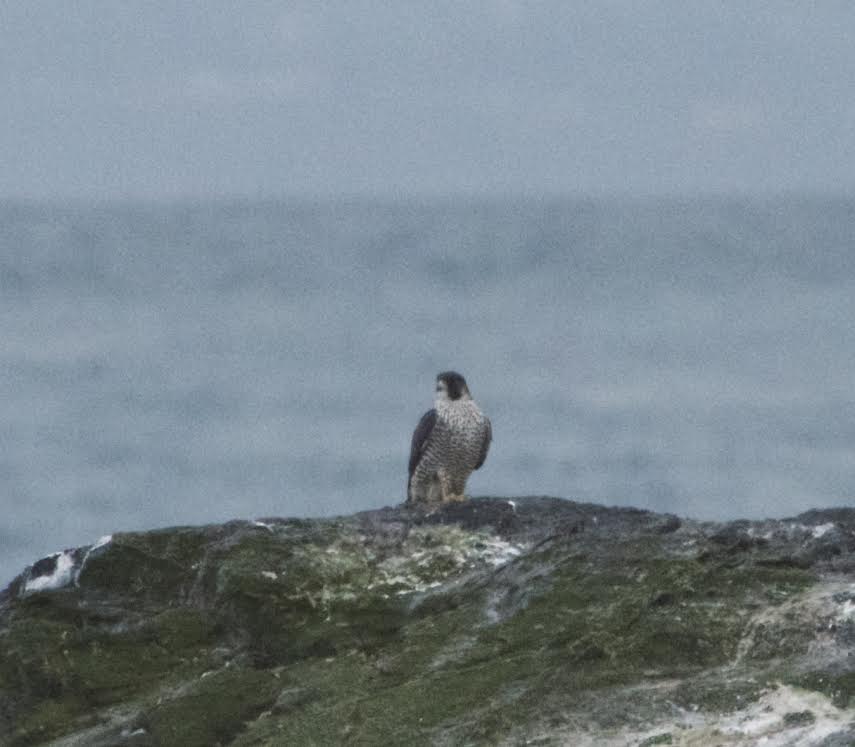
There has been a Peregrine hunting in the reserve the past three days, this picture taken Dec 8.


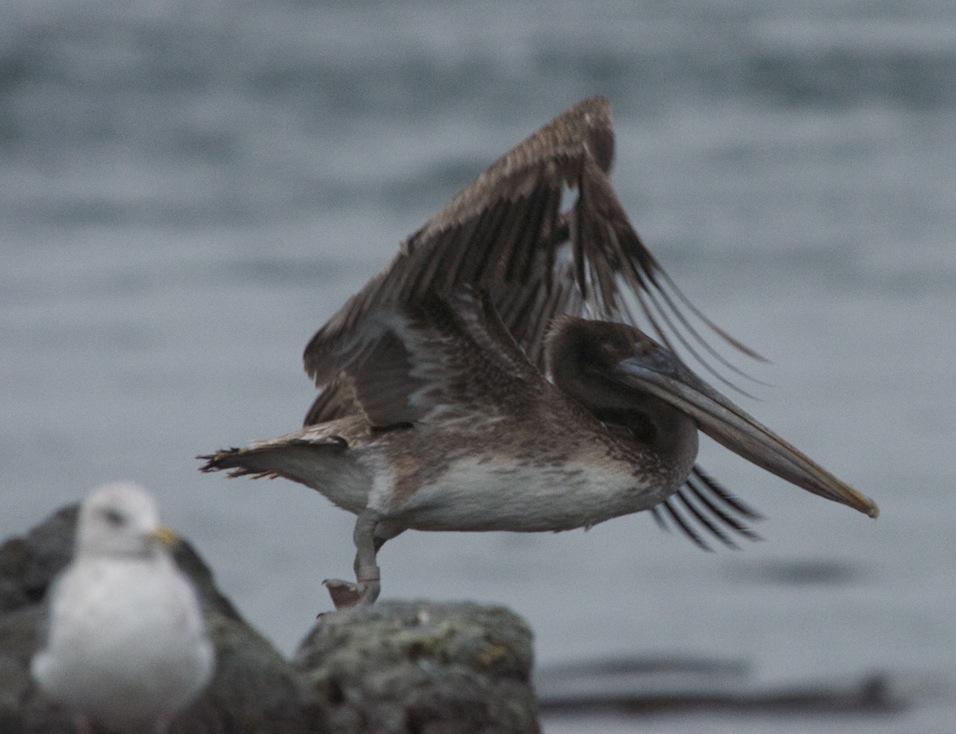
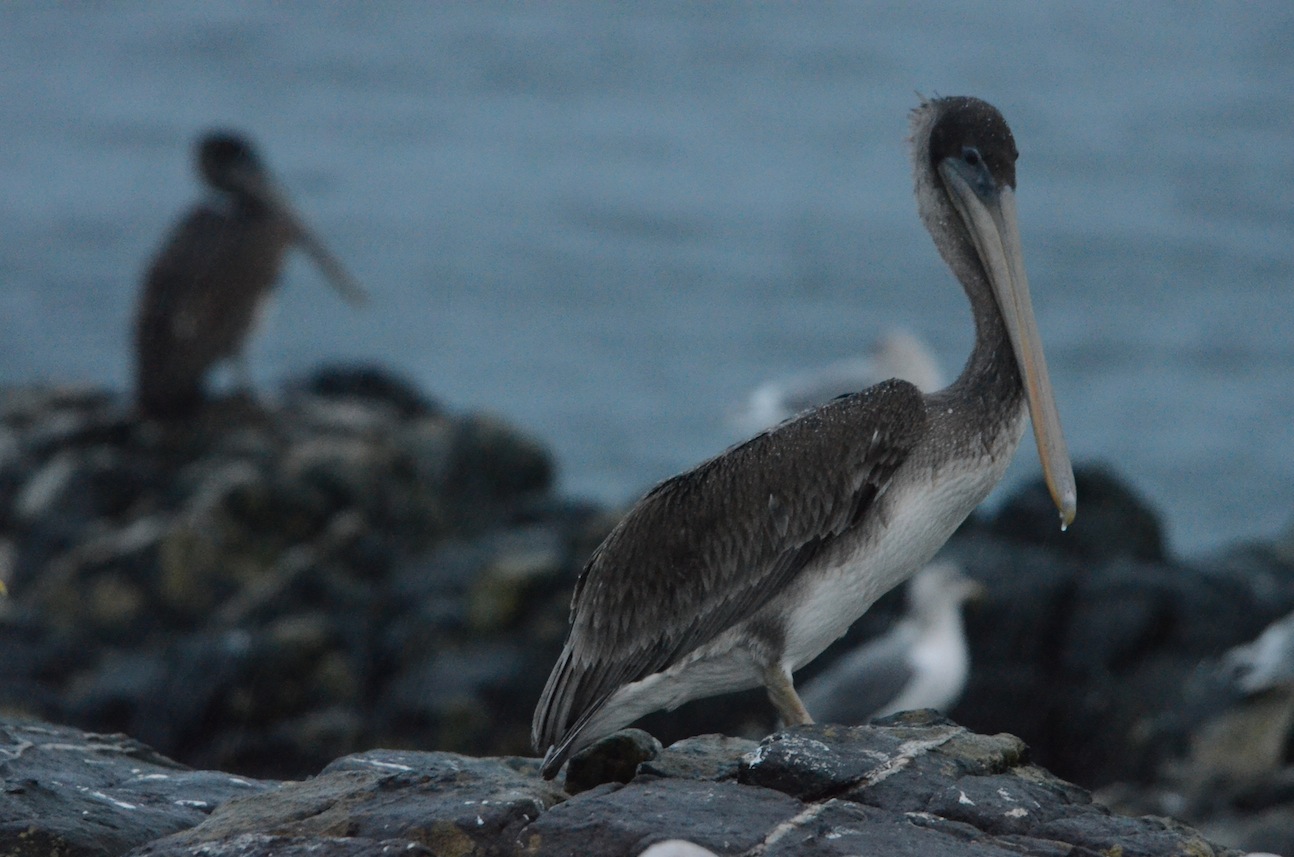
One tagged Pelican Dec 8 but not able to make out the ID #.

ER #97 Wardens Report, Dec.8 2012

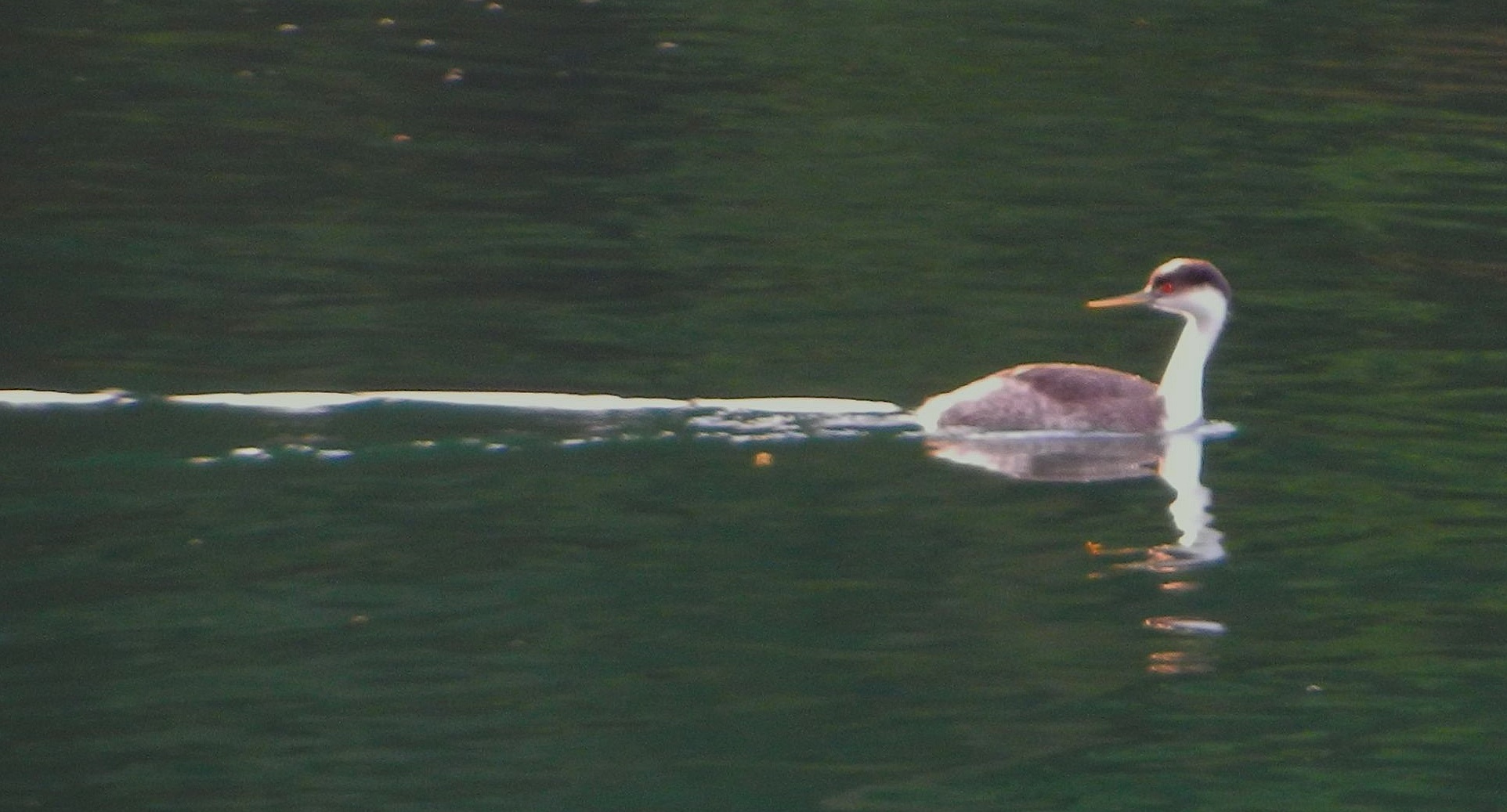
Leaving the Docks at Lester B. Pearson College I noticed an unusually high number of western grebes. These birds (a species at risk) have an unusual migration pattern, in that they nest in wetlands on the Canadian prairies and then instead of migrating south as most other birds, they fly west, over the Rocky Mountains to winter in the small bays of southern Vancouver Island. We have few records of them at Race Rocks , but one that ended up at the docks dead made it into our taxonomy and gallery of species.
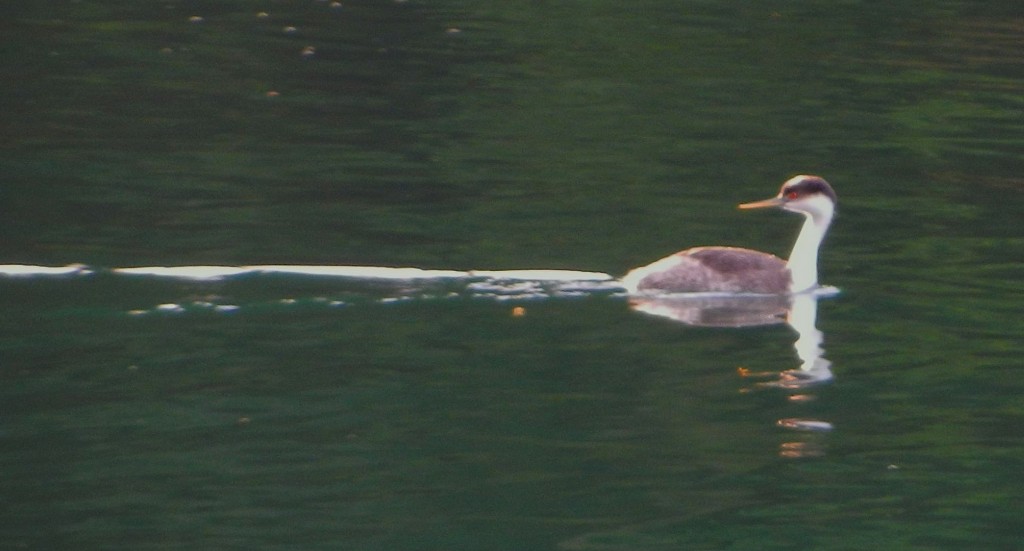
Western grebe — 11 in Pedder Bay today

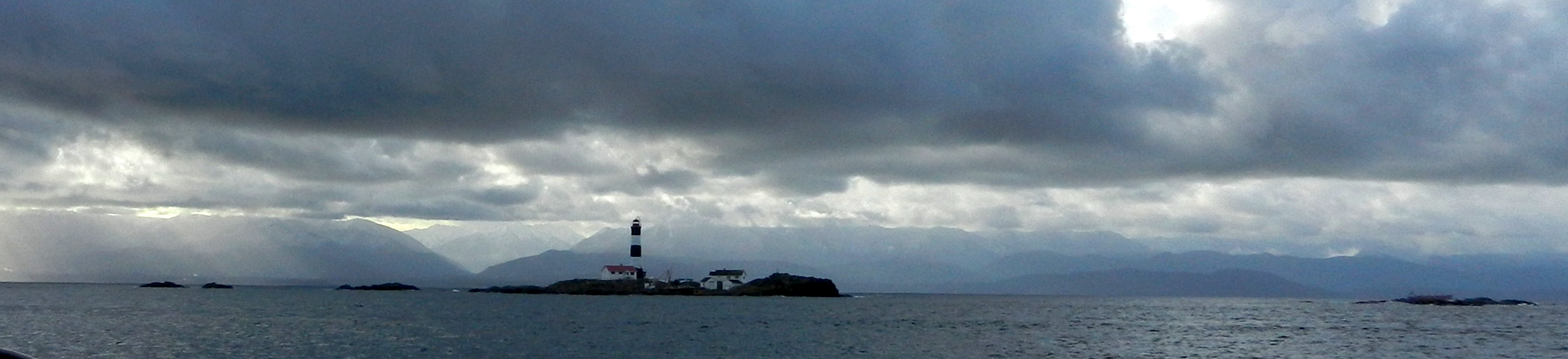
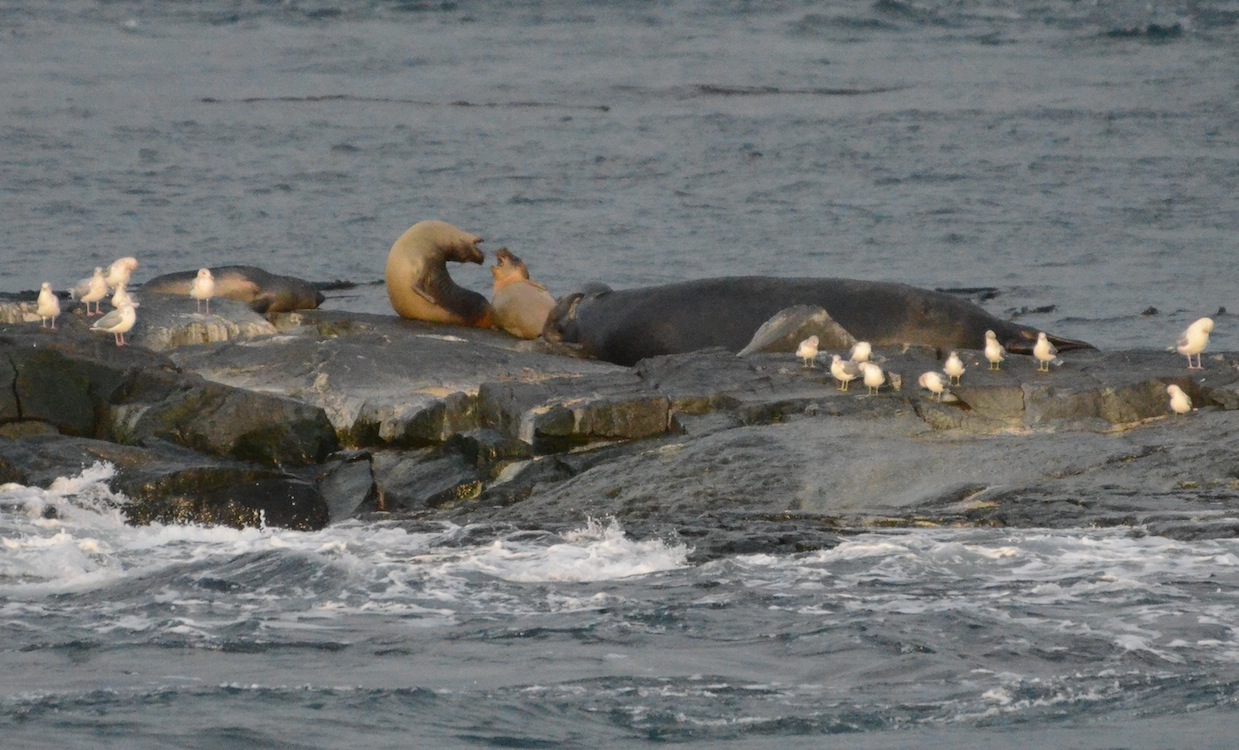
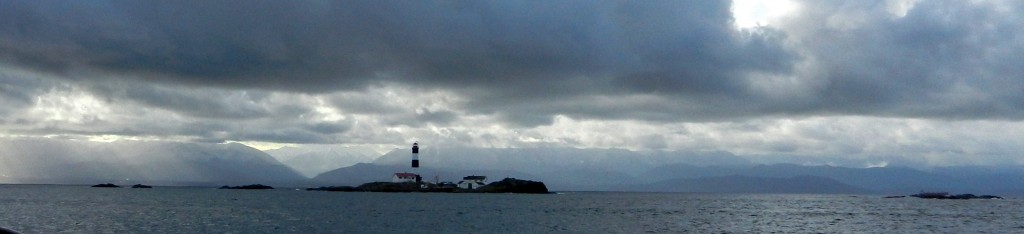
On the approach to Race Rocks one of those ever-changing sky scenes unfolded.We could see that the middle islands to the west are covered with Northern (Steller) sea lions today as well as a number of elephant seals .  We only had time to check out Great Race Island as Erik was doing some underwater work, changing zincs on equipment and cleaning the underwater camera.
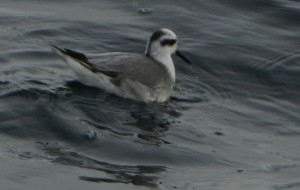
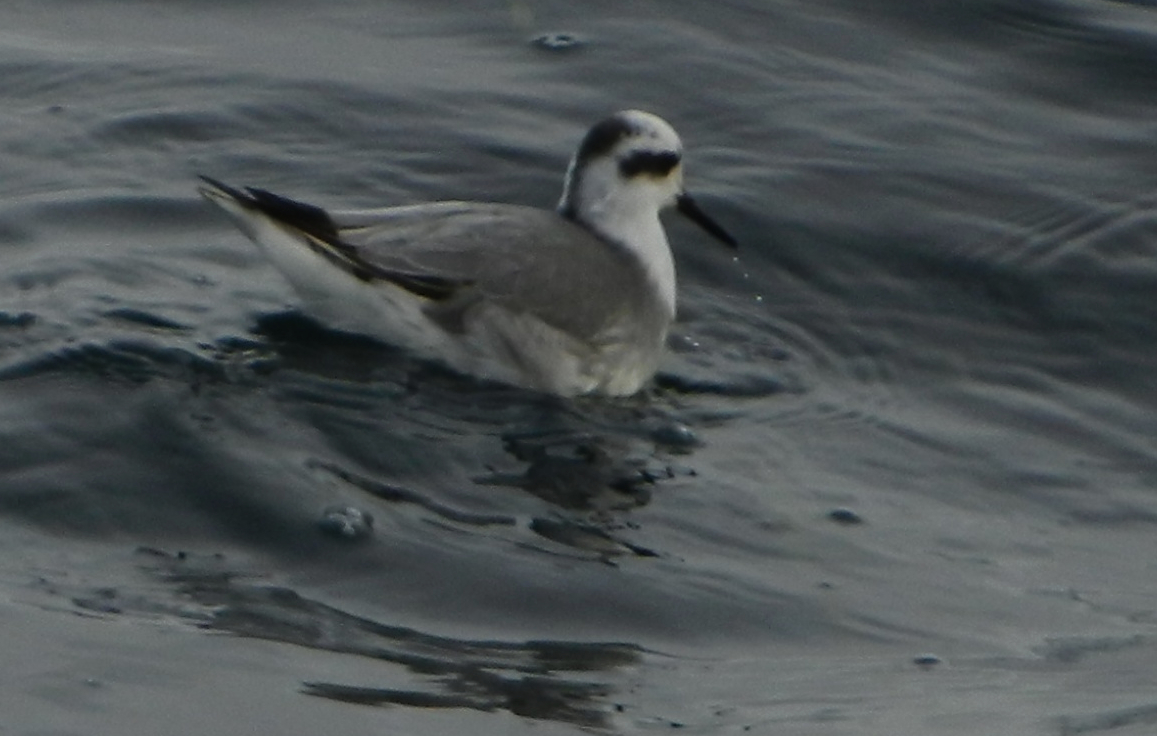
Red phalarope near docks

As I tended him diving, a red phalarope (Phalaropus fulicarius ) swam in the waves near the dock, churning up plankton in a vortex . This is the usual location  where we have  sighting of the red-necked variety of these birds in the winter.
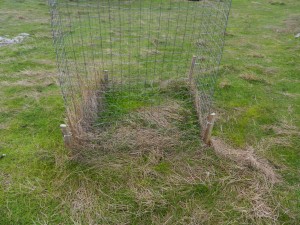


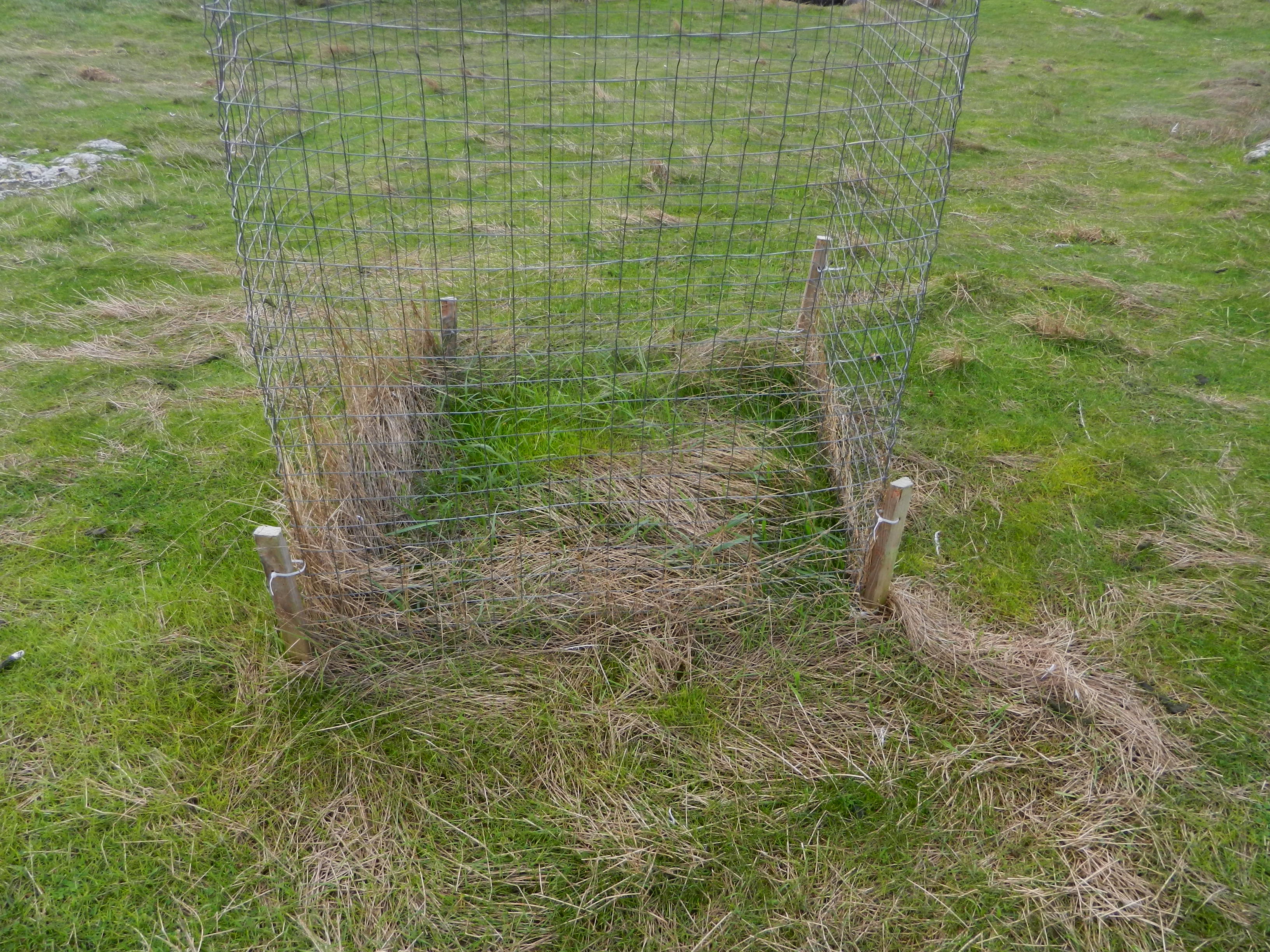
Grass enclosure, Dec. 8, 2012


A year ago Alex set out three 1 square metre enclosures to monitor the effects of grazing and marine mammal trampling on vegetation at Race Rocks.  In this one by the centre path it was evident that there is beginning to be a build up of organic material which will contribute to the turf cover.

Below are some of the pictures of the elephant seals on Great Race Island when we were there today. One female by the docks is injured as has been reported previously. Normally when there are natural injuries to animals out here we have a policy of not intervening as nature takes its course . When there may be evidence of a human cause for the injury where it may be treated, then the Department of Fisheries and Oceans has jurisdiction and must decide what to do. In this case, i suspect there is some irritation  in the mouth or jaw which is causing continual bleeding, probably a fishhook. In the past we have had one successful treatment of an elephant seal when DFO arranged for the Vancouver aquarium to capture it and rehabilitate it.  It was returned to the reserve at the end of summer in perfect health. So we have to wait and see what the decision is on this animal.

Again this year there are two males on the main island which could lead to some sparring around breeding time in January. The size of the proboscis on the younger male indicates his lesser age, and he is probably several hundred kilos lighter. It is quite amazing to see the amount of weight that Misery has put on over the past year.

Garry Fletcher
December 8, 2012
Ecological Reserve Warden for Race Rocks Ecological Reserve #97
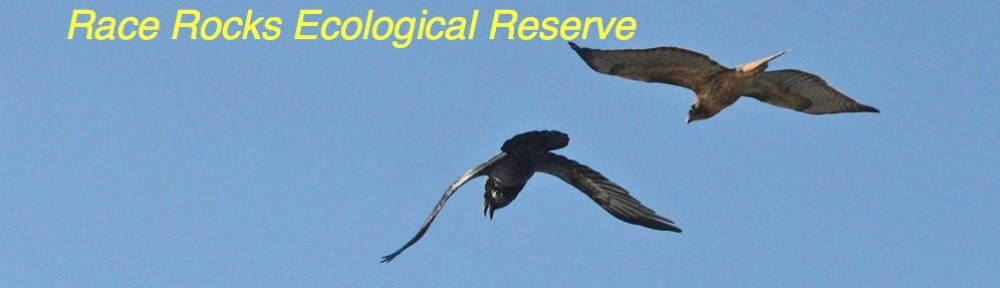
 

Pelicans and a Peregine

Since the last post there have been several visits of Pelicans to the reserve.  My first sighting of 3 of them was on Saturday afternoon just before dark.

Dec 2-Pelicans on North East side

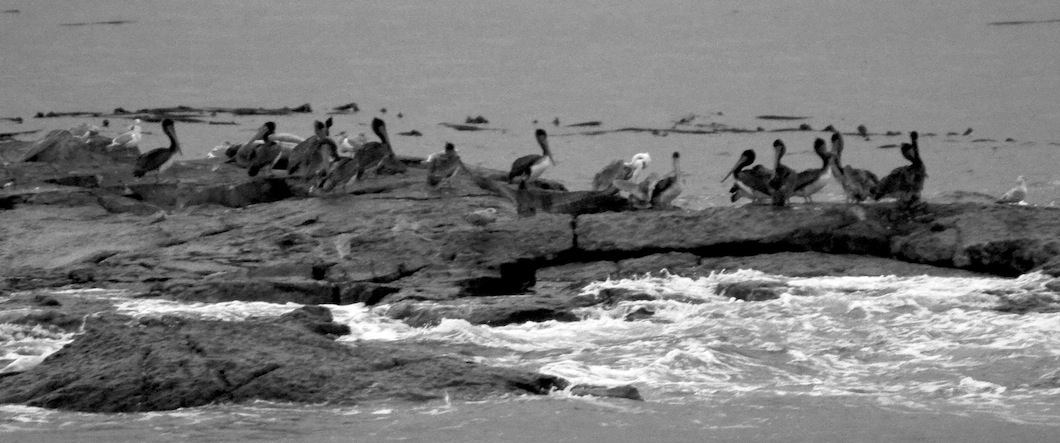
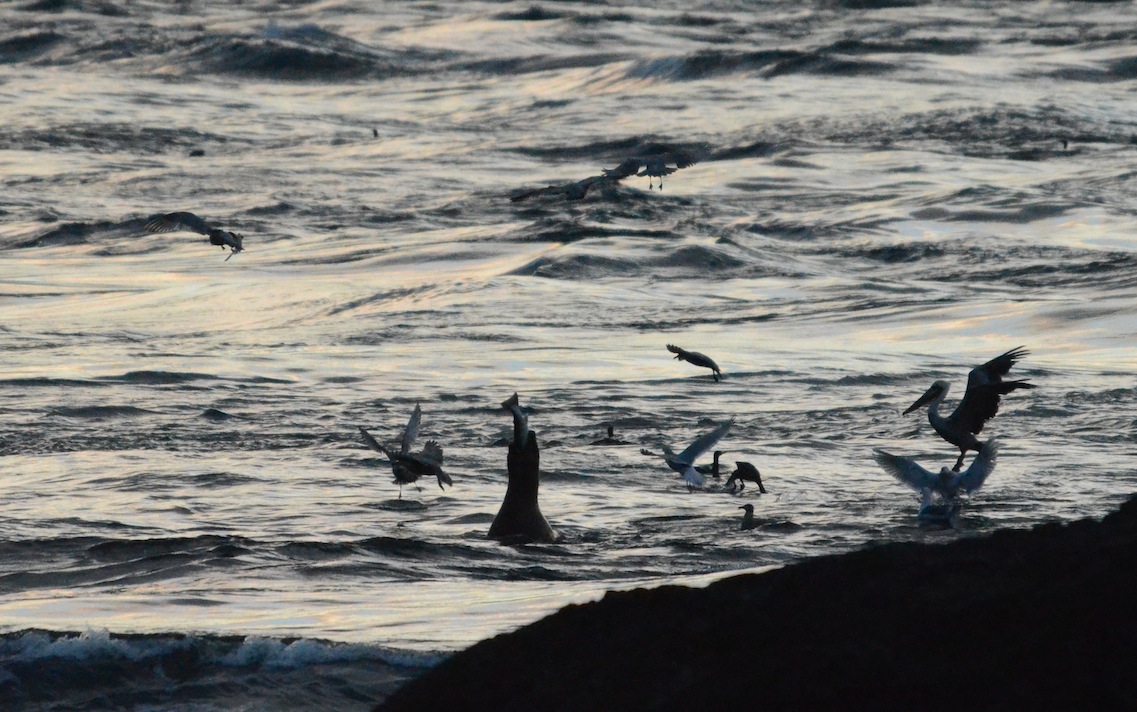
On Sunday evening a flock of around 20 pelicans landed on the West rock, joining the elephant seals that were there.  The light was really poor so I couldn’t get a very good quality image.   There has recently been a sighting of a similar size group close to Victoria, likely the same ones.

Dec 2-Pelicans on West Rock

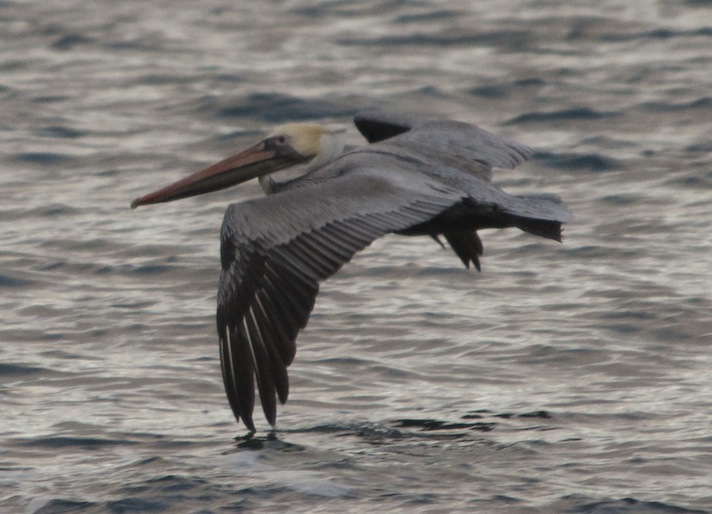
Dec 3-Brown Pelican


On Dec 3 there were 4 Pelicans sighted in the reserve as well as a Peregrine Falcon.

Misery has been on the main island   up near the South side of the tower for several days. I have seen up to 8 other elephant seals on West Rock including a male that looks nearly as big as Misery.

Peregrine Falcon at Race Rocks Ecological Reserve

On Tuesday morning and again in the evening the wind picked up to 40 knots from the West.

Dec 4-West Rock elephant seals (not Misery)


Change of Guardian

Wednesday morning we switched guardians, Mike has finished a 3 month shift and I will be here for the next 4 months. It has been 8 months since i was last out here, nice to see that Mike and Julie have done a great job out here and that the place is in good shape.

I have been on the lookout for the pelicans that Mike has observed out here and was thinking they were gone. But this morning, while photographing a sealion taking down a fish I noticed a large bird in the frame.  The pelican must have been on the east face of the Eastern rocks which is out of sight from the main island.

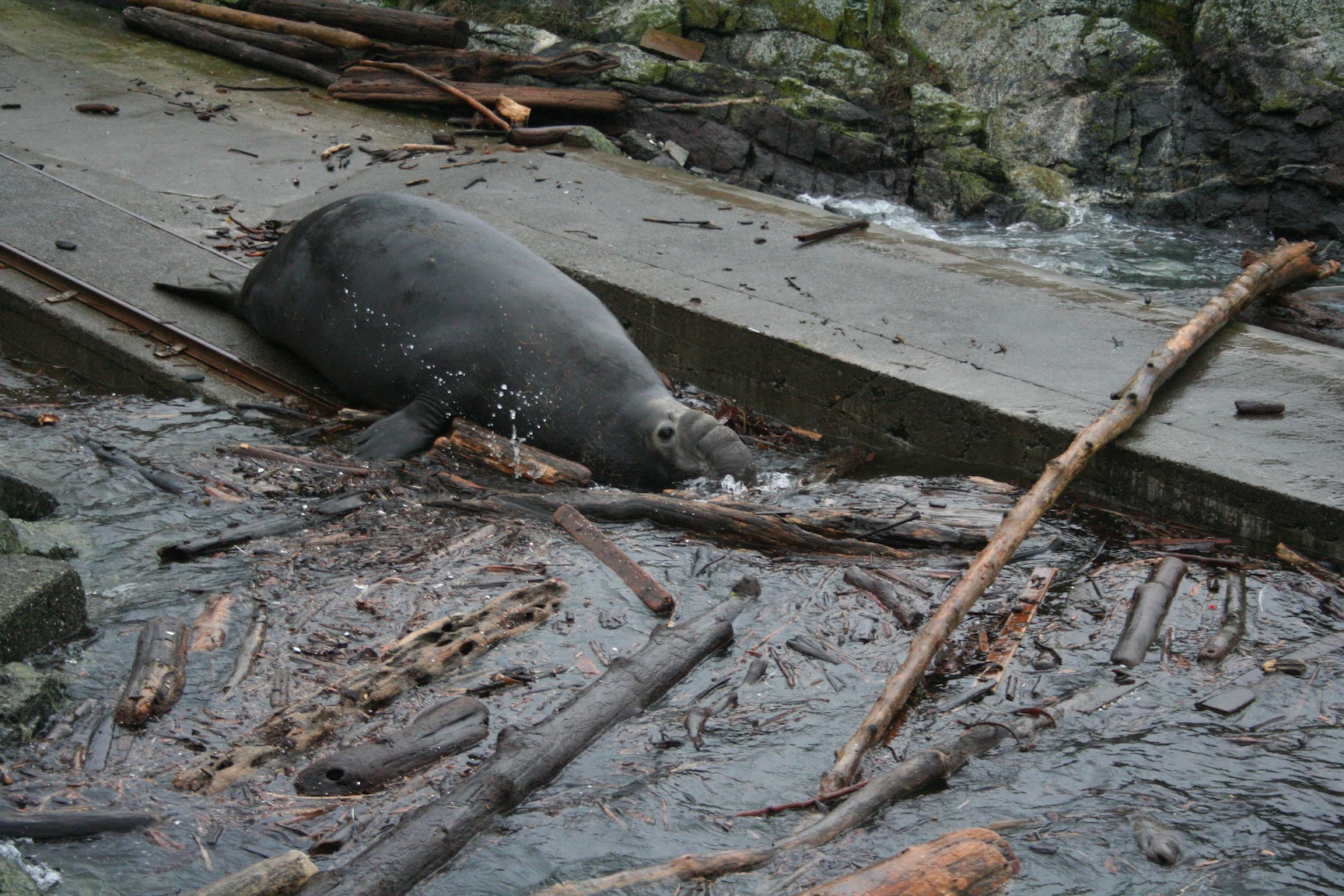
On Wednesday the winds picked up to over 25 knots.  Misery hauled out on the main island that night and stayed here until yesterday.  After making his way down the ramp and through the debris he stayed at least an hour amongst the logs, floating and making bubbles.


This morning Misery was out on West rock with at least 3 female elephant seals.


Not a lot of traffic in the reserve the past days.  On Wednesday two whale watching boats toured around the elephant seals on West rock and today there is a dive boat off the west side.


Last days of November, and my shift…

Well my 3 month shift is almost over and plans are being made for Alex’s arrival for the winter. The station is looking pretty good and all systems are working well. The time of the Sea Lion fades and the time of the Elephant Seal begins…

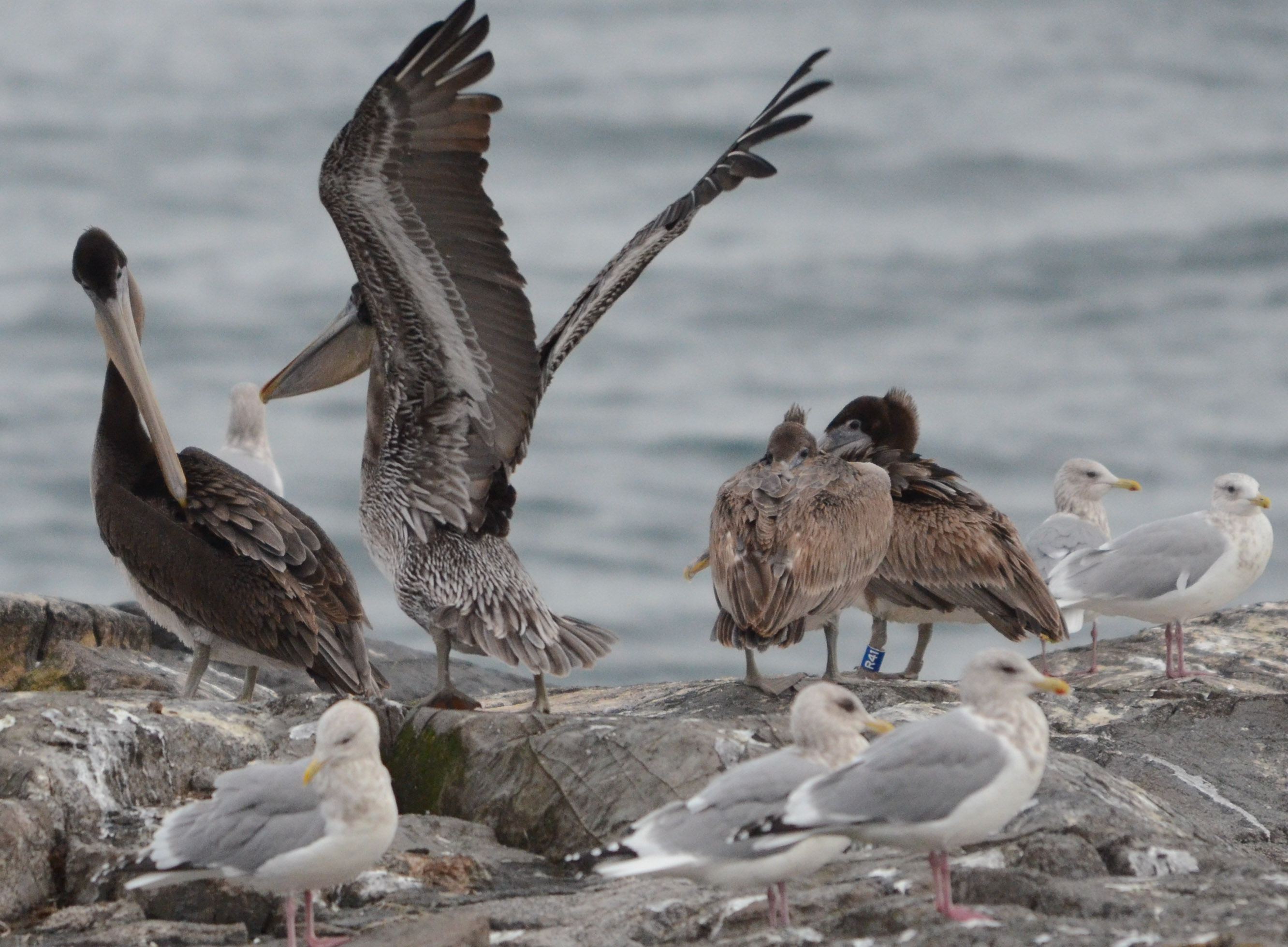
A few pelicans remain including this second banded individual, R41. You can learn more about pelican conservation at: http://blog.bird-rescue.org/ (and many other birds…)

King Misery is quietly staking his territory, going back and forth between here and Middle Rocks. The young male Chunk is about, and being cautious, but Misery hasn’t pummelled him yet as far as I can tell… there are about 8 E-seals in the Reserve.

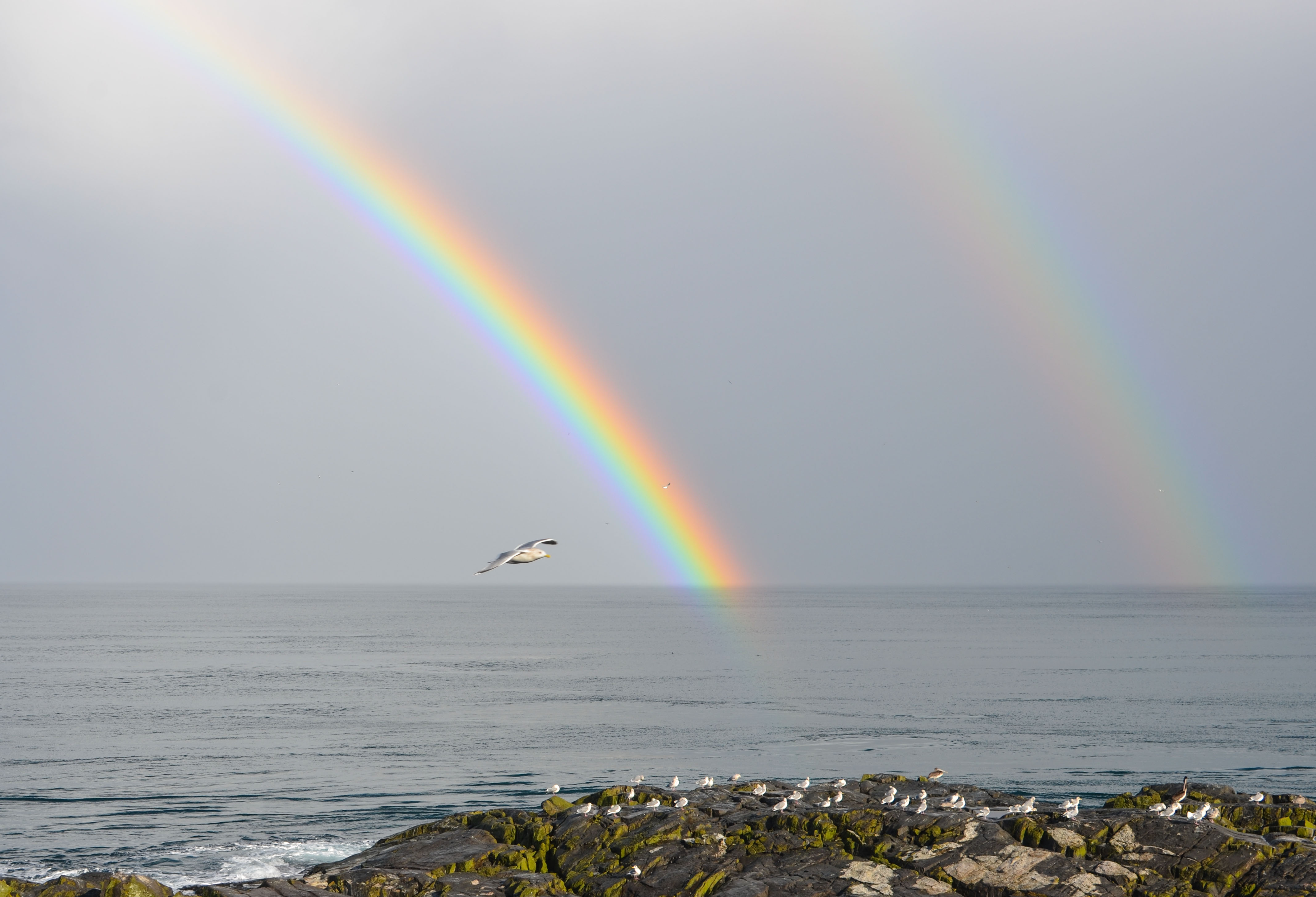
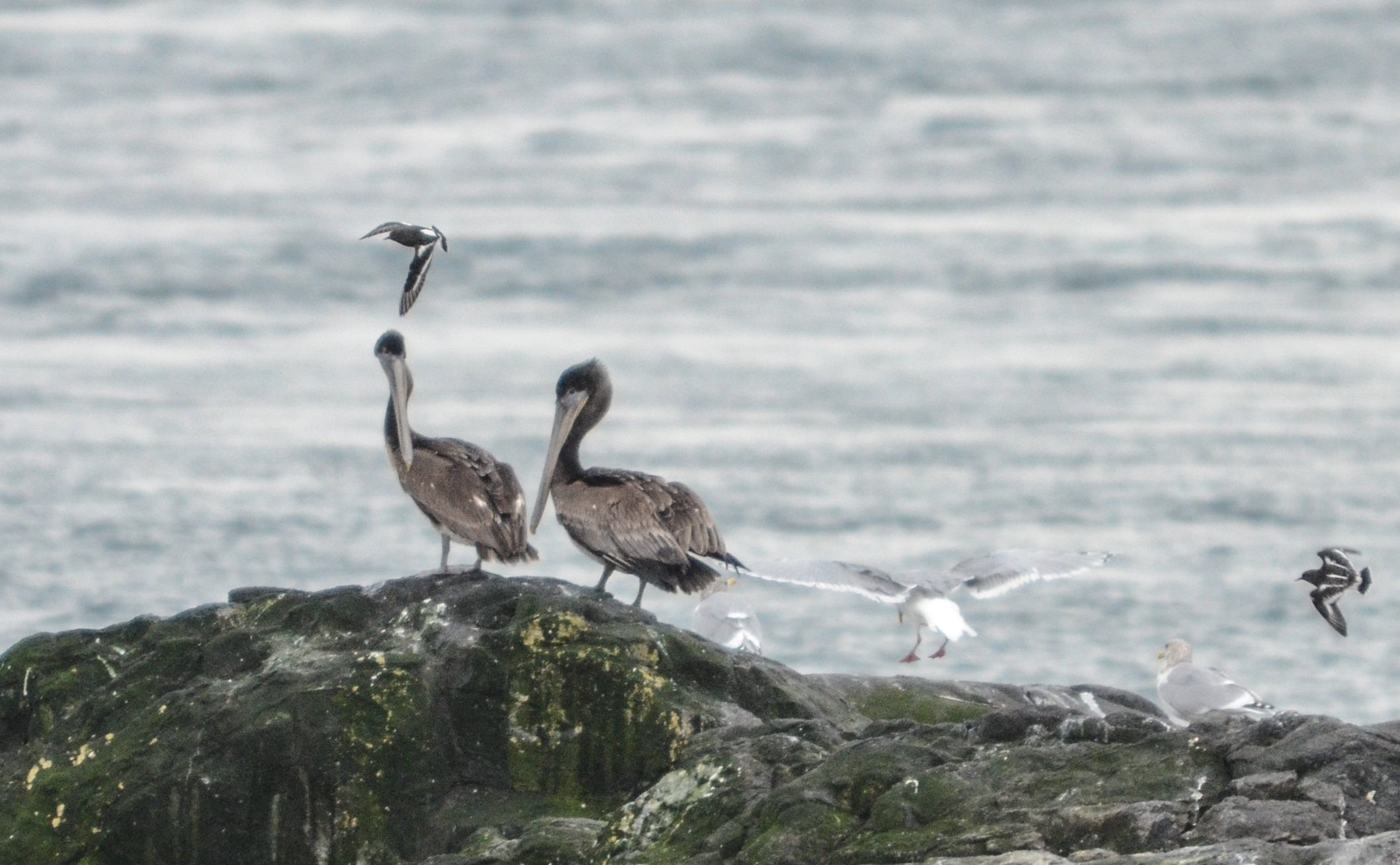
We have had beautiful and oft-changing weather over this last week. I caught this double-rainbow the other day… Note pelicans on rocks beneath…

Double Rainbow over Pelicans and Gulls

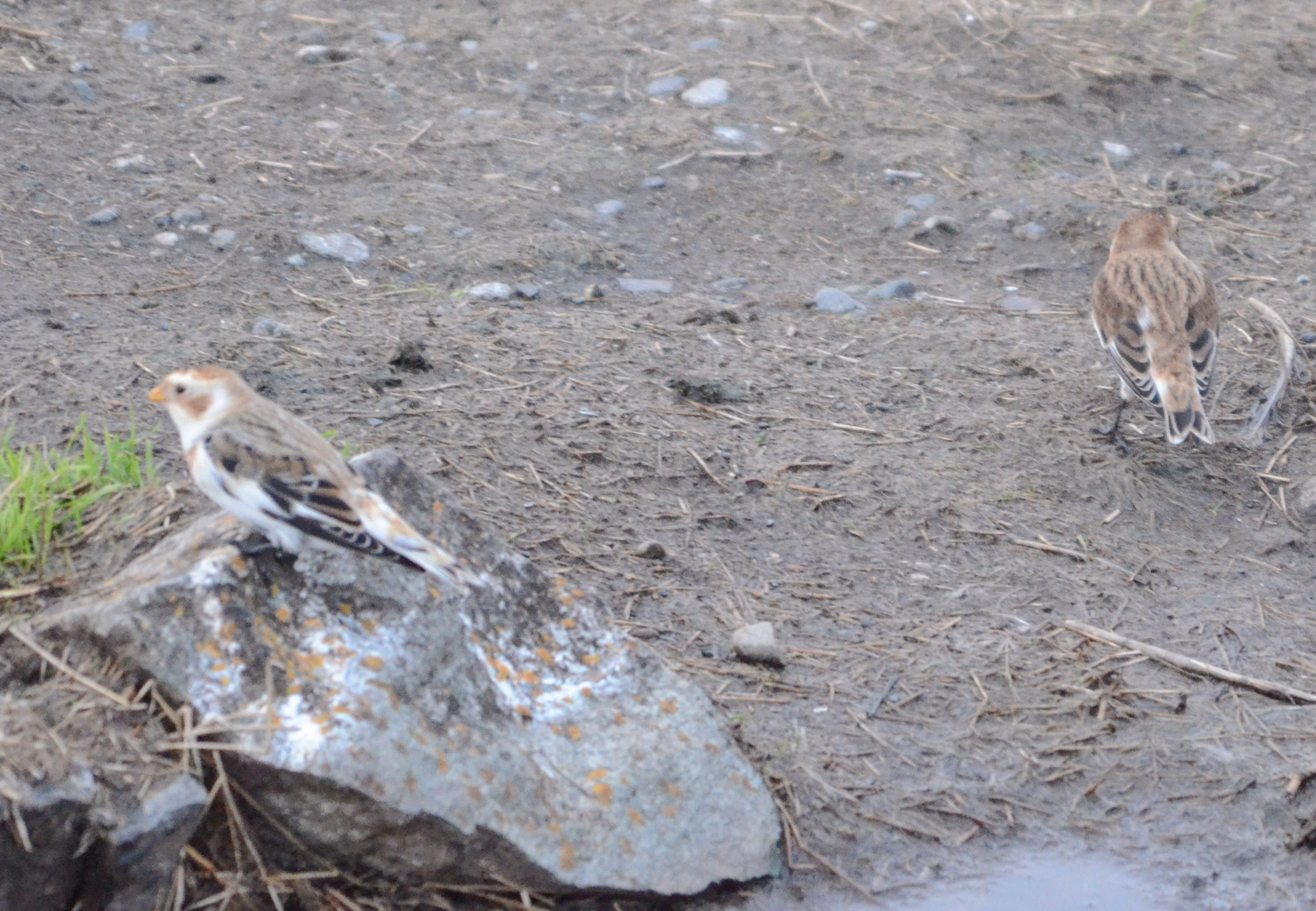
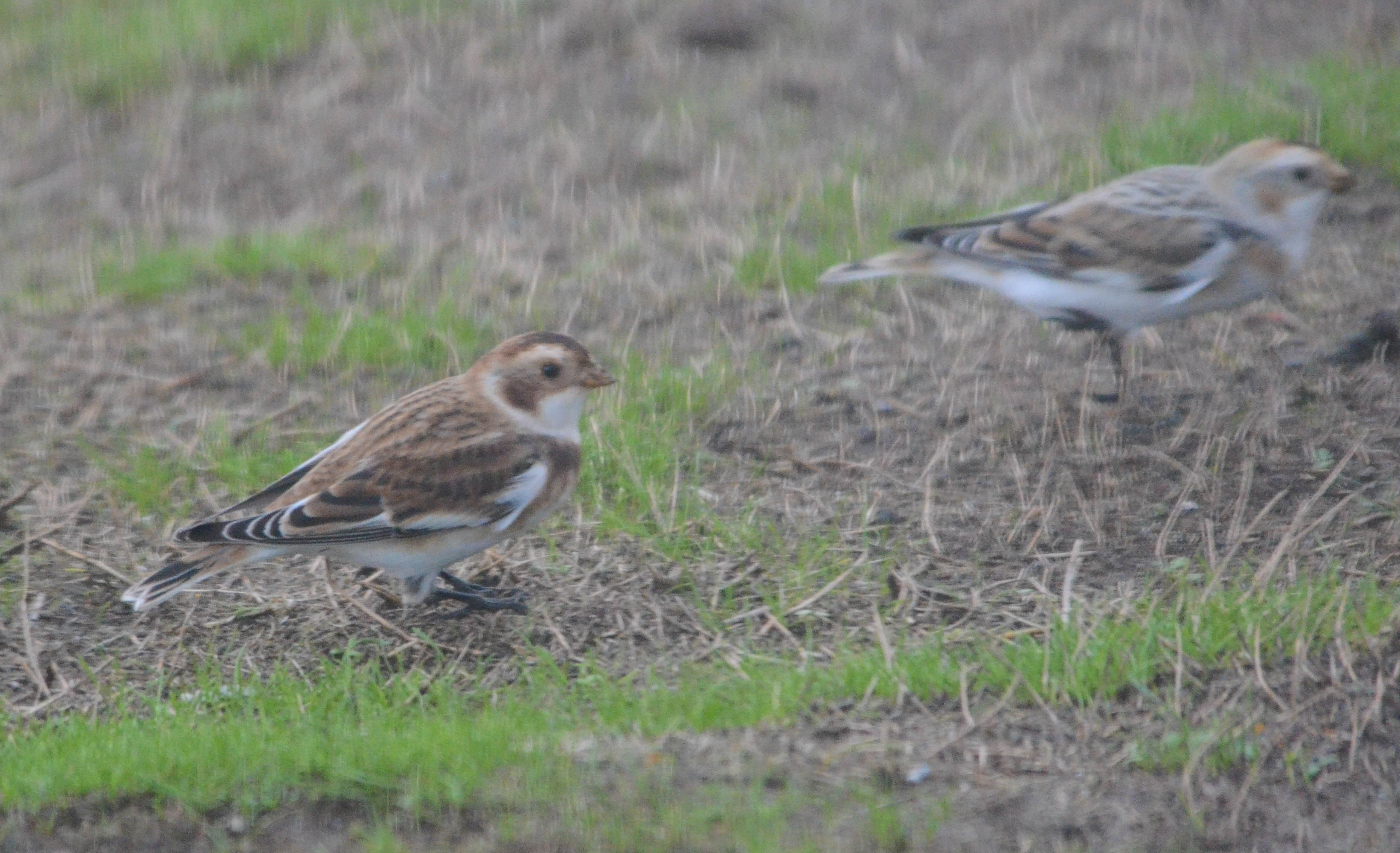
What is your best guess?

Bunting perhaps?

And finally these sparrow-sized birds were about for a few days, feeding voraciously. These are snow buntings, down from their summer range in the Arctic.


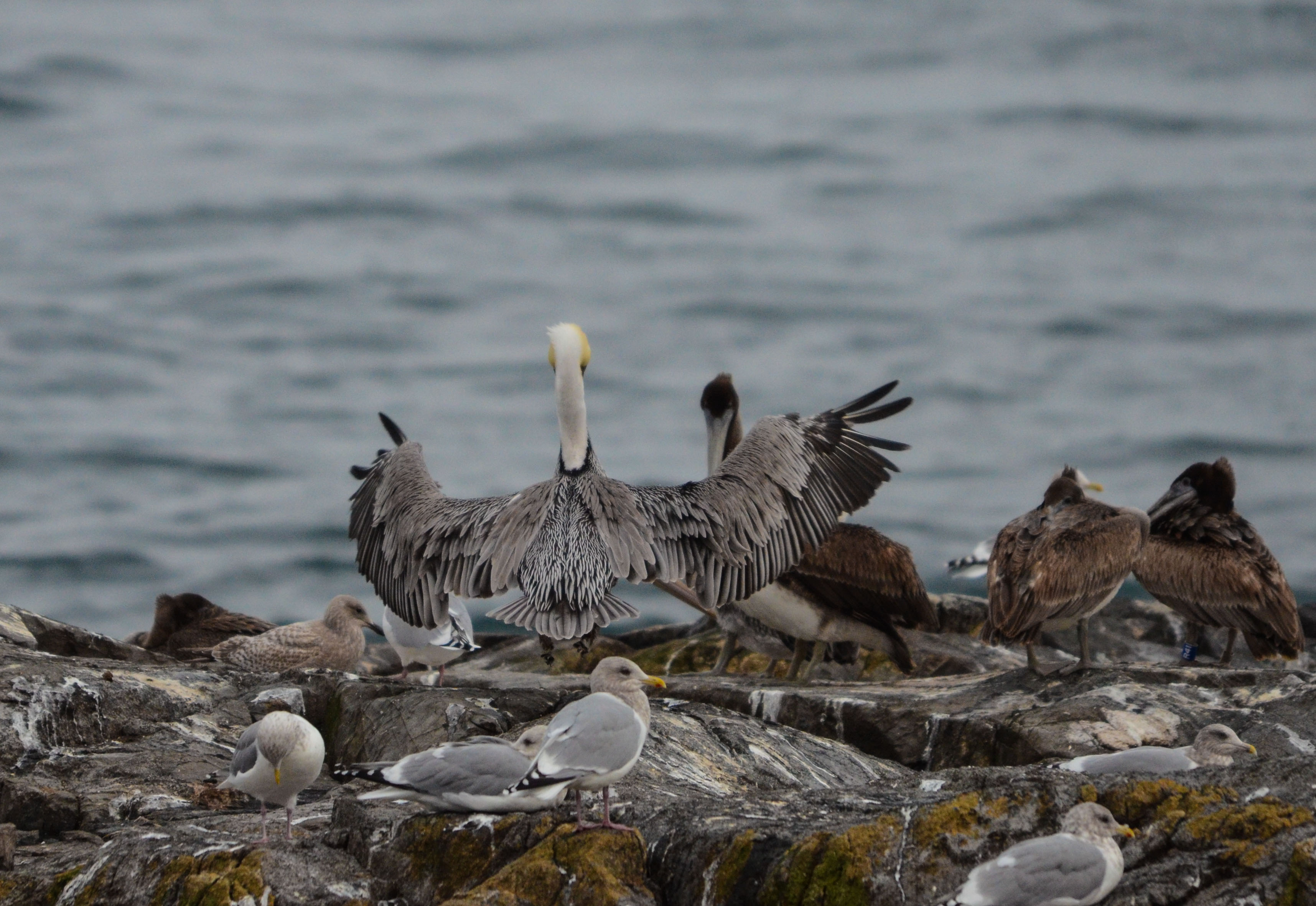
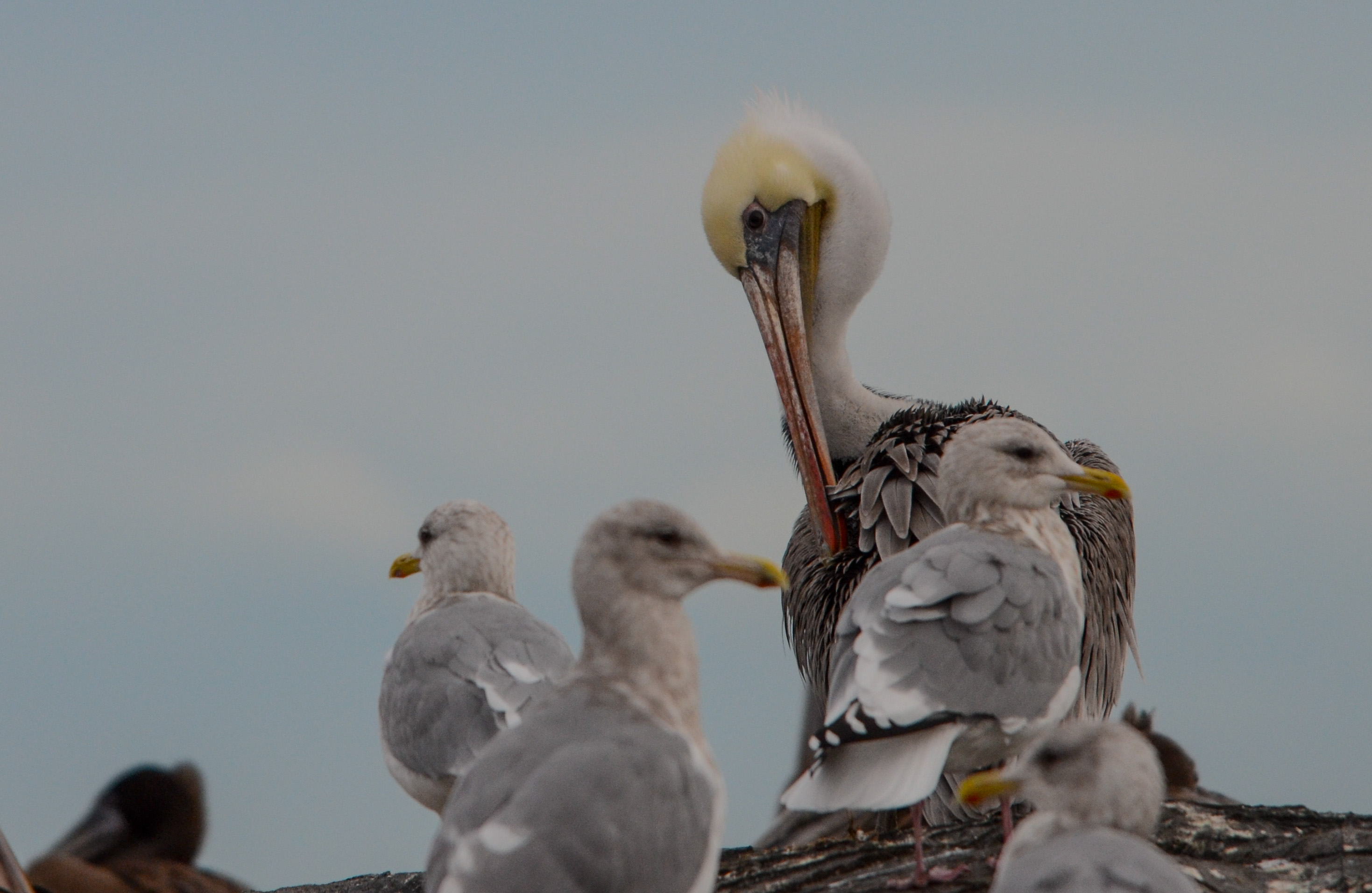
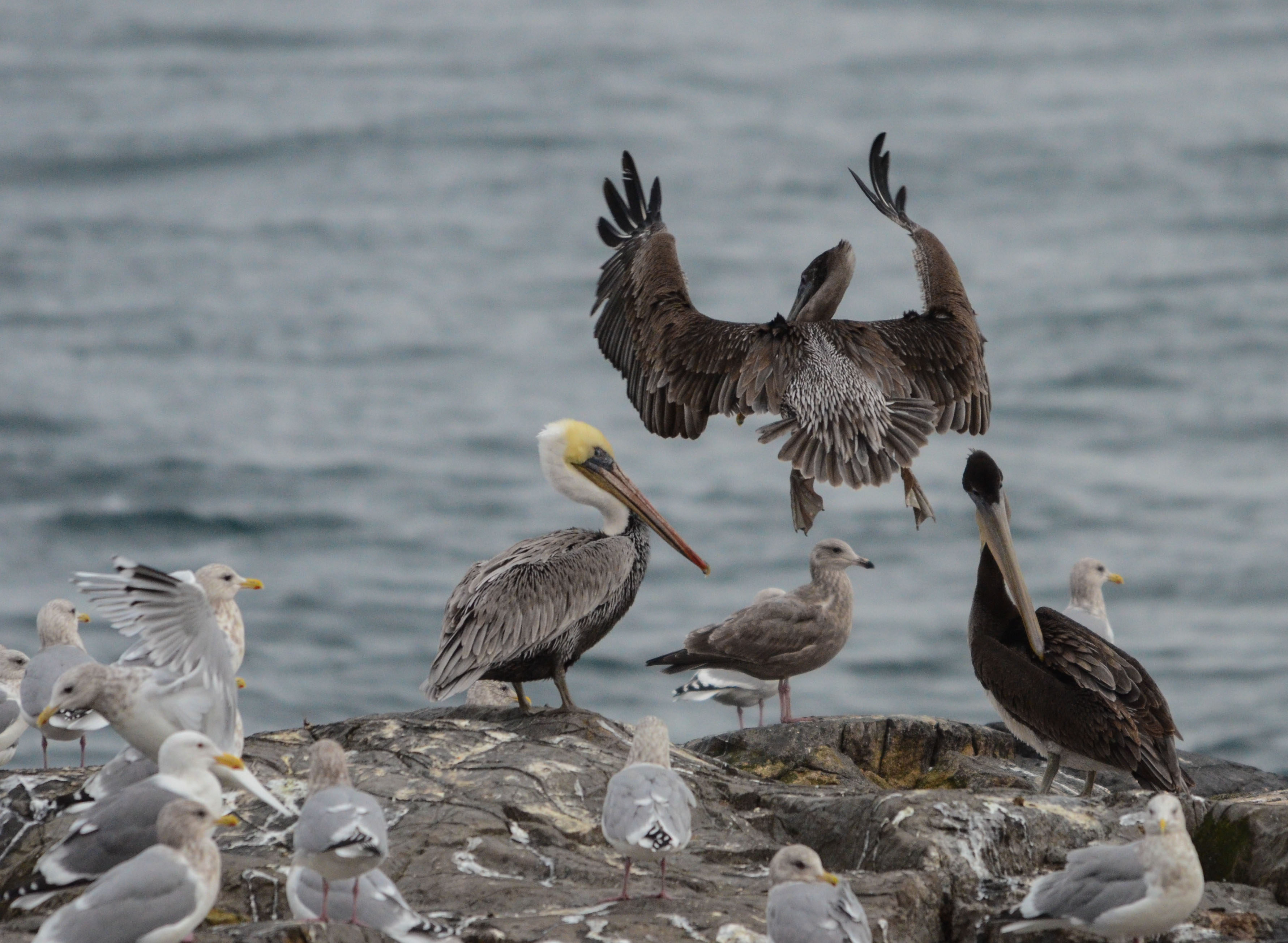
Pelicans

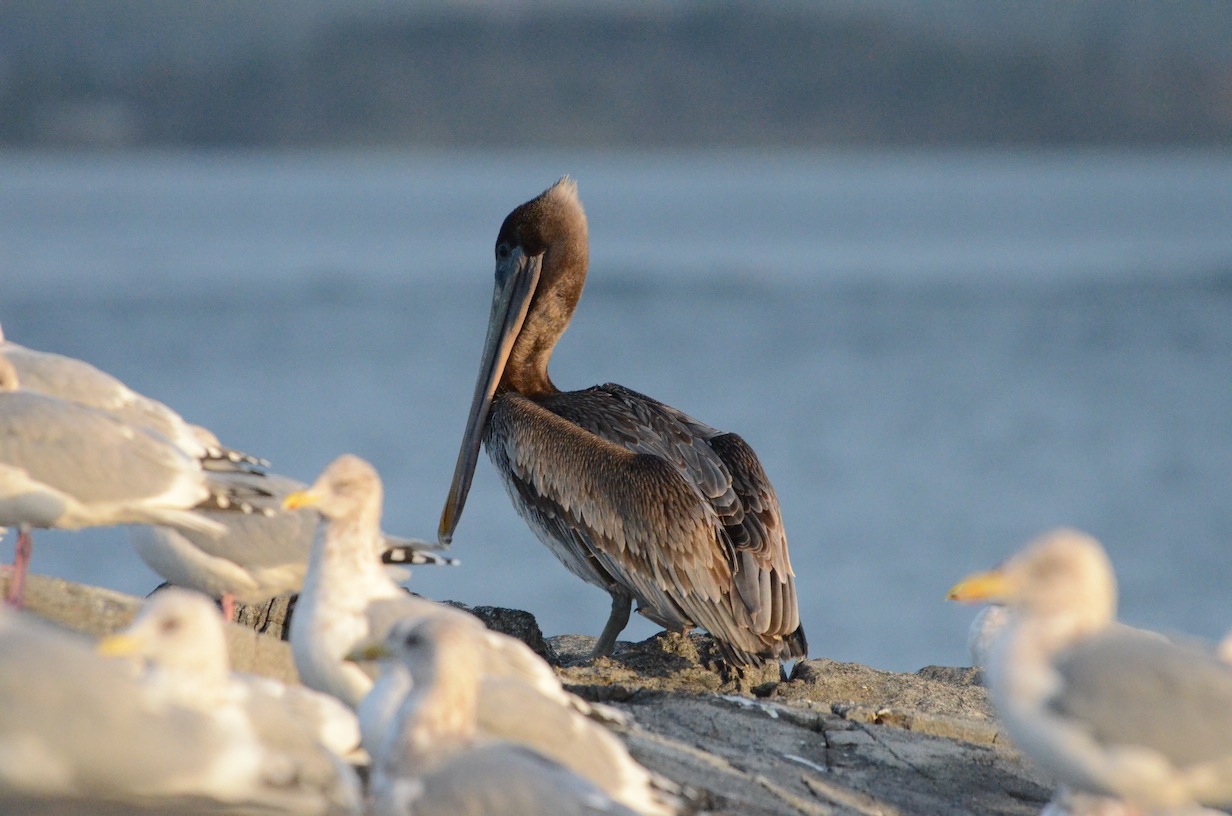
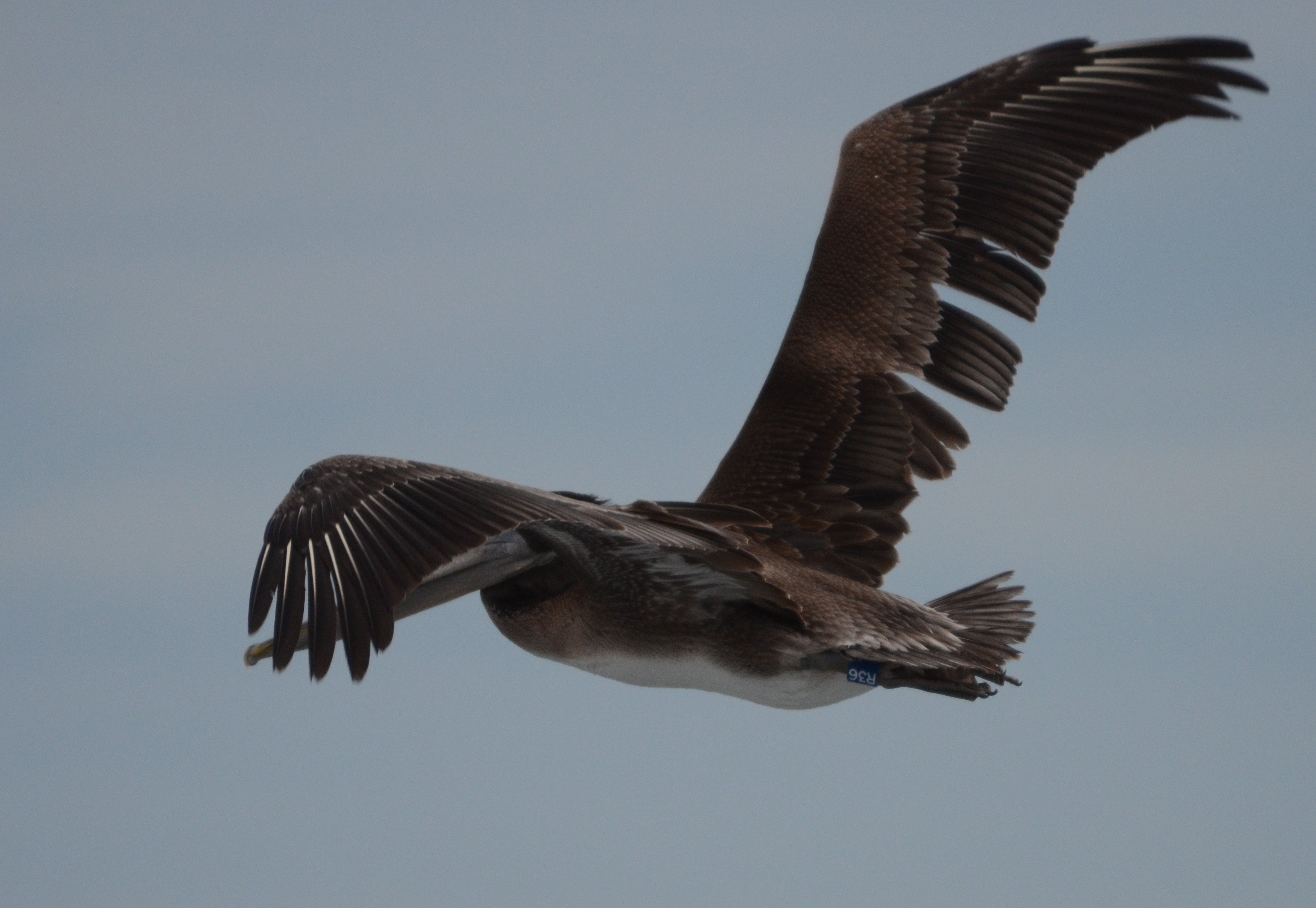
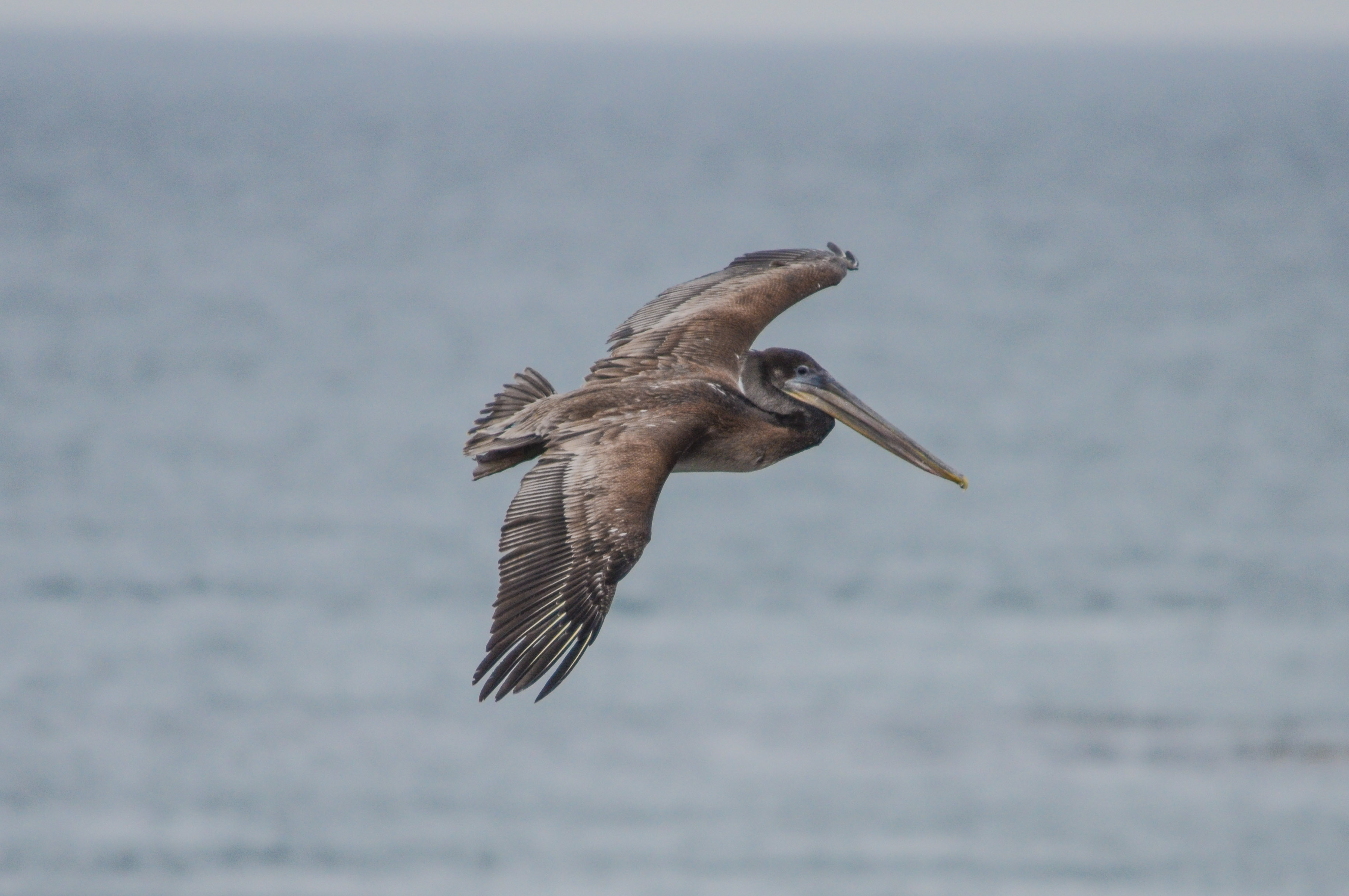
As mentioned earlier, a flock of Brown Pelicans are enjoying the fine fishing and mild weather of this November. I counted 14 yesterday and got a lucky shot of a tagged individual in flight! As a big admirer of pelicans I am delighted to observe them here on a daily basis over the last few weeks, rather than be obliged to migrate to warmer climes. A harbinger of a mild winter?

I reported a blue-banded specimen to: http://www.bird-rescue.org/contact/found-a-bird/report-blue-banded-pelicans.aspx

They are occupying the eastern-most point of Great Race and it is possible you can view them by going to : http://racerocks.com/racerock/video1.htm   The camera can be controlled by your computer!

Adult Male Brown Pelican RR Nov 18/12

Preening

The Dance

Banded Brown Pelican R36

Pelicans and Owls and Misery!

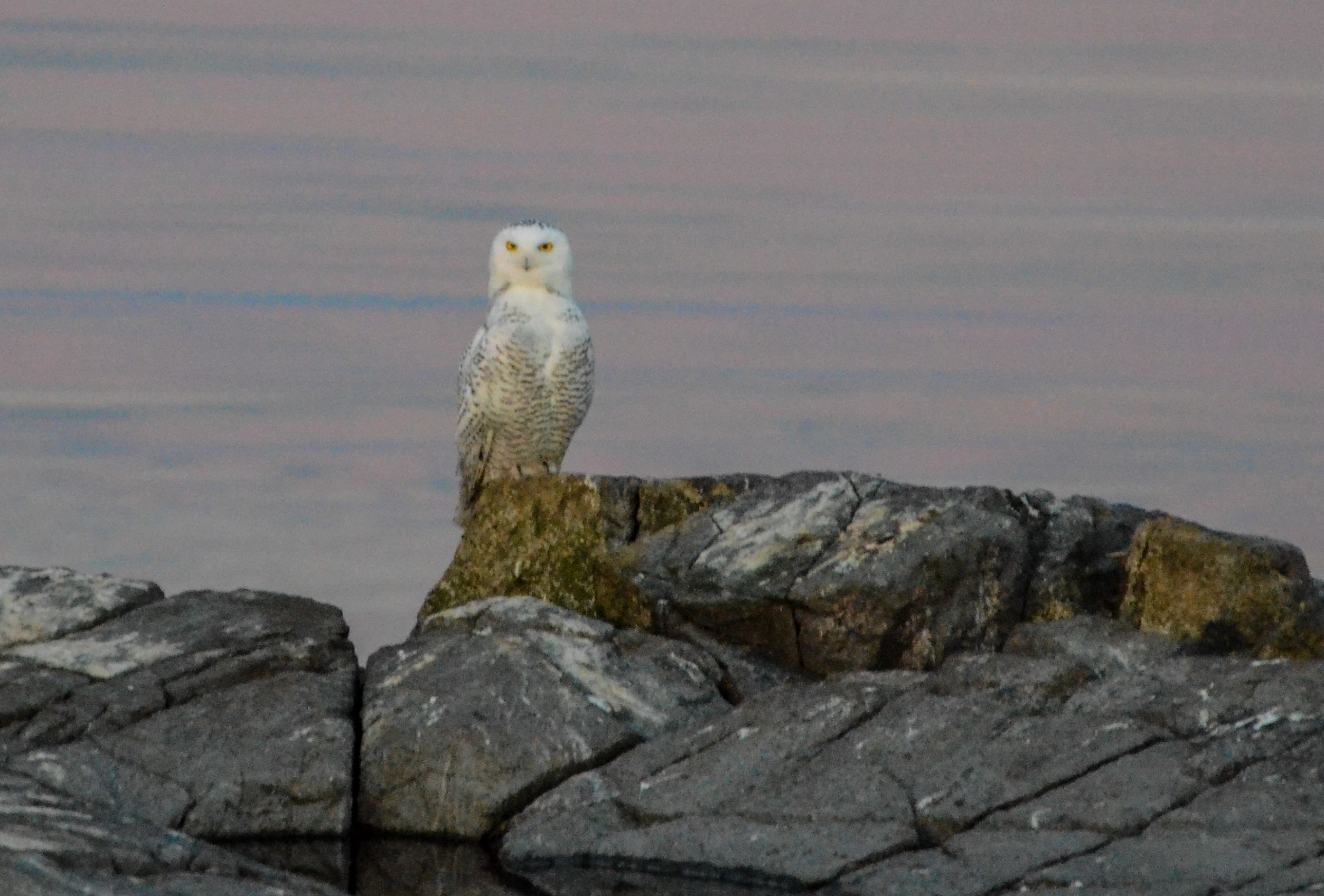
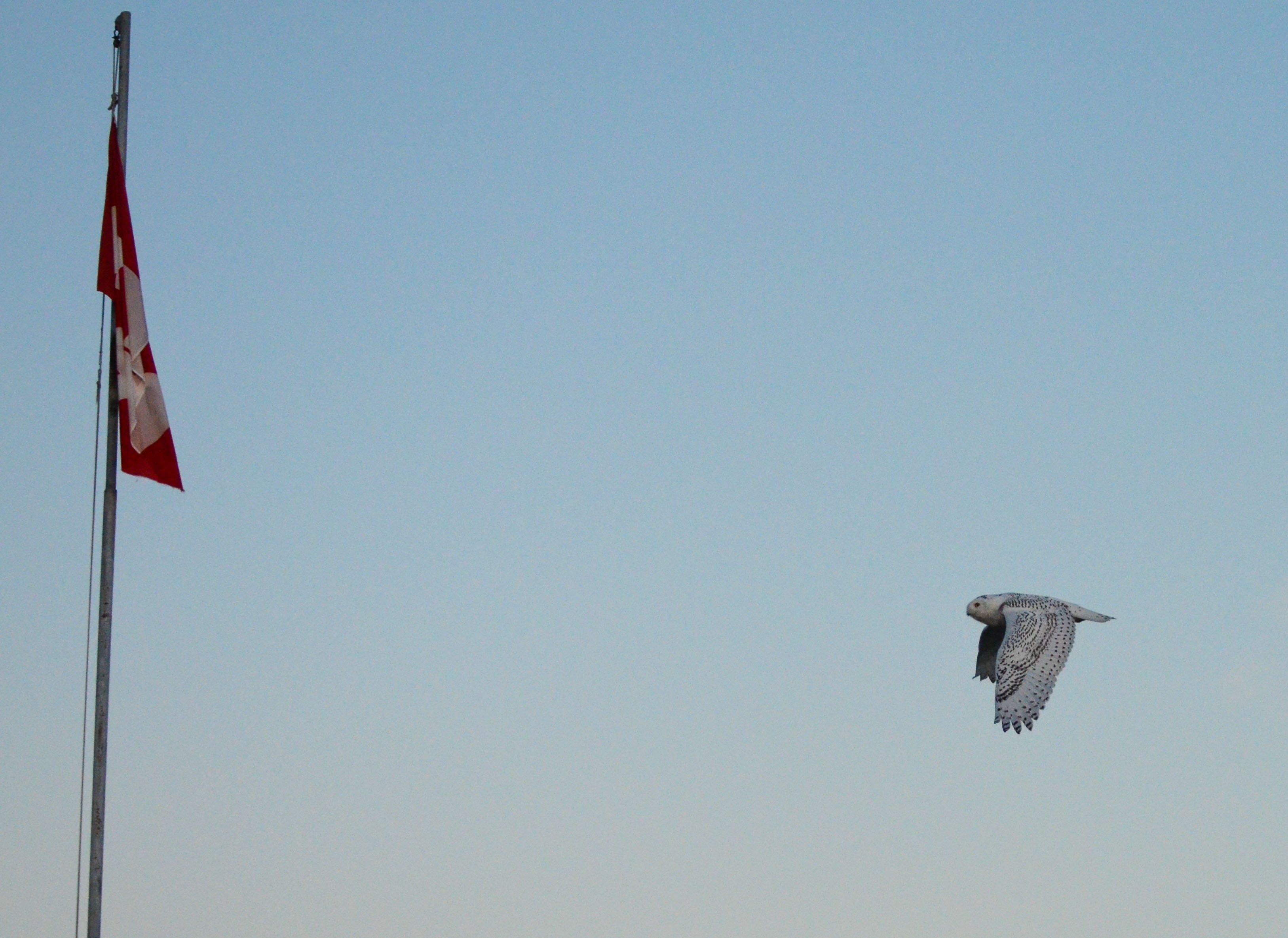
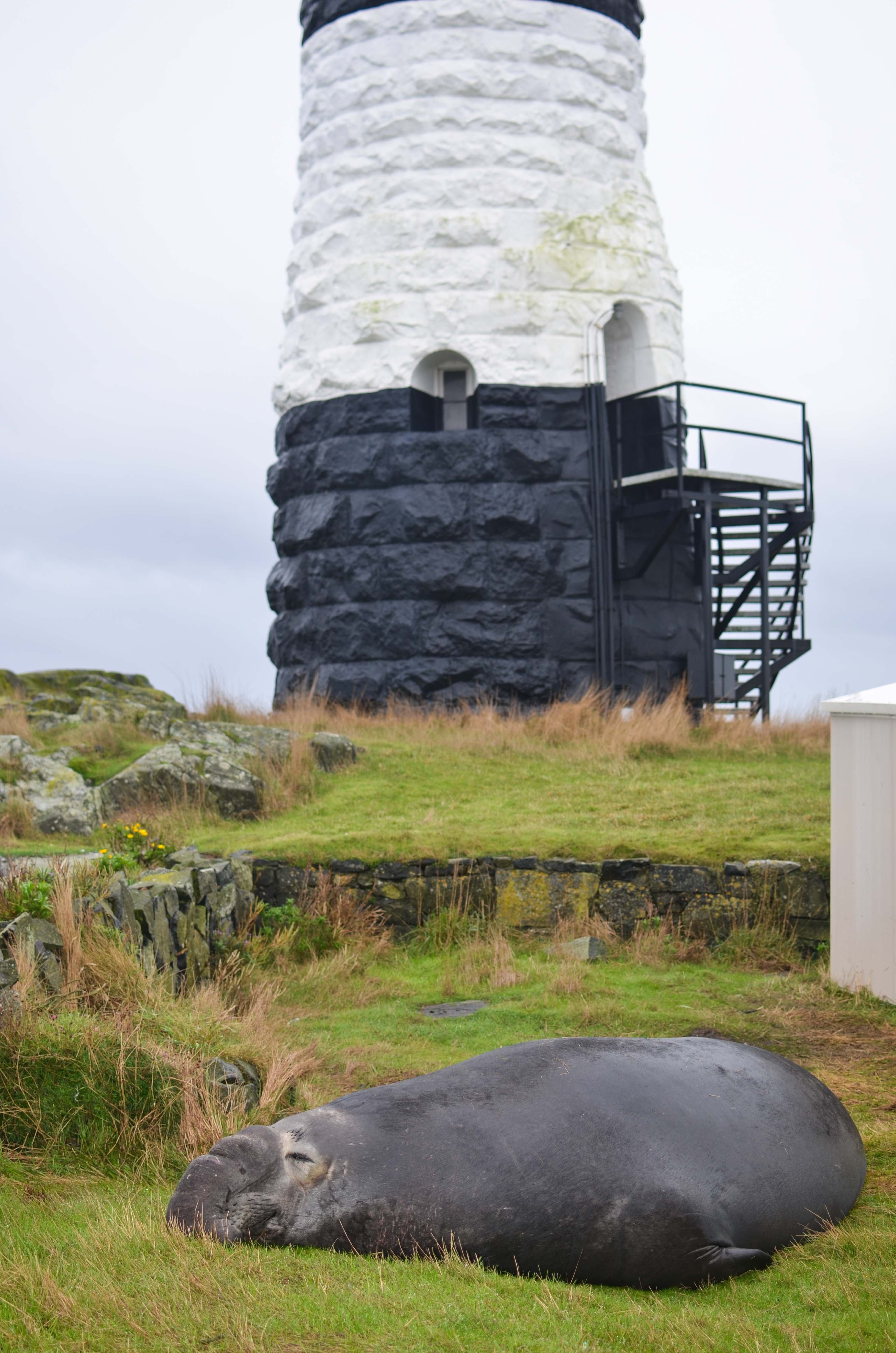
It is mid-November isn’t it? So why did 9 pelicans just fly by the window? And yesterday a Snowy Owl showed up for the night. Is there something going on with the weather or climate that is encouraging this? We live in interesting times… and speaking of interesting, Misery returned the day before yesterday. I noticed him down at the boat-ramp and we had a little chat! I felt he recognized me! Later he lumbered up onto the lawn looking very fat and sleek, well-prepared for his 2-3 month fast ahead while he stakes his territory, fights off potential challengers, and “courts” any females that might around.

Snowy Owl

Snowy Owl


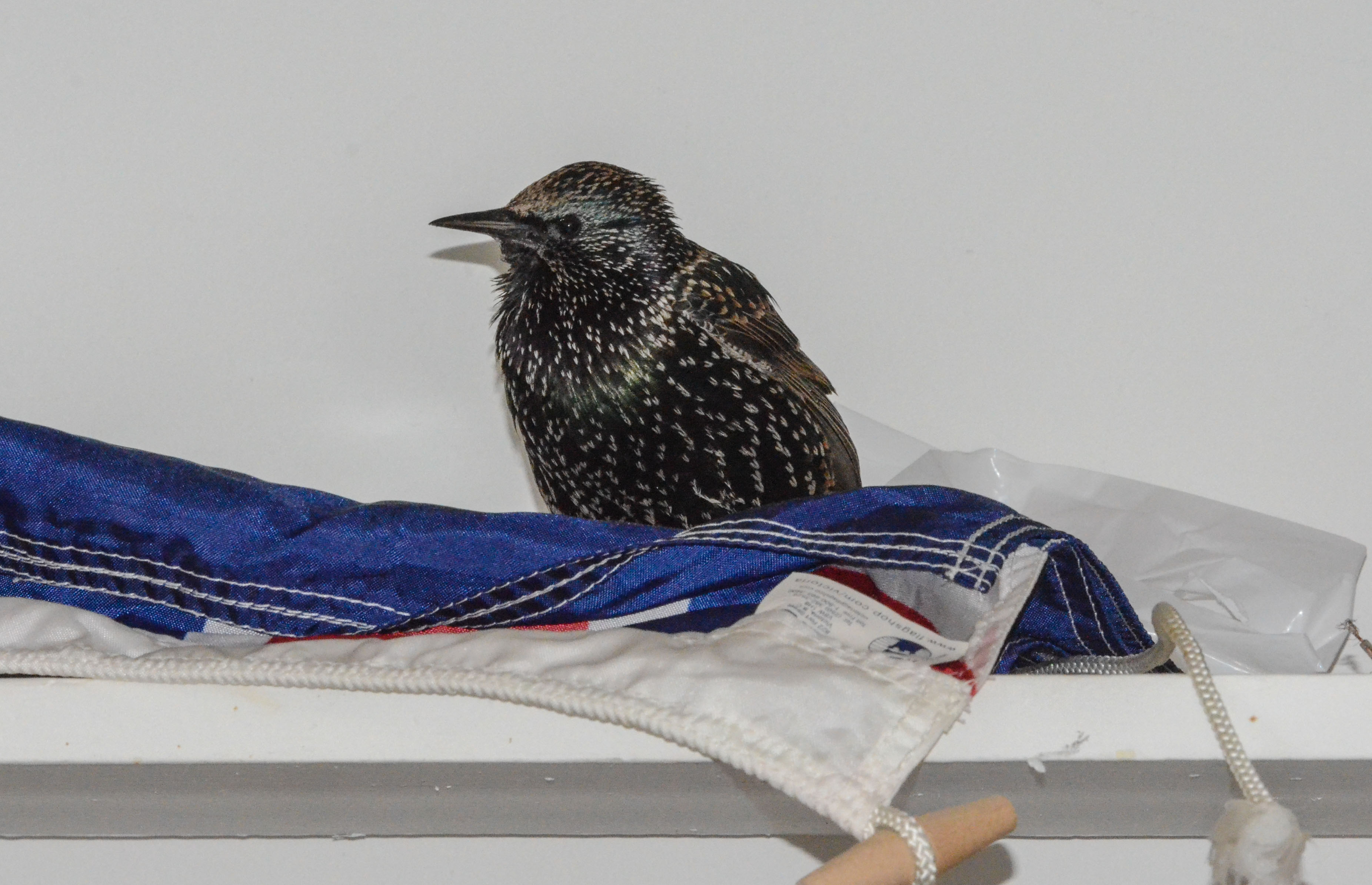
Lastly the other day I heard a commotion in the kitchen and upon investigation I discovered a bird in the oven vent. I removed the cowling and this European Starling appeared and flew around the house for a while. Starlings are a species introduced from Europe (Sturnus vulgaris)in 1890. About 60 were released into New York’s Central Park in an effort to introduce every bird species mentioned in the works of William Shakespeare. By 1945 they were appearing in the Pacific Northwest. About 200 million are thought to exist in North America presently.

European Starling – Good owl food?


Animal Notes and Census

A few days ago we had two unusual visitors to our waters. Two Brown Pelicans (Pelecanus occidentalis) spent several days on Great Race and North Rocks. Brown Pelicans, though the smalles of pelicans, are enormous birds weighing up to 6 kilos and measuring up to 135 cms with a wingspan of up to 2.5 meters.

A visitor from warmer climes….

Northern vacation to Race Rocks….

We have had two other unusual visitors in the last week. I discovered a Barred Owl in the boathouse attacking a Starling (another recent arrival), and Pam our avid photographer friend from England got several pictures of Peregrine Falcons that came through hunting sparrows and starlings. Pam’s pictures can be seen at: http://www.flickr.com/photos/66339356@N00/sets/72157628747376295/

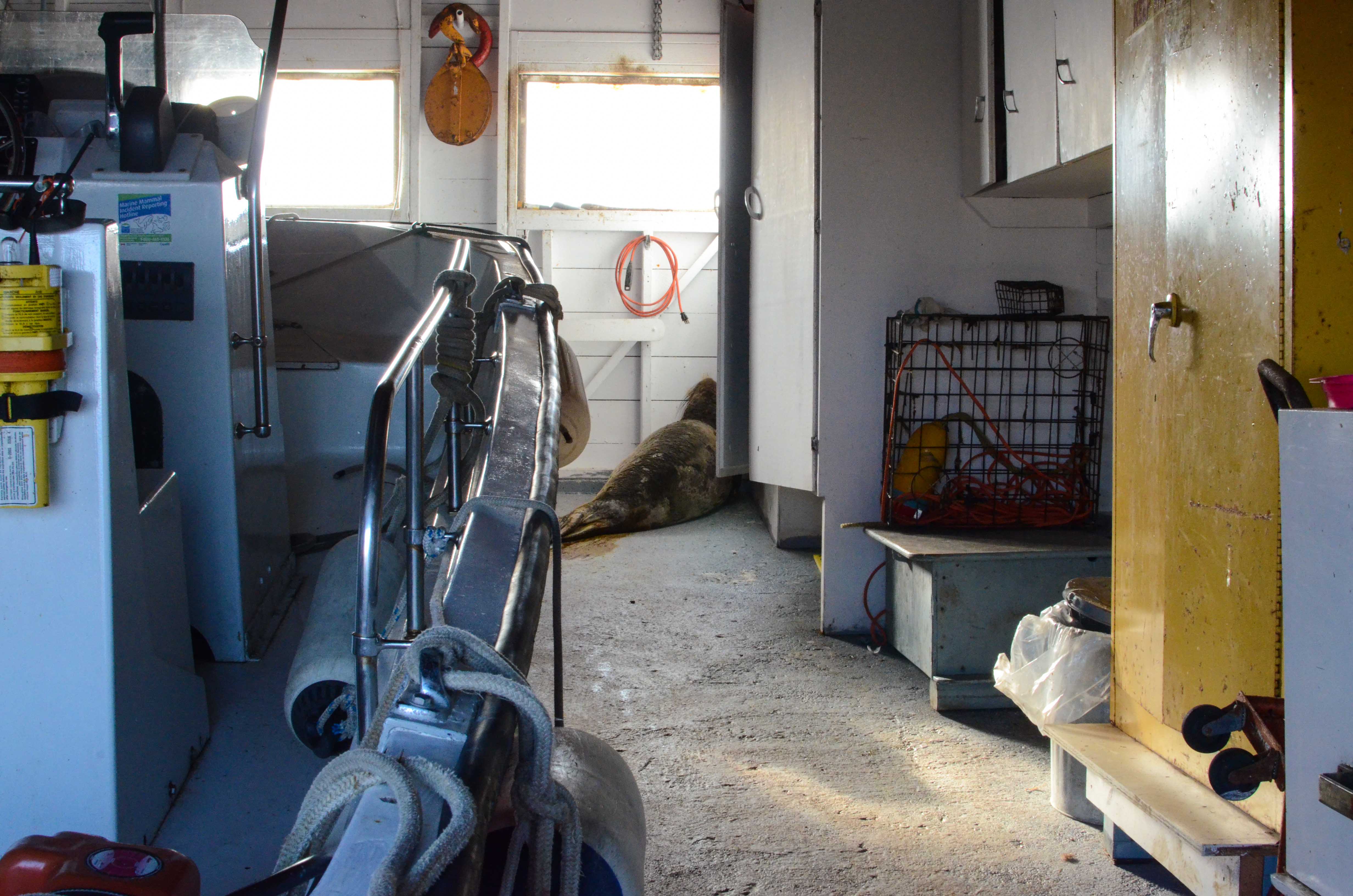
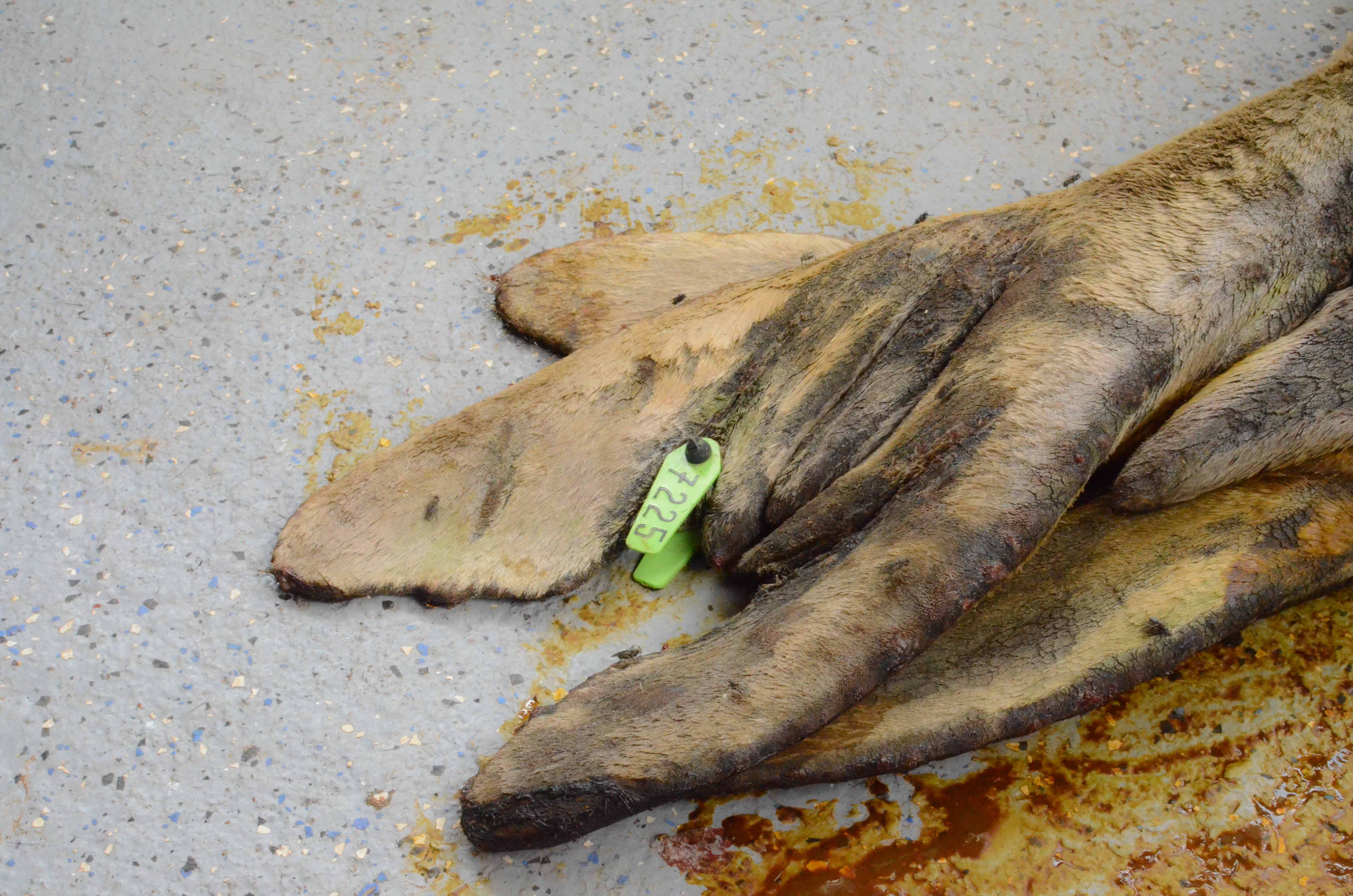
Another tagged e-seal showed up in the boathouse yesterday.

Might as well hang out somewhere cozy…

Tagged 7225

 Animal Census Nov 8 2012

Species Current Population (Est)
Stellar/Northern Sea Lion  30
Elephant Seal  7
Harbour Seal  200
California Sea Lion  50
Glaucous-winged Gull  150
Herring Gull  300
California Gull  30
Heerman’s Gull  80
Black Turnstones  100
Surfbird  6
Pelagic Cormorants  40
Brandt’s Cormorant  30
Killdeer   6
Dunlin  16
Harlequin Ducks  20
Canada Goose  14
Bald Eagle  3
Black Oyster-catcher  40
Sanderlings  8
Starlings  8
Race Rocks Eco-Guardian  1
Rhinoceros Auklet  100
Common Murre  100
Sparrows  20
Brown Pelican  2
Barred Owl  1
Peregrine Falcon  2


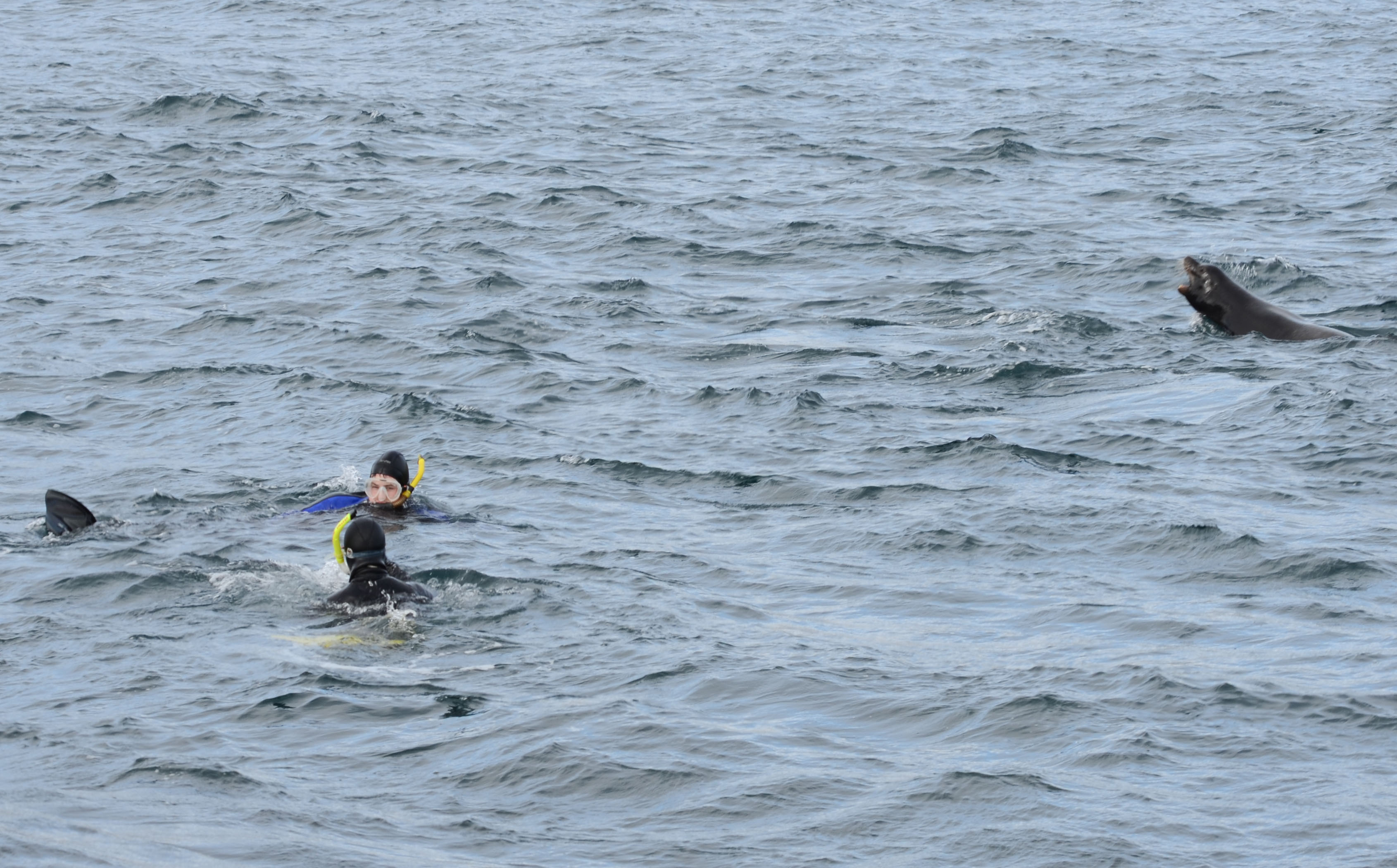
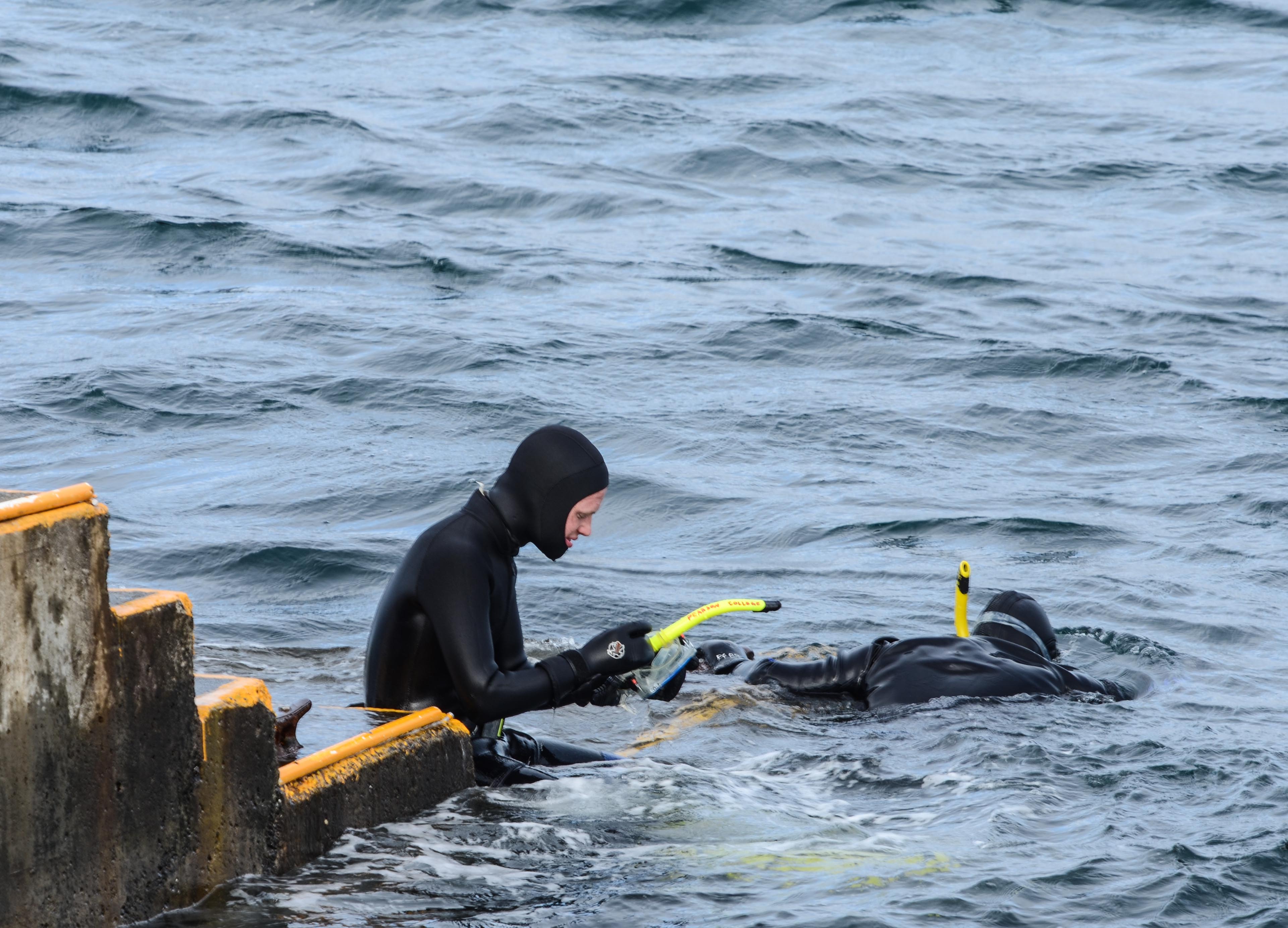
Students snorkelling with sea lions

Student snorkelling with Sea Lions

This week I am lucky to have the company of some great students from Pearson College. Along with the privilege of living out here for a week, they are helping me with some of the maintenance duties and sharing some adventures. Unfortunately for them the sea lions have all moved to their side of the island and are surrounding their house, making for some noisy nights! But they have front row seats to a spectacle that is better than any TV show.

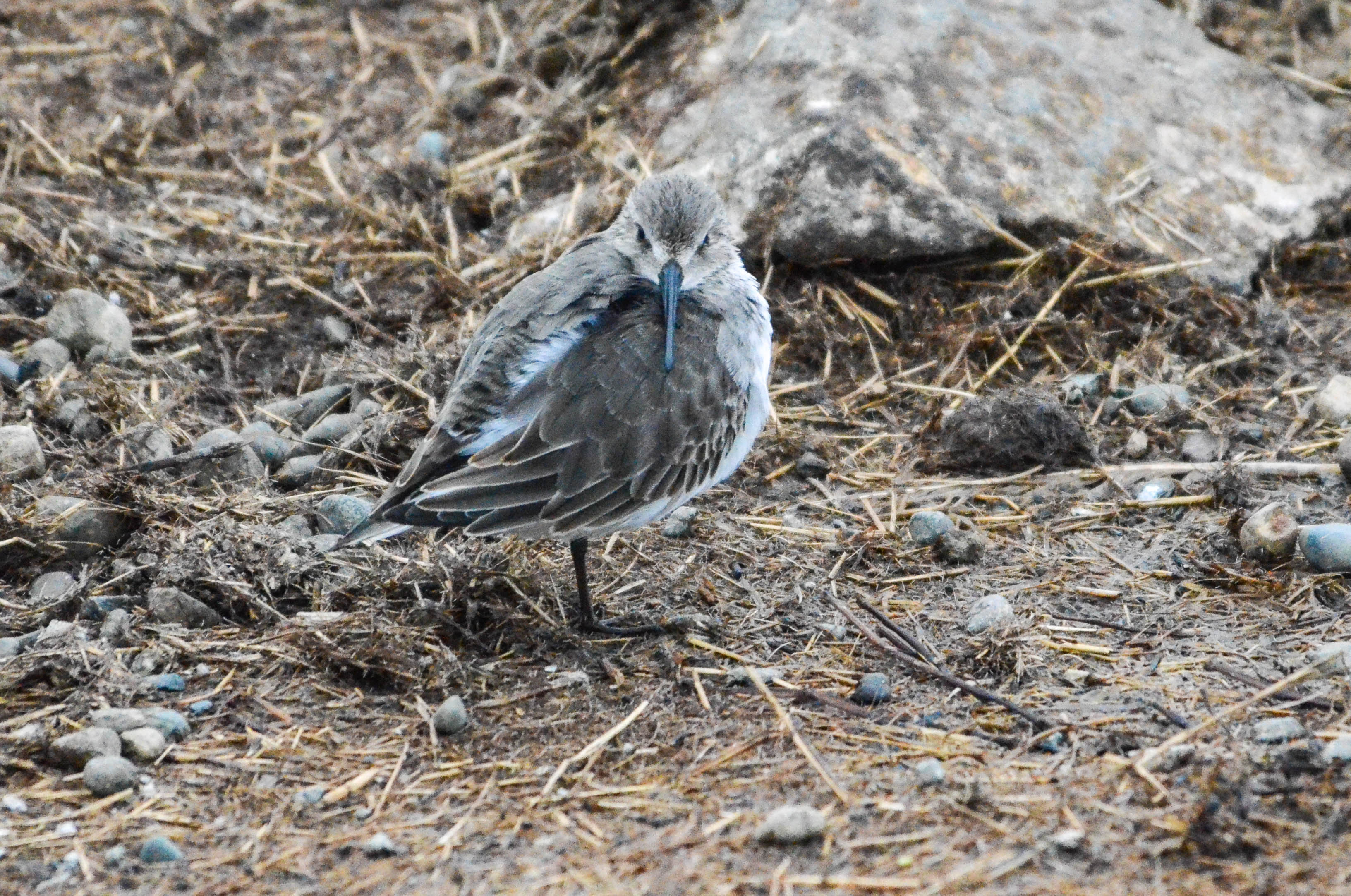
These days birds are showing up in winter plumage and look different from when they passed through in the spring.

A Dunlin in winter plumage.

We’ll have an animal census for you in just a couple of days… stay tuned.