Mike’s Last Day

I am off for the summer and Julie will be taking over, keeping a watchful eye over the animals and encouraging the public to maintain respect for the their well-being by motoring slowly within the reserve and maintaining a comfortable distance.

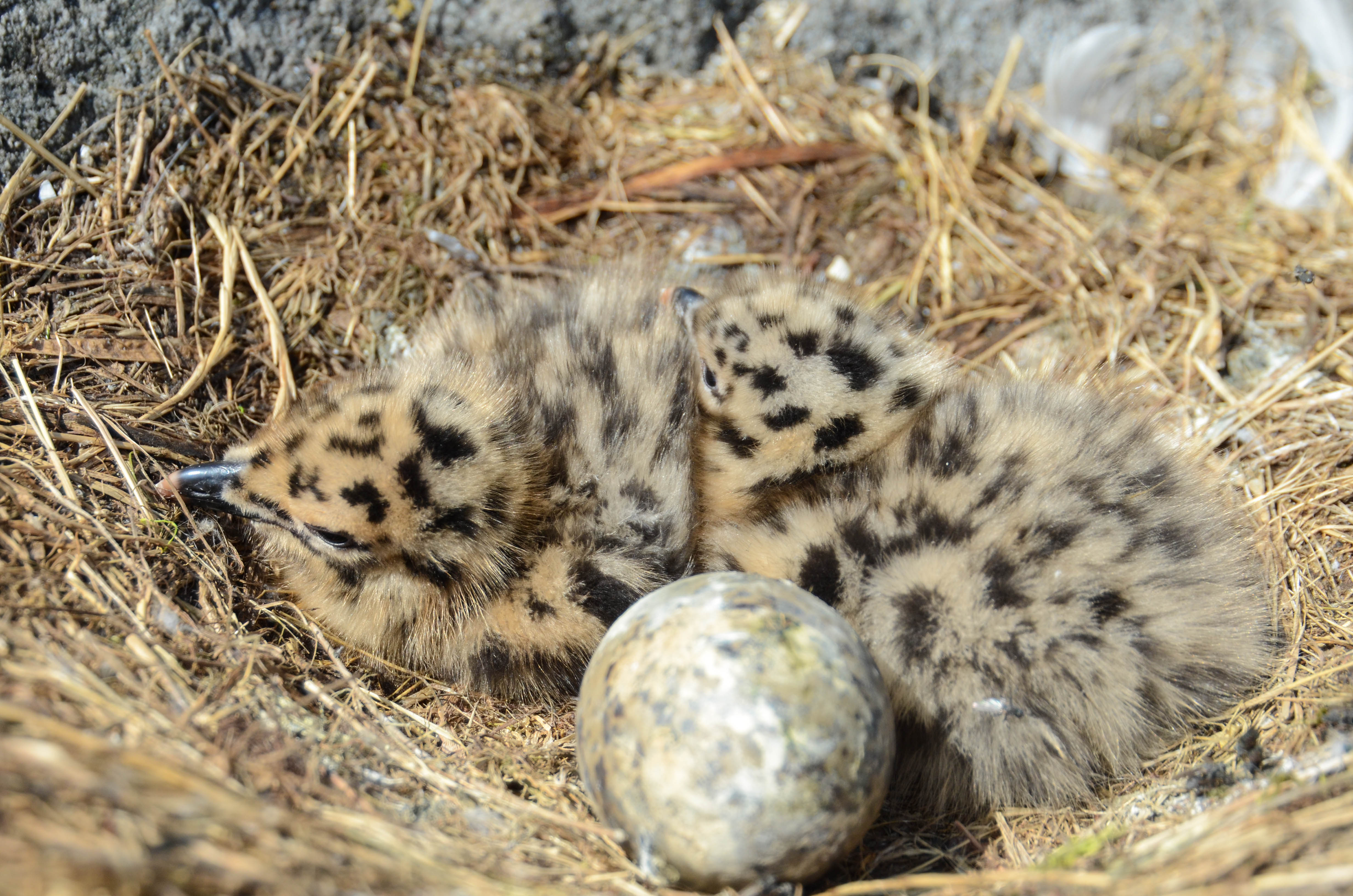
Same three gull chicks taken earlier

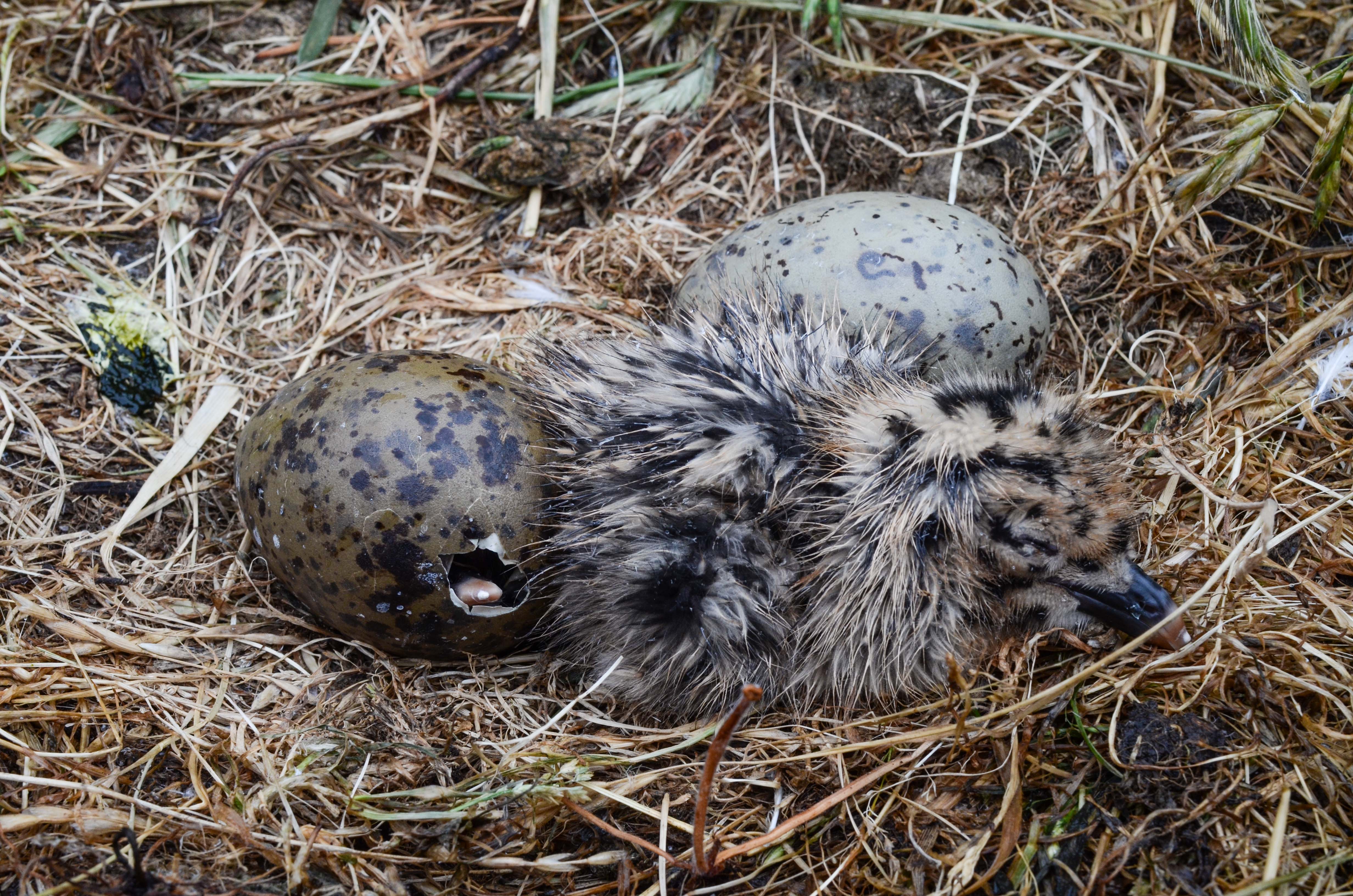
The big news of the last few days is the birth of numerous Glaucous-winged Gull chicks. They look adorable for the first few weeks with their leopard spots! Let’s keep our fingers crossed that the parent can find enough food for them to thrive.


Newborn Glaucous-winged Gull June 29, 2012

These two pictures of the chicks were taken 24 hours apart. In the first you can see the egg-tooth of the emerging chick.


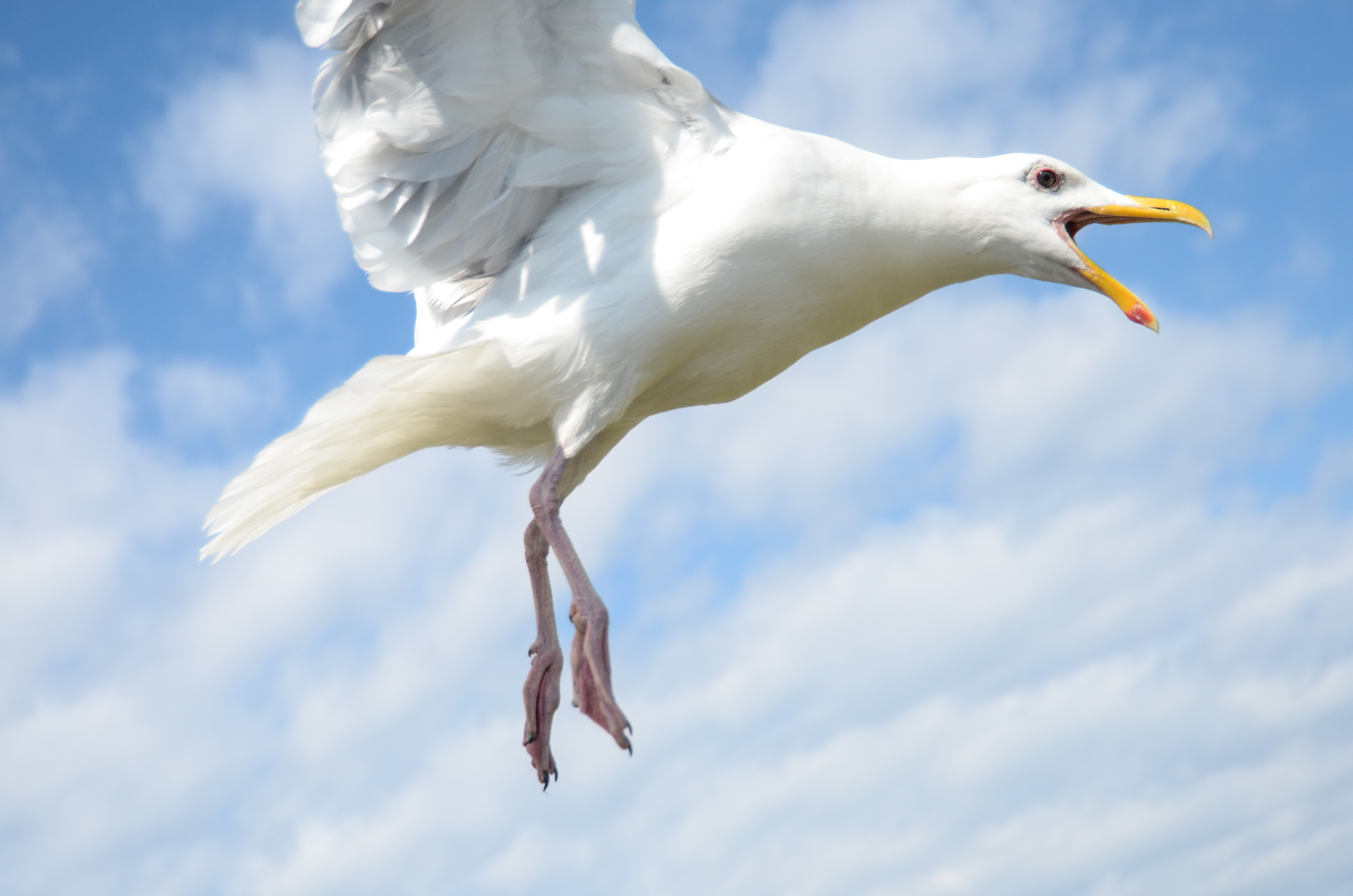
Mad Momma

The Gull parents are quite protective. I have had my hat knocked off and felt their warm white rain a few times… Last night I got splashed in the eye, much to my discomfort and annoyance. I’m sure there is a poetic justice to the experience though; at least from the Gull’s perspective!

Bird Notes

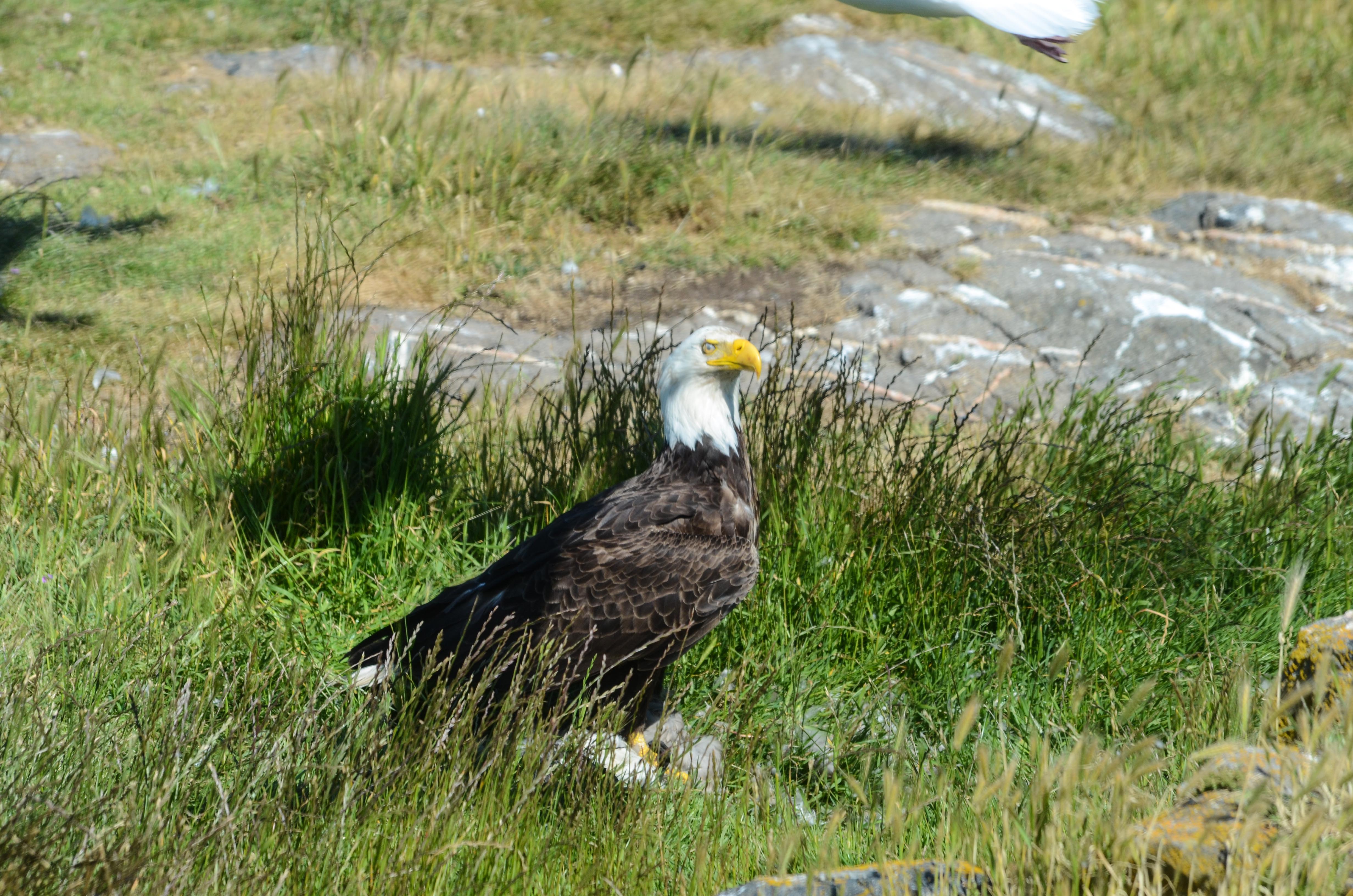
Bald Eagle on Gosling Carcass

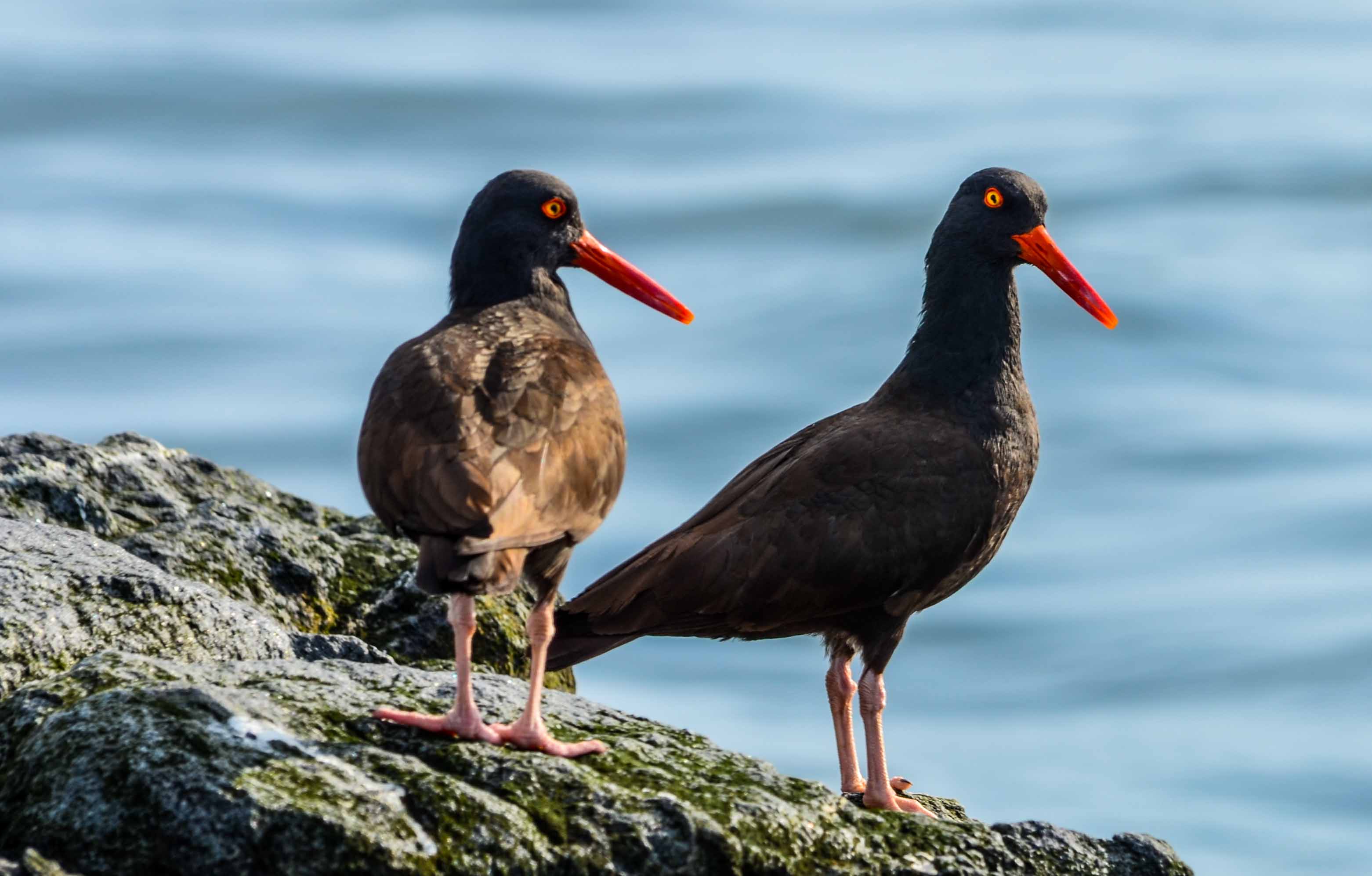
The nesting gulls continue their vigil over their eggs. Oystercatcher couples furtively watch over their scrapes located just above the high-tide line, while Pigeon Guillemots incubate their eggs within the cracks and fissures of the rocks. Ironically the blasted rock, remnant of Coast Guard efforts to create more level terrain has provided habitat for them! Caspian Terns remain in the area but have not been noticed to land on the island. Cormorant are seen in the local waters but none appear to be nesting on the island this year.

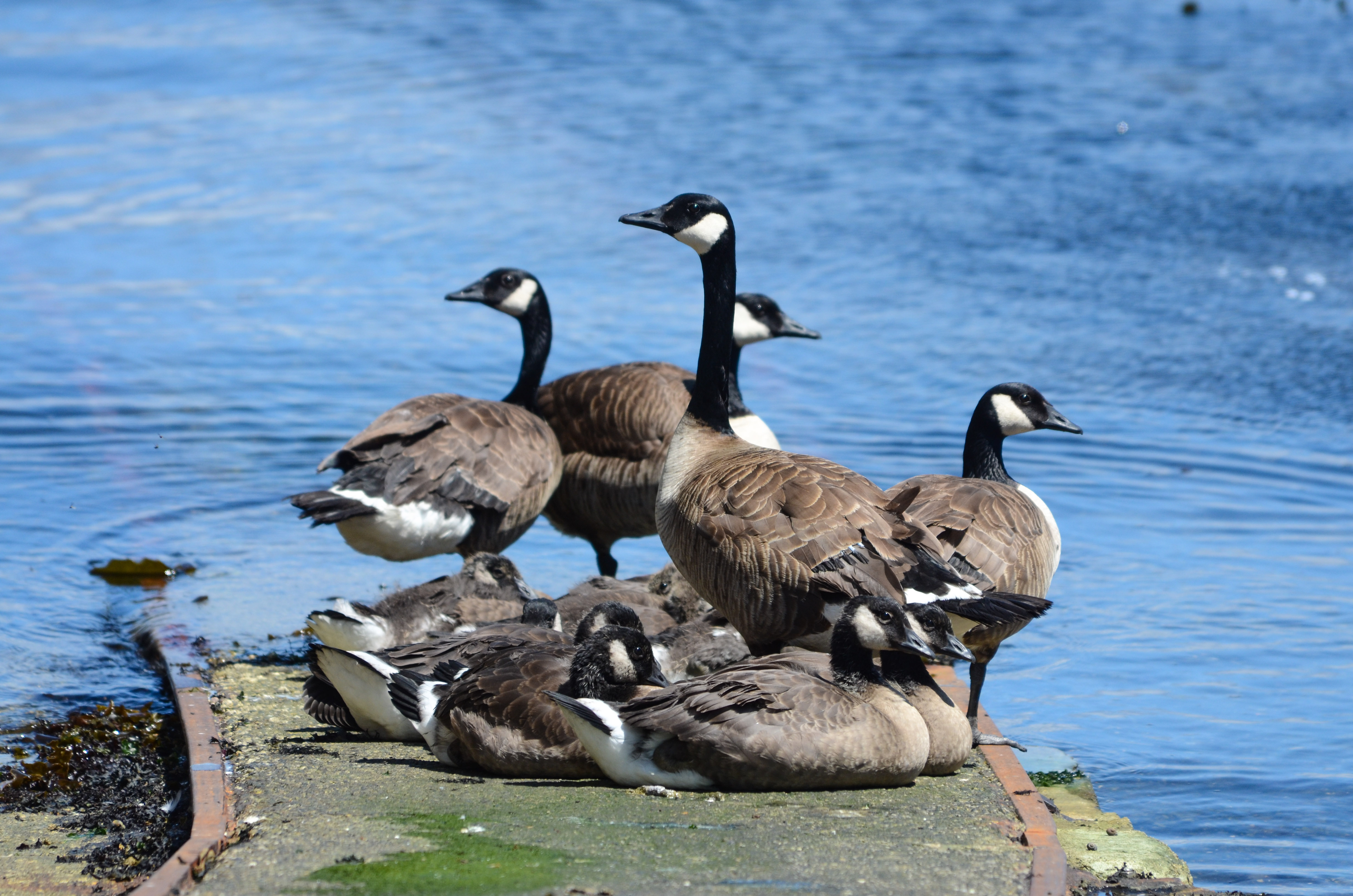
Canada Geese

This season 4 pairs of Canada Geese hatched 20 goslings; a concern for us as this species that is not native to the West Coast can be quite destructive to some habitats. So far though they have had little effect on the grass (most of which is also introduced), and to date 10 of the goslings have been predated by eagles and ravens.
The West wind has stopped for a couple of days; a big relief and an opportunity to do some work that requires still air. Climbing ladders and cleaning the tower camera for example. I think we managed to solve the problem of intermittent outages of Camera 5 as well.

A New Mammal on the Island!

Julie has arrived! She will be taking over Eco-Guardian for the summer, keeping a close eye on our animal neighbours, monitoring human activity in the reserve, and doing the maintenance and upkeep required to keep the station running. I will be training her over the next few weeks.

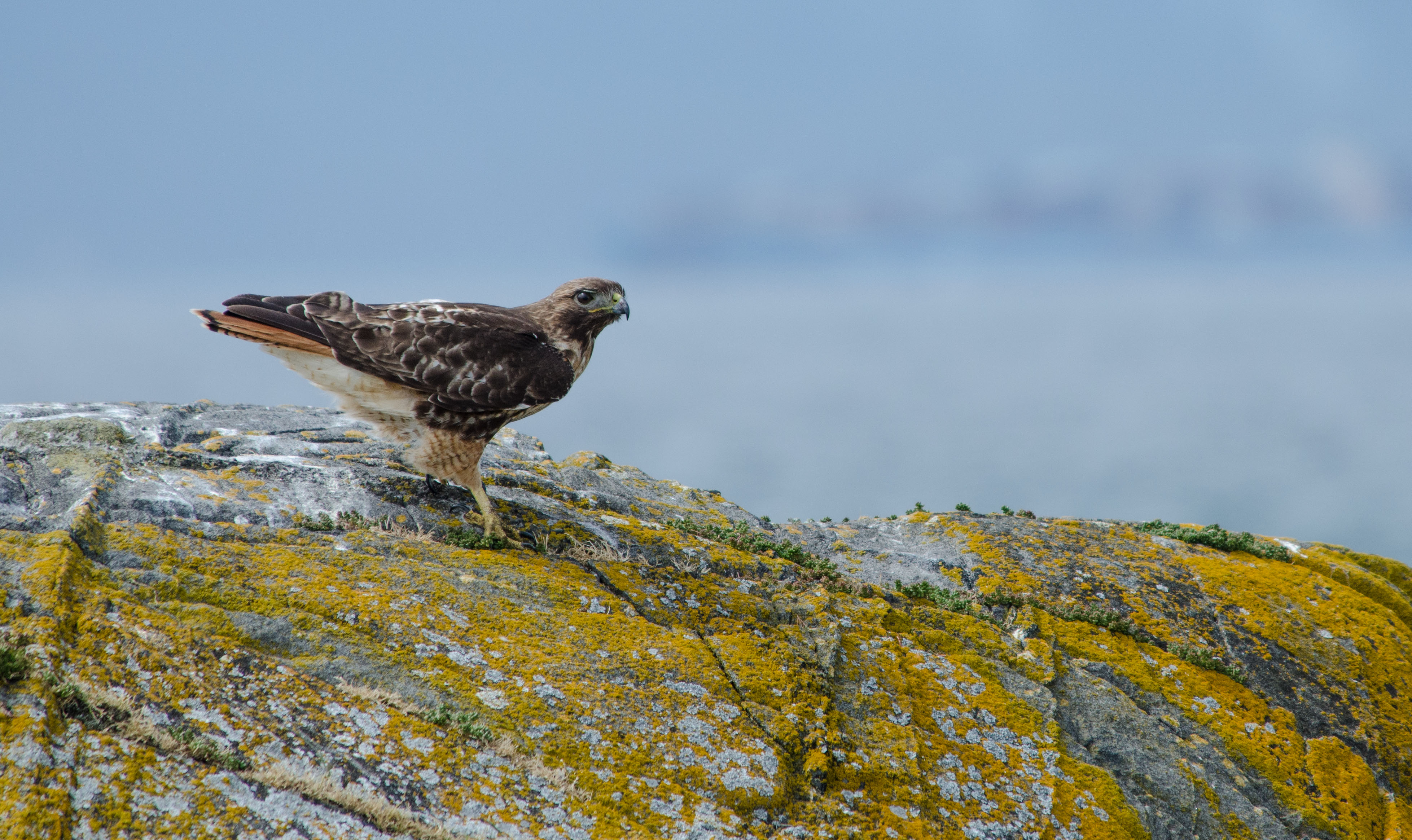
Hungry Red-tailed Hawk

In other news, we had a visit from a Red-tailed Hawk (Buteo Jamaicensis) a few days ago.


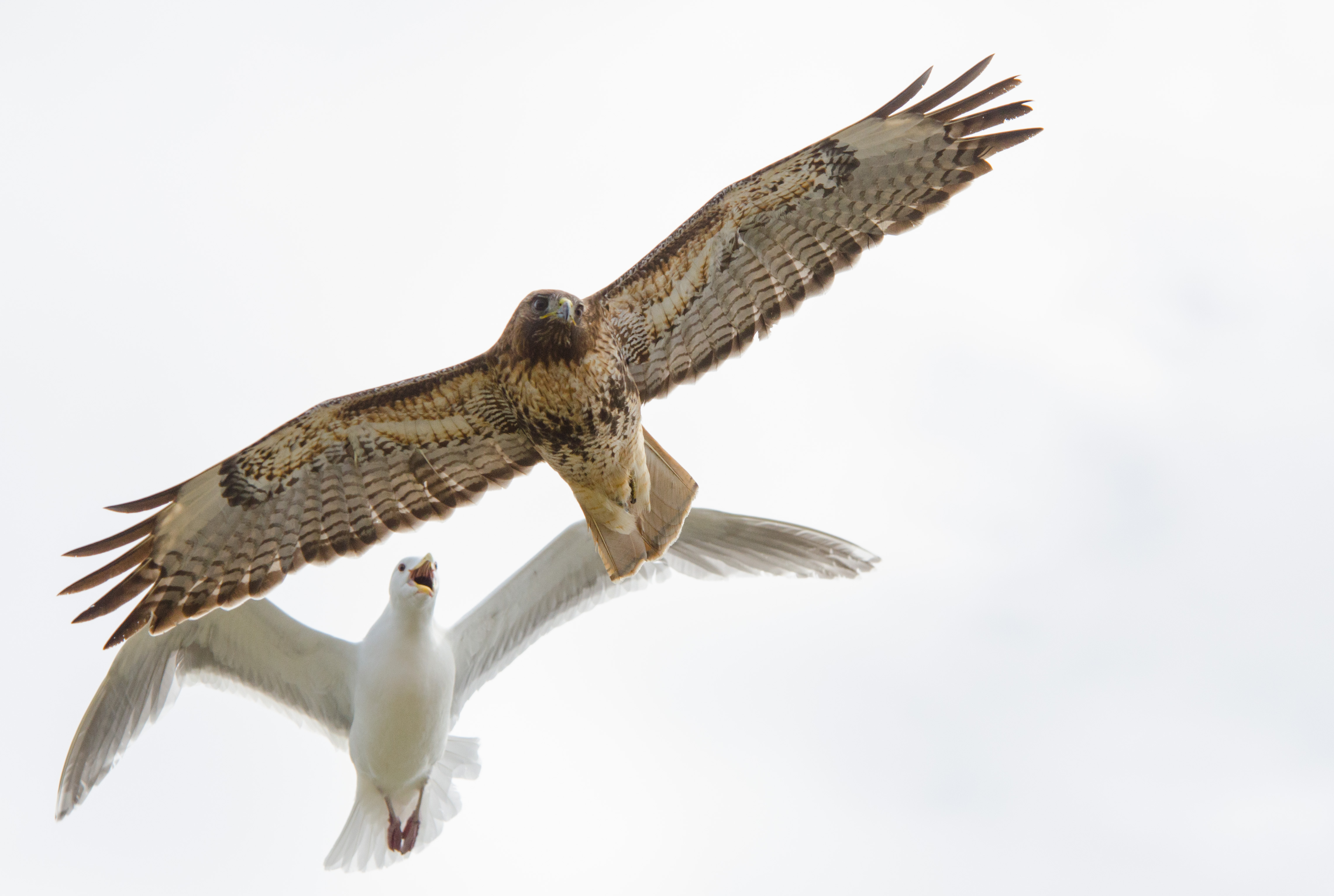
The Chase

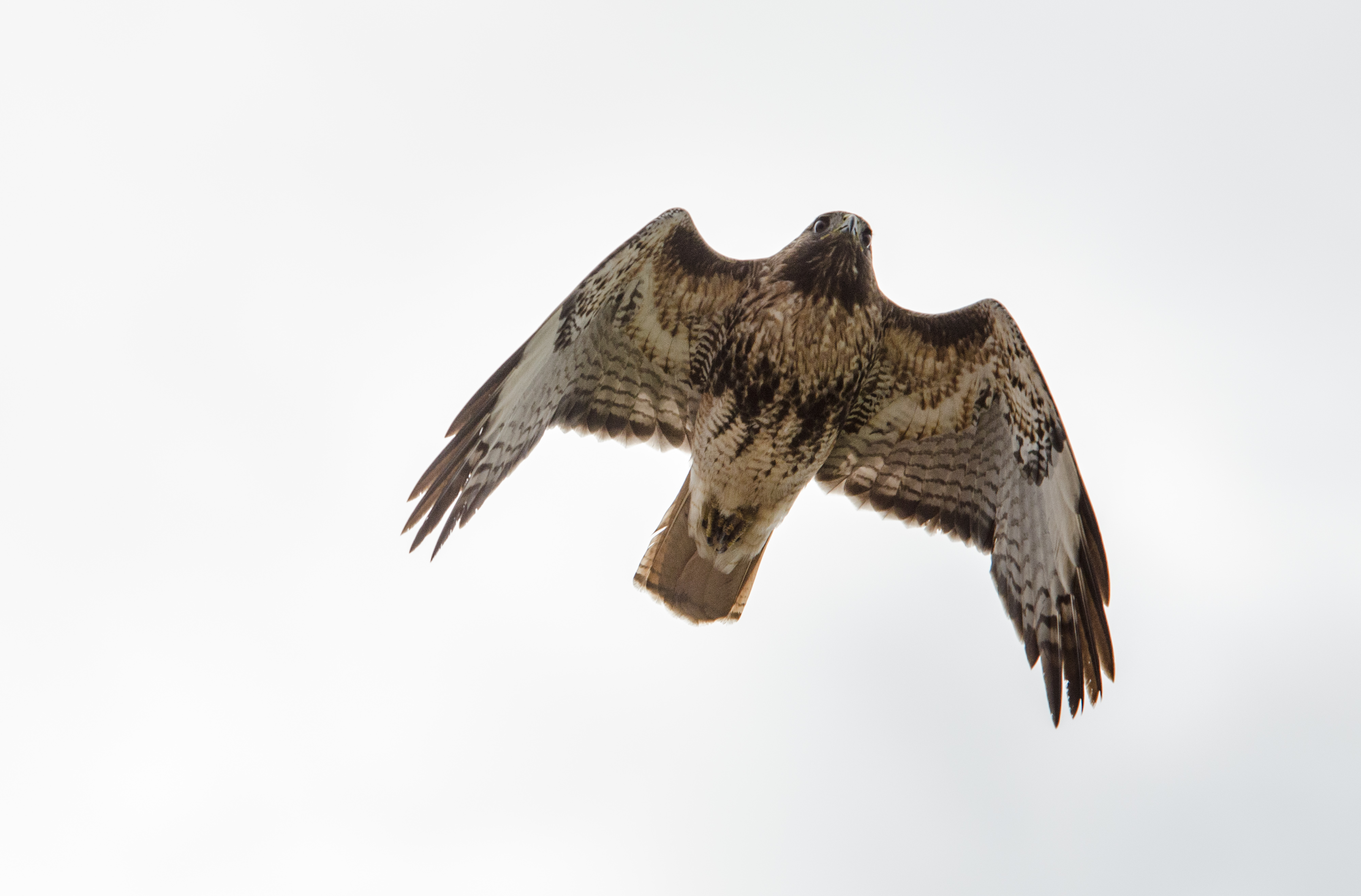
I was lucky enough to capture this action-shot as it swept overhead.


Red-tailed Hawk in Flight


June continues to be rather dismal and cold. Temperature has averaged about 12 degrees Celsius here with a high of 15.2…. pout.


Caspian Terns

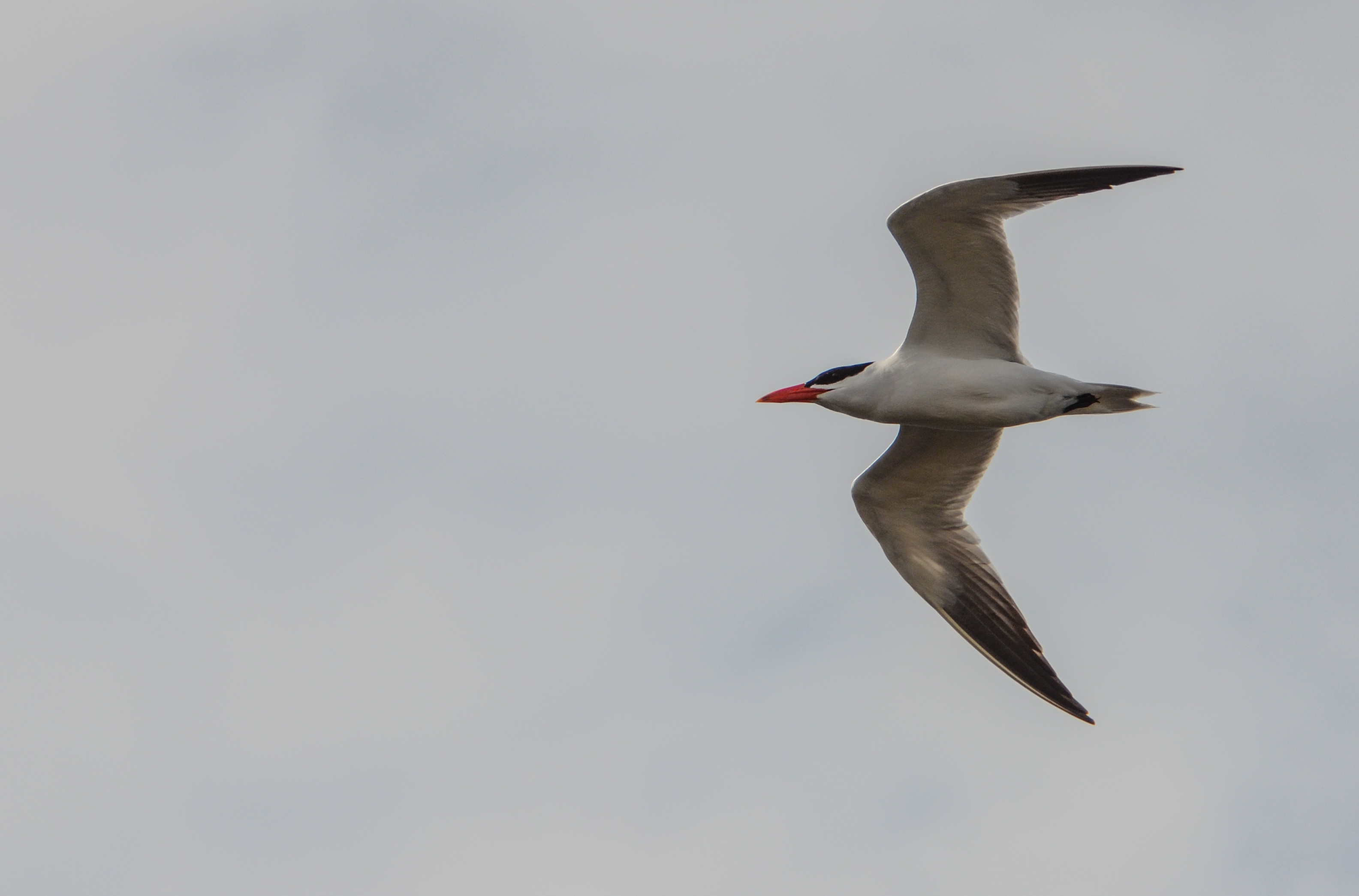
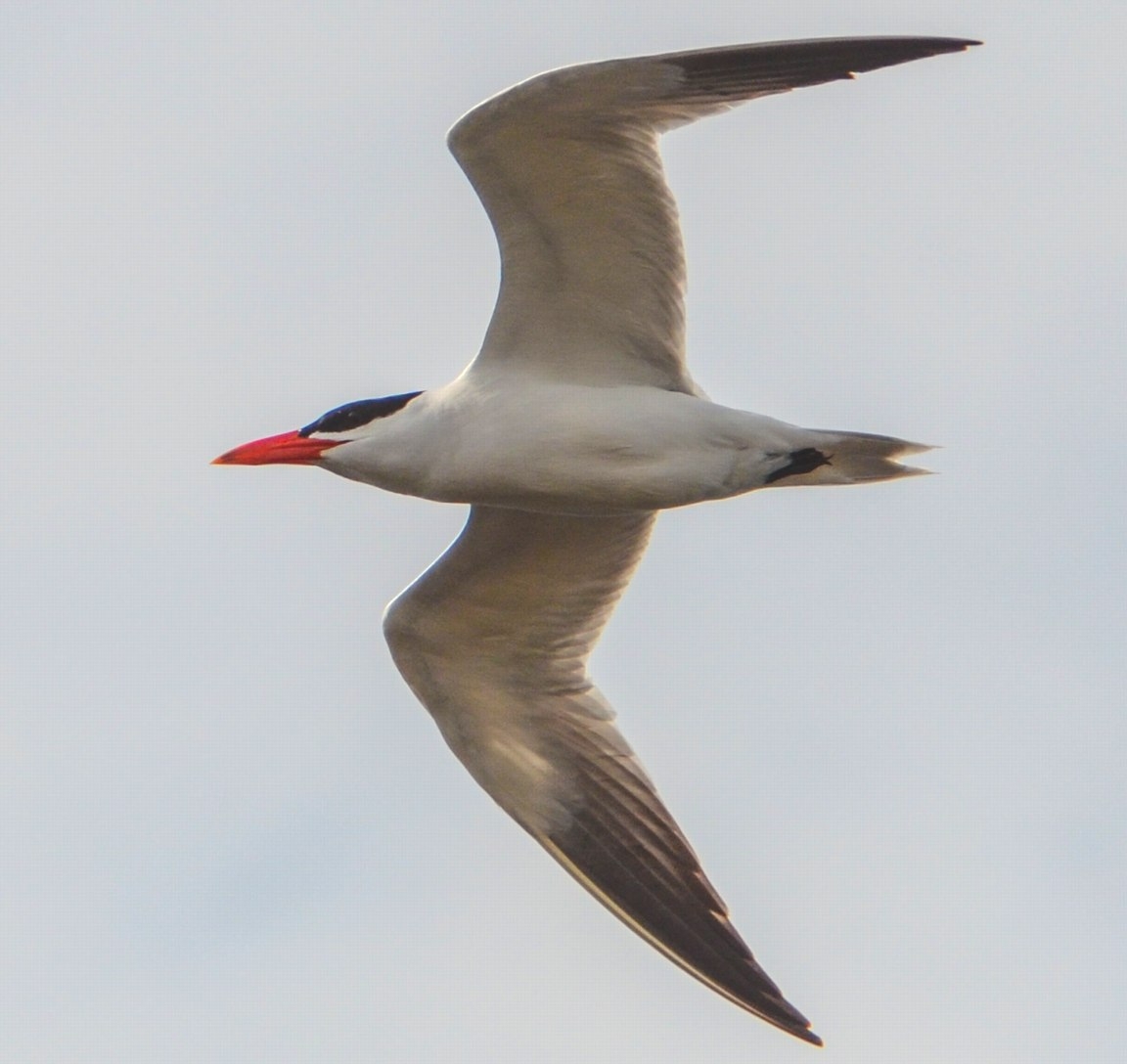
Caspian Tern, June 11, 2012

I have noticed several (2-6) Caspian Terns (Hydroprogne caspia) in the area for a month or so. They have proven very challenging to photograph but I got a couple good shots this afternoon. It is the world’s largest tern with a length of 48–56 cm, a wingspan of 127–140 cm. The global population is about 50,000 pairs. They have a distinguishing croak that sounds a bit like a Great Blue Heron.

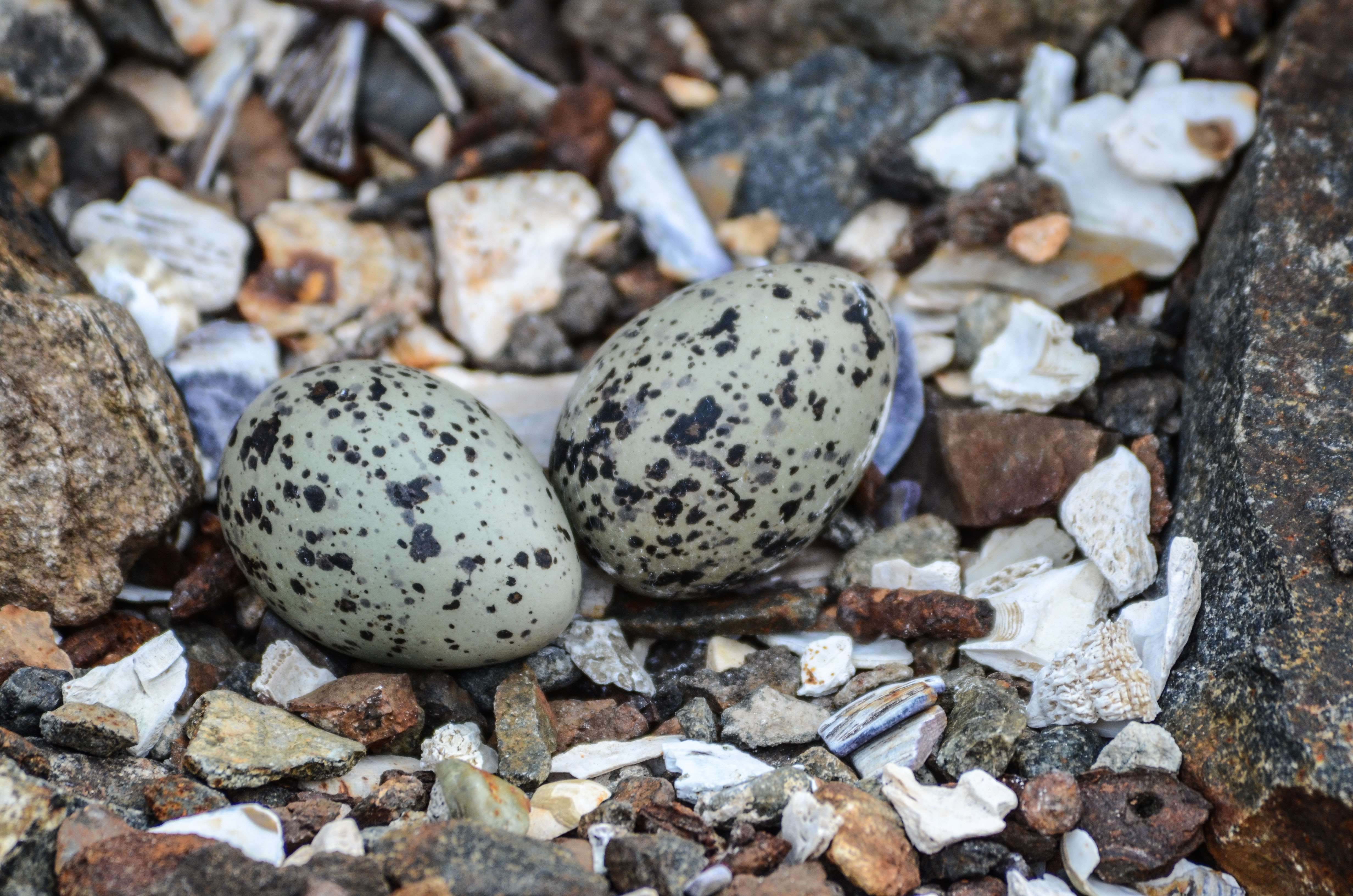
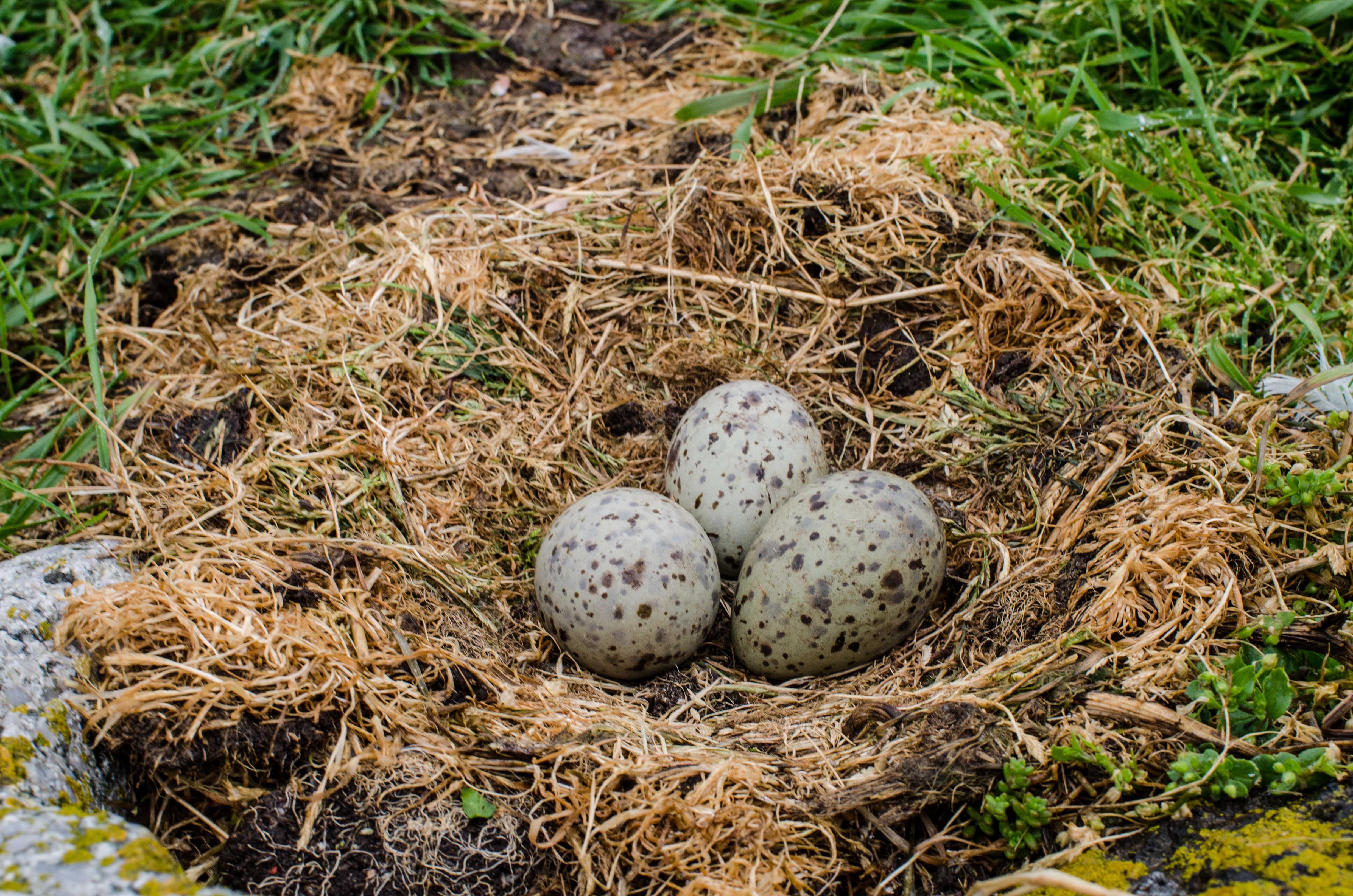
Black Oystercatcher Eggs June 10, 2012

I also finally found an Oystercatcher nest just above the high-tide line on the West side of the island below the engine room.


Hydroprogne caspia: Caspian Tern–The Race Rocks Taxonomy

mikercaspianternjune112012
Mike Robinson, the Lester Pearson College Ecoguardian at Race Rocks Ecological Reserve, reported in the Race Rocks log on Caspian Terns and provided this picture.
This is the first image taken of this species at Race Rocks June 10, 2012.

Mike  commented :” I have noticed several (2-6) Caspian Terns (Hydroprogne caspia) in the area for a month or so. They have proven very challenging to photograph but I got a couple good shots this afternoon. It is the world’s largest tern with a length of 48–56 cm, a wingspan of 127–140 cm. The global population is about 50,000 pairs. They have a distinguishing croak that sounds a bit like a Great Blue Heron.”
Domain:  Eukarya
Kingdom:  Animalia
Phylum:  Chordata
Subphylum:  Vertebrata
Class:  Aves
Order:  Charadriiformes
Family:  Sternidae
Genus:  Hydroprogne
Species:  caspia (Pallus, 1770)
Common Name: Caspian Tern

Global Status: G5 (Nov 1996)
Provincial Status: S3B (Nov 2011)
BC List: Blue
COSEWIC Status: Not at Risk (May 1999)
SARA Schedule:
General Status Canada: 3 – Sensitive (2005)
Migratory Bird Convention Act: Y
Return to the Race Rocks taxonomy and image gallery

This file is provided as part of a collaborative effort by the students, faculty, staff and volunteers of Lester B. Pearson College   June 10,2012 -Mike Robinson


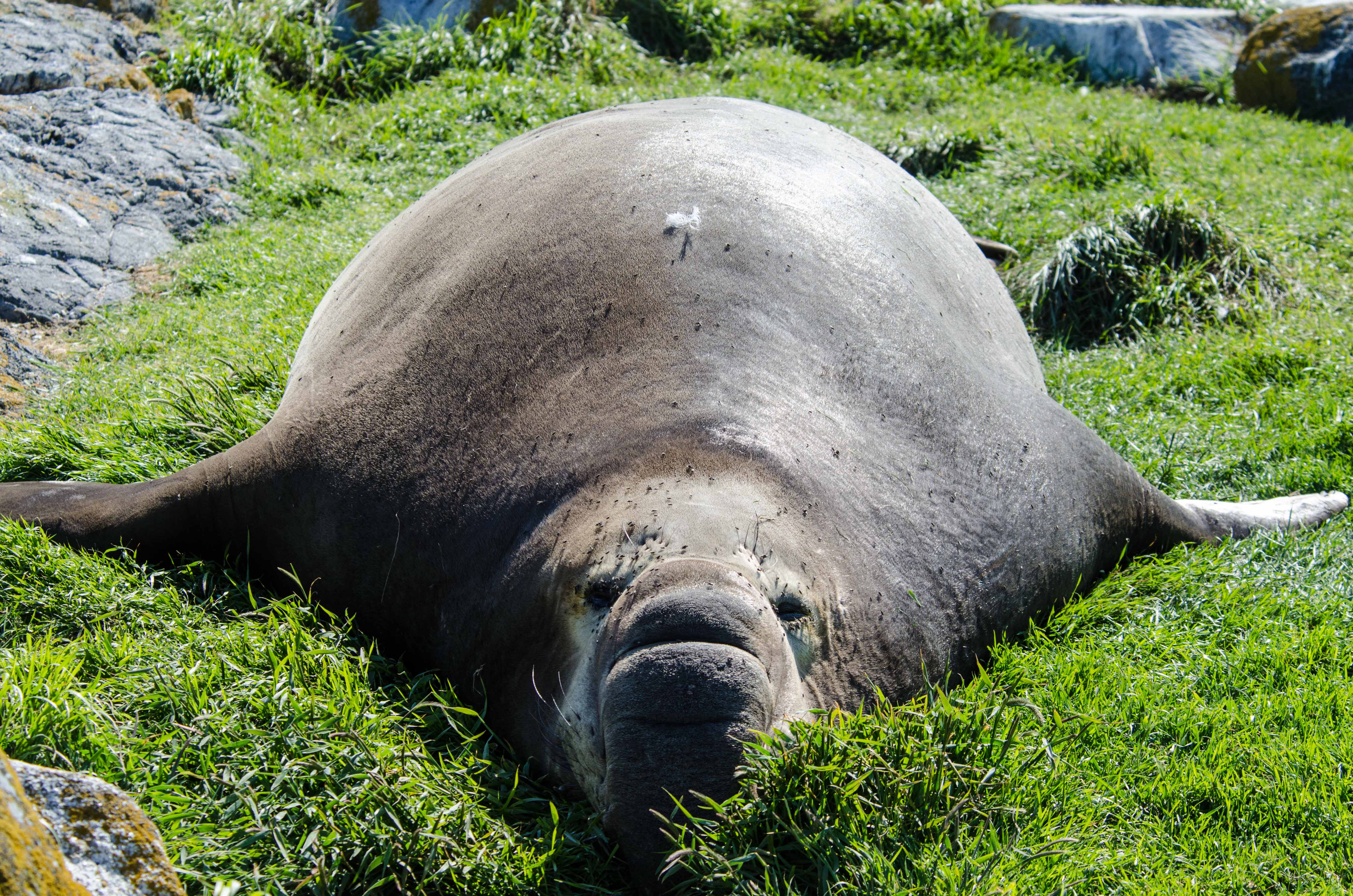
Bull Misery has returned

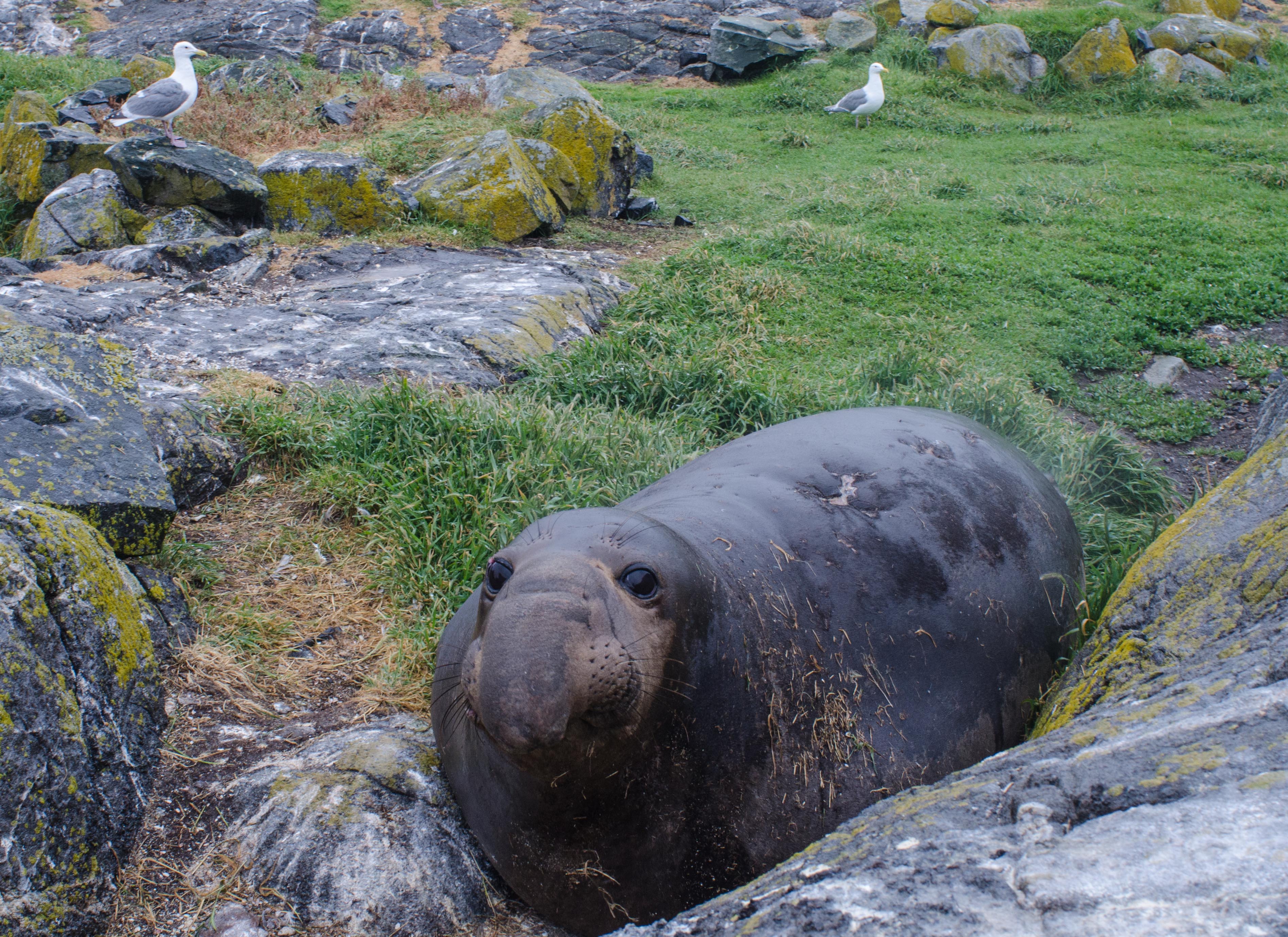
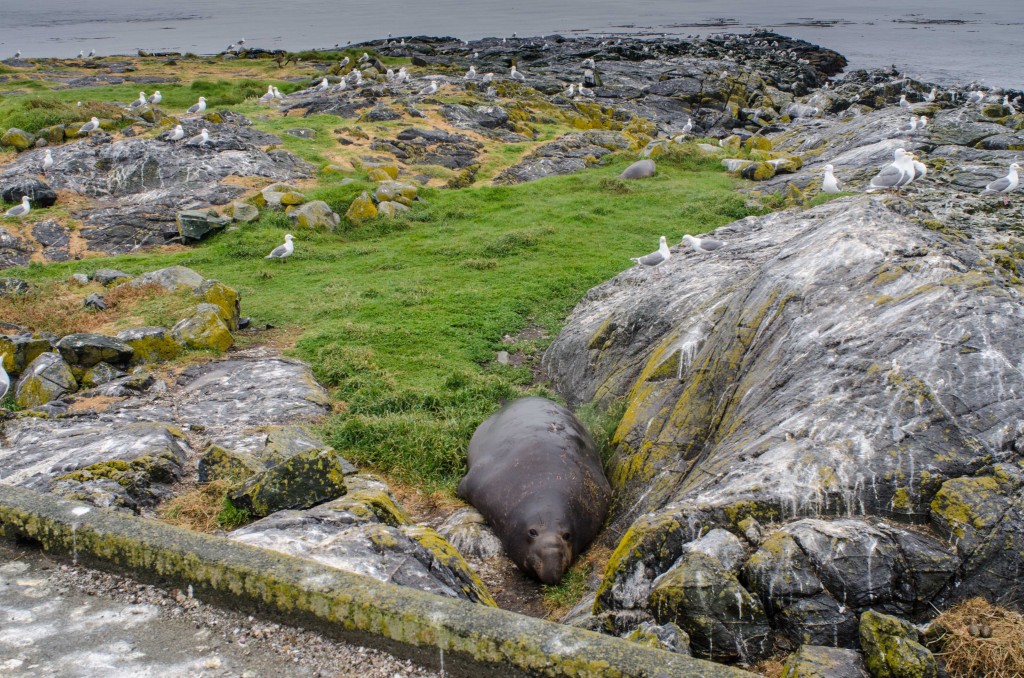
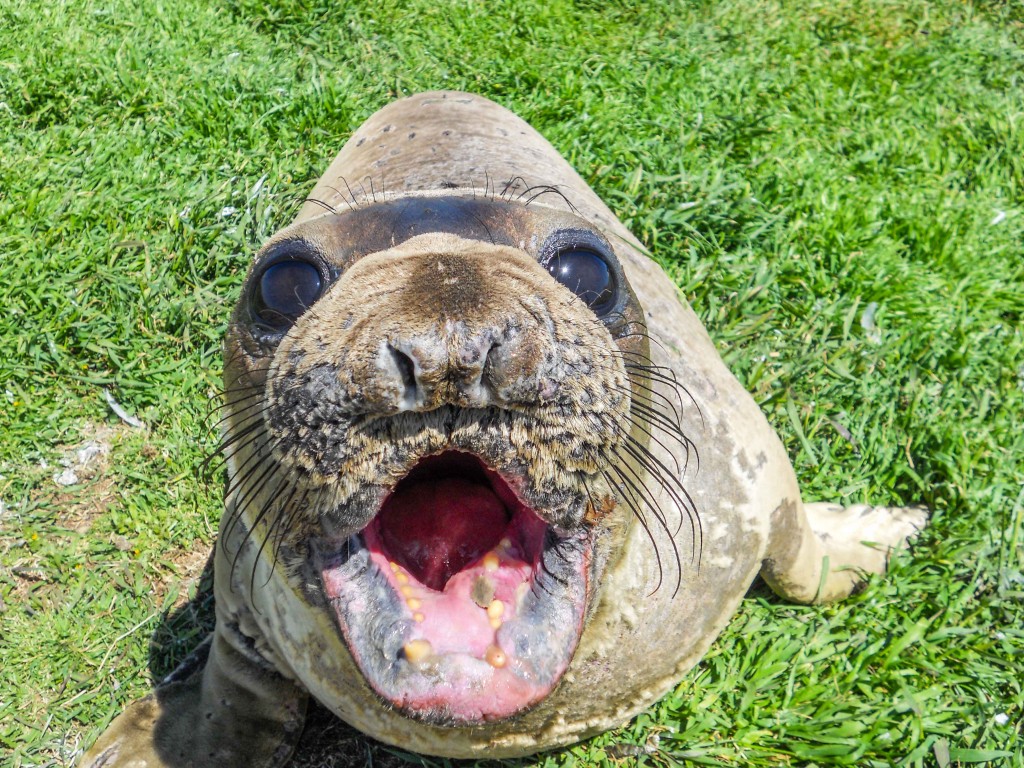
The big boss is back. Misery (Mystery as I like to call him) has returned to the island and has been snoozing and rolling his generous bulk around the grassy areas. He appears to have gained 100 kgs or more in his time away. Wherever they are going after their onshore fasting, and it can’t be too far, the seals appear to have no problem finding abundant food resources. Fortunate for them that their prey is at a depth most predators can’t reach, nor is that prey (squids, skates, rays and some crustaceans) commercially hunted. Elephant seals appear to love grass, which is unusual as most of the places they live don’t have any vegetation. But their pleasure is apparent to anyone who watches them. Yesterday there were 10 individuals here, a new record.
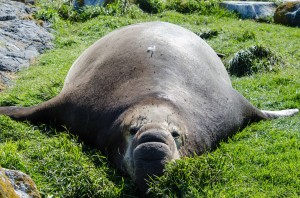
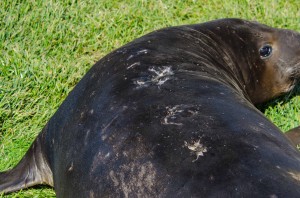
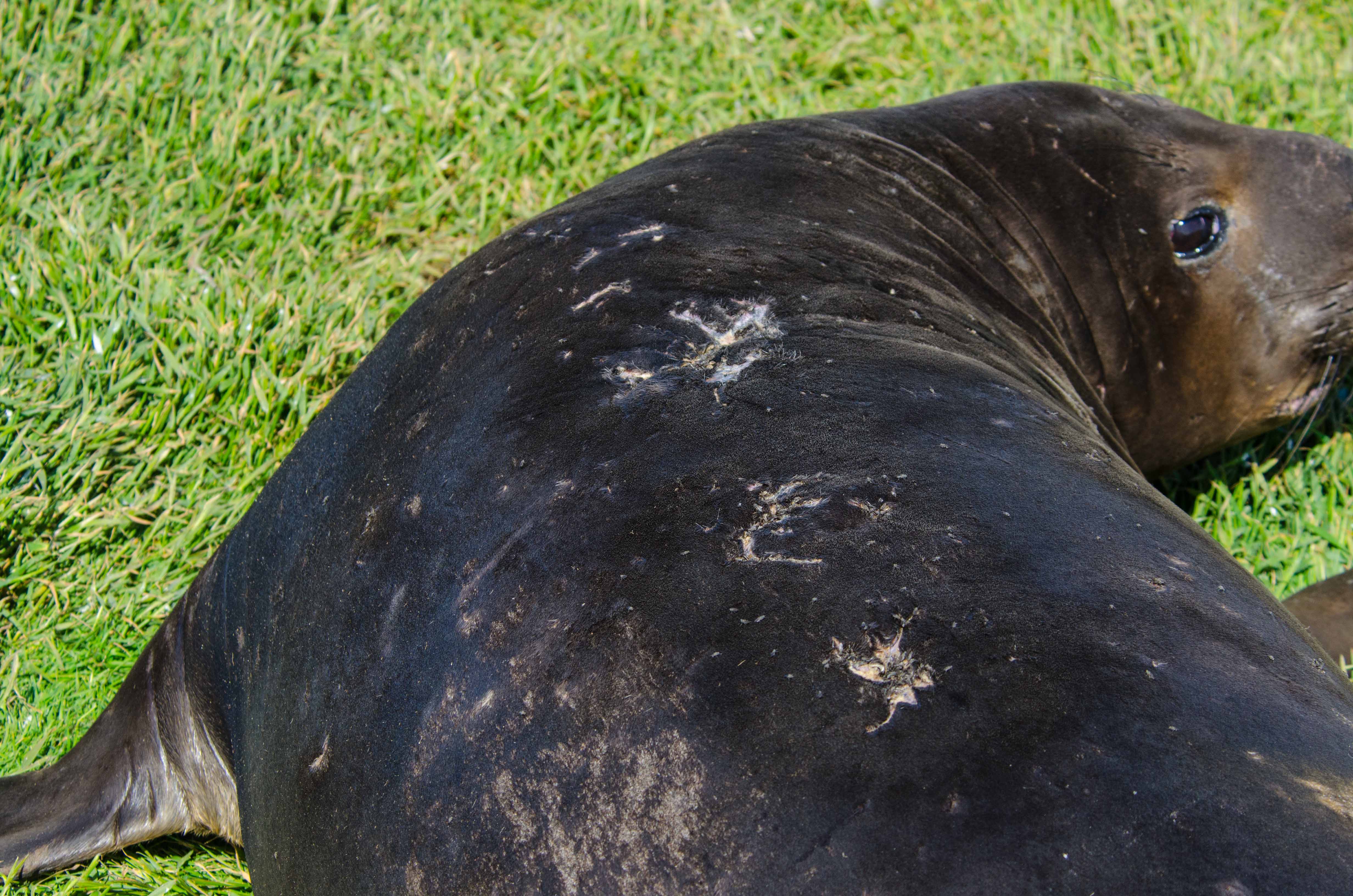
The younger bull Chunk (named for the hideous propeller scars on his back) stays out of the way but Misery seems less aggressive without any potentially fertile females around. A new juvenile with the tag 6355 showed up today.


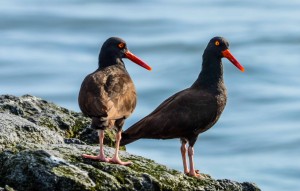
It is hard to tell if the oystercatchers have laid their eggs yet because they are so secretive about their nests, and use very vocal and visual threat displays to distract would be predators and naturalists. Normally 2 to 3 eggs are laid in this nest, these are very hard and can even survive being submerged by a high tide or very high water levels. Incubation takes around 26–28 days. The chicks are capable of leaving the nest after one day. I once witness an acquaintance of mine accidentally step on an oystercatcher nest and crush an egg. He was devastated but not as much as the bird. She clearly knew we were responsible and proceeded to fly after us carrying shards of egg in her beak and screaming what I took to be obscenities at us. I don’t blame her at all. Remarkably she repeatedly flew ahead of us with the broken egg, landed on the beach and vocalized, until our guilt forced us to flee the island. That bird recognized cause and effect!
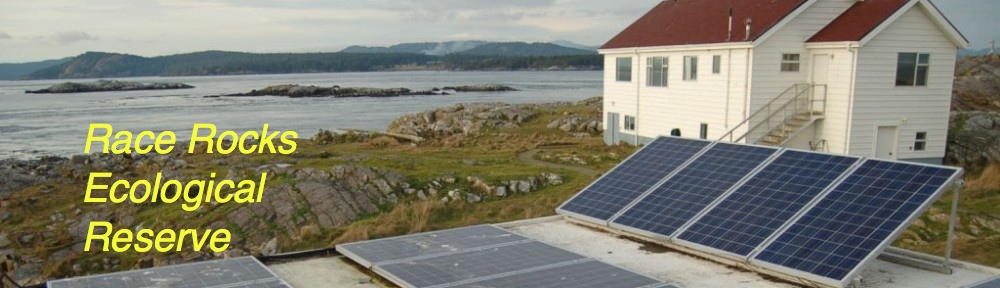
Aneri and Sahar are staying here for a few days and they have been great company. They are so much more consciously evolved than my generation was at that age and they give me hope that many of the antiquated paradigms of our culture will go extinct and we can progress to 21st century thinking to solve 21st century problems. I shall miss them when they leave tomorrow. They have helped me prop up some of the solar panels, washed windows, swept walks, and made some tasty brownies!
End of May

Hold the presses! I just got back from the top of the tower where I was washing the windows. My eyes were drawn to a huge lump on Middle Rocks. With the binoculars I could see what appears to be 3 bull elephant seals, a few cows and a juvenile. That makes at least 14 elephant seals in the reserve! I wonder if it is Misery?

It is hard to tell that June begins tomorrow, due to the fog and damp. But there are certainly signs of summer beginning to show up in spite of the weather. The first Glaucous-winged Gull eggs are being laid, the Oystercatchers are getting more secretive


But the really BIG news is that a new-to-me bull elephant seals arrived yesterday. He isn’t as big as Misery but he is bigger than Zeke. I would guess he is a few years away from becoming a Beachmaster. He caused quite a commotion rampaging around and roughing up a few females before he found a nice spot to sleep for the next few days. I have named him Chunk, for both his size and the large scars down his back, which appear to be caused by a boat propellor a few years ago. (Ed note: These were actually caused by a fight with Misery last year. ) The scars look fairly well healed but some pretty big chunks were carved out by the prop.


Sea Lions are arriving

Aside

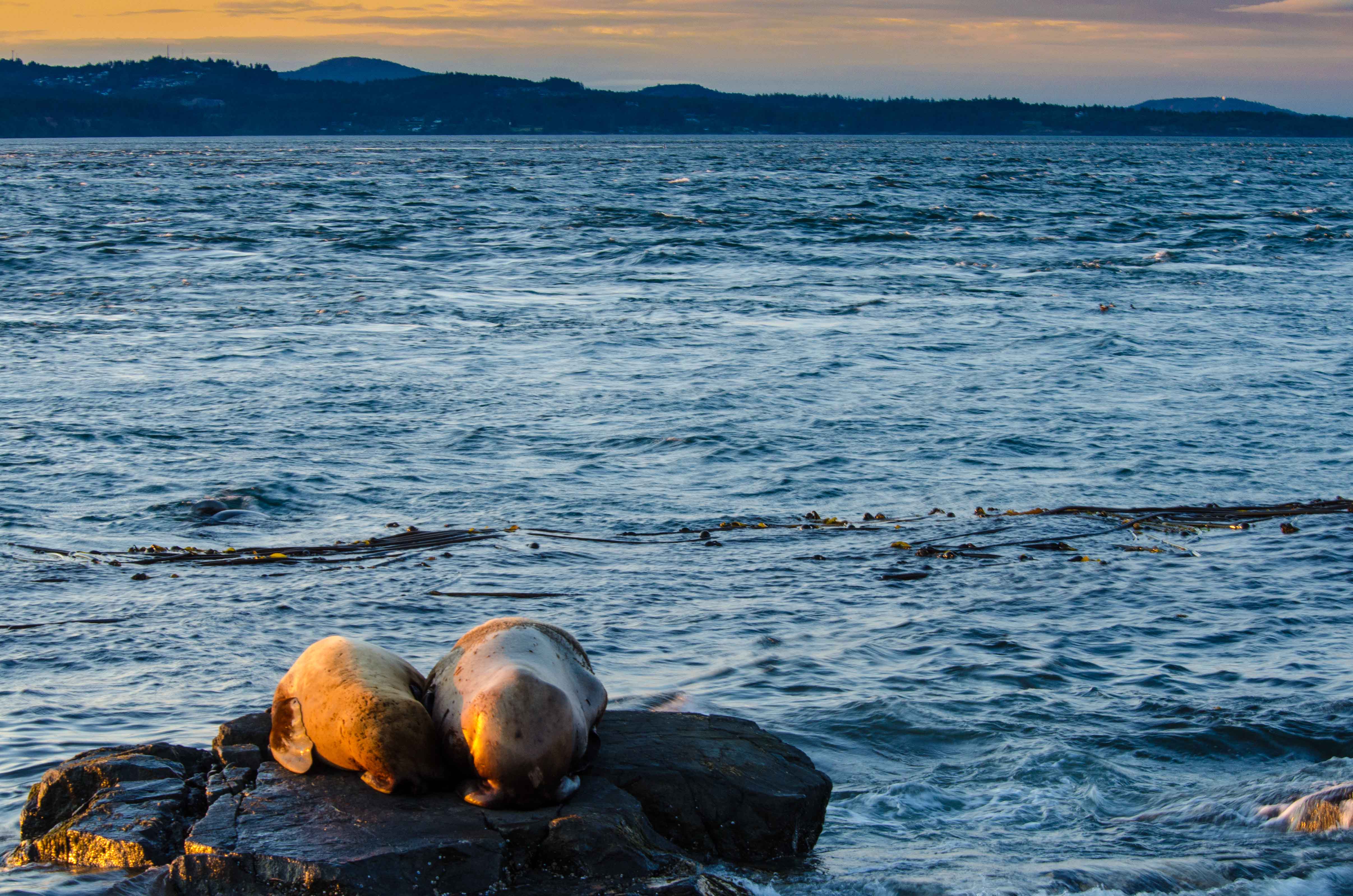
More and more California Sea Lions are showing up. There are about 10 on the rocks beneath the winch house as I write this. This photo however is of two Stellar’s enjoying the sunset after they cleared the rock of Californians.

I noticed three more Red Knots on the foreshore, and a corvus caurinus (crow) made it out for a visit. North-western crows are rare visitors here and I have only observed solitary excursions.

Work this week has comprised of painting the railings around the main house and walkway. We got the water desalinator working again, and some of the old computer equipment was removed from the student house.

Several dive groups have made underwater excursions just off the dock in the last week. We continue to see a lot of tour boats in the reserve.

This afternoon I noticed the first Glaucous-winged Gull egg in a shallow grass nest a few feet from my doorstep. I will have to stick to the sidewalk for a few months while the nesting and hatching play out.

Busy Times

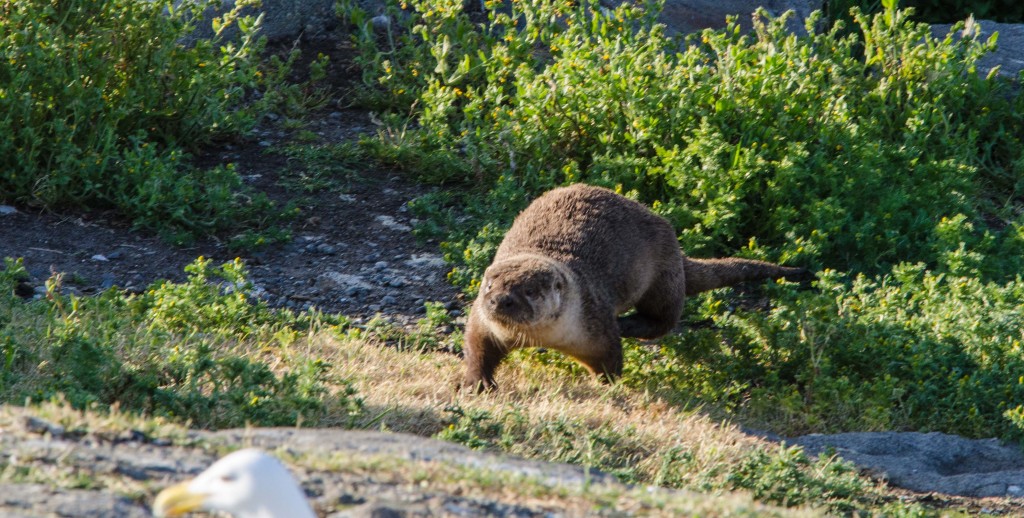
A lot is going on in and around the reserve. I spotted 6 Caspian Terns in area over the last week. Twice orca have gone past, though at the northern boundary, well-observed by tourists on the excursion vessels that are now very frequent visitors. There is a River Otter now living under walkway in front. 

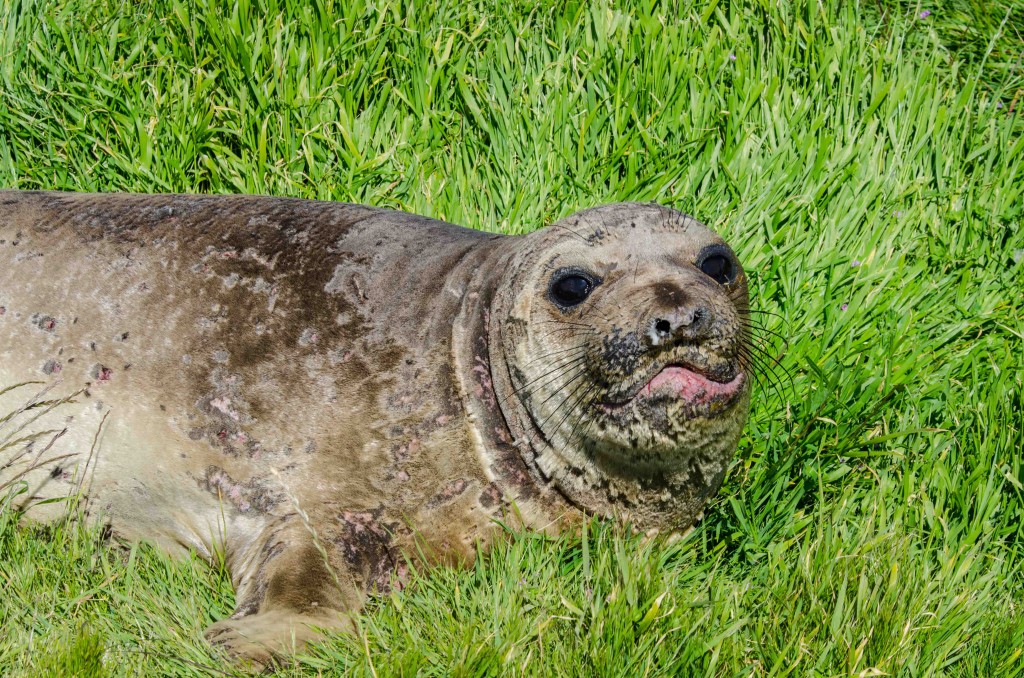
This morning 9 Elephant Seals were present, a new record! At least to me… They include Numbers 6355, 6360, 6397, 5086, Bertha, Noah – young male 3-4 yo est.), 2 untagged 2-3 yo juveniles, AND, happily the sad seal with the infected mouth that suffered for weeks on the end of the pier returned, and she is looking great! I had observed that after one of the sharp pieces of jaw bone that was protruding from her lower palate fell out she quickly returned to the water to find sustenance; she was very skinny and weak at the time.  Although her mouth is still repairing and healing itself it is clear she was able to feed well and she must have gained 40 kgs in fat in 5 weeks. I am astounded and impressed with the recuperative powers of these magnificent creatures.


Weekend Tallies

I lost track of the number of visits by tour boats this long weekend. It was at least 50. An orca pod hard been somewhere off Sooke so all the boats went through and visited on the way back. Sunday afternoon the pod transited the edge of the reserve heading East towards Trial Island and Victoria. Consequently there have only been about 5 boats here today (the rain and fog might be contributing to that number). I had to phone one of the operators as one of their new operators was oblivious to the guidelines here in the reserve. They apologized and promised to have a word with him.

I asked a pleasure fish boat to cease fishing in the reserve, and he was happy to comply. Ignorance is so often a factor in issues of conservation and human impact.

I was lucky enough to see, but not photograph a Red Knot. This unusual shorebird is an infrequent visitor to our shore and is likely migrating to above the Arctic Circle. Several other unidentified solitary shorebirds have also been seen, and more California Sea Lions are showing up. The rain is much appreciated as no more than a few millimetres have fallen in almost 2 months.