Cackling Goose, Branta hutchinsii—Race Rocks Taxonomy

raisaoct22201cackling

Branta hutchinsii, Cackling goose

Domain
Eukarya
Kingdom
Animalia
Phylum
Chordata
Subphylum
Vertebrata
Class
Aves
Order
Anseriformes
Family
Anatidae
Subfamily
 Anserinae
Genus
Branta
Species
hutchinsii
Common Name:
Cackling Goose

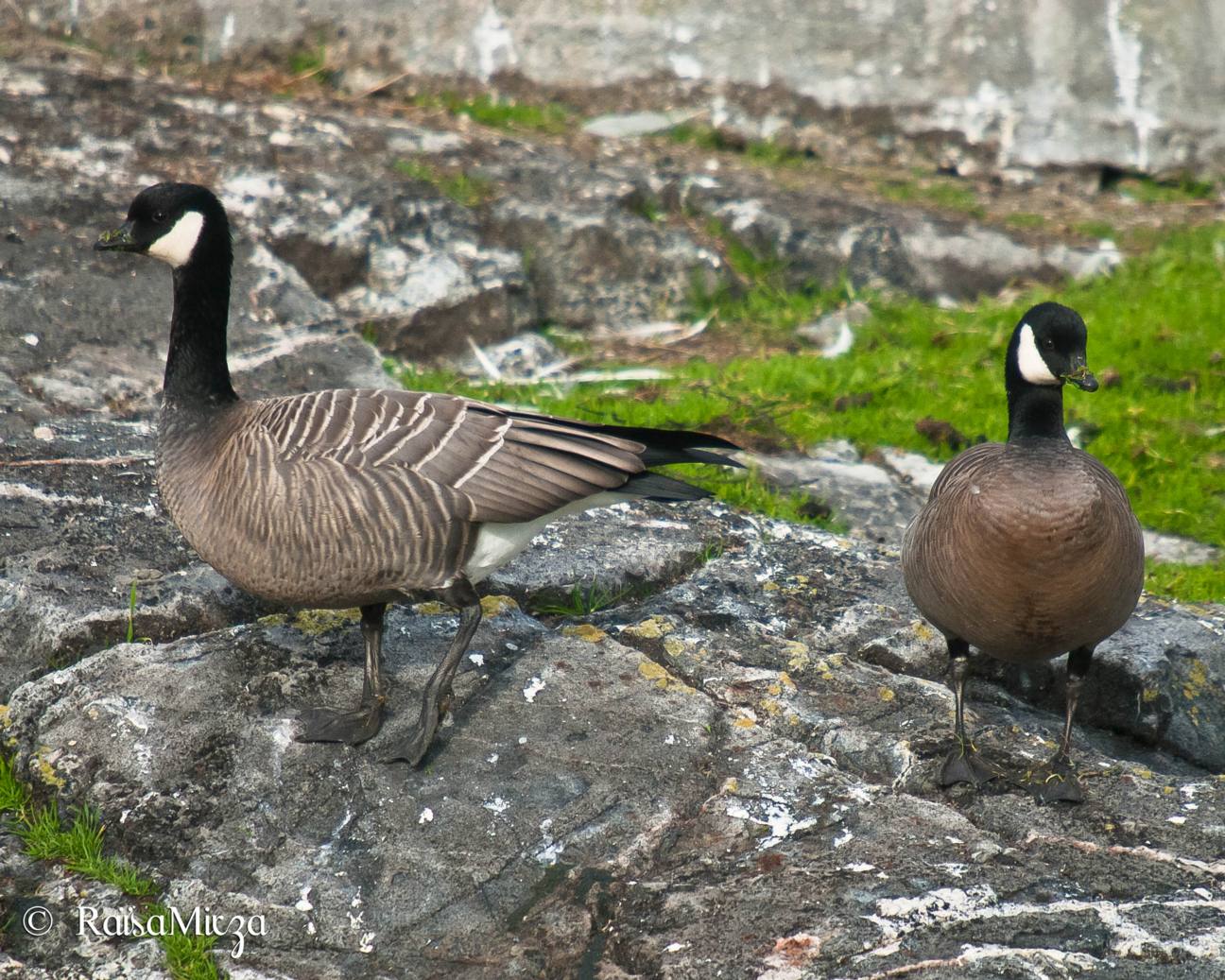
This is the first observation and photos we have of cackling geese at  Race Rocks. Ecoguardian Raisa Mirza  took this photo on October 22, 2010. These geese migrate south through the area at this time of year. This is a newly recognized and smaller species of the Canada Goose. Recent work on mitochondrial DNA genetic differences found the four smallest forms to be very different. These four races are now recognized as a full species: the Cackling Goose. It breeds farther northward and westward than does the Canada Goose..Fall migration includes staging on the upper Alaska Peninsula for several weeks, then a trans-oceanic flight to Oregon and California.

This tag will bring up other examples of observations of this species at Race Rocks.

Troglodytes pacificus: Pacific wren-The Race Rocks Taxonomy

troglodytesh

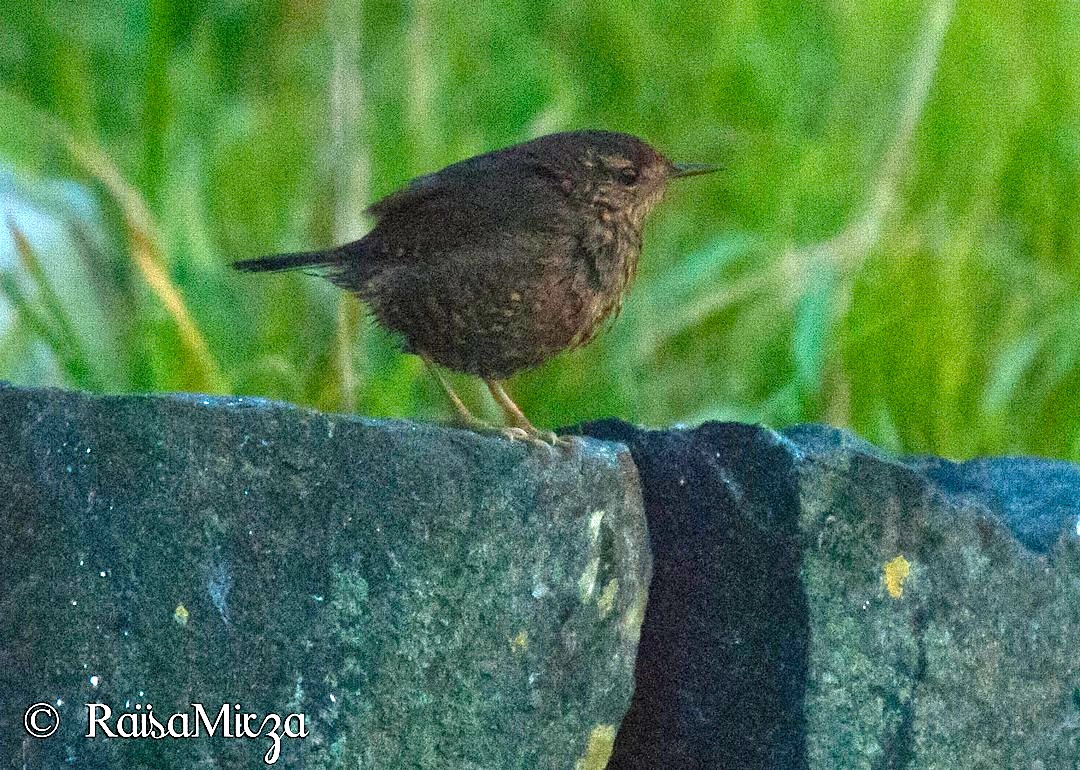
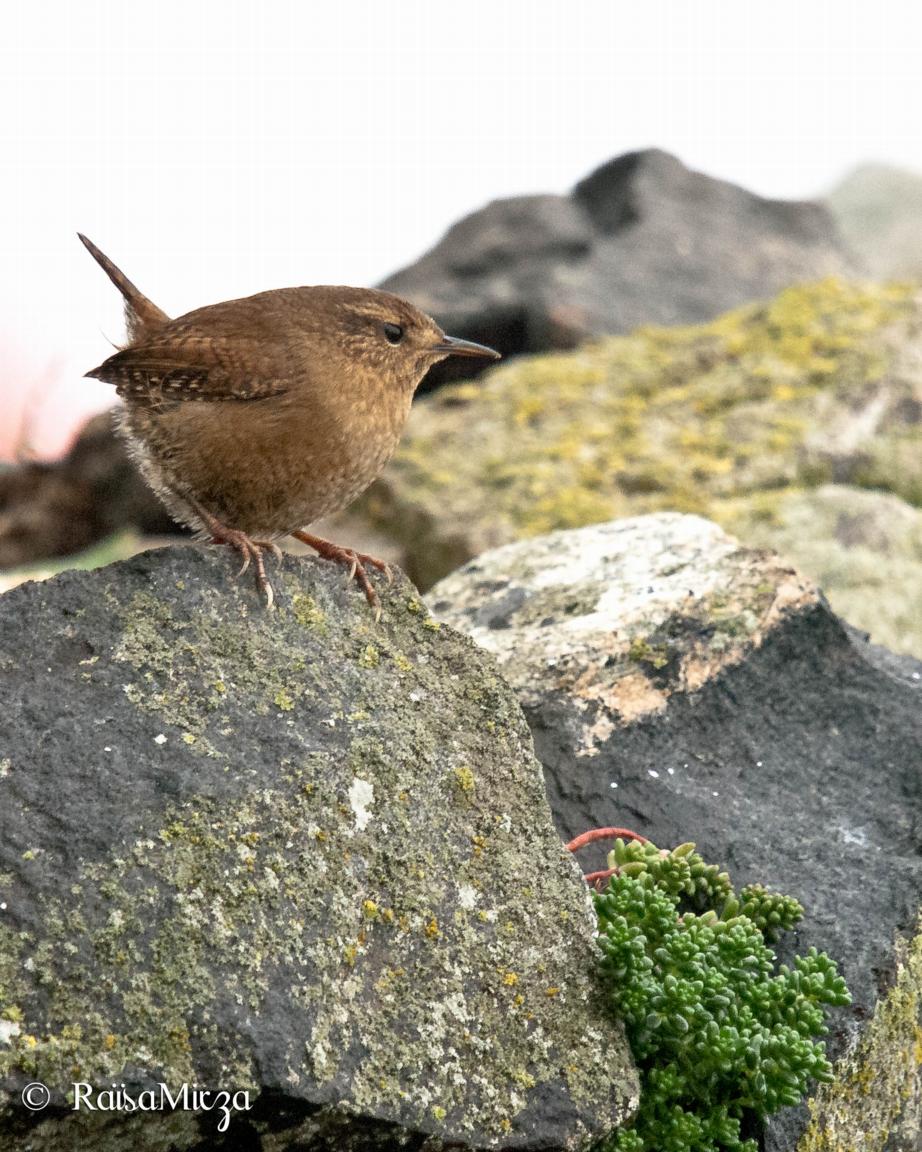
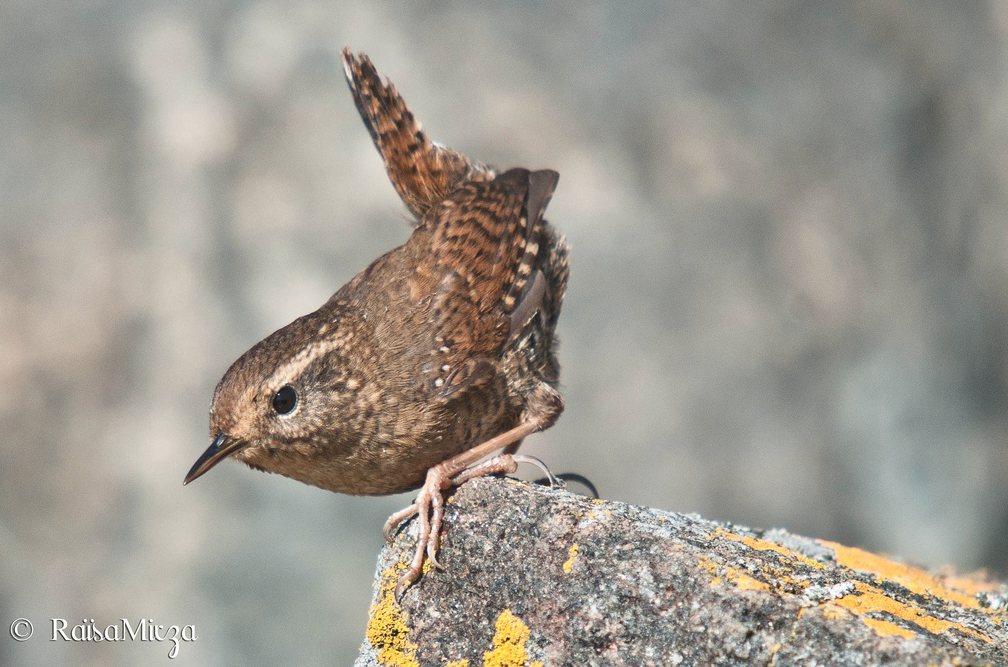
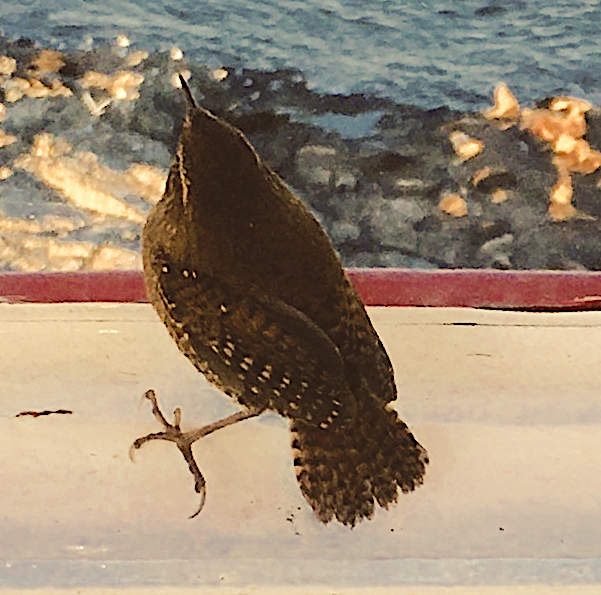
Pacific wren Oct 21, 2010

Our first sighting of Troglodytes pacificus-( Pacific wren) was made today. This very small bird is making use of the old rock walls leading up to the foundation for the original lightkeeper’s house at the base of the tower.

Domain Eukarya
Kingdom Animalia
Phylum Chordata
Sub-Phylum Vertebrata
Class Aves
Order Charadriiformes
Family Troglodytidae
Genus Troglodytes
Species pacificus
Common Name: Pacific wren

More observations of the Pacific wren on racerocks.com

Pacific Wren Troglodytes pacificus

The wren was also observed in the tower in October 2019


Other Members of the Class Aves at Race Rocks.

taxonomyiconReturn to the Race Rocks Taxonomy
and Image File
pearsonlogo2_f2The Race Rocks taxonomy is a collaborative venture originally started with the Biology and Environmental Systems students of Lester Pearson College UWC. It now also has contributions added by Faculty, Staff, Volunteers and Observers on the remote control webcams.


Lumpenus sagitta: Pacific snake prickleback–Race Rocks Taxonomy

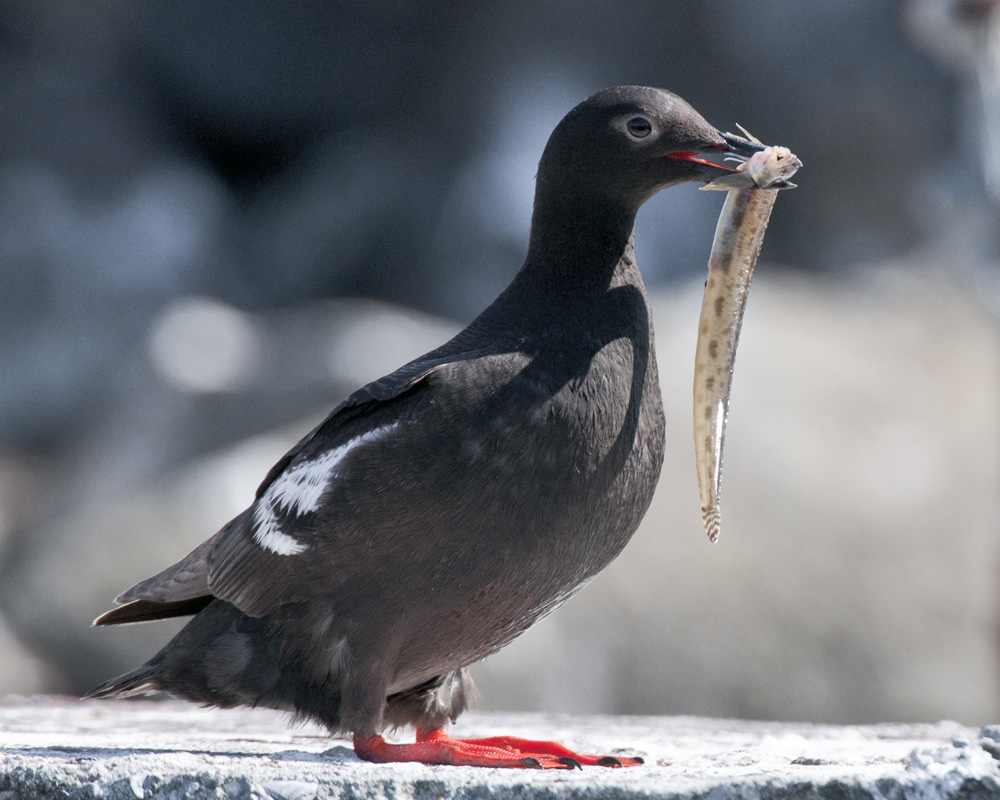
Lumpenus sagitta, pacific snake prickleback captured by Pigeon guillemot

Lumpenus sagitta, Pacific snake prickleback captured by Pigeon guillemot. Photo by Ryan Murphy

Pigeon guillemots dive up to 15 in the channel in front of the jetty metres to get their food, mainly gunnels and pricklebacks. We see them sitting like this for long periods of time before they are sure that no predators are watching them go into their nest burrows

Kingdom Animalia–
Eumetazoa–metazoans
Bilateria —bilaterally symmetrical animals

Dendroica coronata: Audubon’s Yellow-rumped warbler– The Race Rocks Taxonomy

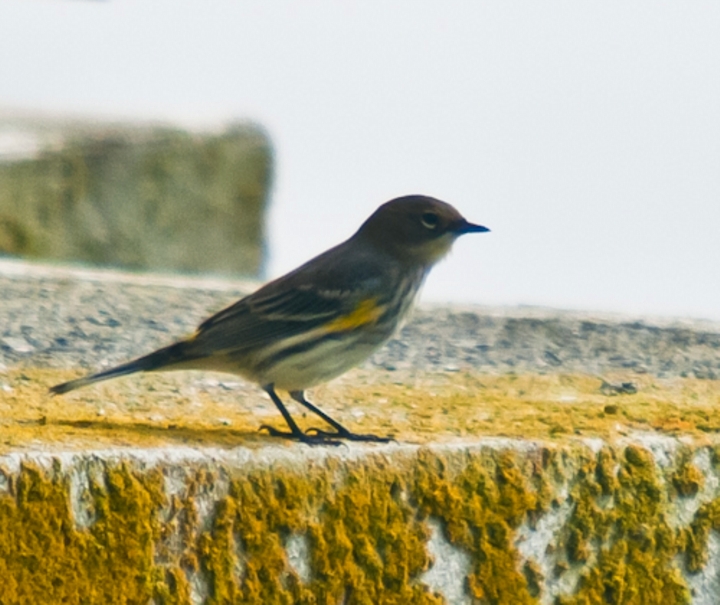
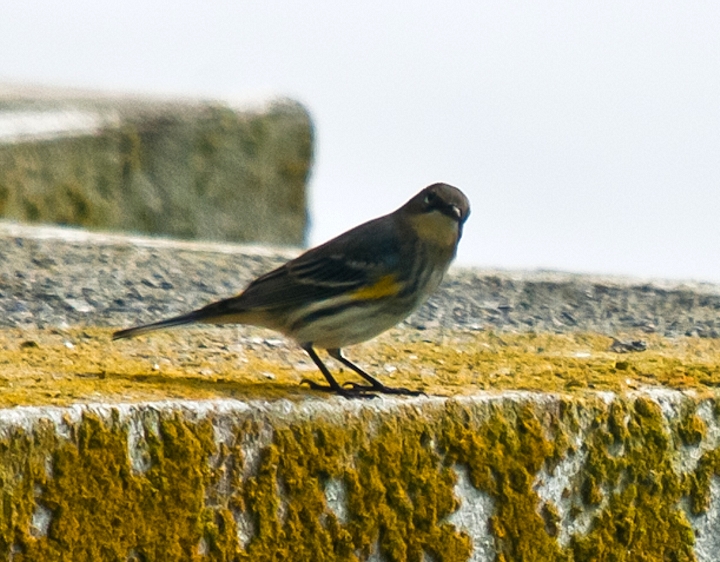
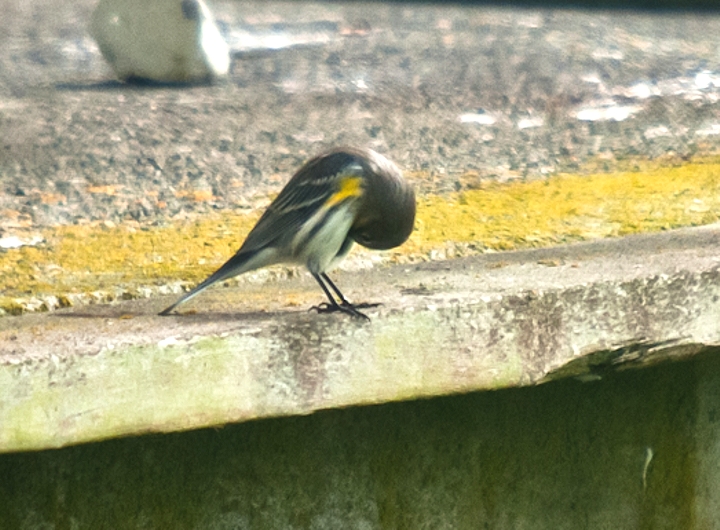
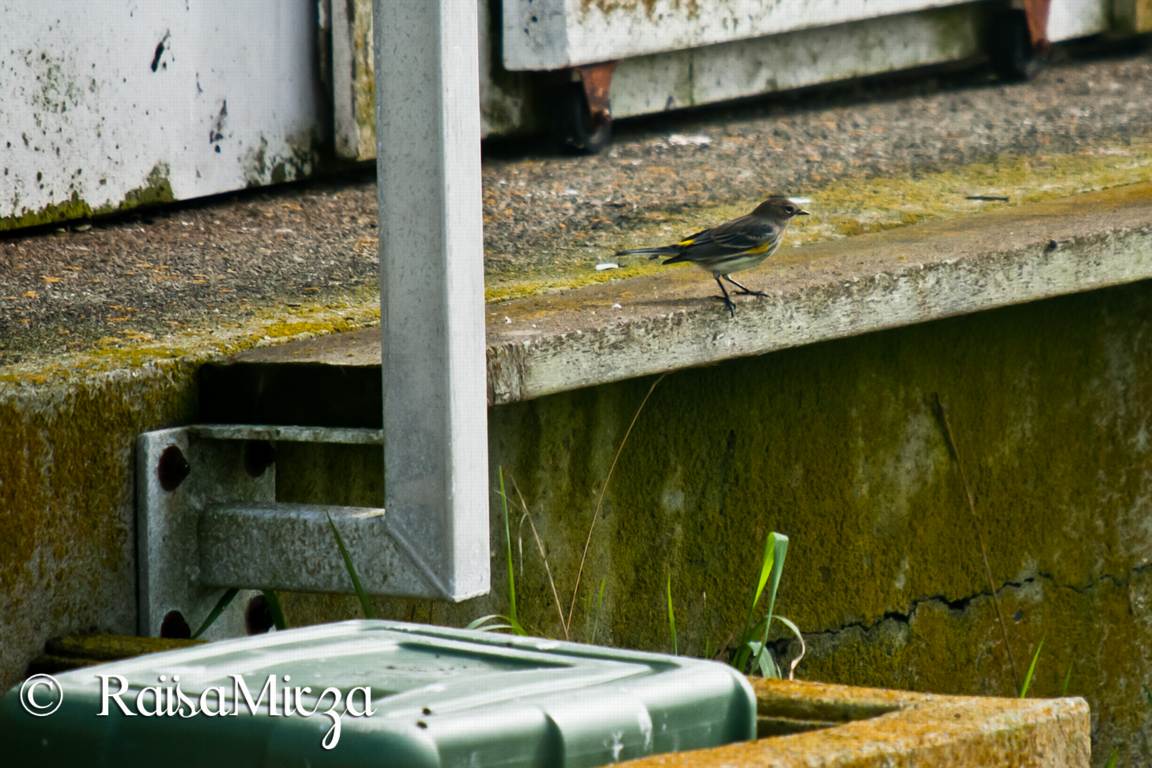
Raisa Mirza took these photos of the first Audubon’s Yellow-rumped warbler to be identified at Race Rocks on September 18, 2010, It was near the solar panels on the south side of the energy building. This is a female which has stopped over at Race Rocks on her migration route . To the left is an example of the full sized photograph for relative size approximation. This warbler is widespread throughout North America.

Domain: Eukarya
Kingdom Animalia
Phylum Chordata
Sub-Phylum:Vertebrata
Class Aves
Order Passeriformes
Family Parulidae
Genus Dendroica
Species coronata, auduboni group (Linnaeus,1776)
Common Name:Audubon’s Yellow-rumped warbler

Other Members of the Class Aves at Race Rocks 
taxonomyiconReturn to the Race Rocks Taxonomy
and Image File
pearsonlogo2_f2The Race Rocks taxonomy is a collaborative venture originally started with the Biology and Environmental Systems students of Lester Pearson College UWC. It now also has contributions added by Faculty, Staff, Volunteers and Observers on the remote control webcams.

 September 2010- Raisa Mirza (PC)

Passerella iliaca: Fox Sparrow

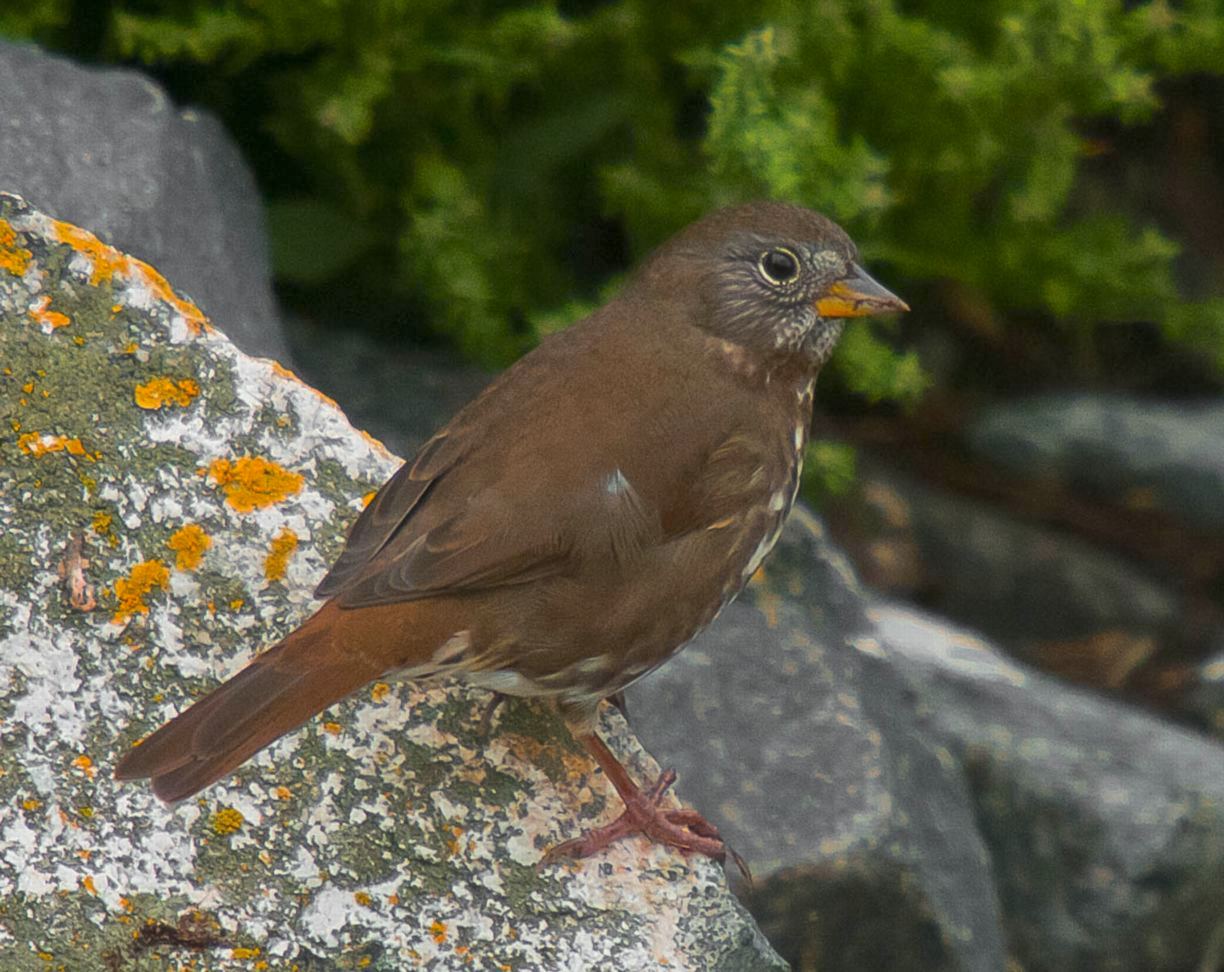
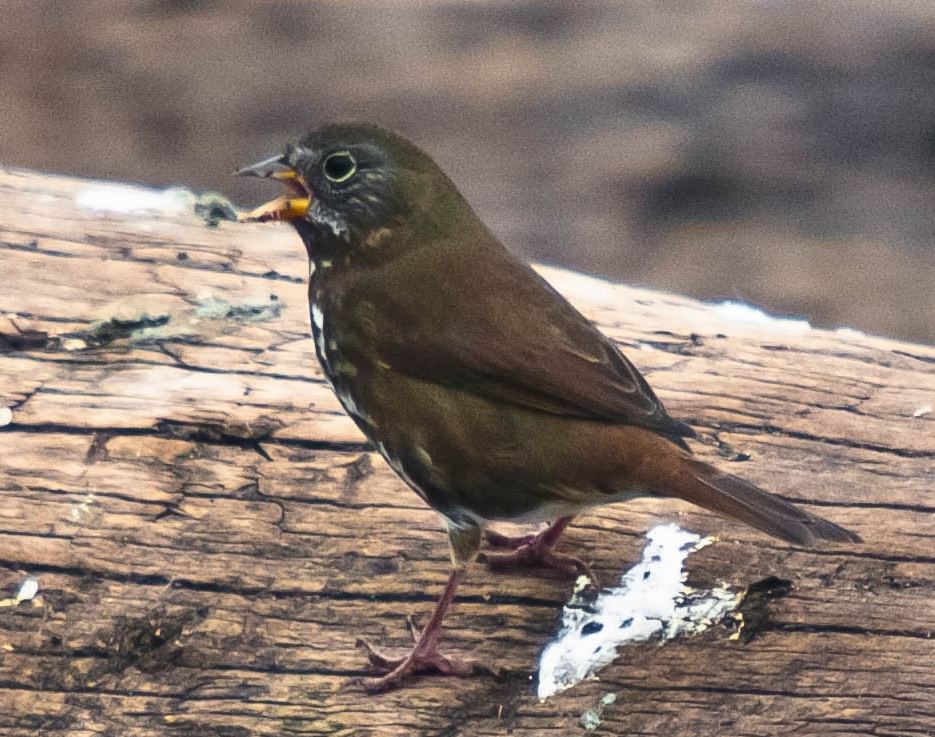
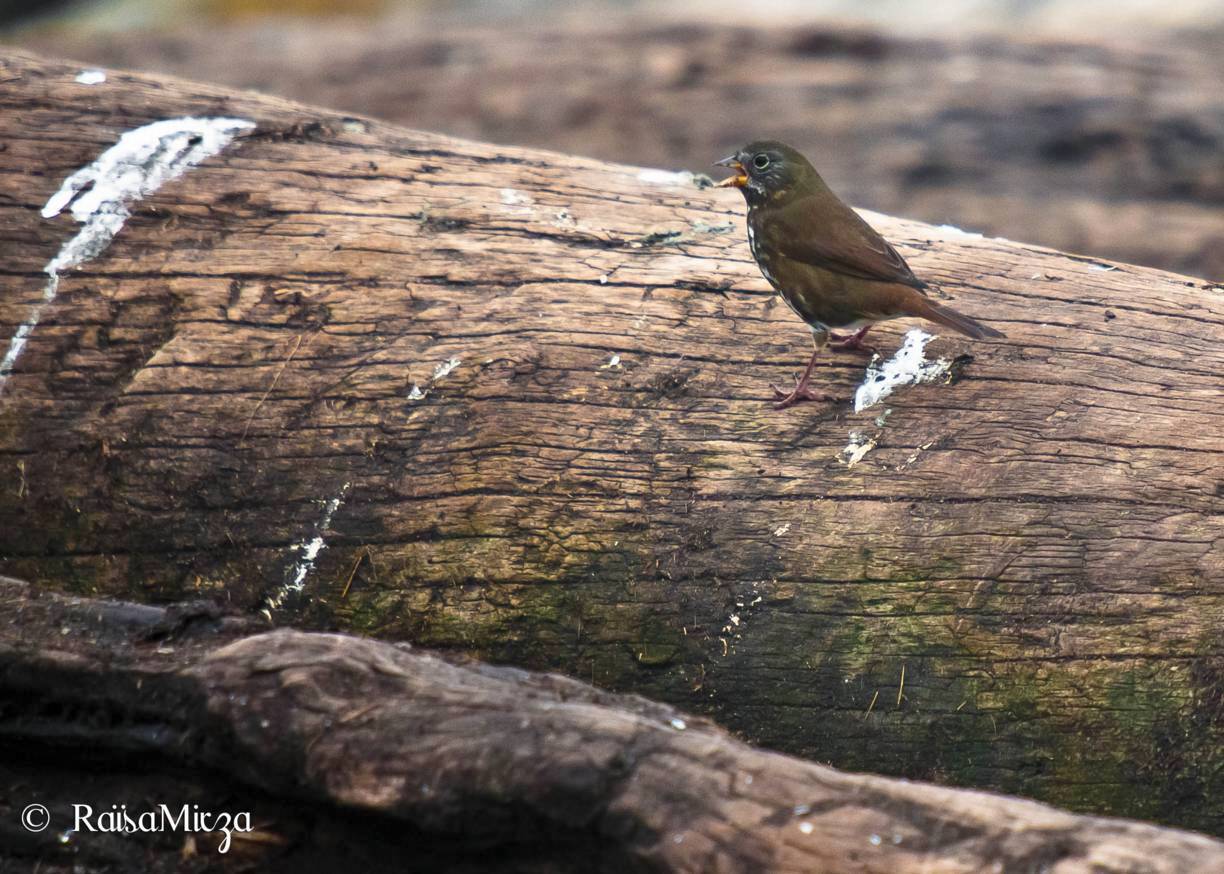
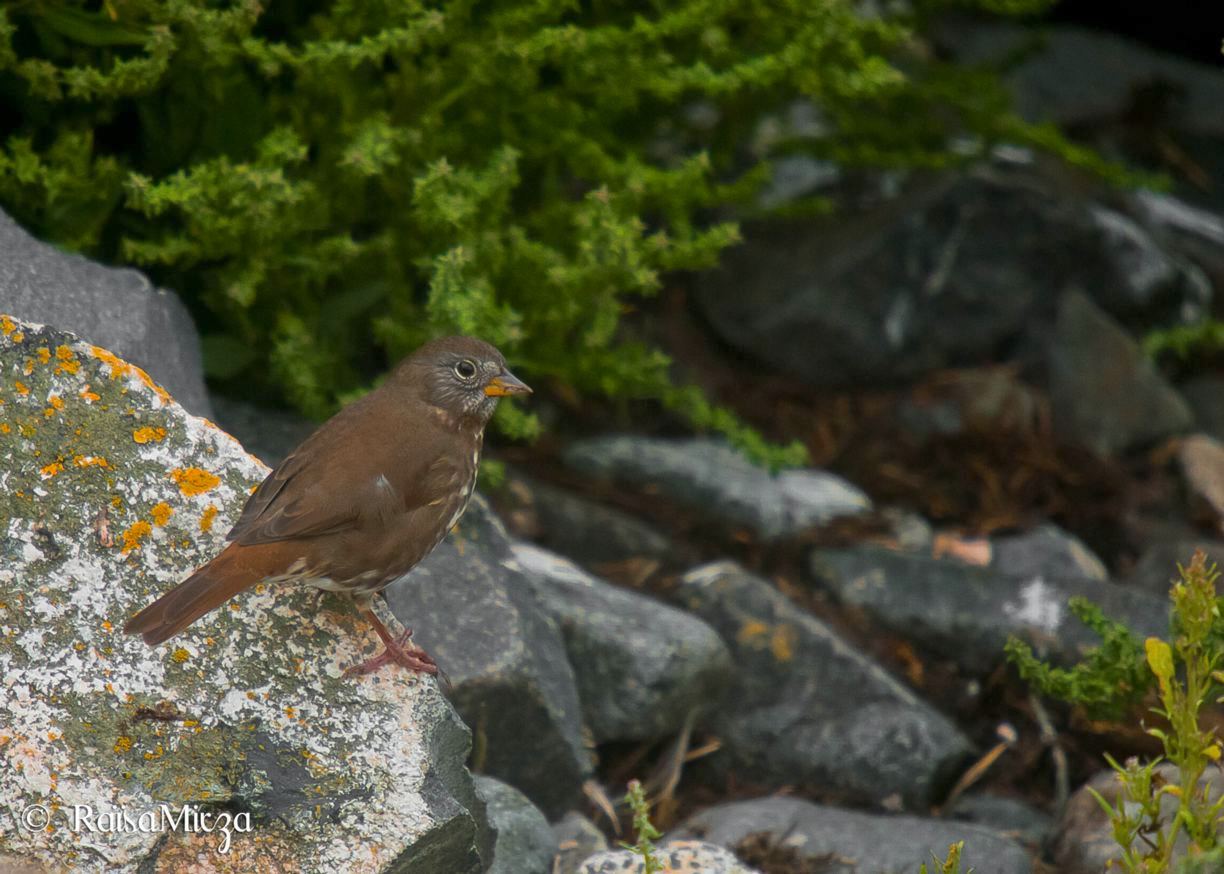
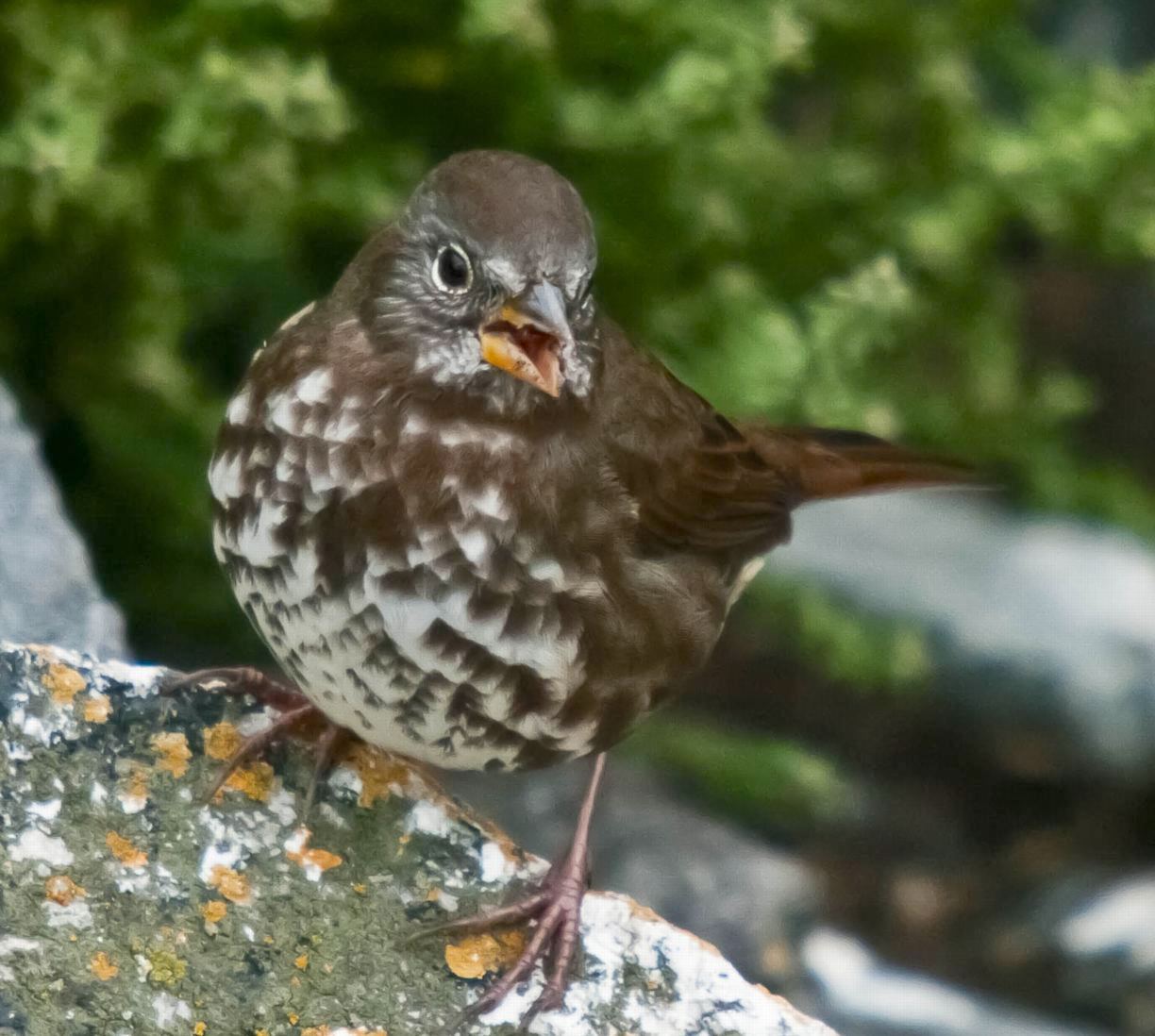
Raisa Mirza took these photos of the first Fox Sparrow to be identified at Race Rocks on September 18, 2010, Six subspecies are usually recognized in the Sooty Fox Sparrow complex, ranging from unalaschensis in the Aleutians to fuliginosa in extreme northwestern Washington:

Domain Eukarya
Kingdom Animalia
Phylum Chordata
Sub-Phylum Vertebrata
Class Aves
Order Passeriformes
Family Emberizidae
Genus Passerella
Species iliaca unalaschcensis group (Gmelin, 1789)
Common Name: Fox Sparrow

Other Members of the Class Aves at Race Rocks 
taxonomyiconReturn to the Race Rocks Taxonomy
and Image File
pearsonlogo2_f2The Race Rocks taxonomy is a collaborative venture originally started with the Biology and Environmental Systems students of Lester Pearson College UWC. It now also has contributions added by Faculty, Staff, Volunteers and Observers on the remote control webcams.

 Raisa Mirza (PC)

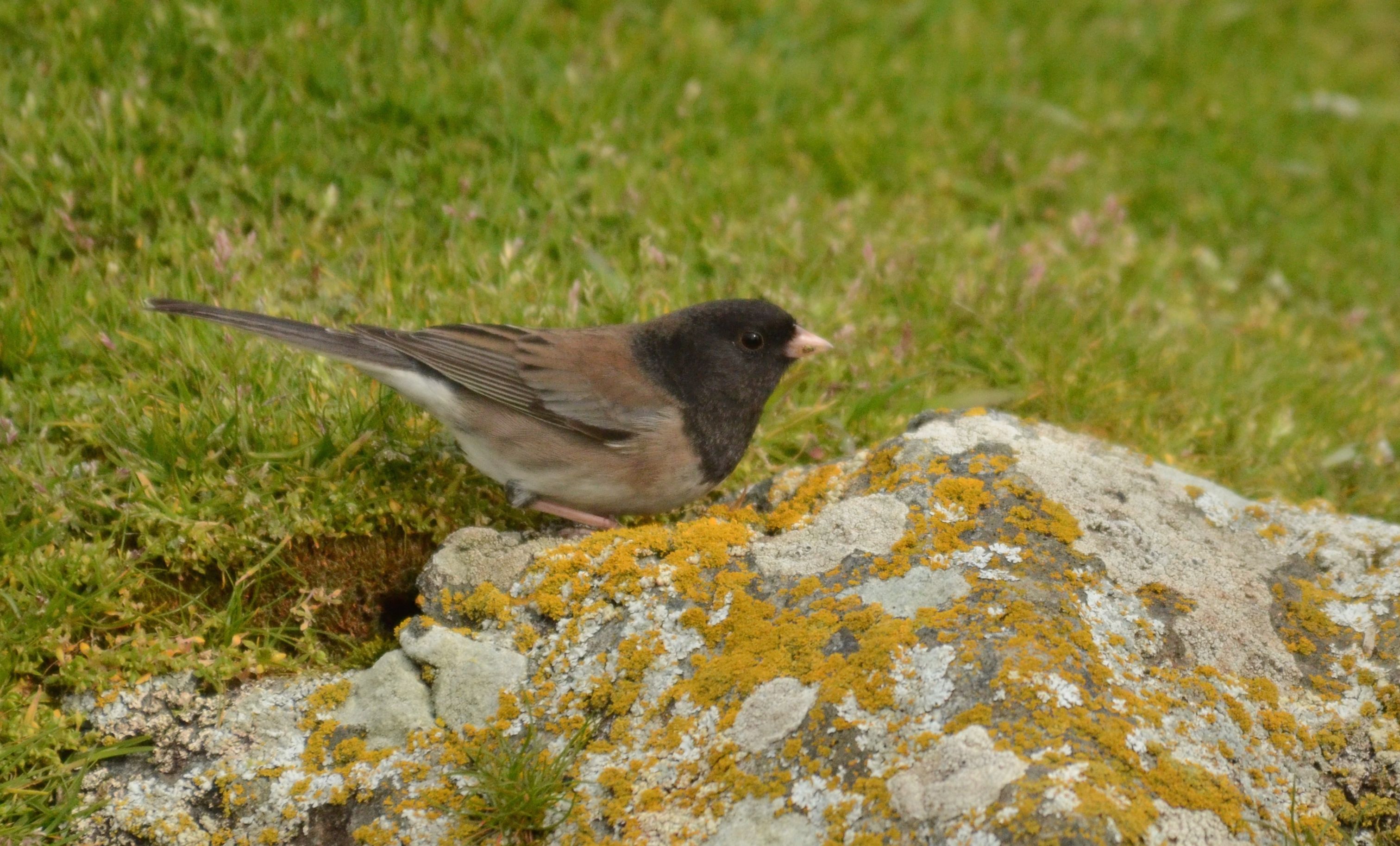
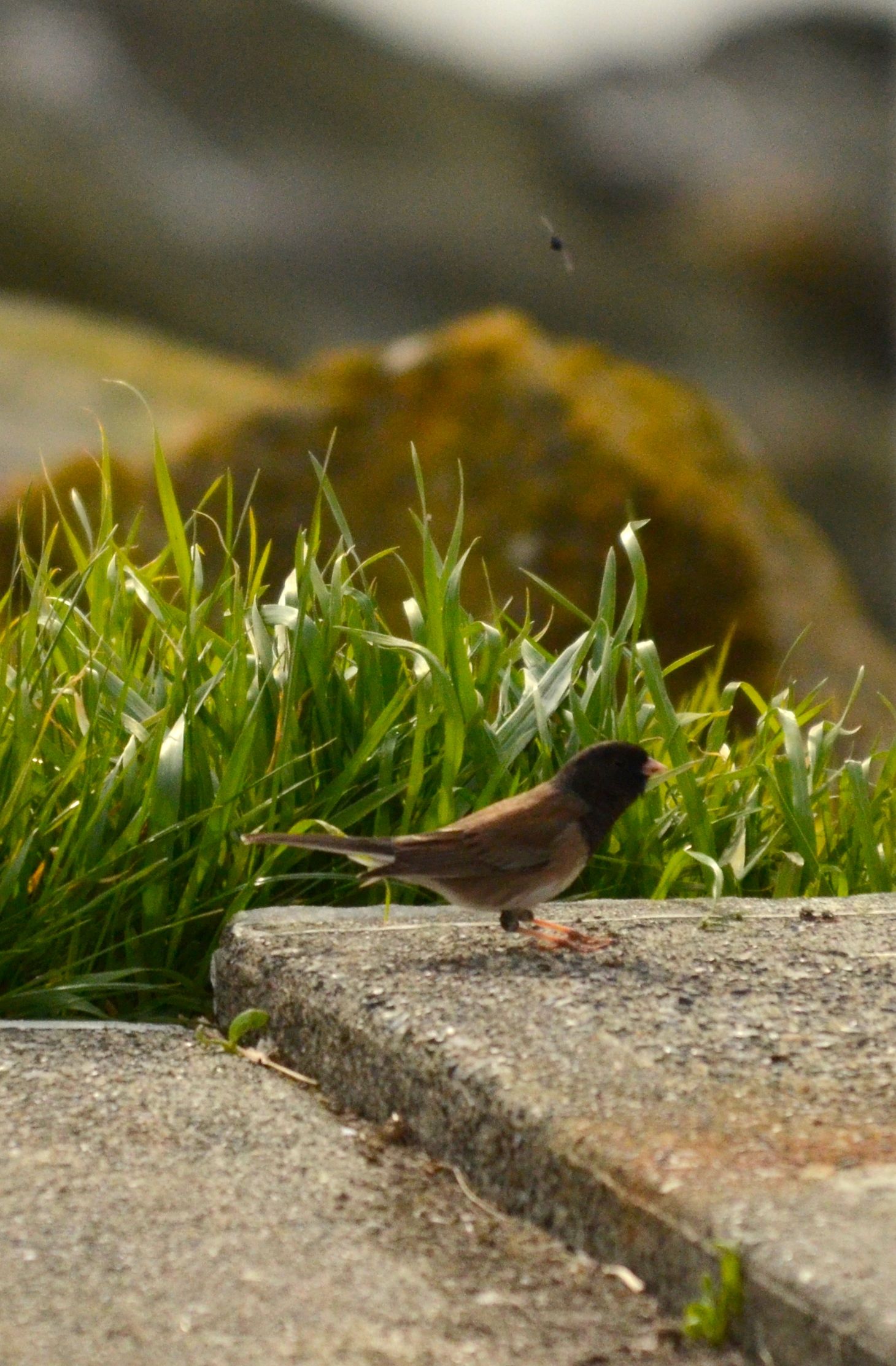
Junco hyemalis: Dark-eyed Junco ( Oregon junco)– Race Rocks Taxonomy

raisanov10junco

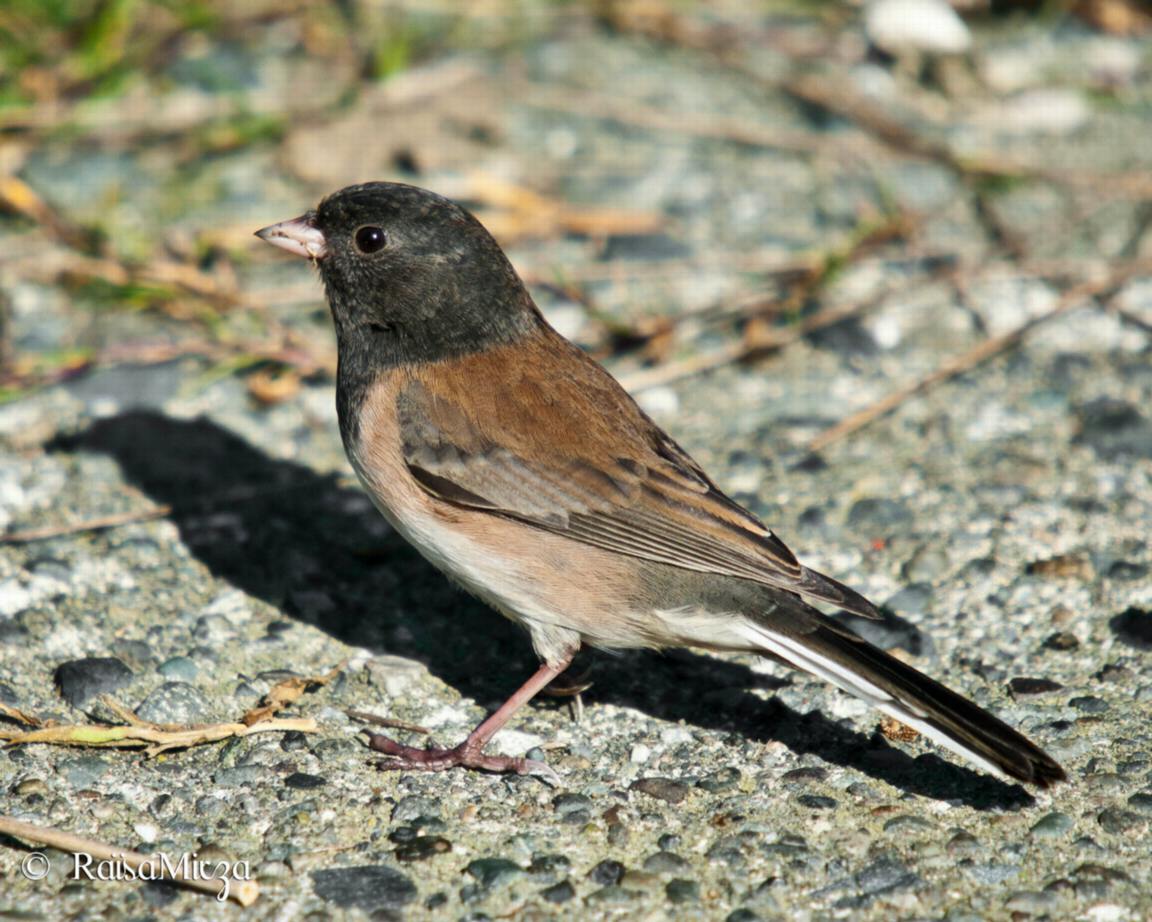
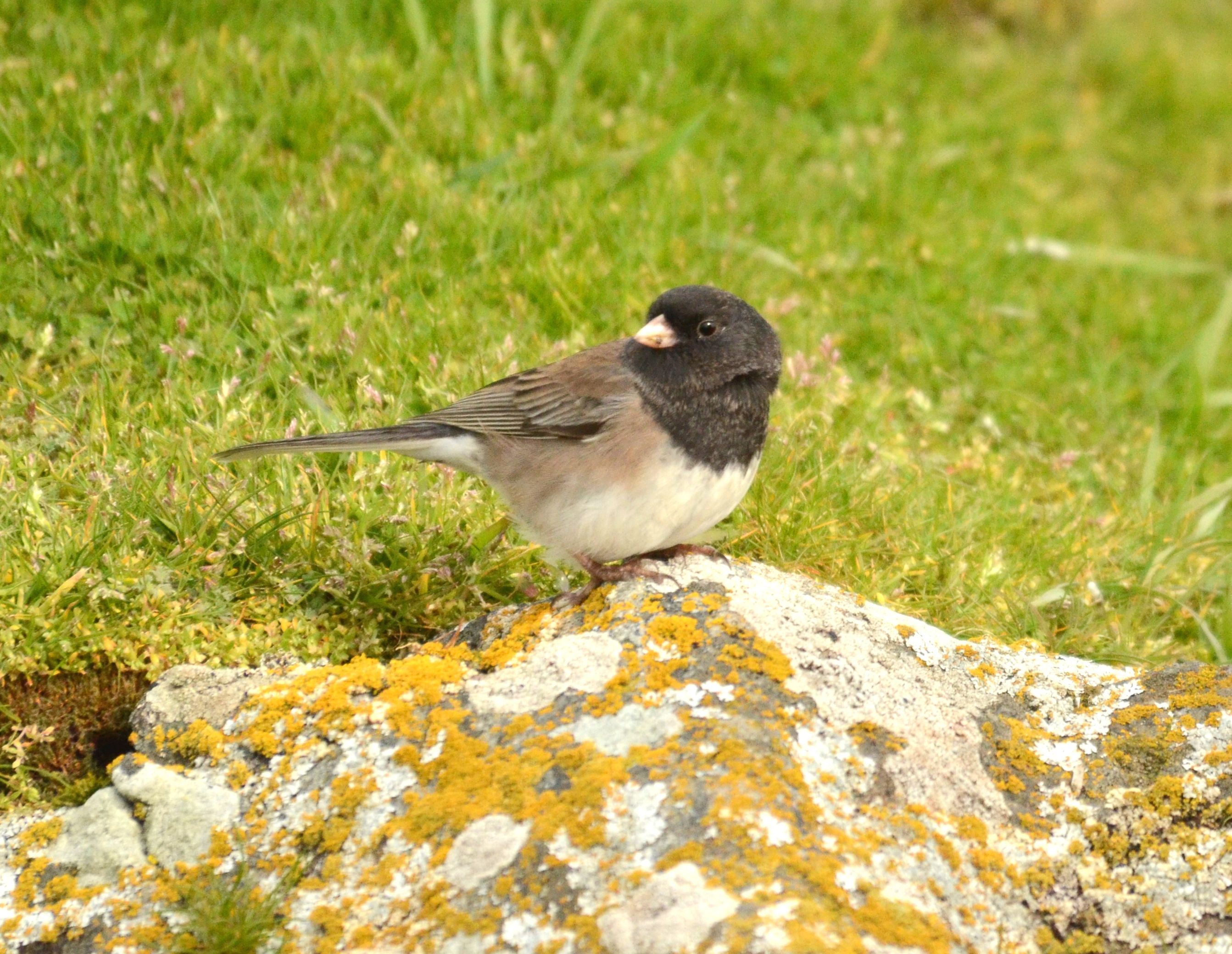
The Oregon junco is the most common form of the Black-eyed junco found on the West Coast. Photo by Raisa Mira

These Juncos are common winter residents throughout southern Vancouver Island although this is the first one photographed at Race Rocks in November 2010.
Domain :Eukarya
Kingdom :Animalia
Phylum: Chordata
Sub-Phylum: Vertebrata
Class: Aves
Order: Passeriformes
Family :Emberizidae
Genus: Junco
Species hyemalis (Linnaseus, 1758)
Common Name: (Black-eyed) Oregon Junco

On March 10 , 2015 Nick Townley took these images of the Junco at Race Rocks.

From The Cornell Lab a note on colour variation of the dark-eyed junco:

Regional Differences

“There is a huge range of geographic variation in the Dark-eyed Junco. Among the 15 described races, six forms are easily recognizable in the field and five used to be considered separate species until the 1980s. A field guide is the best place to look for complete illustration of ranges and plumages, but in general there are two widespread forms of the Dark-eyed Junco: “slate-colored” junco of the eastern United States and most of Canada, which is smooth gray above; and “Oregon” junco, found across much of the western U.S., with a dark hood, warm brown back and rufous flanks. Other more restricted variations include the slate-colored-like “white-winged” and Oregon-like “pink-sided” juncos of the Rockies and western Great Plains; and the Yellow-eyed Junco-like “red-backed” and “gray-headed” juncos of the Southwest.”

Other Members of the Class Aves at Race Rocks.

taxonomyiconReturn to the Race Rocks Taxonomy
and Image File
pearsonlogo2_f2The Race Rocks taxonomy is a collaborative venture originally started with the Biology and Environmental Systems students of Lester Pearson College UWC. It now also has contributions added by Faculty, Staff, Volunteers and Observers on the remote control webcams.


Seagulls hatching

A California sea lion decided to haul out this morning on the NE corner of Great Race. Slash has not been sighted yet today on Middle Rock. Bertha and 4252 have not been seen on Great Race for a few days. The seagulls are hatching! Pam B. reports a chick up near the helicopter pad, and a nest beside the winch pad hatched yesterday with two healthy chicks. Pam thinks that the chick near the helicopter pad is several days old. The three black oystercatcher chicks are still being fed down on the rocks beside the jetty. They’ve grown considerably in the last number of days. There are at least two other families on the NE corner of Great Race, as I’ve seen at least two pairs of parents who act quite distressed when I get near.

Black Oystercatcher

Our three newest black oystercatcher chicks are doing quite well. They’ve left the nest and are now in the rocky area just beside the jetty. There are several other families on this side of the island, notably one beside the winch house and one in the east bay. There’s also a family or two over in the west surge channel. Most gulls have now settled down into their nests with mating coming to a close. Pam reports a nest up near the fresh water pool is about to hatch; be sure to keep your eye on that one over the next few days! I’ve noticed on several occasions some broken eggs scattered on the grass around the island. Probable cause: the otter. I saw it scampering across the winch pad the other evening, much to the gulls’ discontentment. There’s also a dead gull up beside the base of the tower; it’s been there for a few days now considering the state of decomposition. I expect that it was killed in a territorial fight. Gulls are very territorial birds and will aggressively defend an area of about one metre in radius (with exceptions) around their nest. Any other gull who infringes upon this territory will be the subject of an intense attack (http://www.flickr.com/photos/adamharding/3858558278/in/set-72157622022028013/) by the owners of that piece of waterfront real estate. Territorial defence is actually one of the reasons why it is important to keep human traffic down in the reserve during gull season: once chicks hatch, any disturbances that cause them to stray from their native territory into another family’s territory will result in retaliation by the adults of that foreign territory. Chicks are usually helpless to the attacks and will be ruthlessly killed.

We have three elephant seals hauled up on Great Race: Misery is up near the engine room, Bertha is behind the tank room and #4252 is on the concrete area at the top of the jetty. 4252 seems to be a bit unwell these days; I’ve recently observed her breathing heavily and coughing, and her spittle is often flecked with blood. Garry suggests that she could be going through her moult; however, females typically moult in April and May, sub-adult males moult in May and June and adult males moult in July and August. Considering that Misery has now completed his moult and is a breeding male, I’d expect that 4252, a young female, certainly would have by now. I’ll be keeping my eye on her over the next bit. There is still an elephant seal out on Middle Rock. Bertha is now most likely approaching the beginning of her seven month gestation period. Female elephant seals come into heat 24 days after giving birth. However, after mating, the fertilized egg does not implant in the wall of the uterus for up to four months, a rare phenomenon called “delayed implantation”. The currently favoured theory is that the female is to weak after giving birth and nursing that she doesn’t have enough energy to nurture the egg. However, once implantation does occur, the actual gestation period is seven months. This gives a total of eleven months and explains the yearly cycle we see. So, if Bertha gave birth and mated in late February, her egg is most likely reaching the implantation stage right now, late June. I expect that in a few weeks gestation will be well underway. I saw a hummingbird pass by my window this morning. I’m not sure how common they are around here. Unfortunately I couldn’t get a picture as it only briefly flew by.
Sea lions are at a seasonal low right now as the California variety move south to breed for the summer while most of the northern variety move northwards for the summer.