last day

Clear skies. Strong NE winds. Cold

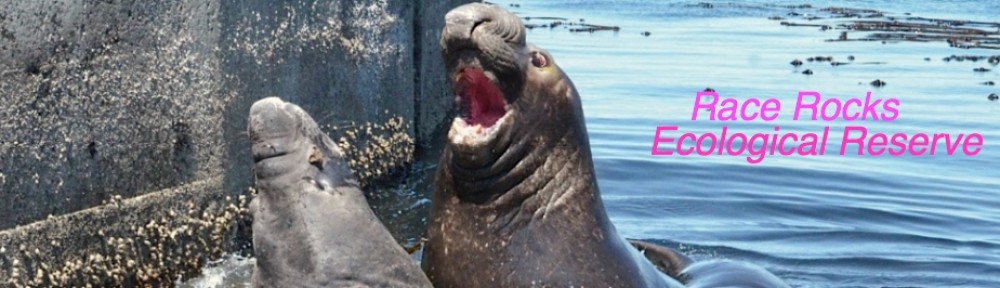
Despite the winter weather, it is still a busy place out here in the reserve. The female elephant seals are hauled out on Middle Rock. The male Elephant seal is next to the Science House. There were lot’s of Oyster catchers, and way more Cormorants then I was expecting. There are also still quite a few Sea lions (~470) in the reserve; mostly on the South side of Great Race and South Rocks. I finally got a decent picture of a Savannah Sparrow today; and the Sandpiper stopped long enough to get a good photo so I could finally ID it.

Continue reading →

Mirounga angustirostris: Taxonomy and Image Index File

 4 videos of the elephant seal birth in 2016


Announcement in the Log – Ecological reserves –Update on Elephant seals   Birth of this years elephant seal pup occurred as scheduled on January 14, 2016, same date as 2014.

The Jan 2015 pup was stillborn.

The posts for the follow-up of this pup are at   https://www.racerocks.ca/e-seal-pup-born/

All posts on elephant seals at Race Rocks from the website. All posts on elephant seal births at Race Rocks

Male

Continue reading →

river otter

Cloudy. Strong West wind.
2 Eco-tour boats.

I saw a river otter scurry down the rock bluff by the boat ramp. Earlier in the season there was one living under the pile of wood next to the tank shed, maybe it moved a little down the path and now lives under the crane platform. This could also be a critter that is leaving broken and emptied urchin shells on the end of the jetty.

Erik brought out David Hawley + adivsees in the late afternoon to spend the night.
The replacement solar panel arrived. And Erik took away fuel spill rags and the jugs to fill with deionized water for battery top up.

visitors

Light winds. Clear skies.
Two Eagles this morning.
The Canada Geese have all left the reserve.
There are two elephant seals on the boat ramp.
 

Jamieson and Jer are out for the night
-Worked on SOPs
-Replaced boat ratchet winch
-Put the rest of the paving stones on the boat dolly


rainbows

A day of squalls. Sunny periods, followed by sideways rain. Lot’s of rainbows all day.

This photo was forwarded on to me out at Race Rocks from a client on one of the eco-tour companies that operates out of Victoria and is a frequent visitor to the reserve. Because of the challenges in tranquilizing a marine mammal, there is very little that can be done for these animals. However, this incident highlights the fact that eco-tour companies can play a critical role in marine conservation by reporting these incidents and by educating their clients about issues surrounding marine debris. There are some great programs out there that focus on shoreline cleanups. Keep an eye out and volunteer for your local beach  cleanups. They usually happen in the summer and are a lot of fun.

For older posts in the log on the topic of sea lion entanglement or ‘rings’ see this link, and for newer incidences search the tag “entanglement“. For injured marine mammal photos from a previous eco-guardian Ryan Murphy see this flikr site.

13-11-13_9734

October month end

Cloudy. Ligh winds. Calm seas. Fog over US mainland.
Final day of counting recreational fishing boats for DFO.
First day that I didn’t see any eco-tour boats

Mammal Count
Stellar Sea lions: 244
California Sea lions: 378
Harbour Seals: 15
Elephant Seals: 4

-Did Month-end paperwork
-Submitted last of the boat count data to DFO
-Entered seawater data
-Tidied boat shed loft

Bertha

'Cranky Pants' (aka scabby molt) resting next to the desalinator shed.  Her skin is healing and she is less cranky.

‘Cranky Pants’ (aka scabby molt) resting next to the desalinator shed. Her skin is healing and she is less cranky.

-Issues with underwater camera. Checked junction boxes and lines from jetty to tank house.
-Pressure washed South side of keepers house. Waiting for rain to fill water tank to continue.

propaganda and fog

~10 kts West wind all day. The fog continues.

Tour boats: 3
With this fog, it is impossible to know how many tour boats have actually come through the reserve this past week. Visibility is usually about 50m and not more than 250m (I checked using Google earth). All day I can hear the low boom of the ships fog horns as they move up and down the strait.

There are still lots of sea lions in the reserve. They are mostly on the North-East flats and South of the student house.
The elephant seal with the scabby molt is camped out on the grass next to the desalinator bunker, the rest are in the shallows next to the boat ramp.

[ Nature doesn’t need to be maintained; it only needs a little breathing room ]
This week, the 3rd International Marine Protected Areas Congress is happening in France. Their goal is to support the realization of having 20% of the worlds oceans under some form of protection by 2020. IMPAC provides a framework to evaluate the progress made towards this goal and to work on new solutions. Check out this Nat Geo blog for a brief summary of why marine protected areas are important: 3 lessons from MPAs around the world

The background noise generated by shipping vessels can have detrimental impacts on marine mammals. This brief media release (with a video) introduces some of the issues regarding noise from shipping traffic and its effect on marine mammals: ship noise impacts on whales. Original Article: Williams, R., et al. (2013) Acoustic quality of critical habitats for three threatened whale populations. Animal Conservation


-desalinator maintenance (changed cartridge filters, backflushed media filter)
-made a new lid for the water tank
fog

Cloudy, with periods of fog. Evening fog. No rain.

Our reference on Fog as an abiotic factor can be found at: http://www.racerocks.com/racerock/abiotic/fog/fog.htm

3 elephant seals decided to come up off the boat ramp today. It started with Cranky-Pants (the seal with the scabby molt) and she was followed by two of the larger females. They spent the afternoon lying in the grass next to the desalinator bunker.

Still seeing the White fronted goose and the Cackling goose. The larger Canada geese bully the two smaller geese, but they still tend to move around the island in a group.

Off station from 1230 to 1430 to get food