Alaskan Frontier

AlaskanFrontier

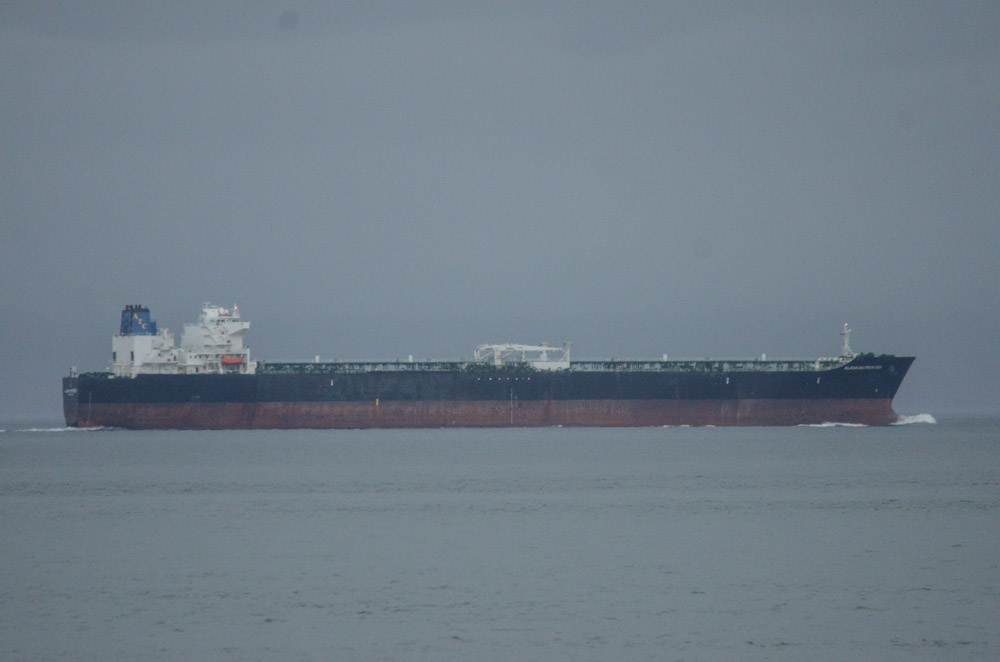
There is a constant flow of shipping traffic passing by Race Rocks to and from Seattle and Vancouver each day.  Once in a while there are ships that are very loud with a low, rumbling sound that I can hear and feel in the house as they pass by.  This oil tanker, the Alaskan Frontier, on its way West towards the infamous Port of Valdez, Alaska, was one of the loud ones.  The information below was obtained from http://ais3.siitech.com/VTSLite/AView.aspx which tracks all major marine traffic in the area.

This ship may have been louder than others because as is shown in the  photo it is sitting quite high out of the water, likely empty on its way to fill up on crude in Alaska.  Which means that when carrying a load it would be projecting this sound underwater, maybe louder, where sound travels further.  Which begs the question: how much noise pollution are we subjecting marine mammals to in this area? What impact does it have on their ability to communicate, hunt, and navigate?  It would be great to  be able to listen to the sound underwater and measure these sound levels at Race Rocks.

As well as the sound, there is the unregulated emissions from these ships.  On a clear busy day there is a haze that hangs over the ocean to the East.  Sometimes I can smell and taste diesel fumes out here when ships are miles away.  On top of this of course is the constant risk of an accident; it doesn’t have to be a tanker to spill fuel.

With the potential of an increase in tanker traffic and tanker size in this area, to handle increased production from the Tar Sands, the focus of environmental groups seems to be on the risk of increasing traffic.  I think the question we should be asking is what is the impact and risk of the existing traffic?  Are there any impact studies being done?  More broadly: Do we value the ocean more as an access route for cheap goods or as a habitat for marine life?  What is the true cost of cheap shipping?  What is acceptable risk?

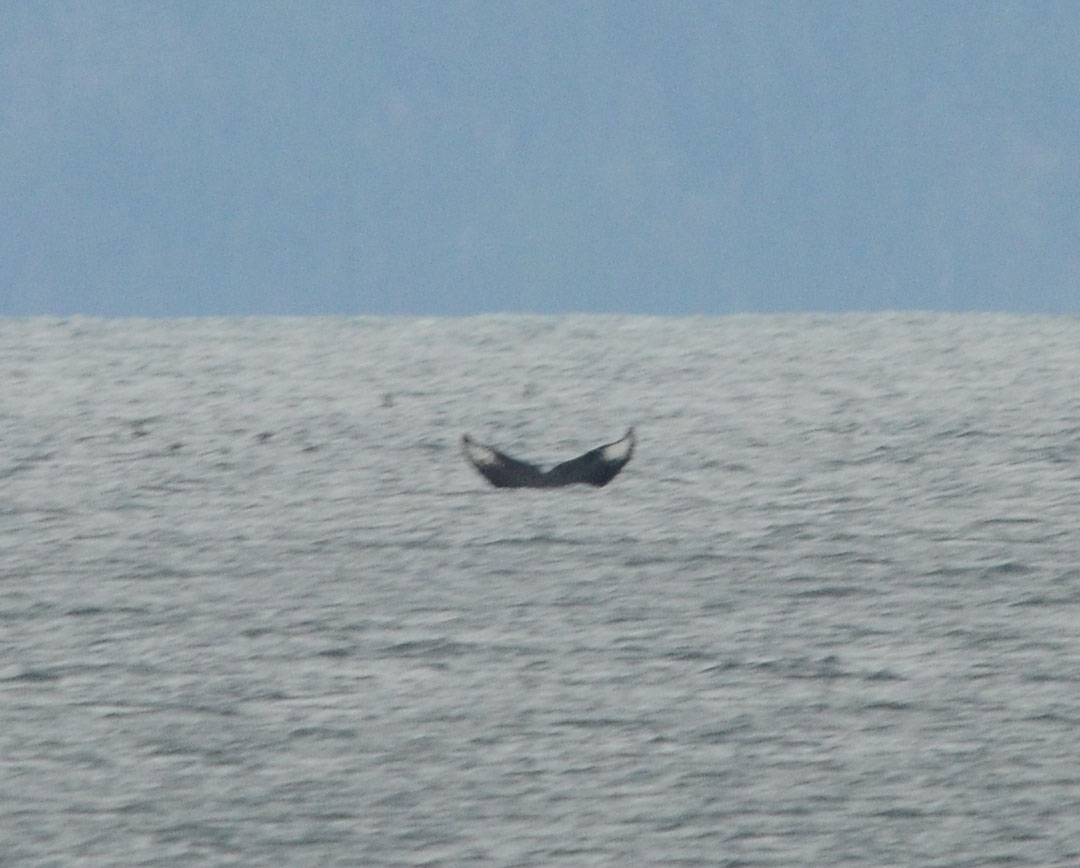
On a related note, I have not seen many whales this winter.

Name ALASKAN FRONTIER
MMSI 366948190
IMO 9244659
Call Sign WDB7815
Type/Cargo Tanker:DG,HS,MP(A)
Length x Beam 286m x 50m
Draught 9.8m
Nav. Status Under way using engine
Last Seen UTC 3/13/2013 1:25 AM
Last Seen Local 3/12/2013 6:25 PM
Latitude 48°15.225’N
Longitude 123°33.623’W
Speed 16.1knt
Course 280.0°
Heading 281°
Rate of Turn 0°/min
Destination VALDEZ, AK
ETA 3/16/2013 6:00 AM
Pos. Accuracy High (<10m)
Pos. Fix. Dev. GPS

Wildlife

eagles

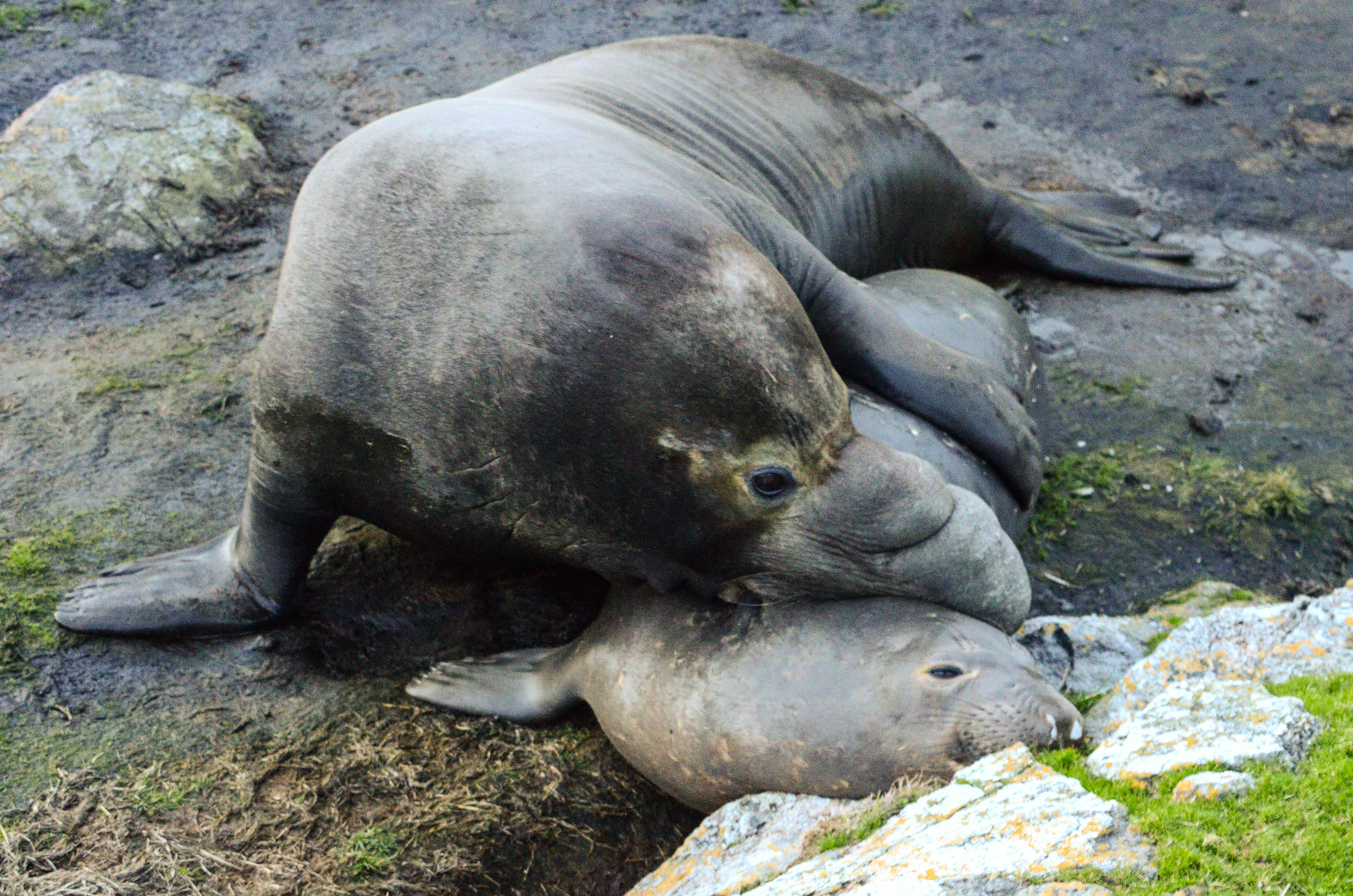
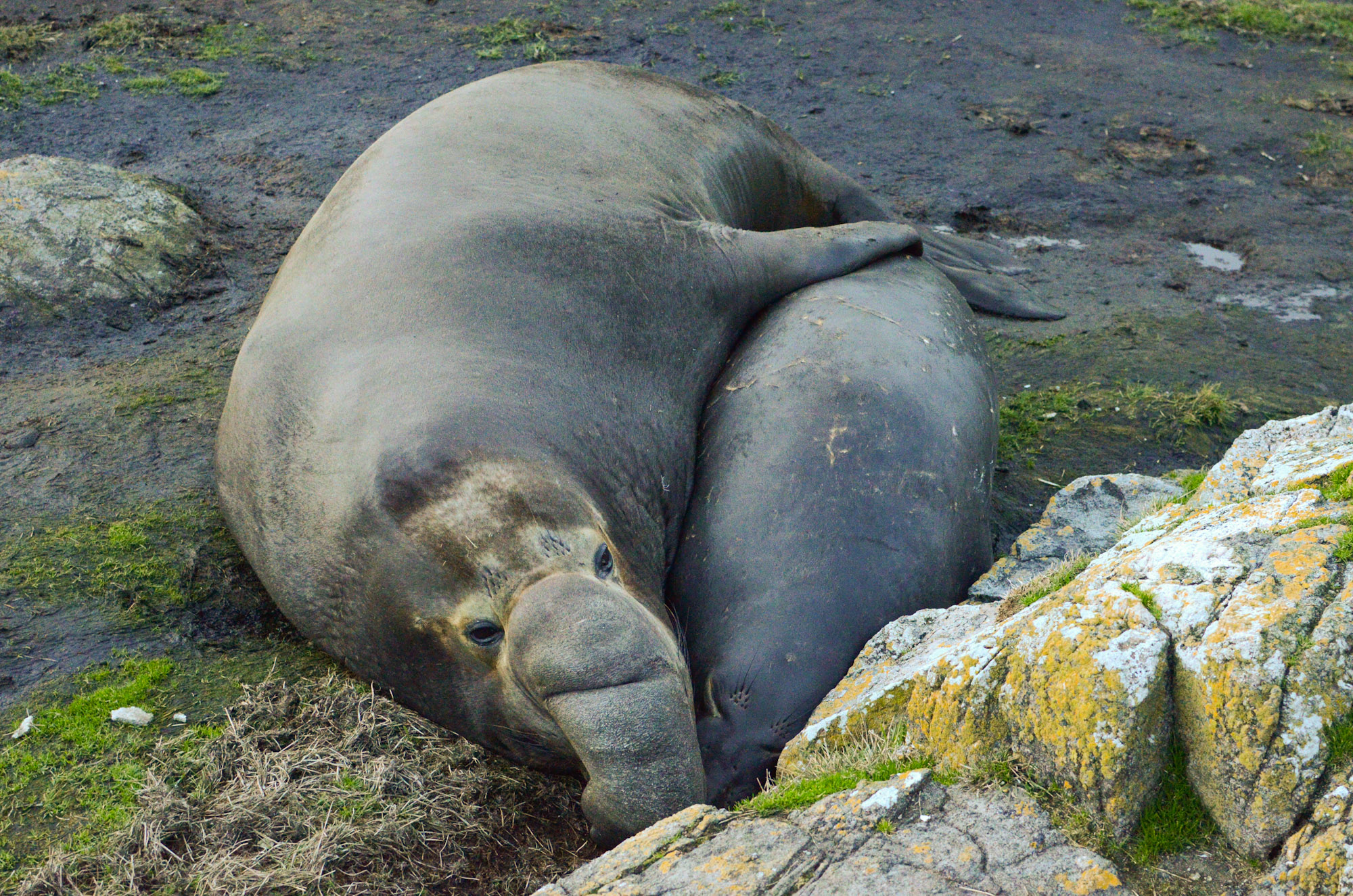
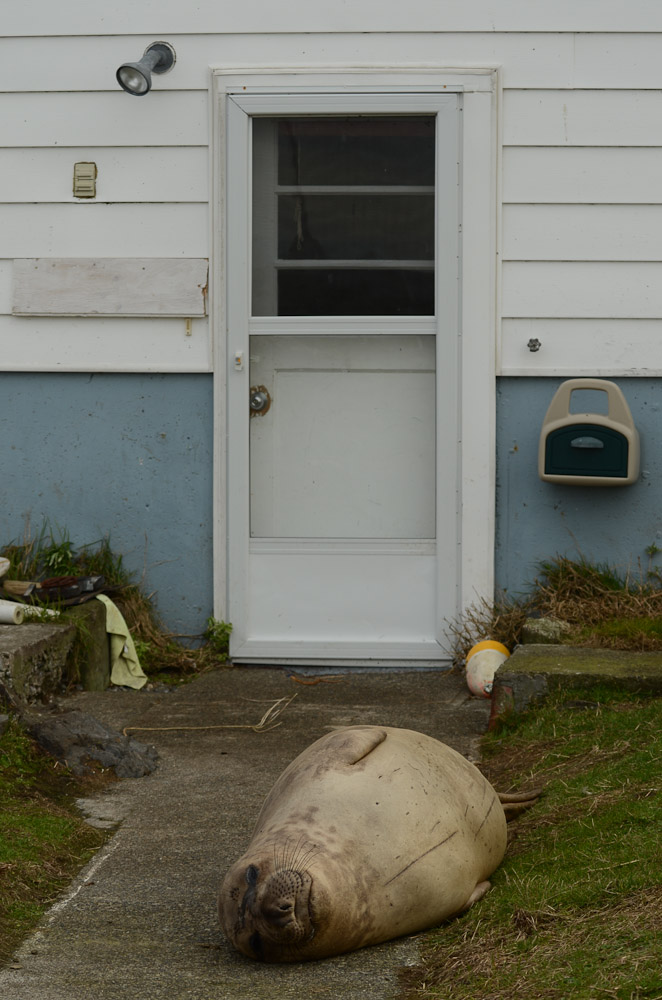
Bertha left the main island the night of the 16 and I have not seen her since.  She was on the island and mating with Misery for just over a week.  Zeke stayed around for the first few days and was very interested in the new arrival and activity but after being chased off by Misery a few times he left, I have not seen him in about a week.  Misery seems to still be looking for her sometimes.  He has been on the main island every day since Bertha arrived and seems to go off the island most nights.

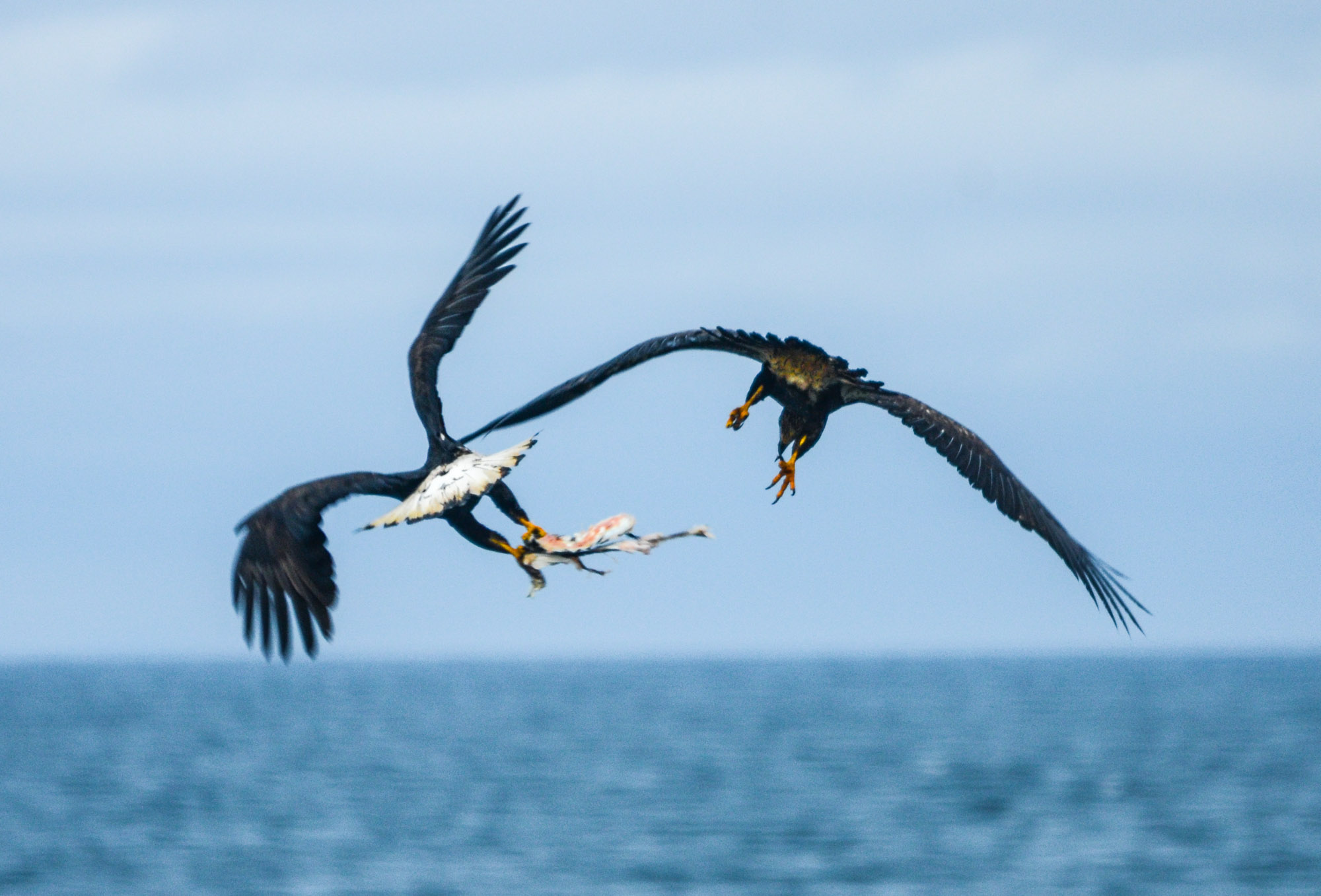
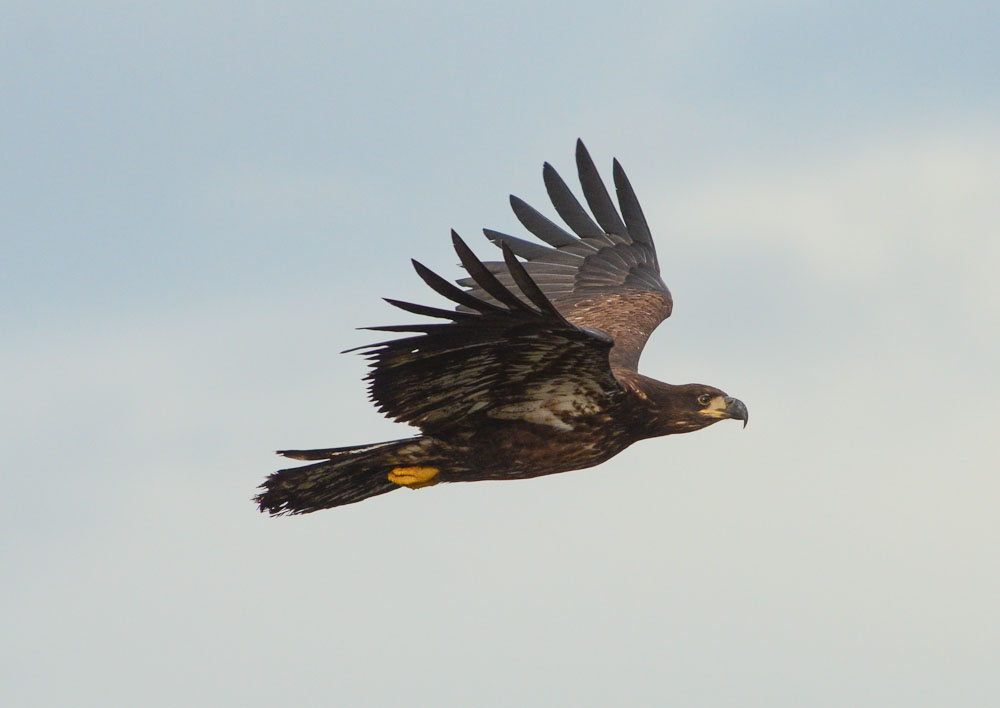
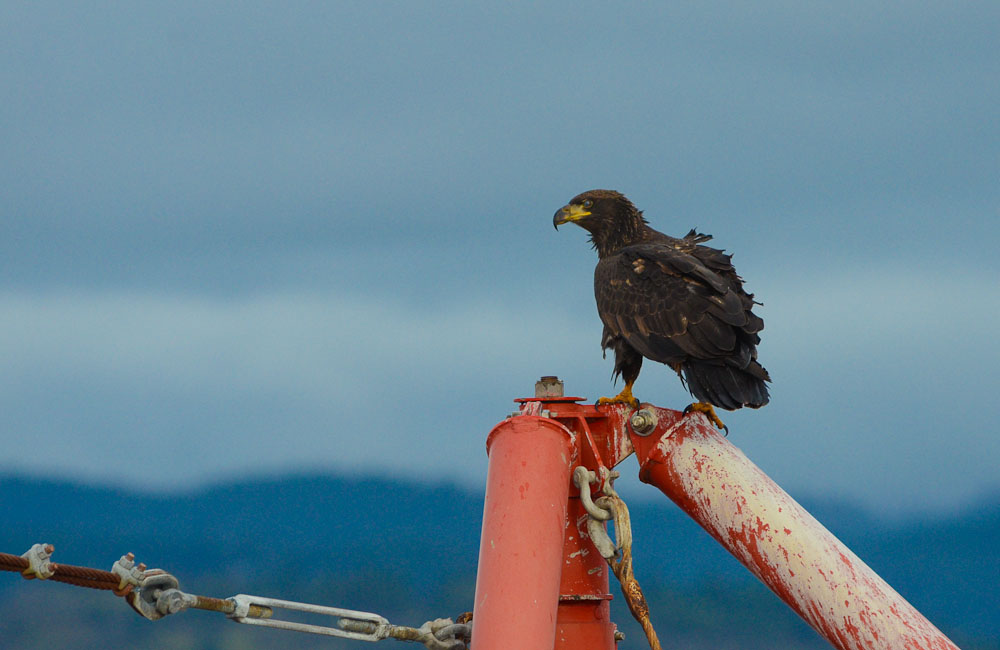
The Pigeon Guillemots are becoming more frequent with a recent count of over 200, they stay mostly just offshore or in the intertidal zone and make their shrill calls.  A couple pairs of Black Brant Geese have also been showing up just offshore of the main rock.  Most days there are over half a dozen bald eagles in the reserve perched on the crane, the generator exhaust pipe, camera 5, on rocks, on the smaller islands, gliding in the air on the west winds, or chasing each other around.

Census, Monday Feb 18, 2013 Continue reading →

Sea Lions

Sea lions on West Rock

Sea lions on West Rock

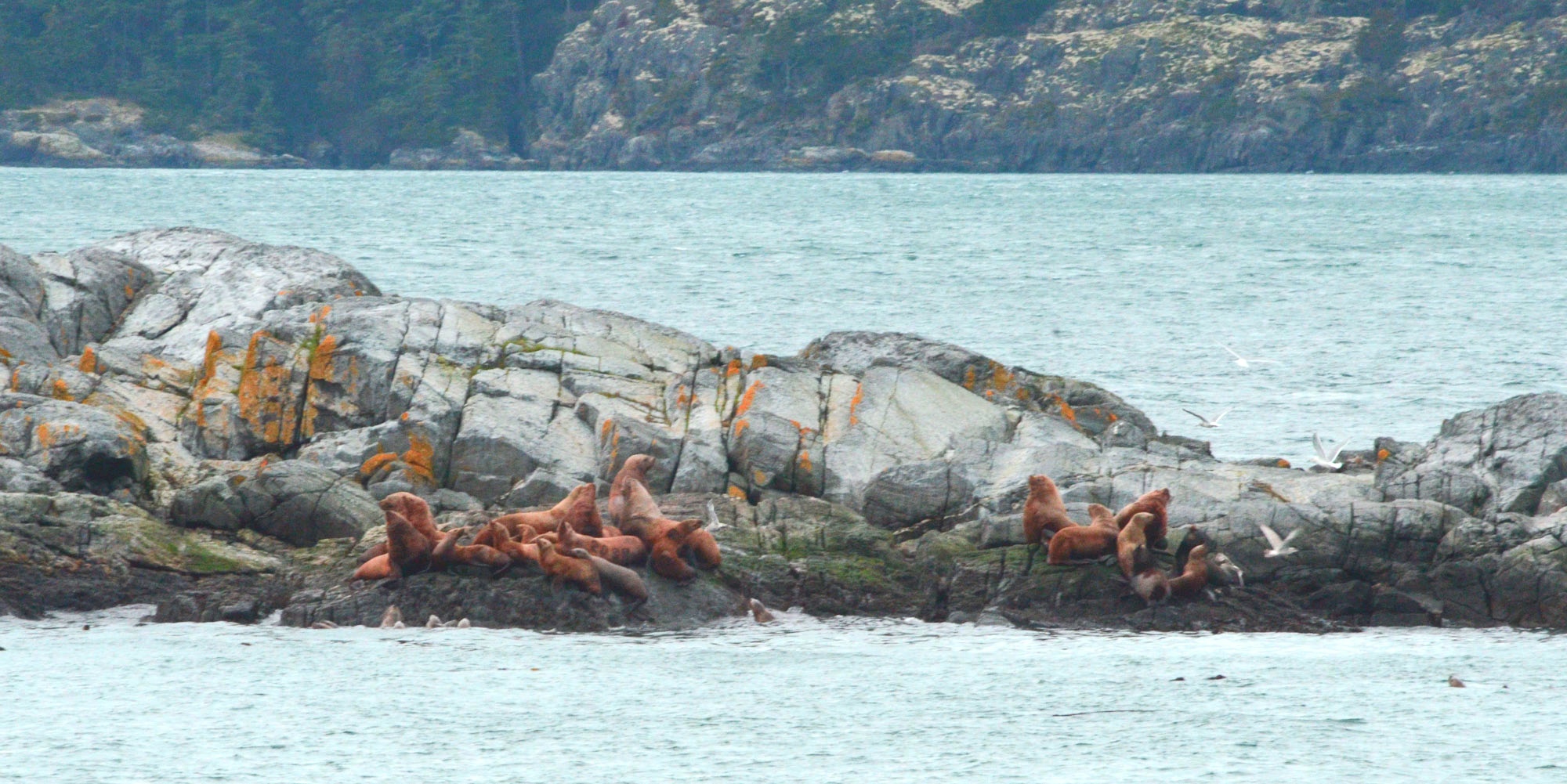
The sea lions have been switching their haul-outs lately.  Some days there have been almost no sea lions visible on the rocks.  Recently i have been seeing them on West rock (above) which is not usual in my observations.

fishboat

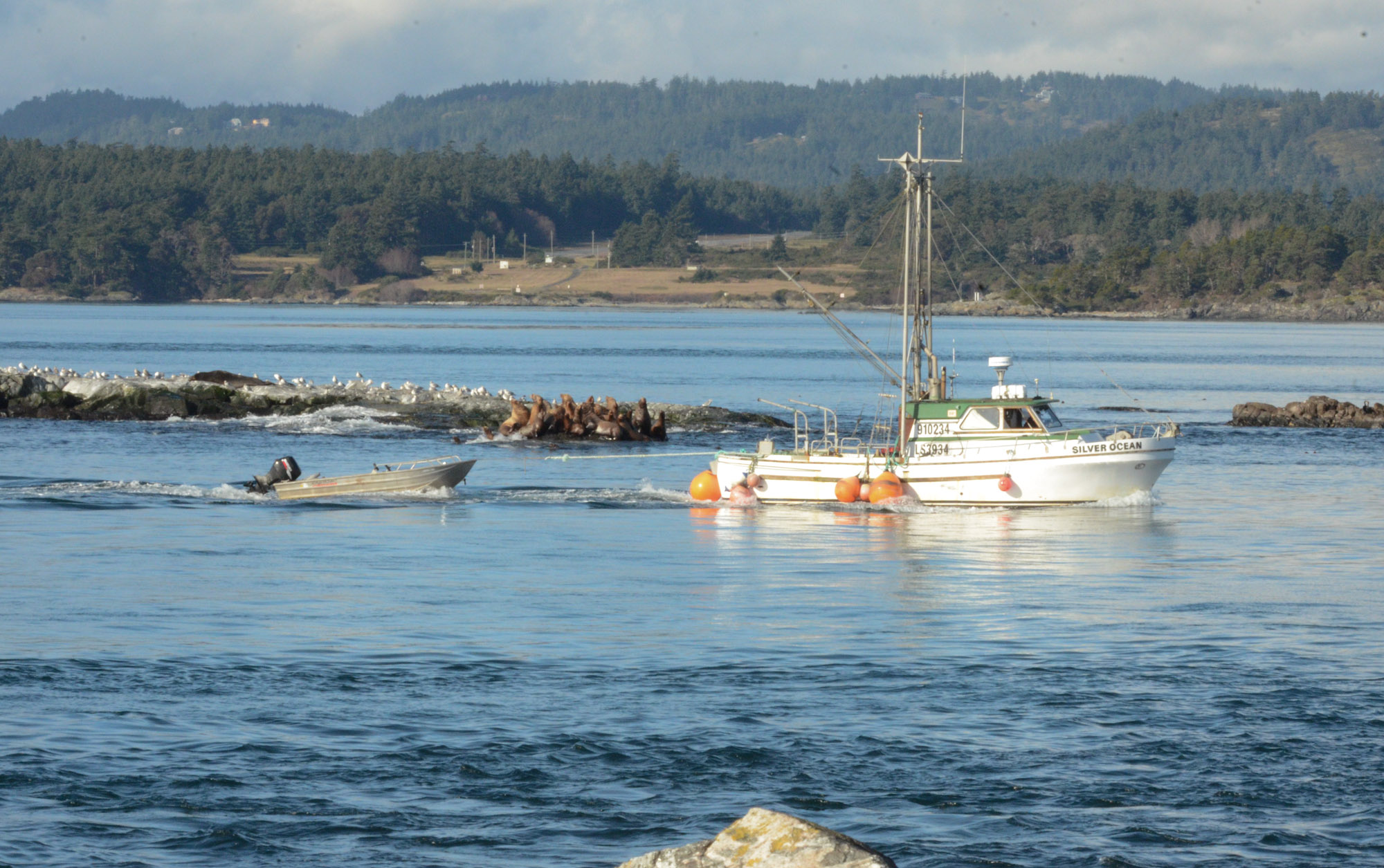
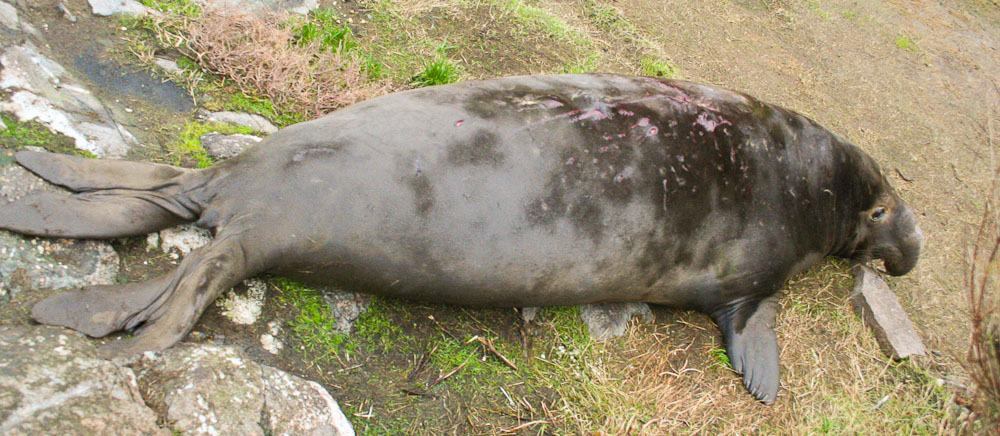
Most fishing boats pass by on the outside of the reserve but this one took the scenic route.  Sea lions in the background on middle rock and one of the male elephant seals on the top of the rock.

CaliforniaLion

California sea lion

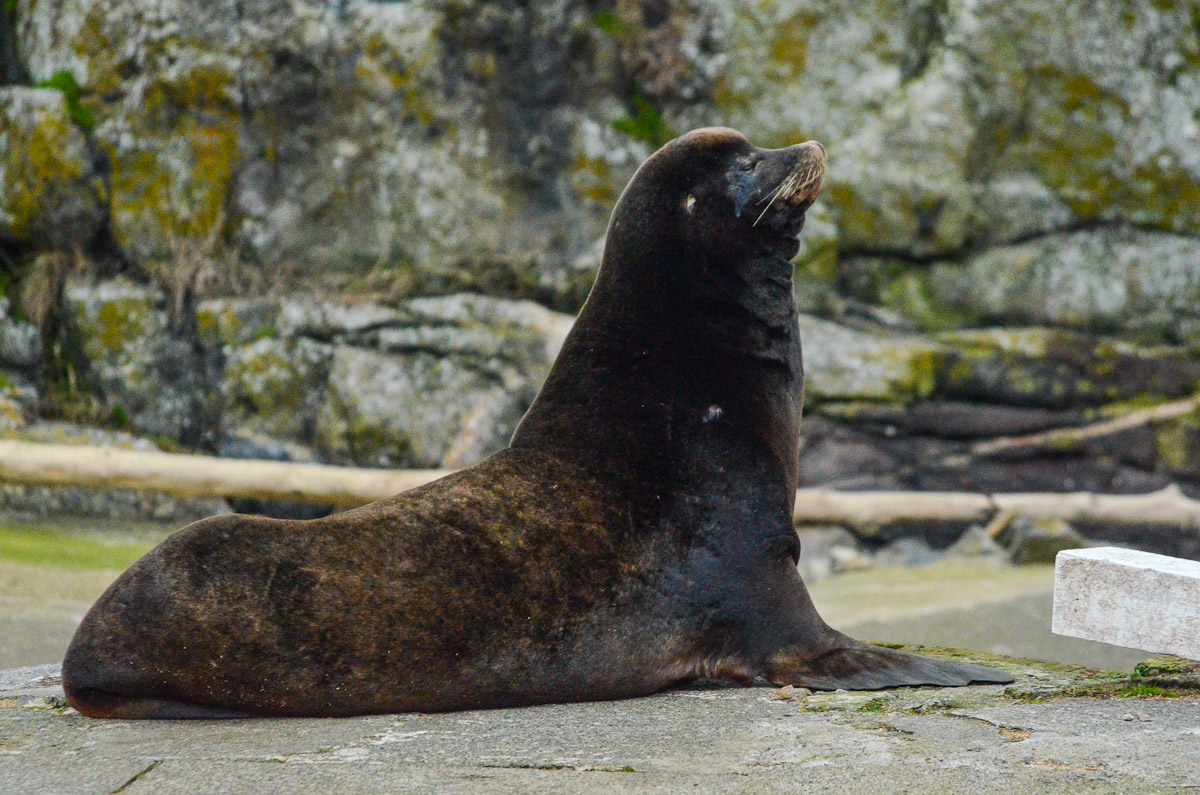
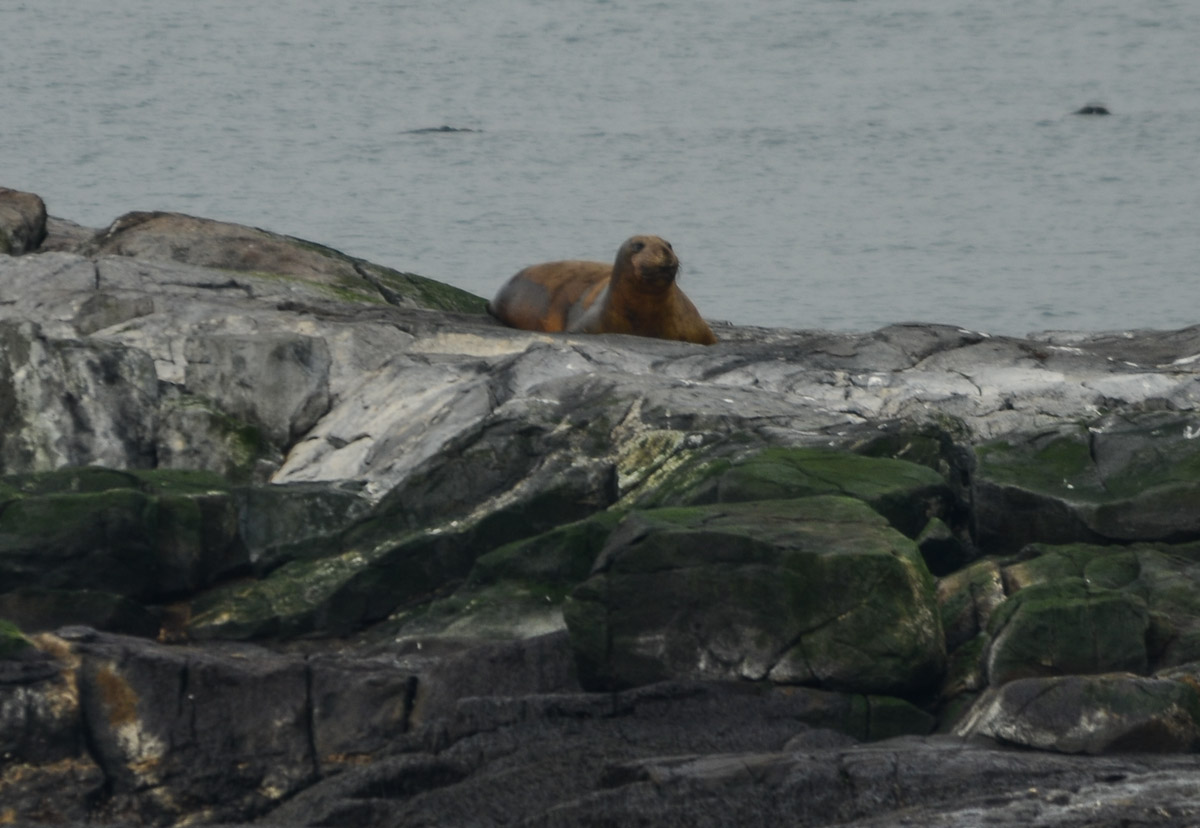
There is one California sea lion that I have been seeing occasionally, it seems to keep to itself.


DFO Marine Mammal Viewing Regulations

This post describes the history leading up to the updating of the DFO Marine Mammal regulations of the Fisheries Act in Canada. It is my observation that even with clear recommendations leading up to the rewriting of the act, there is no  evidence that marine mammal viewing regulations have been included in the Act.

1. The current statement from DFO on Marine Mammal Viewing guidelines is available at :
http://www.pac.dfo-mpo.gc.ca/fm-gp/species-especes/mammals-mammiferes/view-observer-eng.html

2. The DFO  Regulations Amending the Marine Mammal Regulations are archived here: http://gazette.gc.ca/rp-pr/p1/2012/2012-03-24/html/reg2-eng.html

3. The Marine Mammal regulations ( Whale watching Provisions) are found here:
http://www.dfo-mpo.gc.ca/acts-lois/rules-reglements/rule-reglement05-eng.htm

4. The Marine Mammals Regulation Act is located here:
http://laws-lois.justice.gc.ca/eng/regulations/SOR-93-56/FullText.html

HISTORY:

Amendments to the DFO guidelines on Marine mammal viewing were made after public consultations in 2002-  2003:
From the Pacific Consultations Summary of March 2003 The following section 5.3 ,
Regulation of Commercial Marine Mammal Viewing Businesses is quoted here in its entirety:
“A large majority of the feedback supported the implementation of specific measures pertaining to the marine mammal viewing industry, but questions were raised on the inherent problems of: funding, education, enforcement/monitoring, management and control of operators. It was stated that any actions taken would be positive and in turn creates accountability within ecotourism and could provide an opportunity to educate all mariners on ethical viewing practices and species behaviours. It was questioned on how DFO will define a vessel is being used for marine mammal viewing and how DFO will verify/enforce this in regards to commercial or recreational vessels. It was mentioned by one person that those vessels already are defined under the Canada Shipping Act as passenger vessels and that those over 15 tons already pay a marine service fee to DFO. A concern was raised that regulations will be looked at by the marine passenger industry as a cash-grab but that any revenue generated should be used to enhance marine mammals habitats for future generations.
The definition of commercial marine mammal operator or vehicle should also include aircraft and be worded to include anyone with specific intent to receive an income/fee from viewing marine mammals in their natural habitat and should embody profit and not for profit ventures. An example of an in-depth definition has been taken from one of the workbooks.
“A commercial marine mammal viewing vehicle is one that carries paying passengers and changes course to approach rather than avoid marine mammals, or cause marine mammals to approach it. This is intended to exclude vessels that transit through an area while on other business, unless they advertise marine mammals viewing or other roughly synonymous activity (e.g. wildlife viewing). This would include fishing charter vessels that opportunistically approach mammals (even though their primary activity is unrelated). This would exclude passenger ferries and cruise ships that never change course, but include such vessels that sometimes change velocity to better observe marine mammals. A commercial person, business, or non-profit organisation that owns a marine mammal viewing vehicle, or is employed by, contracting with or volunteering for an owner.”
Licensing as a regulatory measure for commercial whale watching operators was generally accepted by respondents. It was seen as a useful tool, provided that the fee charged is not prohibitive and terms are equitable. The one fee structure that was provided by an individual was that the license fee should be $1000 for each power vessel and $100 for any business advertising marine mammal watching as part of a tour package i.e.: kayak tours. Some concerns were raised regarding licensing being instituted only as an income-generating tool. It was pointed out that the monitoring of commercial operators is already being done by M3 and Soundwatch and it was questioned as to what specific benefits to marine mammals could be identified with regulating the commercial whale watching industry.
Operator licensing needs to be regional i.e. coastline specific and a question was raised as to whether the regulations should include USA craft in Canadian waters. The benefits of licensing given in the workbooks were many. The use of permits or licenses would be helpful in managing the industry and to give an accurate account of how many vessels/companies are participating in this activity. It would also be an informational tool for mandatory data collection (days at sea, number of passengers, number of and location of marine mammal sightings) which could help determine potential effect on species. Other benefits would be that operators can be contacted easily with changes and can provide education to people and communities to help in conservation and be included as a group in management process/discussions. It was suggested by some that all operators and staff should fulfill a minimum training course in marine mammal identification and behaviour, which would include different scenarios on marine mammal encounters followed by an examination. Upon completion of the training, it was suggested by one individual that an Ethical Certificate of Operation could then be issued giving a “Whale of Approval” for the operator. It was felt that any revenue generated should be used to fund conservation and research projects, to aid in enforcement and monitoring and for the creation of education tools and programs.
It was suggested that the number of licenses should be limited in order to keep the industry at a sustainable level with licenses issued either annually or for a set time period of perhaps 2-5 years with reapplication at the end of the term. This would solve the problem of “weekend viewing vessels” that do not declare themselves. A provision should be made by the DFO that if standards are not met, the license can then be revoked or fines instituted.
The feedback regarding commercial operator viewing restrictions had three separate viewpoints. One group felt that restrictions should be the same for all to be fair, otherwise it would lead to injustices, be hard to enforce and that the industry could lead by example and help enforcement by policing other boaters and noting violators by name or registration of vessel. While others felt that, since the industry is directly benefiting in a monetary way, they should have more restrictions and pay a higher fee that would then go towards research/protection/conservation programs and education. Thirdly, other comments suggested different restrictions because commercial operators are viewing marine mammals for extended periods of time while the public and other stakeholders view for shorter periods of time.
Additional comments regarding commercial licensing stressed that it would be hard to enforce and how will DFO determine who should be licensed? i.e.: Commercial sport fishermen and dive operators. Also, some form of easy identification of vessels by the monitors is required so that names/numbers that can be seen easily to report infractions.”
From the Victoria meeting Section 4.4 contains the following statement: Continue reading →
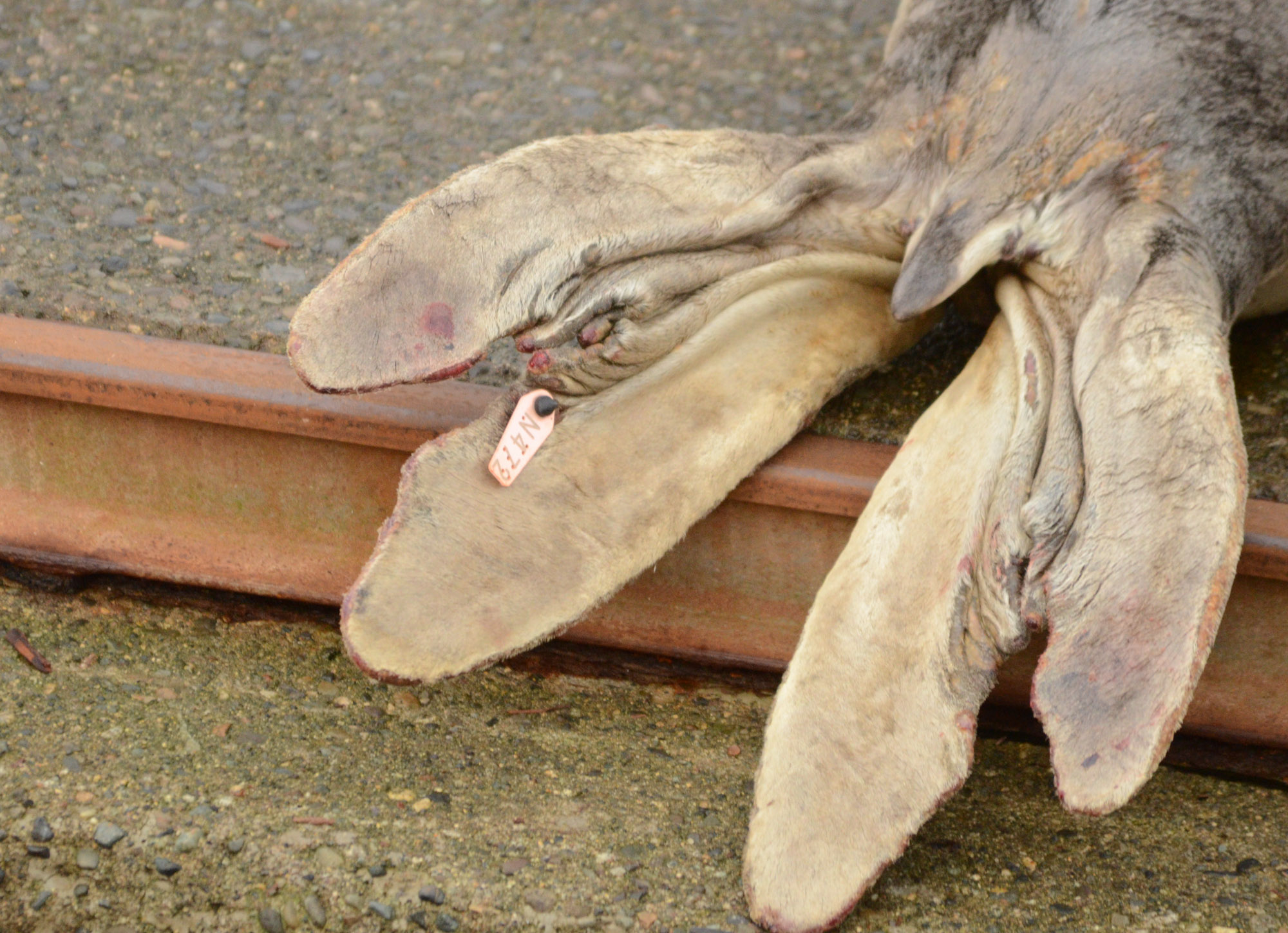
Tagged Pink N472

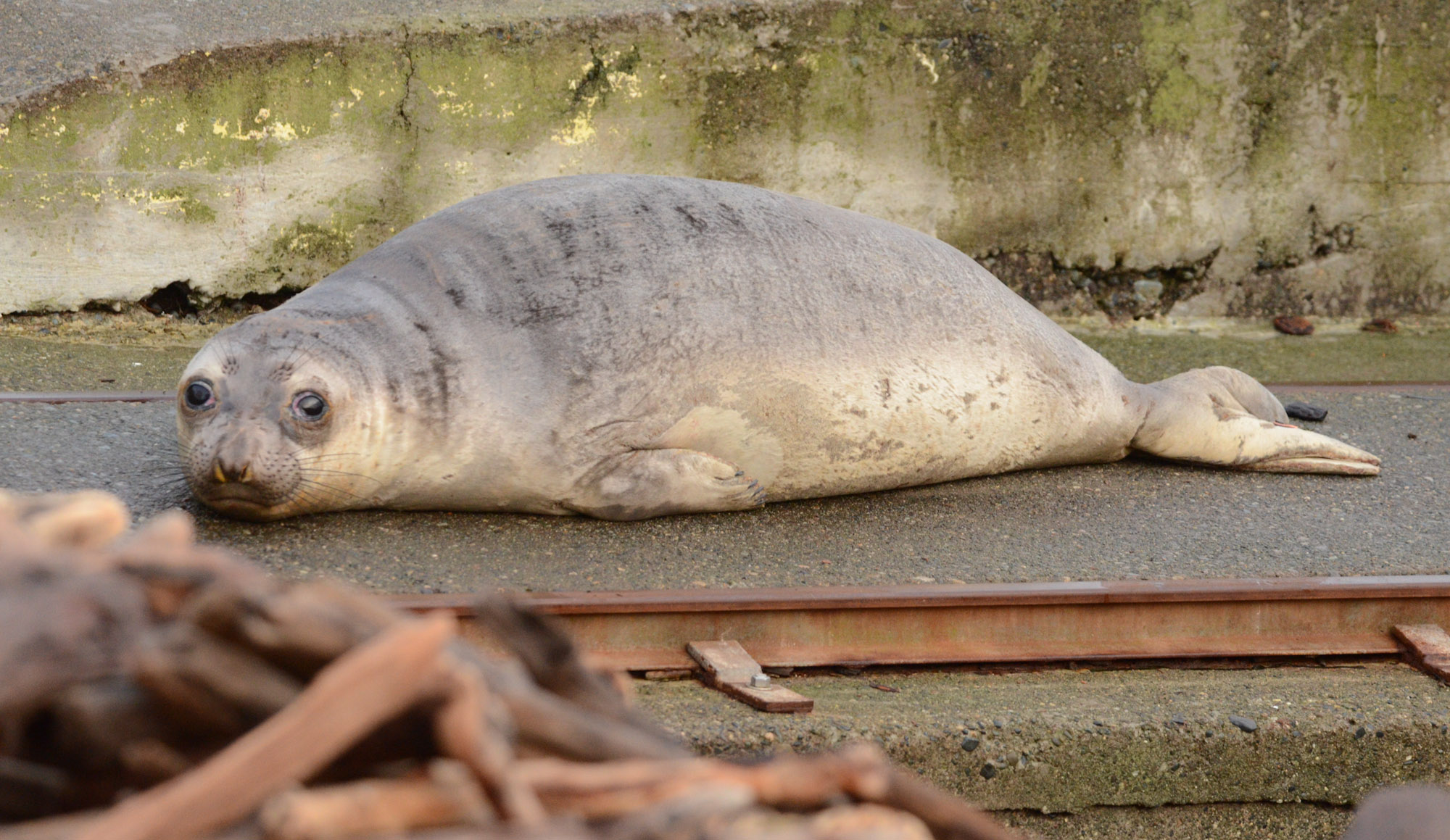
This female elephant seal showed up on the ramp on Jan 23rd with pink tag N472.  I dont recall seeing her here before.  She wasnt very comfortable with people and left when we took a sea water sample.  She showed up again in the rocky bay on the south side of the island and stayed there for a few days before leaving again, havent seen her since so we are back to 0 females visible in the reserve.

esealpinktagN472 pinkN472

Female Elephant Seals

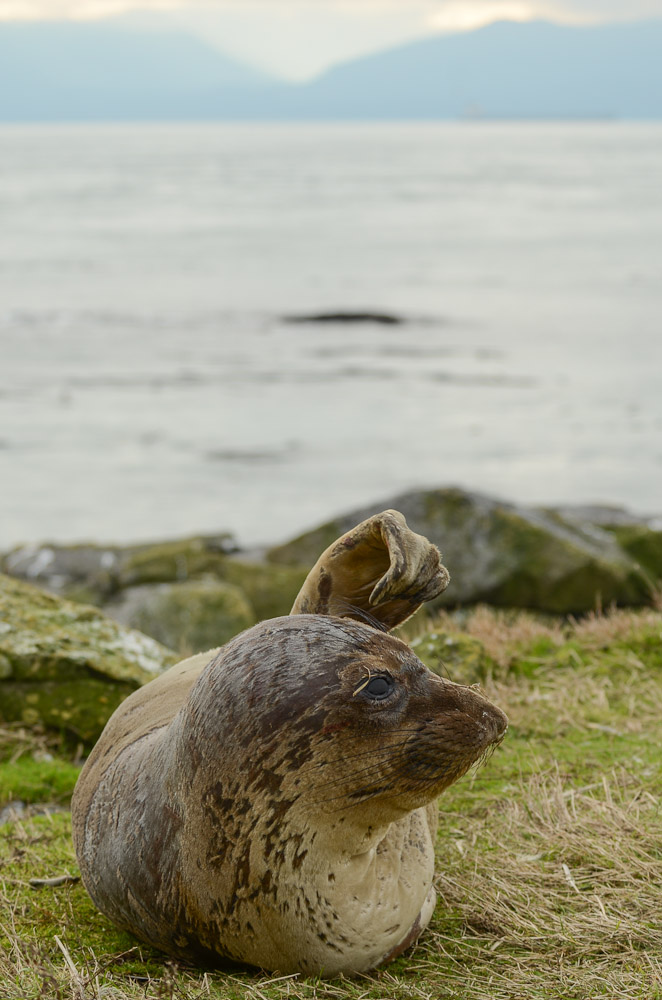
The elephant seal population has been steadily declining over the past few weeks.  For the last few days since Jan 19 there have not been any female elephant seals visible in the reserve.  This is the time when elephant seal pups have been born out here in the past so it is somewhat surprising and a bit disappointing.  Both male elephant seals have been back and forth between the main island and West rock and have been chasing and trying to mount the few small females that have been around, which is likely why they have all left.

Guard seal

Guard seal

Small e- seal moulting

Small e- seal moulting

Large female elephant seal on Middle rock .. possibly Bertha?

Large female elephant seal on Middle rock .. possibly Bertha?

Weather past week

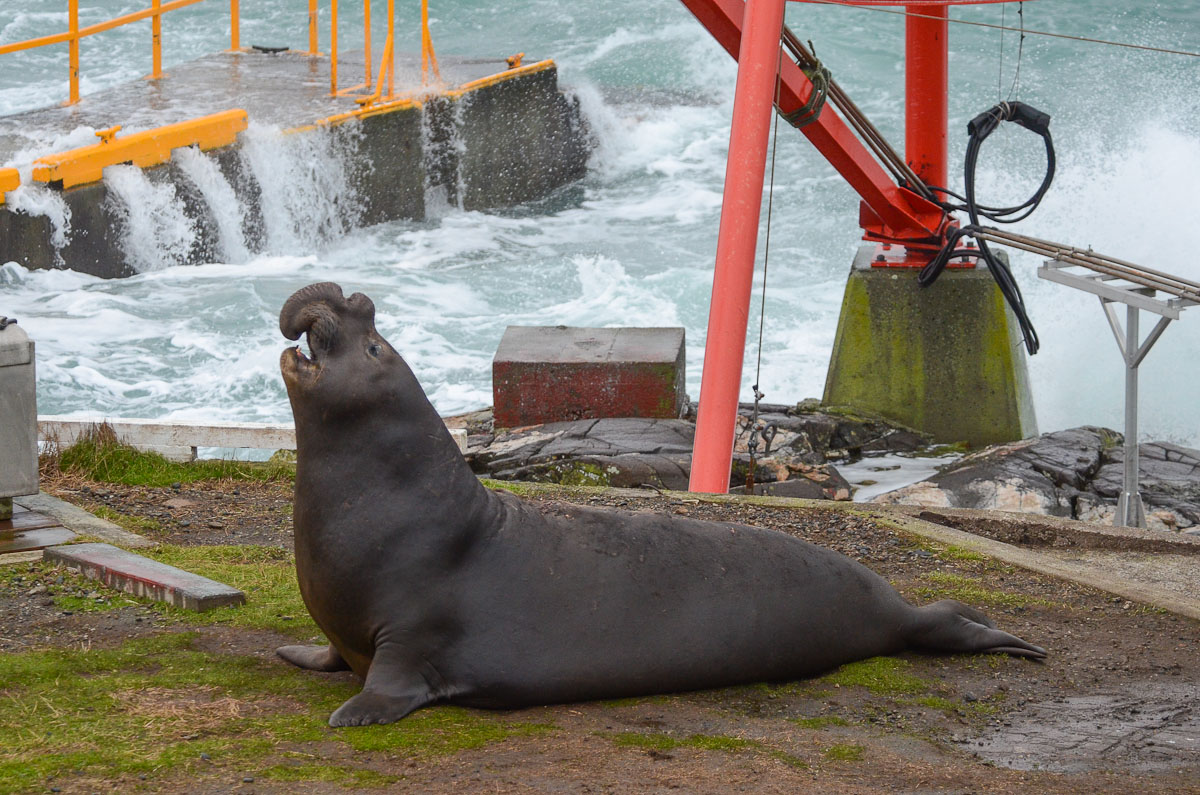
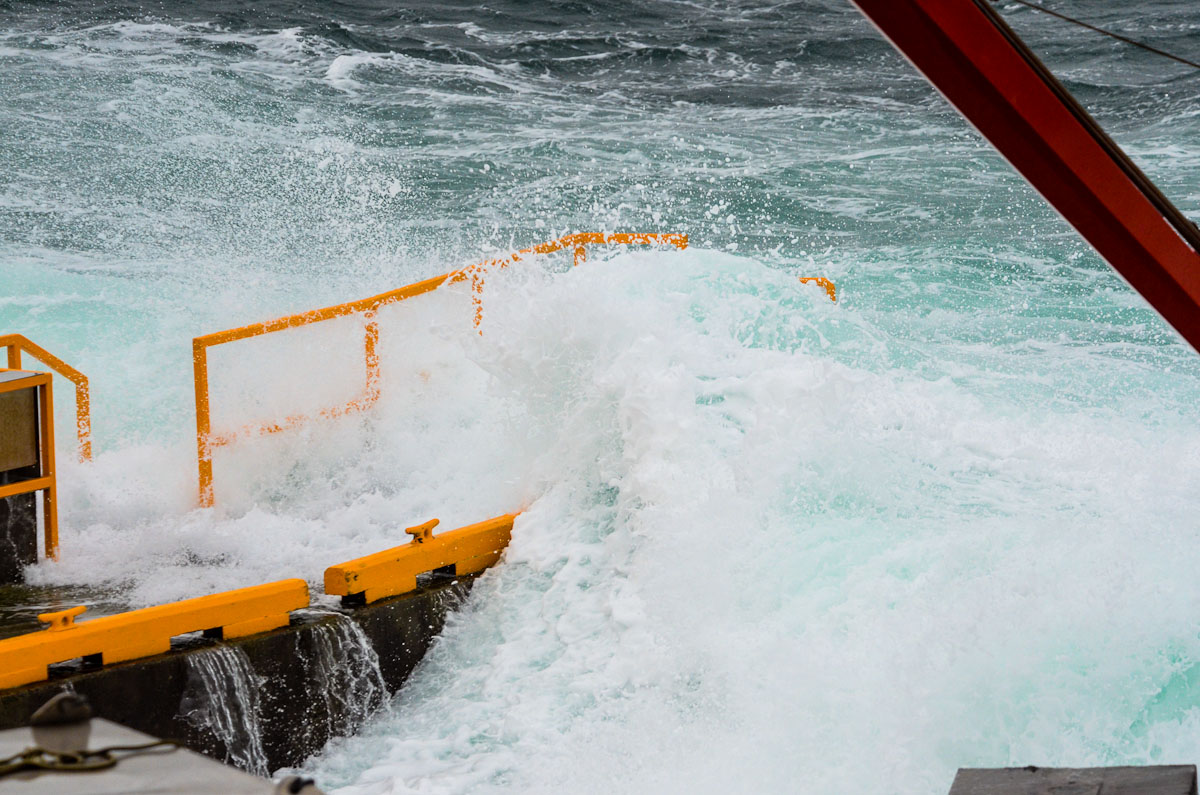
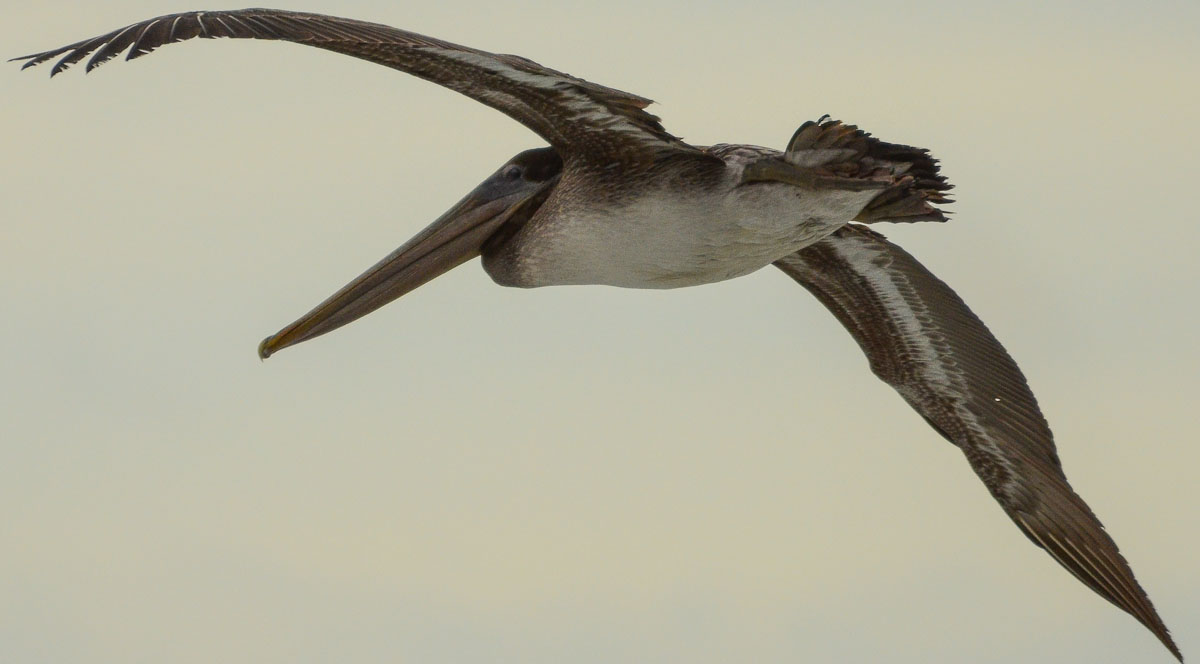
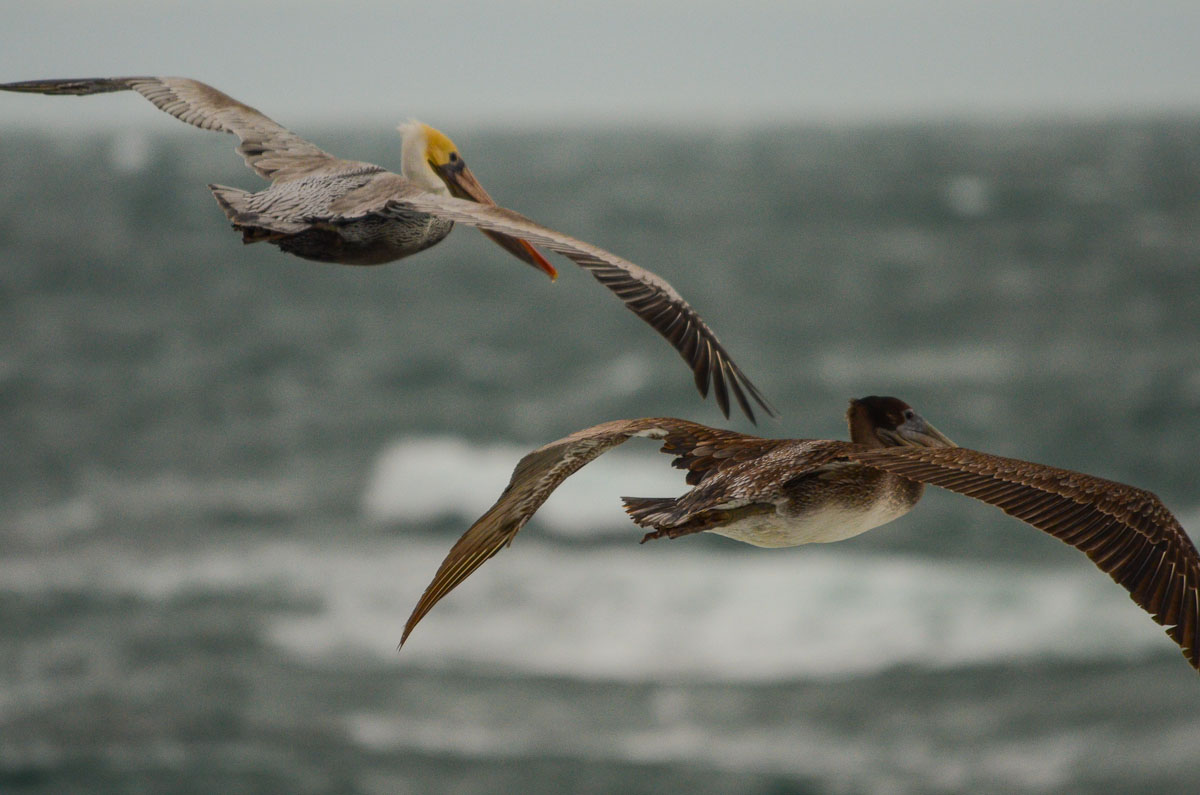
On Dec 25th Easterly winds were gusting over 40 knots pushing swells into and over the jetty.  Zeke is seen below just above the jetty near the crane pad. The Pelicans pictured below were hovering in winds around 30 knots.

Since Dec 25th atmospheric pressure has climbed steadily reaching a high point of 1030 hPa yesterday, Jan 1.  For the past several days we have had sustained NE winds between 10 and 20 knots which demonstrates the potential for harnessing wind energy at Race Rocks, particularly in the winter months when there is less solar radiation to charge the batteries.  Pearson College is in the process of sourcing a wind generator for the island with the goal of further reducing and eventually eliminating dependance on fossil fuel electric generation in the Ecological Reserve.


Dec 24th

Have had some really nice weather out here since the storm. Pelicans are still stopping in and flying through the reserve, mostly in pairs or singles.  Bald Eagles have been quite active in the mornings hunting.


On top of the crane, the eagle had just finished eating what looked like some part of a seagull.  In this picture the eagle’s nictitating membrane is covering the eye.  According to Baldeagleinfo.com, “every three or four seconds, the nictitating membrane slides across the eye from front to back, wiping dirt and dust from the cornea. Because the membrane is translucent, the eagle can see even while it is over the eye.”

A few nights ago Zeke got some fresh wounds on his back from Misery, it was not as bad as the the last time.  Him and Misery have been on the main island for several days now. I have not been seeing as many female elephant seals since the storm.  

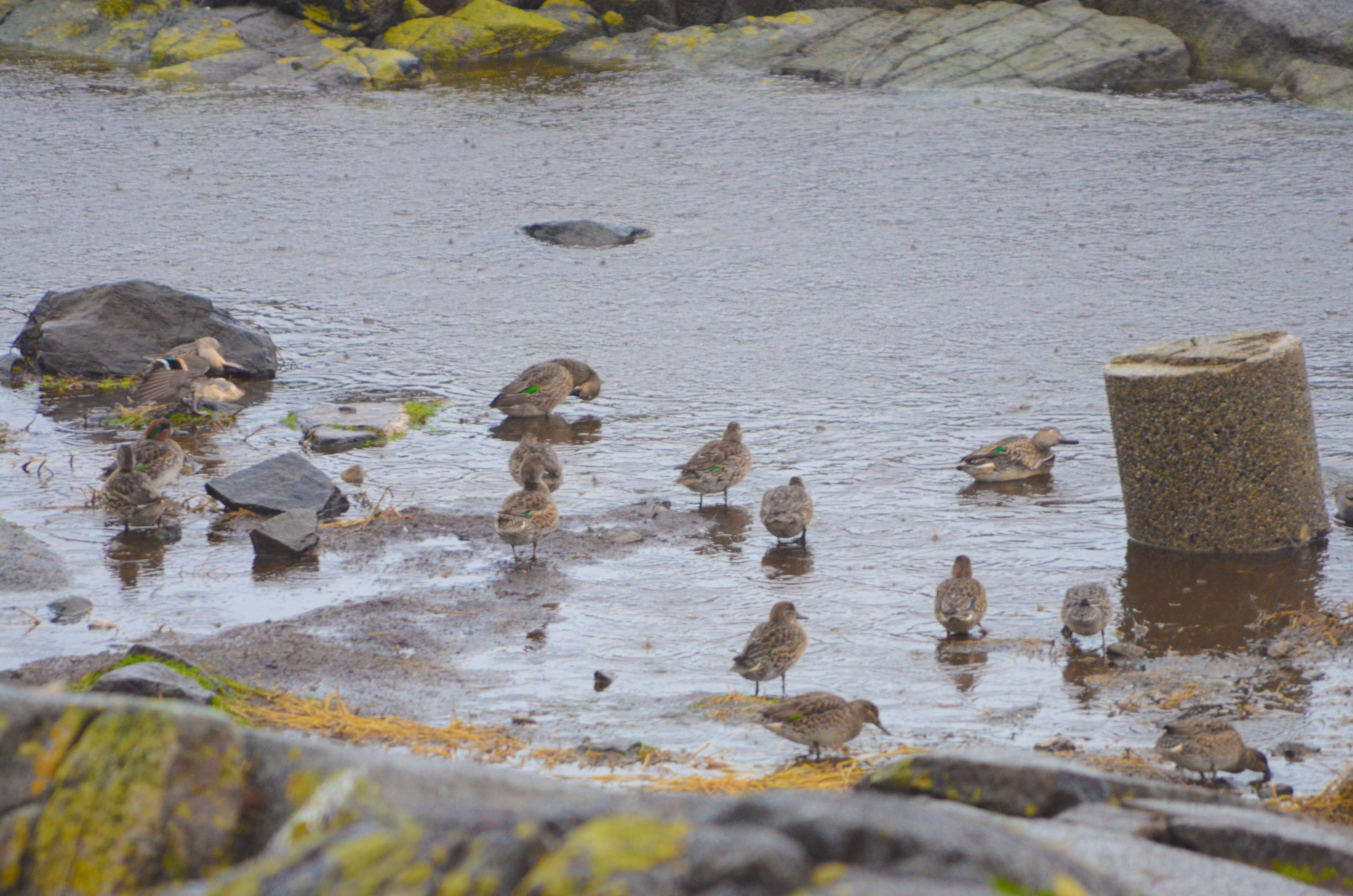
On Dec 19 there were 15 Green Winged Teals in a pool on the NE side of the island.  This  is the first recorded sighting of this bird in the reserve.


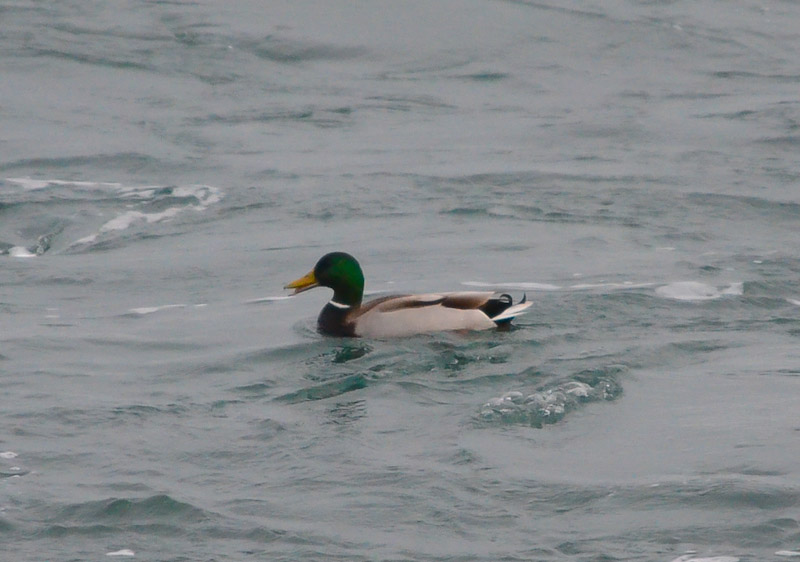
There has also been a Mallard duck in the reserve for over a week.  Pam Birley first sighted it around Dec 18th, it was also the first recorded sighting of this bird in the reserve.


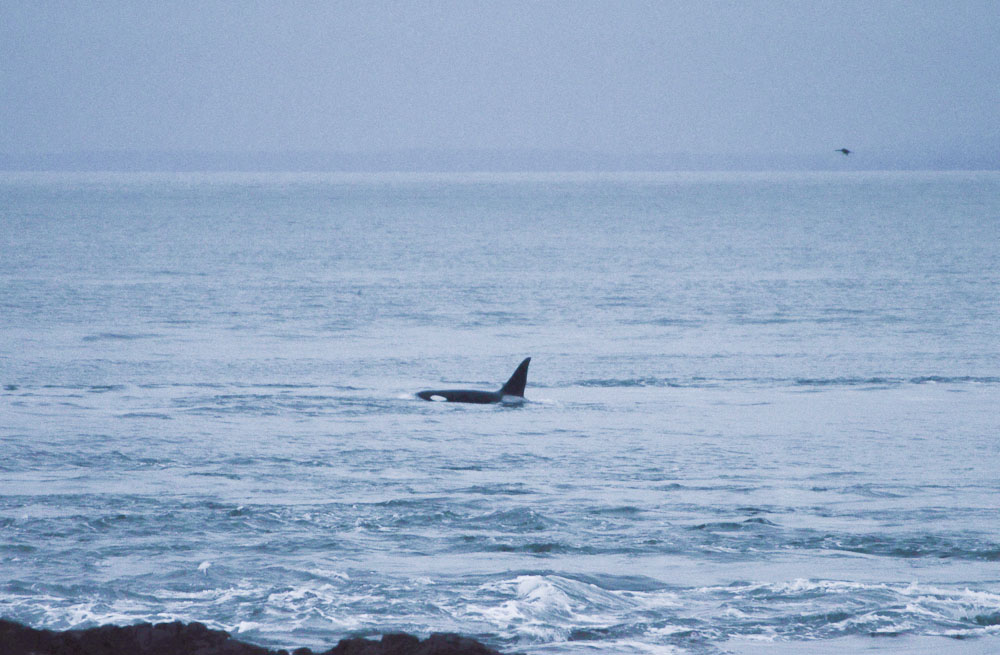
Yesterday after sunset a lone adult orca passed through the reserve going over Rosedale Reef.