Changes in the weather

The first gentle sou’east weather pattern with clouds and rain occurred in the last few days. The rain is most welcome to wash away a summers worth of gull and pinniped excrement. This island can be smelled from a kilometer away!
At the edge of the world…
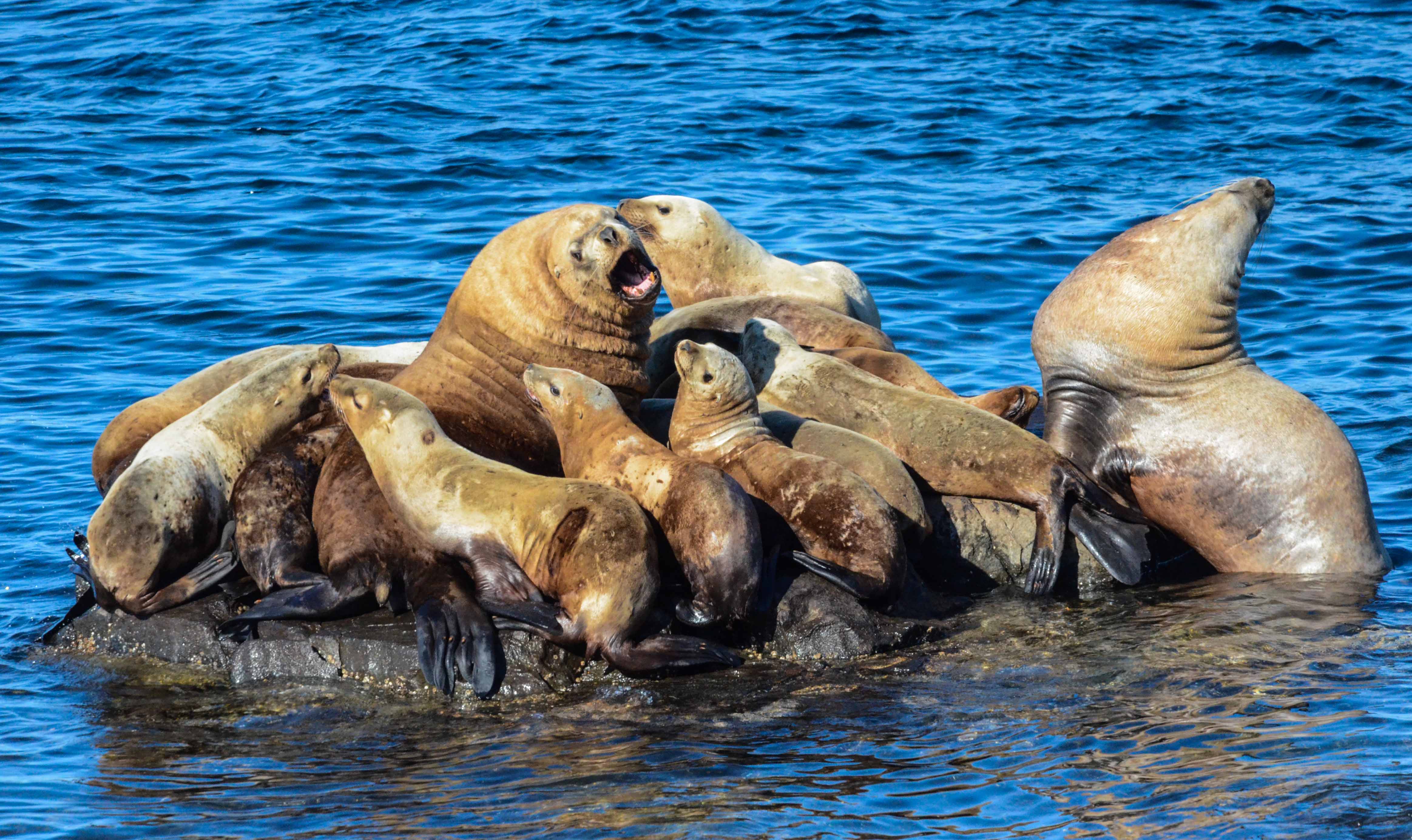
Surrounded by ankle-biters!

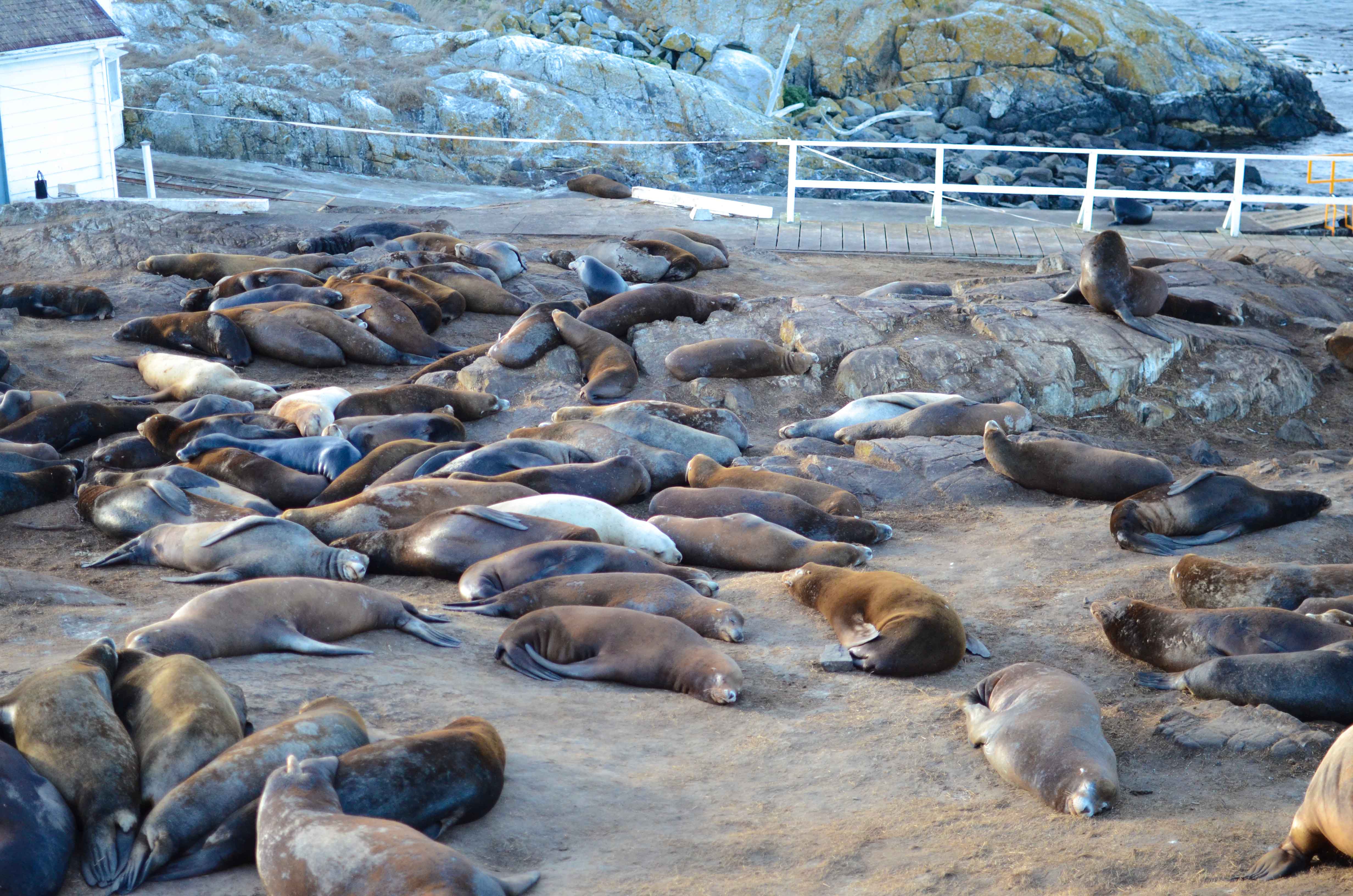
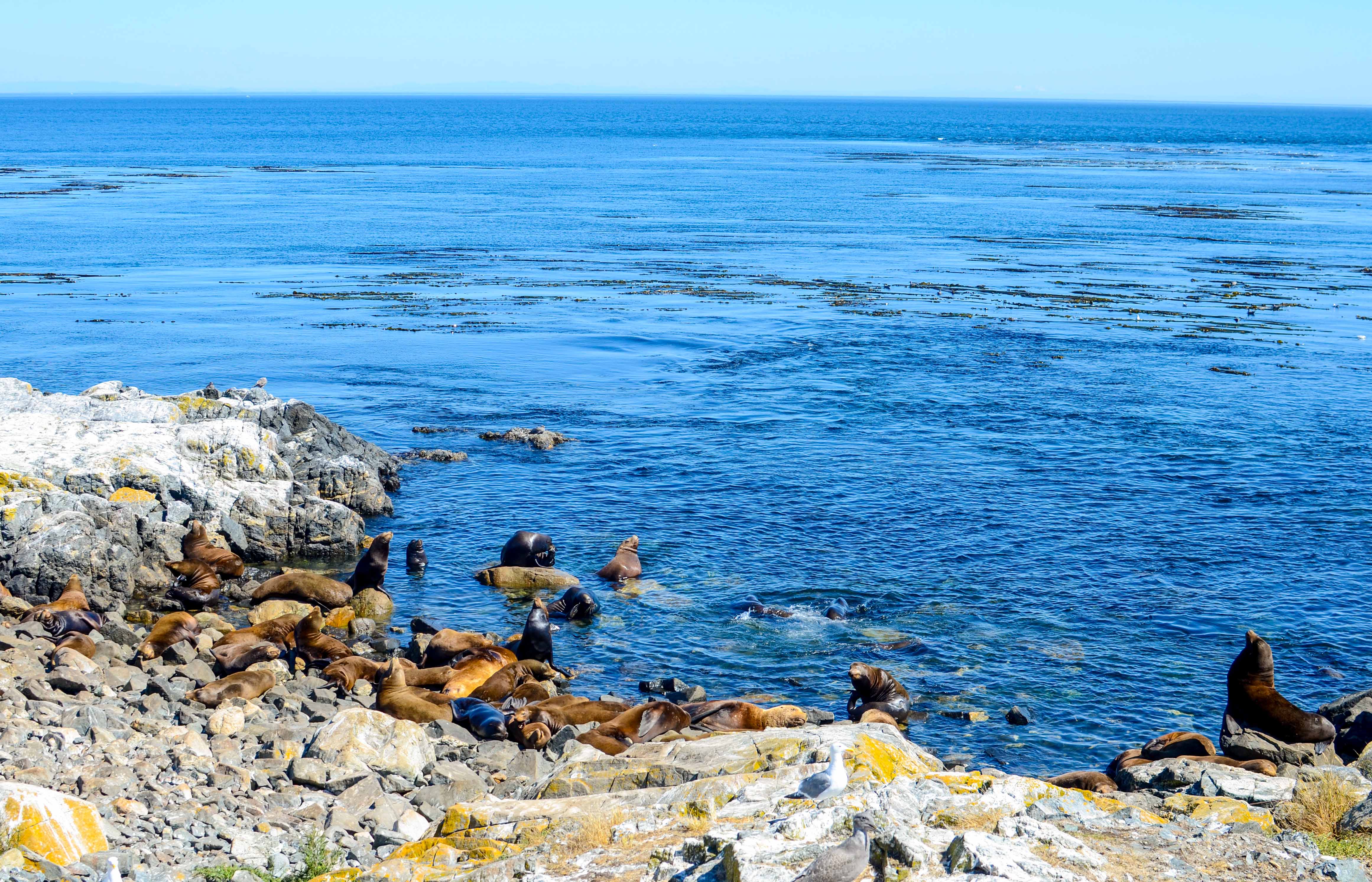
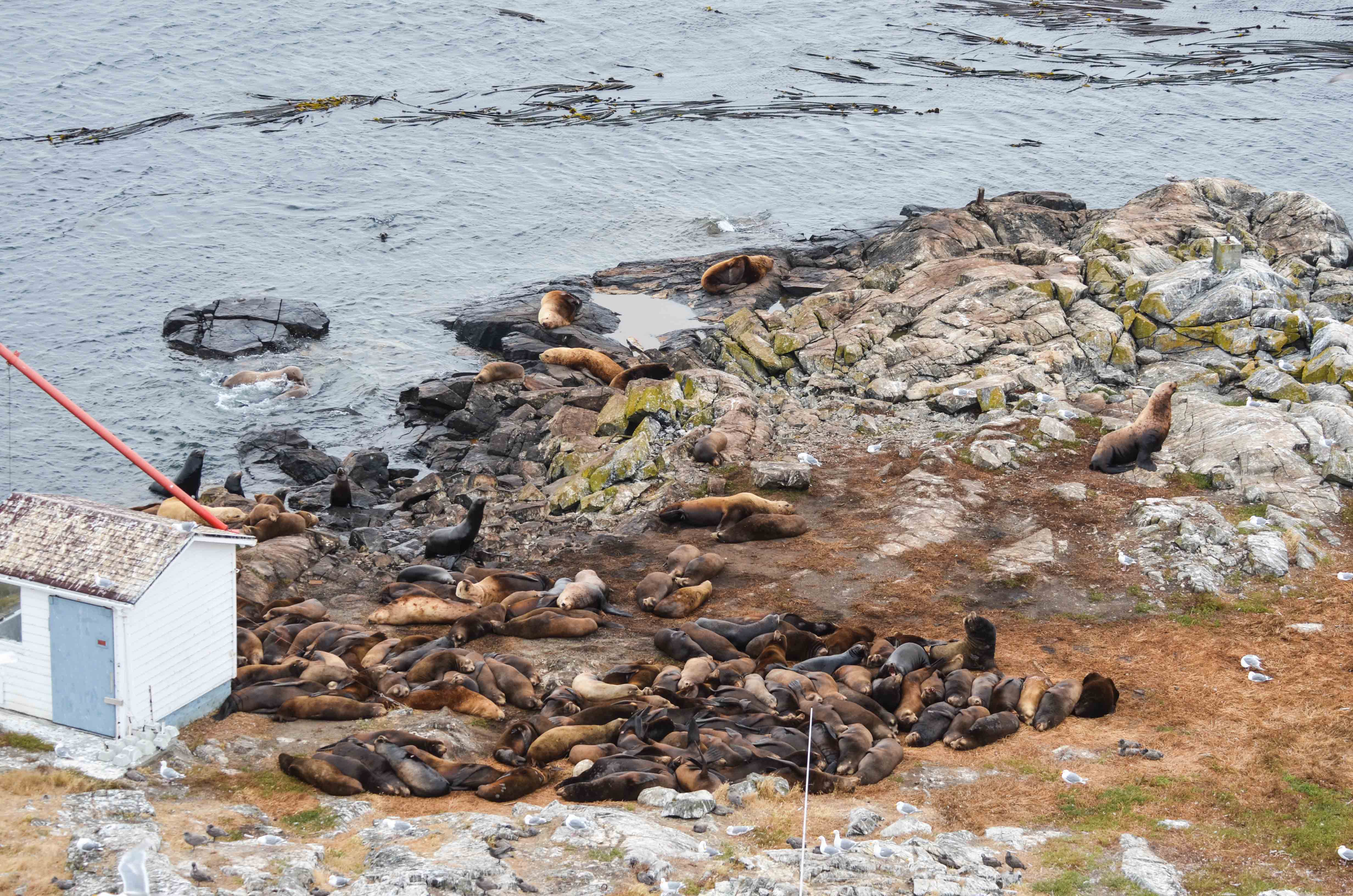
About 2/3s of the sea lions have left since the weather change. We are down to around 140 animals, perhaps 75 are Stellers down from the 175 of 10 days ago. Californians make up the remainder down from 225. Quite a few juveniles have showed up in the last week.


More birds are showing up. In the last few days several Harlequin ducks and a few dozen cormorants returned to dot the shoreline with the oystercatchers. Flocks of Bonaparte gulls feed on minnows in the eddies, forced to the surface from the deeper water by murres and rhinoceros auklets. Killdeers are spending the nights here. I hear them when I shut down the generator at night. Close to 30 sparrows are flitting about, and yesterday a few eagles and ravens were hunting and scavenging. Late developing gull chicks are on the menu. The flock of turnstones forages in the sea lion haulout ignored by the sea lions.

Tour boats are becoming less frequent and sport fishermen are waning too… yesterday for example a pod of orca passed with only 2 boats watching them rather than 8-10.
The Latest News

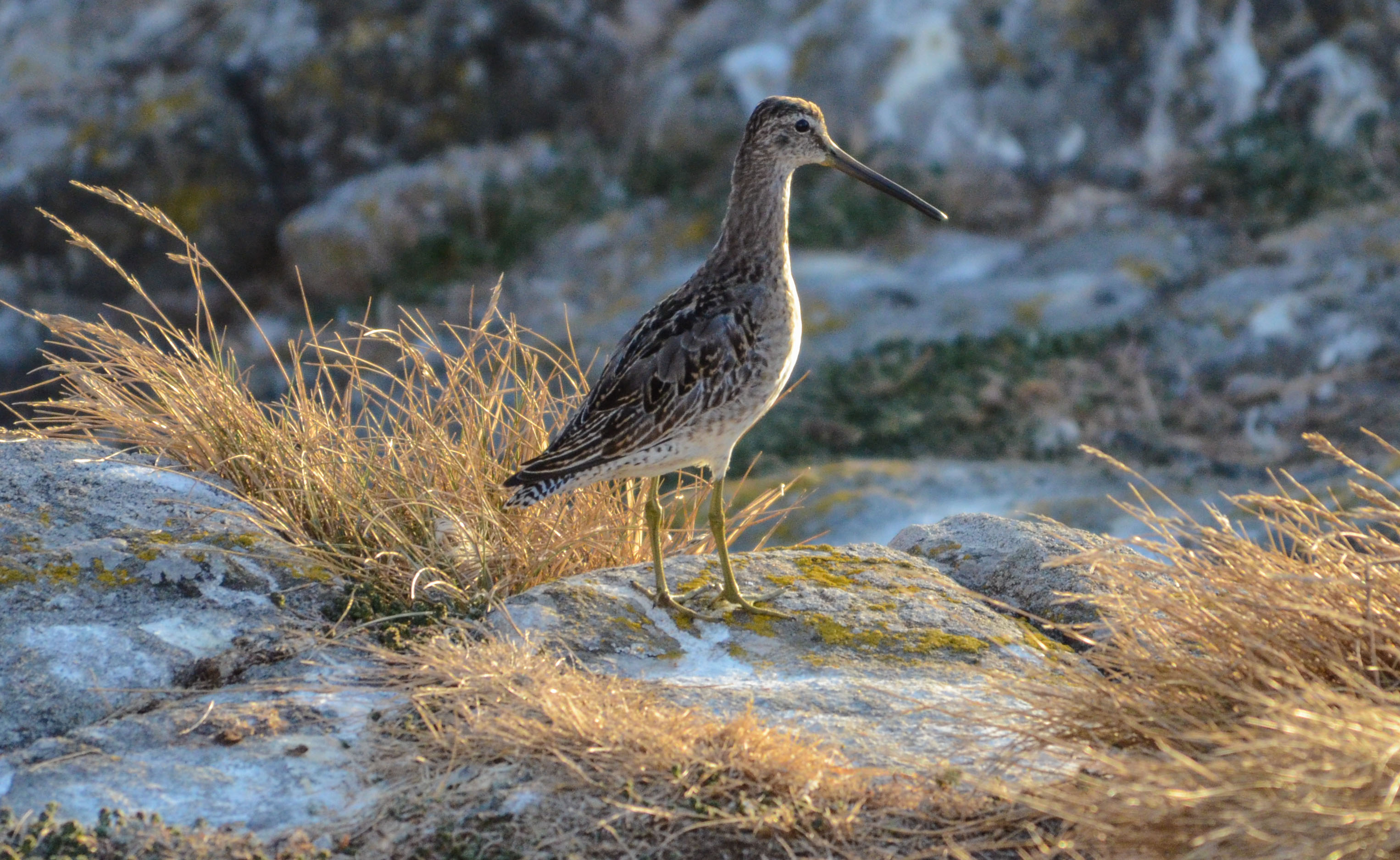
As observed with the Horned Larks last week, the southward migration of birds has begun. I was lucky enough to spot this Long-billed Dowitcher searching for food in the tufts of grass.

An unusual Long-billed Dowitcher in early winter plumage.


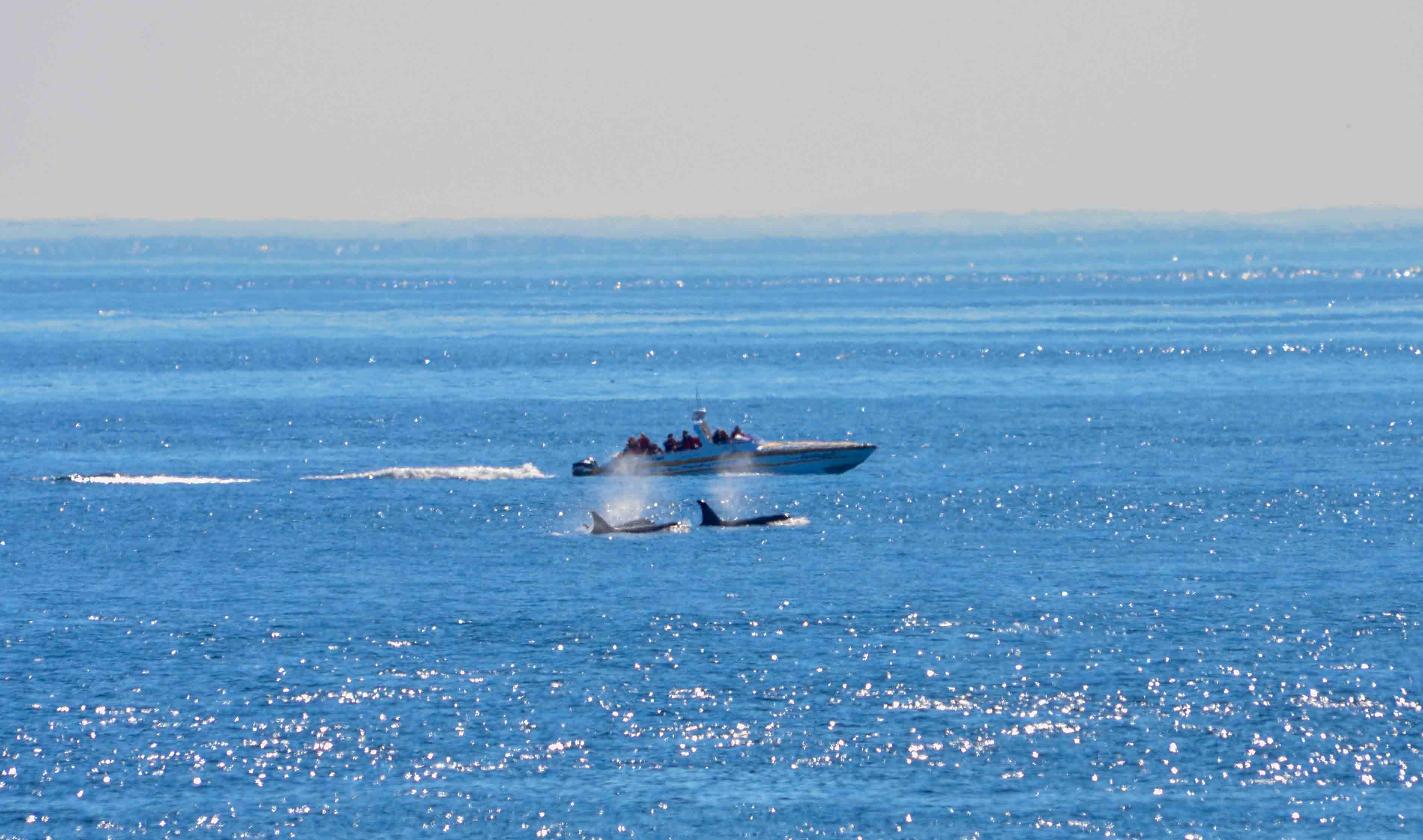
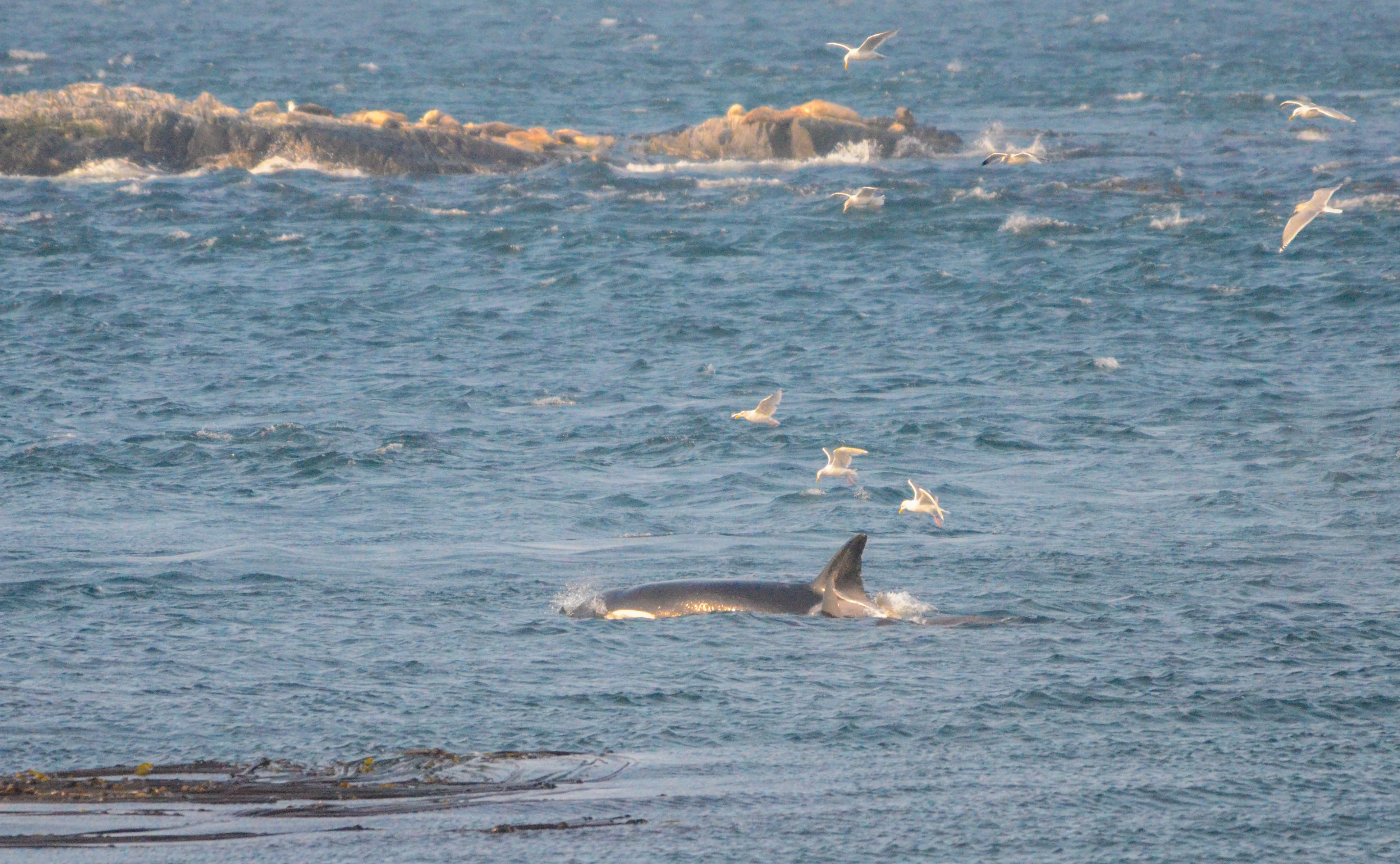
Another visitor the the reserve was a small pod of transient orca who created a scare surrounding some sea lions in the kelp bed. The orca thought otherwise of hunting the big carnivores in the tangle of the kelp bed and moved off toward William Head.

If you look close you can see a second small gray fin of a baby or juvenile.


The Sea Lions continue to dominate the environment. I had let them have their way and they surrounded the house and covered the yard. Eventually it became too much and I employed the electric fence to reclaim some territory.

The front yard became a popular haul-out.


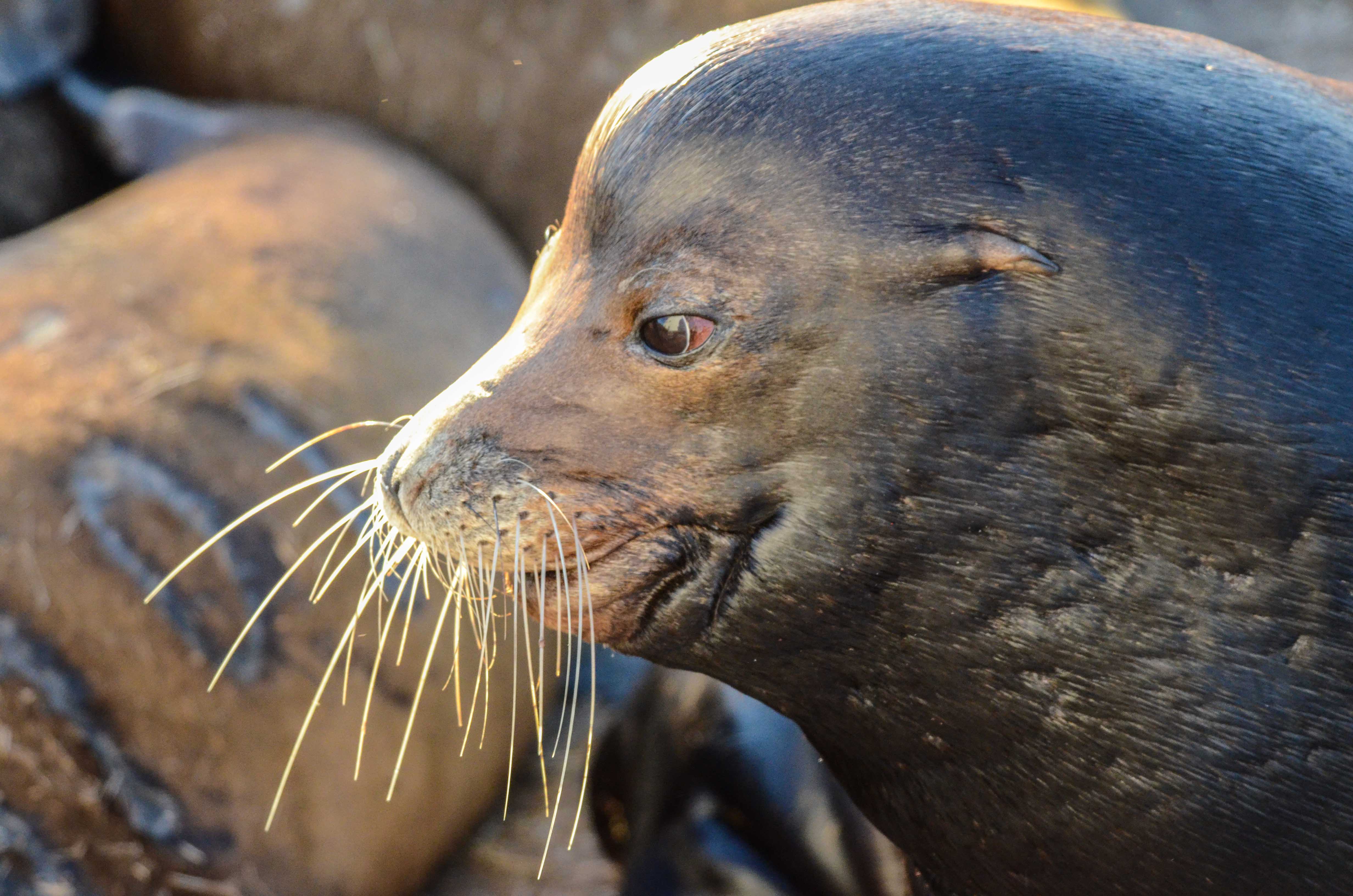
Expressive vibrissae – Californian

The Sad Reality

Sea Lions are tough and resilient animals. They can deal with sharp rocks and pounding waves but like many animals they have difficulties with human plastic products. Sometimes they will swallow salmon that are already hooked, or get snagged by a jigging hook, or they get entangled in strapping bands or nets. The consequences are usually disastrous.

This Steller is dealing with his entanglement but I hope he doesn’t grow too much bigger…

Education is a very important piece in preventing marine debris from getting into the ocean in the first place.It is often a difficult decision when to intervene because of the real possibility of an animal drowning when darting, and often the debris does break off on its own over time (ie many animals with scars from previous entanglements).

This is a recent snag. The animal is still healthy.

Please do what you can to ensure that plastics don’t escape into nature and that if you fish, do it far from marine mammals. The ocean is their home first.


This poor fellow has suffered for a while now.

Even a small hook can handicap a pinniped. This guy doesn’t put weight on the flipper and crawls around on his face. Likely this hook will tear out eventually.

Sept 15th..up to 175 sea lions

Today I used the new seawater pump to fill the cistern which had gotten pretty low. We de-salinate water here for household purposes as there is insufficient rain and the roofs are quite contaminated with gull poop!

The reserve is busy today with tour boats and divers. I had to call one of the companies to ask their operator to slow down at the edge of the reserve. Usually they are pretty good but occasionally a new driver doesn’t realize the reserve boundaries. More troubling are the recreational boaters who frequently speed through the reserve. The problem is that unless you are a local it is unlikely you will know the guidelines. As much as I dislike signs this seems a reasonable place for a few “5 knots” and ” No Fishing” signs. There is simply no way I can ask them to slow down from my perch on Great Race Island…

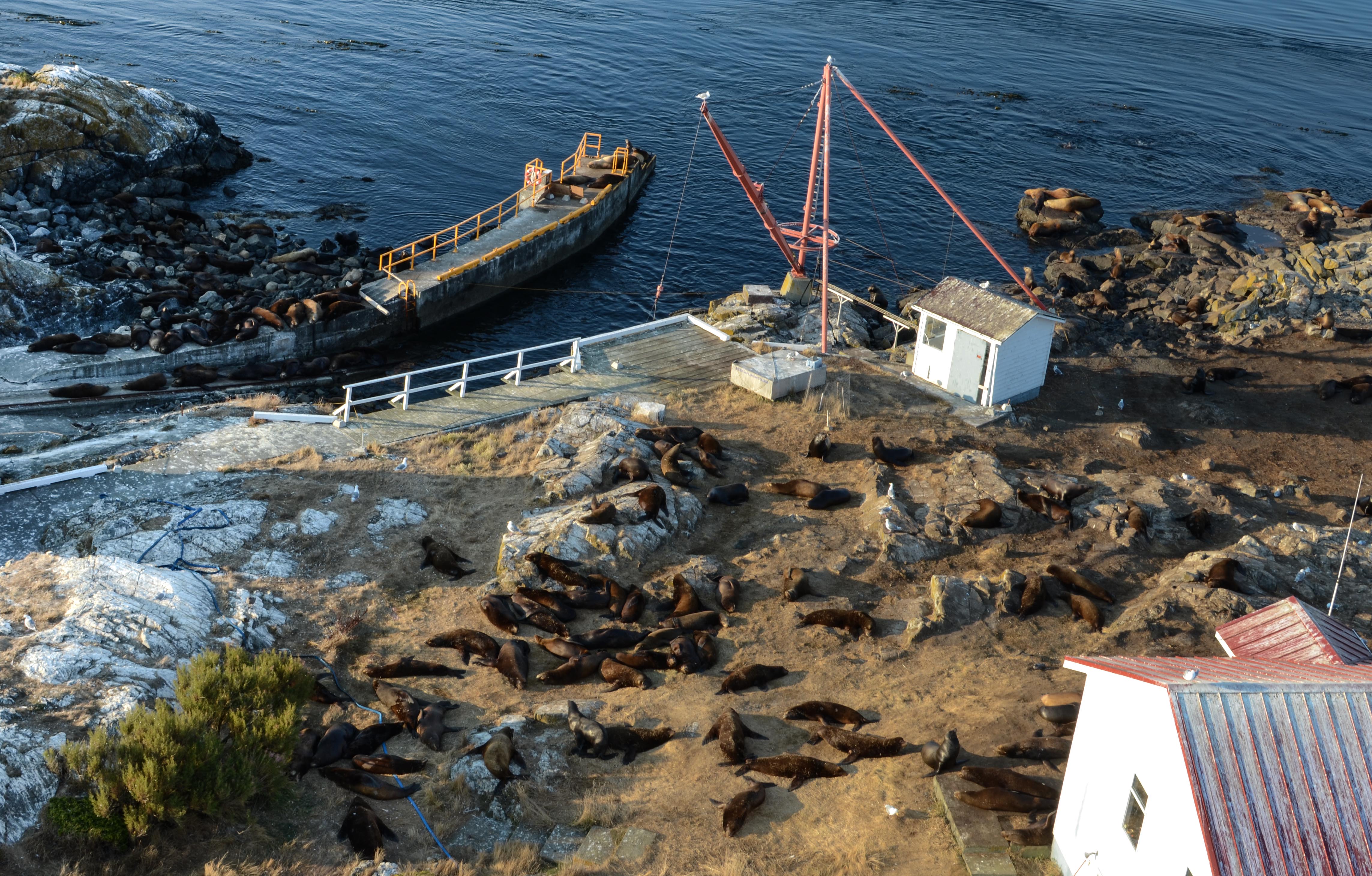
The California and Steller sea lions are here in droves. I counted more than 175 Stellers in the reserve. The vast majority are bulls but there are a few cows and in the last few days a number of yearlings have shown up. I will get some pictures for the next entry. The view from the tower shows the commotion outside my house!

Hundreds of California Sea Lions adorn the lawn.

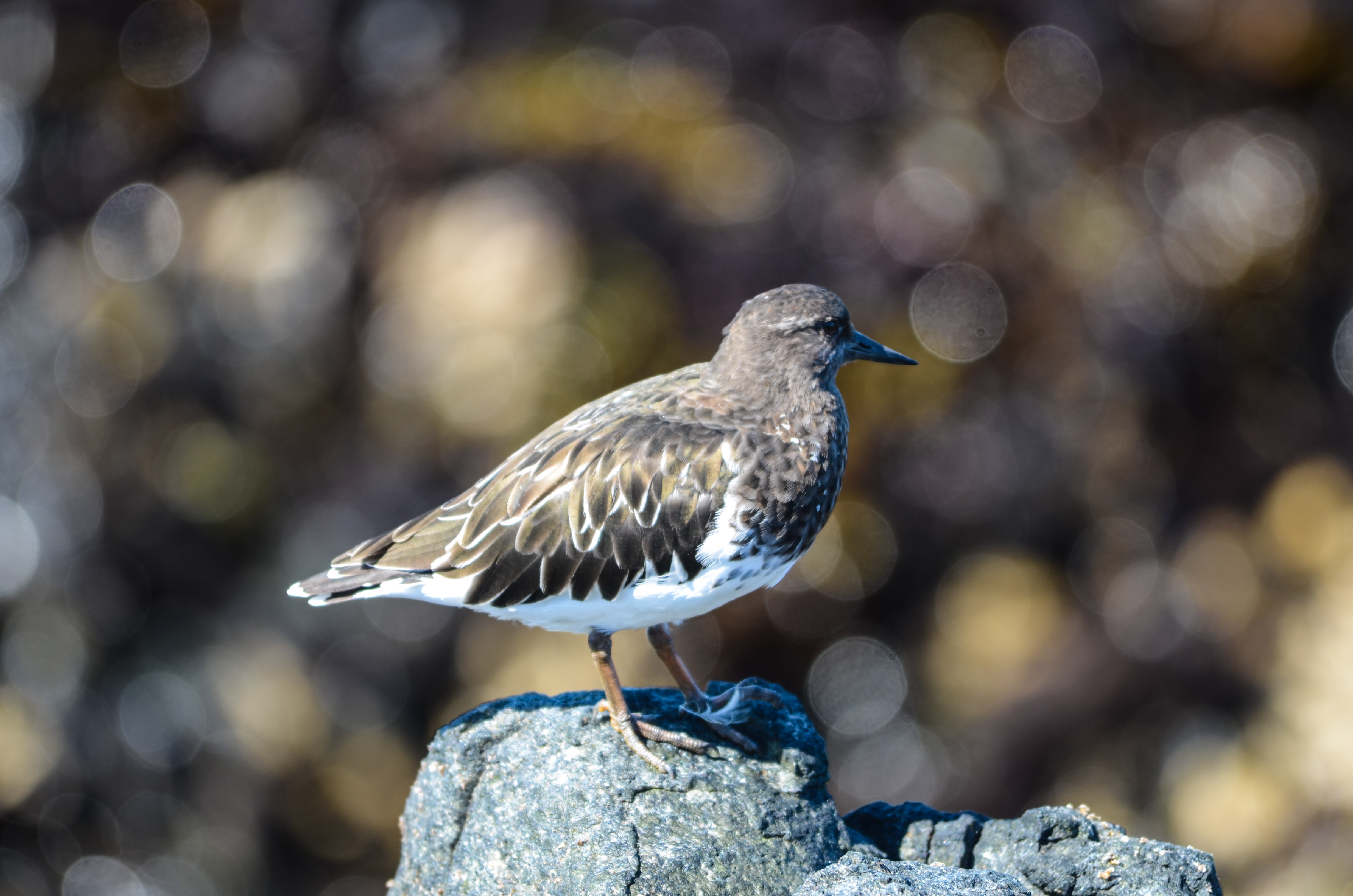
In other animal news, quite a few glaucous-winged gulls remain but i think all the chicks can fly now. A few cormorants have returned and about 50 black turnstones wander about between the sea lions picking off insects. I also observed some type of sandpiper picking insects off a dead gull chick. Very resourceful!

Black Turnstone (Arenaria melanocephala)

Sea Lion Madness

Since the gale on Saturday night, about 75 Steller and 150 Californian sea lions have been hanging out under my window in the shelter of the house. It is hard to describe just how loud and smelly it is. I wish you could witness it for yourself! Well you can at: http://www.racerocks.com/racerock/video1frame.htm

Here are a few pictures. The Steller bulls (Eumetopias jubatus) are particularly impressive. Some of them weigh in at 1000 kgs.

Huge Steller Bull


Steller in the Middle


Sea Lions are extremely social and appear boisterous and argumentative. Smaller individuals will always move for the bigger ones, though they roar, growl and hiss in protest. Clashes are very frequent but damage is rare. Most of the contact actually involves just the whiskers (vibrissae), though nips to the skin do happen. Usually a smaller one will snap back in defence then lurch away across the backs of the sleeping neighbours who lazily complain til the commotion stops and they drift back to sleep. 30 seconds later it happens again… all day long and most of the night too!

Sub-adult males playfighting

Back on the Rock

Well it is good to be back on this beautiful little island, though the 100 California Sea Lions cuddling under my window are a tad boisterous and noisy. More arrive everyday…

Dozens of California Sea Lions around the house

The Steller Sea Lions tend to congregate on the south side of the island near the engine room. They truly are magnificent creatures, sort of the equivalent of an ocean grizzly bear. In fact I think “lions” is a misnomer and we should call them “Sea Bears”. What do you think?

Steller Bull congregation

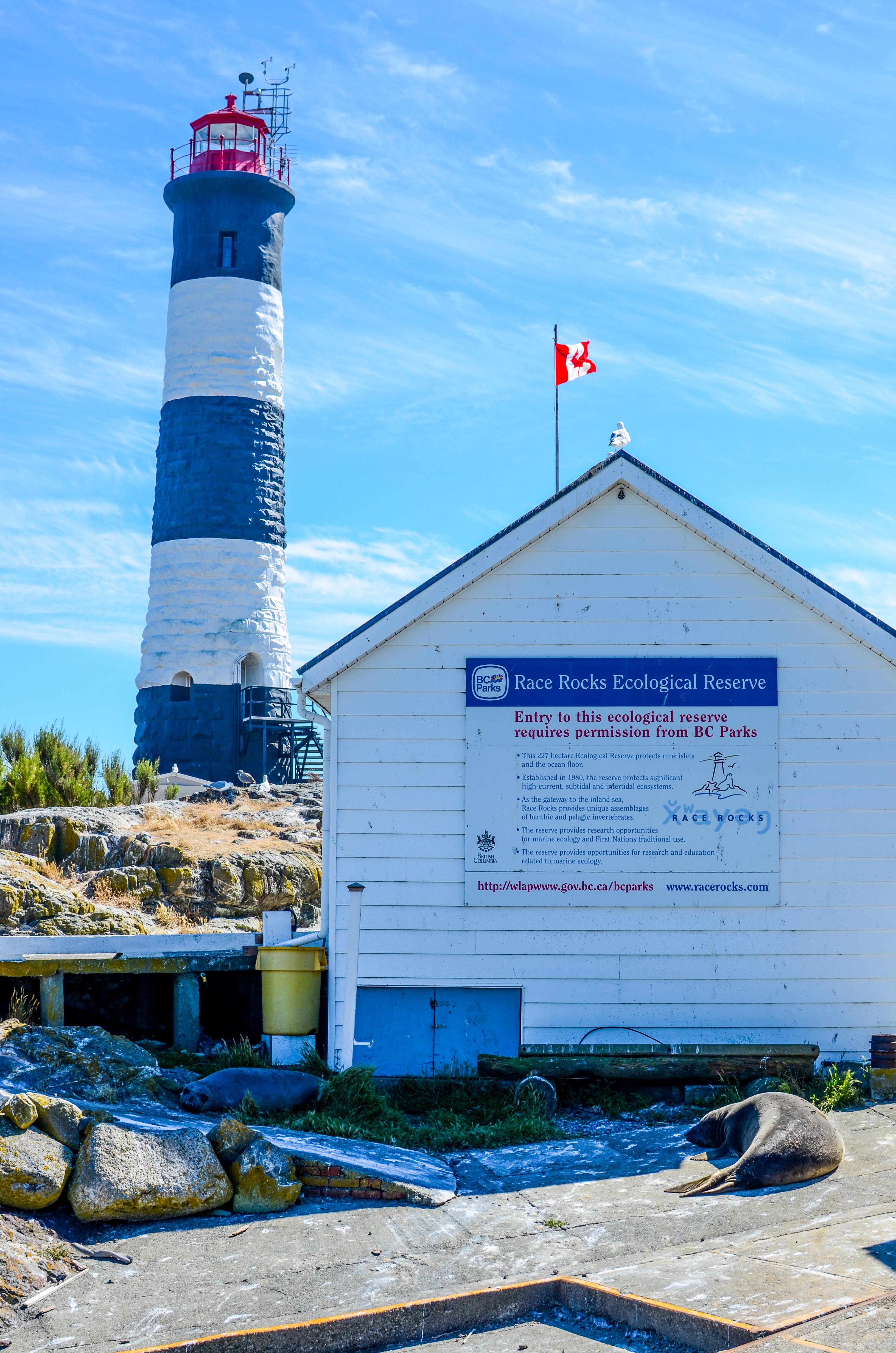
Currently 5 young elephant seals are making good use of the boat ramp. Word is getting out amongst the species that this is a good place to relax and to get your picture on the Internet!

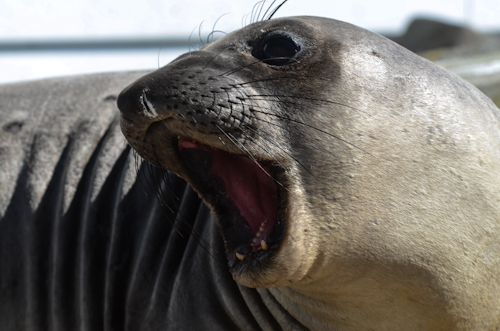
Young Elephant Seal

Perhaps because it is Labour Day weekend and the weather is so nice, there are lots of boats in and around the reserve. Sadly quite a few violate the rules about fishing or speeding in the reserve and unfortunately there is little I can do, except wave or gesticulate at them. Launching my boat is rarely an option, unless I want to disturb the elephant seals, and the boats that are speeding are long gone… As much as I dislike signage, we might be wise to post “No Fishing” and “5 knots” signs to alert the ignorant. It is hard to blame someone who doesn’t know the guidelines.

Many thanks to Julie who worked diligently over the summer to maintain the infrastructure and keep a close eye on things. She is off to southern climes for adventure and learning.

The return of the elephant seals

Elephant seals (on left is 8 foot female)

Over a week ago the last elephant seal had departed so I was surprised to see a new untagged seal arrive August 23. Since then, two have joined it and they all appear to be female. I recognize none of them and the larger one I measured to be nearly 8 feet long. The 3 don’t appear to have been fasting either and the 8-foot female in particular is quite large.

The new Glaucous-winged gulls born in late June are now flying all over the place and their parents are far less protective. The two pictured are the same from my earlier posts.

On a different subject, the island’s bird calls have been almost completely replaced by the sea lions’ barking now.

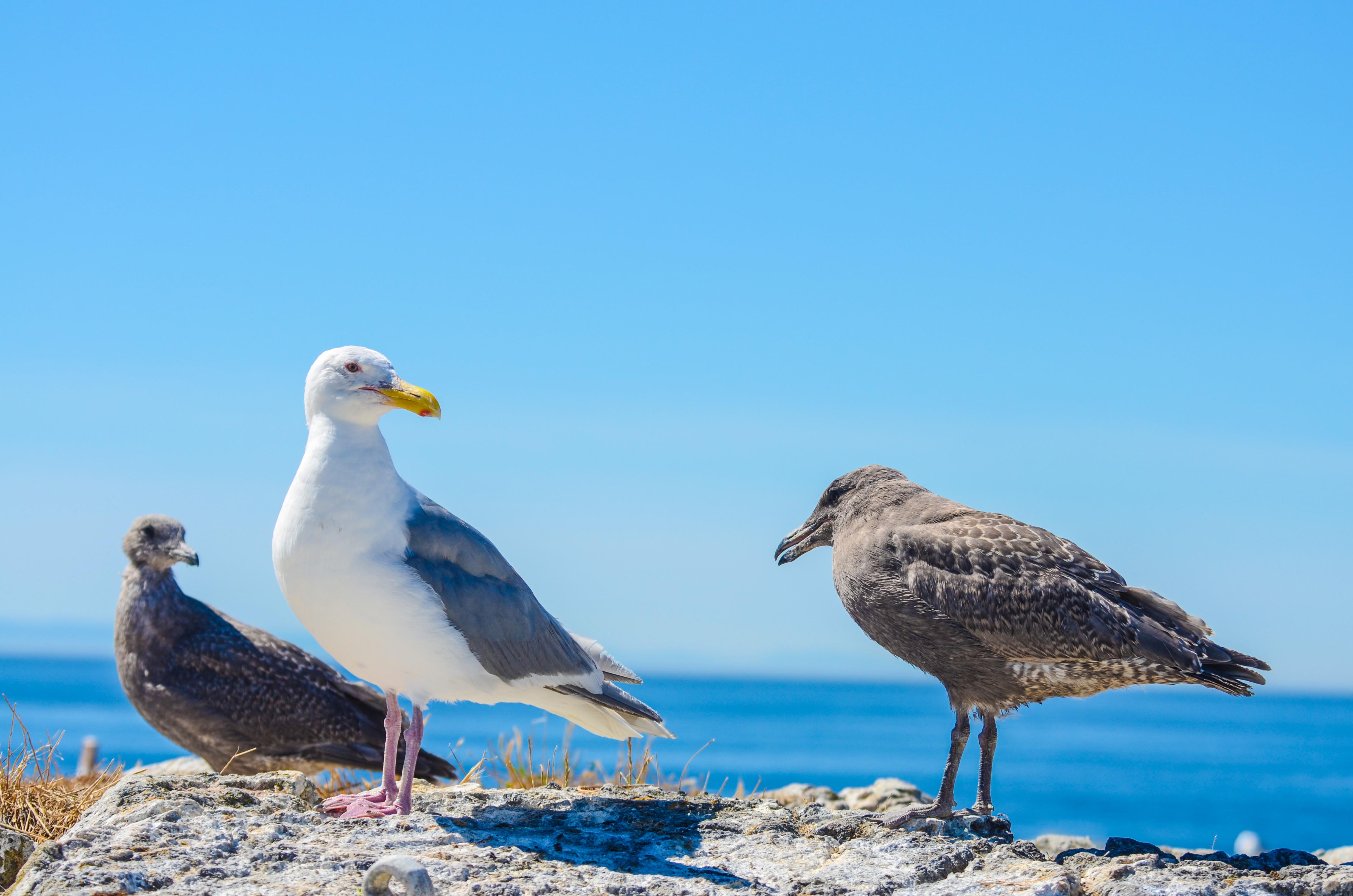
Glaucous-winged gulls

The sea lion numbers have grown and since August 21 have gradually moved from the jetty to the rocky shore on the East side of the island.

Sea lions on rocky East shore


Orca Sighting

Mid-morning of 16 August a pod of orcas passed eastward on the north side of the island. There were only a half dozen or so, suggesting a transient pod. Of course, there were many whale watching vessels in the area. It saddened me to see some approach closer than the recommended 100m and not turn their motors into neutral and it sickened me to see an Eagle Wing Tour boat actually chase alongside the pod in the reserve. There should be more respect for these marine mammals, especially while in the reserve.

Orcas east of Race Rocks

Nonetheless, it was an amazing sight!

The sea lions have crept their way further up from the water. The image below was captured 18 August.


18 August 2012

Also, for the past 3 nights the bioluminescence of the phytoplankton (Noctaluca) in the water was been remarkable. The outline of the sea lions glow when they take to the water. This is curious because normally for phosphorescence to occur there needs to be rain and then sun and until today there has been no rain.

August 13 Update

Slowly the sea lions, both Stellar and California, are making their way to the main island from West Race Rocks. I’ve decided to take regular shots of their progress. The first image is August 7, after the first night of their arrival, and the next is of August 10.

7 August 2012

10 August 2012

The second is a notably less clear image because of the fog. Over the past week the fog has been incredibly thick mostly in the morning and late evenings. Just a few moments after that photo was taken the sea lions disappeared altogether.

The fog provides an obstacle for mariners which is why I was surprised to note half a dozen whale watching boats appear near the jetty at times of less than 50m visibility.

The last image illustrates only a glimpse of how dense the fog can be. It is taken from the tower facing westward.


Fog after sundown, 11 August 2012