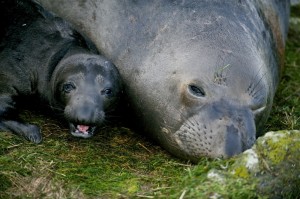
A New Mammal on the Island!

Julie has arrived! She will be taking over Eco-Guardian for the summer, keeping a close eye on our animal neighbours, monitoring human activity in the reserve, and doing the maintenance and upkeep required to keep the station running. I will be training her over the next few weeks.

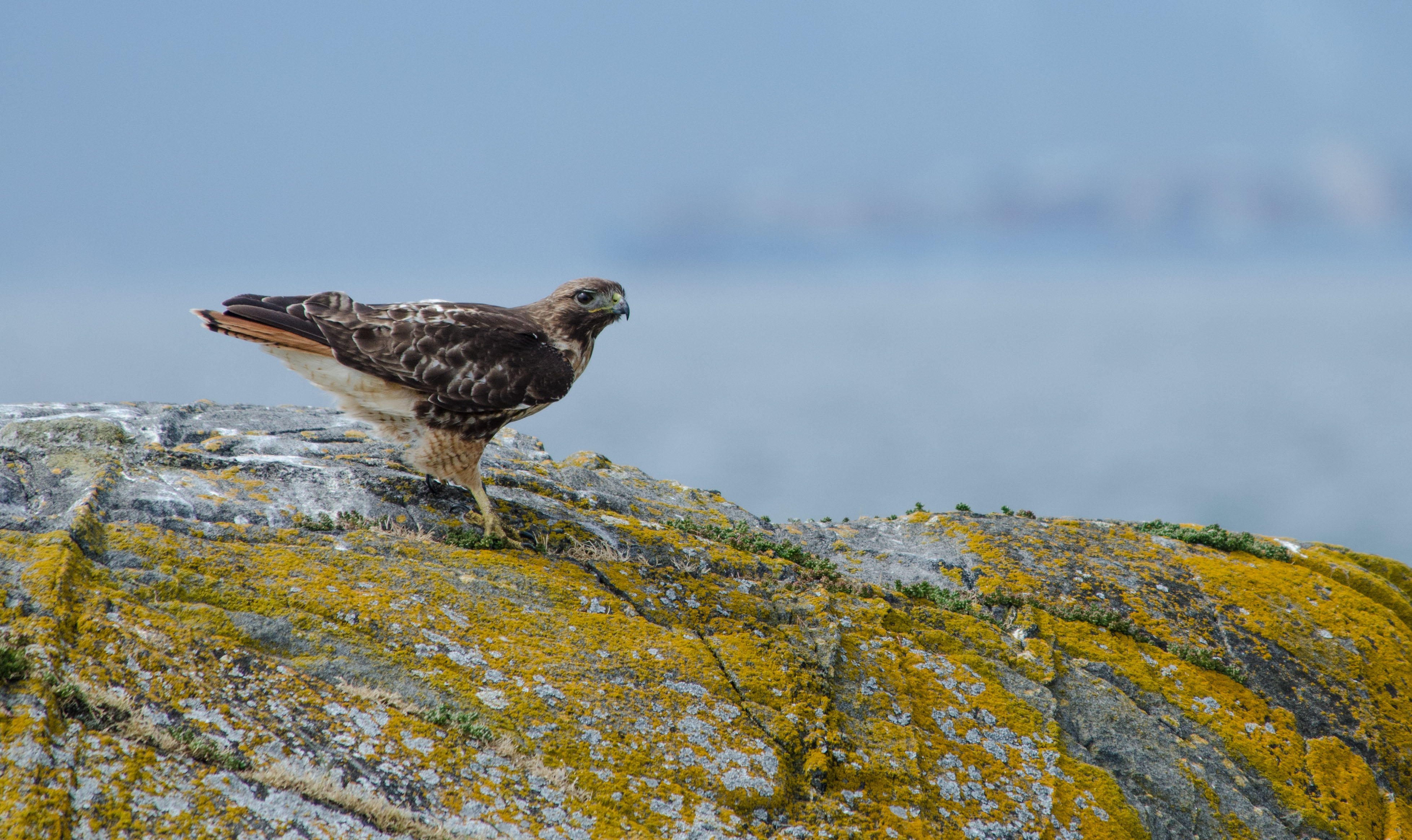
Hungry Red-tailed Hawk

In other news, we had a visit from a Red-tailed Hawk (Buteo Jamaicensis) a few days ago.


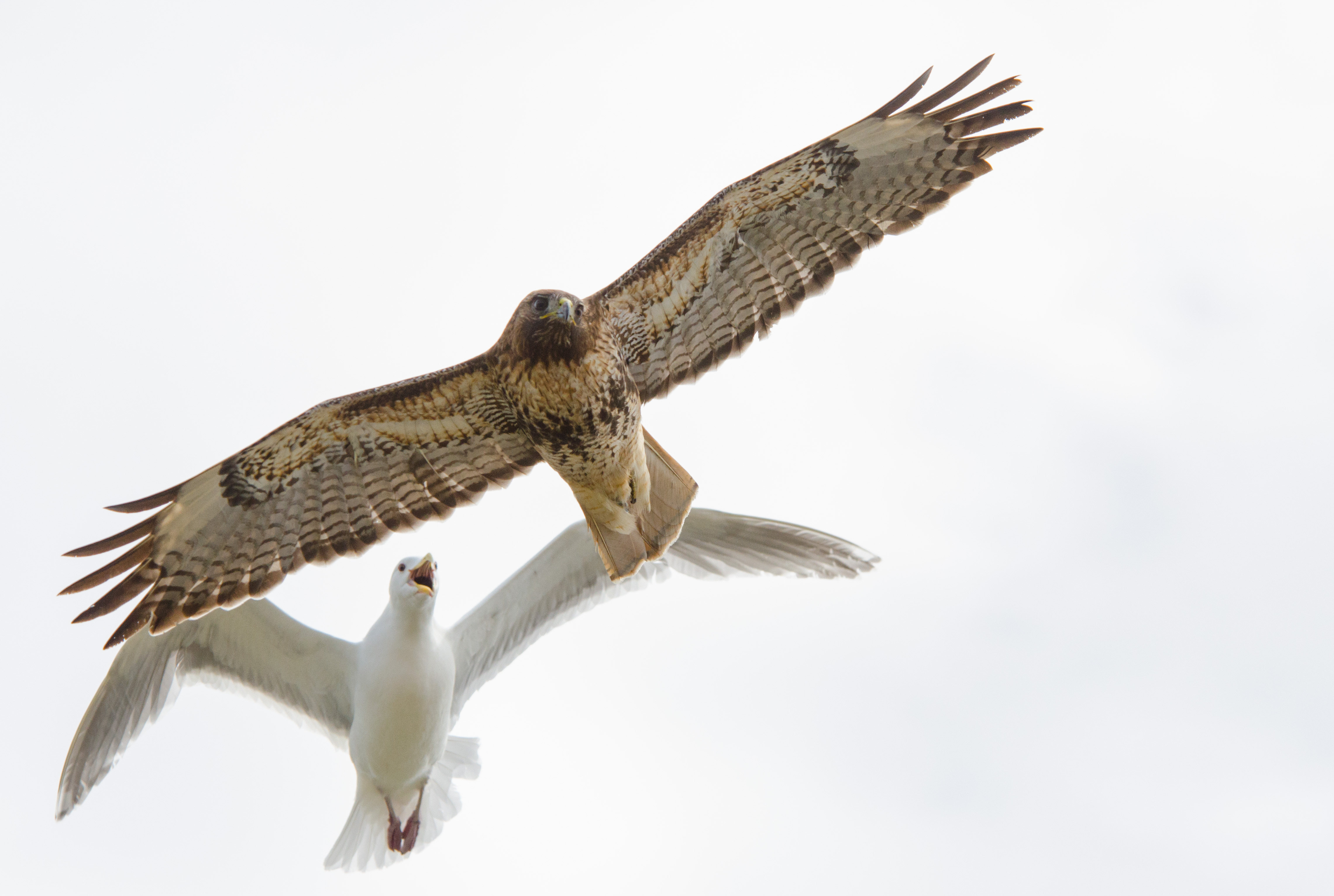
The Chase

I was lucky enough to capture this action-shot as it swept overhead.


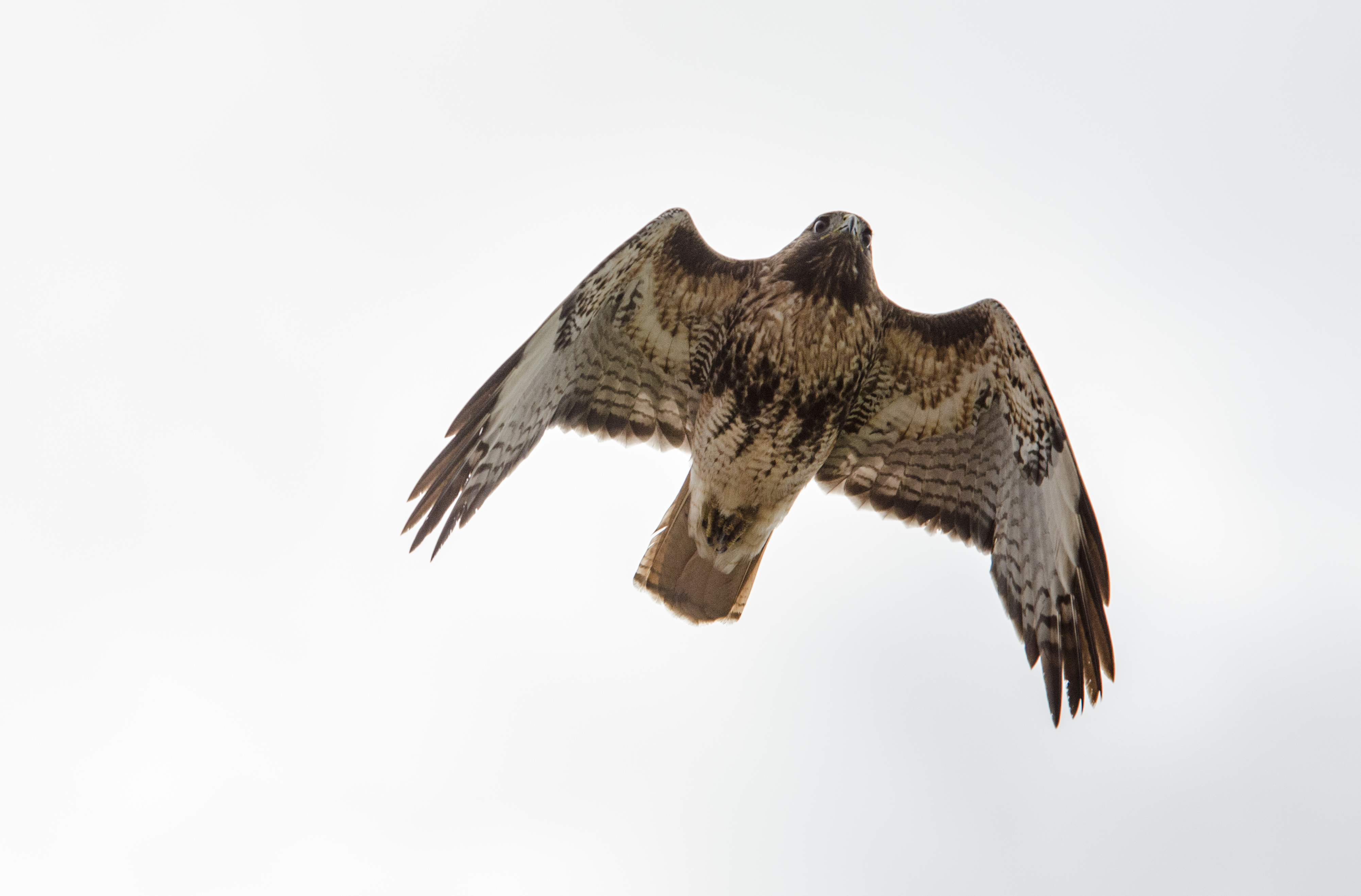
Red-tailed Hawk in Flight


June continues to be rather dismal and cold. Temperature has averaged about 12 degrees Celsius here with a high of 15.2…. pout.


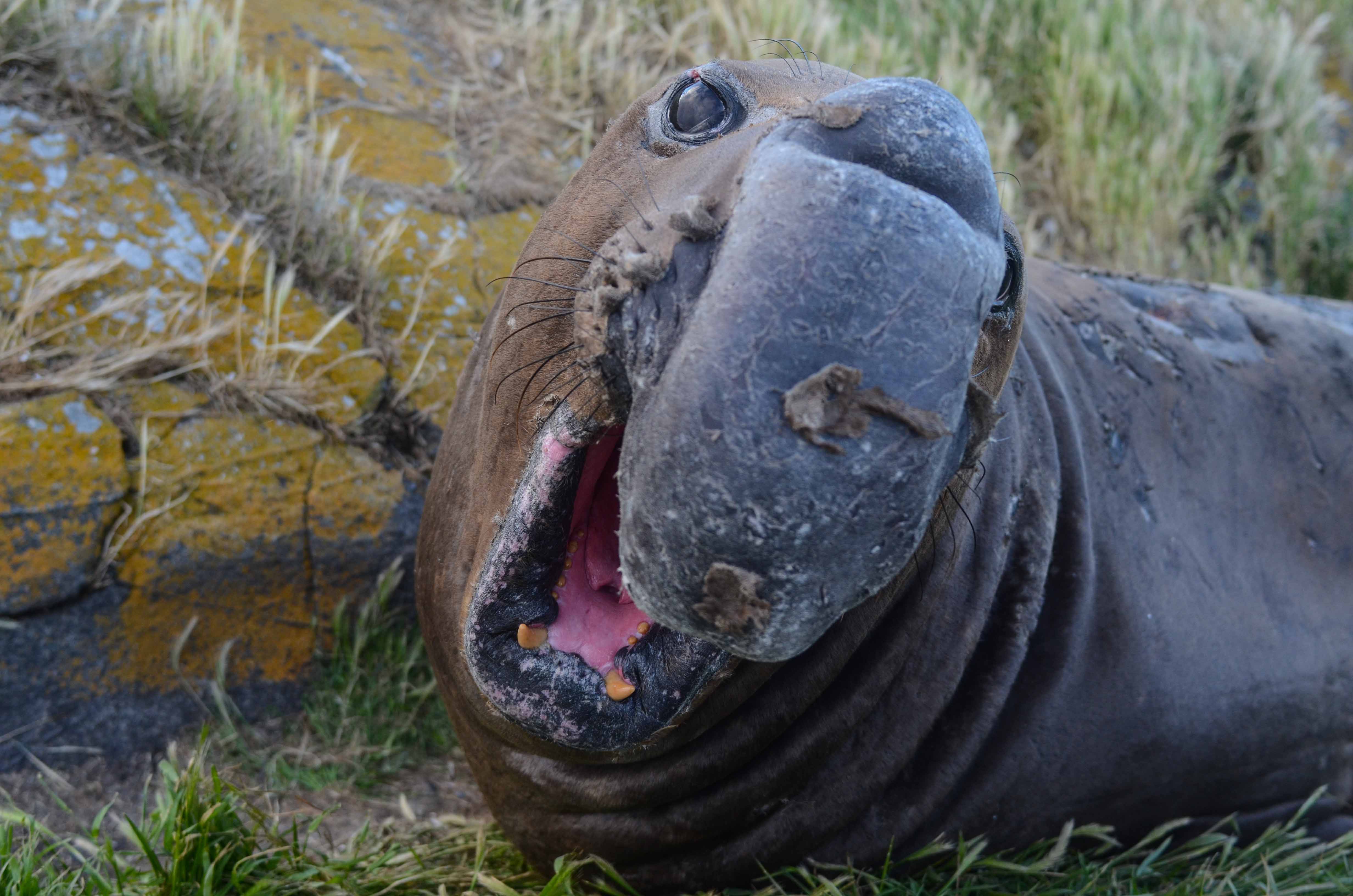
The Boys are Moulting

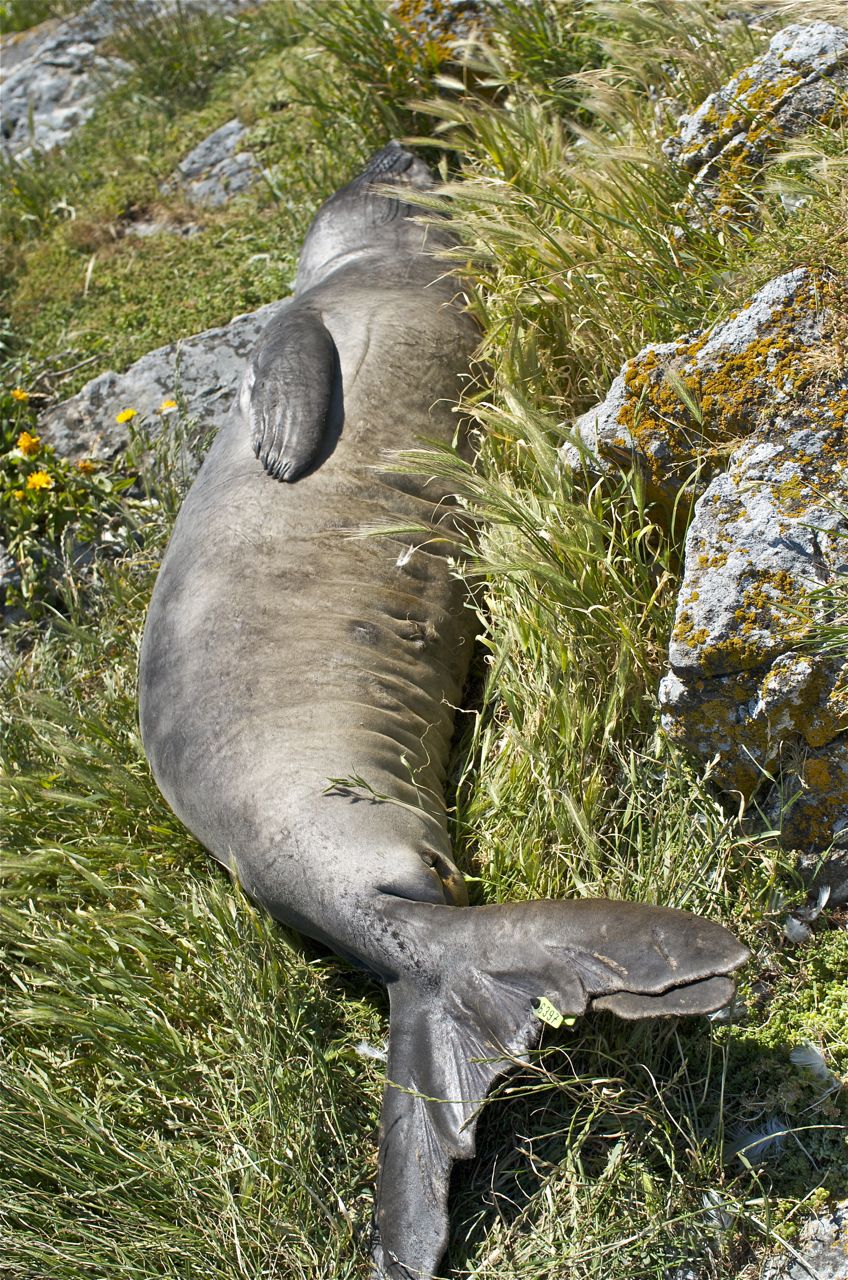
SIx Pack Abs 6397 male

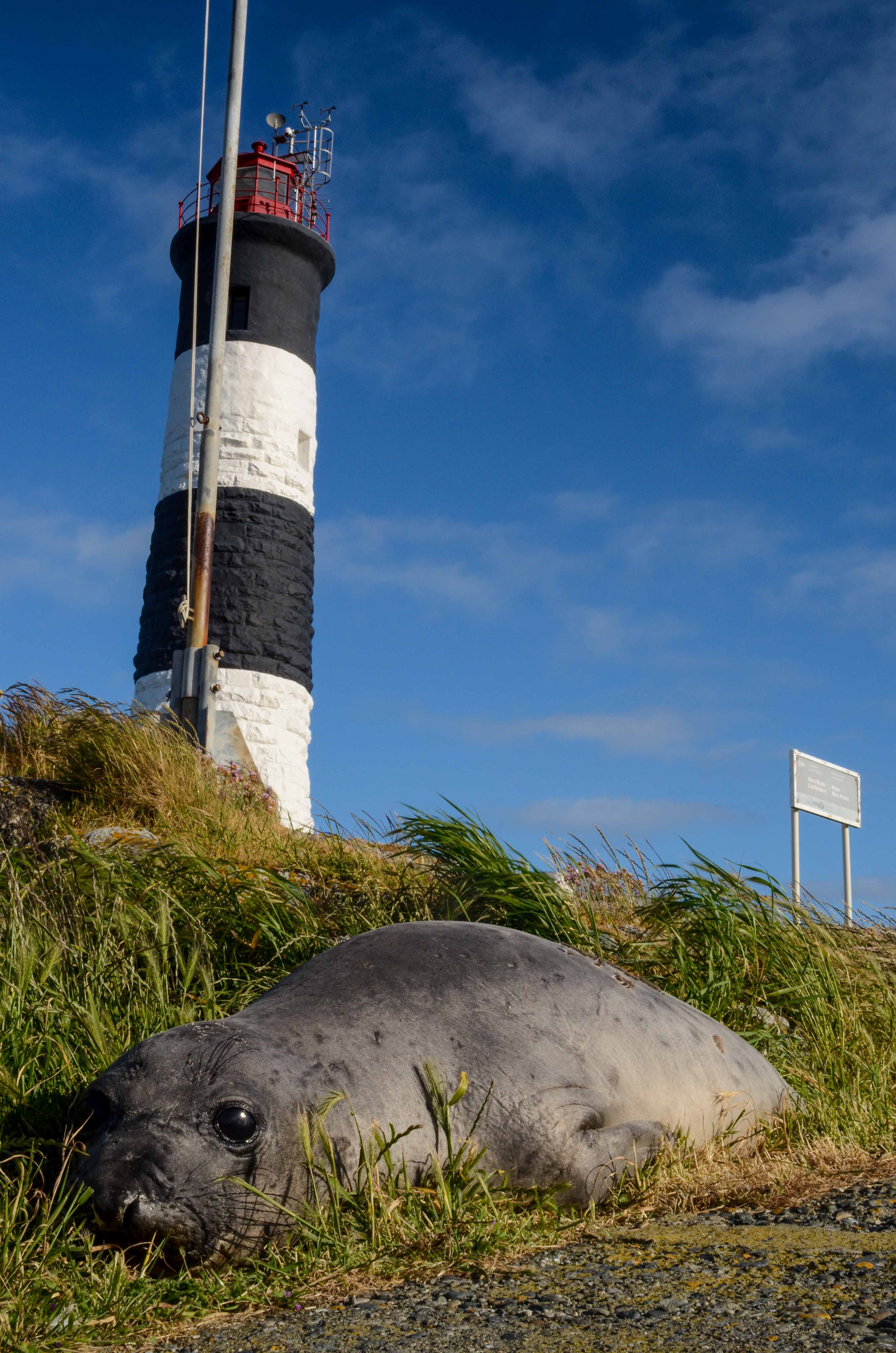
Juvenile Male and lighthouse

There has been a bit of a gender shuffle in the local elephant seal population. Only one female remains, finishing up her moult but several young males have appeared in their stead.

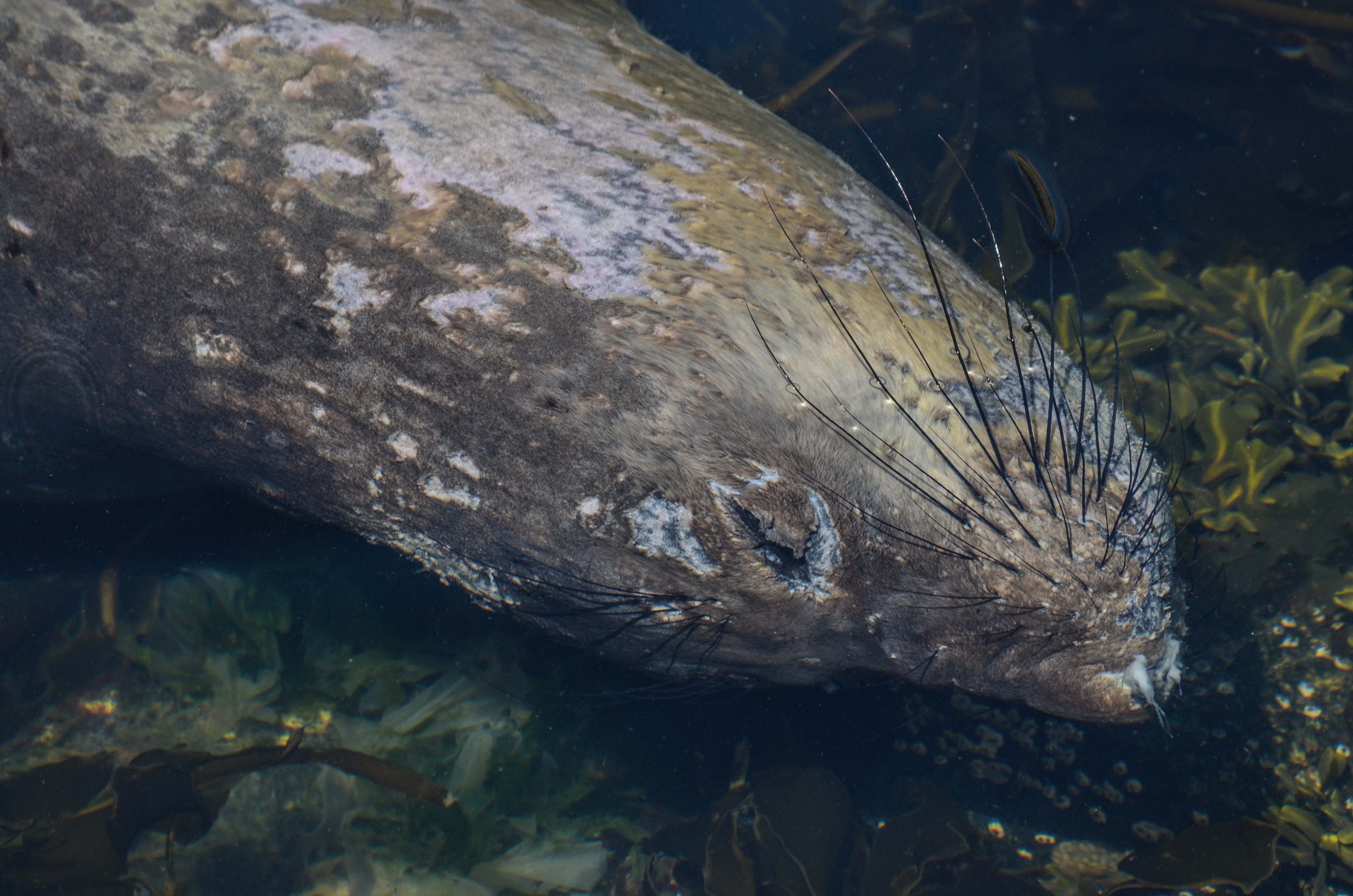
Chunk Beginning to Moult

This corresponds to what is reported in the literature. Misery has just the slightest pelage loss while Chunk is much further advanced…

  • April to May – Females and juveniles
  • May to June – Sub-adult males
  • July to August – Adult males

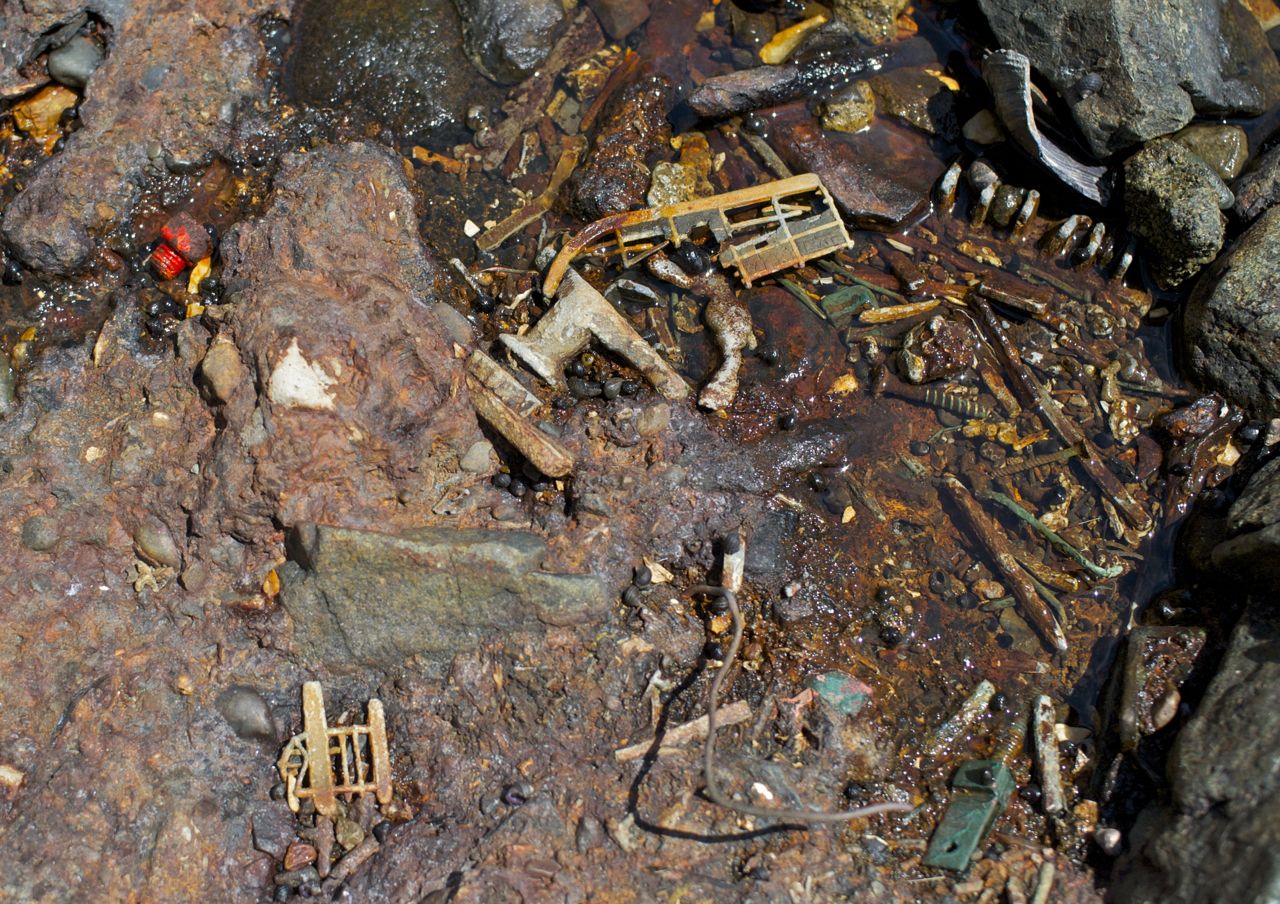
Metallic Coast Guard debris


I have been removing copper and lead debris from the foreshore and intertidal zone where the Coast Guard dumped them many years ago. Ignorance led to many unsound practices in the years proceeding the new environmental ethos. Both lead and copper are biocides and should not be left to leach into the beach and water.


Animal Census First Sea Otter at Race Rocks

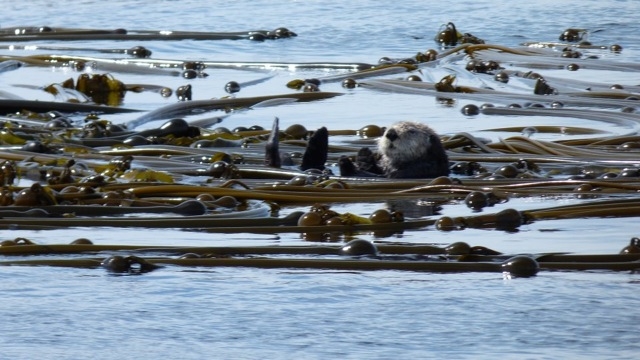
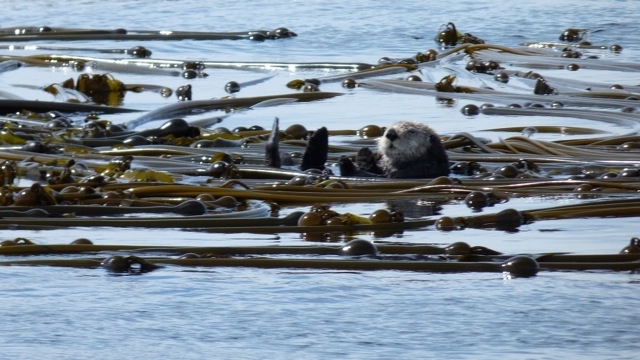
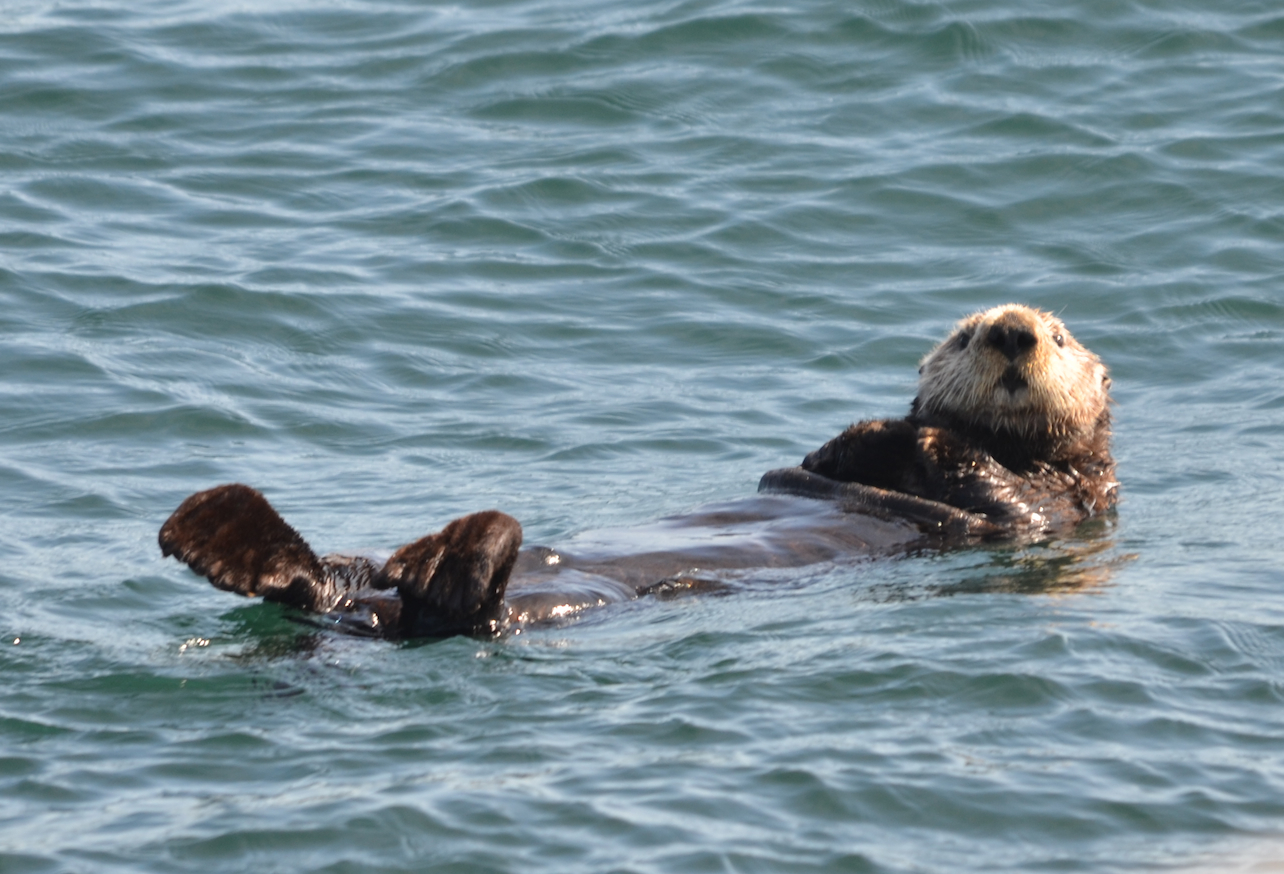
Sea Otter in race ROcks Kelp Beds, photo by Adam Bird

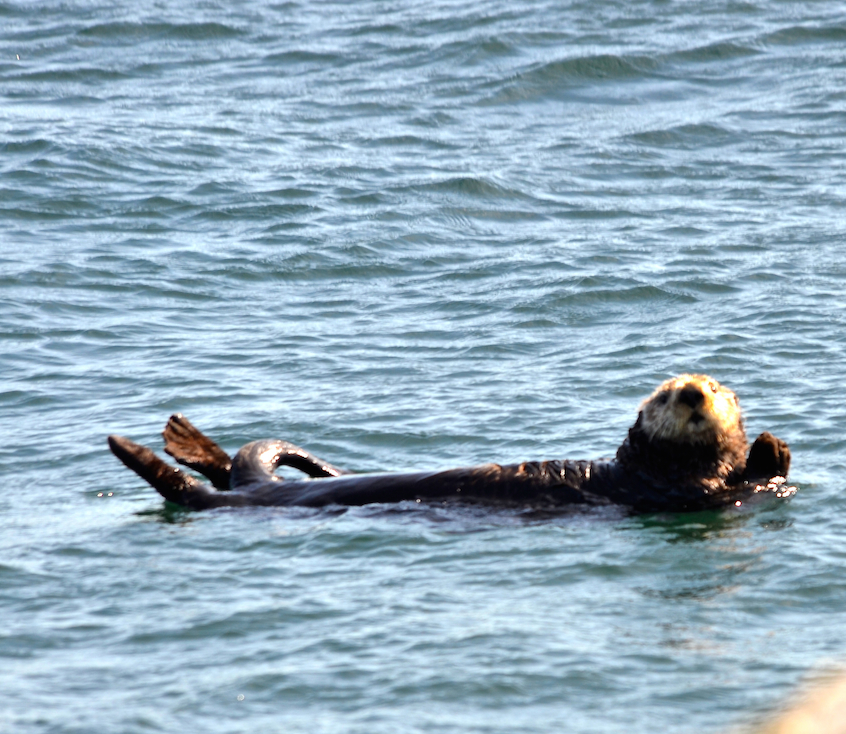
Sea Otter in Race Rocks Kelp Beds, photo by Adam Bird on June 10/2012

Things have been fairly quite lately regarding birds and mammals here, though one of the eco-tour boats reported seeing a Sea Otter (Enhydra lutris) in a kelp bed on Monday! The percussive blasts from Rocky Point military testing range scared off most of the Sea Lions last Thursday and only a few have returned in the last couple days. A large pod of orca passed through and near the reserve on Tuesday. Thanks to Suna, Doris and Ishmael for the census.

Elephant Seals: about 10
Steller Sea Lions: 2
California Sea Lions: 2
Harbour Seals: 204
Glaucous-winged Gull: 246
Surfbirds: 18
Pigeon Guillemots: 108
Canada Goose: 13
Bald Eagle: 3
Black Oystercatcher: 12
Northwestern Crow: 1
Raven: 1
Sparrow: 4
Sea Otter: 1
Caspian Terns: 6
Herring Gulls: 20

Sea Otter, Enhydra lutris— Race Rocks Taxonomy

abjune102012rrseaotter

Adam Bird, aboard a whale watching charter took this photo of a sea otter on June 10, 2012 at Race Rocks .

This is the first image taken of this species at Race Rocks .

This sea otter was observed over several days in the kelp bed off the Middle Rocks in Race Rocks Ecological Reserve. Sea otters were introduced to the Bunsby Islands, Checlesset Bay north of Kyuquot village on the West Coast of Vancouver Island in 1969, 1970 and 1972. Considerable research on them has been done over the years especially by Dr. Jane Watson, and it is archived on the Friends of Ecological Reserves website in the Checlesset Bay Ecological Reserve #109 archives:

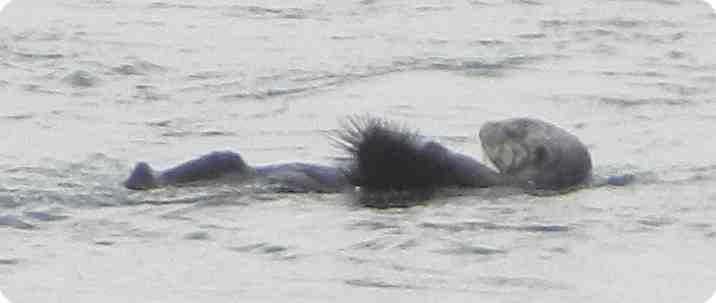
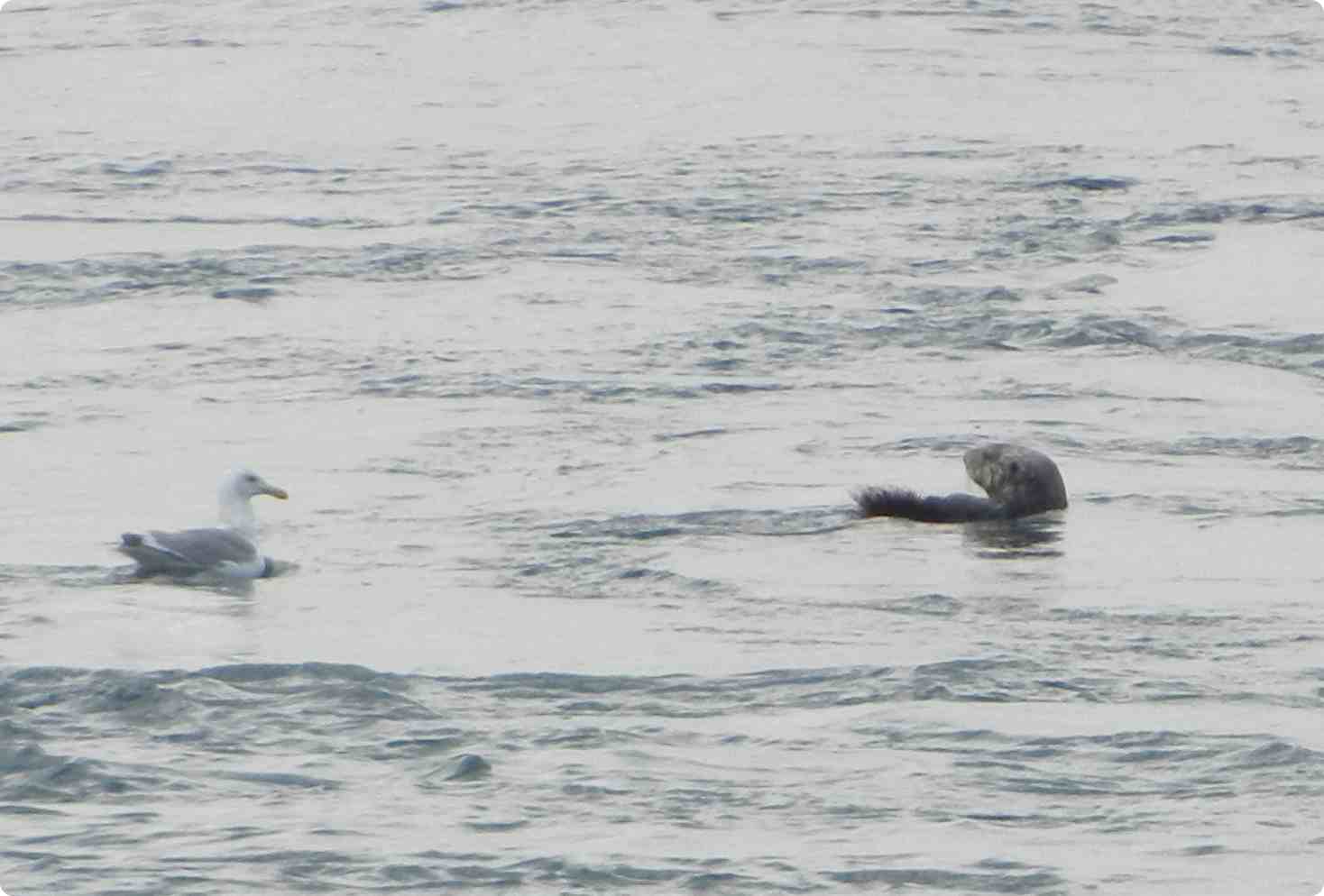
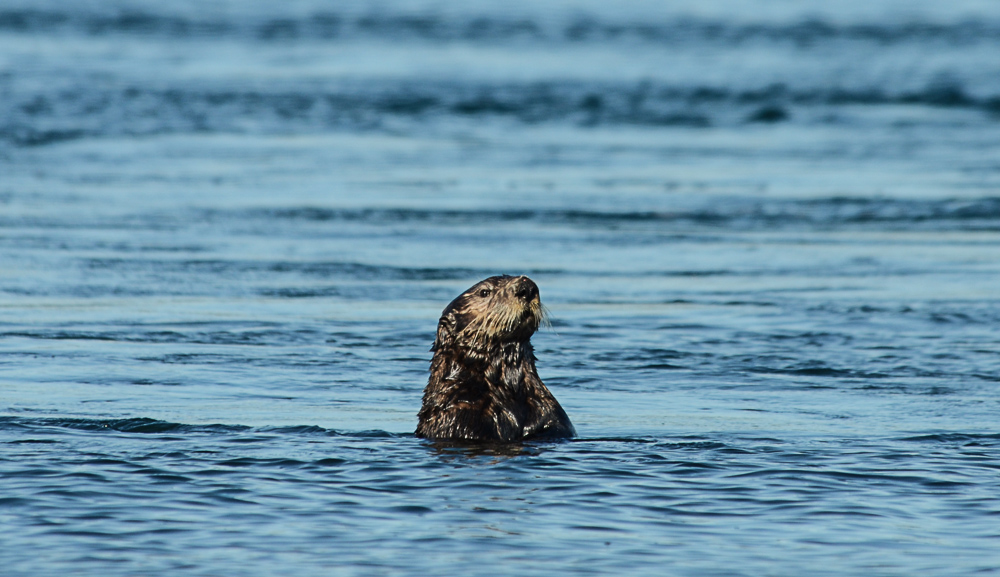
Since then Ecoguardians have taken pictures of sea otters out in the lkelp and along the shore of Great Race Rocks almost every year, here are a few samples:

This tag will bring up other examples of observations of this species at Race Rocks


I also observed a sea otter and was able to get some pictures in 2014

Domain Eukarya
Kingdom Animalia
Phylum Chordata
Subphylum Vertebrata
Class Mammalia
Order Carnivora
Family Mustelidae
Subfamily Lutrinae
Genus Enhydra
Species lutris ( Linnaeus,(1758)
Common Name: Sea Otter

Other Members of the Class Mammalia at Race Rock

taxonomyiconReturn to the Race Rocks Taxonomy and Image File
pearsonlogo2_f2The Race Rocks taxonomy is a collaborative venture originally started with the Biology and Environmental Systems students of Lester Pearson College UWC. It now also has contributions added by Faculty, Staff, Volunteers and Observers on the remote control webcams. Garry Fletcher, 2012


Elephant Seals: up close and personal video

Mike Robinson took this video of Misery today:


Get up close and personal with a Northern Elephant Seal at Race Rocks Ecological Reserve. Lots of facts and personal observations of these magnificent marine mammals, the second largest carnivore on the planet after their Southern cousins.


David Attenborough did this in depth video of Elephant Seals  from Elephant Seals /Life in the Freezer/ BBC earth


Also this video  Elephant sealls of Piedras Blacas , California by Brian Caserio iis very informative.


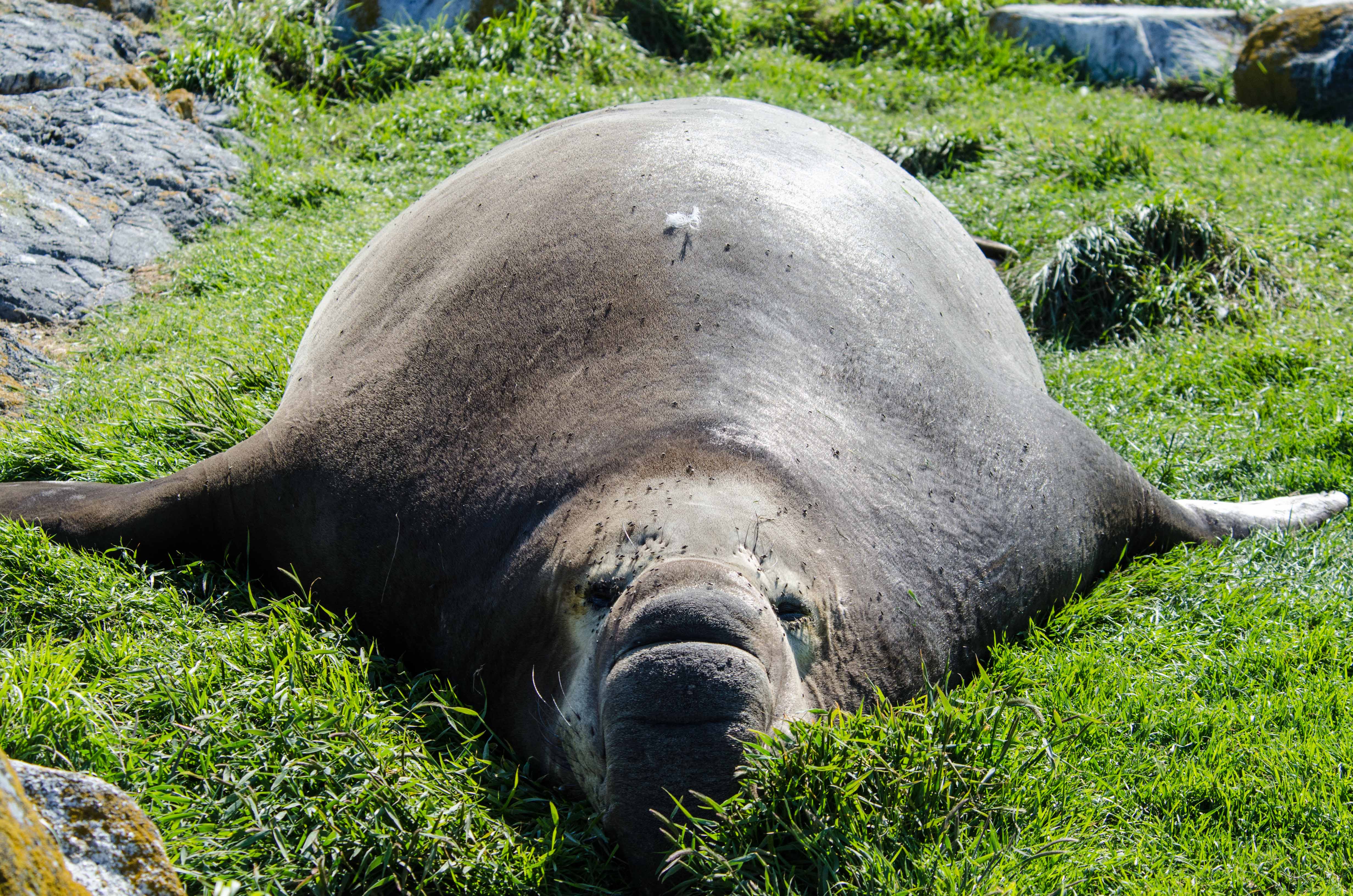
Bull Misery has returned

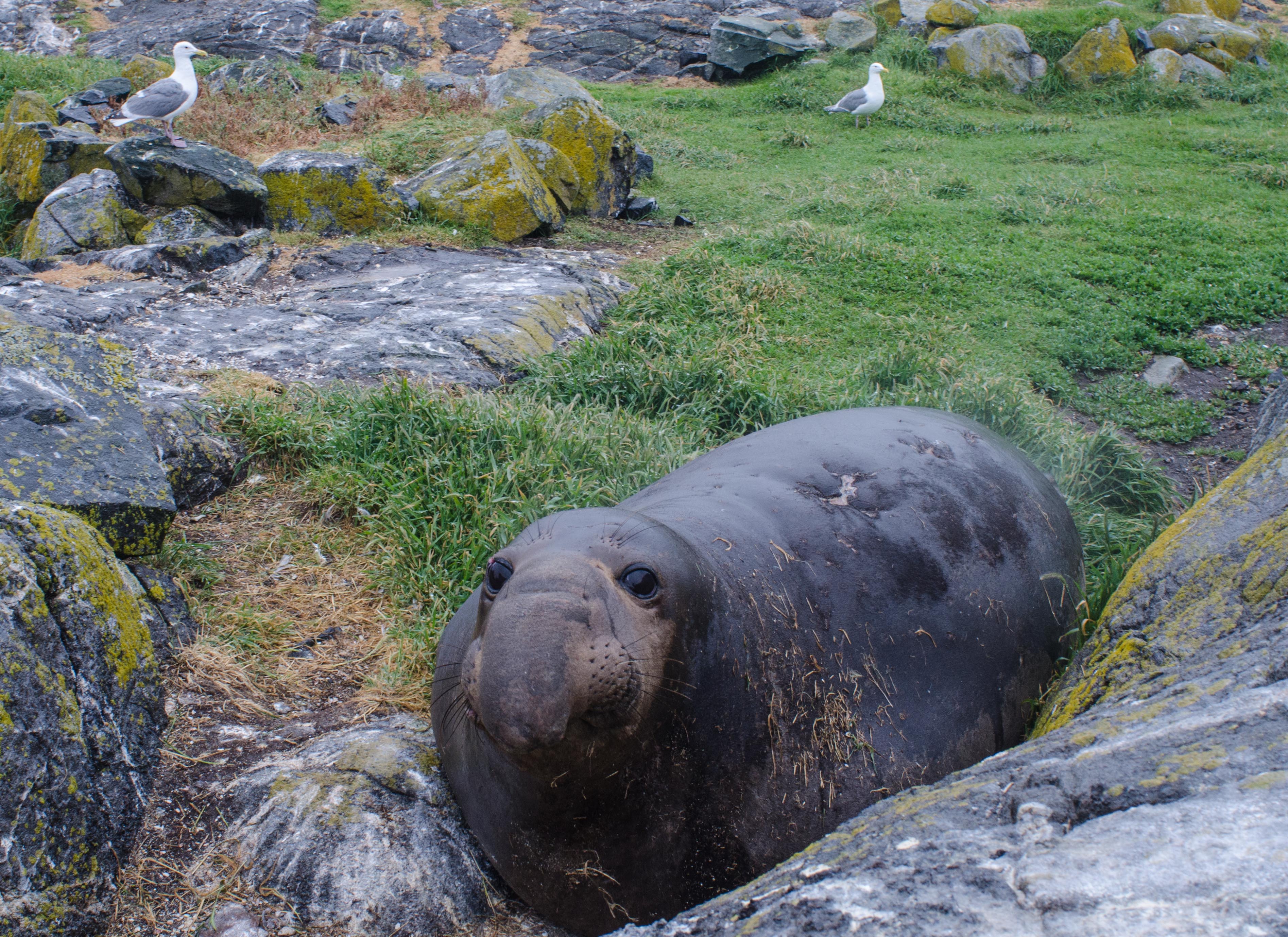
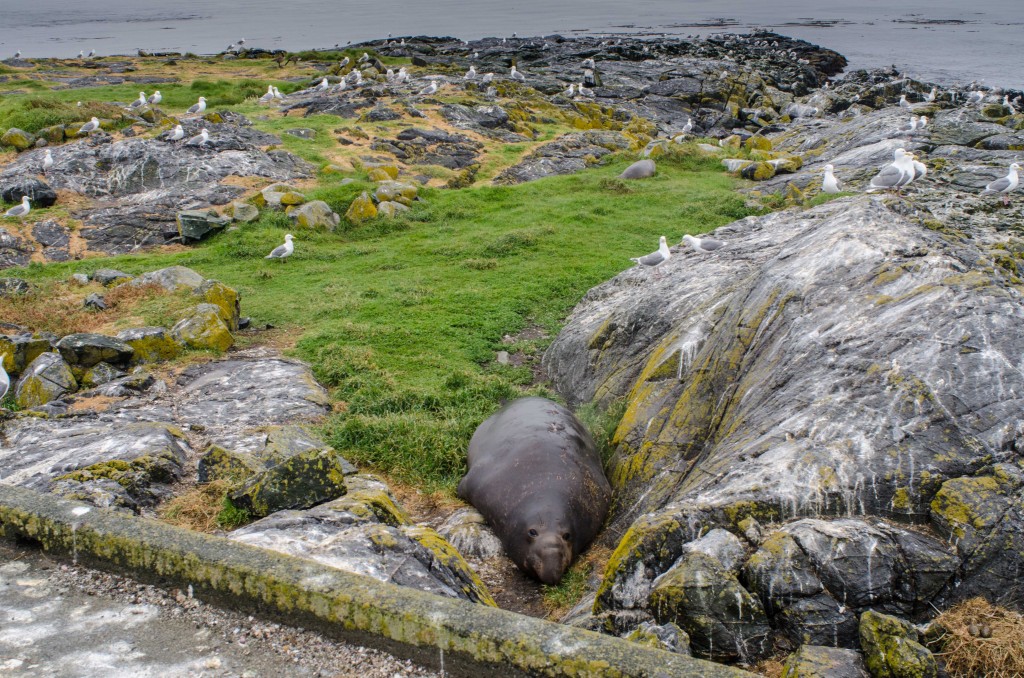
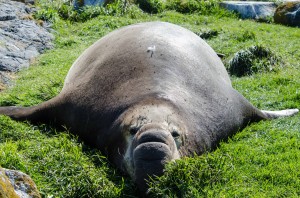
The big boss is back. Misery (Mystery as I like to call him) has returned to the island and has been snoozing and rolling his generous bulk around the grassy areas. He appears to have gained 100 kgs or more in his time away. Wherever they are going after their onshore fasting, and it can’t be too far, the seals appear to have no problem finding abundant food resources. Fortunate for them that their prey is at a depth most predators can’t reach, nor is that prey (squids, skates, rays and some crustaceans) commercially hunted. Elephant seals appear to love grass, which is unusual as most of the places they live don’t have any vegetation. But their pleasure is apparent to anyone who watches them. Yesterday there were 10 individuals here, a new record.
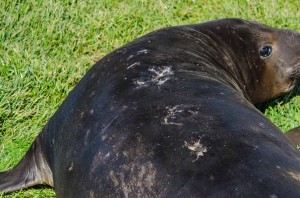
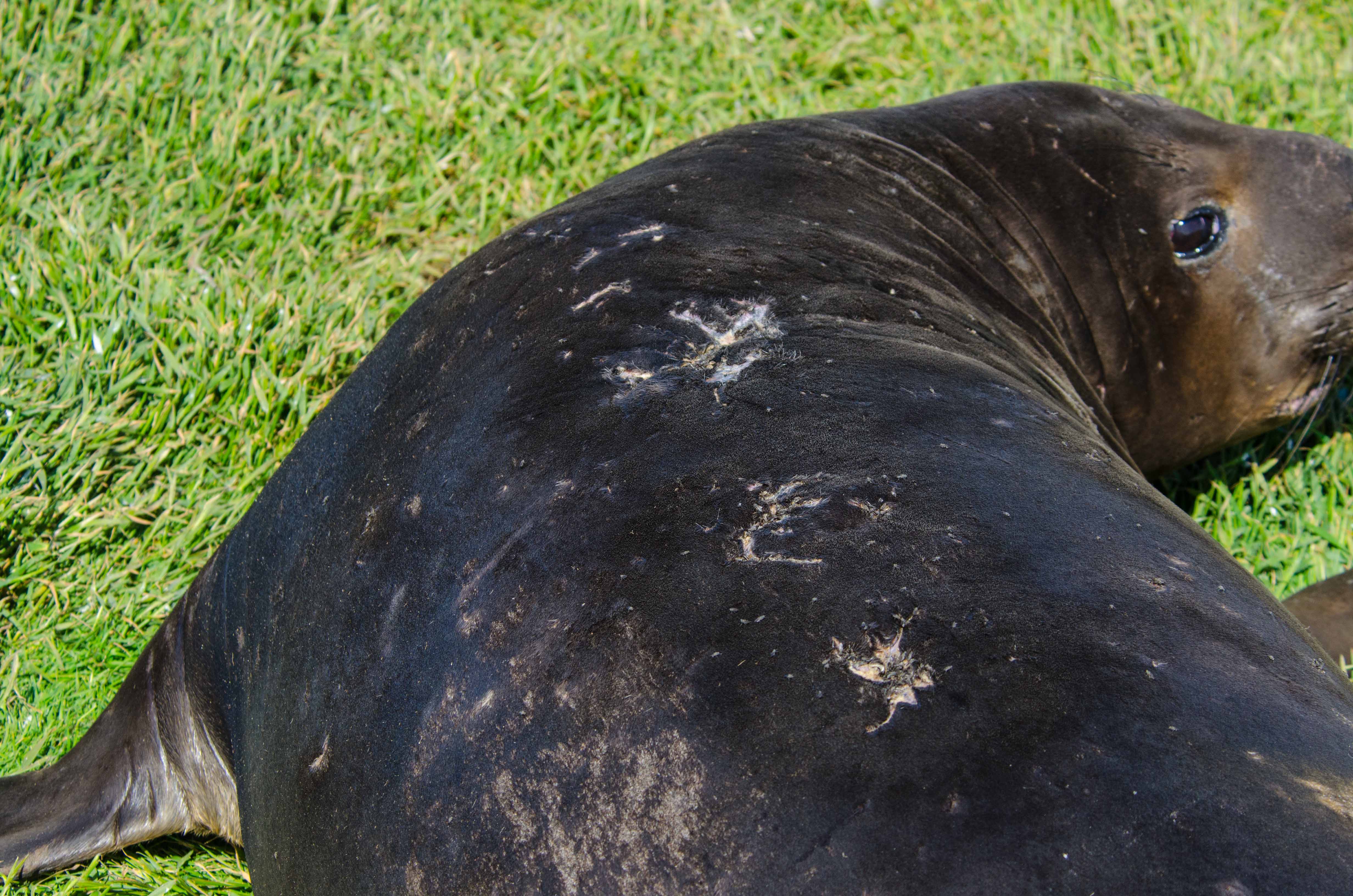
The younger bull Chunk (named for the hideous propeller scars on his back) stays out of the way but Misery seems less aggressive without any potentially fertile females around. A new juvenile with the tag 6355 showed up today.


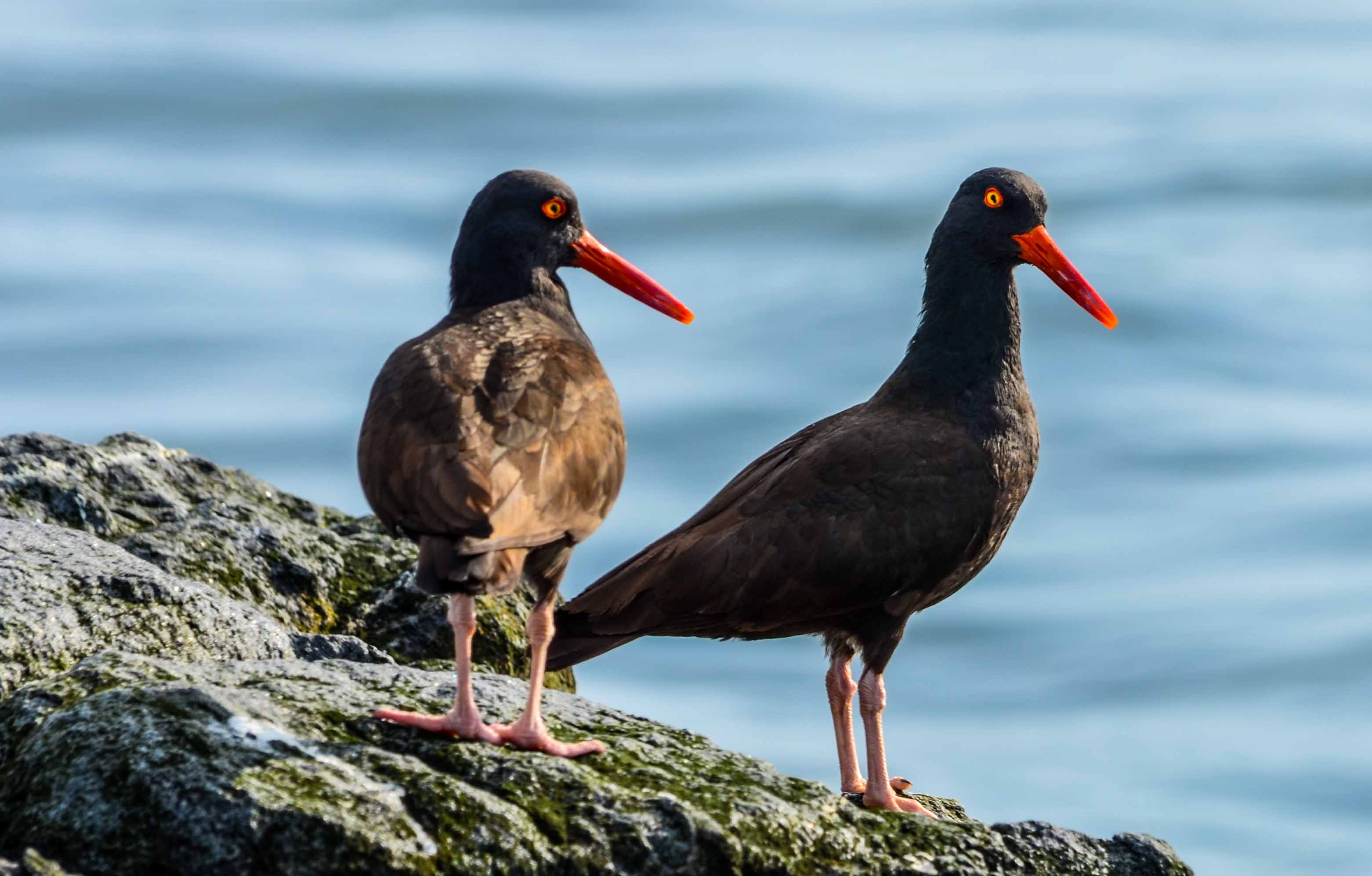
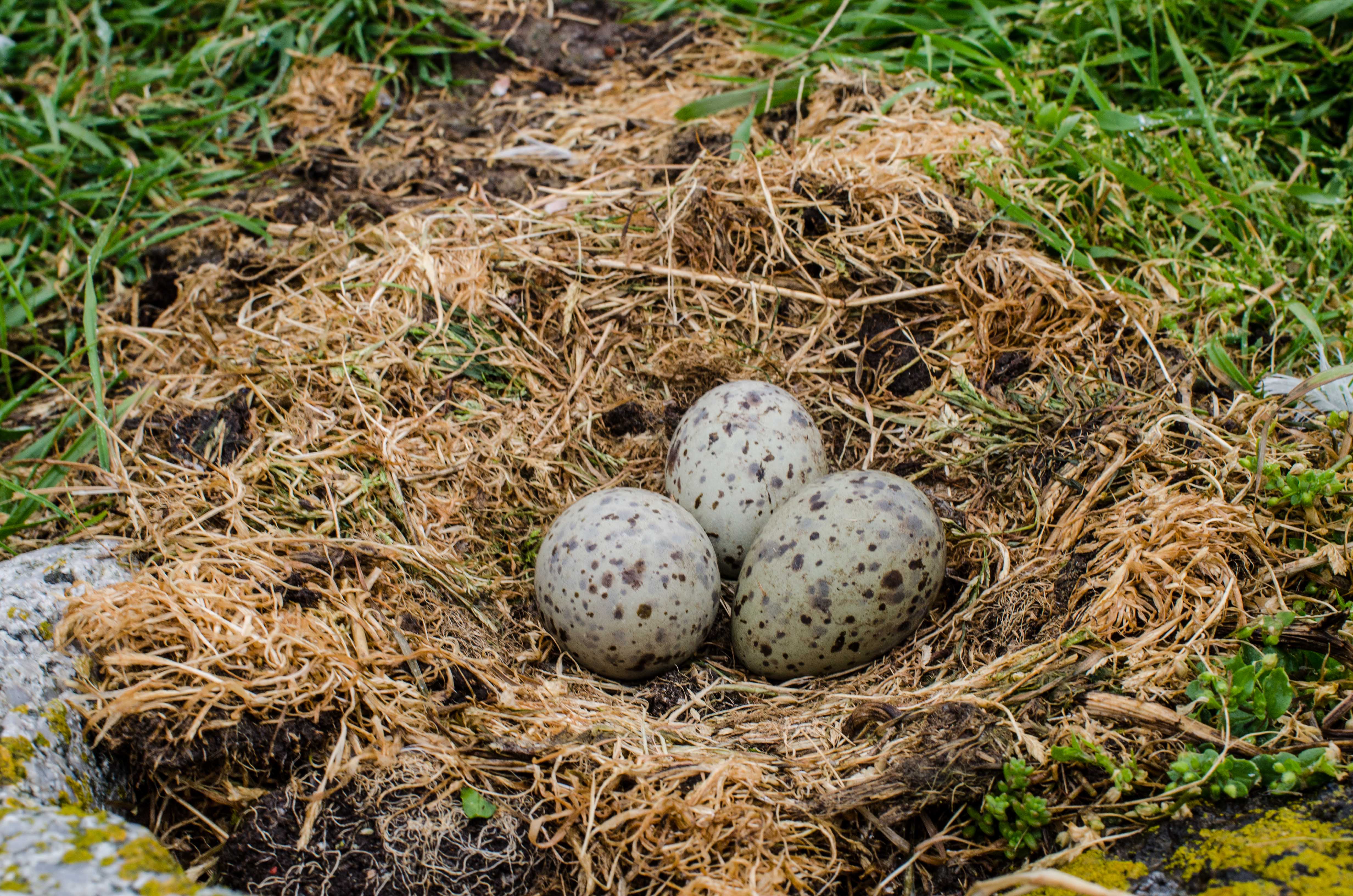
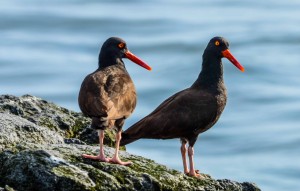
It is hard to tell if the oystercatchers have laid their eggs yet because they are so secretive about their nests, and use very vocal and visual threat displays to distract would be predators and naturalists. Normally 2 to 3 eggs are laid in this nest, these are very hard and can even survive being submerged by a high tide or very high water levels. Incubation takes around 26–28 days. The chicks are capable of leaving the nest after one day. I once witness an acquaintance of mine accidentally step on an oystercatcher nest and crush an egg. He was devastated but not as much as the bird. She clearly knew we were responsible and proceeded to fly after us carrying shards of egg in her beak and screaming what I took to be obscenities at us. I don’t blame her at all. Remarkably she repeatedly flew ahead of us with the broken egg, landed on the beach and vocalized, until our guilt forced us to flee the island. That bird recognized cause and effect!
Aneri and Sahar are staying here for a few days and they have been great company. They are so much more consciously evolved than my generation was at that age and they give me hope that many of the antiquated paradigms of our culture will go extinct and we can progress to 21st century thinking to solve 21st century problems. I shall miss them when they leave tomorrow. They have helped me prop up some of the solar panels, washed windows, swept walks, and made some tasty brownies!
End of May

Hold the presses! I just got back from the top of the tower where I was washing the windows. My eyes were drawn to a huge lump on Middle Rocks. With the binoculars I could see what appears to be 3 bull elephant seals, a few cows and a juvenile. That makes at least 14 elephant seals in the reserve! I wonder if it is Misery?

It is hard to tell that June begins tomorrow, due to the fog and damp. But there are certainly signs of summer beginning to show up in spite of the weather. The first Glaucous-winged Gull eggs are being laid, the Oystercatchers are getting more secretive


But the really BIG news is that a new-to-me bull elephant seals arrived yesterday. He isn’t as big as Misery but he is bigger than Zeke. I would guess he is a few years away from becoming a Beachmaster. He caused quite a commotion rampaging around and roughing up a few females before he found a nice spot to sleep for the next few days. I have named him Chunk, for both his size and the large scars down his back, which appear to be caused by a boat propellor a few years ago. (Ed note: These were actually caused by a fight with Misery last year. ) The scars look fairly well healed but some pretty big chunks were carved out by the prop.


Sea Lions are arriving

Aside

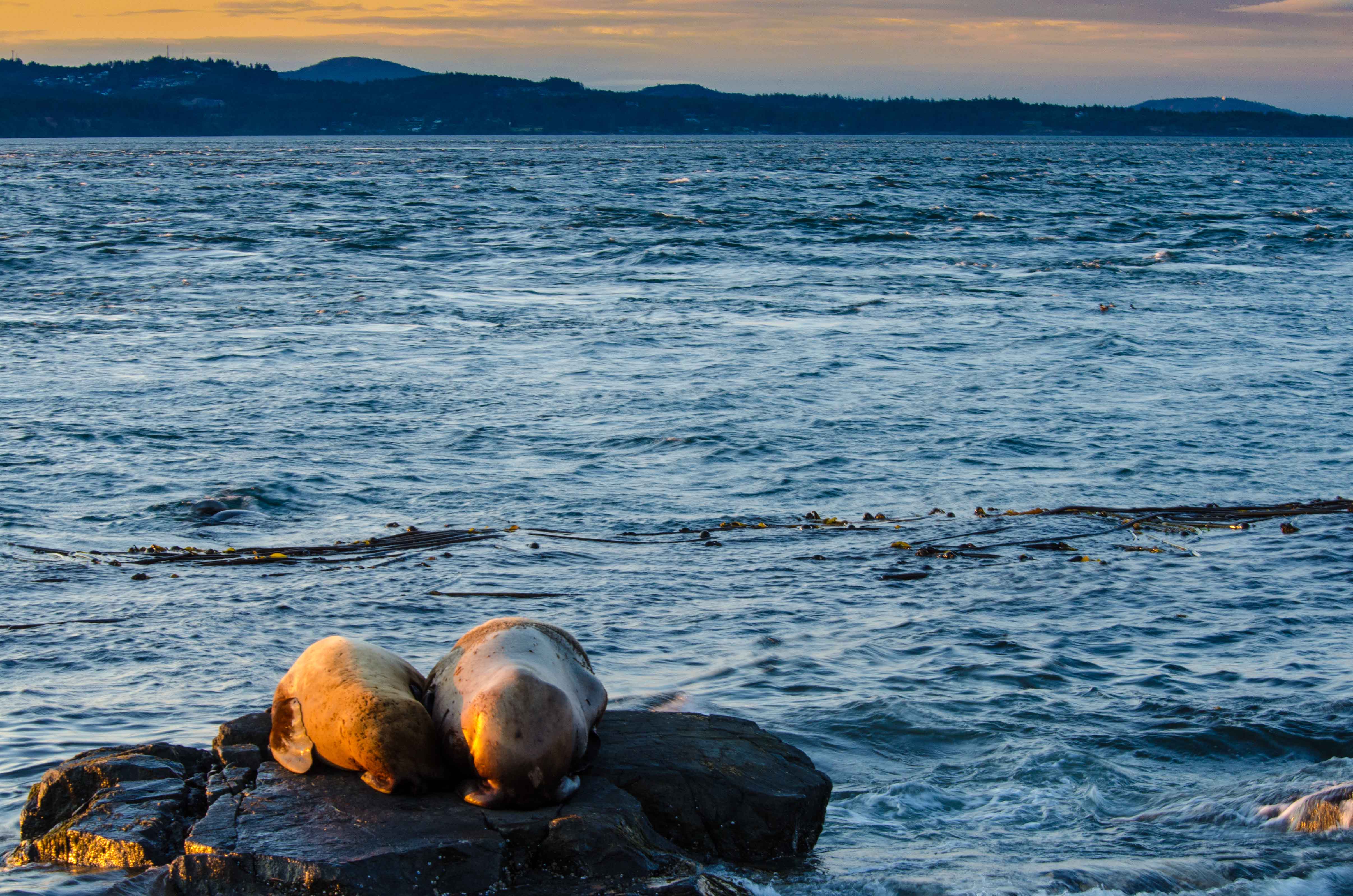
More and more California Sea Lions are showing up. There are about 10 on the rocks beneath the winch house as I write this. This photo however is of two Stellar’s enjoying the sunset after they cleared the rock of Californians.

I noticed three more Red Knots on the foreshore, and a corvus caurinus (crow) made it out for a visit. North-western crows are rare visitors here and I have only observed solitary excursions.

Work this week has comprised of painting the railings around the main house and walkway. We got the water desalinator working again, and some of the old computer equipment was removed from the student house.

Several dive groups have made underwater excursions just off the dock in the last week. We continue to see a lot of tour boats in the reserve.

This afternoon I noticed the first Glaucous-winged Gull egg in a shallow grass nest a few feet from my doorstep. I will have to stick to the sidewalk for a few months while the nesting and hatching play out.

Weekend Tallies

I lost track of the number of visits by tour boats this long weekend. It was at least 50. An orca pod hard been somewhere off Sooke so all the boats went through and visited on the way back. Sunday afternoon the pod transited the edge of the reserve heading East towards Trial Island and Victoria. Consequently there have only been about 5 boats here today (the rain and fog might be contributing to that number). I had to phone one of the operators as one of their new operators was oblivious to the guidelines here in the reserve. They apologized and promised to have a word with him.

I asked a pleasure fish boat to cease fishing in the reserve, and he was happy to comply. Ignorance is so often a factor in issues of conservation and human impact.

I was lucky enough to see, but not photograph a Red Knot. This unusual shorebird is an infrequent visitor to our shore and is likely migrating to above the Arctic Circle. Several other unidentified solitary shorebirds have also been seen, and more California Sea Lions are showing up. The rain is much appreciated as no more than a few millimetres have fallen in almost 2 months.

More about Elephant Seals!

In researching elephant seals I discovered that they are all descended from a single male. Hunted near extinction, only a remnant population survived on a remote Mexican island. Their comeback to about 150,000 individuals is remarkable, but there is not much genetic variation in the population. This could be problematic if disease strikes. It could also mean rapid genetic mutation, an event that could be detrimental or beneficial to the population. The jury is out, but I hope they survive on this planet for millions of years.

I am very excited to be watching the recolonization of traditional territories by the elephant seal. Race Rocks appears to be the epicentre of this recent phenomenon. Wouldn’t it be wonderful if in a decade or two, hundreds of moulting individuals could be witnessed lounging about on the lawns and on the ramp here, safe, comfortable and respected.

Elephant Seal Facts from: http://www.amnh.org/exhibitions/permanent/ocean/01_dioramas/h_elephantseal.php

  • Size: 45 kilograms (100 pounds) at birth; adult males weigh 2700 kg (6,000 lbs)
  • Food: mostly squid
  • Life span: 15 to 20 years
  • Closest relatives: southern elephant seals (Mirounga leonina)
  • Fun fact: elephant seals can slow their heart rate from 100 beats to 3 beats per minute to conserve energy and oxygen during very deep dives