Boris Is Back!

Weather:

Visitors:

  • Greg visited today with supplies- thanks Greg!
  • The last of the first year students visited yesterday in small groups. We have been enjoying showing them around the island and hope to see more students soon.

Ecological Observations:

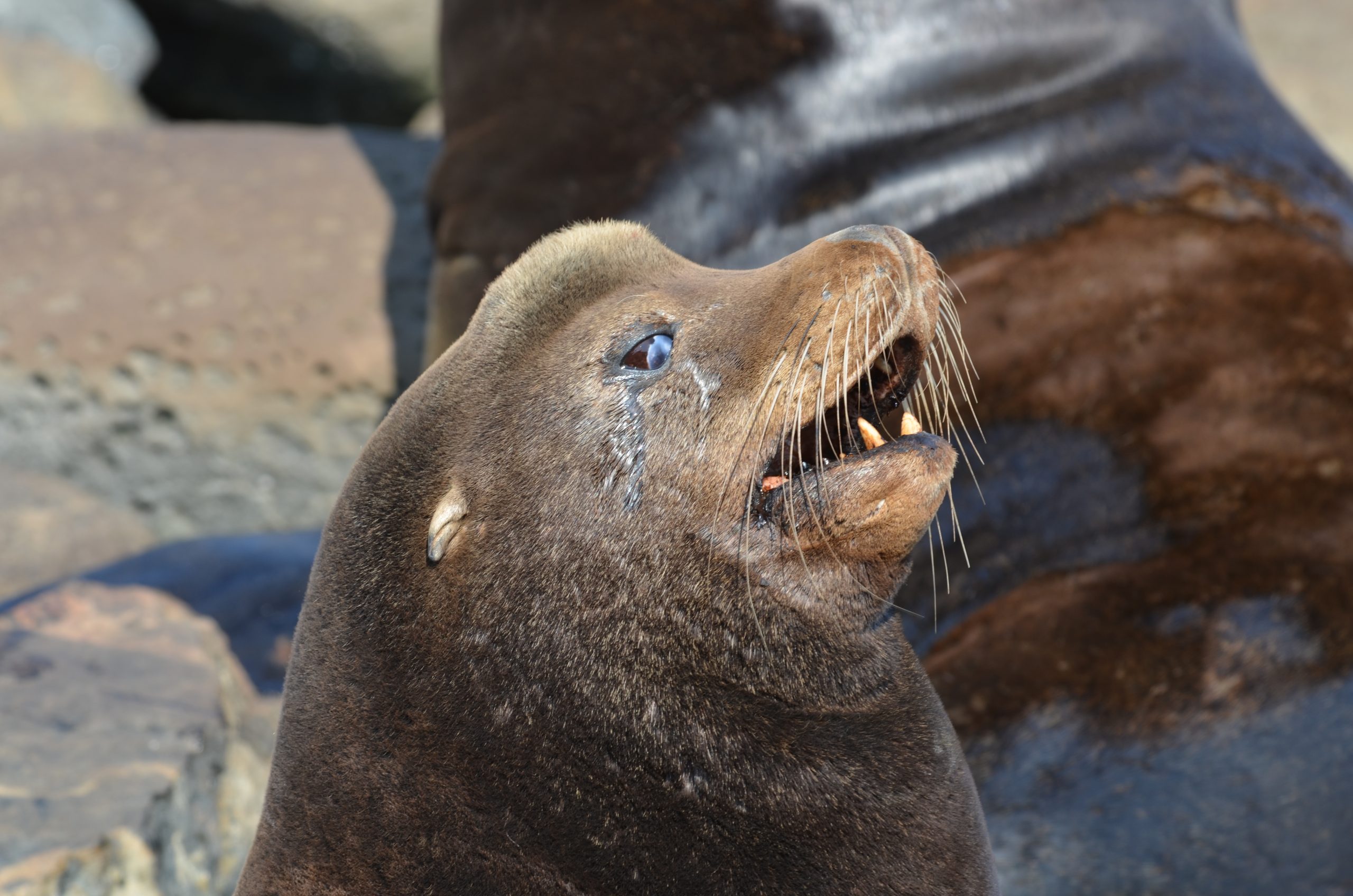
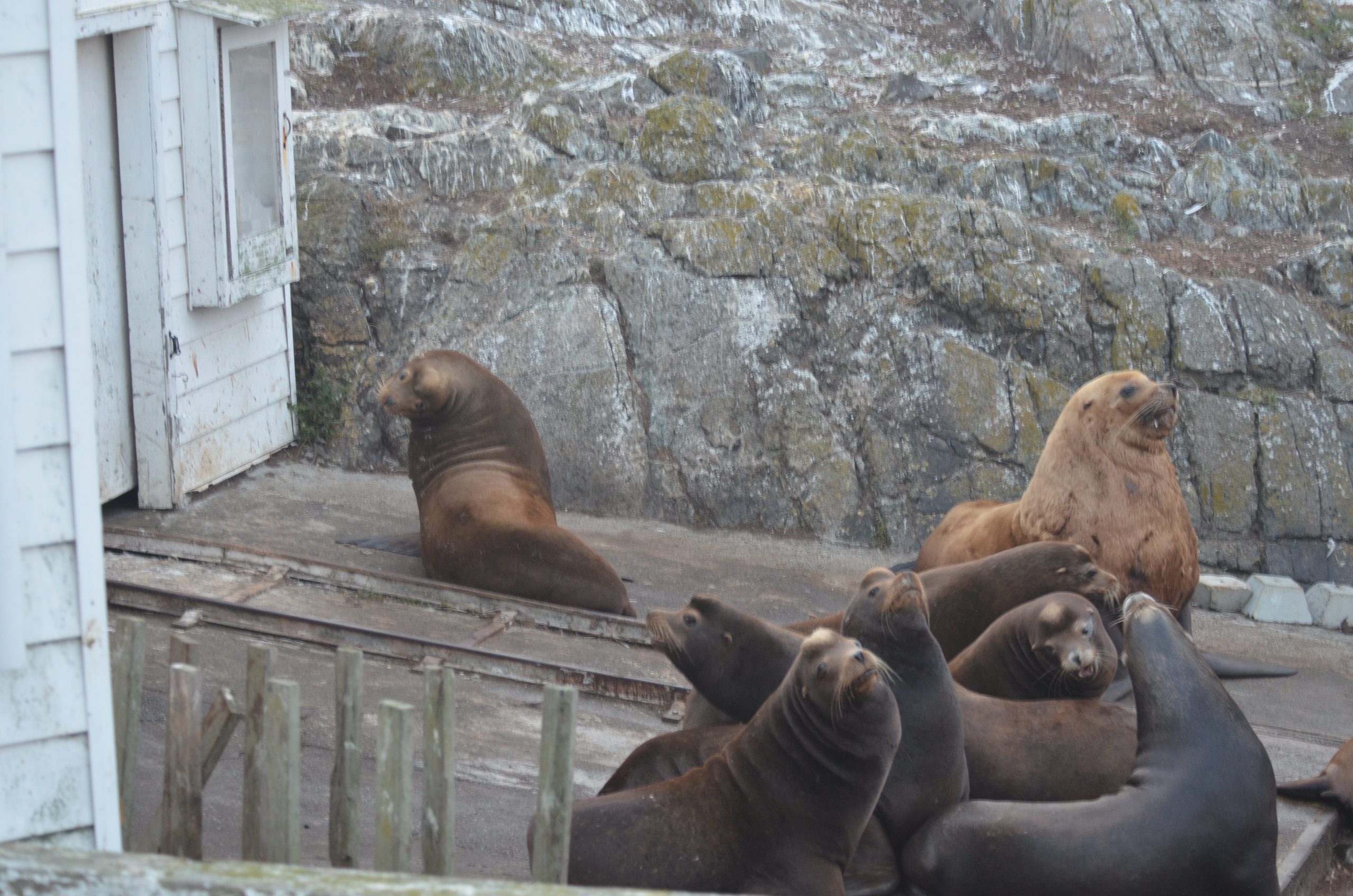
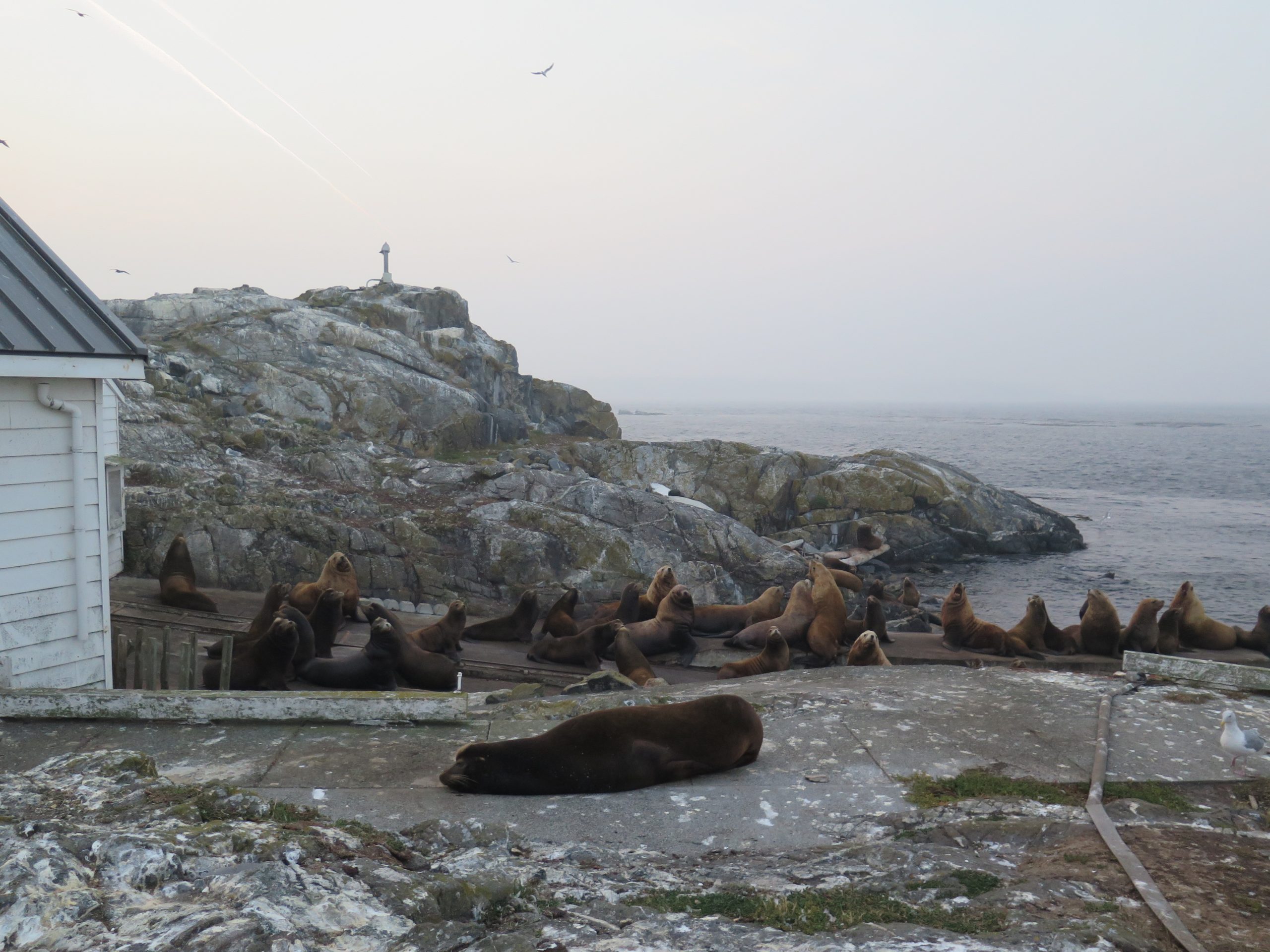
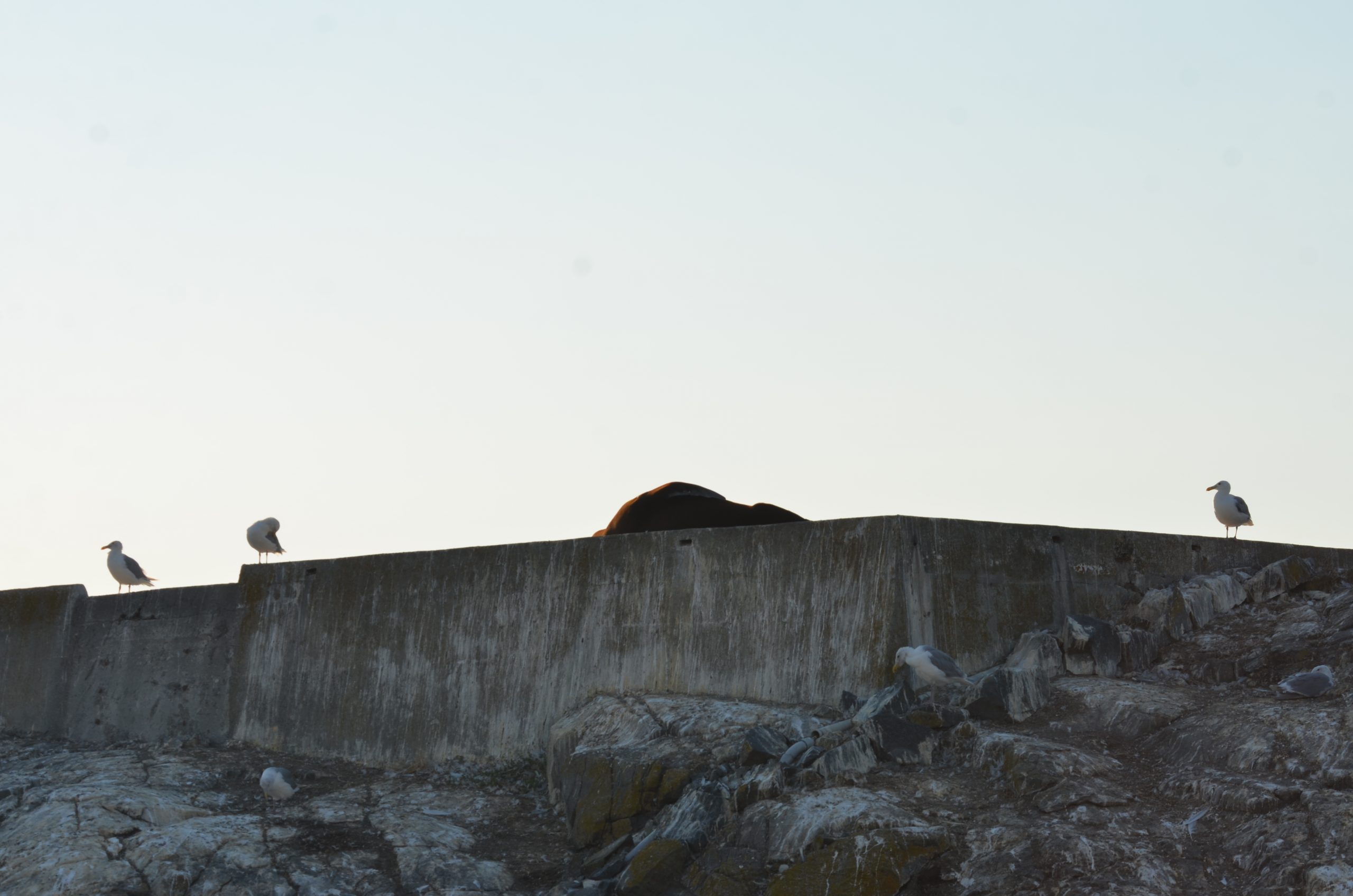
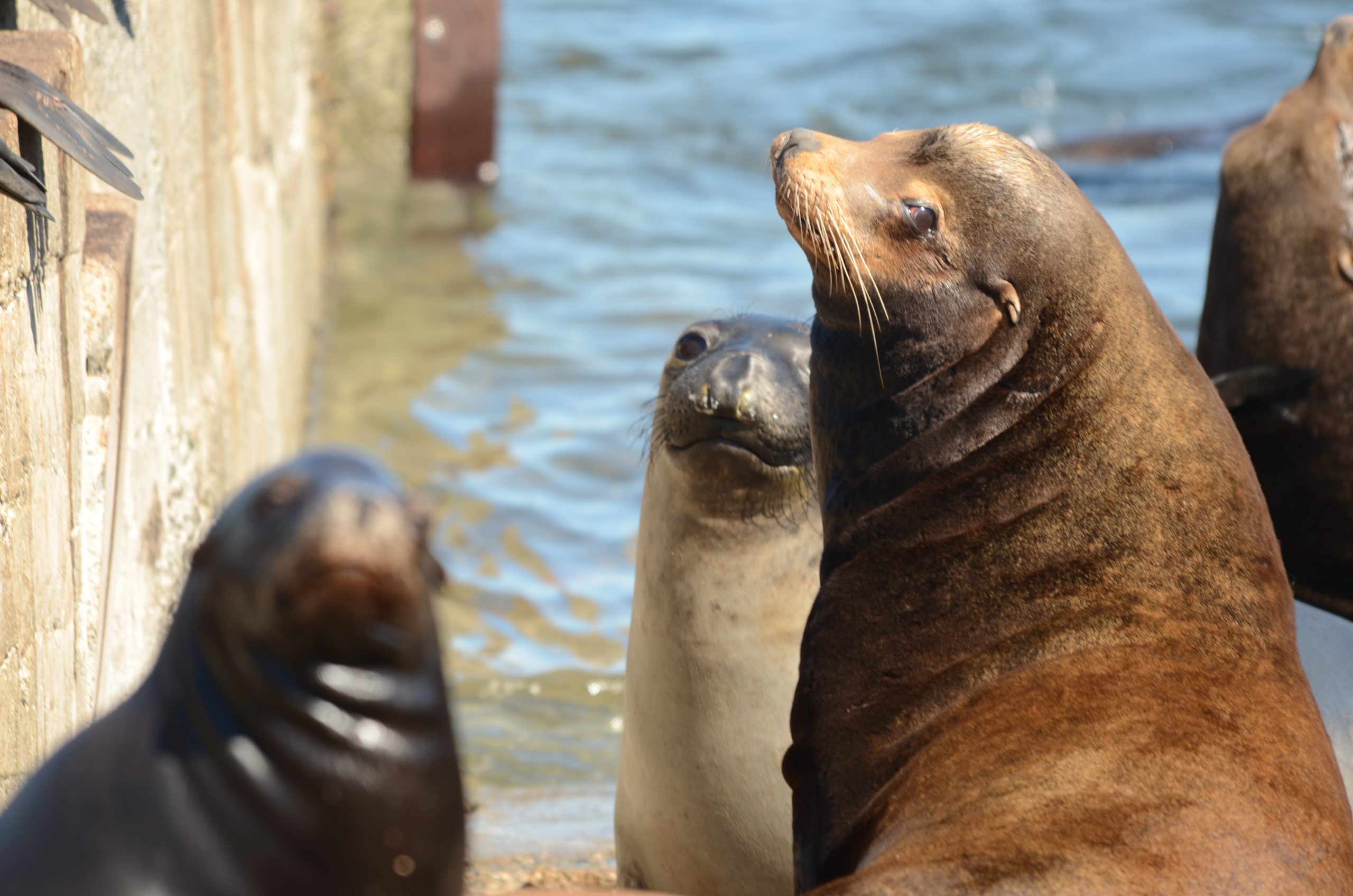
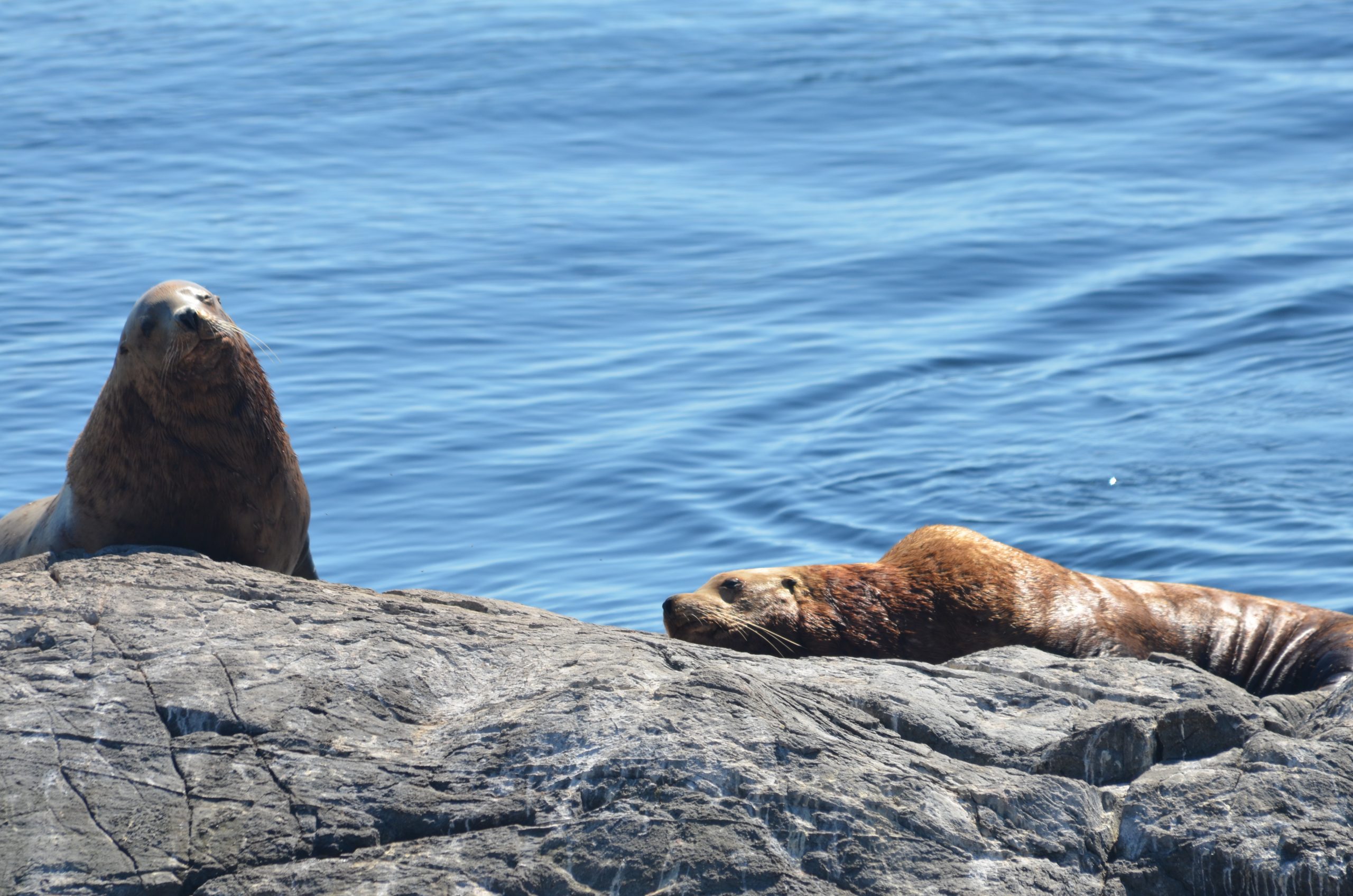
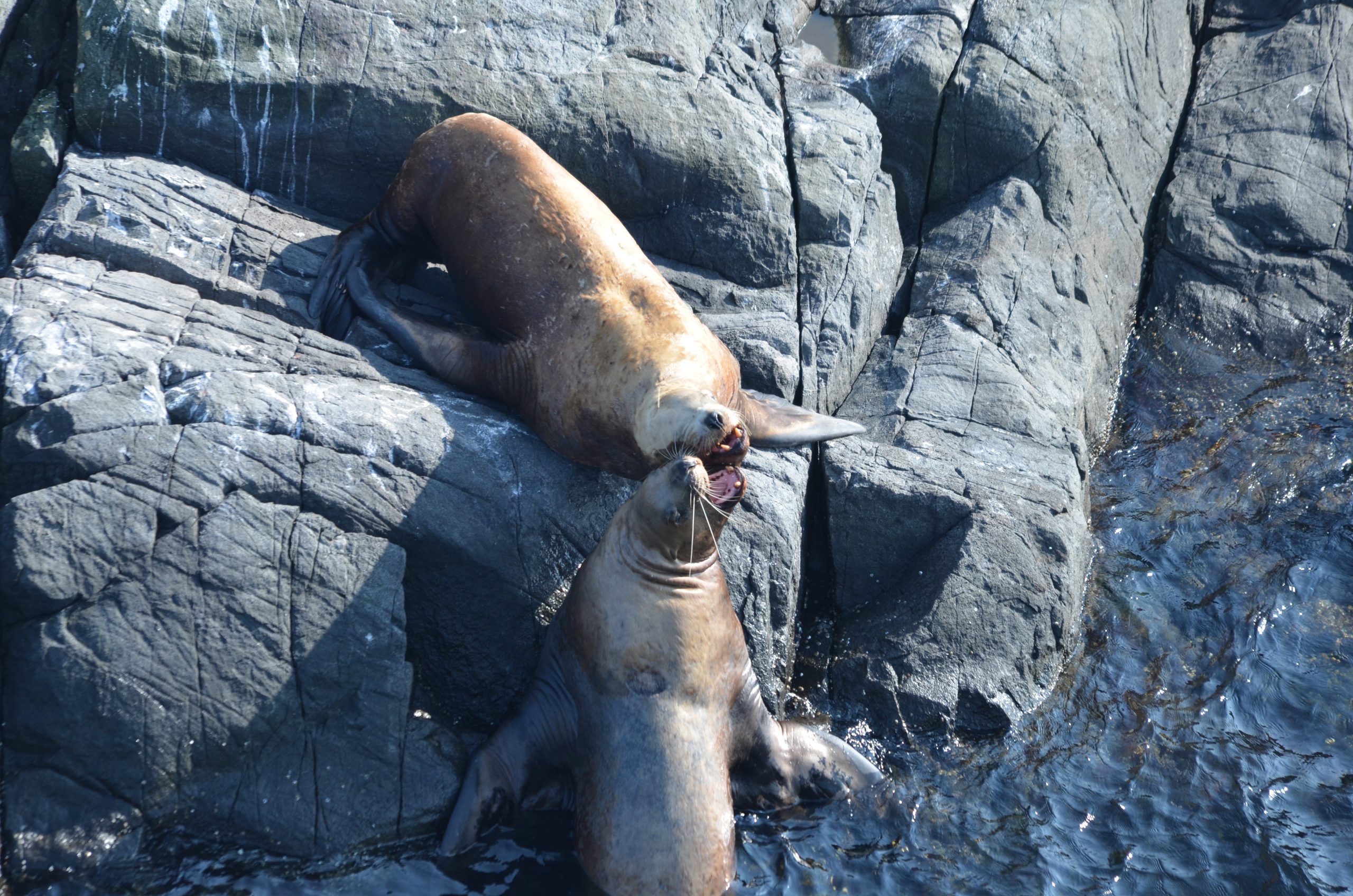
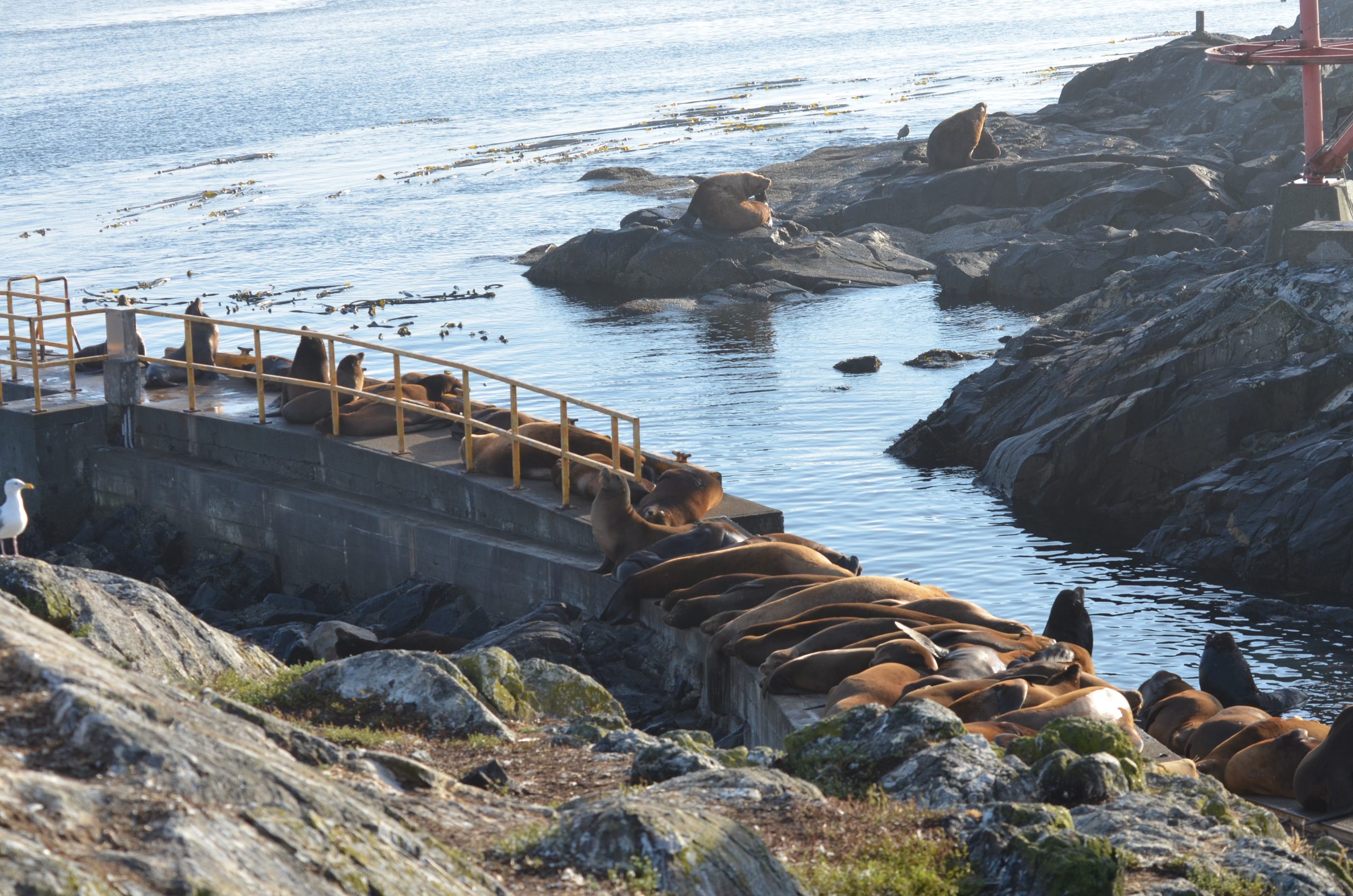
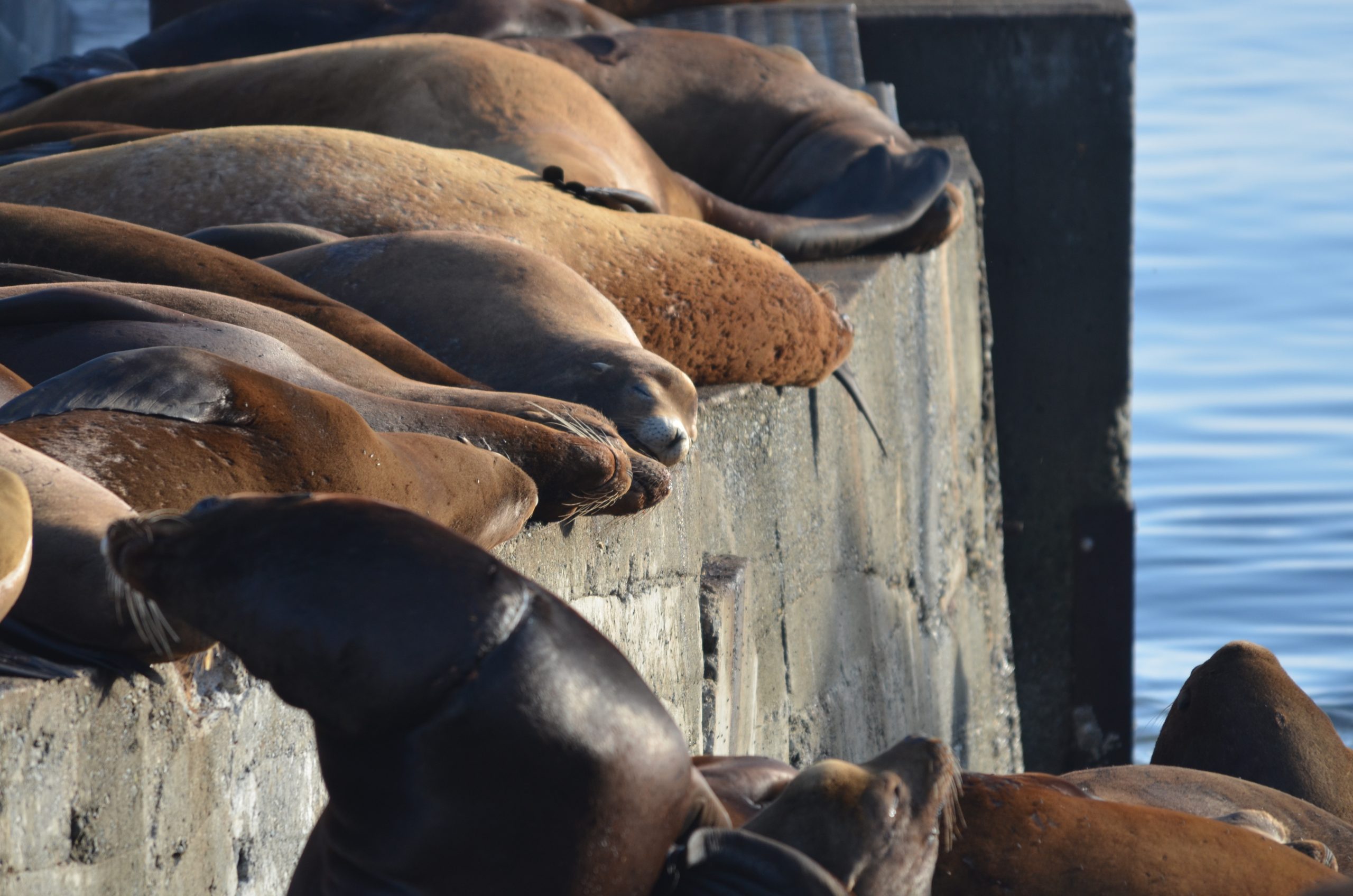
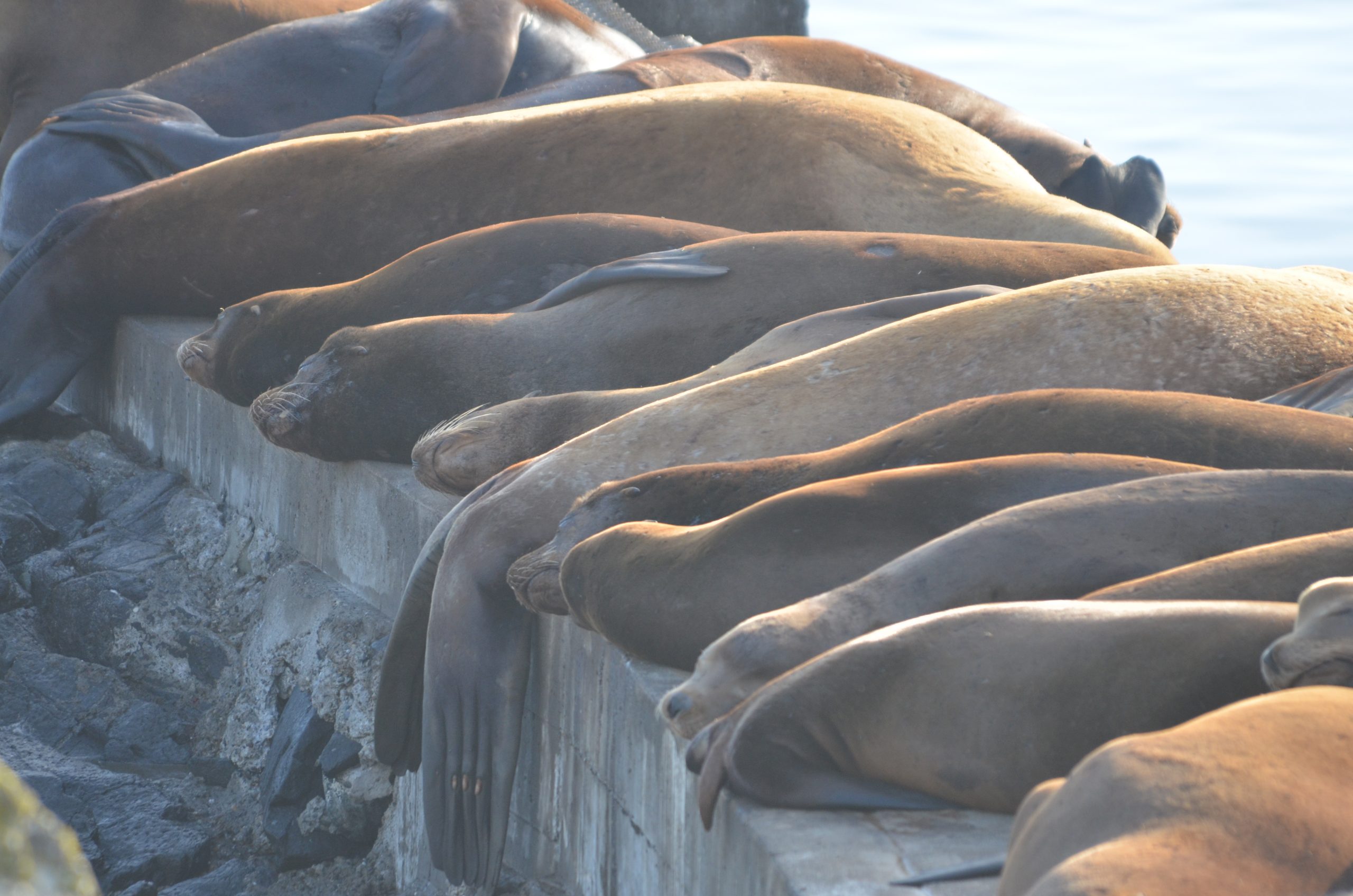
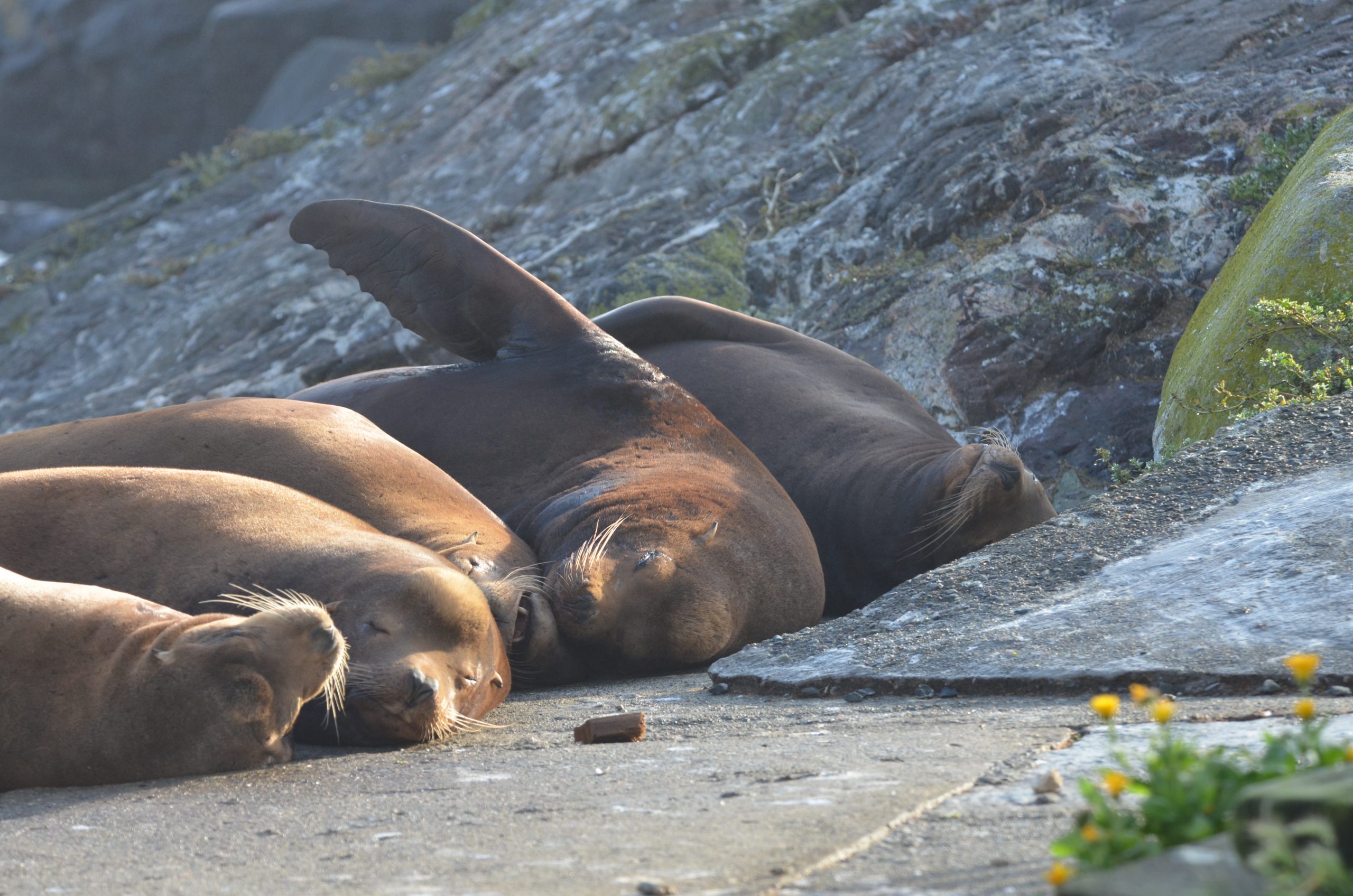
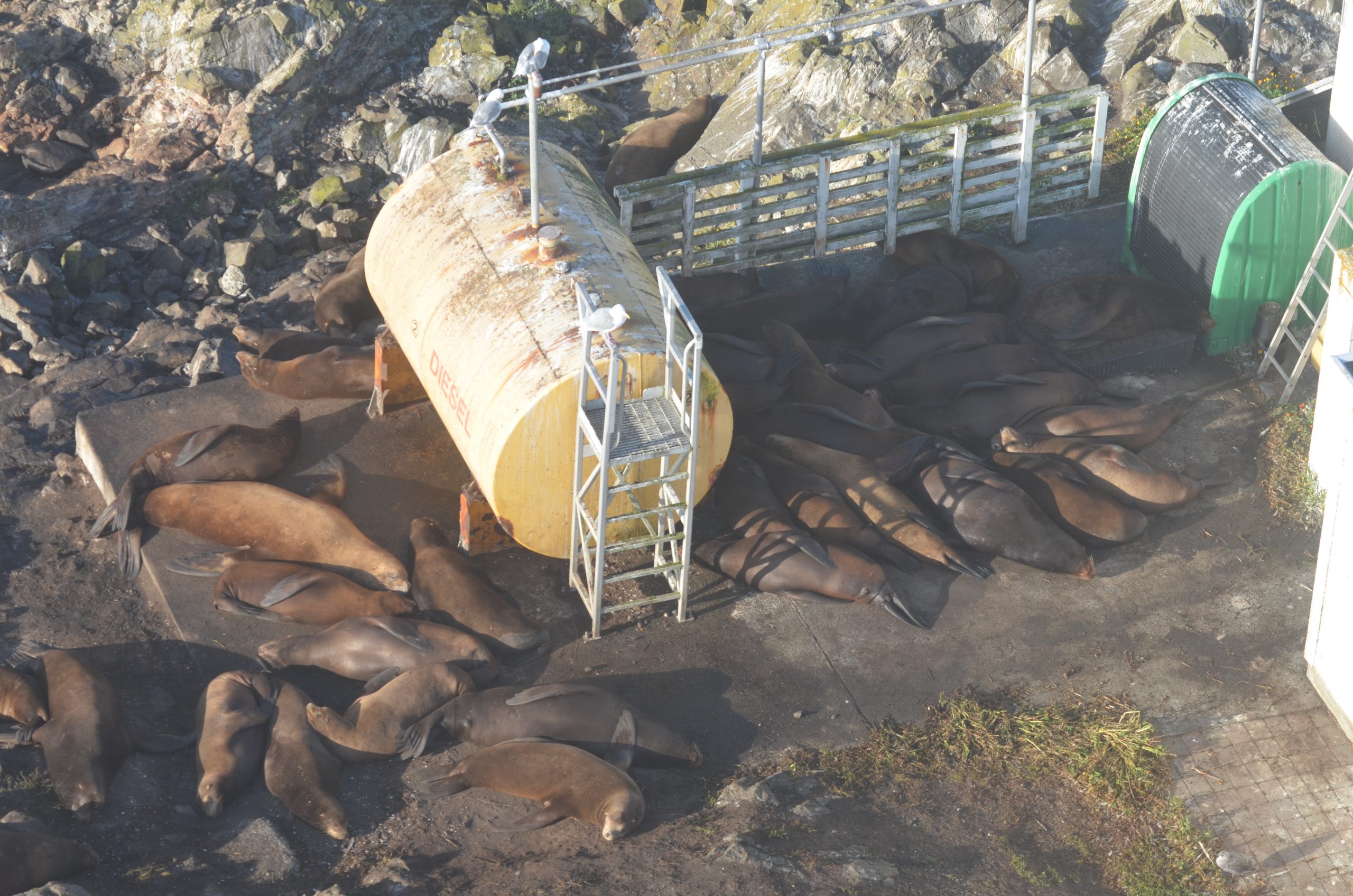
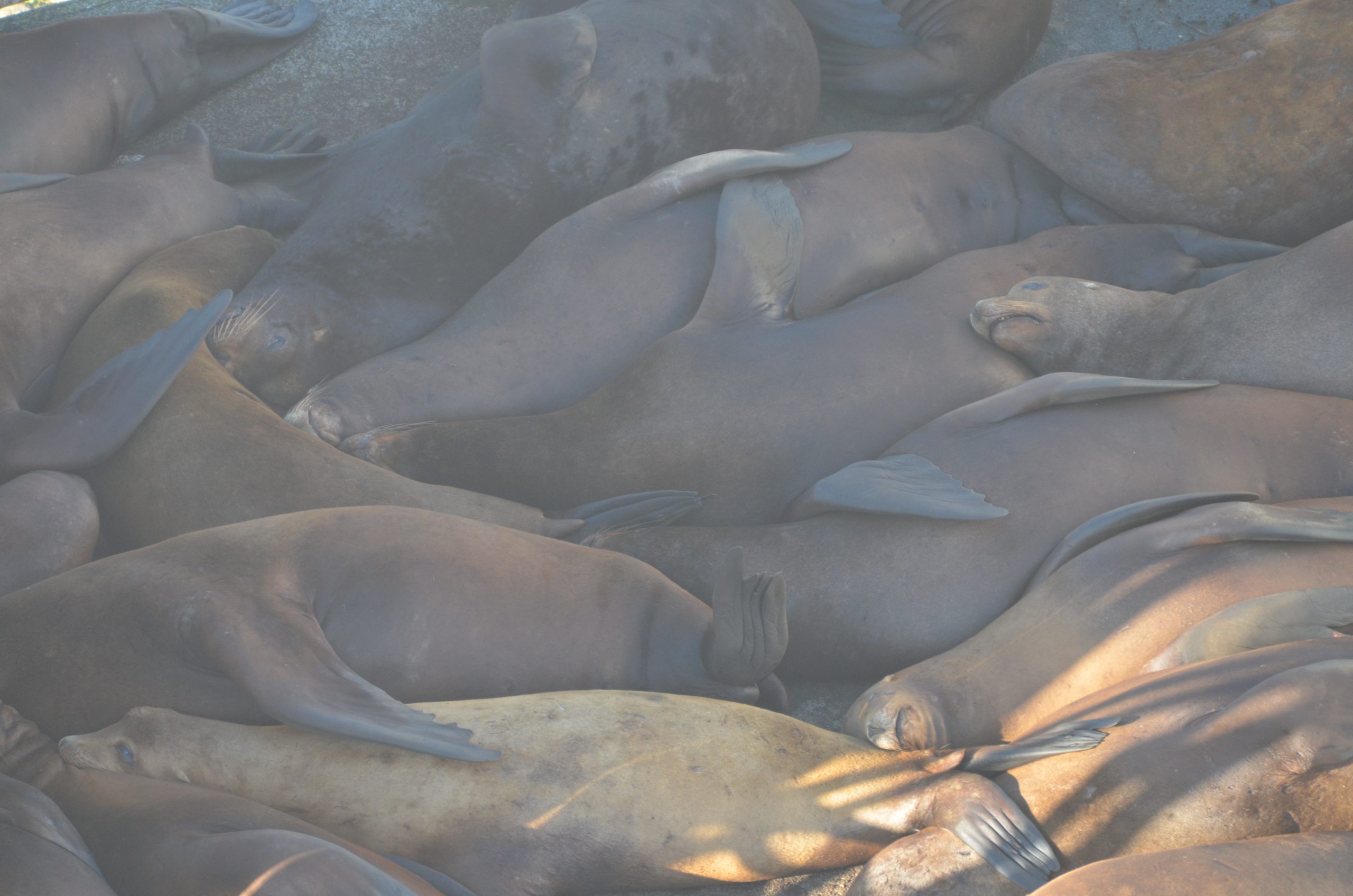
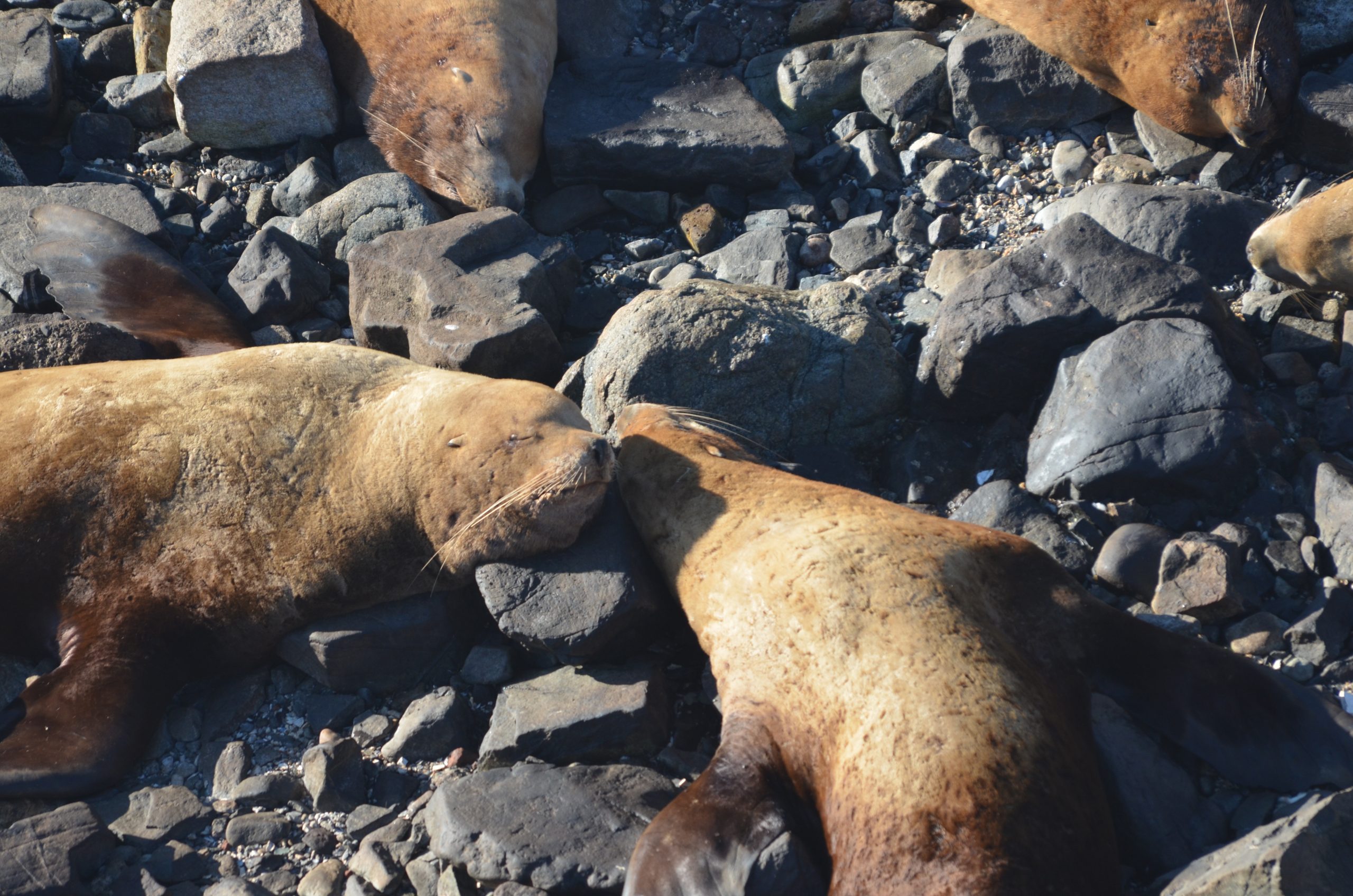
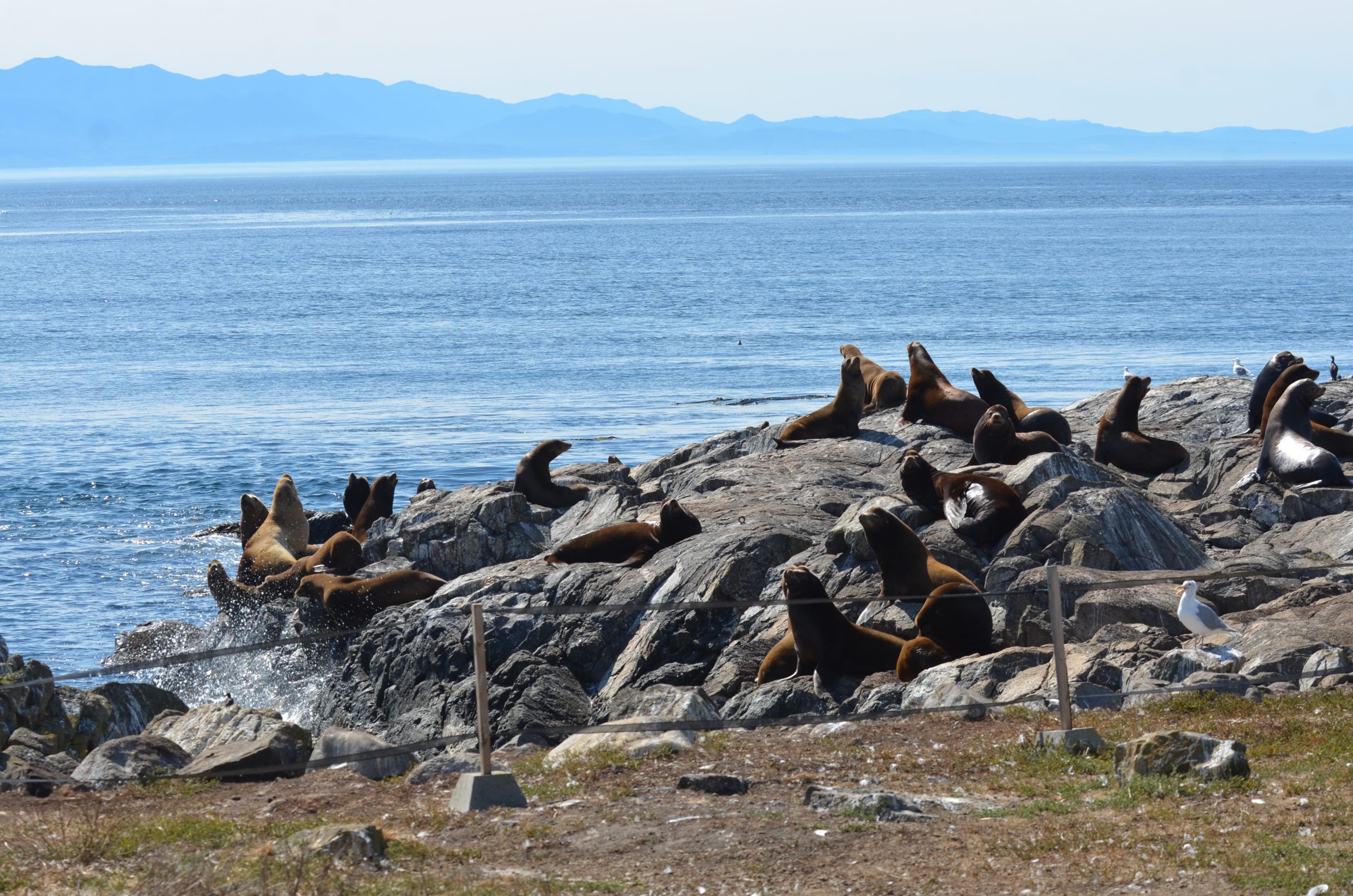
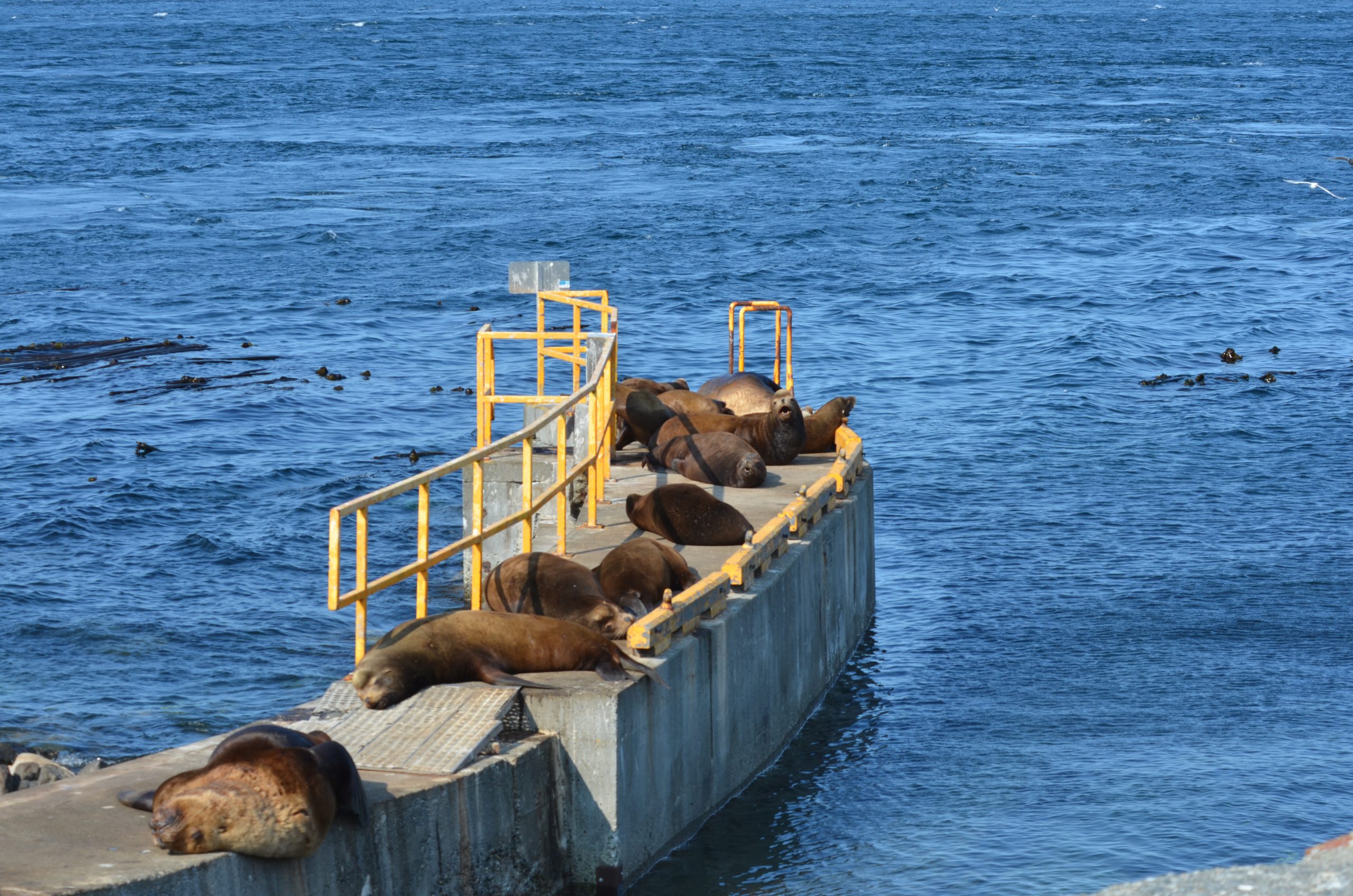
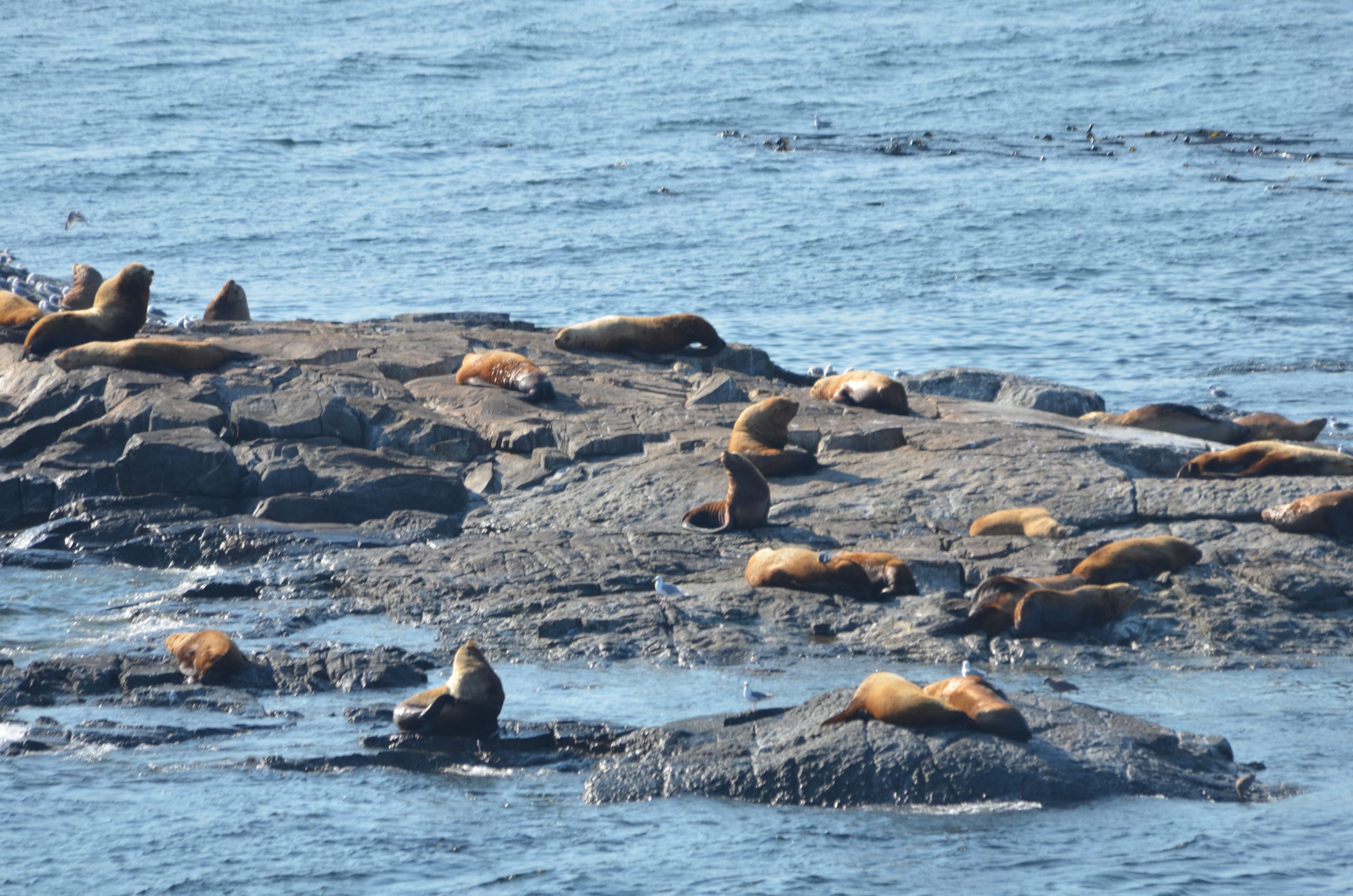
  • The sea lion population seems to be steadily increasing. Interestingly, the stellar sea lions tend to stay on the further outcroppings while the california sea lions are happy to haul out all around the main rock. The two species intermingle, but typically only in the area of our jetty.
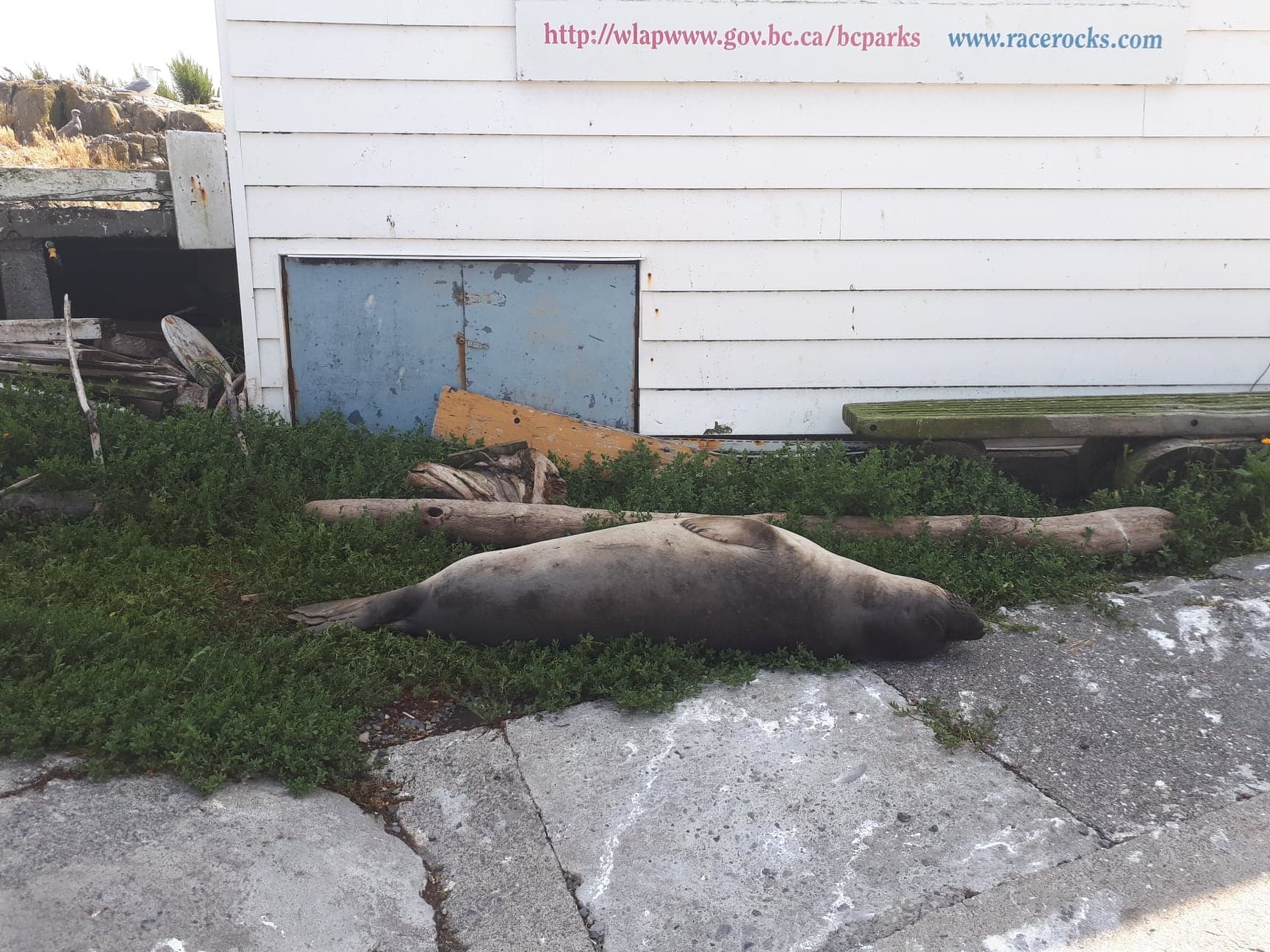
  • We were joined again by a young elephant seal yesterday! Unfortunately we still haven’t been able to get a clear look at the green tag visible.
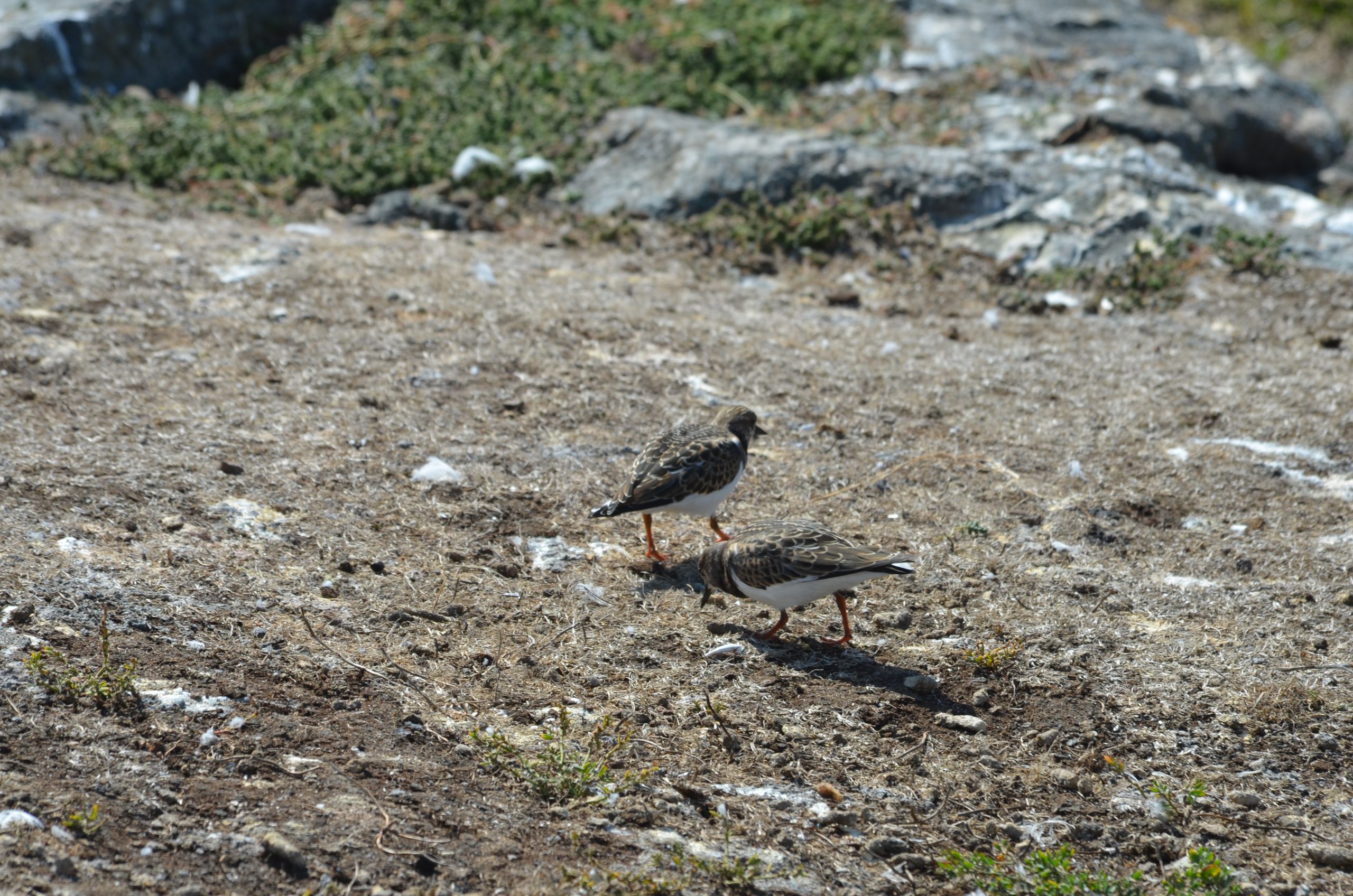
  • A small group of black turnstones came through today, accompanied by a single surfbird.
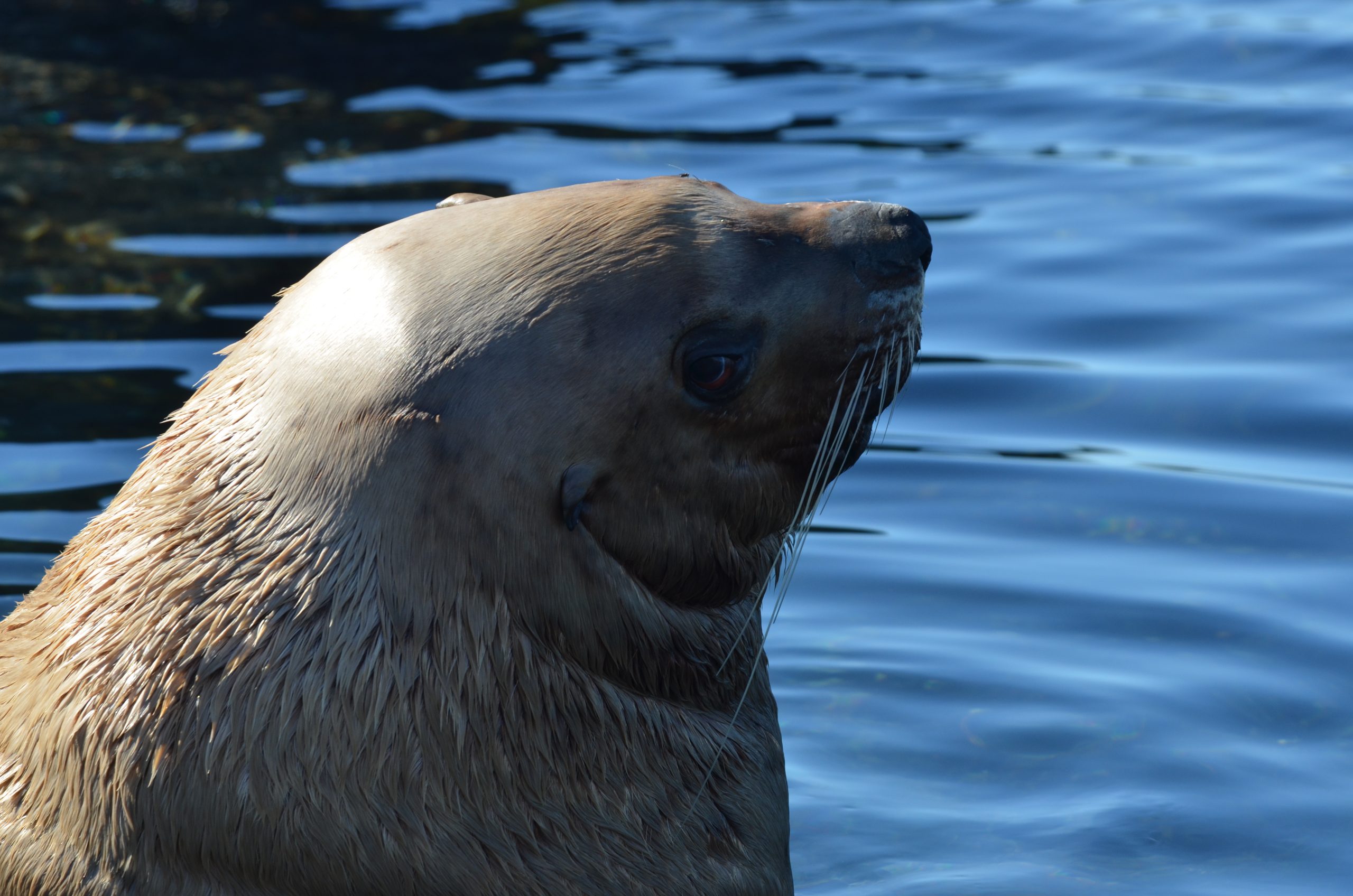
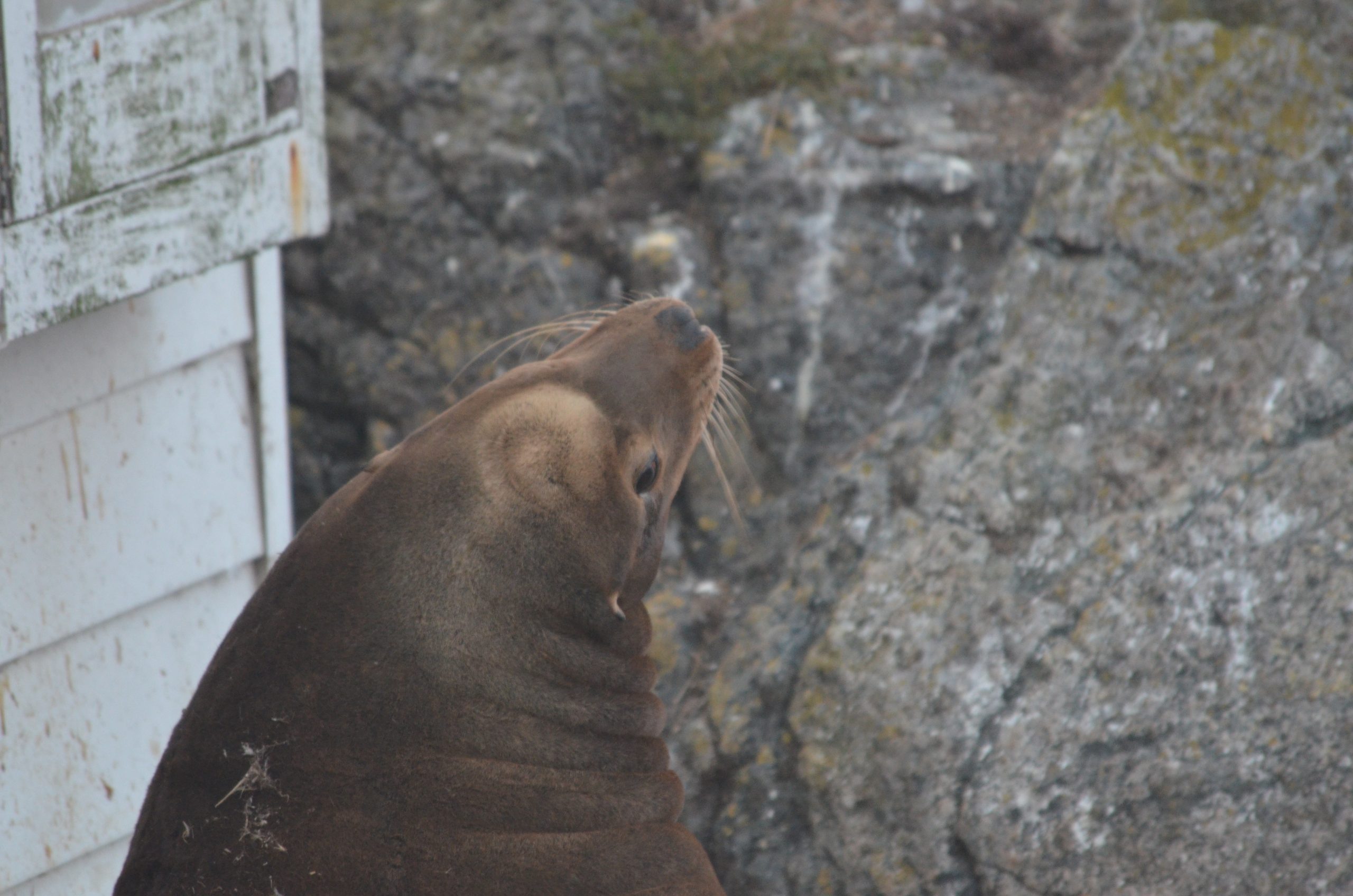
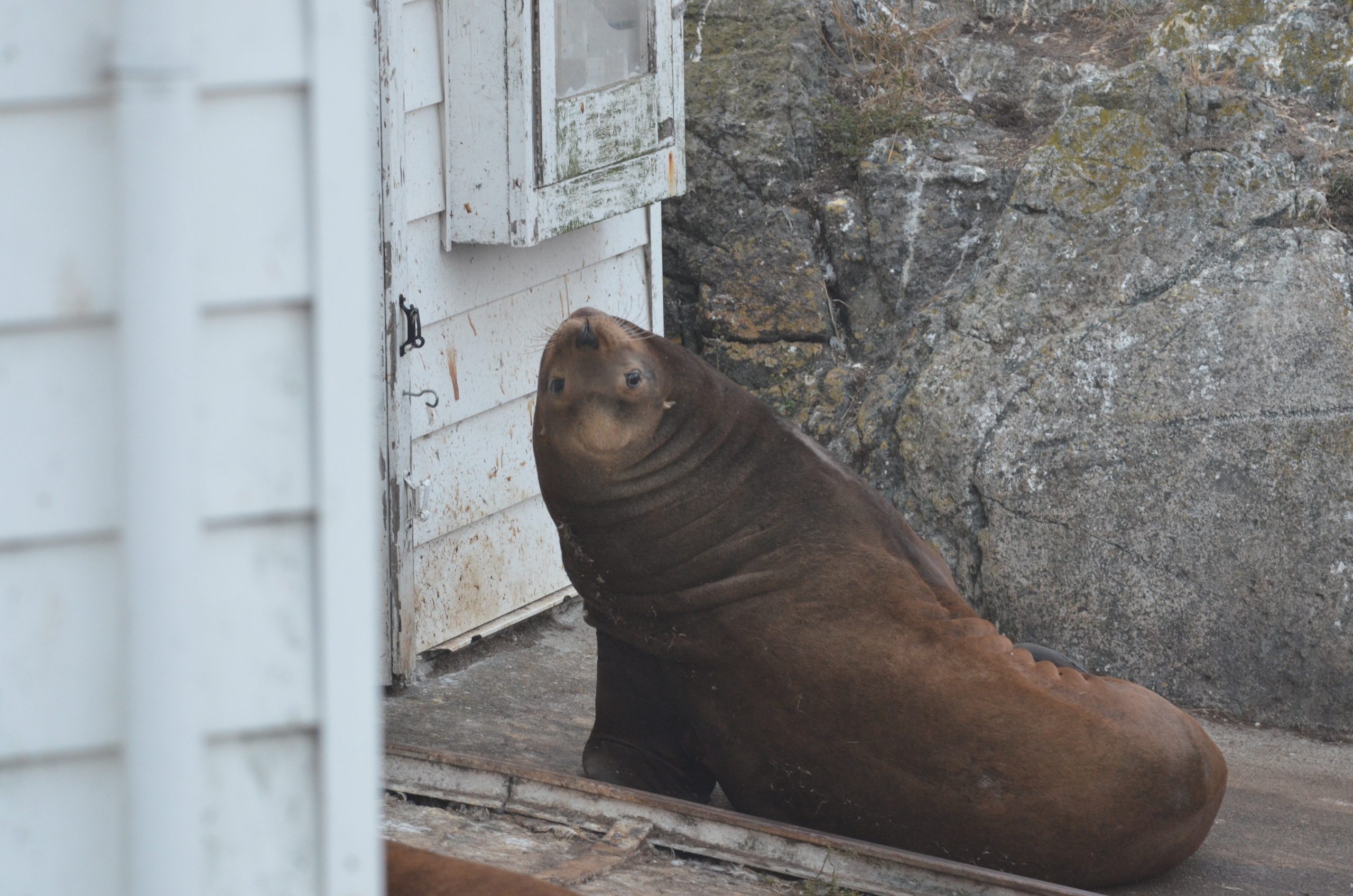
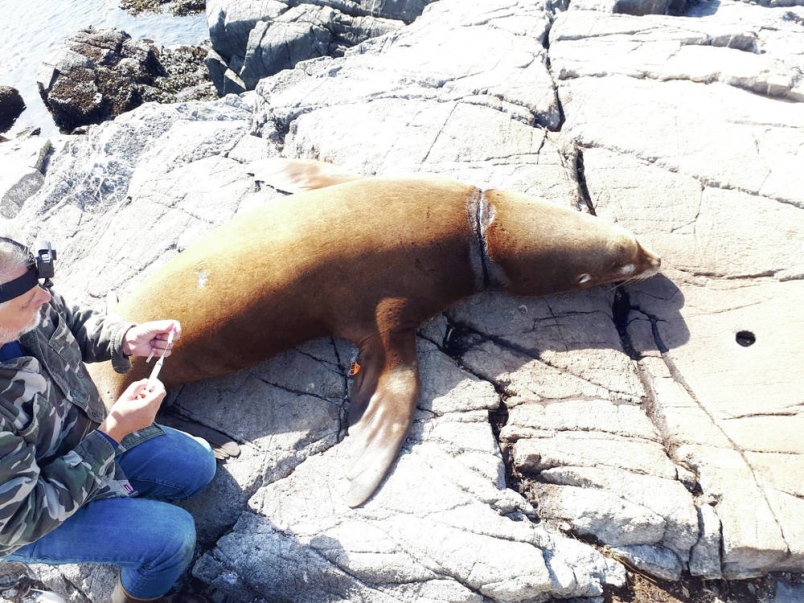
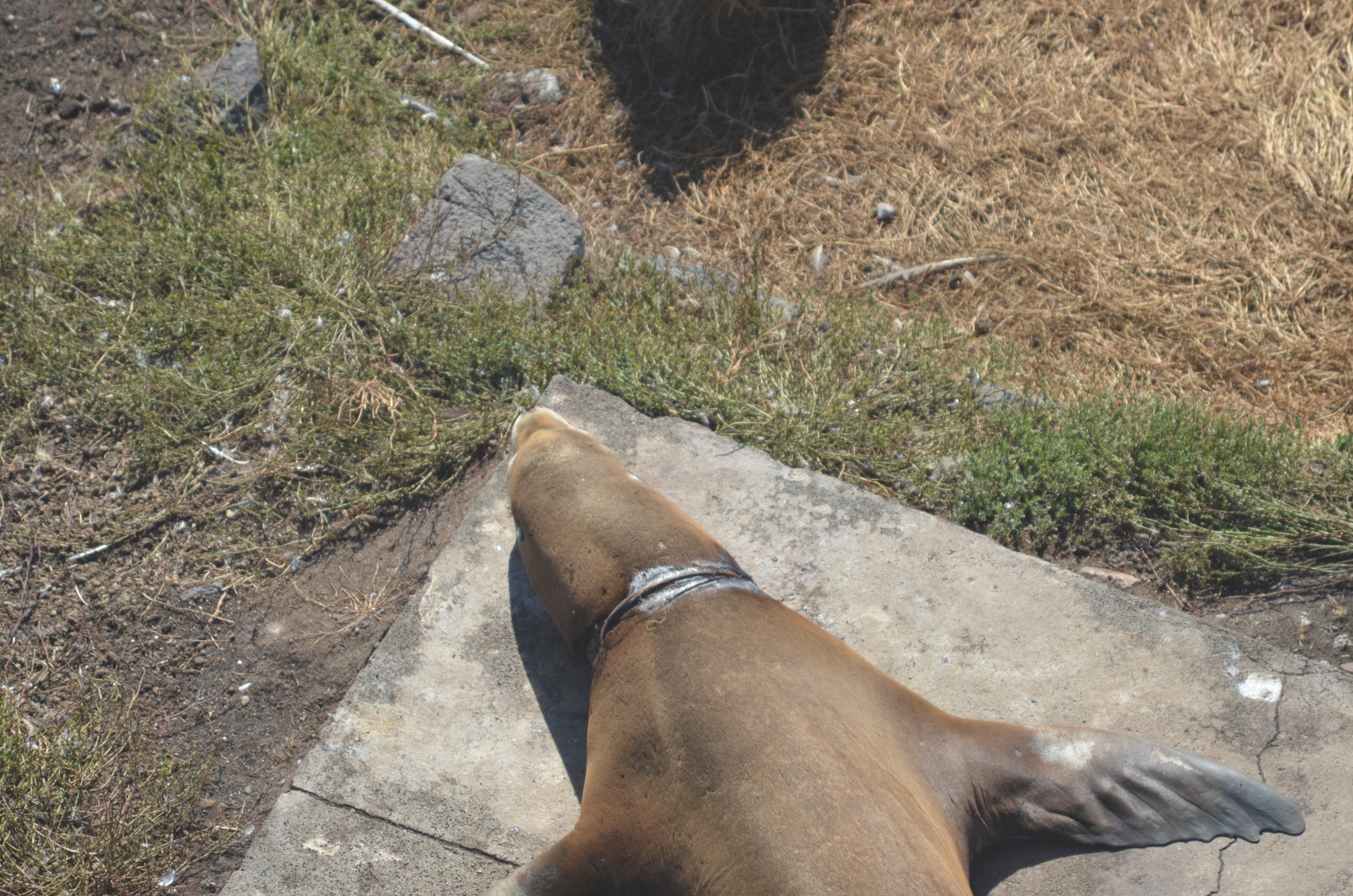
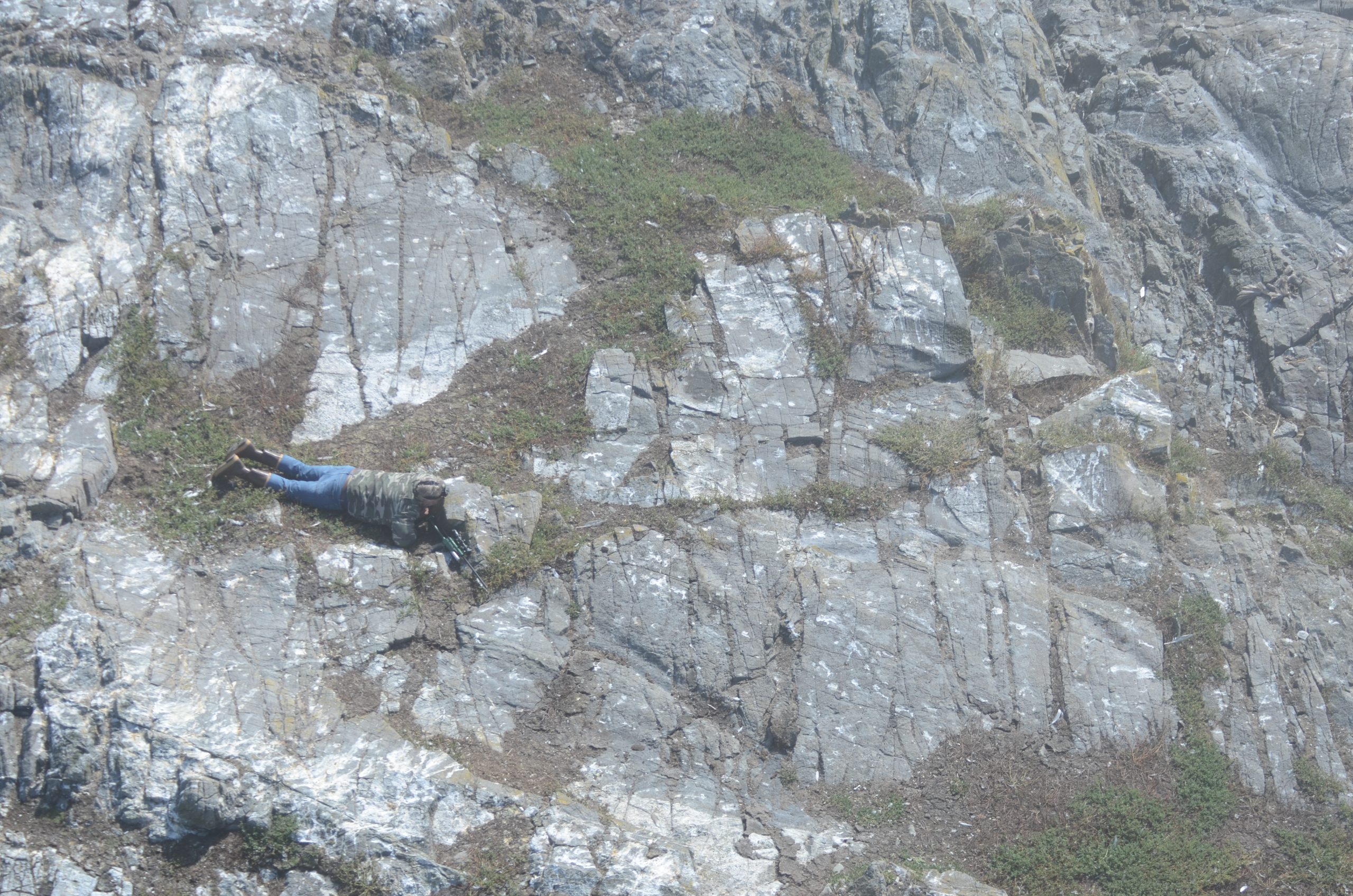
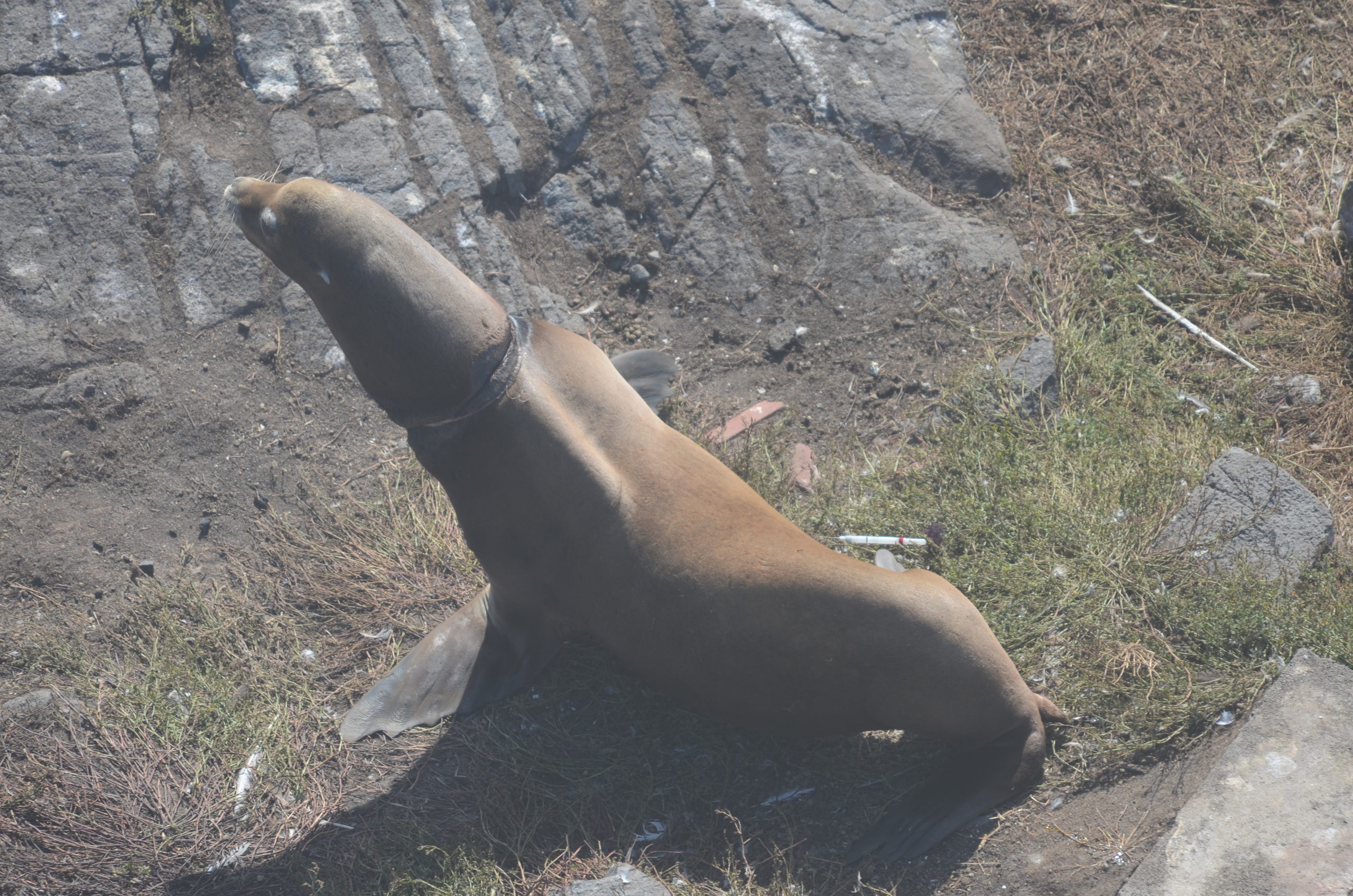
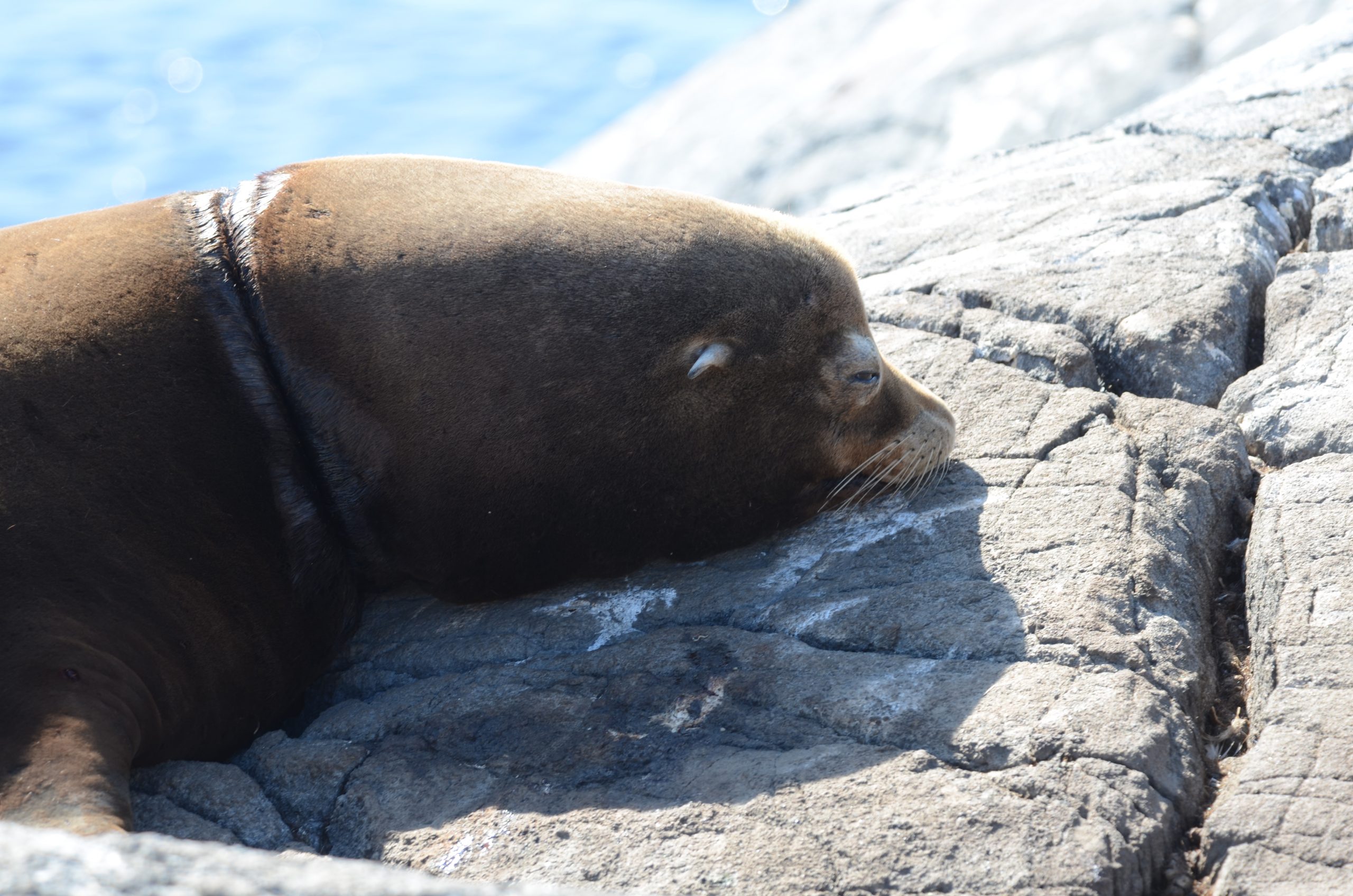
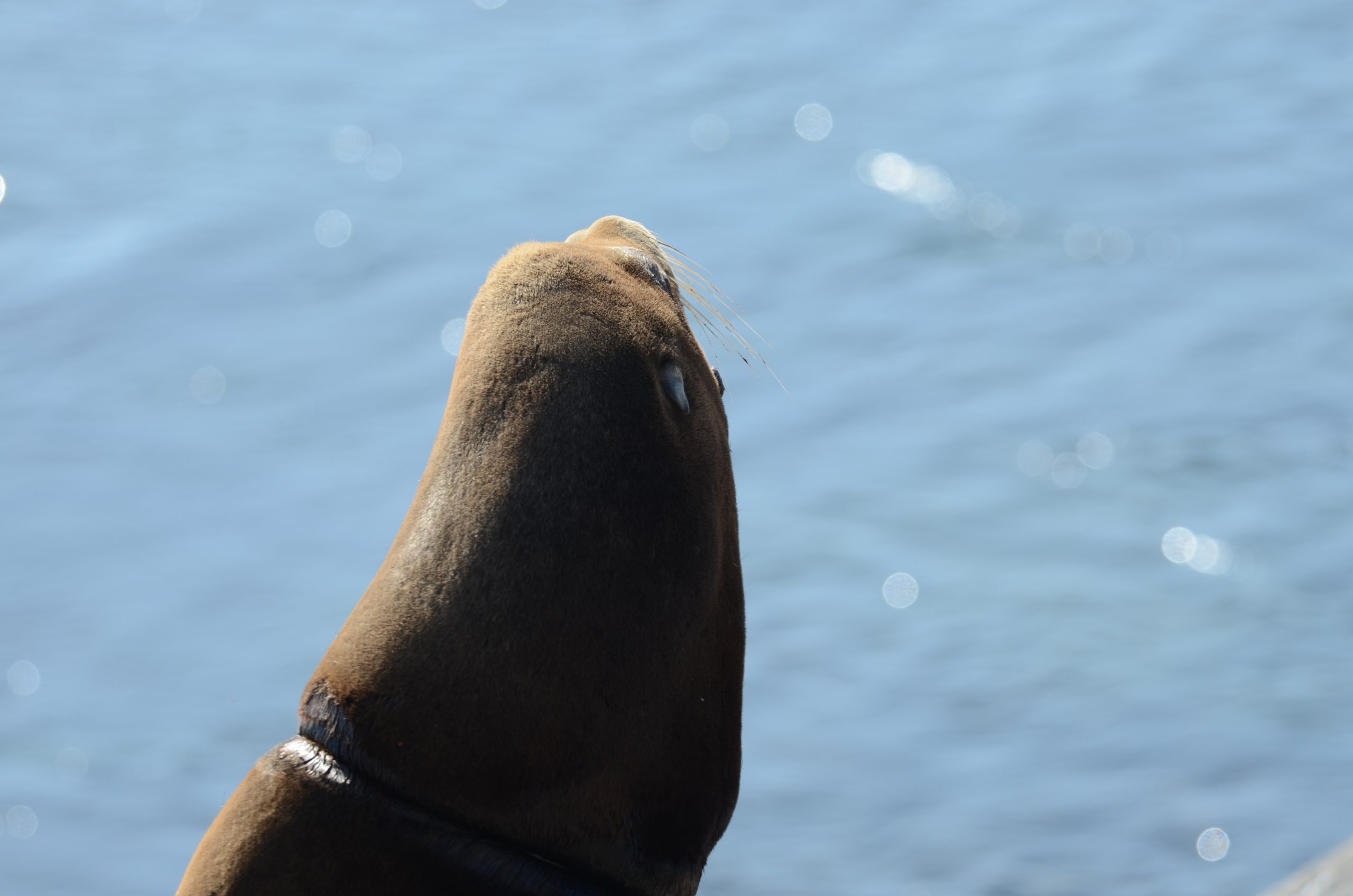
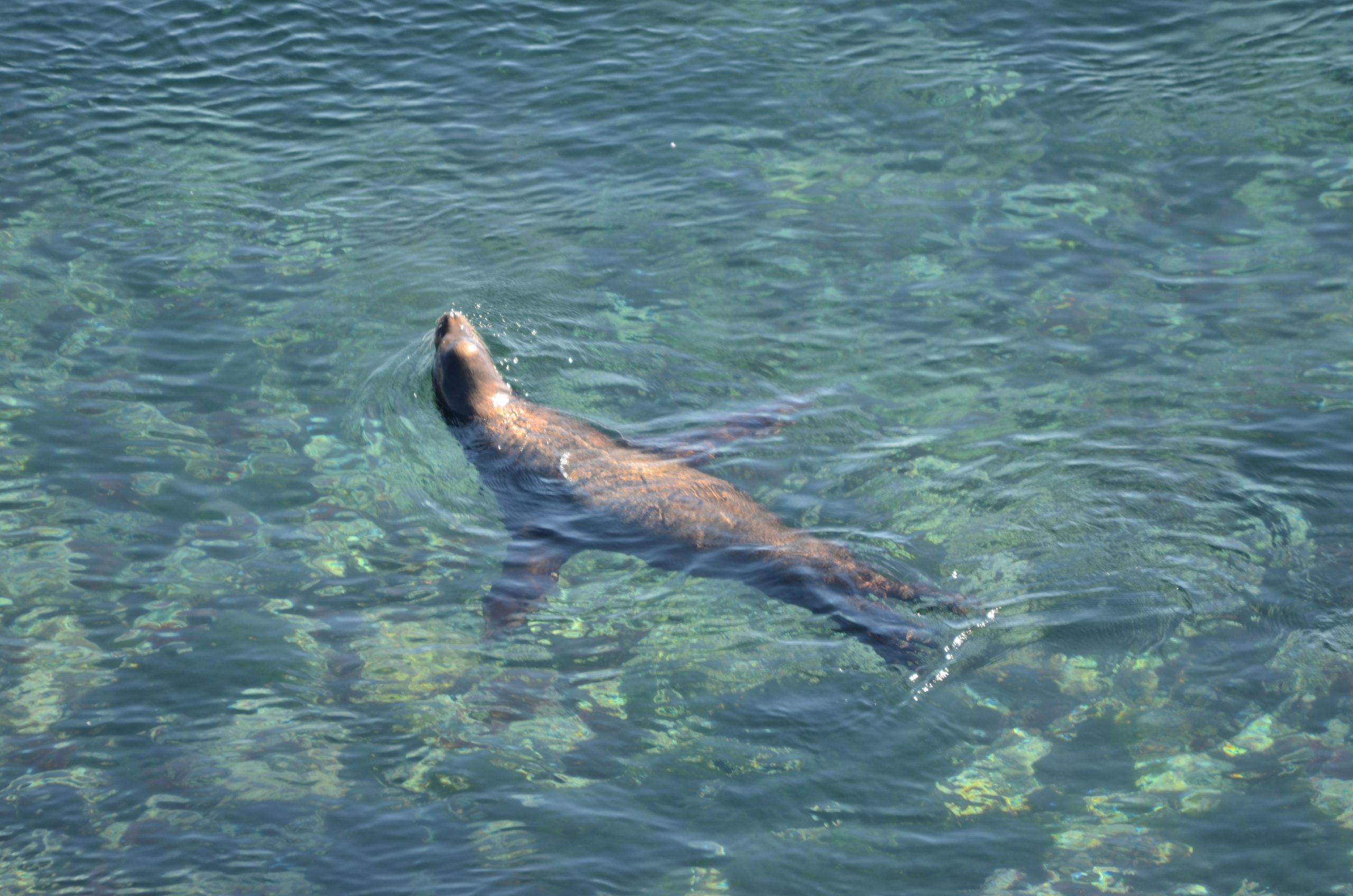
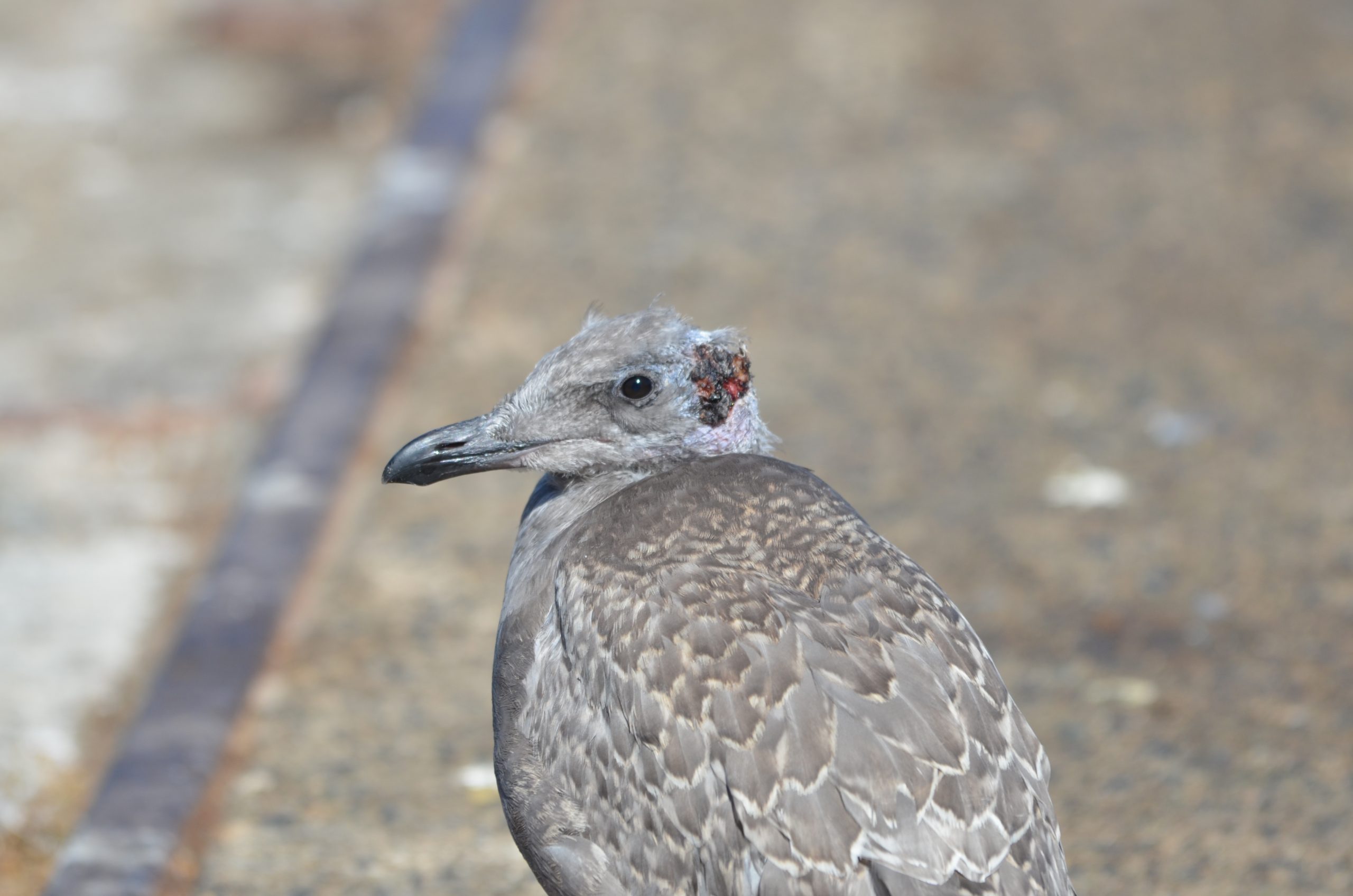
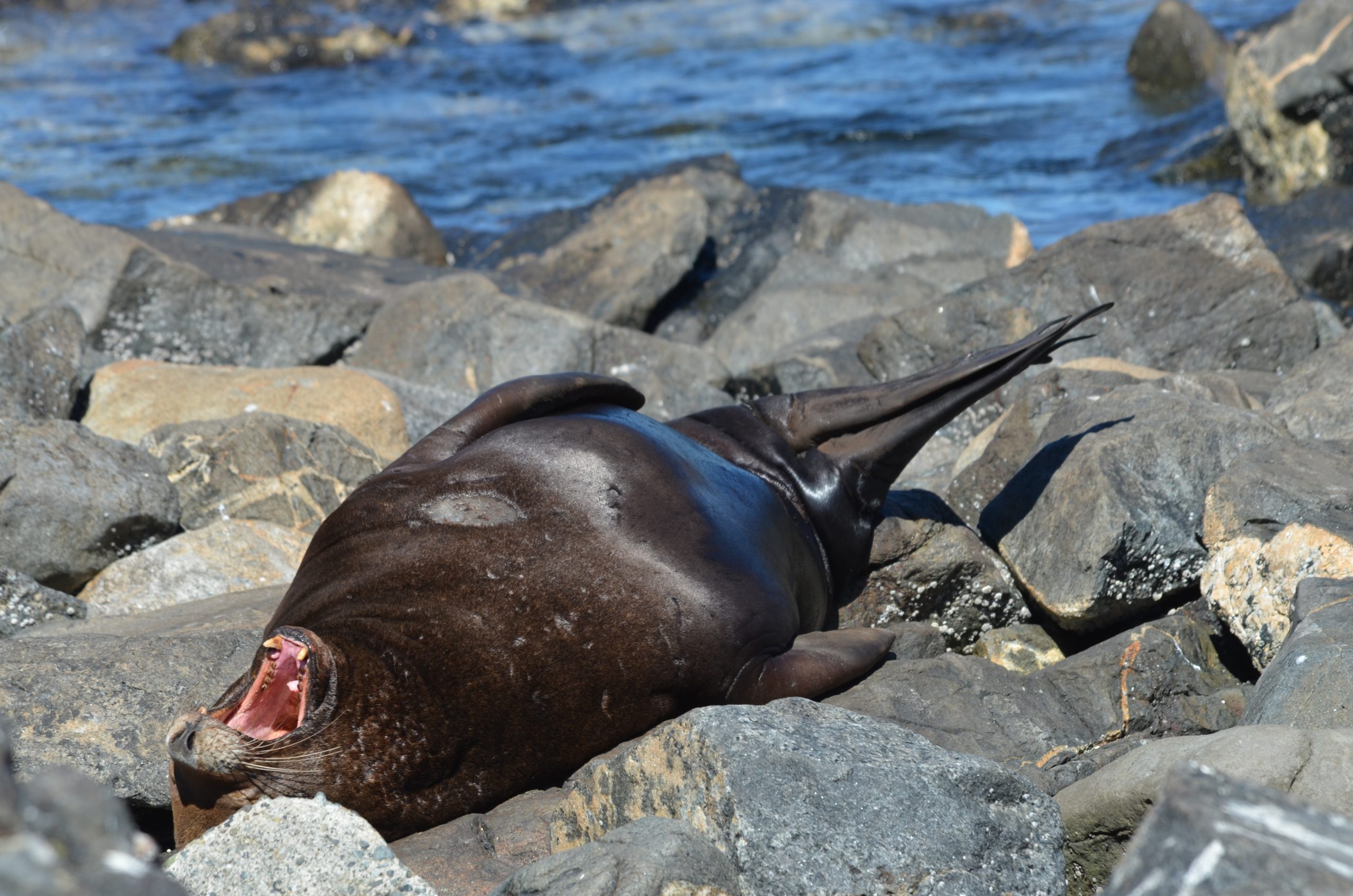
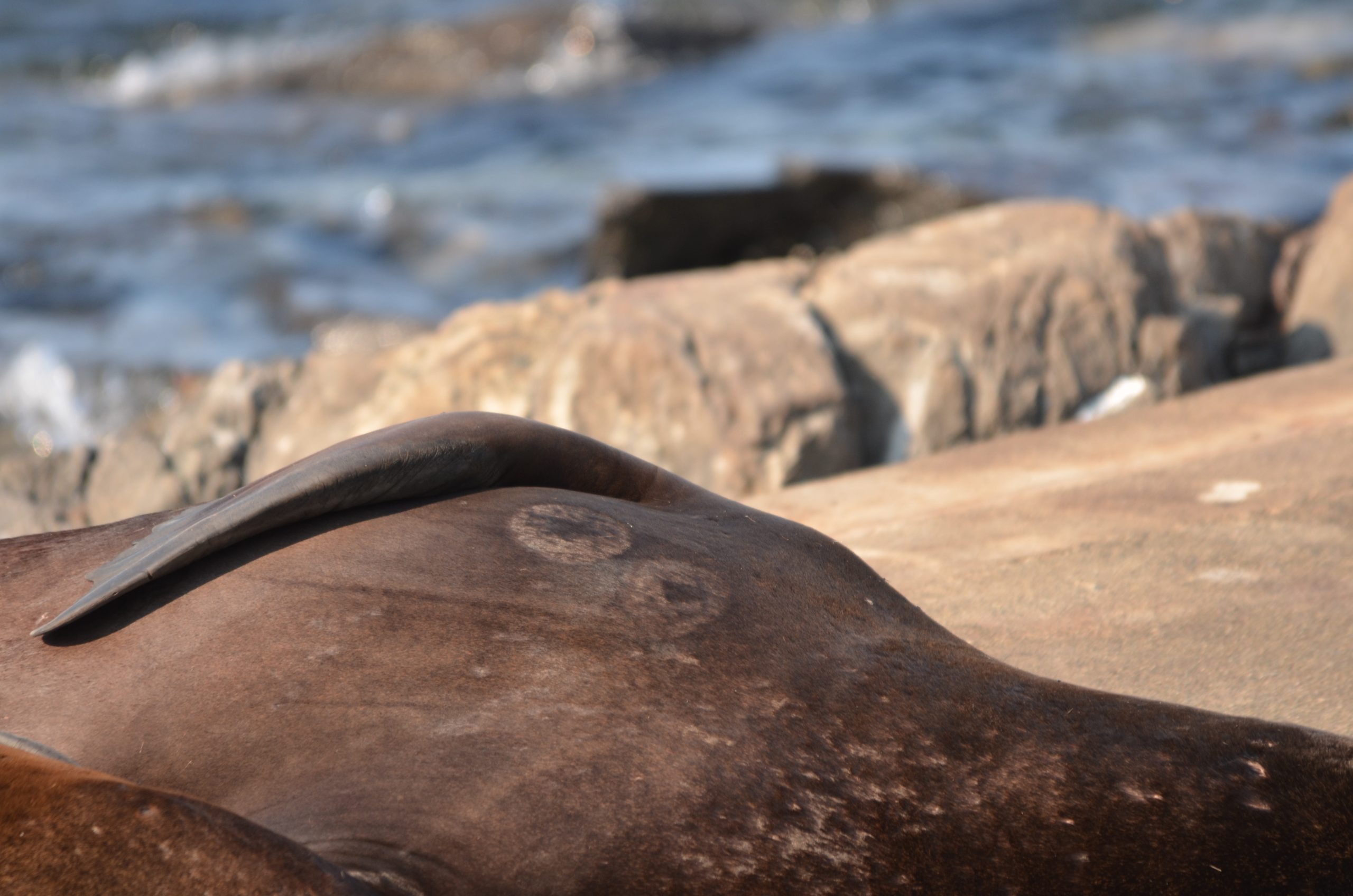
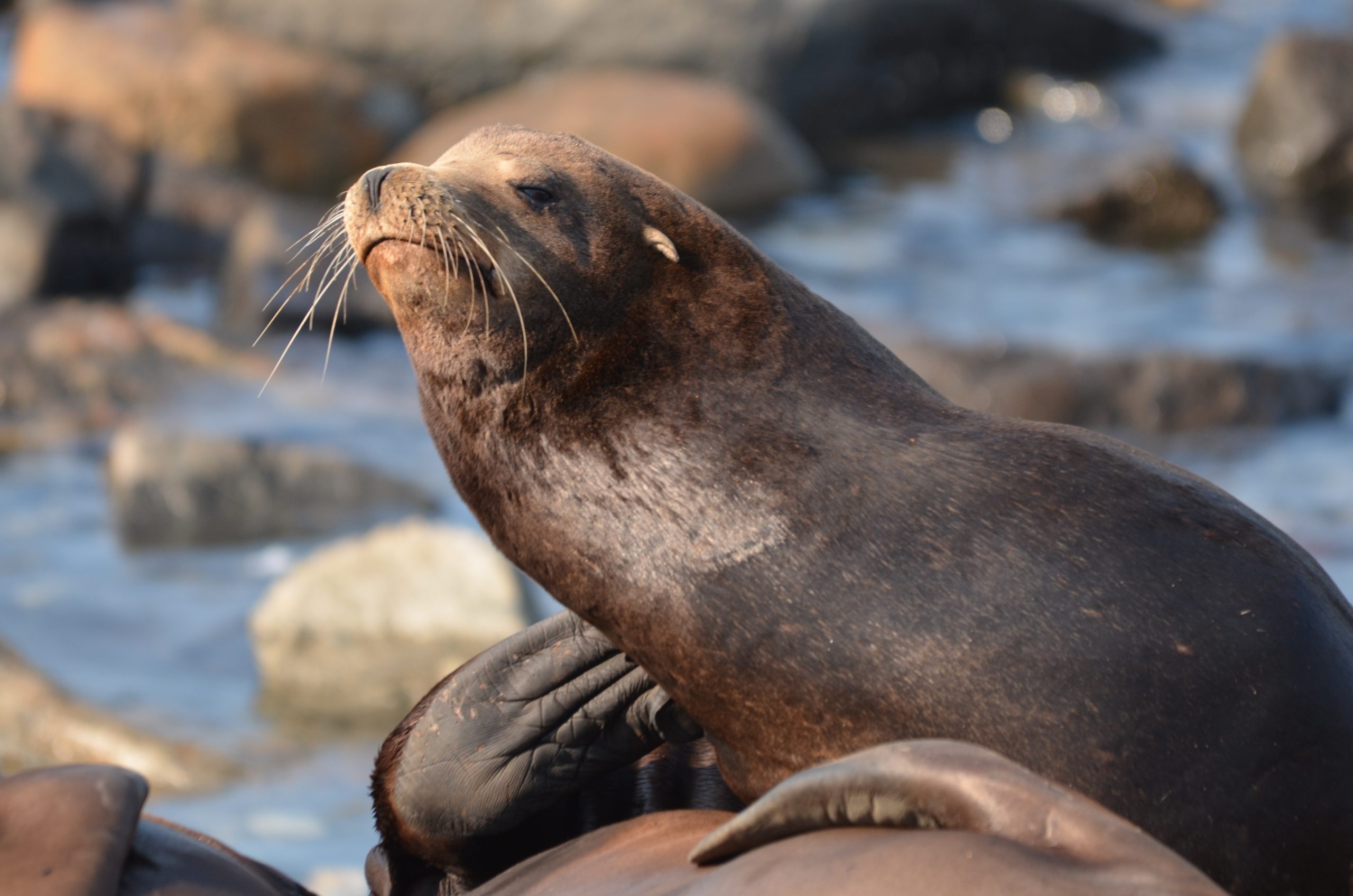
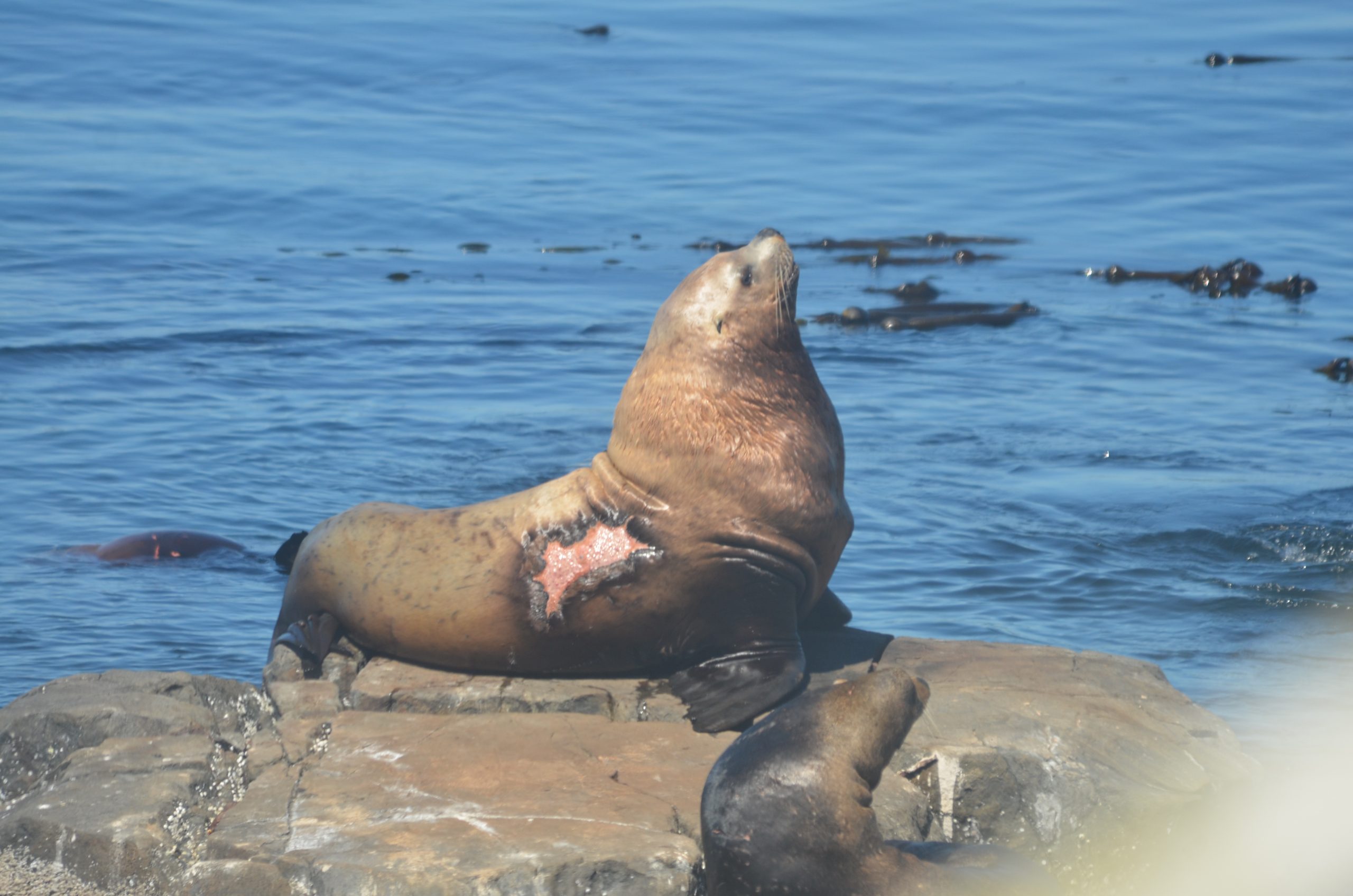
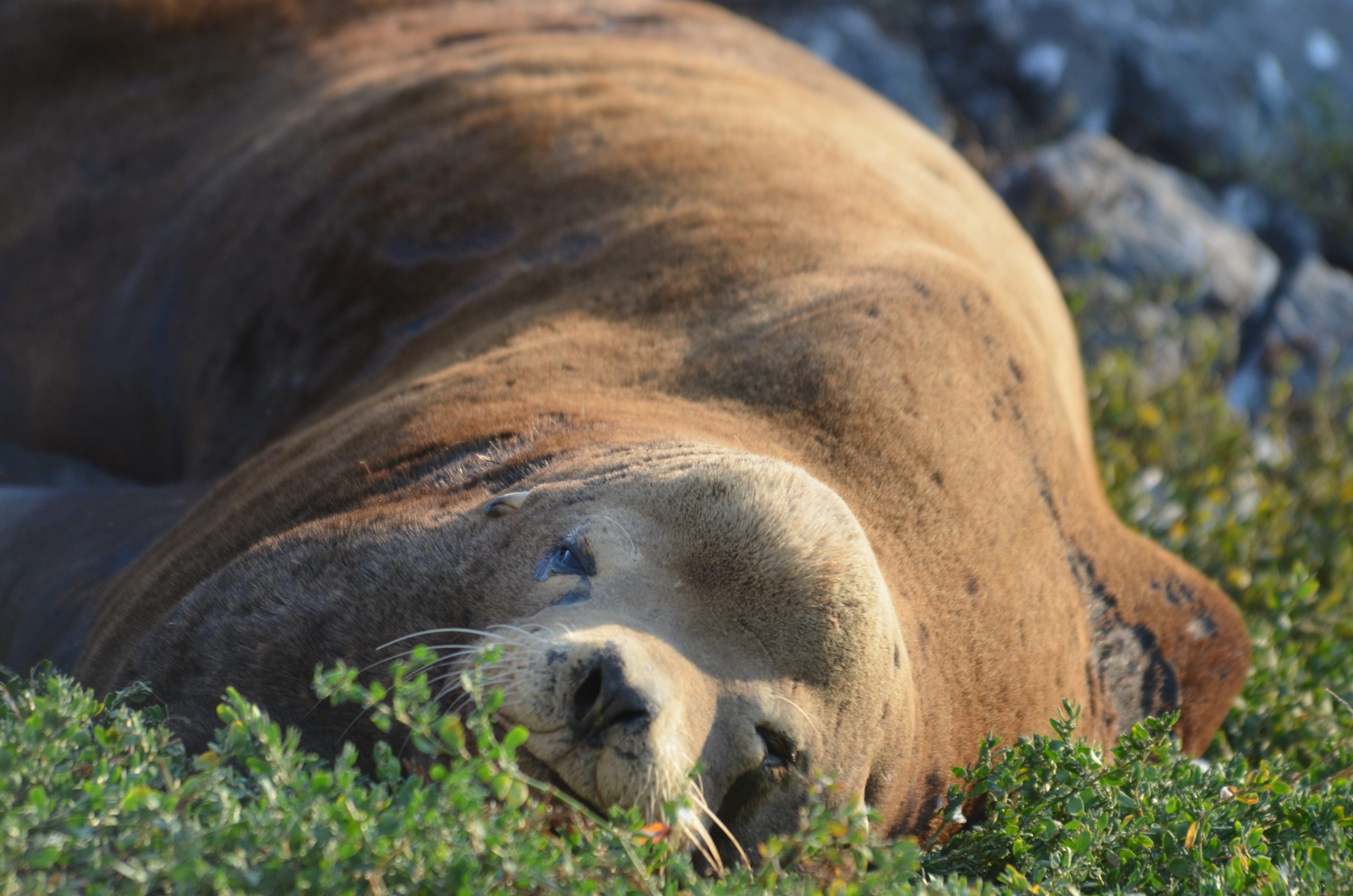
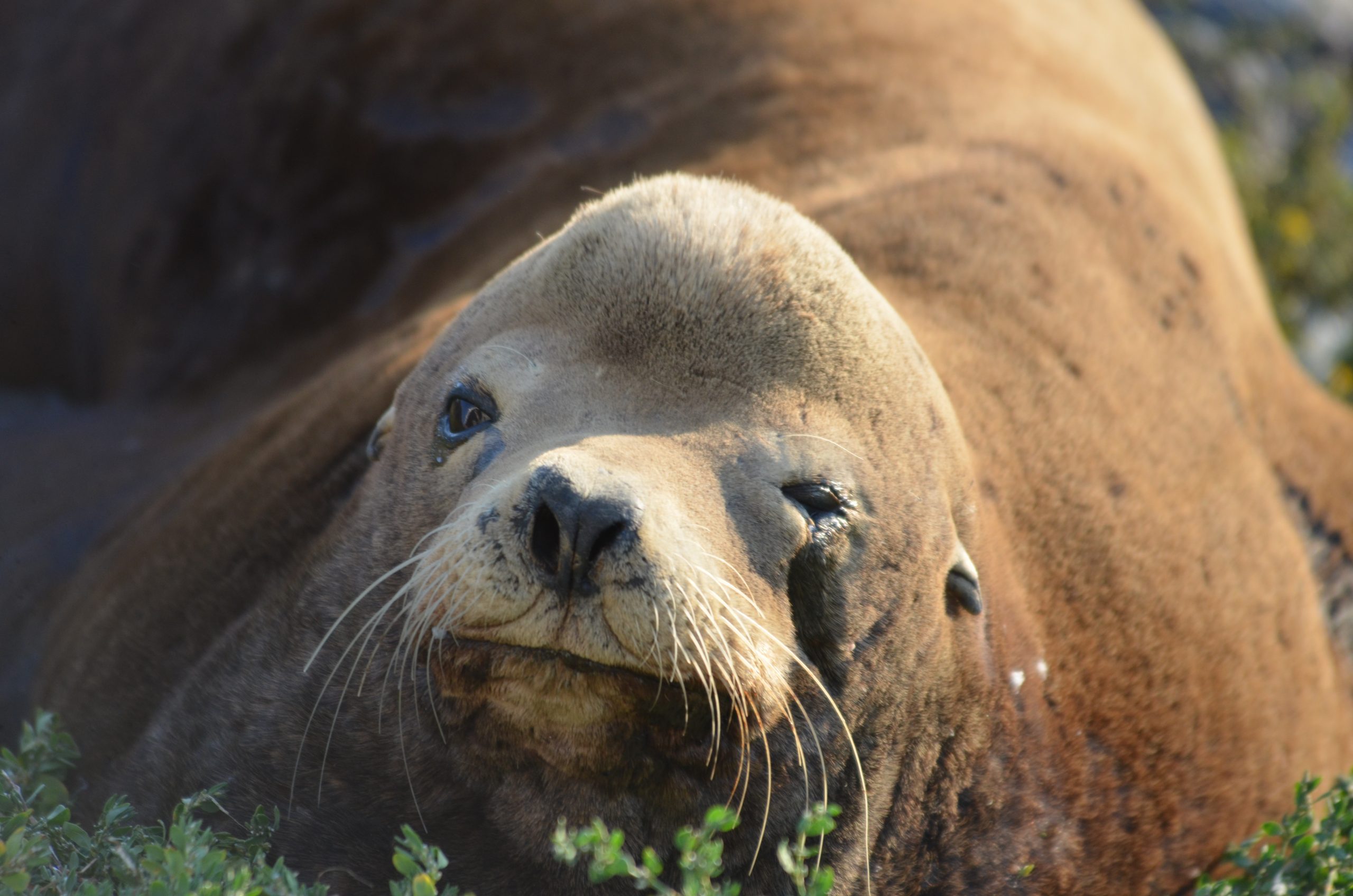
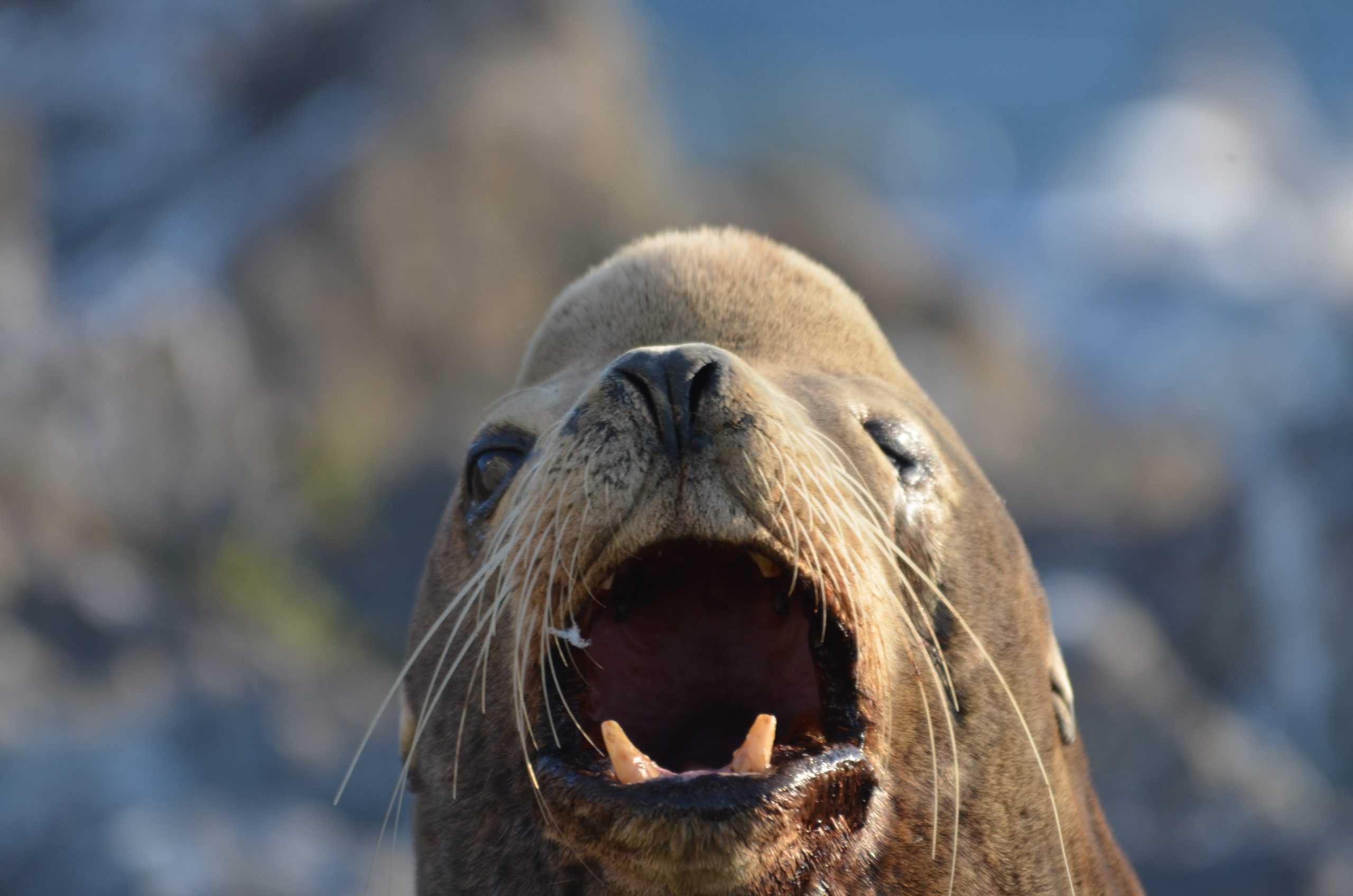
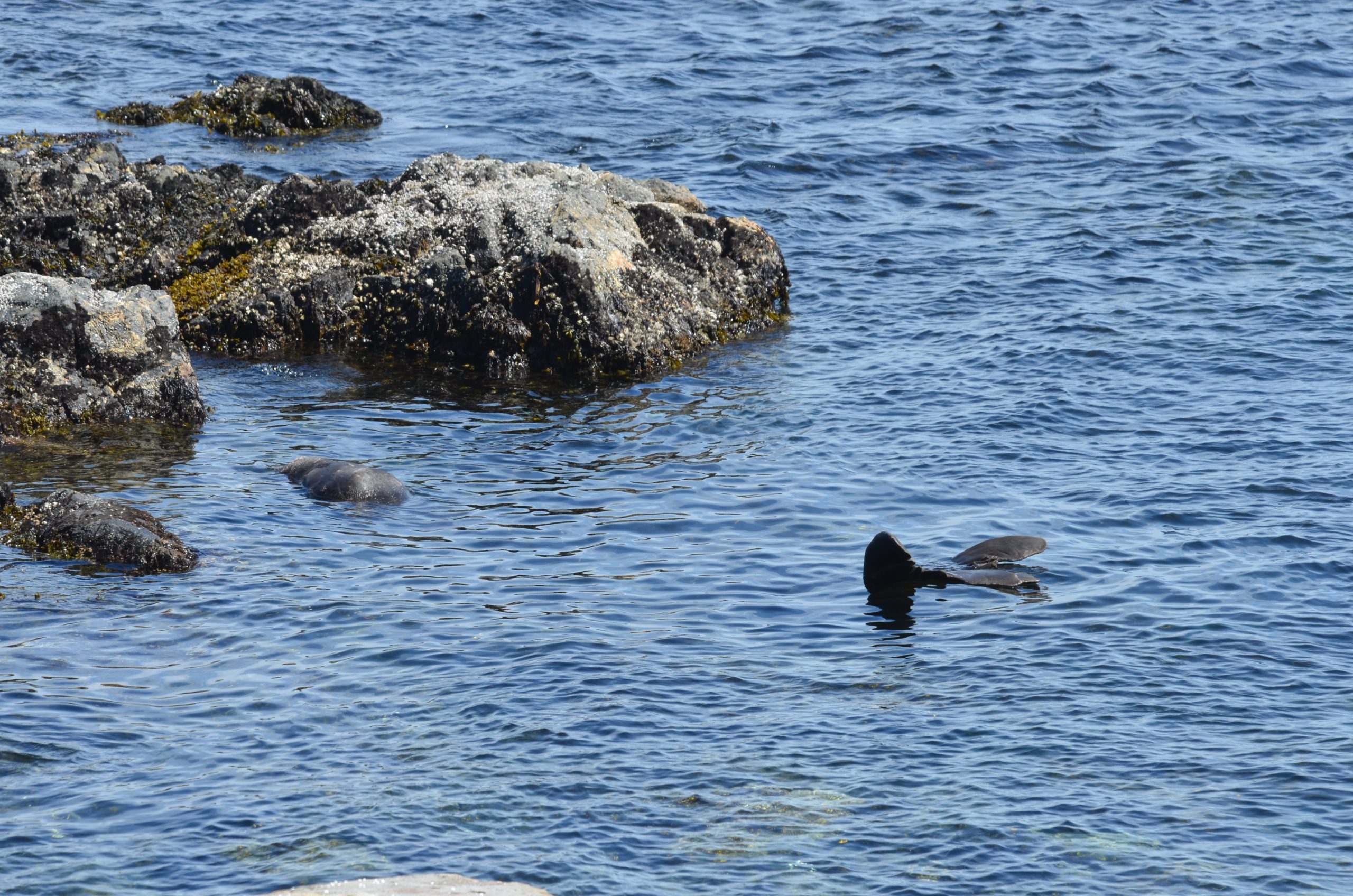
  • Boris the sea lion has returned! We have been anticipating his return as the sea lion population climbs. Boris was first spotted last year, when he arrived with what appeared to be a propeller injury to his skull. We were uncertain if he would survive, as according to Marty (vet, MMR), sometimes these injuries can cause brain infections if the skull fragments. He is easily identified by the scar that remains, and his unusual behavior- he doesn’t seem to be bothered by our presence much at all. To view previous posts about Boris, click the “boris” tag under this post!

Students, Whales, Census, Seal!

Weather:

  • Sky clear and blue. Much less smoke than yesterday (currently 13 wildfires burning in washington state).
  • Visibility 10 NM (visibility reduced due to smoke)
  • Wind 5-10 knots SE
  • Sea state: calm

Visitors:

  • As the students return to the Pearson College campus we are being joined by small groups of first year students to introduce them to race rocks. We have been enjoying showing them around and sharing about the ecology- they ask great questions!
  • Greg has been accompanying these trips as well as MJ
  • Few boats in the reserve now that the long weekend is over. Quite a few whale watching boats following the humpback whales that we have been seeing in the strait.

Ecological Observations: 

  • The sea lion numbers are climbing daily still. There are many more california sea lions than stellars right now.
  • We have been seeing the occasional small group of black turnstones (less than ten) but the large migrating groups have moved on.
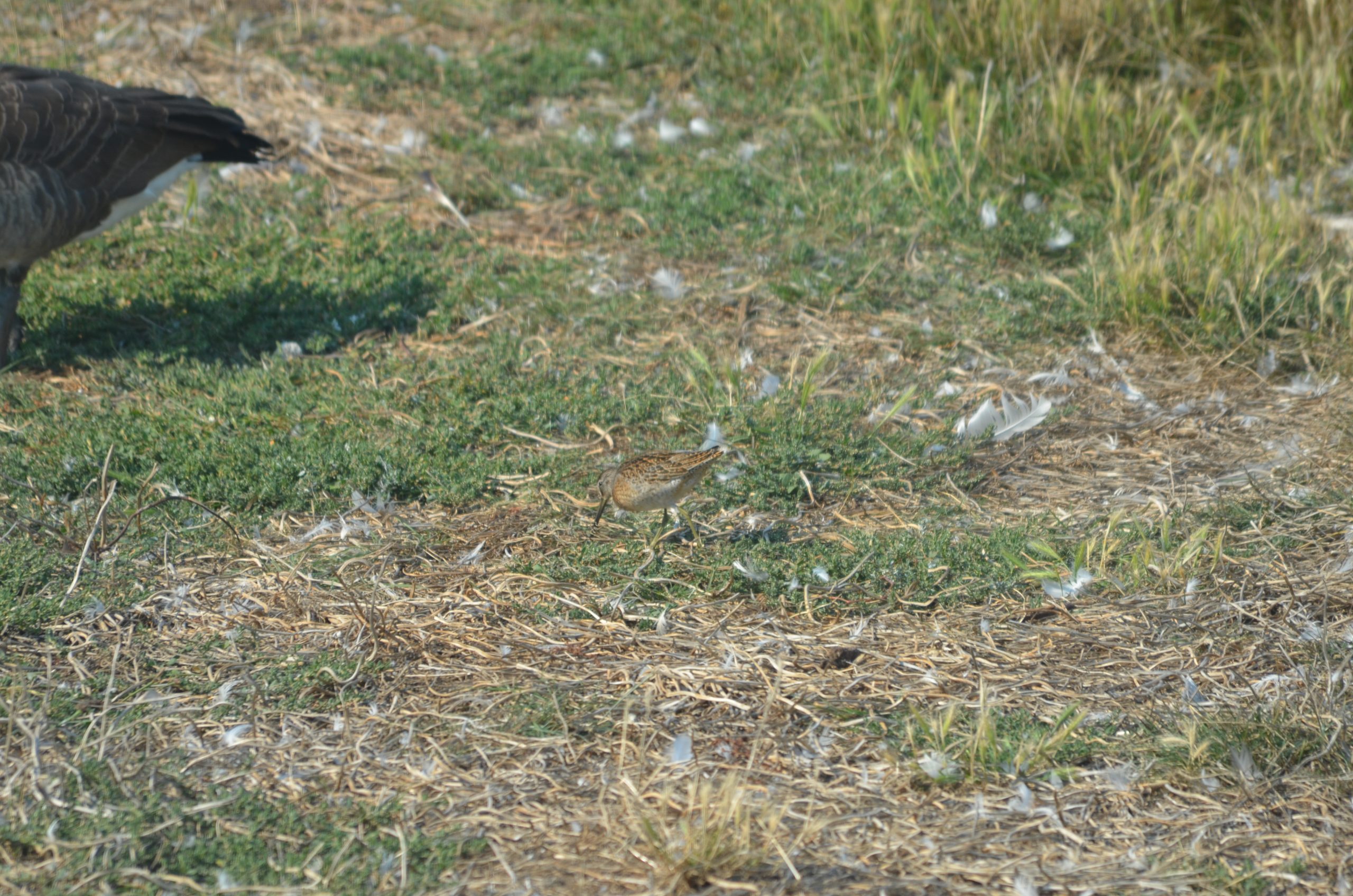
  • Yesterday we spotted a short billed dowitcher!
  • Today we were joined by one young elephant seal on the jetty ramp. Unfortunately the sea lions are not the most friendly company and it seems that they have scared it away.
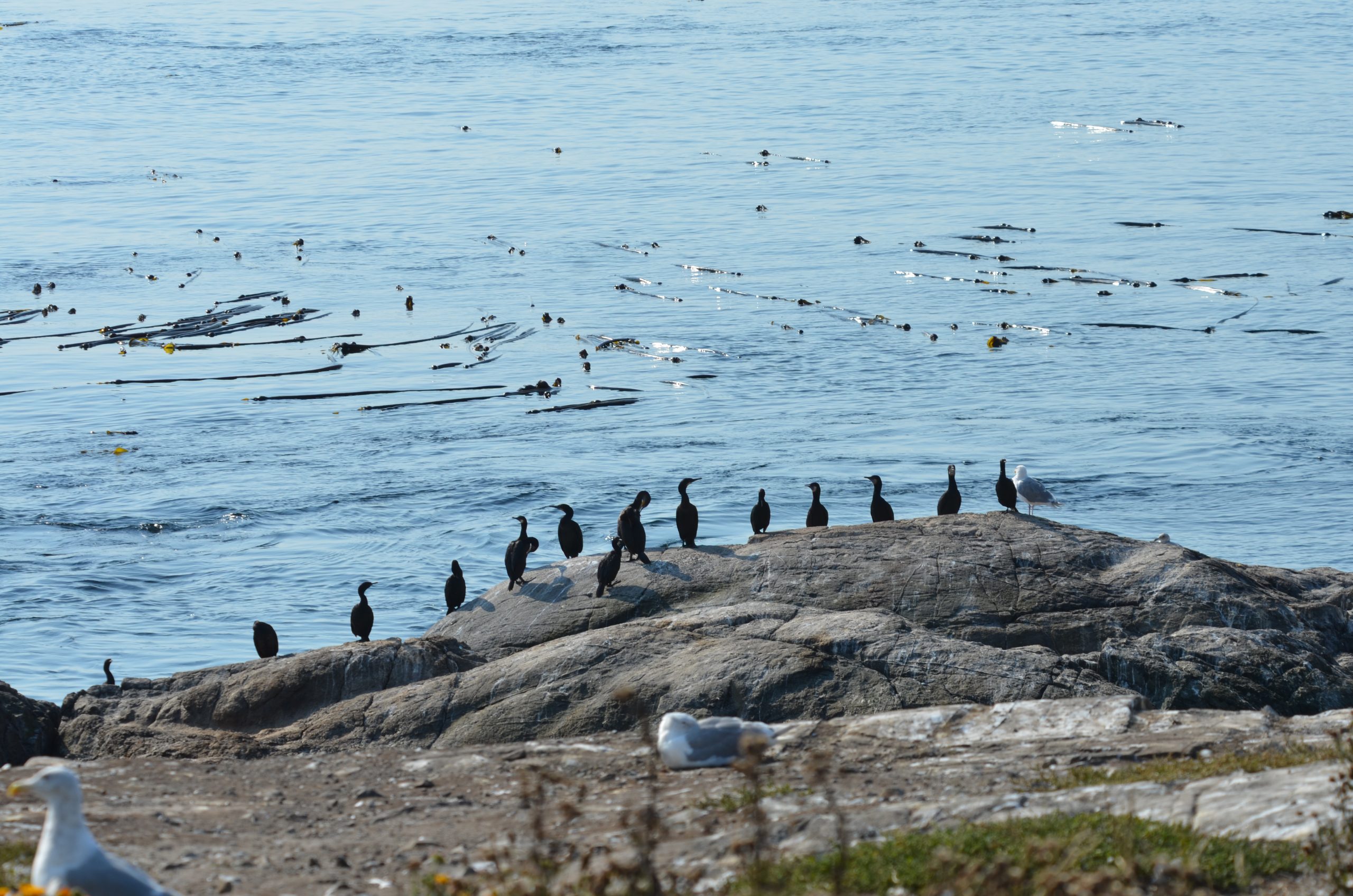
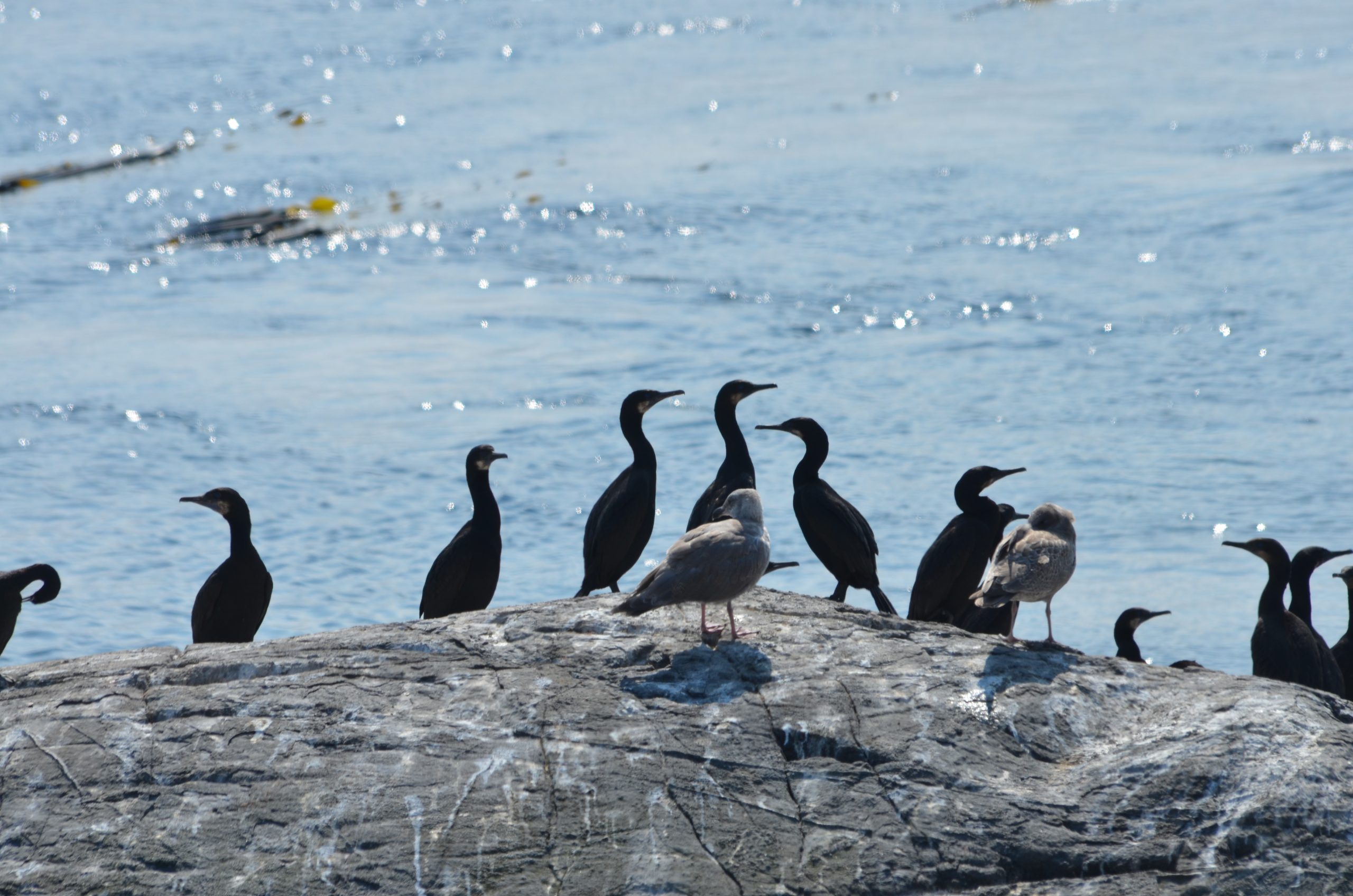
  • We have been seeing groups of cormorants in the reserve, mainly on the south islands and seal rocks.
  • We have been spotting at least 1 humpback per day in the juan de fuca strait

Census: 

  • 1 Elephant seal
  • 1 Sea otter
  • 155 Harbour seals
  • 213 California sea lions
  • 71 Stellar sea lions
  • 395 Gulls (California)
  • 1 Savannah Sparrow
  • 1 humpback whale (!)
  • 4 Canada geese
  • 6 Black turnstones
  • 6 Song sparrows

Sea Lion Rescued Near Victoria (Times Colonist , Sept 9, 2020)

From: https://www.timescolonist.com/sea-lion-rescued-near-victoria-with-plastic-band-around-its-neck-1.24199804

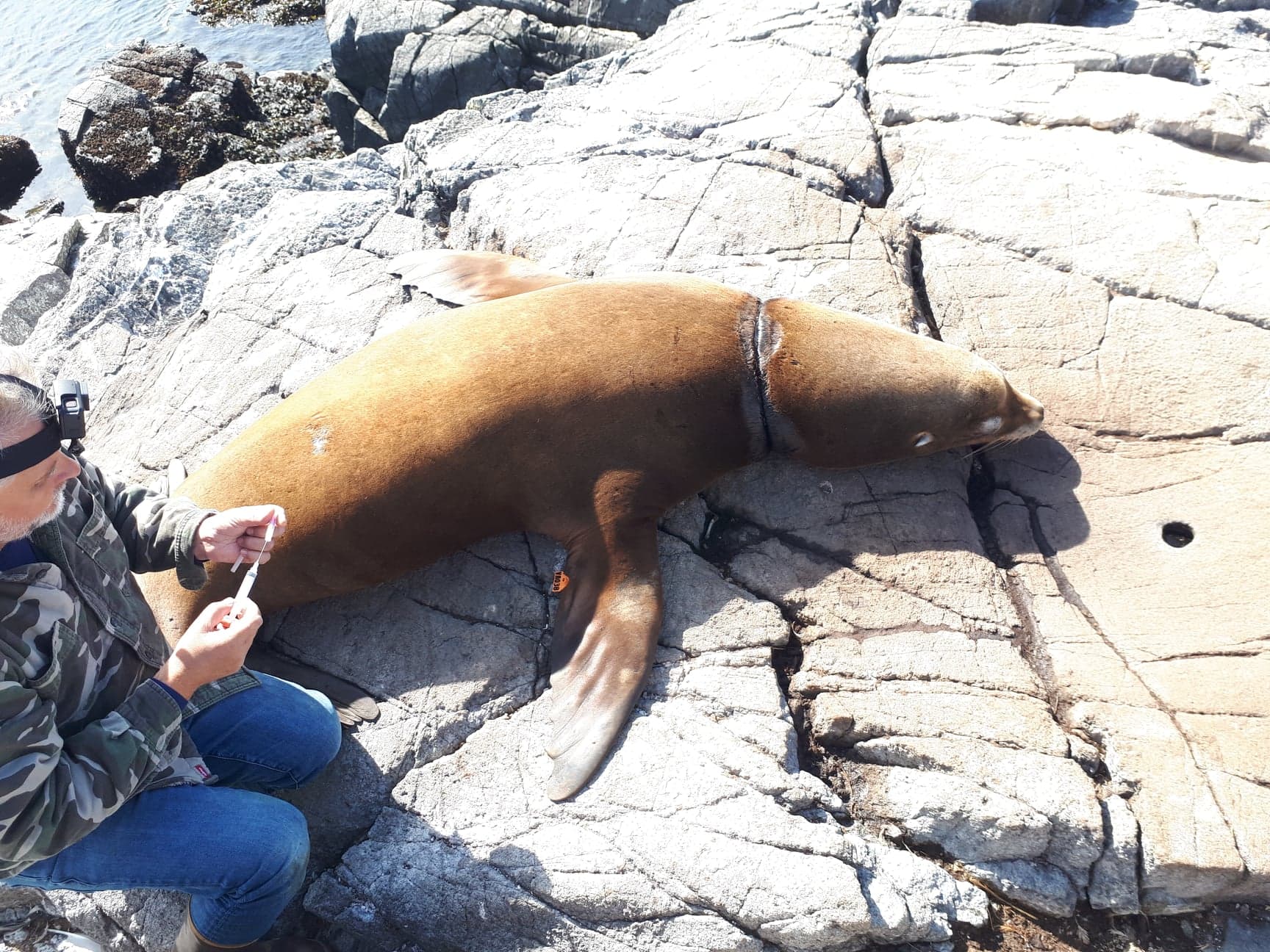
Veterinarian Martin Haulena from the Vancouver Aquarium’s Marine Mammal Rescue Centre attends to the injured sea lion.

photo: MARA RADAWETZ


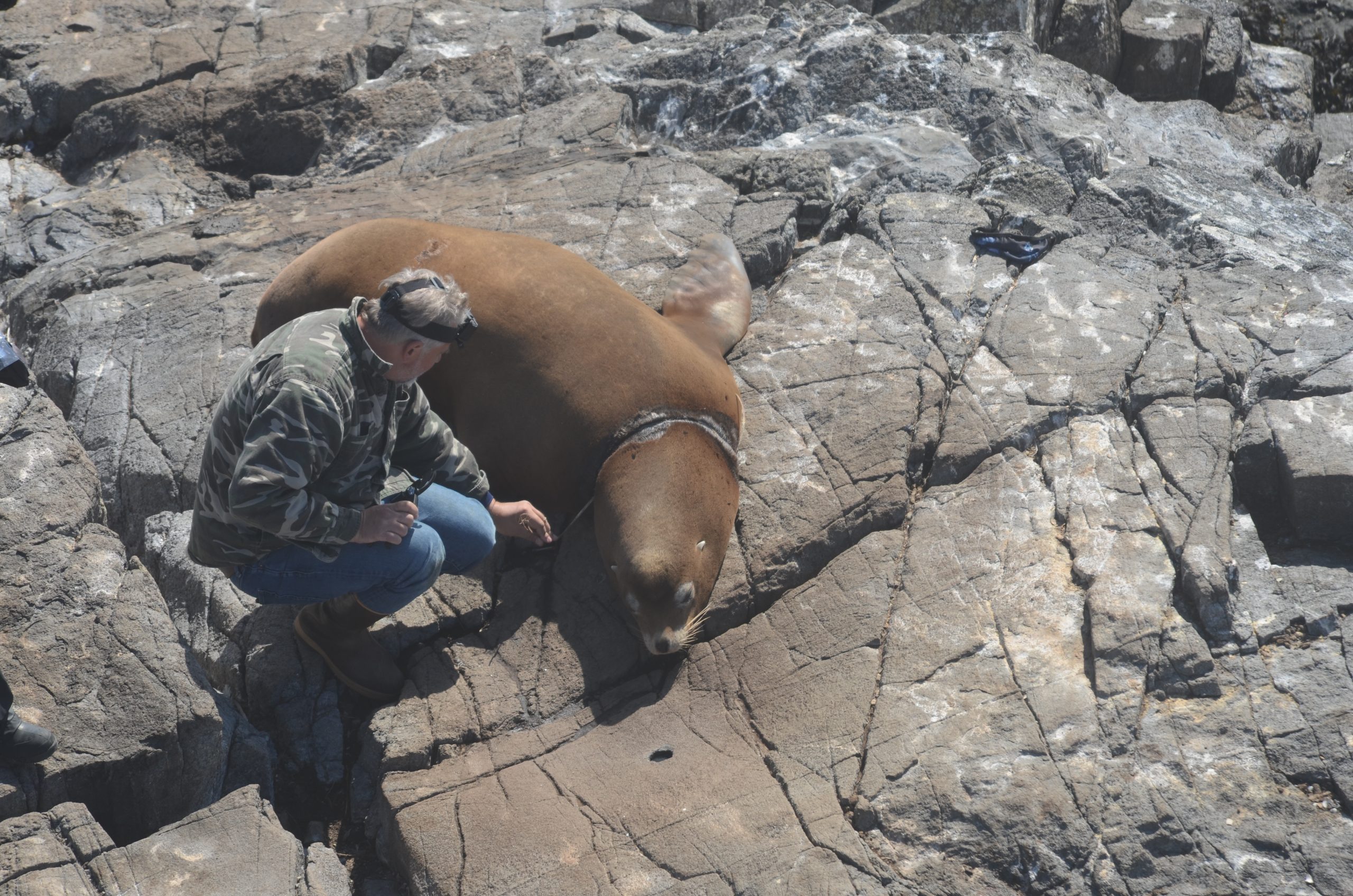
A sea lion with a plastic packing band cinched around its neck was rescued near Race Rocks on Sunday, thanks to the combined efforts of rescue teams from Victoria and Vancouver.

The struggling sea lion was first spotted by Mara Radawetz, who lives in the decommissioned lightkeepers’ residence at Race Rocks, just off the southern tip of Vancouver Island. Radawetz, who monitors the Race Rocks Ecological Reserve with partner Kai Westby on behalf ­Metchosin’s Pearson College, saw the sea lion several times during the week in nearby Juan de Fuca Strait, and said the marine ­mammal was clearly in distress.

“He was scratching constantly at his wounds, which were cutting into his skin,” ­Radawetz said.

She contacted Fisheries and Oceans Canada and the Vancouver Aquarium’s Marine Mammal Rescue Centre, Canada’s only dedicated marine mammal rescue facility and one of the largest rescue facilities in the world, to help free the sea lion from the plastic packing band wrapped around its neck.

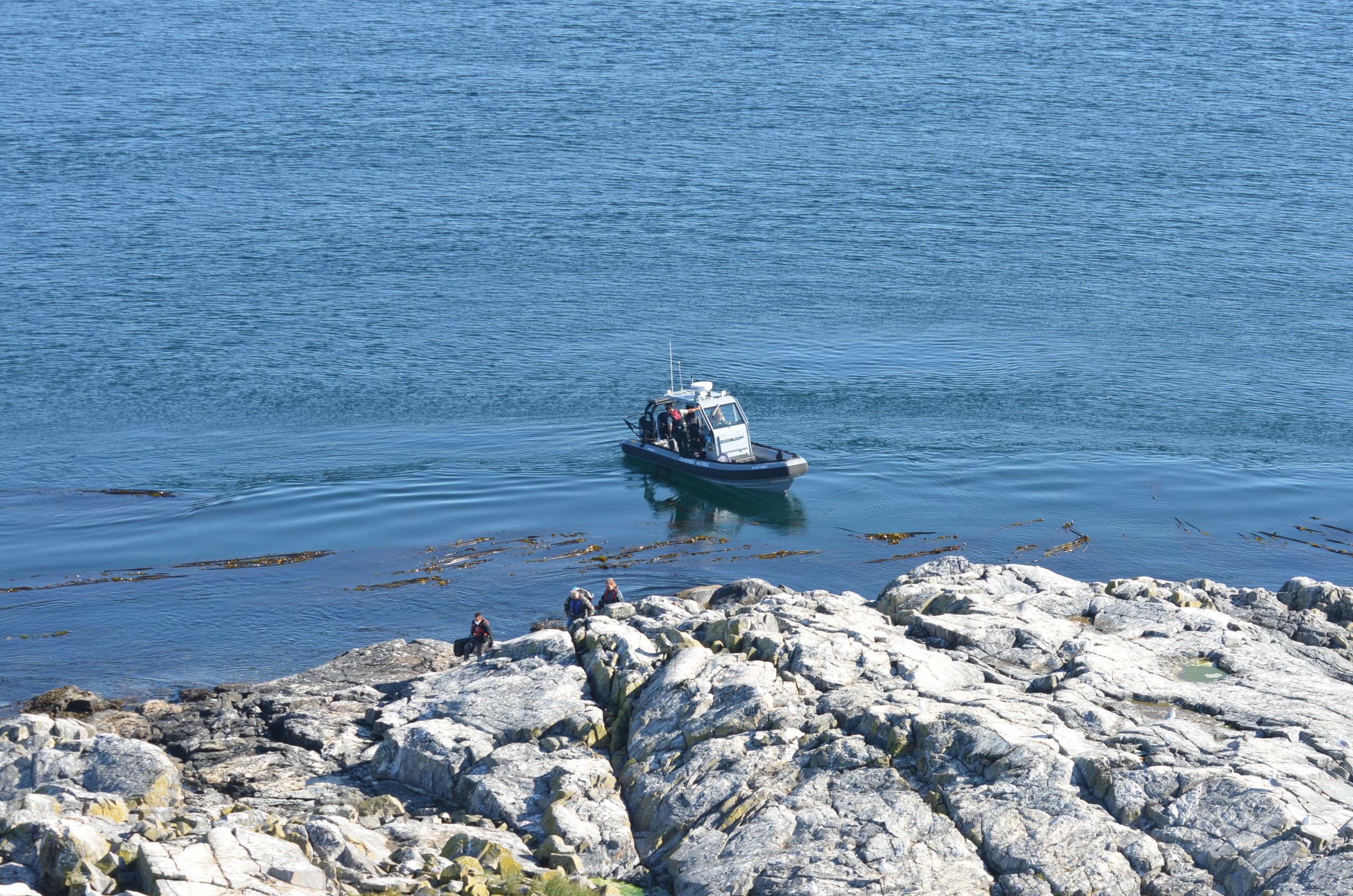
Two large Zodiac boats ­carrying the rescue team and several veterinarians arrived Sunday morning, and quickly found the sea lion, Westby said. After being given a tranquilizer ­injection by veterinarian Martin Haulena from the Marine Mammal Rescue Centre, the sea lion was brought onto the shores of Race Rocks and treated.

The plastic band was removed and tracking tags were attached to the animal’s front flippers. A blood sample was also taken, to assist with future studies. After being given a drug to reverse the effects of the tranquilizer, the sea lion was back swimming within minutes, Westby said. “It was great to see them help out an animal that was in such great pain.”

Suffering caused by man-made material such as plastic is an increasingly common problem among sea lions, Westby said. As permanent residents on Race Rocks, he and Radawetz see their share of injuries to sea lions.

“It can be pretty sad to see. They live for 20 years or 30 years, and as the animal grows, the band cuts through its skin. It becomes a really painful-looking wound.”

mdevlin@timescolonist.com

Successful Sea Lion Rescue!

Weather:

  • Sky Clear and blue
  • Visibility 15+ NM
  • Wind 20-25 knots NE
  • Sea state: swells up to one meter
  • Temperature outside: 19.8 C
  • Pressure: 1021 hPa (decreasing)
  • We have been seeing consistent fog in the late evening, lasting for an average of 2 hrs. The fog banks seem to move over us from Port Angeles.
Visitors: 

  • Marine Mammal Rescue and DFO visited yesterday (more on this below).
  • Steady flow of pleasure crafts and whale watching vessels over the long weekend.

Sea Lion Disentanglement: 

  • Yesterday Marine Mammal Rescue along with the support of DFO vessels and staff came to help a sea lion with a plastic packing band stuck around his neck. They were able to successfully dart the sea lion with a tranquilizer injection, remove the band, give him tracking tags on his front flippers, and take a blood sample. When this was done they injected a reversal drug to wake him up and with a little scratch he was back on his way!

Ecological Notes:

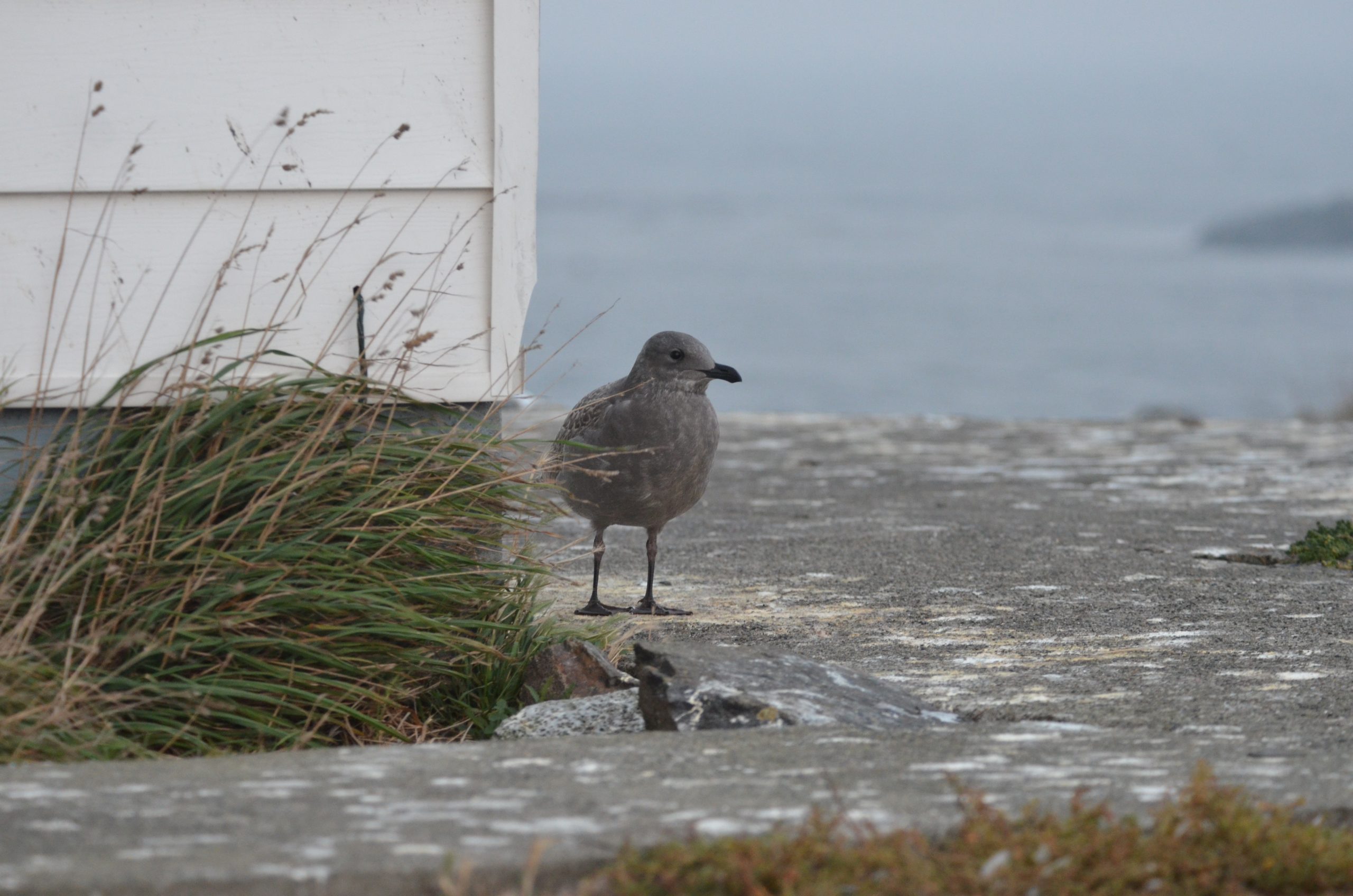
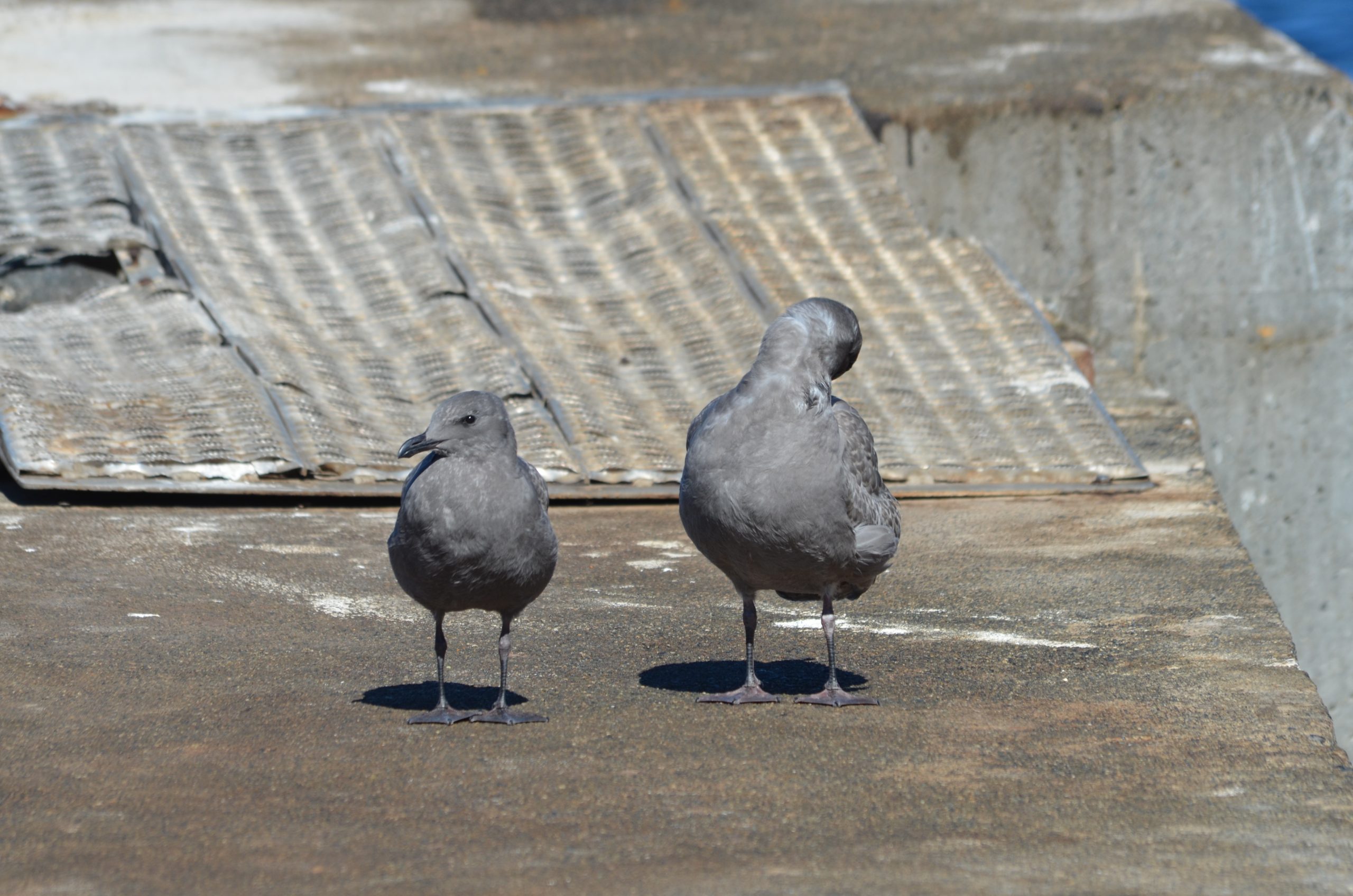
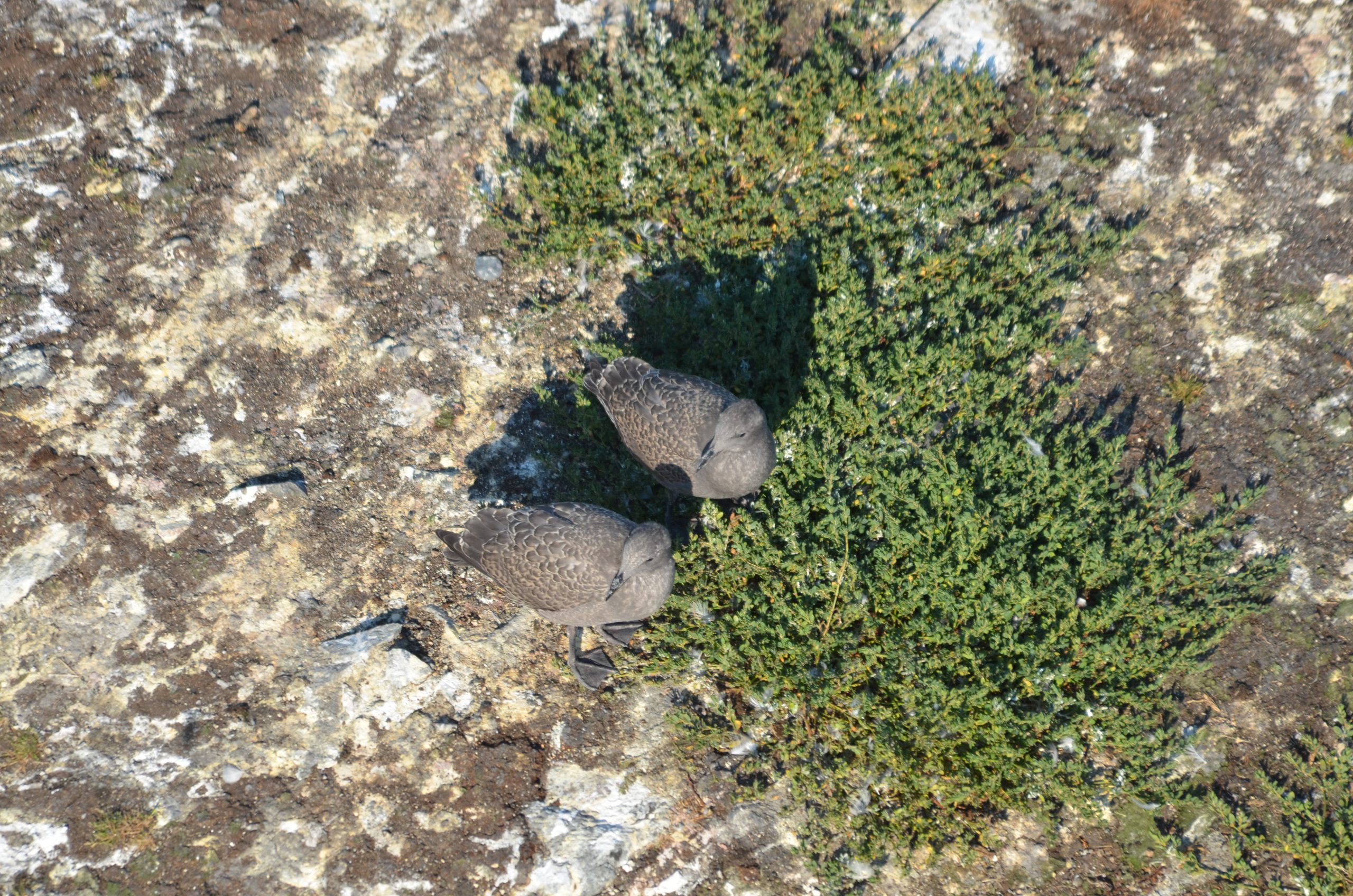
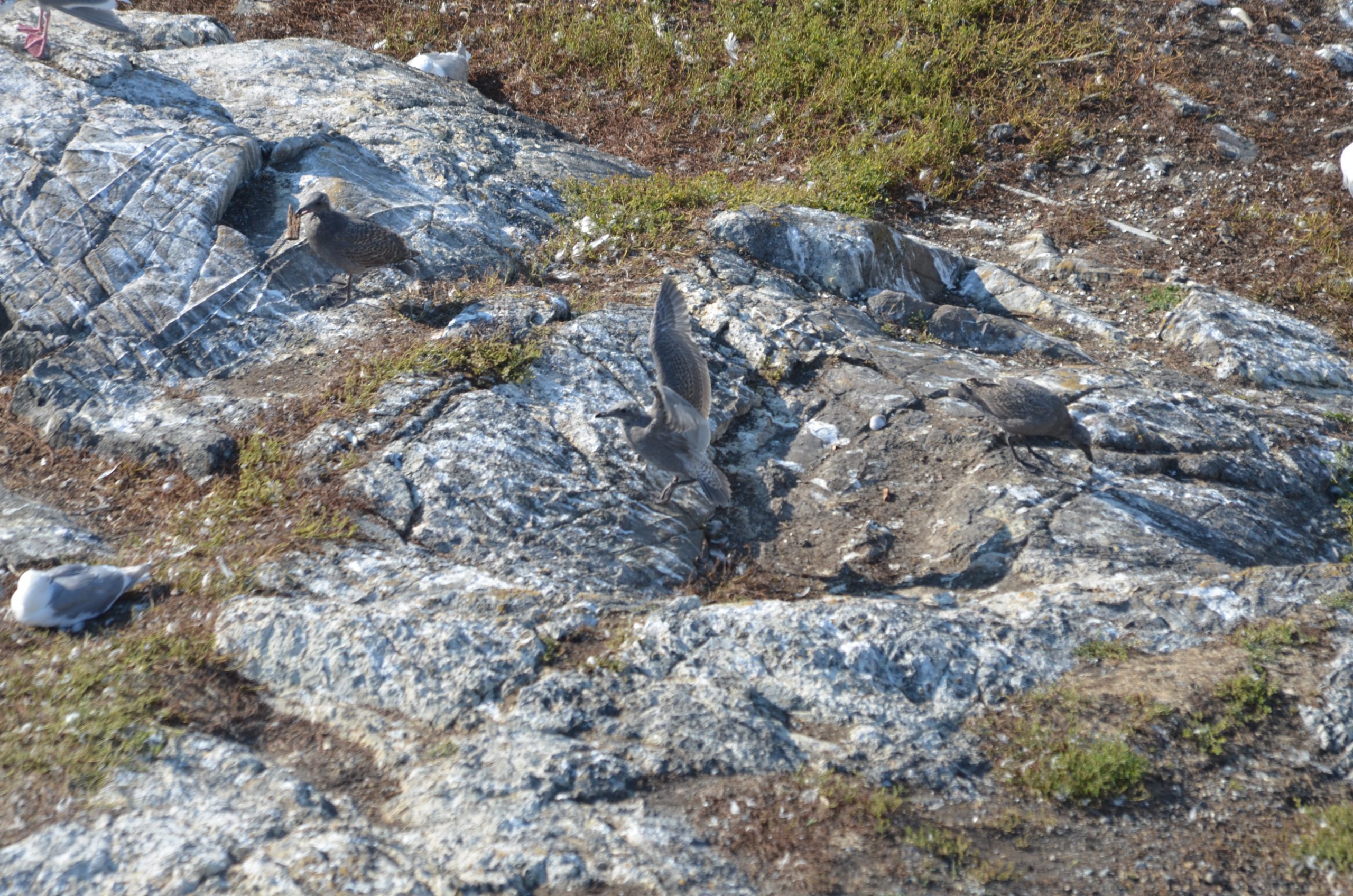
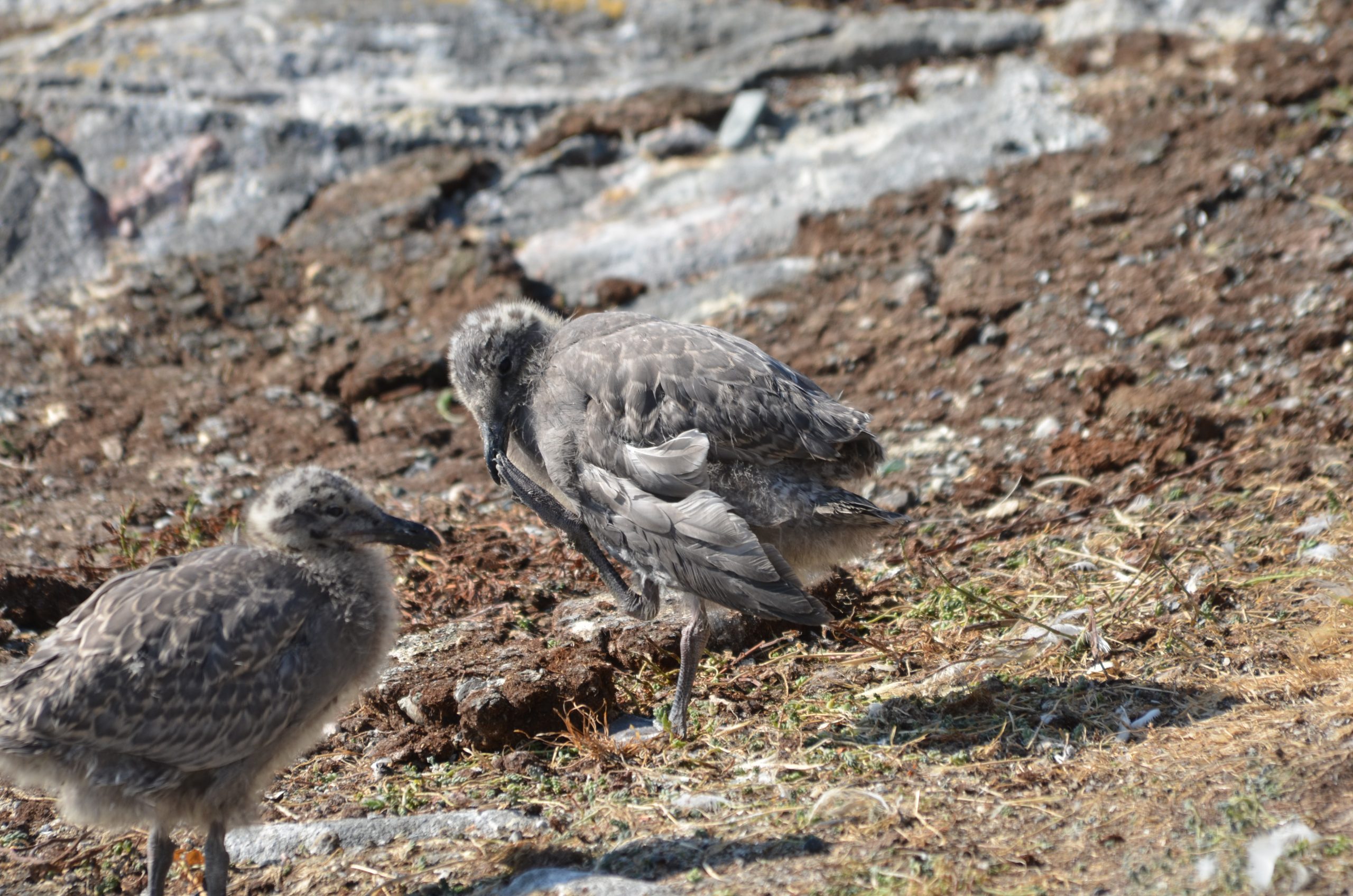
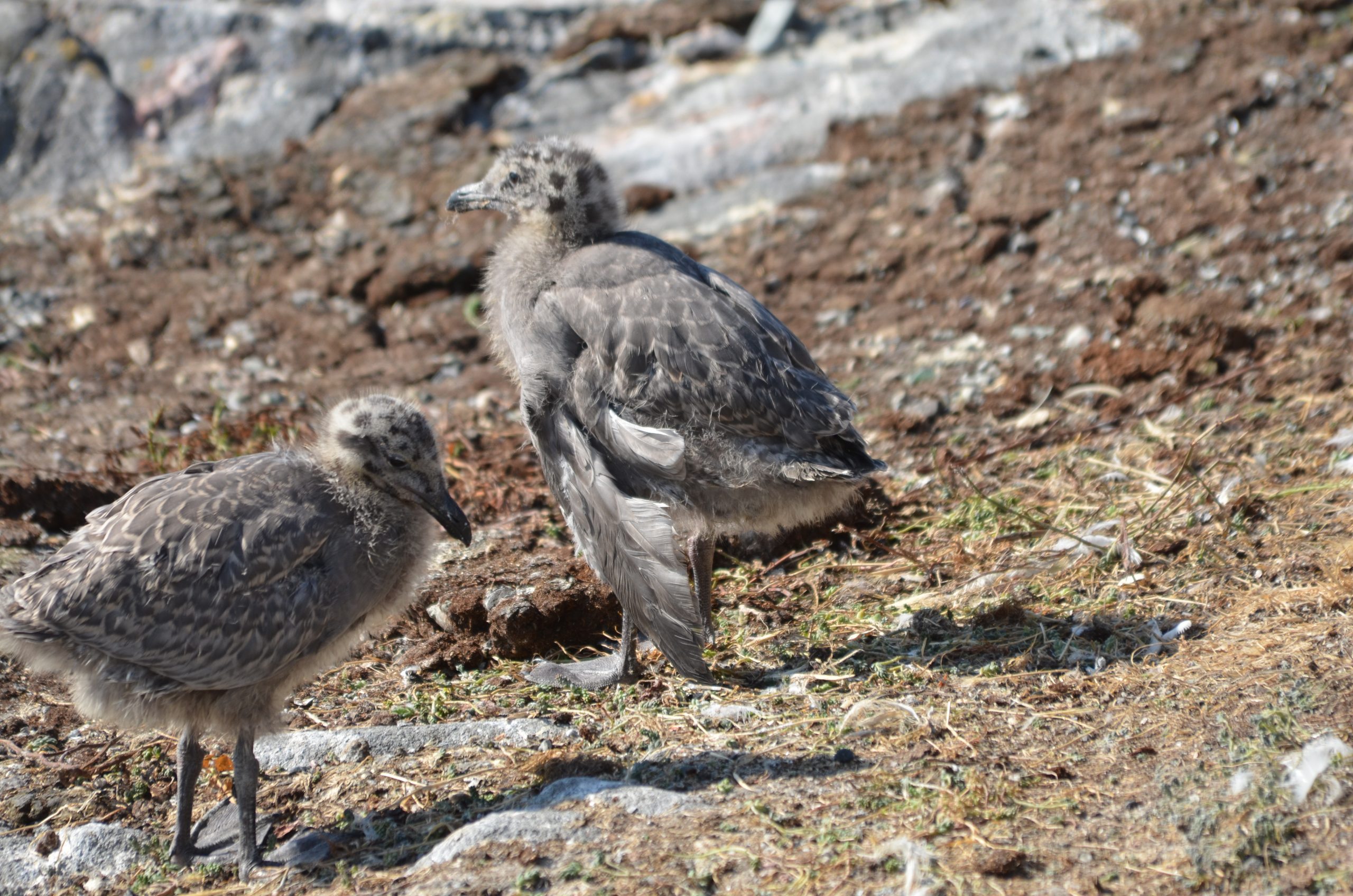
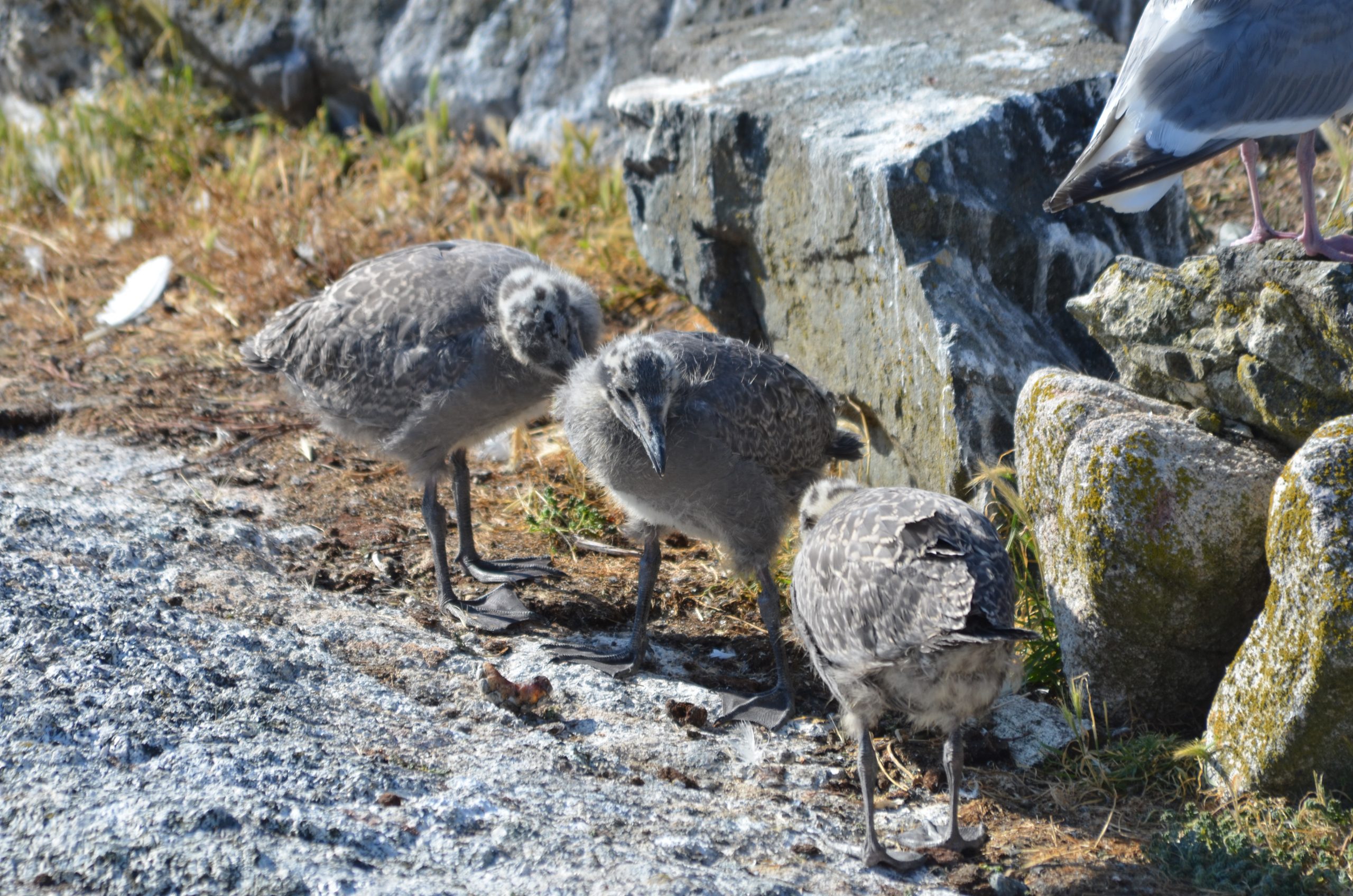
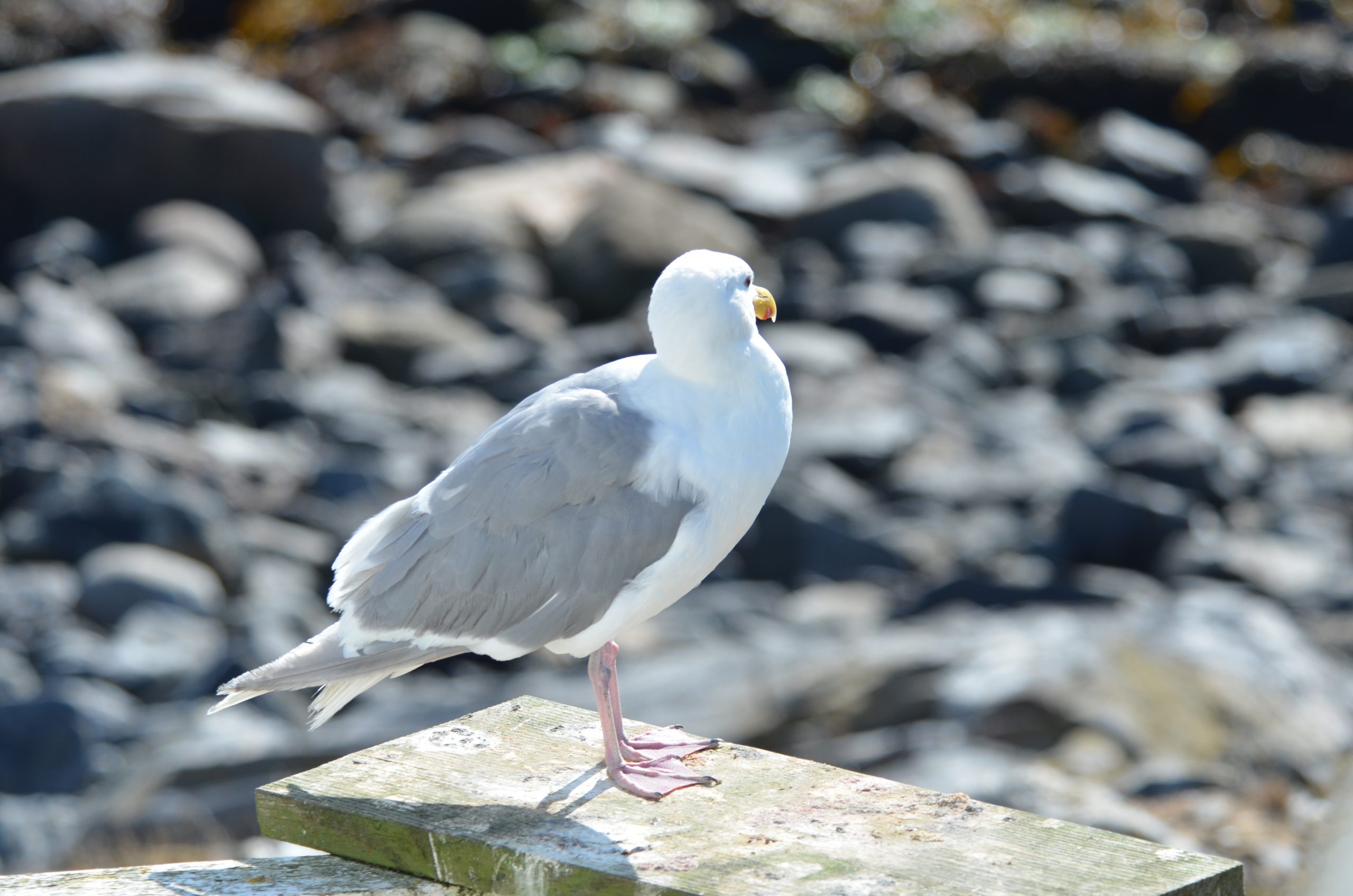
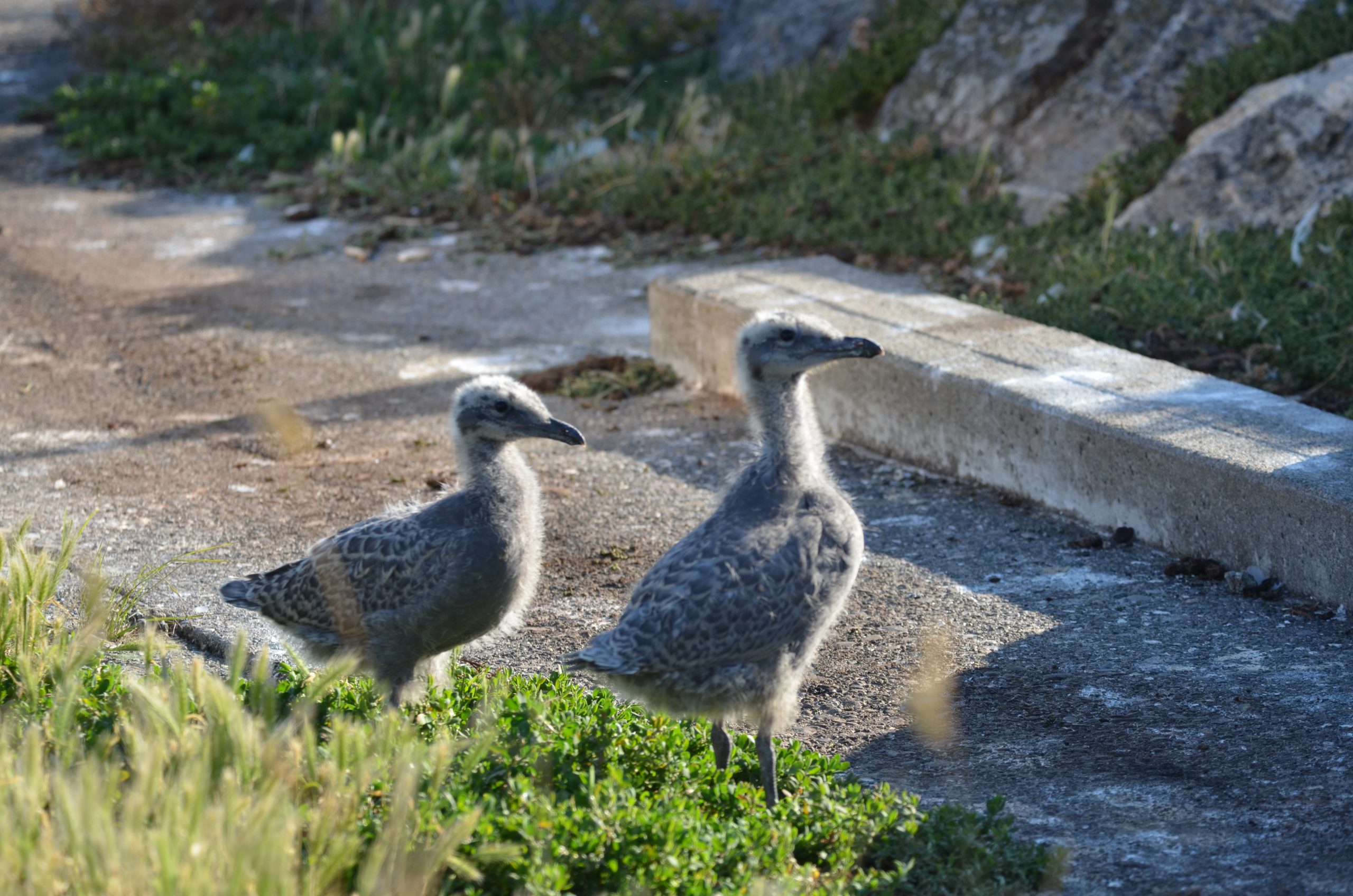
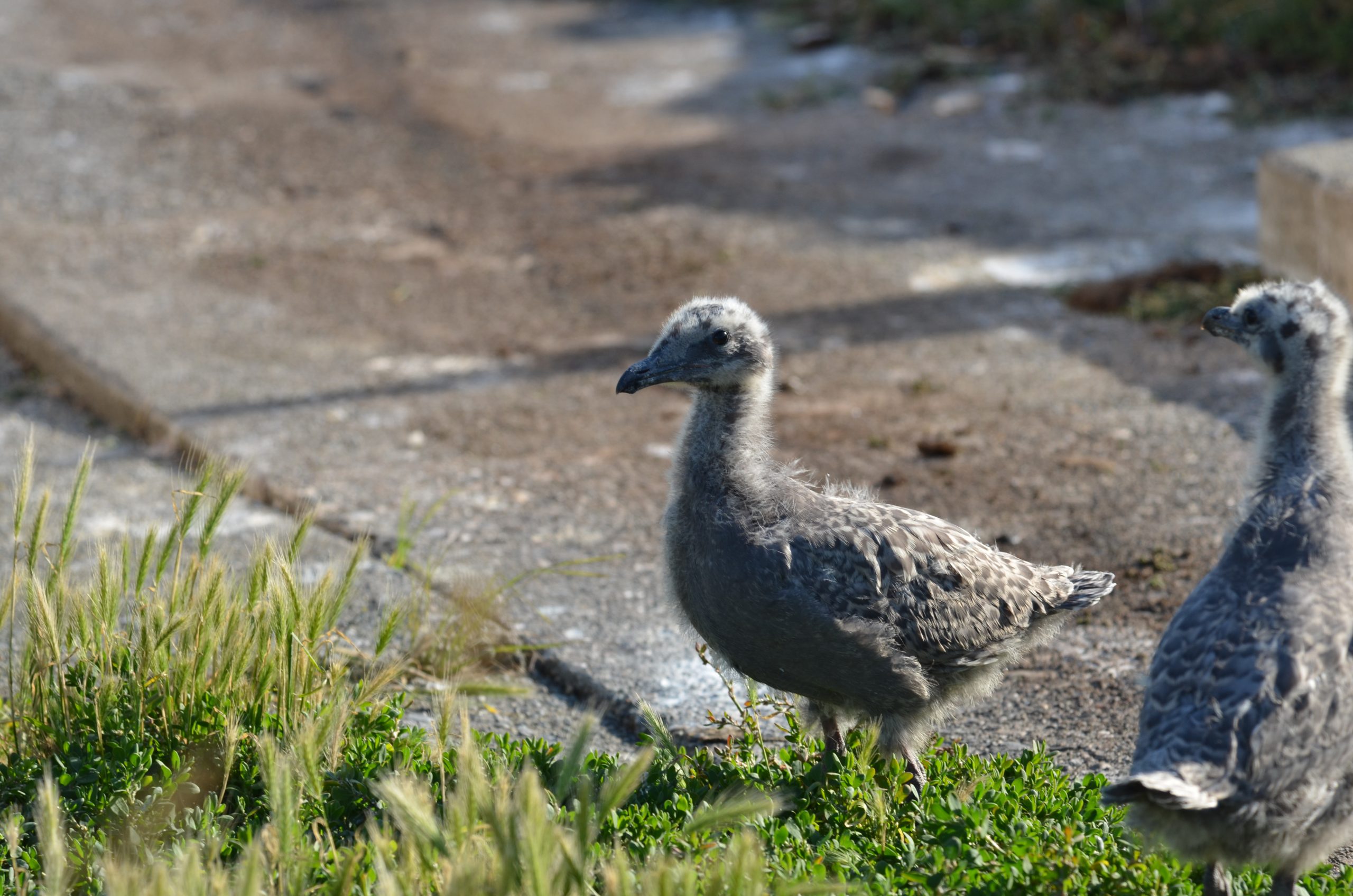
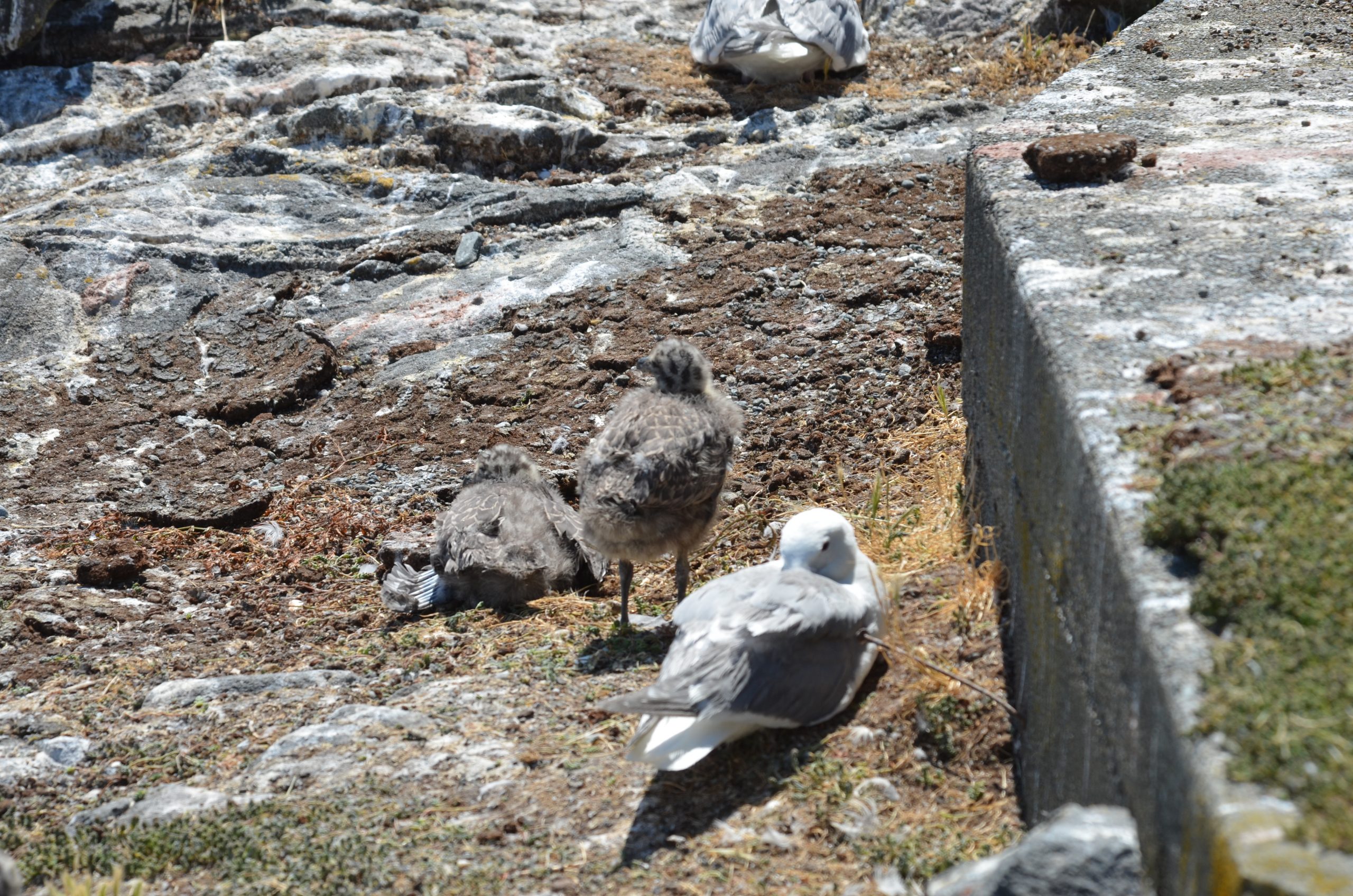
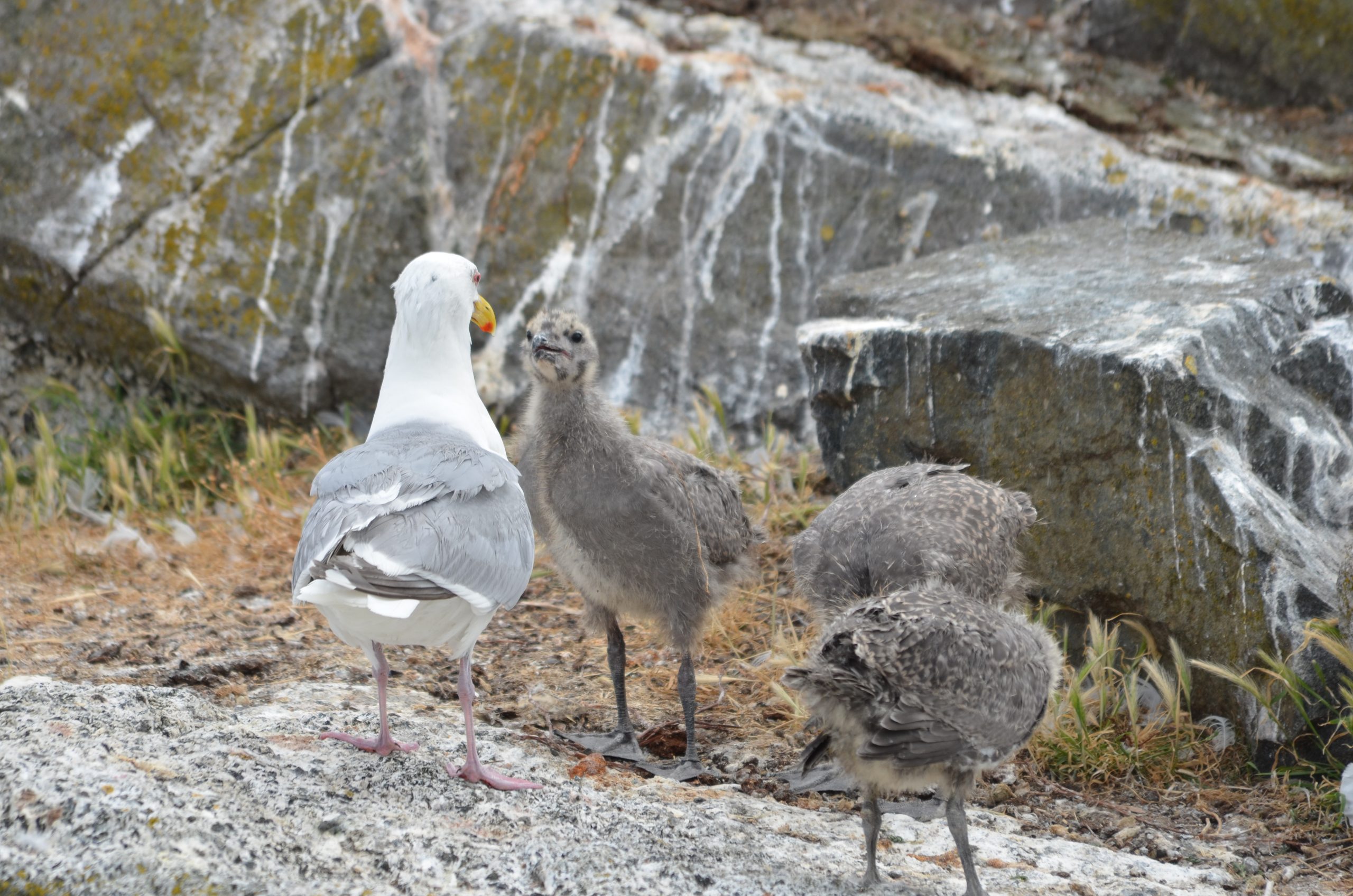
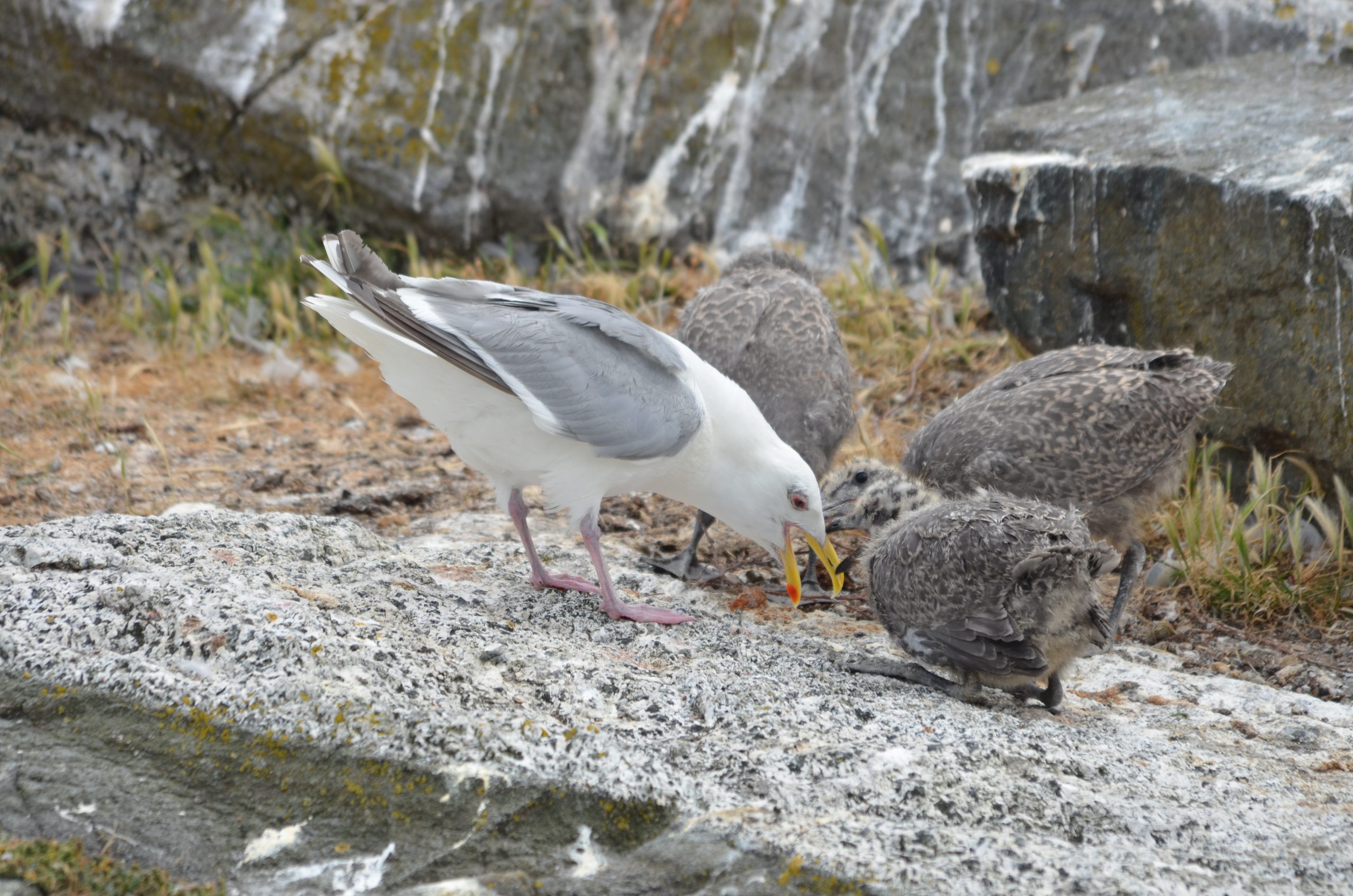
  • The seagull chicks have officially flown the coop! Only a few remain and we are able to move around the island again without bothering the nesting birds.
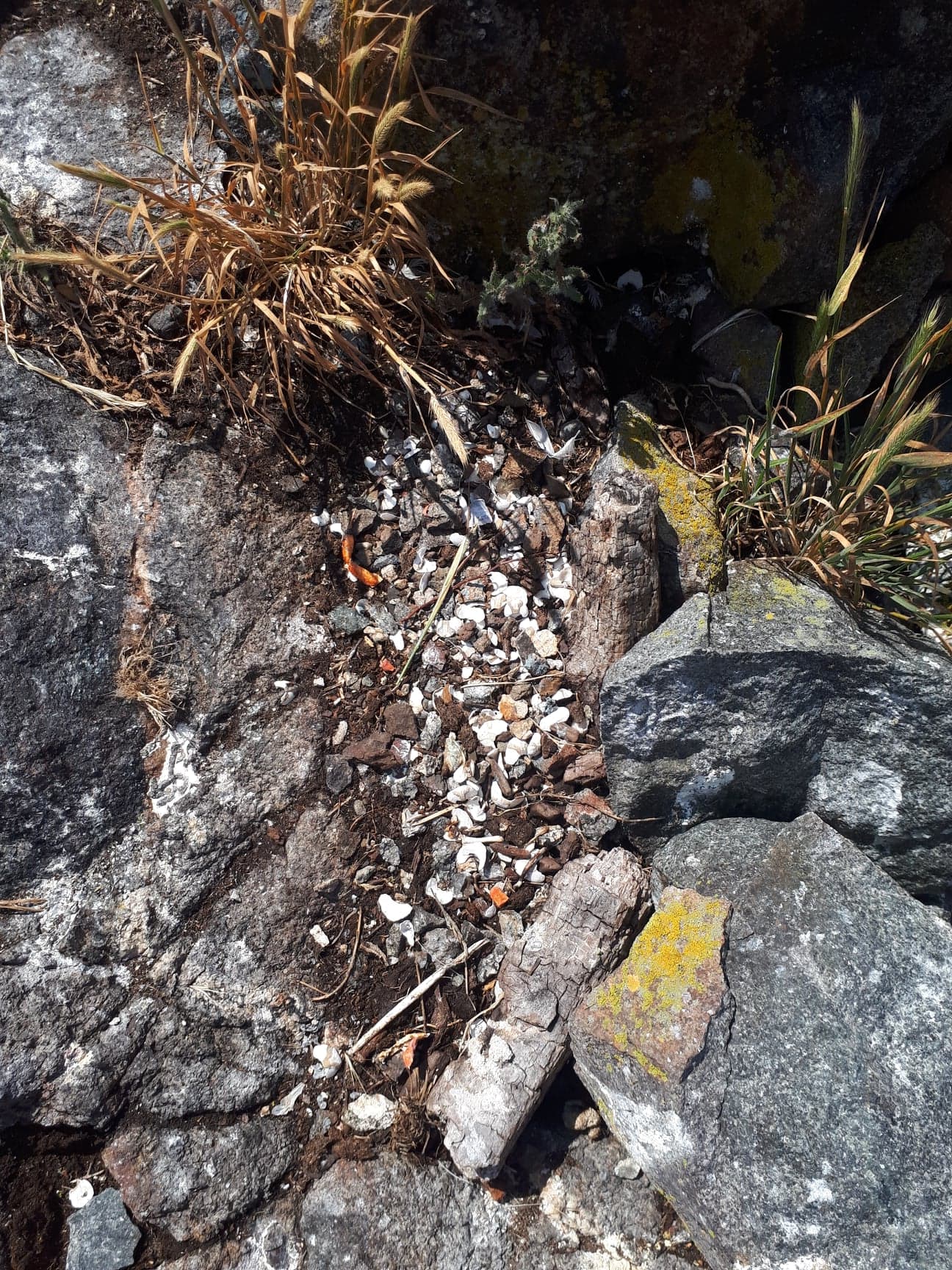
  • This year we have noticed significantly less trash left behind by seagulls than last year. Our best guess is that they had more food available to them this summer, which would also align with observing them regurgitating much more fish that the previous season.
  • The sea lions have been increasing in numbers every day. The new fencing material that Nick and Greg used seems to be working much better than the wire that we tried last year, preventing them from damaging the island infrastructure. We have been letting them rest on the jetty this week but we will soon need to install more fencing in preparation for student visits.
  • Yesterday we found two turnstones which appeared to have been killed by the gulls while we were investigating the area near the codar antenna (SW Great Race Rock).

An Exciting Few Days- Orcas!

Weather today: 

  • Blue skies with a few small clouds blowing by
  • Visibility 10-15 NM
  • Wind 10-25 knots SW
  • Sea state 0.5 m chop

Visitors: 

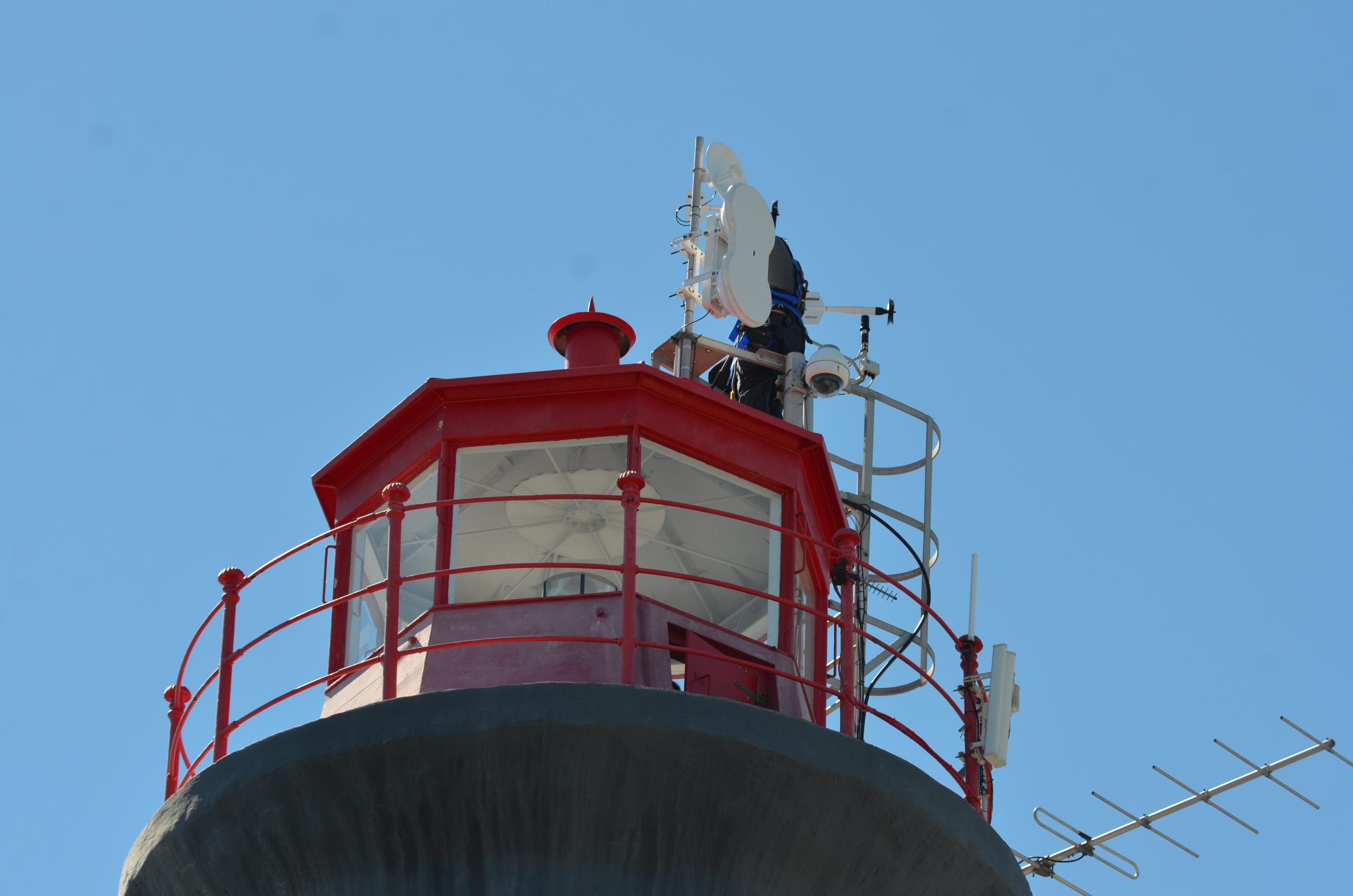
  • No visitors today, but over the last few days we have have been joined by Greg and a technician to service equipment and deliver supplies to the island. Environment Canada personnel came to update weather equipment on the lighthouse with new sensors and other hardware!
  • A handful (5-10) eco-tourism vessels have been though the reserve daily as well as the same for pleasure crafts.

Ecological Observations: 

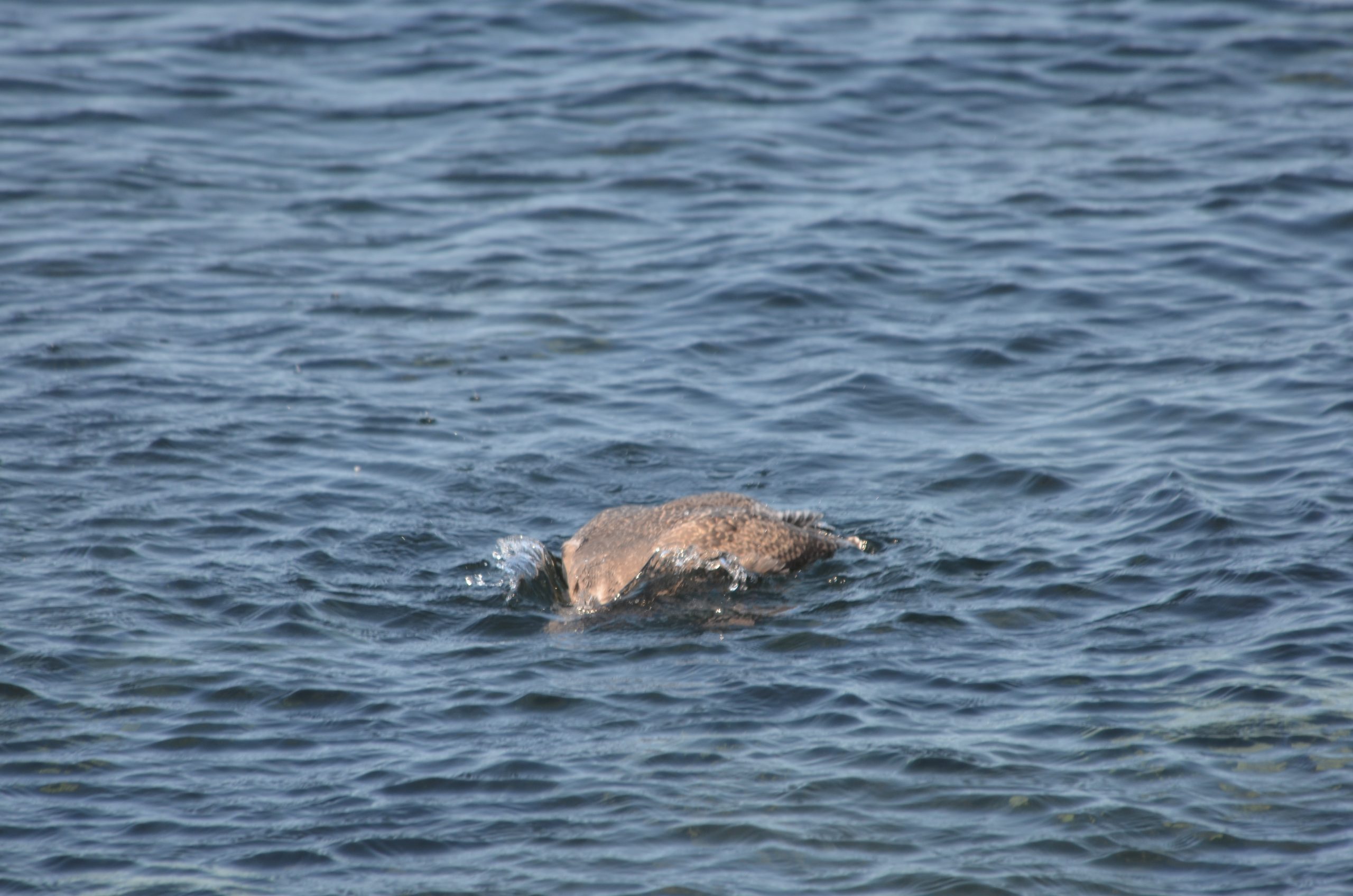
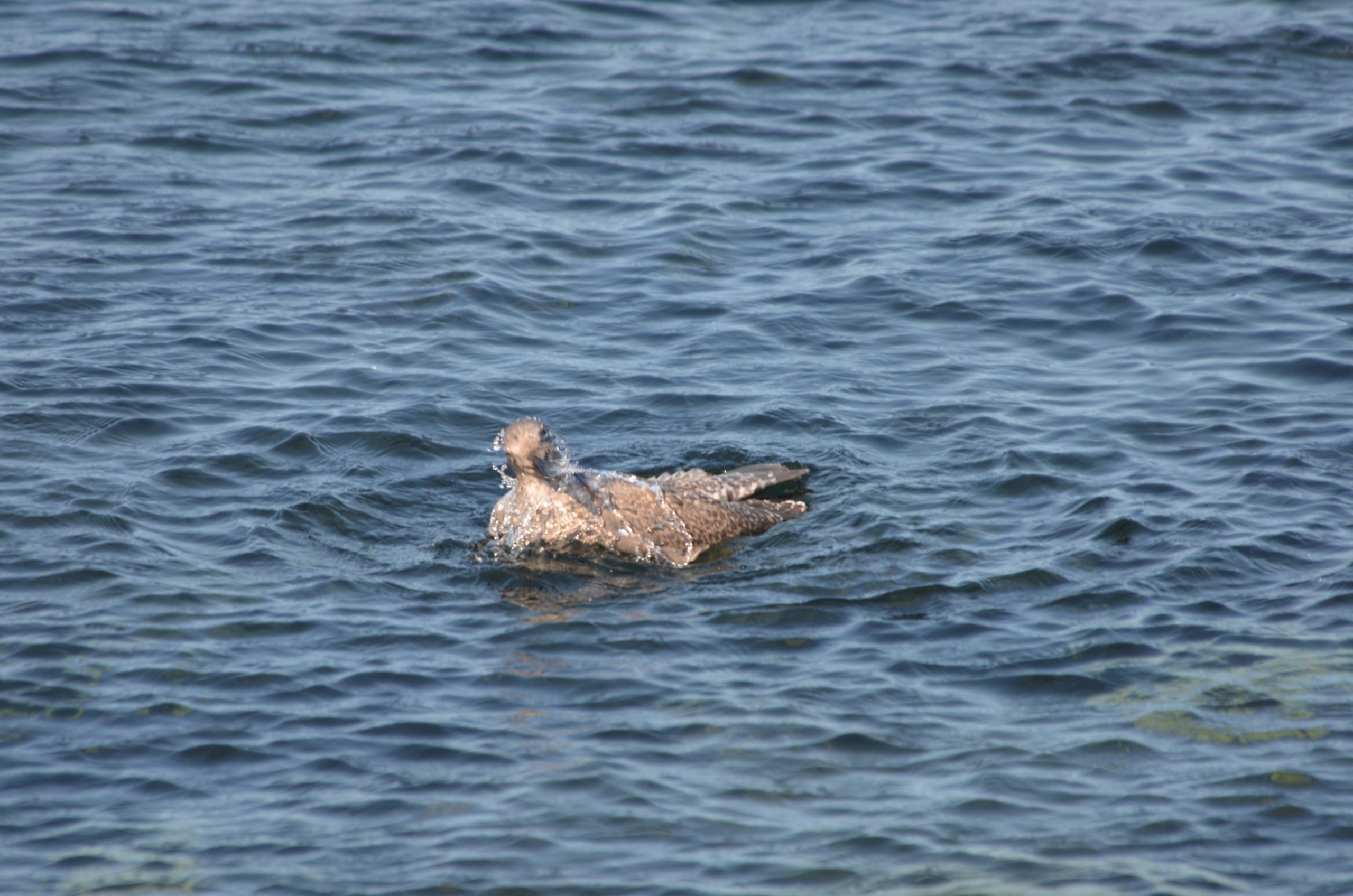
  • Over the last few days it has been very interesting to note the development of the seagulls chicks during our two week absence. The majority of them can now fly, although many appear to spend time in their respective nesting areas. While the young ones spend time on the water and practice bobbing their heads under, they still beg for food from their parent(s).
  • There have been 2-5 explosions daily, except for today, at the Esquimalt Canadian Forces Base. They seem to be varying in intensity – sometimes only a sharp ‘thump’, while other times the whole house shakes! The animals in the reserve certainly notice the latter. We sometimes see the majority of the landed birds and hauled out pinnipeds in the area flee to the water or air on these occasions.
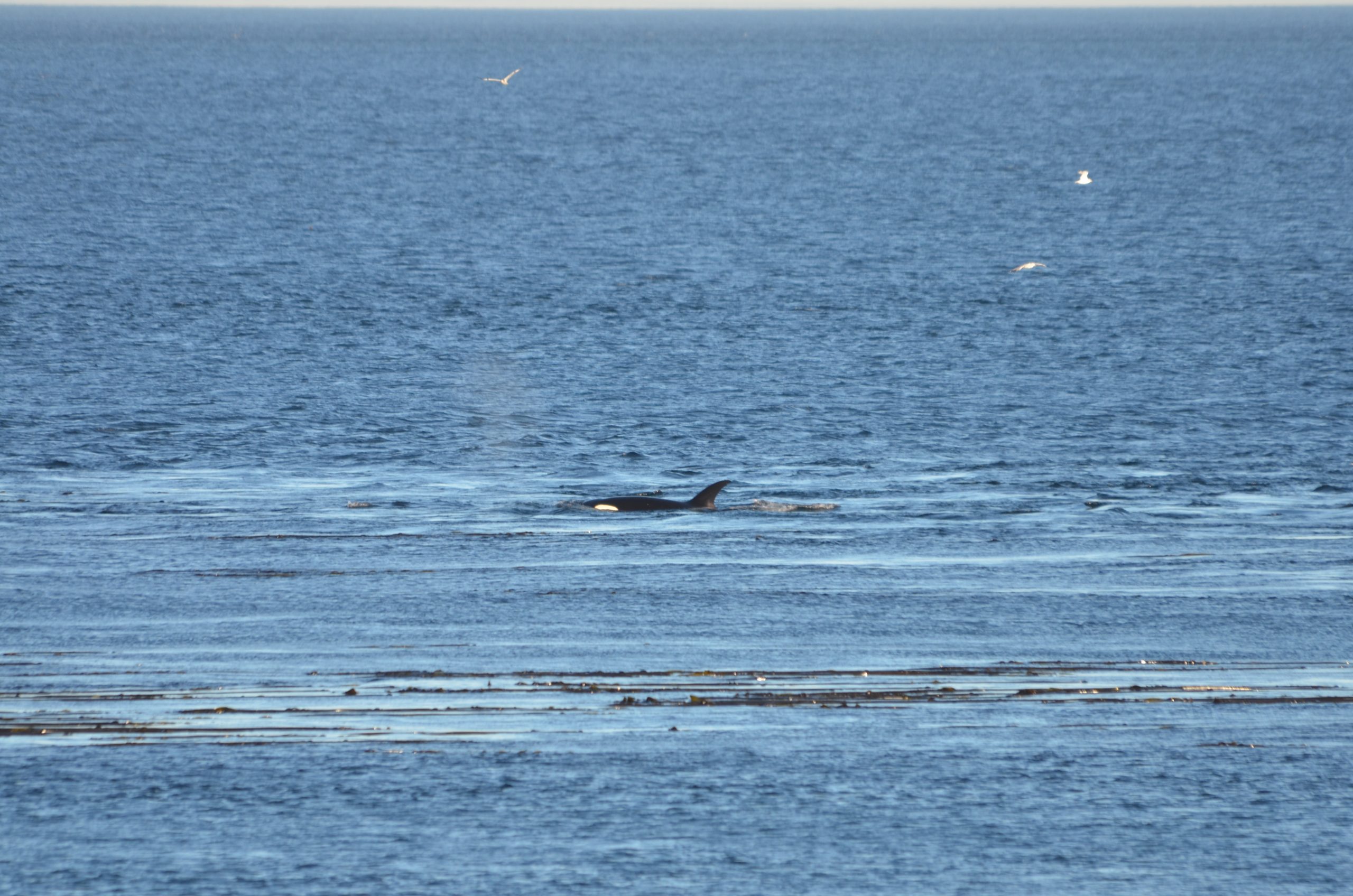
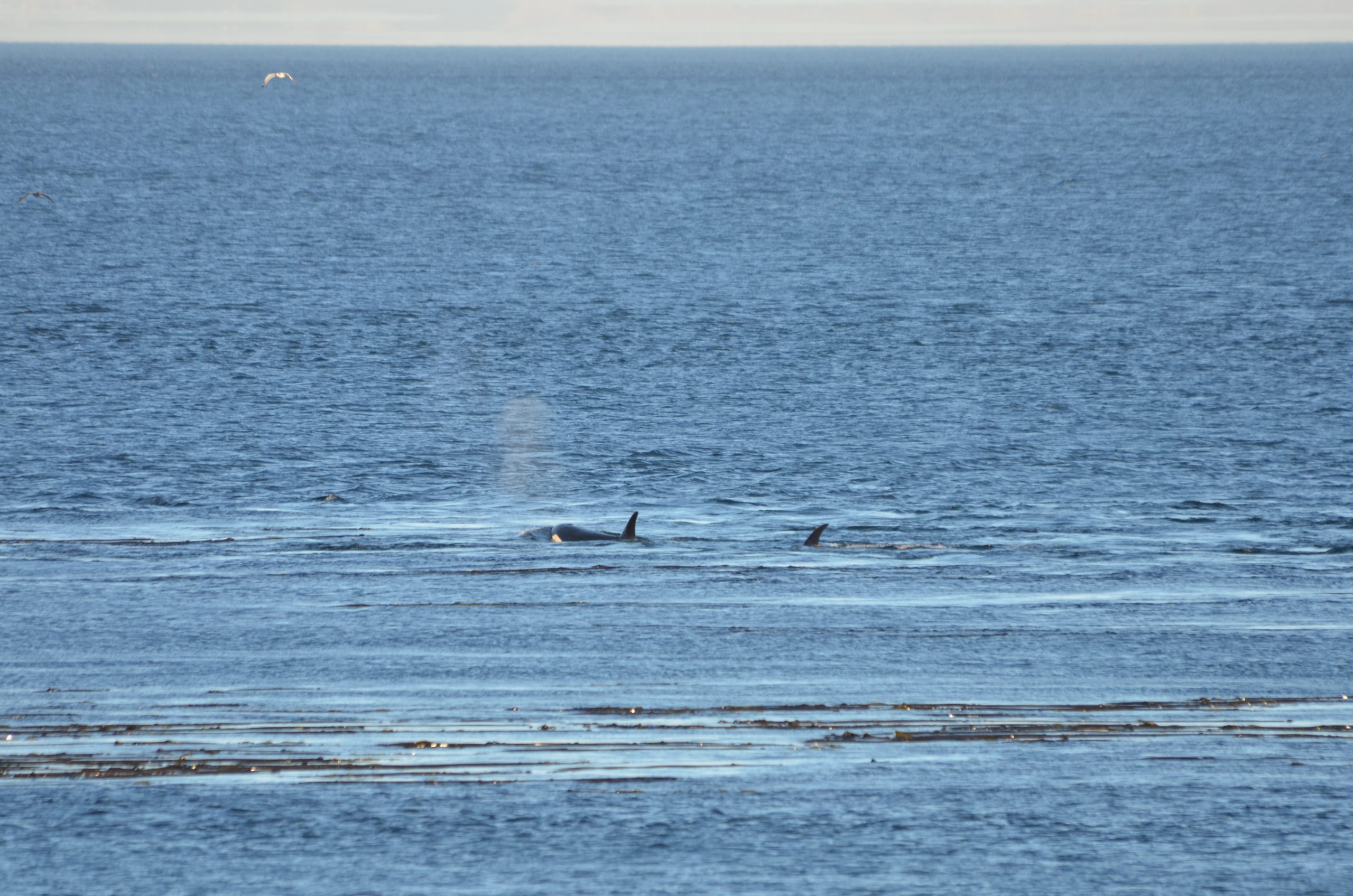
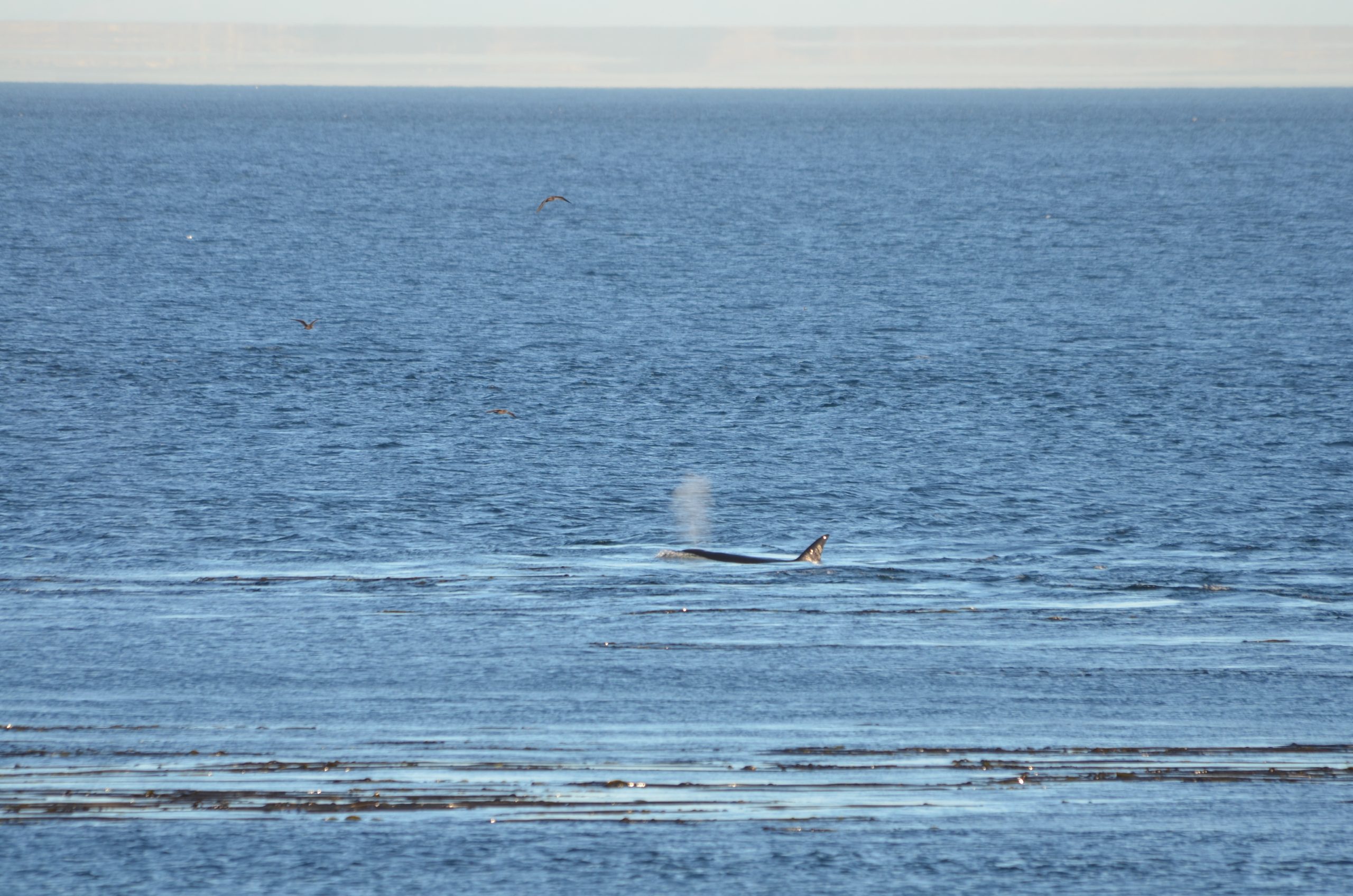
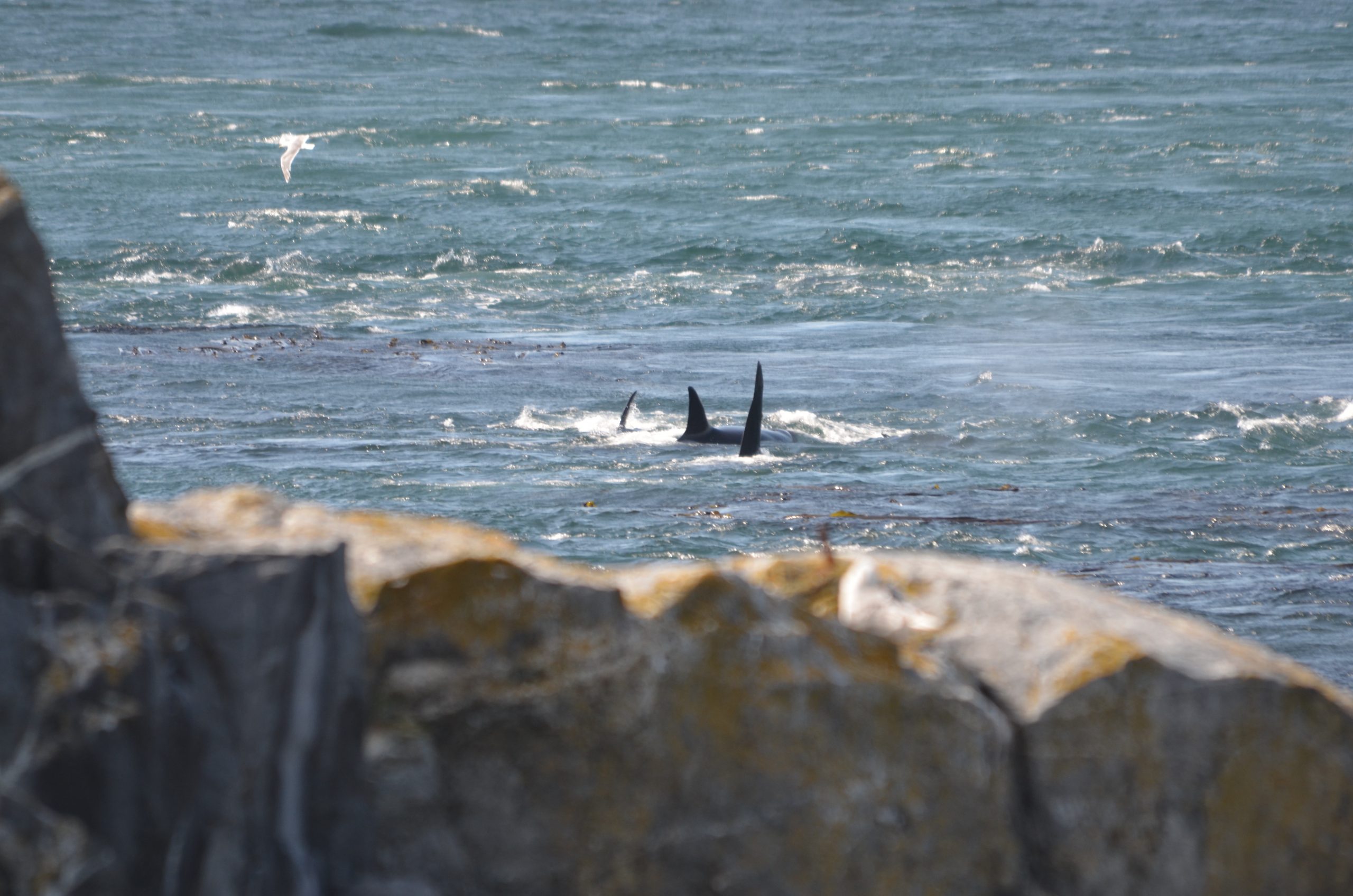
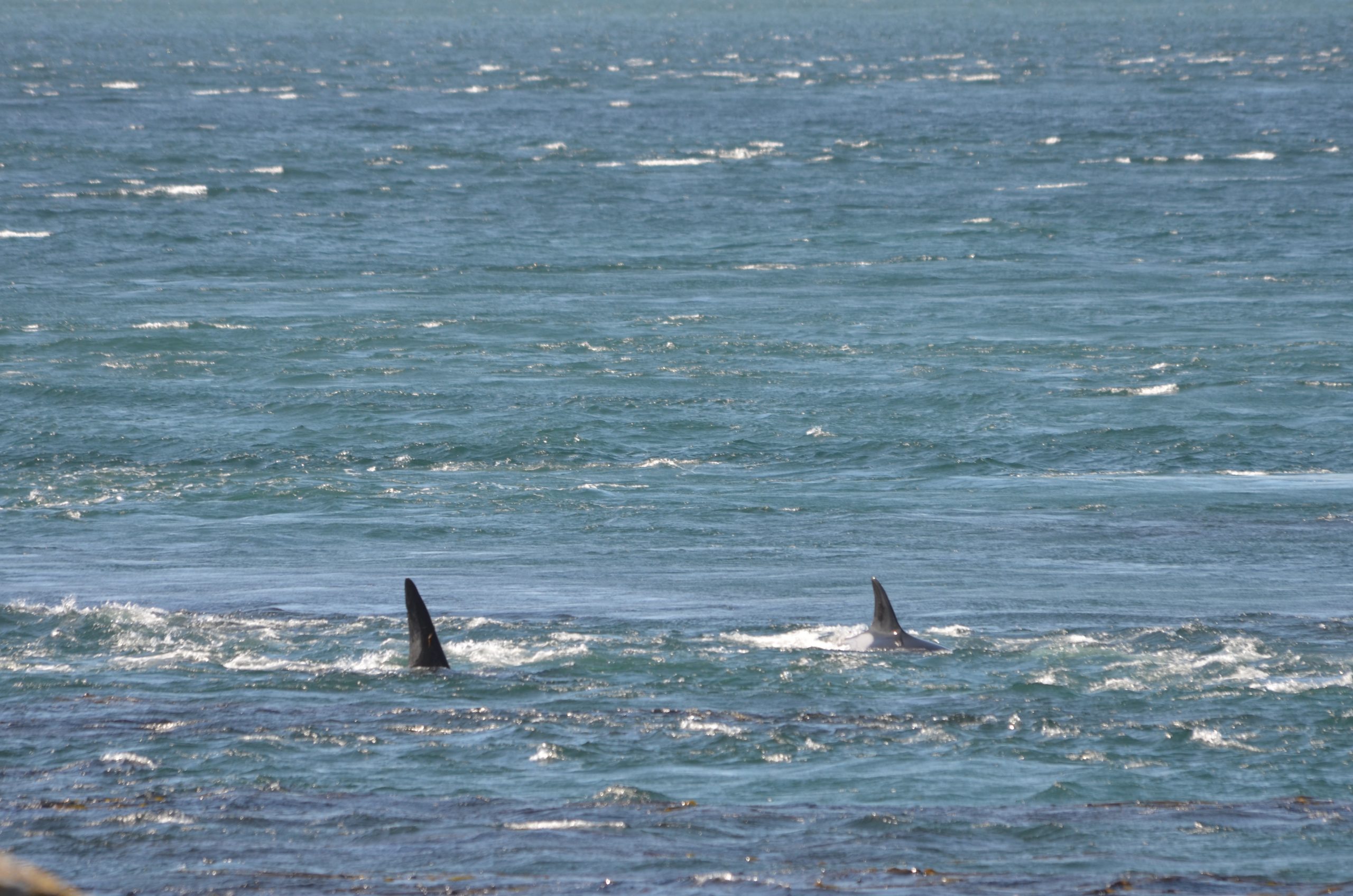
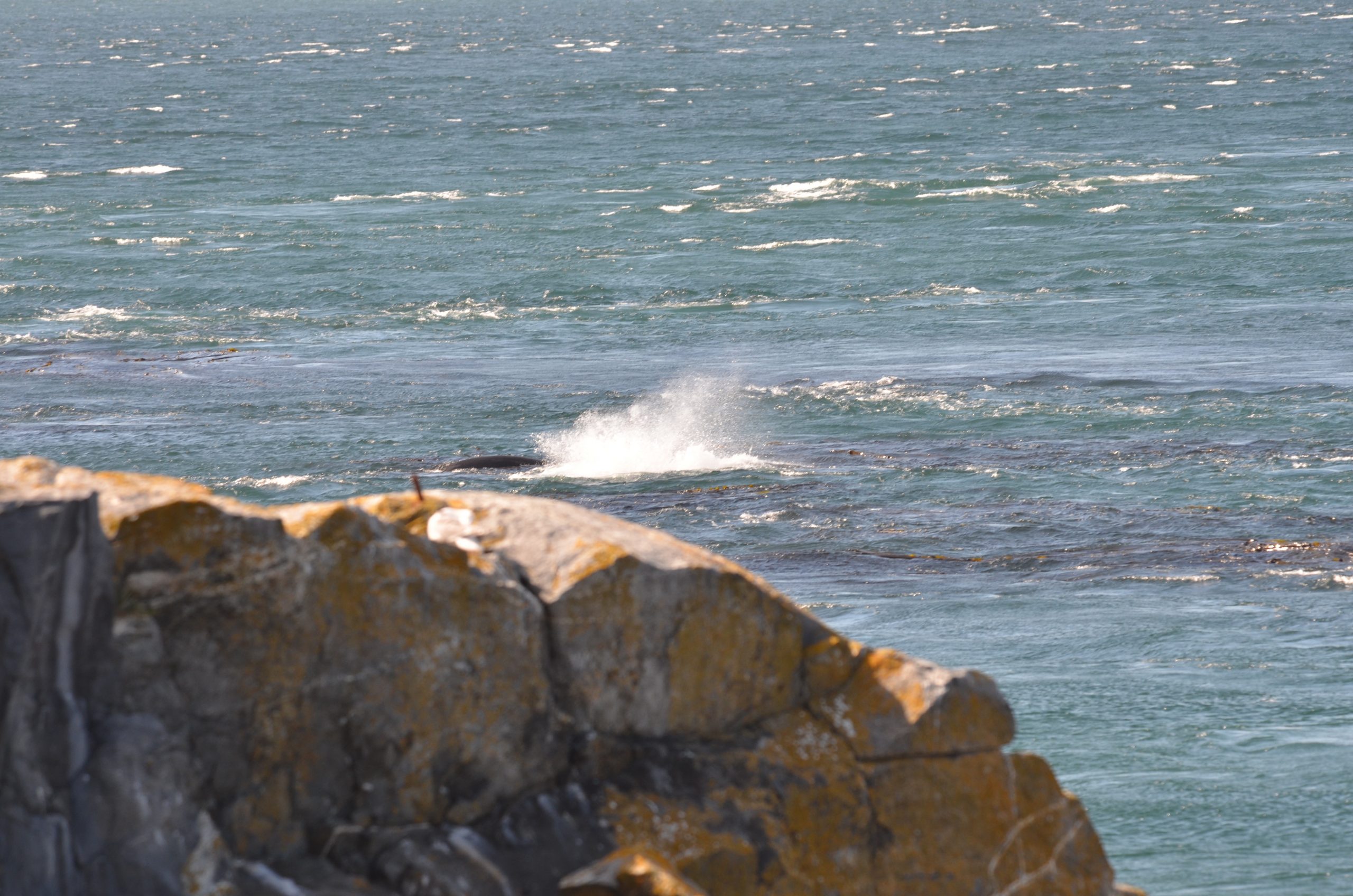
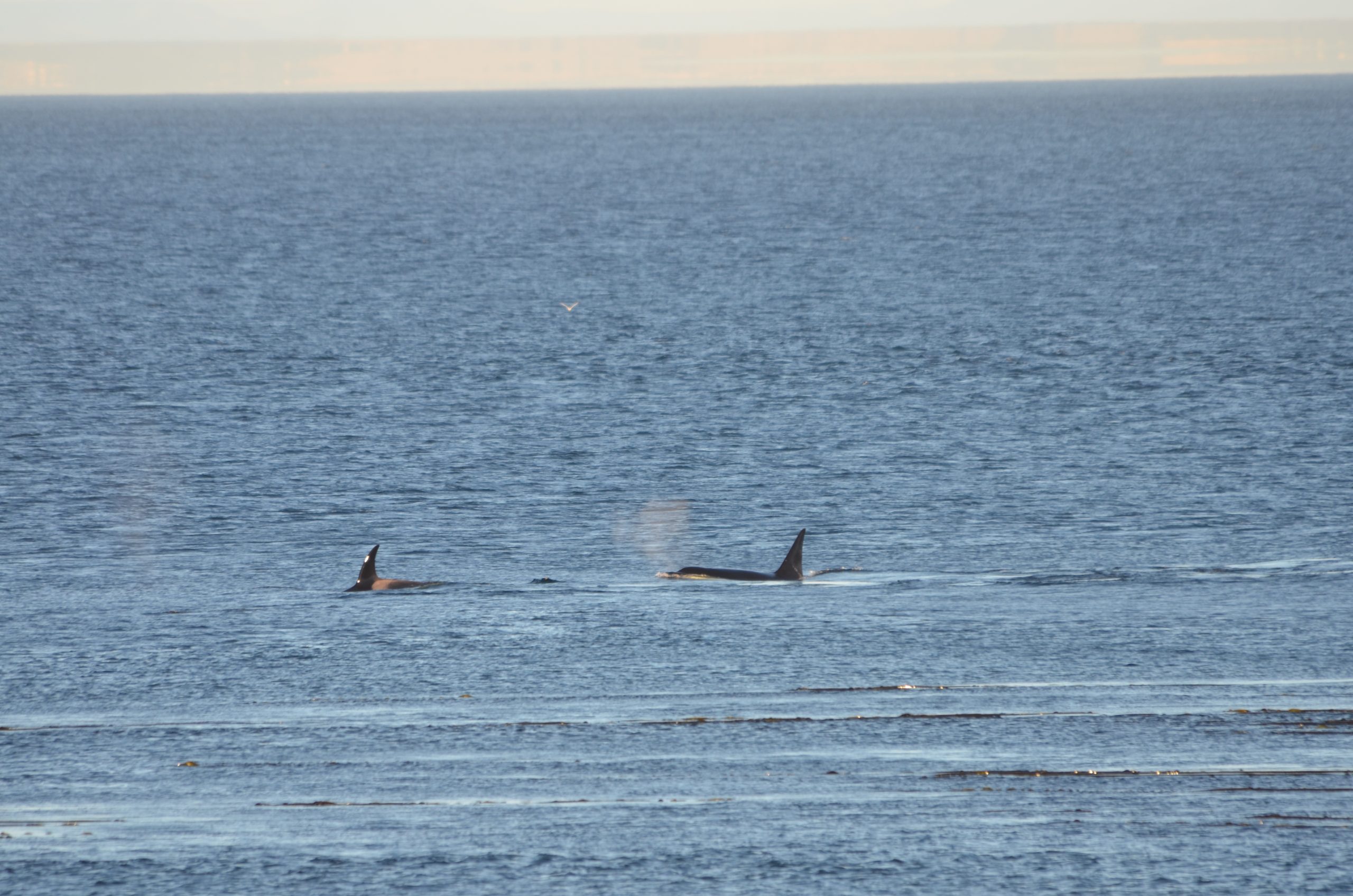
  • On Tuesday we observed a larger pod (5-6) of orca whales move through the reserve and the surrounding waters. We first spotted them to the inside of north rock and over roughly 20-30 minutes they moved around great rock to opposite side. It looked as though they may have been hunting (moving towards shore in a line formation) but we were not able to see their prey.

Wildlife Changing with the Seasons

Weather: 

  • Sky: clear and blue
  • Visibility 10-15 NM
  • Wind 20-25 knots W
  • Sea state: .5 m chop

Visitors: 

  • No island visitors
  • A small number of eco-tourism vessels (only one today).
  • We were saddened to hear this week that a fishing boat we have often seen pass by, Arctic Fox II, sank in rough seas on Tuesday, claiming 2 lives. An article Here.

Ecological Observations: 

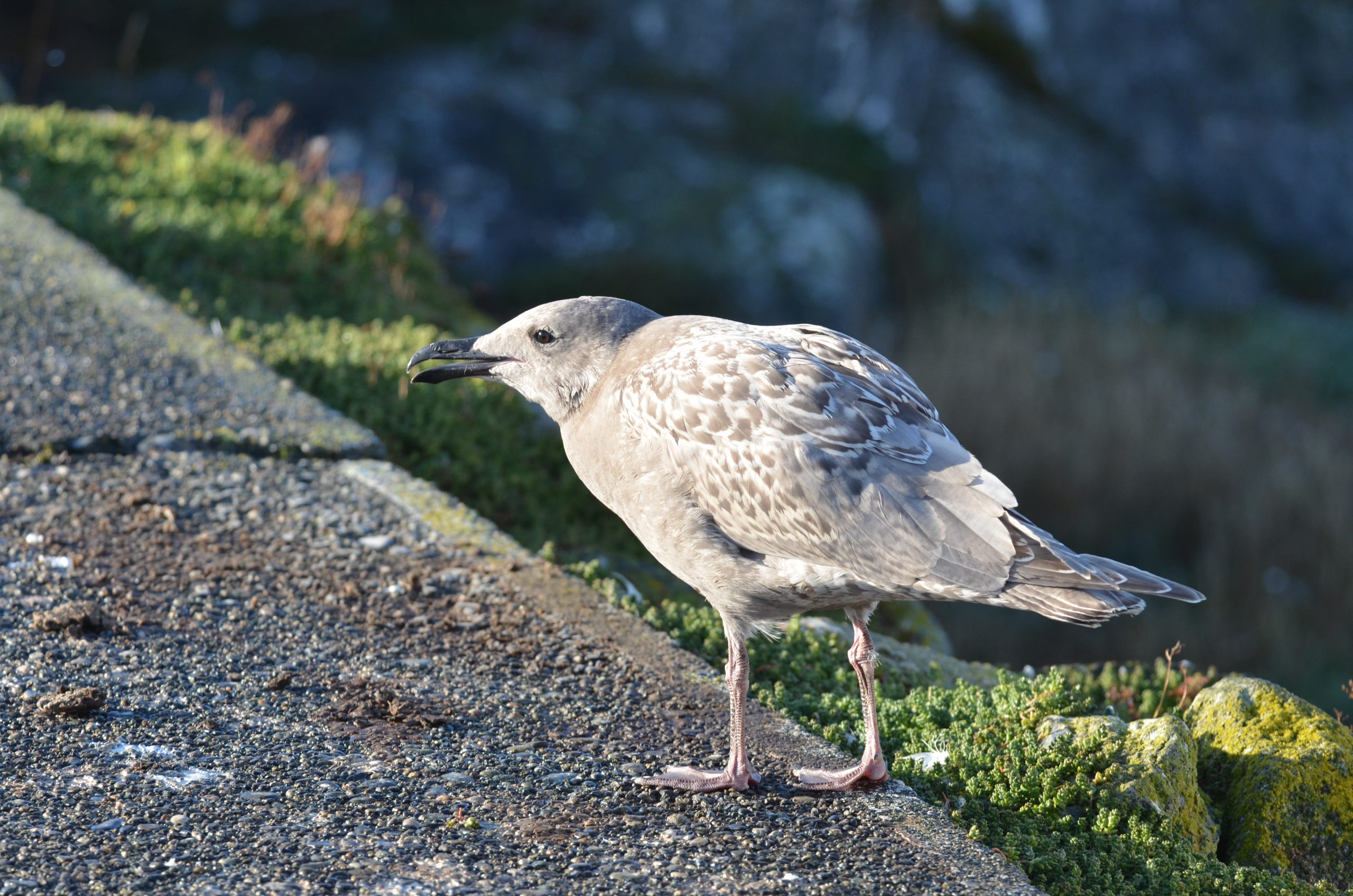
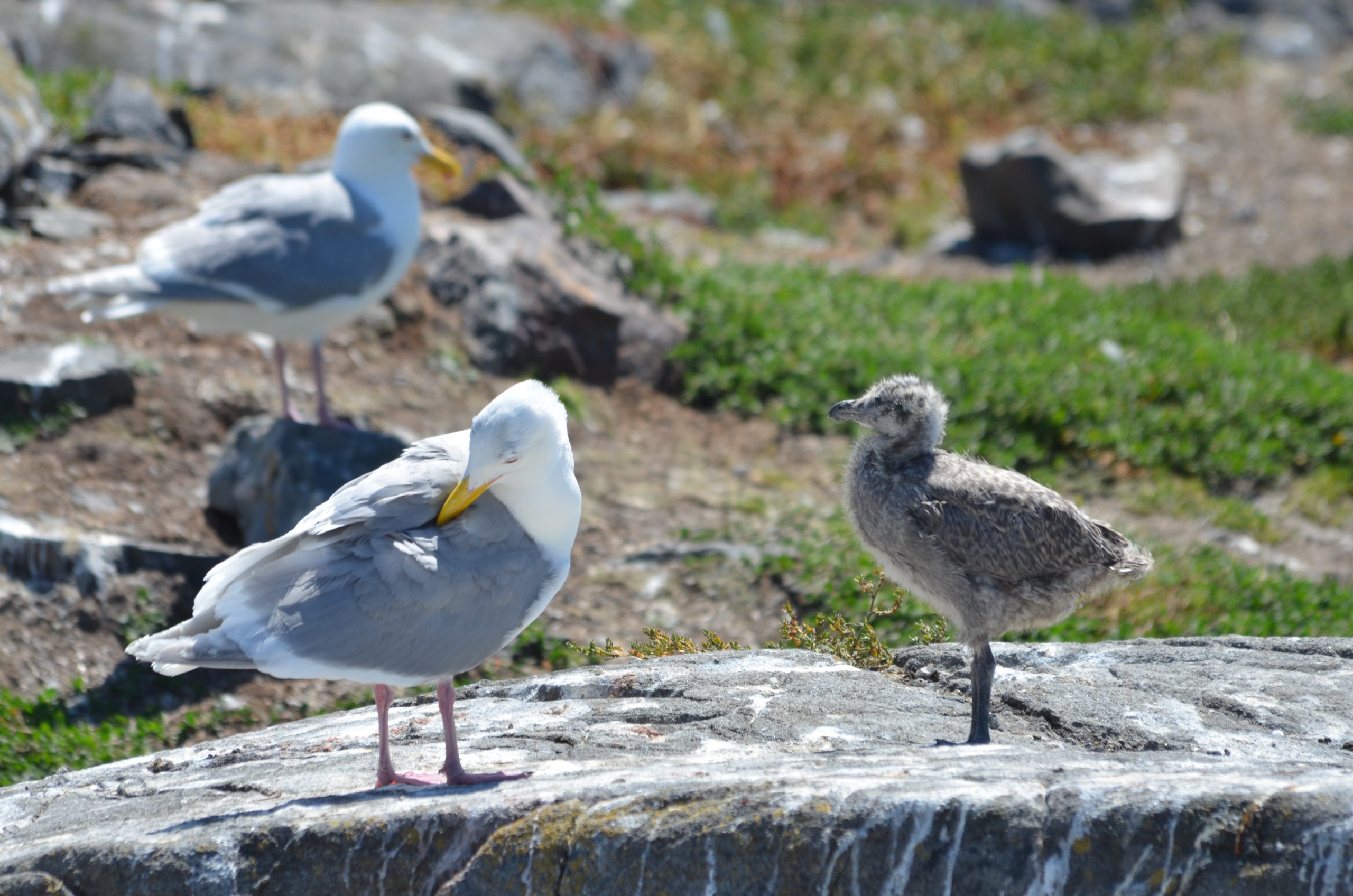
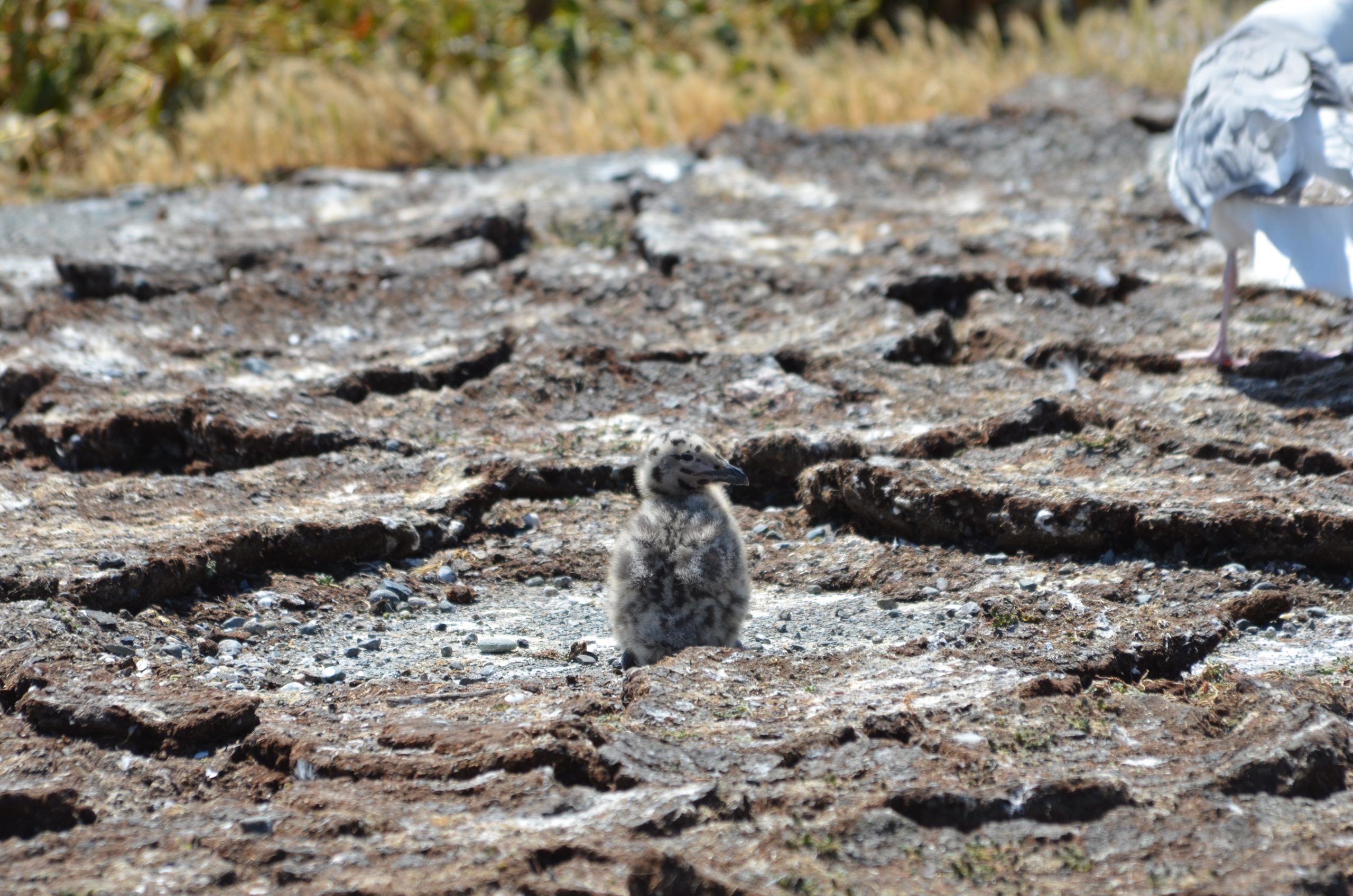
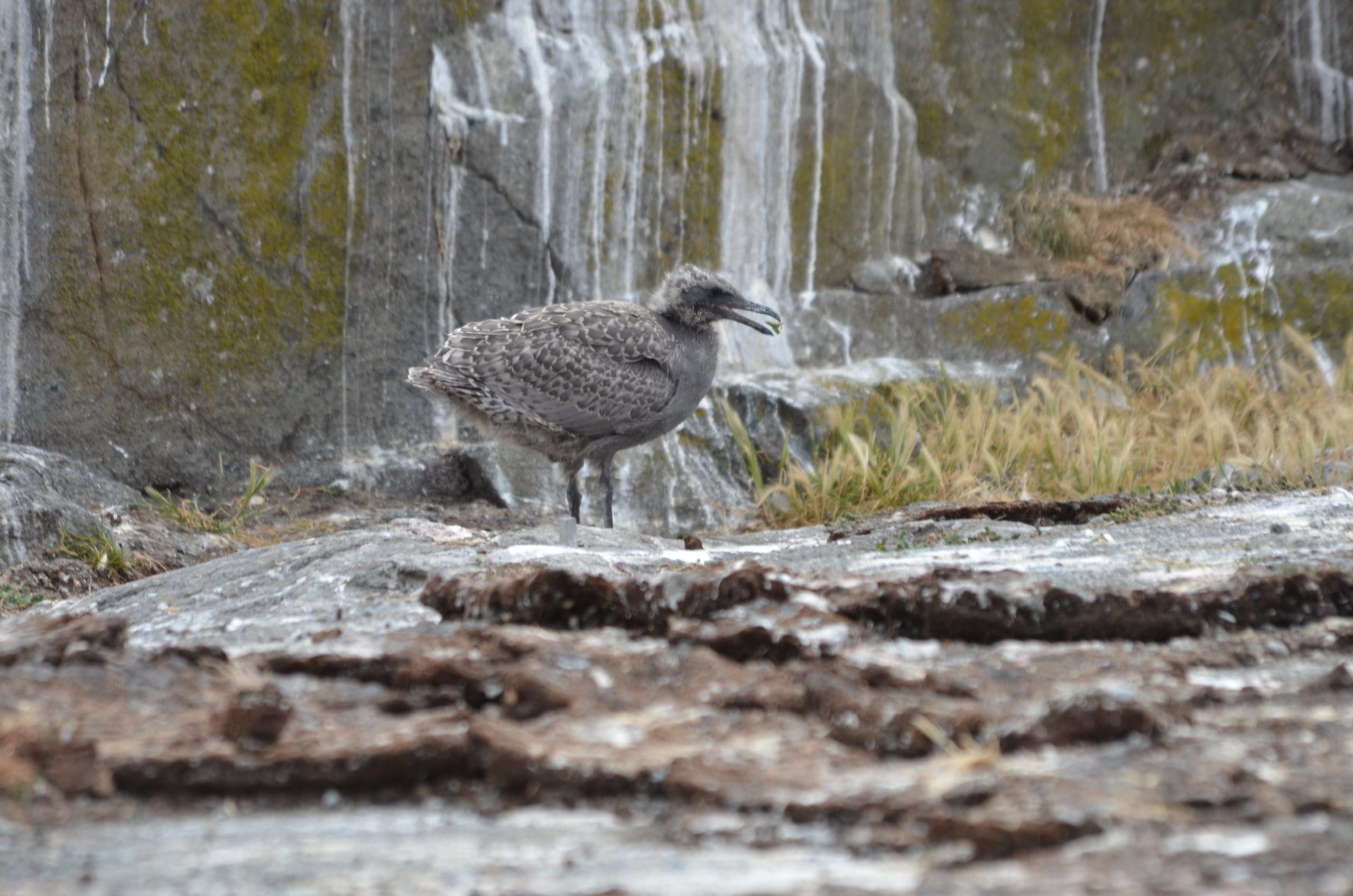
  • The seagull chicks continue to practice using their wings, hopping and flapping in the wind. It can be quite comical to hear them “peeping” as they did when they were just hatched- they are nearly the size of their parents now!
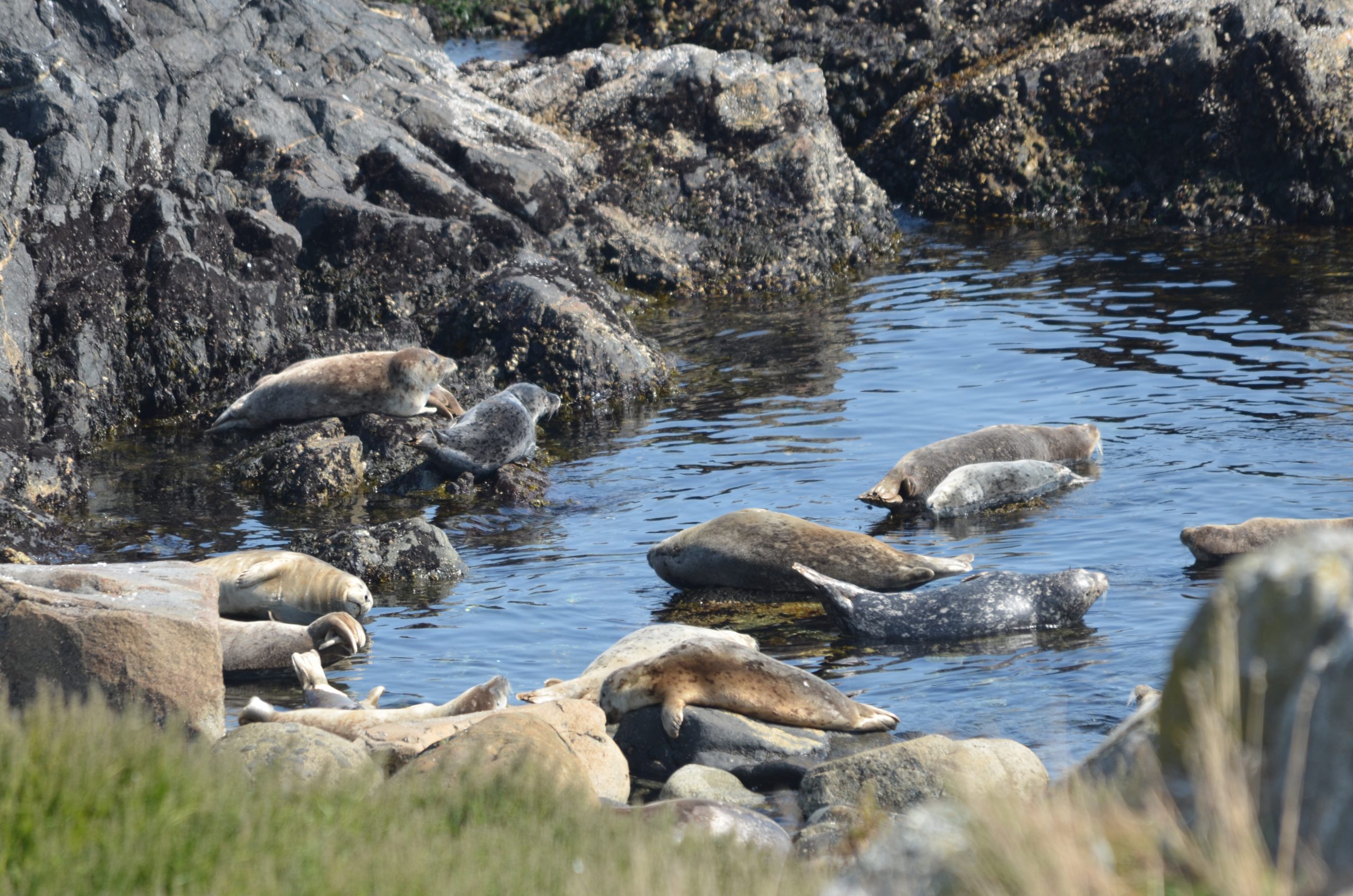
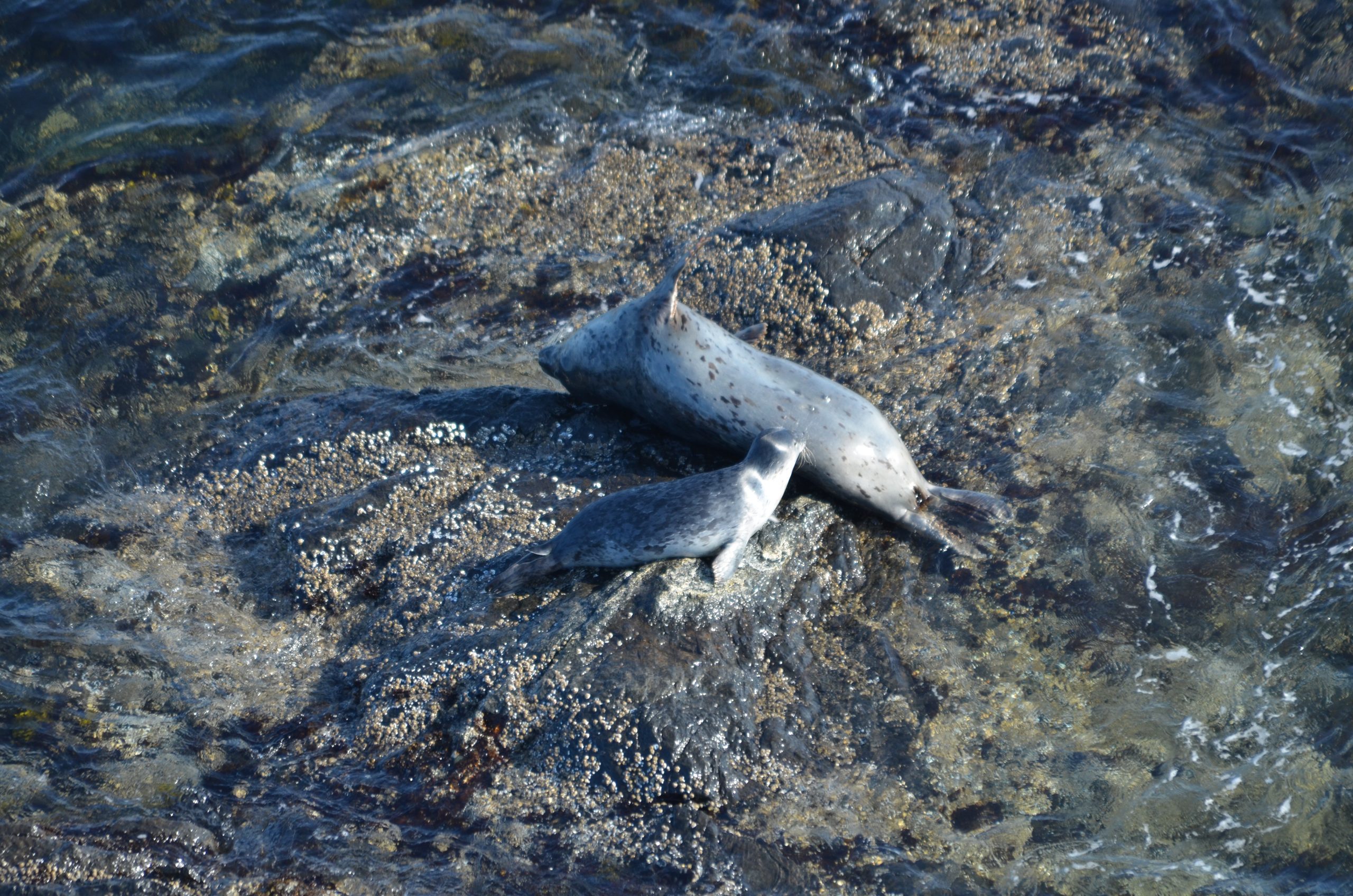
  • The harbour seal pups get cuter by the day. We were lucky to catch one nursing this week from the lighthouse (photo below).
  • The sea lions population continues to grow, with a notable increase this week on Main Race Rock. We will need to put the electric fence back soon to prevent them damaging infrastructure.
  • We have been enjoying bird watching this week as migrations continue and the pigeon guillemots are raising their young. There have continued to be very large numbers of black turnstones on the E shore.
  • This week we have also been visited by a handful of ruddy turnstones, and one whimbrel (thank you Daniel for the ID help!)
  • The one male elephant seal is still here. He doesn’t seem to be actively moulting anymore, aside from a tiny bit of remaining skin around his neck. He spent the entire day yesterday drifting and napping in the peaceful and sheltered jetty waters. We have not seen V173 in quite some time.
  • We find a lot of joy in watching the elephant seals move from higher ground down the jetty ramp and into the water. If you are not familiar with their undulating movements, this video is an excellent example. It’s a lot of blubber to get off the ground!
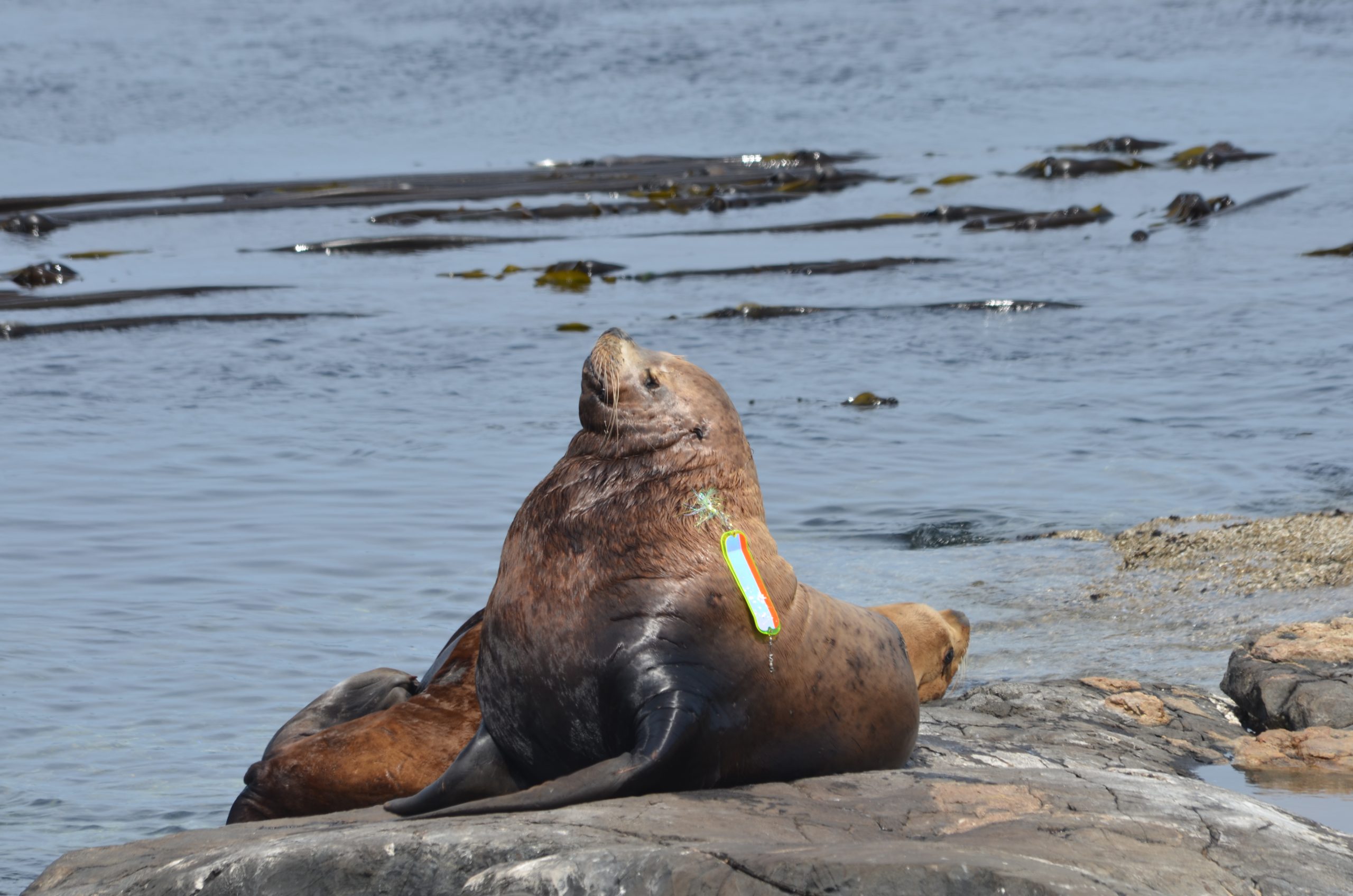
  • We spotted one sea lion with a fishing flasher hooked onto his face a few days ago. We haven’t seen him since but we are hoping that we will, so a rescue attempt can be made to remove it.
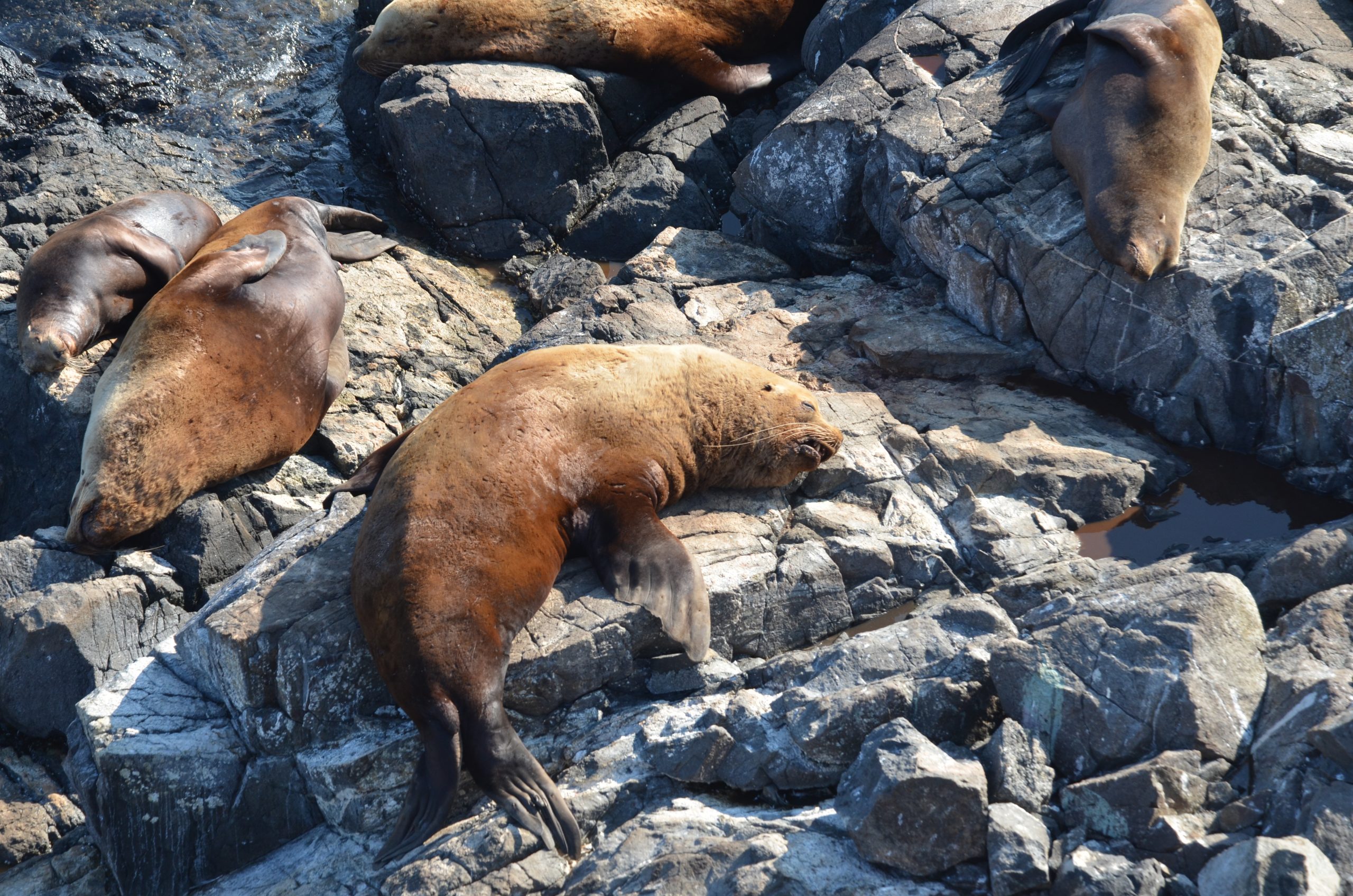
  • We also saw a sea lion with what we thought could be an infected brand. We sent a photo to a wildlife officer in Oregon who tracks these branded sea lions and he shared with us that it is likely a shark bite!


Diving with Sea lions –and foolish diver behaviour

I am posting these videos from Youtube here with a precautionary warning; The behaviours demonstrated by some the divers could be very dangerous. Trying to touch sealions and putting a hand in their mouth and even staying in the water when they get agitated is very unwise. When a sealion starts snapping his teeth at an intruder it is best to move on.  A sealion bite can be very toxic, and they have been known to ram into divers , especially if a diver enters a zone where they have been actively  hunting for fish.  Department of Fisheries regulations warn against any interaction with marine mammals


Foggy Days and Sea Lions

Weather:

  • Sky overcast, heavy to medium fog
  • Visibility 1 NM (less than 1 during heavy fog)
  • Wind 5-15 knots W
  • Sea state: rippled to small waves less than 0.2m

Marine Traffic/Visitors:

  • A small handful of eco-tourism boats came thought the fog today.
  • Over the weekend, Sunday especially, there were many small pleasure crafts and a few eco-tourism vessels

Ecological Observations: 

  • A pod of four orcas was in the reserve on August 6th! They stayed in the area for about 10-15 minutes before heading towards Pedder Bay!
  • The sea lions are returning. Over the last few days there has been at least a dozen hauled out on the north side of the island near the crane, with more on the outcropping rocks.
  • The seagull chicks seem to be growing faster every day – we’ve spotted a few that are beginning to fly short distances.
  • When we do our water sample from the jetty we see pigeon guillemots perching up on the nearby rock, always in pairs, and sometimes with fish. They are very tricky about waiting until nothing is watching to take food back to the nest!
  • The fog and the nesting birds keep us inside most days without a good view of animals. More pictures and a census to come as soon as we can see!

Census:

  • 40 California sea lions
  • 51 Stellar sea lions
  • 111 Harbour seals
  • 1 Elephant seal (male moulting)
  • 552 Glaucous-winged gulls (nesting, some chicks that are big enough to see included)
  • 388 California gulls
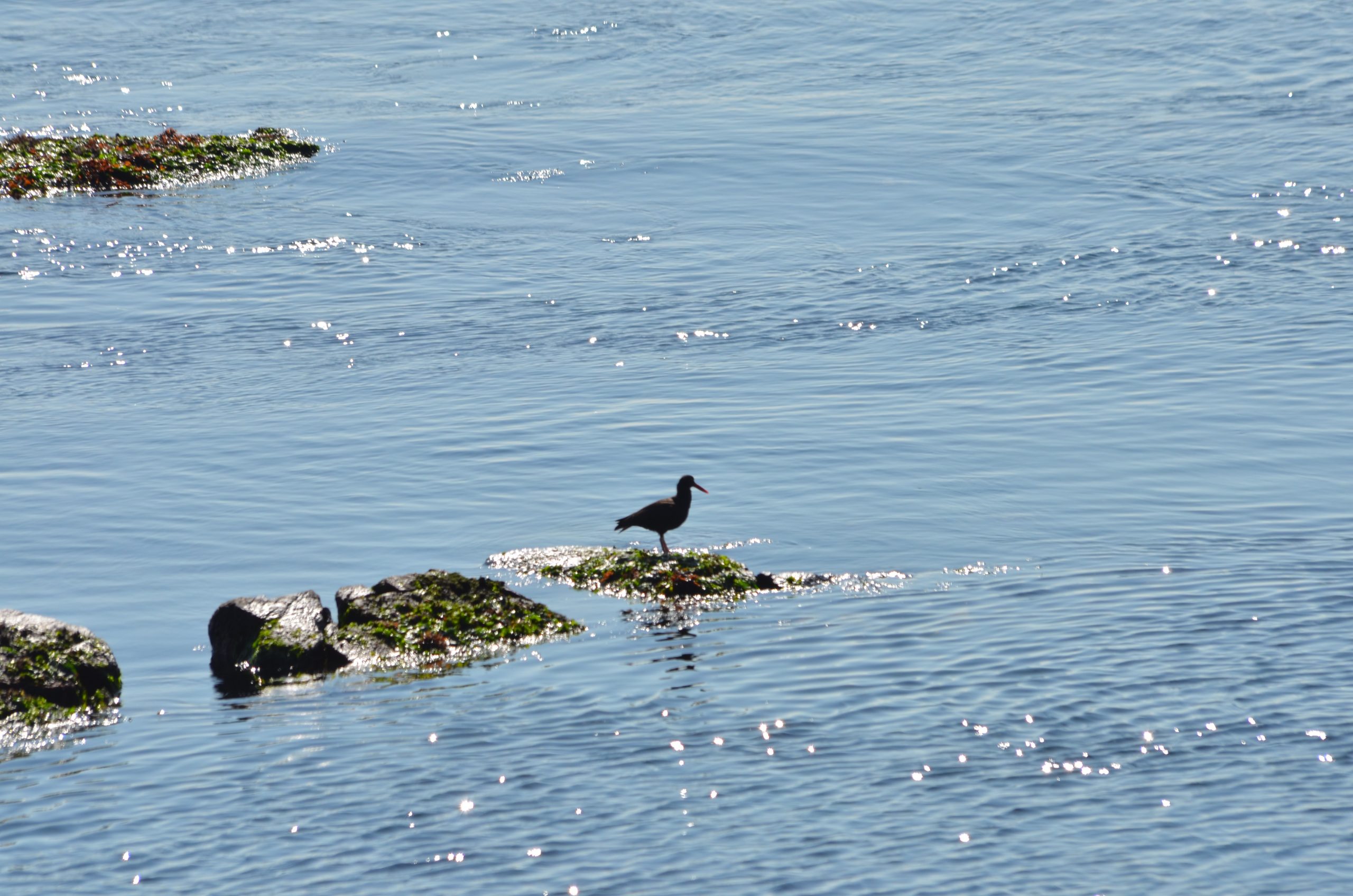
  • 12 Oystercatchers
  • 112 Black turnstones
  • 2 Ruddy turnstones
  • 1 Surfbird
  • Pigeon guillemots were not visible at the time of this census (very windy), but the numbers have been consistent from last week as they continue to care for their young.

Census and a Beautiful Day

Weather: 

  • Visibility 0-10 NM (some intermittent morning/evening fog)
  • Sky clear
  • wind 25-30 knots W
  • Sea state: rippled, whitecaps
  • A steep decline in humidity today helped dry out the island after a bit of rainfall

Neat Fact: The body temperature of seals is very similar to our own! Endothermic like us, they maintain an internal temperature of 36.5-37.5 degrees Celsius.

Marine Traffic/Visitors: 

  • Greg visited today to top up island supplies before the college vessel goes for regular maintenance
  • Not many boats today- around 5 eco-tourism vessels.

Ecological Observations:

  • Elephant seal V173 was not here today. We wonder if she was just stopping for a rest or if she will be back soon.
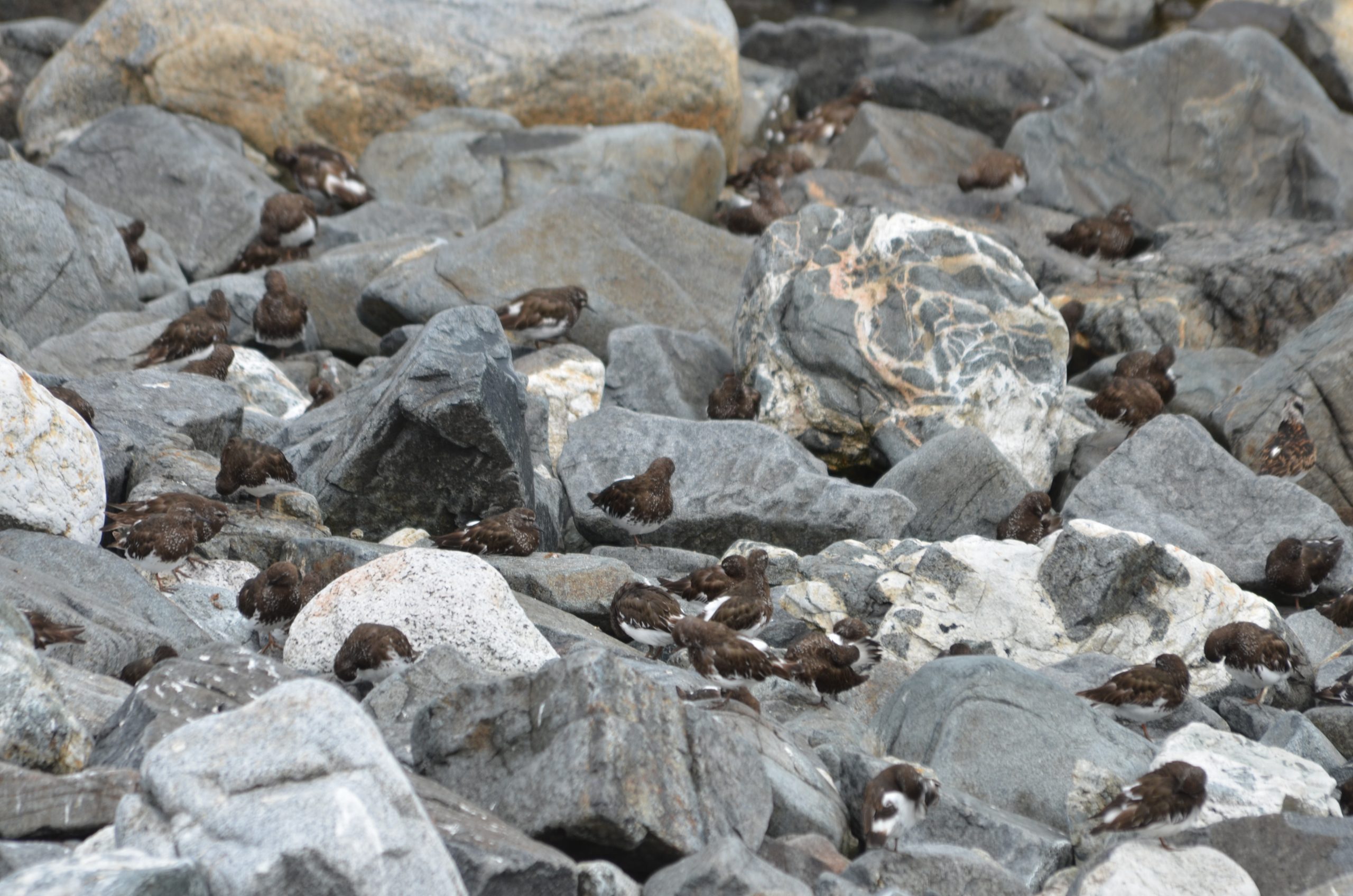
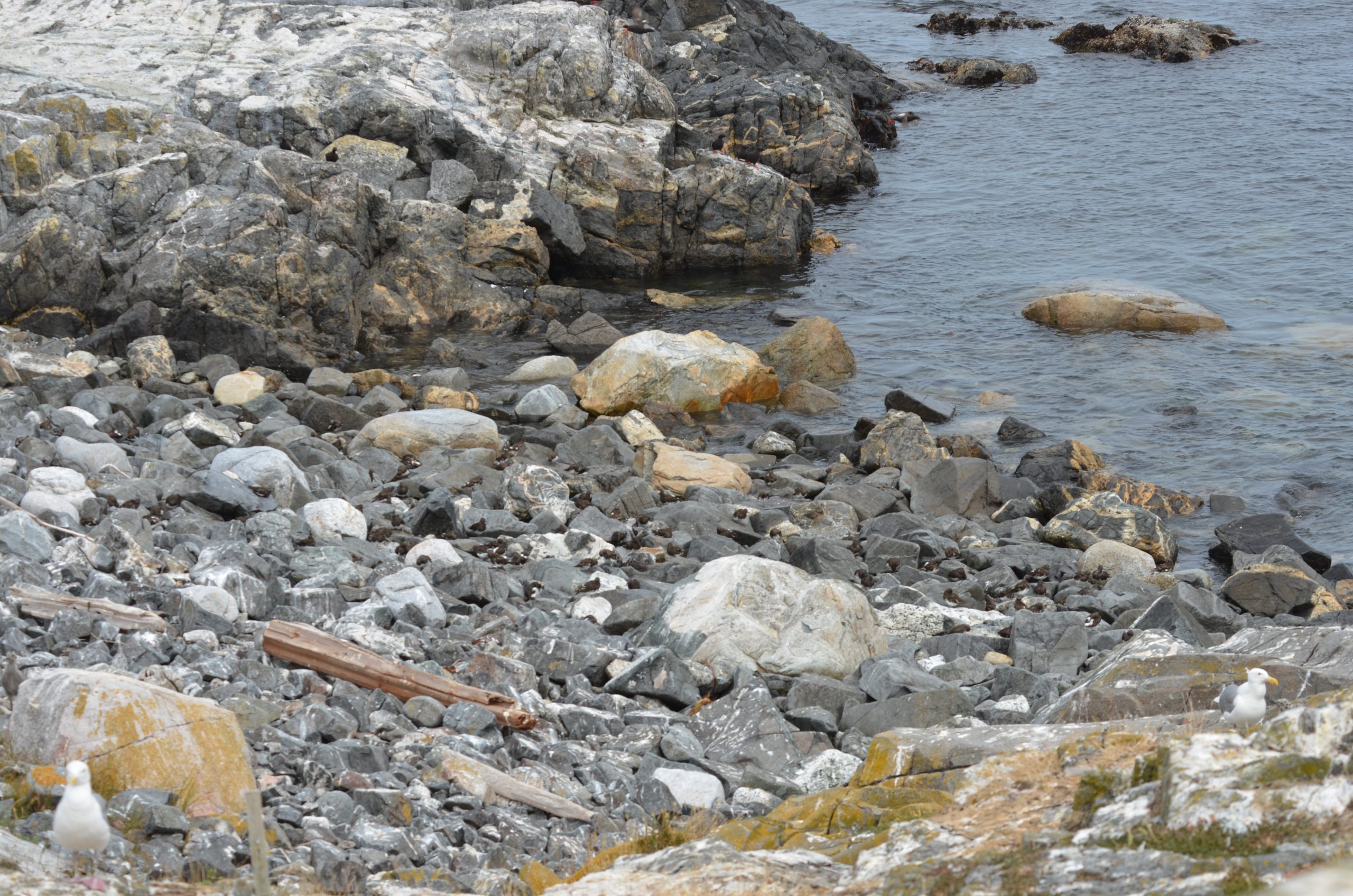
  • There have been very large groups gulls and also black turnstones migrating through, intermingled with a few surfbirds. There were so many today that we took a photo from the lighthouse in order to count them!
  • The pigeon guillemots seem to be nesting in full force. We have spotted many carrying fish into crevices on the west side of the island near camera five and also the rock walls on the east side.
  • The seagull takeover has seemingly started to ease and moving around the island is becoming easier day by day. The chicks are beginning to be able to escape the attacks of the rival adult gulls by flapping their wings and flying/hopping away.
  • On a slightly…mushier note (stop reading if you get queasy!): Yesterday we removed the gull that was eviscerated on our back porch. We let it sit for a few days to see if an otter would come back for it or if the gulls might take a nibble (neither occurred). We were surprised by the amount of maggots that had grown in only a couple of days, presumably due to the warm and humid weather recently.
  • The sea lion population is increasing every day and they are started to climb onto the main rock. It’s almost time to put up the electric fence or we will have unwelcome house guests!
  • The geese have suddenly left this week (all but 4). Interestingly, earlier in the week we saw a flock of 17.

Census: 

  • 4 Canada geese
  • 985 Seagulls (does not include chicks)
  • 84 Harbour seals
  • 1 Male elephant seal
  • 25 Stellar sea lions
  • 19 California sea lions
  • 88 Pigeon guillemots
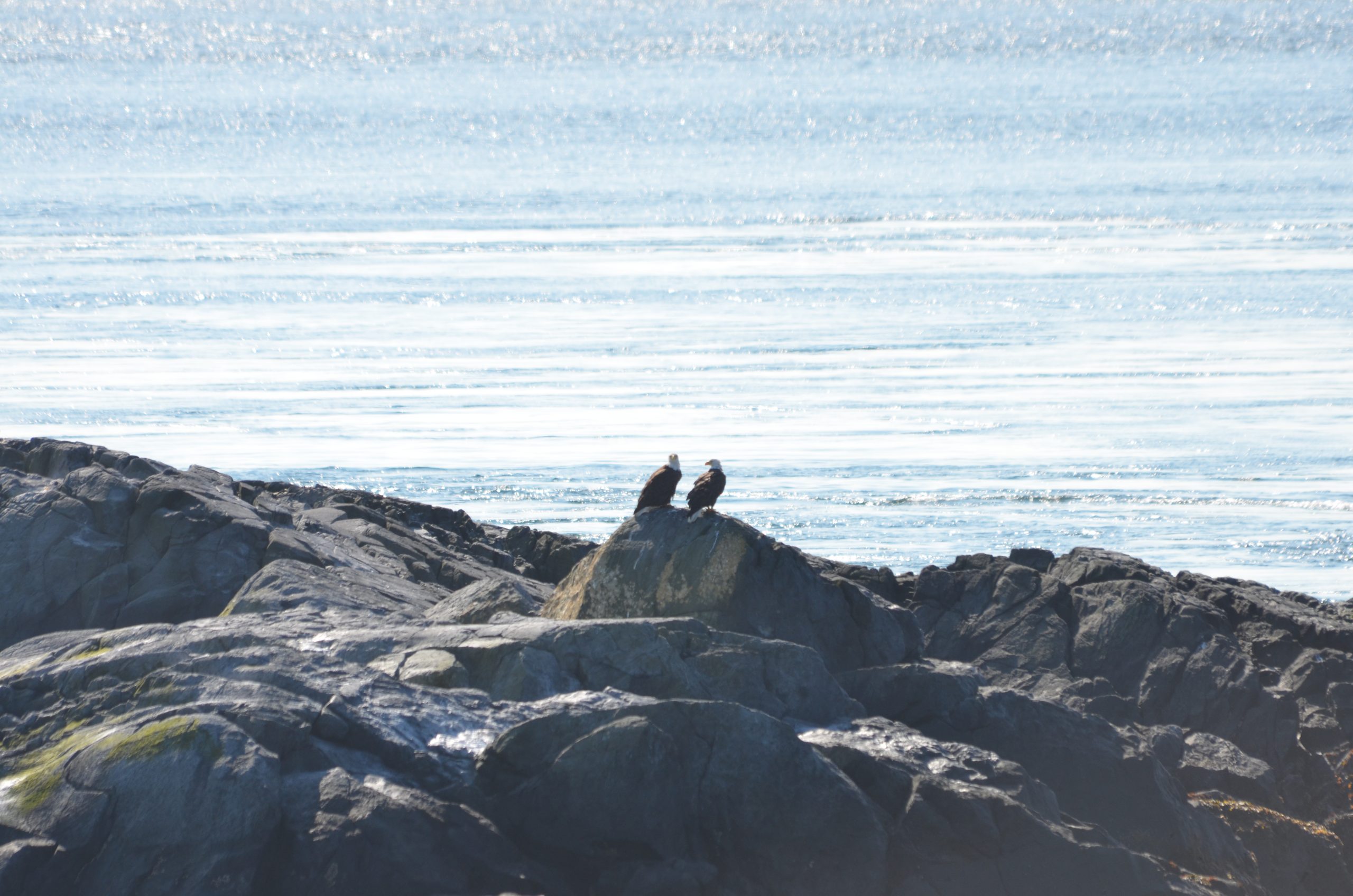
  • 2 Bald eagles
  • 1 Humpback whale (in the straight)
  • 1 Brandt’s cormorant
  • 12 Black oystercatchers
  • 143 Black Turnstones
  • 1 Sandpiper ((?) will update with confirmed id!)


A New Arrival

Today’s Weather Conditions: 

  • Sky overcast
  • Visibility 15+ NM
  • Wind 15-20 knots W
  • Sea state: calm, fast moving currents today (almost 5 knots)
  • Daily fog in the mornings and often late afternoon as well

Marine Traffic/Island Visitors:

  • No island visitors aside from Greg on Thursday with supplies
  • Quite a few whale watching boats today and yesterday (20+)
  • Not many pleasure crafts passing through the reserve, but many outside of pedder bay (especially yesterday)
  • We saw 3 whale watching boats just outside the reserve circle a small group of orcas and follow them under power into the strong currents earlier this afternoon.

Ecological Observations: 

  • Today we were joined again by elephant seal V173. She was also here in December and again in the late spring when we first arrived. Her left eye is a bit oozy and red, but it seems like it is still functioning properly and she is otherwise looking great! She must have eaten a lot of fish out there- she’s much bigger than the last time we saw her only a few months ago.
  • The seagull chicks have been wandering farther away from the safety of their nesting areas, and we have been seeing quite a few more deceased chicks on the ground all around the island. They are being killed by rival gulls protecting their territory and young. There are a few chicks with injuries from these attacks, such as broken legs or wings.
  • We found an eviscerated gull chick on our back step on Friday afternoon. It looks quite a bit like a chicken does when a mink kills them (head missing), so we wonder if this is the work of a river otter.
  • As mentioned above we observed a few orcas just outside of the reserve earlier today. We have also been seeing humpbacks passing quite far away in the straight.
  • The pigeon guillemot nest that we have been observing closely (near our back porch) has at least one chick! We carefully peeked into the crevice and caught a glimpse of a tiny puff of black downy feathers. We are excited to be able to watch their activity so closely from our window as they are very secretive with their movements typically.
  • The remaining male elephant seal has been venturing to other parts of the island as his moult is finishing up. He has been finding some creative places to wiggle over rocks into shallow pools heated by water spilling over sun warmed rocks as the tides rise.
  • We heard a surfbird’s call today while out near the jetty- it’s a very shrill sound, just like the second recording here.