NE subsiding

Wind was from the North in the morning, 10 knots and shifted to 20 knots West in the evening. Pressure falling to a low of around 1000 hPa in the evening then rising.

One ecotour in the reserve today.

Tides have been getting lower earlier in the day so I am able to do more wood cutting and clearing in the afternoons.

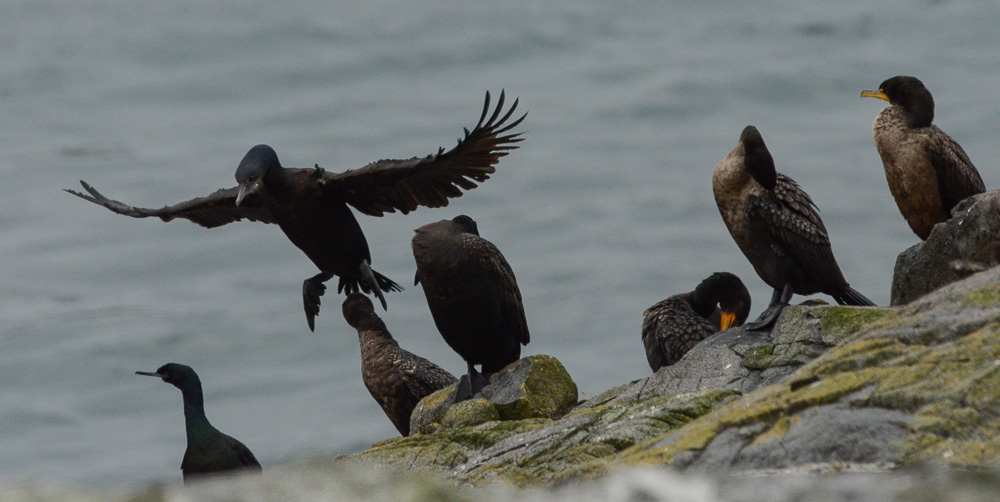
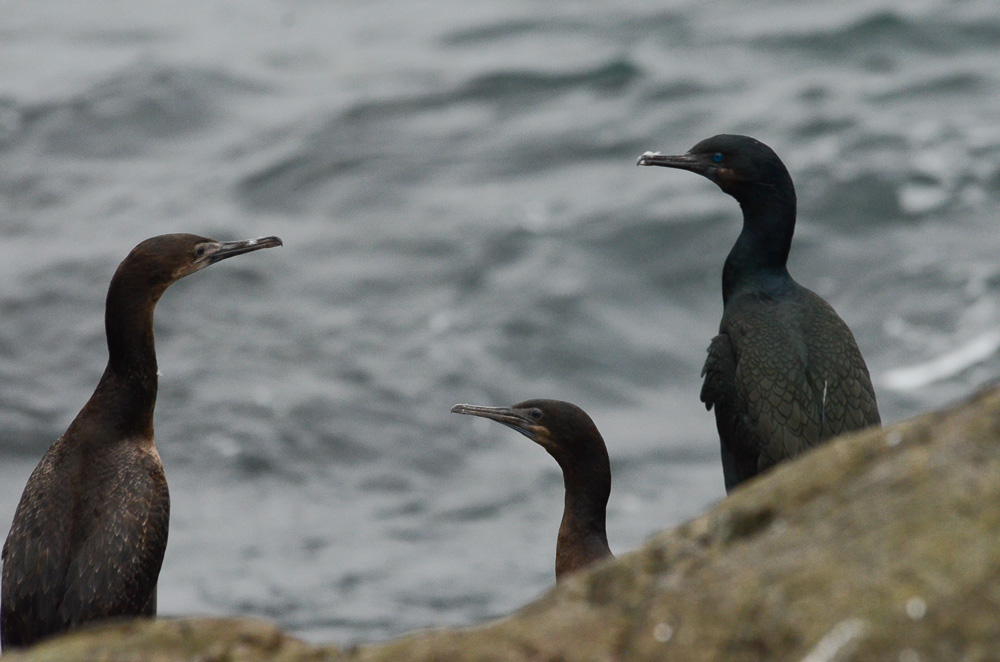
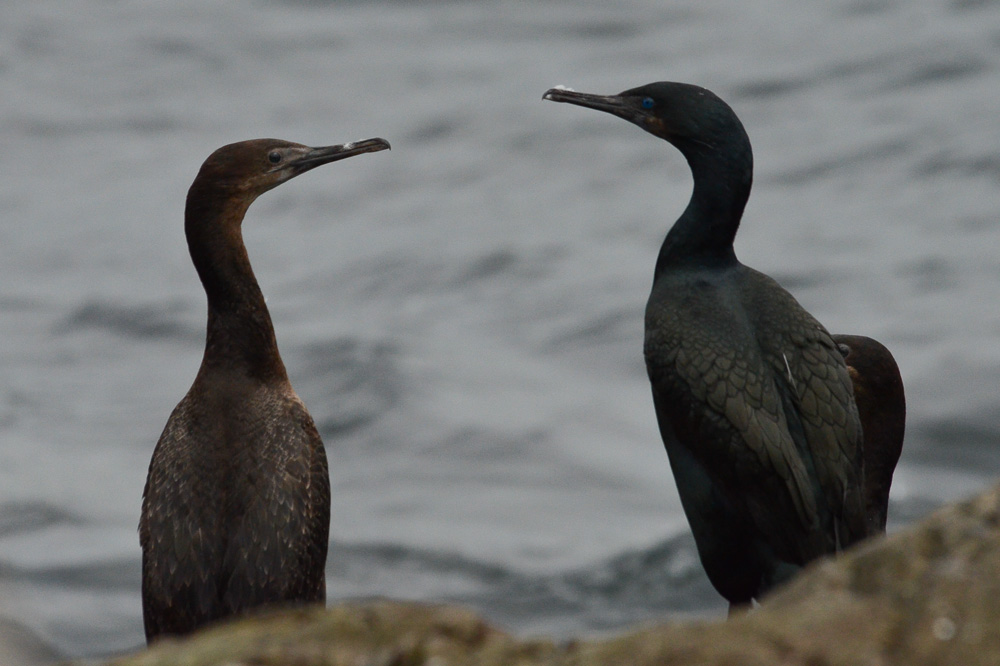
census, banded cormorant


Atmospheric pressure rose to a high of over 1020 h Pa today.  The NE wind has started to return, 10 to 20 knots most of the day.

One whale watching boat and one dive boat in reserve today.

Thursday the weather/visibility was pretty bad for a census and on Friday I went off island so I did a makeup census on Saturday.

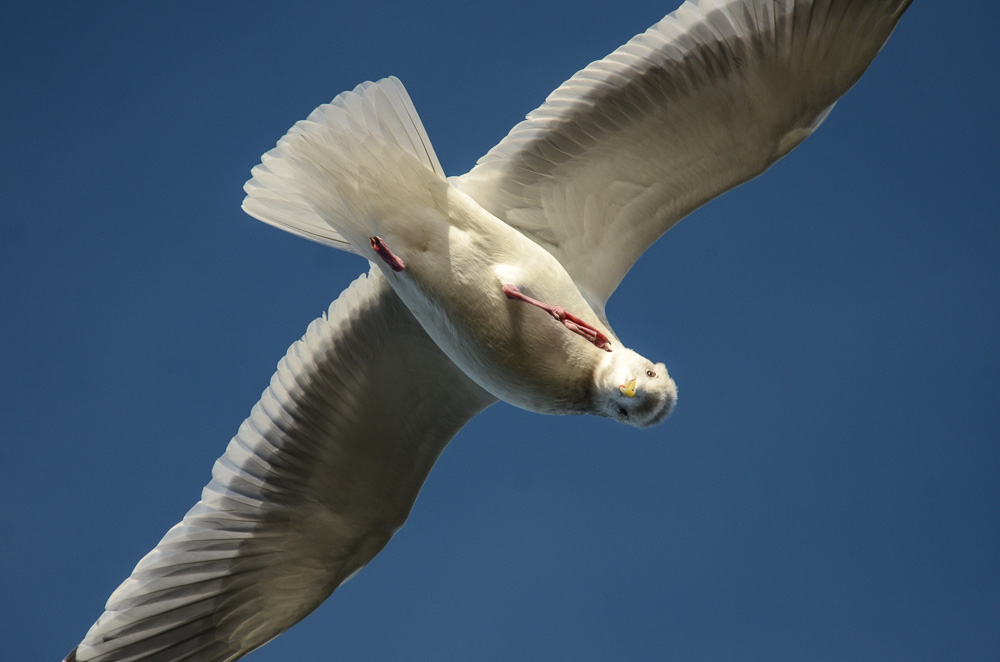
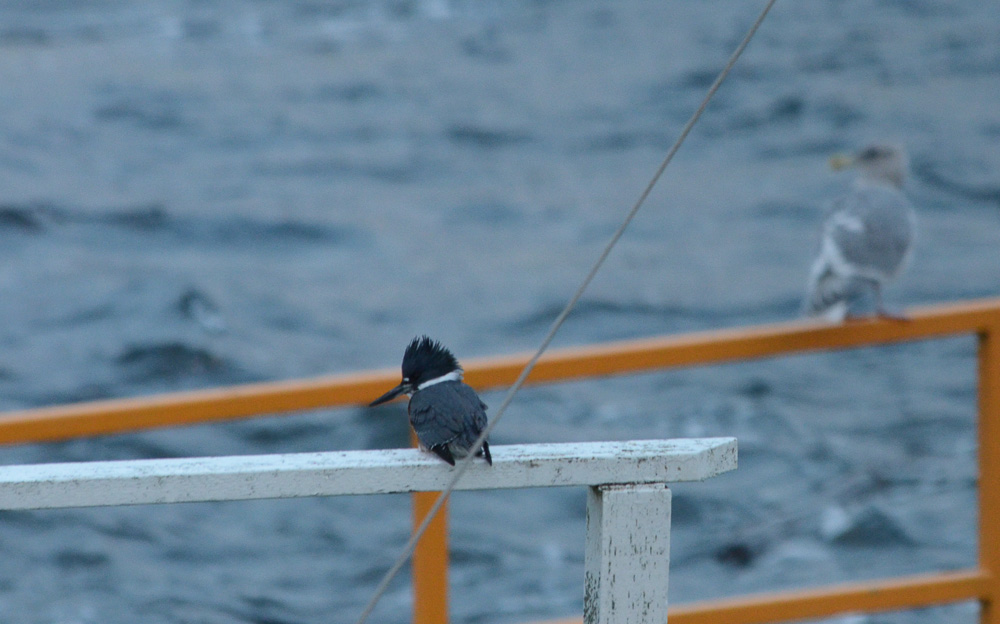
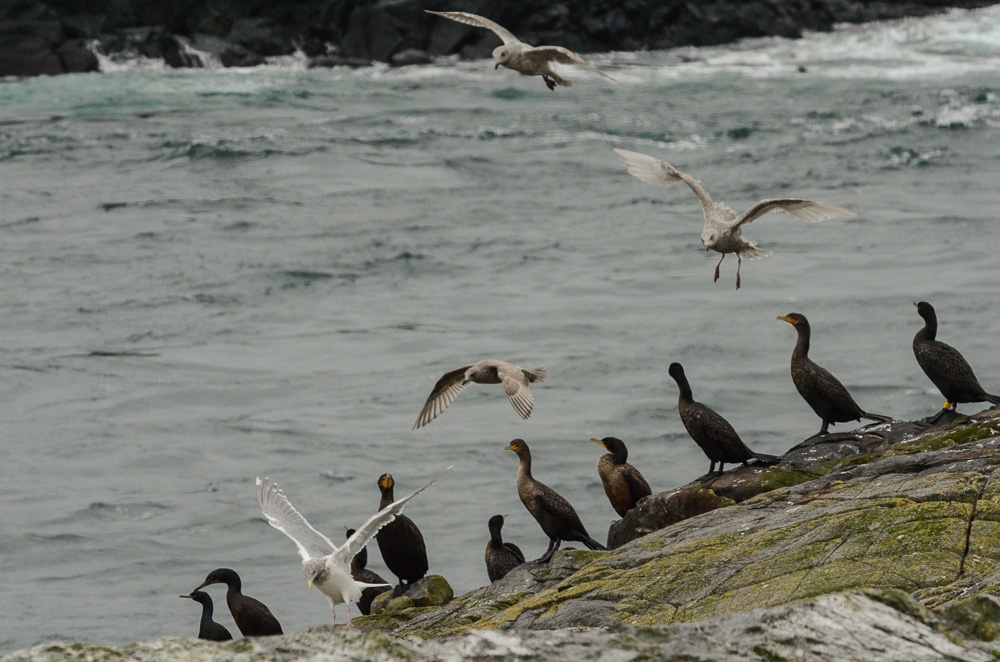
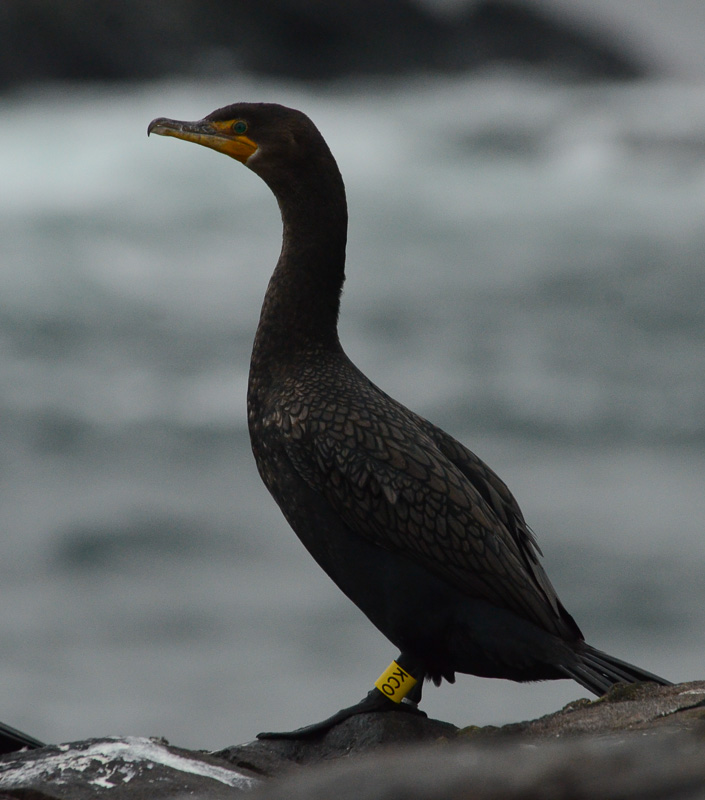
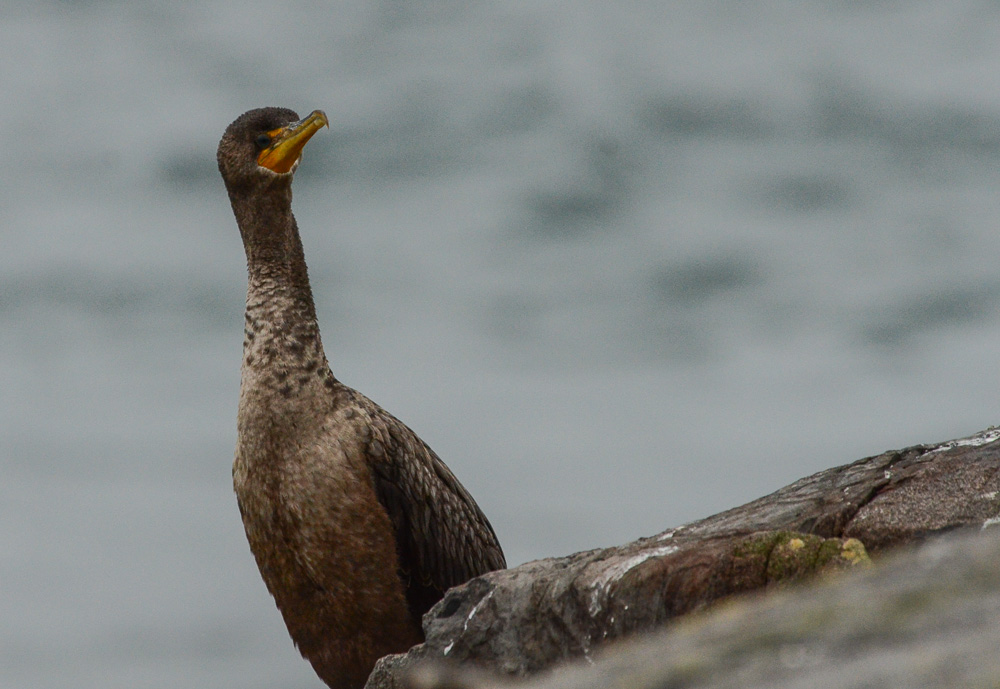
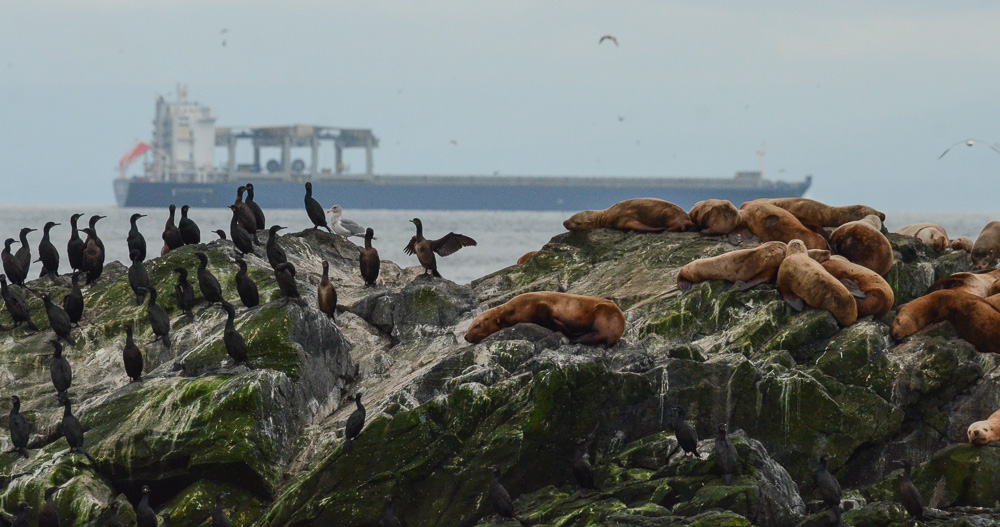
Notably: there was a high count of cormorants, 520, compared to last week as well a yellow banded individual (KCO)- details documented on next post. There was a high number of bald eagles (20) in reserve, and a lone kingfisher and pelican again in the reserve.  While there have been over 40 black oyster catchers here this week there were none observed today.

Harvested driftwood including a good size fir log I tied up at high tide and bucked and chopped once the tide had fallen.  Worked on toilet install and hammer drilling for plaque install.


Census:

California Sea lions: 38
Northern Sea Lions: 222
Harbour Seals: 5
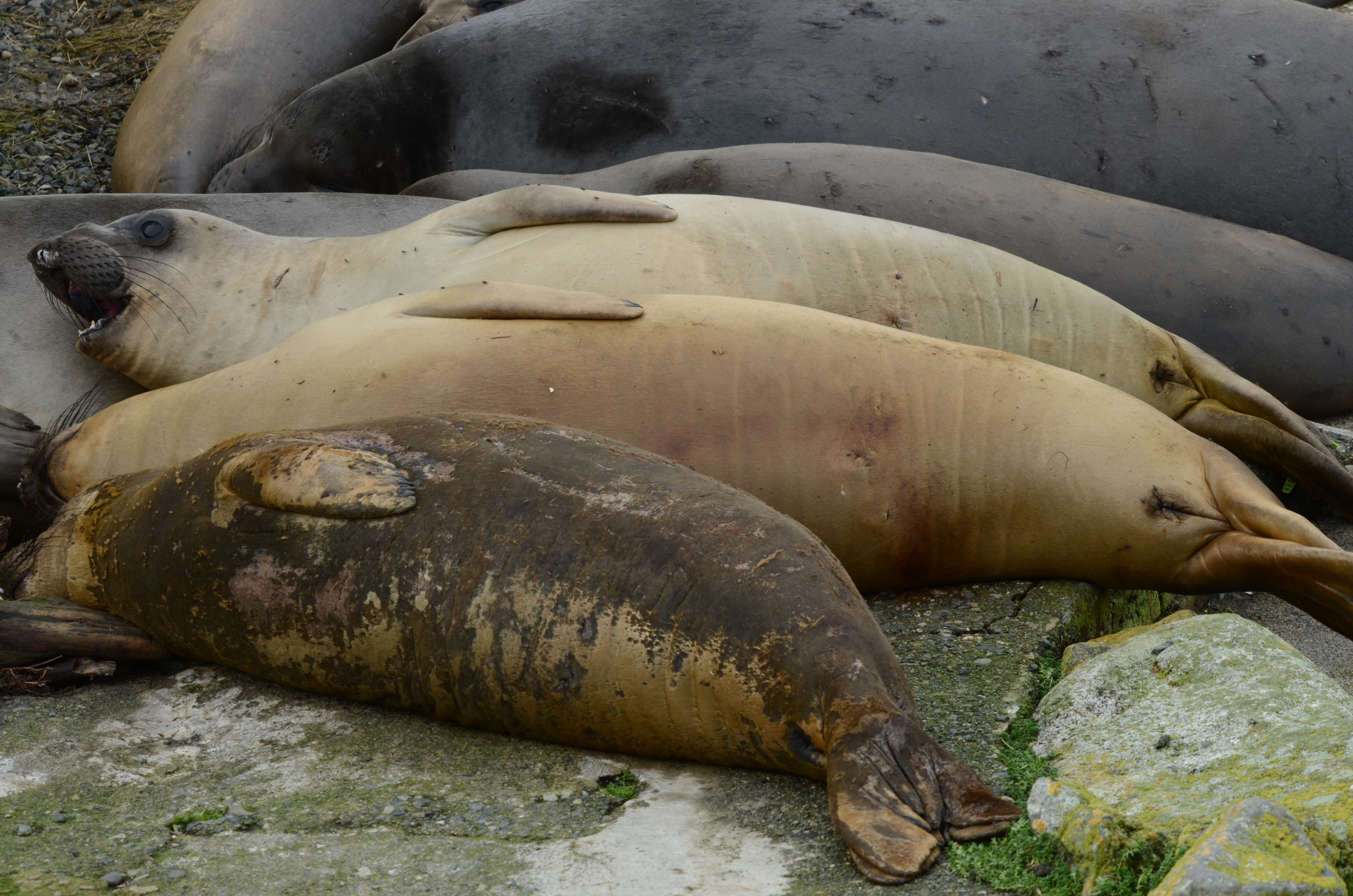
Elephant Seals: 6
Cormorants: 520
Canada Geese: 2
Gulls: 680  mostly Thayer’s)
Bald Eagle: 20
Harlequin Ducks: 5
Black Turnstone: 2
Dunlin: 3
Sparrow: 0
Kingfisher: 1

Pelican:1

Pelican, 50knot gusts

The barometer hit a low of below 985 hPa in the afternoon.  Winds had been 10 to 20 knots N most of the day but picked up in the evening and switched to west late in the night, gusting over 50knots.

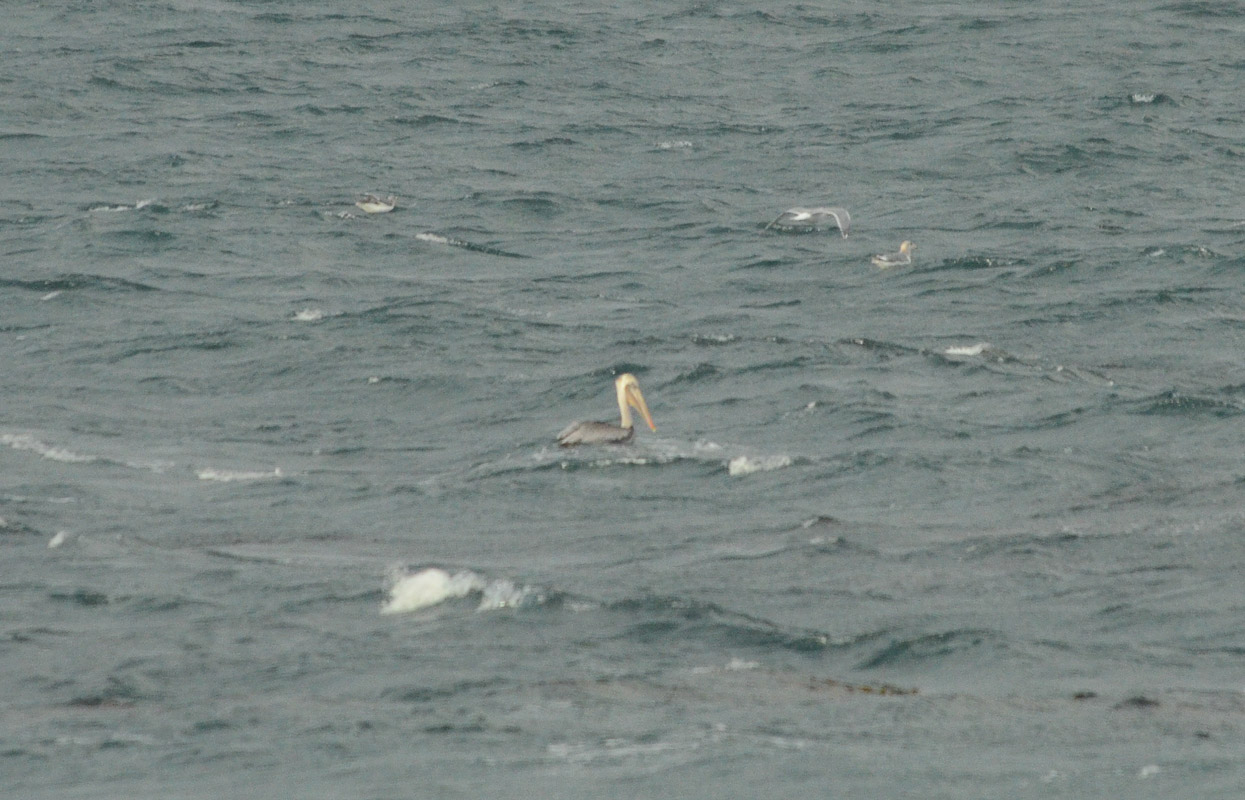
I spotted one pelican offshore in the reserve.  Chunk was on the main island overnight but left around noon.

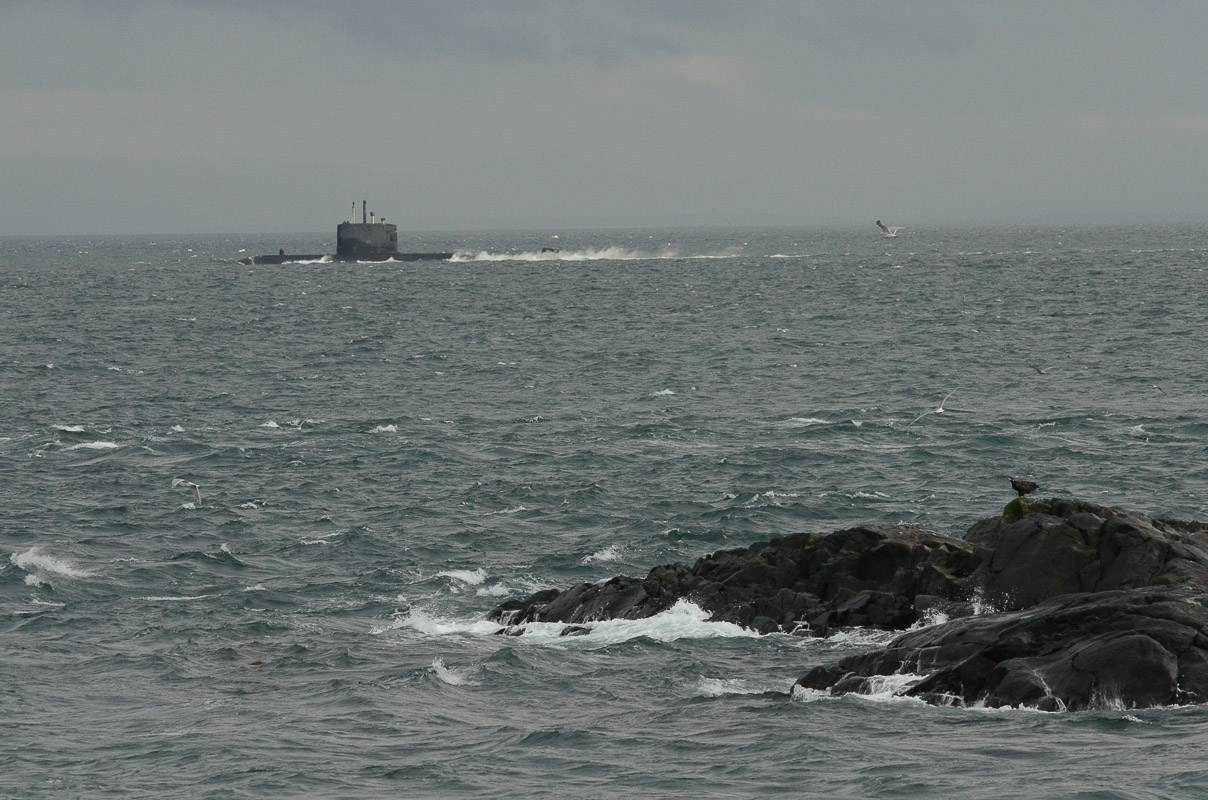
A submarine passed by close to the reserve.

DSC_6783

submarine passing on the East side of the reserve, heading North.

DSC_6763

pelican in the reserve, N of Great Race

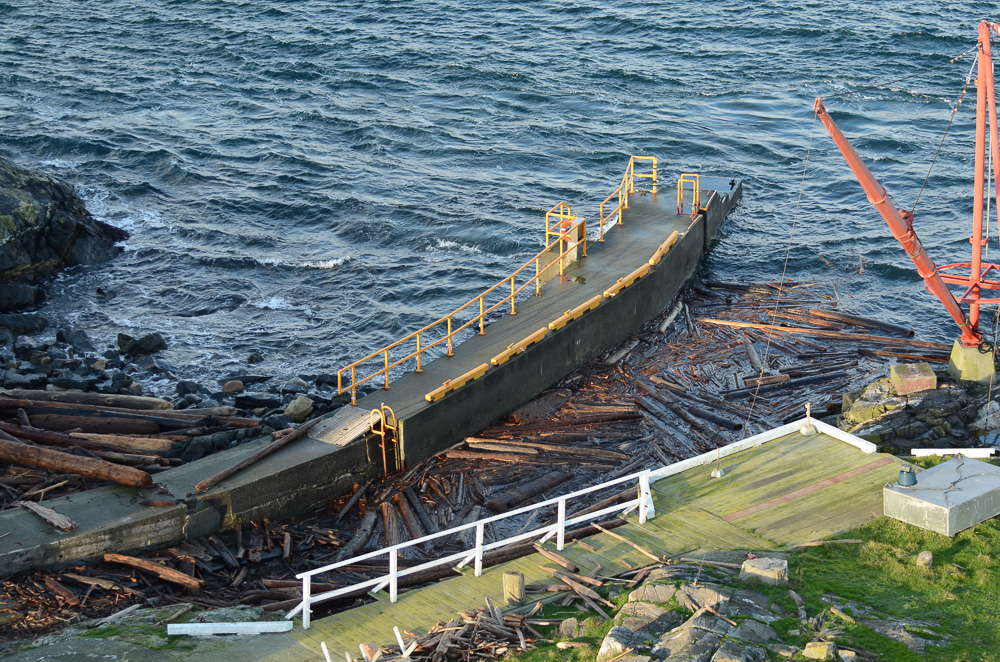
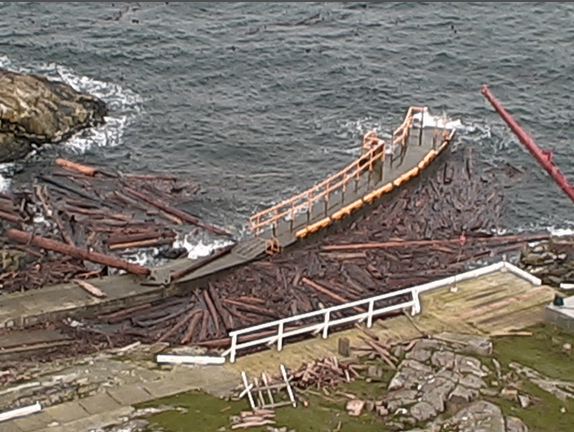
A lot of wood debris got washed up on the boat ramp throughout the day and this evening. Collected lots of driftwood for burning.  Working on compost toilet installation.

Pressure Drop

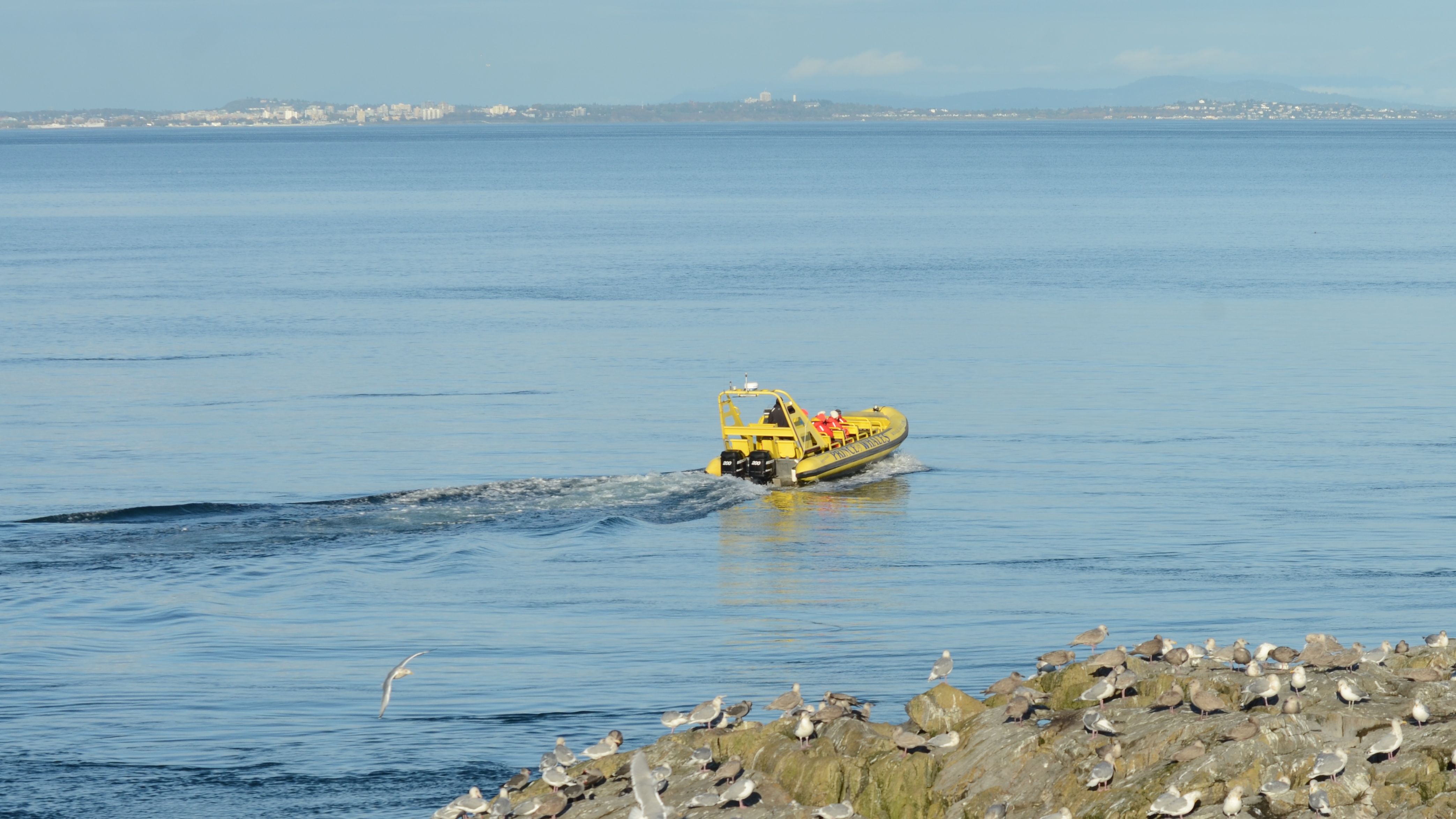
whale watching boat near sealions on south islands

Whale watching boat, sealions on south islands

Atmospheric pressure rose from around 1004 hPa yesterday to top out around 1020 hPa near Saturday night. Pressure has been falling today; winds up to 45 knots expected Tuesday.

Most of the sealions are out on the south islands now.  There are still a few on the main island, bellow the fog horn and the engine room.

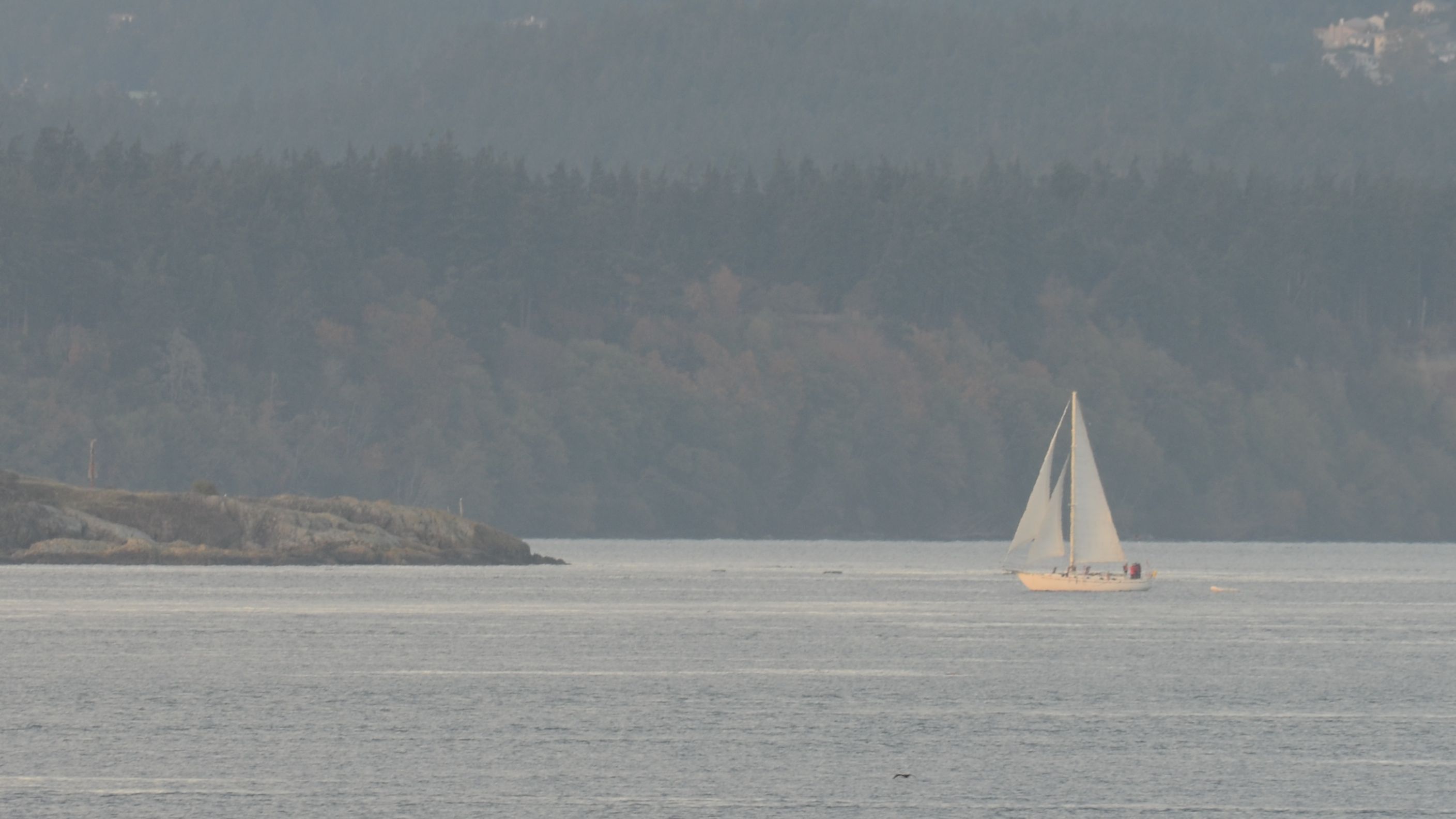
Boats in the reserve: 2 dive boats, 1 whale watching boat, and 1 sailboat under motor.

Moved fire wood, cleared boat ramp and took down more electric fence.


Overcast with Calm Seas

The barometer continued to drop slowly from 1023 to 1018 hPa.  The wind continued to blow between 8 and 18 knots from the northeast.  There was a difference in the weather today, compared to the clear sunny skies that have been the usual for the past week.  Low clouds hung over the Juan de Fuca Strait for most of the day.  There were occasional breaks of sun in the late morning and early afternoon.  The whitecaps this morning calmed right down in the afternoon, making the sea the calmest it’s been for the past few weeks.

There was one recreational boat seen this morning in the southern part of the reserve.

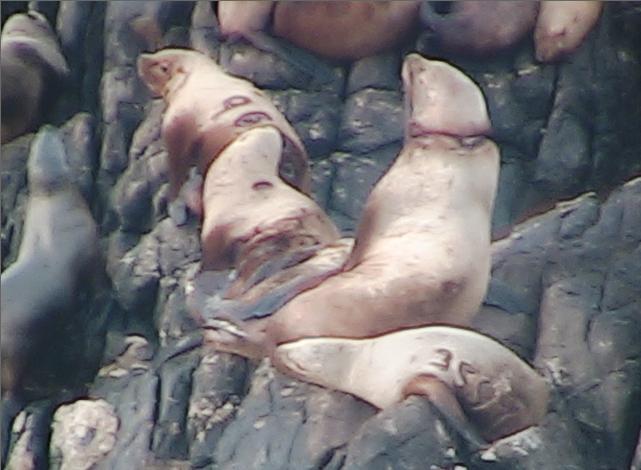
Pam Birley, from the UK, sent two photos of sea lions that she captured on Camera 1, located at the top of the lighthouse.  Pam’s photos show two branded sea lions that have never been spotted at Race Rocks, as far as I can tell.  See the photos below.  Thanks Pam!

The desalinator was run today to top up the fresh water cistern.  The solar panels aren’t soaking up as much energy, due to the clouds.  The generator was run longer today to help out the energy intensive desalinator.

The Sun is Shining

There was a light breeze today, not getting higher than 5 knots. The barometer rose throughout the day. The clouds parted mid morning to produce a gloriously sunny rest of the day. The high this afternoon was 13.2 C.

Before Anne finished off her shift, she showed me how to perform a few more maintenance tasks: operate the boat winch, run the washing machine with rainwater, test water salinity and measure the fuel levels in the tanks.

Anne spotted a new tag on an elephant seal. The elephant seal that she mentioned in Wednesday’s log with the tag 7625, has a tag on his other flipper with the number 7688.

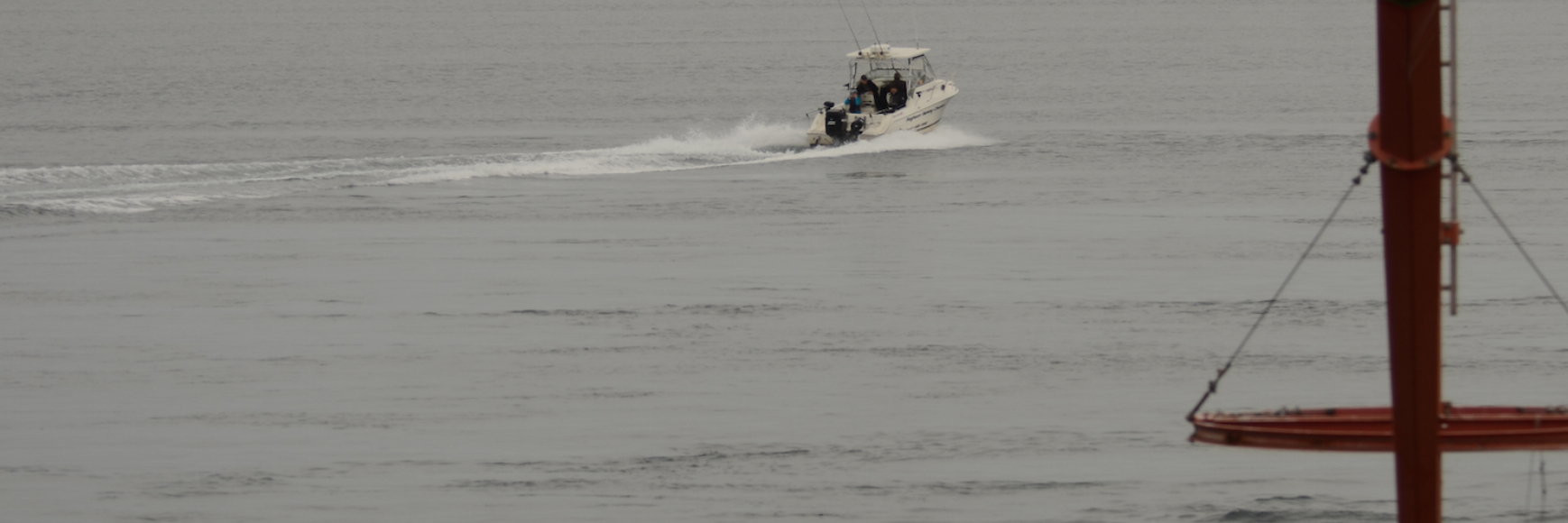
One recreational fishing boat passed by the jetty this morning. There were two whale watching boats noticed going through the reserve this afternoon.

There were at least two flashes of lightning seen in the west and loud claps of thunder at 19:00.

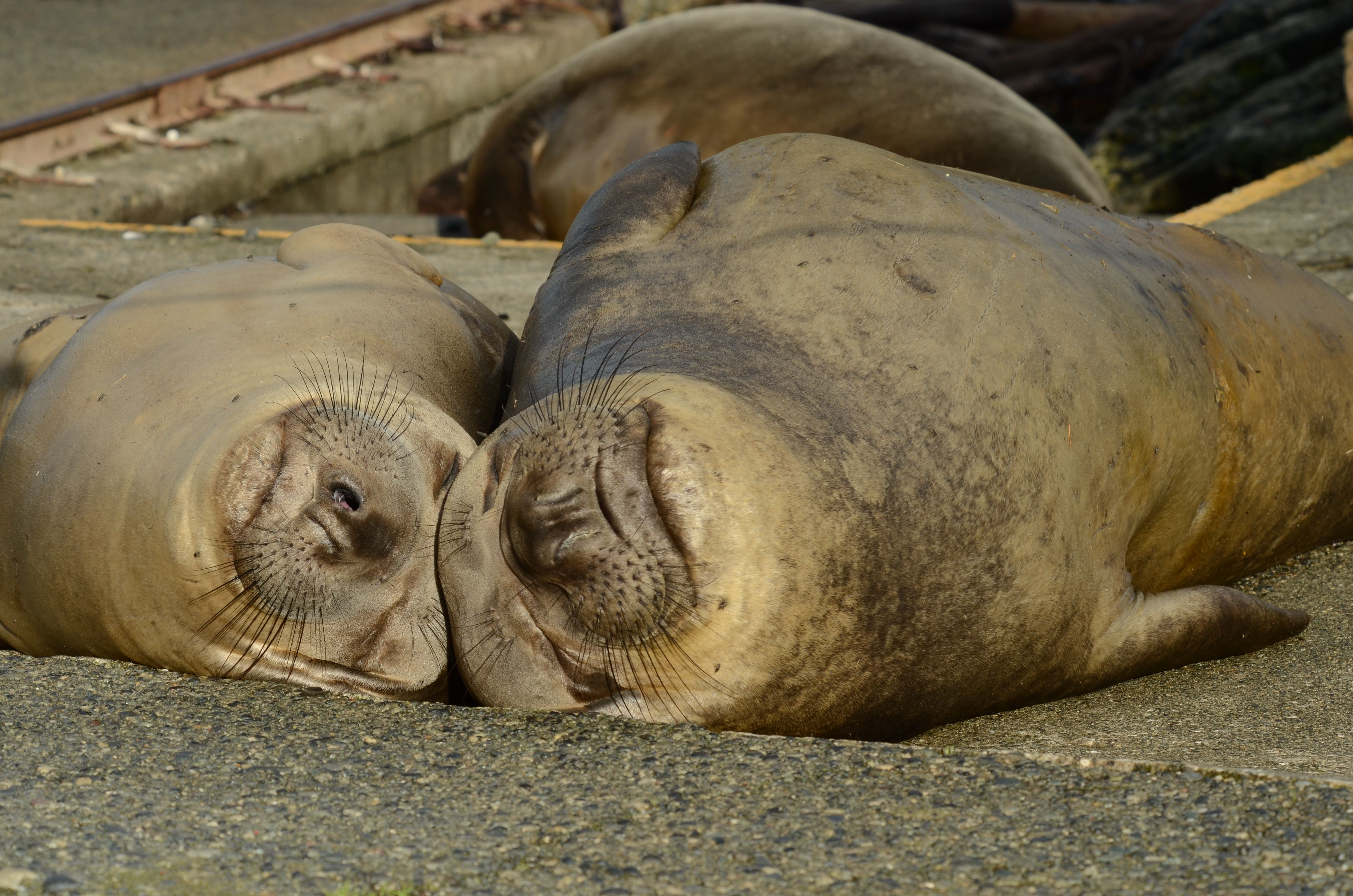
Elephant seals soaking up the sunshine.

Elephant seals soaking up the sunshine.

Tag 7688 on an elephant seal. I will get better photo evidence.

Tag 7688 on the flipper of an elephant seal. I will get better photo evidence.

The Pearson College sailboat Amatoana seen in the distance returning to Pedder Bay from a project week trip.

The Pearson College sailboat Amatoana seen in the distance returning to Pedder Bay from a project week trip.

A whale watching boat passes through the ecological reserve.

A whale watching boat passes through the ecological reserve.

Thanksgiving Edition (No Turkeys Here.)

The day started with a hazy, overcast sky and an ocean swell rolling in from the open Pacific. Although visibility was 10 to 15 nautical miles, the marine air gave everything a soft, muted look and both Port Angeles and Victoria looked further away than they actually are. In the morning, winds were light to gentle breezes starting in the southwest and swinging over to southeast. In the afternoon it shifted to north-northeast and became noticeably colder and wetter.
The ocean swell became dramatic by mid-afternoon, exploding over north rock and making a rolling break into the jetty bay, surging right over the jetty. Although the barometer was higher today than it has been all week, it is now slowly dropping and Monday ‘s forecast is for more clouds, wind and rain. Hmmm sounds like October.

Whale watching activity was fairly brisk today with seven boats in the Ecological Reserve. Everyone was fairly well behaved. Seaking Adventures was certainly giving a lot of throttle in the Reserve, crossing from Great Race over to North Rock but that may have been because he was bucking the tide. There were also a couple of sports-fishing boats passing through the Reserve in a hurry, Foghorn Charters was one of those two.
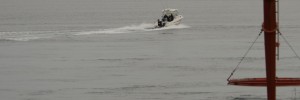
Some operators may not know that the speed limit is only 7 knots within the Reserve.

Some operators may not know that the speed limit is only 7 knots within the Reserve.

A large Humpback Whale passed through the Reserve westbound, late afternoon, there were no whale watching boats around.

A lot more gulls arrived with the cool wet weather and are roosting just about everywhere on Great Race now. I am curious what the numbers will be for this week’s census on Wednesday.
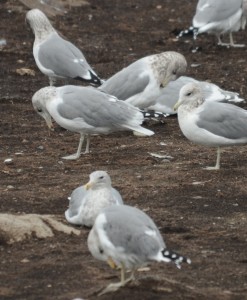
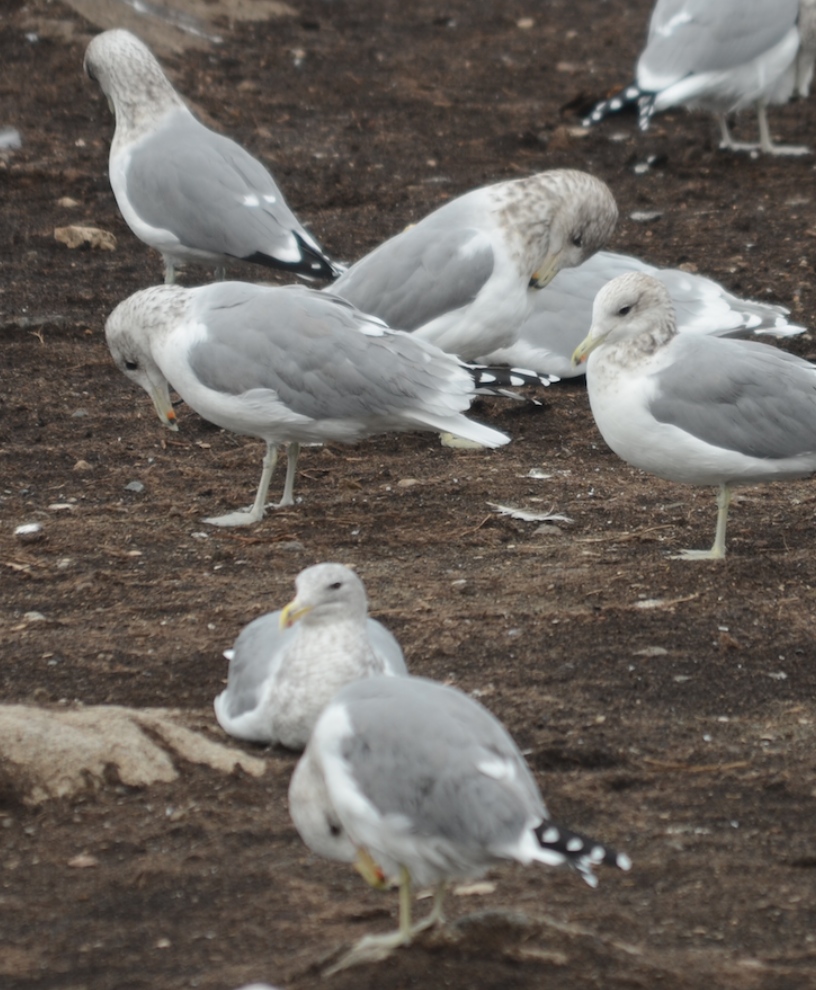
CaGu California Gulls resting and preening on Great Race.[/caption]
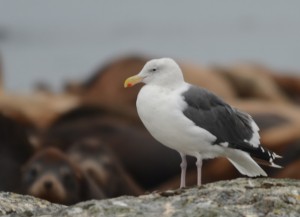
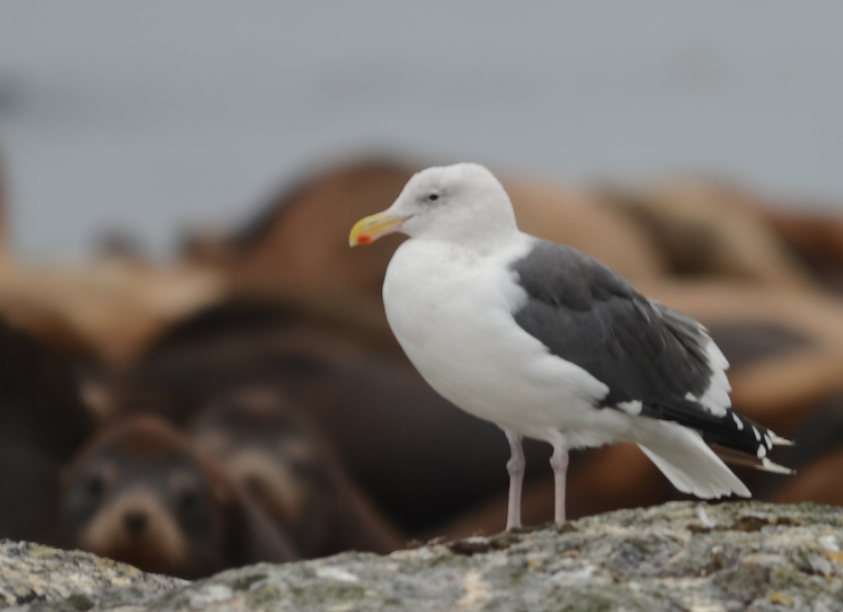
Western Gulls are a little north of their usual range here and hard to distinguish from Glaucous-winged X Western Gull hybrids.

Western Gulls are a little north of their usual range here and hard to distinguish from Glaucous-winged X Western Gull hybrids.

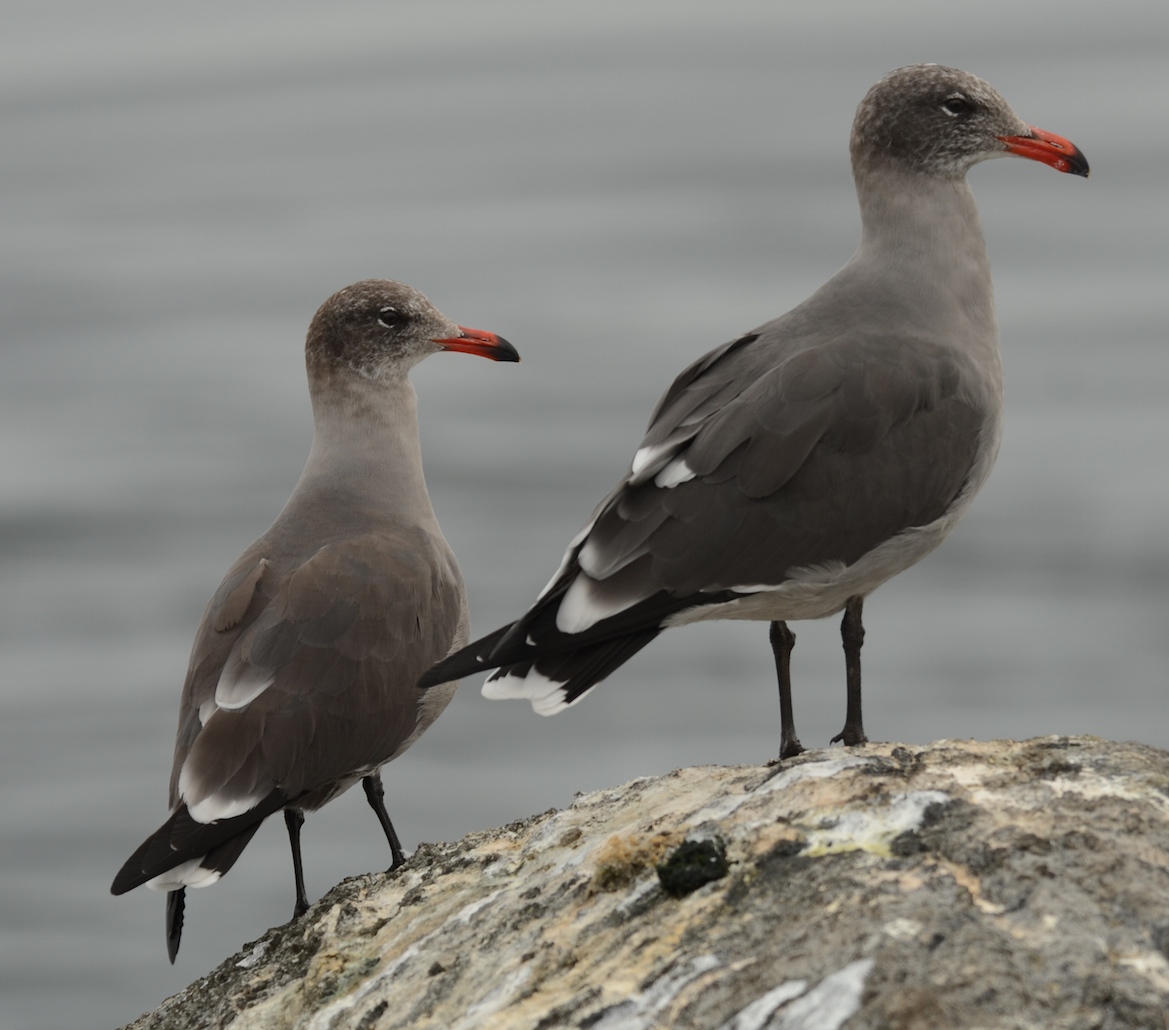
With the influx of California Gulls it is going to be tricky distinguishing and counting all the large gulls. A gull that is easy to distinguish and also a favorite of mine, is the Heerman’s Gull.
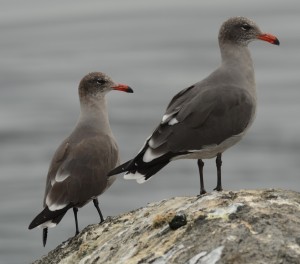
Heerman's Gulls are our most exotic looking gulls.

Heerman’s Gulls are our most exotic looking gulls.

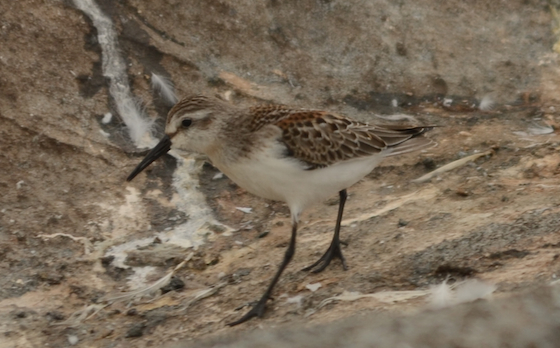
Another avian visitor spotted today was the small to medium sized sandpiper pictured below, I think it is a Western Sandpiper but would like confirmation.
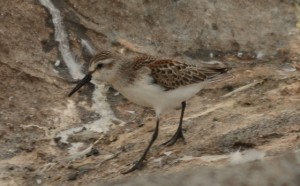
WeSa
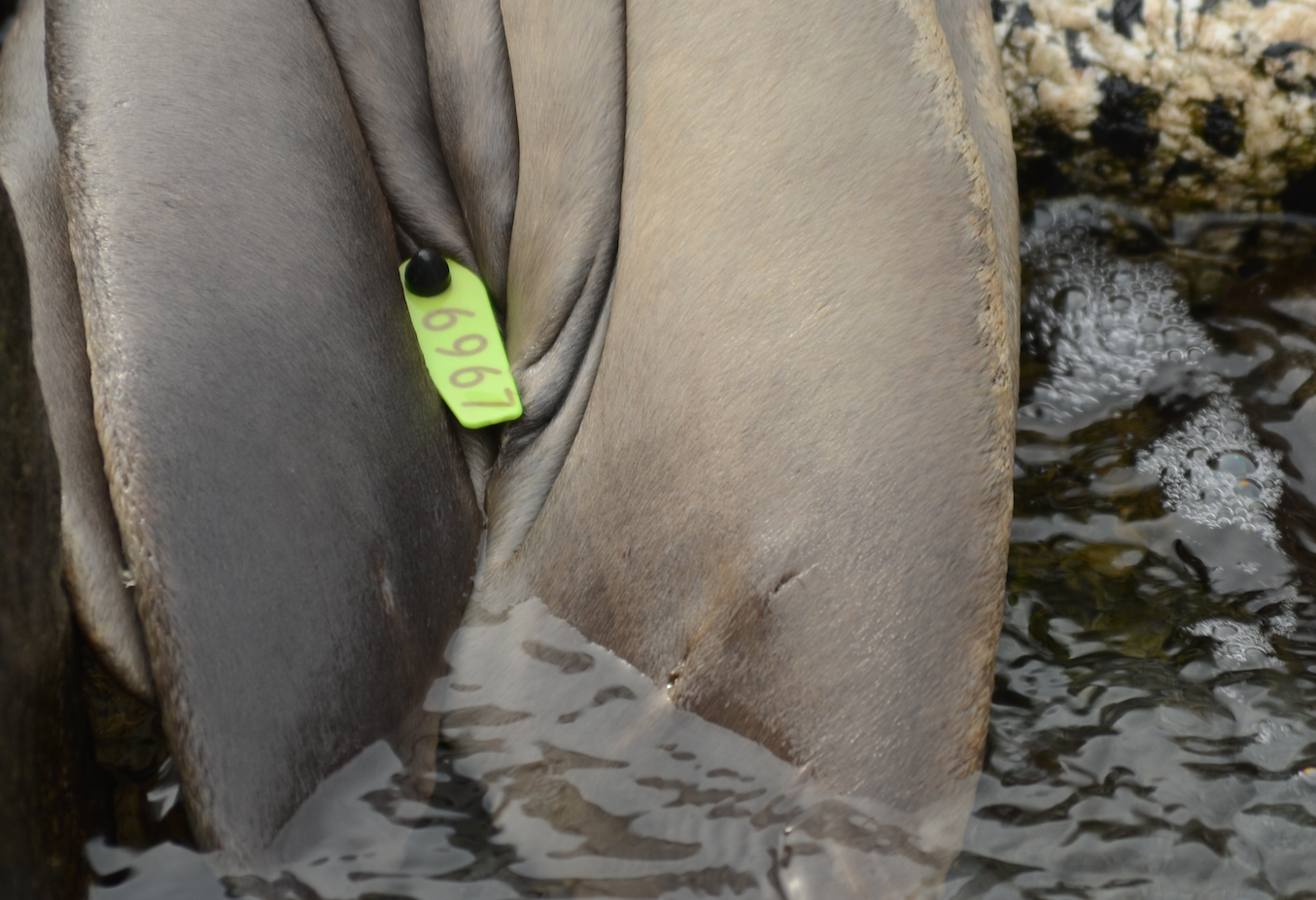
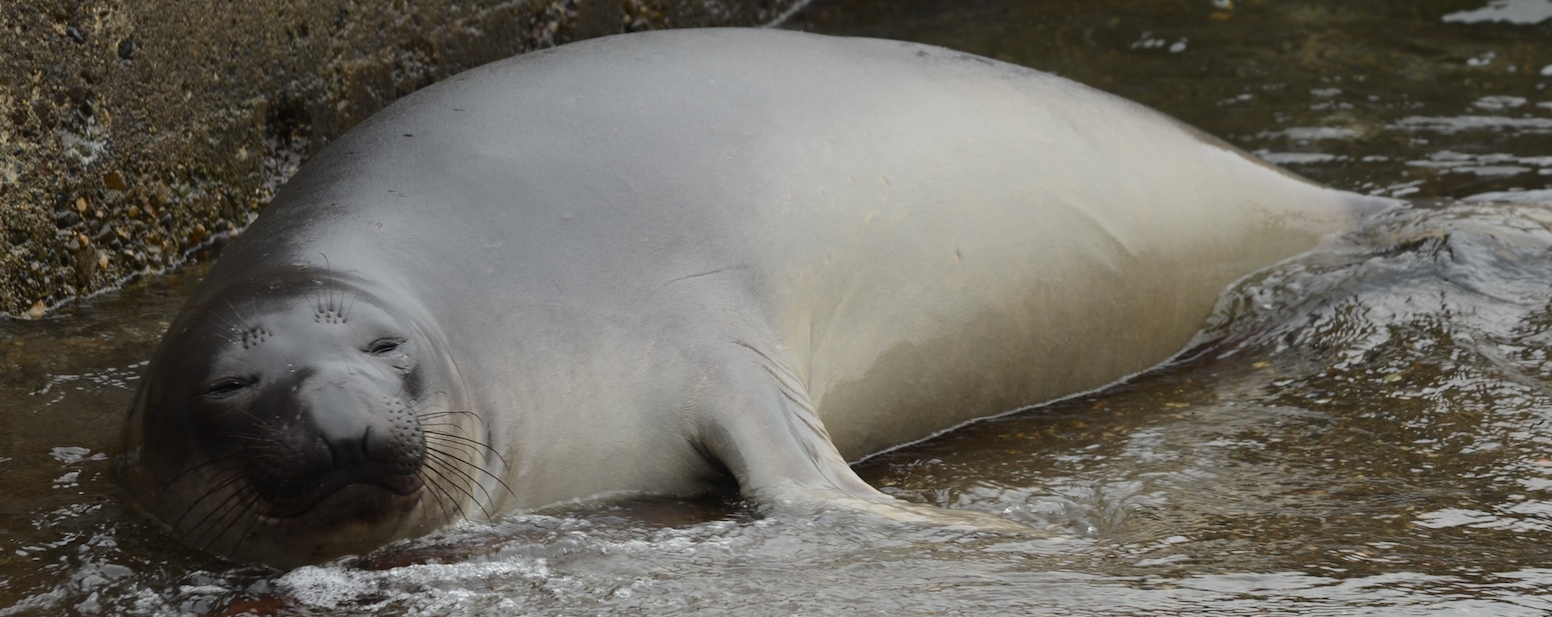
There were two young Elephant Seals on Great Race today and one of them was “tagged as a weiner in 2012” at Ano Nuevo Island in California “and hasn’t been seen since, so this is an important data point” according to Dr. Patrick Robinson, Año Nuevo Island Reserve Director.
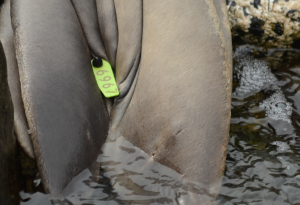
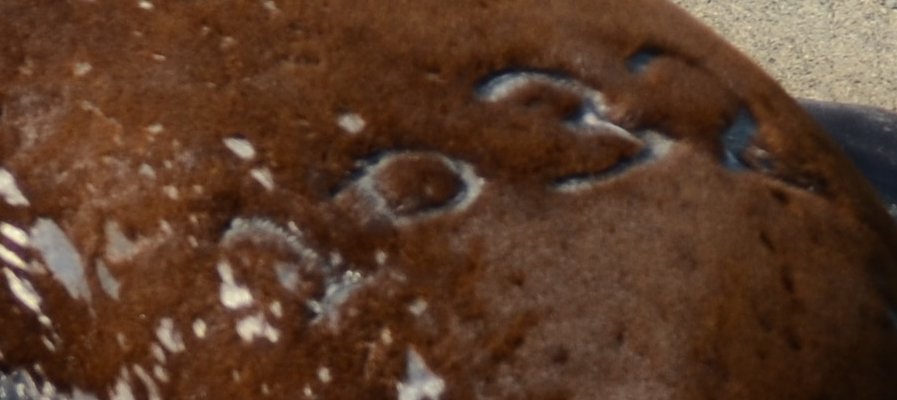
Mian 6967
The second Elephant Seal was sleeping on the marine railway in the morning.
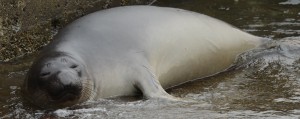
mian jetty

Race Rocks has become Canada’s main Elephant Seal colony. It is important as a fall haul-out location for sub-adults, as well as a winter birthing and mating site and spring moulting site.
Race Rocks is an ecological treasure located at a key location next to busy shipping lanes and popular sport-fishing grounds. I am thankful to those who had the vision to protect this amazing area and thankful to be able to experience it.
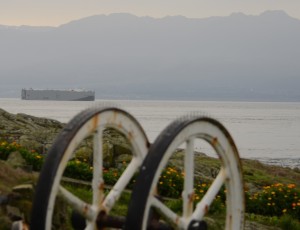
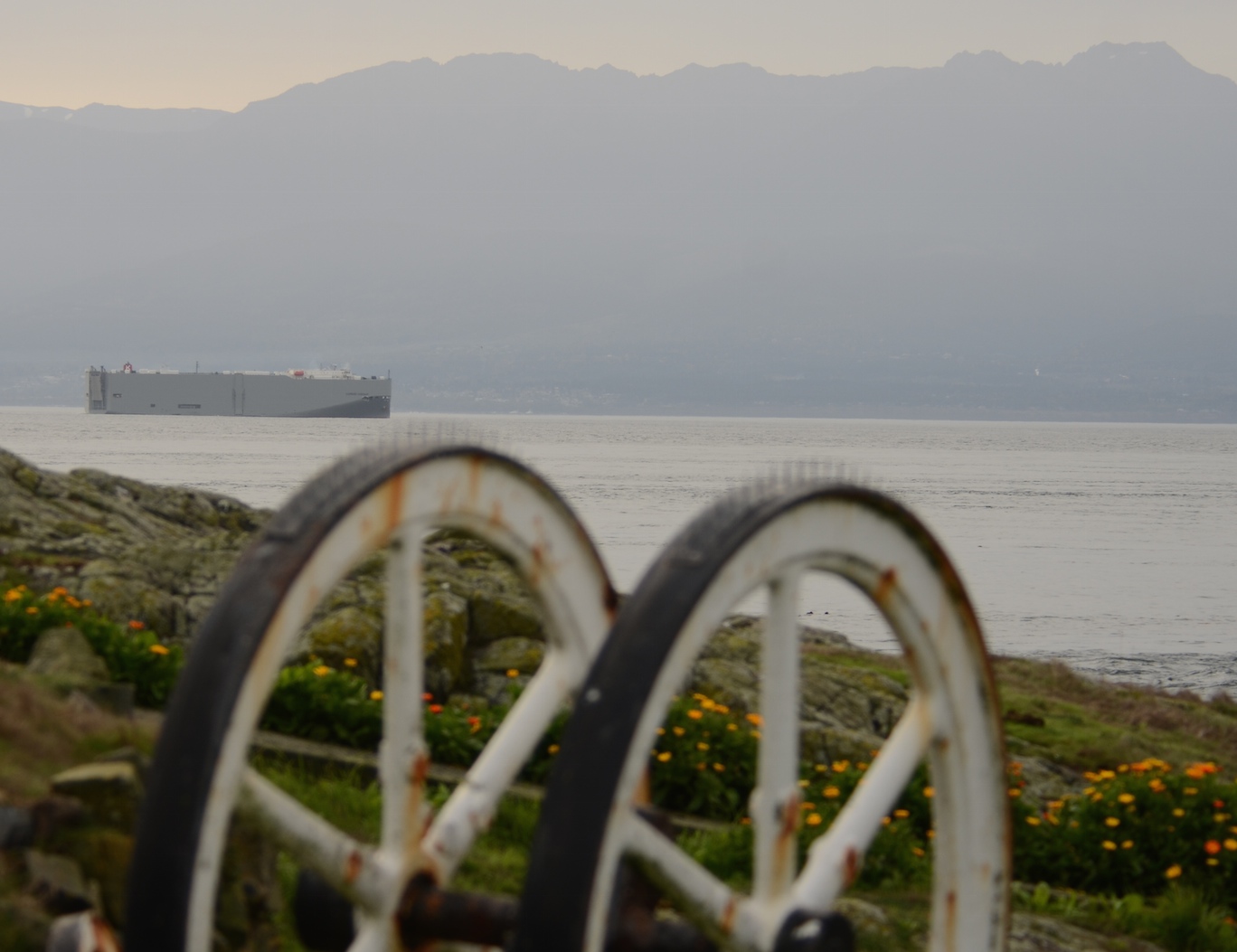
roro close to RR
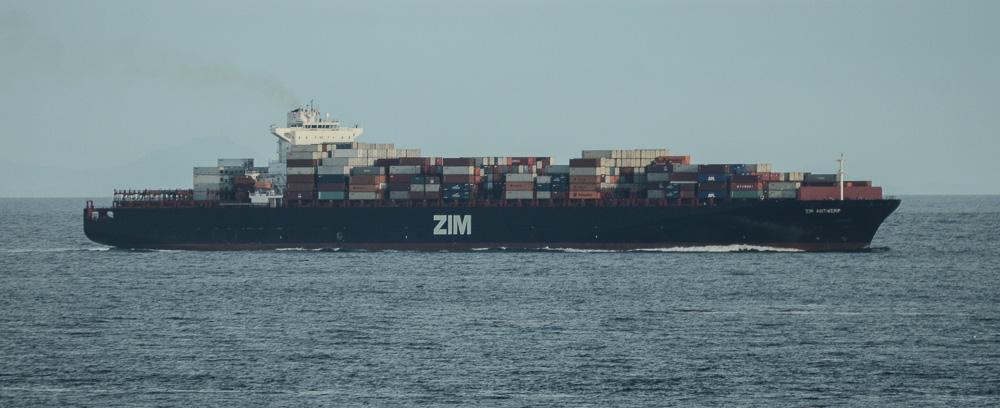
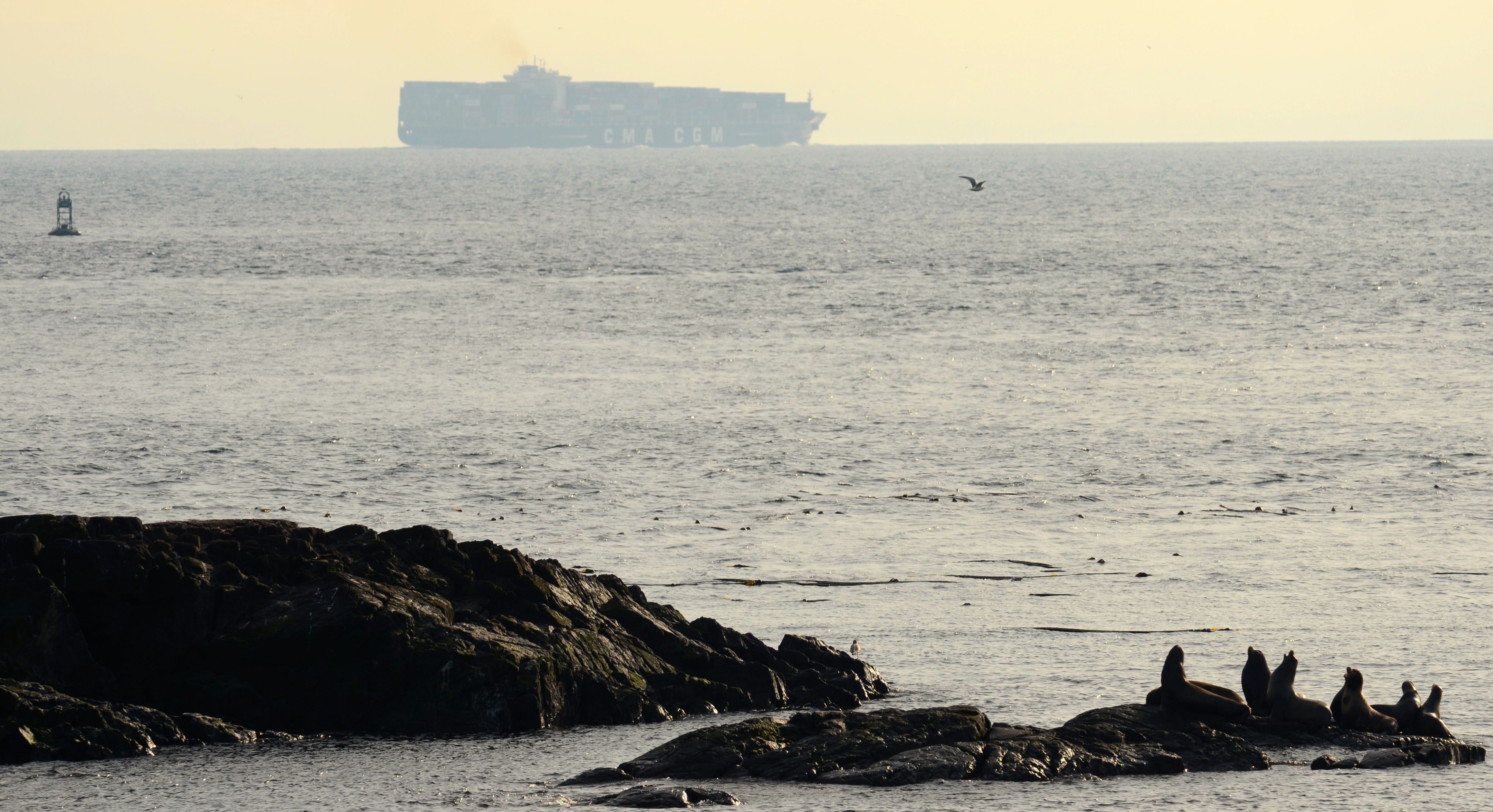
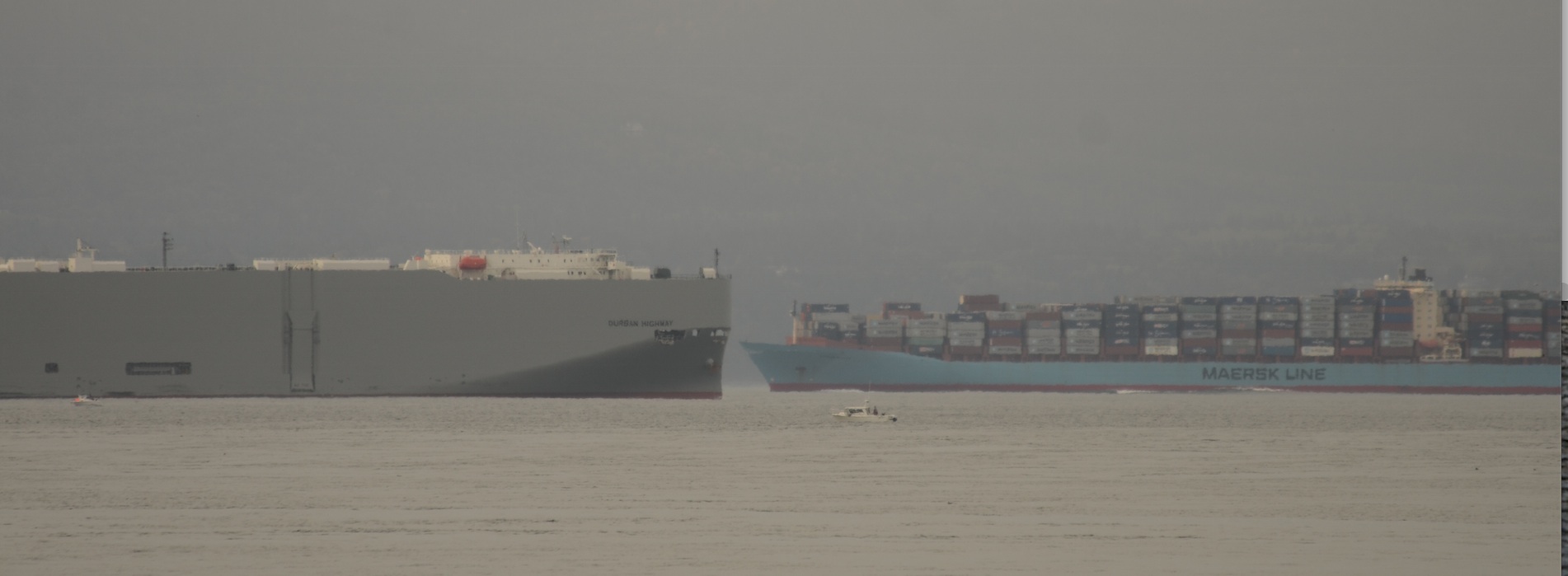
roro & maersk

Last Blast of Summer

Tomorrow is the equinox and it was a glorious last day of summer today on Race Rocks. In the morning, outflow northeasterly winds soon gave way to westerlies, which gained momentum creating whitecaps and active seas in the afternoon. Both yesterday and today there was also an ocean swell, indicating a storm out at sea. Some of the surges created large, standing waves in the tidal flows. The barometer continued slide today and a change is on the way with showers forecast to start by tomorrow evening.
There were only a few whale-watching boats today, four observed in total. The Ogden Point Dive Centre’s charter boat ran a dive right off the jetty today. A few recreational boats stopped to watch the sea lions and three were speeding in the reserve, as they came into and left the area. A Pedder Bay, Oak Bay Marine Group rental boat didn’t bother to slow at all and sped through the area packed with sea lions.

After picking up calipers at the floating lab, I was able to almost complete meristic data collection for the Glaucous-wing Gull mortality study. Measurements were made of over 50 gulls in order to determine the age range and location at death. It has been so dry for so long, that the birds were basically mummified, not nearly as gross as standing up-wind of the living sea lions.

Several opportunistic brand photos were taken today and census photos were taken to validate against the more traditional census technique.

Sometimes the brands are easier to read with binoculars than in the photo. This one is 1032.

Sometimes the brands are easier to read with binoculars than in the photo. This one is 1032.

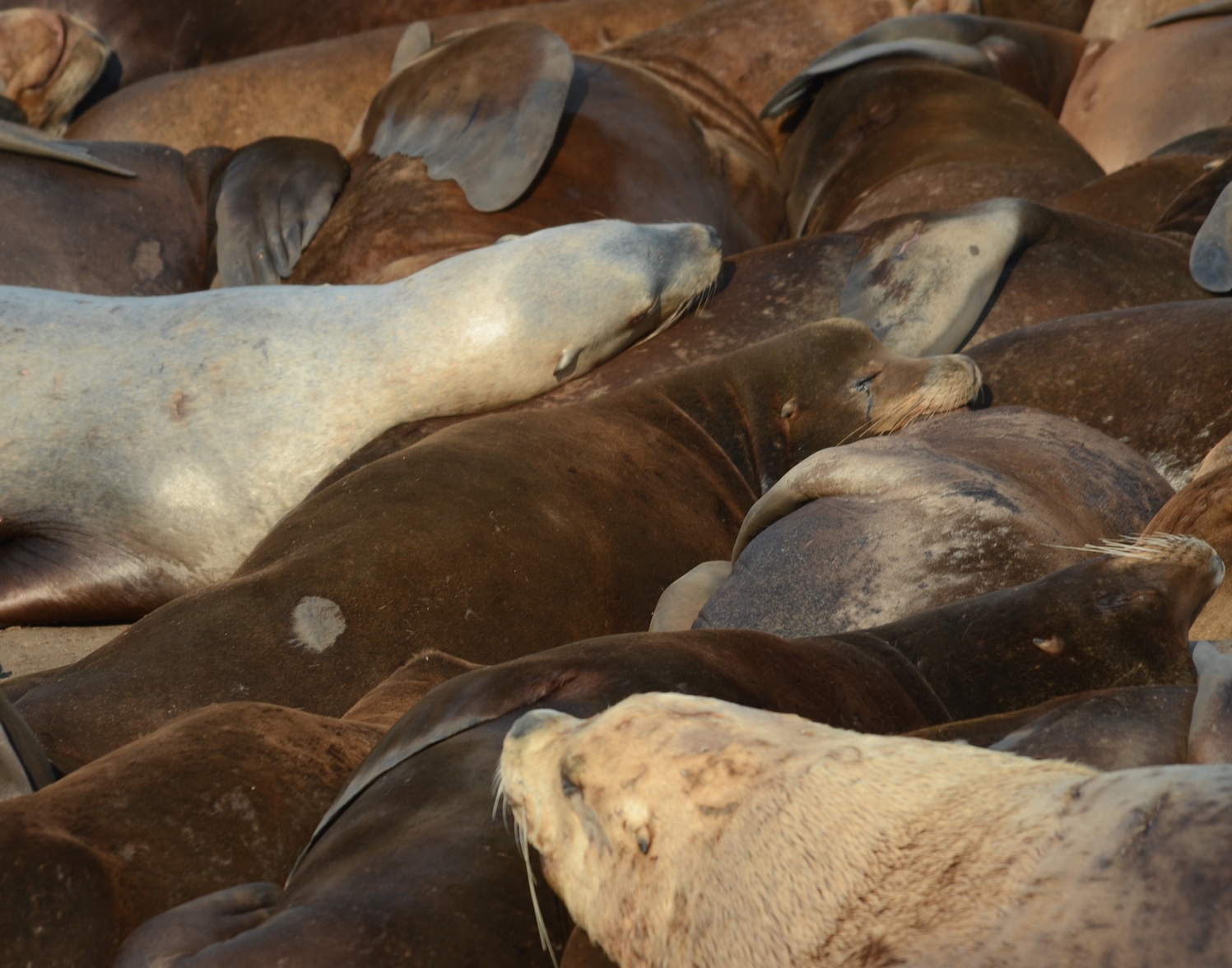
It seems that more Steller’s Sea Lions, Thayer’s Gulls and Double-crested Cormorants are arriving daily As you can see from this photograph of one the main California Sea Lion sleeping areas they are packed in tightly and not strictly segregated by species.

Sea lions pack into sleeping areas. This big Steller's Sea Lion caused a ruckus by walking over the Californians.

Sea lions pack into sleeping areas. This big Steller’s Sea Lion caused a ruckus by walking over the Californians.

The more mundane tasks of washing the solar panels, building up the compost, washing windows and mending the fences were done in the morning and it was actually hot, hmmm, just like summer. The seawater data was collected in the afternoon as the sunshine powered the solar panels which in turn powered the desalinator to make fresh water out of salt water. As the sun set south of Cape Flattery now, the classic Lister generator topped up the batteries for the overnight period.