This overview is linked here in PDF form: https://racerocks.ca/wp-content/uploads/2001/06/257000.pdf
Category Archives: Facility work
Race Rocks Marine Protected Area Update May 6 2001
Racerocks.com continues to reach to the far corners of the world as more and more people become aware of this extraordinary ecosystem and the opportunity to discover it electronically.(over 100,000 visitors in the past year) Garry Fletcher, our Educational Director, has attended conferences in New York, California (twice) and in the near future plans to go to Halifax. In each case we have featured live webcasts from Race Rocks with video from both above and below the surface to the conference site. On March 17, 2001 we completed the first underwater webcast in which in addition to video one of our student divers spoke directly to the conference participants from underwater at Race Rocks. This was possible thanks to a fabulous, locally developed, wireless underwater communications system created by Divelink.
A wireless internet feed from Race Rocks is now possible for eco-tourism vessels in the MPA. Visitors to the MPA can now establish wireless internet access aboard their vessel from most locations within the MPA. This allows guides to download real time video streams showing activity in the MPA including underwater video from the display tanks on the island. In addition, visitors can have access to archived video of marine life, First Nation’s activities and more recent history stored on the Race Rocks server. If you are interested in more information about the equipment required and how you could subscribe to this service please contact Angus Matthews.
Eco-guardians Mike and Carol Slater continue to do an outstanding job for us all as our resident caretakers of the island and equipment. We are grateful to Mike and Carol for their dedication and commitment to Race Rocks and it’s many residents. It is also reassuring to know that their watchful eyes are always looking out for us.
Should you need to contact them they are usually monitoring VHF 16 or 68.
Site restoration has continued on the island over the winter. In late April the Coast Guard finished flying out the last of the concrete from the dykes that surrounded the old tank farm. This has returned another large portion of the island to a natural state. We are working with BC Parks to establish a plant life inventory of Great Race Island. We have modified the Coast Guard’s old lawn mowing compulsion to allow more of the natural grasses and vegetation to take over the island. A small perimeter is maintained around the buildings for fire safety and Mike and Carol of course maintain their traditional kitchen garden.
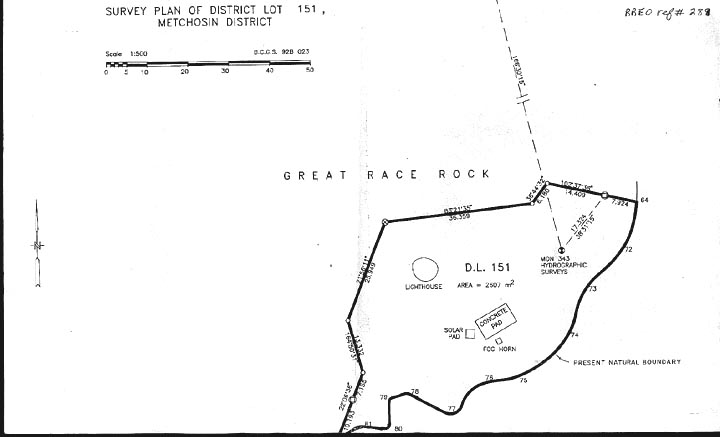
BC Parks has assumed ownership of the area of Great Race Island that was previously leased to the Coast Guard. A small area around the light tower and solar panels has been retained by the Coast Guard as they are still responsible for the automated navigational aids. All the remaining infrastructure on the island has been given over to BC Parks. Pearson College has entered into a 30 year park use permit agreement with BC Parks to continue to operate the facility as we have for the past four years.
Serious financial challenges lie ahead. Now that the federal Millennium Partnership funding that established racerocks.com has been exhausted we are receiving no financial support for the operation of the Race Rocks MPA from any government. We are hopeful that BC Parks and DFO which established the MPA will respond positively to our application for them to provide a contribution of $50,000 each towards operating costs. Pearson College has undertaken to raise the balance required to cover the $150,000 annual budget. We hope that the eco-tourism industry will consider assisting us in the future as a demonstration of the commitment you have to environmental protection and Canada’s first Marine Protected Area. See $ave Race Rock$
Please excuse our questionable flag etiquette! One of the pitfalls of joint federal/provincial jurisdiction is they both want their label on the product. At the request of our current MLA we are now flying both the BC and Canadian flag on the same mast on the island. Until the funding arrangements are worked out it is simply prudent to do so!
The special operational guidelines for Race Rocks established by the eco-tourism operators have been largely respected and we greatly appreciate the individual commitment vessel operators have made to following them. We are now working on better cooperation from other organisations such as the Navy and education of the general public. Our proceedure is to log all infractions and contact the operator or their owner directly to advise them of a difficulty. The level of cooperation and voluntary compliance from the eco-tourim sector has been outstanding and we appreciate it a great deal.
Operator training for the 2001 season is now occurring in many eco-tourism organisations. Many of your operators have received special training about the MPA in the past. If the number of new operators warrants it, we have offered to host a training session ashore at Race Rocks in the near future. Please contact Dan Kukat if you think this is necessary.
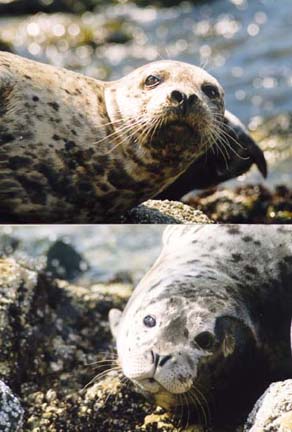
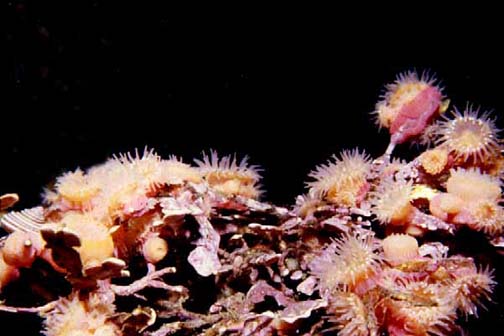
Marine life at the Race features several elephant seals again this year and the sea lion/ harbour seal population looks fairly strong for the time of year. Already a number of harbour seal pups have been born, and this emphasizes the need for cautious navigation through the area as they are very vulnerable. Serious bird nesting activity is starting so our activity on the island and access is now being limited. Chick survival on the island was very poor last year largely due to what appeared to be starvation. Hopefully more of the usual food sources will return this year.
We look forward to another successful season of protection and education at the Race. Thank you for all you do to share this experience with an appreciative public.
Angus Matthews
Director of Administration and Special Projects, Lester Pearson College
Oil Tank Farm Restoration
Background:
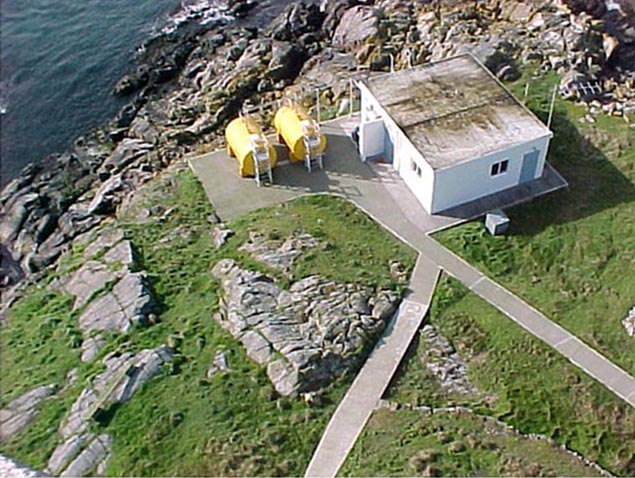 The automation and the de-staffing of the former Coast Guard-Operated Light Station on Great Race Rocks happened in 1997. This would normally have left the island without a generator, as all buildings and equipment were to be removed when the automated foghorn and the light were installed, there was theoretically no need for a generating station.
Lester Pearson College decided to hire the former keepers, Mike and Carol Slater, to stay on at the island as ecological reserve guardians. Since that time the Coastguard has cooperated to keep the equipment updated.
Two new double walled tanks that meet environmental standards were constructed next to the engine room on the island. Fortunately, the need for oil on the island will be reduced in the future when more Sustainable Energy Systems are developed.
Since the Coast Guard lease from the Provincial Environment and Lands Department was changed to reflect the decreasing envelope of use by the Coast Guard, the rest of the Island was then returned to the Province, and plans were made to include that as part of the Ecological Reserve. An agreement was made with Coast Guard and Provincial Environment officials as to what would constitute site remediation for the island.
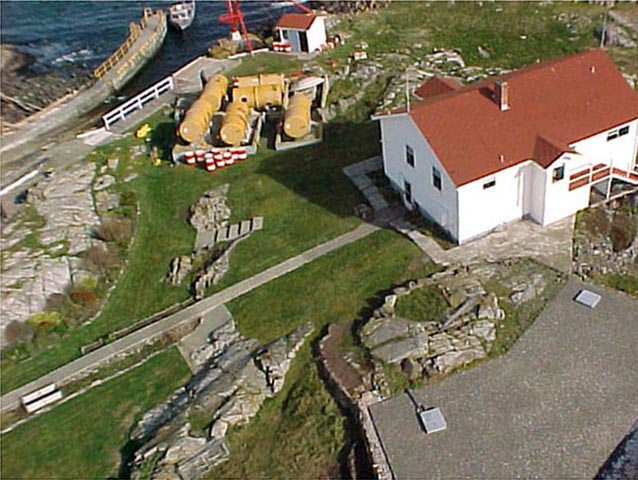 This image shows the 7 old fuel tanks used for energy. They were single walled tanks and they could have contributed to an oil spill in that sensitive environment. The concrete pool around the cradles was built to contain any leaks or spills
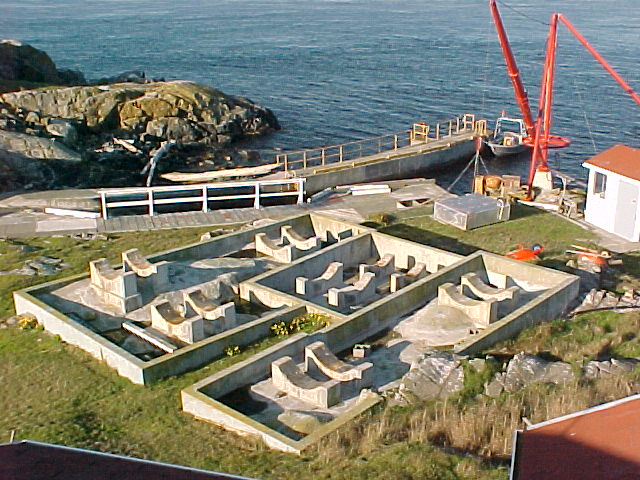 In the spring of 2000, they had planned to remove the concrete base for the oil drums as well, but it was considered that it may prove too much of an environmental impact given that the pigeon guillemots, sea gulls and black oystercatchers were establishing nesting territories .They agreed to put it off until a time in the year of minimal impact. It was decided that January and February would be ideal. By May of 2001, the Canadian Coast Guard removed the set of 7 fuel old oil tanks from Great Race Rocks. These tanks had been installed in the 1970’s when the environmental regulations regarding such installations were not as stringent as they are today.
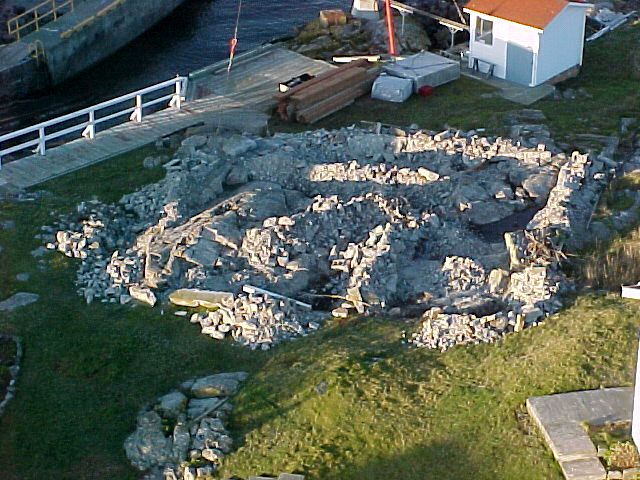
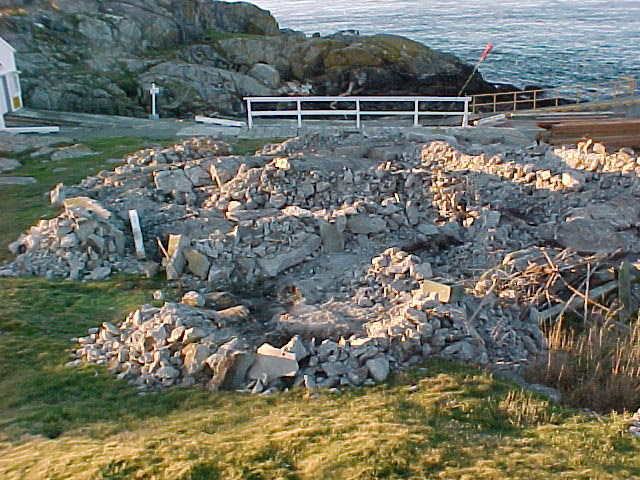
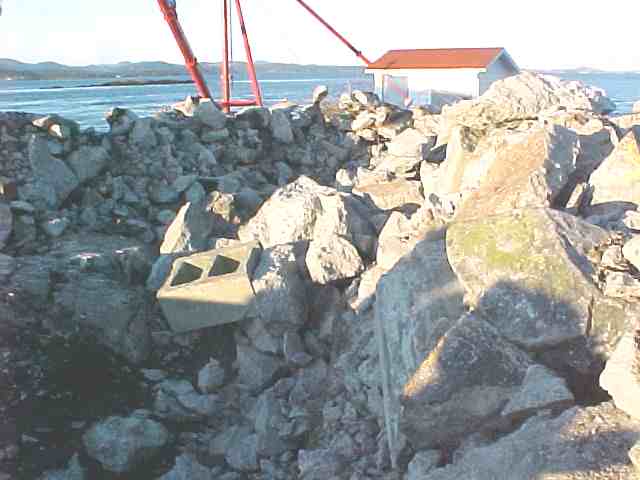
 On January 16, 2001 the coast guard delivered by helicopter the equipment necessary for removal of the concrete tank farm retaining berm.
By mid- February, a large pile of concrete rubble was all that was left of the cradle.
. The concrete had been neatly pealed from the original rocks underneath and it was now ready for the next stage.. Removal by helicopter.
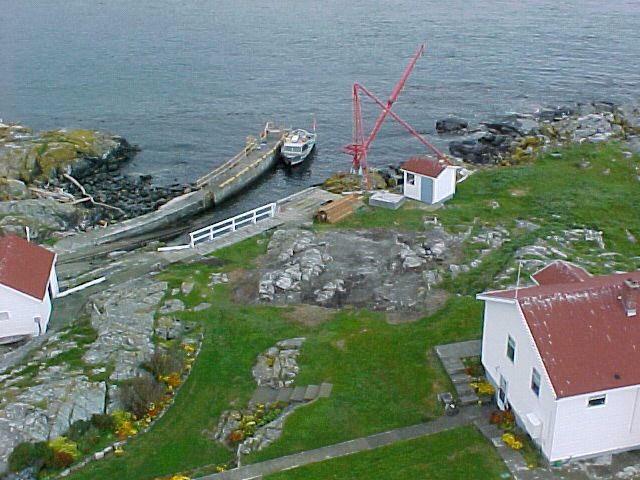
By the end of April 2001, the Coast Guard had completed the removal of all the concrete rubble by helicopter and the outcrop is restored to bare rock again.
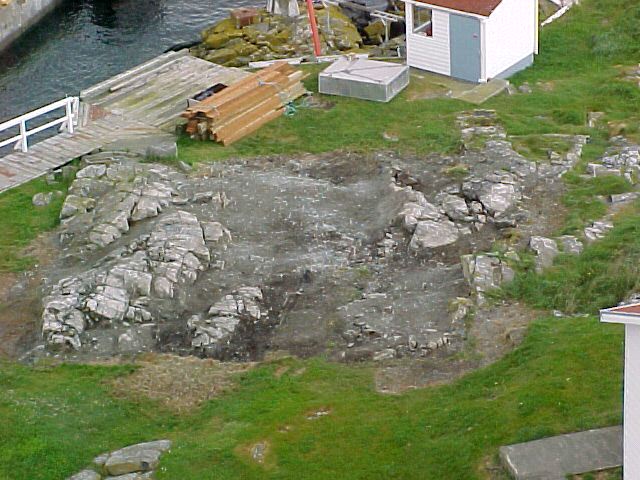
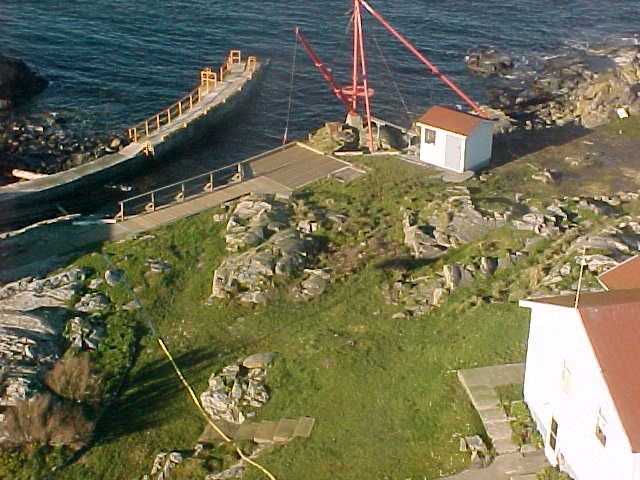
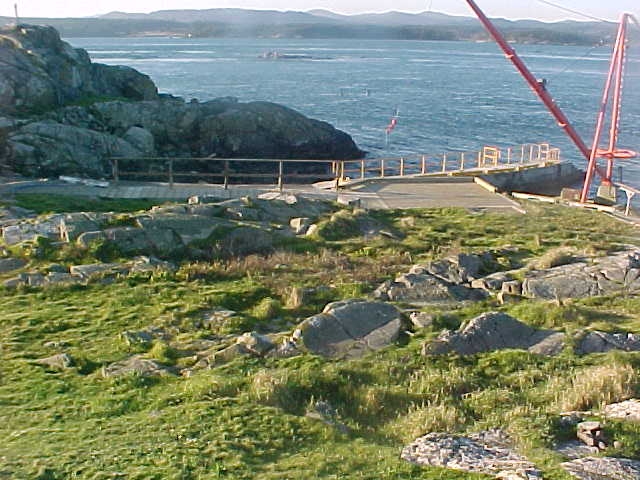 We have attempted to keep out invasive plant species and have planted seeds from native grasses in the small crevices of the rock. The seagulls responded to this new extension of territory and within two years took it over as a nest site
These pictures were taken in February, 2005. From the tower, the area which contained the tank farm, is no longer distinguishable.
The rock outcrops have been recolonized by native plants.
We also watch for excessive growth of introduced invasive species, and selectively remove them by hand
First Nations Cooperative Management of Protected Areas in British Columbia, Tools and Foundation
The following excerpt presents the Te’Mexw Treaty Association assertion in response to the proposal for the Race Rocks MPA in 1998. See bolding below:
First Nations Cooperative Management of Protected Areas in British Columbia:
Tools and Foundation
by Julia Gardner Dovetail Consulting April 2001
From page 9:
An ecosystem approach
The designation of special management zones in LRMPs recognizes that protected areas
cannot be managed as islands: buffers and connecting corridors beyond their boundaries
are needed to ensure that ecological integrity is protected. Similarly, marine protected
areas cannot protect marine biodiversity on their own – they should be implemented as a
part of integrated coastal zone management.
The management of protected areas on an ecosystem level is a priority that has been
brought into the public eye recently through the report of the Panel on the Ecological
Integrity of Canada’s National Parks (Parks Canada Agency, 2000) and the report of
B.C.’s Park Legacy Panel (MELP, 1999). There is growing recognition that the
ecosystems of protected areas cannot be protected without attention to the portions of
their ecosystems falling outside their boundaries, as opposed to being “islands in a sea of
development.”
In the marine setting, there is a parallel rationale for an ecosystem approach, often under
the label, “integrated coastal zone management.” But in this “sea of development” where
fluid ecosystems even more thoroughly defy protection via boundaries, some argue that
protected areas are contrary to the priority of protecting the whole environment. For
example, “The Nuu-chah-nulth believe that all marine areas should be treated respectfully
for the gifts that nature provides. The concept of establishing certain areas for favourable protection while mismanagement occurs in areas outside of protected zones is foreign to
Nuu-chah-nulth principles” (Nuu-chah-nulth Tribal Council, November 13, 1998) Similarly, the Te’Mexw Treaty Association asserted in response to the proposal for the
Race Rocks MPA in 1998 that “It is the position of the Nations that a coordinated co-management program for the coast from Jordan River to Ten Mile Point would be the appropriate method by which conservation, harvest and priority for First Nations users can be integrated” (Moahan, 1998,p7). at the very least, MPAs need to be considered in their broader setting, including the watershed and the surrounding sea.
A sixth key assumption is that land and sea are an integrated whole, so MPAs
alone cannot protect the marine environment. Nevertheless, we can usefully
consider the particular circumstances of protected areas in the water, so as to
increase their extent and effectiveness through cooperative management.
Financial Proposal For Race Rocks Operation
The following operational budget provided details of projected minimum operational expenses at Race Rocks for the period April 1, 2001 to March 31, 2002. The budget is based on our four years of experience in funding the Race Rocks project and the highly efficient operational format we have established. Pearson College guarantees to cover any cost over runs if they should occur.
It is proposed that the Department of Fisheries and Oceans, BC Parks, and Pearson College each contribute $50,000 to cover the 2001-2002 operating budget.
(Ed Note: As of 2012 Neither Provincial or Federal governments have responded to this request with any financial support. During that time Pearson College has raised funding separate from the college funding to maintain operations at Race Rock.)
|
Race Rocks MPA/ER
|
|
|
Operating Budget April 1, 2001 to March 31, 2002
|
|
|
Salaries
|
|
|
Eco-guardian(s)
|
42,000
|
|
Educator (1/2 time)
|
30,000
|
|
Shore-side support (1/3 time)
|
14,000
|
|
Benefits
|
9,460
|
|
95,460
|
|
|
Fuel
|
|
|
Generator
|
11,000
|
|
Heating
|
1,400
|
|
Boat
|
1,750
|
|
Lube/oils
|
2,000
|
|
16,150
|
|
|
Maintenance
|
|
|
Buildings
|
6,000
|
|
Generators
|
4,300
|
|
Water pumps
|
2,100
|
|
Desalinator
|
2,200
|
|
Winches
|
800
|
|
Boat and motor
|
4,700
|
|
Jetty
|
400
|
|
Fuel system
|
450
|
|
Radios
|
200
|
|
Diving equipment
|
2,500
|
|
23,650
|
|
|
Administration Costs
|
|
|
Phone
|
600
|
|
Insurance
|
1,800
|
|
Stationery/printing
|
1,150
|
|
3,550
|
|
|
Education Program
|
|
|
Classroom materials
|
4,500
|
|
Communication/outreach programs
|
2,500
|
|
First Nations’ program
|
5,000
|
|
Internet access
|
2,000
|
|
14,000
|
|
|
|
|
|
Total expenditures
|
$152,810
|
Provincial Proposal for Race Rocks MPA Funding
Ecological Reserve and Marine Protected Area
OPERATIONAL PROPOSAL 2001/2002
 Presented to: Province of British Columbia
BC Parks
Attention:Denis O’Gorman
Assistant Deputy Minister
January 31, 2001
Background
BC Parks was among the first to recognize the extraordinary value of this treasured eco-system. In 1980 the Race Rocks Ecological Reserve was established to protect marine life on the rocky outcrops and the ocean floor extending to a depth of 20 fathoms. Great Race Island, home to the Race Rocks light station was leased to the Federal Government since BC joined confederation. As a result the Island was excluded from the Ecological Reserve.
As a consequence of a Federal decision to de-staff the light station in 1997, the keepers were to be removed and they would no longer provide the essential supervision required for full protection of the Reserve. In excess of $25 million worth of commercially exploitable species are known to exist within the Reserve area. The presence of the keepers was determined to be essential for continued protection. Coast Guard agreed to a special short-term agreement whereby Pearson College would retain the former light keepers as eco-guardians and operate the surplus facilities as a new Marine Education Centre until such time as a permanent solution for the operation of Race Rocks could be found.
BC Parks and the Federal Department of Fisheries and Oceans began community consultations in 1998 to assess the possibility of Race Rocks being recognized as Canada’s first Marine Protected Area. For the first time, Race Rocks, with the cooperation of both levels of government would be truly protected with a management plan that included both the Provincially managed Ecological Reserve and the Federally controlled water column.
On January 24, 2001 Great Race Island (except for a small piece of land which accommodates the navigational aids) reverted back to the Province of British Columbia under the control of BC Parks.
A New Beginning
 A long-term Parks permit is currently being prepared by BC Parks to allow Pearson College to operate the facilities at Race Rocks as a Marine Science and Education Centre in accordance with the new management plan and the original rationale from 1980 when the Race Rocks Ecological Reserve was established.
For the first time, the Race Rocks eco-system enjoys full protection under a unified management plan with the authority of both the Provincial and Federal governments. An important new provision has also been made for the full involvement of First Nations in on-going management of the Race Rocks area. The priorities of protecting ecological values, education and research are the primary focus of the recently developed management plan.
Scope of the Race Rocks Project
- The key activities that Pearson College will manage on behalf of BC Parks include:
- Protection
- Continuous supervision of the island and Reserve by resident eco-guardian.
- Security for buildings, equipment and infrastructure (24 hrs/day all year).
- Vigilant observation of activities within the Reserve and if needed, reporting of infractions to appropriate agencies.
- Electronic video monitoring of the Ecological Reserve by enforcement agencies.
- Restrict access to specific areas as necessary.
- Safety
- Observe and report any situations which may represent a safety hazard.
- Assist individuals in distress when required and liaise with rescue agencies.
- Assist in emergency communications.
- Be vigilant for fire hazards.
- Monitor for the occurrence of hazardous material spills.
Science
Continue monitoring program for weather conditions.
- Continue monitoring program for seawater temperature and salinity.
- Ongoing protection of unique Northern Abalone populations and monitoring of population and growth rates.
- Annual intertidal and subtidal transect site monitoring.
- Installation of environmental scan sensor arrays for air, soil and seawater with full accessibility on the Internet.
- Observation and recording of marine mammal and bird populations.
- Daily ecological events log.
- Support for visiting scientists.
- Development of alternative energy solutions.
The Federal Department of Fisheries and Oceans began community
Education
- Development of curriculum materials for K-12 use.
- Cooperative development of information about First Nations focusing on the history of traditional uses and creating a supporting curriculum.
- Operation and continuous upgrading of the racerocks.com education site with a major commitment for the production of online archived video for classroom and public use.
- Interactive web cast production and delivery for use by schools, science centres, museums and conferences.
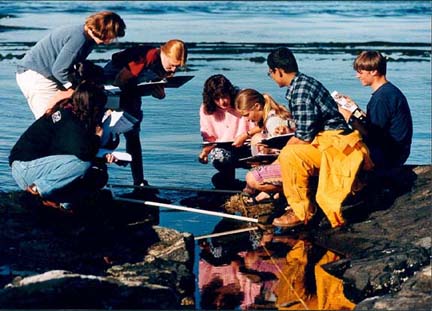
- Public education programs for visitors to the Race Rocks area.
- Education programs in cooperation with eco-tourism industry and dive community.
Operations
-
- Supervision and monitoring of operating systems including generators, water systems, heating systems and data network.
- Routine preventative maintenance for all buildings, equipment and infrastructure.
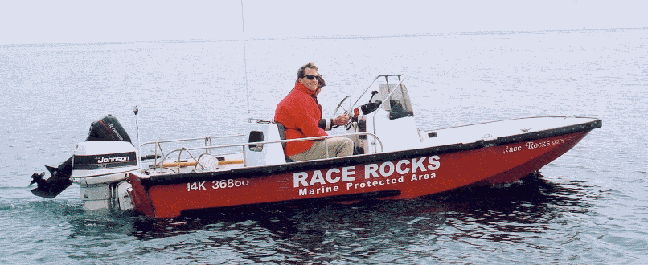
- Maintenance of station vessel.
- Assistance to government agencies with equipment installed at Race Rocks.
Eco-guardian / Project Management
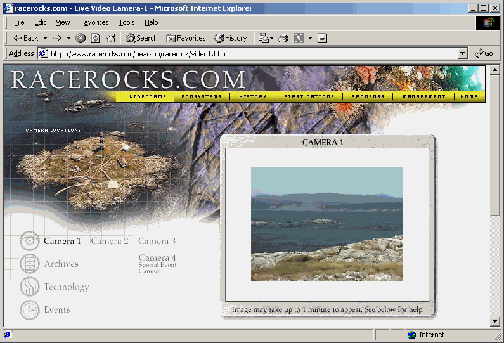 Pearson College is uniquely qualified and suited to operate and manage Race Rocks on behalf of BC Parks and the public.
Located 3.7 nautical miles from Pearson Collegeâs docks at Pedder Bay, Race Rocks is within easy reach in moderate weather conditions. In addition to the Race Rocks station boat, Pearson College operates two purpose built aluminum workboats suitable for transporting fuel, personnel, equipment and supplies to Race Rocks.Pearson College staff provides all logistical support required for the efficient operation of Race Rocks. Qualified staffing for maintenance, accounting, purchasing and deliveries are all coordinated by existing College systems. Mike and Carol Slater, the former light-house keepers, are now employed by Pearson College and they live at Race Rocks. They are particularly well qualified to supervise and operate the facility after 30 years of experience with the Coast Guard and extensive experience observing marine life. Over the past 14 years they have been responsible for dealing with the public in the Reserve area and, when necessary, reporting infractions to the appropriate agency. Many of the College’s suppliers such as Nixon Electrical Services, Day’s Welding, Aramark Services, Henning’s Plumbing and others offer their services to Race Rocks at reduced rates or by donation.
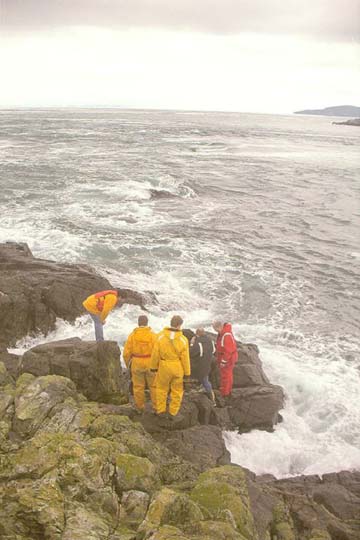 It is an extraordinary legacy of the Millennium Partnership Fund and our partners that Race Rocks is now the most technologically advanced Marine Protected Area in the world. The state of the art information technology system includes a full island network, wireless technology, remote controlled live video streams from above and below water and an environmental data array all streamed live on the Internet for public use. Major sponsorships from Apple, Apple Learning, LGS Group, Sorenson, Sony, Telus, Yamaha, Seapoint Sensors, the Vancouver Aquarium and others support the Race Rocks project.As an educational institution Pearson College applies significant educational resources to the Race Rocks project. Environmental Systems/Biology faculty member Garry Fletcher serves as Educational Director of the Race Rocks program. Supported by students involved in web design, scuba diving, vessel operation, photography, video production, research and school program delivery, Garry has established an award winning education program at Race Rocks. This program is widely used by provincial agencies such as the Open Learning Agency, Ministry of Education, University of Victoria and the Royal British Columbia Museum. In the past year alone there have been over 65,000 users of the racerocks.com site.
- This project has proved conclusively that there can be mass electronic public access to a protected area without the negative impact of large numbers of visitors to the islands. Race Rocks provides a viable alternative to the potentially high impact personal site visit. Rather than a BC Parks Ecological Reserve being a secret resource this approach encourages public education and appreciation of the area while maintaining a high level of protection.Pearson College has a proven record of successful fundraising for the Race Rocks project. Since 1997 over $280,000 has been raised from private donors to operate Race Rocks. This was an emergency initiative to save the site from demolition while a long-term solution could be found. Pearson College will continue this commitment to fundraising for the project by raising one third of the annual operating costs for the ongoing operation of Race Rocks.
Community Commitment
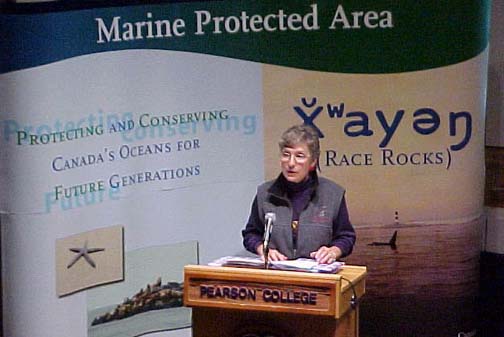 BC Environment Minister The Hon. Joan Sawicki and Federal Fisheries Minister The Hon. Herb Dhaliwal committed their respective governments to the establishment of a Marine Protected Area at Race Rocks on September 14, 2000. Their action was based on the unanimous recommendations of the Race Rocks Advisory Board. The Advisory Board includes senior staff from BC Parks, the Department of Fisheries and Oceans and south island First Nations leadership. In addition there is broad public representation from groups such as sports fishers, the dive community, ecotourism companies, marina operators, scientists, Friends of Ecological Reserves, Georgia Strait Alliance, and the Canadian Parks and Wilderness Society. A key feature of the Race Rocks Advisory Board conclusions is a recommendation that both the Federal and Provincial governments provide financial support for the Race Rocks Marine Protected Area.
So many Parks so little money
British Columbia leads Canada in the establishment of parks and protected areas. The fact BC is the first jurisdiction in Canada to attain the 12% of total landmass under protection goal is an extraordinary accomplishment that places British Columbia as a world leader. In only the past nine years the NDP government has doubled total park space to 11.7 million hectares to meet itâs declared objective. One might think the Ministry budget would also have been increased to provide financial support for this initiative. The Ministry budget has in fact decreased.
The financial reality of the Ministry of the Environment, Lands and Parks budget situation makes it extremely difficult for BC Parks managers to fulfill the operational challenges of administering this burgeoning parks system. One solution to the budget crisis as identified by the BC Parks Legacy Panel in their 2000 report is partnership funding arrangements with the private charitable giving sector. This is exactly what we propose for Race Rocks. Under the formula presented here BC Parks will contribute only one third of the annual operating cost of Race Rocks. For every dollar expended by BC Parks two additional dollars will be contributed to operate this BC Parks facility.
Why is Race Rocks funding special?
Race Rocks is a unique Provincial asset with specific circumstances that qualify it to be deserving of a special funding allocation designated at the Ministerial level.
So many Parks so little money
British Columbia leads Canada in the establishment of parks and protected areas. The fact BC is the first jurisdiction in Canada to attain the 12% of total landmass under protection goal is an extraordinary accomplishment that places British Columbia as a world leader. In only the past nine years the NDP government has doubled total park space to 11.7 million hectares to meet itâs declared objective. One might think the Ministry budget would also have been increased to provide financial support for this initiative. The Ministry budget has in fact decreased.
The financial reality of the Ministry of the Environment, Lands and Parks budget situation makes it extremely difficult for BC Parks managers to fulfill the operational challenges of administering this burgeoning parks system. One solution to the budget crisis as identified by the BC Parks Legacy Panel in their 2000 report is partnership funding arrangements with the private charitable giving sector. This is exactly what we propose for Race Rocks. Under the formula presented here BC Parks will contribute only one third of the annual operating cost of Race Rocks. For every dollar expended by BC Parks two additional dollars will be contributed to operate this BC Parks facility.
Why is Race Rocks funding special?
Race Rocks is a unique Provincial asset with specific circumstances that qualify it to be deserving of a special funding allocation designated at the Ministerial level.
Race Rocks is:
- an internationally recognized Marine Protected Area established jointly by the Province and the Federal government.
- Canadaâs first and only Marine Protected Area and therefore success is essential if others are to follow.
- the only Ecological Reserve in BC with over $650,000 in physical building and equipment assets owned by the Province which clearly require security and routine maintenance.
- over $25 million worth of extremely marketable sea-life that has prospered under 20 years of protection would be subject to immediate poaching without the presence of the resident eco-guardians.
- Race Rocks has the most comprehensive accumulation of scientific data of any marine Ecological Reserve. The continuous data chain some of which dates back to 1926 must be sustained.
- Race Rocks, through award winning web based education programming, is recognized as a word leader in environmental monitoring and education delivery.
- partnerships with Provincial agencies such as the Open Learning Agency, Royal BC Museum, and Ministry of Education provide direct benefit to the BC Government and British Columbians.
- the funding formula proposed is in accordance with recommendations of both the Race Rocks Advisory Board and the BC Parks Legacy Panel.
- BC Parks investment in Race Rocks will be directly matched at a two to one ratio by other independent funding sources.
- when gift in kind contributions from our other sponsors are considered the ratio of private contribution is over ten times the BC Parks contribution level.
- the involvement of BC Parks assures the project of stable funding. The lack of involvement by BC Parks will lead to immediate financial collapse.
Financial Proposal
The following operational budget provides details of projected minimum operational expenses at Race Rocks for the period April 1, 2001 to March 31, 2002. The budget is based on our four years of experience in funding the Race Rocks project and the highly efficient operational format we have established. Pearson College guarantees to cover any cost over runs if they should occur.
It is proposed that the Department of Fisheries and Oceans, BC Parks, and Pearson College each contribute $50,000 to cover the 2001-2002 operating budget.
|
Race Rocks MPA/ER
|
|
|
Operating Budget April 1, 2001 to March 31, 2002
|
|
|
Salaries
|
|
|
Eco-guardian(s)
|
42,000
|
|
Educator (1/2 time)
|
30,000
|
|
Shoreside support (1/3 time)
|
14,000
|
|
Benefits
|
9,460
|
|
95,460
|
|
|
Fuel
|
|
|
Generator
|
11,000
|
|
Heating
|
1,400
|
|
Boat
|
1,750
|
|
Lube/oils
|
2,000
|
|
16,150
|
|
|
Maintenance
|
|
|
Buildings
|
6,000
|
|
Generators
|
4,300
|
|
Water pumps
|
2,100
|
|
Desalinator
|
2,200
|
|
Winches
|
800
|
|
Boat and motor
|
4,700
|
|
Jetty
|
400
|
|
Fuel system
|
450
|
|
Radios
|
200
|
|
Diving equipment
|
2,500
|
|
23,650
|
|
|
Administration Costs
|
|
|
Phone
|
600
|
|
Insurance
|
1,800
|
|
Stationery/printing
|
1,150
|
|
3,550
|
|
|
Education Program
|
|
|
Classroom materials
|
4,500
|
|
Communication/outreach programs
|
2,500
|
|
First Nations’ program
|
5,000
|
|
Internet access
|
2,000
|
|
14,000
|
|
|
|
|
|
Total expenditures
|
$152,810
|
Pearson College is a registered charity and as such is subject to an annual audit. Our auditors KPMG will provide fully audited accounting details of all Race Rocks expenditures to the partner agencies. In addition the College will file an annual operating report with BC Parks.
Conclusion
We had not expected to operate the facility on an interim basis without any financial support from any government for the past four years. Our donors are experiencing fatigue and our largest private financial supporter has indicated their continued support is conditional upon governments entering into this cost sharing formula. A similar proposal has been well received by the Federal Government. Race Rocks is an essential investment by BC Parks, a cost effective arrangement, a unique innovation in the field of environmental protection and education and a proud accomplishment for all British Columbians. We ask that you agree to support Race Rocks Ecological Reserve as it begins a new life.
Respectfully submitted,
Angus Matthews
Director of Special Projects
Lester B. Pearson College of the Pacific
650 Pearson College Drive
Victoria, BC
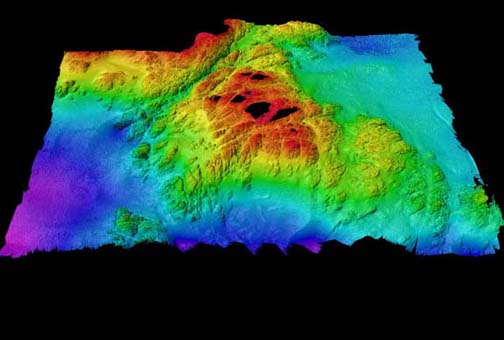
Operational Proposal for Race Rocks Ecological reserve and MPA
Ecological Reserve and Marine Protected Area
OPERATIONAL PROPOSAL 2001/2002
Presented to:
Department of Fisheries and Oceans
Attention: Dick Carson,
Director, Pacific Region
February 15, 2001
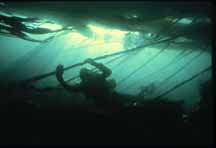
The Department of Fisheries and Oceans has recently recognized the ecological value of this treasured eco-system by selecting Race Rocks as one of the first Pilot Marine Protected Areas under the Oceans Act. Since 1980 when the Race Rocks Ecological Reserve was established, marine life on the rocky outcrops and the ocean floor extending to a depth of 20 fathoms has been protected by the Province of British Columbia. Great Race Island is home to the Race Rocks light station. Since 1980 the light- keepers have been of great assistance in protecting the Ecological Reserve by keeping a watchful eye.
As a consequence of a Federal decision to de-staff the light station in 1997, the keepers were to be removed and they would no longer provide the essential supervision required for full protection of the Reserve. In excess of $25 million worth of commercially exploitable species are known to exist within the Reserve area. The presence of the keepers was determined to be essential for continued protection. Coast Guard agreed to a special short-term agreement whereby Pearson College would retain the former light keepers as eco-guardians and operate the surplus facilities as a new Marine Education Centre until such time as a permanent solution for the operation of Race Rocks could be found.
A New Beginning
The Federal Department of Fisheries and Oceans began community consultations in 1998 to assess the possibility of Race Rocks being recognized as Canada’s first Marine Protected Area. For the first time, Race Rocks, with the cooperation of both levels of government would be truly protected with a management plan that included both the Provincially managed Ecological Reserve and the Federally controlled water column.
On September 14, 2000 the Minister of Fisheries and Oceans, the Hon. Herb Dhaliwal, announced he had accepted the recommendations of the Race Rocks Advisory Board and DFO staff and Race Rocks would become Canada’s first Marine Protected Area.
Background
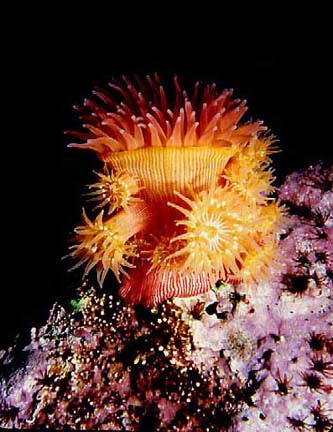 An extensive management plan for the Race Rocks area is now being developed by DFO staff working in close consultation with BC Parks and representatives of the South Island First Nations. At the invitation of the MPA strategy, extensive community involvement has led to broad consultation and local support for the MPA initiative.
For the first time, the Race Rocks eco-system will enjoy full protection under a unified management plan with the authority of both the Federal and Provincial governments. An important new provision has also been made for the full involvement of First Nations in on-going management of the area. The vital priorities of protecting ecological values, education and research are the primary focus of the new plan now being developed.
Scope of the Race Rocks Project
For the past four years, on a temporary basis to assure interim protection at Race Rocks, Pearson College staff and students have undertaken the following responsibilities:
Protection
- Continuous supervision of the island and Reserve by resident eco-guardian.
- Security for buildings, equipment and infrastructure (24 hrs/day all year).
- Vigilant observation of activities within the Reserve and if needed, reporting of infractions to appropriate agencies.
- Electronic video monitoring of the Reserve area by enforcement agencies.
- Restrict access to specific areas as necessary.
Safety
- Observe and report any situations which may represent a safety hazard.
- Assist individuals in distress when required and liaise with rescue agencies.
- Assist in emergency communications.
- Be vigilant for fire hazards.
- Monitor for the occurrence of hazardous material spills.
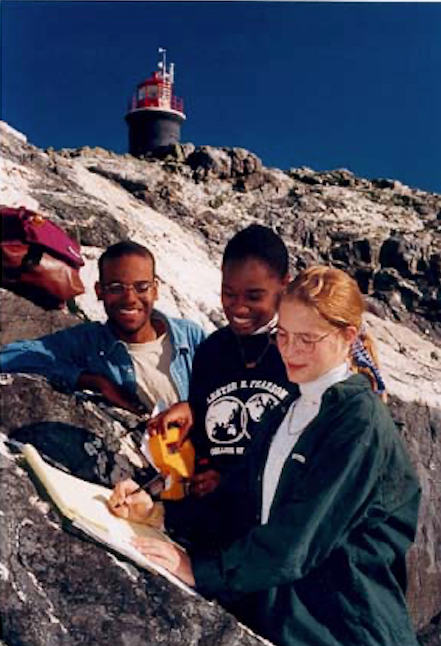 Science
- Continue monitoring program for weather conditions.
- Continue monitoring program for seawater temperature and salinity.
- Ongoing protection of unique Northern Abalone populations and monitoring of population and growth rates.
- Annual intertidal and subtidal transect site monitoring.
- Installation of environmental scan sensor arrays for air, soil and seawater with full accessibility on the Internet.
- Observation and recording of marine mammal and bird populations.
- Daily ecological events log.
- Support for visiting scientists.
- Development of alternative energy solutions.
Education
- Development of curriculum materials for K-12 use.
- Cooperative development of information about First Nations focusing on the history of traditional uses and creating a supporting curriculum.
- Operation and continuous upgrading of the racerocks.com education site with a major commitment for the production of online archived video for classroom and public use.
- Interactive web cast production and delivery for use by schools, science centres, museums and conferences.
- Public education programs for visitors to the Race Rocks area.
- Education programs in cooperation with eco-tourism industry and dive community.
Eco-guardian / Project Management BC Parks, which now owns Great Race Island is issuing a long term Parks Permit to Pearson College staff to operate the site and serve as eco-guardians.
Located 3.7 nautical miles from Pearson College’s docks at Pedder Bay, Race Rocks is within easy reach in moderate weather conditions. In addition to the Race Rocks station boat, Pearson College operates two purpose built aluminum workboats suitable for transporting fuel, personnel, equipment and supplies to Race Rocks.
Pearson College staff provides all logistical support required for the efficient operation of Race Rocks. Qualified staffing for maintenance, accounting, purchasing and deliveries are all coordinated by existing College systems. Mike and Carol Slater, the former light-house keepers, are now employed by Pearson College and they live at Race Rocks. They are particularly well qualified to supervise and operate the facility after 30 years of experience with the Coast Guard and extensive experience observing marine life. Over the past 14 years they have been responsible for dealing with the public in the Reserve area and, when necessary, reporting infractions to the appropriate agency. Many of the College’s suppliers such as Nixon Electrical Services, Day’s Welding, Aramark Services, Henning’s Plumbing and others offer their services to Race Rocks at reduced rates or by donation.
It is an extraordinary legacy of the Millennium Partnership Fund and our partners that Race Rocks is the most technologically advanced Marine Protected Area in the world. The state of the art information technology system includes a full island network, wireless technology, remote controlled live video streams from above and below water and an environmental data array all streamed live on the Internet for public use. Major sponsorships from Apple, Apple Learning, LGS Group, Sorenson, Sony, Telus, Yamaha, Seapoint Sensors, the Vancouver Aquarium and others support the Race Rocks project.
As an educational institution Pearson College applies significant educational resources to the Race Rocks project. Environmental Systems/Biology faculty member Garry Fletcher serves as Educational Director of the Race Rocks program. Supported by students involved in web design, scuba diving, vessel operation, photography, video production, research and school program delivery, Garry has established an award winning education program at Race Rocks. This program is widely used by educational institutions such as the Open Learning Agency, primary and secondary schools, universities, museums and science centres throughout Canada. In the past year alone there have been over 65,000 visitors directly to the racerocks.com site and thousands more through links to the Apple Learning Exchange site.
This project has proved conclusively that there can be mass electronic public access to a protected area without the negative impact of large numbers of visitors to the islands. Race Rocks provides a viable alternative to the potentially high impact personal site visit. Rather than a Marine Protected Area being a secret resource this approach encourages public education and appreciation of the area while maintaining a high level of protection.
Pearson College has a proven record of successful fundraising for the Race Rocks project. Since 1997 over $280,000 has been raised from private donors to operate Race Rocks. This was an emergency initiative to save the site from demolition while a long-term solution could be found. Pearson College will continue this commitment to fundraising for the project by raising one third of the annual operating costs for the ongoing operation of Race Rocks.
Community Commitment
Federal Fisheries Minister The Hon. Herb Dhaliwal and BC Environment, Lands and Parks Minister The Hon. Joan Sawicki committed their respective governments to the establishment of a Marine Protected Area at Race Rocks on September 14, 2000. Their action was based on the unanimous recommendations of the Race Rocks Advisory Board. The Advisory Board includes senior staff from the Department of Fisheries and Oceans, BC Parks and South Island First Nations leadership. In addition there is broad public representation from groups such as sports fishers, the dive community, ecotourism companies, marina operators, scientists, Friends of Ecological Reserves, Georgia Strait Alliance, and the Canadian Parks and Wilderness Society. A key feature of the Race Rocks Advisory Board conclusions is a recommendation that both the Federal and Provincial governments provide financial support for the Race Rocks Marine Protected Area.
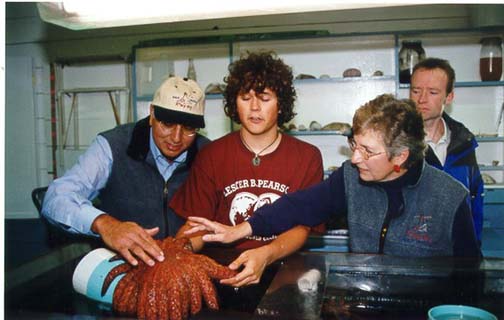
Meeting DFO Needs at Race Rocks
Race Rocks represents a unique challenge for DFO if it is to meet the declared objectives of protection, sustainability, education, research and broad community collaboration as defined in the MPA strategy. As the lead agency in the establishment of Canada’s first MPA, the Department must meet these objectives in a coordinated, cost effective manner. Pearson College, through a contract with DFO, can deliver programs under the direction of DFO that meet the defined objectives and fulfill specific DFO areas of responsibility.
The following key DFO objectives would be fulfilled under this contract:
-
- 24 hour on site staffing throughout the year
- monitoring of visitors to the MPA to ensure use guidelines are respected
- data collection on the daily number of vessels and visitors within the MPA
- reporting and recording of any infractions that may occur
- vigilant reporting of any evidence of toxic contaminants
- periodic marine mammal and sea bird population counts
- ongoing intertidal and subtidal marine life inventories
- underwater data collection through environmental scan sensors
- maintaining a daily environmental journal
- support for visiting researchers
- maintaining a directory of all research data and publications
- continuation of seawater and salinity measurements for IOS
- continuation of weather reporting for Environment Canada
- assistance to Coast Guard staff when required
- development of web based educational curriculum materials
- extensive educational programming for educational institutions and the general public utilizing the Internet as much as possible
- education programs for reserve users and liaison with commercial users
- development of specific First Nations curriculum featuring the history of traditional uses in cooperation with local band leadership
- education programs for First Nations youth including material in their own languages
- showcasing the value of MPAâs with custom live web casts for DFO events and conferences
- assisting in maintaining and enhancing vital community relationships
- ongoing involvement in the Race Rocks Advisory Board
Why is the need for Race Rocks funding special?
Race Rocks is a unique Provincial asset with specific circumstances that qualify it to be deserving of a special funding allocation designated at the Ministerial level.
Race Rocks is:
- an internationally recognized Marine Protected Area established jointly by the Federal and Provincial Governments.
- Canadaâs first and only Marine Protected Area and therefore success is essential if others are to follow.
- the Race Rocks Marine Education Centre has over $650,000 in physical building and equipment assets which clearly require security and routine maintenance.
- over $25 million worth of extremely marketable sea-life that has prospered under 20 years of protection would be subject to immediate poaching without the presence of the resident eco-guardians.
- Race Rocks has the most comprehensive accumulation of scientific data of any protected site on the West Coast. The continuous data chain, some of which dates back to 1926 must be sustained.
- Race Rocks, through award winning web based education programming, is recognized as a word leader in environmental monitoring and education delivery.
- partnerships with educational institutions such as schools, museums, science centres, and Ministries of Education provide direct benefit to Canadians.
- the funding formula proposed is in accordance with recommendations of the Race Rocks Advisory Board and the intent of the MPA strategy.
- DFO investment in Race Rocks will be directly matched at a two to one ratio by other independent funding sources.
- when gift in kind contributions from our other sponsors are considered the ratio of private contribution is over ten times the DFO contribution level.
- the involvement of DFO assures the project of stable funding. The lack of involvement by DFO will lead to immediate financial collapse.
Financial Proposal
The following operational budget provides details of projected minimum operational expenses at Race Rocks for the period April 1, 2001 to March 31, 2002. The budget is based on our four years of experience in funding the Race Rocks project and the highly efficient operational format we have established. Pearson College guarantees to cover any cost over runs if they should occur.
It is proposed that the Department of Fisheries and Oceans, BC Parks, and Pearson College each contribute $50,000 to cover the 2001-2002 operating budget.
|
Race Rocks MPA/ER
|
|
|
Operating Budget April 1, 2001 to March 31, 2002
|
|
|
Salaries
|
|
|
Eco-guardian(s)
|
42,000
|
|
Educator (1/2 time)
|
30,000
|
|
Shoreside support (1/3 time)
|
14,000
|
|
Benefits
|
9,460
|
|
95,460
|
|
|
Fuel
|
|
|
Generator
|
11,000
|
|
Heating
|
1,400
|
|
Boat
|
1,750
|
|
Lube/oils
|
2,000
|
|
16,150
|
|
|
Maintenance
|
|
|
Buildings
|
6,000
|
|
Generators
|
4,300
|
|
Water pumps
|
2,100
|
|
Desalinator
|
2,200
|
|
Winches
|
800
|
|
Boat and motor
|
4,700
|
|
Jetty
|
400
|
|
Fuel system
|
450
|
|
Radios
|
200
|
|
Diving equipment
|
2,500
|
|
23,650
|
|
|
Administration Costs
|
|
|
Phone
|
600
|
|
Insurance
|
1,800
|
|
Stationery/printing
|
1,150
|
|
3,550
|
|
|
Education Program
|
|
|
Classroom materials
|
4,500
|
|
Communication/outreach programs
|
2,500
|
|
First Nations’ program
|
5,000
|
|
Internet access
|
2,000
|
|
14,000
|
|
|
|
|
|
Total expenditures
|
$152,810
|
Pearson College is a registered charity and as such is subject to an annual audit. Our auditors KPMG will provide fully audited accounting details of all Race Rocks expenditures to the partner agencies. In addition the College will file an annual operating report with DFO.
Conclusion
We had not expected to operate the facility on an interim basis without any financial support from any government for the past four years. Our donors are experiencing fatigue and our largest private financial supporter has indicated their continued support is conditional upon governments entering into this cost sharing formula. A similar proposal has been forwarded to the Provincial Government. Race Rocks is an essential investment by DFO, a cost effective arrangement, a unique innovation in the field of environmental protection and education and a proud accomplishment for all Canadians. We ask that you agree to support the Race Rocks Marine Protected Area as it begins a new life.
Respectfully submitted,
Angus Matthews
Director of Special Projects
Lester B. Pearson College of the Pacific
650 Pearson College Drive
Victoria, BC
Generator replacement by helicopter
For maintenance purposes, the Canadian Coast Guard is replacing one of the generators necessary to power Race Rocks. This piece of equipment is a 25kW Diesel generator located in the engine room situated in the southern part of the island. Hopefully, in the next decade, we will be able to switch to renewable energy to move a step further toward our goal of sustainability for the islands and protection of the environment.
This video was made by Ryan Murphy and Paulina Ponce de Leon in October of 2000.
CANADA GAZETTE.. Xwayen ( Race Rocks) Marine Protected Area
Copy of Gazetting
| Vol. 134, No. 44 Canada Gazette Part I OTTAWA, SATURDAY, OCTOBER 28, 2000 |
Vol. 134, n o 44 Gazette du Canada Partie I OTTAWA, LE SAMEDI 28 OCTOBRE 2000 |
||||||||||||||||||||||||||
| page 3364 | |||||||||||||||||||||||||||
| 3364 | |||||||||||||||||||||||||||
| XwaYeN (Race Rocks) Marine Protected Area Regulations Statutory Authority Oceans Act Sponsoring Department Department of Fisheries and OceansREGULATORY IMPACT ANALYSIS STATEMENT DescriptionThe Oceans Act (the Act) came into force on January 31, 1997. Part II of the Act authorizes the establishment of an Oceans Man-agement Strategy (OMS) based on the principles of sustainable development, integrated management and the precautionary ap-proach. This part of the Act also provides authority for the devel-opment of tools necessary to carry out the OMS, tools such as the establishment of Marine Protected Areas. Section 35 of the Act authorizes the Governor in Council to designate, by regulation, Marine Protected Areas for any of the following reasons: (a) the conservation and protection of commercial and non-commercial fishery resources, including marine mammals and their habitats; (b) the conservation and protection of endangered or threatened species and their habitats; (c) the conservation and protection of unique habitats; (d) the conservation and protection of marine areas of high biodiversity or biological productivity; and (e) the conservation and protection of any other marine re-source or habitat as is necessary to fulfill the mandate of the Minister of Fisheries and Oceans. In 1998, the Minister of Fisheries and Oceans announced four pilot Marine Protected Area initiatives on Canada’s Pacific Coast. One of these, Race Rocks in British Columbia, meets the criteria set out in paragraphs 35(1)(b), (d)and(e) above. This regulatory initiative proposes to formally designate, under the Oceans Act, the waters surrounding Race Rocks as XwaYeN (Race Rocks) Marine Protected Area (MPA). In addition, the harvesting of liv-ing marine resources within the MPA will be prohibited subject to existing aboriginal or treaty rights. XwaYeN (pronounced shwai’yen) is located in the Juan de Fuca Strait, 17 kilometres off the coast of Vancouver Island,southwest of Victoria. The islets of XwaYeN (Race Rocks) form the most southerly part of Canada’s Pacific Coast. Named for its strong tidal currents and rocky reefs, the waters surrounding XwaYeN (Race Rocks) are a showcase for Pacific marine life, featuring whales, sea lions, seals, birds and a wide variety of underwater plants and animals. These waters are home to a thriving community of sub-tidal invertebrates, includ-ing sponges, anemones, hydroids and soft corals. Crowds of barnacles, tunicates, urchins and sea stars adorn the underwater cliffs. Fish such as sculpin, rockfish and lingcod seek refuge in the rocky crevices and undulating kelp forests. This proposal to designate the XwaYeN (Race Rocks) area as a Marine Protected Area under the Oceans Act provides the neces-sary foundation for the Minister to lead and facilitate the devel-opmentof an integrated, cooperative ecosystem-based manage-ment regime utilizing: Benefits and Costs The primary benefit of the proposed Regulations establishing the XwaYeN (Race Rocks) Marine Protected Area is that the foundation will be set for ensuring the conservation and protec-tion of a highly diverse and productive ecosystem of Canada’s oceans. It will aid in the prevention of potential ecological dete-rioration and protect the Northern abalone in that area. A subsidiary benefit of designating the XwaYeN (Race Rocks) MPA is the opportunity to initiate an integrated management regime based on a cooperative, integrated, ecosystem-based management approach to conserve and protect the area involving several federal and provincial government agencies using their respective authorities; and voluntary compliance through stewardship and cooperation with an alliance of stakeholder groups. The establishment of this MPA will also demonstrate Canada’s resolve to fulfill its commitments under the United NationsConference on the Law of the Sea (UNCLOS) and the Convention on Biological Diversity (UNEP 1994), as well as Canada’s commit-ment to the IUCN World Commission on Protected Areas Program. Four Coast Salish First Nations, Beecher Bay, T’souke, Song-hees The Race Rocks Advisory Board provided an excellentforum for issue identification, discussion and resolution. It has func-tioned well and guided the development of the proposed coopera-tive management regime. The resulting commitment to steward-ship and cooperation in the protection of this area as an MPA has laid the groundwork for a management regime through voluntary compliance that is unprecedented. In discussing and developing recommendations for designation and management of the Race Rocks Marine Protected Area, all members of the Race Rocks Advisory Board and their constitu-ents clearly understood that, upon designation, the area would be closed to harvesting (commercial and recreational) of all living marine resources. It was also accepted that this would not prevent the removal of marine organisms for scientific or educational purposes as part of an ongoing research program to assess and monitor the long-term health of the XwaYen (Race Rocks) ma-rine ecosystem. The recommendations reflect the outcome of a consensus-based process by the Race Rocks Advisory Board and directions expressed by the public, stakeholders and other partners through consultations conducted over a two-year period. In addition to sectoral consultations with stakeholders, two public sessions were conducted in February 2000. The public consultations were held to provide opportunities for information and discussion with those persons not represented by particular Contacts: Camille Mageau, Director, Marine Ecosystem Conservation, Department of Fisheries and Oceans, 200 Kent Street, Ottawa, Ontario K1A 0E6, (613) 991-1285 (Telephone), (613) 998-3329 Ann Green, Director, Legislative and Regulatory Affairs, De-partment of Fisheries and Oceans, 200 Kent Street, Ottawa, On-tario K1A 0E6, (613) 990-0162 (Telephone), (613) 990-0120 PROPOSED REGULATORY TEXT Notice is hereby given that the Governor in Council, pursuant to subsection 35(3) of the Oceans Act a ,proposes to make the annexed XwaYeN (Race Rocks) Marine Protected Area Regulations. Interested persons may make representations with respect to the proposed Regulations within 30 days after the date of publi-cation of this notice. All such representations must cite the Canada Gazette,Part I,andthedate ofpublication of this notice, and be addressed to Camille Mageau, Director, Marine Ecosystem MARC O’SULLIVAN XwaYeN (RACE ROCKS) MARINE PROTECTED
1. The area within the 20-fathom (36.58 metre) contour line as shown on the chart set out in the schedule is hereby designated as the XwaYeN (Race Rocks) Marine Protected Area. PROHIBITION 2. (1) The definitions in this subsection apply in this section. “fish” has the same meaning as in section 2 of the Fisheries Act.(poisson) “fish habitat” has the same meaning as in subsection 34(1) of the Fisheries Act.(habitat du poisson) (2) No person shall remove from XwaYeN (Race Rocks) Ma-rine These Regulations come into force on the day on which they |
|||||||||||||||||||||||||||
| Règlement sur la zone de protection marine XwaYeN (Race Rocks) Fondement législatif Loi sur les océans Ministère responsable Ministère des Pêches et des Océans RÉSUMÉ DE L’ÉTUDE D’IMPACT DE LA RÉGLEMENTATION DescriptionLa Loi sur les océans (la Loi) est entrée en vigueur le 31 jan-vier 1997. La partie II de la Loi permetl’établissement d’unestratégie de gestion des océans (SGO) basée sur les principes dudéveloppement durable, de la gestion intégrée et de la prévention.Cette partie de la Loi prévoit aussi l’élaboration d’outils nécessai-resà la SGO, notamment l’établissement de zones de protection marine. L’article 35 de la Loi autorise le gouverneur en conseil à dé-signer,en vertu de la réglementation, des zones de protection marines pour l’une ou plusieurs des raisons suivantes : a) la conservation et la protection des ressources halieutique commerciales ou autres, y compris les mammifères marins, et de leur habitat; La proposition pour la désignation de XwaYeN (Race Rocks) provinciaux aux pouvoirs distincts; de plus, la désignation favo-rise Le Conseil consultatif de Race Rocks représentait un excellent Internet) disposées stratégiquement. Ces mesures contribuent à un PROJET DE RÉGLEMENTATION Camille Mageau, Directrice, Conservation des écosystèmes ma-rins, Le greffier adjoint du Conseil privé, RÈGLEMENT SUR LA ZONE DE PROTECTION DÉSIGNATION (2) Il est interdit d’enlever de la zone de protection marine ENTRÉE EN VIGUEUR |
|||||||||||||||||||||||||||
| The complete text of the CANADA GAZETTE from which this has been copied may be found in PDF form at : http://canada.gc.ca/gazette/part1/pdf/g1-13444.pdf pages 112-120. INCLUDED on page 119 and 120 are the charts of the proposed MPA area with coordinates defined also a copy of the English version facsimile is attached below |
|||||||||||||||||||||||||||
 |
|||||||||||||||||||||||||||
|
|||||||||||||||||||||||||||


RRAB meeting Sept 25 2000
Date: September 25th, 2009
Time: 10:00am to 2:00pm
Location: Canadian Coast Guard Station, 25 Huron Street, Victoria
Meeting Room: Administration Building, J. Wedge Board Room
Draft Agenda
- Welcome and Introductions
- Presentations about the project and the Race Rocks area
- The MPA process and the role of the Public Advisory Board
- Important features and uses of the Race Rocks area.
- Next steps.