Windy Week and Sea Lion Update!

Weather:

  • Visibility 15+ NM
  • Sky clear
  • Wind 15-20 knots W
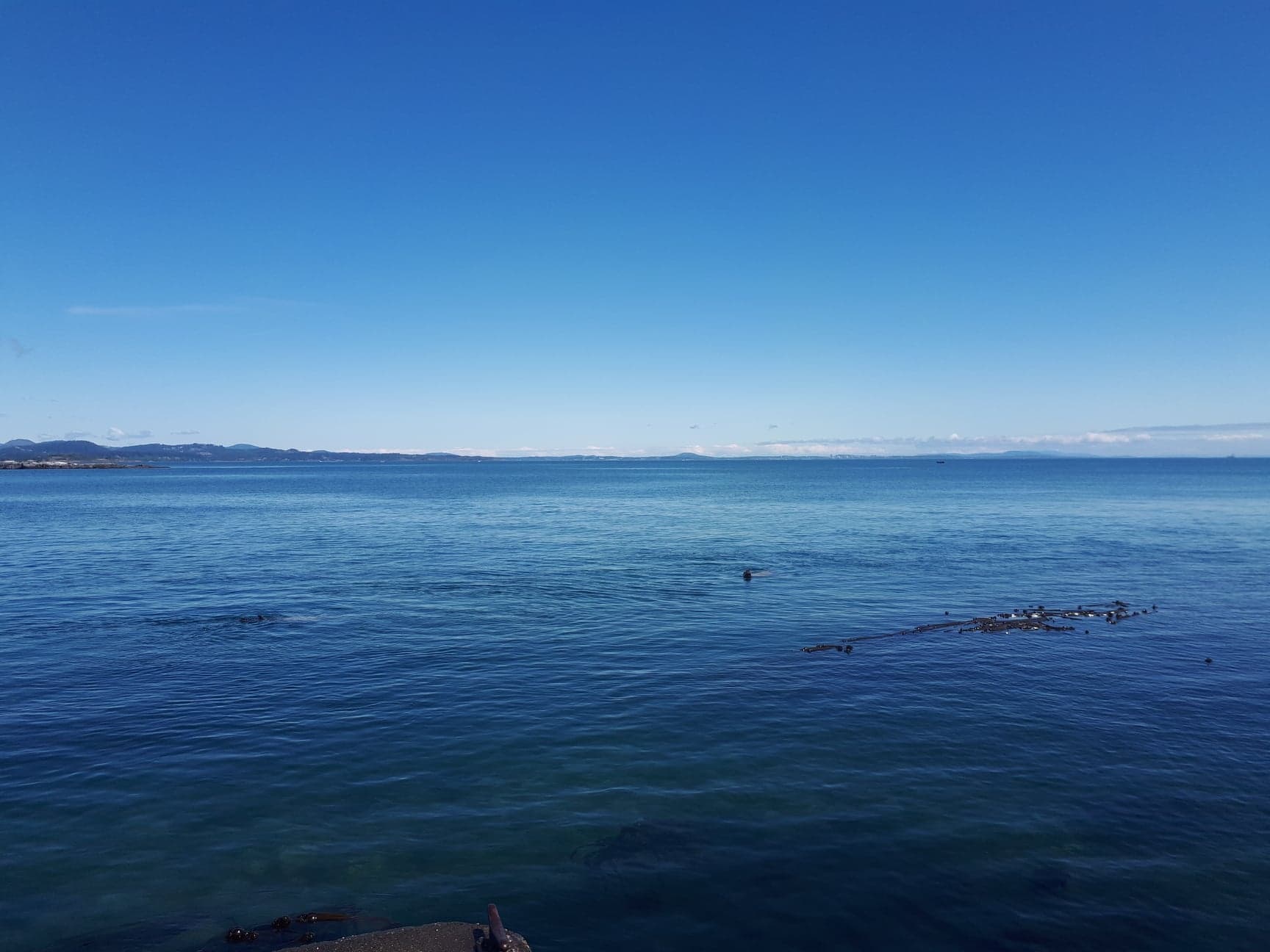
  • Sea state: calm, rippled
  • It has been very windy this week. Most days the wind has hovered around 30 knots, sometimes as much as 35+ knots! It has been overcast intermittently, and we did receive some rainfall.

Visitors/Marine Traffic: 

  • Greg visited today with some supplies. Thanks Greg!
  • Since it has been so windy, there has been very little boat traffic. Yesterday we saw one small pleasure craft playing in the waves near Pedder Bay, and one coastguard ship passed by earlier today. A few small vessels and fishing boats passed by but no vessels entered the reserve.

Ecological:

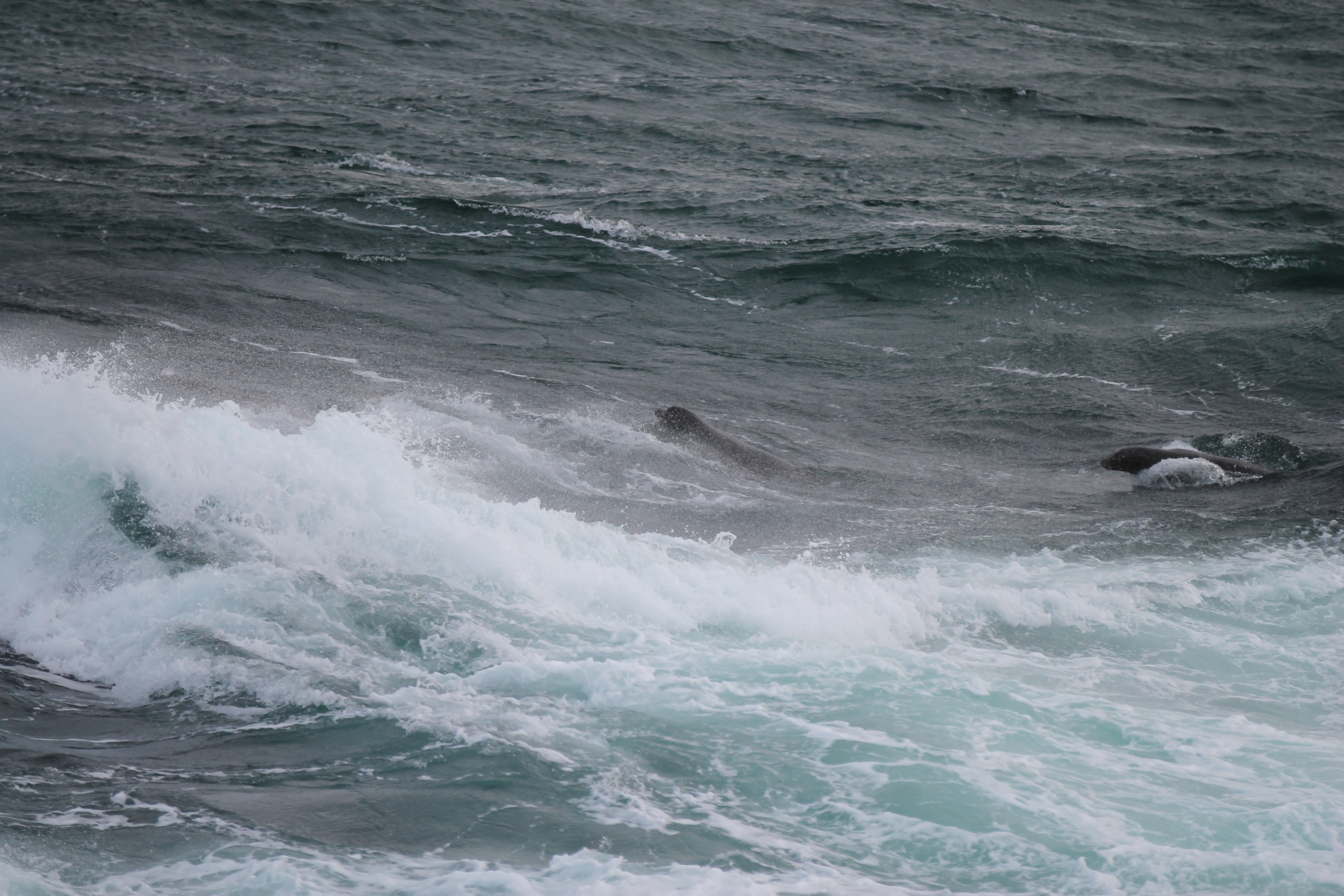
  • Animal activity has been very quiet due to our stormy weather
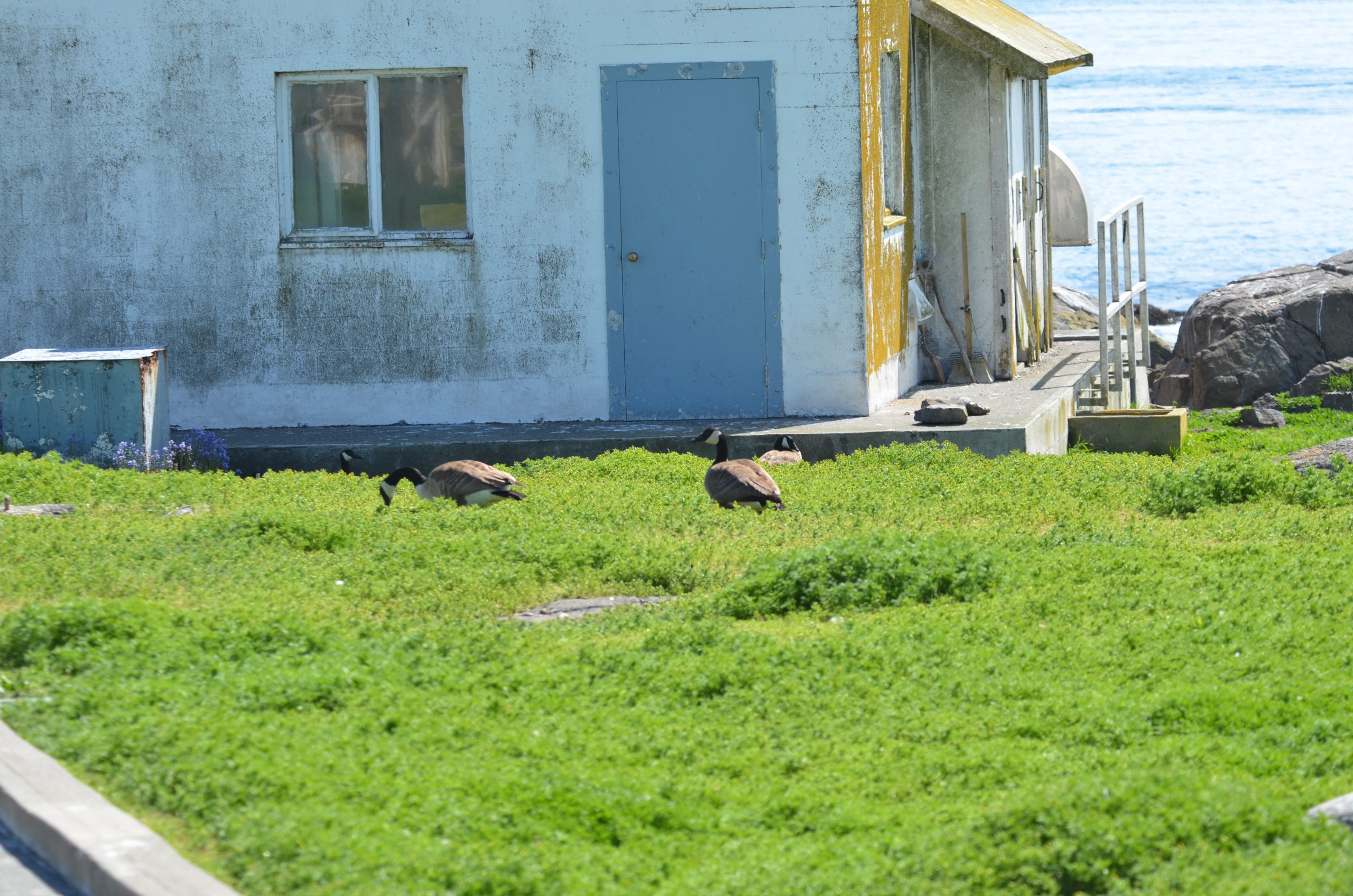
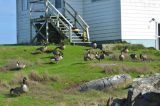
  • The geese seem to be moving on now- there are fewer every day.
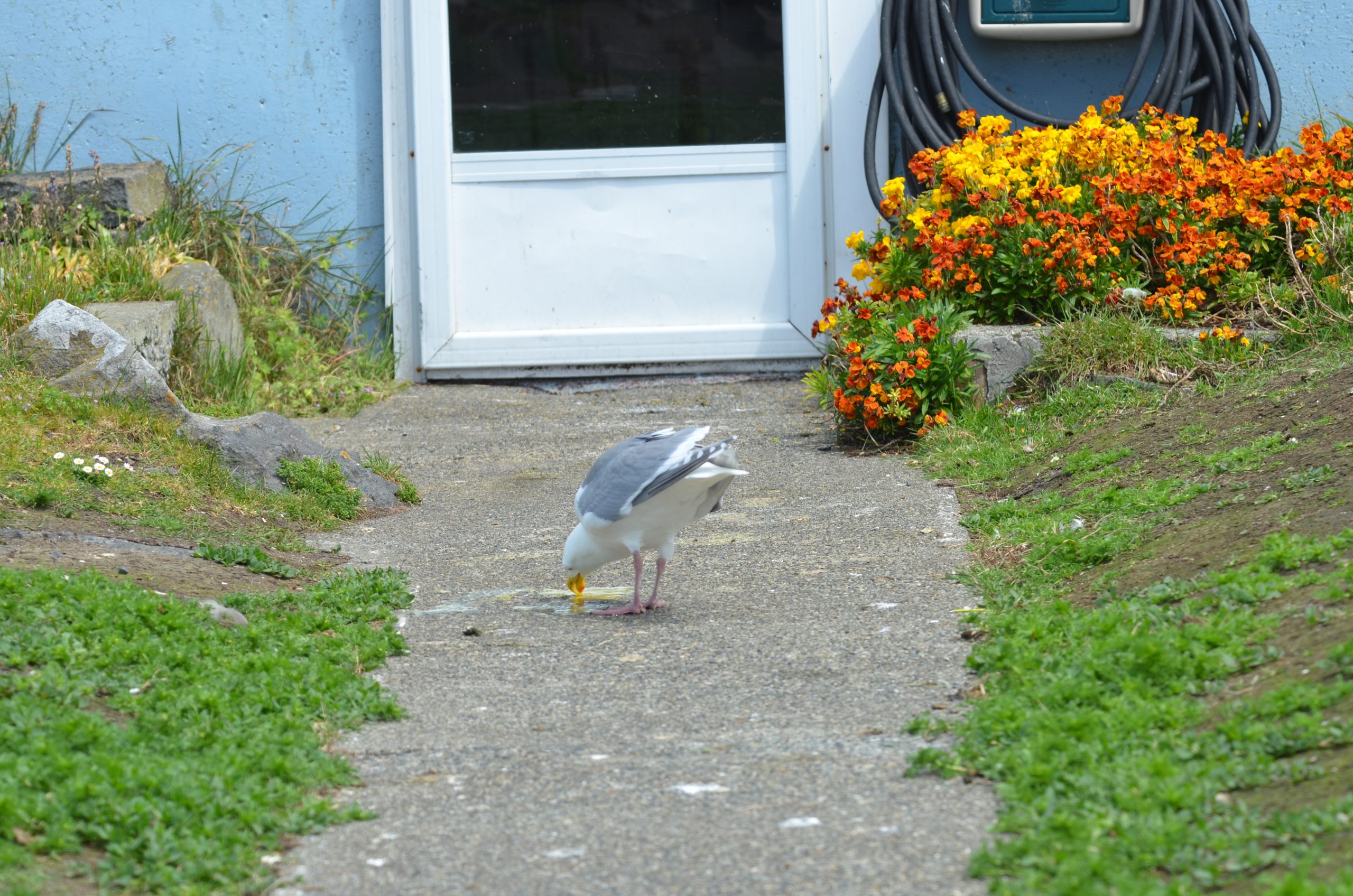
  • There are not many more seagull nests beginning but the seagulls have chosen their nesting locations and are defending them from other breeding pairs.
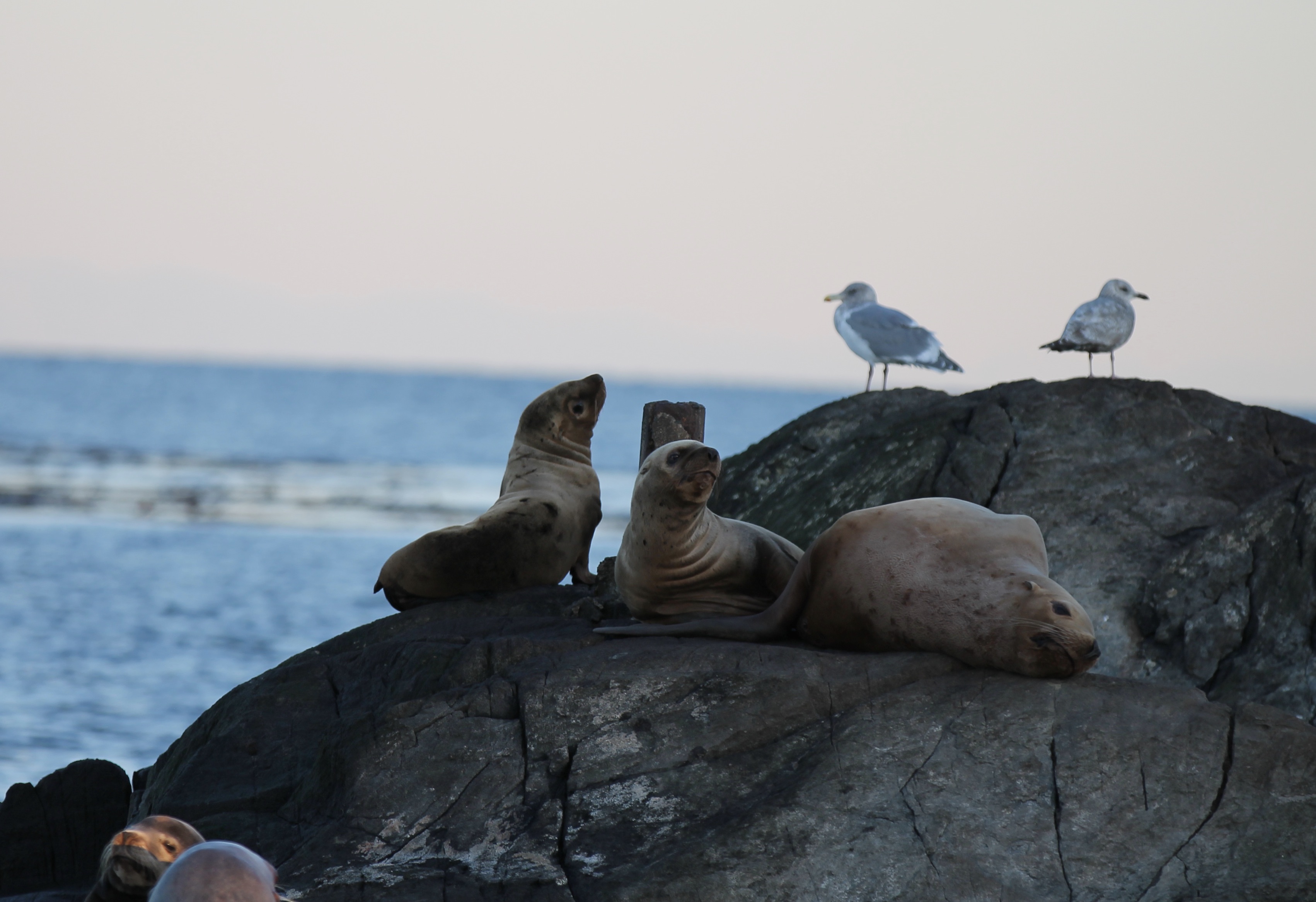
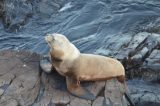
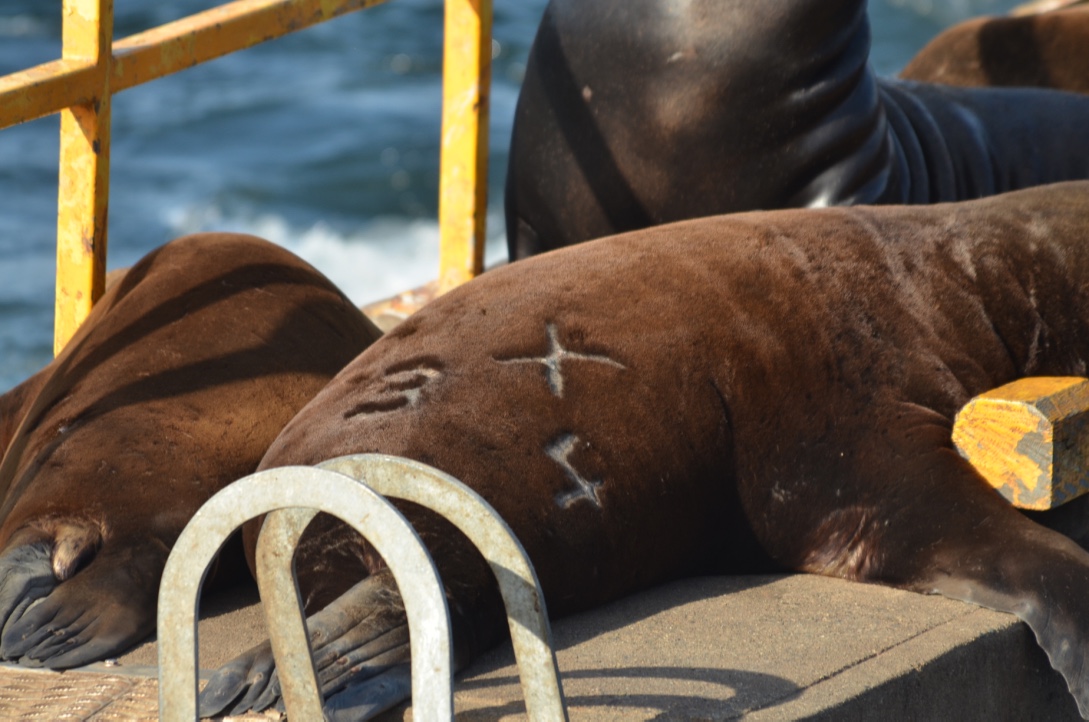
  • There is one sea lion who has been coming onto the jetty and does not move away from us as the others do. We believe this is the same one that we observed last year who seemed to have a propeller injury on his head. It’s interesting that he has been able to survive with seemingly quite a bit of behavioral impact due to the head trauma.


Many Seals, Census

Weather:

  • Visibility 10 + NM
  • Sky partly cloudy
  • Wind 15-20 Knots SE
  • Sea state: calm, rippled

Marine Traffic/Visitors: One pleasure craft drifted through in the early afternoon. They did an amazing job of drifting with the current so the animals would not be disturbed, and were very careful of the kelp and shallow areas. Well done!

Ecological: 

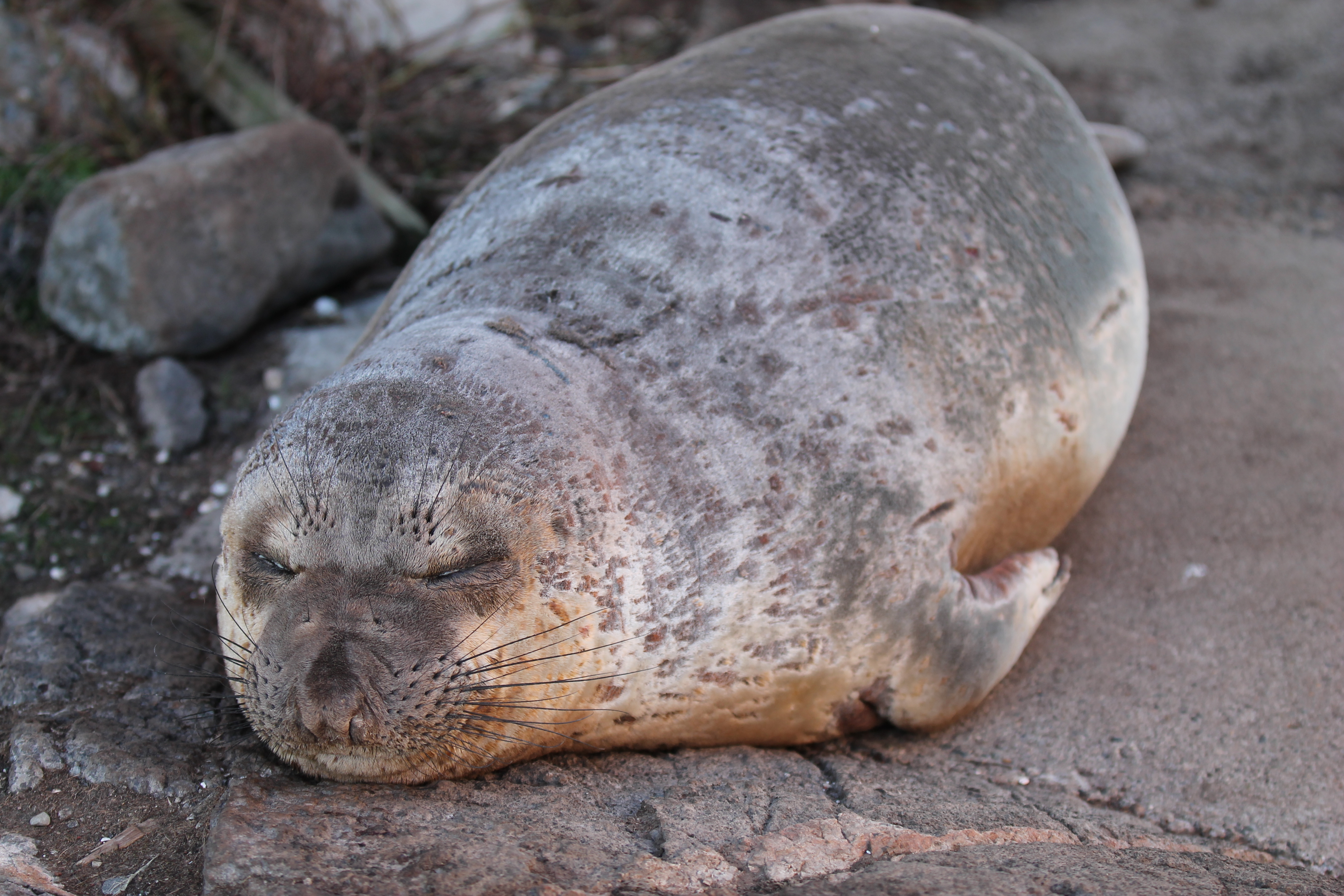
  • The animals have been keeping to themselves and trying to stay out of the elements as yesterday there was quite a bit of rain and wind. When the weather is harsh, the elephant seals typically try to lay behind a rock or outbuilding to avoid the wind. The seagulls point themselves into the wind and sit close to the ground. The sea lions don’t seem to mind at all, but the geese love the rainy days! They like to drink from puddles and clean their feathers in the fresh water.
  • Yesterday we were visited by a flock of pigeon guillemots, who prefer the jetty or rocks immediately surrounding.
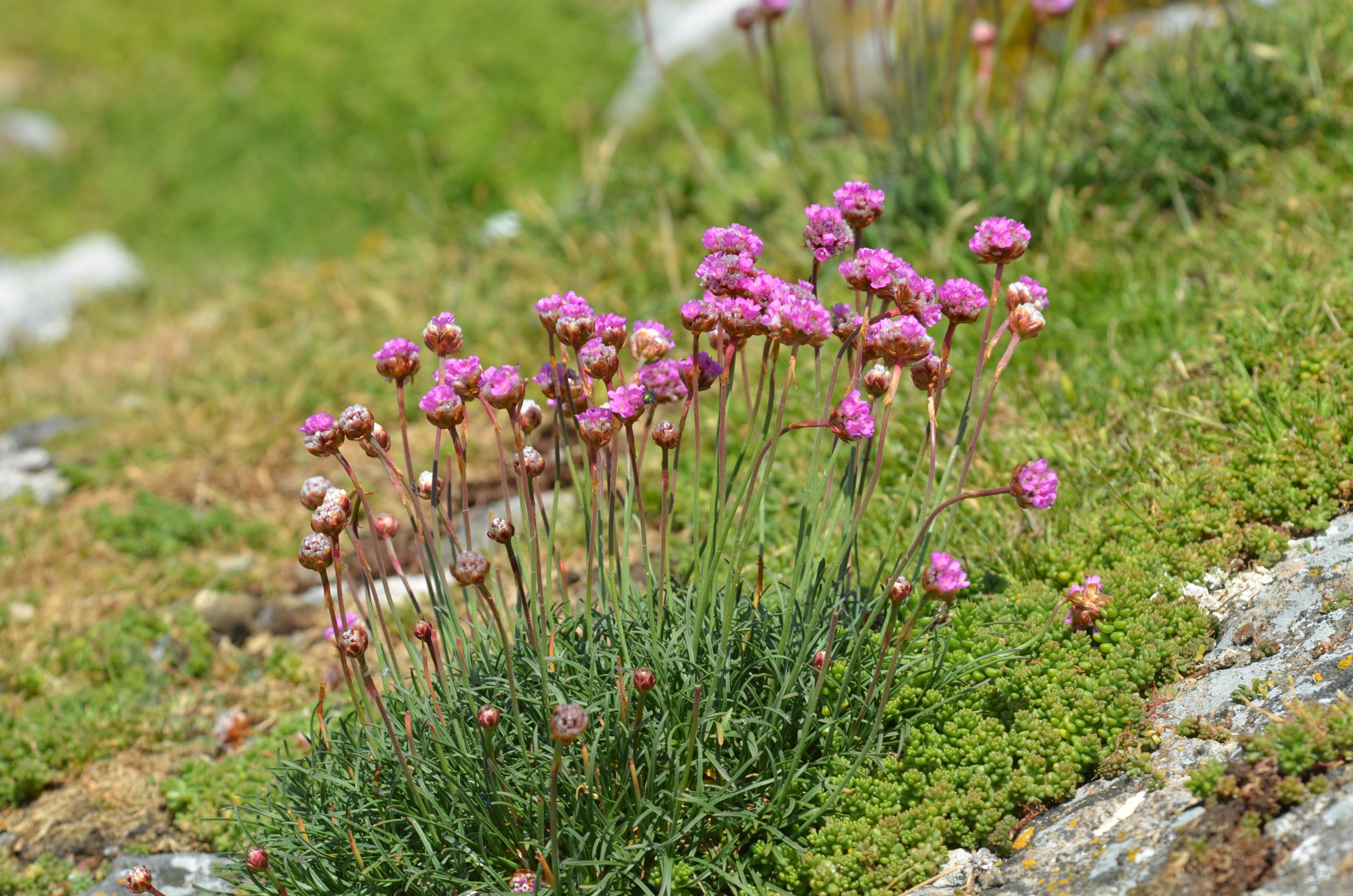
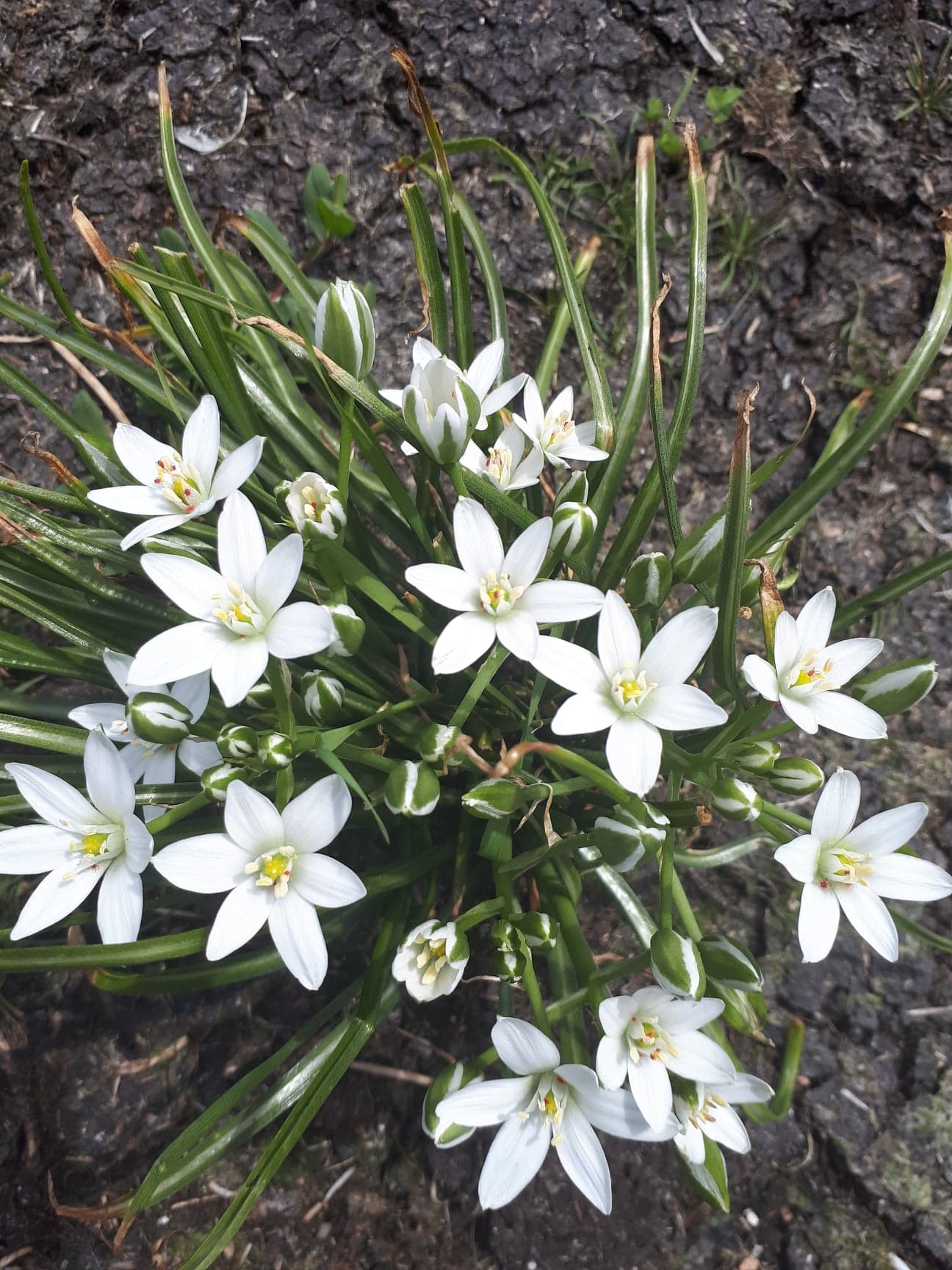
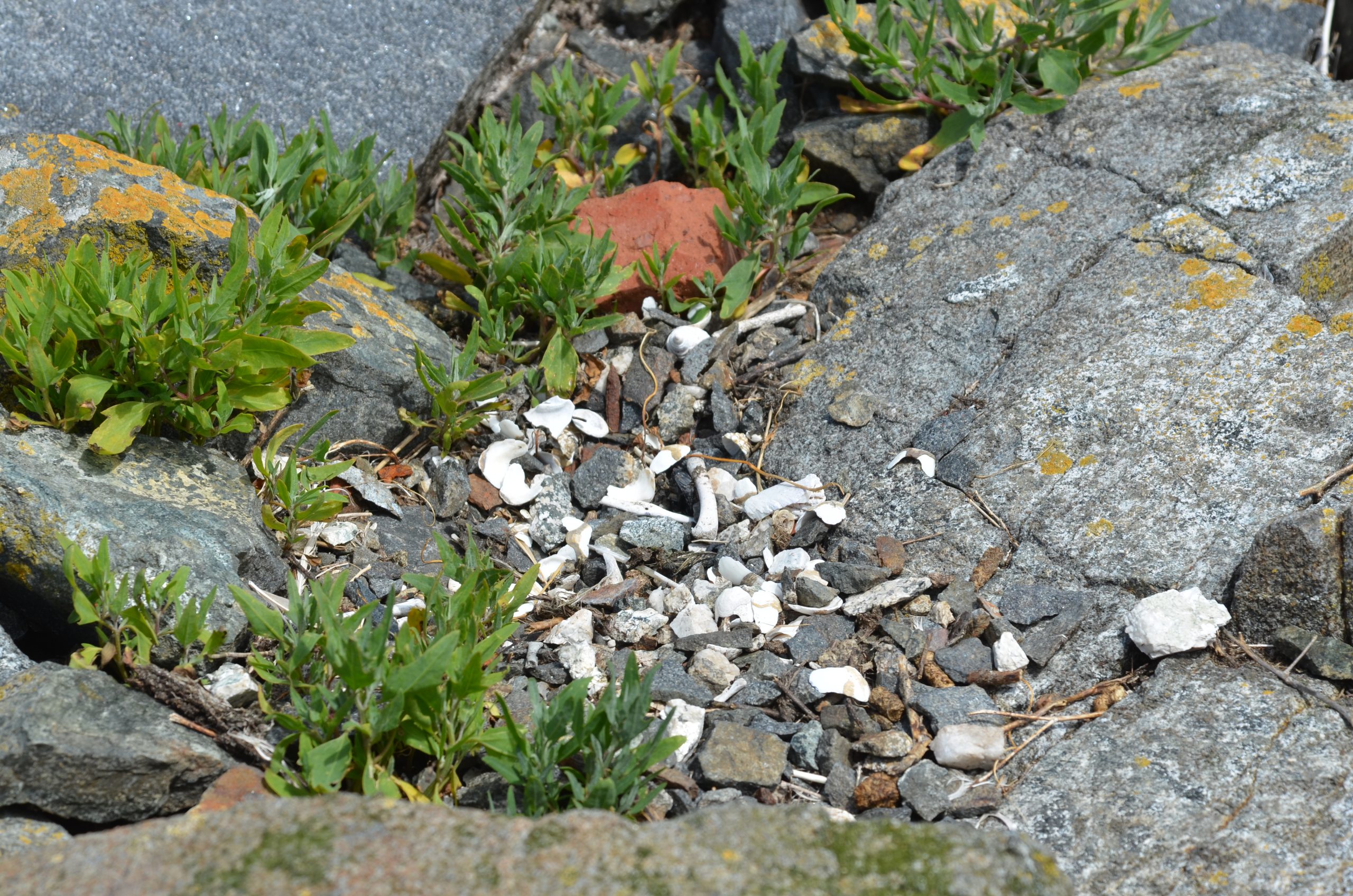
  • Comments in photos refer to pineapple weed..check it out here in the Taxonomy File

Census:

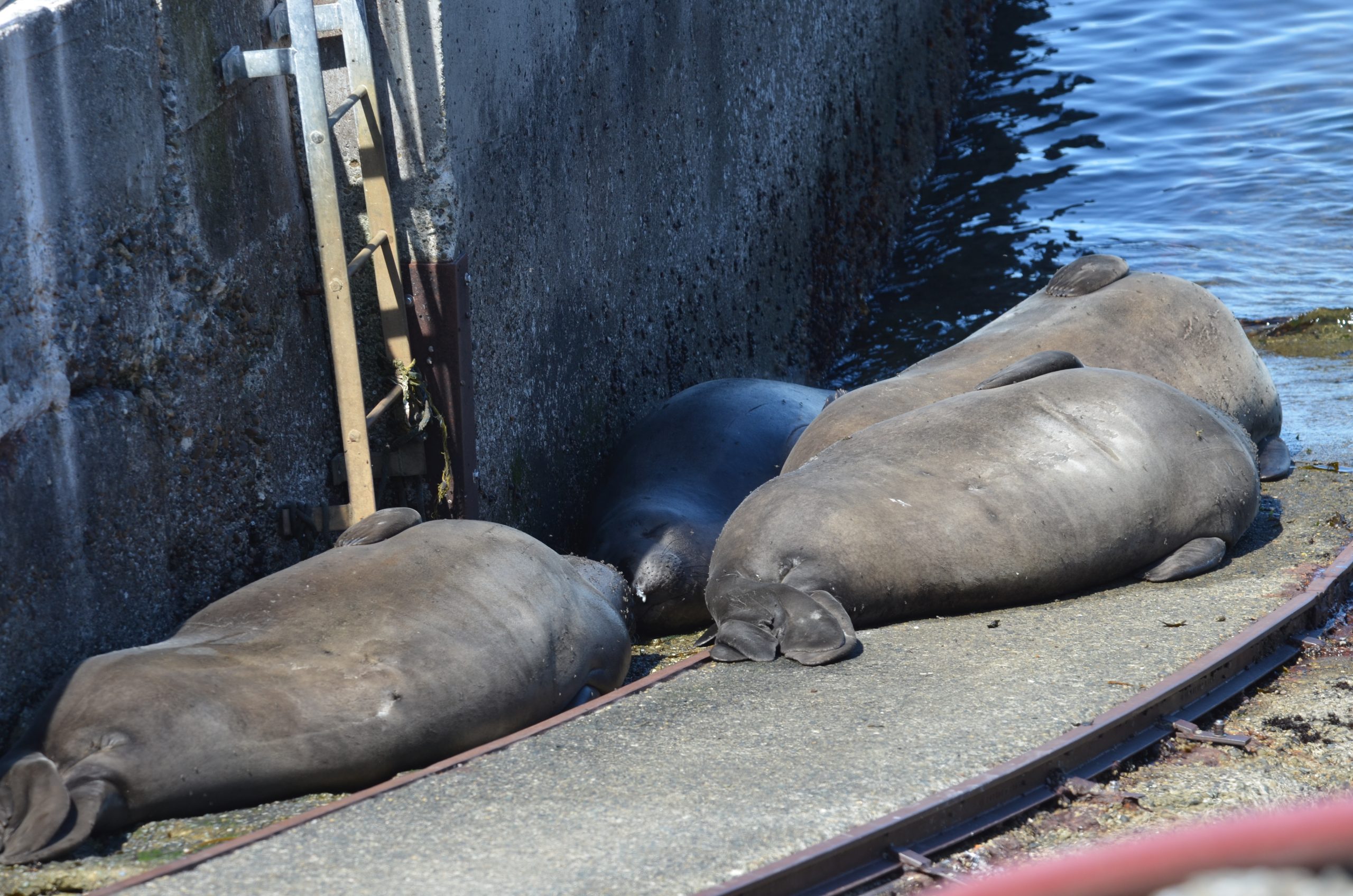
  • 7 Elephant Seals
  • 8 Oyster Catchers
  • 32 Sea Lions
  • 101 Harbor Seals
  • 22 Geese (one active nest)
  • 285 Seagulls


Stunning Weather, Spring at Full Force!

Weather:

  • Visibility 15+ NM
  • Sky clear
  • Wind 5-10 knots SW
  • Sea State: calm

Marine Traffic/Visitors:

  • 2 jet skis yesterday evening, 1 kayak this morning, 1 eco-tourism vessel yesterday
  • Greg today with supplies (thanks Greg!)
  • 1 boat inside the reserve fishing this morning- Greg stopped to remind them that they were within the boundary on his way
  • Many pleasure crafts just outside of the reserve boundary

Ecological: 

  • Consistent eagle presence as the seagulls continue to return, and food is plentiful in the water
  • The geese seem to be getting pushed out of their territory by the seagulls. The seagulls have continued to steal goose eggs when they get an opportunity, thus there are only 2 remaining nests with eggs. The geese have started to spend more time on the water, and often leave during the day.
  • The pineapple weed has been growing at an impressive rate! Most of the grassier areas on the island are covered by the fluffy foliage.


Eagle Visit, Watching For Injured Sea Lions

Weather:

  • Visibility 10 NM
  • Sky overcast
  • Wind 5-10 knots SW
  • Sea state: calm
  • Temperature 21°C

Visitors/Marine Traffic:

  • Today Laura visited to do some surveying of intertidal species
  • Greg did not come to land, as the tide was very low (jetty not accessible)
  • Today we saw one whale watching vessel pass through very respectfully with the current. No animals were disrupted- well done!

Ecological:

  • The goose nests continue to change- a few new ones this week, and a few have been ransacked by seagulls.
  • No significant seagull changes- a few new nests scattered around the island.
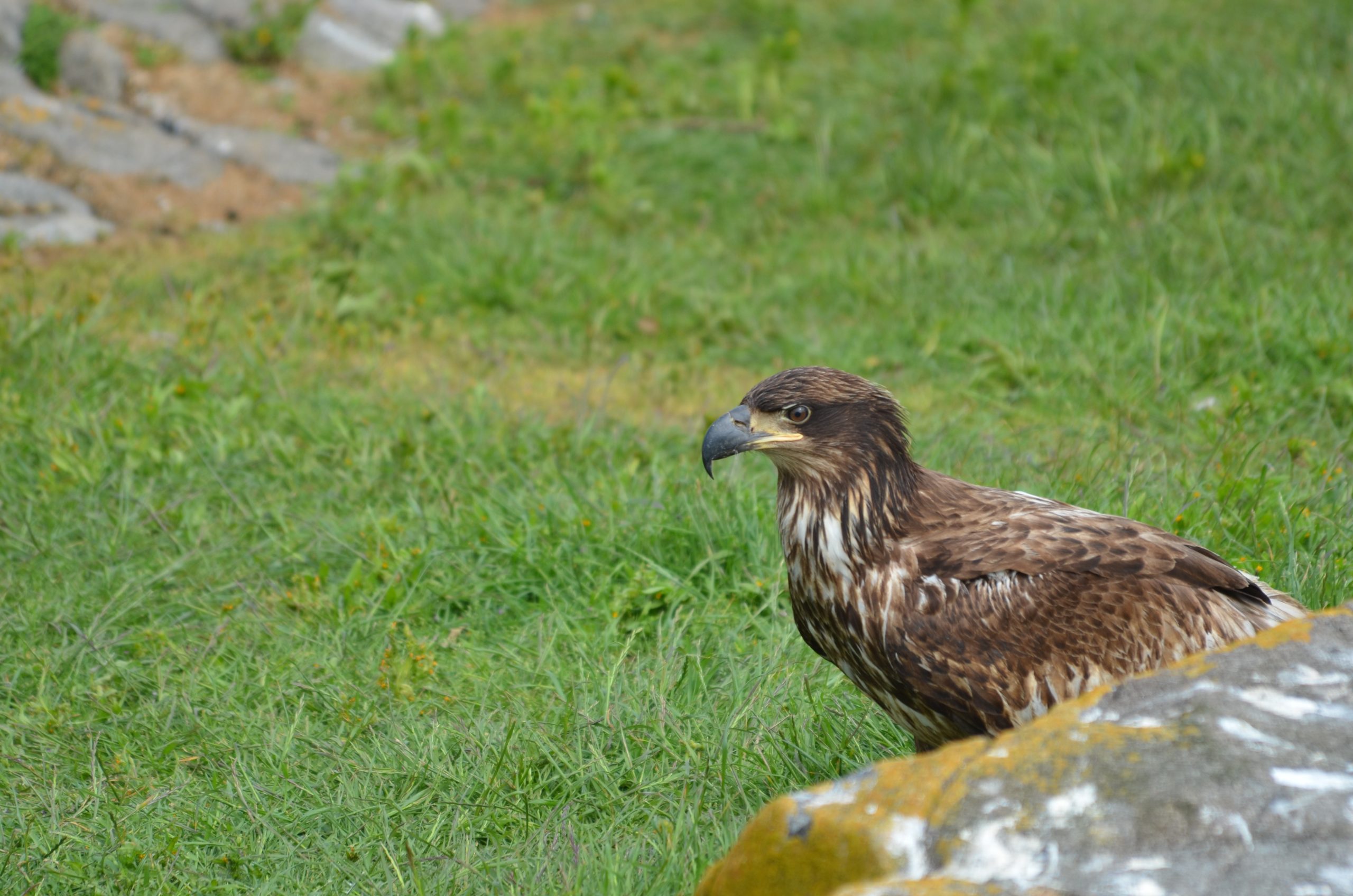
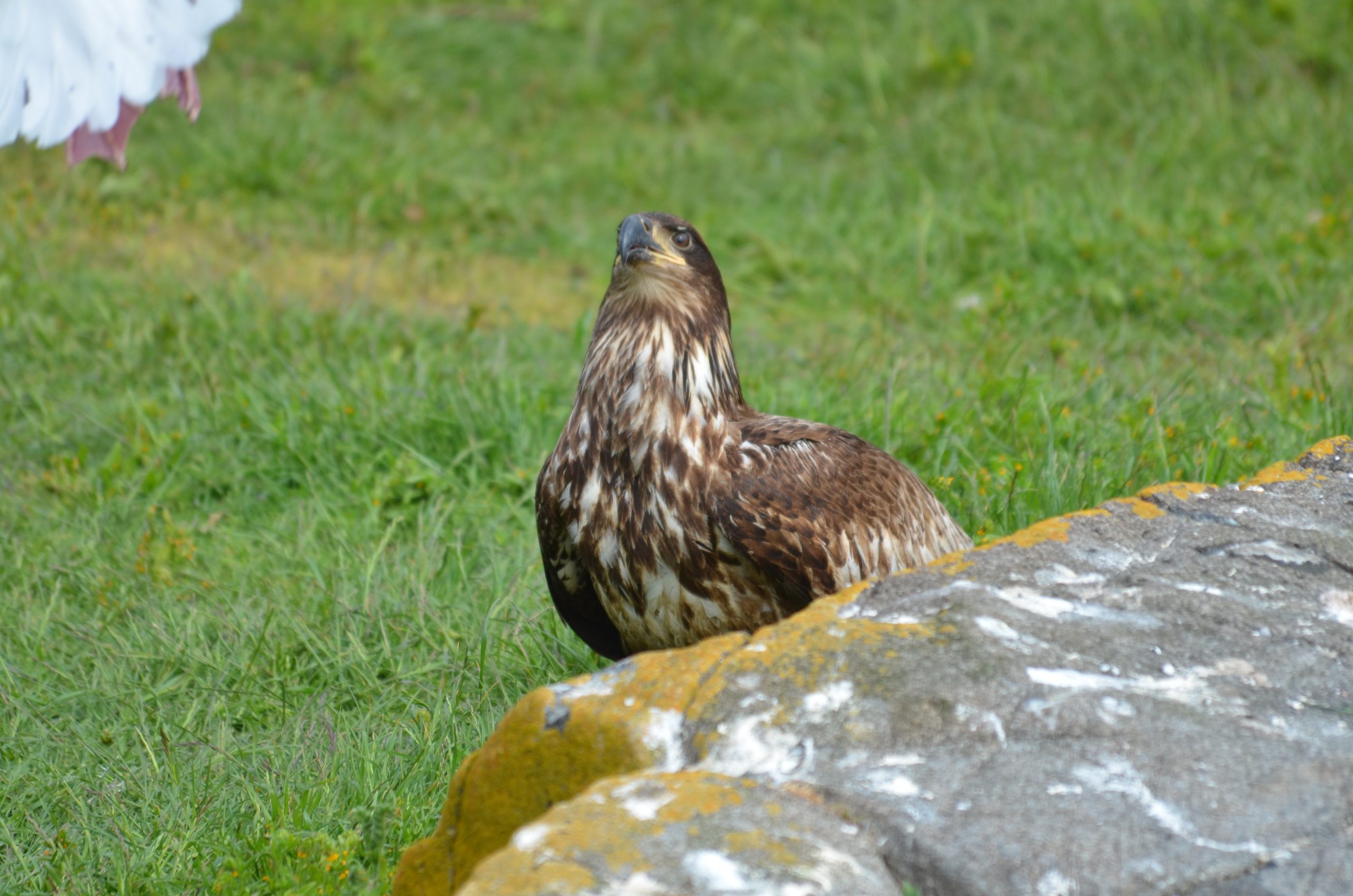
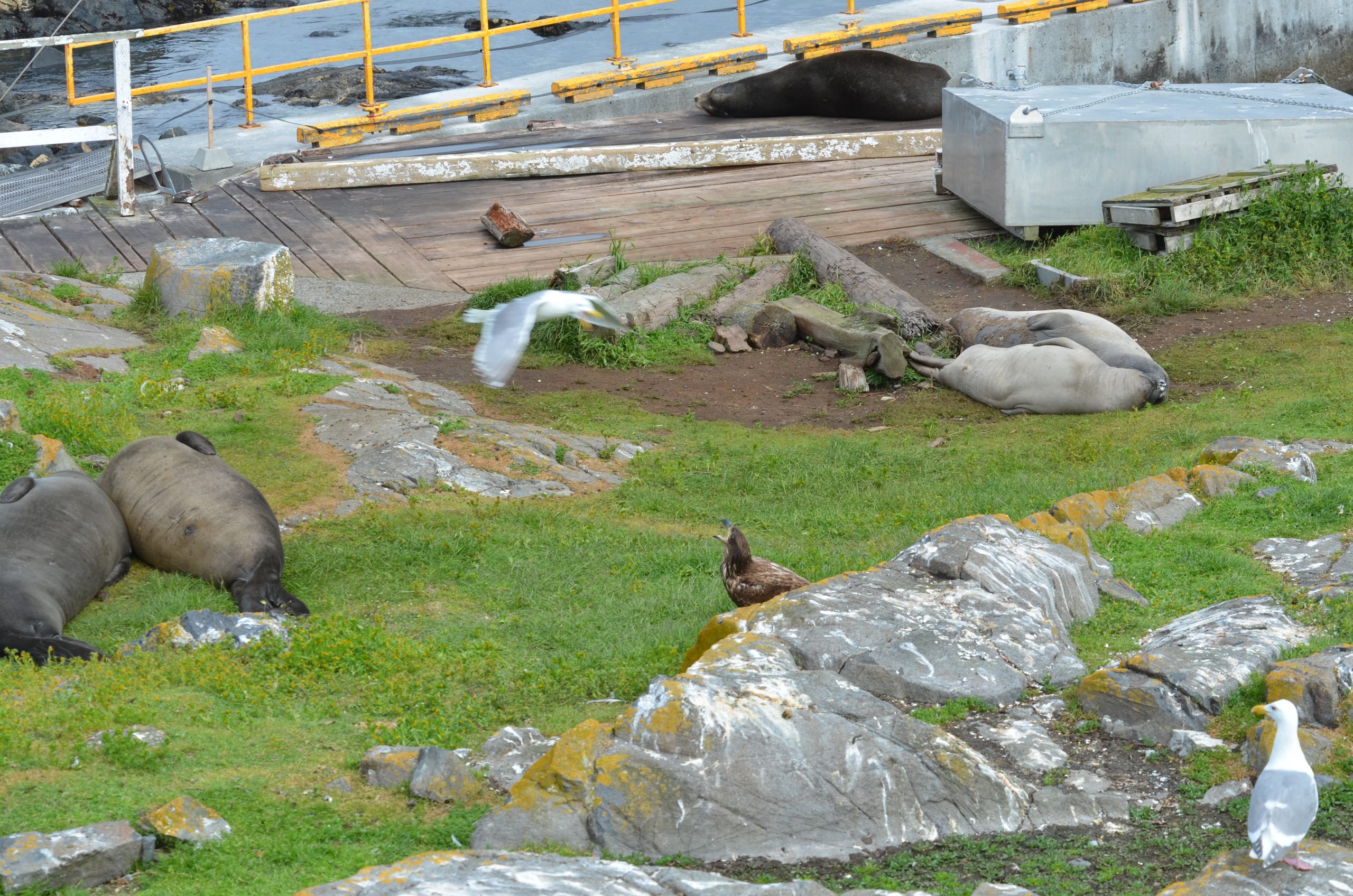
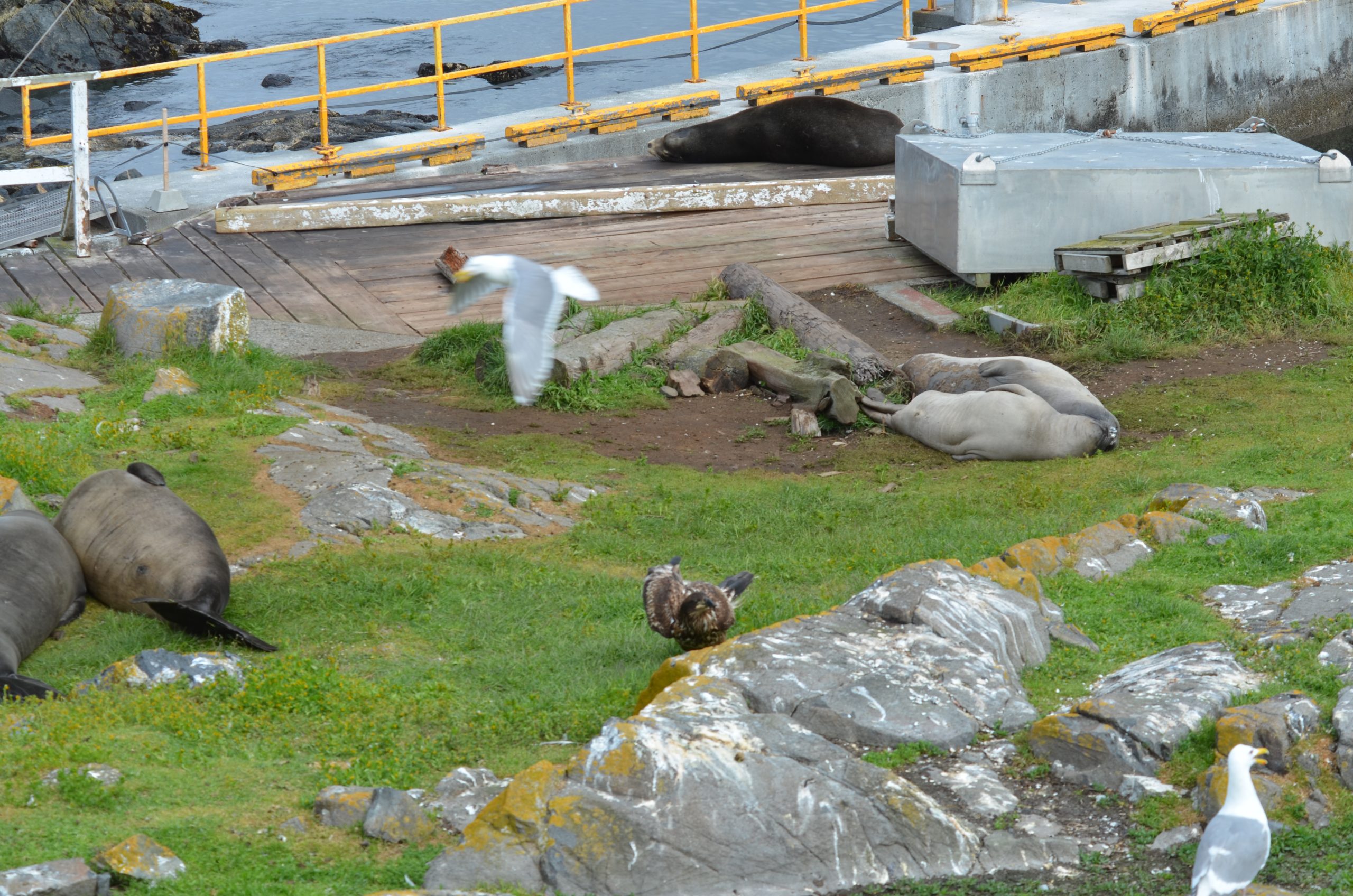
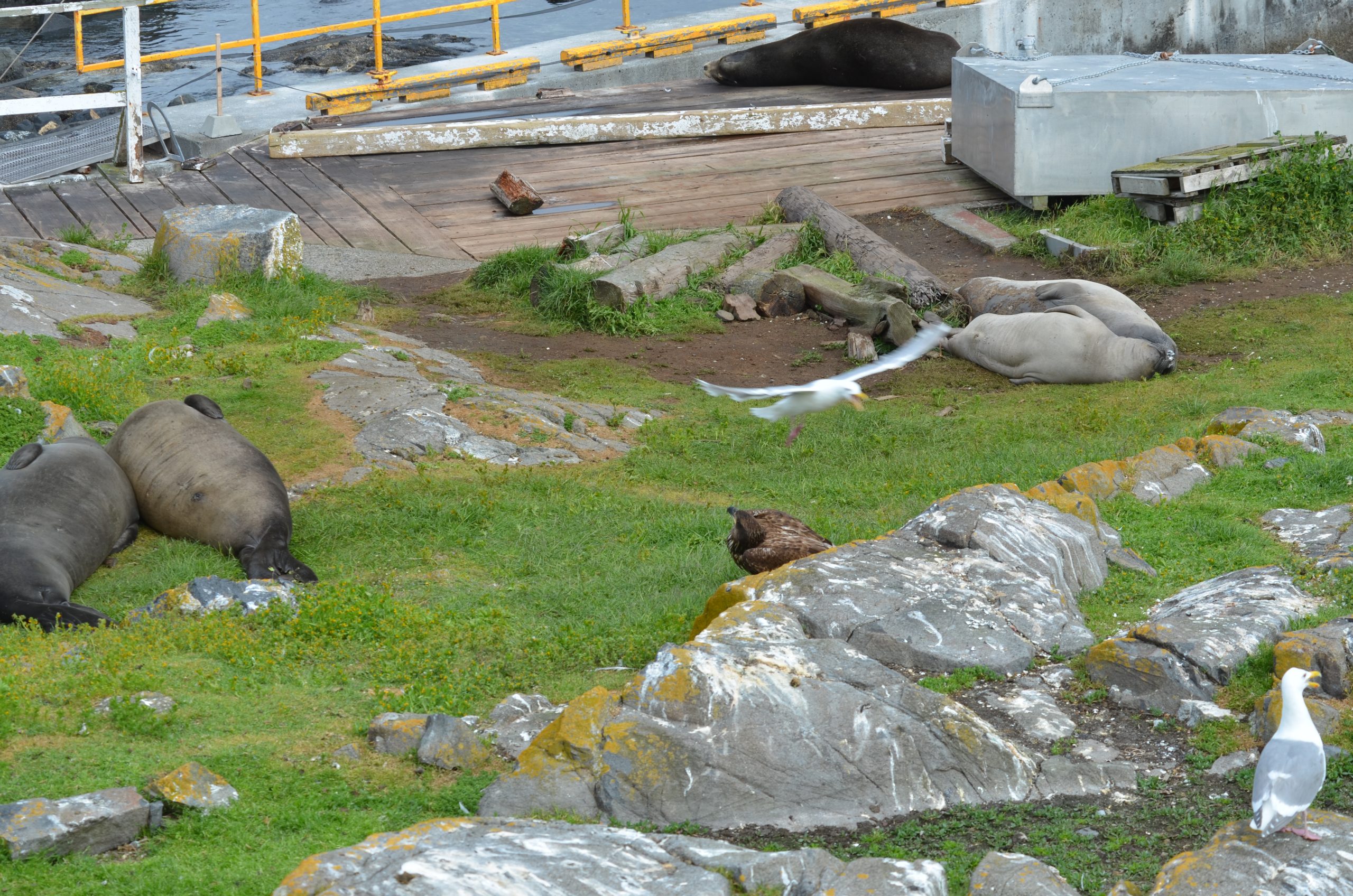
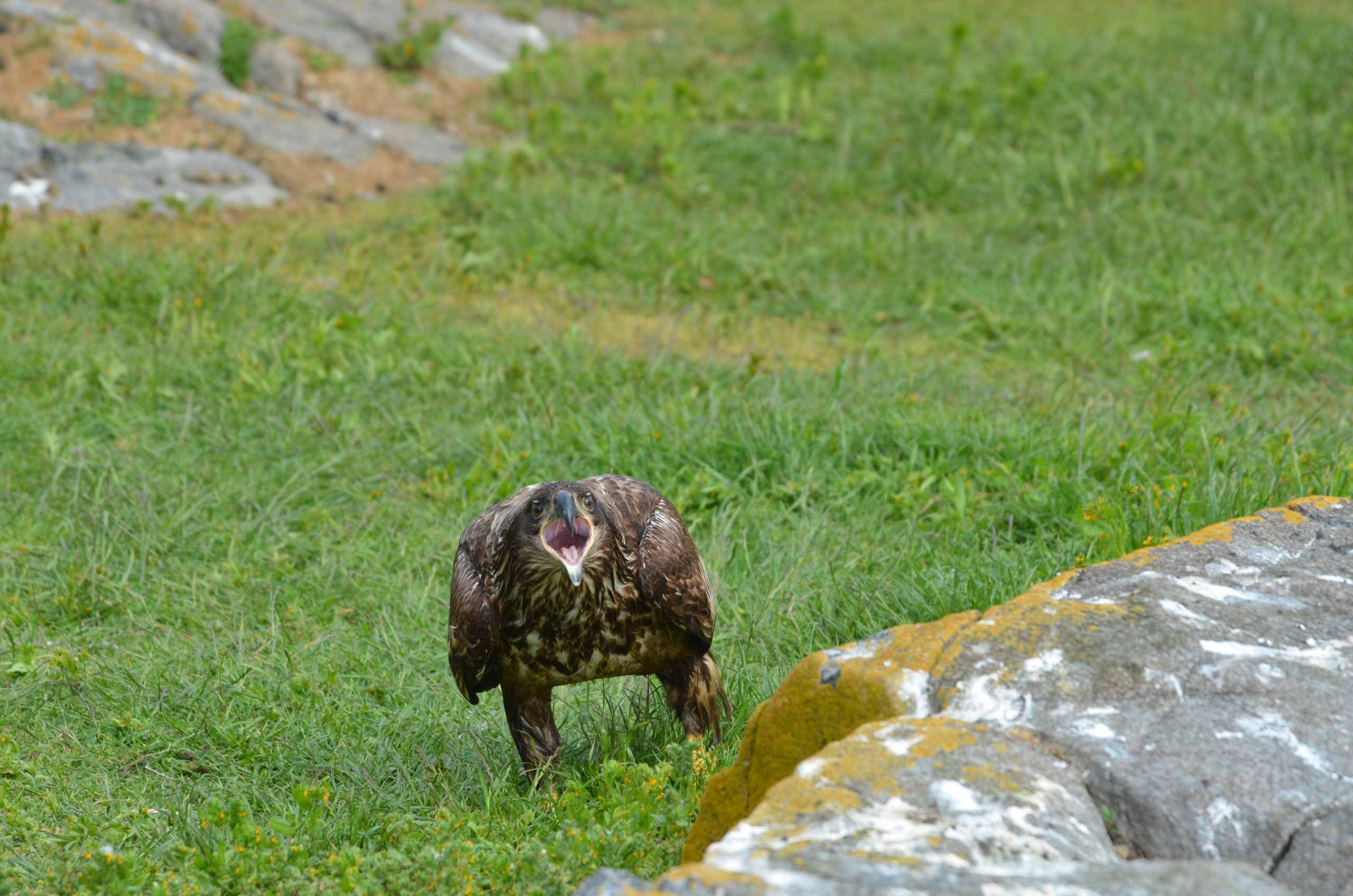
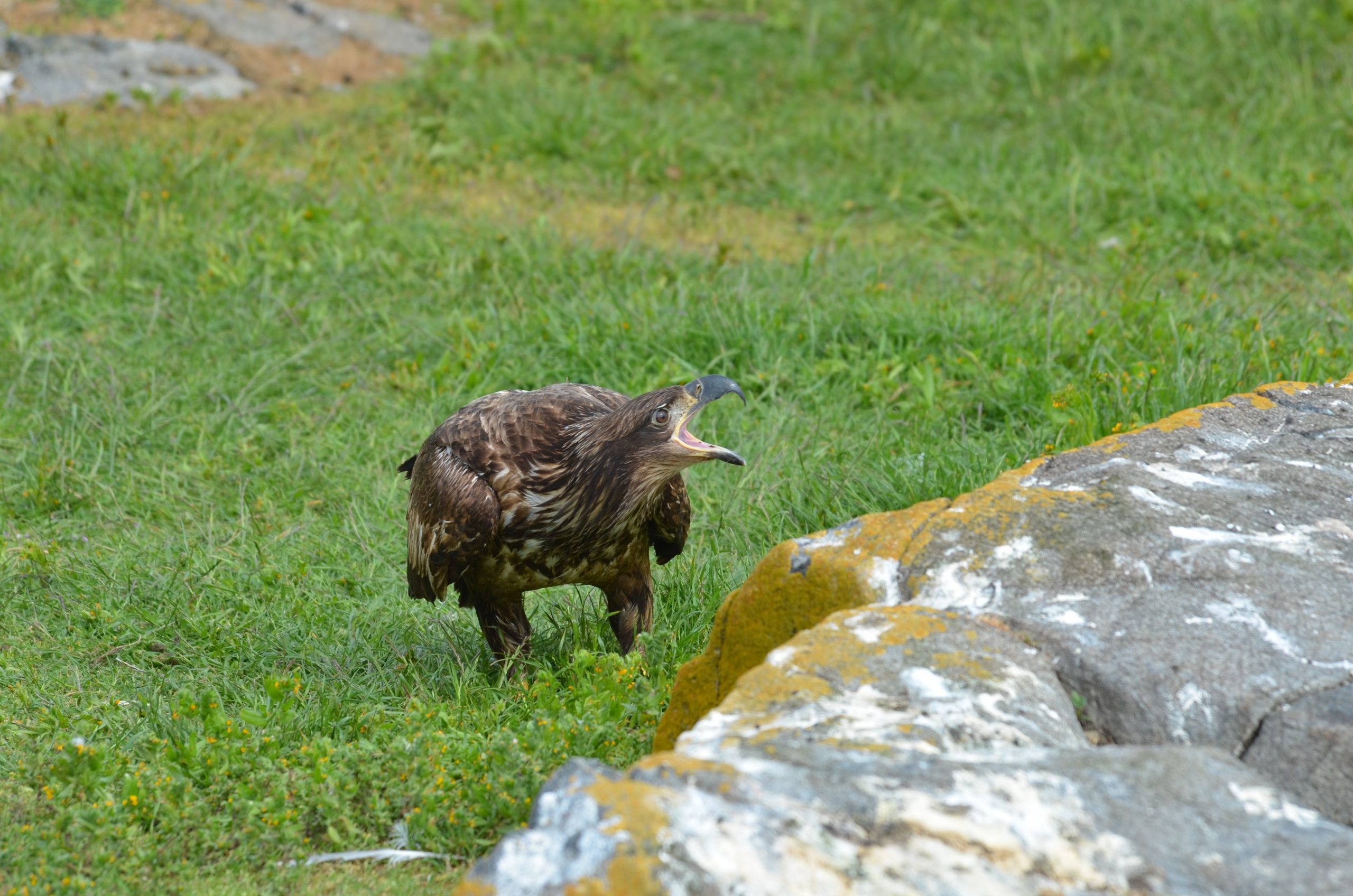
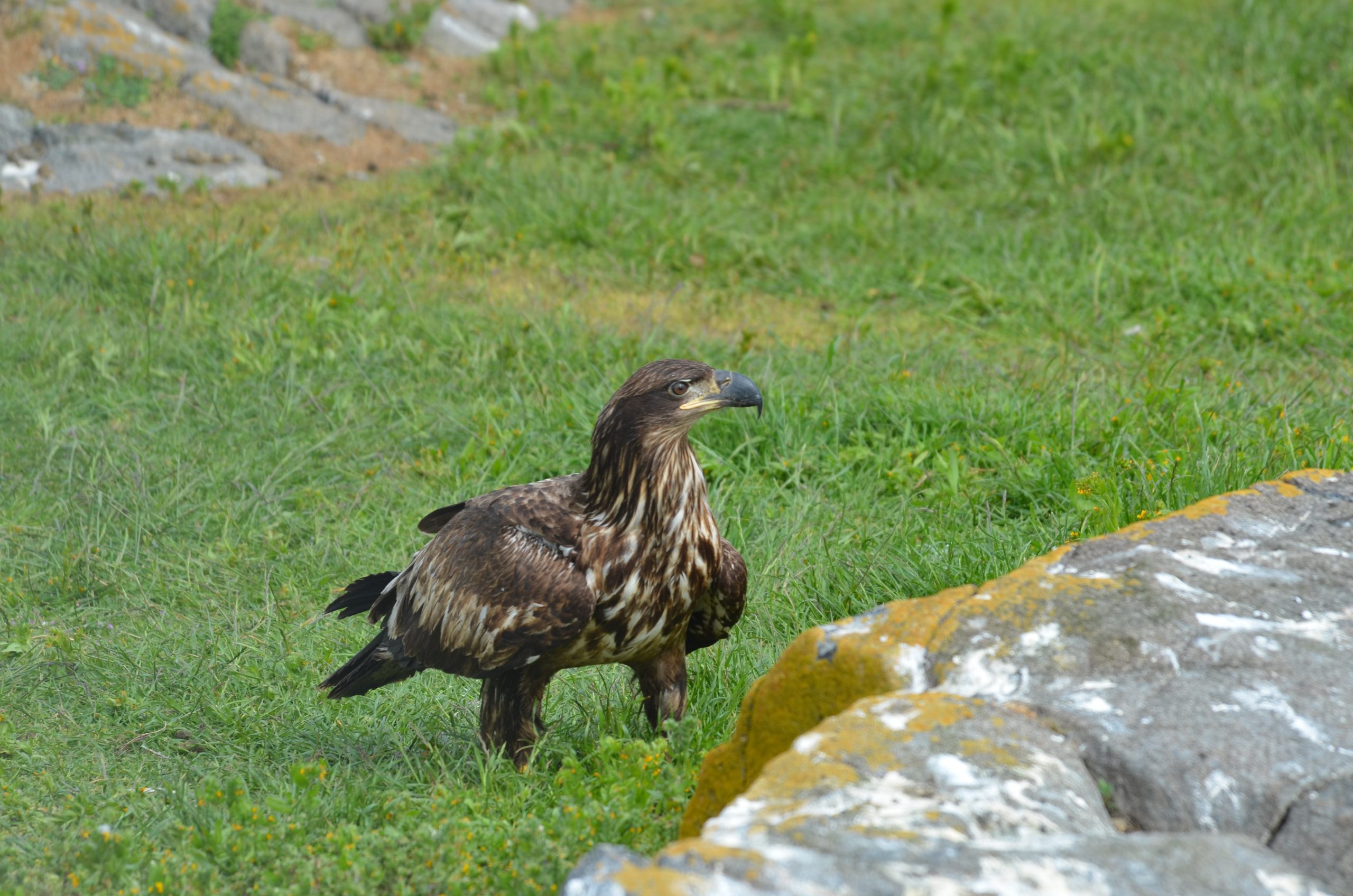
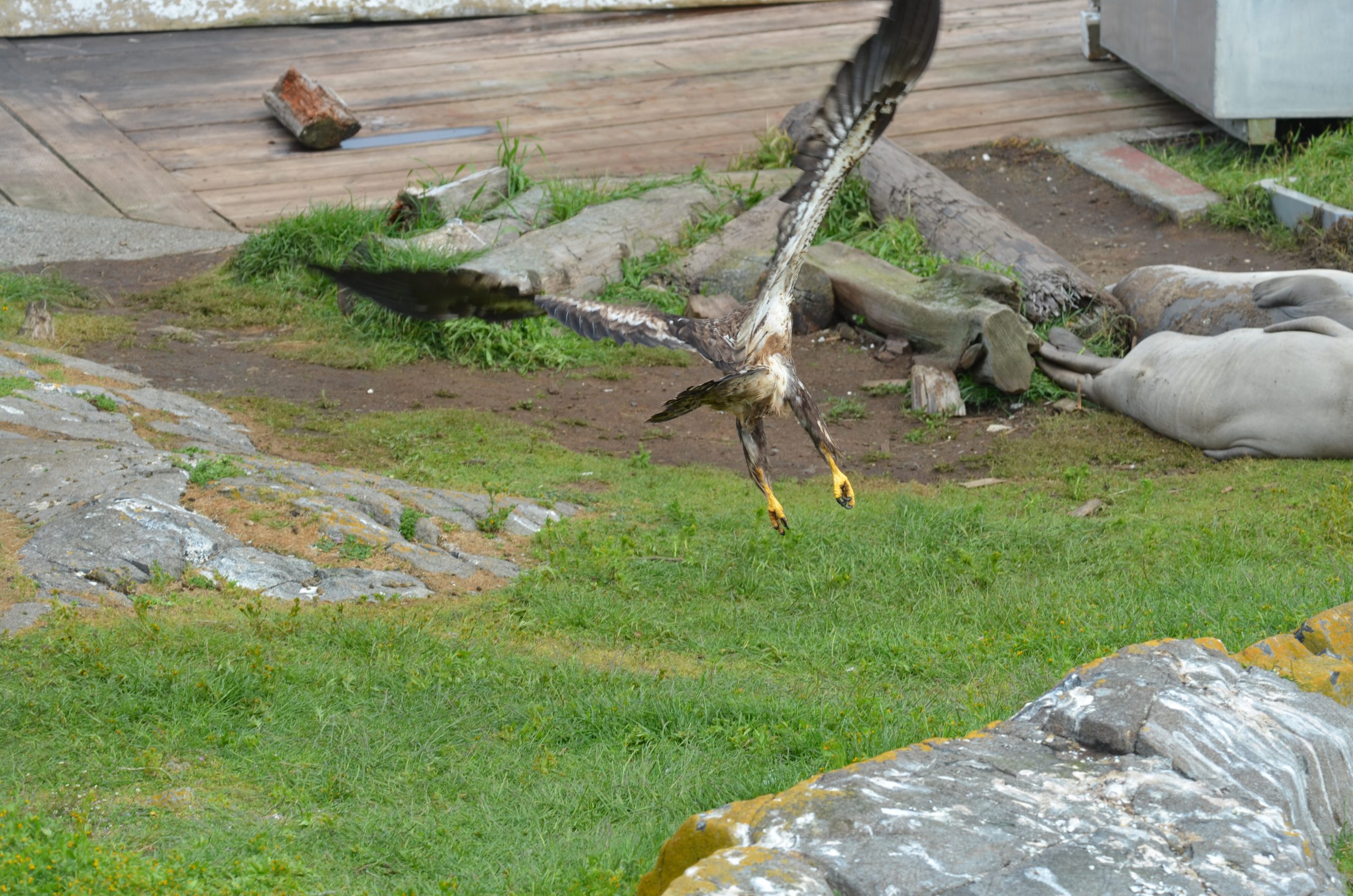
  • This morning a juvenile eagle landed on the lawn! It had been chased out of the air by seagulls, and they continued to swoop overhead until the eagle managed to find an opening and fly away.
  • We have been contacted by a few different folks regarding a sea lion that was spotted in the San Juan Island area with a cross bow bolt in his face. We haven’t spotted this animal but there’s a chance that we may over the next few days. We have also been asked to keep an eye out for another sea lion with fishing gear entangled in his face.

Notes:

  • This afternoon there was blasting/ammunition detonation on the Department of National Defense land. There were only 3 blasts but the birds all lifted into the air, or in the case of the sea lions, fled into the water.

Storms, birds and elephant seals

Weather: 

  • Sky: Partly cloudy
  • Visibility: 15+ miles
  • Wind: 0-40 knots NE
  • Water: waves between 0-2 metres

Boats/Visitors: 

  • Saw a couple boats here and there, not during the big storm though
  • Greg is dropping by today with some supplies

Ecological

  • Seems like some of the sea lions came back when the storm hit, it was blowing up to 40 knots on Wednesday but today it has finally come down to almost nothing
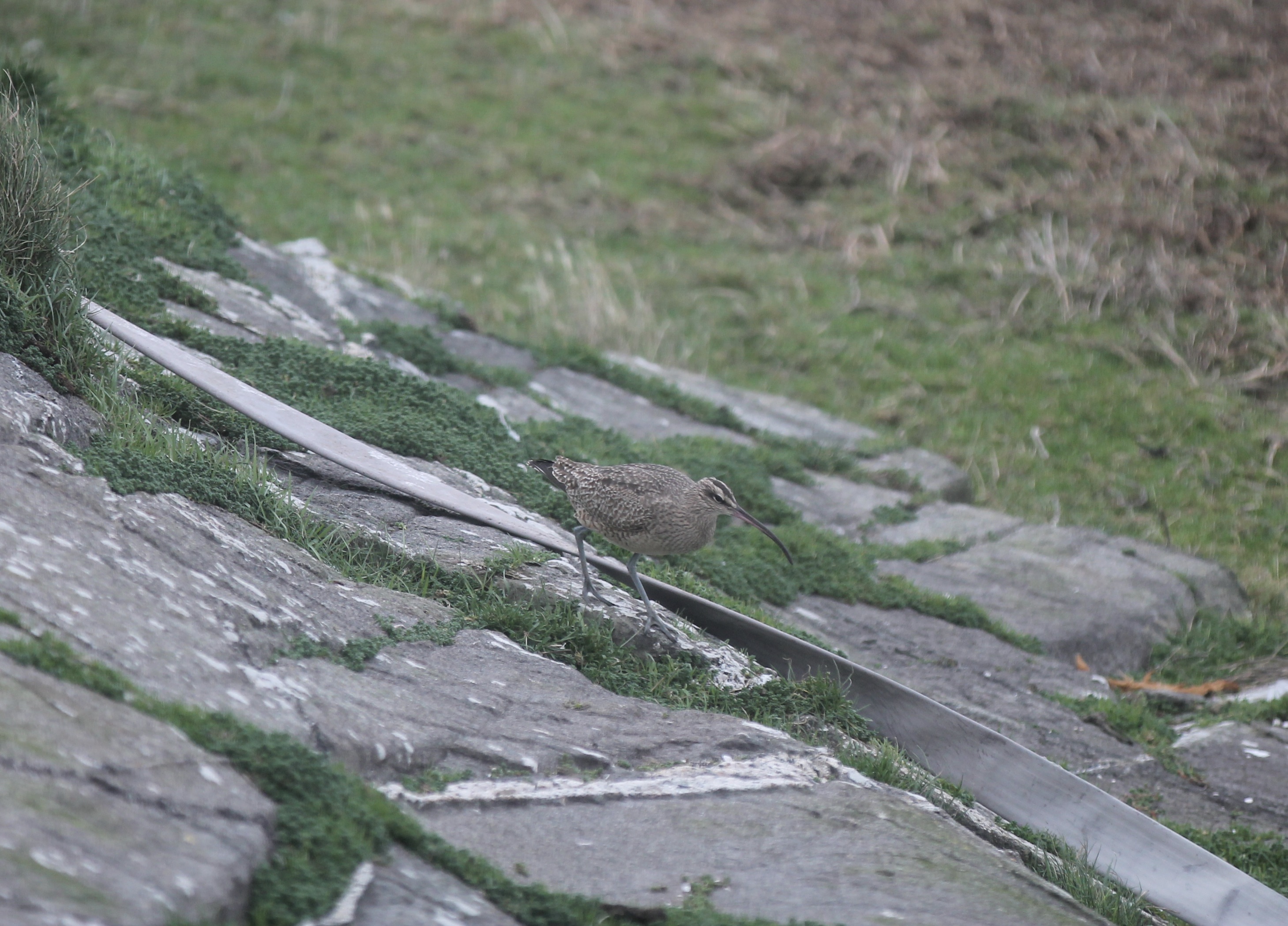
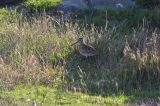
  • A couple different birds also came by, I’ve been seeing a lot of ravens lately, eagles, snow buntings and one whimbrel
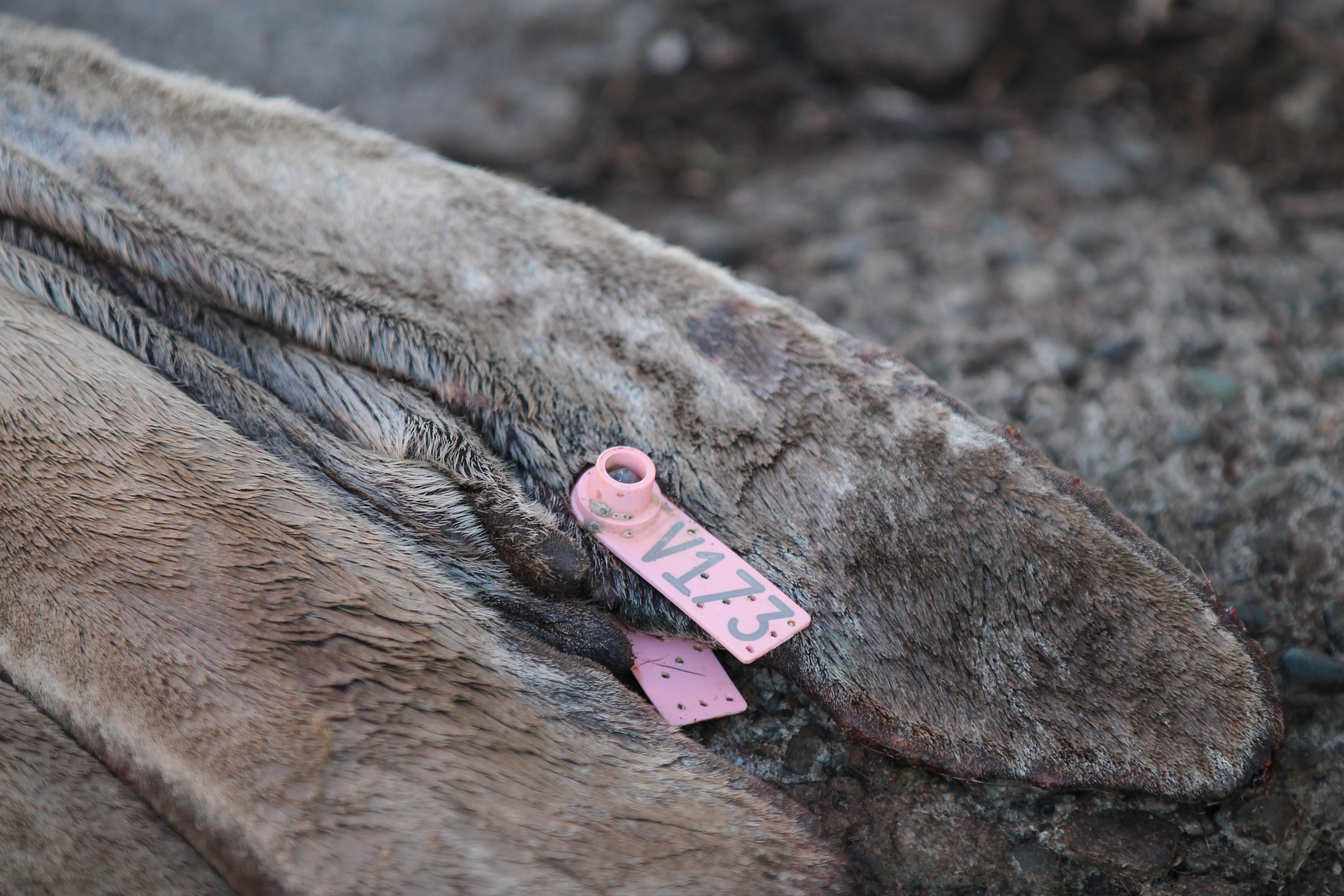
  • There is a little elephant seal by the jetty today, pink tag V173
  • Thankfully the storm brought in some driftwood than can be cut up and dried out for next winter

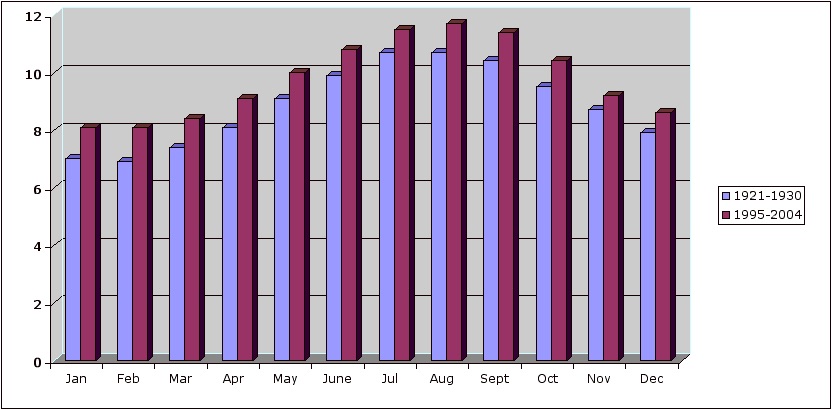
Decade Comparisons:Sea Surface Temperature at Race Rocks-

Link to Race Rocks Mean Monthly Sea Temperature 1921-present,

Monthly temperature averages in degrees Celsius for Race Rocks
1921 1922 1923 1924 1925 1926 1927 1928 1929 1930 Average Month
Jan 6.4 7.1 7.1 6.6 7.8 7.6 6.9 7.1 6.5 7.0 Jan
Feb 7.1 6.1 6.4 7.3 6.9 8 7.4 7.3 6.3 6.6 6.9 Feb
Mar 7.3 6.6 6.7 7.7 7.3 8.6 7.8 7.8 7.1 7.1 7.4 Mar
Apr 7.7 7.5 7.6 7.9 8 9.2 8 8.6 7.8 8.2 8.1 Apr
May 8.5 8.3 8.6 9 9.2 10.1 8.8 9.7 9 9.3 9.1 May
June 9.5 9.5 9.3 9.8 10.1 10.7 9.8 10.2 9.8 10 9.9 June
Jul 10.3 10.5 10.3 10.5 11.1 11.1 10.5 10.8 10.8 10.6 10.7 Jul
Aug 10.5 10.3 10.5 10.3 10.8 10.9 10.9 10.9 10.8 10.8 10.7 Aug
Sept 10.3 10.2 10.6 10.2 10.2 10.5 10.3 10.3 10.7 10.6 10.4 Sept
Oct 9.8 9.3 9.6 9.2 9.2 9.8 9.7 9.2 9.8 9.4 9.5 Oct
Nov 9.1 8.4 8.7 8.8 8.3 9.1 8.6 8.6 8.8 8.6 8.7 Nov
Dec 8.2 7.1 7.9 7.3 8.2 8.5 7.6 7.9 7.8 8 7.9 Dec
8.8 Decade
average
Average
1995 1996 1997 1998 1999 2000 2001 2002 2003 2004
Jan 8.2 8.2 7.7 8.7 8 7.5 7.9 8.1 8.8 7.8 8.1 Jan
Feb 8.6 7.8 7.9 9.2 7.8 7.7 7.7 7.9 8.5 7.9 8.1 Feb
Mar 8.8 8.4 8.1 9.7 8.1 8.1 8.1 7.7 8.7 8.3 8.4 Feb
Apr 9.2 9.2 9 9.9 8.9 9.1 8.7 8.7 9.2 9.1 9.1 Apr
May 10.2 10 10.3 10.4 9.5 10 9.7 9.4 9.9 10.4 10.0 May
June 11.2 10.4 10.9 11.4 10.4 11.1 10.6 10.5 10.9 11 10.8 June
Jul 11.8 11.5 11.7 11.7 11.1 11.3 11.3 11.2 11.3 11.8 11.5 Jul
Aug 11.5 11.5 12.2 12.3 11.5 11.7 11.4 11.7 11.4 11.9 11.7 Aug
Sept 11.3 10.5 11.6 12.1 11.9 11.4 11.4 11.3 11.4 11.2 11.4 Sept
Oct 10.2 9.9 11.3 10.7 10.1 10.3 10.2 10 10.9 10.6 10.4 Oct
Nov 9.4 8.7 9.9 9.8 9 9 9.2 9 9 9.4 9.2 Nov
Dec 8.9 7.6 9.3 9 8.5 8 8.3 8.8 8.5 8.6 8.6 Dec
9.8 Decade
Average
This analysis has been done by Garry Fletcher using the monthly averages of the daily temperatures.
See this file for the complete set of monthly data1921 to present
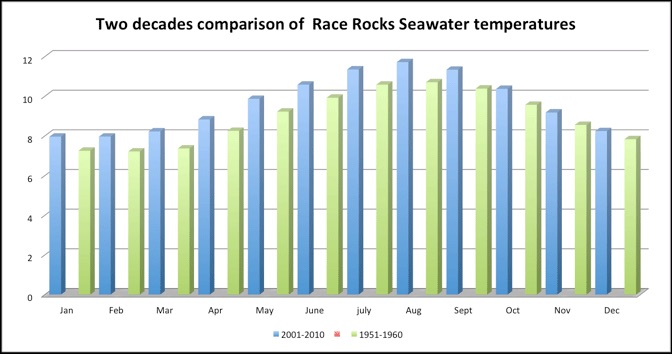
The following is a comparison between 1951-1960 and 2001-2010

Jan Feb Mar Apr May Jun Jul Aug Sept Oct Nov Dec
1951 7.5 6.9 6.7 8.1 9.2 10.2 10.4 11.1 10.9 9.5 8.5 7.7
1952 6.9 7.1 7.6 8.2 9 9.6 10.4 10.5 10.2 9.8 8.6 7.9
1953 7.8 7.9 7.6 8.1 9.3 9.8 10.6 11 10.6 9.9 9.3 8.5
1954 7.1 7.3 7.5 7.9 8.7 9.3 9.9 10 10 9.4 9.1 8.4
1955 7.5 7.1 6.7 7.5 8.4 9.3 9.8 10.2 10 8.9 7.5 6.6
1956 6.7 6.4 6.3 7.6 8.7 9.6 10.2 10.4 10.1 9.2 8.1 7.1
1957 6.3 6.2 7.2 8.1 9.3 10 10.3 10.5 10.5 9.8 8.8 8.3
1958 8 8.3 8.6 9.3 10.3 10.7 11.5 11.5 11 9.9 8.7 8.1
1959 7.6 7.4 7.9 9.1 9.7 10.4 11.3 11 10.4 9.7 8.3 7.8
1960 7.1 7.5 7.5 8.6 9.6 10.3 11.4 10.8 10.1 9.5 8.6 7.9
Mean 7.25 7.21 7.36 8.25 9.22 9.92 10.58 10.7 10.38 9.56 8.55 7.83

2001 7.9 7.7 8.1 8.7 9.7 10.6 11.3 11.4 11.4 10.2 9.2 8.3
2002 8.1 7.9 7.7 8.7 9.4 10.5 11.2 11.7 11.3 10 9 8.8
2003 8.8 8.5 8.7 9.2 9.9 10.9 11.3 11.4 11.4 10.9 9 8.5
2004 7.8 7.9 8.3 9.1 10.4 11 11.8 11.9 11.2 10.6 9.4 8.6
2005 7.7 8 8.8 9.4 10.7 11.2 11.6 12.1 11.5 10.4 9.5 8.3
2006 8.61 8.49 8.41 8.75 10.08 10.86 11.66 12.09 11.49 10.55 9.29 8.5
2007 7.8 7.9 7.9 9 10 10.2 11.2 11.6 11 10 9 8
2008 7.46 7.33 7.68 8.06 9.36 9.77 10.84 11.3 11.16 10.14 9.39 7.87
2009 7.29 7.2 7.5 8.4 9.54 10.4 11.4 11.74 11.8 10.5 9 7
2010 8.11 8.68 9.12 8.96 9.54 10.36 11.16 11.93 11.08 10.37 8.98 8.5
Mean 7.95 7.96 8.22 8.82 9.862 10.58 11.34 11.71 11.33 10.36 9.17 8.24

Monthly Means
2001-2010 1951-1960
Jan 7.96 7.25
Feb 7.96 7.21
Mar 8.22 7.36
Apr 8.83 8.25
May 9.86 9.22
June 10.58 9.92
july 11.34 10.58
Aug 11.71 10.7
Sept 11.33 10.38
Oct 10.36 9.56
Nov 9.17 8.55
Dec 8.24 7.83

See also https://www.env.gov.bc.ca/soe/indicators/climate-change/sea-surface-temperature.html

Unsafe Snorkeling, Fall Changes, Census

Weather: 

  • Visibility 15+ NE
  • Sky overcast, cloudy
  • Wind 15-25 kn N
  • Water moderate waves, white caps.

Visitors/Boats: 

  • Around 15 whale watching boats yesterday
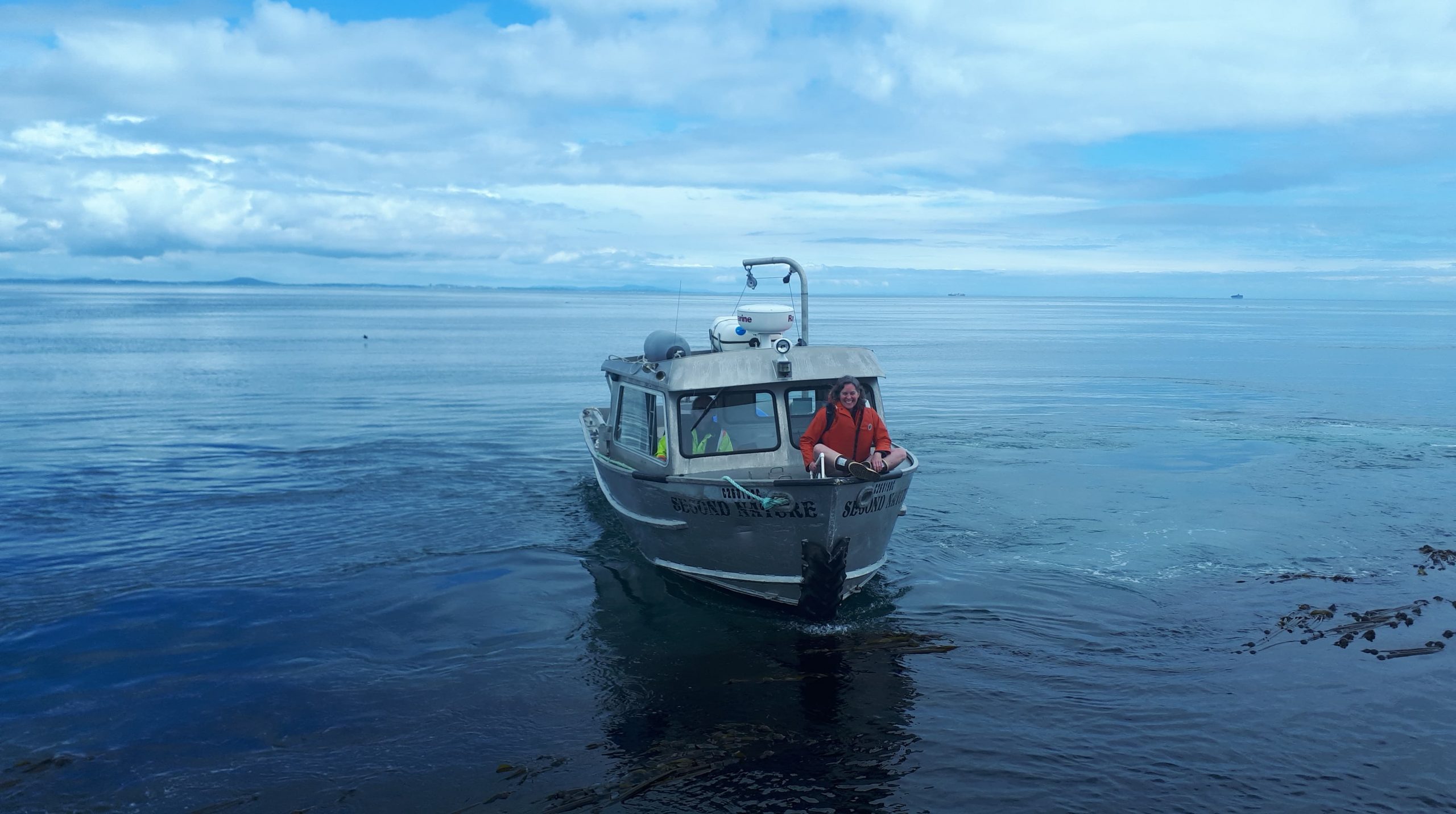
  • Corey, Guy, and a student with their visiting grandparents visited yesterday, and delivered water- the desalinator is on the horizon!
  • We are ending our term on Race Rocks tomorrow, so Greg and Guy will come for a debrief before the next eco-guardian takes over.

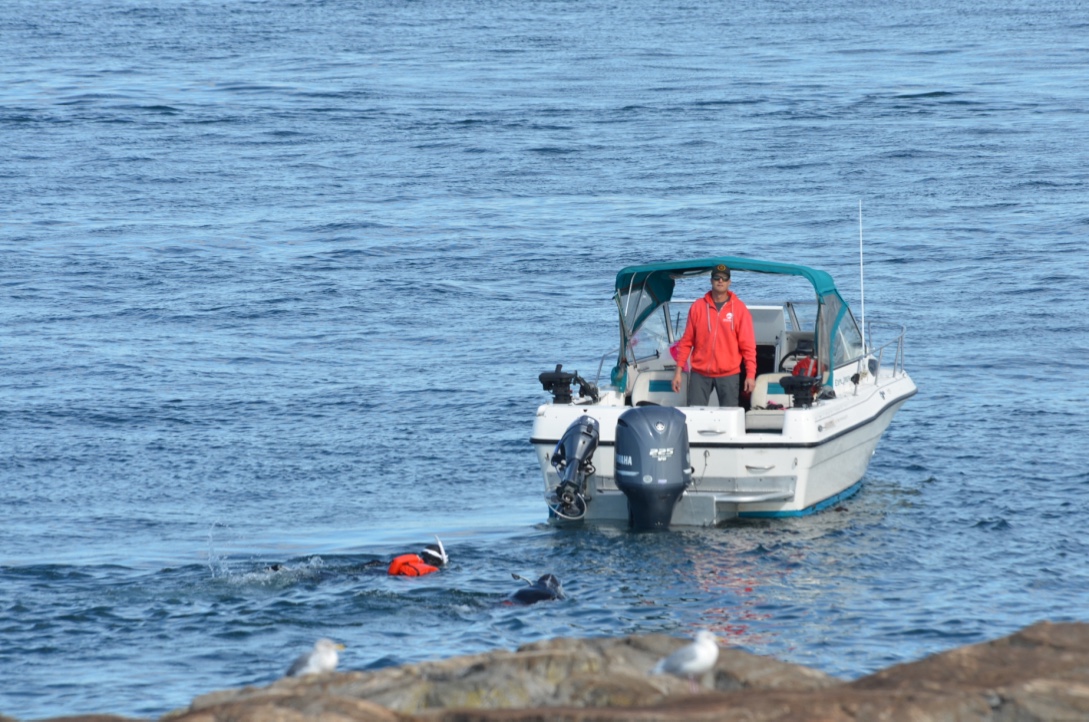
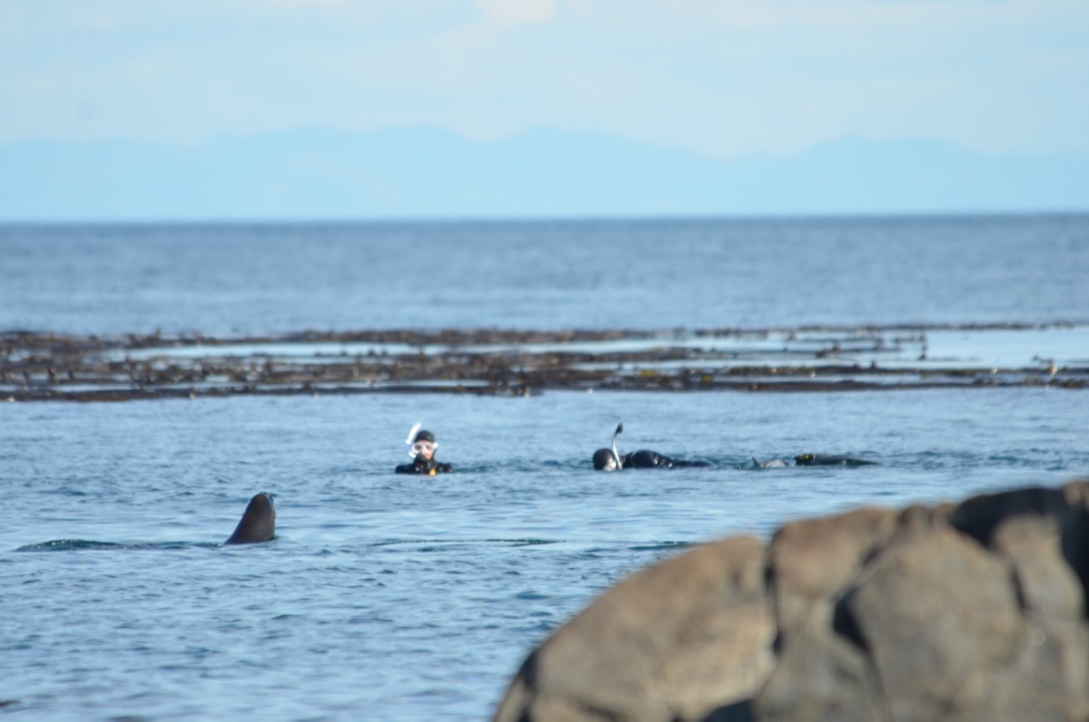
Yesterday we saw a pleasure craft enter the reserve and drop snorkelers into the water less than 100 m from our jetty, within 5 m of shore and the hauled out sea lions. The animals were distressed and swam around the snorkelers barking. The current was flooding very quickly (5 knots), which creates dangerous water currents, eddies, and upwellings. We as well as Corey in Second Nature motioned for the boat to move away, but they simply gathered the snorkelers and moved around the corner where they presumably thought we would not see them. An eco-tourism vessel in the reserve also noticed them and contacted us to let us know, out of concern for their safety given the animals present and the currents at the time.

In the past scuba divers and vessels have found themselves capsized or pulled away from their dive site and rescued by helicopter, and in 2015 a diver went missing and was found deceased days after they disappeared by a fisherman after rescue crews were not able to find them. We were especially concerned for this group’s safety due to lack of float marking their position and the frequent boating traffic through the reserve. In the past, seal pups have been decapitated by vessels passing through too quickly and unable to see them. If these snorkelers had been pulled away by the currents, there would have been a high chance of being struck by a vessel unable to see them in the rough water.

Ecological: 

  • The sea lions population continues to grow! We are having to repair the fences sometimes twice per day. It seems like a more powerful electric fence energizer could be a good idea.
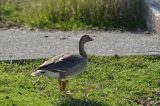
  • We spotted a little Greylag goose among the Canadian geese yesterday.
  • The sea lion that we spotted on Sept. 12th with an apparent propeller wound to his head is still here. He stays near the jetty and seems to have some behavioural anomalies, presumably due to the head injury. He is not afraid of us like the others, and does not move away into the water with the others when we clear the jetty. We haven’t had any problems but are weary that his behaviour could be unpredictable. Marty (the vet that came to aid in rescuing the entangled sea lion) mentioned that sometimes when this happens a shard of their skull can splinter and cause a brain infection. We hope this little guy is on the mend.
  • There have been many Canadian Geese passing through this week; A few days ago we counted over 20. The geese are not native to the island, but according to Gary Fletcher they arrived somewhere in the 80’s as the population of geese on Vancouver Island were introduced/grew. Addling the eggs began somewhere in the late 90’s. Unfortunately, this year two nests survived and hatched goslings, meaning that 20 geese left the island after 8 nested here in the spring.

Census: 

  • 500 Sea lions
  • 15 harbour seals
  • <20 seagulls
  • Approx. 20 cormorants
  • 3 short billed dowitchers
  • 1 Greylag goose
  • 1 sanderling
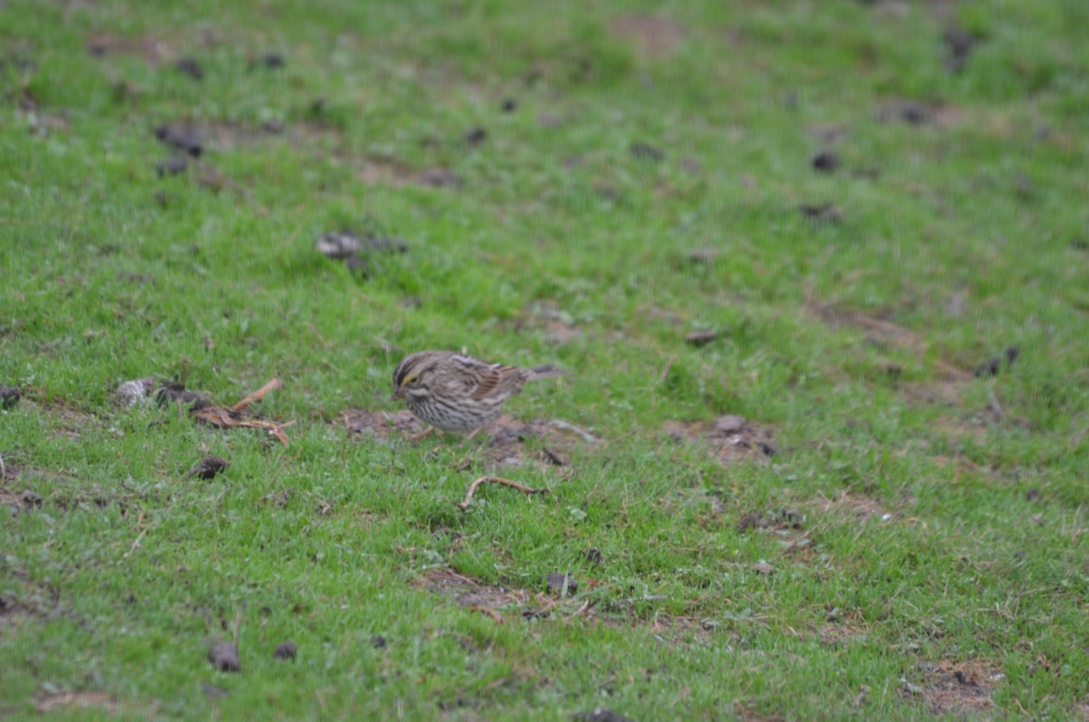
  • 1 Savannah sparrow
  • 20-23 Canada geese

Island Invaders (Invasive Thistle Removal)

Invasive Species: Canada Thistle Removal 

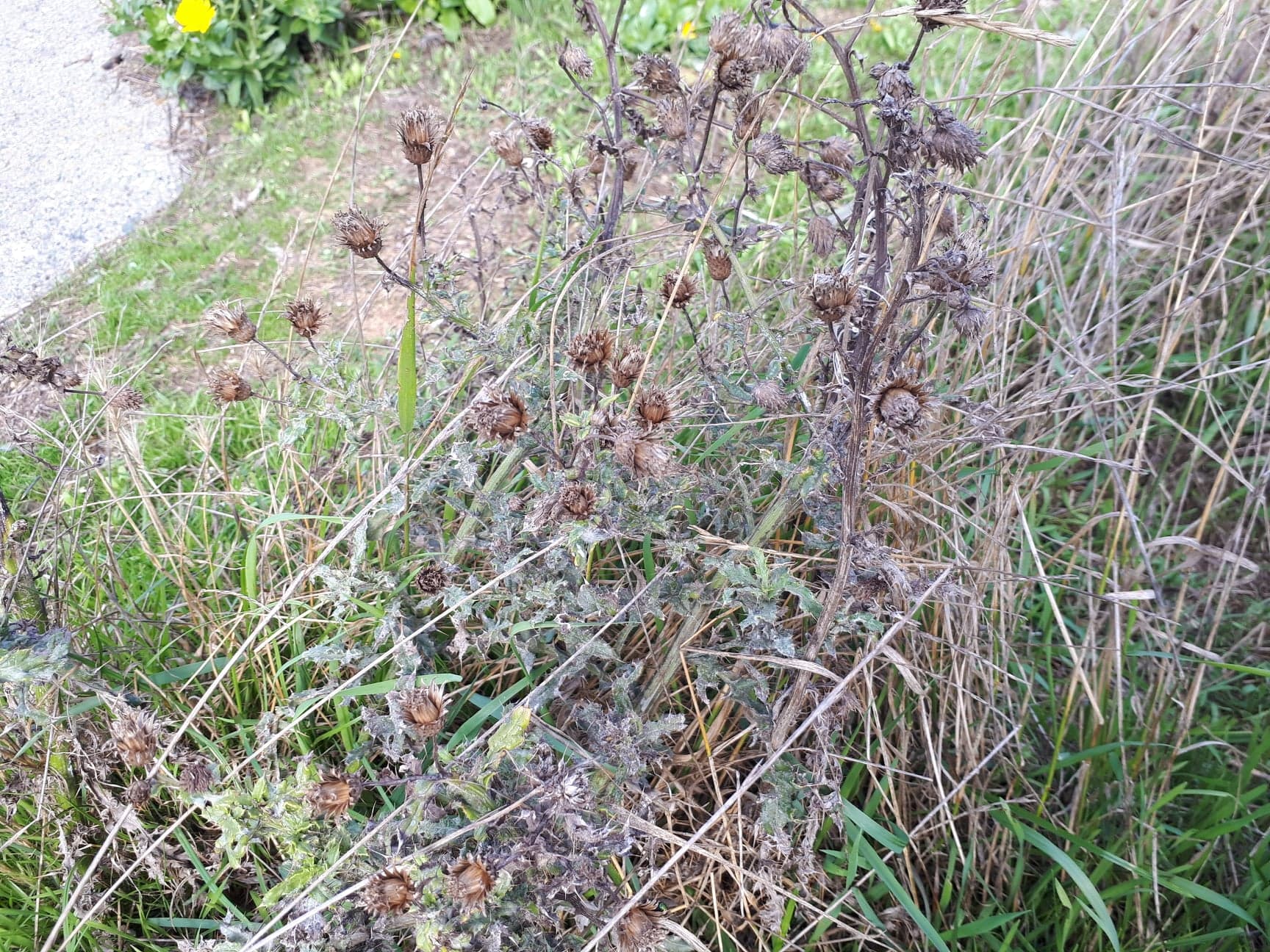
We removed 6 large garbage bags full of invasive “Canada” thistles over the past few days. Considered a “noxious weed” under the BC Weed control act, these perennial (grow back every year) weeds can reproduce through seed and root regeneration. Thought to have been introduced to North America via contaminated crop seed in the 1700’s, this plant is actually native to southeast Europe and Asia. Presumably they were introduced to Race Rocks by a visitor on clothing or equipment, or perhaps by an animal.

They can be a bit laborious to remove, due to their tap root and ability to regenerate through “cloning” (growing back if you leave the root in the ground). Incredibly, the seeds can remain viable for 3-6 years when buried at typical depth, and some up to 21 years (yikes!). Each plant produces an average of 1500 seeds, but can sometimes exceed 5000.

Because of this, we collected them into garbage bags to remove from the island instead of composting them where they would have the opportunity to reproduce. Unfortunately it appeared that these aggressively persistent weeds were whipper snipped in past seasons, allowing the seeds to disperse and roots to regenerate. Hopefully with some attentiveness, they can be eradicated from Race Rocks in the next few years. More information on other introduced plants available in this post from Garry Fletcher, 2006.

Weather: 

  • Sky partly cloudy, some sunshine
  • Visibility 15+ miles (some fog last night)
  • Wind 20-30 knots W
  • Water choppy, whitecaps

Visitors: 

  • Today Laura (Pearson’s marine science teacher), and her class came for a bit for their first trip to Race Rocks! Two more classes will visit in the next couple of days.
  • Less frequent eco-tourism traffic now that the summer tourism has slowed down. They have been getting quite close to the sea lions though, often causing them to climb over each other to get further away from the vessels. Since it has been overcast, we’ve been seeing the use of flash photography much more, which seems to audibly cause quite a stir.

Ecological: 

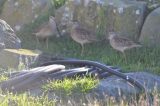
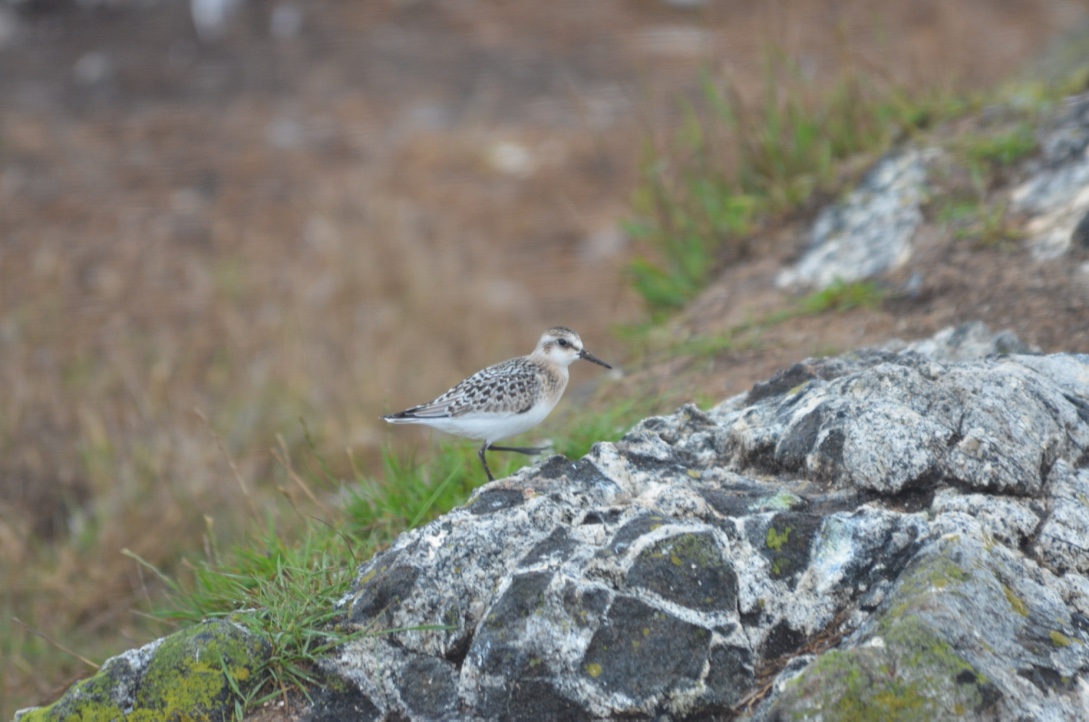
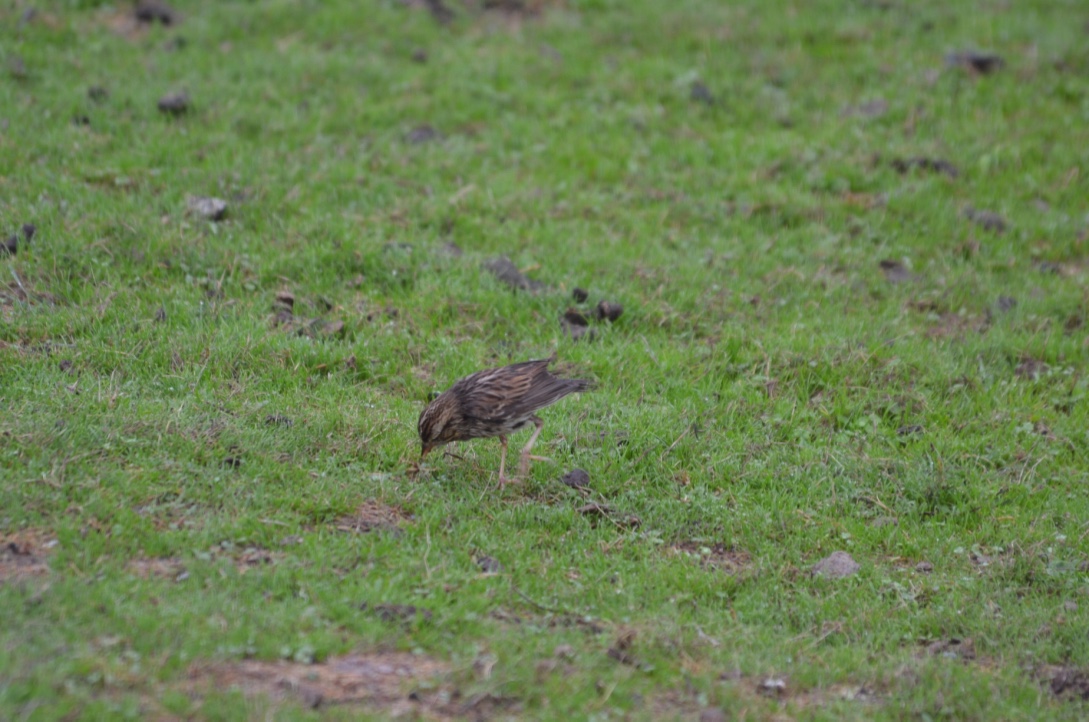
  • There have been some birds passing through that we don’t often see: western sandpiper, savannah sparrow, song sparrow, and juvenile sandpiper (or possibly sanderling- we have a hard time with bird ID!) Also, we think we spotted a yellow warbler a while back, but it was too speedy for us to snap a photo.
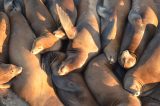
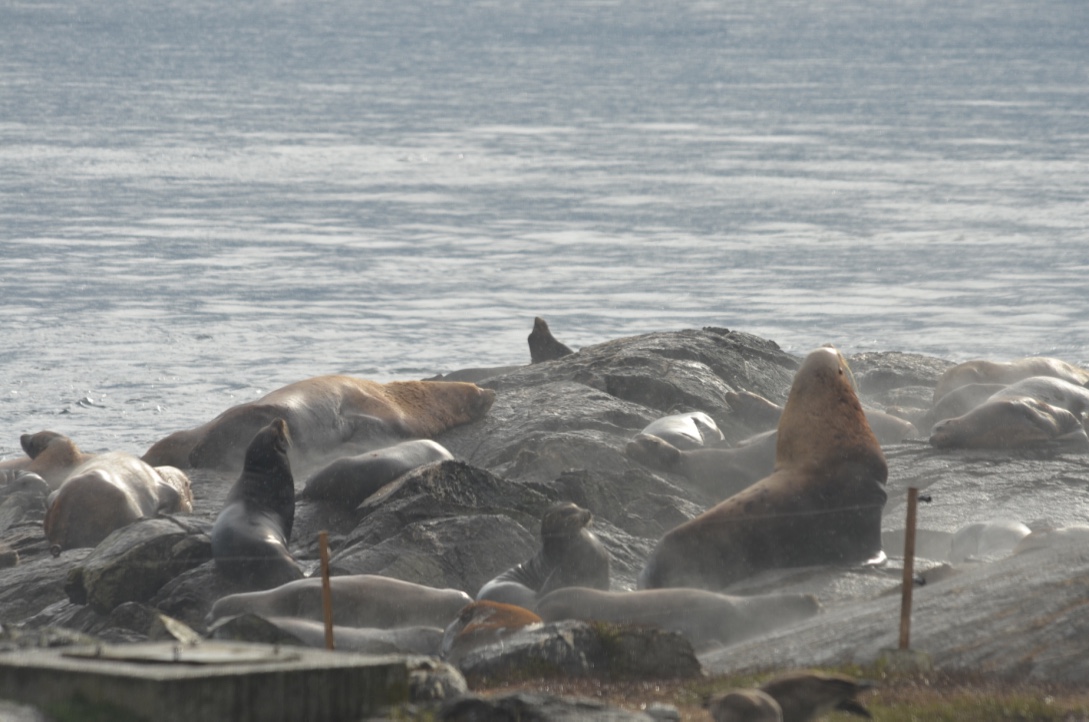
  • The sea lions have continued to haul out- notably, there are typically over 100 animals on the jetty alone.

The Flag is Back

Weather: 

  • Sky overcast, some clear patches (not much solar power generated today)
  • Visibility 15+ miles, no fog
  • Wind 10-20 knots W
  • Water calm. Some interesting standing wave patterns lately.

Boats/Visitors: 

  • On Thursday Greg came in the afternoon to top up our water supply. Pearson alum Norbert (currently alum in residence) also came along for the ride to check out our solar panels and provide suggestions for future improvements. Pearson maintenance volunteer Jimmy also stopped in for the night to visit race rocks before he goes home to Mexico. Safe travels!
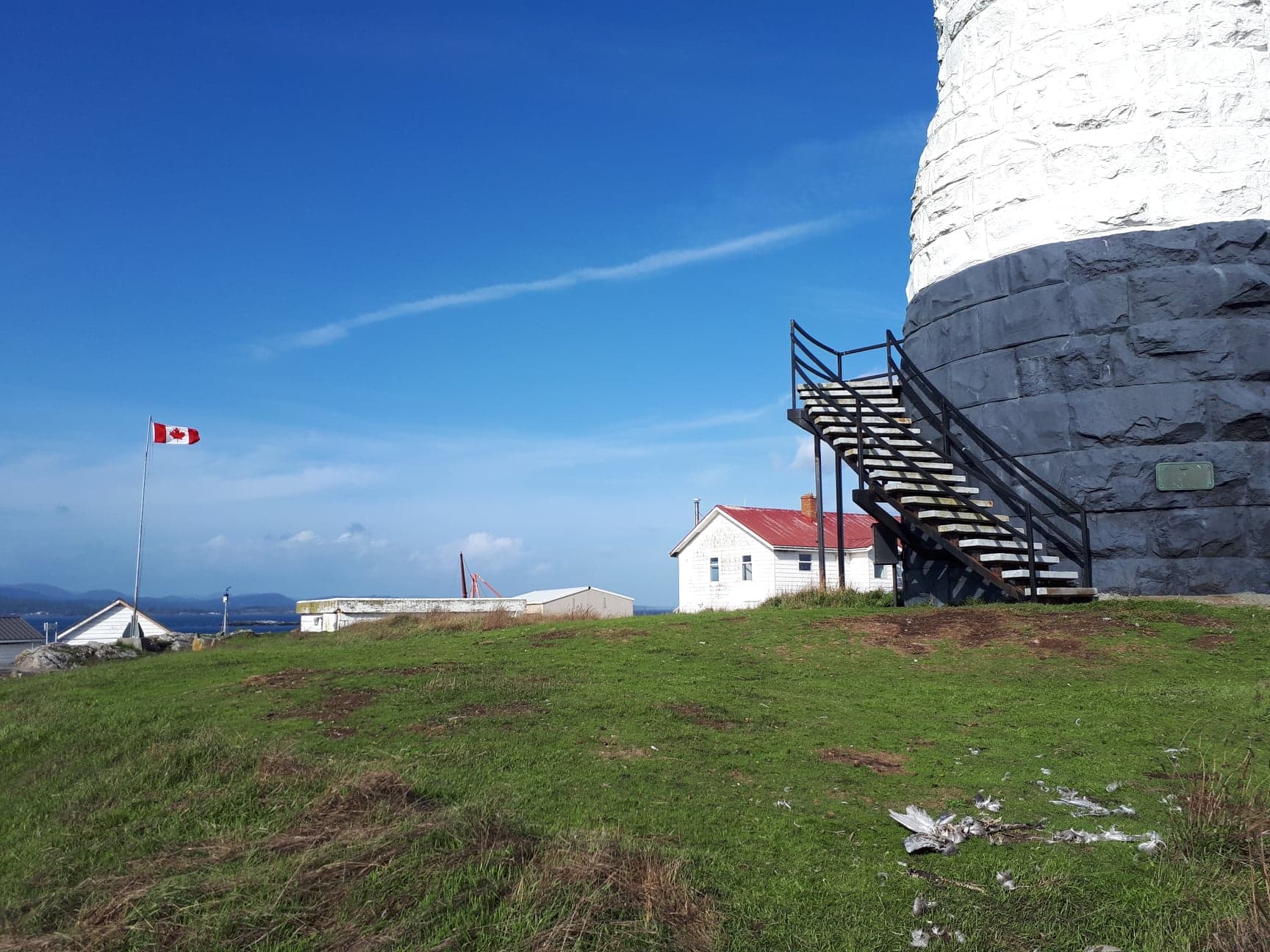
  • We had many hands on deck, so we were able to successfully repair and raise the flagpole.
  • Yesterday Greg visited with a group of college guests who toured the island.

Ecological: 

  • The sea lions have started to haul out on the N + S/SW sides of Great Race Rock.
  • The oyster catcher chicks have grown to be nearly as big as their parents and are flying all over!
  • The seagull chicks are getting bigger and when rival adults attack they now fight back. On Thursday we spotted a chick with one eye pecked out and were concerned that it would not survive. Fortunately, when we checked later it was doing well.
  • There have been large numbers of black turnstones present this past week, 30+ at once


The Sea Lions Are Coming

Weather:

  • Sky blue, partly cloudy
  • Visibility 13+ miles
  • Wind 10-20 knots SW
  • Water calm

Visitors/Boats: 

  • Not much boat traffic these past few days. It has been quite foggy and windy (40+ knots of wind)
  • Today Greg is bringing some water for the main tank. He is also bringing a volunteer from the college who will stay overnight.
  • Tomorrow morning we will have a group tour the island

Maintenance:

  • Yesterday Alex Fletcher came to take measurements from the batteries that supply the entire island. We have been having some problems with the technology but the batteries are looking good and healthy.
  • Our Canadian flag is still down, as the flag pole was too heavy for us to lower alone. We will try to enlist the help of Greg and the volunteer today and get things back in order!
Ecological: 

  • The sea lions are starting to haul out onto Great Race Rock more and more. We will need to put up the electric fence soon to prevent them from coming right up to our backdoor as their local population increases. We are waiting for the elephant seals to leave, as the fence would prevent them from moving freely onto the jetty.
  • There are now two younger elephant seals who arrived a couple of days ago. One of them went back to a favourite spot of one of this years spring pups, so we wonder if it is the same one.