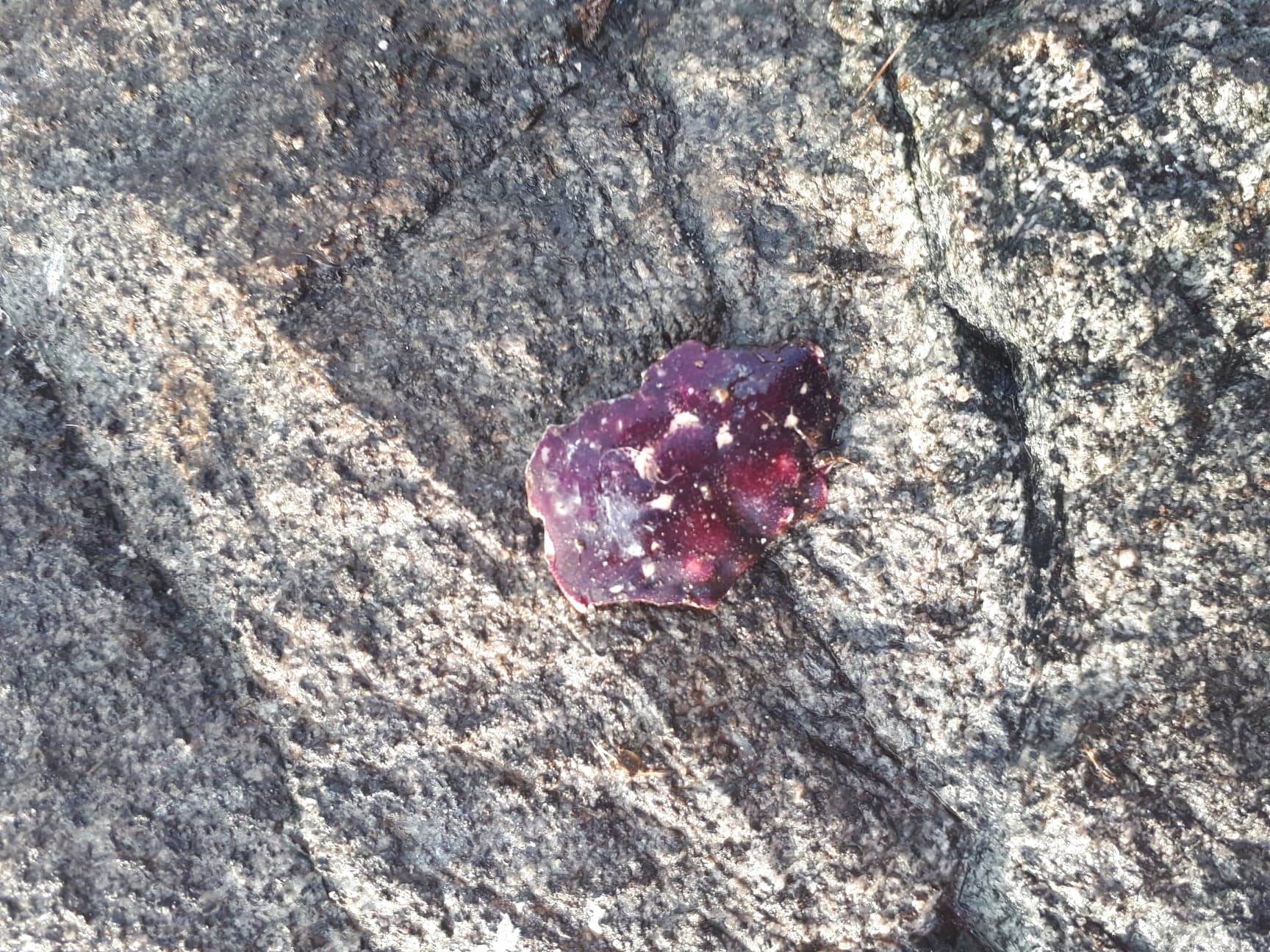
The Problem with Ocean Fouling/succession-

When installing equipment underwater in a high current zone where the water is laden with nutrients from upwelling as it is at Race Rocks, it becomes obvious very soon that any new substrate placed underwater becomes an instant habitat for the settlement of many invertebrate and algal species. For this page I have brought together different examples from the work we did over the years at Race Rocks.  . It should be noted that the word “fouling”is a rather perjorative term, seen from the point of view of a natural process interfering with human wishes.  However,  it simply represents ecological succession, a perfectly natural event in a highly productive environment, and too bad that it inconvieniences us!

This video from 2001 shows what the condition of the growth of life was on a sensor bar that we installed in water at 8 meters depth just off the Jetty at Race Rocks: The sensors were for monitoring Oxygen, salinity, ph, and turbidity. Without constant attention by our divers getting accurate data from sensors like these over a long term would not be possible. This video was taken after three months in the water .
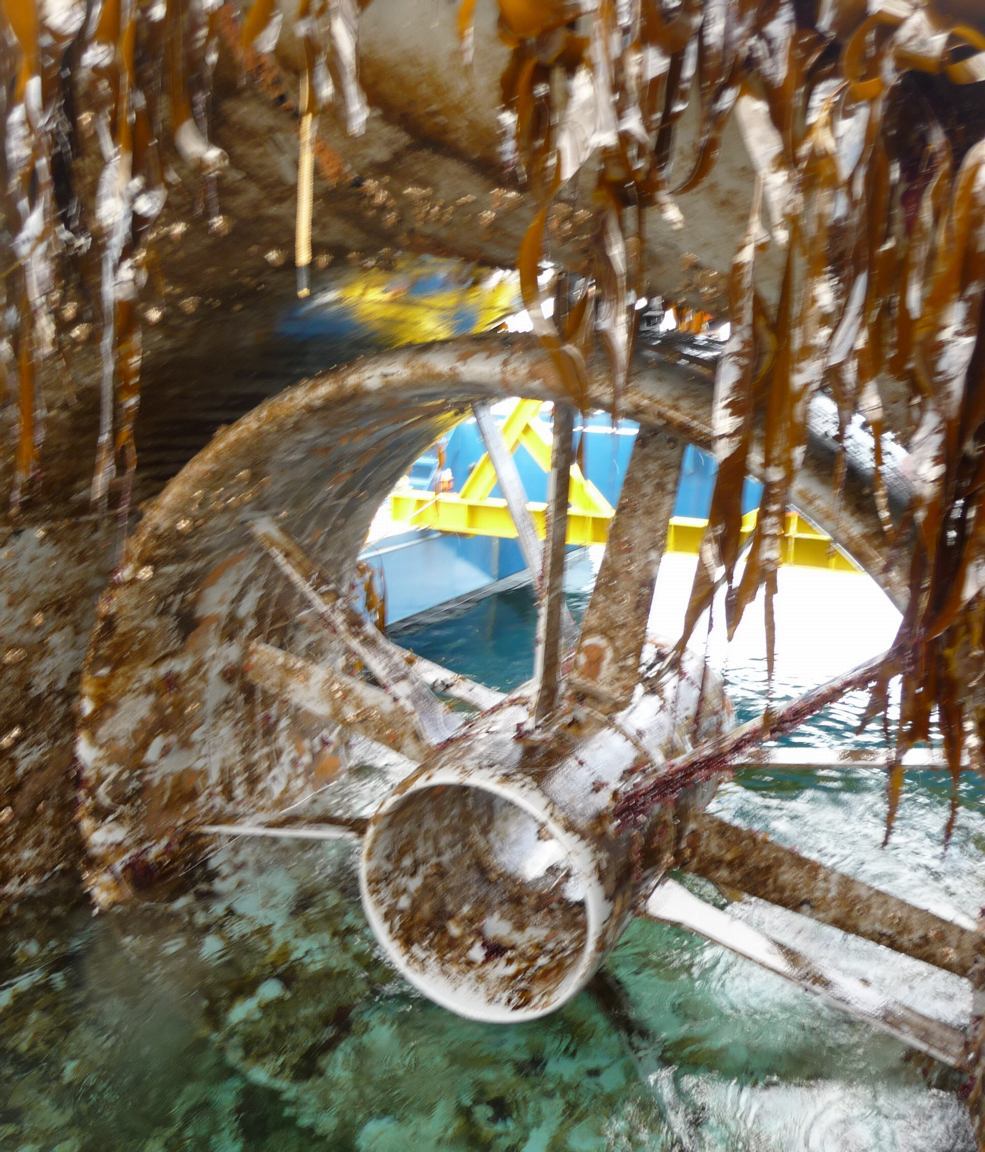


In September of 2011 we ended the experimental Tidal energy Project at Race Rocks.  This file has images of the turbine covered in fouling organisms when it was raised for the final time: 
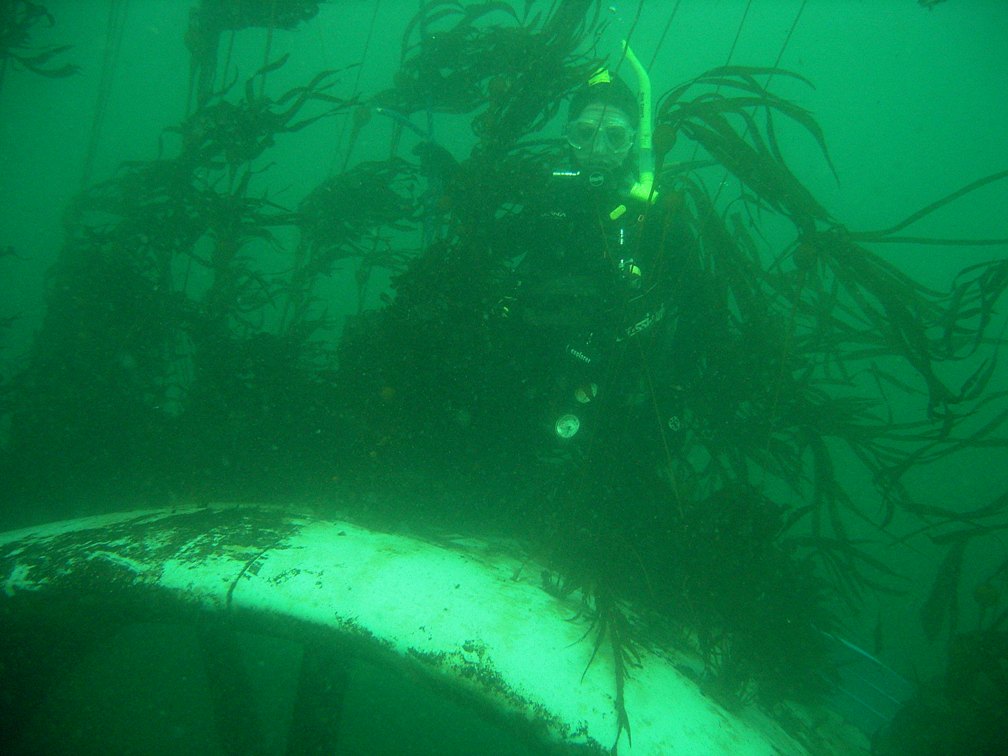


Examination of the tidal energy installation after being installed for 6 months
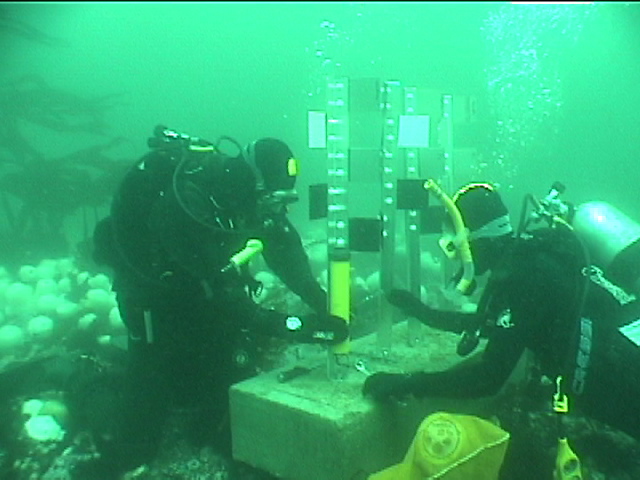


The engineers concern for the kind of materials they were going to use in constructing the turbine were addressed by having the Pearson College Divers install a series of succession plates that could be monitored for growth over several months.


Video inspection done by Chris Blondeau on turbine inspection before removal, June, 2011 The growth of Invertebrtates is quite incredible. Since ther is little opportunity for predators like starfish to browse on this column, growth is unimpeded. This led us to decid that the i meter wide .. 15 metre high column should remain in place after the turbine was removed as such it has turned out to be such a unique  habitat.
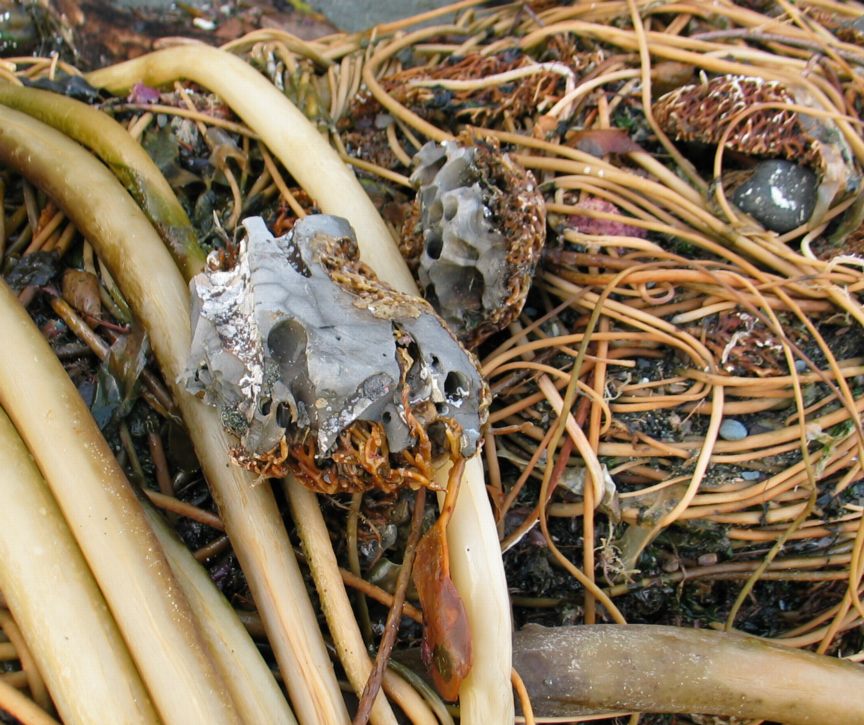
 

Another example of succession is evident in the way that kelp attaches to a solid substrate and can end up in modifying the environment. In this case moving rocks from ocean to shore.

 

Measurement Exercise

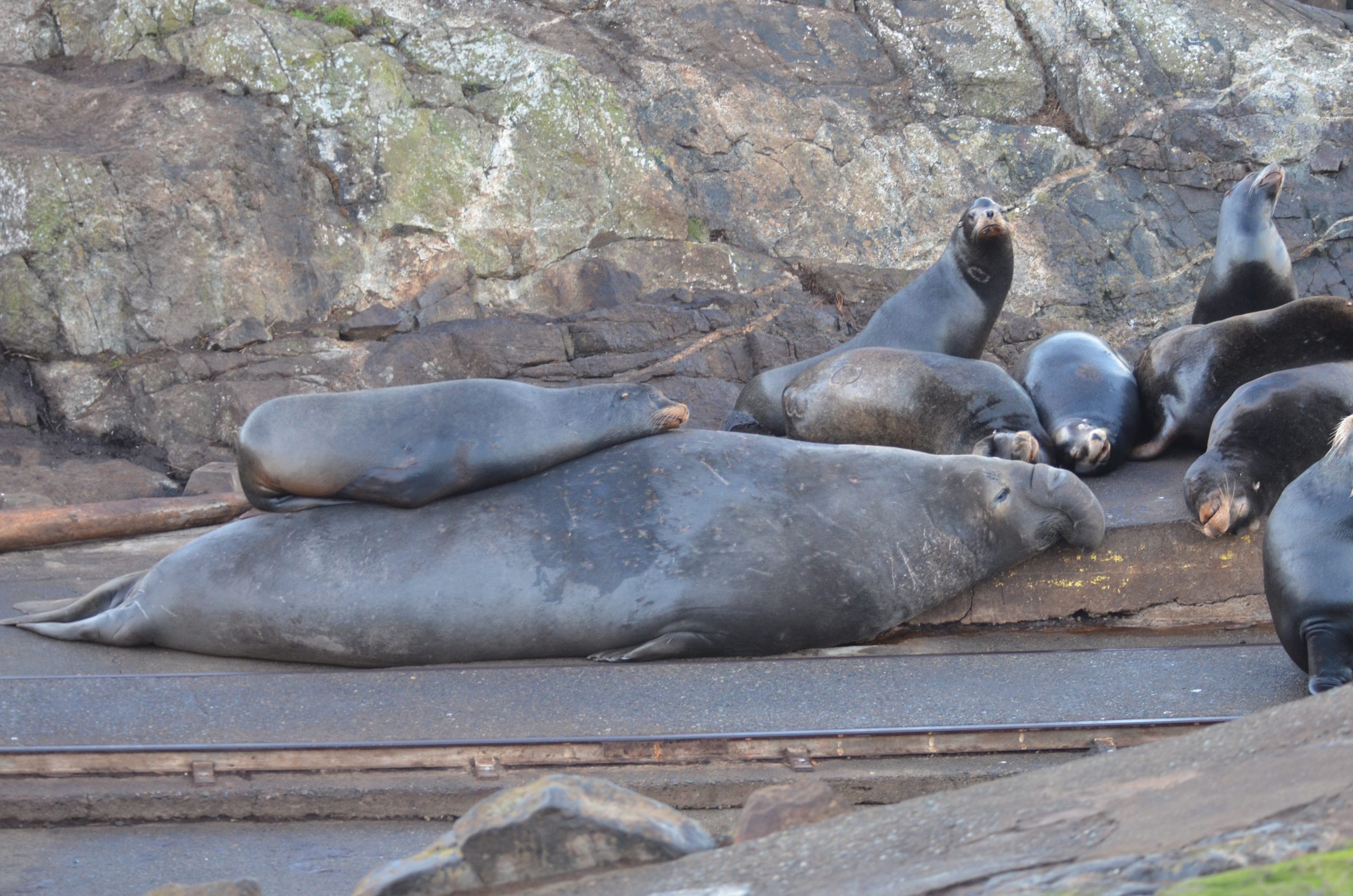
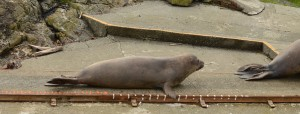
Today we had a request from Meghan Byrne, a 6th grade science teacher in the San Francisco Unified School District. She was doing a lesson with her students on size and scale and she was interested in using the following picture from this blog of the elephant seal measuring device – and letting students determine its length.


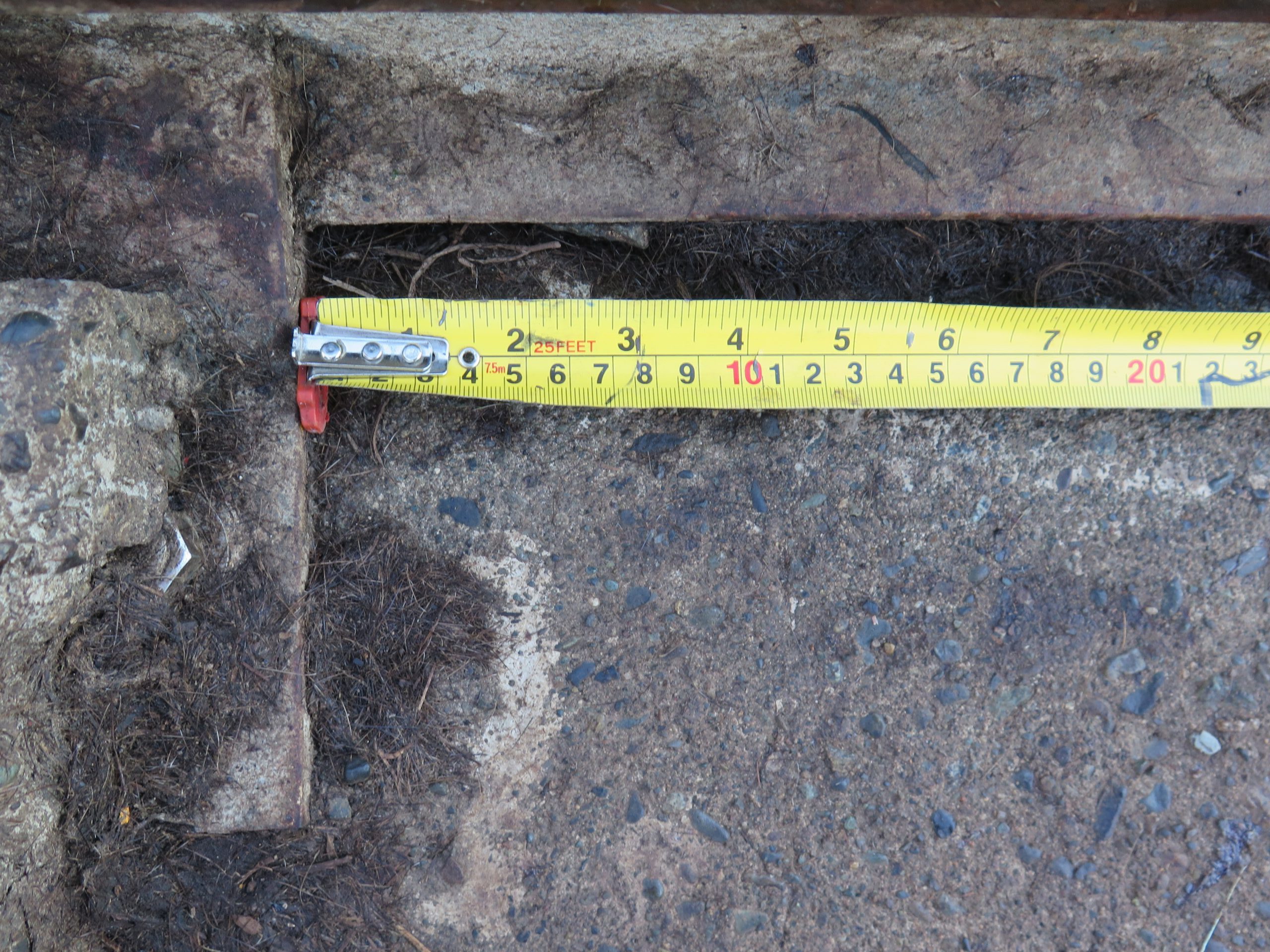
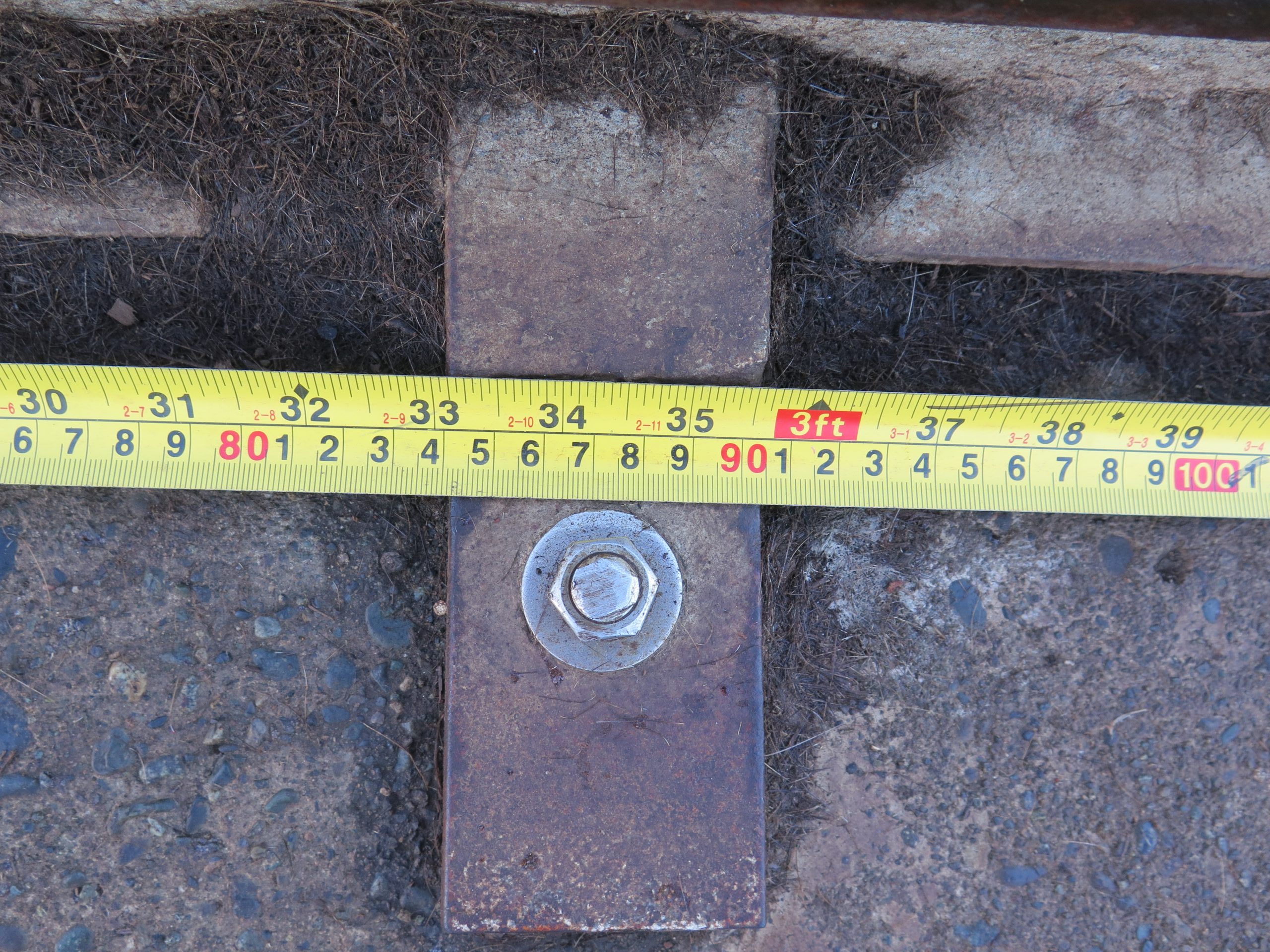
So I thought that would be a good exercise to include here for school students. Ecoguardian Mara has provided the following photos of the boat ramp rail so you can now calculate the length of the small elephant seal. 

Be sure to calculate the length of the Elephant seal in both centimeters and in inches.  Then you can also convert it to Metres and Feet . 

Mara sent another picture of a larger male, the brackets on the rail can just be made out so calculate his size.


A Big Storm + Lots of Birds! (census)

Weather Today: 

  • Visibility 14 NM
  • Sky partially overcast
  • 30-55 Knots SW
  • Sea state: swells up to 2m, otherwise 3-4+ ft chop

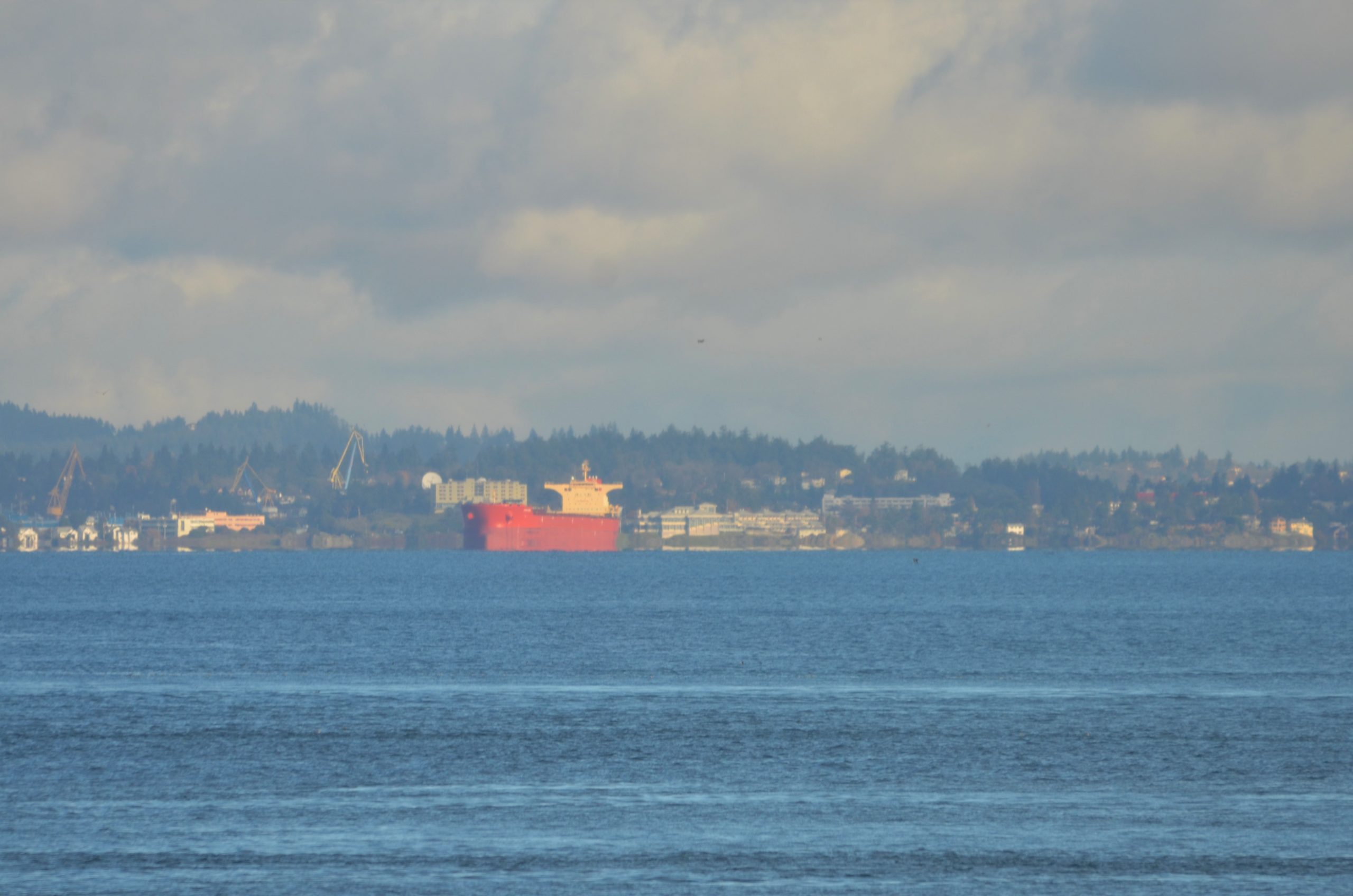
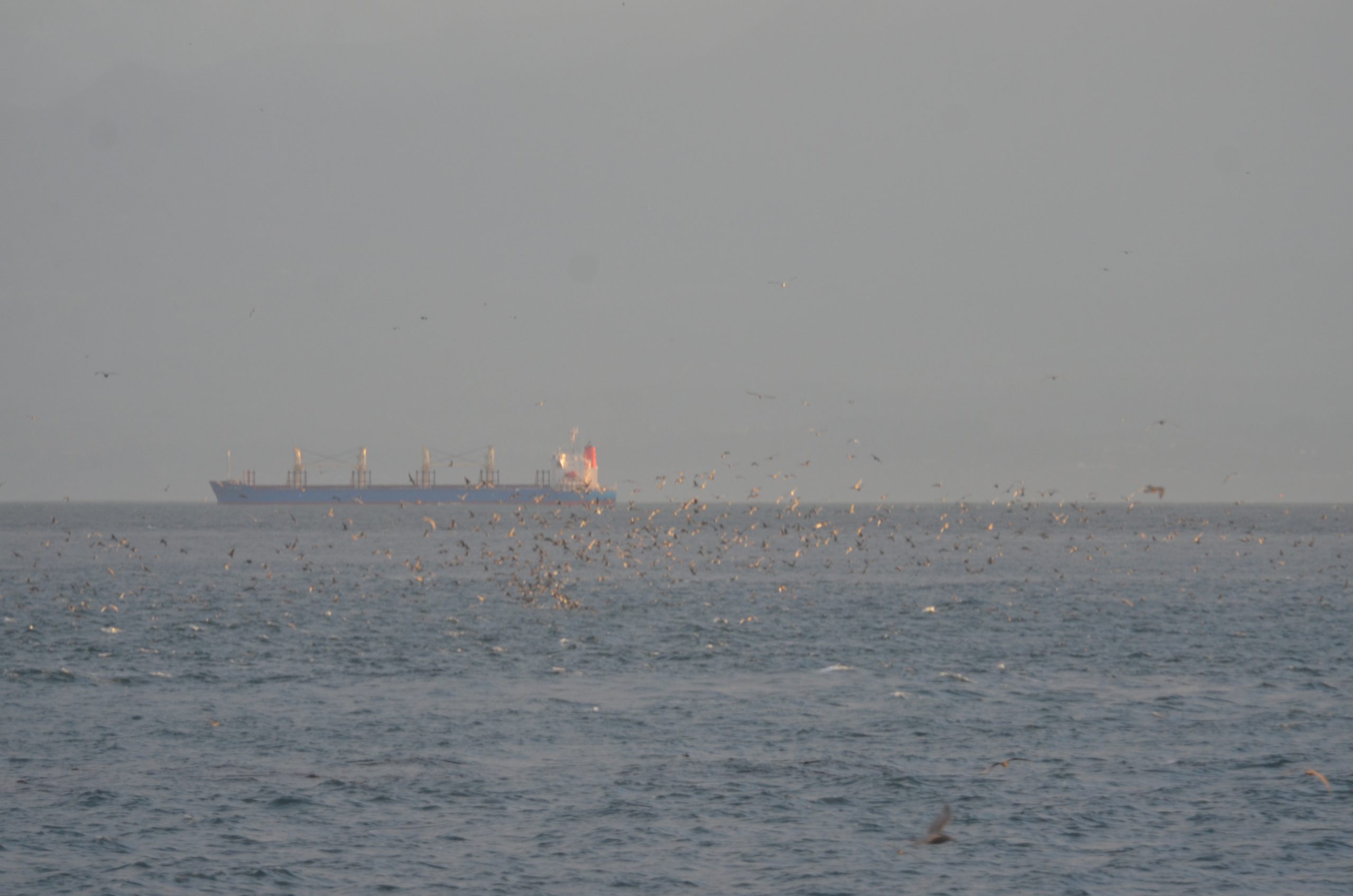
Visitors/Traffic: Nothing other than a few fishing and shipping vessels in the strait.

Ecological Notes: 

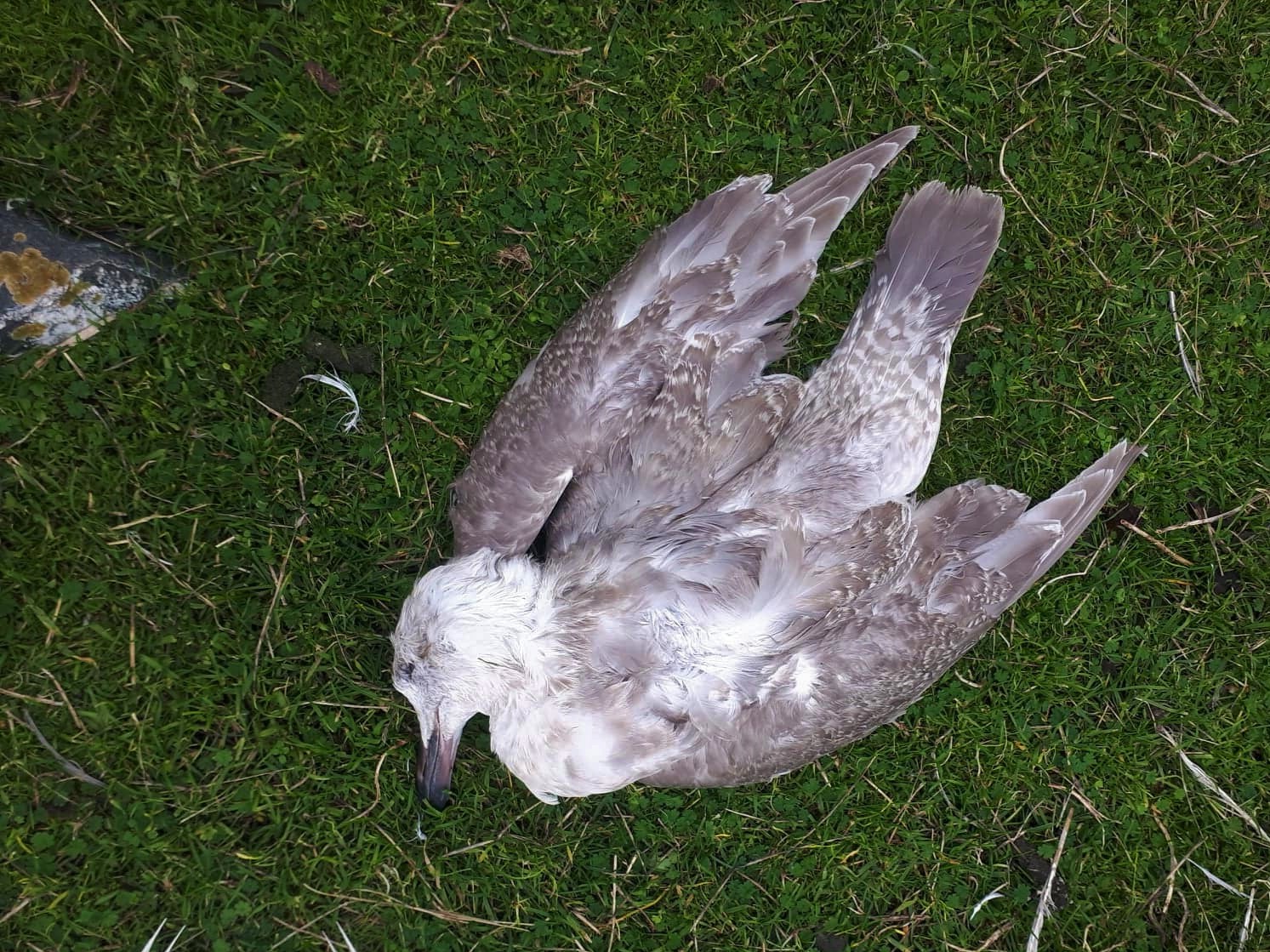
  • We found another apparently healthy gull dead today; this is the fourth one since the beginning of the month. We now have two preserved for necropsy, which we hope to transport to land soon to be investigated. They have all displayed the same odd symptoms: weakness in the wings progressing to unable to move, wings dropping to the sides, and unable to make any sound.
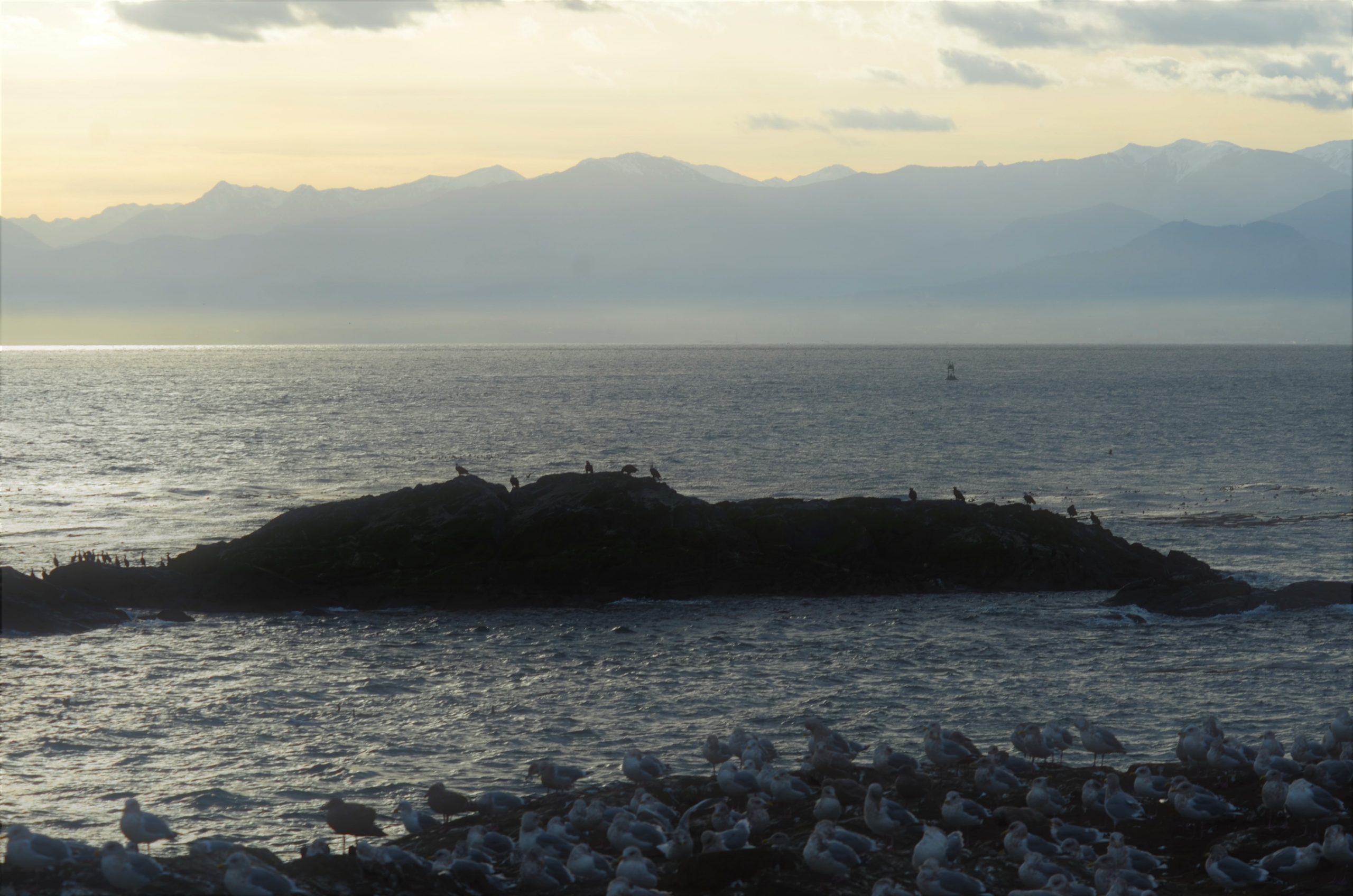
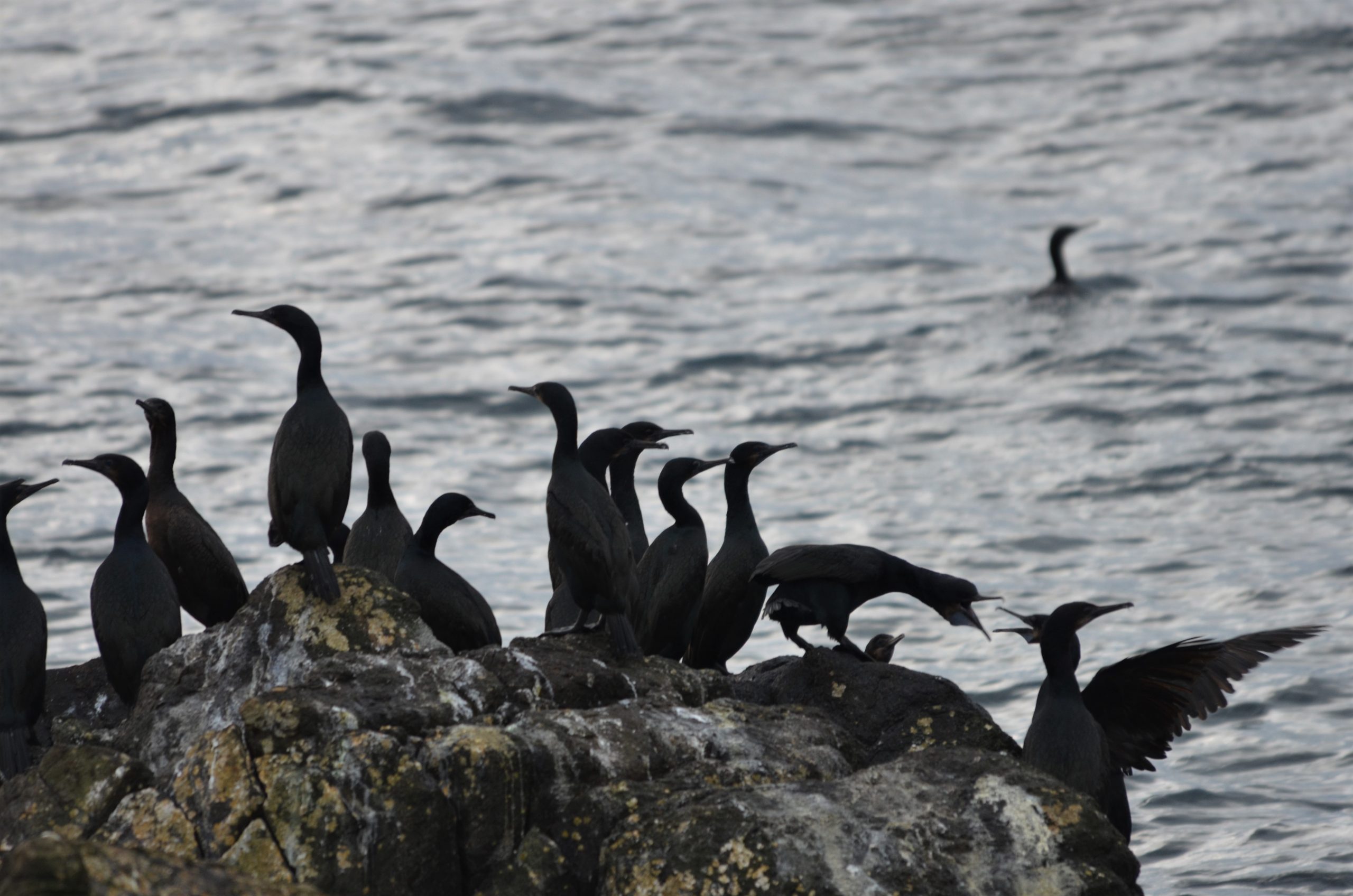
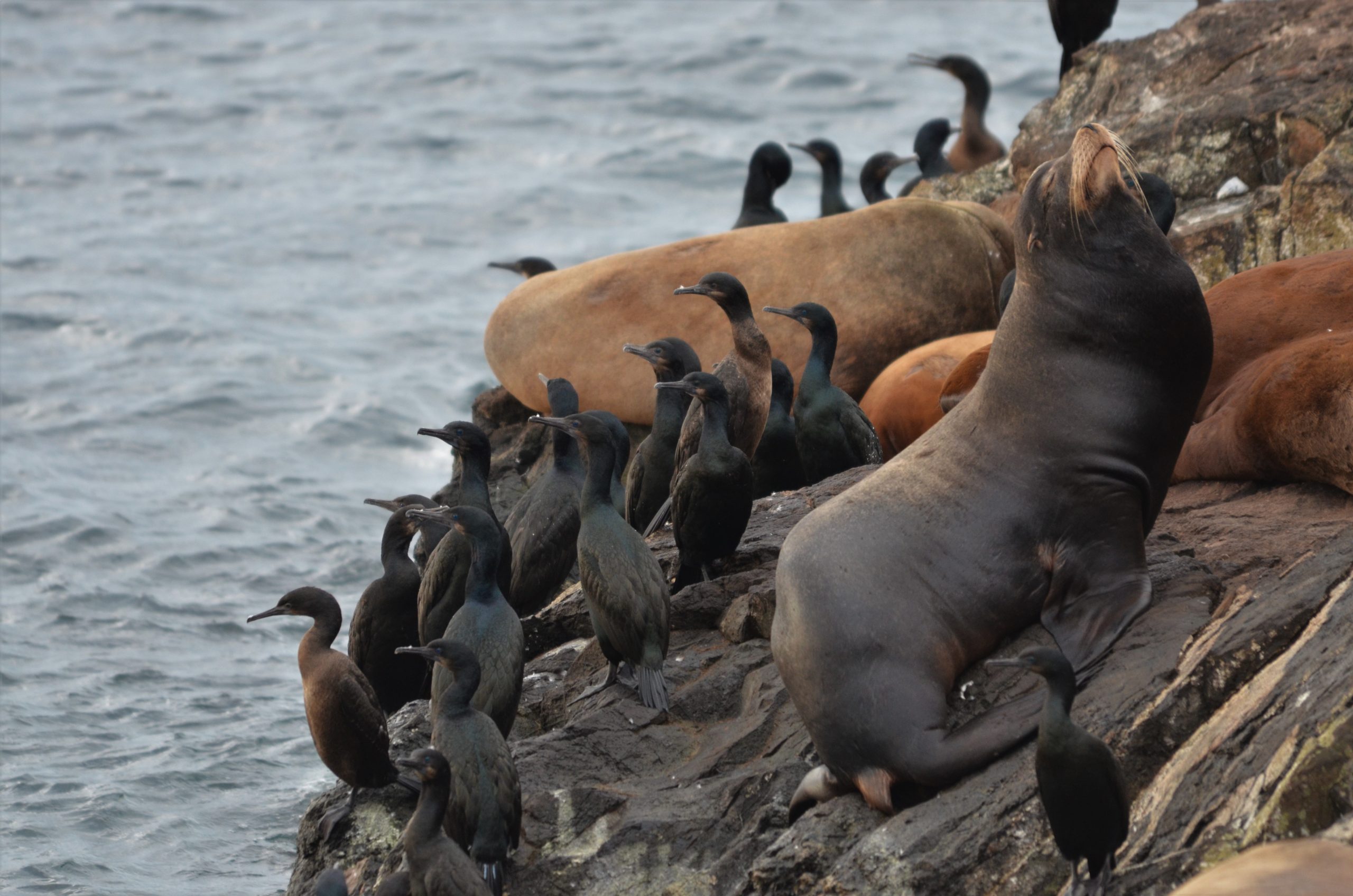
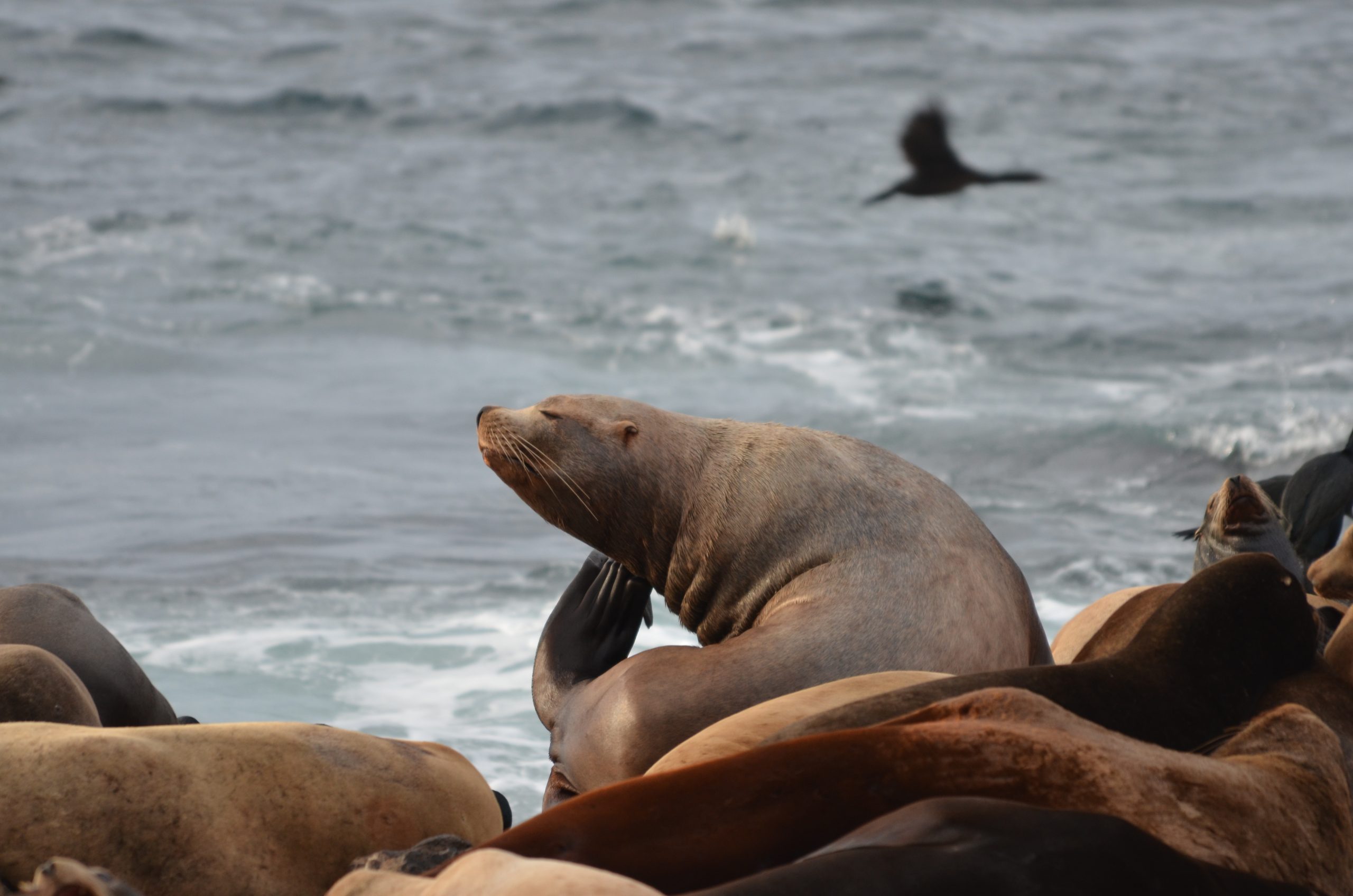
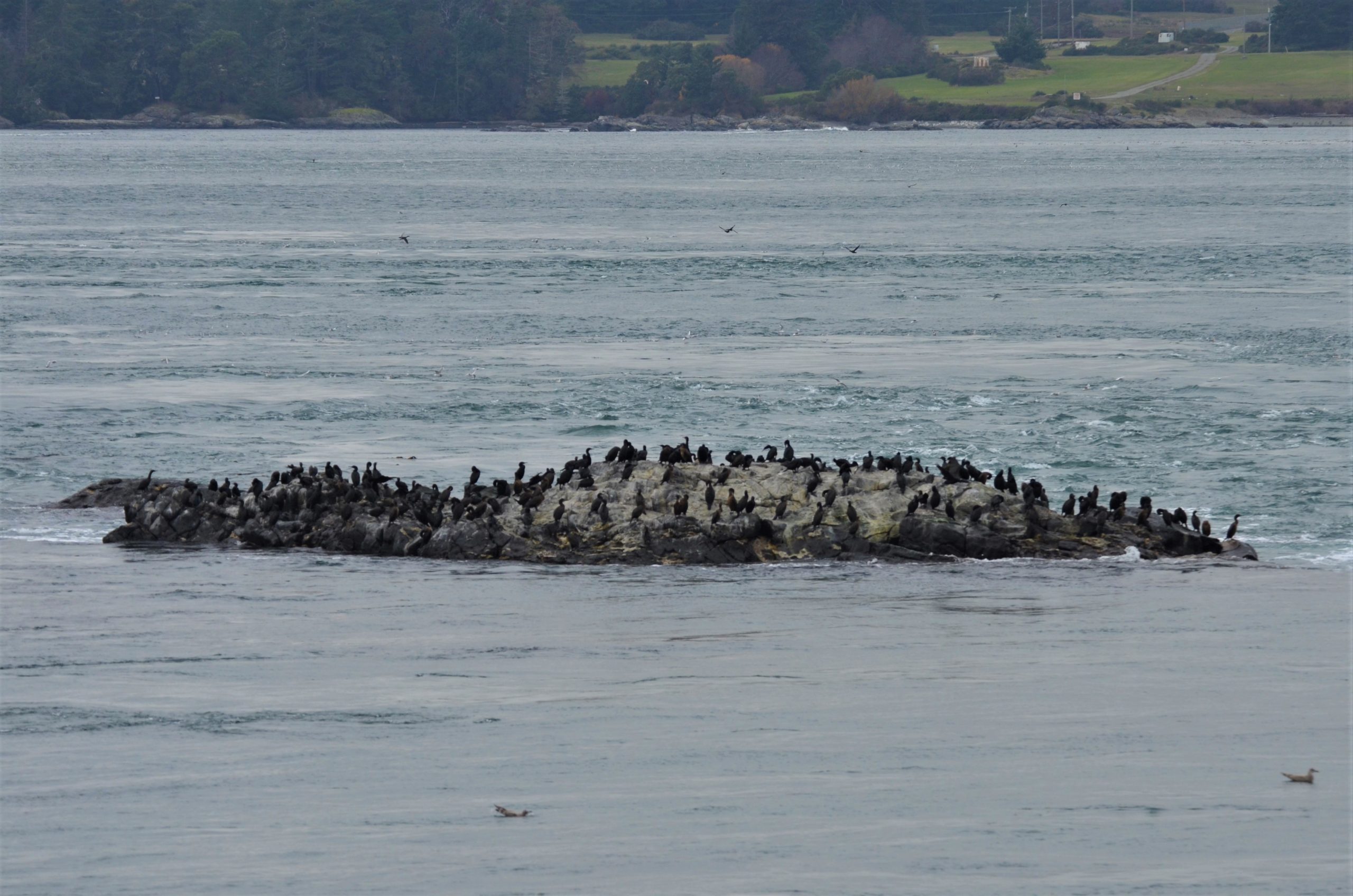
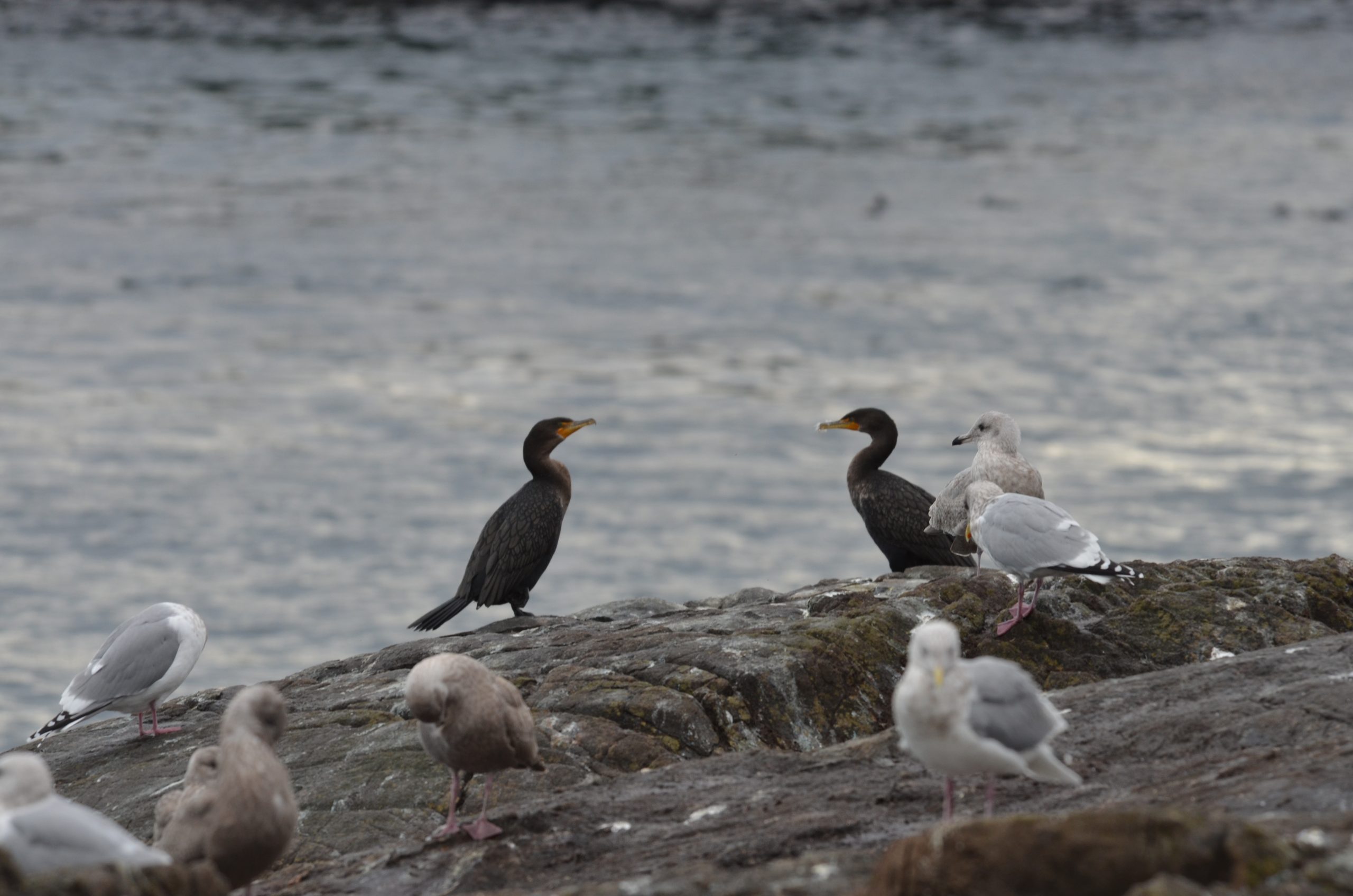
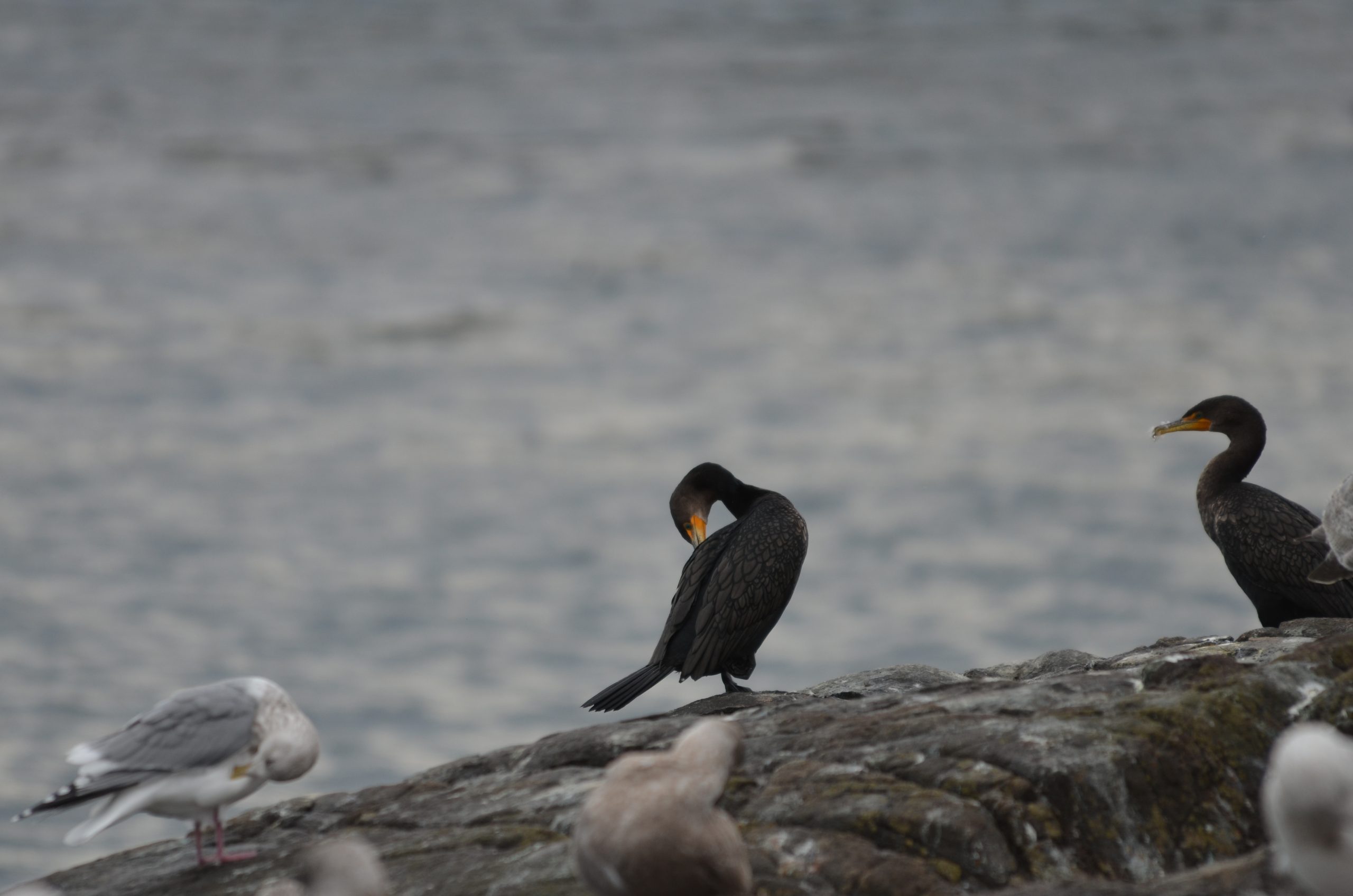
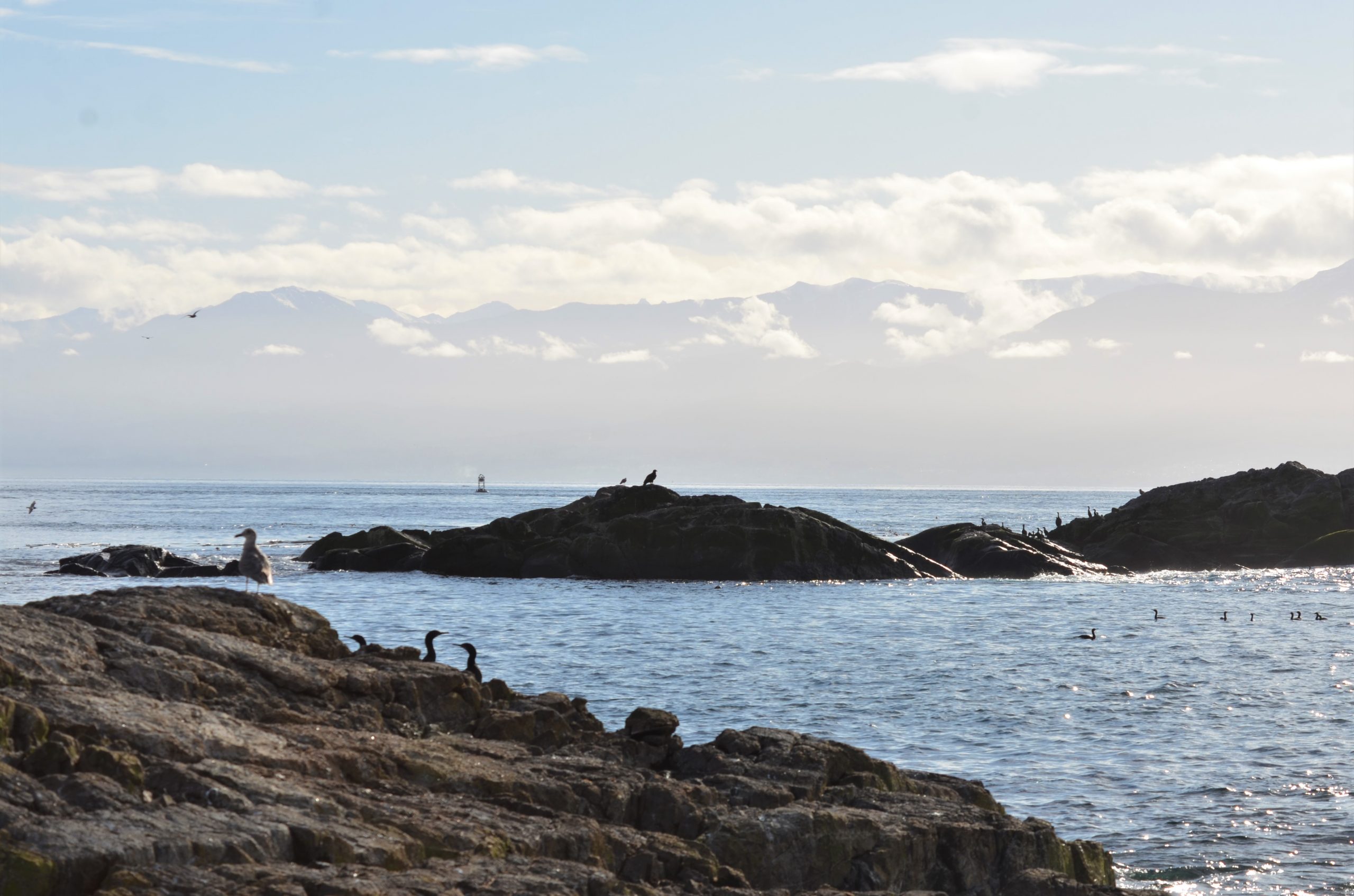
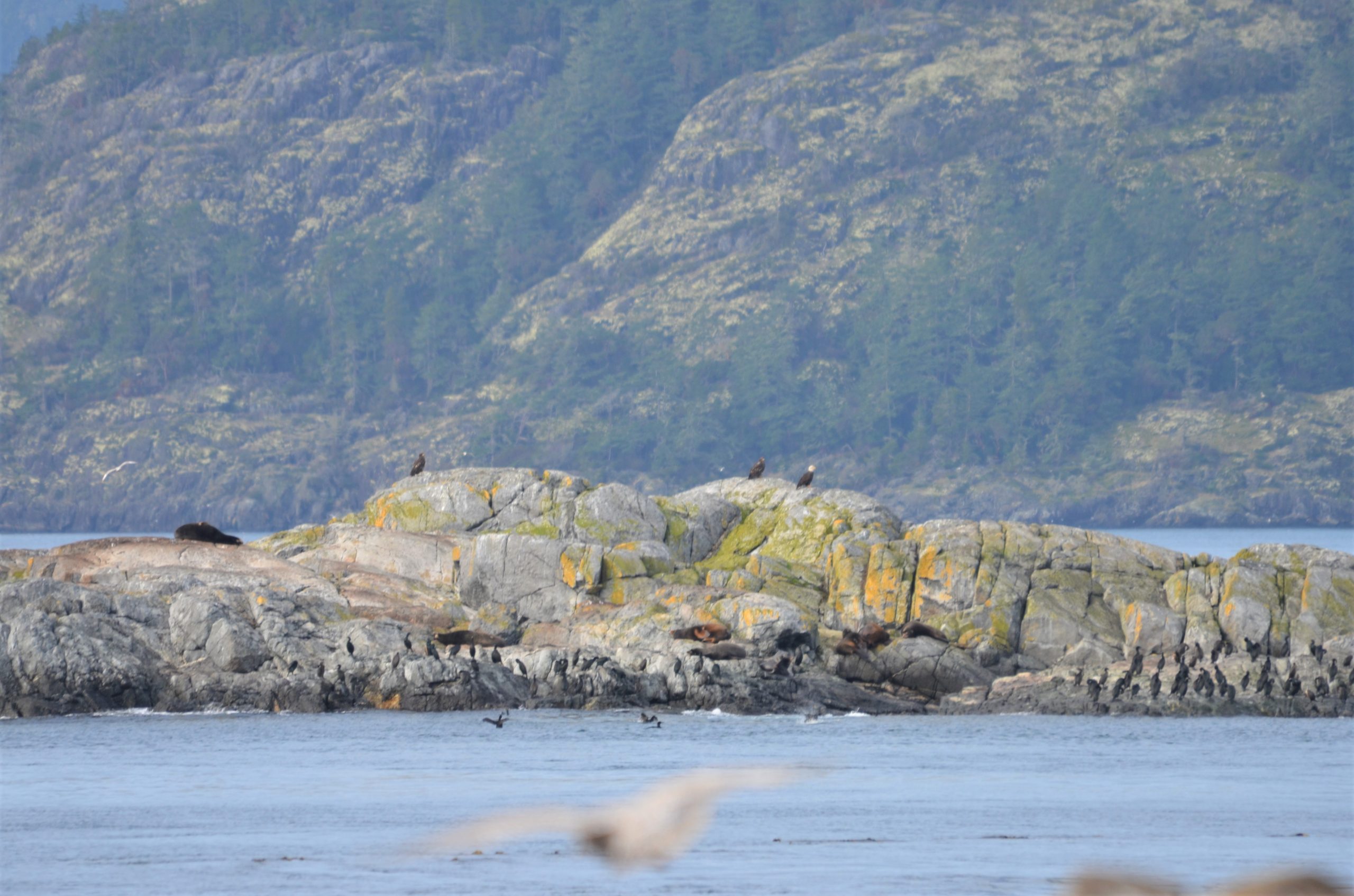
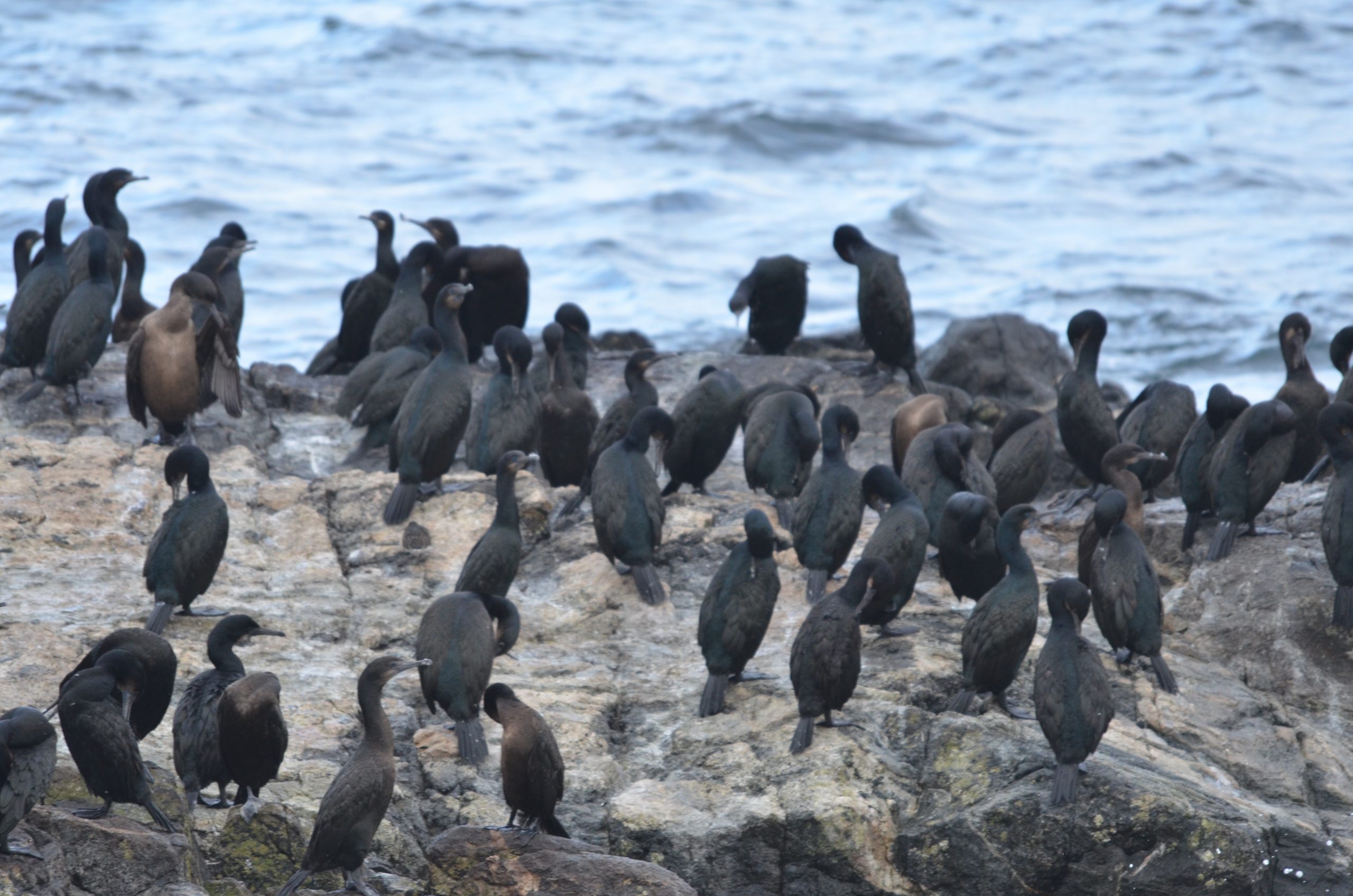
  • This week there have been an incredible number of cormorants in the reserve! An underrated bird, they are very fun to watch as they waddle, preen, and fish.
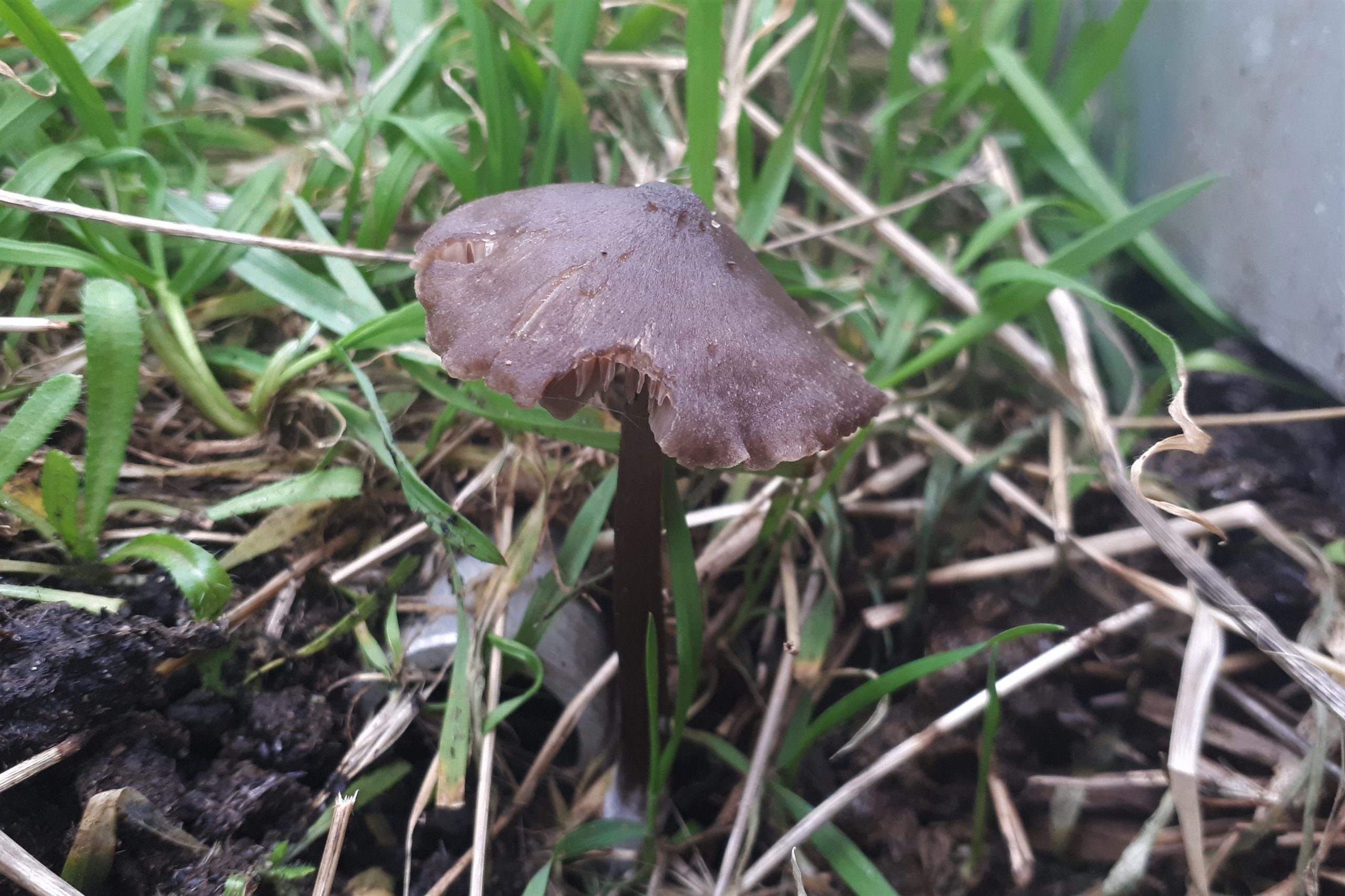
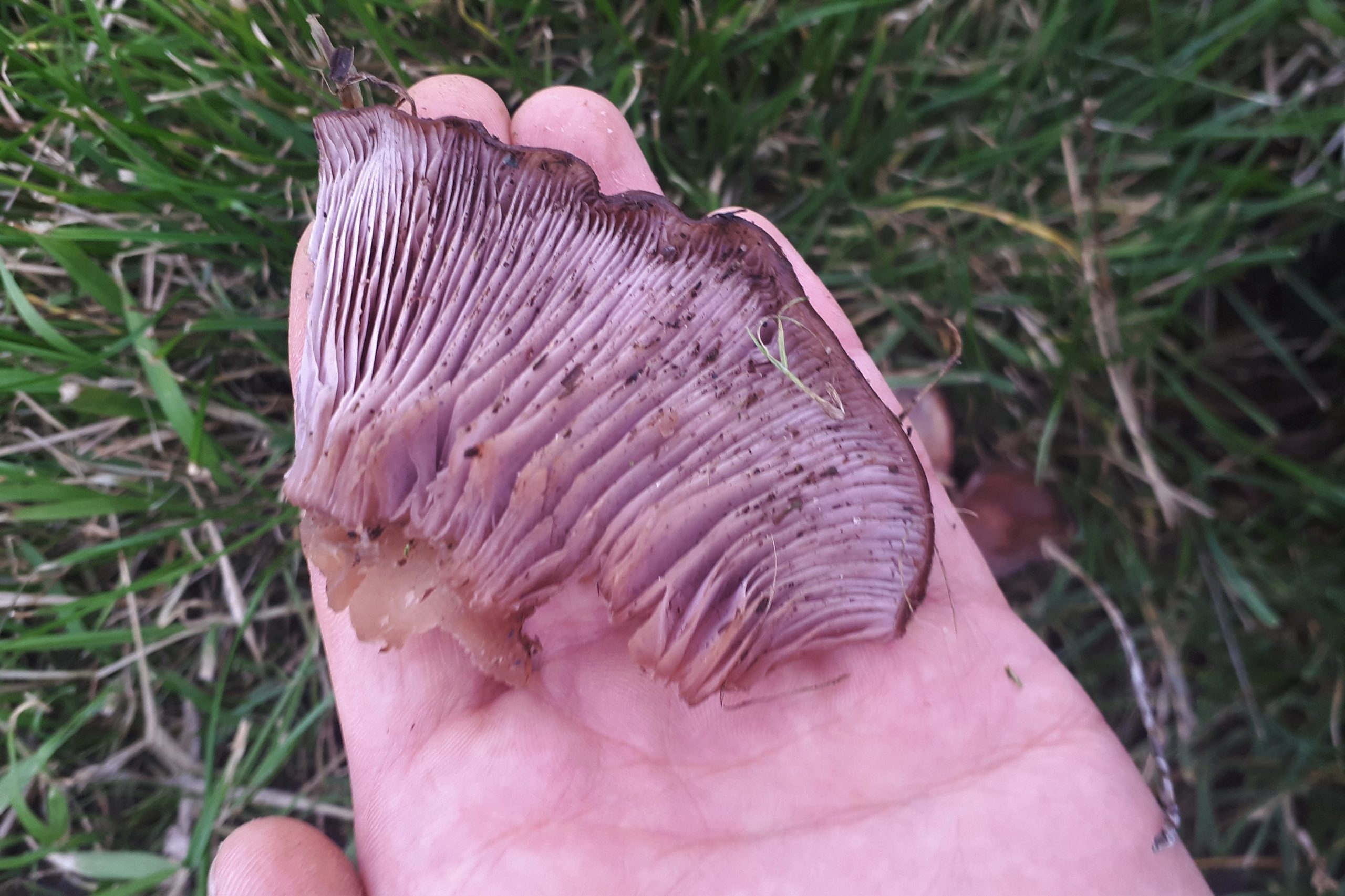
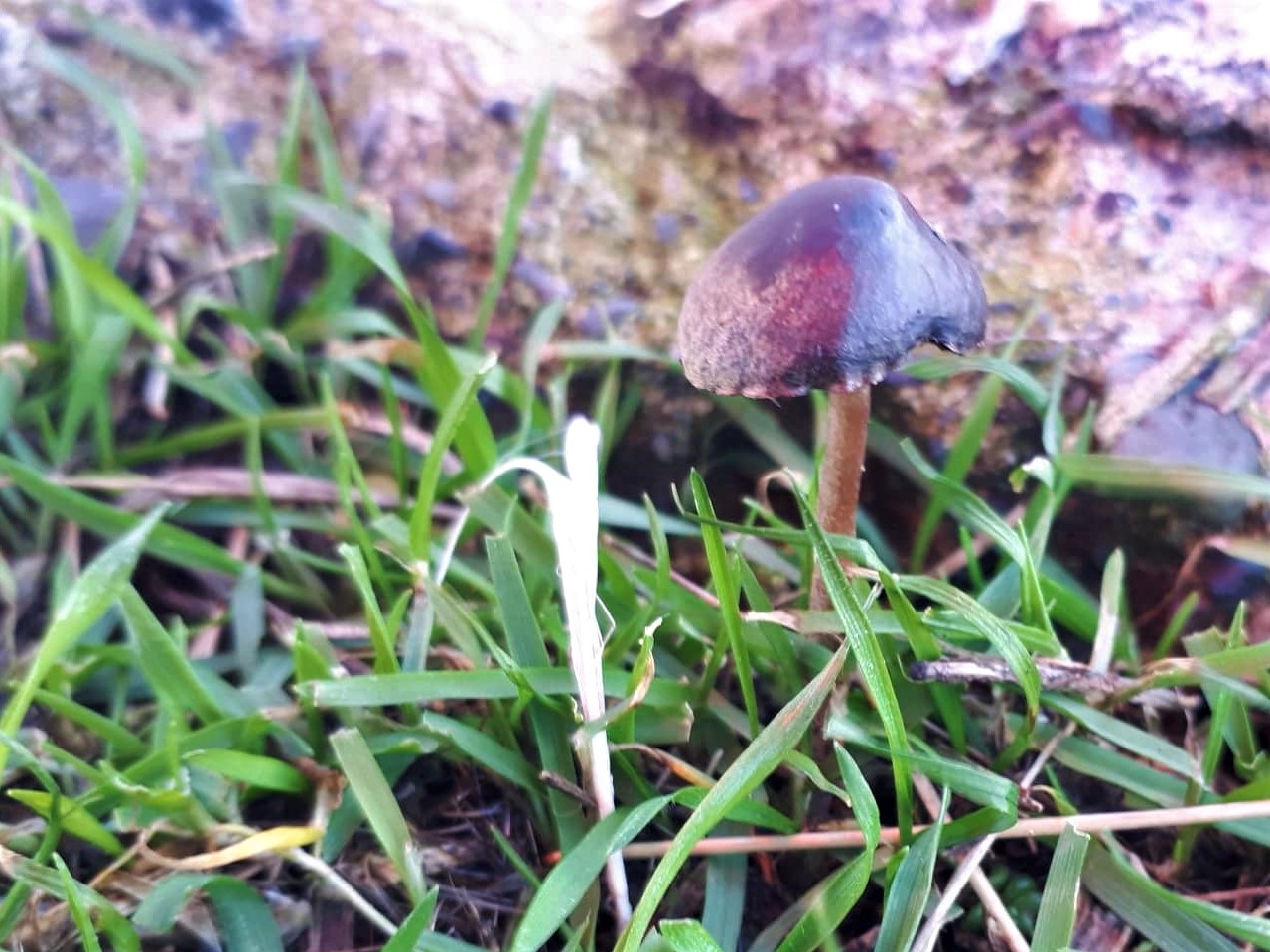
  • We’ve been noticing some fungi popping up around the island now that we are into the rainy season! Photos below. These are in addition to the shaggy mane mushrooms we found last spring fruiting beside the composters.
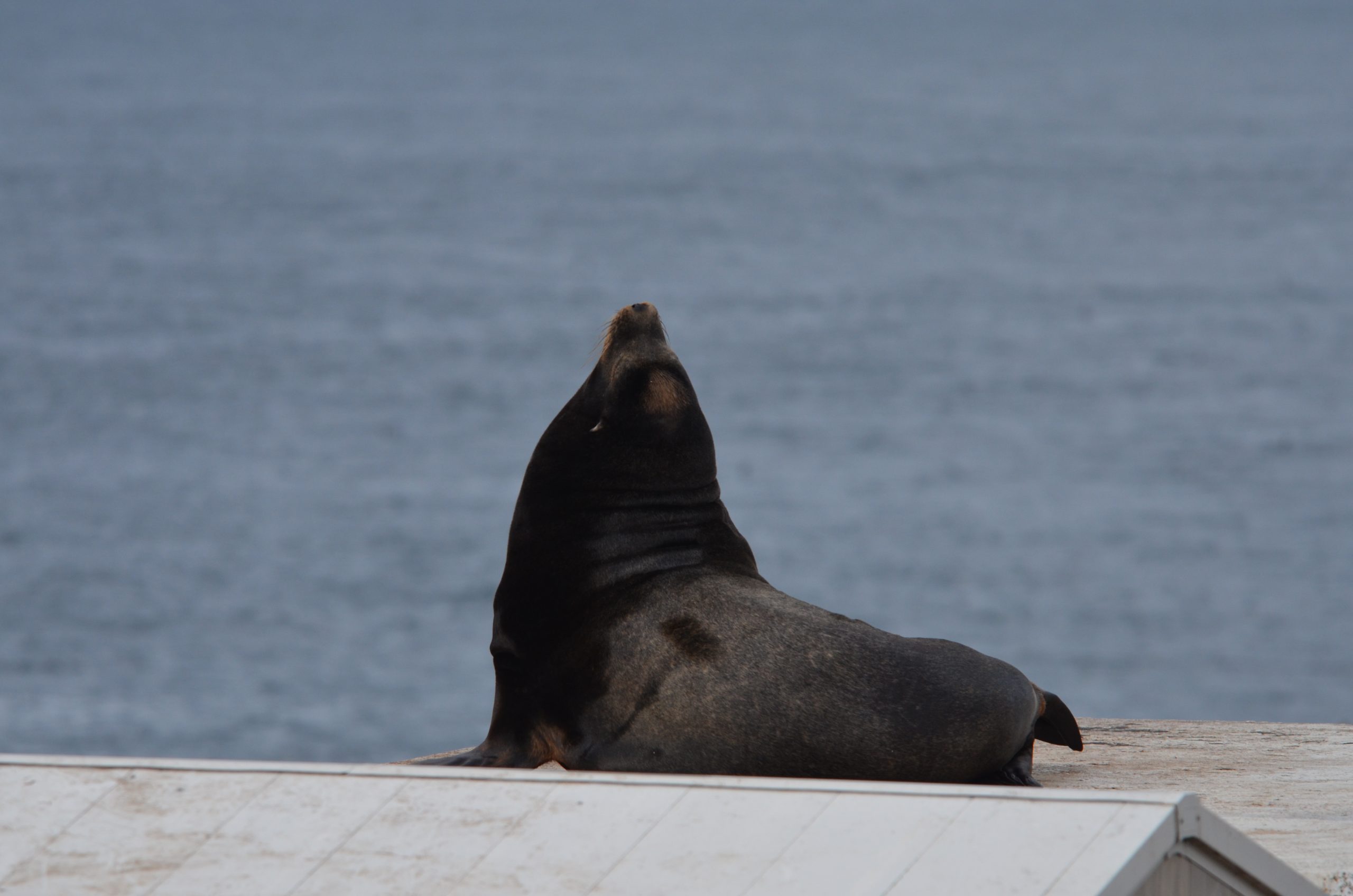
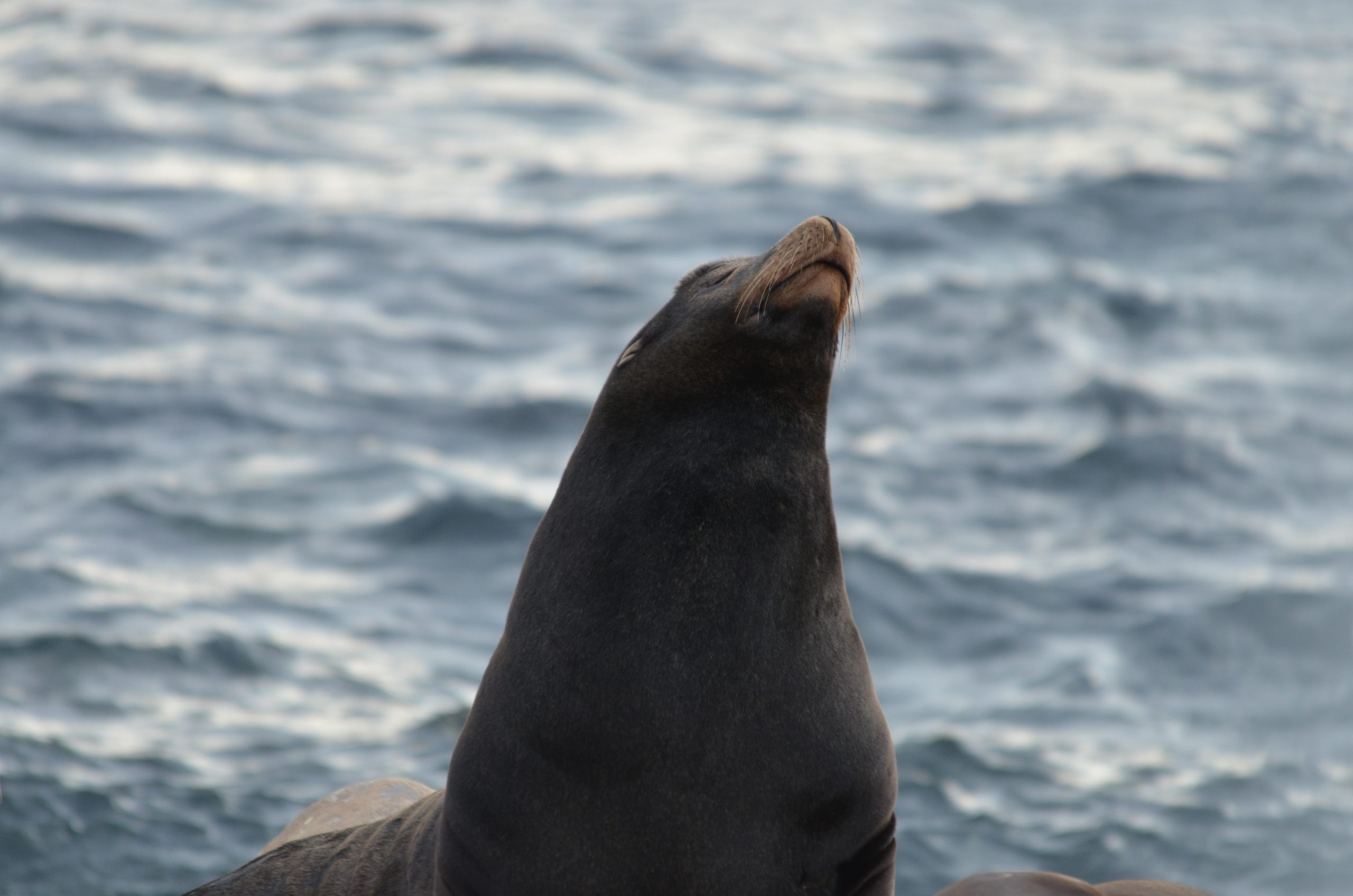
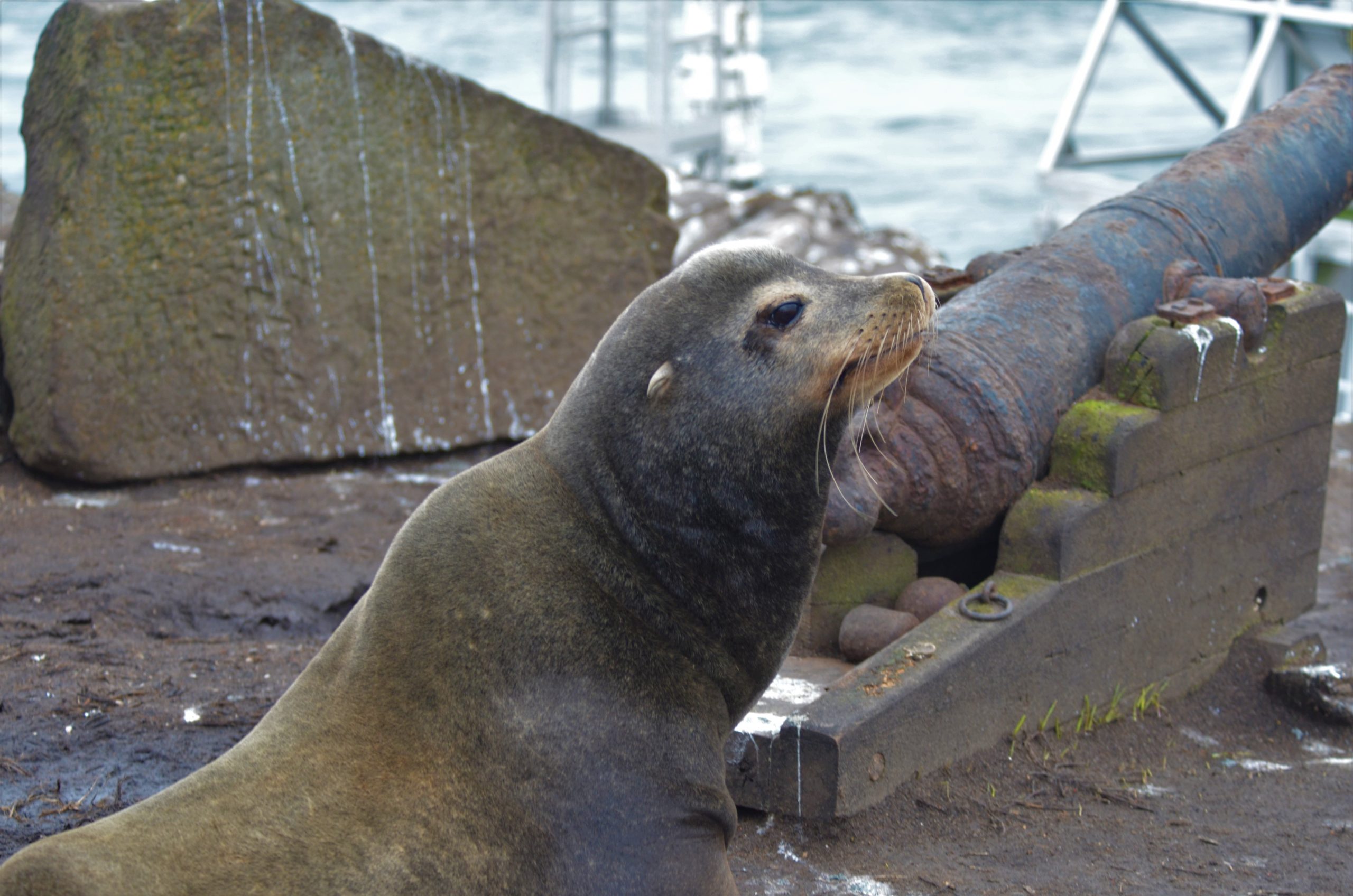
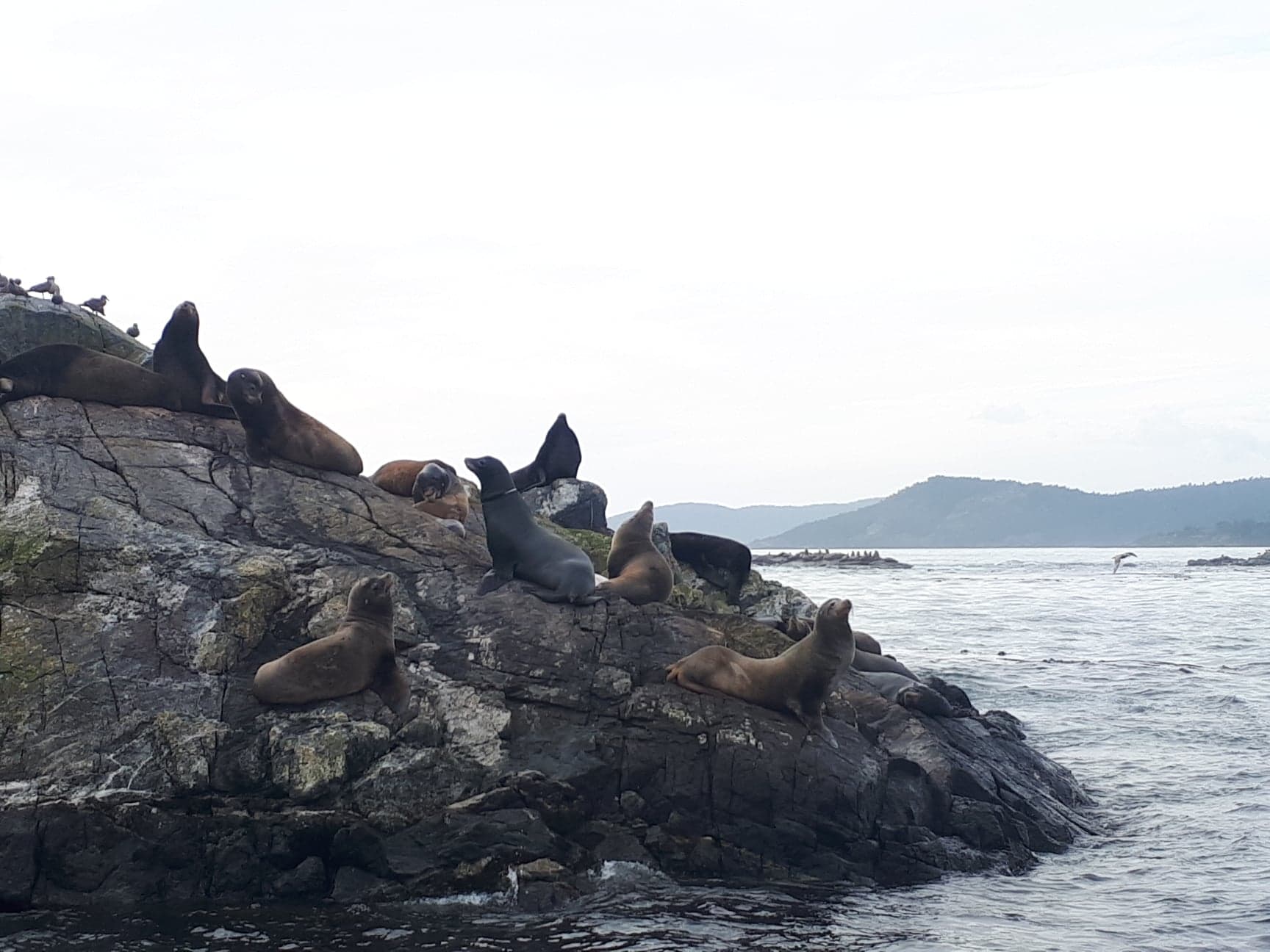
  • Last week we spotted another “neck wrap”: a california sea lion with some kind of pollution material embedded into his neck. Unfortunately it seems that he is no longer present in the reserve, making a rescue improbable.

Census:

  • 4 black oystercatchers
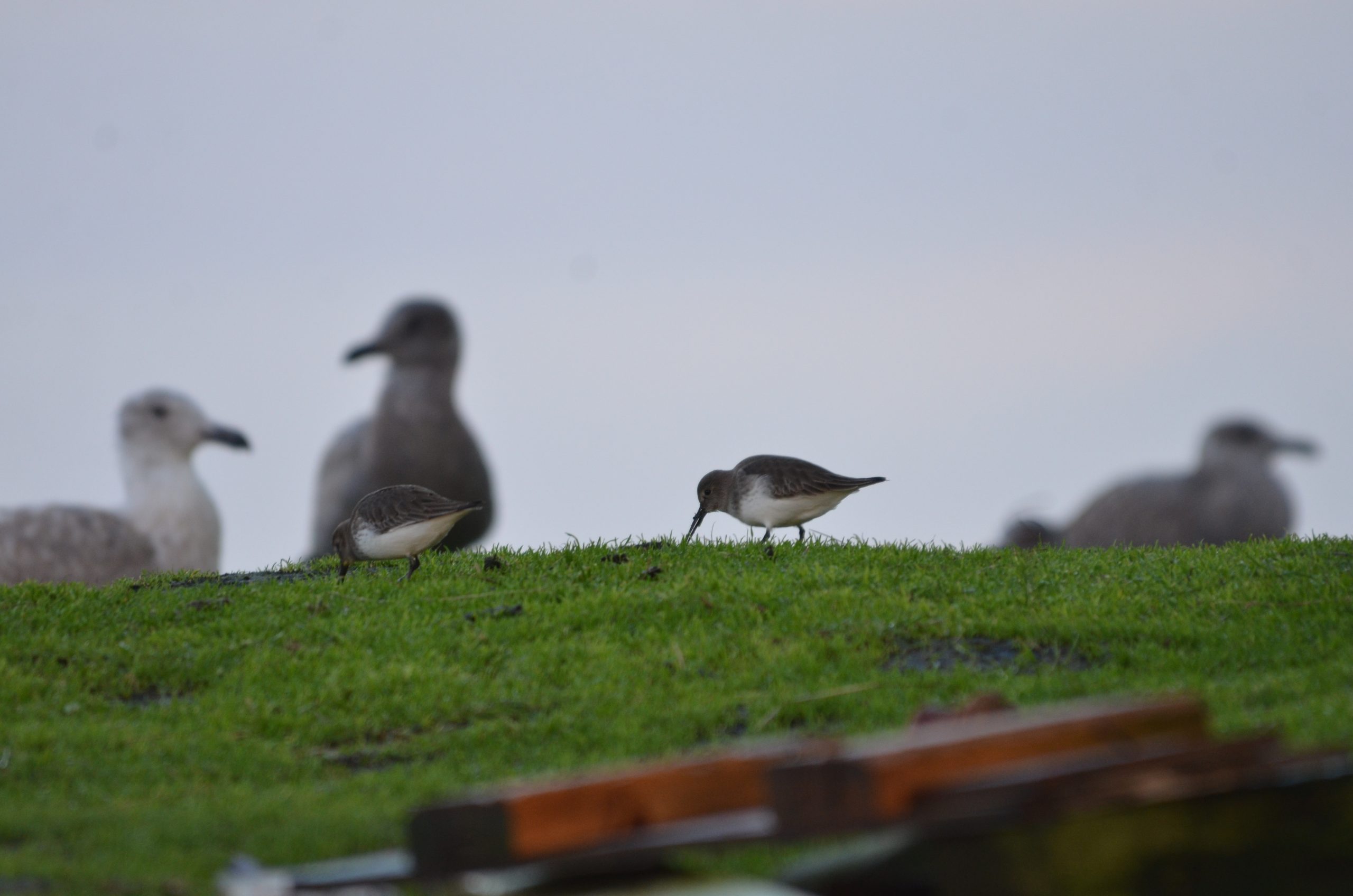
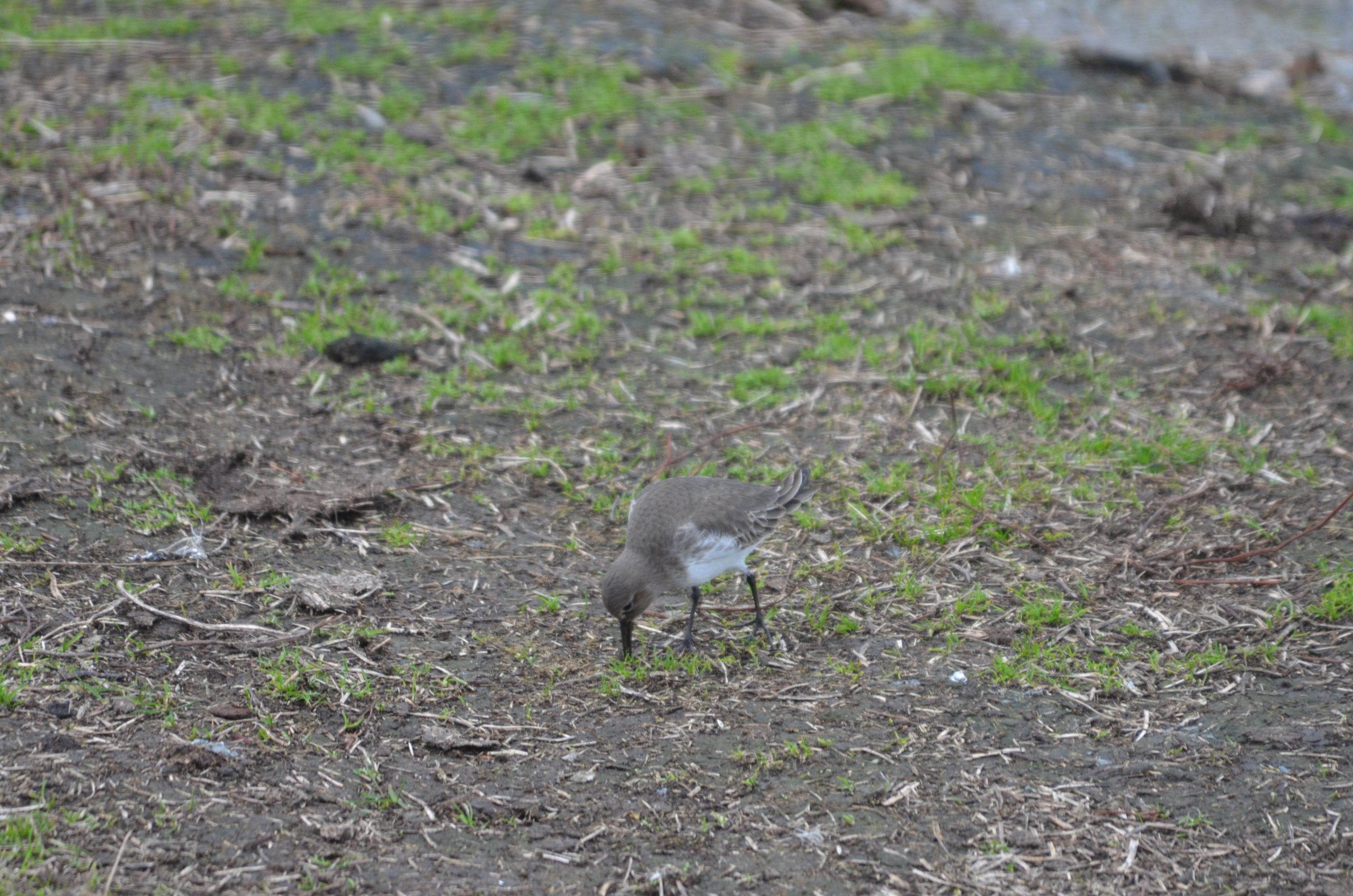
  • 1 dunlin
  • 1 ruddy turnstone
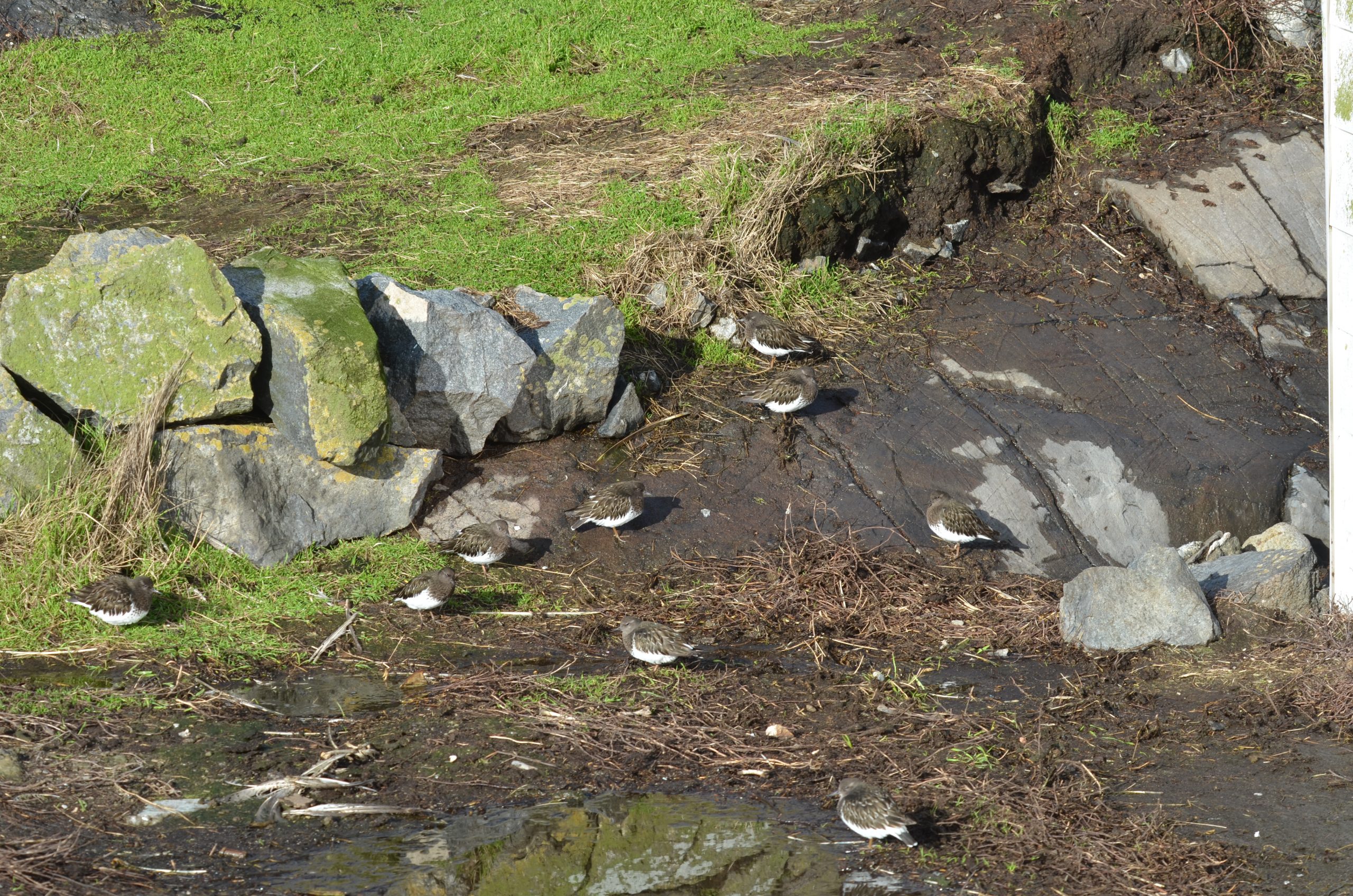
  • 9 black turnstones
  • 3 surfbirds
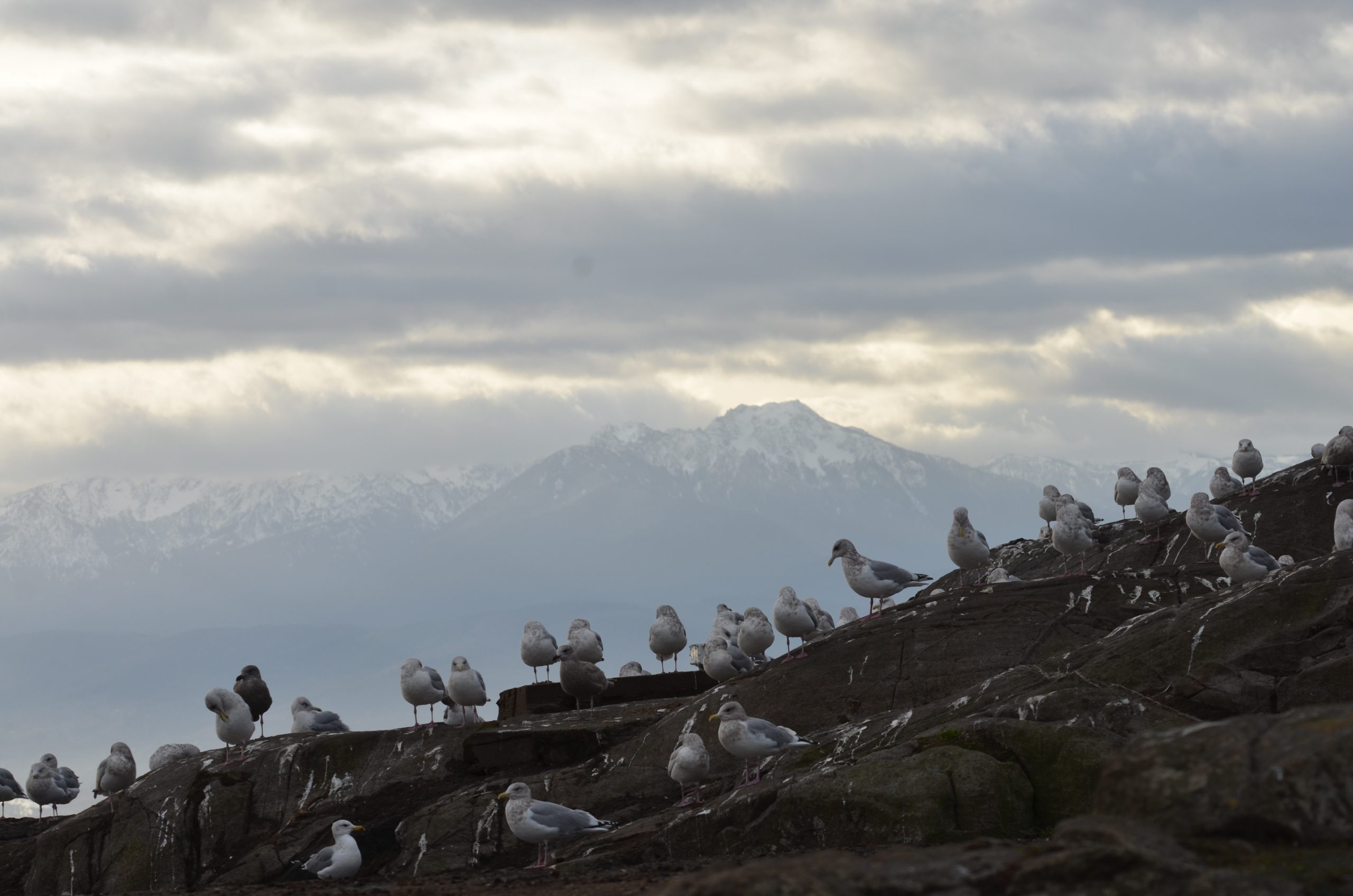
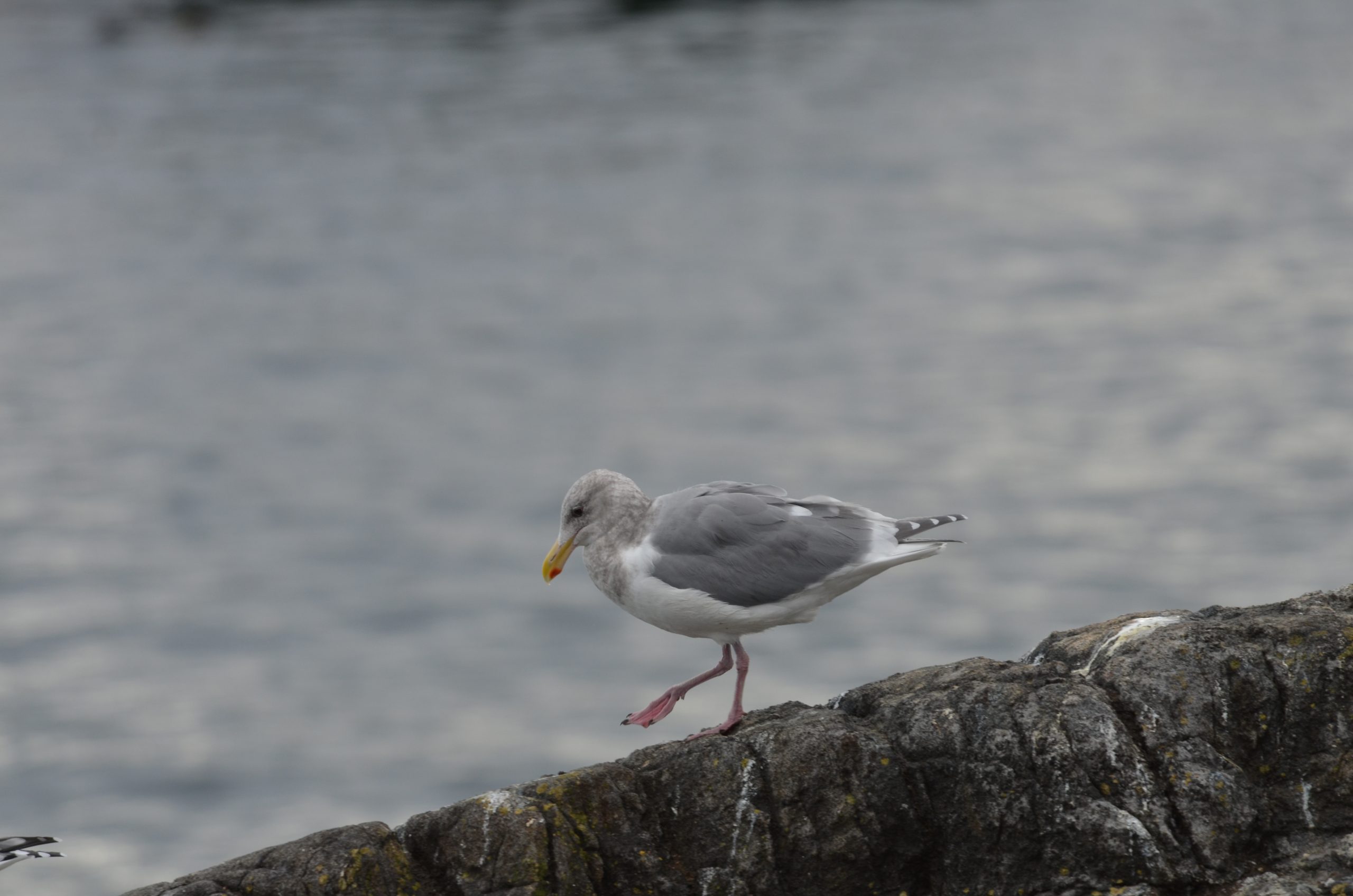
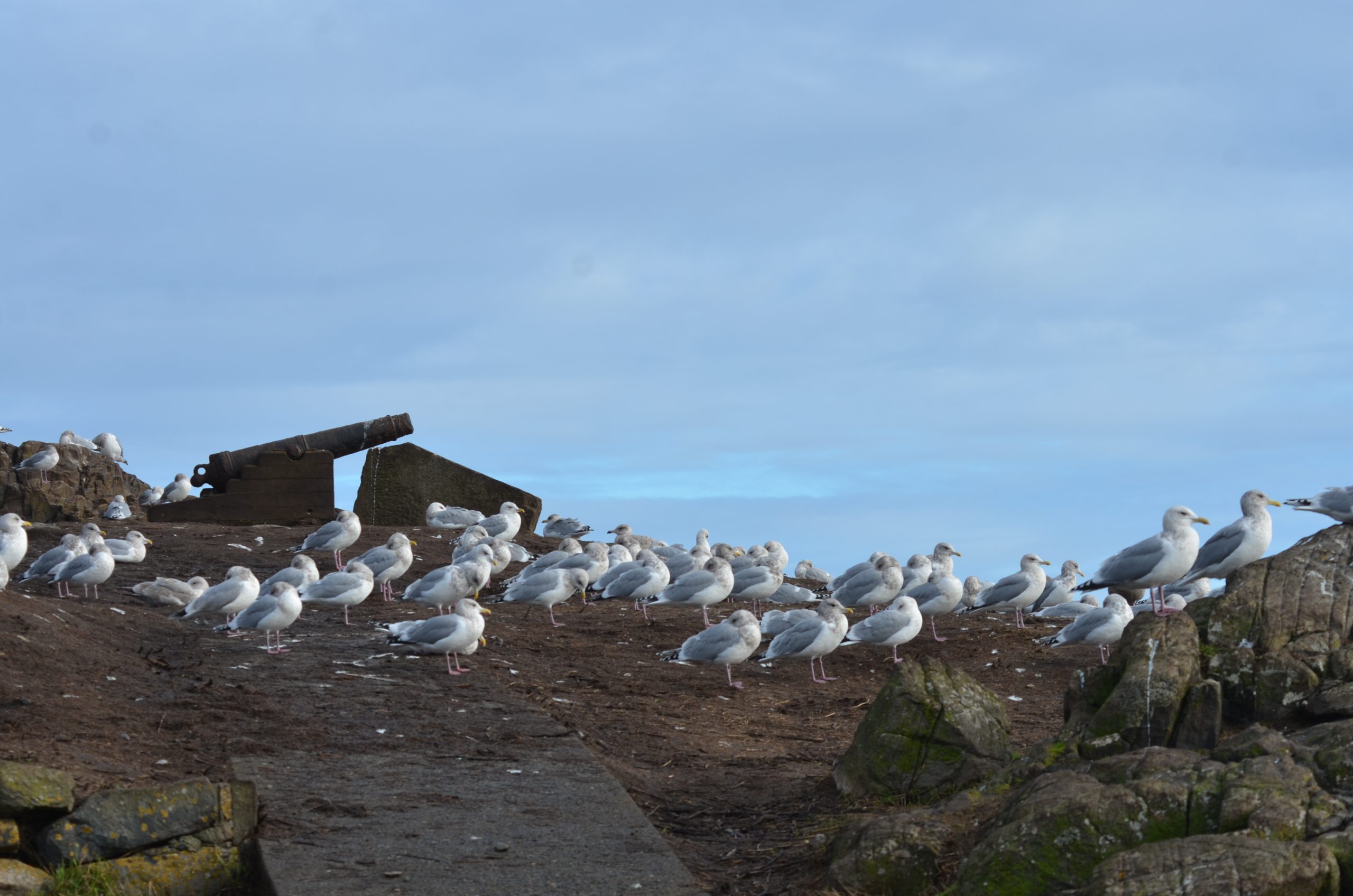
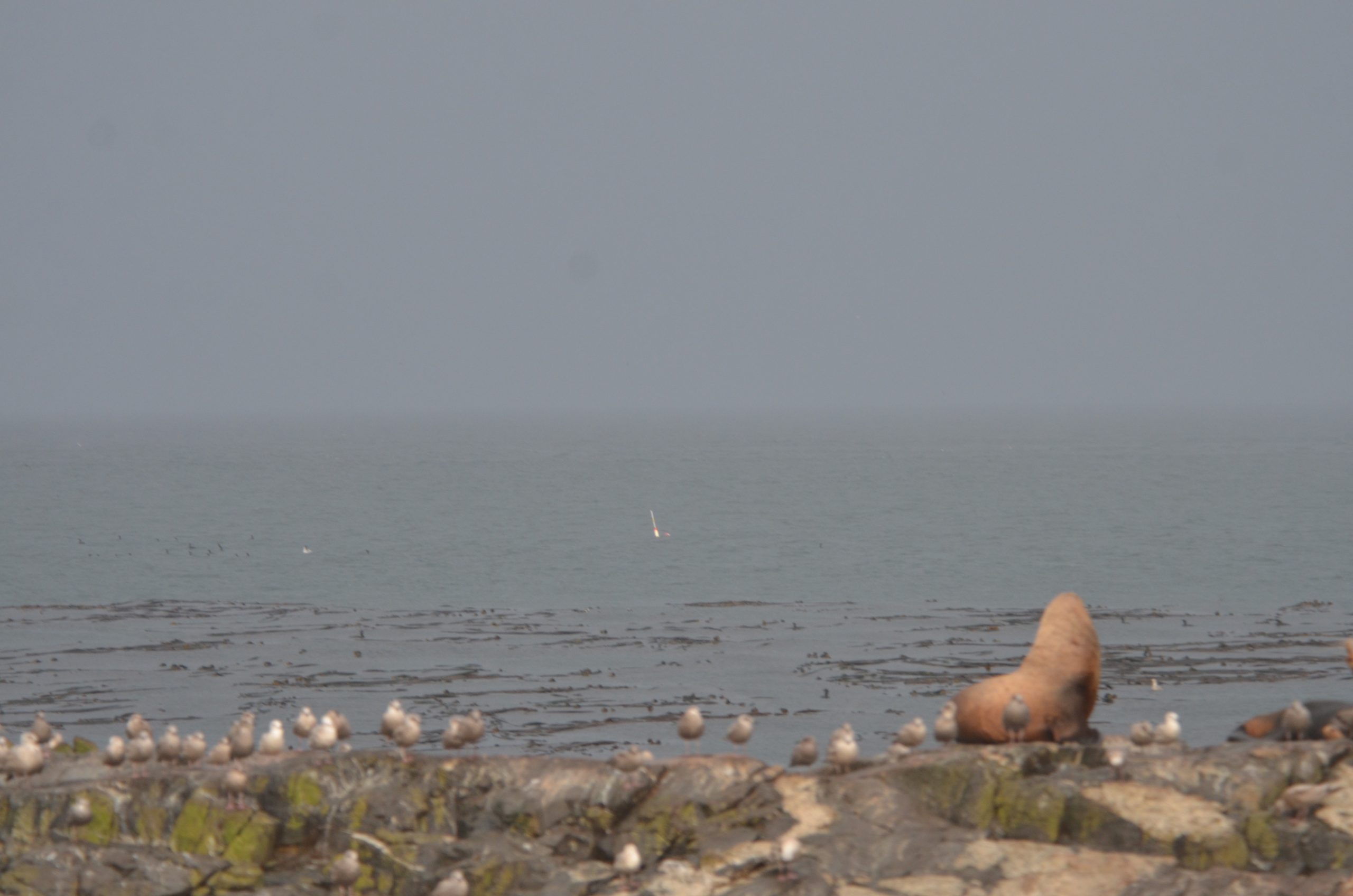
  • 500 Thayer’s gulls
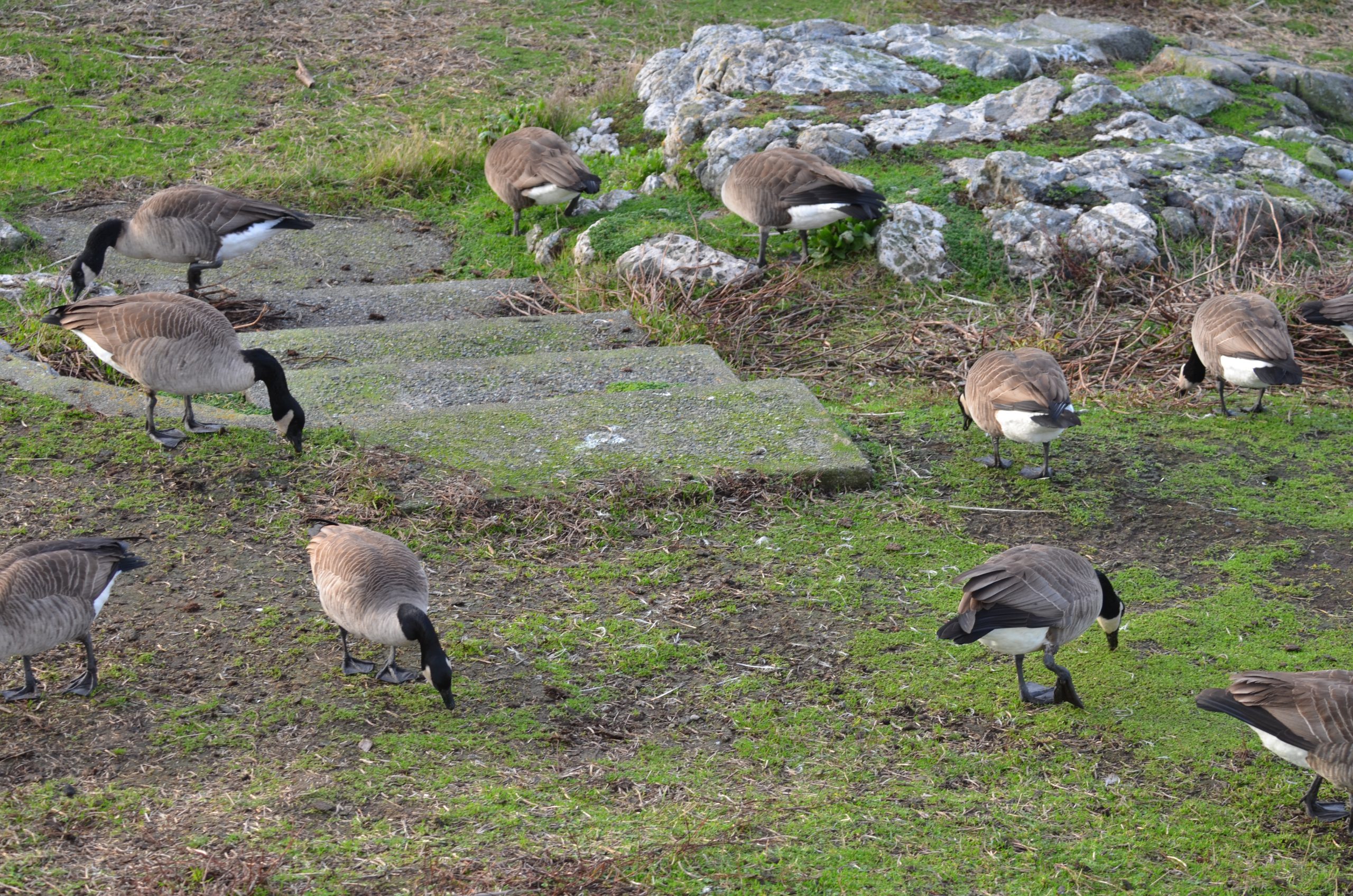
  • 17 Canada geese
  • 1550 Cormorants (wow!)
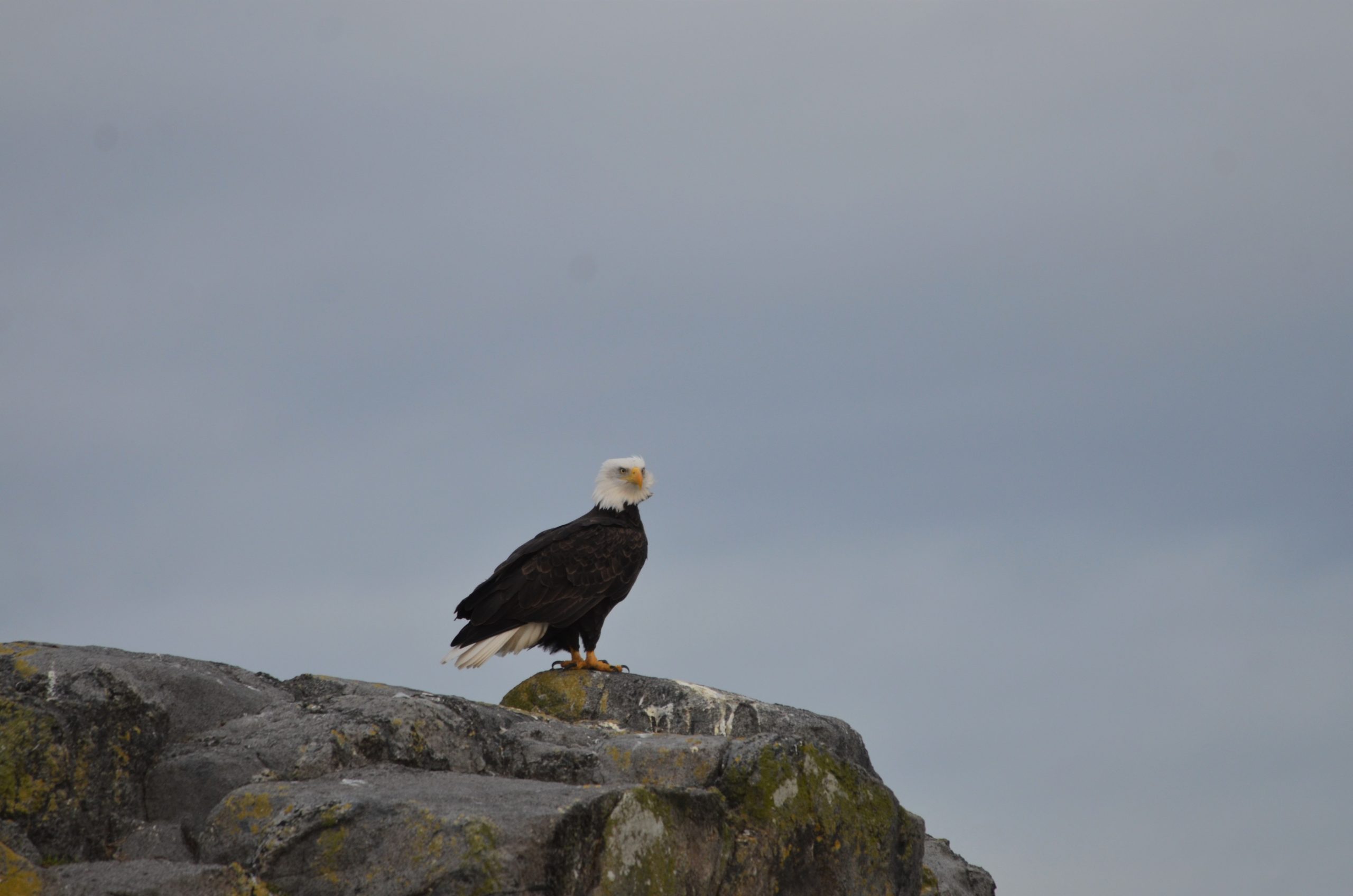
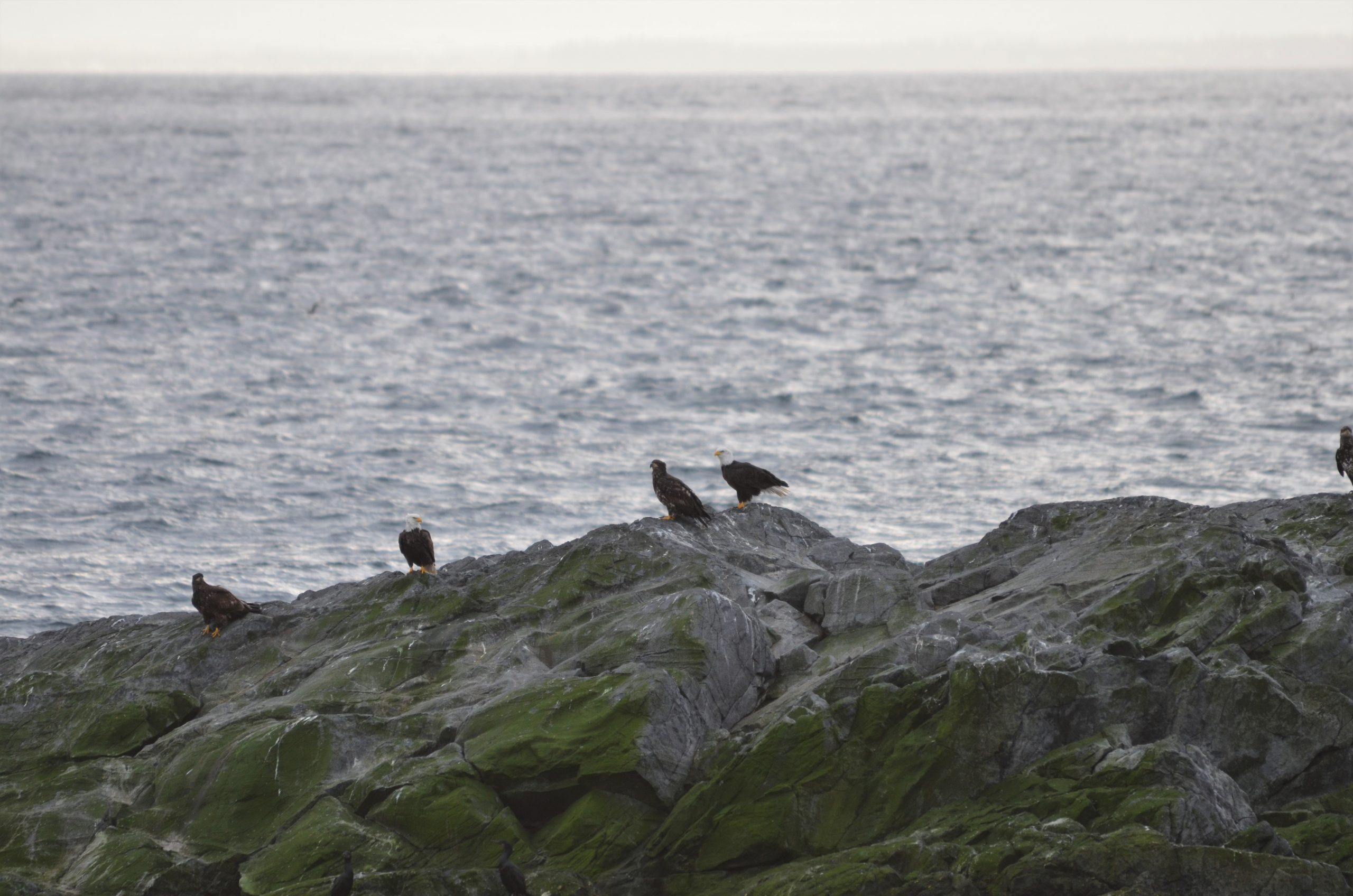
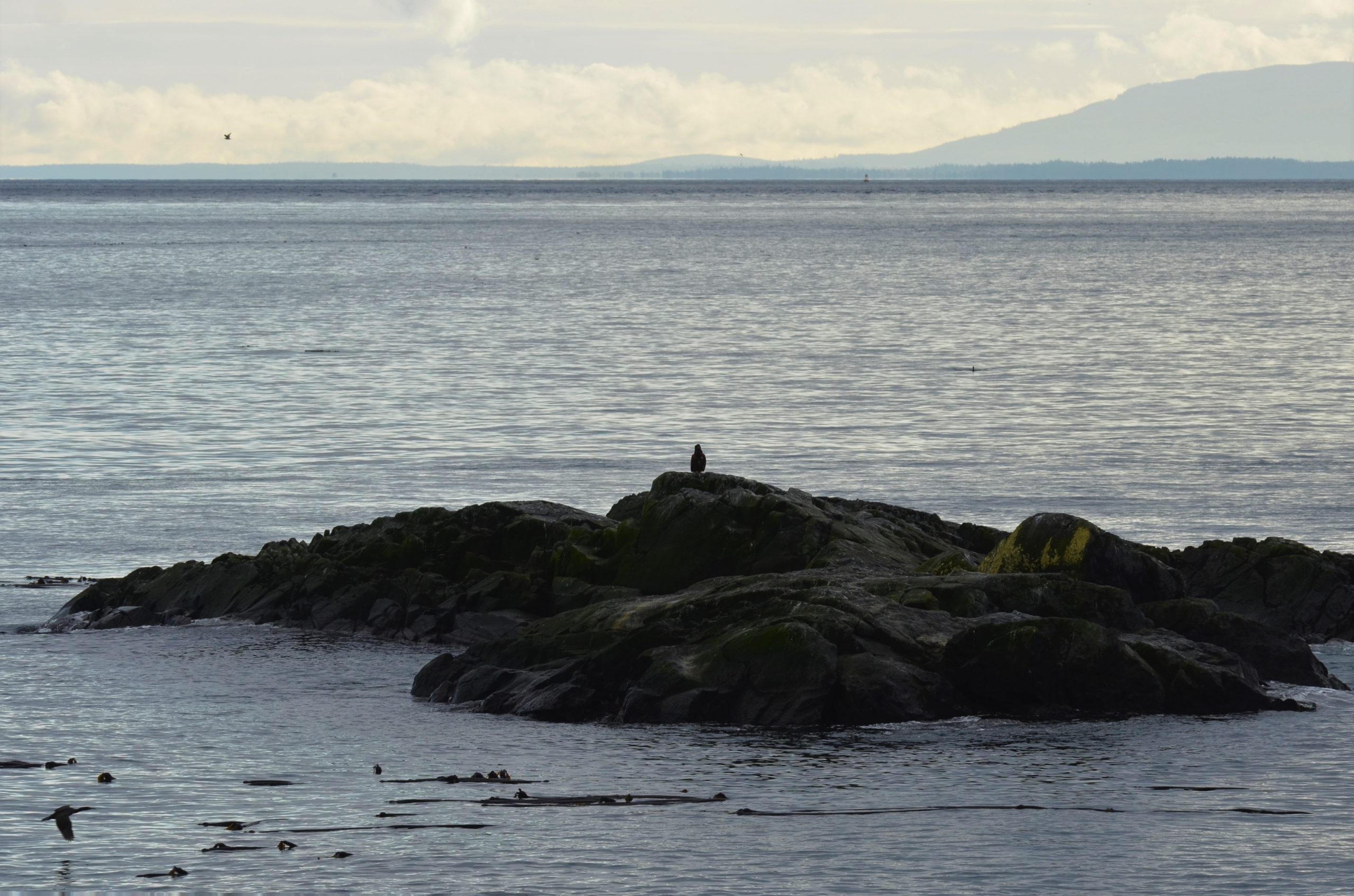
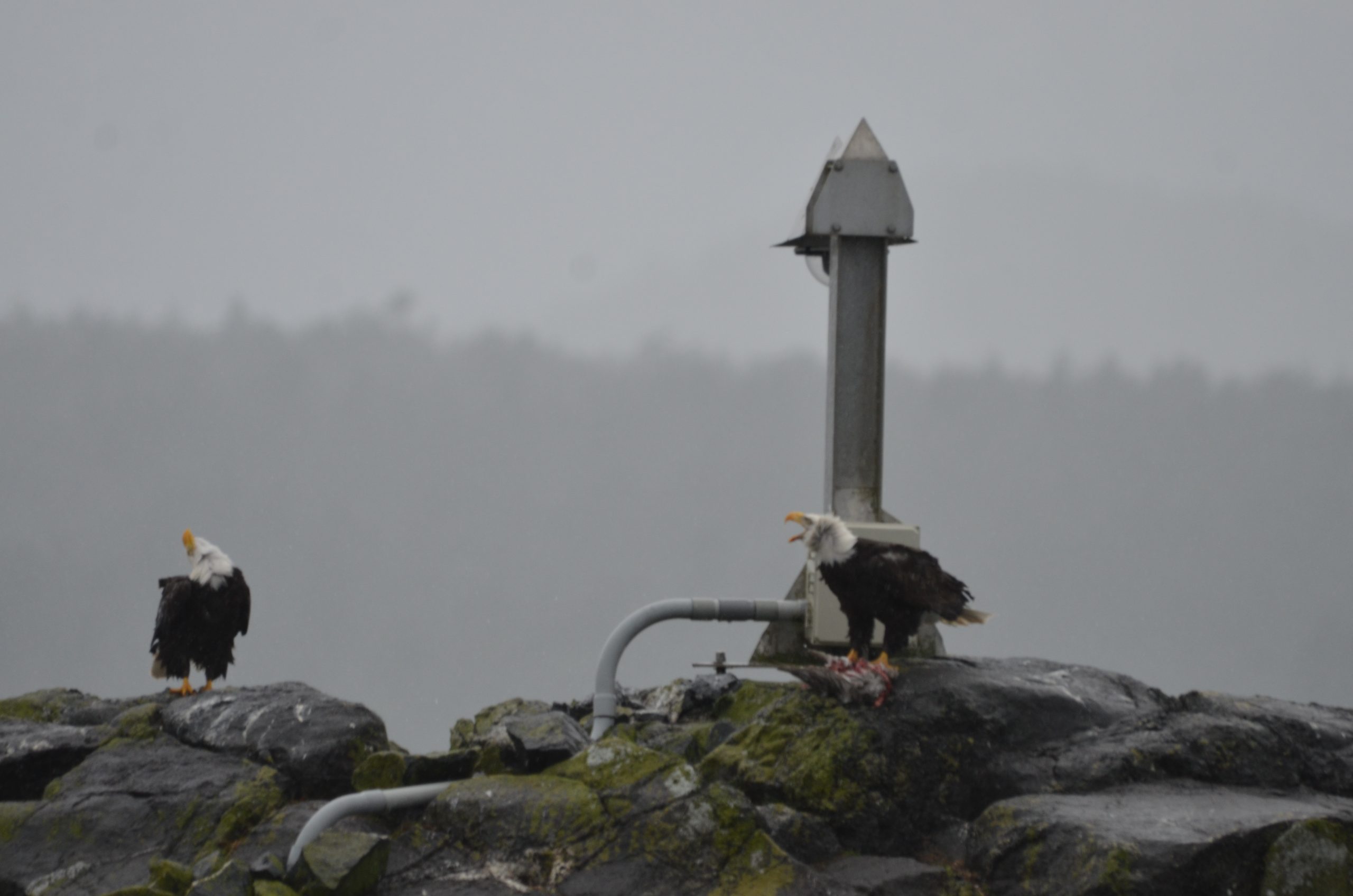
  • 2 bald eagles
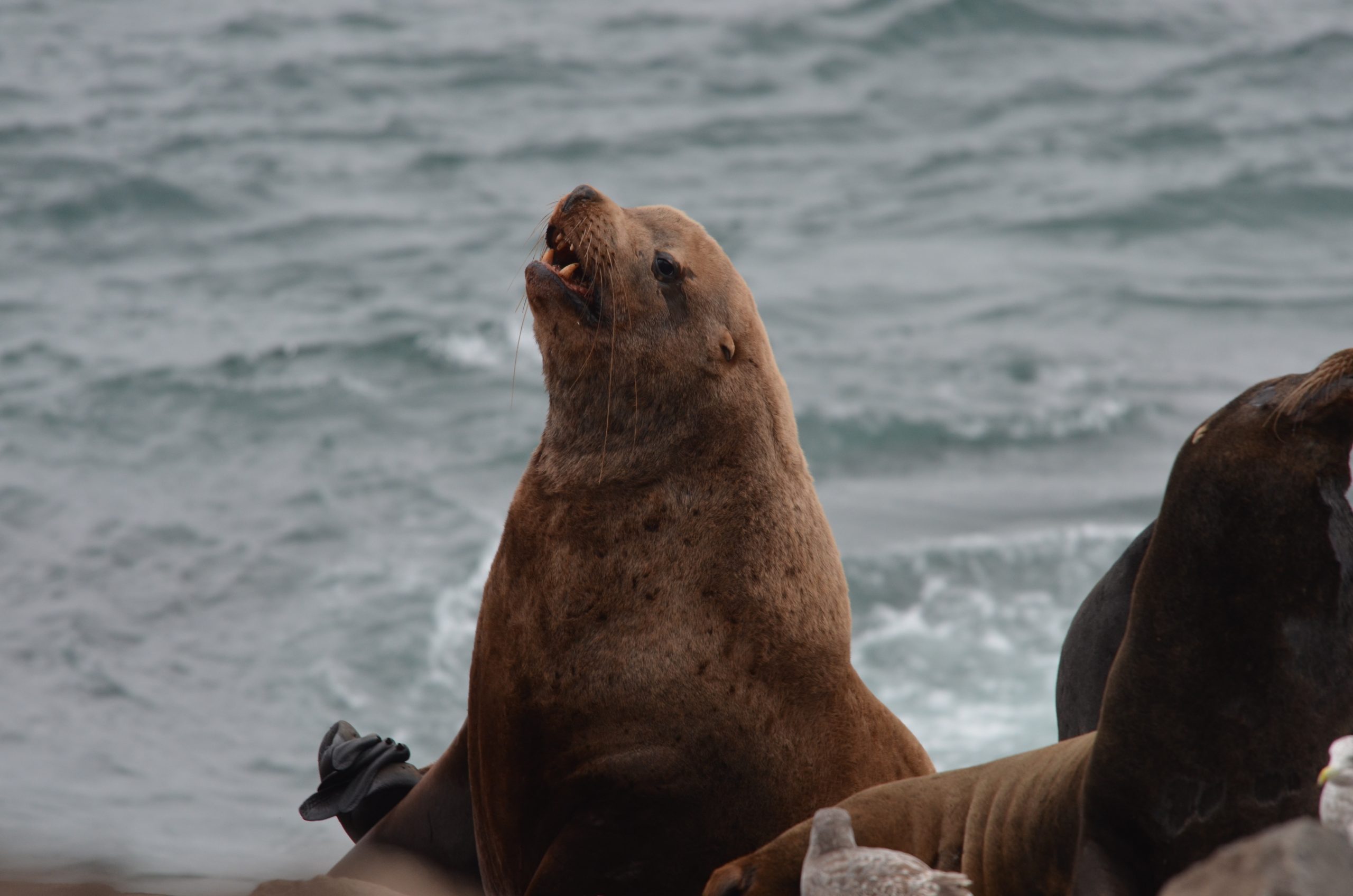
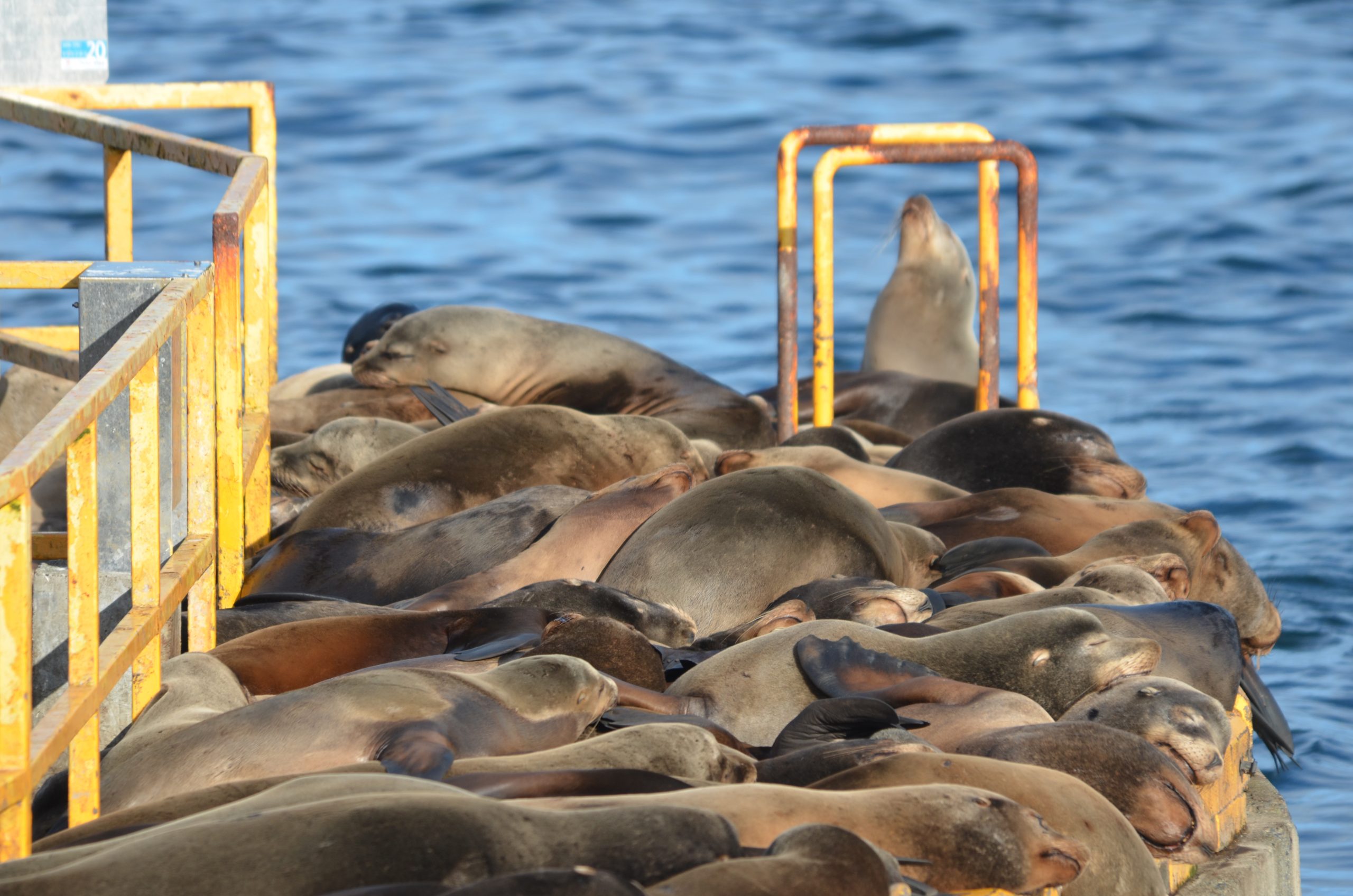
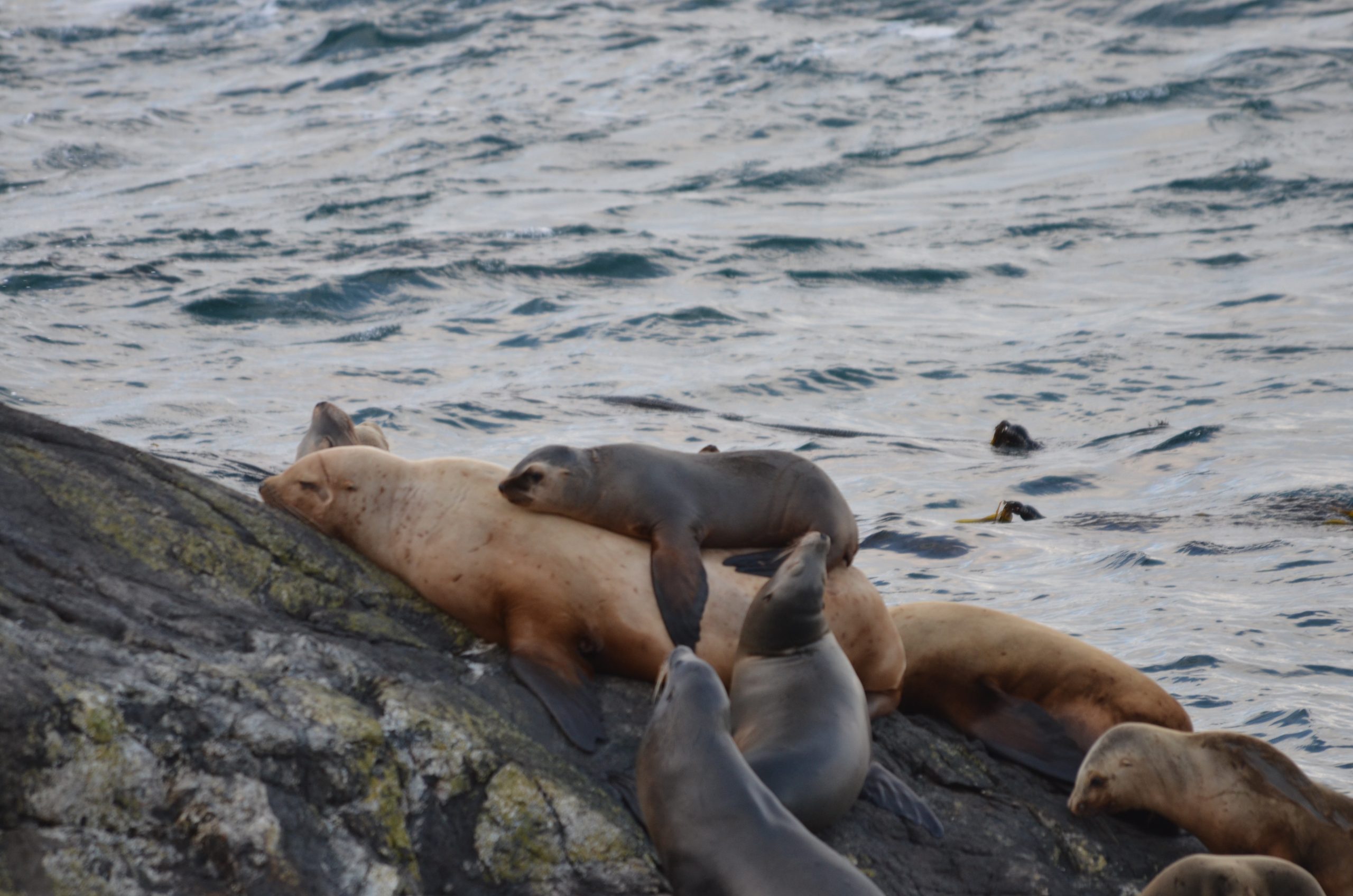
  • 100 stellar sea lions
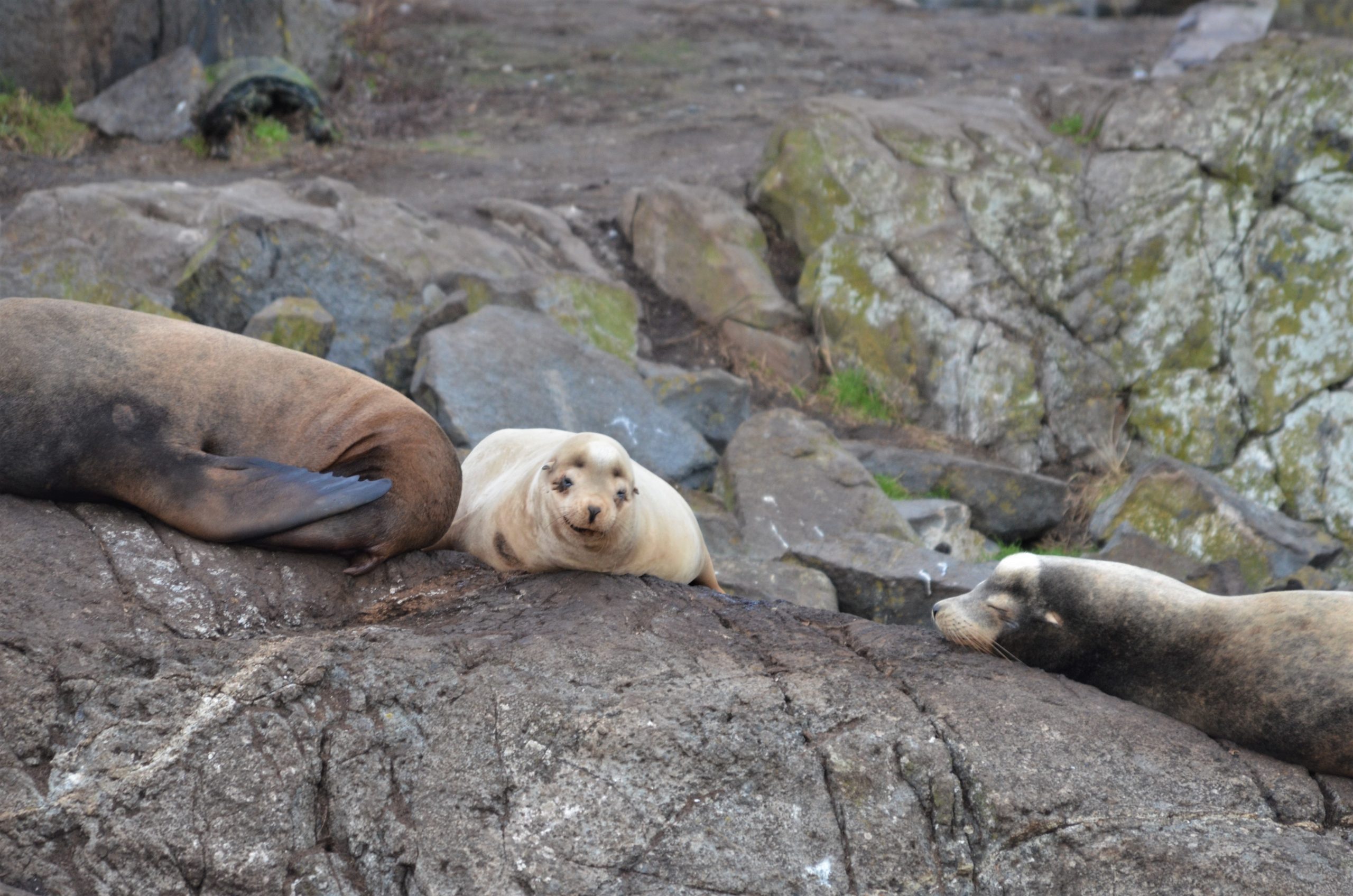
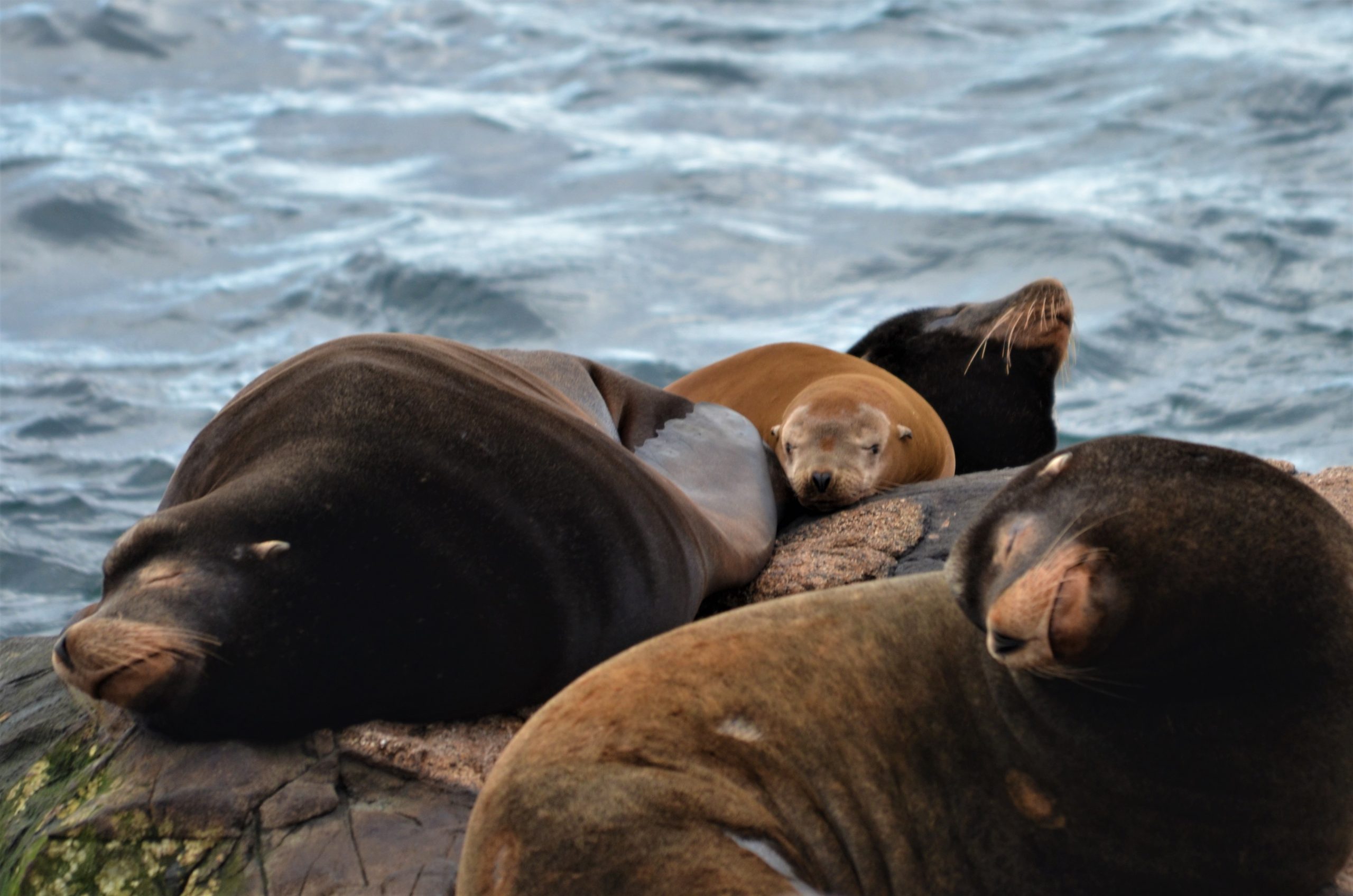
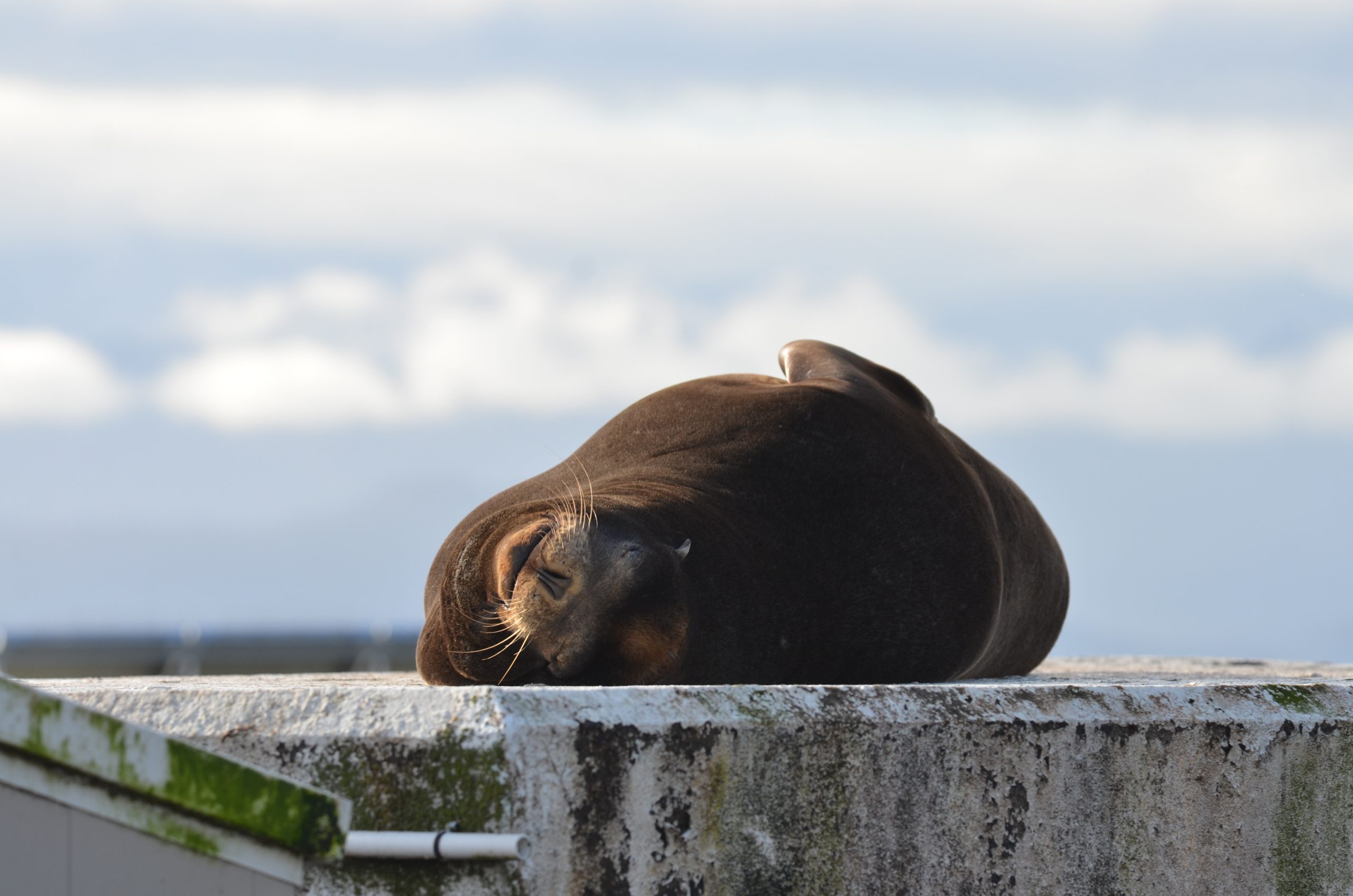
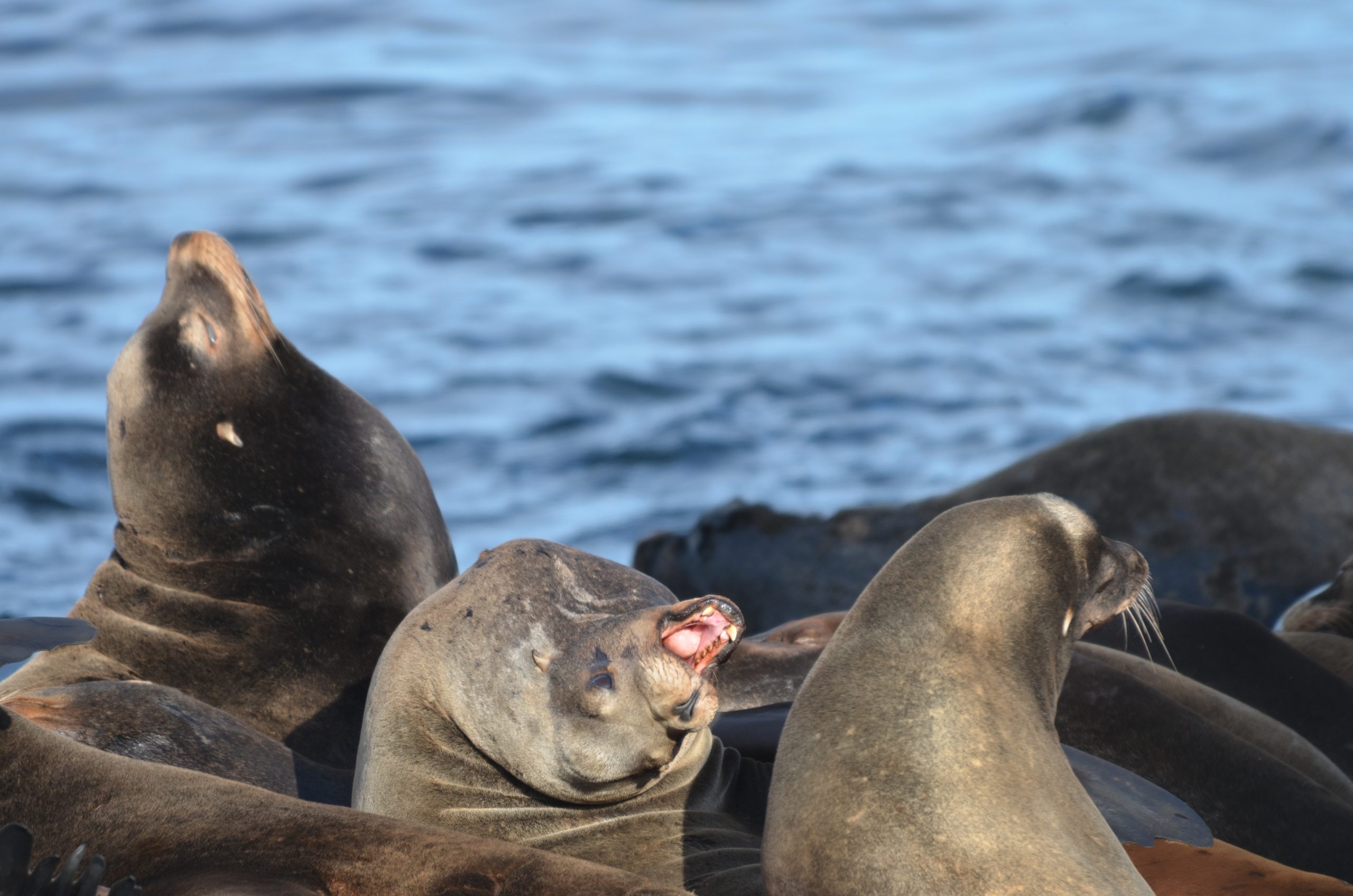
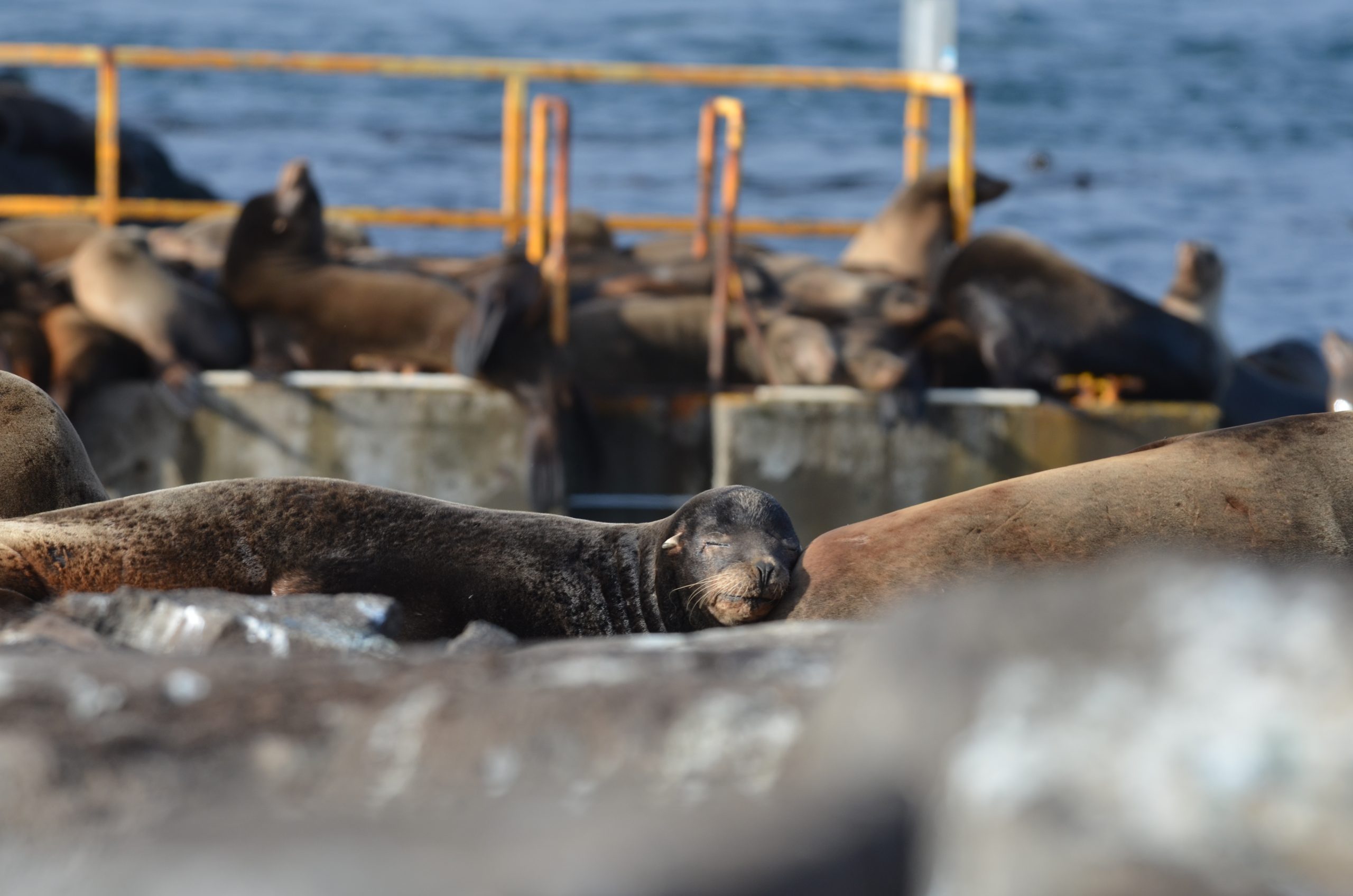
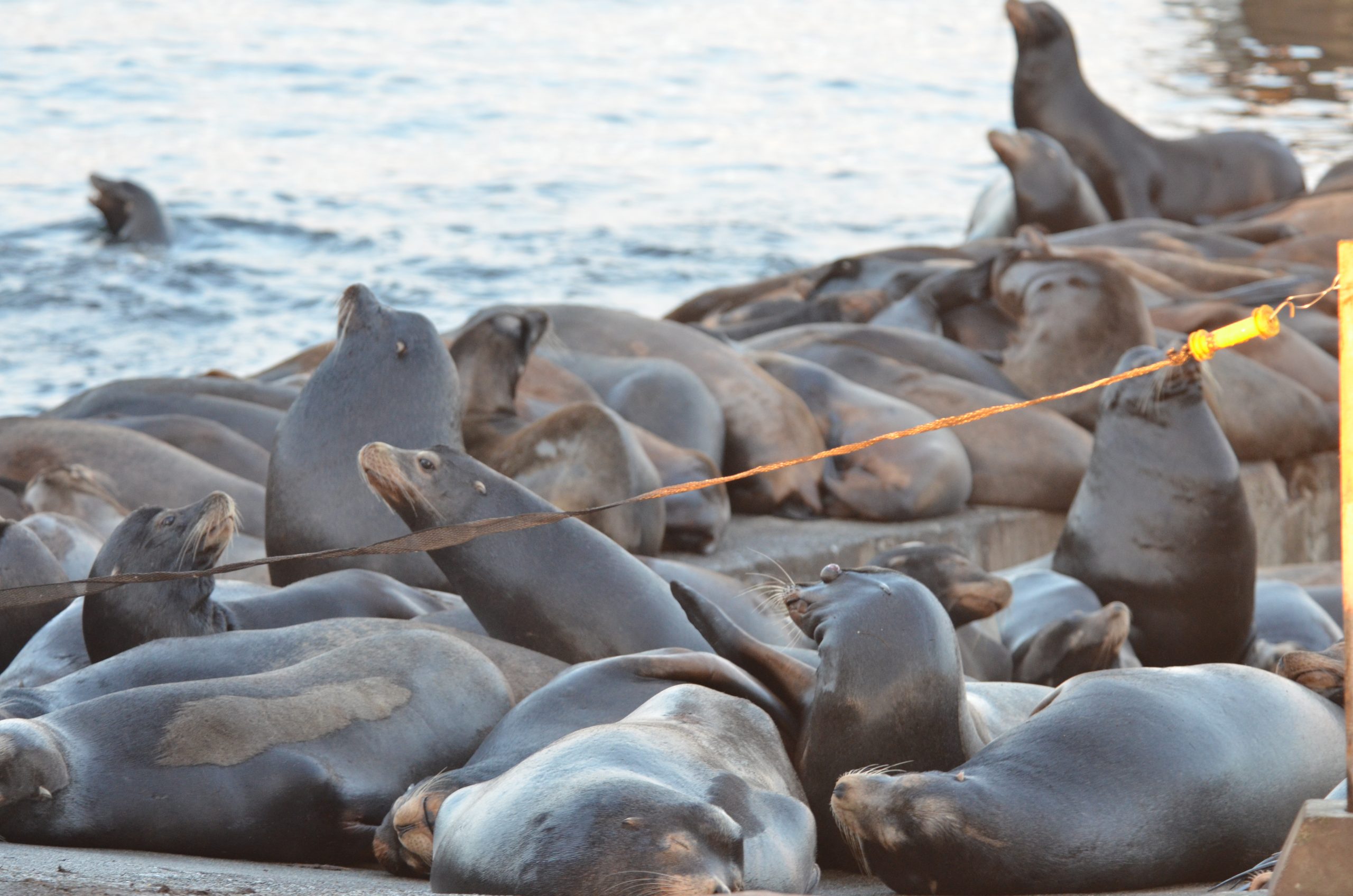
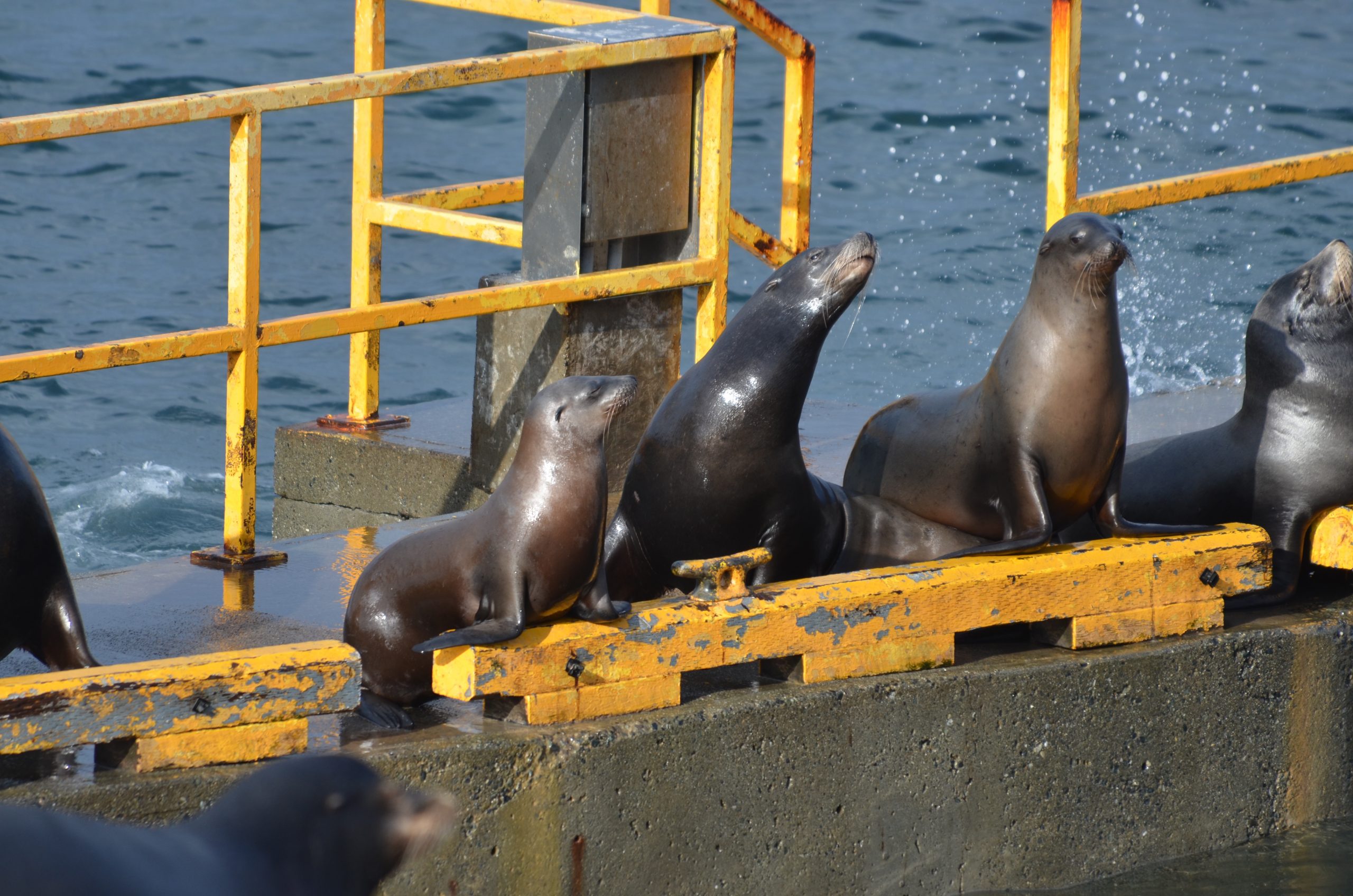
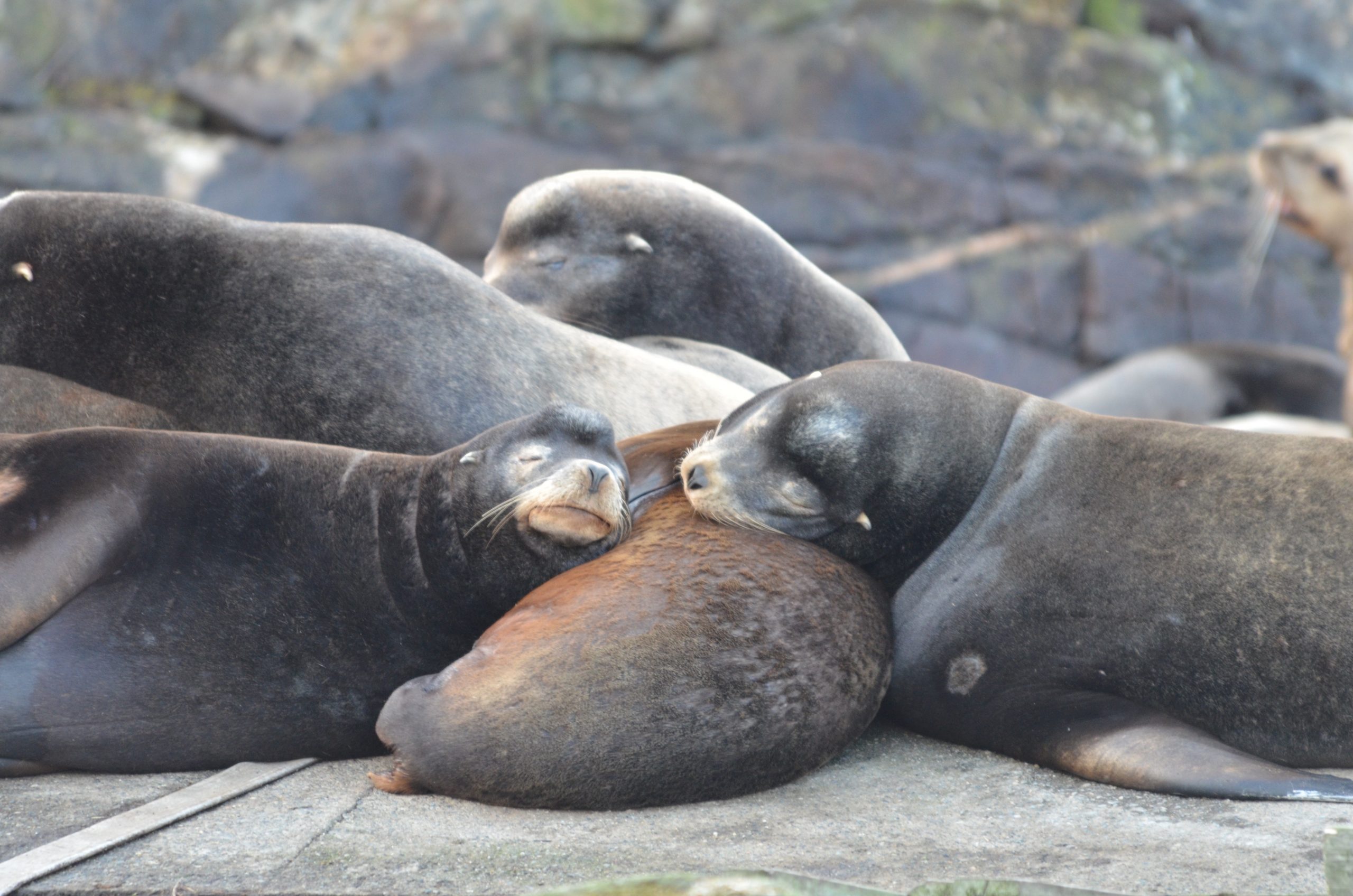
  • 502 California sea lions
  • 2 harbour seals

Seawater Data: Salinity and Temperature, November 2020

Also available from DFO here, along with data from other sites on the West Coast.

November -2020:

DATE time Degrees-C Salinity-ppt
1 13:30 9 32.3
2 14:30 9.2 31.8
3 15:00 9.3 31.7
4 16:00 9.3 31.8
5 –
6 –
7 –
8 –
9 8:00 9.2 31.6
10 9:00 9.3 31.7
11 10:00 9.1 31.5
12 11:00 9.2 31.3
13 12:00 9 31.7
14 12:30 8.8 32
15 13:00 8.6 32.2
16 14:00 8.7 31.9
17 14:30 8.8 31.7
18 15:30 8.7 31.8
19 16:30 8.6 31.6
20 –
21 –
22 8:00
23 9:00 8.8 31.8
24 10:00 9 31.7
25 10:30 9.1 31.8
26 11:00 9 31.9
27 12:00 8.8 31.6
28 12:30 8.9 31.5
29 13:00 8.9 31.6
30 13:30 8.8 31.7

Busy Shorebirds, Sea Lion Shot?

Weather:

  • Visibility 15+ NM
  • Sky partly cloudy, blue sky and sun!
  • Wind 0-15 Knots NW
  • Water calm

Visitors:

  • A few supply drops to the island otherwise quiet, not much traffic
  • Some navy vessels on the water today as some blasting was taking place on the DND land.

Ecological Notes:

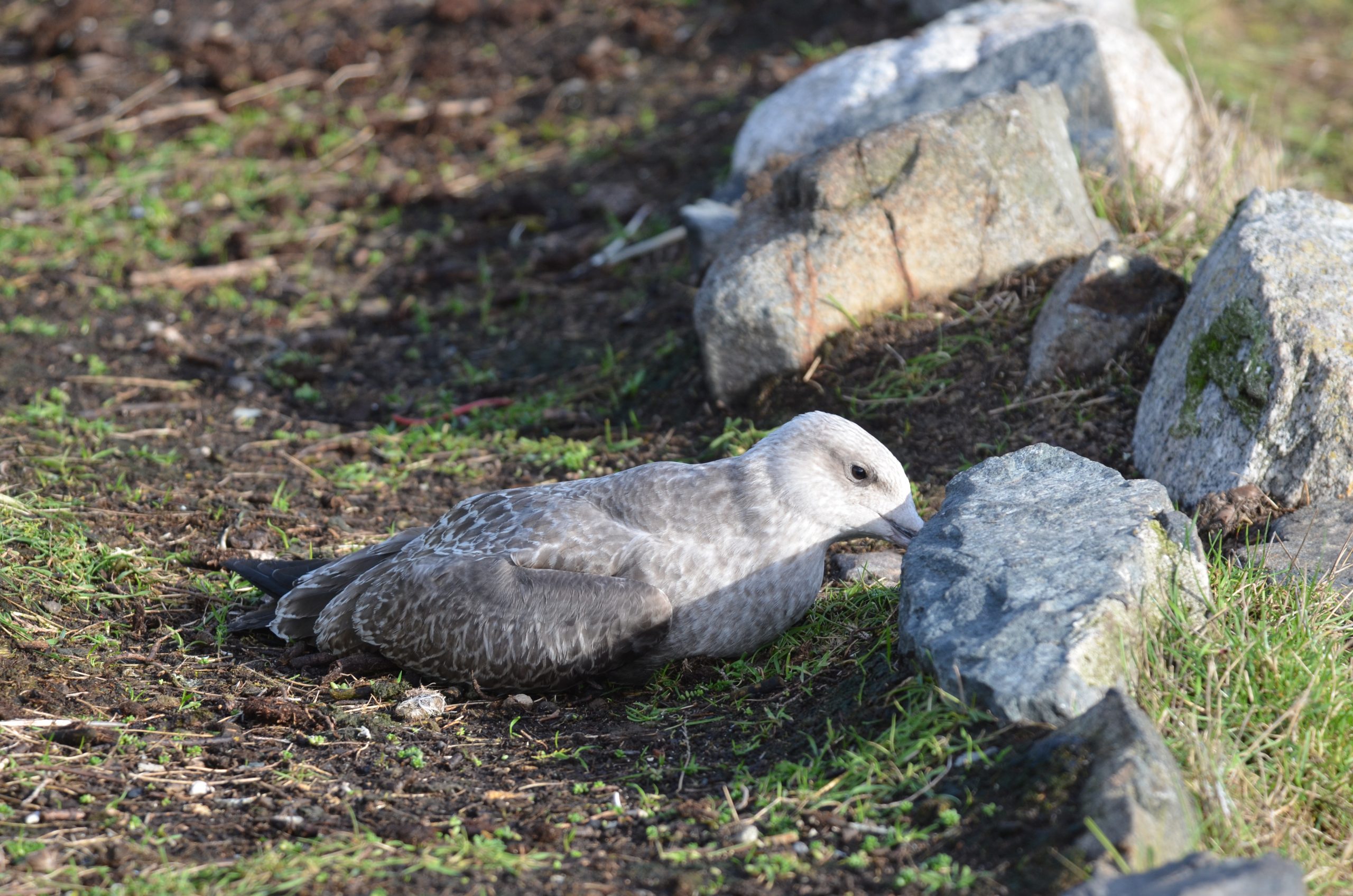
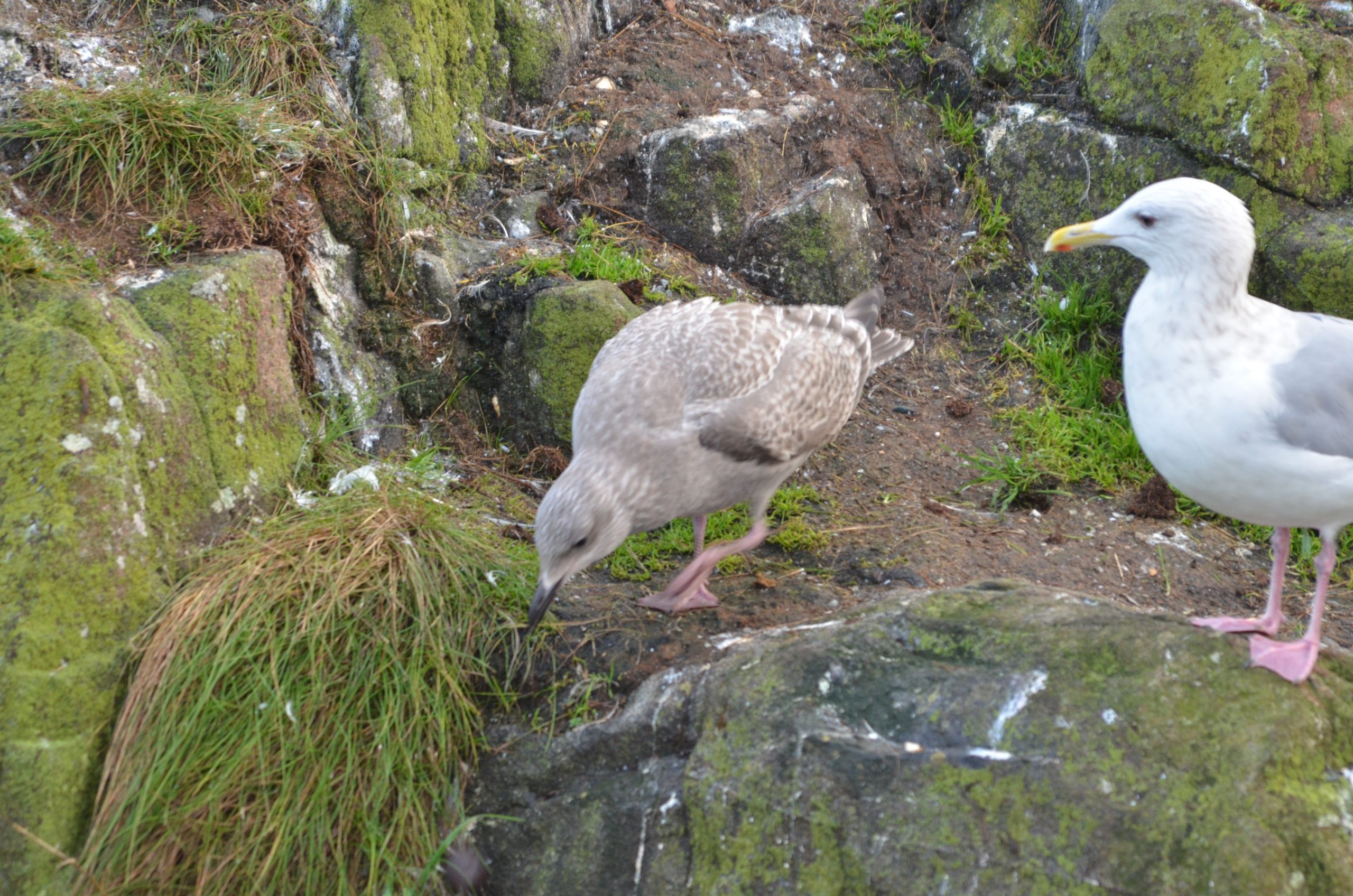
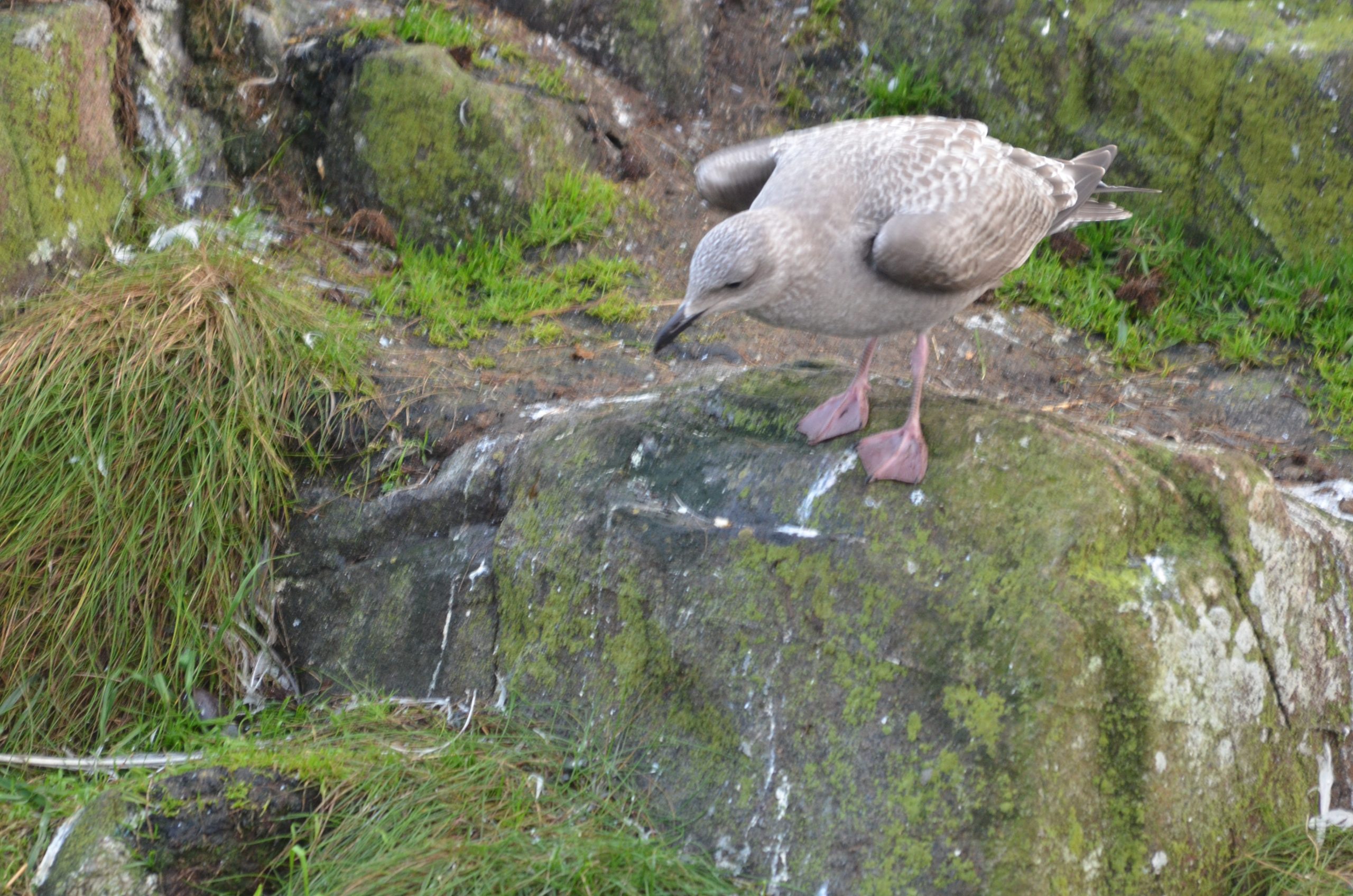
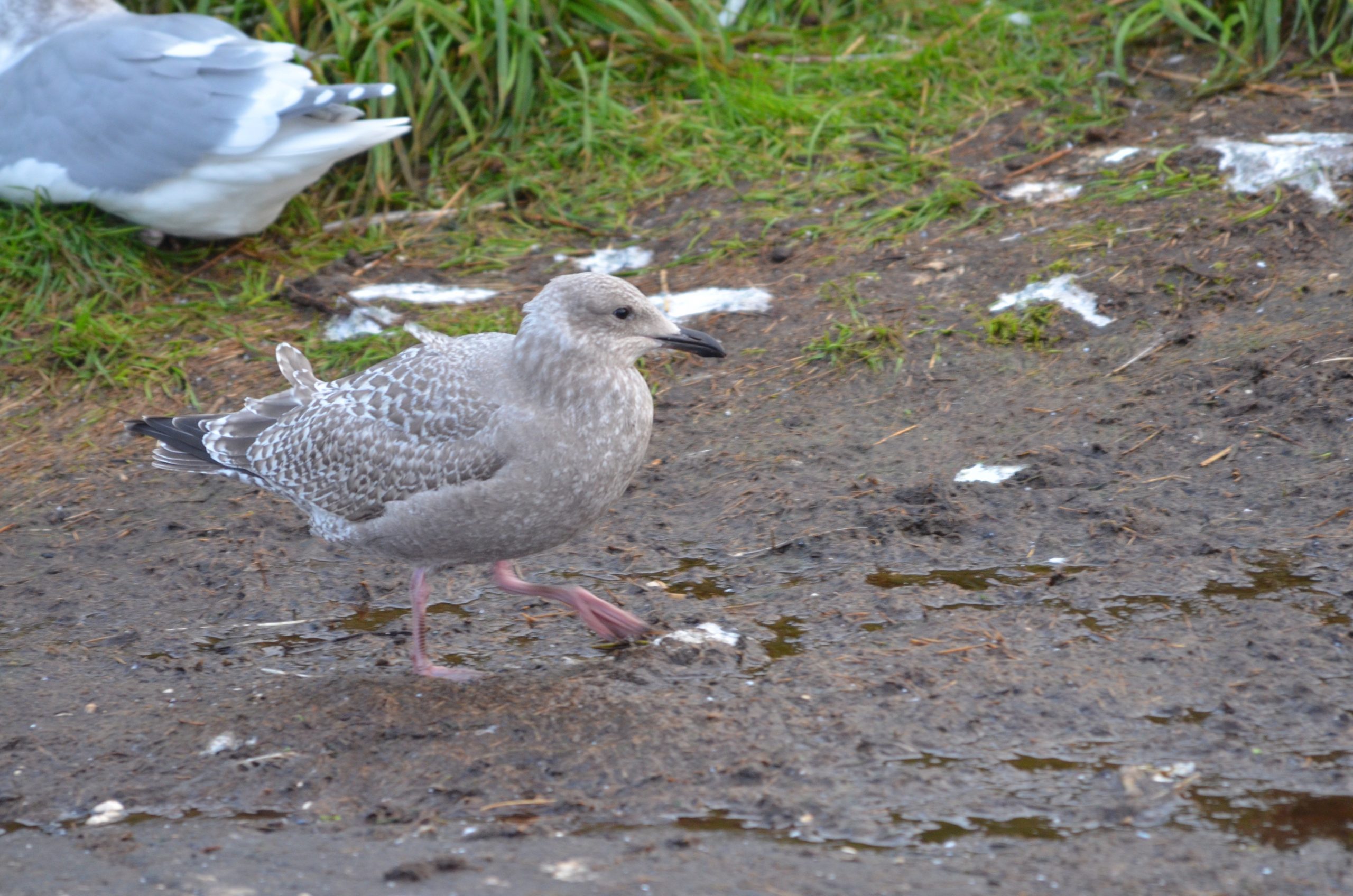
  • Today we spotted a young seagull displaying the same symptoms as the one we found a few weeks ago: extending its neck as if to catch its breath or perhaps dislodge something stuck inside its throat. We noticed it initially because it had separated from the group and had tucked under some foliage. Within 15-20 minutes it appeared to be unable to move aside from lifting its head, and with wings splayed it died. We did inspect inside the mouth and throat that we could see and nothing appeared to be lodged inside. We are not sure what caused these deaths (or if it was the same cause), but we are interested to learn more. We are hoping that we will be able to send it for a necropsy.
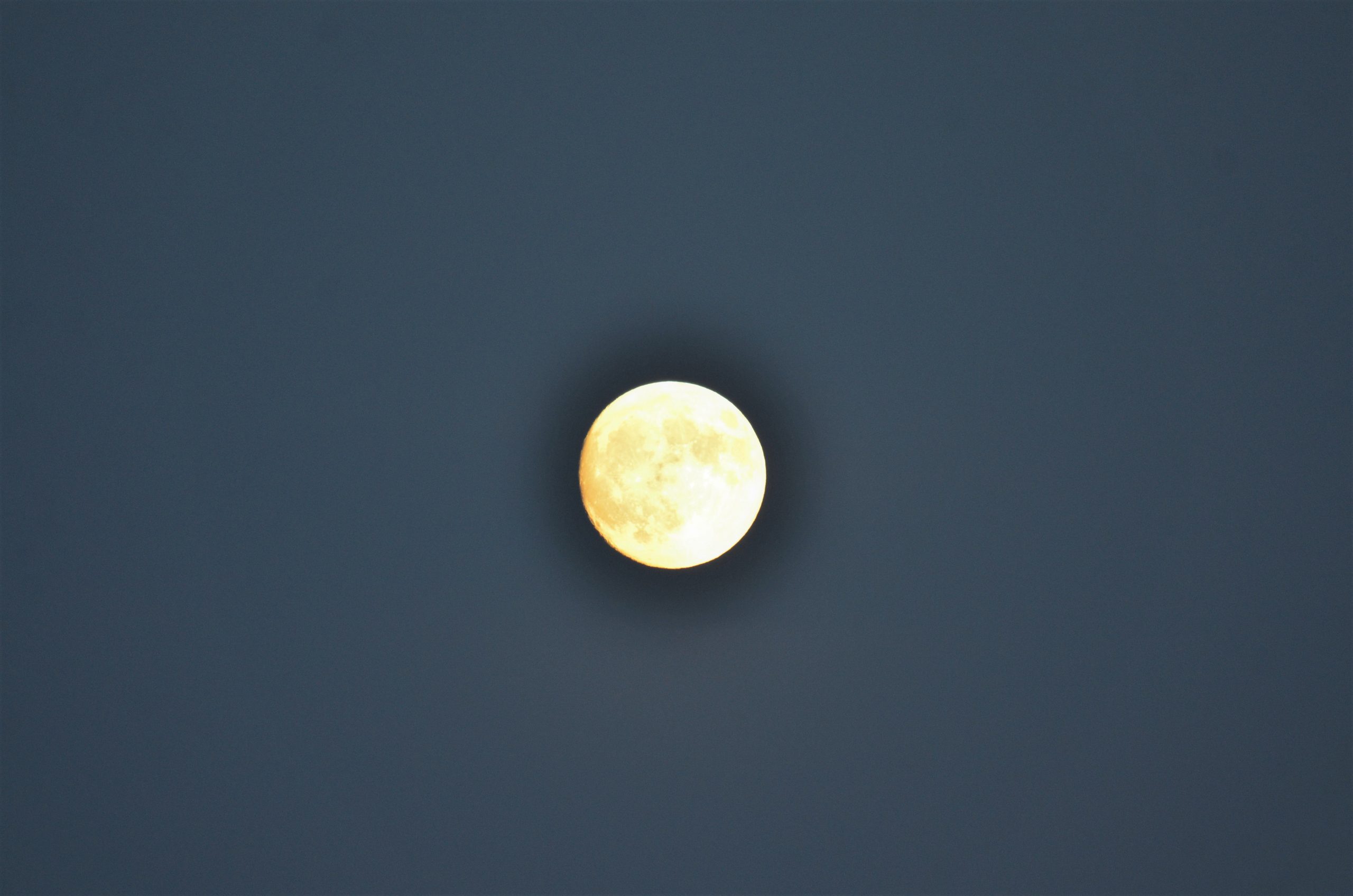
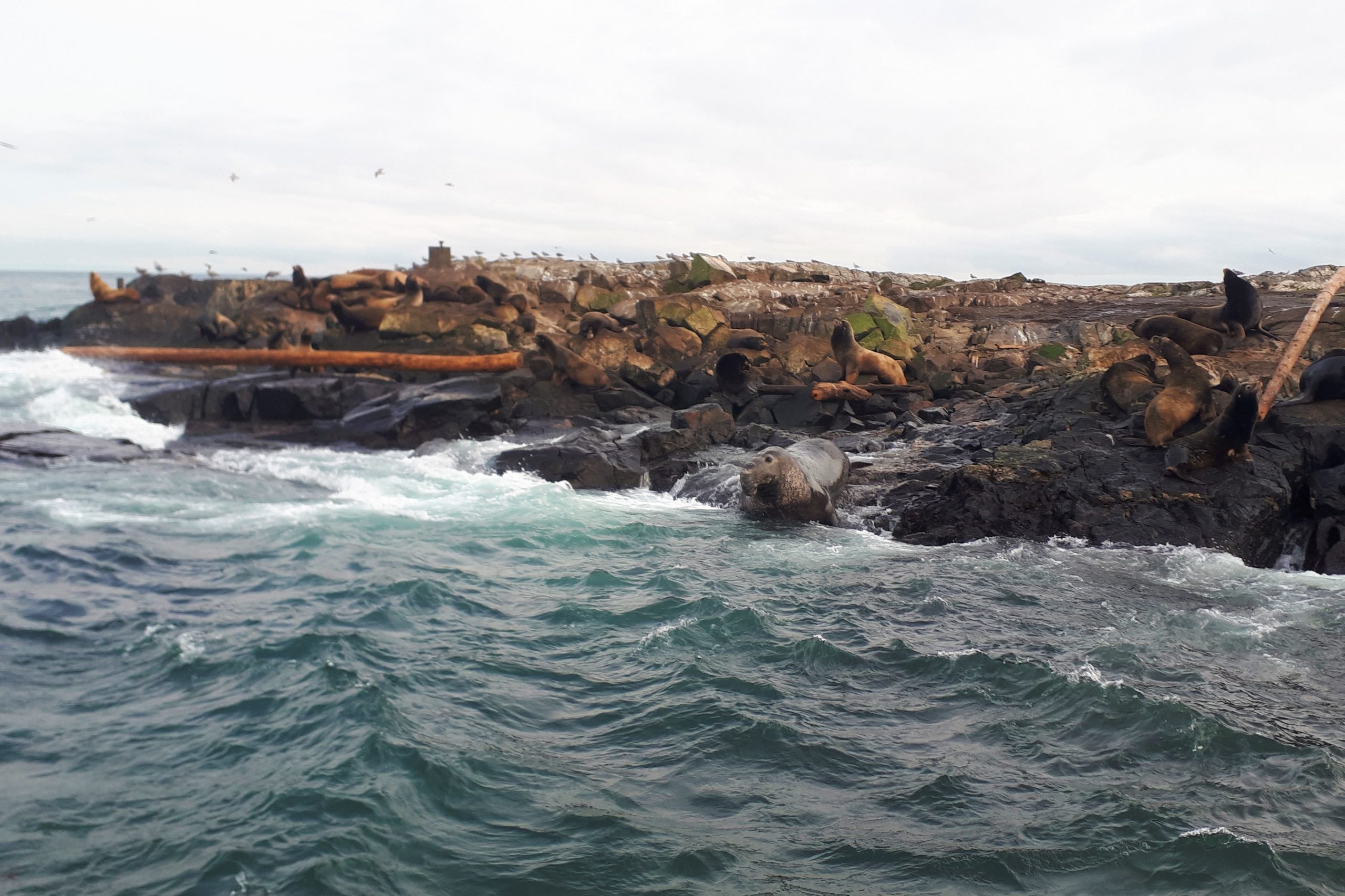
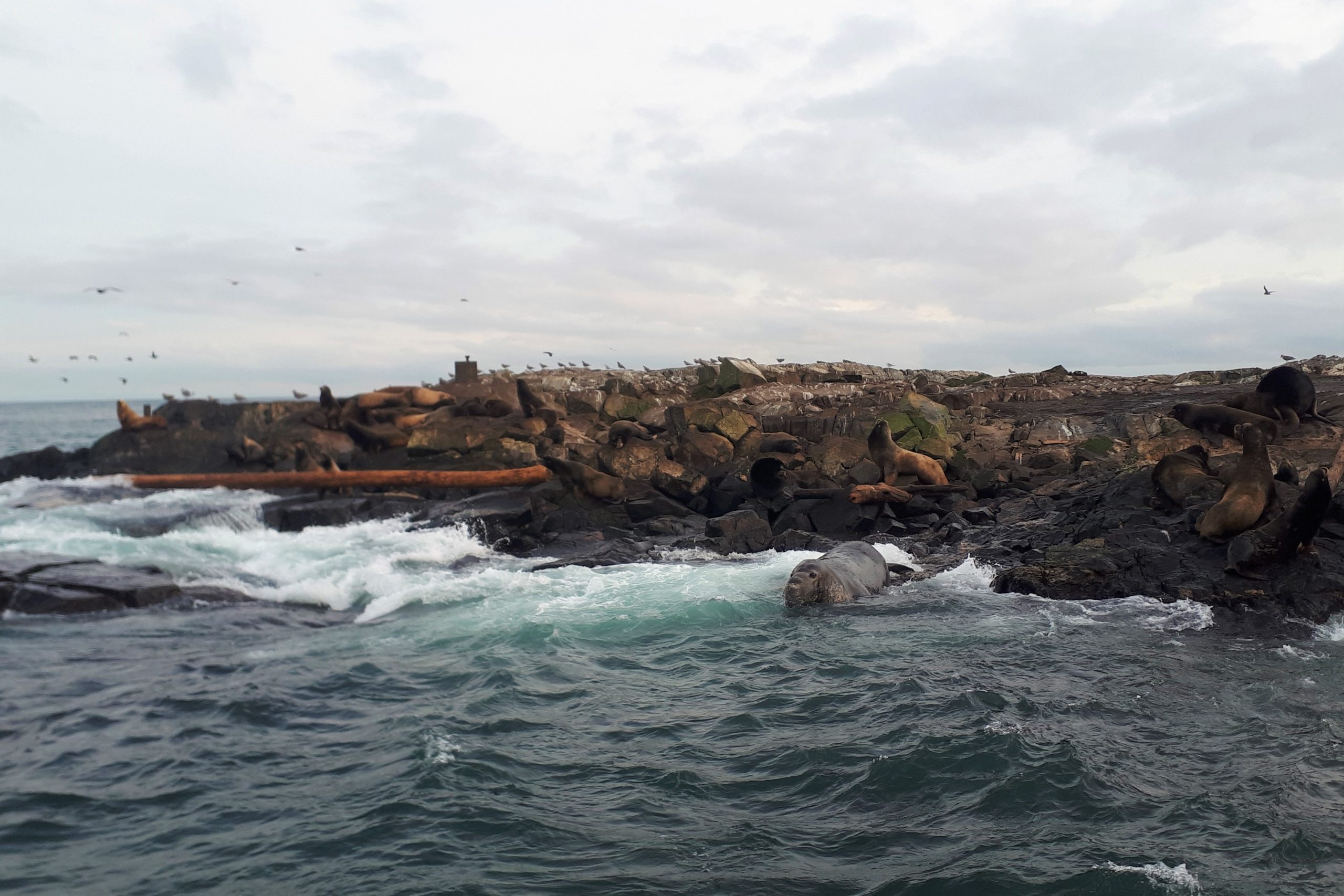
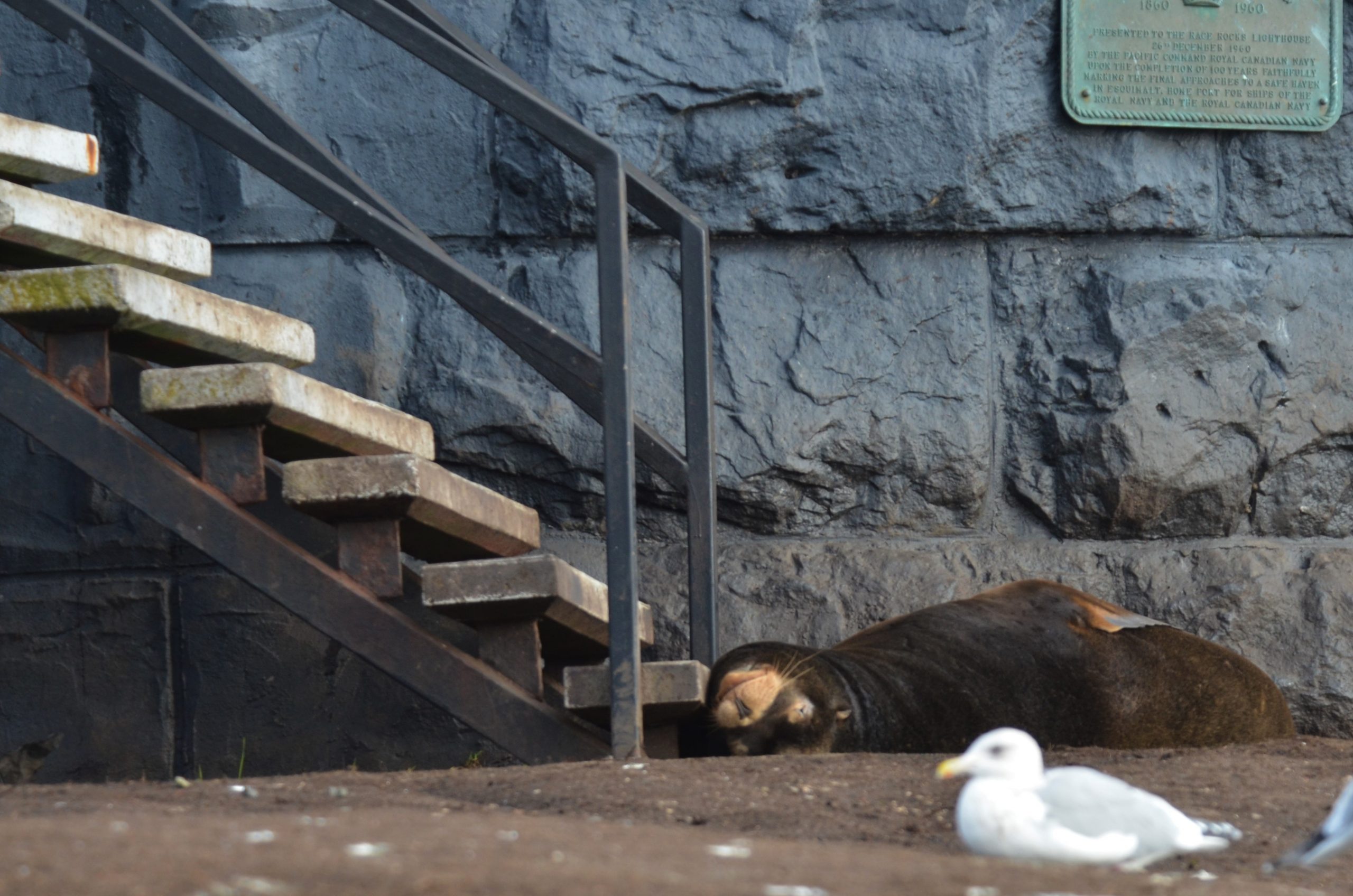
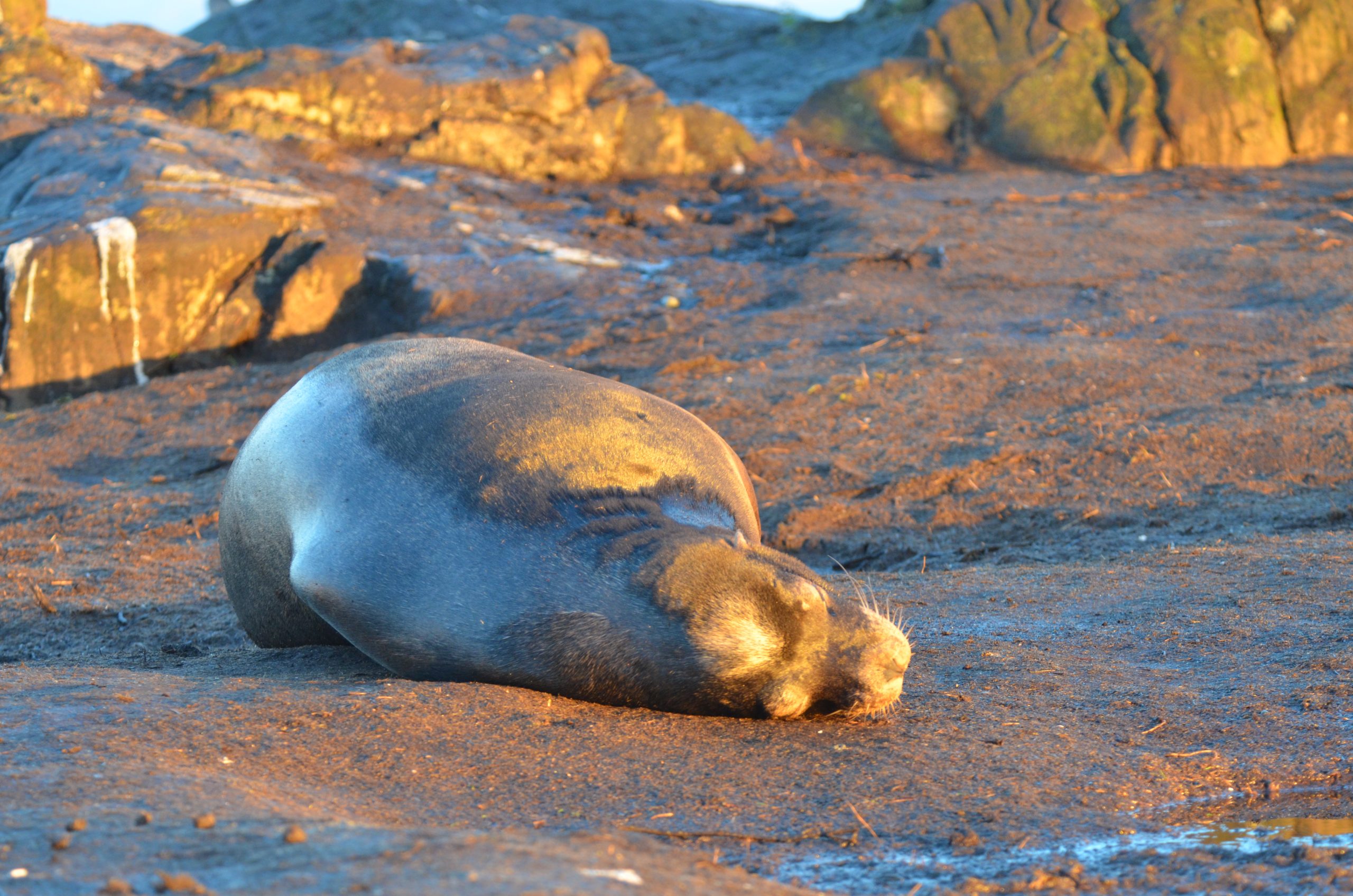
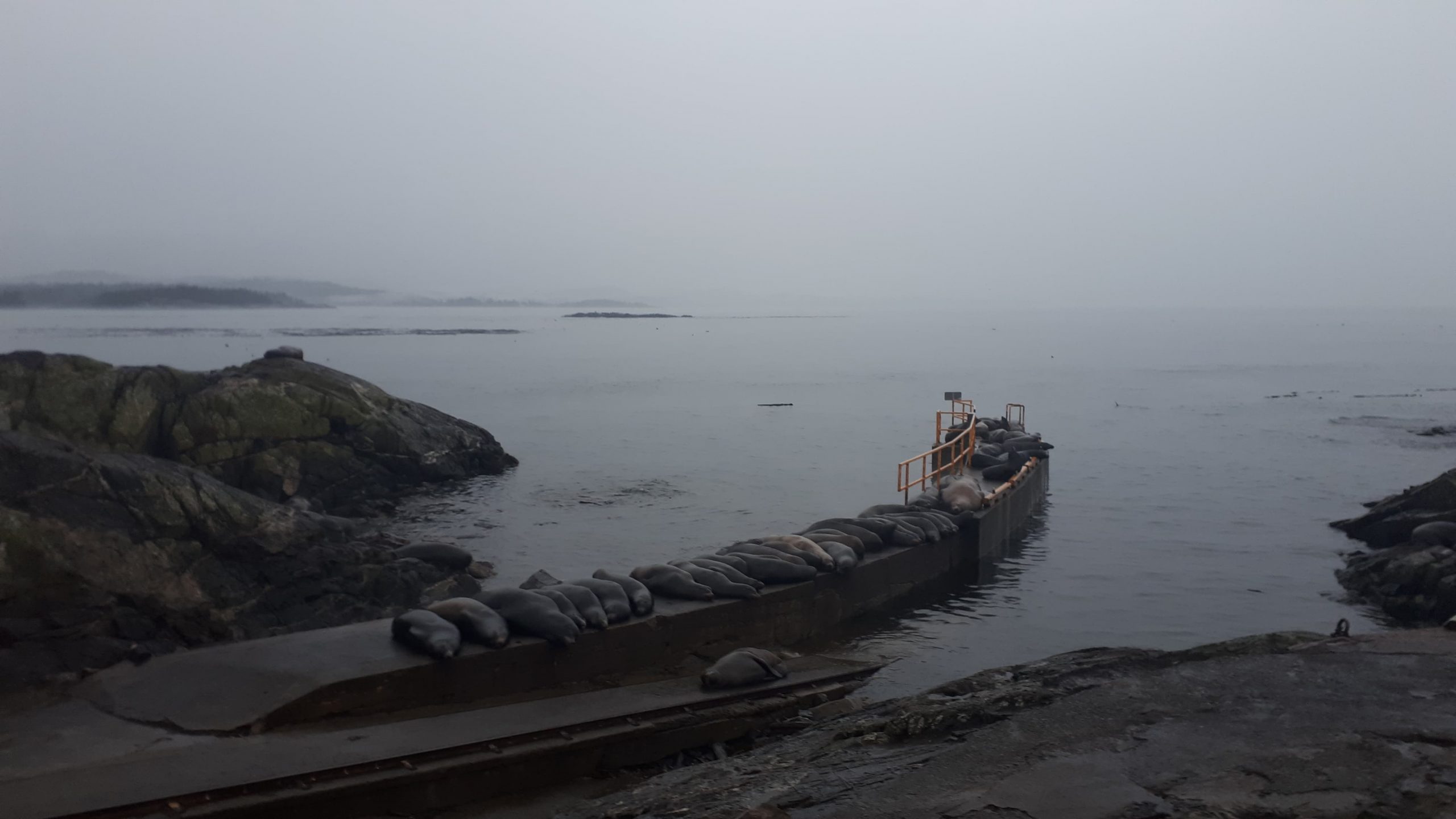
  • On Saturday we were surprised by a large male elephant seal! He was so huge that he dwarfed even the largest sea lions here in the reserve. Wow! He must have had places to be and moved along the next day.
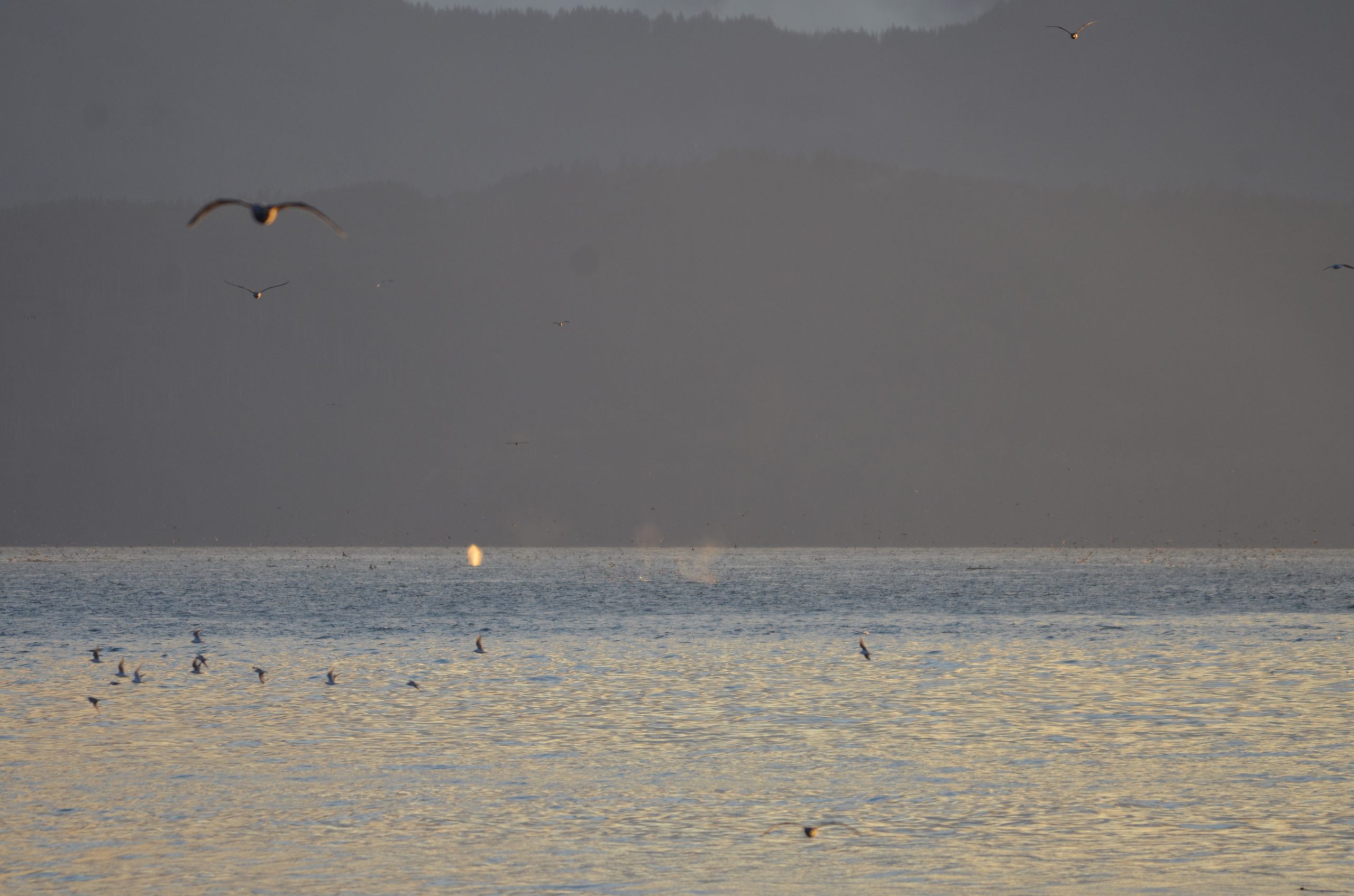
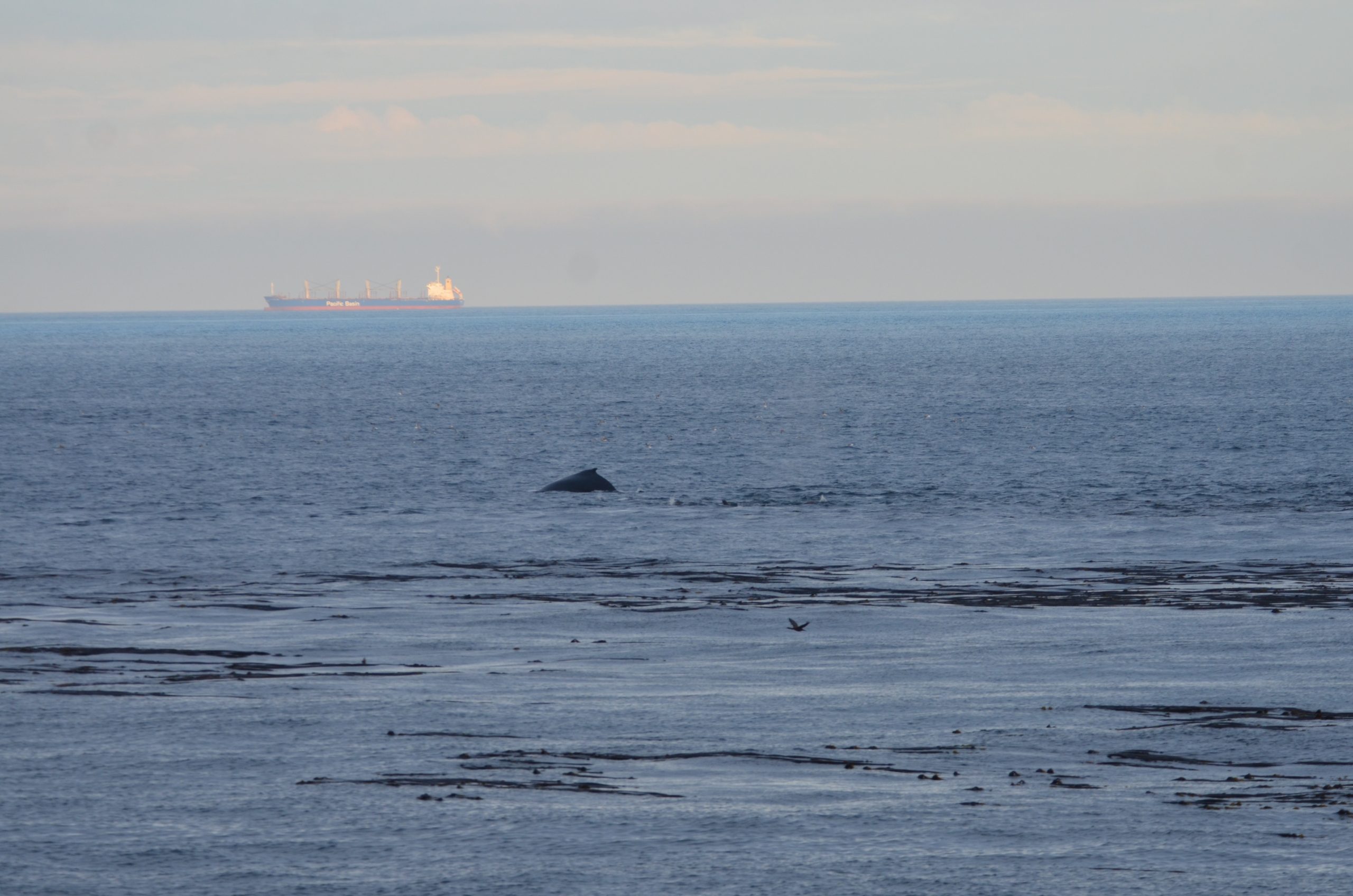
  • Our whale sightings have slowed down now, although we have been still spotting at least 1 humpback whale every day. They seem to appear around peak ebb current to feed around the reserve.
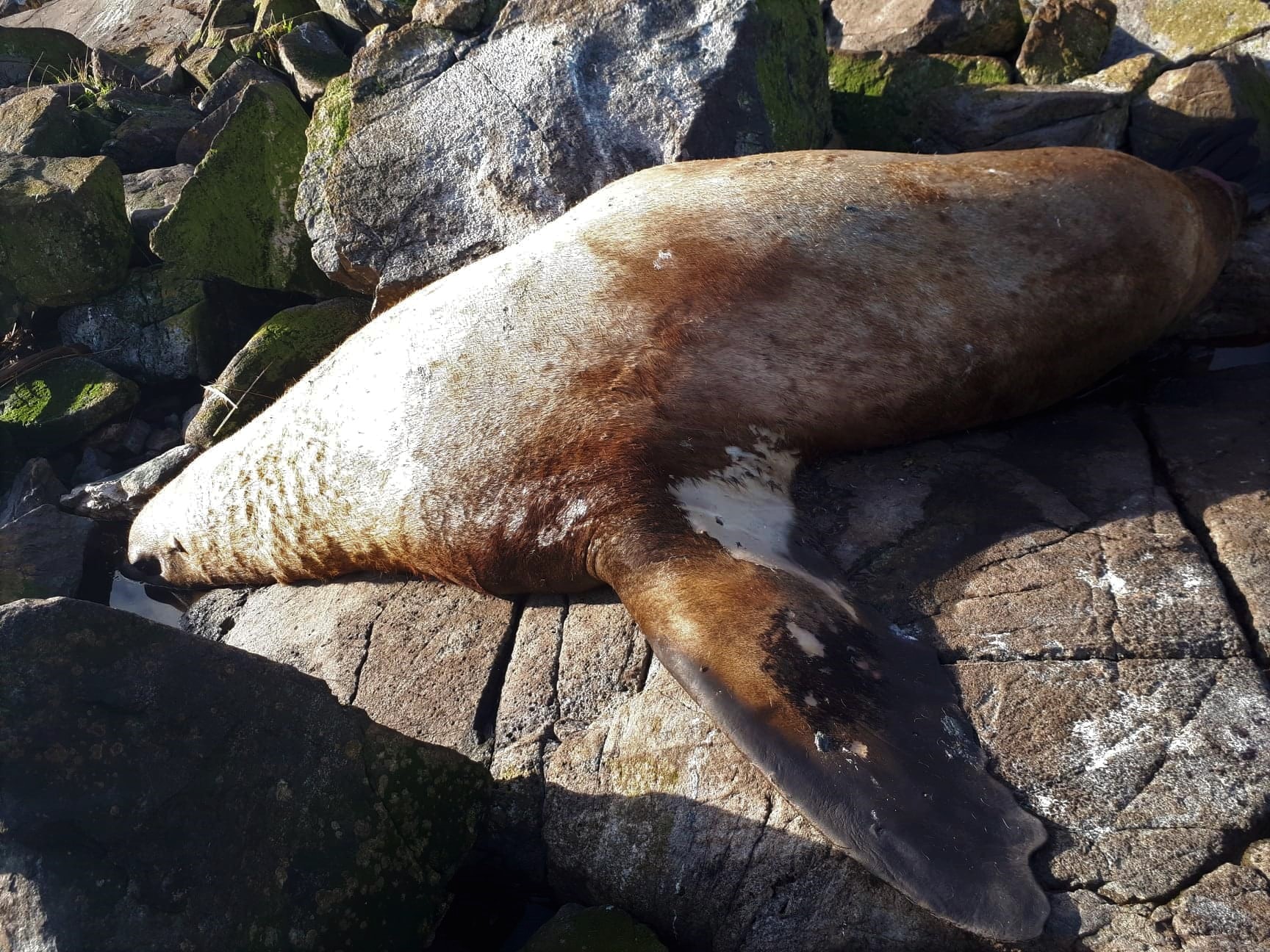
  • We have been periodically checking on our dead sea lion that appeared last week. Although not officially determined, after some input we strongly believe that the animal was shot. It appears as if it was shot and then made it onto land here before passing. While it is a heartbreaking find, we are excited to observe the decomposition process.
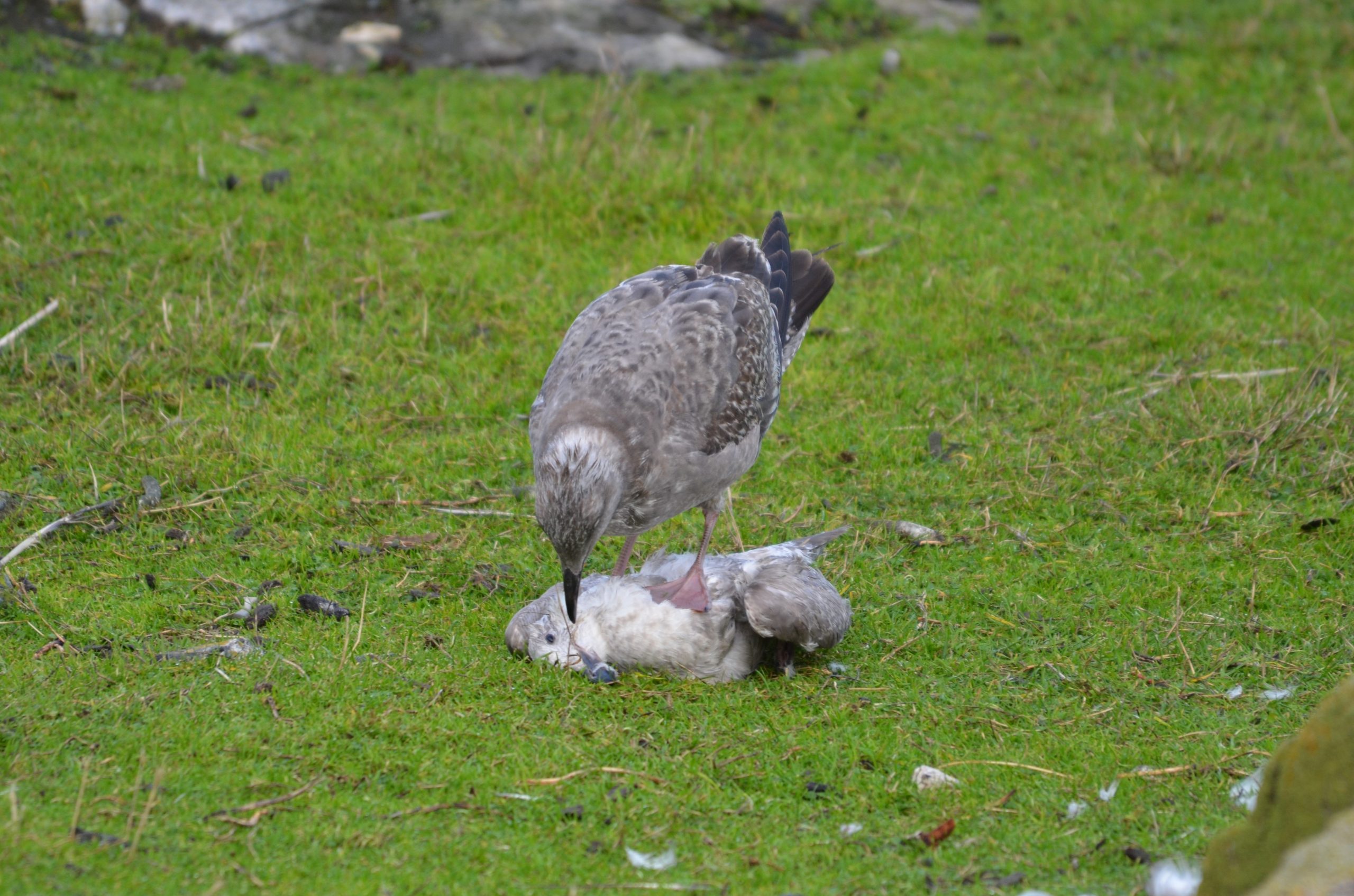
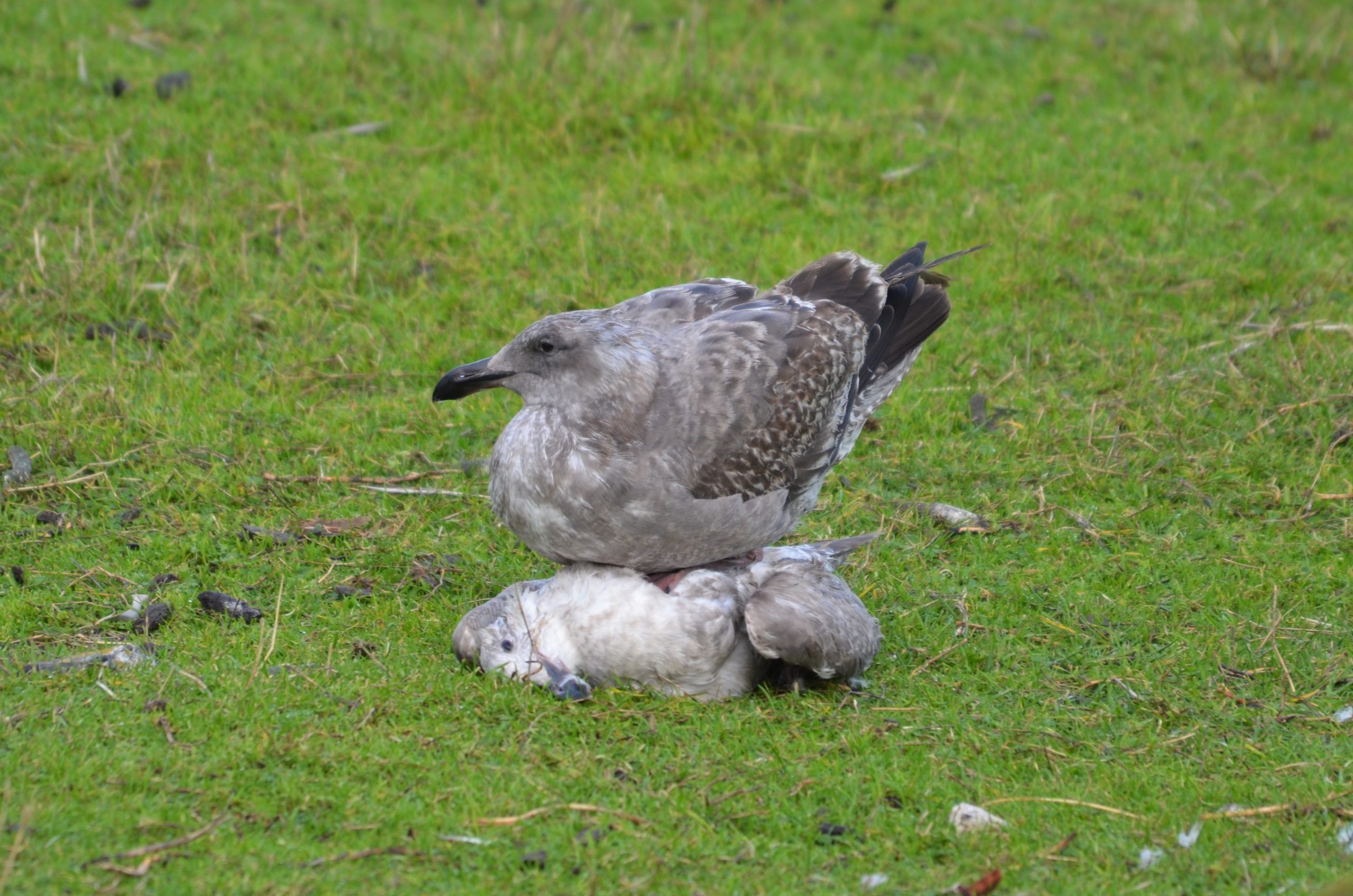
  • We have been observing gulls pecking at the remains of gulls killed by eagles. The cannibalism is not necessarily a surprise to us, having also observed adult gulls eating the chicks of other gulls over the nesting seasons. However, it is interesting, given how much food is readily available.


Deceased Sea Lion + Chilly Nights

Weather Today: 

  • Visibility 15 NM
  • Sky partially overcast
  • Wind 5-10 knots NE
  • Water mostly calm

Visitors and traffic: 

  • Not much traffic with the strong winds this week and last (55 knots!) only a handful of whale watching boats when conditions allow

Notes: 

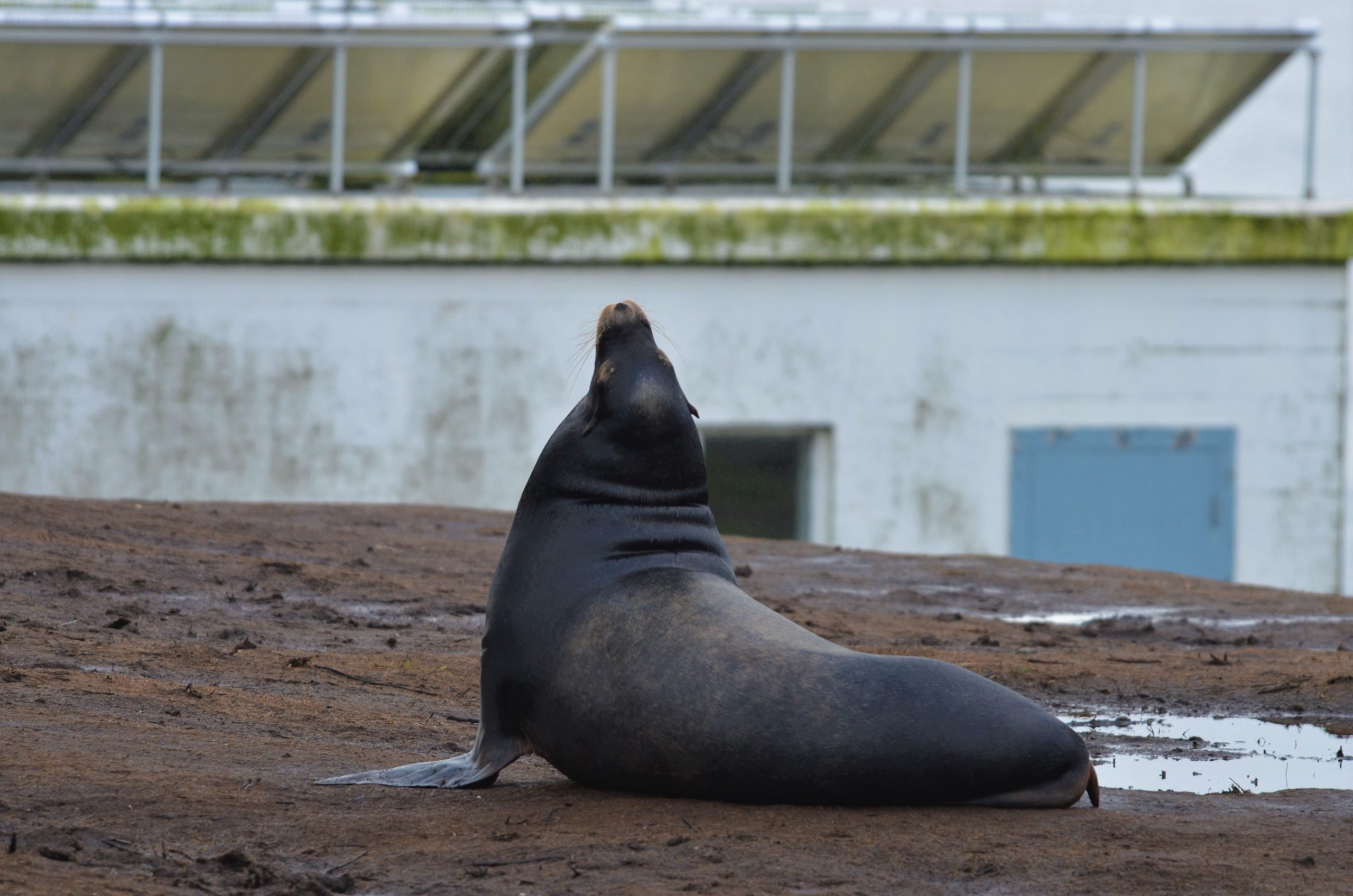
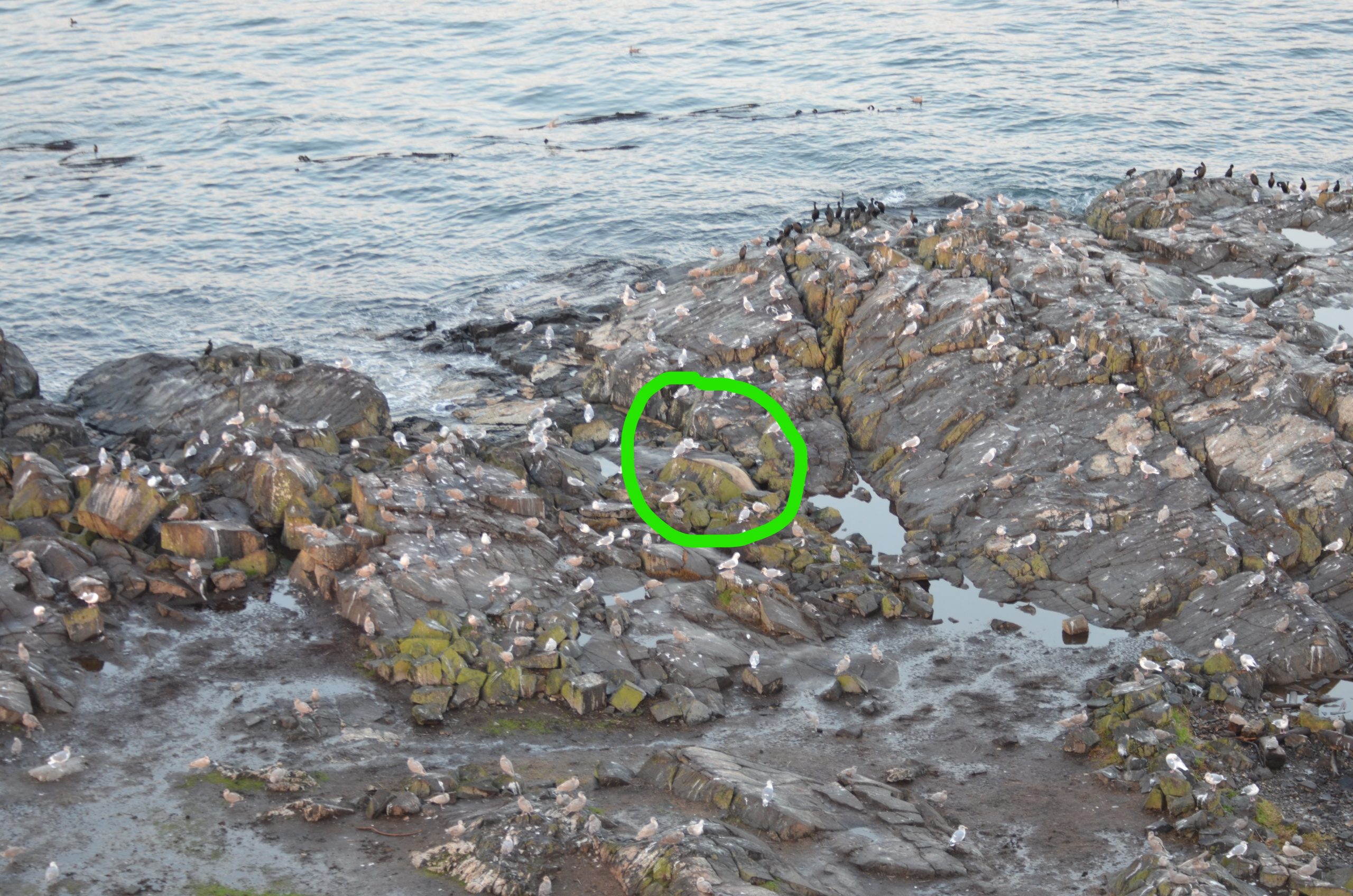
  • Just above the intertidal east of the jetty we found the carcass of a deceased male Stellar sea lion. It’s the early stages of decomposition and we think it died at least 4 days ago since we accidentally captured it in the background of one of our photos. We are not sure how it died and it has no obvious injuries. We are hopeful that we might be able to learn more! We’re not sure if it died here or was washed ashore by the strong swells last weekend.
  • Last week we forgot to mention that we were joined by a sweet young elephant seal who had hidden among the sea lions near the jetty. It was not tagged so unfortunately we don’t have any more information and it was gone by the next day.
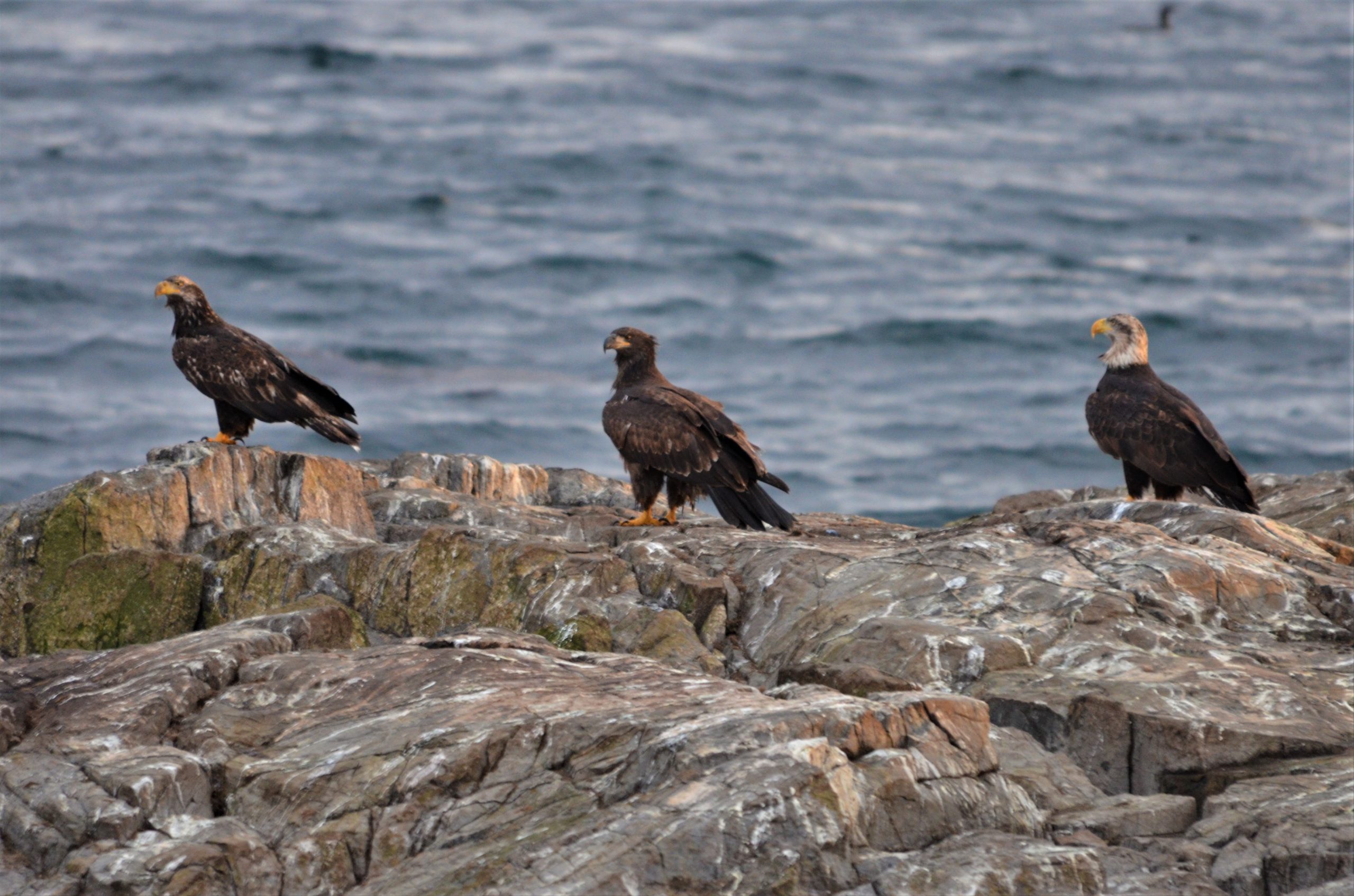
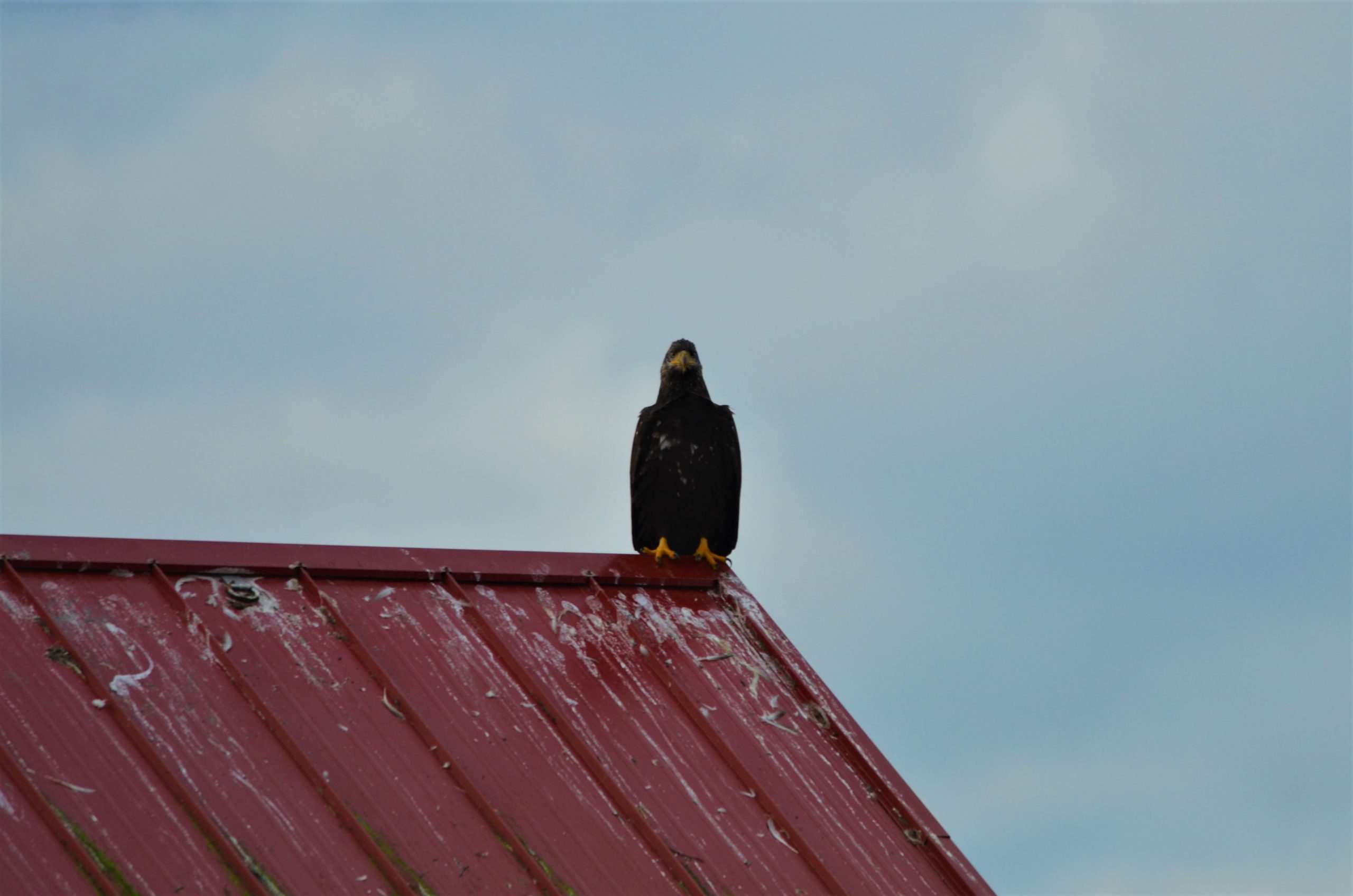
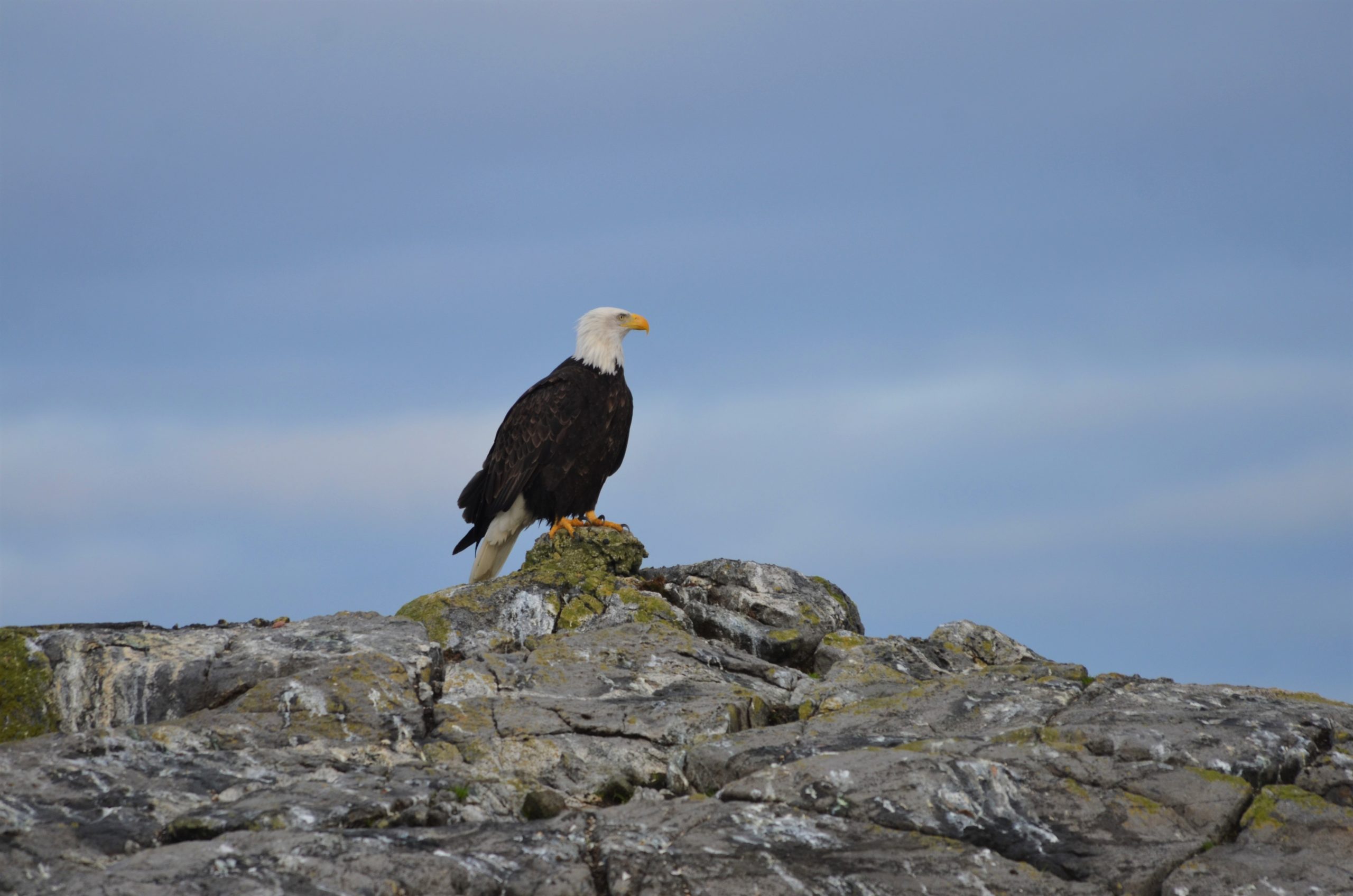
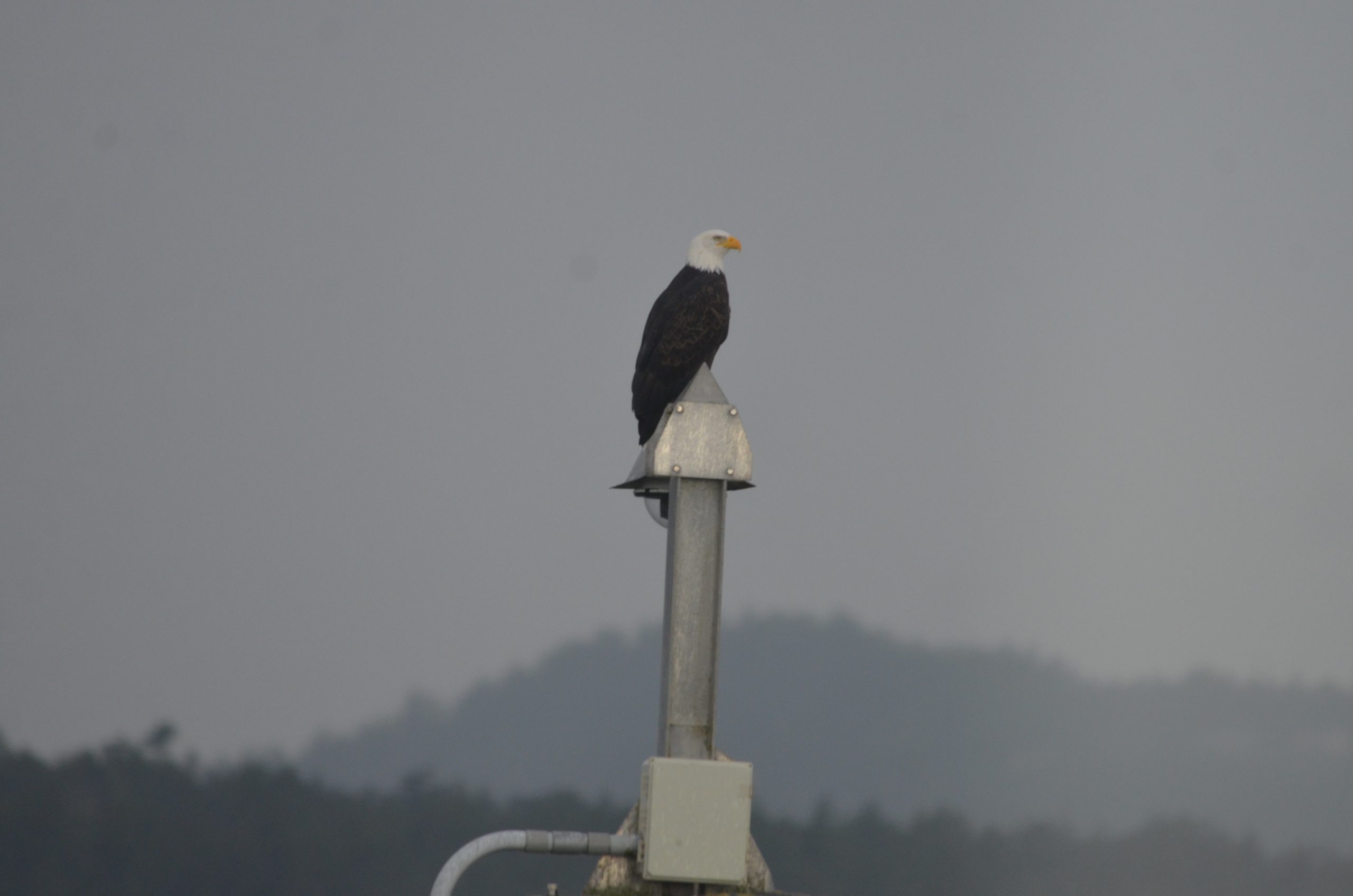
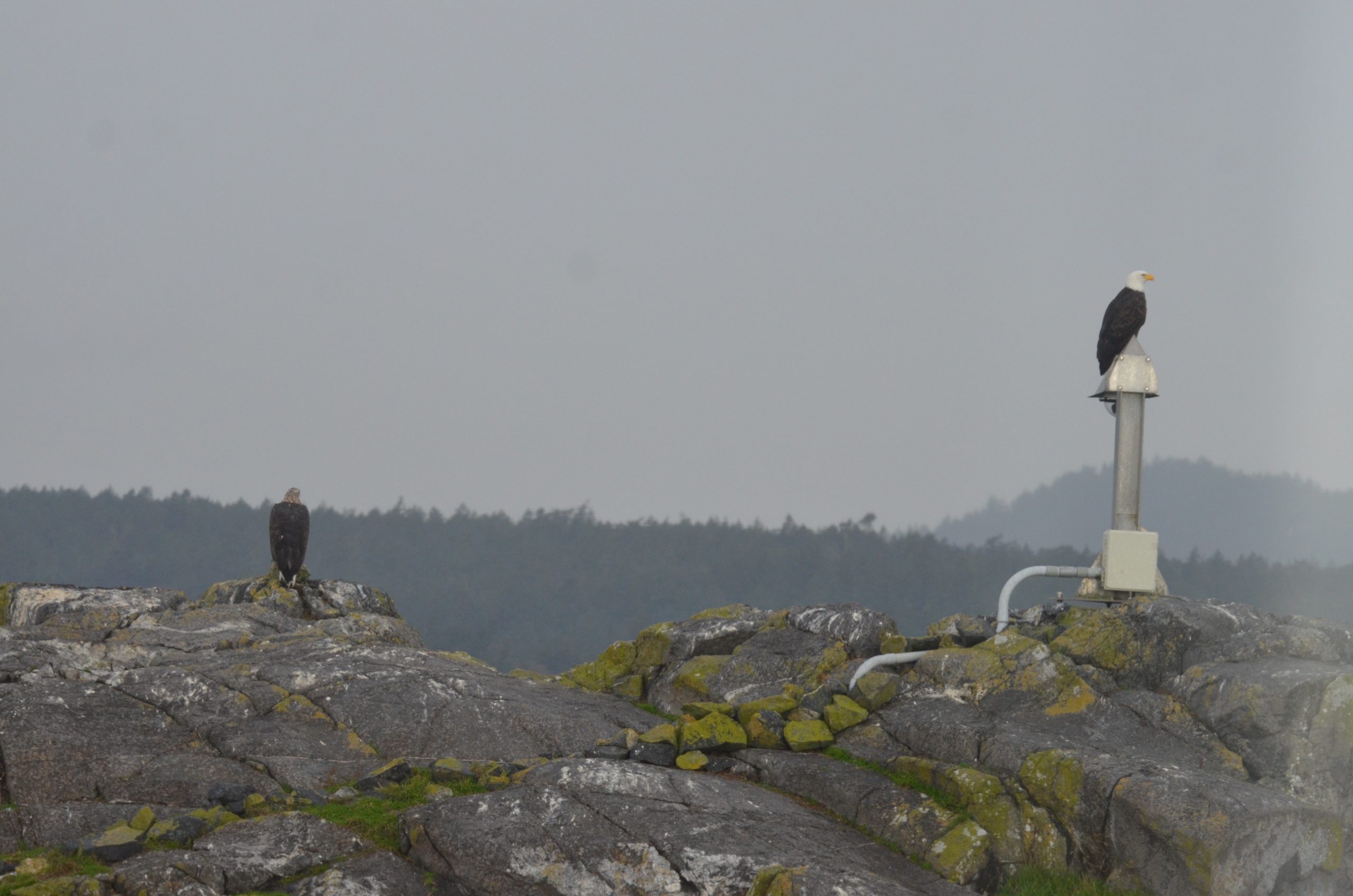
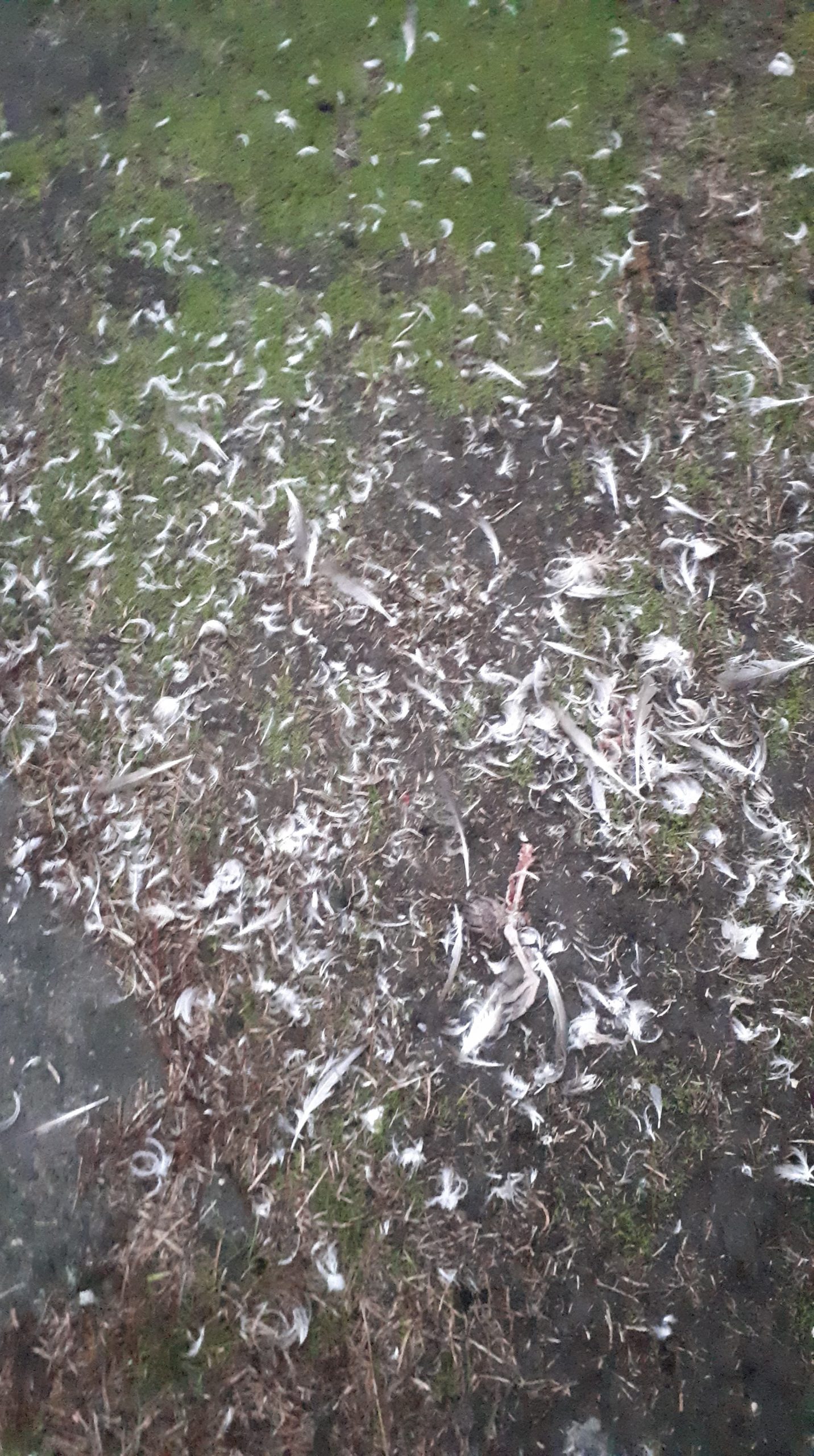
  • There have been an incredible number of eagles in the reserve eating both fish and seagulls. It’s amazing to watch them hunt and even more incredible to watch them carefully pluck a bird before digging in (albeit a bit gory).
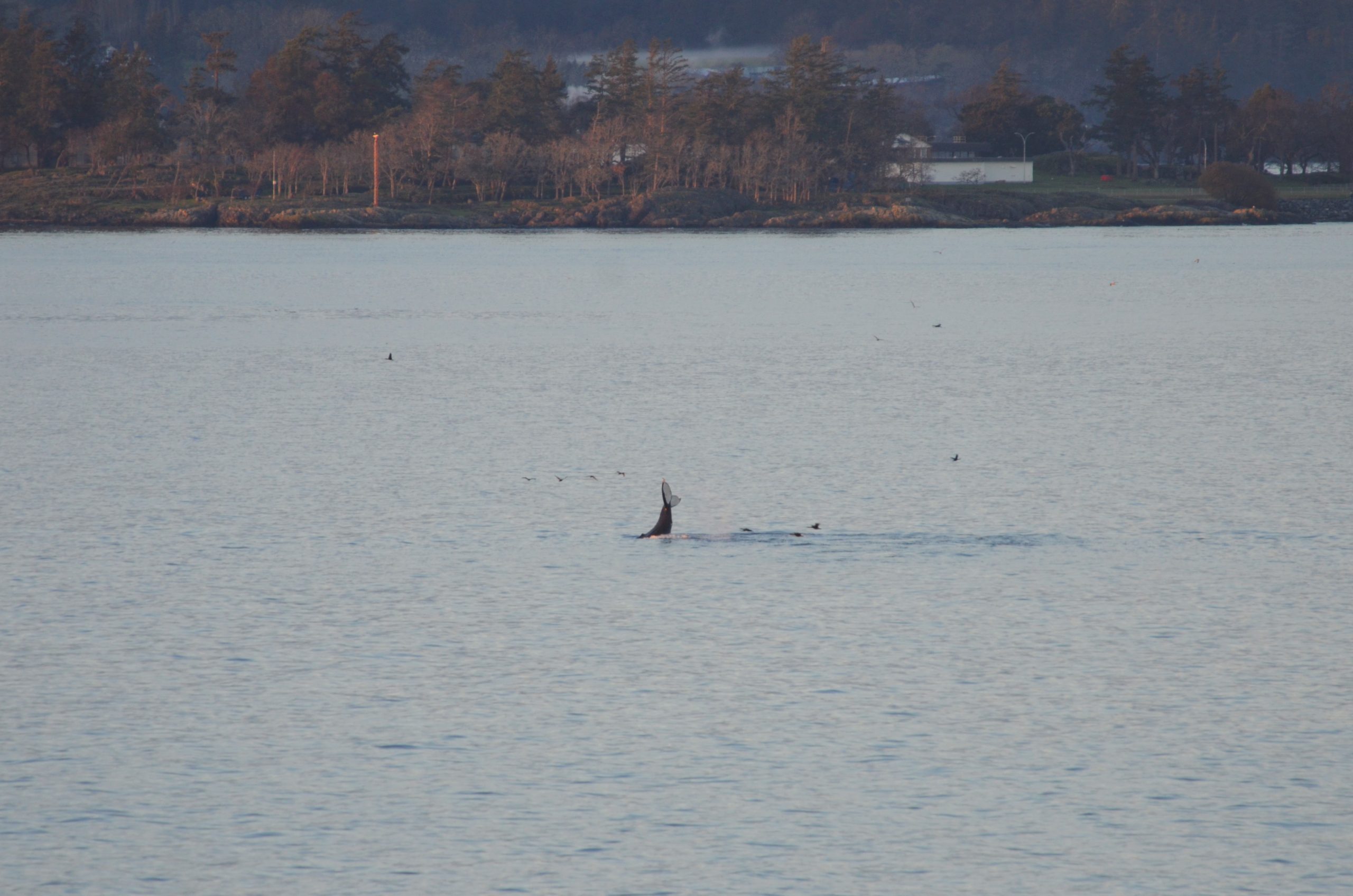
  • We have still been seeing whales every day, primarily humpbacks but we have also been thrilled to see the occasional pod of orcas passing by. Today we spotted one young whale tail slapping continuously for about 5 minutes before moving along past Pedder Bay. It’s comforting to see the whales exhibiting their regular feeding patterns now that there are fewer vessels on the water. Now that we have become more tuned observers of whales, the behavioral contrast between vessels present and absent can be very stark.

Census: 

  • 195 Stellar sea lions
  • 330 California sea lions
  • 1 Ruddy turnstones
  • 22 Black turnstones
  • 2 Sanderlings
  • 17 Harbour seals
  • 6 Bald eagles
  • About 600 Pelagic cormorants and Brandt’s cormorants
  • About 300 California gulls

A Canada Goose Curiosity

Weather Today: 

  • Visibility 10-15 NM
  • Sky overcast
  • Wind 20-30 knots NE
  • Large swells and some whitecaps

Visitors and traffic: 

  •  There has not been many boats coming through, probably due to the poor conditions.

Notes: 

  • The weather since our last post was very rough, we had winds of over 50 knots (about 100km/h) and some very rough surface conditions.
  • We have been having some equipment issues but we are back and have some great photos to share!
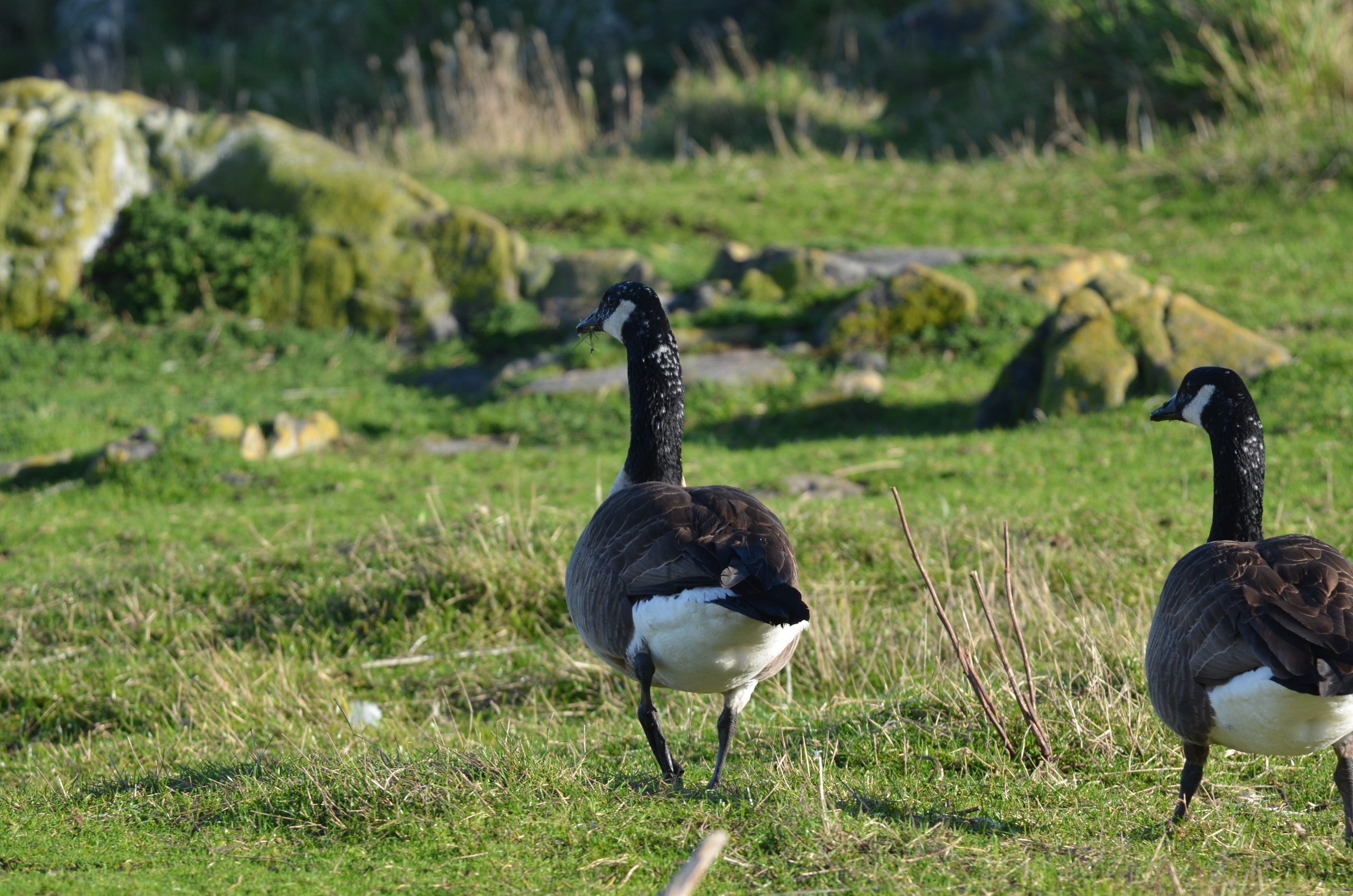
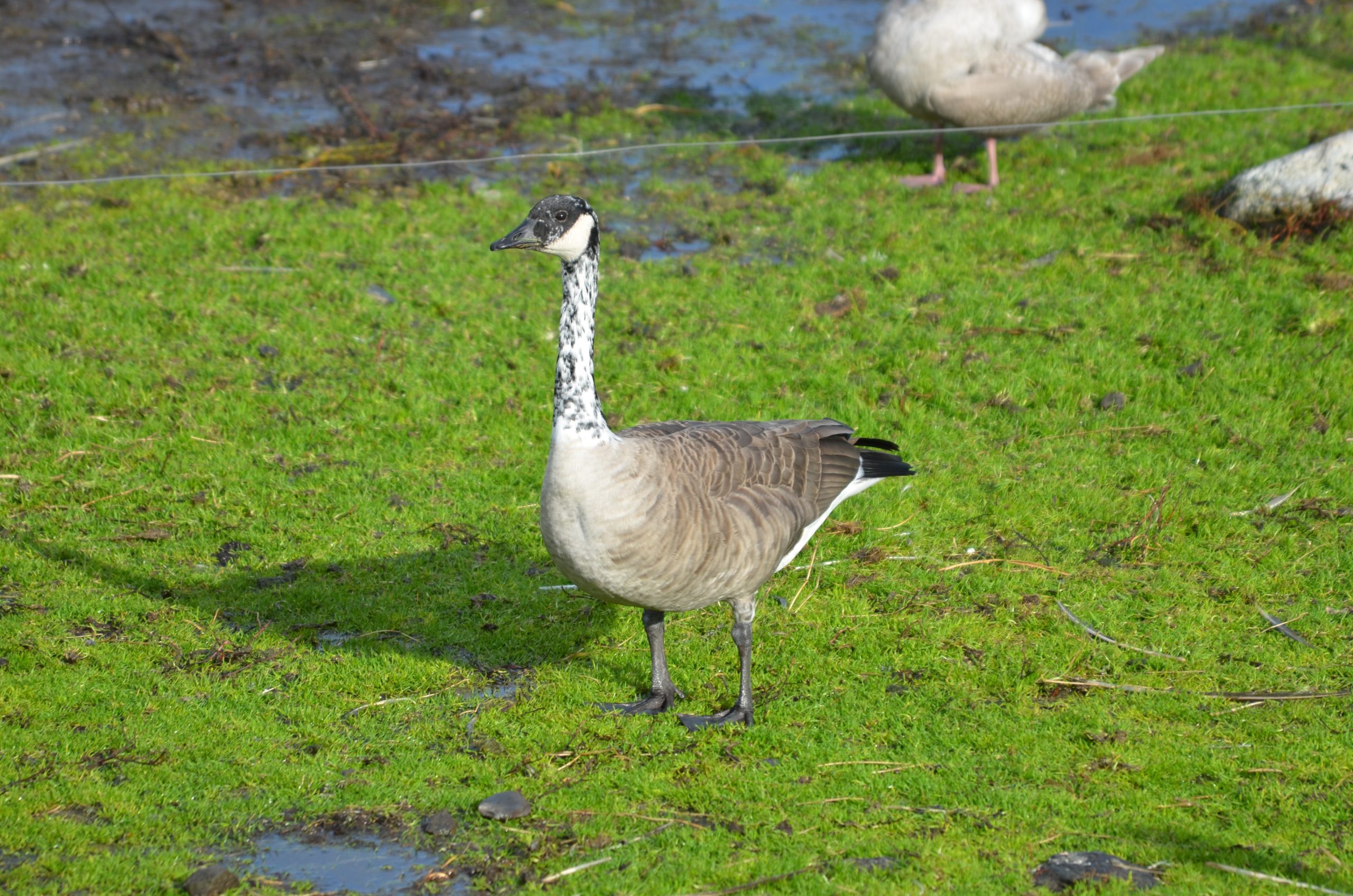
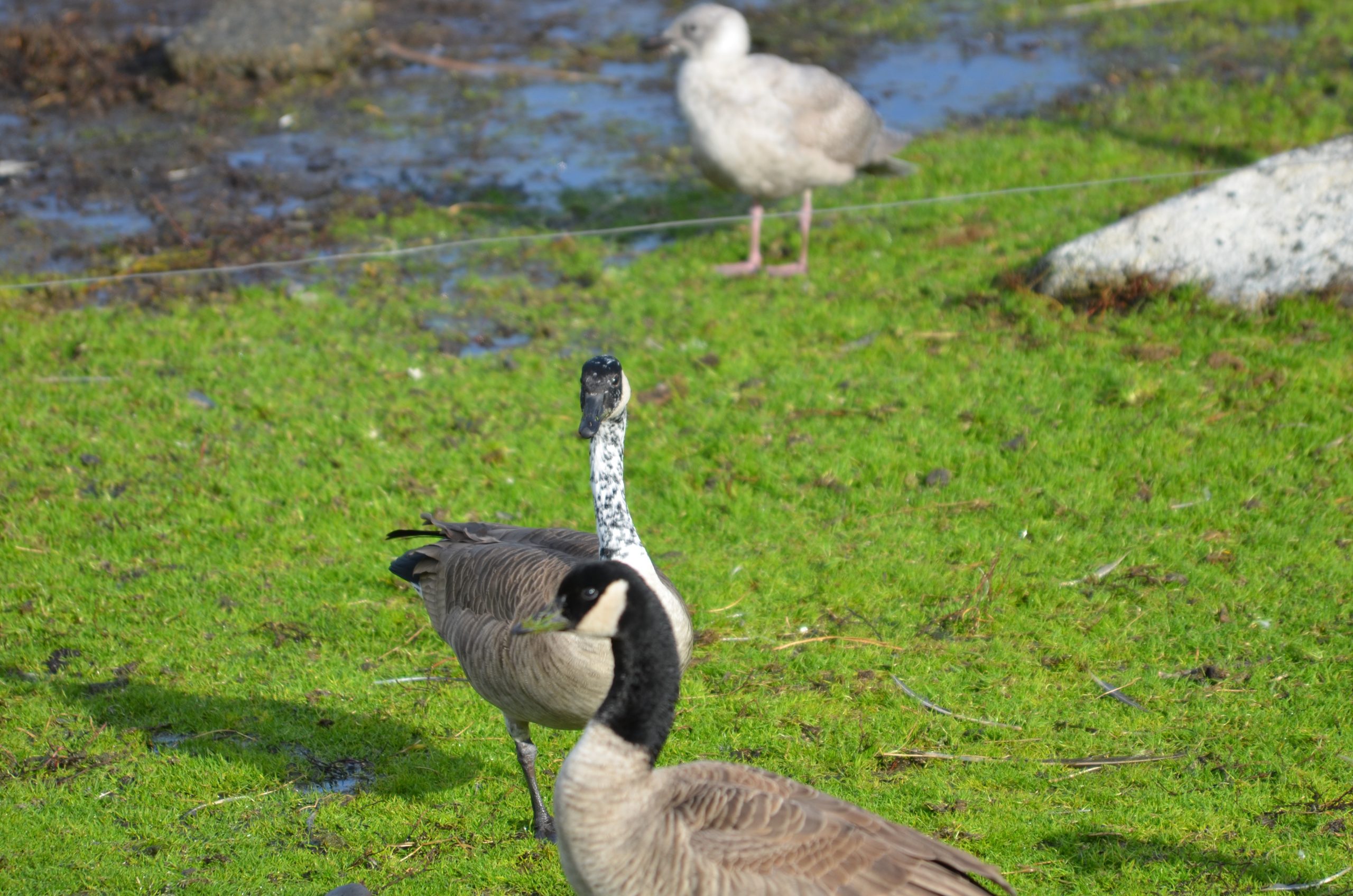
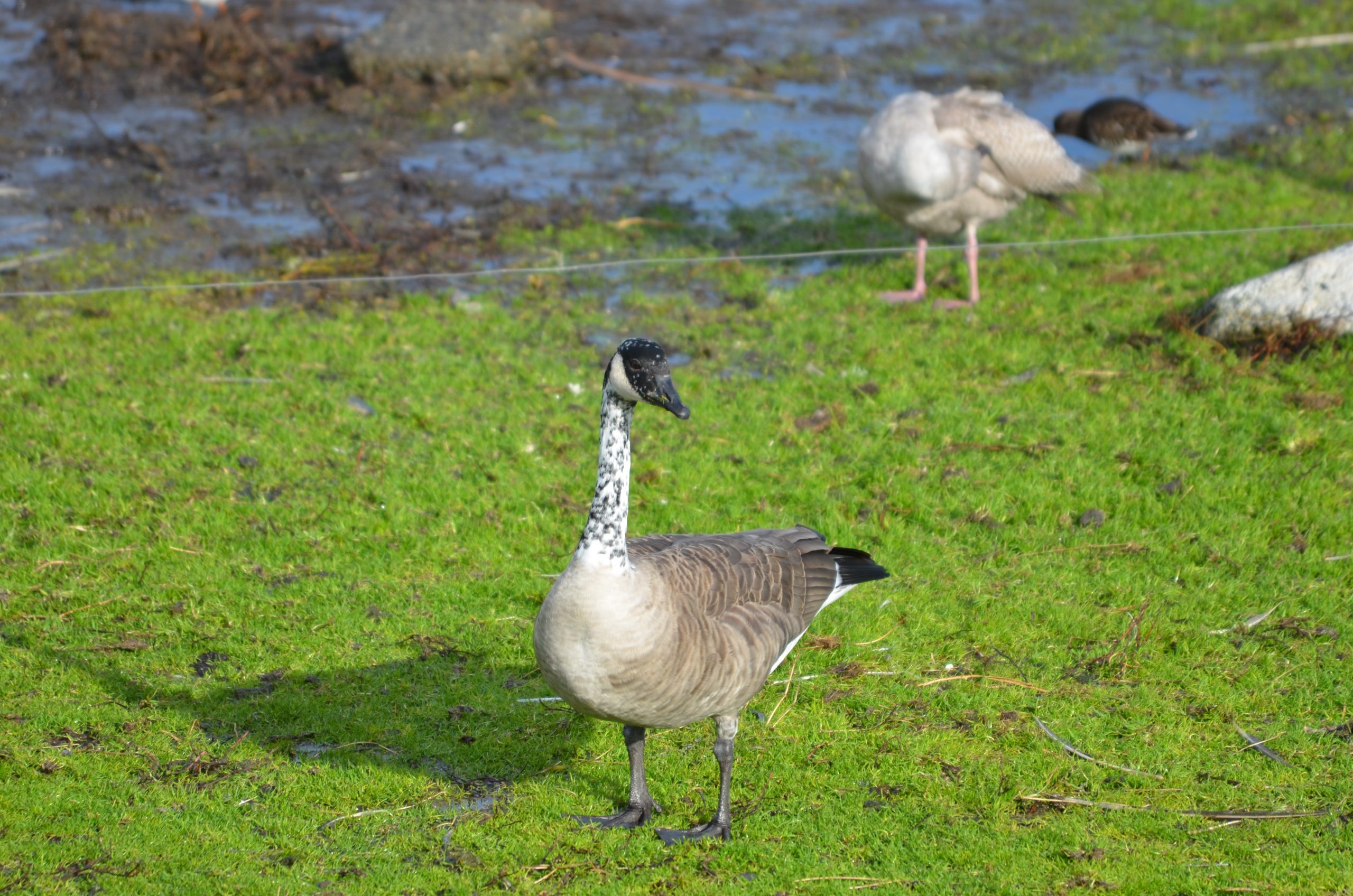
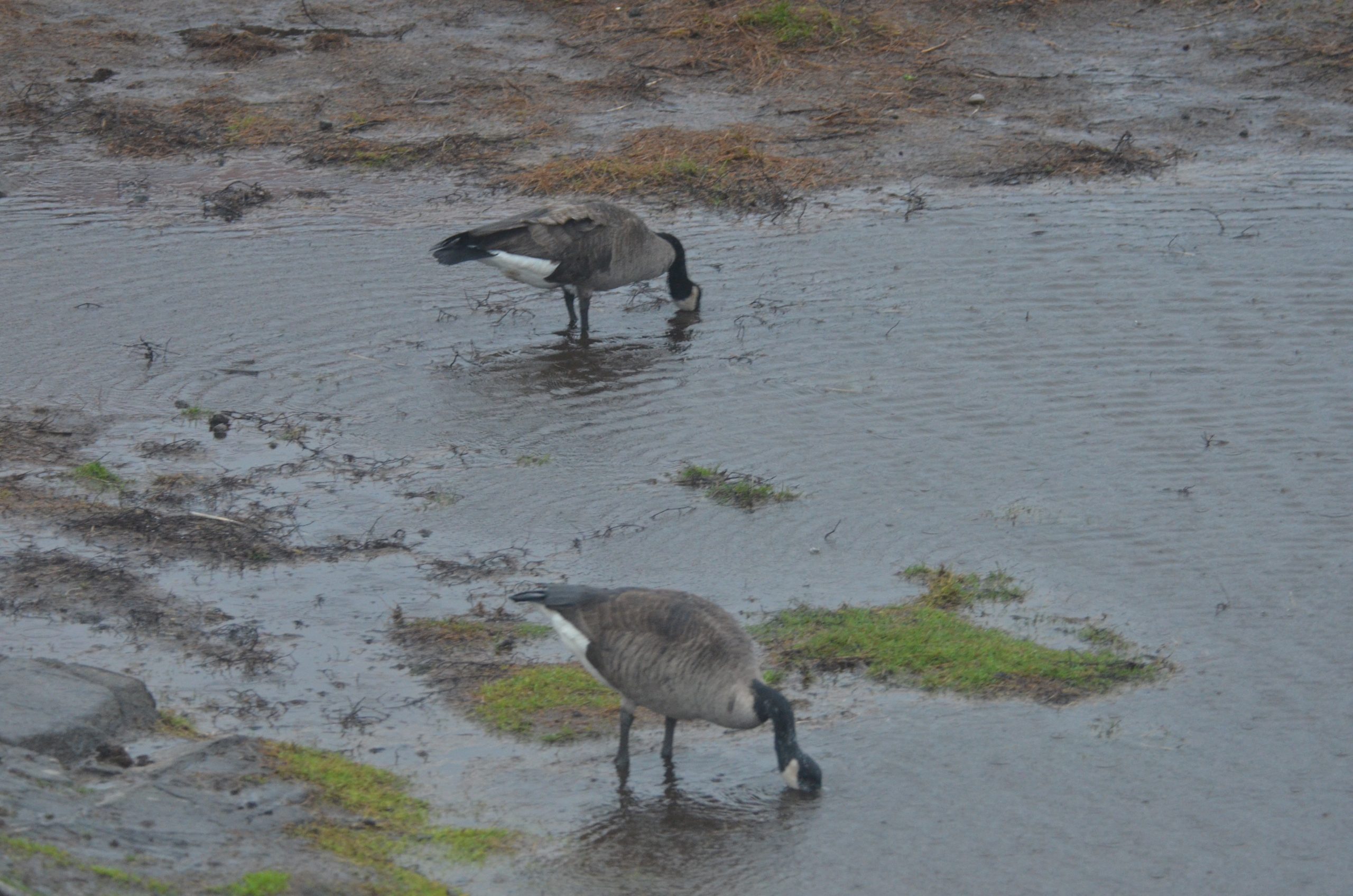
  • On Saturday we spotted an oddity – a Canada Goose with a mostly white neck. It really stood out from the rest of its feathered friends and it was a rush to the camera for us. We think it may be leucistic. Leucism is not one specific condition, and this ‘depigmentation’ probably has an underlying genetic cause.
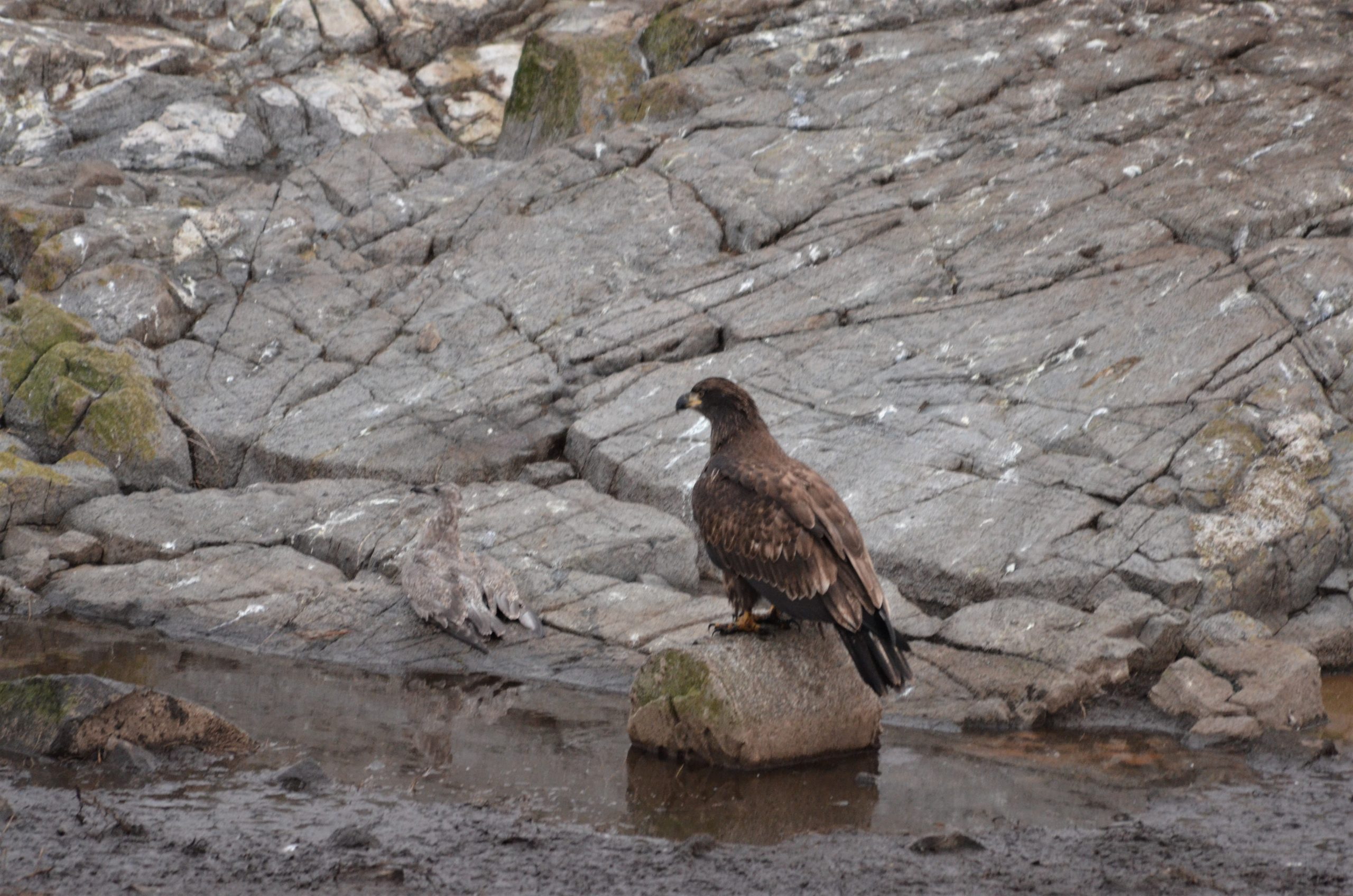
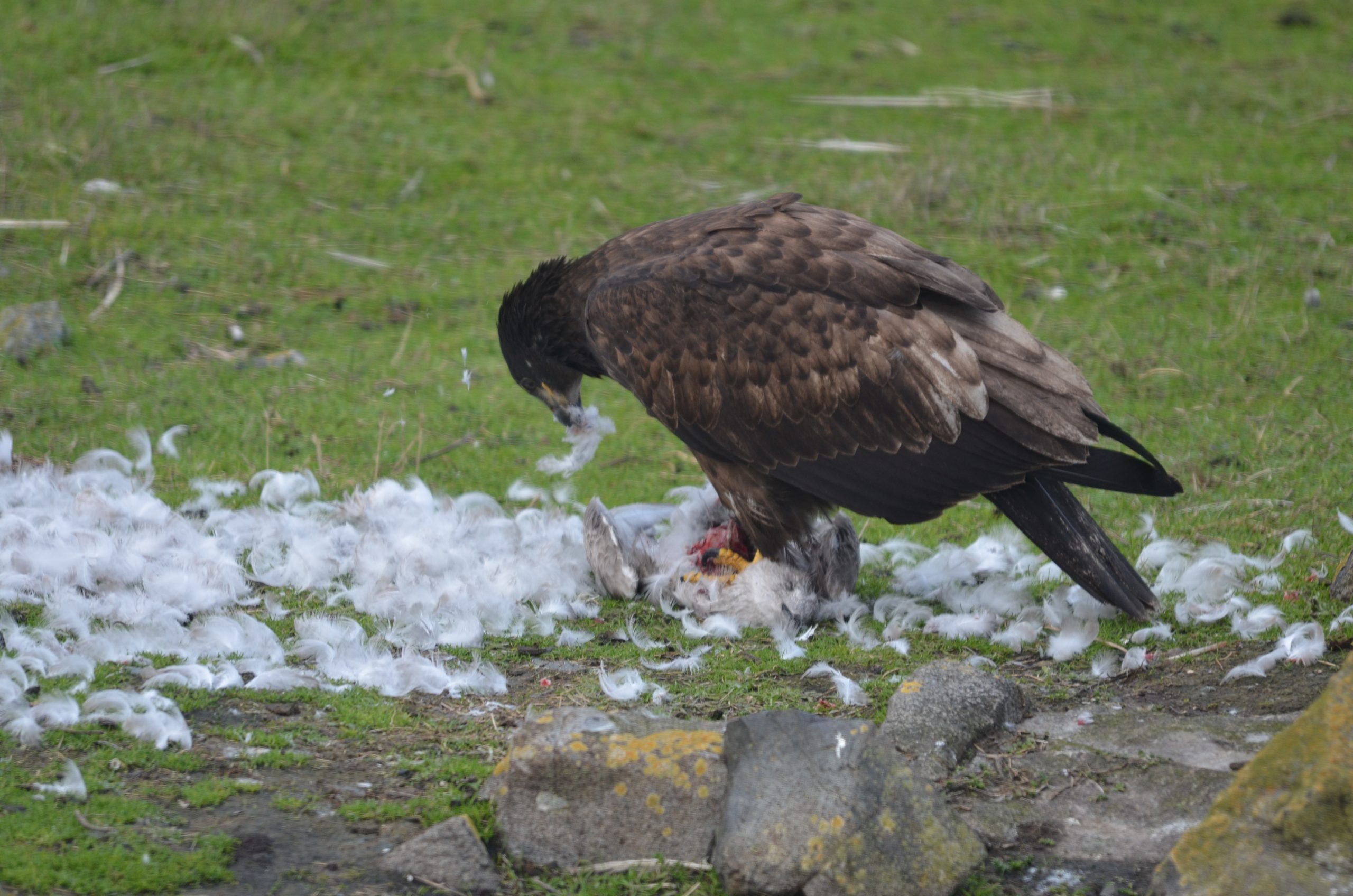
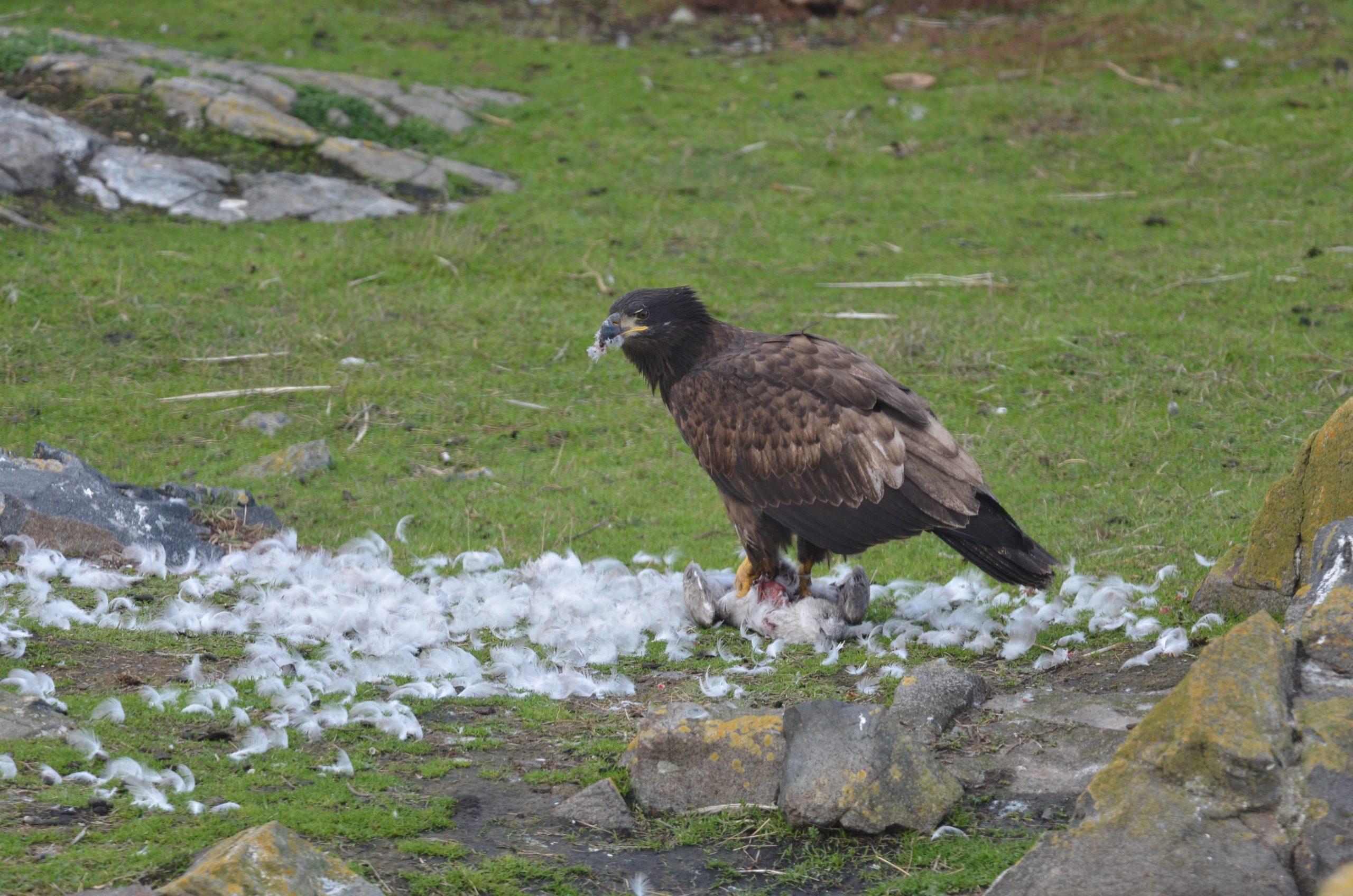
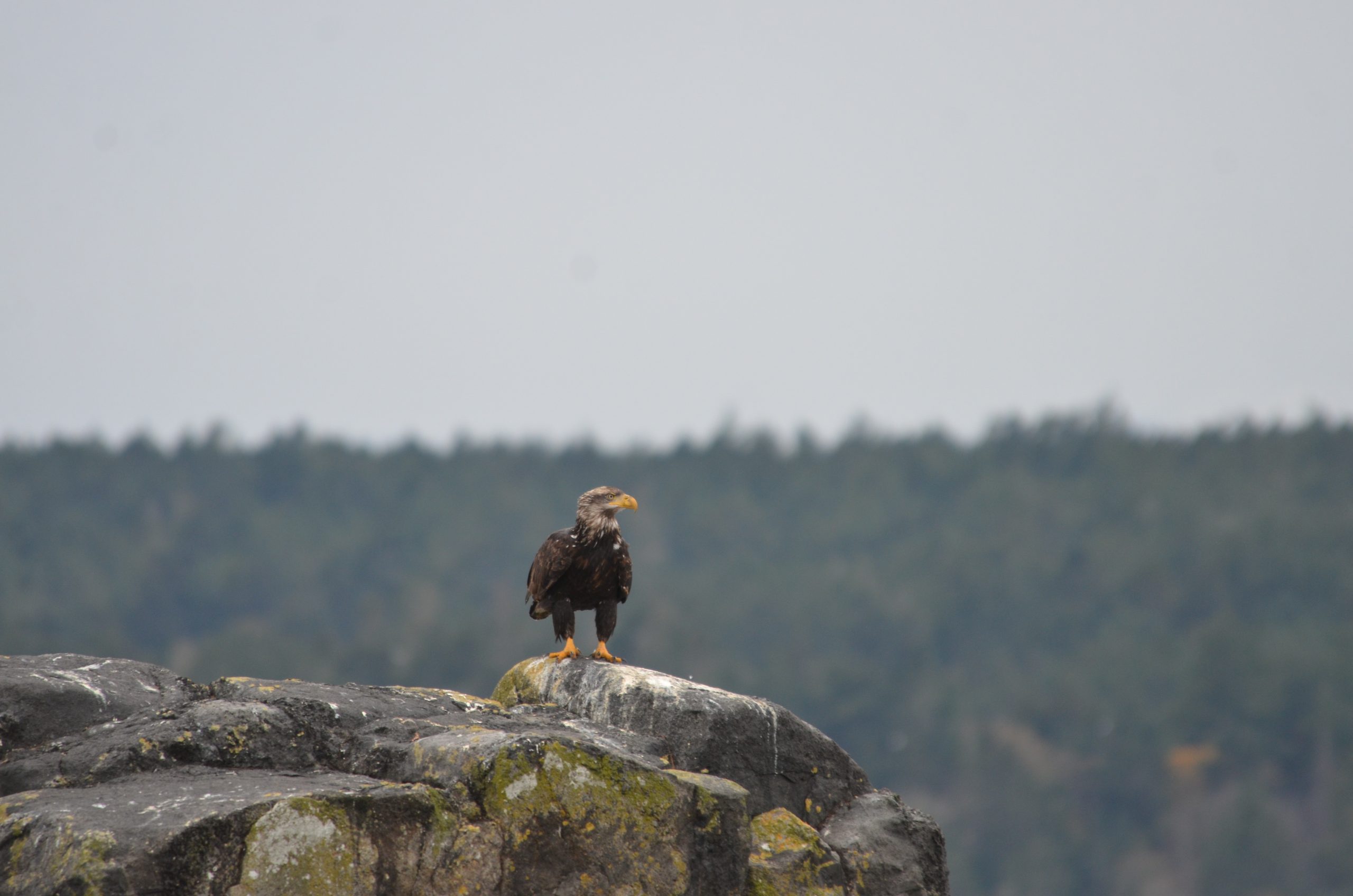
  • We have seen a variety of eagle but most exciting was the bird about 20 feet in front of the house, perched on top of a freshly caught seagull!
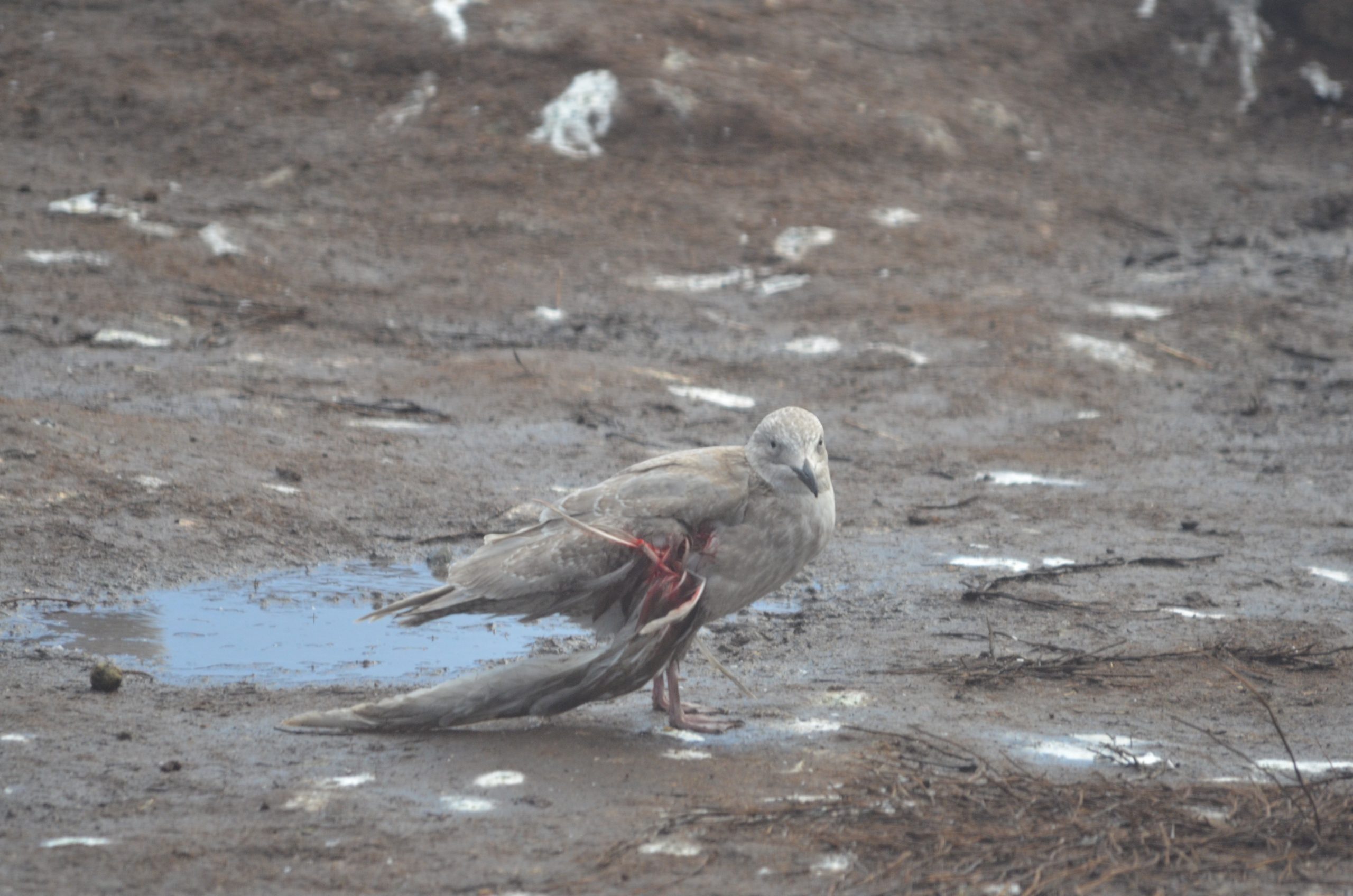
  • On Sunday a seagull with a badly injured and nearly missing wing was around, perhaps the result of a predator attack gone badly for both parties. It was completely alert and walking around with the other seagulls but we haven’t seen it since and presumably it succumbed to its injuries or predation.
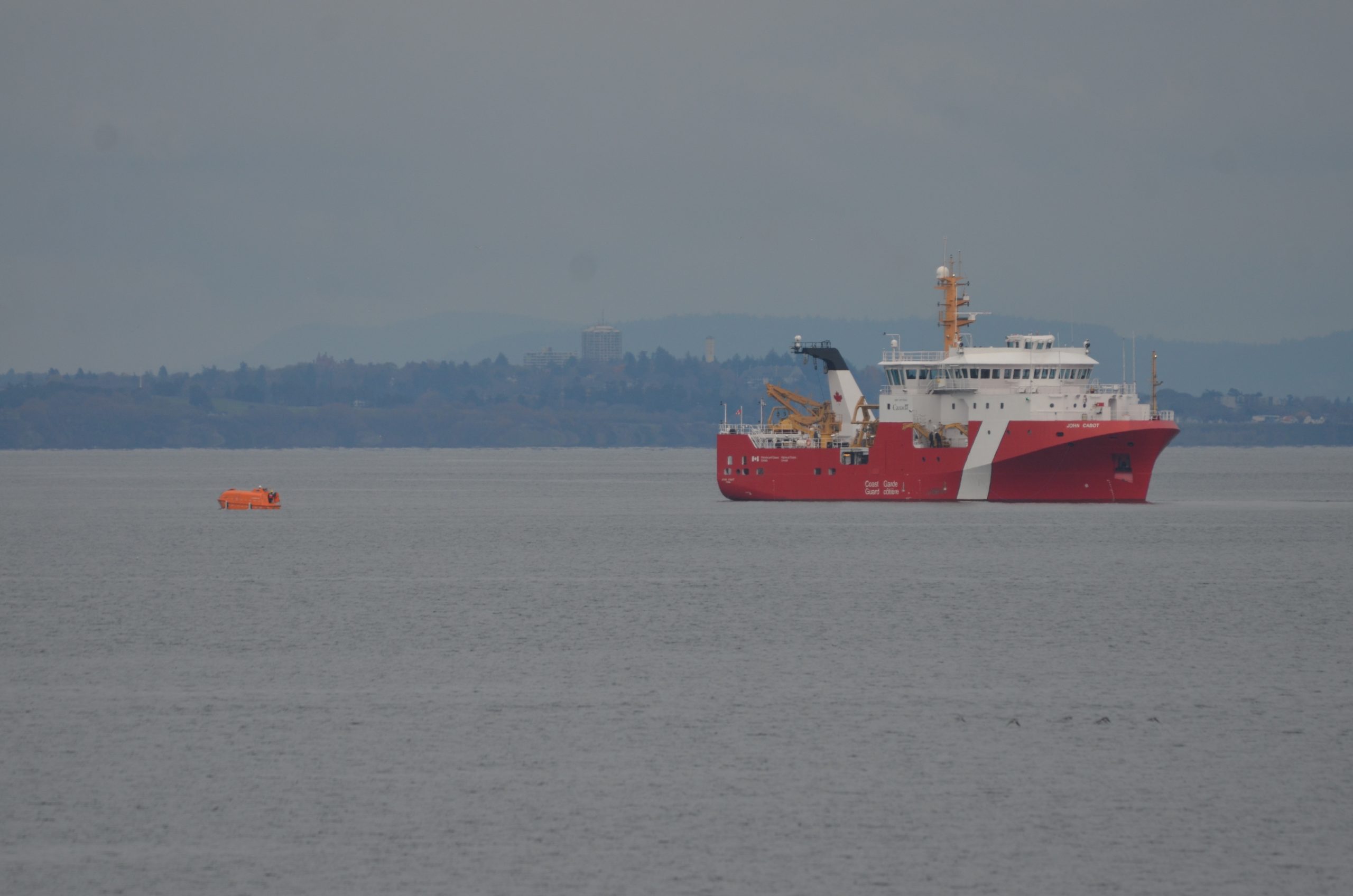
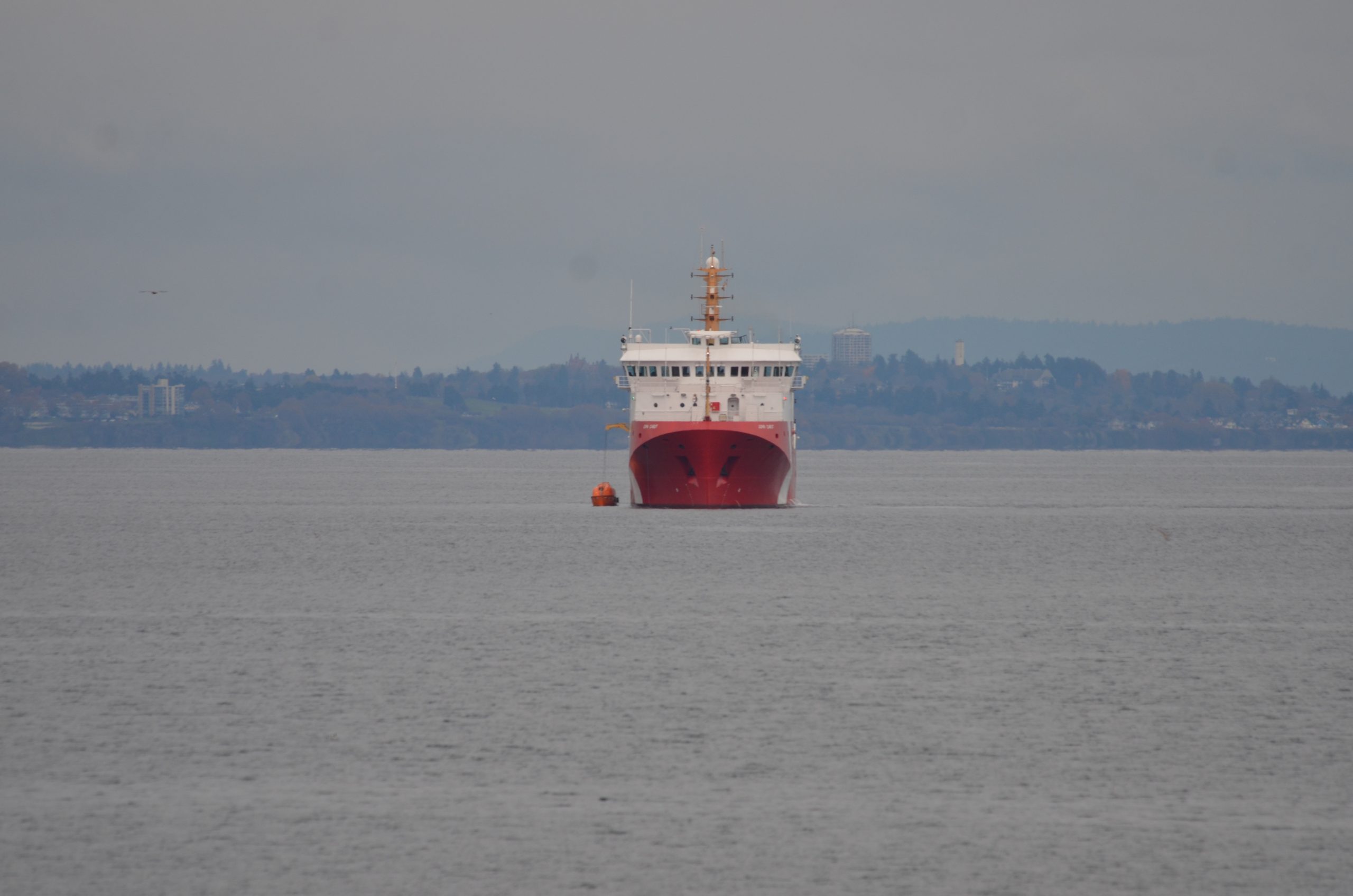
  • Canadian Coast Guard Ship John Cabot, an offshore fisheries science vessel, paid the area a visit. The vessel hung around for about an hour and looked to be doing something with a lifeboat, maybe training? CCGS John Cabot was just recently constructed at Seaspan Shipyards and was launched in July, champagne bottle and all, by provincial health officer Dr. Bonnie Henry.
  • Visibility has been erratic – we will have a census posted when first possible.

Seagull Stones and Census

Weather Today: 

  • Visibility 10 NM
  • Sky overcast
  • Wind 10-15 knots SW
  • Calm seas earlier in the day, rougher later on – swells 1-2m high

Visitors and traffic: 

  • Some old equipment is being moved to land, so there have been a couple of runs back and forth to the college.
  • The usual 5 or so whale watching vessels daily, very few pleasure craft as the weather gets worse.

Ecological Notes: 

  • We have been seeing whales every day, both humpbacks and orcas!
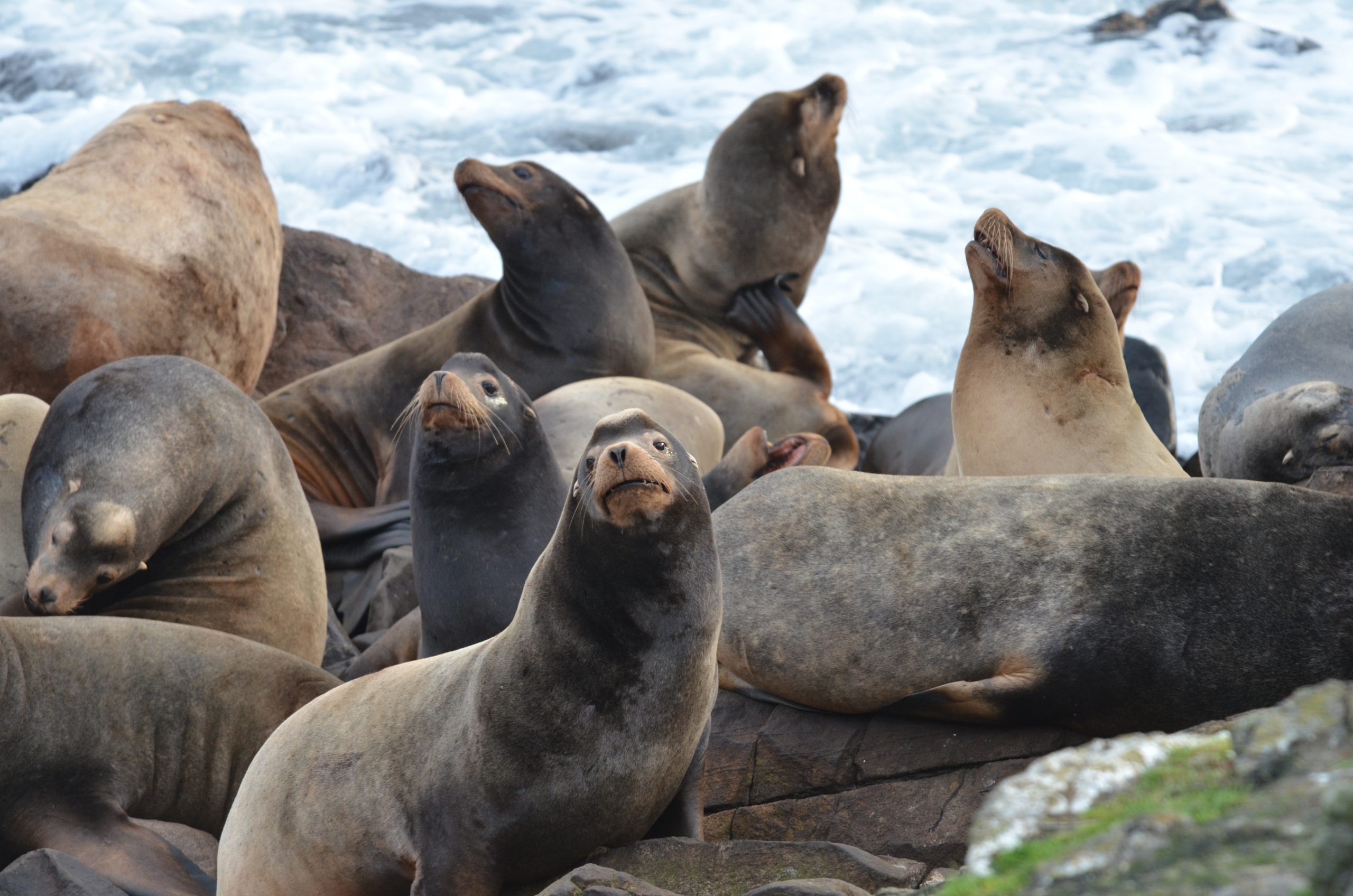
  • We thought the sea lions were beginning to move along for good but they came back – it has been interesting to observe how suddenly it can go from a couple hundred hauled out to perhaps only 50. They must leave in the night as we have yet to notice it as it happens.
  • Unfortunately we have another sea lion hanging around that has plastic around its neck.
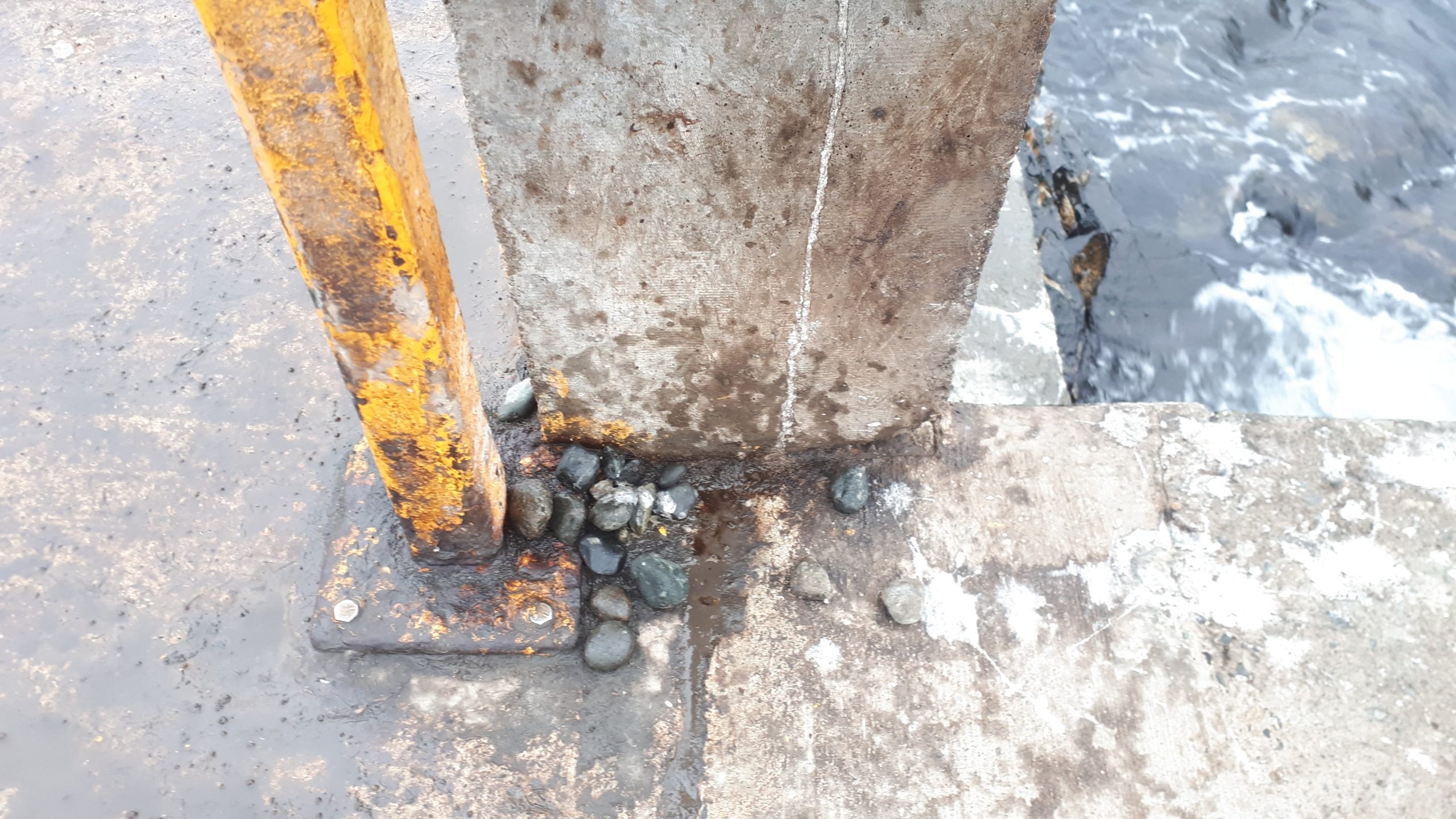
  • While doing some work on the jetty today I (Kai) noticed an interesting pile of small stones piled up in a corner of the railing. We often see seagulls, especially the ones that look younger, playing with rocks of the same size. They are usually together in a group of 2-4 and they’ll take turns moving a rock around, holding it in their beak, and trying to take it away from each other. It seems plausible that the seagulls placed the rocks there, we haven’t seen other animals interacting with each other and objects this way.

Some photos from the last couple of days:

Census:

65 Harbour Seals

457 California Sea Lions

737 Cormorants

4 Eagles

17 Geese

4 Oyster Catchers

13 Black Turnstone

3 Humpback Whales

221 Seagulls

184 Stellar Sea Lions

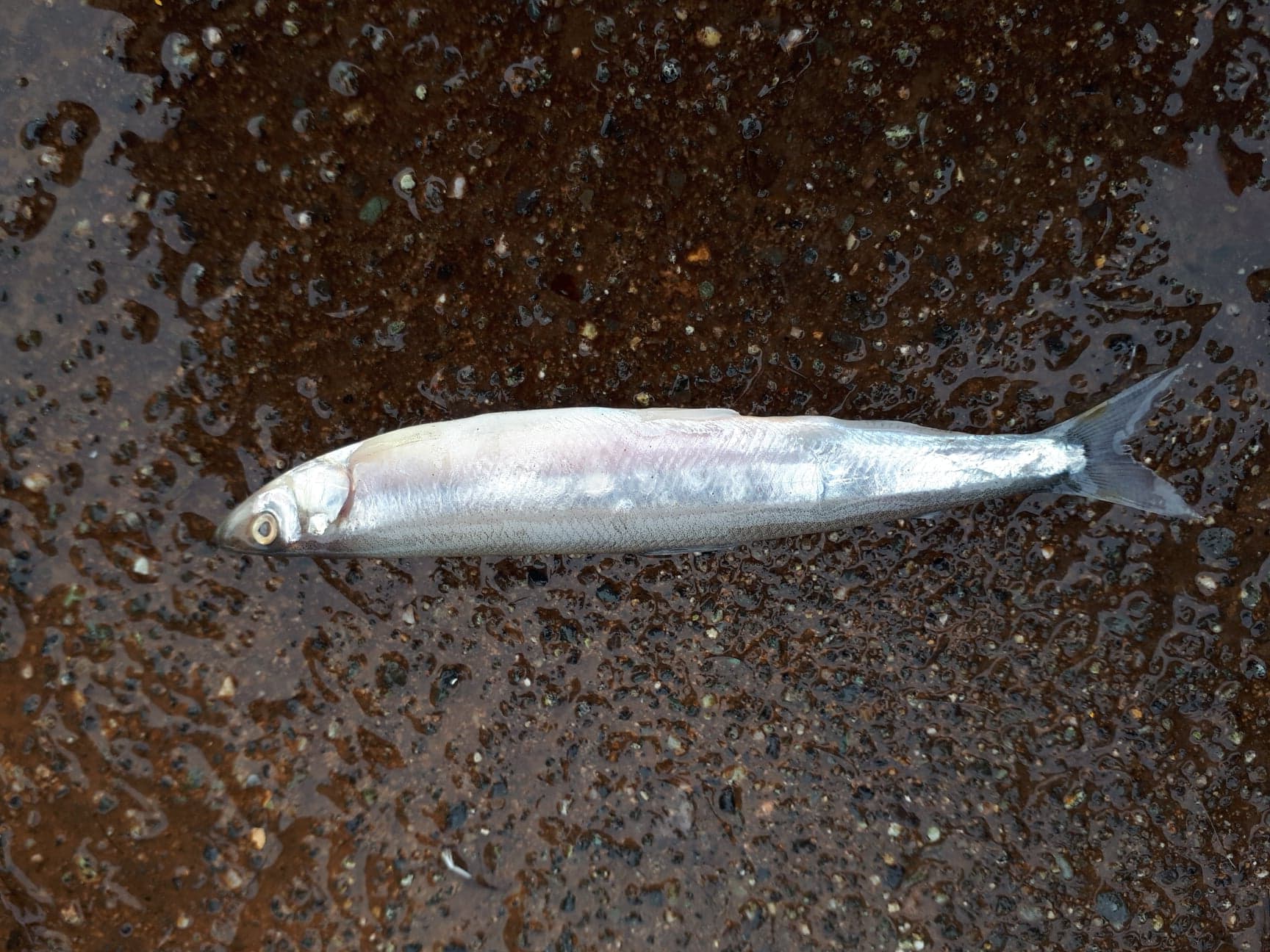
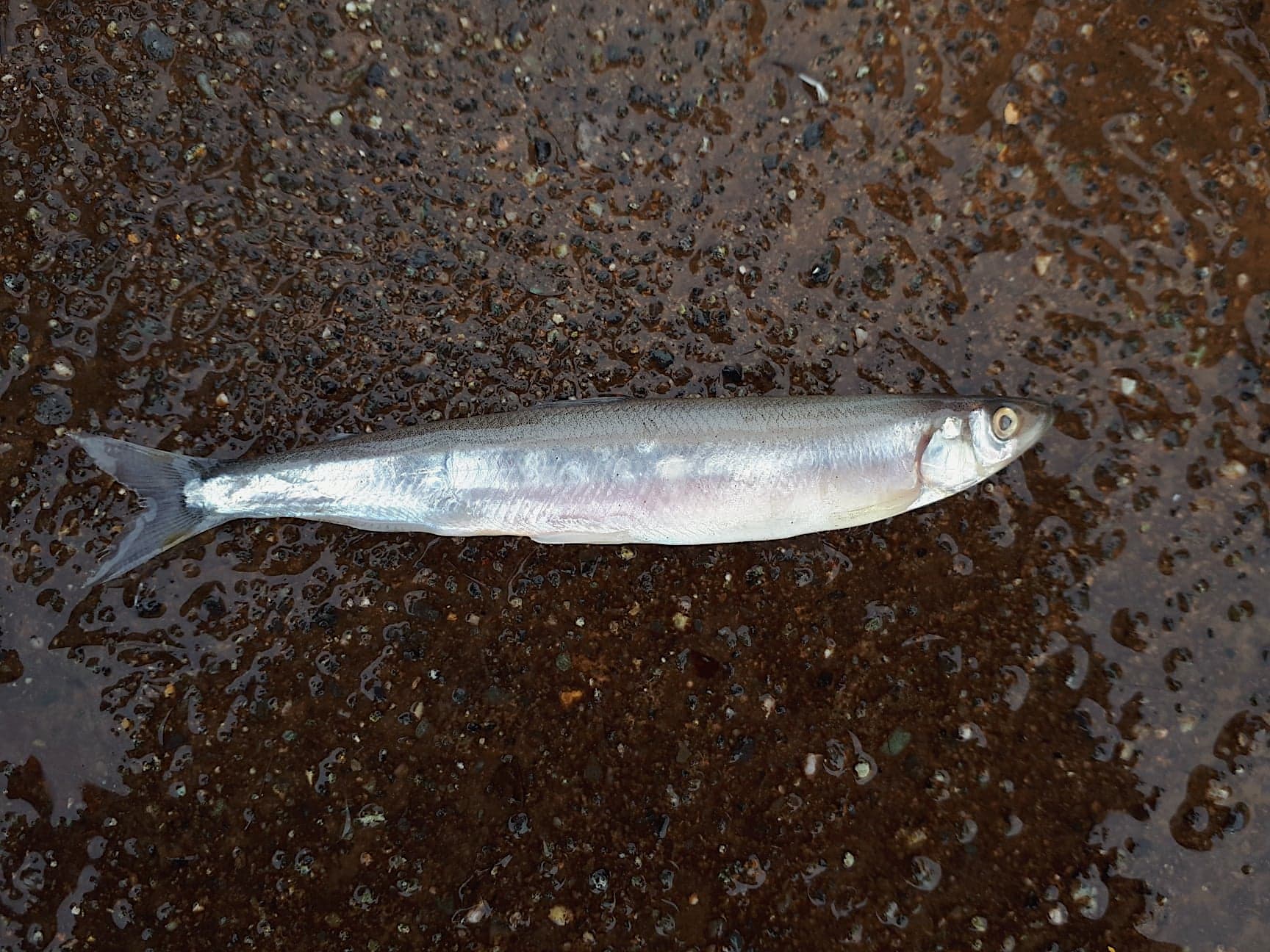
Engraulis mordax: Northern Anchovie- The Race Rocks taxonomy


 This specimen was found today at Race Rocks see  the ecoguardians post


Classification
Kingdom: Animalia

Phylum: Chordata
Class: Actinopterygii
Order: Clupeiformes
Family: Engraulidae
Genus: Engraulis
Species: E. mordax

common name:  Northern Anchovie
Other Other fish at Race Rocks.

–Garry Fletcher

see this excellent reference: https://animaldiversity.org/accounts/Engraulis_mordax/

taxonomyiconReturn to the Race Rocks Taxonomy
and Image File
pearsonlogo2_f2The Race Rocks taxonomy is a collaborative venture originally started with the Biology and Environmental Systems students of Lester Pearson College UWC. It now also has contributions added by Faculty, Staff, Volunteers and Observers on the remote control webcams.


Whales, Harlequin Ducks, and Eagles!

Weather Today: 

  • Visibility 1-5 NM
  • Sky overcast, moderate fog cover
  • Wind 10-25 knots W
  • Waves up to 0.5m

Visitors and traffic: 

  • On Sunday we had a burst of whale watching activity, some around North Rock but primarily south of the reserve near the Rosedale Reef marker.
  • We have had some supplies (water, etc.) delivered over the last couple of days.

Ecological/Weather Notes: 

  • We woke up in a fog bank on Monday and the fog has stuck around, although with periods of clarity. It sounds like Vancouver Island is going to continue getting wet weather over this week.
  • As mentioned above, on Monday there were 2 minke whales (?) in the general area of North Rock and some time later 2 or 3 humpbacks south of us. A good handful of of whale watching/eco tourism vessels came by to get close to the action.
  • Over the last couple of days we’ve been seeing whales daily, usually out about a kilometre in the strait but once or twice they’ve come in closer to Rosedale Rock.
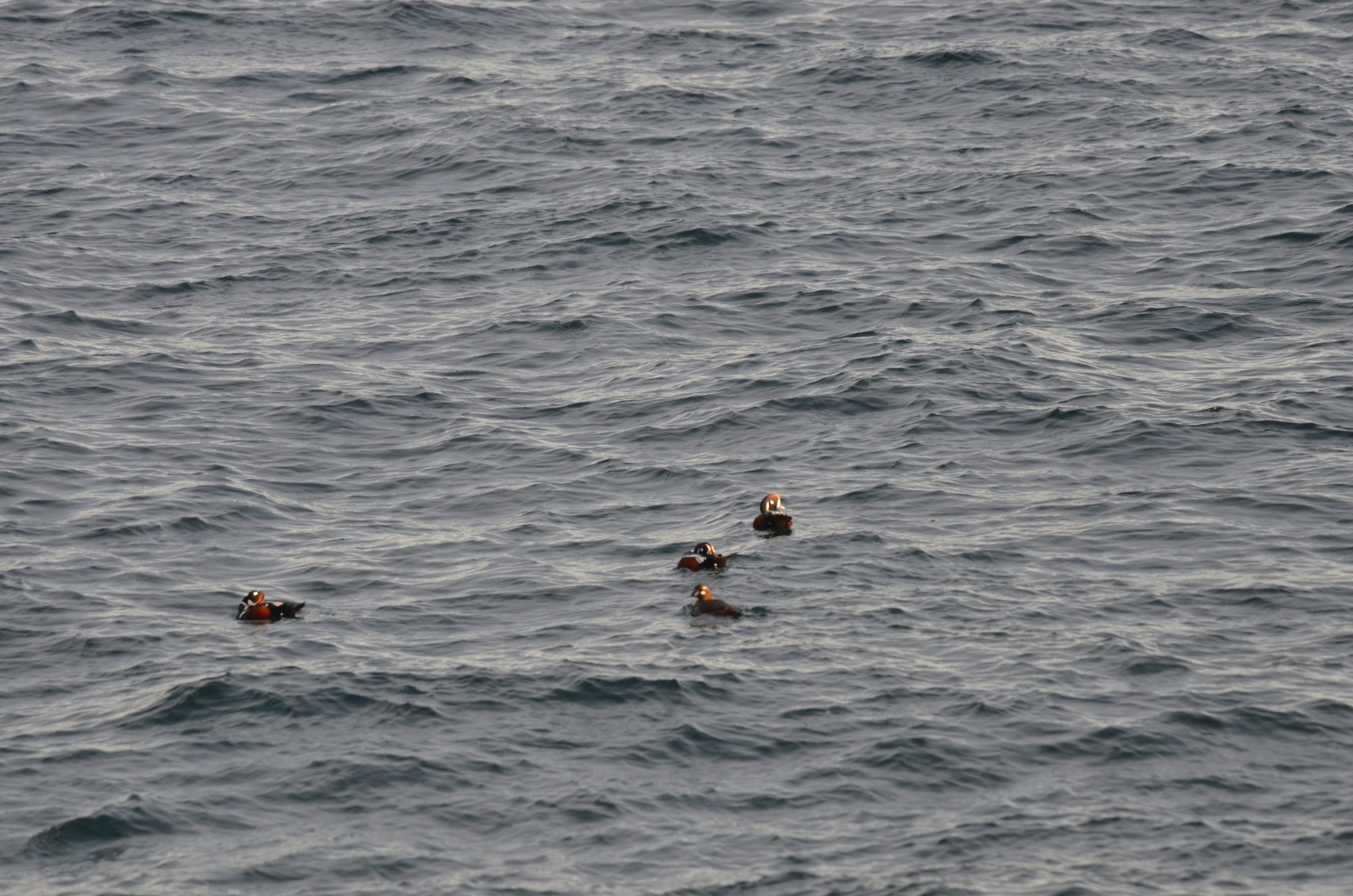
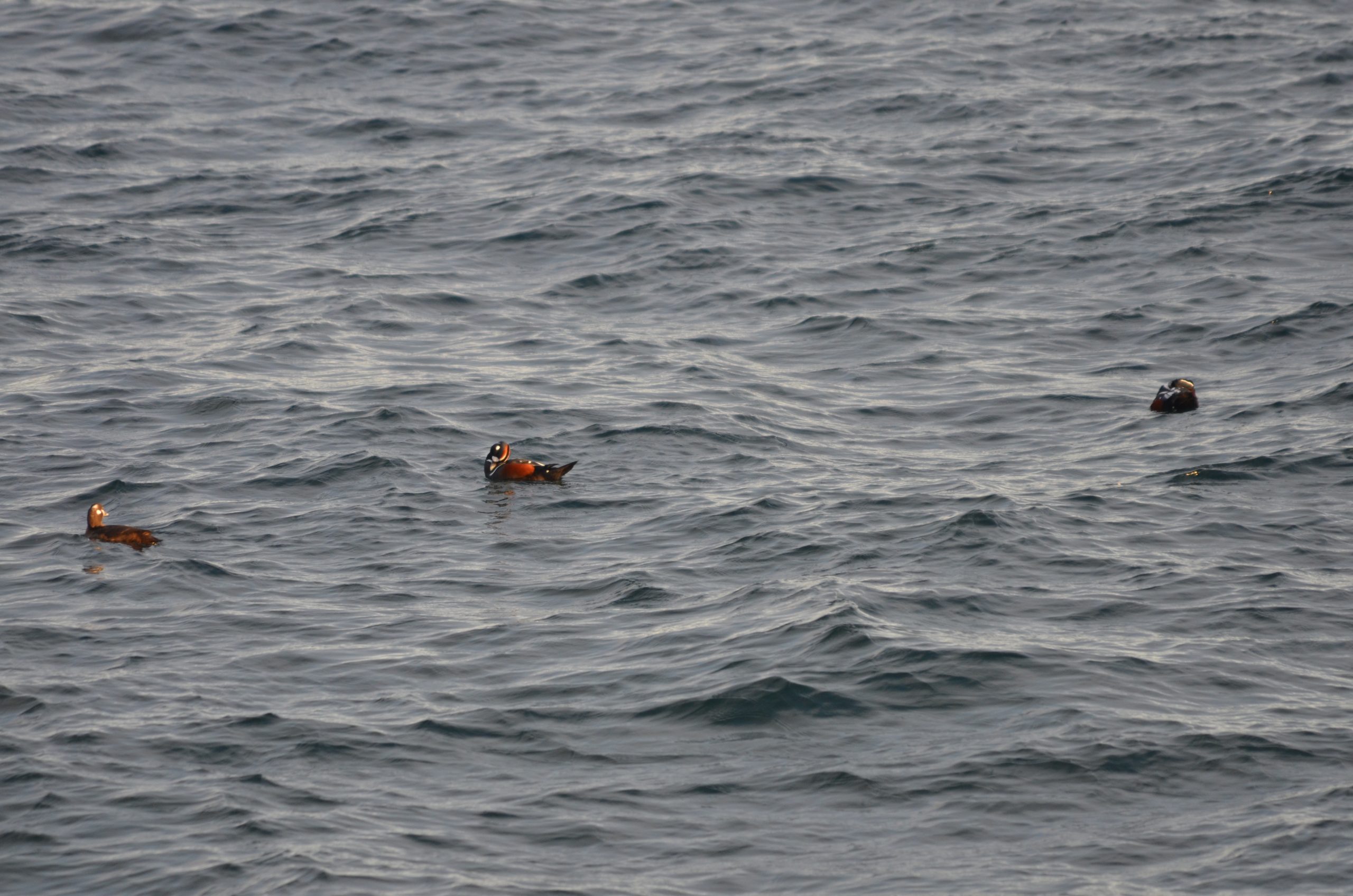
  • Mara spotted some brightly coloured Harlequin sea ducks in the water just off the shore south-east of us.
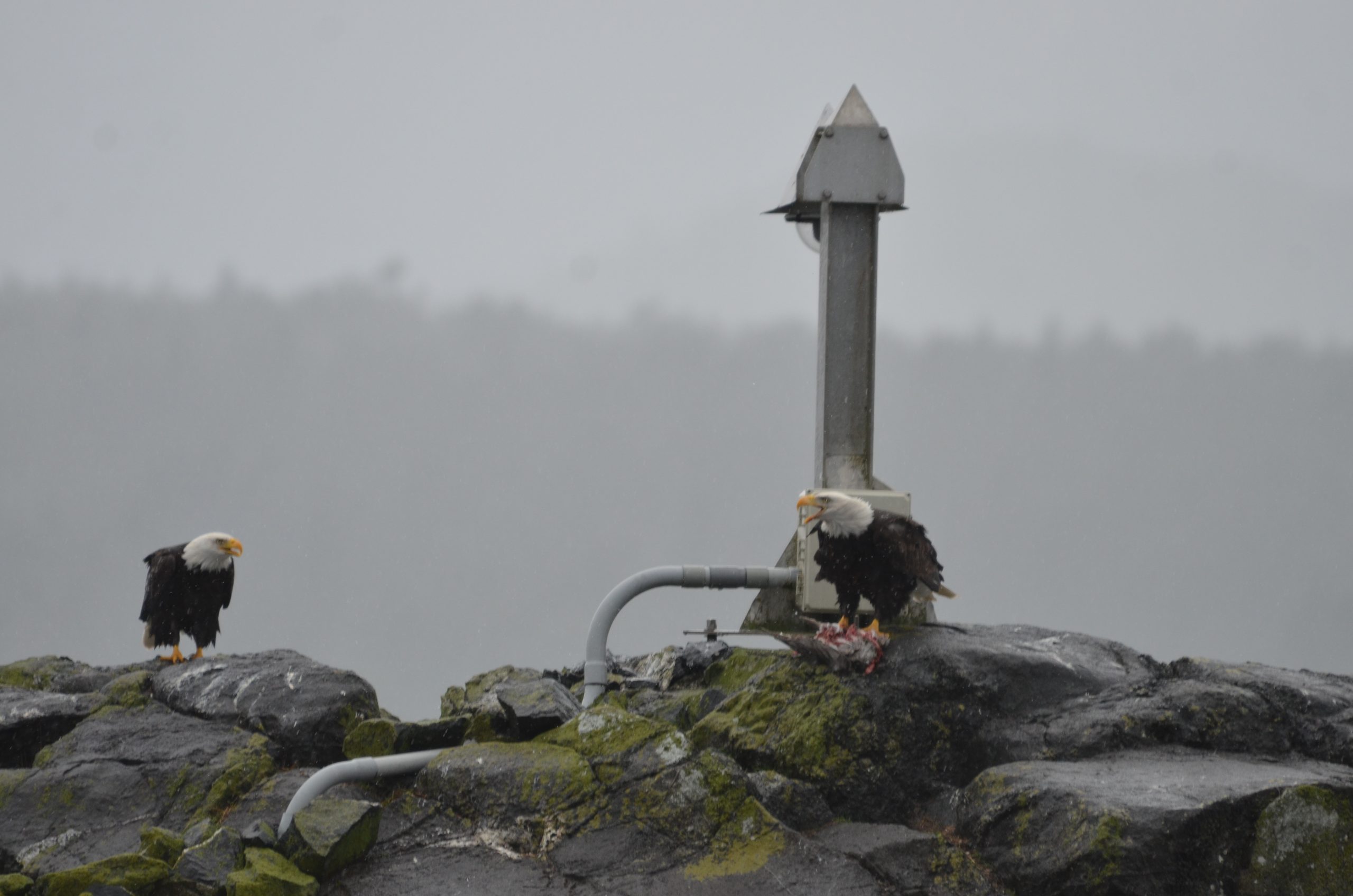
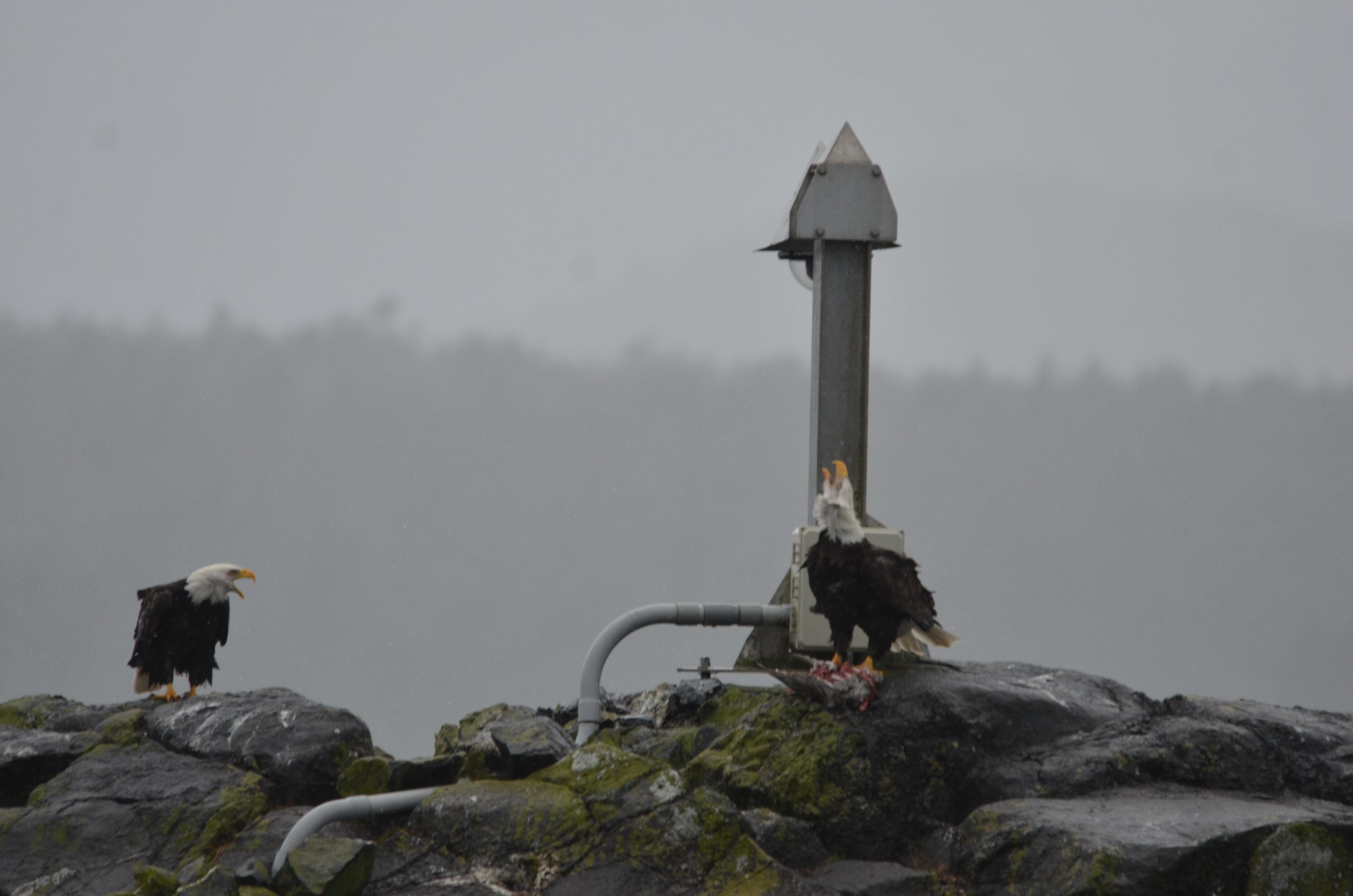
  • This afternoon two large bald eagles visited. Going off of the stray seagull leg and patch of feathers near the house, they were resting after a snack.
  • As the census shows below the sea lion numbers reflect the colder weather moving in and them moving out!
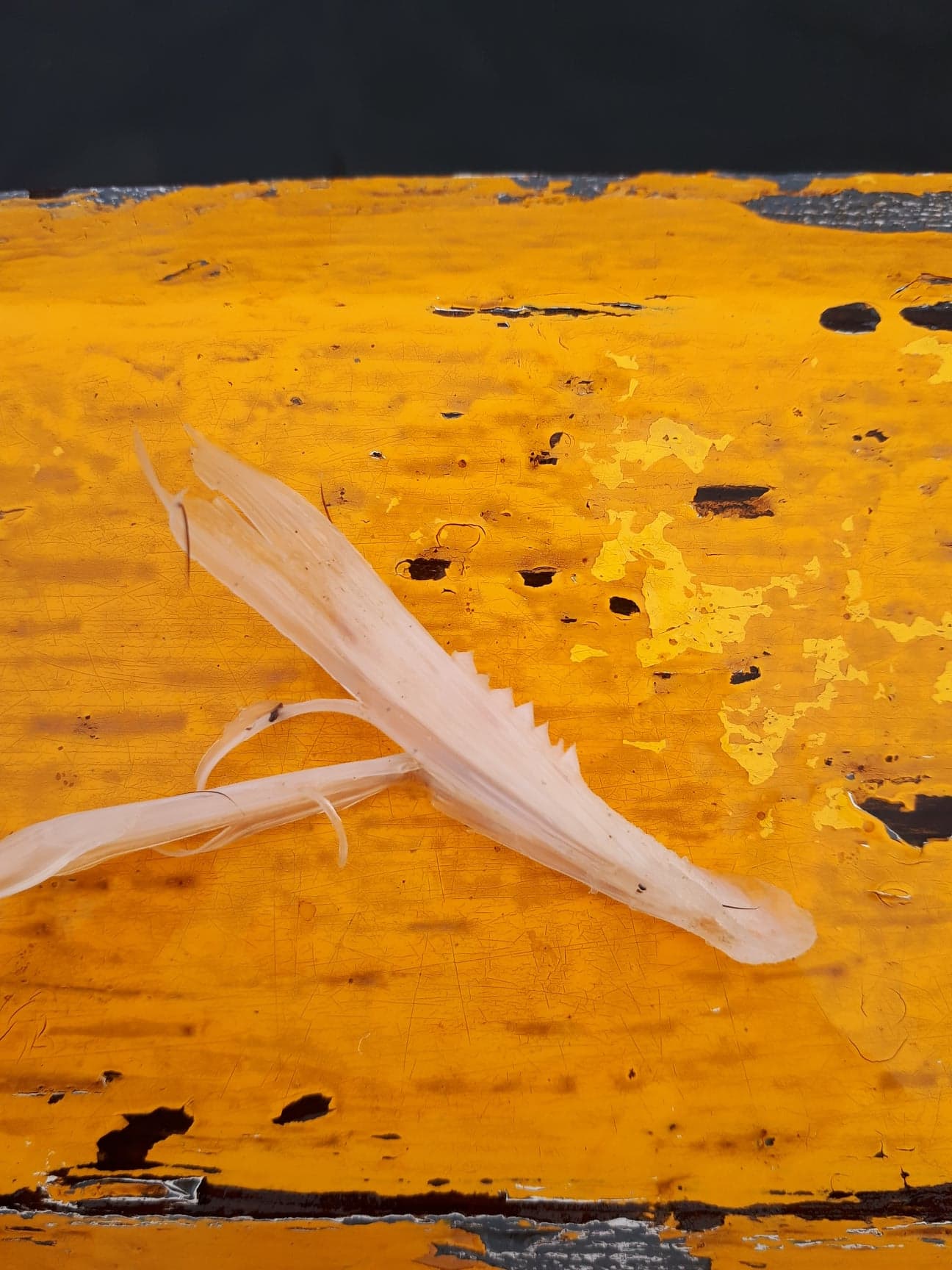
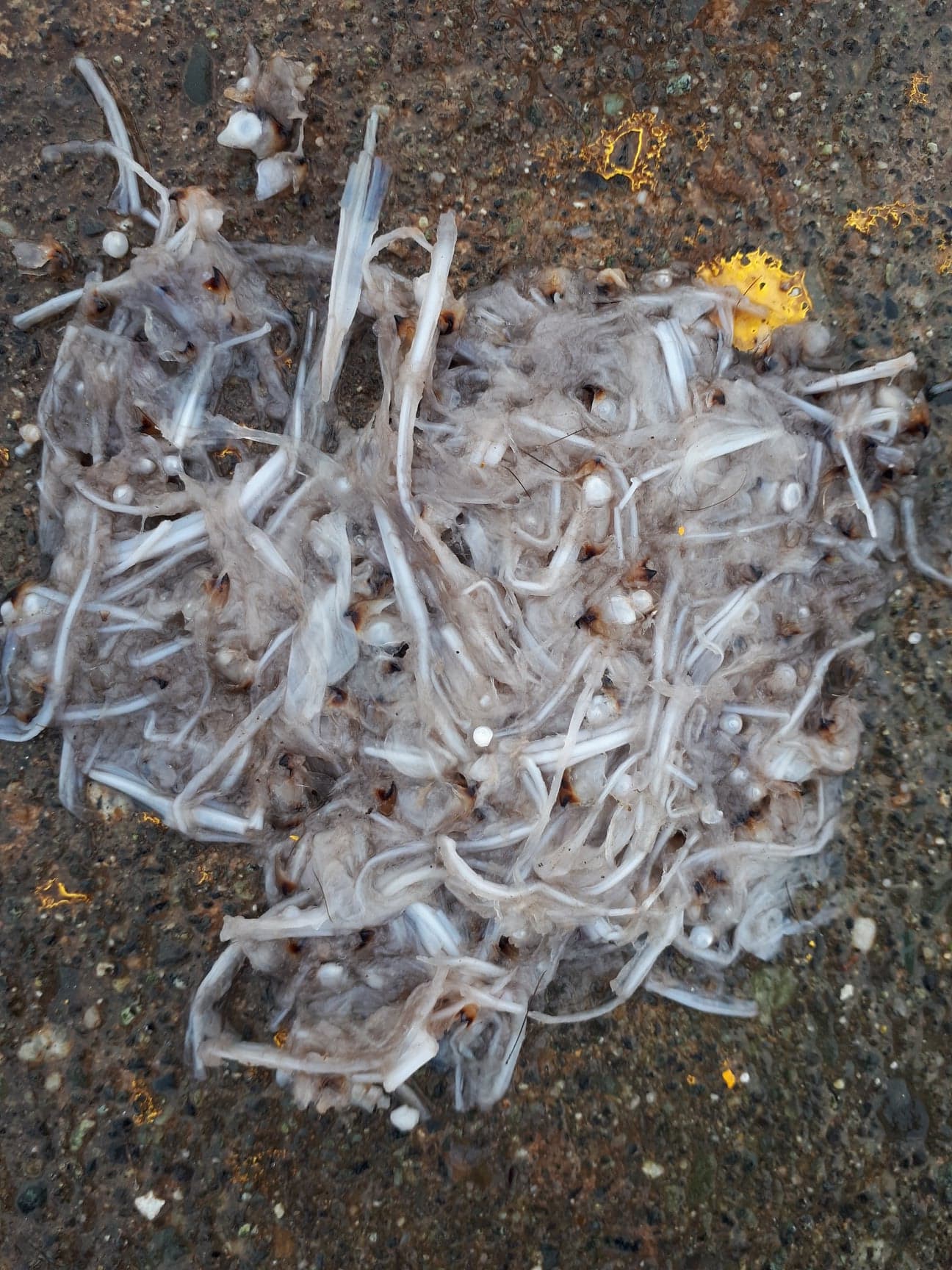
  • Yesterday on the jetty, we spotted a pile of what we think are regurgitated squid quills and eyeballs.
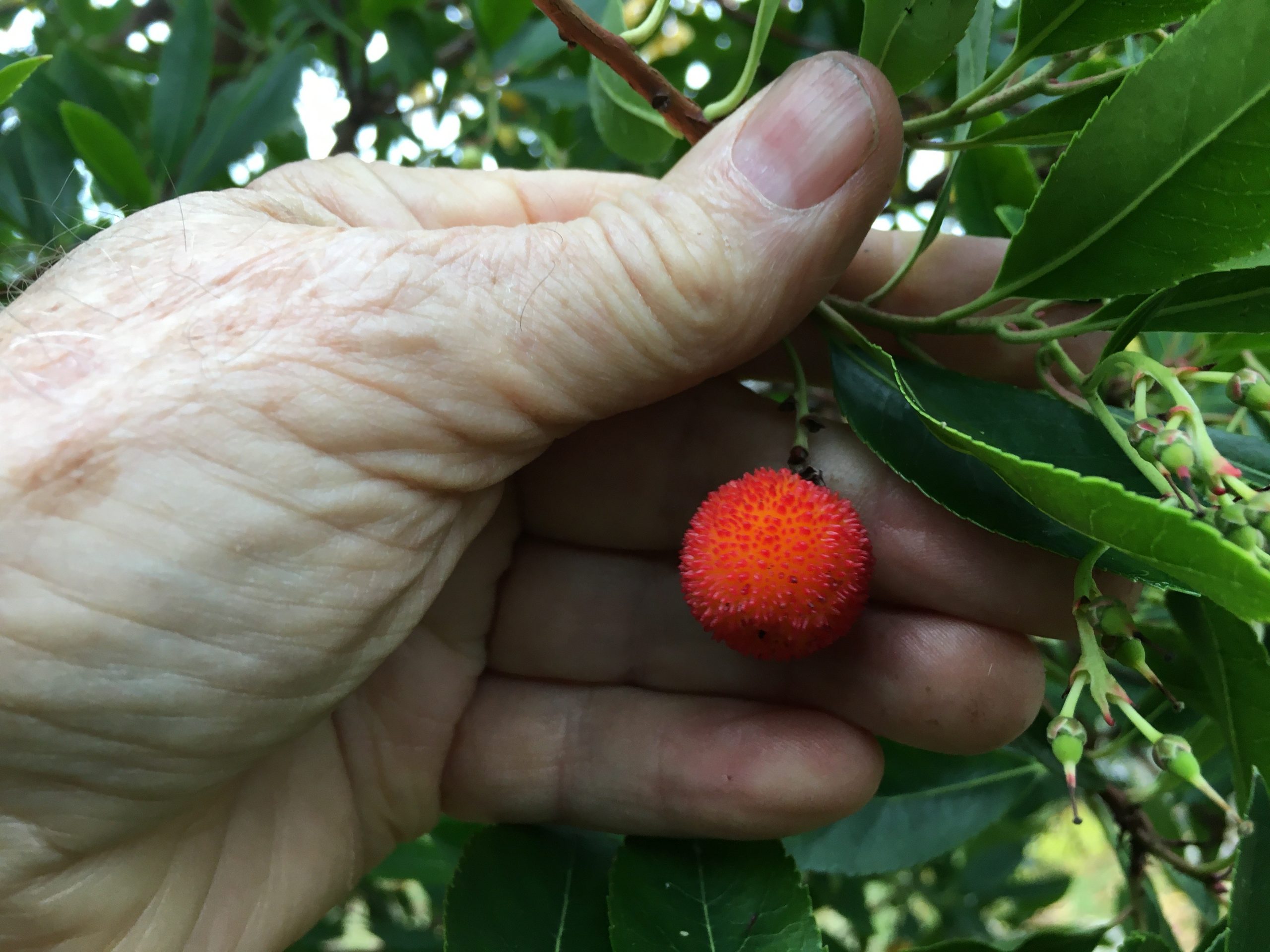
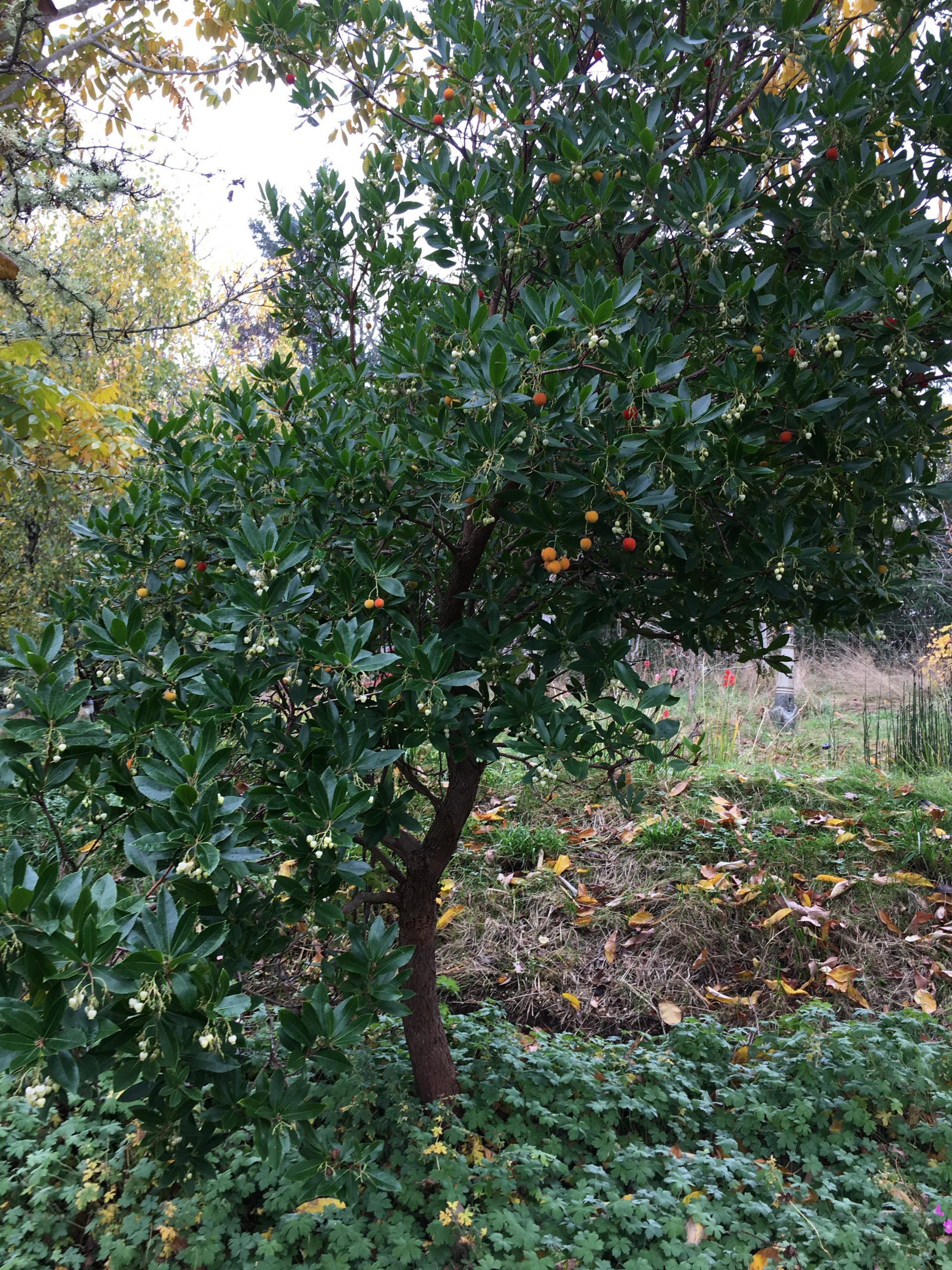
  • Garry Fletcher kindly gave us a tip about the ‘mystery berries’ from the last log post. He suspects them to be from a Strawberry Tree (Arbutus Unedo) and was even able to share pictures of a tree and its fruit. Thank you, Garry!

Census:

412 California Gulls

68 Glaucus Gulls

9 Stellar Sea Lions

76 California Sea Lions

65 Cormorants

14 Black Oyster Catchers

10 Harbour Seals

7 Canada Geese

15 Black Turnstones