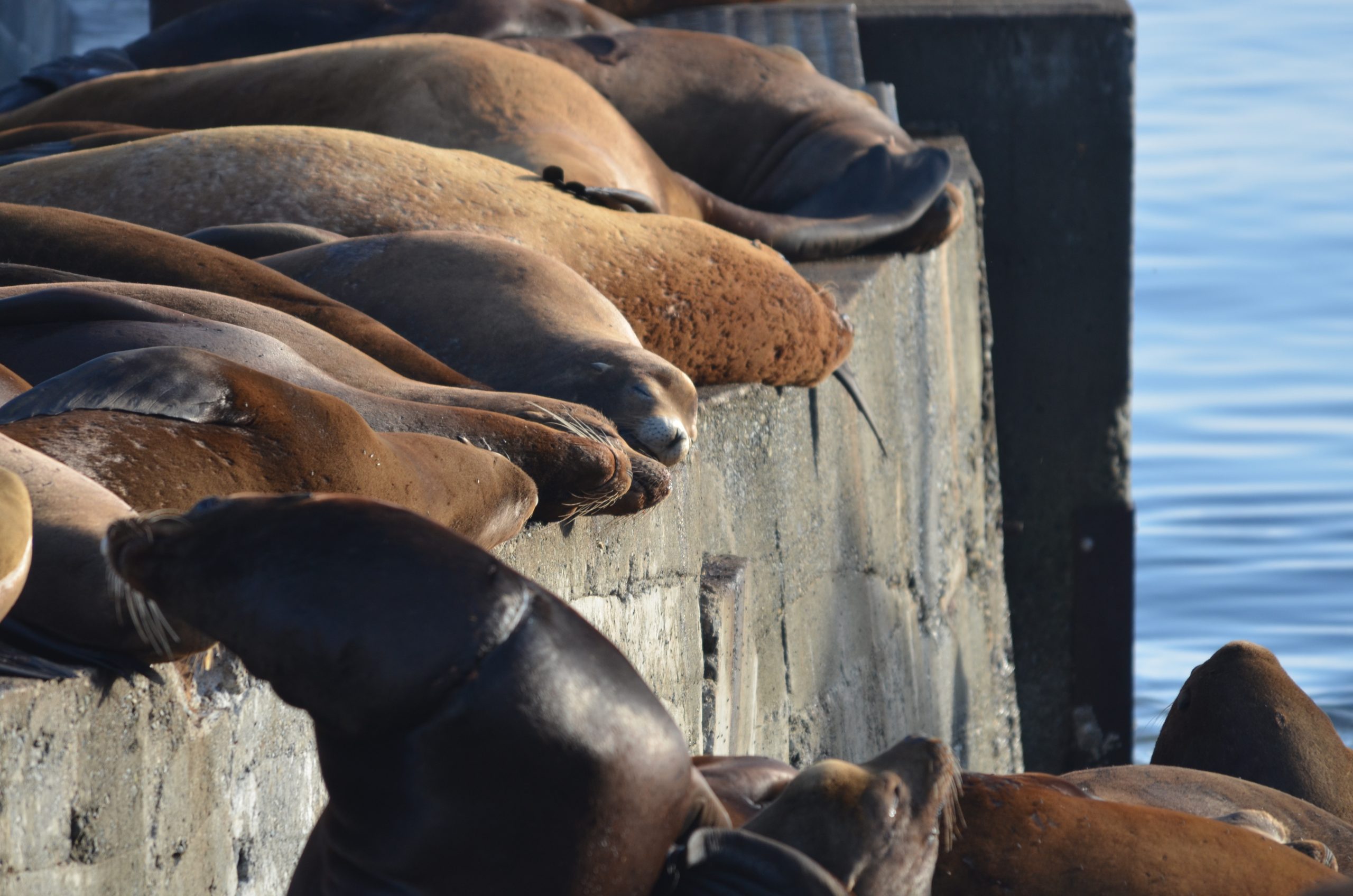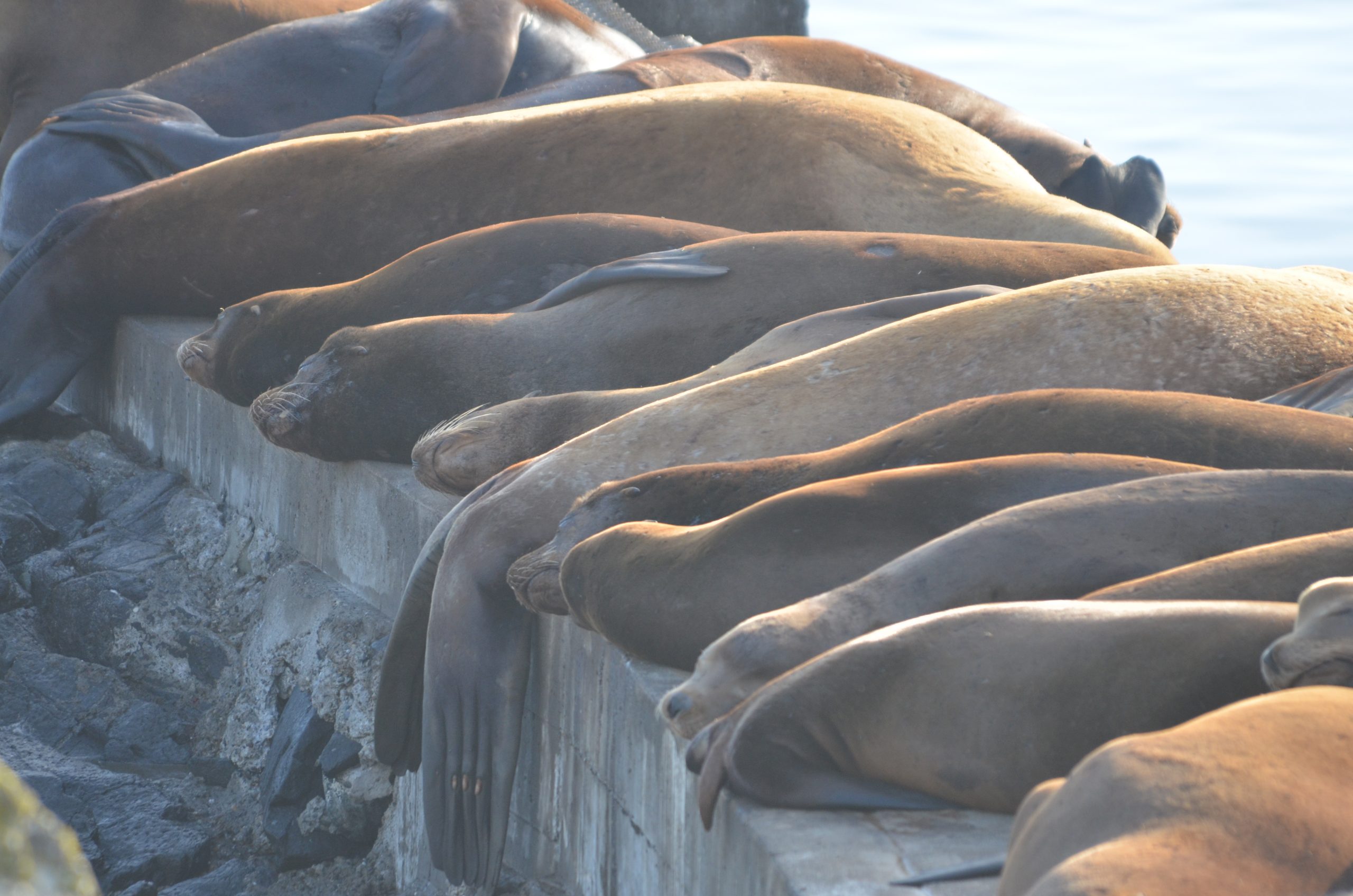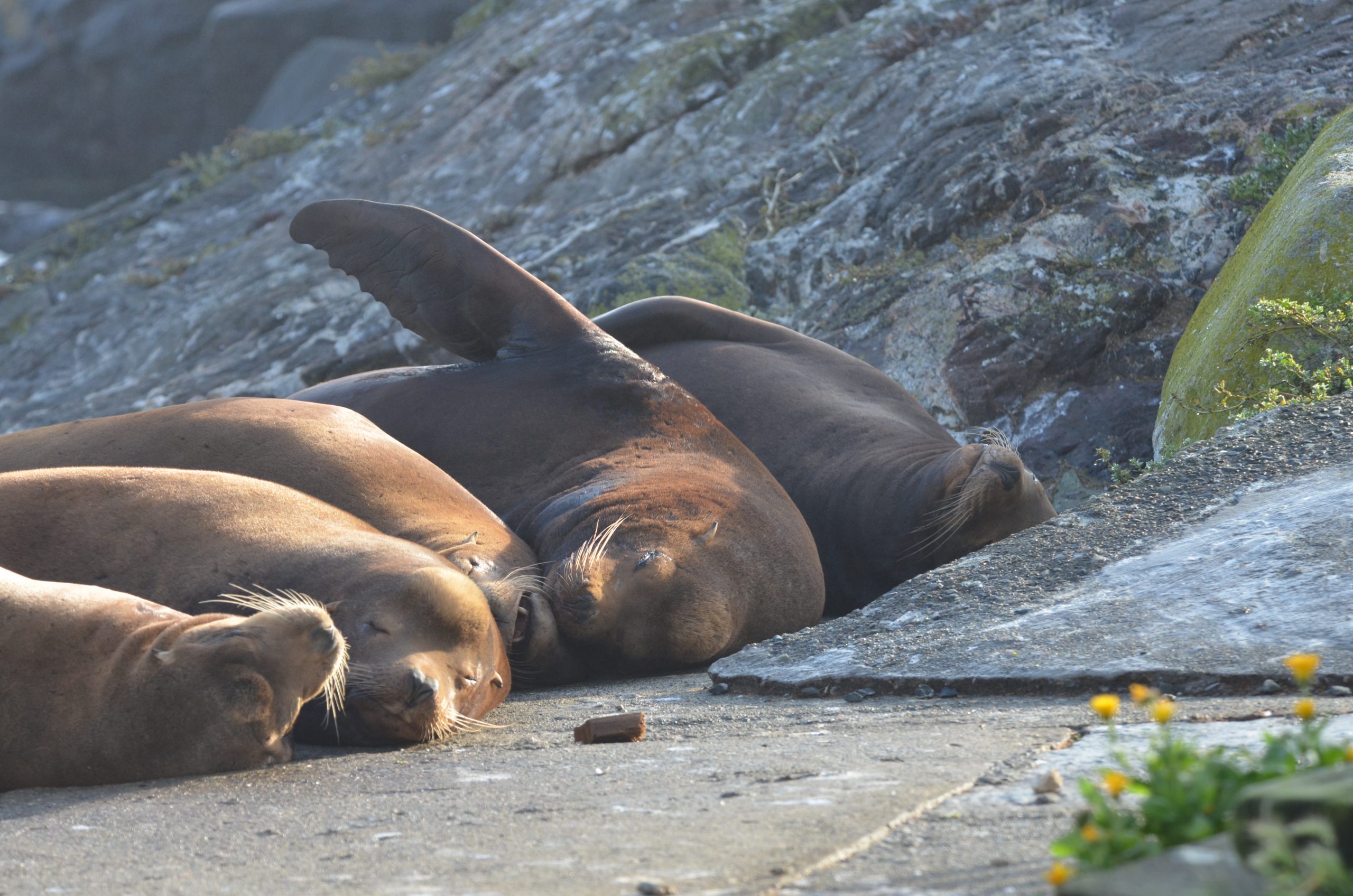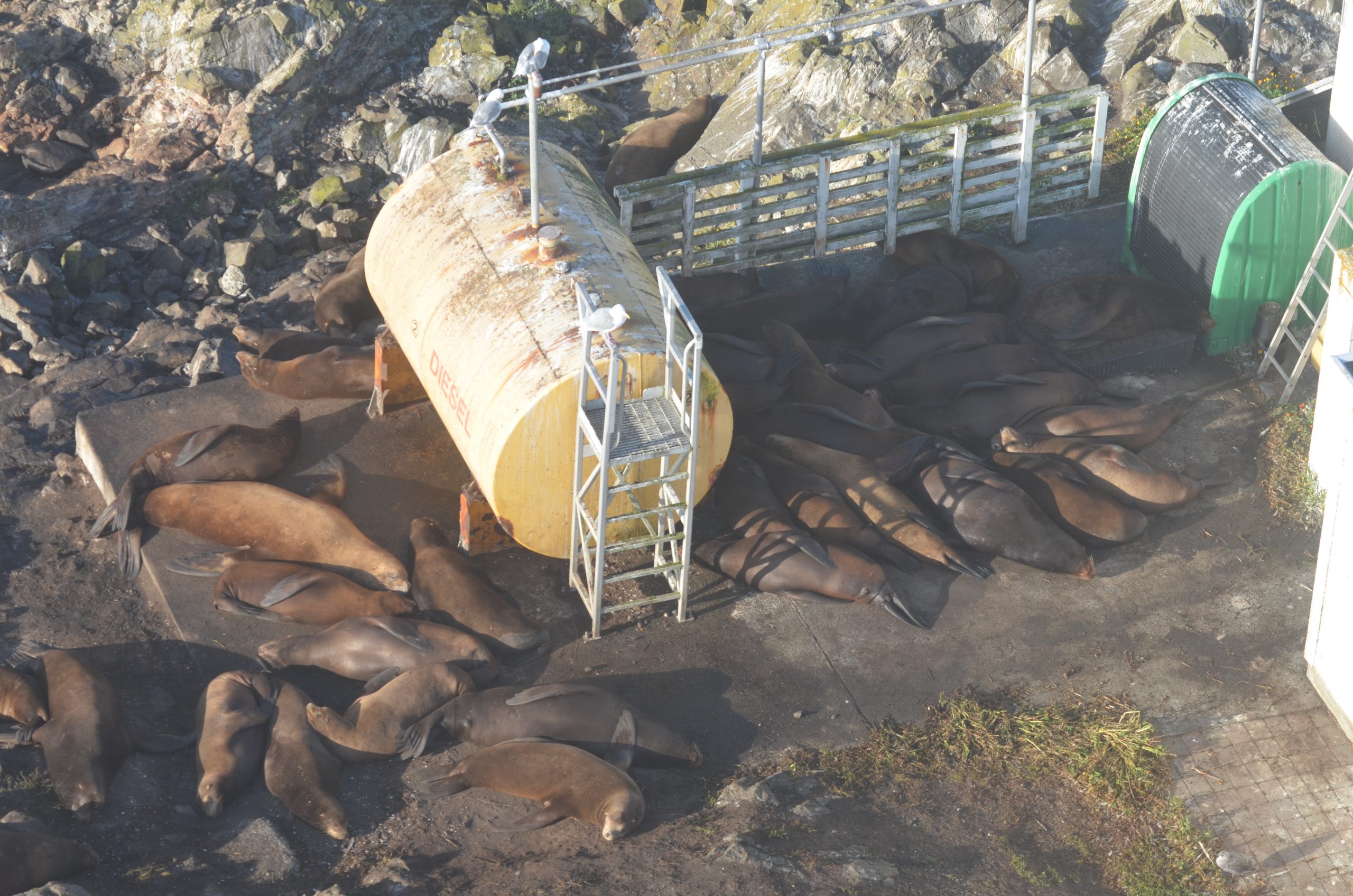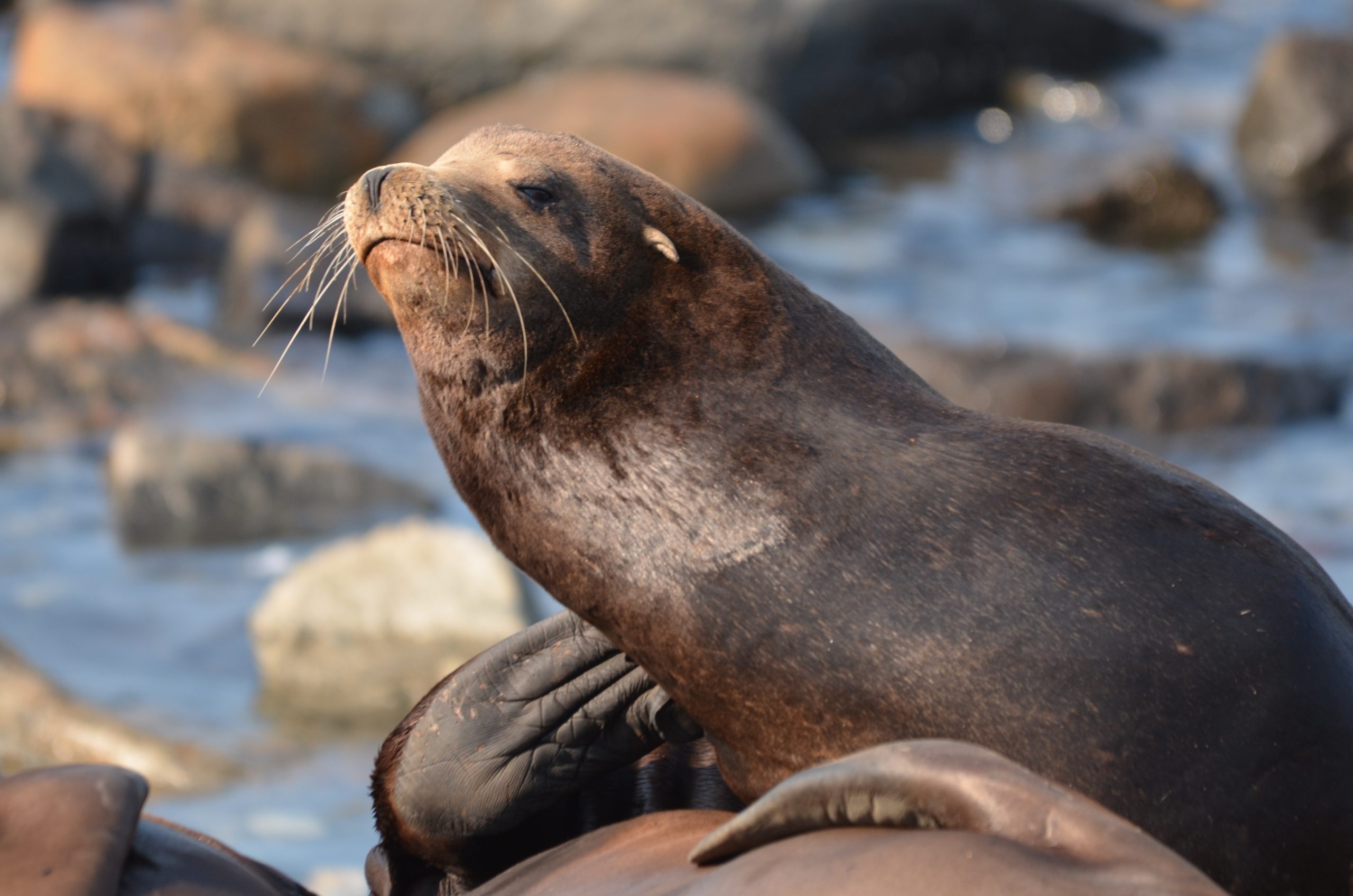
Plastic band removed from neck of Greater Victoria sea lion

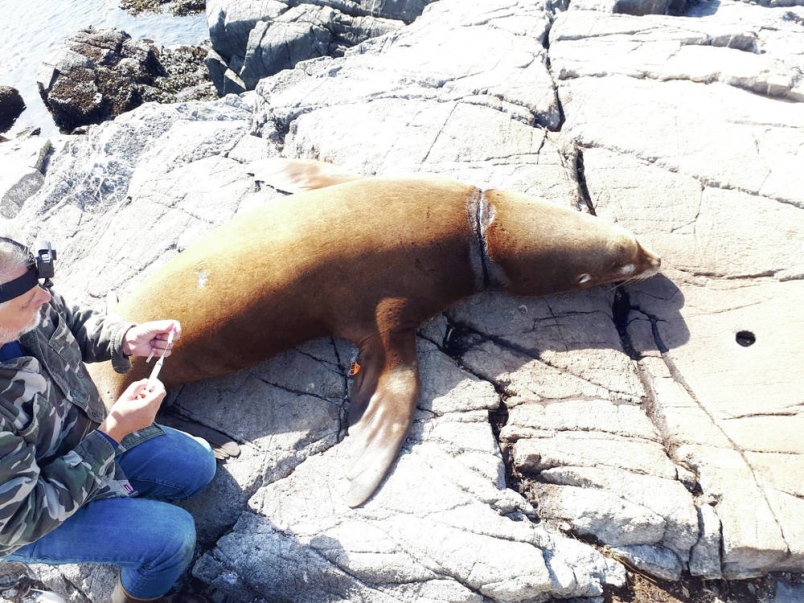
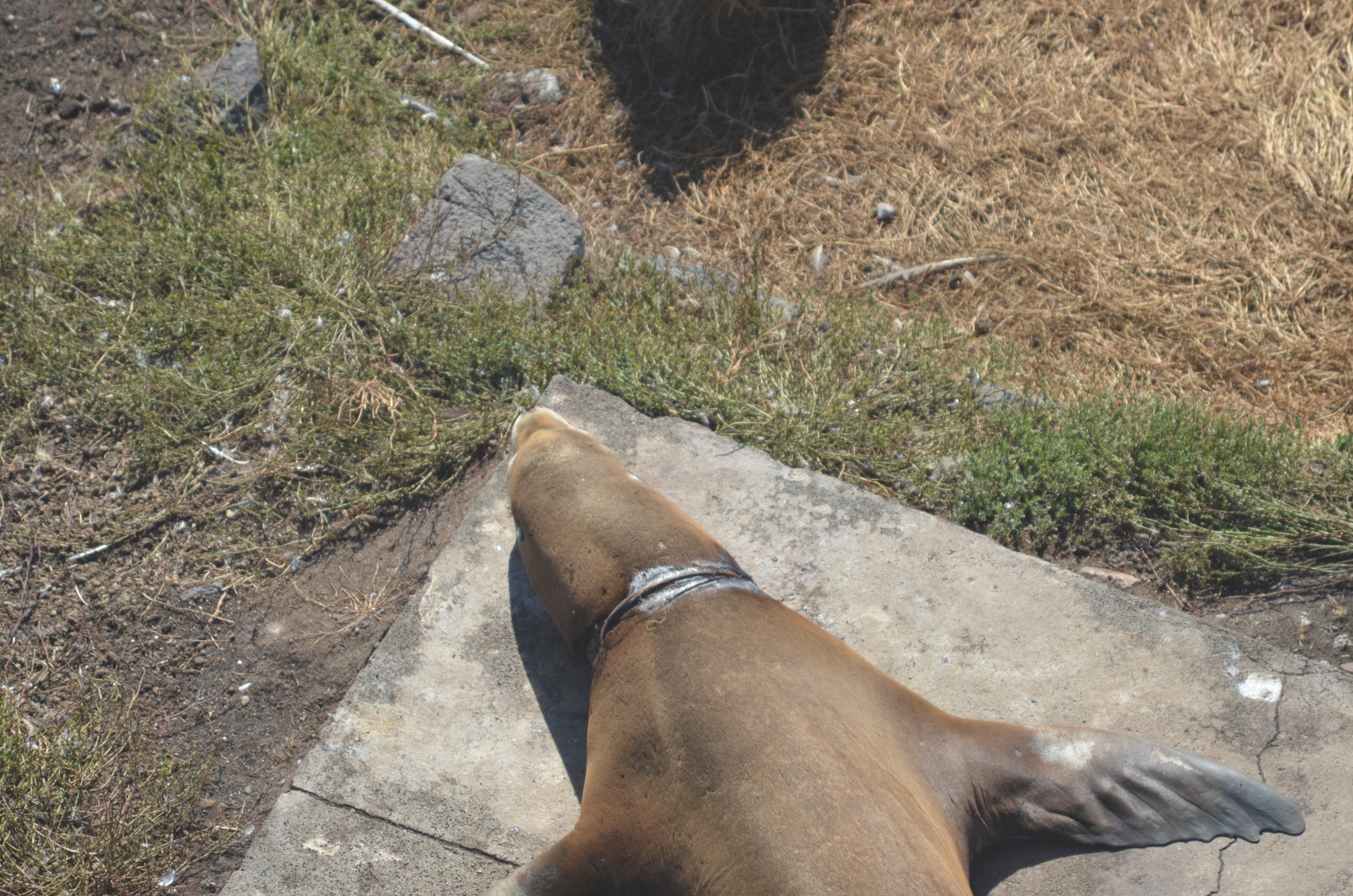
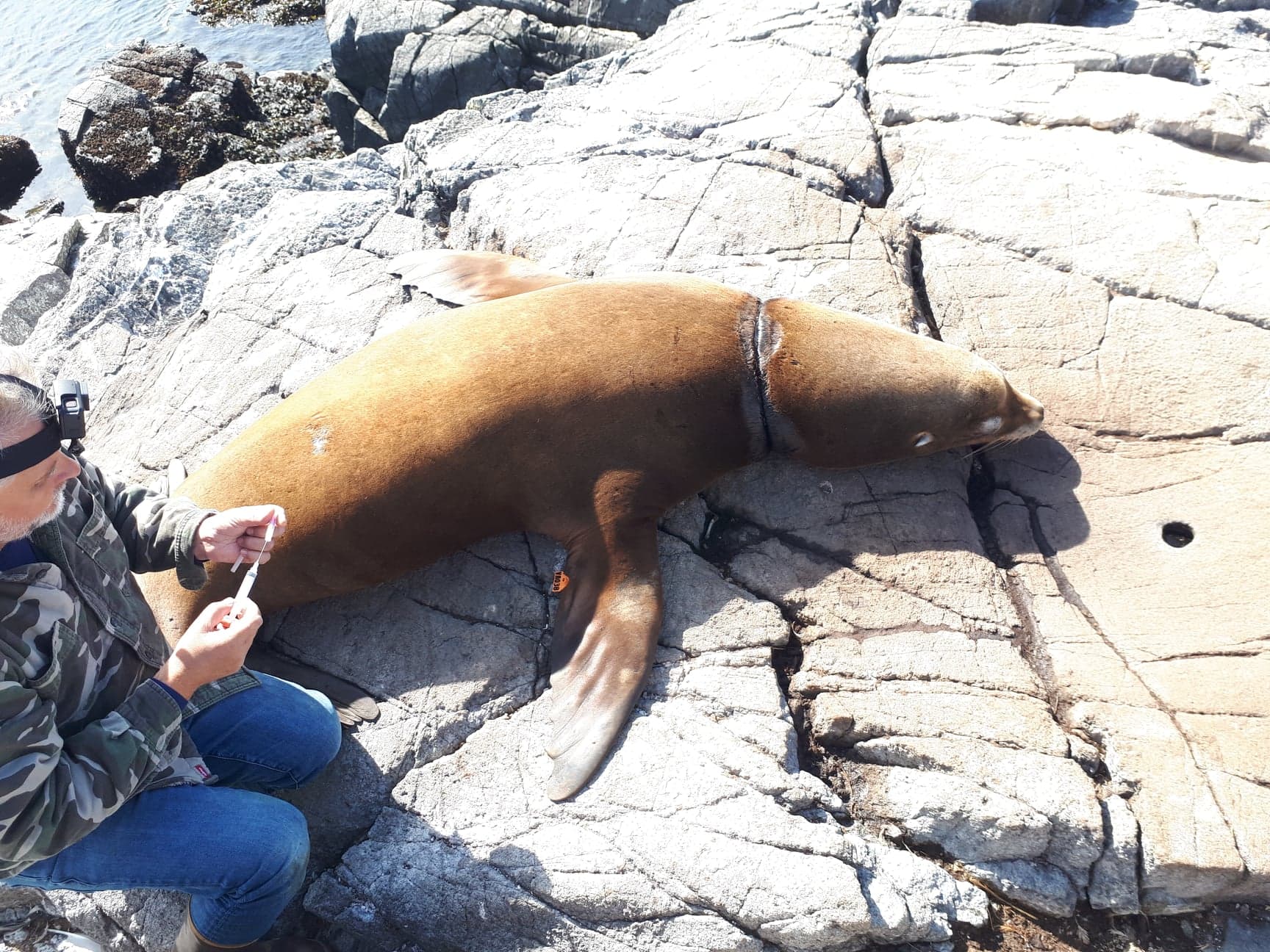
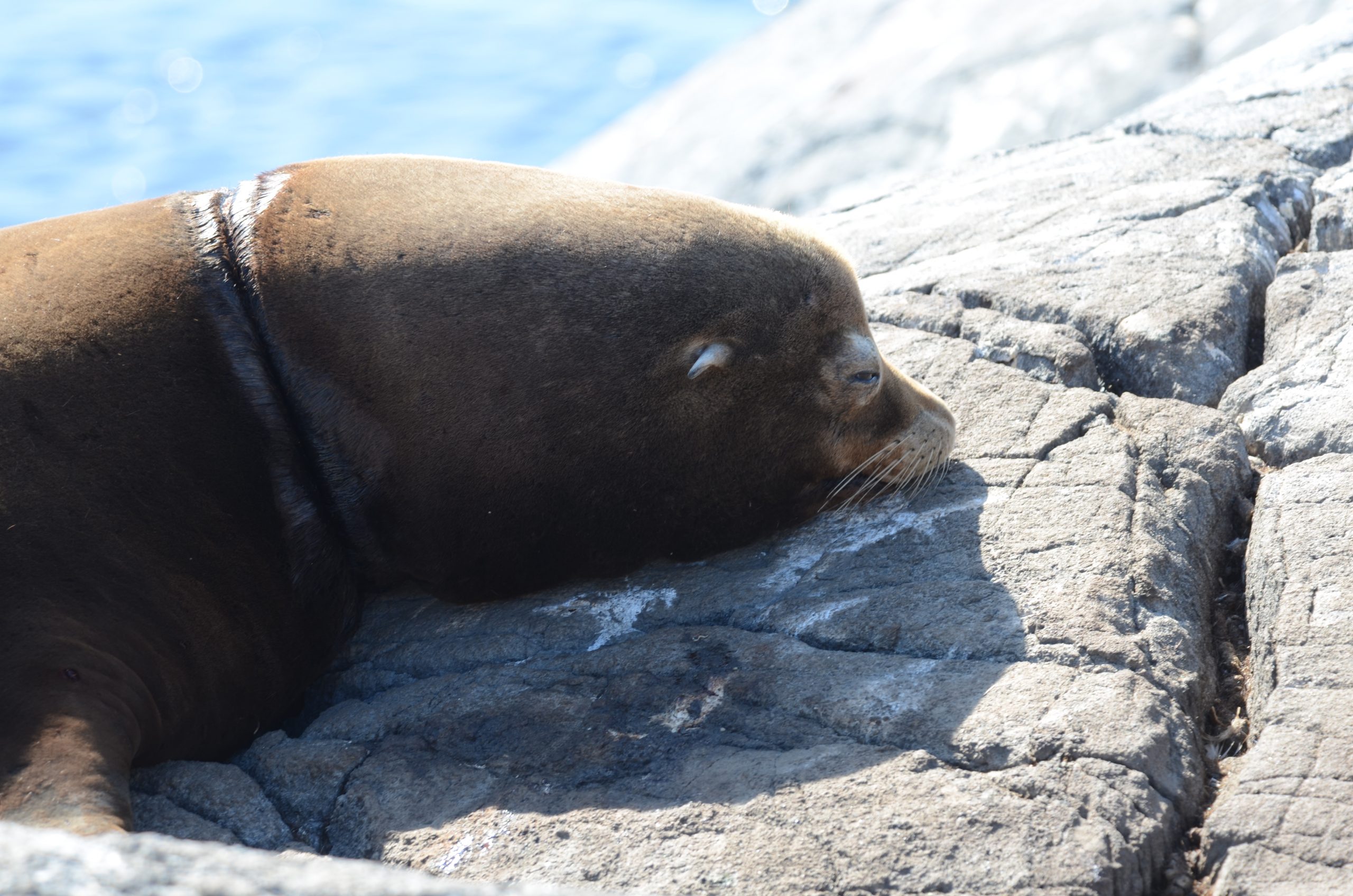
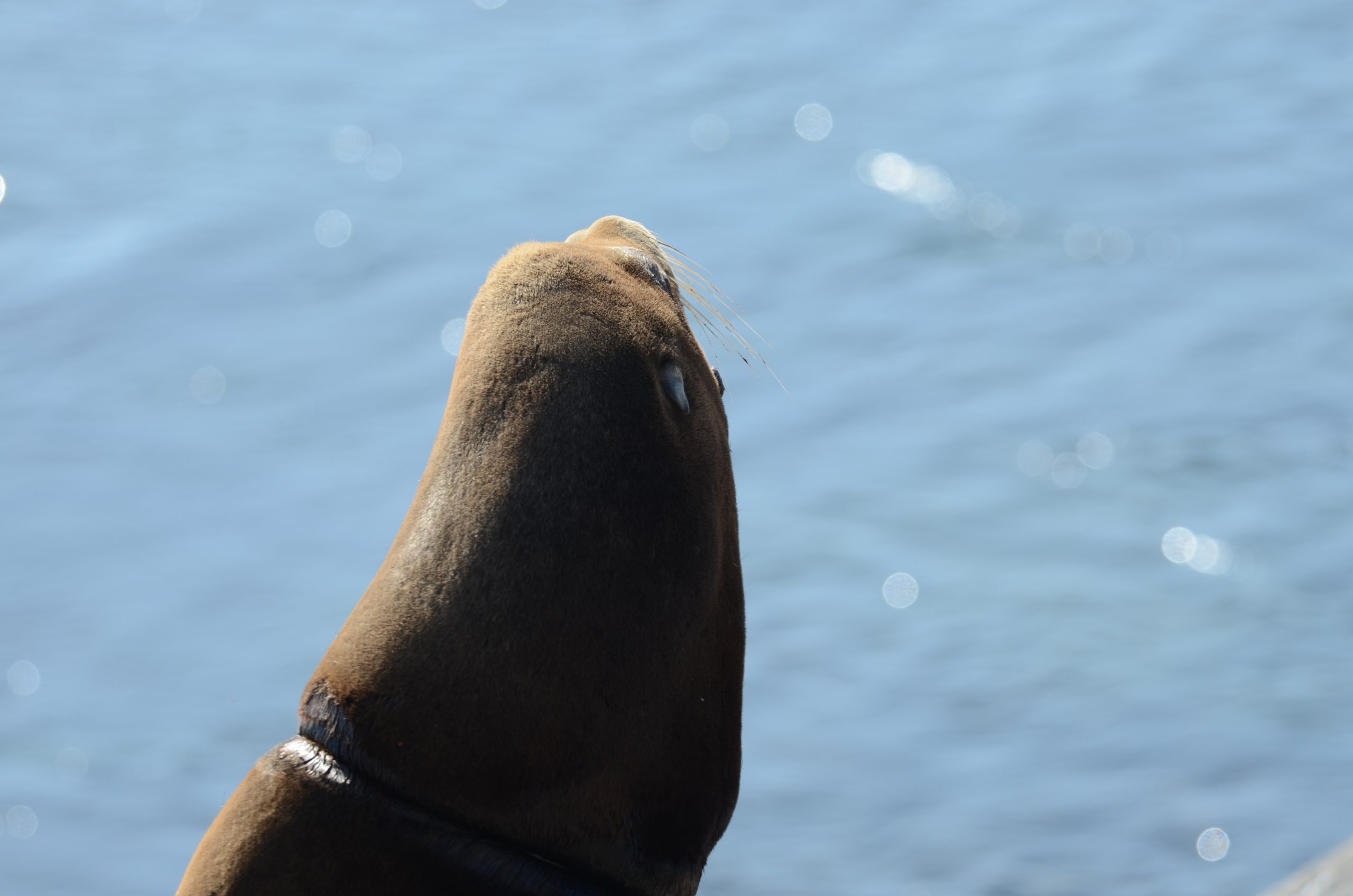
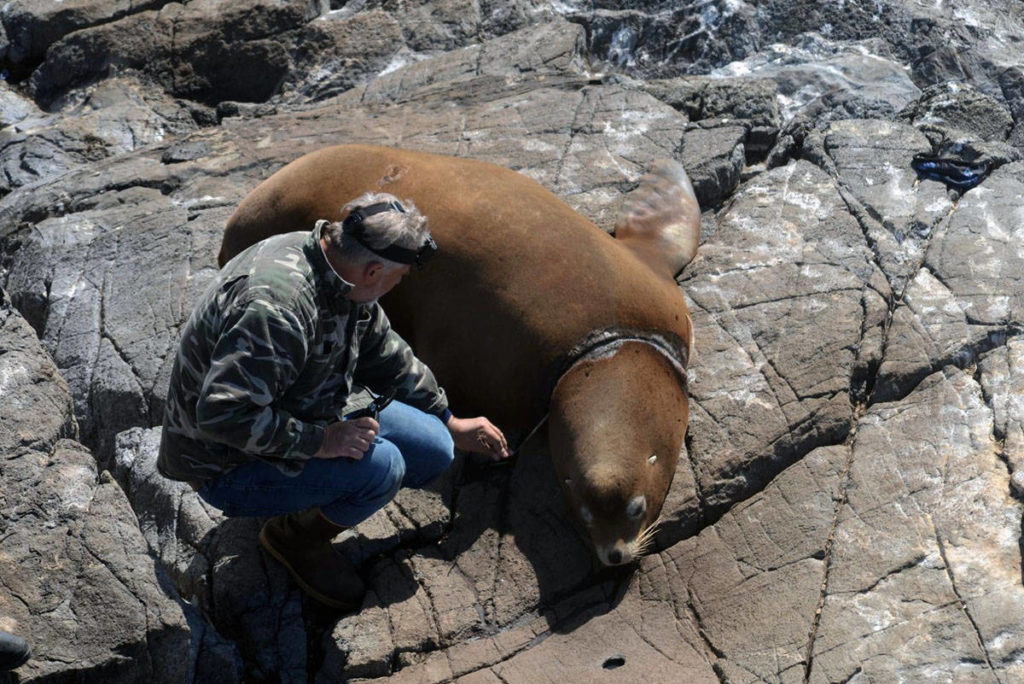
From The Goldstream Gazette A Marine Mammal Rescue Centre veterinarian removes a plastic packing band from the neck of a Stellar’s sea lion at the Race Rocks Ecological Reserve on Sept. 10. (Courtesy of Mara Radawetz)
Plastic band removed from neck of Greater Victoria sea lion

Entanglement injuries in seals and sea lions a regular occurrence at Race Rocks Ecological Reserve

  • Sep. 10, 2020 12:00 a.m.

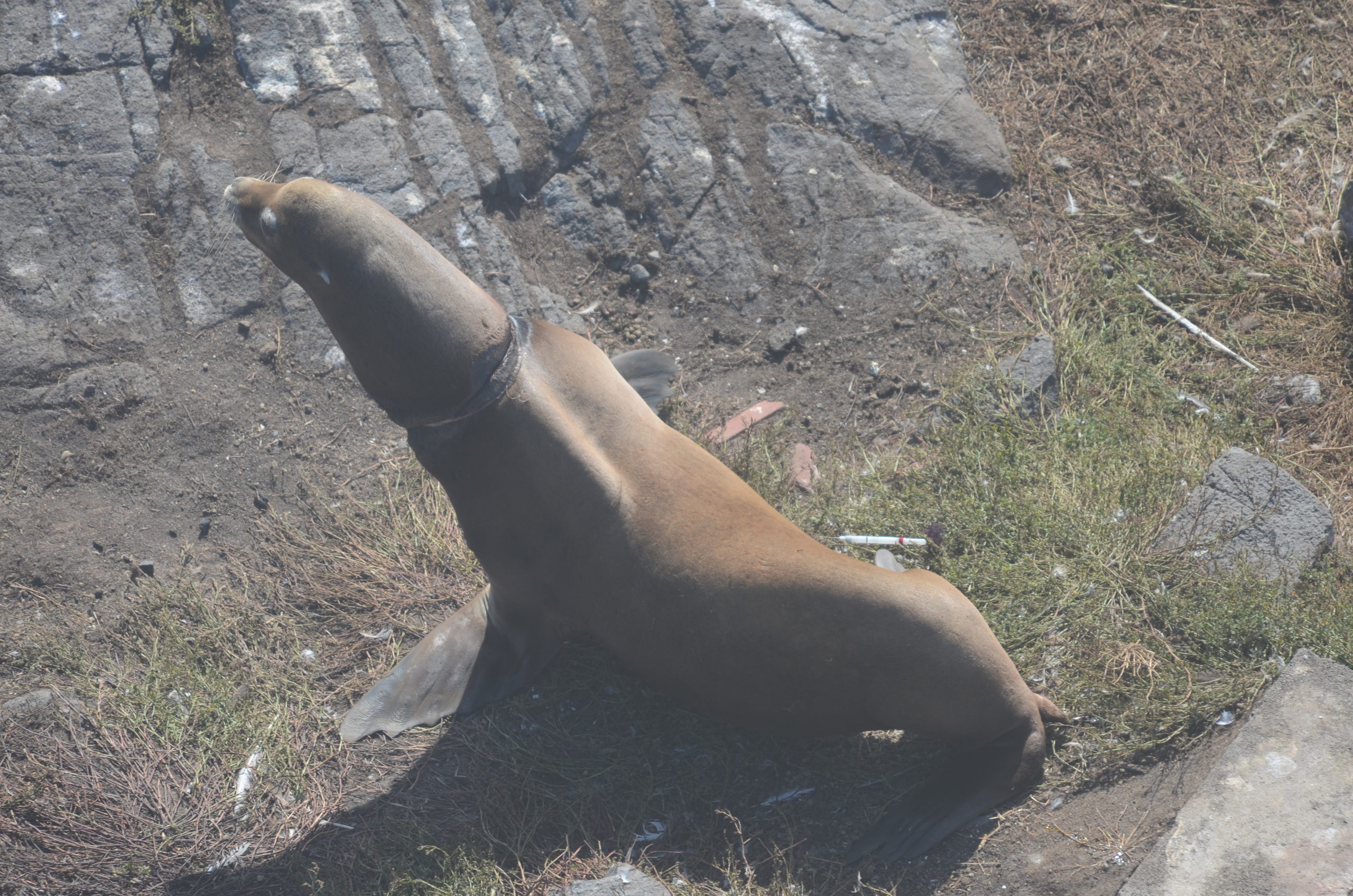
A sea lion trapped in human garbage has a second chance at life thanks to the sharp eye of a lighthouse-dwelling ‘ecoguardian’ at Race Rocks Ecological Reserve near Metchosin.

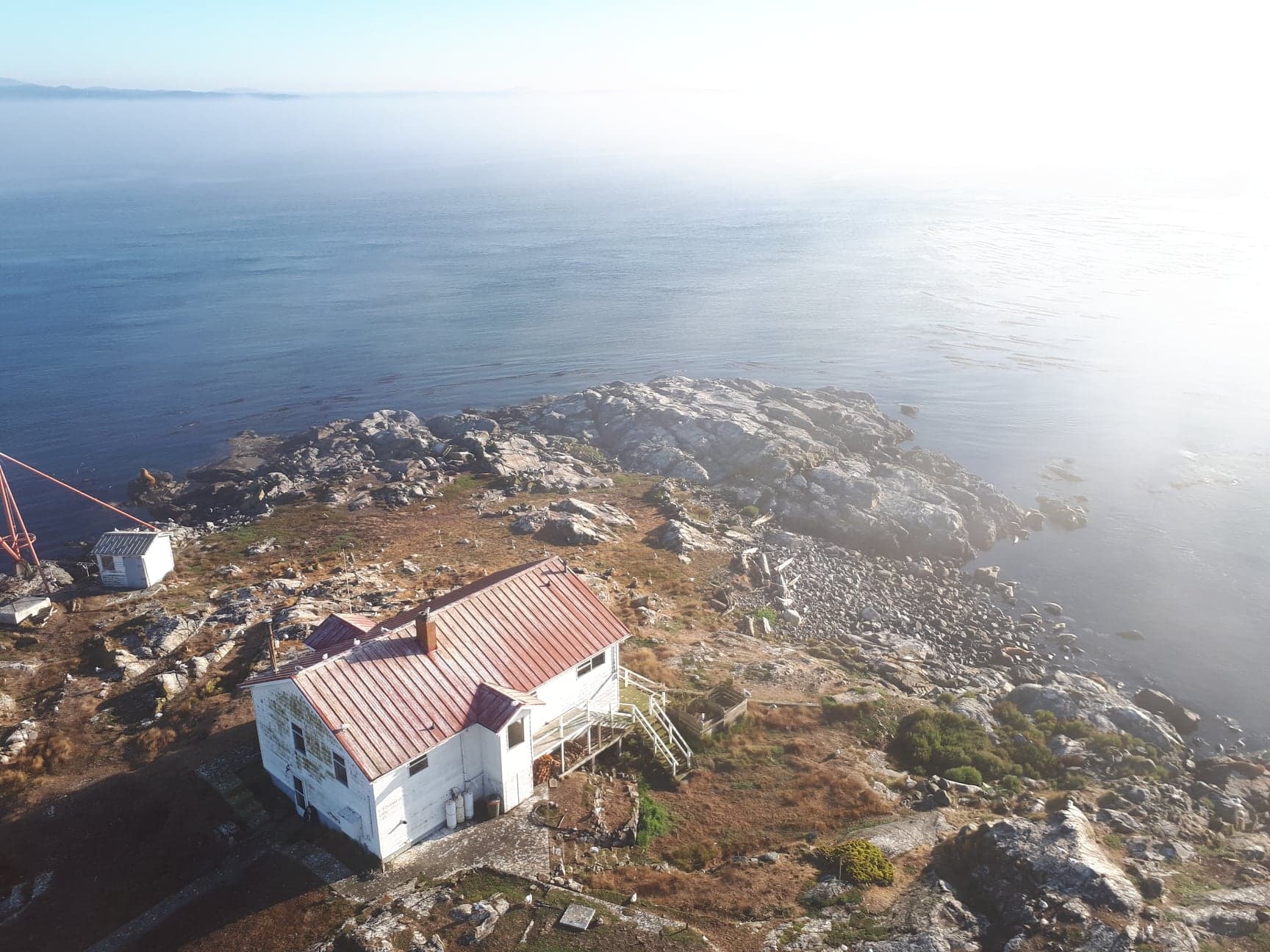
Mara Radawetz and Kai Westby, who live in the island’s lighthouse tower and monitor the reserve on behalf of Pearson College, called in back-up support when Radawetz spotted a California sea lion with a plastic packing band tightly bound around its neck on Sept. 1.

Over the days that followed, the duo spotted the animal again and watched it expressing clear discomfort as a result of the appendage.

“We could see that it was suffering, he would continually scratch at the infected area on his neck,” Westby said. “It had cut through his skin and created a kind of swollen, wet wound.”

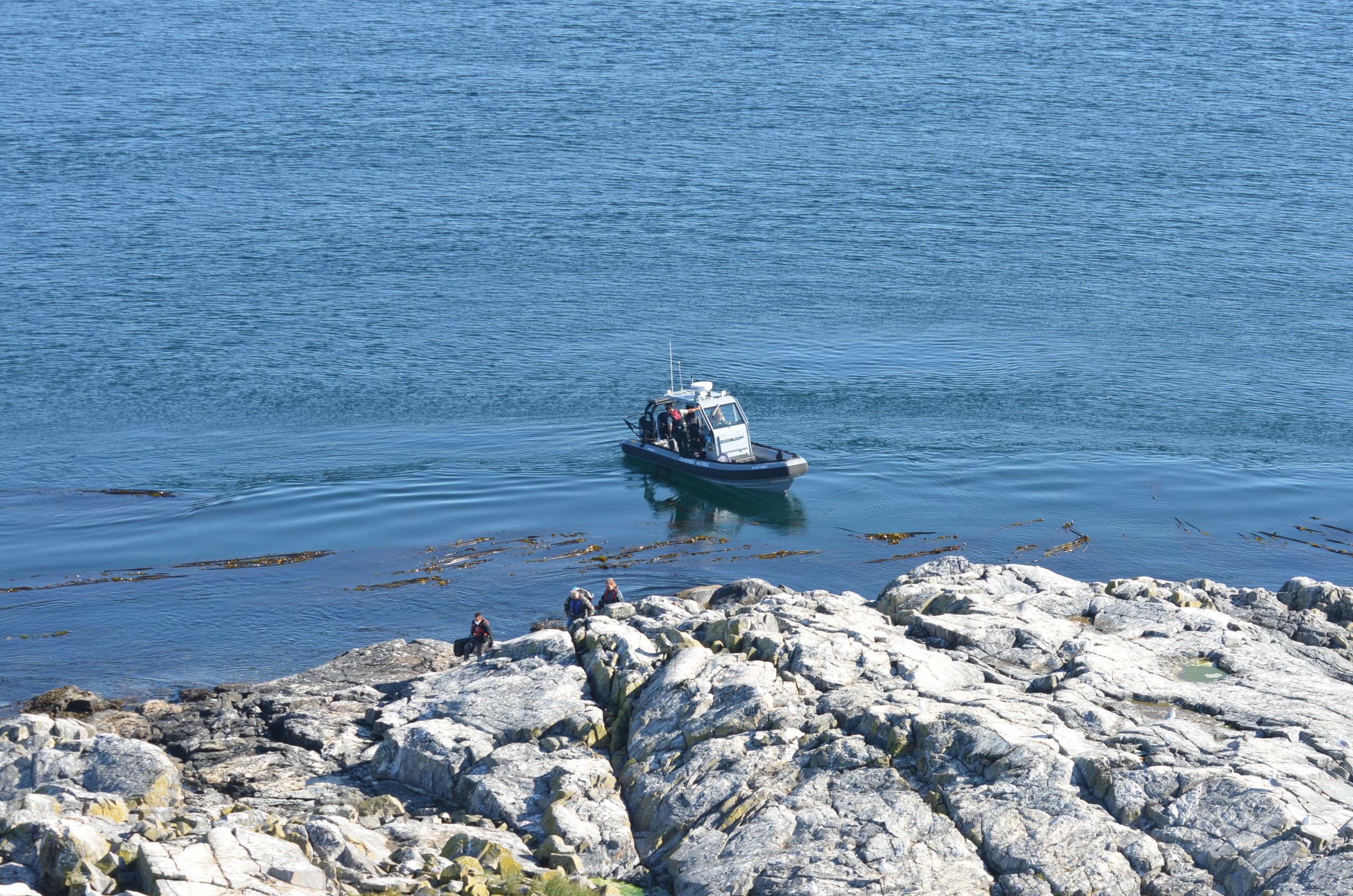
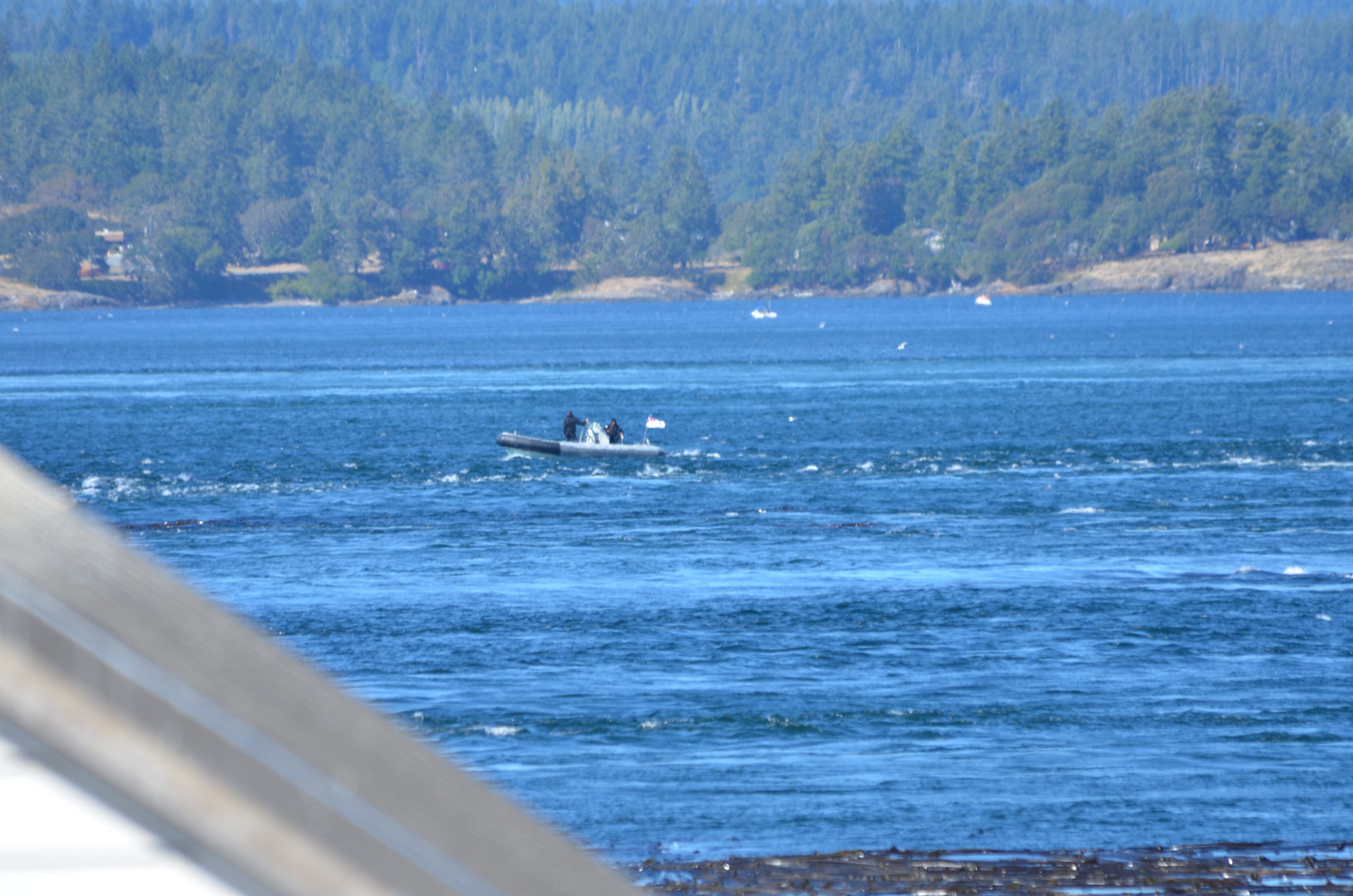
The Marine Mammal Rescue Centre (MMRC), assisted by the Department of Fisheries and Oceans, responded to the call for help, but it would be a few days before the rescue could arrive by boat.

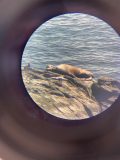
Fortunately, the rescue team arrived Sept. 10 and Radawetz was able to again spot the injured sea lion using a high-powered magnification lens from the top of the lighthouse, where the duo does a daily count of the island’s furry, feathered and blubbery visitors, which typically number in the thousands.

READ ALSO: Sooke Whale Watching spots a huge gathering of whales

“Being able to have that eye in the sky was instrumental in being able to successfully help this animal,” Westby said.

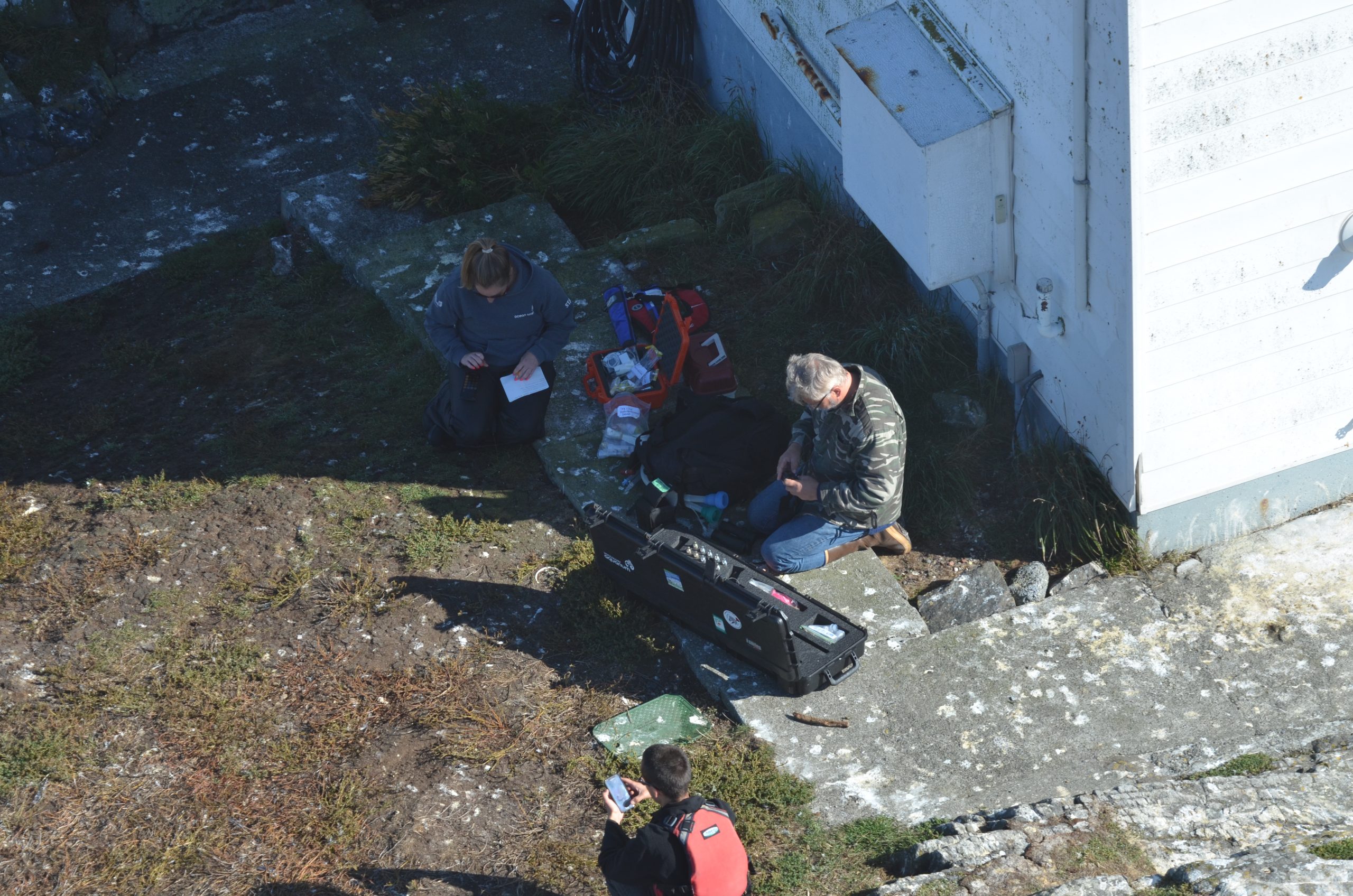
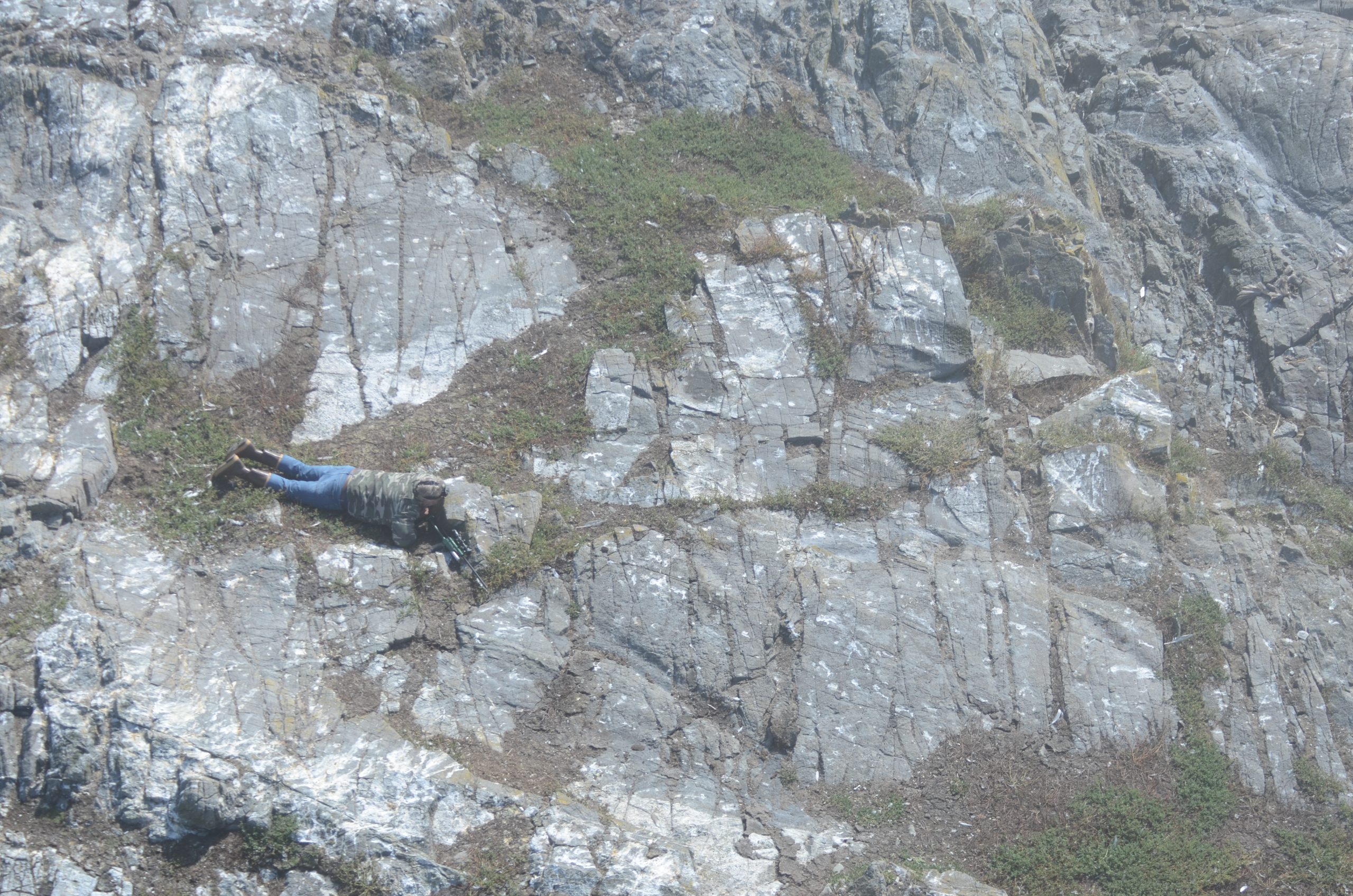
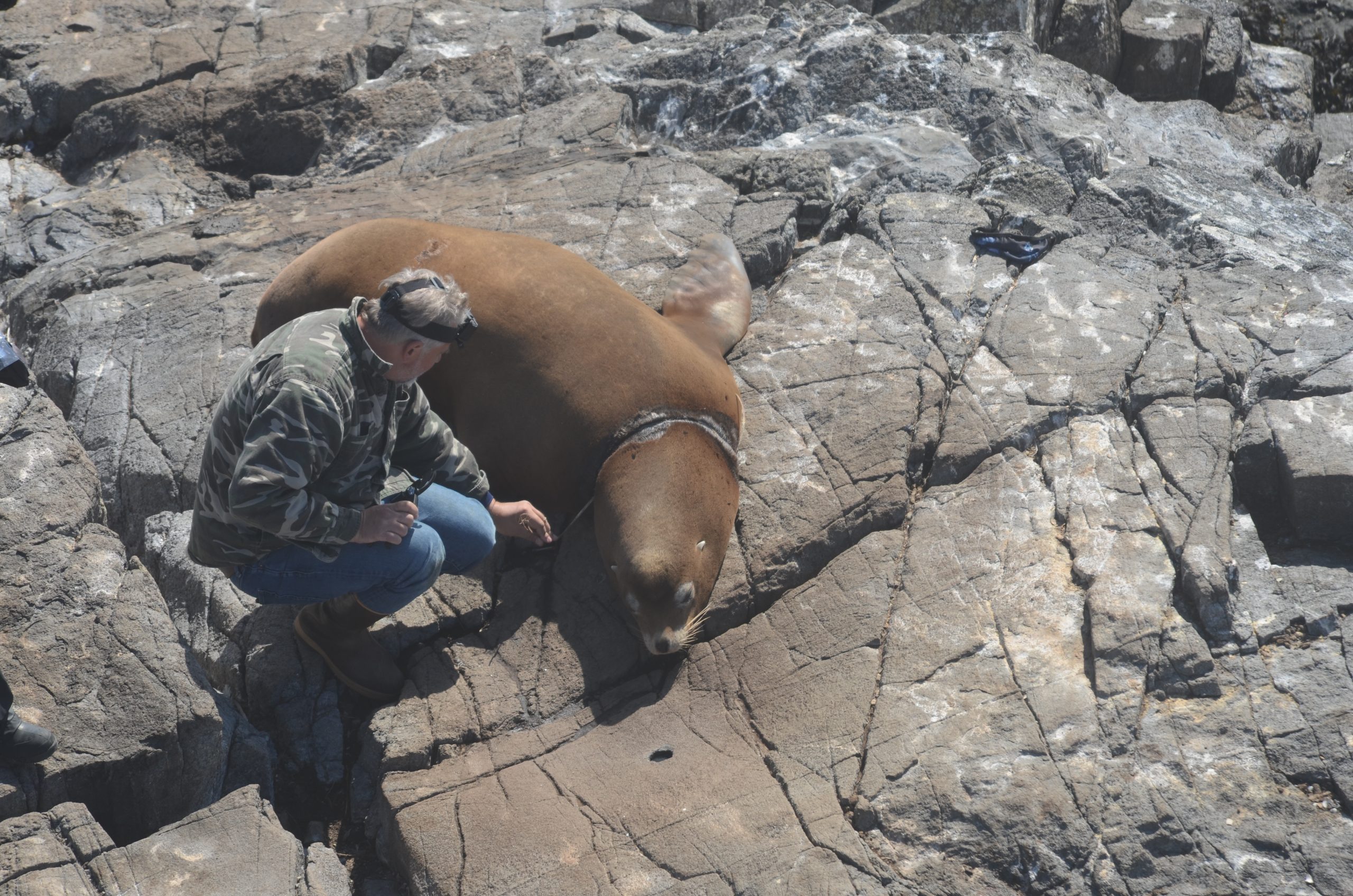
With a bird’s eye view, the pair guided MMRC veterinarian Martin Haulena to an area where he could prepare a dart gun with a tranquillizer. Rescue staff aided from the water and land, watching as Haulena crawled over the rocks and got into position, successfully tranquillizing the sea lion.
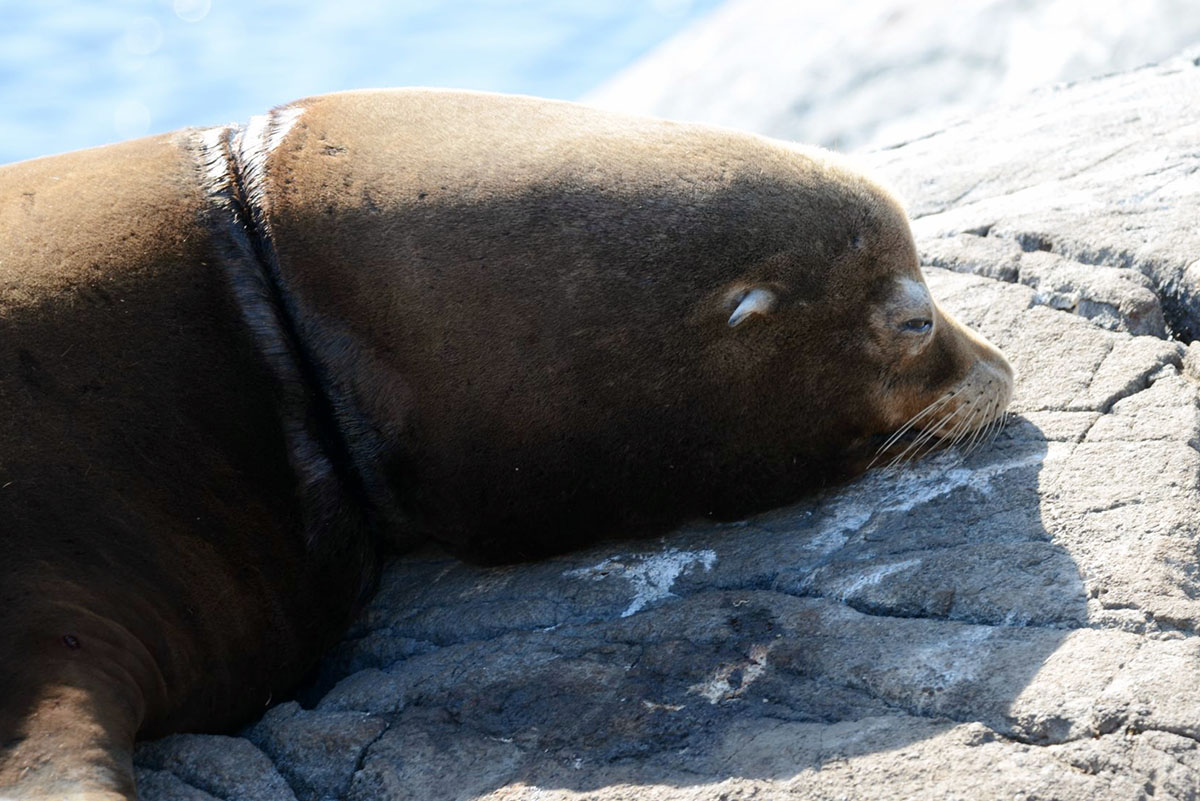
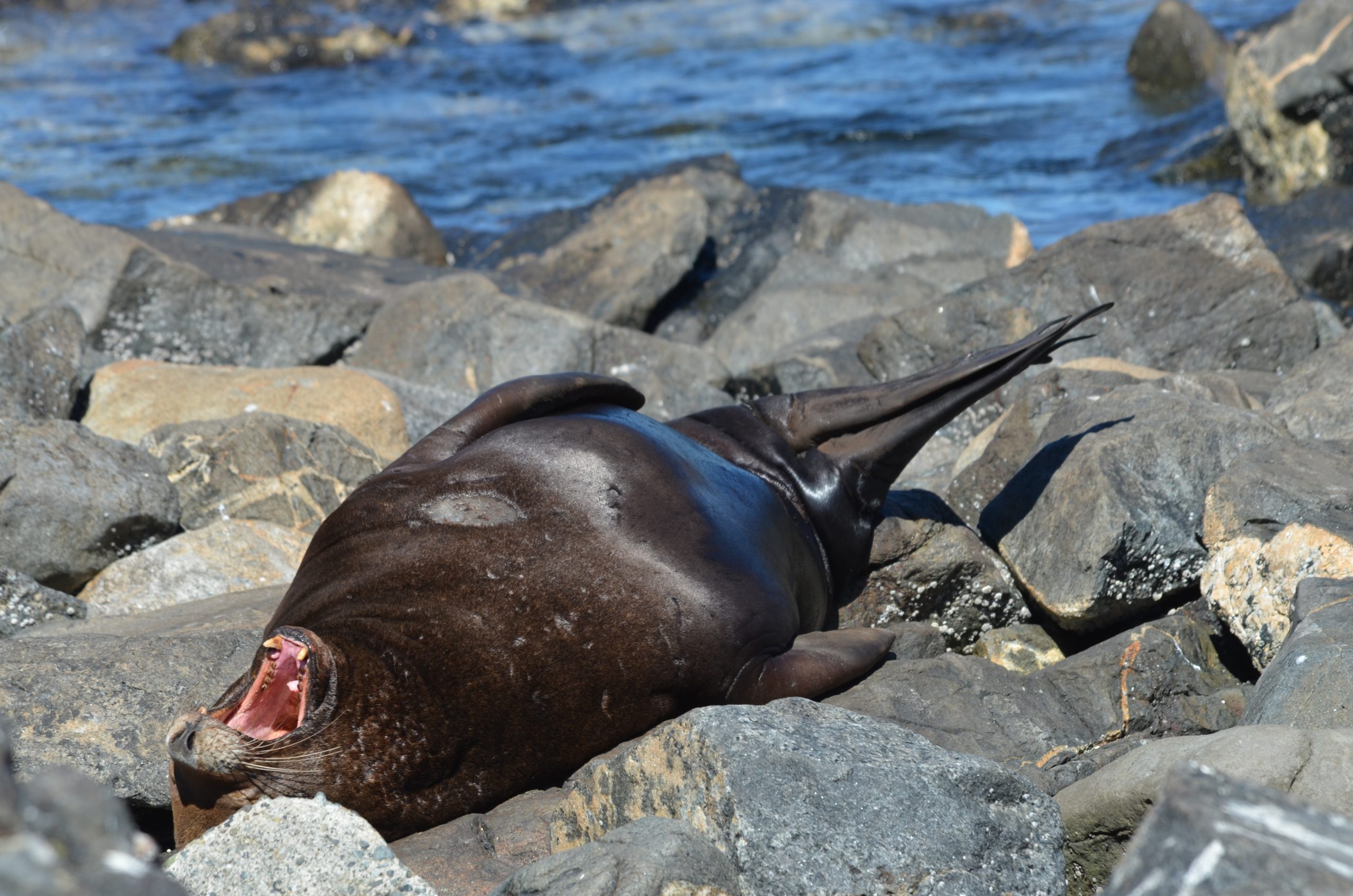
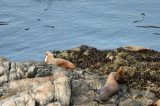
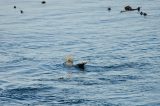
A sea lion that had a plastic band removed from its neck at the Race Rocks Ecological Reserve wakes up from sedation.(Courtesy of Mara Radawetz)

In addition to removing the plastic band, the vet installed a tracking device and took a blood sample.

Radawetz and Westby said they see a sea lion or harbour seal with an injury due to human impact roughly once a week – and many of those animals don’t have a happy ending.

“We often see not only plastic entanglements but fishing line injuries on the sea lions and the harbour seals,” Radwetz said. The pair said they often see pinnipeds – seals, sea lions and walruses – that have swallowed a fish still on a fishing line, a meal that can cost the animal its life.

“It’s not always possible for us to help them,” Radawetz said.

While one lucky sea lion was able to swim free, Westby and Radawetz hope the incident resonates with people.

Westby added, “I really hope by sharing some of what we see here we can remind people that their actions have impacts and we are seeing those impacts here in Race Rock.”

In September 2019, a sea lion with almost identical injuries was rescued at the Race Rock Ecological Reserve. That animal had a plastic band embedded roughly two inches into its neck.

For more news from Vancouver Island and beyond delivered daily into your inbox, please click here.

READ ALSO: Steller sea lion with plastic around neck rescued on Vancouver Island
Students, Whales, Census, Seal!

Weather:

  • Sky clear and blue. Much less smoke than yesterday (currently 13 wildfires burning in washington state).
  • Visibility 10 NM (visibility reduced due to smoke)
  • Wind 5-10 knots SE
  • Sea state: calm

Visitors:

  • As the students return to the Pearson College campus we are being joined by small groups of first year students to introduce them to race rocks. We have been enjoying showing them around and sharing about the ecology- they ask great questions!
  • Greg has been accompanying these trips as well as MJ
  • Few boats in the reserve now that the long weekend is over. Quite a few whale watching boats following the humpback whales that we have been seeing in the strait.

Ecological Observations: 

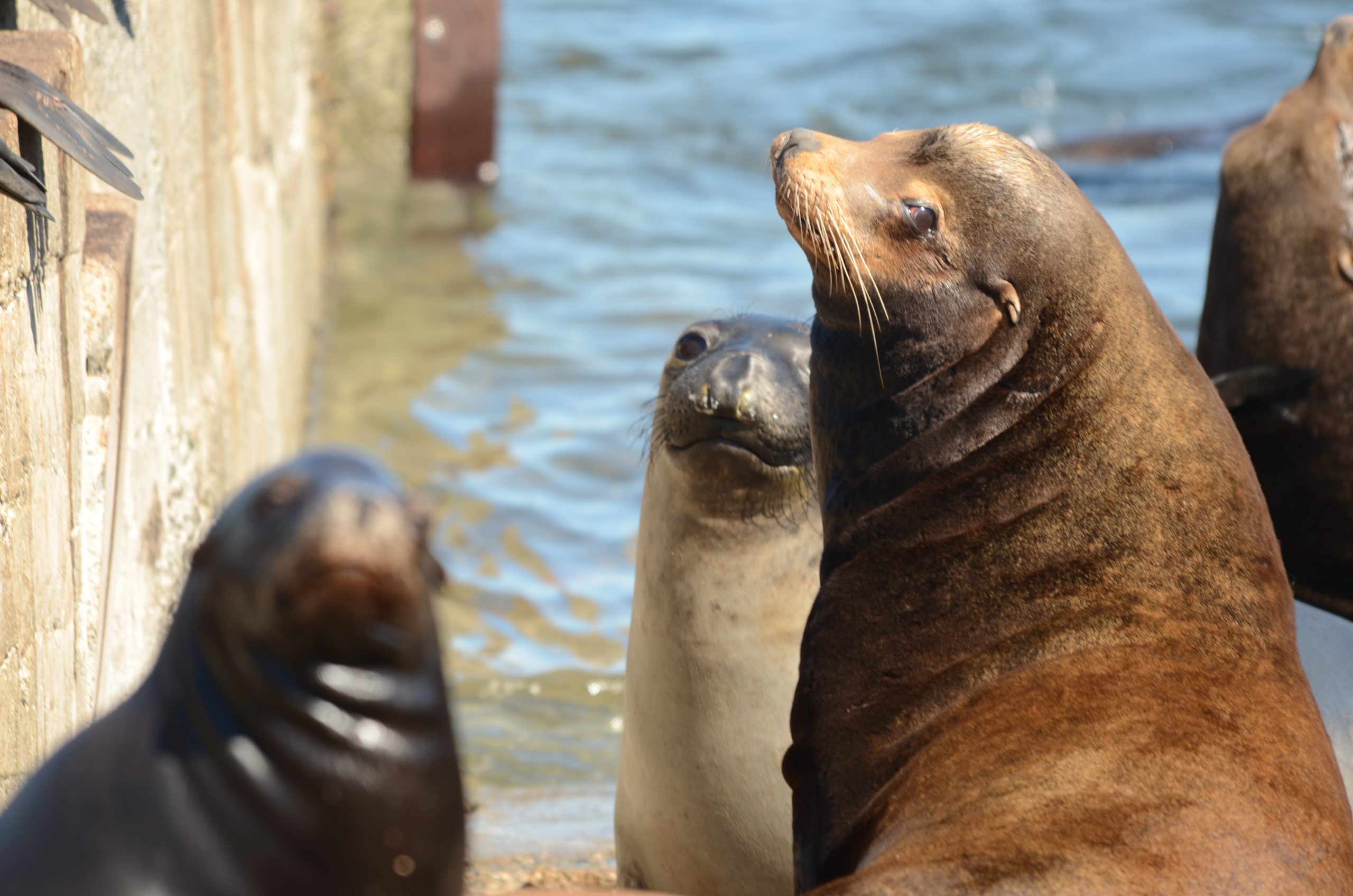
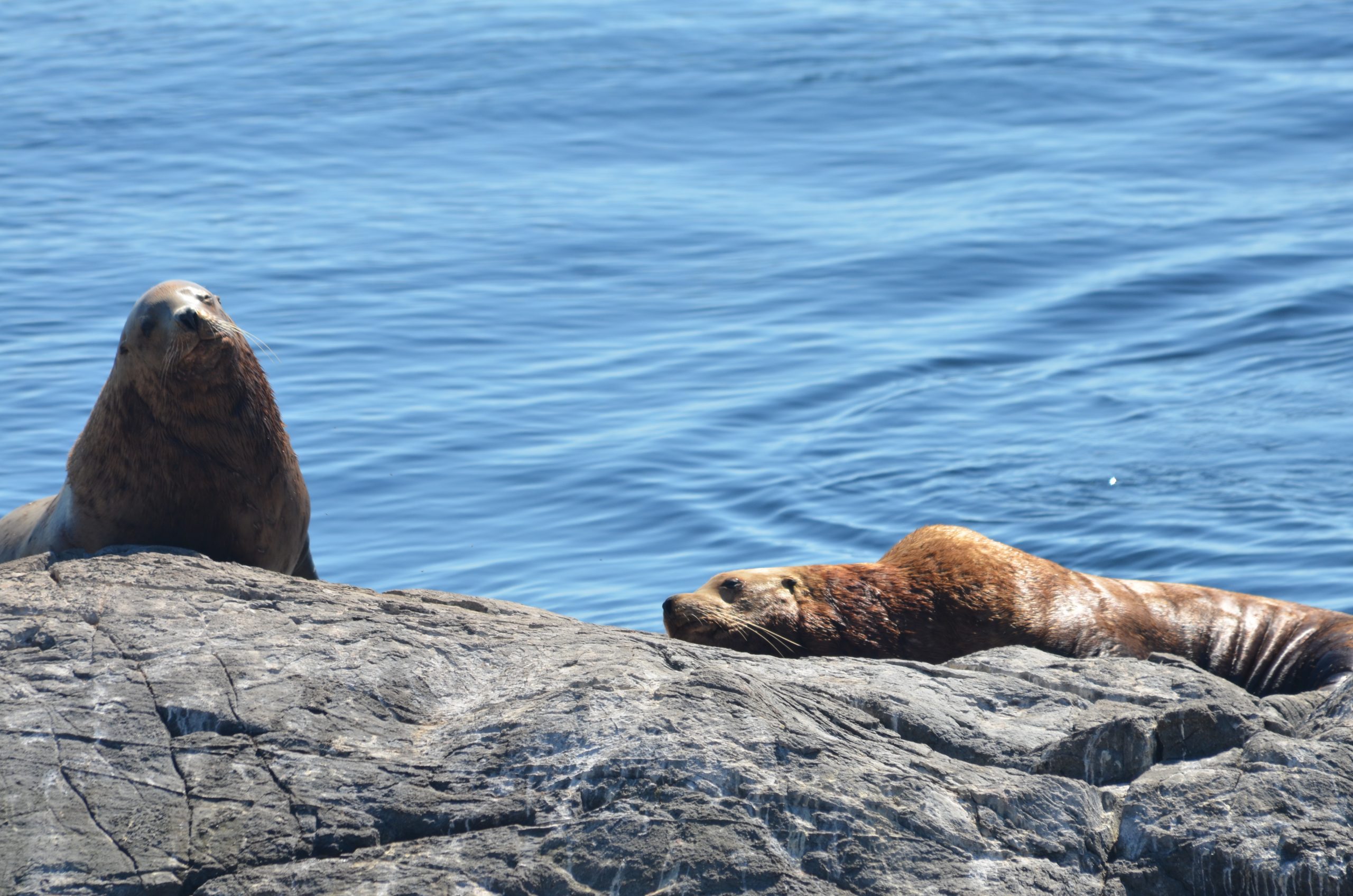
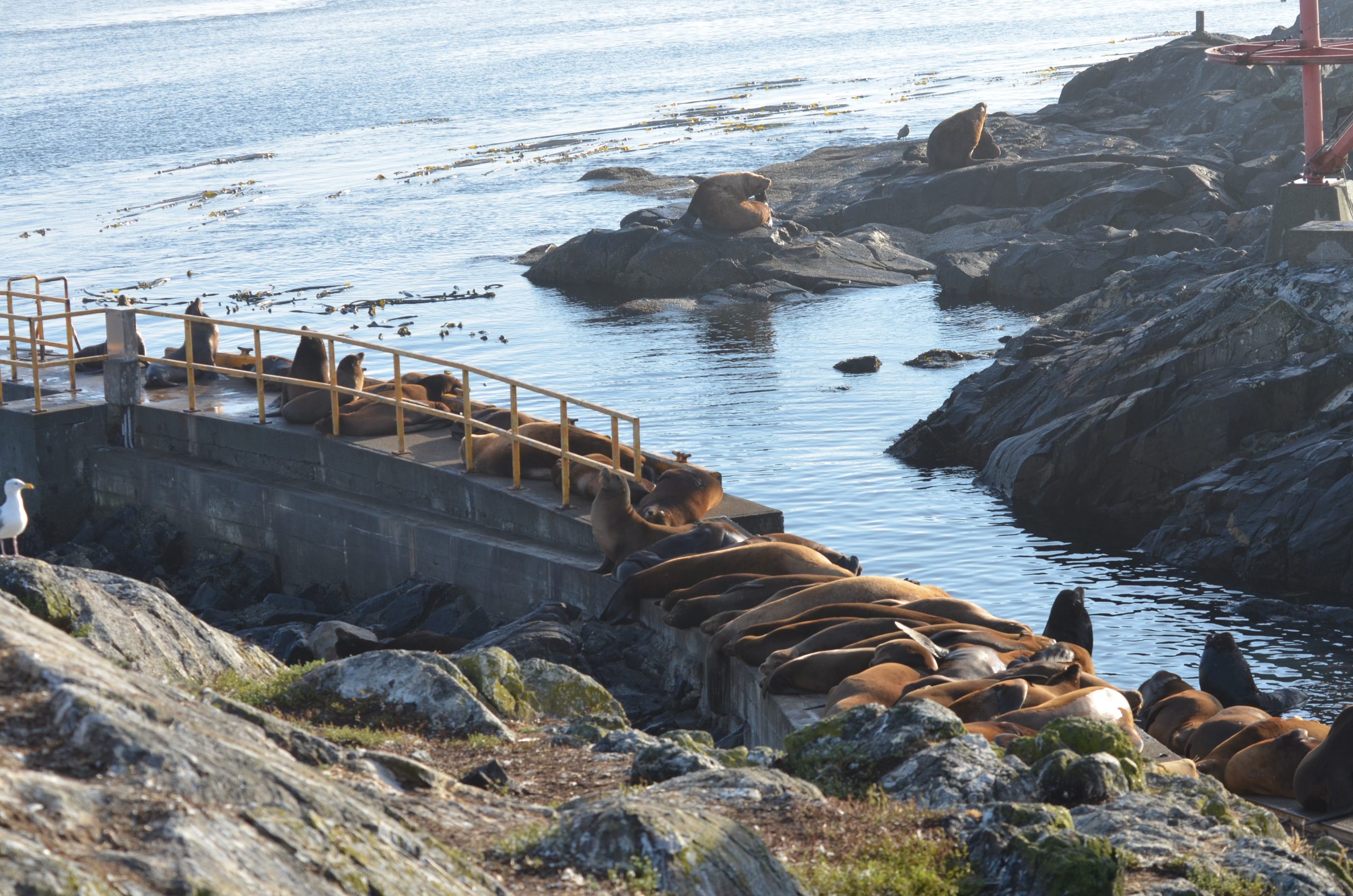
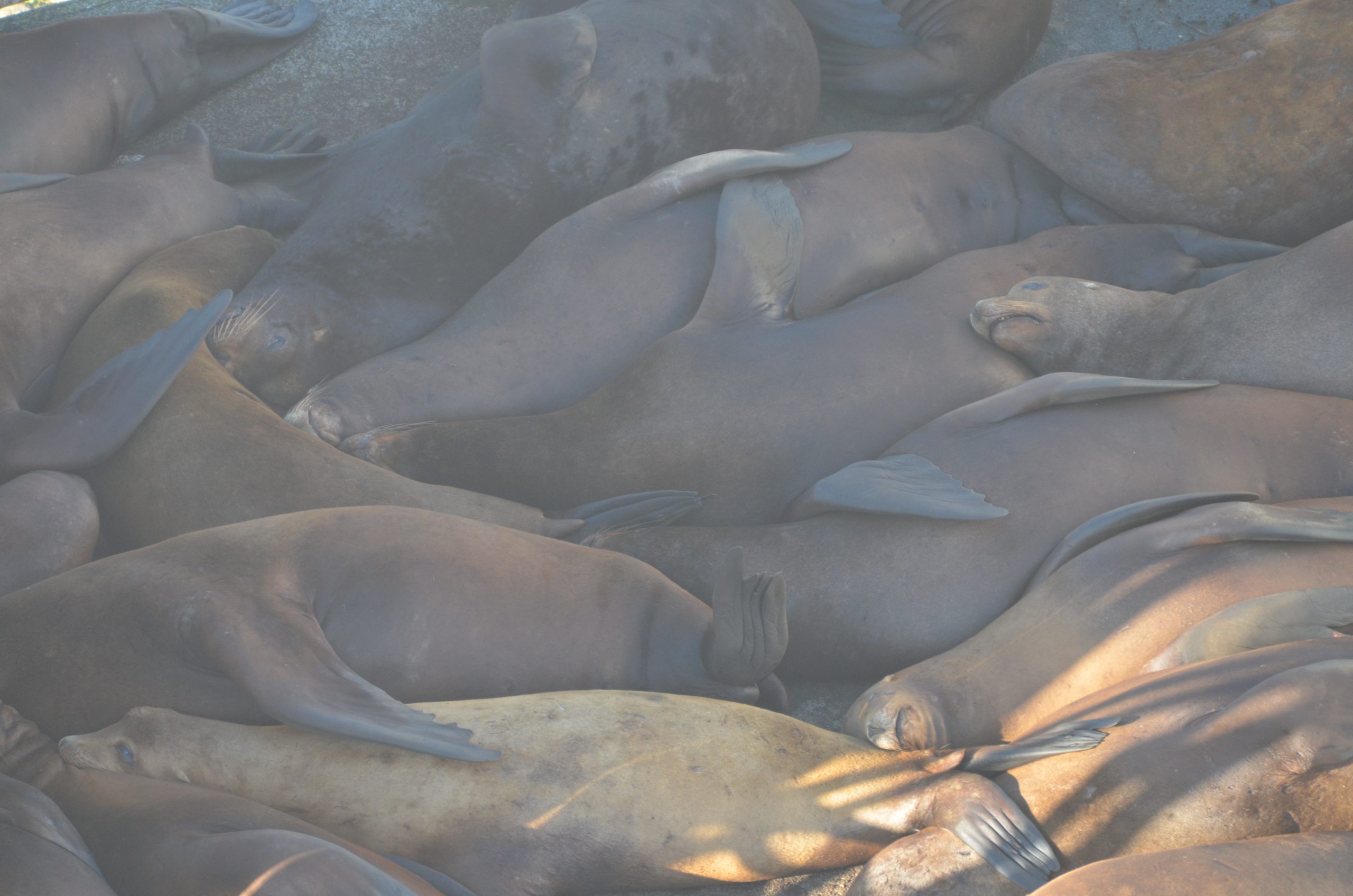
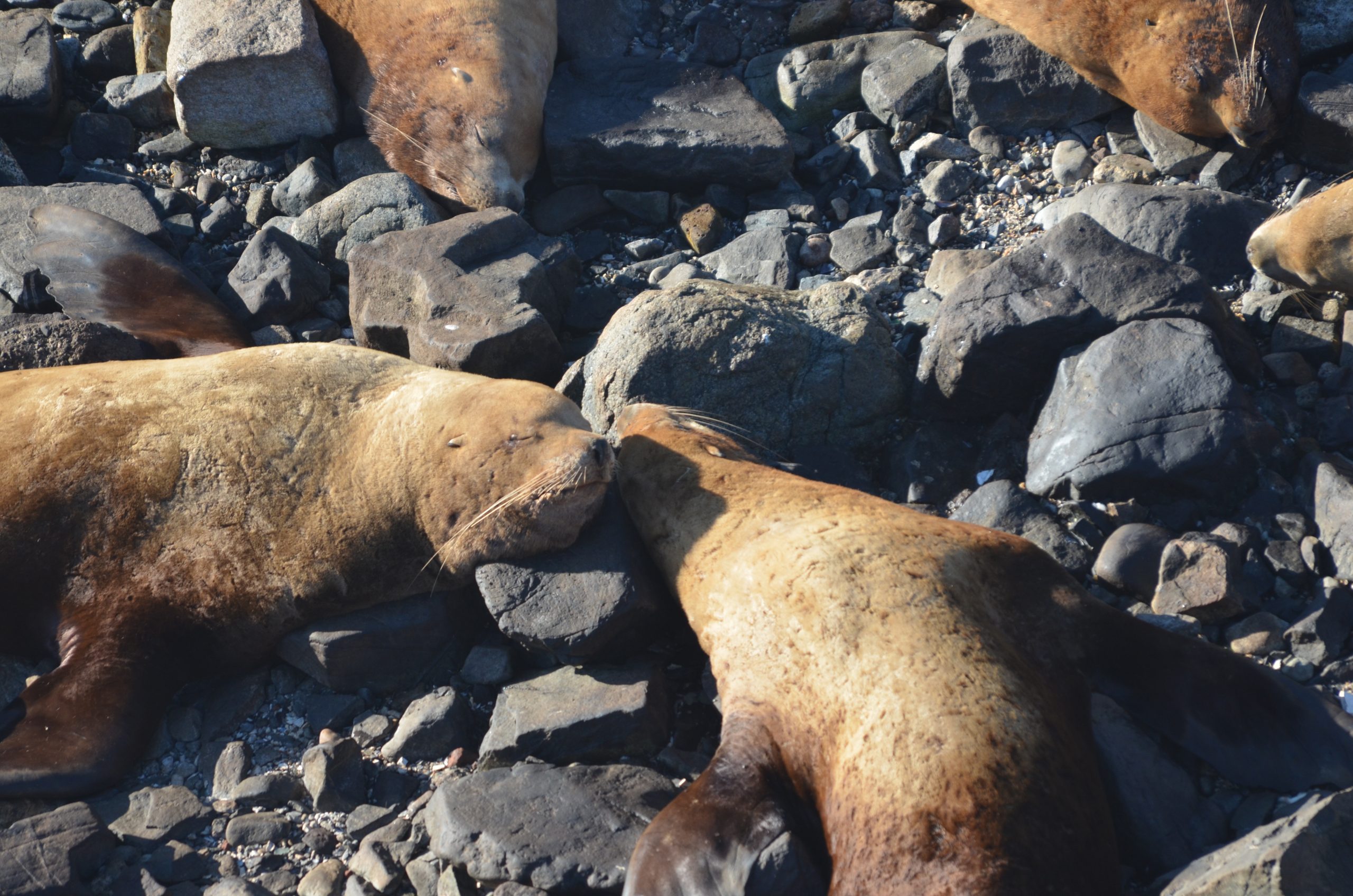
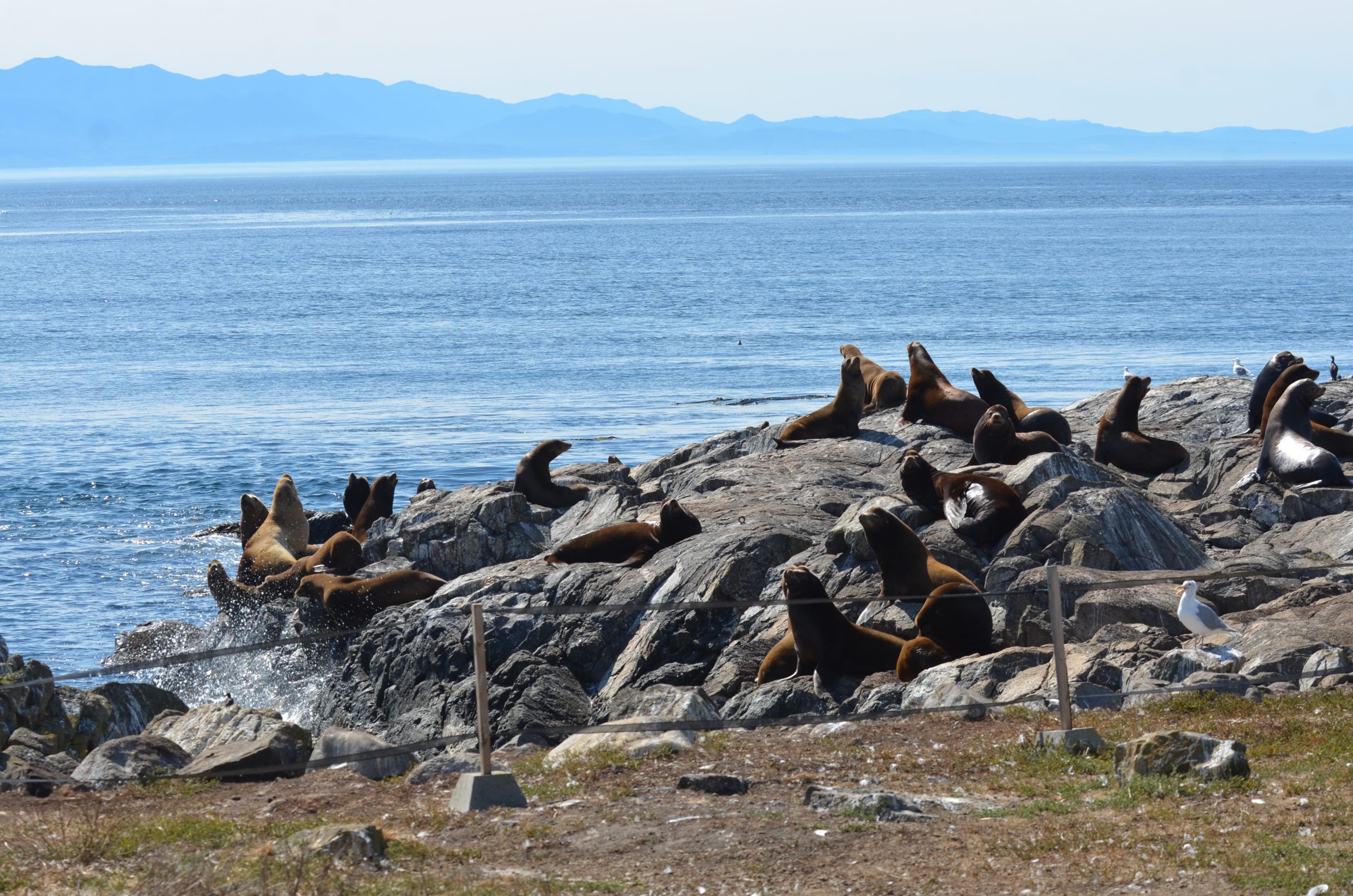
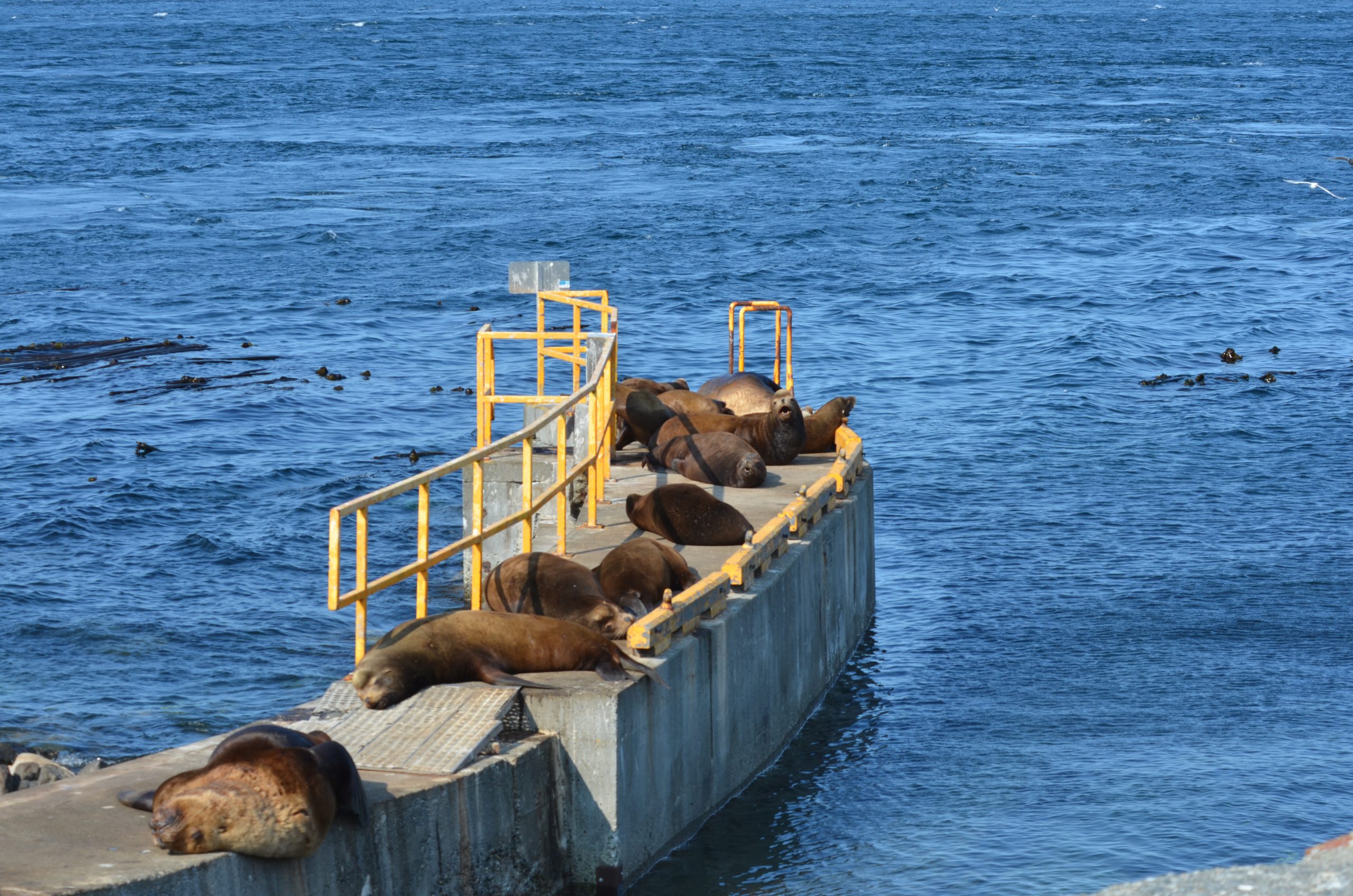
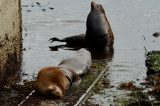
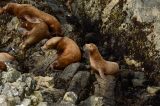
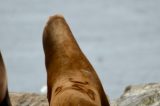
  • The sea lion numbers are climbing daily still. There are many more california sea lions than stellars right now.
  • We have been seeing the occasional small group of black turnstones (less than ten) but the large migrating groups have moved on.
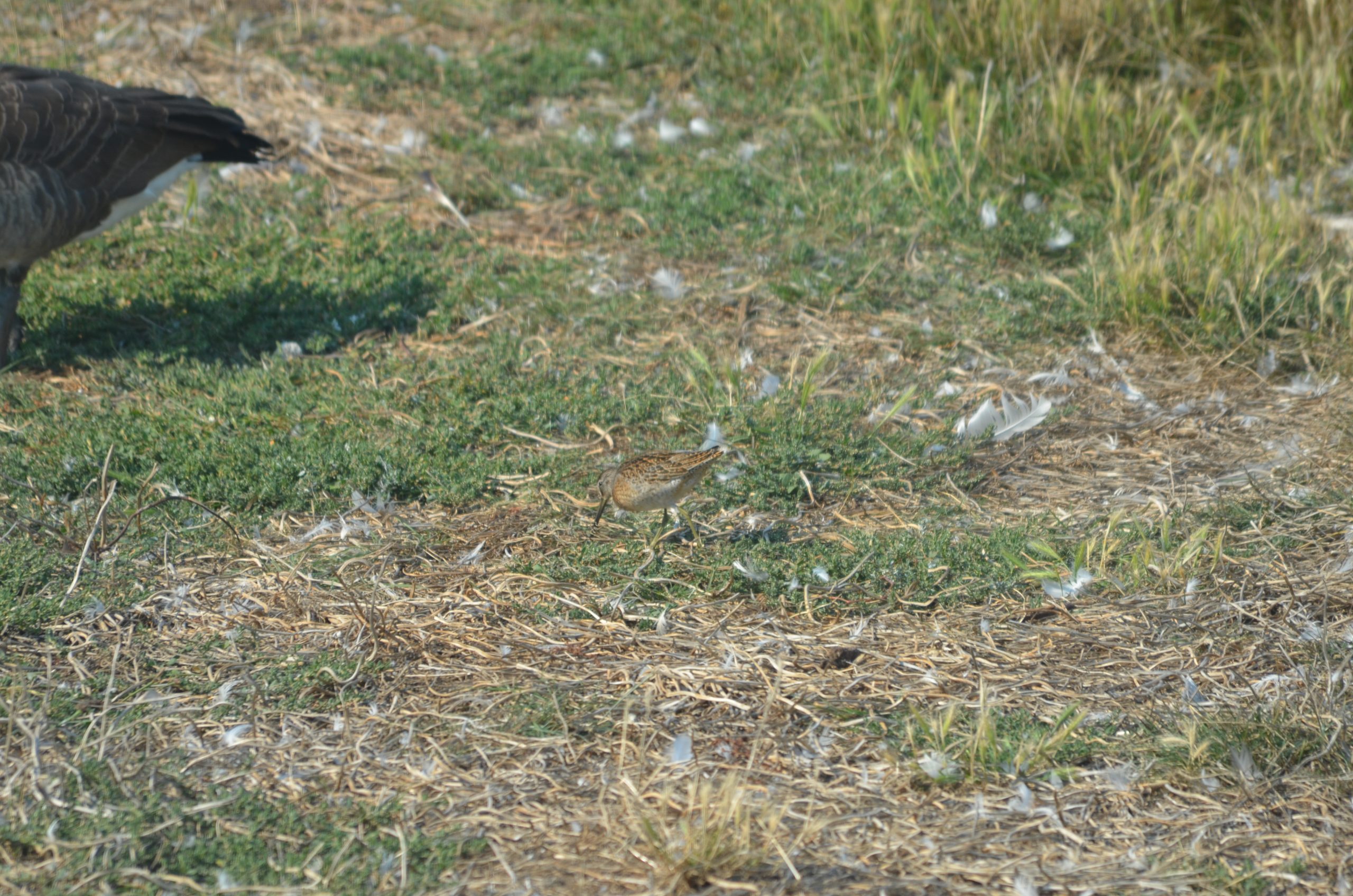
  • Yesterday we spotted a short billed dowitcher!
  • Today we were joined by one young elephant seal on the jetty ramp. Unfortunately the sea lions are not the most friendly company and it seems that they have scared it away.
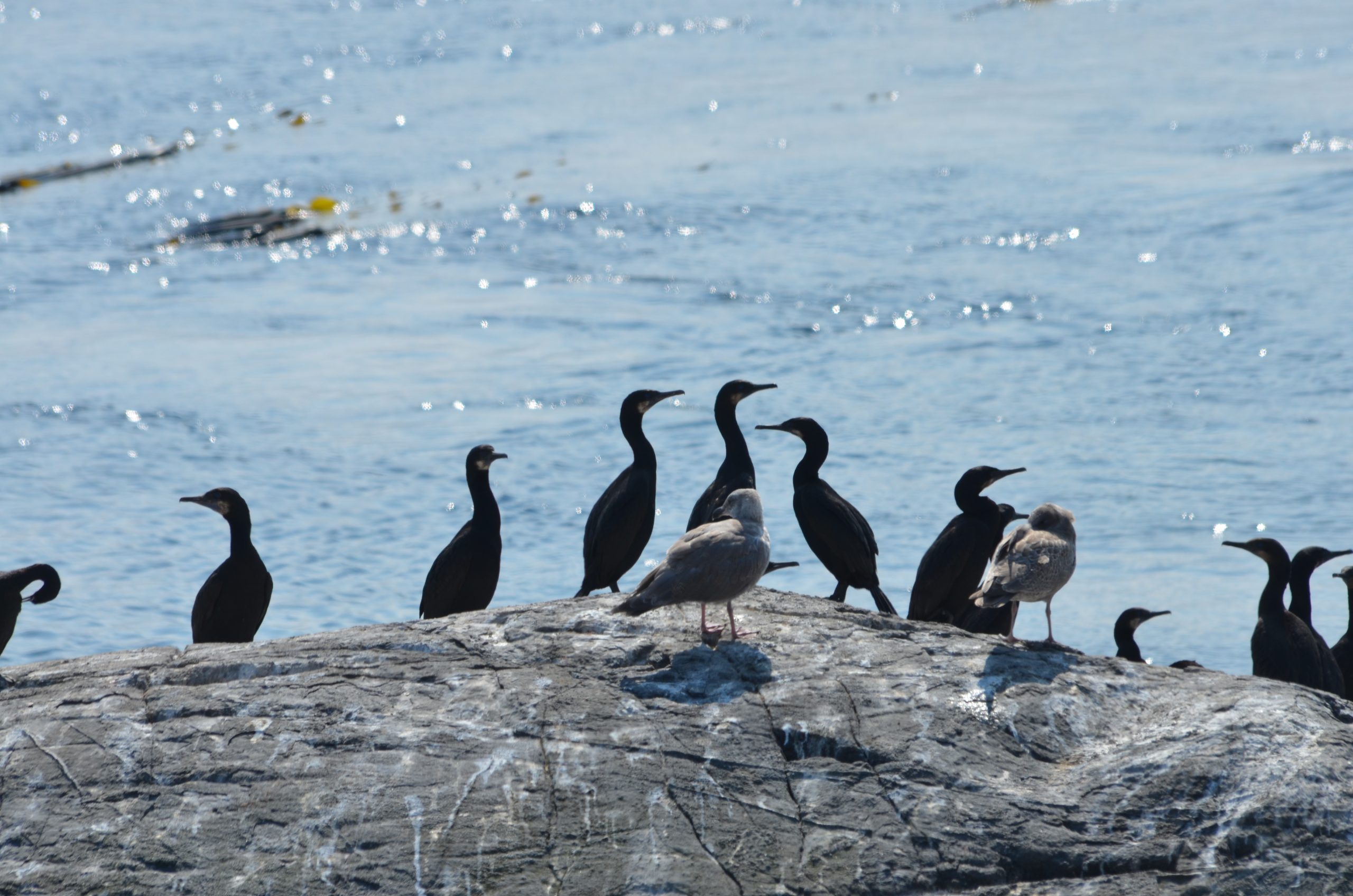
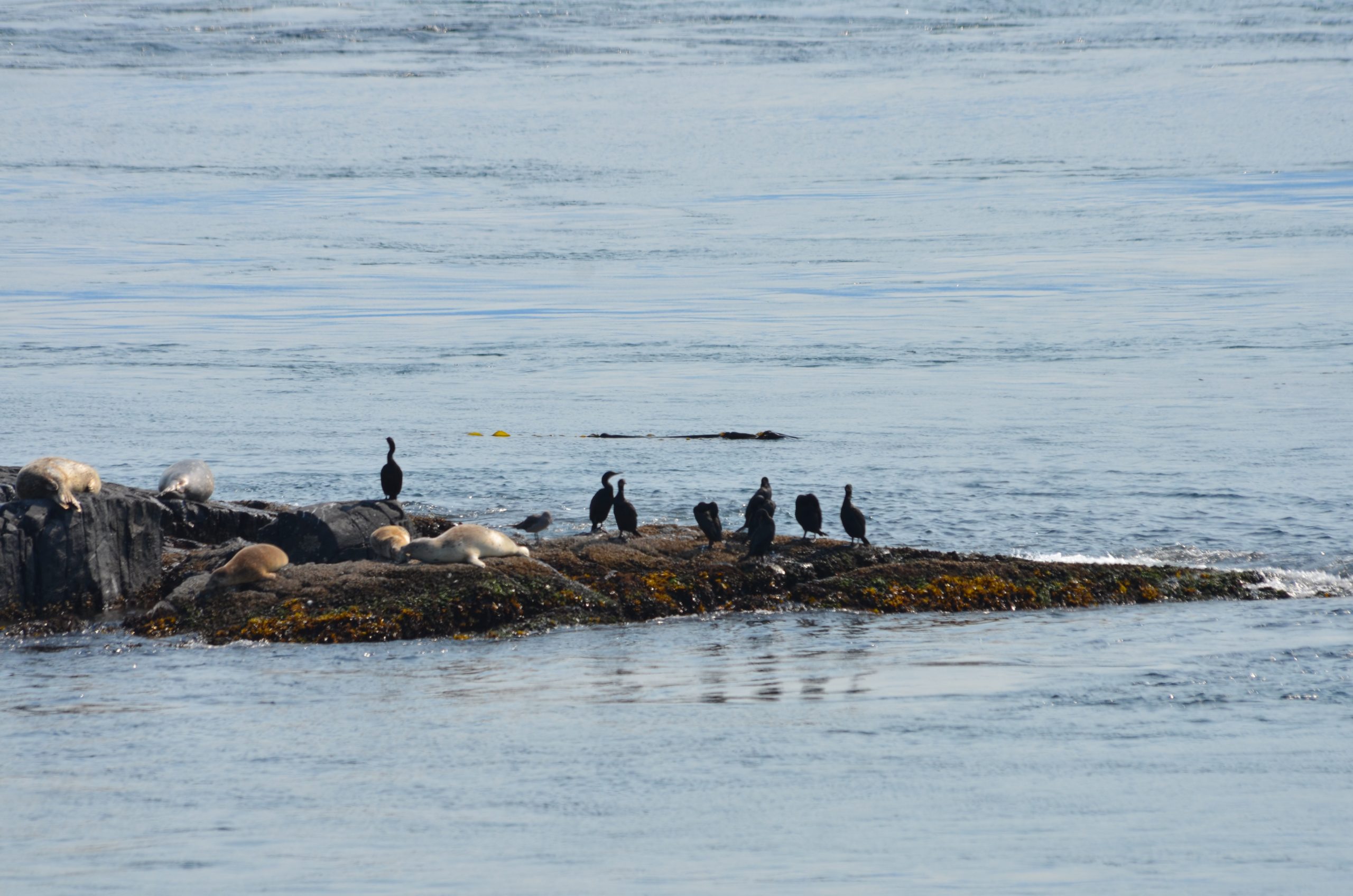
  • We have been seeing groups of cormorants in the reserve, mainly on the south islands and seal rocks.
  • We have been spotting at least 1 humpback per day in the juan de fuca strait

Census: 

  • 1 Elephant seal
  • 1 Sea otter
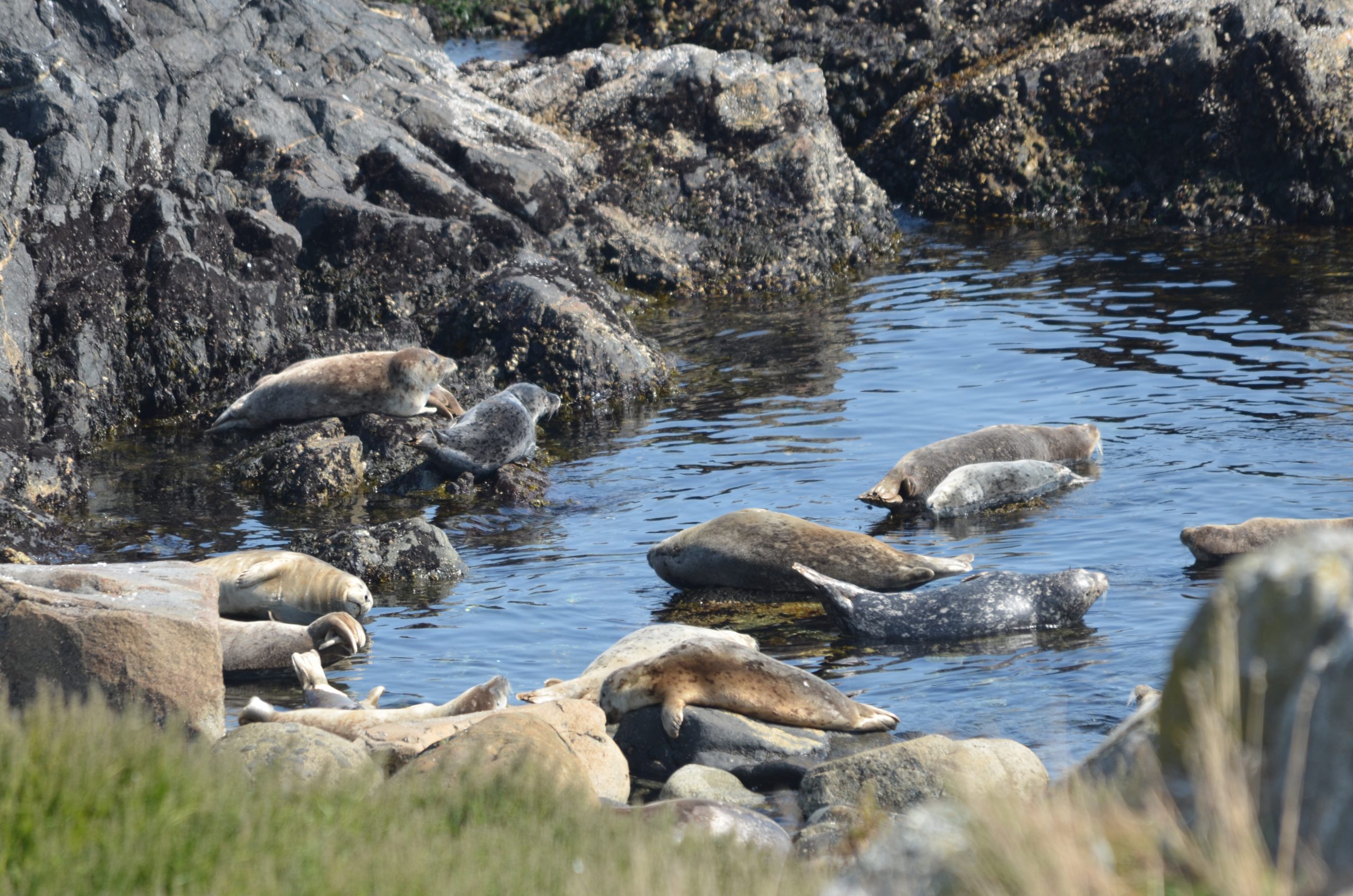
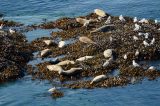
  • 155 Harbour seals
  • 213 California sea lions
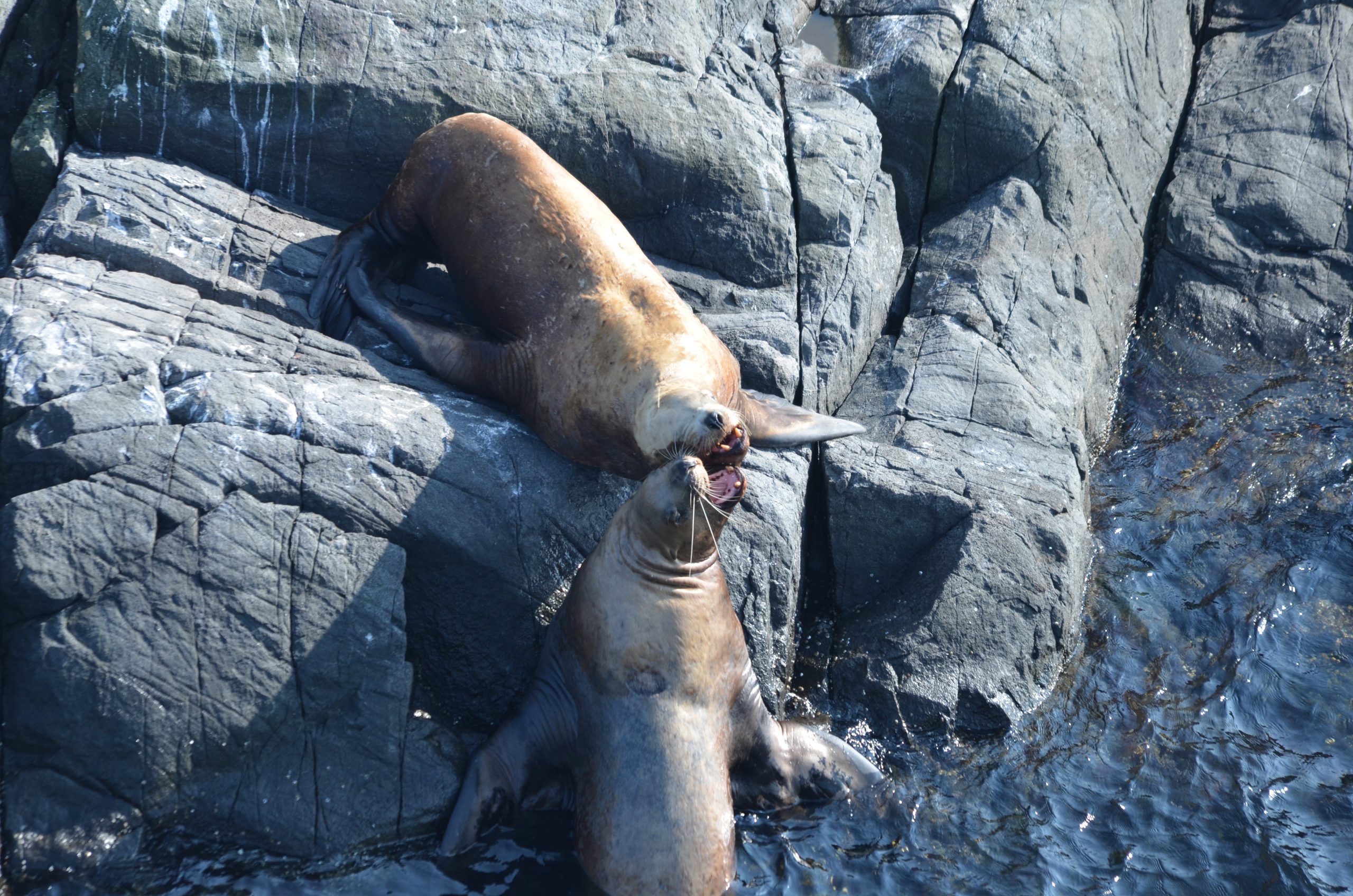
  • 71 Stellar sea lions
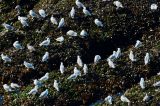
  • 395 Gulls (California)
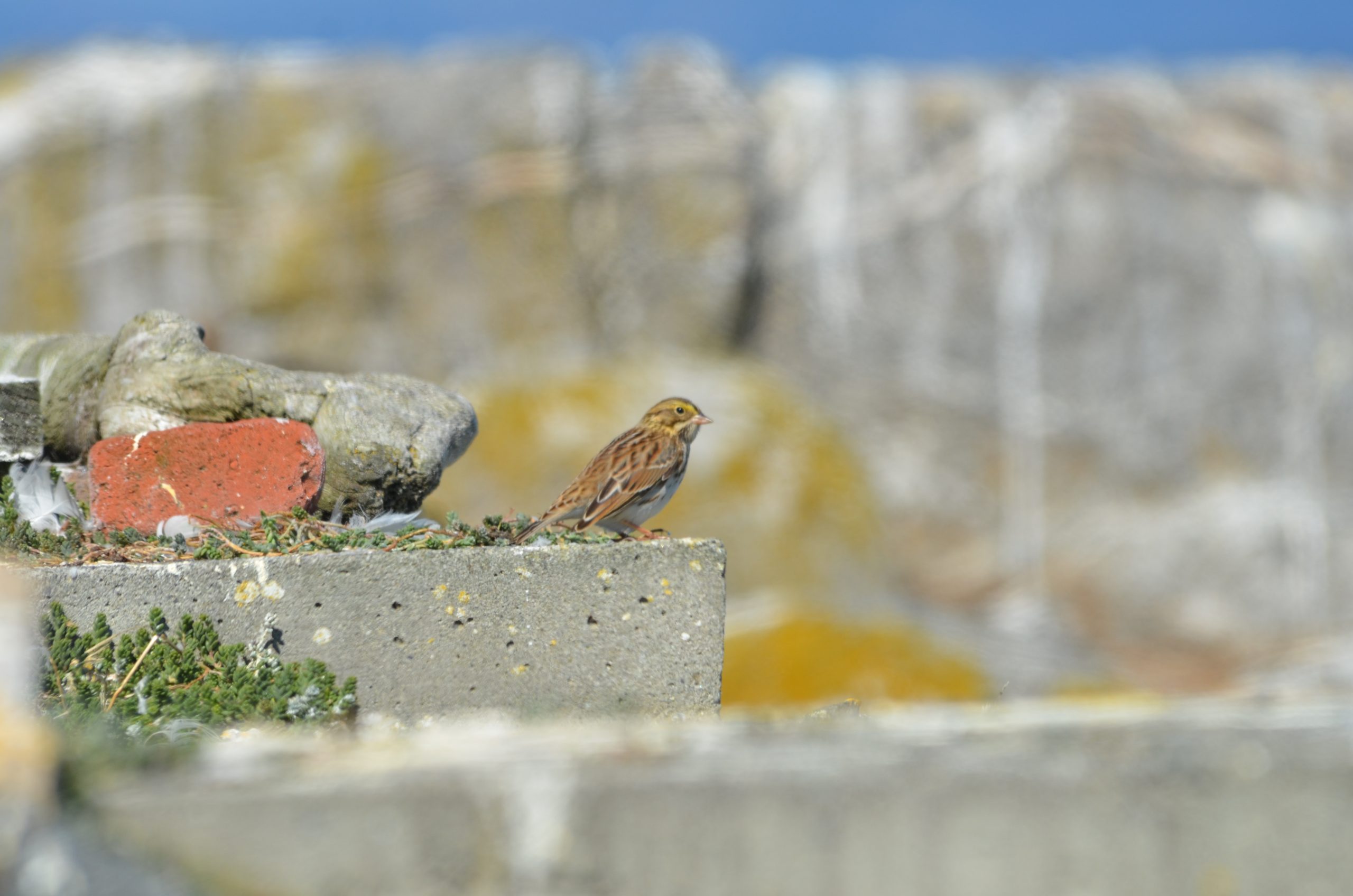
  • 1 Savannah Sparrow
  • 1 humpback whale (!)
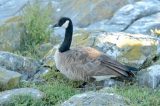
  • 4 Canada geese
  • 6 Black turnstones
  • 6 Song sparrows

Sea Lion Rescued Near Victoria (Times Colonist , Sept 9, 2020)

From: https://www.timescolonist.com/sea-lion-rescued-near-victoria-with-plastic-band-around-its-neck-1.24199804

Veterinarian Martin Haulena from the Vancouver Aquarium’s Marine Mammal Rescue Centre attends to the injured sea lion.

photo: MARA RADAWETZ


A sea lion with a plastic packing band cinched around its neck was rescued near Race Rocks on Sunday, thanks to the combined efforts of rescue teams from Victoria and Vancouver.

The struggling sea lion was first spotted by Mara Radawetz, who lives in the decommissioned lightkeepers’ residence at Race Rocks, just off the southern tip of Vancouver Island. Radawetz, who monitors the Race Rocks Ecological Reserve with partner Kai Westby on behalf ­Metchosin’s Pearson College, saw the sea lion several times during the week in nearby Juan de Fuca Strait, and said the marine ­mammal was clearly in distress.

“He was scratching constantly at his wounds, which were cutting into his skin,” ­Radawetz said.

She contacted Fisheries and Oceans Canada and the Vancouver Aquarium’s Marine Mammal Rescue Centre, Canada’s only dedicated marine mammal rescue facility and one of the largest rescue facilities in the world, to help free the sea lion from the plastic packing band wrapped around its neck.

Two large Zodiac boats ­carrying the rescue team and several veterinarians arrived Sunday morning, and quickly found the sea lion, Westby said. After being given a tranquilizer ­injection by veterinarian Martin Haulena from the Marine Mammal Rescue Centre, the sea lion was brought onto the shores of Race Rocks and treated.

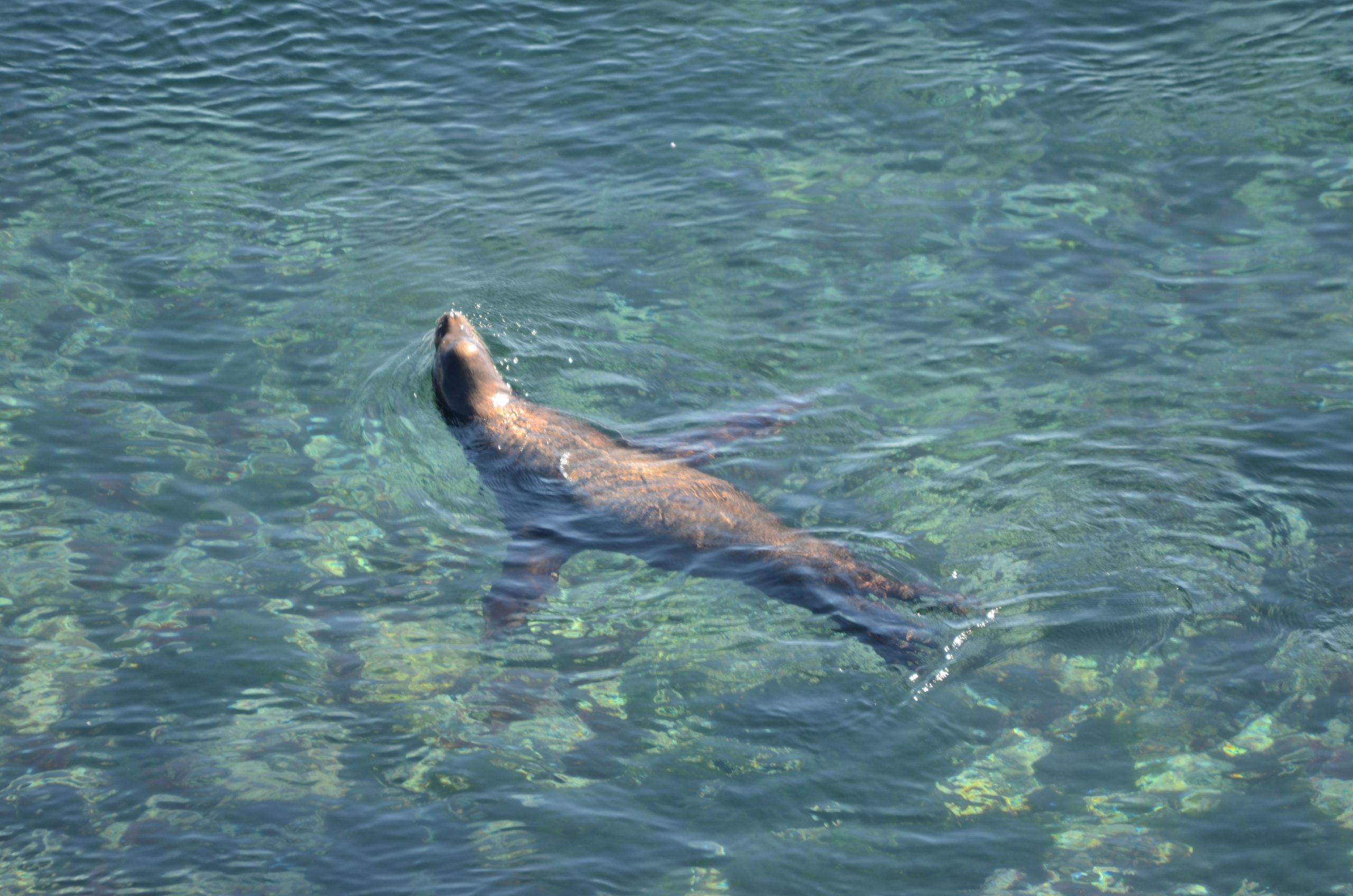
The plastic band was removed and tracking tags were attached to the animal’s front flippers. A blood sample was also taken, to assist with future studies. After being given a drug to reverse the effects of the tranquilizer, the sea lion was back swimming within minutes, Westby said. “It was great to see them help out an animal that was in such great pain.”

Suffering caused by man-made material such as plastic is an increasingly common problem among sea lions, Westby said. As permanent residents on Race Rocks, he and Radawetz see their share of injuries to sea lions.

“It can be pretty sad to see. They live for 20 years or 30 years, and as the animal grows, the band cuts through its skin. It becomes a really painful-looking wound.”

mdevlin@timescolonist.com

Successful Sea Lion Rescue!

Weather:

  • Sky Clear and blue
  • Visibility 15+ NM
  • Wind 20-25 knots NE
  • Sea state: swells up to one meter
  • Temperature outside: 19.8 C
  • Pressure: 1021 hPa (decreasing)
  • We have been seeing consistent fog in the late evening, lasting for an average of 2 hrs. The fog banks seem to move over us from Port Angeles.

Visitors: 

  • Marine Mammal Rescue and DFO visited yesterday (more on this below).
  • Steady flow of pleasure crafts and whale watching vessels over the long weekend.

Sea Lion Disentanglement: 

  • Yesterday Marine Mammal Rescue along with the support of DFO vessels and staff came to help a sea lion with a plastic packing band stuck around his neck. They were able to successfully dart the sea lion with a tranquilizer injection, remove the band, give him tracking tags on his front flippers, and take a blood sample. When this was done they injected a reversal drug to wake him up and with a little scratch he was back on his way!

Ecological Notes:

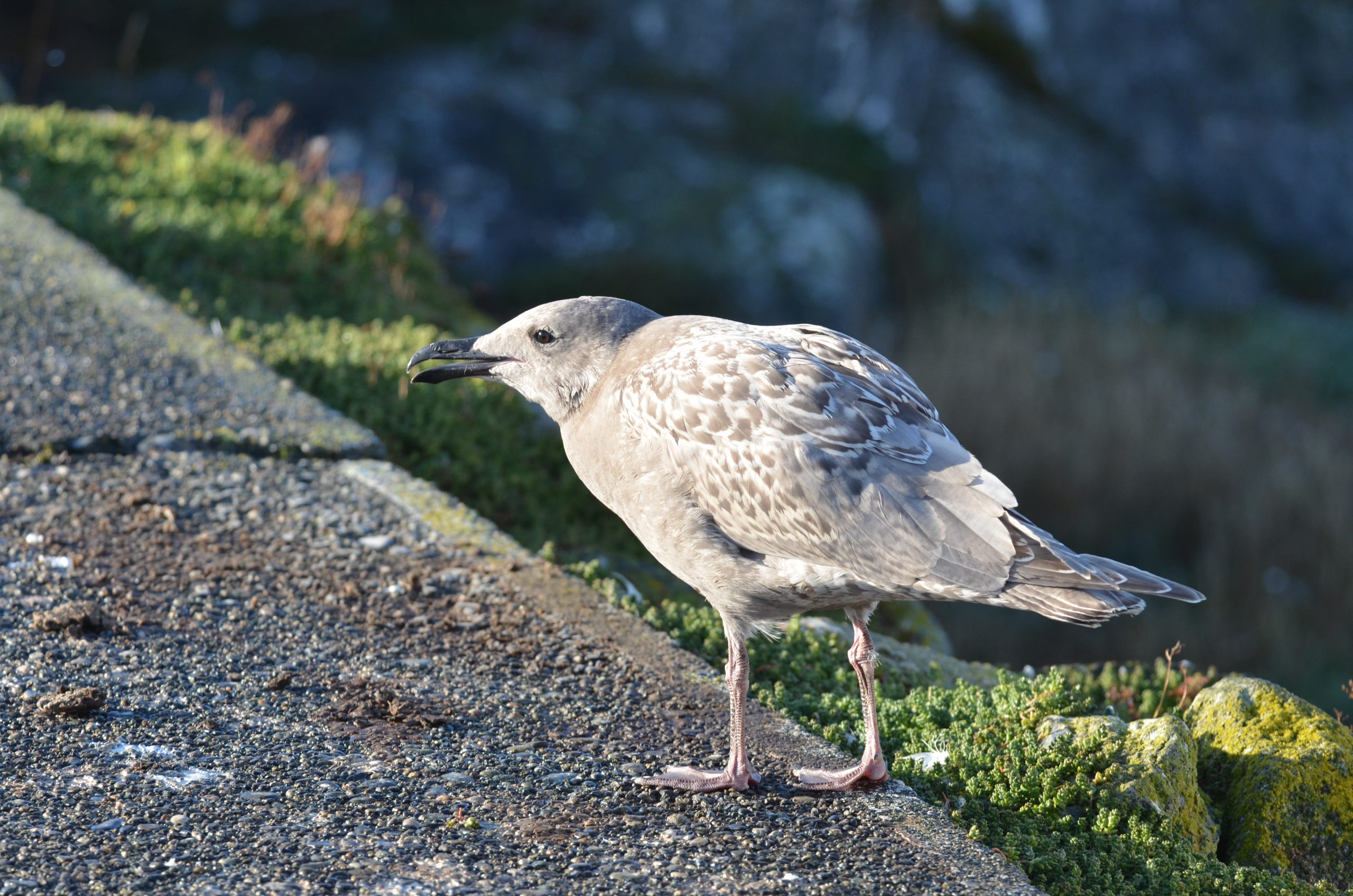
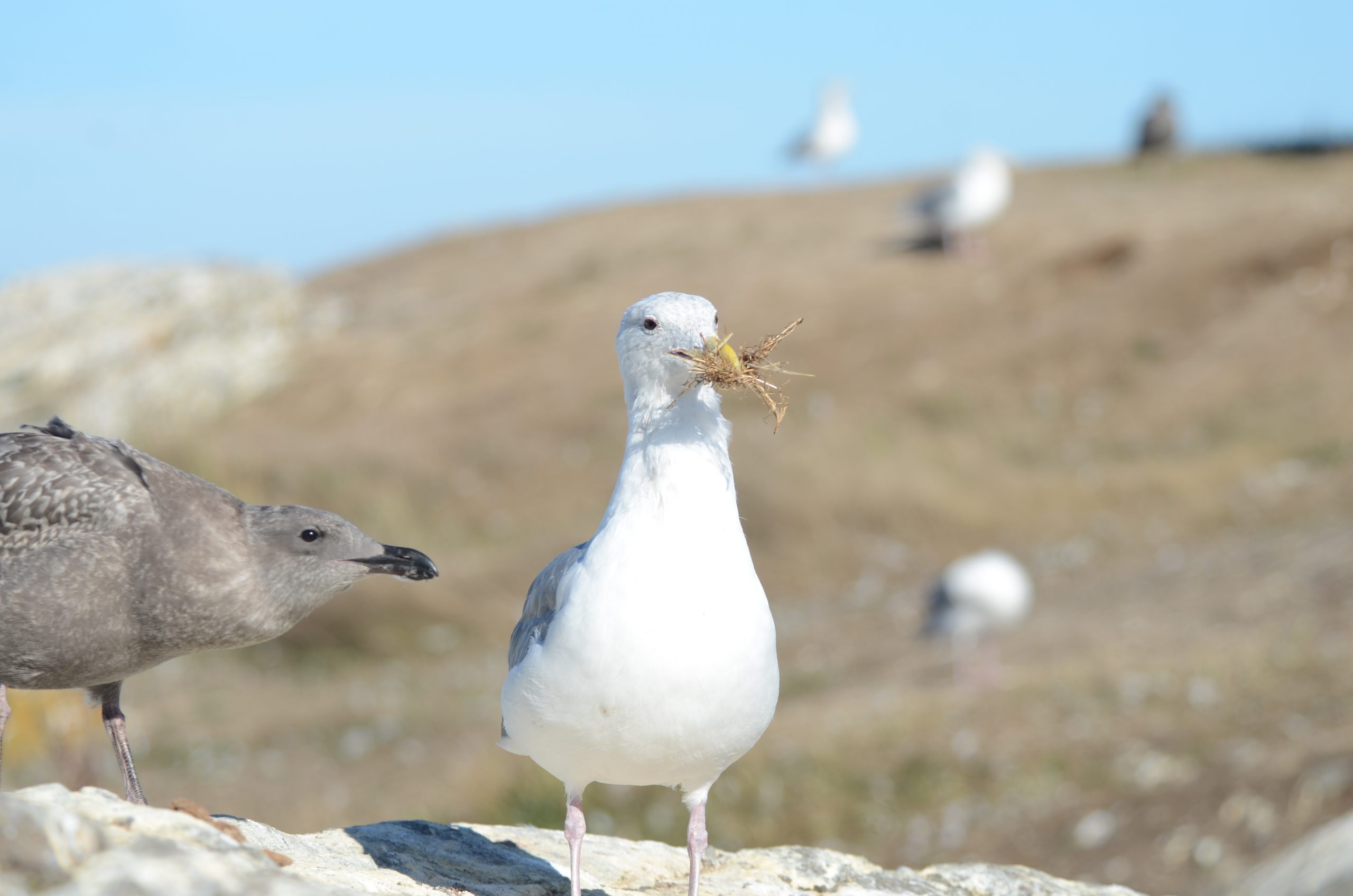
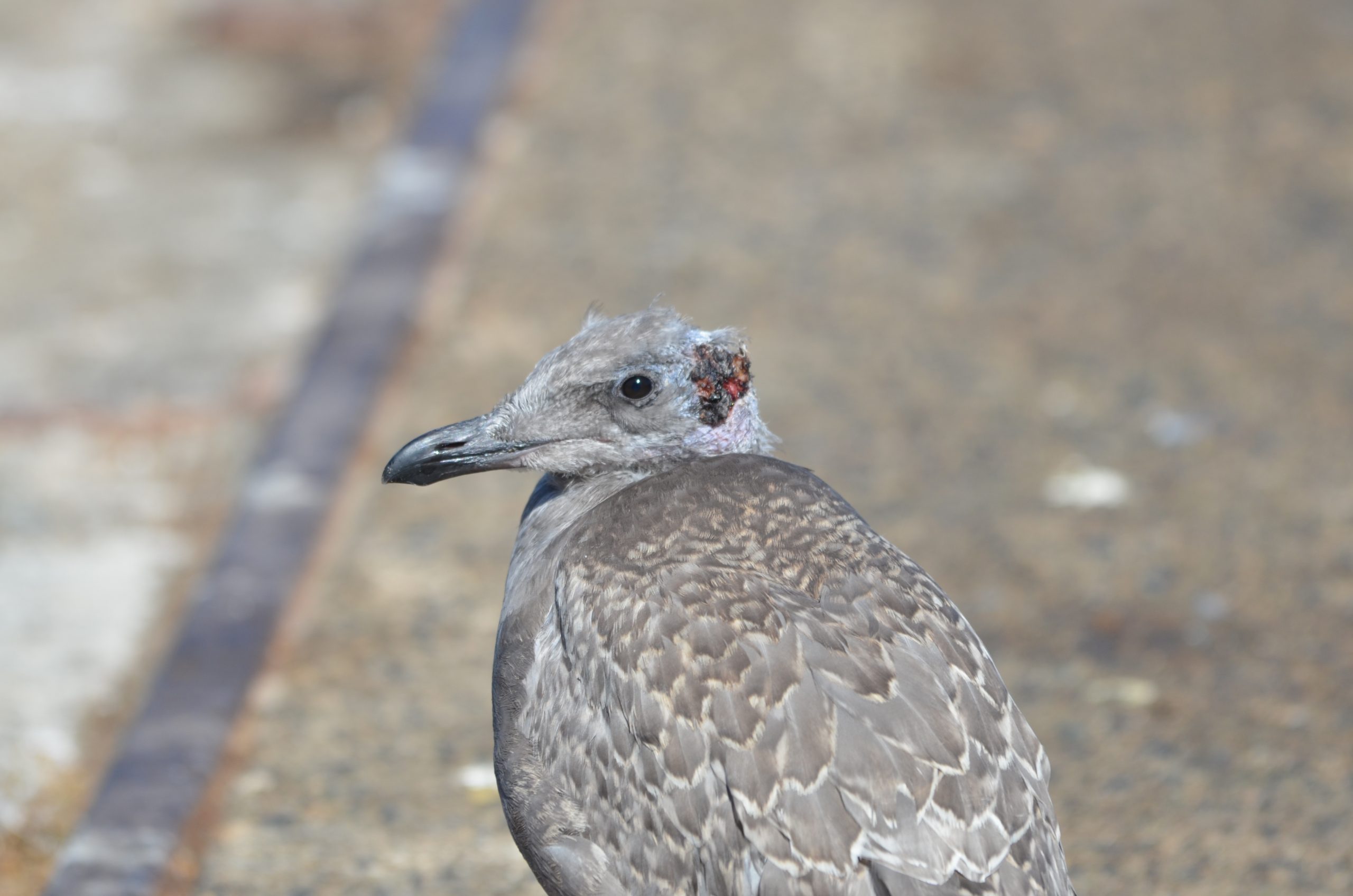
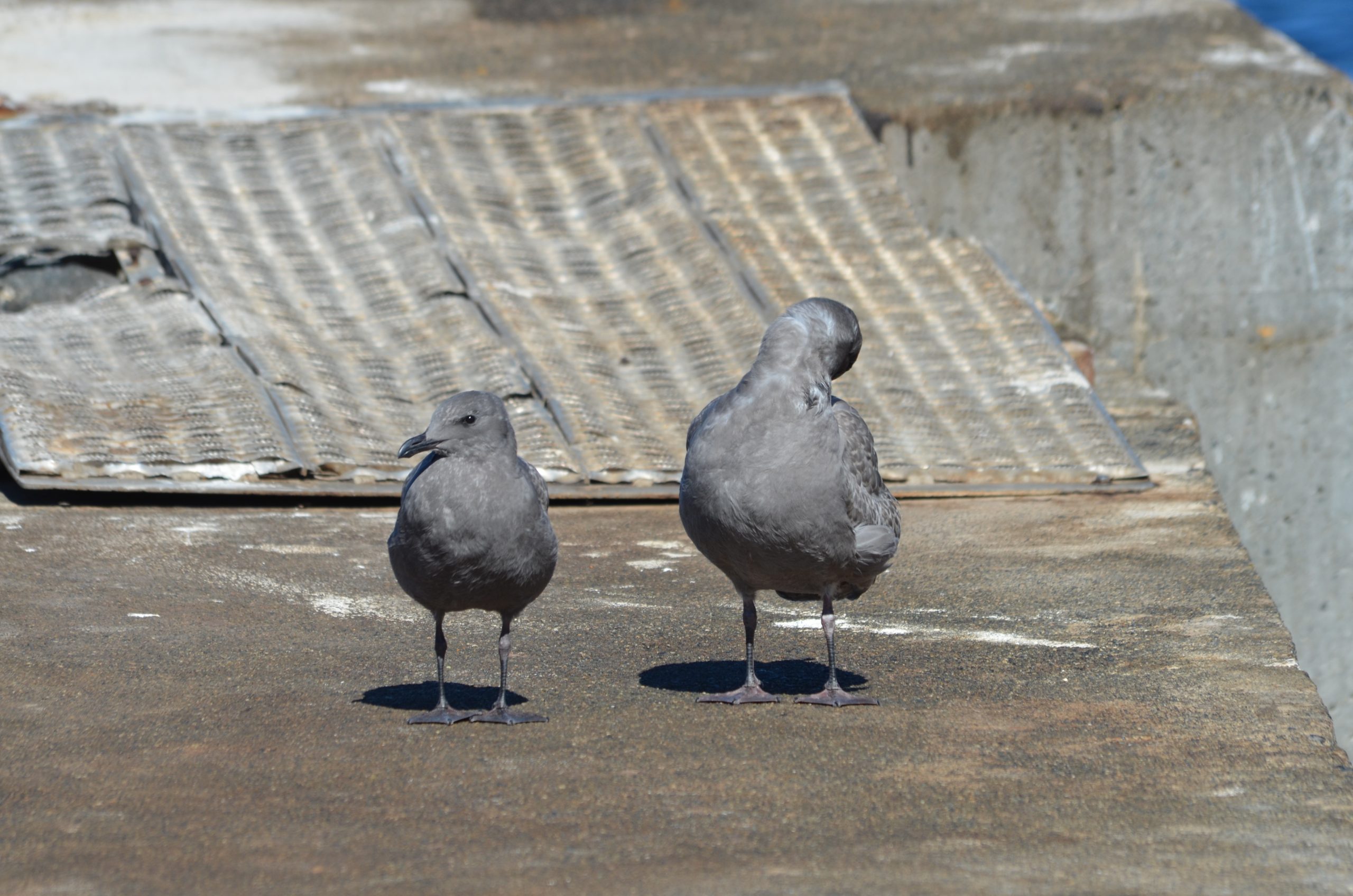
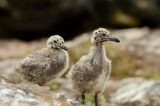
  • The seagull chicks have officially flown the coop! Only a few remain and we are able to move around the island again without bothering the nesting birds.
  • This year we have noticed significantly less trash left behind by seagulls than last year. Our best guess is that they had more food available to them this summer, which would also align with observing them regurgitating much more fish that the previous season.
  • The sea lions have been increasing in numbers every day. The new fencing material that Nick and Greg used seems to be working much better than the wire that we tried last year, preventing them from damaging the island infrastructure. We have been letting them rest on the jetty this week but we will soon need to install more fencing in preparation for student visits.
  • Yesterday we found two turnstones which appeared to have been killed by the gulls while we were investigating the area near the codar antenna (SW Great Race Rock).

An Exciting Few Days- Orcas!

Weather today: 

  • Blue skies with a few small clouds blowing by
  • Visibility 10-15 NM
  • Wind 10-25 knots SW
  • Sea state 0.5 m chop

Visitors: 

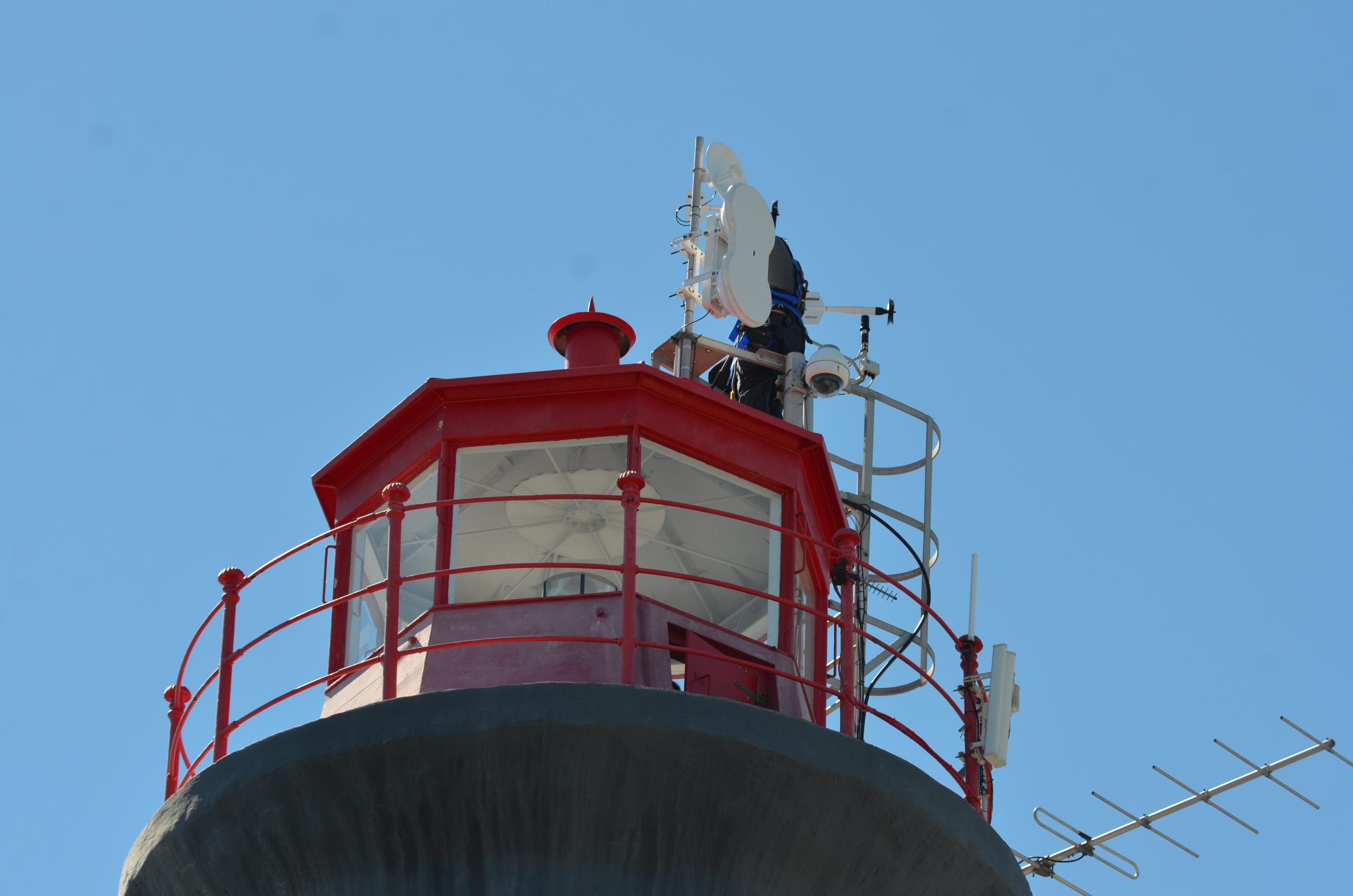
  • No visitors today, but over the last few days we have have been joined by Greg and a technician to service equipment and deliver supplies to the island. Environment Canada personnel came to update weather equipment on the lighthouse with new sensors and other hardware!
  • A handful (5-10) eco-tourism vessels have been though the reserve daily as well as the same for pleasure crafts.

Ecological Observations: 

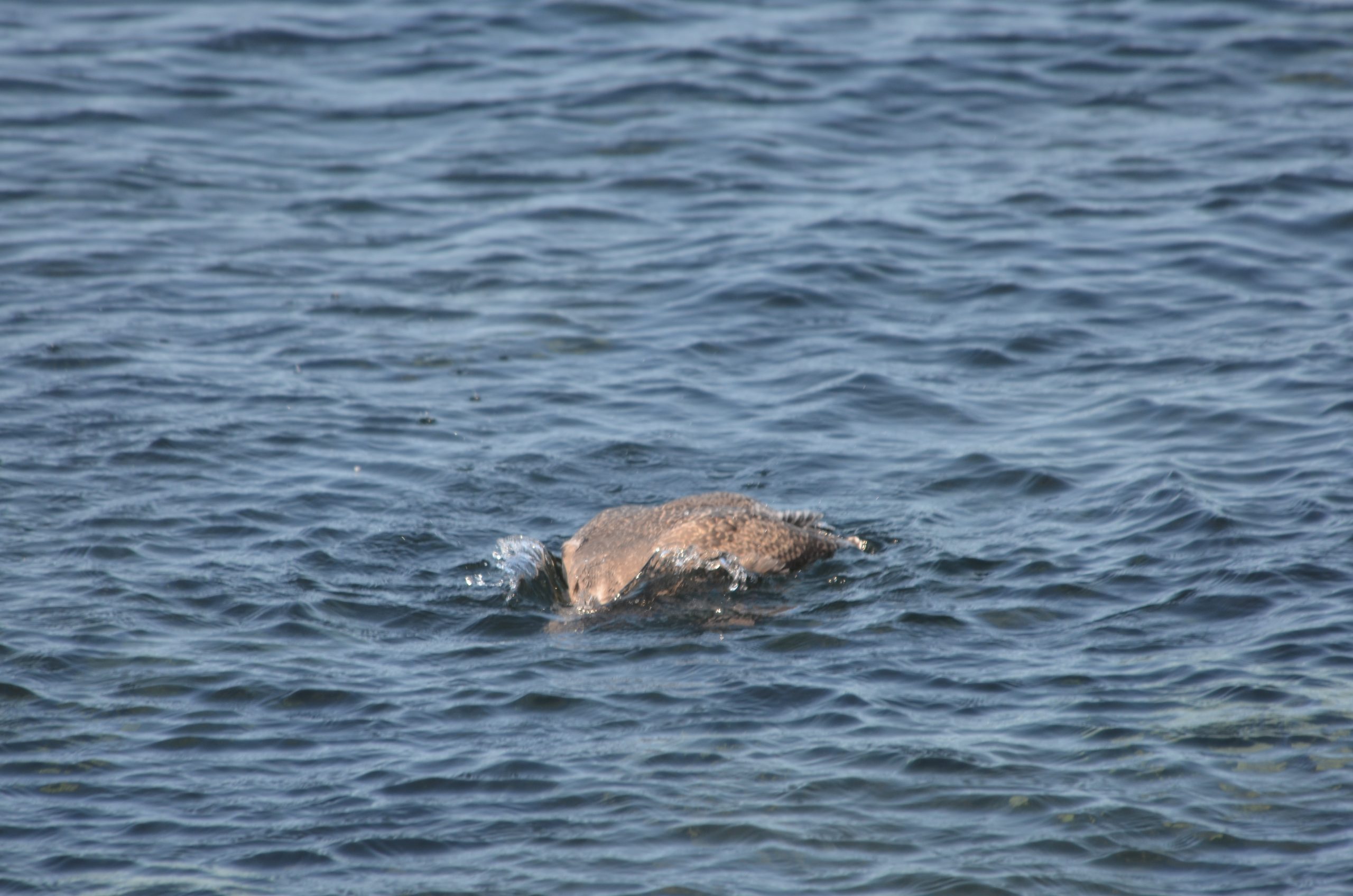
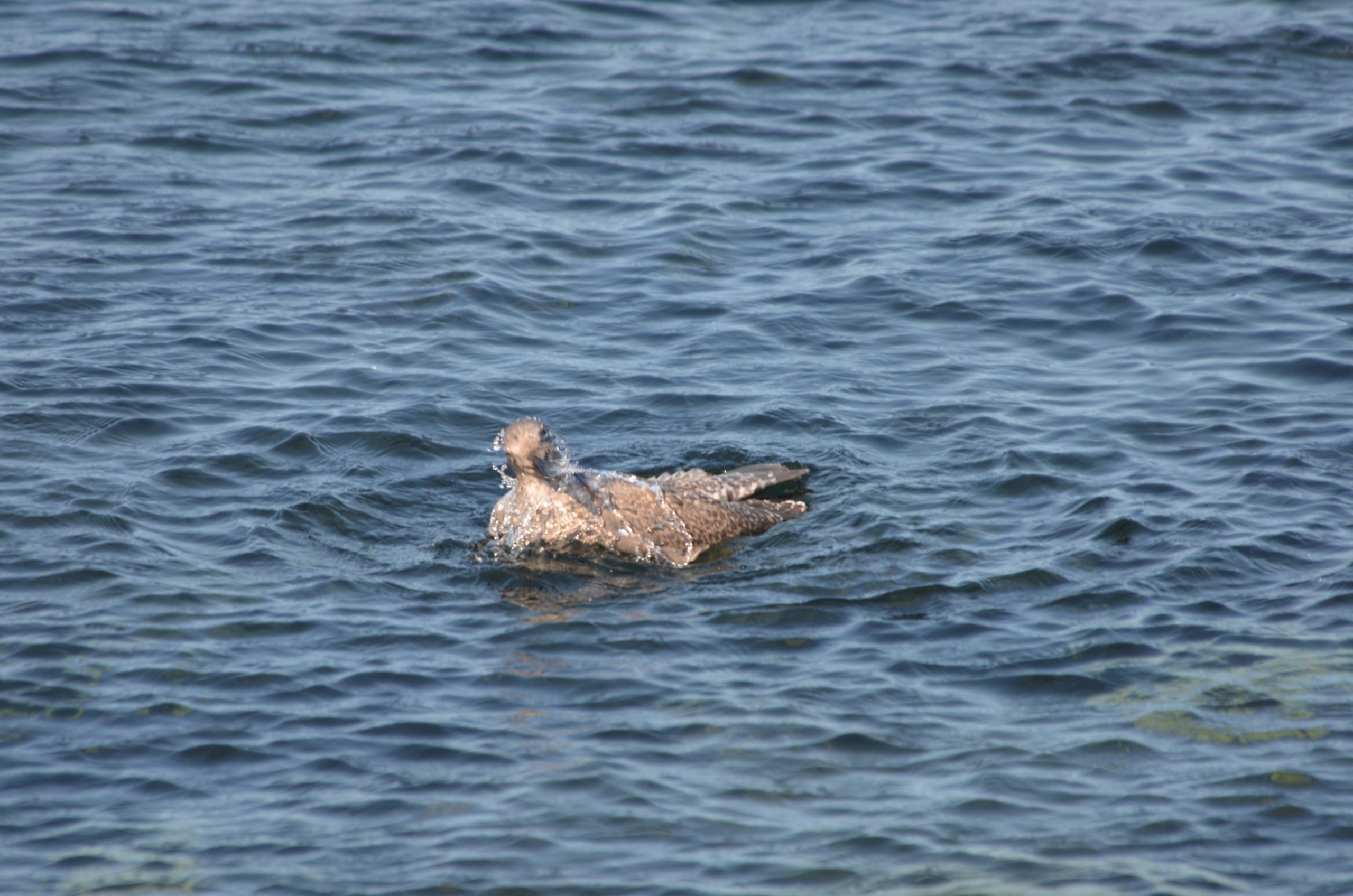
  • Over the last few days it has been very interesting to note the development of the seagulls chicks during our two week absence. The majority of them can now fly, although many appear to spend time in their respective nesting areas. While the young ones spend time on the water and practice bobbing their heads under, they still beg for food from their parent(s).
  • There have been 2-5 explosions daily, except for today, at the Esquimalt Canadian Forces Base. They seem to be varying in intensity – sometimes only a sharp ‘thump’, while other times the whole house shakes! The animals in the reserve certainly notice the latter. We sometimes see the majority of the landed birds and hauled out pinnipeds in the area flee to the water or air on these occasions.
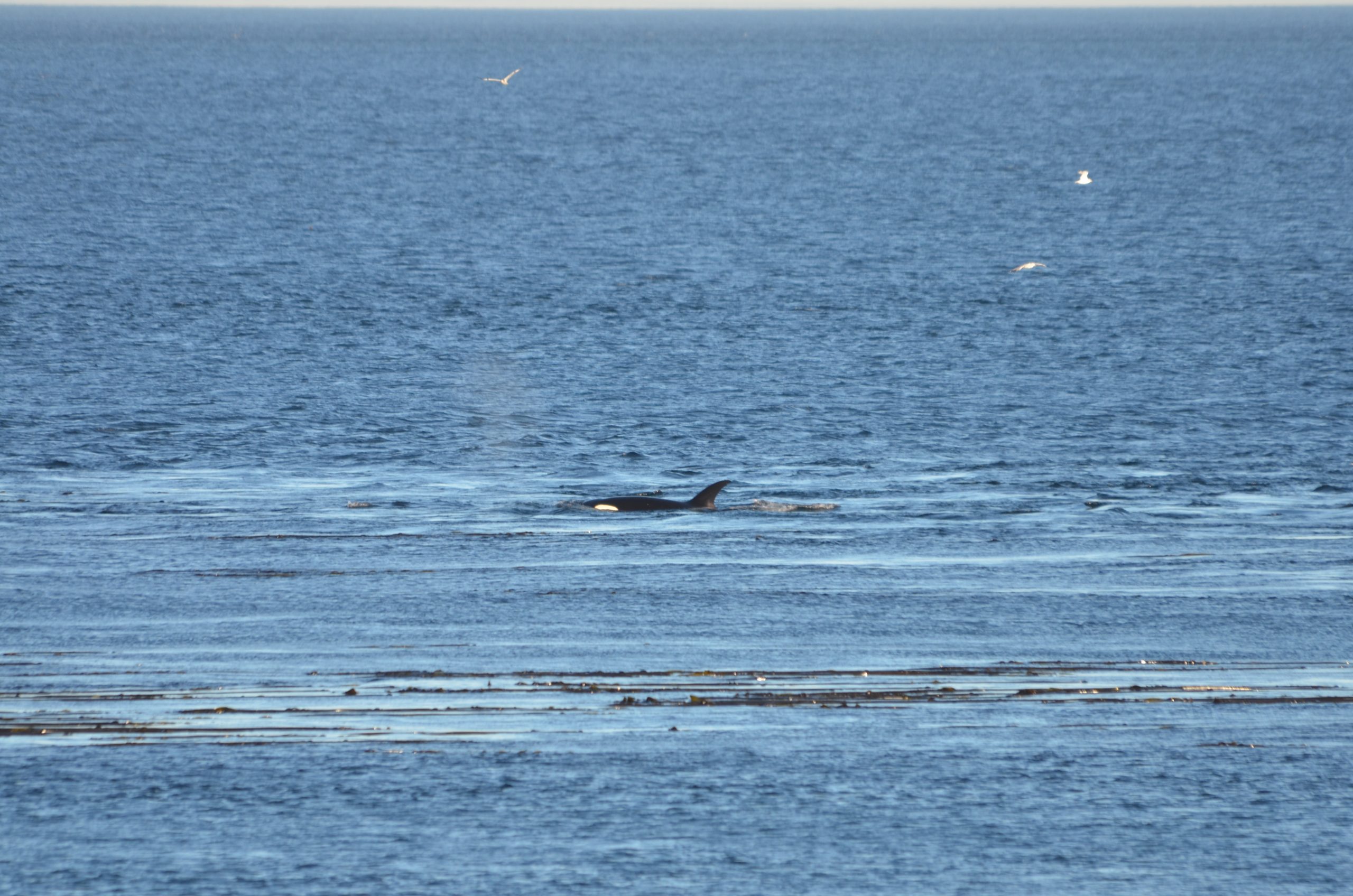
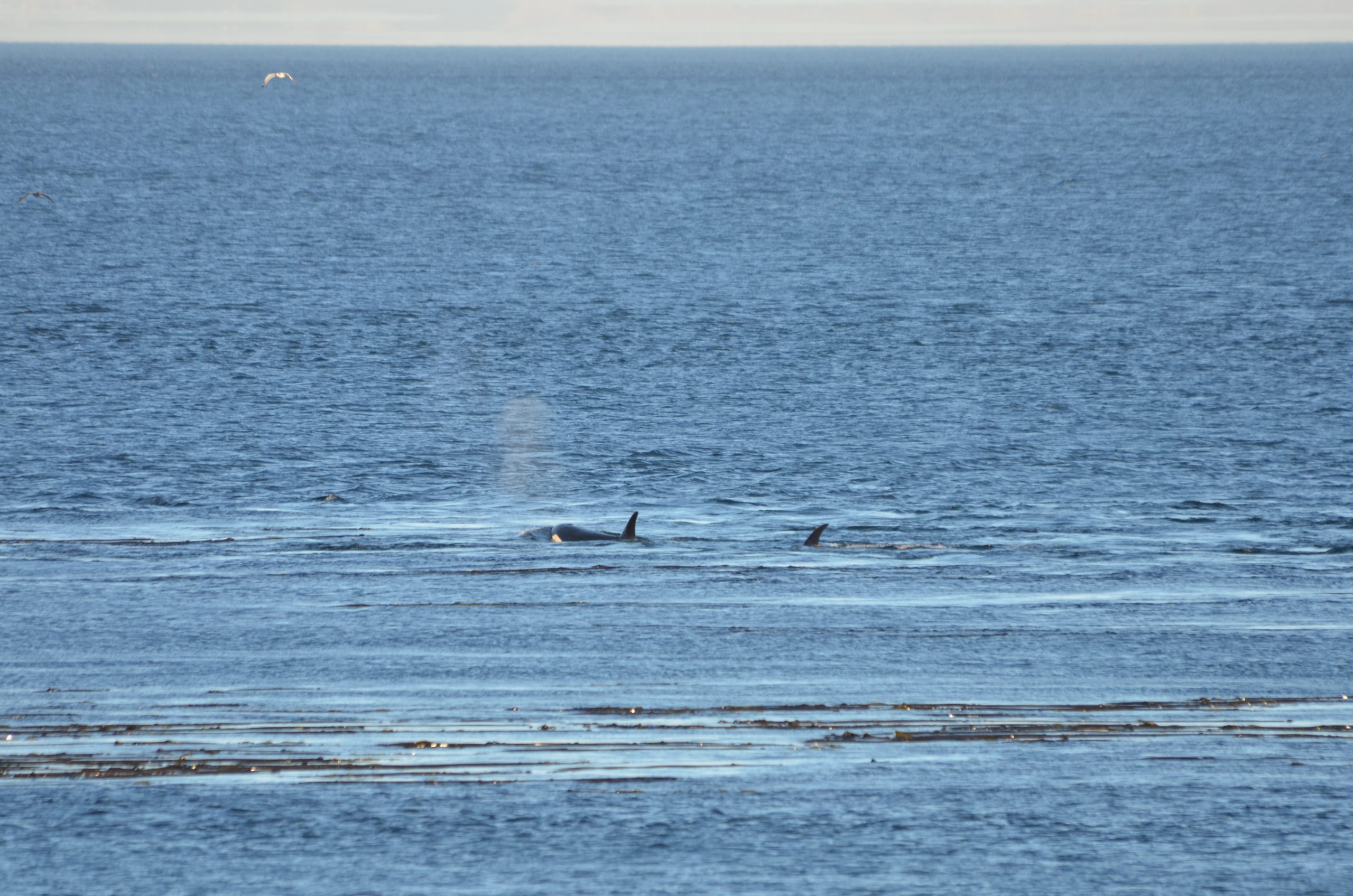
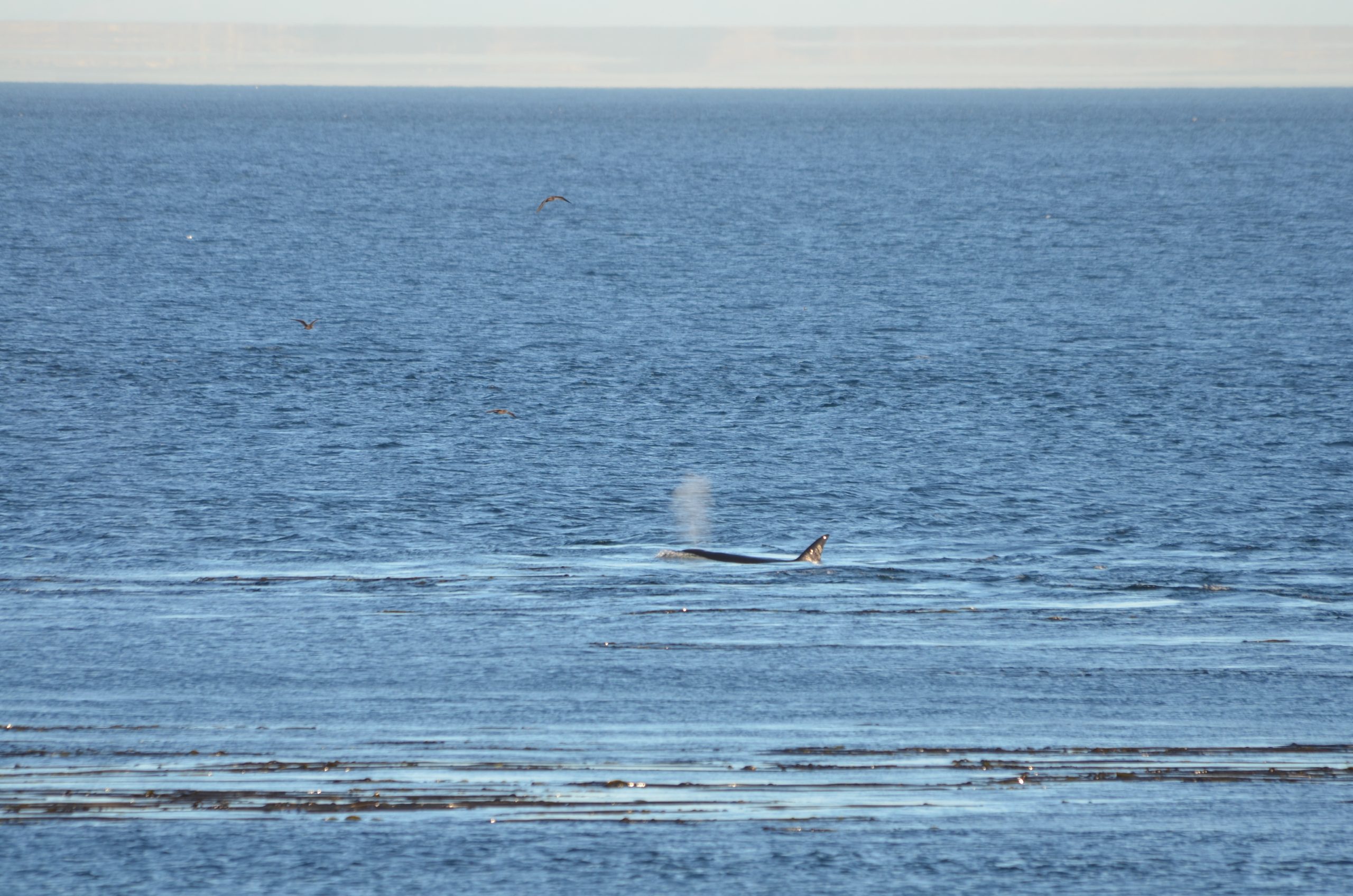
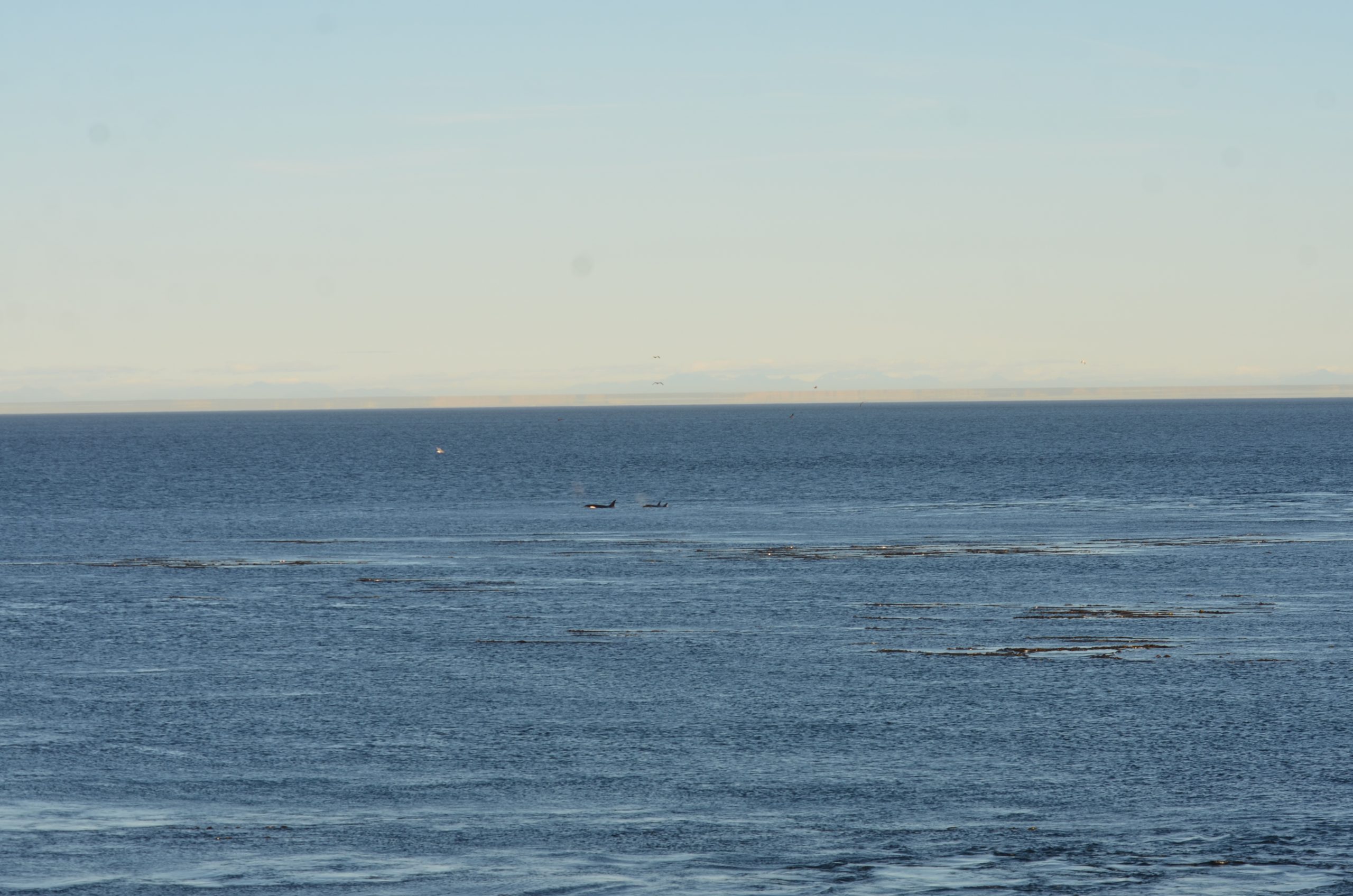
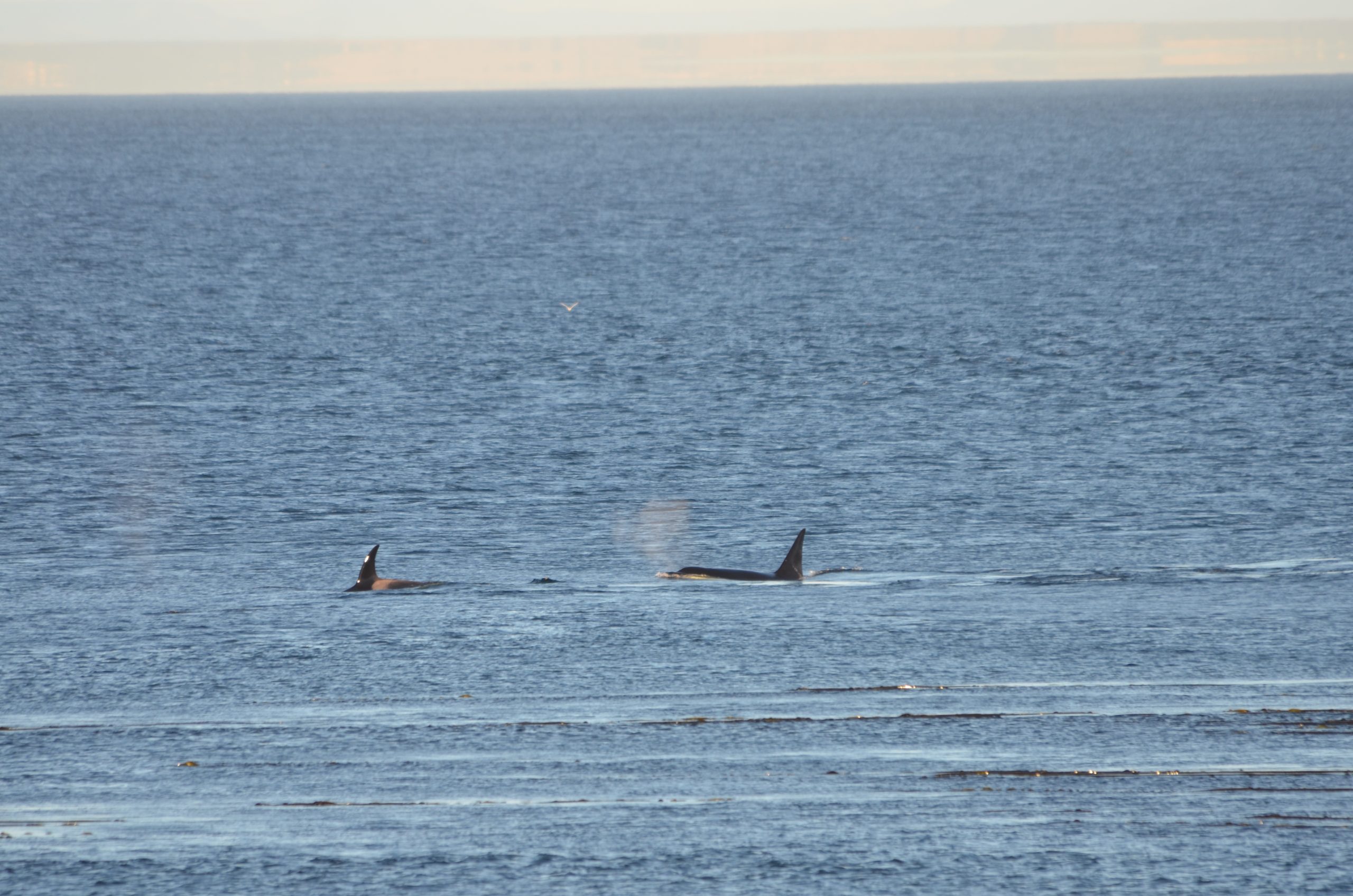
  • On Tuesday we observed a larger pod (5-6) of orca whales move through the reserve and the surrounding waters. We first spotted them to the inside of north rock and over roughly 20-30 minutes they moved around great rock to opposite side. It looked as though they may have been hunting (moving towards shore in a line formation) but we were not able to see their prey.

August 31 – Weekly Census and Shift Change

Wind: W 2-15 knots
Sea State: calm
Visibility: 5-15 NM
Sky: partly cloudy in early morning, then clear
Temperature: 11-17 °C
Atmospheric CO2: 411.90 ppm (recorded by NOAA at Mauna Loa Observatory, Hawaii)

Census results recorded this morning at low tide for the mammals and throughout the day for the birds:
26 steller sea lions
110 california sea lions
1 sea otter
290 harbour seals
1 Canada goose
7 pelagic cormorants
1,232 california gulls
251 glaucous-winged gulls
98 gull chicks
2 black oystercatchers
7 black turnstones
1 song sparrow

There were a lot of eco tourism boats passing through the ecological reserve today. An outrigger canoeist paddled through the main channel in the mid morning and again in the early afternoon.

Tomorrow is my last day as the Ecoguardian. Mara and Kai are returning for a few months. I have enjoyed being back on this wonderful island for the past 17 days, learning on the edge where the land meets the sea meets sky. Race Rocks is a unique place that couldn’t exist without the work of Pearson students, staff, faculty, alumni and volunteers.

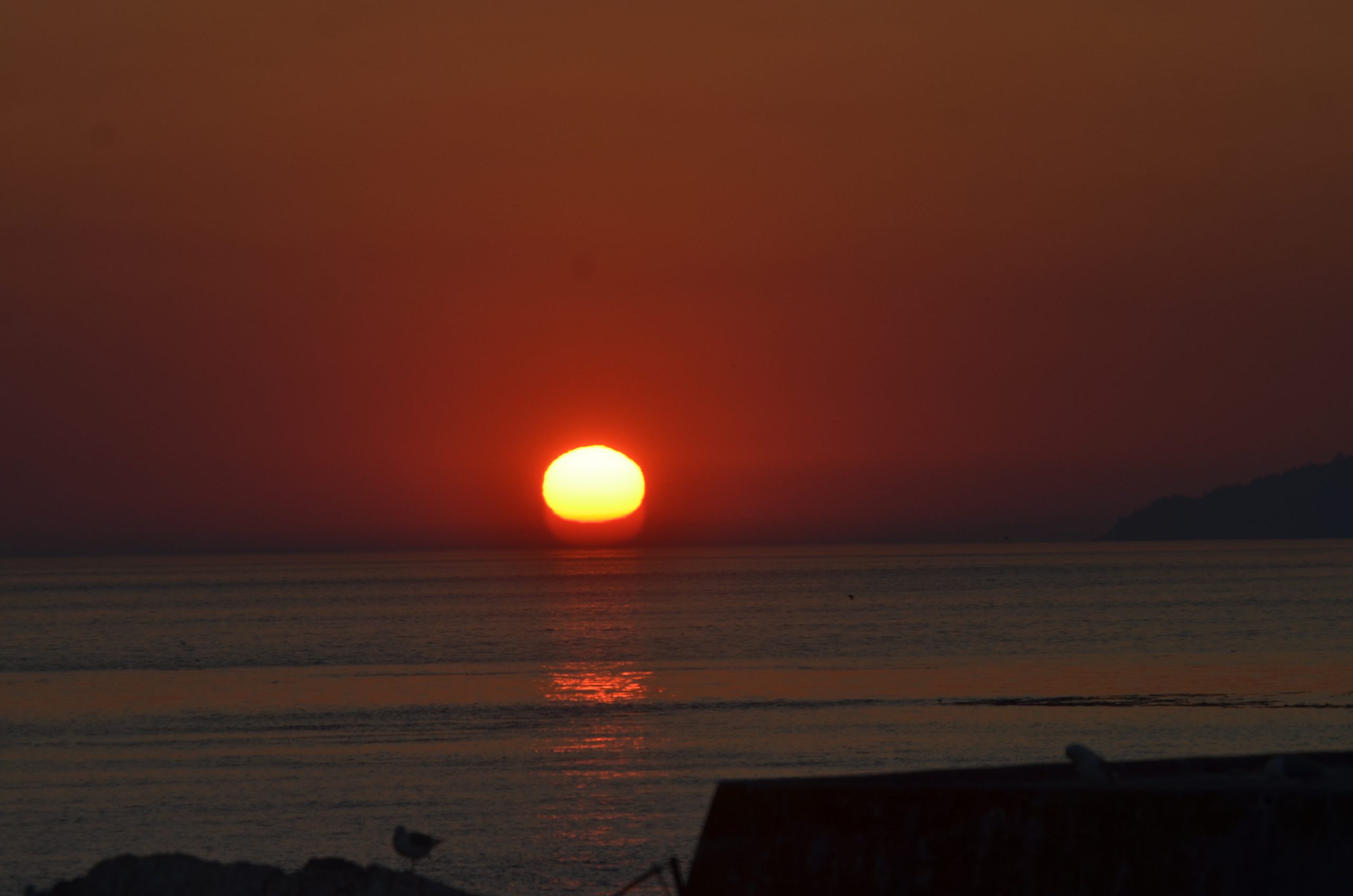
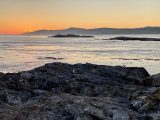
Here are some sights from around the island today:


August Daily Seawater Surface Temperature and Salinity Observations

Day  Time Temp ºC Salinity ppt
1 13:30 11.1 30.8
2 14:15 10.7 31.3
3 14:30 10.5 30.5
4 15:00 10.1 31.8
5 15:40 10.4 31.8
6 16:50 11.6 31.1
7 17:00 11.2 31.3
8 17:55 11.1 31.5
9 18:30 11.5 31.3
10 18:45 11.7 30.9
11 20:00 11.6 31.4
12 8:30 11.8 31.1
13 9:45 12.2 29.6
14 10:15 12.5 29.2
15 12:00 12.5 29.6
16 11:35 12.5 29.5
17 12:14 11.3 30.6
18 12:53 10.8 31.2
19 13:37 10.9 31.3
20 14:29 10.6 31.6
21 15:34 10.3 31.8
22 16:14 10.6 31.8
23 17:02 10.5 31.9
24 18:34 11.1 31.6
25 6:56 10.2 31.8
26 7:41 9.9 32.0
27 9:20 10.8 31.4
28 10:42 10.6 31.7
29 11:40 10.9 31.2
30 12:30 10.9 31.3
31 13:04 11.0 31.3

August 30

Wind: variable 1-18 knots
Sea State: calm in morning, rippled  in afternoon
Visibility: 10-15 NM
Sky: clear, overcast and rain in evening
Temperature: 11-14 °C
Atmospheric CO2: 411.94 ppm (recorded by NOAA at Mauna Loa Observatory, Hawaii)

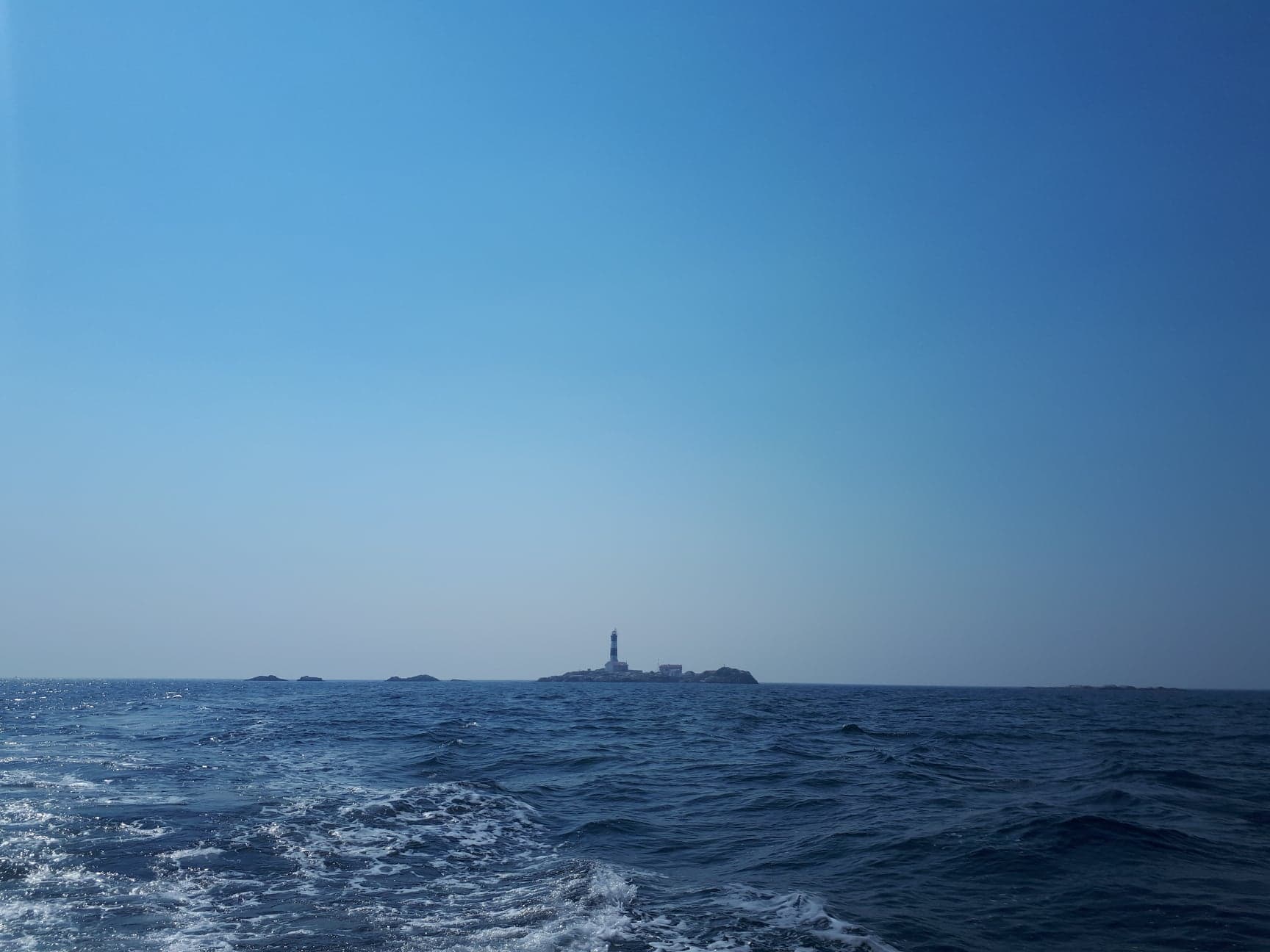
Here are some sights from around the island today:

August 29

Wind: W 1-26 knots
Sea State: calm in morning, rippled  in afternoon
Visibility: 10-15 NM
Sky: clear
Temperature: 13-16 °C
Atmospheric CO2: 411.60 ppm (recorded by NOAA at Mauna Loa Observatory, Hawaii)

Many eco tourism boats passed through the ecological reserve, observing the sea lions and harbour seals.

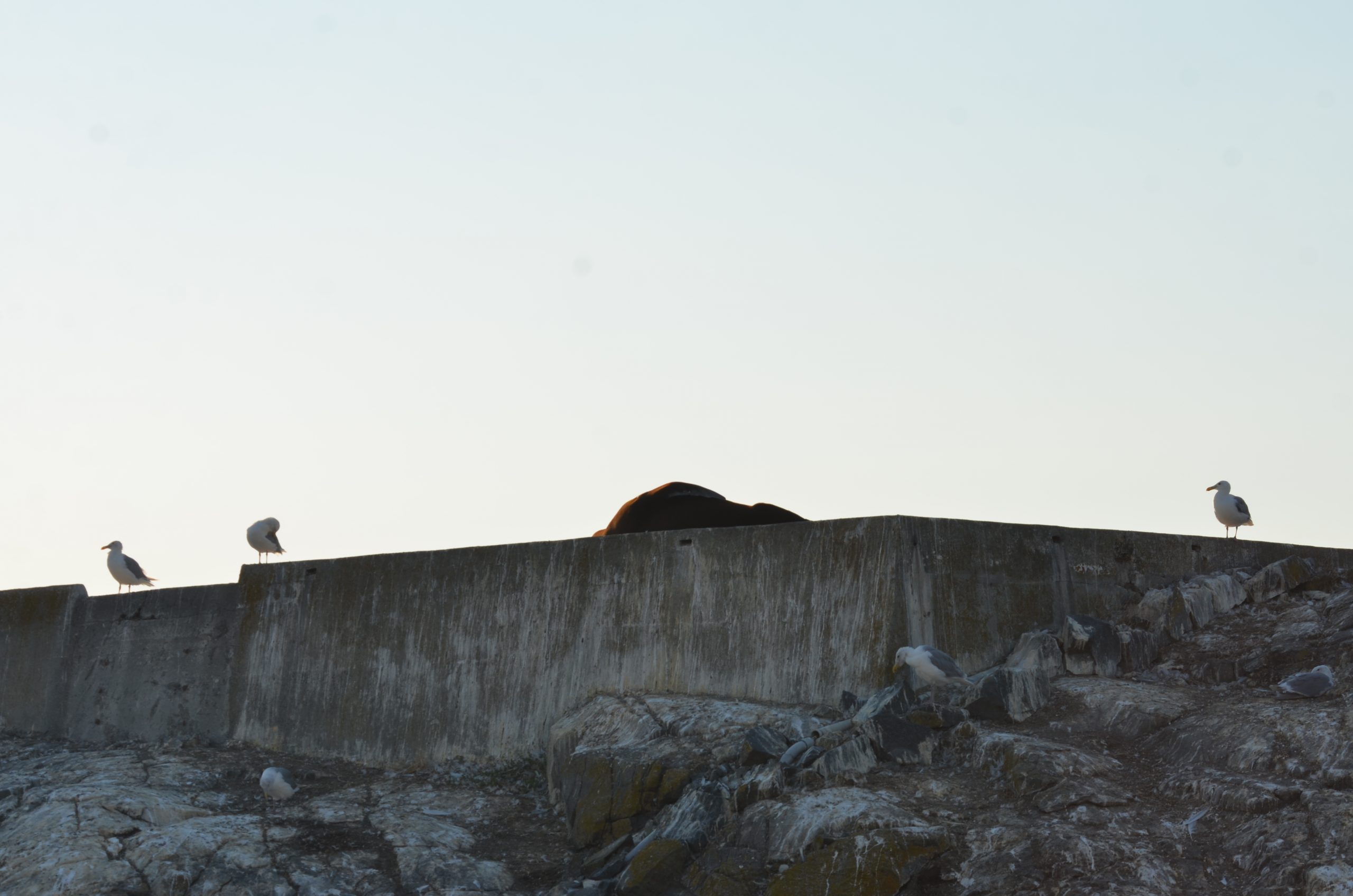
Here are some sights from around the island today:

August 28

Wind: W 16-37 knots
Sea State: calm in morning, up to 1m waves in afternoon and evening
Visibility: 0-15 NM
Sky: fog in morning and evening, clear in middle of day
Temperature: 11-16 °C
Atmospheric CO2: 411.60 ppm (recorded by NOAA at Mauna Loa Observatory, Hawaii)

There were two visitors mid afternoon from Pearson College to drop off supplies.

Here are some sights from around the island today: