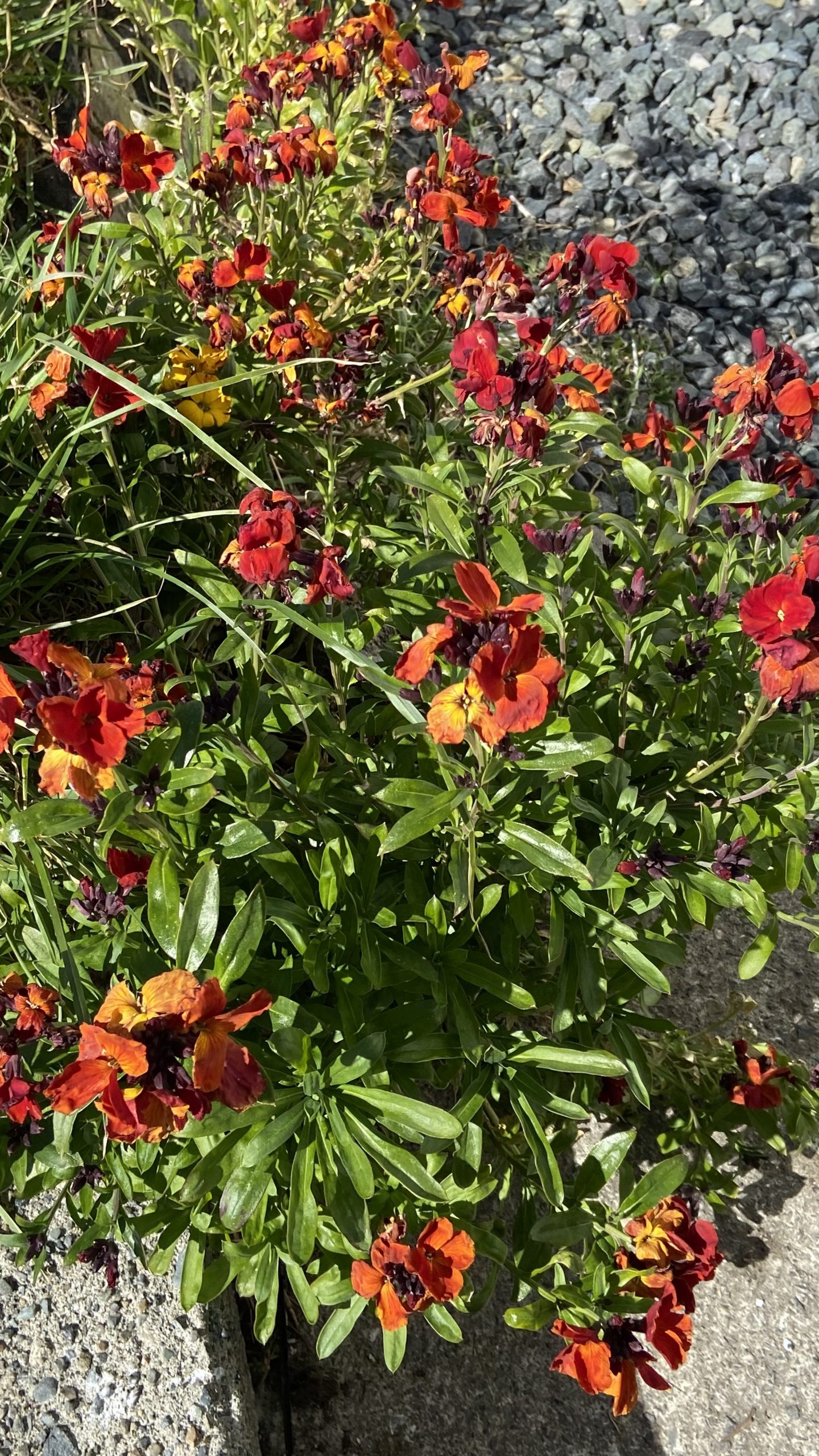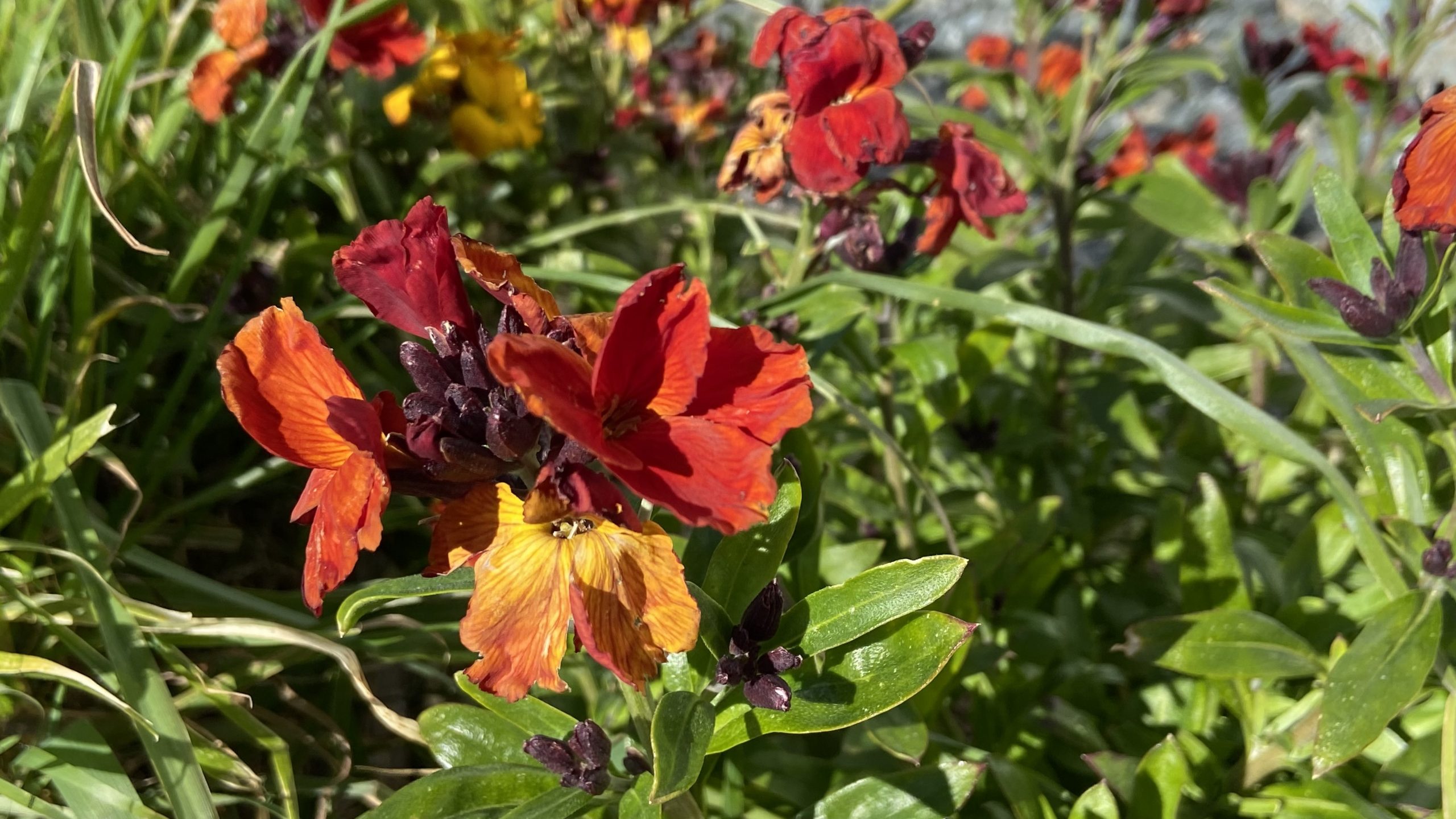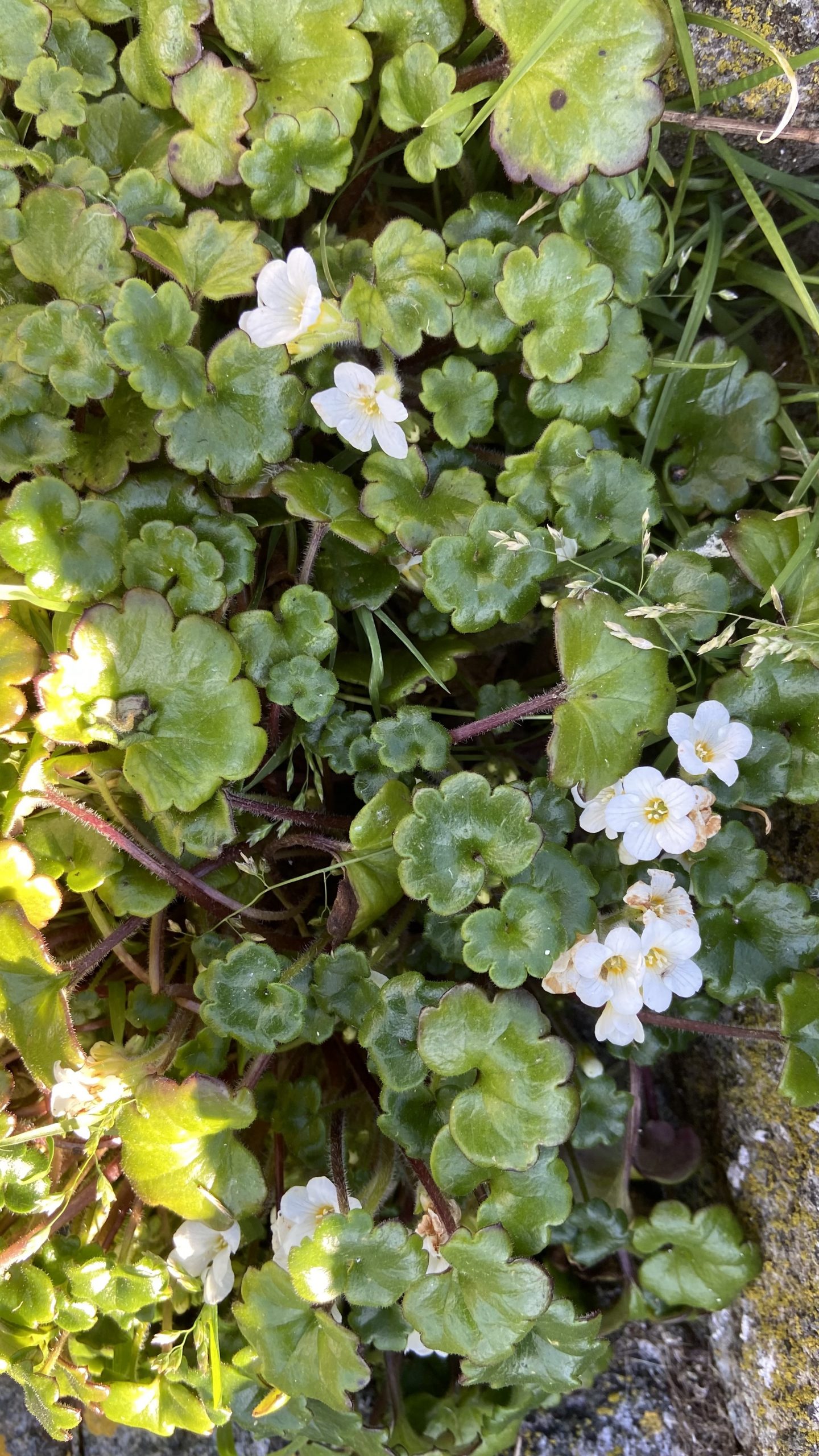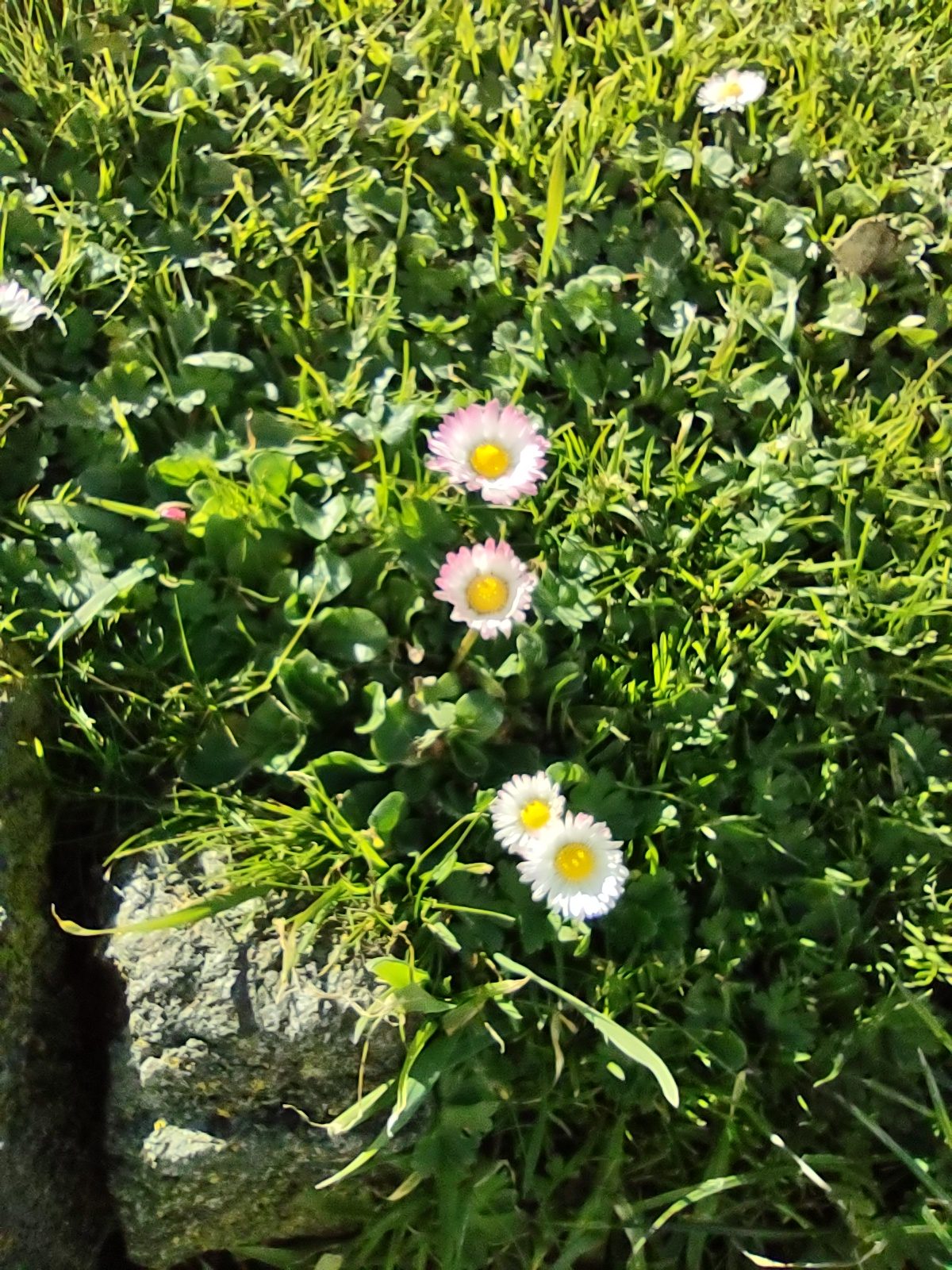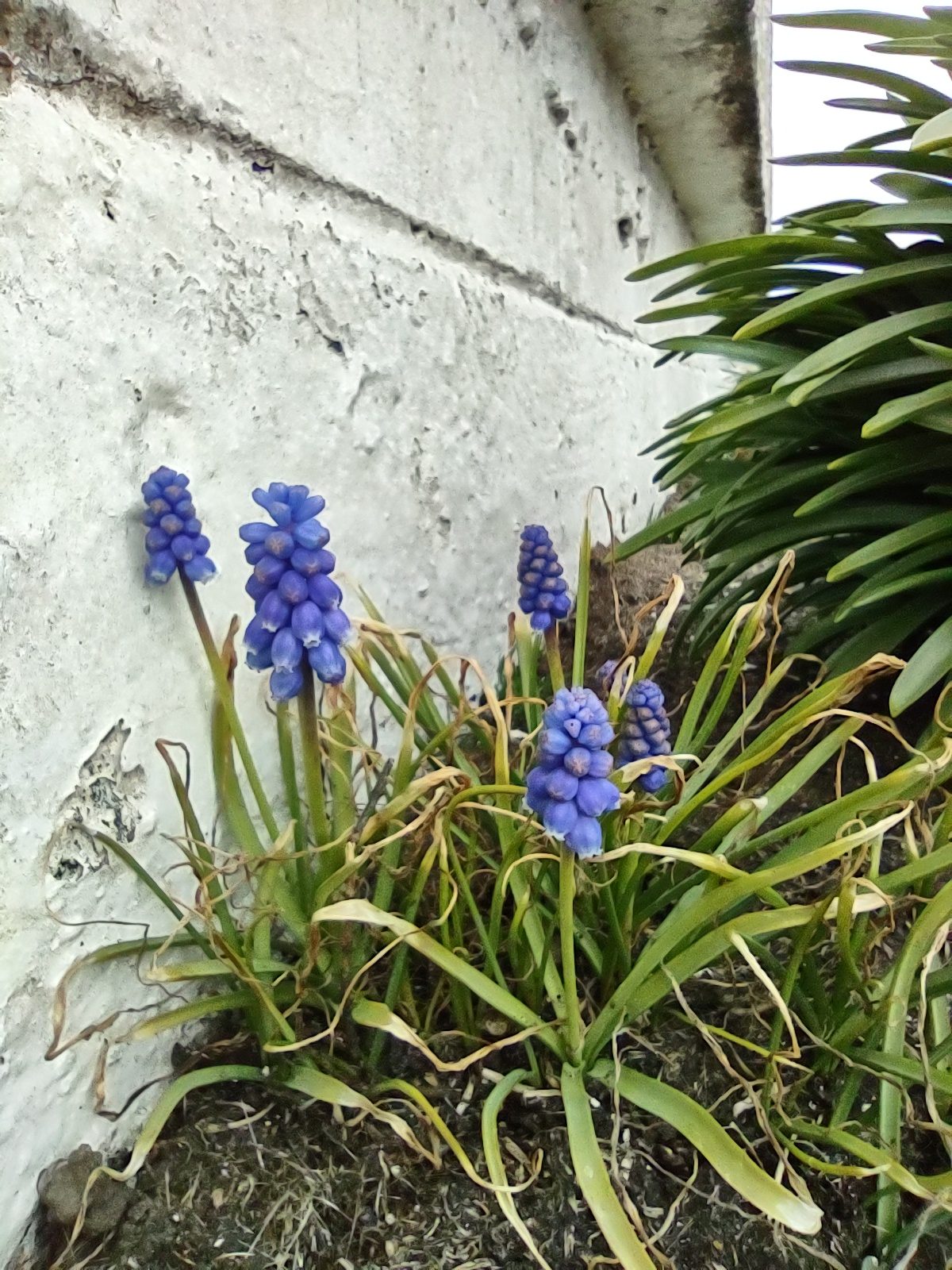
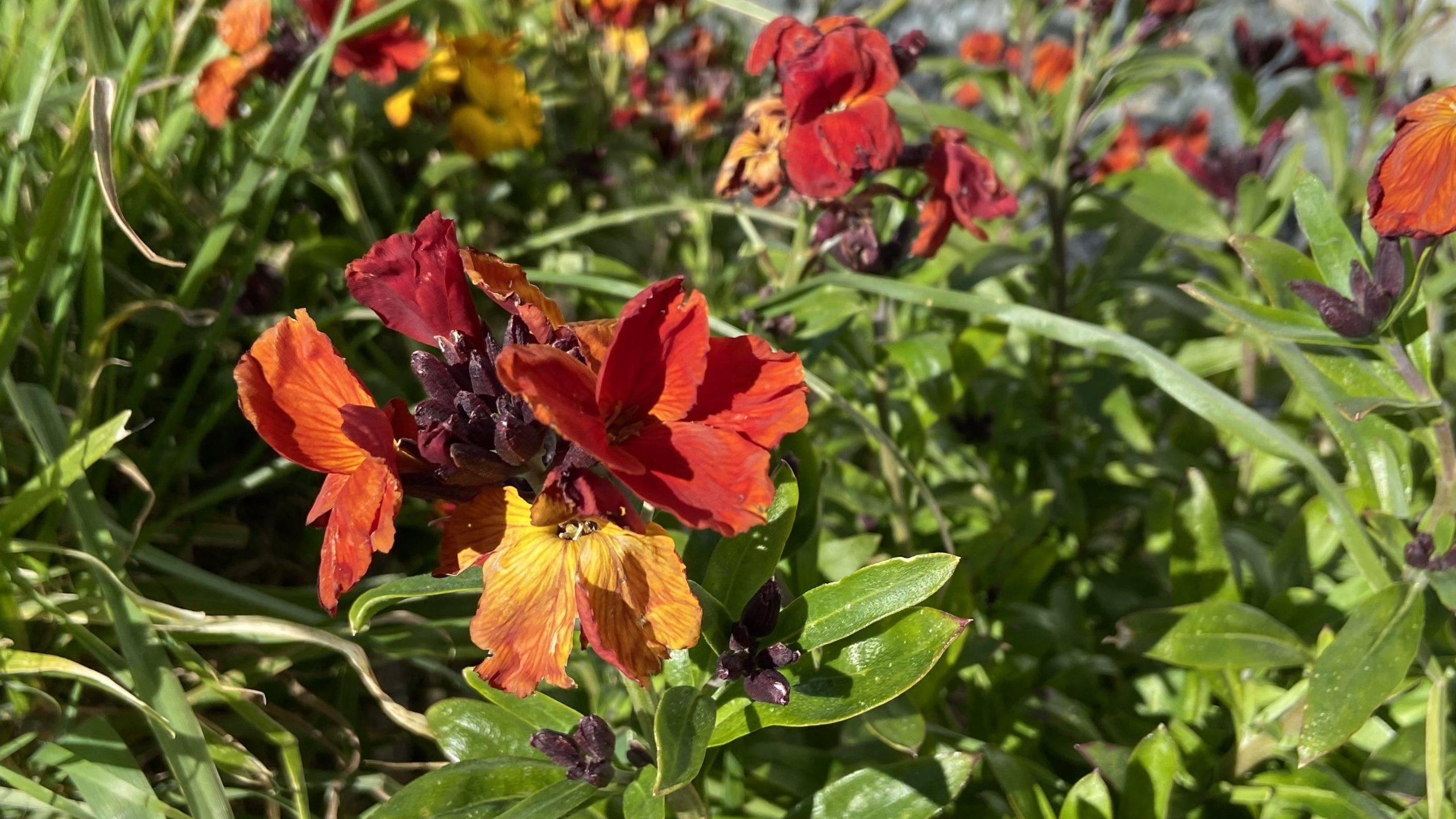
Erysimum X cherei: wall flower– Race Rocks Taxonomy


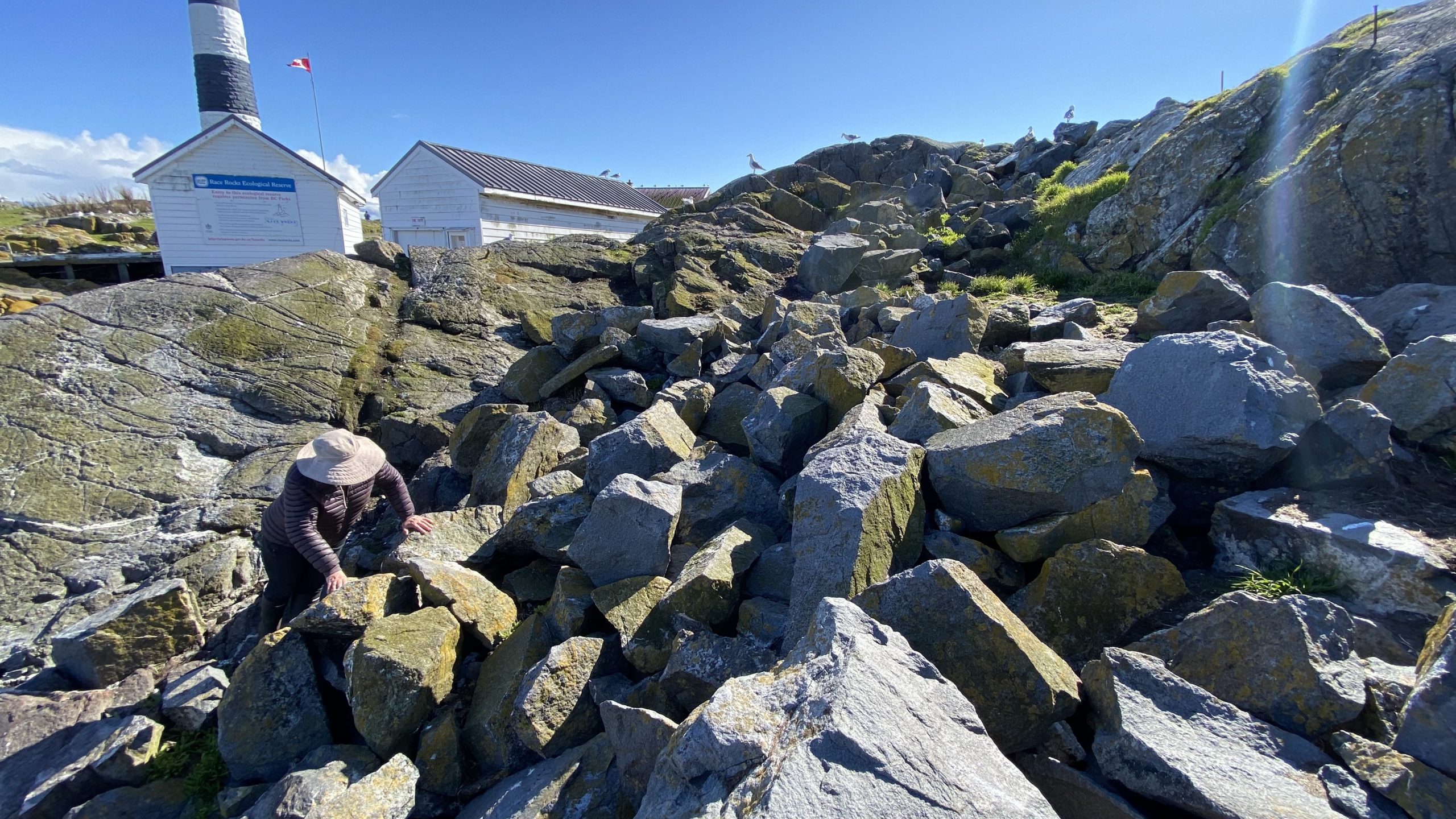
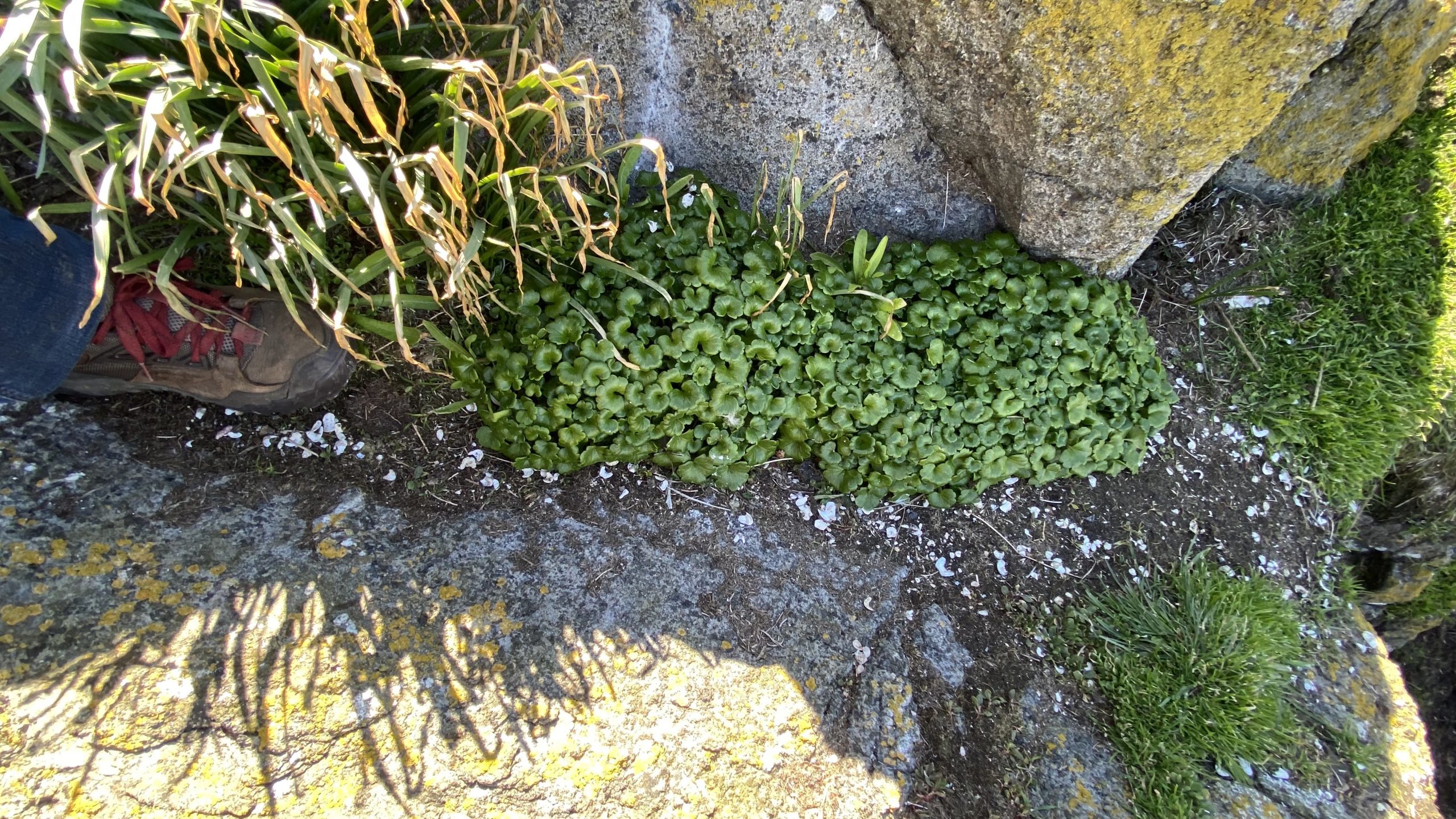
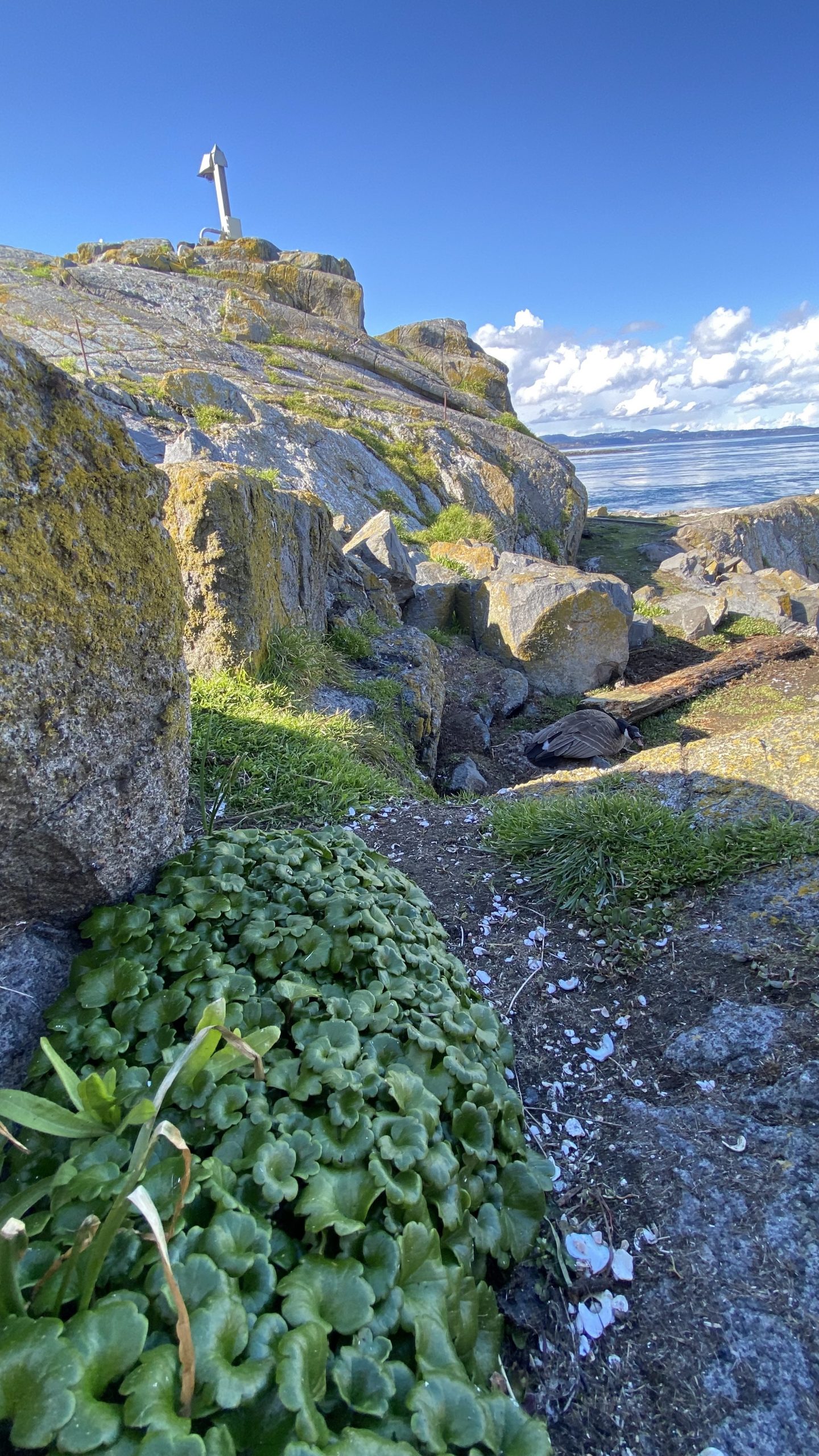
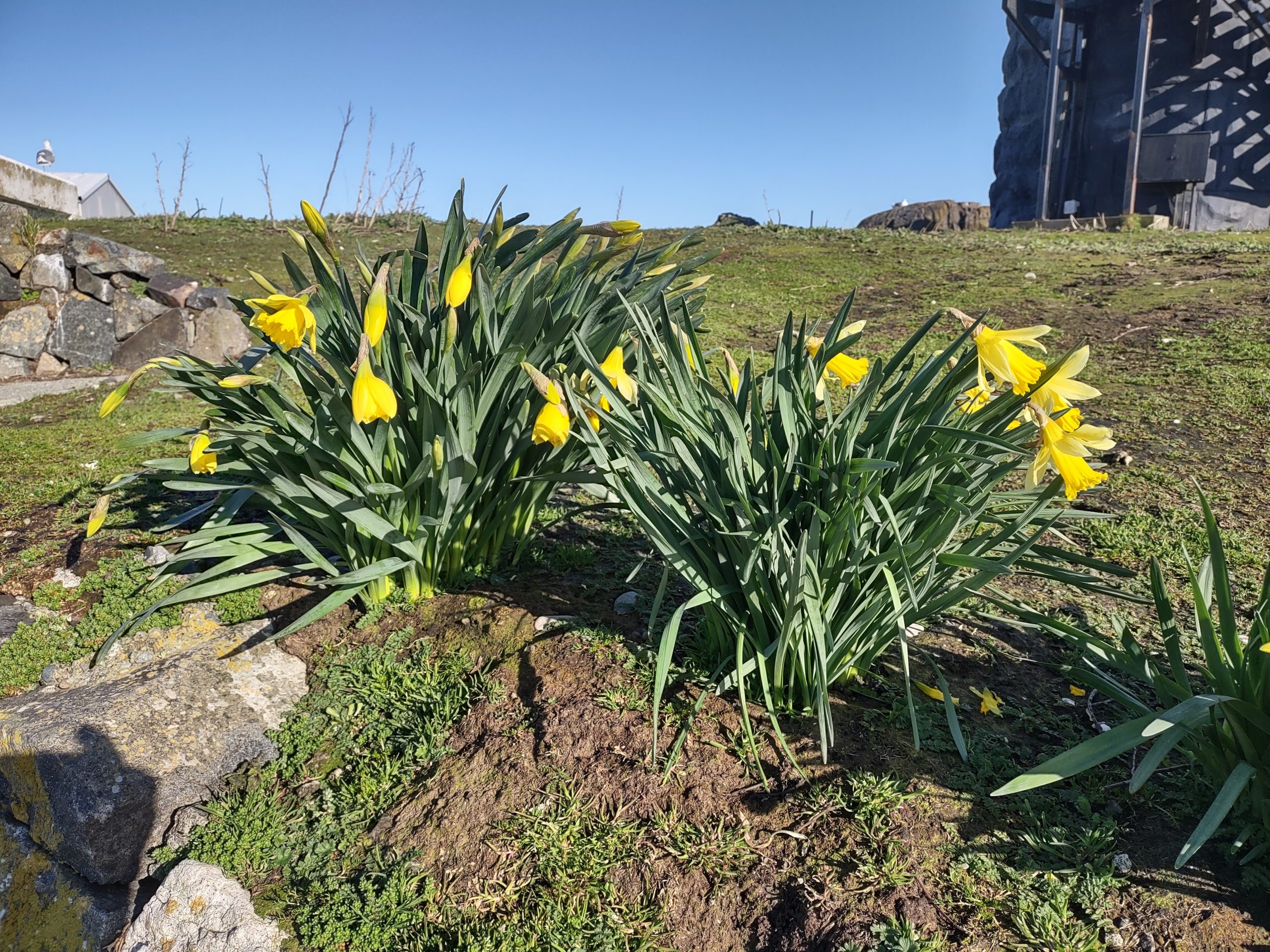
Wallflowers were planted in the early years along the sidewalks by the lightkeepers. They still exist and in a mild winter, you can find them blooming on the island.
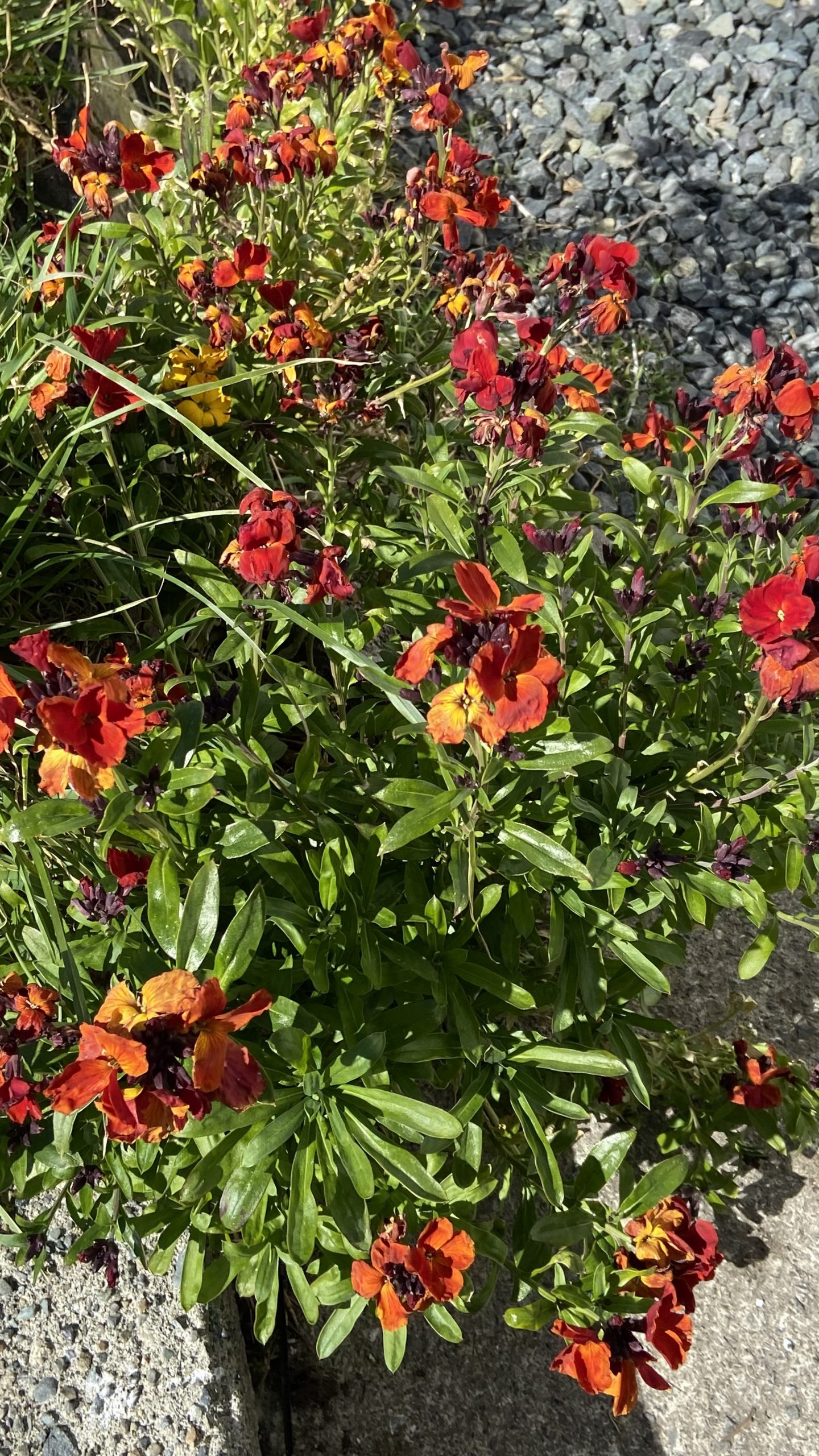
There are some interesting interactions that repel predator species which I have reproduced here from Wikipedia.

Defensive compounds

[edit]

Like most Brassicaceae, species in the genus Erysimum produce glucosinolates as defensive compounds.[16][17] However, unlike almost all other genera in the Brassicaceae, Erysimum also accumulates cardiac glycosides, another class of phytochemicals with an ecological importance in insect defense.[18][19] Cardiac glycosides specifically function to prevent insect herbivory[20] and/or oviposition[21] by blocking ion channel function in muscle cells.[22] These chemicals are toxic enough to deter generalist,[23] and even some specialist[24] insect herbivores. Cardiac glycoside production is widespread in Erysimum, with at least 48 species in the genus containing these compounds.[19][25] Accumulation of cardiac glycosides in Erysimum crepidifolium, but not other tested species, is induced by treatment with jasmonic acid and methyl jasmonate,[26][25] endogenous elicitors of chemical defenses in many plant species.[27] Molecular phylogenetic analysis indicates that Erysimum diversification from other Brassicaceae species that do not produce cardiac glycosides began in the Pliocene (2.33–5.2 million years ago),[28][1] suggesting relatively recent evolution of cardiac glycosides as a defensive trait in this genus.

Classication From Wikipedia:

Kingdom: Plantae
Clade: Tracheophytes
Clade: Angiosperms
Clade: Eudicots
Clade: Rosids
Order: Brassicales
Family: Brassicaceae
Genus: Erysimum
Other Members of the Angiosperms at Race Rocks 
taxonomyiconReturn to the Race Rocks Taxonomy
and Image File
pearsonlogo2_f2The Race Rocks taxonomy is a collaborative venture originally started with the Biology and Environmental Systems students of Lester Pearson College UWC. It now also has contributions added by Faculty, Staff, Volunteers and Observers on the remote control webcams.

Race Rocks Ecological Reserve #97 Warden’s Report ,April 19 2022

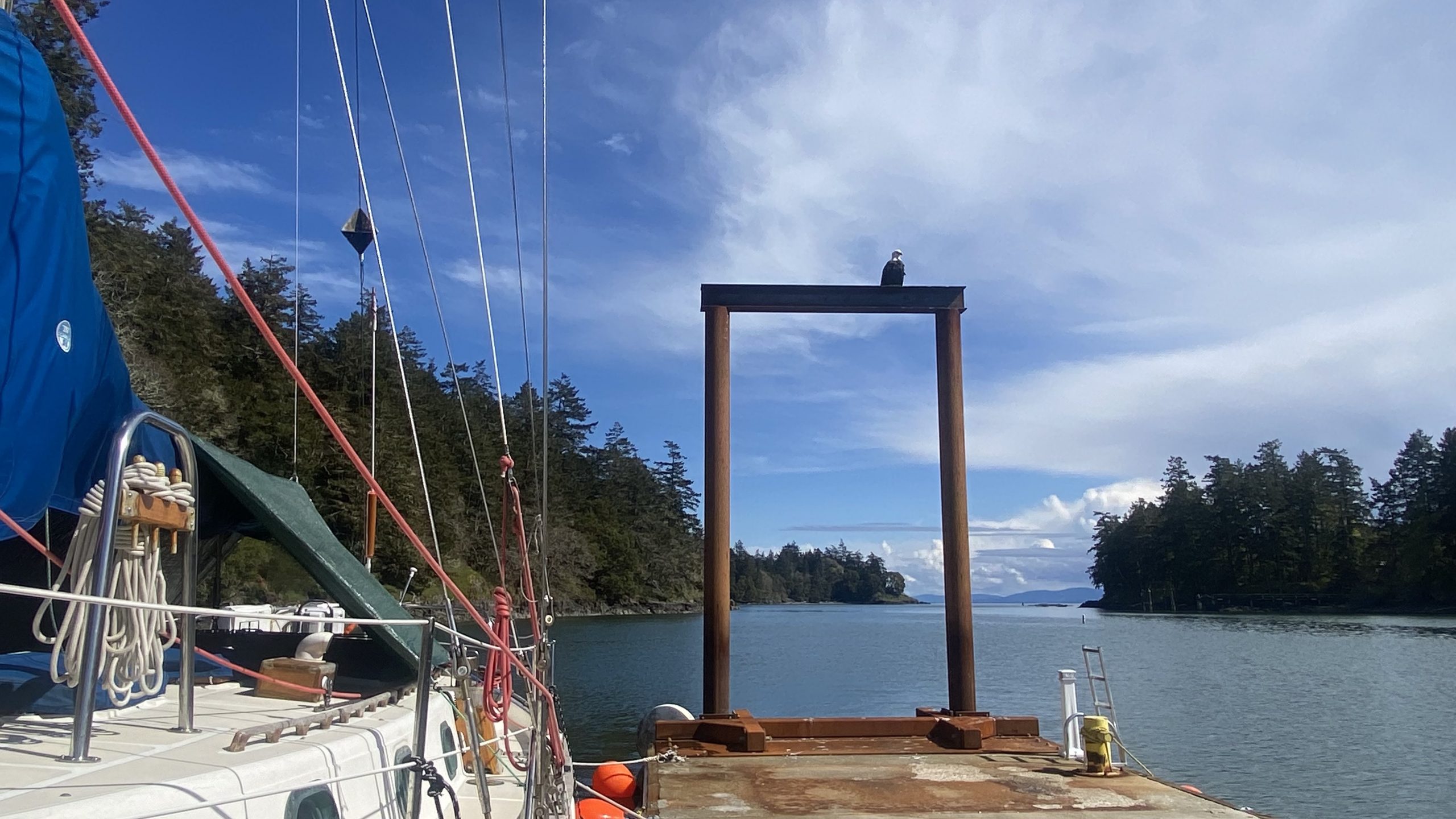
We departed Pedder Bay on Second Nature with Greg who was taking Joan Rosenburgh out for an Ecoguardian exchange.  Before leaving we noted a new perch location on the new docks at Pearson College .


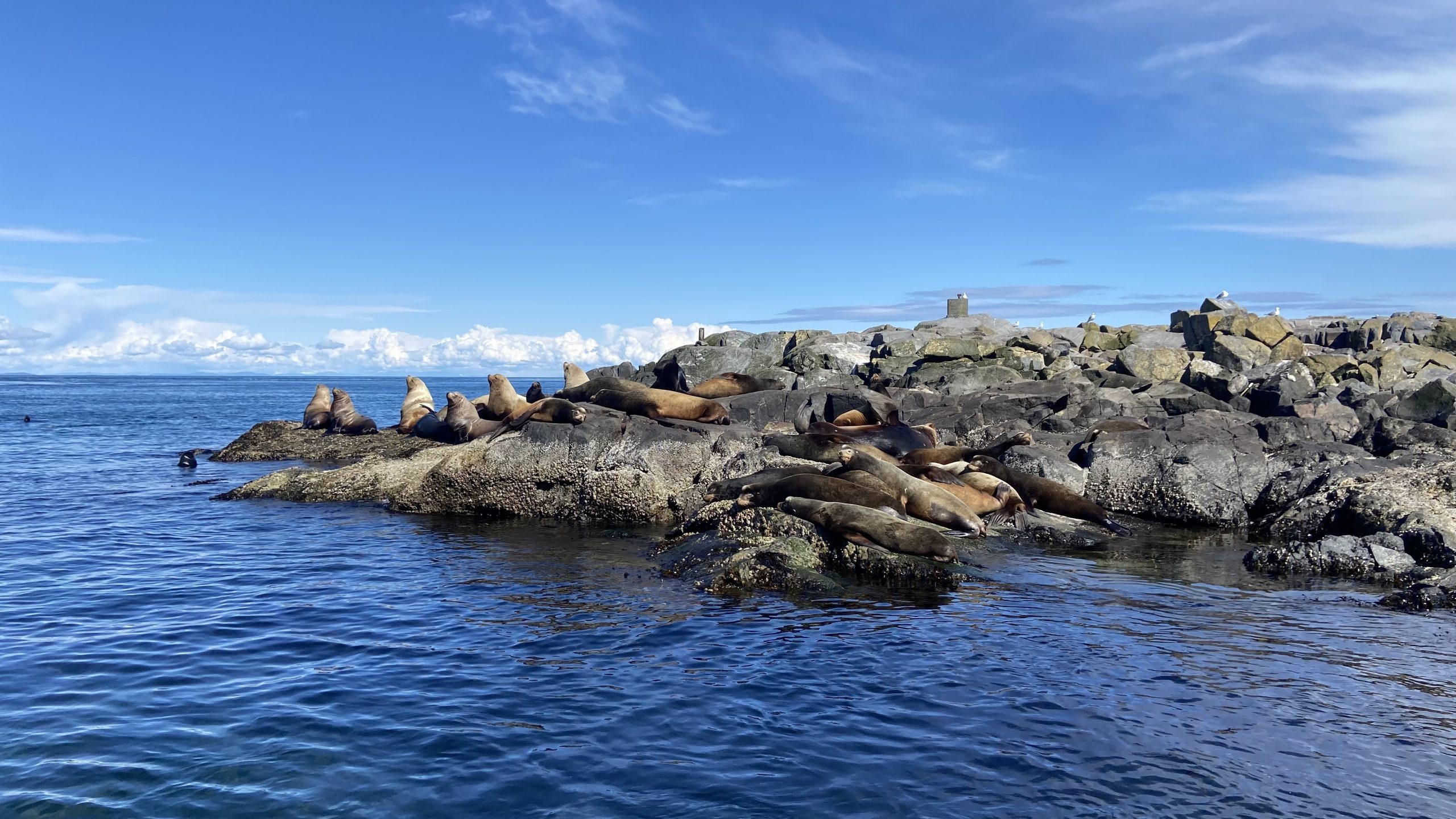
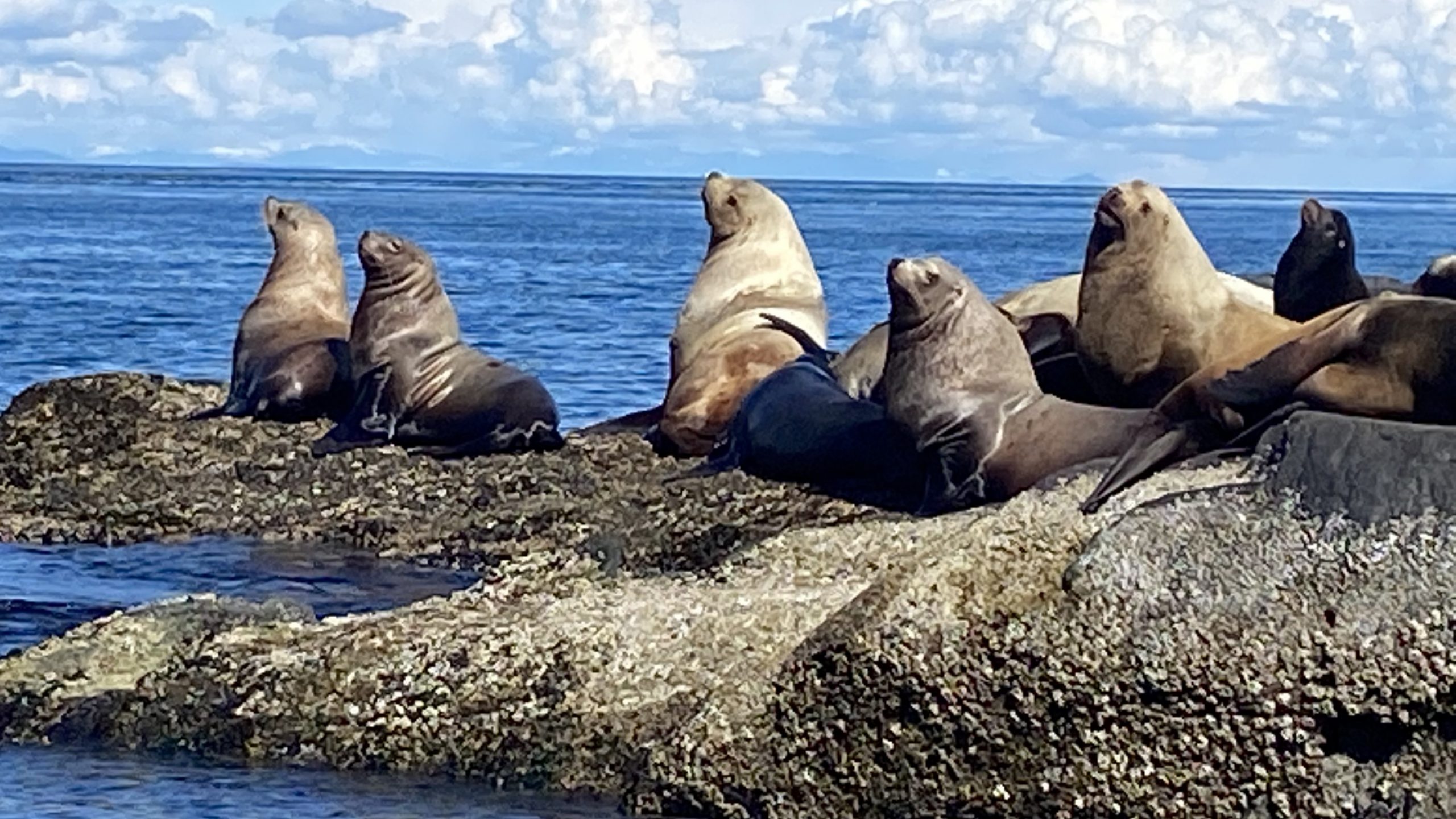
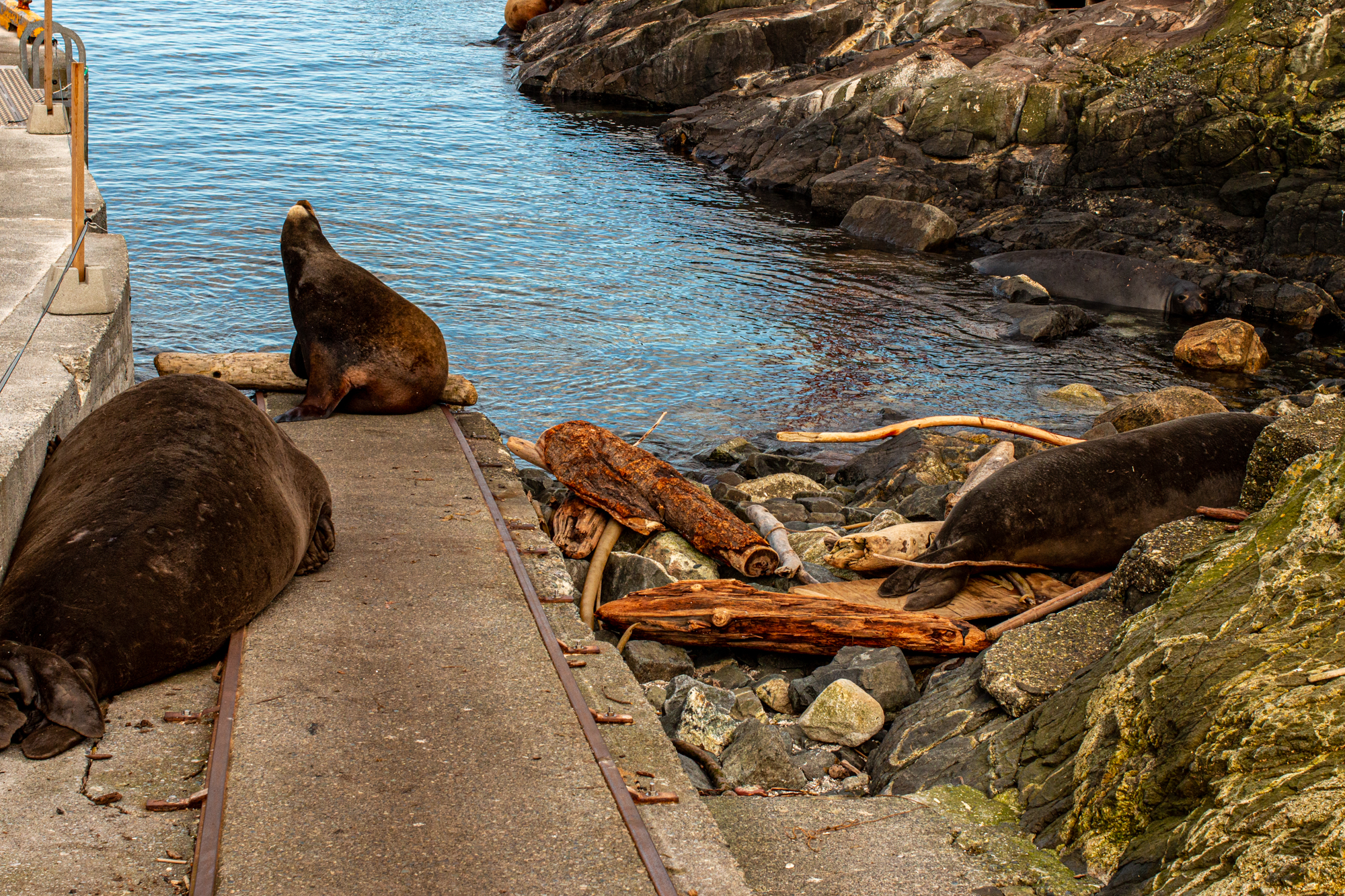
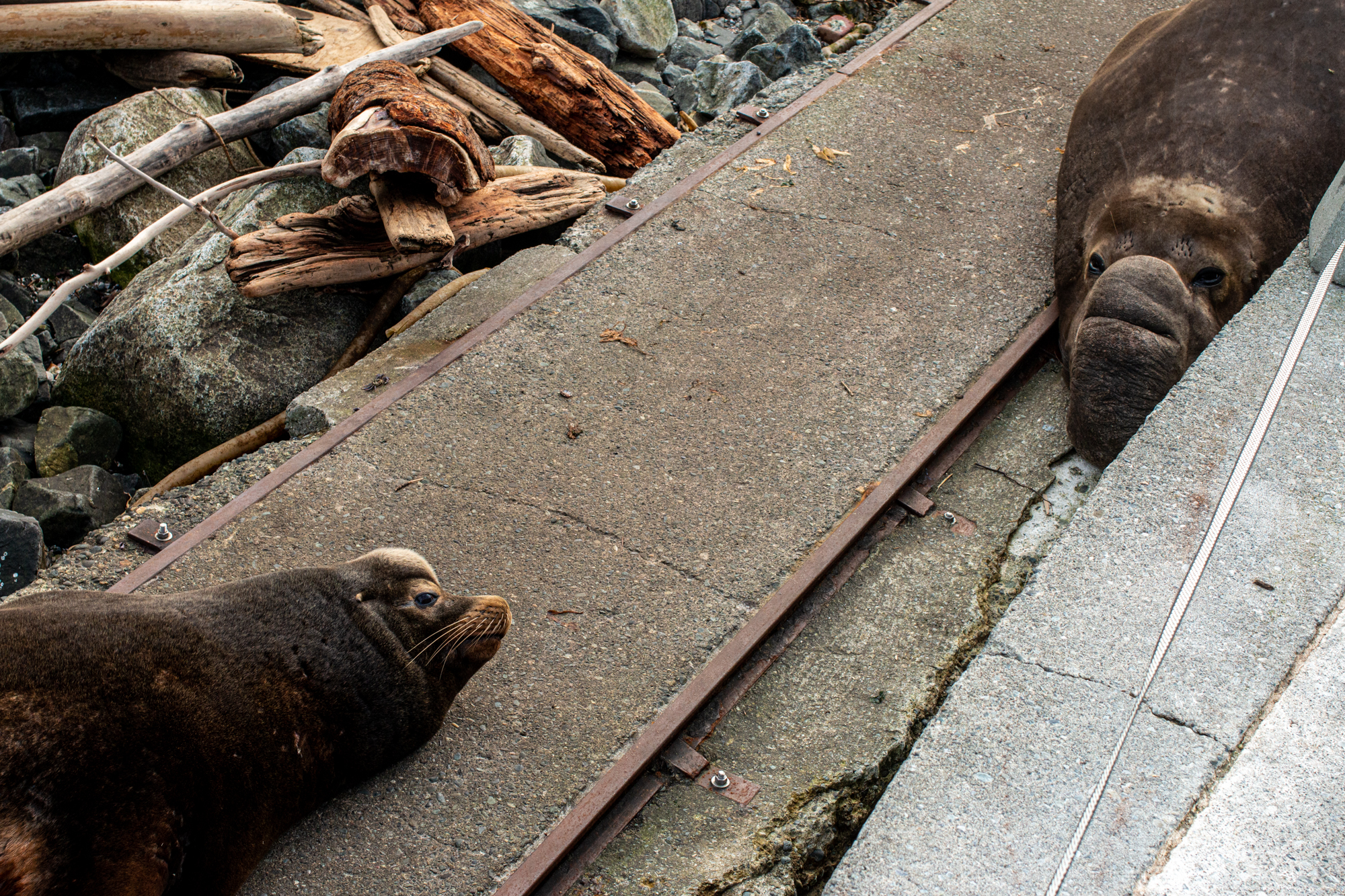
On arrival, a nice greeting from the group of Northern and Californian sealions near the docks

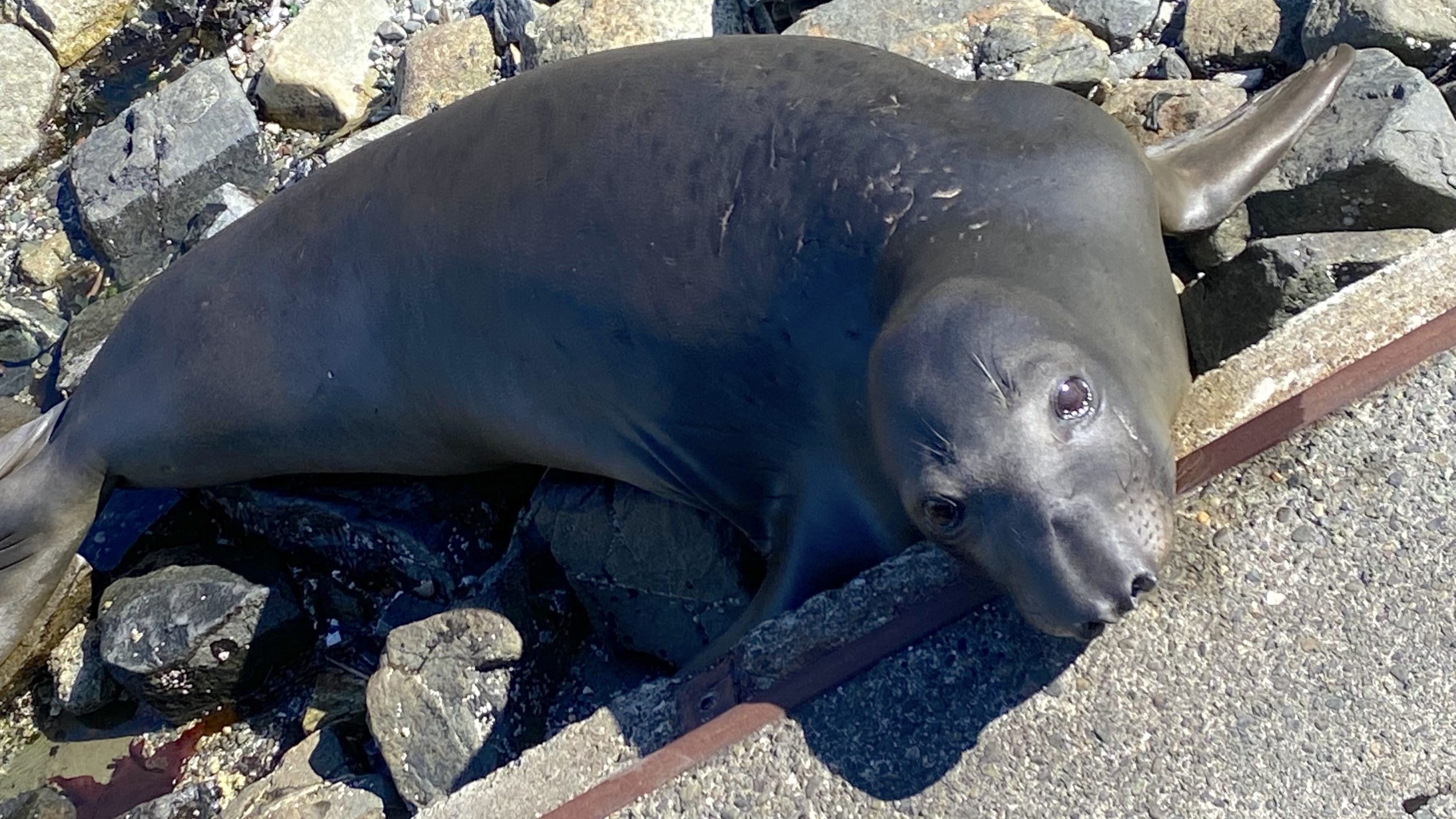
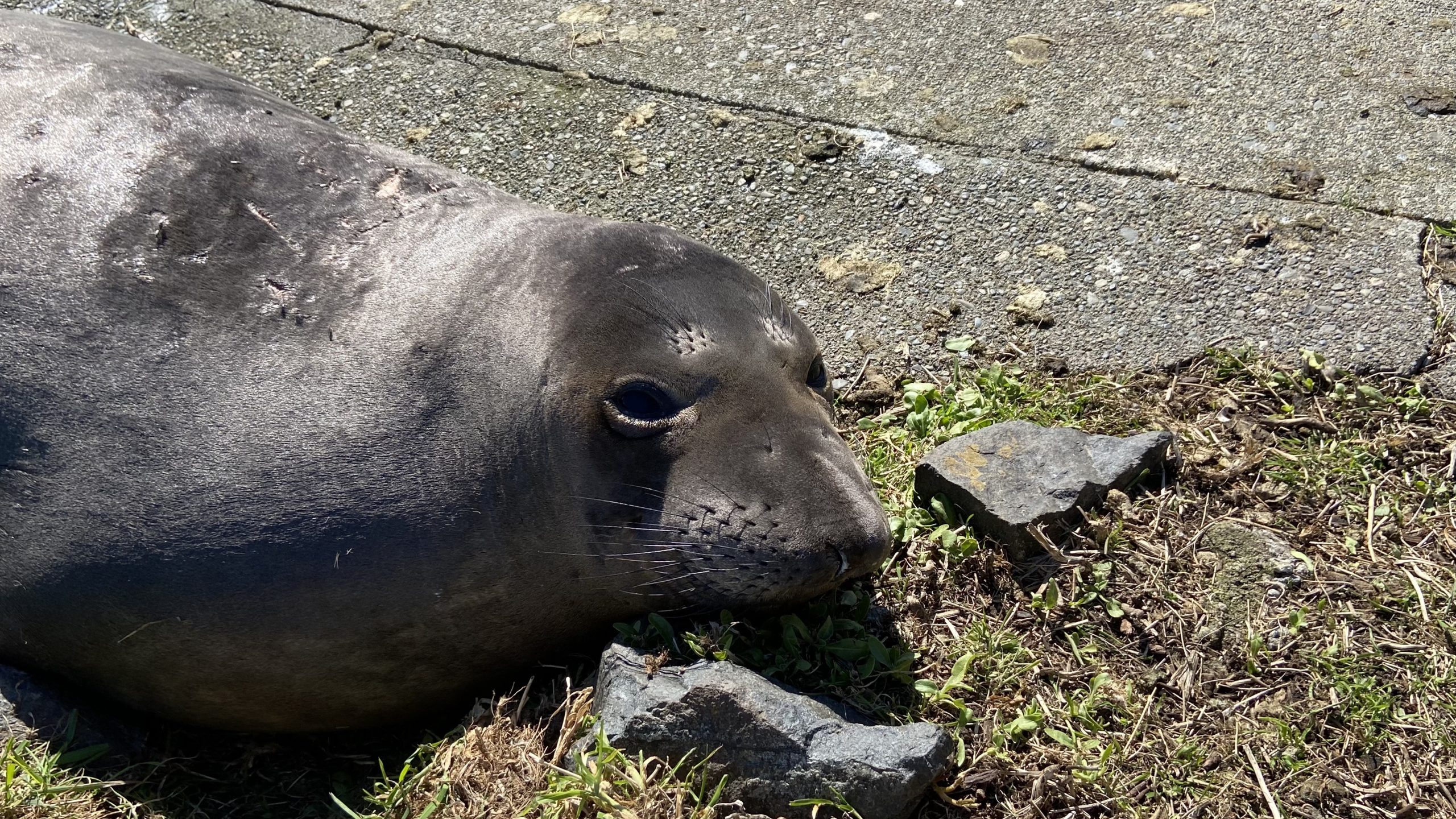
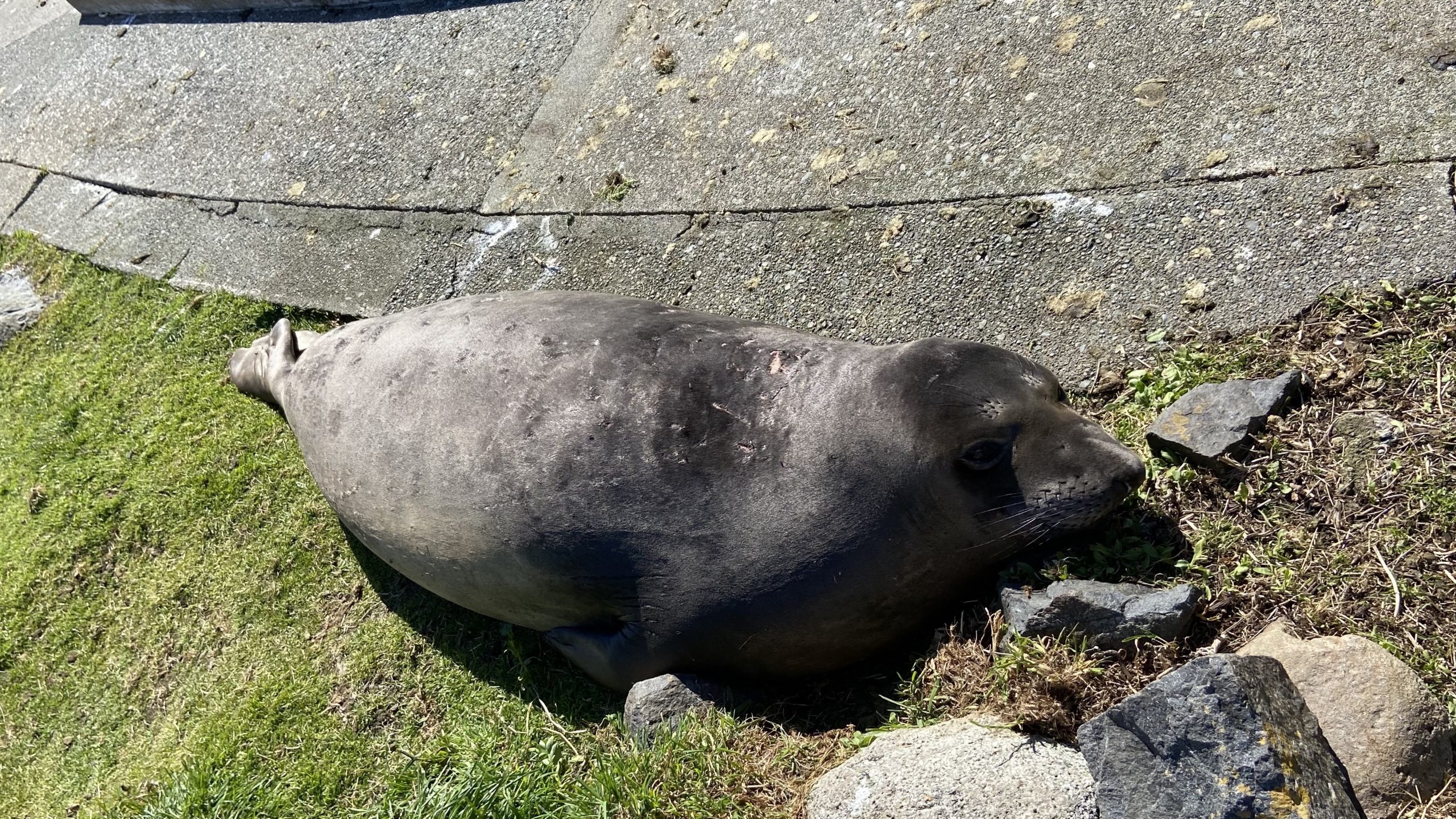
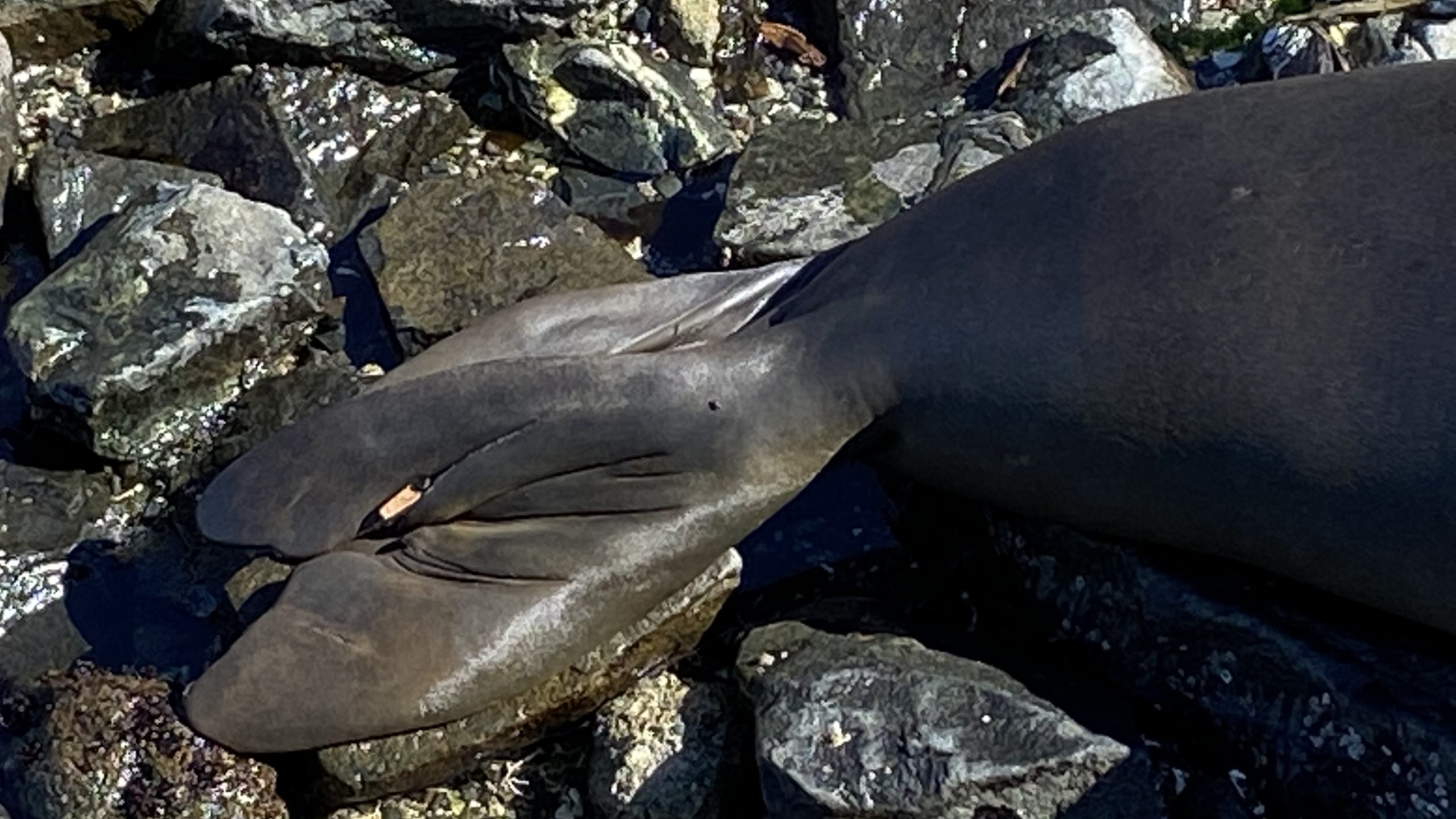
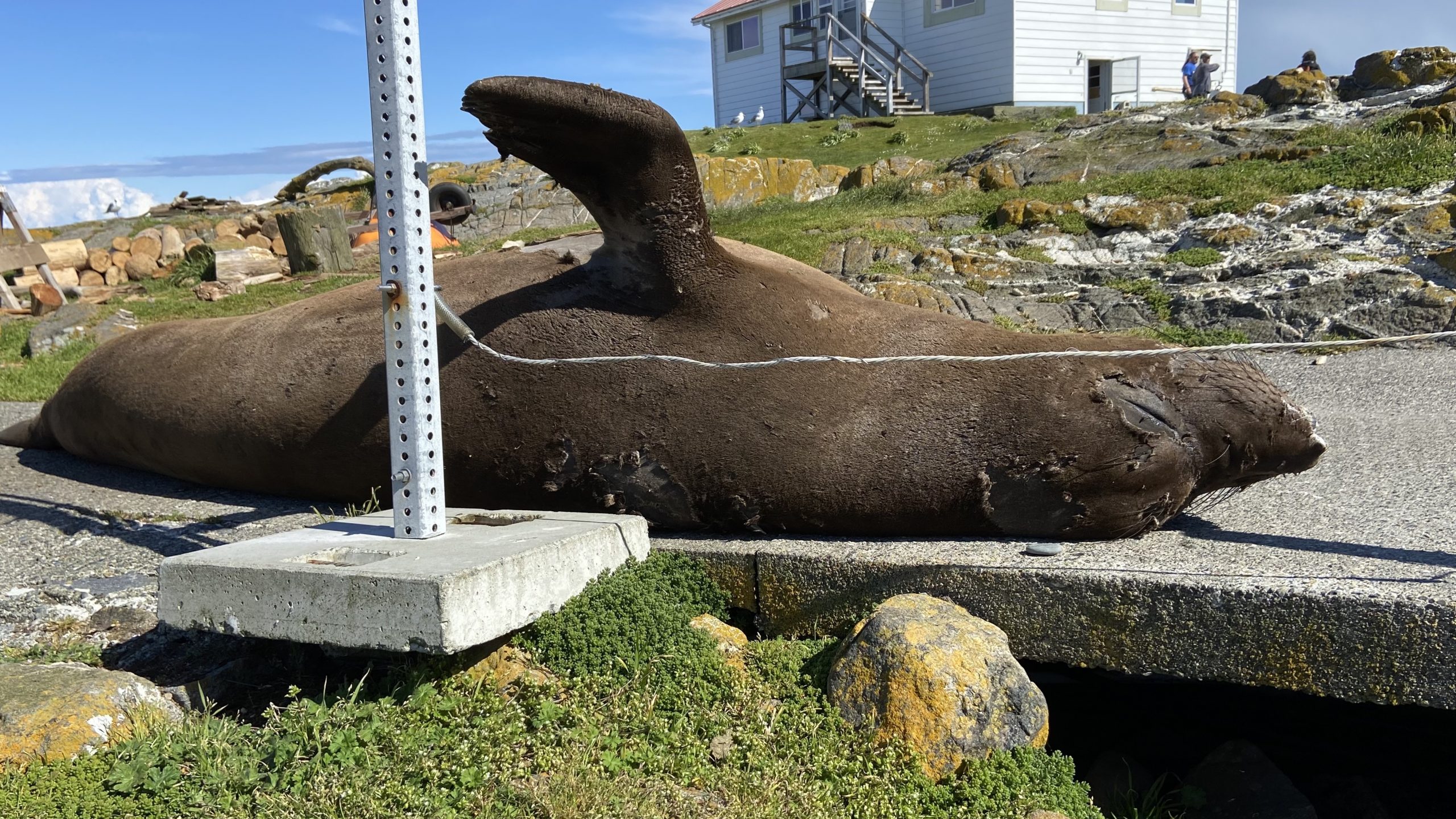
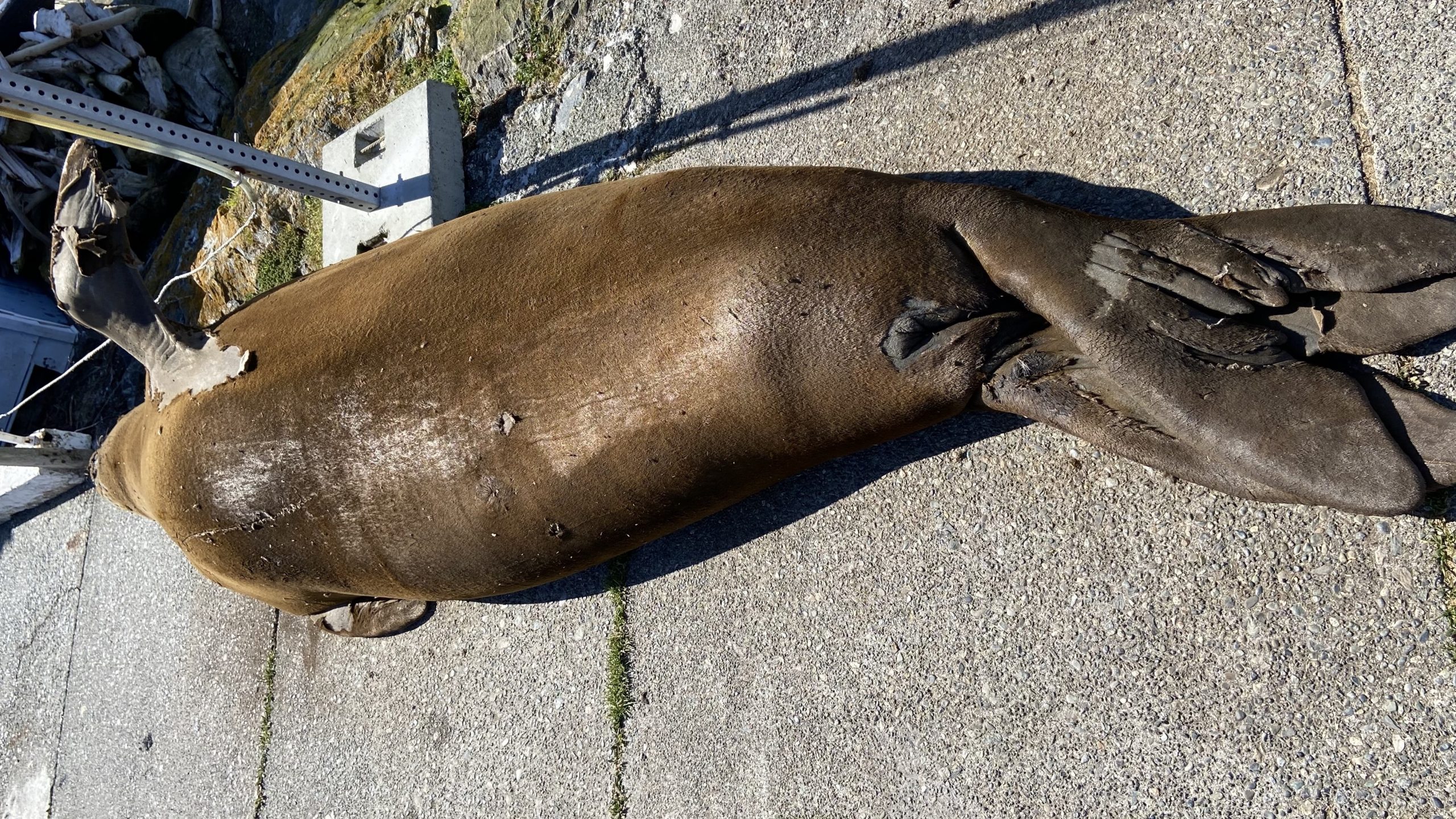
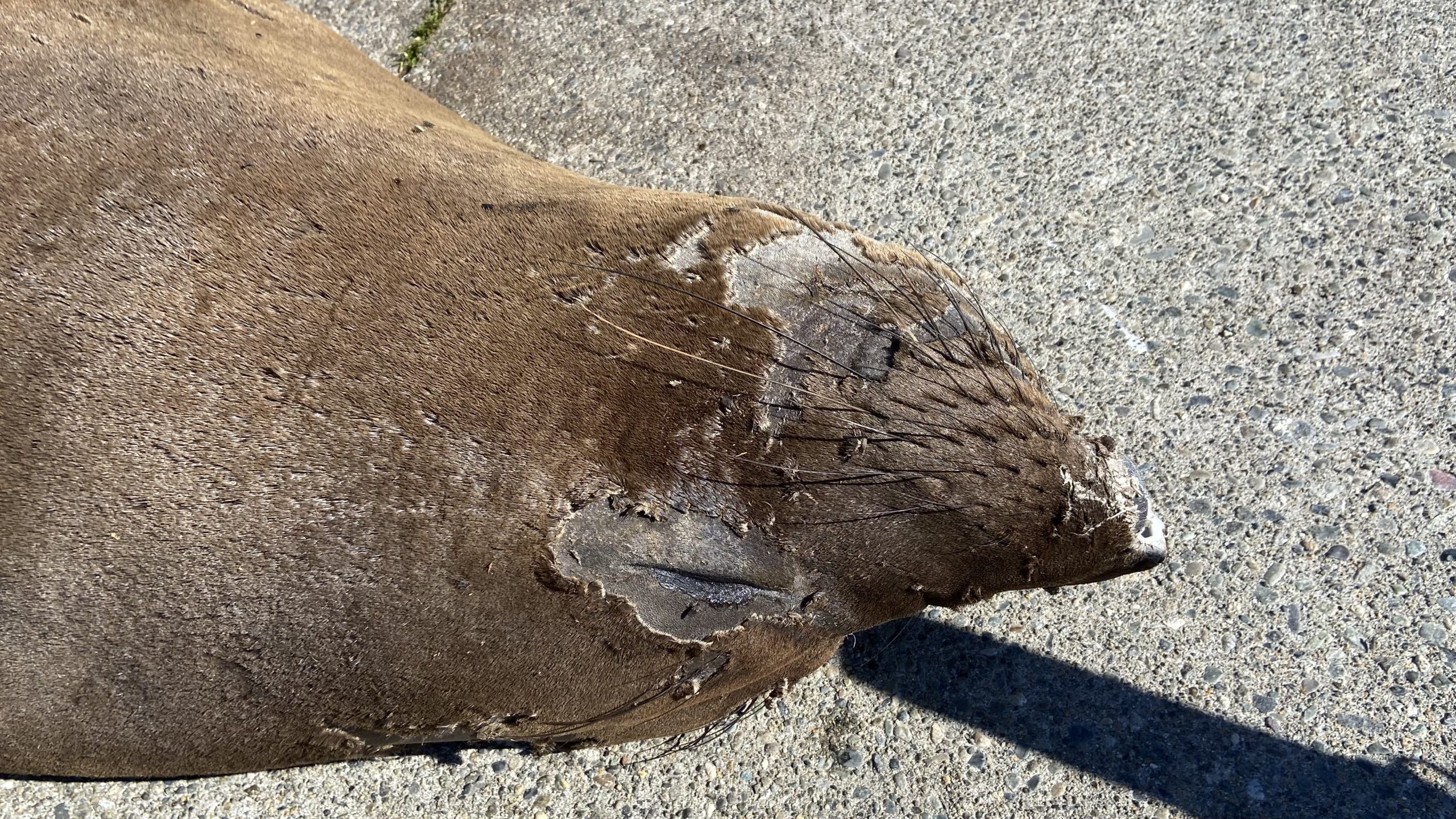
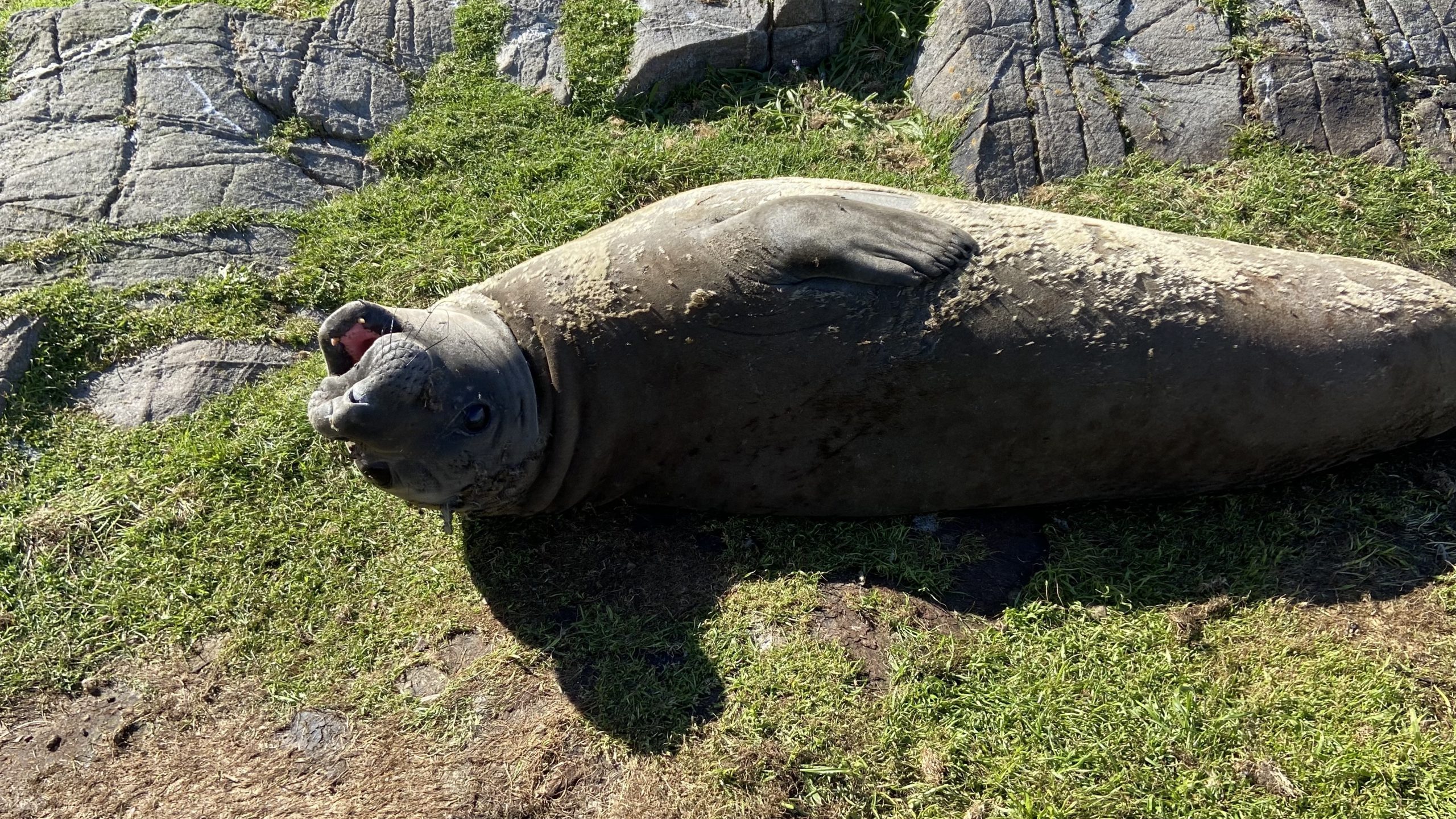
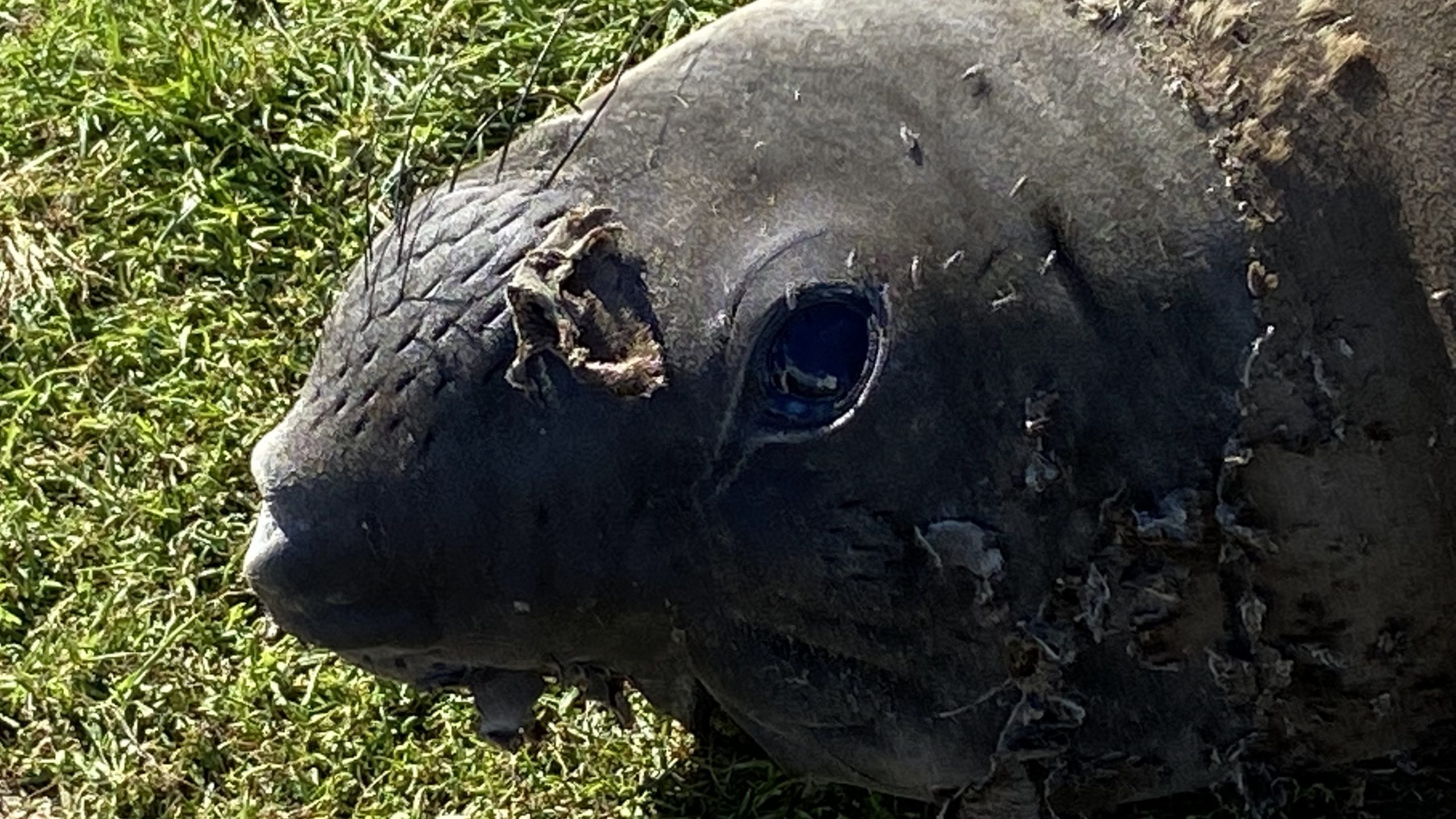
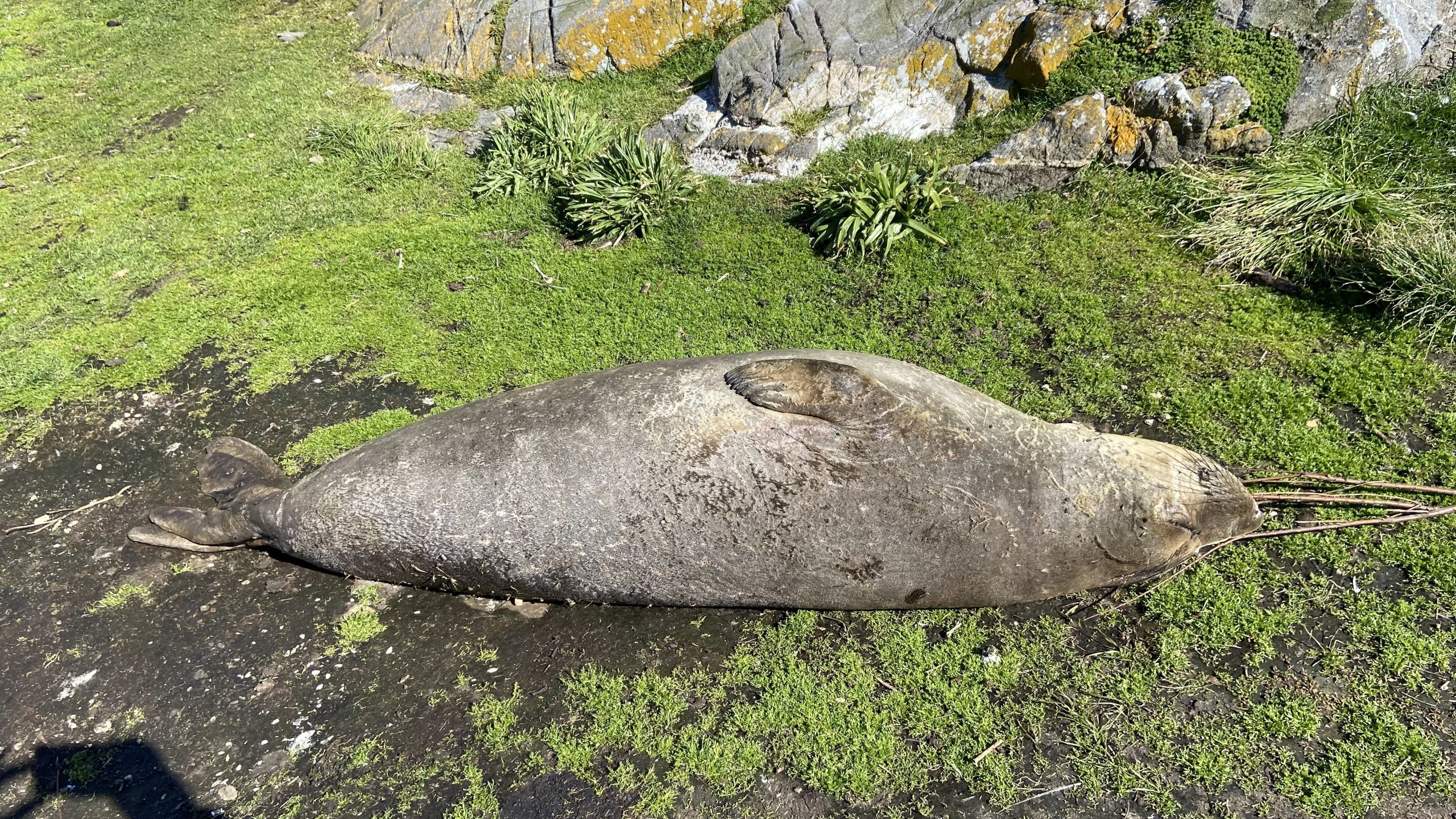
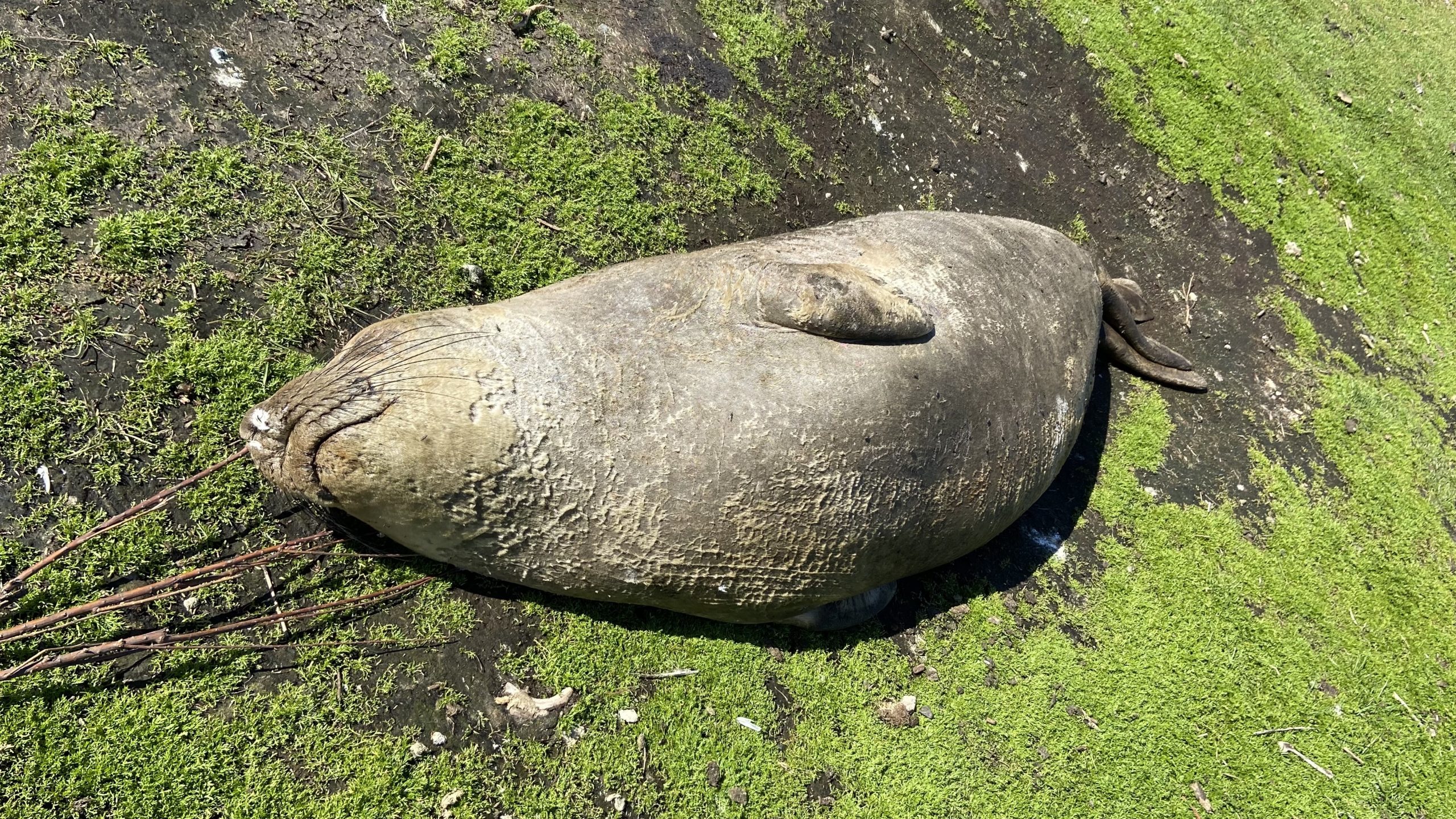
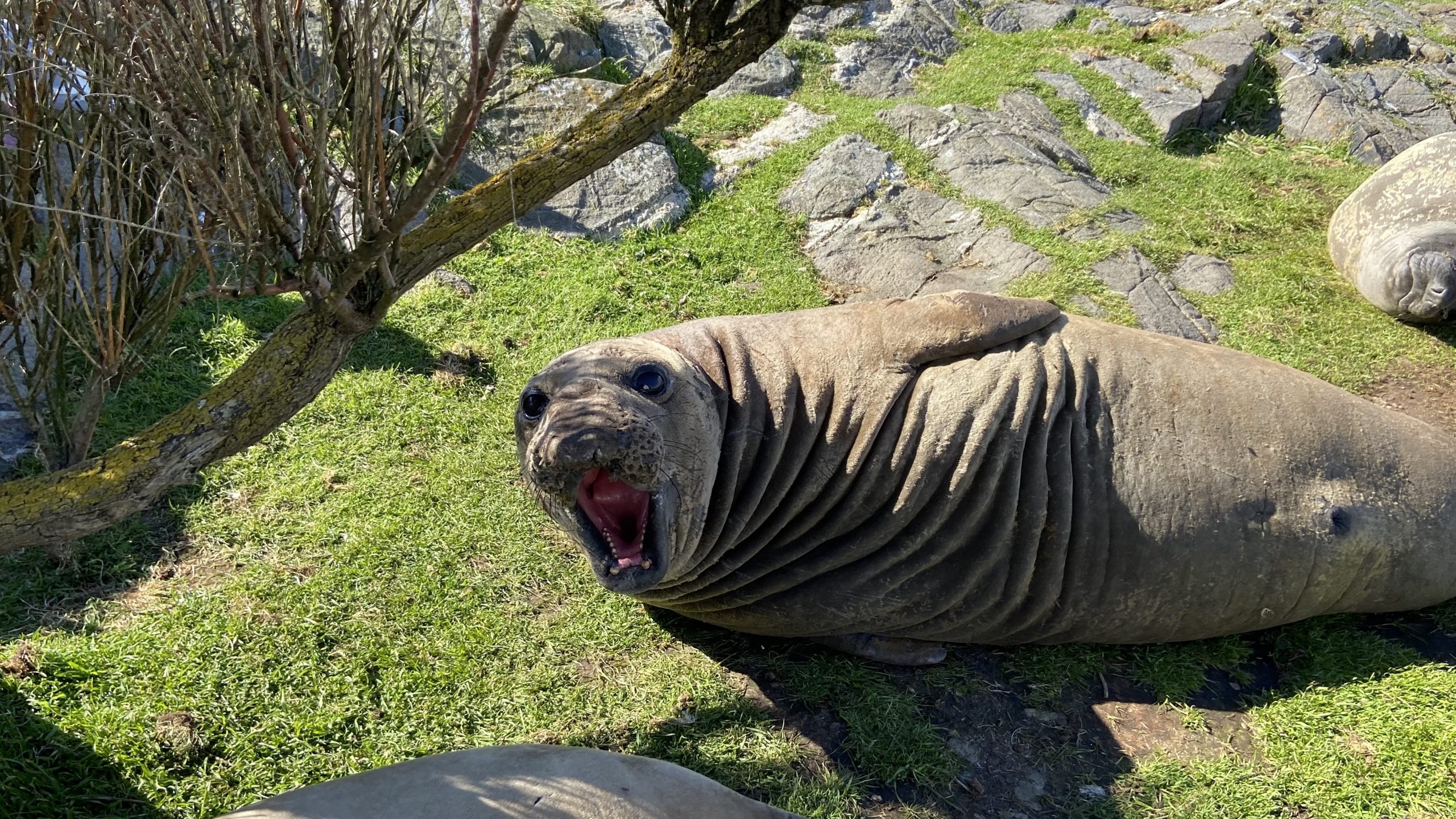
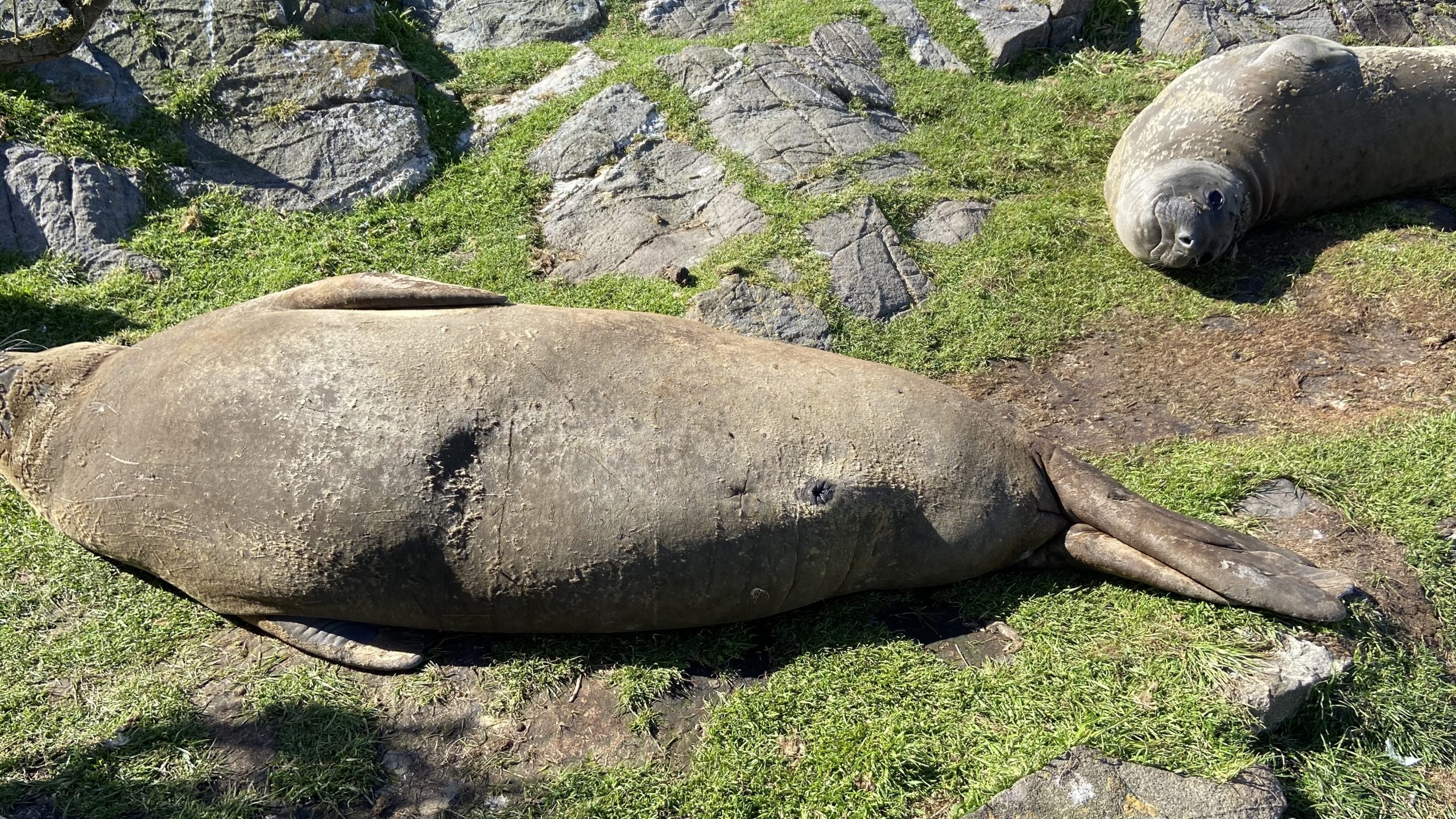
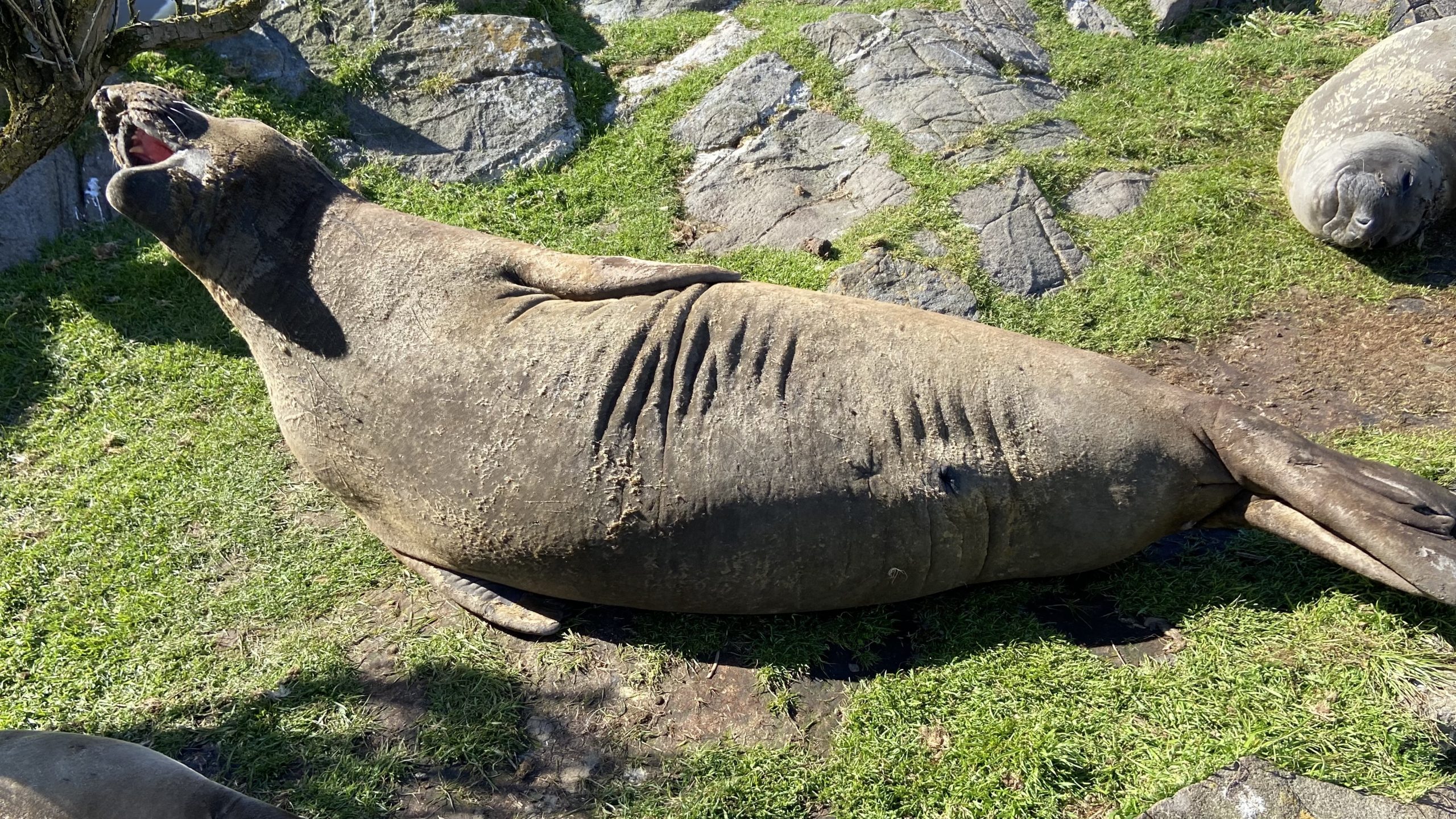
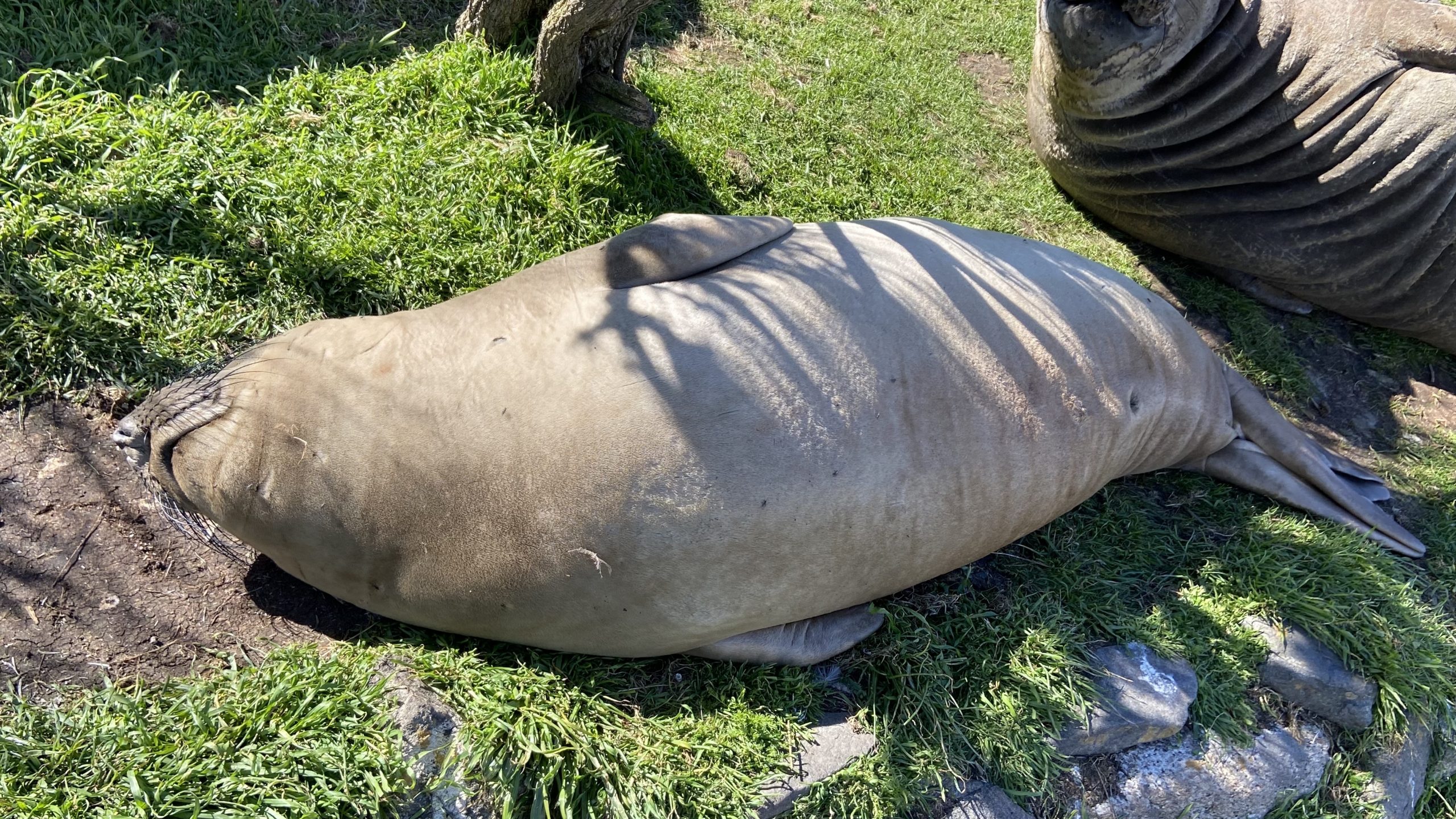
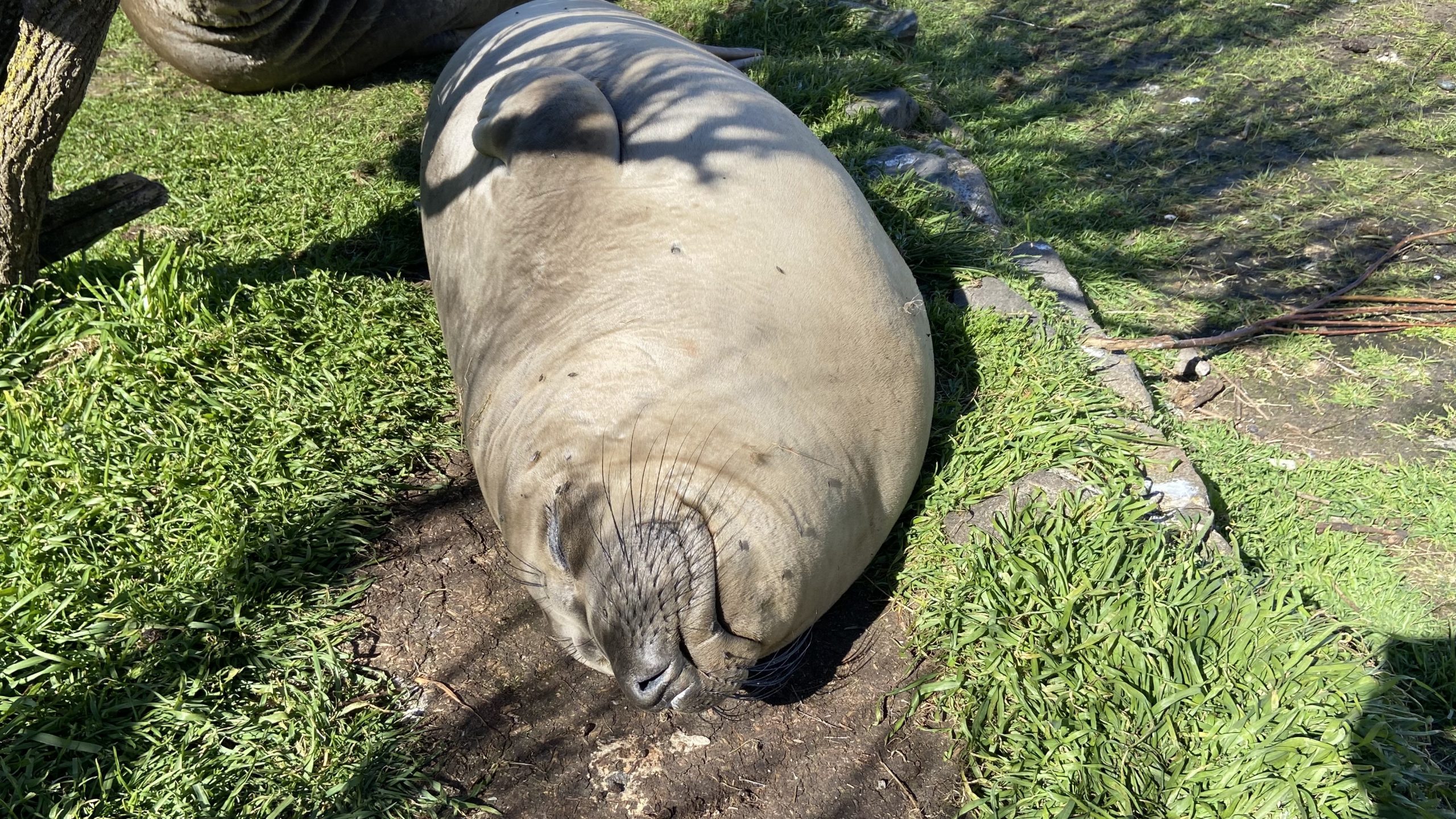
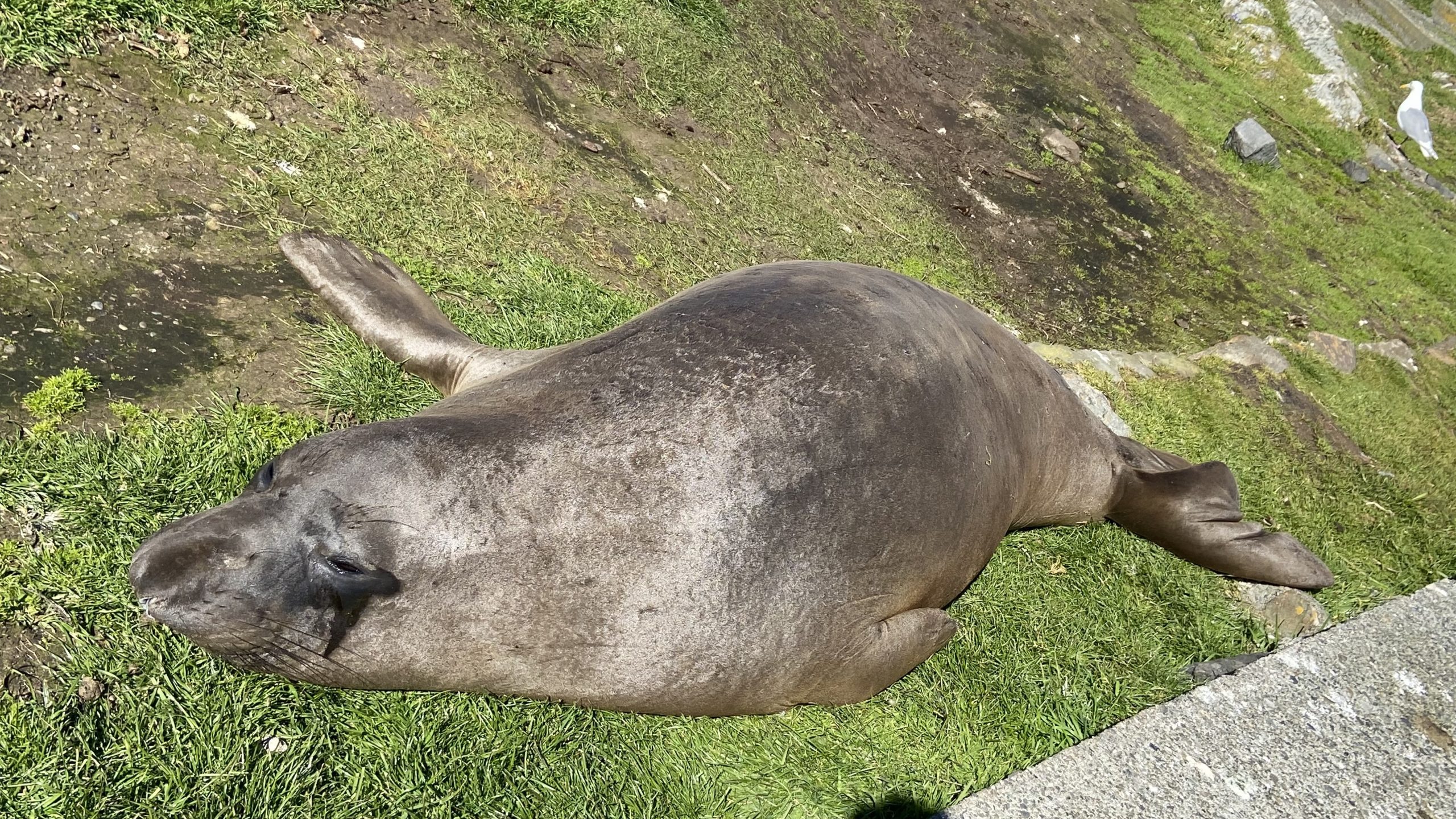
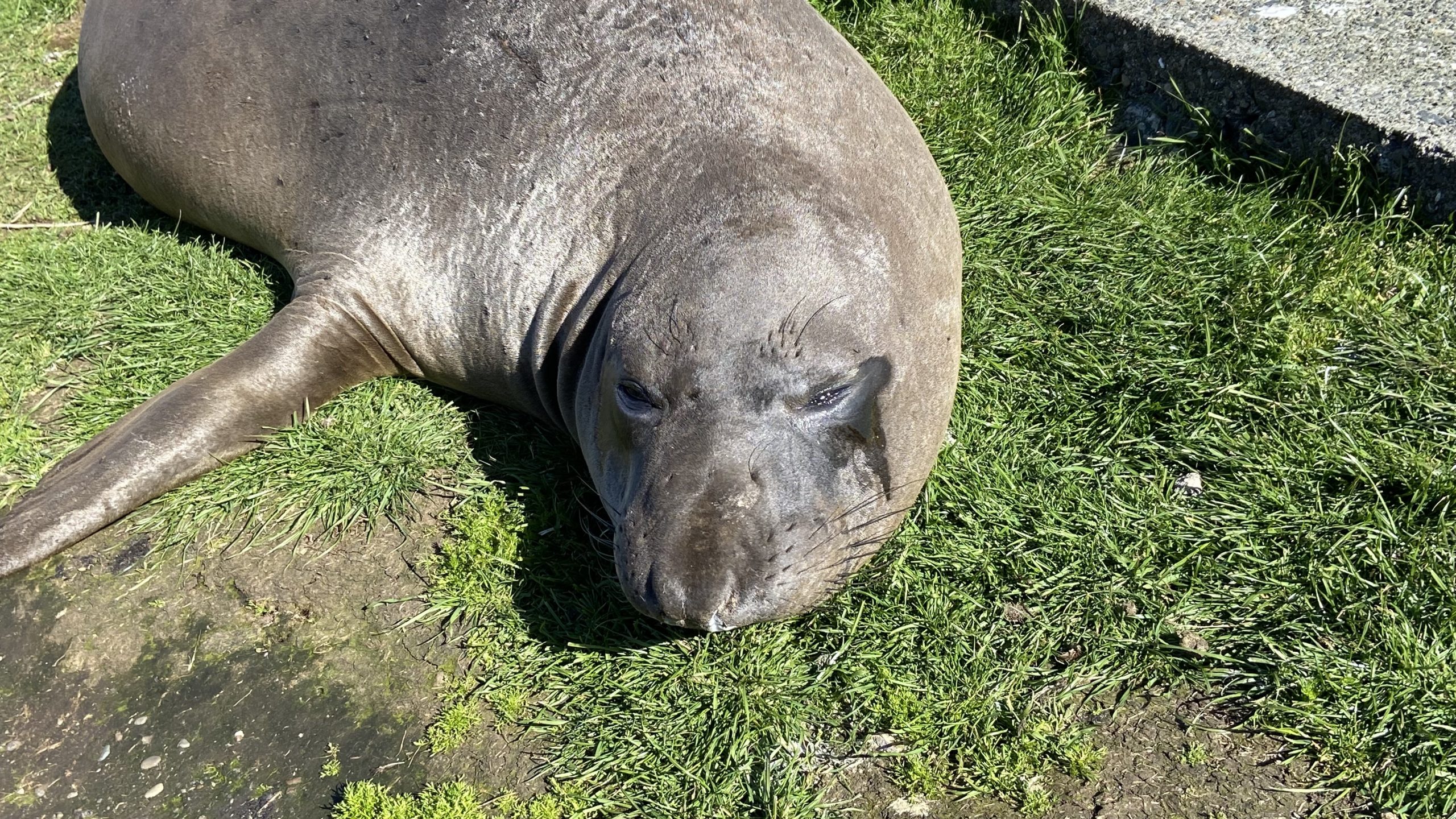
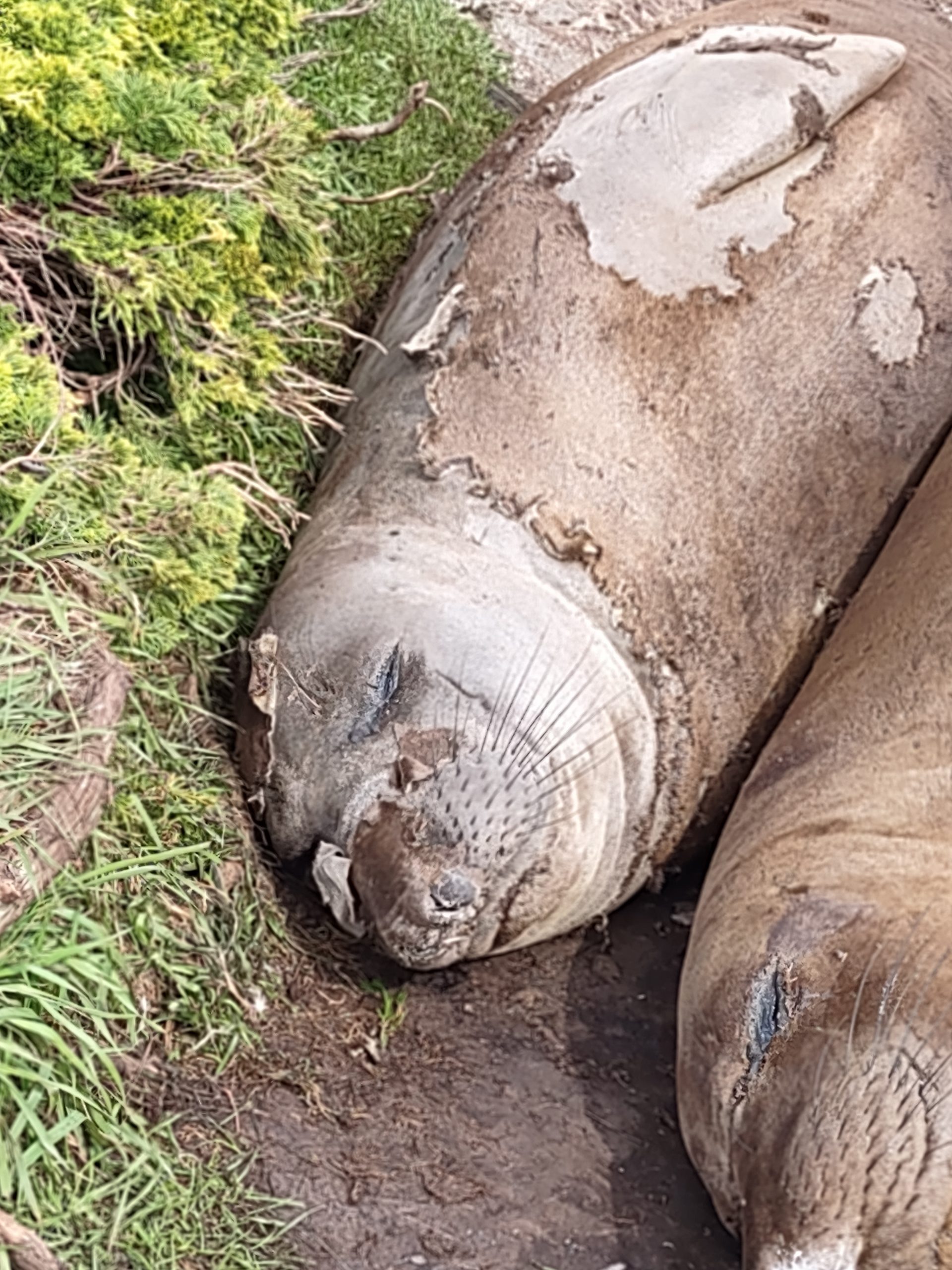
I took photos of all the adult elephant elephant seals still at the reserve :


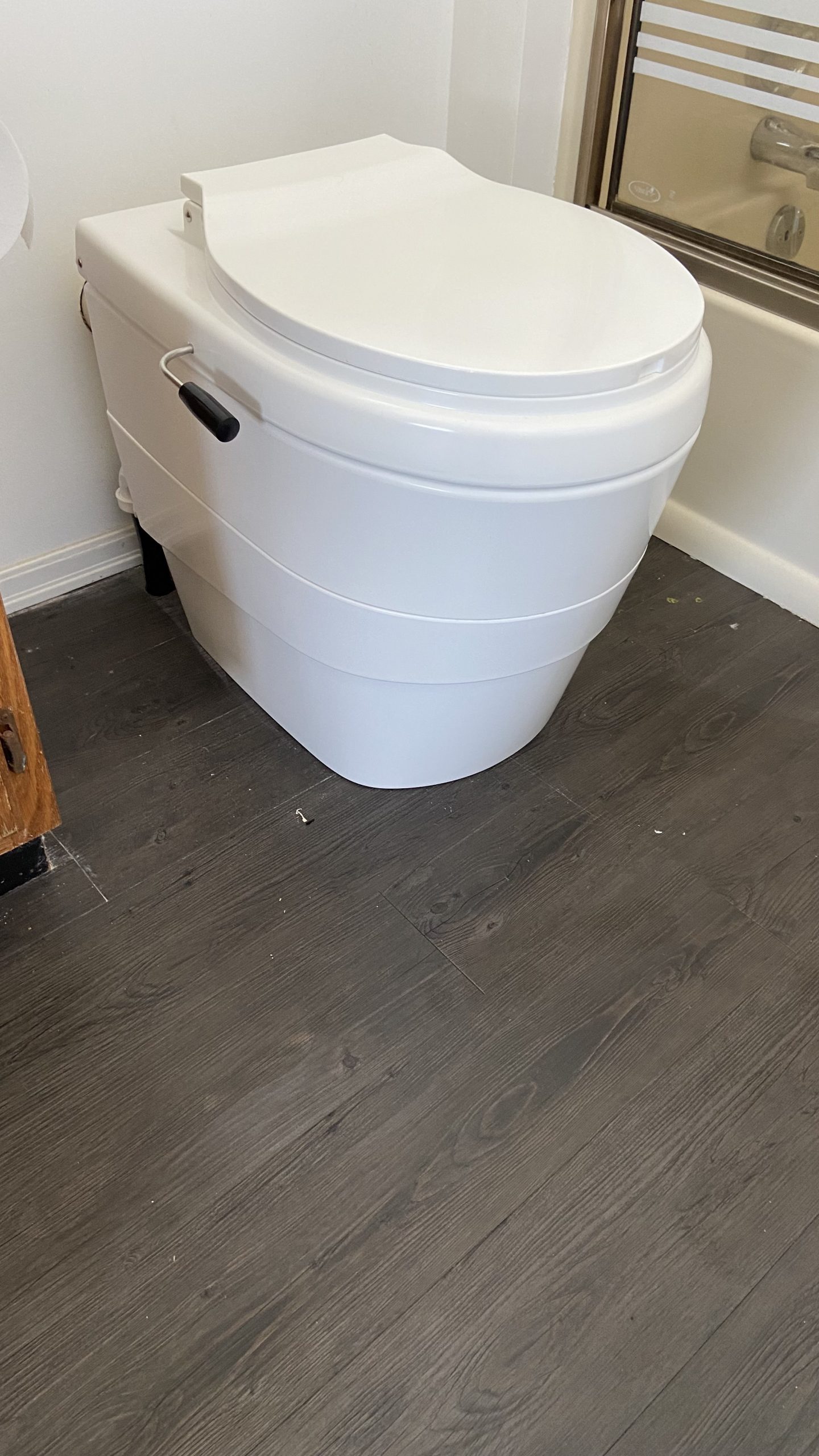
There have been many improvements that the Ecoguardians and the college staff have done since the last time i was here.One important improvement has been the installation of a new toilet system which seems to be a big improvement over past models.

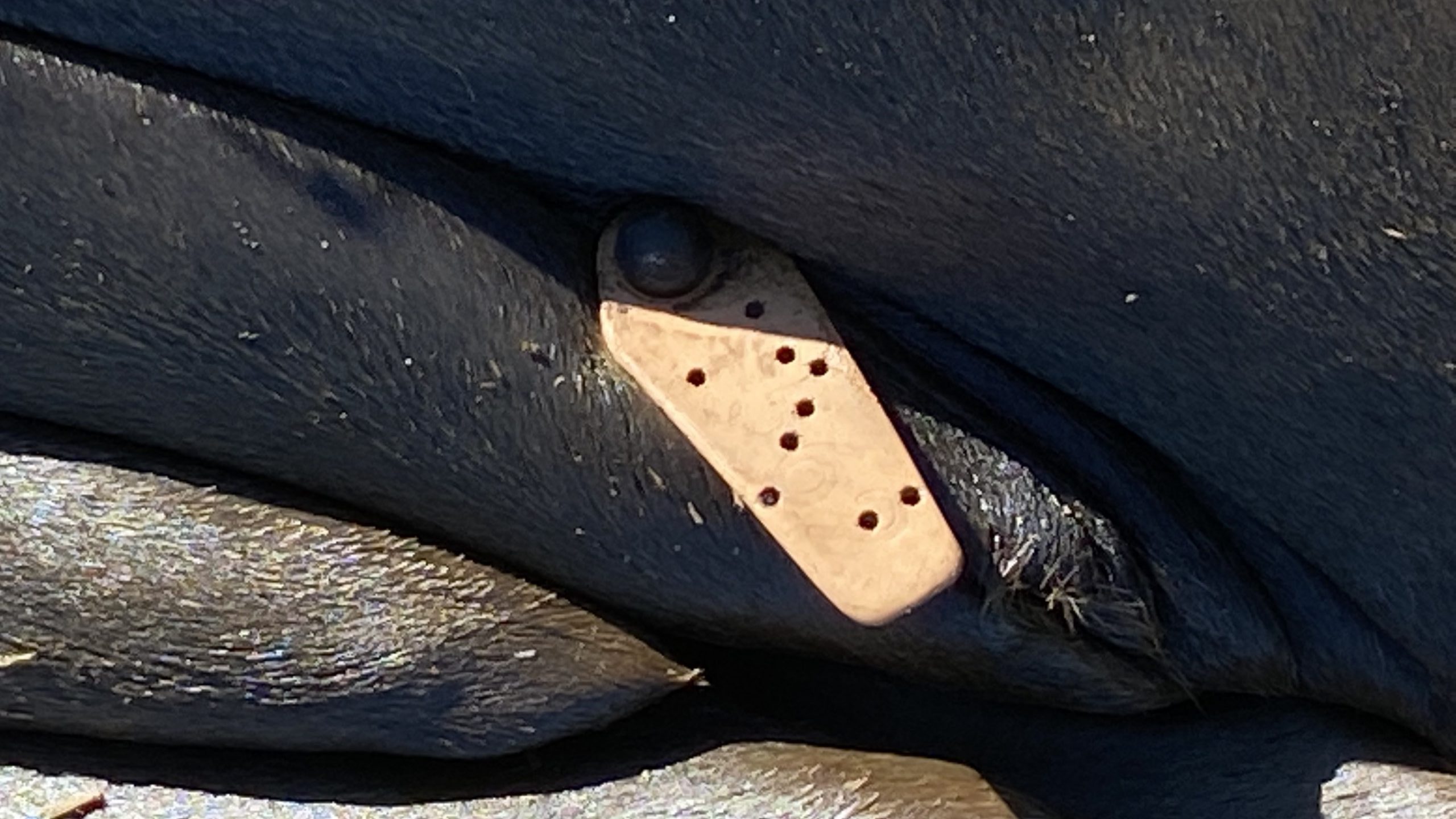
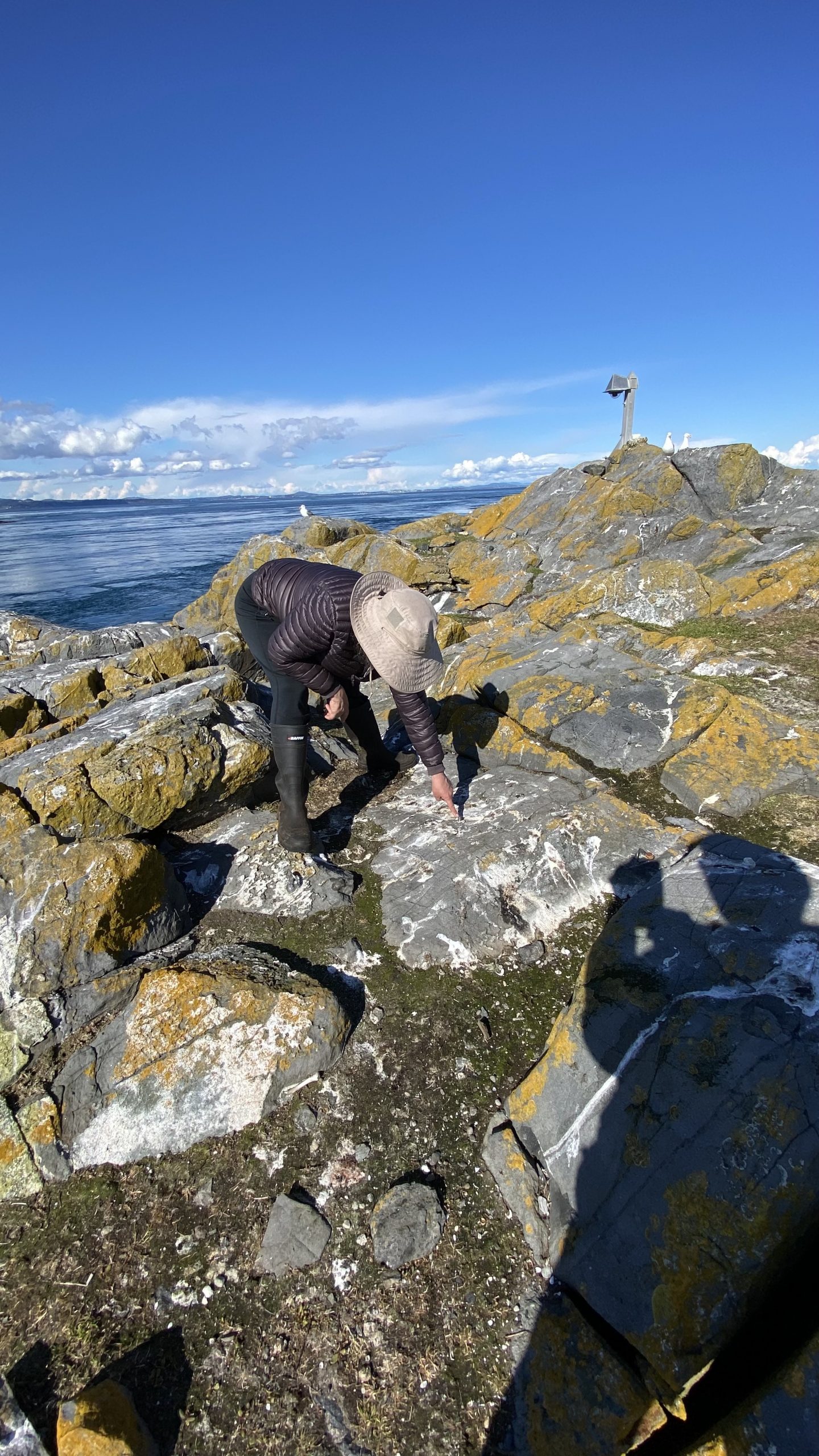
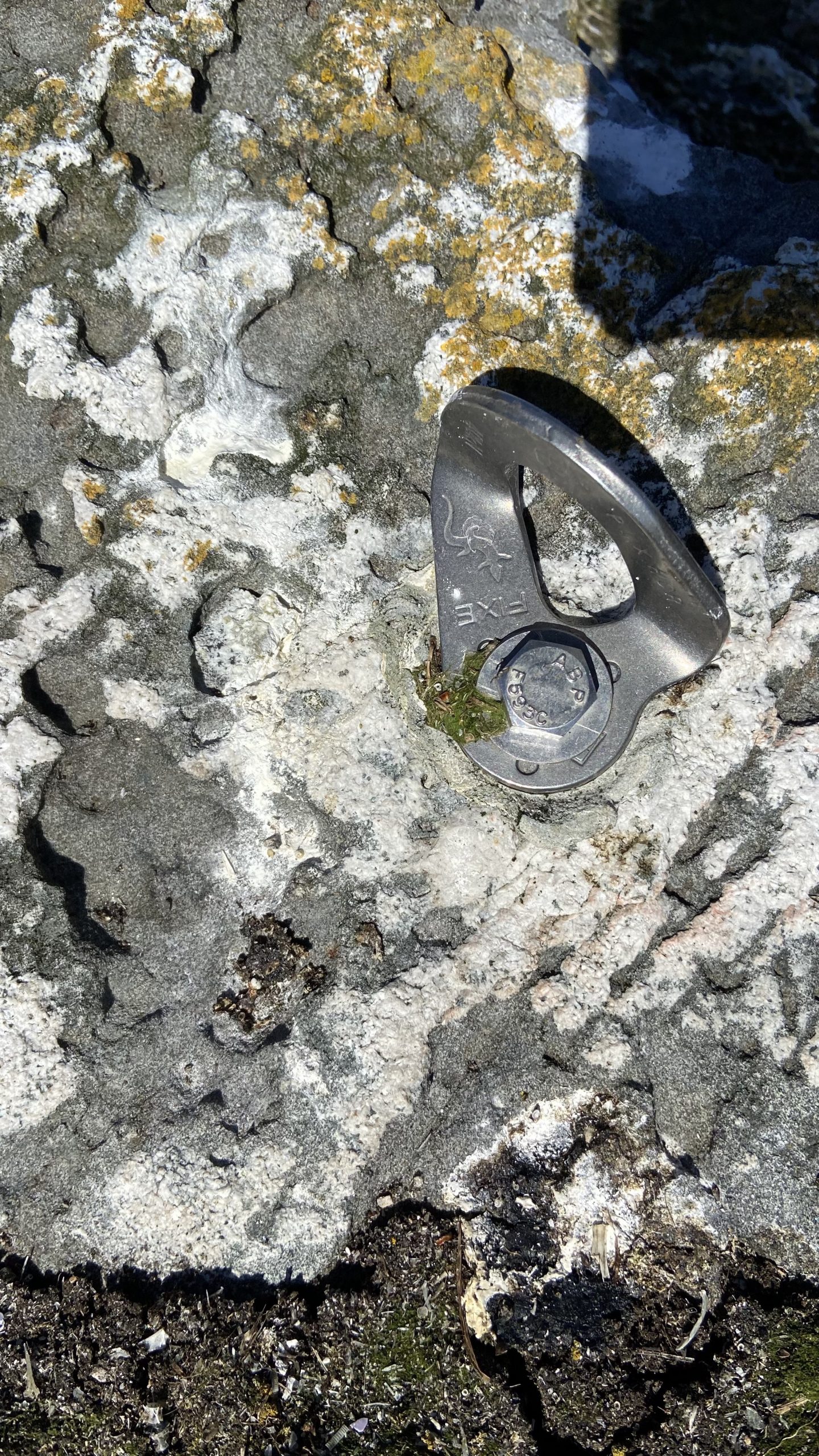
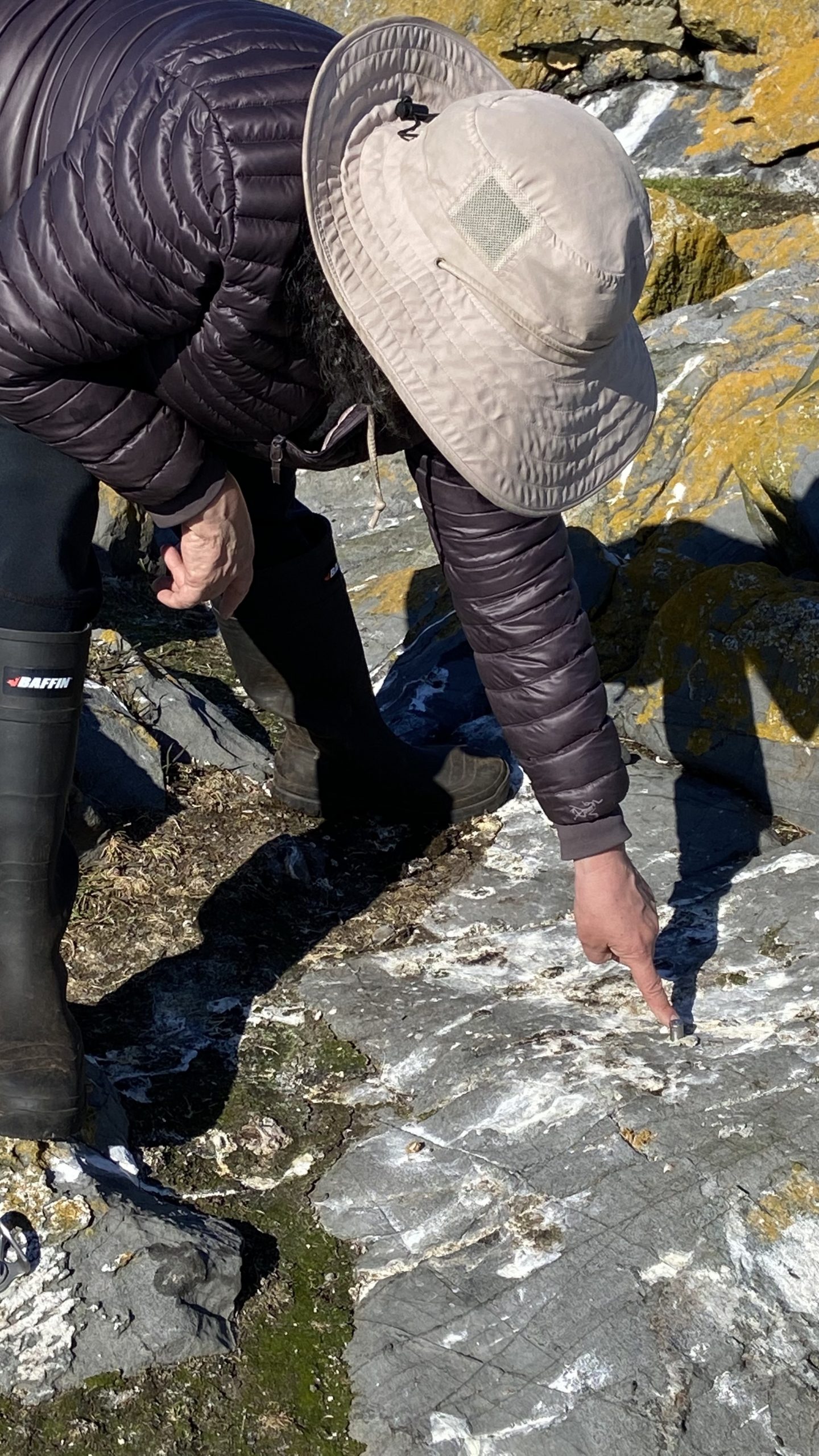
I was interested in relocating the spot where a new geo-positioning system was installed last year, since I had been unable to locate it one time when i was out there. So these pictures are for future reference for relocation. When scientists come out to recheck , the results from satellite triangulation at this spot can indicate the amount of tectonic plate movement .


Very busy times

Ecological Notes:

  • 8 Elephant Seals in various stages of molt
  • 1 of the above is the surviving male pup from this season
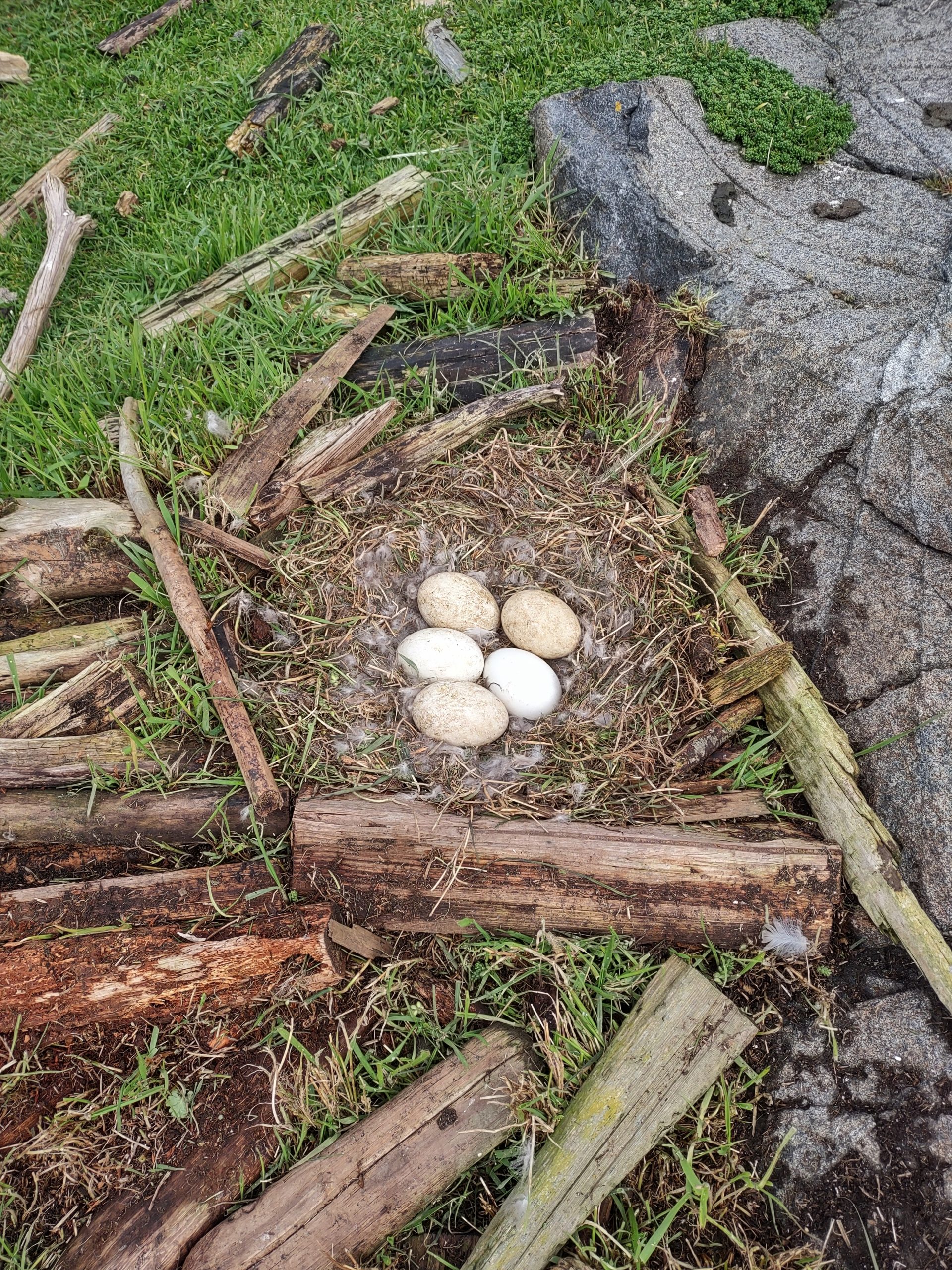
  • 5 Canada Goose nests now
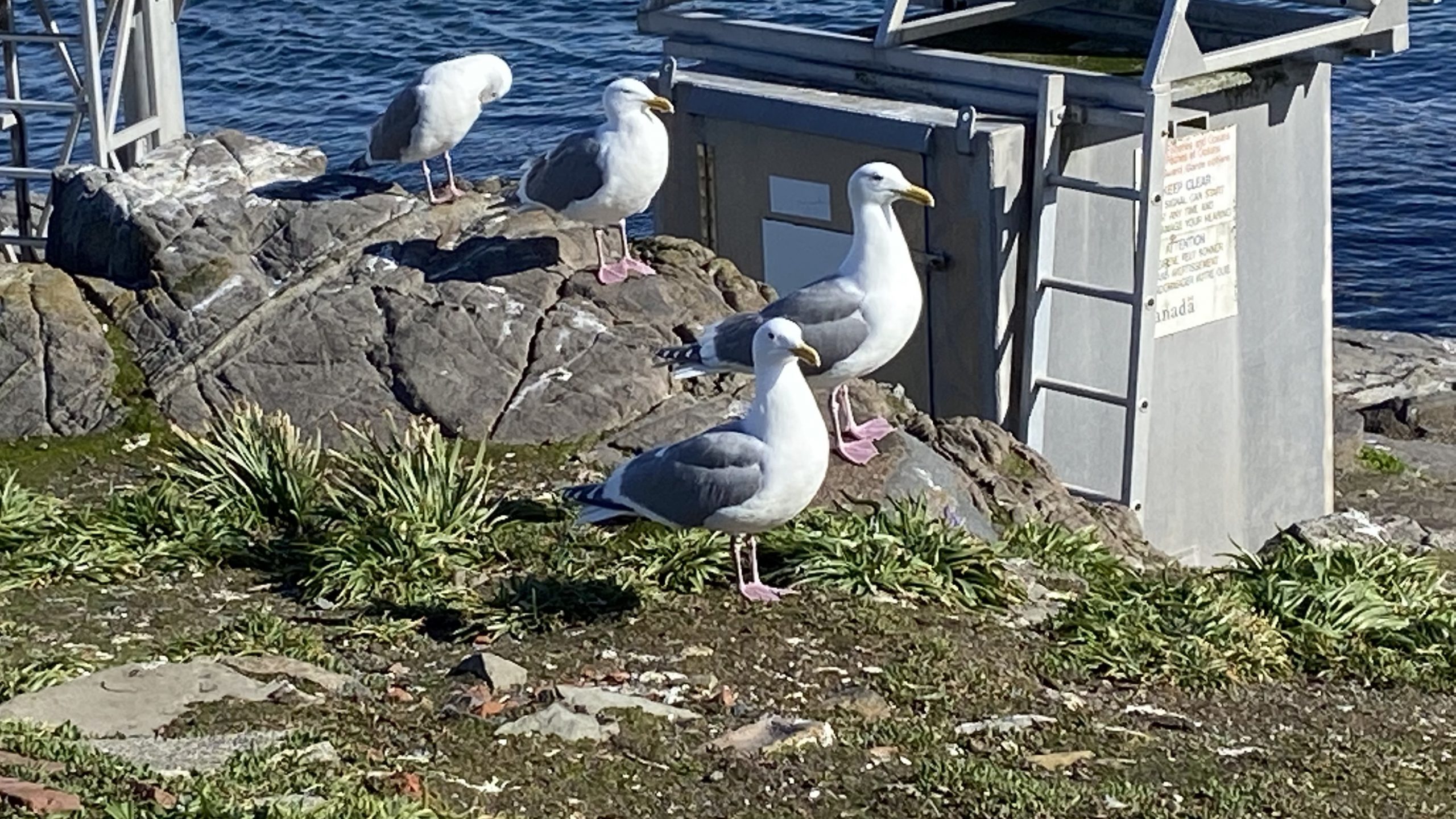
  • Gulls are still pairing up and courting, but no nests yet
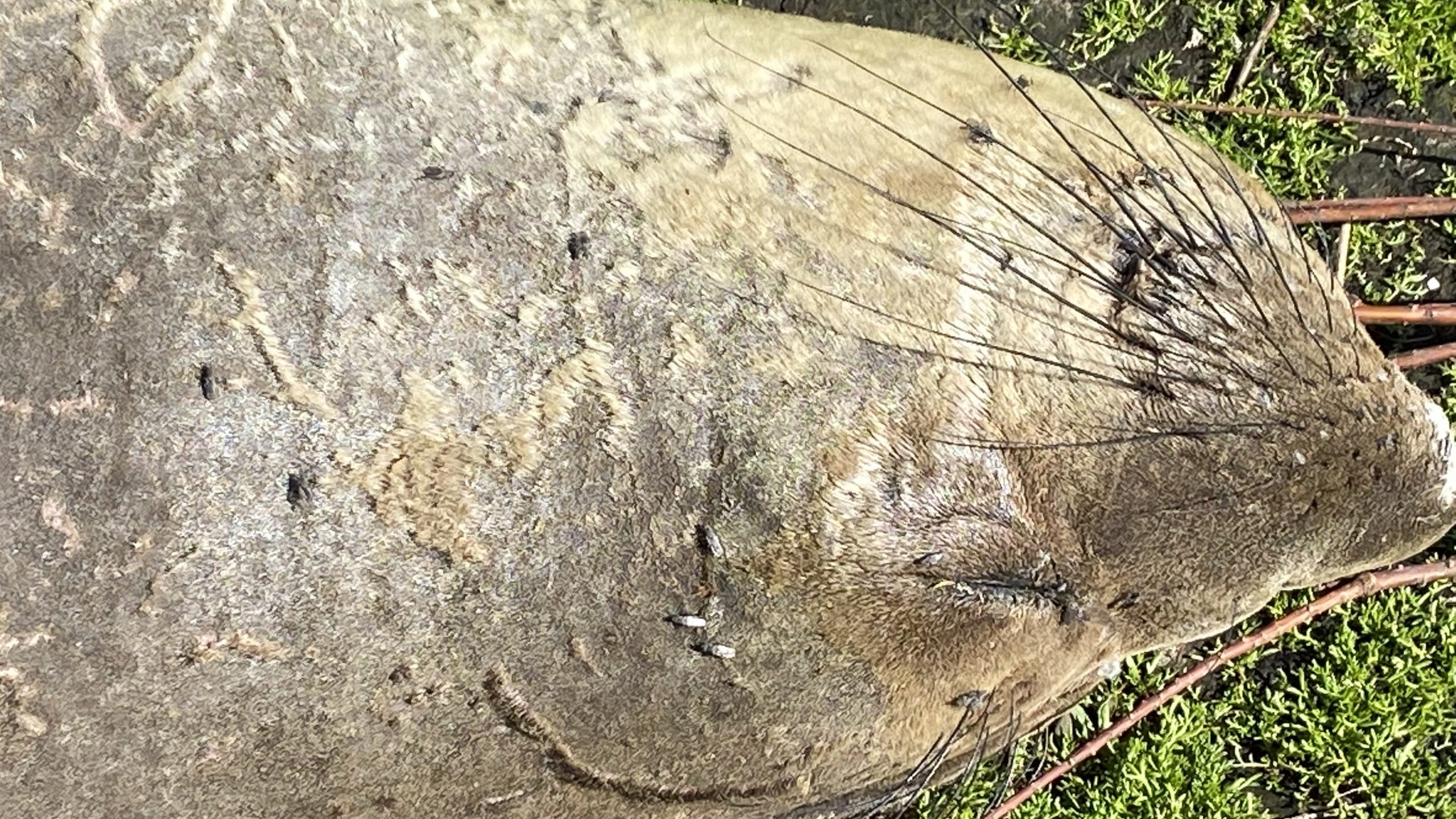
  • Seals and sealions use the sensitive whiskers, and hair above their eyes to detect vibrations from fish when in the dark depths  of the ocean.

Visitors:

  • 2 separate sets of students from Westcoast Adventure College, each group with chaperone for a total of 9 students and 2 chaperones
  • Each group stayed for 3 days and 3 nights, for 2 days of classes, and 1 day of learning about and helping  with the procedures of the Ecoguardian
  • Class was An Introduction to Marine Mammals of the Salish Sea …… A program the Ecoguardian has been teaching for 17 years to the students of WAC, and this was the first time it could be taught amongst actual marine mammals here at the reserve!

Facility Work:

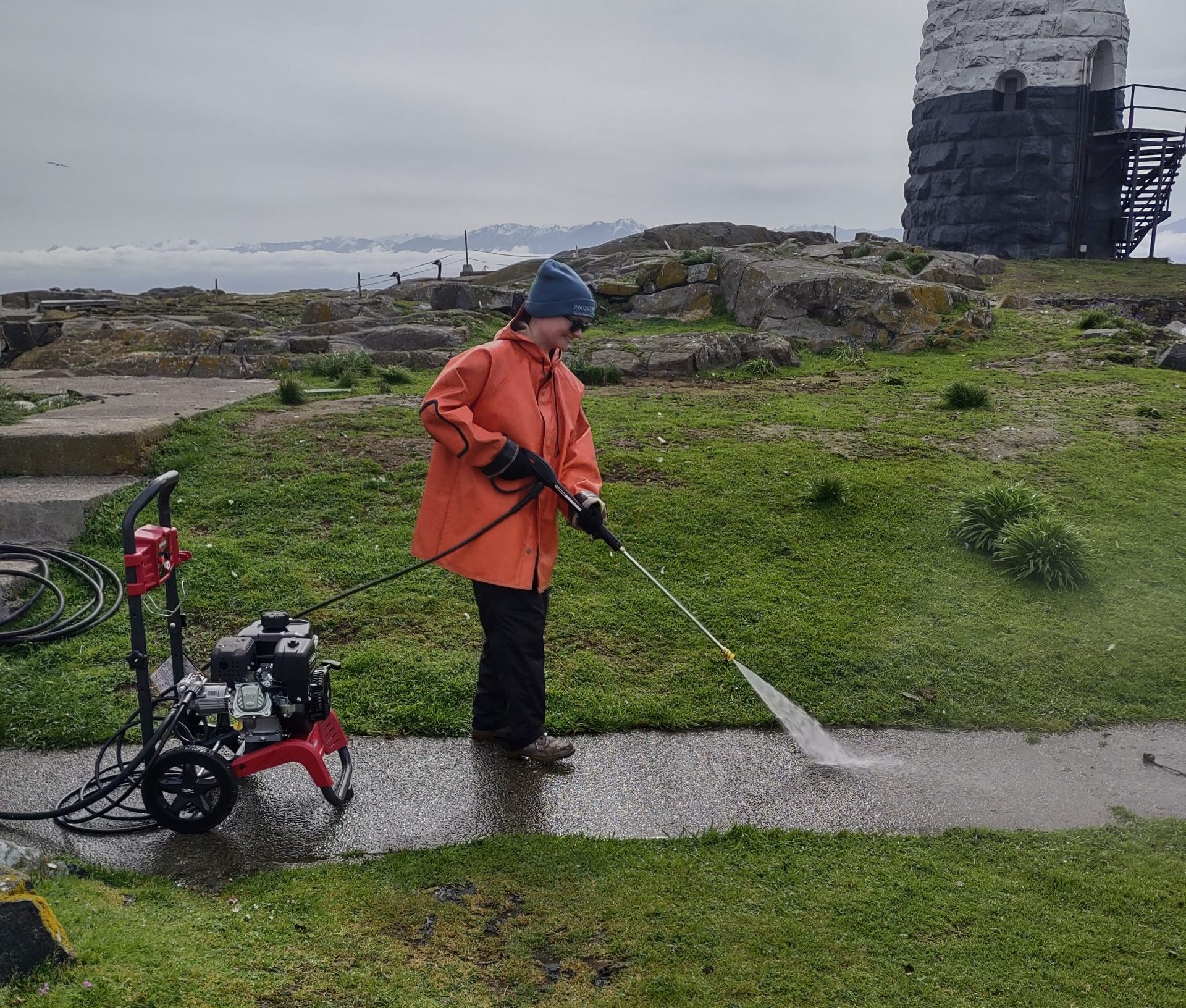
  • All sidewalks and the generator building have been pressure washed.
  • Even more waste building materials have been gathered and stacked ready for pick up
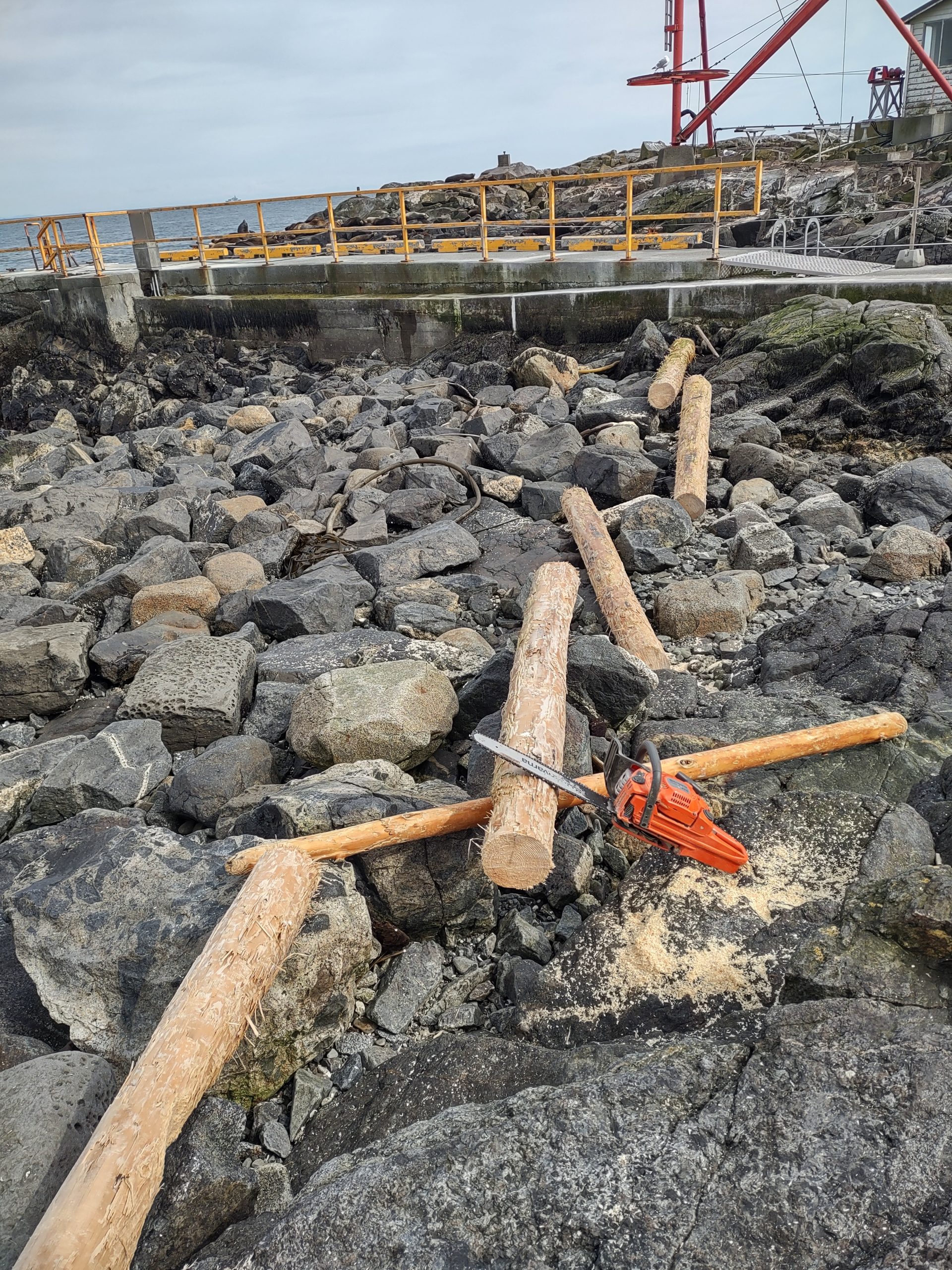
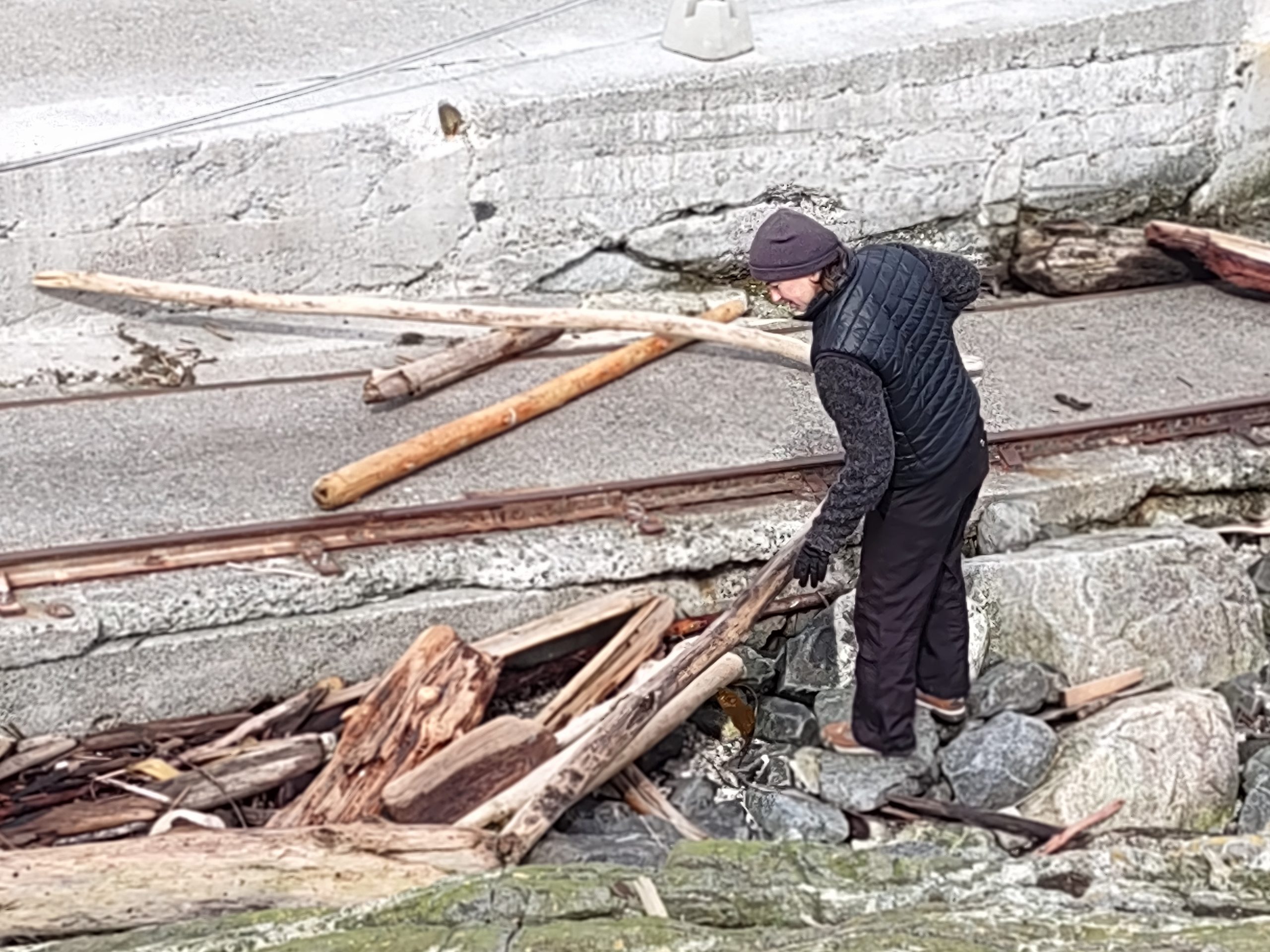
  • Many logs were salvaged from the rocky shoreline while there were extra people here.
  • An extra thorough cleaning of the Student house.
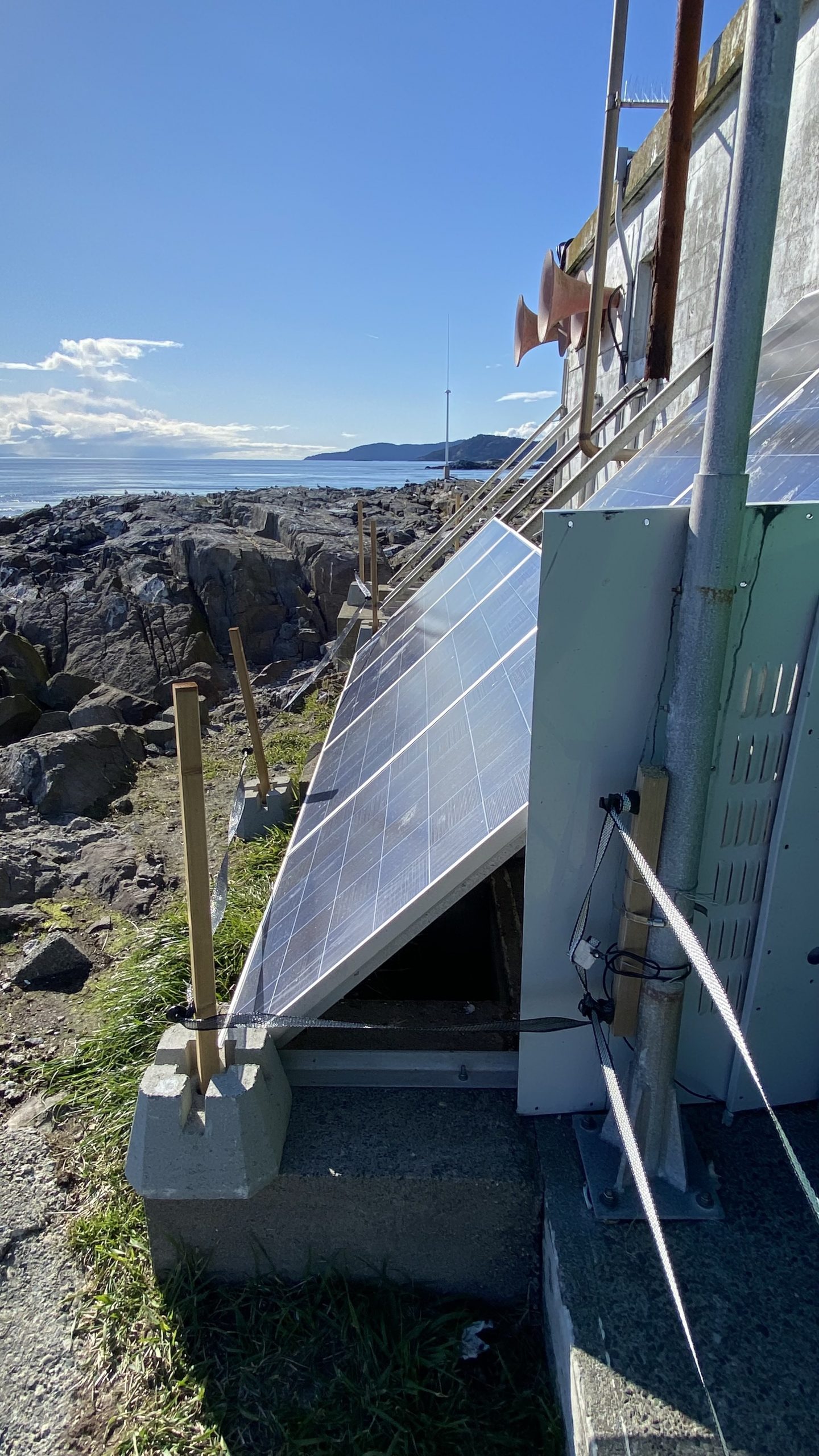
  • New electric fencing was set up to protect the lower solar panels from the sealions, as they had managed to get under the panels and damaged the wiring in the past.
  • As normal, lots of fence repairs during the windy times. Although there is not much sealion traffic right now, it is much easier to keep it all up than redo it all later.
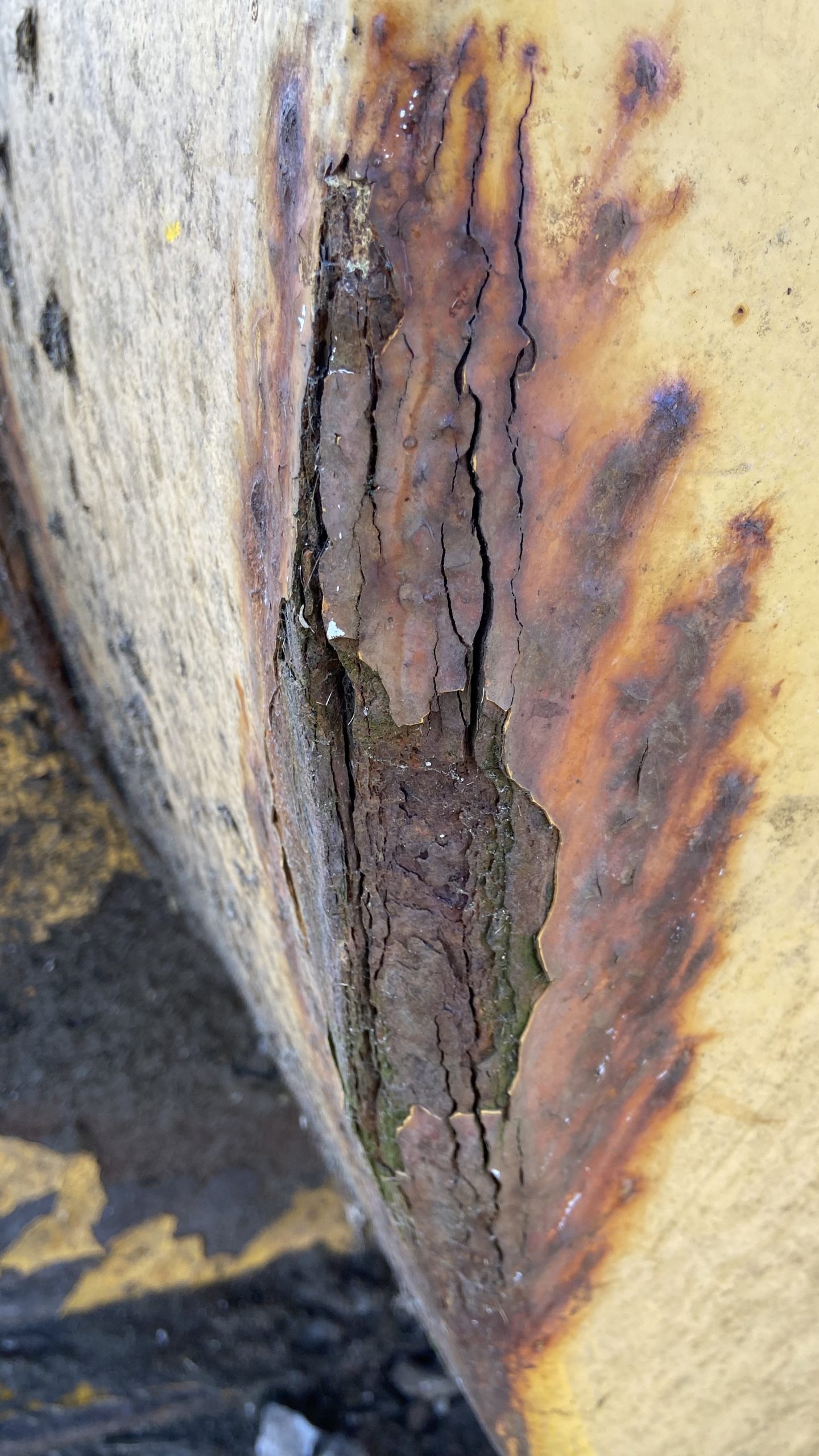
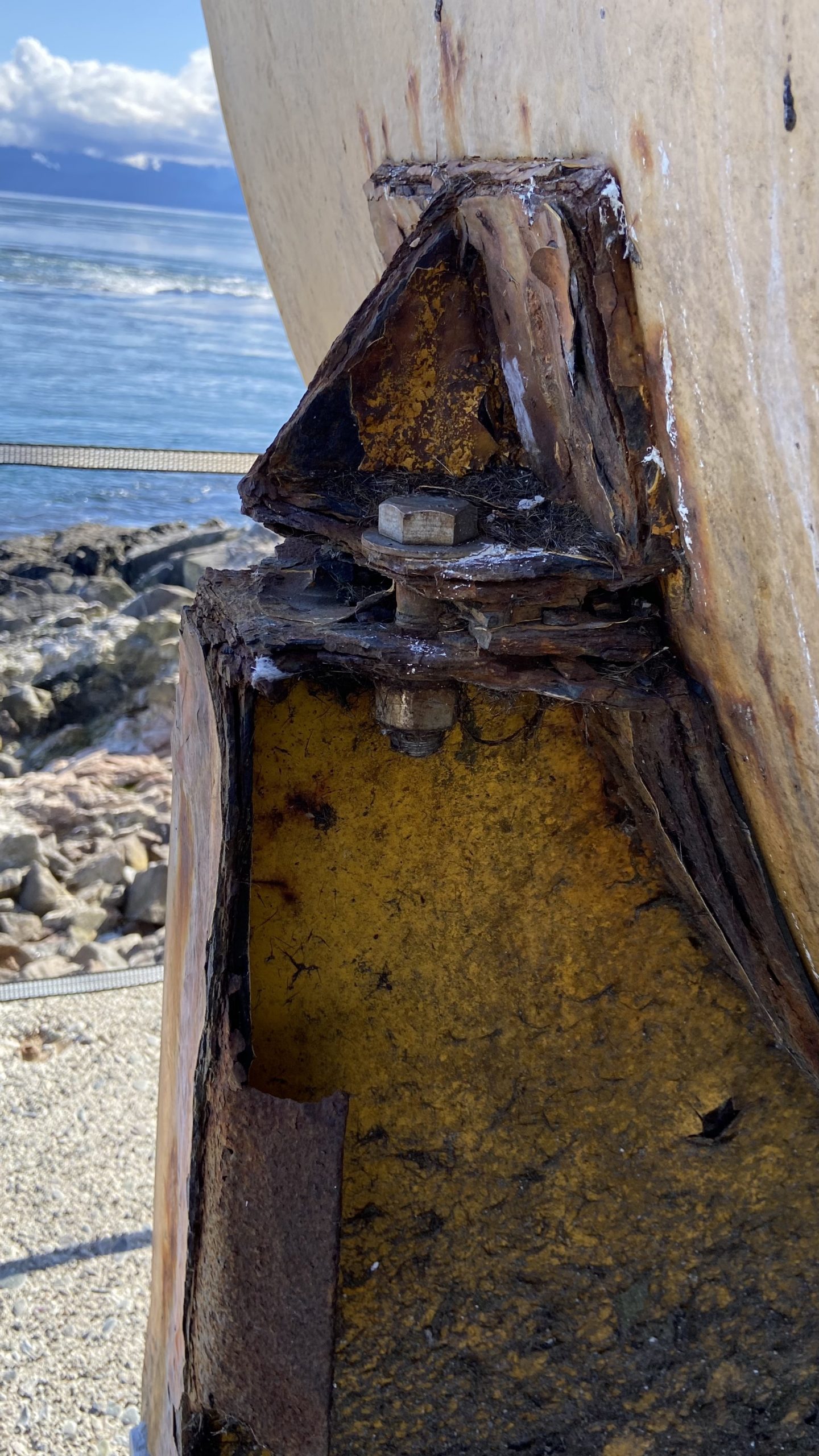
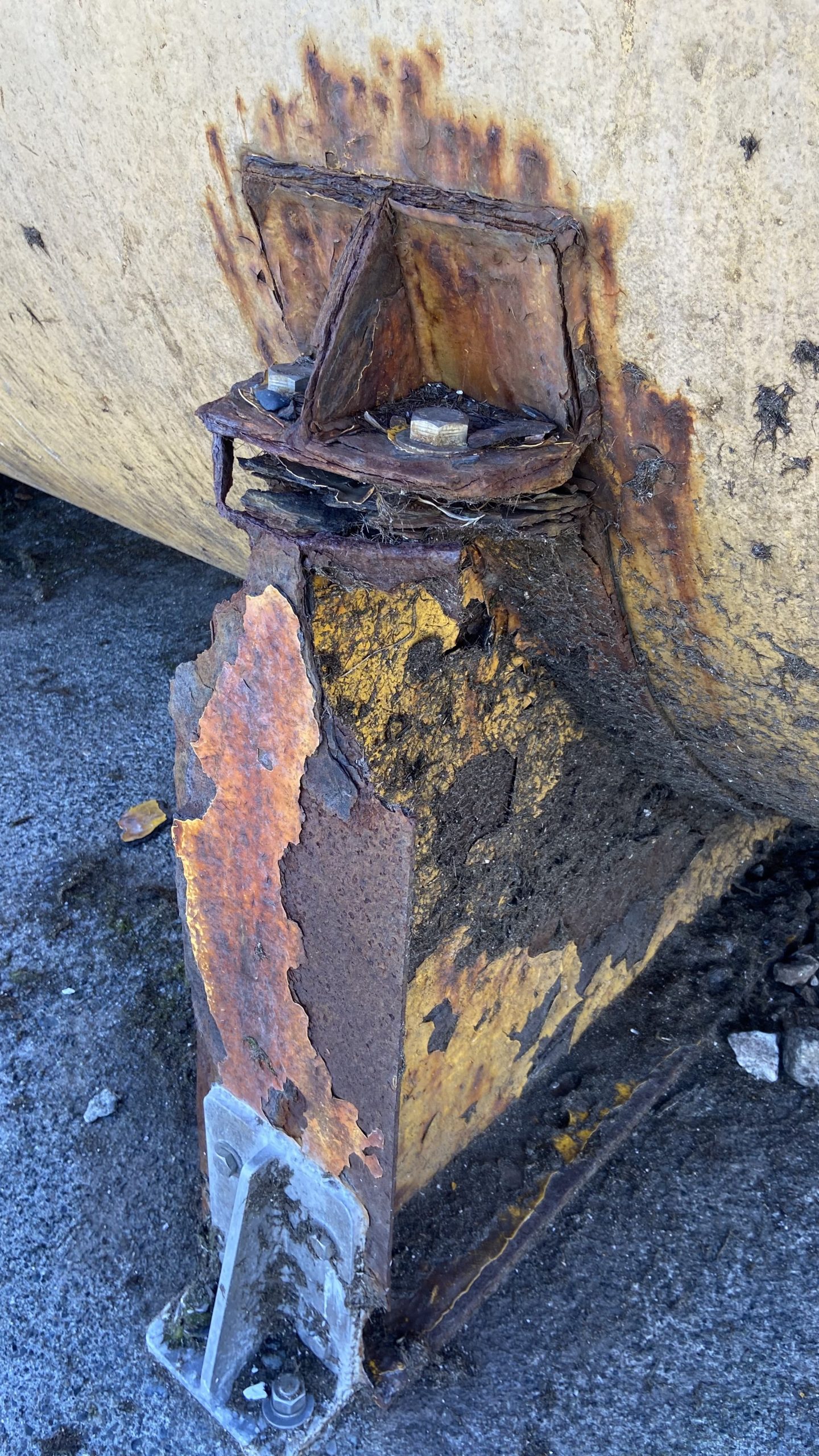
  • Still working with the old tank on the fuel delivery vessel, so lots of fuel transfers from boat tank, to barrels, to portable tidytank, to generator tank.

Noted Vessel Traffic:

  • Daily visits from Ecotourism Vessels, and some private vessels paused to look at the sealions.
  • In addition to kayakers, a pair of paddlers ventured out and around the reserve in a canoe
  • As the current Ecoguardian is an experienced kayak and canoe guide, all were observed closely to ensure they were equipped properly and had the skill sets to be out here in the currents. Happy to report, all was good!
  • 2 sailboats passed through the main channel east to west before looping around past the southern side of the main island. 1 had a little trouble in the currents on the west side and stalled out, but they recovered before they were any actual danger …. but they looked quite tense through the binoculars!


 Feature Event:

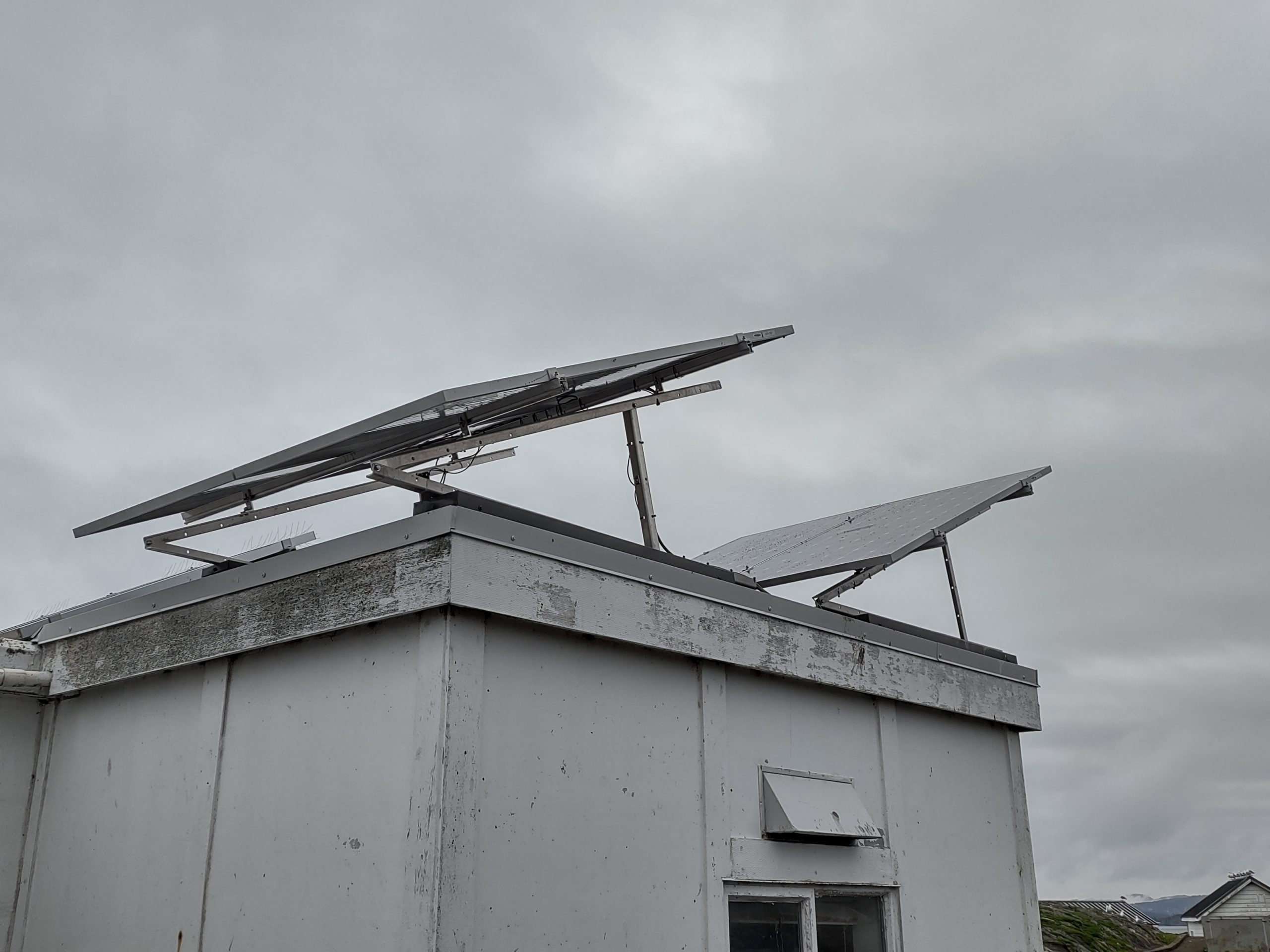
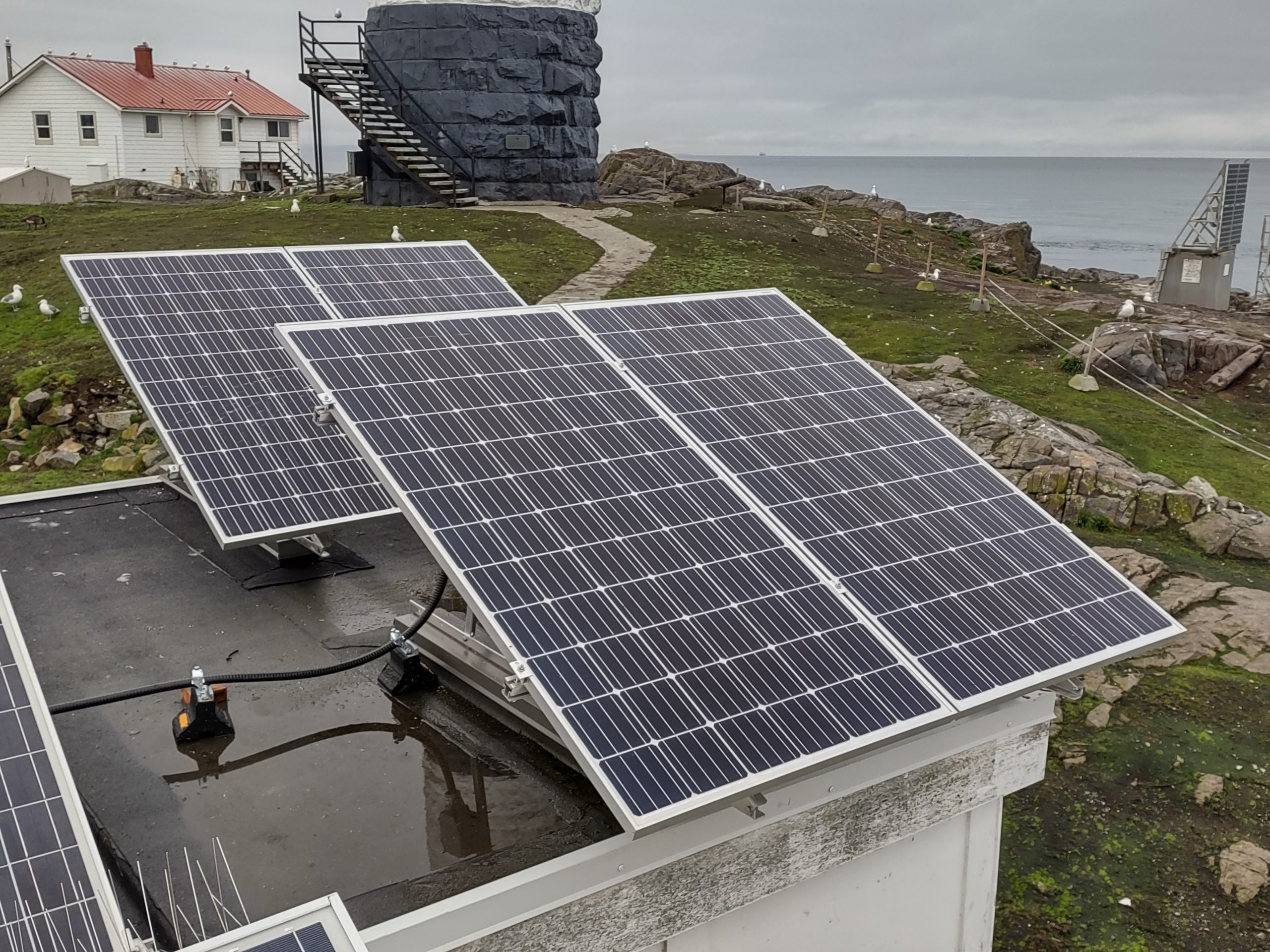
  •  The updated Solar power system has continued to function at the high level it was hoped it would provide. With only average sunlight, the system still uses much less generator time, and we have only been running the generator 2 out of 3 days.

Weather Events:

  • Many high wind days, giving way to medium winds and clear skies. Rinse and repeat.


** All wildlife photos taken at the furthest distance possible, and may be cropped to improve detail! **


Weather – Current:

http://www.victoriaweather.ca/current.php?id=72


Weather – Past:

http://www.victoriaweather.ca/station.php?

Improved Solar Power

Ecological Notes:

  • 5  Elephant Seals
    • The Beachmaster (Bernard) has left the island, most likely for one more big feed before molting
    • 2 Adult females, both starting their molt

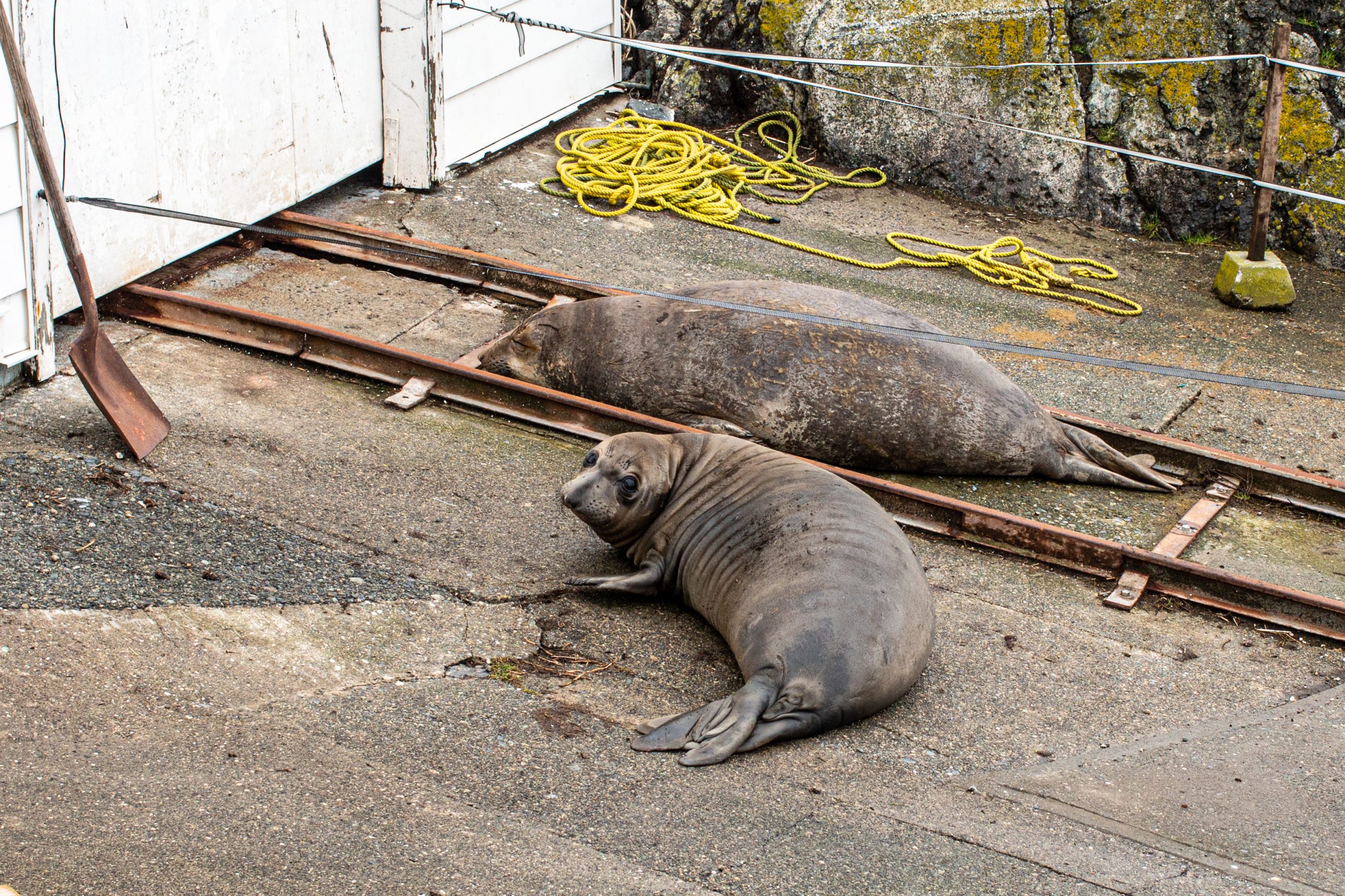
    • 2 new (to me) animals here, either very large pups, or small yearlings …. waiting to see if they do a normal molt.
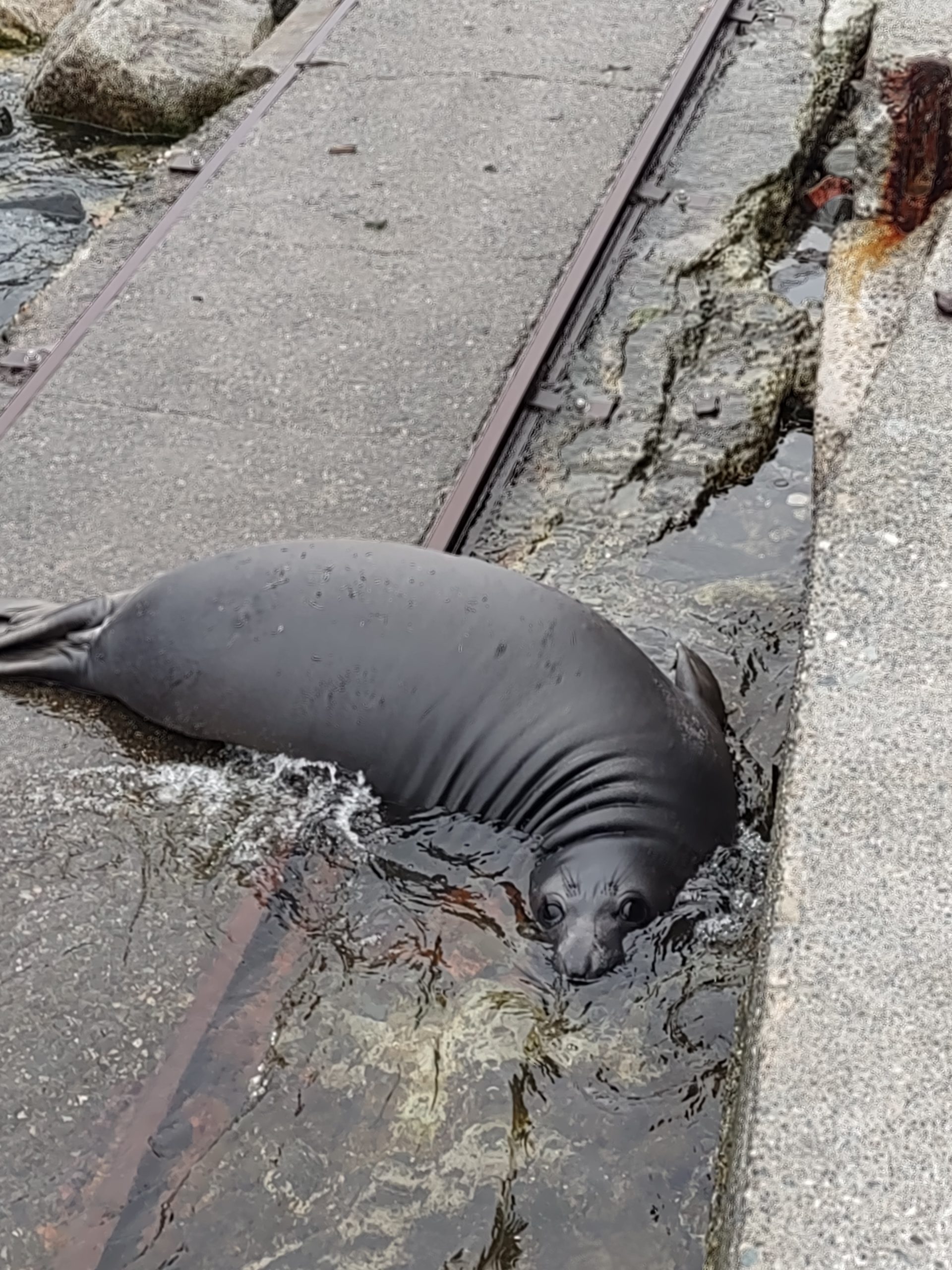
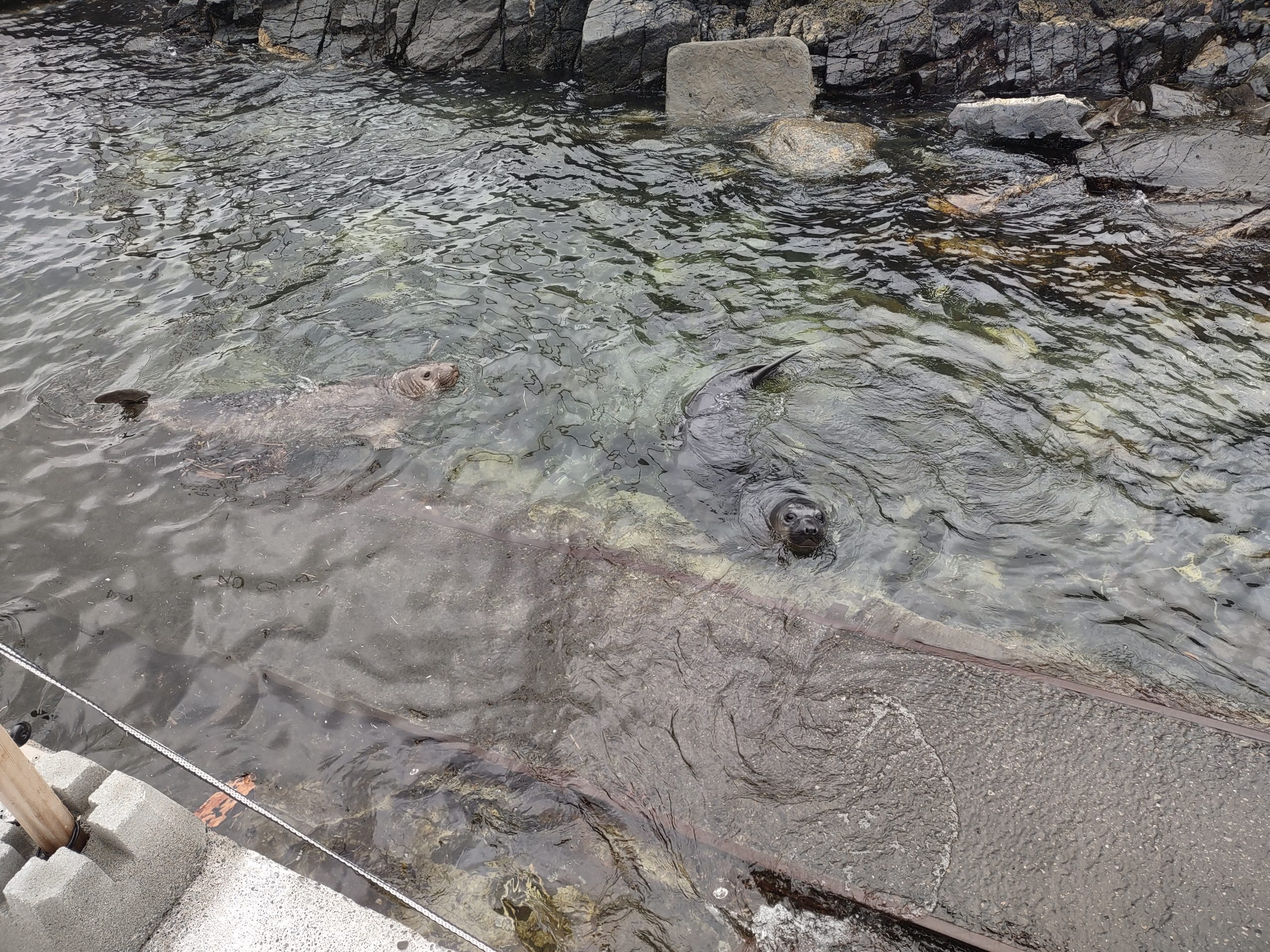
    • The only remaining pup that was born here has completed it’s first baby fur molt, and has been tentatively exploring the area by the pier, when encouraged by another new pup I don’t recognize

Tentative first tries

Meeting a new buddy

Moved into the water while he had support


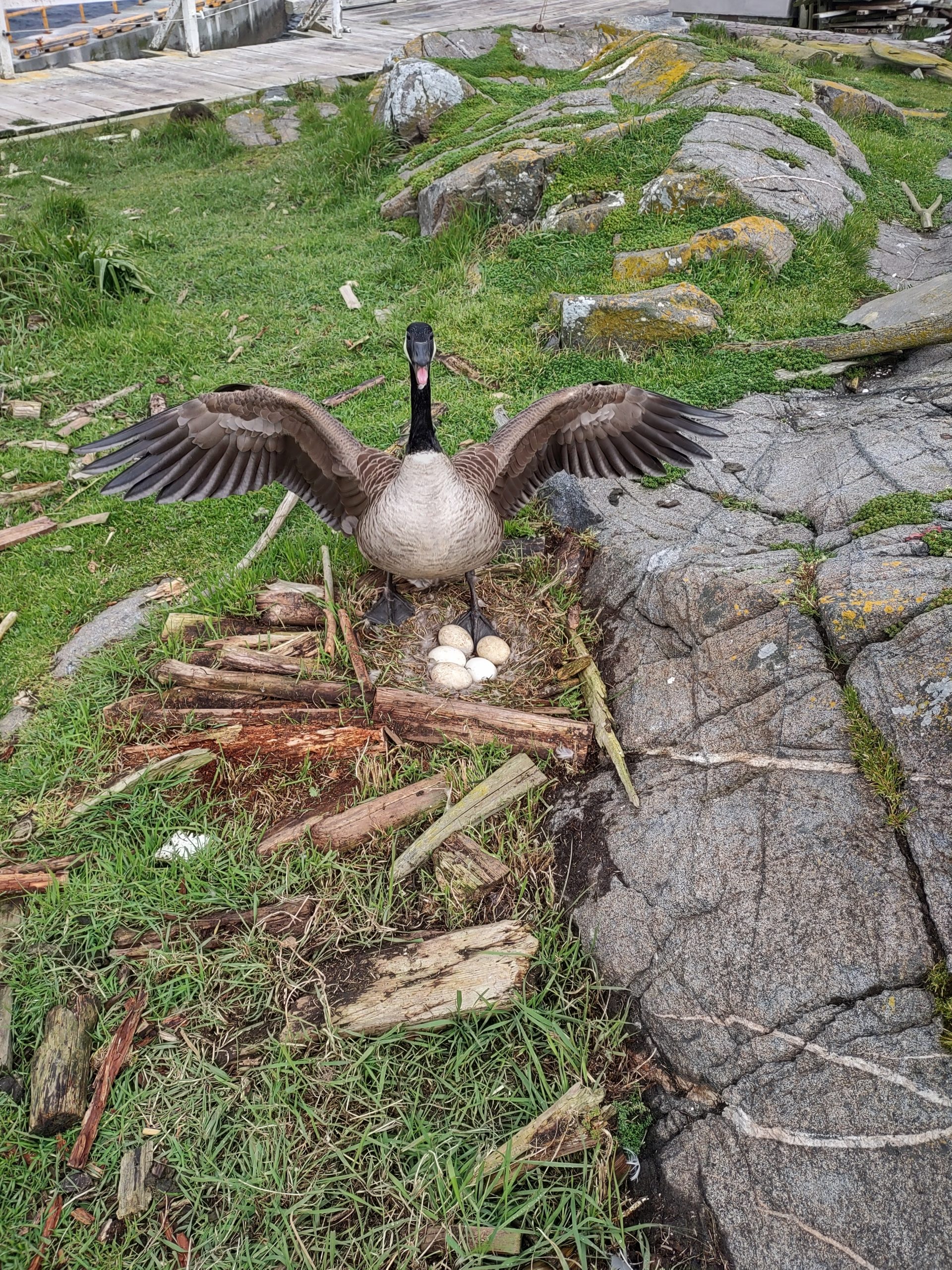
  • 3 known Canada geese nests now, one was right by the door to the house. The gulls robbed all the eggs though, so I dismantled that nest so that they would build somewhere else.
  • Gulls and Black Oyster Catchers are pretty much all paired up now, although I have not seen any nests yet as it’s still a bit early in the season

Visitors:

  • 4 contractors stayed for 2 days to work on the solar power system
  • 3 guests of the Ecoguardian  over 2 different time slots
  • College instructors and their guests came for a brief visit and overview of the reserve

Facility Work:

  • Replacement of damaged solar panels
    • added a new array or 4 panels
    • redid most of the wiring involved

There was an immediate improvement  to the system, resulting in a reduction of generator fuel use by about 1/3. This will only improve as the days get longer and brighter.

  • Visiting guests aided the ecoguardian in some tasks better accomplished by have some else there for safety and/or lifting. (including log and firewood prep and other  wastewood and equipment moving and stacking.) they also helped with pressure washing.

Safer to cut down on the rocky shore with someone here with me

DND events:

  • 3 or 4 days of the regular blasting, with safety vessels and Marine Mammal Observers present.

Noted Vessel Traffic:

  • Ecotourism vessels are gearing up for the season and visit on a regular basis, often reporting the location of the sea otter and injured or entangled animals to the ecoguardian.
  • 2 jet skis in today … a little loud running against the current, but they kept proper speeds

 Noted Infractions:

  • Only one private fishing vessel in the reserve noted.

 Feature Event:

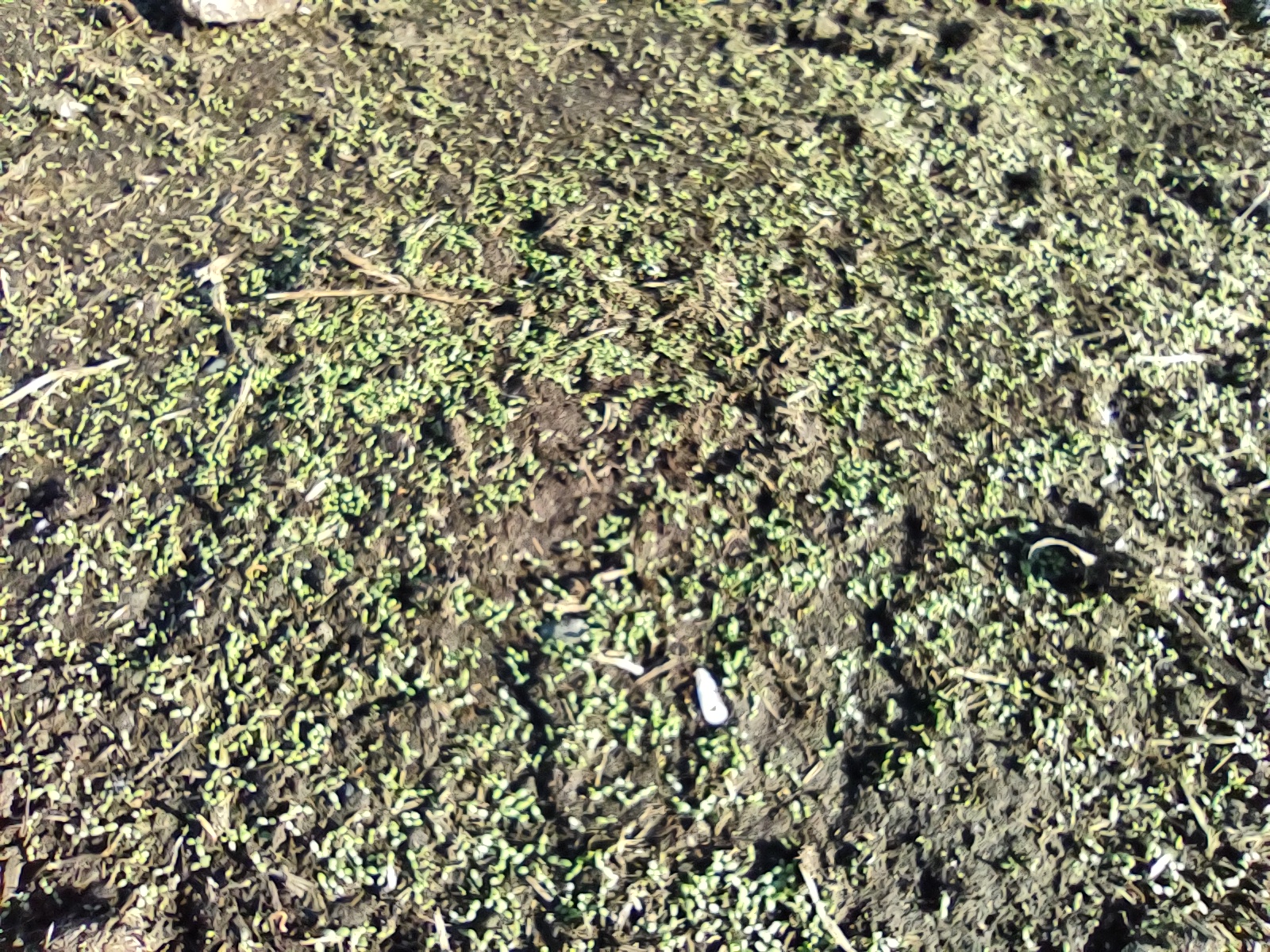
  • Spring is in full swing. Flowers are blooming, the pineapple weed is growing and of course the birds are all in courting behavior.

Weather Events:

  • very typical mix of spring weather …..wind from all directions on any given day, mix of sun, clouds and rain squalls.


** All wildlife photos taken at the furthest distance possible, and may be cropped to improve detail! **


Weather – Current:

http://www.victoriaweather.ca/current.php?id=72


Weather – Past:

http://www.victoriaweather.ca/station.php?

Census

march 21/2022

Mammals

  • Steller sea lion                         19
  • Harbour seal                            48
  • California sea lion                   38
  • Northern Elephant Seal            6
    • 1 Large male
    • 2 non-nursing female
    • 1 weened pup
    • 2 new have arrived that I don”t recognized … 1 very large pup, 1 small yearling (unsure,, may be able to confirm if it does a full molt)
  • Sea Otter                                 1


Birds

  • Bald eagle adult                        4
  • Bald eagle juvenile                      8
  • Turnstones                                  30
  • Gulls, Glaucous and Western     78
  • Cormorants                                 37
  • Canadian goose                           14
    • (4 nests with eggs)
  • Harlequin Ducks                          8
  • Oyster catcher                             10
  • Pigeon Guillemots                        24

50th Anniversary of Ecological Reserves in British Columbia

Often when we visit special ecological areas our observations are restricted to a limited view. In this video, we visited six diverse Ecological Reserves  with the goal of revealing some of their special features from  a distant viewpoint as well as a close up one. Under a special permit from BC Parks, Jamie Frith used his drone and a macrophotographic camera to enable us to present a unique perspective on the reserves.

This video was made for the Friends of Ecological Reserves with the support of BC Parks. We started the project in March 2021 and originally were only allowed by  BC Parks to film in  6 Ecological Reserves in the southern part of Vancouver Island due to restrictions of COVID 19. Plans to include ERs from the interior of the province also were not possible   As those restrictions were eased mid summer, we were able to extend our range and travel North to include the Nimpkish River ER,  in order to include a  representative area of mature Douglas Fir forest.

Ecological Reserves which we were able to include were: 

  • Nimpkish RIver  ER#118   start time- 1:20
  • San Juan RIdge  ER #83   start time- 5:58
  • Oak Bay Islands  ER #94    start time-11:02
  • Mount Tzuhalem  ER#112    start time- 16:38
  • San Juan River  ER#141   start time-  25:01
  • Race Rocks  ER#97    start time- 25.03


One of the goals of the Ecological reserves act is to provide protected places for research and education. Some reserves, especially those with seabird colonies  are closed to the public and only accessible  with a permit from BC Parks. Since it is illegal to fly a drone over any provincial (or federal) protected area without a permit, the use of the drone was possible only with permission and precautions for no disruption to animals.  As mentioned in several of the interviews, because of the sensitive ecological nature of the areas, the public is not encouraged to visit Ecological reserves.

THE 50th ANNIVERSARY: 
On April 2, 1971, the Government of British Columbia became the first jurisdiction in Canada to pass legislation to protect Ecological Reserves, places set aside primarily for ecological research and education, not recreation. The Ecological Reserve Act led to an Order in Council that established the first 29 ecological reserves on May 4, 1971. Fifty years later, British Columbia has 148 ecological reserves across the entire province. This video features just a few of the ones on Vancouver Island. In 2021, the BC government proclaimed April 2nd as Ecological Reserves Day in commemoration of the 50th anniversary of the passing of the Ecological Reserve Act.”

Protecting rare species and ecosystems is just one of the reasons to have an ER established. Equally important was protecting representative examples of natural ecosystems. See the wording in the Purpose section of the ER Act:
Garry Fletcher

Census

March 15, 2022

Mammals

  • Steller sea lion                         14
  • Harbour seal                             38
  • California sea lion                   33
  • Northern Elephant Seal            4

    • 1 Large male
    • 2 Adult female
    • 1 weened Pup male
  • Sea Otter                                 1


Birds

  • Bald eagle adult                           4
  • Bald eagle juvenile                      8
  • Turnstones                                  18
  • Gulls, Glaucous and Western    72
  • Cormorants                                 41
  • Canadian goose                          14
  • Harlequin Ducks                         4
  • Oyster catcher                             10
  • Pigeon Guillimots                       8

Spring is in the air

Ecological Notes:

  • 4 Elephant Seal on the main island
  • The Male Beachmaster (Bernard), 2 Adult Females, and 1 weened Male “pup” (very large now!)
  • The last pup had grown to almost double the size he was when I got here, and  I had hoped to report he was doing well, but unfortunately the nature and the Beachmaster had other plans. The (female)pup passed suddenly about a week ago and was returned to the sea today. Samples were taken for analysis, including hopefully testing for DNA to check paternity.
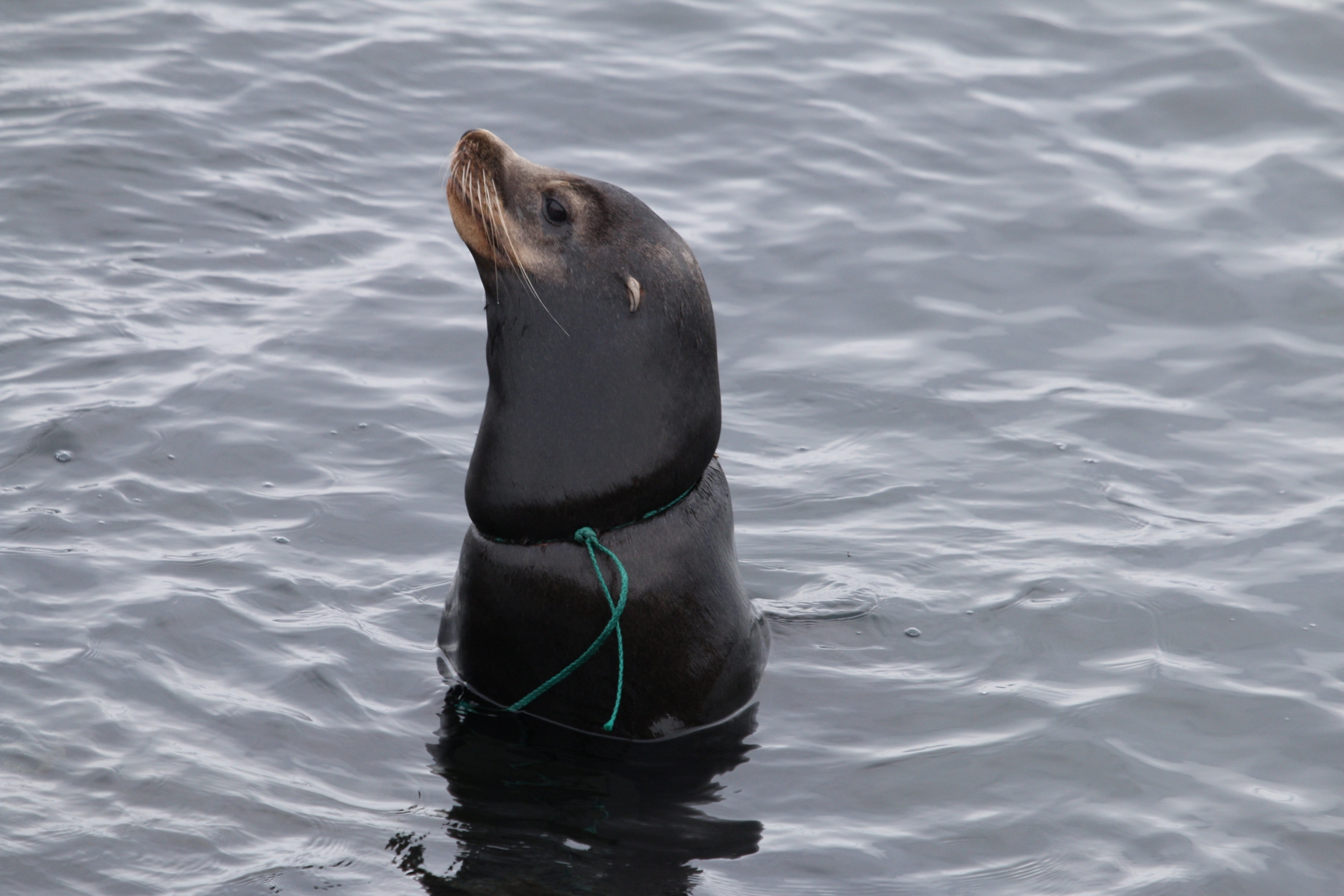
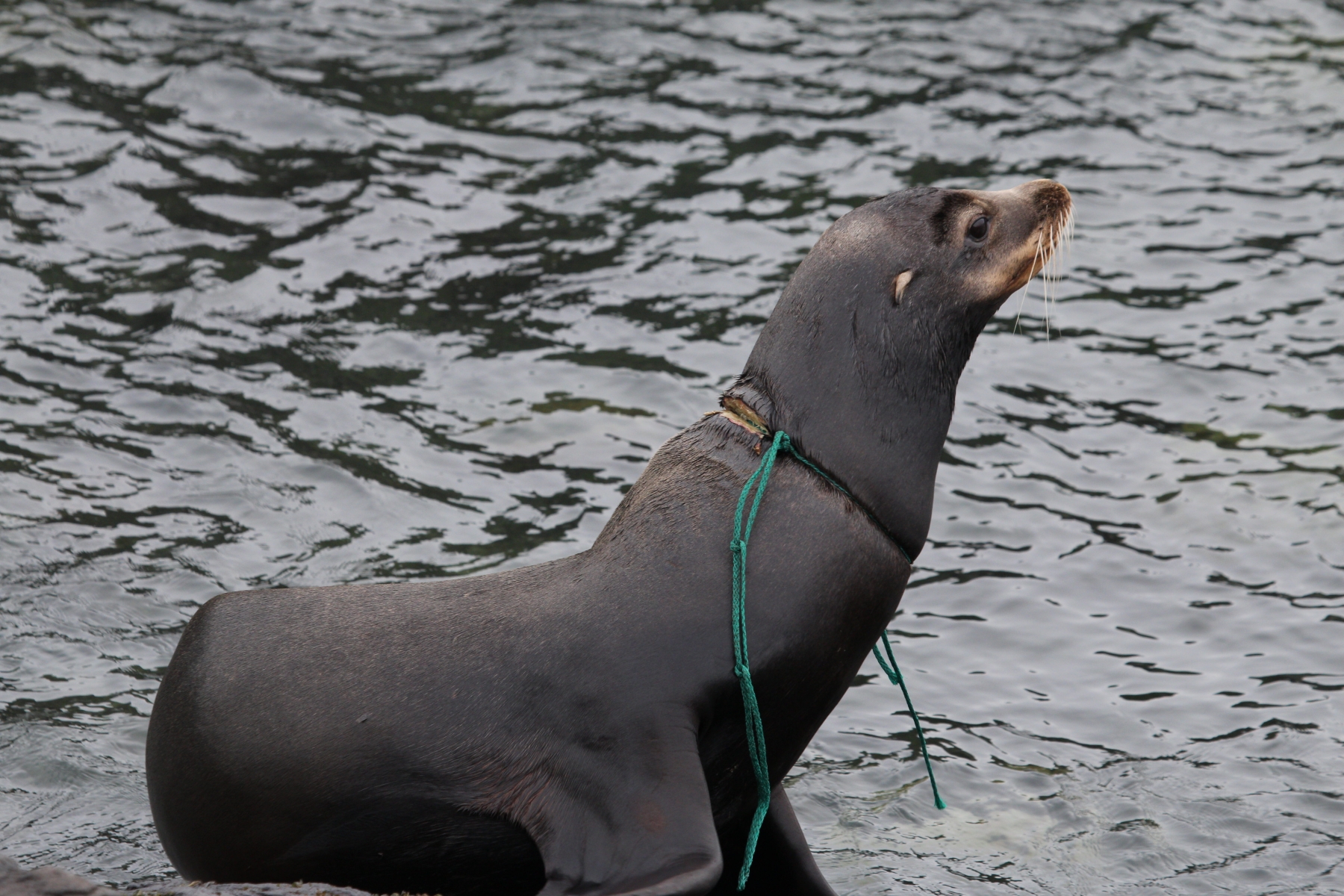
  • 1 California Sea Lion noted with rope entanglement. He is surprisingly active for the depth of the wound. Reported to the Marine Mammal hotline.
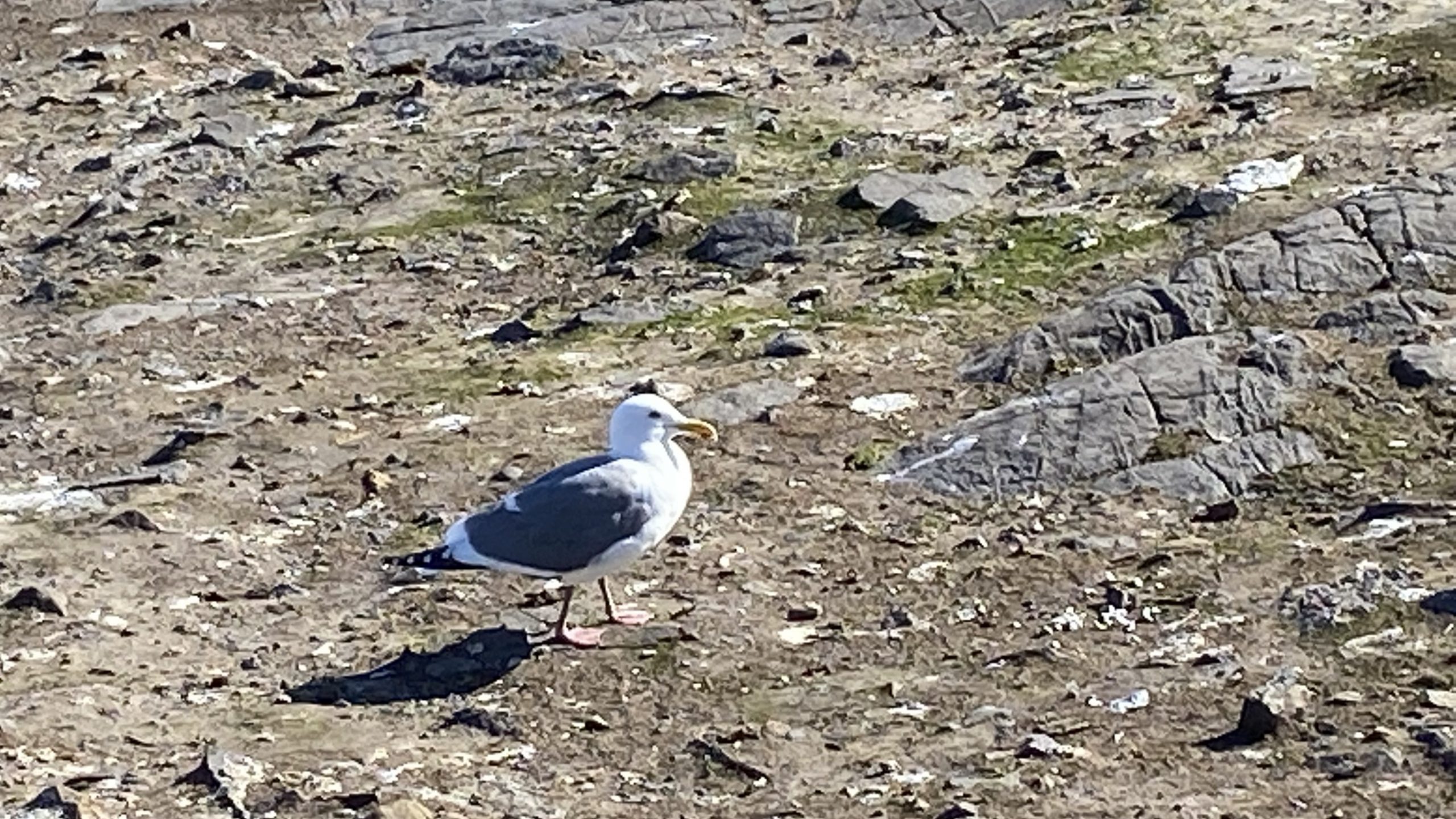
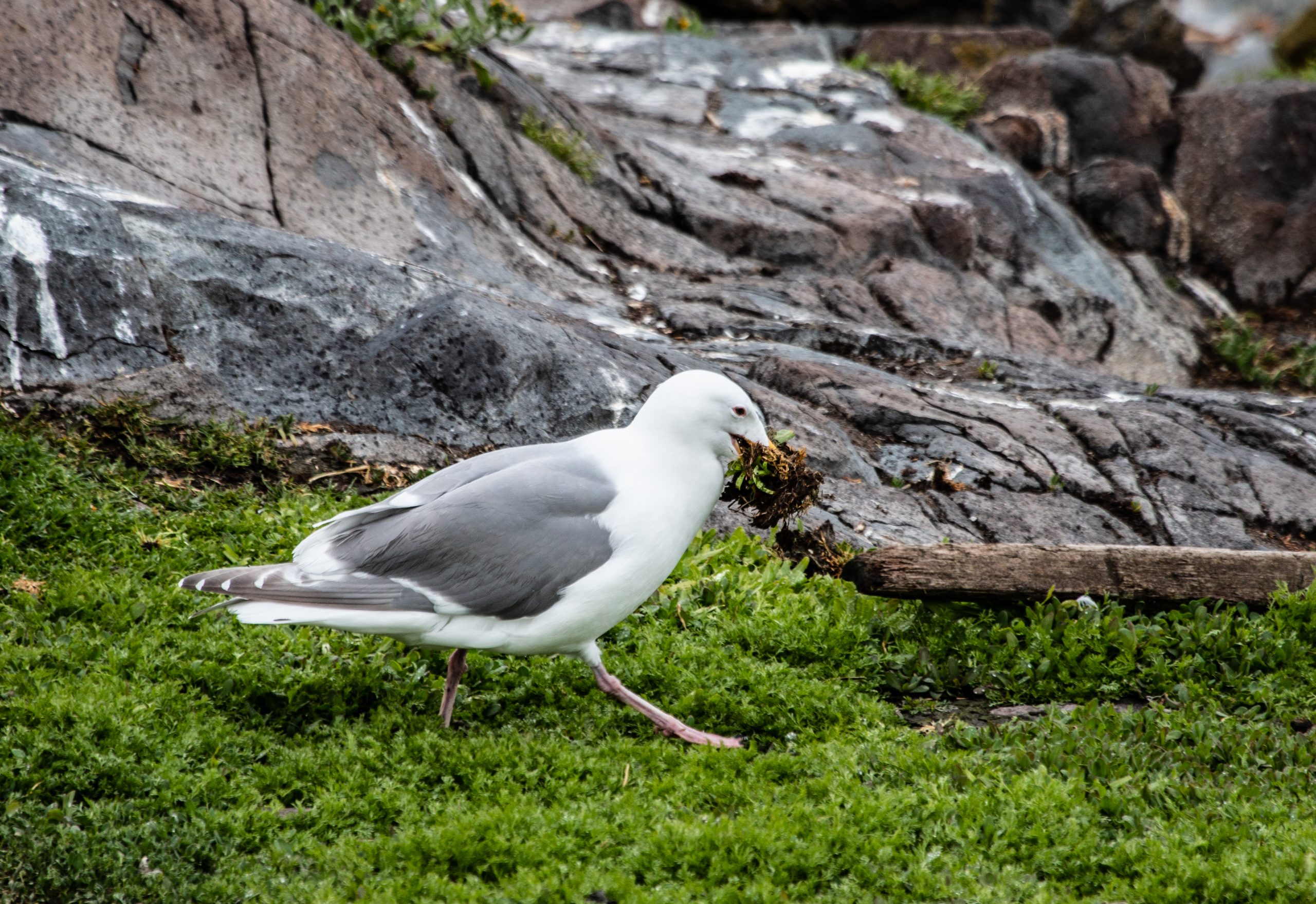
  • On a more positive note, the Black Oystercatchers are paring off, and some Gulls are wondering around showing off nice clumps of grass they have collected to whoever will notice.

“See my stuff????”

Visitors:

  • A couple of visits from the shorefront coordinator, delivering groceries, parcels, diesel fuel, and parts for repairs.

Facility Work:

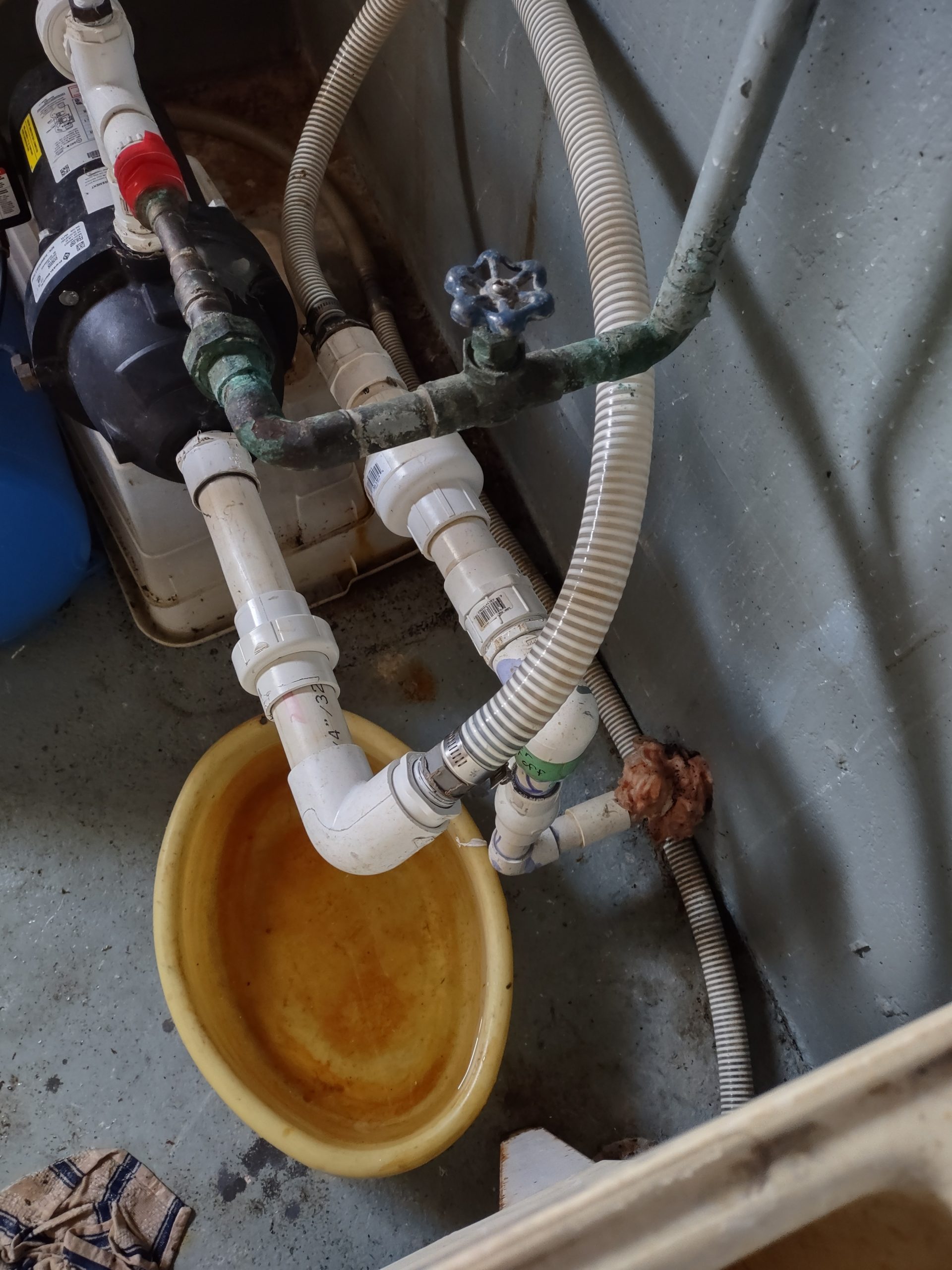
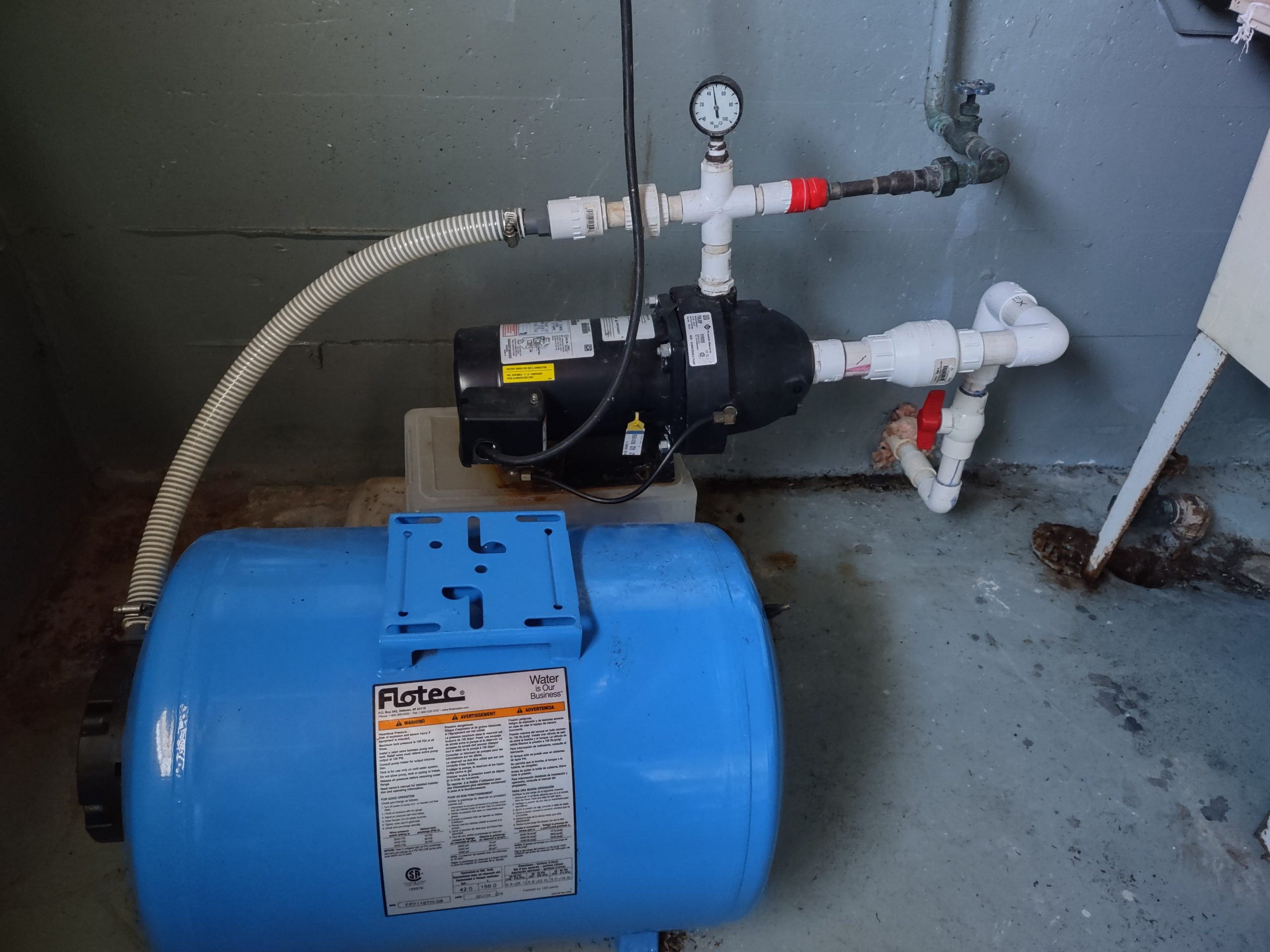
  • After a couple attempts to repair the existing connections from the outside line to the pump, it was decided to just replace and simplify the pipes ….. to a final success.
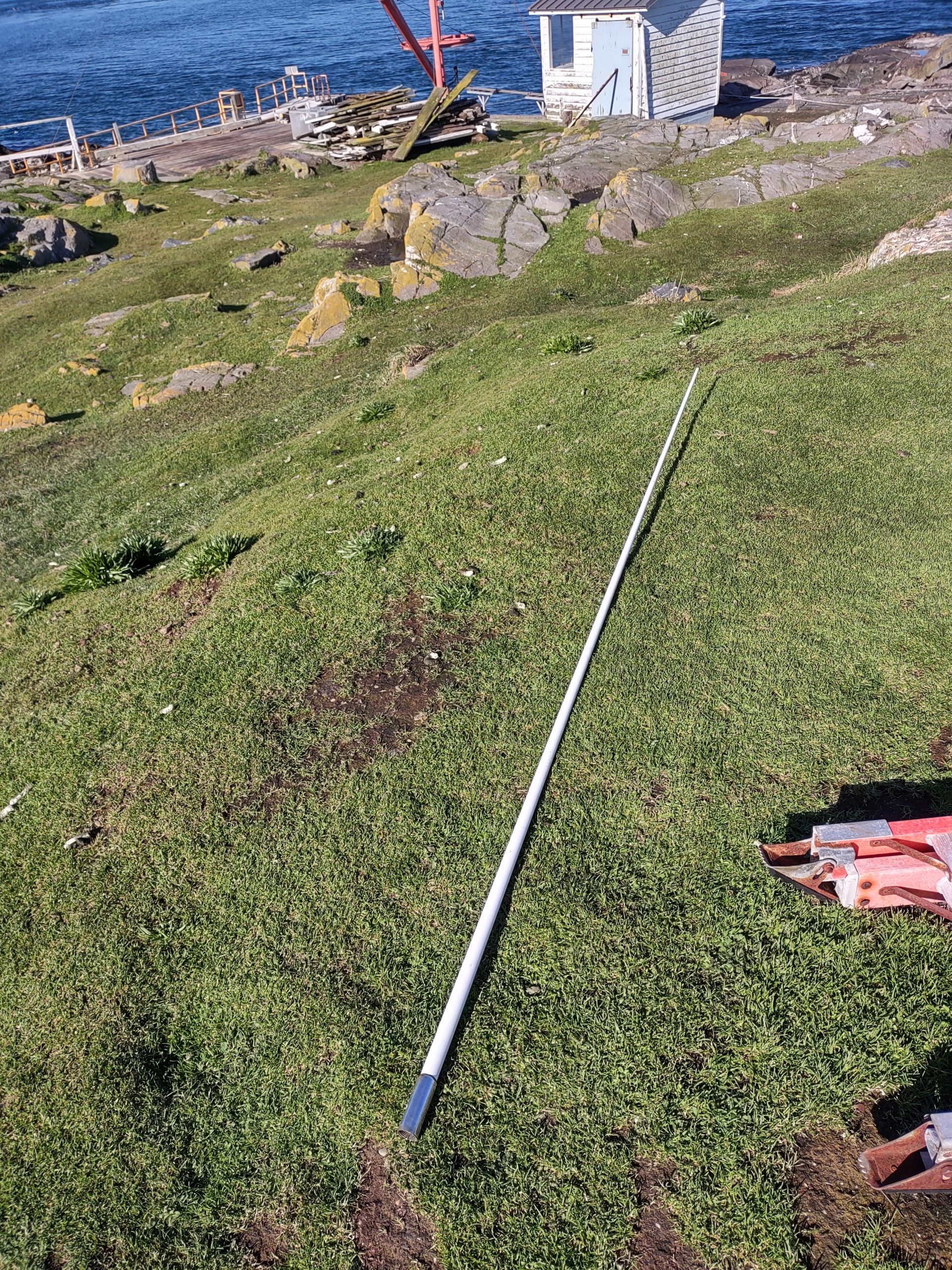
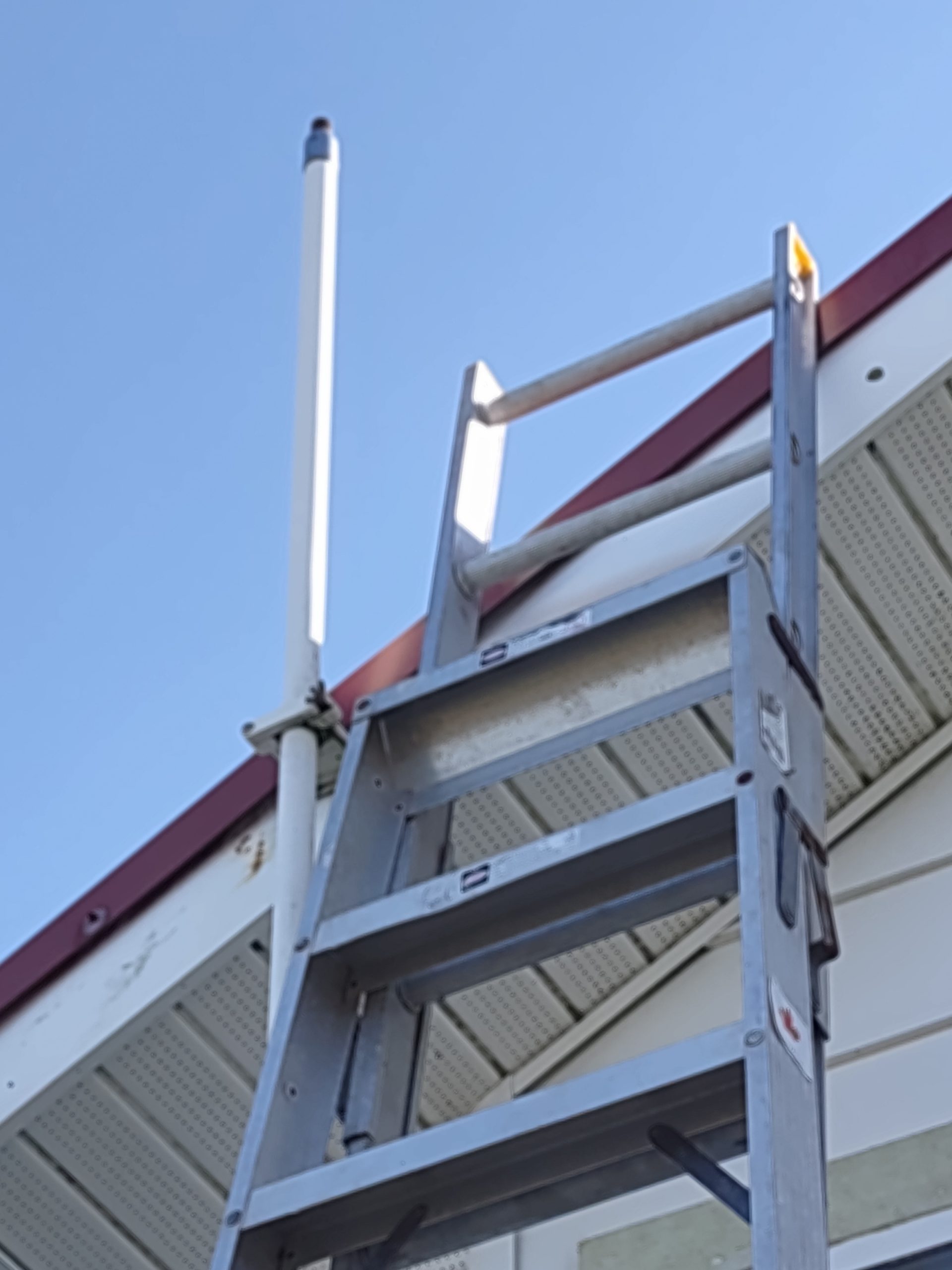
  • Repaired the VHF Antenna on the main house, applied tape to hopefully stop it from vibrating the threads free in the wind.

DND events:

  • On and off all week, except the weekend of course

Noted Vessel Traffic:

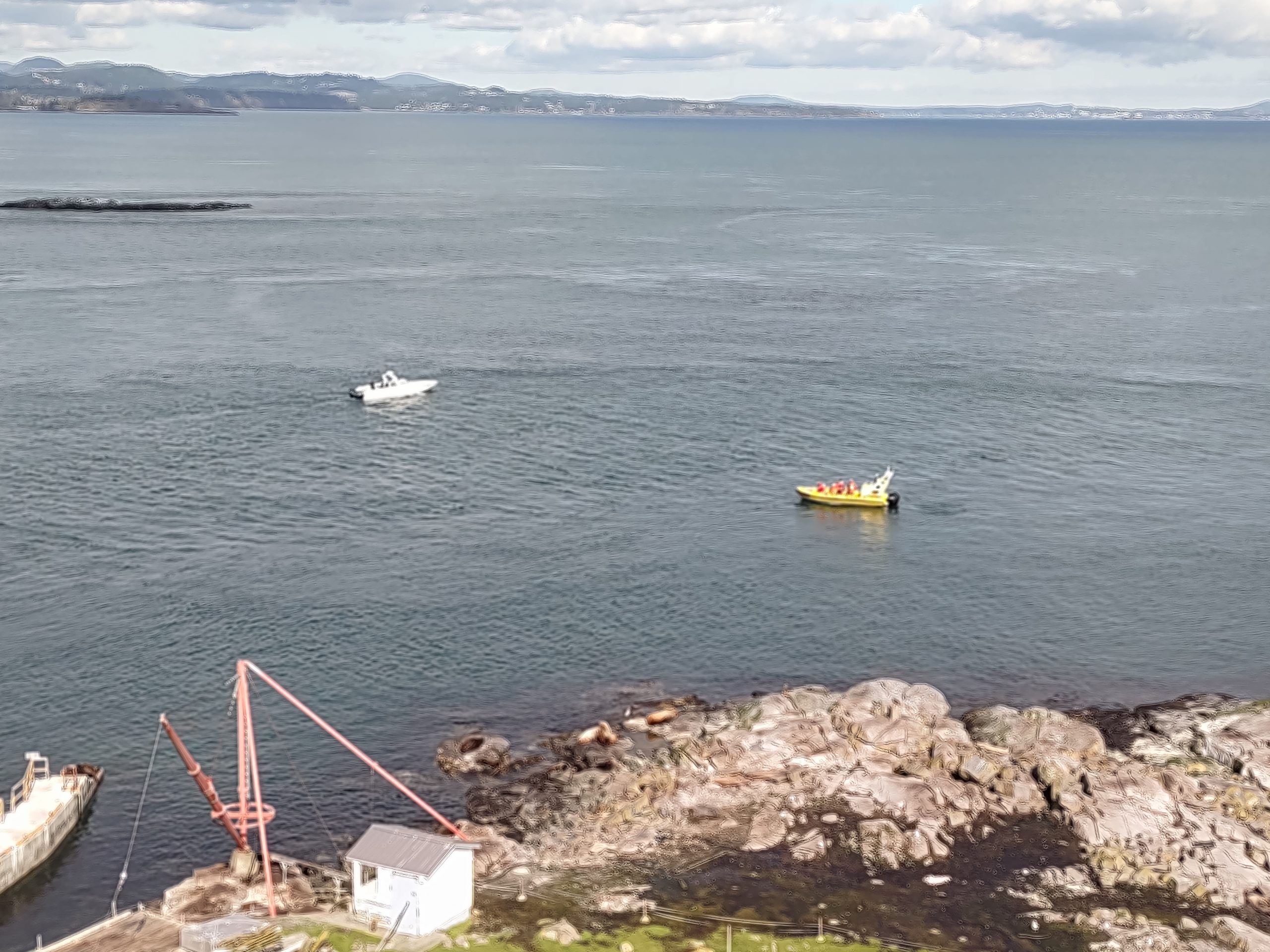
  • Several Ecotourism vessels enjoying the sights and sounds of the reserve.

Responsible viewing and educating

  • With the nicer weather, several kayaks and outrigger canoes have looped out around the reserve, experienced paddlers who all stayed out of the main channel in the reserve where currents can be strong.

 Noted Infractions:

  • Some private fishing very close to the reserve, but measurements with a laser rangefinder suggest they were just outside the 40M depth contour.

Weather Events:

  • A mixture of winds, but mostly light days with mostly sun for the last couple days.


** All wildlife photos taken at the furthest distance possible, and may be cropped to improve detail! **


Weather – Current:

http://www.victoriaweather.ca/current.php?id=72


Weather – Past:

http://www.victoriaweather.ca/station.php?

Census

February 28/2022

Mammals

  • Steller sea lion                         28
  • Harbour seal                            73
  • California sea lion                   43
  • Northern Elephant Seal            3
    • 1 Large male
    • 1 non-nursing female
    • 1 weened pup
  • Sea Otter                                 1


Birds

  • Bald eagle adult                          9
  • Bald eagle juvenile                      15
  • Turnstones                                  28
  • Gulls, Glaucous and Western     47
  • Cormorants                                 52
  • Canadian goose                           14
  • Harlequin Ducks                          6
  • Oyster catcher                             7
  • Pigeon Guillimots                        32