Almost the end of March.

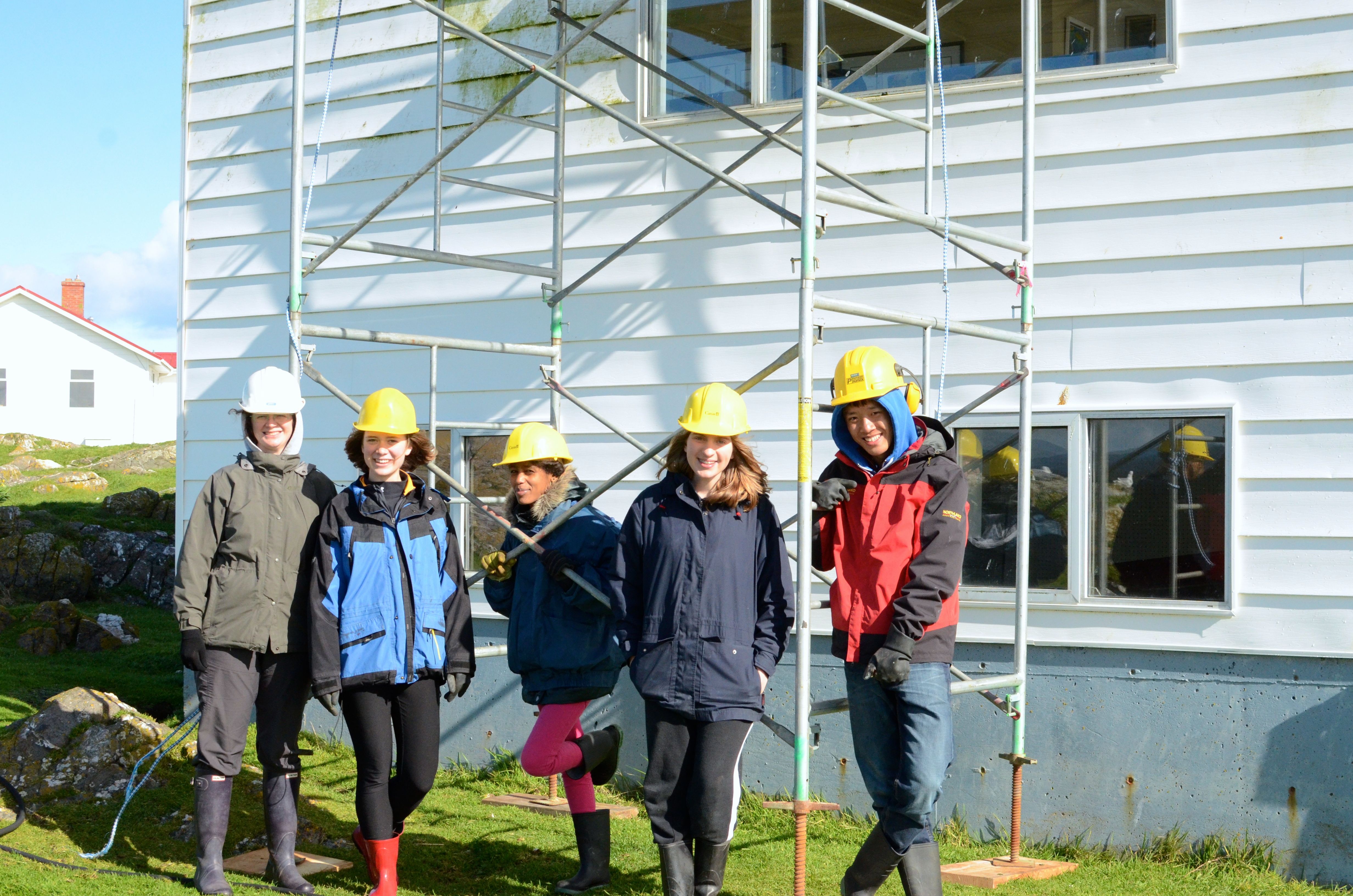
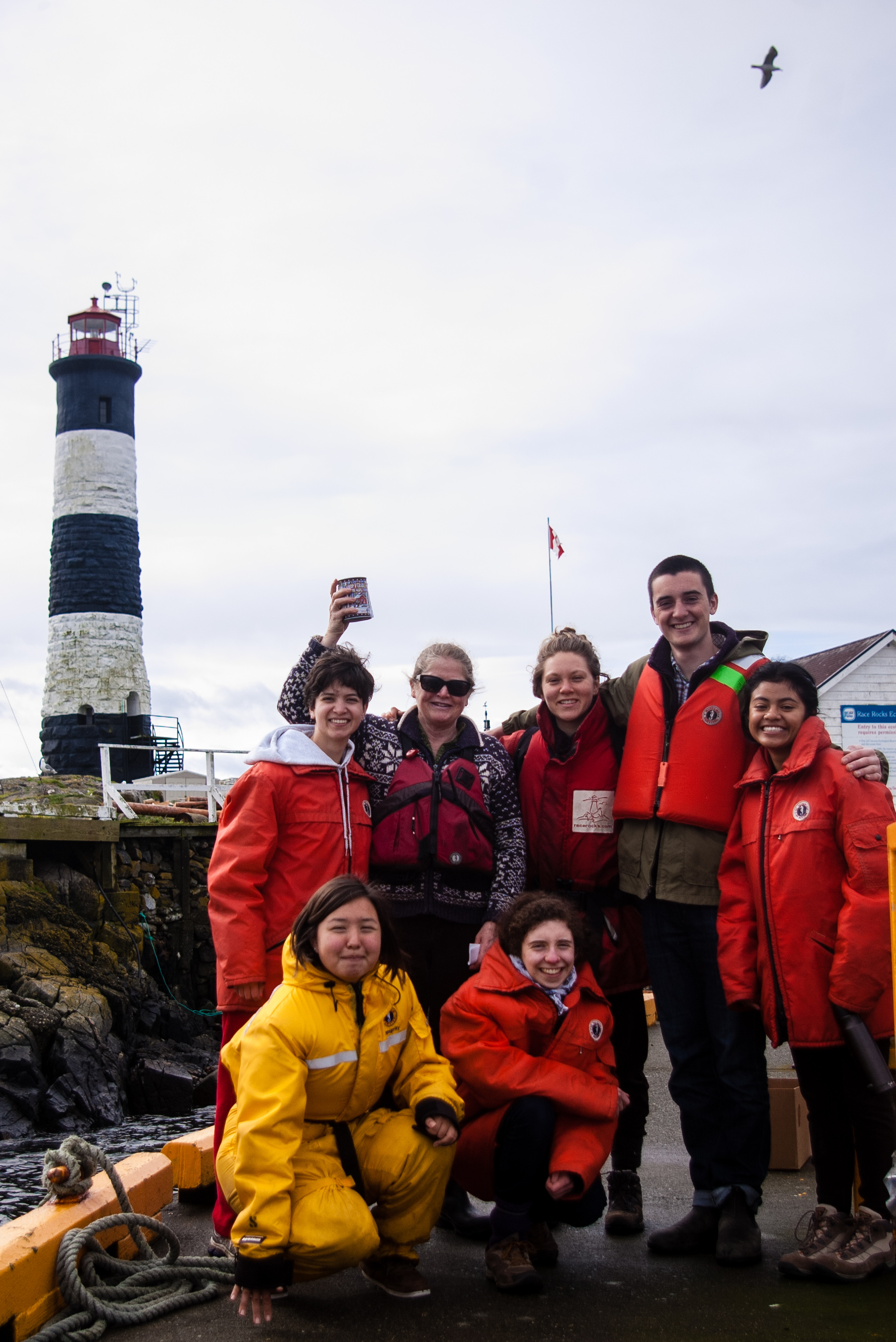
Visiting student group from Pearson College departs leaving tin of Maple Syrup behind. Merci beaucoups. Back L to R Hana, me, Chloe, Michael, Sebia, front Malou (L) and Annabelle (photographer).

Visiting student group from Pearson College departs leaving tin of Maple Syrup behind. Merci beaucoups. Back L to R Hana, me, Chloe, Michael, Sibia, front Malou (L) and Annabelle (Chris Blondeau photographer).


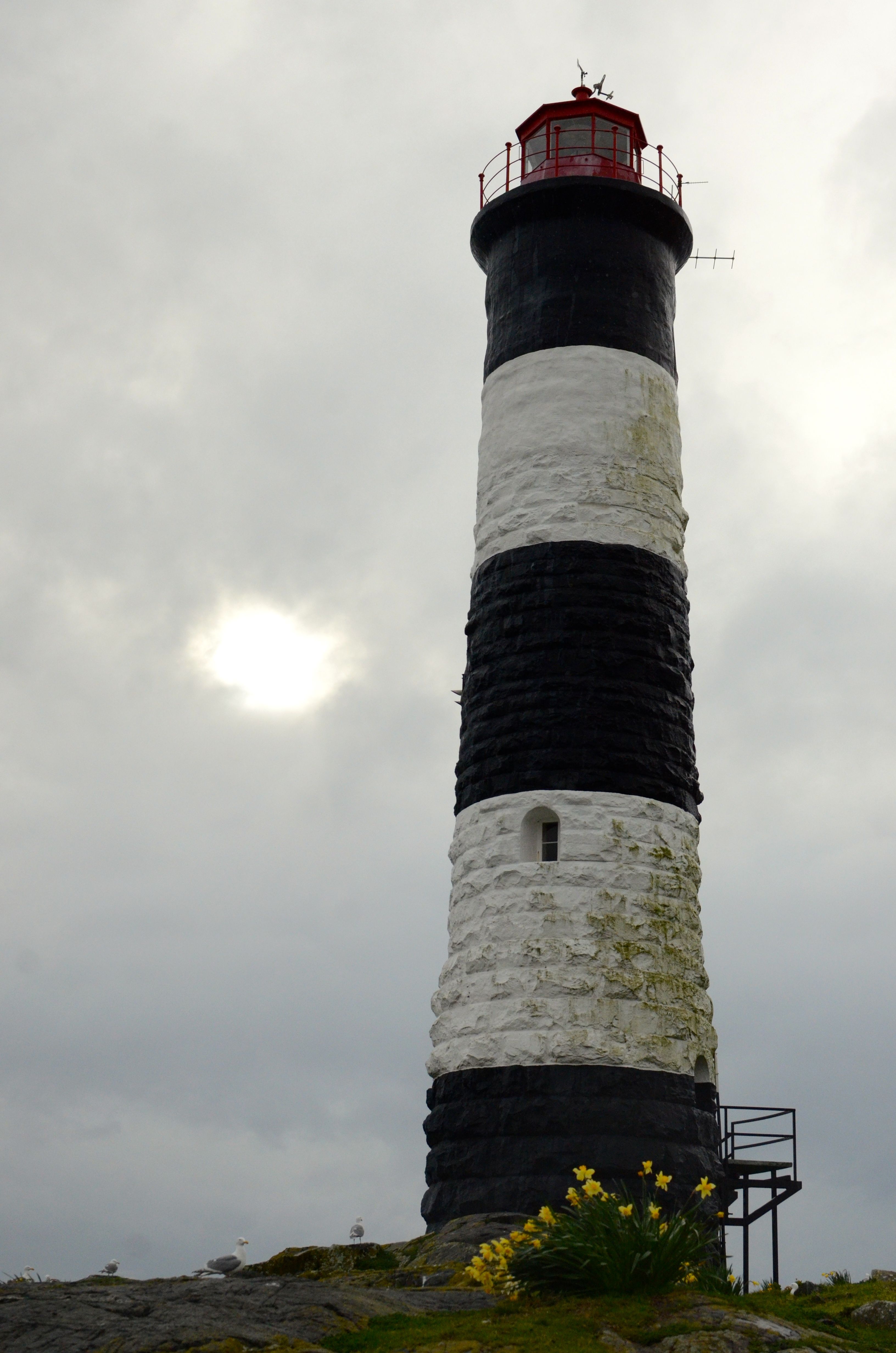
Fog from overnight burned off in the late morning revealing a beautiful day. Although the barometric pressure continued its gradual decline from yesterday, the winds were less than 10km/hour at ground level until early evening when a gentle westerly started. As the sun is setting, clouds gather in the west making god rays and but no sailor’s delight colours. The forecast is calling for showers and possibly even thunder and lightening on Tuesday afternoon and near gale force winds are expected to the west.

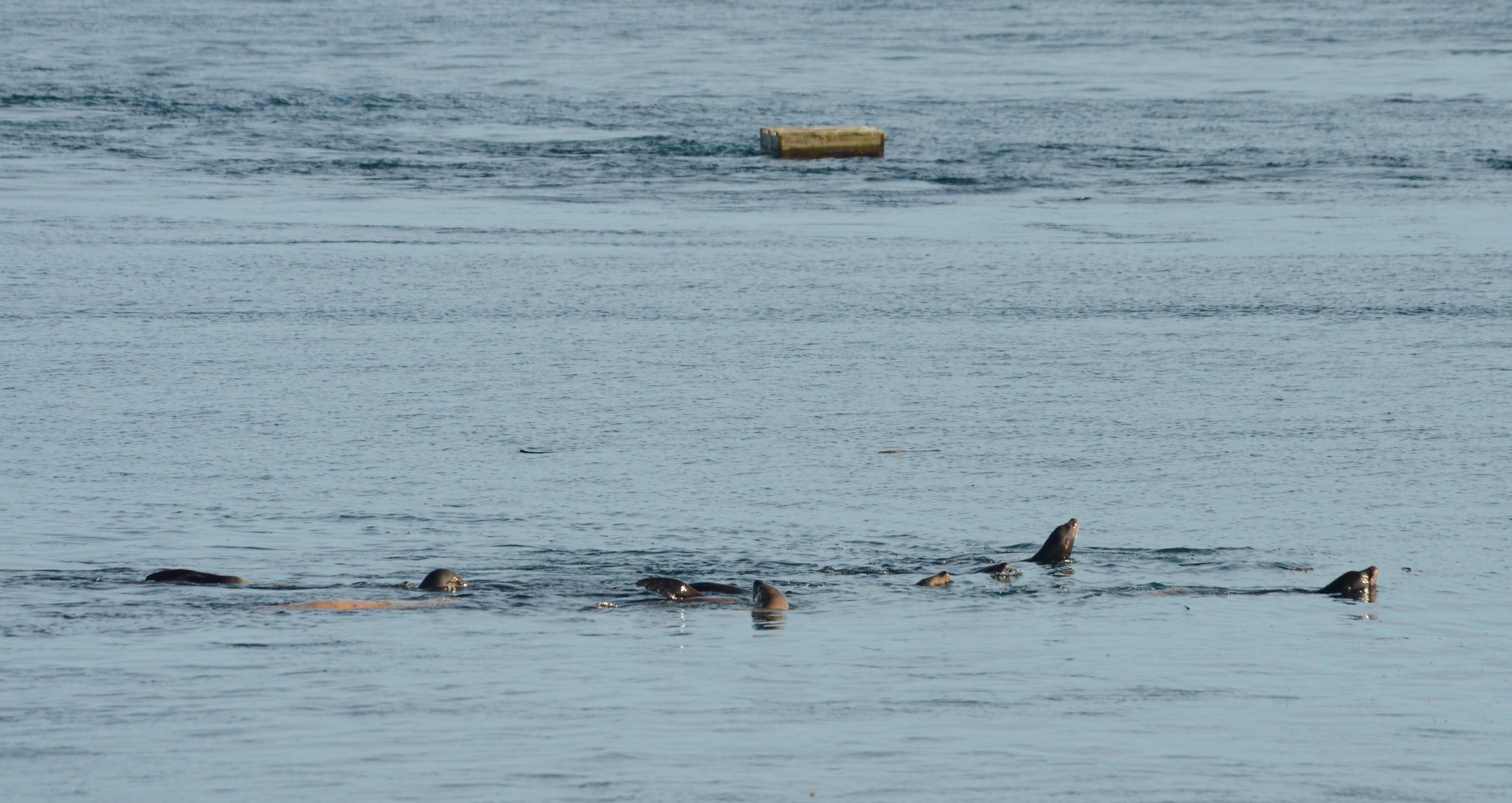
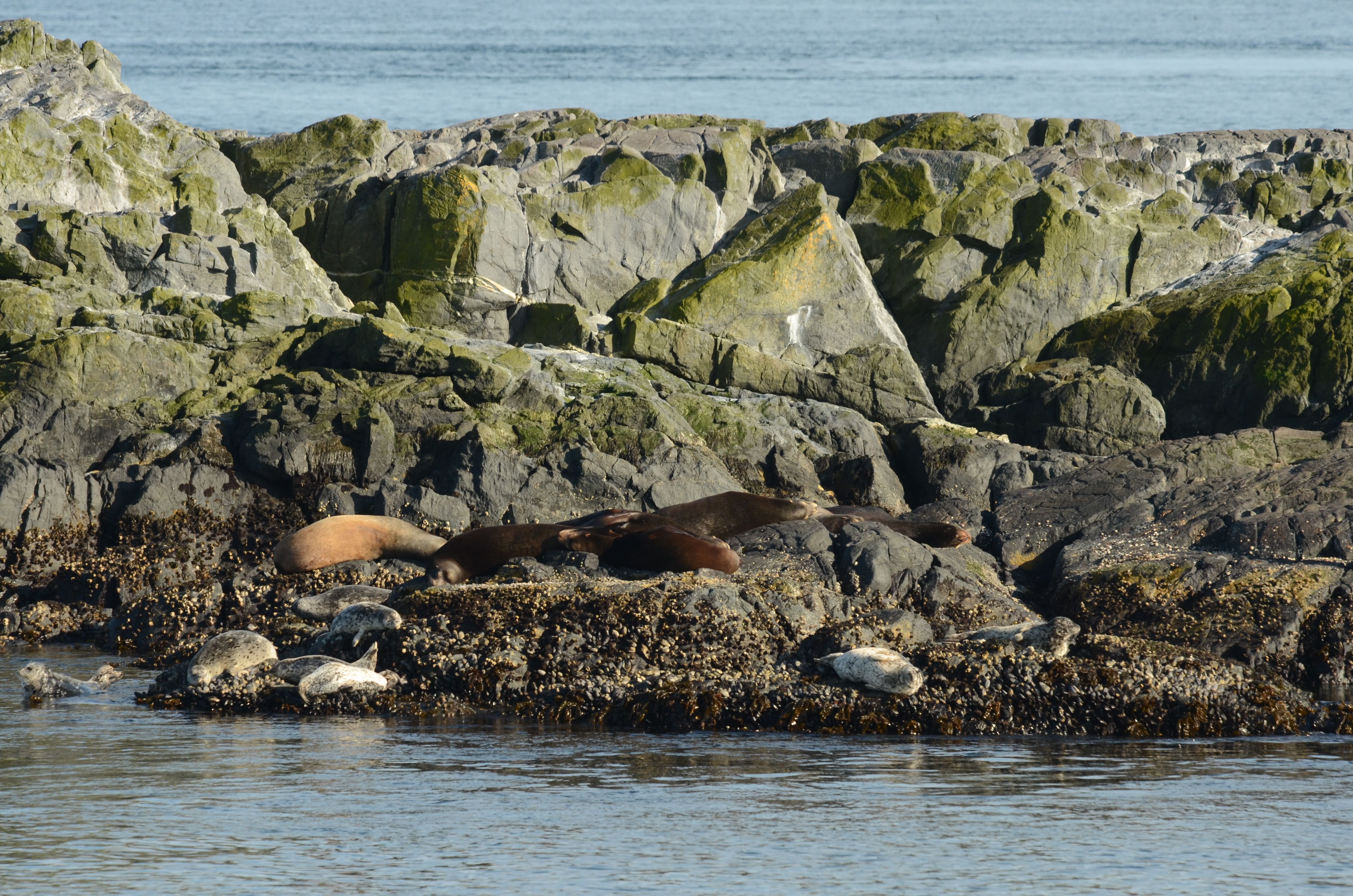
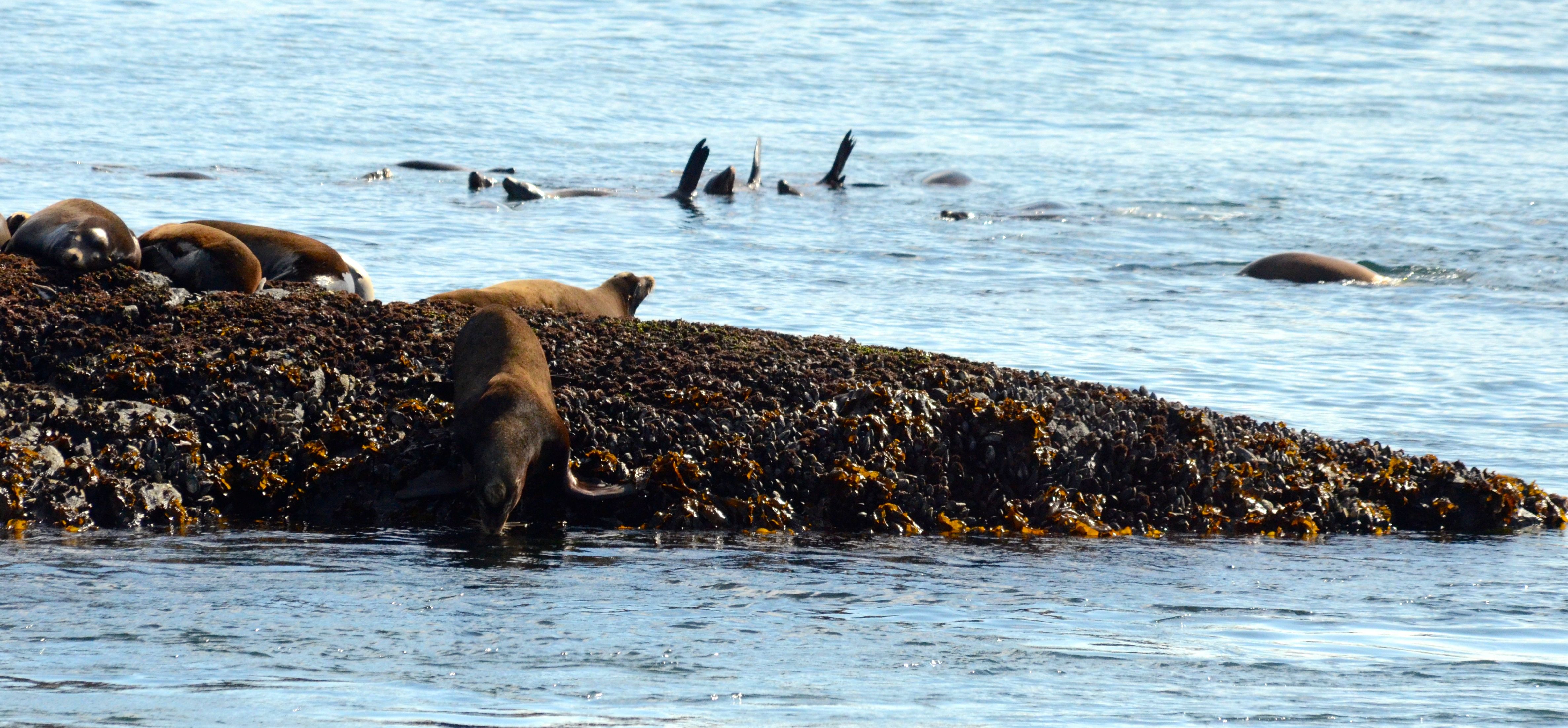
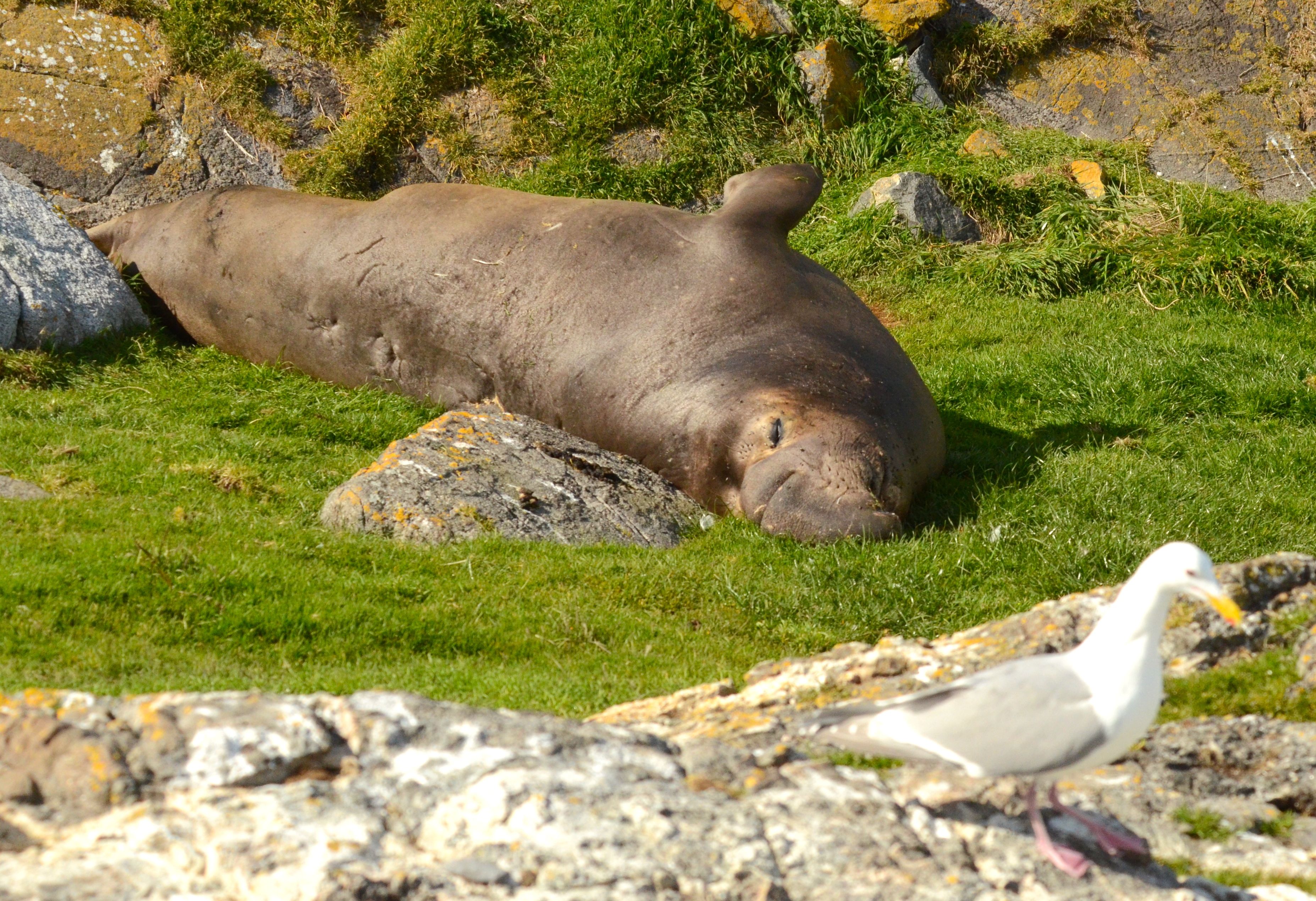
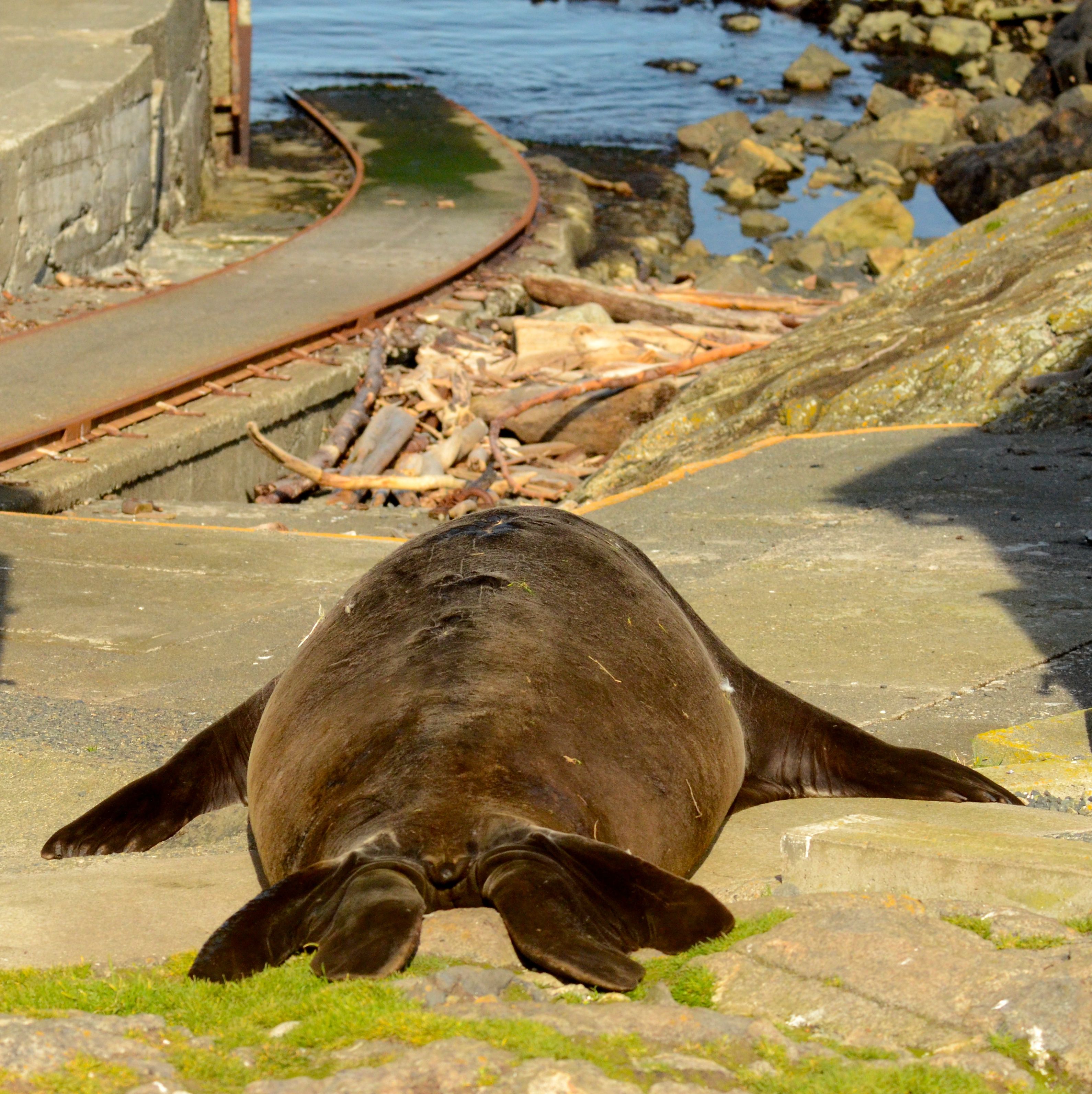
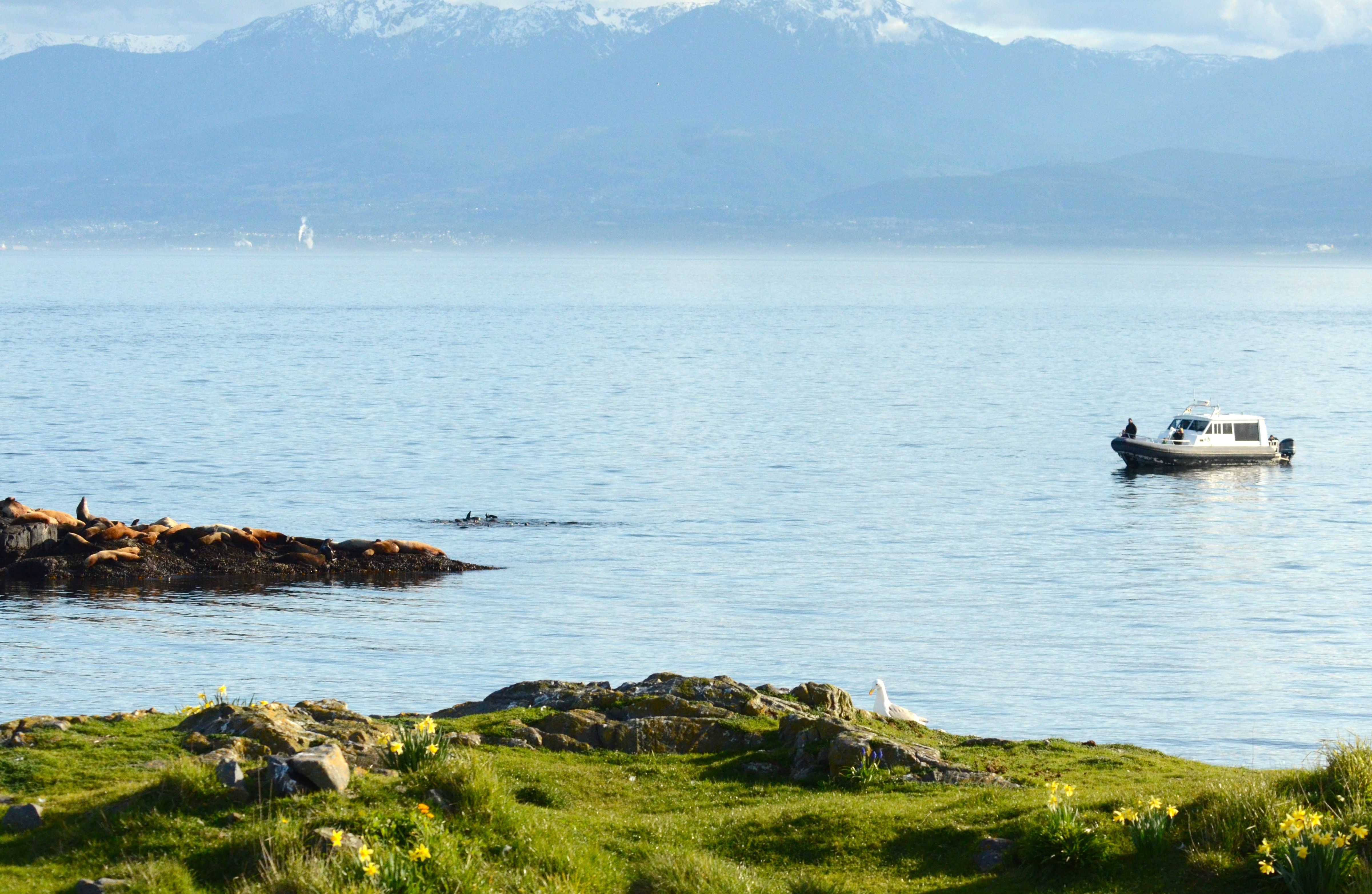
There were eleven Elephant Seals visibly hauled out on Middle Rock today and over 115 Harbour Seals hauled out, scattered on all the islets and rocks. There are many birds on and around the Reserve right now and I look forward to next weeks census. I am trying to persuade the usual gaggle of geese to move on but they are pretty persistent and in some cases quite peevish. While looking for nests, I came across several goose wings so something has been eating them, probably either the otters or the eagles. A total of four tour boats came to the Ecological Reserve to searching for that sort real life adventure, and viewing wildlife in glorious, afternoon sunshine.

That sunshine powered solar panels and batteries so well that the generator run time today was 50% of the daily average over the last two weeks. As day length grows, this will become a continuing trend. The solar panels are a really important piece of the sustainability puzzle on Race Rocks. Over the years Pearson College has done really well in reducing its dependency on fossil fuels on the island and the solar panels are big part of that reduction. Going from eight large oil tanks to one is a big step and of course also helps mitigate spill risk.

The reduction in emissions is not only helpful in reducing greenhouse gas and improving air quality, it is also helpful to the ocean. Ocean acidification, a lowering of pH due to atmospheric carbon dioxide uptake is a serious issue that some people call “the other C02 problem”. Our very close neighbours to the south, in Washington State are taking the threat of ocean acidification very seriously and are mobilizing to address this threat. Their efforts were precipitated by the near collapse of their oyster industry due to ocean acidification. It would be great to add a good pH meter to the kit here in order to monitor that aspect of water quality as ocean water sweeps past Race Rocks and into the inland Salish Sea.

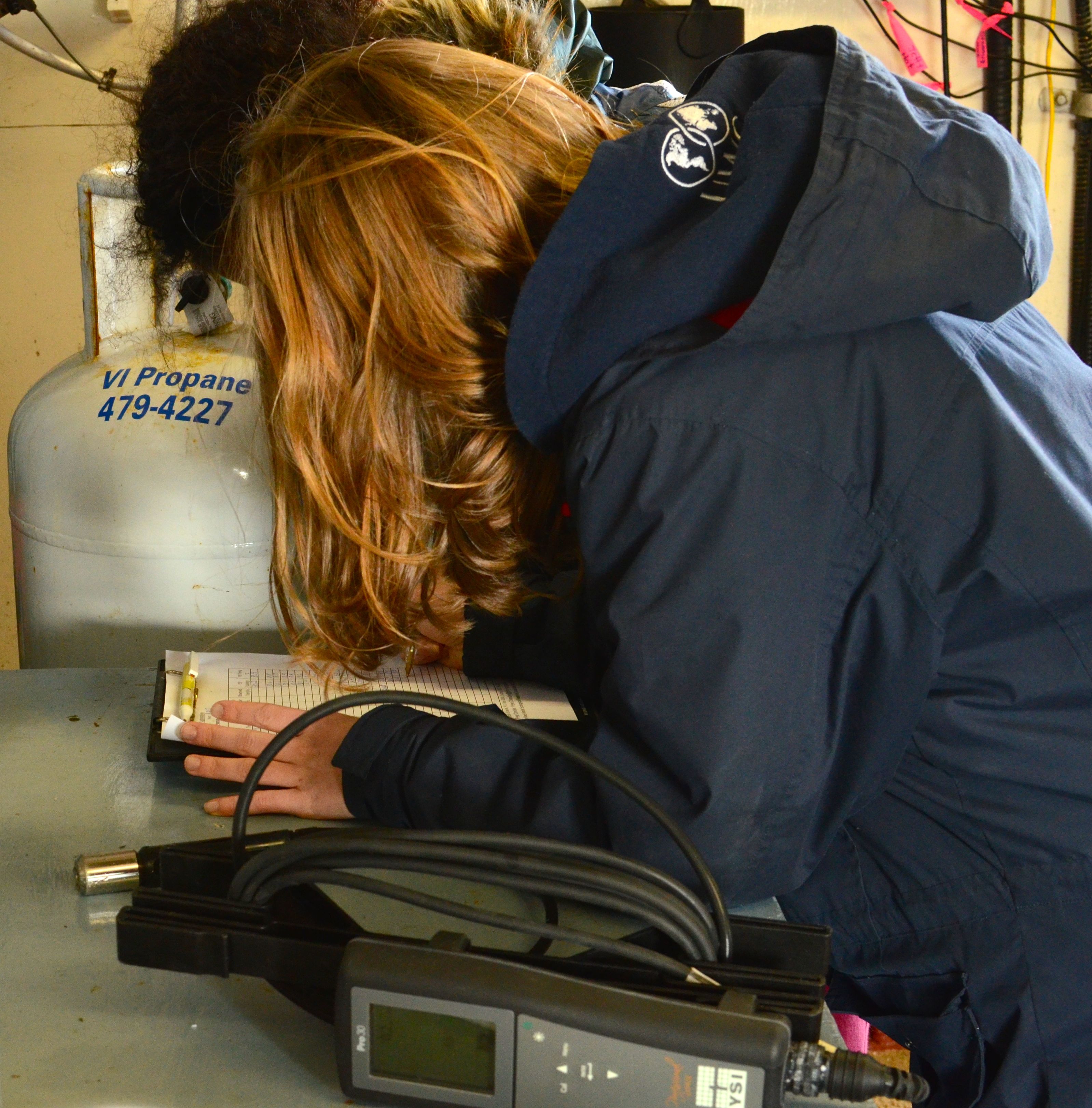
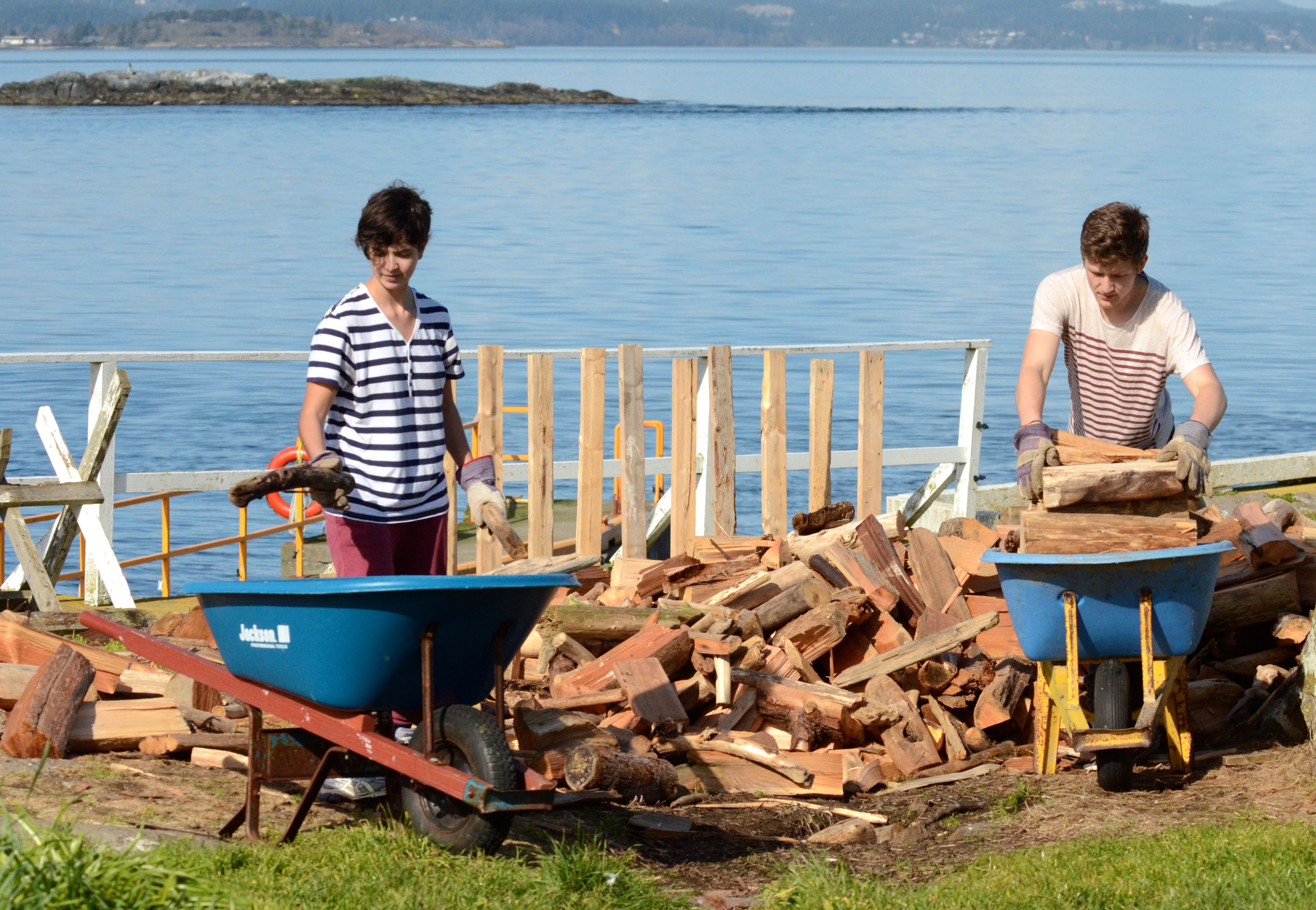
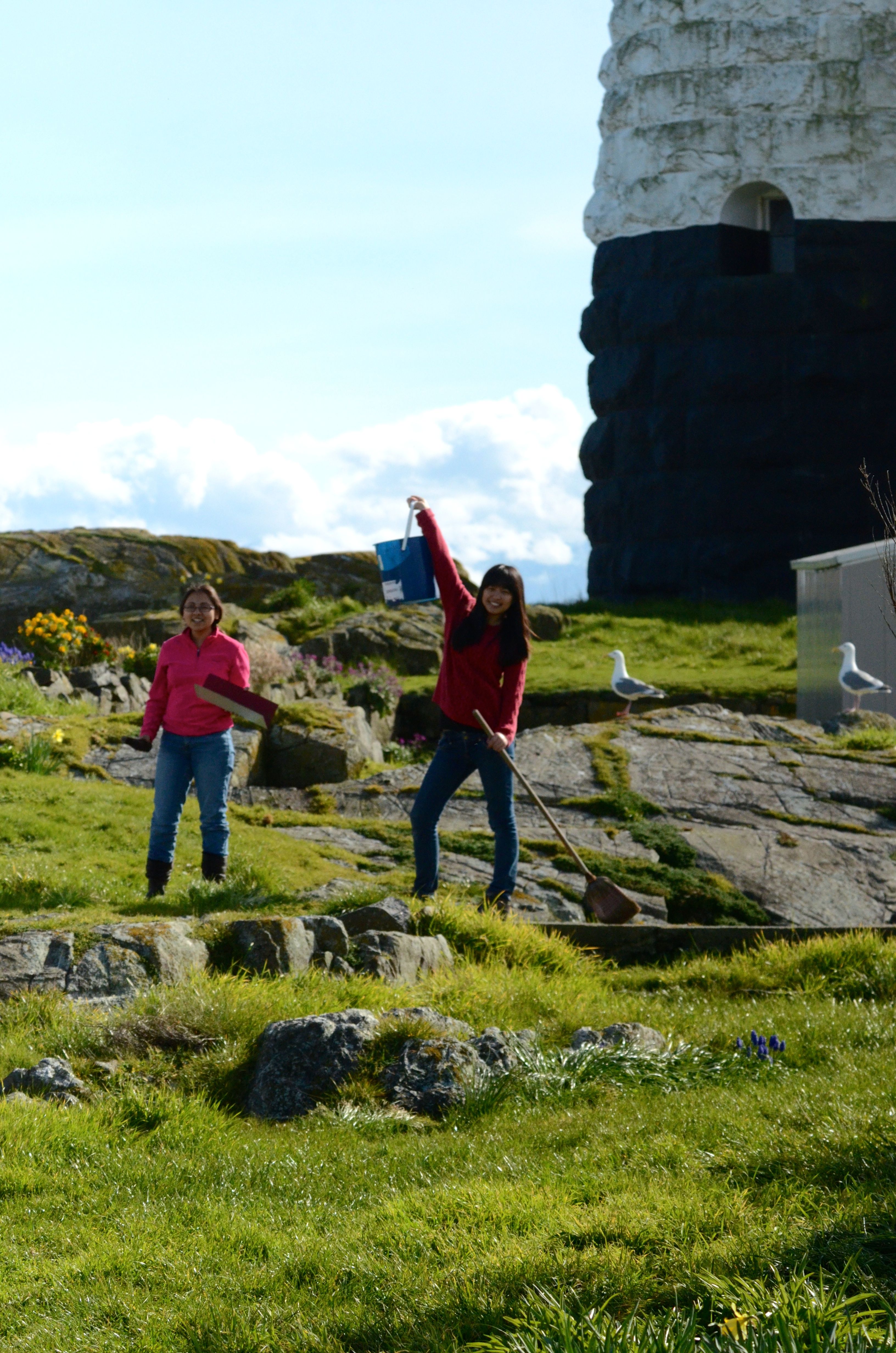
Chores today included seawater sampling, sorting, moving and stacking wood, sweeping walkways, rotating composters, and keeping an eye on activities. The underwater camera is back up and running due to a quick fix and I have started to get to know the computer and its myriad of files again. There were no visitors today and I missed the students who were here on the weekend.
 

Uneventful Weather: Perhaps a Small Blessing.

The weather at Race Rocks was spectacularly uneventful today. The barometer creeped down, little by little all day, to end not much lower than it started, at 2018 hPa. The sky was overcast with a bit of drizzle from time to time. Winds were light and at ground level the wind never got over 10 km/hr. The whole thing fizzled out into a patchy fog as darkness fell.

I didn’t see any tour boats in the Ecological Reserve today other than the Dive Boat from Ogden Point. There were plenty of sport-fishers, but all outside the reserve, trying to catch halibut. The currents are so strong here that they have to anchor to fish a specific spot and it looks like it can be challenging.

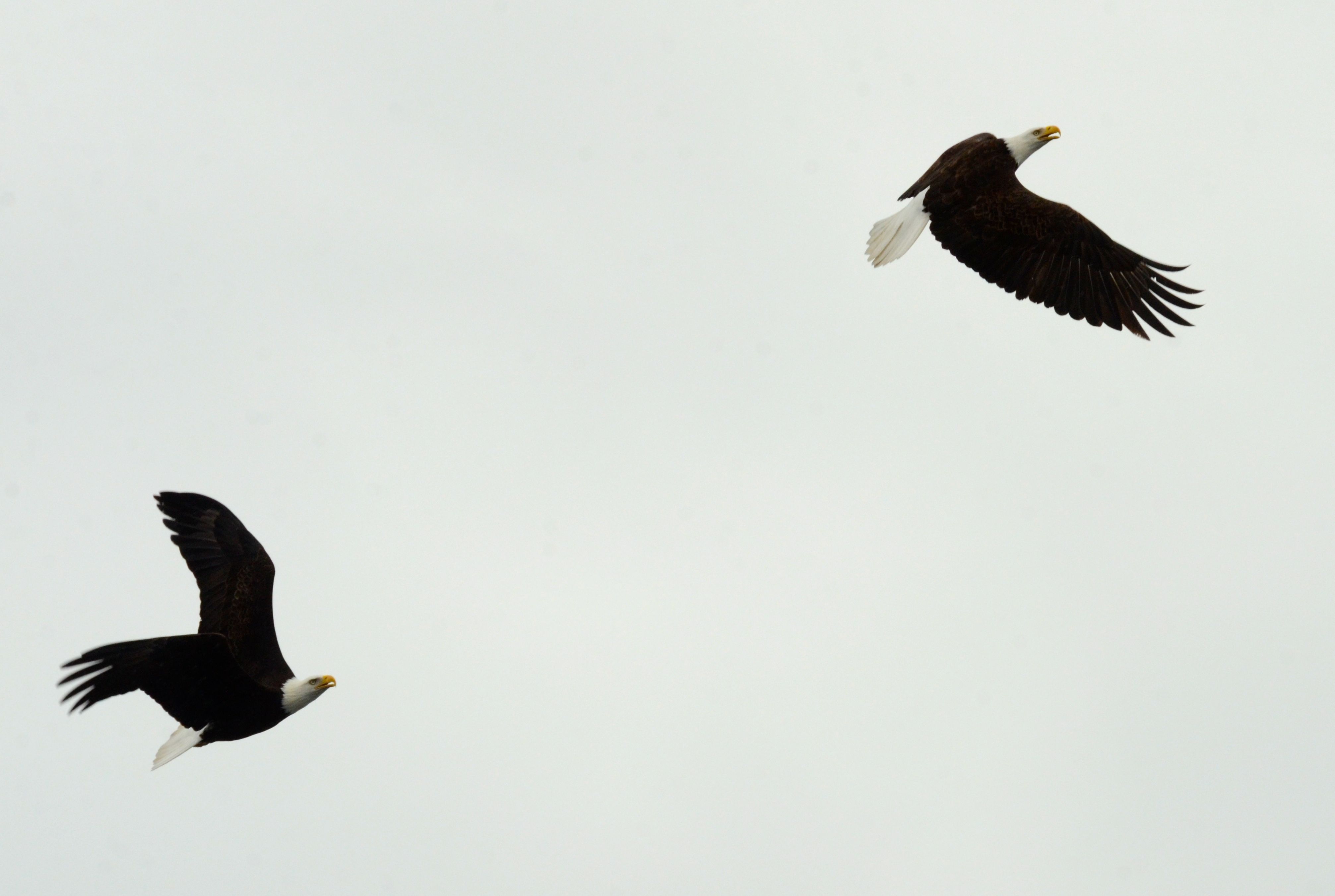
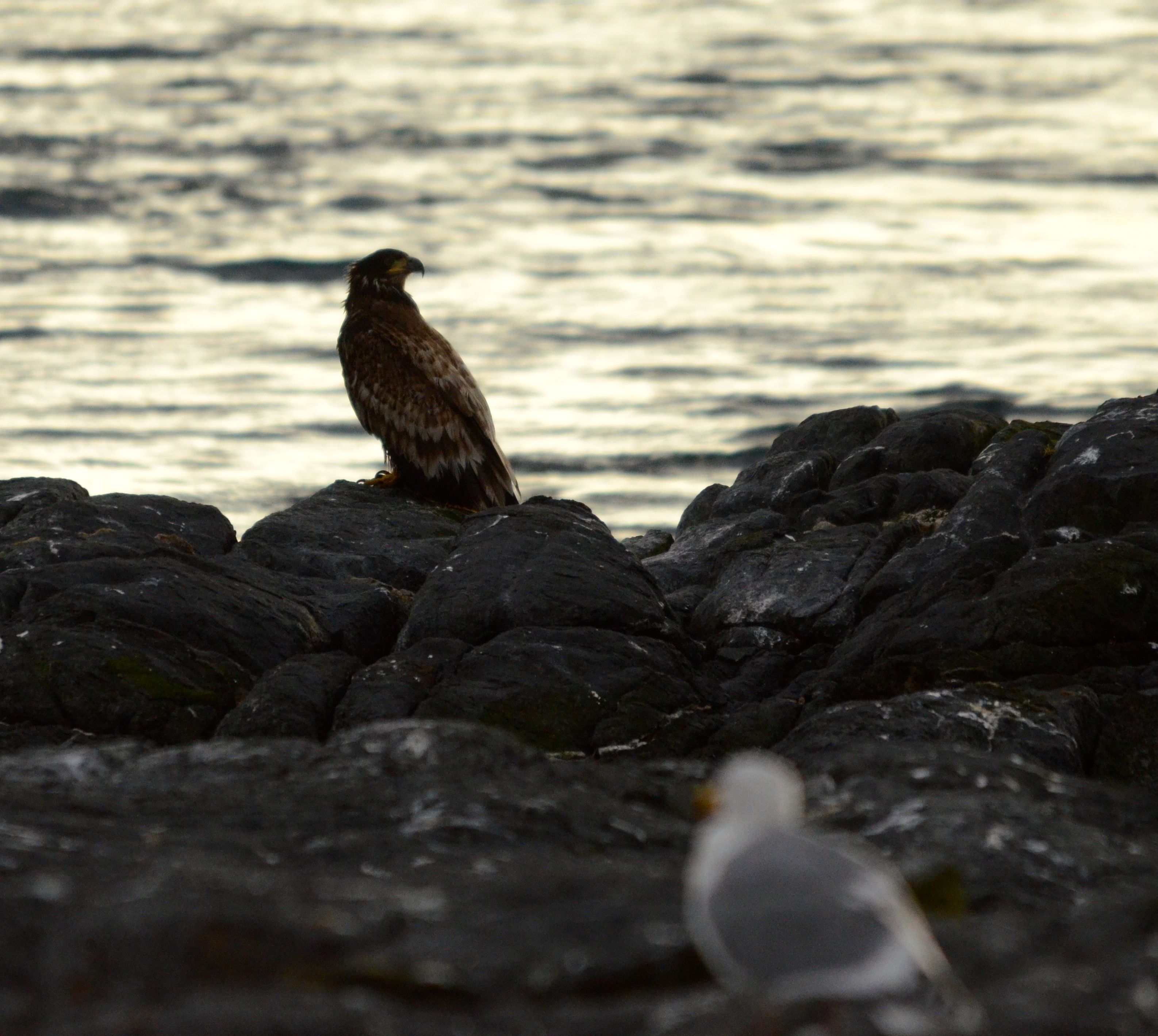
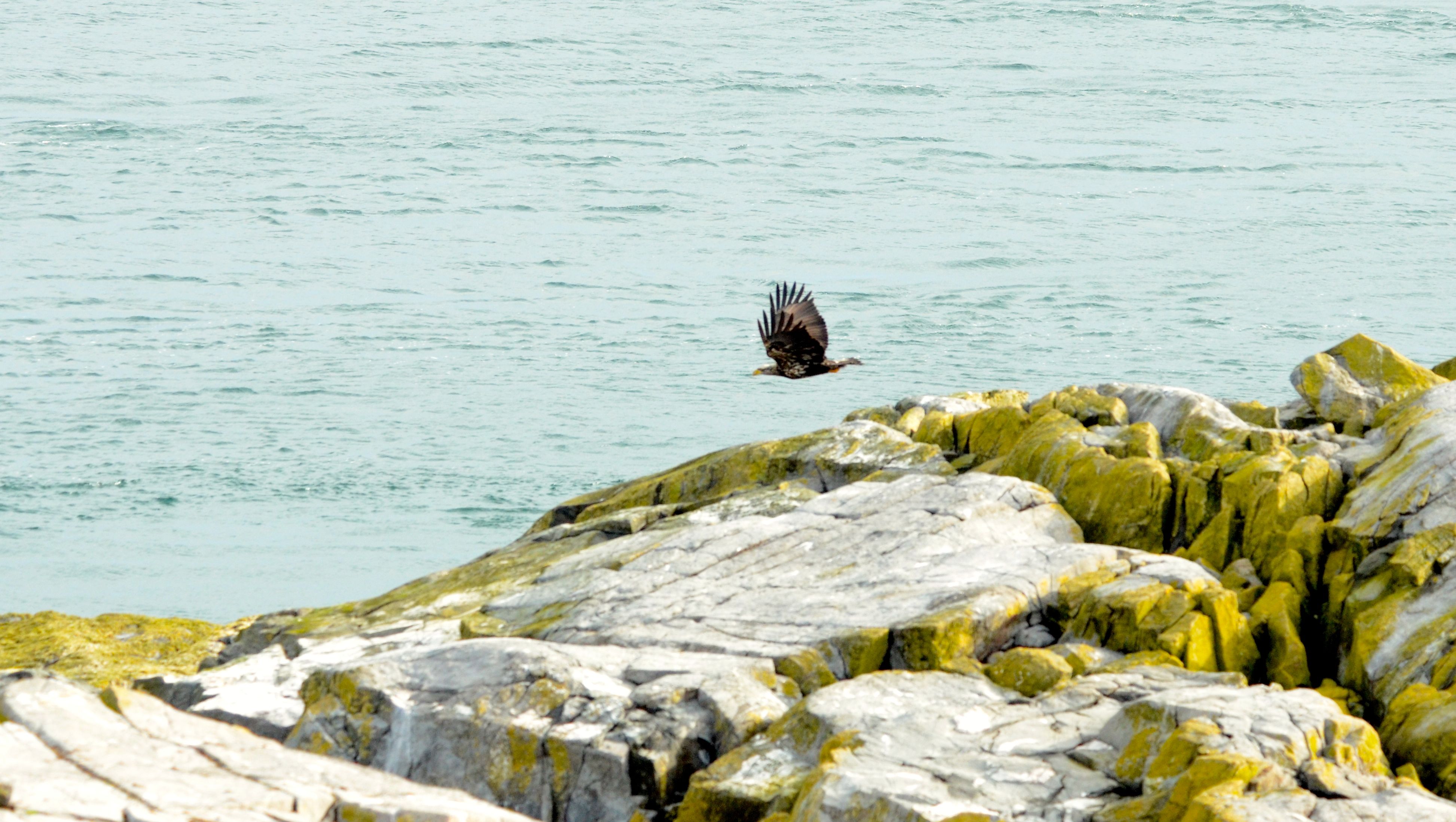
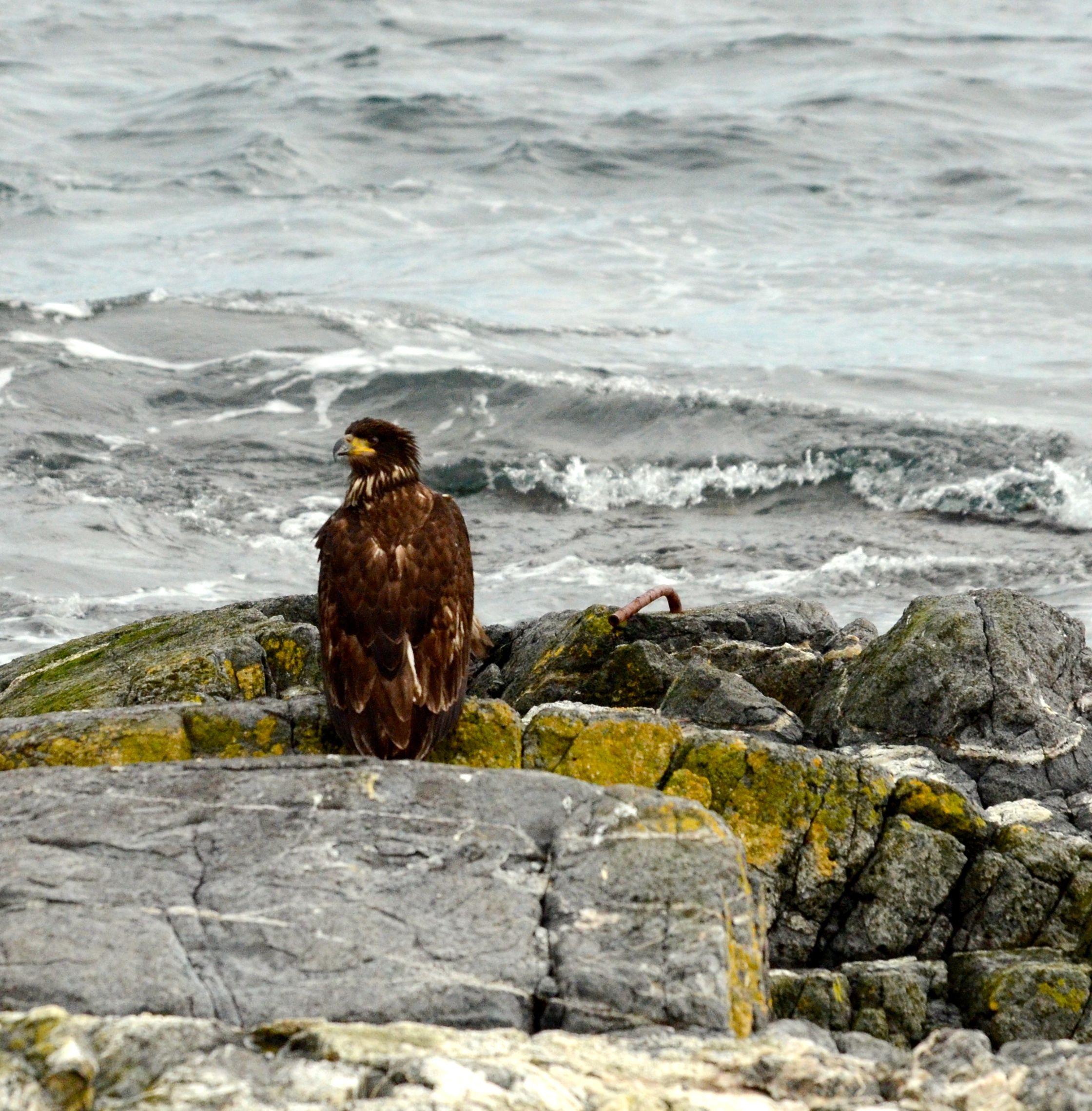
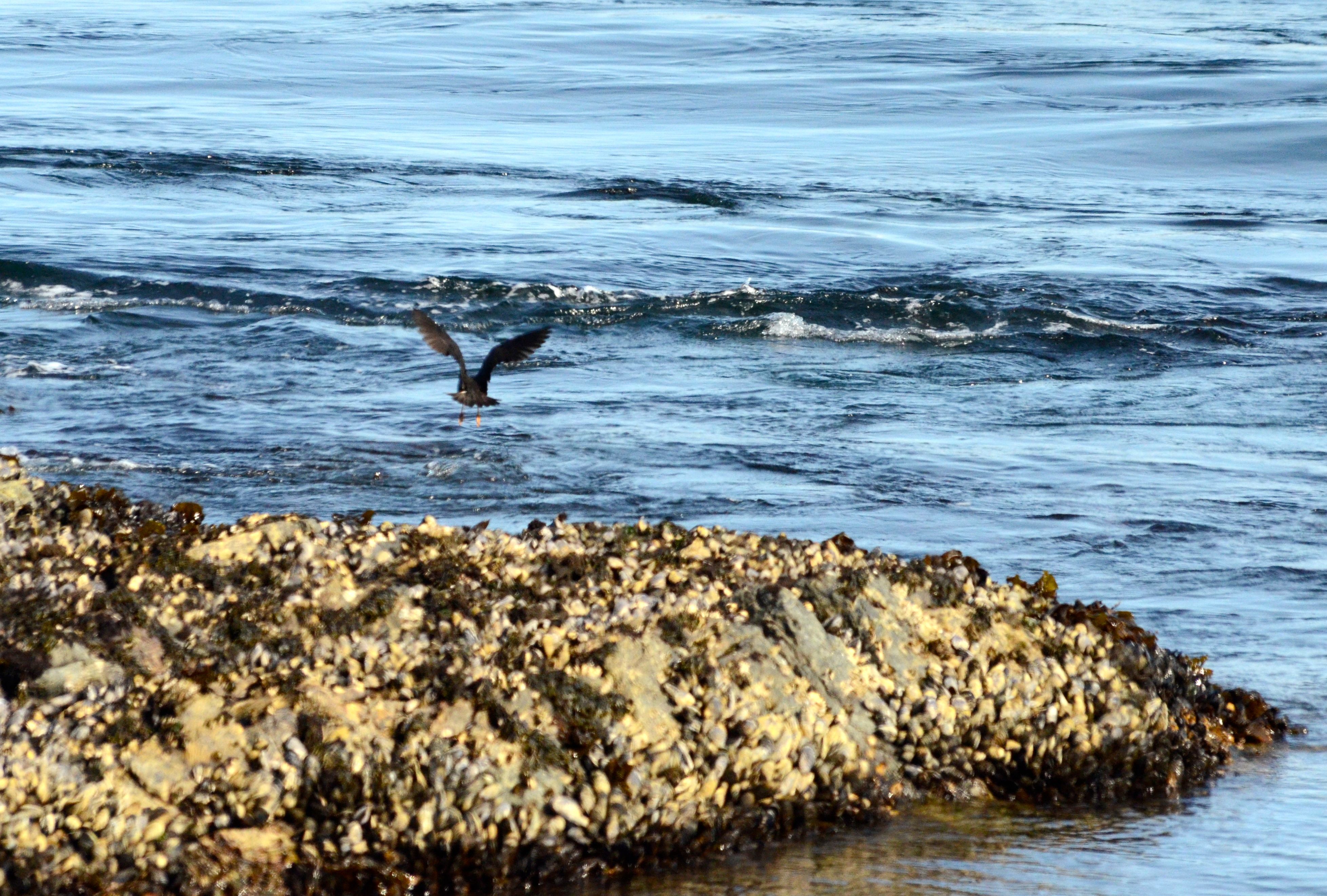
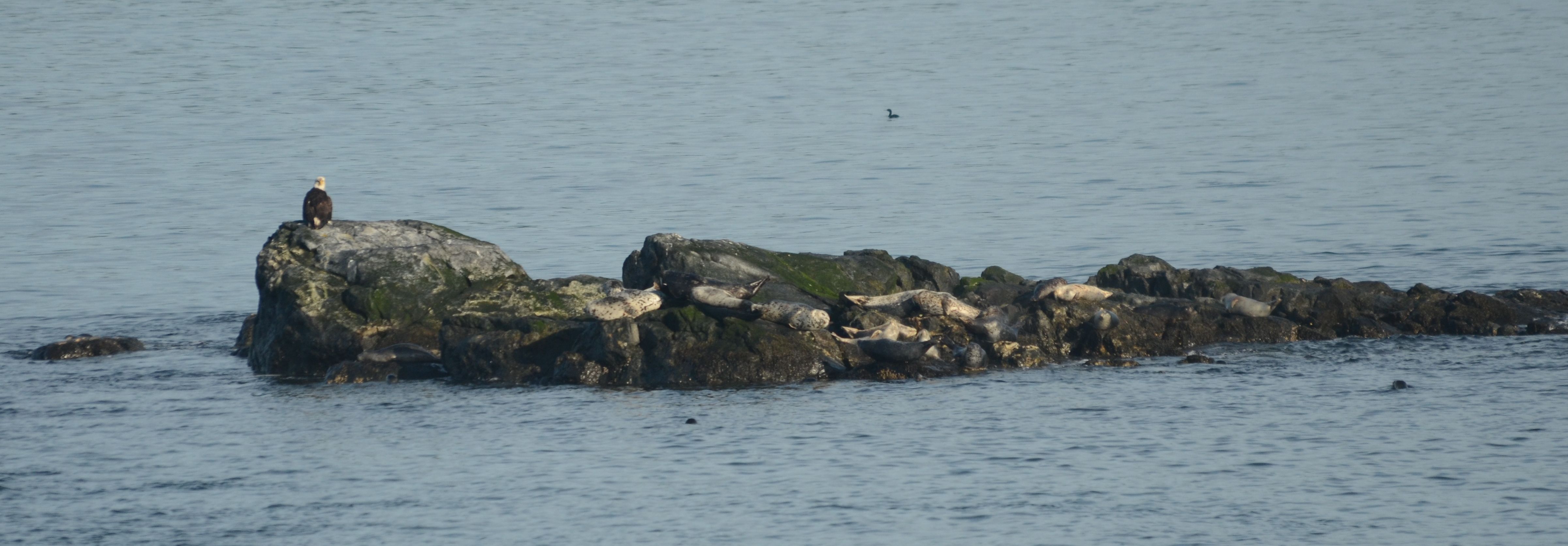
There were over 100 Pigeon Guillemots here today and it was a treat to watch them in their new, bright plumage as they bobbed and dove in the currents. The Glaucous-winged gulls are also looking very dapper in their new feathers and they seem to be spending a lot of time head dipping and bill raising and generally shuffling around looking like they are biding their time for the perfect alignment of day length and the Milky Way for nesting. Bald Eagles, two adults and sub-adult were hunting on Great Race today and they would make the gulls all lift off from time to time. That was the big excitement of the day. It was generally just a blissful sort of day.

My student visitors left in the late morning, picked up by Chris Blondeau in Second Nature. It was such a treat to have them on the island for my first few days. I felt lucky to have such an auspicious start. These students may be humble but they are really very special. I found out during our safety briefing that the five young ladies from Greenland, Guatemala, Quebec and young man from New Brunswick, were collectively trained as fire fighters, first-aid responders and counsellors, as part of their duties at Pearson College. These young people have my respect and are really using education as “a force to unite people, nations and cultures for peace and a sustainable future.” When I asked them what made their stay on the rock special and why it should be maintained as part of Pearson College, they mentioned things like peacefulness, quiet, nature, hopefulness, the importance of the marine protected area. They also said how great it is to just get away and how lucky they felt, to be able to come to such a special and beautiful place.

As we said our goodbyes on the jetty, they presented me with a hand-drawn thank you card and a can of Maple Syrup from Quebec. How sweet! There is something about Maple Syrup that is beyond delicious.

I did the regular chores today, getting back into the routine of spot checks, VHF monitoring, seawater sampling, washing solar panels, clearing walkways, running the generator and generally fighting entropy. I also managed to clear a few pernicious, waterlogged chunks of wood that were blocking the marine railway, which was really satisfying. It was fun to use the pee-vee and pike pole and I managed to stay mostly dry.

March 26 – Census

Sunny
Wind: 0-17 from varying directions throughout the day
Air Temperature: Low 9.2ºC, High 11.8ºC
Ocean Temperature: 9.0ºC

Today was spent preparing for the shift change. Anne Stewart will arriving tomorrow to take over as the Eco-Guardian.

There was one eco tour boat seen in the reserve today.

Here are the results of today’s megafauna census:
Steller Sea Lion: 58
California Sea Lion: 31
Harbour Seal: 79
Bald Eagle: 3
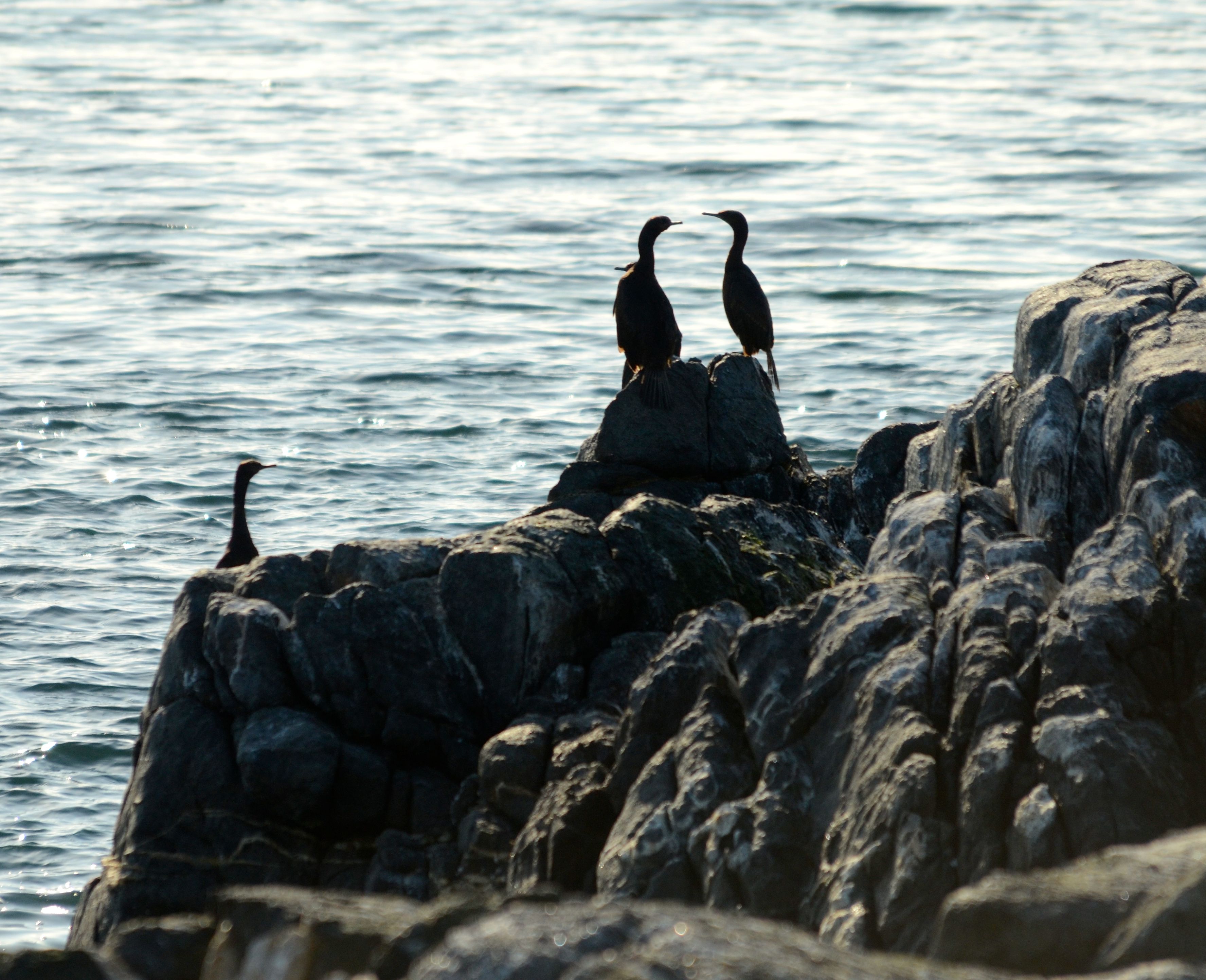
Cormorant: 16
Canada Goose: 24
Gull: 256
Crow: 2
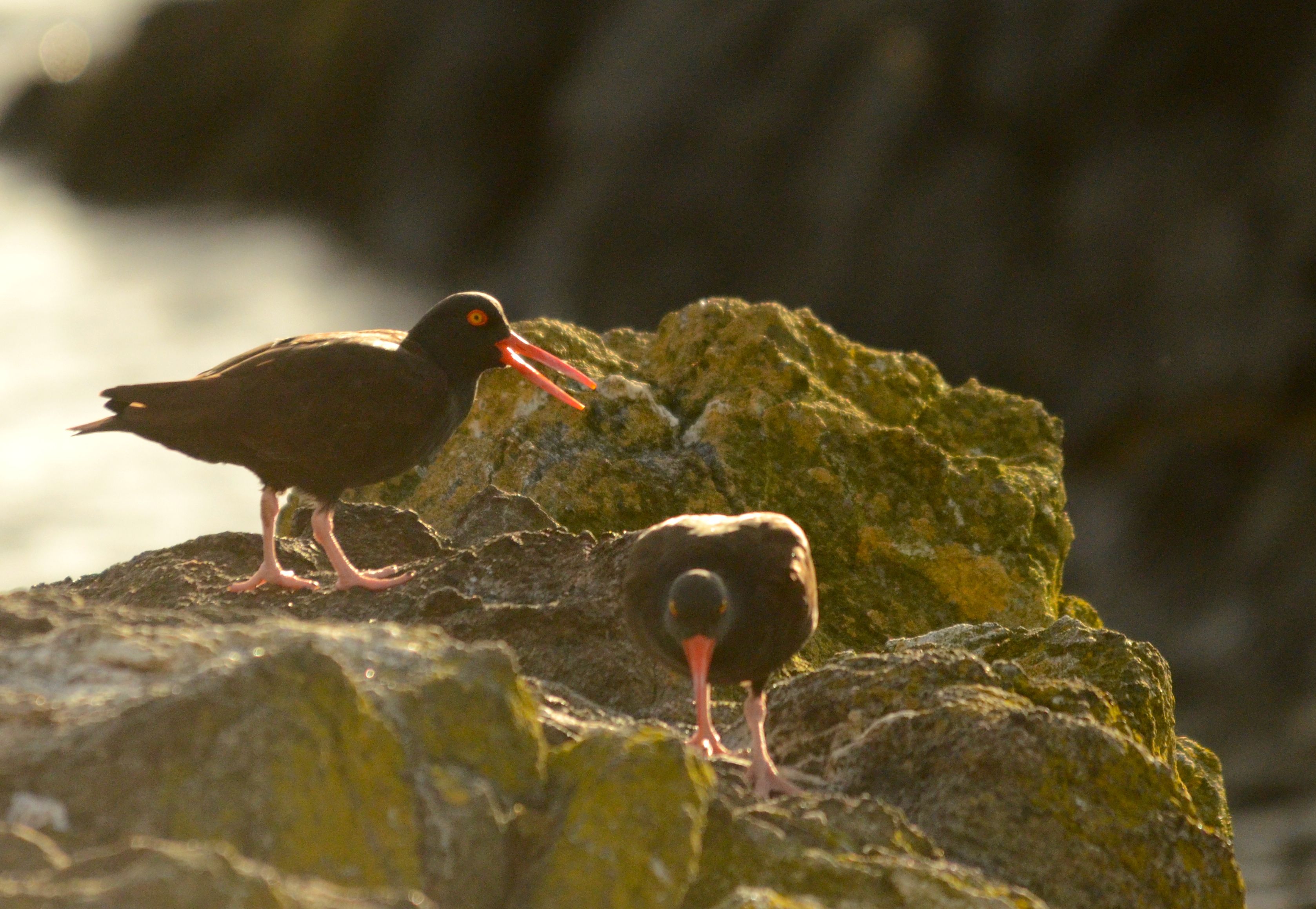
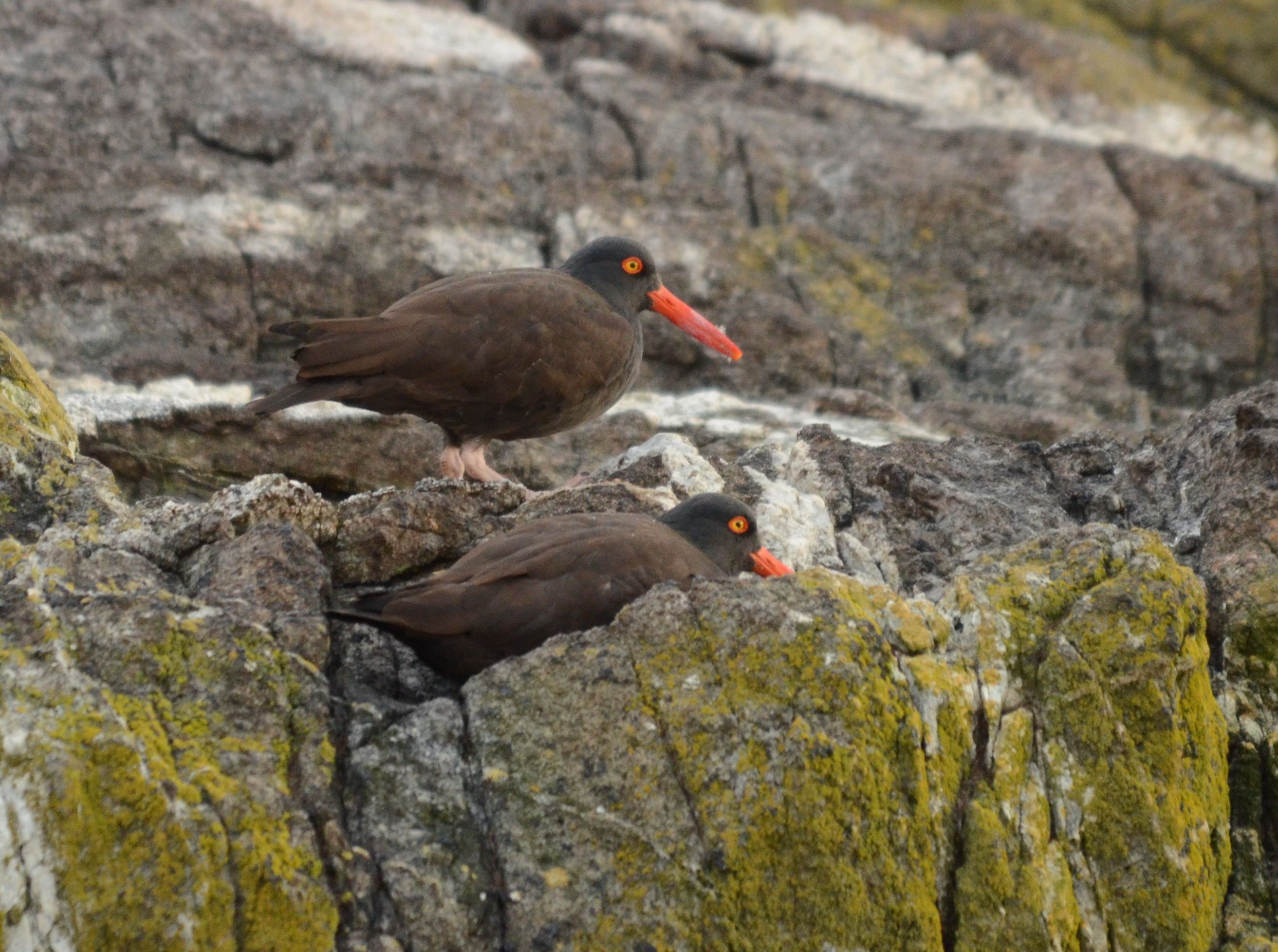
Oystercatcher: 4
Pigeon Guillemot: 234
Surfbird: 8
Black Turnstone: 16
Savannah Sparrow: 1

March 25

Raining
Wind: NE 2-21, after 17:00 SW 3-14
Air Temperature: Low 8.3°C, High 11.3°C
Ocean Temperature: 8.9°C

Today was spent doing many inside tasks: computer work, tidying, laundry, organizing photos and watching the waves while sitting by the fire.

One eco tour boat was seen in the reserve today.

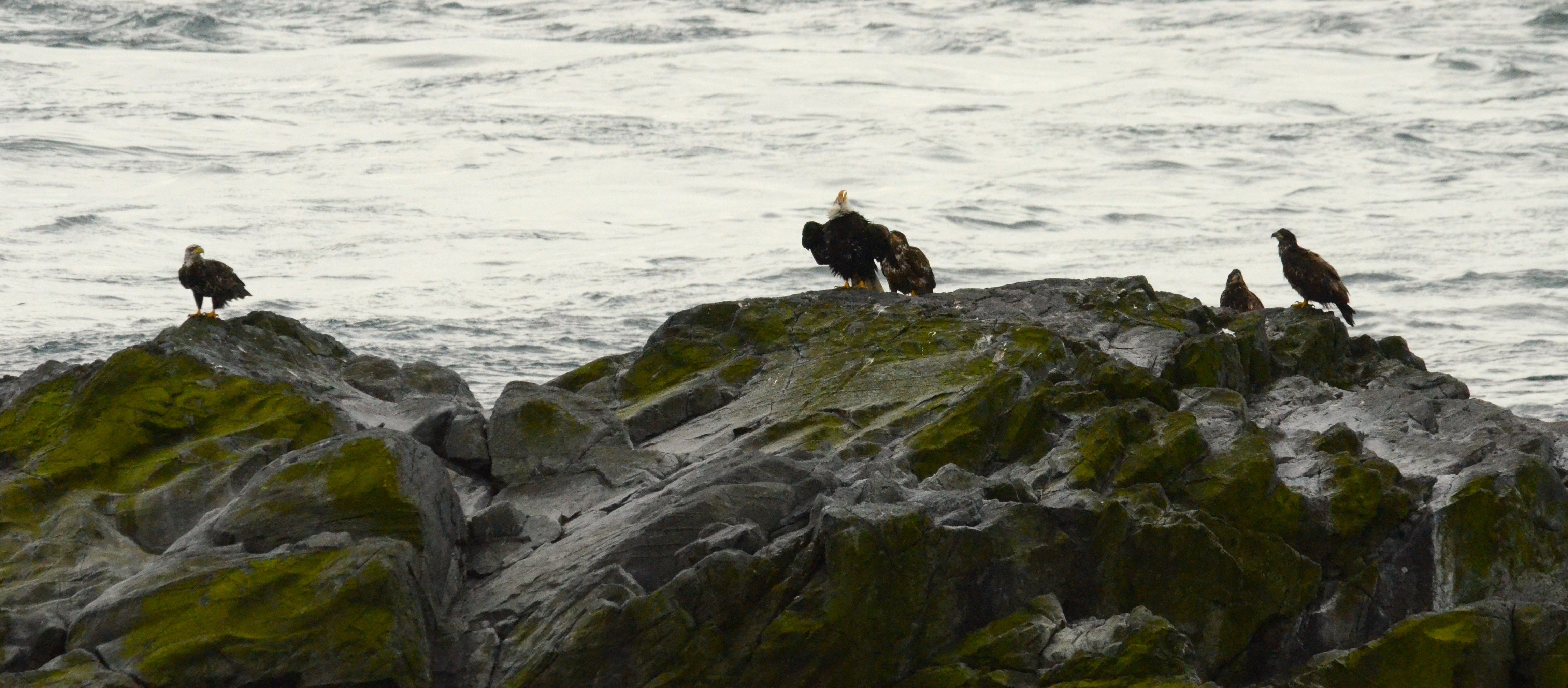
Five bald eagles perch on the South Islands.

Five bald eagles perch on the South Islands.

March 24 – Sea Otter

Sunny, patches of rain the afternoon
Wind: W 4-17 knots, calm in the late evening
Air Temperature: Low 7.7°C, High 10.7°C
Ocean Temperature: 8.9°C

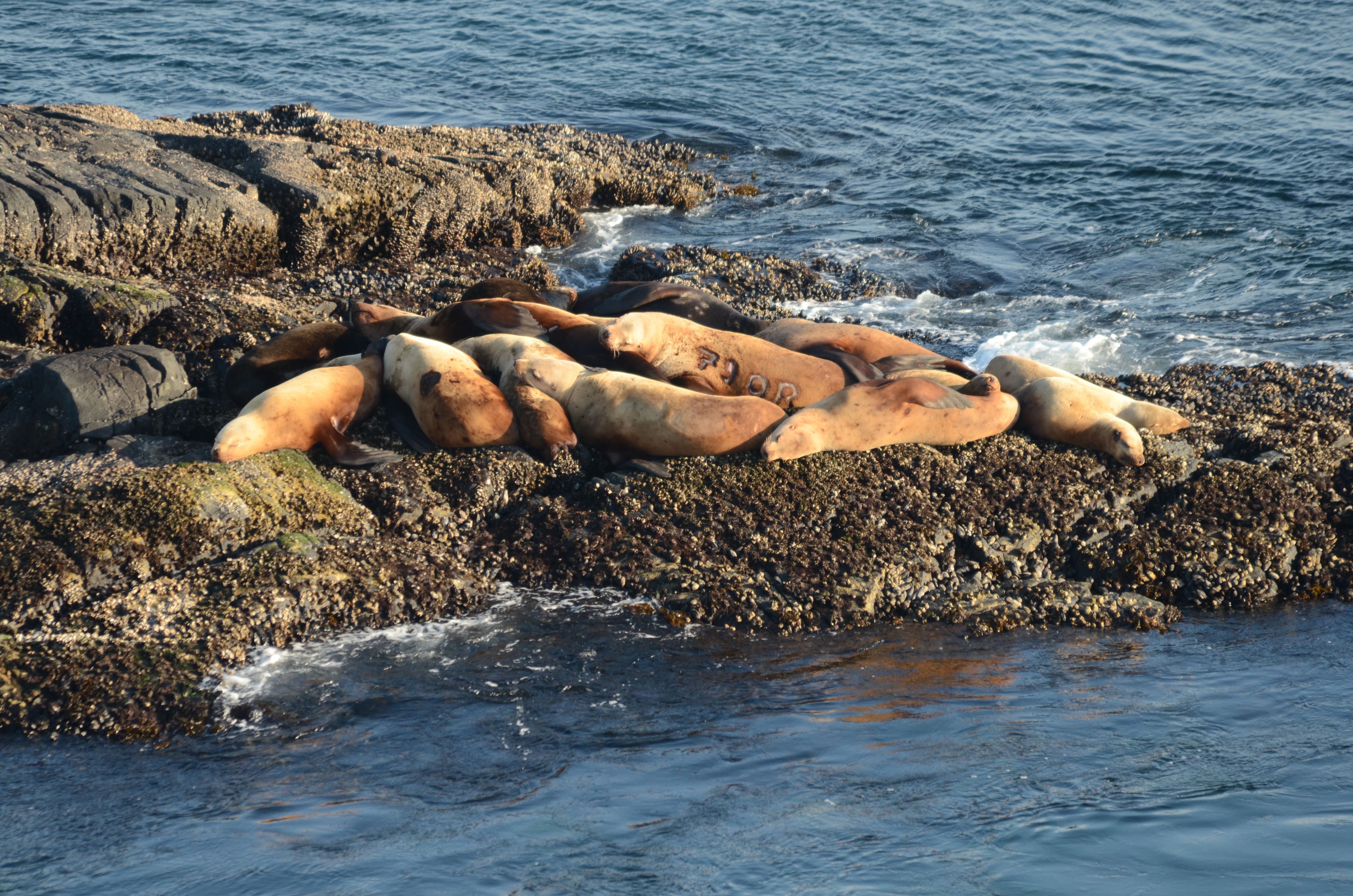
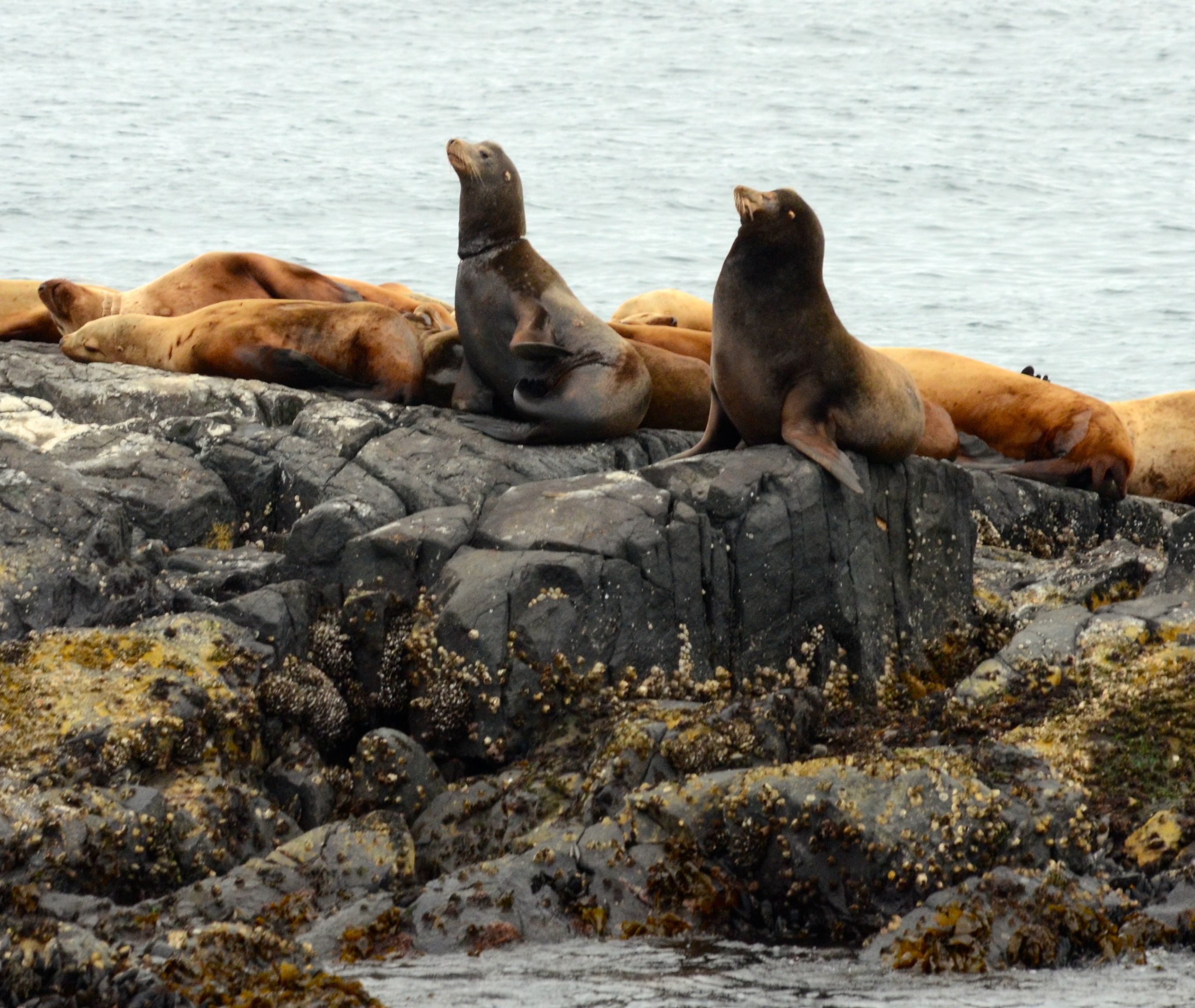
This afternoon, a ring-necked california sea lion was observed on the South Islands. It had something tightly wrapped around its neck, which is digging into the flesh.

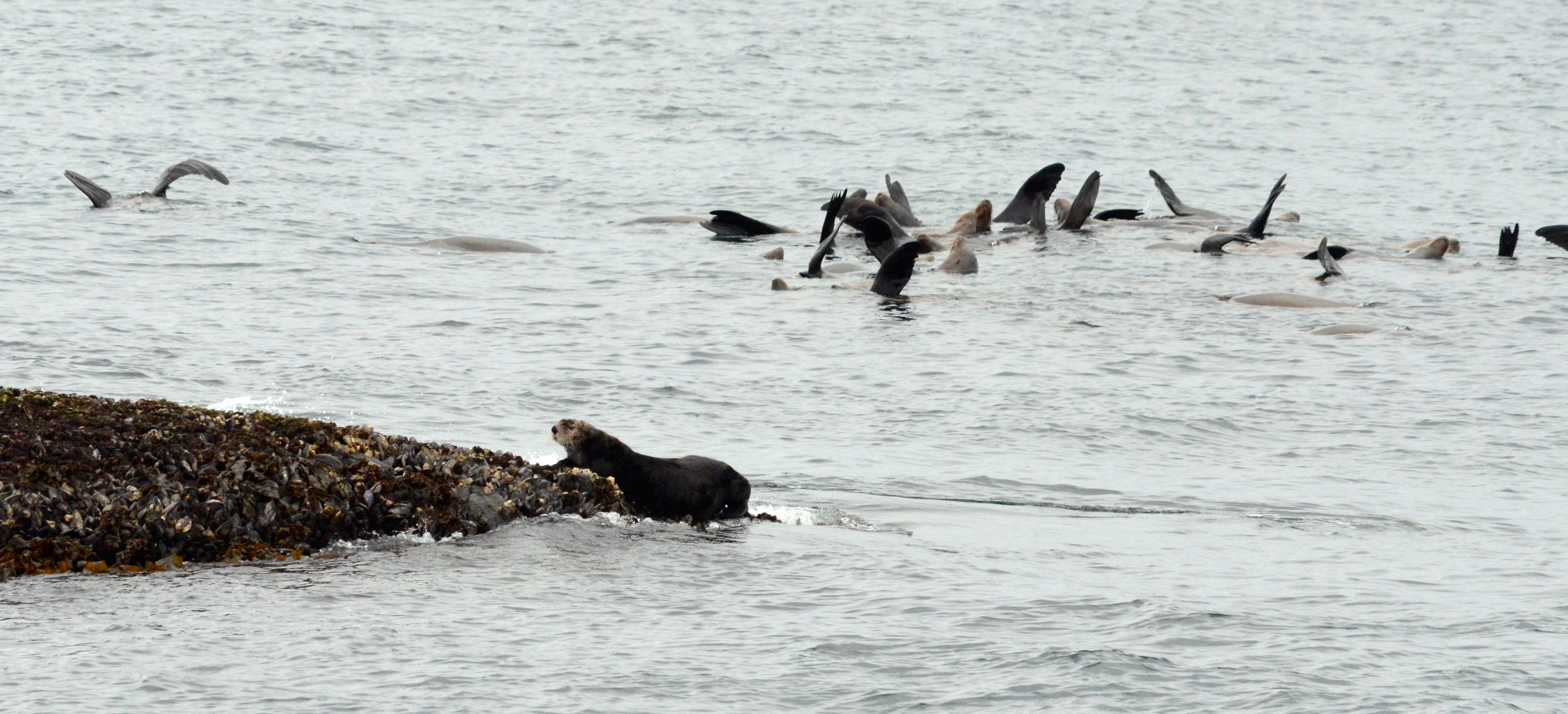
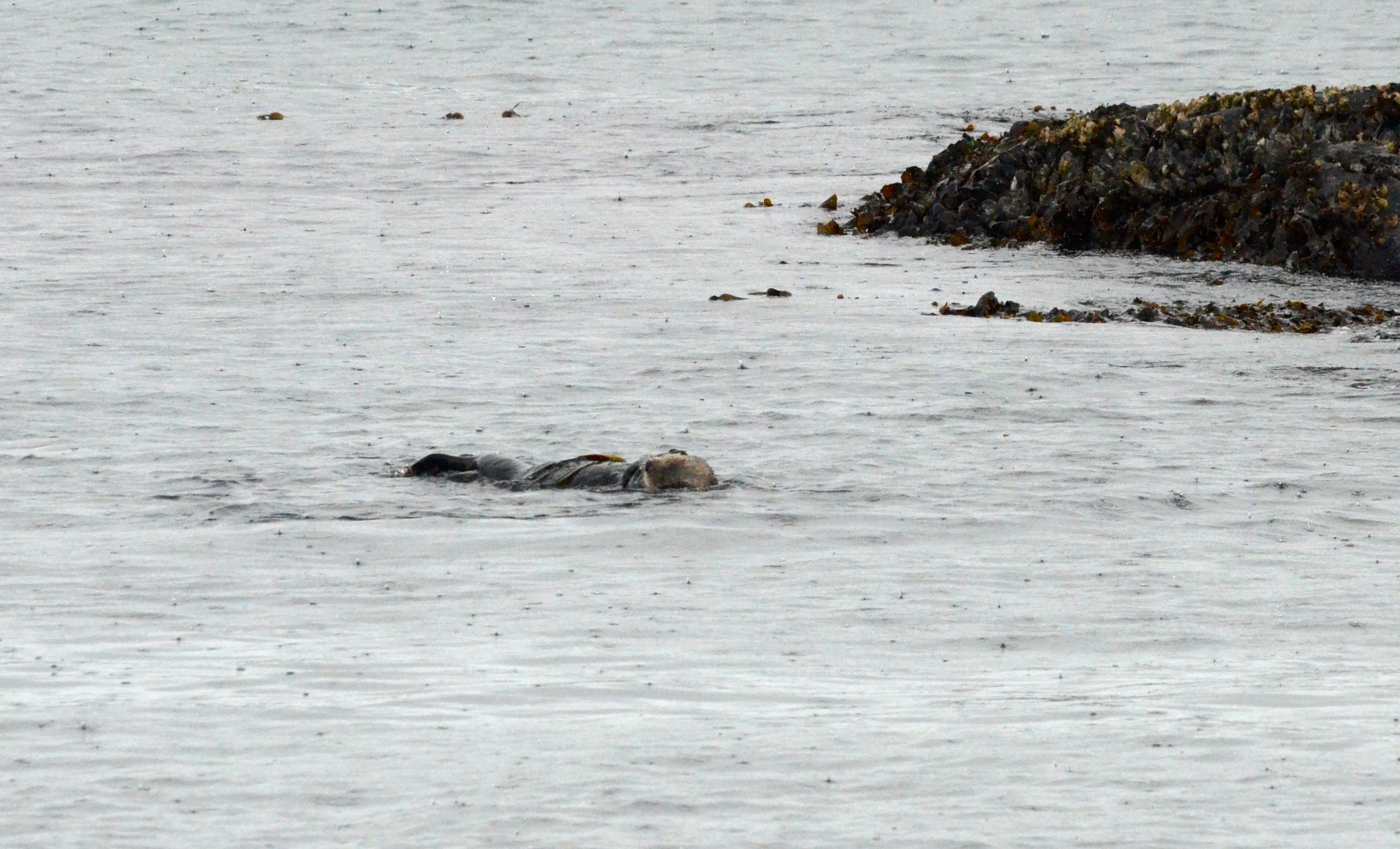
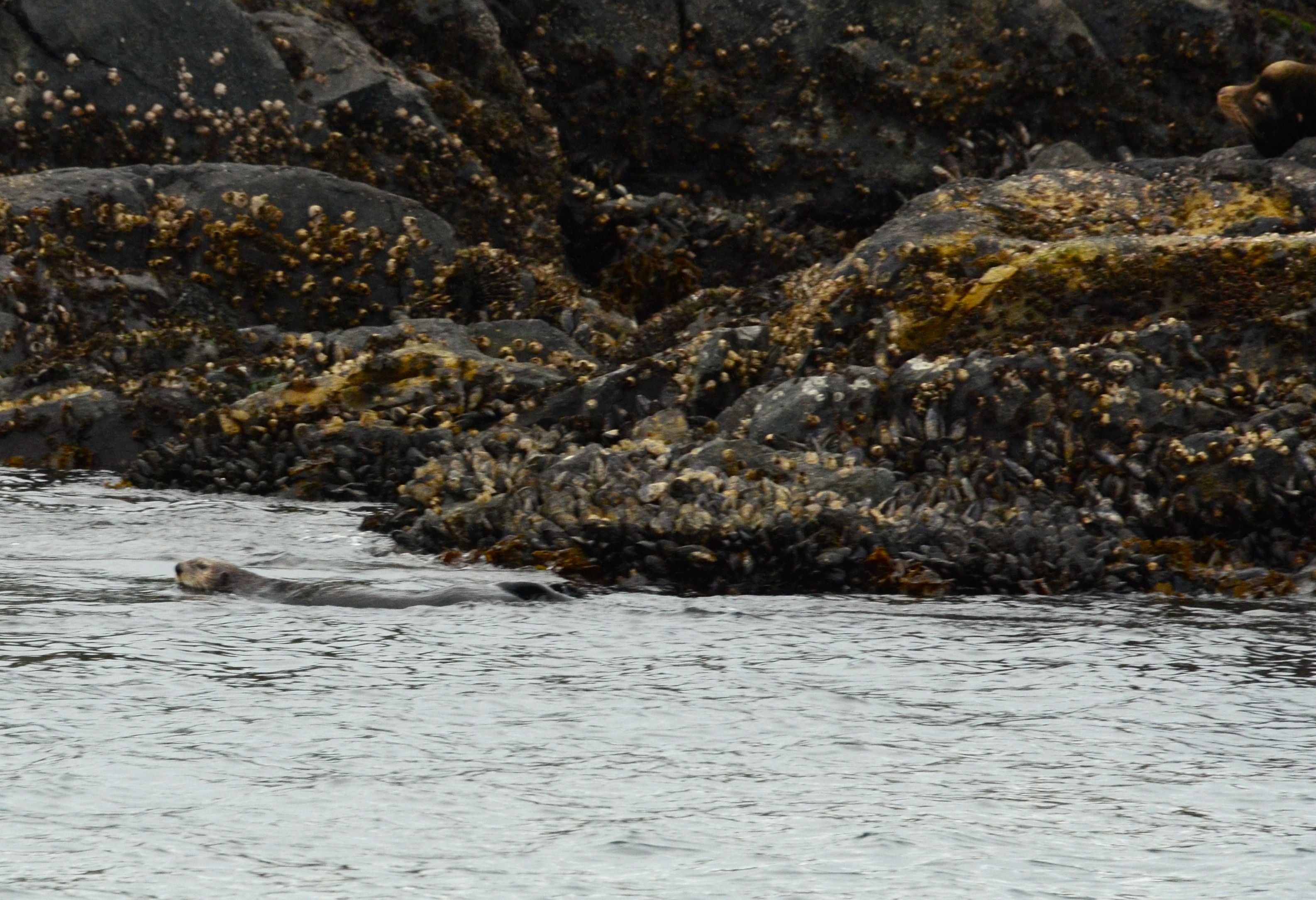
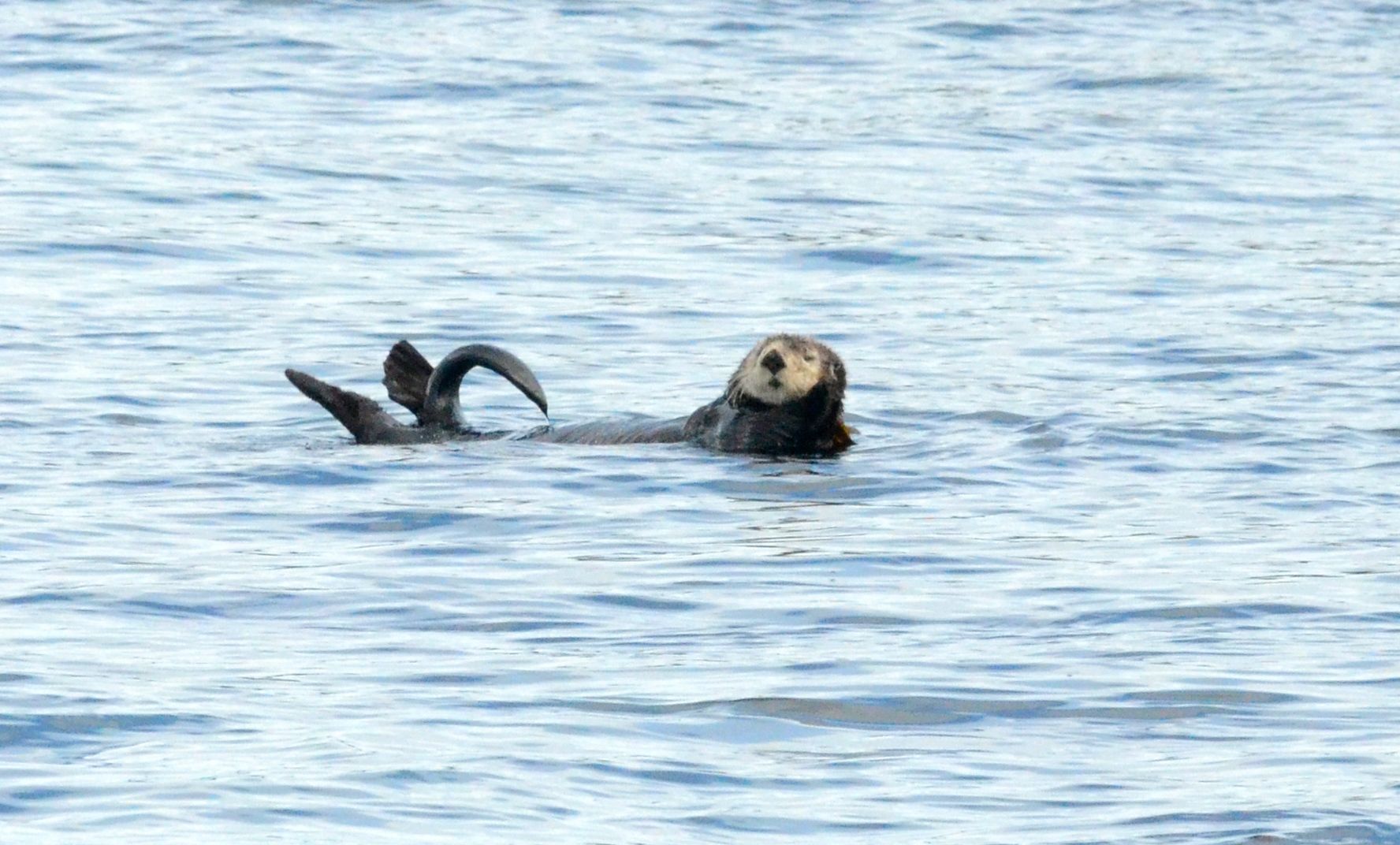
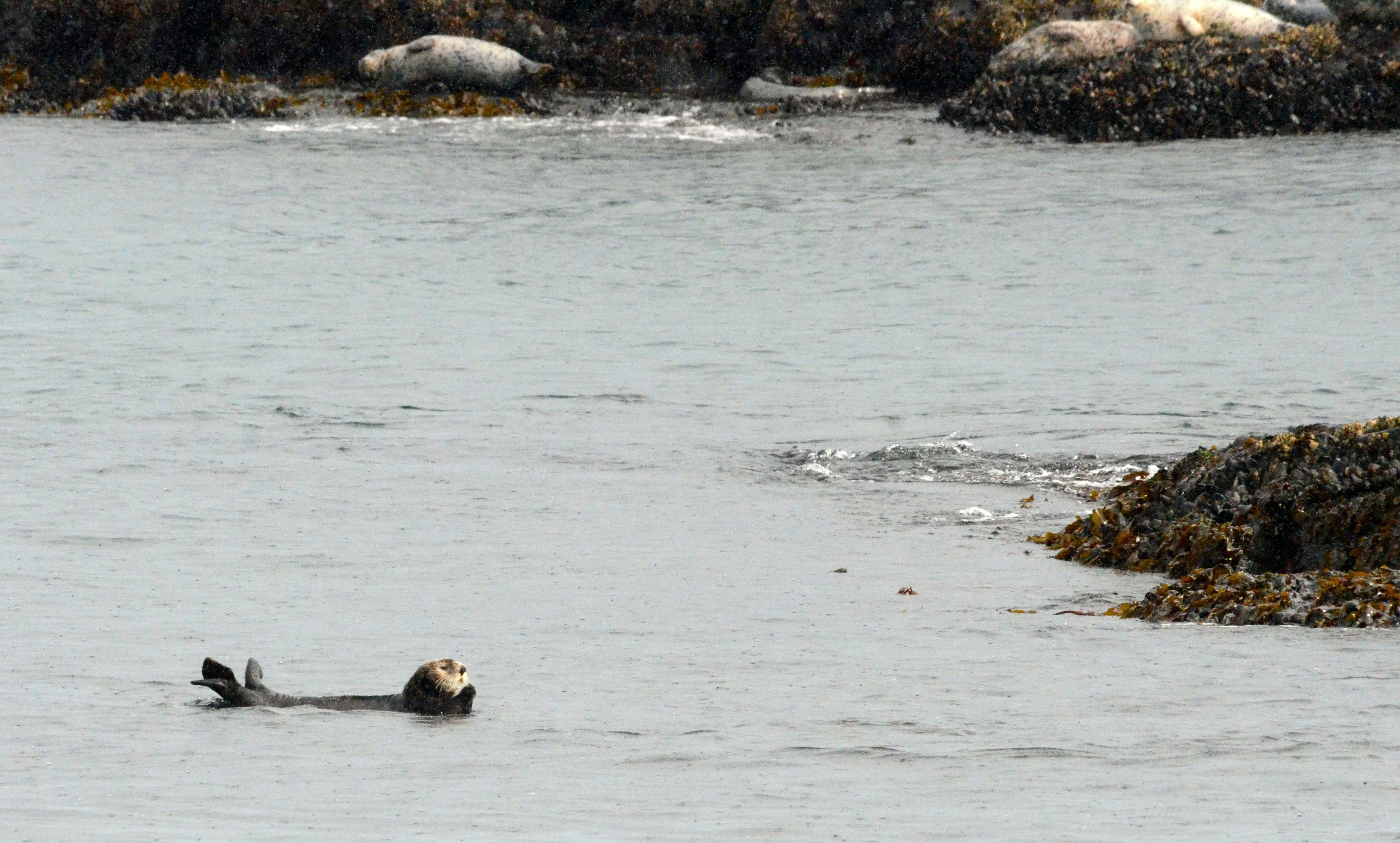
While observing the sea lions, a small creature appeared on the edge of the rock ten metres away from them. Much smaller than the sea lions, at about one metre long, it was eating the molluscs in the intertidal zone. To my great excitement, it was a sea otter (enhydra lutris). The sea otter ate, dove, rolled and swam around the South Islands for about two hours.

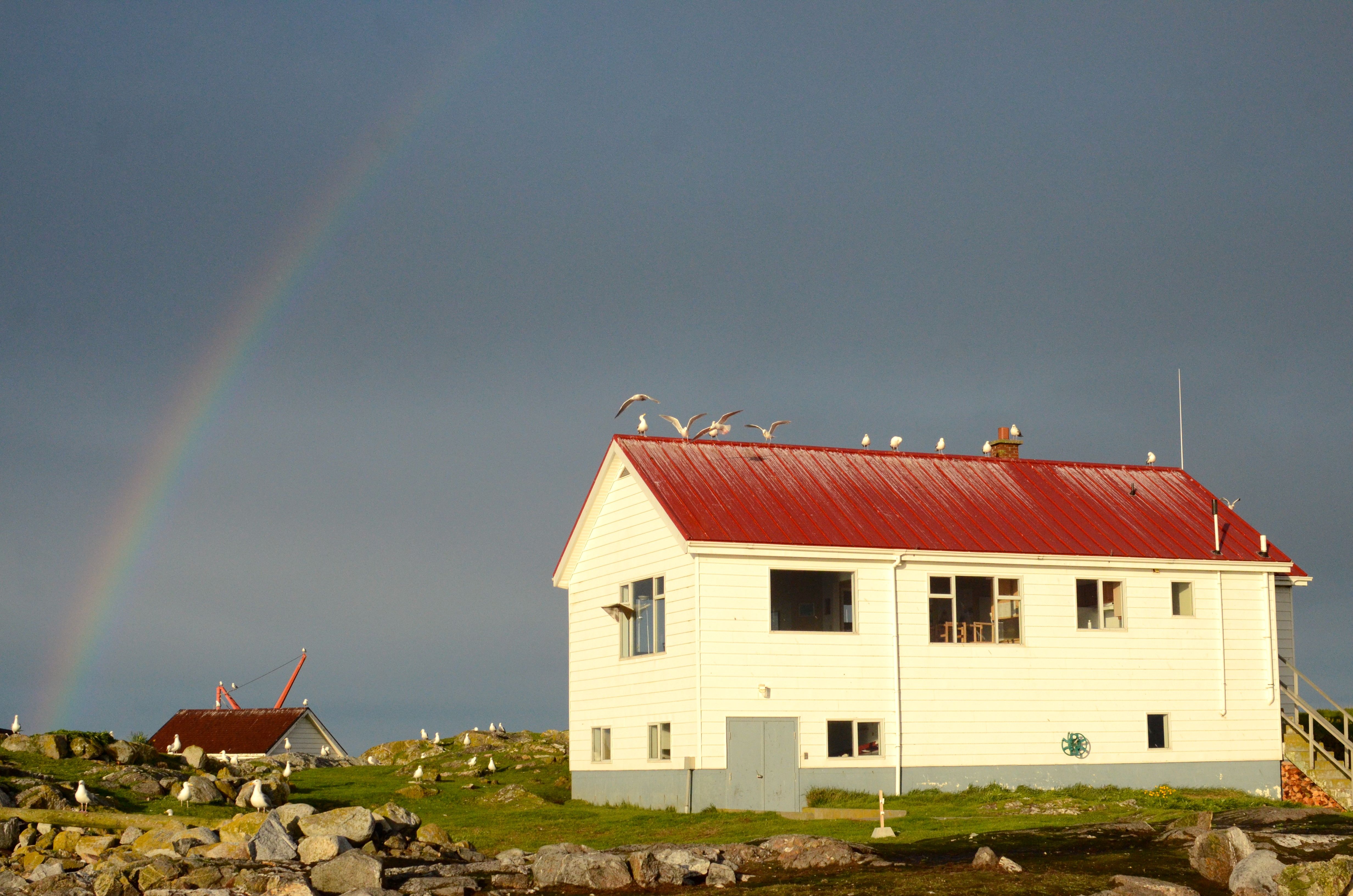
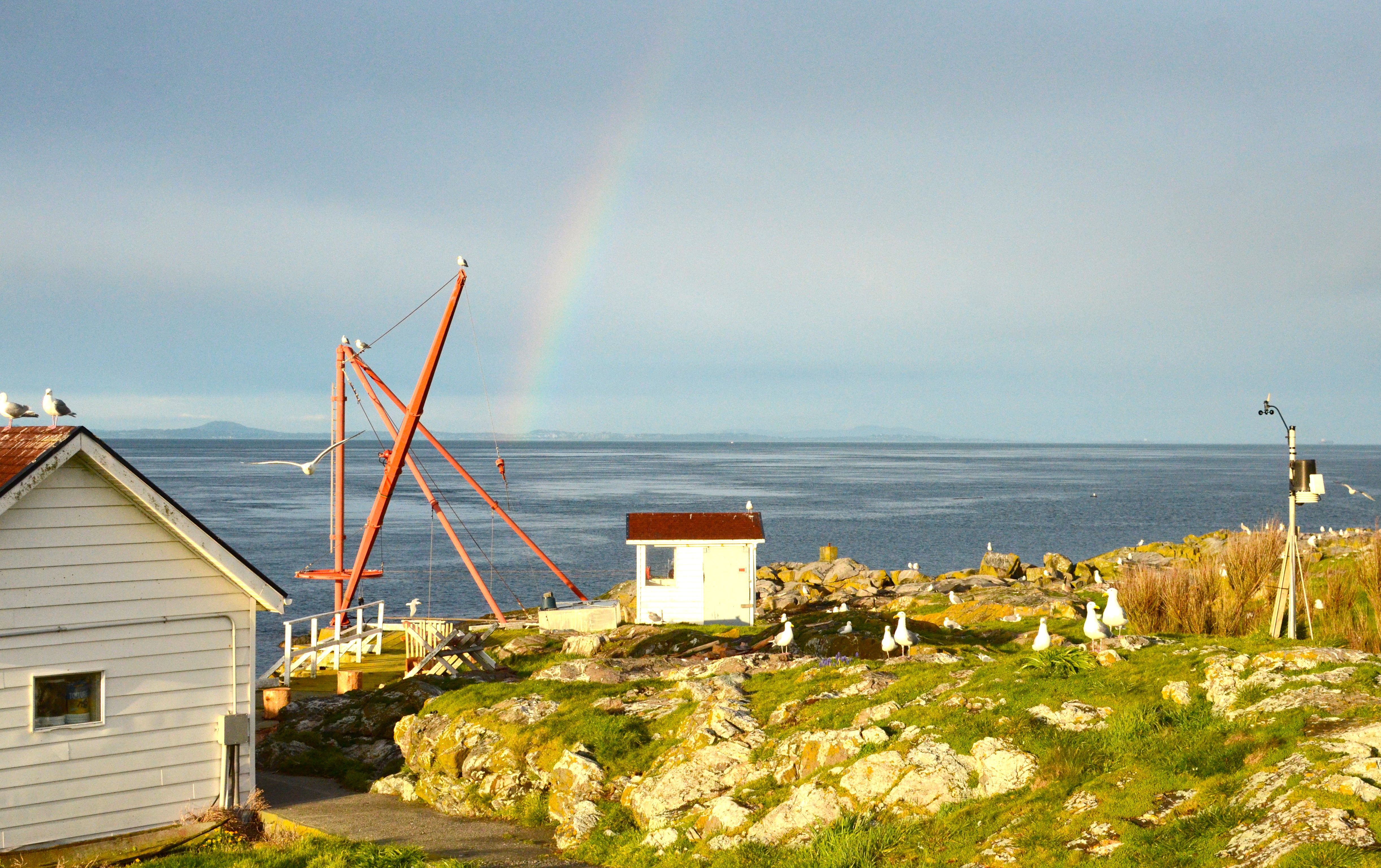
March 22 – Rainbows and Venus

Overcast in the morning, rain and breaks of sun in the afternoon
Wind: NE 3-17, switching to SW 2-14 in the late afternoon onwards
Air Temperature: Low 7.8°C, High 10.0°C
Ocean Temperature: 8.8°C

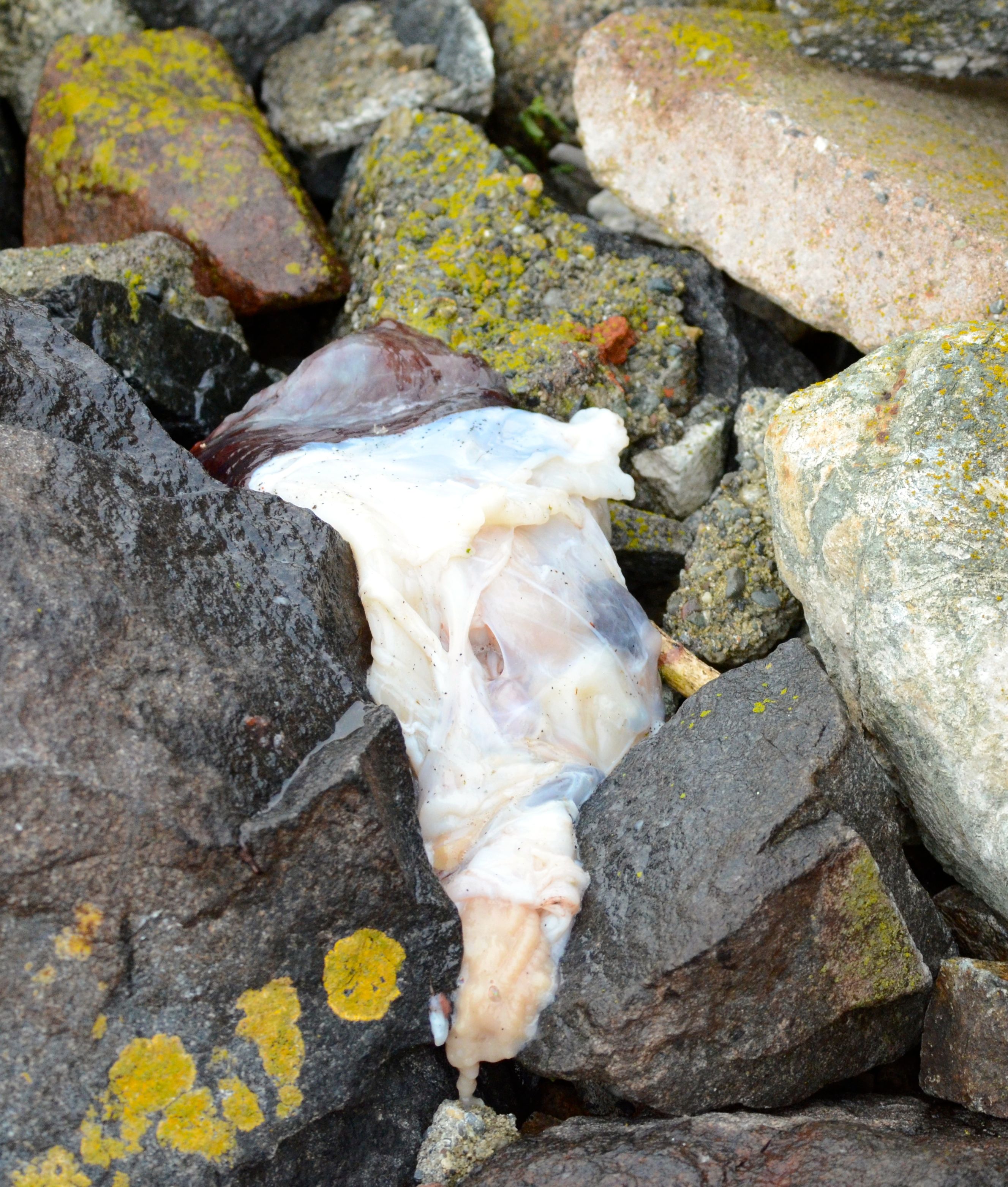
A 2.6m high tide came overnight, sending lots of logs floating through the reserve today. A small dead octopus washed ashore near the energy building. It was noticed by the visiting Pearson students, much to the excitement of their curious marine science minds.

The visiting students returned to the college this morning.

A floatplane flew very low over Great Race this morning. One eco tour boat was seen in the reserve today.

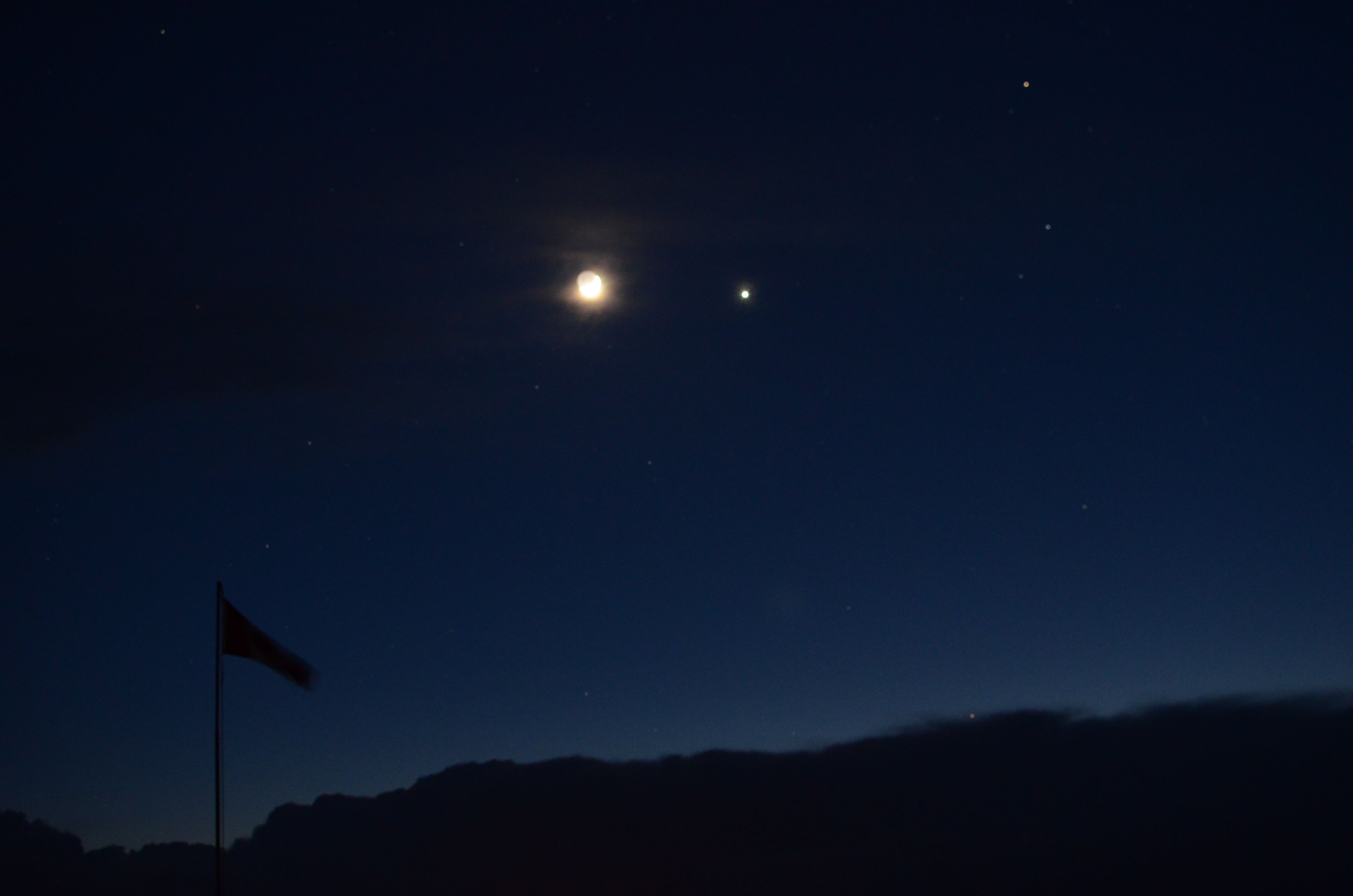
A very bright Venus was visible this evening, soon after the sunset. It was in the west of the sky, just north of the moon.

March 21 – Scaffolding and a Turkey Vulture

Light rain and partially cloudy in the early morning; sunny for the rest of the day
Wind: W 6-27 knots
Air Temperature: Low 8.4°C, High 11.4°C
Ocean Temperature: 8.8°C

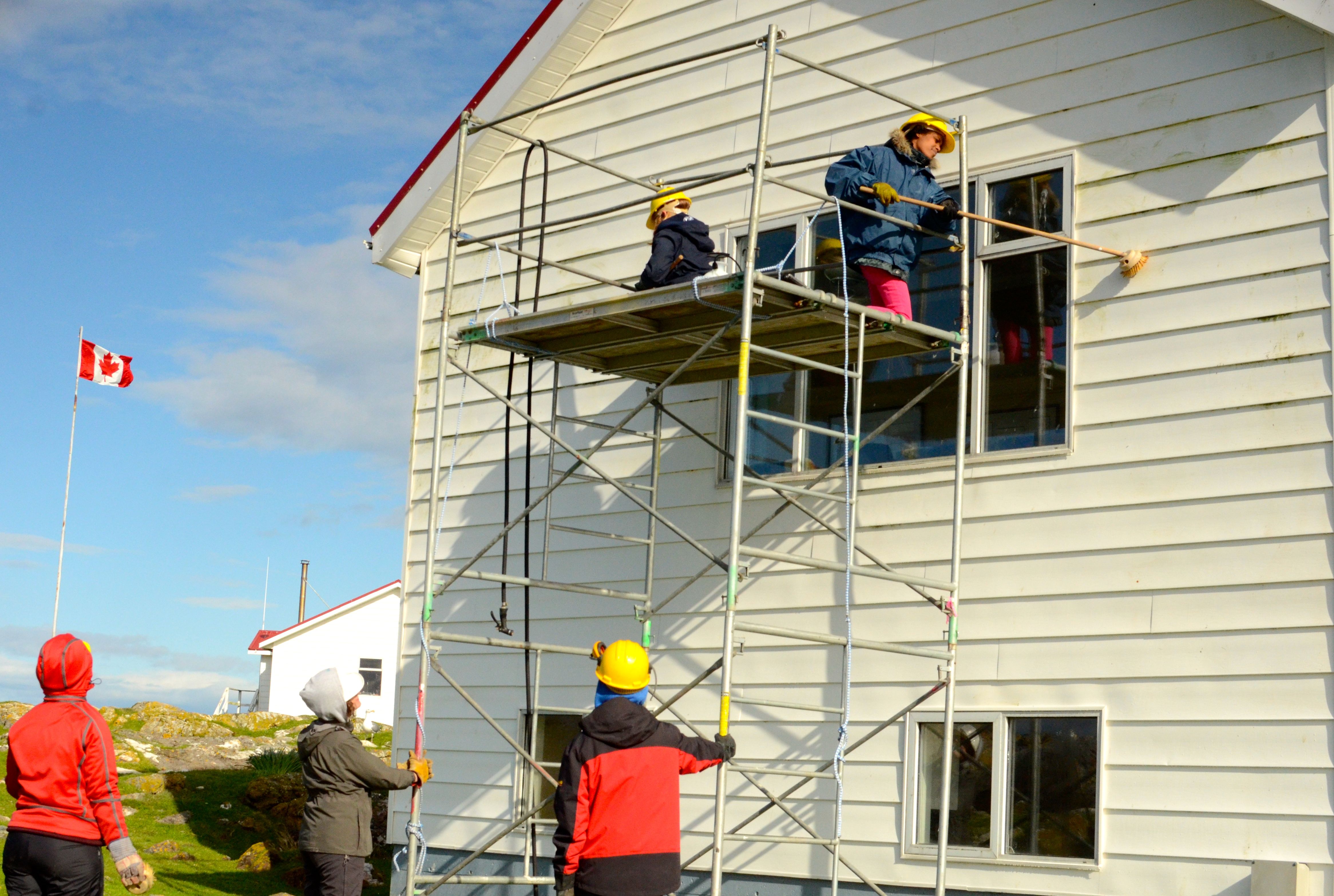
The visiting group of students toured the island and helped run the desalinator. In the afternoon they did a leadership initiative of setting up two levels of scaffolding and scrubbing the algae from the west wall of the Marine Science Centre. They did an amazing job of looking out for everyone’s safety and cleaning the walls.

A turkey vulture was seen in the early afternoon hovering by the Eco-Guardian’s house. It flew north towards Bentinck Island. They are rarely seen here at this time of year. Occasionally they pass through in the fall, on their southern migration routes.

There were two eco tour boat seen in the reserve today.

March 20 – Spring Equinox

Overcast with occasional light rain
Wind: NE 6-15 knots
Air Temperature: Low 9.2°C, High 11.2°C
Ocean Temperature: 8.8°C

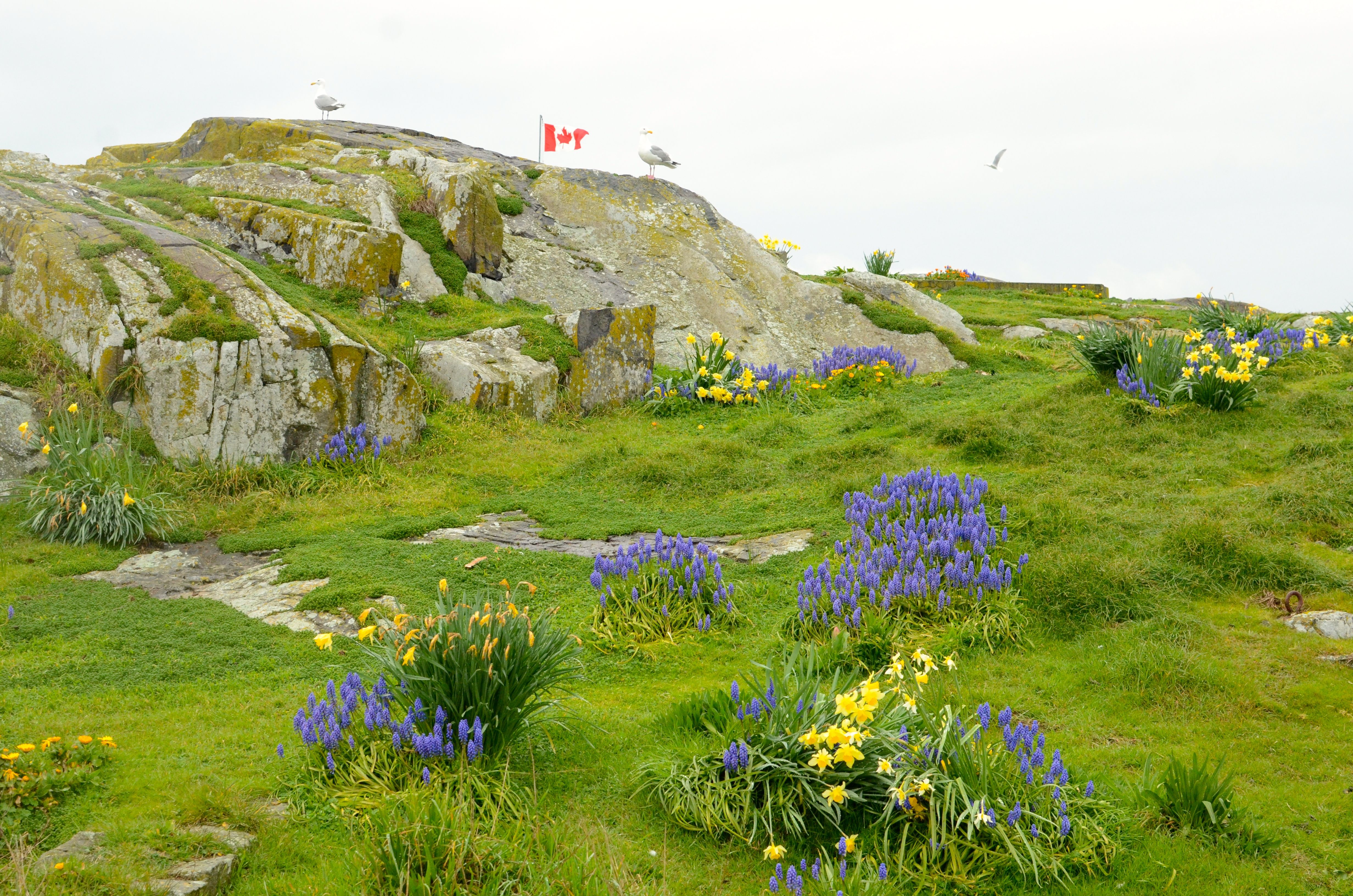
The Spring Equinox brought more of the same weather. The daffodils, which have been in bloom for about a month, are beginning to die off. The canadian geese and gulls are still spending their days looking for their future nesting sites. They are getting more aggressive with each other. I don’t need an alarm clock in the morning, because the birds wake me up with the sun. The goose droppings are piling up in various deposits around the main island.

Courtney brought out a group on Second Nature from Pearson: Roman, Noemi, Roger, Catherine, Heather and Kim. They will be staying for the weekend and helping with some service projects on Saturday.

March 19 – Last Day of Winter- Census

Raining
Wind: NE 4-14 knots
Air Temperature: Low 8.8°C, High 10.3°C
Ocean Temperature: 8.8°C

The wet conditions were helpful with cleaning some exterior walls and windows. The rain water cistern was filled up from the roof. The rain also helped wash away the algae and slime on the walls, along with some scrubbing.

The low light and rain made the census difficult. In recent days, there has been a much higher number of harbour seals hauled out on the rocks. The sea lions also spent most of the day in the water. It was not possible to distinguish between the species of cormorants on Turbine or Middle Rock.

There were no boats seen in the reserve today.

Census results:
Steller Sea Lion: 59
California Sea Lion: 62
Harbour Seal: 21
Bald Eagle: 7
Cormorant: 27
Canada Goose: 24
Gull: 352
Black Oystercatcher: 4
Harlequin Duck: 9
Pigeon Guillemot: 13
Surfbird: 4
Black Turnstone: 16
Rock Sandpiper: 6
Savannah Sparrow: 1

March 12 – Sunny Census Thursday

Sunny
Wind: 0-13 knots SW in the morning, NE from mid morning to afternoon and SW in the evening
Air Temperature: Low 9.9°C, High 13.2°C
Ocean Temperature: 9.0°C

Three Pearson students came to Race Rocks this morning. Karen, Sunny and Hanne joined Martin, who has been here since Monday.

The students did some work this afternoon: sweeping all 99 steps of the lighthouse and continuing the process of stowing the chopped wood in all the nooks and crannies of the buildings, to be used next winter to heat the main house.

There was DND blasting happening in the morning and early afternoon on Bentinck Island, less than 1km away from the ecological reserve.

Today’s high temperature of 13.2°C, as measured at the ground weather station, was the highest recorded since 2006, when the weather station was installed. A high of 14°C was recorded by the instruments at the top of the lighthouse.

Three eco tour boats visited the reserve. One boat came very close to a group of sea lions swimming and others hauled out on the South Islands.

The low tide of 1.1m at 13:52, exposed lots of species from the low tide zone into the air. The shore and tidal pools were full of life: mussels, barnacles, limpets and lots of other flora and fauna of the sea. The oystercatchers and shore birds were having a feast.

There were no small birds perching birds seen today. There are usually a few fox, sparrows, savannah sparrows and occasionally juncos and robins zipping around the island.

Here are the results from today’s Megafauna Census:
Elephant Seal: 1
Steller Sea Lion: 54
California Sea Lion: 43
Harbour Seal: 52
Bald Eagle: 9
Great Blue Heron: 1
Crow: 1
Oystercatcher: 4
Double Crested Cormorant: 12
Brandt’s Cormorant: 21
Gull: 247
Canada Goose: 14
Pigeon Guillemot: 9
Harlequin Duck: 13
Surfbird: 3
Black Turnstone: 10
Rock Sandpiper: 2