January 10th Census

Weather: Overcast, but mostly sunny over the last few days. winds 15-20knots.

This feels like we got more sun in January 2021 all of 2020.

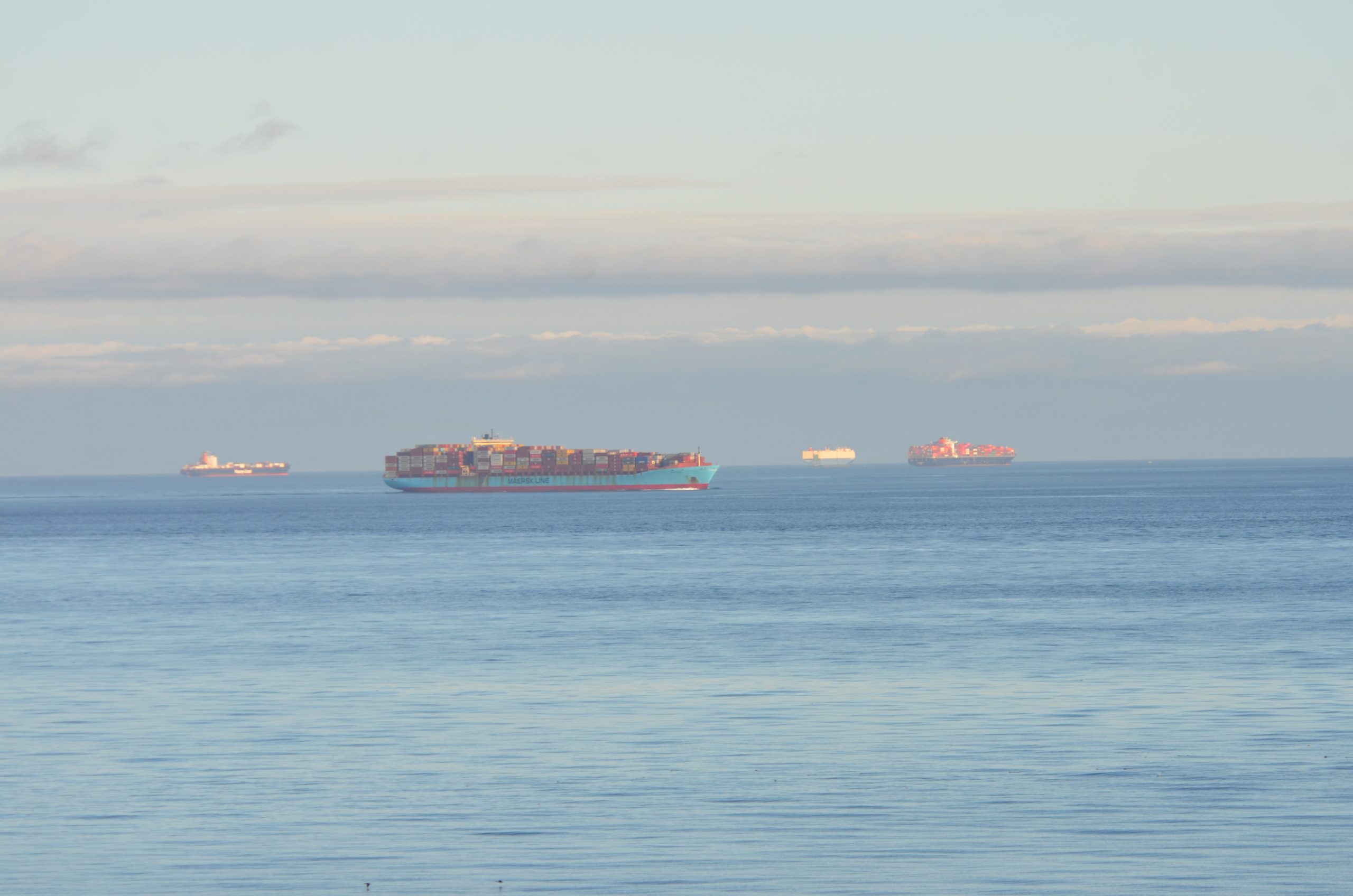
Visitors/Traffic: Pretty quiet week, a few fishing boats driving by.

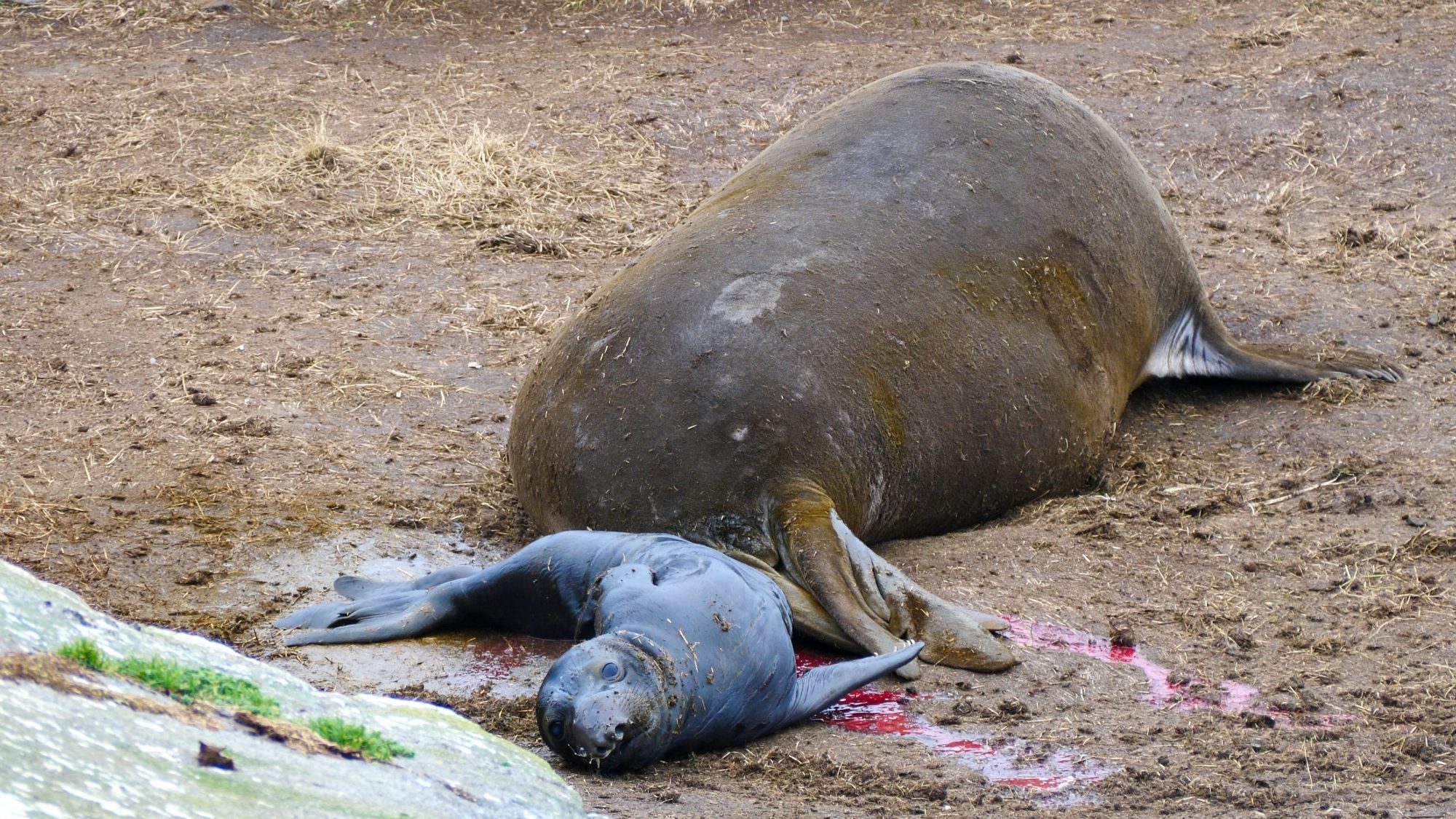
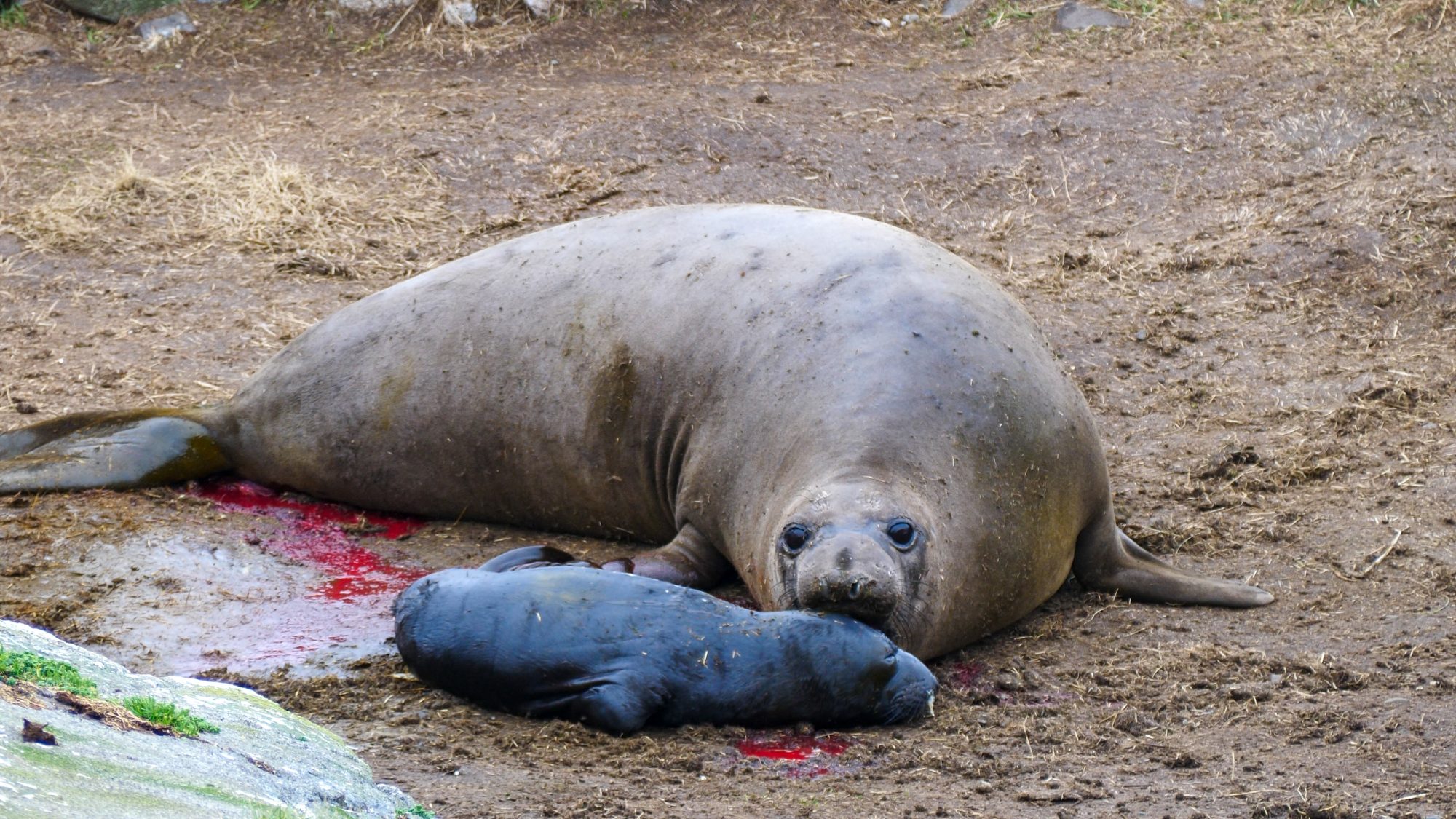
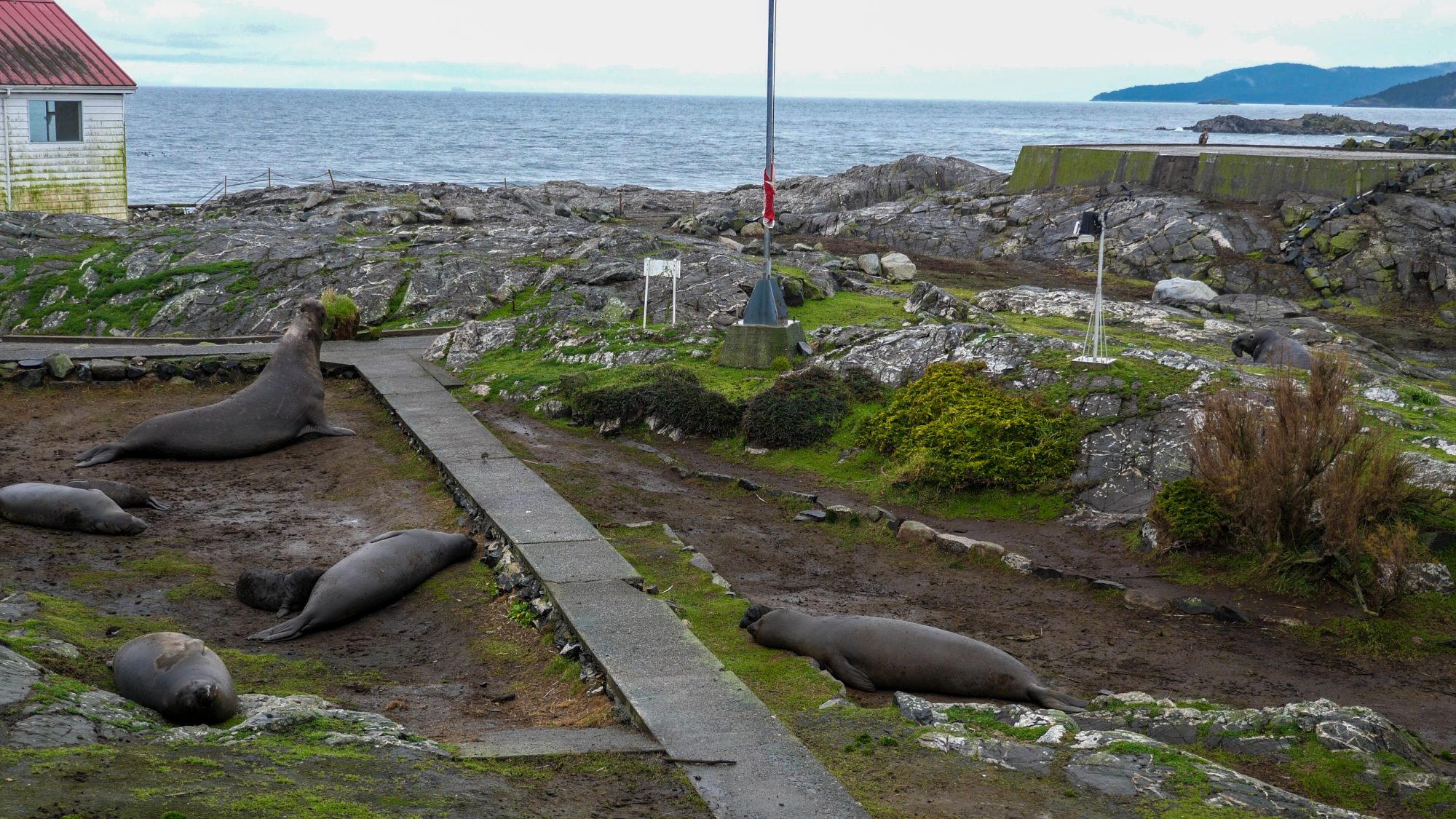
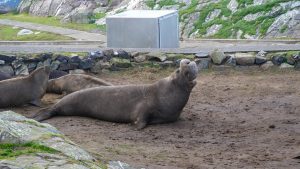
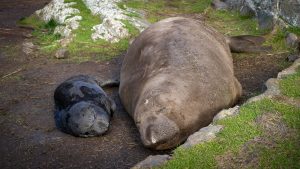
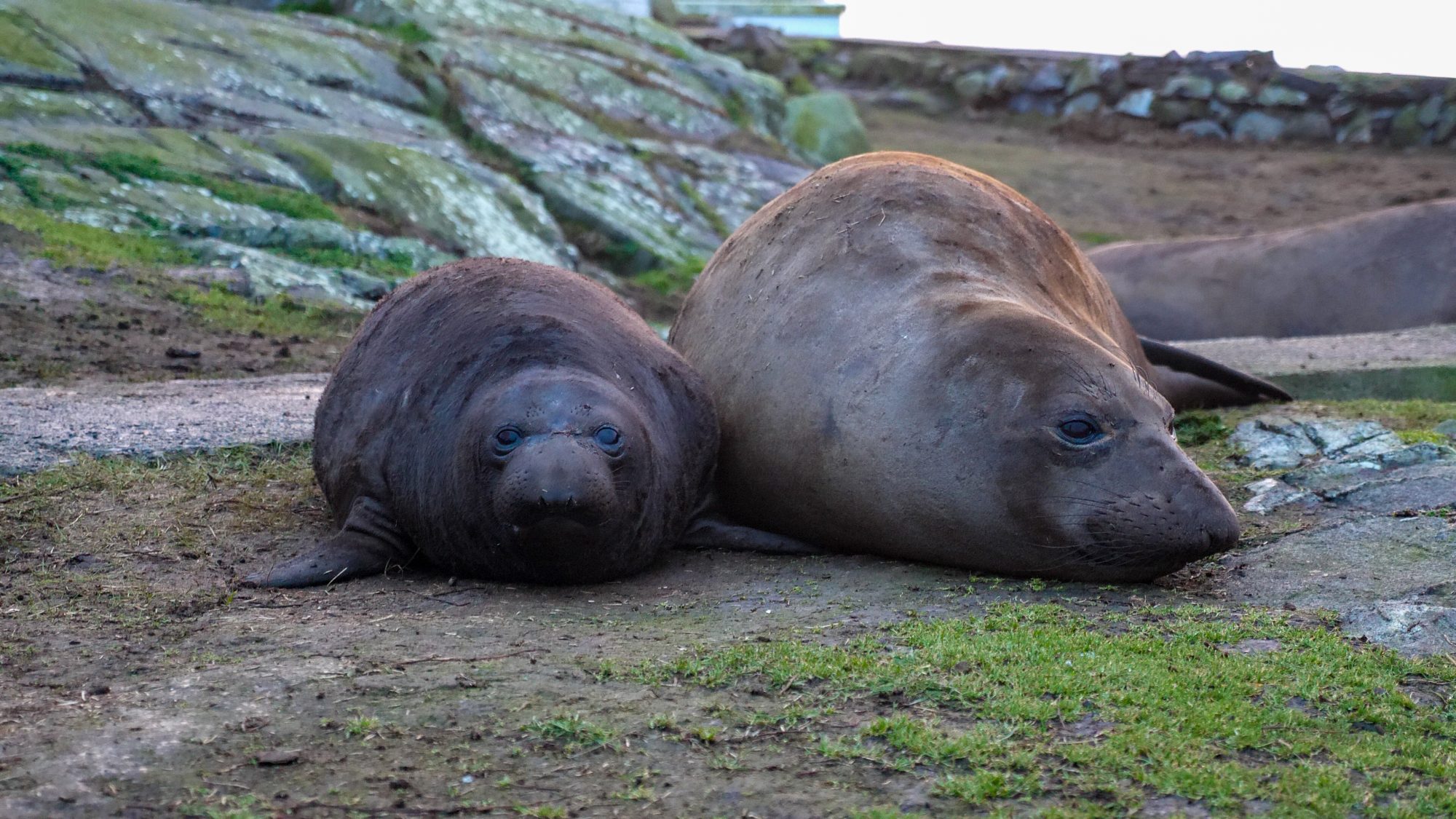
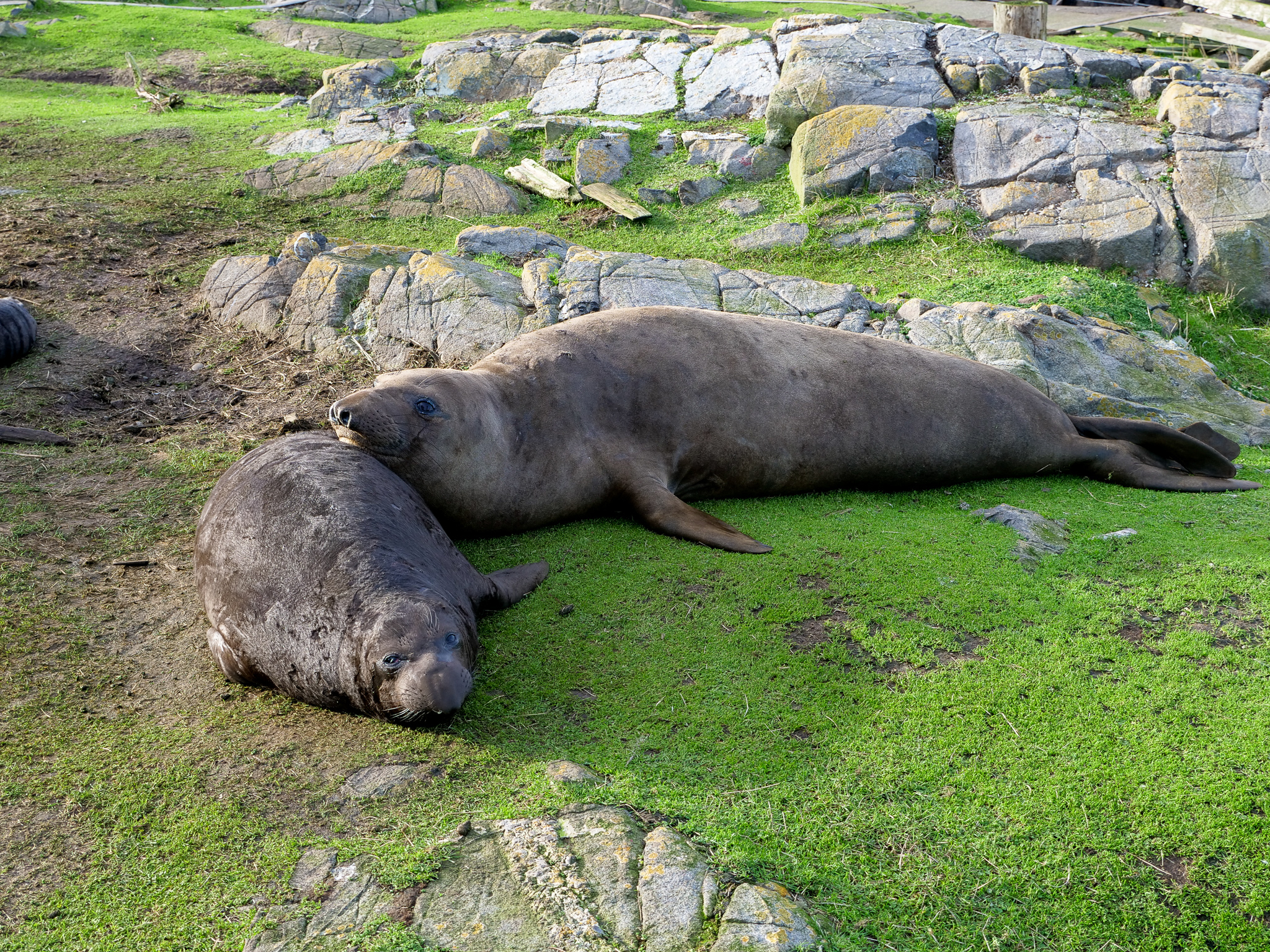
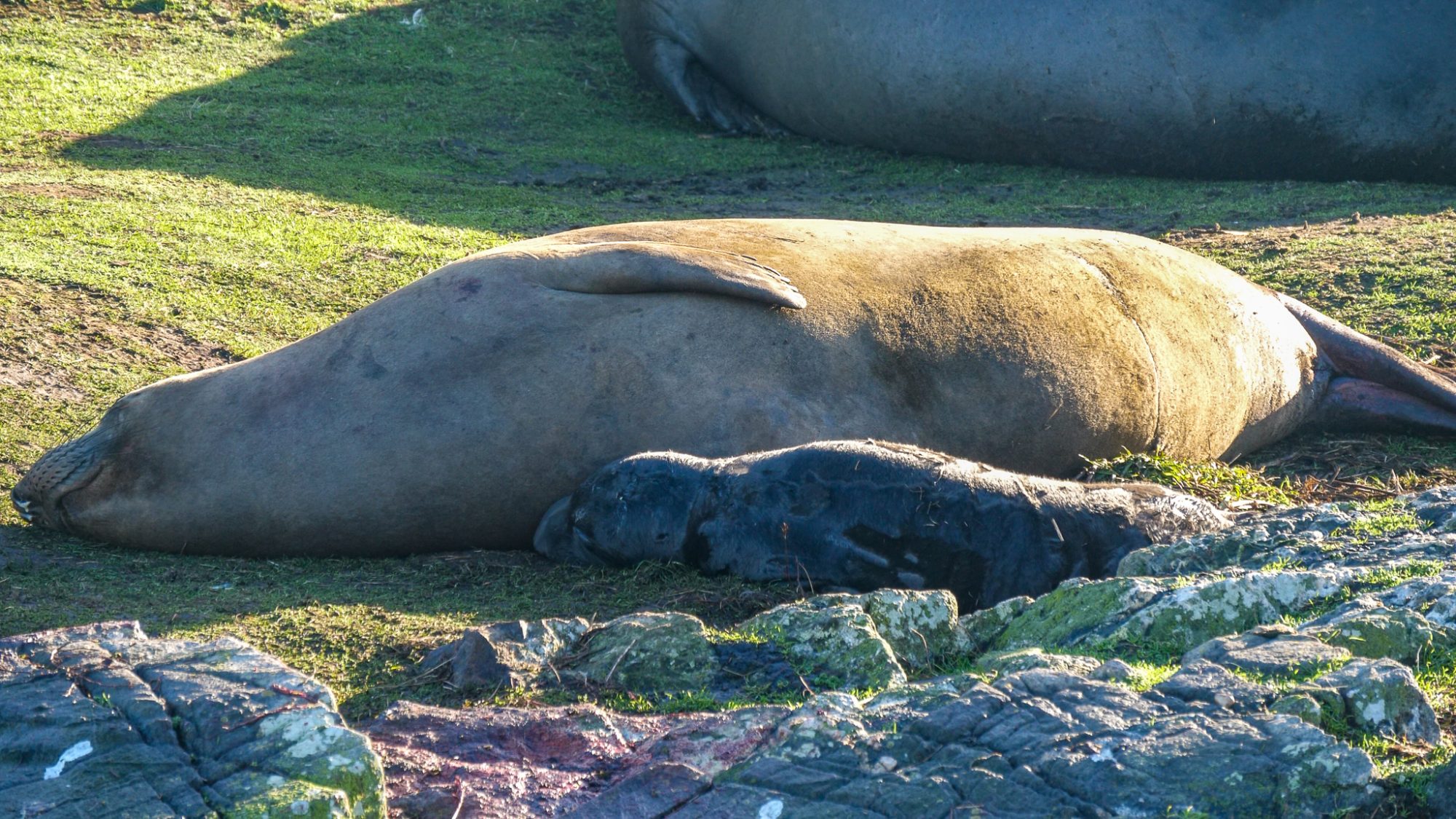
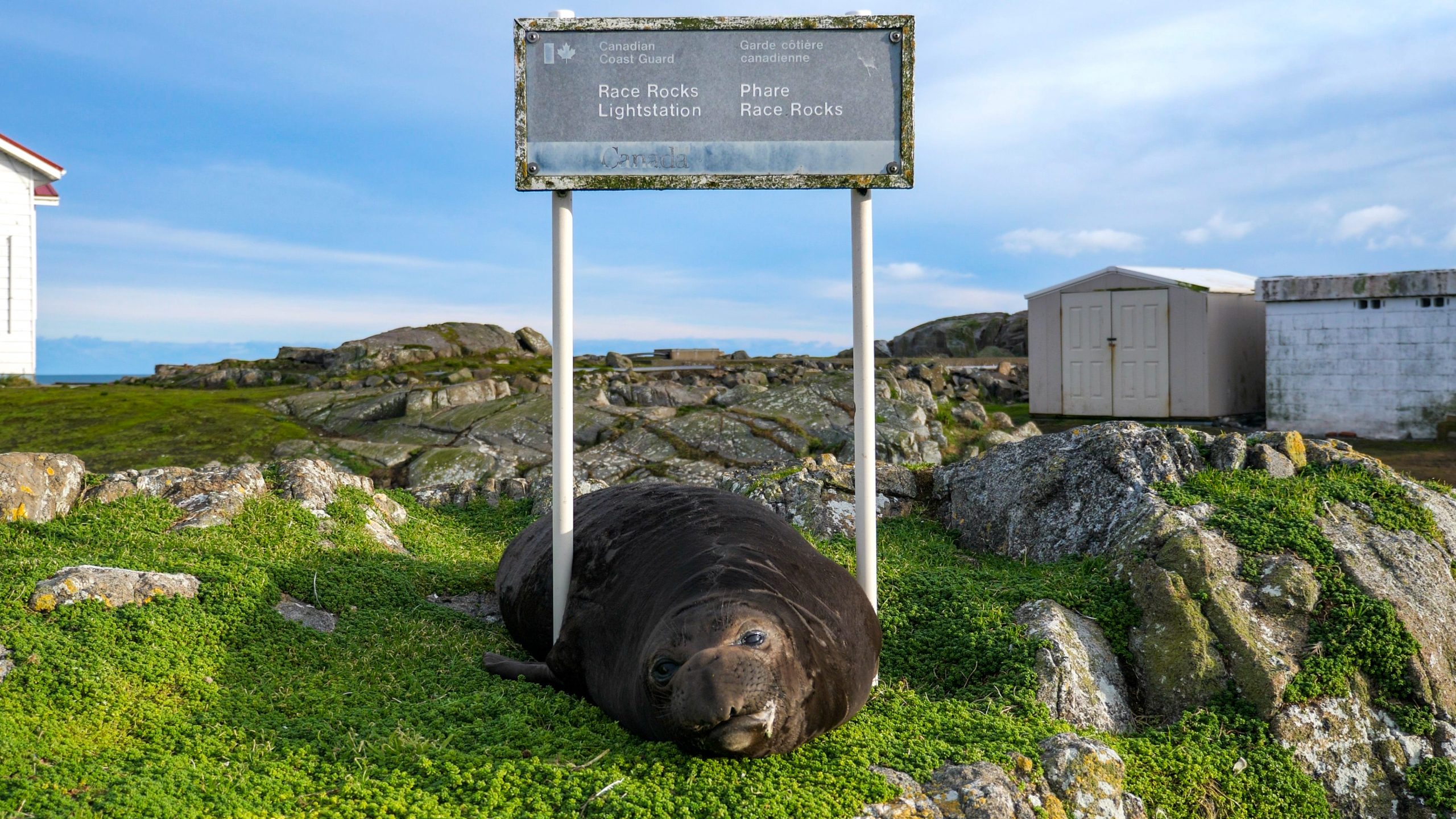
Ecological Notes: Newest Elephant Seal pup was born today. This makes 3 pups total, with the oldest nearing the end of his nursing period. His mom is looking VERY depleted, with 3 more days estimated until the end of her nursing period. His mom has also had a large behavioural change: previously she would ‘fight’ with the Beachmaster when we attempted mating, but over the last 24 hours she’s now much more receptive to his advances. 13-14 times a day receptive.

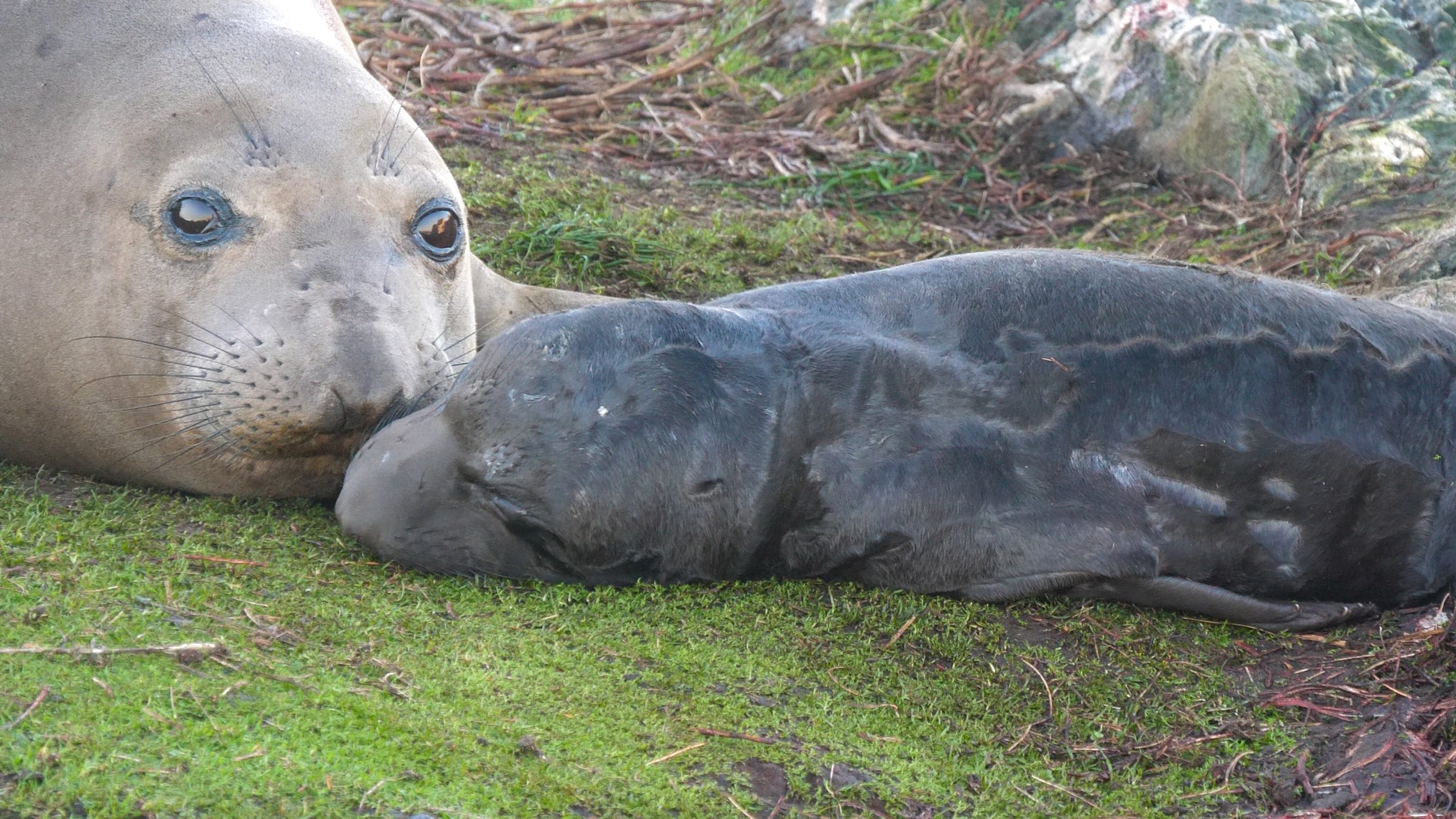
Cheermeister at 19 days. Looking fat and healthy as his mom gets more and more depleted. In 2020 we saw the pups nurse for 23 days, so he’s getting close to the end of ‘free food’.

Census:

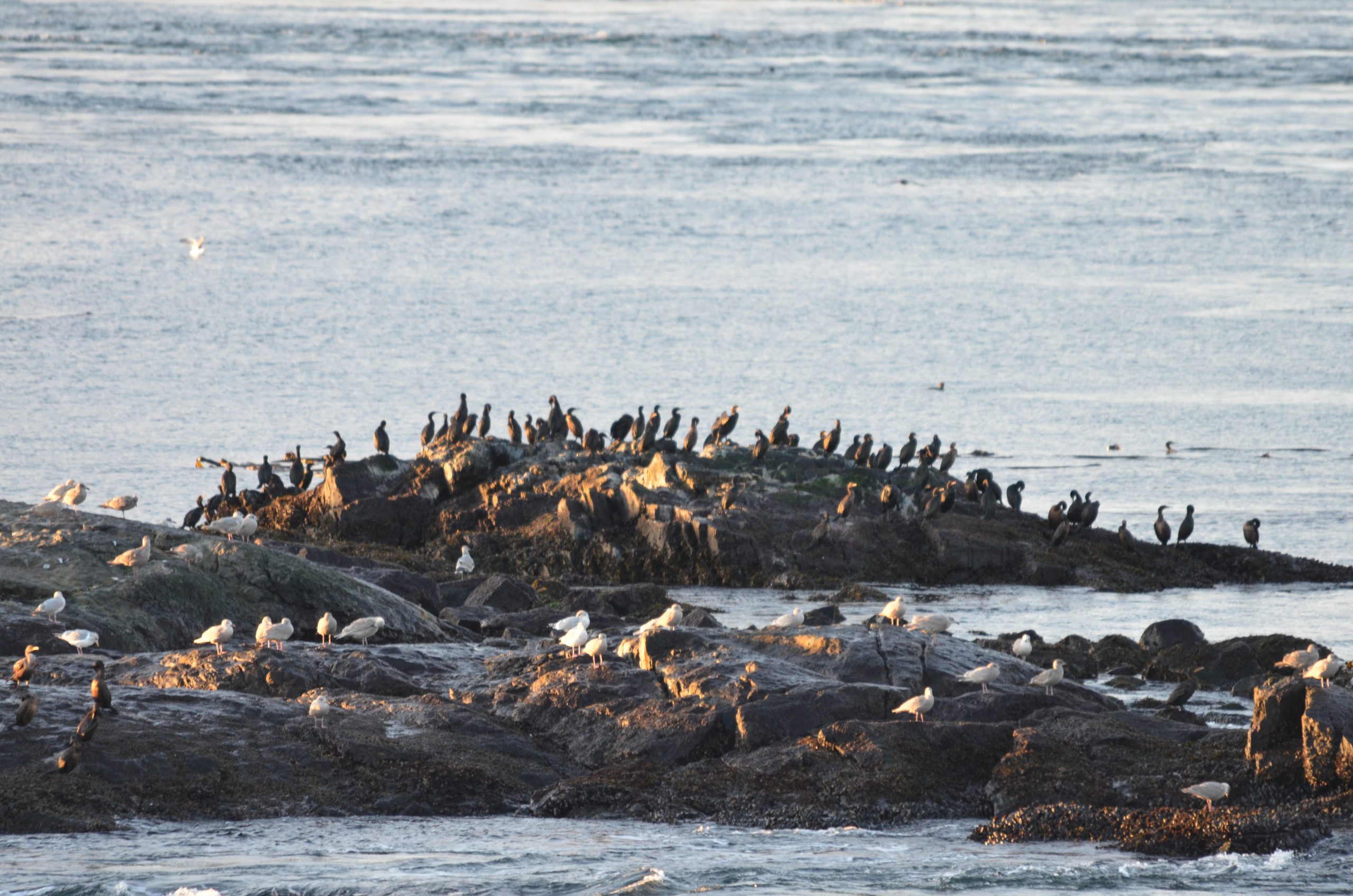
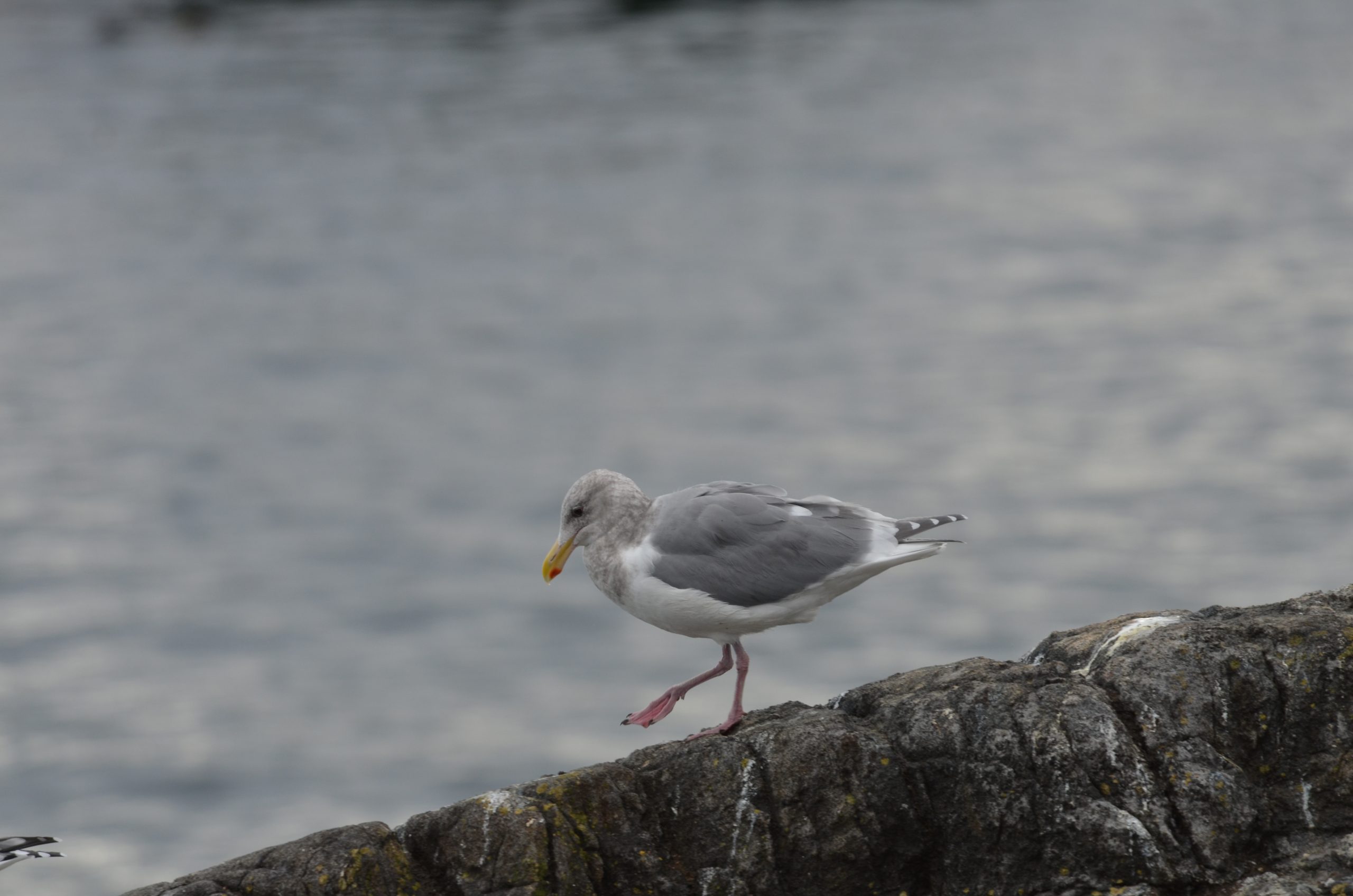
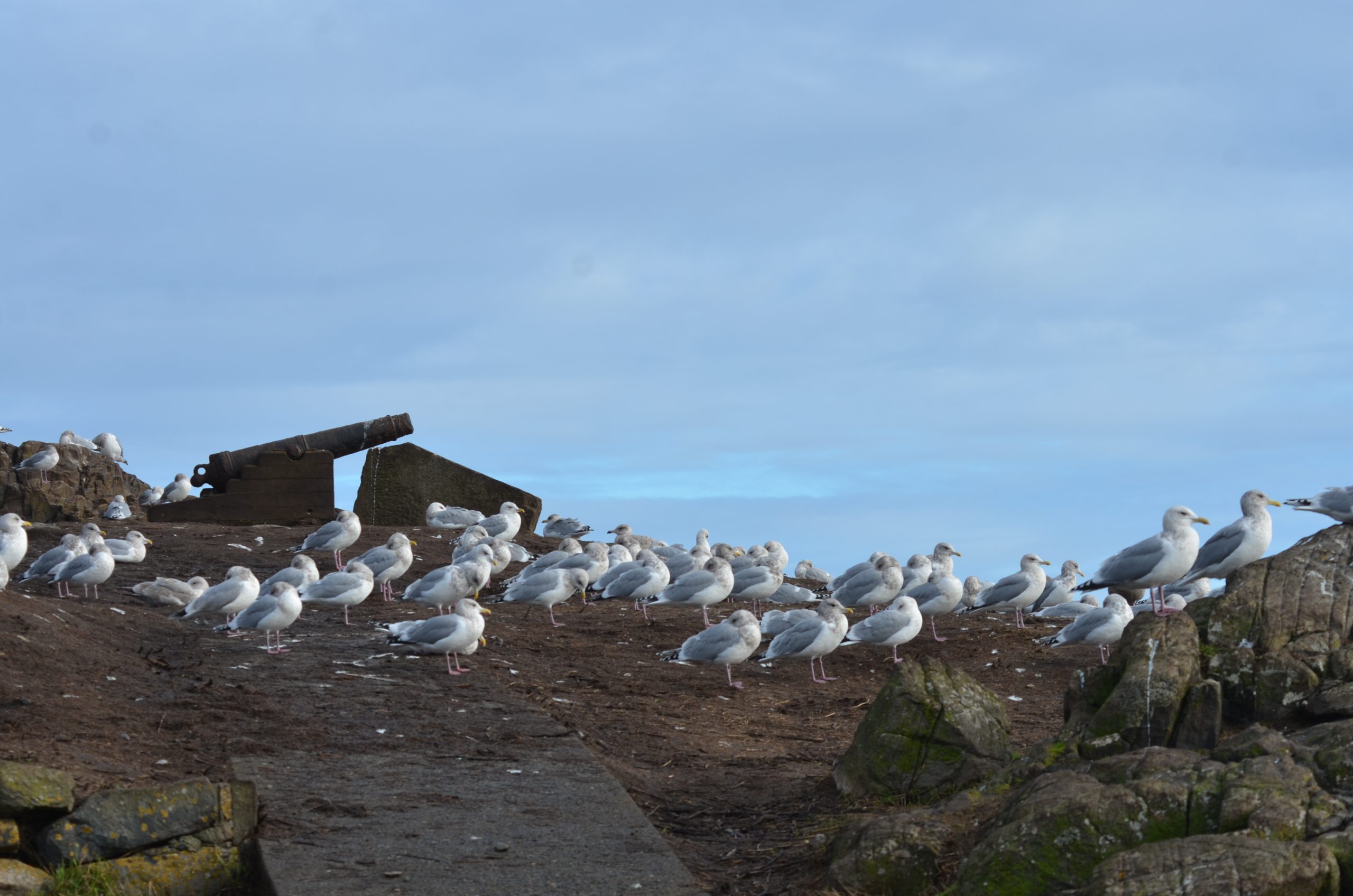
Gulls: 259

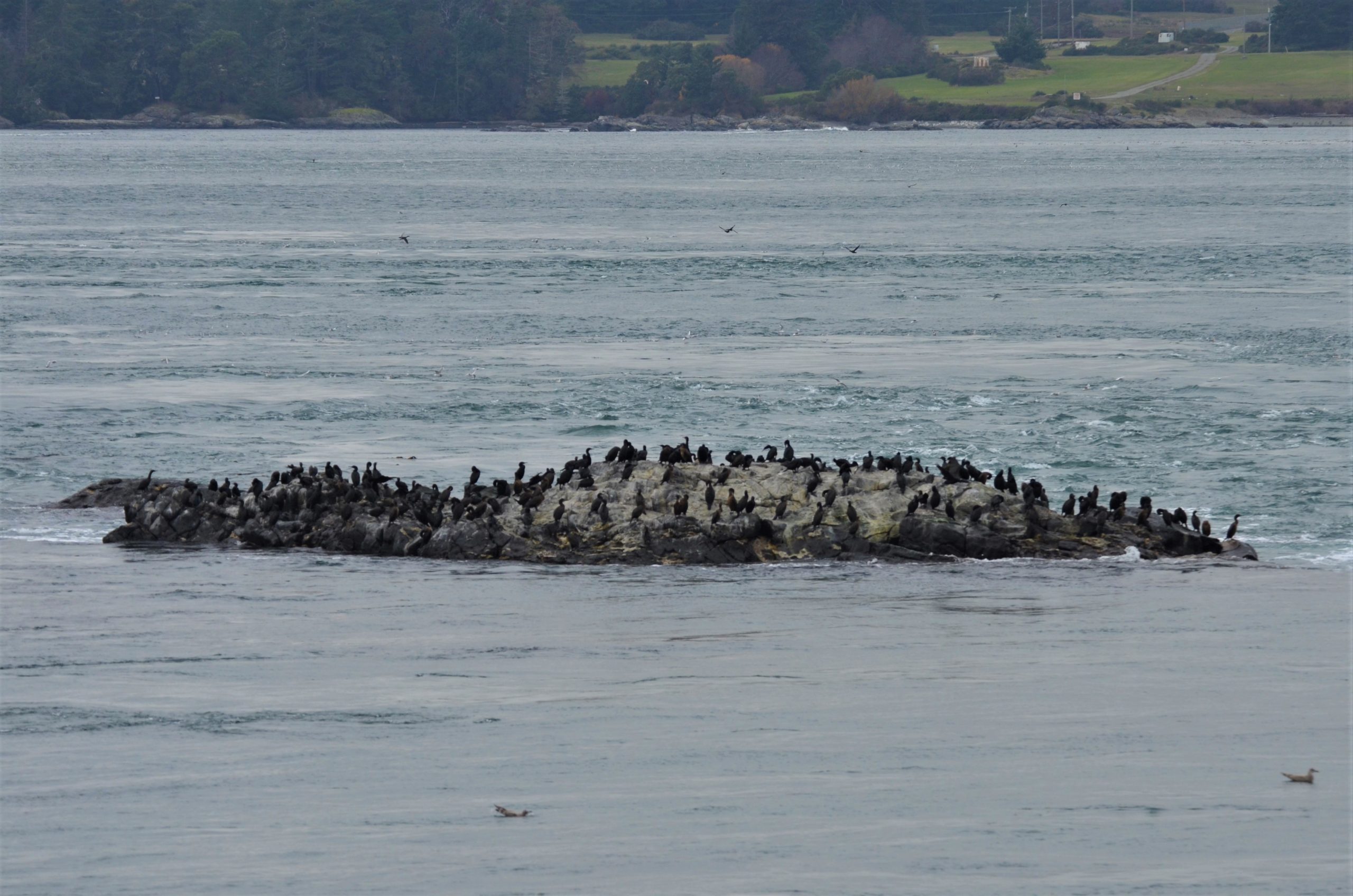
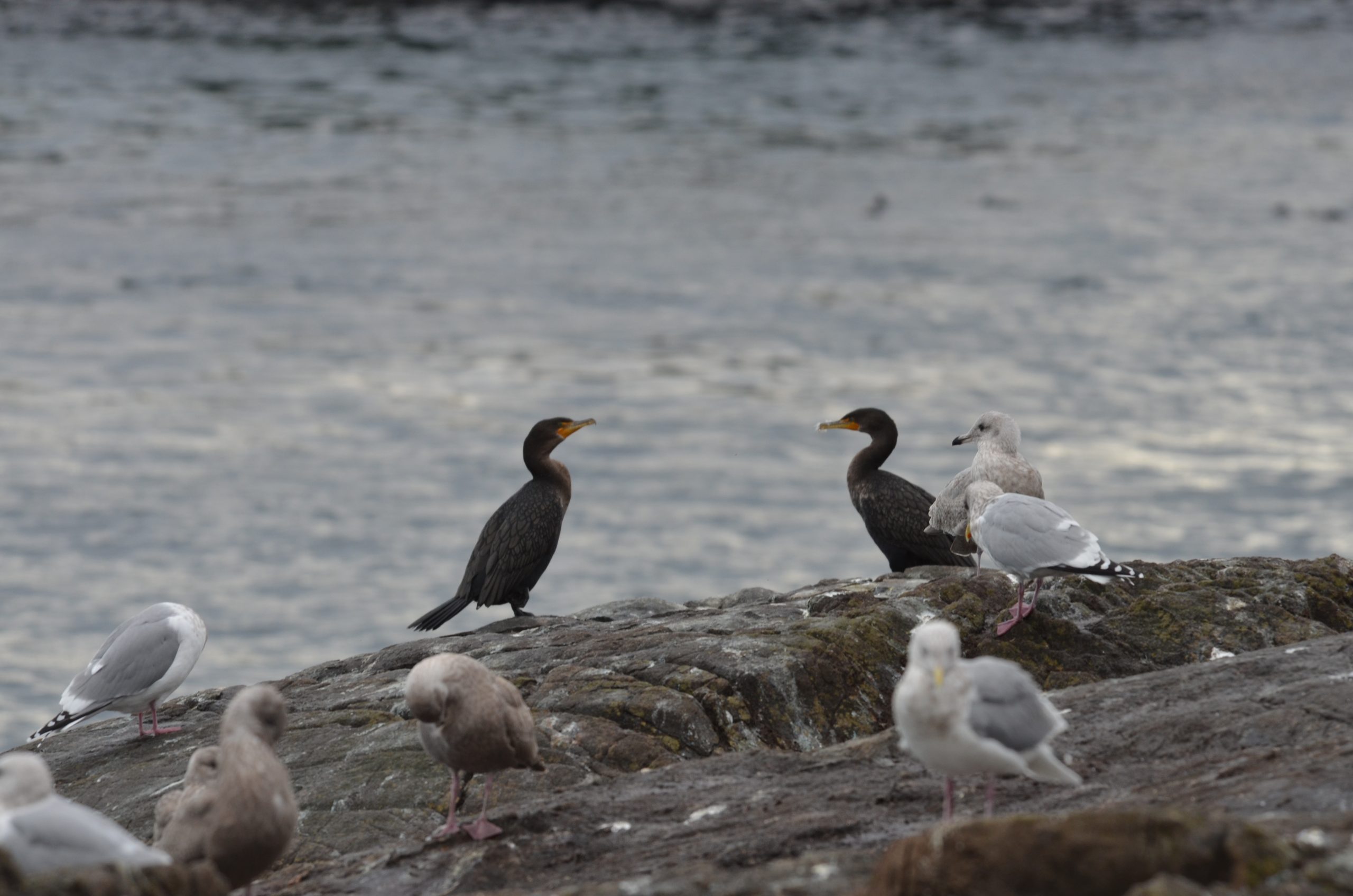
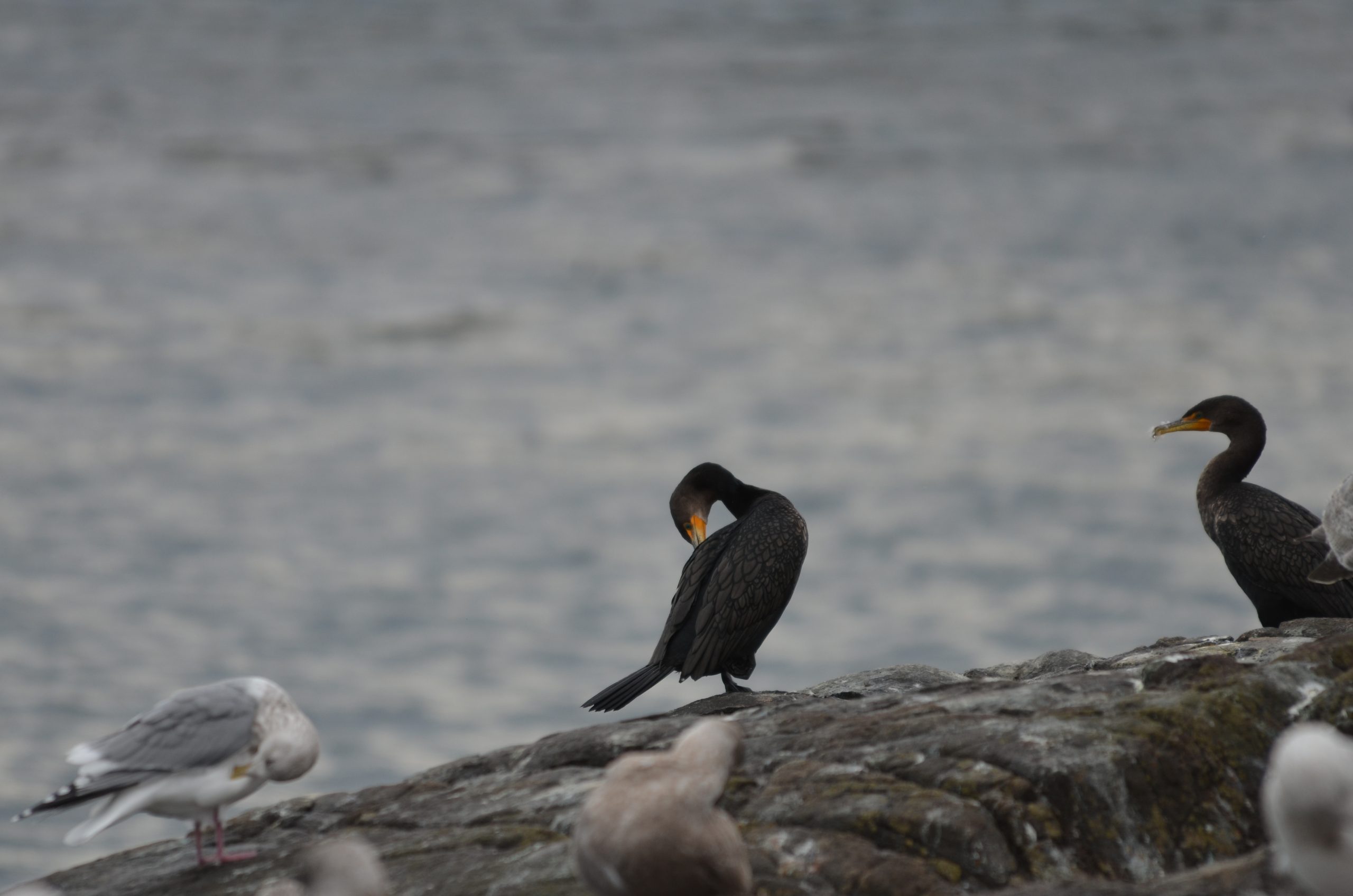
Cormorants: 719

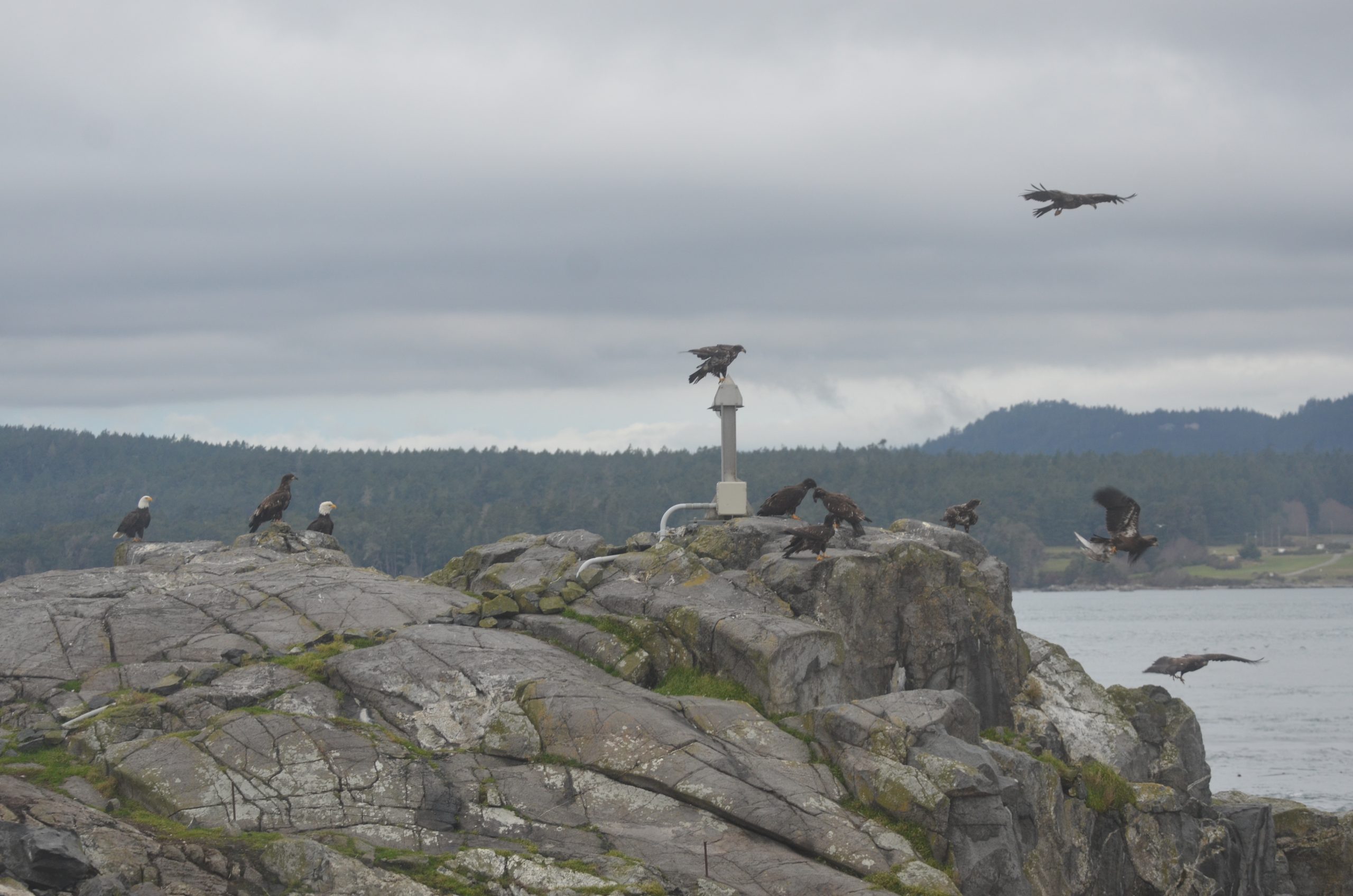
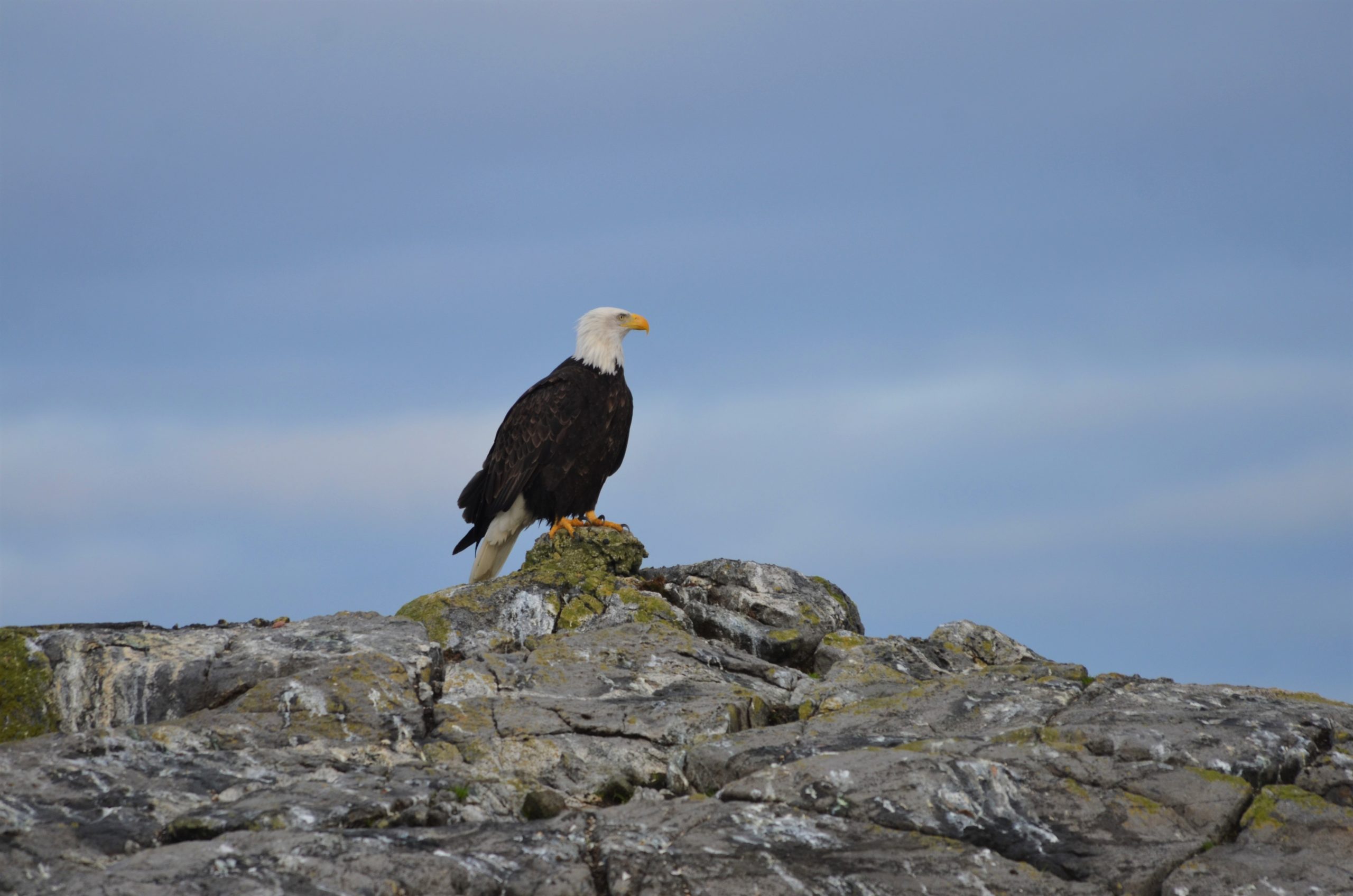
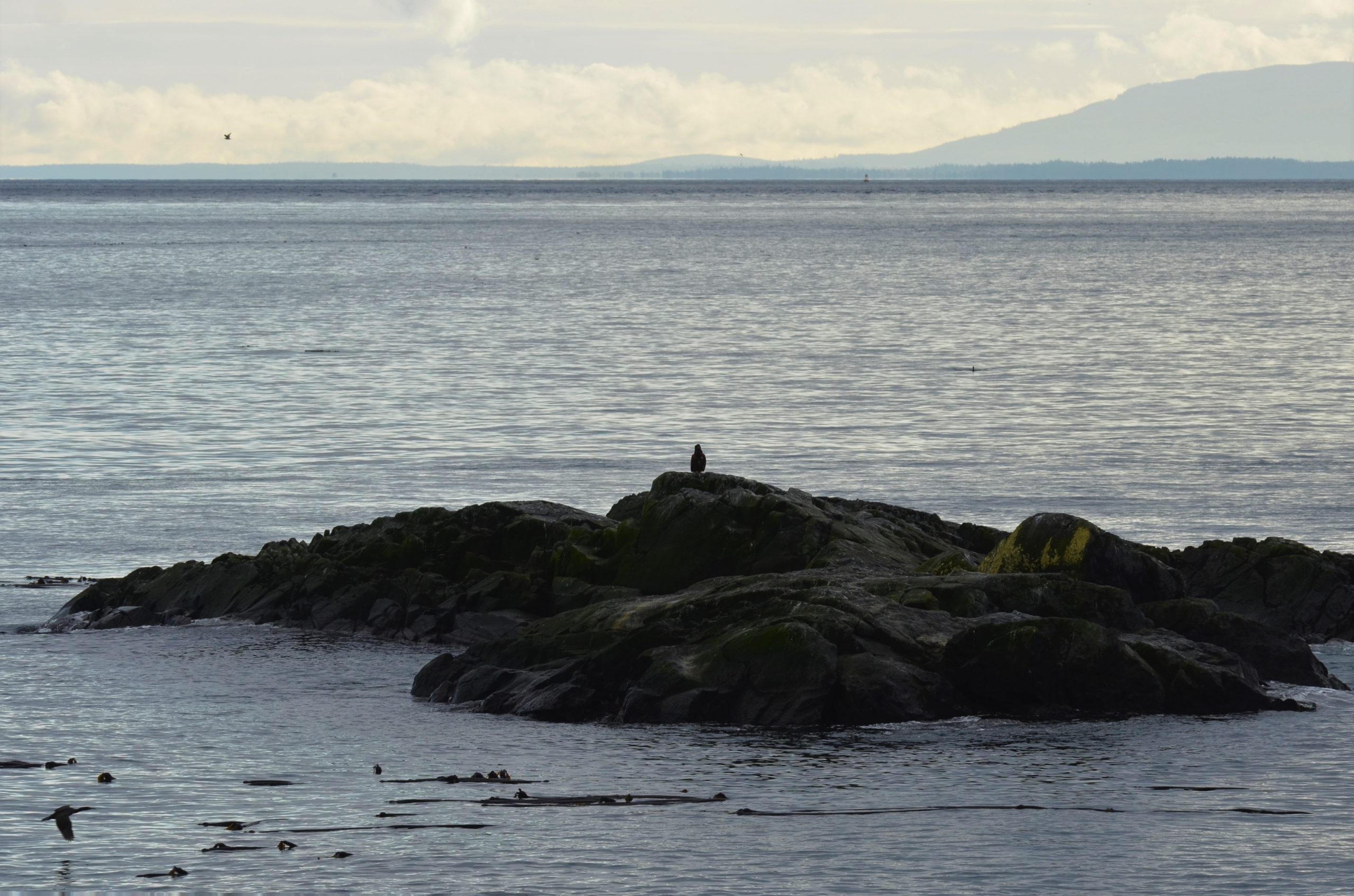
Eagles: 6

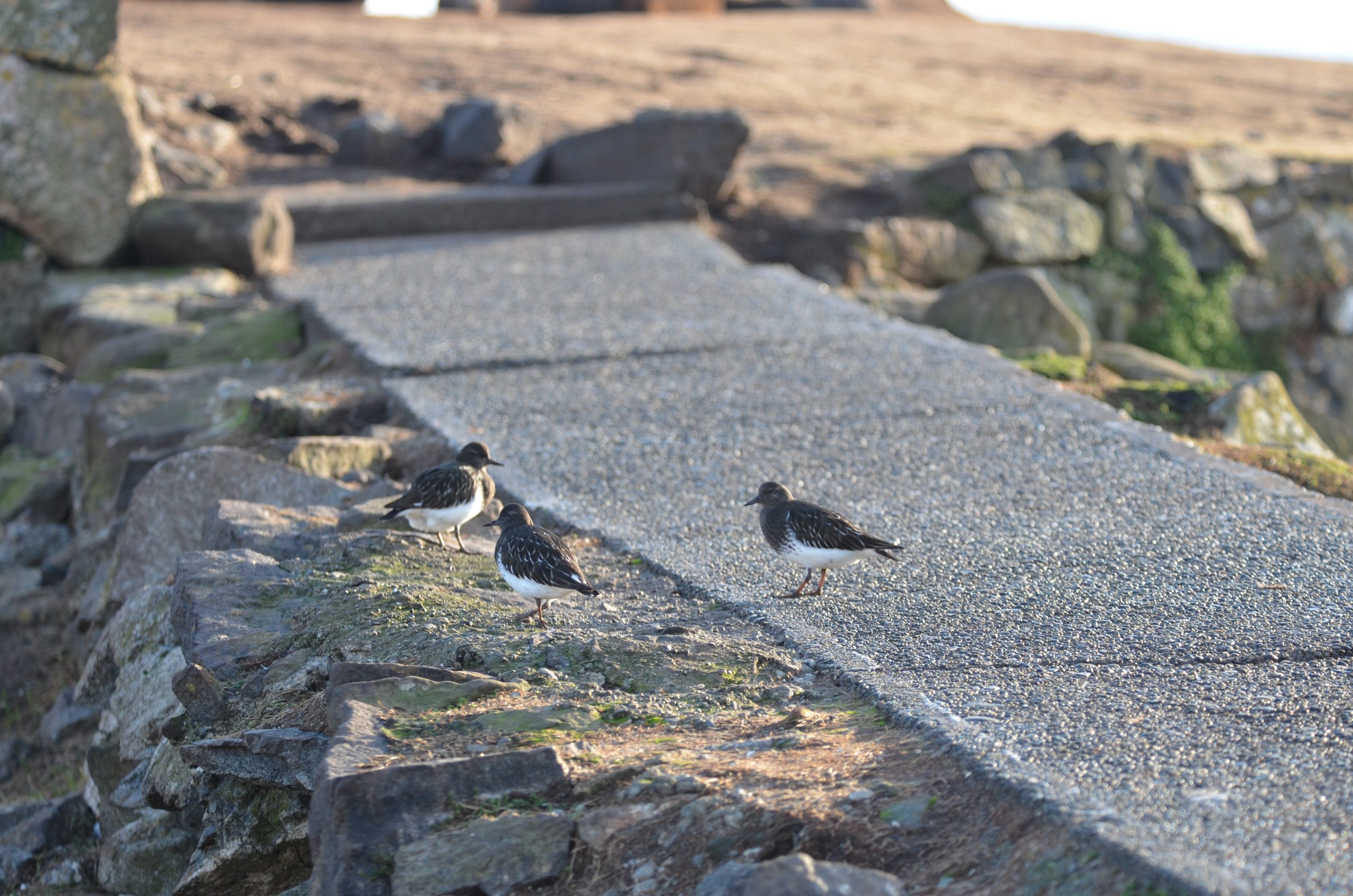
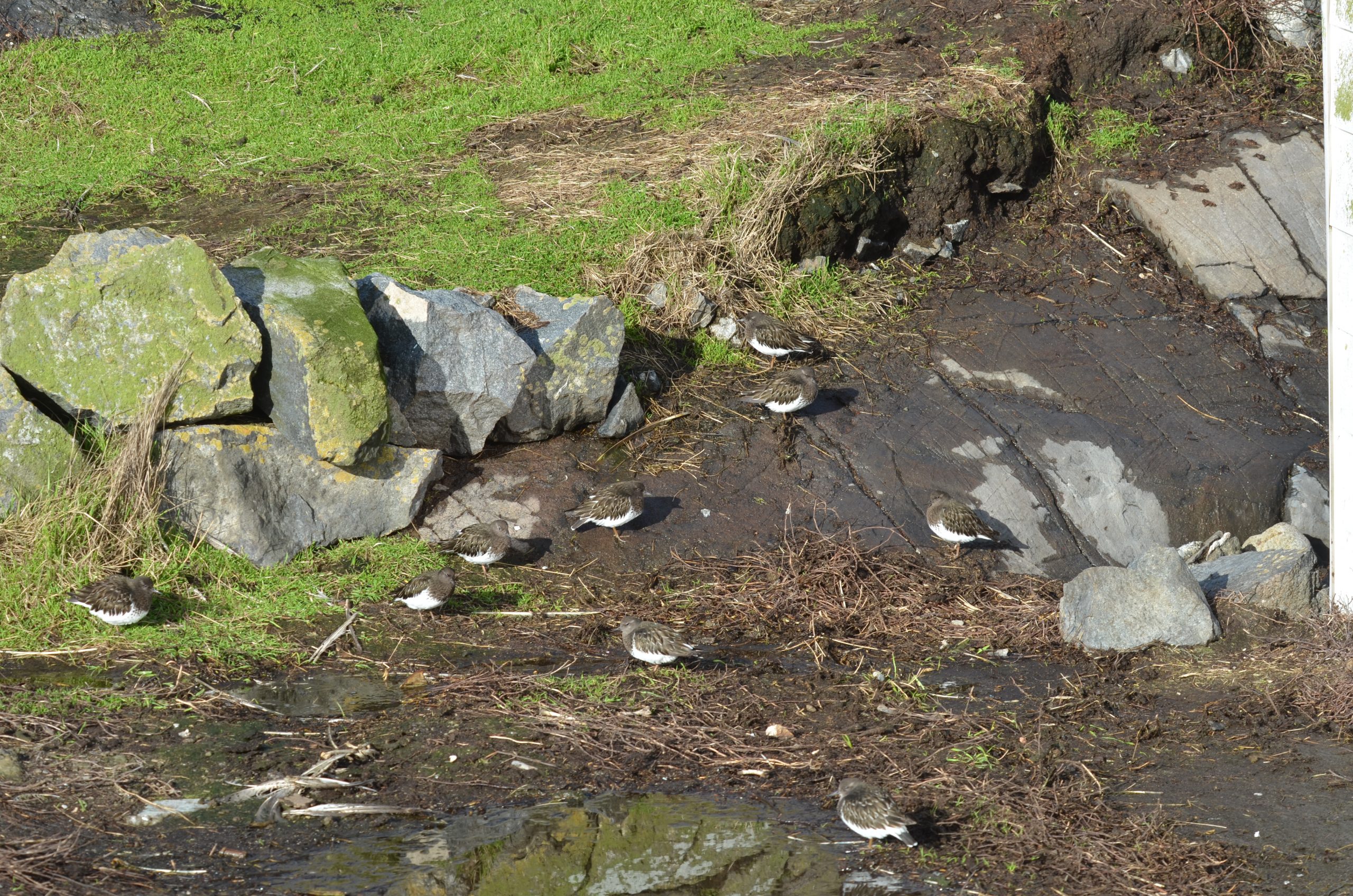
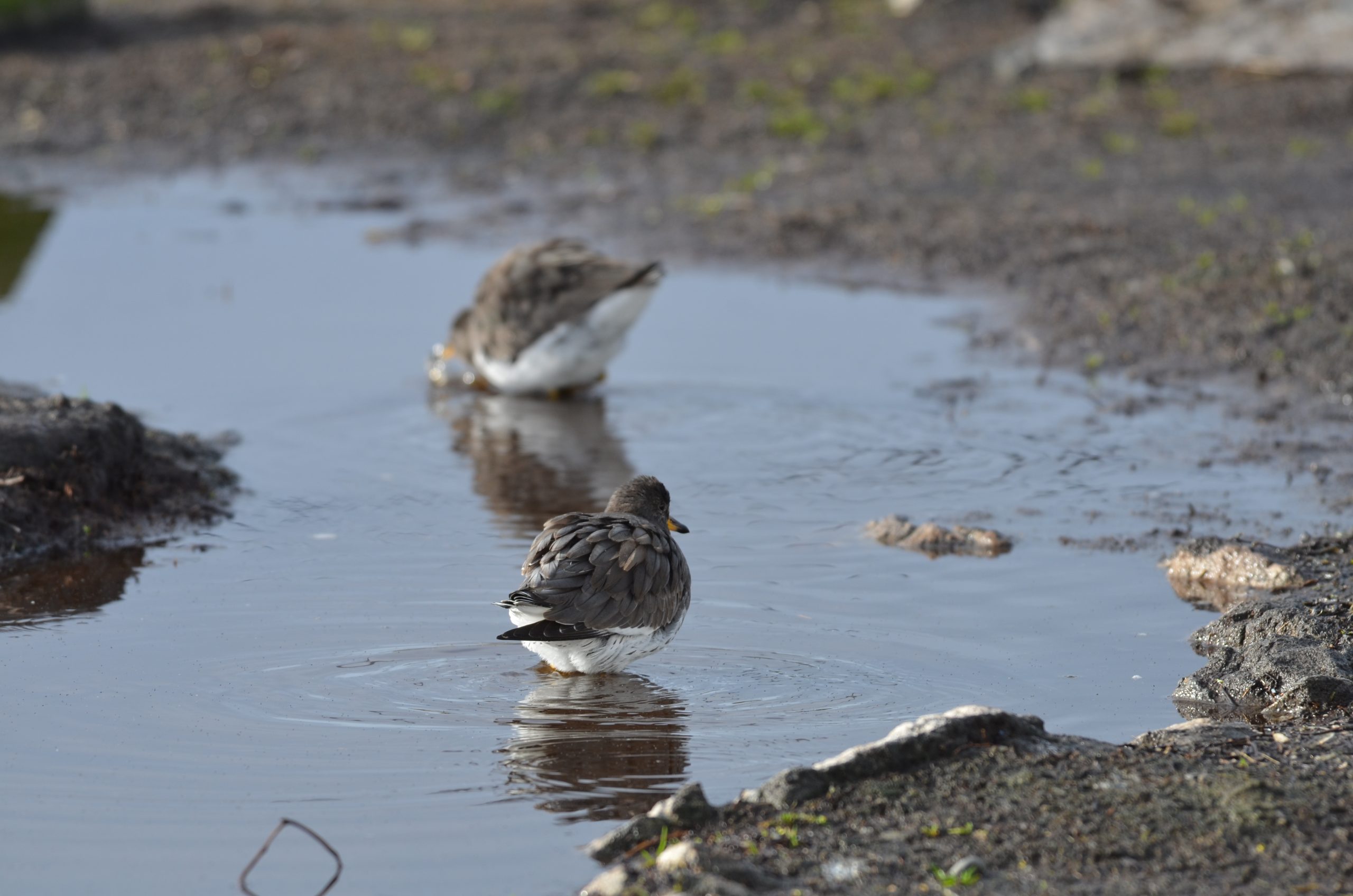
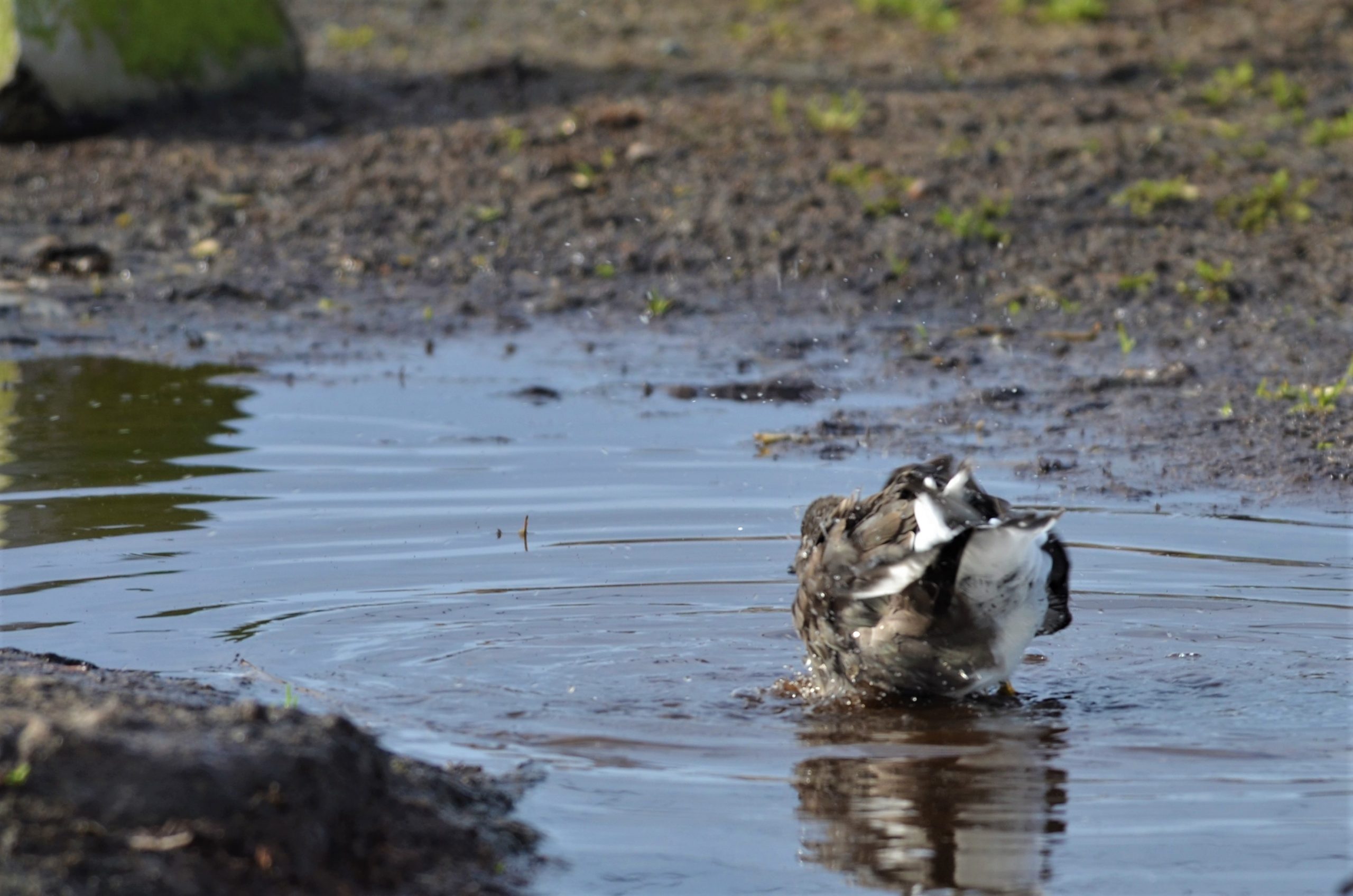
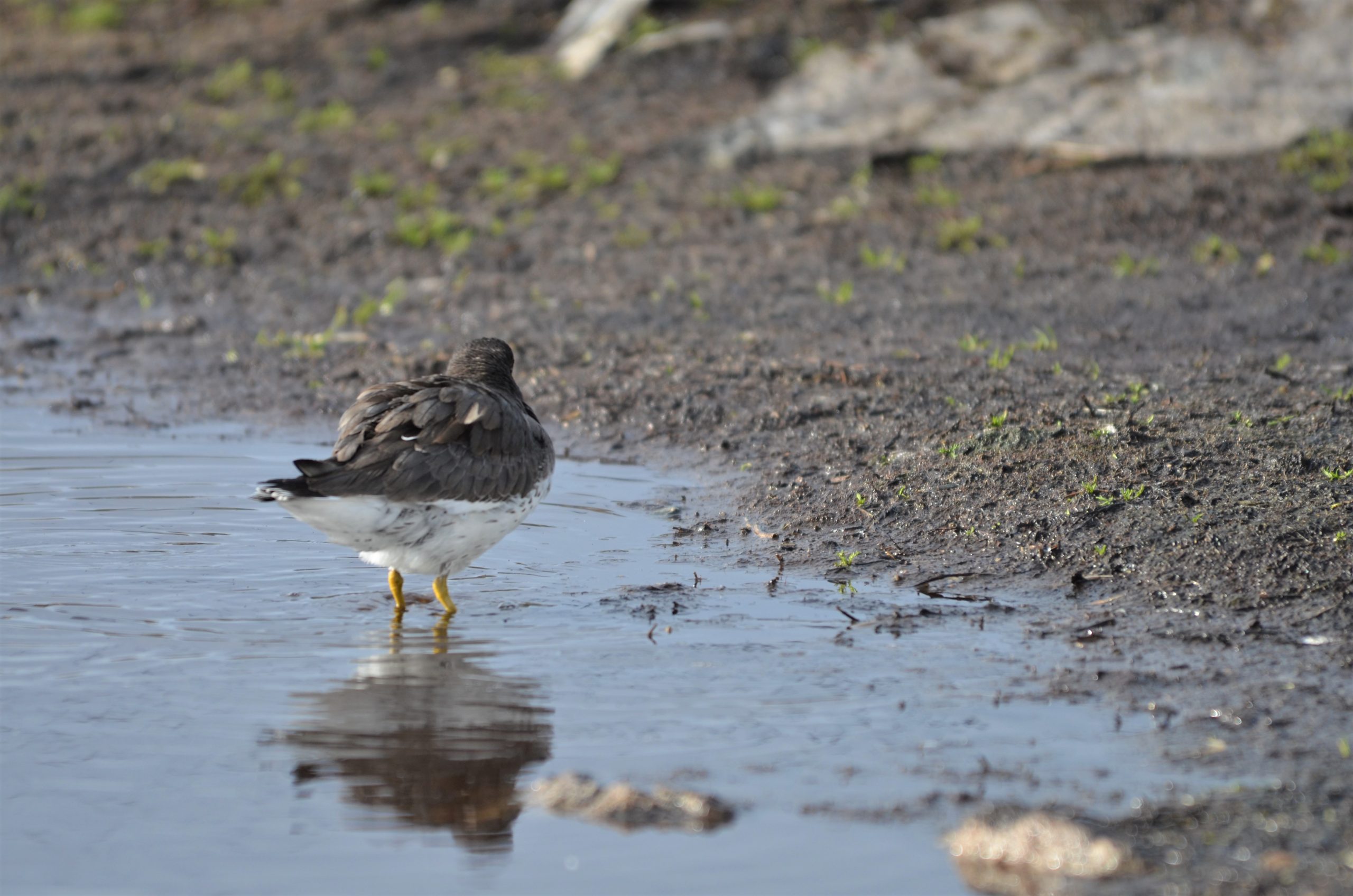
Turnstones: 22

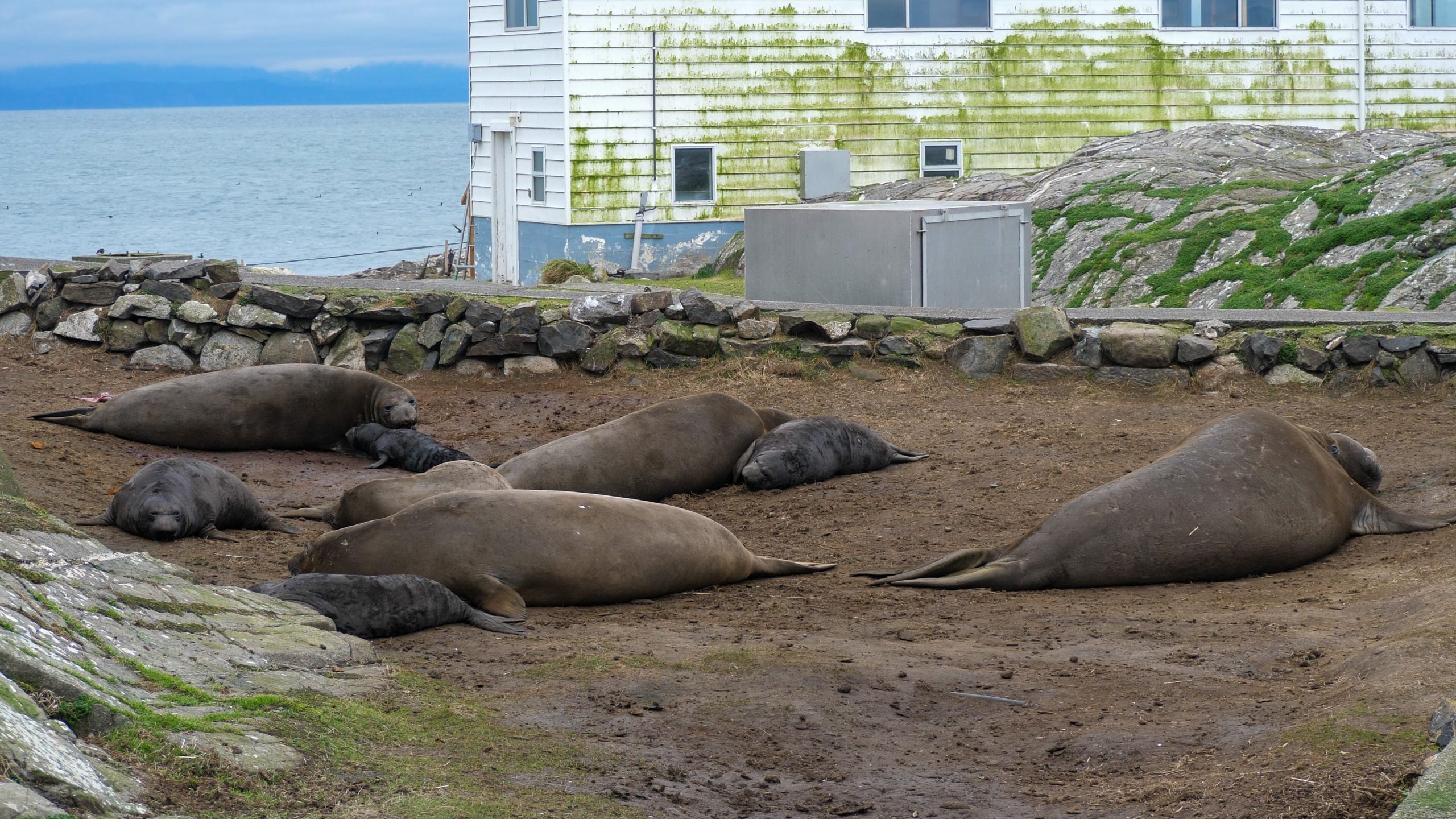
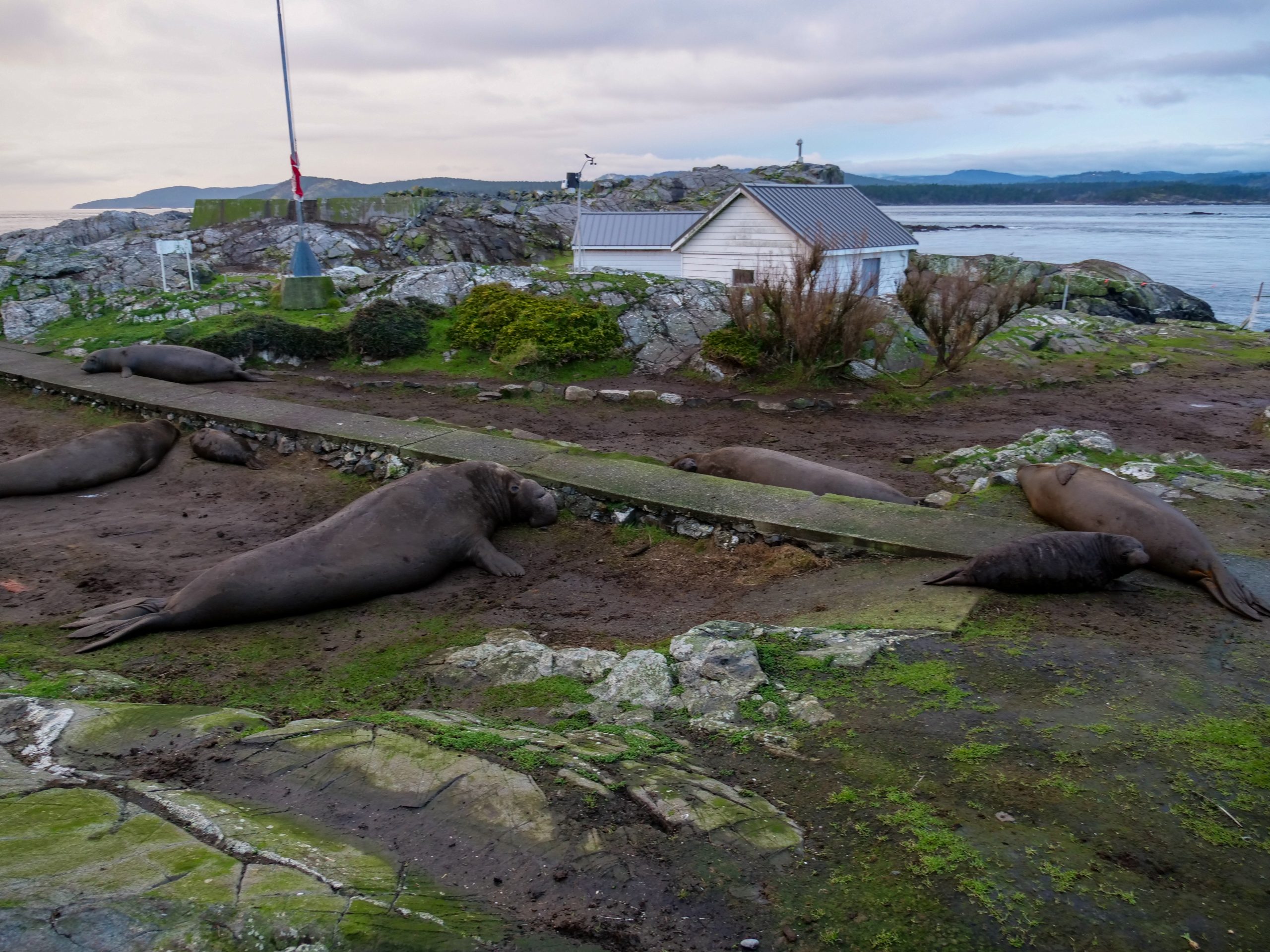
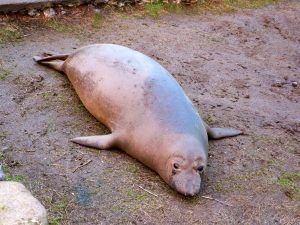
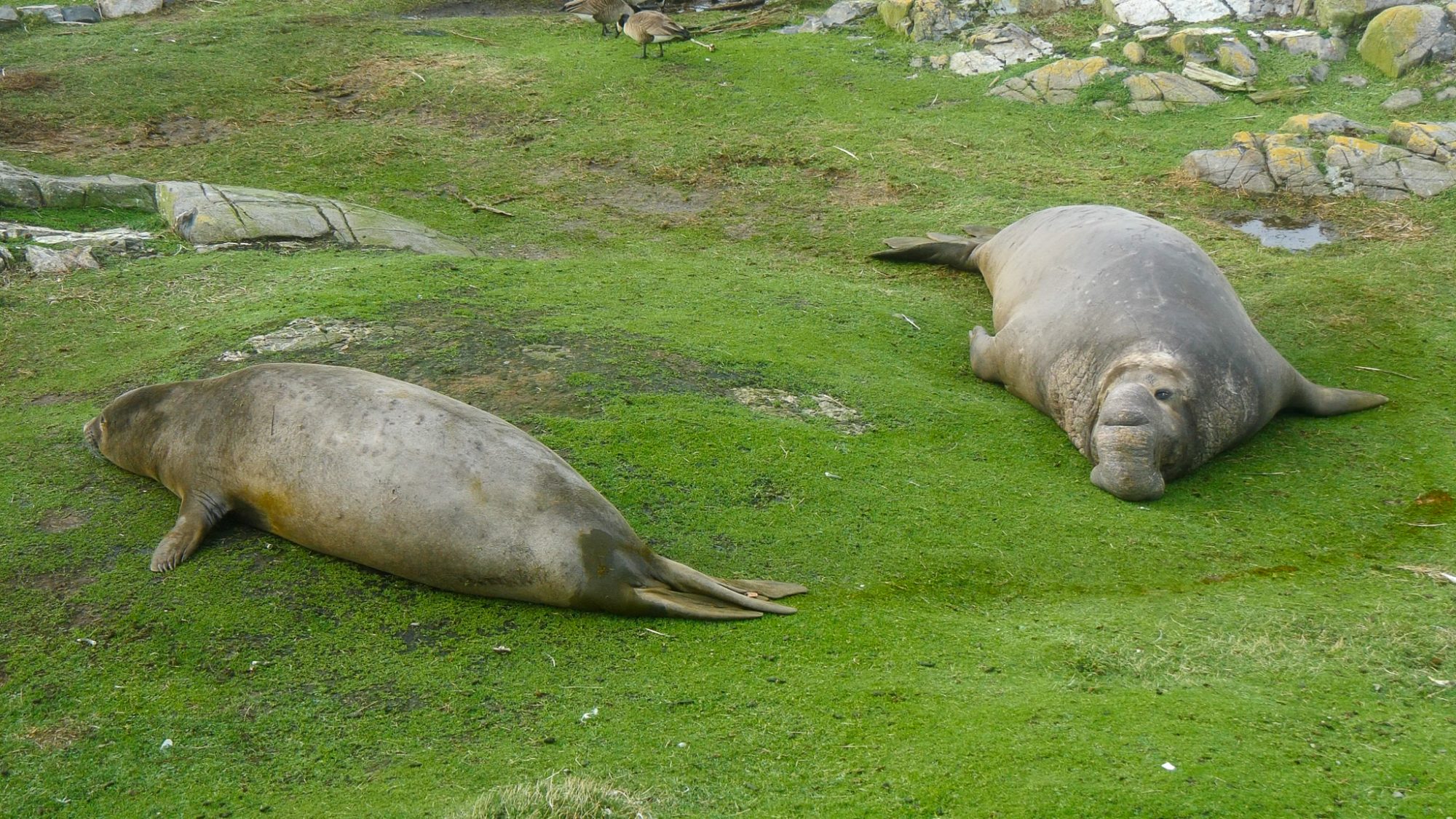
Elephant Seals: 8 [2 bulls, 3 females, 3 pups]

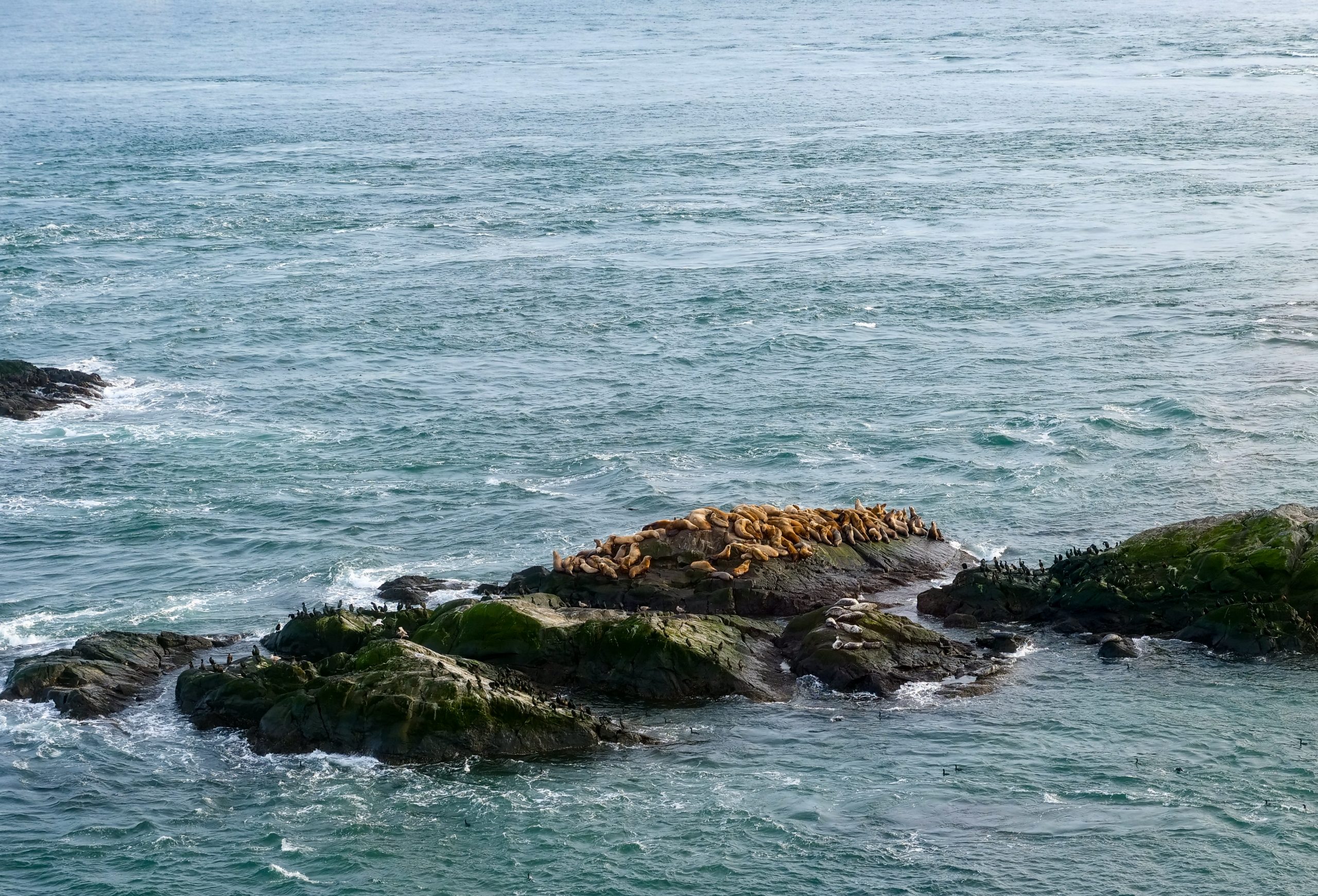
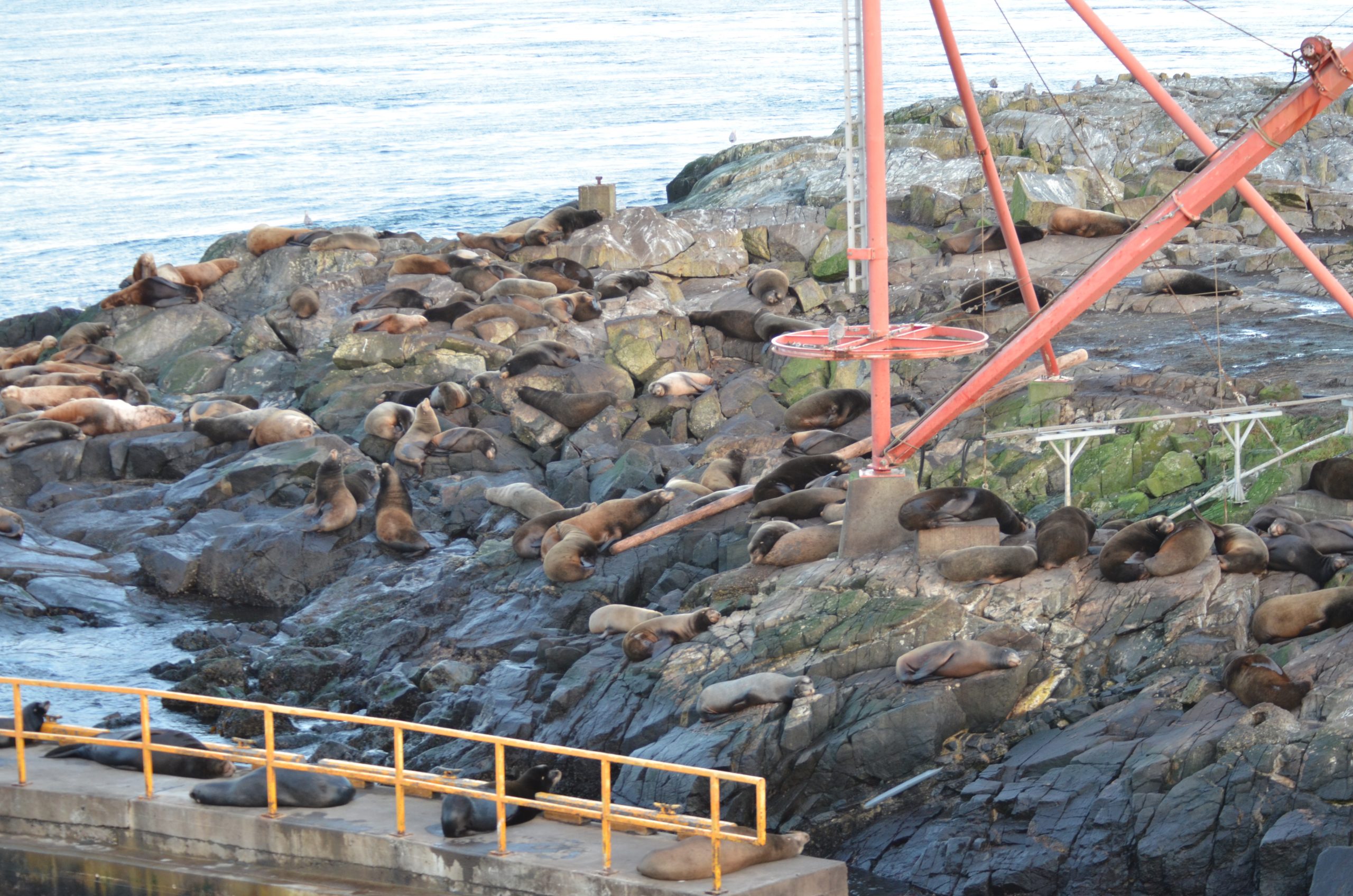
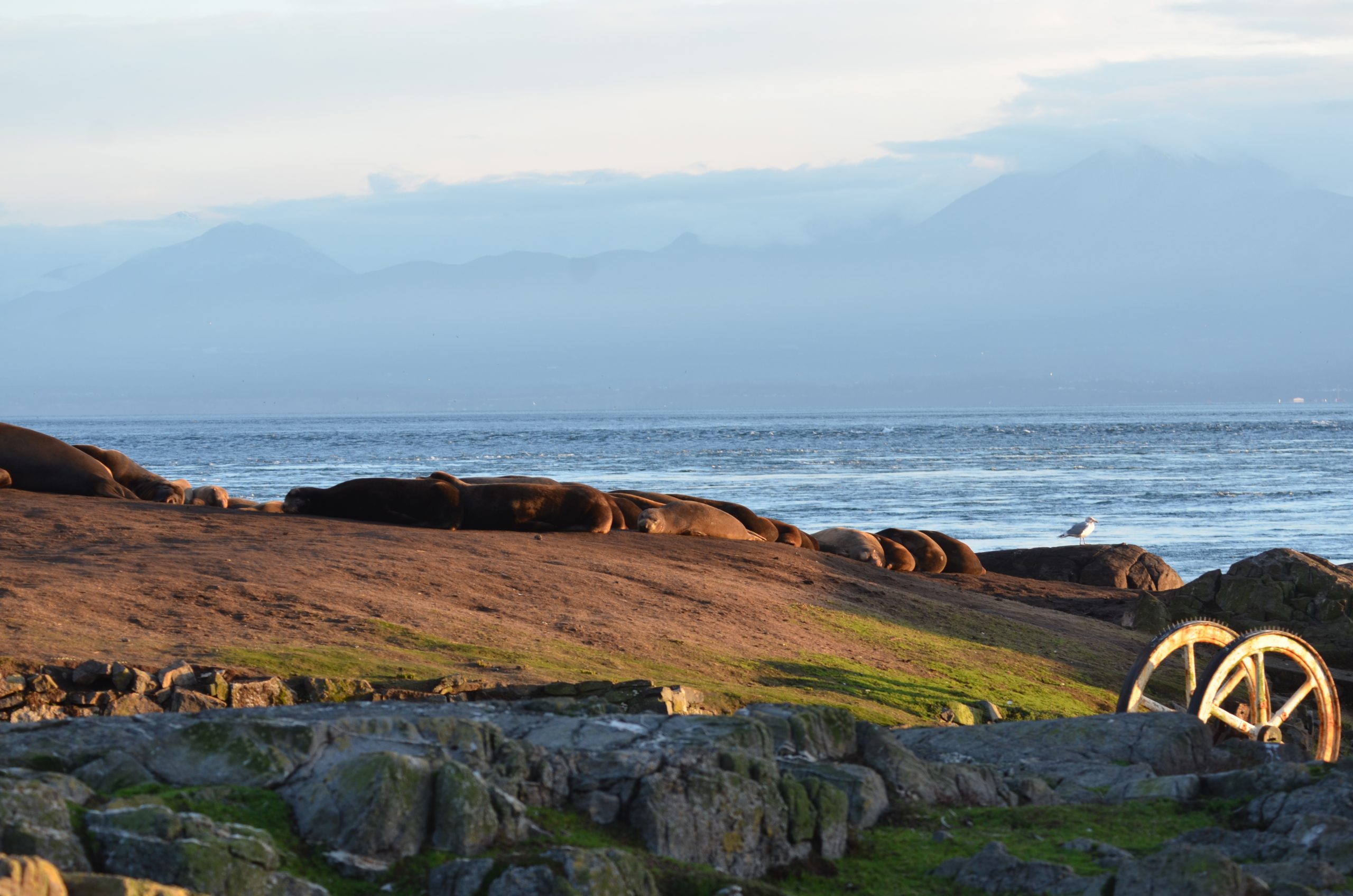
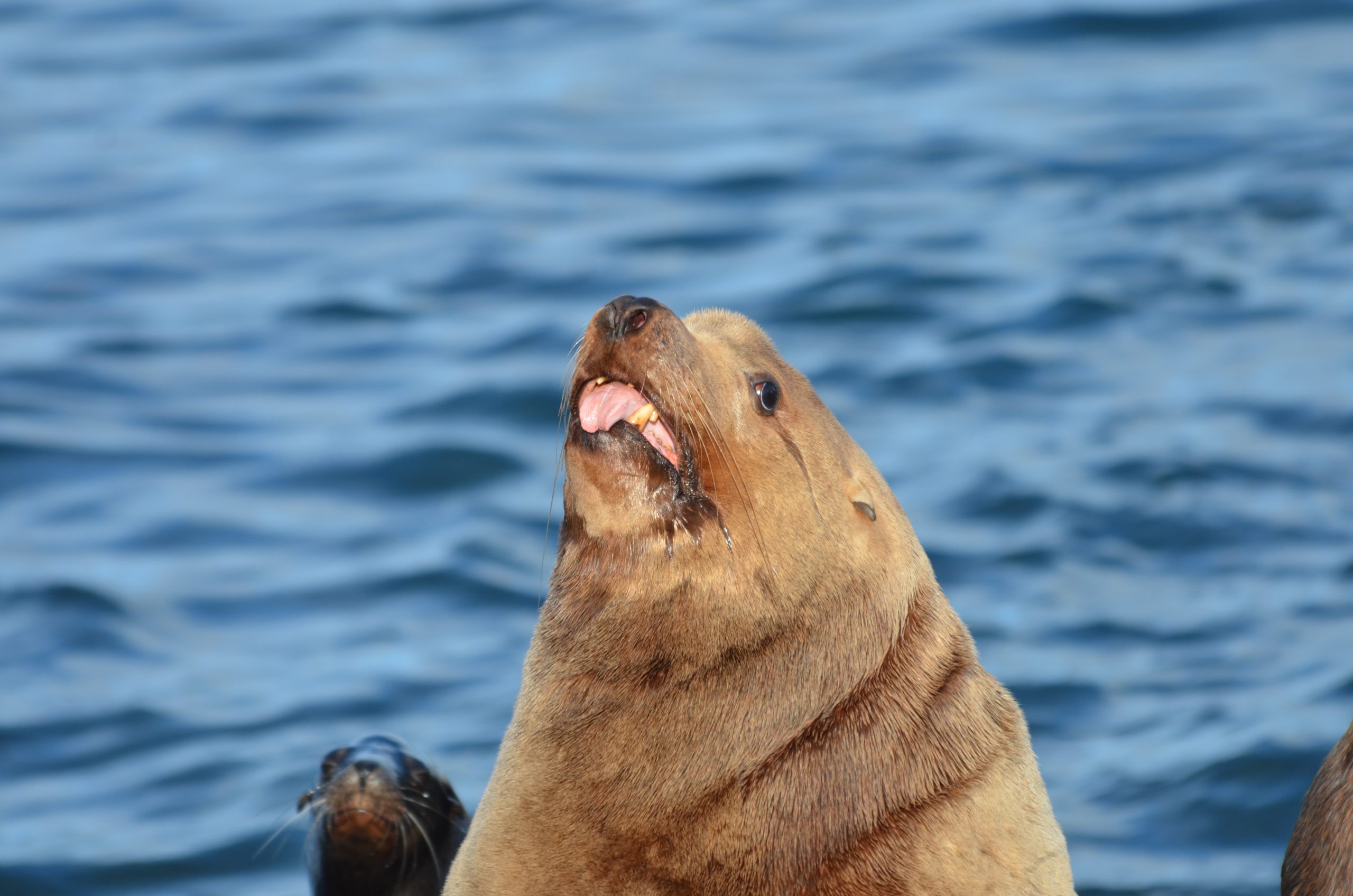
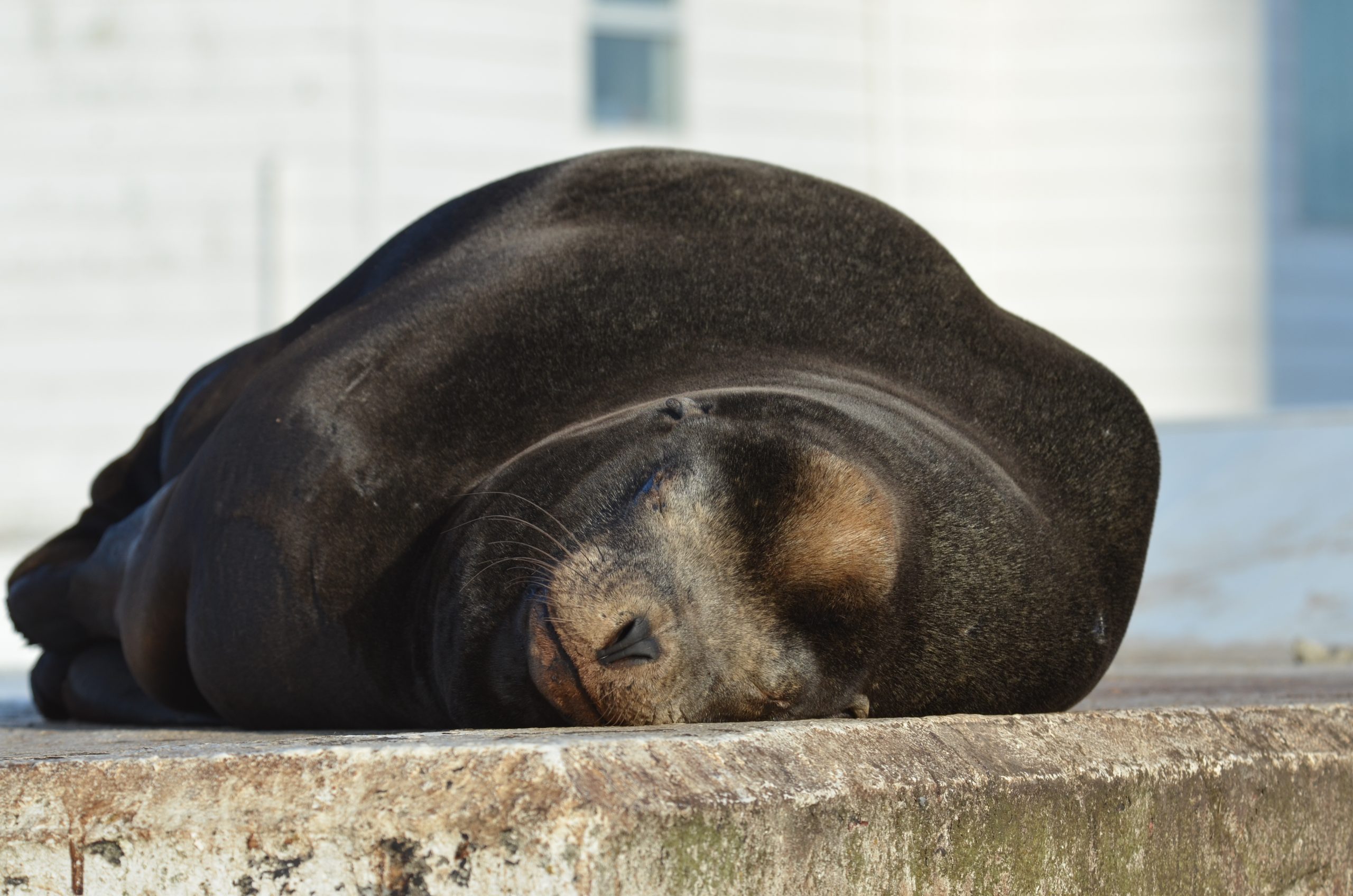
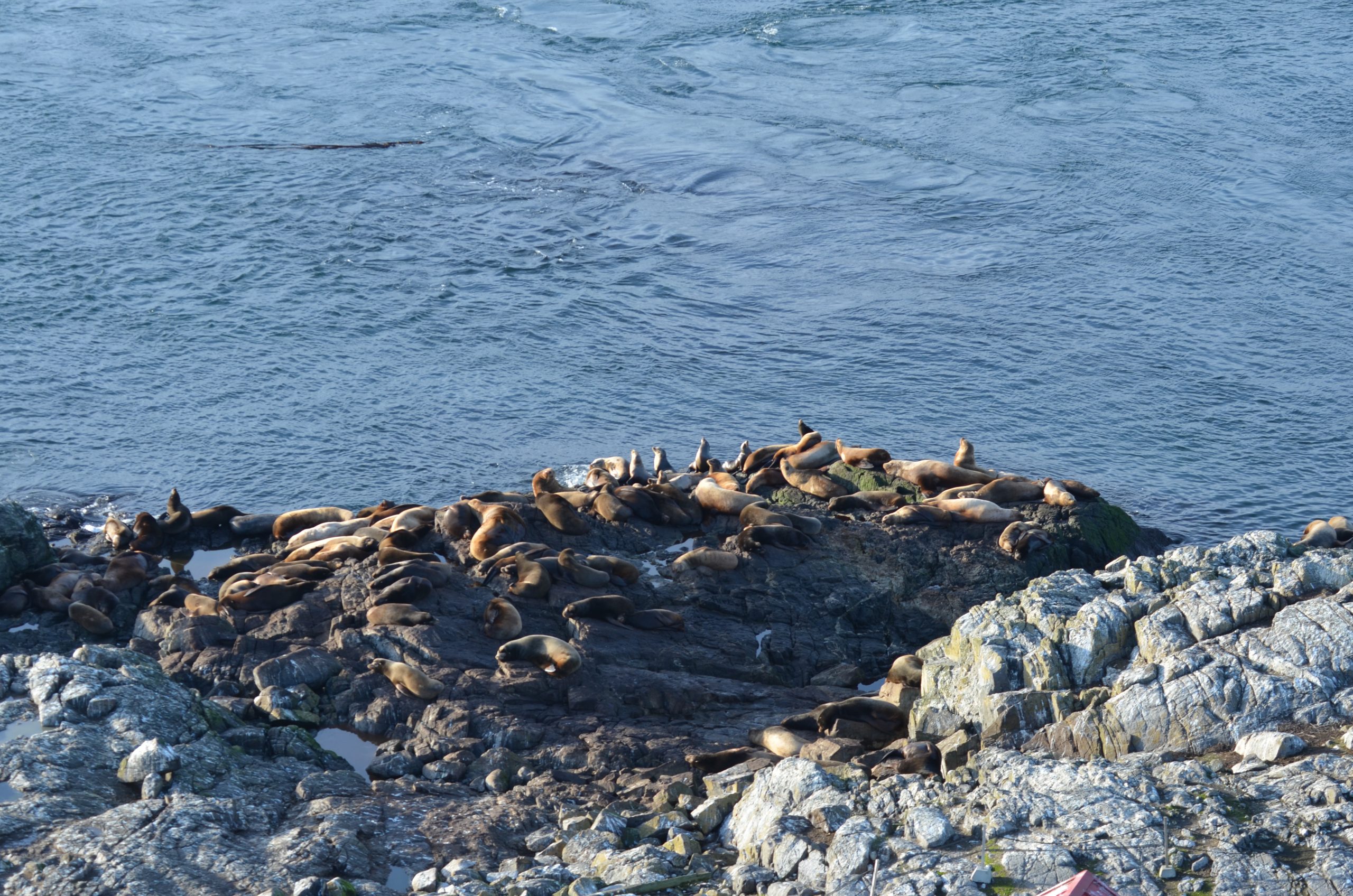
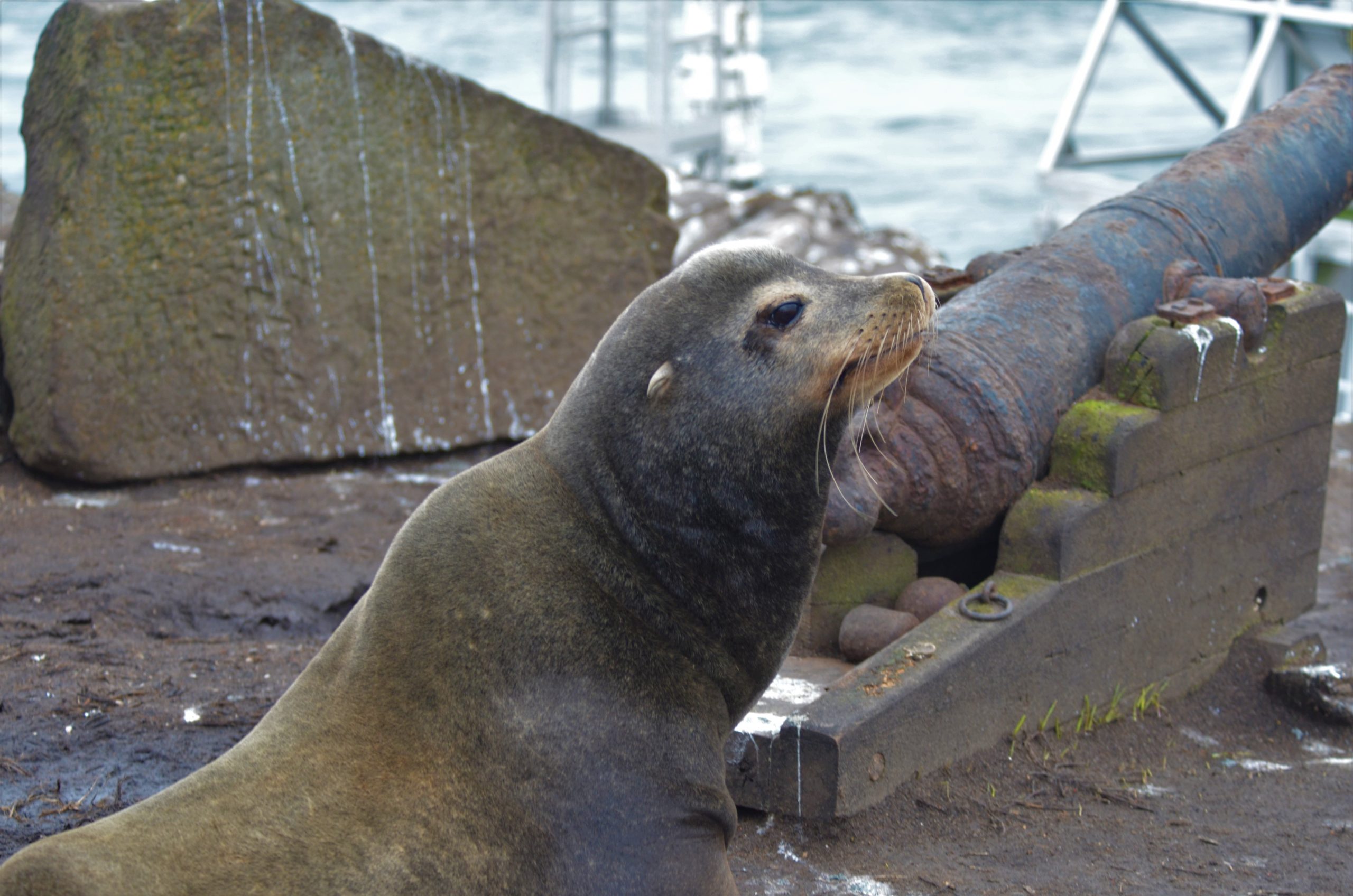
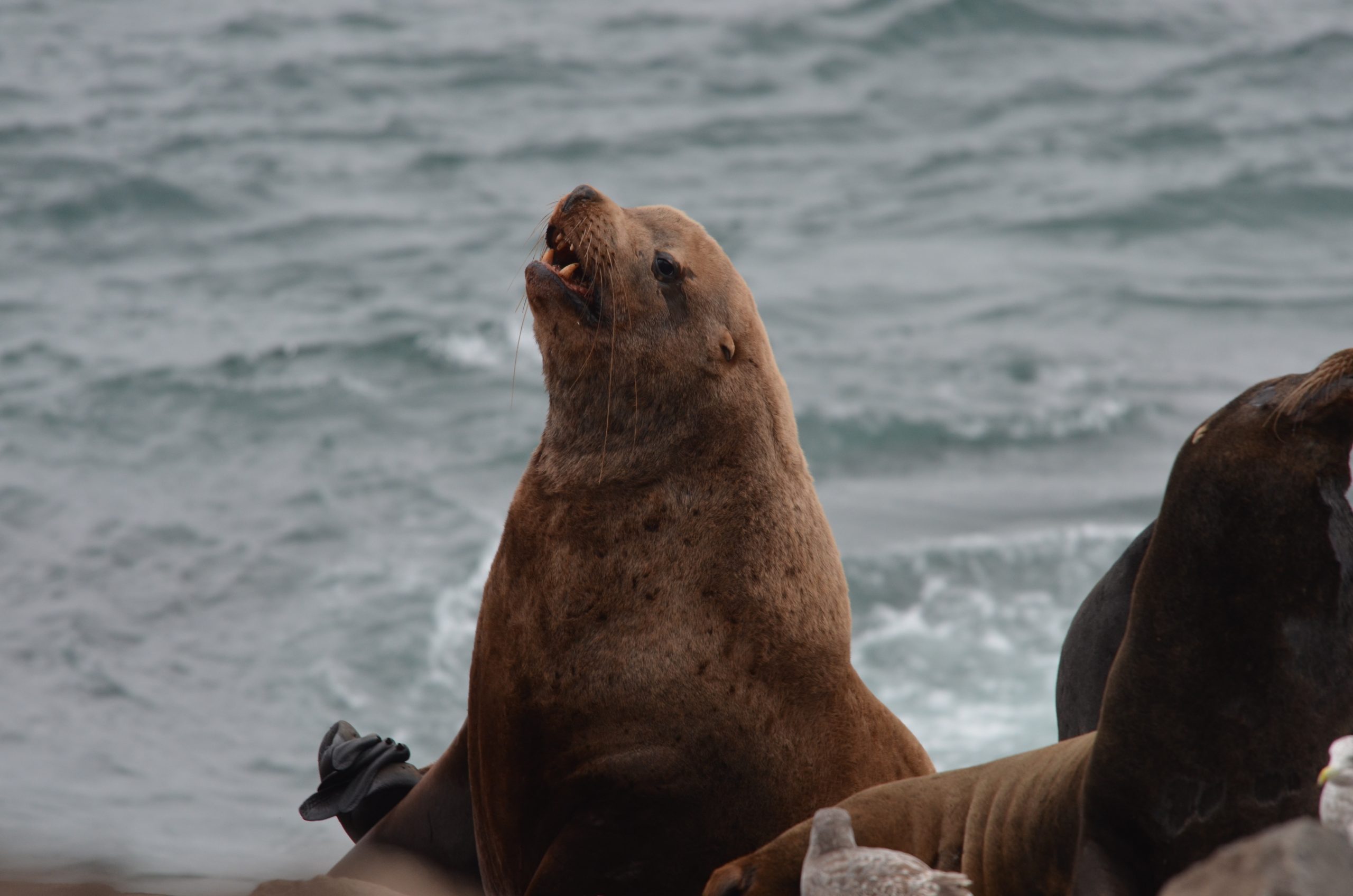
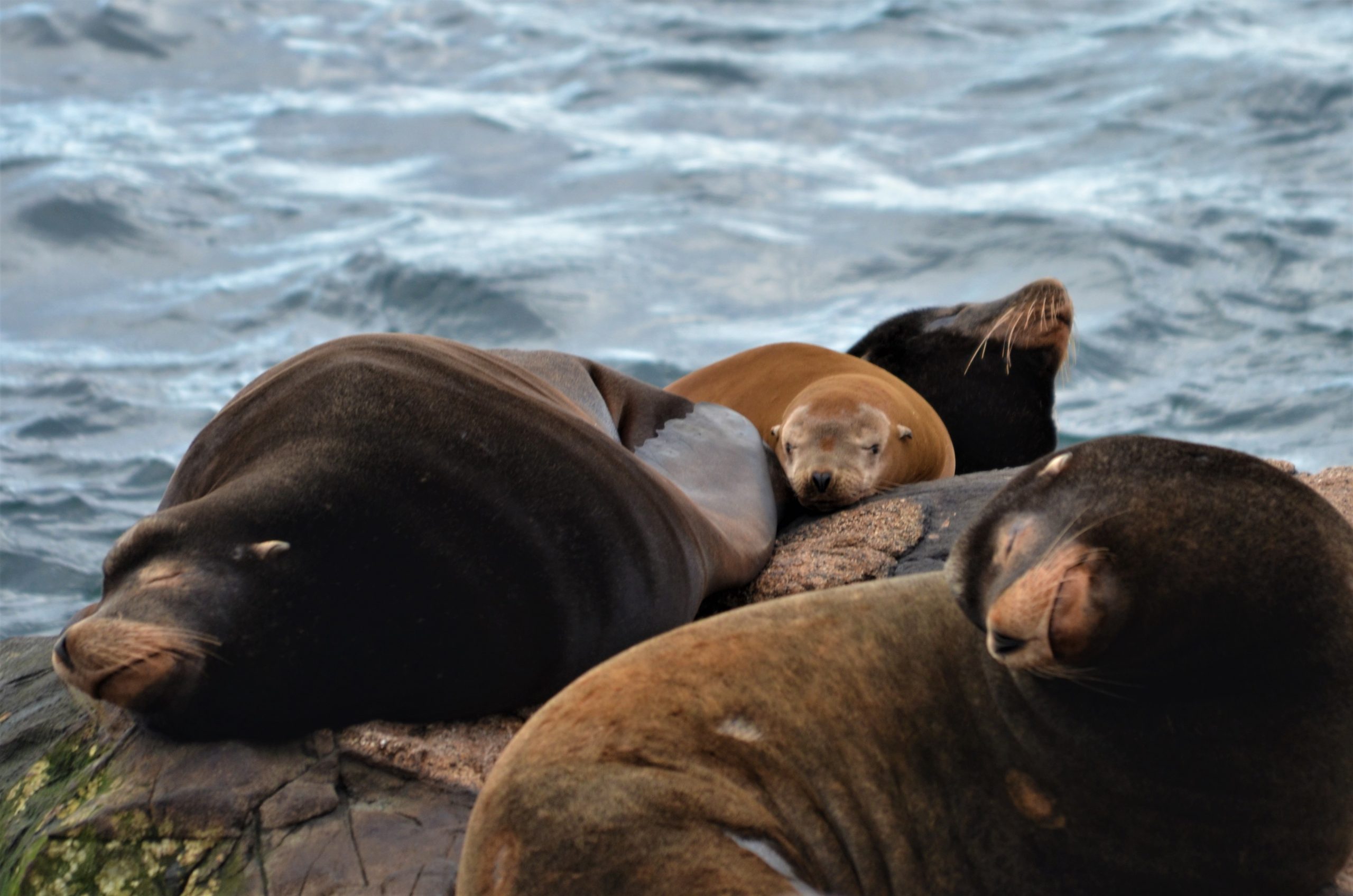
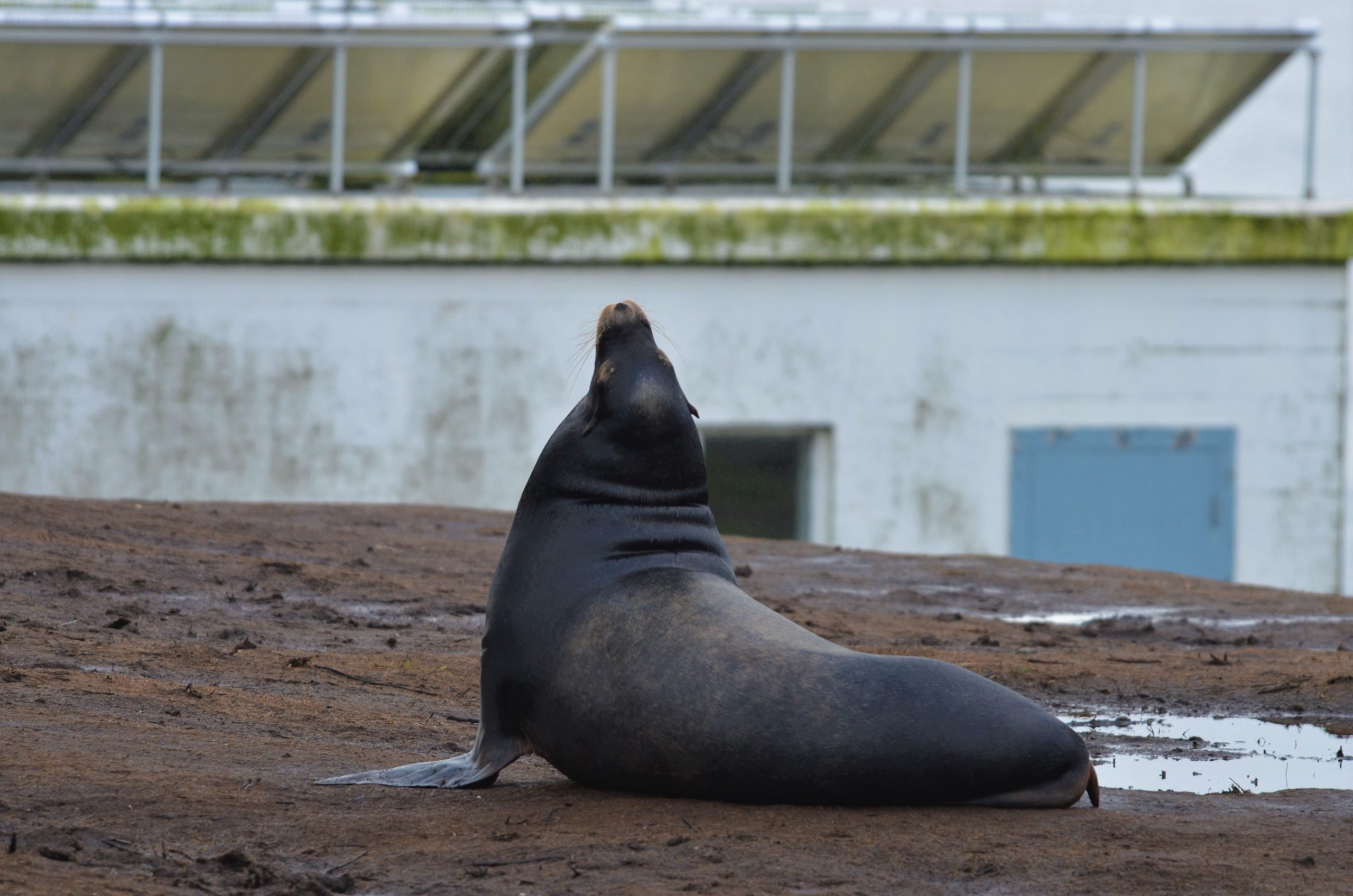
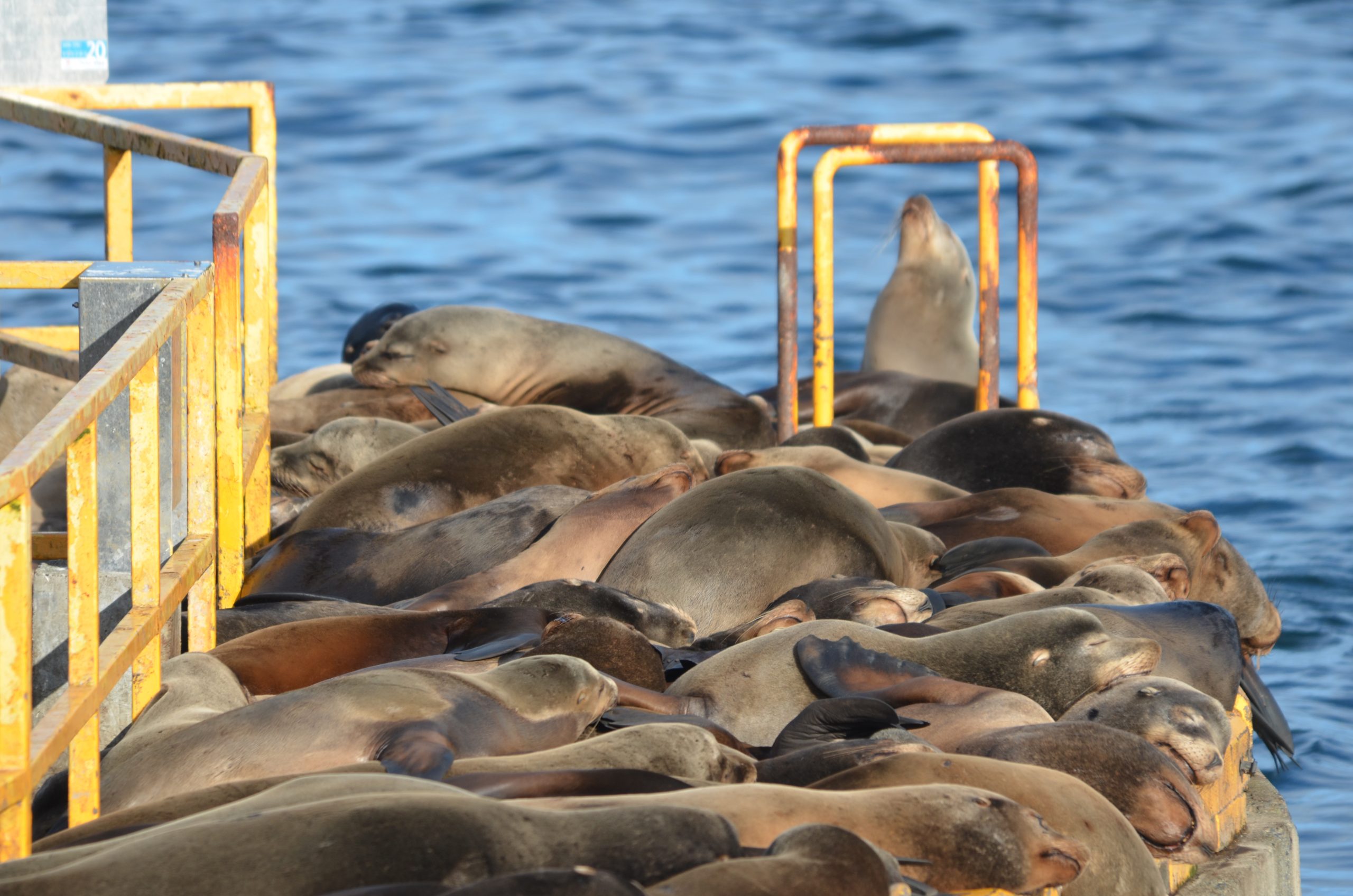
Steller Sea Lions: 160

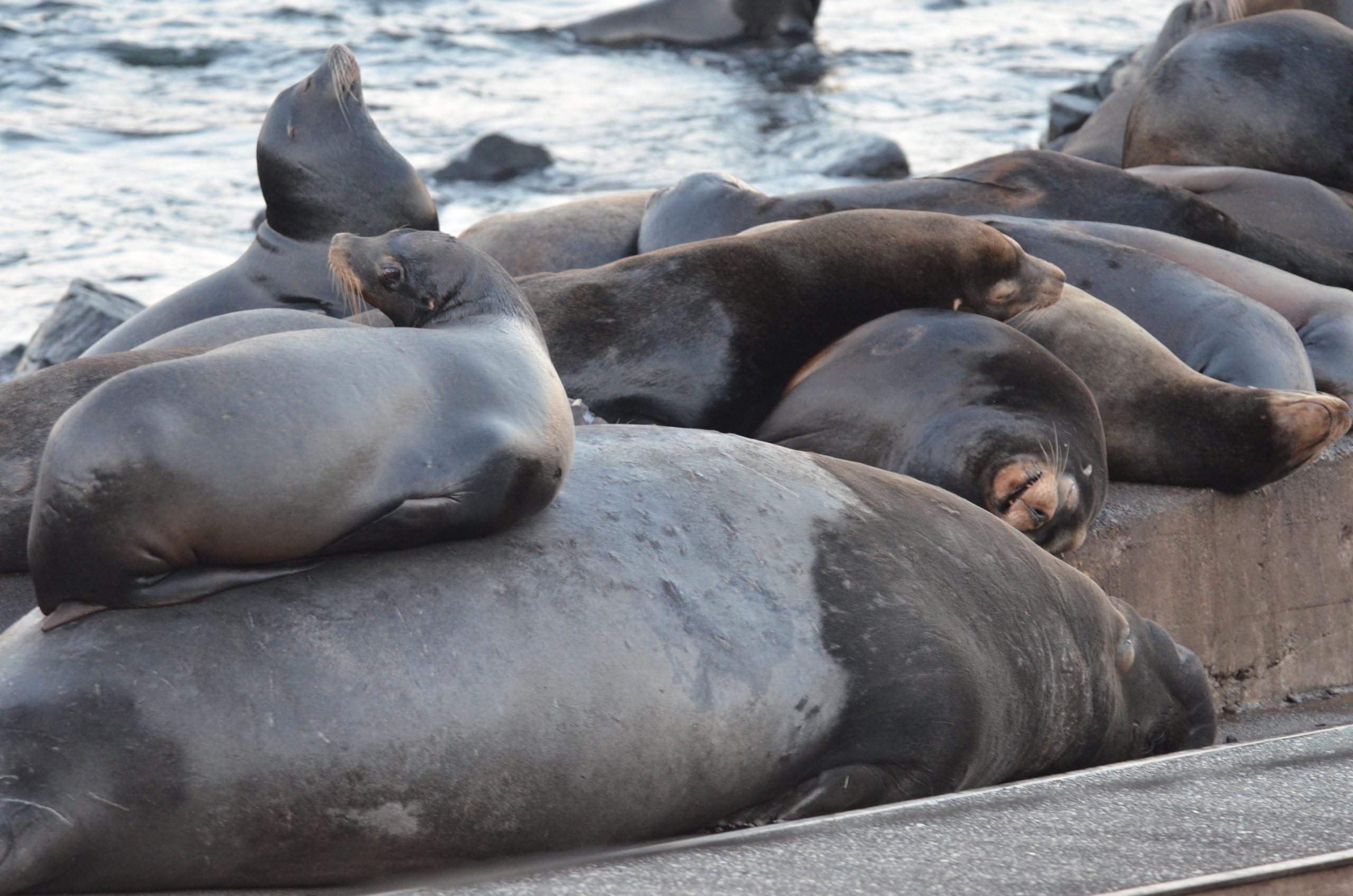
California Sea Lions: 121

Harbour Seals: 10

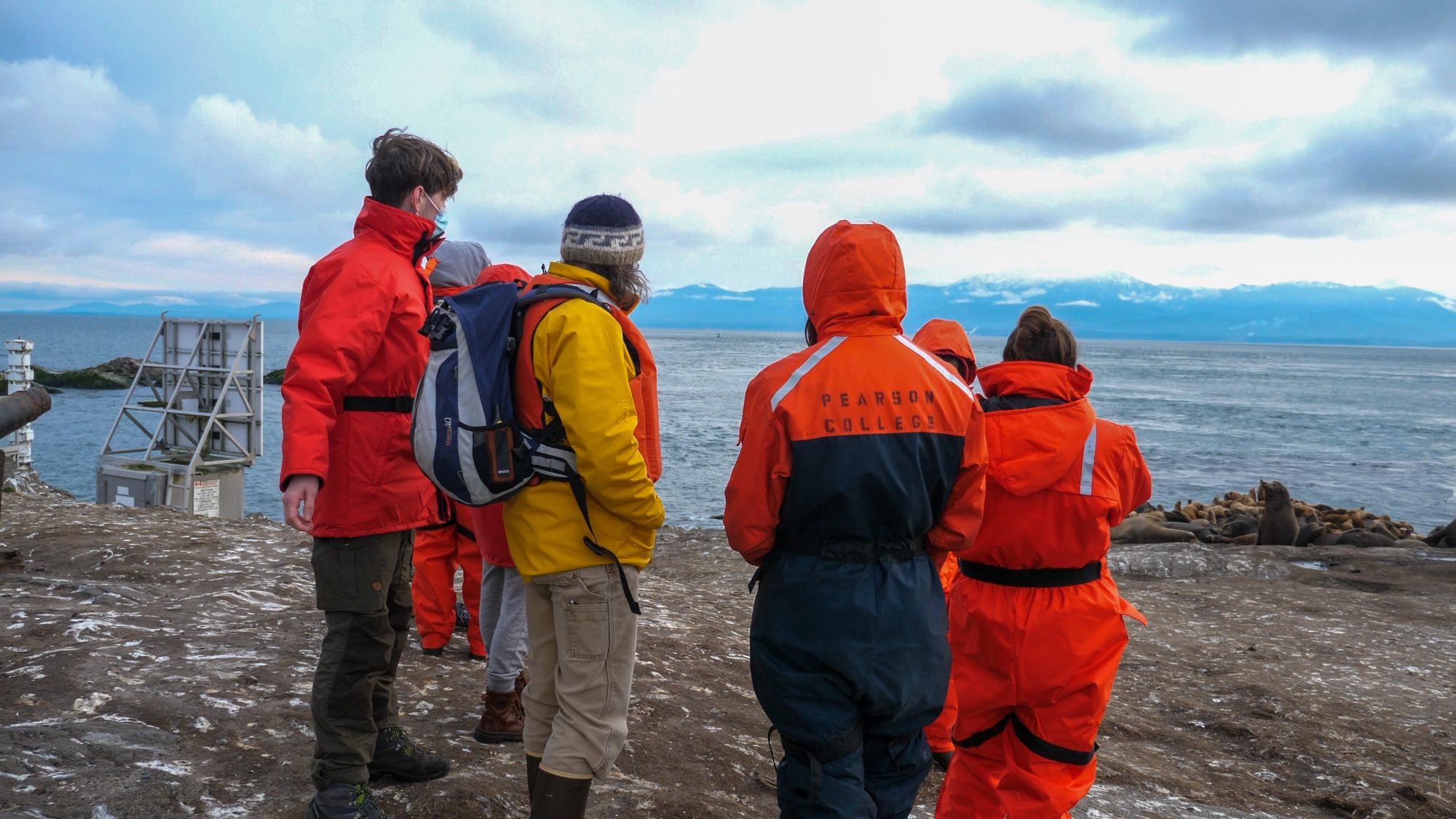
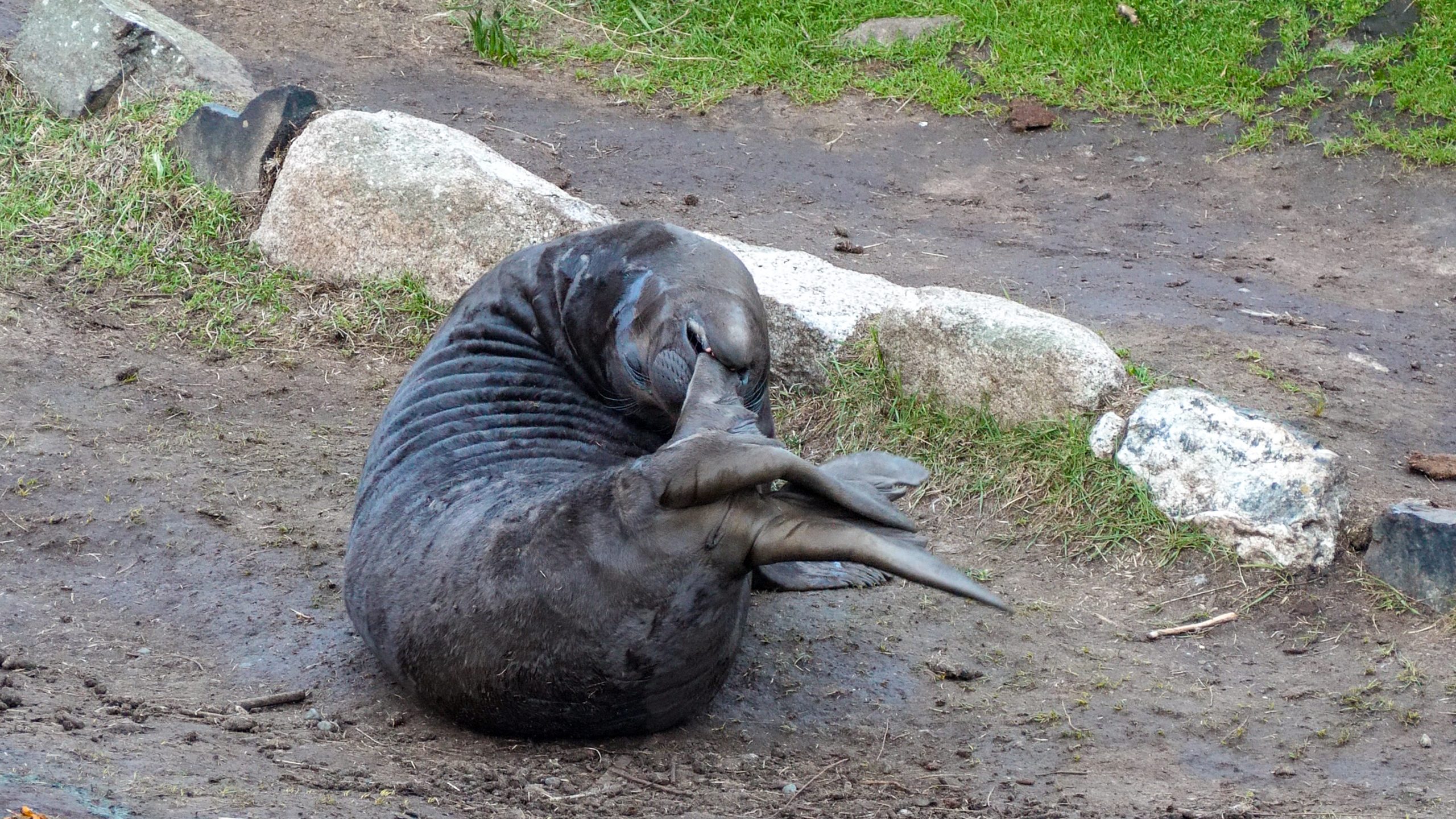
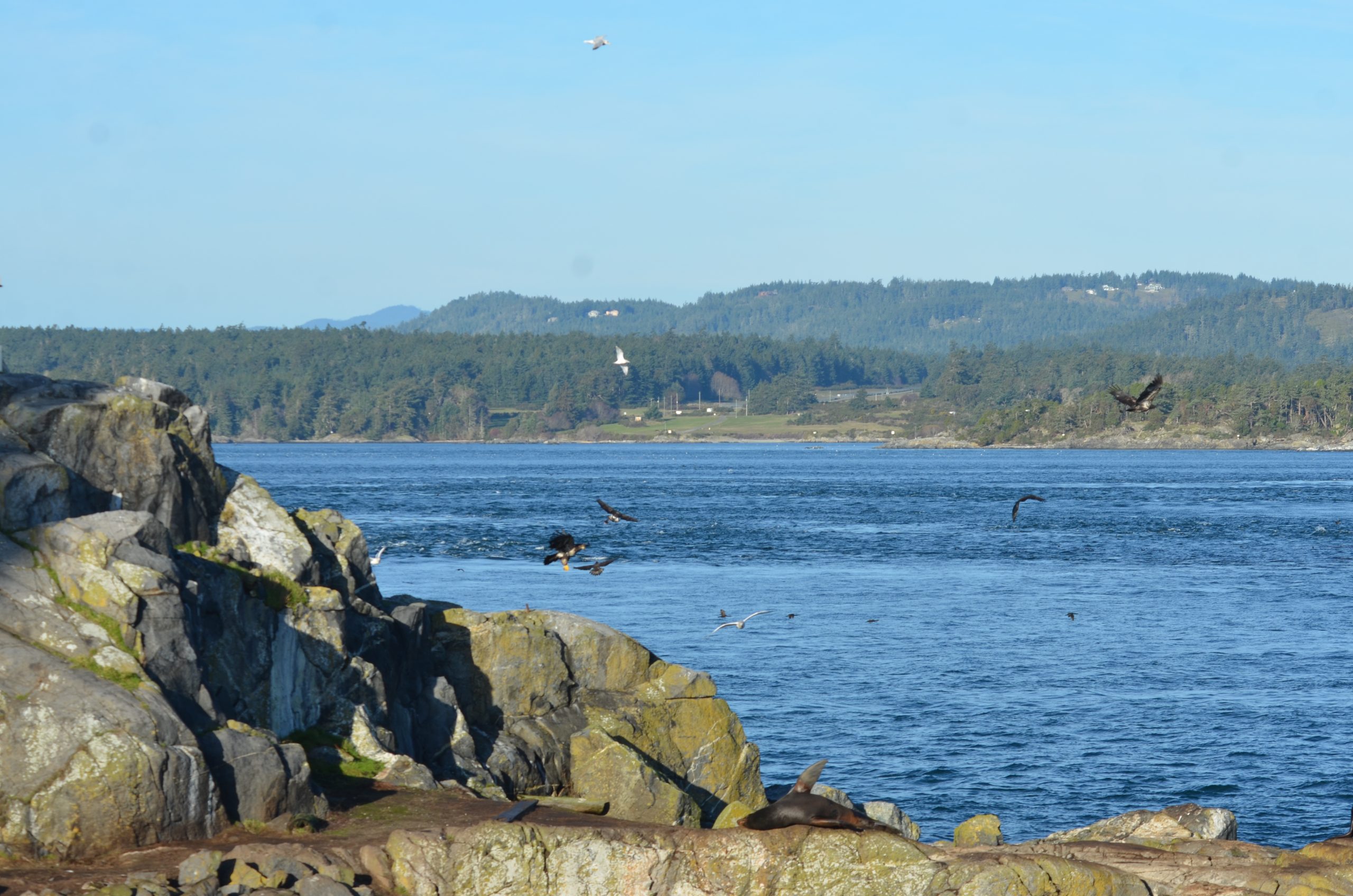
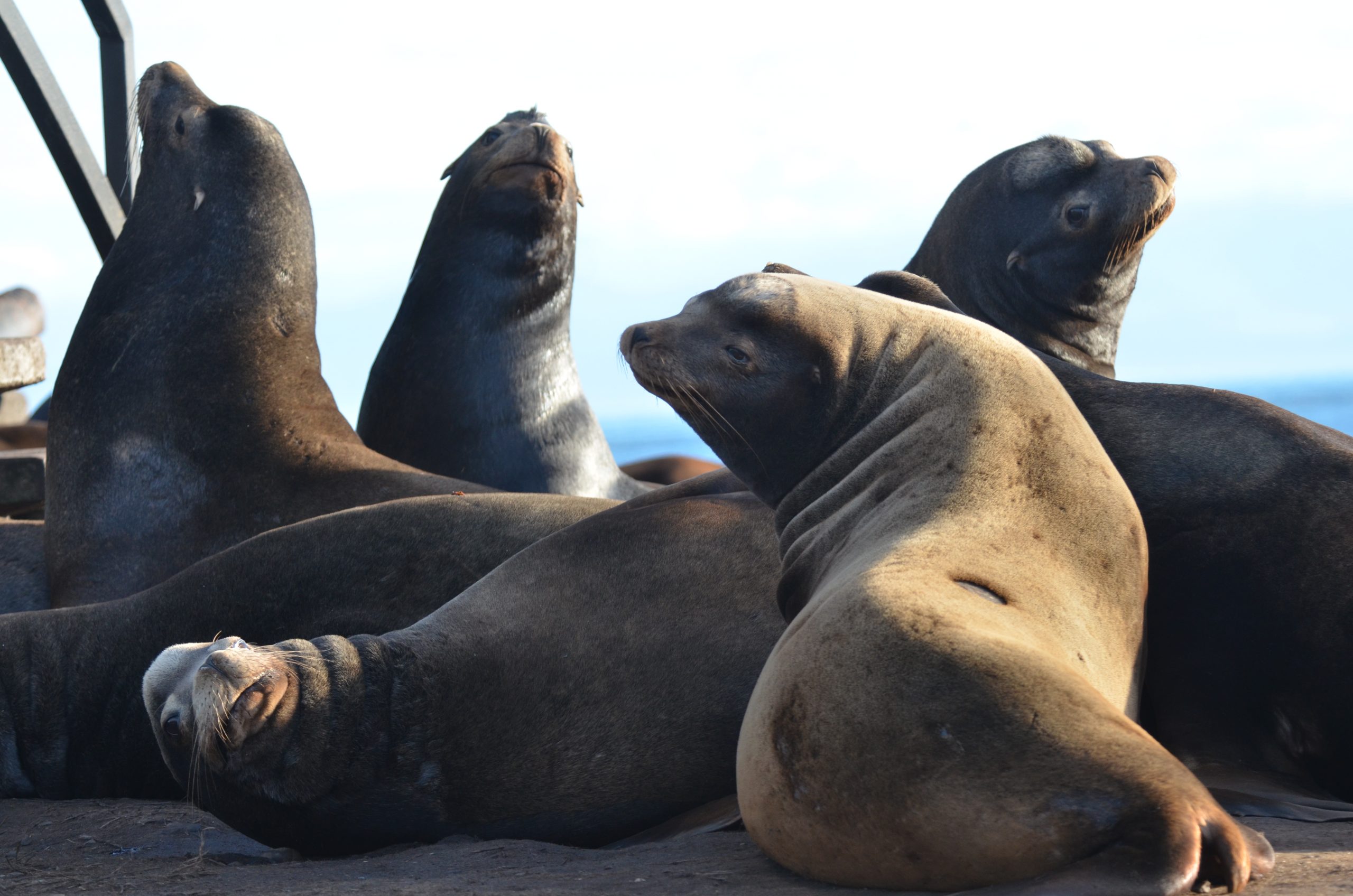
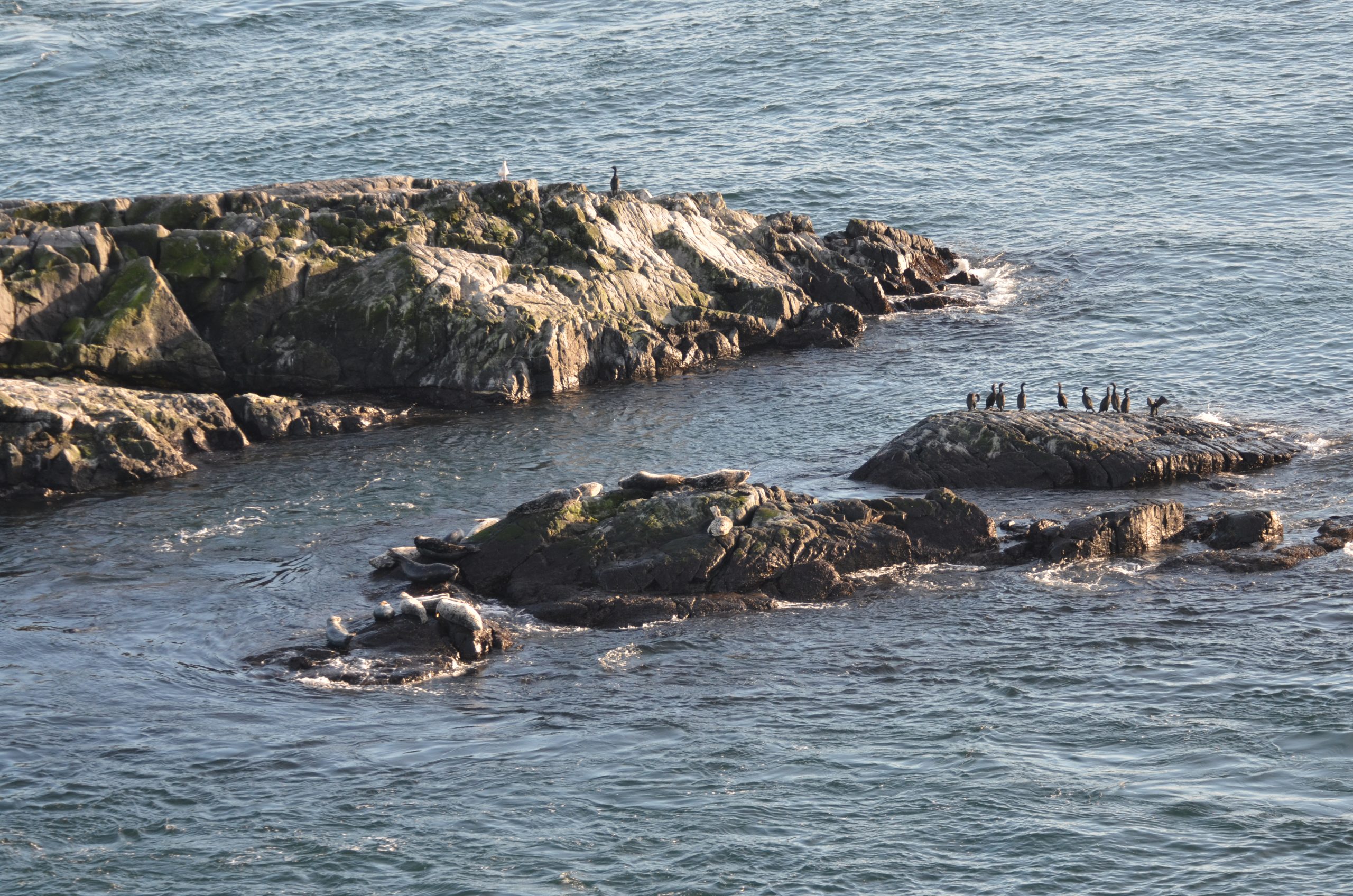
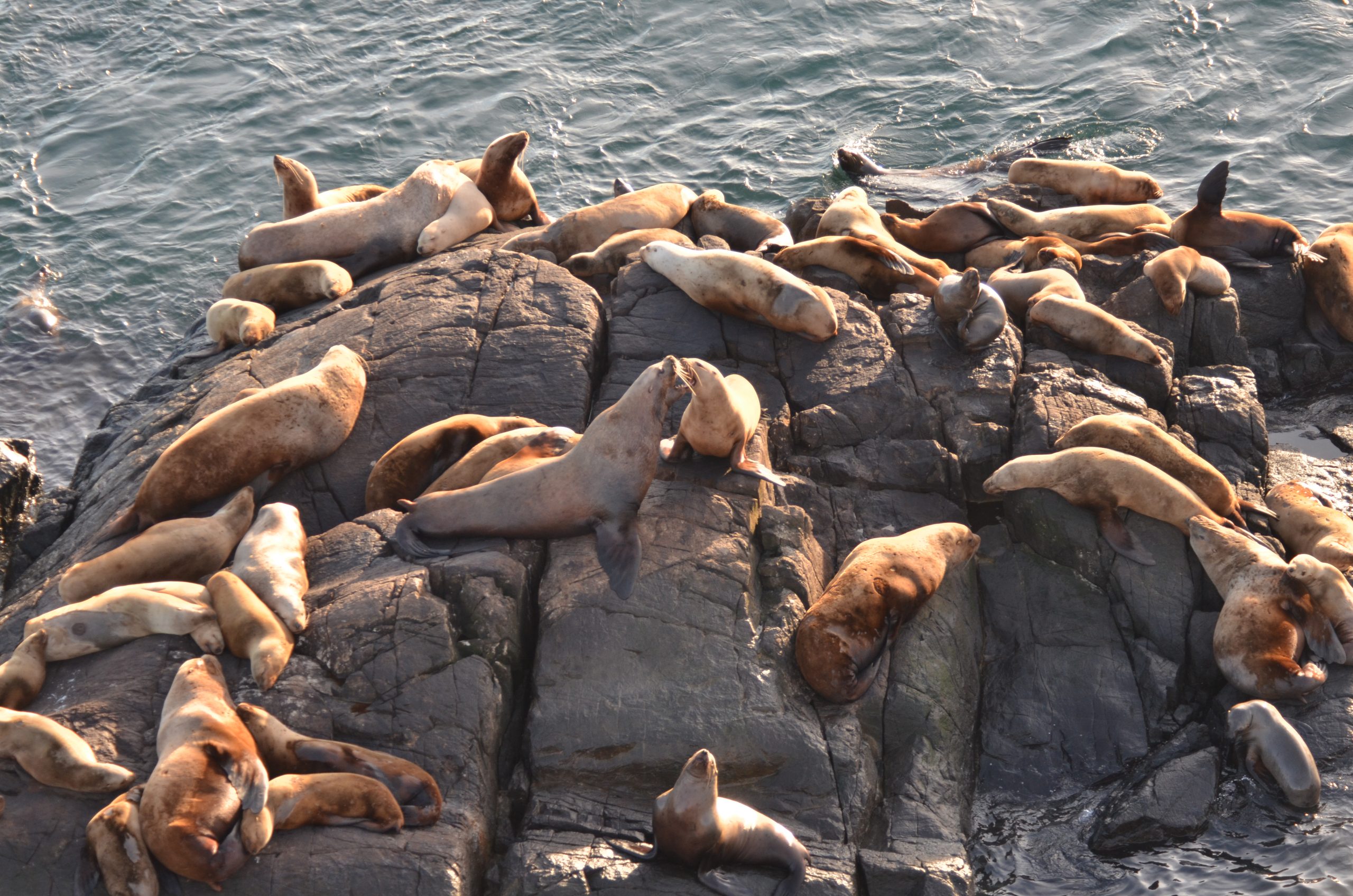
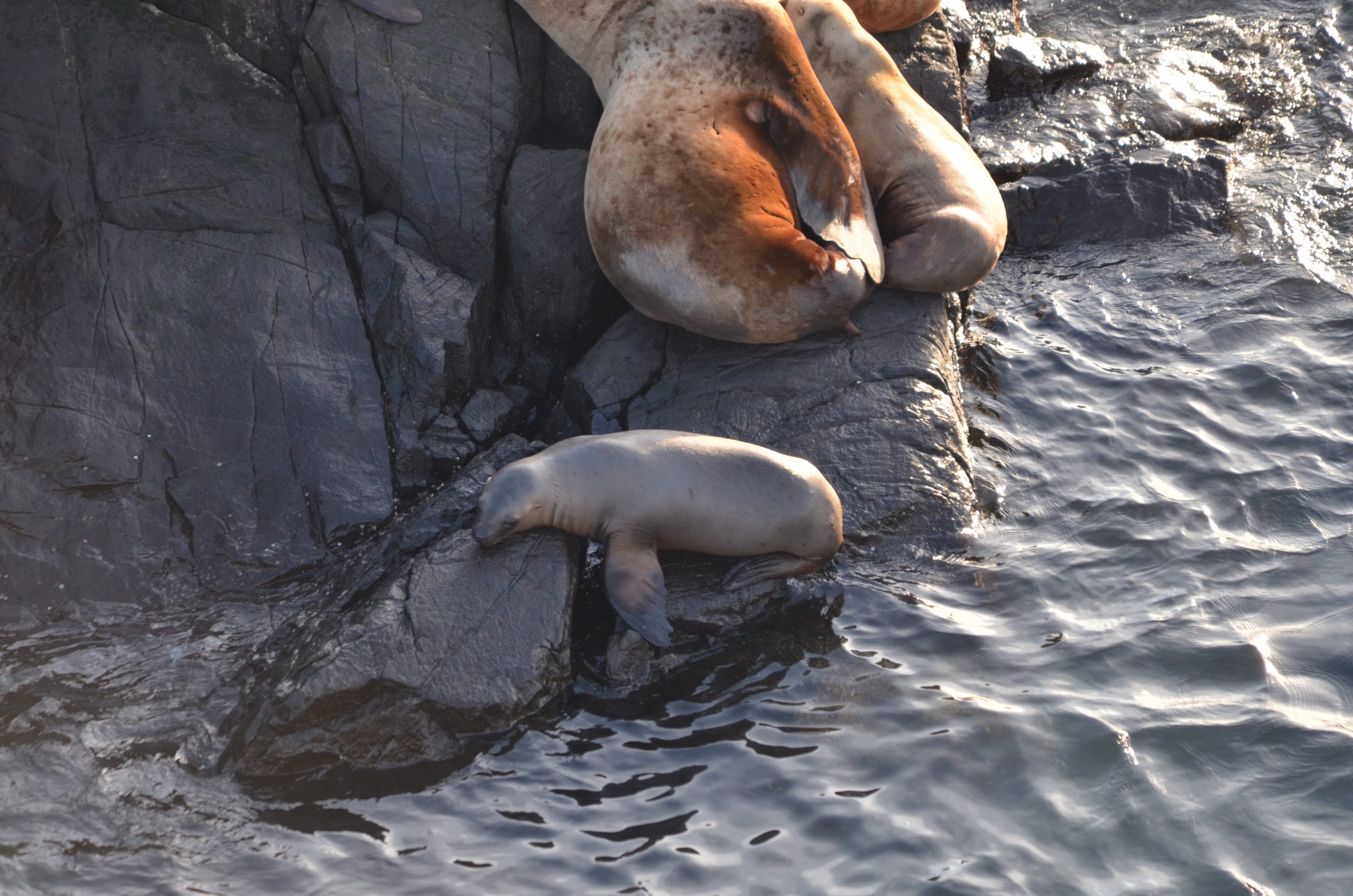
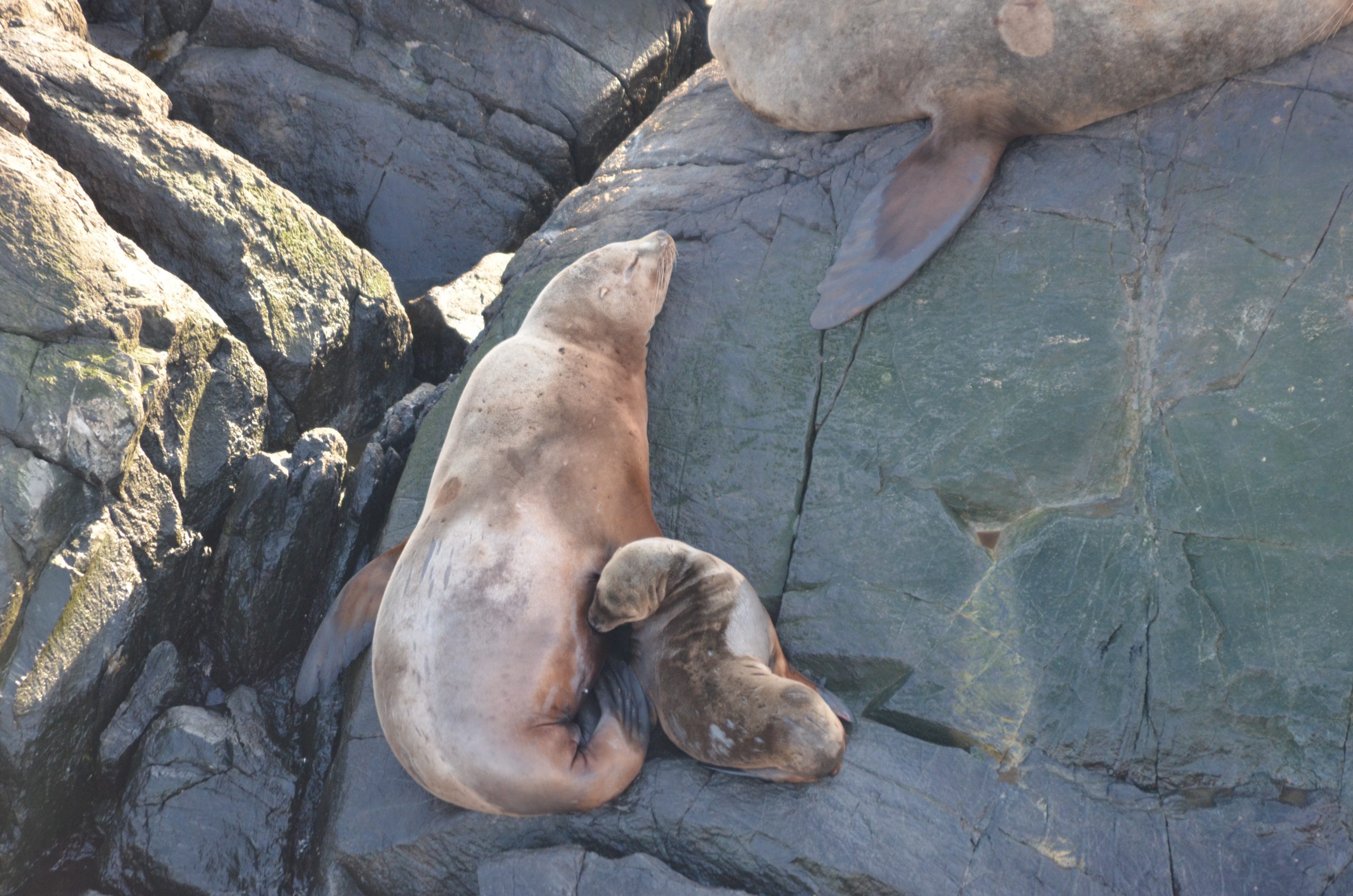
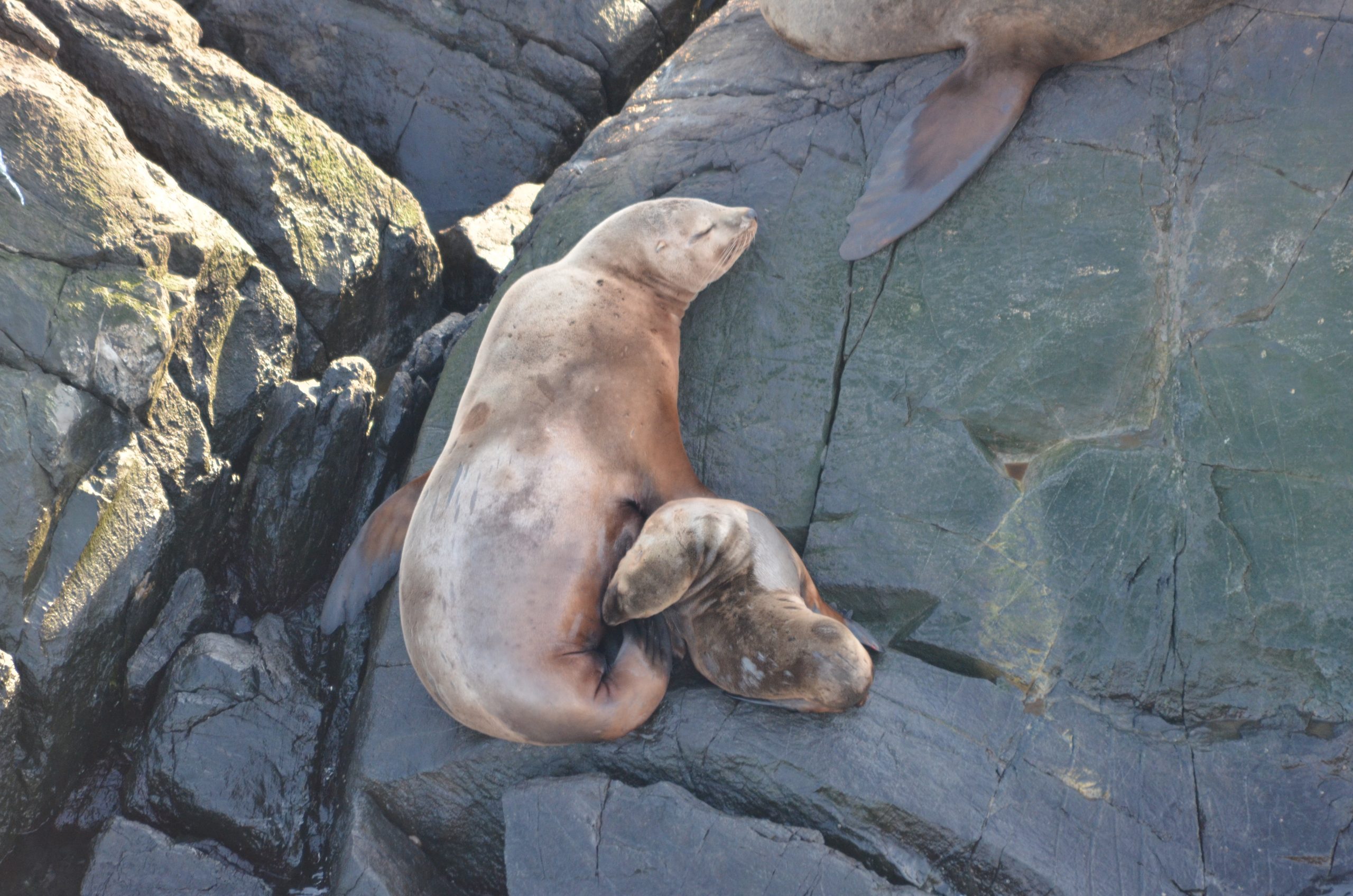
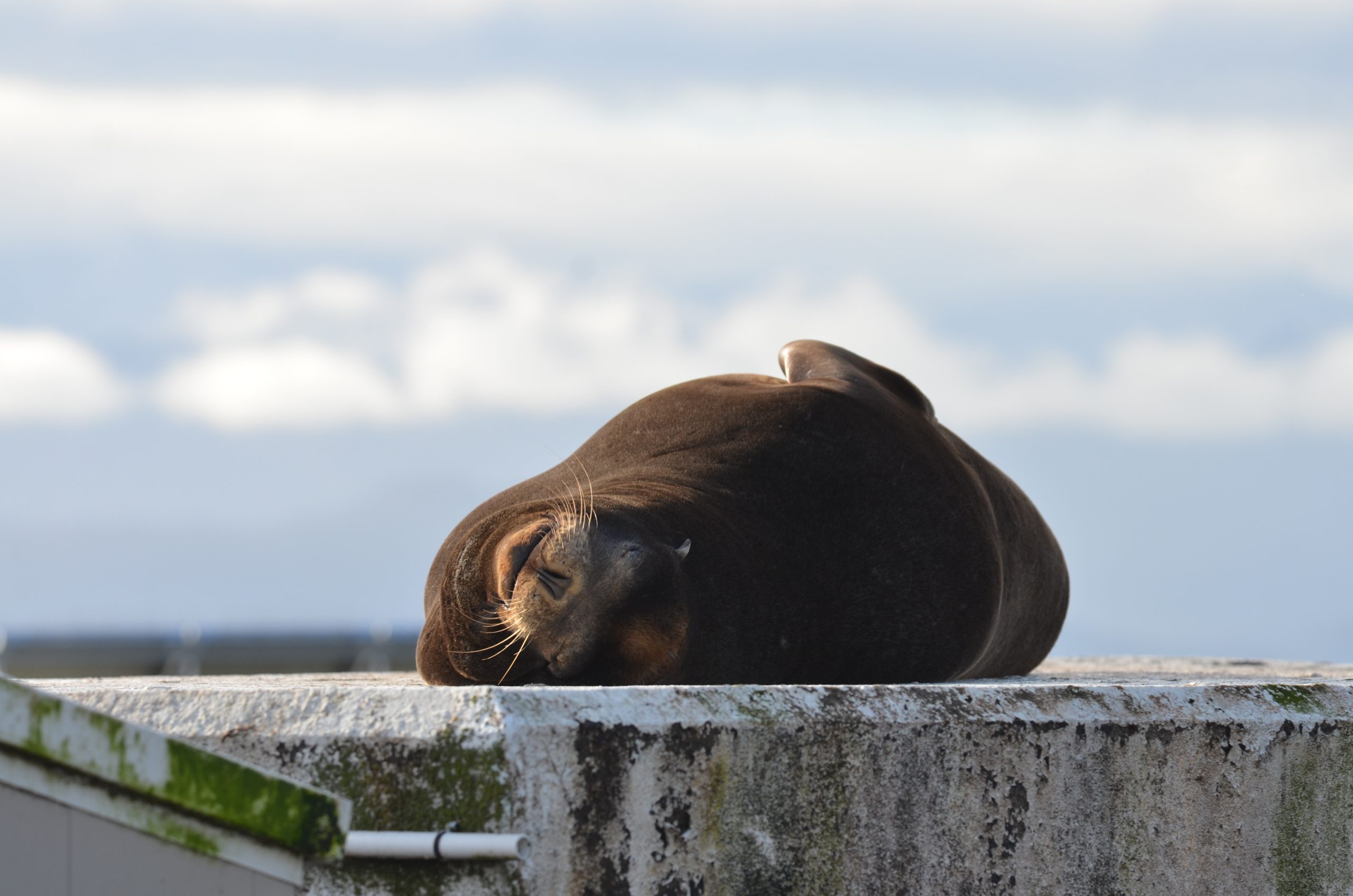
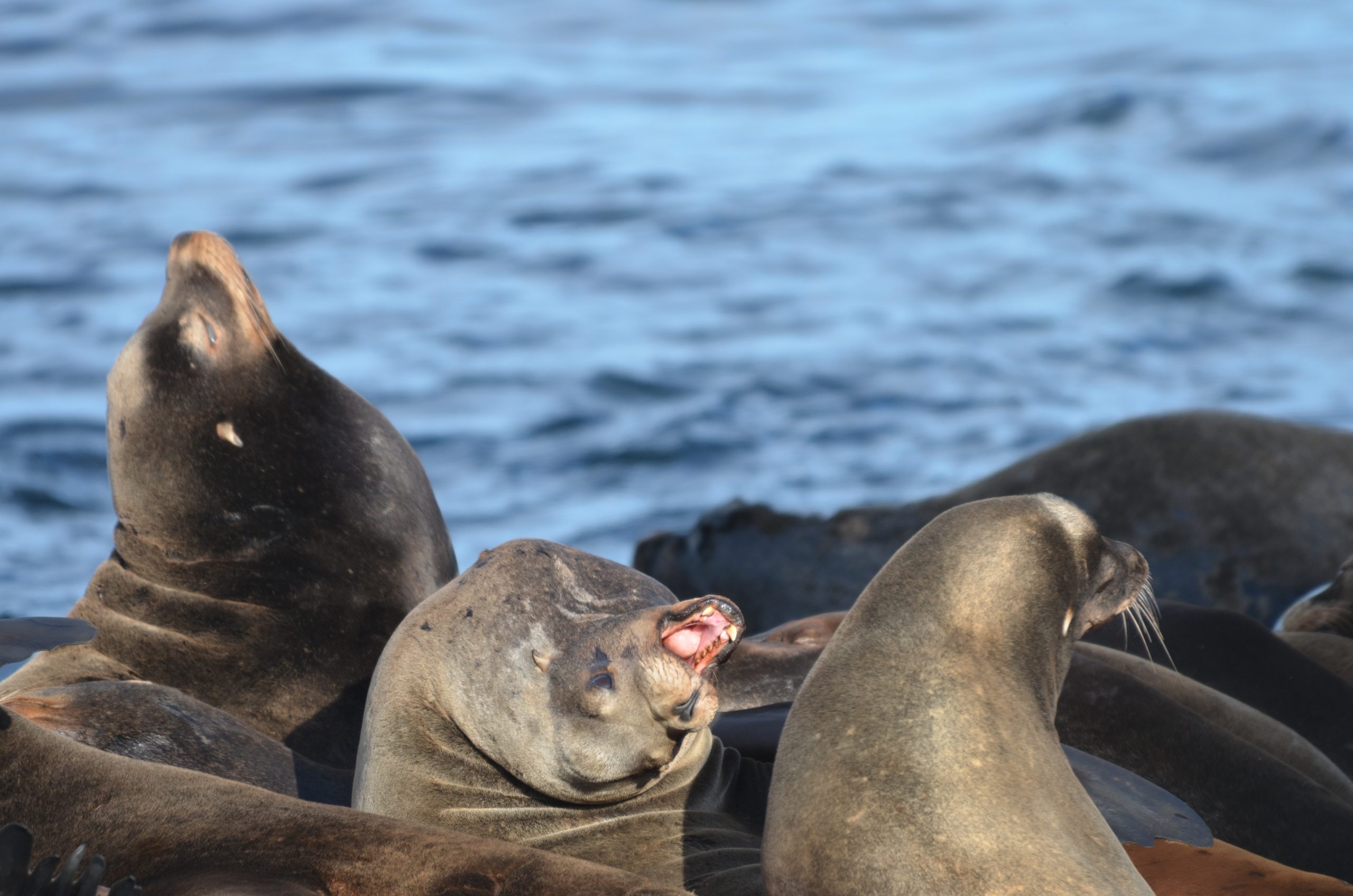
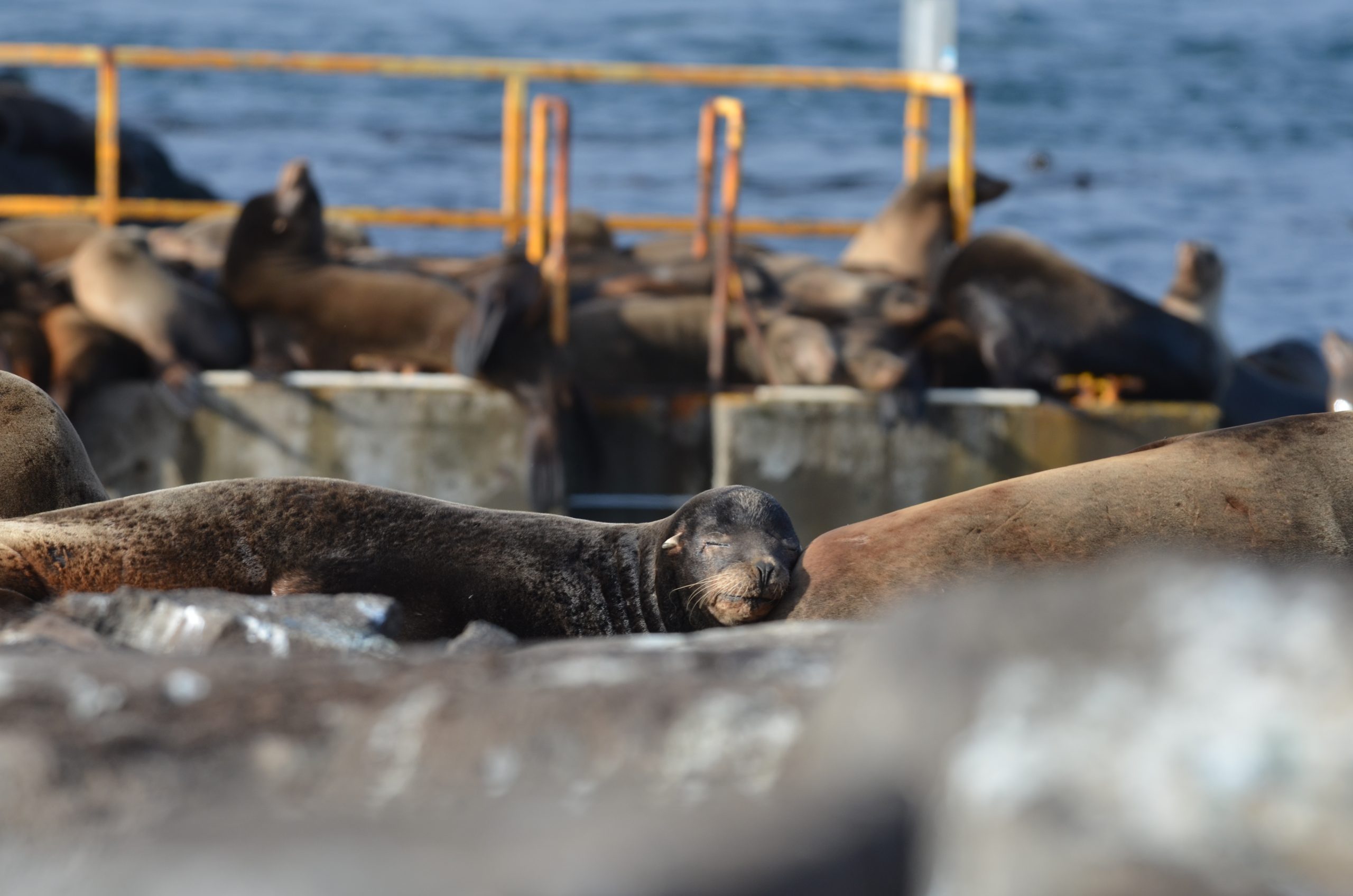
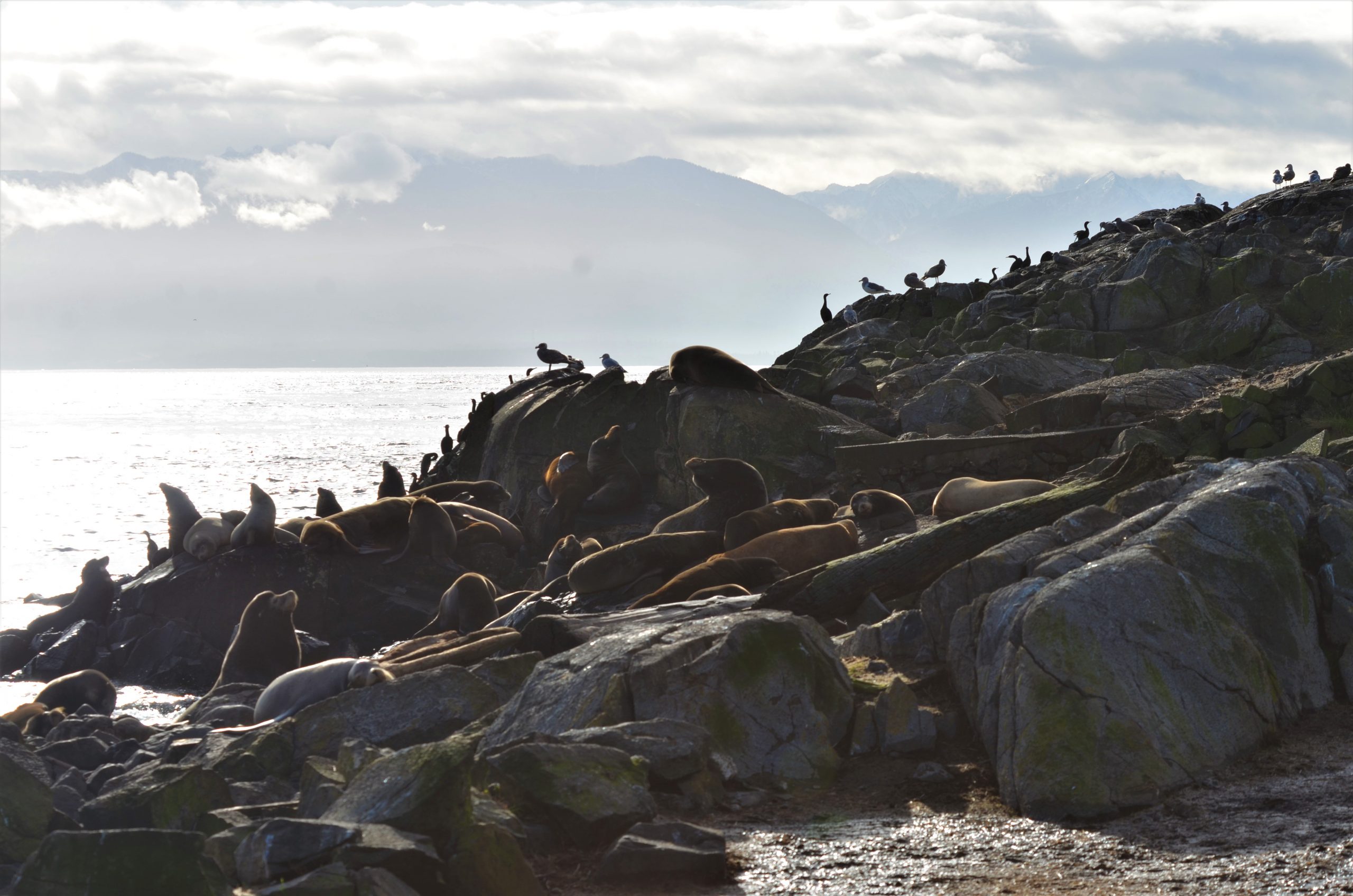
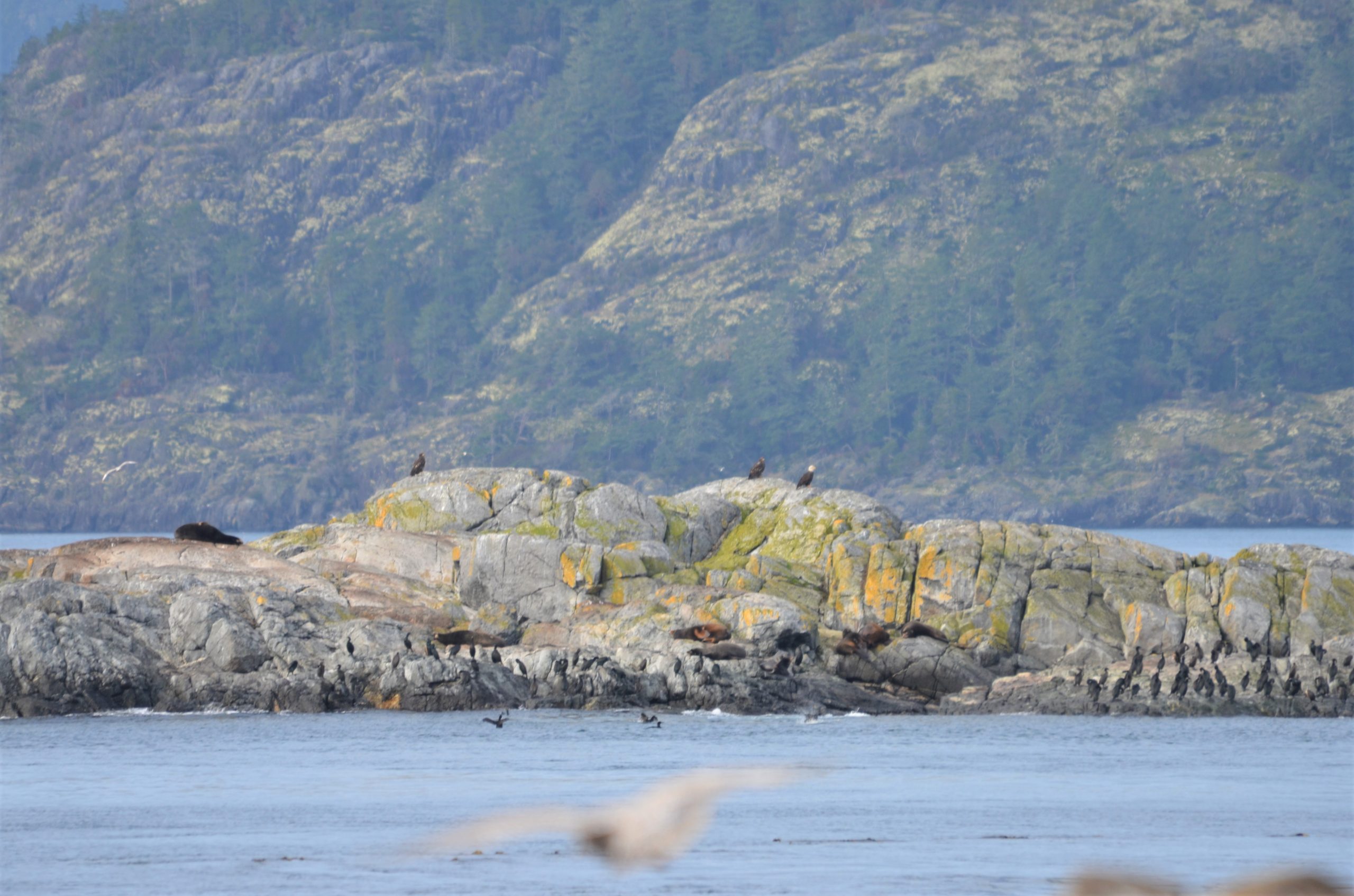
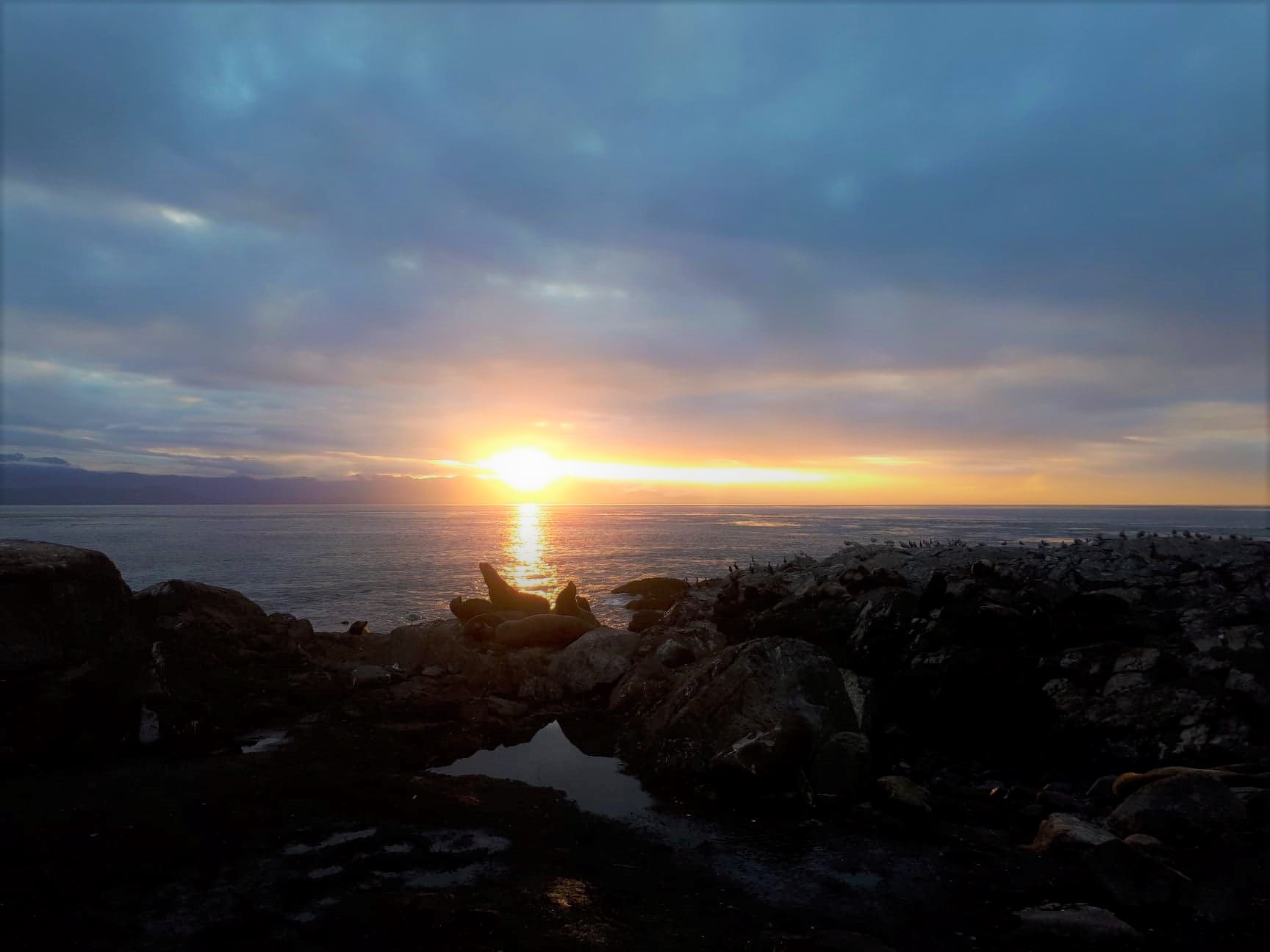
Proof that I take photos of other animals than Elephant Seals. SE Steller Rookery going strong.

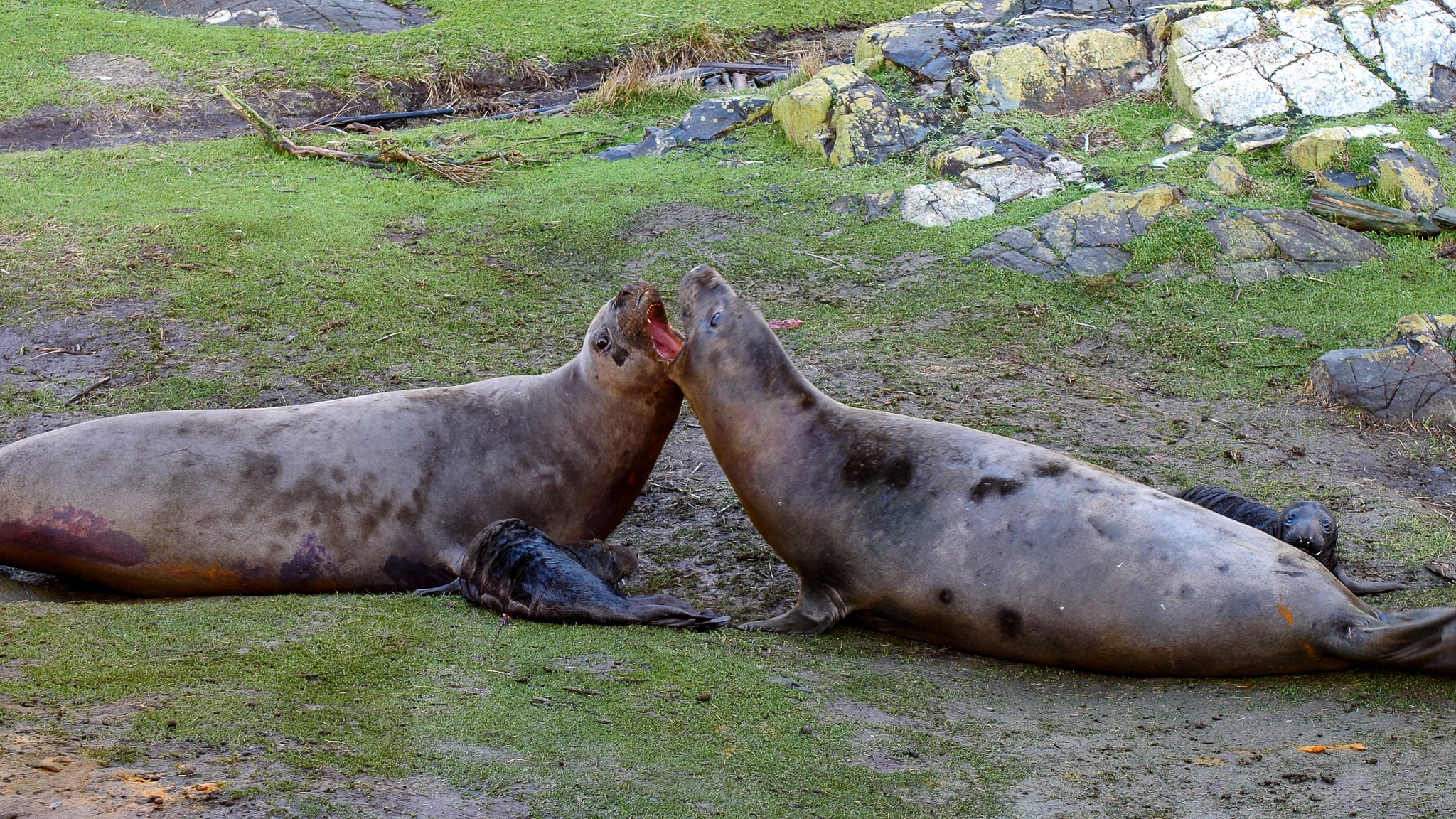
Mothers seem to have lots of aggression shortly after a pup is born. Every pup we’ve seen get born here coincides with a bought of mom-on-mom aggression. Although Courtney has pointed out that this is my interpretation of their behaviour, and this could just be a ‘welcome to the fraternity of motherhood’ moment.

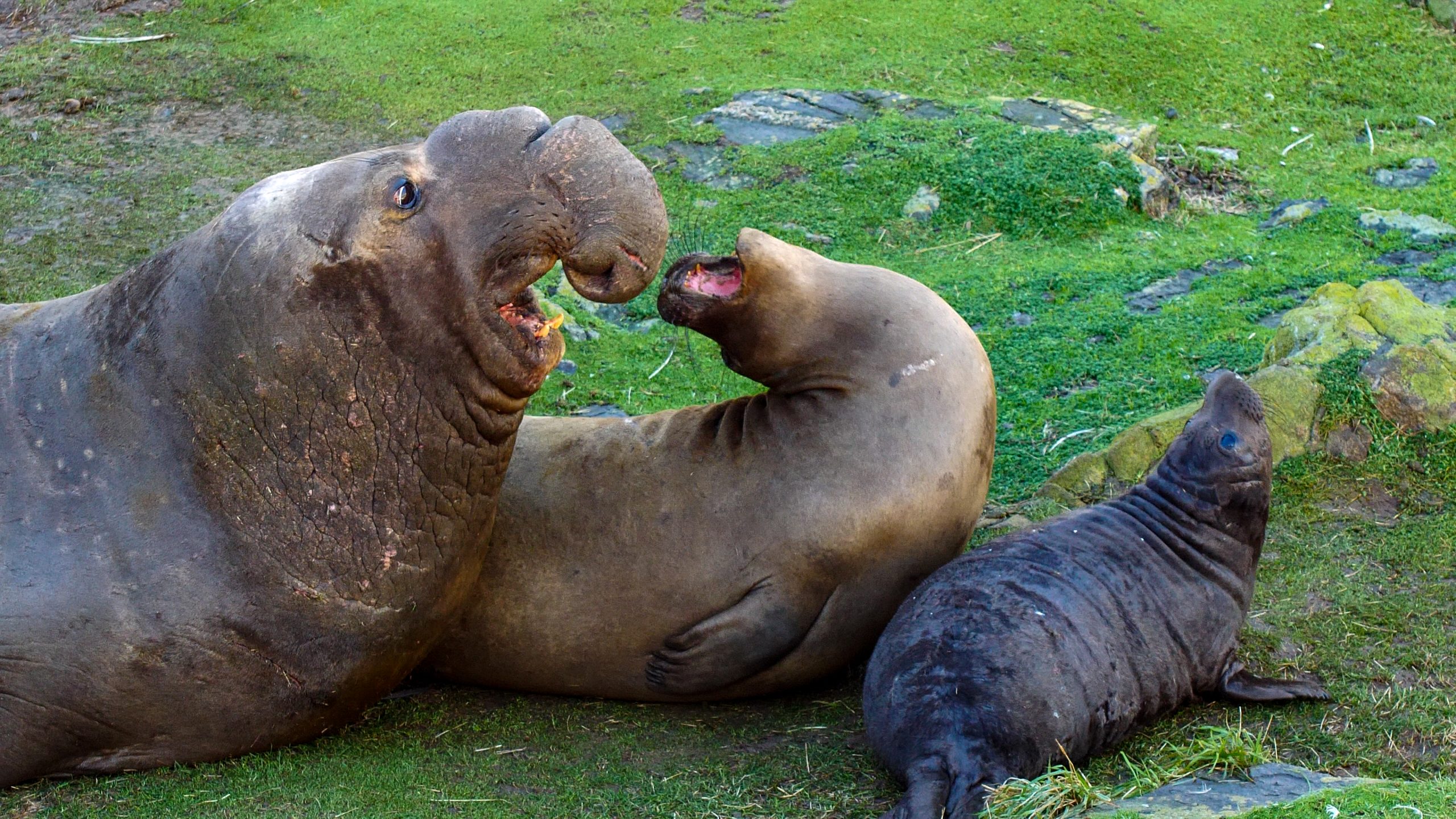
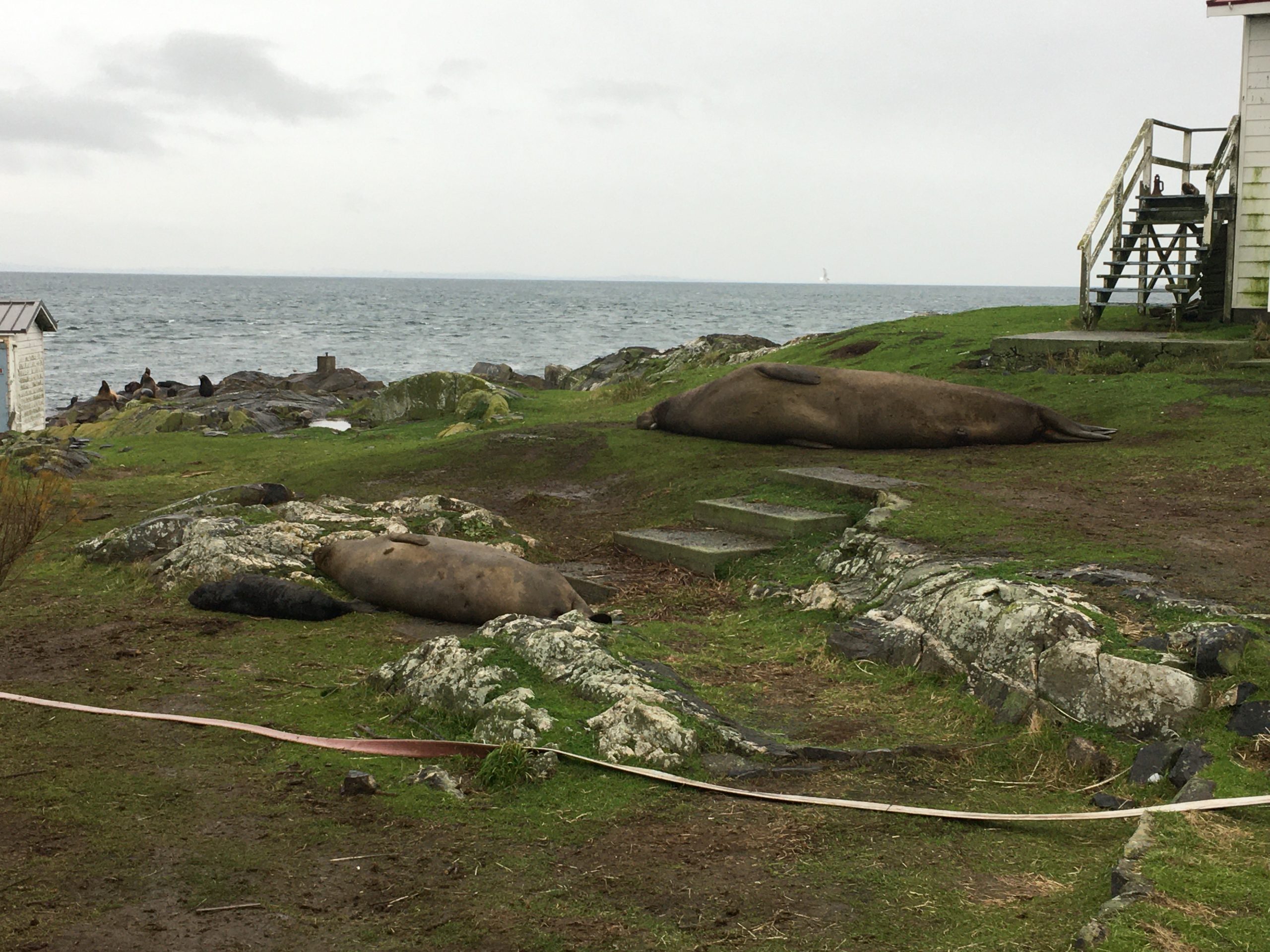
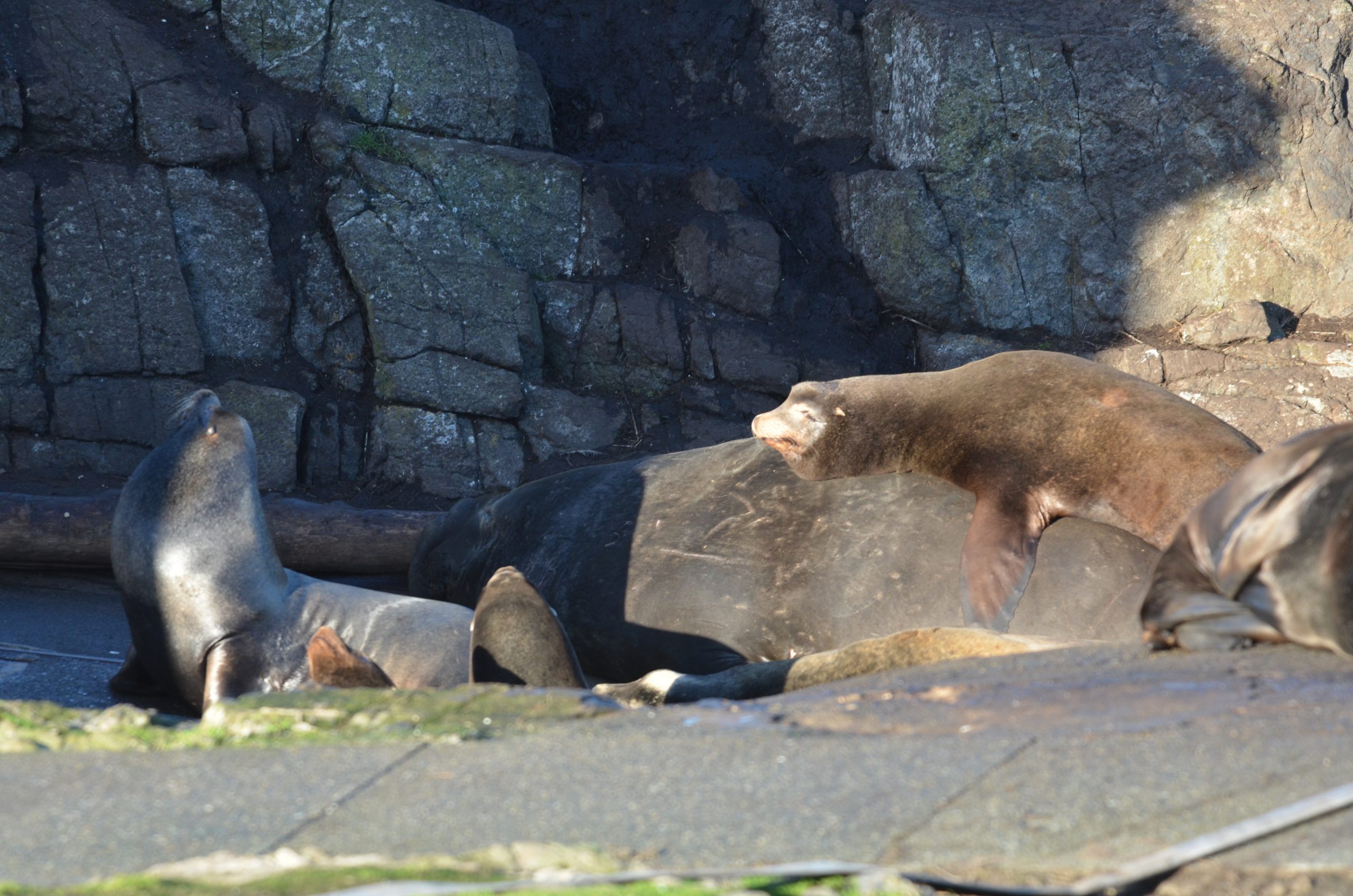
Mating looks rough. In larger rookeries this often results in pups getting squished. Here, Cheermeister just needs to avoid getting pinned and he should be good. He’s repetitively gotten in the middle of that mating between his mom and the Beachmaster and hasn’t died…. yet.

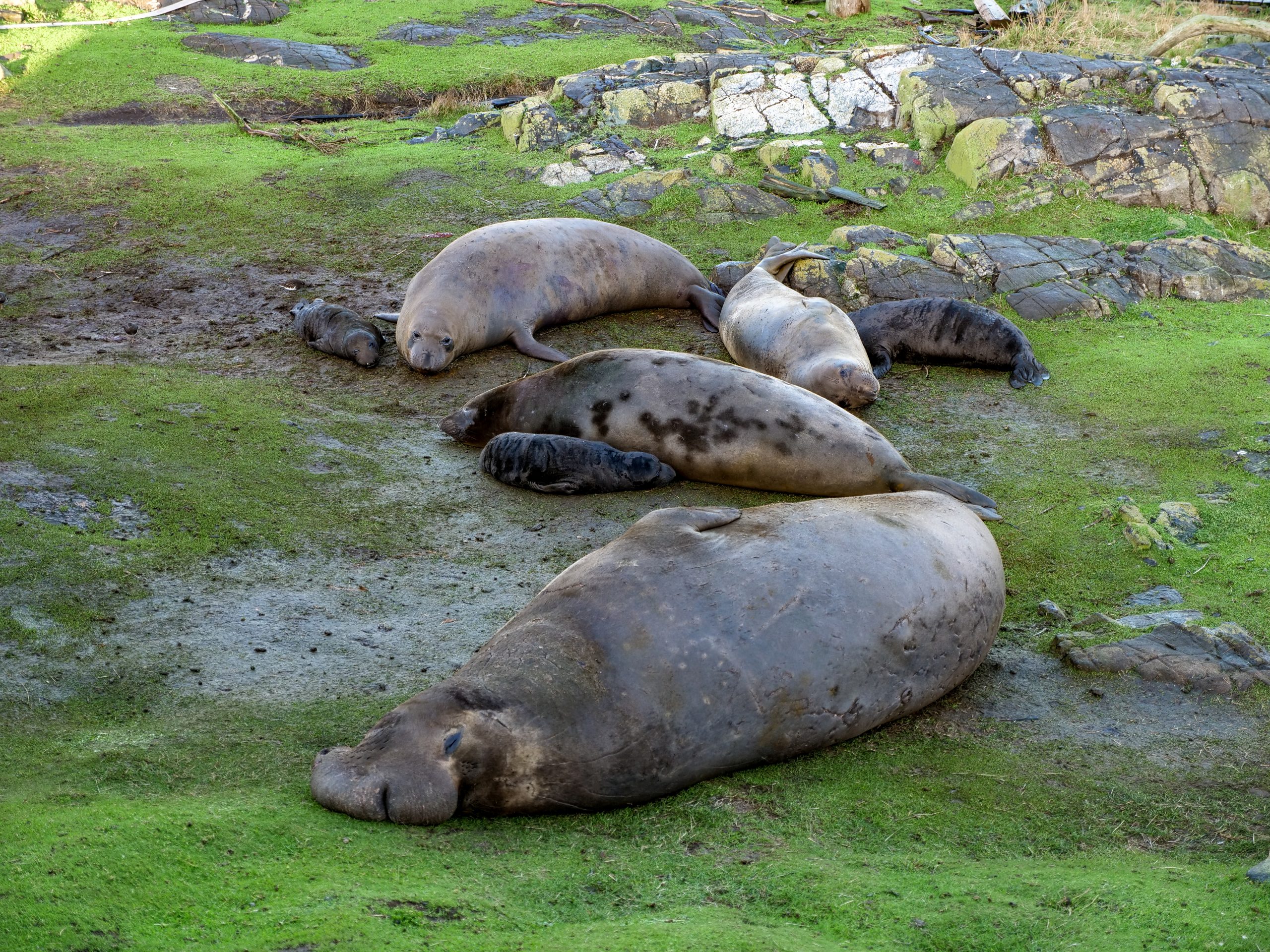
Peace descends. As with all things Elephant Seal: the chaos doesn’t last long. After 30 min of excitement everyone rolls over and falls asleep until tomorrows moment of activity,


Elephant Seal Pup Growth – Day by day

The first Elephant Seal pup of the 2021 birthing season came on December 22 2020, and began it’s 23 days of nursing the day after (it took him awhile to figure out how to nurse). Elephant seal pups only have a couple of weeks to get big enough and healthy enough to survive alone after their moms wean them and abandon them on Race Rocks; which means their life is essentially just to feed, nap, and snuggle with their moms. It’s hard to show how impressive it is to see how fast they put on weight, with the pup doubling in size over the first few days. Here’s a video of the growth of ‘Cheermeister’ over his first 12 days of life.

https://youtu.be/ltMsnNRYTmU
   
Also see other posts on elephant seal pups born at Race Rocks, the most northerly pupping colony for e-seals on the Pacific coast:  https://www.racerocks.ca/tag/pup/

Christmas Bird Count at Race Rocks 2020

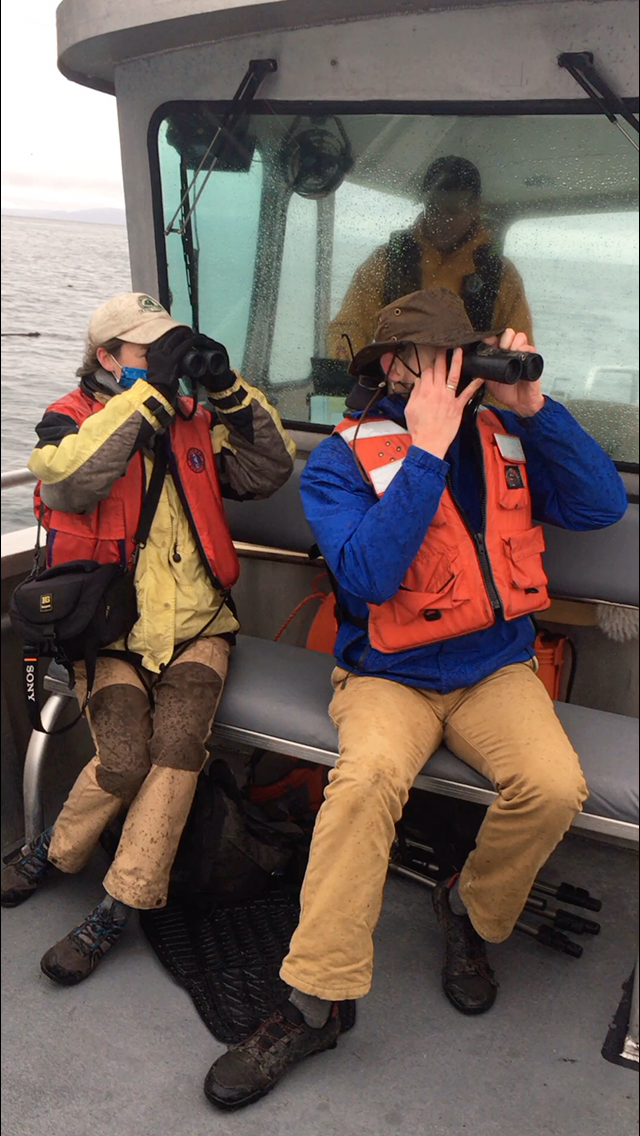
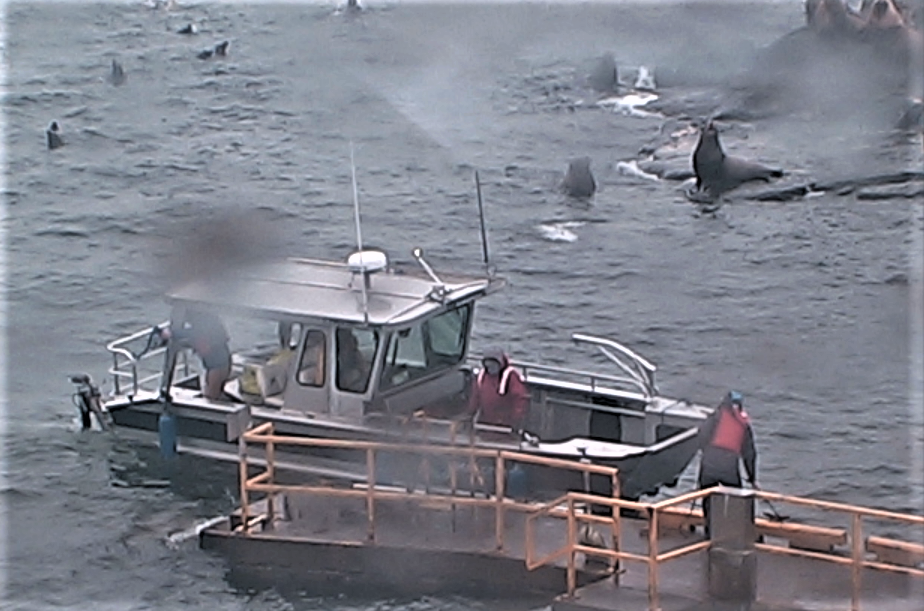
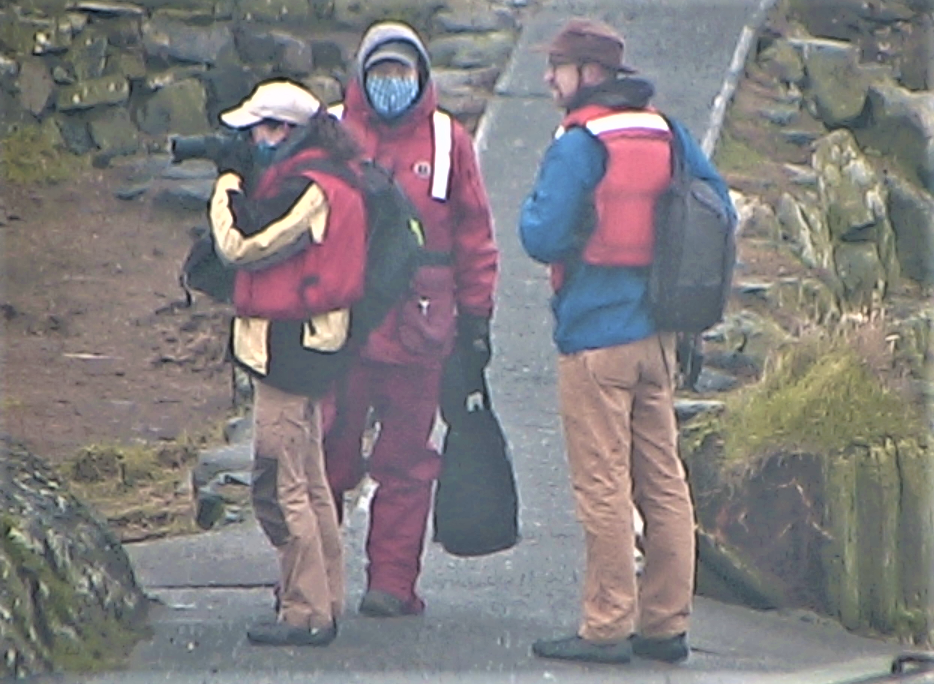
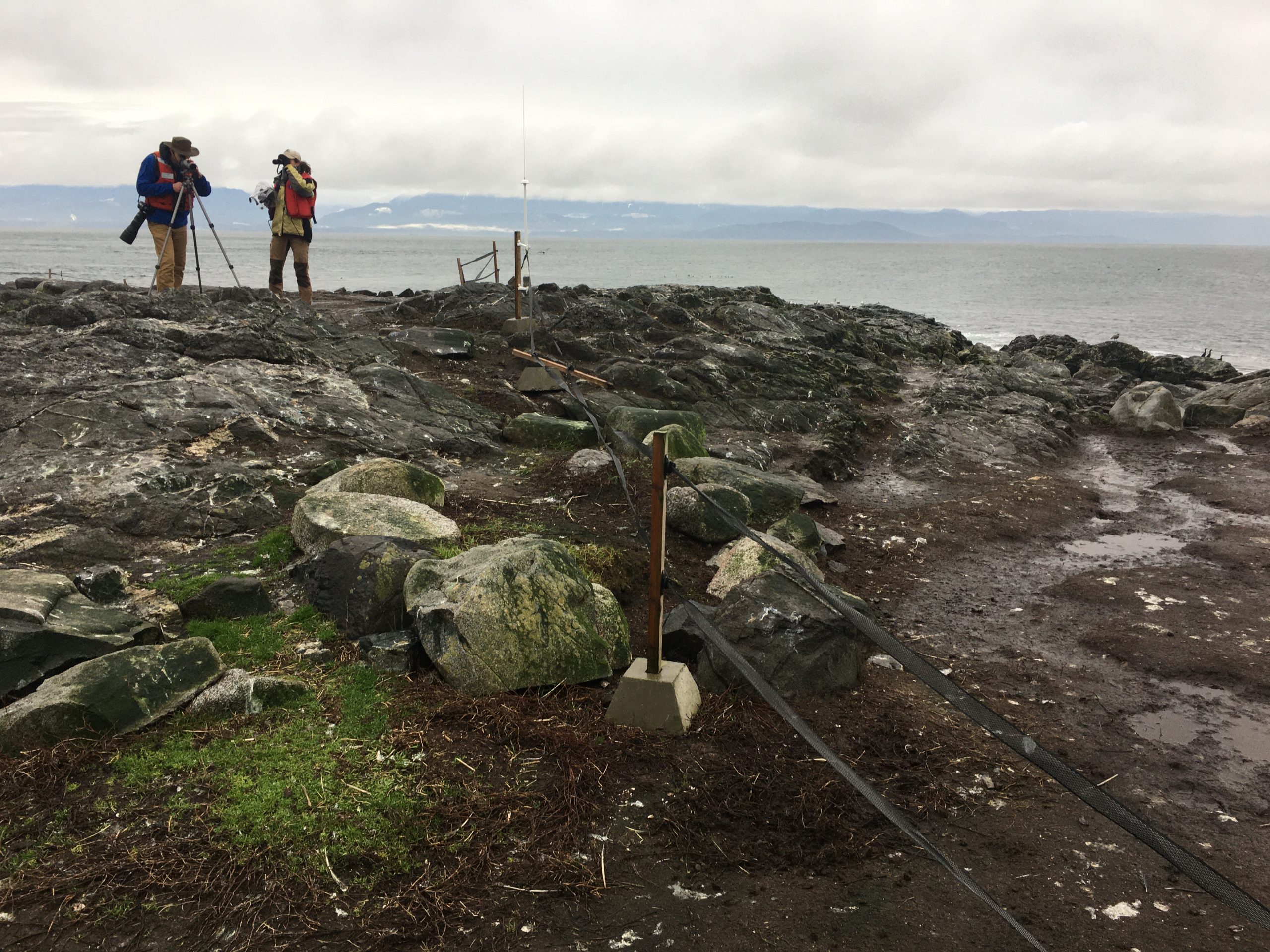
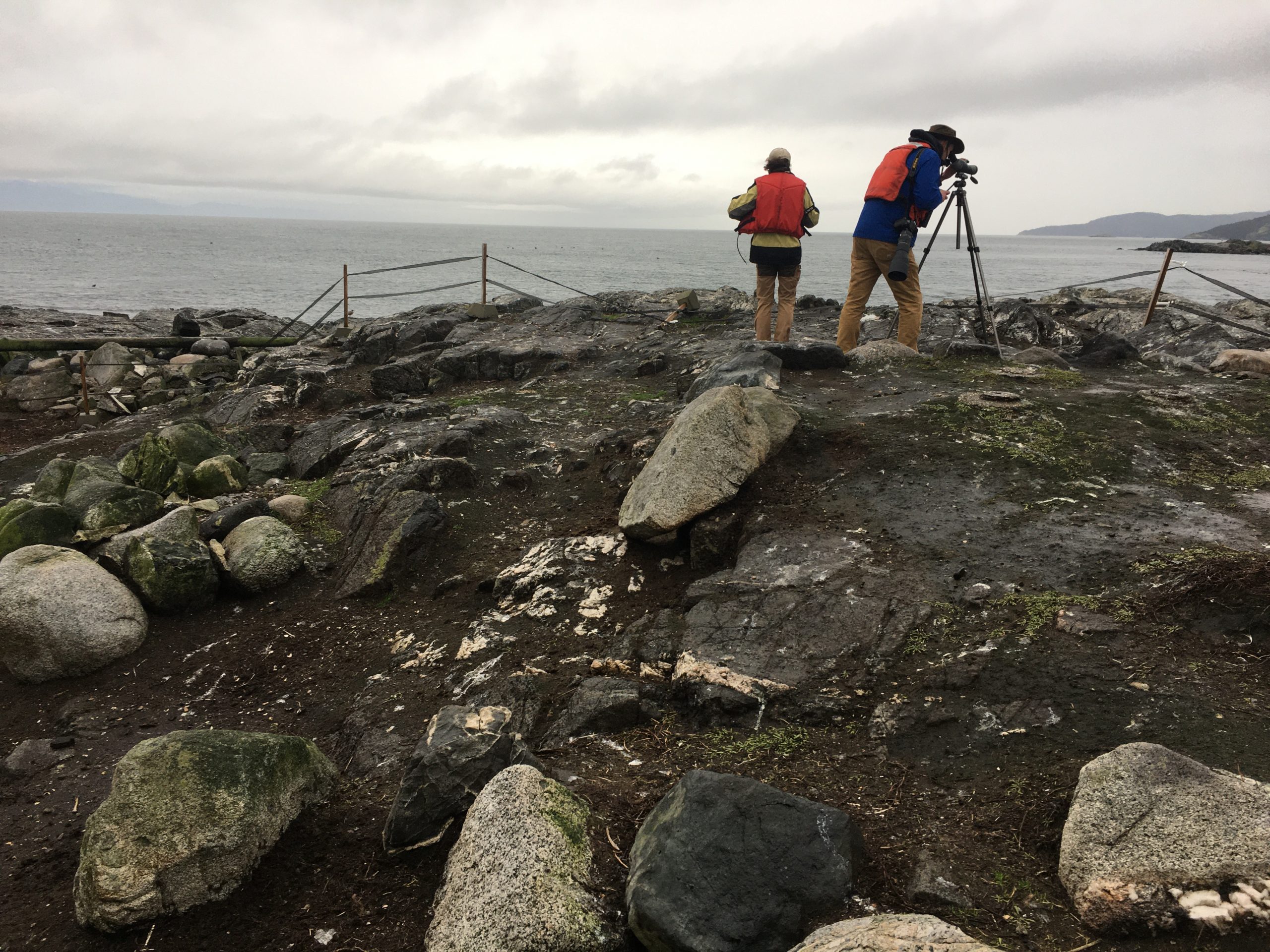
Today was the annual Christmas bird count. Martin Stewart provided the transportation on the boat Ecosphere for Matt and Courtney Cameron to go out to Race Rocks Ecological reserve from Pedder Bay with Garry Fletcher. 

Observations were done from the marine a out through Pedder bay and then we docked at Race Rocks to be met by Courtney the Ecoguardian.  We had only a brief window of time, probably an hour  there before the wind started to pick up from the North East, but that was adequate to get a good count of the birds on shore.

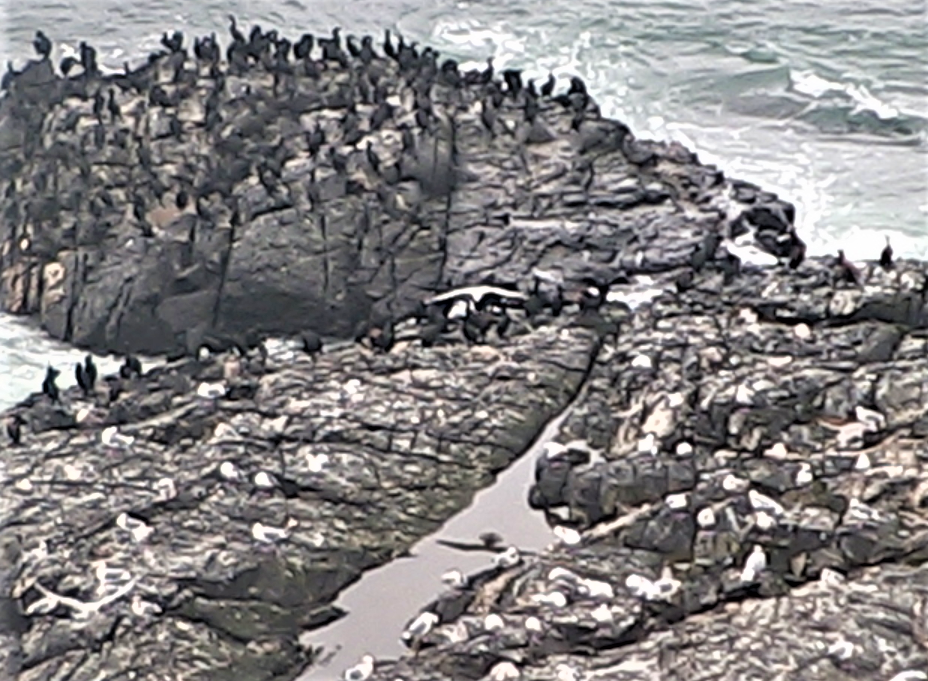
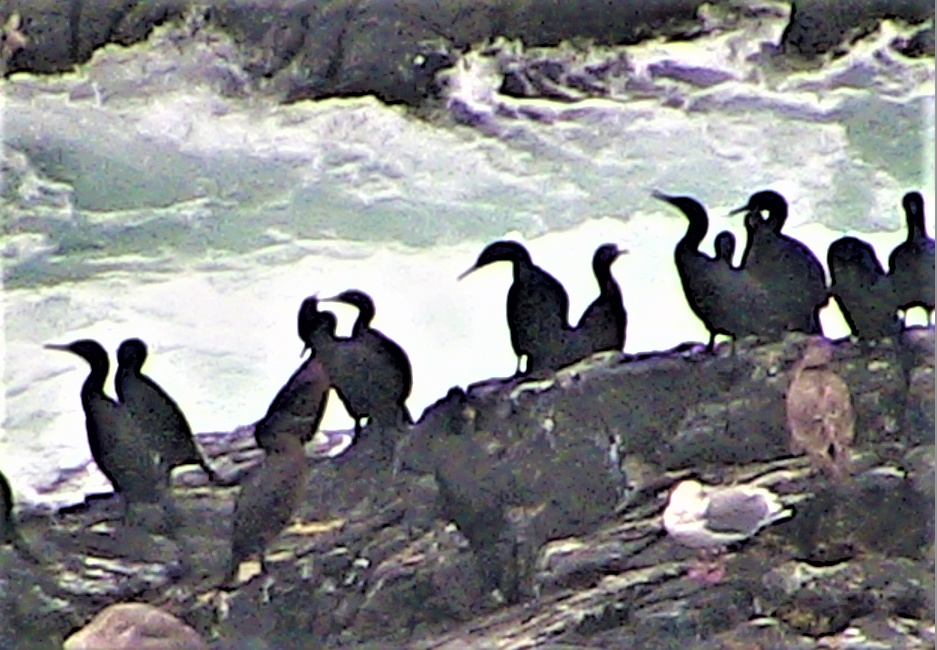
Pam Birley from England took these photos on camera 5 :

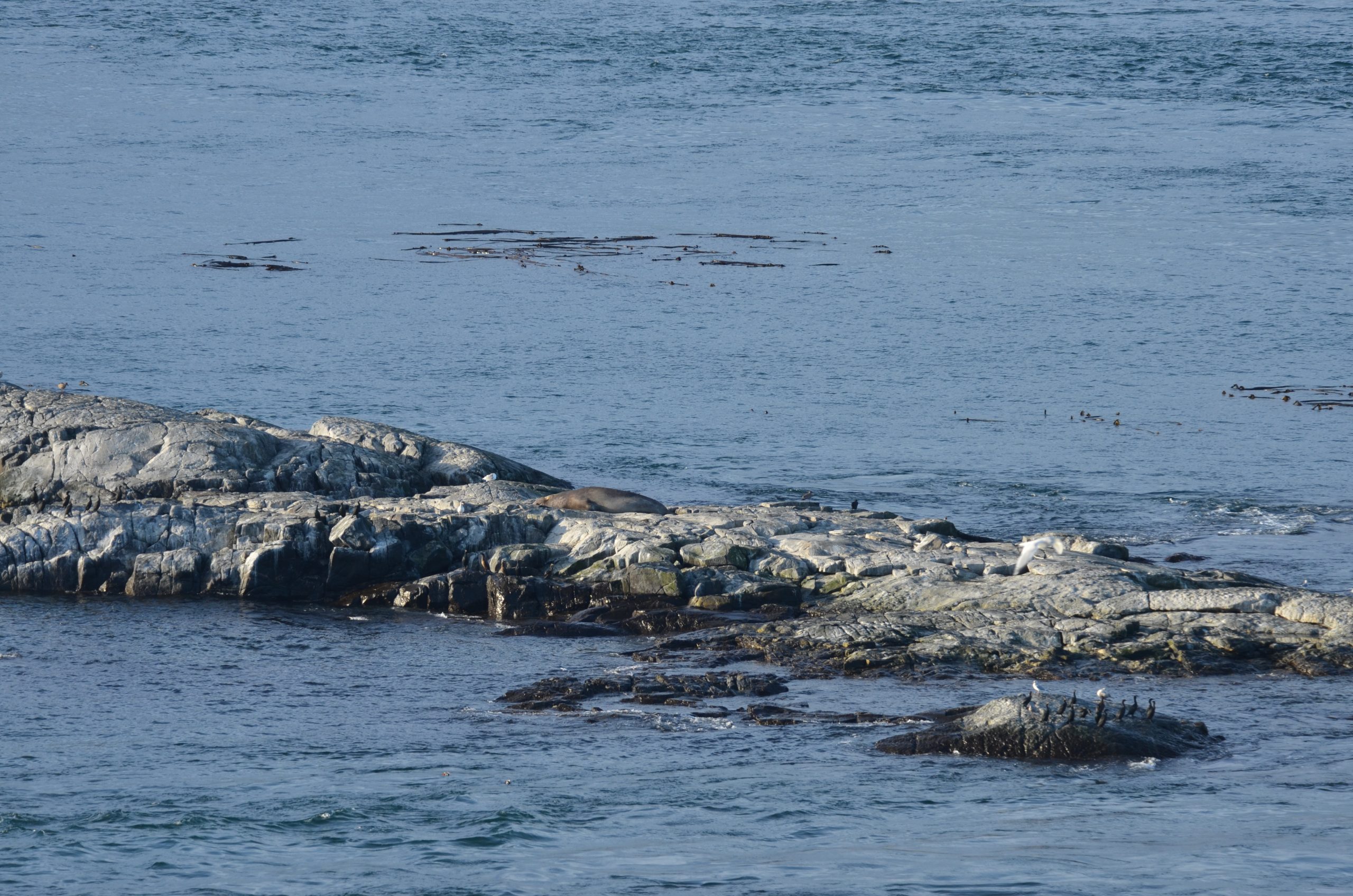
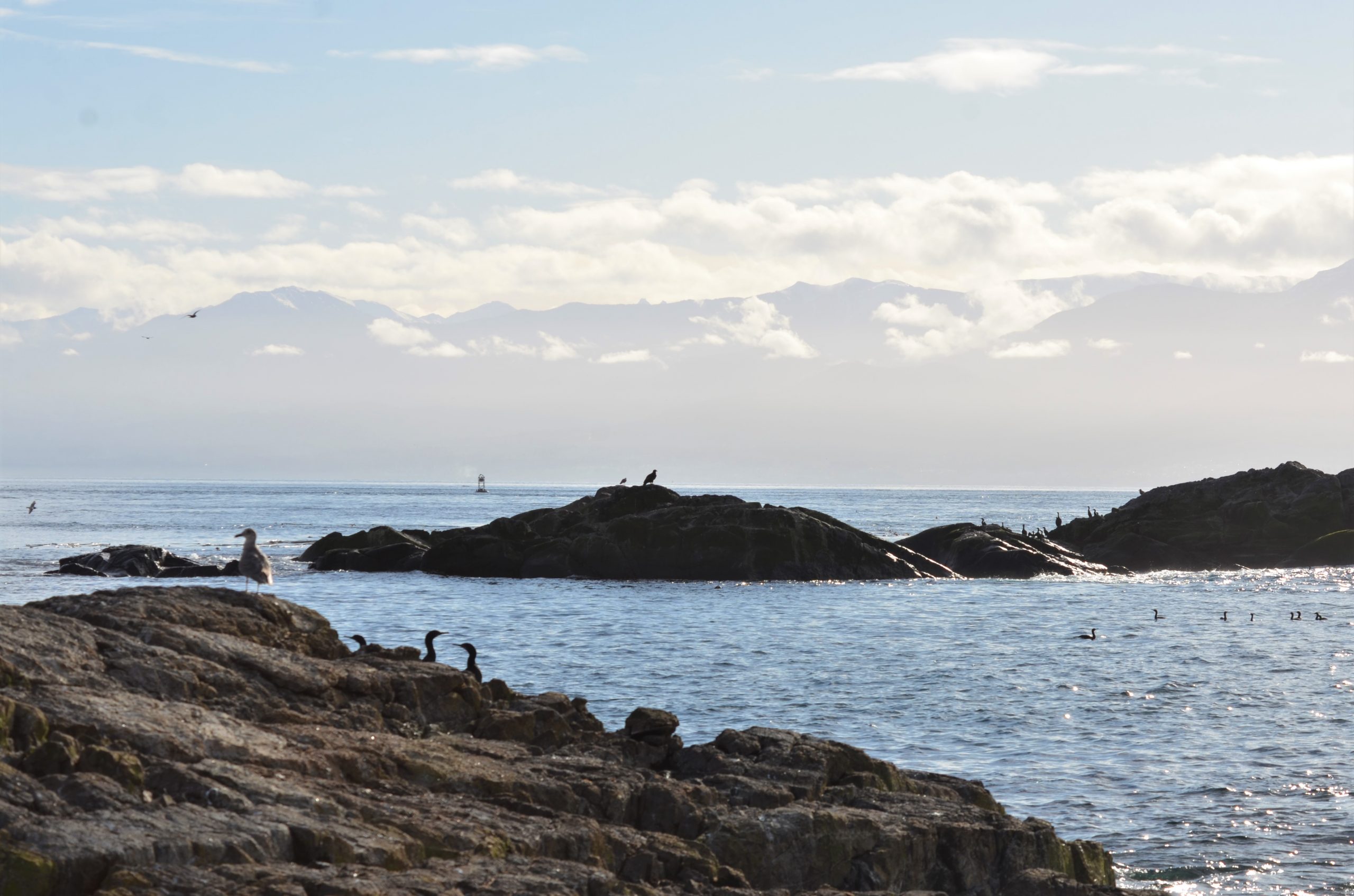
Striking in their abundance were the and Pelagic and Brandts Cormorants. On leaving we circled around the South side of the islands and out past West Rock where there were also large numbers of cormorants.  From West Race Rocks we went over to Emdyck Pass behind Bentinck Island and found another large gathering of Cormorants, and some alcids.  The other bird that seemed much more frequent than previous years were the Black Turnstones

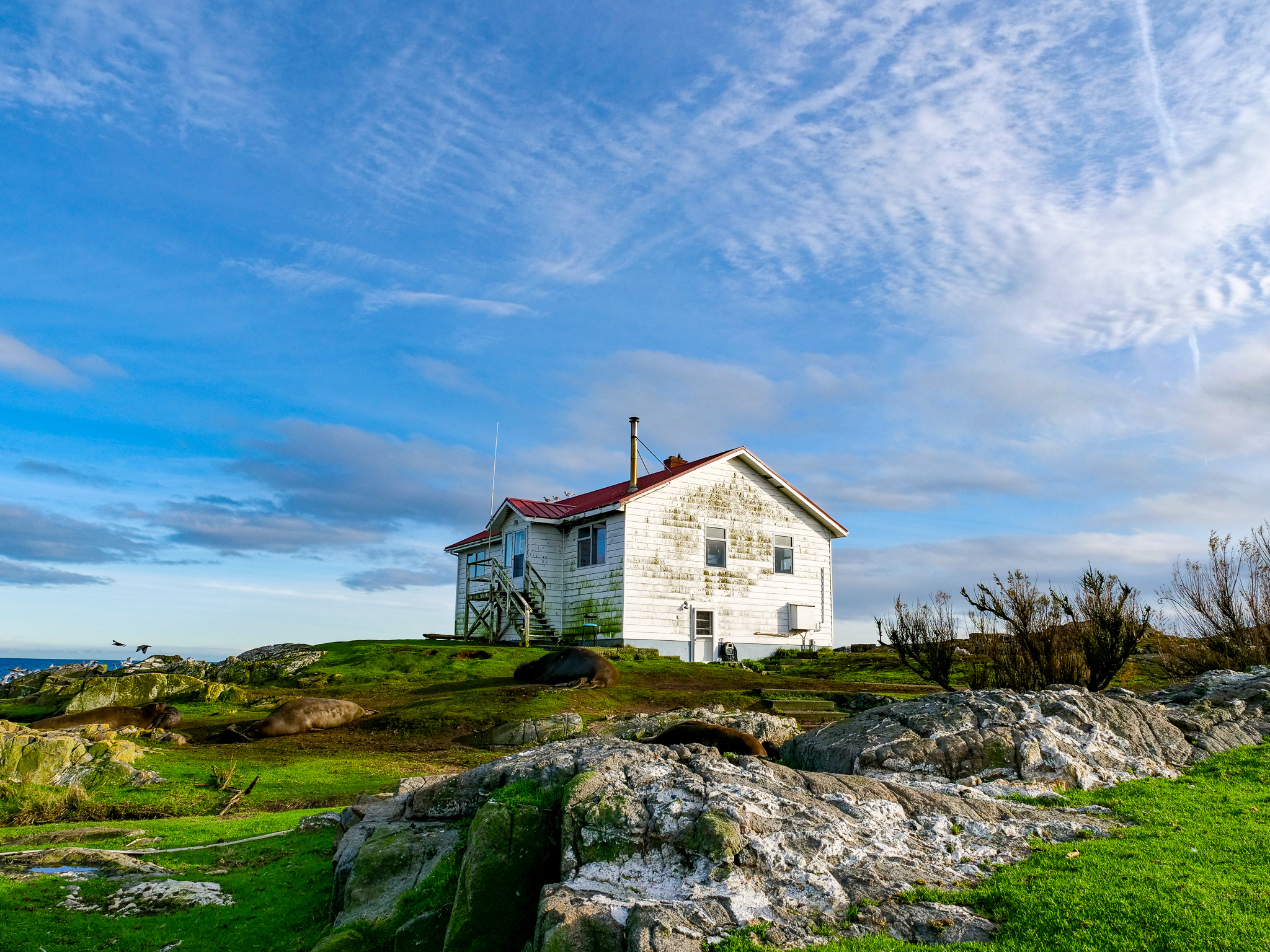
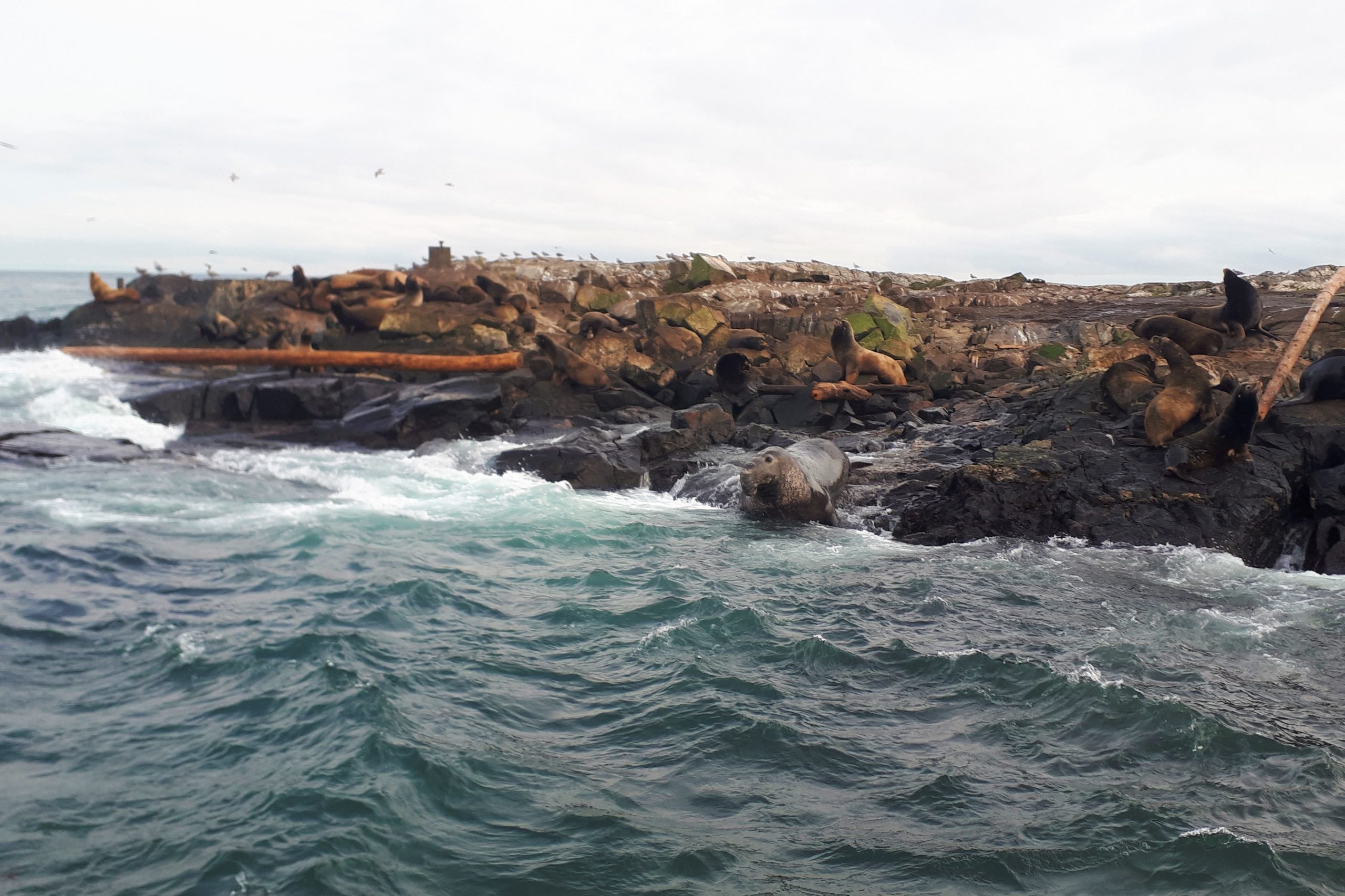
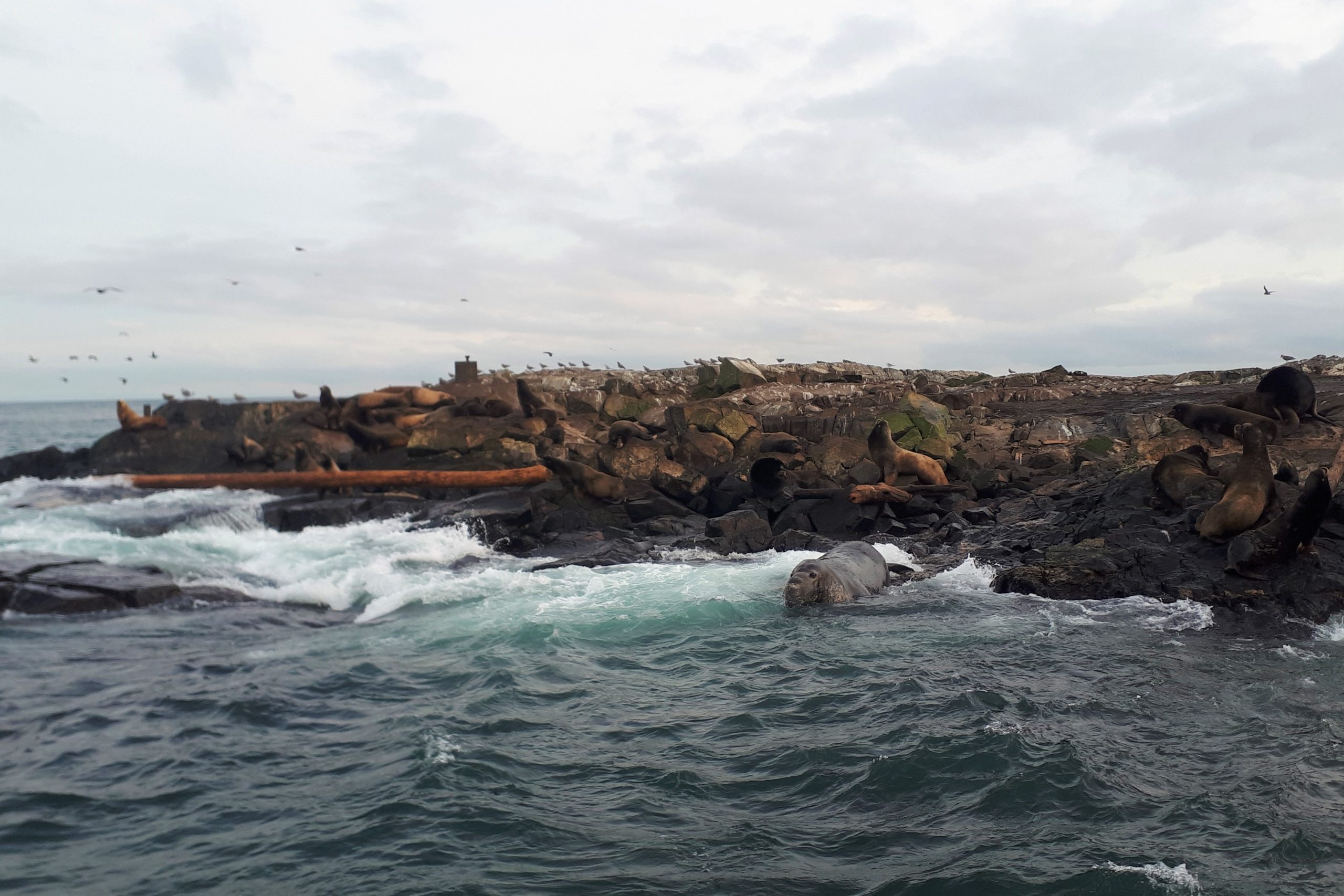
On the island, after stepping carefully past a male elephant seal on the jetty, we were able to view the new pup and mother elephant seal with the large male up on the lawn by the house. 

The following three sets of data are from their e-bird posts,

Continue reading →

Baby Elephant Seal for the Holidays

Image

Newborn Elephant Seal pup! After a night of squawking we were met in the morning by this adorable squishy new baby. It makes the cutest sounds!

Weather: 2 days of over 30 knots. Sleet on the afternoon of December 21st after a morning of NW bringing lots of logs into the jetty.

Visitors: 4 tourism boats coming out to view wildlife. Coast Guard doing maneuvers in the crazy currents. Navy ship and submarine out for a jaunt.


Maintenance: Greg got the desalinator going. We got Ocean Network Canada’s equipment up and running, I’m told it measures the tides and currents using radar?! Pretty cool. Maybe the subject of a blog post already?

Wildlife: The Elephant Seals showed up in the first week of December, so we were expecting a few months of them hanging out on Race Rocks before anything significant happened. Just kidding! The lone female on the island (pink tag #2) gave birth at around 10pm on December 21st after a chilly afternoon with a bit of snow.

Baby Elephant Seal #1. Could be last years pup? They are thought to return to their same birthing/moulting grounds.

The big male that has been posted up with the female since the beginning of December seems to be pretty protective of the new baby, making sure the rowdy teen male seal knows he is not welcome around the female and pup. There is another large male hanging out next to the generator building, and a small male (possibly last years pup) was hanging out here for a few weeks before heading back into the ocean.

The big male chased the female around the island for a few days before she found her favourite spot and posted up. Turns out those rocks right in from of her is the best nursery.

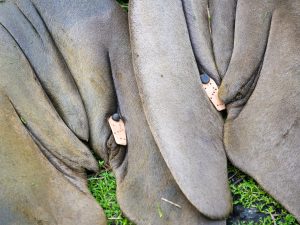
Momma Seal: Pink tag #2

Having a well deserved rest with her newborn the the giant male stands guard for other males.

We’ve still got lots of California and Steller Sea Lions hanging out on the island/jetty, with lots of bait balls and kelp rafts drifting by. There’s been at least 2 humpbacks feeding between Race Rocks and Edye Point for a few days.


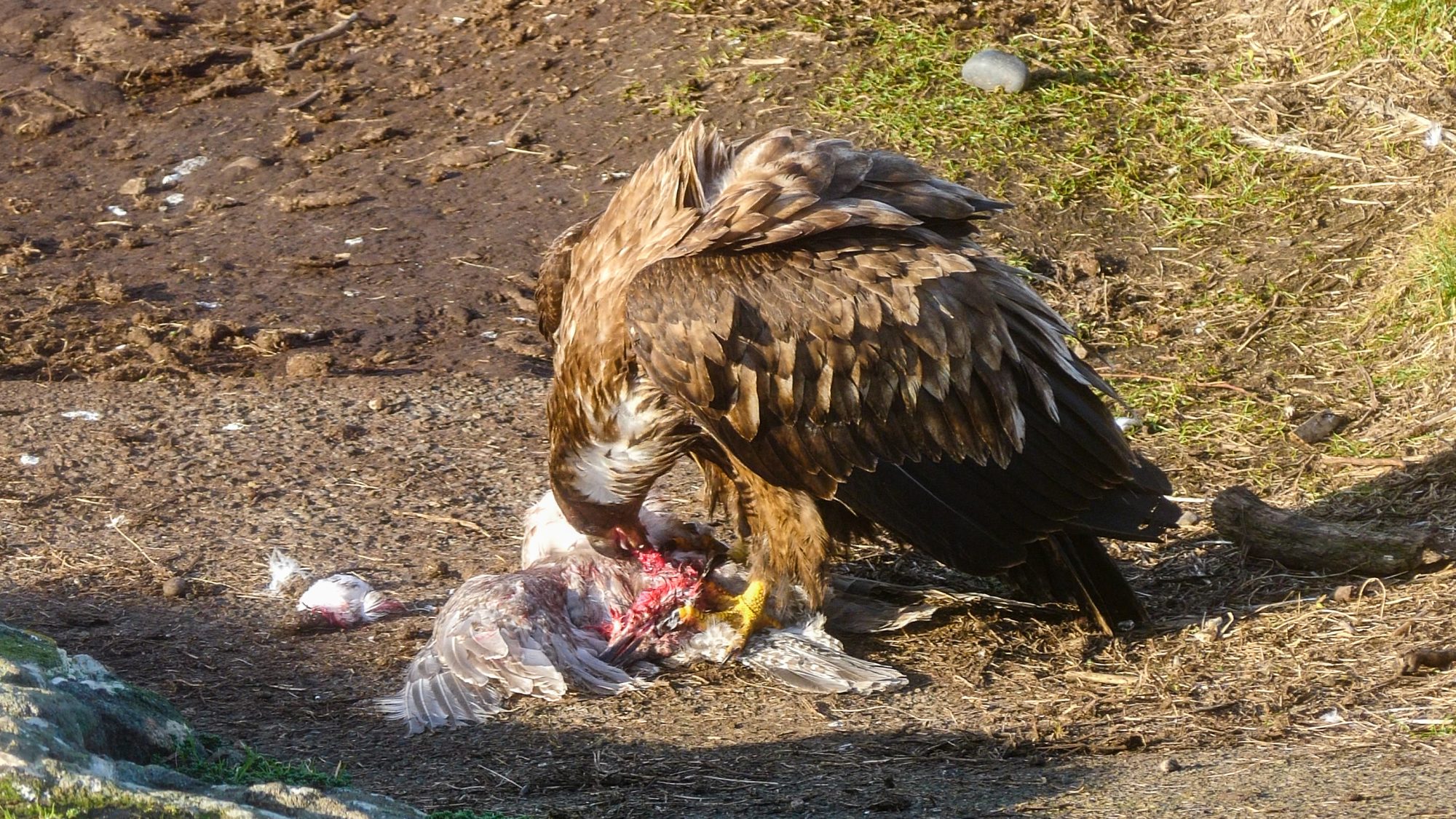
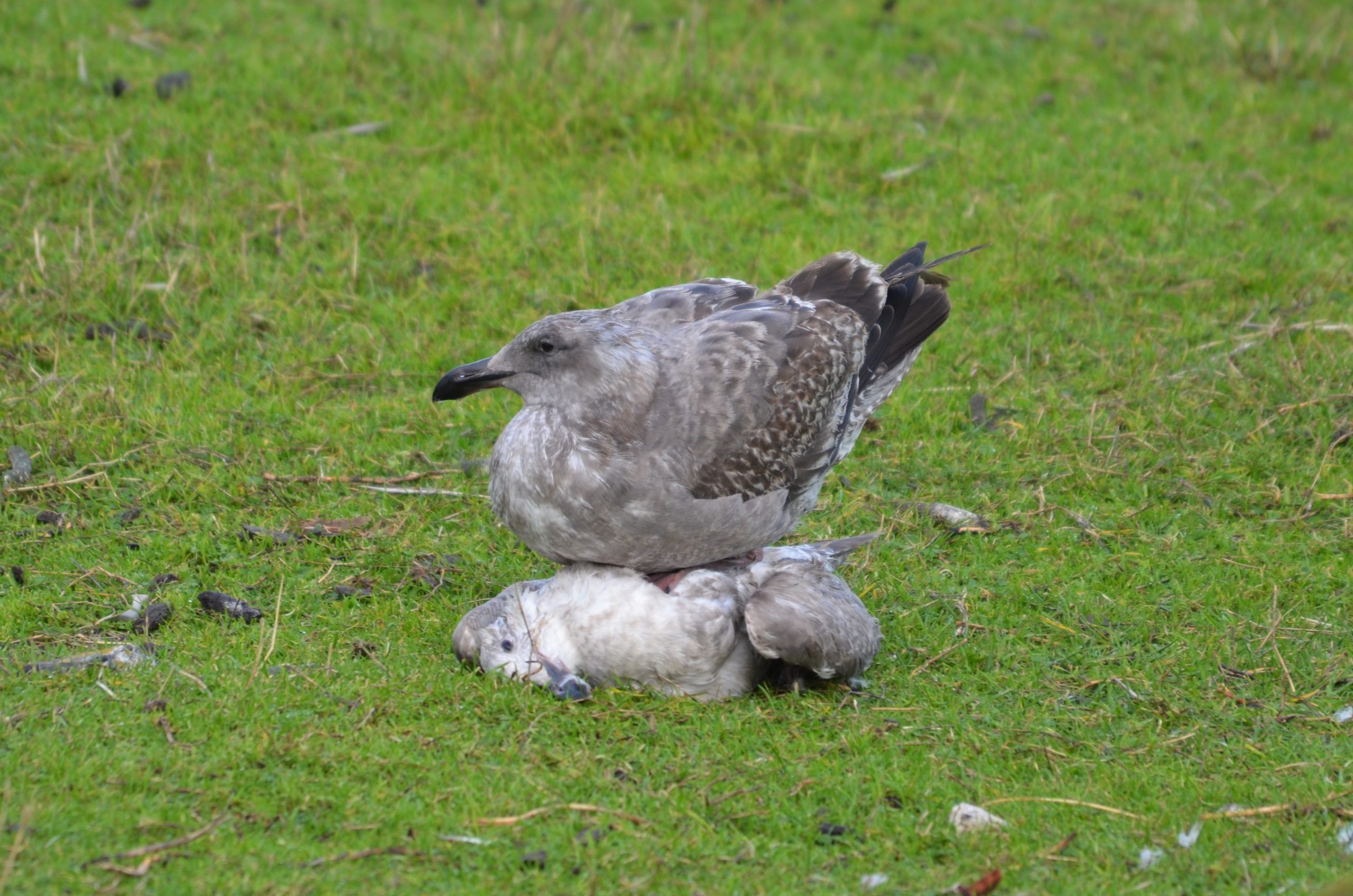
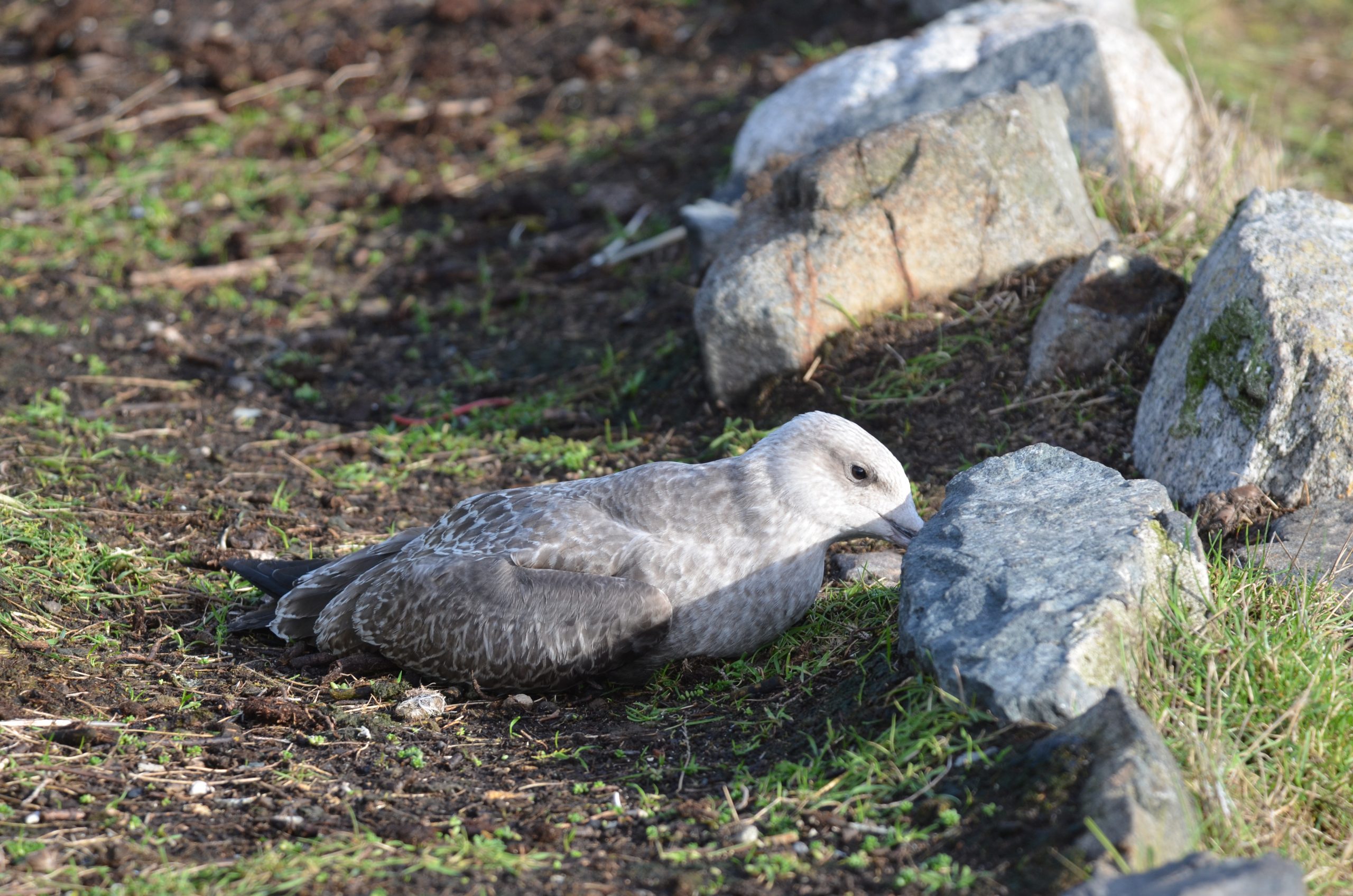
Only 1 gull has died in the last week, and was pretty quickly eaten by a couple of eagles.

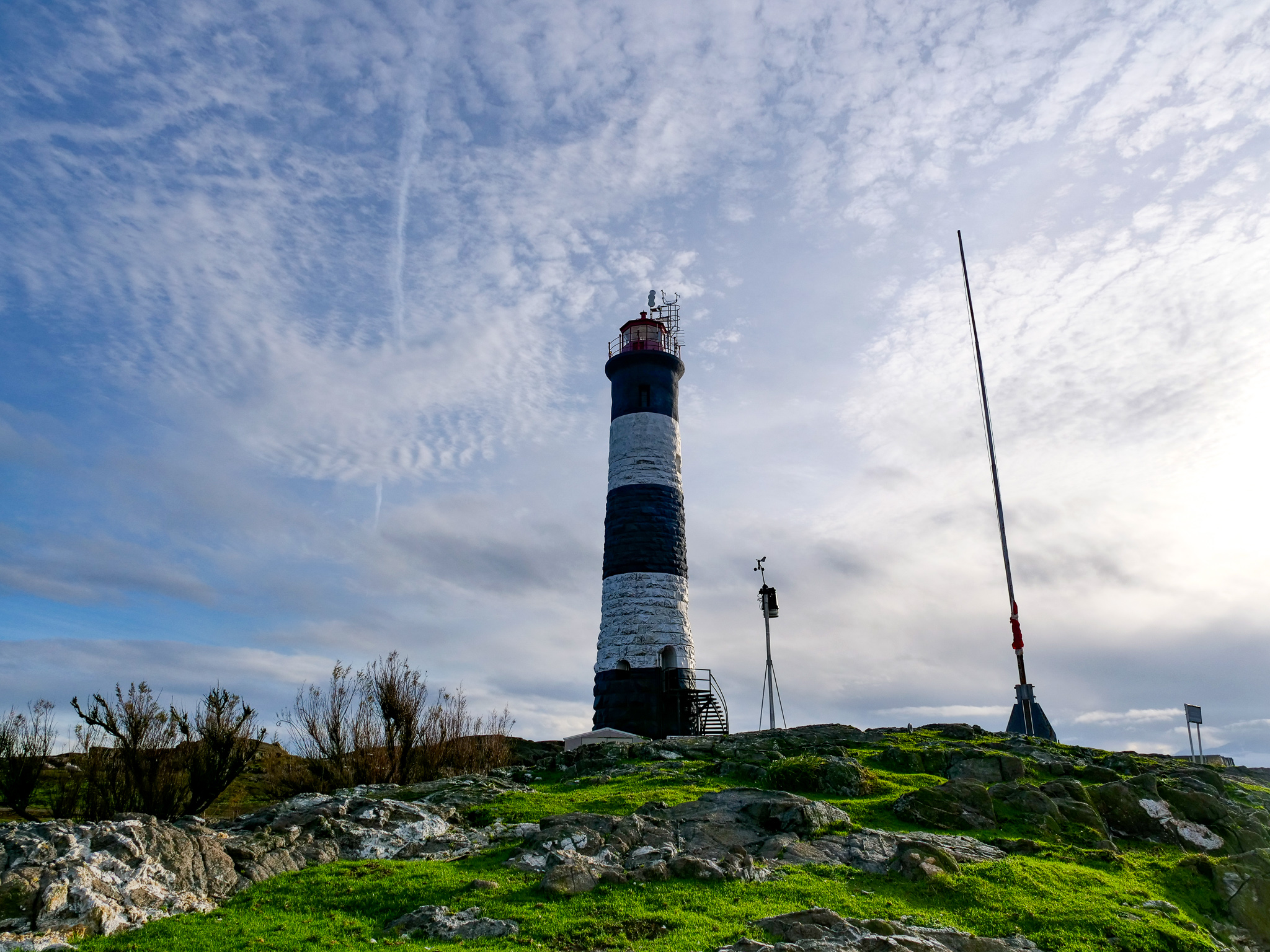
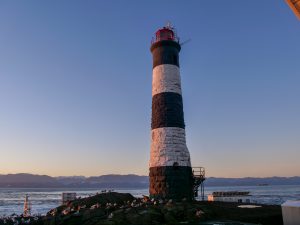
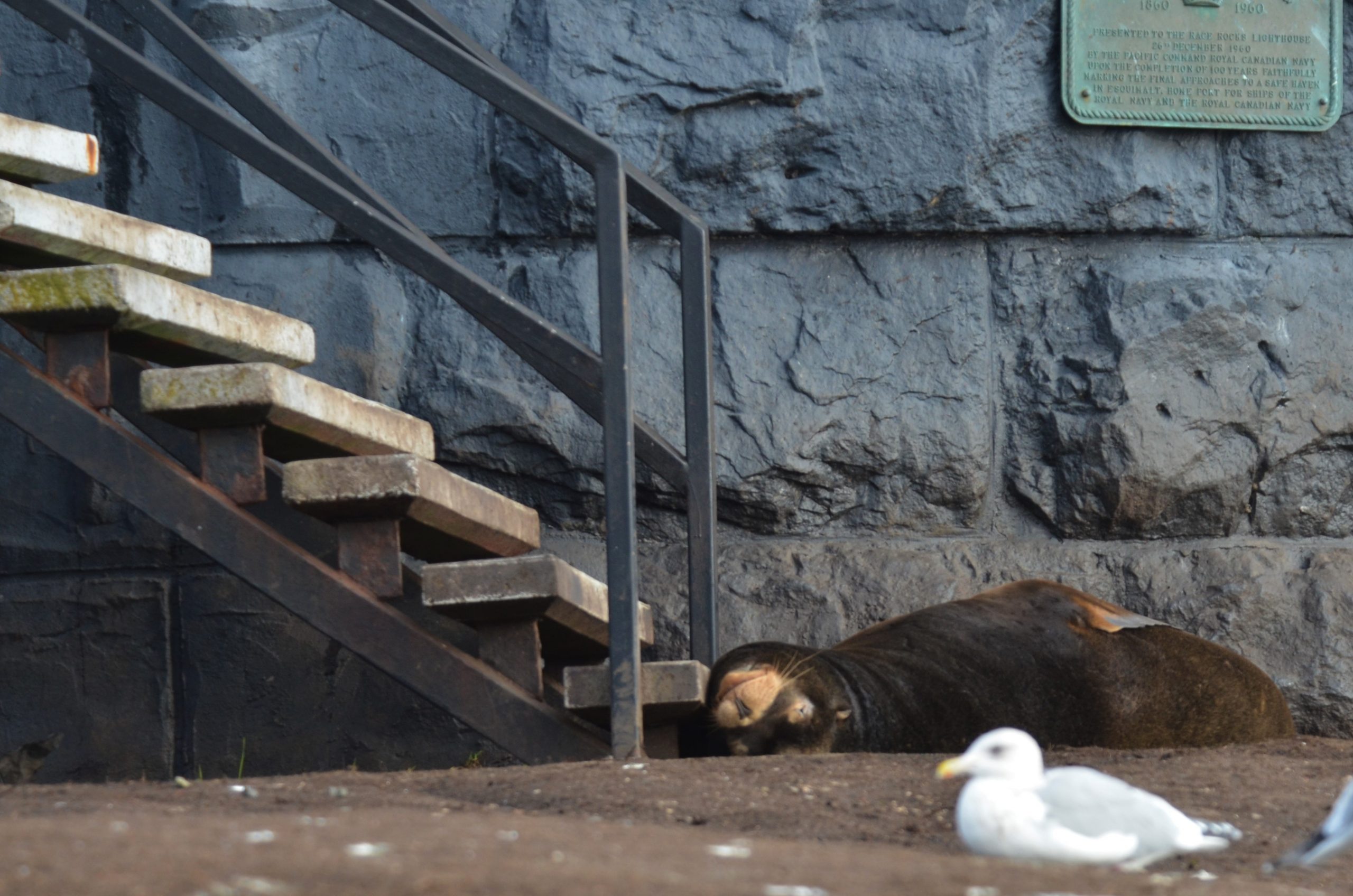
Because every Race Rocks blog should feature a lighthouse photo.


A Diver and Dying Seagulls

Weather:

  • Visibility 10-20 NM, great visibility especially in the few hours before sunset
  • Sky partially overcast
  • Wind 5-15 knots W
  • Calm seas for the most part, other than strong ebbs and floods

Visitors: Some pleasure craft over the past days. There have been some supply deliveries as well as a few visitors for various reasons. Today we saw what looked to be a private vessel enter the reserve and put a diver in the water. The dive lasted less than ten minutes and when the diver was back in the boat, they left quickly.

Ecological Notes: 

  • The elephant seals are all here still – the two large and two small ones from earlier in the week. The two larger seals and one of the smaller ones have hauled themselves up high onto the island, and the other smaller seal looks to be more comfortable closer to the water. Look for them on the webcam!
  • We’ve had a few more strange seagull deaths with the same symptoms: gradual weakening (reluctance to fly and a lethargic walk), separation from the rest of the seagulls, eventually progressing to being unable to fly, and finally silent coughing/choking movements followed by death.
  • Two orcas spotted on Monday, behind north rock and heading east.
  • There’s still a heavy sea lions presence, mainly on the jetty and the surrounding rocks, and around the base of the lighthouse.
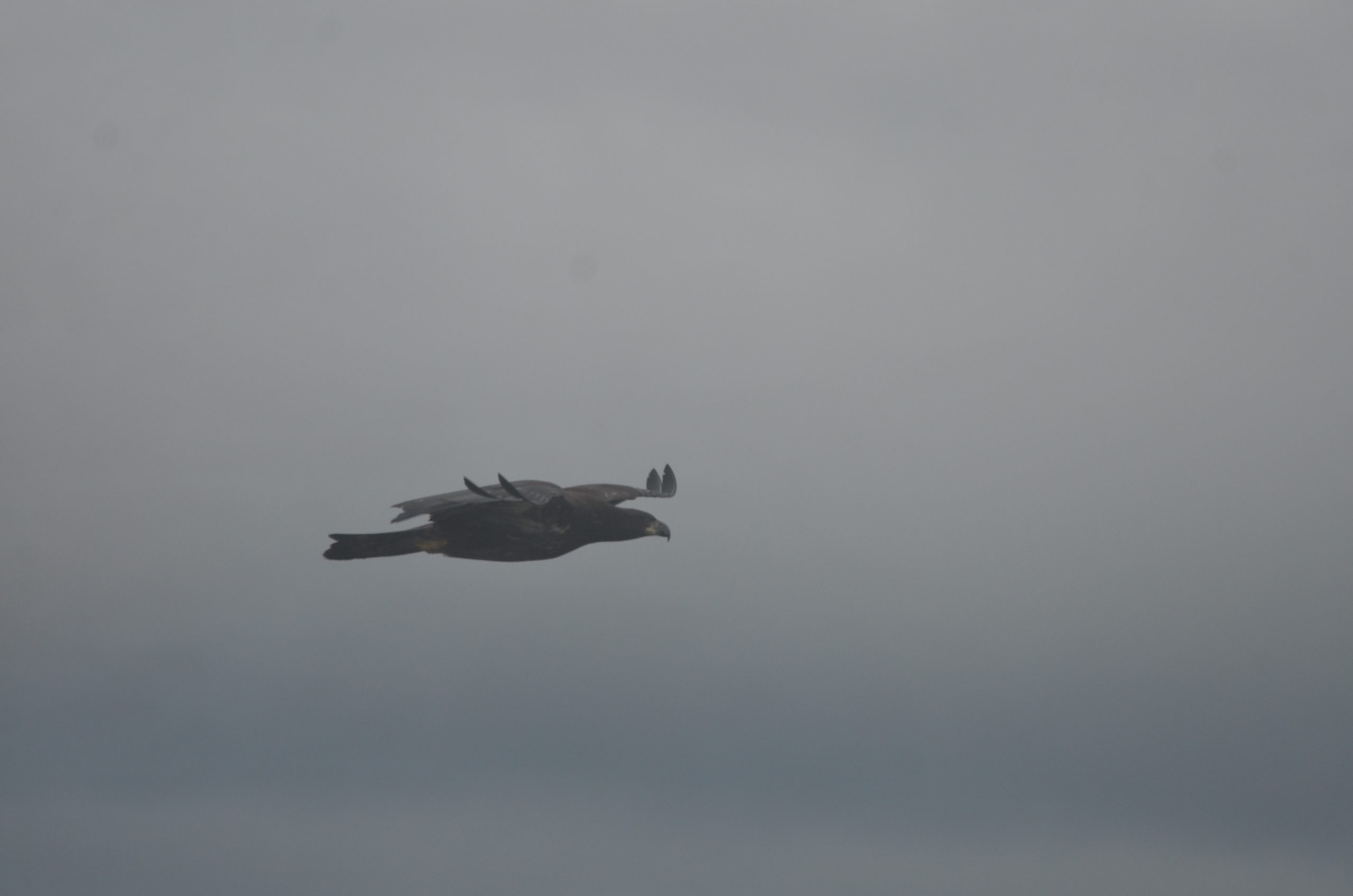
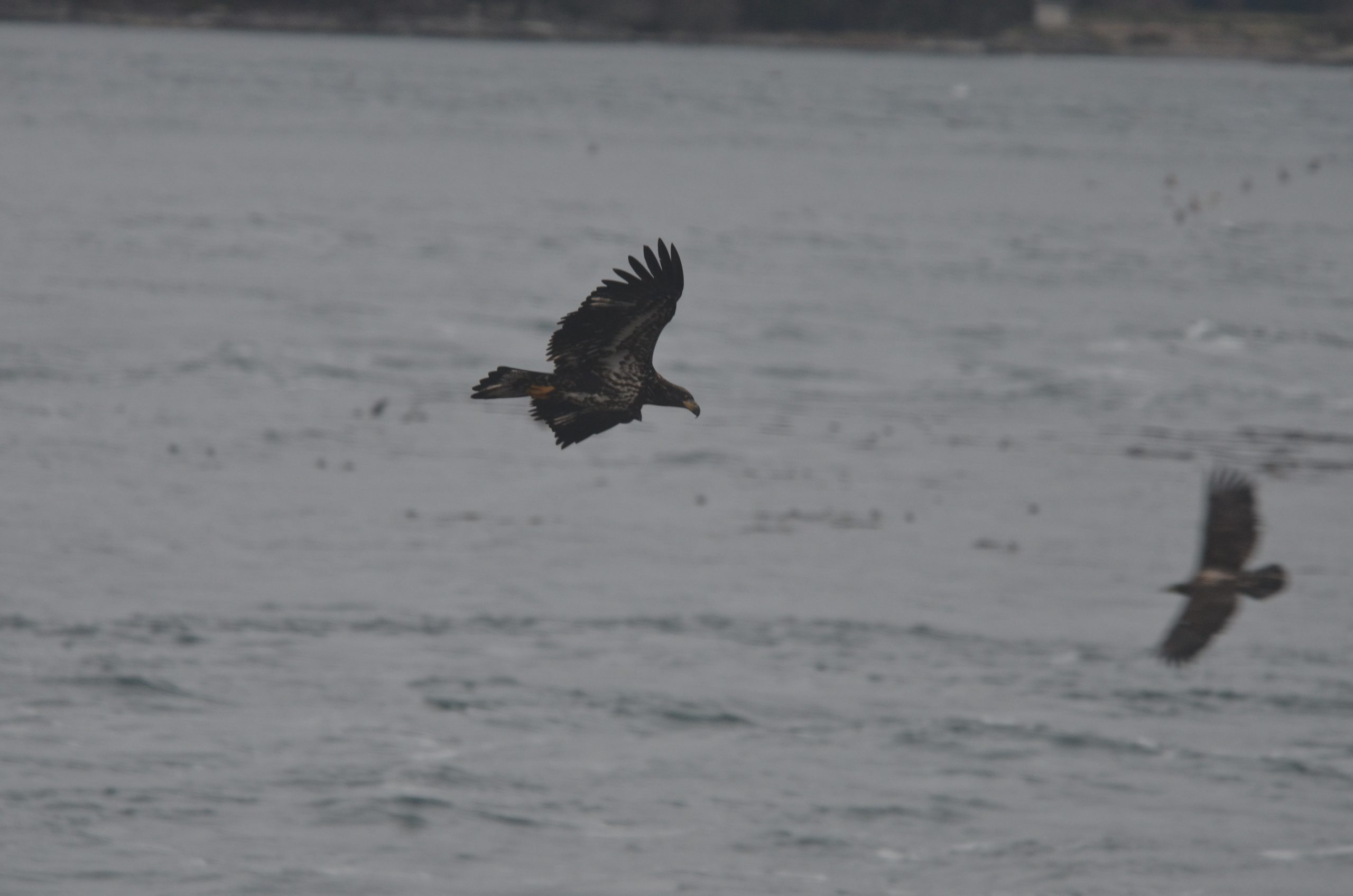
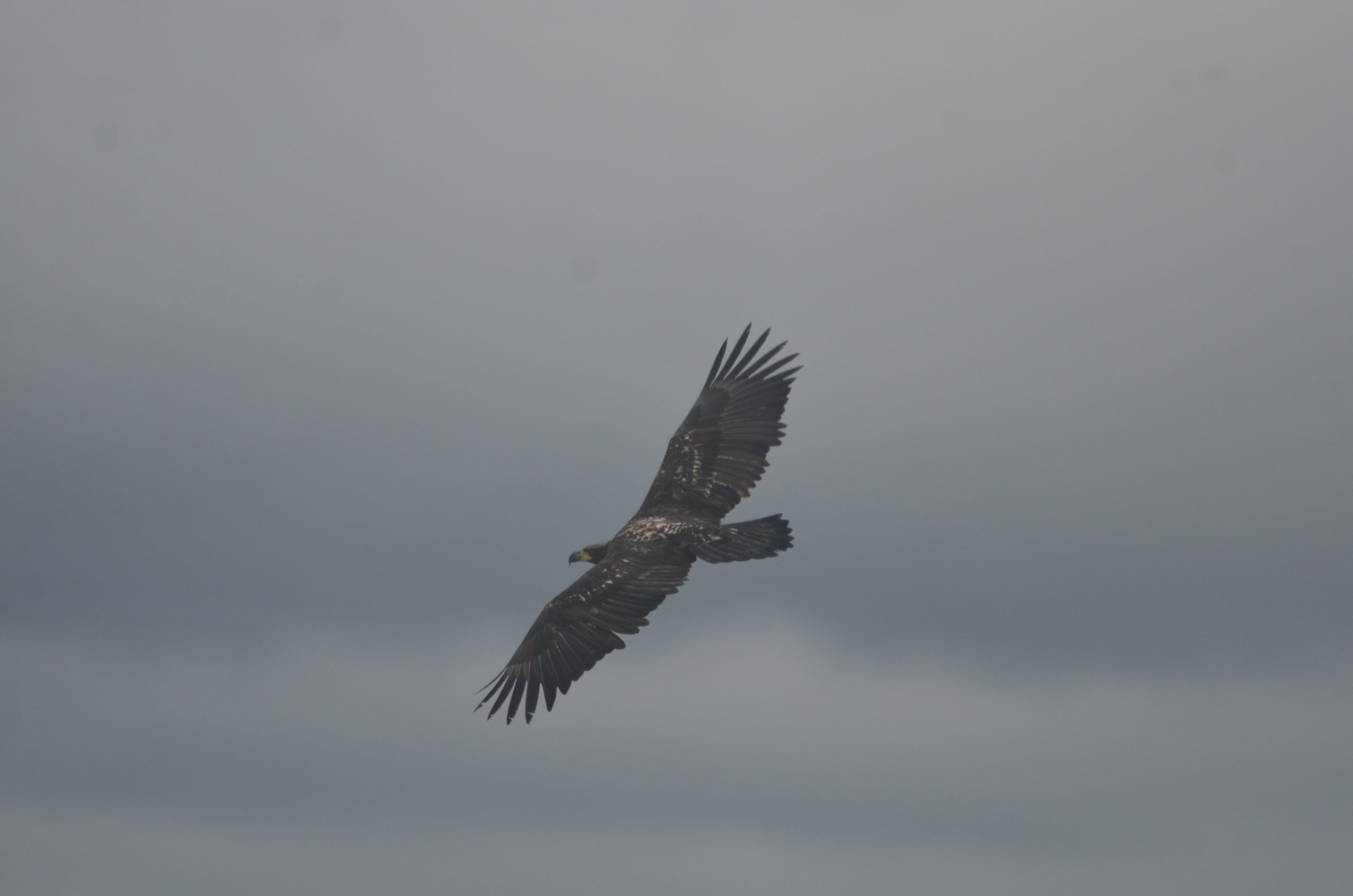
  • Mid week we had around 20 eagles in the area and were able to catch a few quick pictures of them in flight!


Clear Skies + Elephant Seals! (census)

Weather:

  • Visibility 15+ NM
  • Sky mostly clear, overcast in late afternoon
  • Wind 0-10 knots N
  • Sea state: calm, glassy!

Visitors: A small number of pleasure crafts trickling through. Only a handful of tourism vessels over the weekend and a few through the late week.

Ecological Notes: 

  • This week has brought some of our favorite visitors to Race Rocks: elephant seals! We’ve been joined by two huge male elephants seals as well as two younger pups that look to be only a year or so old. Unfortunately we haven’t seen any tagged elephant seals yet so that’s all we know for now.
  • We’ve still been spotted seagulls displaying odd behavior. We’ve noticed a total of 7 over the past month.
  • Whale sightings have slowed down now, seemingly as the weather gets colder and salmon runs slow. We have still been seeing around one per day but the sightings are less consistent.
  • Today we noticed a tiny sea lion pup nursing! We mostly only see male sea lions on race rocks, but recently we’ve been noticing very small sea lions arriving. It’s hard to tell the sex of sea lions from a distance so this was the first female we’ve identified in the crowd.
  • The bald eagles have continued to visit to fish and hunt gulls in the early to late morning. They particularly like to sit under the tower containing camera 5, sometimes up to 10 at once! The color variation throughout their different life stages is particularly striking.

Census:

  • 54 Harbour seals
  • 177 Stellar sea lions
  • 233 California sea lions
  • 4 Elephant seals
  • 275 Brandt’s + pelagic cormorants (too far away to distinguish)
  • 6 Double-crested cormorants
  • 5 Surfbirds
  • 3 Dunlins
  • 25 Black turnstones
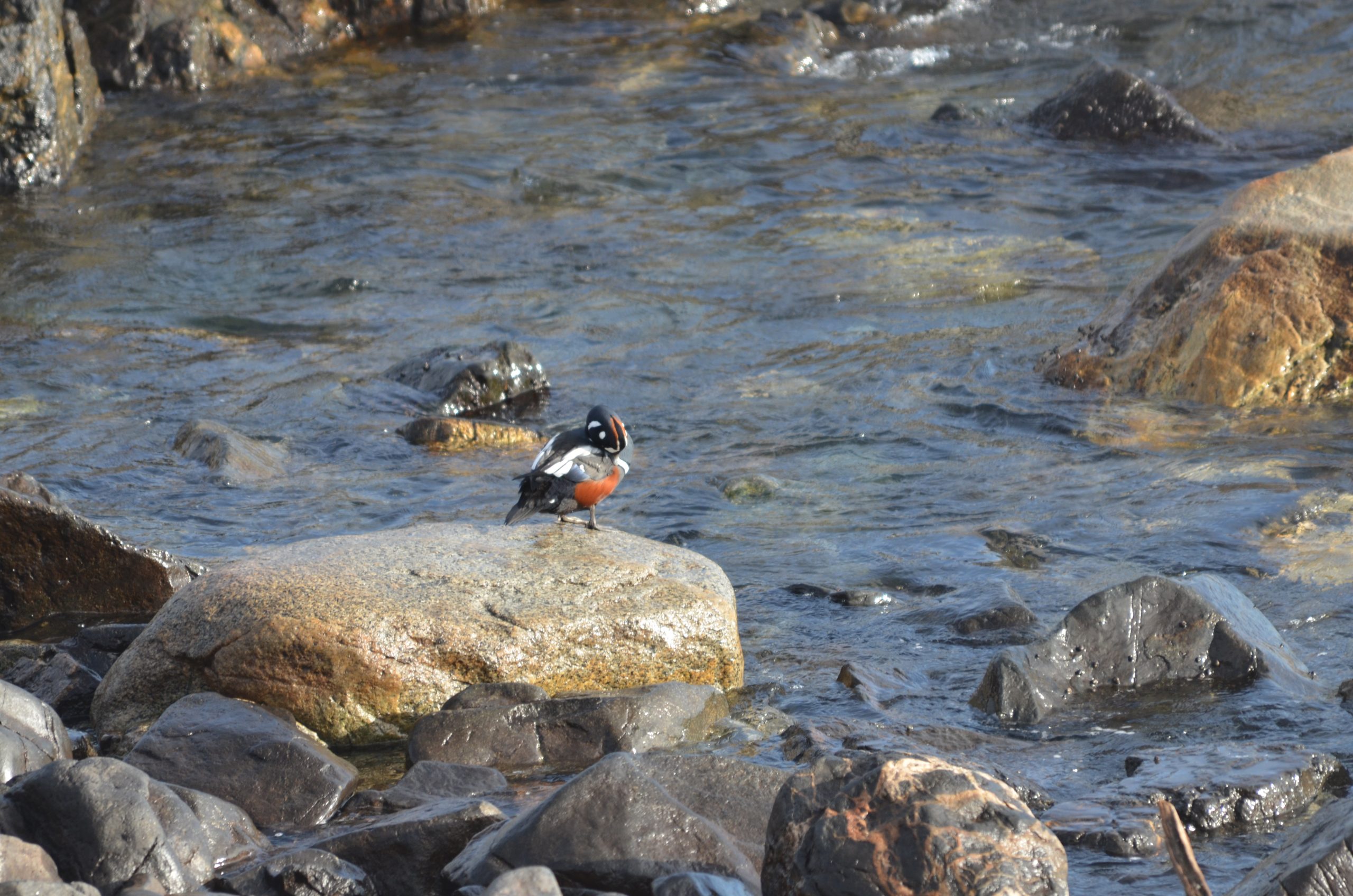
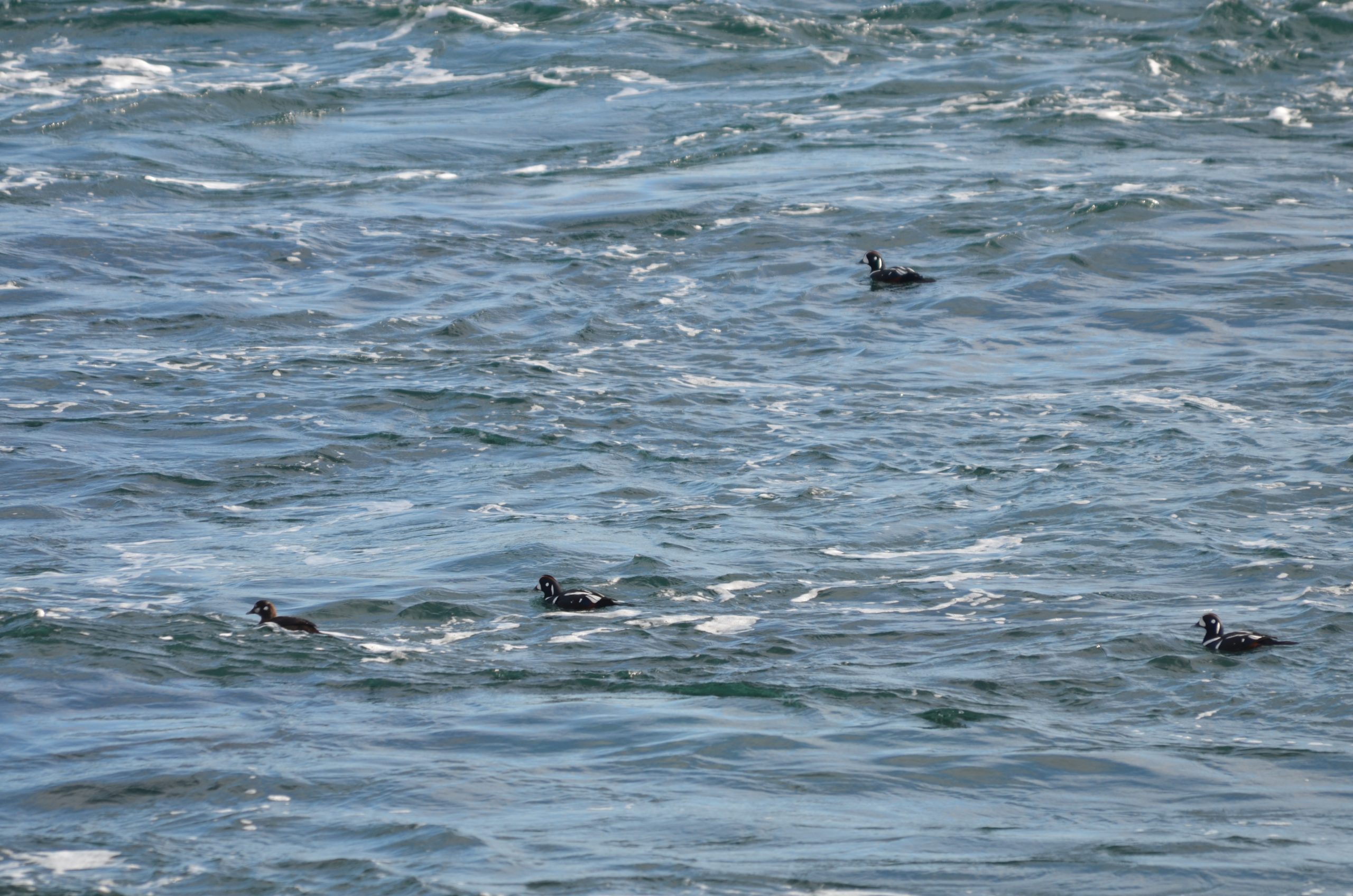
  • 12 Harlequin ducks
  • 7 Bald eagles
  • 290 Thayer’s gulls

Measurement Exercise

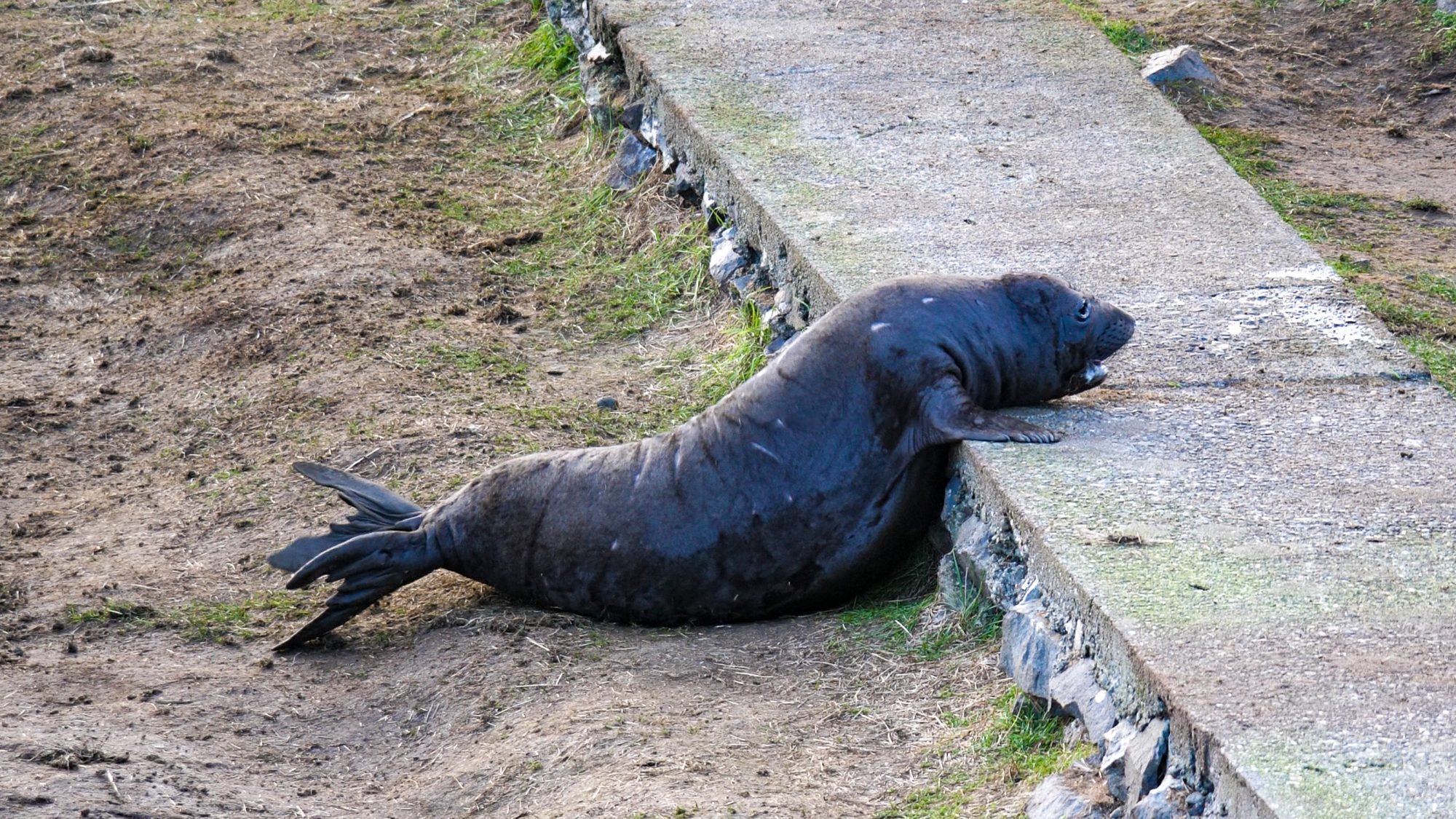
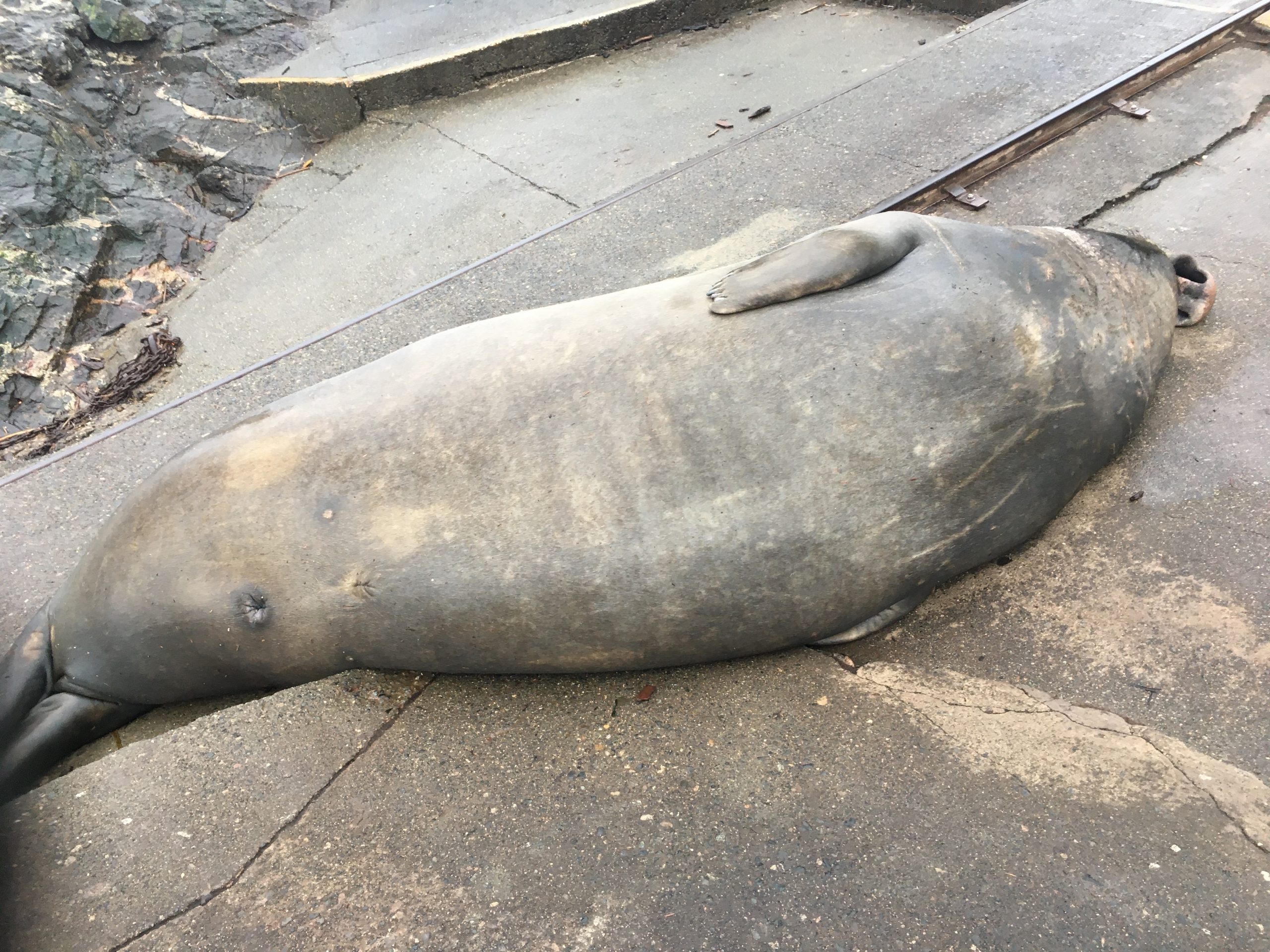
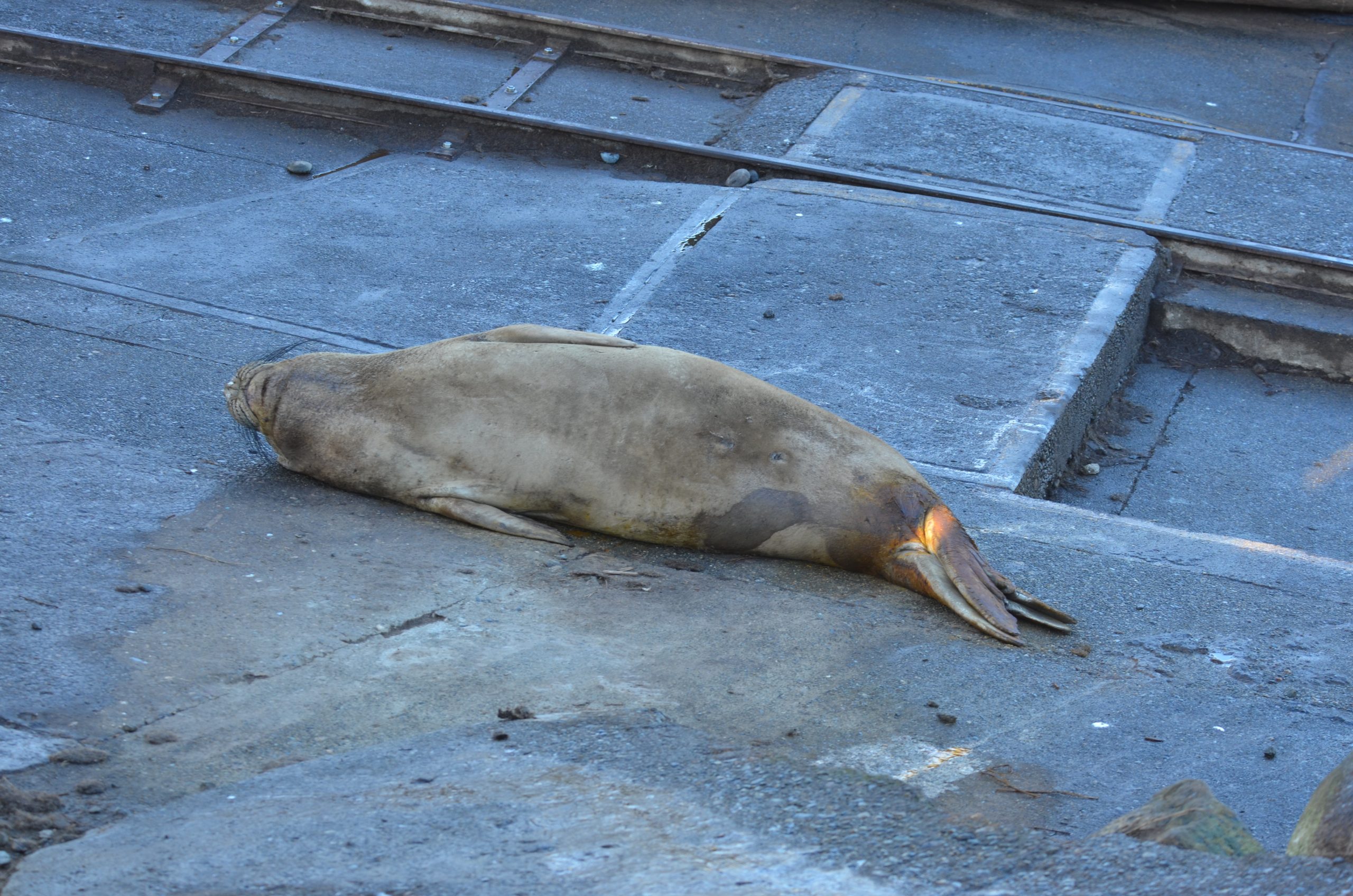
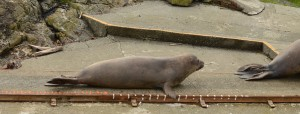
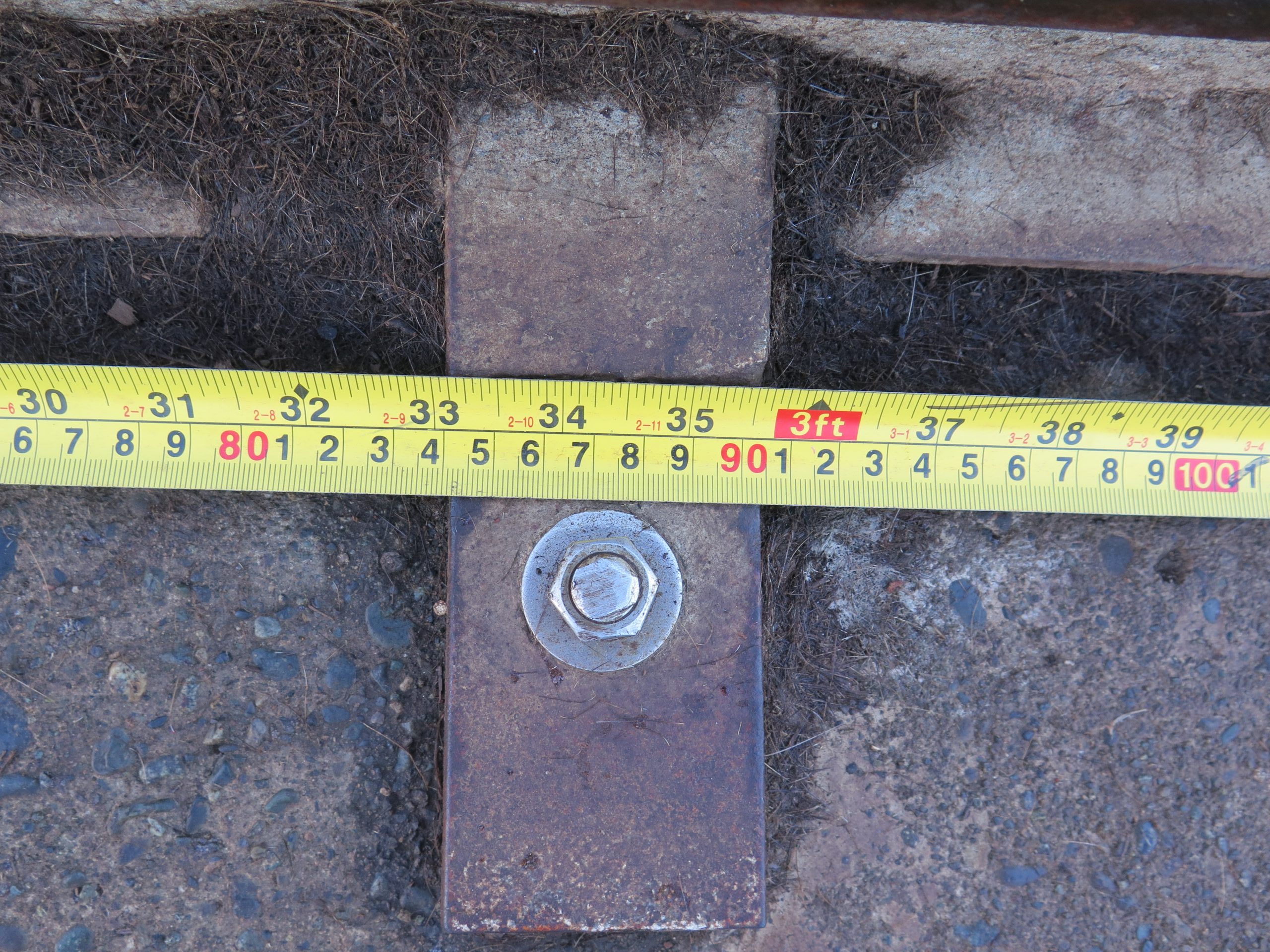
Today we had a request from Meghan Byrne, a 6th grade science teacher in the San Francisco Unified School District. She was doing a lesson with her students on size and scale and she was interested in using the following picture from this blog of the elephant seal measuring device – and letting students determine its length.


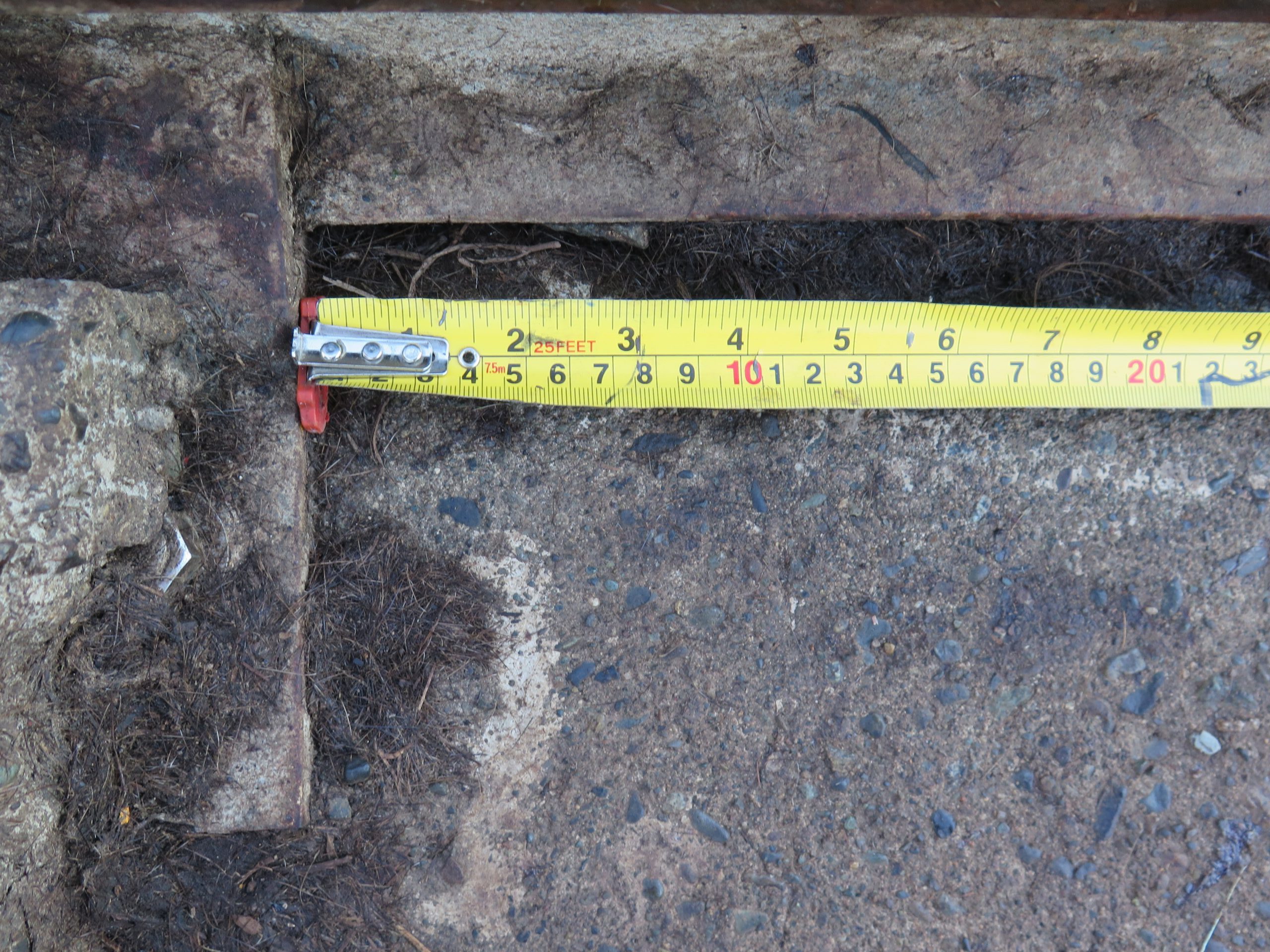
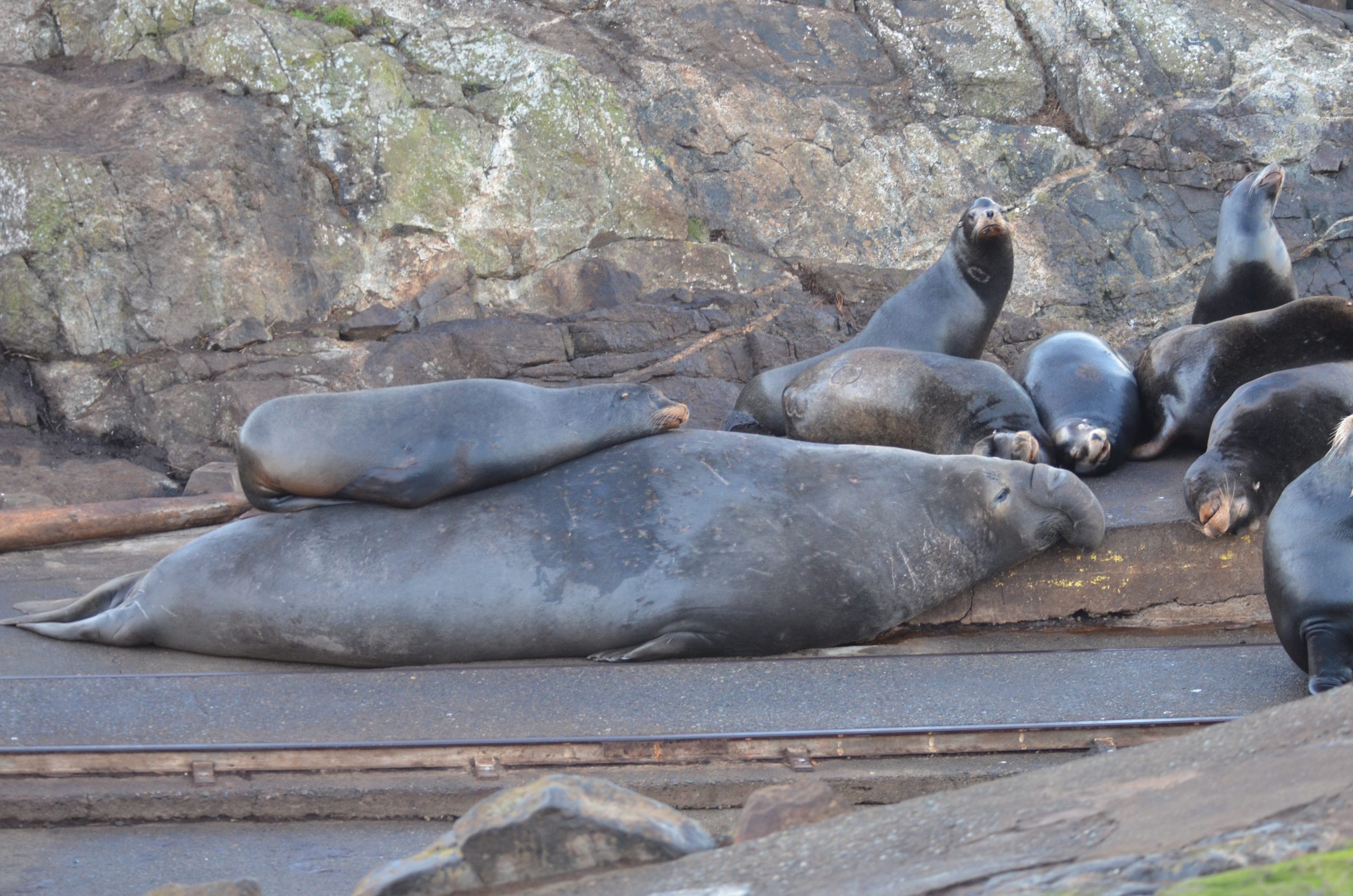
So I thought that would be a good exercise to include here for school students. Ecoguardian Mara has provided the following photos of the boat ramp rail so you can now calculate the length of the small elephant seal. 

Be sure to calculate the length of the Elephant seal in both centimeters and in inches.  Then you can also convert it to Metres and Feet . 

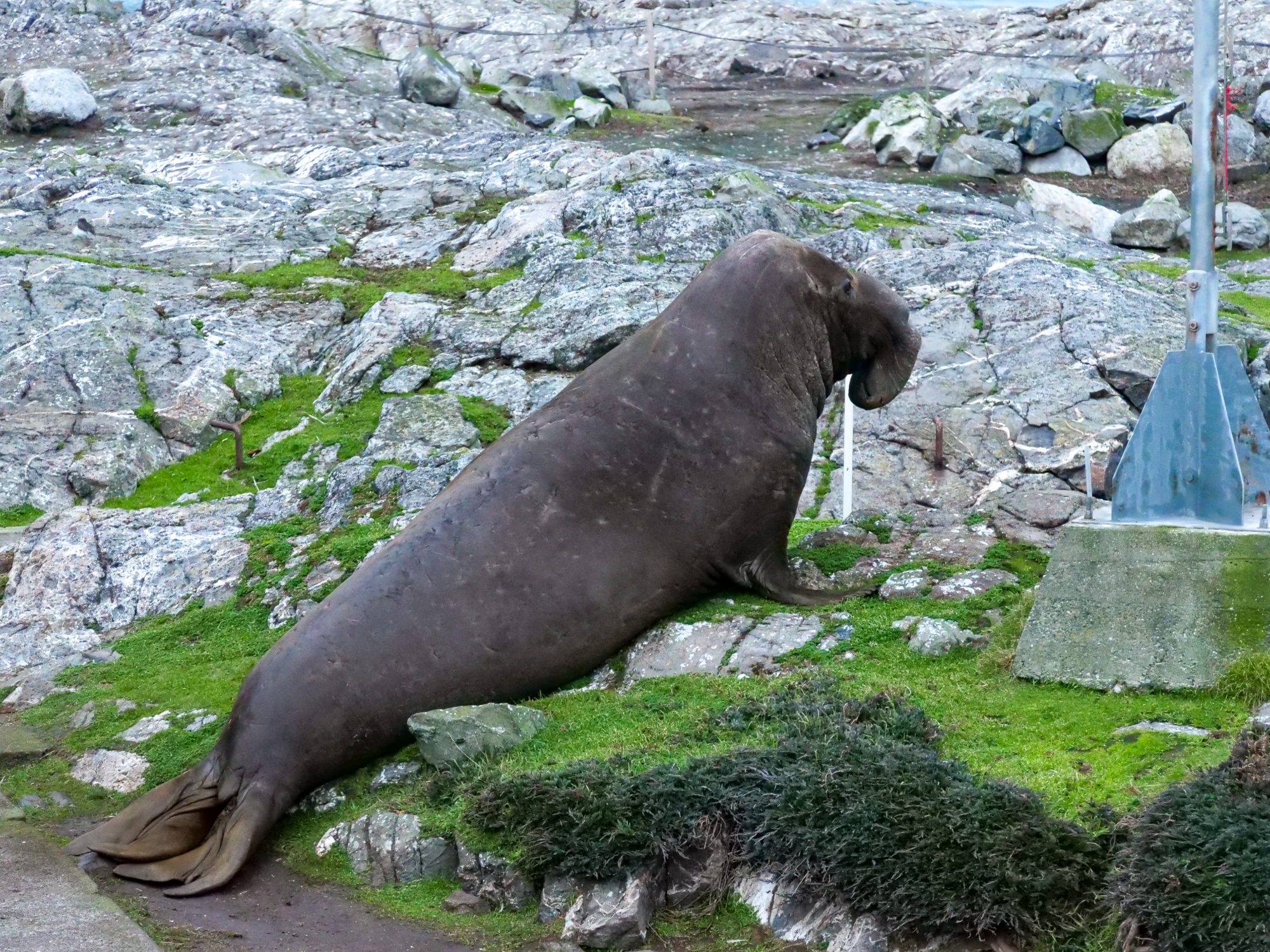
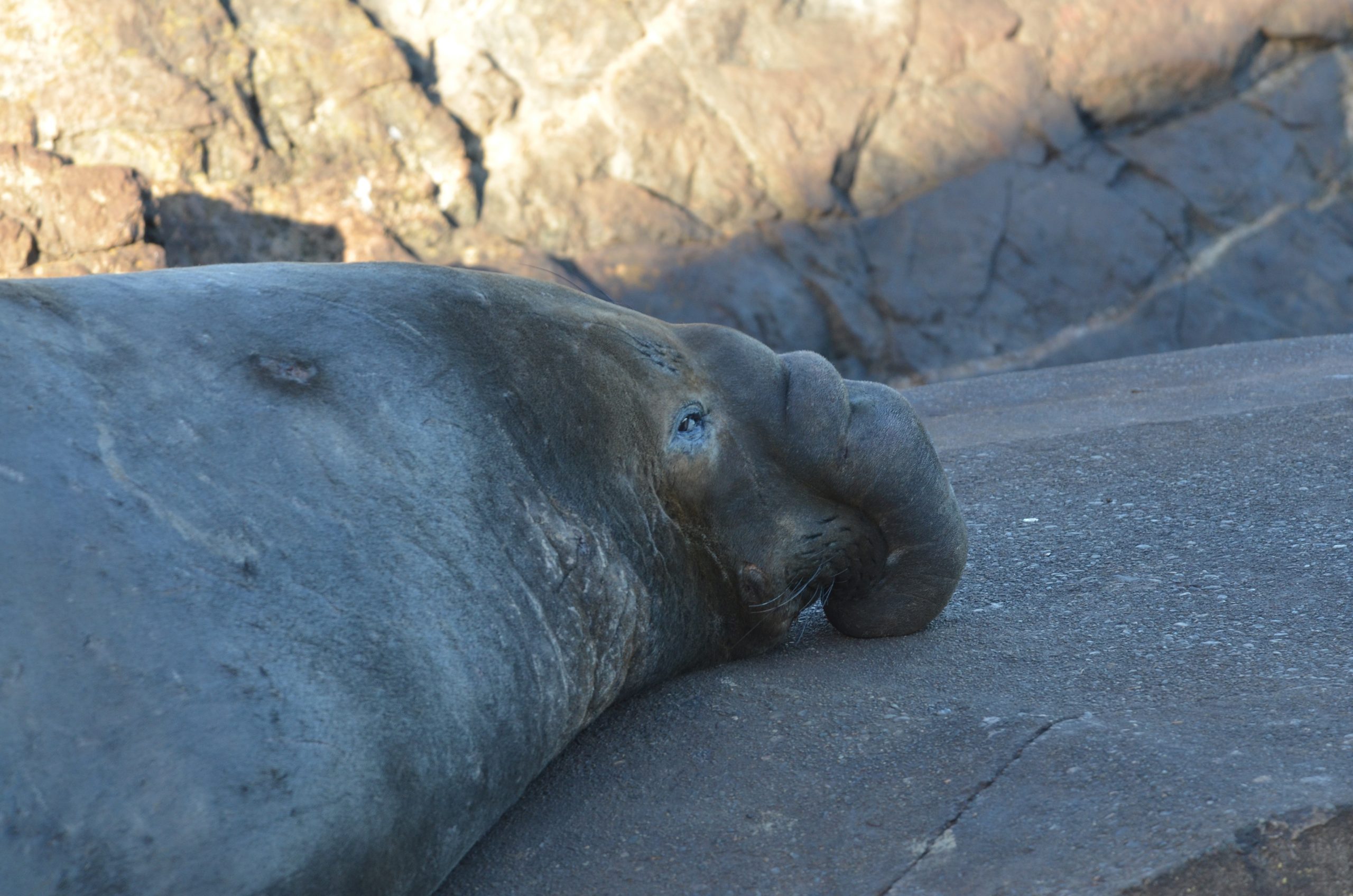
Mara sent another picture of a larger male, the brackets on the rail can just be made out so calculate his size.


Busy Shorebirds, Sea Lion Shot?

Weather:

  • Visibility 15+ NM
  • Sky partly cloudy, blue sky and sun!
  • Wind 0-15 Knots NW
  • Water calm

Visitors:

  • A few supply drops to the island otherwise quiet, not much traffic
  • Some navy vessels on the water today as some blasting was taking place on the DND land.

Ecological Notes:

  • Today we spotted a young seagull displaying the same symptoms as the one we found a few weeks ago: extending its neck as if to catch its breath or perhaps dislodge something stuck inside its throat. We noticed it initially because it had separated from the group and had tucked under some foliage. Within 15-20 minutes it appeared to be unable to move aside from lifting its head, and with wings splayed it died. We did inspect inside the mouth and throat that we could see and nothing appeared to be lodged inside. We are not sure what caused these deaths (or if it was the same cause), but we are interested to learn more. We are hoping that we will be able to send it for a necropsy.
  • On Saturday we were surprised by a large male elephant seal! He was so huge that he dwarfed even the largest sea lions here in the reserve. Wow! He must have had places to be and moved along the next day.
  • Our whale sightings have slowed down now, although we have been still spotting at least 1 humpback whale every day. They seem to appear around peak ebb current to feed around the reserve.
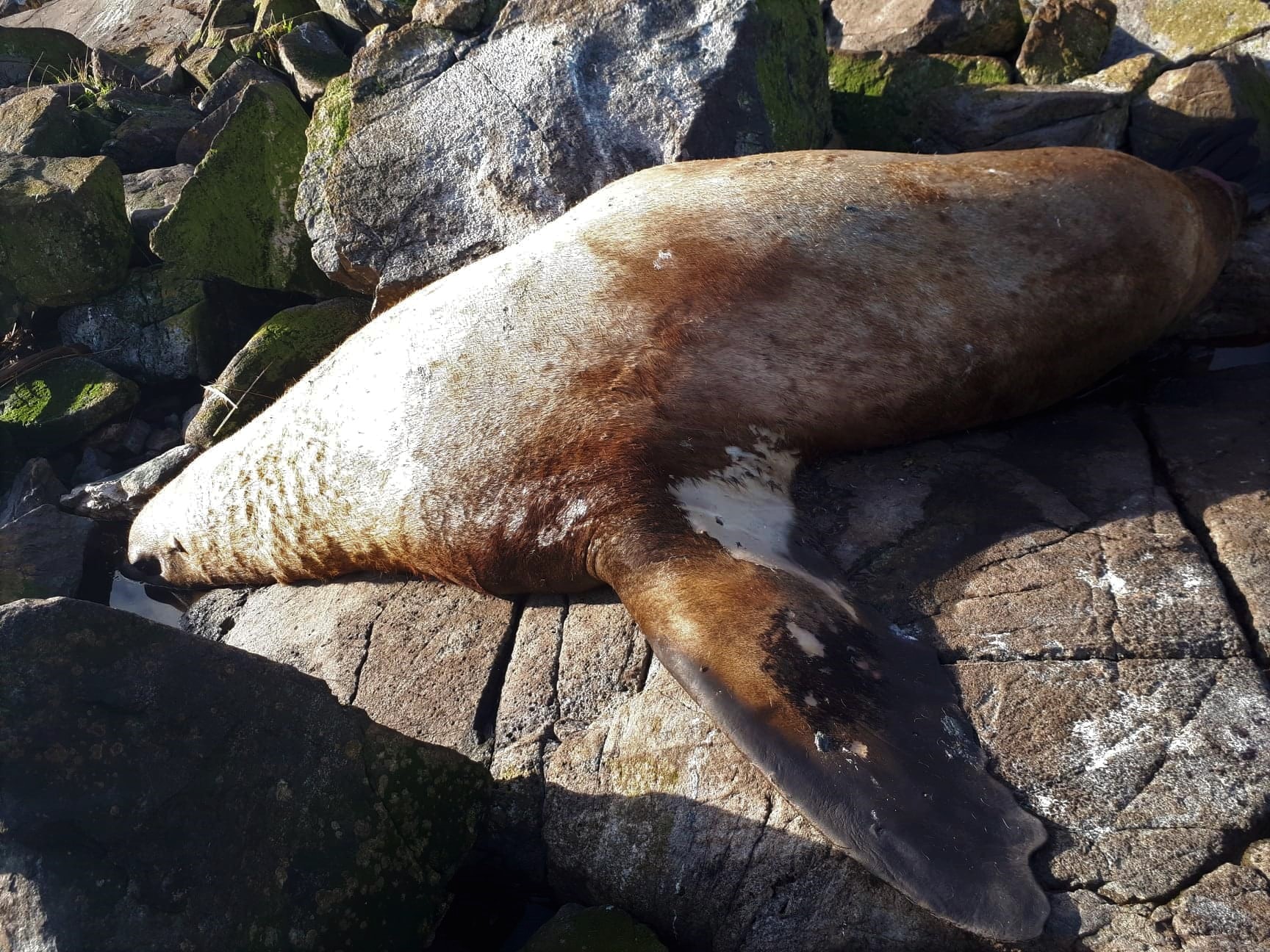
  • We have been periodically checking on our dead sea lion that appeared last week. Although not officially determined, after some input we strongly believe that the animal was shot. It appears as if it was shot and then made it onto land here before passing. While it is a heartbreaking find, we are excited to observe the decomposition process.
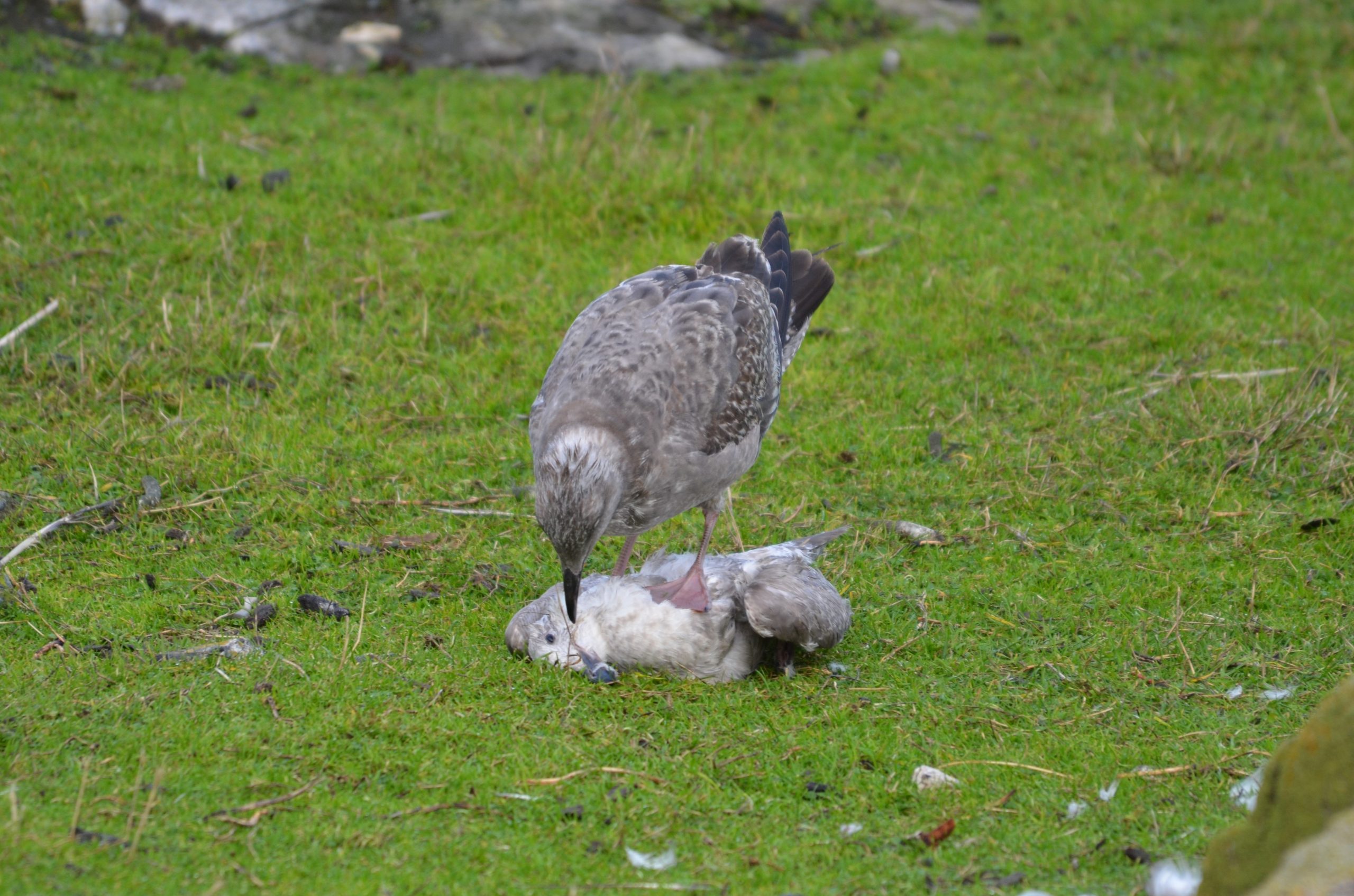
  • We have been observing gulls pecking at the remains of gulls killed by eagles. The cannibalism is not necessarily a surprise to us, having also observed adult gulls eating the chicks of other gulls over the nesting seasons. However, it is interesting, given how much food is readily available.


Sun Before the Storm

Weather: 

  • Sky clear, blue
  • Visibility 15+ miles
  • Wind 0-15 knots W, NW
  • Sea state: calm
  • We are preparing for a large amount of rain over the next few days. Every year the “first big rain” on the west coast is quite an event!

Visitors: 

  • Today Greg visited with supplies for the island and contractors
  • Few whale watching boats now that school in Canada is back in session.

Ecological Observations: 

  • There have been quite a few more stellar sea lions this week. We will be completing our census tomorrow, weather permitting- we’ll see what the numbers show! (last week the fog delayed our census significantly)
  • The bird life has continued to change daily, with many sparrows and gulls migrating with the seasons. The pelican spotted previously stayed in the reserve for a couple of days but we did not see it today.
  • We observed a small pod of orcas passing outside of reserve yesterday evening. We have been seeing fewer humpback whales in the strait this week.
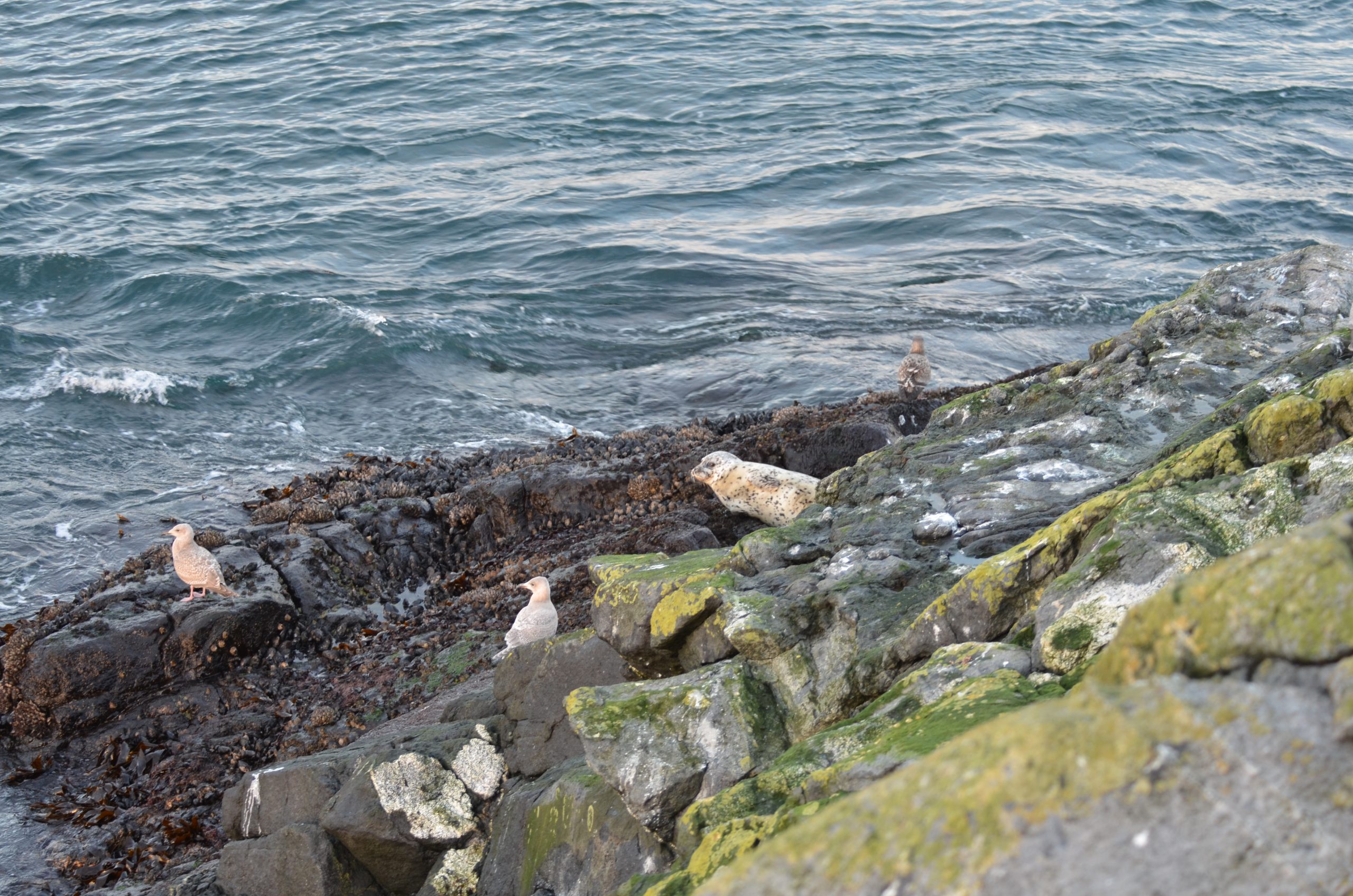
  • Elephant seal E103, or “Erica” has been enjoying the jetty with the sea lions. When we fence the island to prevent damage due to the sealions arriving we are mindful to leave space for the elephant seals to move through the island freely (the fence is high enough for them to pass underneath). Notably, Erica has chosen to remain with the sea lions nearer the jetty, as opposed to her preferred grassy areas at other times of the year. We wonder if she like the company, or if there may be a more survival based explanation for this behavior.
Other notes: 

  • As wet winter weather approaches we have been mindful to collect firewood and store it in the dry areas available to ensure dry heat throughout the winter. It is still necessary to use the diesel furnace as it distributes heat to all areas of the residence but the dry heat from the woodstove just can’t be beat! This wood is collected from the ocean as winds in the winter season push logs fallen from barges into the jetty waters.


Students, Whales, Census, Seal!

Weather:

  • Sky clear and blue. Much less smoke than yesterday (currently 13 wildfires burning in washington state).
  • Visibility 10 NM (visibility reduced due to smoke)
  • Wind 5-10 knots SE
  • Sea state: calm

Visitors:

  • As the students return to the Pearson College campus we are being joined by small groups of first year students to introduce them to race rocks. We have been enjoying showing them around and sharing about the ecology- they ask great questions!
  • Greg has been accompanying these trips as well as MJ
  • Few boats in the reserve now that the long weekend is over. Quite a few whale watching boats following the humpback whales that we have been seeing in the strait.

Ecological Observations: 

  • The sea lion numbers are climbing daily still. There are many more california sea lions than stellars right now.
  • We have been seeing the occasional small group of black turnstones (less than ten) but the large migrating groups have moved on.
  • Yesterday we spotted a short billed dowitcher!
  • Today we were joined by one young elephant seal on the jetty ramp. Unfortunately the sea lions are not the most friendly company and it seems that they have scared it away.
  • We have been seeing groups of cormorants in the reserve, mainly on the south islands and seal rocks.
  • We have been spotting at least 1 humpback per day in the juan de fuca strait

Census: 

  • 1 Elephant seal
  • 1 Sea otter
  • 155 Harbour seals
  • 213 California sea lions
  • 71 Stellar sea lions
  • 395 Gulls (California)
  • 1 Savannah Sparrow
  • 1 humpback whale (!)
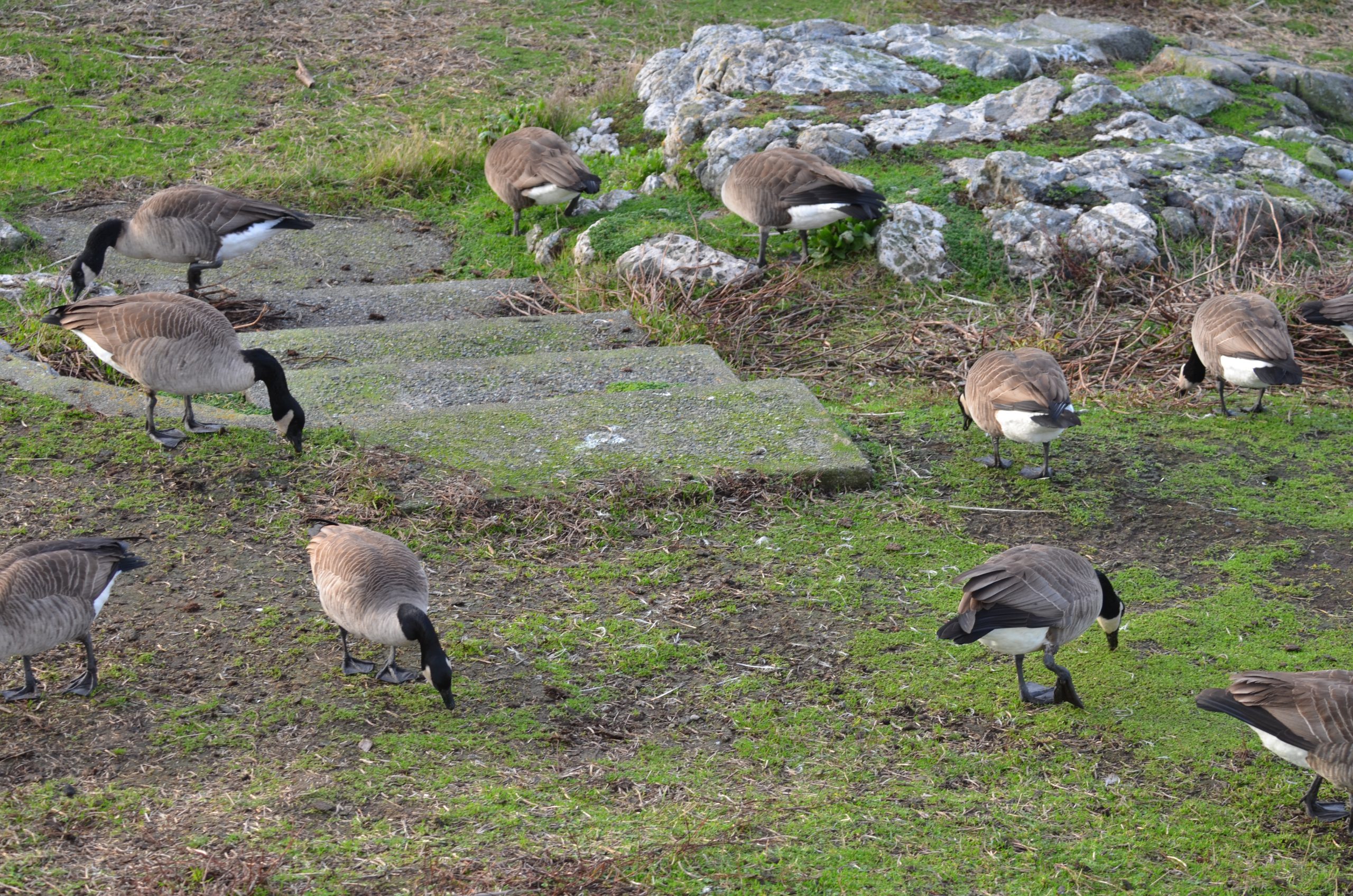
  • 4 Canada geese
  • 6 Black turnstones
  • 6 Song sparrows