Friday May 8th
Ecological Notes
Today it was low tide when I went for my daily walk to check on the electric fence, and I thought it would be the perfect day to go explore some tide pools! (Crawling around on steep rocks is one of my life’s passion.)
Unfortunately, as soon as I started exploring, I stumbled upon plastic, and sea glass, and even a fishing lure!! Not cool. These foreign materials are harmful to marine wildlife and can lead to entanglement or be confused for food. Marine debris are commonly found in coastal habitats, even in remote places such as Race Rocks. They need to be removed, so I grabbed a garbage bag with me.
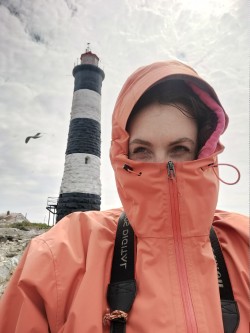
I was nervous about getting pooped on, but the gulls spared me today
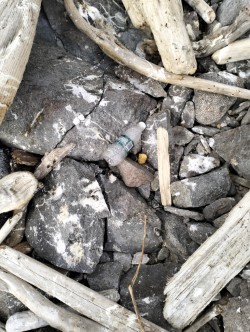
Plastic bottles, foam, fishing lure, plastic rope, sea glass, pieces of an old cap…
I was very carefully walking around to be cautious of potential Oystercatcher’s nests, AND THEN I FOUND ONE. Very exciting, I had never seen one, I did a little dance.
Now, Oystercatchers make a pretty inconspicuous nest, some might call it “unimpressive”, which is fair, but I think it can be a good strategy to hide your nest in plain sight!
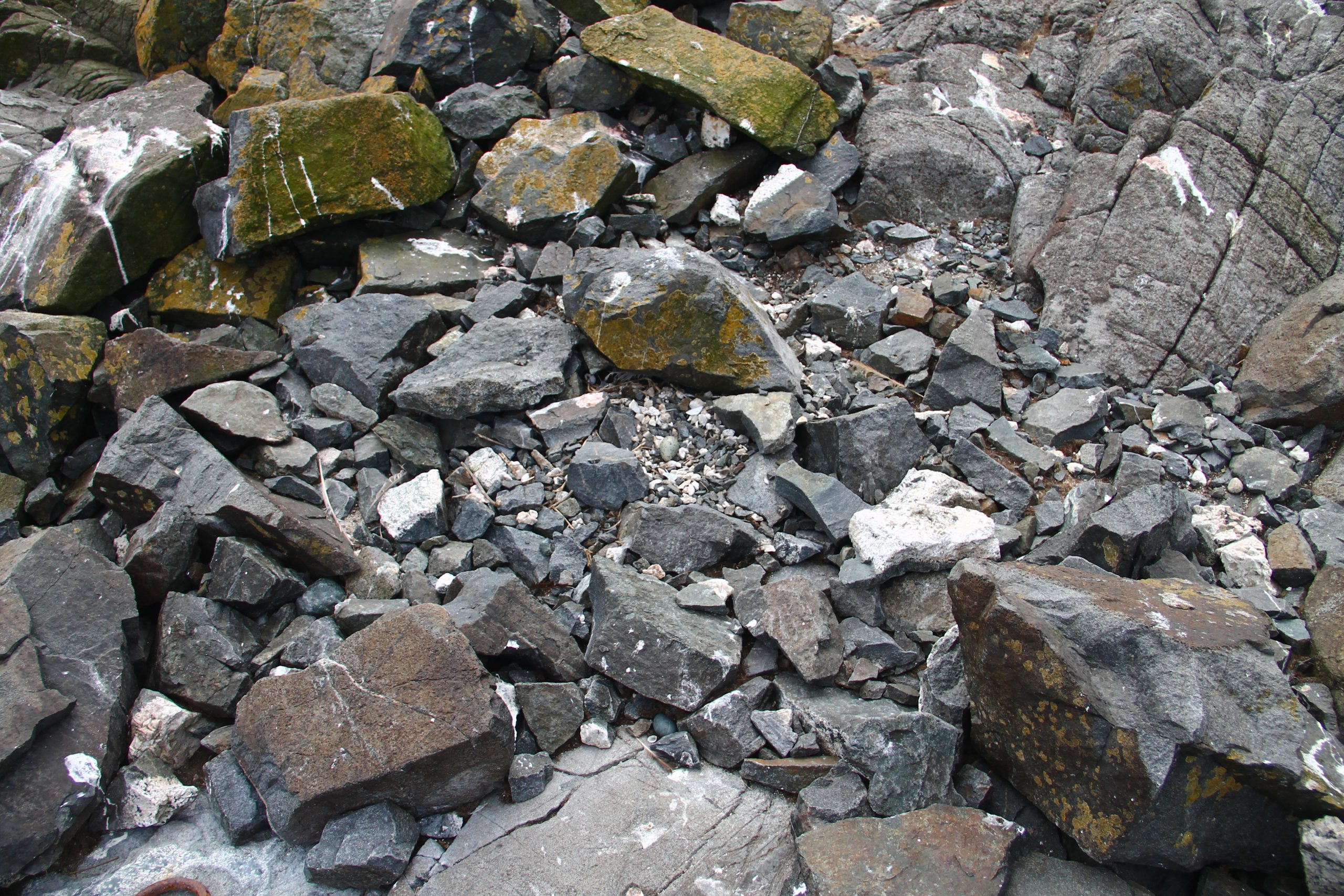
Do you see it?
The egg in itself is cryptic (and very beautiful) to help it blend with its surroundings. I also think the parents did a good job at selecting little pebbles and shells to garnish the nest, very cute attention to details here.
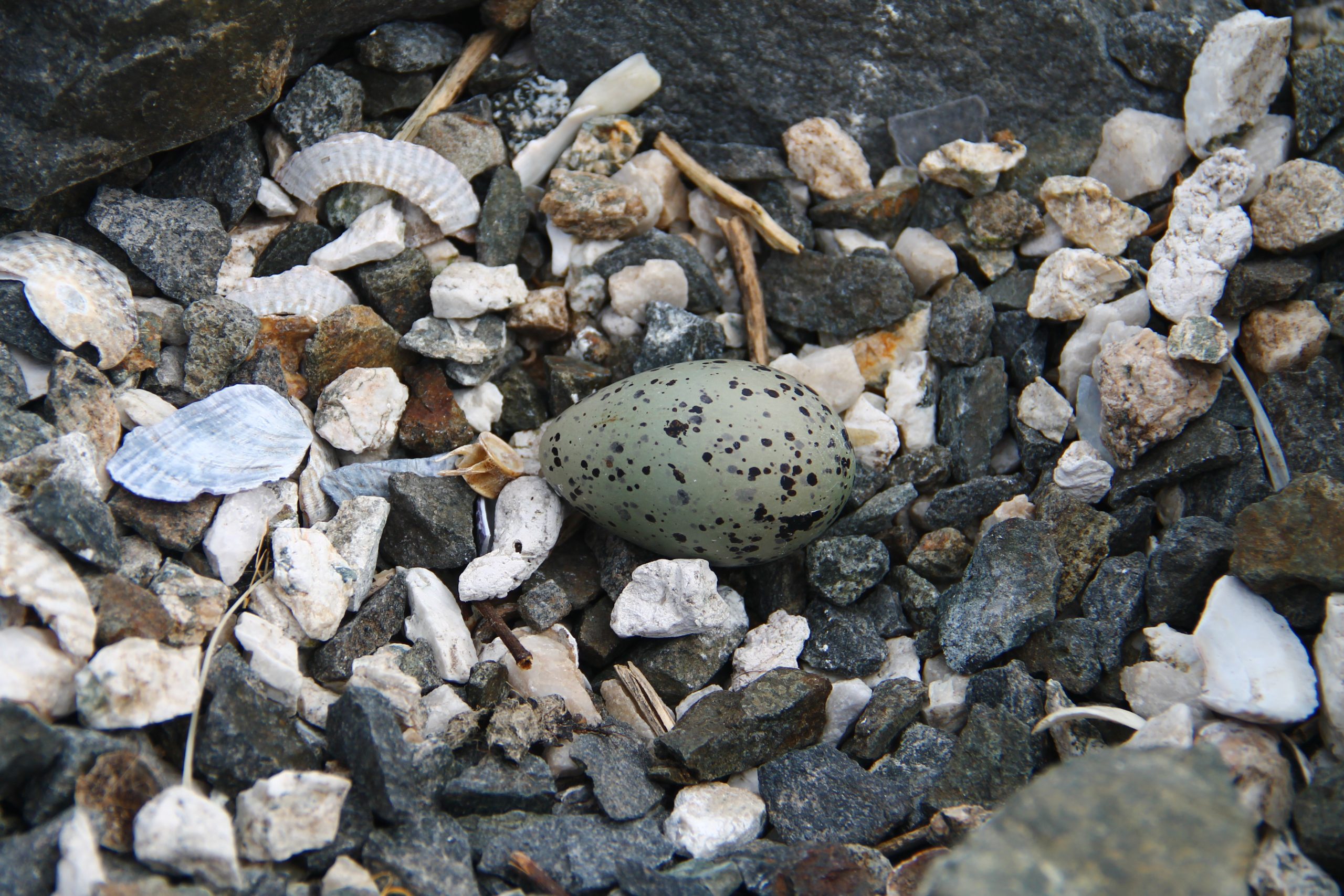
Good luck little egg, do your best!
At last, here are some of the species I found in the intertidal zone!
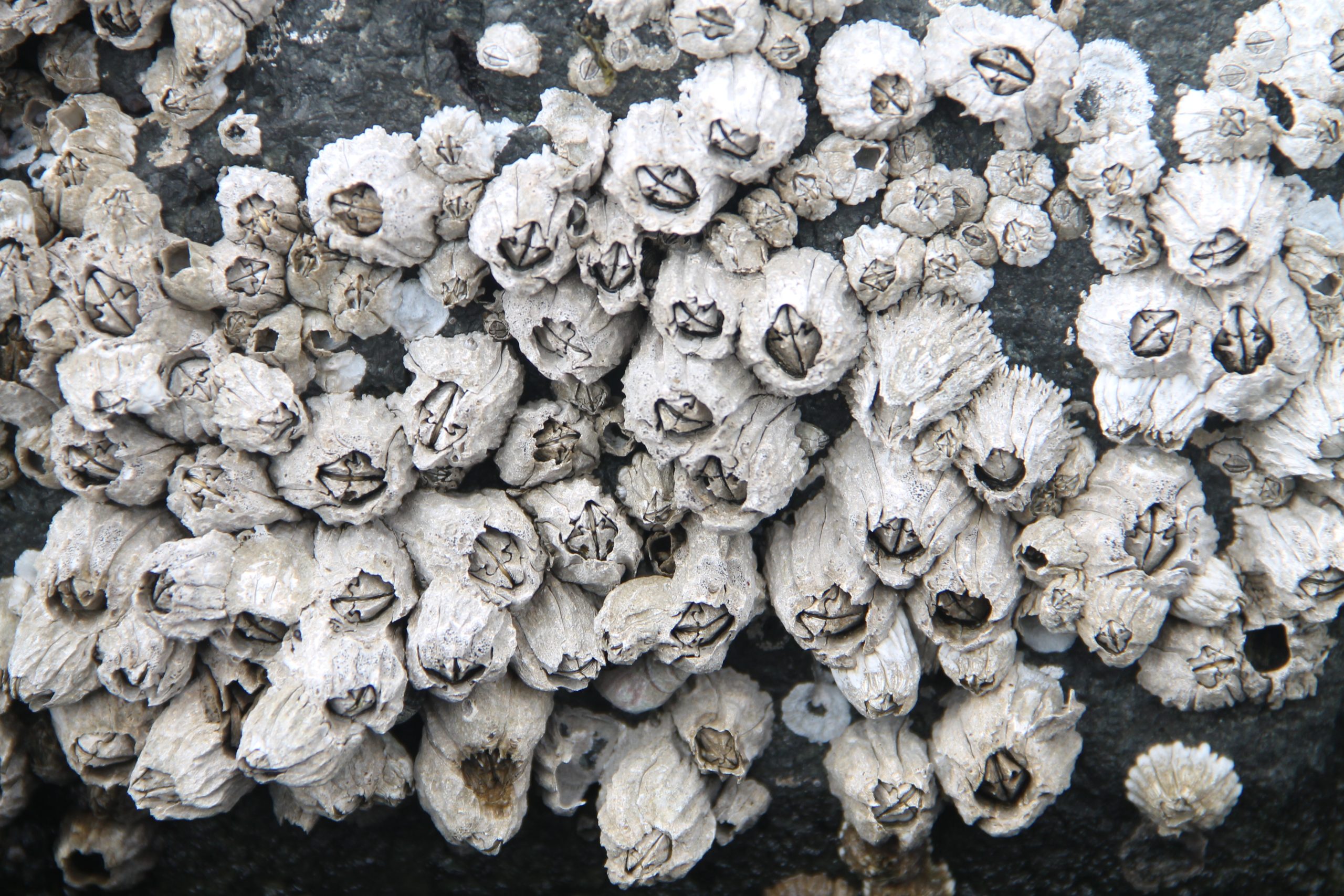
Barnacles
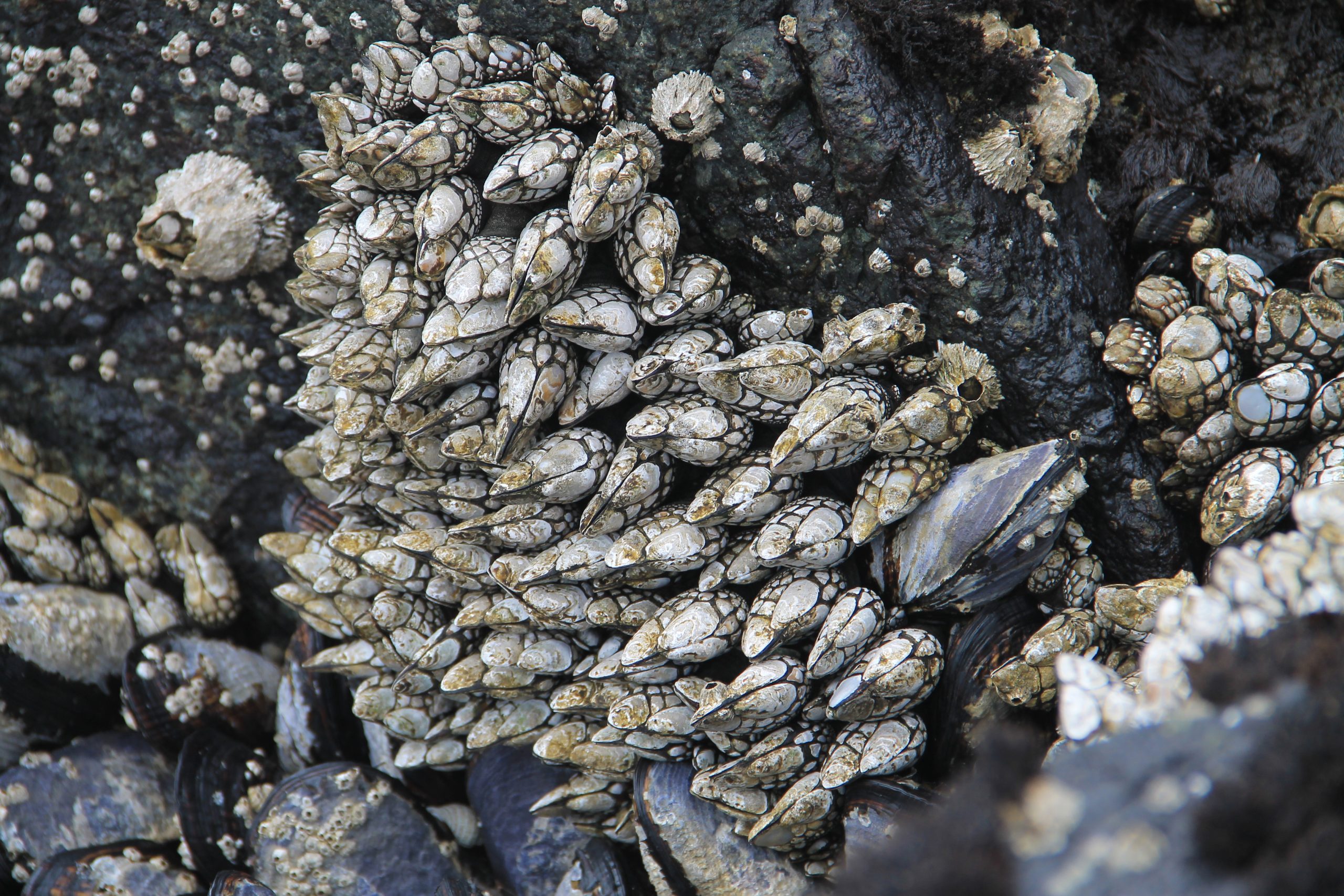
Gooseneck barnacles – these ones are only found in areas of high wave action
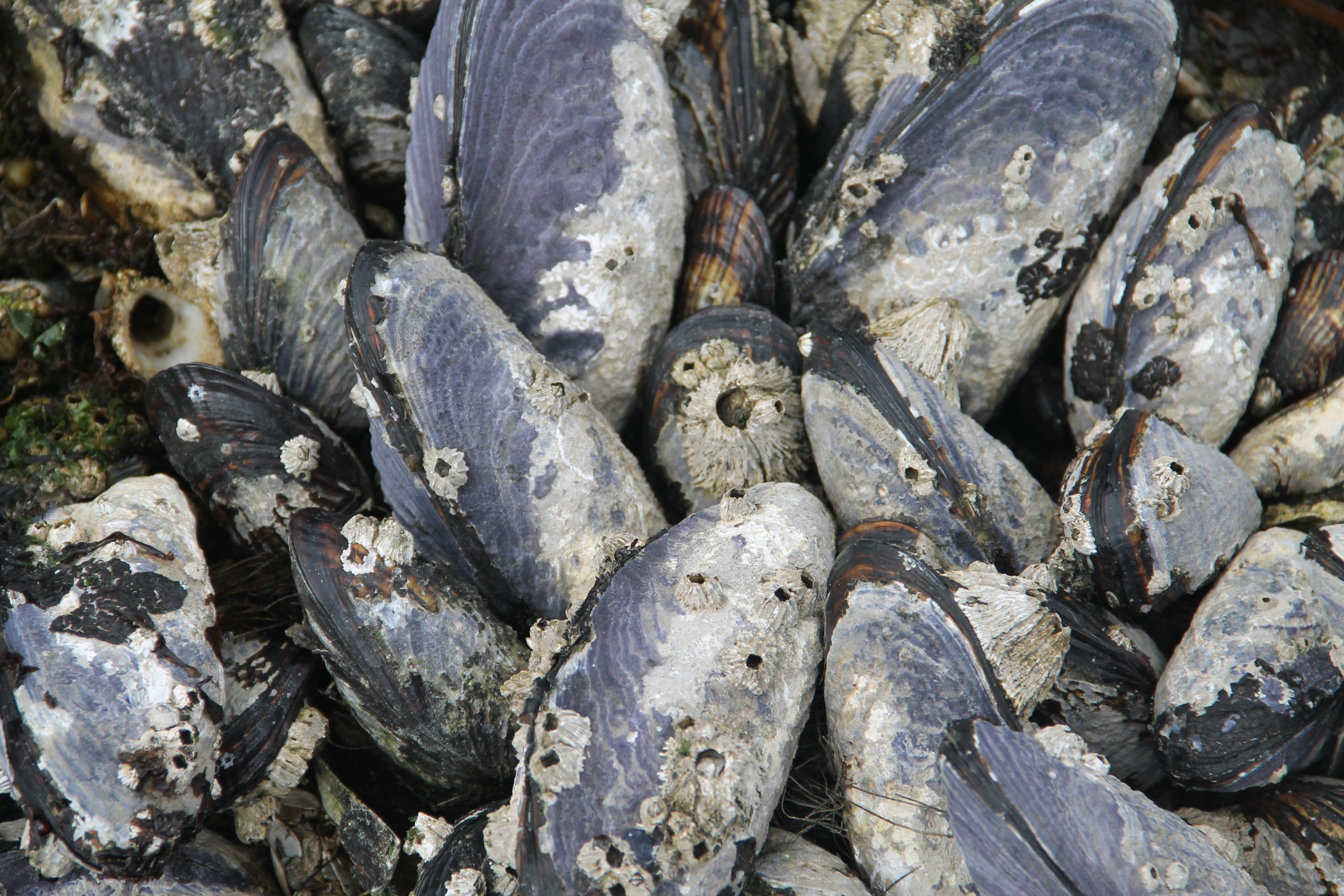
Mussels
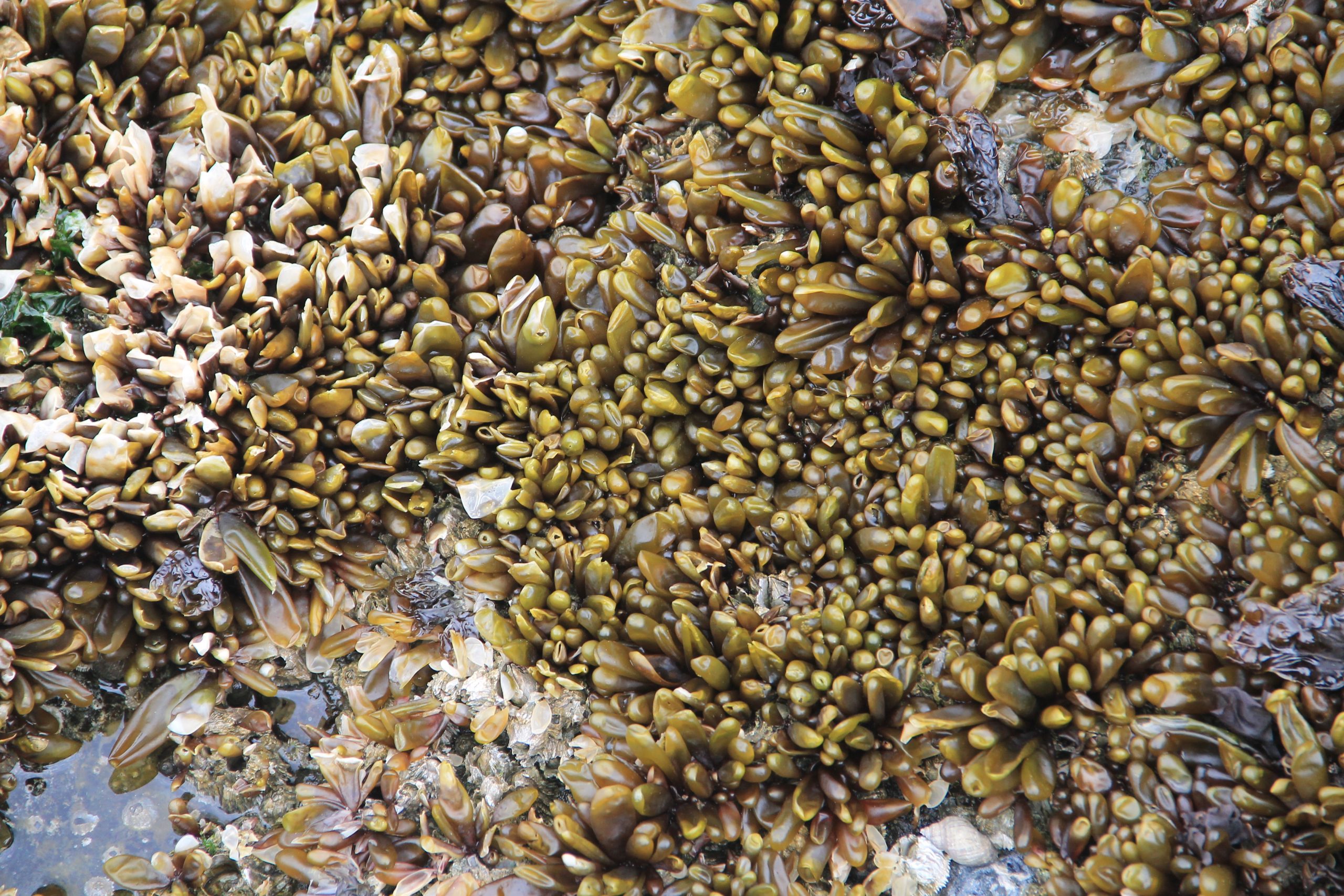
Sea Sacs
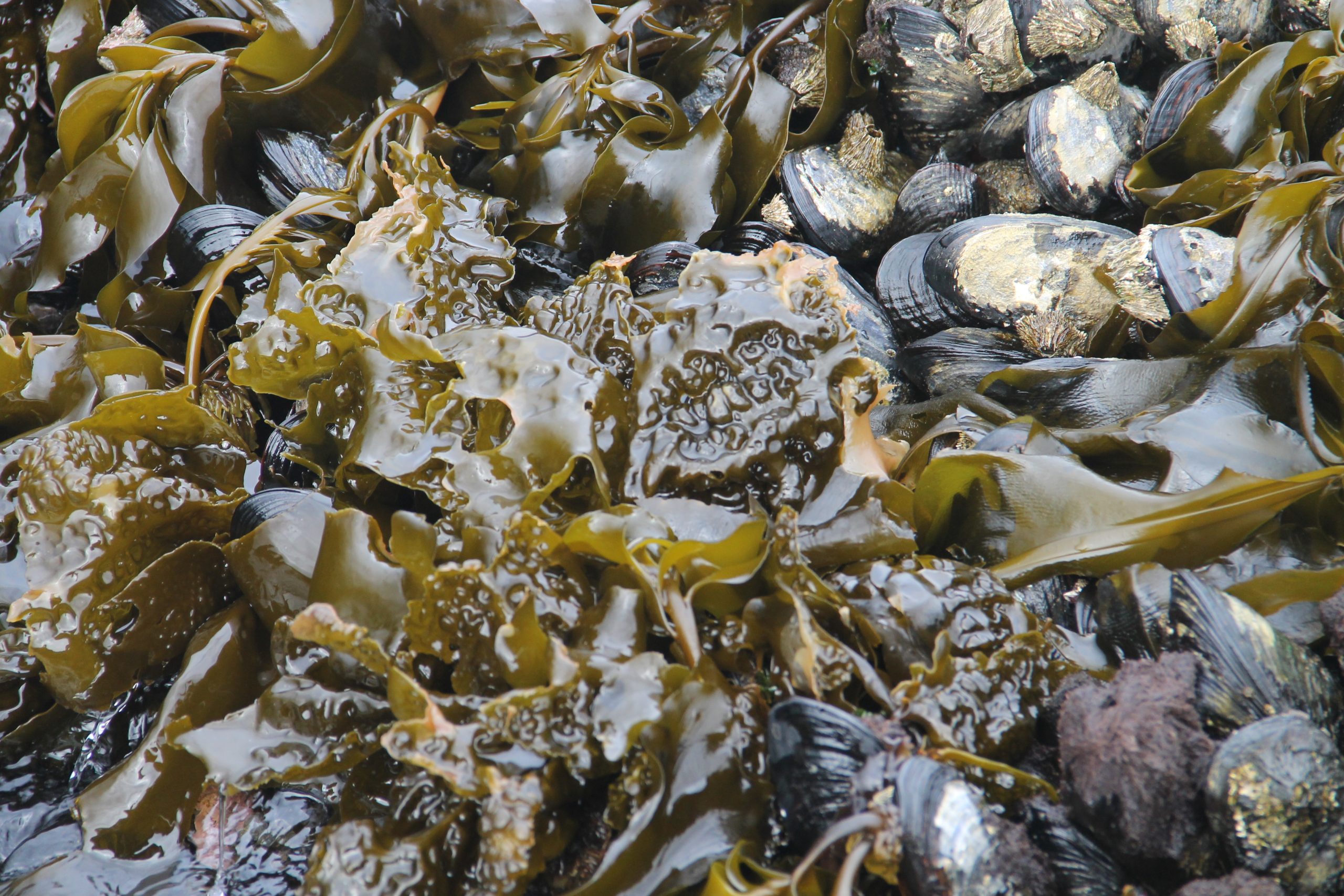
Kelp
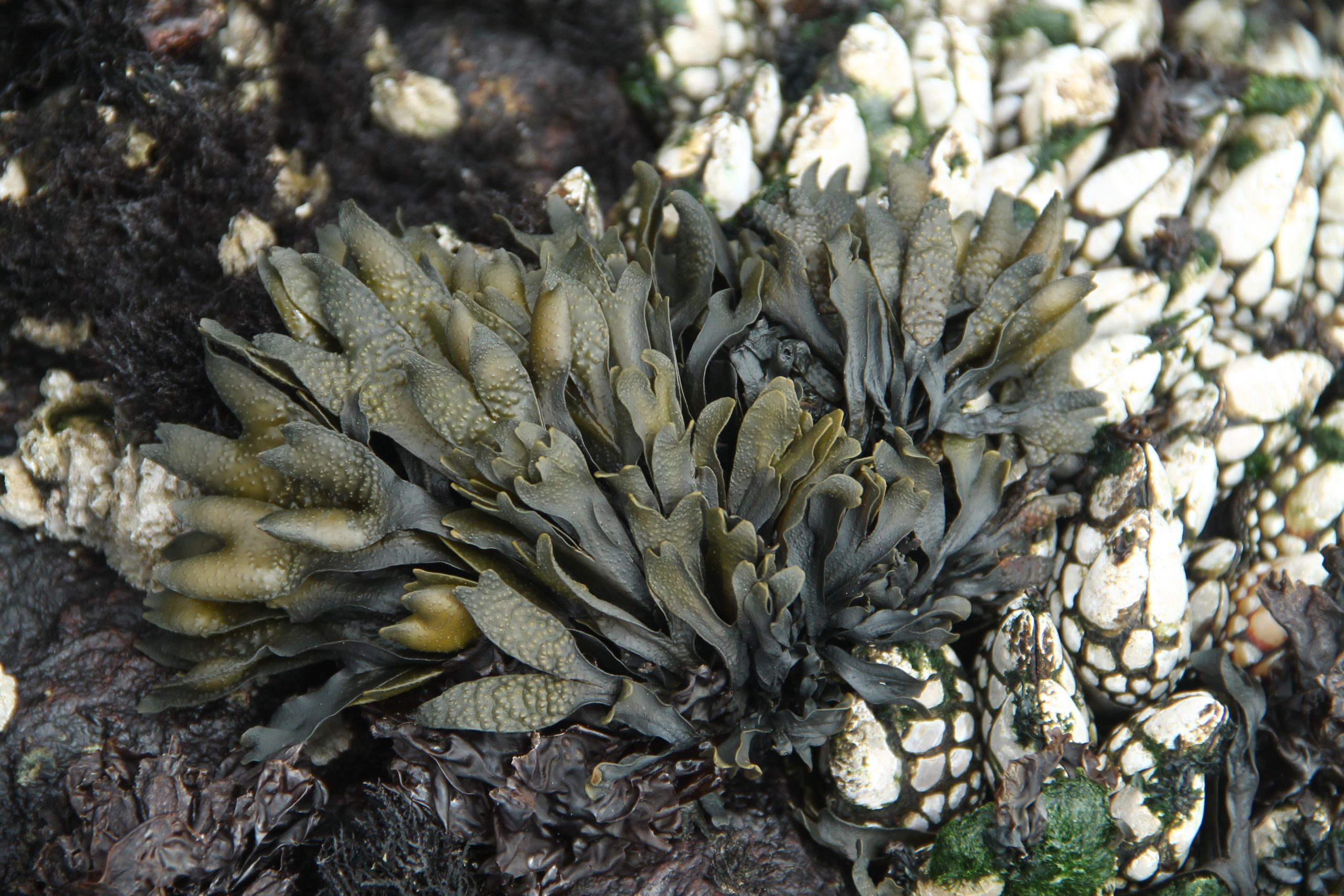
Pacific rockweed
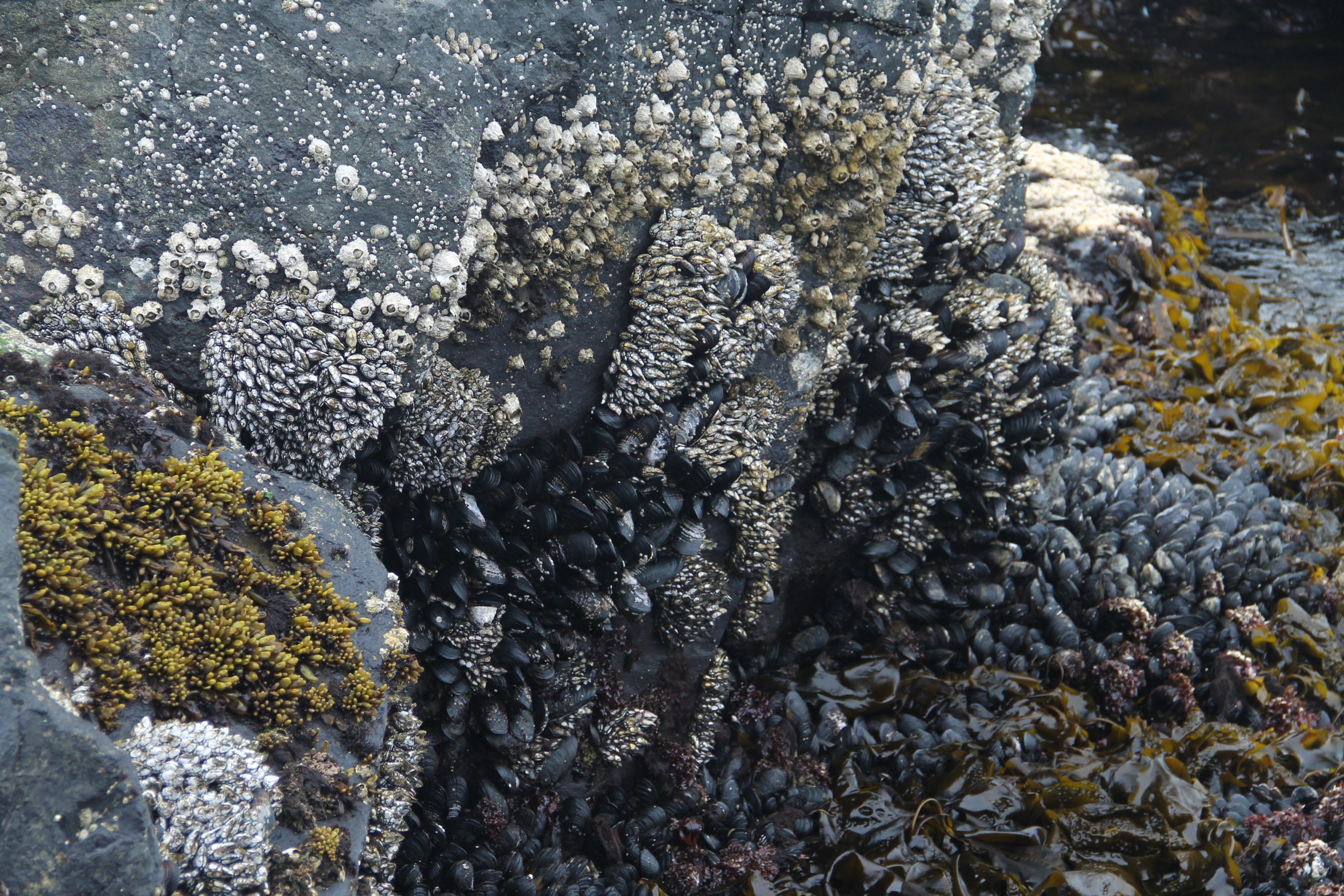
All of these species compete with one another for space in the intertidal zone!
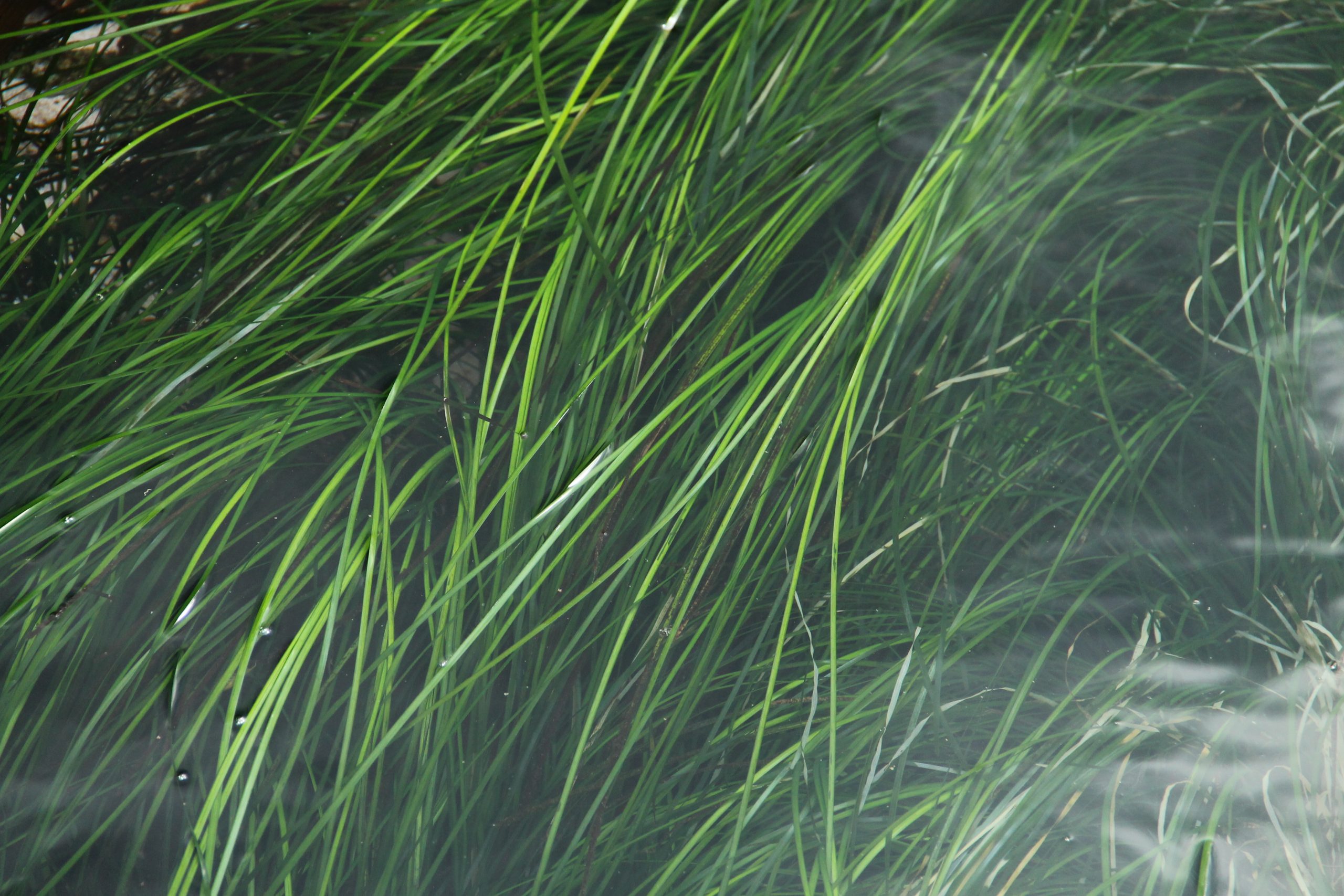
Surfgrass
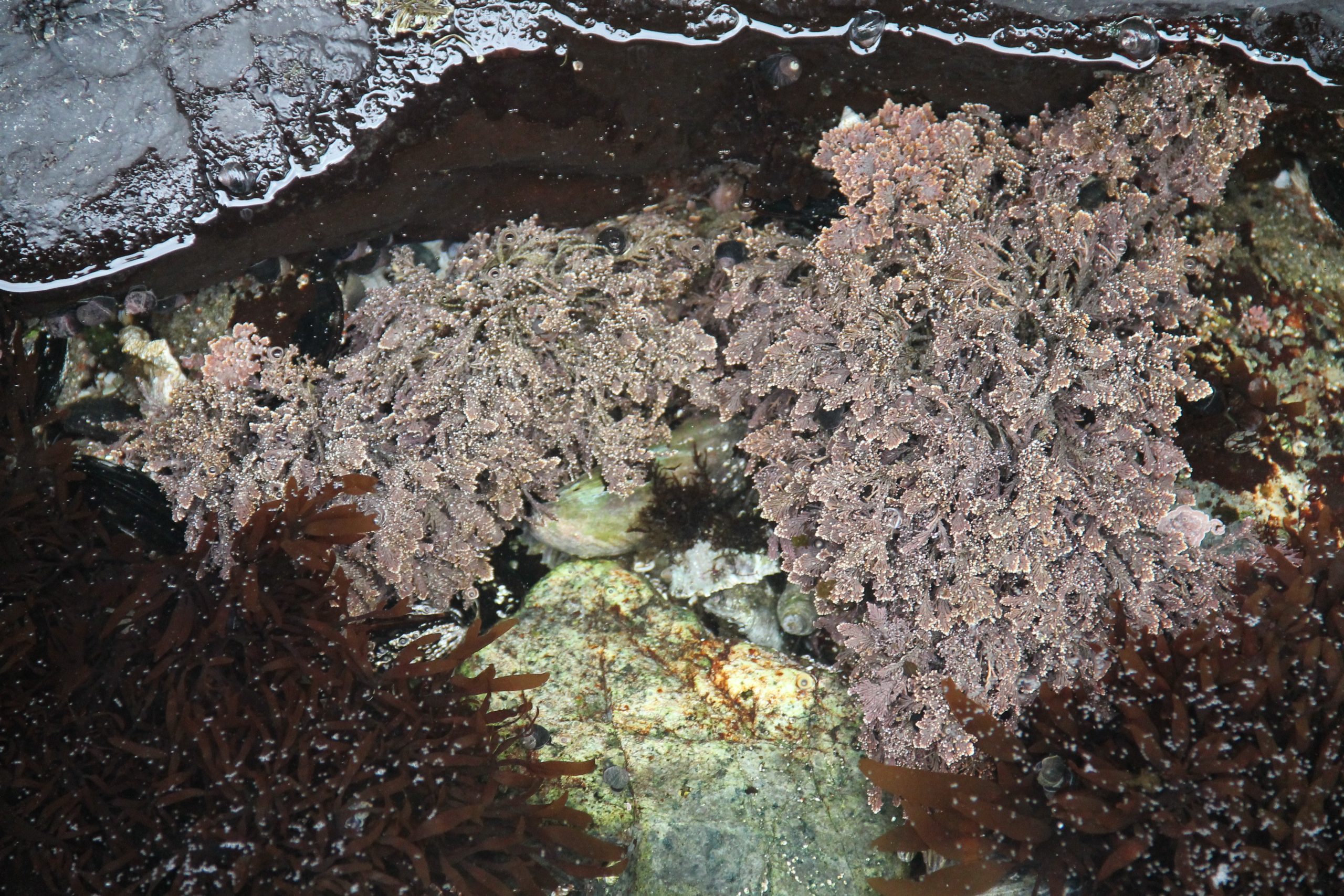
Pink coralline algae
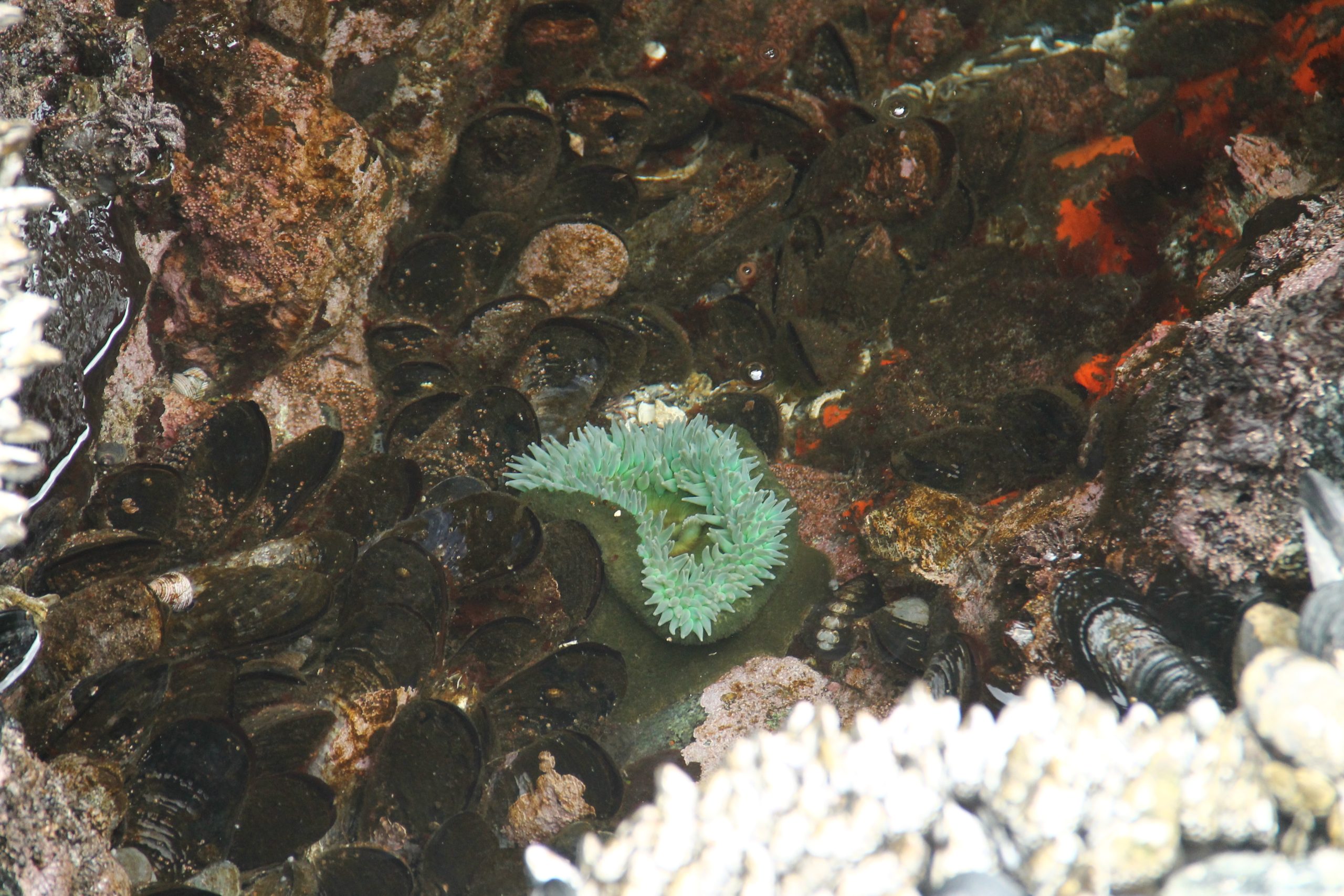
Anthopleura anemone
And the star of the show (hehe)
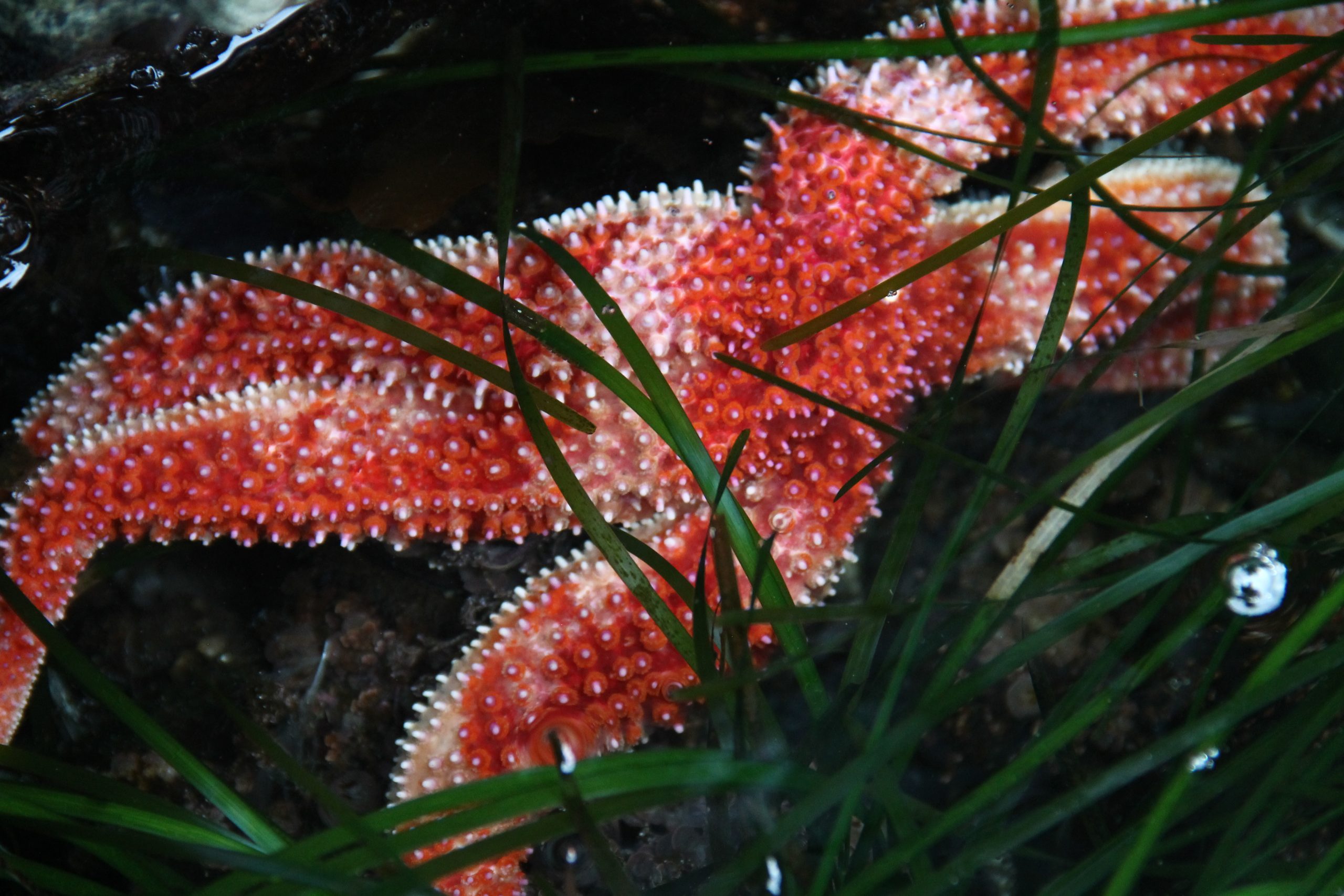
Rainbow seastar
Facility Work
- Fence check
- Geese nests check (they still hate me but have not laid any more eggs)
- Beach cleanup
- Kitchen drawers + content deep clean
- Salinity check
Weather Events
⋄ Wind (kts): 8
⋄ Shifty
⋄ Air temp (°C): 10.3
⋄ Sea state: beaufort 3 : large wavelets, scattered whitecaps
NB: All pictures were taken with a telephoto lens, which makes distant objects appear closer. All animals were photographed at a respectful and reglementary distance.