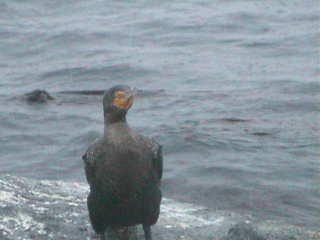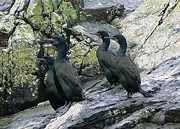
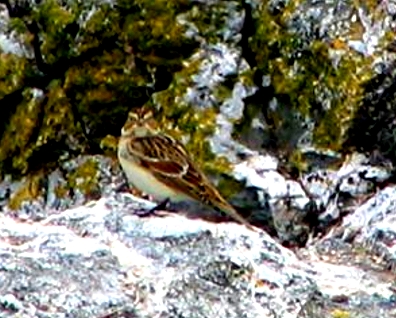
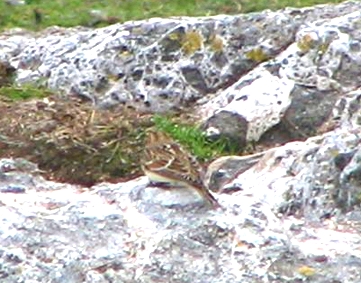
Calcarius lapponicus: Lapland longspur–The Race Rocks taxonomy


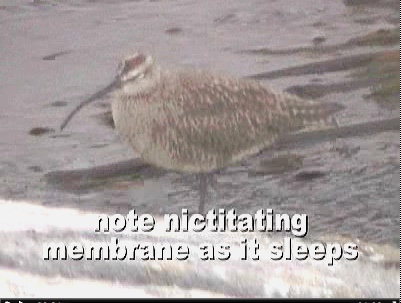
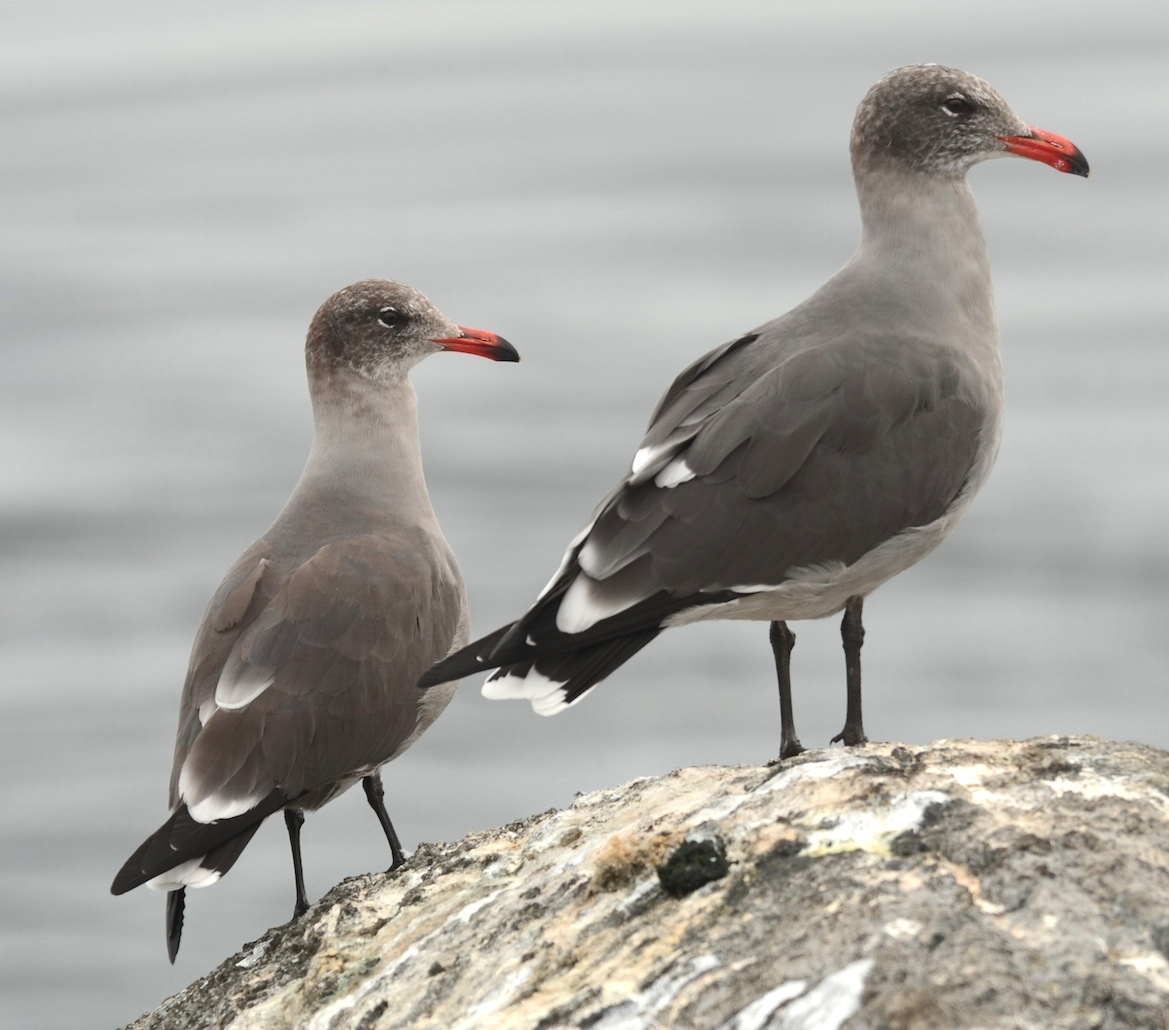
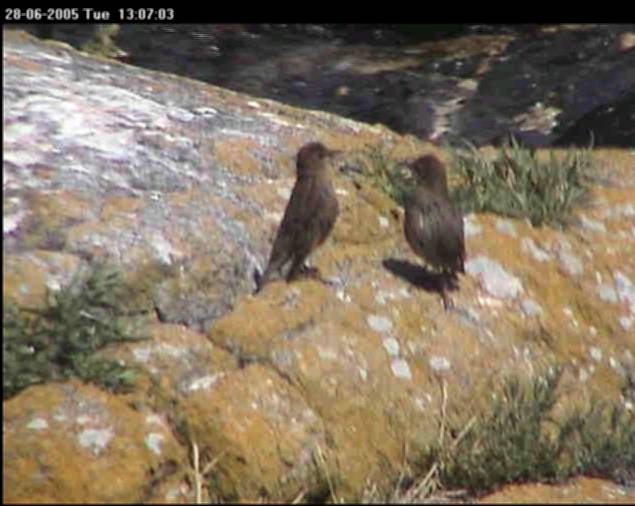
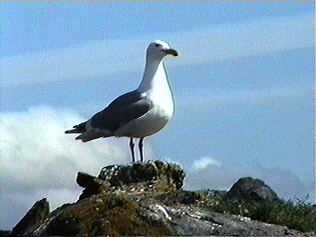
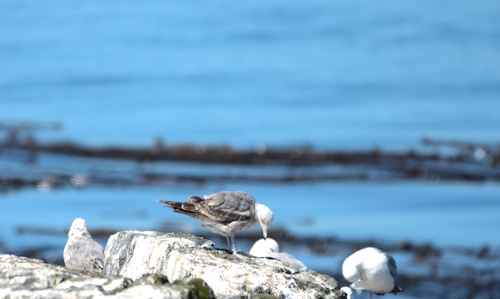
This rare visitor to the islands was photographed in October 2007 on the Friends of Ecological Reserve Field trip.Calcarius lapponicus
Domain Eukarya
Kingdom Animalia
Phylum Chordata
Sub-Phylum Vertebrata
Class Aves
Order Passeriformes
Family Calcariidae
Genus Calcarius
Species lapponicus (Linnaeus, 1758)
Common Name: lapland Longspur


Other Members of the Class Aves at Race Rocks 
taxonomyiconReturn to the Race Rocks Taxonomy
and Image File
pearsonlogo2_f2The Race Rocks taxonomy is a collaborative venture originally started with the Biology and Environmental Systems students of Lester Pearson College UWC. It now also has contributions added by Faculty, Staff, Volunteers and Observers on the remote control webcams.

Garry Fletcher

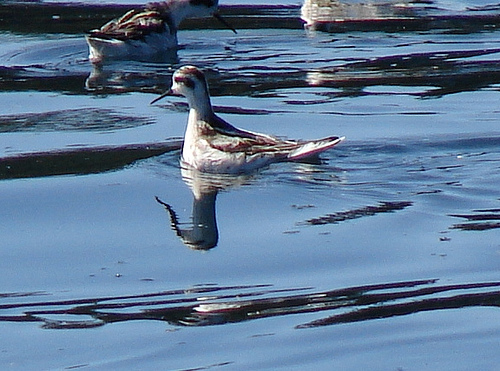
Phalaropus lobatus: red-necked phalarope–The Race Rocks Taxonomy

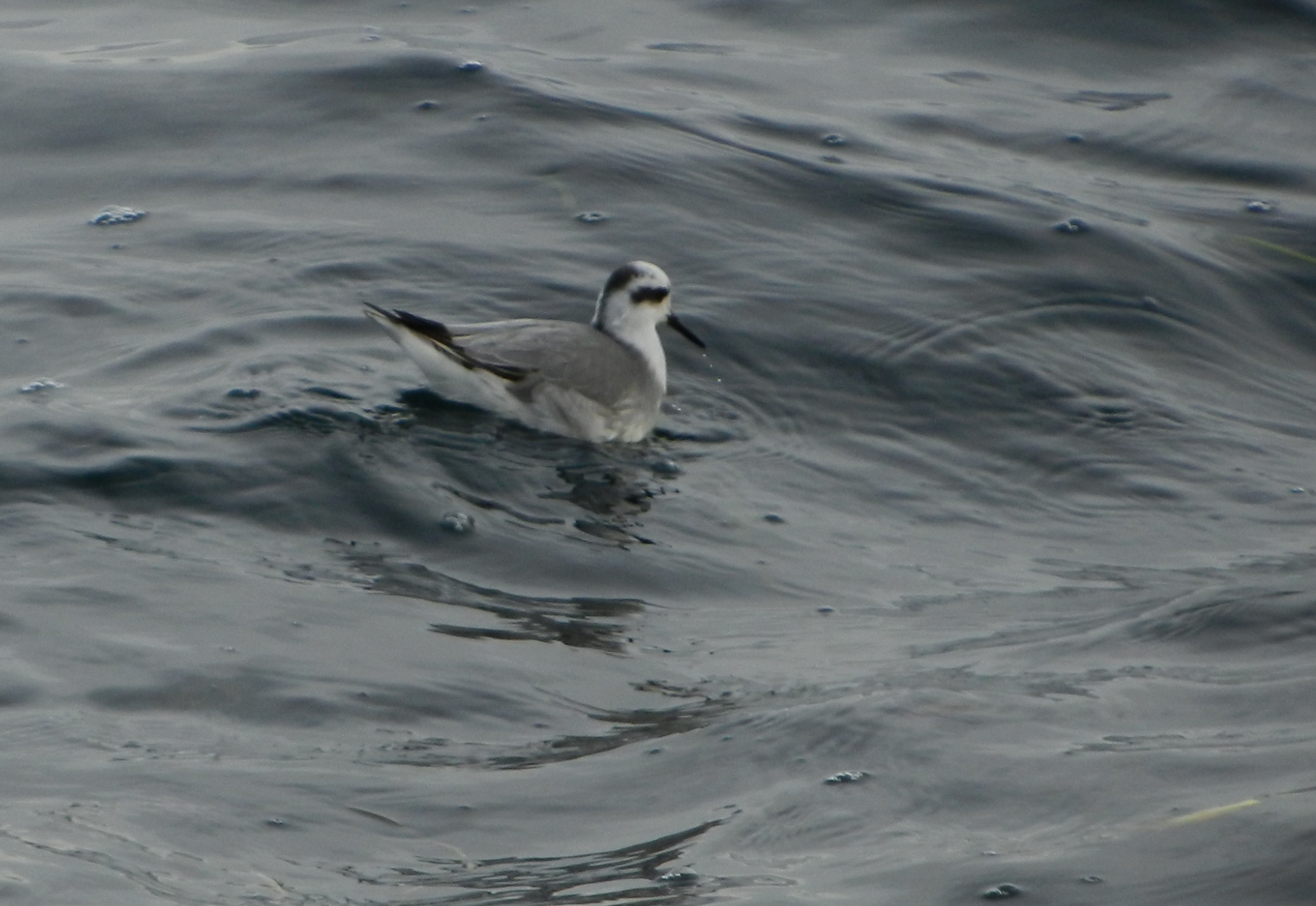
Ryan Murphy  took these images in November 2009

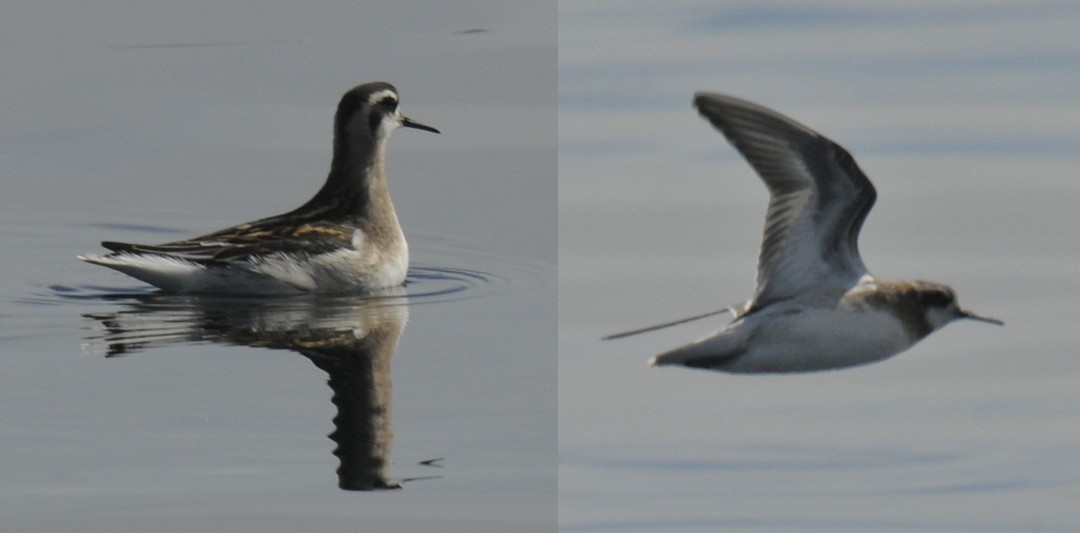
In August, 2007, these pictures were taken by Barry Herring at Race Rocks . The bird was feeding near the docks. This is not a common visitor to Race Rocks, although it has been recorded on several Christmas bird counts


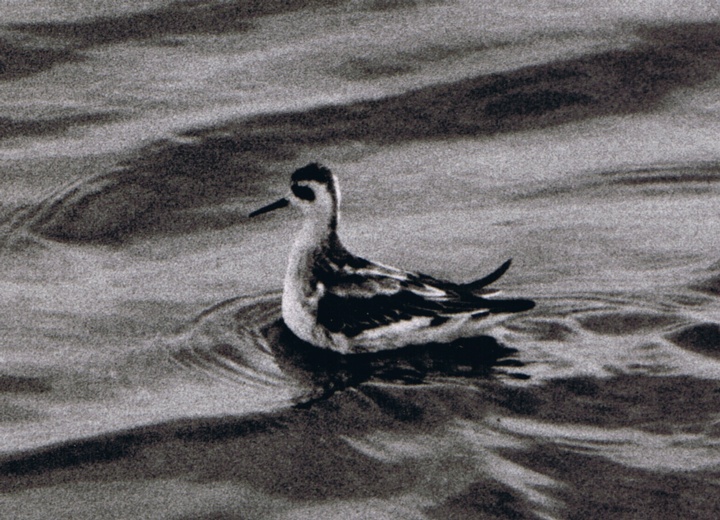
Phalaropes feeding in the kelp beds. Photo by PB, Sept 2008.

Domain Eukarya
Kingdom Animalia
Phylum Chordata
Sub-Phylum Vertebrata
Class Aves
Order Charadriiformes
Family Scolopacidae
Genus Phalaropus
Species lobatus
Common Name: Red-necked Phalarope

Other Members of the Class Aves at Race Rocks 
taxonomyiconReturn to the Race Rocks Taxonomy
and Image File
pearsonlogo2_f2The Race Rocks taxonomy is a collaborative venture originally started with the Biology and Environmental Systems students of Lester Pearson College UWC. It now also has contributions added by Faculty, Staff, Volunteers and Observers on the remote control webcams.

Garry Fletcher

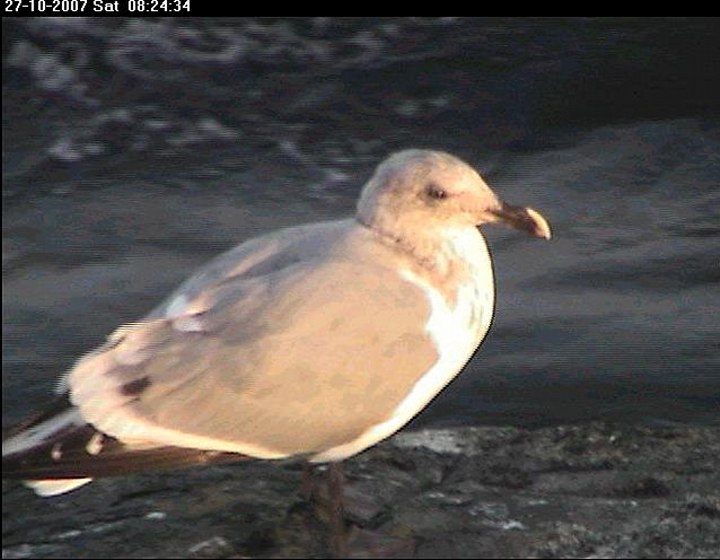
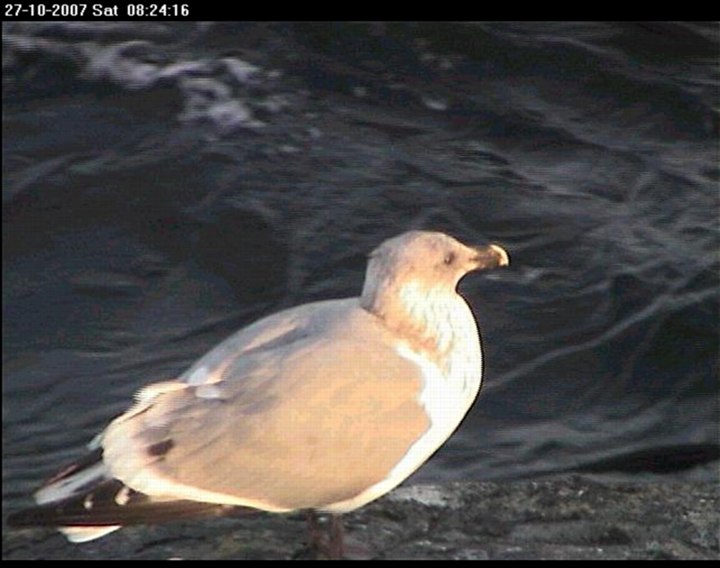
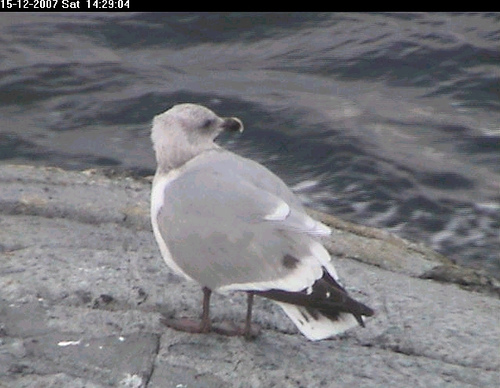
Larus spp. (hybrid) A Hybrid Gull ?? The Race Rocks Taxonomy

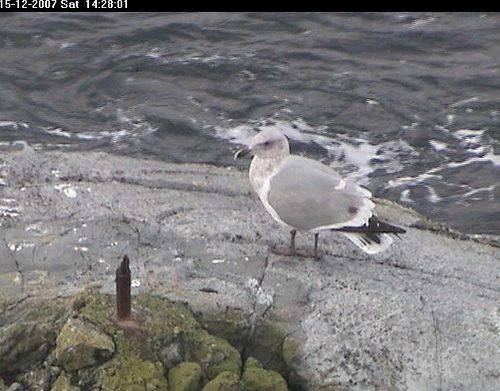
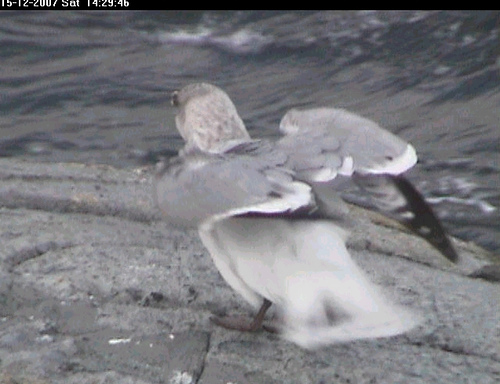
On October 27, 2007, we received from Pam Birley from Great Britain these pictures of an unidentified gull which she had just photographed using the remote camera 5 at Race Rocks.

David Allinson has helped us with the identification:” In short, the bird is not identifiable to species…most likely a hybrid gull also with partial hypermelanism (high melanism – darker than normal plumage and/or an example of some other complex colour abnormality which has caused its legs and bill to be darker (carotenism) — caused by either genetic defect, environmental factors, and/or stress during development or moult). This bird is most likely a Glaucous-winged with Western Gull genes (or a Western Gull with Glaucous-winged genes!). However, the head seems proportionately small which suggests possibility of some other lineage (Thayer’s or perhaps Herring).

Domain Eukarya
Kingdom Animalia
Phylum Chordata
Sub-Phylum Vertebrata
Class Aves
Order Charadriiformes
Family Laridae
Genus Larus
Species spp.? (hybrid)
Common Name: Western Gull-type hybrid ?

Other Members of the Class Aves at Race Rocks.
taxonomyiconReturn to the Race Rocks Taxonomy
and Image File
pearsonlogo2_f2The Race Rocks taxonomy is a collaborative venture originally started with the Biology and Environmental Systems students of Lester Pearson College UWC. It now also has contributions added by Faculty, Staff, Volunteers and Observers on the remote control webcams. October 2007-Pam Birley and David Allinson

Larus heermanni: Heermann’s Gull–The Race RocksTaxonomy

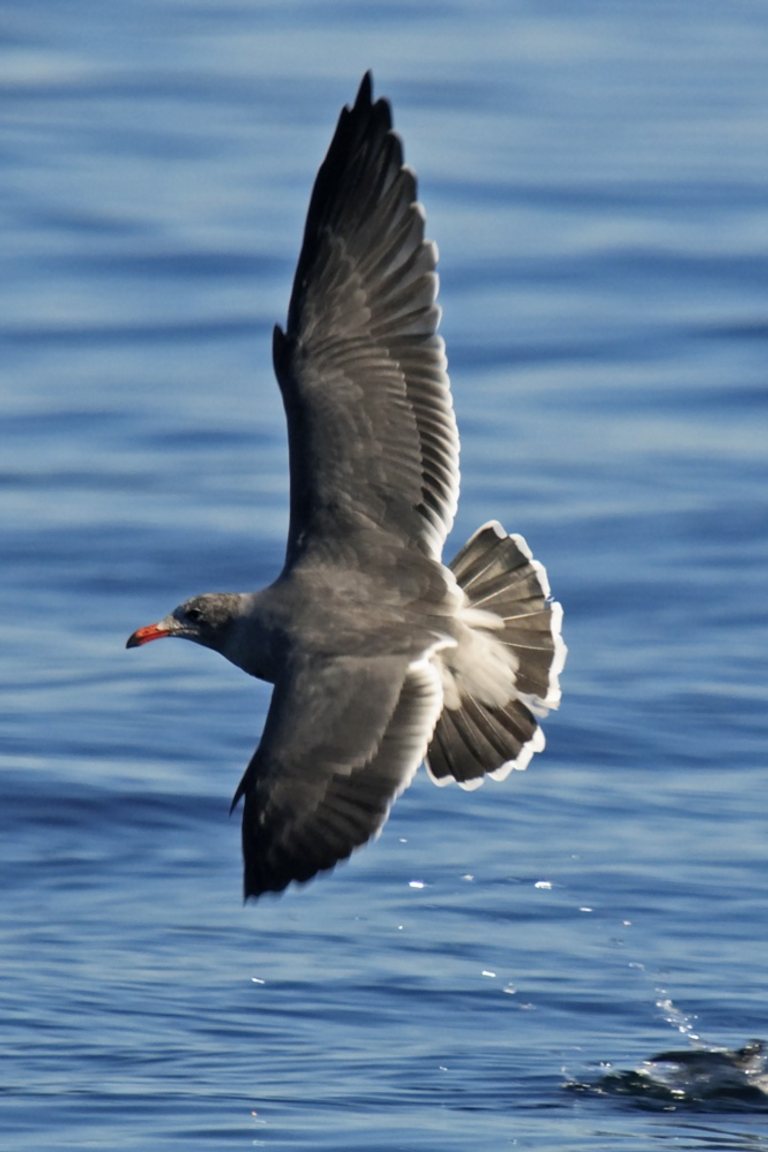
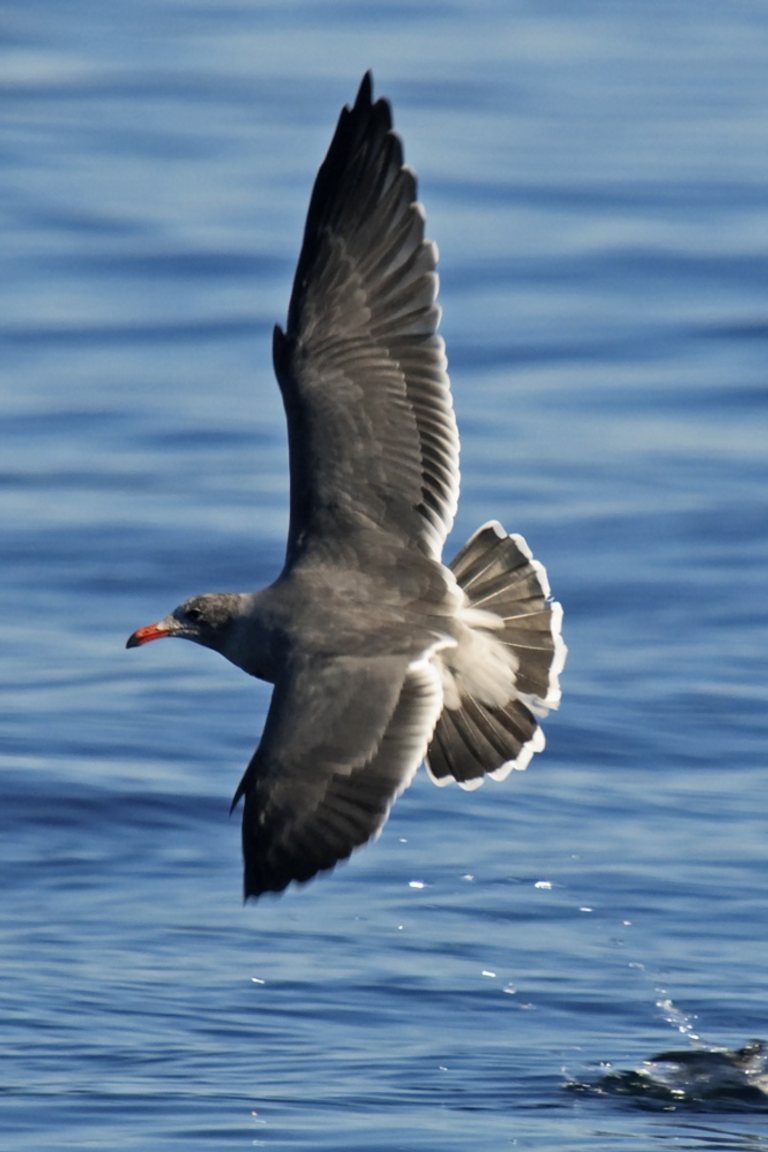
ASHeermans-Gull-Heermann’s Gulls , (Larus heermanni) start turning up at Race Rocks in July.  On July 6 of this year a record number , 574 Heermann’s gulls were observed. This  was a notable increase from the 21 recorded a few days earlier The winter plumage is quite dark compared to the summer breeding plumage. They migrate here up from the breeding grounds in Mexico.


rmfall2010heermann


Ryan Murphy took this photo in 2010 showing features of the flight feathers.

On 574 Heermann’s gulls today which is a notable increase from the 21 recorded on Friday.


Domain Eukarya
Kingdom Animalia
Phylum Chordata
Sub-Phylum Vertebrata
Class Aves
Order Charadriiformes
Family Laridae
Genus Larus
Species heermanni
Common Name: Heermann’s Gull,

See other posts on this website tagged with Heermann’s Gull

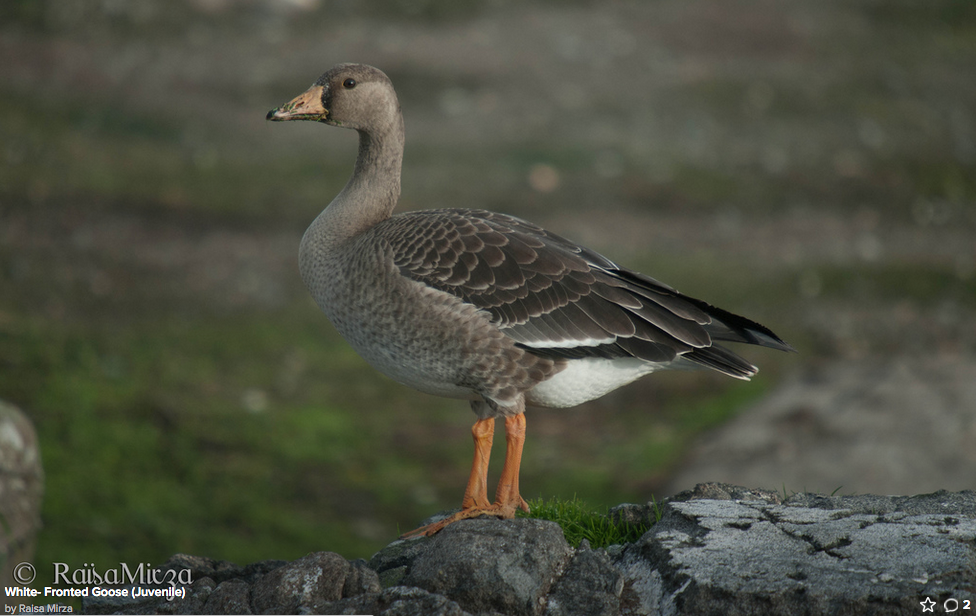
Anser albifrons: Greater White-fronted Goose–The Race Rocks Taxonomy

raisawhitefroint

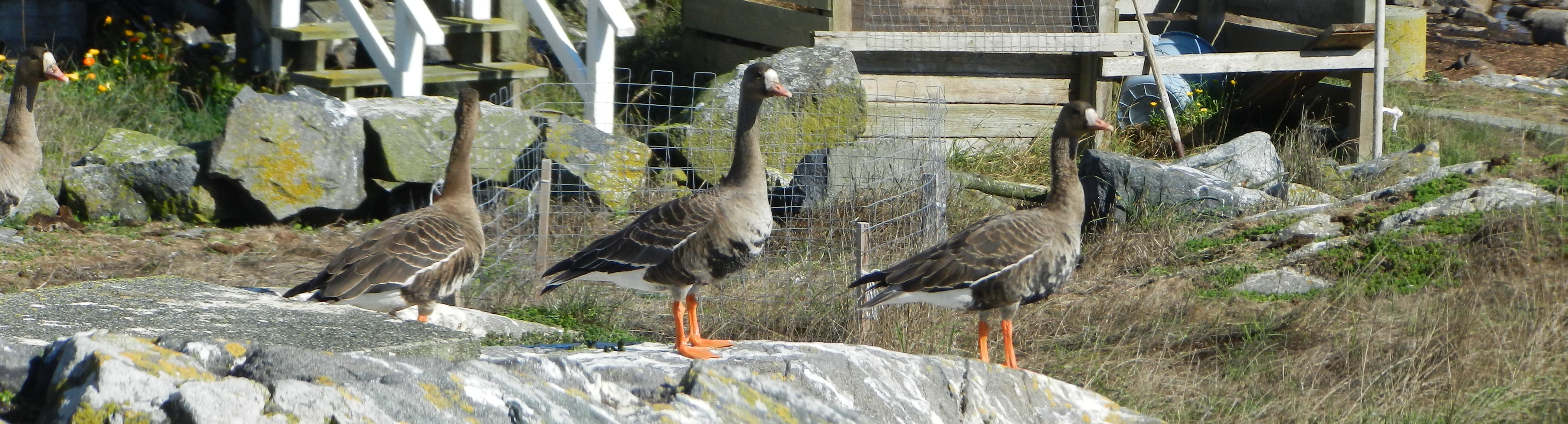
4 white fronted geese are still in the areaa

4 white fronted geese -Oct. 2014- G. Fletcher photo

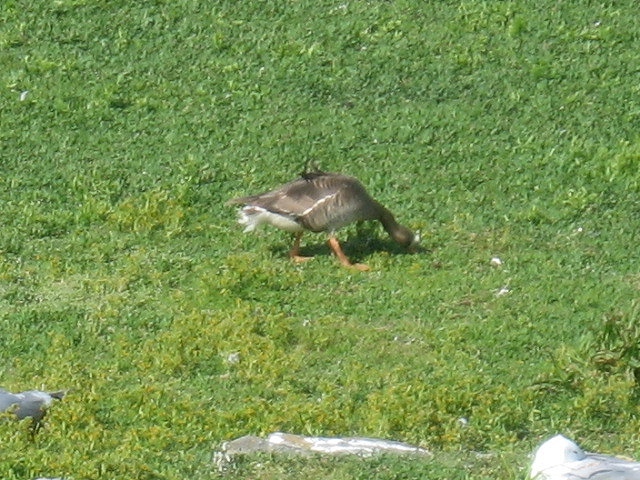
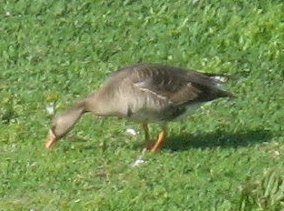
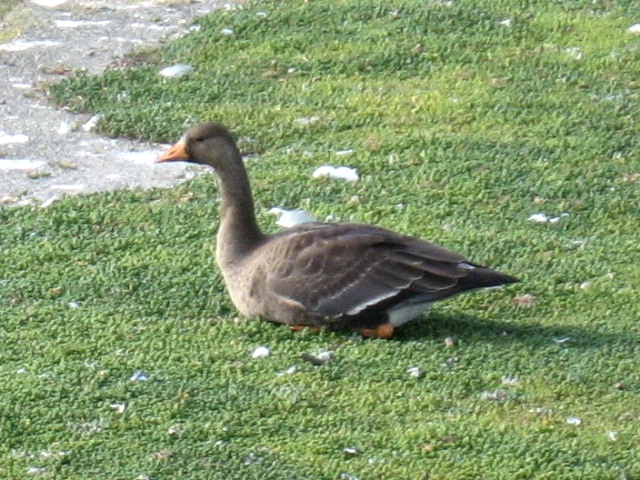
In May 15, 2007, Mike and Carol photographed this lone rare migrant above at Race Rocks. Perhaps the same one was photographed on Sept 8 2007. This may be a good indicator of migration stop-over times.

Domain Eukarya
Kingdom Animalia
Phylum Chordata
Sub-Phylum Vertebrata
Class Aves
Order Anseriformes
Family Anatidae
Genus Anser
Species albifrons
Common Name: Greater White-fronted Goose

This file is provided as part of a collaborative effort by the students, faculty, staff and volunteers of Lester B. Pearson College
Date: May 15, 2007  — Carol and Mike Slater

See the other entries in the log on this species

See other animals which have so far been been tagged with species


Sturnus vulgaris: European Starlng-The Race Rocks Taxonomy

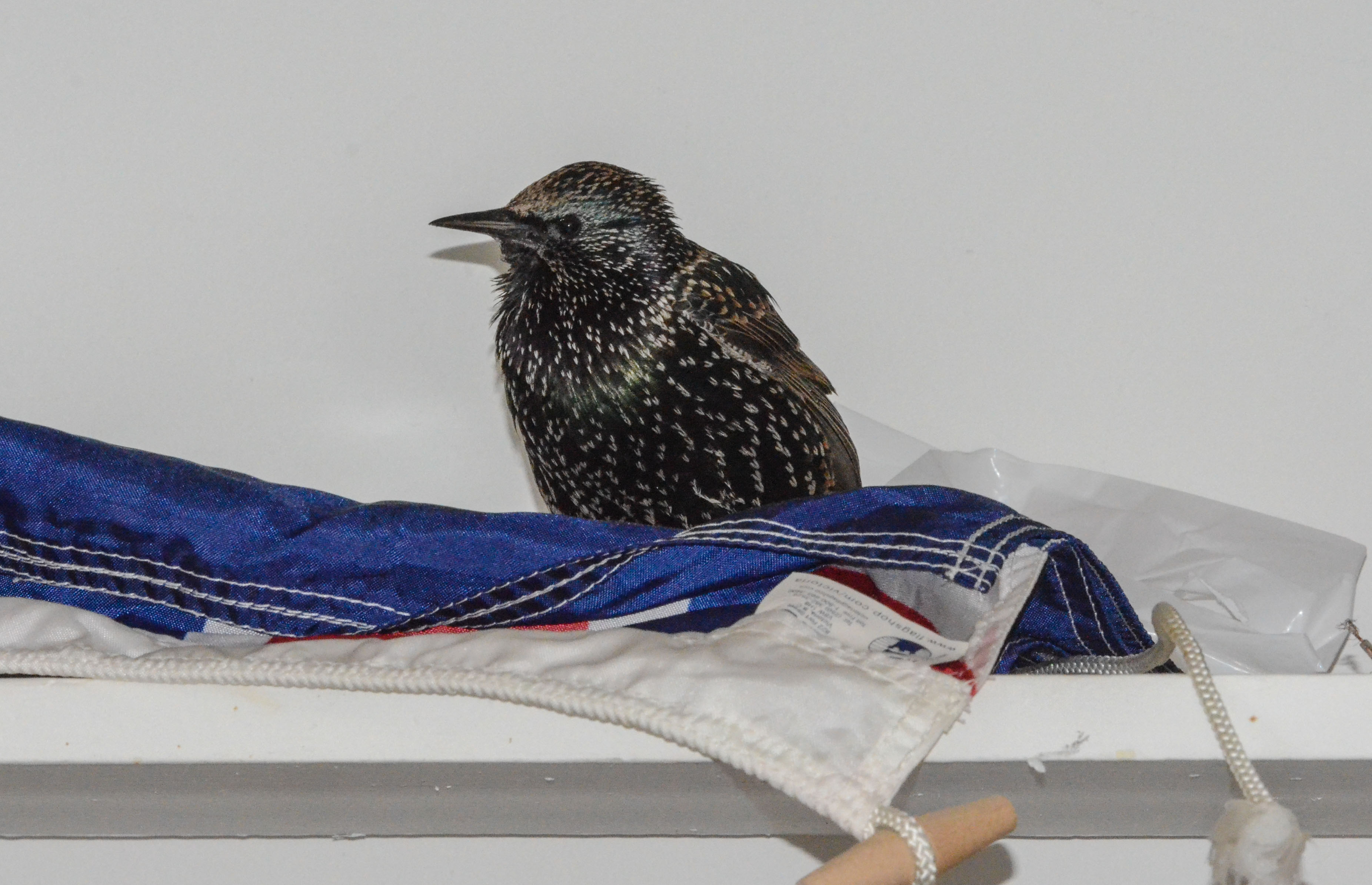
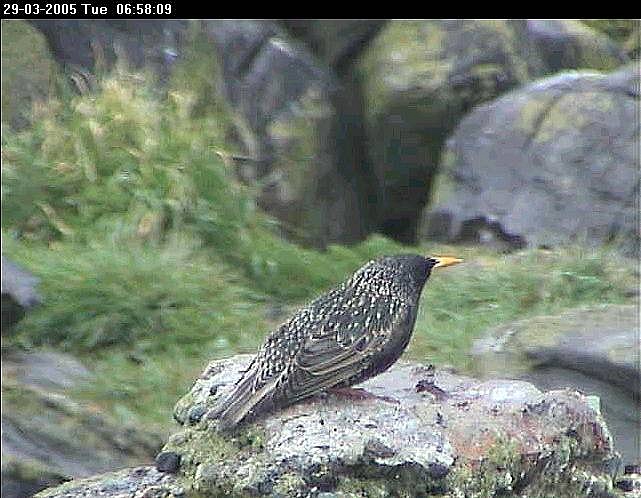
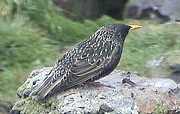
Starlings are of course, one of the worst introduced bird species in North America. Fortunately they are not that common at Race Rocks, as there are no nesting locations for them.
See postings referring to starlings at this link

This starling was trapped in a vent.

Domain Eukarya
Kingdom Animalia
Phylum Chordata
Sub-Phylum Vertebrata
Class Aves
Order Passerifomes
Family Sturnidaea
Genus Sturnus
Species vulgaris
Common Name: European Starling


taxonomyiconReturn to the Race Rocks Taxonomy
and Image File
pearsonlogo2_f2The Race Rocks taxonomy is a collaborative venture originally started with the Biology and Environmental Systems students of Lester Pearson College UWC. It now also has contributions added by Faculty, Staff, Volunteers and Observers on the remote control webcams. G. Fletcher..2006

Dichotomous Key for Animals of Race Rocks

Description: This is a key to only the more common animals you may see using the remote cameras on Race Rocks. Use the taxonomy files to view others you may sight.

Go to the Race Rocks Taxonomy for more detailed descriptions of the organisms.

Number . Go to / and Identify
1a Bird 2
1b Mammal 30
2a Gull-like, white or brown 3
2b Non-gull 11
3a The Largest white-headed gull we see at Race Rocks. It is present March to October
Glaucous- winged gull
3b Other gulls 4
4a Present in large flocks – November to January. Colour white with beige-tinged flecks
Thayer’s gulls
4b Other gulls 5
5a White – smaller head with an outlined eye
Mew gulls  
5b Other gulls 6
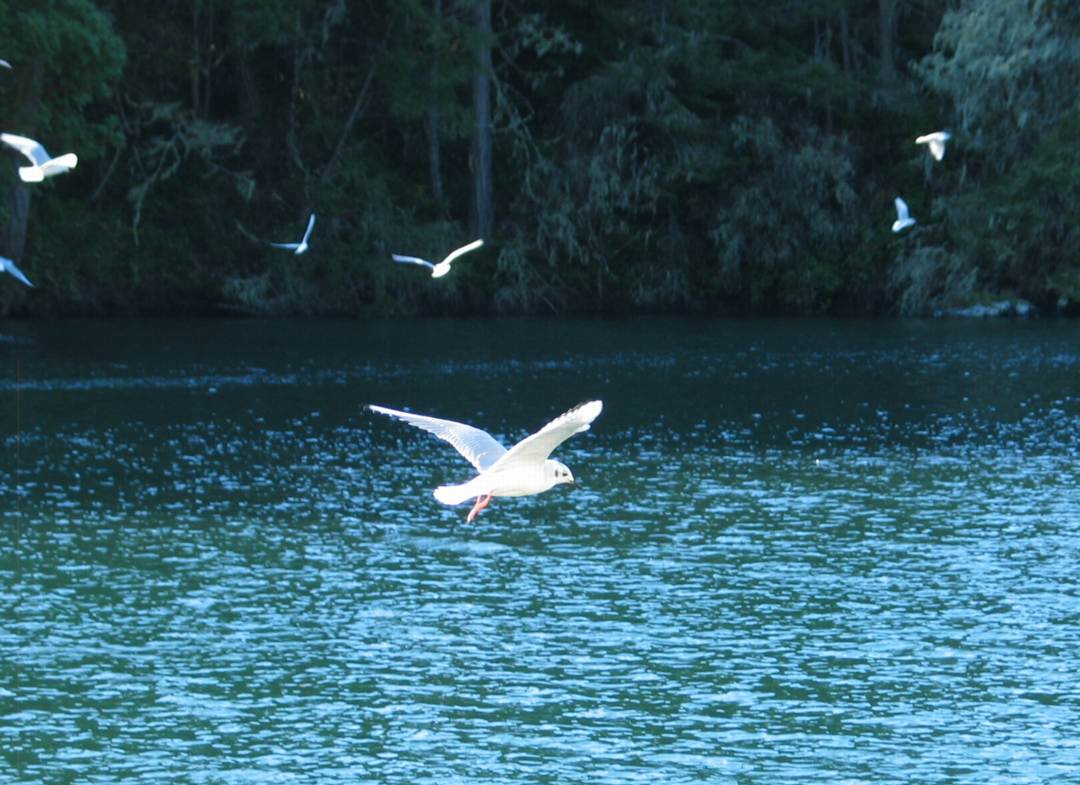
6a Small white-headed gulls with black eyes and small black markings over the body. Often seen in flocks diving into the water… Aug to Dec.
Bonaparte’s gullsbonapartes
6b Brown or dark grey gull. 7
7a Grey gull, short tail
Immature Glaucous winged gull
7b Brown gulls 8
8a Brown mottled. appear November thru Feb.
Immature Thayer’s gulls
8b Brown Gull with orange beak. adults have white markings on the tail. Heerman’s Gull
9a For future additions.
9b
10a
10b NOTE : We are adding more birds frequently so they can not be anticipated in a key like this. Other gulls and shorebirds added since this key was made may be viewed in the Race Rocks Taxonomy files .. vertebrata-Aves-Charadriiformes


11a Predominantly black, long-necked bird:one of the 3 cormorant species 12
11b Birds other than gulls or cormorants: otherwise, all other shorebirds and land birds on Race Rocks. 14
12a Pale or yellow coloured face – present only during winter months
Double-crested cormorant
12b Predominantly black face 13
13a Light-coloured throat patch, males with white ears – present in January
Brandts’ cormorant
13b Snake-like neck, smallest of the cormorants
Pelagic cormorant
14a Black with white wing patches and red feet
Pigeon guillimot
14b Other shorebirds and landbirds and ducks/geese 15.
15a Shorebirds.and ducks/geese 16
15b Land birds.. shorter bills 21
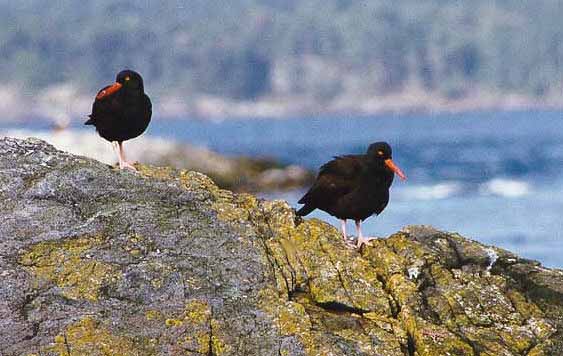
16a Black with long red bill.. crow-sized
Black oyster-catcher
16b ducks or geese and other shorebirds 17
17a Small shorebird, often seen in winter near the fresh water pools. White breast, uppers mottled.black and white pattern in flight
Black turnstone
17b Duck or goose or land birds 18
18a Small colourful duck..swimming in kelp beds or perched very near shore
Harlequin Duck
18b Geese and other birds 19
19a Geese 20
19b Other birds 21
20a Large Goose, Black neck with white throat. Nests in April
Canada Goose
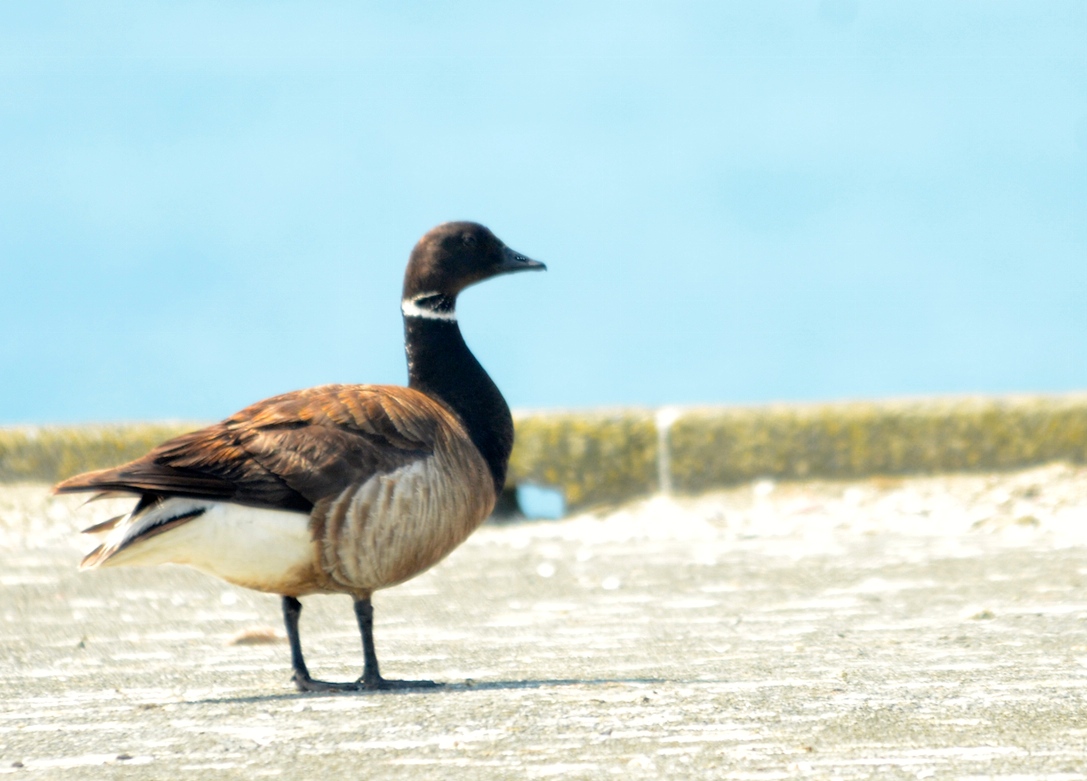
20b Half the size of the Canada goose, only rarely appears. white neck-ring and black chest.
Black Brant Goose
21a Black- Crow-like bird 22
21b Other birds,and songbirds 24
22a Large black bird with thick bill. They are as large as Glaucous-winged gulls
Raven
22b Medium sized black bird smaller than Glaucous winged gulls. go to 23
23a Large black bird , the bill is finer than a raven’s
North-western Crow
23b Small balckish bird, speckled with color
European
Starling
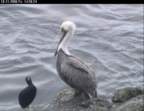
24a Very Large brown and white bird with a long bill equipped with a pouch
Brown
Pelican
24b Other shorebirds go to 25
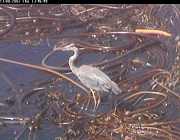
25a Long legged, and long necked bird… heron -like
Great Blue
Heron
25b Other shorebirds go to 26
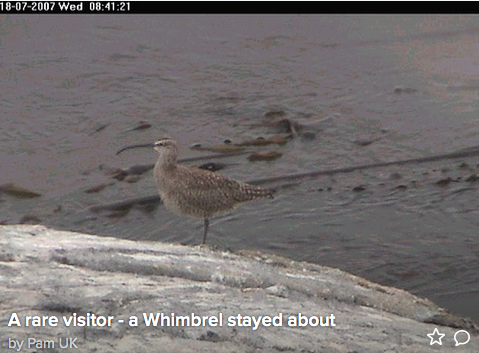
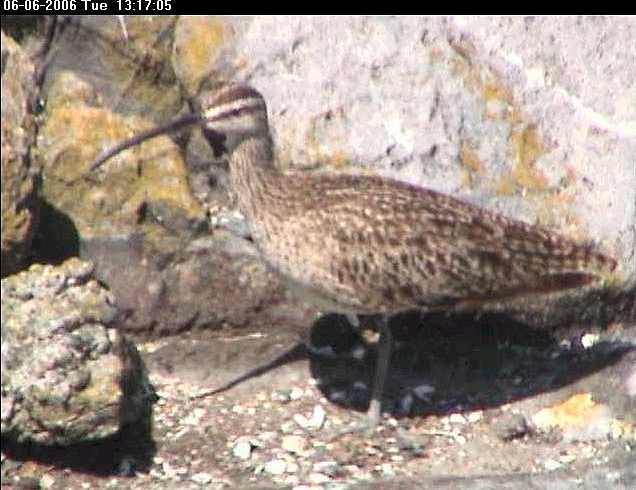
26 Brown shorebird with long bill curved downward. Brown eye- line.
Whimbrel


<>

30a Always found in water, with fins, and a large, flat, two-pointed tail – Whales, Dolphins, Porpoises 31
30b Often found resting on land or on rocks – size of a dog or larger 37
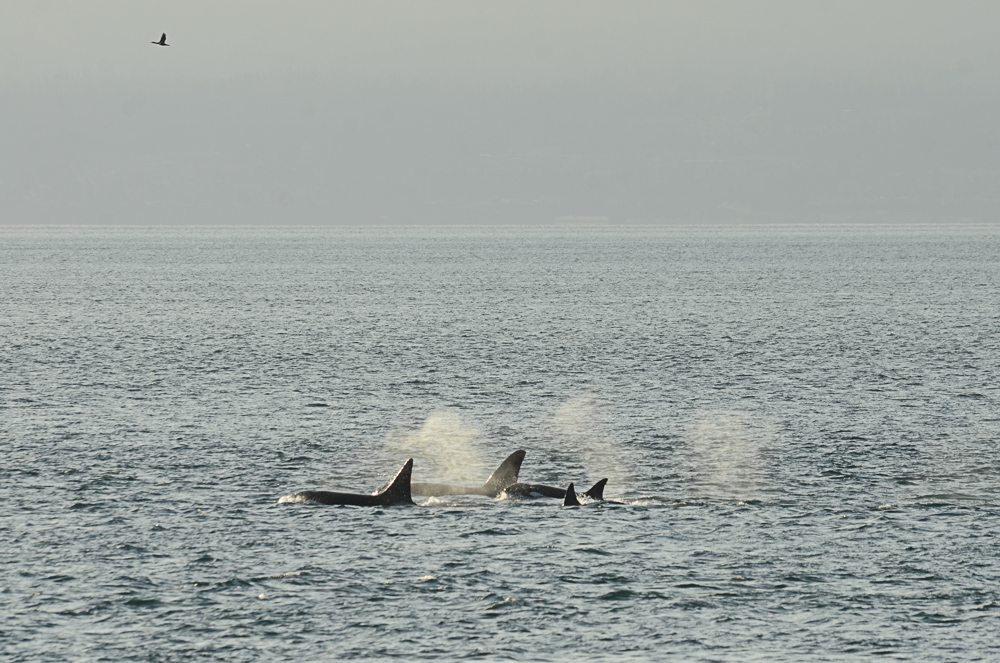
31a Black with a large white patch on the belly, greater than 4m long, males with large dorsal fin (1m high or greater)
Orca,
Killer whale
31b Not black or without white patches 32
32a Smaller, light grey colour, flippers smooth on edges
Gray whale
32b Other marine mammals 33
33a Large whale, dark grey to black, with distinct ridged underbelly, flippers jagged on edges. usually seen solitary.
Humpback whale ” alt=”humpback” width=”129″ height=”107″ border=”2″ />
33b Small porpoise often seen in pods, leaping in the waves.
Dall’s
Porpoise
34a spare room for future whales and porpoises. See the taxonomy for other species that have been sighted near Race Rocks
34b
37a Lie prone on land, rocks, or very shallow water; when swimming, are mostly submerged – Earless seals 38
37b May be sitting on their elbows or lying prone on land; often visible swimming in the water; colour beige through chocolate. 39
38a White through black colouration, may have young from April through July
Harbour seal
38b May be very large; length up to 4m; males have a bulbous nose; colour grey through chocolate.. present year round.Females smaller, usually on the top of middle rock, but not year round.
Elephant seal
39a Small; furry animals the size of a cat or dog
Otters go to 41
39b Sea lions 40
40a High-browed; chocolate coloured
California sea lion
40b Round forehead; light beige coloured; may be twice as large as California sea lion
Northern sea lion (Steller’s sea lion)
41a Small; long tail; runs on all fours on land may appear as serpent-like in water. River otter
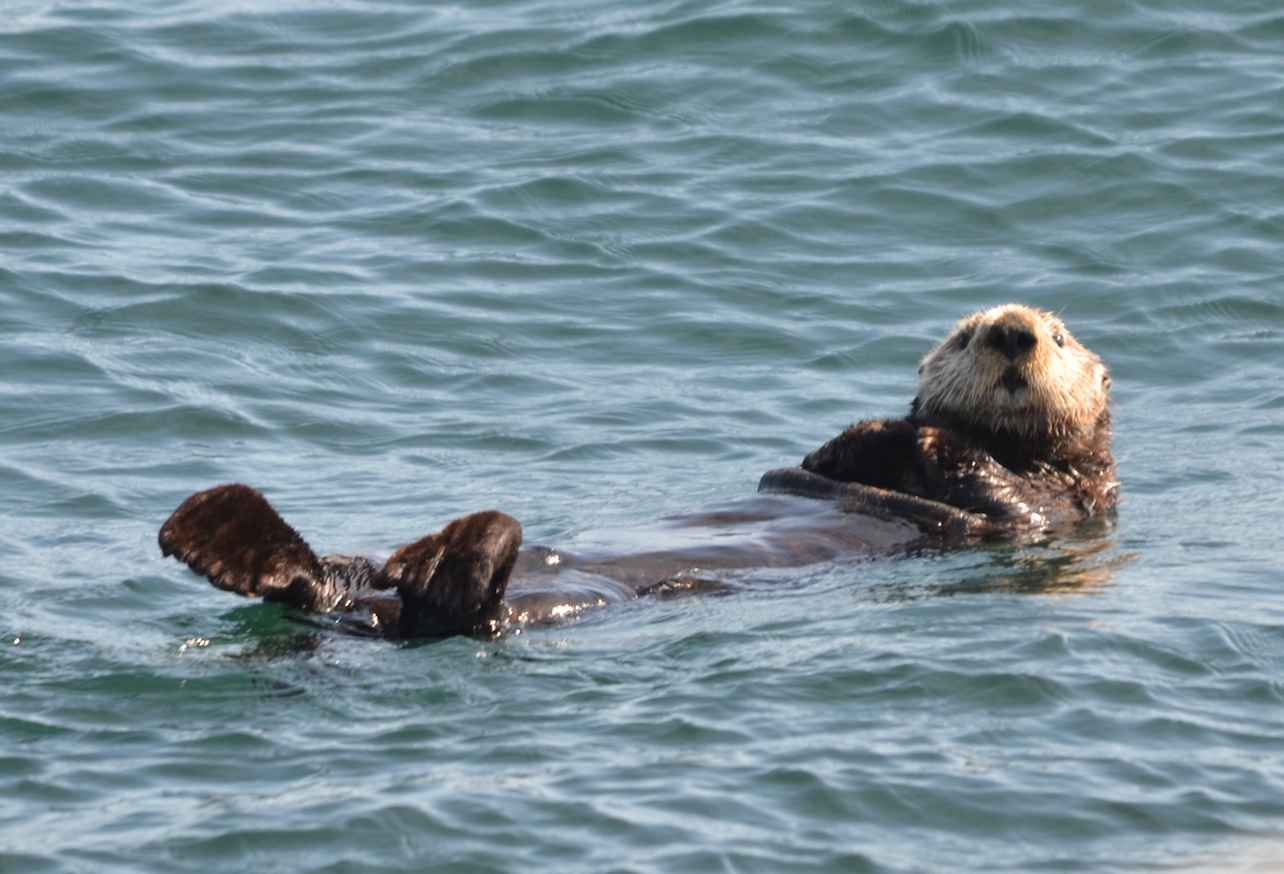
41b Small: always in the water,often  lies in kelp beds on back sea otter

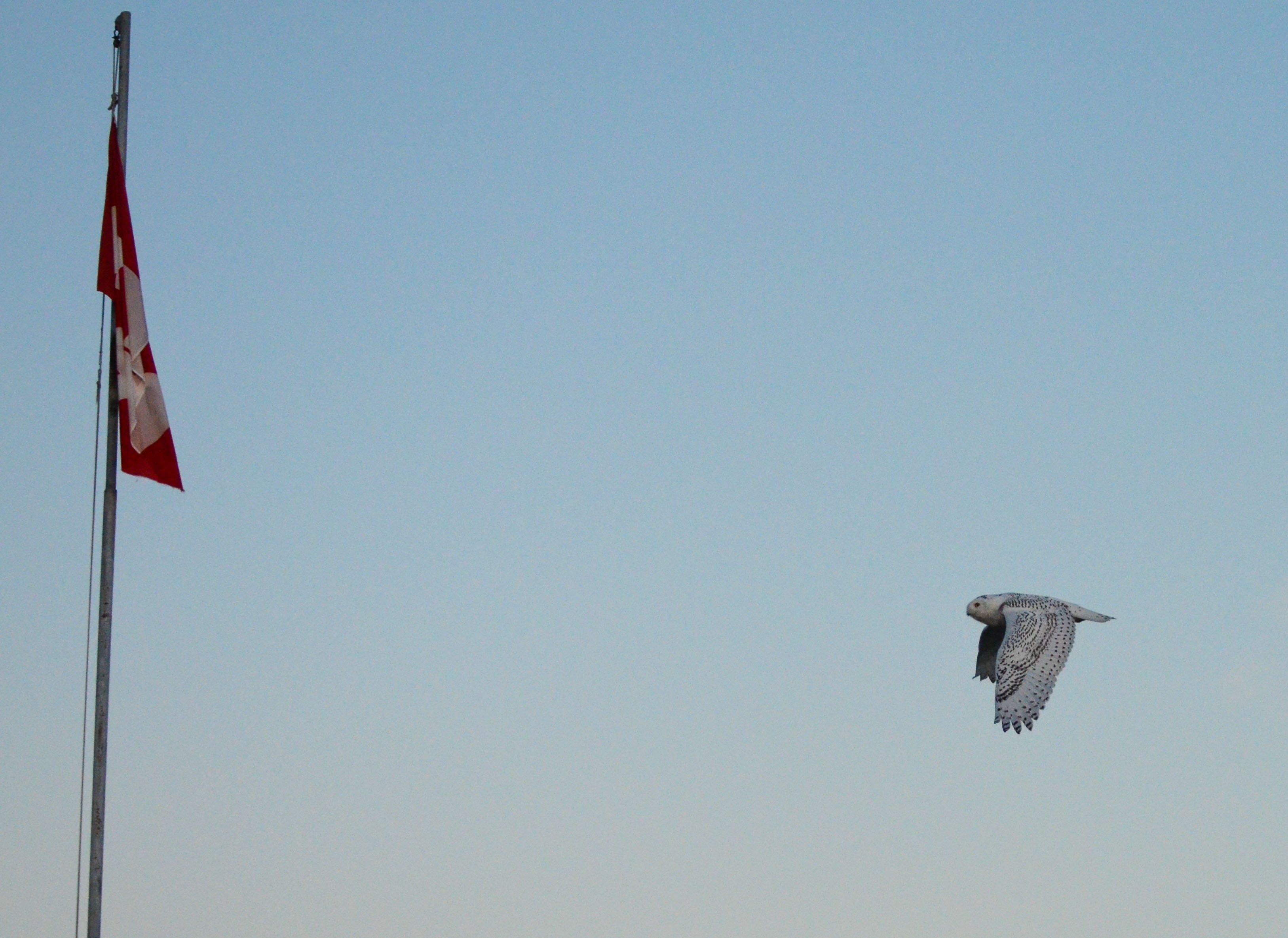
Bubo scandiacus: Snowy owl–The Race Rocks Taxonomy

Pam was interviewed recently about her wildlife viewing on racerocks.com ref: Anderson, Charlie, “Live Wildlife for your Living Room “,The Province (newspaper) , Vancouver, B.C. ( Sunday, Nov.21, 2004)

A comment from David Allinson of the Rocky Point Bird Observatory:
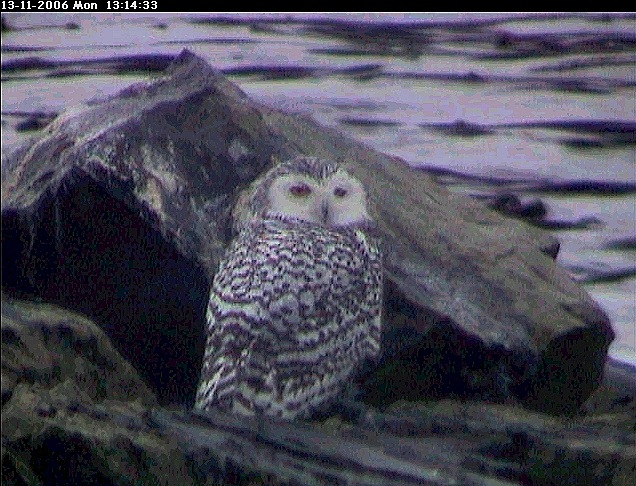
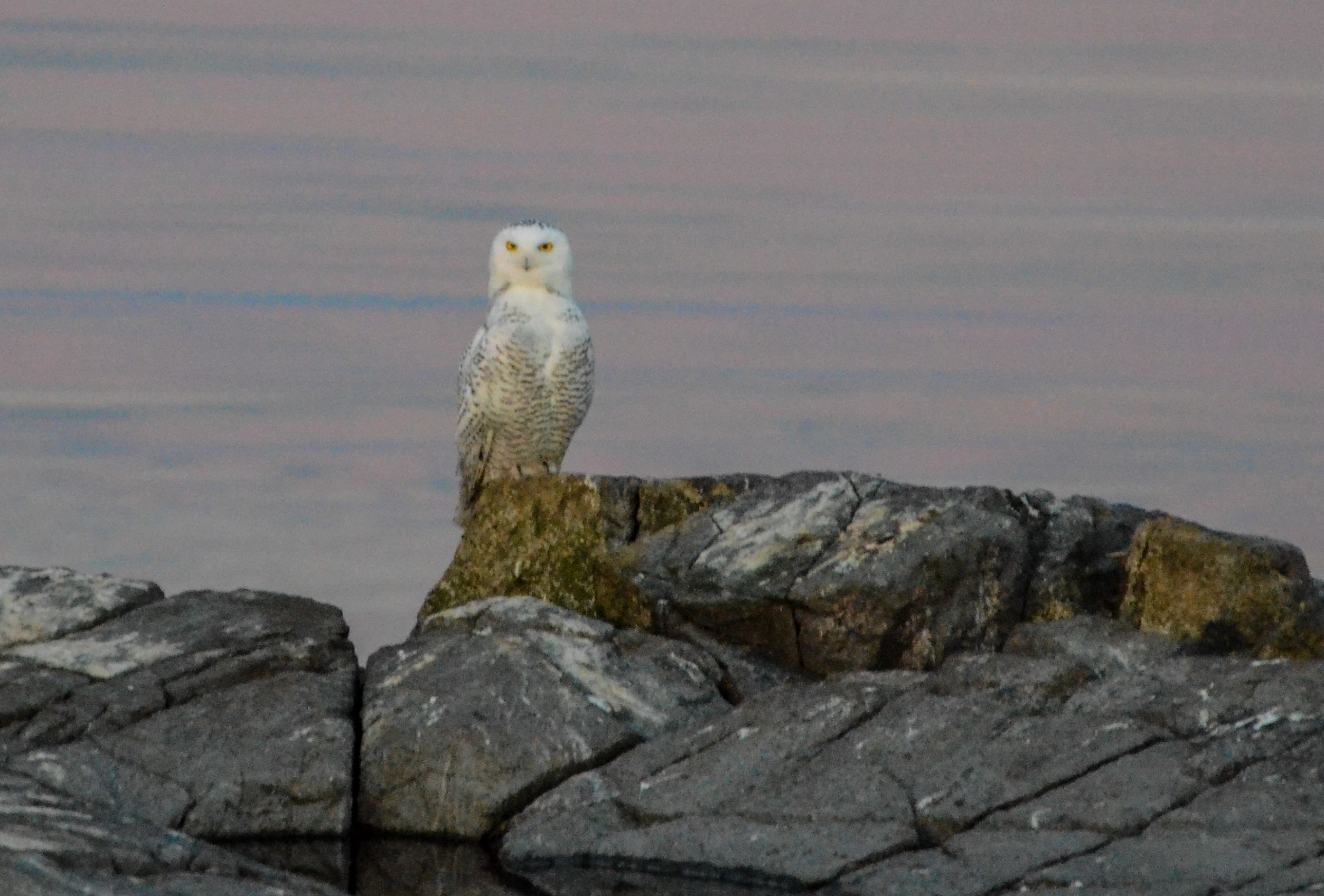
Pam Birley captured the pictures of this rare sighting at Race Rocks remotely on robotic camera 5.
“This is the second sighting of snowy owls at Race Rocks.The last historical record was almost exactly 40years ago when 7 birds were present on December 3, 1966 at Race Rocks.
I suspect there have been other records since, but they can easily be overlooked out there. We have no records for Rocky Point proper, but Race Rocks is in the checklist area. The bird appears to be an immature due to heavy barring. It is hard to be certain of its age/sex.
….. Note also that the AOU in 2003 announced a taxonomic change to Snowy Owl –it is now ‘Bubo scandiacus’ (was ‘Nyctea scandiaca’) as it is more closely related genetically to other owls in the ‘Bubo’ genus (e.g. Great Horned). The specific name is an adjective and changes to agree with the gender of the generic name.”

Pam Birley captured the pictures of this rare sighting at Race Rocks remotely on robotic camera 5.
Other Owl sightings at Race Rocks

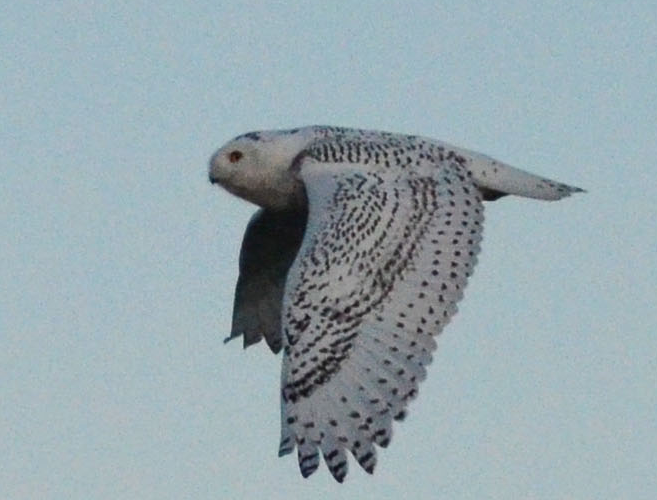
Below are some of the images taken by ecoguardians in other years:

Snowy Owl

Snowy Owl


Other Members of the Class Aves at Race Rocks 
taxonomyiconReturn to the Race Rocks Taxonomy
and Image File
pearsonlogo2_f2The Race Rocks taxonomy is a collaborative venture originally started with the Biology and Environmental Systems students of Lester Pearson College UWC. It now also has contributions added by Faculty, Staff, Volunteers and Observers on the remote control webcams.

 name –year (PC)