Herring Balls in Race Passage.
Thursday, September 27, 2001

We enjoyed a fairly typical fall day weather-wise here at Race Rocks today.
Temperatures max 12.0 C — min 9.1 C — reset 11.3 C — Total rain fall for the day 0.4 mm.
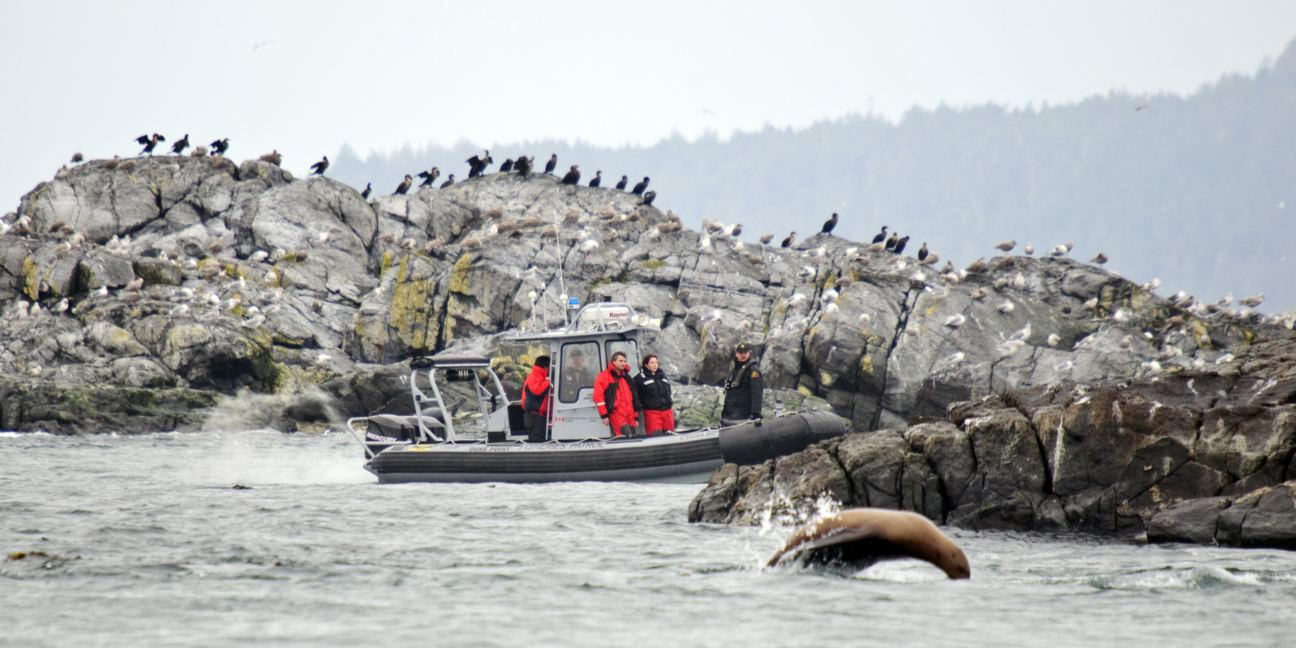
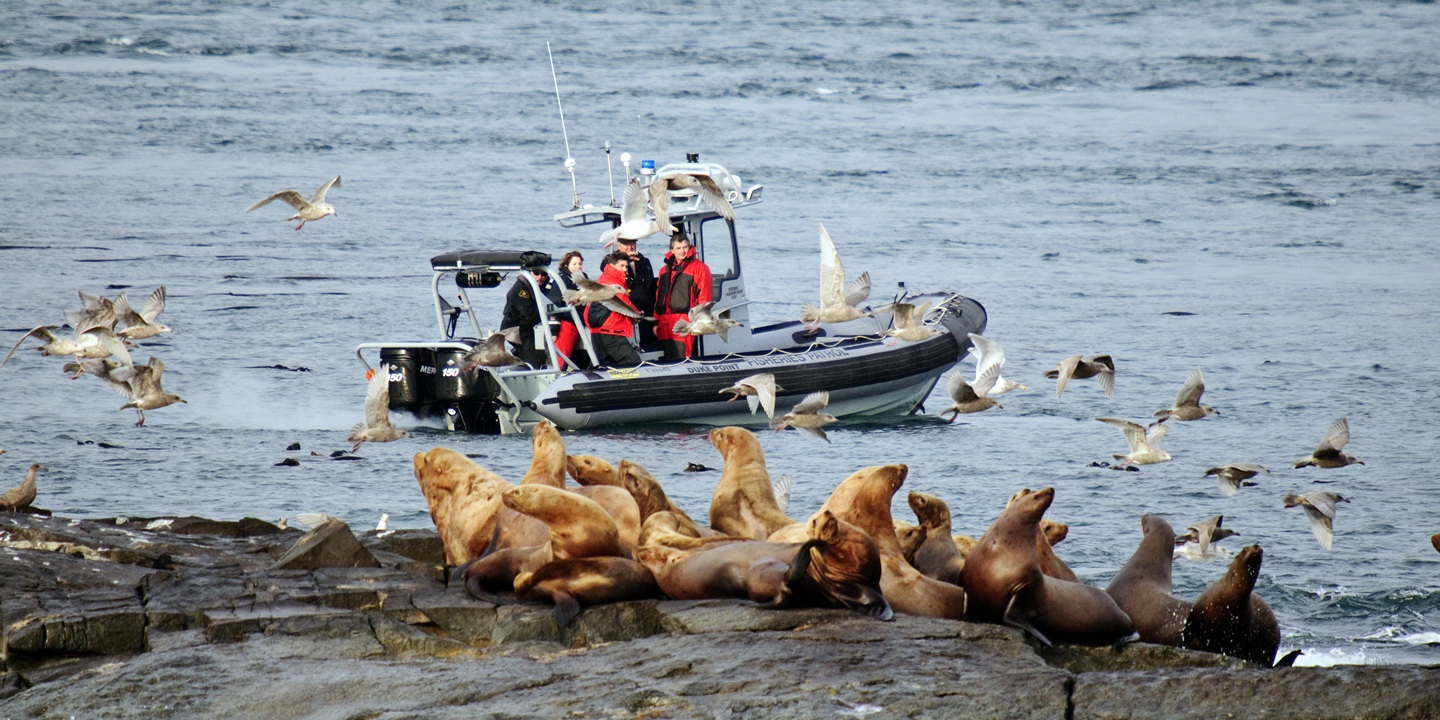
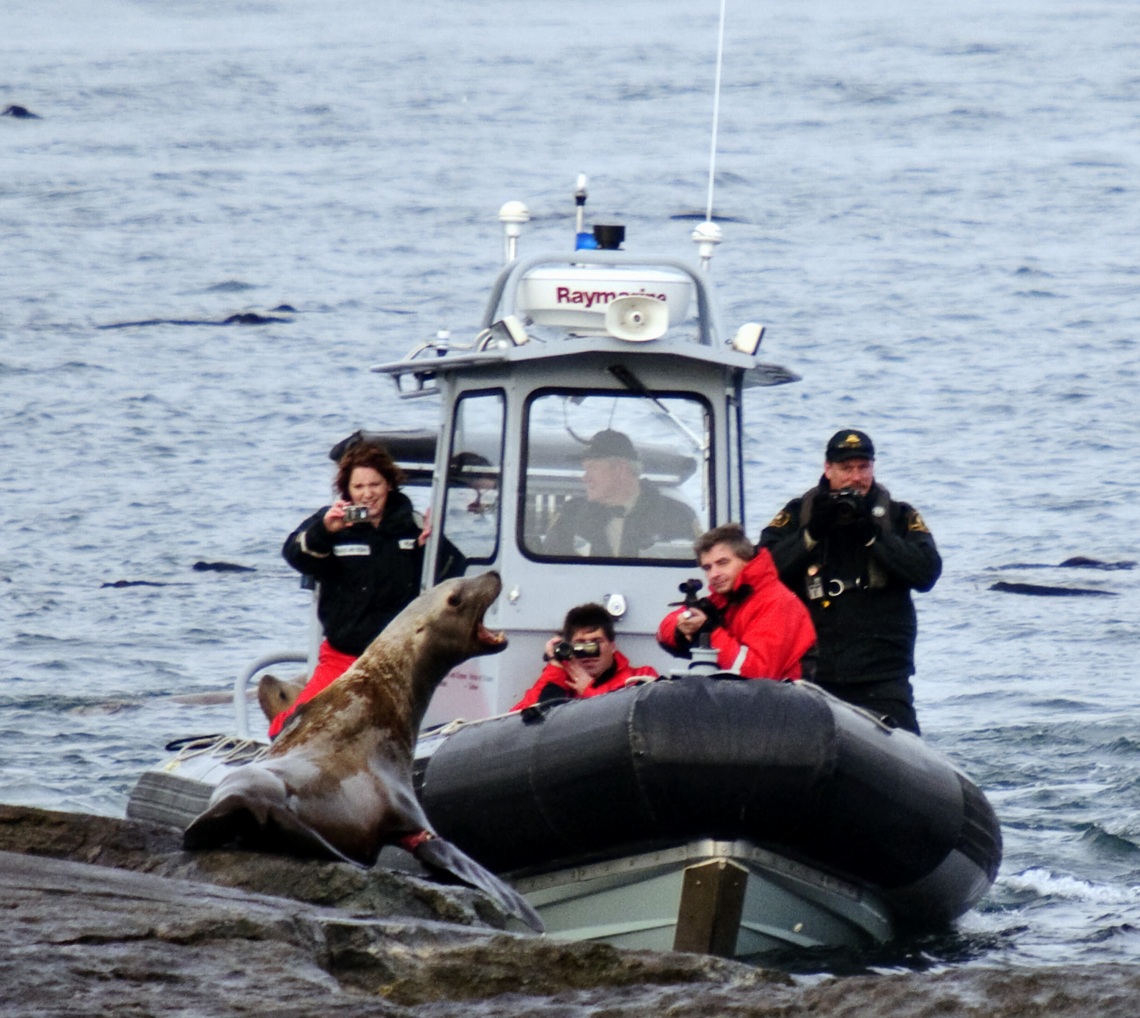
Returning from a noon meeting on campus we did a boat tour around all the islets – we counted
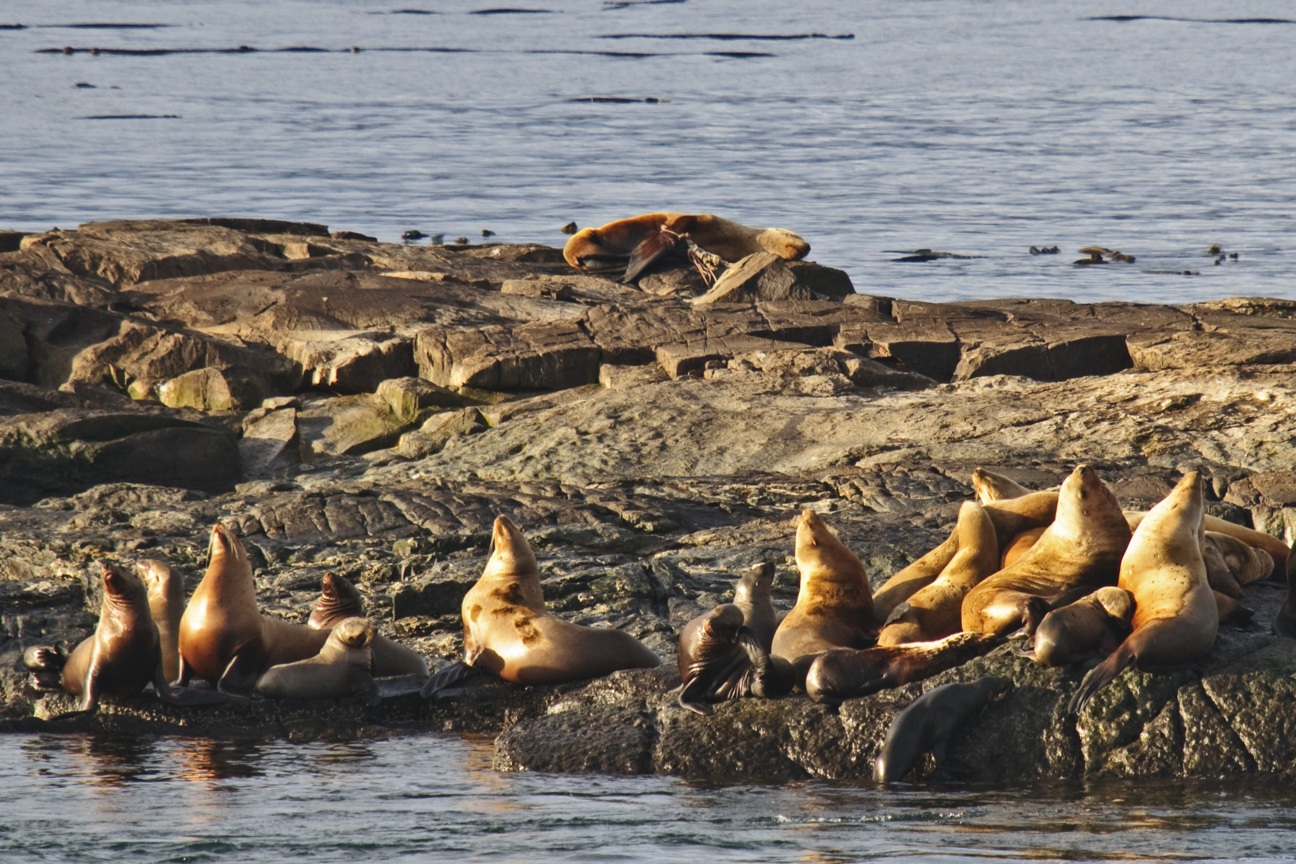
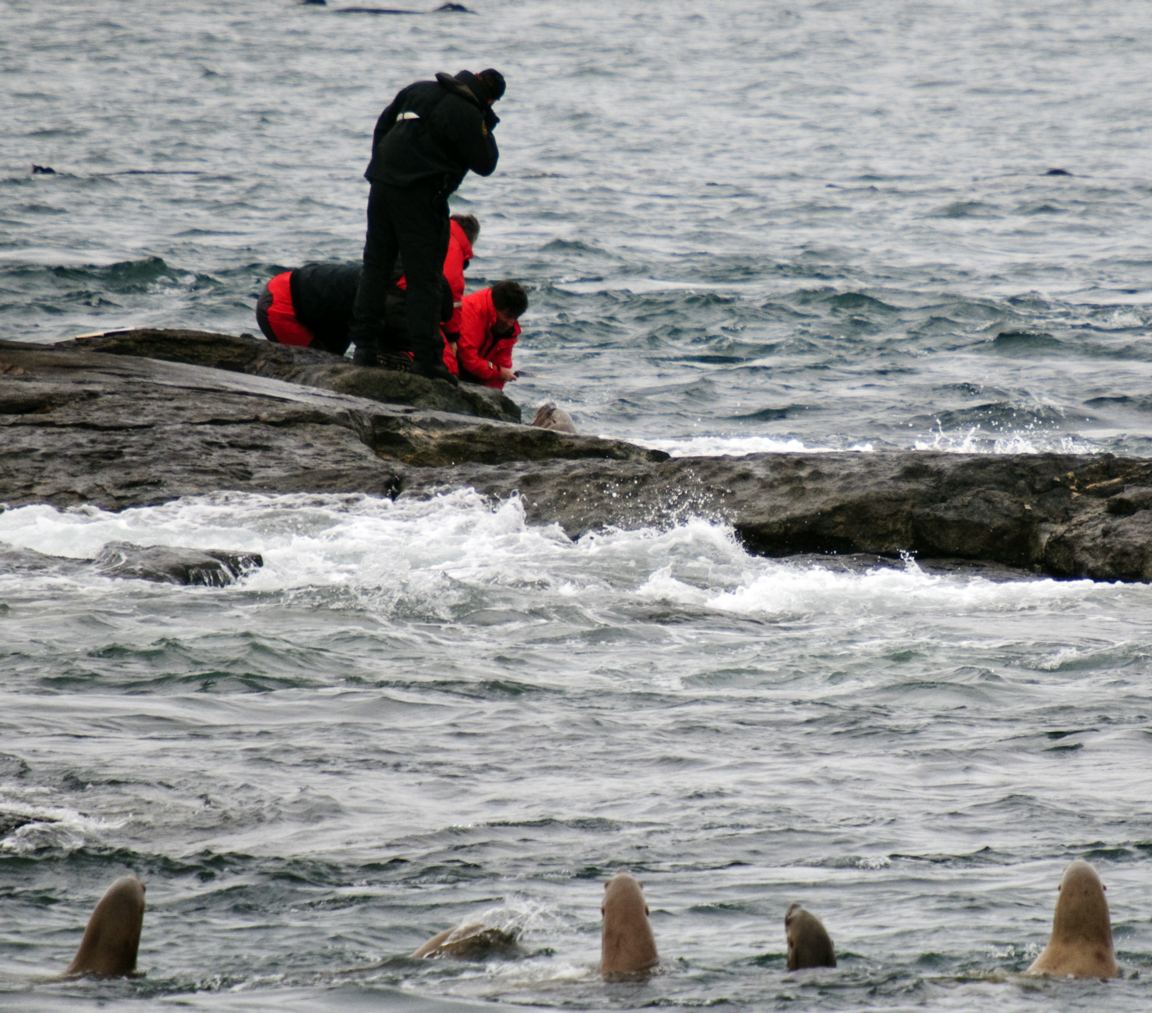
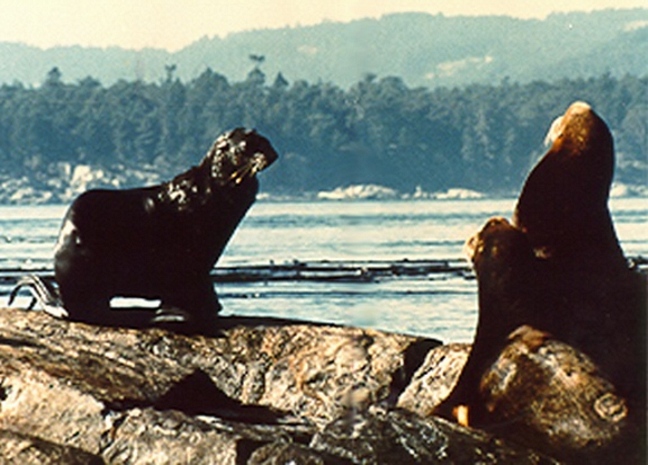
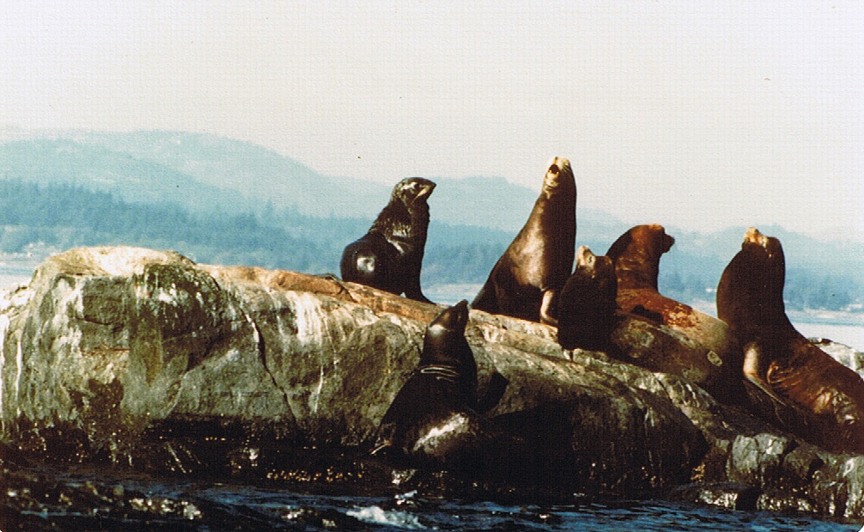
280 Northern or Steller sea lions – 295 Californian sea lions and 220 Harbour seals hauled out on the rocks. We also counted approx. 80 Cormorants. Earlier in the day we saw 2 ‘ fish balls’ with several hundred sea birds feeding just east of Great Race.


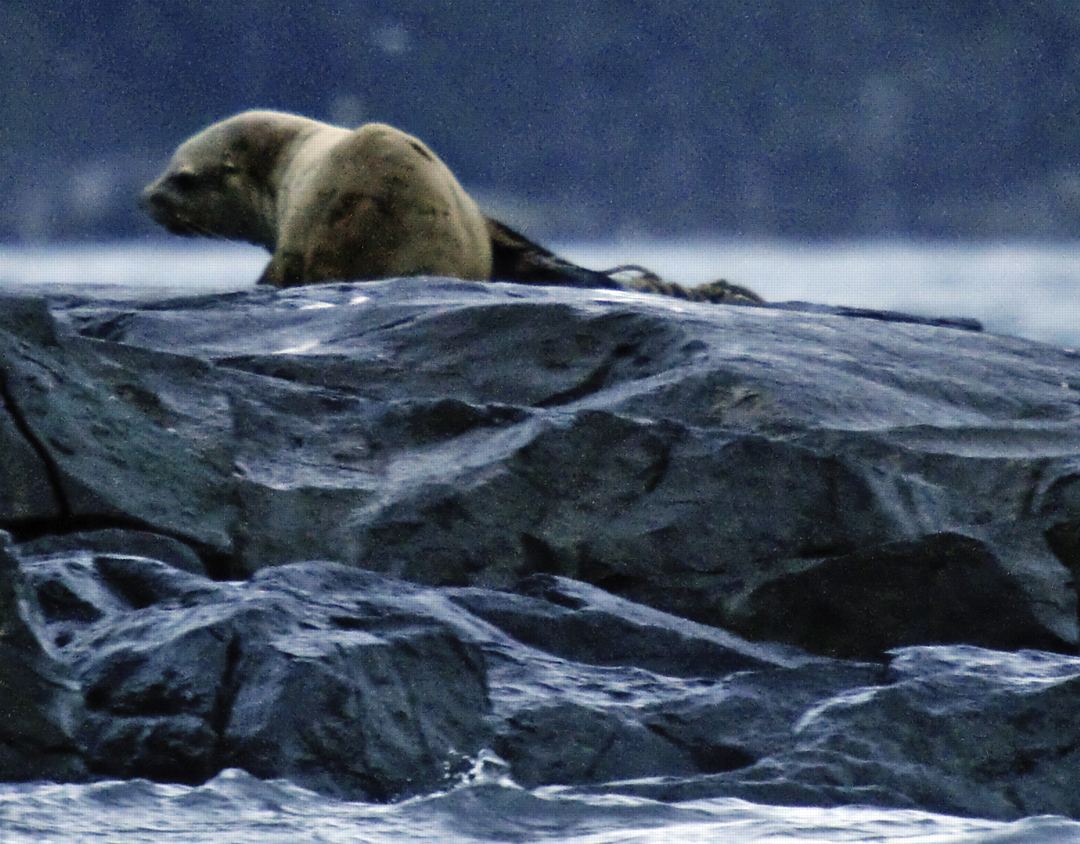
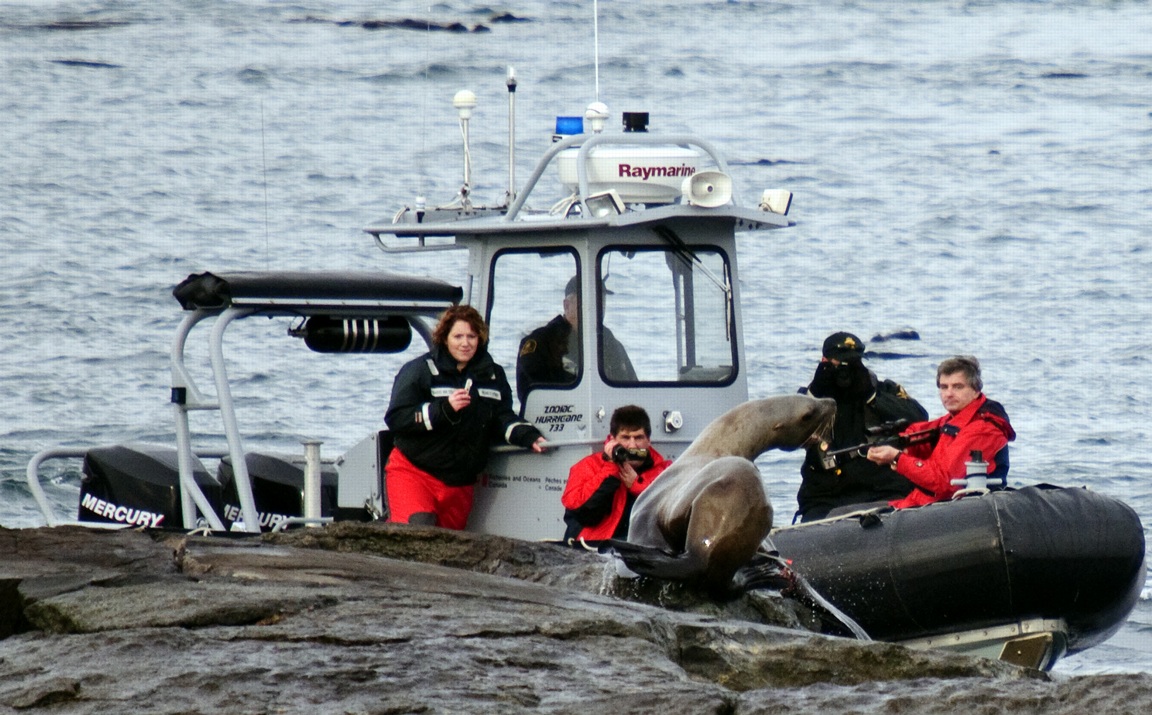
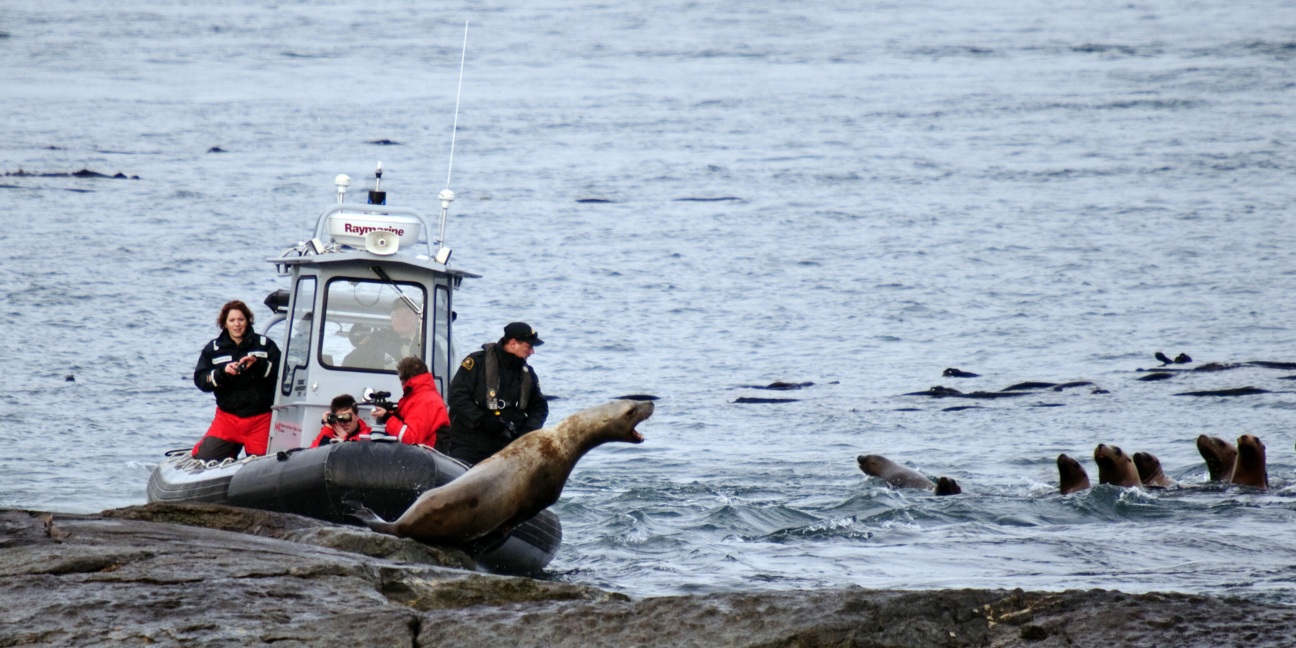
Elephant seal fighting with a Northern sea lion

When I was at the MPA today at 14:40 I observed one of the elephant seals fighting with a Northern sea lion for a position on the centre rocks. I had not seen a cross species conflict like that before. They were very aggressive, it was unclear who had the upper flipper and the outcome was inconclusive. I took two visitors from CBC Radio Canada french service out.
posted by Angus Matthews at 9:50 PM

Elephant seal Catastrophic Moult


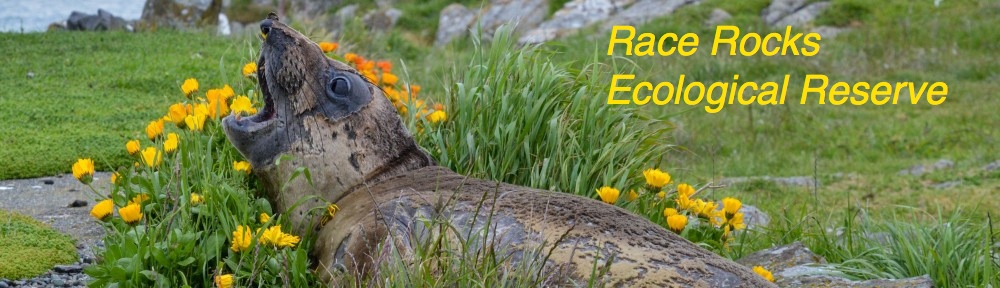
Race Rocks is at the northern limit of distribution of the Elephant Seal. They often number from 2 to 3 large males and 4 or 5 females. Arriving in January, they usually stay through the summer on the middle island and then leave for several months in the winter. Elephant seals often undergo a juvenile moult on the local beaches of Victoria when several years old. This individual may be at the end of such a moult as it still has a few sore spots on it’s coat. They end up on beaches where they wallow in the sand to keep the flies off. Members of the public often report them to the “authorities” as being diseased in appearance as their skin is blistered and raw. There has even been an example in the past few years in the local Victoria area when an animal in such condition was reported to the authorities as sick and due to ignorance, the animal was shot by an animal control officer. Of course this outraged some of some local residents who had been observing it for weeks as it was going through the moult, but the mistake had been made. So humans — leave well enough alone. Misguided intervention is not helpful for this rather rare pinniped

Elephant Seal Moulting 2

Race Rocks is at the northern limit of distribution of the Elephant Seal. They often number from 2 to 3 large males and 4 or 5 females. Arriving in January, they usually stay through the summer on the middle island and then leave for several months in the winter. Elephant seals often undergo a juvenile moult on the local beaches of Victoria when several years old. This individual may be at the end of such a moult as it still has a few sore spots on it’s coat. They end up on beaches where they wallow in the sand to keep the flies off. Members of the public often report them to the “authorities” as being diseased in appearance as their skin is blistered and raw. There has even been an example in the past few years in the local Victoria area when an animal in such condition was reported to the authorities as sick and due to ignorance, the animal was shot by an animal control officer. Of course this outraged some of some local residents who had been observing it for weeks as it was going through the moult, but the mistake had been made. So humans — leave well enough alone. Misguided intervention is not helpful for this rather rare pinniped.

Release of Entangled Sea lion- DFO and Vancouver Aquarium

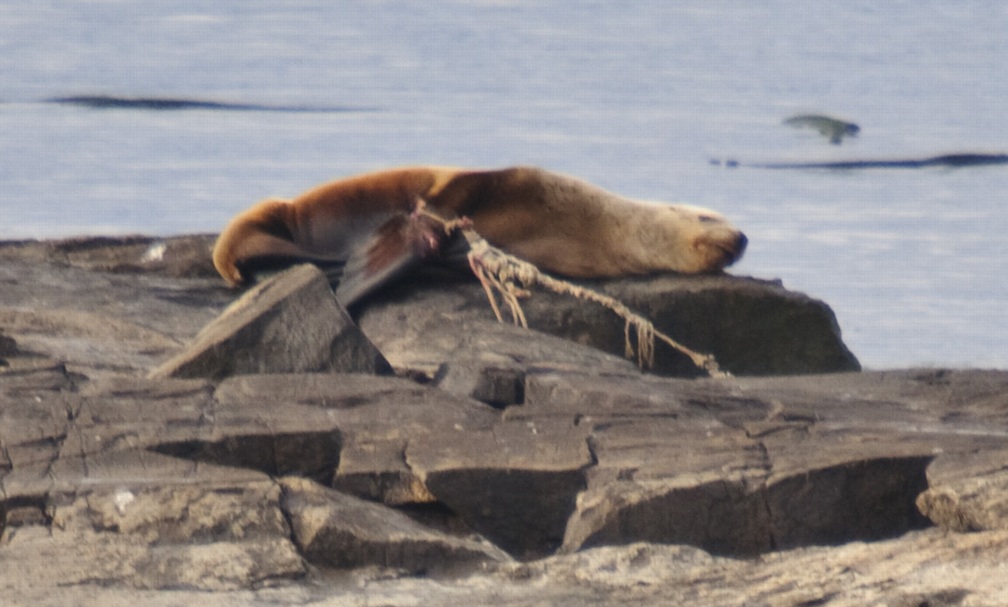
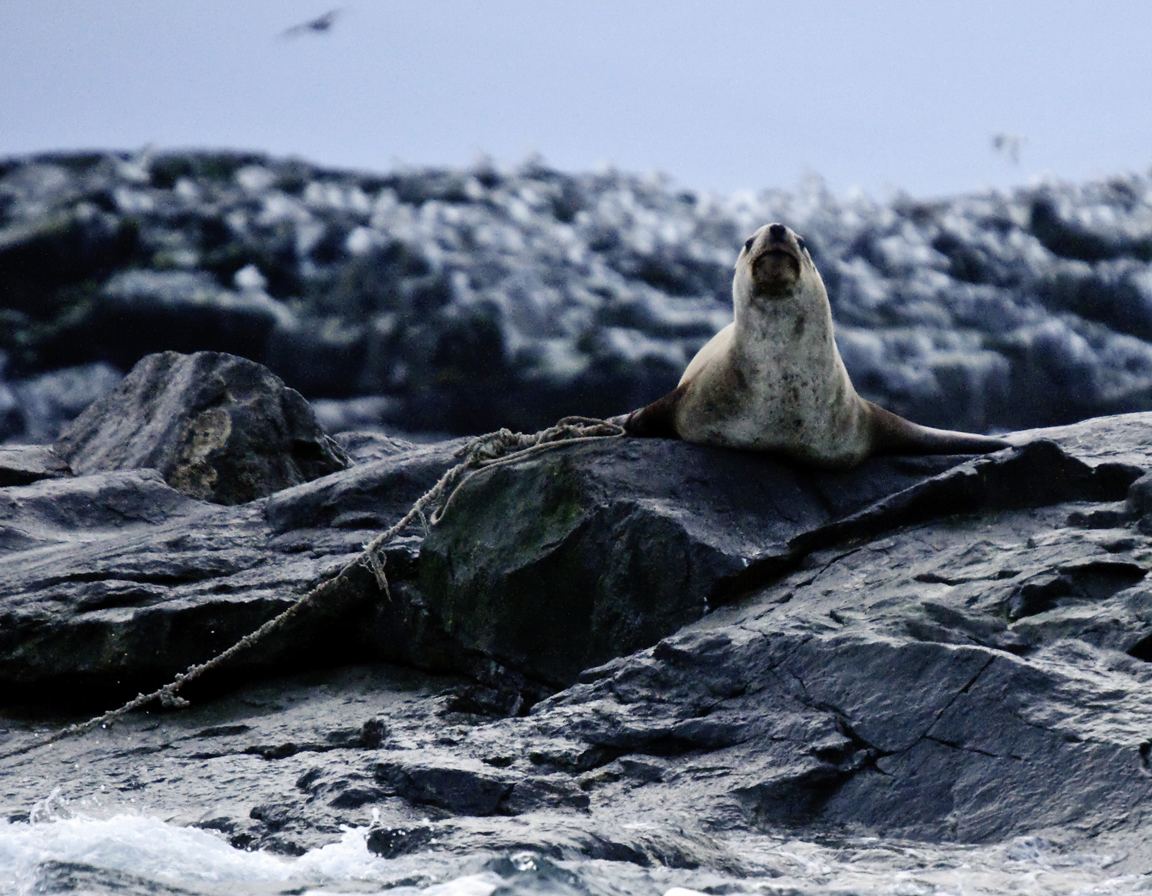
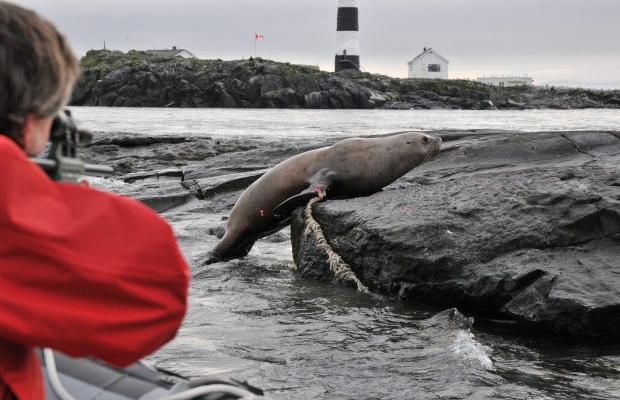
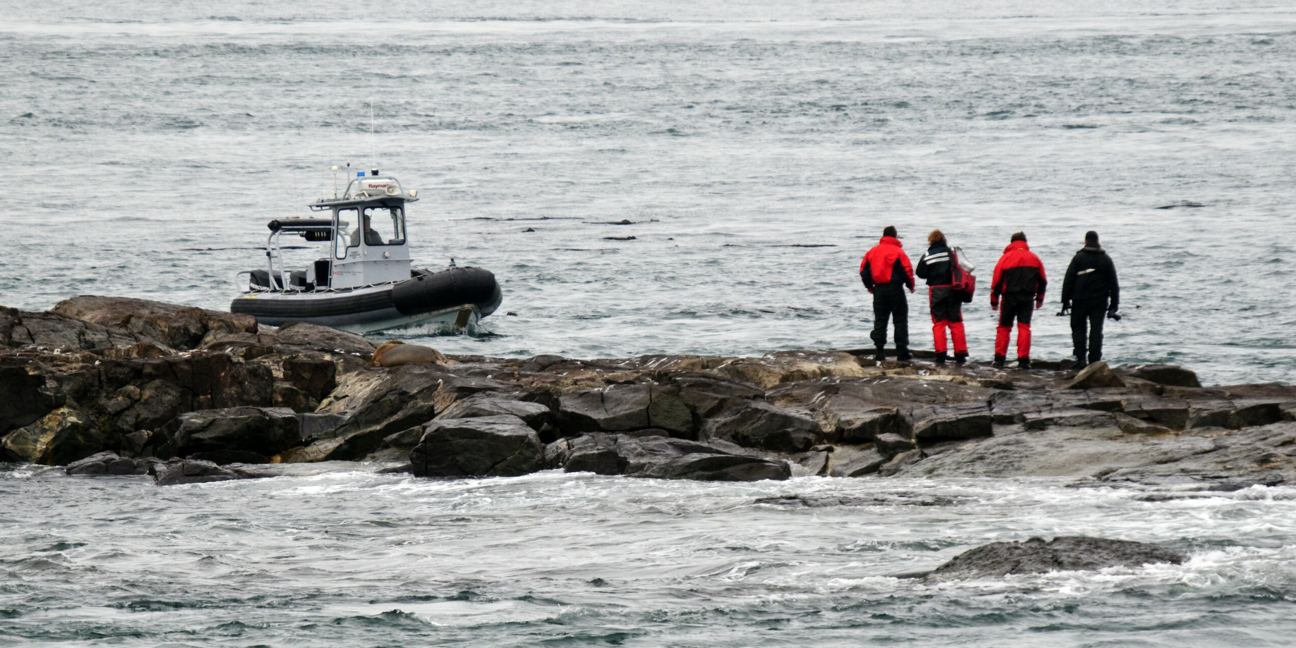
On December 13, 2009, Ryan Murphy reported to DFO that a sea lion on Middle Island was entangled in ropes. (See Ryan’s comments below) The ropes were snagged so it could not leave the rock. A rescue was mounted by DFO and the Marine Mammal Rescue Centre of the Vancouver Aquarium on December 16. This was the first time a sea lion had been successfully released from such an entanglement.


Further comments from resident marine scientist and ecoguardian at Race Rocks Ryan Murphy
: December 21 2009

Ryan was interviewed for this article in the Goldstream Gazette: Daring Sealion Rescue at Race Rocks

“Normally, neither DFO or the Vancouver Aquarium will intervene with entangled pinnipeds (seals and sea lions), but this case was special for a number of reasons.
1.  The sea lion was actually tethered to the rocks.  These animals are really tough and can often survive for years with their entanglements.  If tranquilized, these animals would take to the water and most likely drown before a rescue team could get to it.  This wasn’t the case here and so a rescue operation was a viable option.
2.  Steller sea lions (Eumetopias jubatus) like this one are listed as a species of special concern under SARA and as such are afforded a higher priority than other more abundant species like harbour seals and california sea lions.
3.  This animal was most likely spotted within 24 hours of its entanglement and was still in relatively good health.  Mike Demarchi of LGL who was on the island monitoring DND activity on nearby Bentinck Island and Rocky Point first spotted it on the morning of the 13th and his team and I were able to keep a very close eye on it during the daylight hours.  It was reported to DFO’s Observe, Record, Report (ORR) line (1-800-465-4336) and the Vancouver Aquarium Marine Mammal Rehabilitation Centre (at 604-258-SEAL (7325) or via the emergency phone at 604-862-1647).  A case like this on an offshore haul out would most likely have resulted in death by starvation, hypothermia, or drowning long before it was sighted.  In the 3 days between the first sighting (first photograph) and its successful rescue, this animal had further tangled its tether from about 10m to 3m and exacerbated the wound to its flipper.  The gale yesterday would have drowned it had it not been rescued.”


The Johan Ashuvud Project, 2000

crews-1

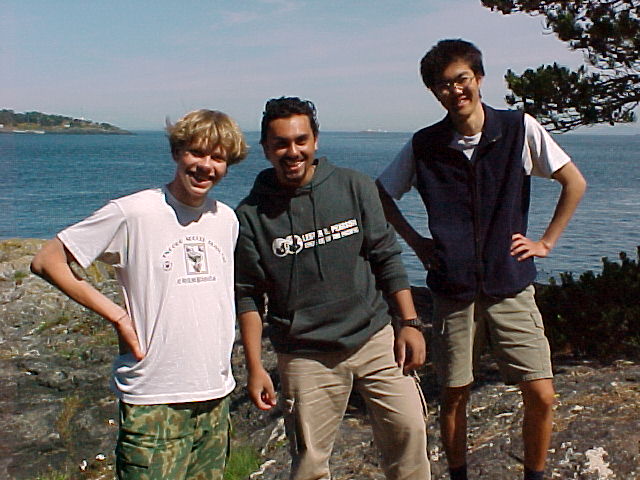
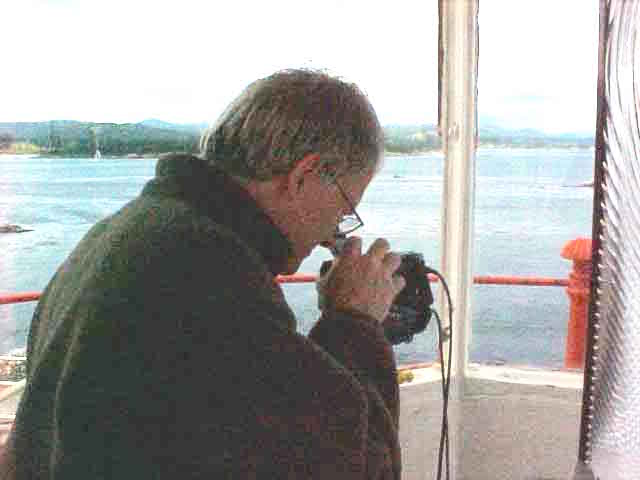
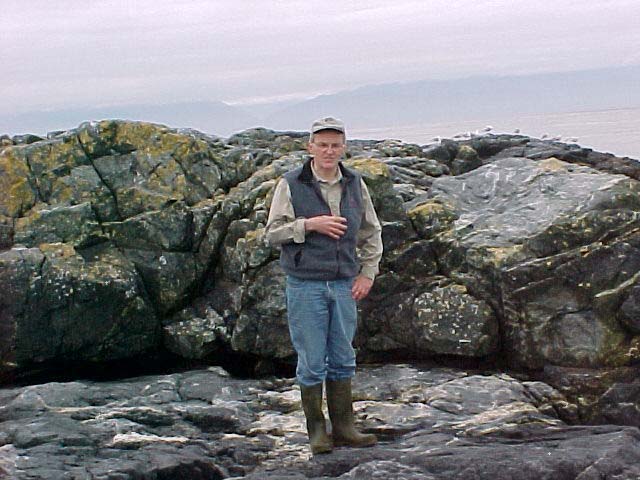
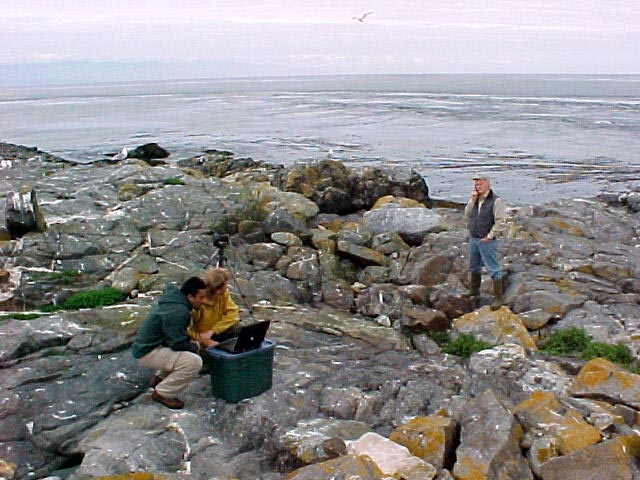
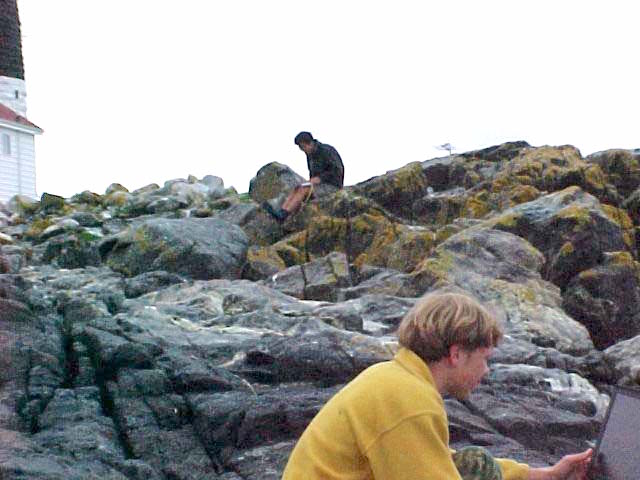
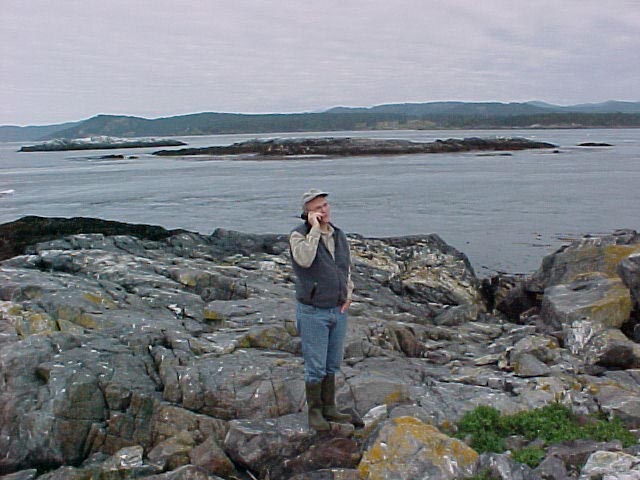
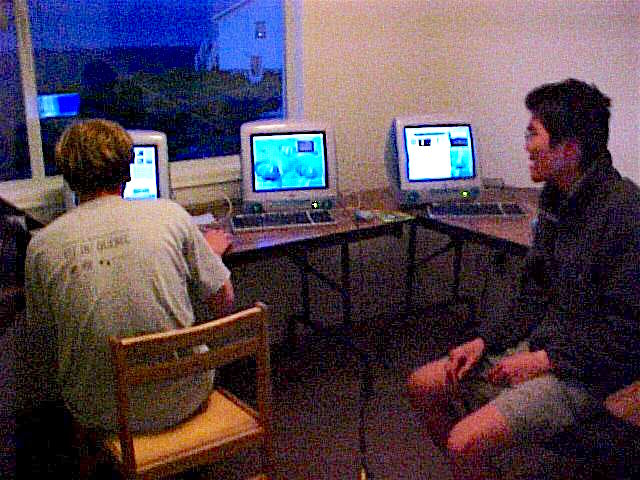
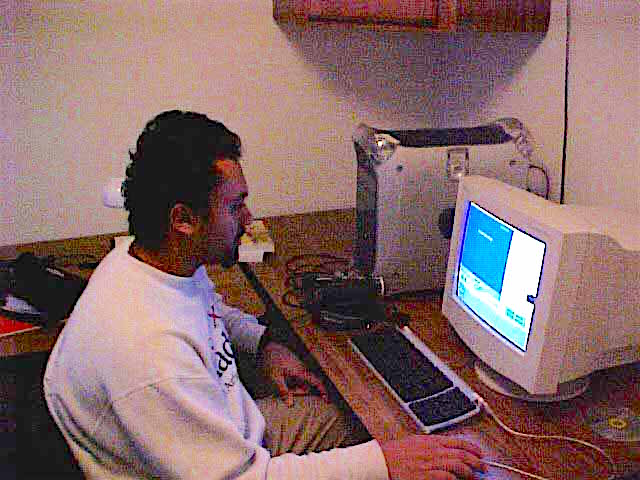
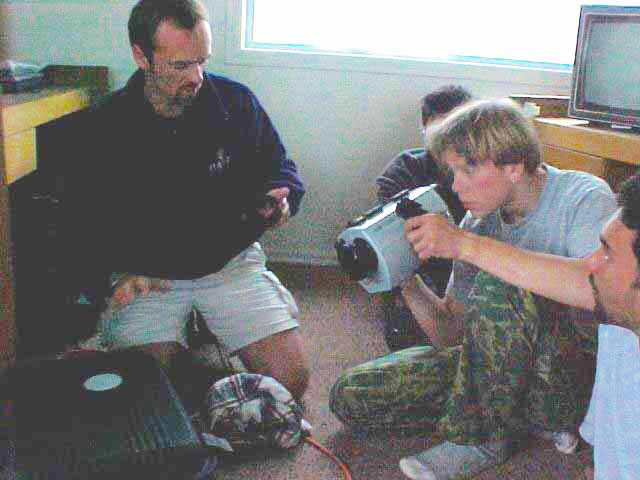
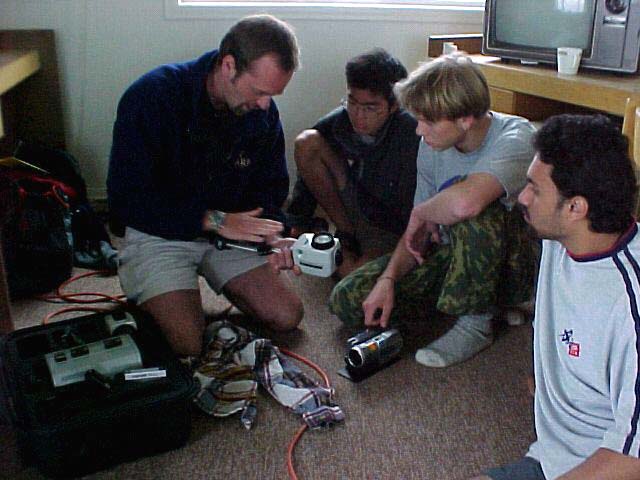
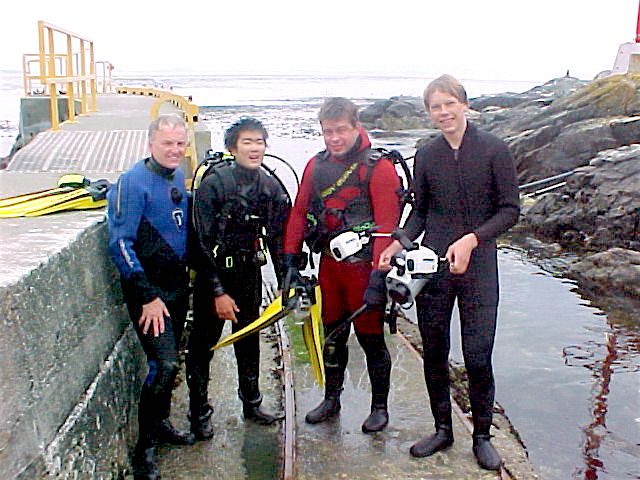
Victor David and Satoshi: For two weeks in May and June of 2000, Lester Pearson College graduating students, Victor Rakou, David Mesiha and Satoshi Kimura, and in the last week, Juan Manuel Alva and Martin Kryl, joined the sea gulls and stayed at Race Rocks running daily programs on a live camera, and broadcasting directly to the web. Faculty member Garry Fletcher worked with them for the daily webcasts from the shore and from underwater. Sponsorship for this week came from the Johan Ashuvud memorial fund.

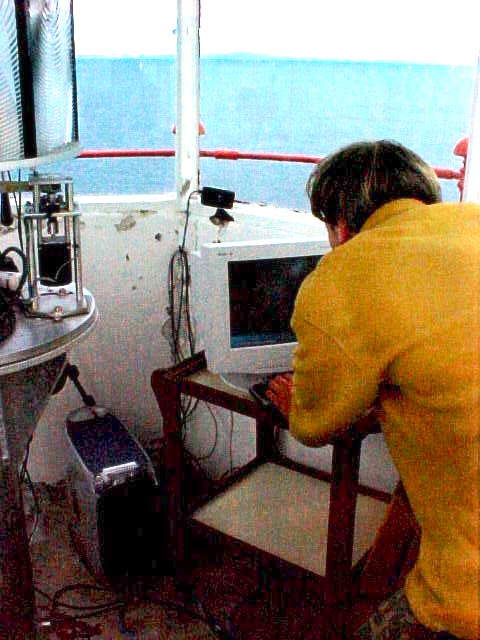
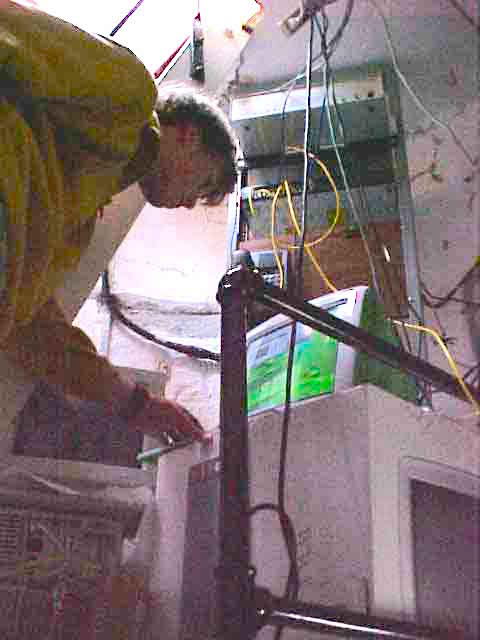
The first big event was the Swiftsure Race Weekend. A camera was set up along with a supporting G4 computer in the top of the light tower. Two streams were broadcast, one to camera 4 on the website and a special experimental dedicated stream to Shaw Cable. This stream was of TV quality at 1Mbps and 21 FPS.

Our thanks to Kevin Sytsma of LGS for coming out to help setup for this 2 day broadcast and to Ken Dunham ( PC year 9) for reconfiguring the server from Ottawa in order to handle this experiment.

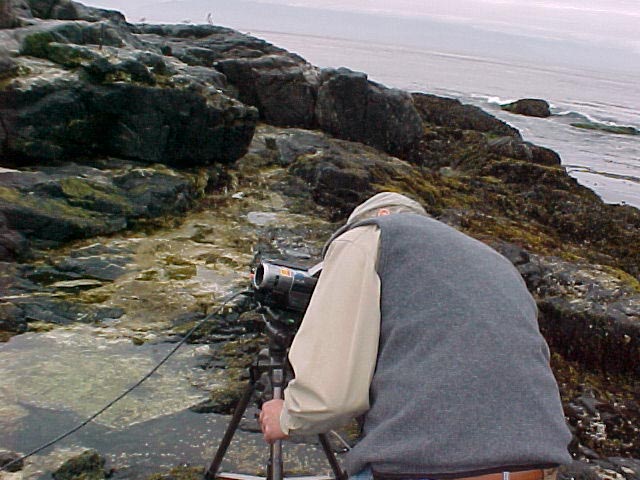
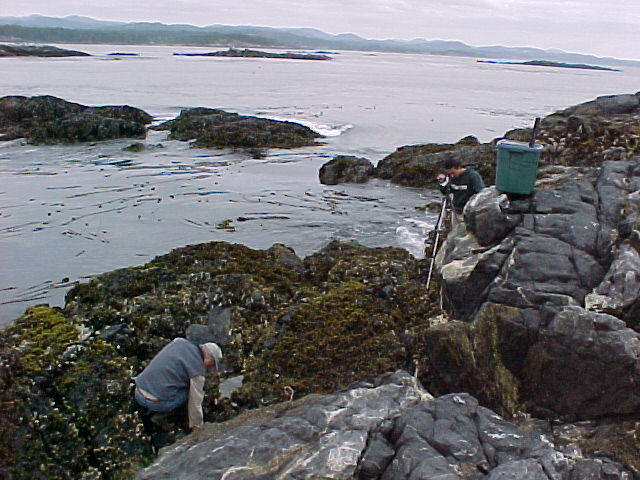
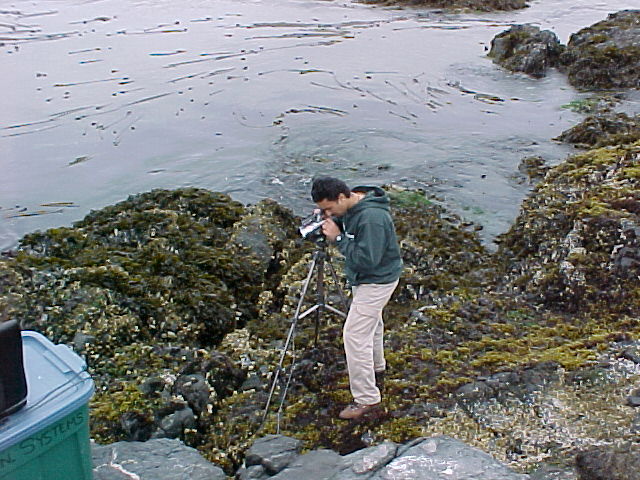
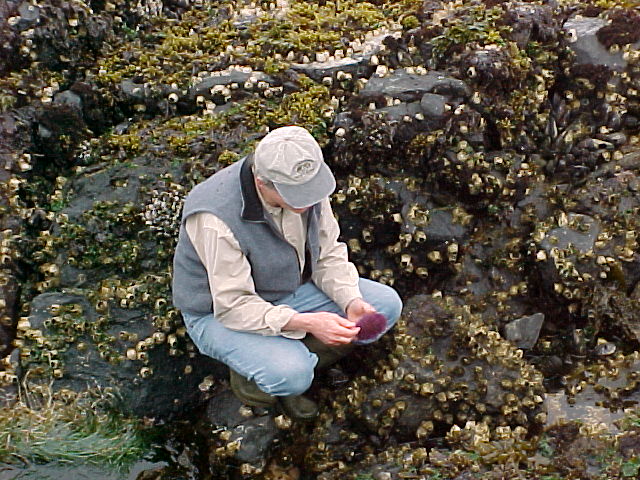
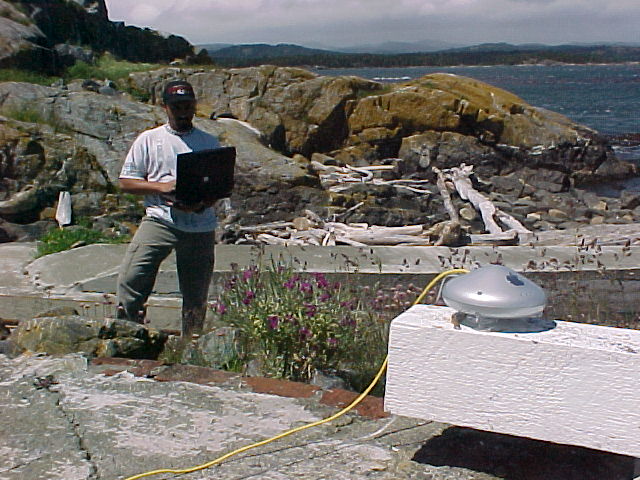
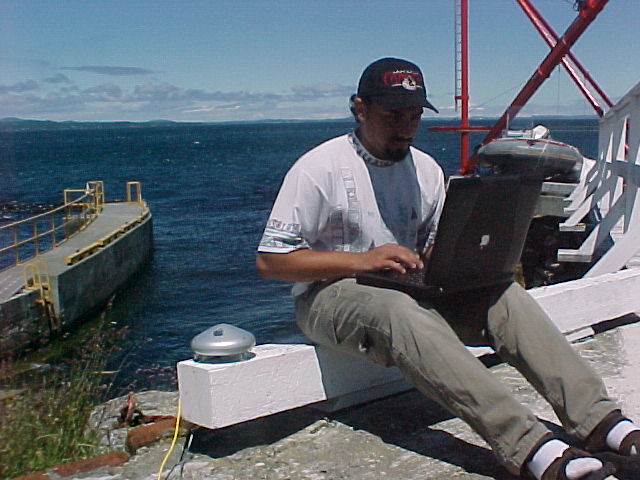
Each day at Low tide we set up in different locations around the island, always being careful to not disturb the nesting seabirds futher up on land. A Sony camera linked by Firewire to a G3 500 Mghz computer was located in the intertidal zone. From here, Audio and Video Signal went by the wireless Macintosh AirPort Link to the Science Centre. From here the signal traveled by Cat.5 cable to the top of the light tower where it was sent by radio to the Telus antenna at Lester Pearson College. From there it was webcast in live streaming video to the internet by a Macintosh G4 500.

Content through the week ranged from adaptations of organisms to the special ecological niches of tidepools and intertidal slopes, to First Nations use of resources and the role of community/ stakeholder participation in the Marine Protected Areas Pilot process.

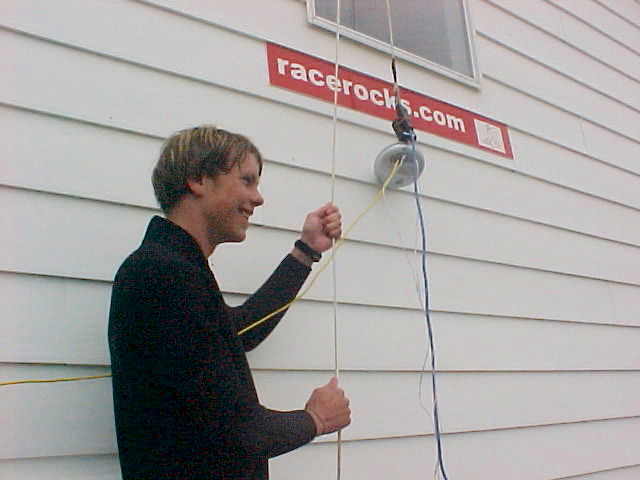
The airport wireless base station was tried in a number of locations. We relied on David to find the best locations for connectivity. Best wireless transmission was achieved when we hoisted it up to the roof of the science house. The radio waves go through buildings but not through rocks!

Further editing for the video archives took place in the science centre in the evenings.

Video created this week by the team:

june92000s jochensealions newgulls wwfgulls
Underwater Invertebrates and Fish On the last day of live webcasting, sea lions visited Glaucous-winged gull behaviour Gull territorial aggression

Chris Blondeau from Lester Pearson College joined us for a session on the care and maintenance of the underwater camera and housing. Chris is in charge of the shore-front at the college and is in charge of the SCUBA Diving program there.

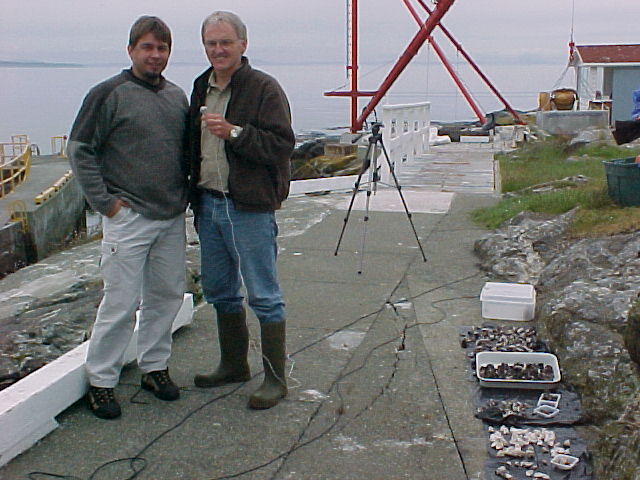
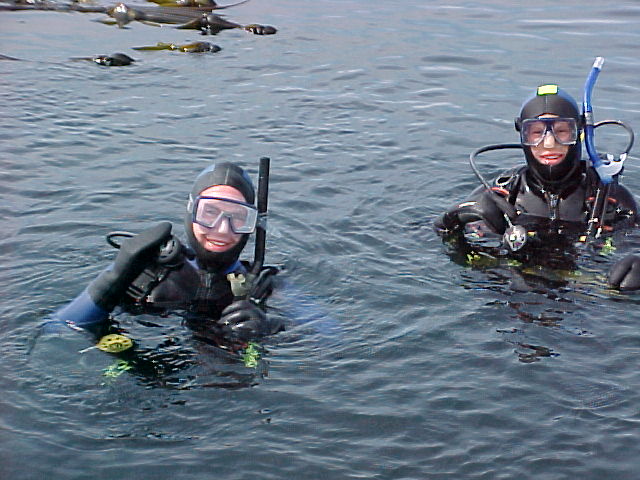
We were also fortunate to have some visitors take part in the intertidal discussions we had on the islands. Dr. Jochen Kuum ( PC year 10) is seen here with Garry and diving with Satoshi and Victor Stephen Haggarty (PC year19) also participated above and below water. This video was made on the last dive


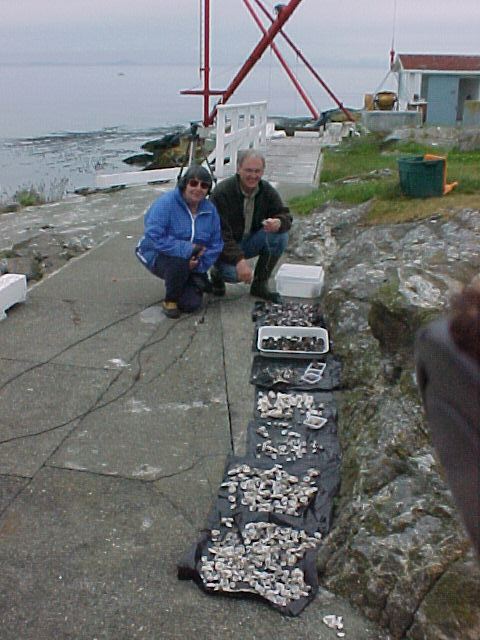
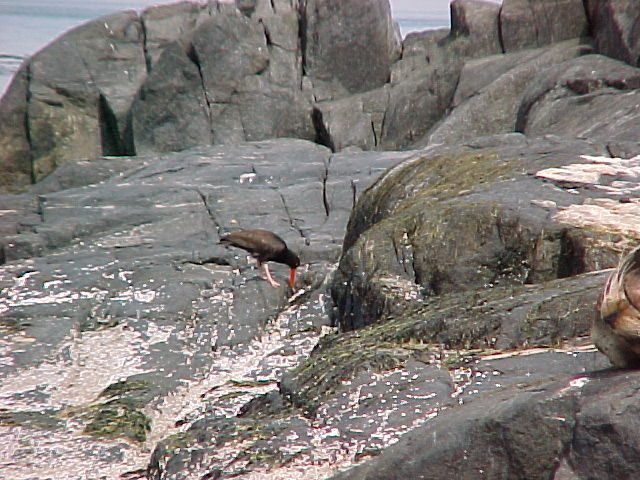
Carol Slater, who along with her husband Mike are the guardians of the MPA joined us to talk about the Black Oyster Catcher. We examined the trays of shells from last years midden of one nest. This parent bird was foraging off to the East of the dock where they hatched two chicks this year

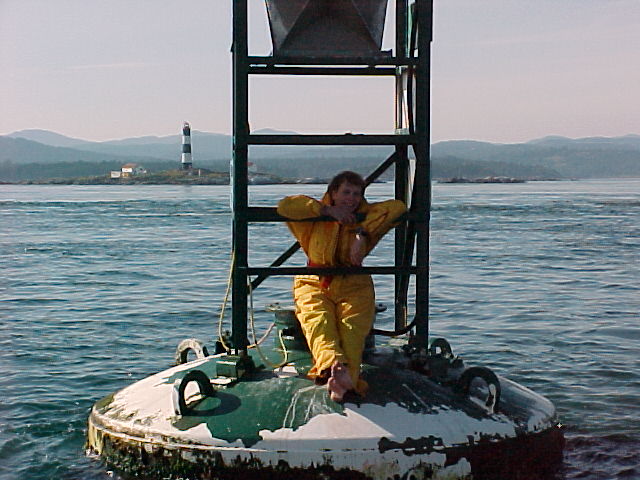
Race Rocks viewed from the South at Rosedale Rocks Buoy.

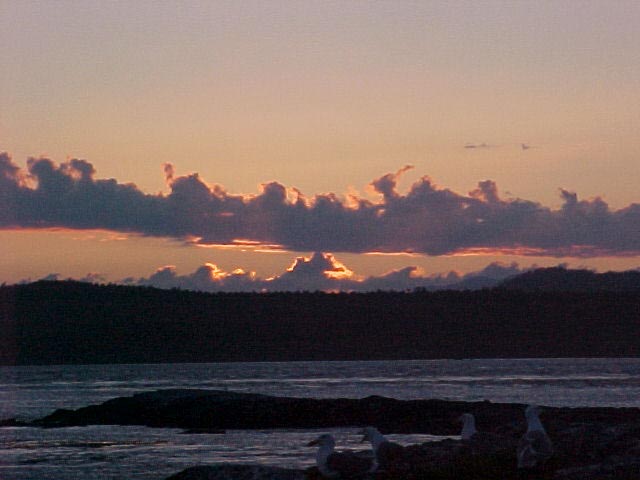
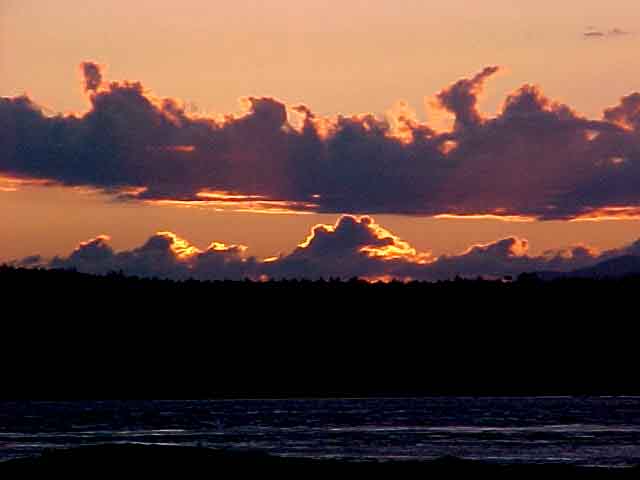
One of the best parts in staying at Race Rocks overnight while doing these webcasts was the great sunsets. Sometimes you can view these on the remote control camera 1 and camera 5.


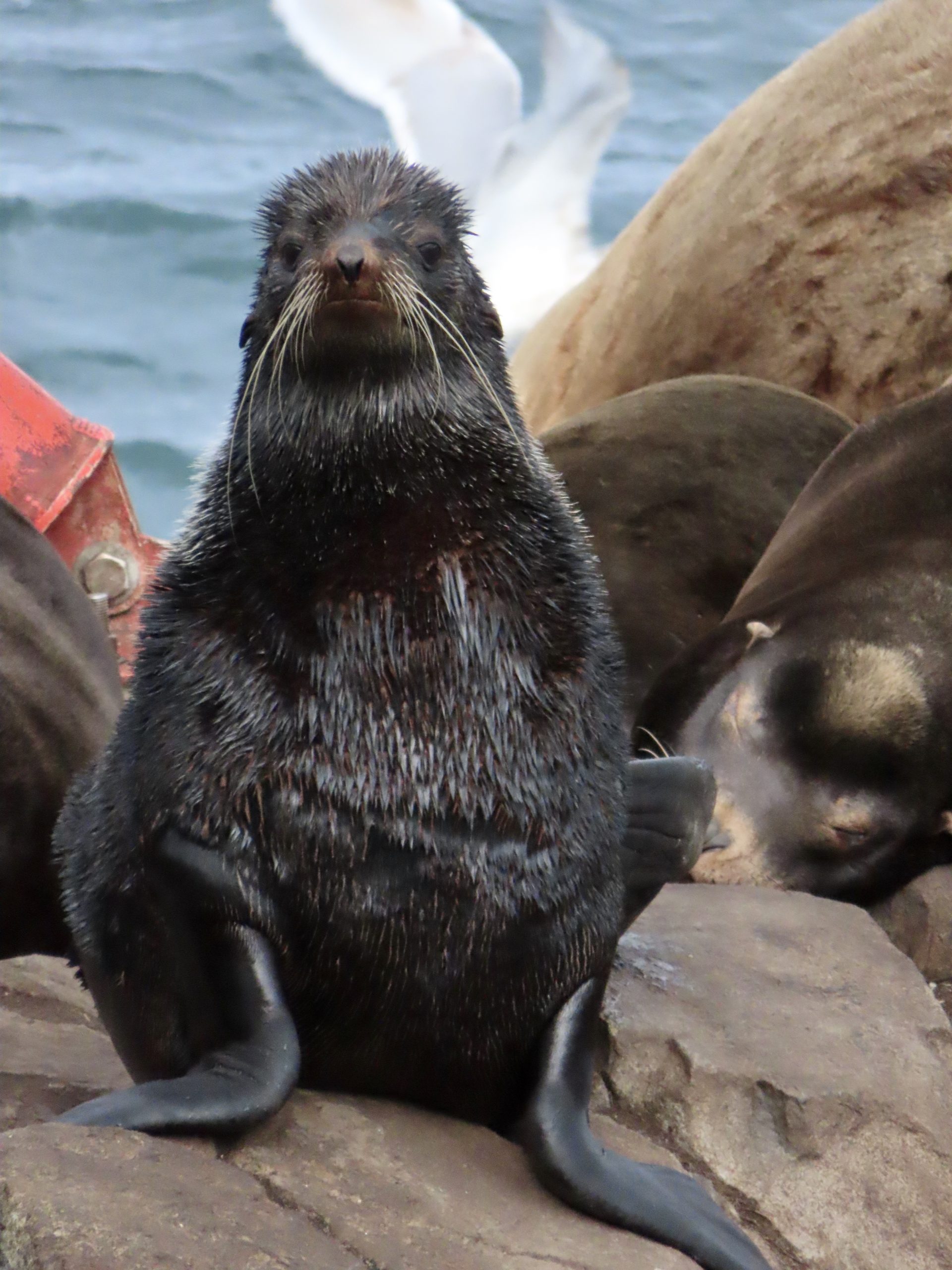
Callorhinus ursinus : Northern fur seal- The Race Rocks Taxonomy

second observation after over 40 years . Observed by Ecoguardian Kendra Luclow in January, 2024

Domain Eukarya
Kingdom Animalia
Phylum Chordata
Subphylum Veretebrata
Class Mammalia
Order Carnivora
Clade Pinnipedia
Family Otaridae
Genus Callorhinus
Species ursinus

Common Name: Northern Fur Seal

Necropsy and Skeletal Mount of Orca L51- 1999

Orca L51 Removed From the Strait of Juan de Fuca
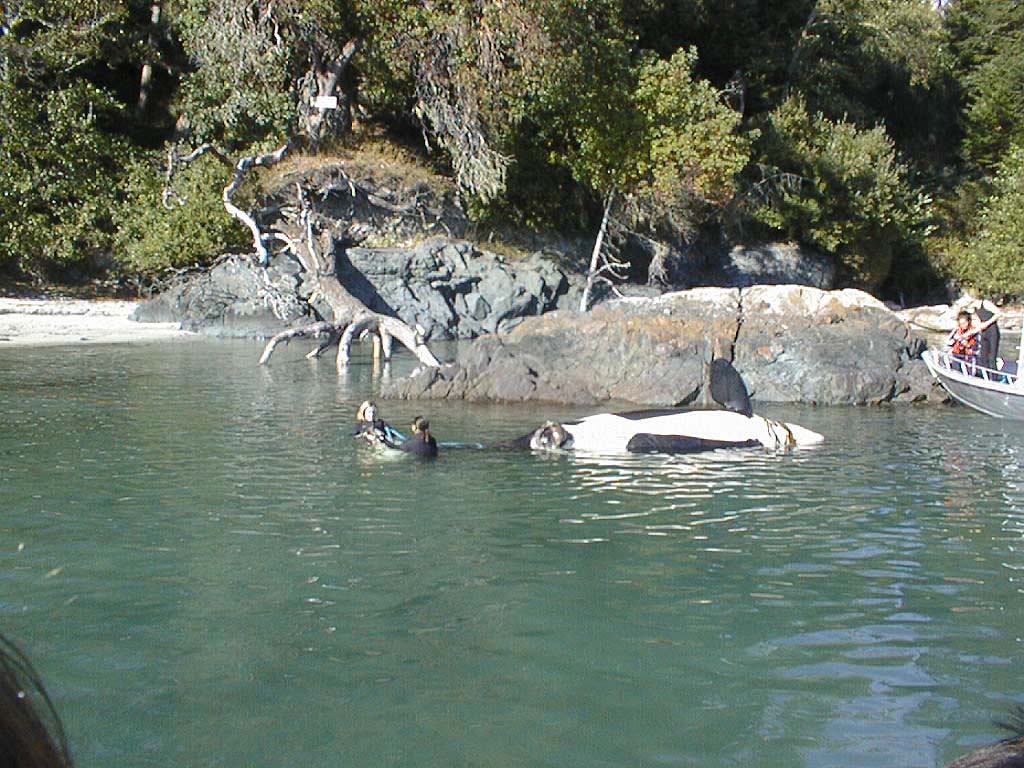
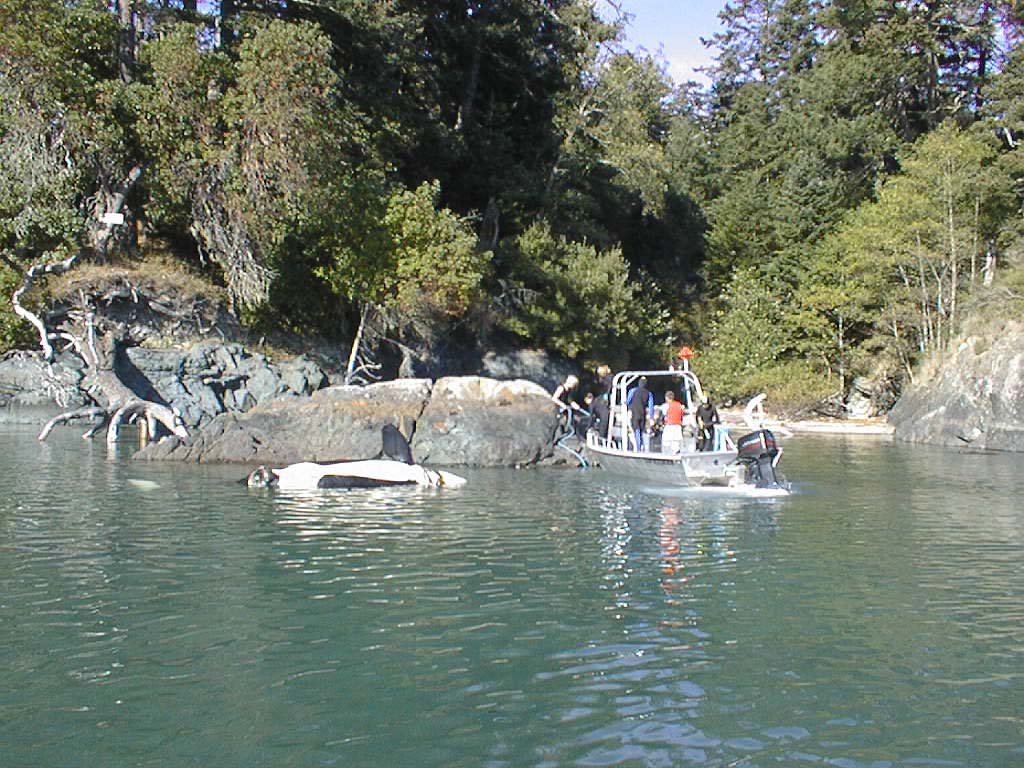
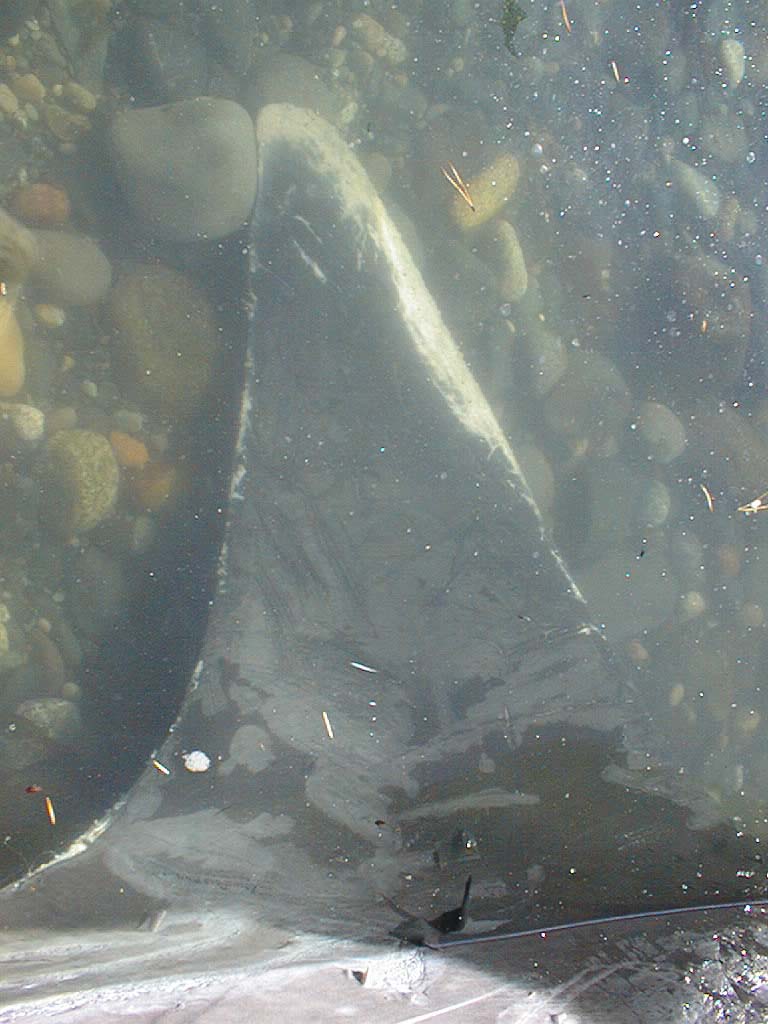
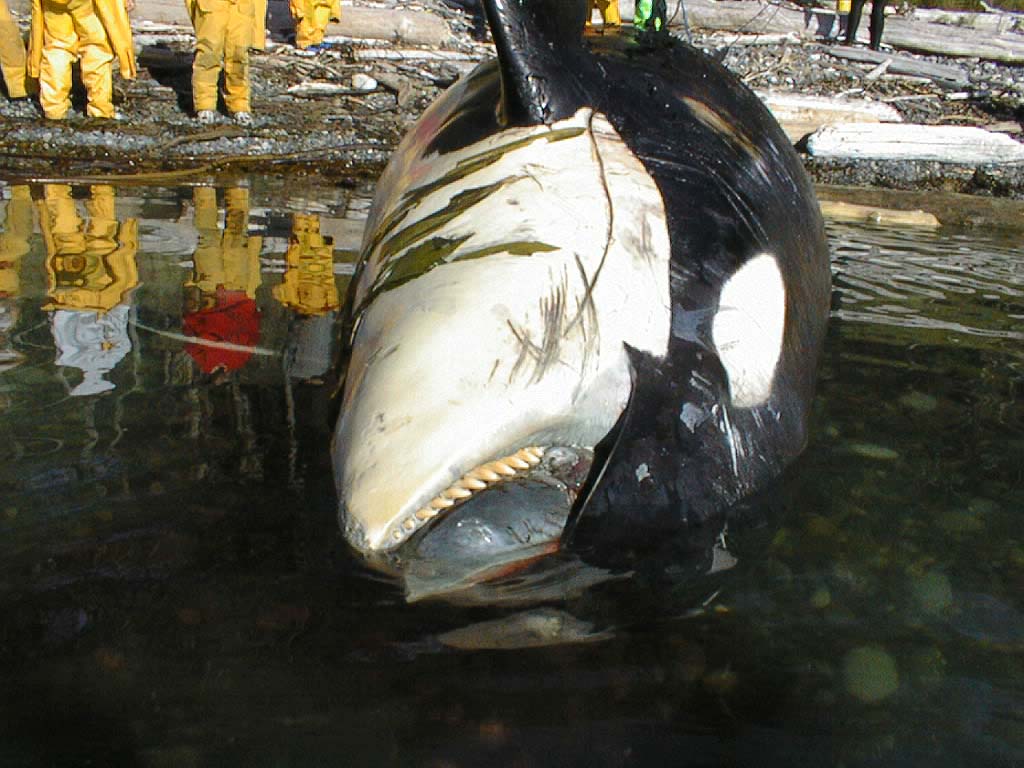
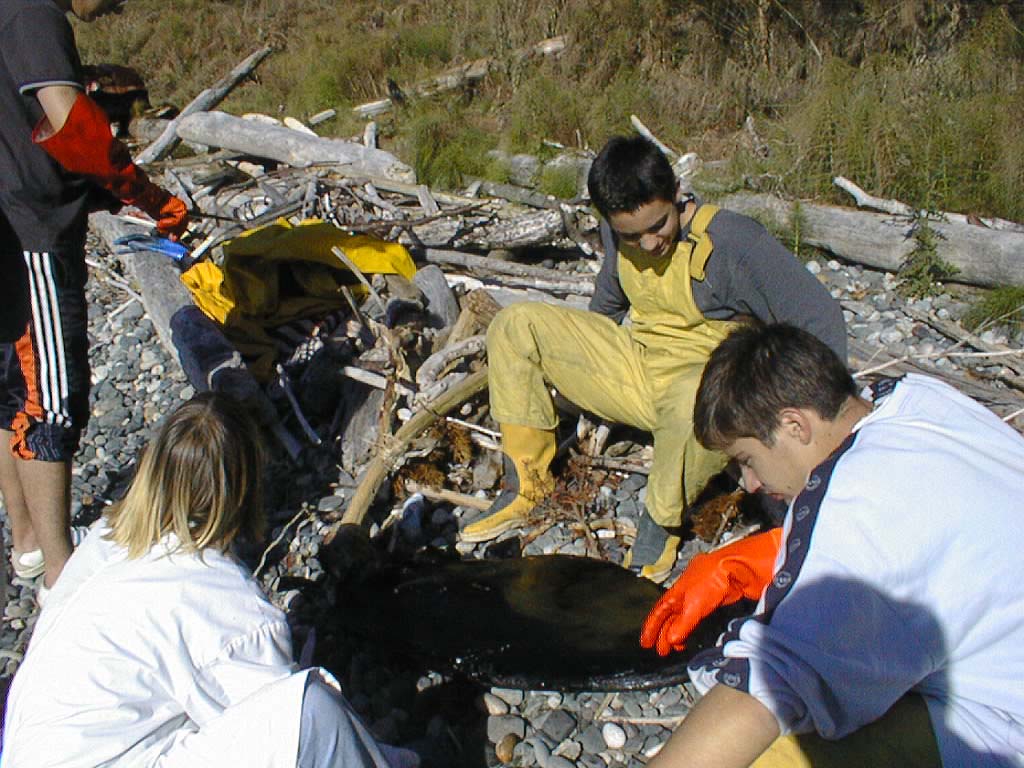
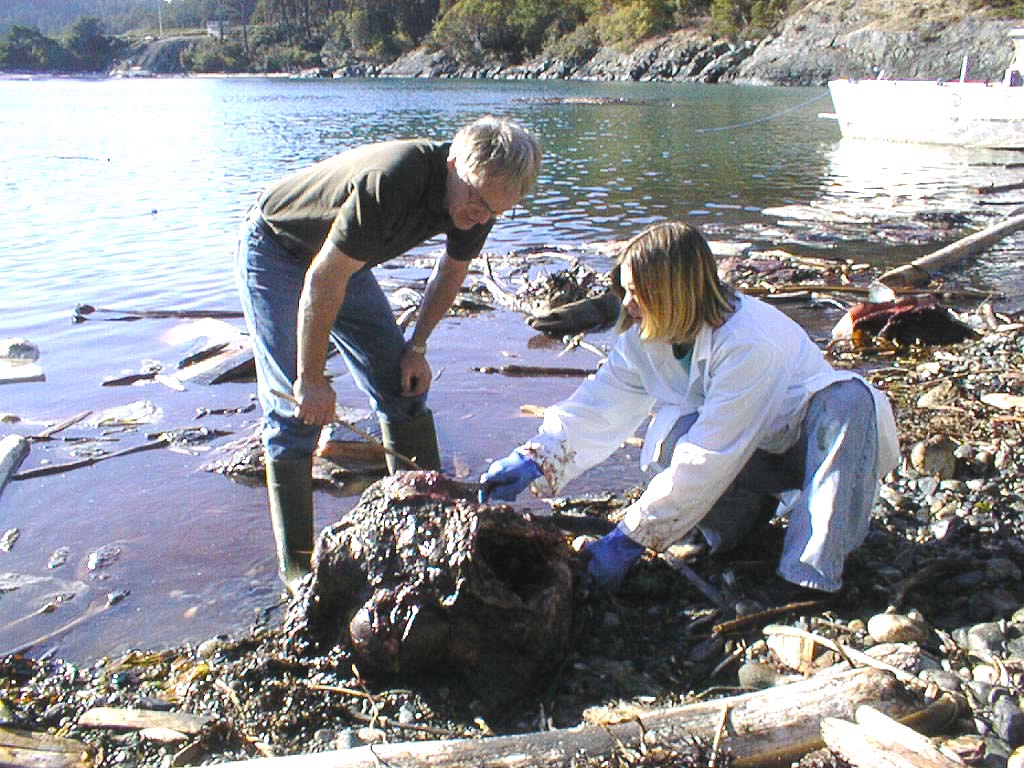
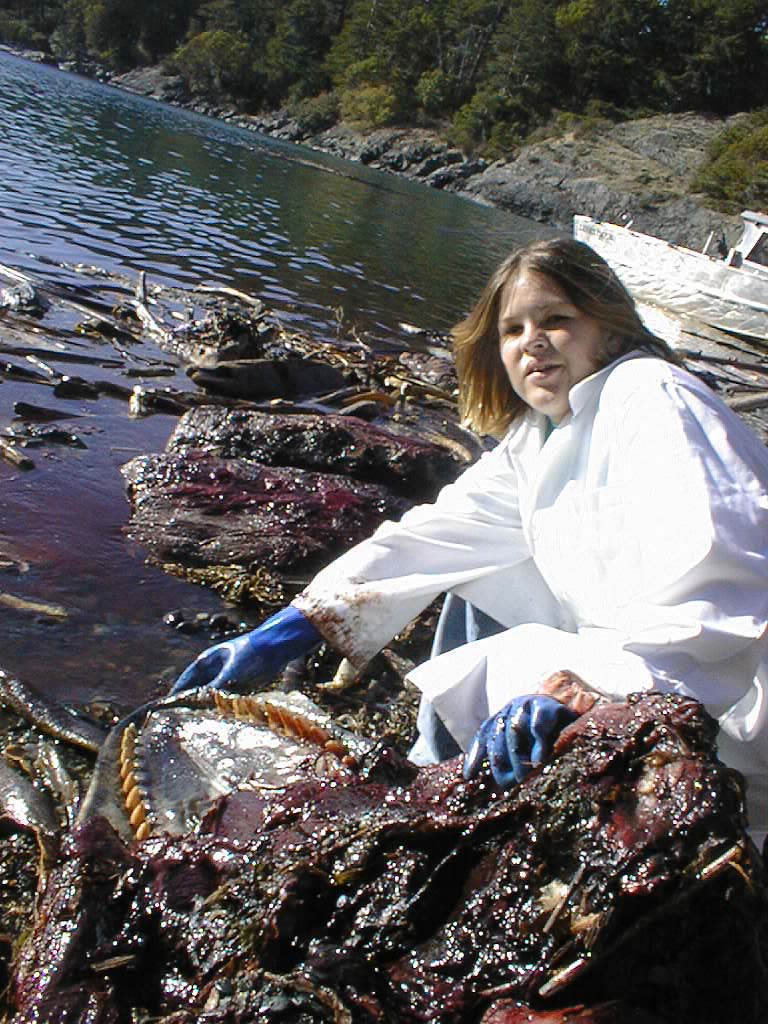
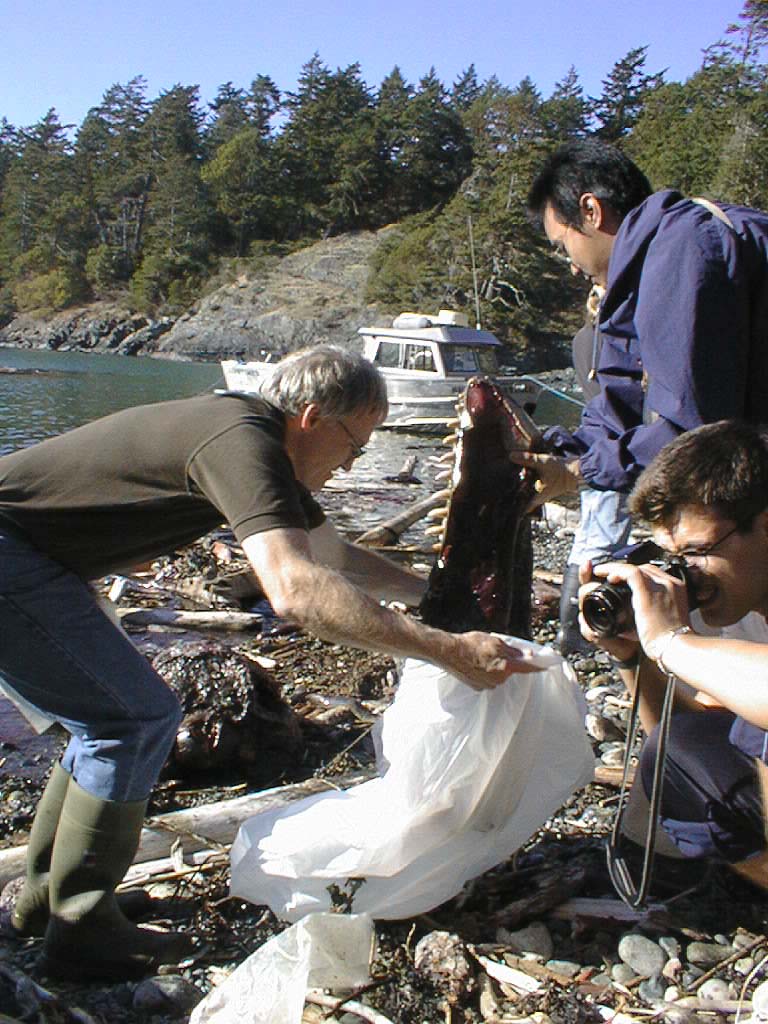
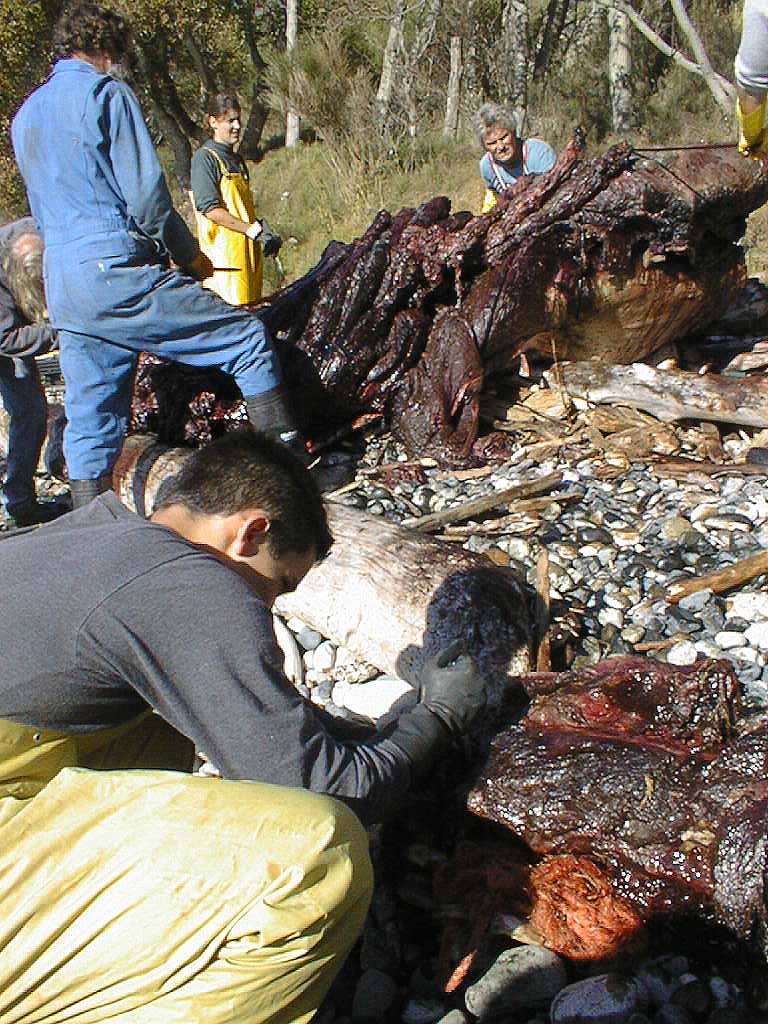
On the weekend of September 25, 1999 a dead female Orca was reported by a Canadian Coast Guard employee, Wayne Ingalls.
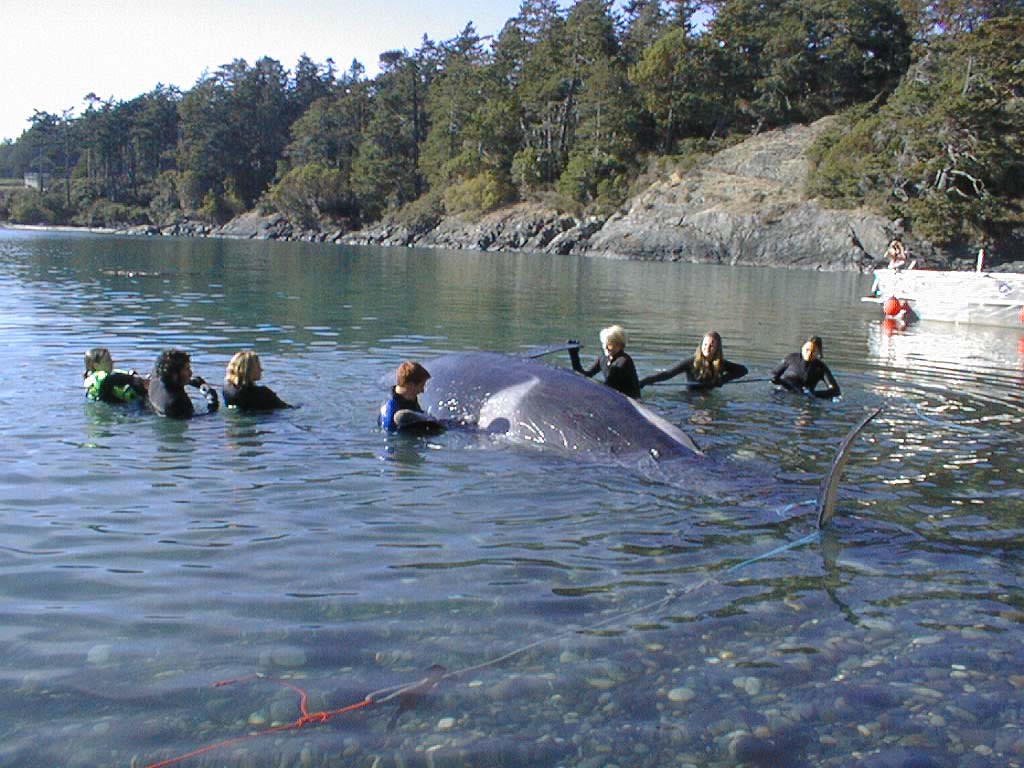
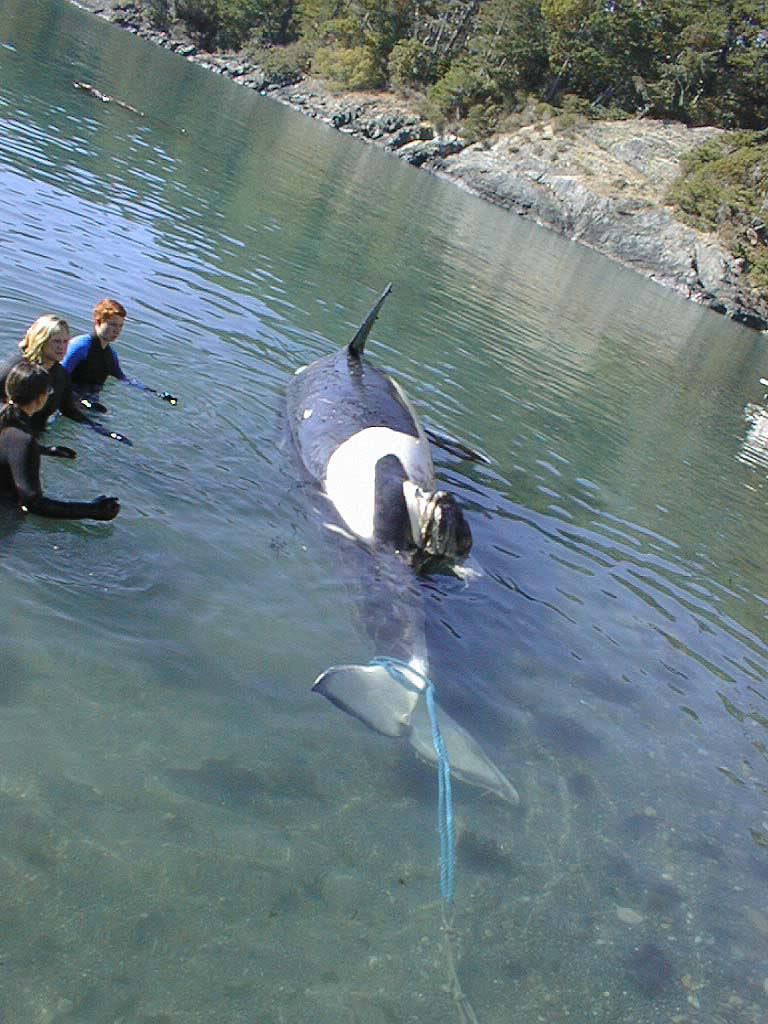
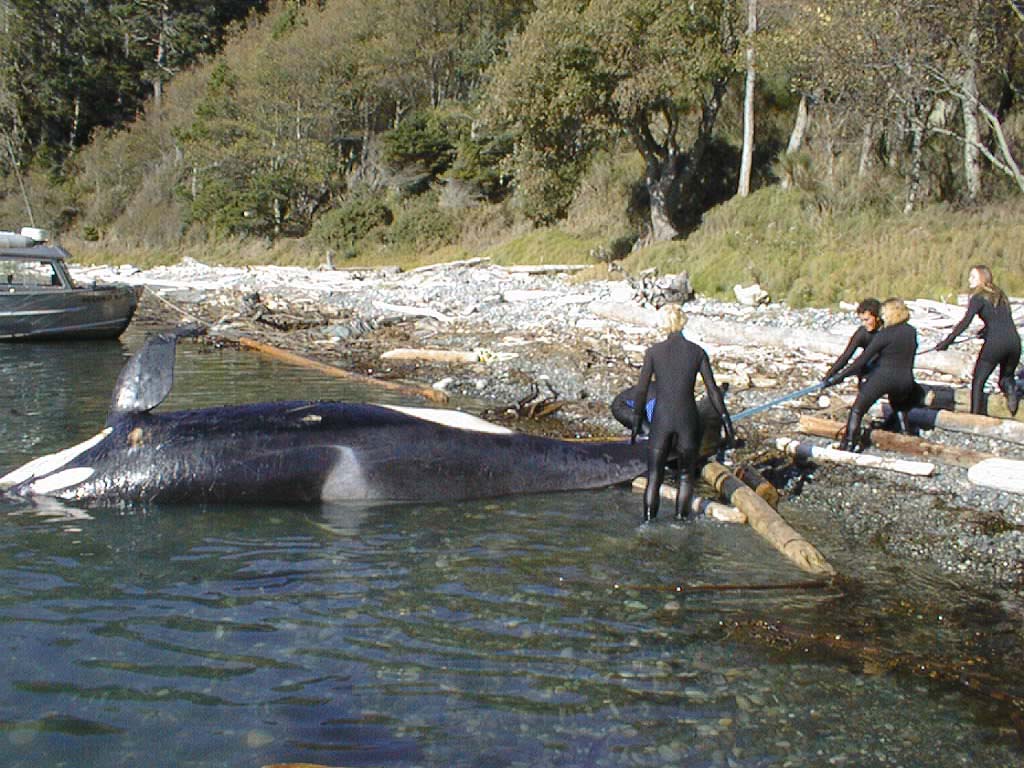
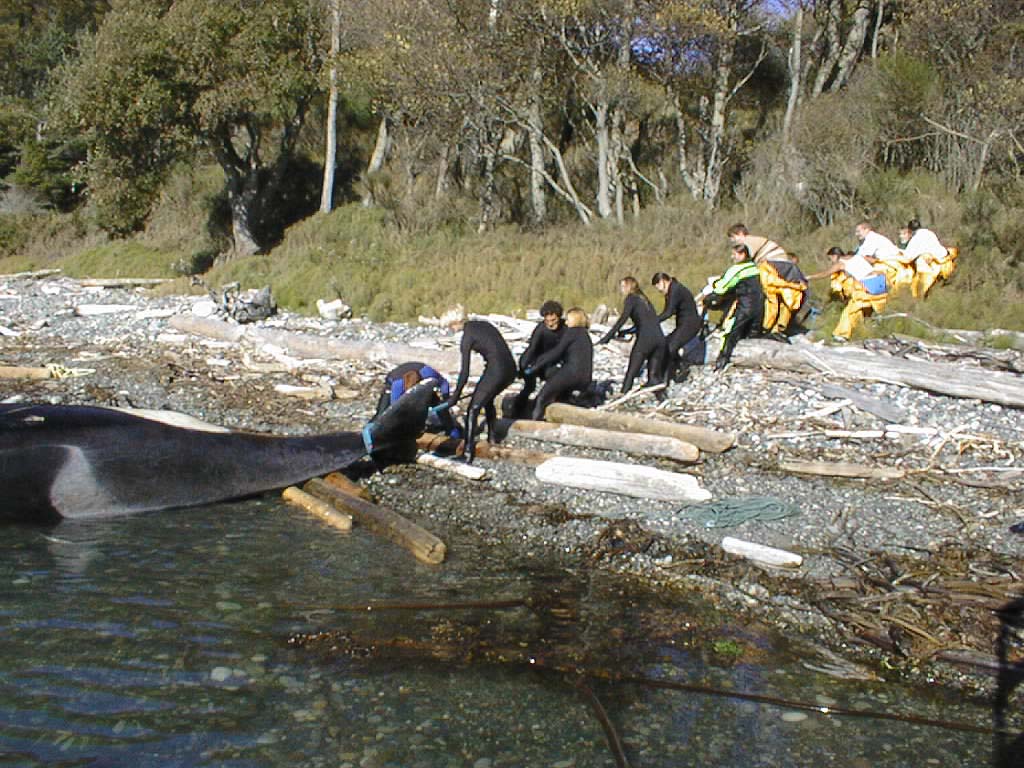
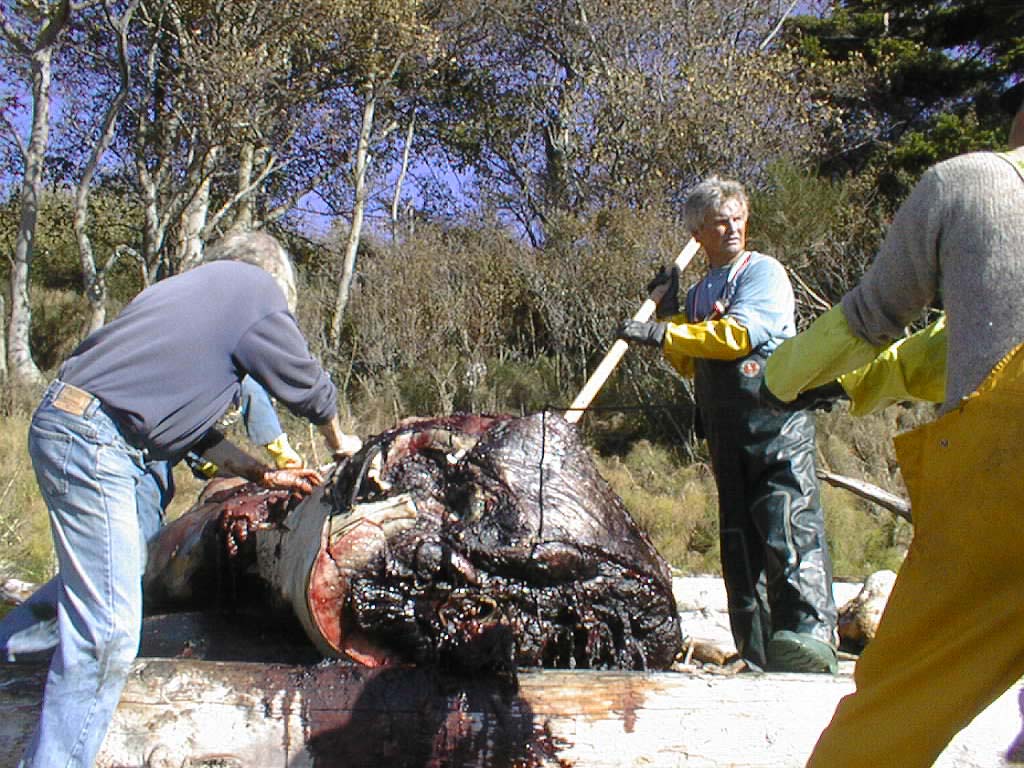
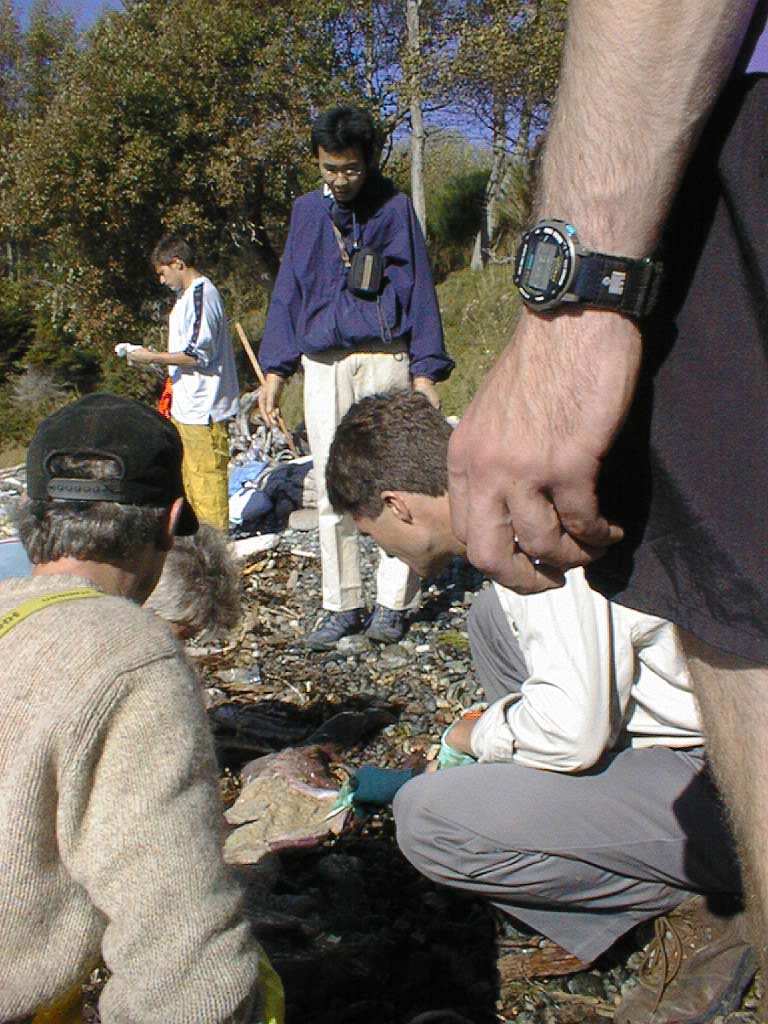
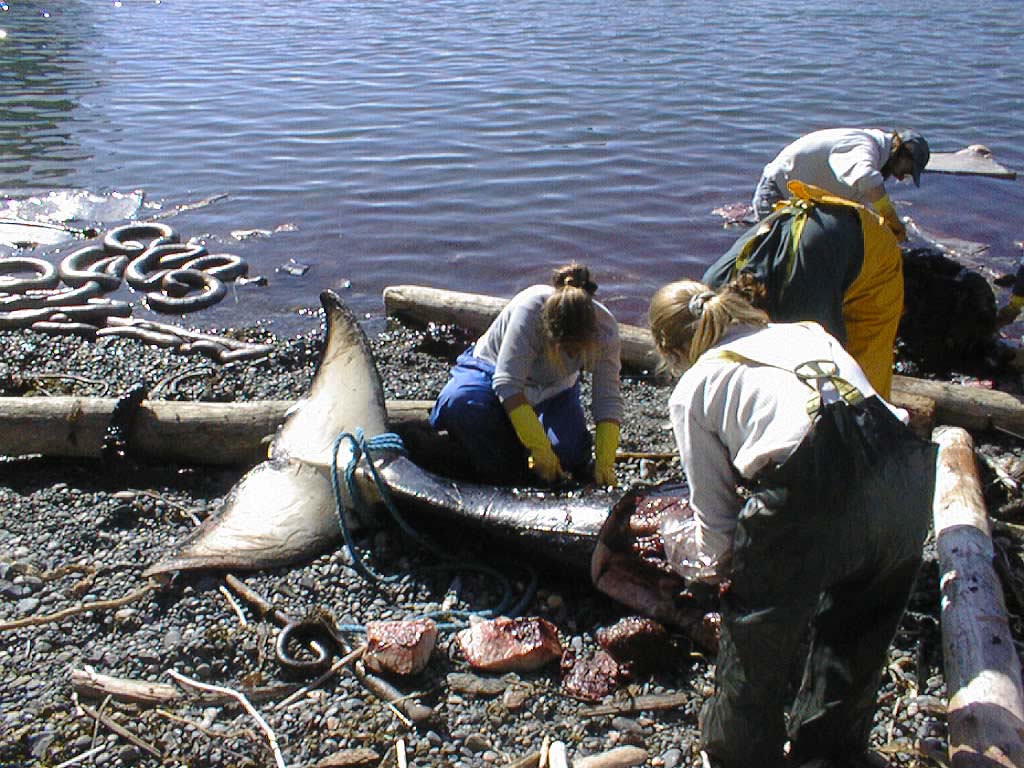
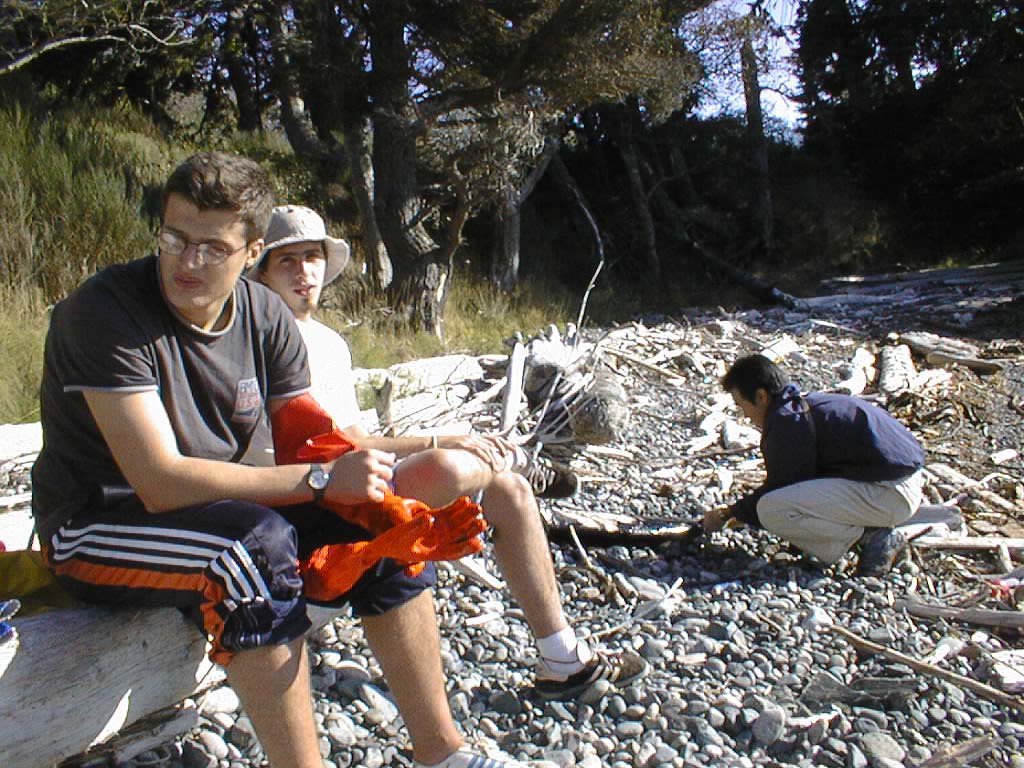
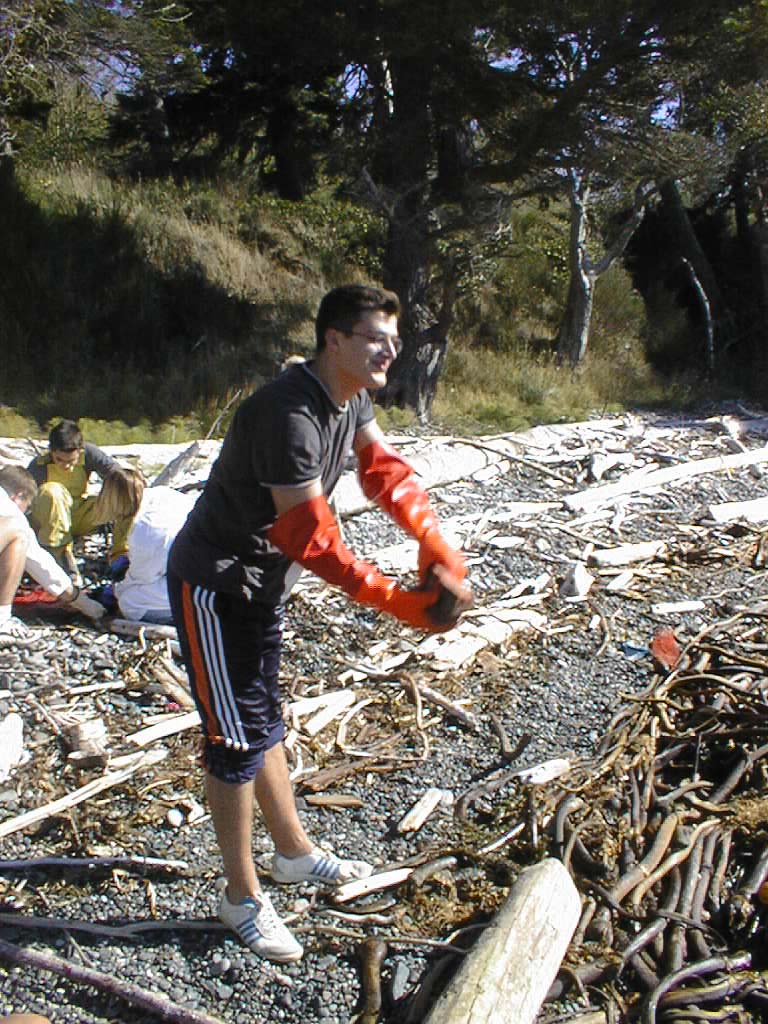
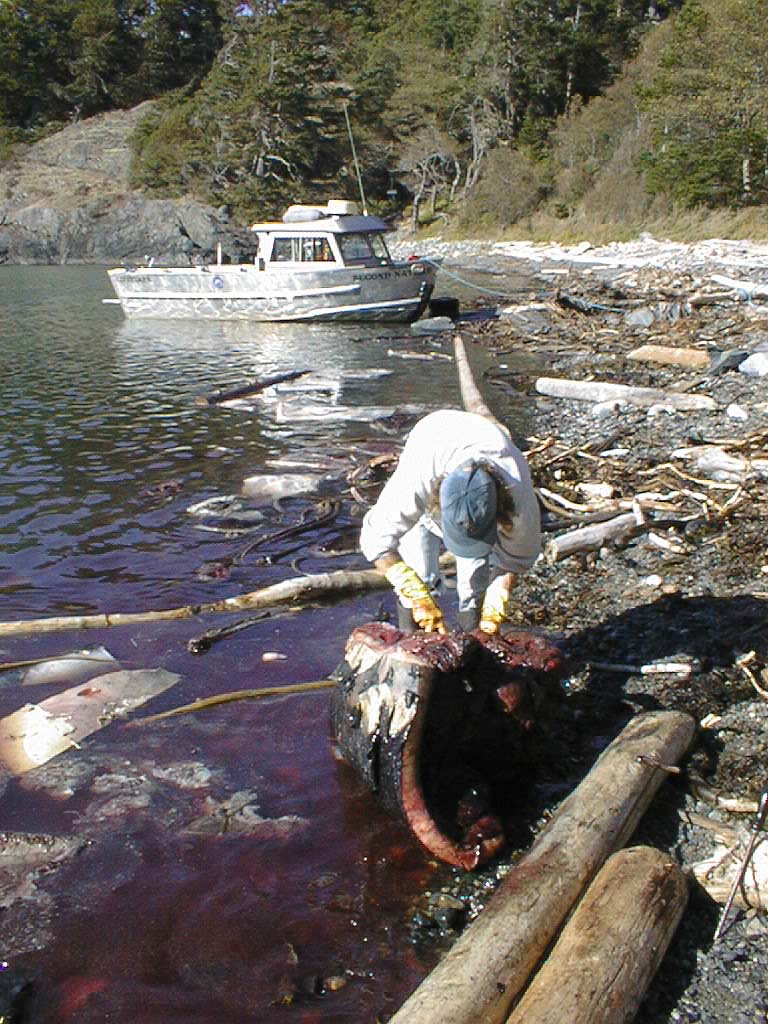
It was floating in the area of Christopher Point near Bentinck island at the eastern end of the Strait of Juan de Fuca, just adjacent to Race Rocks. On Tuesday, the 28th we were informed at Pearson College and a team of students from the diving service went out to secure the body in a small bay near the Point.

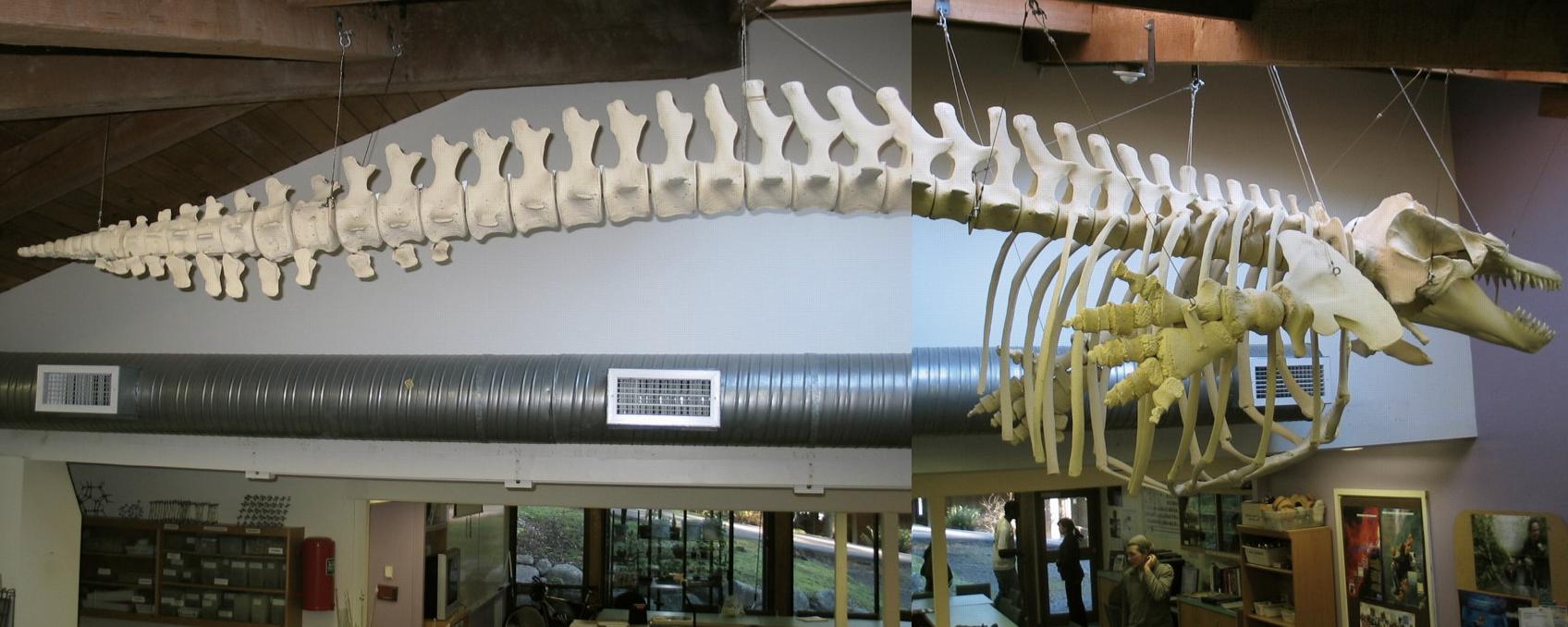
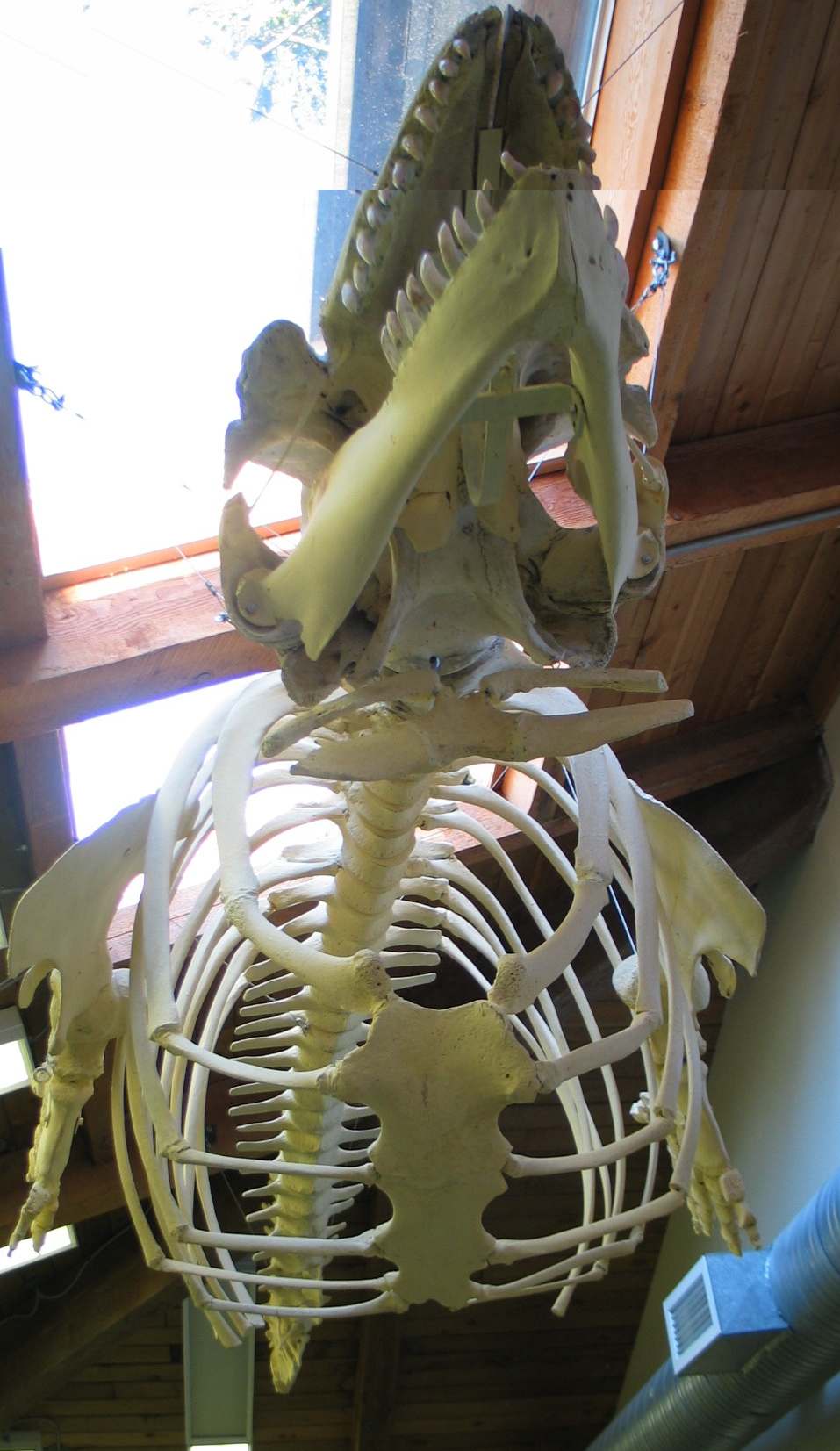
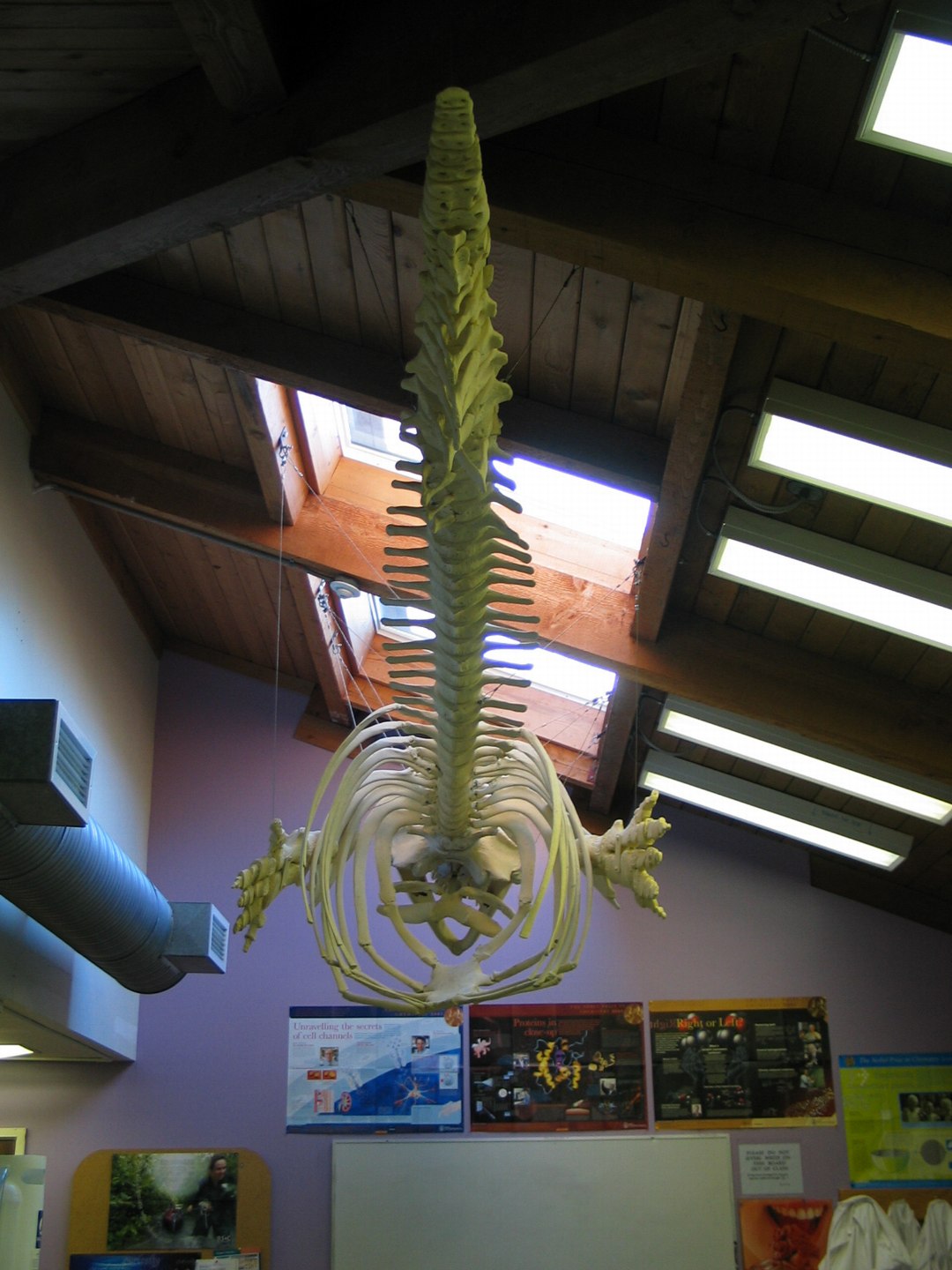
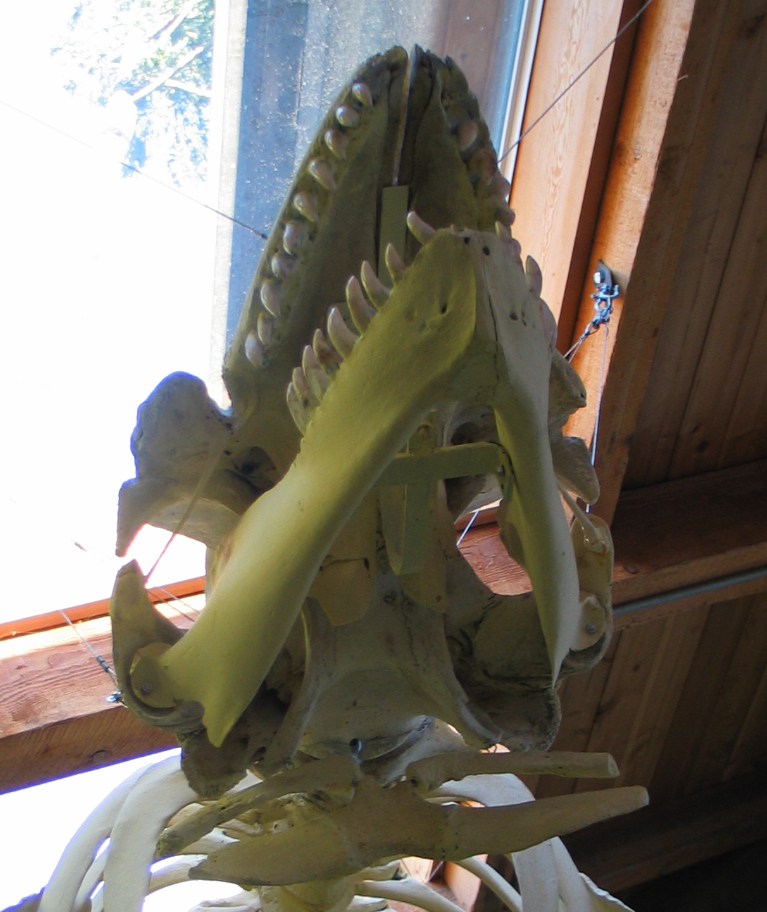
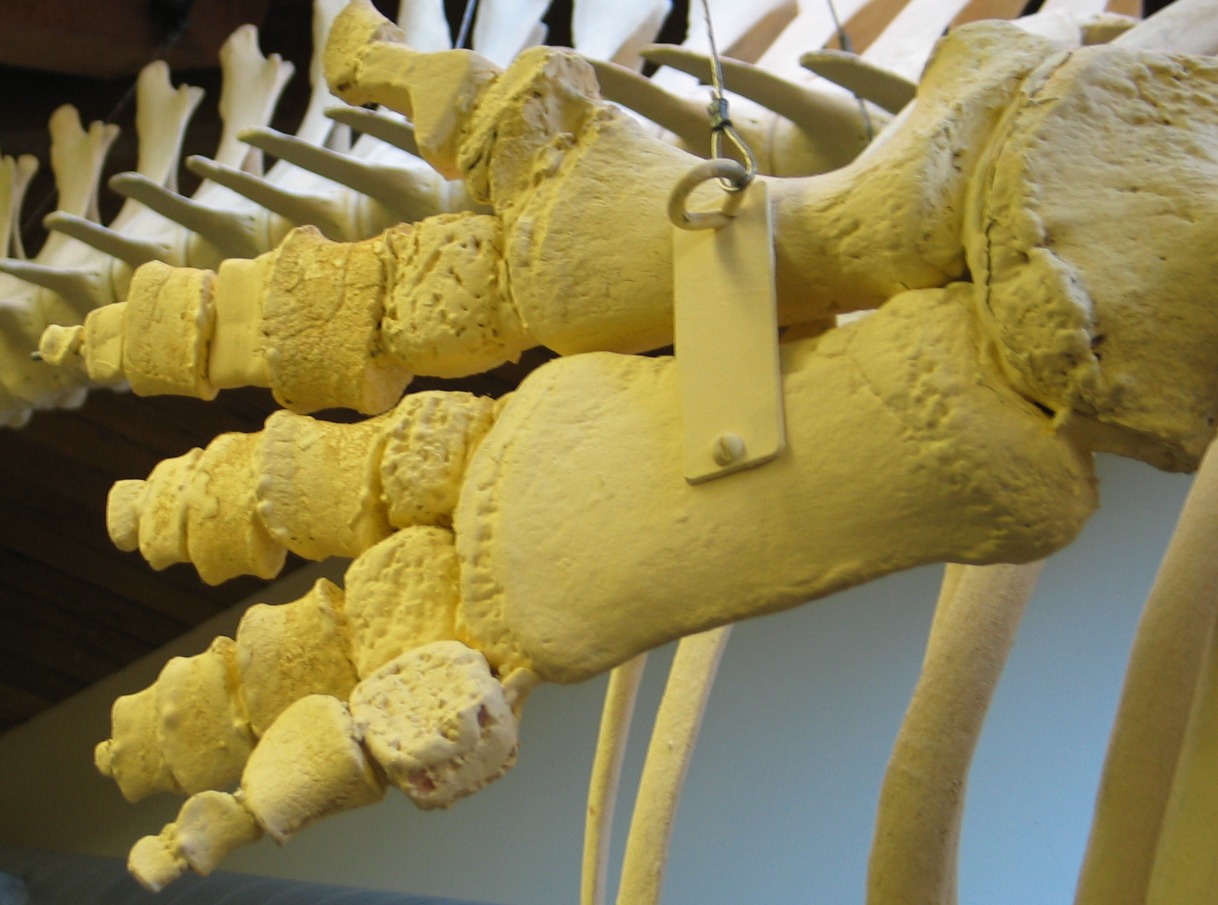
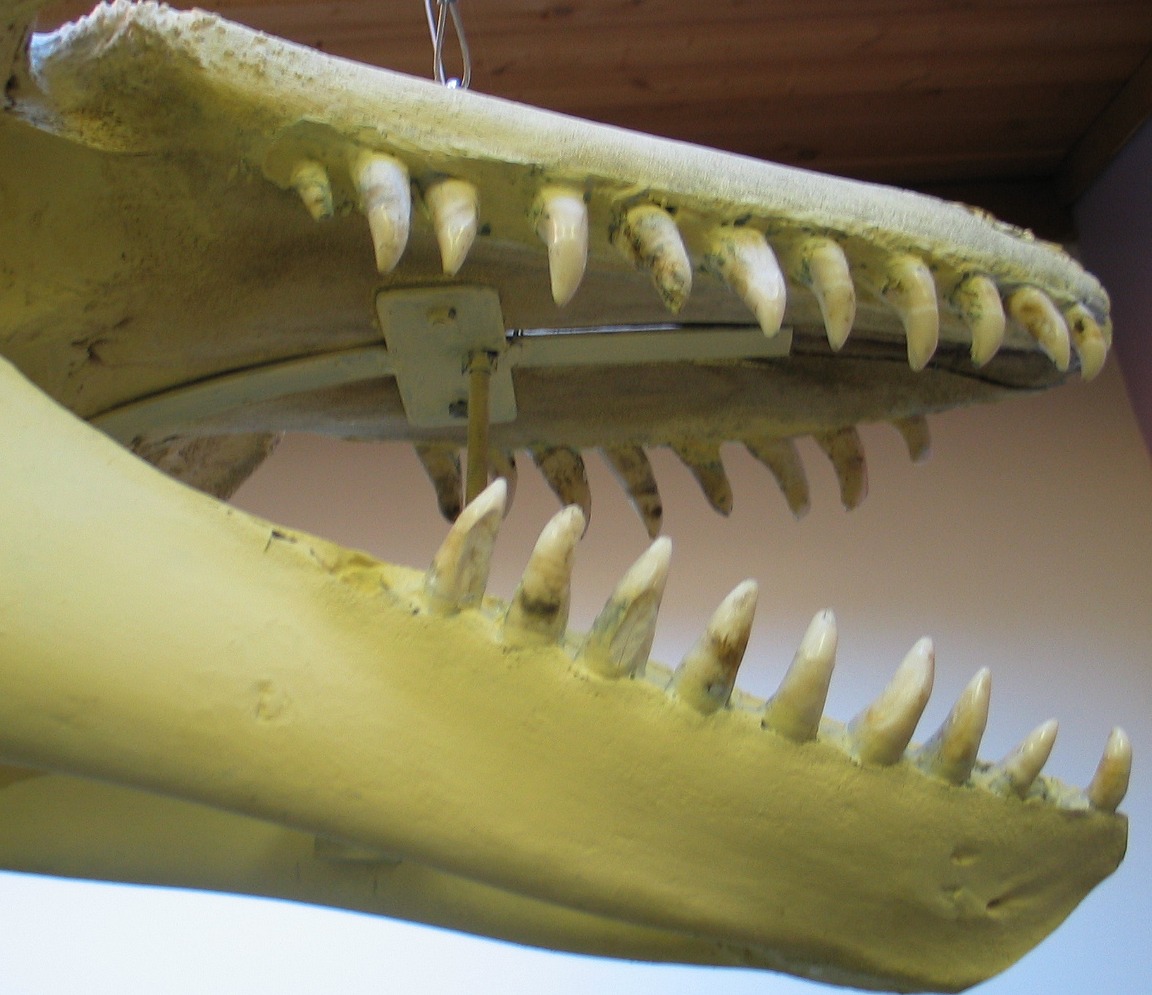
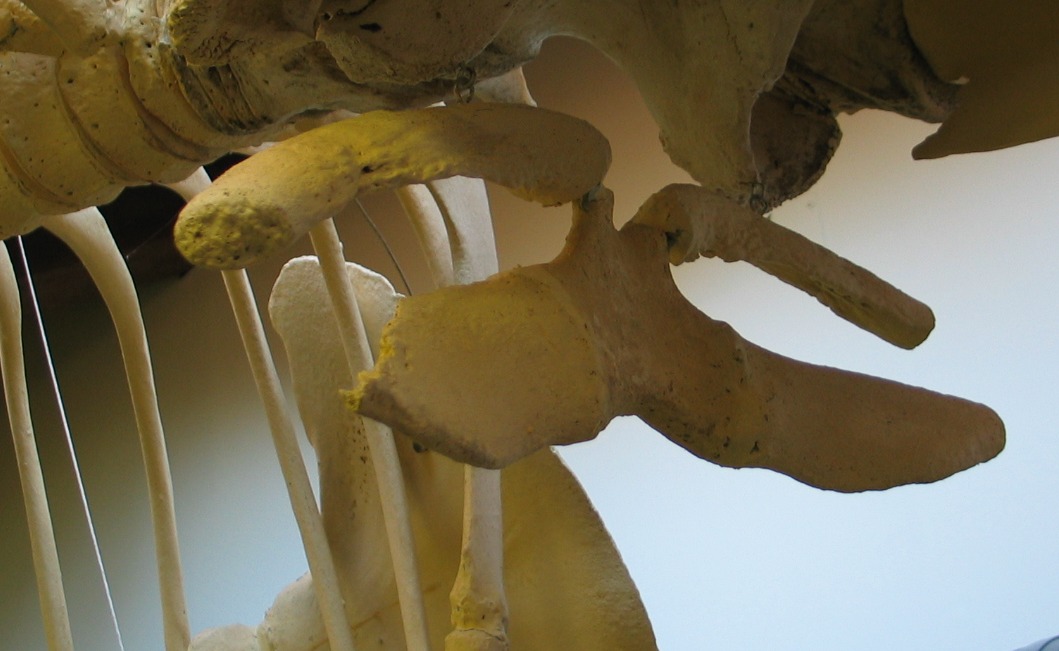
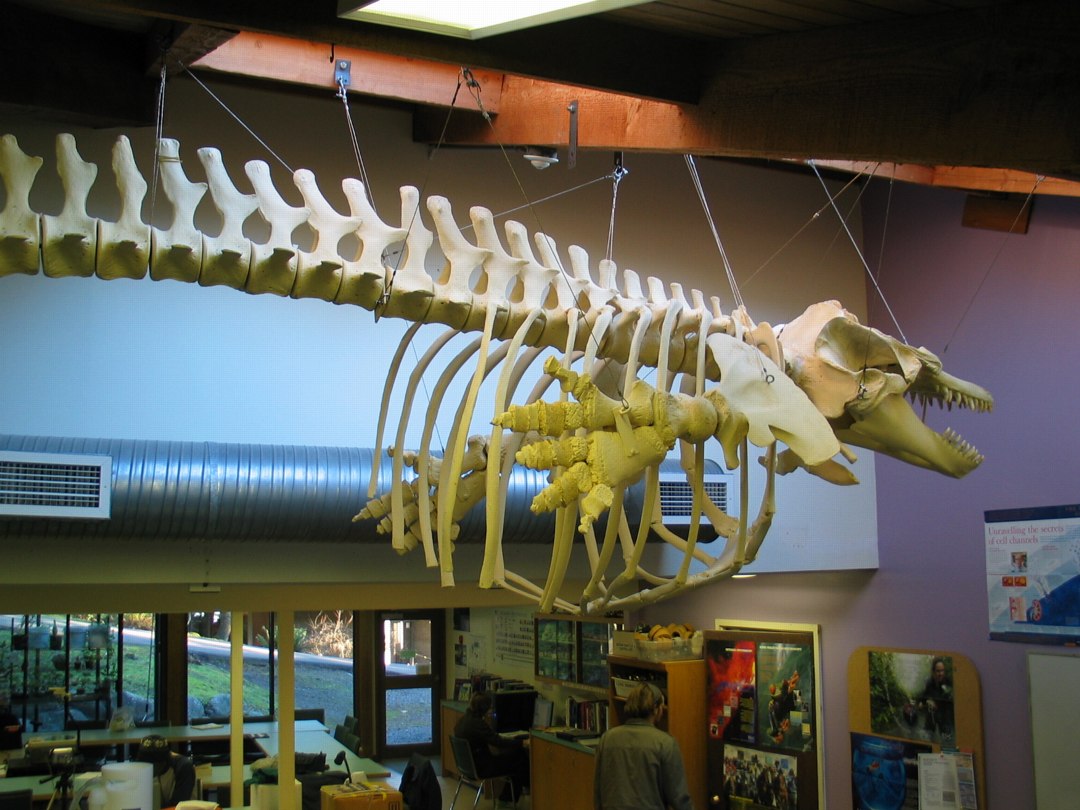
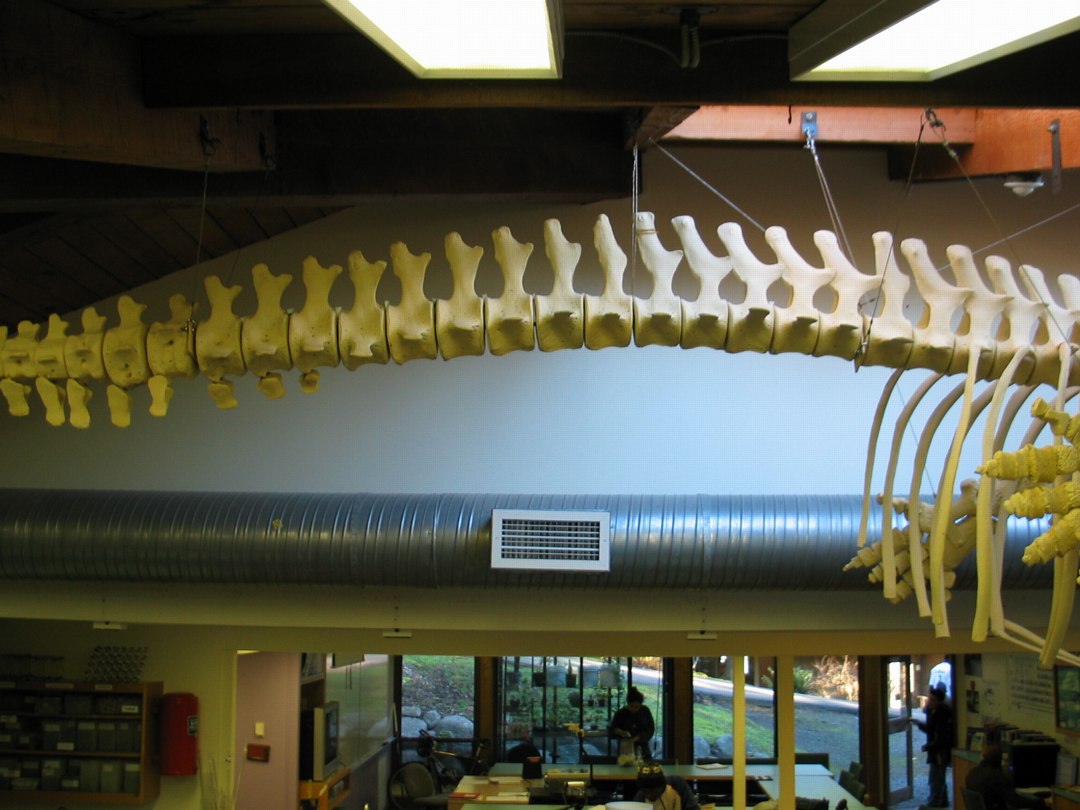
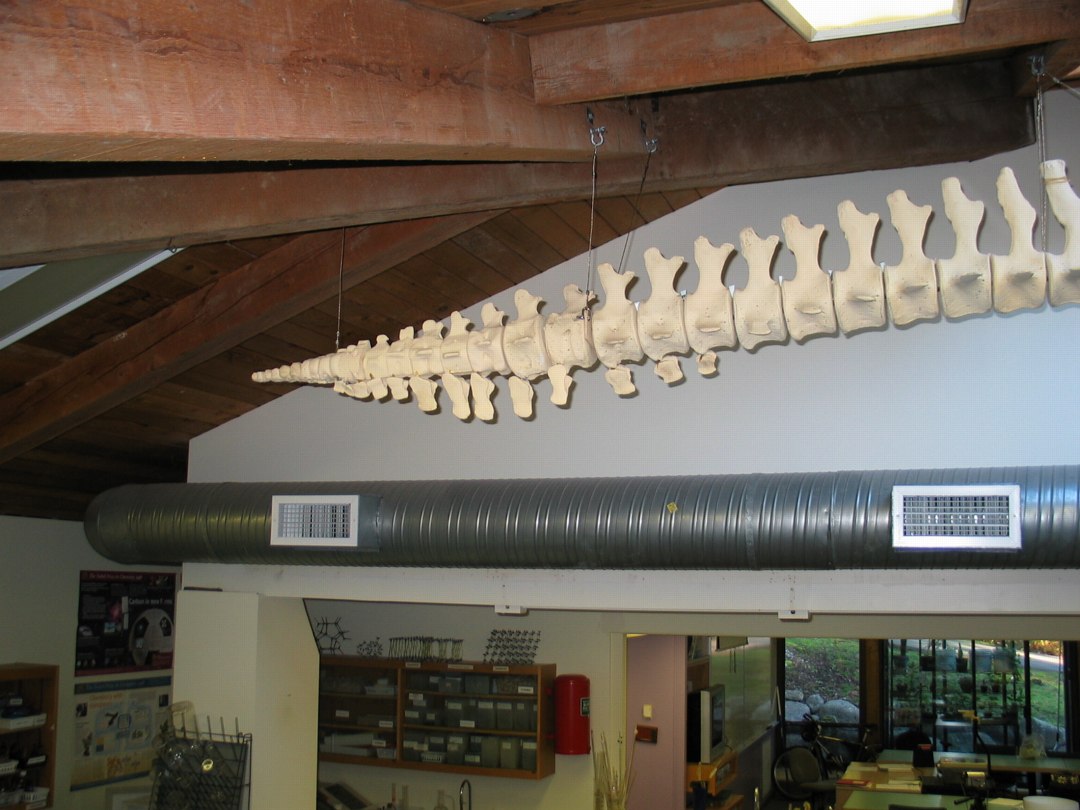
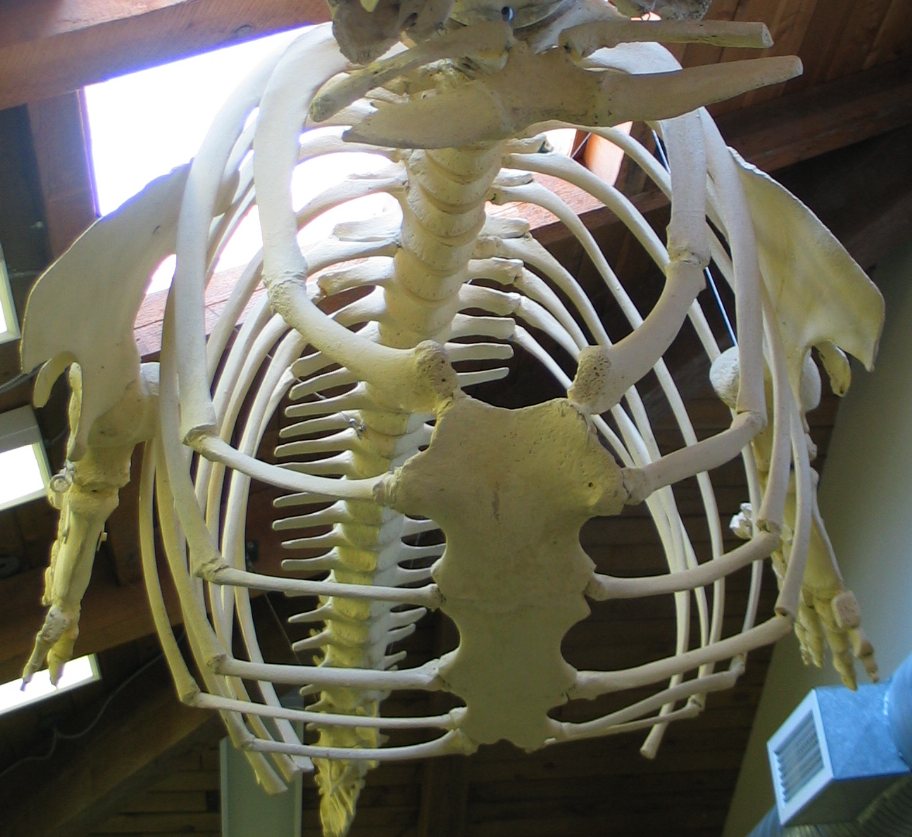
The Orca Skeleton mounted at Pearson College

Orca Skeletal Mount at Pearson College

The Finished product of the work of skeletal preparation of L51 is now  suspended above the lab benches in Catrin Brown’s Biology Lab. The mount was made by students and Hans Bauer, a former faculty member who volunteered for the job, along with Hugo Sutmoller.

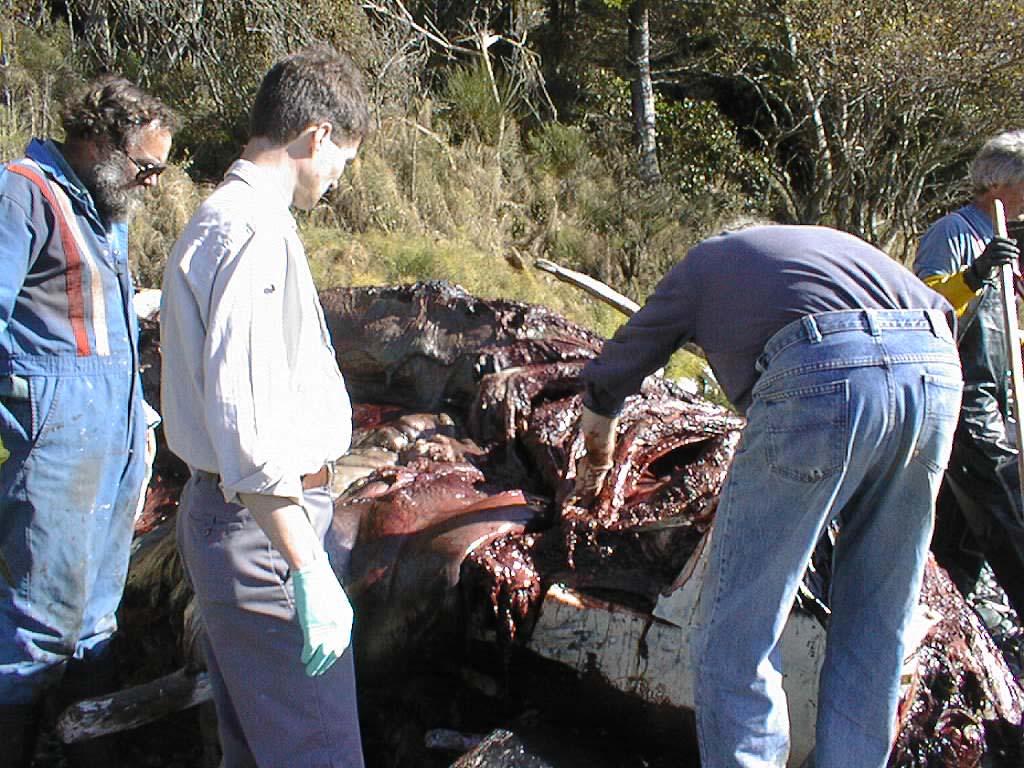
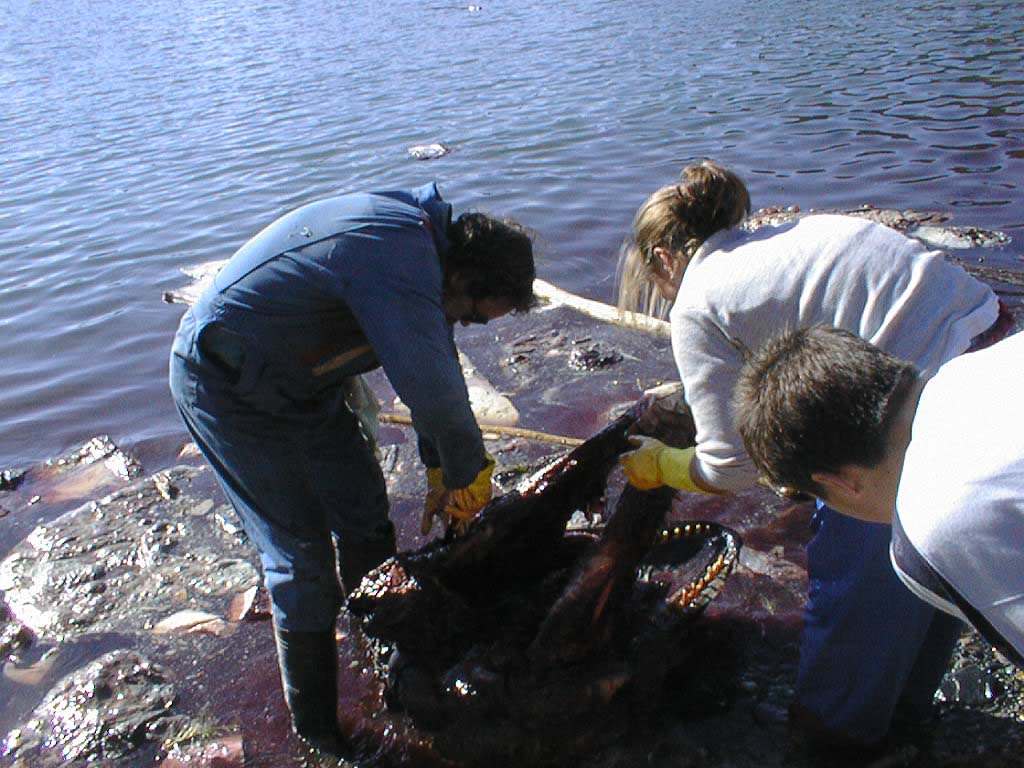
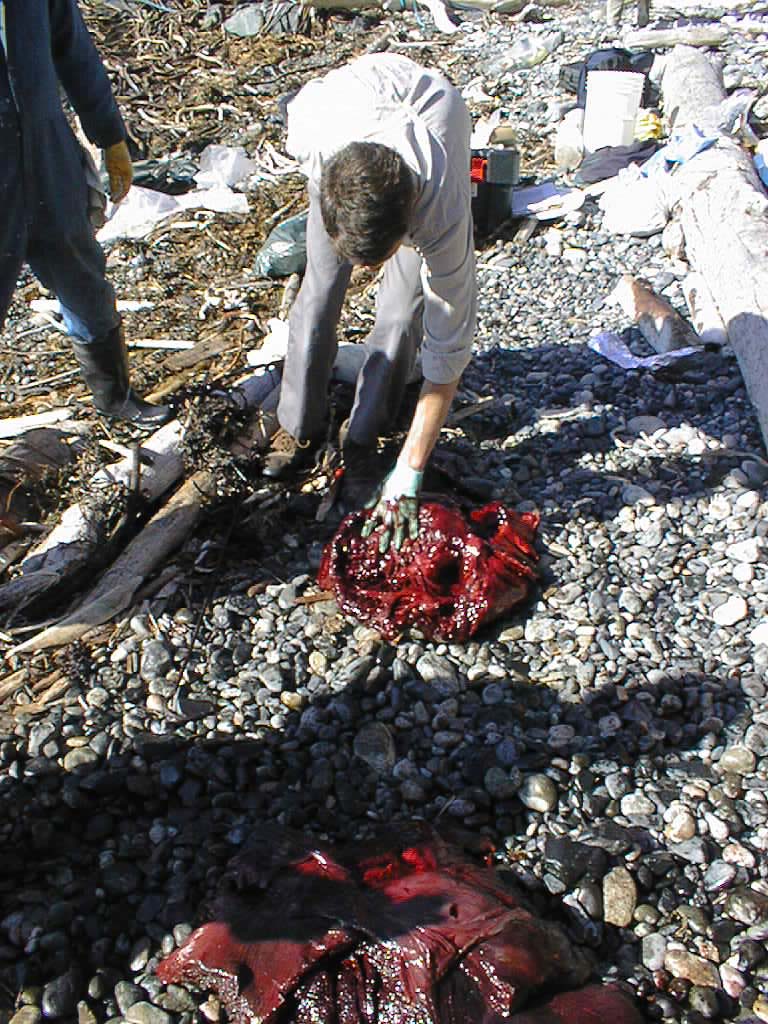
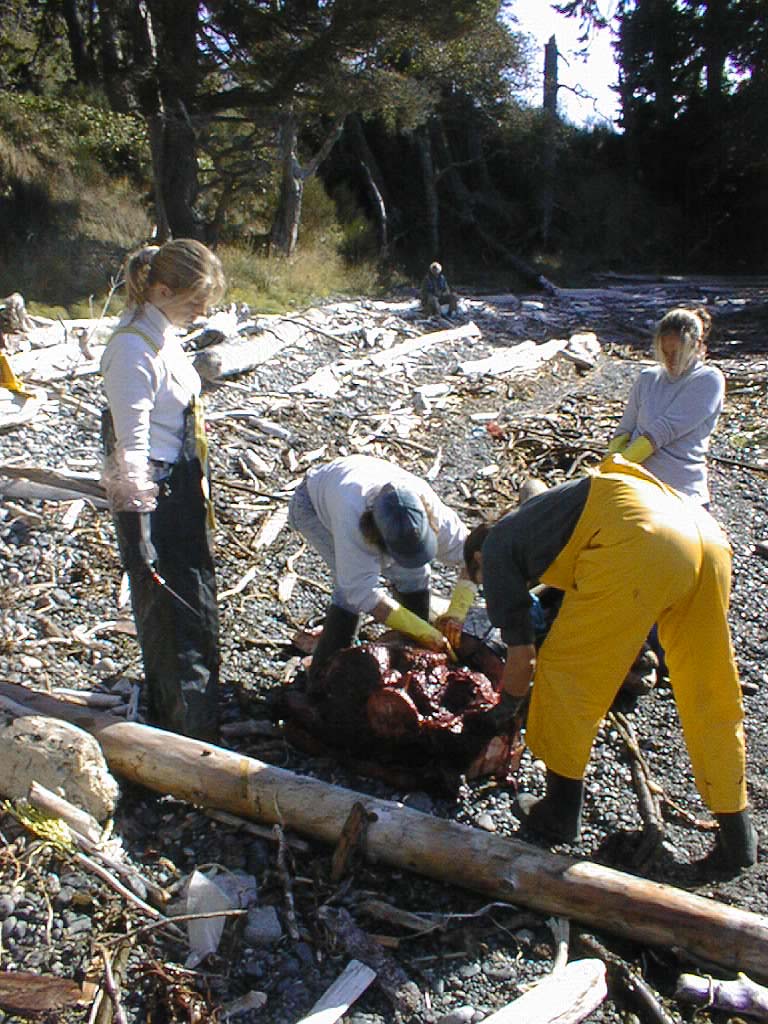
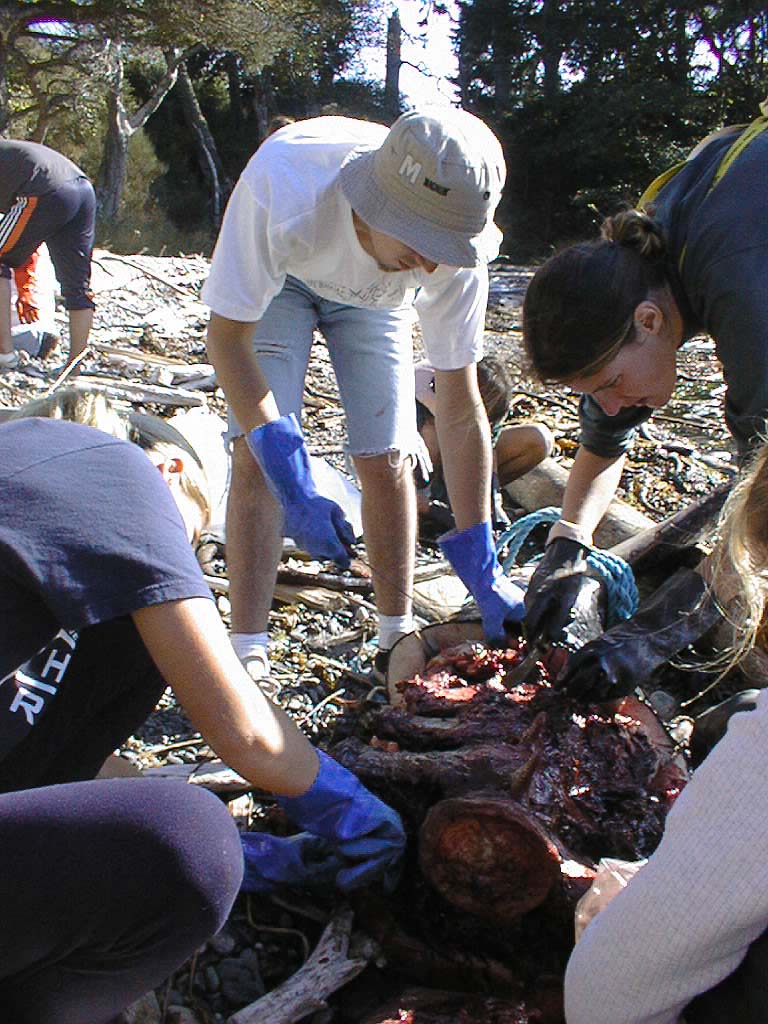
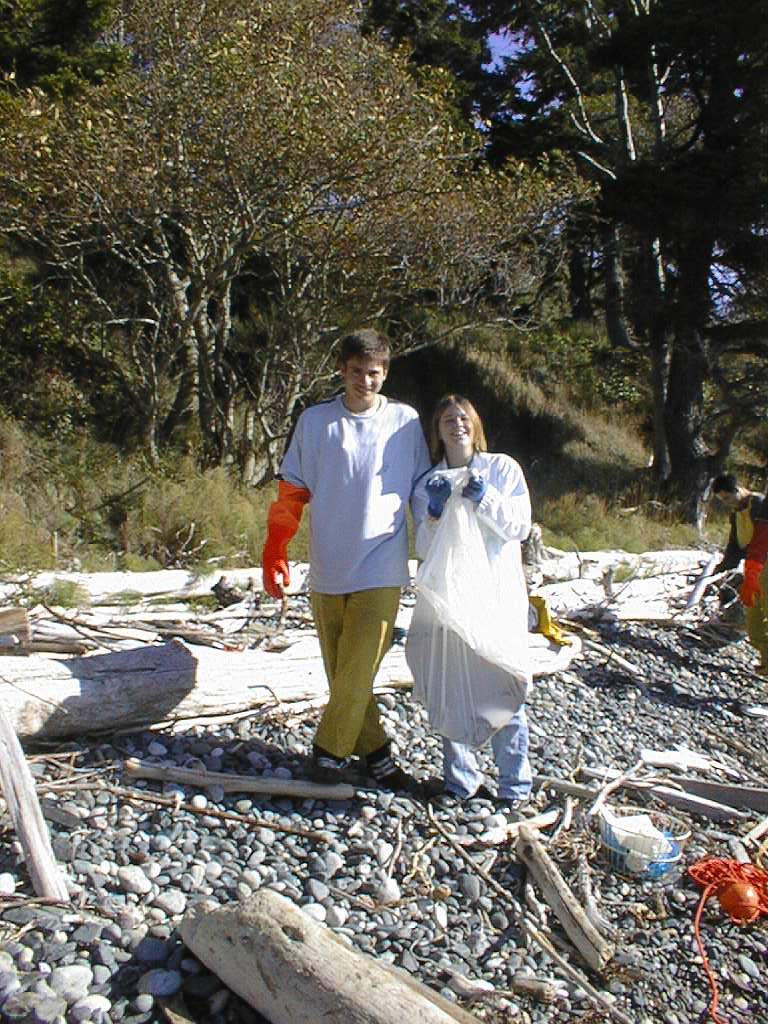
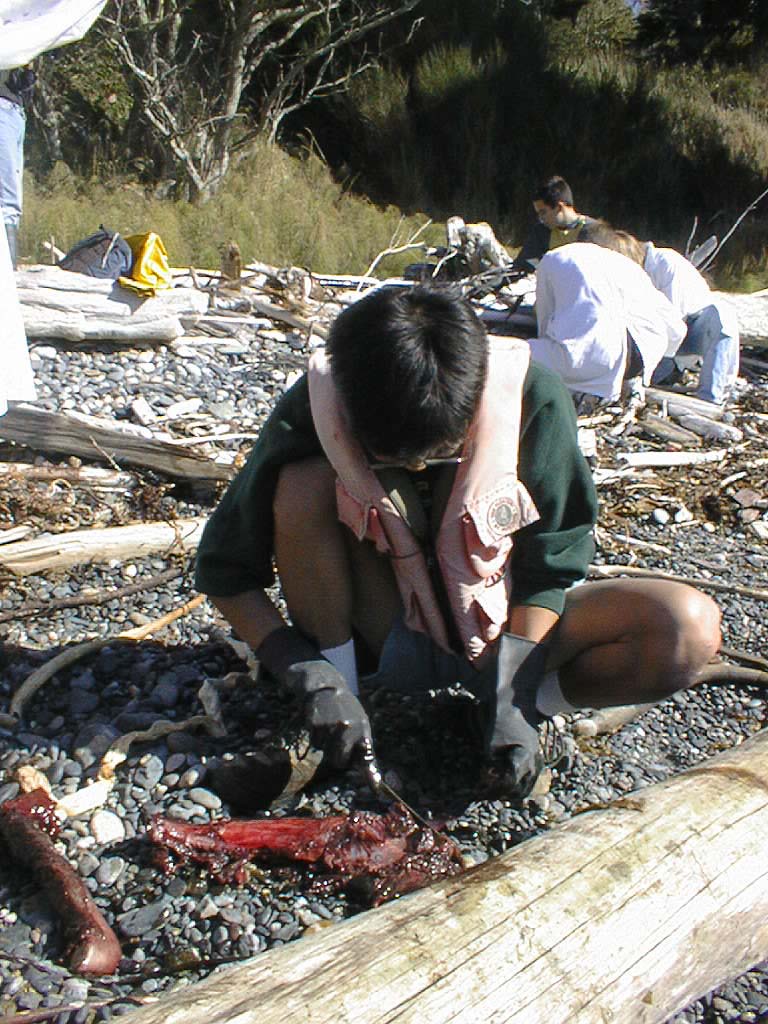
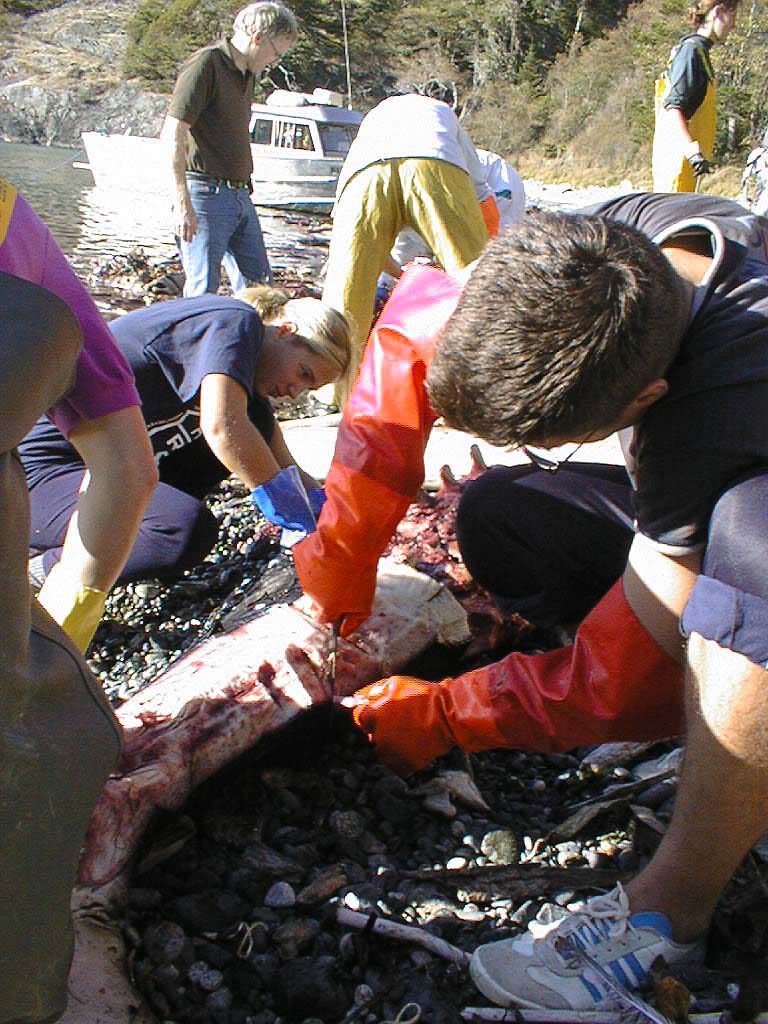
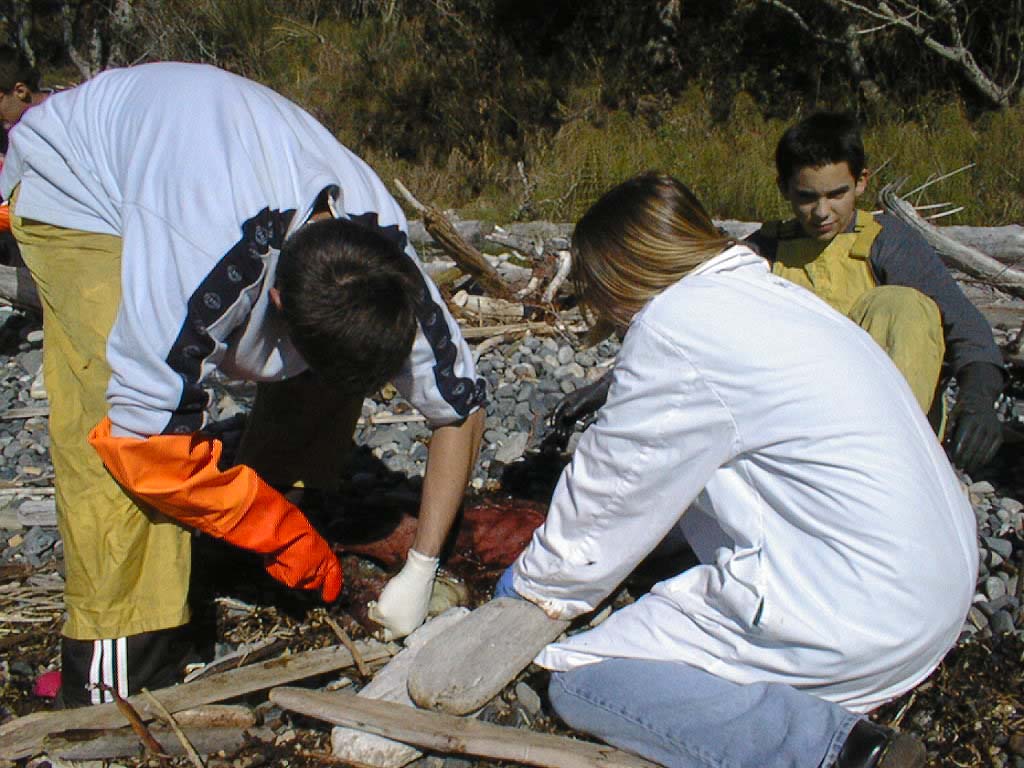
See the flensing of the orca L51 by Pearson College students


A serious contaminant of Orcas in the southern Vancouver island area is PCBs. Male Orcas accumulate these chemicals throughout their life, whereas females are purported to increase in levels until a birth, whereupon the levels in the tissue drop as a result of lactation.

For more information on contaminants in the Orca Food web, see the following Link:

“Is Victoria Sewage Contaminating Southern Resident Killer Whales?“
A Technical Submission to the SETAC Victoria Sewage Scientific and Technical Review Panel
By Gerald Graham, Ph. D. Marine Environmental Consultant
On behalf of the T. Buck Suzuki Environmental Foundation


ORCA skeleton assembled

This article appeared in the Jnuary 17 , 2002  number 8 issue of the Collge newspaper

It’s a grand jigsaw puzzle – hundreds of bones, huge and tiny, all to be reassembled into the skeleton of a whale. Graduates returning to the June reunion will know the first whale project, and everyone at Pearson since then will know the vast frame of a whale erected behind the swimming pool. The present Orca project is well underway, and, happily for those currently working on it, well past the smelly stage.

Biology teacher Catrin Brown, a team of students, and Han Bauer, the first Biology teacher at Pearson, took the project a stage further this week, examining the skeleton of a porpoise – rather easier to fit into lab space! – in order to understand better the structure of the killer whale. Catrin gives us following explanation.

Catrin’s Explanation

In September 1999, a 27-year-old female killer whale known as L-51 was found dead in the waters off Race Rocks. Her death was presumably the result of a prolapsed uterus from a difficult childbirth a few months before, and fate of her young calf was unknown.

A team of Pearson divers towed the whale ashore, where it was disembowelled and transported back to the college in gorey chunks. Sections of the carcass were then suspended from the college docks, where ocean life feasted on the decaying meat over a period of months. Eventually the clean bones emerged and after a summer of drying and bleaching in the sun, the smell receded and the promise of a skeleton took shape.

At this stage outside help was sought, and found in the person of Hans Bauer, Biology teacher at the founding of the college, who is now retired and living in Sydney, near Victoria. With his good humoured guidance, students tackled the task of removing some of the more tenacious marrow by boiling the large bones in large vats over a fire. Many students have been involved in various stages of this project including Katy Green (year 25), Joao Marquez (year 26), Francoise Guigne (year 27) and Jaffar Saldeh (year 27).

We are now close to the stage of reassembling the bones into a permanent mount for display on campus. As the population of killer whales inhabiting the Juan de Fuca Strait has recently been declared an endangered species, L-51 is likely to be a focal point of interest.

January 17, 2002. number 8.